EP0269514A2 - Nouveaux dérivés de l'acide 2,2-diméthyl cyclopropane carboxylique portant en 3 une chaîne halogénée saturée, leur procédé et les intermédiaires de préparation, leur application comme pesticides et les compositions les renfermant - Google Patents
Nouveaux dérivés de l'acide 2,2-diméthyl cyclopropane carboxylique portant en 3 une chaîne halogénée saturée, leur procédé et les intermédiaires de préparation, leur application comme pesticides et les compositions les renfermant Download PDFInfo
- Publication number
- EP0269514A2 EP0269514A2 EP87402605A EP87402605A EP0269514A2 EP 0269514 A2 EP0269514 A2 EP 0269514A2 EP 87402605 A EP87402605 A EP 87402605A EP 87402605 A EP87402605 A EP 87402605A EP 0269514 A2 EP0269514 A2 EP 0269514A2
- Authority
- EP
- European Patent Office
- Prior art keywords
- radical
- formula
- alpha
- carbon atoms
- group
- Prior art date
- Legal status (The legal status is an assumption and is not a legal conclusion. Google has not performed a legal analysis and makes no representation as to the accuracy of the status listed.)
- Granted
Links
- 239000000203 mixture Substances 0.000 title claims abstract description 68
- 238000000034 method Methods 0.000 title claims abstract description 21
- 238000002360 preparation method Methods 0.000 title claims abstract description 11
- 230000008569 process Effects 0.000 title claims abstract description 5
- 229920006395 saturated elastomer Polymers 0.000 title claims description 11
- 239000000575 pesticide Substances 0.000 title abstract description 4
- 239000000543 intermediate Substances 0.000 title abstract description 3
- BFNMOMYTTGHNGJ-UHFFFAOYSA-N 2,2-dimethylcyclopropane-1-carboxylic acid Chemical group CC1(C)CC1C(O)=O BFNMOMYTTGHNGJ-UHFFFAOYSA-N 0.000 title description 3
- 150000001875 compounds Chemical class 0.000 claims abstract description 96
- 150000002148 esters Chemical class 0.000 claims abstract description 22
- LFQSCWFLJHTTHZ-UHFFFAOYSA-N Ethanol Chemical compound CCO LFQSCWFLJHTTHZ-UHFFFAOYSA-N 0.000 claims abstract description 20
- 125000000217 alkyl group Chemical group 0.000 claims abstract description 14
- 125000003118 aryl group Chemical group 0.000 claims abstract description 9
- 239000002728 pyrethroid Substances 0.000 claims abstract description 9
- 230000015572 biosynthetic process Effects 0.000 claims abstract description 6
- 238000003786 synthesis reaction Methods 0.000 claims abstract description 6
- -1 alkyl radical Chemical class 0.000 claims description 187
- 239000000047 product Substances 0.000 claims description 132
- 150000003254 radicals Chemical class 0.000 claims description 97
- 125000004432 carbon atom Chemical group C* 0.000 claims description 76
- 125000004435 hydrogen atom Chemical group [H]* 0.000 claims description 37
- 239000002253 acid Substances 0.000 claims description 28
- 125000005843 halogen group Chemical group 0.000 claims description 27
- 125000001495 ethyl group Chemical group [H]C([H])([H])C([H])([H])* 0.000 claims description 23
- 125000002496 methyl group Chemical group [H]C([H])([H])* 0.000 claims description 23
- 239000003795 chemical substances by application Substances 0.000 claims description 21
- GDTBXPJZTBHREO-UHFFFAOYSA-N bromine Chemical compound BrBr GDTBXPJZTBHREO-UHFFFAOYSA-N 0.000 claims description 18
- WCYWZMWISLQXQU-UHFFFAOYSA-N methyl Chemical compound [CH3] WCYWZMWISLQXQU-UHFFFAOYSA-N 0.000 claims description 18
- 241001465754 Metazoa Species 0.000 claims description 17
- 150000005840 aryl radicals Chemical class 0.000 claims description 17
- 125000004093 cyano group Chemical group *C#N 0.000 claims description 17
- 239000000460 chlorine Substances 0.000 claims description 16
- WKBOTKDWSSQWDR-UHFFFAOYSA-N Bromine atom Chemical group [Br] WKBOTKDWSSQWDR-UHFFFAOYSA-N 0.000 claims description 15
- 244000045947 parasite Species 0.000 claims description 15
- 230000009471 action Effects 0.000 claims description 14
- 229910052801 chlorine Inorganic materials 0.000 claims description 14
- 125000000524 functional group Chemical group 0.000 claims description 14
- 229910052731 fluorine Inorganic materials 0.000 claims description 12
- 230000009021 linear effect Effects 0.000 claims description 12
- MACXIDYIOKAPFL-UHFFFAOYSA-N [2-bromo-2-chloro-1-(2,2-dimethylcyclopropyl)-3,3,3-trifluoropropyl] methanesulfonate Chemical compound CC1(C)CC1C(OS(C)(=O)=O)C(Cl)(Br)C(F)(F)F MACXIDYIOKAPFL-UHFFFAOYSA-N 0.000 claims description 11
- 229910052794 bromium Inorganic materials 0.000 claims description 11
- PXGOKWXKJXAPGV-UHFFFAOYSA-N Fluorine Chemical compound FF PXGOKWXKJXAPGV-UHFFFAOYSA-N 0.000 claims description 10
- 125000001997 phenyl group Chemical group [H]C1=C([H])C([H])=C(*)C([H])=C1[H] 0.000 claims description 10
- 125000001424 substituent group Chemical group 0.000 claims description 10
- 229910052717 sulfur Inorganic materials 0.000 claims description 10
- 125000004434 sulfur atom Chemical group 0.000 claims description 10
- 241000238876 Acari Species 0.000 claims description 9
- KZBUYRJDOAKODT-UHFFFAOYSA-N Chlorine Chemical compound ClCl KZBUYRJDOAKODT-UHFFFAOYSA-N 0.000 claims description 9
- PJJDRBRCLHTWDL-UHFFFAOYSA-N [2,2,2-tribromo-1-(2,2-dimethylcyclopropyl)ethyl] methanesulfonate Chemical compound CC1(C)CC1C(OS(C)(=O)=O)C(Br)(Br)Br PJJDRBRCLHTWDL-UHFFFAOYSA-N 0.000 claims description 9
- 230000000895 acaricidal effect Effects 0.000 claims description 9
- 239000000642 acaricide Substances 0.000 claims description 9
- 125000001309 chloro group Chemical group Cl* 0.000 claims description 9
- GPTFURBXHJWNHR-UHFFFAOYSA-N protopine Chemical compound C1=C2C(=O)CC3=CC=C4OCOC4=C3CN(C)CCC2=CC2=C1OCO2 GPTFURBXHJWNHR-UHFFFAOYSA-N 0.000 claims description 9
- UFHFLCQGNIYNRP-UHFFFAOYSA-N Hydrogen Chemical compound [H][H] UFHFLCQGNIYNRP-UHFFFAOYSA-N 0.000 claims description 8
- 239000011737 fluorine Substances 0.000 claims description 8
- 125000001153 fluoro group Chemical group F* 0.000 claims description 8
- 239000001257 hydrogen Substances 0.000 claims description 8
- 229910052739 hydrogen Inorganic materials 0.000 claims description 8
- 239000002917 insecticide Substances 0.000 claims description 8
- 239000005645 nematicide Substances 0.000 claims description 8
- 230000006103 sulfonylation Effects 0.000 claims description 7
- 238000005694 sulfonylation reaction Methods 0.000 claims description 7
- KGANAERDZBAECK-UHFFFAOYSA-N (3-phenoxyphenyl)methanol Chemical compound OCC1=CC=CC(OC=2C=CC=CC=2)=C1 KGANAERDZBAECK-UHFFFAOYSA-N 0.000 claims description 6
- 206010063409 Acarodermatitis Diseases 0.000 claims description 6
- 241000447727 Scabies Species 0.000 claims description 6
- 239000011149 active material Substances 0.000 claims description 6
- HSFWRNGVRCDJHI-UHFFFAOYSA-N alpha-acetylene Natural products C#C HSFWRNGVRCDJHI-UHFFFAOYSA-N 0.000 claims description 6
- JEVCWSUVFOYBFI-UHFFFAOYSA-N cyanyl Chemical compound N#[C] JEVCWSUVFOYBFI-UHFFFAOYSA-N 0.000 claims description 6
- YMGUBTXCNDTFJI-UHFFFAOYSA-N cyclopropanecarboxylic acid Chemical compound OC(=O)C1CC1 YMGUBTXCNDTFJI-UHFFFAOYSA-N 0.000 claims description 6
- 230000000694 effects Effects 0.000 claims description 6
- 125000002534 ethynyl group Chemical group [H]C#C* 0.000 claims description 6
- 125000004430 oxygen atom Chemical group O* 0.000 claims description 6
- 208000005687 scabies Diseases 0.000 claims description 6
- AFEOKIGLYCQHAZ-UHFFFAOYSA-N (5-benzylfuran-3-yl)methanol Chemical compound OCC1=COC(CC=2C=CC=CC=2)=C1 AFEOKIGLYCQHAZ-UHFFFAOYSA-N 0.000 claims description 5
- OKTJSMMVPCPJKN-UHFFFAOYSA-N Carbon Chemical group [C] OKTJSMMVPCPJKN-UHFFFAOYSA-N 0.000 claims description 5
- 235000019445 benzyl alcohol Nutrition 0.000 claims description 5
- QQHOVRKETYPQHY-UHFFFAOYSA-N 2-(hydroxymethyl)-4,5,6,7-tetrahydroisoindole-1,3-dione Chemical compound O=C1N(CO)C(=O)C2=C1CCCC2 QQHOVRKETYPQHY-UHFFFAOYSA-N 0.000 claims description 4
- 125000004974 2-butenyl group Chemical group C(C=CC)* 0.000 claims description 4
- ZCYVEMRRCGMTRW-UHFFFAOYSA-N 7553-56-2 Chemical group [I] ZCYVEMRRCGMTRW-UHFFFAOYSA-N 0.000 claims description 4
- 230000010933 acylation Effects 0.000 claims description 4
- 238000005917 acylation reaction Methods 0.000 claims description 4
- 229910052799 carbon Inorganic materials 0.000 claims description 4
- 239000003638 chemical reducing agent Substances 0.000 claims description 4
- 229910052740 iodine Inorganic materials 0.000 claims description 4
- SLRMQYXOBQWXCR-UHFFFAOYSA-N 2154-56-5 Chemical compound [CH2]C1=CC=CC=C1 SLRMQYXOBQWXCR-UHFFFAOYSA-N 0.000 claims description 3
- KZYVOZABVXLALY-UHFFFAOYSA-N 4-hydroxy-3-methyl-2-prop-2-enylcyclopent-2-en-1-one Chemical compound CC1=C(CC=C)C(=O)CC1O KZYVOZABVXLALY-UHFFFAOYSA-N 0.000 claims description 3
- MYMOFIZGZYHOMD-UHFFFAOYSA-N Dioxygen Chemical compound O=O MYMOFIZGZYHOMD-UHFFFAOYSA-N 0.000 claims description 3
- WZKSXHQDXQKIQJ-UHFFFAOYSA-N F[C](F)F Chemical compound F[C](F)F WZKSXHQDXQKIQJ-UHFFFAOYSA-N 0.000 claims description 3
- BQIKRTGTPBOIMK-UHFFFAOYSA-N [O]C[O] Chemical compound [O]C[O] BQIKRTGTPBOIMK-UHFFFAOYSA-N 0.000 claims description 3
- 150000007513 acids Chemical class 0.000 claims description 3
- 150000001298 alcohols Chemical class 0.000 claims description 3
- 125000001931 aliphatic group Chemical group 0.000 claims description 3
- 125000003545 alkoxy group Chemical group 0.000 claims description 3
- 125000004453 alkoxycarbonyl group Chemical group 0.000 claims description 3
- 125000004390 alkyl sulfonyl group Chemical group 0.000 claims description 3
- 125000004414 alkyl thio group Chemical group 0.000 claims description 3
- VEMKTZHHVJILDY-UXHICEINSA-N bioresmethrin Chemical compound CC1(C)[C@H](C=C(C)C)[C@H]1C(=O)OCC1=COC(CC=2C=CC=CC=2)=C1 VEMKTZHHVJILDY-UXHICEINSA-N 0.000 claims description 3
- 150000001721 carbon Chemical group 0.000 claims description 3
- CREMABGTGYGIQB-UHFFFAOYSA-N carbon carbon Chemical compound C.C CREMABGTGYGIQB-UHFFFAOYSA-N 0.000 claims description 3
- 239000011203 carbon fibre reinforced carbon Substances 0.000 claims description 3
- NLFBCYMMUAKCPC-KQQUZDAGSA-N ethyl (e)-3-[3-amino-2-cyano-1-[(e)-3-ethoxy-3-oxoprop-1-enyl]sulfanyl-3-oxoprop-1-enyl]sulfanylprop-2-enoate Chemical compound CCOC(=O)\C=C\SC(=C(C#N)C(N)=O)S\C=C\C(=O)OCC NLFBCYMMUAKCPC-KQQUZDAGSA-N 0.000 claims description 3
- 229910052757 nitrogen Inorganic materials 0.000 claims description 3
- 125000004433 nitrogen atom Chemical group N* 0.000 claims description 3
- 229910052760 oxygen Inorganic materials 0.000 claims description 3
- 239000001301 oxygen Substances 0.000 claims description 3
- LEVJVKGPFAQPOI-UHFFFAOYSA-N phenylmethanone Chemical compound O=[C]C1=CC=CC=C1 LEVJVKGPFAQPOI-UHFFFAOYSA-N 0.000 claims description 3
- 125000001174 sulfone group Chemical group 0.000 claims description 3
- 125000003375 sulfoxide group Chemical group 0.000 claims description 3
- 125000000335 thiazolyl group Chemical group 0.000 claims description 3
- 238000006863 thiophosphorylation reaction Methods 0.000 claims description 3
- 125000002023 trifluoromethyl group Chemical group FC(F)(F)* 0.000 claims description 3
- VTJMSIIXXKNIDJ-UHFFFAOYSA-N 2-(4-chlorophenyl)-3-methylbutyric acid Chemical class CC(C)C(C(O)=O)C1=CC=C(Cl)C=C1 VTJMSIIXXKNIDJ-UHFFFAOYSA-N 0.000 claims description 2
- PIGFYZPCRLYGLF-UHFFFAOYSA-N Aluminum nitride Chemical compound [Al]#N PIGFYZPCRLYGLF-UHFFFAOYSA-N 0.000 claims description 2
- 125000004973 1-butenyl group Chemical group C(=CCC)* 0.000 claims 2
- 241000790917 Dioxys <bee> Species 0.000 claims 2
- 230000026731 phosphorylation Effects 0.000 claims 2
- 238000006366 phosphorylation reaction Methods 0.000 claims 2
- LLMLSUSAKZVFOA-UHFFFAOYSA-N 3-(2,2-dichlorovinyl)-2,2-dimethylcyclopropanecarboxylic acid Chemical class CC1(C)C(C=C(Cl)Cl)C1C(O)=O LLMLSUSAKZVFOA-UHFFFAOYSA-N 0.000 claims 1
- 241000039077 Copula Species 0.000 claims 1
- 241000607479 Yersinia pestis Species 0.000 claims 1
- 125000004429 atom Chemical group 0.000 claims 1
- 239000013067 intermediate product Substances 0.000 claims 1
- 238000004519 manufacturing process Methods 0.000 claims 1
- 125000005010 perfluoroalkyl group Chemical group 0.000 abstract 1
- WYURNTSHIVDZCO-UHFFFAOYSA-N Tetrahydrofuran Chemical compound C1CCOC1 WYURNTSHIVDZCO-UHFFFAOYSA-N 0.000 description 66
- YMWUJEATGCHHMB-UHFFFAOYSA-N Dichloromethane Chemical compound ClCCl YMWUJEATGCHHMB-UHFFFAOYSA-N 0.000 description 60
- 239000000243 solution Substances 0.000 description 31
- YLQBMQCUIZJEEH-UHFFFAOYSA-N tetrahydrofuran Natural products C=1C=COC=1 YLQBMQCUIZJEEH-UHFFFAOYSA-N 0.000 description 30
- VYPSYNLAJGMNEJ-UHFFFAOYSA-N Silicium dioxide Chemical compound O=[Si]=O VYPSYNLAJGMNEJ-UHFFFAOYSA-N 0.000 description 29
- XLYOFNOQVPJJNP-UHFFFAOYSA-N water Substances O XLYOFNOQVPJJNP-UHFFFAOYSA-N 0.000 description 25
- YMGUBTXCNDTFJI-UHFFFAOYSA-M cyclopropanecarboxylate Chemical compound [O-]C(=O)C1CC1 YMGUBTXCNDTFJI-UHFFFAOYSA-M 0.000 description 22
- UHOVQNZJYSORNB-UHFFFAOYSA-N Benzene Chemical compound C1=CC=CC=C1 UHOVQNZJYSORNB-UHFFFAOYSA-N 0.000 description 21
- 230000002829 reductive effect Effects 0.000 description 21
- 229910001868 water Inorganic materials 0.000 description 21
- ZMANZCXQSJIPKH-UHFFFAOYSA-N Triethylamine Chemical compound CCN(CC)CC ZMANZCXQSJIPKH-UHFFFAOYSA-N 0.000 description 18
- RTZKZFJDLAIYFH-UHFFFAOYSA-N Diethyl ether Chemical compound CCOCC RTZKZFJDLAIYFH-UHFFFAOYSA-N 0.000 description 17
- HEDRZPFGACZZDS-UHFFFAOYSA-N Chloroform Chemical compound ClC(Cl)Cl HEDRZPFGACZZDS-UHFFFAOYSA-N 0.000 description 16
- 238000002844 melting Methods 0.000 description 15
- 230000008018 melting Effects 0.000 description 15
- VEXZGXHMUGYJMC-UHFFFAOYSA-N Hydrochloric acid Chemical compound Cl VEXZGXHMUGYJMC-UHFFFAOYSA-N 0.000 description 14
- 238000000655 nuclear magnetic resonance spectrum Methods 0.000 description 14
- 239000000377 silicon dioxide Substances 0.000 description 14
- OKKJLVBELUTLKV-UHFFFAOYSA-N Methanol Chemical compound OC OKKJLVBELUTLKV-UHFFFAOYSA-N 0.000 description 13
- 239000000843 powder Substances 0.000 description 11
- 125000000999 tert-butyl group Chemical group [H]C([H])([H])C(*)(C([H])([H])[H])C([H])([H])[H] 0.000 description 11
- 235000013305 food Nutrition 0.000 description 10
- LPNYRYFBWFDTMA-UHFFFAOYSA-N potassium tert-butoxide Chemical compound [K+].CC(C)(C)[O-] LPNYRYFBWFDTMA-UHFFFAOYSA-N 0.000 description 10
- 239000011541 reaction mixture Substances 0.000 description 10
- VLKZOEOYAKHREP-UHFFFAOYSA-N n-Hexane Chemical compound CCCCCC VLKZOEOYAKHREP-UHFFFAOYSA-N 0.000 description 9
- 238000003756 stirring Methods 0.000 description 9
- JOXIMZWYDAKGHI-UHFFFAOYSA-N toluene-4-sulfonic acid Chemical compound CC1=CC=C(S(O)(=O)=O)C=C1 JOXIMZWYDAKGHI-UHFFFAOYSA-N 0.000 description 9
- PBIJFSCPEFQXBB-UHFFFAOYSA-N 1,1-dimethylcyclopropane Chemical compound CC1(C)CC1 PBIJFSCPEFQXBB-UHFFFAOYSA-N 0.000 description 8
- QTBSBXVTEAMEQO-UHFFFAOYSA-N Acetic acid Chemical compound CC(O)=O QTBSBXVTEAMEQO-UHFFFAOYSA-N 0.000 description 8
- 241000238631 Hexapoda Species 0.000 description 8
- 239000004480 active ingredient Substances 0.000 description 8
- 238000004587 chromatography analysis Methods 0.000 description 8
- 239000012074 organic phase Substances 0.000 description 8
- 239000012359 Methanesulfonyl chloride Substances 0.000 description 7
- 239000003480 eluent Substances 0.000 description 7
- OAYLNYINCPYISS-UHFFFAOYSA-N ethyl acetate;hexane Chemical compound CCCCCC.CCOC(C)=O OAYLNYINCPYISS-UHFFFAOYSA-N 0.000 description 7
- QARBMVPHQWIHKH-UHFFFAOYSA-N methanesulfonyl chloride Chemical compound CS(Cl)(=O)=O QARBMVPHQWIHKH-UHFFFAOYSA-N 0.000 description 7
- CSCPPACGZOOCGX-UHFFFAOYSA-N Acetone Chemical compound CC(C)=O CSCPPACGZOOCGX-UHFFFAOYSA-N 0.000 description 6
- 241000196324 Embryophyta Species 0.000 description 6
- ZMXDDKWLCZADIW-UHFFFAOYSA-N N,N-Dimethylformamide Chemical compound CN(C)C=O ZMXDDKWLCZADIW-UHFFFAOYSA-N 0.000 description 6
- DIKBFYAXUHHXCS-UHFFFAOYSA-N bromoform Chemical compound BrC(Br)Br DIKBFYAXUHHXCS-UHFFFAOYSA-N 0.000 description 6
- 230000032050 esterification Effects 0.000 description 6
- 238000005886 esterification reaction Methods 0.000 description 6
- MOTRZVVGCFFABN-UHFFFAOYSA-N hexane;2-propan-2-yloxypropane Chemical compound CCCCCC.CC(C)OC(C)C MOTRZVVGCFFABN-UHFFFAOYSA-N 0.000 description 6
- 230000003071 parasitic effect Effects 0.000 description 6
- 238000010992 reflux Methods 0.000 description 6
- GDOHQTQTCWWSLQ-UHFFFAOYSA-N 2,2,2-tribromo-1-(2,2-dimethylcyclopropyl)ethanol Chemical compound CC1(C)CC1C(O)C(Br)(Br)Br GDOHQTQTCWWSLQ-UHFFFAOYSA-N 0.000 description 5
- 238000004458 analytical method Methods 0.000 description 5
- 239000002585 base Substances 0.000 description 5
- 238000000605 extraction Methods 0.000 description 5
- 238000013456 study Methods 0.000 description 5
- 238000011282 treatment Methods 0.000 description 5
- PQTDYOQEPYGGHF-UHFFFAOYSA-N 2,2-dimethylcyclopropane-1-carbaldehyde Chemical compound CC1(C)CC1C=O PQTDYOQEPYGGHF-UHFFFAOYSA-N 0.000 description 4
- YYROPELSRYBVMQ-UHFFFAOYSA-N 4-toluenesulfonyl chloride Chemical compound CC1=CC=C(S(Cl)(=O)=O)C=C1 YYROPELSRYBVMQ-UHFFFAOYSA-N 0.000 description 4
- LVZWSLJZHVFIQJ-UHFFFAOYSA-N Cyclopropane Chemical compound C1CC1 LVZWSLJZHVFIQJ-UHFFFAOYSA-N 0.000 description 4
- KDLHZDBZIXYQEI-UHFFFAOYSA-N Palladium Chemical compound [Pd] KDLHZDBZIXYQEI-UHFFFAOYSA-N 0.000 description 4
- FAPWRFPIFSIZLT-UHFFFAOYSA-M Sodium chloride Chemical compound [Na+].[Cl-] FAPWRFPIFSIZLT-UHFFFAOYSA-M 0.000 description 4
- NINIDFKCEFEMDL-UHFFFAOYSA-N Sulfur Chemical compound [S] NINIDFKCEFEMDL-UHFFFAOYSA-N 0.000 description 4
- AFVLVVWMAFSXCK-VMPITWQZSA-N alpha-cyano-4-hydroxycinnamic acid Chemical group OC(=O)C(\C#N)=C\C1=CC=C(O)C=C1 AFVLVVWMAFSXCK-VMPITWQZSA-N 0.000 description 4
- 238000001035 drying Methods 0.000 description 4
- 229910052500 inorganic mineral Inorganic materials 0.000 description 4
- 125000001449 isopropyl group Chemical group [H]C([H])([H])C([H])(*)C([H])([H])[H] 0.000 description 4
- 239000000155 melt Substances 0.000 description 4
- 235000010755 mineral Nutrition 0.000 description 4
- 125000004123 n-propyl group Chemical group [H]C([H])([H])C([H])([H])C([H])([H])* 0.000 description 4
- 239000003921 oil Substances 0.000 description 4
- 235000019198 oils Nutrition 0.000 description 4
- 239000000725 suspension Substances 0.000 description 4
- 0 CC(*)c(c(F)c1F)c(C)c(F)c1F Chemical compound CC(*)c(c(F)c1F)c(C)c(F)c1F 0.000 description 3
- ZAFNJMIOTHYJRJ-UHFFFAOYSA-N Diisopropyl ether Chemical compound CC(C)OC(C)C ZAFNJMIOTHYJRJ-UHFFFAOYSA-N 0.000 description 3
- XEKOWRVHYACXOJ-UHFFFAOYSA-N Ethyl acetate Chemical compound CCOC(C)=O XEKOWRVHYACXOJ-UHFFFAOYSA-N 0.000 description 3
- 241000257226 Muscidae Species 0.000 description 3
- KWYUFKZDYYNOTN-UHFFFAOYSA-M Potassium hydroxide Chemical compound [OH-].[K+] KWYUFKZDYYNOTN-UHFFFAOYSA-M 0.000 description 3
- HEMHJVSKTPXQMS-UHFFFAOYSA-M Sodium hydroxide Chemical compound [OH-].[Na+] HEMHJVSKTPXQMS-UHFFFAOYSA-M 0.000 description 3
- QAOWNCQODCNURD-UHFFFAOYSA-N Sulfuric acid Chemical compound OS(O)(=O)=O QAOWNCQODCNURD-UHFFFAOYSA-N 0.000 description 3
- YXFVVABEGXRONW-UHFFFAOYSA-N Toluene Chemical compound CC1=CC=CC=C1 YXFVVABEGXRONW-UHFFFAOYSA-N 0.000 description 3
- AAOTUMLBVAEXQH-UHFFFAOYSA-N [2,2,2-trichloro-1-(2,2-dimethylcyclopropyl)ethyl] methanesulfonate Chemical compound ClC(C(OS(=O)(=O)C)C1C(C1)(C)C)(Cl)Cl AAOTUMLBVAEXQH-UHFFFAOYSA-N 0.000 description 3
- CIUQDSCDWFSTQR-UHFFFAOYSA-N [C]1=CC=CC=C1 Chemical group [C]1=CC=CC=C1 CIUQDSCDWFSTQR-UHFFFAOYSA-N 0.000 description 3
- 125000001797 benzyl group Chemical group [H]C1=C([H])C([H])=C(C([H])=C1[H])C([H])([H])* 0.000 description 3
- 125000001246 bromo group Chemical group Br* 0.000 description 3
- 229950005228 bromoform Drugs 0.000 description 3
- 238000006243 chemical reaction Methods 0.000 description 3
- 125000000959 isobutyl group Chemical group [H]C([H])([H])C([H])(C([H])([H])[H])C([H])([H])* 0.000 description 3
- 239000007788 liquid Substances 0.000 description 3
- 239000011707 mineral Chemical class 0.000 description 3
- PSHKMPUSSFXUIA-UHFFFAOYSA-N n,n-dimethylpyridin-2-amine Chemical compound CN(C)C1=CC=CC=N1 PSHKMPUSSFXUIA-UHFFFAOYSA-N 0.000 description 3
- 238000005954 phosphonylation reaction Methods 0.000 description 3
- 239000004540 pour-on Substances 0.000 description 3
- 239000012047 saturated solution Substances 0.000 description 3
- 125000004469 siloxy group Chemical group [SiH3]O* 0.000 description 3
- 239000002904 solvent Substances 0.000 description 3
- 238000005507 spraying Methods 0.000 description 3
- 230000000699 topical effect Effects 0.000 description 3
- 238000005406 washing Methods 0.000 description 3
- ZSTXWAYEVLIEQB-UHFFFAOYSA-N (2,2,2-trichloro-1-cyclopropylethyl) methanesulfonate Chemical compound CS(=O)(=O)OC(C(Cl)(Cl)Cl)C1CC1 ZSTXWAYEVLIEQB-UHFFFAOYSA-N 0.000 description 2
- GVJHHUAWPYXKBD-UHFFFAOYSA-N (±)-α-Tocopherol Chemical compound OC1=C(C)C(C)=C2OC(CCCC(C)CCCC(C)CCCC(C)C)(C)CCC2=C1C GVJHHUAWPYXKBD-UHFFFAOYSA-N 0.000 description 2
- CIWBSHSKHKDKBQ-JLAZNSOCSA-N Ascorbic acid Chemical compound OC[C@H](O)[C@H]1OC(=O)C(O)=C1O CIWBSHSKHKDKBQ-JLAZNSOCSA-N 0.000 description 2
- 241000238657 Blattella germanica Species 0.000 description 2
- FIPWRIJSWJWJAI-UHFFFAOYSA-N Butyl carbitol 6-propylpiperonyl ether Chemical compound C1=C(CCC)C(COCCOCCOCCCC)=CC2=C1OCO2 FIPWRIJSWJWJAI-UHFFFAOYSA-N 0.000 description 2
- QOSSAOTZNIDXMA-UHFFFAOYSA-N Dicylcohexylcarbodiimide Chemical compound C1CCCCC1N=C=NC1CCCCC1 QOSSAOTZNIDXMA-UHFFFAOYSA-N 0.000 description 2
- 241000255925 Diptera Species 0.000 description 2
- VQTUBCCKSQIDNK-UHFFFAOYSA-N Isobutene Chemical compound CC(C)=C VQTUBCCKSQIDNK-UHFFFAOYSA-N 0.000 description 2
- 231100000111 LD50 Toxicity 0.000 description 2
- 241000244206 Nematoda Species 0.000 description 2
- JUJWROOIHBZHMG-UHFFFAOYSA-N Pyridine Chemical compound C1=CC=NC=C1 JUJWROOIHBZHMG-UHFFFAOYSA-N 0.000 description 2
- 241001481703 Rhipicephalus <genus> Species 0.000 description 2
- PMZURENOXWZQFD-UHFFFAOYSA-L Sodium Sulfate Chemical compound [Na+].[Na+].[O-]S([O-])(=O)=O PMZURENOXWZQFD-UHFFFAOYSA-L 0.000 description 2
- UIIMBOGNXHQVGW-UHFFFAOYSA-M Sodium bicarbonate Chemical compound [Na+].OC([O-])=O UIIMBOGNXHQVGW-UHFFFAOYSA-M 0.000 description 2
- 240000004460 Tanacetum coccineum Species 0.000 description 2
- DTQVDTLACAAQTR-UHFFFAOYSA-N Trifluoroacetic acid Chemical compound OC(=O)C(F)(F)F DTQVDTLACAAQTR-UHFFFAOYSA-N 0.000 description 2
- XSQUKJJJFZCRTK-UHFFFAOYSA-N Urea Chemical compound NC(N)=O XSQUKJJJFZCRTK-UHFFFAOYSA-N 0.000 description 2
- WLSCMUMHVHPKFR-UHFFFAOYSA-N [2,2,2-tribromo-1-(2,2-dimethylcyclopropyl)ethyl] 2,2,2-trifluoroacetate Chemical compound CC1(C)CC1C(OC(=O)C(F)(F)F)C(Br)(Br)Br WLSCMUMHVHPKFR-UHFFFAOYSA-N 0.000 description 2
- WSTSQUBIKQJVGU-UHFFFAOYSA-N [2,2,2-trichloro-1-(2,2-dimethylcyclopropyl)ethyl] 4-methylbenzenesulfonate Chemical compound C1=CC(C)=CC=C1S(=O)(=O)OC(C(Cl)(Cl)Cl)C1C(C)(C)C1 WSTSQUBIKQJVGU-UHFFFAOYSA-N 0.000 description 2
- BVCHIJCUPLUFFB-UHFFFAOYSA-N [2-bromo-2-chloro-1-(2,2-dimethylcyclopropyl)-3,3,3-trifluoropropyl] diethyl phosphate Chemical compound BrC(C(OP(=O)(OCC)OCC)C1C(C1)(C)C)(C(F)(F)F)Cl BVCHIJCUPLUFFB-UHFFFAOYSA-N 0.000 description 2
- ROVGZAWFACYCSP-MQBLHHJJSA-N [2-methyl-4-oxo-3-[(2z)-penta-2,4-dienyl]cyclopent-2-en-1-yl] (1r,3r)-2,2-dimethyl-3-(2-methylprop-1-enyl)cyclopropane-1-carboxylate Chemical compound CC1(C)[C@H](C=C(C)C)[C@H]1C(=O)OC1C(C)=C(C\C=C/C=C)C(=O)C1 ROVGZAWFACYCSP-MQBLHHJJSA-N 0.000 description 2
- MOQOOKGPCBQMCY-UHFFFAOYSA-N acetic acid;hexane Chemical compound CC(O)=O.CCCCCC MOQOOKGPCBQMCY-UHFFFAOYSA-N 0.000 description 2
- 239000003513 alkali Substances 0.000 description 2
- 235000019728 animal nutrition Nutrition 0.000 description 2
- 239000007864 aqueous solution Substances 0.000 description 2
- 239000004202 carbamide Substances 0.000 description 2
- 150000007942 carboxylates Chemical class 0.000 description 2
- 239000003054 catalyst Substances 0.000 description 2
- 235000013339 cereals Nutrition 0.000 description 2
- 210000000038 chest Anatomy 0.000 description 2
- 239000012043 crude product Substances 0.000 description 2
- 239000004495 emulsifiable concentrate Substances 0.000 description 2
- 239000000839 emulsion Substances 0.000 description 2
- 239000000706 filtrate Substances 0.000 description 2
- 239000002316 fumigant Substances 0.000 description 2
- 239000008187 granular material Substances 0.000 description 2
- BCQZXOMGPXTTIC-UHFFFAOYSA-N halothane Chemical compound FC(F)(F)C(Cl)Br BCQZXOMGPXTTIC-UHFFFAOYSA-N 0.000 description 2
- 229960003132 halothane Drugs 0.000 description 2
- 238000010438 heat treatment Methods 0.000 description 2
- 239000008240 homogeneous mixture Substances 0.000 description 2
- WVDDGKGOMKODPV-UHFFFAOYSA-N hydroxymethyl benzene Natural products OCC1=CC=CC=C1 WVDDGKGOMKODPV-UHFFFAOYSA-N 0.000 description 2
- 230000000749 insecticidal effect Effects 0.000 description 2
- 235000012054 meals Nutrition 0.000 description 2
- 229910000402 monopotassium phosphate Inorganic materials 0.000 description 2
- 235000019796 monopotassium phosphate Nutrition 0.000 description 2
- 125000004108 n-butyl group Chemical group [H]C([H])([H])C([H])([H])C([H])([H])C([H])([H])* 0.000 description 2
- 230000000050 nutritive effect Effects 0.000 description 2
- 229910052763 palladium Inorganic materials 0.000 description 2
- 229960005235 piperonyl butoxide Drugs 0.000 description 2
- GNSKLFRGEWLPPA-UHFFFAOYSA-M potassium dihydrogen phosphate Chemical compound [K+].OP(O)([O-])=O GNSKLFRGEWLPPA-UHFFFAOYSA-M 0.000 description 2
- BDAWXSQJJCIFIK-UHFFFAOYSA-N potassium methoxide Chemical compound [K+].[O-]C BDAWXSQJJCIFIK-UHFFFAOYSA-N 0.000 description 2
- LWIHDJKSTIGBAC-UHFFFAOYSA-K potassium phosphate Substances [K+].[K+].[K+].[O-]P([O-])([O-])=O LWIHDJKSTIGBAC-UHFFFAOYSA-K 0.000 description 2
- 229940015367 pyrethrum Drugs 0.000 description 2
- 239000012429 reaction media Substances 0.000 description 2
- 230000035939 shock Effects 0.000 description 2
- 239000011780 sodium chloride Substances 0.000 description 2
- 229910052938 sodium sulfate Inorganic materials 0.000 description 2
- 235000011152 sodium sulphate Nutrition 0.000 description 2
- 241000894007 species Species 0.000 description 2
- 239000000126 substance Substances 0.000 description 2
- LMBFAGIMSUYTBN-MPZNNTNKSA-N teixobactin Chemical compound C([C@H](C(=O)N[C@@H]([C@@H](C)CC)C(=O)N[C@@H](CO)C(=O)N[C@H](CCC(N)=O)C(=O)N[C@H]([C@@H](C)CC)C(=O)N[C@@H]([C@@H](C)CC)C(=O)N[C@@H](CO)C(=O)N[C@H]1C(N[C@@H](C)C(=O)N[C@@H](C[C@@H]2NC(=N)NC2)C(=O)N[C@H](C(=O)O[C@H]1C)[C@@H](C)CC)=O)NC)C1=CC=CC=C1 LMBFAGIMSUYTBN-MPZNNTNKSA-N 0.000 description 2
- 238000012360 testing method Methods 0.000 description 2
- WKXHTJHFQIAPNS-UHFFFAOYSA-N trimethyl-[2,2,2-tribromo-1-(2,2-dimethylcyclopropyl)ethoxy]silane Chemical compound CC1(C)CC1C(O[Si](C)(C)C)C(Br)(Br)Br WKXHTJHFQIAPNS-UHFFFAOYSA-N 0.000 description 2
- 229930003231 vitamin Natural products 0.000 description 2
- 235000013343 vitamin Nutrition 0.000 description 2
- 239000011782 vitamin Substances 0.000 description 2
- 229940088594 vitamin Drugs 0.000 description 2
- UTCWKKQFHHVEPP-UHFFFAOYSA-N 1-(bromomethyl)-2-methyl-3-phenylbenzene Chemical compound CC1=C(CBr)C=CC=C1C1=CC=CC=C1 UTCWKKQFHHVEPP-UHFFFAOYSA-N 0.000 description 1
- DKKVKJZXOBFLRY-UHFFFAOYSA-N 1-cyclopropylethanol Chemical compound CC(O)C1CC1 DKKVKJZXOBFLRY-UHFFFAOYSA-N 0.000 description 1
- GNDBWNPXCDCNBD-UHFFFAOYSA-N 1-cyclopropylethyl methanesulfonate Chemical compound CS(=O)(=O)OC(C)C1CC1 GNDBWNPXCDCNBD-UHFFFAOYSA-N 0.000 description 1
- FPIPGXGPPPQFEQ-UHFFFAOYSA-N 13-cis retinol Natural products OCC=C(C)C=CC=C(C)C=CC1=C(C)CCCC1(C)C FPIPGXGPPPQFEQ-UHFFFAOYSA-N 0.000 description 1
- XEYFYNHOITYHCC-UHFFFAOYSA-N 2,2-dimethyl-3-(2,2,2-tribromo-1-diethoxyphosphoryloxyethyl)cyclopropane-1-carboxylic acid Chemical compound CCOP(=O)(OCC)OC(C(Br)(Br)Br)C1C(C(O)=O)C1(C)C XEYFYNHOITYHCC-UHFFFAOYSA-N 0.000 description 1
- IPLLFEKAQCABNN-UHFFFAOYSA-N 2,2-dimethyl-3-(2,2,2-tribromo-1-methylsulfonyloxyethyl)cyclopropane-1-carboxylic acid Chemical compound CC1(C)C(C(OS(C)(=O)=O)C(Br)(Br)Br)C1C(O)=O IPLLFEKAQCABNN-UHFFFAOYSA-N 0.000 description 1
- CTKNXEAKFVMFKU-UHFFFAOYSA-N 2,2-dimethyl-3-(2,2,2-trichloro-1-diethoxyphosphinothioyloxyethyl)cyclopropane-1-carboxylic acid Chemical compound CCOP(=S)(OCC)OC(C(Cl)(Cl)Cl)C1C(C(O)=O)C1(C)C CTKNXEAKFVMFKU-UHFFFAOYSA-N 0.000 description 1
- GKKSNPLTIRTOCO-UHFFFAOYSA-N 2,2-dimethyl-3-[2,2,2-tribromo-1-(2,2,2-trifluoroacetyl)oxyethyl]cyclopropane-1-carboxylic acid Chemical compound CC1(C)C(C(OC(=O)C(F)(F)F)C(Br)(Br)Br)C1C(O)=O GKKSNPLTIRTOCO-UHFFFAOYSA-N 0.000 description 1
- LFCKFUFJCUZXDR-UHFFFAOYSA-N 2,2-dimethyl-3-[2,2,2-trichloro-1-(4-methylphenyl)sulfonyloxyethyl]cyclopropane-1-carboxylic acid Chemical compound C1=CC(C)=CC=C1S(=O)(=O)OC(C(Cl)(Cl)Cl)C1C(C)(C)C1C(O)=O LFCKFUFJCUZXDR-UHFFFAOYSA-N 0.000 description 1
- PNCYMEITUWPXRJ-UHFFFAOYSA-N 2,2-dimethylcyclopropan-1-one Chemical compound CC1(C)CC1=O PNCYMEITUWPXRJ-UHFFFAOYSA-N 0.000 description 1
- CZPCJHBAFHCDRE-UHFFFAOYSA-N 2,2-dimethylcyclopropane-1-carbonitrile Chemical compound CC1(C)CC1C#N CZPCJHBAFHCDRE-UHFFFAOYSA-N 0.000 description 1
- PGJYYCIOYBZTPU-UHFFFAOYSA-N 2,3,4,5,6-pentafluorobenzyl alcohol Chemical compound OCC1=C(F)C(F)=C(F)C(F)=C1F PGJYYCIOYBZTPU-UHFFFAOYSA-N 0.000 description 1
- QCIJNVULOQGQES-UHFFFAOYSA-N 2-(2,2,2-trichloro-1-methylsulfonyloxyethyl)cyclopropane-1-carboxylic acid Chemical compound CS(=O)(=O)OC(C(Cl)(Cl)Cl)C1CC1C(O)=O QCIJNVULOQGQES-UHFFFAOYSA-N 0.000 description 1
- XXZCIYUJYUESMD-UHFFFAOYSA-N 2-[4-[2-(2,3-dihydro-1H-inden-2-ylamino)pyrimidin-5-yl]-3-(morpholin-4-ylmethyl)pyrazol-1-yl]-1-(2,4,6,7-tetrahydrotriazolo[4,5-c]pyridin-5-yl)ethanone Chemical compound C1C(CC2=CC=CC=C12)NC1=NC=C(C=N1)C=1C(=NN(C=1)CC(=O)N1CC2=C(CC1)NN=N2)CN1CCOCC1 XXZCIYUJYUESMD-UHFFFAOYSA-N 0.000 description 1
- OYGZOHKDZGAEGR-UHFFFAOYSA-N 2-bromo-2-chloro-1-(2,2-dimethylcyclopropyl)-3,3,3-trifluoropropan-1-ol Chemical compound CC1(C)CC1C(O)C(Cl)(Br)C(F)(F)F OYGZOHKDZGAEGR-UHFFFAOYSA-N 0.000 description 1
- HTFDNOQROCHMBG-UHFFFAOYSA-N 2-ethylpyridin-1-ium phosphate Chemical compound [O-]P([O-])([O-])=O.CCC1=CC=CC=[NH+]1.CCC1=CC=CC=[NH+]1.CCC1=CC=CC=[NH+]1 HTFDNOQROCHMBG-UHFFFAOYSA-N 0.000 description 1
- MDIQXIJPQWLFSD-UHFFFAOYSA-N 3-(2,2-dibromoethenyl)-2,2-dimethylcyclopropane-1-carboxylic acid Chemical class CC1(C)C(C=C(Br)Br)C1C(O)=O MDIQXIJPQWLFSD-UHFFFAOYSA-N 0.000 description 1
- SCIBBSNEJORPKN-UHFFFAOYSA-N 3-(2-bromo-2-chloro-3,3,3-trifluoro-1-methylsulfonylpropyl)-2,2-dimethylcyclopropane-1-carboxylic acid Chemical compound CC1(C)C(C(C(Cl)(Br)C(F)(F)F)S(C)(=O)=O)C1C(O)=O SCIBBSNEJORPKN-UHFFFAOYSA-N 0.000 description 1
- SPVZAYWHHVLPBN-UHFFFAOYSA-N 3-(2-chloro-3,3,3-trifluoroprop-1-en-1-yl)-2,2-dimethylcyclopropanecarboxylic acid Chemical compound CC1(C)C(C=C(Cl)C(F)(F)F)C1C(O)=O SPVZAYWHHVLPBN-UHFFFAOYSA-N 0.000 description 1
- ZEOXMQNIJNVNDY-UHFFFAOYSA-N 3-(3-bromo-3-chloro-4,4,4-trifluoro-2-hydroxybutan-2-yl)-2,2-dimethylcyclopropane-1-carboxylic acid Chemical compound CC1(C(C1C(C(Cl)(Br)C(F)(F)F)(C)O)C(=O)O)C ZEOXMQNIJNVNDY-UHFFFAOYSA-N 0.000 description 1
- JFUOAGBSDGCVES-UHFFFAOYSA-N 3-but-2-enyl-4-methylpyrrolidine-2,5-dione Chemical compound CC=CCC1C(C)C(=O)NC1=O JFUOAGBSDGCVES-UHFFFAOYSA-N 0.000 description 1
- SMYNJLUISYZMDU-UHFFFAOYSA-N 3-chloro-3-chlorosulfonyloxyprop-1-ene Chemical compound C=CC(Cl)OS(Cl)(=O)=O SMYNJLUISYZMDU-UHFFFAOYSA-N 0.000 description 1
- 125000006418 4-methylphenylsulfonyl group Chemical group 0.000 description 1
- XNRCGJVOJYKMSA-UHFFFAOYSA-N 5-[bis[2-(2-butoxyethoxy)ethoxy]methyl]-1,3-benzodioxole Chemical compound CCCCOCCOCCOC(OCCOCCOCCCC)C1=CC=C2OCOC2=C1 XNRCGJVOJYKMSA-UHFFFAOYSA-N 0.000 description 1
- QGZKDVFQNNGYKY-UHFFFAOYSA-O Ammonium Chemical compound [NH4+] QGZKDVFQNNGYKY-UHFFFAOYSA-O 0.000 description 1
- 241001124076 Aphididae Species 0.000 description 1
- 235000017060 Arachis glabrata Nutrition 0.000 description 1
- 244000105624 Arachis hypogaea Species 0.000 description 1
- 235000010777 Arachis hypogaea Nutrition 0.000 description 1
- 235000018262 Arachis monticola Nutrition 0.000 description 1
- IJGRMHOSHXDMSA-UHFFFAOYSA-N Atomic nitrogen Chemical compound N#N IJGRMHOSHXDMSA-UHFFFAOYSA-N 0.000 description 1
- 241001674044 Blattodea Species 0.000 description 1
- KQHHDRGJIGFXJE-UHFFFAOYSA-N BrC(C(C)S(=O)(=O)OCCC1C(C1)(C)C)(Br)Br Chemical compound BrC(C(C)S(=O)(=O)OCCC1C(C1)(C)C)(Br)Br KQHHDRGJIGFXJE-UHFFFAOYSA-N 0.000 description 1
- FBVNKFFYBMVHLH-UHFFFAOYSA-N C(#N)C1C(C1)(C)C1=CC(=CC=C1)OC1=CC=CC=C1 Chemical compound C(#N)C1C(C1)(C)C1=CC(=CC=C1)OC1=CC=CC=C1 FBVNKFFYBMVHLH-UHFFFAOYSA-N 0.000 description 1
- SSCGGVOOJFOCTJ-UHFFFAOYSA-N CC1C(C2[CH+]C2)C=CCC1 Chemical compound CC1C(C2[CH+]C2)C=CCC1 SSCGGVOOJFOCTJ-UHFFFAOYSA-N 0.000 description 1
- 241000218645 Cedrus Species 0.000 description 1
- VEXZGXHMUGYJMC-UHFFFAOYSA-M Chloride anion Chemical compound [Cl-] VEXZGXHMUGYJMC-UHFFFAOYSA-M 0.000 description 1
- ZAMOUSCENKQFHK-UHFFFAOYSA-N Chlorine atom Chemical compound [Cl] ZAMOUSCENKQFHK-UHFFFAOYSA-N 0.000 description 1
- 244000060011 Cocos nucifera Species 0.000 description 1
- 235000013162 Cocos nucifera Nutrition 0.000 description 1
- 241000254173 Coleoptera Species 0.000 description 1
- 235000019750 Crude protein Nutrition 0.000 description 1
- ZZZCUOFIHGPKAK-UHFFFAOYSA-N D-erythro-ascorbic acid Natural products OCC1OC(=O)C(O)=C1O ZZZCUOFIHGPKAK-UHFFFAOYSA-N 0.000 description 1
- 235000019733 Fish meal Nutrition 0.000 description 1
- 244000068988 Glycine max Species 0.000 description 1
- 235000010469 Glycine max Nutrition 0.000 description 1
- 229930194542 Keto Natural products 0.000 description 1
- 241001337998 Machilus Species 0.000 description 1
- 240000004658 Medicago sativa Species 0.000 description 1
- 235000017587 Medicago sativa ssp. sativa Nutrition 0.000 description 1
- LFTLOKWAGJYHHR-UHFFFAOYSA-N N-methylmorpholine N-oxide Chemical compound CN1(=O)CCOCC1 LFTLOKWAGJYHHR-UHFFFAOYSA-N 0.000 description 1
- ZLMJMSJWJFRBEC-UHFFFAOYSA-N Potassium Chemical compound [K] ZLMJMSJWJFRBEC-UHFFFAOYSA-N 0.000 description 1
- DFZCSVDHKLWQSG-UHFFFAOYSA-N S(=O)(=O)(OC(C(=C)C)Cl)Cl Chemical compound S(=O)(=O)(OC(C(=C)C)Cl)Cl DFZCSVDHKLWQSG-UHFFFAOYSA-N 0.000 description 1
- KEAYESYHFKHZAL-UHFFFAOYSA-N Sodium Chemical compound [Na] KEAYESYHFKHZAL-UHFFFAOYSA-N 0.000 description 1
- 241000256248 Spodoptera Species 0.000 description 1
- 241000256250 Spodoptera littoralis Species 0.000 description 1
- 229920002472 Starch Polymers 0.000 description 1
- 235000019772 Sunflower meal Nutrition 0.000 description 1
- DKGAVHZHDRPRBM-UHFFFAOYSA-N Tert-Butanol Chemical compound CC(C)(C)O DKGAVHZHDRPRBM-UHFFFAOYSA-N 0.000 description 1
- 235000021307 Triticum Nutrition 0.000 description 1
- 244000098338 Triticum aestivum Species 0.000 description 1
- FPIPGXGPPPQFEQ-BOOMUCAASA-N Vitamin A Natural products OC/C=C(/C)\C=C\C=C(\C)/C=C/C1=C(C)CCCC1(C)C FPIPGXGPPPQFEQ-BOOMUCAASA-N 0.000 description 1
- 229930003268 Vitamin C Natural products 0.000 description 1
- 229930003427 Vitamin E Natural products 0.000 description 1
- 240000008042 Zea mays Species 0.000 description 1
- 235000005824 Zea mays ssp. parviglumis Nutrition 0.000 description 1
- 235000002017 Zea mays subsp mays Nutrition 0.000 description 1
- HCHKCACWOHOZIP-UHFFFAOYSA-N Zinc Chemical compound [Zn] HCHKCACWOHOZIP-UHFFFAOYSA-N 0.000 description 1
- 229910001115 Zinc-copper couple Inorganic materials 0.000 description 1
- SRNJLTSVWCMUTJ-UHFFFAOYSA-N [2,2,2-tribromo-1-(2,2-dimethylcyclopropyl)ethyl] prop-2-ene-1-sulfonate Chemical compound CC1(CC1C(C(Br)(Br)Br)OS(=O)(=O)CC=C)C SRNJLTSVWCMUTJ-UHFFFAOYSA-N 0.000 description 1
- HTPODEJVZJRHGR-UHFFFAOYSA-N [2-bromo-2-chloro-1-[1-cyano-2-(4-fluoro-3-phenoxyphenyl)-2,3,3-trimethylcyclopropyl]-3,3,3-trifluoropropyl] methanesulfonate Chemical compound CC1(C(C1(C(C(Cl)(Br)C(F)(F)F)OS(=O)(=O)C)C#N)(C)C1=CC(=C(C=C1)F)OC1=CC=CC=C1)C HTPODEJVZJRHGR-UHFFFAOYSA-N 0.000 description 1
- QQMPJSQPVVQTJN-UHFFFAOYSA-K [O-]P([O-])([O-])=O.CC[N+](C)(C)C.CC[N+](C)(C)C.CC[N+](C)(C)C Chemical compound [O-]P([O-])([O-])=O.CC[N+](C)(C)C.CC[N+](C)(C)C.CC[N+](C)(C)C QQMPJSQPVVQTJN-UHFFFAOYSA-K 0.000 description 1
- DHKHKXVYLBGOIT-UHFFFAOYSA-N acetaldehyde Diethyl Acetal Natural products CCOC(C)OCC DHKHKXVYLBGOIT-UHFFFAOYSA-N 0.000 description 1
- 238000005903 acid hydrolysis reaction Methods 0.000 description 1
- 239000000443 aerosol Substances 0.000 description 1
- 238000013019 agitation Methods 0.000 description 1
- 239000003905 agrochemical Substances 0.000 description 1
- 125000003158 alcohol group Chemical group 0.000 description 1
- 229910001854 alkali hydroxide Inorganic materials 0.000 description 1
- 150000008044 alkali metal hydroxides Chemical class 0.000 description 1
- FPIPGXGPPPQFEQ-OVSJKPMPSA-N all-trans-retinol Chemical compound OC\C=C(/C)\C=C\C=C(/C)\C=C\C1=C(C)CCCC1(C)C FPIPGXGPPPQFEQ-OVSJKPMPSA-N 0.000 description 1
- 125000002820 allylidene group Chemical group [H]C(=[*])C([H])=C([H])[H] 0.000 description 1
- 150000001413 amino acids Chemical class 0.000 description 1
- 239000010775 animal oil Substances 0.000 description 1
- 244000000054 animal parasite Species 0.000 description 1
- 239000003963 antioxidant agent Substances 0.000 description 1
- 235000006708 antioxidants Nutrition 0.000 description 1
- 239000008346 aqueous phase Substances 0.000 description 1
- 230000008901 benefit Effects 0.000 description 1
- 239000003139 biocide Substances 0.000 description 1
- 230000004071 biological effect Effects 0.000 description 1
- 125000000484 butyl group Chemical group [H]C([*])([H])C([H])([H])C([H])([H])C([H])([H])[H] 0.000 description 1
- 125000003178 carboxy group Chemical group [H]OC(*)=O 0.000 description 1
- HPFKOFNYNQMWEF-UHFFFAOYSA-N chloro-dihydroxy-sulfanylidene-$l^{5}-phosphane Chemical compound OP(O)(Cl)=S HPFKOFNYNQMWEF-UHFFFAOYSA-N 0.000 description 1
- IJOOHPMOJXWVHK-UHFFFAOYSA-N chlorotrimethylsilane Chemical compound C[Si](C)(C)Cl IJOOHPMOJXWVHK-UHFFFAOYSA-N 0.000 description 1
- 238000011097 chromatography purification Methods 0.000 description 1
- 238000002485 combustion reaction Methods 0.000 description 1
- 235000013409 condiments Nutrition 0.000 description 1
- 239000000470 constituent Substances 0.000 description 1
- 238000007796 conventional method Methods 0.000 description 1
- TVZPLCNGKSPOJA-UHFFFAOYSA-N copper zinc Chemical compound [Cu].[Zn] TVZPLCNGKSPOJA-UHFFFAOYSA-N 0.000 description 1
- 235000005822 corn Nutrition 0.000 description 1
- 239000013078 crystal Substances 0.000 description 1
- JMYVMOUINOAAPA-UHFFFAOYSA-N cyclopropanecarbaldehyde Chemical compound O=CC1CC1 JMYVMOUINOAAPA-UHFFFAOYSA-N 0.000 description 1
- 238000000151 deposition Methods 0.000 description 1
- WBKFWQBXFREOFH-UHFFFAOYSA-N dichloromethane;ethyl acetate Chemical compound ClCCl.CCOC(C)=O WBKFWQBXFREOFH-UHFFFAOYSA-N 0.000 description 1
- JXCOMFPSKHXTJQ-UHFFFAOYSA-N diethoxy-sulfanylidene-[2,2,2-trichloro-1-(2,2-dimethylcyclopropyl)ethoxy]-lambda5-phosphane Chemical compound CCOP(=S)(OCC)OC(C(Cl)(Cl)Cl)C1CC1(C)C JXCOMFPSKHXTJQ-UHFFFAOYSA-N 0.000 description 1
- 239000006185 dispersion Substances 0.000 description 1
- 238000010410 dusting Methods 0.000 description 1
- 239000012374 esterification agent Substances 0.000 description 1
- FRYHCSODNHYDPU-UHFFFAOYSA-N ethanesulfonyl chloride Chemical compound CCS(Cl)(=O)=O FRYHCSODNHYDPU-UHFFFAOYSA-N 0.000 description 1
- 239000000284 extract Substances 0.000 description 1
- 239000004467 fishmeal Substances 0.000 description 1
- WIGCFUFOHFEKBI-UHFFFAOYSA-N gamma-tocopherol Natural products CC(C)CCCC(C)CCCC(C)CCCC1CCC2C(C)C(O)C(C)C(C)C2O1 WIGCFUFOHFEKBI-UHFFFAOYSA-N 0.000 description 1
- 238000003197 gene knockdown Methods 0.000 description 1
- 239000003630 growth substance Substances 0.000 description 1
- 150000004678 hydrides Chemical class 0.000 description 1
- 229930195733 hydrocarbon Natural products 0.000 description 1
- 150000002430 hydrocarbons Chemical class 0.000 description 1
- 238000005984 hydrogenation reaction Methods 0.000 description 1
- 230000007062 hydrolysis Effects 0.000 description 1
- 238000006460 hydrolysis reaction Methods 0.000 description 1
- 125000002887 hydroxy group Chemical group [H]O* 0.000 description 1
- 239000005457 ice water Substances 0.000 description 1
- 238000010348 incorporation Methods 0.000 description 1
- 230000001665 lethal effect Effects 0.000 description 1
- 230000000670 limiting effect Effects 0.000 description 1
- 238000003328 mesylation reaction Methods 0.000 description 1
- 239000002480 mineral oil Substances 0.000 description 1
- 235000013379 molasses Nutrition 0.000 description 1
- PBMIETCUUSQZCG-UHFFFAOYSA-N n'-cyclohexylmethanediimine Chemical compound N=C=NC1CCCCC1 PBMIETCUUSQZCG-UHFFFAOYSA-N 0.000 description 1
- 239000012299 nitrogen atmosphere Substances 0.000 description 1
- 239000002736 nonionic surfactant Substances 0.000 description 1
- 235000016709 nutrition Nutrition 0.000 description 1
- 239000003960 organic solvent Substances 0.000 description 1
- 229910000489 osmium tetroxide Inorganic materials 0.000 description 1
- 239000012285 osmium tetroxide Substances 0.000 description 1
- 125000001037 p-tolyl group Chemical group [H]C1=C([H])C(=C([H])C([H])=C1*)C([H])([H])[H] 0.000 description 1
- 235000020232 peanut Nutrition 0.000 description 1
- 230000000361 pesticidal effect Effects 0.000 description 1
- WVDDGKGOMKODPV-ZQBYOMGUSA-N phenyl(114C)methanol Chemical compound O[14CH2]C1=CC=CC=C1 WVDDGKGOMKODPV-ZQBYOMGUSA-N 0.000 description 1
- 125000004591 piperonyl group Chemical group C(C1=CC=2OCOC2C=C1)* 0.000 description 1
- IUGYQRQAERSCNH-UHFFFAOYSA-M pivalate Chemical compound CC(C)(C)C([O-])=O IUGYQRQAERSCNH-UHFFFAOYSA-M 0.000 description 1
- 239000011591 potassium Substances 0.000 description 1
- 229910052700 potassium Inorganic materials 0.000 description 1
- 239000002244 precipitate Substances 0.000 description 1
- OQATUBOUVJHZOK-UHFFFAOYSA-N propane-2-sulfinyl chloride Chemical compound CC(C)S(Cl)=O OQATUBOUVJHZOK-UHFFFAOYSA-N 0.000 description 1
- 238000000746 purification Methods 0.000 description 1
- UMJSCPRVCHMLSP-UHFFFAOYSA-N pyridine Natural products COC1=CC=CN=C1 UMJSCPRVCHMLSP-UHFFFAOYSA-N 0.000 description 1
- 238000001953 recrystallisation Methods 0.000 description 1
- 230000009467 reduction Effects 0.000 description 1
- 150000003839 salts Chemical class 0.000 description 1
- 150000004760 silicates Chemical class 0.000 description 1
- 238000002791 soaking Methods 0.000 description 1
- 239000011734 sodium Substances 0.000 description 1
- 229910000030 sodium bicarbonate Inorganic materials 0.000 description 1
- 235000017557 sodium bicarbonate Nutrition 0.000 description 1
- JVBXVOWTABLYPX-UHFFFAOYSA-L sodium dithionite Chemical compound [Na+].[Na+].[O-]S(=O)S([O-])=O JVBXVOWTABLYPX-UHFFFAOYSA-L 0.000 description 1
- 239000012312 sodium hydride Substances 0.000 description 1
- 229910000104 sodium hydride Inorganic materials 0.000 description 1
- 239000002689 soil Substances 0.000 description 1
- 239000004449 solid propellant Substances 0.000 description 1
- 239000004550 soluble concentrate Substances 0.000 description 1
- 239000007921 spray Substances 0.000 description 1
- 235000019698 starch Nutrition 0.000 description 1
- 239000008107 starch Substances 0.000 description 1
- 239000010902 straw Substances 0.000 description 1
- 125000003107 substituted aryl group Chemical group 0.000 description 1
- 239000000758 substrate Substances 0.000 description 1
- 150000008163 sugars Chemical class 0.000 description 1
- 150000003457 sulfones Chemical class 0.000 description 1
- 230000002195 synergetic effect Effects 0.000 description 1
- 239000000454 talc Substances 0.000 description 1
- 229910052623 talc Inorganic materials 0.000 description 1
- 235000015112 vegetable and seed oil Nutrition 0.000 description 1
- 239000008158 vegetable oil Substances 0.000 description 1
- 235000019155 vitamin A Nutrition 0.000 description 1
- 239000011719 vitamin A Substances 0.000 description 1
- 235000019154 vitamin C Nutrition 0.000 description 1
- 239000011718 vitamin C Substances 0.000 description 1
- 235000019166 vitamin D Nutrition 0.000 description 1
- 239000011710 vitamin D Substances 0.000 description 1
- 235000019165 vitamin E Nutrition 0.000 description 1
- 239000011709 vitamin E Substances 0.000 description 1
- 229940046009 vitamin E Drugs 0.000 description 1
- 229940045997 vitamin a Drugs 0.000 description 1
- 150000003722 vitamin derivatives Chemical class 0.000 description 1
- 239000002023 wood Substances 0.000 description 1
- 239000011701 zinc Substances 0.000 description 1
- 229910052725 zinc Inorganic materials 0.000 description 1
Classifications
-
- C—CHEMISTRY; METALLURGY
- C07—ORGANIC CHEMISTRY
- C07D—HETEROCYCLIC COMPOUNDS
- C07D213/00—Heterocyclic compounds containing six-membered rings, not condensed with other rings, with one nitrogen atom as the only ring hetero atom and three or more double bonds between ring members or between ring members and non-ring members
- C07D213/02—Heterocyclic compounds containing six-membered rings, not condensed with other rings, with one nitrogen atom as the only ring hetero atom and three or more double bonds between ring members or between ring members and non-ring members having three double bonds between ring members or between ring members and non-ring members
- C07D213/04—Heterocyclic compounds containing six-membered rings, not condensed with other rings, with one nitrogen atom as the only ring hetero atom and three or more double bonds between ring members or between ring members and non-ring members having three double bonds between ring members or between ring members and non-ring members having no bond between the ring nitrogen atom and a non-ring member or having only hydrogen or carbon atoms directly attached to the ring nitrogen atom
- C07D213/60—Heterocyclic compounds containing six-membered rings, not condensed with other rings, with one nitrogen atom as the only ring hetero atom and three or more double bonds between ring members or between ring members and non-ring members having three double bonds between ring members or between ring members and non-ring members having no bond between the ring nitrogen atom and a non-ring member or having only hydrogen or carbon atoms directly attached to the ring nitrogen atom with hetero atoms or with carbon atoms having three bonds to hetero atoms with at the most one bond to halogen, e.g. ester or nitrile radicals, directly attached to ring carbon atoms
- C07D213/62—Oxygen or sulfur atoms
- C07D213/63—One oxygen atom
- C07D213/64—One oxygen atom attached in position 2 or 6
- C07D213/647—One oxygen atom attached in position 2 or 6 and having in the molecule an acyl radical containing a saturated three-membered ring, e.g. chrysanthemumic acid esters
-
- A—HUMAN NECESSITIES
- A01—AGRICULTURE; FORESTRY; ANIMAL HUSBANDRY; HUNTING; TRAPPING; FISHING
- A01N—PRESERVATION OF BODIES OF HUMANS OR ANIMALS OR PLANTS OR PARTS THEREOF; BIOCIDES, e.g. AS DISINFECTANTS, AS PESTICIDES OR AS HERBICIDES; PEST REPELLANTS OR ATTRACTANTS; PLANT GROWTH REGULATORS
- A01N53/00—Biocides, pest repellants or attractants, or plant growth regulators containing cyclopropane carboxylic acids or derivatives thereof
-
- A—HUMAN NECESSITIES
- A01—AGRICULTURE; FORESTRY; ANIMAL HUSBANDRY; HUNTING; TRAPPING; FISHING
- A01N—PRESERVATION OF BODIES OF HUMANS OR ANIMALS OR PLANTS OR PARTS THEREOF; BIOCIDES, e.g. AS DISINFECTANTS, AS PESTICIDES OR AS HERBICIDES; PEST REPELLANTS OR ATTRACTANTS; PLANT GROWTH REGULATORS
- A01N55/00—Biocides, pest repellants or attractants, or plant growth regulators, containing organic compounds containing elements other than carbon, hydrogen, halogen, oxygen, nitrogen and sulfur
-
- A—HUMAN NECESSITIES
- A01—AGRICULTURE; FORESTRY; ANIMAL HUSBANDRY; HUNTING; TRAPPING; FISHING
- A01N—PRESERVATION OF BODIES OF HUMANS OR ANIMALS OR PLANTS OR PARTS THEREOF; BIOCIDES, e.g. AS DISINFECTANTS, AS PESTICIDES OR AS HERBICIDES; PEST REPELLANTS OR ATTRACTANTS; PLANT GROWTH REGULATORS
- A01N57/00—Biocides, pest repellants or attractants, or plant growth regulators containing organic phosphorus compounds
- A01N57/10—Biocides, pest repellants or attractants, or plant growth regulators containing organic phosphorus compounds having phosphorus-to-oxygen bonds or phosphorus-to-sulfur bonds
- A01N57/14—Biocides, pest repellants or attractants, or plant growth regulators containing organic phosphorus compounds having phosphorus-to-oxygen bonds or phosphorus-to-sulfur bonds containing aromatic radicals
-
- A—HUMAN NECESSITIES
- A01—AGRICULTURE; FORESTRY; ANIMAL HUSBANDRY; HUNTING; TRAPPING; FISHING
- A01N—PRESERVATION OF BODIES OF HUMANS OR ANIMALS OR PLANTS OR PARTS THEREOF; BIOCIDES, e.g. AS DISINFECTANTS, AS PESTICIDES OR AS HERBICIDES; PEST REPELLANTS OR ATTRACTANTS; PLANT GROWTH REGULATORS
- A01N57/00—Biocides, pest repellants or attractants, or plant growth regulators containing organic phosphorus compounds
- A01N57/36—Biocides, pest repellants or attractants, or plant growth regulators containing organic phosphorus compounds having phosphorus as a ring member
-
- A—HUMAN NECESSITIES
- A23—FOODS OR FOODSTUFFS; TREATMENT THEREOF, NOT COVERED BY OTHER CLASSES
- A23K—FODDER
- A23K20/00—Accessory food factors for animal feeding-stuffs
-
- C—CHEMISTRY; METALLURGY
- C07—ORGANIC CHEMISTRY
- C07C—ACYCLIC OR CARBOCYCLIC COMPOUNDS
- C07C309/00—Sulfonic acids; Halides, esters, or anhydrides thereof
-
- C—CHEMISTRY; METALLURGY
- C07—ORGANIC CHEMISTRY
- C07C—ACYCLIC OR CARBOCYCLIC COMPOUNDS
- C07C309/00—Sulfonic acids; Halides, esters, or anhydrides thereof
- C07C309/01—Sulfonic acids
- C07C309/28—Sulfonic acids having sulfo groups bound to carbon atoms of six-membered aromatic rings of a carbon skeleton
- C07C309/41—Sulfonic acids having sulfo groups bound to carbon atoms of six-membered aromatic rings of a carbon skeleton containing singly-bound oxygen atoms bound to the carbon skeleton
- C07C309/42—Sulfonic acids having sulfo groups bound to carbon atoms of six-membered aromatic rings of a carbon skeleton containing singly-bound oxygen atoms bound to the carbon skeleton having the sulfo groups bound to carbon atoms of non-condensed six-membered aromatic rings
-
- C—CHEMISTRY; METALLURGY
- C07—ORGANIC CHEMISTRY
- C07C—ACYCLIC OR CARBOCYCLIC COMPOUNDS
- C07C309/00—Sulfonic acids; Halides, esters, or anhydrides thereof
- C07C309/63—Esters of sulfonic acids
- C07C309/64—Esters of sulfonic acids having sulfur atoms of esterified sulfo groups bound to acyclic carbon atoms
- C07C309/65—Esters of sulfonic acids having sulfur atoms of esterified sulfo groups bound to acyclic carbon atoms of a saturated carbon skeleton
-
- C—CHEMISTRY; METALLURGY
- C07—ORGANIC CHEMISTRY
- C07C—ACYCLIC OR CARBOCYCLIC COMPOUNDS
- C07C309/00—Sulfonic acids; Halides, esters, or anhydrides thereof
- C07C309/63—Esters of sulfonic acids
- C07C309/64—Esters of sulfonic acids having sulfur atoms of esterified sulfo groups bound to acyclic carbon atoms
- C07C309/65—Esters of sulfonic acids having sulfur atoms of esterified sulfo groups bound to acyclic carbon atoms of a saturated carbon skeleton
- C07C309/66—Methanesulfonates
-
- C—CHEMISTRY; METALLURGY
- C07—ORGANIC CHEMISTRY
- C07C—ACYCLIC OR CARBOCYCLIC COMPOUNDS
- C07C309/00—Sulfonic acids; Halides, esters, or anhydrides thereof
- C07C309/63—Esters of sulfonic acids
- C07C309/72—Esters of sulfonic acids having sulfur atoms of esterified sulfo groups bound to carbon atoms of six-membered aromatic rings of a carbon skeleton
-
- C—CHEMISTRY; METALLURGY
- C07—ORGANIC CHEMISTRY
- C07C—ACYCLIC OR CARBOCYCLIC COMPOUNDS
- C07C61/00—Compounds having carboxyl groups bound to carbon atoms of rings other than six-membered aromatic rings
- C07C61/16—Unsaturated compounds
- C07C61/40—Unsaturated compounds containing halogen
-
- C—CHEMISTRY; METALLURGY
- C07—ORGANIC CHEMISTRY
- C07C—ACYCLIC OR CARBOCYCLIC COMPOUNDS
- C07C69/00—Esters of carboxylic acids; Esters of carbonic or haloformic acids
- C07C69/74—Esters of carboxylic acids having an esterified carboxyl group bound to a carbon atom of a ring other than a six-membered aromatic ring
- C07C69/757—Esters of carboxylic acids having an esterified carboxyl group bound to a carbon atom of a ring other than a six-membered aromatic ring having any of the groups OH, O—metal, —CHO, keto, ether, acyloxy, groups, groups, or in the acid moiety
-
- C—CHEMISTRY; METALLURGY
- C07—ORGANIC CHEMISTRY
- C07D—HETEROCYCLIC COMPOUNDS
- C07D213/00—Heterocyclic compounds containing six-membered rings, not condensed with other rings, with one nitrogen atom as the only ring hetero atom and three or more double bonds between ring members or between ring members and non-ring members
- C07D213/02—Heterocyclic compounds containing six-membered rings, not condensed with other rings, with one nitrogen atom as the only ring hetero atom and three or more double bonds between ring members or between ring members and non-ring members having three double bonds between ring members or between ring members and non-ring members
- C07D213/04—Heterocyclic compounds containing six-membered rings, not condensed with other rings, with one nitrogen atom as the only ring hetero atom and three or more double bonds between ring members or between ring members and non-ring members having three double bonds between ring members or between ring members and non-ring members having no bond between the ring nitrogen atom and a non-ring member or having only hydrogen or carbon atoms directly attached to the ring nitrogen atom
- C07D213/60—Heterocyclic compounds containing six-membered rings, not condensed with other rings, with one nitrogen atom as the only ring hetero atom and three or more double bonds between ring members or between ring members and non-ring members having three double bonds between ring members or between ring members and non-ring members having no bond between the ring nitrogen atom and a non-ring member or having only hydrogen or carbon atoms directly attached to the ring nitrogen atom with hetero atoms or with carbon atoms having three bonds to hetero atoms with at the most one bond to halogen, e.g. ester or nitrile radicals, directly attached to ring carbon atoms
- C07D213/62—Oxygen or sulfur atoms
- C07D213/63—One oxygen atom
- C07D213/64—One oxygen atom attached in position 2 or 6
-
- C—CHEMISTRY; METALLURGY
- C07—ORGANIC CHEMISTRY
- C07D—HETEROCYCLIC COMPOUNDS
- C07D317/00—Heterocyclic compounds containing five-membered rings having two oxygen atoms as the only ring hetero atoms
- C07D317/08—Heterocyclic compounds containing five-membered rings having two oxygen atoms as the only ring hetero atoms having the hetero atoms in positions 1 and 3
- C07D317/10—Heterocyclic compounds containing five-membered rings having two oxygen atoms as the only ring hetero atoms having the hetero atoms in positions 1 and 3 not condensed with other rings
- C07D317/14—Heterocyclic compounds containing five-membered rings having two oxygen atoms as the only ring hetero atoms having the hetero atoms in positions 1 and 3 not condensed with other rings with substituted hydrocarbon radicals attached to ring carbon atoms
- C07D317/18—Radicals substituted by singly bound oxygen or sulfur atoms
- C07D317/24—Radicals substituted by singly bound oxygen or sulfur atoms esterified
-
- C—CHEMISTRY; METALLURGY
- C07—ORGANIC CHEMISTRY
- C07F—ACYCLIC, CARBOCYCLIC OR HETEROCYCLIC COMPOUNDS CONTAINING ELEMENTS OTHER THAN CARBON, HYDROGEN, HALOGEN, OXYGEN, NITROGEN, SULFUR, SELENIUM OR TELLURIUM
- C07F9/00—Compounds containing elements of Groups 5 or 15 of the Periodic Table
- C07F9/02—Phosphorus compounds
- C07F9/06—Phosphorus compounds without P—C bonds
- C07F9/08—Esters of oxyacids of phosphorus
- C07F9/09—Esters of phosphoric acids
- C07F9/117—Esters of phosphoric acids with cycloaliphatic alcohols
-
- C—CHEMISTRY; METALLURGY
- C07—ORGANIC CHEMISTRY
- C07F—ACYCLIC, CARBOCYCLIC OR HETEROCYCLIC COMPOUNDS CONTAINING ELEMENTS OTHER THAN CARBON, HYDROGEN, HALOGEN, OXYGEN, NITROGEN, SULFUR, SELENIUM OR TELLURIUM
- C07F9/00—Compounds containing elements of Groups 5 or 15 of the Periodic Table
- C07F9/02—Phosphorus compounds
- C07F9/06—Phosphorus compounds without P—C bonds
- C07F9/16—Esters of thiophosphoric acids or thiophosphorous acids
- C07F9/165—Esters of thiophosphoric acids
- C07F9/177—Esters of thiophosphoric acids with cycloaliphatic alcohols
-
- C—CHEMISTRY; METALLURGY
- C07—ORGANIC CHEMISTRY
- C07F—ACYCLIC, CARBOCYCLIC OR HETEROCYCLIC COMPOUNDS CONTAINING ELEMENTS OTHER THAN CARBON, HYDROGEN, HALOGEN, OXYGEN, NITROGEN, SULFUR, SELENIUM OR TELLURIUM
- C07F9/00—Compounds containing elements of Groups 5 or 15 of the Periodic Table
- C07F9/02—Phosphorus compounds
- C07F9/547—Heterocyclic compounds, e.g. containing phosphorus as a ring hetero atom
- C07F9/553—Heterocyclic compounds, e.g. containing phosphorus as a ring hetero atom having one nitrogen atom as the only ring hetero atom
- C07F9/576—Six-membered rings
- C07F9/58—Pyridine rings
-
- C—CHEMISTRY; METALLURGY
- C07—ORGANIC CHEMISTRY
- C07F—ACYCLIC, CARBOCYCLIC OR HETEROCYCLIC COMPOUNDS CONTAINING ELEMENTS OTHER THAN CARBON, HYDROGEN, HALOGEN, OXYGEN, NITROGEN, SULFUR, SELENIUM OR TELLURIUM
- C07F9/00—Compounds containing elements of Groups 5 or 15 of the Periodic Table
- C07F9/02—Phosphorus compounds
- C07F9/547—Heterocyclic compounds, e.g. containing phosphorus as a ring hetero atom
- C07F9/655—Heterocyclic compounds, e.g. containing phosphorus as a ring hetero atom having oxygen atoms, with or without sulfur, selenium, or tellurium atoms, as the only ring hetero atoms
- C07F9/65502—Heterocyclic compounds, e.g. containing phosphorus as a ring hetero atom having oxygen atoms, with or without sulfur, selenium, or tellurium atoms, as the only ring hetero atoms the oxygen atom being part of a three-membered ring
-
- C—CHEMISTRY; METALLURGY
- C07—ORGANIC CHEMISTRY
- C07F—ACYCLIC, CARBOCYCLIC OR HETEROCYCLIC COMPOUNDS CONTAINING ELEMENTS OTHER THAN CARBON, HYDROGEN, HALOGEN, OXYGEN, NITROGEN, SULFUR, SELENIUM OR TELLURIUM
- C07F9/00—Compounds containing elements of Groups 5 or 15 of the Periodic Table
- C07F9/02—Phosphorus compounds
- C07F9/547—Heterocyclic compounds, e.g. containing phosphorus as a ring hetero atom
- C07F9/6564—Heterocyclic compounds, e.g. containing phosphorus as a ring hetero atom having phosphorus atoms, with or without nitrogen, oxygen, sulfur, selenium or tellurium atoms, as ring hetero atoms
- C07F9/6571—Heterocyclic compounds, e.g. containing phosphorus as a ring hetero atom having phosphorus atoms, with or without nitrogen, oxygen, sulfur, selenium or tellurium atoms, as ring hetero atoms having phosphorus and oxygen atoms as the only ring hetero atoms
- C07F9/6574—Esters of oxyacids of phosphorus
- C07F9/65742—Esters of oxyacids of phosphorus non-condensed with carbocyclic rings or heterocyclic rings or ring systems
-
- C—CHEMISTRY; METALLURGY
- C07—ORGANIC CHEMISTRY
- C07C—ACYCLIC OR CARBOCYCLIC COMPOUNDS
- C07C2601/00—Systems containing only non-condensed rings
- C07C2601/02—Systems containing only non-condensed rings with a three-membered ring
Definitions
- the present invention relates to new derivatives of 2,2-dimethyl cyclopropane carboxylic acid carrying in 3 a saturated halogenated chain, their preparation process and their application as pesticides.
- A representing a linear or branched, saturated or unsaturated carbon chain optionally substituted by one or more functional groups and containing up to 6 carbon atoms.
- radicals alc ' 2 and alc' 3 representing the same values as alc 2 and alc 3 ;
- the radical R "representing an alkyl or aryl radical optionally substituted by one or more groups functional and R represents a hydrogen atom, an alkyl radical containing up to 8 carbon atoms or the remainder of an alcohol used in the synthesis of pyrethroid esters.
- the compounds of formula I have several centers of asymmetry, the carbons in 1 and 3 of cyclopropane and the carbons in 1 'and 2' of the side chain they can also have several centers of asymmetry in part R.
- the subject of the invention is the different possible stereoisomers as well as the mixtures of these stereoisomers.
- X 1 and X 2 which may be identical or different, preferably represent a chlorine, bromine or iodine atom.
- R 1 represents a halogen atom, it is preferably a bromine, chlorine or fluorine atom.
- R 1 represents an alkyl radical, it is preferably the methyl, ethyl, n-propyl, isopropyl, n-butyl, isobutyl or terbutyl radical.
- R 1 represents an aryl radical, it is preferably a phenyl radical.
- R 1 represents a substituted aryl radical, it is preferably the phenyl radical substituted by a halogen atom, for example a chlorine atom.
- R 1 represents a perfluoroalkyl radical, it is preferably the CF a radical.
- R ′ preferably represents a methyl, ethyl or n-propyl, isopropyl, t-butyl or hexafluoroisopropyl radical.
- Alk, alk 2 , alk 3 , alk 2 and alk 3 preferably represent a methyl, ethyl, n-propyl, isopropyl, n-butyl, isobutyl, t-butyl radical.
- Ar preferably represents a phenyl radical.
- alc i , alc 2 , alc 3 , alc ' 2 , alc' 3 and Ar are substituted, they are preferably substituted by one or more of the following substituents: halogen atoms, CFa, hydroxyl, carboxyl, amino radicals , ammonium, alkyl and alkoxy radicals containing up to 4 carbon atoms, for example methyl and methoxy radicals.
- A preferably represents a saturated carbon chain containing from 1 to 4 carbon atoms, optionally substituted by one or more radicals chosen from the following group; alkyl radicals containing from 1 to 5 carbon atoms, halogen atoms, CF 3 radicals or hydroxyl radicals.
- R represents an alkyl radical, it is preferably a methyl, ethyl, n-propyl, isopropyl, butyl, isobutyl, terbutyl radical.
- a more particular subject of the invention is the compounds in which X i and X 2 represent a chlorine, bromine or iodine atom, for example the compounds in which X i and X 2 represent a bromine atom as well as the compounds in which R 1 represents a bromine, chlorine or fluorine atom or also the compounds in which R 1 represents a trifluoromethyl radical.
- the invention also relates to a preparation process, characterized in that a compound of formula II is subjected: in which R retains the same meaning as previously to the action of a compound of formula V: in which X 1 , X 2 and R 1 retain the same meaning as above in the presence of a base to obtain the compound of formula IV: which is subjected to the action of a sulfonylation or phosphonylation or thiophosphorylation or acylation agent to obtain the corresponding compound of formula I: which is optionally converted to the corresponding acid which is optionally subjected to an esterifying agent to obtain a new compound of formula I.
- the compounds of formula (1) have interesting properties which allow their use in the fight against parasites; it may, for example, be the fight against plant parasites, local parasites and parasites of warm-blooded animals. This is how the products of the invention can be used to fight against insects, nematodes and parasitic mites of plants and animals.
- a subject of the invention is therefore the application of the compounds of formula (1) to the fight against plant parasites, local parasites and parasites of warm-blooded animals.
- the products of formula (1) can therefore be used in particular for combating insects in the agricultural field, for combating for example against aphids, lepidopteran larvae and beetles. They are used in doses of between 10 g and 300 g of active ingredient per hectare.
- the products of formula (1) can also be used to fight against insects in premises, to fight in particular against flies, mosquitoes and cockroaches.
- the compounds of the invention exhibit quite remarkable insecticidal properties, in particular a very good knock down power.
- the products of formula (1) can also be used to fight against parasitic mites of plants.
- the compounds of formula (I) can also be used to fight against parasitic nematodes of plants.
- the compounds of formula (I) can also be used to fight against parasitic mites of animals, to fight for example against ticks and in particular ticks of the species Boophilus, those of the species Hyalomnia, those of the species Amblyomnia and those of the species Rhipicephalus, or to fight against all kinds of scabies and in particular sarcoptic scabies, psoroptic scabies and chorioptic scabies.
- the invention therefore also relates to compositions intended for the fight against parasites of warm-blooded animals, parasites of premises and plants, characterized in that they contain at least one of the products defined above.
- the invention particularly relates to insecticide compositions containing as active ingredient at least one of the products defined above.
- compositions according to the invention are prepared according to the usual methods of the agrochemical industry or of the veterinary industry or of the industry of products intended for animal nutrition.
- compositions can be in the form of powders, granules, suspensions, emulsions, solutions, solutions for aerosols, combustible strips, baits or other preparations conventionally used for the use of this type of compound.
- compositions generally contain a vehicle and / or a non-ionic surfactant, ensuring, moreover, a uniform dispersion of the constituent substances of the mixture.
- vehicle used can be a liquid, such as water, alcohol, hydrocarbons or other organic solvents, a mineral, animal or vegetable oil, a powder such as talc, clays, silicates, kieselguhr or a solid fuel.
- the insecticidal compositions according to the invention preferably contain from 0.005% to 100% by weight of active material.
- compositions according to the invention are used in the form of fumigant compositions.
- compositions according to the invention can then advantageously consist, for the non-active part, of a combustible insecticide coil (or coil), or also of an incombustible fibrous substrate.
- a heating device such as an electromosquito destroyer.
- the inert support can be, for example, composed of pyrethrum marc, Tabu powder (or powder of leaves of Machilus Thumbergii), pyrethrum stem powder, powder of leaf cedar, wood powder (such as sawdust), starch and coconut shell powder.
- the dose of active ingredient can then be, for example, from 0.03 to 1% by weight.
- the dose of active material can then be, for example, from 0.03 to 950/0 by weight.
- compositions according to the invention for use in premises can also be obtained by preparing a sprayable oil based on active principle, this oil soaking the wick of a lamp and then being subjected to combustion.
- the concentration of the active ingredient incorporated in the oil is preferably from 0.03 to 95% by weight.
- the subject of the invention is also, the acaricide compositions containing as active principle at least products of formula (I) defined above.
- the subject of the invention is also the nematicide compositions containing as active principle at least one of the products of formula (1) above.
- the insecticide compositions according to the invention can optionally be added with one or more other pesticidal agents.
- the acaricide and nematicide compositions can be in particular in the form of powder, granules, suspensions, emulsions, solutions.
- wettable powders for foliar spraying containing from 1 to 80% or liquids for foliar spraying containing from 1 to 500 g / l of active ingredient are preferably used. It is also possible to use powders for foliar dusting containing from 0.05 to 3% of active material.
- liquids are preferably used for treating soils containing from 300 to 500 g / l of active ingredient.
- the acaricide and nematicide compounds according to the invention are preferably used in doses of between 1 and 100 g of active ingredient per hectare.
- a subject of the invention is also the acaricide compositions intended for the fight against parasitic mites of warm-blooded animals, in particular against ticks and scabies, characterized in that they contain as active ingredient, at least one of the products of formula (f) defined above.
- compositions can be used in the form of a spray, of baths, or even according to the "pour-on" method.
- solutions containing 0.5 g to 4 g of active principle per 100 cm 3 of solution are preferably used.
- the products of the invention are very often incorporated into food compositions in combination with a nutritive mixture suitable for animal feed.
- the nutritional mixture can vary according to the animal species, it can contain cereals, sugars and grains, soybean, peanut and sunflower meal, meal of animal origin, for example fish meal, synthetic amino acids, mineral salts, vitamins and antioxidants.
- the invention therefore also relates to compositions intended for animal nutrition, containing as active principle at least one of the products of formula (1) as defined above.
- products of the invention can be used as biocides or as growth regulators.
- the subject of the invention is also the associations endowed with insecticide, acaricide or nematicide activity, characterized in that they contain as active material, on the one hand at least one of the compounds of general formula (1), and on the other on the other hand, at least one of the pyrethroid esters chosen from the group consisting of allethrolone esters, 3,4,5,6-tetrahydrophthalimido methyl alcohol, 5-benzyl 3-furyl methyl alcohol, 3- alcohol benzyl phenoxy and alpha-cyano 3-phenoxy benzyl alcohols of chrysanthemic acids, by esters of 5-benzyl 3-furyl methyl alcohol of 2,2-dimethyl 3- (2-oxo 3,4,5,6 -tetrahydrothiophenylidene methyl) cyclopropane-1-carboxylic, by esters of 3-phenoxy benzyl alcohol and alpha-cyano 3-phenoxy benzylic alcohols of 2,2-dimethyl 3- (2,2-dichloroviny
- the associations according to the invention present in particular the advantage, either of making it possible to combat, by the versatility of their action, a wider range of parasites, or of manifesting, in certain cases, a synergistic effect.
- the subject of the invention is the pesticide compositions defined above, characterized in that they also contain a synergist of pyrethroids.
- the subject of the invention is also the application of the compounds of formula characterized in that a compound of formula 1 is subjected to the action of a reducing agent to obtain the corresponding compound of formula III: in which Xi, R 1 and R retain their previous meaning.
- the reducing agent used is hydrogen in the presence of a hydrogenation catalyst such as palladium.
- This reduction can also be carried out with zinc in the presence of an acid.
- Example 1 1R- [1-alpha- (S) 3-alpha- (R)] 2,2-dimethyl 3- (1-hydroxy 2,2,2-tribromoethyl) cyclopropane carboxylate cyano (3-phenoxy phenyl) methyl.
- Stage A Acid: 1R- [1-alpha-3-alpha- (R)] 2,2-dimethyl 3- [1-trimethyl silyloxy) 2,2,2-tribromoethyl] cyclopropane carboxylic.
- Stage B 1R- [1-alpha- (S) 3-alpha- (R)] 2,2-dimethyl3- [1-trimethyl silyloxy) 2,2,2-tribromoethyl] cyclopropane, cyano carboxylate (3- phenoxyphenyl) methyl.
- a solution of 14 g of dicyclohexyl carbodiimide and 140 cm 3 of methylene chloride is introduced into a solution containing 32 g of product prepared in stage A, 300 cm 3 of methylene chloride and 15 g of (S) alpha-cyano 3-phenoxylbenzyl alcohol. Shake for 3 hours at 20-25 C. It is drained and brought to dryness under reduced pressure. Purification is carried out by chromatography, eluting with a hexane-isopropyl ether mixture 8-2. 34g of sought product is obtained, melting at 98 vs.
- Stage C 1R- [1-alpha- (S) 3-alpha- (R)] 2,2-dimethyl 3- (1-hydroxy 2,2,2-tribromoethyl) cyclopropane carboxylate of cyano (3-phenoxyphenyl) methyl .
- Example 2 1R- [1-alpha- (S) 3-alpha- (R)] 2,2-dimethyl 3- (1- (methylsulfonyloxy) 2,2,2-tribromoethyl] cyano (3-phenoxy) cyclopropane carboxylate phenyl) methyl.
- Example 3 1R- [1-alpha- (S *) 3-alpha- (R * )] 2,2-dimethyl 3- (1,2,2-tribromo 1-ethyl sulfonyl oxyethyl) cyclopropane carboxylate cyano 1- (3-phenoxy phenyl) methyl.
- Example 4 1R- [1-alpha- (S) 3-alpha- (R)] 3- (2,2,2-tribromo 1-methyl ethyl sulfonyloxyethyl) 2,2-dimethyl cyclopropane carboxylate cyano 1- (3 -phenoxyphenyl) methyl.
- Example 5 1R- [1-alpha- (S) 3-alpha- (R)] 3- [2,2,2-tribromo 1- (2-methyl 2-propene 1-sulfonyloxyethyl] 2,2- cyano (3-phenoxy phenyl) methyl dimethyl cyclopropane carboxylate.
- Example 6 1R- [1-alpha- (R, S) 3-alpha- (R * )] 2,2-dimethyl 3- [2,2,2-tribromo 1-methylsulfonyloxyethyl] cyclopropane carboxylate alpha- ( R, S) cyano 1- (6-phenoxy 2-pyridyl) methyl.
- Stage A 1R- [1-alpha- (R, S) 3-alpha- (R * )] 2,2-dimethyl 3- (2,2,2, -tribromo 1-trimethylsilyloxyethyl) cyclopropane carboxylate alpha- (R, S) cyano 1- (6-phenoxy 2-pyridyl) methyl.
- Stage B 1R- [1-alpha- (R, S) 3-alpha- (R * )] 2,2-dimethyl 3- [2,2,2-tribromo 1-methylsulfonyloxyethyl] cyclopropane carboxylate alpha- ( R, S) cyano 1- (6-phenoxy 2-pyridyl) methyl.
- stage C from the product obtained in stage A of the present example, the desired product is obtained which is used as it is in the following stage.
- Stage C 1R- [1-alpha- (R, S) 3-alpha- (R * )] 2,2-dimethyl 3- [2,2,2-tribromo 1-methylsulfonyloxyethyl] cyclopropane carboxylate alpha- ( R, S) cyano 1- (6-phenoxy 2-pyridyl) methyl.
- Example 7 1 R- [1-alpha, 3-beta- (R)] 2,2-dimethyl3- (2,2,2-tr1bromo 1-methylsulfonyloxyethyl cyclopropane carboxylate of (3-phenoxyphenyl) methyl.
- Stage A 1R- [1-alpha, 3-alpha- (R)] 2,2-dimethyl 3- (2,2,2-tribromo 1-trimethylsilyloxyethyl) cyclopropane carboxylate of (3-phenoxy phenyl) methyl.
- Stage B 1R- [1-alpha, 3-alpha- (R * )] 2,2-dimethyl3- (2,2,2-tribromo 1-hydroxyethyl) cyclopropane carboxylate of (3-phenoxyphenyl) methyl.
- stage B By operating as in the previous example stage B, starting from the product obtained in stage A, the desired product is obtained which is used as it is in the following stage.
- Stage C 1R- [1-alpha, 3-alpha (R)] 2,2-dimethyl3- (2,2,2-triobrmo 1-methyl sulfonyloxy ethyl) cyclopropane carboxylate of (3-phenoxyphenyl) methyl.
- stage C from the product obtained in stage B of the present example, the desired product is obtained which melts at 72 vs.
- Example 8 1R- [1-alpha- (S) 3-alpha- (R)] 2,2-dimethyl 3- [2,2,2-tribromo 1-methylsulfonyloxyethyl] cyclopropane carboxylate of (S) cyano [(3 - phenoxy 4-fluoro) phenyl] methyl.
- Stage A 1R- [1-alpha- (S) 3-alpha- (R)] 3- [2,2,2-tribromo 1-trimethyl silyloxyethyl] 2,2-dimethyl cyclopropane carboxylate cyano [(3- phenoxy 4-fluoro) phenyl] methyl.
- Stage B 1R - [- alpha- (S) 3-alpha- (R)] 3- [2,2,2-tribromo 1-hydroxy ethyl] 2,2-dimethyl cyclopropane carboxylate of (S) cyano [(3 -phenoxy 4-fluoro) phenyl] methyl.
- Example 7 By operating as in Example 7 by hydrolysis of the product obtained in stage A, the desired product is obtained used as it is in the following stage.
- Stage C 1 R- [1-alpha- (S) 3-alpha- (R)] 2,2-dimethyl3- [2,2,2-tribromo 1-methylsulfonyloxyethyl] cyclopropane carboxylate of (S) cyano [(3- phenoxy 4-fluoro) phenyl] methyl.
- Example 9 1R- [1-alpha- (S) 3-alpha- (R)] 2,2-dimethyl 3- [2,2,2-tribromo 1- (2-propene 1-sulfonyloxy) ethyl] cyclopropane carboxylate of cyano (3-phenoxyphenyl) methyl.
- Example 10 1R- [1-alpha- (S) 3-alpha- (R)] 2,2-dimethyl 3- [2,2,2-tribromo 1-trifluoromethyl carbonyloxyethyl] cyclopropane carboxylate of (S) cyano (3 -phenoxyphenyl) methyl.
- Stage A 1R- [1-alpha, 3-alpha- (R)] 2,2-dimethyl 3- [2,2,2-tribromo 1-trifluoromethyl carbonyloxyethyl] cyclopropane carboxylate 1,1-dimethylethyl.
- Stage B 1R- [1-alpha, 3-alpha- (R)] 2,2-dimethyl 3- [2,2,2-tribromo 1-trifluoromethyl carbonyloxyethyl] cyclopropane carboxylic acid.
- Stage C 1R- [1-alpha- (S) 3-alpha- (R)] 2,2-dimethyl 3- [2,2,2-tribromo 1-trifluoromethyl carbonyloxyethyl) cyclopropane carboxylate of (S) cyano (3 -phenoxy phenyl) methyl.
- Example 11 1R- [1-alpha- (S) 3-alpha- (R)] 2,2-dimethyl3 - [(1-diethoxy phosphoryloxy) 2,2,2-tribromoethyl] cyclopropane carboxylate cyano 3- (phenoxyphenyl ) methyl.
- Stage A 1R- [1-alpha, 3-alpha- (R)] 3- [2,2,2-tribromo- (diethoxy phosphoryloxy) ethyl] 2,2-dimethyl cyclopropane dimethyl ethyl carboxylate.
- Stage B 1R- [1-alpha, 3-alpha- (R)] 3- [2,2,2-tribromo 1- (diethoxy phosphoryloxy) ethyl] 2,2-dimethyl cyclopropane carboxylic acid.
- a solution containing 5 g of product prepared in stage A, 50 cm 3 of benzene and 0.5 g of paratoluene sulfonic acid is brought to reflux for 1 hour. Cool to 20/20 C, the reaction mixture and pour it into water. The organic phase is decanted, dried and brought to dryness under reduced pressure. We take the residue
- Stage C 1R- [1-alpha- (S) 3-alpha- (R)] 2,2-dimethyl 3 - [(1-diethoxy phosphoryloxy) 2,2,2-tribromoethyl] cyclopropane carboxylate cyano (3- phenoxyphenyl) methyl.
- Example 12 1 R- [1-alpha- (S) 3-alpha- (R)] 3- [2,2,2-tribromo-1- (2-oxo 1,3,2-dioxaphospholannyloxy) ethyl] 2, Cyano (3-phenoxyphenyl) methyl 2-dimethyl cyclopropane carboxylate.
- Stage A 1R- [1-alpha, 3-alpha- (R)] 3- [2,2,2-tribromo 1- (2-oxo 1,3,2-dioxaphospholannyloxy) ethyl] 2,2-dimethyl cyclopropane 1,1-dimethyl ethyl carboxylate.
- Stage B Acid 1R- [1-alpha, 3-alpha- (R)] 3- [2,2,2-tribromo-1- (2-oxo 1,3,2-dioxaphospholannyloxy) ethyl] 2,2- dimethyl cyclopropane carboxylic.
- Stage C 1R- [1-alpha- (S) 3-alpha- (R)] 3- [2,2,2-tribromo 1- (2-oxo 1,3,2-oxaphospholannyloxy) ethyl] 2,2 -dimethyl cyclopropane carboxylate of (S) cyano (3-phenoxyphenyl) methyl.
- Example 13 1R- [1-alpha, 3-alpha- (R)] 3- [2,2,2-tribromo 1- (2-oxo 1,3,2-dioxaphospholannyloxy) ethyl] 2,2 dlmethyl cyclopropane carboxylate of (2-methyl 3-phenyl phenyl) methyl.
- Example 14 1R- [1-alpha- (S) 3-alpha- (R or S)] 3- [2,2,2-trichloro-1- (diethoxythiophosphoryloxy) ethyl] 2,2-dimethyl cyclopropane carboxylate cyano (3-phenoxy phenyl) methyl.
- Stage A 1R- [1-alpha, 3-alpha- (R + S)] 3- [2,2,2-trichloro-1-diethoxy phosphoryloxy) ethyl] 2,2-dimethyl cyclopropane carboxylic dimethyl ethyl.
- Stage B 1R- [1-alpha, 3-alpha- (R + S)] 3- [2,2,2-trichloro-1- (diethoxy thiophosphoryloxy) ethyl] 2,2-dimethyl cyclopropane carboxylic acid.
- stage B of the previous example By operating as in stage B of the previous example, from the product obtained in stage A of the present example, the desired product is obtained.
- Stage C 1R- [1-alpha- (S) 3-alpha- (R or S)] 3- [2,2,2-trichloro-1-diethoxythiophosphoryloxy) ethyl] 2,2-dimethyl cyclopropane carboxylate cyano ( 3-phenoxy phenyl) methyl.
- stage C of the previous example By operating as in stage C of the previous example, from the product obtained in stage B of the present example, a product is obtained which is chromatographed on silica eluting with a hexane-ethyl acetate mixture 7-3. 0.850 g of isomer A are obtained.
- Example 15 1R- [1-alpha, 3-alpha- (R)] 3- [2,2,2-trichloro 1-methylsulfonyloxy ethyl] 2,2-dimethyl cyclopropane carboxylate of cyano- (3-phenoxy phenyl) methyl .
- Stage A 1 R- [1-alpha, 3-alpha- (R)] 3- [2,2,2-trichloro 1-hydroxy ethyl] 2,2-dimethyl cyclopropane dimethyl ethyl carboxylate.
- Stage B 1R- [1-alpha, 3-alpha- (R)] 3- [2,2,2-trichloro 1-methyl sulfonyloxyethyl] cyclopropane carboxylate dimethylethyl.
- Stage C 1R- [1-alpha, 3-alpha- (R)] 3- [2,2,2-trichloro 1-methyl sulfonyloxy ethyl] cyclopropane carboxylic acid.
- Stage D 1R- [1-alpha, 3-alpha- (R)] 3 [-2,2,2-trichloro 1-methyl sulfonyloxy ethyl) 2,2-dimethyl cyclopropane carboxylate of cyano (3-phenoxy phenyl) methyl .
- Example 16 1R- [1-alpha- (S) 3-alpha- (R)] 3- (2,2,2-trichloro 1-methyl sulfonyloxy ethyl) 2,2-dimethyl cyclopropane carboxylate of (S) cyano ( 3-phenoxy 4-fluoro) phenyl methyl.
- the product was prepared by esterification of the acid obtained in Stage C of Example 15 using S-alpha cyano 4-fluoro 3-phenoxy benzyl alcohol.
- Example 17 1R- [1-alpha, 3-alpha- (R)] 3- [2,2,2-trichloro 1-methyl sulfonyloxy ethyl] 2,2-dimethyl cyclopropane carboxylate of cyano 1- (6-phenoxy 2 -pyridyl) methyl.
- the product was prepared by esterification of the acid obtained in Stage C of Example 15 using RS-cyano 1- (6-phenoxy 2-pyridyl) methyl alcohol.
- Example 18 1R- [1-alpha, 3-alpha- (R)] 3- [2,2,2-trichloro 1-methyl sulfonyloxy ethyl] cyclopropane carboxylate of (2-methyl 3-phenyl phenyl) methyl.
- Example 19 1R- [1-alpha- (S *) 3-alpha- ( * )] 2,2-dimethyl 3- [2,2,2-trichloro 1- (4-methylphenyl sulfonyloxy) ethyl] cyclopropane carboxylate cyano (3-phenoxy phenyl) methyl.
- Stage A 1R- [1-alpha, 3-alpha- (R * )] 3- [2,2,2-trichloro 1- (4-methyl phenyl) sulfonyloxy] ethyl 2,2-dimethyl cyclopropane dimethyl ethyl carboxylate .
- Stage B Acid 1R- [1-alpha. 3-alpha- (R * )] 3- [2,2,2-trichloro 1- (4-methylphenyl sulfonyloxy) ethyl] 2,2-dimethyl cyclopropane carboxylic.
- Stage C 1R- [1-alpha- (S *) 3-alpha- (R *)] 2,2-dimethyl 3- [2,2,2-trichloro 1 (4-methylphenyl sulfonyloxy) ethyl] cyclopropane carboxylate of cyano (3-phenoxy phenyl) methyl.
- Example 20 1R- [1-alpha- (S) 3-alpha- (S)] 2,2-dimethyl 3- [2,2,2-tr1bromo 1-methyl sulfonyloxy ethyl] cyano (3-phenoxy) cyclopropane carboxylate phenyl) methyl.
- Stage A 1R- [1-alpha, 3-alpha- (S)] 2,2-dimethyl 3- [2,2,2-tribromo 1-hydroxy ethyl] cyclopropane carboxylate of 1,1 dimethyl ethyl.
- Stage B 1R- [1-alpha, 3-alpha- (S)] 2,2-dimethyl 3- [2,2,2-tribromo 1-methyl sulfonyloxy ethyl cyclopropane carboxylate of 1,1 dimethyl ethyl.
- Stage C 1R- [1-alpha, 3-alpha- (S)] 2,2-dimethyl 3- [2,2,2-tribromo 1-methylsulfonyloxy ethyl] cyclopropane carboxylic acid.
- Stage D 1R- [1-alpha (S) 3-alpha (S)] 2,2-dimethyl 3- [2,2,2-tribromo 1-methyl sulfonyloxy] cyclopropane carboxylate of cyano (3-phenoxyphenyl) methyl.
- Example 21 [R- [1-alpha-S *, 3-alpha-RS * , RS * ]] 2,2-dimethyl 3- [2-trifluoromethyl 2-bromo 2-chloro 1-methylsulfonyloxy ethyl] cyclopropane carboxylate cyano (3-phenoxyphenyl) methyl.
- Stage A [1R- [1-alpha, 3-alpha- (RS * , RS * )]] 2,2-dimethyl 3- [2-trifluoromethyl 2-bromo 2-chloro 1-methyl hydroxyethyl] cyclopropane carboxylic.
- Stage B [1R- [1-alpha, 3-alpha- (RS * RS * )]] 2,2-dimethyl 3- [2-trifluoro methyl 2-bromo 2-chloro 1-methyl sulfonyloxy ethyl] cyclopropane carboxylate 1,1-Dimethylethyl.
- Stage C [1R- [1-alpha, 3-alpha- (RS * , RS * )]] 2,2-dimethyl 3- [2-trifluoromethyl 2-bromo 2-chloro 1-methyl sulfonyl ethyl] cyclopropane carboxylic acid .
- Stage D [1R- [1-alpha- (S *) 3-alpha- (RS *, RS *)]] 2,2-dimethyl3- [2-trifluoromethyl2-bromo 2-chloro 1-methyl sulfonyloxy ethyl] cyclopropane (S) cyano (3-phenoxyphenyl) methyl carboxylate.
- the product was prepared by esterification of the acid obtained in the preceding stage with S-alpha cyano 3-phenoxybenzyl alcohol under the conditions of Example 1 (stage B).
- Example 22 [1R-1-alpha- (S *) 3-alpha- (S * , RS * )]] 2,2-dimethyl 3- [2-trifluoromethyl 2-bromo 2-chloro 1-methyl sulfonyloxy ethyl] cyano (3-phenoxy 4-fluorophenyl) methyl cyclopropane.
- Aromatic H 6.85 to 7.6 ppm.
- Example 23 [1R- [1-alpha- (R, S *) 3-alpha- (RS * , RS * )]] 2,2-dimethyl [2,2-trifluoromethyl 2-bromo 2-chloro 1-methylsulfonyloxy cyano [3-phenoxy 2-pyridyl] methyl ethyl] cyclopropane.
- the product was obtained as the ester of Example 21, but using RS-alpha cyano 1- (6-phenoxy 2-pyridyl) methyl alcohol.
- Aromatic H 6.87-7.99 ppm.
- Example 24 [1 R- [1-alpha, 3-alpha- (RS * , RS * )]] 2,2-dimethyl 3- [2-trifluoromethyl 2-bromo 2-chloro 1-methyl sulfonyloxy ethyl] cyclopropane carboxylate of (pentafluorophenyl) methyl.
- Example 25 [1R- [1-alpha, 3-alpha- (RS, RS)]] 2,2-dimethyl 3- [2-trifluoromethyl 2-bromo 2-chloro 1-methylsulfonyloxy ethyl] cyclopropane carboxylate from (2- methyl 3-phenyl phenyl) methyl.
- the product was obtained as the ester of Example 21, but using 2-methyl 3-phenyl benzyl alcohol.
- Example 26 [R- [1-alpha, 3-alpha- (RS * , RS * )]] 2,2-dimethyl 3- [2-trifluoromethyl 2-bromo 2-chloro 1-methylsulfonyloxy methyl] cyclopropane carboxylate from ( 3-phenoxyphenyl) methyl.
- Stage A [1 R- [1-alpha, 3-alpha- (RS *, RS *)]] 2,2-dimethyl 3- [trifluoromethyl 2-chloro 2-bromo 1-hydroxyethyl] cyclopropane carboxylate from (3- phenoxyphenyl) methyl.
- This alcohol is obtained by operating as described in Stage A of Example 21, but starting from 1R, cis 2,2-dimethyl 3-formyl cyclopropane carboxylate of 3-phenoxy benzyl.
- Stage B [1R- [1-alpha, 3-alpha- (RS * , RS * )]] 2,2-dimethyl 3- [2-trifluoromethyl 2-bromo 2-chloro 1-methylsulfonyloxy ethyl] cyclopropane from (3 -phenoxyphenyl) methyl.
- Aromatic H 6.87 to 7.55 ppm
- Example 27 [1R- [1-alpha, 3-alpha]] 2,2-dimethyl 3- [2-trifluoromethyl 2-chloro ethenyl] cyclopropane carboxylic acid.
- Example 28 1 R- [1-alpha, 3-alpha- (RS *, RS *)] 2,2-dimethyl 3- [2-bromo 2-chloro1 - [[4-methylphenyl sulfonyl] oxy] -3, [2-methyl (1,1'biphenyl) 3-yl] methyl 3,3-trifluoropropyl cyclopropane carboxylate.
- Stage A 1R (1-alpha3-alpha) 2,2-dimethyl 3-formyl cyclopropane carboxylate of [2-methyl (1,1'-biphenyl) 3-yl] methyl.
- Example 29 1R- [1-alpha, 3-alpha- (S *, RS *)]]] 3- [2-bromo 2-chloro 1- [diethoxyphosphoryl) oxy] 3,3,3-trifluoropropyl] 2,2 -dimethyl cyclopropane carboxylate of cyano (3-phenoxyphenyl) methyl.
- Stage A 1R (1-alpha, 3-alpha (RS * , RS * ) 3- (2-bromo 2-chloro 1- [diethoxy phosphoryloxy] 3,3,3-trifluoropropyl) 2,2-dimethyl cyclopropane carboxylate 1,1-Dimethylethyl.
- Stage B 1R [1-alpha (S) 3-alpha (RS * , RS * )] 3- (2-bromo 2-chloro 1-diethoxyphosphoryloxy 3,3,3-trifluoropropyl) 2,2-dimethyl cyclopropane carboxylate cyano (3-phenoxyphenyl) methyl.
- Example 30 1 R [1-alpha (S) 3-alpha (R)] 2,2-dimethyl 3- [2,2,2-tribromo 1 - [(3-hydroxy 2-hydroxy 2-methyl) propylsuifonyloxy) ethyl ] cyano (3-phenoxyphenyl) methyl cyclopropane carboxylate.
- Example 31 1R [1-alpha (S) 3-alpha (R)] 2,2-dimethyl 3- [2,2,2-tribromo 1 - [(3-hydroxy 2-hydroxy) propylsulfonyloxy) ethyl] cyclopropane carboxylate of cyano (3-phenoxyphenyl) methyl.
- Example 30 The procedure is as in Example 30, starting from the product obtained in Example 9. After chromatography on silica (eluent: methylene chloride-ethyl acetate 1-1) then taking up the residue in ether, 2 are obtained. , 6 g of expected product.
- Example 32 1R [1-alpha (S) 3-alpha (R)] 2,2-dimethyl 3- [2,2,2-tribromo 1 - [(2,2-dimethyl 1,3-dioxolan-4- yl) methylsulfonyloxy) ethyl] cyclopropane carboxylate of cyano (3-phenoxyphenyl) methyl.
- Example 33 (1R, cis) 2,2-dimethyl 3- (2,2,2-tribromo1-trimethylsilyloxy ethyl) cyclopropane carboxylate of (S) -alpha cyano (3-phenoxyphenyl) methyl.
- Example 34 [1-alpha (S), 3-alpha (R)] 3- [2,2,2-tribromo 1- (2-ethyl pyridinium phosphate) ethyl] 2,2-dimethyl cyclopropane carboxylate of cyano (3 -phenoxyphenyl) methyl.
- Example 35 [1-alpha (S), 3-alpha (R)] 3- [2,2,2-tribromo 1- (2-ethyl trimethylammonium phosphate) ethyl] 2,2-dimethyl cyano cyclopropane carboxylate (3 -phenoxyphenyl) methyl.
- Example 36 (1R, cis) 2,2-dimethyl 3- (2,2,2-trichloro 1R-methoxyethyl) cyclopropane carboxylate of (3-phenoxyphenyl) methyl.
- Example 37 (1R, cis) 2,2-dimethyl 3- (2,2,2-trichloro 1R-methoxyethyl) cyclopropane carboxylate of (RS) cyano (3-phenoxyphenyl) methyl.
- Example 38 (1R, cis) 2,2-dimethyl 3- (2,2,2-trichloro 1R-acetyloxyethyl) cyclopropane carboxylate of (3-phenoxyphenyl) methyl.
- Example 39 (1R, cis) 2,2-dimethyl 3- (2,2,2-trichloro 1R-methanesulfonyl oxyethyl) cyclopropane carboxylate of (R) or (S) cyano (3-phenoxyphenyl) methyl.
- Example 40 preparation of a soluble concentrate.
- Example 41 preparation of an emulsifiable concentrate.
- Example 42 preparation of an emulsifiable concentrate.
- Example 43 preparation of a fumagen composition.
- Example 44 example of compound feed for animals.
- This food contains at least 11% of crude protein matter (including 2.8% provided by urea), 2.50 / 0 of fat and at most 15% of cellulosic matter, 60/0 of mineral matter and 130 / o humidity.
- the food used corresponds to 82 fodder units per 100 kg and contains per 100 kg 910,000 IU of vitamin A, 91,000 IU of vitamins D 3 , 150 mg of vitamin E, 150 mg of vitamin C.
- Example 45 Example of compound feed for animals.
- Example 44 The same basic balanced food is used as in Example 44. 0.04 kg of compound of Example 2 is incorporated into this food per 100 kg of food in total.
- test insects are female house flies 4 to 5 days old.
- the mortality check is carried out 24 hours after treatment.
- insects tested were males of cockroach (Blatella germanica). The operation is carried out by depositing an acetone solution of determined concentration on the bottom of a Petri dish 20 cm in diameter. After drying, 20 cockroach males are allowed to stay per concentration for 1 hour, then the insects are transferred to a healthy medium and their mortality is checked at 24 h, 48 h, 3 and 5 days.
- the tests are carried out by topical application of an acetone solution using the micro manipulator of Arnold on the dorsal thorax of the larvae. 15 larvae are used per dose of product to be tested. The larvae used are fourth instar larvae, that is to say about 10 days old when raised to 24 C and 65% relative humidity. After treatment, the individuals are placed on an artificial nutritive medium (Poitout medium).
Landscapes
- Chemical & Material Sciences (AREA)
- Organic Chemistry (AREA)
- Life Sciences & Earth Sciences (AREA)
- General Health & Medical Sciences (AREA)
- Health & Medical Sciences (AREA)
- Engineering & Computer Science (AREA)
- Zoology (AREA)
- Molecular Biology (AREA)
- Biochemistry (AREA)
- Environmental Sciences (AREA)
- Wood Science & Technology (AREA)
- Dentistry (AREA)
- Plant Pathology (AREA)
- Pest Control & Pesticides (AREA)
- Agronomy & Crop Science (AREA)
- Polymers & Plastics (AREA)
- Animal Husbandry (AREA)
- Food Science & Technology (AREA)
- Organic Low-Molecular-Weight Compounds And Preparation Thereof (AREA)
- Agricultural Chemicals And Associated Chemicals (AREA)
- Pyridine Compounds (AREA)
- Pyrane Compounds (AREA)
- Furan Compounds (AREA)
- Indole Compounds (AREA)
- Pharmaceuticals Containing Other Organic And Inorganic Compounds (AREA)
- Acyclic And Carbocyclic Compounds In Medicinal Compositions (AREA)
- Low-Molecular Organic Synthesis Reactions Using Catalysts (AREA)
Abstract
Description
- La présente invention concerne de nouveaux dérivés de l'acide 2,2-diméthyl cyclopropane carboxylique portant en 3 une chaîne halogénée saturée, leur procédé de préparation et leur application comme pesticides.
- L'invention a pour objet les composés de formule (1) :


- - les radicaux S02alci, alci représentant un radical alcoyle linéaire ou ramifié, saturé ou insaturé éventuellement substitué par un ou plusieurs groupements fonctionnels ;
- - les radicaux S02Ar, Ar représentant un radical aryle renfermant jusqu'à 14 atomes de carbone, éventuellement substitué par un ou plusieurs groupements fonctionnels :
- - Les radicaux


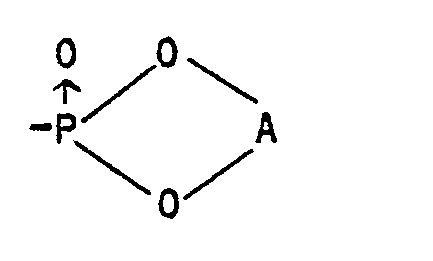
- A représentant une chaîne carbonée linéaire ou ramifiée, saturée ou insaturée éventuellement substituée par un ou plusieurs groupements fonctionnels et renfermant jusqu'à 6 atomes de carbone. - les radicaux


- Les composés de formule I présentent plusieurs centres d'asymétrie, les carbones en 1 et 3 du cyclopropane et les carbones en 1' et 2' de la chaîne latérale

- X1 et X2 identiques ou différents représentent de préférence un atome de chlore, de brome ou d'iode.
- Lorsque Ri représente un atome d'halogène, il s'agit de préférence d'un atome de brome, de chlore ou de fluor.
- Lorsque R1 représente un radical alkyle, il s'agit dé préférence du radical méthyle, éthyle, n-propyle, isopropyle, n-butyle, isobutyle ou terbutyle.
- Lorsque R1 représente un radical aryle, il s'agit de préférence du radical phényle.
- Lorsque R1 représente un radical aryle substitué, il s'agit de préférence du radical phényle substitué par un atome d'halogène, par exemple un atome de chlore.
- Lorsque R1 représente un radical perfluoroalkyle, il s'agit de préférence du radical CFa.
- Lorsque R1 représente un radical

- Comme combinaisons préférées de X1, X et R1, on peut citer les combinaisons suivantes


- Alci, alc2, alc3, alc'2 et alc'3 représentent de préférence un radical méthyle, éthyle, n-propyle, isopropyle, n-butyle, isobutyle, t-butyle.
- Ar représente de préférence un radical phényle.
- Lorsque alci, alc2, alc3, alc'2, alc'3 et Ar sont substitués, ils le sont de préférence par un ou plusieurs des substituants suivants : les atomes d'halogène, les radicaux CFa, hydroxyle, carboxyle, amino, ammonium, les radicaux alkyle et alkoxy renfermant jusqu'à 4 atomes de carbone, par exemple les radicaux méthyle et méthoxy.
- A représente de préférence une chaîne carbonée saturée renfermant de 1 à 4 atomes de carbone, éventuellement substituée par un ou plusieurs radicaux choisis dans le groupe suivant ; les radicaux alkyles renfermant de 1 à 5 atomes de carbone, les atomes d'halogène, les radicaux CF3 ou les radicaux hydroxyles. Lorsque R représente un radical alkyle, il s'agit de préférence du radical méthyle, éthyle, n-propyle, isopropyle, butyle, isobutyle, terbutyle.
- Les valeurs préférées des alcools utilisés dans la synthèse des esters pyréthrinoïdes seront indiquées ci-après.
- L'invention a plus particulièrement pour objet les composés dans lesquels Xi et X2 représentent un atome de chlore, de brome ou d'iode, par exemple les composés dans lesquels Xi et X2 représentent un atome de brome ainsi que les composés dans lesquels Ri représente un atome de brome, de chlore ou du fluor ou encore les composés dans lesquels Ri représente un radical trifluorométhyle.
- Parmi les composés préférés de l'invention, on peut citer les composés dans lesquels Y représente un radical S02alci, alci représentant un radical alkyle ou alkényle renfermant jusqu'à 8 atomes de carbone par exemple un radical S02CH3, les composés dans lesquels Y représente un radical SO2Ar', Ar conservant la même signification que précédemment, ainsi que les composés de formule 1 dans lesquels R représente :
- - soit un atome d'hydrogène,
- - soit un radical alkyle, linéaire ou ramifié, éventuellement subtitué renfermant de 1 à 8 atomes de carbone,
- - soit un radical benzyle éventuellement substitué par un ou plusieurs radicaux choisis dans le groupe constitué par les radicaux alcoyles comportant de 1 à 4 atomes de carbone, les radicaux alcényles comportant de 2 à 6 atomes de carbone, les radicaux alcényloxy comportant de 2 à 6 atomes de carbone, les radicaux alcadiényles comportant de 4 à 8 atomes de carbone, le radical méthylènedioxy et les atomes d'halogène,
- - soit un groupement :

- - soit un groupement :

- - soit un groupement :

- - soit un groupement :


- - soit un groupement :

- - soit un groupement :

- - soit un groupement :

- - soit un groupement :


- - soit un groupement :

- - soit un groupement :

- - soit un groupement :
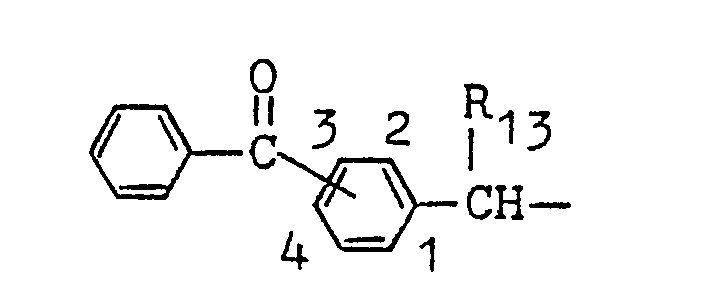
- - soit un groupement :

- - soit un groupement :

- - soit un groupement :

- - soit un groupement :

- Parmi les composés préférés de l'invention, on peut citer tout spécialement les composés de formule I dans lesquels R représente un radical :


- L'invention a plus spécialement pour objet les composés de formule suivants :
- - le 1R-[1-alpha-(S) 3-alpha-(R)] 2,2-diméthyl 3-[1-(méthylsulfonyloxy) 2,2,2,-tribromoéthyi] cyclopropane carboxylate de cyano (3-phénoxyphényl) méthyle,
- - le 1R-[1-alpha-(S) 3-alpha-(R)] 2,2-diméthyl 3-[2,2,2-tribromo 1-méthyl sulfonyloxy éthyl] cyclopropane carboxylate de cyano (3-phénoxyphényl) méthyle,
- - le 1R-[1-alpha-(S) 3-alpha-(R)] 2,2-diméthyl 3-[2,2,2-tribromo 1-méthyl sulfonyloxy éthyl] cyclopropane carboxylate de cyano [(3-phénoxy 4-fluoro)phényl] éthyle,
- - le 1R-[1-alpha, 3-alpha (RS, RS)]-2,2-diméthyl-3-[2-trifluorométhyl 2-bromo-2-chloro 1-méthyl sulfonyloxyéthyl] cyclopropane carboxylate de (2-méthyl 3-phényl phényl) méthyle,
- -le 1R-[1-alpha, 3-alpha (RS*,RS*)] 2,2-diméthyl3-[2-trifluorométhyl 2-bromo 2-chloro 1-méthyl sulfonyloxyéthyl] cyclopropane carboxylate de cyano (3-phénoxyphényl) méthyle.
- L'invention a également pour objet un procédé de préparation, caractérisé en ce que l'on soumet un composé de formule II :


- Dans un mode de réalisation préféré du procédé de l'invention :
- - la base utilisée lors de la réaction du composé de formule Il avec le composé de formule V est de préférence choisie dans le groupe constitué par les alcoolates alcalins, les hydrures alcalins et les hydroxydes alcalins. Comme bases tout particulièrement préférées, on peut citer la potasse, le méthylate ou le terbutylate de potassium ;
- - L'agent de sulfonylation répond à la formule (A)

- - L'agent de phosphonylation répond à la formule (B)

- - l'agent d'acylation répond à la formule


- - l'agent de formule I peut être préparé en faisant réagir un ester de formule I avec un agent d'hydrolyse acide, par exemple l'acide paratoluènesulfonique, l'acide sulfurique, l'acide acétique ;
- - L'agent d'estérification est un alcool, l'estérification étant réalisée selon les méthodes classiques. Les produits de formule IV obtenus lors de la mise en oeuvre du procédé sont des produits nouveaux à l'exception des produits pour lesquels Xi, X2 et Ri représentent chacun un atome d'halogène. L'invention a également pour objet, à titre de produits chimiques nouveaux, les composés de formule IV :

- Les composés de formule (1) présentent d'intéressantes propriétés qui permettent leur utilisation dans la lutte contre les parasites ; il peut s'agir par exemple de la lutte contre les parasites des végétaux, les parasites des locaux et les parasites des animaux à sang chaud. C'est ainsi que l'on peut utiliser les produits de l'invention pour lutter contre les insectes, les nématodes et les acariens parasites des végétaux et des animaux.
- L'invention a donc pour objet l'application des composés de formule (1) à la lutte contre les parasites des végétaux, les parasites des locaux et les parasites des animaux à sang chaud.
- Les produits de formule (1) peuvent donc être utilisés notamment pour lutter contre les insectes dans le domaine agricole, pour lutter par exemple contre les pucerons, les larves de lépidoptères et les coléoptères. Ils sont utilisés à des doses comprises entre 10 g et 300 g de matière active à l'hectare.
- Les produits de formule (1) peuvent également être utilisés pour lutter contre les insectes dans les locaux, pour lutter notamment contre les mouches, les moustiques et les blattes.
- Les composés de L'invention présentent des propriétés insecticides tout à fait remarquables, en particulier un très bon pouvoir de knock down.
- Les produits de formule (1) peuvent aussi être utilisés pour lutter contre les acariens parasites des végétaux.
- Les composés de formule (I) peuvent aussi être utilisés pour lutter contre les nématodes parasites des végétaux.
- Les composés de formule (I) peuvent encore être utilisés pour lutter contre les acariens parasites des animaux, pour lutter par exemple contre les tiques et notamment les tiques de l'espèce Boophilus, ceux de l'espèce Hyalomnia, ceux de l'espèce Amblyomnia et ceux de l'espèce Rhipicephalus, ou pour lutter contre toutes sortes de gales et notamment la gale sarcoptique, la gale psoroptique et la gale chorioptique. L'invention a donc également pour objet les compositions destinées à la lutte contre les parasites des animaux à sang chaud, les parasites des locaux et des végétaux, caractérisées en ce qu'elles renferment au moins l'un des produits définis ci-dessus.
- L'invention a notamment pour objet les compositions insecticides renfermant comme principe actif au moins l'un des produits définis ci-dessus.
- Parmi les compositions notamment insecticides préférées de l'invention, on peut citer tout spécialement les compositions renfermant les composés décrits dans les exemples et notamment :
- - le 1R-[1-alpha-(S) 3-alpha-(R)] 2,2-diméthyl 3-[1-(méthylsulfonyloxy) 2,2,2,-tribromoéthyl] cyclopropane carboxylate de cyano (3-phénoxyphényl) méthyle,
- - le 1R-[1-alpha-(S) 3-alpha-(R)] 2,2-diméthyl 3-[2,2,2 -tribromo 1-méthyl sulfonyloxy éthyl] cyclopropane carboxylate de cyano (3-phénoxyphényl) méthyle,
- - le 1R-[1-alpha-(S) 3-alpha-(R)] 2,2-diméthyl 3-[2,2,2 tribromo 1-méthyl sulfonyloxy éthyl] cyclopropane carboxylate de cyano [(3-phénoxy 4-fluoro)phényl] éthyle,
- - le 1 R-[1-alpha, 3-alpha (RS, RS)]-2,2-diméthyl-3-[2-trifluorométhyl 2-bromo-2-chloro 1-méthyl sulfonyloxyéthyl] cyclopropane carboxylate de (2-méthyl 3-phényl) phénylméthyle,
- - le 1 R-[1-alpha, 3-alpha (RS*,RS*)] 2,2-diméthyl 3-[2-trifluorométhyl 2-bromo 2-chloro 1-méthyl sulfonyloxyéthyl] cyclopropane carboxylate de cyano (3-phénoxyphényl) méthyle.
- Les compositions selon l'invention sont préparées selon les procédés usuels de l'industrie agrochimique ou de l'industrie vétérinaire ou de l'industrie des produits destinés à la nutrition animale.
- Ces compositions peuvent se présenter sous forme de poudres, granulés, suspensions, émulsions, solutions, solutions pour aérosols, bandes combustibles, appats ou autres préparations employés classiquement pour l'utilisation de ce genre de composés.
- Outre le principe actif, ces compositions contiennent, en général, un véhicule et/ou un agent tensio-actif, non ionique, assurant, en outre, une dispersion uniforme des substances constitutives du mélange. Le véhicule utilisé peut être un liquide, tel que l'eau, l'alcool, les hydrocarbures ou autres solvants organiques, une huile minérale, animale ou végétale, une poudre telle que le talc, les argiles, les silicates, le kieselguhr ou un solide combustible.
- Les compositions insecticides selon l'invention contiennent de préférence de 0,005% à 100/o en poids de matière active.
- Selon un mode opératoire avantageux, pour un usage dans les locaux, les compositions selon l'invention sont utilisées sous forme de compositions fumigantes.
- Les compositions selon l'invention peuvent alors être avantageusement constituées, pour la partie non active, d'un serpentin insecticide (ou coil) combustible, ou encore d'un substrat fibreux incombustible. Dans ce dernier cas, le fumigant obtenu après incorporation de la matière active, est placé sur un appareil chauffant tel qu'un électromosquito destroyer.
- Dans le cas où l'on utilise un serpentin insecticide, le support inerte peut être, par exemple, composé de marc de pyrèthre, poudre de Tabu (ou poudre de feuilles de Machilus Thumbergii), poudre de tige de pyrèthre, poudre de feuille de cèdre, poudre de bois (telle que la sciure de pin), amidon et poudre de coque de noix de coco. La dose de matière active peut alors être, par exemple, de 0,03 à 1% en poids.
- Dans le cas où l'on utilise un support fibreux incombustible, la dose de matière active peut alors être, par exemple, de 0,03 à 950/0 en poids.
- Les compositions selon l'invention pour un usage dans les locaux peuvent aussi être obtenues en préparant une huile pulvérisable à base de principe actif, cette huile imbibant la mèche d'une lampe et étant alors soumise à la combustion.
- La concentration du principe actif incorporé à l'huile est, de préférence, de 0,03 à 95% en poids.
- L'invention a également pour objet, les compositions acaricides renfermant comme principe actif au moins des produits de formule (I) définie ci-dessus.
- L'invention a également pour objet les compositions nématicides renfermant comme principe actif au moins un des produits de formule (1) ci-dessus.
- Les compositions insecticides selon l'invention, comme les compositions acaricides et nématicides peuvent être additionnées éventuellement d'un ou plusieurs autres agents pesticides. Les compositions acaricides et nématicides peuvent se présenter notamment sous forme de poudre, granulés, suspensions, émulsions, solutions.
- Pour l'usage acaricide, on utilise de préférence des poudres mouillables, pour pulvérisation foliaire, contenant de 1 à 80% ou des liquides pour pulvérisation foliaire contenant de 1 à 500 g/I de principe actif. On peut également employer des poudres pour poudrage foliaires contenant de 0,05 à 3% de matière active. Pour l'usage nématicide, on utilise de préférence des liquides pour traitement des sols contenant de 300 à 500 g/I de principe actif.
- Les composés acaricides et nématicides selon l'invention sont utilisés, de préférence, à des doses comprises entre 1 et 100 g de matière active à l'hectare.
- L'invention a également pour objet les compositions acaricides destinées à la lutte contre les acariens parasites des animaux à sang chaud, notamment contre les tiques et les gales, caractérisées en ce qu'elles renferment comme principe actif, au moins l'un des produits de formule (f) définie ci-dessus.
- L'orsqu'il s'agit de lutter contre les parasites des animaux, les compositions peuvent être utilisées sous forme de spray, de bains, ou enore selon la méthode "pour-on".
- Lorsqu'on utilise la méthode pour-on, on utilise de préférence des solutions renfermant de 0,5 g à 4 g de principe actif pour 100 cm3 de solution.
- Lorsqu'il s'agit de lutter contre les acariens parasites des animaux, on incorpore très souvent les produits de l'invention dans des compositions alimentaires en association avec un mélange nutritif adapté à l'alimentation animale. Le mélange nutritiel peut varier selon l'espèce animale, il peut renfermer des céréales, des sucres et des grains, des tourteaux de soja, d'arachide et de tournesol, des farines d'origine animale, par exemple des farines de poissons, des acides aminés de synthèse, des sels minéraux, des vitamines et des anti-oxydants.
- L'invention a donc également pour objet les compositions destinées à l'alimentation animale, renfermant comme principe actif au moins l'un des produits de formule (1) telle que définie précédemment.
- On peut indiquer également que les produits de l'invention peuvent être utilisés comme biocides ou comme régulateurs de croissance.
- L'invention a également pour objet les associations douées d'activité insecticide, acaricide ou nématicide, caractérisées en ce qu'elles contiennent comme matière active, d'une part un au moins des composés de formule générale (1), et d'autre part, un au moins des esters pyréthrinoïdes choisis dans le groupe constitué par les esters d'alléthrolones, d'alcool 3,4,5,6-tétrahydrophtalimido méthylique, d'alcool 5-benzyl 3-furyl méthylique, d'alcool 3-phénoxy benzylique et d'alcools alpha-cyano 3-phénoxy benzyliques des acides chrysanthémiques, par les esters d'alcool 5-benzyl 3-furyl méthylique des acides 2,2-diméthyl 3-(2-oxo 3,4,5,6-tétrahydrothiophénylidène méthyl) cyclopropane-1-carboxyliques, par les esters d'alcool 3-phénoxy benzylique et d'alcools alpha-cyano 3-phénoxy benzyliques des acides 2,2-diméthyl 3-(2,2-dichlorovinyl) cyclopropane-1-carboxyliques, par les esters d'alcool-alpha-cyano 3-phénoxy benzyliques d'acides 2,2-diméthyl 3-(2,2-dibromovinyl) cyclopropane-1-carboxyliques, par les esters d'alcool 3-phénoxy benzylique des acides 2-parachlorophényl 2-isopropyl acétiques, par les esters d'alléthrolones, d'alcool 3,4,5,6-tétrahydrophtalimido-méthylique, d'alcool 5-benzyl 3-furyl méthylique, d'alcool 3-phénoxy benzylique et d'alcools alpha-cyano 3-phénoxy benzyliques des acides 2,2-diméthyl 3-(1,2,2,2,-tétrahaloéthyl) cyclopropane-1-carboxyliques, dans lesquels "halo" représente un atome de fluor, de chlore ou de brome, étant entendu que les composés (1) peuvent exister sous toutes leurs formes stéréoisomères possibles de même que les copules acides et alcools des esters pyréthrinoïdes ci-dessus.
- Les associations selon l'invention présentent notamment l'intérêt, soit de permettre de combattre, par la polyvalence de leur action, une gamme de parasites, plus étendue, soit de manifester, dans certains cas, un effet de synergie.
- Pour exalter l'activité biologique des produits de l'invention, on peut les additionner à des synergistes classiques utilisés en pareil cas tel le 1-(2,5,8-trioxadodécyl) 2-propyl 4,5-méthylènedioxy benzène (ou butoxyde de pipéronyle) ou la N-(2-éthylheptyl) bicyclo [2,2,-1] 5-heptène-2,3-dicarboximide, ou le pipéronyl-bis-2-(2'-n-butoxyéthoxy) éthylacétal (ou tropital).
- L'invention a pour objet les compositions pesticides définies précédemment, caractérisées en ce qu'elles renferment en outre un synergiste des pyréthrinoïdes.
- L'invention a également pour objet l'application des composés de formule caractérisée en ce que l'on soumet un composé de formule 1 à l'action d'un agent de réduction pour obtenir le composé de formule III correspondant :

- Dans un mode de réalisation préférée, l'agent de réduction utilisé est l'hydrogène en présence d'un catalyseur d'hydrogénation comme le palladium. On peut également effectuer cette réduction avec du zinc en présence d'un acide. On peut aussi utiliser le couple zinc-cuivre au sein d'un alcool ou toute autre méthode permettant d'éliminer simultanément un atome d'halogène et le groupe OY.
- Comme application, particulièrement intéressante, on peut citer l'application caractérisée en ce que le composé de formule 1 répond à la formule l' :


- Les exemples suivants illustrent l'invention sans toutefois la limiter.
- Stade A : Acide : 1R-[1-alpha-3-alpha-(R)] 2,2-diméthyl 3-[1-triméthyl silyloxy) 2,2,2-tribromoéthyl] cyclopropane carboxylique.
- On introduit à -60C en 30 minutes dans une solution renfermant 30,25g d'acide 1 R-[1-alpha 3-alpha-(R) 2,2-diméthyl 3-[1-hydroxy 2,2,2-tribromoéthyl] cyclopropane carboxylique décrit dans le brevet français 2396006 et 300cm3 de tétrahydrofuranne, 18,5g de terbutylate de potassium, 40cm3 de tétrahydrofuran et 80cm3 d'alcool terbutylique. On agite pendant 10 minutes à -60
 C et introduit goutte à goutte 80cm3 de chlorure de triméthyl silyle et 60cm3 de tétrahydrofuranne. On agite 10 minutes à -60C et laisse remonter la température à -20C. On agite ensuite une demi-heure à -20MC. On verse le milieu réactionnel sur une solution saturée de bicarbonate de sodium. On extrait au chloroforme, sèche et amène à sec sous pression réduite. On ajoute 100cm3 d'eau à 1% d'acide acétique. On agite 15 minutes, essore le produit obtenu, le dissout dans le chloroforme, sèche et amène à sec s pression réduite. On obtient ainsi 16g de produit fondant à 147C.
 - Stade B : :1R-[1-alpha-(S) 3-alpha-(R)] 2,2-diméthyl3-[1-triméthyl silyloxy) 2,2,2-tribromoéthyl] cyclopropane, carboxylate de cyano (3-phénoxyphényl) méthyle.
- On introduit une solution de 14g de dicyclohexyl carbodiimide et 140 cm3 de chlorure de méthylène dans une solution renfermant 32g de produit préparé au stade A, 300 cm3 de chlorure de méthylène et 15g d'alcool (S) alpha-cyano 3-phénoxylbenzylique. On agite pendant 3 heures à 20-25C. On essore et amène à sec sous pression réduite. On purifie par chromatographie en éluant par le mélange hexane-éther isopropylique 8-2. On obtient 34g de produit recherché fondant à 98C.
- Stade C : 1R-[1-alpha-(S) 3-alpha-(R)] 2,2-diméthyl 3-(1-hydroxy 2,2,2-tribromoéthyl) cyclopropane carboxylate de cyano (3-phénoxyphényl) méthyle.
- On ajoute 3 cm3 d'acide chlorhydrique 2N dans une solution renfermant 8g de produit obtenu au stade B de l'exemple 1 et 150 cm3 de méthanol. On agite 30 minutes à20-25C et chasse le méthanol. On reprend par du chlorure de méthylène, sèche et amène à sec sous pression réduite. On obtient un produit que l'on chromatographie sur milieu en éluant par le mélange hexane-acétate d'éthyle 7-3. On obtient ainsi 6,5g de produit recherché.
- spectre RMN CDCL3 ppm

- On introduit à 0c ± 5C 0,91cm3 de triéthylamine dans un mélange de 3g de produit préparé à l'exemple 1, 30cm3 de tétrahydrofuran 0,5cm3 de chlorure de mésyle. On agite 2 heures à 0 ± 5C. On ajoute à nouveau 0,5cm3 de chlorure de mésyle et 0,91 cm3 de triéthylamine. On essore le précipité formé, lave la phase organique à l'eau, sèche et amène à sec sous pression réduite. On chromatographie sur silice un éluant par le mélange hexaneacétate d'éthyle 7-3. On obtient 2,6g de produit recherché.
- Spectre de RMN CDCl3 ppm
-

- En opérant comme à l'exemple précédent au départ du produit préparé à l'exemple 1 et de chlorure d'éthane sulfonyle, on obtient le produit recherché fondant à 133C.
- [alpha]D = +43c = 1% CHCl3.
- On introduit à la température de 0 ± 5C, 0,35 cm3 de triéthylamine dans une solution renferment 1,5g du produit obtenu à l'exemple 1, 15cm3 de tétrahydrofuran et 0,32g de chlorure d'isopropylsulfinyle. On agite à 0±5C pendant 30 minutes. On verse le mélange réactionnel dans une solution aqueuse d'acide chlorhydrique à pH 5, extrait au chlorure de méthylène, sèche, filtre et évapore à sec. On introduit 1,5g d'acide paranitroperbenzoïque. On agite 30 minutes à 20-25C et amène à sec. On obtient 3,2g de produit recherché brut que l'on reprend par un mélange d'hexane-acide acétique 8-2 et chromatographie sur silice en éluant par le mélange hexanê-acide acétique 8-2. On obtient 1,43g de produit recherché.
- [alpha]D = +42± 1,5 c = 0,7%
- A partir du produit obtenu à l'exemple 1 et du chlorure de (1-sulfonyl oxy 2-méthyl) 2-propényle, en opérant comme à l'exemple 2, on obtient le produit recherché. F = 107C.
- En opérant comme au stade B de l'exemple 1, à partir de l'acide 1R-[1-alpha, 3-alpha (R)] 2,2-diméthyl 3-[triméthyl silyloxy 2,2,2-tribromo éthyl cyclopropane carboxylique obtenu au stade A de l'exemple 1 et de l'alcool alpha-(R,S) cyano 1-(6-phénoxy 2-pyridyl) méthylique, on obtient le produit recherché fondant à 160C.
- En opérant comme à l'exemple 1, stade C, à partir du produit obtenu au stade A du présent exemple, on obtient le produit recherché que l'on utilise tel quel au stade suivant.
- En opérant comme à l'exemple 2 à partir du produit obtenu au stade B et du chlorure de mésyle, on obtient le produit recherché.
- [alpha]D = +6± 1,5c = 0,3% CHCl3.
- En opérant comme à l'exemple précédent, à partir du produit obtenu au stade A de l'exemple 1 et de l'alcool métaphénoxy benzylique, on obtient le produit recherché.
- En opérant comme à l'exemple précédent stade B, à partir du produit obtenu au stade A, on obtient le produit recherché que l'on utilise tel quel dans le stade suivant.
- En opérant comme à l'exemple précédent, stade C, à partir du produit obtenu au stade B du présent exemple, on obtient le produit recherché fondant à 72C.
- En opérant comme à l'exemple 7, à partir de l'acide 1R-[1-alpha, 3-alpha (R)] 2,2-diméthyl 3-[1-triméthyl silyloxy 2,2,2-tribromoéthyl] cyclopropane carboxylique et de l'alcool (S) cyano [(3-phénoxy 5-fluoro) phényl] méthylique, on obtient le produit recherché F = 133C.
- En opérant comme à l'exemple 7 par hydrolyse du produit obtenu au stade A, on obtient le produit recherché utilisé tel quel dans le stade suivant.
- En opérant comme à l'exemple 7, à partir du produit obtenu au stade B du présent exemple et du chlorure de mésyle, on obtient le produit recherché.
- [alpha]D = +34± 1c = 1% CHCl3
- En estérifiant le produit de l'exemple 1, par le chlorure de 1-sulfonyl oxy 2-propényle. On obtient le produit recherché fondant à 96C.
- On ajoute à 10/15C 16 cm3 d'acide trifluoroacétique dans un mélange de 5 g de 2,2-diméthyl 3-[2,2,2-tribromo 1-hydroxyéthyl cyclopropane carboxylate de terbutyle et de 20 cm3 de pyridine. On laisse remonter le mélange réactionnel à 20/25C et agite pendant 1h30. On verse le mélange réactionnel sur un mélange d'eau et de glace. On extrait à l'éther, sèche et amène à sec sous pression réduite. On refroidit à l'hexane, sèche et amène à sec le produit obtenu. On obtient 5,09g de produit recherché fondant à 102C. ;
- En opérant comme au stade B de l'exemple à partir de l'acide obtenu au stade A du présent exemple, on obtient le produit recherché : F = 178C.
- En opérant comme au stade C de l'exemple à partir de l'acide obtenu au stade B du présent exemple et de l'alcool (S) alpha-cyano 3-phénoxybenzylique, on obtient le produit recherché fondant à 79C.
- On ajoute à -60C 5,05g de bromoforme, 35g de terbutylate de potasse et 20cm3 de tétrahydrofuran dans une suspension renfermant 4 g de céto [1-alpha, 3-alpha (R)] cyclopropane carboxylate de diméthyl éthyle et 40 cm3 de tétrahydrofuran. On agite pendant 15 minutes à -60C et ajoute 3,6g de chlorure de diéthoxyphosphoryloxy. On agite pendant 1h30 à -60C et verse dans une solution normale d'acide chlorhydrique. On extrait à l'éther, lave à l'eau, sèche et amène à sec sous pression réduite. On obtient 7,09g de produit recherché fondant à 79C.
- On porte au reflux pendant 1 heure une solution renfermant 5g de produit préparé au stade A, 50cm3 de benzène et 0,5g d'acide paratoluène sulfonique. On refroidit à 20/20C, le mélange réactionnel et le verse dans l'eau. On décante la phase organique, sèche et amène à sec sous pression réduite. On reprend le résidu
- à l'hexane et essore le produit obtenu. On obtient 3g d'un produit fondant à 146C.
- On introduit à 0 ± 5C, 1,22g de cyclohéxylcarbodiimide et 5 cm3 de chlorure de méthylène dans un mélange renfermant 3g d'acide préparé au stade B, 1,34g d'alcool (S) alpha-cyano 3-phénoxybenzylique, 50 mg de diméthylaminopyridine et 30 cm3 de chlorure de méthylène. On laisse le mélange réactionnel, revenir à la température ambiante et le maintient sous agitation pendant 1 h 30. On essore et amène à sec le produit obtenu. On chromatographie sur silice le produit obtenu en éluant par le mélange hexane-acétate d'éthyle 6-4. On obtient 3,3g de produit recherché.
- On ajoute à -60C 4,6 cm3 de bromoforme dans une solution de 9,9g de 2,2-diméthyl 3-céto (1R, 3-alpha) cyclopropane carboxylate de 1,1-diméthyl éthyle dans 100 cm3 de tétrahydrofuran. On introduit ensuite à -60C 6,05g de terbutylate de potassium et 50 cm3 de tétrahydrofuran. On introduit ensuite en 15 minutes à -60C, 7,5g de chlorure de 2-oxo 1,3,2-dioxophospholane et 25 cm3 de tétrahydrofuran. On maintient sous agitation à -60C pendant 15 minutes. On verse sur une solution aqueuse d'acide chlorhydrique. On extrait au chlorure de méthylène, lave les phase organiques à l'eau, sèche et amène à sec sous pression réduite. On obtient 27g d'un produit que l'on empâte avec 100 cm3 d'éther éthylique. On filtre et sèche le produit obtenu. On obtient 18,4g de produit recherché fondant à 210C.
- On introduit 12,9g de produit préparé au stade A, au reflux d'une solution de 500 cm3 de benzène et d'acide paratoluène sulfonique. On maintient au reflux pendant 30 minutes. On amène à sec le produit obtenu, le reprend à l'acétate d'éthyle, agite 15 minutes et filtre. On obtient 5,5g du produit recherché fondant à 225C.
- En opérant comme à l'exemple 1, stade B, à partir de 2,5 g du produit obtenu ci-dessus et 1,07 g d'alcool (S) alpha cyano 3-phénoxy benzylique, on a préparé le produit attendu. F = 155C.
- [alpha]D = +42± 1,5(c = 1%, CHCl3).
- A partir de l'acide préparé au stade B de l'exemple 6 et de l'alcool (2-méthyl 3-phénylphényl) méthylique, on obtient le produit recherché.
- F = 182C.
- On introduit à -60C 0,84cm3 de chloroforme et 1,21g de terbutylate de potassium dans 10cm3 de tétrahydrofuran dans une solution renfermant 1,98g de 2,2-diméthyl 3-céto (1-alpha, 3-alpha) cyclopropane carboxylate de 1,1-diméthyl éthyle dans 10 cm3 de tétrahydrofuran. On agite trente minutes à -60C et ajoute 1,88g de chlorothiophosphate de O,Odiéthyle. On laisse la température remonter à 20/25C. On agite pendant 5 heures. On verse le mélange réactionnel dans une solution normale d'acide chlorhydrique, extrait à l'éther, sèche et amène à sec sous pression réduite. On chromatographie sur silice en éluant par le mélange hexane-éther isopropylique 9-1. On obtient ainsi 2,15g de produit recherché.
- En opérant comme au stade B de l'exemple précédent, à partir du produit obtenu au stade A du présent exemple, on obtient le produit recherché.
- En opérant comme au stade C de l'exemple précédent, à partir du produit obtenu au stade B du présent exemple, on obtient un produit que l'on chromatographie sur silice en éluant par le mélange hexane-acétate d'éthyle 7-3. On obtient 0,850 g d'isomère A.
- Spectre RMN
- CH3 gem. 73-74Hz
- H cyclopropy 110 à 116Hz
-

- Aromatiques 416 à 457
- et 0,800 g de produit B.
- Spectre RMN

- Aromatiques 425 à 452Hz
- On introduit à -60, -55C sous agitation et atmosphère d'azote dans un mélange de 4,95g de 3-formyl 1R,3R 2,2-diméthyl cyclopropane carboxylate de terbutyle et 50 cm3 de tétrahydrofuranne 2,2 cm3 de chloroforme puis 2,95g de terbutylate de potassium et 25 cm3 de tétrahydrofuranne. On maintient le mélange réactionnel sous agitation pendant 2 h 30. On extrait à l'éther, on lave la phase organique, la sèche et l'amène à sec sous pression réduite. On chromatographie le produit obtenu en éluant par le mélange hexaneacétate d'éthyle (7-1). On obtient ainsi 6,45g de produit. F = 50C.
- On ajoute à 0-5C dans un mélange de 6,35g de produit préparé au stade A, 65 cm3 de tétrahydrofuranne et 3,2 cm3 de chlorure de mésyle, 5,6 cm3 de triéthylamine et 6 cm3 de tétrahydrofuranne. On verse le mélange réactionnel dans l'eau. On extrait à l'éther, sèche sur sulfate de sodium, filtre et amène à sec. On obtient 8,1g de produit fondant à 106C.
- On porte au reflux pendant 1 heure -6,5g de produit préparé au stade précédent, 65 cm3 de benzène et 150 mg d'acide paratoluène sulfoniquè. On verse le mélange réactionnel dans l'eau, extrait au chlorure de méthylène et amène à sec. On obtient 5,15g de cristaux fondant à 148C.
- En opérant comme à l'exemple 1, en estérifiant l'acide obtenu au stade précédent par l'alcool (S) alpha-cyano 3-phénoxy benzylique, on obtient le produit recherché.
- [alpha]D = +33± 1,c = 1% CHCl3
- Le produit a été préparé par estérification de l'acide obtenu au stade C de l'exemple 15 à l'aide d'alcool S-alpha cyano 4-fluoro 3-phénoxy benzylique.
- [alpha]D = +38± 1, c = 1,5% CHCl3.
- Le produit a été préparé par estérification de l'acide obtenu au stade C de l'exemple 15 à l'aide d'alcool RS-cyano 1-(6-phénoxy 2-pyridyl) méthylique.
- [alpha]D = 2± 1, c= 0,8% CHCl3.
- Le produit a été préparé par estérification de l'acide obtenu au stade C de l'exemple 15 à l'aide de l'alcool (2-méthyl 3-phényl benzylique). [alpha]D = 20± 1,c = 1% CHCl3.
- On introduit à -60C 1,7 cm3 de chloroforme, puis 2,42g de terbutylate de potassium et 20 cm3 de tétrahydrofuranne dans une suspension de 3,96g de de (1R,3R) 3-formyl cyclopropane carboxylate de terbutyle et 20 cm3 de tétrahydrofuranne. On agite pendant 30 minutes à -60C. On introduit en 15 minutes à -60C, 4g de chlorure de tosyle et 10 cm3 de tétrahydrofuranne. On agite pendant 30 minutes à -60C et verse dans 200 cm3 d'une solution normale d'acide chlorhydrique normal. On extrait à l'éther sulfurique, lave à l'eau, sèche et amène à sec sous pression réduite. On obtient ainsi 5,3g de produit recherché.
- Il est obtenu par chauffage au reflux du benzène de l'ester précédent en présence d'acide paratoluène sulfonique. F = 190.
- L'estérification avec l'alcool S-alpha cyano 3-phénoxy benzylique est réalisée dans les conditions du stade C de l'exemple 1. On a obtenu le produit recherché.
- [alpha]D = 77,5± 1,5c = 1,1% CHCl3.
- On ajoute 26 cm3 de bromoforme à 39,6g de 1R, 3R, 2,2-diméthyl 3-céto cyclopropane de 1,1-diméthyl éthyle en solution dans 200 cm3 de tétrahydrofuranne. On ajoute à la solution obtenue 17,5g de méthylate de potassium 100 cm3 de terbulonal, 60 cm3 de tétrahydrofuranne et 60 cm3 de diméthylformamide. On agite 1 heure à -10C. puis 1 heure à +10C. On verse dans l'eau. On extrait à l'éther isopropylique. On sèche et amène à sec, sous vide. On sépare par chromatographie les deux diastéréoisomères obtenus.
- On refroidit à 0± 5un mélange renfermant 4a de produit préparé au stade précédent, 40 cm3 de tétrahydrofuranne et 2,03g de chlorure de mésyle. On ajoute à 0 ± 5C 1,78g de triéthylamine et 5 cm3 de tétrahydrofuranne. On agite pendant 2 heures à 0± 5C. On verse dans l'eau, extrait au chlorure de méthylène, sèche et amène à sec sous pression réduite. On obtient un produit que l'on purifie par recristallisation dans l'hexane, puis dans l'éther isopropylique. On obtient 2,9g de produit fondant à 159C.
- On porte au reflux un mélange de 2,3g de de produit préparé au stade B et 25 cm3 de benzène. On ajoute 70mg d'acide paratoluène sulfonique. On refroidit, lave à l'eau, sèche et amène à sec sous pression réduite. On obtient 1,8g de produit recherché fondant à 168C.
- On introduit 0,78 g de dicyclohexylcarbodiimide et 3 cm3 de chlorure de méthylène dans une solution renfermant 1,8 g de l'acide obtenu ci-dessus alpha alpha, 20 cm3 de chlorure de méthylène, 0,86 g d'alcool (S) alpha-cyano 3-phénoxy benzylique et 0,1 g de diméthylaminopyridine. On agite à 20-25C pendant 2 heures. On essore le produit formé et amène à sec sous pression réduite le filtrat. On effectue une chromatograpie en éluant par le mélange hexane-acétate d'éthyle 7-3. On obtient ainsi 2 g de produit recherché.
- [alpha]D = 1± 1, c = 1%, CHCl3.
- A une solution de 5 g de 1 R,cis 2,2-diméthyl 3-formyl cyclopropane carboxylate de 1,1-diméthyléthyle dans 50 cm3 de THF et 3 cm3 d'halothéne (CF3CHCIBr) sont additionnés lentement à -70C, 3,1 g de terbutylate de potassium dans 20 cm3 de THF. Après un contact suffisant à cette température, le milieu est versé sur une solution aqueuse de P04H2Na. On extrait au chlorure de méthylène, lave à l'eau, avec une solution saturée de chlorure de sodium. On sèche et amène à sec sous pression réduite. On obtient un produit que l'on chromatographie sur silice en éluant par le mélange hexane-éther isopropylique (8-2). On obtient ainsi 6,83 g de produit recherché.
- On ajoute à -10C, 8 cm3 de triéthylamine dans un mélange de 6,74g de produit préparé au stade précédent, 40 cm3 de chlorure de méthylène et 4,3 cm3 de chlorure de mésyle. On agite pendant une heure au bain de glace, on décante, lave la phase organique à l'eau et à l'aide d'une solution saturée de chlorure de sodium, on sèche et amène à sec sous pression réduite. On obtient ainsi 9g d'un produit que l'on chromatographie sur silice en éluant par le mélange hexane-éther isopropylique (8-2). On obtient ainsi 5,67g de produit recherché fondant à 100C.
- On introduit à 40C 30mg d'acide paratoluène sulfonique dans une solution renfermant 1g du produit préparé au stage précédent et 10cm3 de chlorure de méthylène. On chauffe le mélange réactionnel pendant 5 heures à 40C. On verse sur la glace. On décante, lave la phase organique à l'eau, la sèche sur sulfate de sodium et amène à sec sous pression réduite. On obtient 860mg de produit recherché fondant à 138C.
- Le produit a été préparé par estérification de l'acide obtenu au stade précédent par l'alcool S-alpha cyano 3-phénoxybenzylique dans les conditions de l'exemple 1 (stade B).
- Spectre RMN CDCl3
- Méthyles géminés = 1,24-1,27 ppm et 1,22-1,27 ppm
- H1 et H3 = 1,88 à 2,03 ppm
- Ha = 5,54 à 5,60 ppm
- Hg = 6,62-6,64 ppm
- H aromatiques 6,99 à 7,42 ppm
- Obtenu comme l'ester de l'exemple 21, mais en utilisant l'alcool S-alpha cyano 4-fluoro 3-phénoxy benzylique.
- Spectre RMN CDCl3
- CH3 géminés = 1,23-1,25 ppm
- H1 H3 = 1,9-2,15 ppm
- S02 CH3 = 3,1 ppm
- H1' = 5,32-5,7 ppm
- H benzylique = 6,5 ppm
- H aromatiques = 6,85 à 7,6 ppm.
- Le produit a été obtenu comme l'ester de l'exemple 21, mais en utilisant l'alcool RS-alpha cyano 1-(6-phénoxy 2-pyridyl) méthylique.
- Spectre RMN CDCl3
- CH3 méthyle = 1,25 1,3 1,43 ppm
- H1 H3 = 1,93 , 2,03 ppm
- S03 CH3 = 3,05 - 3,07 3,12 - 3,16 ppm
- Hi' = 5,32 5,7 ppm
- H benzylique = 6,36 6,55 ppm
- H aromatiques = 6,87-7,99 ppm.
- Le produit a été obtenu comme l'ester de l'exemple 21, mais en utilisant l'alcool pentafluorobenzylique. F = 101C.
- Spectre RMN CDCl3
- CH3 géminés = 1,26 - 1,39 ppm
- H1, H3 = 1,75 - 1,98 ppm
- SO3 CH3 = 3,12-3,15 ppm
- C02-CH2 = 5,27 ppm
- Ha = 5,7 ppm
- Le produit a été obtenu comme l'ester de l'exemple 21, mais en utilisant l'alcool 2-méthyl 3-phényl benzylique.
- Spectre RMN CDCl3
- Diastéréoisomères principaux (2/3)
- CH3 géminés = 1,22-1,37 ppm
- CH3 = 2,22 ppm
- C02 CH2 = 5,27 ppm 02S CH3 3,04 ppm Ha (5,6/5,64 ppm H1 (1,8 à 2,06 ppm (5,7 ppm H3
- H aromatique = 6,92/7,35 ppm
- Cet alcool est obtenu en opérant comme décrit au stade A de l'exemple 21, mais à partir de 1R,cis 2,2-diméthyl 3-formyl cyclopropane carboxylate de 3-phénoxy benzyle.
- Spectre RMN CDCl3
- CH3 géminés = 1,21 ppm
- H1 H3 = 1,54 à 1,92 ppm
- H1' = 4,28 ppm
- CH2 = 5,08 ppm
- 0 H = 3,22 ppm
- La mésylation est réalisée dans les conditions décrites au stade B de l'exemple 21.
- Spectre RMN CDCl3
- CH3 géminés = 1,23/1,36 ppm
- Hi H3 = 1,8 à 2,06 ppm
- CH3 SO2 = 3,08/3,11 ppm
- CO2 CH2 = 5,15 ppm
- H1' = 3,85 ppm à 5,78 ppm
- H aromatiques : 6,87 à 7,55 ppm
- On hydrogène 2g de [1R-[1-alpha, 3-alpha-(RS*,RS*)]] 2,2-diméthyl 3-[2-trifluorométhyl 2-bromo 2-chloro 1-méthyl sulfonyloxyéthyl) cyclopropane carboxylate de (3-phénoxyphényl) méthyle dans 30 cm3 d'éthanol en présence de catalyseur, 200 mg de palladium à 10%. On filtre, amène le filtrat à sec sous pression réduite. On obtient ainsi le produit que l'on dissout dans 20 cm3 d'une solution de soude normale. On lave la phase aqueuse au chlorure de méthylène, acidifie à l'acide chlorhydrique concentré et extrait au chlorure de méthylène. On sèche et amène sec. On obtient ainsi 400 mg de produit recherché fondant à 103.
- Spectre RMN CDCl3
- Isomère Z Ha = 6,83 6,98 ppm
- Isomère DE = 6,55 6,7 ppm
- A une solution de 3,5 g d'acide 1R (1-alpha 3-alpha) 2,2-diméthyl 3-formyl carboxylique dans 100 cm3 de THF, on ajoute à 0/5C lentement 0,55 g d'hydrure de sodium. Après avoir agité 1 heure à 0C, on ajoute 12,9 g de bromure de [2-méthyl (1,1'-biphényl) 3-yl] méthyle dans 30 cm3 de diméthylformamide et agite pendant 22 heures à température ambiante. On évapore une partie de solvant, verse le mélange sur l'eau glacée et extrait à l'éther isopropylique. On sèche la phase organique, amène à sec et chromatographie le résidu sur silice. Poids de produit (éluant : hexane-éther isopropylique 7-3) pur obtenu 7,7 g.
- A 3,22 g du produit préparé au stade A et 1,6 cm3 d'halothane (CF3CHBrCl) en solution dans 15 cm3 de tétrahydrofuranne est ajouté lentement à-60C 1,3 g de terbutylate de potassium dissous dans 10 cm3 de tétrahydrofuranne. Puis toujours à -60C sont introduits 3,8 g de chlorure de tosyle et 0,8 g de diméthylaminopyridine dans 20 cm3 de tétrahydrofuranne. Après 1 heure 30 de contact à -60C, le milieu réactionnel est versé dans une solution de phosphate mono potassique. Après extraction au chlorure de méthylène, lavage à l'eau et séchage de la phase organique et chromatographie du résidu sec sur silice (éluant : hexane-éther isopropylique 8-2), 3,5 g de produit pur sont isolés.
- Spectre RMN (CDCl3)
- CH3 gem. = 1,24-1,38 ppm
- CH3 tosyle = 2,4 ppm
- CH3 = 2,25 ppm
- Hi Ha = 1,83 à 2,1 ppm
- H1' = 5,73 - 5,9 ppm
- 1,3 g de terbutylate de potassium dissous dans 10 cm3 de tétrahydrofuranne est introduit lentement à-60C dans une solution de 2 g de 1R (1-alpha, 3-alpha) 3-formyl 2,2-diméthyl cyclopropane carboxylate de 1,1-diméthyléthyle, 1,2 cm3 d'halothane (CF3CHBrCI) dans 20 cm3 de tétrahydrofuranne. Après avoir agité 15 minutes à -60C une solution de 1,6 cm3 de chlorure de diéthyle phosphate dans 4 cm3 de tétrahydrofuranne, est ajoutée goutte à goutte. Après 30 minutes de contact à -60C, on verse le mélange sur une solution aqueuse de phosphate mono potassique. L'extraction au chlorure de méthylène permet d'isoler une huile qui est purifiée par chromatographie sur silice. Sont ainsi isolés 2,1 g de produit attendu.
- 1,74 g du produit obtenu au stade précédent est chauffé 48 heures au reflux de benzène (15 cm3) en présence d'acide paratoluène sulfonique (60 mg). On verse le mélange réactionnel sur un mélange d'eau et de glace, extrait au chlorure de méthylène, lave, sèche concentre à sec. On chromatographie le résidu sur silice (éluant : hexane-acétate d'éthyle 1-1) et obtient l'acide intermédiaire. La totalité de l'acide est estérifié par l'alcool S-alpha cyano 3-phénoxy benzylique (0,46 g) dans les conditions décrites pour le stade B de l'exemple 1. La purification chromatographique fournit 0,6 g de produit attendu.
- Spectre RMN CDCl3
- CH3 gem = 1,17 - 1,23 ppm
- CH3 de EtO = 1,36 ppm
- CH2 de EtO = 4,17 ppm
- H1-H3 = 1,93-1,96 ppm
- H1' = 5,21 ppm
- H benzylique = 6,55 ppm.
- On mélange à température ambiante 5 g de produit obtenu à l'exemple 5 et 3,75 g de N-méthylmorpholine N-oxyde dans 125 cm3 de tétrahydrofuranne et 40 cm3 d'eau. On ajoute 100 mg de tétroxyde d'osmium, agite 22 heures à 20C, dilue le milieu réactionnel avec 250 cm3 de chlorure de méthylène, refroidit à 0C puis ajoute lentement 6 g d'hydrosulfite de sodium en solution dans 40 cm3 d'eau. On laisse revenir à température ambiante, sèche et élimine les solvants sous pression réduite. On obtient 5,1 g de produit brut que l'on chromatographie sur silice (éluant : hexane-acétate d'éthyle (85-15). On recueille 1,7 g de produit attendu, puis après traitement à l'éther, 1,4 g de produit amorphe.
- [alpha]D = +38± 1(c = 1%, chloroforme). Analyse : C26H28Br3NO8S : 754,306
- Calculé :
- C% 41,40 H% 3,74 N% 1,86 Br% 31,78 S% 4,25
- Trouvé :
- C% 41,7 H% 3,7 N% 1,9 Br% 30,0 S% 4,1
- On opère comme à l'exemple 30 à partir du produit obtenu à l'exemple 9. Après chromatographie sur silice (éluant : chlorure de méthylène-acétate d'éthyle 1-1) puis reprise du résidu dans l'éther, on obtient 2,6 g de produit attendu.
- [alpha]D = +41± 1,5(c = 0,7%, CHCl3).
- Analyse : C25H26Br3NO8S : 754,306
- Calculé :
- C% 40,56 H% 3,54 N% 1,89 Br% 32,38 S% 4,33
- Trouvé :
- C% 40,8 H% 3,3 N% 1,8 Br% 30,5 S% 4,3
- On agite 2 heures à 20C, 1,3 g du produit obtenu à l'exemple 31 et 130 mg d'acide paratoluène sulfonique dans 130 cm3 d'acétone, dilue avec te 100 cm3 d'eau, sèche et élimine les solvants sous pression réduite. On recueille 1,25 g de produit brut que l'on chromatographie sur silice (éluant : hexane-acétate d'éthyle 3-1) et obtient 1,15 g de produit attendu.
- [alpha]D = +44± 1,5(c = 1%, CHCl3).
- En opérant comme indiqué dans les exemples précédents, on a préparé les produits suivants :
- F = 98C.
- [alpha]D = +64± 1(c = 2% toluène).
- [alpha]D = +13± 2(c = 0,65% chloroforme).
- [alpha]D = +14± 1(c = 1% chloroforme).
- Analyse : C22H23Cl3O4
- Calculé :
- C% 57,72 H% 5,06 Cl% 23,23
- Trouvé :
- C% 57,8 H% 5,1 Cl% 23,0
- Analyse : C2aH22Cl3NO4
- Calculé :
- C% 57,22 H% 4,59 Cl% 22,03 N% 2,9
- Trouvé :
- C% 57,5 H% 4,7 Cl% 21,9 N% 2,8
- Analyse : C23H23Cl3O5
- Calculé :
- C% 56,87 H% 4,77 Cl% 21,89
- Trouvé :
- C% 56,9 H% 4,8 CI% 21,7
- [alpha]D = +7(c = 0,75% benzène.
- On effectue un mélange homogène de :

- On mélange intimement :


- On effectue un mélange homogène de :

- On mélange d'une façon homogène :

- On utilise comme aliment équilibré de base un aliment comportant du maïs, de la luzerne déshydratée, de la paille de blé, du tourteau de palmiste mélassé, de l'urée, un condiment minéral vitaminé.
- Cet aliment contient au minimum 11 % de matières protéiques brutes (dont 2,8% apportés par l'urée), 2,50/0 de matières grasses et au maximum 15% de matières cellulosiques, 60/0 de matières minérales et 130/o d'humidité.
- L'aliment utilisé correspond à 82 unités fourragères pour 100 kilos et contient pour 100 kilos 910.000 U.I. de vitamine A, 91.000 U.I. de vitamines D3, 150mg de vitamine E, 150mg de vitamine C.
- On incorpore à cet aliment 0,3kg de composé de l'exemple 1 pour 100 kg d'aliment au total.
- On utilise le même aliment équilibré de base qu'à l'exemple 44. On incorpore à cet aliment, 0,04kg de composé de l'exemple 2 pour 100kg d'aliment au total.
- Les insectes tests sont des mouches domestiques femelles âgées de 4 à 5 jours. On opère par pulvérisation topique de 1 microlitre de solution acétonique sur le thorax dorsal des insectes à l'aide du micromanipulation d'Arnold.
- On utilise 50 individus par traitement. On effectue le contrôle de mortalité 24 heures après traitement.
- Les résultats obtenus exprimés en DL 50 ou dose en nanogrammes par individu nécessaire pour tuer 50% des insectes, sont les suivants :

- Conclusion : Les produits de l'invention sont doués d'un très bon effet de choc sur mouches domestiques. 2) Etude de l'activité par contact tarsal sur blatte germanique.
- Les insectes testés sont des mâles de blatte germanique (Blatella germanica). On opère par dépôt d'une solution acétonique de concentration déterminée sur le fond d'une boîte de Petri de 20 cm de diamètre. Après séchage, on laisse séjourner 20 mâles de blattes par concentration durant 1 heure puis on transfère les insectes sur milieu sain et on contrôle leur mortalité à 24h, 48h, 3 et 5 jours.
- Le résultat est exprimé en concentration létale 50 (CL 50) en mg/m2.

- Les essais sont effectués par application topique d'une solution acétonique à l'aide du micro manipulateur d'Arnold sur le thorax dorsal des larves. Onutilise 15 larves par dose de produit à tester. Les larves utilisées sont des larves du quatrième stade larvaire, c'est-à-dire âgées d'environ 10 jours lorsqu'elles sont élevées à 24C et 65% d'humidité relative. Après traitement, les individus sont placés sur un milieu nutritif artificiel (milieu de Poitout).
- On effectue le contrôle des mortalités 48 heures après traitement.
- Les résultats expérimentaux obtenus sont résumés dans le tableau suivant :
- Etude de l'activité par application topique sur Larve de spodoptera LittoraLis.

Claims (39)


R10
étant lié à R1 par l'atome de carbone compris entre l'atome de soufre et un atome d'azote,


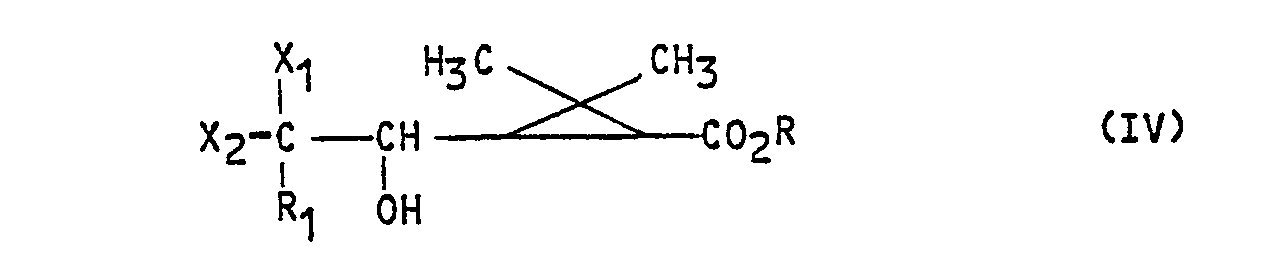


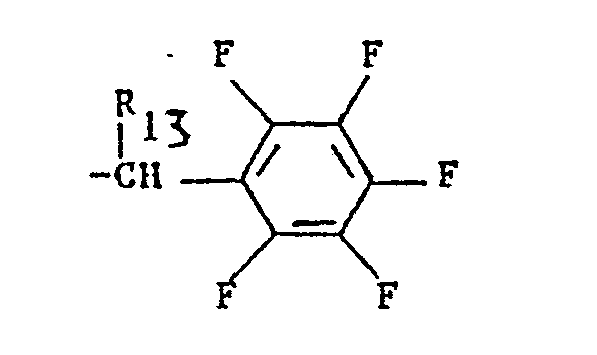


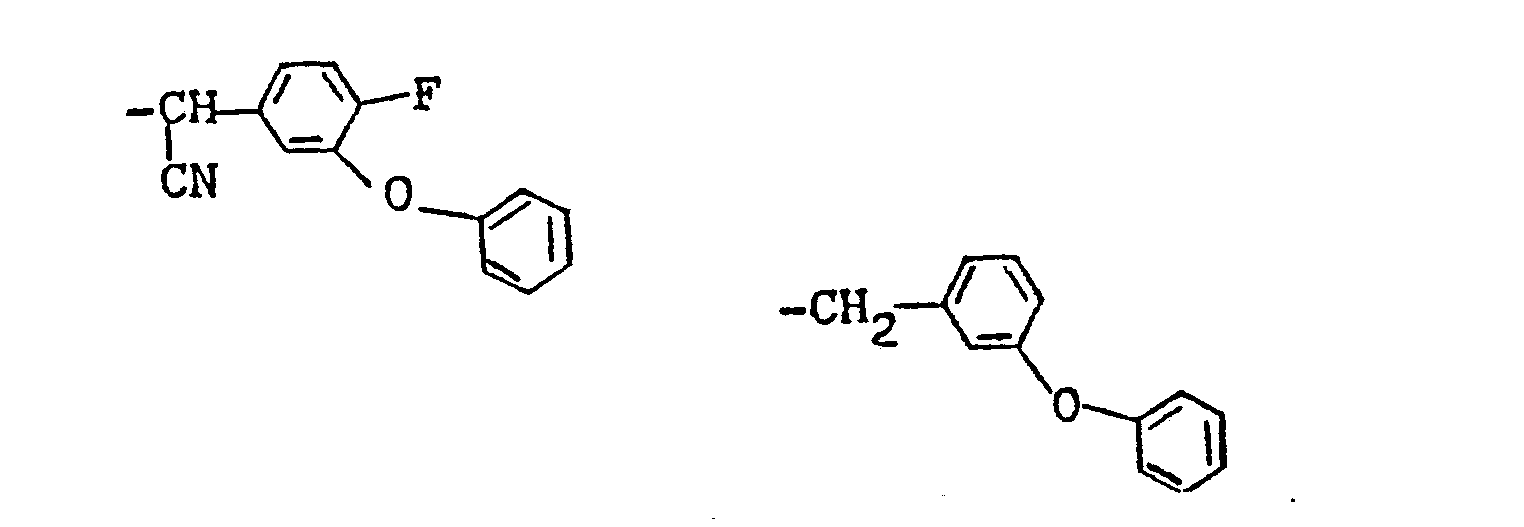


Priority Applications (3)
| Application Number | Priority Date | Filing Date | Title |
|---|---|---|---|
| EP91105958A EP0451873B1 (fr) | 1986-11-20 | 1987-11-19 | Nouveaux dérivés de l'acide 2,2-diméthyl cyclopropanecarboxylique portant en 3 une chaîne halogénée saturée, leur procédé de préparation et leur application à la synthèse de produits pesticides |
| AT87402605T ATE79862T1 (de) | 1986-11-20 | 1987-11-19 | 2,2-dimethylcyclopropancarbonsaeurederivate, die eine gesaettigte halogenierte kette an c-3 tragen, verfahren und zwischenprodukte zu ihrer herstellung, ihre verwendung als pestizide und sie enthaltende zusammensetzungen. |
| GR940402649T GR3015334T3 (en) | 1986-11-20 | 1995-03-09 | Derivatives of 2,2-dimethyl cyclopropanecarboxylic acid substituted at c-3 by a saturated halogenated chain, process for their preparation and their use in the synthesis of pesticidal products. |
Applications Claiming Priority (2)
| Application Number | Priority Date | Filing Date | Title |
|---|---|---|---|
| FR8616155A FR2607133B1 (fr) | 1986-11-20 | 1986-11-20 | Nouveaux derives de l'acide 2,2-dimethyl cyclopropane carboxylique portant en 3 une chaine halogenee saturee, leur procede de preparation et leur application comme pesticides |
| FR8616155 | 1986-11-20 |
Related Child Applications (3)
| Application Number | Title | Priority Date | Filing Date |
|---|---|---|---|
| EP91105956A Division EP0445843B1 (fr) | 1986-11-20 | 1987-11-19 | Nouveau procédé de préparation de dérivés de l'acide cyclopropane carboxylique portant en 3 une chaîne halogénée saturée |
| EP91105958.2 Division-Into | 1991-04-15 | ||
| EP91105956.6 Division-Into | 1991-04-15 |
Publications (3)
| Publication Number | Publication Date |
|---|---|
| EP0269514A2 true EP0269514A2 (fr) | 1988-06-01 |
| EP0269514A3 EP0269514A3 (en) | 1988-09-14 |
| EP0269514B1 EP0269514B1 (fr) | 1992-08-26 |
Family
ID=9341015
Family Applications (3)
| Application Number | Title | Priority Date | Filing Date |
|---|---|---|---|
| EP87402605A Expired - Lifetime EP0269514B1 (fr) | 1986-11-20 | 1987-11-19 | Nouveaux dérivés de l'acide 2,2-diméthyl cyclopropane carboxylique portant en 3 une chaîne halogénée saturée, leur procédé et les intermédiaires de préparation, leur application comme pesticides et les compositions les renfermant |
| EP91105958A Expired - Lifetime EP0451873B1 (fr) | 1986-11-20 | 1987-11-19 | Nouveaux dérivés de l'acide 2,2-diméthyl cyclopropanecarboxylique portant en 3 une chaîne halogénée saturée, leur procédé de préparation et leur application à la synthèse de produits pesticides |
| EP91105956A Expired - Lifetime EP0445843B1 (fr) | 1986-11-20 | 1987-11-19 | Nouveau procédé de préparation de dérivés de l'acide cyclopropane carboxylique portant en 3 une chaîne halogénée saturée |
Family Applications After (2)
| Application Number | Title | Priority Date | Filing Date |
|---|---|---|---|
| EP91105958A Expired - Lifetime EP0451873B1 (fr) | 1986-11-20 | 1987-11-19 | Nouveaux dérivés de l'acide 2,2-diméthyl cyclopropanecarboxylique portant en 3 une chaîne halogénée saturée, leur procédé de préparation et leur application à la synthèse de produits pesticides |
| EP91105956A Expired - Lifetime EP0445843B1 (fr) | 1986-11-20 | 1987-11-19 | Nouveau procédé de préparation de dérivés de l'acide cyclopropane carboxylique portant en 3 une chaîne halogénée saturée |
Country Status (18)
| Country | Link |
|---|---|
| US (2) | US4925874A (fr) |
| EP (3) | EP0269514B1 (fr) |
| JP (2) | JP2717787B2 (fr) |
| KR (1) | KR960010787B1 (fr) |
| CN (2) | CN1033028C (fr) |
| AT (2) | ATE119516T1 (fr) |
| AU (1) | AU593955B2 (fr) |
| BR (1) | BR8706250A (fr) |
| DE (3) | DE3781383T2 (fr) |
| ES (3) | ES2069765T3 (fr) |
| FR (1) | FR2607133B1 (fr) |
| GR (1) | GR3005520T3 (fr) |
| HU (1) | HU206075B (fr) |
| MX (1) | MX9412A (fr) |
| OA (1) | OA08693A (fr) |
| PT (1) | PT86171B (fr) |
| RU (1) | RU1779242C (fr) |
| ZA (1) | ZA878666B (fr) |
Cited By (4)
| Publication number | Priority date | Publication date | Assignee | Title |
|---|---|---|---|---|
| FR2636945A1 (fr) * | 1988-09-29 | 1990-03-30 | Roussel Uclaf | Nouveaux derives de l'acide 2,2-dimethyl 3-(1-hydroxy-2-sulfino-ethyl) cyclopropane carboxylique, leur procede de preparation et leur application comme pesticides |
| US4925874A (en) * | 1986-11-20 | 1990-05-15 | Roussel Uclaf | Novel cyclopropane carboxylates |
| EP0274314B1 (fr) * | 1986-12-11 | 1990-11-07 | Roussel-Uclaf | Procédé de préparation du 2,2-diméthyl 3-formyl cyclopropane carboxylate de pentafluorophénylméthyle et son application à la synthèse de produits pesticides |
| WO1997003941A1 (fr) * | 1995-07-21 | 1997-02-06 | Cheminova Agro A/S | Procede de preparation d'acides cyclopropane carboxyliques et de leurs intermediaires |
Families Citing this family (3)
| Publication number | Priority date | Publication date | Assignee | Title |
|---|---|---|---|---|
| HUT48864A (en) * | 1987-02-24 | 1989-07-28 | Sandoz Ag | Improved process for producing alpha-cyanobenzyl esters of cyclopropanic and alkanic acids |
| US8466096B2 (en) * | 2007-04-26 | 2013-06-18 | Afton Chemical Corporation | 1,3,2-dioxaphosphorinane, 2-sulfide derivatives for use as anti-wear additives in lubricant compositions |
| PL3895108T3 (pl) * | 2018-12-11 | 2024-12-16 | Ccs12 | Urządzenie i sposób zabezpieczania danych zabezpieczających bankowej karty płatniczej |
Family Cites Families (11)
| Publication number | Priority date | Publication date | Assignee | Title |
|---|---|---|---|---|
| JPS5850209B2 (ja) * | 1975-04-15 | 1983-11-09 | 住友化学工業株式会社 | 2 2− ジメチル−3−(2 2−ジハロビニル)−シクロプロパンカルボンサンユウドウタイノ セイゾウホウ |
| GB1572183A (en) * | 1975-09-05 | 1980-07-23 | Wellcome Found | Cyclopropane carboxylic acid ester synthesis and intermediates therefor |
| FR2396006A1 (fr) * | 1977-06-27 | 1979-01-26 | Roussel Uclaf | Nouveaux composes a noyau cyclopropanique, procede de preparation et application a la preparation de derives cyclopropaniques a chaine dihalovinyliques |
| DE3061336D1 (en) * | 1979-07-03 | 1983-01-20 | Shell Int Research | Process for the preparation of dihalovinyl compounds |
| US4376785A (en) * | 1980-06-19 | 1983-03-15 | Sumitomo Chemical Company, Limited | Cyclopropanecarboxylates and a low fish toxic insecticide and/or acaricide containing them |
| DE3037302A1 (de) * | 1980-10-02 | 1982-05-27 | Bayer Ag, 5090 Leverkusen | Bissilylierte l-hydroxycyclopropancarbonsaeuren, verfahren zu ihrer herstellung sowie ihre verwendung als zwischenprodukte |
| GB2099810A (en) * | 1981-06-09 | 1982-12-15 | Shell Int Research | Cyclopropanecarboxylate esters and their use as pesticides |
| FR2534252A1 (fr) * | 1982-10-12 | 1984-04-13 | Roussel Uclaf | Nouveaux derives de l'acide cyclopropane carboxylique substitues en 3 par une chaine vinylique elle-meme substituee, leur procede de preparation et leur application comme pesticides |
| IT1206727B (it) * | 1985-01-11 | 1989-05-03 | Donegani Guido Ist | Processo per la preparazione di carbinoli polialogenati. |
| JPH0674238B2 (ja) * | 1985-09-30 | 1994-09-21 | 財団法人相模中央化学研究所 | 2,2−ジメチルシクロプロパンカルボン酸誘導体 |
| FR2607133B1 (fr) * | 1986-11-20 | 1989-05-05 | Roussel Uclaf | Nouveaux derives de l'acide 2,2-dimethyl cyclopropane carboxylique portant en 3 une chaine halogenee saturee, leur procede de preparation et leur application comme pesticides |
-
1986
- 1986-11-20 FR FR8616155A patent/FR2607133B1/fr not_active Expired
-
1987
- 1987-11-18 MX MX941287A patent/MX9412A/es unknown
- 1987-11-18 HU HU875123A patent/HU206075B/hu not_active IP Right Cessation
- 1987-11-19 DE DE8787402605T patent/DE3781383T2/de not_active Expired - Fee Related
- 1987-11-19 DE DE3789064T patent/DE3789064T2/de not_active Expired - Fee Related
- 1987-11-19 ES ES91105958T patent/ES2069765T3/es not_active Expired - Lifetime
- 1987-11-19 BR BR8706250A patent/BR8706250A/pt unknown
- 1987-11-19 RU SU874203815A patent/RU1779242C/ru active
- 1987-11-19 DE DE3751149T patent/DE3751149T2/de not_active Expired - Fee Related
- 1987-11-19 EP EP87402605A patent/EP0269514B1/fr not_active Expired - Lifetime
- 1987-11-19 PT PT86171A patent/PT86171B/pt not_active IP Right Cessation
- 1987-11-19 ZA ZA878666A patent/ZA878666B/xx unknown
- 1987-11-19 EP EP91105958A patent/EP0451873B1/fr not_active Expired - Lifetime
- 1987-11-19 ES ES87402605T patent/ES2051762T3/es not_active Expired - Lifetime
- 1987-11-19 AT AT91105958T patent/ATE119516T1/de not_active IP Right Cessation
- 1987-11-19 EP EP91105956A patent/EP0445843B1/fr not_active Expired - Lifetime
- 1987-11-19 ES ES91105956T patent/ES2062598T3/es not_active Expired - Lifetime
- 1987-11-20 US US07/123,374 patent/US4925874A/en not_active Expired - Lifetime
- 1987-11-20 JP JP29224687A patent/JP2717787B2/ja not_active Expired - Fee Related
- 1987-11-20 KR KR1019870013093A patent/KR960010787B1/ko not_active Expired - Lifetime
- 1987-11-20 CN CN87101182A patent/CN1033028C/zh not_active Expired - Fee Related
- 1987-11-20 AU AU81434/87A patent/AU593955B2/en not_active Ceased
- 1987-11-20 OA OA59226A patent/OA08693A/fr unknown
-
1989
- 1989-10-18 US US07/423,803 patent/US5082832A/en not_active Expired - Fee Related
-
1991
- 1991-04-15 AT AT91105956T patent/ATE101391T1/de active
-
1992
- 1992-08-27 GR GR920400799T patent/GR3005520T3/el unknown
-
1994
- 1994-11-18 JP JP30834994A patent/JP2710097B2/ja not_active Expired - Fee Related
-
1995
- 1995-10-07 CN CN95115659A patent/CN1125714A/zh active Pending
Cited By (6)
| Publication number | Priority date | Publication date | Assignee | Title |
|---|---|---|---|---|
| US4925874A (en) * | 1986-11-20 | 1990-05-15 | Roussel Uclaf | Novel cyclopropane carboxylates |
| EP0274314B1 (fr) * | 1986-12-11 | 1990-11-07 | Roussel-Uclaf | Procédé de préparation du 2,2-diméthyl 3-formyl cyclopropane carboxylate de pentafluorophénylméthyle et son application à la synthèse de produits pesticides |
| FR2636945A1 (fr) * | 1988-09-29 | 1990-03-30 | Roussel Uclaf | Nouveaux derives de l'acide 2,2-dimethyl 3-(1-hydroxy-2-sulfino-ethyl) cyclopropane carboxylique, leur procede de preparation et leur application comme pesticides |
| EP0364326A1 (fr) * | 1988-09-29 | 1990-04-18 | Roussel-Uclaf | Nouveax dérivés de l'acide 2,2-diméthyl 3-(1-hydroxy 2-sulfinoéthyl) cyclopropane carboxylique, leur procédé de préparation et leur application comme pesticides |
| WO1997003941A1 (fr) * | 1995-07-21 | 1997-02-06 | Cheminova Agro A/S | Procede de preparation d'acides cyclopropane carboxyliques et de leurs intermediaires |
| US5986130A (en) * | 1995-07-21 | 1999-11-16 | Cheminova Agro A/S | Process for the preparation of cyclopropane carboxylic acids and intermediates therefor |
Also Published As
Similar Documents
| Publication | Publication Date | Title |
|---|---|---|
| EP0050534B1 (fr) | Esters d'acides cyclopropane carboxyliques apparentés à l'acide pyréthrique, leur procédé de préparation et leur application à la lutte contre les parasites | |
| EP0176387B1 (fr) | Nouveaux dérivés du pyrrole, leur procédé de préparation et leur application comme pesticides | |
| EP0048186B1 (fr) | Nouveaux dérivés de l'acide cyclopropane carboxylique, leur préparation, leur application à la lutte contre les parasites des végétaux, des animaux et des locaux, les compositions les renfermant et les nouveaux intermédiaires obtenus | |
| EP0281439B1 (fr) | Nouveaux esters d'acides cyclopropanecarboxyliques apparentés à l'acide pyréthrique, leur procédé de préparation et leur application à la lutte contre les parasites | |
| EP0041021A2 (fr) | Nouveaux dérivés de l'acide cyclopropane carboxylique, leur préparation, leur application à la lutte contre les parasites des végétaux et des animaux, les compositions les renfermant et les nouveaux intermédiaires obtenus | |
| EP0038271A2 (fr) | Nouveaux dérivés de l'acide cyclopropane carboxylique, leur préparation, leur application à la lutte contre les parasites des végétaux et des animaux, les compositions les renfermant et les nouveaux intermédiaires obtenus | |
| EP0381563A1 (fr) | Nouveaux dérivés de l'acide 2,2-diméthyl 3-(2-monohaloéthényl) cyclopropane carboxylique, leur procédé de préparation et leur application comme pesticides | |
| EP0132168B1 (fr) | Esters d'acides cyclopropane carboxyliques comportant un groupement cyano, procédé et intermédiaires de préparation, leur application comme pesticides et les compositions les renfermant | |
| EP0269514B1 (fr) | Nouveaux dérivés de l'acide 2,2-diméthyl cyclopropane carboxylique portant en 3 une chaîne halogénée saturée, leur procédé et les intermédiaires de préparation, leur application comme pesticides et les compositions les renfermant | |
| EP0105006B1 (fr) | Cyclopropane carboxylates à structure allénique, leur procédé et leurs intermédiaires de préparation, leur application à la lutte contre les parasites et les compositions les renfermant | |
| EP0133406B1 (fr) | Nouveaux dérivés de l'acide cyclopropane carboxylique, leur préparation, leur application à la lutte contre les parasites et les compositions les renfermant | |
| EP0357742B1 (fr) | Nouveaux esters pyrethrinoides portant un noyau indanyle, leur procede de preparation et leur application comme pesticides | |
| EP0557192B1 (fr) | Esters pyréthrinoides, dérivés de l'alcool 6-(trifluorométhyl)benzylique, leur procédé de préparation et leur application comme pesticides | |
| EP0110769B1 (fr) | Nouveaux esters dérivés d'acides 2,2-diméthyl cyclopropane carboxyliques et d'alcools biaryliques, leur procédé de préparation, leur application à la lutte contre les parasites et les compositions les renfermant | |
| EP0228942B1 (fr) | Nouveaux dérivés de l'acide cyclopropane carboxylique à substituant iodé, leur préparation, leur application à la lutte contre les parasites des végétaux et des animaux et les compositions les renfermant | |
| EP0335801A2 (fr) | Nouveau procédé de préparation de dérivés trifluorométhylvinyliques à partir de dérivés halogénovinyliques correspondants | |
| EP0261035B1 (fr) | Dérivés de l'indole, leur procédé de préparation, leur application à la lutte contre les parasites et les compositions les renfermant | |
| EP0114012B1 (fr) | Esters d'acides cyclopropane carboxyliques et d'alcools aliphatiques insaturés, procédé et intermédiaires de préparation et compositions pesticides les renfermant | |
| EP0108679B1 (fr) | Nouveaux dérivés de l'acide cyclopropane carboxylique comportant un groupement alcoylthiocarbonyle et un atome d'halogène, leur préparation, leur application à la lutte contre les parasites des végétaux, des animaux et des locaux et les compositions les renfermant | |
| EP0364326B1 (fr) | Nouveax dérivés de l'acide 2,2-diméthyl 3-(1-hydroxy 2-sulfinoéthyl) cyclopropane carboxylique, leur procédé de préparation et leur application comme pesticides | |
| EP0554167A1 (fr) | Nouveaux dérivés de l'acide 2,2-diméthyl 3-/(2,2-difluorocyclopropylidène)méthyl/cyclopropane carboxylique, leur procédé de préparation de leur application comme pesticides | |
| EP0215701A1 (fr) | Nouveaux esters d'acides cyclopropane carboxyliques et de 2,3-dihydro 4-phényl 1H-inden-2-ol, leur préparation, leur application à la lutte contre les parasites et les compositions les renfermant | |
| EP0093664A1 (fr) | Ester d'acide cyclopropane carboxylique et d'alcool(S)cyano(4-fluoro-3-phénoxyphényl) méthylique, sa préparation, son application à la lutte contre les parasites et les compositions le renfermant | |
| FR2536392A2 (fr) | Nouveaux derives de l'acide cyclopropane carboxylique, leur procede de preparation et leur application a la lutte contre les parasites | |
| EP0502183A1 (fr) | Nouveaux esters pyrethrinoides de l'alcool 4-(dihalogenomethyl) 2,3,5,6-tetrafluorobenzylique, leur procede de preparation et leur application comme pesticides |
Legal Events
| Date | Code | Title | Description |
|---|---|---|---|
| PUAI | Public reference made under article 153(3) epc to a published international application that has entered the european phase |
Free format text: ORIGINAL CODE: 0009012 |
|
| AK | Designated contracting states |
Kind code of ref document: A2 Designated state(s): AT BE CH DE ES FR GB GR IT LI LU NL |
|
| PUAL | Search report despatched |
Free format text: ORIGINAL CODE: 0009013 |
|
| AK | Designated contracting states |
Kind code of ref document: A3 Designated state(s): AT BE CH DE ES FR GB GR IT LI LU NL |
|
| 17P | Request for examination filed |
Effective date: 19881028 |
|
| 17Q | First examination report despatched |
Effective date: 19900406 |
|
| GRAA | (expected) grant |
Free format text: ORIGINAL CODE: 0009210 |
|
| ITF | It: translation for a ep patent filed | ||
| AK | Designated contracting states |
Kind code of ref document: B1 Designated state(s): AT BE CH DE ES FR GB GR IT LI LU NL |
|
| REF | Corresponds to: |
Ref document number: 79862 Country of ref document: AT Date of ref document: 19920915 Kind code of ref document: T |
|
| XX | Miscellaneous (additional remarks) |
Free format text: TEILANMELDUNG 91105956.6 EINGEREICHT AM 19/11/87. |
|
| REF | Corresponds to: |
Ref document number: 3781383 Country of ref document: DE Date of ref document: 19921001 |
|
| GBT | Gb: translation of ep patent filed (gb section 77(6)(a)/1977) | ||
| ITTA | It: last paid annual fee | ||
| REG | Reference to a national code |
Ref country code: GR Ref legal event code: FG4A Free format text: 3005520 |
|
| PLBE | No opposition filed within time limit |
Free format text: ORIGINAL CODE: 0009261 |
|
| STAA | Information on the status of an ep patent application or granted ep patent |
Free format text: STATUS: NO OPPOSITION FILED WITHIN TIME LIMIT |
|
| 26N | No opposition filed | ||
| EPTA | Lu: last paid annual fee | ||
| REG | Reference to a national code |
Ref country code: ES Ref legal event code: FG2A Ref document number: 2051762 Country of ref document: ES Kind code of ref document: T3 |
|
| PGFP | Annual fee paid to national office [announced via postgrant information from national office to epo] |
Ref country code: BE Payment date: 19951031 Year of fee payment: 9 |
|
| PGFP | Annual fee paid to national office [announced via postgrant information from national office to epo] |
Ref country code: LU Payment date: 19951101 Year of fee payment: 9 |
|
| PGFP | Annual fee paid to national office [announced via postgrant information from national office to epo] |
Ref country code: ES Payment date: 19951102 Year of fee payment: 9 |
|
| PGFP | Annual fee paid to national office [announced via postgrant information from national office to epo] |
Ref country code: CH Payment date: 19951103 Year of fee payment: 9 |
|
| PGFP | Annual fee paid to national office [announced via postgrant information from national office to epo] |
Ref country code: GR Payment date: 19951128 Year of fee payment: 9 |
|
| PGFP | Annual fee paid to national office [announced via postgrant information from national office to epo] |
Ref country code: AT Payment date: 19951129 Year of fee payment: 9 |
|
| PGFP | Annual fee paid to national office [announced via postgrant information from national office to epo] |
Ref country code: NL Payment date: 19951130 Year of fee payment: 9 |
|
| PG25 | Lapsed in a contracting state [announced via postgrant information from national office to epo] |
Ref country code: LU Free format text: LAPSE BECAUSE OF NON-PAYMENT OF DUE FEES Effective date: 19961119 Ref country code: AT Effective date: 19961119 |
|
| PG25 | Lapsed in a contracting state [announced via postgrant information from national office to epo] |
Ref country code: ES Free format text: LAPSE BECAUSE OF EXPIRATION OF PROTECTION Effective date: 19961120 |
|
| PG25 | Lapsed in a contracting state [announced via postgrant information from national office to epo] |
Ref country code: LI Effective date: 19961130 Ref country code: CH Effective date: 19961130 Ref country code: BE Effective date: 19961130 |
|
| REG | Reference to a national code |
Ref country code: FR Ref legal event code: CD Ref country code: FR Ref legal event code: CA |
|
| BERE | Be: lapsed |
Owner name: ROUSSEL UCLAF Effective date: 19961130 |
|
| PG25 | Lapsed in a contracting state [announced via postgrant information from national office to epo] |
Ref country code: GR Free format text: THE PATENT HAS BEEN ANNULLED BY A DECISION OF A NATIONAL AUTHORITY Effective date: 19970531 |
|
| PG25 | Lapsed in a contracting state [announced via postgrant information from national office to epo] |
Ref country code: NL Effective date: 19970601 |
|
| REG | Reference to a national code |
Ref country code: GR Ref legal event code: MM2A Free format text: 3005520 |
|
| REG | Reference to a national code |
Ref country code: CH Ref legal event code: PL |
|
| NLV4 | Nl: lapsed or anulled due to non-payment of the annual fee |
Effective date: 19970601 |
|
| REG | Reference to a national code |
Ref country code: ES Ref legal event code: FD2A Effective date: 20010201 |
|
| REG | Reference to a national code |
Ref country code: GB Ref legal event code: IF02 |
|
| PGFP | Annual fee paid to national office [announced via postgrant information from national office to epo] |
Ref country code: DE Payment date: 20020910 Year of fee payment: 16 |
|
| PGFP | Annual fee paid to national office [announced via postgrant information from national office to epo] |
Ref country code: FR Payment date: 20021108 Year of fee payment: 16 |
|
| PGFP | Annual fee paid to national office [announced via postgrant information from national office to epo] |
Ref country code: GB Payment date: 20021113 Year of fee payment: 16 |
|
| REG | Reference to a national code |
Ref country code: FR Ref legal event code: TP Ref country code: FR Ref legal event code: CA |
|
| PG25 | Lapsed in a contracting state [announced via postgrant information from national office to epo] |
Ref country code: GB Free format text: LAPSE BECAUSE OF NON-PAYMENT OF DUE FEES Effective date: 20031119 |
|
| PG25 | Lapsed in a contracting state [announced via postgrant information from national office to epo] |
Ref country code: DE Free format text: LAPSE BECAUSE OF NON-PAYMENT OF DUE FEES Effective date: 20040602 |
|
| GBPC | Gb: european patent ceased through non-payment of renewal fee |
Effective date: 20031119 |
|
| PG25 | Lapsed in a contracting state [announced via postgrant information from national office to epo] |
Ref country code: FR Free format text: LAPSE BECAUSE OF NON-PAYMENT OF DUE FEES Effective date: 20040730 |
|
| REG | Reference to a national code |
Ref country code: FR Ref legal event code: ST |
|
| PG25 | Lapsed in a contracting state [announced via postgrant information from national office to epo] |
Ref country code: IT Free format text: LAPSE BECAUSE OF NON-PAYMENT OF DUE FEES;WARNING: LAPSES OF ITALIAN PATENTS WITH EFFECTIVE DATE BEFORE 2007 MAY HAVE OCCURRED AT ANY TIME BEFORE 2007. THE CORRECT EFFECTIVE DATE MAY BE DIFFERENT FROM THE ONE RECORDED. Effective date: 20051119 |