EP0271201A2 - Sondes d'acide nucléique pour la détection du cytomégalovirus dans les produits sanguins - Google Patents
Sondes d'acide nucléique pour la détection du cytomégalovirus dans les produits sanguins Download PDFInfo
- Publication number
- EP0271201A2 EP0271201A2 EP87309680A EP87309680A EP0271201A2 EP 0271201 A2 EP0271201 A2 EP 0271201A2 EP 87309680 A EP87309680 A EP 87309680A EP 87309680 A EP87309680 A EP 87309680A EP 0271201 A2 EP0271201 A2 EP 0271201A2
- Authority
- EP
- European Patent Office
- Prior art keywords
- fragment
- hcmv
- eco
- bam
- plasmid
- Prior art date
- Legal status (The legal status is an assumption and is not a legal conclusion. Google has not performed a legal analysis and makes no representation as to the accuracy of the status listed.)
- Withdrawn
Links
Images



Classifications
-
- C—CHEMISTRY; METALLURGY
- C12—BIOCHEMISTRY; BEER; SPIRITS; WINE; VINEGAR; MICROBIOLOGY; ENZYMOLOGY; MUTATION OR GENETIC ENGINEERING
- C12Q—MEASURING OR TESTING PROCESSES INVOLVING ENZYMES, NUCLEIC ACIDS OR MICROORGANISMS; COMPOSITIONS OR TEST PAPERS THEREFOR; PROCESSES OF PREPARING SUCH COMPOSITIONS; CONDITION-RESPONSIVE CONTROL IN MICROBIOLOGICAL OR ENZYMOLOGICAL PROCESSES
- C12Q1/00—Measuring or testing processes involving enzymes, nucleic acids or microorganisms; Compositions therefor; Processes of preparing such compositions
- C12Q1/70—Measuring or testing processes involving enzymes, nucleic acids or microorganisms; Compositions therefor; Processes of preparing such compositions involving virus or bacteriophage
- C12Q1/701—Specific hybridization probes
- C12Q1/705—Specific hybridization probes for herpetoviridae, e.g. herpes simplex, varicella zoster
-
- C—CHEMISTRY; METALLURGY
- C07—ORGANIC CHEMISTRY
- C07K—PEPTIDES
- C07K14/00—Peptides having more than 20 amino acids; Gastrins; Somatostatins; Melanotropins; Derivatives thereof
- C07K14/005—Peptides having more than 20 amino acids; Gastrins; Somatostatins; Melanotropins; Derivatives thereof from viruses
-
- C—CHEMISTRY; METALLURGY
- C12—BIOCHEMISTRY; BEER; SPIRITS; WINE; VINEGAR; MICROBIOLOGY; ENZYMOLOGY; MUTATION OR GENETIC ENGINEERING
- C12N—MICROORGANISMS OR ENZYMES; COMPOSITIONS THEREOF; PROPAGATING, PRESERVING, OR MAINTAINING MICROORGANISMS; MUTATION OR GENETIC ENGINEERING; CULTURE MEDIA
- C12N2710/00—MICROORGANISMS OR ENZYMES; COMPOSITIONS THEREOF; PROPAGATING, PRESERVING, OR MAINTAINING MICROORGANISMS; MUTATION OR GENETIC ENGINEERING; CULTURE MEDIA dsDNA viruses
- C12N2710/00011—Details
- C12N2710/16011—Herpesviridae
- C12N2710/16111—Cytomegalovirus, e.g. human herpesvirus 5
- C12N2710/16122—New viral proteins or individual genes, new structural or functional aspects of known viral proteins or genes
Definitions
- the present invention relates to the production of a human cytomegalovirus (HCMV) DNA probe and the use of such a probe to detect HCMV in a body sample.
- HCMV human cytomegalovirus
- the invention is particularly useful in screening blood products for the presence of HCMV prior to transfusion.
- Cytomegalovirus inclusion disease CID
- CMV cytomegalovirus
- CMV cytomegalovirus
- HCMV Human cytomegalovirus
- Cytomegalovirus infection is worldwide in distribution. Cytomegalovirus, however, does not induce a highly communicable infection. Thus, a substantial number of individuals remain susceptible to the infection in adult life. CMV has been isolated from saliva, the upper respiratory tract, urine, milk, cervical secretions, semen, feces and circulating leukocytes in blood. The virus is probably transferred by intimate contact with an infected individual or by infusion of blood from a asymptomatic blood donor.
- CMV CMV is involved in a wide spectrum of clinical disorders from inapparent infection to severe congenital disease.
- CMV chronic myeloma
- CMV chronic myeloma
- HCMV infection has also been reported to cause encephalitis, occurring more frequently in immunosuppressed patients [Dorfman, Neurology , 23 , 136 (1974): Kauffman et al., Am. J. Med ., 67 , 724 1979); Schober et al., Lancet . 1 , 962 (1973). Documentation of this diagnosis of HCMV infection has been hindered by the difficulty of recovering virus from cerebrospinal fluid (CSF) or brain tissue and has relied instead on histological examination of infected tissues.
- CSF cerebrospinal fluid
- HCMV encephalitis range from cases involving immunosuppressed patients after receiving organ transplants [Bale, Arch. Neurol ., 41 , 310 (1984)] including kidney [Schneck, J. Neuropathol. Exp. Neurol ., 24 , 415 (1965)] to patients afflicted with acquired immune deficiency syndrome (AIDS) [Levy et al., J. Neurosurgery , 61, 9 (1984); Moskowitz et al., Arch. Pathol. Lab. Med ., 108 , 867 (1984); Nielsen et al., Am. J. Clin. Pathol ., 82 , 678 (1984); Snider et al., Ann. Neurol ., 14 , 403 (1984)].
- CMV mononucleosis a type of cytomegalovirus infection has been described in patients who have received blood transfusions. This condition, referred to as post-transfusion CMV mononucleosis, occurs two to four weeks after the administration of blood.
- cytomegalovirus infection has also been associated with autoimmune hemolytic disease, ulcerative lesions of the gastrointestinal tract, post-transplantation pneumonia and thrombocytopenic purpura. For the majority of CMV infections acquired after birth, however, recovery is without significant complications.
- HCMV infection can be transferred from healthy donors [Stevens et al., J. Am. Med.
- lymphocytes infected in vitro with HCMV express immediate-early and early proteins [Rice et al., Proc. Natl. Acad. Sci. USA , 81 , 6134 (1984)], and that a latent CMV infection in lymphocytes can be demonstrated by protein expression and RNA detection [Schrier et al., Science , 230 , 1048 (Nov. 1985)].
- herpes viruses a characteristic of herpes viruses is the ability of the virus to persist in the host tissue for many years after initial infection and later be reactivated to cause disease, e.g., HSV-1, HSV-2 and varicella zoster virus (VZV) in sensory ganglia and EBV in B lymphocytes.
- disease e.g., HSV-1, HSV-2 and varicella zoster virus (VZV) in sensory ganglia and EBV in B lymphocytes.
- VZV varicella zoster virus
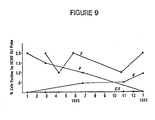
- cytomegalovirus infection in a patient with mononucleosis-like symptoms can be established by virus isolation from infected tissues. Antibodies produced in response to infection with a CMV can be detected by neutralization (NT), complement-fixation (CF), immunofluorescence and platelet-agglutination (PA) procedures. [See Weller, T. H., N. Engl. J. Med. , 285 , 203 (1971)]. Currently available serologic tests, however, must be interpreted with caution when diagnosing CMV infection because of cross-reactions with other cell-associated herpes viruses, and, for example, the tendency of CF antibody to fluctuate widely in normal individuals. In addition, as is shown in Figure 9, some HCMV seropositive individuals do not show detectable virus in the blood.
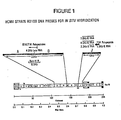
- HCMV strain AD169 is a linear, double stranded DNA molecule with a size of approximately 235 kbp (kilobase pairs). See Figure 1 herein; Weststrate et al., J. Gen. Virol. , 49 , 1 (1980) and Fleckenstein et al., Gene , 18 , 39 (1982,. This molecule contains two unique stretches of DNA denominated U L and U S that are bordered by a pair of inverted repeats. Weststrate et al,., J . Gen . Virol ., 49 , 1 (1980). The DNAs of different strains of HCMV demonstrate 80 percent homology by reassociation kinetics. Huang et al., Yale J.
- HCMV DNA has less than 5 percent homology with herpes simplex virus types 1 and 2 (HSV-1 and HSV-2), respectively) and murine and simian cytomegaloviruses. Huang et al., J. Virol. , 13 , 642 (1974).
- RNA species transcribed prior to protein synthesis have been designated immediate-early (IE) RNAs and are transcribed in restricted areas of the genome.
- IE immediate-early
- RNA RNA RNA
- early RNA RNA RNA
- the late RNAs are transcribed after the onset of viral DNA replication.
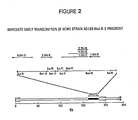
- the Hind III E fragment of HCMV strain AD169 [map units of about 0.06 to about 0.16, Nelson et al., J. Virol ., 43 , 83 (1982)] contains 90 percent of the coding region for transcription of immediate-early RNAs. Wathen et al., J. Virol. , 41 , 462 (1982) and McDonough et al., Virology , 41 , 462 (1982). Four abundantly transcribed IE RNAs (1.9 kb, 2.2 kb, 2.3 kb and 5.0 kb) and two minor transcripts are produced in this region. Jahn et al., J. Virol. , 49 , 363 (1984). (See Figure 2).
- mRNA messenger RNA
- Monoclonal antibody (mab) L-14 reacts specifically with CMV-infected cells.
- mab L-14 reacts with a protein that appears early after CMV infection (within 3 hours) and remains localized to the cell nucleus throughout the infectious cycle.
- the hybridoma that produces mab L-14 was deposited on May 3, 1984 at the American Type Culture Collection, Rockville, Maryland and was given the ATCC accession number HB 8554.
- An ideal rapid diagnostic method would involve the direct examination of clinical specimens with a result obtained within hours of collection. Electron microscopy has been used for rapid viral diagnosis, but it is too expensive, time-consuming and insensitive to be used for the routine screening of large numbers of specimens.
- rapid viral diagnostic methods centered around viral antigen detection and included immunofluorescence, radioimmunoassay, immunoperoxidase and more recently, enzyme-linked immunosorbent assay. These methods have been applied directly to clinical specimens, to biopsy and autopsy tissues and to cell cultures after viral inoculation and amplification in order to obtain more rapid results. In general, however, these methods have not been as sensitive as viral isolation when applied directly to clinical specimens.
- polynucleic acid hybridization techniques have been developed over the years to investigate the structure and expression of cellular and viral genes.
- polynucleic acid hybridization technology has been applied to clinical virology, both for rapid diagnosis using clinical specimens and for studies of viral pathogenesis.
- polynucleic acid hybridization includes its specificity in that labeled polynucleic acid probes anneal to complementary polynucleotide sequences in a test sample, and its sensitivity, based on the strong avidity of complementary sequences for each other. Hybridization can also be used, as described herein, to detect nonreplicating viral infections that are abortive or latent.
- the DNA molecule in its natural state is made up of two strands wound helically around each other, with each base specifically linked by hydrogen bonds to a complementary base on the other strand.
- thymine is always linked by hydrogen bonds to adenine
- quanine is always linked by hydrogen bonds to cytosine.
- the hydrogen bonds between the bases can be broken by heating so that the two strands of DNA are completely separated from each other.
- the dissociation of DNA also called denaturation or melting
- T m The melting temperature of each DNA varies according to the guanine plus cytosine content and the length of the DNA, the ionic strength of the solution, and the presence of organic solvents such as formamide.
- each 1 percent formamide in the reaction mixture generally reduces the T m by about 0.7 degrees Centigrade (C).
- the dissociated single polynucleic acid strands collide with complementary partners, and if the conditions are right, double-stranded helixes are again formed.
- the rate of reassociation is maximal at about 25 degrees C below the T m for that DNA.
- Reassociation or annealing of a polynucleotide is primarily determined by the polynucleotide concentration and the time of incubation. Other factors that affect the rate of reassociation are the complexity of the polynucleotide (the more complex, the slower the rate), the ionic strength of the solution (increasing ionic strength increases the rate of reassocation), and the presence of high molecular weight polymers such as dextran sulfate, which can increase the rate of reassociaiton from 3 to 100 times.
- the stability of reassociated double-stranded polynucleotide depends on the degree to which the two strands are composed of complementary base sequences, which in turn determines how well the two strands are hydrogen bonded.
- hybridization proceeds under stringent conditions, only highly complementary strands will anneal. Under conditions of low stringency, the formation of hybrids with some degree of base mismatching can occur. Conditions of low stringency can be useful when it is advantageous to detect related, but not identical, polynucleic acid sequences. This has been done with human papillomaviruses, herpes simplex virus types 1 and 2, adenoviruses, enteroviruses and rotaviruses.
- a labeled single-stranded polynucleic acid "probe" containing the specific sequence or sequences complementary to the sequence(s) being sought is mixed with a denatured (dissociated) sample of DNA or RNA.
- the labeled probe anneals with complementary nucleic acid sequences in the sample, forming double-stranded "hybrids," which now contain the label.
- hybrids double-stranded polynucleic acids
- the present invention contemplates a polynucleotide probe to human cytomegalovirus (HCMV), to a process for preparing a probe, and to the use of such a probe to assay for the presence of HCMV in a human body sample.
- HCMV human cytomegalovirus
- One aspect of this invention relates to a method for detecting latent human cytomegalovirus in a human body sample. That process comprises the steps of: (a) admixing a sample of fixed, permeablized human cellular body sample such as peripheral blood mononuclear cells (PBMs) like lymphocytes with a recombinant HCMV-derived polynucleotide probe whose sequence corresponds to either or both of genes expressed as an immediate-early or late RNA transcript by the virus in an amount sufficient to anneal any complementary polynucleotide present; i.e., the fixed, permeablized cells are admixed with a polynucleotide of this invention that includes an indicating means; (b) maintaining the admixture under hybridization conditions for a time period sufficient for annealing of the probe to any complementary polynucleotide present in the sample to occur; (c) separating the complexed probe and complementary sequence from any uncomplexed probe; and (d)
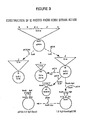
- Another aspect of the present invention relates to a process for preparing a recombinant HCMV-derived plasmid or probe. That process comprises the steps of: (a) digesting the Hind III E fragment of an HCMV strain DNA with restriction endonuclease Eco RI to provide fragmented linear DNA segments including an Eco RI J fragment of about 10 kb, as shown in Figure 3; (b) ligating the Eco RI J fragment into the Eco RI site of a plasmid to provide a recombinant HCMV-derived plasmid; (c) cloning the recombinant plasmid in a suitable replication medium such as a bacterium to provide an amount of the recombinant plasmid sufficient for use as a probe; and (d) linking an indicating means to the plasmid or the Eco RI J fragment thereof to form the probe.
- the recombinant plasmid so formed is thus cloned (replicated) in a replication medium to produce a greater amount of that plasmid, the cloned, recombinant HCMV-derived plasmid or EcoRI J fragment is recovered from the replication medium and linked to the indicating means for use as a DNA probe.
- this invention includes a process for preparing a recombinant HCMV-derived plasmid or probe comprising the steps of digesting the before-described Eco RI J fragment-containing recombinant HCMV-derived plasmid with restriction endonuclease Pst I to provide fragmented linear DNA segments including a Pst I m fragment, of about 1.8 kb, as shown in Figure 4 and ligating the Pst I m fragment into the Pst I site of a second plasmid to provide a second recombinant HCMV-derived plasmid.
- That second plasmid is typically cloned in a suitable replication medium to provide more of the plasmid, and an indicating means is linked to the resulting plasmid or at least to the Pst I m in fragment portion thereof to form the desired probe.
- a foregoing process can further include the additional steps of: digesting the first-named recombinant HCMV-derived Eco RI J fragment-containing plasmid with restriction endonucleases Bgl II and Bam HI to provide fragmented linear DNA segments including a Bgl II- Bam HI fragment of about 475 bases as shown in Figure 4; and ligating the Bgl II- Bam HI fragment into the Bam HI site of the polylinker of plasmid pUC18 to provide a third recombinant HCMV-derived plasmid.
- An indicating means is linked to the plasmid or to at least the Bgl II- Bam HI portion thereof to form the probe.
- An RND probe is prepared by digesting the above-described third recombinant HCMV-derived plasmid with Eco -RI and Pst I endonucleases to provide an Eco RI- Pst I fragment as shown in Figure 3 that includes the before-mentioned Bgl II- Bam HI fragment of about 475 bases. That Eco RI- Pst I fragment is then ligated into the respective sites of an in vitro transcription plasmid such as pSP65 to form a fourth plasmid. The fourth plasmid is thereafter cloned in a suitable replication medium to prepare more of it.
- RNA probe is prepared from the resulting linearized plasmid by an in vitro run-off transcription reaction carried out in the presence of one or more appropriately labeled ribonucleic acid triphosphates.
- a further embodiment of this invention includes a process for preparing a recombinant HCMV-derived plasmid or probe comprising the steps of: (a) digesting the first-named recombinant HCMV-derived Eco RI J fragment-containing plasmid with restriction endonucleases Bam HI and Eco RI to provide fragmented linear DNA segments including a Bam HI- Eco RI fragment of about 4.2 kb as shown in Figure 3; and (b) ligating the Bam HI and Eco RI sites of the polylinker of plasmid pUC19 to provide a fifth recombinant HCMV-derived plasmid.
- That fifth plasmid is typically cloned in a suitable replication medium to provide more of the plasmid, and an indicating means is linked to the resulting plasmid or at least to the Bam HI- Eco RI fragment portion thereof to form the desired probe.
- a process for preparing a recombinant HCMV-derived plasmid and probe related to a late gene protein product comprising the steps of: (a) digesting the Eco RI A plus D (A-D) fragment of an HCMV strain DNA with restriction endonuclease Bam HI R fragment of about 6.6 kb as shown in Figure 5; and (b) ligating the Bam HI R fragment into the Bam HI site of the polylinker of plasmid pUC19 to provide a sixth recombinant HCMV-derived plasmid. That sixth plasmid is typically cloned in a suitable replication medium to provide more of the plasmid, and an indicating means is linked to the resulting plasmid or at least to the Bam HI R fragment portion thereof to form the desired probe.
- the HCMV strain can comprise one of the frequently used HCMV strains including Davis, Towne and AD169; and the plasmids can be selected from pACYC184, pUC18, pUC19, the so-called Riboprobe vector pSP65 and other plasmids or cosmids well known to those skilled in the art.
- Each of the before-described HCMV-derived plasmids is preferably cloned in a replication medium such as a unicellular organism like E . coli to produce a greater amount of the plasmid in the medium.
- the cloned HCMV-derived plasmid is thereafter recovered from the replication medium.
- the cloned, recovered plasmids are operatively linked to an indicating means, as noted, that is capable of indicating the presence of the probe annealed to HCMV nucleic acid in cells to be assayed.
- Linkage of an indicating means to the plasmid to form the DNA probe can be carried out in a number of manners, but nick-translation is the preferred method.
- HCMV-derived plasmids and probes include the recombinant HCMV-derived plasmids and probes.
- Starting preferred recombinant HCMV-derived plasmids (PJN201 and pCM3) useful in preparing plasmids and probes of this invention have been deposited at the American Type Culture Collection (ATCC) in Rockville, Maryland and have been assigned the following ATCC accession numbers and , respectively. Those plasmids were contained in E . coli and were deposited on pursuant to the Budapest Treaty.
- ATCC American Type Culture Collection
- a further aspect of this invention is a diagnostic assay system for detecting the presence of HCMV in a biological sample.
- Such an assay system is particularly useful in screening blood products for latent HCMV prior to transfusion of one or more blood constituents.
- the system comprises at least one container, and includes as an active ingredient, an amount of an indicating means-linked recombinant HCMV-derived probe of this invention corresponding in sequence to an immediate-early protein gene sufficient to react with and anneal to complementary nucleic acid sequences in the sample.
- An immediate-early gene-directed probe is particularly useful for detecting a latent HCMV infection.
- a combination of probes, one directed to the immediate-early gene of the 72 K protein product and one directed to the gene of a late protein-product, is preferred for detecting infection in a patient where it is not known whether infection is at the stage of transcribing immediate-early genes or has progressed to a stage of transcription in which the late genes but not immediate-early genes are being expressed.
- another diagnostic system comprises at least two containers, one of which includes the above active ingredient and the other of which includes as an active ingredient, an amount of an indicating means-linked HCMV-derived probe of this invention directed to a late gene protein product sufficient to react with and anneal to complementary nucleic acid sequences in the sample.
- the indicating means can include radioisotopes such as 3H, 32P, 14C and 35S.
- Another particularly useful indicating means is biotin which can produce a biotin-labeled probe that is stable for up to two years when stored at -20 degrees C. Biotin-containing probes are typically used with avidin-containing amplifying and visualizing reagents.
- polynucleic acid (polynucleotide) probes useful herein are utilized along with an "indicator labeling means", "indicating means”, “indicating group” or a “label”, all of which terms are used interchangeably.
- the indicating group or label is utilized in conjunction with the probe as a means for signalling (determining) that a complementary HCMV DNA or RNA has bound to the probe.
- the signal-providing label utilized is operatively linked to the probe, as discussed hereinafter.
- the term "operationally linked” is used herein to mean that one entity is linked to another entity such that the normal function of both entities is not substantially impaired.
- a label is operationally linked to a polynucleotide in a probe
- the polynucleotide functions to bind to a complementary polynucleotide strand
- the indicating means functions to indicate that pairing and annealing of the probe strand and complementary strand has occurred.
- a polynucleotide strand is operationally linked into a vector by ligation, the resulting recombinant vector is capable of replication.
- the indicating group can be or utilize a biologically active enzyme, such as horseradish peroxidase (HRP) or glucose oxidase, or the like.
- HRP horseradish peroxidase
- glucose oxidase or glucose oxidase
- additional reagents are required to visualize the fact that a complex has formed betweem the probe and a complementary strand of nucleic acid.
- additional reagents for HRP include hydrogen peroxide and an oxidation dye precursor such as diaminobenzidine.
- An additional reagent useful with glucose oxidase is 2,2 ⁇ azino-di-(3-ethylbenzthiazoline-6-sulfonic acid) (ABTS).
- Radioactive elements provide another, particularly preferred class of label, and are used herein as exemplary of useful labels.
- An exemplary radiolabelling agent that can be utilized in the invention is a radioactive element that produces beta ray emissions.
- Elements which themselves emit beta rays, such as 3H, 14C, 32P and 35S represent a class of beta ray emission-producing radioactive element indicating groups.
- probe is used herein to mean a polynucleotide sequence of DNA or RNA that contains a linked indicating means, as discussed above, that is complementary to a messenger RNA or to a single strand of DNA that encodes a protein such as an immediate-early or late protein expressed by HCMV.
- a probe is utilized as a single strand of polynucleic acid, but for convenience is sometimes referred to herein as the double-stranded molecule such as an indicator means-linked plasmid.
- the single-stranded probe is typically prepared from the double-stranded molecule by heating and rapid cooling prior to or after admixture of the probe with the biological sample to be assayed.
- a probe described herein is utilized in a polynucleotide hybridization study in which a single-stranded probe anneals to a complementary strand of another polynucleotide within a cell.
- Such hybridization studies are well known in the art as in situ hybridization studies. In such hybridization procedures, both the probe and its soughtafter complementary polynucleotide sequence must be single-stranded, as already noted.
- the probe contains DNA molecules, it must be melted to form single-stranded molecules.
- the complementary soughtafter polynucleotide is also a DNA molecule, that molecule must also be melted before the probe can anneal to it.
- a DNA probe is used to hybridize to a soughtafter DNA
- both double-stranded molecules must be melted at some time during the study so that the desired annealing can occur. Those melting steps can be carried out independently, or after both double-stranded molecules are admixed.
- RNA probe is used to seek RNA as is discussed hereinafter, only the DNA probe need be melted for use. However, the double-stranded DNA probe and RNA within the cell can also be melted after admixture, if desired. No melting is needed wherein an RNA probe is utilized to seek a complementary RNA since RNA probes are single-stranded as is a soughtafter RNA.
- polynucleotides sought in Southern or Northern hybridization blots are relatively available to the probe
- polynucleotides sought in an in situ hybridization study are relatively protected by the cell wall.
- the cells studied are fixed and permeablized prior carrying out the hybridization study.
- Several techniques are well known in the art for premeablizing studied cells. A specific method is given hereinafter.
- some workers treat the studied cells with a protease such as trypsin, chymotrypsin and proteinase K.
- the particular method of permeabilization utilized in an in situ hybridization method is typically a matter of choice that can affect quantititive determinations but usually does not affect qualitative determinations.
- hybridization conditions when used with a maintenance time period is utilized herein to mean that a probe and the biological sample to be assayed are admixed under conditions that provide permeablized cells, single-stranded annealable molecules, as appropriate, and that the admixture so formed is maintained under temperature conditions and for a time period sufficient for the probe and any complementary polynucleotide present in the sample to anneal and form a double-stranded molecule.
- time and temperature conditions are well known in the art, and are exemplified herein in the in situ hybridization studies discussed hereinafter.
- vector is used herein as being synonymous for a cloning vehicle, and includes a plasmid, cosmid, phage DNA or other polynucleotide sequences that are able to replicate in a replication medium such as a bacteria or yeast.
- a vector is characterized by containing one or a small number of restriction endonuclease recognition sites at which the polynucleotide sequence can be cut in a determinable manner without loss of an essential biological function of the vector, e.g., replication, production of coat proteins or loss of promoter or binding sites, and by containing a marker suitable for use in the identification of transformed cells, e.g,. tetracycline resistance or ampicillin resistance.
- Plasmids which are extrachromosomal, cyclic polynucleotides are utilized as exemplary vectors herein.
- a plasmid vector free from an HCMV-derived polynucleotide sequence is sually referred to herein as a "plasmid", whereas a plasmid vector containing an HCMV-derived sequence is usually referred to herein as a "recombinant plasmid”.
- nucleotide sequence When used in a context describing or depicting nucleotide sequences, the purine or pyrimidine bases forming the nucleotide sequence are depicted as follows: A - deoxyadenyl G - deoxyguanyl C - deoxycytosyl T - deoxythymidyl
- HCMV Human cytomegalovirus
- latent state means that the virus cannot be detected in tissues or secretions by conventional cell-culture assays but nevertheless persists in a non-replicating state or at an undetectable, possibly intermittent, level of replication.
- HCMV nonpermissively infected cells demonstrate a block in the expression of late viral genes.
- recombinant HCMV probes were developed that contain coding regions for early genes, as is discussed hereinafter.
- the process of preparing recombinant plasmids generally comprises cleaving an isolated vector plasmid at one or more specific sites by means of a restriction endonuclease, for example, Eco RI, Pst I, Bam HI, Bgl II and the like.
- the plasmid which is a circular DNA molecule, is thus converted into a linear DNA molecule by the enzyme that cuts the two DNA strands at a specific site.
- Other non-vector DNA is similarly cleaved with the same or a similar enzyme.
- linear vector or portions thereof and linear non-vector DNAs can be covalently linked to form a single circle of single-, double- or part single/part double-stranded DNA by their admixture and reaction with a second enzyme known as a polynucleotide ligase, as is well known.
- a second enzyme known as a polynucleotide ligase
- Hind III E fragment cloned fragments from the major immediate-early region of HCMV ( Hind III E fragment) were investigated herein using the above recombinant DNA technology.
- the cloning of the Hind III E fragment of HCMV strain AD169 has been previously described. [Nelson et al., J. Virol. , 43 , 83 (1983] and is referred to as plasmid pJN201.
- the concept of using the cloned fragment as a portion of a DNA probe for a latent or abortive infeciton PBM was not discussed therein.
- the Hind III E DNA fragment of HCMV AD169 contains about 21.5 kb [Fleckenstein et al., Gene , 18 , 39 (1982)] and about 90 percent of the coding region for transcription of immediate-early (IE) RNAs [Wathen et al., J. Virol. , 41 , 462 (1982) and McDonough et al., Virology , 125 , 31 1983)].
- IE immediate-early
- IE RNAs Four abundantly transcribed IE RNAs (1.9 kb, 2.2 kb, 2.3 kb and 5.0 kb) and two minor transcripts (4.0 kb and 7.0 kb) are produced in this region. Jahn et al., J. Virol. , 49 , 363 (1984). (See Figure 2).
- the resulting cloned plasmids or their Eco RI J fragments when linked to an indicating means are useful in the screening of infected cell DNA and RNA for a number of reasons.
- the Eco RI J fragment does not contain human repetitive sequences that have recently been mapped in the AD169 genome. Therefore, this fragment does not provide false positive results as can use of other genomic sequences.
- the Eco RI J fragment contains the coding region for the 1.9 kb major IE RNA.
- This mRNA is the most abundant transcript in the IE region and codes for the major IE protein having an M r of about 72,000 dalton (72 K) [as reported by Stinski et al., J. Virol. , 46 , 1 (1983], detected by the monoclonal antibody L14. Since, as described by Huang et al., Yale J. Biol. Med.
- a probe that includes a nucleotide sequence coding for the 72 K protein is preferred for screening tissues for HCMV sequences.
- the Eco RI J fragment DNA does not cross hybridize with other herpes virus DNA (e.g., HSV-1, HSV-2 or EBV).
- the Eco RI J fragment also contains the coding sequence for the 2.3 kb IE RNA and part of the coding sequences for the two minor transcripts (7.0 kb and 4.0 kb). Jahn et al., J. Virol. , 49 , 363 (1984).
- the 1.9 kb major IE RNA is a spliced transcript that contains four exons of 1341, 185, 88 and 121 nucleotides, respectively. Thus, bases present in the genome are not present in the mRNA that is translated into protein. Stenberg et al., J. Virol. , 49 , 190 (1984). Three restriction endonuclease fragments have been subcloned from the Eco RI J fragment to increase the sensitivity in detecting this 1.9 kb IE mRNA.
- a restriction endonuclease map depicting the coding region for this transcript is shown in Figure 4.
- a 1.8 kb Pst I fragment ( Pst I m) from the Eco RI J fragment of HCMV was ligated into the polylinker of another plasmid vector pUC18 to form the plasmid vector denominated Pst I m-pUC18.
- the Pst I m fragment contains the coding sequence for one of the exons located at the 5 ⁇ -end of the gene.
- This restriction fragment also contains a promoter region for the gene and an enhancer element that is as efficient as the enhancers of SV40 and polyoma.
- this 475 bp Bgl II- Bam HI fragment can be cloned into the pSP65 RiboprobeTM vector. Green et al., Cell , 32 , 681 (1984). This recombinant plasmid permits the in vitro synthesis of RNA complementary to the 1.9 kb IE transcript.
- denominated pIE Bam HI-RI was prepared from the 5 ⁇ -end of the Eco RI J fragment relative to the 1.9 kb major IE gene. This approximately 4.2 kb fragment was ligated into the polylinker of another plasmid vector pUC19 at the vector's Bam HI and Eco RI sites to form the plasmid pIE Bam HI-RI.
- Figure 3 illustrates the cloning of these fragments.
- probes can be prepared that have sufficiently high specific activities to detect the 1.9 kb major IE RNA that is transcribed during nonpermissive, latent infection.
- the present invention also includes an HCMV DNA probe for determining whether late genes are expressed in human body samples such as tissue biopsies and peripheral blood lymphocytes.
- the late gene is preferably utilized in conjunction with one of the before-discussed IE probes to detect infection at stages in addition to IE latent infection, although a late gene probe of the invention can also be utilized alone as to ascertain infection at stages later than during IE transcription and in the absence of recoverable virus.
- HCMV DNA was detected by in situ hybridization of permissively infected cells in the brains of patients with the acquired immune deficiency syndrome (AIDS) in the kidneys of renal transplant patients and RNA in peripheral blood mononuclear cells from natural, abortive infection Schrier et al., Science , 230 , 1048 (Nov., 1985), and discussed hereinafter.
- AIDS acquired immune deficiency syndrome
- one aspect of the invention constitutes a recombinant novel plasmid vector that consists essentially of an immediate-early DNA sequence selected from the group consisting of (1) the approximately 10 kb Eco RI J fragment of the Hind III E fragment of the HCMV genome, (2) the approximately 1.8 kb Pst I m fragement of the Eco RI J fragement of the HCMV genome, (3) the approximately 4.2 kb Bam HI- Eco RI fragment of the Eco RI J fragment of the HCMV genome, (4) the approximately 475 bp Bam HI- Bgl II fragment of the Eco RI J fragment of the HCMV genome, (5) the Eco RI- Pst I fragment containing that Bam HI- Bgl II approximately 475 bp fragment, and (6) the approximately 6.6 kb Bam HI R fragment from the A-D Eco RI fragment of the HCMV genome operatively ligated into an appropriate plasmid vector.
- vectors used herein in which the novel polynucleotide sequences are ligated and replicated are particularly preferred vectors.
- the particular vectors used herein for ligation and replication are available in commerce.
- cosmid pHC79, and plasmid vectors pUC18 and pUC19 are available from Bethesda Research Laboratories, Life Technologies, Inc., Gaithersberg, MD; RiboprobeTM plasmid vector pSP65 is available from Promega Biotec, Madison, WI; and plasmid vector pACYC184 is availablea from the American Type Culture Collection (ATCC), Rockville, MD. Restriction maps of each of those vectors are published and are well known in the art.
- a wide range of additionally useful vectors are commercially available as are appropriate host replication media.
- Exemplary vectors, both plasmids and bacteriophages and hosts are available from the American Type Culture Collection of Rockville, MD, and are listed in its CATALOGUE OF BACTERIA, PHAGES AND and rDNA VECTORS , sixteenth ed., 1985.
- useful plasmids, cosmids and cloning vectors are listed as being available in catalogues from Boehringer Mannheim Biochemicals of Indianapolis, IN; Bethesda Research Laboratories, Inc. of Gaethersberg, MD, and Pharmacia, Inc. of Piscataway, NJ.
- Appropriate other vectors into which one of the above DNA sequences can be ligated and thereafter replicated contain one or more sites of cleavage by restriction enzymes so that a desired DNA sequence can be operatively ligated therein.
- Such vectors can be replicated in a replication medium such as a unicellular organism like E . coli , S . cerevisiae or the like.
- the vector contains a replicon that is compatible with the replication medium so that the ligated DNA sequence can be propagated by the vector.
- one or more transcriptional promoters and enhancers are operationally linked to the DNA sequence adjacent to the 5 ⁇ -terminus thereof.
- the promoter can be endogenous to the vector or exogenous to the vector as is the enhancer sequence present in the Pst I m fragment discussed before, which when that fragment was ligated into plasmid vector pUC 18 provided the resulting plasmid vector with a promoter and enhancer.
- a nucleic acid probe i.e., an indicating means operatively linked to a polynucleotide sequence complementary to a polynucleotide sequence to be assayed for; i.e., a sequence that codes for an immediate-early protein or for a late protein of HCMV, consitutes another aspect of this invention.
- the polynucleic acid of the probe can be DNA or RNA as described before, but for ease of description, DNA-containing probes are utilized for illustration.
- a nucleic acid probe of this invention comprises a plasmid or polynucleic acid that contains an operatively linked indicating means. That indicating means is linked to a polynucleotide sequence of the recombinant plasmid itself or of the HCMV-related polynucleotide portion of the recombinant plasmid.
- plasmid is excised for use as the probe that consists essentially of (1) the Eco RI J fragment of the Hind III E fragment of the genome of HCMV that contains about 10 kb, (2) the Pst I m fragment of that Eco RI J fragment that contains about 1.8 kb; (3) the approximately 4.2 kb Bam HI- Eco RI fragment of the Eco RI J fragment of the HCMV genome; (4) the Bam HI- Bgl II fragment of that J fragment that contains about 475 bp; (5) the Eco RI- Pst I fragment containing the Bam HI- Bgl II fragment flanked by remnants of the pUC18 polylinker site; and (6) the Bam HI R fragment of about 6.6 kb from the A-D Eco RI fragment of HCMV.
- the linked indicating means is preferably inserted into a desired DNA sequence by the so-called "nick translation” method of Rigby et al., J . Mol . Biol ., 113 , 237 (1977), as is well known.
- the DNA sequence is partially broken (nicked) at one or more places and then remade using E . coli DNA polymerase I along with one or more suitably indicator means-linked labeled nucleotides.
- radiolabeled nucleotides were utilized as the indicating means. Those radiolabeled nucleotides were 5 ⁇ -[alpha-35S-thio]deoxyadenosine triphosphate and 5 ⁇ -[alpha-35S-thio]deoxycytosine triphosphate.
- Another convenient indicating means for the probes of this invention utilizes a biotinylated nucleotide and an enzyme such as horseradish peroxidase (HRP) linked to avidin.
- HRP horseradish peroxidase
- a commercially available biotin/avidin system is that sold under the trademark Detek I- hrp by Enzo Biochem, Inc. of New York, NY and utilizes 2 ⁇ -deoxyuridine triphosphate 5-allylamine-biotin in conjunction with HRP linked to Strepavidin.
- Detek I- hrp by Enzo Biochem, Inc. of New York, NY
- 2 ⁇ -deoxyuridine triphosphate 5-allylamine-biotin in conjunction with HRP linked to Strepavidin.
- the use of the above and other exemplary biotinylated uridine triphosphate derivatives in DNA probes is discussed in Brigatie et al., Virology , 126 , 32 (1983).
- the indicating means for the probes is incorporated into the molecule during in vitro transcription.
- exemplary of such in vitro transcription systems is the RiboprobeTM vector pSP65 from Promega Biotec (Madison, WI).
- radioactive phosphorus 32P
- the radiolabel is incorporated into the alpha phosphate of a nucleotide triphosphate that is included in the replication medium when a plasmid to be made into a DNA probe is cloned.
- a radioactive carbon atom, 14C, or hydrogen atom, 3H can also be incorporated into a desired nucleotide triphosphate that is admixed into the replication medium.
- the resulting probe is separated from unincorporated nucleotides, medium and cellular debris.
- Typical means of separation utilize spin columns and passage through sizing columns as are also utilized for plasmid recovery.
- a probe made of DNA can hybridize to DNA in a cell
- the amount of DNA present of a particular gene for which hybridization is sought is typically so small that it is difficult to detect, especially if fewer than all of the cells present contain the DNA of interest as is the case with HCMV infection.
- the mRNA that codes for the IE 72 K protein is particularly abundant even in abortively infected cells.
- the results discussed hereinafter illustrate binding (annealing) of a DNA probe described herein with a HCMV-derived RNA in HCMV infected PBMS, kidney and brain.
- the probe that corresponds to mRNAs abundantly translated late in the infection of permissively infected cells also bound to RNA in those cells.
- a method for detecting latent human cytomegalovirus in a human cellulor body sample such as PBMs like lymphocytes comprises the steps of admixing a sample containing fixed, permeabilized human cells such as PBMs with a recombinant HCMV-derived immediate-early probe of this invention; maintaining the admixture under hybridization conditions for a time period sufficient for annealing of the probe to complementary DNA and RNA (polynucleic acids) present in the sample to occur to form a complex; separating the complexed probe and its complementary sequence from any uncomplexed probe; and assaying for the presence of a signal from the indicating means.
- Sample sizes for such in situ hybridization are well known in the art and are exemplified hereinafter. For example, where microscope slides are used as a substrate on which PBM to be assayed are fixed, about 20,000 to about 30,000 cells per slide are typically used. Alternatively, where tissues such as kidney or brain are to be assayed, thin-sections are prepared as described in the Materials and Methods Section.
- the amount of probe utilized and the period of maintenance for hybridization are largely a function of the indicating means, and its amount operatively linked in the probe.
- Angerer et al., Nuc. Acids Res. , 9 , 2819 (1981) reported use of 0.1-1.0 nanomoles of 3H poly U and 3H poly C at 1.4 Ci/millimole and 2.0 Ci/millimole, respectively, with a one hour hybridization time.
- Brahic et al. Proc. Natl. Acad. Sci.
- the assay for the presence of the indicating means occurs after separating any unreacted probe from that which has reacted and complexed with a complementary sequence. That separation is typically carried out by washing or rinsing with water or another appropriate liquid.
- the assay itself depends upon the indicating means linked to the probe. Where the indicating means is a radiolabel, autoradiography or scintillation counting techniques are the tools of choice. Where the label is an enzyme that is used to form a colored product as in some biotinylated probes, color photomicroscopy is utilized to provide a permanent record of the assay. Fluorescent indicators can also be linked to strepavidin that is used with a biotinylated probe to provide the assay in conjunction with fluorescence photomicroscopy as reported by Brigati et al., Virology , 126 , 32 (1983).
- Another aspect of this invention is a diagnostic assay system typically in kit form for detecting the presence of HCMV in a human cellular body sample such as PBMs, kidney or brain.
- a diagnostic assay system typically in kit form for detecting the presence of HCMV in a human cellular body sample such as PBMs, kidney or brain.
- PBMs a human cellular body sample
- such an assay system is particularly useful in screening blood products for HCMV prior to transfusion.
- the system comprises at least one container or package, and includes as an active ingredient, an amount of a recombinant immediate-early HCMV-derived probe of this invention sufficient to react with and anneal to complementary nucleic acid sequences in the sample.
- the above-described diagnostic system is particularly useful in detecting the presence of a latent HCMV infection in blood products. Where the state of an HCMV infection is desired to be assayed, a second diagnostic system is useful.
- That second diagnostic system comprises at least two containers or packages, and includes as active ingredients (a) the active ingredients of the above-discussed diagnostic system and (b) an amount of a recombinant late HCMV-derived probe of this invention sufficient to react with and anneal to complementary nucleic acid sequences in the sample.
- the indicating means for signalling the reaction between said recombinant plasmid or DNA probe and the complementary nucleic acid sequences in the sample can include radioisotopes such as 32P, 14C, 3H and 35S.
- Another useful indicating means is biotin, as already noted, that can produce a biotin-labeled probe that is stable for up to two years when stored at -20 degrees C. Biotin-containing probes are typically used with avidin-containing amplifying and visualizing reagents, as also already noted. Where an indicating means that requires one or more additional reagents such as HRP is the linked indicating means, those additional reagents can also be included in the system.
- peripheral blood mononuclear cells from asymptomatic, HCMV-seropositive and T cell proliferation-positive donors synthesize polynucleic acid sequences that hybridize to: a) a portion of the genome heavily transcribed during immediate-early periods of infection and also to b) fragments from areas transcribed late in the replicative cycle. These probes do not detect sequences in uninfected or HSV-infected fibroblasts.
- RNAs are the polynucleic acid sequences that are synthesized by the individuals whose PBM were studied and are the polynucleic acid sequences being detected by the probes.
- FACS fluorescence-activated cell sorter
- HCMV RNA is present in other PBM subpopulations remains to be determined. Preliminary results indicate that monocytes also express the IE HCMV transcript.
- PBMs from normal HCMV seropositive donors were obtained for a period of one year and studied to determine whether hybridization levels using an Eco RI J fragment-containing probe were stable for a given individual or varied over time.
- PBMs from two donors showed no hybridization and no change over the time period studied.
- PBMs from donor S remained relatively high in hybridization, whereas those from donor P began with a relatively high percentage of cells hybridizing and dropped to an undetectable level at the end of the study period.
- PBMs from donor B showed an increasing number of hybridizing cells.
- the before-described probe has been also shown to detect polynucleotides in HCMV-infected fibroblasts.
- the probe did not detect a polynucleotide in uninfected or HSV-infected fibroblasts.
- Kidney biopsies were taken during the course of kidney transplantation therapy of HCMV seronegative transplant recipients. Those biopsy samples were screened for immediate-early and late HCMV RNA transcripts by in situ hybridization.
- HCMV infection spread into the kidney and was detected in a differential manner depending on the probe used. Further, HCMV-infected tissue was detected in ratios of immediately-early to late that were different from the earlier pattern of detectable infection after about 2 to 3 weeks of experimental anti-HCMV therapy using the investigational drug, Foscarnet ("Post-Foscarnet”).
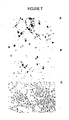
- FIG. 7 Examples of the degree of hybridization and the extent of HCMV infection in these kidney biopsies is shown in Figure 7.
- Thin sections prepared from HCMV infected patients at the "Pre-Foscarnet" stage were in situ hybridized to either HCMV immediate-early (Frame A), late (Frame B) or non-HCMV control probe (Frame C).
- Frame A contains the highest degree of hybridization (++++)
- Frame B contains less (+++)
- Frame C has none.
- CMV strain AD 169 (ATCC VR-538) was maintained in Flow 5000 fibroblasts (Flow Laboratories; McLean, VA) as described by Nelson et al., J. Virol . 43 , 83 (1982), incorporated herein by reference.
- MOI multiplicity of infection
- Infected and uninfected fibroblasts were used as controls for in situ hybridization and were processed in a manner similar to the lymphocytes.
- Human peripheral blood mononuclear cells (PBMs) were obtained from normal seropositive and seronegative donors, and were isolated on Ficol-Hypaque ingredients..
- Seropositivity was determined by an enzyme-linked immunosorbent assay (ELISA), with desiccated infected fibroblasts used as the antigen as discussed in Rice et al., J. Infect. Dis ., 147 , 1055 (1983). Serum that gave twice the response (as measured in optical density units) on HCMV-infected versus uninfected fibroblasts was defined s seropositive for CMV. T cell proliferation to HCMV 2x background) after 5 days of culture correlated with results from the ELISA. PBMs so obtained can be used directly and plated on slides for in situ hybridization, or they can be cultured for later use, or further separated by fluorescence-activated cell sorting (FACS) as described below.
- FACS fluorescence-activated cell sorting
- PBM cell populations by FACS into subpopulations was conducted using biotinylated OKT4 or OKT8 antibody (Beckton-Dickinson, Mountain View, CA). Briefly, 2x10⁷ PBMs were maintained for approximately 40 minutes at zero degrees C in antibody diluted 1:10 in phosphate-buffered saline (PBS) at about 1x10⁷ cells/ml. Cells were washed twice in PBS prechilled to zero degrees C, and were thereafter incubated for 30 minutes in fluorescent isothiocyanate-coupled avidin (Becton-Dickinson) at a dilution of 1:50 in PBS.
- PBS phosphate-buffered saline
- Formalin fixed and paraffin-embedded brain tissue samples were taken at autopsy from a patient afflicted with AIDS, and were provided by Dr. C.A. Wiley (Dept. of Pathology, University of California, San Diego, CA).
- Formalin fixed and paraffin-embedded kidney biopsies were taken from patients undergoing kidney transplantation therapy, and were provided by Dr. Lars Olding (Department of Pathology, Karolinska Institute, Sweden).
- Transplantation therapy included treatment after kidney implantation with the investigational drug phosphonoformate (Foscarnet).
- human peripheral blood mononuclear cells were obtained from normal seropositive and seronegative donors, and were isolated on Ficol-Hypaque gradients.
- Tissue sections of paraffin-embedded kidney or brain tissue were prepared for in situ hybridization by slicing the sample at about 5 to 10 micrometer thicknesses. The resulting thin sections were floated on 45 degrees C distilled water containing 1.0 percent Elmer's white glue. The floating specimens were picked up using the polylysine-coated slides and air dried overnight.
- samples are hydrate and permeabilized. Tissue sections were deparaffinized by washing in xylene three times for 10 minutes each. All samples whether they are fixed PBMs, fibroblasts or sections were then rehydrated through washings in graded ratios of ethanol to water at about 1 minutes per wash in the following series: 100 percent, 95 percent, 70 percent, 50 percent and 30 percent, wherein all solutions except 100 percent ethanol contained 0.33 M ammonium acetate.
- Samples were prepared for permeabilization by two washes in distilled water for about 1 minute each, one wash in 0.2 M HCl for about 10 minutes, two more washes in distilled water as above, one wash in one percent Triton X-100 [polyoxyethylene (9) octyl phenyl other] for 1.5 minutes and a final 2 rinses in distilled water for 1 minute each, wherein all rinses above were conducted at room temperature.
- proteinase K 1 microgram/ml in 20 mM Tris HCl and 2 mM CaCl2
- the hybridization probe mix consisted of 50 percent deionized formamide, 5X Denhardt's solution, 5X hybridization salts (0.9 M NaCl, 50 mM NaH2PO4 and 5mM EDTA), 10 percent Dextran sulfate, heparin (30 Units/ml), 0.1 percent Triton X-100, salmon sperm DNA (500 micrograms/ml) and BHK cell RNA (250 micrograms/ml). 35S-labeled probes were added to a concentration of 0.25 to 0.5 micrograms/ml (about 1x10⁸ cpm/microgram), and the entire mixture was boiled for 2 minutes and then chilled on ice. Dithiothreitol was thereafter added to a concentration of 10 mM.
- the solution was placed on the above-prepared cells, covered with sheets or cover slips of Gel-bond (FMC Corporation, Rockland, ME), and sealed with rubber cement. Hybridization was carried out by incubation (admixture and maintenance) of the cell-probe admixture for 18 hours at 37 degrees C in a humidified chamber.
- Gel-bond FMC Corporation, Rockland, ME
- Plasmids were grown in either the host (ATCC 33694) bacterium E . coli HB101 for pHC79 or E . coli JM83 (ATCC 35607). Plasmids pUC18 and pUC19 were gifts from Dr. R. Gelinas (Fred Hutchinson Cancer Research Center, Seattle, WA). Plasmid pACYC184 was obtained from the American Type Culture Collection (ATCC, Bethesda, MD, #37033), and RiboprobeTM vector pSP65 was obtained from Promega Biotec, Madison, WI.
- Luria broth 1.0 percent tryptone broth (Difco Laboratories), 0.5 percent yeast extract (Difco) and 1.0 percent sodium chloride and were amplified during logarithmic growth by the addition of chloramphenicol (170 micrograms per ml) per milliliter of Luria broth (LB).
- Culture medium routinely included antibiotics to maintain selective pressure on the plasmids present in their host bacterium, and the choice of antibiotics depends upon the plasmid being grown.
- Plasmid DNA was prepared by a modification of the alkaline lysis method [Birnboim et al., Nucleic Acids Res. , 7 , 1513 (1979)], and was further purified by equilibrium centrifugation through cesium chloride gradients containing ethidium bromide.
- the Eco RI J fragment was subcloned from the Hind III E fragment of HCMV strain AD169 by digesting the DNA of plasmid vector pJN201 (discussed below) with the restriction endonuclease Eco RI (New England Biolabs, Inc., Beverly, ME), isolating the DNA from low melting agarose (Bethesda Research Laboratories, Life Technologies, Inc., Gaithersberg, MD; hereinafter BRL), and ligating the approximately 10 kb J fragment DNA into the Eco RI site of either the plasmid vector pACYC184 or pUC18 to form plasmid vectors Eco RI J-5018 and Eco RI J-pUC18, respectively.
- Plasmid pJN201 is a construct of the Hind III E HCMV fragment ligated into plasmid pHC79 that is available from BRL, and was prepared as described in Nelson et al., J. Virology , 43 , 83 (1982). The construction of the pACYC184 plasmid is described in Chang et al., J. Bacteriol. , 134 1141 (1978), which is incorporated herein by reference. That plasmid is available from the ATCC as 37033. Plasmids pUC18 and pUC19 are also available from BRL.
- Eco RI is a restriction endonuclease isolated from Escherichia coli RY13 that recognizes and cleaves the following site of a nucleotide sequence: G AATTC.
- nucleotide sequences are written from left to right and in the direction from 5 ⁇ -end to 3 ⁇ -end.
- Bacteria containing the pACYC184 recombinant plasmid vector Eco RI J-5018 were grown in LB media containing 25 micrograms per milliliter (micrograms/ml) tetracycline, while those bacteria containing the pUC18 recombinant vectors were grown in media containing 100 micrograms/ml ampicillin.
- the Pst I m fragment containing approximately 1.8 kb was subcloned from the Eco RI J fragment of HCMV strain AD169 by digesting the Eco RI J-pUC18 plasmid with Pst I (New England Biolabs, Inc., Beverly, Maine), isolating the 1.8 kb DNA fragment denominated "m", and ligating the Pst I m DNA fragment into the Pst I site of further pUC18 to form the recombinant Pst I m-pUC18.
- Pst I New England Biolabs, Inc., Beverly, Maine
- Pst I is a restriction endonuclease isolated from Providencia stuartii 164 that recognizes and cleaves the following site of a nucleotide sequence: CTGCA G.
- the 475 bp Bgl II- Bam HI fragment was subcloned from the Eco RI J fragment of the Eco RI J-pUC18 plasmid vector by digestion of the cloned vector DNA with endonucleases Bgl II and Bam HI (new England Biolabs, Inc.).
- the 475bP fragment was isolated and ligated into the Bam HI site of the polylinker of still more plasmid pUC18 to form the 1.9 Bgl II- Bam HI-pUC18 plasmid.
- Bgl II is a restriction endonuclease that is isolated from Bacillus globigii that recognizes and cleaves the following nucleotide sequence: A GATCT. V. Pirrotta, Nucleic Acids. Res. , 3 , 1747 (1976).
- the approximately 4.2 kb Bam HI- Eco RI fragment was subcloned from the Eco RI J fragment of the Eco RI J-pUC18 plasmid vector by digestion of the cloned vector DNA with endonucleases Bam HI and Eco RI.
- the 4.2 kb fragment was isolated and ligated into the Bam HI and Eco RI sites of pUC19 to form the recombinant pIE Bam HI-RI.
- Bam HI is a restriction endonuclease isolated from Bacillus amyloliquefaciens H that recognizes and cleaves the following site of a nucleotide sequence: G GATCC. Roberts et al., Nature , 265 , 82 (1977).
- the pSP65-1.9 Bgl II- Bam HI plasmid is constructed by digesting the 1.9 Bgl II- Bam HI-pUC18 plasmid with Eco RI and Pst I.
- the resulting fragment contains the 475 bp Bgl II- Bam HI fragment as well as relatively short sequences from the polylinker on either side of the Bam HI site.
- the resulting fragment that contains about 515 base pairs is isolated and ligated into the Eco RI and Pst I sites of RiboprobeTM pSP65.
- the resulting plasmid vector denominated pSP65-1.9 Bgl II- Bam HI, is linearized, and transcribed with RNA polymerase in the presence of 5 ⁇ -alpha-35S or alpha-32p labeled ribonucleotides to form a radiolabeled RNA probe.
- the Bam HI R fragment of HCMV strain AD169 was subcloned from the cosmid pCM3, reported by Fleckenstein et al., Gene , 18 , 39 (1982) and containing the Eco RI A plus D (A-D) fragments cloned in cosmid pHC79, by digesting the clone with Bam HI.
- the 6.6 kb Bam HI fragment was isolated, and ligated into the Bam HI site of pUC19 to form the plasmid vector denominated pCM Bam R.
- the Bam HI fragment was shown by Nowak et al., Virology , 134 , 91-104 (1984) to code for the 61K and 71K late polypeptides. (See Figure 1).
- Polynucleotide probes of DNA were prepared from the above plasmids as follows.
- An appropriate plasmid vector was nick translated following the procedures of Rigby et al., J. Mol. Biol ., 113 , 237 (1977) by incorporating 5 ⁇ -[alpha-35S-thio]deoxyadenosine triphosphate and 5 ⁇ -[alpha-35S-thio]deoxycytosine triphosphate (650 Ci/mM) (Amersham Corp., Arlington Heights, IL).
- DNA polymerase I was purchased from New England Biolabs Inc., Beverly, MA.
- the resulting nick-translated DNA was separated from nucleotides by spin (Bio-Rad Laboratories, Richmond, CA) columns spun for 2 minutes and passage through Sepharex G-50 (Pharmacia Fine Chemicals, Piscataway, NJ) at 1200xg.
- spin Bio-Rad Laboratories, Richmond, CA
- Sepharex G-50 Pharmacia Fine Chemicals, Piscataway, NJ
- Control probes were similarly prepared from plasmid pUC18 or a plasmid containing the Bgl II C fragment from HSV-2 strain 333. This fragment corresponds to the HSV genome at about 0.43 to about 0.58 map units as described by Jariwalla et al., Proc. Natl. Acad. Sci. USA , 77 , 2279 (1980).
Landscapes
- Chemical & Material Sciences (AREA)
- Life Sciences & Earth Sciences (AREA)
- Organic Chemistry (AREA)
- Health & Medical Sciences (AREA)
- Proteomics, Peptides & Aminoacids (AREA)
- Biophysics (AREA)
- Engineering & Computer Science (AREA)
- General Health & Medical Sciences (AREA)
- Genetics & Genomics (AREA)
- Zoology (AREA)
- Molecular Biology (AREA)
- Wood Science & Technology (AREA)
- Virology (AREA)
- Immunology (AREA)
- Biochemistry (AREA)
- Physics & Mathematics (AREA)
- Analytical Chemistry (AREA)
- Biotechnology (AREA)
- Microbiology (AREA)
- Gastroenterology & Hepatology (AREA)
- Medicinal Chemistry (AREA)
- Bioinformatics & Cheminformatics (AREA)
- General Engineering & Computer Science (AREA)
- Measuring Or Testing Involving Enzymes Or Micro-Organisms (AREA)
Applications Claiming Priority (2)
| Application Number | Priority Date | Filing Date | Title |
|---|---|---|---|
| US92727886A | 1986-11-04 | 1986-11-04 | |
| US927278 | 1986-11-04 |
Publications (1)
| Publication Number | Publication Date |
|---|---|
| EP0271201A2 true EP0271201A2 (fr) | 1988-06-15 |
Family
ID=25454507
Family Applications (1)
| Application Number | Title | Priority Date | Filing Date |
|---|---|---|---|
| EP87309680A Withdrawn EP0271201A2 (fr) | 1986-11-04 | 1987-11-02 | Sondes d'acide nucléique pour la détection du cytomégalovirus dans les produits sanguins |
Country Status (8)
| Country | Link |
|---|---|
| EP (1) | EP0271201A2 (fr) |
| AU (1) | AU8050687A (fr) |
| DK (1) | DK575787A (fr) |
| FI (1) | FI874834A7 (fr) |
| IL (1) | IL84353A0 (fr) |
| NO (1) | NO874573L (fr) |
| PT (1) | PT86081B (fr) |
| ZA (1) | ZA878031B (fr) |
Cited By (9)
| Publication number | Priority date | Publication date | Assignee | Title |
|---|---|---|---|---|
| EP0389286A3 (fr) * | 1989-03-24 | 1991-06-12 | The Wistar Institute Of Anatomy And Biology | Vaccin recombinant contre le virus cytomégalo |
| EP0534102A1 (fr) * | 1991-08-29 | 1993-03-31 | BEHRINGWERKE Aktiengesellschaft | Peptides spécifiques pour le cytomégalovirus humain et leurs utilisations |
| US5407795A (en) * | 1991-12-23 | 1995-04-18 | Chiron Corporation | CMV probes for use in solution phase sandwich |
| US5552143A (en) * | 1989-03-24 | 1996-09-03 | The Wistar Institute Of Anatomy & Biology | Recombinant cytomegalovirus vaccine |
| US5591439A (en) * | 1989-03-24 | 1997-01-07 | The Wistar Institute Of Anatomy And Biology | Recombinant cytomegalovirus vaccine |
| US5744298A (en) * | 1991-08-29 | 1998-04-28 | Behringwerke Aktiengesellschaft | DNA sequences which encode immunoreactive HCMV-specific peptides |
| WO2000016061A3 (fr) * | 1998-09-16 | 2000-06-02 | Unitarnoe G Mo Predpr Proizv B | Procede de diagnostic du stade actif de l'infection par des cytomegalovirus dans des substrats d'origine humaine |
| RU2164945C1 (ru) * | 1999-12-07 | 2001-04-10 | Государственный научный центр вирусологии и биотехнологии "Вектор" | Синтетические олигонуклеотиды-праймеры, используемые для выявления днк цитомегаловируса человека |
| US6448389B1 (en) | 1996-04-23 | 2002-09-10 | The Wistar Institute Of Anatomy And Biology | Human cytomegalovirus DNA constructs and uses therefor |
-
1987
- 1987-10-26 ZA ZA878031A patent/ZA878031B/xx unknown
- 1987-10-29 AU AU80506/87A patent/AU8050687A/en not_active Abandoned
- 1987-11-02 EP EP87309680A patent/EP0271201A2/fr not_active Withdrawn
- 1987-11-03 IL IL84353A patent/IL84353A0/xx unknown
- 1987-11-03 FI FI874834A patent/FI874834A7/fi not_active Application Discontinuation
- 1987-11-03 DK DK575787A patent/DK575787A/da not_active Application Discontinuation
- 1987-11-03 NO NO874573A patent/NO874573L/no unknown
- 1987-11-04 PT PT86081A patent/PT86081B/pt not_active IP Right Cessation
Cited By (11)
| Publication number | Priority date | Publication date | Assignee | Title |
|---|---|---|---|---|
| EP0389286A3 (fr) * | 1989-03-24 | 1991-06-12 | The Wistar Institute Of Anatomy And Biology | Vaccin recombinant contre le virus cytomégalo |
| US5552143A (en) * | 1989-03-24 | 1996-09-03 | The Wistar Institute Of Anatomy & Biology | Recombinant cytomegalovirus vaccine |
| US5591439A (en) * | 1989-03-24 | 1997-01-07 | The Wistar Institute Of Anatomy And Biology | Recombinant cytomegalovirus vaccine |
| EP0534102A1 (fr) * | 1991-08-29 | 1993-03-31 | BEHRINGWERKE Aktiengesellschaft | Peptides spécifiques pour le cytomégalovirus humain et leurs utilisations |
| US5744298A (en) * | 1991-08-29 | 1998-04-28 | Behringwerke Aktiengesellschaft | DNA sequences which encode immunoreactive HCMV-specific peptides |
| US5859185A (en) * | 1991-08-29 | 1999-01-12 | Behringwerke Aktiengesellschaft | HCMV-specific peptides, agents therefor and the use thereof |
| US6143493A (en) * | 1991-08-29 | 2000-11-07 | Dade Behring Marburg Gmbh | HCMV-specific peptides, agents therefor and the use thereof |
| US5407795A (en) * | 1991-12-23 | 1995-04-18 | Chiron Corporation | CMV probes for use in solution phase sandwich |
| US6448389B1 (en) | 1996-04-23 | 2002-09-10 | The Wistar Institute Of Anatomy And Biology | Human cytomegalovirus DNA constructs and uses therefor |
| WO2000016061A3 (fr) * | 1998-09-16 | 2000-06-02 | Unitarnoe G Mo Predpr Proizv B | Procede de diagnostic du stade actif de l'infection par des cytomegalovirus dans des substrats d'origine humaine |
| RU2164945C1 (ru) * | 1999-12-07 | 2001-04-10 | Государственный научный центр вирусологии и биотехнологии "Вектор" | Синтетические олигонуклеотиды-праймеры, используемые для выявления днк цитомегаловируса человека |
Also Published As
| Publication number | Publication date |
|---|---|
| FI874834L (fi) | 1988-05-05 |
| IL84353A0 (en) | 1988-04-29 |
| DK575787A (da) | 1988-05-05 |
| NO874573L (no) | 1988-05-05 |
| NO874573D0 (no) | 1987-11-03 |
| DK575787D0 (da) | 1987-11-03 |
| PT86081B (pt) | 1990-11-20 |
| FI874834A7 (fi) | 1988-05-05 |
| PT86081A (en) | 1987-12-01 |
| AU8050687A (en) | 1988-05-19 |
| ZA878031B (en) | 1988-04-28 |
| FI874834A0 (fi) | 1987-11-03 |
Similar Documents
| Publication | Publication Date | Title |
|---|---|---|
| Dankner et al. | Localization of human cytomegalovirus in peripheral blood leukocytes by in situ hybridization | |
| Stenberg et al. | Regulated expression of early and late RNAs and proteins from the human cytomegalovirus immediate-early gene region | |
| Spector et al. | Detection of human cytomegalovirus in plasma of AIDS patients during acute visceral disease by DNA amplification | |
| Martin et al. | Cytomegalovirus-related sequence in an atypical cytopathic virus repeatedly isolated from a patient with chronic fatigue syndrome | |
| Kinchington et al. | Use of polymerase chain amplification reaction for the detection of adenoviruses in ocular swab specimens. | |
| Drobyski et al. | Prevalence of human herpesvirus 6 variant A and B infections in bone marrow transplant recipients as determined by polymerase chain reaction and sequence-specific oligonucleotide probe hybridization | |
| US5230997A (en) | Methods of detecting the presence of human herpesvirus-7 infection | |
| US5569583A (en) | Rapid and sensitive detection of cytomegalovirus | |
| Stanier et al. | Detection of human cytomegalovirus in peripheral mononuclear cells and urine samples using PCR | |
| EP0271201A2 (fr) | Sondes d'acide nucléique pour la détection du cytomégalovirus dans les produits sanguins | |
| EP1060271B1 (fr) | Amplification et detection de l'expression de ebv-barf1 a la diagnose du carcinome nasopharyngien | |
| Davis et al. | Mapping and expression of a human cytomegalovirus major viral protein | |
| US6087094A (en) | Compositions and methods for detecting viral infection | |
| Brytting et al. | Variations in the cytomegalovirus major immediate-early gene found by direct genomic sequencing | |
| McElhinney et al. | Multiplex polymerase chain reaction for human herpesvirus-6, human cytomegalovirus, and human β-globin DNA | |
| Baumann et al. | Structure and genetic complexity of the genomes of herpesvirus defective-interfering particles associated with oncogenic transformation and persistent infection | |
| Gerna et al. | Early virus isolation, early structural antigen detection and DNA amplification by the polymerase chain reaction in polymorphonuclear leuckocytes from AIDS patients with human cytomegalovirus viraemia | |
| Peterson et al. | Typing of herpes simplex virus with synthetic DNA probes | |
| EP0729518B1 (fr) | Amorces et sondes destinees a l'amplification et a la detection de l'acide nucleique du cytomegalovirus | |
| Meyer et al. | Identification of active cytomegalovirus infection by analysis of immediate-early, early and late transcripts in peripheral blood cells of immunodeficient patients | |
| Ron et al. | Spontaneous curing of a minute virus of mice carrier state by selection of cells with an intracellular block of viral replication | |
| JP2000508173A (ja) | サイトメガロウイルスを検出するためおよびウイルス遺伝子発現のモジュレーターを同定するためのレポーター細胞株系 | |
| Nago et al. | Detection of herpes simplex virus type 1 in herpetic ocular diseases by DNA‐DNA hybridization using a biotinylated DNA probe | |
| Jenson | Epstein‐Barr virus | |
| Gallinella et al. | In situ hybridisation and in situ polymerase chain reaction detection of parvovirus B19 DNA within cells |
Legal Events
| Date | Code | Title | Description |
|---|---|---|---|
| PUAI | Public reference made under article 153(3) epc to a published international application that has entered the european phase |
Free format text: ORIGINAL CODE: 0009012 |
|
| AK | Designated contracting states |
Kind code of ref document: A2 Designated state(s): AT BE CH DE ES FR GB GR IT LI LU NL SE |
|
| RIN1 | Information on inventor provided before grant (corrected) |
Inventor name: SOUTHERN, PETER Inventor name: NELSON, JAY Inventor name: OLDSTONE, MICHAEL B.A. |
|
| STAA | Information on the status of an ep patent application or granted ep patent |
Free format text: STATUS: THE APPLICATION HAS BEEN WITHDRAWN |
|
| 18W | Application withdrawn |
Withdrawal date: 19891107 |
|
| RIN1 | Information on inventor provided before grant (corrected) |
Inventor name: NELSON, JAY Inventor name: SOUTHERN, PETER Inventor name: OLDSTONE, MICHAEL B.A. |