EP0279705A2 - Dépistage dans les fluides corporels du superoxyde dismutase (S0D-1) pour déterminer la trisomie 21 foetale, syndrome de down, et anticorps, hybridomes et trousses à cet effet - Google Patents
Dépistage dans les fluides corporels du superoxyde dismutase (S0D-1) pour déterminer la trisomie 21 foetale, syndrome de down, et anticorps, hybridomes et trousses à cet effet Download PDFInfo
- Publication number
- EP0279705A2 EP0279705A2 EP88301455A EP88301455A EP0279705A2 EP 0279705 A2 EP0279705 A2 EP 0279705A2 EP 88301455 A EP88301455 A EP 88301455A EP 88301455 A EP88301455 A EP 88301455A EP 0279705 A2 EP0279705 A2 EP 0279705A2
- Authority
- EP
- European Patent Office
- Prior art keywords
- sod
- antibody
- assay
- trisomy
- amount
- Prior art date
- Legal status (The legal status is an assumption and is not a legal conclusion. Google has not performed a legal analysis and makes no representation as to the accuracy of the status listed.)
- Withdrawn
Links
Images

Classifications
-
- C—CHEMISTRY; METALLURGY
- C07—ORGANIC CHEMISTRY
- C07K—PEPTIDES
- C07K16/00—Immunoglobulins [IG], e.g. monoclonal or polyclonal antibodies
- C07K16/40—Immunoglobulins [IG], e.g. monoclonal or polyclonal antibodies against enzymes
-
- Y—GENERAL TAGGING OF NEW TECHNOLOGICAL DEVELOPMENTS; GENERAL TAGGING OF CROSS-SECTIONAL TECHNOLOGIES SPANNING OVER SEVERAL SECTIONS OF THE IPC; TECHNICAL SUBJECTS COVERED BY FORMER USPC CROSS-REFERENCE ART COLLECTIONS [XRACs] AND DIGESTS
- Y10—TECHNICAL SUBJECTS COVERED BY FORMER USPC
- Y10S—TECHNICAL SUBJECTS COVERED BY FORMER USPC CROSS-REFERENCE ART COLLECTIONS [XRACs] AND DIGESTS
- Y10S436/00—Chemistry: analytical and immunological testing
- Y10S436/811—Test for named disease, body condition or organ function
Definitions
- the invention relates to the detection of potential Down syndrome progeny (Trisomy 21) by screening for the presence of SOD-1 in extra-cellular body fluid.
- Trisomy 21 (i.e., one additional 21st chromosome) accounts for 95 percent of all cases of Down syndrome. This condition is among the most common genetic defects occurring in about 1 in every 800 births. Patients with this syndrome have characteristic facies, are mentally retarded, and at least 30 per cent have congenital heart disease.
- Trisomy 21 occurs when homologous chromosomes fail to separate at anaphase, resulting in nondisjunction and the production of one monosomic and one trisomic daughter nucleii.
- the frequency of nondisjunction is age related. For women ages 20 to 30, the incidence increases linearly from about 0.3 per 1000 births to about 2 per 1000 births. After the age of 30, the incidence increases exponentiallyly, at a rate of about 30 per cent per year. Women over 35 give birth to 35 per cent of all children with Trisomy 21 Down Syndrome.
- the risk for a woman under the age of 30 of having a second child with Trisomy 21 Down syndrome is 1.4 per cent.
- Her risk after the age of 30 is 1 per cent plus the risk factor for a woman of that age.
- Nondisjunction which results in Trisomy 21 Down syndrome can also occur in the male.
- Nondisjunction in the male accounts for 20 to 25% of children with this syndrome.
- the risk of having a Down syndrome child may be about twice that expected after adjustment for the mother's age.
- a fetus with genetic defects Prior to birth, a fetus with genetic defects (including Trisomy 21) can be detected through amniocentesis.
- amniocentesis 10 to 20 ml of amniotic fluid are withdrawn from the amniotic cavity between the 15th and 16th week of pregnancy.
- the amniotic fluid cells are then cultured in tissue culture for about two weeks. The cells are stained, and the chromosomes are counted to identify genetic abnormalities such as Trisomy 21.
- Cell culturing is, however, an expensive, skilled labor-intensive, and time-consuming process, often costing up to $1200. Further, the cultures are easily destroyed if contamination enters. Thus, prior to cell culturing, the fluid is often screened for proteins which indicate the existence of certain defects (so-called "genetic markers.") If the screening is positive, cell culturing can then be done to verify the existence of the defect. If negative, the expense of culturing can be foregone. Screening is currently commonplace, because all pregnant women are now being advised to have amniotic fluid withdrawn and screened for the genetic marker Alpha Fetoprotein ("AFP").
- AFP Alpha Fetoprotein
- Elevated levels of AFP indicate open neural tube defects, such as anencephaly and Spina Bifida, as well as other fetal abnormalities. Although some women carrying a Trisomy 21 fetus will show abnormal AFP levels, many will show no deviation from normal limits.
- the invention relates to the detection of increased levels of SOD-1 in extra-cellular amniotic fluid, as a screening test for Trisomy 21 Down syndrome in the fetus. It has been discovered that increased levels of SOD-1 occur in the amniotic fluid with a Trisomy 21 fetus. Increased levels of SOD-1 are believed to also occur in blood, sera, and other body fluids of the mother carrying a Trisomy 21 fetus. Thus, the screening test could also be used for measuring SOD-1 levels in any such fluids.
- the detection can be done with either a monoclonal or polyclonal antibody, using any standard assay technique.
- any standard assay technique for example, the following can be used: an Enzyme Linked Immunoassay, a Radioimmunoassay ("RIA"), a luminescence assay, all of which can be single or tandem antibody type, and all of which can be carried out in solid or liquid phase.
- This screening test is relatively quick and simple to perform. If this screening test shows that the SOD-1 levels in the amniotic fluid are above the threshold, a cell culture can then be done to confirm the result.
- Another possible use of an assay for SOD-1 would be in detection of Alzheimers disease. This condition is known to be associated with chromosome 21.
- SOD-1 was diluted in normal saline (0.9%) and then emulsified in Freunds complete adjuvant by drawing it in and out of a syringe.
- the final solution contained 100 to 200 ug of SOD-1 per 100 ul, and 100 ul was injected intradermally into different sites in each mouse. A booster injection of the same amount of SOD-1 at the same concentration was given after 4 to 6 weeks. This time, however, the SOD-1 was emulsified in incomplete Freunds adjuvant.
- mice were again immunized with the same amount of concentration of SOD-1 (mixed in normal saline) by intraspleenic injection. Four days later, the mice were sacrificed and their spleens were removed in preparation for the fusion.
- the resultant suspension was then spun at 1000g for 10 minutes, and the supernatant was withdrawn. 2 ml of polyethylene glycol 4000 was then added gradually over 10 minutes, together with 20 ml of Dulbeccos Medium.
- the fused cells were spun down, the supernatant was withdrawn, and the cells were resuspended in 100 ml of Dulbeccos Medium and added in aliquots of 100ul to each of 96 wells of a linbro plate. 10 plates were so prepared. The fusion products were grown in the plates for two weeks. See also K. Flurkey, M.B. Bolger & D.S. Linthicum, "Preparation and Characteristics of Antisera and Monoclonal Antibodies to Serotonergic and Dopaminergic Ligands," 8 J. Neuroimmunol. at 115-127 (1985) for a description of a hybridoma production procedure.
- the screening process was to pick up the SOD-1 antibody producing clones in the wells.
- 100 ul of the hybridoma supernatant (some of which should contain the SOD-1 antibody) was transferred to 96 well polyvinyl chloride plates.
- the plates had previously coated with goat anti mouse IgG (which can be purchased from Miles Laboratories) at a concentration of 0.05 mg/ml.
- the plates were then incubated for 2 hours at 37° C. After washing the plates, 125I labeled SOD-1 (labeled as described by Villano & Tischfield supra at 363) was added.
- the labeled SOD-1 was diluted in borate buffer saline, 0.1% BSA until it displayed roughly 5000 counts per minute ("CPM”) per 100 ul.
- CPM counts per minute
- the samples corresponding to the wells showing the highest CPM, and therefore the most antibody producing cells were then limit diluted and re-screened to assure the presence of only one clone.
- the cells were then grown in larger plates.
- the RIA screening procedure was to characterize the antibodies in terms of their specificity, sensitivity, and affinity for SOD-1. 100 ul of the selected titres together with 100 ul of various concentrations of SOD-1 and 100 ul of 125I SOD-1 displaying 25,000 CPM, was added into polyethylene tubes and incubated for 4 hours at room temperature. Goat anti mouse IgG, diluted 1:1, was then added with polyethylene glycol 6000, and incubated for 15 minutes after vortexing the tubes. The tubes were spun for 15 minutes at 2500g. The supernatant was decanted and the pellet was assessed for radioactivity.
- This final screen was to determine whether 30 ng/ml of unlabeled SOD-1 caused significant displacement of labeled SOD-1 from the antibody binding sites in a reasonable time (4 hours was considered optimal). In other words, this step was to select those monoclonal antibodies which had a greater sensitivity for the unlabeled antibody than for the labeled. To achieve this, the final CPMs in the pellets were compared with the counts in reference pellets. The reference pellets were produced by precipitation of goat anti mouse IgG, antibody and 125I SOD-1 as described above, with the only difference being that no unlabeled SOD-1 was present.
- a hybridoma was deposited with ATCC of Rockville, Maryland, United States of America on 28th January 1988 under deposit number HB-9630.
- mice 8 BALB/C mice were immunized by essentially the same procedure as that described for the monoclonal. The only difference was that no final intraspleenic injection was given.
- SOD-1 levels in amniotic fluid was done with the 1:1000 polyclonal titre selected, and using an RIA.
- the polyclonals (or the monoclonals) could be used to determine SOD-1 levels with any of a number of techniques, including enzyme linked immunoassay and luminescence assay, single or tandem antibody type, as carried out in solid or liquid phase. See Vol. 74, Methods in Enzymology part C for general description of a luminescense assay; T.E. Koerdte, J.E. Butler, 83 Journal of Immunological Methods at 283-299 (1985) for general description of a solid phase RIA and solid phase enzyme linked immunoassay; U.S. Patent No. 4,376,110 for general description of a tandem type assay.
- any of these techniques could be used to determine SOD-1 levels in blood, sera or other body fluids, for detecting a Trisomy 21 fetus.
- the RIA was done essentially as described above for the RIA screening procedure. This time, however, several various known concentrations of SOD-1 were mixed with the 1:1000 polyclonal titre and the labeled SOD-1. After the goat anti mouse IgG was added, the pellet was assessed for radioactivity. From using the samples with known concentrations of SOD-1, a standard curve was developed to be used in determining SOD-1 concentrations in unknown fluid samples. The procedure is described in greater detail below.
- the RIA was then done with 71 different samples of amniotic fluid in which the fetus was known to be negative for Trisomy 21, and with 15 known positive samples, all of which were diluted 1:1.
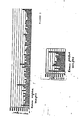
- the standard curve was used to correlate the B/B0 values obtained and determine the nanograms per ml of SOD-1 in the amniotic fluid. The results appear in bar graph form in Figure 2.
Landscapes
- Chemical & Material Sciences (AREA)
- Organic Chemistry (AREA)
- Health & Medical Sciences (AREA)
- Medicinal Chemistry (AREA)
- Proteomics, Peptides & Aminoacids (AREA)
- Biophysics (AREA)
- General Health & Medical Sciences (AREA)
- Genetics & Genomics (AREA)
- Life Sciences & Earth Sciences (AREA)
- Molecular Biology (AREA)
- Biochemistry (AREA)
- Immunology (AREA)
- Investigating Or Analysing Biological Materials (AREA)
- Micro-Organisms Or Cultivation Processes Thereof (AREA)
- Preparation Of Compounds By Using Micro-Organisms (AREA)
- Ultra Sonic Daignosis Equipment (AREA)
- Inspection Of Paper Currency And Valuable Securities (AREA)
- Error Detection And Correction (AREA)
- Enzymes And Modification Thereof (AREA)
Applications Claiming Priority (2)
| Application Number | Priority Date | Filing Date | Title |
|---|---|---|---|
| US07/017,152 US4940659A (en) | 1987-02-20 | 1987-02-20 | Screening extra-cellular body fluids for superoxide dismutase (SOD-1) for determining fetal trisomy 21 down syndrome |
| US17152 | 2001-12-14 |
Publications (2)
| Publication Number | Publication Date |
|---|---|
| EP0279705A2 true EP0279705A2 (fr) | 1988-08-24 |
| EP0279705A3 EP0279705A3 (fr) | 1989-11-23 |
Family
ID=21781010
Family Applications (1)
| Application Number | Title | Priority Date | Filing Date |
|---|---|---|---|
| EP88301455A Withdrawn EP0279705A3 (fr) | 1987-02-20 | 1988-02-19 | Dépistage dans les fluides corporels du superoxyde dismutase (S0D-1) pour déterminer la trisomie 21 foetale, syndrome de down, et anticorps, hybridomes et trousses à cet effet |
Country Status (4)
| Country | Link |
|---|---|
| US (1) | US4940659A (fr) |
| EP (1) | EP0279705A3 (fr) |
| JP (1) | JPS63298060A (fr) |
| AU (1) | AU1196288A (fr) |
Cited By (7)
| Publication number | Priority date | Publication date | Assignee | Title |
|---|---|---|---|---|
| WO1990006513A1 (fr) * | 1988-12-08 | 1990-06-14 | Humboldt Universität Zu Berlin | PROCEDES ET INSTRUMENTS D'ANALYSE POUR L'ANALYSE DE LA SOD HUMAINE AU MOYEN D'ANTICORPS MONOCLONAUX ANTI-Cu/Zn-SOD |
| EP0568639A4 (en) * | 1991-01-25 | 1994-06-29 | Abbott Lab | Use of superoxide dismutase in specimen diluent |
| WO2007025385A1 (fr) | 2005-08-31 | 2007-03-08 | Universite Laval | Anticorps et leur utilisation dans le traitement, la prevention et le diagnostic d'une maladie associee a des anomalies de sod1 |
| JP2010265290A (ja) * | 2003-08-20 | 2010-11-25 | Amorfix Life Sciences Ltd | タンパク質立体配座を検出するためのエピトープ保護アッセイおよび方法 |
| US8513387B2 (en) | 2005-12-02 | 2013-08-20 | Amorfix Life Sciences Ltd. | Methods and compositions for detecting amyotrophic lateral sclerosis |
| US8709422B2 (en) | 2005-12-02 | 2014-04-29 | Amorfix Life Sciences Ltd. | Methods and compositions to treat and detect misfolded-SOD1 mediated diseases |
| US8778885B2 (en) | 2005-12-02 | 2014-07-15 | Amorfix Life Sciences Ltd. | Methods and compositions to treat and detect misfolded-SOD1 mediated diseases |
Families Citing this family (6)
| Publication number | Priority date | Publication date | Assignee | Title |
|---|---|---|---|---|
| JPH01165963A (ja) * | 1987-12-23 | 1989-06-29 | Tosoh Corp | Cu,Zn−スーパーオキサイド・ディスムターゼの測定方法 |
| US5888740A (en) * | 1997-09-19 | 1999-03-30 | Genaco Biomedical Products, Inc. | Detection of aneuploidy and gene deletion by PCR-based gene- dose co-amplification of chromosome specific sequences with synthetic sequences with synthetic internal controls |
| ES2252263T3 (es) * | 2000-07-25 | 2006-05-16 | The Government Of The Usa, As Represented By The Secretary, Department Of Health And Human Services | Bacteriofago que tiene una gama de hospedadores multiple. |
| US7026111B2 (en) | 2001-10-15 | 2006-04-11 | Beckman Coulter, Inc. | Methods and reagents for improved cell-based assays |
| US20080117416A1 (en) * | 2006-10-27 | 2008-05-22 | Hunter Ian W | Use of coherent raman techniques for medical diagnostic and therapeutic purposes, and calibration techniques for same |
| CN106290871B (zh) * | 2015-07-24 | 2018-04-03 | 北京华宇亿康生物工程技术有限公司 | 一种用于检测血清中sod的胶乳增强免疫比浊法试剂盒 |
Family Cites Families (14)
| Publication number | Priority date | Publication date | Assignee | Title |
|---|---|---|---|---|
| US4351899A (en) * | 1978-07-19 | 1982-09-28 | Owen Oliver E | Semi-quantitative assay of metabolic acids |
| US4390628A (en) * | 1979-05-17 | 1983-06-28 | De Forenede Bryggerier A/S | Process for isolating Cu, Zn-superoxide dismutase from aqueous solutions containing said enzyme together with accompanying proteins |
| DK145950C (da) * | 1979-05-17 | 1983-09-26 | Forenede Bryggerier As | Fremgangsmaade til isolering af cu,zn-superoxid-dismutase fra vandige oploesninger indeholdende dette enzym sammen med ledsagende proteiner |
| DK143412C (da) * | 1979-05-17 | 1982-05-24 | Forenede Bryggerier As | Fremgangsmaade til udvinding af cu,zn-superoxid-dismutase fra gaer |
| US4394449A (en) * | 1980-02-13 | 1983-07-19 | Modrovich Ivan Endre | Stabilization of coenzymes in aqueous solution |
| DK144800C (da) * | 1980-04-21 | 1982-10-25 | Forenede Bryggerier As | Fremgangsmaade til udvinding af enzymer,fortrinsvis cu,zn-superoxid-dismutase (sod),catalase og carbonsyreanhydrase,fra blod |
| JPS5712993A (en) * | 1980-06-23 | 1982-01-22 | Fujirebio Inc | Isolation of superoxide dismutase |
| US4376110A (en) * | 1980-08-04 | 1983-03-08 | Hybritech, Incorporated | Immunometric assays using monoclonal antibodies |
| JPH0231349B2 (ja) * | 1980-12-19 | 1990-07-12 | Toyo Jozo Kk | Hitomatahaushurainosuupaaokishido*desumutaazenosokuteiho |
| JPS57102196A (en) * | 1980-12-19 | 1982-06-25 | Toyo Jozo Co Ltd | Measuring method of superoxide dismutase (sod) |
| US4435506A (en) * | 1982-08-13 | 1984-03-06 | Miles Laboratories, Inc. | Isolation of superoxide dismutase |
| CA1272943A (fr) * | 1985-03-01 | 1990-08-21 | Toshiro Hanada | Procede pour determiner l'activite de la superoxyde disimutase |
| US4910133A (en) * | 1985-08-29 | 1990-03-20 | Ube Industries, Limited | Diagnostic test drug comprising monoclonal antibody to human copper.zinc-superoxide dismutase and diagnostic test method using the same |
| FR2593289B1 (fr) * | 1986-01-20 | 1988-05-06 | Baret Alain | Procede de dosage d'une activite dismutasique et coffret de reactifs necessaires pour la mise en oeuvre dudit procede |
-
1987
- 1987-02-20 US US07/017,152 patent/US4940659A/en not_active Expired - Fee Related
-
1988
- 1988-02-19 EP EP88301455A patent/EP0279705A3/fr not_active Withdrawn
- 1988-02-19 AU AU11962/88A patent/AU1196288A/en not_active Abandoned
- 1988-02-20 JP JP63038445A patent/JPS63298060A/ja active Pending
Cited By (13)
| Publication number | Priority date | Publication date | Assignee | Title |
|---|---|---|---|---|
| WO1990006513A1 (fr) * | 1988-12-08 | 1990-06-14 | Humboldt Universität Zu Berlin | PROCEDES ET INSTRUMENTS D'ANALYSE POUR L'ANALYSE DE LA SOD HUMAINE AU MOYEN D'ANTICORPS MONOCLONAUX ANTI-Cu/Zn-SOD |
| EP0568639A4 (en) * | 1991-01-25 | 1994-06-29 | Abbott Lab | Use of superoxide dismutase in specimen diluent |
| US9625476B2 (en) | 2003-08-20 | 2017-04-18 | Promis Neurosciences Inc. | Methods of diagnosing ALS |
| JP2010265290A (ja) * | 2003-08-20 | 2010-11-25 | Amorfix Life Sciences Ltd | タンパク質立体配座を検出するためのエピトープ保護アッセイおよび方法 |
| US9523697B2 (en) | 2003-08-20 | 2016-12-20 | Promis Neurosciences Inc. | Detection of pathogenic abeta using an epitope protection assay |
| US8828389B2 (en) | 2003-08-20 | 2014-09-09 | Amorfix Life Sciences Ltd. | Methods of diagnosing ALS |
| US8759029B2 (en) | 2005-08-31 | 2014-06-24 | Universite Laval | Antibodies and their use in the treatment, prevention and diagnosis of a disease associated with SOD1 abnormalities |
| US9266963B2 (en) | 2005-08-31 | 2016-02-23 | UNIVERSITé LAVAL | Antibodies and their use in the treatment, prevention and diagnosis of a disease associated with SOD1 abnormalities |
| WO2007025385A1 (fr) | 2005-08-31 | 2007-03-08 | Universite Laval | Anticorps et leur utilisation dans le traitement, la prevention et le diagnostic d'une maladie associee a des anomalies de sod1 |
| US8778885B2 (en) | 2005-12-02 | 2014-07-15 | Amorfix Life Sciences Ltd. | Methods and compositions to treat and detect misfolded-SOD1 mediated diseases |
| US8709422B2 (en) | 2005-12-02 | 2014-04-29 | Amorfix Life Sciences Ltd. | Methods and compositions to treat and detect misfolded-SOD1 mediated diseases |
| US8513387B2 (en) | 2005-12-02 | 2013-08-20 | Amorfix Life Sciences Ltd. | Methods and compositions for detecting amyotrophic lateral sclerosis |
| US9637552B2 (en) | 2005-12-02 | 2017-05-02 | Promis Neurosciences Inc. | Methods and compositions to treat and detect misfolded-SOD1 mediated diseases |
Also Published As
| Publication number | Publication date |
|---|---|
| AU1196288A (en) | 1988-08-25 |
| JPS63298060A (ja) | 1988-12-05 |
| EP0279705A3 (fr) | 1989-11-23 |
| US4940659A (en) | 1990-07-10 |
Similar Documents
| Publication | Publication Date | Title |
|---|---|---|
| Crandall et al. | Alpha-fetoprotein: a review | |
| US4804626A (en) | Immunometric assay for the detection of human chorionic gonadotropin | |
| US4940659A (en) | Screening extra-cellular body fluids for superoxide dismutase (SOD-1) for determining fetal trisomy 21 down syndrome | |
| US4656253A (en) | Monoclonal antibodies against alveolar surfactant protein | |
| EP1535068B1 (fr) | Dispositifs et procedes permettant de detecter du liquide amniotique dans les secretions vaginales | |
| EP0573972A2 (fr) | Méthode pour mesurer de l'hémoglobine glycosylée | |
| Fan et al. | Radioimmunoassay of the serum free β-subunit of human chorionic gonadotropin in trophoblastic disease | |
| US4746539A (en) | Purification of cancer-associated protein and preparation of antibody thereto | |
| US4687734A (en) | Immunoassay for the detection of human colon cancer using a polyclonal antibody derived from a capillary culture of tumor cells | |
| AU598358B2 (en) | Ckmb assay and monoclonal antibodies for use in same | |
| EP0327337A2 (fr) | Marqueurs génétiques pour le syndrome de down, les anomalies foetales et les jumeaux | |
| JPWO2002079782A1 (ja) | エラスターゼ1の免疫分析用試薬及び免疫分析方法並びに膵疾患の検出方法 | |
| EP0488622A2 (fr) | Antigène de l'urine de femme ayant des propriétés immunologiques de l'antigène du carcinome de cellules squameuses | |
| EP0606516B1 (fr) | Anticorps monoclonal contre la céruloplasmine humaine | |
| JP2881311B2 (ja) | 抗ヒトbcdfモノクローナル抗体及びそれを用いたヒトbcdfの定量法 | |
| Stevenson et al. | Evaluation and clinical application of a two-site immunoradiometric assay for alpha-1-foetoprotein using readily available reagents | |
| US4610960A (en) | Monoclonal antibody to thrombospondin and method for assaying for and isolating thrombospondin | |
| EP0918218A2 (fr) | Méthode pour l'immunoessai | |
| US5358850A (en) | Sandwich immunoassay of β-n-acetylglucosaminidase and monoclonal antibody used therein | |
| Faict et al. | Use of monoclonal antibodies in a radioimmunoassay for human transcortin. | |
| US6790625B1 (en) | Antibodies to placental protein 13 | |
| EP0145373A2 (fr) | Purification d'une protéine associée au cancer et préparation d'anticorps contre cette protéine | |
| US20060105411A1 (en) | Method of detecting early pregnancy at high accuracy by measuring hCG and hyperglycosylated hCG concentrations equally | |
| Bankert et al. | Hybridomas producing hemolytic plaques used to study the relationship between monoclonal antibody affinity and the efficiency of plaque inhibition with increasing concentrations of antigen | |
| PL205979B1 (pl) | Sposób immunologicznego pomiaru zawartości ludzkiej medullazyny i sposób diagnozowania stwardnienia rozsianego |
Legal Events
| Date | Code | Title | Description |
|---|---|---|---|
| PUAI | Public reference made under article 153(3) epc to a published international application that has entered the european phase |
Free format text: ORIGINAL CODE: 0009012 |
|
| AK | Designated contracting states |
Kind code of ref document: A2 Designated state(s): AT BE CH DE ES FR GB GR IT LI LU NL SE |
|
| PUAL | Search report despatched |
Free format text: ORIGINAL CODE: 0009013 |
|
| AK | Designated contracting states |
Kind code of ref document: A3 Designated state(s): AT BE CH DE ES FR GB GR IT LI LU NL SE |
|
| 17P | Request for examination filed |
Effective date: 19900521 |
|
| STAA | Information on the status of an ep patent application or granted ep patent |
Free format text: STATUS: THE APPLICATION IS DEEMED TO BE WITHDRAWN |
|
| 18D | Application deemed to be withdrawn |
Effective date: 19910829 |