EP0282746A1 - Methode zur Herstellung von künstlichem Gewebe - Google Patents
Methode zur Herstellung von künstlichem Gewebe Download PDFInfo
- Publication number
- EP0282746A1 EP0282746A1 EP19880102250 EP88102250A EP0282746A1 EP 0282746 A1 EP0282746 A1 EP 0282746A1 EP 19880102250 EP19880102250 EP 19880102250 EP 88102250 A EP88102250 A EP 88102250A EP 0282746 A1 EP0282746 A1 EP 0282746A1
- Authority
- EP
- European Patent Office
- Prior art keywords
- tissue
- ascorbic acid
- collagen
- cells
- cell
- Prior art date
- Legal status (The legal status is an assumption and is not a legal conclusion. Google has not performed a legal analysis and makes no representation as to the accuracy of the status listed.)
- Withdrawn
Links
Images




Classifications
-
- C—CHEMISTRY; METALLURGY
- C12—BIOCHEMISTRY; BEER; SPIRITS; WINE; VINEGAR; MICROBIOLOGY; ENZYMOLOGY; MUTATION OR GENETIC ENGINEERING
- C12N—MICROORGANISMS OR ENZYMES; COMPOSITIONS THEREOF; PROPAGATING, PRESERVING, OR MAINTAINING MICROORGANISMS; MUTATION OR GENETIC ENGINEERING; CULTURE MEDIA
- C12N5/00—Undifferentiated human, animal or plant cells, e.g. cell lines; Tissues; Cultivation or maintenance thereof; Culture media therefor
- C12N5/06—Animal cells or tissues; Human cells or tissues
- C12N5/0602—Vertebrate cells
- C12N5/067—Hepatocytes
- C12N5/0671—Three-dimensional culture, tissue culture or organ culture; Encapsulated cells
-
- A—HUMAN NECESSITIES
- A61—MEDICAL OR VETERINARY SCIENCE; HYGIENE
- A61F—FILTERS IMPLANTABLE INTO BLOOD VESSELS; PROSTHESES; DEVICES PROVIDING PATENCY TO, OR PREVENTING COLLAPSING OF, TUBULAR STRUCTURES OF THE BODY, e.g. STENTS; ORTHOPAEDIC, NURSING OR CONTRACEPTIVE DEVICES; FOMENTATION; TREATMENT OR PROTECTION OF EYES OR EARS; BANDAGES, DRESSINGS OR ABSORBENT PADS; FIRST-AID KITS
- A61F2/00—Filters implantable into blood vessels; Prostheses, i.e. artificial substitutes or replacements for parts of the body; Appliances for connecting them with the body; Devices providing patency to, or preventing collapsing of, tubular structures of the body, e.g. stents
- A61F2/02—Prostheses implantable into the body
- A61F2/04—Hollow or tubular parts of organs, e.g. bladders, tracheae, bronchi or bile ducts
- A61F2/06—Blood vessels
- A61F2/062—Apparatus for the production of blood vessels made from natural tissue or with layers of living cells
-
- A—HUMAN NECESSITIES
- A61—MEDICAL OR VETERINARY SCIENCE; HYGIENE
- A61L—METHODS OR APPARATUS FOR STERILISING MATERIALS OR OBJECTS IN GENERAL; DISINFECTION, STERILISATION OR DEODORISATION OF AIR; CHEMICAL ASPECTS OF BANDAGES, DRESSINGS, ABSORBENT PADS OR SURGICAL ARTICLES; MATERIALS FOR BANDAGES, DRESSINGS, ABSORBENT PADS OR SURGICAL ARTICLES
- A61L2/00—Disinfection or sterilisation of materials or objects, in general; Accessories therefor
- A61L2/02—Disinfection or sterilisation of materials or objects, in general; Accessories therefor using physical processes
- A61L2/04—Heat
- A61L2/06—Hot gas
-
- A—HUMAN NECESSITIES
- A61—MEDICAL OR VETERINARY SCIENCE; HYGIENE
- A61L—METHODS OR APPARATUS FOR STERILISING MATERIALS OR OBJECTS IN GENERAL; DISINFECTION, STERILISATION OR DEODORISATION OF AIR; CHEMICAL ASPECTS OF BANDAGES, DRESSINGS, ABSORBENT PADS OR SURGICAL ARTICLES; MATERIALS FOR BANDAGES, DRESSINGS, ABSORBENT PADS OR SURGICAL ARTICLES
- A61L2/00—Disinfection or sterilisation of materials or objects, in general; Accessories therefor
- A61L2/02—Disinfection or sterilisation of materials or objects, in general; Accessories therefor using physical processes
- A61L2/08—Radiation
- A61L2/10—Ultraviolet [UV] radiation
-
- A—HUMAN NECESSITIES
- A61—MEDICAL OR VETERINARY SCIENCE; HYGIENE
- A61L—METHODS OR APPARATUS FOR STERILISING MATERIALS OR OBJECTS IN GENERAL; DISINFECTION, STERILISATION OR DEODORISATION OF AIR; CHEMICAL ASPECTS OF BANDAGES, DRESSINGS, ABSORBENT PADS OR SURGICAL ARTICLES; MATERIALS FOR BANDAGES, DRESSINGS, ABSORBENT PADS OR SURGICAL ARTICLES
- A61L2/00—Disinfection or sterilisation of materials or objects, in general; Accessories therefor
- A61L2/26—Accessories
- A61L2/28—Devices for testing the effectiveness or completeness of sterilisation or disinfection, e.g. indicators which change colour
-
- A—HUMAN NECESSITIES
- A61—MEDICAL OR VETERINARY SCIENCE; HYGIENE
- A61L—METHODS OR APPARATUS FOR STERILISING MATERIALS OR OBJECTS IN GENERAL; DISINFECTION, STERILISATION OR DEODORISATION OF AIR; CHEMICAL ASPECTS OF BANDAGES, DRESSINGS, ABSORBENT PADS OR SURGICAL ARTICLES; MATERIALS FOR BANDAGES, DRESSINGS, ABSORBENT PADS OR SURGICAL ARTICLES
- A61L27/00—Materials for grafts or prostheses or for coating grafts or prostheses
- A61L27/36—Materials for grafts or prostheses or for coating grafts or prostheses containing ingredients of undetermined constitution or reaction products thereof, e.g. transplant tissue, natural bone, extracellular matrix
-
- A—HUMAN NECESSITIES
- A61—MEDICAL OR VETERINARY SCIENCE; HYGIENE
- A61L—METHODS OR APPARATUS FOR STERILISING MATERIALS OR OBJECTS IN GENERAL; DISINFECTION, STERILISATION OR DEODORISATION OF AIR; CHEMICAL ASPECTS OF BANDAGES, DRESSINGS, ABSORBENT PADS OR SURGICAL ARTICLES; MATERIALS FOR BANDAGES, DRESSINGS, ABSORBENT PADS OR SURGICAL ARTICLES
- A61L27/00—Materials for grafts or prostheses or for coating grafts or prostheses
- A61L27/50—Materials characterised by their function or physical properties, e.g. injectable or lubricating compositions, shape-memory materials, surface modified materials
- A61L27/60—Materials for use in artificial skin
-
- C—CHEMISTRY; METALLURGY
- C12—BIOCHEMISTRY; BEER; SPIRITS; WINE; VINEGAR; MICROBIOLOGY; ENZYMOLOGY; MUTATION OR GENETIC ENGINEERING
- C12N—MICROORGANISMS OR ENZYMES; COMPOSITIONS THEREOF; PROPAGATING, PRESERVING, OR MAINTAINING MICROORGANISMS; MUTATION OR GENETIC ENGINEERING; CULTURE MEDIA
- C12N5/00—Undifferentiated human, animal or plant cells, e.g. cell lines; Tissues; Cultivation or maintenance thereof; Culture media therefor
- C12N5/0062—General methods for three-dimensional culture
-
- A—HUMAN NECESSITIES
- A61—MEDICAL OR VETERINARY SCIENCE; HYGIENE
- A61K—PREPARATIONS FOR MEDICAL, DENTAL OR TOILETRY PURPOSES
- A61K35/00—Medicinal preparations containing materials or reaction products thereof with undetermined constitution
- A61K35/12—Materials from mammals; Compositions comprising non-specified tissues or cells; Compositions comprising non-embryonic stem cells; Genetically modified cells
-
- C—CHEMISTRY; METALLURGY
- C12—BIOCHEMISTRY; BEER; SPIRITS; WINE; VINEGAR; MICROBIOLOGY; ENZYMOLOGY; MUTATION OR GENETIC ENGINEERING
- C12N—MICROORGANISMS OR ENZYMES; COMPOSITIONS THEREOF; PROPAGATING, PRESERVING, OR MAINTAINING MICROORGANISMS; MUTATION OR GENETIC ENGINEERING; CULTURE MEDIA
- C12N2500/00—Specific components of cell culture medium
- C12N2500/30—Organic components
- C12N2500/42—Organic phosphate, e.g. beta glycerophosphate
-
- C—CHEMISTRY; METALLURGY
- C12—BIOCHEMISTRY; BEER; SPIRITS; WINE; VINEGAR; MICROBIOLOGY; ENZYMOLOGY; MUTATION OR GENETIC ENGINEERING
- C12N—MICROORGANISMS OR ENZYMES; COMPOSITIONS THEREOF; PROPAGATING, PRESERVING, OR MAINTAINING MICROORGANISMS; MUTATION OR GENETIC ENGINEERING; CULTURE MEDIA
- C12N2502/00—Coculture with; Conditioned medium produced by
- C12N2502/13—Coculture with; Conditioned medium produced by connective tissue cells; generic mesenchyme cells, e.g. so-called "embryonic fibroblasts"
- C12N2502/1323—Adult fibroblasts
Definitions
- the present invention relates to an artificial tissue and a method of preparing the same.
- ECM extracellular matrix
- Collagen products of about 20 gene groups for subunits ( ⁇ chains), occurs in 11 different types and the distribution of them show cell or tissue specificity.
- cells synthesize various types of collagen, which promote cell differentiation by providing a micro environment and are involved in the maintenance of tissue homeostasis.
- collagen is a main constituent of the ECM produced by mesenchymal cells such as fibroblasts in the connective tissues such as the skin tissue, its application to the artificial skin has heretofore been attempted.
- the material for such skin substitutes there may be contemplated (1) a processed animal skin, (2) a human skin other than the patient's, (3) the patient's, own skin, and (4) an artificial skin composed of a synthetic high polymer or collagen.
- each of these materials has its own disadvantages.
- the patient's rejection reaction is clinically a problem.
- the material (3) is ideal but has a limitation on availability.
- the material (4) is intended to compensate for shortcomings of (1) through (3) and while the following and other contrivances have been introduced, none have proved fully satisfactory.
- fibroblasts are collected from a small specimen of the patient's skin and cultured and the resultant culture is mixed with collagen to give a collagen gel containing fibroblasts. As this gel is incubated at 37°C, the collagen fibers shrink to give a dermis (corium)-like sheet.
- this sheet as a substitute for the actual corium layer of the skin, that is to say a pseudocorium layer, epidermal cells separated from the patient are inoculated over the layer and cultured, whereupon the epidermal cells multiply to form an epidermis-like structure, thus yielding a artificial skin.
- the above pseudocorium is quite different from the genuine corium and is therefore deficient in the property of the repaired wound surface, for instance, and there has accordingly been a standing demand for a prosthetic tissue more closely similar to the biological skin.
- pretreatment of culture dishes with collagen allows the cells to form a tubular structure by themselves as a manifestation of their own inherent nature.
- hepatic parenchymal cells also produce collagen, as a departure from the earlier common belief.
- Cultured hepatocytes usually die within 1 to 2 weeks but it is by now known that when grown in the presence of the collagen-containing intercellular material, hepatocytes can be kept viable for a fairly long time without interfering with their normal function.
- collagen is nothing but a predominant constituent of ECM and, moreover, occurs in a variety of molecular species. Therefore, to provide an ideal artificial tissue, it is desirable to develop a method for stimulating the formation of a tissue closely resembling the biological tissue, for example, a connective tissue, through the use of the very cells constituting the tissue and through a cultural procedure which would stimulate the growth and differentiation of these cells.
- Ascorbic acid has long been known to be essential to the living body as antiscorbutic factor or vitamin C. It is also known that ascorbic acid has a variety of activities [Annals of the New York Academy of Sciences 258 , 1975] and particularly it has been shown that this substance is a cofactor of proline hydroxylase which plays a key role in collagen synthesis [Proceedings of the National Academy of Sciences of the United States of America (hereinafter referred to sometimes briefly as Proc. Natl. Acad. Sci. U.S.A.) 53 , 335, 1965]
- ascorbic acid is very labile under tissue culture conditions (for example, 37°C, in solution at neutral pH) and rather cytotoxic in high concentrations. Therefore, in conducting tissue culture, ascorbic acid must be added continuously.
- connective tissue cells in culture such as fibroblasts, smooth muscle cells, chondrocytes, vascular endothelial cells, etc. and further proceeding with the in vitro formation of a tissue close to the biological tissue for the application of such tissue as an artificial tissue, the development of an ascorbic acid derivative which would remain stable in culture medium has been demanded.
- artificial tissue as used herein of course includes not only technologies related to the formation of artificial skins but also those related to other artifacts such as artificial blood vessel, artificial bone, artificial liver, and so on.
- the present inventor explored the method of culturing cells including connective tissue cells for multiplication and found that if an ascorbic acid phosphate in lieu of ascorbic acid is added to the culture medium, this ascorbic acid derivative will not only remain stable in the medium but effectively promote cell proliferation, cell differentiation, and synthesis of an ECM having a composition close to that of the tissue in vivo .
- the present inventor found that prolonged culture of connective tissue cells yields an excellent artificial tissue consisting of the connective tissue cells and ECM and, for this purpose, the addition of an ascorbic acid phosphate is very effective.
- the present invention has been accomplished after further research based on the above findings.
- the present invention is thus directed to a method of producing an artificial tissue which comprises growing a connective tissue cell in an ascorbic acid phosphate-containing medium to produce a tissue comprising connective tissue cells and ECM and recovering the same, and to an artificial tissue comprising connective tissue cells and ECM produced by growing a connective tissue cell in an ascorbic acid phosphate-containing medium.
- fibroblasts As examples of connective tissue cell to be employed in the method of the invention, there may be mentioned fibroblasts, smooth muscle cells, chondrocytes, endothelial cells and so on.
- the fibroblasts include human dermal fibroblasts, human embryonic fibroblasts, rat dermal fibroblasts, chick embryonic tendon fibroblasts, and so on.
- the smooth muscle cells include smooth muscle cells of the human artery and those of the rat artery, for instance.
- the chondrocytes include, among others, human or rat epiphysial cartilage and chick embryonic epiphysial cartilage cells.
- the endothelial cells include, among others, bovine, porcine or human arterial endothelial cells, bovine brain endothelial cells, bovine or human venous endothelial cells, and bovine, human, rat or other capillary vascular endothelial cells.
- the medium to be employed in the method of the invention may be any of the culture media that can be used in the culture of cells such as connective tissue cells, there being no particular limitation on types of medium.
- Dulbecco's modified Eagle's minimum essential medium DMEM
- other media for animal cell culture can be advantageously employed.
- animal serum is preferably fetal calf serum and is generally added at the level of about 0.1 to 50 percent (v/v) and preferably in the range of about 2 to 20 percent (v/v).
- the antibiotic may for example be kanamycin, penicillin, streptomycin or the like, and is generally added at the level of about 0.05 to 1 mg/ml.
- the ascorbic acid phosphate to be incorporated in the medium in the method of the invention include ascorbic acid 2-phosphate, ascorbic acid 3-phosphate, ascorbic acid 2,3-diphosphate, etc. and a mixture of these two or three esters may be employed as well. Particularly preferred is ascorbic acid 2-phosphate.
- the ascorbic acid phosphate may be used in the form of a salt.
- the alkali metal salts such as sodium salt, patassium salt, etc.
- alkaline earth metal salts such as calcium salt, magnesium salt, etc.
- the ascorbic acid phosphate mentioned above can be generally used as it is without any processing or formulation.
- the ascorbic acid phosphate may be added to the medium in an early stage of culture in a logarithmic phase, or may be added after a stationary phase has been reached. Particularly where the formation of a tissue is intended, it is preferable to add the ester in an early stage of culture over a comparatively long time.
- the amount of the ascorbic acid phosphate to be added to the medium is about 0.01 to 5 mM and preferably about 0.05 to 0.4 mM.
- the addition may be made on one occasion only, or depending on the duration of culture, several times at appropriate intervals. It is particularly desirable to add about 0.2 mM of ascorbic acid phosphate to the medium at intervals of about 3 to 4 days when the medium is replaced with a fresh one.
- the incubation temperature, medium pH, incubation time and other cultural conditions can be appropriately selected with reference to the properties of the cells to be grown.
- the incubation temperature may be about 30 to 40°C and preferably about 35 to 38°C.
- the medium pH may for example be about 6.5 to 8 and preferably about 7 to 7.4.
- the incubation time may for example be 2 weeks or longer and preferably about 3 weeks to about 3 months. Under these conditions, a very satisfactory artificial tissue can be produced.
- the cultural method that can be employed includes stationary culture, culture utilizing a microcarrier, or culture utilizing a hollow fiber device, for instance.
- stationary culture is also one of preferred methods.
- Dermal fibroblasts obtained by biopsy may be grown by the outgrowth method (the method in which a finely fragmented tissue is stuck on in a culture dish, a medium is then added, and fibroblasts are allowed to spread and multiply spontaneously in the dish owing to the cells' own motility).
- the number of cells may be directly counted by hemocytometer or the DNA content instead of the number of cells may be determined.
- a metabolic activity parameter such as RNA- or protein-synthetic activity may be determined.
- the uptake of proline in protein is correlated with collagen synthesis, the differentiation of a cell and particularly the degree of production of ECM can be estimated by determining the uptake of proline into protein or, to be more exact, the uptake activity which is digested with collagenase.
- the resulting artificial tissue of the present invention occurs generally in the form of a sheet on the wall of the culture vessel. Therefore, it can be used as it is for purposes of an artificial tissue, or if desired, may be separated as a self-supporting sheet from the vessel wall with the aid of an exfoliating agent such as ethylenediamine tetracetate (EDTA) or the like.
- an exfoliating agent such as ethylenediamine tetracetate (EDTA) or the like.
- collagen is synthesized as the procollagen in the cell and is processed to collagen. It is also known that collagen occurs in 11 different types, type I through type XI, and the distribution of these types shows cell or tissue specificity. Moreover, collagen molecules coalesce with each other to give collagen fiber which forms complexes with other extracellular matrix components [acidic glycosaminoglycan (GAG)], etc. to provide ECM.
- GAG acidic glycosaminoglycan
- Collagen can be distinguished from procollagen by utilizing their difference that whereas collagen is resistant to proteases other than collagenase, procollagen is processed by pepsin, etc. into collagen.
- various types of collagen molecules can be identified by such techniques as SDS-polyacrylamide gel electrophoresis (SDS-PAGE).
- SDS-PAGE SDS-polyacrylamide gel electrophoresis
- the collagen obtained by pepsin digestion is subjected to SDS-PAGE under reducing conditions and the ⁇ -(dimer) and ⁇ -fractions (trimer) distributed on the higher molecular weight side of the collagen ⁇ -chain (monomer) are determined.
- the degree of acceleration of cell differentiation in the culture system can be estimated and various comparisons of the artificial tissue with the biological tissue can be made.
- the molecular species and relative amounts of GAG formed can be determined, for example, by causing the cells to take up glucosamine, digesting them with Actinase E and subjecting them to two-dimensional electrophoresis on a cellulose acetate membrane. Then, the absolute amount of GAG can be estimated by the colorimetric determination of the GAG spot and the rate of synthesis thereof can be estimated by pulse labeling of the cells with the radiolabeled glucosamine.
- the degree of acceleration of cell differentiation in the culture system can be estimated and various comparisons with the biological tissue can be made, as in the case of collagen analyses, from a different point of view.
- an ascorbic acid phosphate in lieu of ascorbic acid in accordance with the present invention not only enables one to conduct researches into the proliferation, differentiation, metabolism, etc. of cultured cells, particularly through culture of various connective tissue cells with greater advantage but also enables one to reproduce in vitro a corium or dermis close to the biological dermal tissue, for instance, so that the product can be applied as a tissue prosthesis, e.g. an artificial skin, or an artificial organ. Particularly, when the method is applied using the patient's own cells, the rejection reaction at organ transplantation or the associated ethical problem can be obviated.
- the artificial tissue according to the present invention closely resembles the animal dermis in the type of connective tissue contained and in the properties and composition of the ECM consisting of collagen, procollagen, GAG and so on. Therefore, it can be used advantageously as a prosthesis for the formation of an artificial skin, artificial blood vessel, artificial bone, artificial liver or the like.
- an artificial skin with an epidermis and a corium can be produced by seeding epidermal cells from the recipient animal on the artificial tissue sheet prepared in the described manner to thereby allow the cells to grow in situ and form an epidermis-like structure [Science 211, 1052, 1981]
- Fig. 1 A and B show the effects of accelerated proliferation of human dermatofibroblasts under the various cultural conditions described in Example 2;
- Fig. 2 A and B show the results of SDS-PAGE of the procollagen and collagen in the culture supernatant in Example 3;
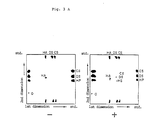
- Fig. 3 A, B and C show the results of two-dimensional electrophoresis of GAG and other findings described in Example 4;
- Fig. 4 A, B and C show the synthesis of DNA, collagen and albumin by rat hepatocytes, rat tendon fibroblast or by rat hepatocytes co-cultured with rat tendon fibroblasts.
- P, RTF, and P/RTF show the cultures of the hepatocytes, the fibroblasts and hepatocytes co-cultured with fibroblasts, respectively.
- DMEM-O DMEM containing antibiotics (250 ⁇ l fungizone, 50 mg/l dihydrostreptomycin and 50 mg/l penicillin G).
- FCS fetal calf serum
- the culture medium was discarded and the cells were washed, detached from the culture dish using a trypsin solution and appropriately diluted. After addition of fresh medium, the cells were seeded again. This procedure was repeated (subculture). Hereinafter, cells after 10 to 30 serial passages were employed.
- Example 1 The cells prepared in Example 1 were seeded on a culture dish with a diameter of 3.5 cm (Falcon, U.S.A.) and after addition of 0.1-1.0 mM of As-2-P to the above medium ( ⁇ , ⁇ ), culture was carried out in 5% CO2-95% air at 37°C for a total of 3 weeks. As a control, several runs were performed without addition of As-2-P. The medium was replaced with a fresh medium containing a varying concentration of As-2-P with a frequency of twice a week and the culture was continued for a total of 3 weeks.
- the culture was carried out without addition of As-2-P during the first one week and, then, in the presence of 0.1 mM of As-2-P during the subsequent two weeks.
- the culture was conducted in DMEM-10 containing 3H-proline (10 ⁇ Ci/ml) and As-2-P (0.1 mM), and the culture supernatant was combined with the cells. Thereafter, in accordance with the method of Hata et al.
- Example 1 The cells prepared in Example 1 were cultured in the same manner as Example 2 (except that the concentration of As-2-P was 0.1 mM) and labeled with 3H-proline. After the culture, the supernatant (M) and cell layer (C) were independently collected and discrupted by sonication on an ice-bath. To each of the above fractions, ammonium sulfate (176 mg/ml) was added in the presence of protease inhibitors (25 mM EDTA, 10 mM N-ethylmaleimide, 1 mM phenylmethylsulfonyl fluoride) and the resulting precipitate was dissolved in 0.5 M acetic acid.
- protease inhibitors 25 mM EDTA, 10 mM N-ethylmaleimide, 1 mM phenylmethylsulfonyl fluoride
- protease inhibitors containing 200 ⁇ g each of pepstatin, antipain and leupeptin in 5 ml
- protease inhibitors containing 200 ⁇ g each of pepstatin, antipain and leupeptin in 5 ml
- ⁇ 1(I), ⁇ 2(I), ⁇ 1(III) and ⁇ 1(V) represent types of ⁇ -chain constituting the collagen and I to V represent types of collagen.
- Pro, Pn and Pc represents procollagen, Pn collagen and Pc collagen.
- ⁇ or ⁇ means that the crosslinking had occurred between 2 or 3 ⁇ -chains.
- the culture in the presence of As-2-P resulted in an approximately 10-fold increase in collagen-like substances and the promotion of processing from procollagen to collagen (particularly pronounced in the cell layer and in types I and V of collagen) was observed. Furthermore, in the cell layer, presence of ⁇ and ⁇ components which are products of cross-linking of ⁇ -chains of collagen were observed. These crosslinks were found even after reduction with DTT and the components disappeared on treatment with purified collagenase.
- the GAG produced by cultures of human dermal fibroblasts using the As-2-P-containing medium (Fig. 3).
- Example 1 The cells prepared in Example 1 were cultured and labeled in the same manner as Example 2. However, 3H-glucosamine (20 ⁇ Ci/ml) was used in stead of 3H-proline.
- Crude GAG was prepared by treatment with Actinase E [Kaken Seiyaku K.K.] in accordance with the method of Hata et al. [Biochemica Biophysica Acta 304 , 408 (1973)]. This GAG was subjected to two-dimensional electrophoresis (first dimension: 0.1 M pyridine-0.47 M formic acid, pH 3; second dimension: 0.1 M barium acetate) on a cellulose acetate membrane and stained with Alcian blue (Fig. 3A).
- HA hyaluronic acid
- DS dermathane sulfate
- CS chondroitin-4 and/or-6 sulfate
- HS heparan sulfate
- HP heparin.
- the amount of bound dye to each stained GAG spot was colorimetrically determined and the amount per cell (nM hexosamine/ ⁇ g DNA) was calculated for each GAG and the results were compared with the value obtained by culture in the absence of As-2-P being taken as 100 (Fig. 3 B).
- each GAG spot was cut out, dissolved in 1 ml of dioxane and determined for radioactivity. Then, the rate of GAG synthesis was calculated and compared with the value found without addition of As-2-P being taken as 100 (Fig. 3C).
- tissue resembling the biological tissue may be produced.
- Hepatocytes were isolated from adult male rats of the Wistar strain (body weight, 230-270 g) by the two-step perfusion method as described in J. Cell. Physiol., 122 , 333 (1985). The cells (2.5 ⁇ 105) were plated onto 35-mm plastic culture dishes (ca.
- Tendon fibroblasts were isolated from rat Achilles tendon by treatment with collagenase and trypsin. The cells were plated onto 35-mm dishes and cultured in Dulbecco's modified Eagle's medium [GIBCO] supplemented with 10% fetal bovine serum, 2 ⁇ 10 ⁇ 4M As-2-P, and antibiotics for one week then cultured with Williams' medium E with the supplements as described above in the presence or absence of hepatocytes.
- Dulbecco's modified Eagle's medium [GIBCO] supplemented with 10% fetal bovine serum, 2 ⁇ 10 ⁇ 4M As-2-P, and antibiotics for one week then cultured with Williams' medium E with the supplements as described above in the presence or absence of hepatocytes.
- the cell layer was rinsed with 1 ml of 0.05 M Tris-HCl buffer (pH 7.4) containing 0.11 M NaCl and processed for the measurement of DNA content by a modification of a fluorometric method [J. Biol. Chem., 233 , 184 (1958)].
- Hepatocytes cultured for 2 days in Williams' medium E supplemented with dexamethasone, insulin, As-2-P, EGF, and 10% fetal bovine serum produced albumin and a low but significant amount of collagen (0.32 ⁇ 0.02% of total protein synthesized) (Fig. 4B and C).
- Fig. 4A and C 50% of the DNA and 60% of the level of albumin to those of 2-day cultures were preserved (Fig. 4A and C)
- the synthesis of total protein by the cells was decreased but that of collagen was increased (Fig. 4B), thus the relative rate of collagen synthesis to that of total protein synthesis was 8 times increased to 2.58 ⁇ 0.04% after 30 days in culture.
- the cell number determined by DNA content was the same as the sum of the two kinds of cells cultured separately.
- the collagen synthesis determined as collagenase-sensitive radioactivity per dish was lower than that of the fibroblasts cultured alone, even though the total cell number was higher in the co-culture.
- the level of albumin was higher in the co-culture than in the case of hepatocytes cultured alone, even though fibroblasts did not produce any amount of albumin (Fig. 4B and C), indicating the presence of metabolic interactions between the two kinds of cells.
- the cell number as well as collagen synthesis was increased, but the values were less than those of fibroblasts cultured alone.
- the level of albumin was 75% of that of 2-day cultures, and but still higher than the maximum level attained by the hepatocytes cultured on plastic substratum (Fig. 4C), again indicating the interactions between hepatocytes and fibroblasts.
Landscapes
- Health & Medical Sciences (AREA)
- Life Sciences & Earth Sciences (AREA)
- Engineering & Computer Science (AREA)
- Biomedical Technology (AREA)
- General Health & Medical Sciences (AREA)
- Chemical & Material Sciences (AREA)
- Animal Behavior & Ethology (AREA)
- Public Health (AREA)
- Veterinary Medicine (AREA)
- Biotechnology (AREA)
- Epidemiology (AREA)
- Organic Chemistry (AREA)
- Zoology (AREA)
- Wood Science & Technology (AREA)
- Genetics & Genomics (AREA)
- Bioinformatics & Cheminformatics (AREA)
- Transplantation (AREA)
- Oral & Maxillofacial Surgery (AREA)
- General Engineering & Computer Science (AREA)
- Gastroenterology & Hepatology (AREA)
- Cell Biology (AREA)
- Microbiology (AREA)
- Medicinal Chemistry (AREA)
- Dermatology (AREA)
- Biochemistry (AREA)
- Cardiology (AREA)
- Botany (AREA)
- Pulmonology (AREA)
- Chemical Kinetics & Catalysis (AREA)
- Heart & Thoracic Surgery (AREA)
- Vascular Medicine (AREA)
- Materials For Medical Uses (AREA)
- Micro-Organisms Or Cultivation Processes Thereof (AREA)
Applications Claiming Priority (2)
| Application Number | Priority Date | Filing Date | Title |
|---|---|---|---|
| JP37585/87 | 1987-02-19 | ||
| JP3758587 | 1987-02-19 |
Publications (1)
| Publication Number | Publication Date |
|---|---|
| EP0282746A1 true EP0282746A1 (de) | 1988-09-21 |
Family
ID=12501615
Family Applications (1)
| Application Number | Title | Priority Date | Filing Date |
|---|---|---|---|
| EP19880102250 Withdrawn EP0282746A1 (de) | 1987-02-19 | 1988-02-17 | Methode zur Herstellung von künstlichem Gewebe |
Country Status (1)
| Country | Link |
|---|---|
| EP (1) | EP0282746A1 (de) |
Cited By (32)
| Publication number | Priority date | Publication date | Assignee | Title |
|---|---|---|---|---|
| WO1990012603A1 (en) * | 1989-04-17 | 1990-11-01 | Vacanti Joseph P | Neomorphogenesis of cartilage in vivo from cell culture |
| WO1993011225A1 (en) * | 1991-11-26 | 1993-06-10 | Isis Innovation Limited | Culture of bone cells |
| WO1994020151A1 (de) * | 1993-03-03 | 1994-09-15 | Michael Sittinger | Verfahren zum herstellen eines implantates aus zellkulturen |
| WO1996021003A1 (en) * | 1994-12-30 | 1996-07-11 | Universite Laval | Production of a contractile smooth muscle |
| US5567612A (en) * | 1986-11-20 | 1996-10-22 | Massachusetts Institute Of Technology | Genitourinary cell-matrix structure for implantation into a human and a method of making |
| EP0671469A3 (de) * | 1994-03-09 | 1996-12-18 | Japan Res Dev Corp | Mediumdurchdringender Zellkulturträger und seine Verwendungen in eine Kulturmethode und einem Apparat. |
| WO1996019099A3 (fr) * | 1995-08-25 | 1997-04-10 | Lvmh Rech | Utilisation de la vitamine c ou de ses derives ou analogues pour stimuler la synthese de l'elastine cutanee |
| US5709854A (en) * | 1993-04-30 | 1998-01-20 | Massachusetts Institute Of Technology | Tissue formation by injecting a cell-polymeric solution that gels in vivo |
| US5716404A (en) | 1994-12-16 | 1998-02-10 | Massachusetts Institute Of Technology | Breast tissue engineering |
| US5741685A (en) * | 1995-06-07 | 1998-04-21 | Children's Medical Center Corporation | Parenchymal cells packaged in immunoprotective tissue for implantation |
| EP0812351A4 (de) * | 1994-06-06 | 1998-07-08 | Advanced Tissue Sciences Inc | Dreidimensionale knospelkulturen |
| US5786217A (en) * | 1994-05-05 | 1998-07-28 | Genzyme Corporation | Methods and compositions for the repair of articular cartilage defects in mammals |
| US5804178A (en) * | 1986-11-20 | 1998-09-08 | Massachusetts Institute Of Technology | Implantation of cell-matrix structure adjacent mesentery, omentum or peritoneum tissue |
| US5851833A (en) * | 1991-10-24 | 1998-12-22 | Children's Medical Center Corp. | Neomorphogenesis of urological structures in vivo from cell culture |
| US5855610A (en) | 1995-05-19 | 1999-01-05 | Children's Medical Center Corporation | Engineering of strong, pliable tissues |
| WO1999003979A1 (en) * | 1997-07-17 | 1999-01-28 | Smith & Nephew Plc | Methods for the preparation of artificial cellular tissue |
| WO2000015272A1 (en) * | 1998-09-14 | 2000-03-23 | Holland Biomaterials Group B.V. | Polymer immobilized living cells and applications thereof |
| WO2000029553A1 (en) * | 1998-11-19 | 2000-05-25 | Organogenesis Inc. | Bioengineered tissue constructs and methods for producing and using them |
| EP1014880A4 (de) * | 1997-02-20 | 2000-08-16 | Gerigene Medical Corp | Gewebe-ersatz und reparatur von defekten des kutanen und subkutanen gewebes und der stimmbänder |
| US6129761A (en) | 1995-06-07 | 2000-10-10 | Reprogenesis, Inc. | Injectable hydrogel compositions |
| US6309635B1 (en) | 1986-11-20 | 2001-10-30 | Children's Medical Center Corp. | Seeding parenchymal cells into compression resistant porous scaffold after vascularizing in vivo |
| WO2001081550A1 (fr) * | 2000-04-26 | 2001-11-01 | National Agricultural Research Organization | Procede pour creer des agregats de cellules tridimensionnels a partir de cellules cultivees |
| WO2002001954A1 (en) * | 2000-07-05 | 2002-01-10 | The Board Of Trustees Of The University Of Arkansas | Use of ascorbic acid and salts of ascorbic acid to promote cell repair and regeneration after injury |
| WO2002045766A1 (en) * | 2000-12-06 | 2002-06-13 | Japan Tissue Engineering Co., Ltd. | Tissue equivalant for transplantation and process for producing the same |
| WO2002102371A1 (de) * | 2001-06-15 | 2002-12-27 | Beiersdorf Ag | Verwendung von ascorbinsäure zur herstellung angiogenetisch wirksamer topischer zubereitungen |
| US6840962B1 (en) | 1995-05-01 | 2005-01-11 | Massachusetts Institute Of Technology | Tissue engineered tendons and ligaments |
| WO2006048783A3 (en) * | 2004-03-09 | 2006-11-09 | Jan-Eric W Ahlfors | Autogenic living scaffolds and living tissue matrices: methods and uses thereof |
| JP2007528252A (ja) * | 2004-03-09 | 2007-10-11 | ジャン−エリック ダブリュー. アルフォース, | オートジェネシス生体足場および生体組織マトリックス;方法およびその使用 |
| US7767452B2 (en) | 1997-02-20 | 2010-08-03 | Kleinsek Don A | Tissue treatments with adipocyte cells |
| US8043614B2 (en) | 2004-03-09 | 2011-10-25 | Ahlfors Jan-Eric W | Autogenic living scaffolds and living tissue matrices: methods and uses thereof |
| CN107683148A (zh) * | 2015-03-26 | 2018-02-09 | 波尔多大学 | 皮肤重建方法 |
| WO2023164648A3 (en) * | 2022-02-24 | 2024-10-24 | National Health Research Institutes | Recombinant human skin equivalent unit and the method manufacturing the same |
Citations (1)
| Publication number | Priority date | Publication date | Assignee | Title |
|---|---|---|---|---|
| WO1984004325A1 (fr) * | 1983-04-29 | 1984-11-08 | Inst Nat Sante Rech Med | Procede d'obtention de cultures d'hepatocytes humains, les cultures obtenues et leurs applications biologiques et biochimiques |
-
1988
- 1988-02-17 EP EP19880102250 patent/EP0282746A1/de not_active Withdrawn
Patent Citations (1)
| Publication number | Priority date | Publication date | Assignee | Title |
|---|---|---|---|---|
| WO1984004325A1 (fr) * | 1983-04-29 | 1984-11-08 | Inst Nat Sante Rech Med | Procede d'obtention de cultures d'hepatocytes humains, les cultures obtenues et leurs applications biologiques et biochimiques |
Non-Patent Citations (4)
| Title |
|---|
| CHEMICAL ABSTRACTS, vol. 103, no. 26, 30th December 1985, page 352, no. 220741c, Columbus, Ohio, US; H. PADH et al.: "Stability of ascorbic acid in solution" & IRCS MED. SCI. 1985, 13(10), 1028-9 * |
| JOURNAL OF CELL BIOLOGY, vol. 92, February 1982, pages 462-470, The Rockefeller University Press; E. SCHWARTZ et al.: "Changes in the components of extracellular matrix and in growth properties of cultured aortic smooth muscle cells upon ascorbate feeding" * |
| PATENT ABSTRACTS OF JAPAN, vol. 11, no. 242 (C-348)[2689], 7th August 1987; & JP-A-62 048 376 (TAKEDA CHEM IND LTD) 03-03-1987 * |
| PROC. NATL. ACAD. SCI. USA, vol. 53, 1965, pages 335-342; B. PETERKOFSKY et al.: "Enzymatic hydroxylation of proline in microsomal polypeptide leading to formation of collagen" * |
Cited By (52)
| Publication number | Priority date | Publication date | Assignee | Title |
|---|---|---|---|---|
| US6309635B1 (en) | 1986-11-20 | 2001-10-30 | Children's Medical Center Corp. | Seeding parenchymal cells into compression resistant porous scaffold after vascularizing in vivo |
| US5567612A (en) * | 1986-11-20 | 1996-10-22 | Massachusetts Institute Of Technology | Genitourinary cell-matrix structure for implantation into a human and a method of making |
| US5804178A (en) * | 1986-11-20 | 1998-09-08 | Massachusetts Institute Of Technology | Implantation of cell-matrix structure adjacent mesentery, omentum or peritoneum tissue |
| WO1990012603A1 (en) * | 1989-04-17 | 1990-11-01 | Vacanti Joseph P | Neomorphogenesis of cartilage in vivo from cell culture |
| US5851833A (en) * | 1991-10-24 | 1998-12-22 | Children's Medical Center Corp. | Neomorphogenesis of urological structures in vivo from cell culture |
| WO1993011225A1 (en) * | 1991-11-26 | 1993-06-10 | Isis Innovation Limited | Culture of bone cells |
| WO1994020151A1 (de) * | 1993-03-03 | 1994-09-15 | Michael Sittinger | Verfahren zum herstellen eines implantates aus zellkulturen |
| US7807150B2 (en) | 1993-04-30 | 2010-10-05 | Massachusetts Institute Of Technology | Injectable composition containing crosslinkable material and cells for forming animal tissue |
| US5709854A (en) * | 1993-04-30 | 1998-01-20 | Massachusetts Institute Of Technology | Tissue formation by injecting a cell-polymeric solution that gels in vivo |
| EP0671469A3 (de) * | 1994-03-09 | 1996-12-18 | Japan Res Dev Corp | Mediumdurchdringender Zellkulturträger und seine Verwendungen in eine Kulturmethode und einem Apparat. |
| US5786217A (en) * | 1994-05-05 | 1998-07-28 | Genzyme Corporation | Methods and compositions for the repair of articular cartilage defects in mammals |
| EP0812351A4 (de) * | 1994-06-06 | 1998-07-08 | Advanced Tissue Sciences Inc | Dreidimensionale knospelkulturen |
| US5716404A (en) | 1994-12-16 | 1998-02-10 | Massachusetts Institute Of Technology | Breast tissue engineering |
| AU695407B2 (en) * | 1994-12-30 | 1998-08-13 | Universite Laval | Production of a contractile smooth muscle |
| US5618718A (en) * | 1994-12-30 | 1997-04-08 | Universite Laval | Production of a contractile smooth muscle |
| WO1996021003A1 (en) * | 1994-12-30 | 1996-07-11 | Universite Laval | Production of a contractile smooth muscle |
| US7914579B2 (en) | 1995-05-01 | 2011-03-29 | Children's Medical Center Corporation | Tissue engineered tendons and ligaments |
| US6840962B1 (en) | 1995-05-01 | 2005-01-11 | Massachusetts Institute Of Technology | Tissue engineered tendons and ligaments |
| US6348069B1 (en) | 1995-05-19 | 2002-02-19 | Children's Medical Center Corporation | Engineering of strong, pliable tissues |
| USRE42575E1 (en) | 1995-05-19 | 2011-07-26 | Children's Medical Center Corporation | Engineering of strong, pliable tissues |
| US5855610A (en) | 1995-05-19 | 1999-01-05 | Children's Medical Center Corporation | Engineering of strong, pliable tissues |
| USRE42479E1 (en) | 1995-05-19 | 2011-06-21 | Children's Medical Center Corporation | Engineering of strong, pliable tissues |
| US6129761A (en) | 1995-06-07 | 2000-10-10 | Reprogenesis, Inc. | Injectable hydrogel compositions |
| US5741685A (en) * | 1995-06-07 | 1998-04-21 | Children's Medical Center Corporation | Parenchymal cells packaged in immunoprotective tissue for implantation |
| GB2308811B (en) * | 1995-08-25 | 2000-04-05 | Lvmh Rech | Use of vitamin C or derivatives or analogues thereof for promoting skin elastin synthesis |
| US5801192A (en) * | 1995-08-25 | 1998-09-01 | Lvmh Recherche | Use of vitamin C or derivatives or analogues thereof promoting skin elastin synthesis |
| GB2308811A (en) * | 1995-08-25 | 1997-07-09 | Lvmh Rech | Use of vitamin C or derivatives or analogues thereof for promoting skin elastic synthesis |
| WO1996019099A3 (fr) * | 1995-08-25 | 1997-04-10 | Lvmh Rech | Utilisation de la vitamine c ou de ses derives ou analogues pour stimuler la synthese de l'elastine cutanee |
| EP1014880A4 (de) * | 1997-02-20 | 2000-08-16 | Gerigene Medical Corp | Gewebe-ersatz und reparatur von defekten des kutanen und subkutanen gewebes und der stimmbänder |
| US7767452B2 (en) | 1997-02-20 | 2010-08-03 | Kleinsek Don A | Tissue treatments with adipocyte cells |
| WO1999003979A1 (en) * | 1997-07-17 | 1999-01-28 | Smith & Nephew Plc | Methods for the preparation of artificial cellular tissue |
| WO2000015272A1 (en) * | 1998-09-14 | 2000-03-23 | Holland Biomaterials Group B.V. | Polymer immobilized living cells and applications thereof |
| US7824913B2 (en) | 1998-11-19 | 2010-11-02 | Organogenesis, Inc. | Bioengineered tissue constructs and methods for producing and using thereof |
| AU2010201787B2 (en) * | 1998-11-19 | 2012-09-13 | Organogenesis, Inc. | Bioengineered Tissue Constructs and Methods For Producing and Using Them |
| EP1612265A3 (de) * | 1998-11-19 | 2006-03-01 | Organogenesis Inc. | Biotechnisch konstruiertes Gewebe und Verfahren zu dessen Produktion und Benutzung |
| WO2000029553A1 (en) * | 1998-11-19 | 2000-05-25 | Organogenesis Inc. | Bioengineered tissue constructs and methods for producing and using them |
| EP2295540A1 (de) * | 1998-11-19 | 2011-03-16 | Organogenesis, Inc. | Biotechnisch konstruiertes Gewebe und Verfahren zu dessen Produktion und Benutzung |
| AU769637B2 (en) * | 1998-11-19 | 2004-01-29 | Organogenesis Inc. | Bioengineered tissue constructs and methods for producing and using them |
| WO2001081550A1 (fr) * | 2000-04-26 | 2001-11-01 | National Agricultural Research Organization | Procede pour creer des agregats de cellules tridimensionnels a partir de cellules cultivees |
| WO2002001954A1 (en) * | 2000-07-05 | 2002-01-10 | The Board Of Trustees Of The University Of Arkansas | Use of ascorbic acid and salts of ascorbic acid to promote cell repair and regeneration after injury |
| WO2002045766A1 (en) * | 2000-12-06 | 2002-06-13 | Japan Tissue Engineering Co., Ltd. | Tissue equivalant for transplantation and process for producing the same |
| EP1358895A4 (de) * | 2000-12-06 | 2007-02-28 | Japan Tissue Eng Co Ltd | Gewebeäquivalent für die transplantation und verfahren zu seiner herstellung |
| WO2002102371A1 (de) * | 2001-06-15 | 2002-12-27 | Beiersdorf Ag | Verwendung von ascorbinsäure zur herstellung angiogenetisch wirksamer topischer zubereitungen |
| US10226548B2 (en) | 2003-08-29 | 2019-03-12 | Genesis Technologies Limited | Autogenic living scaffolds and living tissue matrices: methods and uses thereof |
| US8043614B2 (en) | 2004-03-09 | 2011-10-25 | Ahlfors Jan-Eric W | Autogenic living scaffolds and living tissue matrices: methods and uses thereof |
| WO2006048783A3 (en) * | 2004-03-09 | 2006-11-09 | Jan-Eric W Ahlfors | Autogenic living scaffolds and living tissue matrices: methods and uses thereof |
| JP2007528252A (ja) * | 2004-03-09 | 2007-10-11 | ジャン−エリック ダブリュー. アルフォース, | オートジェネシス生体足場および生体組織マトリックス;方法およびその使用 |
| CN107683148A (zh) * | 2015-03-26 | 2018-02-09 | 波尔多大学 | 皮肤重建方法 |
| US20180112188A1 (en) * | 2015-03-26 | 2018-04-26 | Université De Bordeaux | Skin reconstruction method |
| CN107683148B (zh) * | 2015-03-26 | 2021-05-04 | 波尔多大学 | 皮肤重建方法 |
| US11643639B2 (en) * | 2015-03-26 | 2023-05-09 | Université De Bordeaux | Skin reconstruction method |
| WO2023164648A3 (en) * | 2022-02-24 | 2024-10-24 | National Health Research Institutes | Recombinant human skin equivalent unit and the method manufacturing the same |
Similar Documents
| Publication | Publication Date | Title |
|---|---|---|
| JP4733346B2 (ja) | 細胞培養および組織工学のためのリシルオキシダーゼ阻害剤の使用 | |
| Baum et al. | Association in normal human fibroblasts of elevated levels of adenosine 3 ‘: 5 ‘-monophosphate with a selective decrease in collagen production. | |
| DE60028666T2 (de) | Verwendung von Fettgewebe-abgeleiteten Stromalen Zellen zur Differenzierung in Chondrozyten und ihre Verwendung zur Reparatur von Knorpelgewebe | |
| US4356261A (en) | Anti-invasion factor containing cultures | |
| US5695998A (en) | Submucosa as a growth substrate for islet cells | |
| US6790454B1 (en) | Processes for the preparation of novel collagen-based supports for tissue engineering, and biomaterials obtained | |
| US5478739A (en) | Three-dimensional stromal cell and tissue culture system | |
| Davison et al. | Isolation and long-term serial cultivation of endothelial cells from the microvessels of the adult human dermis | |
| US20050164388A1 (en) | Method of isolating epithelial cells, method of preconditioning cells, and methods of preparing bioartificial skin and dermis with the epithelial cells and preconditioned cells | |
| Link et al. | Epithelial growth by rat vibrissae follicles in vitro requires mesenchymal contact via native extracellular matrix | |
| KR970705951A (ko) | 심장 판막 구조에서 3차원 사람 세포 배양물과 이의 용도(three-dimensional human cell cultures on cardiac valve franeworks and their uses) | |
| Doillon et al. | Behaviour of fibroblasts and epidermal cells cultivated on analogues of extracellular matrix | |
| KR20030010636A (ko) | 인공조직 및 생체재료 제조용 콜라겐 지지체 | |
| Kato et al. | Effect of exogenous extracellular matrices on proteoglycan synthesis by cultured rabbit costal chondrocytes. | |
| US20040248292A1 (en) | Keratinocytes obtained from embryonic stem cells of mammals | |
| CN101001652A (zh) | 生产皮肤替代物的交联胶原基质 | |
| Vaughan et al. | Requirement of hydrocortisone and insulin for extended proliferation and passage of rat keratinocytes | |
| RU2391399C2 (ru) | Способ получения клеточной матрицы кожи | |
| Delbruck et al. | In-Vitro Culture of Human Chondrocytes From Adult Subjectsm | |
| CN109722410B (zh) | 一种3d全层皮肤模型及用于其形成的培养基、制备方法 | |
| Abrahamsohn et al. | The ubiquitous occurrence of chondroitin sulfates in chick embryos | |
| CA2189421A1 (en) | Collagen from cell cultures | |
| KR101957404B1 (ko) | 골 형성 세포 시트 제작용 조성물 및 제작 방법 | |
| KR100432584B1 (ko) | 생인공진피 혹은 생인공피부 제조 혹은 세포치료를 위한피부 세포의 훈련방법 | |
| Nakayama et al. | Studies of cell and organ culture of psoriatic and normal epidermis in vitro |
Legal Events
| Date | Code | Title | Description |
|---|---|---|---|
| PUAI | Public reference made under article 153(3) epc to a published international application that has entered the european phase |
Free format text: ORIGINAL CODE: 0009012 |
|
| AK | Designated contracting states |
Kind code of ref document: A1 Designated state(s): AT BE CH DE ES FR GB GR IT LI LU NL SE |
|
| 17P | Request for examination filed |
Effective date: 19890111 |
|
| RAP3 | Party data changed (applicant data changed or rights of an application transferred) |
Owner name: TAKEDA CHEMICAL INDUSTRIES, LTD. |
|
| 17Q | First examination report despatched |
Effective date: 19920615 |
|
| STAA | Information on the status of an ep patent application or granted ep patent |
Free format text: STATUS: THE APPLICATION HAS BEEN WITHDRAWN |
|
| 18W | Application withdrawn |
Withdrawal date: 19930602 |