EP0285357A2 - Bekämpfung von Retroviren - Google Patents
Bekämpfung von Retroviren Download PDFInfo
- Publication number
- EP0285357A2 EP0285357A2 EP88302744A EP88302744A EP0285357A2 EP 0285357 A2 EP0285357 A2 EP 0285357A2 EP 88302744 A EP88302744 A EP 88302744A EP 88302744 A EP88302744 A EP 88302744A EP 0285357 A2 EP0285357 A2 EP 0285357A2
- Authority
- EP
- European Patent Office
- Prior art keywords
- polysaccharide
- use according
- sulfate
- virus
- natural
- Prior art date
- Legal status (The legal status is an assumption and is not a legal conclusion. Google has not performed a legal analysis and makes no representation as to the accuracy of the status listed.)
- Withdrawn
Links
Images








Classifications
-
- A—HUMAN NECESSITIES
- A61—MEDICAL OR VETERINARY SCIENCE; HYGIENE
- A61L—METHODS OR APPARATUS FOR STERILISING MATERIALS OR OBJECTS IN GENERAL; DISINFECTION, STERILISATION OR DEODORISATION OF AIR; CHEMICAL ASPECTS OF BANDAGES, DRESSINGS, ABSORBENT PADS OR SURGICAL ARTICLES; MATERIALS FOR BANDAGES, DRESSINGS, ABSORBENT PADS OR SURGICAL ARTICLES
- A61L2/00—Disinfection or sterilisation of materials or objects, in general; Accessories therefor
- A61L2/16—Disinfection or sterilisation of materials or objects, in general; Accessories therefor using chemical substances
-
- A—HUMAN NECESSITIES
- A01—AGRICULTURE; FORESTRY; ANIMAL HUSBANDRY; HUNTING; TRAPPING; FISHING
- A01N—PRESERVATION OF BODIES OF HUMANS OR ANIMALS OR PLANTS OR PARTS THEREOF; BIOCIDES, e.g. AS DISINFECTANTS, AS PESTICIDES OR AS HERBICIDES; PEST REPELLANTS OR ATTRACTANTS; PLANT GROWTH REGULATORS
- A01N43/00—Biocides, pest repellants or attractants, or plant growth regulators containing heterocyclic compounds
- A01N43/02—Biocides, pest repellants or attractants, or plant growth regulators containing heterocyclic compounds having rings with one or more oxygen or sulfur atoms as the only ring hetero atoms
- A01N43/04—Biocides, pest repellants or attractants, or plant growth regulators containing heterocyclic compounds having rings with one or more oxygen or sulfur atoms as the only ring hetero atoms with one hetero atom
- A01N43/14—Biocides, pest repellants or attractants, or plant growth regulators containing heterocyclic compounds having rings with one or more oxygen or sulfur atoms as the only ring hetero atoms with one hetero atom six-membered rings
- A01N43/16—Biocides, pest repellants or attractants, or plant growth regulators containing heterocyclic compounds having rings with one or more oxygen or sulfur atoms as the only ring hetero atoms with one hetero atom six-membered rings with oxygen as the ring hetero atom
Definitions
- the present invention relates to disinfection useful for preventing infection with retrovirsuses.
- the present invention relates to a disinfectant composition for retroviruses containing as active ingredient a natural or synthetic oligo- or polysaccharide having at least one S-oxoacid group attached to the saccharic carbon atom through a linking group of lower molecular weight, the manufacture and method of use thereof.
- the said composition is effective against retroviruses, especially causative viruses for AIDS (acquired immuno deficiency syndrome), ARC(AIDS-related complex), RGL (persistent generalized lymphadenopathy) and LAS (limphadenopathy syndrome).
- Retroviruses refer to a family of viruses which have RNA and reverse transcriptase (RNA-dependent DNA polymerase), of which the latter is essential to the first stage of its self-replication for synthesizing complementary DNA on the base of template RNA of the virus.
- RNA and reverse transcriptase RNA-dependent DNA polymerase
- Retroviruses include various oncoviruses such as avian leukemia virus, avian sarcoma virus, avian reticuloendotheliosis virus, murine mammary cancer virus, murine leukemia virus, murine sarcoma virus, guinea pig type C virus, hamster type C virus, rat leukemia virus, feline leukemia virus, feline sarcoma virus, feline type C virus, ovine leukemia virus, bovine leukemia virus, swine type C virus, simian leukemia virus, Mason-Pfizer virus, simian sarcoma virus, simian T-lymphotropic virus, baboon type C virus, and the like.
- oncoviruses such as avian leukemia virus, avian sarcoma virus, avian reticuloendotheliosis virus, murine mammary cancer virus, murine leukemia virus, murine
- T-cell leukemia virus ATLV
- HTLV-I human T-lymphotropic virus type I
- HTLV-II type II
- the adult T-cell leukemia abounds in Japan, especially in the west part, but the effective treatment containing prevention and therapeutics of the disease has not been established.
- retroviruses also include those having no oncogenecity, such as visna virus, ovine progressive pneumonia virus, ovine maedi virus, simian T-lymphotropic virus type III (STLV-III), equine infectious anemia virus, and the like.
- the viruses isolated from human as causative agents for AIDS, ARC, PGL and LAS (so-called AIDS-viruses such as HTLV-III, LAV1, LAV2, ARV and HTLV-IV) belong to this subfamily. Recently, AIDS-causative viruses are called HIVs (human immuno deficiency viruses).
- a spumavirinae to which simian foaming virus belongs.
- a retrovirus has been isolated recently as a causative virus for Kawasaki disease (mucocutaneous lymphonode syndrome).
- AIDS due to its unfavorable prognosis. It is a clinical syndrome characterized by recurrent oppotunistic infections, (e.g. pneumocystis carinii pneunonia, cryptococcal meningitis, disseminated toxoplasmosis), lymphadenopathy, and an aggressive Kaposi's sarcoma, and induces a high mortality more than 90 % by the dysregulation of immune system. It is also known that the helper-T cells are specifically destroyed by the infection of the virus. Further, among the conditions related with AIDS viruses, there are a carried condition of no syndrome, PGL (persistent generalized lymphadenopathy), LAS (lymphadenopathy syndrome), ARC(AIDS-related complex), etc. -
- the present inventors In order to find out substances effective against causative viruses for AIDS, PGL, LAS and AIDS-virus carrier, the present inventors, using a cell line of MT-4 established from T-cells of adult T-cell leukemia patient and HTLV-III which is a causative virus for AIDS, examined the effects of various substances on the infection and replication of HTLV-III.
- the above MT-4 cell line is absolutely susceptible to the infection with HTLV-III followed by causing cell lysis (experimental HTLV-III infection).
- the present inventors found that when certain polysaccharides having sulfonate group (-SO3 ⁇ ) or mucopolysaccharides having sulfonate group or their additionally sulfuric acid esterified substances were added to the experimental HTLV-infection system, the infection of HTLV-III on MT-4 cells and viral replication were strongly inhibited without accompanying any toxicity to the cells.
- the present inventors demonstrated that the above polysaccharides inhibit the reverse transcriptase of the retroviruses including AIDS virus in vitro , prevent the adsorption of such viruses to the target cells and inhibit cell fusion of virus-infected cells to noninfected cells, thereby suppressing the replication of the virus.
- dextran sulfate with lower molecular weight has long been commercialized as an antilipemic or anti-arteriosclerosis agent.
- dextran sulfate with relatively higher molecular weight is known to have an inhibitory action against herpes virus (European Patent Publication No. 0066379).
- herpes virus is a DNA virus, its replication is absolutely different from that of the retrovirus which depends entirely on reverse transcriptase for synthesis of DNA. Accordingly, the effectiveness of dextran sulfate on herpes virus does not necessarily mean its effectiveness on retrovirus.
- dextran sulfate with lower molecular weight less than 10,000 was found to be almost ineffective on herpes viruses.
- chondroitin sulfate is commercialized as a drug for sensorineural hearing impairment, neuralgia, lumbago and chronic nephritis, and also as a cornea-protective ophthalmic solution.
- Keratan sulfate is obtainable from the cartilage, teichuronic acid from the cell walls of Bacillus subtilis , hyaluronic acid from shark skin, whale cartilage, or from human serum, heparan sulfate from bovine liver or lung, and chitin from arthropod or from fungus or yeast, respectively.
- the preparation process for the further sulfuric acid esterified compound of chondroitin sulfate is described in Japanese Patent Publication (JP, B2) No.9570/1971.
- Heparin is known to inhibit various enzymes in vitro , e.g., DNA polymerase of phytohemagglutinin stimulated human lymphocytes and reverse transcriptase of simian sarcoma virus (Cancer Research, 38 , 2401 - 2407), but is not proved to inhibit the viral infection of cells.
- the present invention provides a disinfectant composition for retroviruses comprising as an effective ingredient a natural or synthetic oligo- or polysaccharide having at least one S-oxoacid group attached to the saccharic carbon atom through a linking group of lower molecular weight.
- the present invention provides a use of a natural or synthetic oligo- or polysaccharide having at least one S-oxoacid group attached to the saccharic carbon atom through a linking group of lower molecular weight for the manufacture of a disinfectant composition for controlling retroviruses.
- the present invention provides a method of disinfection for retroviruses which comprises contacting inanimate object in need of such treatment with a natural or synthetic oligo- or polysaccharide having at least one S-oxoacid group attached to the saccharic carbon atom through a linking group of lower molecular weight.
- fection or "disinfectant” herein is intended to cover all prevention for infection including deactivation, elimination, inhibition of inter-cellular transfer, and extermination of viruses, as well as cleansing.
- the retroviruses includes all viruses having RNA and reverse transcriptase as the basic components including those exemplified above.
- the disinfectant composition or the method of disinfection herein are applied to all inanimate object including instruments, and intended to be performed for purposes other than application of pharmaceutical composition to human or animal bodies.
- the inanimate object referred to herein include textile sanitary materials (e.g., absorbent cotton, gauze, bandage, textile sanitary supplies, mask, eye band, triangle bandage, cotton stick, etc.), medical and sanitary rubber articles (rubber gloves for surgical operation, contraceptive sheath, rubber nipple, etc.), food processing instruments, office appliances, medical, dental or veterinary instruments (e.g., surgical bed, anesthetic instruments, artificial heart-lung instrument, chiropractic instrument, needle, ophthalmic instrument, dental treating table, artificial insemination instrument for kettle, retainer for exclusive use for animal, etc.), furniture, fixtures, and indoor and outdoor fittings, (e.g., bed, desk, chair, chest of drawers, sliding paper door (shoji), sliding door (fusuma), door, mat carpet, curtain, straw mattress (tatami), sink
- the oligo- or polysaccharide used according to the present invention is those having at least one S-oxoacid group attached to the saccharic carbon atom through a linking group of lower molecular weight.
- Such oligo- or polysaccharide may be natural or synthetic.
- the term "natural” is intended to mean that the oligo- or polysaccharide is obtainable from a natural source such as plant, microorganism or animal by extraction and other means.
- synthetic is intended to mean that the oligo- or polysaccharide is obtainable synthetically, for example, by introducing S-oxoacid group into other oligo- or polysaccharide which has or has not S-oxoacid group and which is natural or unnatural (and synthetic).
- oligosaccharide refers to a carbohydrate containing from two up to about nine monosaccharides linked together. For example, when a oligosaccharide contains three monosaccharides, one, two or three of the monosaccharides may have at least one S-oxoacid group.
- polysaccharide refers to a carbohydrate containing about ten or more monosaccharides linked together. At least one and a minor or major part or all of the monosaccharides may have at least one and normally up to four S-oxoacid groups.
- the S-oxoacid group includes sulfo group (-SO3H) and hydroxysulfinyl group (-SO.OH).
- Preferred S-oxoacid group is a sulfo group.
- saccharin carbon atom refers to a carbon atom which is a member of tetrahydrofuran or tetrahydropyran ring of monosaccharide contained in the oligo- or polysaccharide.
- the linking group of lower molecular weight includes oxy (-O-), imino (-NH-), thio (-S-), methylene (-CH2-), ethylidene (-CH(CH3)-) groups and the like.
- the term "lower molecular weight” is intended to mean that the group has a molecular weight from about 14 up to about 32.
- Preferred linking group is oxy and imino groups.
- One class of the oligo- or polysaccharide is natural polysaccharides having at least one hydrogen sulfate group (-O-SO3H) and is obtained from a plant or a microorganism, or a synthetic polysaccharide having at least one hydrogen sulfate group (-O-SO3H) and is formed by esterifying a polysaccharide obtained from a plant or microorganism.
- polysaccharide composed of non-amino monosaccharide (including sugar acid) as the repeating unit.
- This polysaccharide may contain a trace amount of nitrogen.
- the non-amino sugar repeating units include xylose, arabinose, rhamnose, fucose, glucose, galactose, glucuronic acid, galacturonic acid, mannuronic acid, etc.
- the natural polysaccharide includes carrageenan (galactan sulfate obtainable from Gigartina tenella , etc.) an fucoidin (polyfucose sulfate obtainable from Laminaria brown seaweed.
- Carrageenan includes ⁇ -carragheenan, ⁇ -carrageenan, i -carrageenan, etc. which have different contents of hydrogen sulfate group.
- the synthetic polysaccharide includes those to be obtained by sulfuric acid esterification of polysaccharides, e.g., starch and partial hydrolyzate thereof, dextran which is produced by Leuconostoc sp.
- partial hydrolyzate thereof (usually having the molecular weight of 500 - 2,000,000, ordinarily 2,000 and 300,000, preferably 2,000 - 10,000, most suitably 3,000 - 8,000, e.g., 7,000 - 8,000), glycogen, pectin, cellulose, plant viscous liquids (gum arabic, tragacant gum, etc.), plant mucilage products (those obtainable from Hibiscus esculentus , Aloe , Brasenia schreberi , xylan, etc.), viscous liquids of marine and fresh water algae (alginic acid, laminarin, etc.) or polysaccharide derived from microorganism (lentinan, pullulan, mannan, etc.).
- Chlorosulfonic acid is added dropwise to dry pyridin of 8 - 10 fold volume while cooling.
- To the mixture are added small amounts of formamide and dextran (about 1/4 weight of chlorosulfonic acid), and the mixture is heated to 55 - 65° C under stirring. After stirring the mixture for several hours, the solvent is distilled off, and the residue is purified for example by recrystalization, dialysis, etc.
- polysulfate those obtained by further sulfuric acid esterification is represented by the term "polysulfate”.
- Another class of the oligo- or polysaccharides is natural polysaccharides having at least one hydrogen sulfate group (-O-SO3H) and is obtained from an animal, or a synthetic polysaccharide having at least one hydrogen sulfate group (-O-SO3H) and is formed by esterifying a polysaccharide obtained from an animal.
- mucopolysaccharides which are composed of amino monosaccharide (including N-acyl or NH-SO3H) as the repeating unit. This may further contain as another repeating unit non-amino sugar or an acid derivative thereof.
- the repeating amino-sugar unit or its N-acylated (preferably N-acetylated) derivatives include glucosamine, galactosamine, N-acetylated derivatives of them, and sulfuric acid ester or partial hydrolyzate of the above compound.
- monosaccharide or acid preferably, hexulonic acid
- monosaccharide or acid includes glucose, galactose, glucuronic acid, iduronic acid, etc.
- the mucopolysaccharides containing such repeating unit include heparin, keratan sulfate, chondroitin-4-sulfate, chondroitin-6-sulfate, dermatan sulfate, teichuronic acid, hyaluronic acid, heparitin sulfate, chitin, and their partial hydrolyzates, modified derivatives (e.g., partial acylated products), and synthetic polysacchrides containing the repeating unit such as above.
- the mucopolysaccharide polysulfates are defined as the products which are synthesized by additional sulfuric acid esterification of the above mucopolysaccharides having sulfate groups.
- This esterification may be carried out, for example, according to the procedure described in Japanese Patent Publication No.9570/1971.
- the esterification is carried out by treatment of the mucopolysaccharides with one of sulfating reagents such as concentrated sulfuric acid or chlorosulfonic acid.
- reaction product is separated by conventional procedure, e.g., neutralization, concentration, precipitation, recrystallization, chromatography, etc.
- the salts of mucopolysaccharides or their sulfates include the salts of inorganic base such as sodium salt, potassium salt, ammonium salt, etc., and salts of organic base such as diethanolamine salt, cyclohexylamine salt, amino acid salt, etc. These salts are produced from the corresponding acids by the conventional procedures.
- the above oligo- or polysaccharides and their salts may be solely used or as a mixture with the metal salts such as zinc, aluminum, etc.
- the oligo- or polysaccharide should be used in an amount sufficient to produce the desired disinfection/cleansing effect. Such an amount is in general 2.5 to 50,000 ppm or higher, preferably 5 to 30,000 ppm.
- the application method can be optional such as spraying, dipping, coating, impregnating, etc.
- the effective ingredient may be mixed with a carrier for disinfection/cleansing such as organic or inorganic solid or liquid excipients, and applied in the form of the conventional preparation.
- a carrier for disinfection/cleansing such as organic or inorganic solid or liquid excipients
- Such preparation includes liquids (e.g., liquid, emulsion, suspension, etc.), and cream or ointment.
- the above carriers include water, alcohol, gum arabic, etc. If necessary, auxiliary, stabilizer, emulsifier, lubricant, binder, pH regulating agent, isotonicity agent, and other additives in ordinary use may be added.
- composition may be used together with other disinfectant or cleanser such as ethanol, isopropanol, formalin, phenol, cresol, oxidol, potassium permanganate, boric acid, sodium hyposulfate, iodine, iodine tincture, iodoform, povidone-iodine, benzothonium chloride, benzalkonium chloride, chlorhexidine gluconate, alkyl polyaminoethyl glycine hydrochloride, polyhexamethylene biguanide hydrochloride, etc.
- disinfectant or cleanser such as ethanol, isopropanol, formalin, phenol, cresol, oxidol, potassium permanganate, boric acid, sodium hyposulfate, iodine, iodine tincture, iodoform, povidone-iodine, benzothonium chloride, benzalkonium chloride, chlorhexidine gluconate, al
- composition of the present invention may be applied as being adhered to the surfaces of therapeutic or sanitary rubber products or resin products or impregnation in the material rubber or resin per se.
- the toxicity of the above oligo- or polysaccharide is extremely low.
- the acute toxicity (LD50) of sodium dextran sulfate (molecular weight 7,000 - 8,000, S-content 17 - 20 %) is 21,000 mg/kg and 4,500 mg/kg when administered orally and intravenously to mice, respectively.
- the acute toxicity (LD50) of sodium chondroitin sulfate is 4,000 mg/kg or more and 7,500 mg/kg or more when administered intraperitoneally and orally to mice, respectively.
- the acute toxicitiy (LD50) of sodium heparin is 1,500 - 2,000 mg/kg when intravenously given to mice.
- the disinfectant/cleanser for retrovirus according to the present invention may be used for example for the following purposes:-
- things set in house or indoors e.g., furniture, stool in lavatory, etc.
- transporting machines e.g., white lobe, working clothes including those for livestock farming, underwear, night-gown, etc.
- Adsorption to the resin surface or allowing the resin per se to contain e.g., by causing blood or body fluid to circulate in the circulation apparatus furnished with these resins, the virus present in blood or body fluid is to be adsorbed and removed; or by using an eye band comprising such resins, the virus present in tear is to be adsorbed and removed); attachment to outfittings for surgical operation such as operation wear, cap for operation, mask for operation, gloves for operation, etc.; or allowing the materials per se for these outfittings to contain (disinfection to virus producing cells resulting from unexpected exposure or sprashing of blood or body fluid during operation).
- the solution was concentrated to about 20 ml, then diluted with ethanol (100 ml), and kept to stand overnight at 5 °C.
- the precipitates in the solution were separated by centrifugation, washed with ethanol, then with ether, and dried under reduced pressure to give the white powders of the title compound.
- Preparation 1 was repeated except that keratan sulfate (100 mg) was used as a starting material and 1 ml in place of 10 ml of 95% sulfuric acid was used, and there was obtained the subject Keraten polysulfate.
- Pelletized crude soap(100 parts, prepared from a mixture of beaf tallow and coconut oil by saponification with sodium hydroxide) was admixed under stirring with sodium dextran sulfate (0.5 part; molecular weight of about 8000; S-content of 17%), as well as a suitable amount each of a perfume, colorant(red), paraben, squalene and dipotassium glycyrrhetinate dispersed in a small valume of water. Then, the mixture was roller-kneaded uniformaly, and formed into a rod form by vacuum extruder, followed by stampping to give solid soap.
- Crude potassium soap was prepared by reacting a fatty acid mixture containing lauric acid, myristic acid, palmitic acid, etc. with potassium hydroxide.
- the obtained saft soap (100 parts) was admixed with sodium dextran sulfate (0.5 part, molecular weight of about 8000; S-content of 17%) as well as a suitable amount each of a perfume, colorant, paraben and jojoba oil dispersed in water. Then a required amount of carboxymethyl cellulose was added to the mixture for thickening to give liquid soap.
- Sodium polyoxyethylenelaurylether sulfate was thickened with an appropriate amount of laurylamide and admixed with sodium dextran sulfate (at a ratio of 0.2% of the finished product, molecular weight of about 8000; S-content of 17%) as well as a suitable amount each of squalene, dipotassium glycyrrhetinate, paraben, perfume and colorant(yellow) dispersed in water, followed by stirring to give shampoo.
- Test substances were assayed for inhibition against the enzyme activity of reverse transcriptase (authentic sample) derived from Avian Myeloblastosis Virus (abbrev. AMV), a kind of retrovirus.
- ⁇ A reverse transcriptase
- dT 12 ⁇ 18(primer DNA)
- 1 ⁇ l of water were mixed with 5 ⁇ l of 0.5M Tris-HCl (pH 8.4) including 0.1 % triton X-100, 5 ⁇ l of 1nM-MgCl2, 5 ⁇ l of 20 mM-DDT, 5 ⁇ l of water, and [3H]-TTP (tritium labeled thymidine triphosphate).
- test substances in solutions final concentrations: 1, 0.1, and 0.01 ⁇ g/ml, 5 ⁇ l or buffer solutions (control, 5 ⁇ l) at various doses were added.
- 5 ⁇ l (one unit) of the authentic reverse transcriptase derived from AMV was added and the reaction mixture was incubated at 37°C for 30 minutes.
- the reaction was stopped by addition of trichloroacetic acid, and after filtering the reaction mixture, the radioactivity of the polymerized (3H-T)n retained on the filter was measured using a liquid scintilation counter.
- test substances sodium dextran sulfate (molecular weight: 5000), same (molecular weight: 8000), same (molecular weight: 500000), fucoidin, ⁇ -carrageenan, ⁇ -carrageenan, and i -carrageenan were used.
- the results are shown in Figs. 1-7.
- Figs. 1-7 show that the enzyme inhibition increases with the increasing doses of the above test substances.
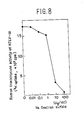
- Example 1 The assay procedure of Example 1 was repeated using disrupted HTLV-III virions as a crude reverse transcriptase in order to evaluate the reverse transcriptase inhibitory effect of dextran sulfate (DS, molecular weight 7,000 - 8,000, S-content 17 - 20 %). The result is shown in Fig. 8.
- Fig. 8 shows that DS has an inhibitory effect against the reverse transcriptase derived from AIDS-virus, HTLV-III.
- MT-4 cells (30 x 104/ml) cultured in RPMI-1640 medium containing 10 % bovine serum, was inoculated HTLV-III, and the suspension was incubated at 37 °C for 1 hour to cause the adsorption of the virus.
- the cell : virus ratio was 500:1.
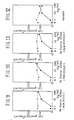
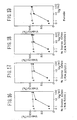
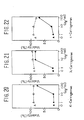
- the cells were then washed, and cultured with or without various doses of the test substances (same as those of Example 1) at 37 °C under 5 % CO2 for 3 days, after which cell growth, viability, and percentage of infected cells were recorded.
- the infected cells were distinguished from the uninfected cells by indirect immuno-fluorescence method.
- the cultured cells were fixed with cold methanol on a slide glass, reacted with antibody to the HTLV-III-specific antigens, and further with the secondary antibody (having fluororescent label).
- the results are shown in Figs. 9-29, wherein, ⁇ , ⁇ and show the controls without virus, ⁇ , ⁇ and ⁇ show the infection experiments with HTLV-III.
- the cell growth is indicated in number of cells, the viability (%) in number of viable cells x 100/number of total cells, and the infected cell rate (%) in number of fluorescent-positive cells x 100/number of total cells.
- Figs. 9-22 demonstrate that when no test compound was added to the medium, the cells did not grow and were killed by viral infection, whereas depending on the increase in the dose of the test substance, the number of cells and viability approached the values of the control without virus. Also, it is shown from Figs. 23 - 29 that when the test substance is not added, almost all cells were infected (- 100%), whereas depending on the increase in the dose of the test substances, the infection of cells was strongly inhibited.
- test substances have excellent inhibiting activities against infection of AIDS virus to host cells and viral proliferation.
- MT-4 cells were cultured without using virus in the same as in Example 3 and the proliferation and viability of cells were recorded. The results are shown in the following Table.
- test substances were evaluated by the method described in Example 1.
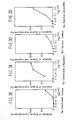
- the test substances used are chondroitin sulfate (S-content: 6.2 - 6.9 %), chondroitin polysulfate (S-content: 11.6 - 12.1 %), keratan sulfate (S- content: 7.0 - 8.0 %), and keratan polysulfate (S-content: 9.7 %).
- the results are shown in Figs. 30 - 33.
- Figures 30 - 33 indicate that the enzyme inhibition increases with the increasing doses of the above test substances.
- the above results also demonstrate that the reverse transcriptase inhibitory activity of the test substances is closely related to the number of sulfate group in the molecule, as evidenced by the fact that the synthetic substances (e.g. condroitin polysulfate and keratan polysulfate) have stronger activity than the natural substances (e.g. condroitin sulfate and keratan polysulfate).
- Test substances were assayed for the anti-AIDS virus activity in the same manner as in Example 3 using cell culture.
- the test substances were the same as those used in Example 5.
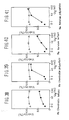
- the results are shown in Figs. 34 - 45, wherein ⁇ , ⁇ and ⁇ show the controls without virus, ⁇ , ⁇ and ⁇ show the infection tests with virus.
- Figs. 34 - 41 demonstrate that, without the test substances, the cells did not grow and were killed by viral infection, whereas depending on the increase in the dose of the test substance, the decrease in number of cells and loss of viability were prevented. Also, Figs. 42 - 45 demonstrate that when the test substance was not present, almost all of the cells were infected ( - 100%) with HTLV-III, whereas depending on the increase in the dose of the test substances, the infected cell rate (%) was significantly reduced.
- the anti-AIDS virus activity of heparin was evaluated in the same manner as in Example 3. The results are shown in Figs. 46 - 48, wherein ⁇ , ⁇ and ⁇ show the controls without virus, and ⁇ , ⁇ , and ⁇ show the infection tests with virus.
- Figs. 46 and 47 show that without heparin, the cells did not grow and were killed by viral infection, whereas depending on the increase in the dose of heparin, the number of cells and viability were maintained to that of control. It was also shown from Fig. 48 that when heparin was not present, almost all of the cells are infected, whereas depending on the increase in the dose of heparin, they become less susceptible to the viral infection.
- MT-4 cells were cultured in the same manner as in Example 7, and proliferation and viability of cells were recorded. The results are shown in the following Table.
- the cultured MT-4 cells were infected with HTLV-III and the inhibitory effects of various test substances on the infected cell rate (number of fluorescent cell x 100/ total cell, %) were determined at 6th day. The results are shown in the following Table.
- the anti-AIDS virus activity is closely related to the S-content or number of sulfate group in this case rather than to the molecular weight.
- Substances without sulfate group showed no anti-AIDS activity.
- the anti-AIDS activity was intensified with increasing S-content (number of sulfate group) of the molecule.
- S-content number of sulfate group
- those which showed particularly strong anti-AIDS virus activities are dextran sulfate, ⁇ -carrageenan, alginic acid sulfate, chitosan sulfate, chondroitin polysulfates, further sulfated chondroitin-4-sulfate and -6-sulfate, heparin, etc. having S-content more than 10%.
- Anti-FMuLV activity of dextran sulfate (molecular weight: 7000 - 8000, S-content: 17 - 20 %) was determined by a XC-plaque assay method.
- BALB3T3 cells were cultured in adhesive form in a 35 mm-dish at 5 x 10⁴ cells/dish (2 ml). After removing the culture medium, a fresh medium with or without indicated concentrations of the test substance (1 ml each) and 0.2 ml of the virus preparation were charged, and the cells were cultured overnight. On the following day, the culture media were replaced with those (2 ml) containing or not containing the above substances, the incubation was continued for three additional days to progress the infection and replication of the virus.
- DS inhibited 90 % or more the formation of plaque at the concentrations of 1 - 100 ⁇ g/ml, indicating that the infection and replication of the virus was strongly inhibited.
- the plaque formation was not detected at 1,000 ⁇ g/ml of DS.
- Procedure 1 was repeated except that after adsorption of the virus in the medium without DS, the non-adsorbed viruses were removed and the culture was carried out in the medium (2 ml) containing or not containing DS. The results are shown in the following table.
- DS inhibits the infection and replication of the oncogenic virus (Oncovirinae) including F-MuLV, as well as the cytolytic virus (Lentivirinae) including AIDS-virus.
- Oncovirinae oncogenic virus
- cytolytic virus Livirinae
- Virions from HTLV-III were added to a culture medium containing 100 ug/ml of test compounds, which was kept at 37°C for 60 minutes. After diluting to 1,000 folds, the resulting virus solution was added to MT-4 cells to initiate infection. At that time, the ratio of cells to virus was 500:1. After incubating at 37°C under 5 % CO2 for 3 days, an antibody to virus antigen was reacted and the effects were compared by determining the rate of infected cells (%) by indirect fluorescent antibody technique. The rate of infected cells is expressed by the number of the fluorescent positive cells X 100/total number of cells.
- Virions from HTLV-III were added to a culture medium containing 10 ⁇ g/ml of test compounds, which was immediately added to MT-4 cells. After incubating at 37°C for 60 minutes, the culture was centrifuged and the supernatant was removed. Viruses which were not adsorbed to the cells were removed by washing twice with physiological phosphate buffer. Fresh culture medium was added to the washed cells and the culture was incubated at 37°C under 5% CO2 for 3 days. On the third day, the effects were compared by determining the rate of infected cells (%) by indirect fluorescent antibody technique.
- HTLV-III/Molt-4 cells cells infected with HTLV-III and producing AIDS virus, were mixed with Molt-4 cells not infected with AIDS virus in a ratio of 1:9, and they were incubated at 37°C under 5 % CO2 for 4 days. The mixture was prepared so that the culture contained 10 ⁇ l/ml of test substance. On the fourth day, the effects were compared by determining the rate of infected cells (%) by indirect fluorescent antibody technique.
- test compounds dextran sulfate and other similar sulfated polysaccharide strongly inhibited the process of adsorption of HIV virion to the receptor of target cell, i.e. the first step of the establishment of viral infection.
- the cell fusion inhibiting activity of dextran sulfate and other similar sulfated polysaccharide was resulted from an inhibiting activity against the absorption of HIV antigen presumably generated on the surface of the infected cell to the receptor of the uninfected cell.
Landscapes
- Life Sciences & Earth Sciences (AREA)
- Health & Medical Sciences (AREA)
- General Health & Medical Sciences (AREA)
- Wood Science & Technology (AREA)
- Environmental Sciences (AREA)
- Engineering & Computer Science (AREA)
- Dentistry (AREA)
- Pest Control & Pesticides (AREA)
- Agronomy & Crop Science (AREA)
- Zoology (AREA)
- Plant Pathology (AREA)
- Chemical & Material Sciences (AREA)
- Chemical Kinetics & Catalysis (AREA)
- General Chemical & Material Sciences (AREA)
- Epidemiology (AREA)
- Animal Behavior & Ethology (AREA)
- Public Health (AREA)
- Veterinary Medicine (AREA)
- Pharmaceuticals Containing Other Organic And Inorganic Compounds (AREA)
Applications Claiming Priority (2)
| Application Number | Priority Date | Filing Date | Title |
|---|---|---|---|
| JP8011987 | 1987-03-31 | ||
| JP80119/87 | 1987-03-31 |
Publications (2)
| Publication Number | Publication Date |
|---|---|
| EP0285357A2 true EP0285357A2 (de) | 1988-10-05 |
| EP0285357A3 EP0285357A3 (de) | 1989-10-25 |
Family
ID=13709312
Family Applications (1)
| Application Number | Title | Priority Date | Filing Date |
|---|---|---|---|
| EP88302744A Withdrawn EP0285357A3 (de) | 1987-03-31 | 1988-03-28 | Bekämpfung von Retroviren |
Country Status (5)
| Country | Link |
|---|---|
| US (1) | US5100879A (de) |
| EP (1) | EP0285357A3 (de) |
| KR (1) | KR880010780A (de) |
| AU (1) | AU587358B2 (de) |
| OA (1) | OA09298A (de) |
Cited By (27)
| Publication number | Priority date | Publication date | Assignee | Title |
|---|---|---|---|---|
| EP0319676A3 (de) * | 1987-10-15 | 1989-09-06 | LUITPOLD PHARMA GmbH | Chondroitinpolysulfat enthaltende Zusammensetzungen zur Behandlung von durch Retroviren verursachten immundefizienten Zuständen |
| WO1990001935A1 (fr) * | 1988-08-26 | 1990-03-08 | Michel Vandevelde | Utilisation d'agent actif contre les retrovirus et produits ainsi mis en ×uvre |
| EP0433127A3 (en) * | 1989-12-04 | 1991-10-30 | Roussel-Uclaf | Sulfated derivative of galactan extracted from klebsiella, process for its preparation, application as medicines and pharmaceutical compositions containing it |
| EP0512849A1 (de) * | 1991-05-09 | 1992-11-11 | Unitika Ltd. | Verwendung von deacylierten Chitinderivaten zur Behandlung von Tumoren des hämopoietischen Systems |
| US5399555A (en) * | 1990-04-19 | 1995-03-21 | Previsan S.A. | Methods of disinfecting, disinfectants and pharmacetical composition comprising azoic compound |
| EP0679436A1 (de) * | 1994-04-28 | 1995-11-02 | Terumo Kabushiki Kaisha | Material zur Entfernung von HIV und verwandten Substanzen |
| EP0634436A4 (de) * | 1993-01-29 | 1996-07-24 | Marukin Shoyu Kk | Sulfat eines n-acetyleneuraminicsaurehomopolymers, verfahren zur herstellung, anti-hiv-droge enthaltend dieses sulfat, verfahren zur behandlung von aids mit diesem sulfat, verwendung dieses sulfats in der behandlung von aids und in der herstellung von medikamenten. |
| US5585367A (en) * | 1990-04-19 | 1996-12-17 | Previsan S.A. | Method of treating humans and animals infected with viruses of the retrovirus group |
| US5614506A (en) * | 1991-07-03 | 1997-03-25 | Hyal Pharmaceutical Corporation | Use of hyaluronic acid and forms to prevent arterial restenosis |
| US5639738A (en) * | 1992-02-20 | 1997-06-17 | Hyal Pharmaceutical Corporation | Treatment of basal cell carcinoma and actinic keratosis employing hyaluronic acid and NSAIDs |
| US5674857A (en) * | 1992-02-20 | 1997-10-07 | Hyal Pharmaceutical Corporation | Use of hyaluronic acid to repair ischemia reperfusion damage |
| US5792753A (en) * | 1991-07-03 | 1998-08-11 | Hyal Pharmaceutical Corporation | Compositions comprising hyaluronic acid and prostaglandin-synthesis-inhibiting drugs |
| US5811410A (en) * | 1989-09-21 | 1998-09-22 | Hyal Pharmaceutical Corporation | Method of administering of a hyaluronic acid and an NSAID to decrease side effects of the NSAID |
| US5817644A (en) * | 1991-07-03 | 1998-10-06 | Hyal Pharmaceutical Corporation | Targeting of dosages of medicine and therapeutic agents |
| US5942498A (en) * | 1992-02-20 | 1999-08-24 | Hyal Pharmaceutical Corporation | Formulations containing hyaluronic acid |
| US5990095A (en) * | 1991-07-03 | 1999-11-23 | Hyal Pharmaceutical Corporation | Use of hyaluronic acid and forms to prevent arterial restenosis |
| US6022866A (en) * | 1991-07-03 | 2000-02-08 | Hyal Pharmaceutical Corporation | Use of hyaluronic acid and forms to prevent arterial restenosis |
| US6051701A (en) * | 1994-03-23 | 2000-04-18 | Fidia Advanced Biopolymers Srl | Sulfated hyaluronic acid esters |
| US6103704A (en) * | 1991-07-03 | 2000-08-15 | Hyal Pharmaceutical Corporation | Therapeutic methods using hyaluronic acid |
| US6114314A (en) * | 1992-02-21 | 2000-09-05 | Hyal Pharmaceutical Corp. | Formulations containing hyaluronic acid |
| US8329673B2 (en) | 2008-04-04 | 2012-12-11 | University Of Utah Research Foundation | Alkylated semi synthetic glycosaminoglycosan ethers, and methods for making and using thereof |
| US8758819B2 (en) | 2006-09-13 | 2014-06-24 | Enhance Skin Products, Inc. | Cosmetic compositions for the treatment of skin and methods thereof |
| US9446431B2 (en) | 2013-08-15 | 2016-09-20 | Cook Medical Technologies Llc | Hydrophilic coatings and methods for coating medical devices with hydrophilic coatings |
| US9522162B2 (en) | 2011-03-23 | 2016-12-20 | University Of Utah Research Foundation | Methods for treating or preventing urological inflammation |
| CN111394475A (zh) * | 2020-03-26 | 2020-07-10 | 迈杰转化医学研究(苏州)有限公司 | 一种核苷酸组合物、包含其的检测试剂盒及其应用 |
| US11337994B2 (en) | 2016-09-15 | 2022-05-24 | University Of Utah Research Foundation | In situ gelling compositions for the treatment or prevention of inflammation and tissue damage |
| US12109225B2 (en) | 2018-11-13 | 2024-10-08 | Glycomira Therapeutics, Inc. | Methods for potentiating cancer treatment using ionizing radiation |
Families Citing this family (17)
| Publication number | Priority date | Publication date | Assignee | Title |
|---|---|---|---|---|
| DK169306B1 (da) * | 1989-06-14 | 1994-10-10 | Af 18 Juni 1990 As | Middel til fjernelse eller inaktivering af uønskede komponenter i blod eller andre ekstracellulære legemsvæsker samt fremgangsmåde til fremstilling af dextran-O-carbonyl-benzo-18-crown-6 og af dextran-hydroxyethylbenzo-18-crown-6 |
| US5514667A (en) * | 1990-11-05 | 1996-05-07 | Arthropharm Pty. Limited | Method for topical treatment of herpes infections |
| JP3020387B2 (ja) * | 1993-07-27 | 2000-03-15 | 日石三菱株式会社 | 抗ウイルス物質 |
| US5514665A (en) * | 1993-12-30 | 1996-05-07 | University Of British Columbia | Method of preventing or reducing the risk of infection by bacterial pathogens utilizing simple and conjugated dextrans |
| ATE182068T1 (de) * | 1996-01-10 | 1999-07-15 | Oreal | Verwendung eines polyholosids in einer reinigungs- oder abschmink-zusammensetzung und zusammensetzung, die ein polyholisid enthält |
| IT1288257B1 (it) * | 1996-11-29 | 1998-09-11 | Paoli Ambrosi Gianfranco De | Composizione per uso cosmetico,farmaceutico o dietetico a base di un aminozucchero e/o di un acido poliidrossilico |
| SE508760C2 (sv) * | 1997-04-29 | 1998-11-02 | Medicarb Ab | Användning av en komposition innefattande kitosan i kombination med en polysackarid, som aktiv komponent i ett lösningsmedel, för framställning av ett spendoppningsmedel för mjölkproducerande djur |
| CA2353645C (en) * | 1998-12-03 | 2013-03-12 | Redox Chemicals, Inc. | Novel methods of protecting plants from pathogens |
| FR2799369B1 (fr) * | 1999-10-08 | 2001-12-21 | Oreal | Association d'escine et de sulfate de dextran et son utilisation |
| US20040009953A1 (en) * | 2002-01-10 | 2004-01-15 | Comper Wayne D. | Antimicrobial charged polymers that exhibit resistance to lysosomal degradation during kidney filtration and renal passage, compositions and method of use thereof |
| US20030181416A1 (en) * | 2002-01-10 | 2003-09-25 | Comper Wayne D. | Antimicrobial charged polymers that exhibit resistance to lysosomal degradation during kidney filtration and renal passage, compositions and method of use thereof |
| WO2005004882A1 (en) * | 2003-07-09 | 2005-01-20 | Monash University | Antiviral charged polymers that exhibit resistance to lysosomal degradation during kidney filtration and renal passage, compositions and methods of use thereof |
| US7968122B2 (en) * | 2003-12-10 | 2011-06-28 | Adventrx Pharmaceuticals, Inc. | Anti-viral pharmaceutical compositions |
| KR20060087817A (ko) * | 2005-01-31 | 2006-08-03 | 주식회사 태평양 | 항노화용 화장료 조성물 |
| US20070031355A1 (en) * | 2005-06-22 | 2007-02-08 | L'oreal | Dermabrasion composition |
| US8546640B2 (en) * | 2006-06-08 | 2013-10-01 | Evriholder Products, Llc | Infused sponge delivery system |
| US20080071247A1 (en) * | 2006-09-18 | 2008-03-20 | Dimera Incorporated | Topical administration of a salt compound to facilitate venipuncture |
Family Cites Families (12)
| Publication number | Priority date | Publication date | Assignee | Title |
|---|---|---|---|---|
| EP0012115A1 (de) * | 1978-12-04 | 1980-06-11 | Ciba-Geigy Ag | Pharmazeutische Präparate zur topischen Behandlung von Virusinfektionen |
| EP0066379A3 (de) * | 1981-05-15 | 1983-06-08 | Riker Laboratories, Inc. | Zusammensetzung zur Behandlung vom Herpes-Virus |
| US4374832A (en) * | 1981-12-28 | 1983-02-22 | American Cyanamid Company | Modulators of the complement system comprising polyhexaose arylene sulfate derivatives |
| AU561066B2 (en) * | 1982-03-22 | 1987-04-30 | Biocarb Ab | Antibacterial composition containing an oligosaccharide |
| AU561067B2 (en) * | 1982-03-22 | 1987-04-30 | Biocarb Ab | Anti-bacterial composition containing an oligosaccharide |
| US4522814A (en) * | 1982-11-05 | 1985-06-11 | Raphael Pappo | Composition of matter from Cryptosiphonia woodii useful for the treatment of herpes simplex virus |
| IT1193614B (it) * | 1983-01-24 | 1988-07-21 | Crinos Industria Farmaco | Preparato per l'igiene e la pulizia della pelle del cuoio capelluto e dei capelli |
| SE8304006D0 (sv) * | 1983-07-15 | 1983-07-15 | Karlsson Karl Anders | Forening och komposition for terapeutisk eller diagnostisk anvendning samt forfarande for terapeutisk behandling |
| US4710493A (en) * | 1984-08-14 | 1987-12-01 | Albert Landsberger | Therapeutic agent for the use in cancer treatment |
| FR2570081B1 (fr) * | 1984-09-10 | 1987-01-09 | Pf Medicament | Polysaccharides membranaires utiles notamment comme medicament et procede pour leur preparation |
| DE3601136A1 (de) * | 1986-01-16 | 1987-07-23 | Max Planck Gesellschaft | Hemmstoffe der reversen transkriptase fuer prophylaxe und therapie von retrovirus-infektionen in saeugetieren |
| EP0240098A3 (de) * | 1986-04-04 | 1989-05-10 | Kabushiki Kaisha Ueno Seiyaku Oyo Kenkyujo | Oligo und Polysaccharide zur Behandlung von Krankheiten verursacht durch Retroviren |
-
1988
- 1988-03-28 EP EP88302744A patent/EP0285357A3/de not_active Withdrawn
- 1988-03-29 AU AU13837/88A patent/AU587358B2/en not_active Ceased
- 1988-03-30 OA OA59313A patent/OA09298A/xx unknown
- 1988-03-31 KR KR1019880003630A patent/KR880010780A/ko not_active Withdrawn
-
1989
- 1989-08-24 US US07/398,318 patent/US5100879A/en not_active Expired - Lifetime
Cited By (44)
| Publication number | Priority date | Publication date | Assignee | Title |
|---|---|---|---|---|
| EP0319676A3 (de) * | 1987-10-15 | 1989-09-06 | LUITPOLD PHARMA GmbH | Chondroitinpolysulfat enthaltende Zusammensetzungen zur Behandlung von durch Retroviren verursachten immundefizienten Zuständen |
| WO1990001935A1 (fr) * | 1988-08-26 | 1990-03-08 | Michel Vandevelde | Utilisation d'agent actif contre les retrovirus et produits ainsi mis en ×uvre |
| US5985850A (en) * | 1989-09-21 | 1999-11-16 | Hyal Pharmaceuticals Corporation | Compositions comprising hyaluronic acid and drugs |
| US6069135A (en) * | 1989-09-21 | 2000-05-30 | Hyal Pharmaceutical Corporation | Use of hyaluronic acid or its derivatives to enhance delivery of therapeutic agents |
| US5852002A (en) * | 1989-09-21 | 1998-12-22 | Hyal Pharmaceutical Corporation | Treatment of conditions and disease |
| US6194392B1 (en) | 1989-09-21 | 2001-02-27 | Hyal Pharmaceutical Corporation | Treatment of conditions and disease |
| US5985851A (en) * | 1989-09-21 | 1999-11-16 | Hyal Pharmaceutical Corporation | Use of hyaluronic acid or its derivatives in peritoneal dialysis and formulations thereof |
| US5830882A (en) * | 1989-09-21 | 1998-11-03 | Hyal Pharmaceutical Corporation | Compositions containing a form of hyaluronic acid and a medicinal agent for treating acne in mammals and methods for administration of such composition |
| US5932560A (en) * | 1989-09-21 | 1999-08-03 | Hyal Pharmaceutical Corporation | Treatment of conditions and disease |
| US5827834A (en) * | 1989-09-21 | 1998-10-27 | Hyal Pharmaceutical Corporation | Method of using hyaluronic acid or its pharmaceutically acceptable salts for the treatment of disease |
| US6048844A (en) * | 1989-09-21 | 2000-04-11 | Hyal Pharmaceutical Corporation | Treatment of conditions and disease |
| US5929048A (en) * | 1989-09-21 | 1999-07-27 | Hyal Pharmaceutical Corporation | Treatment of conditions and disease |
| US5914314A (en) * | 1989-09-21 | 1999-06-22 | Hyal Pharmaceutical Corporation | Use of a form of hyaluronic acid and a medicinal agent for reducing rejection of organs transplantation in mammals |
| US5811410A (en) * | 1989-09-21 | 1998-09-22 | Hyal Pharmaceutical Corporation | Method of administering of a hyaluronic acid and an NSAID to decrease side effects of the NSAID |
| EP0433127A3 (en) * | 1989-12-04 | 1991-10-30 | Roussel-Uclaf | Sulfated derivative of galactan extracted from klebsiella, process for its preparation, application as medicines and pharmaceutical compositions containing it |
| US5585367A (en) * | 1990-04-19 | 1996-12-17 | Previsan S.A. | Method of treating humans and animals infected with viruses of the retrovirus group |
| US5399555A (en) * | 1990-04-19 | 1995-03-21 | Previsan S.A. | Methods of disinfecting, disinfectants and pharmacetical composition comprising azoic compound |
| EP0512849A1 (de) * | 1991-05-09 | 1992-11-11 | Unitika Ltd. | Verwendung von deacylierten Chitinderivaten zur Behandlung von Tumoren des hämopoietischen Systems |
| US5792753A (en) * | 1991-07-03 | 1998-08-11 | Hyal Pharmaceutical Corporation | Compositions comprising hyaluronic acid and prostaglandin-synthesis-inhibiting drugs |
| US6022866A (en) * | 1991-07-03 | 2000-02-08 | Hyal Pharmaceutical Corporation | Use of hyaluronic acid and forms to prevent arterial restenosis |
| US5817644A (en) * | 1991-07-03 | 1998-10-06 | Hyal Pharmaceutical Corporation | Targeting of dosages of medicine and therapeutic agents |
| US5614506A (en) * | 1991-07-03 | 1997-03-25 | Hyal Pharmaceutical Corporation | Use of hyaluronic acid and forms to prevent arterial restenosis |
| US5990095A (en) * | 1991-07-03 | 1999-11-23 | Hyal Pharmaceutical Corporation | Use of hyaluronic acid and forms to prevent arterial restenosis |
| US6103704A (en) * | 1991-07-03 | 2000-08-15 | Hyal Pharmaceutical Corporation | Therapeutic methods using hyaluronic acid |
| US5674857A (en) * | 1992-02-20 | 1997-10-07 | Hyal Pharmaceutical Corporation | Use of hyaluronic acid to repair ischemia reperfusion damage |
| US5942498A (en) * | 1992-02-20 | 1999-08-24 | Hyal Pharmaceutical Corporation | Formulations containing hyaluronic acid |
| US5914322A (en) * | 1992-02-20 | 1999-06-22 | Hyal Pharmaceutical Corporation | Treatment of disease and conditions |
| US5639738A (en) * | 1992-02-20 | 1997-06-17 | Hyal Pharmaceutical Corporation | Treatment of basal cell carcinoma and actinic keratosis employing hyaluronic acid and NSAIDs |
| US6147059A (en) * | 1992-02-20 | 2000-11-14 | Hyal Pharmaceutical Corporation | Formulations containing hyaluronic acid |
| US6114314A (en) * | 1992-02-21 | 2000-09-05 | Hyal Pharmaceutical Corp. | Formulations containing hyaluronic acid |
| EP0634436A4 (de) * | 1993-01-29 | 1996-07-24 | Marukin Shoyu Kk | Sulfat eines n-acetyleneuraminicsaurehomopolymers, verfahren zur herstellung, anti-hiv-droge enthaltend dieses sulfat, verfahren zur behandlung von aids mit diesem sulfat, verwendung dieses sulfats in der behandlung von aids und in der herstellung von medikamenten. |
| US6339074B1 (en) | 1994-03-23 | 2002-01-15 | Fidia Advanced Biopolymers, Srl | Sulfated hyaluronic acid and esters thereof |
| US6051701A (en) * | 1994-03-23 | 2000-04-18 | Fidia Advanced Biopolymers Srl | Sulfated hyaluronic acid esters |
| EP0679436A1 (de) * | 1994-04-28 | 1995-11-02 | Terumo Kabushiki Kaisha | Material zur Entfernung von HIV und verwandten Substanzen |
| US5667684A (en) * | 1994-04-28 | 1997-09-16 | Terumo Kabushiki Kaisha | Material for removing HIV and its related substances |
| US8758819B2 (en) | 2006-09-13 | 2014-06-24 | Enhance Skin Products, Inc. | Cosmetic compositions for the treatment of skin and methods thereof |
| US8329673B2 (en) | 2008-04-04 | 2012-12-11 | University Of Utah Research Foundation | Alkylated semi synthetic glycosaminoglycosan ethers, and methods for making and using thereof |
| US9549945B2 (en) | 2008-04-04 | 2017-01-24 | University Of Utah Research Foundation | Use of alkylated semi-synthetic glycosaminoglycosan ethers for the treatment of inflammation |
| US9522162B2 (en) | 2011-03-23 | 2016-12-20 | University Of Utah Research Foundation | Methods for treating or preventing urological inflammation |
| US10226481B2 (en) | 2011-03-23 | 2019-03-12 | University Of Utah Research Foundation | Pharmaceutical compositions composed of low molecular weight sulfated hyaluronan |
| US9446431B2 (en) | 2013-08-15 | 2016-09-20 | Cook Medical Technologies Llc | Hydrophilic coatings and methods for coating medical devices with hydrophilic coatings |
| US11337994B2 (en) | 2016-09-15 | 2022-05-24 | University Of Utah Research Foundation | In situ gelling compositions for the treatment or prevention of inflammation and tissue damage |
| US12109225B2 (en) | 2018-11-13 | 2024-10-08 | Glycomira Therapeutics, Inc. | Methods for potentiating cancer treatment using ionizing radiation |
| CN111394475A (zh) * | 2020-03-26 | 2020-07-10 | 迈杰转化医学研究(苏州)有限公司 | 一种核苷酸组合物、包含其的检测试剂盒及其应用 |
Also Published As
| Publication number | Publication date |
|---|---|
| AU587358B2 (en) | 1989-08-10 |
| US5100879A (en) | 1992-03-31 |
| AU1383788A (en) | 1988-10-20 |
| OA09298A (en) | 1992-09-15 |
| EP0285357A3 (de) | 1989-10-25 |
| KR880010780A (ko) | 1988-10-24 |
Similar Documents
| Publication | Publication Date | Title |
|---|---|---|
| US5100879A (en) | Method of topically cleansing the human body | |
| JP5797673B2 (ja) | ヒドロカルビルスルトン化合物(a hydrocarbyl sultone compound)による化学修飾ポリアミノ糖 | |
| CA1277239C (en) | Treatment of diseases caused by retroviruses | |
| JP2002526184A (ja) | 安全で効果的なバイオフィルム阻害化合物及びその健康関連の使用 | |
| Findlay et al. | Coxsackie viruses and Bornholm disease | |
| CN101324029A (zh) | 一种有抗菌及亲水性的非织造布及其制备方法和应用 | |
| KR100395723B1 (ko) | 항부착제 | |
| EP3487508B1 (de) | Viruzidverbindungen und verwendungen davon | |
| JP2000217579A (ja) | 新規抗菌性ペプチド | |
| BG64027B1 (bg) | Средство за потапяне на бозки | |
| CN101175512A (zh) | 促进皮肤再生的医疗组合物 | |
| CN117320760A (zh) | 抗病毒和抗微生物涂层及其方法 | |
| US20230089450A1 (en) | Disilver hydrogen citrate-containing composition, method for producing same, antibacterial agent or antiviral agent using same, and method for producing same | |
| JP2021121627A (ja) | 抗ウイルス剤 | |
| JPH01207215A (ja) | レトロウイルス用抑制剤 | |
| EA013519B1 (ru) | Противобактериальный или педикулоцидный препарат, содержащий аллицин | |
| JP2018177709A (ja) | リゾチーム変性物含有粉末及びその製造方法 | |
| RU2214281C1 (ru) | Препарат для борьбы с внутрибольничной инфекцией, обработки медицинских инструментов и средств личной гигиены | |
| CN1306824A (zh) | 水溶性医用几丁糖制剂及制备方法 | |
| Scott et al. | Action of mercurochrome and tincture of iodine in skin disinfection: a comparative study | |
| CN105960170A (zh) | 杀微生物聚合物及其使用方法 | |
| JP4754137B2 (ja) | グリコサミノグリカン誘導体およびその使用 | |
| CN115721638B (zh) | 月桂酰精氨酸乙酯盐酸盐在制备促伤口愈合药物中的应用 | |
| DE3236298C2 (de) | ||
| RU2110267C1 (ru) | Способ получения нуклеопротеидных комплексов из эмбрионов птиц, обладающих иммунотропной и радиопротективной активностью |
Legal Events
| Date | Code | Title | Description |
|---|---|---|---|
| PUAI | Public reference made under article 153(3) epc to a published international application that has entered the european phase |
Free format text: ORIGINAL CODE: 0009012 |
|
| AK | Designated contracting states |
Kind code of ref document: A2 Designated state(s): AT BE CH DE ES FR GB GR IT LI LU NL SE |
|
| PUAL | Search report despatched |
Free format text: ORIGINAL CODE: 0009013 |
|
| AK | Designated contracting states |
Kind code of ref document: A3 Designated state(s): AT BE CH DE ES FR GB GR IT LI LU NL SE |
|
| 17P | Request for examination filed |
Effective date: 19900108 |
|
| 17Q | First examination report despatched |
Effective date: 19911031 |
|
| STAA | Information on the status of an ep patent application or granted ep patent |
Free format text: STATUS: THE APPLICATION IS DEEMED TO BE WITHDRAWN |
|
| 18D | Application deemed to be withdrawn |
Effective date: 19921012 |