EP0290246A2 - Impfstoff zur Erzeugung einer gegen Tollwutvirus schützenden immunogenen T-Zellen-Respons - Google Patents
Impfstoff zur Erzeugung einer gegen Tollwutvirus schützenden immunogenen T-Zellen-Respons Download PDFInfo
- Publication number
- EP0290246A2 EP0290246A2 EP88304045A EP88304045A EP0290246A2 EP 0290246 A2 EP0290246 A2 EP 0290246A2 EP 88304045 A EP88304045 A EP 88304045A EP 88304045 A EP88304045 A EP 88304045A EP 0290246 A2 EP0290246 A2 EP 0290246A2
- Authority
- EP
- European Patent Office
- Prior art keywords
- peptide
- protein
- vaccine
- ala
- virus
- Prior art date
- Legal status (The legal status is an assumption and is not a legal conclusion. Google has not performed a legal analysis and makes no representation as to the accuracy of the status listed.)
- Withdrawn
Links
Images







Classifications
-
- C—CHEMISTRY; METALLURGY
- C07—ORGANIC CHEMISTRY
- C07K—PEPTIDES
- C07K14/00—Peptides having more than 20 amino acids; Gastrins; Somatostatins; Melanotropins; Derivatives thereof
- C07K14/005—Peptides having more than 20 amino acids; Gastrins; Somatostatins; Melanotropins; Derivatives thereof from viruses
-
- A—HUMAN NECESSITIES
- A61—MEDICAL OR VETERINARY SCIENCE; HYGIENE
- A61K—PREPARATIONS FOR MEDICAL, DENTAL OR TOILETRY PURPOSES
- A61K39/00—Medicinal preparations containing antigens or antibodies
- A61K39/12—Viral antigens
-
- A—HUMAN NECESSITIES
- A61—MEDICAL OR VETERINARY SCIENCE; HYGIENE
- A61K—PREPARATIONS FOR MEDICAL, DENTAL OR TOILETRY PURPOSES
- A61K39/00—Medicinal preparations containing antigens or antibodies
- A61K39/12—Viral antigens
- A61K39/205—Rhabdoviridae, e.g. rabies virus
-
- A—HUMAN NECESSITIES
- A61—MEDICAL OR VETERINARY SCIENCE; HYGIENE
- A61K—PREPARATIONS FOR MEDICAL, DENTAL OR TOILETRY PURPOSES
- A61K39/00—Medicinal preparations containing antigens or antibodies
- A61K39/12—Viral antigens
- A61K39/245—Herpetoviridae, e.g. herpes simplex virus
-
- A—HUMAN NECESSITIES
- A61—MEDICAL OR VETERINARY SCIENCE; HYGIENE
- A61K—PREPARATIONS FOR MEDICAL, DENTAL OR TOILETRY PURPOSES
- A61K9/00—Medicinal preparations characterised by special physical form
- A61K9/10—Dispersions; Emulsions
- A61K9/127—Synthetic bilayered vehicles, e.g. liposomes or liposomes with cholesterol as the only non-phosphatidyl surfactant
-
- A—HUMAN NECESSITIES
- A61—MEDICAL OR VETERINARY SCIENCE; HYGIENE
- A61K—PREPARATIONS FOR MEDICAL, DENTAL OR TOILETRY PURPOSES
- A61K9/00—Medicinal preparations characterised by special physical form
- A61K9/10—Dispersions; Emulsions
- A61K9/127—Synthetic bilayered vehicles, e.g. liposomes or liposomes with cholesterol as the only non-phosphatidyl surfactant
- A61K9/1271—Non-conventional liposomes, e.g. PEGylated liposomes or liposomes coated or grafted with polymers
-
- A—HUMAN NECESSITIES
- A61—MEDICAL OR VETERINARY SCIENCE; HYGIENE
- A61K—PREPARATIONS FOR MEDICAL, DENTAL OR TOILETRY PURPOSES
- A61K39/00—Medicinal preparations containing antigens or antibodies
- A61K2039/555—Medicinal preparations containing antigens or antibodies characterised by a specific combination antigen/adjuvant
- A61K2039/55511—Organic adjuvants
- A61K2039/5555—Muramyl dipeptides
-
- A—HUMAN NECESSITIES
- A61—MEDICAL OR VETERINARY SCIENCE; HYGIENE
- A61K—PREPARATIONS FOR MEDICAL, DENTAL OR TOILETRY PURPOSES
- A61K39/00—Medicinal preparations containing antigens or antibodies
- A61K2039/555—Medicinal preparations containing antigens or antibodies characterised by a specific combination antigen/adjuvant
- A61K2039/55511—Organic adjuvants
- A61K2039/55555—Liposomes; Vesicles, e.g. nanoparticles; Spheres, e.g. nanospheres; Polymers
-
- A—HUMAN NECESSITIES
- A61—MEDICAL OR VETERINARY SCIENCE; HYGIENE
- A61K—PREPARATIONS FOR MEDICAL, DENTAL OR TOILETRY PURPOSES
- A61K39/00—Medicinal preparations containing antigens or antibodies
- A61K2039/555—Medicinal preparations containing antigens or antibodies characterised by a specific combination antigen/adjuvant
- A61K2039/55511—Organic adjuvants
- A61K2039/55566—Emulsions, e.g. Freund's adjuvant, MF59
-
- A—HUMAN NECESSITIES
- A61—MEDICAL OR VETERINARY SCIENCE; HYGIENE
- A61K—PREPARATIONS FOR MEDICAL, DENTAL OR TOILETRY PURPOSES
- A61K39/00—Medicinal preparations containing antigens or antibodies
- A61K2039/60—Medicinal preparations containing antigens or antibodies characteristics by the carrier linked to the antigen
- A61K2039/6018—Lipids, e.g. in lipopeptides
-
- A—HUMAN NECESSITIES
- A61—MEDICAL OR VETERINARY SCIENCE; HYGIENE
- A61K—PREPARATIONS FOR MEDICAL, DENTAL OR TOILETRY PURPOSES
- A61K39/00—Medicinal preparations containing antigens or antibodies
-
- C—CHEMISTRY; METALLURGY
- C12—BIOCHEMISTRY; BEER; SPIRITS; WINE; VINEGAR; MICROBIOLOGY; ENZYMOLOGY; MUTATION OR GENETIC ENGINEERING
- C12N—MICROORGANISMS OR ENZYMES; COMPOSITIONS THEREOF; PROPAGATING, PRESERVING, OR MAINTAINING MICROORGANISMS; MUTATION OR GENETIC ENGINEERING; CULTURE MEDIA
- C12N2710/00—MICROORGANISMS OR ENZYMES; COMPOSITIONS THEREOF; PROPAGATING, PRESERVING, OR MAINTAINING MICROORGANISMS; MUTATION OR GENETIC ENGINEERING; CULTURE MEDIA dsDNA viruses
- C12N2710/00011—Details
- C12N2710/16011—Herpesviridae
- C12N2710/16611—Simplexvirus, e.g. human herpesvirus 1, 2
- C12N2710/16634—Use of virus or viral component as vaccine, e.g. live-attenuated or inactivated virus, VLP, viral protein
-
- C—CHEMISTRY; METALLURGY
- C12—BIOCHEMISTRY; BEER; SPIRITS; WINE; VINEGAR; MICROBIOLOGY; ENZYMOLOGY; MUTATION OR GENETIC ENGINEERING
- C12N—MICROORGANISMS OR ENZYMES; COMPOSITIONS THEREOF; PROPAGATING, PRESERVING, OR MAINTAINING MICROORGANISMS; MUTATION OR GENETIC ENGINEERING; CULTURE MEDIA
- C12N2760/00—MICROORGANISMS OR ENZYMES; COMPOSITIONS THEREOF; PROPAGATING, PRESERVING, OR MAINTAINING MICROORGANISMS; MUTATION OR GENETIC ENGINEERING; CULTURE MEDIA ssRNA viruses negative-sense
- C12N2760/00011—Details
- C12N2760/20011—Rhabdoviridae
- C12N2760/20111—Lyssavirus, e.g. rabies virus
- C12N2760/20122—New viral proteins or individual genes, new structural or functional aspects of known viral proteins or genes
-
- C—CHEMISTRY; METALLURGY
- C12—BIOCHEMISTRY; BEER; SPIRITS; WINE; VINEGAR; MICROBIOLOGY; ENZYMOLOGY; MUTATION OR GENETIC ENGINEERING
- C12N—MICROORGANISMS OR ENZYMES; COMPOSITIONS THEREOF; PROPAGATING, PRESERVING, OR MAINTAINING MICROORGANISMS; MUTATION OR GENETIC ENGINEERING; CULTURE MEDIA
- C12N2760/00—MICROORGANISMS OR ENZYMES; COMPOSITIONS THEREOF; PROPAGATING, PRESERVING, OR MAINTAINING MICROORGANISMS; MUTATION OR GENETIC ENGINEERING; CULTURE MEDIA ssRNA viruses negative-sense
- C12N2760/00011—Details
- C12N2760/20011—Rhabdoviridae
- C12N2760/20111—Lyssavirus, e.g. rabies virus
- C12N2760/20134—Use of virus or viral component as vaccine, e.g. live-attenuated or inactivated virus, VLP, viral protein
Definitions
- That application is primarily concerned with vaccine against herpes virus, although several other viruses, including rabies are mentioned in passing.
- Herpes viruses are widely spread in nature and natural hosts include fowl and animals, including man. Man is the natural host for herpes simplex viruses types 1 and 2 (HSV-1 and HSV-2, respectively), varicella/zoster, cytomegalovirus (CMV) and Epstein-Barr virus (EBV). Herpes simplex viruses are known to cause many diseases such as cold sores, encephalitis, eye infections, and genital infections, and HSV-2 has also been linked to cervical carcinoma. Clinical illness caused by herpes viruses presents a significant health problem and HSV-2 has produced major sociological consequences. At the present time no effective preventative measures are available.
- HSV-1 and HSV-2 herpes simplex viruses
- CMV cytomegalovirus
- EBV Epstein-Barr virus
- virus envelope glycoprotein D molecule which is 59,000 MW
- gD virus envelope glycoprotein D molecule
- antibody to this molecule can neutralize the virus and, when passively injected into animals, can be protective (Blalanchandran et al, Infect. and Immunity, 37 : 1132-1137 (1982); Dix et al, Infect and Immun., 34 : 192-199 (1981); Kapoor et al, J. Gen.
- CLTs regulatory and cytotoxic T lymphocytes
- VSV vesicular stomatitis virus
- the viral nucleocapsid protein is the predominant cross-reactive antigen recognized by primary anti-VSV CTLs and that the nucleocapsid protein is a major target antigen for secondary stimulation of antiVSV CTLs
- a major target antigen for secondary stimulation of antiVSV CTLs Puddington, et al, (1986), supra.; Yewdell, et al, J. Exp. Med. 163 : 1529-1538 (1986)
- epitopes on the nucleocapsid protein are major determinants of the killing effect of anti-viral CTLs.
- N protein The nucleoprotein (N protein) and the nominal phosphoprotein (NS protein) [both are phosphorylated in rabies virus (Sokol et al, J. Virol., 7 : 241-249 (1971); Dietzschold, et al, Virology, 98 : 63-75 (1979))] represent a major proportion of antigen in the internal nucleocapsid (NC) complex of rabies virus (Schneider, et al, J. Virol., 11 : 748-755 (1973); Sokol, et al, Proc. Natl. acad. Sci.
- NC proteins of all rabies viruses share common antigenic determinants, as defined by cross-reactivity of polyclonal anti-NC antisera, but express qualitative antigenic differences as well (Sokol, et al, (1971), supra.: Tignor, et al, J. Gen. Virol., 37 : 595-611 (1977)).
- the ERA strain of rabies virus was propagated on BHK 21 cell monolayers and purified as described (Wiktor, et al, J. Virol. 21 : 626-635 (1977a)). Viral nucleocapsid was isolated and purified from rabies virus-infected BHK cells as described (Schneider et al, 1973, supra.).
- cell culture medium was replaced 2 days after infection by phosphate-free minimum essential medium supplemented with 32P-orthophosphate (0.2 mCI/ml).
- the derivatized protein samples were then combined with the untreated protein samples and subjected to SDS-PAGE. Protein bands were visualized by exposing the gel to UV light and excised with a razor blade. Excised protein bands were immersed for 5 minutes in H2O and then electroeluted overnight at a constant 80 V in 50 mM NH4HCO3 containing 0.1% SDS and 0.001 M dithiothreitol. The eluted protein was then precipitated with 5 volumes of ice-cold ethanol.
- N or NS protein with BNPS-skatole Treatment of N or NS protein with BNPS-skatole was done essentially as described by Hunsiker et al (Hunsiker et al, Biochem. J., 187 : 515-519 (1980)) (500 ⁇ g ( ⁇ 10 nM) of N protein or 300 ⁇ g ( ⁇ 10 nM) of NS protein was dissolved in 350 ⁇ l of 70% formic acid and, after addition of 3 ⁇ M of BNPS-skatole (Pierce), dissolved in 150 ⁇ l 88% formic acid. The mixture was incubated overnight with shaking in the dark at room temperature. After addition of 30 ⁇ M 2-mercapto-ethanol and further incubation for 5 hours at 37°C, the sample was dried with nitrogen and extracted three times with ethanol.
- N or NS protein (10 nM) was dissolved in 500 ⁇ l 70% formic acid containing 100 mg CNBr. The solution was kept in the dark at room temperature for 18 hours. Reagents were then removed by repeated evaporation and resuspension in water.
- Lyophilized N or NS protein (10 nM) was dissolved in 100 ⁇ l of 1% SDS. After addition of 900 ⁇ l 0.1 M NH4HCO3 and 10 ⁇ g protease VA, the sample was incubated for 16 hours at 37°C and then lyophilozed.
- Protein fragments were dissolved in a small volume of 6.5 mM Tris-borate buffer, pH 8.4, containing 1% SDS, 5% 2-mercaptoethanol and 10% glycerol. The gel was pre-electrophoresed at a constant 100 V for 2 hours. The peptide sample was then loaded on the gel and electrophoresis was continued for 16 hours at 5°C and a constant 100 V. Electrophoresis buffer was 6.5 mM Tris-borate, pH 8.6, containing 0.1% SDS, 1 mM dithiothreitol and 1 mM sodium thioglycolate.
- Electroblotting was carried out essentially as described by Towbin (Towbin et al, Proc. Natl. Acad. Sci. USA 76 : 4350-4354 (1979)). Proteins or protein fragments were electrophoretically transferred to nitrocellulose paper (0.2 ⁇ m, Schleicher and Schuell) for 2 hours at 90 V and 5°C.
- the electrotransfer buffer was 25 mM Tris-HCl, pH 8.3, containing 20% methanol and 1 mM dithiothreitol.
- nitrocellulose membranes were rinsed with water and then immersed for 1 minute in a 0.1% solution of amido black in methanol-acetic acid-water (45:10:45) and briefly destrained with methanolacetic acid-water (45:10:45).
- nitrocellulose membranes were washed three times with 50 mM Tris-HCl, pH 7.5, 0.15 M NaCl and then blocked with 2% normal horse serum in TPBS (0.1 M phosphate buffer, pH 7.5, containing 0.15 M NaCl and 0.05% Tween-20) for 30 minutes at room temperature. The blocked membranes were then washed three times with TPBS and incubated for 1 hour with MAb diluted in TPBS. Following incubation with MAb, the membranes were blocked again with 2% normal horse serum in TPBS for 30 minutes and then incubated for 1 hour with horseradish peroxidase-conjugated goat anti-mouse IgG complex (Cappel).
- TPBS 0.1 M phosphate buffer, pH 7.5, containing 0.15 M NaCl and 0.05% Tween-20
- Membranes were then washed three times with 50 mM Tris-HCl, pH 6.8, and incubated in freshly prepared substrate solution (10 ml 0.3% solution of 4-chloro-1-naphthol [Sigma] in methanol, 40 ml Tris-HCl, pH 6.8, and 50 ⁇ l 30% H2O2). Color development was allowed to proceed for up to 30 minutes until all bands were visible and the reaction was stopped by washing with water.
- ⁇ l containing 250 ng protein or peptide was spotted on nitrocellulose membranes. Thereafter, the membranes were air-dried at room temperature and processed for immunostraining as described above for immunostaining of electroblots. Alternatively, the membranes were stained using the BIO RAD-Blot protein detection method. This method was also used when proteins or peptides were available only at sub-nanogram levels.
- 32P-labeled N protein was dissolved in 2 N HCl and hydrolyzed for 8 hours at 110°C as described (Liu, et al, Biochemistry, 18 : 3381-3386 (1979)). After lyophilization, the amino acids were derivatized with phenylisothiocyanate (PITC) and then analyzed using a PICO TAG column as described (Cohen, Biotechniques, 2 : 273-276 (1984)). The separated 32P-labeled amino acids were identified based on the UV chromatogram of PITC phosphoserine and PITC phosphothreonine.
- PITC phenylisothiocyanate
- KLH keyhole limpet hemocyanin
- Peripheral mononuclear cells were obtained from rabies-vaccine recipients. Methods for T cell isolation and cell proliferation assays were recently described (Celis et al, 1986, supra.)
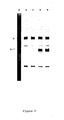
- MAbs 805-3 and 816-1 both recognized trypsin-treated nucleocapsid ribonucleoprotein (N-T), whereas MAbs 377-7 and 802-2 reacted only with N protein, suggesting that the epitopes recognized by the latter are located in the trypsin-sensitive terminal fragment.
- Automated Edman degradation of N and N-T proteins after purification by preparative SDS-PAGE and electroelution failed to reveal amino acid sequences, indicating that the NH2-terminus of N as well as N-T protein was blocked.
- substitution of lysine 376 with leucine did not alter the binding of MAbs 377-7 and 802-2
- substitution of threonine 377 with serine resulted in a significant decrease in the reactivity of MAb 377-7.
- theonine 377 is an important recognition residue.
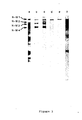
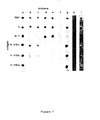
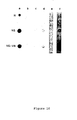
- antisera raised to peptide N-V10b showed high level reactivity with native NC and denatured N protein (lane g), but did not recognize trypsin-treated NC (N-T) (row 3, lane g).
- N-T trypsin-treated NC
- the reactivity pattern of antiserum raised to peptide N-V10c (lane i) was similar to that obtained with anti-N-V10b serum, except that the reactivity with peptide N-V10a was low.
- the anti-N-V10c serum exhibits much higher binding titers with native NC (>1:1000) compared with the binding titers of anti-N-V10b serum ( ⁇ 1:500) or the titers obtained with MaBs 377-7 and 802-2 ( ⁇ 1:200).
- lane f antisera raised against peptide N-V12b reacted with peptide N-V12b, but not with peptide N-V12a.
- the anti-N-V12b serum also reacted with native NC protein and trypsin-treated N protein (lane f).
- the titer of the anti-N-V12b serum was low ( ⁇ 50).
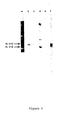
- Antiserum raised against peptide NS-V8 specifically reacted with peptide NS-V8 and NS protein.
- the anti-NS-V8 serum recognized the rabies virus strain CVS, HEP, ERA and PM, but not the Mokola, Duvenhage 1 and Duvenhage 4 strains (Table 3).
- the reactivity pattern of the anti-NS-V8 serum parallels that obtained with MAbs 702-5 and 721-2.
- NH2-termimal sequence analysis of the peptides recognized by MAbs 377-7 and 802-2 showed that the region involved in binding is located between amino acids 374 and 390 of the N protein. Analysis with synthetic overlapping peptides from 10 to 19 amino acids in length and covering amino acid resudes 369-392 further localized the region recognized by the two antibodies to residues 374-383.
- N-V12 cleavage fragment obtained by protase V8 digestion reacted with MAb 816-1.
- This fragment represents a mixture of two peptides; N-V12a, which could be mapped between residues 184 and 216, and N-V12b, which could be mapped between residues 279-337.
- N-V12a cleavage fragment obtained by protase V8 digestion
- N-V12b which could be mapped between residues 279-337.
- a synthetic peptide corresponding to the first 20 N-terminal amino acids of peptide N-V12a showed no reactivity with MAb 805-3 or 816-1
- the synthetic peptide corresponding to the last 24 C-terminal amino acids of N-V12b was highly reactive with MAb 816-1.
- Peptide N-V12b contains a cysteine residue at positions 317 and 333 and, in the native protein, these two cysteine residues may form a disulfide bridge resulting in a loop of 15 amino acids.
- the epitope corresponding to MAb 816-1 could be located in this loop.
- the reactivity of MAb 816-1 or 805-3 does not depend on an intact disulfide bridge, since both MAbs reacted with N protein that had been reduced and alkylated. That MAb 805-3 failed to react with N prrotein cleavage fragments or with any synthetic peptides corresponding to the N protein sequence was perhaps due to the relatively low binding affinity of this MAb.
- Competition binding experiments with N protein-specific MAbs 805-3 and 816-1 as well as the reactivity patterns of these two MAbs with the various rabies virus strains suggest that both antibodies recognize almost identical epitopes.
- N protein phosphorylation site represents a casein-type phosphorylation site (Mamrack et al, 1979, supra.)
- the phosphorylated region of the N protein overlaps with the epitope recognized by MAb 802-1. This epitope, which is extremely acidic and hydrophilic, is conserved in all rabies virus strains analyzed so far, suggesting an association with some important biological functions of the virus. This region may be involved in the interaction of N protein with other rabies virus proteins such as NS or M proteins.
- the epitopes corresponding to the NS-specific MAbs 701-5 and 721-2 were localized in the N-terminal half of the NS protein. Only the peptide obtained by protease V8 digestion and corresponding to amino acid residues 75 and 88 of the NS protein exhibited activity with MAbs 7012-5 and 721-2. CNBr fragments were not reactive with these two MAbs, suggesting that either the methionine residue at position 83 is an important recognition residue for these epitopes or that cleavage at this methionine residue results in reduced stability of both epitopes. Competition experiments with MAbs 701-5 and 721-2 indicated that the epitopes recognized by these antibodies are not identical.
- the reactivity pattern of these MAbs are identical to the pattern obtained with MAb 802-2.
- Still another object of the invention is the production of an anti-rabies vaccine which utilized a T cell response.
- the vaccines of the present invention have been found to generate a T cell response protective against a virus, such as a herpes or rabies virus, and comprise an immunologically effective amount of (1) a peptide-fatty acid conjugate, the peptide having an amino acid sequence corresponding to the sequence of a fragment of a glycoprotein or protein of the virus which produces a T cell response or a synthetic replica of the glycoprotein or protein fragment, the conjugate having the formula where R′ and R ⁇ are alkyl groups containing from 5 to 30, preferably from 10 to 20 carbon atoms, and R′′′ is selected from the group consisting of hydrogen and at least one amino acid residue; (2) a liposome with a composition comprising a mixture in the preferred vaccine of phosphatidyl choline, cholesterol and lysophosphatidyl choline, and (3) an adjuvant.
- a virus such as a herpes or rabies virus
- T cell response refers to the ability of T cells to respond to antigen by production of lymphokines and/or molecules involved in effector functions, other than help for B cells in production of antibody, after antigen stimulation. Tests have shown that this vaccine does not induce antibody and directly relates to the phenomenon of "immune enhancement" in which antibodies enhance viral infectivty (Hawks, et al, J. Viro. 33 : 250 (1967); Halstead et al, J. of Immun. 132 : 1526 (1984)), this has been shown to be especially important in viruses that infect macrophages (i.e. HTLV-3).
- a preferred vaccine is an anti-HSV-1 or HSV-2 vaccine in which the immunological active peptide-fatty acid conjugate has an amino acid sequence corresponding to a fragment of herpes simplex virus type 1 envelope glycoprotein gD-1 or herpes simplex virus type 2 envelope glycoprotein gD-2 which produces a T cell response or a synthetic replica of such glycoprotein fragment, the conjugate having the formula where R′, R ⁇ and R′′′ are stated above, and X is an amino acid sequence corresponding to that of a fragment of herpes virus envelope glycoprotein, components (2) and (3) of the vaccine being as previously indicated.
- X has the amino acid sequence -Ser-Leu-Lys-Met-Ala-Asp-Pro-Asn-Arg-Phe-Arg-Gly-Lys-Asn-Leu-Pro-
- R′ and R ⁇ are alkyl groups containing 15 carbon atoms
- R′′′ is a cysteine residue
- the adjuvant is alum.
- the Gly-Gly-Lys spacer is added to an N-terminal region of fragment of the glycoprotein D molecule of HSV-1 and HSV-2 which produce a T cell response, following which a palmitic acid side chain is linked to each of the alpha and epsilon amino groups of the terminal lysine.
- the N-terminal region of either gD-1 or gD-2 may comprise a synthetic peptide with sequence homology manually synthesized using Merrifield solid phase methods (Merrifield, J. Am. Chem. Soc. 85 : 2194 (1963); Steward et al, (ed), Solid phase peptide synthesis, W.H. Freeman and Co., San Francisco, CA (1969)).
- the resulting products are useful as anti-virus vaccines, particularly anti-HSV-1 and anti-HSV-2 vaccines.
- the process is applicable to viruses generally and particularly to other members of the herpes virus group.
- the vaccines of the invention achieve significant protection for a protracted period of time against a large dose of virus by a single injection.
- high antibody titers are extremely important in providing protection against HSV-1 and HSV-2 infection, it was surprising that a protective immune response against HSV infection need not stimulate an antibody response. Rather it was discovered that with vaccines of this invention a T cell proliferative response in the absence of an antibody response leads to effective long term protection.
- an anti-HSV-1 or HSV-2 vaccine comprising a synthetic peptide-fatty acid conjugate, the synthetic peptide having sequence homology with an N-terminal region or fragment of envelope glycoprotein D (gD) of either HSV-1 or HSV-2 which produces a T cell response.
- the peptide portion of the conjugate may comprise a fragment of the nucleoprotein of rabies virus which is an immunodominant T cell antigenic determinant.
- the entire 23 amino acid sequence of the N-terminal fragment of HSV-2 gD is The 23 amino acid sequence of the N-terminal fragment of HSV-1 gD differs from the HSV-1gD in that alanine is at position 7 and aspartic acid is at position 21 (Dietzschold et al, J. of Viro., 52 , No. 2: 431-435 (1984)).
- HSV-2 gD Rather than using the entire 23 amino acid N-terminal protein of HSV-2 gD or HSV-1 gD, certain subunits thereof may be used provided they give a T cell response.
- a typical subunit of HSV-2 gD is
- BOC All N-tert-butoxycarbonyl (BOC) amino acids were purchased from Sigma Chemical Co., BOC-Cys-O-Resin, L-t-Amyloxycarbonyl-N-Tosyl-L-Arginine, and L-BOC-O-Benzyl-L-Serine were purchased from Peninsula Laboratories, Inc. Peptides were manually synthesized using Merrifield solid phase methods (Merrifield, 1963; Stewart, 1969, supra) with the following modifications.
- the peptide resin mixture was extensively washed with ethyl acetate and ether to remove the thioanisole.
- the cleaved peptide was extracted with 1.5% NH4CO3 and lyophilized.
- the amino acid sequence of the peptide was verified by automated Edman degradation as described by Hunkapillar and Hood (Biochemistry 17 : 2124-2133 (1978)).
- the N-terminal lysine was coupled as the bis-t-butyloxycarbonyl derivative, then deprotected using trifluoroacetic acid.
- the palmitic acid moieties were coupled by the symmetric anhydride method (Hopp, 1984, supra). Thus, the molecule is:
- Example 2 The fatty acid-peptide conjugate of Example 2 was then mixed with a liposome comprising 3 lipids as follows (see Thibodeau et al, 1981)):
- the first experiment was done with a single injection of vaccine into the two hind footpads of a group of six Balb/c mice.
- the volume given was approximately 0.2 ml/animal or 10 ⁇ g/g body weight.
- Balb/c mice (6 mice/group) were immunized with 1-23(2) peptide in CFA, CFA alone, and UV-inactivated HSV-1 in CFA, as follows:
- mice Six and 1/2 months after this single immunization, the mice were challenged with a lethal dose of HSV-2 (a 10 LD50 dose of strain 186 grown in BHK cells which are mouse fibroblasts) in both hind footpads and the animals were examined for the next 30 days for paralysis and death.
- HSV-2 a 10 LD50 dose of strain 186 grown in BHK cells which are mouse fibroblasts
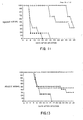
- the results are plotted in Figure 11. It can be seen that by day 8, many of the animals were symptomatic. Only two groups, the HSV-1-primed (- ⁇ - ⁇ -) and the 1-23(2) palmitic acid-liposome-CFA-primed (- ⁇ - ⁇ -) animals, appeared normal.
- T cells from animals vaccinated respond to the peptide and also cross-react with the virus.
- the T cell proliferation test in vitro has generally been accepted as indicative of the presence of an antigen specific T cell response as correlating with T cell effector function.
- T cells induced by the peptide-containing vaccine are responsive not only to the specific peptide but also to a corresponding exiologic agent of the herpes virus infection, i.e. HSV-1.
- Example 10 the adjuvant used in Example 10 was MDP-Thr, the threnoyl analogue of muramyl dipeptide (N-acetylmuramyl-L-threonyl-D-isoglutamine, a formulation which selectively elicits the formation of antibodies of protective isotypes and of cell mediated immunity (Allison et al, J. of Immunol. Methods, 95 : 157-168 (1986)).
- mice/group mice/group mice were immunized with the vaccine 1-23(2)-palmitic acid - lipsome in CFA or unimmunized as follows:
- mice were challenged with a letal dose of HSV-2 (a 10 LD50 dose of strain 186 grown in BHK cells which are mouse fibroblasts) in both hind footpads and the animals were examined for the next 30 days for paralysis and death.
- HSV-2 a 10 LD50 dose of strain 186 grown in BHK cells which are mouse fibroblasts
- Figure 14 It can be seen that by day 8, many of the animals were symptomatic. Two groups, the 1-23(2) palmitic acid-liposome-Thr-MDP-primed animals (- ⁇ - ⁇ -) and the 1-23(2) palmitic acid-liposome-CFA-primed (- ⁇ - ⁇ -) animals, appeared normal. On day 15, when all of the control animals had died, almost all of the immunized animals were protected.
- a peptide having the sequence homology of the 25 amino acid peptide chain of rabies nucleoprotein , the sequence of which was determined as described above, having a spacer of Gly-Gly-Lys added to the N-terminus and cysteine added to the C-terminus, and having the following formula was prepared by Merrifield solid phase methods (Merrifield 1963; Stewart et al, 1969, supra) (NH2)2Lys-Gly-Gly)* -His-Phe-Val-Gyl-Cys-Try-Met-Gly-Glu-Val-Arg-Ser-Leu-Asn-Ala-Thr-Val-Leu-Ala-Ala-Cys-Ala-Pro-His-Glu-(Cys)**COOH
- N-V12(b) N-V12(b)
- BOC All N-tert-butoxycarbonyl (BOC) amino acids were purchased from Sigma Chemical Co., BOC-Cys-O-Resin, L-t-Amyloxycarbonyl-N-Tosyl-L-Arginine, and L- BOC-O-Benzyl-L-Serine were purchased from Peninsula Laboratories, Inc. Peptides were manually synthesized using Merrifield solid phase methods (Merrifield, 1963; Stewart, 1969, supra) with the following modifications.
- the N-terminal lysine was coupled as the bis-t-butyloxycarblnyl derivative, then deprotected using trifluoroacetic acid.
- the palmitic acid moieties were coupled by the symmetric anhydride method (Hopp, 1984, supra).
- the molecule is: where the peptide fragment is that of N-V12b (see Table 2, infra. p 52 )).
- the fatty acid-peptide conjugate of Example 13 was then mixed with a liposome comprising 3 lipids as follows (see Thibodeau et al, 1981)):
- mice were challenged with a letal dose of rabies virus (a 2 LD50 dose of strain CVS-24 grown in BHK cells which are mouse fibroblasts) and the animals were examined for the next 21 days for paralysis and death; 87% of vaccine injected animals survived.
- rabies virus a 2 LD50 dose of strain CVS-24 grown in BHK cells which are mouse fibroblasts
- T cell proliferation in the presence of antigen-presenting cell populations of the same HLS-Dr type was determined in the presence and absence of antigen in triplicate samples.
- the mean cpm are represented, and in all cases the standard errors of the means were below 10% the value of the means.
Landscapes
- Health & Medical Sciences (AREA)
- Life Sciences & Earth Sciences (AREA)
- Chemical & Material Sciences (AREA)
- Virology (AREA)
- General Health & Medical Sciences (AREA)
- Medicinal Chemistry (AREA)
- Animal Behavior & Ethology (AREA)
- Pharmacology & Pharmacy (AREA)
- Epidemiology (AREA)
- Veterinary Medicine (AREA)
- Public Health (AREA)
- Mycology (AREA)
- Immunology (AREA)
- Microbiology (AREA)
- Organic Chemistry (AREA)
- Dispersion Chemistry (AREA)
- Proteomics, Peptides & Aminoacids (AREA)
- Molecular Biology (AREA)
- Genetics & Genomics (AREA)
- Tropical Medicine & Parasitology (AREA)
- Biophysics (AREA)
- Biochemistry (AREA)
- Gastroenterology & Hepatology (AREA)
- Peptides Or Proteins (AREA)
- Medicines Containing Antibodies Or Antigens For Use As Internal Diagnostic Agents (AREA)
- Medicinal Preparation (AREA)
Applications Claiming Priority (2)
| Application Number | Priority Date | Filing Date | Title |
|---|---|---|---|
| US4744387A | 1987-05-08 | 1987-05-08 | |
| US47443 | 1987-05-08 |
Publications (2)
| Publication Number | Publication Date |
|---|---|
| EP0290246A2 true EP0290246A2 (de) | 1988-11-09 |
| EP0290246A3 EP0290246A3 (de) | 1990-01-31 |
Family
ID=21949009
Family Applications (1)
| Application Number | Title | Priority Date | Filing Date |
|---|---|---|---|
| EP88304045A Withdrawn EP0290246A3 (de) | 1987-05-08 | 1988-05-05 | Impfstoff zur Erzeugung einer gegen Tollwutvirus schützenden immunogenen T-Zellen-Respons |
Country Status (1)
| Country | Link |
|---|---|
| EP (1) | EP0290246A3 (de) |
Cited By (1)
| Publication number | Priority date | Publication date | Assignee | Title |
|---|---|---|---|---|
| US5837249A (en) * | 1985-04-19 | 1998-11-17 | The Wistar Institute | Method for generating an immunogenic T cell response protective against a virus |
Family Cites Families (2)
| Publication number | Priority date | Publication date | Assignee | Title |
|---|---|---|---|---|
| DE3683688D1 (de) * | 1985-04-19 | 1992-03-12 | Wistar Inst | Impfstoff fuer die erzeugung einer gegen ein virus schuetzenden immunogenen t-zellen-antwort. |
| EP0237686A1 (de) * | 1986-03-18 | 1987-09-23 | Institut Pasteur | Vom Tollwutvirus Genom abgeleitete DNS-Sequenzen |
-
1988
- 1988-05-05 EP EP88304045A patent/EP0290246A3/de not_active Withdrawn
Cited By (1)
| Publication number | Priority date | Publication date | Assignee | Title |
|---|---|---|---|---|
| US5837249A (en) * | 1985-04-19 | 1998-11-17 | The Wistar Institute | Method for generating an immunogenic T cell response protective against a virus |
Also Published As
| Publication number | Publication date |
|---|---|
| EP0290246A3 (de) | 1990-01-31 |
Similar Documents
| Publication | Publication Date | Title |
|---|---|---|
| Dietzschold et al. | Localization and immunological characterization of antigenic domains of the rabies virus internal N and NS proteins | |
| US5837249A (en) | Method for generating an immunogenic T cell response protective against a virus | |
| CA1265054A (en) | Vaccine for generating an immunogenic t cell response protective against a virus | |
| AU570929B2 (en) | Broad spectrum influenza antisera | |
| McMichael et al. | HLA B37 determines an influenza A virus nucleoprotein epitope recognized by cytotoxic T lymphocytes. | |
| KR101151368B1 (ko) | T-헬퍼 및 세포독성 t 림프구(ctl) 에피토프를포함하는 신규한 면역원성 리포펩타이드 | |
| Defoort et al. | Macromolecular assemblage in the design of a synthetic AIDS vaccine. | |
| Dietzschold et al. | Structural and immunological characterization of a linear virus-neutralizing epitope of the rabies virus glycoprotein and its possible use in a synthetic vaccine | |
| US4625015A (en) | Broad spectrum influenza antisera | |
| Macfarlan et al. | Stimulation of cytotoxic T-lymphocyte responses by rabies virus glycoprotein and identification of an immunodominant domain | |
| JPH04500221A (ja) | インフルエンザウイルス感染症の診断および予防用合成ペプチド、およびその使用 | |
| Boudet et al. | UV-treated polystyrene microtitre plates for use in an ELISA to measure antibodies against synthetic peptides | |
| JP2569185B2 (ja) | 抗hiv応答を喚起する合成抗原 | |
| Atassi et al. | A novel approach for localization of the continuous protein antigenic sites by comprehensive synthetic surface scanning: antibody and T-cell activity to several influenza hemagglutinin synthetic sites | |
| Hackett et al. | A synthetic decapeptide of influenza virus hemagglutinin elicits helper T cells with the same fine recognition specificities as occur in response to whole virus. | |
| Fitzmaurice et al. | The assembly and immunological properties of non-linear synthetic immunogens containing T-cell and B-cell determinants | |
| PrÉhaud et al. | Expression, characterization, and purification of a phosphorylated rabies nucleoprotein synthesized in insect cells by baculovirus vectors | |
| US7122193B1 (en) | Retro peptides, antibodies thereto and their uses for vaccination and in vitro diagnosis | |
| Petrov et al. | Influenza virus antigens conjugated with a synthetic polyelectrolyte: a novel model of vaccines | |
| Hilbert et al. | The influence of branched polypeptide carriers on the immunogenicity of predicted epitopes of HSV‐1 glycoprotein D | |
| Madej et al. | Purification and characterization of Epstein-Barr virus gp340/220 produced by a bovine papillomavirus virus expression vector system | |
| EP0290246A2 (de) | Impfstoff zur Erzeugung einer gegen Tollwutvirus schützenden immunogenen T-Zellen-Respons | |
| Deprez et al. | Pimelautide or trimexautide as built-in adjuvants associated with an HIV-1-derived peptide: synthesis and in vivo induction of antibody and virus-specific cytotoxic T-lymphocyte-mediated response | |
| GB2173504A (en) | Peptides useful in vaccination against enteroviruses | |
| Bosch et al. | Structural properties and reactivity of N-terminal synthetic peptides of herpes simplex virus type 1 glycoprotein D by using antipeptide antibodies and group VII monoclonal antibodies |
Legal Events
| Date | Code | Title | Description |
|---|---|---|---|
| PUAI | Public reference made under article 153(3) epc to a published international application that has entered the european phase |
Free format text: ORIGINAL CODE: 0009012 |
|
| AK | Designated contracting states |
Kind code of ref document: A2 Designated state(s): AT BE CH DE ES FR GB GR IT LI LU NL SE |
|
| PUAL | Search report despatched |
Free format text: ORIGINAL CODE: 0009013 |
|
| AK | Designated contracting states |
Kind code of ref document: A3 Designated state(s): AT BE CH DE ES FR GB GR IT LI LU NL SE |
|
| 17P | Request for examination filed |
Effective date: 19900706 |
|
| 17Q | First examination report despatched |
Effective date: 19920318 |
|
| STAA | Information on the status of an ep patent application or granted ep patent |
Free format text: STATUS: THE APPLICATION IS DEEMED TO BE WITHDRAWN |
|
| 18D | Application deemed to be withdrawn |
Effective date: 19930908 |