EP0316677A2 - Verfahren zur Klonierung in Milchsäurebakterien - Google Patents
Verfahren zur Klonierung in Milchsäurebakterien Download PDFInfo
- Publication number
- EP0316677A2 EP0316677A2 EP88118362A EP88118362A EP0316677A2 EP 0316677 A2 EP0316677 A2 EP 0316677A2 EP 88118362 A EP88118362 A EP 88118362A EP 88118362 A EP88118362 A EP 88118362A EP 0316677 A2 EP0316677 A2 EP 0316677A2
- Authority
- EP
- European Patent Office
- Prior art keywords
- lactic acid
- plasmid
- host
- acid bacterium
- gene
- Prior art date
- Legal status (The legal status is an assumption and is not a legal conclusion. Google has not performed a legal analysis and makes no representation as to the accuracy of the status listed.)
- Withdrawn
Links
- JVTAAEKCZFNVCJ-UHFFFAOYSA-N lactic acid Chemical compound CC(O)C(O)=O JVTAAEKCZFNVCJ-UHFFFAOYSA-N 0.000 title claims abstract description 209
- 239000004310 lactic acid Substances 0.000 title claims abstract description 105
- 235000014655 lactic acid Nutrition 0.000 title claims abstract description 105
- 241000894006 Bacteria Species 0.000 title claims abstract description 89
- 238000000034 method Methods 0.000 title claims description 51
- 238000010367 cloning Methods 0.000 title description 30
- 239000013612 plasmid Substances 0.000 claims abstract description 102
- 108090000623 proteins and genes Proteins 0.000 claims abstract description 95
- 230000001580 bacterial effect Effects 0.000 claims abstract description 34
- 230000010076 replication Effects 0.000 claims abstract description 31
- 239000003550 marker Substances 0.000 claims abstract description 24
- 239000007858 starting material Substances 0.000 claims abstract description 20
- 239000013598 vector Substances 0.000 claims description 41
- 241000194035 Lactococcus lactis Species 0.000 claims description 29
- ULGZDMOVFRHVEP-RWJQBGPGSA-N Erythromycin Chemical compound O([C@@H]1[C@@H](C)C(=O)O[C@@H]([C@@]([C@H](O)[C@@H](C)C(=O)[C@H](C)C[C@@](C)(O)[C@H](O[C@H]2[C@@H]([C@H](C[C@@H](C)O2)N(C)C)O)[C@H]1C)(C)O)CC)[C@H]1C[C@@](C)(OC)[C@@H](O)[C@H](C)O1 ULGZDMOVFRHVEP-RWJQBGPGSA-N 0.000 claims description 26
- 229960003276 erythromycin Drugs 0.000 claims description 13
- 235000013336 milk Nutrition 0.000 claims description 9
- 239000008267 milk Substances 0.000 claims description 9
- 210000004080 milk Anatomy 0.000 claims description 9
- 108091008146 restriction endonucleases Proteins 0.000 claims description 8
- 230000003115 biocidal effect Effects 0.000 claims description 7
- 238000003776 cleavage reaction Methods 0.000 claims description 6
- 230000007017 scission Effects 0.000 claims description 6
- 230000001131 transforming effect Effects 0.000 claims description 6
- 241000194036 Lactococcus Species 0.000 claims description 5
- 241000194017 Streptococcus Species 0.000 claims description 5
- 238000004519 manufacturing process Methods 0.000 claims description 5
- 229920001817 Agar Polymers 0.000 claims description 4
- 239000008272 agar Substances 0.000 claims description 4
- 230000002950 deficient Effects 0.000 claims description 3
- 238000012216 screening Methods 0.000 claims description 3
- 238000012258 culturing Methods 0.000 claims description 2
- 238000005304 joining Methods 0.000 claims description 2
- 230000007505 plaque formation Effects 0.000 claims description 2
- 230000009467 reduction Effects 0.000 claims description 2
- 239000003242 anti bacterial agent Substances 0.000 claims 1
- 230000001747 exhibiting effect Effects 0.000 claims 1
- 230000009466 transformation Effects 0.000 abstract description 27
- 239000013599 cloning vector Substances 0.000 abstract description 3
- 230000021615 conjugation Effects 0.000 abstract description 3
- 108020004414 DNA Proteins 0.000 description 49
- 241000588724 Escherichia coli Species 0.000 description 21
- 210000004027 cell Anatomy 0.000 description 21
- 241000194034 Lactococcus lactis subsp. cremoris Species 0.000 description 20
- 238000012986 modification Methods 0.000 description 14
- 239000012634 fragment Substances 0.000 description 12
- 230000004048 modification Effects 0.000 description 12
- 102000004190 Enzymes Human genes 0.000 description 11
- 108090000790 Enzymes Proteins 0.000 description 11
- 229940088598 enzyme Drugs 0.000 description 11
- LFQSCWFLJHTTHZ-UHFFFAOYSA-N Ethanol Chemical compound CCO LFQSCWFLJHTTHZ-UHFFFAOYSA-N 0.000 description 10
- 210000001938 protoplast Anatomy 0.000 description 9
- GUBGYTABKSRVRQ-QKKXKWKRSA-N Lactose Natural products OC[C@H]1O[C@@H](O[C@H]2[C@H](O)[C@@H](O)C(O)O[C@@H]2CO)[C@H](O)[C@@H](O)[C@H]1O GUBGYTABKSRVRQ-QKKXKWKRSA-N 0.000 description 8
- 239000008101 lactose Substances 0.000 description 8
- 241000894007 species Species 0.000 description 7
- HEDRZPFGACZZDS-UHFFFAOYSA-N Chloroform Chemical compound ClC(Cl)Cl HEDRZPFGACZZDS-UHFFFAOYSA-N 0.000 description 6
- 239000004098 Tetracycline Substances 0.000 description 6
- 230000029087 digestion Effects 0.000 description 6
- 230000002068 genetic effect Effects 0.000 description 6
- 230000012010 growth Effects 0.000 description 6
- 239000000203 mixture Substances 0.000 description 6
- 238000007747 plating Methods 0.000 description 6
- 229960002180 tetracycline Drugs 0.000 description 6
- 229930101283 tetracycline Natural products 0.000 description 6
- 235000019364 tetracycline Nutrition 0.000 description 6
- 150000003522 tetracyclines Chemical class 0.000 description 6
- 108010063198 6-phospho-beta-galactosidase Proteins 0.000 description 5
- 229960005091 chloramphenicol Drugs 0.000 description 5
- WIIZWVCIJKGZOK-RKDXNWHRSA-N chloramphenicol Chemical compound ClC(Cl)C(=O)N[C@H](CO)[C@H](O)C1=CC=C([N+]([O-])=O)C=C1 WIIZWVCIJKGZOK-RKDXNWHRSA-N 0.000 description 5
- 239000000499 gel Substances 0.000 description 5
- 230000036961 partial effect Effects 0.000 description 5
- 241001515965 unidentified phage Species 0.000 description 5
- 241000193830 Bacillus <bacterium> Species 0.000 description 4
- 235000014469 Bacillus subtilis Nutrition 0.000 description 4
- 239000007984 Tris EDTA buffer Substances 0.000 description 4
- 235000014048 cultured milk product Nutrition 0.000 description 4
- 238000012217 deletion Methods 0.000 description 4
- 230000037430 deletion Effects 0.000 description 4
- 230000000694 effects Effects 0.000 description 4
- 238000000855 fermentation Methods 0.000 description 4
- 230000004151 fermentation Effects 0.000 description 4
- 208000015181 infectious disease Diseases 0.000 description 4
- 102000004169 proteins and genes Human genes 0.000 description 4
- 108700003860 Bacterial Genes Proteins 0.000 description 3
- 108010062877 Bacteriocins Proteins 0.000 description 3
- 102000012410 DNA Ligases Human genes 0.000 description 3
- 108010061982 DNA Ligases Proteins 0.000 description 3
- 241000194020 Streptococcus thermophilus Species 0.000 description 3
- 238000003556 assay Methods 0.000 description 3
- AIYUHDOJVYHVIT-UHFFFAOYSA-M caesium chloride Chemical compound [Cl-].[Cs+] AIYUHDOJVYHVIT-UHFFFAOYSA-M 0.000 description 3
- 210000002421 cell wall Anatomy 0.000 description 3
- 238000006243 chemical reaction Methods 0.000 description 3
- ZMMJGEGLRURXTF-UHFFFAOYSA-N ethidium bromide Chemical compound [Br-].C12=CC(N)=CC=C2C2=CC=C(N)C=C2[N+](CC)=C1C1=CC=CC=C1 ZMMJGEGLRURXTF-UHFFFAOYSA-N 0.000 description 3
- 229960005542 ethidium bromide Drugs 0.000 description 3
- 238000000605 extraction Methods 0.000 description 3
- 230000006872 improvement Effects 0.000 description 3
- 238000001727 in vivo Methods 0.000 description 3
- 230000002779 inactivation Effects 0.000 description 3
- 238000003780 insertion Methods 0.000 description 3
- 230000037431 insertion Effects 0.000 description 3
- 230000007246 mechanism Effects 0.000 description 3
- 239000002609 medium Substances 0.000 description 3
- 230000000717 retained effect Effects 0.000 description 3
- 230000035945 sensitivity Effects 0.000 description 3
- 238000012546 transfer Methods 0.000 description 3
- 108091092566 Extrachromosomal DNA Proteins 0.000 description 2
- WQZGKKKJIJFFOK-GASJEMHNSA-N Glucose Natural products OC[C@H]1OC(O)[C@H](O)[C@@H](O)[C@@H]1O WQZGKKKJIJFFOK-GASJEMHNSA-N 0.000 description 2
- 241000186660 Lactobacillus Species 0.000 description 2
- 101000617266 Lactobacillus casei PTS system lactose-specific EIIA component Proteins 0.000 description 2
- 241000192132 Leuconostoc Species 0.000 description 2
- 101710182417 PTS system lactose-specific EIIB component Proteins 0.000 description 2
- 241000192001 Pediococcus Species 0.000 description 2
- 108091005804 Peptidases Proteins 0.000 description 2
- 102000035195 Peptidases Human genes 0.000 description 2
- ISWSIDIOOBJBQZ-UHFFFAOYSA-N Phenol Chemical compound OC1=CC=CC=C1 ISWSIDIOOBJBQZ-UHFFFAOYSA-N 0.000 description 2
- 241000186429 Propionibacterium Species 0.000 description 2
- 239000007983 Tris buffer Substances 0.000 description 2
- 239000002253 acid Substances 0.000 description 2
- 238000000246 agarose gel electrophoresis Methods 0.000 description 2
- 238000004458 analytical method Methods 0.000 description 2
- 238000005119 centrifugation Methods 0.000 description 2
- 235000013351 cheese Nutrition 0.000 description 2
- 238000010276 construction Methods 0.000 description 2
- 235000013365 dairy product Nutrition 0.000 description 2
- 230000003247 decreasing effect Effects 0.000 description 2
- 230000001036 exonucleolytic effect Effects 0.000 description 2
- 238000002474 experimental method Methods 0.000 description 2
- 235000013305 food Nutrition 0.000 description 2
- 238000010353 genetic engineering Methods 0.000 description 2
- 239000008103 glucose Substances 0.000 description 2
- PHTQWCKDNZKARW-UHFFFAOYSA-N isoamylol Chemical compound CC(C)CCO PHTQWCKDNZKARW-UHFFFAOYSA-N 0.000 description 2
- 238000002955 isolation Methods 0.000 description 2
- 229940039696 lactobacillus Drugs 0.000 description 2
- 238000013507 mapping Methods 0.000 description 2
- 239000000463 material Substances 0.000 description 2
- 230000002503 metabolic effect Effects 0.000 description 2
- 244000005700 microbiome Species 0.000 description 2
- 235000015097 nutrients Nutrition 0.000 description 2
- 229940024999 proteolytic enzymes for treatment of wounds and ulcers Drugs 0.000 description 2
- 238000000746 purification Methods 0.000 description 2
- 238000000926 separation method Methods 0.000 description 2
- 239000000758 substrate Substances 0.000 description 2
- 238000012360 testing method Methods 0.000 description 2
- 238000004448 titration Methods 0.000 description 2
- 229920000936 Agarose Polymers 0.000 description 1
- 101100243764 Caenorhabditis elegans phb-1 gene Proteins 0.000 description 1
- UXVMQQNJUSDDNG-UHFFFAOYSA-L Calcium chloride Chemical compound [Cl-].[Cl-].[Ca+2] UXVMQQNJUSDDNG-UHFFFAOYSA-L 0.000 description 1
- 102000006465 DNA Restriction-Modification Enzymes Human genes 0.000 description 1
- 108010044289 DNA Restriction-Modification Enzymes Proteins 0.000 description 1
- 238000007399 DNA isolation Methods 0.000 description 1
- 230000007023 DNA restriction-modification system Effects 0.000 description 1
- KCXVZYZYPLLWCC-UHFFFAOYSA-N EDTA Chemical compound OC(=O)CN(CC(O)=O)CCN(CC(O)=O)CC(O)=O KCXVZYZYPLLWCC-UHFFFAOYSA-N 0.000 description 1
- 101000798869 Escherichia phage Mu DDE-recombinase A Proteins 0.000 description 1
- 102000001390 Fructose-Bisphosphate Aldolase Human genes 0.000 description 1
- 108010068561 Fructose-Bisphosphate Aldolase Proteins 0.000 description 1
- 241000606788 Haemophilus haemolyticus Species 0.000 description 1
- KFZMGEQAYNKOFK-UHFFFAOYSA-N Isopropanol Chemical class CC(C)O KFZMGEQAYNKOFK-UHFFFAOYSA-N 0.000 description 1
- 241000186673 Lactobacillus delbrueckii Species 0.000 description 1
- 235000017632 Leuconostoc cremoris Nutrition 0.000 description 1
- 241001468193 Leuconostoc mesenteroides subsp. cremoris Species 0.000 description 1
- 108010014251 Muramidase Proteins 0.000 description 1
- 102000016943 Muramidase Human genes 0.000 description 1
- 108010062010 N-Acetylmuramoyl-L-alanine Amidase Proteins 0.000 description 1
- 108010053775 Nisin Proteins 0.000 description 1
- NVNLLIYOARQCIX-MSHCCFNRSA-N Nisin Chemical compound N1C(=O)[C@@H](CC(C)C)NC(=O)C(=C)NC(=O)[C@@H]([C@H](C)CC)NC(=O)[C@@H](NC(=O)C(=C/C)/NC(=O)[C@H](N)[C@H](C)CC)CSC[C@@H]1C(=O)N[C@@H]1C(=O)N2CCC[C@@H]2C(=O)NCC(=O)N[C@@H](C(=O)N[C@H](CCCCN)C(=O)N[C@@H]2C(NCC(=O)N[C@H](C)C(=O)N[C@H](CC(C)C)C(=O)N[C@H](CCSC)C(=O)NCC(=O)N[C@H](CS[C@@H]2C)C(=O)N[C@H](CC(N)=O)C(=O)N[C@H](CCSC)C(=O)N[C@H](CCCCN)C(=O)N[C@@H]2C(N[C@H](C)C(=O)N[C@@H]3C(=O)N[C@@H](C(N[C@H](CC=4NC=NC=4)C(=O)N[C@H](CS[C@@H]3C)C(=O)N[C@H](CO)C(=O)N[C@H]([C@H](C)CC)C(=O)N[C@H](CC=3NC=NC=3)C(=O)N[C@H](C(C)C)C(=O)NC(=C)C(=O)N[C@H](CCCCN)C(O)=O)=O)CS[C@@H]2C)=O)=O)CS[C@@H]1C NVNLLIYOARQCIX-MSHCCFNRSA-N 0.000 description 1
- 241000192134 Oenococcus oeni Species 0.000 description 1
- 108091034117 Oligonucleotide Proteins 0.000 description 1
- 108020004511 Recombinant DNA Proteins 0.000 description 1
- VMHLLURERBWHNL-UHFFFAOYSA-M Sodium acetate Chemical compound [Na+].CC([O-])=O VMHLLURERBWHNL-UHFFFAOYSA-M 0.000 description 1
- 235000014962 Streptococcus cremoris Nutrition 0.000 description 1
- 235000014897 Streptococcus lactis Nutrition 0.000 description 1
- -1 Tris saturated phenol Chemical class 0.000 description 1
- 239000005862 Whey Substances 0.000 description 1
- 102000007544 Whey Proteins Human genes 0.000 description 1
- 108010046377 Whey Proteins Proteins 0.000 description 1
- 235000015063 acidophilus milk Nutrition 0.000 description 1
- 239000011543 agarose gel Substances 0.000 description 1
- 239000008346 aqueous phase Substances 0.000 description 1
- WQZGKKKJIJFFOK-FPRJBGLDSA-N beta-D-galactose Chemical compound OC[C@H]1O[C@@H](O)[C@H](O)[C@@H](O)[C@H]1O WQZGKKKJIJFFOK-FPRJBGLDSA-N 0.000 description 1
- 230000001588 bifunctional effect Effects 0.000 description 1
- 230000015572 biosynthetic process Effects 0.000 description 1
- 235000015155 buttermilk Nutrition 0.000 description 1
- 239000001110 calcium chloride Substances 0.000 description 1
- 229910001628 calcium chloride Inorganic materials 0.000 description 1
- 235000011148 calcium chloride Nutrition 0.000 description 1
- 150000001720 carbohydrates Chemical class 0.000 description 1
- 235000014633 carbohydrates Nutrition 0.000 description 1
- 230000008859 change Effects 0.000 description 1
- 210000000349 chromosome Anatomy 0.000 description 1
- 230000000295 complement effect Effects 0.000 description 1
- 150000001875 compounds Chemical class 0.000 description 1
- 230000002596 correlated effect Effects 0.000 description 1
- 235000015142 cultured sour cream Nutrition 0.000 description 1
- 238000005520 cutting process Methods 0.000 description 1
- 230000009089 cytolysis Effects 0.000 description 1
- 238000011161 development Methods 0.000 description 1
- 230000018109 developmental process Effects 0.000 description 1
- 238000010790 dilution Methods 0.000 description 1
- 239000012895 dilution Substances 0.000 description 1
- 238000001962 electrophoresis Methods 0.000 description 1
- 238000005516 engineering process Methods 0.000 description 1
- 230000006862 enzymatic digestion Effects 0.000 description 1
- 230000002255 enzymatic effect Effects 0.000 description 1
- 238000001976 enzyme digestion Methods 0.000 description 1
- 235000020774 essential nutrients Nutrition 0.000 description 1
- 238000011156 evaluation Methods 0.000 description 1
- 108010027036 factor III(lac) Proteins 0.000 description 1
- 230000002349 favourable effect Effects 0.000 description 1
- 238000011049 filling Methods 0.000 description 1
- 239000000796 flavoring agent Substances 0.000 description 1
- 235000019634 flavors Nutrition 0.000 description 1
- 238000013467 fragmentation Methods 0.000 description 1
- 238000006062 fragmentation reaction Methods 0.000 description 1
- 230000004927 fusion Effects 0.000 description 1
- 238000012248 genetic selection Methods 0.000 description 1
- 125000002791 glucosyl group Chemical group C1([C@H](O)[C@@H](O)[C@H](O)[C@H](O1)CO)* 0.000 description 1
- 230000036039 immunity Effects 0.000 description 1
- 238000000338 in vitro Methods 0.000 description 1
- 229960000318 kanamycin Drugs 0.000 description 1
- 229930027917 kanamycin Natural products 0.000 description 1
- SBUJHOSQTJFQJX-NOAMYHISSA-N kanamycin Chemical compound O[C@@H]1[C@@H](O)[C@H](O)[C@@H](CN)O[C@@H]1O[C@H]1[C@H](O)[C@@H](O[C@@H]2[C@@H]([C@@H](N)[C@H](O)[C@@H](CO)O2)O)[C@H](N)C[C@@H]1N SBUJHOSQTJFQJX-NOAMYHISSA-N 0.000 description 1
- 229930182823 kanamycin A Natural products 0.000 description 1
- 230000000670 limiting effect Effects 0.000 description 1
- 230000004807 localization Effects 0.000 description 1
- 230000001320 lysogenic effect Effects 0.000 description 1
- 239000004325 lysozyme Substances 0.000 description 1
- 229960000274 lysozyme Drugs 0.000 description 1
- 235000010335 lysozyme Nutrition 0.000 description 1
- 238000005259 measurement Methods 0.000 description 1
- 238000002844 melting Methods 0.000 description 1
- 230000008018 melting Effects 0.000 description 1
- 230000002906 microbiologic effect Effects 0.000 description 1
- 238000013508 migration Methods 0.000 description 1
- 230000005012 migration Effects 0.000 description 1
- 238000010369 molecular cloning Methods 0.000 description 1
- 108010009719 mutanolysin Proteins 0.000 description 1
- 230000035772 mutation Effects 0.000 description 1
- 239000004309 nisin Substances 0.000 description 1
- 235000010297 nisin Nutrition 0.000 description 1
- 230000008520 organization Effects 0.000 description 1
- 239000002245 particle Substances 0.000 description 1
- 230000001717 pathogenic effect Effects 0.000 description 1
- 229920001515 polyalkylene glycol Polymers 0.000 description 1
- 238000002360 preparation method Methods 0.000 description 1
- 230000002265 prevention Effects 0.000 description 1
- 230000008569 process Effects 0.000 description 1
- 230000002829 reductive effect Effects 0.000 description 1
- 230000008929 regeneration Effects 0.000 description 1
- 238000011069 regeneration method Methods 0.000 description 1
- 238000011160 research Methods 0.000 description 1
- 229920006395 saturated elastomer Polymers 0.000 description 1
- 239000006152 selective media Substances 0.000 description 1
- 238000010008 shearing Methods 0.000 description 1
- 239000001632 sodium acetate Substances 0.000 description 1
- 235000017281 sodium acetate Nutrition 0.000 description 1
- 239000007787 solid Substances 0.000 description 1
- 239000000243 solution Substances 0.000 description 1
- 238000001179 sorption measurement Methods 0.000 description 1
- 239000000725 suspension Substances 0.000 description 1
- 238000013518 transcription Methods 0.000 description 1
- 230000035897 transcription Effects 0.000 description 1
- 238000000844 transformation Methods 0.000 description 1
- 238000013519 translation Methods 0.000 description 1
- 239000011800 void material Substances 0.000 description 1
- 235000013618 yogurt Nutrition 0.000 description 1
Images


Classifications
-
- C—CHEMISTRY; METALLURGY
- C12—BIOCHEMISTRY; BEER; SPIRITS; WINE; VINEGAR; MICROBIOLOGY; ENZYMOLOGY; MUTATION OR GENETIC ENGINEERING
- C12N—MICROORGANISMS OR ENZYMES; COMPOSITIONS THEREOF; PROPAGATING, PRESERVING, OR MAINTAINING MICROORGANISMS; MUTATION OR GENETIC ENGINEERING; CULTURE MEDIA
- C12N15/00—Mutation or genetic engineering; DNA or RNA concerning genetic engineering, vectors, e.g. plasmids, or their isolation, preparation or purification; Use of hosts therefor
- C12N15/09—Recombinant DNA-technology
- C12N15/63—Introduction of foreign genetic material using vectors; Vectors; Use of hosts therefor; Regulation of expression
- C12N15/65—Introduction of foreign genetic material using vectors; Vectors; Use of hosts therefor; Regulation of expression using markers
-
- C—CHEMISTRY; METALLURGY
- C07—ORGANIC CHEMISTRY
- C07K—PEPTIDES
- C07K14/00—Peptides having more than 20 amino acids; Gastrins; Somatostatins; Melanotropins; Derivatives thereof
- C07K14/195—Peptides having more than 20 amino acids; Gastrins; Somatostatins; Melanotropins; Derivatives thereof from bacteria
- C07K14/315—Peptides having more than 20 amino acids; Gastrins; Somatostatins; Melanotropins; Derivatives thereof from bacteria from Streptococcus (G), e.g. Enterococci
-
- C—CHEMISTRY; METALLURGY
- C12—BIOCHEMISTRY; BEER; SPIRITS; WINE; VINEGAR; MICROBIOLOGY; ENZYMOLOGY; MUTATION OR GENETIC ENGINEERING
- C12N—MICROORGANISMS OR ENZYMES; COMPOSITIONS THEREOF; PROPAGATING, PRESERVING, OR MAINTAINING MICROORGANISMS; MUTATION OR GENETIC ENGINEERING; CULTURE MEDIA
- C12N15/00—Mutation or genetic engineering; DNA or RNA concerning genetic engineering, vectors, e.g. plasmids, or their isolation, preparation or purification; Use of hosts therefor
- C12N15/09—Recombinant DNA-technology
- C12N15/63—Introduction of foreign genetic material using vectors; Vectors; Use of hosts therefor; Regulation of expression
- C12N15/74—Vectors or expression systems specially adapted for prokaryotic hosts other than E. coli, e.g. Lactobacillus, Micromonospora
- C12N15/746—Vectors or expression systems specially adapted for prokaryotic hosts other than E. coli, e.g. Lactobacillus, Micromonospora for lactic acid bacteria (Streptococcus; Lactococcus; Lactobacillus; Pediococcus; Enterococcus; Leuconostoc; Propionibacterium; Bifidobacterium; Sporolactobacillus)
Definitions
- This invention relates to the improvement of lactic acid bacteria that are used as starter cultures in the production of fermented milk products.
- the invention relates to methods for cloning useful genes from a first lactic acid bacterium into a transformable second lactic acid bacterial host cell in which the genes were not previously present and for isolating the transformed bacterial host cells in which the genes have been cloned.
- Lactic acid-producing bacteria are valuable articles of commerce useful in the production of fermented milk products, such as cheese, yogurt, sour cream, buttermilk, acidophilus milk and the like.
- Industrially important lactic acid bacteria include, for example, S. lactis , S. cremoris , S. thermophilus , Lactobacillus ssp., including casei , delbrueckii , helveticus , bulgaricus and acidophilus , Leuconostoc ssp., Pediococcus ssp. and Propionibacterium .
- the cloning of industrially important genes from lactic acid bacteria is an important objective in constructing improved starter cultures for use in the production of fermented milk products.
- Examples of lactic acid bacterial genes that have been cloned include enzymes EII-lac, factor-III-lac and phospho- ⁇ -galactosidase (P- ⁇ -gal) from S. lactis C2; P- ⁇ -gal and either EII-lac or FIII-lac from S. lactis 712; P- ⁇ -gal and either EII-Iac or FIII-lac from S. cremoris ; ⁇ -D-gal from S. thermophilus ; P- ⁇ -gal from S thermophilus ; P- ⁇ -Gal from Lactobacillus casei ; tagatose-1,6-biphosphate aldolase from S.
- EII-lac, factor-III-lac and phospho- ⁇ -galactosidase P- ⁇ -gal
- P- ⁇ -gal enzymes EII-lac, factor-III-lac and phospho- ⁇ -galactosidase
- P- ⁇ -gal enzymes EII-lac, factor
- lactis H1 the malolactic gene from Lactobacillus delbrueckii ; the malolactic gene from Leuconostoc oenos ; and two proteolytic enzymes from S. cremoris .
- lactic acid bacteria Many genes of industrial importance are encoded by plasmid DNA in lactic acid bacteria. Unfortunately, most genes of interest from lactic acid bacteria are not easily selectable. That is, they do not confer a phenotype which allows facile separation of microorganisms which contain the genes from those which do not. Moreover, unlike organisms such as E. coli and B. subtilis , lactic acid bacterial genetics are relatively poorly understood. For example complex genetic systems which confer desirable properties, such as phage resistance, have not been fully characterized. Characteristics such as the location and size of particular genes and even the number and nature of genes in some lactic acid bacterial operons are often unknown.
- Indirect cloning procedures such as those described by Gasson and Anderson, contemplate genetic manipulations and selection in B. subtilis , rather than in a lactic acid bacterium. Since many lactic acid bacterial genes are not expressed in B. subtilis , these indirect cloning procedures generally require a rather substantial understanding of the genetic structures being cloned. The cloning procedure would be unsuccessful if any of the genetic manipulations resulted in deletion or insertional inactivation of a desired gene. Such results often would not be apparent until the recombinant plasmid were isolated from the B. subtilis and introduced into the intended lactic acid bacterial host.
- U.S. Patent No. 4,530,904 issued to Hershberger and Rosteck, relates to a method of protecting a bacterium in a closed fermentor from a naturally occurring bacteriophage.
- the patent discloses the cloning of HhaII restriction-modification system of Haemophilus haemolyticus into an E. coli host.
- the transformation procedures employed for E. coli would not work in lactic acid bacteria, and the plasmids described in the patent do not have origins of replication that would function in lactic acid bacteria.
- the present invention provides a method for producing a transformed lactic acid bacterium from a lactic acid bacterial host and isolating said transformed lactic acid bacterium, wherein the transformed lactic acid bacterium contains a plasmid-borne functional gene segment capable of confering a phenotype not previously present in the host bacterium.
- the method of the invention includes the steps of:
- a vector useful for producing the transformed lactic acid bacterium is also provided.
- the vector includes a marker which is selectable in the host lactic acid bacterium, but is devoid of an origin of replication for the host lactic acid bacterium.
- the vector includes an origin of replication which is functional in a bacterial species used for constructing, producing and maintaining the vector, but which is nonfunctional in the lactic acid bacterial host.
- Also provided by the present invention is a transformed lactic acid bacterial host which contains a recombinant plasmid capable of conferring a phenotype not previously present in the host bacterium.
- the functional gene segment to be cloned is a phage resistance gene from S. cremoris and the host is S. lactis .
- the selectable marker is a gene which confers antibiotic resistance, such as, for example, an erythromycin resistance ( Erm r ) gene.
- S. lactis can be transformed with a recombinant plasmid containing the phage resistance gene from S. cremoris and transformants can be selected by culturing in the presence of erythromycin.
- transformant bacteria comprising lactic acid host cells containing recombinant plasmids.
- the plasmids comprise a gene encoding a marker selectable in the host cell, a gene encoding a gene product that was not previously present in the host cell and an origin of replication that is functional in the host cell.
- the direct cloning procedure of this invention permits cloning complex and relatively uncharacterized genetic structures from one lactic acid bacterium directly to another. The procedure does not require the use of "shuttle" vectors or intermediate selections in non-lactic acid bacteria.
- the plasmid-borne gene of interest thus isolated can be moved directly into a starter culture lactic acid bacterium by transformation or conjugation or the functional gene segment thereof can be isolated and inserted into a starter culture lactic acid bacteria to provide an improved strain.
- Plasmid - A plasmid is a unit of extra-chromosomal DNA which contains an origin of replication for its host.
- Vector - A vector is a unit of extra-chromosomal DNA, such as a plasmid or certain bacteriophages, which is used for carrying a segment of DNA into a cell.
- a vector commonly contains an origin of replication and usually also contains one or more selectable markers functional in a specific bacterial host.
- ori An origin of replication (ori) is a region of DNA required for the replication of DNA autonomously from the chromosome.
- Gene product - A gene product is the result of transcription and/or translation and may be protein or RNA.
- pSA34 - pSA34 is a vector derived from pSA3 composed of approximately 6 kb of DNA, encoding tetracycline and chloramphenicol resistance in E. coli , erythromycin resistance in streptococci, capable of autonomous replication in E. coli but not in the streptococci.
- pMEla - pMEla is a plasmid of 17.5 kb obtained from S. cremoris KH and includes a phage resistance for lactic streptococci.
- Lactic acid bacteria - Lactic acid bacteria are a group of gram positive, commonly non-pathogenic, bacteria functionally related due to their importance in food fermentation. Most of these bacteria produce lactic acid from lactose or other carbohydrates; however, some bacteria included in this group such as Leuconostoc cremoris and Propionibacteria produce important flavor compounds other than lactic acid.
- the bacteria most commonly referred to as lactic acid bacteria include species of the genera Lactobacillus , Streptococcus , Pediococcus , Leuconostoc , and Propionibacterium .
- ⁇ R / ⁇ S - A bacterium is considered phage-sensitive , ⁇ S , if it is susceptible to phage infection and propagation.
- a host bacterium is considered phage-resistant , ⁇ R , if it resists phage infection and propagation. Different degrees of phage resistance or sensitivity can occur and are often described by relative plaque counts or efficiency of plating.
- Efficiency of plating EOP
- EOP Efficiency of plating
- EOP is a term describing the relative phage resistance or sensitivity of a pair of bacteria. EOP is defined as the titer of phage on a test strain divided by the titer of phage on a fully phage sensitive strain.
- Restriction/modification (R/M) - A restriction/modification (R/M) is an enzyme system which can confer phage resistance.
- Selectable marker - A selectable marker is a gene or gene system encoding a phenotype that enables direct recognition from a single plating of a host bacterium possessing the gene(s).
- Screenable marker - A screenable marker is a gene or gene system encoding a phenotype that requires secondary testing to recognize a host bacterium possessing the gene(s).
- Transformation - Transformation is the introduction of DNA into a host cell.
- Transformation results in a genotypic change in the host cell. Transformation may be accomplished by protoplast and nonprotoplast methods.
- Protoplast transformation - Protoplast transformation is a method of transformation which requires the deliberate removal of cell wall material from the host cell using artificially added enzyme to form protoplasts and the creation of conditions favorable for DNA uptake by the host cell.
- Non-protoplast transformation - Non-protoplast transformation is a method of transformation which does not require the intentional enzymatic removal of cell wall material for transformation.
- Transformant - A transformant is a bacterium that can be identified as having undergone transformation. Plaque forming units (pfu) - Plaque forming units (pfu) are clear zones in a lawn of host indicator cells resulting from lysis by a phage particle.
- Phage enumerations are reported as pfu/ml. Erm r - The erythromycin resistance phenotype. Erm s - The erythromycin sensitive phenotype. Tet r - The tetracycline resistant phenotype. Tet s - The tetracycline sensitive phenotype. Cm r - The chloramphenicol resistant phenotype. Cm s - The chloramphenicol sensitive phenotype.
- Lactic Streptococci is a group of bacteria composed of Streptococcus lactis , Streptococcus cremoris , Streptococcus diacetylactis and Streptococcus thermophilus .
- Starter culture A starter culture is a lactic acid bacterial culture that may include single or multiple strains, species or genera used to inoculate a food substrate for fermentation.
- a starter culture lactic acid bacterium commonly has the ability to ferment milk or milk products such as whey.
- Lac+ - The abbreviation "Lac+” denotes the ability of a bacterium to metabolize lactose.
- Commercially useful lactic acid bacteria commonly metabolize lactose to lactic acid.
- Prt+ - The abbreviation "Prt+” denotes the ability to digest protein to provide nitrogeneous substrates for growth in milk.
- Commercially useful lactic acid bacteria commonly exhibit this phenotype.
- the method of the invention is generally applicable to producing an improved strain of lactic acid bacteria which contains a recombinant plasmid having a functional gene segment capable of confering a phenotype not previously present in the strain.
- the method relies on the use of an ori deficient vector.
- the invention provides an efficient method for identifying a plasmid-borne gene of interest conferring a phenotype which does not allow facile separation of microorganisms which contained the gene from those which do not.
- the gene can readily be inserted into a host of commercial importance, such as a lactic acid bacterium useful as a starter culture, by transformation or conjugation.
- the plasmid can be inserted intact or the functional gene segment of interest can be identified and inserted.
- Any gene of interest can be introduced into lactic acid bacteria by this process, provided that it is carried by a plasmid containing an ori region which is functional in the lactic acid bacterial host.
- Plasmid-borne lactic acid bacterial genes which can be cloned in this manner, in addition to phage resistance genes, include, for example, lactose metabolic genes, proteolytic enzymes, citrate-metabolizing enzymes, bacteriocin-producing enzymes, bacteriocin resistance, or conjugal transfer genes.
- Phage resistance is a particularly desirable phenotype. Such resistance may be conferred by the ability of the host to produce a restriction/modification enzyme system and by other mechanisms. It may be desirable to produce a lactic acid bacterial strain having more than one mechanism of phage resistance, such as restriction/modification, abortive infection, prevention of phage adsorption or lysogenic immunity.
- the method is particularly applicable to moving a functional gene segment from one lactic acid bacterial strain to another, especially from one streptoccocal lactic acid bacterial strain to another. These strains are particularly useful in producing cheese and other fermented milk products.
- lactic acid bacteria many desirable phenotypes are encoded by plasmid-borne genes.
- a selectable marker is used to permit direct selection of the desired transformant.
- Preferred selectable markers include, for example, antibiotic resistance markers such as tetracycline or erythromycin resistance, kanamycin resistance or traits natural to lactic acid bacteria including bacteriocin or nisin resistance.
- Other selectable markers, such as antibiotic resistant markers or essential nutrient complementation markers may also be used.
- the vector employed in this method preferably contains means for effecting its propagation in a host species (referred to herein as a secondary host species) different from the lactic acid bacterial host.
- a host species referred to herein as a secondary host species
- Such means can include, for example, an origin of replication which is functional in E. coli ; such as that from a plasmid, or a phage such as ⁇ or M13 which is covalently linked to the vector DNA.
- the method of this invention is initiated by linearizing the plasmid which contains a gene or DNA segment of interest (e.g., a phage resistance gene) and an ori region which is functional in the intended lactic acid bacterial host.
- the vector which contains a functional selectable phenotypic marker is also linearized.
- Linearization of the plasmid and the vector may be accomplished by techniques well-known to skilled molecular biologists (e.g., enzymatic digestion, mechanical shearing and the like).
- the plasmid and the vector are linearized by digestion with one or more restriction endonucleases which cleave the molecules at locations outside of: the ori region, at least one selectable marker, and the gene or DNA segment of interest.
- one or more of the critical DNA regions contains a restriction site for a restriction enzyme used for linearization.
- the enzyme digestion is preferably conducted under partial digestion conditions, so as to ensure the formation of recombinant molecules with these regions intact.
- the linearized vector and plasmid are combined under ligation conditions.
- Combination and ligation of the DNA may be accomplished by any of a variety of techniques, depending upon the cleavage procedure used. In general, complementary tailing, oligonucleotide linkers or digestion with similar restriction enzymes may be used to create cohesive ends that can be easily joined. Blunt ends may be created by certain restriction endonucleases or by filling in or exonucleolytic removal of staggered ends, then joined by blunt-end ligation techniques. Ligation is generally conducted in the presence of an appropriate DNA ligase, as is well-known in the art.
- the resulting recombinant plasmids are then used to transform the lactic acid bacterial host.
- Transforming conditions involve contacting a solution of the recombinant plasmid with cells made competent to transformation.
- Lactic acid bacterial cells may be made competent to transformation, for example, by enzymatically removing their cell walls (i.e., preparing protoplasts) as taught by Kondo and McKay, Appl. Enviorn. Microbiol. , 48 :252-259 (1984) or by exposure of whole cells to a water-soluble lower polyalkylene glycol, as taught by Sanders et al., Appl. Environ. Microbiol. , 53 :1730-1736 (1987).
- Transformants are cultivated on a selective medium and those which exhibit the phenotype encoded by the selectable marker are isolated for further evaluation. For example, if the selectable marker employed on the vector is erythromycin resistance, the transformants are selected by cultivation on an erythromycin-containing nutrient medium.
- phage resistance is screened by the presence or reduction of plaque formation.
- the present method provides a reliable method for cloning DNA into lactic acid bacteria.
- the method is particularly useful for cloning genes which do not confer an easily selectable phenotype (e.g., phage resistance genes).
- the method employs the lactic acid bacterial origin of replication and a separate selectable marker such as antibiotic resistance, to provide for selection of transformants containing the desired genetic constructions.
- a vector for cloning a plasmid-borne gene from a first lactic acid bacterium in a second transformable lactic acid bacteria is devoid of an origin of replication that is functional in lactic acid bacteria.
- the vector contains a phenotypic marker for selection in lactic acid bacteria and also advantageously contains restriction enzyme cleavage sites that permit cleavage of the vector and subsequent ligation in accordance with the method of this invention.
- the cleavage site chosen is either inherently compatible (as in sites generated by identical or compatible restriction enzymes or isoschizomer) or made to be compatible (by linker addition, filling-in reactions or exonucleolytic reactions) with a cleavage site on the plasmid containing the gene to be cloned, such that the two plasmids can be fused to form a recombinant plasmid containing the gene to be cloned, as well as a phenotypic marker for selection in lactic acid bacteria and an origin of replication that is functional in such bacteria.
- the method of the invention provided an efficient method to identify and isolate plasmids containing a functional gene segment capable of conferring a desirable phenotype to a host lactic acid bacteria, in this case phage-resistance.
- pME100 refers to the 17.5-Kb plasmid as isolated from S. cremoris KH. However, this designation was not retained once the plasmid was transformed into S. lactis LM0230 since distinct plasmid-linked phenotypes of transformants resulted. Lactic streptococci and their phages were cultivated as described by Terzaghi and Sandine ( Appl. Environ. Microbiol. , 29 , 807-813 (1975)), in M17 with glucose substituted for lactose (M17-glc). Overlay agar contained 0.6% agar instead of 0.45%.
- E. coli coli ; 100 ⁇ g/ml chloramphenicol (Cm) for E. coli .
- E. coli cells were grown in L broth (Silhavy, et al., Experiments with Gene Fusions, Cold Spring Harbor Laboratory (1984)). ⁇ vir titrations were conducted using TB agar as described by Silhavy, et al. (id).
- Plasmid DNA was isolated from streptococci according to Anderson and McKay ( Appl Environ. Microbiol. , 46 , 549-552 (1983)), with modifications as described by Sanders and Nicholson ( Appl. Environ. Microbiol. , 53 :1730-1736 (1987)) to render DNA digestable with restriction enzymes without a cesium chloride (CsCl) gradient purification.
- CsCl cesium chloride
- E. coli plasmid DNA was isolated according to the alkaline extraction method described by Silhavy, et al. (supra). For CsCl-gradient centrifugation, the procedure was scaled-up for 1L. of cells, and ethanol precipitated DNA was brought to a refractive index of 1.3970 with solid CsCl or TE buffer (10mM tris, 1mM EDTA, pH 8.0).
- Ethidium bromide was added to a final concentration of 0.25 mg/ml. Gradients were centrifuged 47000 rpm in a Beckman L8-55 (Palo Alto, California) ultracentrifuge using a Ti60 rotor. Ethidium bromide was removed from DNA by extraction with CsCl-saturated isopropanol, DNA was dialyzed overnight in TE buffer, and ethanol precipatated. pME100 was separated from other plasmids in S. cremoris KH by cutting the desired band from a low melting point agarose (LMP, Bethesda Research Labs, Gaithersburg, MD) gel.
- LMP low melting point agarose
- DNA was loaded into a preparative well of a 20 x 15 cm gel. After electrophoresis, a band of approximately 1 cm in width of the gel was cut from the edge and stained to localize the position of the desired band. The band was excised, melted at 70°C, and diluted with an equal volume of TE buffer. Phenol saturated with 20X TE was used to extract the gel/DNA mixture at room temperature. Single extractions with phenol:chloroform (1:1), and chloroform:isoamylalcohol (24:1) followed. The aqueous phase was precipitated with 2 volumes 95% ethanol and 0.1 volume 3 M sodium acetate at -20°C/overnight. DNA was recovered by centrifugation at 15,000 x g for 30 min. DNA was resuspended in approximtely 80 ⁇ l TE buffer.
- restriction and modification phenotypes were assayed solely by in vivo techniques. Restriction was defined by the decrease of phage plaquing capability relative to a non-restricting host. Modification was defined as the restoration of full level phage plaquing after one cycle of growth through the restricting host. To determine restrictive capcity, phage were titrated according to Terzaghi and Sandine, Appl. Environ. Microbiol. , 29 , 807-813 (1975), on the fully permissive (non-restricting) host and on the restricting host. Efficiency of plating (EOP) was calculated as: titer on restrictive host divided by titer on permissive host.
- DNA restriction digests and ligations were performed according to enzyme manufacturers' instructions. Enzymes were purchased from New England Biolabs (Beverly, MA) or Boehringer Mannheim (Indianapolis, IN). Cloning procedures were followed as described by Maniatis, et al., Molecular Cloning: A Laboratory Manual, Cold Spring Harbor Laboratory (1982).
- Transformation of S. lactis LM0230 was conducted using two procedures.
- the protoplast transformation procedure of Kondo and McKay Appl. Environ. Microbiol. , 48 : 252-259, (1984)
- mutanolysin Miles Scientific, Elkhart, IN
- Regeneration was also conducted on the medium described by Okamoto et al., Agric. Biol. Chem. , 47 : 259-263 (1983).
- Subsequent transformations of ligation mixes into LM0230 were conducted by the whole-cell transformtion procedure of Sanders and Nicholson ( Appl. Environ. Microbiol. , 53 :1730-1736 (1987)).
- E. coli DH5 competent cells were obtained from a commercial source and were transformed as suggested by the manufacturer.
- the plasmid pME100 was isolated from the multi-plasmid-containing S. cremoris KH background as described above. This DNA was used to protoplast transform S. lactis LM0230. Transformants were directly selected on the basis of resistance to c2 phage. Of 26 phage-reisistant colonies isolated after transformation, 10 were found, by agarose gel electrophoresis to contain a 17.5-Kb plasmid. Phage-resistant colonies not containing the plasmid were presumably phage-resistant mutants. Each transformant was streaked to purify it from contaminating phage and four isolates of each were characterized for phenotype and plasmid content.
- One transformant, designated 1a contained the 17.5 kb plasmid and exhibited restriction modification activity.
- the EOP of c2 phage on 1a was 8.7 x 10 ⁇ 5. This restriction was reversed by one cycle of growth through the modifying host, 1a (Table 3).
- pME1a the transformed plasmid
- a curing study was conducted. After multiple transfers under non-selective conditions 11 single colony isolates of 1a were tested for phage resistance and plasmid content.
- phage resistance characteristics conferred by pME1a against a variety of LM0230-infecting phages 1a was challenged with nine additional independently isolated phages. Eight of these phages were prolate-headed and one isometric-headed. The results showed a decreased EOP of 7.9 x 10 ⁇ 2 to 4.3 x 10 ⁇ 6 characterizing the pME1a phage resistance. All phages were also host-modified after one cycle of growth through the transformant. These results indicated that this phage-resistance mechanism was active against typical phages isolated from dairy fermentations. Plasmid pME1a, in a S. lactis host has been deposited with the American Type Culture Collection, with accession number ATCC 67553.
- this plasmid was digested with several enzymes, and the number of sites and approximate size of fragments were determined (Table 4). Of 18 enzymes screened, none cut pME1a only once.
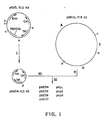
- Fig. 1 A vector void of an origin of replication for lactic acid bacteria was constructed from pSA3 (Dao & Ferretti, Appl. Environ. Microbiol. , 49 :115-119 (1985)). Plasmid pSA3 (5 ⁇ g) was digested with HindIII and religated in the presence of T4 DNA ligase. A 6.0-kb plasmid was isolated from E. coli transformants of the religation mixture. This vector, pSA34, is composed of the two largest HindIII fragments from pSA3 minus approximately 1Kb of DNA spontaneously deleted in vivo.
- pSA34 has a unique HindIII site in the Tet r gene promoter, carries Tet r and Cm r and an origin of replication for selection in E. coli and Erm r for selection in Streptococcus .
- This vector allows direct selection of a cloned streptococcal plasmid in S. lactis since it lacks an origin of replication for streptococci. Only vectors providing Erm r , with cloned insert DNA providing an ori region functional in streptococci, will produce colonies with selection on erythromycin.
- the plasmid pSA34 in an E. coli host has been deposited at the American Type Culture Collection with accession number ATCC 67552.
- pME1a DNA (5 ⁇ g) was randomly linearized by HindIII at 1 of the 3 HindIII sites present on pME1a by partial digeston in the presence of ethidium bromide (20 ⁇ g/ml). This DNA was ligated to HindIII-digested pSA34, (5 ⁇ g) and the ligation mix was used to transform S. lactis LM0230. All Erm r transformants were screened for pME1a-type phage resistance to c2 phage. Of 47 Erm r transformants, 4 were c2 phage resistant. These clones were designated pME34, pME35, pME36 and pME37.
- FIG. 2 shows a partial restriction map of pME34 and the location of HindIII fragments A, B and C from pME1a.
- the plasmid, pME34 in an S. lactis (LM0230) host has been deposited at the American Type Culture Collection with accession number ATCC 67554.
- Several phage-sensitive clones also contained all three pME1a HindIII fragments. Restriction analysis of these clones showed that insertion at either the HindIII sites directly flanking the HindIII C fragment (see Fig. 1) resulted in insertional inactivation of the phage-resistance genes.
- Each of the phage-resistant clones was assayed for its ability to confer phage resistance on S. lactis LM0230 (Table 5). Phage was restricted from 3.2 to 3.9 log cycles when grown in S. lactis LM0230 containing the cloned DNA. Several isolates (typified by pHP2) contained all pME1a DNA but did not restrict phage developMEnt. Each plasmid was then transformed into E. coli DH5 selecting for Cm r . Phage-resistance was not expressed in the E. coli host as determined by plaquing efficiencies of ⁇ vir phage.
- phage-resistance genes on pME34 were localized using deletion and insertion mapping. It was found that deletion of either the internal PvuI fragment, or both PvuII fragments resulted in phage-sensitivity. Furthermore, insertion of pSA34 at either HindIII site flanking the HindIII-C fragment resulted in insertional inactivation of phage resistance genes. Therefore, the phage-resistance genes appear to reside between map positions 11 and 15 as shown in Fig. 3.
- Strain S. cremoris D11 is a mesophilic starter culture commercially available from Marschall Products. This strain naturally harbors five plasmid species. pSA34 is as previously described. Strain LM0230 was used as a transformable host for cloning reactions. Phages c2, sk and p2 were used as homologous phage for LM0230 and LM0230 containing cloned plasmid DNA. Microbiological manipulations are as described in Example 1.
- Total plasmid DNA was extracted from S. cremoris D11 as described previously. Approximately 10 ⁇ g of plasmid DNA was digested with 50U EcoRI enzyme for 20 min at 37°C. This resulted in fragmentation of the four largest plasmids. This DNA was extracted with 1:1 50mM Tris saturated phenol: chloroform and ethanol precipitated. pSA34 vector DNA was digested to completion with EcoRI, extracted and ethanol precipitated as described for D11 plasmid DNA. Ligations were performed using 400U DNA ligase and approximately 5 ⁇ g each D11 plasmid DNA and pSA34 DNA. Ligation mixes were transformed directly intoLM0230 using the non-protoplast transformation system. Seven erm r transformants were recovered from D11 plasmid cloned into pSA34, designated PD11A ⁇ PD11G.
- This example demonstrates the utility of pSA34 for cloning uncharacterized plasmids from lactic acid bacteria.
- individual plasmid DNA's were not purified and there was no prior biological evidence that specific plasmids encoded any useful or interesting phenotypes.
- the only restriction to the application is that the DNA to be cloned must be associated with an origin of replication region in the transformed lactic acid bacterium.
- the transformable host (LM0230) used for cloning experiments is not capable of metabolizing lactose or digesting protein.
- pME34 was transformed into a Lac+Prt+ strain, S. lactis C2. Erm r transformants were shown to contain pME34 by agarose gel electrophoresis.
- the acid-producing activity of S. lactis C2 containing pME34 (C2/pME34) was determined in the presence and absence of phages.
- sk, p2, c2 and cc7 phages were added at levels of 180, 150, 330 and 35 pfu, respectively, to 10 ml of 60 min steamed milk containing 2% (v/v) of overnight cultures of C2, as a control, or C2/pME34.
- the pH of the culture milk was determined.
- C2/pME34 exhibited enhanced resistance to all phages tested and retained the acid-producing activity in milk as seen in the parent strain.
- the increased phage resistance of C2/pME34 was also demonstrated by phage titration.
- the EOP of sk, p2, c2 and cc7 phages on C2/pME34 was 2.4 x 10 ⁇ 5, 3.0 x 10 ⁇ 5, 6.9 x 10 ⁇ 5 and 1.6 x 10 ⁇ 5, respectively, as compared to titers on C2.
Landscapes
- Health & Medical Sciences (AREA)
- Genetics & Genomics (AREA)
- Life Sciences & Earth Sciences (AREA)
- Chemical & Material Sciences (AREA)
- Engineering & Computer Science (AREA)
- Organic Chemistry (AREA)
- Zoology (AREA)
- Wood Science & Technology (AREA)
- Bioinformatics & Cheminformatics (AREA)
- General Engineering & Computer Science (AREA)
- Biotechnology (AREA)
- Biomedical Technology (AREA)
- General Health & Medical Sciences (AREA)
- Molecular Biology (AREA)
- Biophysics (AREA)
- Biochemistry (AREA)
- Physics & Mathematics (AREA)
- Plant Pathology (AREA)
- Microbiology (AREA)
- Proteomics, Peptides & Aminoacids (AREA)
- Medicinal Chemistry (AREA)
- Gastroenterology & Hepatology (AREA)
- Micro-Organisms Or Cultivation Processes Thereof (AREA)
- Measuring Or Testing Involving Enzymes Or Micro-Organisms (AREA)
Applications Claiming Priority (2)
| Application Number | Priority Date | Filing Date | Title |
|---|---|---|---|
| US12038587A | 1987-11-13 | 1987-11-13 | |
| US120385 | 1987-11-13 |
Publications (2)
| Publication Number | Publication Date |
|---|---|
| EP0316677A2 true EP0316677A2 (de) | 1989-05-24 |
| EP0316677A3 EP0316677A3 (de) | 1990-04-25 |
Family
ID=22389940
Family Applications (1)
| Application Number | Title | Priority Date | Filing Date |
|---|---|---|---|
| EP88118362A Withdrawn EP0316677A3 (de) | 1987-11-13 | 1988-11-04 | Verfahren zur Klonierung in Milchsäurebakterien |
Country Status (3)
| Country | Link |
|---|---|
| EP (1) | EP0316677A3 (de) |
| AU (1) | AU2503588A (de) |
| DK (1) | DK631588A (de) |
Cited By (9)
| Publication number | Priority date | Publication date | Assignee | Title |
|---|---|---|---|---|
| WO1991009132A1 (en) * | 1989-12-20 | 1991-06-27 | Valio Finnish Cooperative Dairies Association | Cloning vector for use in lactic acid bacteria and a method for constructing the same |
| EP0449770A2 (de) | 1990-03-22 | 1991-10-02 | Ciba-Geigy Ag | Bakterielle Vektoren |
| EP0474464A3 (en) * | 1990-09-05 | 1992-11-19 | North Carolina State University | Bacteriophage resistant recombinant bacteria |
| WO1996021017A3 (en) * | 1994-12-30 | 1996-11-21 | Quest Int | Isolated dna encoding enzyme for phage resistance |
| FR2787808A1 (fr) * | 1998-12-29 | 2000-06-30 | Skw Biosystems | Sequences d'adn contenant un mecanisme de transfert par conjugaison, plasmide contenant une telle sequence, et bacteries contenant une telle sequence ou un tel plasmide |
| EP2133414A1 (de) | 2008-06-11 | 2009-12-16 | Basf Se | Anwendungen und Verfahren zur Vorbeugung und/oder Behandlung von Mundgeruch |
| EP2218774A2 (de) | 2004-09-10 | 2010-08-18 | Basf Se | Mittel und Verfahren zur Vorbeugung und/oder Behandlung von Karies |
| WO2012100991A1 (en) | 2011-01-24 | 2012-08-02 | Basf Se | Oral health improving compositions |
| WO2014140123A1 (en) | 2013-03-13 | 2014-09-18 | Organobalance Gmbh | Novel lactobacillus strains and the uses thereof |
Family Cites Families (1)
| Publication number | Priority date | Publication date | Assignee | Title |
|---|---|---|---|---|
| US4918014A (en) * | 1985-10-11 | 1990-04-17 | Microlife Technics, Inc. | Method for producing mucoid and phage resistant group N streptococcus strains from non-mucoid and phage sensitive parent strains |
-
1988
- 1988-11-04 EP EP88118362A patent/EP0316677A3/de not_active Withdrawn
- 1988-11-11 DK DK631588A patent/DK631588A/da not_active Application Discontinuation
- 1988-11-11 AU AU25035/88A patent/AU2503588A/en not_active Abandoned
Cited By (16)
| Publication number | Priority date | Publication date | Assignee | Title |
|---|---|---|---|---|
| WO1991009132A1 (en) * | 1989-12-20 | 1991-06-27 | Valio Finnish Cooperative Dairies Association | Cloning vector for use in lactic acid bacteria and a method for constructing the same |
| WO1991009131A1 (en) * | 1989-12-20 | 1991-06-27 | Valio Finnish Cooperative Dairies Association | Cloning vector for use in lactic acid bacteria |
| EP0449770A2 (de) | 1990-03-22 | 1991-10-02 | Ciba-Geigy Ag | Bakterielle Vektoren |
| US5559007A (en) * | 1990-03-22 | 1996-09-24 | Suri; Bruno | Bacterial shuttle vectors |
| EP0474464A3 (en) * | 1990-09-05 | 1992-11-19 | North Carolina State University | Bacteriophage resistant recombinant bacteria |
| WO1996021017A3 (en) * | 1994-12-30 | 1996-11-21 | Quest Int | Isolated dna encoding enzyme for phage resistance |
| US5824523A (en) * | 1994-12-30 | 1998-10-20 | Quest International Flavors & Food Ingredients Company, Division Of Indopco, Inc. | Isolated DNA encoding enzyme for phage resistance |
| US5972673A (en) * | 1994-12-30 | 1999-10-26 | Quest International Flavors & Food Ingredients Company | Enzyme for phage resistance |
| FR2787808A1 (fr) * | 1998-12-29 | 2000-06-30 | Skw Biosystems | Sequences d'adn contenant un mecanisme de transfert par conjugaison, plasmide contenant une telle sequence, et bacteries contenant une telle sequence ou un tel plasmide |
| WO2000039312A1 (fr) * | 1998-12-29 | 2000-07-06 | Skw Biosystems | Sequences d'adn contenant un mecanisme de transfert par conjugaison |
| EP2218774A2 (de) | 2004-09-10 | 2010-08-18 | Basf Se | Mittel und Verfahren zur Vorbeugung und/oder Behandlung von Karies |
| EP2267112A1 (de) | 2004-09-10 | 2010-12-29 | Basf Se | Mittel und Verfahren zur Vorbeugung und/oder Behandlung von Karies |
| EP2133414A1 (de) | 2008-06-11 | 2009-12-16 | Basf Se | Anwendungen und Verfahren zur Vorbeugung und/oder Behandlung von Mundgeruch |
| WO2012100991A1 (en) | 2011-01-24 | 2012-08-02 | Basf Se | Oral health improving compositions |
| EP3424516A1 (de) | 2011-01-24 | 2019-01-09 | Basf Se | Zusammensetzungen zur verbesserung der mundgesundheit |
| WO2014140123A1 (en) | 2013-03-13 | 2014-09-18 | Organobalance Gmbh | Novel lactobacillus strains and the uses thereof |
Also Published As
| Publication number | Publication date |
|---|---|
| AU2503588A (en) | 1989-05-18 |
| DK631588A (da) | 1989-05-14 |
| DK631588D0 (da) | 1988-11-11 |
| EP0316677A3 (de) | 1990-04-25 |
Similar Documents
| Publication | Publication Date | Title |
|---|---|---|
| US4977247A (en) | Immobilized protein G variants and the use thereof | |
| Davies et al. | The value of plasmid profiles for strain identification in lactic Streptococci and the relationship between Streptoccocus lactis 712, ML3 and C2 | |
| Anderson et al. | Cloning and expression in Escherichia coli of the gene encoding the structural subunit of Bacteroides nodosus fimbriae | |
| Somkuti et al. | Distribution and analysis of plasmids in Streptococcus thermophilus | |
| US4956296A (en) | Cloned streptococcal genes encoding protein G and their use to construct recombinant microorganisms to produce protein G | |
| Steenson et al. | Streptococcus cremoris M12R transconjugants carrying the conjugal plasmid pTR2030 are insensitive to attack by lytic bacteriophages | |
| David et al. | Plasmid transformation by electroporation of Leuconostoc paramesenteroides and its use in molecular cloning | |
| JP3294288B2 (ja) | 乳酸桿菌由来の新規なプラスミドpBUL1 及びその誘導体 | |
| US4954618A (en) | Cloned streptococcal genes encoding protein G and their use to construct recombinant microorganisms to produce protein G | |
| EP0316677A2 (de) | Verfahren zur Klonierung in Milchsäurebakterien | |
| EP0925364B1 (de) | Milchsäurebakterielles regulierbares expressionssystem | |
| Hill et al. | Localization, cloning, and expression of genetic determinants for bacteriophage resistance (Hsp) from the conjugative plasmid pTR2030 | |
| US5312901A (en) | Cloned streptococcal genes encoding protein G and their use to construct recombinant microorganisms to produce protein G | |
| US5919678A (en) | Methods for using a temperature-sensitive plasmid | |
| US5066588A (en) | Streptococcus lactis containing plasmids encoding for mucoidness and method for identifying such strains | |
| US5082773A (en) | Cloned streptococcal genes encoding protein G and their use to construct recombinant microorganisms to produce protein G | |
| Laible et al. | Identification and cloning of plasmid deoxyribonucleic acid coding for abortive phage infection from Streptococcus lactis ssp. diacetylactis KR2 | |
| CA2014264C (en) | Methods and nucleic acid sequences for the expression of the cellulose synthase operon | |
| US5538864A (en) | Bacteriophage resistant recombinant bacteria | |
| WO1987005025A1 (en) | Cloned streptococcal genes encoding protein g and their use to construct recombinant microorganisms to produce protein g | |
| US4883756A (en) | pTN1060, a conjugal plasmid and derivatives thereof that confer phage resistance to group N streptococci | |
| Thompson et al. | Evidence for the conjugal transfer of the broad host range plasmid pIP501 into strains of Lactobacillus helveticus | |
| Walsh et al. | Restriction endonuclease analysis of the lactose plasmid in Streptococcus lactis ML3 and two recombinant lactose plasmids | |
| EP0208468B1 (de) | pTR 2030, konjugales Plasmid und Derivate desselben, die an die N-Streptokokken-Gruppe eine Phage-Resistenz abgeben | |
| Somkuti et al. | Native promoter-plasmid vector system for heterologous cholesterol oxidase synthesis in Streptococcus thermophilus |
Legal Events
| Date | Code | Title | Description |
|---|---|---|---|
| PUAI | Public reference made under article 153(3) epc to a published international application that has entered the european phase |
Free format text: ORIGINAL CODE: 0009012 |
|
| 17P | Request for examination filed |
Effective date: 19881104 |
|
| AK | Designated contracting states |
Kind code of ref document: A2 Designated state(s): DE FR GB IT NL |
|
| PUAL | Search report despatched |
Free format text: ORIGINAL CODE: 0009013 |
|
| AK | Designated contracting states |
Kind code of ref document: A3 Designated state(s): DE FR GB IT NL |
|
| STAA | Information on the status of an ep patent application or granted ep patent |
Free format text: STATUS: THE APPLICATION HAS BEEN WITHDRAWN |
|
| 18W | Application withdrawn |
Withdrawal date: 19920306 |