EP0336523A1 - Verfahren zur Herstellung und zum Testen von Proteinen in vivo durch rekombinante Genexpression in ausgewählten Wirtszellen - Google Patents
Verfahren zur Herstellung und zum Testen von Proteinen in vivo durch rekombinante Genexpression in ausgewählten Wirtszellen Download PDFInfo
- Publication number
- EP0336523A1 EP0336523A1 EP89200979A EP89200979A EP0336523A1 EP 0336523 A1 EP0336523 A1 EP 0336523A1 EP 89200979 A EP89200979 A EP 89200979A EP 89200979 A EP89200979 A EP 89200979A EP 0336523 A1 EP0336523 A1 EP 0336523A1
- Authority
- EP
- European Patent Office
- Prior art keywords
- cells
- animals
- hgh
- gene
- animal
- Prior art date
- Legal status (The legal status is an assumption and is not a legal conclusion. Google has not performed a legal analysis and makes no representation as to the accuracy of the status listed.)
- Withdrawn
Links
Images

Classifications
-
- A—HUMAN NECESSITIES
- A01—AGRICULTURE; FORESTRY; ANIMAL HUSBANDRY; HUNTING; TRAPPING; FISHING
- A01K—ANIMAL HUSBANDRY; AVICULTURE; APICULTURE; PISCICULTURE; FISHING; REARING OR BREEDING ANIMALS, NOT OTHERWISE PROVIDED FOR; NEW BREEDS OF ANIMALS
- A01K67/00—Rearing or breeding animals, not otherwise provided for; New or modified breeds of animals
- A01K67/027—New or modified breeds of vertebrates
- A01K67/0271—Chimeric vertebrates, e.g. comprising exogenous cells
-
- C—CHEMISTRY; METALLURGY
- C07—ORGANIC CHEMISTRY
- C07K—PEPTIDES
- C07K14/00—Peptides having more than 20 amino acids; Gastrins; Somatostatins; Melanotropins; Derivatives thereof
- C07K14/435—Peptides having more than 20 amino acids; Gastrins; Somatostatins; Melanotropins; Derivatives thereof from animals; from humans
- C07K14/575—Hormones
- C07K14/61—Growth hormone [GH], i.e. somatotropin
-
- C—CHEMISTRY; METALLURGY
- C07—ORGANIC CHEMISTRY
- C07K—PEPTIDES
- C07K16/00—Immunoglobulins [IG], e.g. monoclonal or polyclonal antibodies
- C07K16/18—Immunoglobulins [IG], e.g. monoclonal or polyclonal antibodies against material from animals or humans
- C07K16/26—Immunoglobulins [IG], e.g. monoclonal or polyclonal antibodies against material from animals or humans against hormones ; against hormone releasing or inhibiting factors
-
- A—HUMAN NECESSITIES
- A01—AGRICULTURE; FORESTRY; ANIMAL HUSBANDRY; HUNTING; TRAPPING; FISHING
- A01K—ANIMAL HUSBANDRY; AVICULTURE; APICULTURE; PISCICULTURE; FISHING; REARING OR BREEDING ANIMALS, NOT OTHERWISE PROVIDED FOR; NEW BREEDS OF ANIMALS
- A01K2217/00—Genetically modified animals
- A01K2217/05—Animals comprising random inserted nucleic acids (transgenic)
Definitions
- the present invention relates to a method for the in-vivo testing of new products of biological interest, e.g. proteins produced by the induced expression of recombinant genes in eukaryotic host-cells.
- This invention is therefore important for the testing of new medical and pharmaceutical products obtained by industrial genetic engineering methods, e.g. drugs, hormones, enzymes and the like which result from the expression of copies of natural genes or synthetic engineered variants, after incorporation of said genes into recipient cells, cultivation and multiplication of these cells, and ap plication of stress.
- document WO-A-8 700 201 discloses keratinocyte cells modified genetically to form epithelia can be grafted to patients and operate as a source of substances to be directly released to the body.
- document WO-A-8 700 201 discloses keratinocyte cells modified genetically to form epithelia can be grafted to patients and operate as a source of substances to be directly released to the body.
- a local application has very little in common with the present invention in which the injected foreign cells can multiply unrestrictedly in the animal and produce a response much greater than in the reference.
- One embodiment of the present invention derives from a technique, disclosed in document PCT/EP87/00599, involving transfection of appropriate eukaryotic host-cell lines capable of generating tumors when inoculated to immunodeficient animals with nucleic acid constructions containing at least one gene of interest under the control of a stress inducible promotor.
- a transforming gene e.g. an oncogene
- the transformed cells which are capable of expressing said gene of interest upon induction are inoculated to immunodeficient animals whereby they are transiently replicated in the form of tumors developed by the animals.
- One aspect of the present invention relies on the aforementioned technique. Indeed, it has been now discovered that instead of removing the tumors and thereafter subjecting the dissociated cells to stress, the tumor-carrying animals themselves can be transiently stressed, without visible ill effects, whereby expression of the stress inducible (preferably heat-inducible) foreign genes occurs, and the product is formed in the body of the animals, i.e. it is secreted into the blood stream or the ascite fluid thereof and its physiological effect thereon can be observed directly.
- the stress inducible preferably heat-inducible
- the present invention elegantly remedies the problem associated with the need of testing new products in a high purity state.
- the desired gene products are the only new ones that should normally form after induction of expression and any off-response of the animal possibly due to some other reason in the growing of the host-cells tumors can be distinguished by using control animals inoculated with identical host-cells not carrying the gene expression construct.
- the usual problems of isolating a new product from biofermentors and purifying it free from possible impurities prior to testing are also avoided.
- the present invention is also a method for the in-vivo production of antibodies to the newly synthesized products which are made available by extraction from the blood or other fluids of the experimental animals in which they have been raised.
- lymphocyte B the cells specifically expressing such antibodies (usually spleen cells) can be identified and isolated. These cells (lymphocyte B) can be used according to usual means to manufacture hybridoma strains, for instance with SP-20 cells, or using other similar methods.
- Hybridoma cells can thereafter be used for the production of monoclonal antibodies by standard procedures.
- this invention can serve to provide animal models for the pharmaceutical evaluation of new therapeutic proteins. If a diseased state is present or induced in a test animal and a therapeutic protein to treat this disease is produced in the animal as described above, the IN VIVO activity or potency of the therapeutic protein can be ascertained in terms of its effectiveness in relieving the disease symptoms. In other words, new variant medicament proteins can be tested for modified or increased activity prior to isolation, purification, direct injection and subsequent extraneous utilizattion.
- the production of proteins is achieved by inoculating into appropriate animals tumor cells which are able to produce secretable (or trans-membrane) proteins, preferably using a heat-inducible expression system.
- tumor cells which are able to produce secretable (or trans-membrane) proteins, preferably using a heat-inducible expression system.
- proteins of therapeutic interest are generally secreted proteins; such proteins frequently require post-translational modifications for optimal activity and immunological specificity. These modifications can be obtained by a specific selection of the recombinant cells, and such matured proteins can be secreted into the blood stream. More strictlyover, the time to obtain significant quantities of producer cells, as well as the cell culture cost is much reduced using this system.
- Cl.6 cell lines used in this invention are NIH-3T3 cells co-transfected with plasmid p17hGHdhfr (see Dreano et al. (1986) Gene 49, 1-8) and with the human ras oncogene. These cells can secrete in-vitro 2 -5 ⁇ g of hGH (human growth hormone) per 106 cells over a 20 hrs period that follows a 1 1/2 hr heat shock at 43°C. This is about 1200 times the quantity of hGH correspondingly found in unheated Cl.6 cells.
- Wg6 Another kind of host cells used in this invention are designed Wg6. These are "Wish Cells" (ATCC-CCL 25) transfected with p17ghGHneo.
- This plasmid contains a genomic BamHI 2.1 kb hGH sequence derived from plasmid pMThGH (see Palmiter et al. (1983) Science 222, 809-814) instead of the hGH cDNA of the plasmid used in the foregoing Cl.6 type cells.
- Plasmid p17ghGH neo also contains the human hsp 70 promoter for driving the hGH gene and a neomycin resistance gene driven by the SV40 promoter.
- Wg6 cells are derived from a clone exhibiting resistance to G418 antibiotic (a modified neomycin antibiotic) and secrete in culture media about 3 ⁇ g of hGH/106 cells after heat shock.
- EMS8 Another line of cells used in this invention are designated EMS8.
- Cl.6 (see above) were retransfected with plasmid p17MSneo comprising sequences of the Hepatitis B virus coding for the surface antigen protein (HBsAg) under control of the human hsp70 promoter, and the transcription unit for expressing modified neomycin resistance (Dreano et al. (1987) Virus Res. 8, 43-59).
- EMS8 is a clone resistant to G418; in culture media it secretes, after heat shock, 5 ⁇ g of hGH and 270 ng of HBsSg/106 cells.
- H14.300 is a designation for another cell line used in this invention.
- the H14.300 cells are Chinese Hamster Ovary (CHO) cells transfected with plasmid p17hGHdhfr (see PCT/EP87/00599) and cultured in media containing increasing concentrations of methotrexate in order to amplify the number of copies of the dihydrofolate reductase (dhfr)gene and adjacent sequences, in this case the hsp70 driven hGH hybrid gene.
- the cultured cells are capable to secrete up to 45 ⁇ g of hGH/106 cells after application of stress.
- eucaryotic cell lines capable of generating tumors are trans fected with nucleic acid constructions containing at least one gene of interest, placed under the control of a stress-inducible promotor, preferably a heat-shock promotor. Then, the said transformed cells are inoculated subcutaneously (s.c.) or intraperitoneally (i.p.) into animals, whereby they replicate to form tumors in the animals.
- s.c. subcutaneously
- i.p. intraperitoneally
- tumors can be reinjected and furnish, in succession, a series of transplantable new generations up to about 30 or more.
- Such tumors can be trypsinized and re-inoculated into Petri dishes, or into biofermentors, without any apparent loss of their capacity to express the gene of interest under stress (Bromley et al., (1986), Patent Application EP86/810455.).
- the warm-blood animals which can be inoculated according to the present invention are preferably immunodeficient or immunosuppressed chemically, e.g. with cyclosporine.
- animals include mice, nude mice (immunodeficient), Sencar mice (sensitive to carcinogens), balb/c mice, rats and rabbits.
- animals like guinea pigs, hamsters or larger animals like goats, horses, and the like can also be used.
- Inoculation can be performed sub-cutaneously (sc) or intraperitoneously (ic).Inoculation performed sc leads generally to the formation of tumors which can be isolated, comminuted and the comminution products reused for subsequent inoculations; however sc inoculation can also lead to animal response without tumor formation. Conversely, ip inoculation generally produces response without tumor; but this is not always the rule and sometimes tumors may also form in the animal.
- genetically engineered and transformed cells e.g. line 6 cells co-transfected with plasmids containing, respectively, the human H-ras oncogene, and the hGH gene under the control of the human hsp 70 promotor
- Sencar strain of mice Swiss derived strain, see Experimental section
- Sencar mice also developed s.c. tumors in around 80% of all performed injections.
- S.c. tumors were also obtained in rats which received cyclosporine as a chemical immunosuppressant, and were s.c. transplanted with pieces of about 75 mm3 of nude mouse tumor. Non-cyclosporine treated rats regressed the transplant quite rapidly, in around 2 weeks, while rats which received one injection of cyclosporine took an average of 4 weeks to regress their tumors.
- mice carrying tumors were incubated at 43°C for 10 to 60 min, and blood samples were taken after different periods of post- induction from behind the eyeball; levels of secretion of hGH in the serum of animals was subsequently measured. Maximum secretion is reached 5 h after induction, and heat induction can be repeated a number of times on a daily basis in mice. Secretion levels in Sencar mice and in rats are quite variable, with levels in the rat being relatively low.
- Sencar mice Inoculation of Cl.6 into Sencar mice, balb/c mice, rabbits and rats lead to ultimate anti-hGH production.
- Sencar mice inoculation was done either sc or ip and the antibody was present in the blood and in ascite fluids.
- Wg6 cell line in rabbits, the formation of antibody occured after inoculating cells cultivated in-vitro. Since Wg6 cells harbour a plasmid containing a "natural" genomic hGH gene, it is of interest to note that the production of hGH occurs as well as in the case of Cl.6 in which the gene is cDNA. Furthermore, antibody production is effective in rabbits even with human recombinant producer cells.
- a 2.1 kb hGH DNA from pMThGH containing the genomic hGH gene including four introns was selected as well as a 6.0 kb fragment of p17hGHneo containing: i) the hsp70promotor, ii) a pBR322 derived bacterial vector carrying the origin of replication and the ampicillin resistance gene, and iii) the transcription unit of the neomycin resistance gene under the control of SV40 transcriptionnal signals (Southern and Berg, 1982, In Gluzman, Y. (Ed.) Eucaryotic Viral Vector, Cold Spring Harbour Laboratory Press, New York).
- EMS8 Two days later, cells were split, diluted 1/10 to 1/20 and cultured in Dulbecco's modified Eagles' medium containing 400 ⁇ g G418 (Gibco) per ml. Three weeks later, visible clones had formed and were expanded in tissue culture. The multiplied cells were heat treated, and supernatants were tested for hGH and HBsAg concentrations as indicated before for hGH but using an ELISA kit for HBsAg (ElA-kit from Abbott). A cell line, designated EMS8, was selected. EMS8 cells can secrete in the culture medium around 3 ⁇ g of hGH and 270 ng HBsAg per million cells after heat shock.
- dhfr dihydrofolate reductase
- H14 cells were cultured in media containing increasing concentrations of methotrexate, i.e. with 0.5 ⁇ M at start and 30 ⁇ M at end (4 fold increase). Since methotrexate is an antagonist to dhfr operation, the selection pressure resulted into amplification of the transfected dhfr gene and associated DNA (Alt et al., 1978, J. Biol. Chem. 253 , 1357-1370; Kaufman et al., 1985, Mol. Cell. Biol. 5, 1750-1759). The amplified cell line was designed H14.300. It is capable, after heat induction, to secrete 45 ⁇ g hGH per million cells.
- 106 genetically modified cells were trypsinized, rinsed twice with Dulbecco's modified Eagle's medium without serum, and resuspended in about 0.1 ml of the same medium; these suspensions were used for subcutaneous injections. Brieflyly, 106 cells, in 0.1 ml of culture medium without serum, were injected s.c. in the dorsal area of nude mice. The first tumor was clearly visible 2 weeks after inoculation. When a tumor reached a size of about 20 mm or more (about 2 weeks after injection), tumors were dissected, and minced finely in culture medium, and portions were reinjected s.c.
- this strain of mouse is not genetically immunodeficient.
- animals were immunosuppressed by five daily consecutive injections of cyclosporine (60 mg/kg, Sandoz) and pieces of about 75 mm3 of tumor from nude mice were introduced under the skin. After that, animals were no longer treated with cyclosporine. After two weeks, the tumor had regressed in non-cyclosporine treated rats, while tumors developed in cyclosporine-immunosuppressed rats.
- the beads were washed and competitively incubated 2 hours at room temperature with horse-radish peroxidase-conjugated mouse anti-hGH antibodies (monoclonal), and the detection was obtained after reaction of the orthophenylene diamine reagent, and measurement of the optical density at 490 nm.
- mice carrying Cl. 6 tumors were heat treated for 10 to 60 min at 43°C. Blood samples were taken at from 0 to 29 h after induction, and were assayed for hGH concentration as disclosed under 2. Table I shows that hGH was found in the blood stream of nude mice. A heat treatment of 20 to 30 min appears optimal, 60 min is too long, and 10 min is insufficient. Maximum secretion is reached in about 5 hrs after induction, and after 29 hrs hGH appears to have been metabolised. TABLE I HS Treatment for Post incub.
- mice were injected ip with Cl.6 tumors fragments, whereby intraperitoneal tumors developed. They were heat treated nine days after injection, for 20 min at 43°C and, 5 hours later, blood samples were taken and assayed for hGH concentration as above. Table III shows that significant levels of hGH, comparable to those obtained with sc tumor, were found in the blood stream of such animals. It should be noted that hGH production occurs only after heat induction. TABLE III HS treatment for Post incub. time ng hGH / ml of serum (min) (hrs) Mouse No 1 2 3 none 5 none none 20′ 5 150 138 131
- Sencar mice carrying large tumors produced significant amounts of anti-hGH antibodies that compete with the monoclonal anti-hGH peroxidase-conjugated antibodies from the ELISA kit, while the competition with the sera of the mice which have regressed the tumor were weaker (Table IV).
- Table IV are also presented the results for three control mice (C1, C2 and C3) which did not carrying tumors. The results from three dilutions of Dako antibody are also presented.
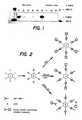
- mice 1-5 were also identified by immuno precipitation with isotope-labelled hGH. This is illustrated in fig. 1.
- Cl. 6 parental cells i.e. cells not injected into animals
- the cultures were heat-shocked and radio-labelled hGH was isolated therefrom by usual means.
- labelled hGH was produced by incubation of heat-treated 106 Cl.6 cells in growth medium containing 40 ⁇ Ci/ml of 35S-methionine, for a 15 h period at 37°C. Sera from normal or tumor-carrying animals were obtained as previously described. Immunoprecipitation was carried out as described in Dreano et al., (1986), Gene 49, 1-8. After boiling, immunoprecipitated fractions were analyzed on SDS - 15% - acrylamide gels.
- mice inoculated ip with Cl.6 tumor developed large abdomen tumors within an average of 10 days while others did not. The reasons for the differences were not studied.
- the mice were sacrified and samples of blood and ascite fluid were taken out and tested for anti-hGH antibody concentration by immunoprecipitation using labelled hGH produced by Cl.6 cells (produced as described above).
- Immunoprecipitated fractions electrophoresed on SDS-acrylamide gels are shown in Fig. 3.
- large quantities of anti-hGH antibodies are present in the sera of animals inoculated ip with Cl.6 tumors (lines 1 to 4).
- antibodies are detected in the ascite fluid of mouse with ip tumor (line 5).
- Similar results were observed in ascite fluids and blood sera from Sencar mice inoculated ip with EMS8 cells. Since the volume (up to 8 ml) of ascite fluid is much greater than that of the blood of the animal, using the ic inoculation route is advantageous for the production of large quantity of specific antibodies.
- mice Six Balb/c mice were injected at time t0 (zero) with Cl.6 tumor (see section 1 above) and, after two days, 3 of them were heat treated twice a week at 43°C for 20 min for two weeks. The other 3 were left untreated. Animals regressed their tumors in around two weeks. Then, the six mice were re-injected three and six weeks after t0 with Cl.6 tumors and the three test animals were heat treated in a similar manner, while the three controls were left alone.
- results are shown in Fig. 4.
- Group A and B of results refer to two series of blood sampling at two weeks interval.
- Lanes 1-3 and 7-9 concern control mice; lanes 4-6 and 10-12 concern heat shocked test animals.
- Lanes 13 and 14 are -anti-hGH (non-inoculated mouse) and +anti-hGH (Dako serum raised in rabbits) calibrations, respectively.
- Table V shows that hGH was found in the blood of animals, especially after an induction period of 30 min at 43°C and, as seen for nude mice, with a maximum after 5 h of resting at 37°c after heat-shock (HS).
- HS heat-shock
- Amounts of hGH found in rats are lower than those found in nude mice, but it should be noted that rats were not cyclosporine treated after tumor injection, and tumors reached a maximum of 5 cm diameter in 200 to 250 g animals, instead of up to 3 cm diameter tumors in approximately 20 g nude mice.
- Fig. 5 illustrates the comparative production of hGH by the three kinds of cells by immunoprecipitation with commercial anti-hGH raised in rabbits.
- Other immunoprecipitants whose effect is illustrated here are sera from Sencar mice and rats carrying Cl.6 tumors.
- Table VII shows the results of a similar experiment indicating that: (i) normal rat sera contain products which interact non-specifically with hGH linked to the anti-hGH antibodies (NR and R4, R5), (ii) rats which did not receive cyclosporine produce competitive antibodies (R7) or not, (R6) and Cl. 6 injected rats treated with cyclosporine synthesize different levels of anti-hGH antibodies (R2>R3>R1), and production starts from the third week after cell inoculation.
- mice and rats were able to raise antibodies against a protein produced, on induction, by cells multiplying inside the animal, and that this can be a general method to produce polyclonal antibodies against such proteins when they are recognized as immunogens.
- rabbits (numbered 31-34) were given only one sc large injection with Cl.6 tumor fragments (from nude mice), and were also heat treated at different intervals of time varying from 2 weeks to 3 months. Sera were analysed 4 months after the initial injection by immunoprecipitation using labelled hGH produced by H14.300 cells (Fig.6). Similar analysis performed with labelled hGH produced by Cl.6 cells gave inconsistent results because a great number of proteins present in the supernatants of the cells did precipitate. The results of Fig. 6 show that anti-hGH antibodies were detected in the sera of the eight rabbits under test. Levels of production are however rather low and depend on parameters such as quantity of injected tumor cells, number of tumor injections, number and time of heat treatment, etc...
- Two rabbits were injected with 5 ml of a 5% solution of thioglycollate (TGC) to induce an aseptic peritonitis.
- TGC thioglycollate
- the 3 rabbits were heat treated 2 and 5 days later, and blood samples were taken after 3 more weeks.
- Sera were analyzed by ummunoprecipitation using labelled hGH from H14.300 cells.
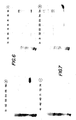
- Fig. 7 shows that weak bands were present at the Mw of the hGH complex. This route of injection of recombinant cell lines therefore activates the immune response system and leads to the synthesis of specific antibodies directed against a heat induced secretable hybrid protein.
- Cl.6 cells were transfected again with p17MSneo containing the coding sequence for the hepatitis B virus surface antigen (HBsAg) driven by the human hsp70 promotor and the neomycin resistance gene under the control of SV40 promotor.
- HBsAg hepatitis B virus surface antigen
- EMS8 neomycin selected clone, named EMS8, was found to secrete around 5 ⁇ g and 270 ng per million cells of respectively hGH and HBsAg.
- This cell line was inoculated into nude mice, and tumor fragments were injected sc into Sencar mice. Some animals were heat treated and were re-injected once five weeks later. Controls were not heat treated.
- Anti-HBsAg antibody production was analyzed two months after the first tumor injection employing a competition procedure similar to those developed for anti-hGH antibodies. Briefly, beads coated with an immobilized mouse anti-HBsAg monoclonal antibody were incubated for 5 hours at 37°C with 0.25 ml of culture medium containing 2.5% fetal calf serum and 10 ng per ml of HBsAg. As a control, one bead was incubated with complete medium without HBsAg.
- beads were incubated overnight at room temperature with either known dilutions of rabbit anti-HBsAg serum (polyclonal from Behring) or dilution of sera from normal mouse sera, control sera or sera from heat treated tumor carrying animals. After washing, the beads were competitively incubated for 5 hours at 37°C with horse-radish-peroxidase-conjugated mouse monoclonal anti-HBsAg anti body, and measurements of optical density at 490 nm were made after reaction with orthophenylene diamine.
- mice Heat shock Sencar 1 et 3
- results summurized in Table VIII show that at least 2 mice (Heat shock Sencar 1 et 3) produced significant levels of anti-HBsAg antibodies which did compete with the monoclonal anti-HBsAg antibody, indicating that HBsAg secreted by recombinant cells is recognized as an antigen.
- anti-hGH antibodies were found in the sera of each mice tested, already after the first EMS8 tumor injection. Under the conditions experimented, the immunoresponse to hGH is stronger than that to HBsAg. Indeed HBsAg is a very large complex macromolecule which may have difficulties migrating to the blood vessels.
- the method of the present invention can be utilised to produce monoclonal antibodies.
- animals having a serum like that of the heat-shocked Sencar Mouse 1 in Fig. 1 can be screened by competition experiments, and spleen cells can then be fused with SP2/0 lymphoma cells to obtain specific producer hybridomas.
- these approaches can be used to study the immunological response of an animal to exposure to different proteins and their genetic variants, as for example virus proteins for vaccination, or fused proteins and cross-reaction of the recombinant variants.
Landscapes
- Health & Medical Sciences (AREA)
- Life Sciences & Earth Sciences (AREA)
- Chemical & Material Sciences (AREA)
- Organic Chemistry (AREA)
- Endocrinology (AREA)
- Medicinal Chemistry (AREA)
- Genetics & Genomics (AREA)
- Proteomics, Peptides & Aminoacids (AREA)
- Molecular Biology (AREA)
- Environmental Sciences (AREA)
- Zoology (AREA)
- Biochemistry (AREA)
- Biophysics (AREA)
- General Health & Medical Sciences (AREA)
- Immunology (AREA)
- Animal Behavior & Ethology (AREA)
- Animal Husbandry (AREA)
- Biodiversity & Conservation Biology (AREA)
- Cell Biology (AREA)
- Toxicology (AREA)
- Gastroenterology & Hepatology (AREA)
- Preparation Of Compounds By Using Micro-Organisms (AREA)
- Medicines That Contain Protein Lipid Enzymes And Other Medicines (AREA)
Applications Claiming Priority (2)
| Application Number | Priority Date | Filing Date | Title |
|---|---|---|---|
| EP88810231 | 1988-04-08 | ||
| EP88810231 | 1988-04-08 |
Publications (1)
| Publication Number | Publication Date |
|---|---|
| EP0336523A1 true EP0336523A1 (de) | 1989-10-11 |
Family
ID=8200581
Family Applications (1)
| Application Number | Title | Priority Date | Filing Date |
|---|---|---|---|
| EP89200979A Withdrawn EP0336523A1 (de) | 1988-04-08 | 1989-04-06 | Verfahren zur Herstellung und zum Testen von Proteinen in vivo durch rekombinante Genexpression in ausgewählten Wirtszellen |
Country Status (4)
| Country | Link |
|---|---|
| EP (1) | EP0336523A1 (de) |
| AU (1) | AU3411889A (de) |
| WO (1) | WO1989009822A1 (de) |
| ZA (1) | ZA892518B (de) |
Cited By (8)
| Publication number | Priority date | Publication date | Assignee | Title |
|---|---|---|---|---|
| EP0390857A4 (en) * | 1987-12-15 | 1991-04-17 | The Trustees Of Princeton University | Transgenic testing systems for mutagens and carcinogens |
| US5521084A (en) * | 1992-11-10 | 1996-05-28 | Biostar, Inc. | Bovine heat shock promoter and uses thereof |
| US5877398A (en) * | 1993-01-29 | 1999-03-02 | University Of British Columbia | Biological systems incorporating stress-inducible genes and reporter constructs for environmental biomonitoring and toxicology |
| WO1999011772A1 (en) * | 1997-08-28 | 1999-03-11 | Consiglio Nazionale Delle Ricerche | Transgenic animals for the study of biological, physical and chemical toxic agents |
| US7186698B2 (en) | 1996-08-15 | 2007-03-06 | The United States Of America As Represented By The Department Of Health And Human Services | Spatial and temporal control of gene expression using a heat shock protein promoter in combination with local heat |
| US7220575B2 (en) | 2000-02-29 | 2007-05-22 | Fisher Paul B | Melanoma differentiation associated gene-5 and promoter and uses thereof |
| WO2010054141A2 (en) | 2008-11-06 | 2010-05-14 | The Trustees Of Columbia University In The City Of New York | Polynucleotides encoding a human trim-cyp fusion polypeptide, compositions thereof, and methods of using same |
| US8084593B2 (en) | 2004-07-06 | 2011-12-27 | The Trustees Of Columbia University In The City Of New York | Polynucleotide encoding a TRIM-Cyp polypeptide, compositions thereof, and methods of using same |
Citations (3)
| Publication number | Priority date | Publication date | Assignee | Title |
|---|---|---|---|---|
| FR2487851A1 (fr) * | 1980-07-30 | 1982-02-05 | Hayashibara Biochem Lab | Procede pour la production d'insuline humaine |
| WO1987000201A1 (en) * | 1985-07-05 | 1987-01-15 | Whitehead Institute For Biomedical Research | Epithelial cells expressing foreign genetic material |
| EP0263908A1 (de) * | 1986-10-15 | 1988-04-20 | Battelle Memorial Institute | Verfahren zur Herstellung von Proteinen mittels induzierbarer Expressionssysteme in in-vivo-vermehrten, genetisch modifizierten eukaryotischen Wirtszellen |
-
1989
- 1989-04-05 ZA ZA892518A patent/ZA892518B/xx unknown
- 1989-04-06 EP EP89200979A patent/EP0336523A1/de not_active Withdrawn
- 1989-04-06 WO PCT/EP1989/000416 patent/WO1989009822A1/en not_active Ceased
- 1989-04-06 AU AU34118/89A patent/AU3411889A/en not_active Abandoned
Patent Citations (3)
| Publication number | Priority date | Publication date | Assignee | Title |
|---|---|---|---|---|
| FR2487851A1 (fr) * | 1980-07-30 | 1982-02-05 | Hayashibara Biochem Lab | Procede pour la production d'insuline humaine |
| WO1987000201A1 (en) * | 1985-07-05 | 1987-01-15 | Whitehead Institute For Biomedical Research | Epithelial cells expressing foreign genetic material |
| EP0263908A1 (de) * | 1986-10-15 | 1988-04-20 | Battelle Memorial Institute | Verfahren zur Herstellung von Proteinen mittels induzierbarer Expressionssysteme in in-vivo-vermehrten, genetisch modifizierten eukaryotischen Wirtszellen |
Non-Patent Citations (2)
| Title |
|---|
| GENE, vol. 49, no. 1, 1986, pages 1-8, Elsevier Science Publishers, Amsterdam, NL; M. DREANO et al.: "High-level heat-regulated synthesis of proteins in eukaryotic cells" * |
| JOURNAL OF CELLULAR BIOCHEMISTRY, supplement no. 12B; UCLA SYMPOSIA ON GENE TRANSFER AND GENE THERAPY, 6th - 12th February 1988, page 186, abstract no. H148, Alan R. Liss Inc., New York, US; J.A. ZWIEBEL et al.: "In vivo growth hormone production by cells carrying recombinant rat growth hormone genes" * |
Cited By (13)
| Publication number | Priority date | Publication date | Assignee | Title |
|---|---|---|---|---|
| EP0390857A4 (en) * | 1987-12-15 | 1991-04-17 | The Trustees Of Princeton University | Transgenic testing systems for mutagens and carcinogens |
| US5981224A (en) * | 1992-11-10 | 1999-11-09 | Biostar Inc. | Bovine heat shock promoter and uses thereof |
| US5521084A (en) * | 1992-11-10 | 1996-05-28 | Biostar, Inc. | Bovine heat shock promoter and uses thereof |
| US5733745A (en) * | 1992-11-10 | 1998-03-31 | Biostar Inc. | Bovine heat shock promoter and uses thereof |
| US5877398A (en) * | 1993-01-29 | 1999-03-02 | University Of British Columbia | Biological systems incorporating stress-inducible genes and reporter constructs for environmental biomonitoring and toxicology |
| US7186698B2 (en) | 1996-08-15 | 2007-03-06 | The United States Of America As Represented By The Department Of Health And Human Services | Spatial and temporal control of gene expression using a heat shock protein promoter in combination with local heat |
| WO1999011772A1 (en) * | 1997-08-28 | 1999-03-11 | Consiglio Nazionale Delle Ricerche | Transgenic animals for the study of biological, physical and chemical toxic agents |
| US7220575B2 (en) | 2000-02-29 | 2007-05-22 | Fisher Paul B | Melanoma differentiation associated gene-5 and promoter and uses thereof |
| US7229822B1 (en) | 2000-02-29 | 2007-06-12 | Univ Columbia | Melanoma differentation associated gene-5 and vectors and cells containing same |
| US8084593B2 (en) | 2004-07-06 | 2011-12-27 | The Trustees Of Columbia University In The City Of New York | Polynucleotide encoding a TRIM-Cyp polypeptide, compositions thereof, and methods of using same |
| US8748372B2 (en) | 2004-07-06 | 2014-06-10 | The Trustees Of Columbia University In The City Of New York | Polynucleotide encoding a TRIM-cyp polypeptide, compositions thereof, and methods of using same |
| WO2010054141A2 (en) | 2008-11-06 | 2010-05-14 | The Trustees Of Columbia University In The City Of New York | Polynucleotides encoding a human trim-cyp fusion polypeptide, compositions thereof, and methods of using same |
| US8835617B2 (en) | 2008-11-06 | 2014-09-16 | The Trustees Of Columbia University In The City Of New York | Polynucleotides encoding a human TRIM-Cyp fusion polypeptide, compositions thereof, and methods of using same |
Also Published As
| Publication number | Publication date |
|---|---|
| ZA892518B (en) | 1989-12-27 |
| WO1989009822A1 (en) | 1989-10-19 |
| AU3411889A (en) | 1989-11-03 |
Similar Documents
| Publication | Publication Date | Title |
|---|---|---|
| JP2657221B2 (ja) | ヒトFcγレセプター▲III▼ | |
| RU1780541C (ru) | Способ экспрессии цепей химерного антитела | |
| JP3171268B2 (ja) | 治療抗体基融合タンパク質 | |
| JP3825041B2 (ja) | 外来t−細胞エピトープを補助として用いた、自己タンパク質に対する抗体応答の誘発 | |
| JP2852515B2 (ja) | ベクターウイルスおよびベクターウイルスを含む薬用組成物 | |
| JP2634371B2 (ja) | 脊椎動物細胞内でb型肝炎表面抗原をコードするdnaを発現するベクター | |
| JPH02442A (ja) | エリトロポエチンを発現するヒトcDNAのクローニング方法 | |
| EP0332424A2 (de) | Gegen menschliches carcino-embryonisches Antigen gerichteter chimärer Antikörper | |
| EA017303B1 (ru) | Модифицированные гуманизированные антитела против интерлейкина-18 и их применение | |
| JP2633227B2 (ja) | 動物インターフエロン | |
| WO1996019584A1 (en) | Chimeric antibodies comprising antigen binding sites and b and t cell epitopes | |
| CN1922209A (zh) | 抗Αβ抗体 | |
| CA2022273A1 (en) | Chimeric antibodies directed against a human glycoprotein antigen | |
| JPS61219395A (ja) | TGF‐βをコードしている核酸およびその用途 | |
| DE3853842T2 (de) | Wachstumsregler zusammenhängend mit Blutplättchen. | |
| JPH04507044A (ja) | タンパク質ホルモン形成の抑制用の組成物およびその使用法 | |
| JP2002531064A (ja) | 強化ワクチン | |
| WO1989009822A1 (en) | Method for the in-vivo production and testing of proteins by recombinant gene expression in selected host-cells | |
| JPH07504802A (ja) | 遺伝子操作抗体 | |
| JP2718827B2 (ja) | 分泌Mac−2結合糖タンパク質 | |
| EP0162319B1 (de) | Verfahren zur Ligation von heterogenen Genen | |
| McCLUSKEY et al. | Serologic and T cell recognition of truncated transplantation antigens encoded by in vitro deleted class I major histocompatibility genes. | |
| EP0394363A1 (de) | Heteropolymeres protein | |
| KR100382628B1 (ko) | 인터페론α/β결합단백질과이의제조및용도 | |
| JPH02211881A (ja) | HIVに対する中和抗体を誘発するかまたはかかる抗体によって認識され得る免疫原配列を含むHBsAg抗原の形態学的特徴を有する組換えハイブリッドHBsAg粒子、かかる粒子をコードするヌクレオチド配列及び核粒子を含むワクチン |
Legal Events
| Date | Code | Title | Description |
|---|---|---|---|
| PUAI | Public reference made under article 153(3) epc to a published international application that has entered the european phase |
Free format text: ORIGINAL CODE: 0009012 |
|
| AK | Designated contracting states |
Kind code of ref document: A1 Designated state(s): AT BE CH DE ES FR GB GR IT LI LU NL SE |
|
| 17P | Request for examination filed |
Effective date: 19900316 |
|
| STAA | Information on the status of an ep patent application or granted ep patent |
Free format text: STATUS: THE APPLICATION IS DEEMED TO BE WITHDRAWN |
|
| 18D | Application deemed to be withdrawn |
Effective date: 19911105 |