EP0336694A2 - Antientzündungsfaktor aus Milch - Google Patents
Antientzündungsfaktor aus Milch Download PDFInfo
- Publication number
- EP0336694A2 EP0336694A2 EP89303294A EP89303294A EP0336694A2 EP 0336694 A2 EP0336694 A2 EP 0336694A2 EP 89303294 A EP89303294 A EP 89303294A EP 89303294 A EP89303294 A EP 89303294A EP 0336694 A2 EP0336694 A2 EP 0336694A2
- Authority
- EP
- European Patent Office
- Prior art keywords
- milk
- type
- carbohydrate
- streptococcus
- inflammatory
- Prior art date
- Legal status (The legal status is an assumption and is not a legal conclusion. Google has not performed a legal analysis and makes no representation as to the accuracy of the status listed.)
- Granted
Links
Images

Classifications
-
- A—HUMAN NECESSITIES
- A61—MEDICAL OR VETERINARY SCIENCE; HYGIENE
- A61K—PREPARATIONS FOR MEDICAL, DENTAL OR TOILETRY PURPOSES
- A61K31/00—Medicinal preparations containing organic active ingredients
- A61K31/70—Carbohydrates; Sugars; Derivatives thereof
-
- A—HUMAN NECESSITIES
- A23—FOODS OR FOODSTUFFS; TREATMENT THEREOF, NOT COVERED BY OTHER CLASSES
- A23C—DAIRY PRODUCTS, e.g. MILK, BUTTER OR CHEESE; MILK OR CHEESE SUBSTITUTES; PREPARATION THEREOF
- A23C9/00—Milk preparations; Milk powder or milk powder preparations
- A23C9/20—Dietetic milk products not covered by groups A23C9/12 - A23C9/18
-
- A—HUMAN NECESSITIES
- A24—TOBACCO; CIGARS; CIGARETTES; SIMULATED SMOKING DEVICES; SMOKERS' REQUISITES
- A24B—MANUFACTURE OR PREPARATION OF TOBACCO FOR SMOKING OR CHEWING; TOBACCO; SNUFF
- A24B15/00—Chemical features or treatment of tobacco; Tobacco substitutes, e.g. in liquid form
- A24B15/18—Treatment of tobacco products or tobacco substitutes
- A24B15/28—Treatment of tobacco products or tobacco substitutes by chemical substances
- A24B15/30—Treatment of tobacco products or tobacco substitutes by chemical substances by organic substances
-
- A—HUMAN NECESSITIES
- A61—MEDICAL OR VETERINARY SCIENCE; HYGIENE
- A61K—PREPARATIONS FOR MEDICAL, DENTAL OR TOILETRY PURPOSES
- A61K35/00—Medicinal preparations containing materials or reaction products thereof with undetermined constitution
- A61K35/12—Materials from mammals; Compositions comprising non-specified tissues or cells; Compositions comprising non-embryonic stem cells; Genetically modified cells
- A61K35/20—Milk; Whey; Colostrum
-
- A—HUMAN NECESSITIES
- A61—MEDICAL OR VETERINARY SCIENCE; HYGIENE
- A61K—PREPARATIONS FOR MEDICAL, DENTAL OR TOILETRY PURPOSES
- A61K39/00—Medicinal preparations containing antigens or antibodies
- A61K39/395—Antibodies; Immunoglobulins; Immune serum, e.g. antilymphocytic serum
- A61K39/39508—Antibodies; Immunoglobulins; Immune serum, e.g. antilymphocytic serum from milk, i.e. lactoglobulins
-
- A—HUMAN NECESSITIES
- A61—MEDICAL OR VETERINARY SCIENCE; HYGIENE
- A61P—SPECIFIC THERAPEUTIC ACTIVITY OF CHEMICAL COMPOUNDS OR MEDICINAL PREPARATIONS
- A61P1/00—Drugs for disorders of the alimentary tract or the digestive system
- A61P1/16—Drugs for disorders of the alimentary tract or the digestive system for liver or gallbladder disorders, e.g. hepatoprotective agents, cholagogues, litholytics
-
- A—HUMAN NECESSITIES
- A61—MEDICAL OR VETERINARY SCIENCE; HYGIENE
- A61P—SPECIFIC THERAPEUTIC ACTIVITY OF CHEMICAL COMPOUNDS OR MEDICINAL PREPARATIONS
- A61P11/00—Drugs for disorders of the respiratory system
- A61P11/08—Bronchodilators
-
- A—HUMAN NECESSITIES
- A61—MEDICAL OR VETERINARY SCIENCE; HYGIENE
- A61P—SPECIFIC THERAPEUTIC ACTIVITY OF CHEMICAL COMPOUNDS OR MEDICINAL PREPARATIONS
- A61P17/00—Drugs for dermatological disorders
-
- A—HUMAN NECESSITIES
- A61—MEDICAL OR VETERINARY SCIENCE; HYGIENE
- A61P—SPECIFIC THERAPEUTIC ACTIVITY OF CHEMICAL COMPOUNDS OR MEDICINAL PREPARATIONS
- A61P27/00—Drugs for disorders of the senses
- A61P27/02—Ophthalmic agents
-
- A—HUMAN NECESSITIES
- A61—MEDICAL OR VETERINARY SCIENCE; HYGIENE
- A61P—SPECIFIC THERAPEUTIC ACTIVITY OF CHEMICAL COMPOUNDS OR MEDICINAL PREPARATIONS
- A61P29/00—Non-central analgesic, antipyretic or antiinflammatory agents, e.g. antirheumatic agents; Non-steroidal antiinflammatory drugs [NSAID]
-
- A—HUMAN NECESSITIES
- A61—MEDICAL OR VETERINARY SCIENCE; HYGIENE
- A61P—SPECIFIC THERAPEUTIC ACTIVITY OF CHEMICAL COMPOUNDS OR MEDICINAL PREPARATIONS
- A61P7/00—Drugs for disorders of the blood or the extracellular fluid
- A61P7/06—Antianaemics
-
- C—CHEMISTRY; METALLURGY
- C07—ORGANIC CHEMISTRY
- C07K—PEPTIDES
- C07K2317/00—Immunoglobulins specific features
- C07K2317/10—Immunoglobulins specific features characterized by their source of isolation or production
- C07K2317/11—Immunoglobulins specific features characterized by their source of isolation or production isolated from eggs
Definitions
- the present invention relates to an anti-inflammatory factor (AF), a process for its production in substantially pure form, and a method for its use in the treatment of inflammation.
- AF anti-inflammatory factor
- Inflammation as defined in Dorland's Medical Dictionary, is "a localized protective response elicited by injury or destruction of tissues which serves to destroy, dilute or wall off both the injurious agent and the injured tissue.” It is characterized by fenestration of the microvasculature, leakages of the elements of blood into the interstitial spaces, and migration of leukocytes into the inflamed tissue. On a macroscopic level, this is usually accompanied by the familiar clinical signs of erythema, edema, tenderness (hyperalgesia), and pain.
- Inflammation in patients with rheumatoid arthritis probably involves the combination of an antigen (gamma globulin) with an antibody (rheumatoid factor) and complement causing the local release of chemotactic factors that attract leukocytes.
- the leukocytes phagocytose the complexes of antigen-antibody and complement and also release the many enzymes contained in their lysosomes. These lysosomal enzymes then cause injury to cartilage and other tissues, and this furthers the degree of inflammation.
- Cell-mediated immune reactions may also be involved. Prostaglandins are also released during this process.
- Prostaglandins which are likely to be generated in inflammation, cause erythema and increase local blood flow.
- Two important vascular effects of prostaglandins are not generally shared by other mediators of inflammation - a long-lasting vasodilator action and a capacity to counteract the vasoconstrictor effects of substances such as norepinephrine and angiotensin.
- a number of mediators of inflammation increase vascular permeability (leakage) in the post-capillary and collecting venules.
- migration of leukocytes into an inflamed area is an important aspect of the inflammatory process. While prostaglandins are unlikely to be directly involved in the chemotactic response, another product of the metabolism of arachidonic acid, leukotriene, is a very potent chemotactic substance.
- the anti-inflammatory response is any response characterized by inflammation as defined above. It is well known to those skilled in the medical arts that the inflammatory response causes much of the physical discomfort, i.e., pain and loss of function, that has come to be associated with different diseases and injuries. Accordingly, it is a common medical practice to administer pharmacological agents which have the effect of neutralizing the inflammatory response. Agents having these properties are classified as anti-inflammatory drugs. Anti-inflammatory drugs are used for the treatment of a wide spectrum of disorders, and the same drugs are often used to treat different diseases. Treatment with anti-inflammatory drugs is not for the disease, but most often for the symptom, i.e., inflammation.
- the anti-inflammatory, analgesic, and anti-pyretic drugs are a heterogeneous group of compounds, often chemically unrelated, which nevertheless share certain therapeutic actions and side-effects.
- Corticosteroids represent the most widely used class of compounds for the treatment of the anti-inflammatory response.
- Proteolytic enzymes represent another class of compounds which are claimed to have anti-inflammatory effects.
- Hormones which directly or indirectly cause the adrenal cortex to produce and secrete steroids represent another class of anti-inflammatory compounds.
- a number of non-hormonal anti-inflam matory agents have been described. Among these, the most widely used are the salicylates.
- Acetyl-salicylic acid, or aspirin is the most widely prescribed analgesic-antipyretic and anti-inflammatory agent.
- Examples of steroidal and non-steroidal anti-inflammatory agents are listed in the Physician's Desk Reference , 1987 (see pp. 207 and 208 for an index of such preparations).
- corticosteroid preparations cause a number of severe side effects, including elevation of blood pressure, salt and water retention, and increased potassium and calcium excretion.
- corticosteroids may mask the signs of infection and enhance dissemination of infectious microorganisms. These hormones are not considered safe for use in pregnant women, and long-term corticosteroid treatment has been associated with gastric hyperactivity and/or peptic ulcers. Treatment with these compounds may also aggravate diabetes mellitus, requiring higher doses of insulin, and may produce psychotic disorders.
- Hormonal anti-inflammatory agents which indirectly increase the production of endogenous corticosteroids have the same potential for adverse side-effects.
- the non-hormonal anti-inflammatory agents are synthetic biochemical compounds which can be toxic at high doses with a wide spectrum of undesirable side-effects.
- salicylates contribute to the serious acid-base balance disturbances that characterize poisoning by this class of compounds.
- Salicylates stimulate respiration directly and indirectly. Toxic doses of salicylates cause central respiratory paralysis as well as circulatory collapse secondary to vasomotor depression. The ingestion of salicylate may result in epigastric distress, nausea, and vomiting. Salicylate-induced gastric bleeding is well known. Salicylates can produce hepatic injury, and lead to a prolongation of clotting time.
- aspirin should be avoided in patients with severe hepatic damage, hypoprothrombinemia, vitamin K deficiency, or hemophilia, because the inhibition of platelet hemostasis by salicylates can result in hemorrhage.
- Salicylate intoxication is common, and over 10,000 cases of serious salicylate intoxication are seen in the United States every year, some of them being fatal, and many occurring in children. See Goodman and Gilman's The Pharmacological Basis of Therapeutics, 7th Ed., 1985. Accordingly, in spite of the large number of anti-inflammatory agents that are currently available, there still exists a need for a safe, effective anti-inflammatory product which is free of side-effects and adverse reactions.
- a natural food product such as one derived from milk, for example, could be obtained having anti-inflammatory effects, it would be an easily administrable, readily available, safe therapeutic composition.
- Stolle et al. have disclosed a method for treating vascular disorders or pulmonary disorders associated with smoking in an animal which comprises administering to the animal milk collected from a cow being maintained in a hyperimmune state (U.S. Patent No. 4,636,384).
- Beck has disclosed a method for treating inflammation in an animal which comprises administering to the animal an anti-inflammatory effective amount of milk collected from a cow maintained in an anti-inflammatory factor producing state (U.S. Patent No. 4,284,623).
- Heinbach, U.S. Patent No. 3,128,230 has described milk containing globulins of alpha, beta, and gamma components by inoculating a cow with antigenic mixtures.
- Peterson et al. U.S. Patent No.
- the present invention is based upon the inventor's consideration that an isolated and purified anti-inflammatory milk product would be most useful to treat anti-inflammatory disorders in an animal.
- MAIF milk anti-inflammatory factor
- the present invention is the discovery that anti-inflammatory factor, isolated from milk from milk-producing animals previously hyperimmunized against particular polyvalent antigens, is effective against inflammatory conditions when said isolated and purified anti-inflammatory factor is administered in an amount and under a regimen sufficient to produce anti-inflammatory effects.
- This discovery is particularly surprising in view of the fact that the polyvalent antigen vaccine itself does not contain MAIF.
- the isolation of the active factor from milk of hyperimmunized bovines led to the unexpected finding that the MAIF occur in small quantities in the milk of normal bovines.
- This discovery had been hidden by the fact that the concentration of MAIf in normal bovine milk is too low to confer discernible anti-inflammatory properties to the milk.
- the MAIF of normal milk can, however, be concentrated by the isolation process of the invention, and thereafter can be used effectively to treat inflammation.
- the invention comprises the isolation and purification of MAIF and the administration of said MAIF to an animal for the purpose of treating anti-inflammatory disorders.
- milk anti-inflammatory factor is intended a factor obtained from either hyperimmune milk or normal cow's milk.
- substantially pure MAIF is intended, for the purpose of this invention, an anti-inflammatory factor that elutes as a single major symmetrical peak on HPLC chromatography, after removal of high molecular weight substances (>10,000 daltons) and isolation of the low molecular weight, negatively-charged species by ion-exchange chromatography. Both normal milk and hyperimmune milk can be processed by the methods described herein to obtain the MAIF.
- hyperimmune milk is intended, for the purpose of this invention, milk obtained from milk-producing animals maintained in a hyperimmune state, the details for hyperimmunization being described in greater detail below.
- whey is intended, for the purpose of this invention, milk from which cream and caseinaceous material have been removed.
- normal milk is intended for the purpose of the invention milk that is obtained from milk-producing animals by conventional means and dairy practices.
- milk-producing animal is intended, for the purpose of this invention, mammals that produce milk in commercially feasible quantities, preferably cows, sheep and goats, more preferably dairy cows of the genus Bos (bovid), particularly those breeds giving the highest yields of milk, such as Holstein.
- bacterial antigen is intended, for the purpose of this invention, a lyophilized preparation of heat-killed bacterial cells.
- microencapsulated form is intended, for the purpose of this invention, polymeric microparticles encapsulating one or more bacterial antigens for administration to milk-producing animals.
- inflammation is intended, for the purpose of this invention, a localized protective response elicited by injury or destruction of tissues which serves to destroy, dilute or wall off both the injurious agent and the injured tissue, characterized in the acute form by the classical sequence of pain, heat, redness, swelling, and loss of function, and histologically involving a complex series of events, including dilatation of the arterioles, capillaries, and venules with increased permeability and blood flow, exudation of fluids including plasma proteins, and leukocyte migration into the inflammatory focus.
- treating is intended, for the purposes of this invention, that the symptoms of the disorder and/or pathogenic origin of the disorder be ameliorated or completely eliminated.
- administer is intended, for the purpose of this invention, any method of treating a subject with a substance, such as orally, intranasally, parenterally (intravenously, intramuscularly, or subcutaneously), or rectally.
- animal is intended, for the purpose of this invention, any living creature that is subject to inflammation, including humans, farm animals, domestic animals, or zoological garden animals.
- inflammatory conditions that may be treated by the isolated and purified milk product of the present invention are conditions selected from the group consisting of acute and subacute bursitis, acute non-specific tendonitis, systemic lupus erythematosis, systemic dermatomyositis, acute rheumatic carditis, pemphigus, bullous dermatitis, herpeteformis, severe erythema, multiform exfoliative dermatitis, cirrhosis, seasonal perennial rhinitis, bronchial asthma, ectopic dermatitis, serum sickness, keratitis, opthalmicus ulceris, diffuse ureitis, choriditis, optic neuritis, sympathetic opthalmia, symptomatic sarcoidosis, Loeffler's syndrome, berylliosis, hemolytic anemia, mastitis, mastoiditis, contact dermatitis, allergic conjunctivitis, psoriatic arthritis, an
- the invention is based in part on the discovery that when a milk-producing animal such as a bovid s brought to a specific state of hyperimmunization, the animal will produce milk which has supranormal levels of the highly beneficial MAIF, said MAIF not only suppressing the symptoms of inflammation in man and other animals, but also being a prophylactic agent in anticipation of the presence of inflammatory agents in the recipient.
- salivatral levels is intended levels in excess of that found in milk from non-hyperimmunized animals.
- This special state may be achieved by administering an initial immunization, followed by periodic boosters with sufficiently high doses of specific antigens.
- the preferred dosage of booster should be equal to or greater than 50% of the dosage necessary to produce primary immunization of the bovid.
- one process of producing the hyperimmune milk containing supranormal levels of MAIF comprises the following steps: (1) antigen selection; (2) primary immunization of the bovid; (3) testing the serum to confirm sensitivity induction; (4) hyperimmunization with boosters of appropriate dosage; and, optionally, (5) testing the milk for anti-inflammatory properties; (6) collecting the milk from the hyperimmune bovid; and (7) processing the milk to isolate the MAIF.
- Step 1 Any antigens or combination of antigens may be employed.
- the antigens can be bacterial, viral, protozoan, fungal, cellular, or any other substances to which the immune system of a milk-producing animal will respond.
- the critical point in this step is that the antigen(s) must be capable, not only of inducing immune and hyperimmune states in the milk-producing animal, but also of producing supranormal levels of MAIF in the milk.
- Any antigen can be used to produce supranormal levels of MAIF.
- One preferred vaccine is a mixture of polyvalent bacterial antigens, referred to as Series 100 vaccine, described in detail in Example 1A below.
- Step 2 The antigen(s) can be administered in any method that causes sensitization.
- a vaccine composed of antigen derived from 1x10⁶ to 1x10²⁰, preferably 108 to 1010, most preferably 2x10⁸, heat-killed bacteria is administered by intramuscular injection.
- other methods such as intravenous injection, intraperitoneal injection, rectal suppository, or oral administration may be used.
- Step 3 It is necessary to determine whether or not the milk-producing animal has become sensitive to the antigen.
- the preferred method is to use a polyvalent vaccine comprising multiple bacterial species as the antigen and to test for the presence of agglutinating antibodies in the serum of the animal before and after challenge with the vaccine.
- the appearance of milk antibodies after immunization with the vaccine indicates sensitivity; at this point it is possible to proceed to step 4.
- Step 4 This involves the induction and maintenance of the hyperimmune state in the sensitized animal. This is accomplished by repeated booster administration at fixed time intervals of the same polyvalent vaccine that was used to achieve the primary sensitization. A two-week booster interval is optimal for polyvalent bacterial antigens. However, it is necessary to ensure that the animal does not pass from a hyperimmune state to a state of immune tolerance to the antigen.
- hyperimmunization of bovids may be achieved by a single administration of microencapsulated vaccine, prepared as described in detail in Example 1B below.
- the advantage of the controlled release form of hyperimmunization is that the constant exposure to the antigen ensures that the animal remains in the hyperimmune state.
- Step 5 It is necessary to test the milk for anti-inflammatory activity levels. This can be accomplished by any research technique that tests the effects of either the hyperimmune milk or products derived therefrom upon inflammation. Chemical-induced inflammation of the rat paw is a standard assay for anti-inflammatory drugs.
- Step 6 This involves the collection and processing of the milk.
- the milk can be collected by conventional methods. Processing the milk to isolate the MAIF is described below.
- the simplest process for isolating, purifying and testing the MAIF comprises the following steps:
- the biological activity of appropriate preparations of anti-inflammatory factor can be tested by doing a dose-response experiment on rats as described herein.
- the invention is based in part upon the unexpected discovery that a MAIF can be isolated and purified and is effective in treating a variety of inflammatory processes in humans and animals.
- the MAIF is produced by hyperimmunizing a milk-producing animal against a bacterial antigen vaccine.
- the vaccine used to hyperimmunize the animals does not contain anti-inflammatory activity. It is surprising, therefore, that treatment with an isolated and purified factor, obtained from animals immunized against a mixed bacterial antigen vaccine, is effective in alleviating or eliminating inflammatory processes.
- a bacterial culture containing the spectrum of bacteria shown in Table 1 below as obtained from the American Type Culture Collection was reconstituted with 15 ml of media and incubated over night at 37°C. Once good growth was obtained, approximately one-half of the bacterial suspension was employed to inoculate one liter of broth with the inoculate being incubated at 37°C. The remaining suspension was transferred to sterile glycol tubes and stored at -20°C for up to six months.
- the bacterial cells were harvested by centrifugation of the suspension for 20 minutes to remove the media.
- the bacterial pellet obtained was resuspended in sterile saline solution and the bacterial sample was centrifuged three times to wash the media from the cells. After the third sterile saline wash, the bacterial pellet obtained upon centrifugation was resuspended in a small amount of double distilled water.
- the media-free bacterial suspension was heat-killed by placing the suspension in a glass flask in an 80°C water bath overnight. The viability of the broth culture was tested with a small amount of heat-killed bacteria. Broth was inoculated with heat-killed bacteria, incubated at 37°C for five days and checked daily for growth, as the bacteria have to be killed for use in the vaccine.
- the heat-killed bacteria were lyophilized until dry.
- the dry bacteria were then mixed with sterile saline solution to a concentration of 2.2 x 10⁸ bacterial cells/ml saline (1.0 optical density reading at 660 nm).
- Cows were given daily injections of 5 ml samples of the polyvalent liquid vaccine.
- Antibody (IgG) titer levels for the injected cattle were determined periodically by using an enzyme-linked immunoassay for bovine antibody against the polyvalent antigen.
- the antigen-containing shaped matrix materials are formed from polymers of biocompatible material, preferably biodegradable or bioerodable materials, preferably polylactic acid, polyglycolic acid, copolymers of lactic and glycolic acids, polycaptolactone, copolyoxalates, proteins such as collagen, fatty acid esters of glycerol, and cellulose esters. These polymers are well known in the art and are described, for example, in U.S. 3,773,919; U.S.
- the polymeric matrix material employed was a biodegradable lactide-glycolide copolymer.
- Heat-killed bacterial antigens are encapsulated in such matrix materials, preferably as microspheres of between 1-500 microns diameter, preferably 10-250 microns.
- the encapsulation processes are conventional and comprise phase separation methods, interfacial reactions, and physical methods. Many combinations of matrices and many concentrations of assorted antigens may be employed, in order to provide for optimal rates of release of bacterial antigens to the host body from the microparticles. These combinations can be determined by those skilled in the art without undue experimentation.
- microparticles in the example were less than 250 microns in diameter. Approximately 750 mg of microparticles containing 22% (16.5 mg) of polyvalent antigen was then suspended in about 3 cc of a vehicle (1 wt % Tween 20 and 2 wt % carboxy-methyl cellulose in water).
- a small group of cattle was selected from a larger herd of cattle. Five of these randomly selected cattle were selected as controls. Four cattle were injected intramuscularly with micro-particles containing polyvalent anigen. Micro-particle samples were sterilized with 2.0 mRad of gamma radiation. Antibody (IgG) titer levels were determined periodically from samples of cows' milk obtained from the inoculated cows, as well as from the control cows.
- IgG antibody
- skimmed milk was ultra-filtered to remove the high molecular weight species (over 10,000 daltons) using a hollow fiber diafiltration/concentrator (Amicon DL-10L).
- the concentrator is equipped with two 10,000 daltons molecular weight cut-off cartridges (Amicon H5P10 ⁇ 43).
- the skimmed milk was run at the pump speed of 80 on the meter and inlet and outlet pressure of 30 psi and 25 respectively.
- the milk anti-inflammatory factor, MAIF, in the filtrate was first isolated by an anion exchange chromatography column.
- DEAE-Sepharose CL-6B gel (Pharmacia) was used to pack a 5x10cm glass column which was equilibrated with sterile double distilled water, pH 7.0.
- the substances other than MAIF having positive and neutral charges are not bound to the DEAE-Sepharose gel. They are eluted at the fallthrough peak (first peak). The MAIF carrying a negative charge is retained by the gel.
- the column was eluted with a stepwise gradient using sterile physiological saline, pH 7.0.
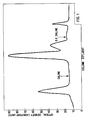
- a typical profile is shown in Figure 1.
- Bioassay of the individual fractions revealed that the second peak contains the MAIF. Fractions comprising the second peak and its shoulder are used for further purification. Recovery studies show that 8.8 grams of dried powder were obtained by this process.
- the second peak obtained from Step 2 contains MAIF and other negatively charged molecules; therefore, an additional refining step was needed.
- the first and second peaks contained MAIF activity.
- the first peak is an aggregate that forms on the G-10 column which contains the active MAIF.
- the second peak contains the nonaggregated form of the MAIF. Both the aggregate form (peak 1) and the nonaggregated form (peak 2) are biologically active in rat bioassay.
- the molecular weight of the non-aggregated form of MAIF prepared by the method described above was found to be less than 10,000 daltons. This was deduced from the fact that the first step in the isolation of MAIF from whey was by ultrafiltration using a membrane that does not allow the passage of molecular weight species >10,000 daltons.
- the MAIF has a negative charge. This was determined by applying milk ultrafiltrate to a DEAE cellulose ion exchange column. The MAIF did not elute from the column with water. Changing the elution media to sodium chloride (0.9% pH) caused the elution of several peaks (Fig. 1). Neutral and positive charged species do not adhere to the ion exchange resin, and negative charged species are eluted by increasing the salt concentration. When the less than 10,000 dalton molecular weight permeate was applied to the DEAE column, neutral salts and sugars eluted with water (Peak 1, Fig. 1). Three distinct peaks eluted when the buffer was changed to saline (Peaks 2-4). The second peak and its shoulder contained MAIF biological activity in the rat assay. It is concluded, therefore, that the MAIF has a negative charge.
- Another chemical characteristic of the MAIF is that it forms an aggregate during the process of removing salt. This property becomes apparent when ⁇ 10,000 dalton molecular weight permeate was passed over a Sephadex G-10 column, equilibrated with double distilled water and eluted with water at a pH of 7 (Fig. 2). Three peaks eluted from the G-10 column; the first peak eluted with the void volume suggesting a molecular weight equal to or greater than 10,000 dalton. This was unexpected because molecules greater than 10,000 daltons had previously been removed from this sample by ultrafiltration. The second peak eluted in the position expected for the anti-inflammatory factor.
- Both the first and second peaks exhibited anti-inflammatory biological activity in the rat paw assay, whereas the third peak lacked activity. It was surprising to find that both the first and second peaks had anti-inflammatory biological activity.
- the material recovered from the first peak of the G-10 column (Step 3) was lyophilized and applied to a G-100 column; a single peak was eluted with the void volume, suggesting a molecular weight of 100,000 daltons or greater.
- the Step 3 G-10 column removes salt at the same time it separates the different molecular weight species. It is concluded, therefore, that during passage over the G-10 column and resulting removal of salt the anti-inflammatory factor formed a large molecular weight aggregate. The degree of aggregation varied with the salt concentration.
- the aggregation property suggests the possibility that a wide spectrum of different molecular weight species can be formed which have anti-inflammatory biological activity due to the presence of the anti-inflammatory factor.
- the discovery of this property suggests the possibility of producing milk anti-inflammatory factors having a wide spectrum of different biochemical properties depending on the degree of aggregation of the final product. For example, formulations having longer or shorter biological half lives might be produced by using larger or smaller molecular weight aggregates, with molecular weight distribution being controlled by the salt concentration during processing.
- the column chromatography method described herein results in the smallest molecular weight species that has been obtained which has biological activity (i.e., peak 2 from the Step 3 G-10 column). This observation also suggests using other methods for forming the aggregates.
- the anti-inflammatory action of the MAIF was tested on edema that was caused by the injection of a solution of carrageenin into the footpads of rats.
- a lyophilized sample of the MAIF was dissolved in the appropriate vehicle and given intraperitoneally to experimental rats.
- the carrageenin was then administered to the rats in an amount of 0.1 ml of a 1% saline solution in each hind footpad.
- the footpads were measured before injections were given and 2.5 hours after the injections, using a thickness gauge. The results are illustrated in Tables 2 and 3.
- the second peak from the DEAE column exhibited activity when isolated from either hyperimmune milk or regular milk.
- the activity is substantially greater in the hyperimmune milk (Table 3).
- the first peak from the G-10 column which is the aggregated form of MAIF, exhibited activity in rat paw tests (Table 2). However, the aggregated is not as potent as the nonaggregated form on equal weight basis.
- the MAIF factor occurs naturally in cows milk. Hyperimmunization of the cows causes higher concentration of MAIF in the milk.
- the MAIF is a small, negatively charged molecule that can be separated from the milk by a variety of methods.
- the MAIF factor can form large molecular weight aggregates that do not naturally occur in milk, but form during processing.
- MAIF Anti-inflammatory factor samples were analyzed chemically.
- MAIF is not crystalline in structure, as determined by X-ray diffraction studies. MAIF preparations gave elemental analysis consistent with carbohydrate composition. The C, H, O ratios were consistent with a polymeric or oligomeric material with some carbinol groups being oxidized to carboxyl. The slight excess of calcium equivalents over chloride ions may be accounted for in part as carboxylate salts. The remainder may be sodium or potassium salts. However, the melting behavior, or rather the non-melting behavior, was suggestive of salt-like and/or higher molecular weight compositions. The material in the present state of purity apparently contains a variable amount of salts of calcium and chloride, probably CaCl2.
- Infrared spectroscopy revealed absorptions consistent with carbinol and carboxylate functionalities.
- Ultraviolet, visible and fluorescent spectroscopy revealed no significant amount of chromophores beyond those indicated by infrared.
- the chemical tests are consistent with an oligomeric carbohydrate, wherein the carbonyl function (aldehyde or ketone) is tied up in the subunit linkages.
- the oligomeric carbohydrate also contains some side-chain oxidation to carboxylate.
- the MAIF preparation is substantially, but not completely pure.
Landscapes
- Health & Medical Sciences (AREA)
- Life Sciences & Earth Sciences (AREA)
- Chemical & Material Sciences (AREA)
- Medicinal Chemistry (AREA)
- General Health & Medical Sciences (AREA)
- Pharmacology & Pharmacy (AREA)
- Veterinary Medicine (AREA)
- Public Health (AREA)
- Animal Behavior & Ethology (AREA)
- Engineering & Computer Science (AREA)
- General Chemical & Material Sciences (AREA)
- Chemical Kinetics & Catalysis (AREA)
- Bioinformatics & Cheminformatics (AREA)
- Organic Chemistry (AREA)
- Nuclear Medicine, Radiotherapy & Molecular Imaging (AREA)
- Epidemiology (AREA)
- Immunology (AREA)
- Zoology (AREA)
- Biomedical Technology (AREA)
- Virology (AREA)
- Developmental Biology & Embryology (AREA)
- Cell Biology (AREA)
- Biotechnology (AREA)
- Polymers & Plastics (AREA)
- Toxicology (AREA)
- Food Science & Technology (AREA)
- Nutrition Science (AREA)
- Microbiology (AREA)
- Mycology (AREA)
- Diabetes (AREA)
- Hematology (AREA)
- Pain & Pain Management (AREA)
- Gastroenterology & Hepatology (AREA)
- Pulmonology (AREA)
- Dermatology (AREA)
- Ophthalmology & Optometry (AREA)
- Rheumatology (AREA)
- Molecular Biology (AREA)
- Medicines Containing Material From Animals Or Micro-Organisms (AREA)
- Medicines That Contain Protein Lipid Enzymes And Other Medicines (AREA)
Applications Claiming Priority (2)
| Application Number | Priority Date | Filing Date | Title |
|---|---|---|---|
| US07/177,223 US4956349A (en) | 1983-10-27 | 1988-04-04 | Anti-inflammatory factor, method of isolation, and use |
| US177223 | 1988-04-04 |
Publications (3)
| Publication Number | Publication Date |
|---|---|
| EP0336694A2 true EP0336694A2 (de) | 1989-10-11 |
| EP0336694A3 EP0336694A3 (en) | 1990-05-16 |
| EP0336694B1 EP0336694B1 (de) | 1995-07-05 |
Family
ID=22647713
Family Applications (1)
| Application Number | Title | Priority Date | Filing Date |
|---|---|---|---|
| EP89303294A Expired - Lifetime EP0336694B1 (de) | 1988-04-04 | 1989-04-04 | Antientzündungsfaktor aus Milch |
Country Status (19)
| Country | Link |
|---|---|
| US (1) | US4956349A (de) |
| EP (1) | EP0336694B1 (de) |
| JP (1) | JP2834244B2 (de) |
| KR (1) | KR0131014B1 (de) |
| AT (1) | ATE124628T1 (de) |
| AU (1) | AU620289B2 (de) |
| CA (1) | CA1339724C (de) |
| DE (1) | DE68923310T2 (de) |
| DK (1) | DK175473B1 (de) |
| ES (1) | ES2073434T3 (de) |
| FI (1) | FI98269C (de) |
| GR (1) | GR3017509T3 (de) |
| IE (1) | IE69395B1 (de) |
| IL (1) | IL89741A (de) |
| MX (1) | MX165968B (de) |
| NO (1) | NO180568C (de) |
| NZ (1) | NZ228587A (de) |
| PH (1) | PH27076A (de) |
| WO (1) | WO1989009602A1 (de) |
Cited By (6)
| Publication number | Priority date | Publication date | Assignee | Title |
|---|---|---|---|---|
| US5242691A (en) * | 1982-06-03 | 1993-09-07 | Stolle Research & Development Corporation | Anti-inflammatory factor, method of isolation, and use |
| US5352462A (en) * | 1982-06-03 | 1994-10-04 | Stolle Research & Development Corporation | Anti-inflammatory factor, method of isolation, and use |
| WO1997017089A1 (en) * | 1995-11-09 | 1997-05-15 | Antti Sakari Aaltonen | Prophylactic immune milk preparation against otitis |
| US5650175A (en) * | 1982-06-03 | 1997-07-22 | Stolle Research & Development Corporation | Anti-inflammatory factor, method of isolation, and use |
| US5980953A (en) * | 1994-10-03 | 1999-11-09 | Stolle Milk Biologics, Inc. | Anti-inflammatory factor, method of isolation, and use |
| SG83647A1 (en) * | 1995-04-28 | 2001-10-16 | Sara Lee De Nv | Mouth-care products |
Families Citing this family (14)
| Publication number | Priority date | Publication date | Assignee | Title |
|---|---|---|---|---|
| US4879110A (en) * | 1983-10-27 | 1989-11-07 | Stolle Research And Development Corporation | Antihypertensive hyperimmune milk, production, composition, and use |
| US6054124A (en) * | 1982-06-03 | 2000-04-25 | Stolle Milk Biologics, Inc. | Immune suppressive product |
| US5814345A (en) * | 1982-06-03 | 1998-09-29 | Stolle Research & Development Corporation | Immune suppressive product |
| US5932250A (en) * | 1982-06-03 | 1999-08-03 | Dcv, Inc. | Anti-cholesterolemic egg, vaccine and method for production, and use |
| US5194255A (en) * | 1982-06-03 | 1993-03-16 | Stolle Research & Development Corporation | Antihypertensive hyperimmune milk, production, composition, and use |
| DE3829552A1 (de) * | 1988-08-31 | 1990-03-01 | Gauri Kailash Kumar | Milchbestandteile, verfahren zu ihrer herstellung und mittel, die diese bestandteile enthalten |
| WO1992000756A1 (en) * | 1990-07-05 | 1992-01-23 | Stolle Research & Development Corporation | Immune suppressive product |
| US5219578A (en) * | 1991-02-25 | 1993-06-15 | Innovet, Inc. | Composition and method for immunostimulation in mammals |
| US5453444A (en) * | 1992-10-13 | 1995-09-26 | Otsuka Pharmaceutical Co., Ltd. | Method to mitigate or eliminate weight loss |
| AUPP494798A0 (en) | 1998-07-29 | 1998-08-20 | Pacific Biolink Pty Limited | Protective protein formulation |
| US6468534B1 (en) * | 2000-09-21 | 2002-10-22 | 4Life Research, Lc | Methods for obtaining transfer factor from avian sources, compositions including avian-generated transfer factor, and methods of use |
| US6770280B1 (en) | 2001-11-15 | 2004-08-03 | Humanetics Corporation | Treatment of menorrhagia, hypermenorrhea, dysmenorrhea and menstrual migraines by the administration of an antibacterial milk product |
| US20080026983A1 (en) * | 2006-07-28 | 2008-01-31 | Gardiner Paul T | Compositions and methods for alleviating joint pain and improving joint flexibility |
| TWI454268B (zh) * | 2008-07-04 | 2014-10-01 | Stolle Internat Co Ltd | 乳汁萃取物做為降低過敏反應的用途 |
Family Cites Families (15)
| Publication number | Priority date | Publication date | Assignee | Title |
|---|---|---|---|---|
| US3128230A (en) * | 1961-04-04 | 1964-04-07 | Sunbury Milk Products Co | Milk having antibodies therein and process for producing same |
| US3376198A (en) * | 1965-07-21 | 1968-04-02 | Collins Products Inc | Method of producing antibodies in milk |
| GB1211876A (en) * | 1967-11-23 | 1970-11-11 | Twyford Lab Ltd | Improvements in and relating to prophylactic and therapeutic preparations |
| NL7413874A (nl) * | 1973-10-26 | 1975-04-29 | Nat Res Dev | Werkwijze voor het bereiden van stoffen tegen ontstekingen. |
| CH590064A5 (de) * | 1973-11-28 | 1977-07-29 | Biokema Sa | |
| US4324782A (en) * | 1974-01-28 | 1982-04-13 | Beck Lee R | Dental caries inhibiting product of immunized cow's milk having antibodies specific to killed Streptococcus mutans cells |
| JPS6043333B2 (ja) * | 1976-08-20 | 1985-09-27 | 三共株式会社 | 抗炎症活性物質の製法 |
| US4732757A (en) * | 1978-02-06 | 1988-03-22 | Stolle Research And Development Corporation | Prevention and treatment of rheumatoid arthritis |
| US4284623A (en) * | 1979-11-09 | 1981-08-18 | Beck Lee R | Method of treating inflammation using bovine milk |
| US4402938A (en) * | 1980-05-29 | 1983-09-06 | Impro Products, Inc. | Food and the method of extracting the same from colostrum and milk |
| ATE16349T1 (de) * | 1981-04-28 | 1985-11-15 | Stolle Res & Dev | Verfahren zur herstellung einer entzuendungshemmenden rindermilch. |
| JP2561234B2 (ja) * | 1981-05-12 | 1996-12-04 | スト−ル・リサ−チ・アンド・デイベロップメント・コ−ポレ−ション | 抗炎症剤 |
| US4879110A (en) * | 1983-10-27 | 1989-11-07 | Stolle Research And Development Corporation | Antihypertensive hyperimmune milk, production, composition, and use |
| US4636384A (en) * | 1982-06-03 | 1987-01-13 | Stolle Research & Development Corporation | Method for treating disorders of the vascular and pulmonary systems |
| DE3785033T2 (de) * | 1987-07-21 | 1993-10-07 | Stolle Res & Dev | Verfahren zum Erhalten von immunregulierenden Faktoren mittels Säugetierimmunisierung. |
-
1988
- 1988-04-04 US US07/177,223 patent/US4956349A/en not_active Expired - Lifetime
-
1989
- 1989-03-20 AU AU33437/89A patent/AU620289B2/en not_active Expired
- 1989-03-20 WO PCT/US1989/001122 patent/WO1989009602A1/en not_active Ceased
- 1989-03-20 KR KR1019890702252A patent/KR0131014B1/ko not_active Expired - Fee Related
- 1989-03-20 JP JP1503683A patent/JP2834244B2/ja not_active Expired - Lifetime
- 1989-03-24 IL IL8974189A patent/IL89741A/en not_active IP Right Cessation
- 1989-03-28 CA CA000594817A patent/CA1339724C/en not_active Expired - Lifetime
- 1989-04-03 NZ NZ228587A patent/NZ228587A/en active IP Right Revival
- 1989-04-03 IE IE105689A patent/IE69395B1/en not_active IP Right Cessation
- 1989-04-04 ES ES89303294T patent/ES2073434T3/es not_active Expired - Lifetime
- 1989-04-04 EP EP89303294A patent/EP0336694B1/de not_active Expired - Lifetime
- 1989-04-04 MX MX015523A patent/MX165968B/es unknown
- 1989-04-04 PH PH38435A patent/PH27076A/en unknown
- 1989-04-04 DE DE68923310T patent/DE68923310T2/de not_active Expired - Lifetime
- 1989-04-04 AT AT89303294T patent/ATE124628T1/de not_active IP Right Cessation
- 1989-11-30 NO NO894784A patent/NO180568C/no unknown
- 1989-12-01 FI FI895751A patent/FI98269C/fi not_active IP Right Cessation
- 1989-12-04 DK DK198906103A patent/DK175473B1/da not_active IP Right Cessation
-
1995
- 1995-09-21 GR GR950402626T patent/GR3017509T3/el unknown
Cited By (9)
| Publication number | Priority date | Publication date | Assignee | Title |
|---|---|---|---|---|
| US5242691A (en) * | 1982-06-03 | 1993-09-07 | Stolle Research & Development Corporation | Anti-inflammatory factor, method of isolation, and use |
| US5352462A (en) * | 1982-06-03 | 1994-10-04 | Stolle Research & Development Corporation | Anti-inflammatory factor, method of isolation, and use |
| US5650175A (en) * | 1982-06-03 | 1997-07-22 | Stolle Research & Development Corporation | Anti-inflammatory factor, method of isolation, and use |
| EP0548123A4 (en) * | 1990-09-11 | 1993-12-08 | The Stolle Research And Development Corporation | Anti-inflammatory factor, method of isolation, and use |
| EP0746329A4 (de) * | 1992-10-27 | 1996-06-18 | Stolle Res & Dev | Faktor gegen entzündung, verfahren zur isolierung und verwendung |
| US5980953A (en) * | 1994-10-03 | 1999-11-09 | Stolle Milk Biologics, Inc. | Anti-inflammatory factor, method of isolation, and use |
| SG83647A1 (en) * | 1995-04-28 | 2001-10-16 | Sara Lee De Nv | Mouth-care products |
| WO1997017089A1 (en) * | 1995-11-09 | 1997-05-15 | Antti Sakari Aaltonen | Prophylactic immune milk preparation against otitis |
| US6143330A (en) * | 1995-11-09 | 2000-11-07 | Aaltonen; Antti Sakari | Compositions for inhibiting dental caries and/or middle ear infections and uses thereof |
Also Published As
| Publication number | Publication date |
|---|---|
| US4956349A (en) | 1990-09-11 |
| DK610389D0 (da) | 1989-12-04 |
| NO894784D0 (no) | 1989-11-30 |
| DE68923310D1 (de) | 1995-08-10 |
| HK1007511A1 (en) | 1999-04-16 |
| AU3343789A (en) | 1989-11-03 |
| GR3017509T3 (en) | 1995-12-31 |
| KR900700111A (ko) | 1990-08-11 |
| PH27076A (en) | 1993-02-01 |
| MX165968B (es) | 1992-12-14 |
| FI895751A0 (fi) | 1989-12-01 |
| IE69395B1 (en) | 1996-09-18 |
| FI98269B (fi) | 1997-02-14 |
| KR0131014B1 (ko) | 1998-04-17 |
| WO1989009602A1 (en) | 1989-10-19 |
| IL89741A0 (en) | 1989-09-28 |
| JP2834244B2 (ja) | 1998-12-09 |
| DK175473B1 (da) | 2004-11-08 |
| ATE124628T1 (de) | 1995-07-15 |
| CA1339724C (en) | 1998-03-17 |
| DE68923310T2 (de) | 1996-01-11 |
| NO180568B (no) | 1997-02-03 |
| AU620289B2 (en) | 1992-02-13 |
| IL89741A (en) | 1994-07-31 |
| FI98269C (fi) | 1997-05-26 |
| JPH02503802A (ja) | 1990-11-08 |
| IE891056L (en) | 1989-10-04 |
| EP0336694A3 (en) | 1990-05-16 |
| NO894784L (no) | 1990-02-01 |
| NO180568C (no) | 1997-05-14 |
| ES2073434T3 (es) | 1995-08-16 |
| NZ228587A (en) | 1991-12-23 |
| DK610389A (da) | 1989-12-04 |
| EP0336694B1 (de) | 1995-07-05 |
Similar Documents
| Publication | Publication Date | Title |
|---|---|---|
| EP0336694B1 (de) | Antientzündungsfaktor aus Milch | |
| EP0548123B1 (de) | Entzündungshemmender faktor, verfahren zur isolation und verwendung | |
| AU621604B2 (en) | Antihypertensive hyperimmune milk, production, composition, and use | |
| CA2146442C (en) | Anti-inflammatory factor, method of isolation, and use | |
| US5980953A (en) | Anti-inflammatory factor, method of isolation, and use | |
| US5650175A (en) | Anti-inflammatory factor, method of isolation, and use | |
| US5194255A (en) | Antihypertensive hyperimmune milk, production, composition, and use | |
| HK1007511B (en) | An anti-inflammatory factor from milk | |
| NZ505177A (en) | Use of milk anti-Inflammatory factor (MAIF) to reduce tissue damage from inflammation | |
| HK1000552B (en) | Anti-inflammatory factor, method of isolation, and use |
Legal Events
| Date | Code | Title | Description |
|---|---|---|---|
| PUAI | Public reference made under article 153(3) epc to a published international application that has entered the european phase |
Free format text: ORIGINAL CODE: 0009012 |
|
| AK | Designated contracting states |
Kind code of ref document: A2 Designated state(s): AT BE CH DE ES FR GB GR IT LI LU NL SE |
|
| PUAL | Search report despatched |
Free format text: ORIGINAL CODE: 0009013 |
|
| AK | Designated contracting states |
Kind code of ref document: A3 Designated state(s): AT BE CH DE ES FR GB GR IT LI LU NL SE |
|
| 17P | Request for examination filed |
Effective date: 19901031 |
|
| RAP1 | Party data changed (applicant data changed or rights of an application transferred) |
Owner name: THE STOLLE RESEARCH AND DEVELOPMENT CORPORATION |
|
| 17Q | First examination report despatched |
Effective date: 19920224 |
|
| RAP1 | Party data changed (applicant data changed or rights of an application transferred) |
Owner name: STOLLE RESEARCH AND DEVELOPMENT CORPORATION |
|
| GRAA | (expected) grant |
Free format text: ORIGINAL CODE: 0009210 |
|
| ITF | It: translation for a ep patent filed | ||
| AK | Designated contracting states |
Kind code of ref document: B1 Designated state(s): AT BE CH DE ES FR GB GR IT LI LU NL SE |
|
| REF | Corresponds to: |
Ref document number: 124628 Country of ref document: AT Date of ref document: 19950715 Kind code of ref document: T |
|
| REF | Corresponds to: |
Ref document number: 68923310 Country of ref document: DE Date of ref document: 19950810 |
|
| ET | Fr: translation filed | ||
| REG | Reference to a national code |
Ref country code: ES Ref legal event code: FG2A Ref document number: 2073434 Country of ref document: ES Kind code of ref document: T3 |
|
| REG | Reference to a national code |
Ref country code: GR Ref legal event code: FG4A Free format text: 3017509 |
|
| PLBE | No opposition filed within time limit |
Free format text: ORIGINAL CODE: 0009261 |
|
| STAA | Information on the status of an ep patent application or granted ep patent |
Free format text: STATUS: NO OPPOSITION FILED WITHIN TIME LIMIT |
|
| 26N | No opposition filed | ||
| REG | Reference to a national code |
Ref country code: GB Ref legal event code: 732E |
|
| REG | Reference to a national code |
Ref country code: FR Ref legal event code: TP |
|
| NLS | Nl: assignments of ep-patents |
Owner name: STOLLE MILK BIOLOGICS, INC. |
|
| REG | Reference to a national code |
Ref country code: CH Ref legal event code: PUE Owner name: STOLLE RESEARCH AND DEVELOPMENT CORPORATION -DANN |
|
| REG | Reference to a national code |
Ref country code: ES Ref legal event code: PC2A |
|
| REG | Reference to a national code |
Ref country code: GB Ref legal event code: IF02 |
|
| PGFP | Annual fee paid to national office [announced via postgrant information from national office to epo] |
Ref country code: GR Payment date: 20060406 Year of fee payment: 18 |
|
| PGFP | Annual fee paid to national office [announced via postgrant information from national office to epo] |
Ref country code: DE Payment date: 20080430 Year of fee payment: 20 Ref country code: CH Payment date: 20080425 Year of fee payment: 20 Ref country code: ES Payment date: 20080428 Year of fee payment: 20 |
|
| PGFP | Annual fee paid to national office [announced via postgrant information from national office to epo] |
Ref country code: AT Payment date: 20080422 Year of fee payment: 20 |
|
| PGFP | Annual fee paid to national office [announced via postgrant information from national office to epo] |
Ref country code: BE Payment date: 20080507 Year of fee payment: 20 |
|
| PG25 | Lapsed in a contracting state [announced via postgrant information from national office to epo] |
Ref country code: GR Free format text: LAPSE BECAUSE OF NON-PAYMENT OF DUE FEES Effective date: 20071102 |
|
| PGFP | Annual fee paid to national office [announced via postgrant information from national office to epo] |
Ref country code: SE Payment date: 20080418 Year of fee payment: 20 Ref country code: NL Payment date: 20080424 Year of fee payment: 20 Ref country code: LU Payment date: 20080813 Year of fee payment: 20 |
|
| PGFP | Annual fee paid to national office [announced via postgrant information from national office to epo] |
Ref country code: IT Payment date: 20080429 Year of fee payment: 19 Ref country code: FR Payment date: 20080421 Year of fee payment: 20 |
|
| PGFP | Annual fee paid to national office [announced via postgrant information from national office to epo] |
Ref country code: GB Payment date: 20080418 Year of fee payment: 20 |
|
| REG | Reference to a national code |
Ref country code: CH Ref legal event code: PL |
|
| REG | Reference to a national code |
Ref country code: GB Ref legal event code: PE20 Expiry date: 20090403 |
|
| BE20 | Be: patent expired |
Owner name: *STOLLE MILK BIOLOGICS INC. Effective date: 20090404 |
|
| PG25 | Lapsed in a contracting state [announced via postgrant information from national office to epo] |
Ref country code: NL Free format text: LAPSE BECAUSE OF EXPIRATION OF PROTECTION Effective date: 20090404 |
|
| NLV7 | Nl: ceased due to reaching the maximum lifetime of a patent |
Effective date: 20090404 |
|
| EUG | Se: european patent has lapsed | ||
| REG | Reference to a national code |
Ref country code: ES Ref legal event code: FD2A Effective date: 20090406 |
|
| PG25 | Lapsed in a contracting state [announced via postgrant information from national office to epo] |
Ref country code: ES Free format text: LAPSE BECAUSE OF EXPIRATION OF PROTECTION Effective date: 20090406 |
|
| PG25 | Lapsed in a contracting state [announced via postgrant information from national office to epo] |
Ref country code: IT Free format text: LAPSE BECAUSE OF NON-PAYMENT OF DUE FEES Effective date: 20080404 |
|
| PG25 | Lapsed in a contracting state [announced via postgrant information from national office to epo] |
Ref country code: GB Free format text: LAPSE BECAUSE OF EXPIRATION OF PROTECTION Effective date: 20090403 |