EP0339280A2 - Use of N,N-dimethyl-1-(1-(4-chlorophenyl)cyclobutyl)-3-methylbutylamine for treatment of cerebral disorders - Google Patents
Use of N,N-dimethyl-1-(1-(4-chlorophenyl)cyclobutyl)-3-methylbutylamine for treatment of cerebral disorders Download PDFInfo
- Publication number
- EP0339280A2 EP0339280A2 EP89105576A EP89105576A EP0339280A2 EP 0339280 A2 EP0339280 A2 EP 0339280A2 EP 89105576 A EP89105576 A EP 89105576A EP 89105576 A EP89105576 A EP 89105576A EP 0339280 A2 EP0339280 A2 EP 0339280A2
- Authority
- EP
- European Patent Office
- Prior art keywords
- test
- cerebral function
- treatment
- mice
- methylbutylamine
- Prior art date
- Legal status (The legal status is an assumption and is not a legal conclusion. Google has not performed a legal analysis and makes no representation as to the accuracy of the status listed.)
- Withdrawn
Links
Images
Classifications
-
- A—HUMAN NECESSITIES
- A61—MEDICAL OR VETERINARY SCIENCE; HYGIENE
- A61K—PREPARATIONS FOR MEDICAL, DENTAL OR TOILETRY PURPOSES
- A61K31/00—Medicinal preparations containing organic active ingredients
- A61K31/13—Amines
- A61K31/135—Amines having aromatic rings, e.g. ketamine, nortriptyline
-
- A—HUMAN NECESSITIES
- A61—MEDICAL OR VETERINARY SCIENCE; HYGIENE
- A61P—SPECIFIC THERAPEUTIC ACTIVITY OF CHEMICAL COMPOUNDS OR MEDICINAL PREPARATIONS
- A61P25/00—Drugs for disorders of the nervous system
- A61P25/28—Drugs for disorders of the nervous system for treating neurodegenerative disorders of the central nervous system, e.g. nootropic agents, cognition enhancers, drugs for treating Alzheimer's disease or other forms of dementia
Definitions
- the present invention relates to a use of N,N-dimethyl-1-[1-(4-chlorophenyl)cyclobutyl]-3-methylbutylamine or pharmacologically acceptable acid addition salt thereof for manufacture of a cerebral function improver in the treatment of cerebral function disorders.
- N,N-dimethyl-1-[1-(4-chlorophenyl)cyclobutyl]-3-methylbutylamine has a therapeutical effect as an antidepressant in the Japenese Umexamined Patent Publication No. 181,043 (1982).
- cerebral function disorders has caused public discussion in attendance on the sift to the high-aged society.
- the cerebral function disorders are induced by cerebrovascular diseases such as cerebral infarction, cerebral bleeding, cerebral arteriosclerosis, cerebral venous thrombosis, head injuries and the like and given a variety of symptons as secondary diseases, for example, disturbance of consciousness, senile dementia, coma, lowering of attention, speech disorder and the like. Therefore, there are desired a drug having a high activity with little side effect for the treatment of the cerebral function disorders.
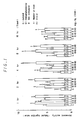
- Fig. 1 is a graph showing the effect of the test samples on spontaneous movement in mice.
- the compound according to the present invention may be used as a free base or an acid addition salt thereof.
- it is preferable to be in the form of pharmacologically acceptable salts for instance, hydrochloride, sulfate, tartrate, succinate and acidic amino acid salts such as aspartate and glutamate.
- the daily dosage of the cerebral function improver of the present invention to adults is preferably in the range from 2 to 50 mg.
- Examples of the dosage form are, for instance, tablet, capsule, powder, granule, liquid preparation, parenteral injection and the like.
- pharmacologically acceptable additives such as stabilizer, surface active agent preserver and flavor may be used to prepare the cerebral function improver of the present invention.
- the cerebral function improver having the compound as an active ingredient may be suitably used for the treatment of symptons such as amnestic syndrome, disturbance of consciousness, senile dementia, coma, lowering of attention, speech disorder and the like, which are induced by the lower or disorder of cerebral function, since the compound has such an effect as activating the central nervous system through an intensive activation of dopamine neuron in addition to both norepinephrine and serotonin neuron.
- symptons such as amnestic syndrome, disturbance of consciousness, senile dementia, coma, lowering of attention, speech disorder and the like
- the cerebral function improver of the present invention can be used in the treatment of Parkinson's disease, Lennox syndrome, autism, hyperkinetic syndrome, schizophrenia and the like, based on the increase of spontaneous movement and the enhancing effect of dopanmine activity.
- C57 BL/6 male mice (5 week age) weighing of 19 ⁇ 2 g were fed for a week under the conditions of 22 to 24°C and about 60 % R.H., and subjected to the test.
- the test was carried out by using a box divided into two rooms (light and dark).
- the dark room (23.5 cm in height, 12 cm in width and 24 cm in length) was surrounded by black inner walls and provided with a stainless steel bar on the floor to give a mouse electric shock.
- the light room (triangular in shape with 15 cm in height, 13 cm in bottom side length and 12 cm in oblique-side length) was surrounded by transparent walls except for the partition wall, provided with a guillotine door (5 cm in height and 3 cm in width) at the center of the partition wall, and illuminated with a 100 Watt electric bulb at a position of 50 cm above the floor.
- the guillotine door was opened. When the limbs of the mouse entered into the dark room, the door was closed. After keeping the mouse for 10 seconds in the dark room, it was brought back to the home cage.
- the mouse was put in the light room at the time of 30 minutes after the taming trial, and then the guillotine door was opened.
- the door was closed and 0.4 mA of electric shock was applied to the limbs of the mouse for 3 seconds. Then, the mouse was brought back to the home cage.
- the mouse was put in the light room at the time of 24 hours after the acquisition trial, and then the guillotine door was opened.
- the time, which was taken for the limbs of the mouse to enter into the dark room, was measured up to 300 seconds as a scale of the reaction latency and the number of mice which did not enter into the dark room during testing trial, i.e. showing latency longer than 300 seconds, was counted.
- Electroconvulsive shock (30 mA, 0.5 second) was applied to the mouse at its ears immediately after the acquisition trial, which caused tetany on the mouse. The mice, which survived after the righting reflex had disappeared, were subjected to the testing trial 24 hours later.
- test compound was dissolved in distilled water, and the solution was orally administered, in a dose shown in Table 1 to each group consisting of 10 heads at the time of one hour before the testing trial
- Amnestic syndrom rate (%) x 100 A : Number of mice tested B : Number of mice showing latency longer than 300 seconds Table 1 Test sample Dose of the test sample (mg/kg) ECS Number of mice Number of mice showing latency longer than 300 seconds Amnestic syndrome rate (%) Control (Distilled water) - 10 6 40 Control (Distilled water) + 10 2 80 Test compound 0.3 + 10 4 60 1.0 + 10 3 70 3.0 + 10 7 30 10.0 + 10 9 10 ECS: Electroconvulsive shock
- Std-Wistar male rats (8 to 9 week age) weighing of 270 to 300 g were fed under the conditions of 23 ⁇ 2°C, 60 ⁇ 10 % R.H. and artificial lighting from 7 AM to 7PM for a week, and then subjected to the test.
- the test was carried out by using a shuttle box.
- the shuttle box used herein was a rectangular box, which was equipped with a buzzer for conditioned stimulus at the upper part and grids of 2 mm in diameter, for non-conditioned stimulus, at intervals of 1 cm on the floor, and divided into two equal sized compartments by a hurdle of 5 cm in height.
- the schedule for inducing the conditioned avoidance response was controlled by a computer, and all the observed results of avoidance or escape response were recorded automatically.
- the non-conditioned stimulus of the foot shock was given for 5 seconds to rats.
- Each stimulus was stopped immediately, if the rat jumped over the hurdle to the other compartment during the conditioned or non-conditioned stimulus.
- the rats were trained for 50 times a day at the intervals of 30 to 40 seconds, then therats, which showed 80 % and more of the conditioned avoidance response, were used for the next experiment.
- mice/group mice/group mice
- test sample was dissolved in distilled water and administered orally to each group at 24 to 26 hours after the reserpine administration.
- distilled water as control sample, and amitriptyline and amantadine as test drugs were used.
- the rats were put on the trials for 25 times and the conditioned avoidance response was compared between the control group (distilled water administration), the test compound-administered group and the test drug-administered groups.
- Table 2 Test sample Dose of the test sample (mg/kg) Conditioned avoidance response (%) before administration of reserpine 18 to 20 hours after administration of reserpine 1 hour after administration of the test sample Control (Distilled water) 93 1 2 Test compound 10 90 2 82 Amitriptyline 10 93 1 1 Amitriptyline 40 94 7 0 Amantadine 10 94 3 2 Amantadine 50 95 3 38 *reserpine dose: 1 mg/kg
- test sample wherein dosulepin, amitriptyline, imipramine, desipramine, mianserin, maprotiline, clomipramine and methamphetamine were used as test drugs in Experiment I, amantadine and methamphetamine in Experiment II and also sufoxazine, indeloxazine and methamphetamine in Experiment III, was administered orally to S1C: ddy strain male mice (7 to 10 heads/group) and after 30 minutes, 50 mg/kg of MPTP was injected subcutaneously. Drilled water in Experiment I, II and III, and a 5 % Gum Acacia solution in Experiment III were used as control sample. For reference, the drugs shown in the Table 3 are used.
- mice were decapitated.
- the whole brain was rapidly removed and homogenized in 0.06 M perchloric acid with 3,4-dihydroxybenzyl amine as an internal standard.
- the homogenate was centrifuged and then, dopamine in the supernatant was determined by means of high performance liquid chromatography with electrochemical detection.
- P2 fraction was prepared from the whole brain of Std: Wistar strain male rat.
- amitriptyline was used in Experiment I and dosulepin, imipramine and maprotiline were used in Experiment II.
- 3H-dopamine was added in the synaptosome suspension which had been prepared from P2 fraction. The obtained mixture was incubated at 37°C for 20 minutes and then subjected to the suction filtlation with Whatman GF/B filter paper.
- the obtained filter paper was put in a vial containing 10 ml of toluene type scintillator and its radioactivity was measured by means of liquid scintillation counter.
- the amount of the specific re-uptake of 3H-dopamine was obtained by subtracting the amount of re-uptake at 0°C as blank.
- Table 4 Test sample Number of mice IC50( ⁇ M) Experiment I Test compound 6 2.0 Amitriptyline 6 7.7 Experiment II Amitriptyline 6 8.2 Dosulepin 6 9.6 Imipramine 6 15.0 Maprotiline 6 13.0
- test sample was administered orally to Std: Wistar male rats and after 30 minutes, 6-hydroxydopamine (20 mg/kg) was injected intraperitoneally.
- Desipramine was used as the reference drug and distilled water was used as control sample.
- Table 5 Test sample Dose of the test sample (mg/kg) Amount of Norepinephrine (ng/g) Non-treatment 425 ⁇ 49 Control 20 ⁇ 4 Test compound 0.625 169 ⁇ 34** 1.25 247 ⁇ 49** 2.5 306 ⁇ 27** Desipramine 0.625 35 ⁇ 4 1.25 74 ⁇ 26 2.5 211 ⁇ 79** ** : p ⁇ 0.01
- test sample was administered orally to SlC:ddy male mice and after 60 minutes, p-chloroamphetamine (10 mg/kg) was injected intraperitoneally.
- mice were decapitated.
- the whole brain was rapidly removed and homogenized in 0.06 M perchloric acid with N-methylserotonin (10 ⁇ g/ml) as an interal standard.
- the homogenate was centrifuged and then the amount of 5-HT in the supernatant was determined by high performance liquid chromatography with electrochemical detection.
- Amitriptyline was used as the reference drug and distilled water was used as control sample.
- Table 6 Test sample Dose of the test sample (mg/kg) Percentages of the amount of 5-HT in the treated group against the amount of 5-HT in the non-treated group (%) Non-treatment 100 ⁇ 10 Control 48 ⁇ 6 Test compound 3 64 ⁇ 8** 10 103 ⁇ 10** Amitriptyline 10 50 ⁇ 4 30 56 ⁇ 10** 90 92 ⁇ 8** **: P ⁇ 0.01
- test sample was administered orally to the rat. At 2 hours later, the number of circling behavior per 10 minutes was counted.
- Amantadine was used as the reference drug and distilled water was used as control sample.
- Table 7 Test sample Dose of the test sample (mg/kg) Number of circling behavior per 10 min. Control 0.1 ⁇ 0.4 Test compound 3 3.0 ⁇ 2.9** 10 5.1 ⁇ 4.4** Amantadine 50 0.4 ⁇ 0.7 **: P ⁇ 0.01
- test sample was administered orally to Std: Wistar male rats, and at 60 minutes later, sodium thiopental (40 mg/kg) was injected intravenously.
- the duration of sleeping time was determined as the time period between the injection of thiopental and return of the righting reflex.
- Table 8 Test sample Dose (mg/kg) Sleeping time (sec) Control 500.8 ⁇ 12.0 Test compound 10 345.6 ⁇ 82.2** 30 338.5 ⁇ 43.7** **: P ⁇ 0.01
- test sample was administered orally to S1C:ddy male mice. Immediately after, the amount of movement activity of the test mice was measured for 16 hours, at the time of 1, 2, 4, 8 and 16 hours respectively after the oral administration, by means of spontaneous movement measuring system (displacement measuring type).
- Methamphetamine was used as the reference drug and distilled water was used as control sample.
- S1C ddy male mice (10 heads/group) were used.
- mice After the oral administration of the test smaple, desipramine was used as the test drug, to the mice, the number of the dead mice was counted at 0.5, 1, 2, 4, 18 and 24 hours respectively after the oral administration.
- Table 9 Test sample Dose of the test sample (mg/kg) Number of dead mice per 10 mice Time (hr) 0.5 1 2 4 18 24 Test compound 200 0 1 1 1 2 2 800 4 5 5 6 9 9 Desipramine 200 0 0 0 0 0 0 800 10 10 10 10 10 10 10 10 10 10 10
- the cerebral function improvers of the present invention containing the test compound as an active ingredient was prepared according to the following Formulation Examples.
- the tablets were prepared according to the prescription as follows: Component Content (mg) Test compound 10 Corn starch 134 Hydroxypropylcellulose 4 Magnesium stearate 2
- the capsules (No. 5) were produced by filled with the 100 mg of base materials, which were prepared according the following prescription.
- Component Content (mg) Test compound 10 Lactose 50 Corn starch 30 Crystalline cellulose 8 Magnesium stearate 2
- the injections were prepared by dissolving 10 mg of the test compound in 1 ml of physiological salt solution, followed by adjusting the pH of the obtained solution to 7.4.
Landscapes
- Health & Medical Sciences (AREA)
- Veterinary Medicine (AREA)
- Chemical & Material Sciences (AREA)
- Medicinal Chemistry (AREA)
- Pharmacology & Pharmacy (AREA)
- Life Sciences & Earth Sciences (AREA)
- Animal Behavior & Ethology (AREA)
- General Health & Medical Sciences (AREA)
- Public Health (AREA)
- Engineering & Computer Science (AREA)
- Epidemiology (AREA)
- Bioinformatics & Cheminformatics (AREA)
- Biomedical Technology (AREA)
- Neurology (AREA)
- Neurosurgery (AREA)
- Hospice & Palliative Care (AREA)
- Psychiatry (AREA)
- Chemical Kinetics & Catalysis (AREA)
- General Chemical & Material Sciences (AREA)
- Nuclear Medicine, Radiotherapy & Molecular Imaging (AREA)
- Organic Chemistry (AREA)
- Acyclic And Carbocyclic Compounds In Medicinal Compositions (AREA)
Abstract
Description
- The present invention relates to a use of N,N-dimethyl-1-[1-(4-chlorophenyl)cyclobutyl]-3-methylbutylamine or pharmacologically acceptable acid addition salt thereof for manufacture of a cerebral function improver in the treatment of cerebral function disorders.
- It is described that N,N-dimethyl-1-[1-(4-chlorophenyl)cyclobutyl]-3-methylbutylamine has a therapeutical effect as an antidepressant in the Japenese Umexamined Patent Publication No. 181,043 (1982).
- In recent years, cerebral function disorders has caused public discussion in attendance on the sift to the high-aged society. The cerebral function disorders are induced by cerebrovascular diseases such as cerebral infarction, cerebral bleeding, cerebral arteriosclerosis, cerebral venous thrombosis, head injuries and the like and given a variety of symptons as secondary diseases, for example, disturbance of consciousness, senile dementia, coma, lowering of attention, speech disorder and the like. Therefore, there are desired a drug having a high activity with little side effect for the treatment of the cerebral function disorders.
- It has now been found that the above compound is especially useful for manufacture of a cerebral function improver in the treatment of cerebral function disorders, wherein intelectural functions in brain make lowered, such as amnestic syndrome, senile dementia and Parkinson's disease since the compound has surprisingly an intensive effect on memory and learning in preclinical studies. Accordingly, this invention has been accomplished.
- In accordance with the present invention, there is provided use of N,N-dimethyl-1-[1-(4-chlorophenyl)-cyclobutyl]-3-methylbutylamine or a pharmacologically acceptable acid addition salt thereof for manufacture of a cerebral function improver for the treatment of cerebral function disorders.
- Fig. 1 is a graph showing the effect of the test samples on spontaneous movement in mice.
- The compound according to the present invention may be used as a free base or an acid addition salt thereof. In the latter case, it is preferable to be in the form of pharmacologically acceptable salts, for instance, hydrochloride, sulfate, tartrate, succinate and acidic amino acid salts such as aspartate and glutamate.
- The daily dosage of the cerebral function improver of the present invention to adults is preferably in the range from 2 to 50 mg. Examples of the dosage form are, for instance, tablet, capsule, powder, granule, liquid preparation, parenteral injection and the like.
- Moreover, if necessary, pharmacologically acceptable additives such as stabilizer, surface active agent preserver and flavor may be used to prepare the cerebral function improver of the present invention.
- The cerebral function improver having the compound as an active ingredient may be suitably used for the treatment of symptons such as amnestic syndrome, disturbance of consciousness, senile dementia, coma, lowering of attention, speech disorder and the like, which are induced by the lower or disorder of cerebral function, since the compound has such an effect as activating the central nervous system through an intensive activation of dopamine neuron in addition to both norepinephrine and serotonin neuron.
- Moreover, the cerebral function improver of the present invention can be used in the treatment of Parkinson's disease, Lennox syndrome, autism, hyperkinetic syndrome, schizophrenia and the like, based on the increase of spontaneous movement and the enhancing effect of dopanmine activity.
- The present invention is more specifically described and explained by means of the following Test Examples and Formulation Examples in which N,N-dimethyl-1-[1-(4-chlorophenyl)cyclobutyl]3-methylbutylamine hydrochloride is used as the test compound.
- It is to be understood that the present invention is not limited to the following Examples, and various changes and modifications may be made in the invention without departing from the spirit and scope thereof.
- C57 BL/6 male mice (5 week age) weighing of 19 ± 2 g were fed for a week under the conditions of 22 to 24°C and about 60 % R.H., and subjected to the test. The test was carried out by using a box divided into two rooms (light and dark). The dark room (23.5 cm in height, 12 cm in width and 24 cm in length) was surrounded by black inner walls and provided with a stainless steel bar on the floor to give a mouse electric shock. The light room (triangular in shape with 15 cm in height, 13 cm in bottom side length and 12 cm in oblique-side length) was surrounded by transparent walls except for the partition wall, provided with a guillotine door (5 cm in height and 3 cm in width) at the center of the partition wall, and illuminated with a 100 Watt electric bulb at a position of 50 cm above the floor.
- The test was carried out according to the procedures as follows:
- After the mouse was put in the light room, the guillotine door was opened. When the limbs of the mouse entered into the dark room, the door was closed. After keeping the mouse for 10 seconds in the dark room, it was brought back to the home cage.
- The mouse was put in the light room at the time of 30 minutes after the taming trial, and then the guillotine door was opened. When the limbs of the mouse entered into the dark room, the door was closed and 0.4 mA of electric shock was applied to the limbs of the mouse for 3 seconds. Then, the mouse was brought back to the home cage.
- The mouse was put in the light room at the time of 24 hours after the acquisition trial, and then the guillotine door was opened. The time, which was taken for the limbs of the mouse to enter into the dark room, was measured up to 300 seconds as a scale of the reaction latency and the number of mice which did not enter into the dark room during testing trial, i.e. showing latency longer than 300 seconds, was counted.
- Electroconvulsive shock (30 mA, 0.5 second) was applied to the mouse at its ears immediately after the acquisition trial, which caused tetany on the mouse. The mice, which survived after the righting reflex had disappeared, were subjected to the testing trial 24 hours later.
- The test compound was dissolved in distilled water, and the solution was orally administered, in a dose shown in Table 1 to each group consisting of 10 heads at the time of one hour before the testing trial
- The testing trial (3) was conducted at one hour after the test compound administration, and the reaction latency was examined for each test mouse. The obtained results as shown in Table 1, and Amnestic syndrom rate (%) is expressed as follows:
Amnestic syndrom rate (%) =x 100
A : Number of mice tested
B : Number of mice showing latency longer than 300 secondsTable 1 Test sample Dose of the test sample (mg/kg) ECS Number of mice Number of mice showing latency longer than 300 seconds Amnestic syndrome rate (%) Control (Distilled water) - 10 6 40 Control (Distilled water) + 10 2 80 Test compound 0.3 + 10 4 60 1.0 + 10 3 70 3.0 + 10 7 30 10.0 + 10 9 10 ECS: Electroconvulsive shock - Std-Wistar male rats (8 to 9 week age) weighing of 270 to 300 g were fed under the conditions of 23±2°C, 60±10 % R.H. and artificial lighting from 7 AM to 7PM for a week, and then subjected to the test.
- The test was carried out by using a shuttle box. The shuttle box used herein was a rectangular box, which was equipped with a buzzer for conditioned stimulus at the upper part and grids of 2 mm in diameter, for non-conditioned stimulus, at intervals of 1 cm on the floor, and divided into two equal sized compartments by a hurdle of 5 cm in height.
- The schedule for inducing the conditioned avoidance response was controlled by a computer, and all the observed results of avoidance or escape response were recorded automatically.
- The avoidance condition was carried out as follows:
- After the conditioned stimulus of the buzzer with sound signal for 5 seconds, the non-conditioned stimulus of the foot shock was given for 5 seconds to rats. Each stimulus was stopped immediately, if the rat jumped over the hurdle to the other compartment during the conditioned or non-conditioned stimulus. The rats were trained for 50 times a day at the intervals of 30 to 40 seconds, then therats, which showed 80 % and more of the conditioned avoidance response, were used for the next experiment.
- The above-mentioned rats were put on the trials for 25 times. Then the rats were given reserpine (1 mg/kg, intraperitoneally). The rats were tested for 15 times at the time of 18 to 20 hours after the reserpine administration, and then they were divided into several groups (6 mice/group).
- The test sample was dissolved in distilled water and administered orally to each group at 24 to 26 hours after the reserpine administration. For reference, distilled water as control sample, and amitriptyline and amantadine as test drugs were used.
- At one hour after the test sample administration, the rats were put on the trials for 25 times and the conditioned avoidance response was compared between the control group (distilled water administration), the test compound-administered group and the test drug-administered groups.
- The obtained results as shown in Table 2.
Table 2 Test sample Dose of the test sample (mg/kg) Conditioned avoidance response (%) before administration of reserpine 18 to 20 hours after administration of reserpine 1 hour after administration of the test sample Control (Distilled water) 93 1 2 Test compound 10 90 2 82 Amitriptyline 10 93 1 1 Amitriptyline 40 94 7 0 Amantadine 10 94 3 2 Amantadine 50 95 3 38 *reserpine dose: 1 mg/kg - The test sample, wherein dosulepin, amitriptyline, imipramine, desipramine, mianserin, maprotiline, clomipramine and methamphetamine were used as test drugs in Experiment I, amantadine and methamphetamine in Experiment II and also sufoxazine, indeloxazine and methamphetamine in Experiment III, was administered orally to S1C: ddy strain male mice (7 to 10 heads/group) and after 30 minutes, 50 mg/kg of MPTP was injected subcutaneously. Drilled water in Experiment I, II and III, and a 5 % Gum Acacia solution in Experiment III were used as control sample. For reference, the drugs shown in the Table 3 are used.
- After one week, the mice were decapitated. The whole brain was rapidly removed and homogenized in 0.06 M perchloric acid with 3,4-dihydroxybenzyl amine as an internal standard. The homogenate was centrifuged and then, dopamine in the supernatant was determined by means of high performance liquid chromatography with electrochemical detection.
- The obtained results are shown in Table 3.


- P₂ fraction was prepared from the whole brain of Std: Wistar strain male rat. For reference, amitriptyline was used in Experiment I and dosulepin, imipramine and maprotiline were used in Experiment II. ³H-dopamine was added in the synaptosome suspension which had been prepared from P₂ fraction. The obtained mixture was incubated at 37°C for 20 minutes and then subjected to the suction filtlation with Whatman GF/B filter paper.
- The obtained filter paper was put in a vial containing 10 ml of toluene type scintillator and its radioactivity was measured by means of liquid scintillation counter. The amount of the specific re-uptake of ³H-dopamine was obtained by subtracting the amount of re-uptake at 0°C as blank.
- The obtained results are shown in Table 4.
Table 4 Test sample Number of mice IC50(µM) Experiment I Test compound 6 2.0 Amitriptyline 6 7.7 Experiment II Amitriptyline 6 8.2 Dosulepin 6 9.6 Imipramine 6 15.0 Maprotiline 6 13.0 - The test sample was administered orally to Std: Wistar male rats and after 30 minutes, 6-hydroxydopamine (20 mg/kg) was injected intraperitoneally.
- At 16 hours after injection of 6-hydroxydopamine, the rats were killed. The whole heart was rapidly removed and homogenized in 0.05 M perchloric acid with isoproterenol (10 mg/ml) as an internal standard. The homogenate was centrifuged and then the amount of norepinephrine in the supernatant was determined by means of high performance liquid chromatography with electrochemical detection.
- Desipramine was used as the reference drug and distilled water was used as control sample.
- The obtained results are shown in Table 5.
Table 5 Test sample Dose of the test sample (mg/kg) Amount of Norepinephrine (ng/g) Non-treatment 425 ± 49 Control 20 ± 4 Test compound 0.625 169 ± 34** 1.25 247 ± 49** 2.5 306 ± 27** Desipramine 0.625 35 ± 4 1.25 74 ± 26 2.5 211 ± 79** ** : p < 0.01 - The test sample was administered orally to SlC:ddy male mice and after 60 minutes, p-chloroamphetamine (10 mg/kg) was injected intraperitoneally.
- At 6 hours later, the mice were decapitated. The whole brain was rapidly removed and homogenized in 0.06 M perchloric acid with N-methylserotonin (10 µg/ml) as an interal standard. The homogenate was centrifuged and then the amount of 5-HT in the supernatant was determined by high performance liquid chromatography with electrochemical detection.
- Amitriptyline was used as the reference drug and distilled water was used as control sample.
- The obtained results are shown in Table 6.
Table 6 Test sample Dose of the test sample (mg/kg) Percentages of the amount of 5-HT in the treated group against the amount of 5-HT in the non-treated group (%) Non-treatment 100 ± 10 Control 48 ± 6 Test compound 3 64 ± 8** 10 103 ± 10** Amitriptyline 10 50 ± 4 30 56 ± 10** 90 92 ± 8** **: P < 0.01 - Std: Wistar male rats (8 heads/group) were used. The rat with unilateral substantia nigra lesions was made by injecting 8 µg/4µℓ of 6-hydroxydopamine to the right side of substantia nigra.
- The test sample was administered orally to the rat. At 2 hours later, the number of circling behavior per 10 minutes was counted.
- Amantadine was used as the reference drug and distilled water was used as control sample.
- The obtained results are shown in Table 7.
Table 7 Test sample Dose of the test sample (mg/kg) Number of circling behavior per 10 min. Control 0.1 ± 0.4 Test compound 3 3.0 ± 2.9** 10 5.1 ± 4.4** Amantadine 50 0.4 ± 0.7 **: P < 0.01 - The test sample was administered orally to Std: Wistar male rats, and at 60 minutes later, sodium thiopental (40 mg/kg) was injected intravenously.
- The duration of sleeping time was determined as the time period between the injection of thiopental and return of the righting reflex.
- Distilled water was used as control sample.
- The obtained results are shown in Table 8.
Table 8 Test sample Dose (mg/kg) Sleeping time (sec) Control 500.8 ± 12.0 Test compound 10 345.6 ± 82.2** 30 338.5 ± 43.7** **: P < 0.01 - The test sample was administered orally to S1C:ddy male mice. Immediately after, the amount of movement activity of the test mice was measured for 16 hours, at the time of 1, 2, 4, 8 and 16 hours respectively after the oral administration, by means of spontaneous movement measuring system (displacement measuring type).
- Methamphetamine was used as the reference drug and distilled water was used as control sample.
- The obtained results are shown in Figure 1, columns and bars represent the mean ± S.D. and statistical significance was evaluated by the multiple comparison test of Dunnet's type.
- S1C:ddy male mice (10 heads/group) were used.
- After the oral administration of the test smaple, desipramine was used as the test drug, to the mice, the number of the dead mice was counted at 0.5, 1, 2, 4, 18 and 24 hours respectively after the oral administration.
- The obtained results are shown in Table 9.
Table 9 Test sample Dose of the test sample (mg/kg) Number of dead mice per 10 mice Time (hr) 0.5 1 2 4 18 24 Test compound 200 0 1 1 1 2 2 800 4 5 5 6 9 9 Desipramine 200 0 0 0 0 0 0 800 10 10 10 10 10 10 - The cerebral function improvers of the present invention containing the test compound as an active ingredient was prepared according to the following Formulation Examples.
- The tablets (150 mg/one tablet) were prepared according to the prescription as follows:
Component Content (mg) Test compound 10 Corn starch 134 Hydroxypropylcellulose 4 Magnesium stearate 2 - The capsules (No. 5) were produced by filled with the 100 mg of base materials, which were prepared according the following prescription.
Component Content (mg) Test compound 10 Lactose 50 Corn starch 30 Crystalline cellulose 8 Magnesium stearate 2 - The injections were prepared by dissolving 10 mg of the test compound in 1 ml of physiological salt solution, followed by adjusting the pH of the obtained solution to 7.4.
- In addition to the ingredients or components used in the Examples, other ingredients or components can be used in the Examples as set forth in the specification to obtain substantially the same results.
Claims (3)
Applications Claiming Priority (2)
| Application Number | Priority Date | Filing Date | Title |
|---|---|---|---|
| JP80498/88 | 1988-03-31 | ||
| JP63080498A JP2675573B2 (en) | 1988-03-31 | 1988-03-31 | Brain function improver |
Publications (2)
| Publication Number | Publication Date |
|---|---|
| EP0339280A2 true EP0339280A2 (en) | 1989-11-02 |
| EP0339280A3 EP0339280A3 (en) | 1990-09-19 |
Family
ID=13719973
Family Applications (1)
| Application Number | Title | Priority Date | Filing Date |
|---|---|---|---|
| EP19890105576 Withdrawn EP0339280A3 (en) | 1988-03-31 | 1989-03-30 | Use of n,n-dimethyl-1-(1-(4-chlorophenyl)cyclobutyl)-3-methylbutylamine for treatment of cerebral disorders |
Country Status (3)
| Country | Link |
|---|---|
| US (1) | US4939175A (en) |
| EP (1) | EP0339280A3 (en) |
| JP (1) | JP2675573B2 (en) |
Cited By (5)
| Publication number | Priority date | Publication date | Assignee | Title |
|---|---|---|---|---|
| WO1995021615A1 (en) * | 1994-02-11 | 1995-08-17 | Knoll Ag | Use of arylcyclobutylalkylamines for the treatment of seizures and neurological disorders |
| WO1998013033A1 (en) * | 1996-09-25 | 1998-04-02 | Knoll Aktiengesellschaft | Medical treatment |
| WO2000032178A3 (en) * | 1998-12-02 | 2000-10-05 | Peter Sterling Mueller | Use of siburamine for the treatment of disorders of the central nervous system secondary to organic impairments |
| CN1070698C (en) * | 1994-02-03 | 2001-09-12 | 克诺尔有限公司 | medical treatment |
| US6696495B2 (en) | 1998-12-02 | 2004-02-24 | Snowden Pharmaceuticals, Llc | Treatment of disorders secondary to organic impairments |
Families Citing this family (37)
| Publication number | Priority date | Publication date | Assignee | Title |
|---|---|---|---|---|
| GB8531071D0 (en) * | 1985-12-17 | 1986-01-29 | Boots Co Plc | Therapeutic compound |
| AU4542893A (en) * | 1992-06-23 | 1994-01-24 | Sepracor, Inc. | Methods and compositions for treating depression and other disorders using optically pure (-) sibutramine |
| AU4542993A (en) * | 1992-06-23 | 1994-01-24 | Sepracor, Inc. | Methods and compositions for treating depression and other disorders using optically pure (+) sibutramine |
| AU698101B2 (en) * | 1993-06-01 | 1998-10-22 | Cortex Pharmaceuticals, Inc. | Alkaline and acid phosphatase inhibitors in treatment of neurological disorders |
| GB9619757D0 (en) | 1996-09-21 | 1996-11-06 | Knoll Ag | Chemical process |
| GB9619961D0 (en) * | 1996-09-25 | 1996-11-13 | Knoll Ag | Medical treatment |
| GB9727131D0 (en) | 1997-12-24 | 1998-02-25 | Knoll Ag | Therapeutic agents |
| US6476078B2 (en) * | 1999-08-11 | 2002-11-05 | Sepracor, Inc. | Methods of using sibutramine metabolites in combination with a phosphodiesterase inhibitor to treat sexual dysfunction |
| US6331571B1 (en) * | 1998-08-24 | 2001-12-18 | Sepracor, Inc. | Methods of treating and preventing attention deficit disorders |
| US6974838B2 (en) * | 1998-08-24 | 2005-12-13 | Sepracor Inc. | Methods of treating or preventing pain using sibutramine metabolites |
| US6339106B1 (en) | 1999-08-11 | 2002-01-15 | Sepracor, Inc. | Methods and compositions for the treatment and prevention of sexual dysfunction |
| IL144390A0 (en) * | 1999-01-20 | 2002-05-23 | Knoll Gmbh | Method to aid smoking cessation |
| BG65170B1 (en) * | 1999-03-17 | 2007-05-31 | Knoll Gmbh | Use of n-substituted derivatives of 1-[1-(4-chlorophenyl)cyclobutyl]-3-methylbutyl amine for the production of a medicine for treating eating disorders |
| AU3894500A (en) * | 1999-03-19 | 2000-10-09 | Knoll Pharmaceutical Company | Prevention of cardiovascular disease |
| WO2000056319A1 (en) * | 1999-03-19 | 2000-09-28 | Knoll Pharmaceutical Company | Treatment of orthostatic hypotension |
| AU3898000A (en) * | 1999-03-19 | 2000-10-09 | Knoll Pharmaceutical Company | Treatment of neuropathic pain or fibromyalgia |
| US6403650B1 (en) | 1999-03-19 | 2002-06-11 | Knoll Pharmaceutical Company | Treatment of pulmonary hypertension |
| JP2002539252A (en) * | 1999-03-19 | 2002-11-19 | クノール・ゲー・エム・ベー・ハー | Gallstone treatment |
| NZ514011A (en) * | 1999-03-19 | 2001-09-28 | Knoll Gmbh | Method of treating eating disorders |
| WO2000056321A1 (en) * | 1999-03-19 | 2000-09-28 | Knoll Pharmaceutical Company | Treatment of hyperactivity disorders |
| US6552087B1 (en) | 1999-03-19 | 2003-04-22 | Abbott Gmbh & Co. Kg | Therapeutic agent comprising (+)-sibutramine |
| AU3899200A (en) * | 1999-03-19 | 2000-10-09 | Knoll Gmbh | Treatment to lower platelet adhesiveness |
| AU3757800A (en) * | 1999-03-19 | 2000-10-09 | Abbott Gmbh & Co. Kg | Method of controlling weight gain associated with therapeutic drugs |
| WO2000056309A1 (en) * | 1999-03-19 | 2000-09-28 | Knoll Pharmaceutical Company | Method of treating sexual dysfunction |
| US6803387B1 (en) * | 1999-03-19 | 2004-10-12 | Abbott Gmbh & Co. Kg | Treatment of neuropathic pain or fibromyalgia |
| IL145238A0 (en) * | 1999-03-19 | 2002-06-30 | Knoll Gmbh | Treatment of osteoarthritis |
| US6346549B1 (en) * | 1999-03-19 | 2002-02-12 | Knoll Pharmaceutical Company | Treatment of pharmacology of drug misuse and other addictive disorders |
| WO2000056310A1 (en) * | 1999-03-19 | 2000-09-28 | Knoll Pharmaceutical Company | Treatment of chronic fatigue syndrome |
| WO2000056311A1 (en) * | 1999-03-19 | 2000-09-28 | Knoll Pharmaceutical Company | Control of metabolism |
| MXPA01009463A (en) * | 1999-03-19 | 2004-03-19 | Knoll Gmbh | Treatment of hiatial hernia. |
| US6372797B1 (en) | 1999-03-19 | 2002-04-16 | Knoll Pharmaceutical Company | Treatment of menstrual function |
| US6399826B1 (en) | 1999-08-11 | 2002-06-04 | Sepracor Inc. | Salts of sibutramine metabolites, methods of making sibutramine metabolites and intermediates useful in the same, and methods of treating pain |
| GB0004003D0 (en) * | 2000-02-22 | 2000-04-12 | Knoll Ag | Therapeutic agents |
| US6610887B2 (en) | 2001-04-13 | 2003-08-26 | Sepracor Inc. | Methods of preparing didesmethylsibutramine and other sibutramine derivatives |
| US20040034101A1 (en) * | 2001-11-05 | 2004-02-19 | Cypress Bioscience, Inc. | Treatment and prevention of depression secondary to pain (DSP) |
| US20030232805A1 (en) * | 2002-04-24 | 2003-12-18 | Cypress Bioscience, Inc. | Prevention and treatment of functional somatic disorders, including stress-related disorders |
| WO2006073292A1 (en) | 2005-01-06 | 2006-07-13 | Cj Corporation | Inorganic acid salts of sibutramine |
Family Cites Families (7)
| Publication number | Priority date | Publication date | Assignee | Title |
|---|---|---|---|---|
| IE52768B1 (en) * | 1981-04-06 | 1988-02-17 | Boots Co Ltd | 1-arylcyclobutylalkylamine compounds useful as therapeutic agents |
| US4443449A (en) * | 1981-04-06 | 1984-04-17 | The Boots Company Limited | Arylcyclobutylalkylamines and anti-depression composition and methods using same |
| ZA821577B (en) * | 1981-04-06 | 1983-03-30 | Boots Co Plc | Therapeutic agents |
| IE56001B1 (en) * | 1982-09-30 | 1991-03-13 | Boots Co Plc | 1-arylcyclobutylmethylamine compounds |
| GB8501192D0 (en) * | 1985-01-17 | 1985-02-20 | Boots Co Plc | Therapeutic agents |
| GB2184122B (en) * | 1985-12-17 | 1989-10-18 | Boots Co Plc | N,n-dimethyl-1-[1-(4-chlorophenyl)cyclobutyl]-3-methyl butylamine hydrochloride monohydrate |
| GB8704777D0 (en) * | 1987-02-28 | 1987-04-01 | Boots Co Plc | Medical treatment |
-
1988
- 1988-03-31 JP JP63080498A patent/JP2675573B2/en not_active Expired - Lifetime
-
1989
- 1989-03-29 US US07/330,012 patent/US4939175A/en not_active Expired - Lifetime
- 1989-03-30 EP EP19890105576 patent/EP0339280A3/en not_active Withdrawn
Cited By (8)
| Publication number | Priority date | Publication date | Assignee | Title |
|---|---|---|---|---|
| CN1070698C (en) * | 1994-02-03 | 2001-09-12 | 克诺尔有限公司 | medical treatment |
| WO1995021615A1 (en) * | 1994-02-11 | 1995-08-17 | Knoll Ag | Use of arylcyclobutylalkylamines for the treatment of seizures and neurological disorders |
| WO1998013033A1 (en) * | 1996-09-25 | 1998-04-02 | Knoll Aktiengesellschaft | Medical treatment |
| US6162831A (en) * | 1996-09-25 | 2000-12-19 | Knoll Aktiengesellschaft | Medical treatment to lower uric acid levels |
| WO2000032178A3 (en) * | 1998-12-02 | 2000-10-05 | Peter Sterling Mueller | Use of siburamine for the treatment of disorders of the central nervous system secondary to organic impairments |
| US6323242B1 (en) | 1998-12-02 | 2001-11-27 | Peter Sterling Mueller | Treatment of disorders secondary to organic impairments |
| AU764049B2 (en) * | 1998-12-02 | 2003-08-07 | Peter Sterling Mueller | Treatment of disorders secondary to organic impairments |
| US6696495B2 (en) | 1998-12-02 | 2004-02-24 | Snowden Pharmaceuticals, Llc | Treatment of disorders secondary to organic impairments |
Also Published As
| Publication number | Publication date |
|---|---|
| EP0339280A3 (en) | 1990-09-19 |
| JPH01250315A (en) | 1989-10-05 |
| JP2675573B2 (en) | 1997-11-12 |
| US4939175A (en) | 1990-07-03 |
Similar Documents
| Publication | Publication Date | Title |
|---|---|---|
| EP0339280A2 (en) | Use of N,N-dimethyl-1-(1-(4-chlorophenyl)cyclobutyl)-3-methylbutylamine for treatment of cerebral disorders | |
| US5232934A (en) | Method for the treatment of psychomotor stimulant addiction | |
| DE69930552T2 (en) | EXO-S-MECAMYLAMINE FORMULATION AND ITS USE IN TREATMENTS | |
| US20030147975A1 (en) | Pharmaceutical composition which produces irritation | |
| EP1892233A1 (en) | New salts of the active component rasagiline | |
| DE69904922T2 (en) | PHARMACEUTICAL COMPOSITION FOR THE TREATMENT OF ALCOHOL DEPENDENCY CONTAINING OPIOID ANTAGONISTS WITH NMDA RECEPTOR COMPLEX MODULATORS | |
| US5290783A (en) | Use of spiperone derivatives as immunosuppressant agents | |
| US6310085B1 (en) | Method for the treatment of neurological or neuropsychiatric disorders | |
| EA023751B1 (en) | Kit, composition, product or medicament for treating cognitive impairment | |
| AT400521B (en) | METHOD FOR PRODUCING A SOLID ORAL PHARMACEUTICAL KETOTIFIC COMPOSITION | |
| AU3410200A (en) | Method for the treatment of neurological or neuropsychiatric disorders | |
| US11819485B2 (en) | Levodopa fractionated dose composition and use | |
| EP0326023A2 (en) | Benzamide against cognitive disorders | |
| WO2003082270A1 (en) | Method for treating cognitive disorders | |
| JPH0354922B2 (en) | ||
| US4434152A (en) | Time-release | |
| US4696919A (en) | Method of preventing and treating obesity | |
| US6552087B1 (en) | Therapeutic agent comprising (+)-sibutramine | |
| US5574041A (en) | Use of spiperone derivatives as immunosuppressant agents | |
| US7098206B2 (en) | Pharmaceutically active morpholinol | |
| US3988461A (en) | Pharmaceutical composition for the treatment of Parkinson's disease | |
| DE3904795C2 (en) | Pharmaceutical preparation and its use | |
| US4067983A (en) | Pharmaceutical compositions and methods | |
| DE3137084C2 (en) | 4-Hydroxy-3-methoxy-N- [2- [2- (1-methyl-2-piperidinyl) ethyl] phenyl] benzamide and its pharmaceutically acceptable acid addition salts, processes for their preparation and pharmaceutical compositions containing them | |
| DE2351609A1 (en) | Parkinsonism treatment compsn - containing ergocornine or 2-bromo-alpha ergocryptine |
Legal Events
| Date | Code | Title | Description |
|---|---|---|---|
| PUAI | Public reference made under article 153(3) epc to a published international application that has entered the european phase |
Free format text: ORIGINAL CODE: 0009012 |
|
| AK | Designated contracting states |
Kind code of ref document: A2 Designated state(s): AT BE CH DE ES FR GB GR IT LI LU NL SE |
|
| RAP1 | Party data changed (applicant data changed or rights of an application transferred) |
Owner name: THE BOOTS COMPANY PLC |
|
| 17P | Request for examination filed |
Effective date: 19900125 |
|
| PUAL | Search report despatched |
Free format text: ORIGINAL CODE: 0009013 |
|
| AK | Designated contracting states |
Kind code of ref document: A3 Designated state(s): AT BE CH DE ES FR GB GR IT LI LU NL SE |
|
| 17Q | First examination report despatched |
Effective date: 19910517 |
|
| STAA | Information on the status of an ep patent application or granted ep patent |
Free format text: STATUS: THE APPLICATION IS DEEMED TO BE WITHDRAWN |
|
| 18D | Application deemed to be withdrawn |
Effective date: 19910928 |