EP0355202A1 - Gen-Expression regulierender Faktor - Google Patents
Gen-Expression regulierender Faktor Download PDFInfo
- Publication number
- EP0355202A1 EP0355202A1 EP88119602A EP88119602A EP0355202A1 EP 0355202 A1 EP0355202 A1 EP 0355202A1 EP 88119602 A EP88119602 A EP 88119602A EP 88119602 A EP88119602 A EP 88119602A EP 0355202 A1 EP0355202 A1 EP 0355202A1
- Authority
- EP
- European Patent Office
- Prior art keywords
- irf
- dna molecule
- protein
- gene
- dna
- Prior art date
- Legal status (The legal status is an assumption and is not a legal conclusion. Google has not performed a legal analysis and makes no representation as to the accuracy of the status listed.)
- Withdrawn
Links
Images






Classifications
-
- C—CHEMISTRY; METALLURGY
- C12—BIOCHEMISTRY; BEER; SPIRITS; WINE; VINEGAR; MICROBIOLOGY; ENZYMOLOGY; MUTATION OR GENETIC ENGINEERING
- C12N—MICROORGANISMS OR ENZYMES; COMPOSITIONS THEREOF; PROPAGATING, PRESERVING, OR MAINTAINING MICROORGANISMS; MUTATION OR GENETIC ENGINEERING; CULTURE MEDIA
- C12N15/00—Mutation or genetic engineering; DNA or RNA concerning genetic engineering, vectors, e.g. plasmids, or their isolation, preparation or purification; Use of hosts therefor
- C12N15/09—Recombinant DNA-technology
- C12N15/11—DNA or RNA fragments; Modified forms thereof; Non-coding nucleic acids having a biological activity
-
- G—PHYSICS
- G01—MEASURING; TESTING
- G01N—INVESTIGATING OR ANALYSING MATERIALS BY DETERMINING THEIR CHEMICAL OR PHYSICAL PROPERTIES
- G01N33/00—Investigating or analysing materials by specific methods not covered by groups G01N1/00 - G01N31/00
- G01N33/48—Biological material, e.g. blood, urine; Haemocytometers
- G01N33/50—Chemical analysis of biological material, e.g. blood, urine; Testing involving biospecific ligand binding methods; Immunological testing
- G01N33/5005—Chemical analysis of biological material, e.g. blood, urine; Testing involving biospecific ligand binding methods; Immunological testing involving human or animal cells
- G01N33/5008—Chemical analysis of biological material, e.g. blood, urine; Testing involving biospecific ligand binding methods; Immunological testing involving human or animal cells for testing or evaluating the effect of chemical or biological compounds, e.g. drugs, cosmetics
-
- C—CHEMISTRY; METALLURGY
- C07—ORGANIC CHEMISTRY
- C07K—PEPTIDES
- C07K14/00—Peptides having more than 20 amino acids; Gastrins; Somatostatins; Melanotropins; Derivatives thereof
- C07K14/435—Peptides having more than 20 amino acids; Gastrins; Somatostatins; Melanotropins; Derivatives thereof from animals; from humans
- C07K14/46—Peptides having more than 20 amino acids; Gastrins; Somatostatins; Melanotropins; Derivatives thereof from animals; from humans from vertebrates
- C07K14/47—Peptides having more than 20 amino acids; Gastrins; Somatostatins; Melanotropins; Derivatives thereof from animals; from humans from vertebrates from mammals
- C07K14/4701—Peptides having more than 20 amino acids; Gastrins; Somatostatins; Melanotropins; Derivatives thereof from animals; from humans from vertebrates from mammals not used
- C07K14/4702—Regulators; Modulating activity
-
- C—CHEMISTRY; METALLURGY
- C12—BIOCHEMISTRY; BEER; SPIRITS; WINE; VINEGAR; MICROBIOLOGY; ENZYMOLOGY; MUTATION OR GENETIC ENGINEERING
- C12N—MICROORGANISMS OR ENZYMES; COMPOSITIONS THEREOF; PROPAGATING, PRESERVING, OR MAINTAINING MICROORGANISMS; MUTATION OR GENETIC ENGINEERING; CULTURE MEDIA
- C12N15/00—Mutation or genetic engineering; DNA or RNA concerning genetic engineering, vectors, e.g. plasmids, or their isolation, preparation or purification; Use of hosts therefor
- C12N15/09—Recombinant DNA-technology
- C12N15/63—Introduction of foreign genetic material using vectors; Vectors; Use of hosts therefor; Regulation of expression
-
- C—CHEMISTRY; METALLURGY
- C12—BIOCHEMISTRY; BEER; SPIRITS; WINE; VINEGAR; MICROBIOLOGY; ENZYMOLOGY; MUTATION OR GENETIC ENGINEERING
- C12N—MICROORGANISMS OR ENZYMES; COMPOSITIONS THEREOF; PROPAGATING, PRESERVING, OR MAINTAINING MICROORGANISMS; MUTATION OR GENETIC ENGINEERING; CULTURE MEDIA
- C12N15/00—Mutation or genetic engineering; DNA or RNA concerning genetic engineering, vectors, e.g. plasmids, or their isolation, preparation or purification; Use of hosts therefor
- C12N15/09—Recombinant DNA-technology
- C12N15/63—Introduction of foreign genetic material using vectors; Vectors; Use of hosts therefor; Regulation of expression
- C12N15/67—General methods for enhancing the expression
-
- C—CHEMISTRY; METALLURGY
- C12—BIOCHEMISTRY; BEER; SPIRITS; WINE; VINEGAR; MICROBIOLOGY; ENZYMOLOGY; MUTATION OR GENETIC ENGINEERING
- C12N—MICROORGANISMS OR ENZYMES; COMPOSITIONS THEREOF; PROPAGATING, PRESERVING, OR MAINTAINING MICROORGANISMS; MUTATION OR GENETIC ENGINEERING; CULTURE MEDIA
- C12N15/00—Mutation or genetic engineering; DNA or RNA concerning genetic engineering, vectors, e.g. plasmids, or their isolation, preparation or purification; Use of hosts therefor
- C12N15/09—Recombinant DNA-technology
- C12N15/63—Introduction of foreign genetic material using vectors; Vectors; Use of hosts therefor; Regulation of expression
- C12N15/79—Vectors or expression systems specially adapted for eukaryotic hosts
- C12N15/85—Vectors or expression systems specially adapted for eukaryotic hosts for animal cells
-
- C—CHEMISTRY; METALLURGY
- C12—BIOCHEMISTRY; BEER; SPIRITS; WINE; VINEGAR; MICROBIOLOGY; ENZYMOLOGY; MUTATION OR GENETIC ENGINEERING
- C12N—MICROORGANISMS OR ENZYMES; COMPOSITIONS THEREOF; PROPAGATING, PRESERVING, OR MAINTAINING MICROORGANISMS; MUTATION OR GENETIC ENGINEERING; CULTURE MEDIA
- C12N5/00—Undifferentiated human, animal or plant cells, e.g. cell lines; Tissues; Cultivation or maintenance thereof; Culture media therefor
- C12N5/10—Cells modified by introduction of foreign genetic material
-
- C—CHEMISTRY; METALLURGY
- C12—BIOCHEMISTRY; BEER; SPIRITS; WINE; VINEGAR; MICROBIOLOGY; ENZYMOLOGY; MUTATION OR GENETIC ENGINEERING
- C12Q—MEASURING OR TESTING PROCESSES INVOLVING ENZYMES, NUCLEIC ACIDS OR MICROORGANISMS; COMPOSITIONS OR TEST PAPERS THEREFOR; PROCESSES OF PREPARING SUCH COMPOSITIONS; CONDITION-RESPONSIVE CONTROL IN MICROBIOLOGICAL OR ENZYMOLOGICAL PROCESSES
- C12Q1/00—Measuring or testing processes involving enzymes, nucleic acids or microorganisms; Compositions therefor; Processes of preparing such compositions
- C12Q1/68—Measuring or testing processes involving enzymes, nucleic acids or microorganisms; Compositions therefor; Processes of preparing such compositions involving nucleic acids
- C12Q1/6876—Nucleic acid products used in the analysis of nucleic acids, e.g. primers or probes
-
- G—PHYSICS
- G01—MEASURING; TESTING
- G01N—INVESTIGATING OR ANALYSING MATERIALS BY DETERMINING THEIR CHEMICAL OR PHYSICAL PROPERTIES
- G01N33/00—Investigating or analysing materials by specific methods not covered by groups G01N1/00 - G01N31/00
- G01N33/48—Biological material, e.g. blood, urine; Haemocytometers
- G01N33/50—Chemical analysis of biological material, e.g. blood, urine; Testing involving biospecific ligand binding methods; Immunological testing
- G01N33/5005—Chemical analysis of biological material, e.g. blood, urine; Testing involving biospecific ligand binding methods; Immunological testing involving human or animal cells
- G01N33/5008—Chemical analysis of biological material, e.g. blood, urine; Testing involving biospecific ligand binding methods; Immunological testing involving human or animal cells for testing or evaluating the effect of chemical or biological compounds, e.g. drugs, cosmetics
- G01N33/502—Chemical analysis of biological material, e.g. blood, urine; Testing involving biospecific ligand binding methods; Immunological testing involving human or animal cells for testing or evaluating the effect of chemical or biological compounds, e.g. drugs, cosmetics for testing non-proliferative effects
-
- G—PHYSICS
- G01—MEASURING; TESTING
- G01N—INVESTIGATING OR ANALYSING MATERIALS BY DETERMINING THEIR CHEMICAL OR PHYSICAL PROPERTIES
- G01N33/00—Investigating or analysing materials by specific methods not covered by groups G01N1/00 - G01N31/00
- G01N33/48—Biological material, e.g. blood, urine; Haemocytometers
- G01N33/50—Chemical analysis of biological material, e.g. blood, urine; Testing involving biospecific ligand binding methods; Immunological testing
- G01N33/68—Chemical analysis of biological material, e.g. blood, urine; Testing involving biospecific ligand binding methods; Immunological testing involving proteins, peptides or amino acids
- G01N33/6863—Cytokines, i.e. immune system proteins modifying a biological response such as cell growth proliferation or differentiation, e.g. TNF, CNF, GM-CSF, lymphotoxin, MIF or their receptors
- G01N33/6866—Interferon
-
- C—CHEMISTRY; METALLURGY
- C12—BIOCHEMISTRY; BEER; SPIRITS; WINE; VINEGAR; MICROBIOLOGY; ENZYMOLOGY; MUTATION OR GENETIC ENGINEERING
- C12Q—MEASURING OR TESTING PROCESSES INVOLVING ENZYMES, NUCLEIC ACIDS OR MICROORGANISMS; COMPOSITIONS OR TEST PAPERS THEREFOR; PROCESSES OF PREPARING SUCH COMPOSITIONS; CONDITION-RESPONSIVE CONTROL IN MICROBIOLOGICAL OR ENZYMOLOGICAL PROCESSES
- C12Q2600/00—Oligonucleotides characterized by their use
- C12Q2600/158—Expression markers
Definitions
- the present invention relates generally to the regulation of gene expression.
- the invention relates to a recombinant DNA molecule coding for protein having the activity of an interferon regulatory factor-1 (IRF-1); to recombinant DNA molecules characterized by a DNA sequence coding for an IRF-1 active protein and a promoter and regulator sequence operably linked thereto; to the use of such DNA molecules for transforming host cells which are also transformed by DNA molecules coding for a desired protein and under the control of said IRF-I active protein; to such DNA molecules including a sequence coding for a pharmaceutically active protein and a promoter region of the gene for said protein including a binding site for the IRF-1 active molecule; and to the production of said IRF-1 active protein and/or said pharmaceutically active protein by cultivation of suitable host cells transformed by said DNA molecules.
- IRF-1 interferon regulatory factor-1
- IFNs interferons
- IFN- ⁇ a cytokine that was originally identified for its potent antiviral activity
- CSF-1 colony stimulating factor-1
- TNF tumor necrosis factor
- PDGF platelet-derived growth factor
- the IFN- ⁇ gene induction by viruses and poly(rI):poly(rC) has been shown to occur at the transcriptional level (Raji and Pitha, 1983; Ohno and Taniguchi, 1983; Dinter et al., 1983; Zinn et al., 1983).
- cis -acting DNA sequences functioning as inducible enhancers have been identified within the 5′-flanking region of the human IFN- ⁇ gene (Fujita et al., 1985, 1987; Goodbourn et al., 1985; Dinter and Hauser, 1987).
- the inducible enhancer region i.e.
- IRF-1 a factor that specifically binds to the IFN- ⁇ regulatory sequences, as well as the functional, repeated hexanucleotide sequences; (AAGTGA)4.
- IRF-1 plays an essential role in virus-induced activation of IFN- ⁇ gene transcription by interacting with the identified cis -elements.
- IRF-1 interferon regulatory factor-1
- the DNA molecule codes for or is hybridizable to the DNA molecular coding for human IRF-1 or mouse (murine) IRF-1.
- the DNA molecule is preferably one which codes for a protein which binds to the repeated oligomer sequence AAGTGA and the regulatory upstream elements of the human IFN- ⁇ -gene.
- the DNA molecule may include a promoter region which is constitutive or inducable, for instance virus inducible e.g. by Newcastle Disease Virus or is inducable by mitogenic stimulation e.g. using Concanavalin A.
- One preferred DNA molecule (coding for human IRF-I) is characterised by a structural gene having the formula I below: or a degenerate variant thereof.
- the DNA molecule may for example be characterized by a structural gene having the formula defined above and upstream and downsteam flanking sequences contained within the following formula II: or a degenerate variant thereof.
- Another preferred DNA molecule (coding for murine IRF-I) is characterized by a structural gene having the following formula III: or a degenerate variant thereof.
- Such a DNA molecule as mentioned in the foregoing paragraph may, for example, be characterized by a structural gene having the formula defined above and upstream and downstream flanking sequences contained within the following fomrula IV: or a degenerate variant thereof.
- DNA sequences of the invention coding for proteins having IRF-I activity include DNA sequences from a eukaryotic source such as, not only human and mouse but also, e.g. chicken, frog and yeast, which hybridise with the DNA sequences of the foregoing human or murine IFR-I (Figs. I to IV) and which code for a protein having IFR-I activity.
- a eukaryotic source such as, not only human and mouse but also, e.g. chicken, frog and yeast, which hybridise with the DNA sequences of the foregoing human or murine IFR-I (Figs. I to IV) and which code for a protein having IFR-I activity.
- This DNA molecule may for example be characterized by a structural gene having the formula defined above and upstream and downstream flanking sequences contained within the following formula IVa. or a degenerate variant thereof.
- the recombinant DNA molecule may also contain a promoter and regulatory sequence contained within the following formula V: or a degenerate variant thereof.
- the recombinant DNA molecule may also be designed for expression of a pharmaceutically active protein such as e.g. a cytokine or a plasminogen activator and in this form will contain preferably a structural gene for a desired pharmaceutically active protein operably linked to a promotor region of the gene for the said protein including a binding site for the IRF-1 active molecule.
- a pharmaceutically active protein such as e.g. a cytokine or a plasminogen activator
- a structural gene for a desired pharmaceutically active protein operably linked to a promotor region of the gene for the said protein including a binding site for the IRF-1 active molecule e.g. a cytokine or a plasminogen activator
- a recombinant DNA molecule of the invention may comprise a DNA sequence as defined above and a structural gene for a desired pharmaceutically active protein under the control of the IRF-I active protein coded for by said DNA sequence.
- the gene coding for the IRF-I active molecule is preferably under the control of a constitutive promoter or most preferably inducible promoter.
- the gene for the desired pharmaceutically active protein will include an IRF binding site containing repetitive AAGTGA sequences.
- the present invention also comprehends a host cell e.g. a bacterial cell e.g. E. coli, or a yeast cell or a mammalian cell e.g. a CHO cell or a mouse cell e.g. L929, transformed by a recombinant DNA molecule as defined above.
- a host cell e.g. a bacterial cell e.g. E. coli, or a yeast cell or a mammalian cell e.g. a CHO cell or a mouse cell e.g. L929, transformed by a recombinant DNA molecule as defined above.
- the host cell will be selected from a cell line which has no or substantially no level of endogenous IRF-I activity.
- a host cell may be transformed by a first DNA molecule containing a sequence coding for a protein having the activity of an IRF-I, and by a second separate DNA molecule containing a gene coding for a desired, pharmaceutically active protein under the control of the IRF-I active protein coded for by the first DNA molecule.
- the first DNA molecule coding for the IRF-I active molecule includes a constitutive promoter or most preferably inducible promoter sequence operably linked to the gene coding for the IRF-I active compound.
- the second DNA molecule includes a binding site for the IRF-I active protein containing repetitive AAGTGA sequences.
- the IRF-I active protein or the pharmaceutically active protein can be produced by cultivation of the transformed cell and isolation of the produced protein in conventional manner.
- the host cells are induced by treatment in a manner appropriate to the promotor which is operably linked to the gene coding for the IRF-1, as discussed below.
- the invention also comprehends a protein having the activity of an IFR-1 obtained by the cultivation of a host transformed with a DNA molecule as defined above.
- a preferred protein having the activity of an IRF-I has the formula VI:
- Yet another preferred protein, which is coded for by the cDNA sequence of formula IIIa has the formula VIII.
- RNA was isolated from uninduced mouse L929 cells and used to synthesis cDNA (following the procedure of Aruffo and Seed, 1987). The resulting cDNA was then cloned into an EcoRI-cleaved ⁇ gtll vector and a cDNA library constructed according to the standard procedure of Huynh et al., 1985, using E. coli Y1090 as the host strain.
- the resulting ⁇ gtll library was then screened using the multimerized (4 times) AAGTGA sequence (hereinafter referred to as the C1 oligomer; Fujita et al., 1987) as the probe.
- E. coli Y1090 infected by the recombinant ⁇ gtll phages was plated onto 10x13 cm square plates. The plates were then incubated at 12°C for 4 to 5 hours when about 20,000 plaques/plate were visible.
- Membrane filters for screening were either nylon (Nytran; Schleicher & Schnell) or nitrocellulose (Schleicher & Schnell) membranes.
- the filters were immersed in 10 mM IPTG (for the induction of lacz gene expression in the appropriate phage plaques) and air dried, then overlayed on the plates and incubated at 37°C for 2,5 hours. Plaques will only produce a protein encoded by cDNA if the cDNA is in-frame with the lacZ gene.
- the filters were then removed and chilled at 4°C for 20 minutes and, without drying, were subjected to screening.
- Nuclear extract was prepared from mouse L929 cells and it was spotted (in an amount corresponding to about 10 ⁇ g protein) onto the membranes.
- Binding Buffer consisting 10 mM Hepes, pH 7,5, 5,0 mM NaCl, 1 mM DTT, 1 mM EDTA, 5% glycerol was used. 5% of non-fat powder milk (Yukijurishi Inc.) was added to the buffer and the filters were incubated in the mixture for 1 hour at 4°C and then rinsed for 1 minute in the same buffer but containing no powder milk.
- the filters were then incubated in binding buffer (1 ml) containing 350 ⁇ g/ml of salmon sperm DNA of average length of approximately 300 bp and 32P-labelled probe C1 oligomer DNA (106 cpm/ml; specific activity 2,000 cpm/f mole) (see Fujita et al., 1987).
- the probe DNA was end labeled at the 5′-termini [ ⁇ -32P]ATP using T4 kinase.
- the filters were washed at room temperature with the Binding Buffer for 1 to 2 hours (10 ml filter) changing the Binding buffer several times during this operation.
- the filters were then air-dried and subjected to autoradiography.
- Lysogenic bacterial clones were prepared by transfecting E.Coli Y1089 with ⁇ L28-8. Overnight lysogens harboring ⁇ L28-8 were then seeded at 1% in 400 ml L-Broth. The bacteria were grown at 31°C until the OD600 became 1. The temperature was then shifted to 42°C for 20 min. IPTG was then added to 10 mM and, after incubating at 38°C for a further 20 min.
- Lysis Buffer which consists of 20 mM Hepes pH 7.9, 0.2 mM EDTA, 0.5 mM spermidine, 0.15 mM spermine, 0.1 mM DTT, 10 % glycerol, 0.5 mM phenylmethyonylsulphonylfluoride (PMSF), 1 ⁇ g/ml pepstatin A, 1 ⁇ g/ml leupeptine, 500 ⁇ M L-I-tosylamide-2-phenylethylchloromethylbenzamidine, 10 mM sodium molybdate, 2 mM sodium pyrophosphate and 2 mM sodium orthovanadate.
- Lysis Buffer which consists of 20 mM Hepes pH 7.9, 0.2 mM EDTA, 0.5 mM spermidine, 0.15 mM spermine, 0.1 mM DTT, 10 % glycerol, 0.5 mM phenyl
- Cell suspensions were subjected to three rapid freeze-thaw cycles and subsequently centrifuged at 30,000 rpm for 1 hr. at 4°C using a Beckman 50 Ti rotor. The supernatant was used either directly for a gel retardation assay (see below) or was further purified.
- poly(di-C) poly(di-C)-column with a bed volume of 2 ml, and equilibrated with Lysis Buffer.
- the flow-through material (4 ml) was then applied on a DE 52 (Whatman) column having a bed volume of 2 ml equilibrated with Buffer Z (25 mM Hepes, pH 7,8, 12,5 mM MgCl2, 1 mM DTT, 20% glycerol, 0,1% NP-40, 0,5 mM PMSF).
- Buffer Z 25 mM Hepes, pH 7,8, 12,5 mM MgCl2, 1 mM DTT, 20% glycerol, 0,1% NP-40, 0,5 mM PMSF.
- the DNA binding activity was eluted by Buffer Z containing 0,1 m KCl.
- the eluate (approximately 4 ml) was further concentrated using centricon-10 (Amic
- Lysogenic bacterial clones harbouring ⁇ L28-8 were prepared by transfecting E. coli Y1089 and were induced to express the cloned cDNA at high levels using the procedure of Huynh et al., 1985. Lysogenic clones prepared and treated in the same manner with the phage lacking the cDNA insert (designated ⁇ 6) were used as a control.
- Extracts each containing 3 ⁇ g protein were prepared from the induced cultures of the Lysogen (four preparations designated ⁇ L28-8a, ⁇ L28-8b and ⁇ 6a and ⁇ 6b).
- Nuclear extract (3 ⁇ g protein) was also prepared from mouse L929 cells.
- the extracts were incubated with 1 f.mole labeled C1 oligomer probe as described above having a specific activity of 8,000 cpm/f.mole.
- Each extract was also subject to competitive assay in which a competitor DNA was added at various concentrations to the incubation.
- Footprinting analysis was carried out to test the binding properties of the protein encoded by ⁇ L28-8 cDNA to a DNA encoding the IFN- ⁇ gene upstream region.
- Protein encoded by ⁇ L28-8 cDNA was extracted from the induced lysogen and partially purified by column chromatography as described above and tested for its binding properties to a DNA containing the IFN- ⁇ gene upstream region.
- Probe DNAS were prepared as SalI-HindIII fragments isolated from p-125cat (containing the wild type IFN- ⁇ gene) and p-125DPcat (containing a mutant IFN- ⁇ gene).
- the plasmid p-125cat was constructed as p-105cat (Fujita et al., 1987), except the BamHI (-125)-TagI (+19) fragment from pSE-125 (Fujita et al., Cell, Vol. 41, pp 489-496, 1985) was used.
- Plasmid p-125DPcat, carrying point mutations within the IFN- ⁇ regulatory elements were obtained by synthetic oligo nucleotide directed mutagenesis on p-125cat as described in Hatakeyama et al., Proc. Natl. Acad. Sci. USA, Vol. 83, pp 9650-9654, 1986). Both DNAs were labeled at the HindIII site by ( ⁇ -32P]ATP using T4 kinase.
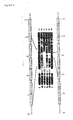
- Fig. 2 shows autoradiograms of the DNA fragments obtained from samples obtained by carrying out the following procedures.
- On the left hand side of Fig. 2 is part of the DNA sequence of the wild type IFN- ⁇ probe, and on the right hand side of Fig. 2 is part of the DNA sequence of the mutant IFN- ⁇ probe.
- Fig. 2 the protected regions as revealed in lanes 3 and 5 are indicated respectively on the sequences depicted on the left and right sides of the autoradiogram.
- the hexamer motifs are framed.
- protected region corresponds to nucleotides -100 to -64, this being the region found to be protected by IRF-1 obtained from L929 cells.
- the protection was abrogated by the use of excess unlabeled C1 oligomer (lane 4). It was also found, using lower protein concentrations, that preferential protection occurred in the region containing the AAGTGA motif (-80 to -70).
- the mutant IFN- ⁇ gene segment carries T- G mutations at positions -106, -100, -73 and -67.
- the protection afforded by the recombinant proteins appears restricted to the unmutated region (lane 2). This observation is in conformity with the observation that the introduction of these mutations results in a dramatic reduction (20 fold) of the inducibility of transcription by NDV in L929 cells and that in vitro binding of IRF-1 to the mutant IFN- ⁇ gene was notable only in the unmutated region.
- the use of the C1 oligomer reveals that the protein specifically protects the region containing the oligomer sequences. This protection corresponded identically to that afforded by native IRF-1 derived from L929 cells.
- This assay was carried out to examine the affinity of the recombinant protein to various DNA sequences including some of the known transcriptional regulatory DNA sequences. The procedure was as follows:
- the HindIII-SalI fragment of IFN- ⁇ probe was isolated from p-125 cat (see Fijita et al., 1987); this fragment contains the human IFN-B gene sequence from +19 to -125.
- the DNA was labeled at the 3′ termini by filling in both ends with [ ⁇ -32P] dCTP using Klenow fragment.
- the specific activity of the probe DNA was 8 000 Cpm/ f. mole.
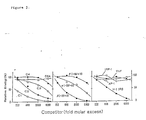
- the formation level of the complex was quantitated by densitometric analysis of the autoradiogram. Complex formation in the absence of competitor DNA was taken to be 100 %.
- Fig. 3 the left hand panel shows the results obtained when the hexamer repeats were used as competitors.
- the middle panel gives the results when human IFN gene segments were used as competitors, and the right hand panel gives the corresponding results, using various DNA segments as indicated within the panel.
- sequence motifs similar or identical to these found on the IFN- ⁇ gene are found in many of the promoter sequences of the IFN-inducible genes where nuclear factors appear to bind specifically (Korber et al., 1988; Lery et al., 1988).
- the DNA sequence of the cloned DNAs was determined either by a dideoxy method (SEQUENASE; United States Biochemical, Inc.) or by the standard Maxam-Gilbert method (Maxam and Gilbert, 1980).
- the ⁇ L28-8 insert in E.coli Y1089 was isolated as follows: the phage DNA was prepared by standard procedure and the DNA was digested by EcoRI then the cDNA cleaved out of the phage DNA was isolated and sequenced by the dideoxy method (Sequenase: United States Biochemical Inc.). The cDNA insert in ⁇ L28-8 was found to be 1.8 kb long. The nucleotide sequence analysis revealed a large open reading frame linked in phase with the ⁇ -galactoside gene.
- double stranded cDNA was synthesised with L929 cell derived poly (A)+RNA and cloned into vector CDM8 according to the published procedure of Aruffo and Seed (Prod. Natl. Acad. Sci., USA, Vol 84, pp 8573, 1987) and Seed (Nature, Vol. 329, pp. 840-842, 1987).
- the recombinant plasmids were introduced into E.Coli strain MC1061/p3 (according to the procedure of Aruffo and Seed; as above) and the clones of cDNA were screened using the ⁇ L28-8-derived (32p-labeled) cDNA probe under low stringent conditions for DNA-DNA hybridisation (Kashima et al, Nature, Vol. 313, pp 402-404, 1985), and a clone pIRF-L was selected for further study.
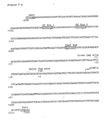
- the desired cDNA insert of pIRF-L was obtained by digestion with HindIII and XbaI and sequenced by the methods described above. The sequence is shown in Formula IV and in Figure 4.
- the cDNA sequence from ⁇ L28-8 was found to contain an identical sequence in the overlapping region except that one A residue was missing between nucleotides 1773 and 1781.
- the 5′ and 3′ termini of the ⁇ L28-8 derived cDNA are marked by arrows in Fig. 4.
- the ATTTATTTA and ATTTA sequences which possibly confer the mRNA instability are framed.
- the cDNA of the murine cDNA derived from pIRF-L was 198 bp and 20 bp longer than that of the ⁇ L28-8 cDNA in the 5′and 3′ regions, respectively.
- the murine IRF-I was thus found to consist of 329 amino acids with a calculated M.W. of 37.3 KD. Canonical N-glycosylation sites do not appear within the sequence.
- amino acid 140 extending to amino acid (a.a.) 140 is rich in lysin (Lys) and arginine (Arg). In fact 31 out of 39 of the total Lys and Arg residues are located in this region.
- lysin Lys
- Arg arginine
- 31 out of 39 of the total Lys and Arg residues are located in this region.
- Fig. 4B is represented a diagrammatic summary of the location of the basic amino acids
- this region shows strong hydrophilicity and is considered to be the region primarily responsible for the binding of IRF-I to the specific DNA sequences.
- human IRF-I cDNA was cloned and sequenced.
- a human cDNA library was prepared by synthesising cDNA using poly(A)+RNA from a human T cell line Jurkat.
- the double stranded cDNA synthesis and subsequent cloning into plasmid vector CDM8 was carried out according to the procedure of Aruffo and Seed (Proc. Natl., Acad. Sci., USA, Vol. 84, pp 8573-8577, 1987) and Seed (Nature, Vo. 329, pp 840-842, 1987).
- the recombinant plasmids were introduced into E.colli strain, MC1061/p3 using the procedure of Aruffo and Seed as mentioned above.
- Clones of cDNA that cross-hybridize with mouse IRF-I cDNA were screened using ⁇ L28-8 cDNA (32p-labeled) as the probe under low stringent conditions for DNA-DNA hybridisation.
- the conditions employed were exactly as described by Kashima et al. (Nature, Vol. 313, pp 402-404, 1985).
- the desired cDNA sequence of clone pHIRF31 was isolated by digestion of the plasmid DNA by XhoI and after isolation subjected to sequencing by the methods described above.
- the structure of the human IRF-I gene is shown in Formula II and in Fig. 8.
- IRF-I is a new class of DNA binding protein.
- sequence ATTTATTTA and ATTTA found in many cytokine and proto-oncogene mRNAs, are present within the 3′ non-translated region the murine IRF-1 cDNA, and likewise the sequence ATTTA is found within the corresponding region of the human IRF-I cDNA. These sequences are believed to play a role in the post-transcriptional regulation of gene expression by confering instability to the mRNA (Shaw and Kamen, 1986; Caput et al., 1986).
- Plasmid pIRF-L was transfected into E.coli MC1061/p3 which was deposited as E.coli MC106/p3 (pIRF-L) at the Fermentation Research Institute Agency of Industrial Science and Technology (FRI), 1-3, Higashi 1-chome, Tsukuba-shi, Ibaraki-ken 305, Japan, under the terms of the Budapest Treaty on 19th August 1988 under No. FERM BP-2005.
- Plasmid pIRF31 was similarly transfected into E.coli MC1061/p3 which was deposited as E.coli MC106/p3 (pIRF-31) at the FRI under the Budapest Treaty on 19th August 1988 under No. FERM BP-2006.
- IRF-I manifests affinities to regulatory sequences of genes other than IFN- ⁇ gene and is thus involved in the regulation of a set of genes in various cell types
- examination of the expression of the IRF-I mRNA in mouse cells derived from various tissues and organs was carried out using the murine cDNA as a probe.
- M13 mp10 phage DNA (see below) containing the sense strand of IRF-I gene PstI fragment was used as a template to synthesize the 32 labeled antisense DNA, the pro duct was digested by EcoRI and the probe DNA isolated as described by Fujita et al. (1985).
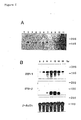
- blotting analysis was then carried out essentially as described by Thomas (1980), the x-ray film being exposed for 3 days and the results are shown in Fig. 6A.
- the various lanes represent the results of runs carried out using whole cell RNA from the following tissue: Lane 1 Brain Lane 2 Heart Lane 3 Liver Lane 4 Lung Lane 5 Spleen (unstimulated) Lane 6 Thymus Lane 7 Kidney Lane 8 Muscle Lane 9 Intestine Lane 10 Spleen (unstimulated) Lane 11 ConA - stimulated spleen
- mouse L929 cells were induced by NDV as described previously (Fujita et al., 1985) and the cytoplasmic RNA extracted, by the procedure of Aruffo and Seed 1987, every three hours after infection.
- Probe DNAs were prepared from the following various sequences and labeled by the multiprime labeling reaction (Amersham), namely
- Each lane received 10 ⁇ g of the cytoplasmic RNA.
- the x-ray film was exposed for 3 hours. Densitometric analysis revealed that IRF-I mRNA increased about 25-fold, 9-12 hours after NDV infection.
- mRNA accumulation preceeds the accumulation of the IFN- ⁇ mRNA; as can be seen from Fig. 6B the induction of the IRF-I mRNA can be observed already 3 hours after NDV infection, while the IFN- ⁇ mRNA is detectable only after 6 hours under similar blotting conditions for both RNAs.
- the IRF-I promoter The IRF-I promoter
- the IRF-I gene is transcriptionally regulated by various agents such as viruses and mitogenes.
- the S1 nuclease analysis indicates the presence of two CAP sites for the IRF-I mRNA in which the major site is about 20 nucleotides downstream of the minor site.
- Typical TATA box sequences are not present within the upstream region of the gene. In view of the unusual abundancy of CpG sequence, this region probably constitutes an "HTF island" (Bird, 1986).
- the promoter region contains two GC boxes and one CAAT box (see Figure 7A); the former boxes should bind SpI (Kadogan et al., 1986) and the latter, CP-1 or CP-2 (Chodosh et al., 1988).
- the PstI fragment containing the promoter sequences was then tested for its reactivity in response to extracellular signals e.g. virus inducibility in the following manner:
- a chimeric gene was constructed in which a reporter gene, namely a bacterial chloramphenicol acetyltransferase (CAT) gene was abutted downstream of the PstI segment. This was done by excising a PstI fragment from P19IRFP (see above) by BamHI and HindIII and cloning the resulting fragment into the BglII-HindIII backbone fragment of pA10cat2 (Rosenthal et al., 1983) to construct pIRFcat.
- CAT bacterial chloramphenicol acetyltransferase
- pIRF ⁇ cat was prepared by digesting the p19IRFP-derived BamHI-HindIII fragment with HaeIII whose single recognition site is located at -30 to -35 from the major CAP site (Fig. 5A). The resulting HaeIII-HindIII fragment was ligated with the BglII-HindIII backbone fragment of pA10cat2 and the following synthetic DNA
- both pIRFcat and pIRF ⁇ cat contained sequences up to -320 and -48 from the major CAP site respectively.
- p-125cat contains the promoter sequence of the human IFN- ⁇ gene as described by Fujita et al., 1987.
- mice L929 cells were transfected with 7.5 ⁇ g of the test plasmid containing the CAT reporter gene and 2.5 ⁇ g of pRSV gpt .
- the cells were induced by NDV or mock-induced and then subjected to the enzyme assay as described by Fujita et al., 1985.
- CAT activity from the mock-induced cells, transfected with pSV2cat was taken as 100 %.
- Each CAT activity was normalised by the Eco gpt (Mulligan and Berg, Proc. Natl. Acad. Sci. USA, Vol. 78, pp 2072-2076) of the respective samples. In samples where the CAT was below the background level, they were marked as b.b..
- Phage DNA of clone ⁇ L28-8 was digested by EcoRI and the cDNA insert was recovered. The EcoRI sites of the cDNA were rendered flush by T4 DNA polymerase and then ligated with synthetic adaptor DNAs having the sequence pGATCCATTGTGCTGG and pCCAGCACAATG according to Aruffo and Seed, 1987.
- the IRF-I cDNA with the adaptor DNAs attached to both its ends was ligated with BstXI-cleaved CDM8 vector DNA (Seed, B, Nature, Vo. 329, pp 840-842, 1987). Plasmids pIRF-S and pIRF-A containing the IRF-I cDNA in the sense and antisense orientation with respect to the CMV promoter respectively were isolated.
- Each plasmid DNA was co-transfected with either p-55cat or p55C1B (Fujita et al., 1987) into L929 cells and the CAT expression level was determined.
- Table 1 Transfected plasmids Induction by NDV CAT activity (% conversion) Exp. 1 pIRF-S - ⁇ 1 % p-55cat pIRF-S - 50 % p-55ClB pIRF-A - ⁇ 1 % p-55cat pIRF-A - ⁇ 1 % Exp. 2 pIRF-S - 1,7 % p-55ClB pIRF-S + 3,6 % p-55ClB pIRF-A - ⁇ 0,1 % p-55ClB pIRF-A + ⁇ 0,1 % p-55ClB
- the DNA transfection efficiency varies depending on the state of the recipient cells (in this case, mouse L929 cells). The efficiency was much lower in Exp. 2 compared to Exp. 1. Therefore, the CAT expression level is relatively lower in Exp. 2.
- An expression plasmid for the production of a protein consisting of IRF-I DNA binding domain and transcriptional activation domain of yeast GAL4 was constructed as follows:
- Plasmid pIRF-S was digested by HindIII and PstI and the cDNA insert isolated.
- the cDNA was digested by DraIII and the HindIII-DraIII fragment (about 550 bp) was recovered and designated Fragment A.
- the expression vector CDM8 was digested by HindIII and XbaI and the backbone DNA isolated and designated Fragment B.
- the DNA encoding the yeast GAL4 transcriptional activation domain was isolated from plasmid pRB968 (Ma and Ptashne, 1987) as follows:
- the pRB968 DNA was first digested by HindIII and the termini were rendered flush by T4 DNA polymerase. Synthetic XbaI linker DNA was added to the DNA and the DNA was subsequently digested by PvuII and XbaI.
- An expression vector PIRFGAL4 was constructed by ligating the Fragments A, B, C and D.
- a control plasmid plasmid pIRF ⁇ GAL4 was constructed by ligating Fragments A, B, C and a synthetic DNA with the following sequence:
- TGA As a terminator triplet, TGA, is present in frame between the IRF-I and GAL4 sequences in pIRF ⁇ GAL4, the expressed protein should lack the GAL4 activation domain.
- a target gene such as a genes encoding an interleukin, an interferon ( ⁇ , ⁇ and ⁇ ), a plasminogen activator, erythropoietin, granulocyte colony stimulating factor, insuLin, human growth hormone or superoxide dismutase (or mutants of the human genes
- IRF-I superoxide dismutase
- Target genes as mentioned above, such as interferon genes e.g. IFN- ⁇ , IFN- ⁇ , IFN- ⁇ , IFN-omega and plasminogen activators e.g. t-PA, pro-urokinase or urokinase etc. can be expressed more efficiently also by including therefor promoters fused with various lengths of recognition sequences for IRF-I, e.g. AAGTGA.
- interferon genes e.g. IFN- ⁇ , IFN- ⁇ , IFN- ⁇ , IFN-omega
- plasminogen activators e.g. t-PA
- pro-urokinase or urokinase etc. can be expressed more efficiently also by including therefor promoters fused with various lengths of recognition sequences for IRF-I, e.g. AAGTGA.
- the target genes can be introduced into various host cells, together with either intact IRF-I or chimeric IRF-I genes.
- IRF-I recognition site DNA e.g. by increasing the number of AAGTGA repeats and the expression level of the transcription factor a high-level expression of the target genes can be achieved.
- AAGTGA repeat sequences can be abutted to a suitable promoter such as IFN- ⁇ promoter or SV40 virus early promoter.
- a target gene e.g. a t-PA gene or IFN- ⁇ gene can be linked downstream of such a promoter; the structure of such a constructed gene would be (AAGTGA) x (Promoter) (target gene e.g. t-PA gene).
- CHO cells e.g. CHO DXBII (dhfr-strain) cells (Urlaub and Chasin, Proc. Natl., Acad. Sci., USA, Vol. 77, pp 4216-4220, 1980).
- a host cell will be chosen from a cell which has no or substantially no level of endogenous IRF-I activity.
- the IRF-I gene preferably either with a strong promoter such as CMV promoter or an inducible promoter such as metallothionen gene promoter can be introduced into the various host cells in a conventional manner.
- the IRF-I gene can be co-introduced and amplified together with the target gene.
- the IRF-I gene and the target gene can be separately introduced into the host cell.
- IRF-I may be produced either constitutively (in the case of e.g. CMV promoter) or in an induced manner (in the case of e.g. the metallothionen promoter it is induced by divalent metals such as zinc).
- the expressed IRF-I binds to the AAGTGA repeats and augments the distal target gene e.g. t-PA gene or IFN gene.
- Such expression could be further augmented by virus e.g. NDV induction, as can be seen from Table 1, Experiment 2 such induction increases the activity of the IRF-I.
- virus e.g. NDV induction
- a mouse cDNA library was prepared by the procedure described above.
- the cDNA was synthesised by the standard procedure using the mouse L929 cell-derived mRNA and the cDNA was inserted into the ⁇ gtII vector by the standard procedure.
- the resulting ⁇ gtII library was then screened to isolate cDNA clones whose inserts cross-hybridise with the murine IRF-I cDNA described above, as follows:
- Nitrocellulose filters containing the phage plaque DNAs were incubated in the following stages
- the filters were then washed, rinsed briefly in 2xSCC solution and then washed in 3xSCC solution containing 0,1 % SDS for 30 minutes at 65°C. This procedure was twice repeated.
- pHH-45 One of the positive clones, designated pHH-45 was selected and was revealed to contain cDNA covering only part of a coding sequence for an IRF.
- the cDNA insert in PHH-45 was therefore isolated and used to screen clones containing larger inserts as described above for the preparation of pIRF-L under the heading "Structure of the cDNA encoding murine IRF-I".
- the one designated pIRF2-5 was selected and characterised using the procedure previously described for murine IRF-I.
- the complete hybridising cDNA sequence is shown in formula IVa and the amino acid sequence of the corresponding IRF protein is shown in formula VIII.
- Plasmid pIRF 2-5 was transfected into E.coli MC 1061/p3 which was deposited as E.coli at the FRI under the Budapest Treaty on 22 November 1988 under No. FERM BP-2157.
- Yeast DNA was prepared by the standard procedure and digested with EcoRI. 5 ⁇ g of the digested DNA was loaded onto 0,8 % agarose gel and subjected to electrophoresis and DNA blotting by standard procedures.
- the blotted filter was treated exactly as described in the preceding example for isolating mouse DNA which hybridises with murine IRF-I, except as follows:
- step (3) the incubation temperature was 55°C and in step (4) the incubation was also carried out at 55°C and the radioactive probe was the human IRF-I cDNA isolated from pHIRF31 by XhoI digestion of the plasmid, this probe being labeled as described in the preceding example for murine IRF-I.
- the filter was washed at 55°C in 2xSSC. The positive clones were identified by autoradiography (see Figure 10).
- Interferon response sequence potentiates activity of an enhancer in the promoter region of a mouse H-2 gene. Nature 322 , 743-746.
- GAL4 activates gene expression in mammalian cells. Cell 52 , 161-167.
- a cytokine network in human diploid fibroblasts interactions of beta interferons, tumor necrosis factor, platelet-derived growth factor and interleukin-1. Mol. Cell. Biol. 7 , 272-280.
- Interferons increase transcription of a major histocompatibility class I gene via a 5′ interferon consensus sequence. Mol. Cell. Biol. 7 , 2625-2630.
- Taniguchi T. Matsui H., Fujita T., Takaoka C., Kashima N., Yoshimoto R., and Hamuro J. (1983). Structure and expression of a cloned cDNA for human interleukin-2. Nature 302 , 305-310.
- Macrophage growth factor CSF-1 stimulates human monocyte production of interferon, tumor necrosis factor and colony stimulating activity. J. Immunol. 137 , 2281-2285.
- yeast UAGs is a transcriptional enhancer in human HeLa cells in the presence of the GAL4 trans -activator. Cell 52 , 169-178.
- Yeast RNA polymerase II genes Isolation with antibody probes. Science 222 , 778-782.
Landscapes
- Health & Medical Sciences (AREA)
- Life Sciences & Earth Sciences (AREA)
- Engineering & Computer Science (AREA)
- Chemical & Material Sciences (AREA)
- Genetics & Genomics (AREA)
- Biomedical Technology (AREA)
- Molecular Biology (AREA)
- Organic Chemistry (AREA)
- Biotechnology (AREA)
- Immunology (AREA)
- Zoology (AREA)
- Bioinformatics & Cheminformatics (AREA)
- Wood Science & Technology (AREA)
- General Health & Medical Sciences (AREA)
- Biochemistry (AREA)
- General Engineering & Computer Science (AREA)
- Microbiology (AREA)
- Physics & Mathematics (AREA)
- Urology & Nephrology (AREA)
- Hematology (AREA)
- Analytical Chemistry (AREA)
- Proteomics, Peptides & Aminoacids (AREA)
- Biophysics (AREA)
- Cell Biology (AREA)
- Medicinal Chemistry (AREA)
- Pathology (AREA)
- General Physics & Mathematics (AREA)
- Food Science & Technology (AREA)
- Plant Pathology (AREA)
- Toxicology (AREA)
- Tropical Medicine & Parasitology (AREA)
- Gastroenterology & Hepatology (AREA)
- Micro-Organisms Or Cultivation Processes Thereof (AREA)
- Preparation Of Compounds By Using Micro-Organisms (AREA)
- Peptides Or Proteins (AREA)
Priority Applications (27)
| Application Number | Priority Date | Filing Date | Title |
|---|---|---|---|
| ES93105511T ES2162801T3 (es) | 1988-08-24 | 1989-08-17 | Factor que regula la expresion genica. |
| DE68929344T DE68929344T2 (de) | 1988-08-24 | 1989-08-17 | Gen-Expression regulierender Faktor |
| AT93105511T ATE208817T1 (de) | 1988-08-24 | 1989-08-17 | Gen-expression regulierender faktor |
| AT89115158T ATE105861T1 (de) | 1988-08-24 | 1989-08-17 | Gen-expression regulierender faktor. |
| ES89115158T ES2052846T3 (es) | 1988-08-24 | 1989-08-17 | Factor que regula la expresion genica. |
| EP89115158A EP0359998B1 (de) | 1988-08-24 | 1989-08-17 | Gen-Expression regulierender Faktor |
| DE68915375T DE68915375T2 (de) | 1988-08-24 | 1989-08-17 | Gen-Expression regulierender Faktor. |
| EP93105511A EP0571743B1 (de) | 1988-08-24 | 1989-08-17 | Gen-Expression regulierender Faktor |
| NZ230399A NZ230399A (en) | 1988-08-24 | 1989-08-22 | Recombinant interferon regulatory factor-1 (irf-1) dna, hosts and method of production |
| DK415589A DK415589A (da) | 1988-08-24 | 1989-08-23 | Genekspressionsregulerende faktor |
| IE940353A IE940353L (en) | 1988-08-24 | 1989-08-23 | Factor regulating gene expression |
| FI893942A FI893942L (fi) | 1988-08-24 | 1989-08-23 | Faktorreglerande genexpression. |
| AU40169/89A AU618394B2 (en) | 1988-08-24 | 1989-08-23 | Factor regulating gene expression |
| KR1019890011978A KR0142675B1 (ko) | 1988-08-24 | 1989-08-23 | 유전자 발현 조절인자 |
| NO893386A NO178704C (no) | 1988-08-24 | 1989-08-23 | DNA-sekvens som koder for protein med IRF-1-aktivitet, ekspresjonsvektor inneholdende denne, anvendelse av IRF-1 for å öke ekspresjon, vertscelle transformert med ekspresjonsvektoren, og protein med IRF-1-aktivitet |
| PT91521A PT91521B (pt) | 1988-08-24 | 1989-08-23 | Processo para a preparacao de um factor de regulacao de expressao genetica |
| JP1217170A JP2905506B2 (ja) | 1988-08-24 | 1989-08-23 | 遺伝子発現調節因子 |
| HU894329A HU213162B (en) | 1988-08-24 | 1989-08-23 | Process for producing factor controlling gene expression |
| IE270589A IE64790B1 (en) | 1988-08-24 | 1989-08-23 | Factor regulating gene expression |
| IL9139089A IL91390A (en) | 1988-08-24 | 1989-08-23 | Interferon regulatory factors (irfs) and recombinant dna molecules coding therefor |
| PH39146A PH31199A (en) | 1988-08-24 | 1989-08-24 | Coding, promoter and regulator sequences of irf-1. |
| US08/347,251 US5616699A (en) | 1988-08-24 | 1994-11-18 | Coding, promoter and regulator sequences of IRF-1 |
| US08/414,301 US5831006A (en) | 1986-11-24 | 1995-03-31 | Factor regulating gene expression |
| US08/414,313 US5759806A (en) | 1988-08-24 | 1995-03-31 | Coding, promoter and regulator sequences of IRF-1 |
| PT101697A PT101697B (pt) | 1988-08-24 | 1995-05-04 | Processo para a preparacao de um factor de regulacao de expressao genetica |
| US08/467,473 US5759853A (en) | 1988-08-24 | 1995-06-06 | Coding, promoter and regulator sequences of IRF-1 |
| JP11033961A JPH11266886A (ja) | 1988-08-24 | 1999-02-12 | 遺伝子発現調節因子 |
Applications Claiming Priority (2)
| Application Number | Priority Date | Filing Date | Title |
|---|---|---|---|
| EP88113793 | 1988-08-24 | ||
| EP88113793A EP0355190A1 (de) | 1988-08-24 | 1988-08-24 | Genexpression regulierender Faktor |
Publications (1)
| Publication Number | Publication Date |
|---|---|
| EP0355202A1 true EP0355202A1 (de) | 1990-02-28 |
Family
ID=8199224
Family Applications (3)
| Application Number | Title | Priority Date | Filing Date |
|---|---|---|---|
| EP88113793A Withdrawn EP0355190A1 (de) | 1986-11-24 | 1988-08-24 | Genexpression regulierender Faktor |
| EP88119602A Withdrawn EP0355202A1 (de) | 1986-11-24 | 1988-11-24 | Gen-Expression regulierender Faktor |
| EP93105511A Expired - Lifetime EP0571743B1 (de) | 1988-08-24 | 1989-08-17 | Gen-Expression regulierender Faktor |
Family Applications Before (1)
| Application Number | Title | Priority Date | Filing Date |
|---|---|---|---|
| EP88113793A Withdrawn EP0355190A1 (de) | 1986-11-24 | 1988-08-24 | Genexpression regulierender Faktor |
Family Applications After (1)
| Application Number | Title | Priority Date | Filing Date |
|---|---|---|---|
| EP93105511A Expired - Lifetime EP0571743B1 (de) | 1988-08-24 | 1989-08-17 | Gen-Expression regulierender Faktor |
Country Status (5)
| Country | Link |
|---|---|
| US (4) | US5616699A (de) |
| EP (3) | EP0355190A1 (de) |
| KR (1) | KR0142675B1 (de) |
| DD (1) | DD297840A5 (de) |
| ZA (1) | ZA896423B (de) |
Cited By (1)
| Publication number | Priority date | Publication date | Assignee | Title |
|---|---|---|---|---|
| WO1998027211A1 (en) * | 1996-12-18 | 1998-06-25 | Universidade Federal De Minas Gerais | The process for the expression and production of the recombinant human beta-cis interferon |
Families Citing this family (10)
| Publication number | Priority date | Publication date | Assignee | Title |
|---|---|---|---|---|
| EP0355190A1 (de) * | 1988-08-24 | 1990-02-28 | Tadatsugu Dr. Taniguchi | Genexpression regulierender Faktor |
| EP0648493A1 (de) * | 1993-10-19 | 1995-04-19 | Tadatsugu Prof. Dr. Taniguchi | Verfahren zur Umkehrung des Phänotyps transformierter Zellen durch Transkriptionsfaktor IRF-1 |
| PH31414A (en) * | 1994-02-24 | 1998-10-29 | Boehringer Ingelheim Int | Method of diagnosing cancer precancerous state, orsusceptibility to other forms of diseases by anal ysis of irf-1 specific rna in biopsy samples. |
| US20030157074A1 (en) * | 1994-11-16 | 2003-08-21 | Mitrani Eduardo N. | Vitro micro-organs, and uses related thereto |
| US20030104356A1 (en) * | 1999-11-22 | 2003-06-05 | Smithkline Beecham Corporation | Compounds and methods for treating and screening viral reactivation |
| CA2295933A1 (en) * | 1997-07-03 | 1999-01-14 | Smithkline Beecham Corporation | Compounds and methods for treating and screening viral reactivation |
| US20030152562A1 (en) * | 2001-10-23 | 2003-08-14 | Yissum Research Development Company Of The Hebrew University Of Jerusalem | Vitro micro-organs, and uses related thereto |
| CA2439163A1 (en) * | 2001-03-30 | 2002-10-10 | Hill-Rom Services, Inc. | Hospital bed and network system |
| EP1411769A4 (de) * | 2001-07-09 | 2004-12-29 | Medgenics Inc | Wirkungsvolle verfahren zur beurteilung und validierung von durch interessierende nukleinsäuresequenzen codierten therapeutischen kandidatenmolekülen auf proteinbasis |
| GB0308515D0 (en) * | 2003-04-12 | 2003-05-21 | Univ Dundee | Peptides of irf-1 |
Family Cites Families (1)
| Publication number | Priority date | Publication date | Assignee | Title |
|---|---|---|---|---|
| EP0355190A1 (de) * | 1988-08-24 | 1990-02-28 | Tadatsugu Dr. Taniguchi | Genexpression regulierender Faktor |
-
1988
- 1988-08-24 EP EP88113793A patent/EP0355190A1/de not_active Withdrawn
- 1988-11-24 EP EP88119602A patent/EP0355202A1/de not_active Withdrawn
-
1989
- 1989-08-17 EP EP93105511A patent/EP0571743B1/de not_active Expired - Lifetime
- 1989-08-22 DD DD89331993A patent/DD297840A5/de not_active IP Right Cessation
- 1989-08-23 KR KR1019890011978A patent/KR0142675B1/ko not_active Expired - Fee Related
- 1989-08-23 ZA ZA896423A patent/ZA896423B/xx unknown
-
1994
- 1994-11-18 US US08/347,251 patent/US5616699A/en not_active Expired - Lifetime
-
1995
- 1995-03-31 US US08/414,313 patent/US5759806A/en not_active Expired - Lifetime
- 1995-03-31 US US08/414,301 patent/US5831006A/en not_active Expired - Lifetime
- 1995-06-06 US US08/467,473 patent/US5759853A/en not_active Expired - Lifetime
Non-Patent Citations (4)
| Title |
|---|
| ANNUAL REVIEWS OF IMMUNOLOGY, vol. 6, 1988, pages 439-464, Annual Reviews Inc., Palo Alto, CA, US; T. TANIGUCHI: "Regulation of cytokine gene expression" * |
| CELL, vol. 49, 8th May 1987, pages 357-367, Cell Press, Cambridge, MA, US; T. FUJITA et al.: "Interferon-beta gene regulation: Tandemly repeated sequences of a synthetic 6 bp oligmer function as a virus-inducible enhancer" * |
| CELL, vol. 54, 9th September 1988, pages 903-913, Cell Press, Cambridge, MA, US; M. MIYAMOTO et al.: "Regulated expression of a gene encoding a nuclear factor, IRF-1, that specifically binds to IFN-beta gene regulatory elements" * |
| PROCEEDINGS OF THE NATIONAL ACADEMY OF SCIENCE, USA, vol. 85, May 1988, pages 3309-3313; A.D. KELLER et al.: "Identification of an inducible factor that binds to a positive regulatory element of the human beta-interferon gene" * |
Cited By (1)
| Publication number | Priority date | Publication date | Assignee | Title |
|---|---|---|---|---|
| WO1998027211A1 (en) * | 1996-12-18 | 1998-06-25 | Universidade Federal De Minas Gerais | The process for the expression and production of the recombinant human beta-cis interferon |
Also Published As
| Publication number | Publication date |
|---|---|
| EP0571743A1 (de) | 1993-12-01 |
| US5759853A (en) | 1998-06-02 |
| ZA896423B (en) | 1991-04-24 |
| DD297840A5 (de) | 1992-01-23 |
| EP0355190A1 (de) | 1990-02-28 |
| US5759806A (en) | 1998-06-02 |
| KR900003367A (ko) | 1990-03-26 |
| EP0571743B1 (de) | 2001-11-14 |
| US5616699A (en) | 1997-04-01 |
| US5831006A (en) | 1998-11-03 |
| KR0142675B1 (ko) | 1998-07-01 |
Similar Documents
| Publication | Publication Date | Title |
|---|---|---|
| Miyamoto et al. | Regulated expression of a gene encoding a nuclear factor, IRF-1, that specifically binds to IFN-β gene regulatory elements | |
| CA2347066C (en) | Isolated nucleic acid molecules which encode t cell inducible factors (tifs), the proteins encoded, and uses thereof | |
| US6274710B1 (en) | Antibodies which specifically bind T Cell inducible factors (TIFs) | |
| EP0571743B1 (de) | Gen-Expression regulierender Faktor | |
| Koyano-Nakagawa et al. | Molecular cloning of a novel human cDNA encoding a zinc finger protein that binds to the interleukin-3 promoter | |
| KR100270348B1 (ko) | 전사인자 에이피알에프 | |
| Yasuhisa et al. | Isolation of the cDNA clone for mouse glycophorin, erythroid-specific membrane protein | |
| Wu et al. | Activation of globin gene expression by cDNAs from induced K562 cells. Evidence for involvement of ferritin in globin gene expression. | |
| US20010024652A1 (en) | Isolated nucleic acid molecules which encode T cell inducible factors (TIFs), the proteins encoded, and used thereof | |
| Kikuchi et al. | Structure of the murine secretory leukoprotease inhibitor (Slpi) gene and chromosomal localization of the human and murine SLPI genes | |
| EP0359998B1 (de) | Gen-Expression regulierender Faktor | |
| EP1012286B1 (de) | Allele formen von menschlichem stat3 | |
| US6414118B1 (en) | Beta R-1 chemokine | |
| Lattion et al. | Characterization of a new tissue-specific transcription factor binding to the simian virus 40 enhancer TC-II (NF-κB) element | |
| AU599891B2 (en) | CDNA clones coding for polypeptides exhibiting murine interleukin-2 activity | |
| DD299659A5 (de) | Faktorregulierte genexpression | |
| DD299660A5 (de) | Faktorregulierte genexpression | |
| Narazaki et al. | IFN Regulatory Factor-1-Mediated | |
| Veals-Onrust | Analysis of ISGF3, the primary transcriptional activator of interferon-alpha-stimulated genes | |
| Wang | Transcriptional regulation of the mouse and human interleukin-5 genes in T-lymphocytes |
Legal Events
| Date | Code | Title | Description |
|---|---|---|---|
| PUAI | Public reference made under article 153(3) epc to a published international application that has entered the european phase |
Free format text: ORIGINAL CODE: 0009012 |
|
| AK | Designated contracting states |
Kind code of ref document: A1 Designated state(s): GB |
|
| STAA | Information on the status of an ep patent application or granted ep patent |
Free format text: STATUS: THE APPLICATION IS DEEMED TO BE WITHDRAWN |
|
| 18D | Application deemed to be withdrawn |
Effective date: 19900829 |