EP0367554A2 - Insulin binders and inhibitors of insulin binding - Google Patents
Insulin binders and inhibitors of insulin binding Download PDFInfo
- Publication number
- EP0367554A2 EP0367554A2 EP89311220A EP89311220A EP0367554A2 EP 0367554 A2 EP0367554 A2 EP 0367554A2 EP 89311220 A EP89311220 A EP 89311220A EP 89311220 A EP89311220 A EP 89311220A EP 0367554 A2 EP0367554 A2 EP 0367554A2
- Authority
- EP
- European Patent Office
- Prior art keywords
- insulin
- binding
- collagen
- gly
- chain
- Prior art date
- Legal status (The legal status is an assumption and is not a legal conclusion. Google has not performed a legal analysis and makes no representation as to the accuracy of the status listed.)
- Granted
Links
- NOESYZHRGYRDHS-UHFFFAOYSA-N insulin Chemical compound N1C(=O)C(NC(=O)C(CCC(N)=O)NC(=O)C(CCC(O)=O)NC(=O)C(C(C)C)NC(=O)C(NC(=O)CN)C(C)CC)CSSCC(C(NC(CO)C(=O)NC(CC(C)C)C(=O)NC(CC=2C=CC(O)=CC=2)C(=O)NC(CCC(N)=O)C(=O)NC(CC(C)C)C(=O)NC(CCC(O)=O)C(=O)NC(CC(N)=O)C(=O)NC(CC=2C=CC(O)=CC=2)C(=O)NC(CSSCC(NC(=O)C(C(C)C)NC(=O)C(CC(C)C)NC(=O)C(CC=2C=CC(O)=CC=2)NC(=O)C(CC(C)C)NC(=O)C(C)NC(=O)C(CCC(O)=O)NC(=O)C(C(C)C)NC(=O)C(CC(C)C)NC(=O)C(CC=2NC=NC=2)NC(=O)C(CO)NC(=O)CNC2=O)C(=O)NCC(=O)NC(CCC(O)=O)C(=O)NC(CCCNC(N)=N)C(=O)NCC(=O)NC(CC=3C=CC=CC=3)C(=O)NC(CC=3C=CC=CC=3)C(=O)NC(CC=3C=CC(O)=CC=3)C(=O)NC(C(C)O)C(=O)N3C(CCC3)C(=O)NC(CCCCN)C(=O)NC(C)C(O)=O)C(=O)NC(CC(N)=O)C(O)=O)=O)NC(=O)C(C(C)CC)NC(=O)C(CO)NC(=O)C(C(C)O)NC(=O)C1CSSCC2NC(=O)C(CC(C)C)NC(=O)C(NC(=O)C(CCC(N)=O)NC(=O)C(CC(N)=O)NC(=O)C(NC(=O)C(N)CC=1C=CC=CC=1)C(C)C)CC1=CN=CN1 NOESYZHRGYRDHS-UHFFFAOYSA-N 0.000 title claims abstract description 200
- 102000004877 Insulin Human genes 0.000 title claims abstract description 128
- 108090001061 Insulin Proteins 0.000 title claims abstract description 128
- 229940125396 insulin Drugs 0.000 title claims abstract description 100
- 230000027455 binding Effects 0.000 title claims abstract description 71
- 238000009739 binding Methods 0.000 title claims abstract description 55
- 239000003112 inhibitor Substances 0.000 title claims abstract description 11
- 239000011230 binding agent Substances 0.000 title 1
- 102000004196 processed proteins & peptides Human genes 0.000 claims abstract description 70
- 108090000765 processed proteins & peptides Proteins 0.000 claims abstract description 70
- 229920001184 polypeptide Polymers 0.000 claims abstract description 64
- 102000008186 Collagen Human genes 0.000 claims abstract description 42
- 108010035532 Collagen Proteins 0.000 claims abstract description 42
- 229920001436 collagen Polymers 0.000 claims abstract description 42
- 102000004169 proteins and genes Human genes 0.000 claims abstract description 14
- 108090000623 proteins and genes Proteins 0.000 claims abstract description 14
- 239000000203 mixture Substances 0.000 claims abstract description 10
- 102000012432 Collagen Type V Human genes 0.000 claims description 21
- 108010022514 Collagen Type V Proteins 0.000 claims description 21
- ATDGTVJJHBUTRL-UHFFFAOYSA-N cyanogen bromide Chemical compound BrC#N ATDGTVJJHBUTRL-UHFFFAOYSA-N 0.000 claims description 5
- 238000000354 decomposition reaction Methods 0.000 claims description 3
- 150000001413 amino acids Chemical group 0.000 claims 1
- 229940070376 protein Drugs 0.000 claims 1
- 125000003275 alpha amino acid group Chemical group 0.000 description 17
- 239000012634 fragment Substances 0.000 description 14
- 230000000694 effects Effects 0.000 description 11
- 239000000126 substance Substances 0.000 description 9
- 229940072417 peroxidase Drugs 0.000 description 8
- 102000013415 peroxidase activity proteins Human genes 0.000 description 8
- 108040007629 peroxidase activity proteins Proteins 0.000 description 8
- 239000002953 phosphate buffered saline Substances 0.000 description 7
- 239000000243 solution Substances 0.000 description 7
- FAPWRFPIFSIZLT-UHFFFAOYSA-M Sodium chloride Chemical compound [Na+].[Cl-] FAPWRFPIFSIZLT-UHFFFAOYSA-M 0.000 description 6
- 238000000034 method Methods 0.000 description 6
- 239000002904 solvent Substances 0.000 description 6
- HTTJABKRGRZYRN-UHFFFAOYSA-N Heparin Chemical compound OC1C(NC(=O)C)C(O)OC(COS(O)(=O)=O)C1OC1C(OS(O)(=O)=O)C(O)C(OC2C(C(OS(O)(=O)=O)C(OC3C(C(O)C(O)C(O3)C(O)=O)OS(O)(=O)=O)C(CO)O2)NS(O)(=O)=O)C(C(O)=O)O1 HTTJABKRGRZYRN-UHFFFAOYSA-N 0.000 description 5
- 239000003814 drug Substances 0.000 description 5
- 238000012377 drug delivery Methods 0.000 description 5
- 229960002897 heparin Drugs 0.000 description 5
- 229920000669 heparin Polymers 0.000 description 5
- 238000004128 high performance liquid chromatography Methods 0.000 description 5
- 102000000503 Collagen Type II Human genes 0.000 description 4
- 108010041390 Collagen Type II Proteins 0.000 description 4
- 102000001187 Collagen Type III Human genes 0.000 description 4
- 108010069502 Collagen Type III Proteins 0.000 description 4
- 102000004266 Collagen Type IV Human genes 0.000 description 4
- 108010042086 Collagen Type IV Proteins 0.000 description 4
- 230000010556 Heparin Binding Activity Effects 0.000 description 4
- MHAJPDPJQMAIIY-UHFFFAOYSA-N Hydrogen peroxide Chemical compound OO MHAJPDPJQMAIIY-UHFFFAOYSA-N 0.000 description 4
- 238000006243 chemical reaction Methods 0.000 description 4
- 239000000758 substrate Substances 0.000 description 4
- QTBSBXVTEAMEQO-UHFFFAOYSA-N Acetic acid Chemical compound CC(O)=O QTBSBXVTEAMEQO-UHFFFAOYSA-N 0.000 description 3
- WEVYAHXRMPXWCK-UHFFFAOYSA-N Acetonitrile Chemical compound CC#N WEVYAHXRMPXWCK-UHFFFAOYSA-N 0.000 description 3
- 108091003079 Bovine Serum Albumin Proteins 0.000 description 3
- 102000012422 Collagen Type I Human genes 0.000 description 3
- 108010022452 Collagen Type I Proteins 0.000 description 3
- 108090000723 Insulin-Like Growth Factor I Proteins 0.000 description 3
- 108010053229 Lysyl endopeptidase Proteins 0.000 description 3
- 101710118538 Protease Proteins 0.000 description 3
- 229940098773 bovine serum albumin Drugs 0.000 description 3
- 229940096422 collagen type i Drugs 0.000 description 3
- 206010012601 diabetes mellitus Diseases 0.000 description 3
- 229940079593 drug Drugs 0.000 description 3
- 239000012528 membrane Substances 0.000 description 3
- 238000002360 preparation method Methods 0.000 description 3
- 239000011780 sodium chloride Substances 0.000 description 3
- ZTOJFFHGPLIVKC-YAFCTCPESA-N (2e)-3-ethyl-2-[(z)-(3-ethyl-6-sulfo-1,3-benzothiazol-2-ylidene)hydrazinylidene]-1,3-benzothiazole-6-sulfonic acid Chemical compound S\1C2=CC(S(O)(=O)=O)=CC=C2N(CC)C/1=N/N=C1/SC2=CC(S(O)(=O)=O)=CC=C2N1CC ZTOJFFHGPLIVKC-YAFCTCPESA-N 0.000 description 2
- 108010051815 Glutamyl endopeptidase Proteins 0.000 description 2
- 102000004218 Insulin-Like Growth Factor I Human genes 0.000 description 2
- 102100037852 Insulin-like growth factor I Human genes 0.000 description 2
- 239000000020 Nitrocellulose Substances 0.000 description 2
- 238000002835 absorbance Methods 0.000 description 2
- 102000023732 binding proteins Human genes 0.000 description 2
- 108091008324 binding proteins Proteins 0.000 description 2
- 230000000903 blocking effect Effects 0.000 description 2
- 239000008280 blood Substances 0.000 description 2
- 210000004369 blood Anatomy 0.000 description 2
- 210000004899 c-terminal region Anatomy 0.000 description 2
- 210000004027 cell Anatomy 0.000 description 2
- 150000001875 compounds Chemical class 0.000 description 2
- 238000006911 enzymatic reaction Methods 0.000 description 2
- 238000010353 genetic engineering Methods 0.000 description 2
- 230000012010 growth Effects 0.000 description 2
- 239000003102 growth factor Substances 0.000 description 2
- 230000005764 inhibitory process Effects 0.000 description 2
- BDAGIHXWWSANSR-UHFFFAOYSA-N methanoic acid Natural products OC=O BDAGIHXWWSANSR-UHFFFAOYSA-N 0.000 description 2
- 229920001220 nitrocellulos Polymers 0.000 description 2
- 239000000825 pharmaceutical preparation Substances 0.000 description 2
- 230000002265 prevention Effects 0.000 description 2
- 239000011541 reaction mixture Substances 0.000 description 2
- 102000005962 receptors Human genes 0.000 description 2
- 108020003175 receptors Proteins 0.000 description 2
- 238000011160 research Methods 0.000 description 2
- 238000001356 surgical procedure Methods 0.000 description 2
- 238000010189 synthetic method Methods 0.000 description 2
- OSWFIVFLDKOXQC-UHFFFAOYSA-N 4-(3-methoxyphenyl)aniline Chemical compound COC1=CC=CC(C=2C=CC(N)=CC=2)=C1 OSWFIVFLDKOXQC-UHFFFAOYSA-N 0.000 description 1
- LVSPDZAGCBEQAV-UHFFFAOYSA-N 4-chloronaphthalen-1-ol Chemical compound C1=CC=C2C(O)=CC=C(Cl)C2=C1 LVSPDZAGCBEQAV-UHFFFAOYSA-N 0.000 description 1
- QGZKDVFQNNGYKY-UHFFFAOYSA-O Ammonium Chemical compound [NH4+] QGZKDVFQNNGYKY-UHFFFAOYSA-O 0.000 description 1
- ATRRKUHOCOJYRX-UHFFFAOYSA-N Ammonium bicarbonate Chemical compound [NH4+].OC([O-])=O ATRRKUHOCOJYRX-UHFFFAOYSA-N 0.000 description 1
- 229910000013 Ammonium bicarbonate Inorganic materials 0.000 description 1
- 208000030275 Chondronectin Diseases 0.000 description 1
- 102000009736 Collagen Type XI Human genes 0.000 description 1
- 108010034789 Collagen Type XI Proteins 0.000 description 1
- 108010059378 Endopeptidases Proteins 0.000 description 1
- 102000005593 Endopeptidases Human genes 0.000 description 1
- 108010073385 Fibrin Proteins 0.000 description 1
- 102000009123 Fibrin Human genes 0.000 description 1
- BWGVNKXGVNDBDI-UHFFFAOYSA-N Fibrin monomer Chemical compound CNC(=O)CNC(=O)CN BWGVNKXGVNDBDI-UHFFFAOYSA-N 0.000 description 1
- 102000008946 Fibrinogen Human genes 0.000 description 1
- 108010049003 Fibrinogen Proteins 0.000 description 1
- 102100037362 Fibronectin Human genes 0.000 description 1
- 108010067306 Fibronectins Proteins 0.000 description 1
- 102000003746 Insulin Receptor Human genes 0.000 description 1
- 108010001127 Insulin Receptor Proteins 0.000 description 1
- 102000048143 Insulin-Like Growth Factor II Human genes 0.000 description 1
- 108090001117 Insulin-Like Growth Factor II Proteins 0.000 description 1
- 102000007547 Laminin Human genes 0.000 description 1
- 108010085895 Laminin Proteins 0.000 description 1
- 206010028980 Neoplasm Diseases 0.000 description 1
- 108091005804 Peptidases Proteins 0.000 description 1
- 229920001213 Polysorbate 20 Polymers 0.000 description 1
- 239000004365 Protease Substances 0.000 description 1
- 102100037486 Reverse transcriptase/ribonuclease H Human genes 0.000 description 1
- 102000013275 Somatomedins Human genes 0.000 description 1
- 208000002847 Surgical Wound Diseases 0.000 description 1
- DTQVDTLACAAQTR-UHFFFAOYSA-M Trifluoroacetate Chemical compound [O-]C(=O)C(F)(F)F DTQVDTLACAAQTR-UHFFFAOYSA-M 0.000 description 1
- XSQUKJJJFZCRTK-UHFFFAOYSA-N Urea Chemical compound NC(N)=O XSQUKJJJFZCRTK-UHFFFAOYSA-N 0.000 description 1
- 108010031318 Vitronectin Proteins 0.000 description 1
- 102100035140 Vitronectin Human genes 0.000 description 1
- 206010052428 Wound Diseases 0.000 description 1
- 208000027418 Wounds and injury Diseases 0.000 description 1
- ZTOJFFHGPLIVKC-CLFAGFIQSA-N abts Chemical compound S/1C2=CC(S(O)(=O)=O)=CC=C2N(CC)C\1=N\N=C1/SC2=CC(S(O)(=O)=O)=CC=C2N1CC ZTOJFFHGPLIVKC-CLFAGFIQSA-N 0.000 description 1
- 230000032683 aging Effects 0.000 description 1
- 235000012538 ammonium bicarbonate Nutrition 0.000 description 1
- 239000001099 ammonium carbonate Substances 0.000 description 1
- 230000033228 biological regulation Effects 0.000 description 1
- 229940096423 bovine collagen type i Drugs 0.000 description 1
- 201000011510 cancer Diseases 0.000 description 1
- 239000002775 capsule Substances 0.000 description 1
- 239000004202 carbamide Substances 0.000 description 1
- 239000000969 carrier Substances 0.000 description 1
- 230000010261 cell growth Effects 0.000 description 1
- 239000003153 chemical reaction reagent Substances 0.000 description 1
- 238000003776 cleavage reaction Methods 0.000 description 1
- 238000010835 comparative analysis Methods 0.000 description 1
- 210000002808 connective tissue Anatomy 0.000 description 1
- 239000002537 cosmetic Substances 0.000 description 1
- 230000003247 decreasing effect Effects 0.000 description 1
- 230000007812 deficiency Effects 0.000 description 1
- 238000000502 dialysis Methods 0.000 description 1
- LOKCTEFSRHRXRJ-UHFFFAOYSA-I dipotassium trisodium dihydrogen phosphate hydrogen phosphate dichloride Chemical compound P(=O)(O)(O)[O-].[K+].P(=O)(O)([O-])[O-].[Na+].[Na+].[Cl-].[K+].[Cl-].[Na+] LOKCTEFSRHRXRJ-UHFFFAOYSA-I 0.000 description 1
- 208000037265 diseases, disorders, signs and symptoms Diseases 0.000 description 1
- 230000004064 dysfunction Effects 0.000 description 1
- 238000001962 electrophoresis Methods 0.000 description 1
- 230000002255 enzymatic effect Effects 0.000 description 1
- 229950003499 fibrin Drugs 0.000 description 1
- 229940012952 fibrinogen Drugs 0.000 description 1
- 235000019253 formic acid Nutrition 0.000 description 1
- 238000013467 fragmentation Methods 0.000 description 1
- 238000006062 fragmentation reaction Methods 0.000 description 1
- 239000000499 gel Substances 0.000 description 1
- 230000035876 healing Effects 0.000 description 1
- 230000013632 homeostatic process Effects 0.000 description 1
- 229940088597 hormone Drugs 0.000 description 1
- 239000005556 hormone Substances 0.000 description 1
- 108700020610 human chondronectin Proteins 0.000 description 1
- 102000043667 human chondronectin Human genes 0.000 description 1
- 239000001257 hydrogen Substances 0.000 description 1
- 229910052739 hydrogen Inorganic materials 0.000 description 1
- 125000004435 hydrogen atom Chemical class [H]* 0.000 description 1
- 230000005847 immunogenicity Effects 0.000 description 1
- 239000007943 implant Substances 0.000 description 1
- 102000028416 insulin-like growth factor binding Human genes 0.000 description 1
- 108091022911 insulin-like growth factor binding Proteins 0.000 description 1
- 238000011835 investigation Methods 0.000 description 1
- 239000006210 lotion Substances 0.000 description 1
- 238000005259 measurement Methods 0.000 description 1
- 229910021645 metal ion Inorganic materials 0.000 description 1
- 239000002674 ointment Substances 0.000 description 1
- 239000000813 peptide hormone Substances 0.000 description 1
- 239000008363 phosphate buffer Substances 0.000 description 1
- 230000035790 physiological processes and functions Effects 0.000 description 1
- 235000010486 polyoxyethylene sorbitan monolaurate Nutrition 0.000 description 1
- 239000000256 polyoxyethylene sorbitan monolaurate Substances 0.000 description 1
- 235000019419 proteases Nutrition 0.000 description 1
- 230000007017 scission Effects 0.000 description 1
- 210000003491 skin Anatomy 0.000 description 1
- 210000004927 skin cell Anatomy 0.000 description 1
- 238000002415 sodium dodecyl sulfate polyacrylamide gel electrophoresis Methods 0.000 description 1
- 239000007787 solid Substances 0.000 description 1
- 239000003826 tablet Substances 0.000 description 1
- 210000001519 tissue Anatomy 0.000 description 1
- 238000012546 transfer Methods 0.000 description 1
- 238000005406 washing Methods 0.000 description 1
- XLYOFNOQVPJJNP-UHFFFAOYSA-N water Substances O XLYOFNOQVPJJNP-UHFFFAOYSA-N 0.000 description 1
- 238000001262 western blot Methods 0.000 description 1
Images

Classifications
-
- C—CHEMISTRY; METALLURGY
- C07—ORGANIC CHEMISTRY
- C07K—PEPTIDES
- C07K14/00—Peptides having more than 20 amino acids; Gastrins; Somatostatins; Melanotropins; Derivatives thereof
- C07K14/435—Peptides having more than 20 amino acids; Gastrins; Somatostatins; Melanotropins; Derivatives thereof from animals; from humans
- C07K14/78—Connective tissue peptides, e.g. collagen, elastin, laminin, fibronectin, vitronectin or cold insoluble globulin [CIG]
-
- A—HUMAN NECESSITIES
- A61—MEDICAL OR VETERINARY SCIENCE; HYGIENE
- A61P—SPECIFIC THERAPEUTIC ACTIVITY OF CHEMICAL COMPOUNDS OR MEDICINAL PREPARATIONS
- A61P3/00—Drugs for disorders of the metabolism
-
- A—HUMAN NECESSITIES
- A61—MEDICAL OR VETERINARY SCIENCE; HYGIENE
- A61P—SPECIFIC THERAPEUTIC ACTIVITY OF CHEMICAL COMPOUNDS OR MEDICINAL PREPARATIONS
- A61P3/00—Drugs for disorders of the metabolism
- A61P3/08—Drugs for disorders of the metabolism for glucose homeostasis
-
- A—HUMAN NECESSITIES
- A61—MEDICAL OR VETERINARY SCIENCE; HYGIENE
- A61P—SPECIFIC THERAPEUTIC ACTIVITY OF CHEMICAL COMPOUNDS OR MEDICINAL PREPARATIONS
- A61P3/00—Drugs for disorders of the metabolism
- A61P3/08—Drugs for disorders of the metabolism for glucose homeostasis
- A61P3/10—Drugs for disorders of the metabolism for glucose homeostasis for hyperglycaemia, e.g. antidiabetics
-
- A—HUMAN NECESSITIES
- A61—MEDICAL OR VETERINARY SCIENCE; HYGIENE
- A61P—SPECIFIC THERAPEUTIC ACTIVITY OF CHEMICAL COMPOUNDS OR MEDICINAL PREPARATIONS
- A61P43/00—Drugs for specific purposes, not provided for in groups A61P1/00-A61P41/00
-
- A—HUMAN NECESSITIES
- A61—MEDICAL OR VETERINARY SCIENCE; HYGIENE
- A61P—SPECIFIC THERAPEUTIC ACTIVITY OF CHEMICAL COMPOUNDS OR MEDICINAL PREPARATIONS
- A61P5/00—Drugs for disorders of the endocrine system
-
- C—CHEMISTRY; METALLURGY
- C07—ORGANIC CHEMISTRY
- C07K—PEPTIDES
- C07K14/00—Peptides having more than 20 amino acids; Gastrins; Somatostatins; Melanotropins; Derivatives thereof
- C07K14/435—Peptides having more than 20 amino acids; Gastrins; Somatostatins; Melanotropins; Derivatives thereof from animals; from humans
- C07K14/575—Hormones
- C07K14/62—Insulins
-
- A—HUMAN NECESSITIES
- A61—MEDICAL OR VETERINARY SCIENCE; HYGIENE
- A61K—PREPARATIONS FOR MEDICAL, DENTAL OR TOILETRY PURPOSES
- A61K38/00—Medicinal preparations containing peptides
Definitions
- This invention relates to a protein or polypeptide which has insulin-binding activity, to a composition for use as an insulin-binding carrier which has, as its active component, said protein or polypeptide, and also to an inhibitor of the binding of insulin with collagen.
- proteins and polypeptides known to bind with insulin have included insulin receptors located on the surfaces of cells.
- non-receptor proteins we have earlier discovered that fibronectin, laminin, chondronectin, fibrinogen, vitronectin, and fibrin can bind with insulin, and have suggested a composition for use as an insulin-binding carrier (Japanese Laid-Open Patent Application No. 85934/89).
- IGF-I insulin-like growth factor
- somatomedin C insulin-like growth factor
- the present invention provides a novel insulin-binding polypeptide and a composition for use as an insulin-binding carrier, both of which have insulin-binding activity and also an inhibitor of the binding of insulin to the said insulin-binding carrier.
- Insulin-binding polypeptide of this invention has in its structure at least the amino acid sequence represented by the following Formula (1): -Gly-Gly-Arg-Gly-Thr-Hyp-Gly-Lys-Hyp-Gly-Pro-Arg-Gly-Gln-Arg-Gly-Pro-Thr-Gly-Pro-Arg-Gly-Glu-Arg-Gly-Pro-Arg-Gly-Ile-Thr-Gly-Lys-Hyp-Gly-Pro- [1]
- collagen type I, type II, type III, type IV, and type V can bind with insulin, and that collagen V has a specific insulin-binding site.
- the binding of insulin with the said collagen can be inhibited by insulin A chain, insulin B chain, and a polypeptide of decomposed insulin B chain which has a collagen-binding active site.
- the present invention also provides a composition for use as an insulin-binding carrier which has as its active component at least one kind of protein or polypeptide selected from the group of collagen type I, type II, type III, type IV, type V and polypeptides of decomposed collagen V which contain the insulin-binding active site; and further provides an inhibitor of the binding of insulin with collagen, the active component of this inhibitor being at least one kind of polypeptide selected from the group consisting of insulin A chain, insulin B chain and polypeptides of decomposed insulin B chain which contain the collagen-binding active site.
- Collagen is the main protein which makes up connective tissue, and the collagen molecule is composed of three alpha chains intertwined in a right-handed helix.
- the structure of the alpha chains varies somewhat in different tissues, and collagen is classified as type I, type II, type III, type IV, or type V depending on these differences.
- the peptide hormone made of insulin A chain and B chain is known to have a variety of physiological functions.
- the collagen molecule was fragmented, and the various fragments were separated and analyzed with the use of the peroxidase-labelled insulin mentioned above, by which means it was possible to identify the polypeptide that had insulin-binding activity, that is, the insulin-binding site of collagen.
- the insulin-binding active side of collagen type V when collagen type V was decomposed, was in the ⁇ 1 chain and in a polypeptide with the molecular mass of 30 kDa that was produced when, for example, the collagen type V was decomposed with cyanogen bromide.
- This polypeptide also had heparin-binding activity, and could be effectively purified on a heparin column.
- the 30-kDa polypeptide was separated into a 16-kDa polypeptide and a 6-kDa polypeptide by treatment with endoprotease-Glu-C (Protease V8, Boehringer Mannheim-Yamanouchi) and by applying the digest obtained to a heparin column and then an ODS reverse-phase column, or the like.
- endoprotease-Glu-C Protease V8, Boehringer Mannheim-Yamanouchi
- the 16-kDa polypeptide was further decomposed by the use of lysyl endopeptidase (Wako Pure Chemical Industries, Ltd.) into three smaller polypeptides, and these polypeptides were separated by the use of an ODS reverse-phase column.
- the amino acid sequence of collagen type V has not yet been determined completely, but the amino acid sequences of the various polypeptides obtained from it and the amino acid sequence of the 6-kDa polypeptide have been determined.
- collagen type XI J. Biol. Chem., 263 , 17159-17166, 1988
- any polypeptide is suitable provided that it contains the amino acid sequence of the Formula (I), and the polypeptide can be prepared by chemical synthetic methods or genetic engineering methods as well as by use of chemical methods such as cyanogen bromide decomposition, or enzymatic methods such as the use of endopeptidase Glu-C.
- peroxidase-labelled insulin For the investigation into an inhibitor of the binding of insulin with collagen, peroxidase-labelled insulin can again be used.
- the sample and the said insulin can be allowed to react with collagen type V at the same time, and the peroxidase activity of the complexes with collagen can be measured after this reaction, by which means the inhibition by the sample of the binding of insulin with collagen can be evaluated.
- insulin A chain, B chain, and polypeptides of decomposed insulin B chain can inhibit the binding of insulin with collagen.
- insulin was fragmented enzymatically, and these fragments were allowed to react with collagen type V at the same time as peroxidase-labelled insulin, by which means it was possible to identify the fragment of insulin that bound with collagen.
- Insulin chain B was decomposed with the use of endopeptidase Glu-C, and from among the three kinds of fragments that were produced, fragments containing the collagen-binding active site were identified.
- any polypeptides are suitable provided that they contain the active sites of collagen-binding activity of these polypeptides, and the polypeptide can be prepared by chemical synthetic methods or genetic engineering methods as well as by the chemical or enzymatic decomposition of insulin B chain.
- the insulin-binding carrier and inhibitor of the binding of insulin with collagen of this invention can themselves be in the form of, or can be given in ordinary pharmaceutical preparations in the form of, for example, a solution, lotion, ointment, gel, tablet, or capsule, or can be a form that is attached, bound, or contained in a solid substrate, percutaneous apparatus, implant piece and the like.
- Example 1 Insulin-binding carrier.
- bovine collagen type I, type II, type III, type IV, and type V were separately dissolved to a concentration of 180 ⁇ g/ml in a solution of 150 mM acetic acid which contained 50 mM NaCl.
- Each preparation was diluted stepwise, and a 50- ⁇ l portion of each was put into a well of a 96-weel micro-plate. This plate was left for 2 hours at 37°C. Then each well was washed with phosphate-buffered saline that did not contain bivalent metal ions [PBS (-) ], and then blocking was done with the use of bovine serum albumin (BSA).
- PBS (-) phosphate-buffered saline that did not contain bivalent metal ions
- peroxidase-labelled insulin Sigma was dissolved in PBS (-) to a concentration of 5 ⁇ g/ml, and 50 ⁇ l of this solution was put into each well. The plate was left for 2 hours at 37°C to allow the reaction to proceed, and then peroxidase-labelled insulin that had not formed a complex was washed away. The peroxidase activity of insulin binding and collagen binding was measured with 2,2′-azino-bis-(3-ethylbenzothiazoline-6-sulfonic acid) (ABTS) and hydrogen peroxide as substrates.
- ABTS 2,2′-azino-bis-(3-ethylbenzothiazoline-6-sulfonic acid
- the collagen type V mentioned above was dissolved to a concentration of 1 mg/ml, and 10 ⁇ l of this solution was treated by SDS-polyacrylamide gel electrophoresis. After transfer to a nitrocellulose membrane by Western blotting, the membrane was immersed in PBS that contained 5 ⁇ g/ml peroxidase-labelled insulin and 0.05% Tween 20 at room temperature for 2 hours to allow the reaction to proceed. The peroxidase activity that was bound to the nitrocellulose membrane was detected with 4-chloro-1-naphthol and hydrogen peroxide as substrate.
- collagen type V was dissolved in 70% formic acid that contained 20 mg/ml cyanogen bromide to a concentration of 5 mg/ml, and the reaction was allowed to proceed for 24 hours at room temperature, resulting in fragmentation of the collagen type V.
- the fragments of collagen type V were treated by electrophoresis as described above, and then treated with peroxidase-labelled insulin.
- the fragment with a molecular mass of about 30 kDa (30-kDa polypeptide) was found to have the insulin-binding activity.
- the collagen type V treated above with cyanogen bromide was separated by use of high-pressure liquid chromatography (HPLC) with a heparin column (TSK Gel Heparin SPW, Tosoh Corp.) equilibrated with PBS (-) that contained 2 M urea. An excess of solvent was used to wash the column, and then the 30-kDa polypeptide mentioned above was eluted with solvent to which 1 M NaCl had been added. Next, water was used to remove the solvent from the eluant by dialysis, and the resultant dialysate was lyophilized.
- HPLC high-pressure liquid chromatography
- the 16-kDa polypeptide was decomposed by the use of lysyl endopeptidase.
- the lysyl endopeptidase was dissolved in 50 mM ammonium hydrogencarbonate solution (pH 7.8) to a concentration of 10 ⁇ g/ml, and the 16-kDa polypeptide was digested overnight at 37°C.
- the fragments were treated as described above by HPLC on an ODS reverse-phase column, and three fragments (L-1, L-2, and L-3) were obtained. Next, these fragments were lyophilized and the solvent was removed.
- the fragments of insulin B chain were eluted from the reverse-phase column in the order of 1Phe-Val-Asn-Glu-His-Leu-Cys-Gly-Ser-His-Leu-Val-13Glu (B-1), 14Ala-Leu-Tyr-Leu-Val-Cys-Gly-Glu21 (B-2), and 22Arg-Gly-Phe-Phe-Tyr-Thr-Pro-Lys-30Thr (B-3).
- the ability of each of these three polypeptides to inhibit the binding of insulin with collagen was assayed by the methods described above, and it was found that each of these polypeptides could inhibit the binding of insulin with collagen. The results are shown in Figure 3.
- the novel composition for use as an insulin-binding carrier and the insulin-binding polypeptide of this invention have the ability to bind insulin, and the results of studies of these substances suggested that they could be used in newly discovered applications when insulin is used in the fields of biochemistry and medicine by making possible the more effective use of insulin. In particular, they would be useful in new preparations of insulin and as part of drug delivery systems. Also, they might be used to control the growth of cells (including cancer cells) that require insulin as a growth factor.
- the inhibitors of the binding of insulin with collagen of this invention are novel uses of insulin components and help ensure that the insulin-binding polypeptide will be effective and useful in applications of biochemical and medical significance in thc field of biochemistry and medicine in which insulin is used.
- they would be useful in new preparations of insulin and when drug delivery systems are being employed.
- they could be useful in the prevention and treatment of transitory insulin deficiency in the diabetes that arises as a response to the invasiveness of surgery.
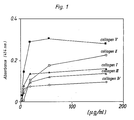
- Figure 1 shows the insulin binding of the various kinds of collagen
- Figure 2 is a graph that shows the structure and the partial amino acid sequence of the 30-kDa polypeptide
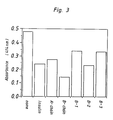
- Figure 3 is a graph of the ability of insulin and related compounds to inhibit insulin binding and collagen binding.
Landscapes
- Health & Medical Sciences (AREA)
- Chemical & Material Sciences (AREA)
- Life Sciences & Earth Sciences (AREA)
- Organic Chemistry (AREA)
- Diabetes (AREA)
- General Health & Medical Sciences (AREA)
- Medicinal Chemistry (AREA)
- Engineering & Computer Science (AREA)
- Public Health (AREA)
- Chemical Kinetics & Catalysis (AREA)
- General Chemical & Material Sciences (AREA)
- Bioinformatics & Cheminformatics (AREA)
- Nuclear Medicine, Radiotherapy & Molecular Imaging (AREA)
- Pharmacology & Pharmacy (AREA)
- Veterinary Medicine (AREA)
- Animal Behavior & Ethology (AREA)
- Endocrinology (AREA)
- Obesity (AREA)
- Hematology (AREA)
- Biophysics (AREA)
- Toxicology (AREA)
- Zoology (AREA)
- Gastroenterology & Hepatology (AREA)
- Biochemistry (AREA)
- Emergency Medicine (AREA)
- Genetics & Genomics (AREA)
- Molecular Biology (AREA)
- Proteomics, Peptides & Aminoacids (AREA)
- Medicines That Contain Protein Lipid Enzymes And Other Medicines (AREA)
- Peptides Or Proteins (AREA)
- Cosmetics (AREA)
Abstract
Description
- This invention relates to a protein or polypeptide which has insulin-binding activity, to a composition for use as an insulin-binding carrier which has, as its active component, said protein or polypeptide, and also to an inhibitor of the binding of insulin with collagen.
- To date, proteins and polypeptides known to bind with insulin have included insulin receptors located on the surfaces of cells.
- Also, as non-receptor proteins, we have earlier discovered that fibronectin, laminin, chondronectin, fibrinogen, vitronectin, and fibrin can bind with insulin, and have suggested a composition for use as an insulin-binding carrier (Japanese Laid-Open Patent Application No. 85934/89).
- It has been known for a long time that both insulin-like growth factor (IGF-I, or somatomedin C), which has a structure that closely resembles that of insulin, and IGF-II are bound by certain binding proteins that are not receptors, and that these IGF-binding proteins can be extracted from blood and the like. They have recently been purified to homogeneity. Unlike the situation with insulin, IGF forms complexes of high molecular weight with binding proteins in the blood, and generally large amounts of such complexes are found in inactive form in living organisms. Also, when it form a complex, homeostatis is affected, as IGF in the body is stabilized and its biological half-life increases.
- The present invention provides a novel insulin-binding polypeptide and a composition for use as an insulin-binding carrier, both of which have insulin-binding activity and also an inhibitor of the binding of insulin to the said insulin-binding carrier.
- Insulin-binding polypeptide of this invention has in its structure at least the amino acid sequence represented by the following Formula (1):
-Gly-Gly-Arg-Gly-Thr-Hyp-Gly-Lys-Hyp-Gly-Pro-Arg-Gly-Gln-Arg-Gly-Pro-Thr-Gly-Pro-Arg-Gly-Glu-Arg-Gly-Pro-Arg-Gly-Ile-Thr-Gly-Lys-Hyp-Gly-Pro- [1] - In considering the problem of insulin binding we felt that there might be proteins which have insulin-binding activity and that there might be proteins which can be used as carriers of insulin. We felt that such a protein or polypeptide might participate in the regulation of the homeostasis of insulin, which acts both as a growth factor and as a hormone; when insulin is administered to patients with a variety of disorders, of which diabetics are representative, it might be possible to use such a protein or polypeptide as part of a drug delivery system or in a new pharmaceutical preparation designed to act on the target of the insulin, and with longer-term drug effectiveness, greater safety, and no immunogenicity, by which means the efficacy of the insulin would be enhanced and side effects would be few. For example, it might be possible to suggest reagents for biochemical research that could accelerate growth, cosmetics that could enhance growth of skin cells (preventing ageing of the skin), drugs given percutaneously and by other routes that accelerate the healing of wounds (including surgical incisions),and drugs for diabetes with longer-term effectiveness, with few side effects.
- We also felt that it might be possible to inhibit the binding of insulin with such an insulin-binding carrier, in which case it would be easy to regulate the expression of the effects of insulin in the body and to make use of a drug-delivery system such as mentioned above.
- We have found by research that collagen type I, type II, type III, type IV, and type V can bind with insulin, and that collagen V has a specific insulin-binding site. We also found that the binding of insulin with the said collagen can be inhibited by insulin A chain, insulin B chain, and a polypeptide of decomposed insulin B chain which has a collagen-binding active site.
- Accordingly the present invention also provides a composition for use as an insulin-binding carrier which has as its active component at least one kind of protein or polypeptide selected from the group of collagen type I, type II, type III, type IV, type V and polypeptides of decomposed collagen V which contain the insulin-binding active site; and further provides an inhibitor of the binding of insulin with collagen, the active component of this inhibitor being at least one kind of polypeptide selected from the group consisting of insulin A chain, insulin B chain and polypeptides of decomposed insulin B chain which contain the collagen-binding active site.
- Collagen is the main protein which makes up connective tissue, and the collagen molecule is composed of three alpha chains intertwined in a right-handed helix. The structure of the alpha chains varies somewhat in different tissues, and collagen is classified as type I, type II, type III, type IV, or type V depending on these differences. The peptide hormone made of insulin A chain and B chain is known to have a variety of physiological functions.
- We used peroxidase-labelled insulin to identify proteins with insulin-binding activity; a protein sample is allowed to bind with said insulin, and it is then possible to detect insulin-binding activity by measurement of the peroxidase activity of the resultant complex. When a number of different components of the living body were investigated, it was found that collagen type I, type II, type III, type IV, and type V, (particularly type V) all had strong insulin-binding activity.
- By the use of physical, chemical, and enzymatic methods, the collagen molecule was fragmented, and the various fragments were separated and analyzed with the use of the peroxidase-labelled insulin mentioned above, by which means it was possible to identify the polypeptide that had insulin-binding activity, that is, the insulin-binding site of collagen. We discovered that the insulin-binding active side of collagen type V, when collagen type V was decomposed, was in the α₁ chain and in a polypeptide with the molecular mass of 30 kDa that was produced when, for example, the collagen type V was decomposed with cyanogen bromide. This polypeptide also had heparin-binding activity, and could be effectively purified on a heparin column. Next, we decomposed the 30-kDa polypeptide to identify the site of insulin binding in it. The 30-kDa polypeptide was separated into a 16-kDa polypeptide and a 6-kDa polypeptide by treatment with endoprotease-Glu-C (Protease V8, Boehringer Mannheim-Yamanouchi) and by applying the digest obtained to a heparin column and then an ODS reverse-phase column, or the like. These two smaller polypeptides had both heparin-binding activity and insulinbinding activity, but their binding activities were less than these activities of the 30-kDa polypeptide. The 16-kDa polypeptide was further decomposed by the use of lysyl endopeptidase (Wako Pure Chemical Industries, Ltd.) into three smaller polypeptides, and these polypeptides were separated by the use of an ODS reverse-phase column. The amino acid sequence of collagen type V has not yet been determined completely, but the amino acid sequences of the various polypeptides obtained from it and the amino acid sequence of the 6-kDa polypeptide have been determined. By comparative analysis of these with the amino acid sequence of collagen type XI (J. Biol. Chem., 263, 17159-17166, 1988), which resembles collagen type V, it was possible to determine the amino acid sequence of the 30-kDa polypeptide. By this procedure, it was found that the 6-kDa polypeptide is bound to the C-terminal of the 16-kDa polypeptide, and that the amino acid sequence in the portion where these two polypeptides are bound together is the amino acid sequence shown by the Formula (I). By cleavage of the 16-kDa polypeptide and the 6-kDa polypeptide, both the insulin-binding activity and the heparin-binding activity decreased, so the C-terminal portion of the 16-kDa polypeptide and the N-terminal portion of the 6-kDa polypeptide, that is, the amino acid sequence of the Formula (I), was an important sequence for the insulin-binding activity and heparin-binding activity of collagen type V.
- As the polypeptide from decomposed collagen type V of this invention, any polypeptide is suitable provided that it contains the amino acid sequence of the Formula (I), and the polypeptide can be prepared by chemical synthetic methods or genetic engineering methods as well as by use of chemical methods such as cyanogen bromide decomposition, or enzymatic methods such as the use of endopeptidase Glu-C.
- For the investigation into an inhibitor of the binding of insulin with collagen, peroxidase-labelled insulin can again be used. The sample and the said insulin can be allowed to react with collagen type V at the same time, and the peroxidase activity of the complexes with collagen can be measured after this reaction, by which means the inhibition by the sample of the binding of insulin with collagen can be evaluated. We have found that insulin A chain, B chain, and polypeptides of decomposed insulin B chain can inhibit the binding of insulin with collagen.
- To identify the collagen-binding active site of insulin, insulin was fragmented enzymatically, and these fragments were allowed to react with collagen type V at the same time as peroxidase-labelled insulin, by which means it was possible to identify the fragment of insulin that bound with collagen. Insulin chain B was decomposed with the use of endopeptidase Glu-C, and from among the three kinds of fragments that were produced, fragments containing the collagen-binding active site were identified.
- As the polypeptides from decomposed insulin B chain of this invention, any polypeptides are suitable provided that they contain the active sites of collagen-binding activity of these polypeptides, and the polypeptide can be prepared by chemical synthetic methods or genetic engineering methods as well as by the chemical or enzymatic decomposition of insulin B chain.
- By the method of inhibition of the binding of insulin with collagen that makes use of insulin A chain, insulin B chain, or the polypeptides of decomposed B chain, it is possible to regulate in detail the use of a drug delivery system that involves a composition for use as an insulin-binding carrier that makes use of collagen. Also, it would be possible to use such an inhibitor for the prevention and treatment of insulin dysfunction such as the transitory diabetes that may occur as a response to the invasiveness of surgery.
- The insulin-binding carrier and inhibitor of the binding of insulin with collagen of this invention can themselves be in the form of, or can be given in ordinary pharmaceutical preparations in the form of, for example, a solution, lotion, ointment, gel, tablet, or capsule, or can be a form that is attached, bound, or contained in a solid substrate, percutaneous apparatus, implant piece and the like.
- The invention will be explained in more detail with reference to the following examples. However, this invention is not to be taken to be restricted to these examples.
- First, samples of bovine collagen type I, type II, type III, type IV, and type V (Koken) were separately dissolved to a concentration of 180 µg/ml in a solution of 150 mM acetic acid which contained 50 mM NaCl. Each preparation was diluted stepwise, and a 50-µl portion of each was put into a well of a 96-weel micro-plate. This plate was left for 2 hours at 37°C. Then each well was washed with phosphate-buffered saline that did not contain bivalent metal ions [PBS(-)], and then blocking was done with the use of bovine serum albumin (BSA). Next, peroxidase-labelled insulin (Sigma) was dissolved in PBS(-) to a concentration of 5 µg/ml, and 50 µl of this solution was put into each well. The plate was left for 2 hours at 37°C to allow the reaction to proceed, and then peroxidase-labelled insulin that had not formed a complex was washed away. The peroxidase activity of insulin binding and collagen binding was measured with 2,2′-azino-bis-(3-ethylbenzothiazoline-6-sulfonic acid) (ABTS) and hydrogen peroxide as substrates.
- The results showed that each type of collagen could bind with insulin. These results are shown in Fig. 1. There, the collagen concentration of each type of collagen (in micrograms per milliliter, shown as the X axis) was 180, 60, 20, 6.6, or 2.2 µg/ml, and the absorbance at 414 nm (shown as the Y axis) was used as an index of peroxidase activity, which reflected insulin binding.
- The collagen type V mentioned above was dissolved to a concentration of 1 mg/ml, and 10 µl of this solution was treated by SDS-polyacrylamide gel electrophoresis. After transfer to a nitrocellulose membrane by Western blotting, the membrane was immersed in PBS that contained 5 µg/ml peroxidase-labelled insulin and 0.05% Tween 20 at room temperature for 2 hours to allow the reaction to proceed. The peroxidase activity that was bound to the nitrocellulose membrane was detected with 4-chloro-1-naphthol and hydrogen peroxide as substrate.
- The results showed that peroxidase-labelled insulin bound with the α₁ chain of collagen type V.
- Next, collagen type V was dissolved in 70% formic acid that contained 20 mg/ml cyanogen bromide to a concentration of 5 mg/ml, and the reaction was allowed to proceed for 24 hours at room temperature, resulting in fragmentation of the collagen type V. The fragments of collagen type V were treated by electrophoresis as described above, and then treated with peroxidase-labelled insulin. The fragment with a molecular mass of about 30 kDa (30-kDa polypeptide) was found to have the insulin-binding activity.
- The collagen type V treated above with cyanogen bromide was separated by use of high-pressure liquid chromatography (HPLC) with a heparin column (TSK Gel Heparin SPW, Tosoh Corp.) equilibrated with PBS(-) that contained 2 M urea. An excess of solvent was used to wash the column, and then the 30-kDa polypeptide mentioned above was eluted with solvent to which 1 M NaCl had been added. Next, water was used to remove the solvent from the eluant by dialysis, and the resultant dialysate was lyophilized. This product was dissolved in 0.2 M ammonium biacetate (pH 4.0) to a concentration of 0.1%, and to 1 ml of this solution was added 20 µg of endoprotease Glu-C. The mixture was allowed to react overnight at 37°C. Then the reaction mixture was applied to a heparin column equilibrated with threefold-diluted PBS(-), and the column was washed with an excess of solvent before the adsorbed substance was eluted with solvent that contained 0.5 M NaCl. The eluant was treated by HPLC on an ODS reverse-phase column equilibrated with 0.1% trifluoroacetate. By the use of a 0-60% gradient of acetonitrile, two components were fractionated. The molecular masses of the two components were 16 kDa and 6 kDa. Insulin-binding activity was tested by the dot-blotting method with use of peroxide-labelled insulin, and both fragments had insulin-binding activity that was somewhat weaker than that of the 30-kDa fragment.
- In order to identify the amino acid sequence of the 30-kDa polypeptide, the 16-kDa polypeptide was decomposed by the use of lysyl endopeptidase. Here, the lysyl endopeptidase was dissolved in 50 mM ammonium hydrogencarbonate solution (pH 7.8) to a concentration of 10 µg/ml, and the 16-kDa polypeptide was digested overnight at 37°C. The fragments were treated as described above by HPLC on an ODS reverse-phase column, and three fragments (L-1, L-2, and L-3) were obtained. Next, these fragments were lyophilized and the solvent was removed.
- The amino acid sequences of the three fragments, L-1, L-2, and L-3, and the 6-kDa polypeptide were analyzed with use of a protein sequencer 477A (Applied Biosystems, Inc.). By comparison of the amino acid sequences found here with the amino acid sequence of collagen XI mentioned above, the structure of the 30-kDa polypeptide and its partial amino acid sequence were both determined, by comparison of the sites of the 30-kDa polypeptide cleaved by endoprotease Glu-C and pysyl endopeptidase, to be as shown in Figure 2. Thus, Figure 2 shows the structure and the partial amino acid sequence of the 30-kDa polypeptide.
- By the method described above, wells of a 96-well microplate were coated with collagen type V, and blocking was done with BSA. Then, to each well, 5 µg/ml peroxidase-labelled insulin was added, and then 50 µl of PBS ⁻ that contained insulin, insulin A chain, or insulin B chain (Sigma) at a concentration of 100 µg/ml was added. The plate was then left for 2 hours at 37°C. After this time, unbound substances were removed by washing of the wells, and the activity of bound peroxidase was assayed with the use of ABTS and hydrogen peroxidase as substrates. Results showed that insulin A chain and insulin B chain inhibited the binding of insulin with collagen. The results for the polypeptides of decomposed insulin B chain are also shown in Figure 3, which shows insulin and compounds related to insulin (on the X axis) and their ability to inhibit the binding of collagen in terms of peroxidase activity, evaluated as the absorbance at 414 nm (on the Y axis).
- Next, to a 0.1% solution of insulin B chain in 1 ml of 50 mM phosphate buffer (pH 7.5), 20 µg of endopro tease Glu-C was added, and the mixture was allowed to react for 2 hours at 37°C. The reaction mixture was applied to an ODS reverse-phase column, and fractionated by HPLC. The fragments of insulin B chain were eluted from the reverse-phase column in the order of ¹Phe-Val-Asn-Glu-His-Leu-Cys-Gly-Ser-His-Leu-Val-¹³Glu (B-1), ¹⁴Ala-Leu-Tyr-Leu-Val-Cys-Gly-Glu²¹ (B-2), and ²²Arg-Gly-Phe-Phe-Tyr-Thr-Pro-Lys-³⁰Thr (B-3). The ability of each of these three polypeptides to inhibit the binding of insulin with collagen was assayed by the methods described above, and it was found that each of these polypeptides could inhibit the binding of insulin with collagen. The results are shown in Figure 3.
- As is seen by the above description, the novel composition for use as an insulin-binding carrier and the insulin-binding polypeptide of this invention have the ability to bind insulin, and the results of studies of these substances suggested that they could be used in newly discovered applications when insulin is used in the fields of biochemistry and medicine by making possible the more effective use of insulin. In particular, they would be useful in new preparations of insulin and as part of drug delivery systems. Also, they might be used to control the growth of cells (including cancer cells) that require insulin as a growth factor.
- Also, the inhibitors of the binding of insulin with collagen of this invention are novel uses of insulin components and help ensure that the insulin-binding polypeptide will be effective and useful in applications of biochemical and medical significance in thc field of biochemistry and medicine in which insulin is used. In particular, they would be useful in new preparations of insulin and when drug delivery systems are being employed. Also, they could be useful in the prevention and treatment of transitory insulin deficiency in the diabetes that arises as a response to the invasiveness of surgery.
- In the accompanying drawings, Figure 1 shows the insulin binding of the various kinds of collagen; Figure 2 is a graph that shows the structure and the partial amino acid sequence of the 30-kDa polypeptide; and Figure 3 is a graph of the ability of insulin and related compounds to inhibit insulin binding and collagen binding.
Claims (4)
-Gly-Gly-Arg-Gly-Thr-Hyp-Gly-Lys-Hyp-Gly-Pro-Arg-Gly-Gln-Arg-Gly-Pro Thr-Gly-Pro-Arg-Gly-Glu-Arg-Gly-Pro-Arg-Gly-Ile-Thr-Gly-Lys-Hyp-Gly-Pro- [I]
Applications Claiming Priority (4)
| Application Number | Priority Date | Filing Date | Title |
|---|---|---|---|
| JP27313988 | 1988-10-31 | ||
| JP273139/88 | 1988-10-31 | ||
| JP243513/89 | 1989-09-21 | ||
| JP1243513A JP2918922B2 (en) | 1988-10-31 | 1989-09-21 | Polypeptide having insulin binding activity |
Publications (3)
| Publication Number | Publication Date |
|---|---|
| EP0367554A2 true EP0367554A2 (en) | 1990-05-09 |
| EP0367554A3 EP0367554A3 (en) | 1991-11-13 |
| EP0367554B1 EP0367554B1 (en) | 1995-09-06 |
Family
ID=26536297
Family Applications (1)
| Application Number | Title | Priority Date | Filing Date |
|---|---|---|---|
| EP89311220A Expired - Lifetime EP0367554B1 (en) | 1988-10-31 | 1989-10-31 | Insulin binders and inhibitors of insulin binding |
Country Status (3)
| Country | Link |
|---|---|
| EP (1) | EP0367554B1 (en) |
| JP (2) | JP2918922B2 (en) |
| DE (1) | DE68924127T2 (en) |
-
1989
- 1989-09-21 JP JP1243513A patent/JP2918922B2/en not_active Expired - Fee Related
- 1989-10-31 DE DE68924127T patent/DE68924127T2/en not_active Expired - Fee Related
- 1989-10-31 EP EP89311220A patent/EP0367554B1/en not_active Expired - Lifetime
-
1998
- 1998-07-16 JP JP21654398A patent/JP2996954B2/en not_active Expired - Fee Related
Non-Patent Citations (3)
| Title |
|---|
| CELL STRUCTURE AND FUNCTION, vol. 13, no. 6, December 1988, page 626, abstract no. 1D-1548, Japan Society for Cell Biology (JSCB), Kyoto, JP; K. TAKAHARA et al.: "Insulin-binding properties of extracellular matrix proteins" * |
| CHEMICAL ABSTRACTS, vol. 113, no. 15, 8th October 1990, page 264, abstract no. 128330b, Columbus, Ohio, US; Y. YAOI et al.: "Primary structure of the heparin-binding site of type V collagen", & BIOCHIM. BIOPHYS. ACTA 1990, 1035(2), 139-45 * |
| CHEMICAL ABSTRACTS, vol. 115, no. 1, 8th July 1991, page 135, abstract no. 1323n, Columbus, Ohio, US; Y. YAOI et al.: "Insulin binds to type V collagen with retention of mitogenic activity", & EXP. CELL. RES. 1991, 194(2), 180-5 * |
Also Published As
| Publication number | Publication date |
|---|---|
| JPH1192396A (en) | 1999-04-06 |
| EP0367554B1 (en) | 1995-09-06 |
| JPH02209899A (en) | 1990-08-21 |
| DE68924127D1 (en) | 1995-10-12 |
| JP2996954B2 (en) | 2000-01-11 |
| EP0367554A3 (en) | 1991-11-13 |
| JP2918922B2 (en) | 1999-07-12 |
| DE68924127T2 (en) | 1996-05-02 |
Similar Documents
| Publication | Publication Date | Title |
|---|---|---|
| Thomas et al. | Pure brain-derived acidic fibroblast growth factor is a potent angiogenic vascular endothelial cell mitogen with sequence homology to interleukin 1. | |
| Engel et al. | Calcium binding domains and calcium-induced conformational transition of SPARC/BM-40/osteonectin, an extracellular glycoprotein expressed in mineralized and nonmineralized tissues | |
| EP2409988B1 (en) | Peptide fragments for inducing synthesis of extracellular matrix proteins | |
| US5958874A (en) | Recombinant fibronectin-based extracellular matrix for wound healing | |
| US5705477A (en) | Compositions of transforming growth factor β(TGF-β) which promotes wound healing and methods for their use | |
| HK121293A (en) | Desulfatohirudine, process for its preparation and pharmaceutical agent | |
| AU2018216033B2 (en) | Peptide modulators of the interaction between human C-peptide and human elastin receptor for therapeutic use | |
| EP0105014A2 (en) | Repair of tissue in animals | |
| WO2000045831A1 (en) | Peptides modulating activities of heparin, other glycosaminoglycans or proteoglycans | |
| Pineda-Lucena et al. | 1H-NMR assignment and solution structure of human acidic fibroblast growth factor activated by inositol hexasulfate | |
| EP0367554B1 (en) | Insulin binders and inhibitors of insulin binding | |
| EP0580752A1 (en) | Human bone derived insulin like growth factor binding protein | |
| Straus et al. | Effects of bradykinin on DNA synthesis in resting NIL8 hamster cells and human fibroblasts | |
| US5622935A (en) | Medicine for preventing and curing bone fracture | |
| US5807982A (en) | Affinity purified heparin | |
| EP0239644A1 (en) | Novel physiologically active substance having blood coagulation controlling activity | |
| DK175408B1 (en) | Isohirudins, process for their preparation, pharmaceutical agent and process for its preparation | |
| EP0858808B1 (en) | Peptides for use in wound treatment | |
| EP1061933A1 (en) | Fibronectin peptides-based extracellular matrix for wound healing | |
| JP2915907B2 (en) | Insulin binding carrier | |
| Schnitzel et al. | Neutrophil activating peptide-2 binds with two affinities to receptor (s) on human neutrophils | |
| US5747454A (en) | Chromogranin peptides | |
| Li et al. | A heparin-binding erythroid cell stimulating factor from fetal bovine serum has the N-terminal sequence of insulin-like growth factor II | |
| JPH0774240B2 (en) | Polypeptide | |
| JP2623457B2 (en) | Polypeptide having insulin binding activity |
Legal Events
| Date | Code | Title | Description |
|---|---|---|---|
| PUAI | Public reference made under article 153(3) epc to a published international application that has entered the european phase |
Free format text: ORIGINAL CODE: 0009012 |
|
| AK | Designated contracting states |
Kind code of ref document: A2 Designated state(s): DE FR GB |
|
| 17P | Request for examination filed |
Effective date: 19901127 |
|
| PUAL | Search report despatched |
Free format text: ORIGINAL CODE: 0009013 |
|
| AK | Designated contracting states |
Kind code of ref document: A3 Designated state(s): DE FR GB |
|
| 17Q | First examination report despatched |
Effective date: 19940203 |
|
| GRAA | (expected) grant |
Free format text: ORIGINAL CODE: 0009210 |
|
| AK | Designated contracting states |
Kind code of ref document: B1 Designated state(s): DE FR GB |
|
| REF | Corresponds to: |
Ref document number: 68924127 Country of ref document: DE Date of ref document: 19951012 |
|
| ET | Fr: translation filed | ||
| PLBE | No opposition filed within time limit |
Free format text: ORIGINAL CODE: 0009261 |
|
| STAA | Information on the status of an ep patent application or granted ep patent |
Free format text: STATUS: NO OPPOSITION FILED WITHIN TIME LIMIT |
|
| 26N | No opposition filed | ||
| REG | Reference to a national code |
Ref country code: GB Ref legal event code: IF02 |
|
| REG | Reference to a national code |
Ref country code: GB Ref legal event code: 732E |
|
| REG | Reference to a national code |
Ref country code: FR Ref legal event code: TP |
|
| PGFP | Annual fee paid to national office [announced via postgrant information from national office to epo] |
Ref country code: FR Payment date: 20041008 Year of fee payment: 16 |
|
| PGFP | Annual fee paid to national office [announced via postgrant information from national office to epo] |
Ref country code: GB Payment date: 20041027 Year of fee payment: 16 |
|
| PGFP | Annual fee paid to national office [announced via postgrant information from national office to epo] |
Ref country code: DE Payment date: 20041028 Year of fee payment: 16 |
|
| PG25 | Lapsed in a contracting state [announced via postgrant information from national office to epo] |
Ref country code: GB Free format text: LAPSE BECAUSE OF NON-PAYMENT OF DUE FEES Effective date: 20051031 |
|
| PG25 | Lapsed in a contracting state [announced via postgrant information from national office to epo] |
Ref country code: DE Free format text: LAPSE BECAUSE OF NON-PAYMENT OF DUE FEES Effective date: 20060503 |
|
| GBPC | Gb: european patent ceased through non-payment of renewal fee |
Effective date: 20051031 |
|
| PG25 | Lapsed in a contracting state [announced via postgrant information from national office to epo] |
Ref country code: FR Free format text: LAPSE BECAUSE OF NON-PAYMENT OF DUE FEES Effective date: 20060630 |
|
| REG | Reference to a national code |
Ref country code: FR Ref legal event code: ST Effective date: 20060630 |