EP0369413A2 - Protéines liant l'interféron gamma - Google Patents
Protéines liant l'interféron gamma Download PDFInfo
- Publication number
- EP0369413A2 EP0369413A2 EP89121094A EP89121094A EP0369413A2 EP 0369413 A2 EP0369413 A2 EP 0369413A2 EP 89121094 A EP89121094 A EP 89121094A EP 89121094 A EP89121094 A EP 89121094A EP 0369413 A2 EP0369413 A2 EP 0369413A2
- Authority
- EP
- European Patent Office
- Prior art keywords
- protein
- ifn
- gamma
- cells
- sequence shown
- Prior art date
- Legal status (The legal status is an assumption and is not a legal conclusion. Google has not performed a legal analysis and makes no representation as to the accuracy of the status listed.)
- Granted
Links
Images







Classifications
-
- C—CHEMISTRY; METALLURGY
- C07—ORGANIC CHEMISTRY
- C07K—PEPTIDES
- C07K14/00—Peptides having more than 20 amino acids; Gastrins; Somatostatins; Melanotropins; Derivatives thereof
- C07K14/435—Peptides having more than 20 amino acids; Gastrins; Somatostatins; Melanotropins; Derivatives thereof from animals; from humans
- C07K14/705—Receptors; Cell surface antigens; Cell surface determinants
- C07K14/715—Receptors; Cell surface antigens; Cell surface determinants for cytokines; for lymphokines; for interferons
- C07K14/7156—Receptors; Cell surface antigens; Cell surface determinants for cytokines; for lymphokines; for interferons for interferons [IFN]
-
- A—HUMAN NECESSITIES
- A61—MEDICAL OR VETERINARY SCIENCE; HYGIENE
- A61P—SPECIFIC THERAPEUTIC ACTIVITY OF CHEMICAL COMPOUNDS OR MEDICINAL PREPARATIONS
- A61P37/00—Drugs for immunological or allergic disorders
-
- A—HUMAN NECESSITIES
- A61—MEDICAL OR VETERINARY SCIENCE; HYGIENE
- A61P—SPECIFIC THERAPEUTIC ACTIVITY OF CHEMICAL COMPOUNDS OR MEDICINAL PREPARATIONS
- A61P43/00—Drugs for specific purposes, not provided for in groups A61P1/00-A61P41/00
-
- C—CHEMISTRY; METALLURGY
- C07—ORGANIC CHEMISTRY
- C07K—PEPTIDES
- C07K14/00—Peptides having more than 20 amino acids; Gastrins; Somatostatins; Melanotropins; Derivatives thereof
- C07K14/435—Peptides having more than 20 amino acids; Gastrins; Somatostatins; Melanotropins; Derivatives thereof from animals; from humans
- C07K14/705—Receptors; Cell surface antigens; Cell surface determinants
- C07K14/715—Receptors; Cell surface antigens; Cell surface determinants for cytokines; for lymphokines; for interferons
-
- C—CHEMISTRY; METALLURGY
- C07—ORGANIC CHEMISTRY
- C07K—PEPTIDES
- C07K16/00—Immunoglobulins [IG], e.g. monoclonal or polyclonal antibodies
- C07K16/18—Immunoglobulins [IG], e.g. monoclonal or polyclonal antibodies against material from animals or humans
- C07K16/28—Immunoglobulins [IG], e.g. monoclonal or polyclonal antibodies against material from animals or humans against receptors, cell surface antigens or cell surface determinants
- C07K16/2866—Immunoglobulins [IG], e.g. monoclonal or polyclonal antibodies against material from animals or humans against receptors, cell surface antigens or cell surface determinants against receptors for cytokines, lymphokines, interferons
-
- A—HUMAN NECESSITIES
- A61—MEDICAL OR VETERINARY SCIENCE; HYGIENE
- A61K—PREPARATIONS FOR MEDICAL, DENTAL OR TOILETRY PURPOSES
- A61K38/00—Medicinal preparations containing peptides
Definitions
- the present invention relates to proteins having interferon-gamma (IFN-gamma) binding activity, to proteins substantially homologous therewith or fragments thereof, to DNA molecules, in particular cDNA molecules, encoding these proteins or fragments thereof, and to monoclonal antibodies to the human IFN-gamma receptor used for isolating said cDNA clones.
- the invention further relates to the cloning of said human IFN-gamma binding proteins and their production by recombinant DNA techniques and to pharmaceutical compositions comprising them.
- Interferon-gamma is a lymphokine produced by activated T-lymphocytes. It exerts antiviral activity, growth inhibitory effect and several immunoregulatory activities on a variety of cell types and is of potential clinical value. However, together with its positive biological activities, IFN-gamma has been shown to provoke undesirable effects and to be involved in the development of autoimmune diseases. Thus, IFN-gamma was present in newly diagnosed diabetic children and in muscle biopsies from patients with polymyositis. It was also found to cause exacerbation of autoimmune diseases such as multiple sclerosis and psoriasis.
- IFN-gamma receptors having different molecular weight ranges were isolated from different cells by extraction followed by affinity chromatography on an immobilized IFN-gamma column.
- polyclonal antibodies to the IFN-gamma receptors were described.
- the present invention relates to monoclonal antibodies against human IFN-gamma receptor, in particular the IFN-gamma receptor of non-immune cells, eg. WISH, HeLa or FS-11 cells, having a molecular weight of aoout 90,000 Da.
- non-immune cells eg. WISH, HeLa or FS-11 cells
- the invention in another aspect, relates to proteins having IFN-gamma binding activity or proteins substantially homologous therewith or fragments thereof, said proteins comprising the amino acid sequence shown in Figure 9 or Figure 13.
- the invention encompasses larger proteins wherein these amino acid sequences are part of the total sequence of the protein molecule as well as fragments comprising essentially only part of said amino acid sequences.
- Homologous proteins or fragments thereof are included within the scope of the invention provided that they show the same biological activity of the proteins of the invention.
- the invention further relates to DNA molecules comprising a recombinant DNA molecule or a cDNA molecule comprising the nucleotide sequence coding for the proteins of the invention or fragments thereof, to replicable expression vehicles comprising them and host cells transformed therewith, and to a process for producing said proteins or fragments thereof by culturing said transformant cells in a suitable culture medium and harvesting the protein or a fragment thereof either from the cells or from the culture supernatant.
- cDNA clones encoding a portion of the human IFN-gamma binding proteins were isolated with the aid of monoclonal antibodies to the human IFN-gamma receptor. These antibodies were characterized by their ability to block the binding of 125-IFN-gamma to its receptor on human cells.
- a cDNA HeLa expression library in lambda gt 1 was screened by the antibodies and 5 positive clones were obtained from 106 recombinants.
- Four of the clones had an insert of 0.5 Kb and one was of 0.7 Kb. The 0.5 Kb fragments cross hybridized, but did not hybridize to the 0.7 Kb clone, as determined by Southern blots.
- Probes were prepared from the 0.5 Kb and 0.7 Kb inserts and a cDNA human placenta library in lambda gt11 was screened. Ten positive clones were obtained from 106 recombinants. Nine of the clones had an insert size of 1.15-2.3 Kb and they all cross hybridized, while one of the clones had an insert size of 1.8 Kb and it hybridized only to itself. Two clones of 1.8Kb and 2.3Kb were linked to expression vehicles, transfected into bacterial cells and the proteins encoded by them were expressed.
- probes may be prepared from the cDNA sequences of the invention and used for screening any cDNA library, e.g., colon, liver or kidney library or for isolation of the genomic DNA coding for the proteins of the invention by known methods, e.g. by colony hybridization techniques under stringent conditions. Positive clones are then inserted into appropriately constructed expression vectors by techniques well known in the art. Double-stranded cDNA is linked to plasmid vectors by homopolymeric tailing or by restriction linking involving the use of synthetic DNA linkers or blunt-ended ligation techniques. DNA ligases are used to ligate the DNA molecules and undesirable joining is avoided by treatment with alkaline phosphatase.
- an expression vector should comprise also specific nucleotide sequences containing transcriptional and translational regulatory information linked to the DNA coding for the desired protein in such a way as to permit gene expression and production of the protein.
- the gene must be preceded by a promoter in order to be transcribed. There are a variety of such promoters in use, which work with different efficiencies (strong and weak promoters).
- the DNA molecule comprising the nucleotide sequence coding for a protein of the invention or a fragment thereof preceded by a nucleotide sequence of a signal peptide and the operably linked transcriptional and translational regulatory signals is inserted into a vector which is capable of integrating the desired gene sequences into the host cell chromosome.
- the cells which have stably integrated the introduced DNA into their chromosomes can be selected by also introducing one or more markers which allow for selection of host cells which contain the expression vector.
- the introduced DNA molecule will be incorporated into a plasmid or viral vector capable of autonomous replication in the recipient host.
- Factors of importance in selecting a particular plasmid or viral vector include the ease with which recipient cells that contain the vector may be recognized and selected from those recipient cells which do not contain the vector; the number of copies of the vector which are desired in a particular host and whether it is desirable to be able to "shuttle" the vector between host cells of different species.
- the DNA construct(s) may be introduced into an appropriate host cell by any of a variety of suitable means: transformation, transfection, conjugation, protoplast fusion, electroporation, calcium phosphate precipitation, direct microinjection, etc.
- Host cells to be used in this invention may be either prokaryotic or eukaryotic.
- Preferred prokaryotic hosts include bacteria, such as E. coli . Under such conditions, the protein will not be glycosylated.
- the prokaryotic host must be compatible with the replicon and control sequences in the expression plasmid.
- Preferred eukaryotic hosts are mammalian cells, e.g., human, monkey, mouse and chinese hamster ovary (CHO) cells, because they provide post-translational modifications to protein molecules including correct folding or glycosylation at correct sites. Also yeast and insect cells can carry out post-translational peptide modifications including glycosylation.
- Yeast recognizes leader sequences on cloned mammalian gene products and secretes peptides bearing leader sequences (i.e. pre-peptides).
- the host cells After the introduction of the vector, the host cells are grown in a selective medium, which selects for the growth of vector-containing cells. Expression of the cloned gene sequence(s) results in the production of the desired protein or a fragment thereof. The expressed protein is then isolated and purified by any conventional procedure involving extraction, precipitation, chromatography, electrophoresis, or the like.
- the monoclonal antibodies against the human IFN-gamma receptor provided by the invention are useful for the purification of the receptor and for isolation of the cDNA clones of the invention. They bind IFN-gamma and inhibit its biological activity, thus differing from prior art monoclonal antibodies (Aguet, M. and Merlin, G. (1987) J. Exp. Med. 165 , pp. 988-999) not reported to inhibit IFN-gamma biological activitiy.
- the monoclonal antibodies against the human IFN-gamma receptor of the invention were developed by injecting mice with a preparation of receptor which was purified from solubilized placental membranes by ligand affinity chromatography. Three antibodies were identified by their ability to block the binding of 125I-IFN-gamma to its receptor on HeLa cells at 4°C. One of these antibodies blocked several biological activities of IFN-gamma, including its antiviral activity, its ability to induce HLA-DR surface antigens and its ability to protect cells from NK-cell mediated cytotoxicity. This antibody exhibited higher binding capacity to cells at 37°C and was significantly less displaceable by an excess of IFN-gamma as compared with the other two antibodies. Immunoaffinity chromatography of solubilized crude placental membrane preparation yielded a purified receptor which exhibited a molecular weight of about 88,000. The purified receptor retained its ability to bind 125I-IFN-gamma in solution.
- mice were immunized subcutaneously with a preparation of human IFN-gamma receptor obtained from placental membranes. This preparation was purified on IFN-gamma coupled to Affigel 10, then on Sephacryl 5-300 (Novick, D. et al (1987) J. Biol. Chem. 262 , p.8483) and finally adsorbed on agarose beads coupled to monoclonal anti-IFN-gamma antibodies (Novick, D. et al (1983) EMBO J. 2 , p. 1527). Two injections were given in complete Freund's adjuvant and the other two were given in 1 week intervals without an adjuvant. Each mouse received ⁇ 30 ⁇ g of affinity purified receptor per injection.
- Hybridoma supernatants were tested for the presence of anti-IFN-gamma receptor antibodies both by competitive inhibition of binding of 125I-IFN-gamma to HeLa cells and by neutralization of antiviral activity of IFN-gamma on WISH cells.
- HeLa cells (ATCC H229, CCL2.1) were seeded in 96-well microtiter plates (50,000 cells/well) in the presence of dexamethasone (10 ⁇ 6M). After 24 hrs, medium was discarded, cells were washed with ice cold phosphate-buffered saline containing Ca2+, Mg2+ (PBS) and sodium azide (0.02%). Hybridoma supernatants (50 ⁇ l/well) were added, and the plates were left for 2 hours at 4°C.
- 125I-IFN- gamma produced by CHO cells purified by affinity chromatography and labeled by the known chloramine-T method, was added to each well (50 ⁇ l, 200,000 cpm) and the plates were left for 2 hrs at 4°C. The plates were then washed 4 times with PBS 2%, harvested with NaOH (0.75M, 125 ⁇ l) and the content of each well was counted.
- a competitive inhibition of binding was performed in 24-well plates (Costar) on HeLa cells (250,000 cells/well without dexamethasone).
- the assay was done in the same manner as described for the one in 96 well microtiter plates, except for the volumes (250 ⁇ l of serially diluted hybridoma supernatants and 250 ⁇ l of 125I-IFN-gamma, 200,000 cpm). Cells were harvested with trypsin (250 ⁇ l), the wells were further washed with PBS (2x150 ⁇ l) and the combined cells and washings were counted.
- Hybridoma supernatants (50 ⁇ l) were added to cultures of WISH cells (ATCC CCL25) in 96-well plates, incubated for 2 hours at 37°C and followed by the addition of IFN-gamma (20 U/ml, 50 ⁇ l). The plates were incubated overnight at 37°C, vesicular stomatitis virus was added, the plates were further incubated overnight and the extent of the cytopathic effect was determined by staining with crystal violet (Rubinstein et al. (1981) J. Virol. 37 , p.775). For determination of neutralizing titer, hybridoma supernatants (or ascitic fluids) were serially diluted prior to the neutralization assay. One neutralizing unit is defined as the amount of antibody sufficient for neutralizing one unit of IFN-gamma. The NIH reference standard of IFN-gamma Gg23-901-503 was used in all assays.
- Hybridoma supernatants were screened for the presence of anti IFN-gamma receptor antibodies as described above. Three out of 468 hybridomas screened were found to inhibit the binding of 125-IFN-gamma to HeLa cells, and one out of the three was also positive in the neutralization assay. The positive clones were further grown and subcloned, and the cells were injected into mice for generation of ascitic fluids. The immune response in mice, the screening and the extent of antibody production in tissue culture and in ascitic fluids were all followed both by the binding assay (Table I) and by the neutralization assay (Table II).
- antibody No. 177 From the three monoclonal antibodies against the human interferon-gamma receptor developed here, antibody No. 177 and all its subclones were characterized by their ability to bind specifically to a solubilized IFN-gamma receptor, to inhibit the binding of 125I-IFN-gamma to cells (at 4°C), to block the antiviral activity of IFN-gamma and the induction of HLA-DR by IFN-gamma and to prevent the induction of resistance to NK-CMC by IFN-gamma.
- Two other monoclonal antibodies (Nos. 37 and 183) inhibited the binding of 125I-IFN-gamma to cells at 4°C but were unable to block the biological activities of IFN-gamma.
- Hybridoma 177-1 subcloned from hybridoma 177, was deposited on 14.11.1988 with the Collection Nationale de Cultures de Microorganismes (CNCM), Paris, France, and has the identifying characteristics CNCM I-814.
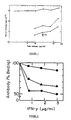
- the test was done as described in Example 2a. The results are shown in Table I. However, only antibody 177-1 inhibited the biological activities of IFN-gamma. Therefore comparative binding studies were performed at 37°C in the presence of sodium azide (to prevent internalization). Antibody 177-1 had a significantly higher binding capacity to cells as compared with the other two antibodies. This is shown in Figure 1, where HeLa cells were incubated at 37°C (in the presence of NaN3) with monoclonal antibody No. 37-1 183-2 and 177-1 followed by 125I-goat anti- mouse serum. Background counts (in the absence of anti-receptor antibody, 200 cpm) were subtracted. Binding at 4°C with 20 ⁇ g/ml of the various antibodies is shown as well.
- Antibodies 37-1 and 183-2 exhibited only a marginal blocking effect (Fig. 3). Incubation of HeLa cells with any of the three antibodies in the absence of IFN-gamma did not induce HLA-DR antigens. As a positive control the neutralizing monoclonal anti-IFN-gamma antibody No. 166-5 ( ⁇ - - ⁇ )) described in Novick, D. et al (1983) EMB0 J. 2 , p. 1527 was used. It inhibited the IFN-gamma induced HLA-DR, whereas no such inhibition was observed with a monoclonal anti-IFN-gamma antibody No. 7 described in Novick, D. et al (1982) J. Immunol. 129 , p.
- HLA-DR IFN-gamma class II MHC antigens
- the plates were then washed with cold PBS (3x100 ⁇ l), and fixed with formaldehyde (3.5% in PBS, 100 ⁇ l) for 30 min at 0°C.
- the plates were then rinsed with cold PBS and incubated with a solution of BSA (100 ⁇ l, 0.5% in 5mM Tris-HCl, 150mM NaCl, pH7.5) for 30 min at 0°C.
- BSA 100 ⁇ l, 0.5% in 5mM Tris-HCl, 150mM NaCl, pH7.5
- the plates were then rinsed with cold PBS and incubated for 1 hr at room temperature with monoclonal anti HLA-DR (L-243 ascitic fluid diluted 1:500 in 50 ⁇ l RPMI-1640 medium containing 0,1% BSA and 0.1% sodium azide).
- the plates were then rinsed with PBS and incubated for 30 minutes at room temperature with 125I-protein A (105cpm/well in 50 ⁇ l RPMI-1640 medium containing 0.1% BSA and 0.1% sodium azide). Excess of radioactivity was removed by washing with PBS containing 0,05% Tween 20 (3x200 ⁇ l). The cells were then solubilized with NaOH (0.75Nm 200 ⁇ l) and counted.
- the binding of anti-receptor antibodies to cells at 37°C and competition by IFN-gamma was performed as follows: HeLa cells (3x10⁵/well) were seeded and grown for 24 hours at 37°C in 24 well plates. Medium was discarded, various concentrations of anti-receptor antibodies (250 ⁇ l, in RPMI containing 10% FBS and 0,04% sodium azide) were added together with IFN-gamma (0-6 ⁇ g/ml) and the plates were incubated for 3hrs. Following two washings with PBS-2%, 125I-goat anti mouse serum (250 ⁇ l, 100,000 cpm) was added. The plates were left for 5hrs at room temperature, washed with PBS-2% (3x1ml), harvested with trypsin and counted.
- NK-CMC natural killer cell mediated cytotoxicity
- the blocking of IFN-gamma induced resistance to NK cell-mediated cytoto- xicity by anti-receptor antibody was tested as follows: U-937 target (T) cells (3.5x10⁵) were preincubated for 3hr at 37°C with or without monoclonal anti-receptor antibody (50-100ng in 750 ⁇ l RPMI 1640 medium containing 10% FBS). IFN-gamma (1000 units in 250 ⁇ l medium) was added and incubation was further continued for 9hrs.
- the cells were then labelled with 51[Cr]Na2CrO4 (0.5mCi, 1.5hr), washed and incubated in triplicates (l04cells, 50 ⁇ l/well) for 4hrs at 37°C with the effector cells (E, nylon vool non-adherent peripheral blood mononuclear cells 100 ⁇ l/well) at the indicated E:T ratios.
- the cells were then spun and the supernatant was counted (C). Spontaneous release (S; up to 6% of total cpm) was measured in supernatant of target cells alone and total cpm (T) was measured by adding Triton X-100 (1%, 100 ⁇ l) to labelled target cells. Percent cytotoxicity was determined according to the formula: % cytotoxicity 100 x
- An immunoadsorbent was prepared from an immunoglobulin fraction of ascitic fluids of mice containing monoclonal antibodies secreted by the hybridomas of the invention (e.g. of hybridomas 177 or 183).
- the ascitic fluids were precipitated with ammonium sulfate at 4°C (final concentration 50% saturation). The precipitate was collected by centrifugation, redisolved in water and dialysed against saline. About 10 mg of immunoglobulins were bound to polyacrylic hydrazide-agarose (Biomakor).
- a solubilized placental membrane preparation was loaded to the antibody column at 4°C at a flow rate of 0.2 ml/min.
- the column was washed with PBS containing 0.1% Triton X-100 (40 ml) and eluted by citric acid (50 mM, pH2) containing 0.05% Triton X-100 and 0.02% sodium azide. Eluted fractions were neutralized by Hepes buffer (1M, pH 8.5) and kept at 4°C.
- the column was monitored by binding of radiolabeled IFN-gamma and a purification of 4250 fold was achieved in one step (Table III).
- the binding of radiolabeled IFN-gamma to a soluble receptor for the monitoring of the purification method was performed as follows: Aliquots (20-40 ⁇ l) of the solubilized receptor from various purification steps were mixed with 125I-IFN-gamma (250 units) either with or without labeled IFN-gamma (100,000 units) in PBS containing 0.1% BSA (200 ⁇ l). The mixture was incubated for 2 hours at 4°C, rabbit IGg (0.1% in PBS, 0.5ml) was then added, followed by PEG-8000 (22% in PBS, 0.5ml). The mixture was left for 10 minutes at 4°C and then passed through a 0.45 ⁇ filter (25mm HAWP, Millipore).
- the filters were washed with cold PEG-8000 solution (8% in PBS), and counted. Background counts were determined in the presence of excess unlabeled IFN-gamma and were subtracted. Binding is expressed in pmoles of 125I-IFN-gamma.
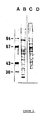
- the nitrocellulose was incubated for 2 hours at room temperature with a mixture of the three anti-IFN-gamma receptor monoclonal antibodies (immunoglobulin fraction of ascitic fluids 10mg/ml diluted 1:150 in the blocking buffer). Following washings in 0.05% Tween-20 in PBS, the nitrocellulose sheet was incubated for 3 hours at room temperature with 125I-goat anti-mouse serum (0.7x10⁶ cpm/ml, in the blocking buffer). The sheet was then washed, dried and autoradiographed.
- a mixture of the three anti-IFN-gamma receptor monoclonal antibodies immunoglobulin fraction of ascitic fluids 10mg/ml diluted 1:150 in the blocking buffer. Following washings in 0.05% Tween-20 in PBS, the nitrocellulose sheet was incubated for 3 hours at room temperature with 125I-goat anti-mouse serum (0.7x10⁶ cpm/ml, in the blocking buffer). The sheet was then was
- Filters were marked and transfered to 10% low fat milk (1%), 0.05% Tween 20 in PBS for blocking (2 hrs at room temperature).
- the two sets of filters were washed in PBS containing 0.05% Tween 20 and incubated with monoclonal anti-IFN-gamma receptor antibodies obtained in Example 3 (monoclonal antibody 177-1 was preferably used), (20 ⁇ g/ml in blocking solution) for 3 hrs at room temperature.
- the filters were washed 5 times with PBS-Tween and positive clones were identified by 125I-goat anti-mouse F(ab)2 (7 x 10⁵ cpm/ml in blocking solution) following an overnight incubation at 4°C and extensive washings with PBS-Tween.
- Fig. 6A shows the screening of a cDNA HeLa expression library
- Fig. 6B shows the subcloning of a positive clone.
- DNA stocks were prepared from 500 ml E. coli 1088 infected with positive phages. DNA was purified by CsCl gradient followed by phenol-chloroform extraction.
- the purified lambda gt11 DNA containing positive cDNA clones were digested with EcoR1 and size-fractionated on 1% agarose gel.
- probes were prepared from one of the 0.5Kb clones (15-21-1) and from the 0.7 Kb clon (18-4-3), using the multiprime DNA labelling systems kits (AMERSHAM).
- Th technique is based on the use of random sequence hexanucleotide to prim DNA synthesis on denatured template DNA at numerous sites along it length (Feinberg A.P.
- the purified lambda gt11 DNA containing positive cDNA clones were digested with EcoR1 and size-fractionated on l% agarose gel.
- Nine of th clones isolated by the 0.7Kb probe had an insert size of 1.15-2.3 Kb an they all cross-hybridized, while one of the clones isolated by the 0.5K probe had an insert size of 1.8Kb and hybridized only to itself Cross-hybridization was determined by Southern blots.
- the clones were further characterized by digestion with restrictio enzymes.
- the 1.8Kb fragment (No. 39) was cut by restriction enzymes a shown by the restriction map of Figure 7.
- a KpnI site was found at distance of 1.1 Kb from the EcoR1 site of the lambda gt11 (19.6 Kb fro the left end).
- a SacI site was found at a distance of 0 Kb from the EcoR site of lambda gt11.
- the 2.3Kb fragment (No. 76) was cut by restriction enzymes as shown i the restriction map of Figure 8.
- a Sa1 site was found in the middle o the 2.3 Kb insert.
- An XbaI site was found very near the EcoR1 site of th lambda gt11 (19.6Kb from the right end).
- DNA of the 0.5 Kb, 0.7 Kb, 1.8 Kb and 2.3 Kb positive clones purified o CsC1 gradient was cut by EcoR1 restriction enzyme.
- DNA of the Bluescrip plasmid vector of Stratagene Cloning System (San Diego, California) wa cut as well by EcoR1, then dephosphorylated and run on a preparativ agarose gel. The band of DNA was extracted from the gel phenol-chlorofor extractions. Both the clone and the vector were nov ready for ligatio with the help of T4 ligase.
- E. coli (TG1) competent bacteria were use for transformation with the ligated vector.
- Vector was added to th bacteria at 4°C, folloved by a heat shock (42°C), removed to ice, then a room temperature and at 37°C. Finally the bacteria were plated on LB Ampicillin (Amp). Colonies were picked and grown in LB + Amp.
- Fo sequencing a single stranded DNA was prepared as follovs: A starter o E. coli TG1 transformed bacteria with the ligated vector was grovn in 2T medium and Ampicillin folloved by the addition of a helper virus. The DN was precipitated by polyethylene glycol and extracted by phenol chloroform. Finally the DNA was suspended in Tris-EDTA, ready fo sequencing with the aid of the Sequenase Kit (USB).
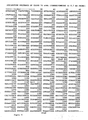
- Figure 9 shows the nucleotide sequence of the 0.5 Kb cDNA segment and it translated amino acid sequence.
- Figure 10 shows the complementary stran of the 0.7 Kb cDNA segment and its translated amino acid sequence
- Figure 11 shows two partial nucleotide and translated amino aci sequences of the 1.8 Kb cDNA segment.
- Figure 12 shows partial nucleotid sequence of the 2.3 Kb cDNA and Figure 13 a partial translated amino aci sequence thereof.
- An immunoadsorbent was prepared as in Example 7.
- the crude E. col extract obtained in Example 14 (100mg of the lysogen) was spun (10,000xg and the supernatant was applied to the antibody column (3 mg Igs/O.3m agarose) at 4°C.
- the column was washed with PBS containing 0.1% Trito X-100 and eluted by citric acid (50mM, pH 2) containing 0.05% Trito X-100 and 0.02% sodium azide.
- Five 0.5ml fractions were collected int HEPES buffer (1M, pH 8.5) and kept at 4°C. Fractions No. 1 and No. contained 75% of the eluted protein.
- nitrocellulose was incubated for 2 hrs at roo temperature with anti-IFN- receptor monoclonal antibodies (immuno globulin fraction of ascitic fluids 10mg/ml diluted 1:500 in the blockin buffer). Following washings in 0.05% Tween-20 in PBS, the nitrocellulos sheet was incubated overnight at 4°C with 125I-goat anti-mouse seru (0.7x10⁶ cpm/ml in the blocking buffer). The sheet was then washed, drie and autoradiographed. As shown in Fig. 12, a band of Mr of about 130,00 was obtained both in the crude and the affinity purified fractions.
- I Figure 15 Lane A - molecular weight markers; Lane B - Immunoaffinit purified lysogen; Lane C - crude lysogen.
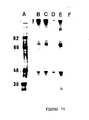
- Preparations of the affinity purified fused protein (5 ⁇ g) or of pur ⁇ -galactosidase were mixed with 123I-IFN-gamma (1000 units, 5x10⁵ cpm) i the presence or absence of unlabelled IFN-gamma (1000 fold), and th mixture was left for 2 hrs at room temperature.
- Di Succinyl Suberat (DSS) was added to a final concentration of 0.3mM.
- the cross linking wa stopped after 15 min at 4°C by the addition of 1M Tris-HCl buffer.
- Th mixture was immunoprecipitated with rabbit anti- ⁇ -galactosidase seru (1:200, 2 hrs at room temperature), followed by the addition of Prot Sepharose beads.
- Lane F Pur ⁇ -galactosidase cross-linked to 125I-IFN-gamma
- the 1.8 Kb insert of lambda gt11 clone N° 39 isolated from the huma placenta cDNA library with the 0.5 Kb probe was cu out by EcoRI and inserted in the EcoRI site of the KS Bluescript vecto (BS) from Stratagene Cloning Systems (La Jolla, Cal.).
- BS-39cDNA the orientation was such that the AhaIII site at the 3′-end o the sense strand of the 1.8 Kb insert (Fig.
- Lane A Molecular weight markers
- Lane B Crude extract of non-induced bacteria No. 39.
- Lane C and D Crude extract of IPTG-induced bacteria No. 39 after 60 min. and 45 min. of induction, respectively. Blot incubated with antibody No. 177-1.
- the size of the protein may be smaller than that of the natural produc of the 39 cDNA as only a fragment of this cDNA was used in the construct
- This protein comprises the sequences shown in Figure 11.
- the sequence o fragment BalI-Kpn I (Fig. 11B) comprises the sequence shown in Figure 9.
- the 2.3 Kb insert of lambda gt11 clone N° 76 isolated from the huma placenta cDNA library with the 0.7 Kb probe was cu out with EcoRI and inserted in the EcoRI site of the KS Bluescrip vector, so that the XbaI site at the 3′-end of the sense strand of th 2.3 Kb insert (Fig. 8) is close to the BamHI site and T7 RNA polymeras promoter of the BS vector whereas the 5′-end is close to the HindIII sit and the T3 RNA polymerase promoter of the plasmid BS vector.
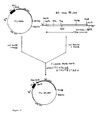
- Th expresssion plasmid TL-IFN- ⁇ c was cut with EcoRI and HindIII an religated with a synthetic ECORI-HindIII linker (Fig. 19).
- the resultin plasmid was recut by HindIII and BamHI and ligated to the HindIII-BamH 2.3 Kb cDNA excised from the above BS clone 76cDNA to yield TL-76cDN (Fig. 19).
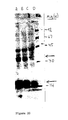
- This plasmid was transfected into E. coli JM101 i q an cultures were induced with IPTG. A 34,000 and a 17,000 Mr protei products were identified which reacted with monoclonal antibody 183 o immunoblots (Fig. 20).
- This protein comprises the sequence shown i Figure 13. Extraction from the cell culture, immunoaffinit chromatography, Western blotting and 125I-IFN-gamma cross-linking ver performed as above.
- Lane A B - Crude extract of IPTG-induced bacteria No. 76 after 120 min. and 180 min., respectively.
- Lane C Crude extract of non-induced bacteria No. 76.
- Lane D - Molecular weight markers. Blot incubated with a mixture of antibodies No. 177-1 and 183.
- the IFN-gamma binding proteins of the present invention can be use either alone or together for modulating the activity and protectin against the deleterious effects of IFN-gamma by systemic or loca administration. They will be useful in the treatment of condition wherein excess of IFN-gamma is endogenously formed or is exogenousl administered.
- IFN-gamma activity by IFN-gamm binding protein is beneficial in cases of undesired production o endogenous IFN-gamma which may occur in local inflammation, systemi inflammation such as occcuring in septic shock and in various autoimmun and inflammatory diseases, including but not restricted to rheumatoi arthritis, multiple sclerosis, juvenile diabetes at its onset polymyositis, Behcet disease, thyroiditis, Lupus erythematosus an dermatitis.
- Modulation of IFN-gamma activity by the IFN-gamma bindin proteins is also beneficial in cases of administration of exogenou IFN-gamma whenever side effects due to overdose or to patient' sensitivity to IFN-gamma is diagnosed.
- the IFN-gamm binding proteins can be used to prolong or even enhance the antiviral anti-inflammatory, anticellular or any other activity of both endogenou and exogenous IFN-gamma.
- the proteins of the invention can be formulated according to know methods to prepare pharmaceutically useful compositions in a mixture wit a pharmaceutically acceptable carrier vehicle. Suitable vehicles an their formulations are described, for example, in Remington' Pharmaceutical Sciences by E.W. Martin.
- compositions of the invention are prepared fo administration by mixing the protein with physiologically acceptabl carriers, stabilizers and excipients, and prepared in dosage form, e.g by lyophilization in dosage vials.
- the amount of active compound to b administered will depend on the route of administration, the disease t be treated and the condition of the patient.
- the vay of administratio can be via any of the accepted modes of administration for similar agent and will depend on the condition to be treated.
Landscapes
- Health & Medical Sciences (AREA)
- Chemical & Material Sciences (AREA)
- Life Sciences & Earth Sciences (AREA)
- Organic Chemistry (AREA)
- Immunology (AREA)
- Medicinal Chemistry (AREA)
- General Health & Medical Sciences (AREA)
- Proteomics, Peptides & Aminoacids (AREA)
- Biochemistry (AREA)
- Biophysics (AREA)
- Genetics & Genomics (AREA)
- Molecular Biology (AREA)
- Gastroenterology & Hepatology (AREA)
- Zoology (AREA)
- Toxicology (AREA)
- Cell Biology (AREA)
- Chemical Kinetics & Catalysis (AREA)
- Public Health (AREA)
- Engineering & Computer Science (AREA)
- General Chemical & Material Sciences (AREA)
- Nuclear Medicine, Radiotherapy & Molecular Imaging (AREA)
- Pharmacology & Pharmacy (AREA)
- Animal Behavior & Ethology (AREA)
- Bioinformatics & Cheminformatics (AREA)
- Veterinary Medicine (AREA)
- Medicines That Contain Protein Lipid Enzymes And Other Medicines (AREA)
- Preparation Of Compounds By Using Micro-Organisms (AREA)
- Peptides Or Proteins (AREA)
- Micro-Organisms Or Cultivation Processes Thereof (AREA)
- Saccharide Compounds (AREA)
Applications Claiming Priority (2)
| Application Number | Priority Date | Filing Date | Title |
|---|---|---|---|
| IL8837888A IL88378A (en) | 1988-11-14 | 1988-11-14 | Human interferon-gamma binding proteins their manufacture and pharmaceutical compositions comprising them |
| IL88378 | 1988-11-14 |
Publications (3)
| Publication Number | Publication Date |
|---|---|
| EP0369413A2 true EP0369413A2 (fr) | 1990-05-23 |
| EP0369413A3 EP0369413A3 (en) | 1990-09-26 |
| EP0369413B1 EP0369413B1 (fr) | 1995-10-04 |
Family
ID=11059418
Family Applications (1)
| Application Number | Title | Priority Date | Filing Date |
|---|---|---|---|
| EP89121094A Expired - Lifetime EP0369413B1 (fr) | 1988-11-14 | 1989-11-14 | Protéines liant l'interféron gamma |
Country Status (9)
| Country | Link |
|---|---|
| US (1) | US5763210A (fr) |
| EP (1) | EP0369413B1 (fr) |
| JP (1) | JP3104187B2 (fr) |
| AT (1) | ATE128728T1 (fr) |
| AU (1) | AU620466B2 (fr) |
| CA (1) | CA2002833C (fr) |
| DE (1) | DE68924464T2 (fr) |
| ES (1) | ES2080060T3 (fr) |
| IL (1) | IL88378A (fr) |
Cited By (6)
| Publication number | Priority date | Publication date | Assignee | Title |
|---|---|---|---|---|
| WO1991005799A1 (fr) * | 1989-10-23 | 1991-05-02 | Schering Corporation | Polypeptides inhibiteurs d'interferon gamma |
| WO1991016431A1 (fr) * | 1990-04-24 | 1991-10-31 | Schering Corporation | RECEPTEURS DE η-INTERFERONS SOLUBLES TRONQUES |
| GB2304342A (en) * | 1995-08-18 | 1997-03-19 | Univ Manchester | Pharmaceutical comprising either an inhibitor or a stimulator of interferon gamma |
| US6558661B1 (en) | 1992-12-29 | 2003-05-06 | Genentech, Inc. | Treatment of inflammatory bowel disease with IFN-γ inhibitors |
| US7220413B2 (en) | 1995-08-18 | 2007-05-22 | Renovo Limited | Pharmaceutical composition containing inhibitors of interferon-γ |
| WO2025049345A1 (fr) | 2023-08-25 | 2025-03-06 | Proteologix Us Inc. | Constructions d'anticorps multispécifiques anti-il-13 et leurs utilisations |
Families Citing this family (6)
| Publication number | Priority date | Publication date | Assignee | Title |
|---|---|---|---|---|
| IL91562A0 (en) * | 1989-09-07 | 1990-04-29 | Yeda Res & Dev | Interferon-gamma receptor fragment and its production |
| US7704944B2 (en) * | 1997-08-14 | 2010-04-27 | Yeda Research And Development Company Ltd. | Interleukin-18 binding proteins, their preparation and use for the treatment of sepsis |
| WO2004034988A2 (fr) | 2002-10-16 | 2004-04-29 | Amgen Inc. | Anticorps humains neutralisants anti-ifn-$g(g) utilises comme inhibiteurs selectifs des voies de ifn-$g(g) |
| RU2318874C1 (ru) * | 2006-04-21 | 2008-03-10 | Федеральное государственное учреждение науки "Государственный научный центр вирусологии и биотехнологии "Вектор" Федеральной службы по надзору в сфере защиты прав потребителей и благополучия человека, ФГУН ГНЦ ВБ "Вектор" Роспотребнадзора | РЕКОМБИНАНТНАЯ ПЛАЗМИДНАЯ ДНК pFastBac-B9RZ, СОДЕРЖАЩАЯ ФРАГМЕНТ ГЕНОМА ВИРУСА ОСПЫ ОБЕЗЬЯН, КОДИРУЮЩИЙ ИНТЕРФЕРОН ГАММА-СВЯЗЫВАЮЩИЙ БЕЛОК, И ШТАММ БАКУЛОВИРУСА BvB9RZ, ПРОДУЦИРУЮЩИЙ РАСТВОРИМЫЙ ИНТЕРФЕРОН ГАММА-СВЯЗЫВАЮЩИЙ БЕЛОК ВИРУСА ОСПЫ ОБЕЗЬЯН |
| US20190185559A1 (en) * | 2016-09-02 | 2019-06-20 | The Brigham And Women's Hospital, Inc. | Compositions and methods for treating neoplasias |
| CN115724941A (zh) * | 2022-12-09 | 2023-03-03 | 郑州伊美诺生物技术有限公司 | γ-干扰素重组抗原及其应用 |
Family Cites Families (2)
| Publication number | Priority date | Publication date | Assignee | Title |
|---|---|---|---|---|
| IL78444A (en) * | 1986-04-08 | 1992-05-25 | Yeda Res & Dev | Human gamma interferon-specific receptor protein,antibody against said protein,and compositions containing said protein and antibody |
| AU625866B2 (en) * | 1989-04-19 | 1992-07-16 | F. Hoffmann-La Roche Ag | Soluble interferon-gamma receptors and methods for their production |
-
1988
- 1988-11-14 IL IL8837888A patent/IL88378A/xx not_active IP Right Cessation
-
1989
- 1989-11-14 DE DE68924464T patent/DE68924464T2/de not_active Expired - Lifetime
- 1989-11-14 CA CA002002833A patent/CA2002833C/fr not_active Expired - Lifetime
- 1989-11-14 ES ES89121094T patent/ES2080060T3/es not_active Expired - Lifetime
- 1989-11-14 AU AU44698/89A patent/AU620466B2/en not_active Expired
- 1989-11-14 AT AT89121094T patent/ATE128728T1/de not_active IP Right Cessation
- 1989-11-14 EP EP89121094A patent/EP0369413B1/fr not_active Expired - Lifetime
- 1989-11-14 JP JP01296033A patent/JP3104187B2/ja not_active Expired - Lifetime
-
1994
- 1994-03-03 US US08/205,358 patent/US5763210A/en not_active Expired - Lifetime
Cited By (8)
| Publication number | Priority date | Publication date | Assignee | Title |
|---|---|---|---|---|
| WO1991005799A1 (fr) * | 1989-10-23 | 1991-05-02 | Schering Corporation | Polypeptides inhibiteurs d'interferon gamma |
| WO1991016431A1 (fr) * | 1990-04-24 | 1991-10-31 | Schering Corporation | RECEPTEURS DE η-INTERFERONS SOLUBLES TRONQUES |
| US6558661B1 (en) | 1992-12-29 | 2003-05-06 | Genentech, Inc. | Treatment of inflammatory bowel disease with IFN-γ inhibitors |
| US7300656B2 (en) | 1992-12-29 | 2007-11-27 | Genentech, Inc. | Treatment of inflammatory bowel disease with IFN-gamma inhibitors |
| US7449176B2 (en) | 1992-12-29 | 2008-11-11 | Genentech, Inc. | Treatment of inflammatory bowel disease with IFN-γ inhibitors |
| GB2304342A (en) * | 1995-08-18 | 1997-03-19 | Univ Manchester | Pharmaceutical comprising either an inhibitor or a stimulator of interferon gamma |
| US7220413B2 (en) | 1995-08-18 | 2007-05-22 | Renovo Limited | Pharmaceutical composition containing inhibitors of interferon-γ |
| WO2025049345A1 (fr) | 2023-08-25 | 2025-03-06 | Proteologix Us Inc. | Constructions d'anticorps multispécifiques anti-il-13 et leurs utilisations |
Also Published As
| Publication number | Publication date |
|---|---|
| ES2080060T3 (es) | 1996-02-01 |
| EP0369413B1 (fr) | 1995-10-04 |
| AU4469889A (en) | 1990-05-31 |
| EP0369413A3 (en) | 1990-09-26 |
| US5763210A (en) | 1998-06-09 |
| IL88378A0 (en) | 1989-06-30 |
| DE68924464T2 (de) | 1996-03-28 |
| JPH02291269A (ja) | 1990-12-03 |
| CA2002833A1 (fr) | 1990-05-14 |
| CA2002833C (fr) | 2001-10-30 |
| IL88378A (en) | 2000-11-21 |
| ATE128728T1 (de) | 1995-10-15 |
| JP3104187B2 (ja) | 2000-10-30 |
| AU620466B2 (en) | 1992-02-20 |
| DE68924464D1 (de) | 1995-11-09 |
Similar Documents
| Publication | Publication Date | Title |
|---|---|---|
| EP0413908B2 (fr) | Fragment extracellulaire soluble du recepteur IFN-bêta 2/IL-6 humain, sa préparation et composition pharmaceutique le contenant | |
| KR100687388B1 (ko) | 인터루킨-18 결합 단백질, 이들의 제조방법 및 용도 | |
| US8138323B2 (en) | Isolated cDNA encoding tumor necrosis factor binding protein II, its purification, and vectors, hosts and processes using such cDNA | |
| EP0417563B1 (fr) | Protéines qui lient le TNF | |
| EP0617126B1 (fr) | Polypeptide capable d'inhiber la liaison de l'IL-6 humain à son récepteur | |
| US5948758A (en) | Methods for treating various disease states by reducing adhesion of leukocytes of target cells | |
| DE3886760T2 (de) | Monoklonale antikörper gegen menschliche interleukin-4 und die sie erzeugenden hybridomen. | |
| US6475983B1 (en) | Water-soluble polypeptides having a high affinity for α and β interferons | |
| EP0369413A2 (fr) | Protéines liant l'interféron gamma | |
| EP0638644A1 (fr) | Récepteurs de l'interleukine 12 et anticorps | |
| US6458932B1 (en) | Interferon-α/β binding protein, its preparation and use | |
| EP0625990B1 (fr) | Complexes de glycoproteines et glycoproteines | |
| PT97107A (pt) | Metodo para aumentar o crescimento e proliferacao de mastocitos utilizando interleuquina-9-purificada | |
| AU688430B2 (en) | Interferon-alpha/beta binding protein, its preparation and use | |
| IL90488A (en) | Ifn-beta2/il-6 receptor its preparation and pharmaceutical compositions containing it | |
| HK1008831A1 (en) | Cloning and expression of humanized monoclonal antibodies against human interleukin-4 | |
| HK1008831B (en) | Cloning and expression of humanized monoclonal antibodies against human interleukin-4 |
Legal Events
| Date | Code | Title | Description |
|---|---|---|---|
| PUAI | Public reference made under article 153(3) epc to a published international application that has entered the european phase |
Free format text: ORIGINAL CODE: 0009012 |
|
| AK | Designated contracting states |
Kind code of ref document: A2 Designated state(s): AT BE CH DE ES FR GB IT LI LU NL SE |
|
| PUAL | Search report despatched |
Free format text: ORIGINAL CODE: 0009013 |
|
| AK | Designated contracting states |
Kind code of ref document: A3 Designated state(s): AT BE CH DE ES FR GB IT LI LU NL SE |
|
| 17P | Request for examination filed |
Effective date: 19910214 |
|
| 17Q | First examination report despatched |
Effective date: 19921002 |
|
| RHK1 | Main classification (correction) |
Ipc: C12N 15/12 |
|
| GRAA | (expected) grant |
Free format text: ORIGINAL CODE: 0009210 |
|
| AK | Designated contracting states |
Kind code of ref document: B1 Designated state(s): AT BE CH DE ES FR GB IT LI LU NL SE |
|
| REF | Corresponds to: |
Ref document number: 128728 Country of ref document: AT Date of ref document: 19951015 Kind code of ref document: T |
|
| ET | Fr: translation filed | ||
| REF | Corresponds to: |
Ref document number: 68924464 Country of ref document: DE Date of ref document: 19951109 |
|
| ITF | It: translation for a ep patent filed | ||
| REG | Reference to a national code |
Ref country code: ES Ref legal event code: FG2A Ref document number: 2080060 Country of ref document: ES Kind code of ref document: T3 |
|
| PLBE | No opposition filed within time limit |
Free format text: ORIGINAL CODE: 0009261 |
|
| STAA | Information on the status of an ep patent application or granted ep patent |
Free format text: STATUS: NO OPPOSITION FILED WITHIN TIME LIMIT |
|
| 26N | No opposition filed | ||
| REG | Reference to a national code |
Ref country code: GB Ref legal event code: IF02 |
|
| REG | Reference to a national code |
Ref country code: CH Ref legal event code: PCAR Free format text: ISLER & PEDRAZZINI AG;POSTFACH 1772;8027 ZUERICH (CH) |
|
| PGFP | Annual fee paid to national office [announced via postgrant information from national office to epo] |
Ref country code: DE Payment date: 20081107 Year of fee payment: 20 Ref country code: LU Payment date: 20081119 Year of fee payment: 20 Ref country code: NL Payment date: 20081103 Year of fee payment: 20 Ref country code: CH Payment date: 20081117 Year of fee payment: 20 |
|
| PGFP | Annual fee paid to national office [announced via postgrant information from national office to epo] |
Ref country code: AT Payment date: 20081112 Year of fee payment: 20 Ref country code: ES Payment date: 20081216 Year of fee payment: 20 |
|
| PGFP | Annual fee paid to national office [announced via postgrant information from national office to epo] |
Ref country code: BE Payment date: 20081110 Year of fee payment: 20 Ref country code: SE Payment date: 20081107 Year of fee payment: 20 Ref country code: IT Payment date: 20081126 Year of fee payment: 20 |
|
| PGFP | Annual fee paid to national office [announced via postgrant information from national office to epo] |
Ref country code: FR Payment date: 20081112 Year of fee payment: 20 |
|
| PGFP | Annual fee paid to national office [announced via postgrant information from national office to epo] |
Ref country code: GB Payment date: 20081112 Year of fee payment: 20 |
|
| BE20 | Be: patent expired |
Owner name: *YEDA RESEARCH AND DEVELOPMENT CY LTD Effective date: 20091114 |
|
| REG | Reference to a national code |
Ref country code: CH Ref legal event code: PL |
|
| REG | Reference to a national code |
Ref country code: GB Ref legal event code: PE20 Expiry date: 20091113 |
|
| NLV7 | Nl: ceased due to reaching the maximum lifetime of a patent |
Effective date: 20091114 |
|
| REG | Reference to a national code |
Ref country code: ES Ref legal event code: FD2A Effective date: 20091116 |
|
| PG25 | Lapsed in a contracting state [announced via postgrant information from national office to epo] |
Ref country code: NL Free format text: LAPSE BECAUSE OF EXPIRATION OF PROTECTION Effective date: 20091114 |
|
| PG25 | Lapsed in a contracting state [announced via postgrant information from national office to epo] |
Ref country code: GB Free format text: LAPSE BECAUSE OF EXPIRATION OF PROTECTION Effective date: 20091113 Ref country code: ES Free format text: LAPSE BECAUSE OF EXPIRATION OF PROTECTION Effective date: 20091116 |