EP0372324A2 - Polyester-Formmassen mit flammwidrigen Eigenschaften - Google Patents
Polyester-Formmassen mit flammwidrigen Eigenschaften Download PDFInfo
- Publication number
- EP0372324A2 EP0372324A2 EP89121776A EP89121776A EP0372324A2 EP 0372324 A2 EP0372324 A2 EP 0372324A2 EP 89121776 A EP89121776 A EP 89121776A EP 89121776 A EP89121776 A EP 89121776A EP 0372324 A2 EP0372324 A2 EP 0372324A2
- Authority
- EP
- European Patent Office
- Prior art keywords
- weight
- parts
- molding compositions
- component
- compositions according
- Prior art date
- Legal status (The legal status is an assumption and is not a legal conclusion. Google has not performed a legal analysis and makes no representation as to the accuracy of the status listed.)
- Withdrawn
Links
- 239000000203 mixture Substances 0.000 title claims abstract description 71
- 238000000465 moulding Methods 0.000 title claims abstract description 37
- 229920000728 polyester Polymers 0.000 title claims abstract description 37
- 239000003063 flame retardant Substances 0.000 title description 13
- RNFJDJUURJAICM-UHFFFAOYSA-N 2,2,4,4,6,6-hexaphenoxy-1,3,5-triaza-2$l^{5},4$l^{5},6$l^{5}-triphosphacyclohexa-1,3,5-triene Chemical compound N=1P(OC=2C=CC=CC=2)(OC=2C=CC=CC=2)=NP(OC=2C=CC=CC=2)(OC=2C=CC=CC=2)=NP=1(OC=1C=CC=CC=1)OC1=CC=CC=C1 RNFJDJUURJAICM-UHFFFAOYSA-N 0.000 title description 10
- PPBRXRYQALVLMV-UHFFFAOYSA-N Styrene Chemical compound C=CC1=CC=CC=C1 PPBRXRYQALVLMV-UHFFFAOYSA-N 0.000 claims description 36
- 229920000578 graft copolymer Polymers 0.000 claims description 32
- 125000003118 aryl group Chemical group 0.000 claims description 31
- -1 N-substituted maleimide Chemical class 0.000 claims description 26
- 239000002245 particle Substances 0.000 claims description 21
- 239000000839 emulsion Substances 0.000 claims description 20
- 229920000098 polyolefin Polymers 0.000 claims description 19
- VVQNEPGJFQJSBK-UHFFFAOYSA-N Methyl methacrylate Chemical class COC(=O)C(C)=C VVQNEPGJFQJSBK-UHFFFAOYSA-N 0.000 claims description 17
- 229920001577 copolymer Polymers 0.000 claims description 17
- NLHHRLWOUZZQLW-UHFFFAOYSA-N Acrylonitrile Chemical compound C=CC#N NLHHRLWOUZZQLW-UHFFFAOYSA-N 0.000 claims description 16
- 150000001875 compounds Chemical class 0.000 claims description 16
- 238000004519 manufacturing process Methods 0.000 claims description 12
- 229920001283 Polyalkylene terephthalate Polymers 0.000 claims description 11
- 229910052801 chlorine Inorganic materials 0.000 claims description 11
- 238000000034 method Methods 0.000 claims description 10
- 238000009757 thermoplastic moulding Methods 0.000 claims description 10
- XYLMUPLGERFSHI-UHFFFAOYSA-N alpha-Methylstyrene Chemical compound CC(=C)C1=CC=CC=C1 XYLMUPLGERFSHI-UHFFFAOYSA-N 0.000 claims description 9
- 229910052794 bromium Inorganic materials 0.000 claims description 9
- 239000000945 filler Substances 0.000 claims description 8
- 229910052736 halogen Inorganic materials 0.000 claims description 8
- 150000002367 halogens Chemical class 0.000 claims description 7
- 239000000975 dye Substances 0.000 claims description 6
- 239000006082 mold release agent Substances 0.000 claims description 6
- 239000002667 nucleating agent Substances 0.000 claims description 6
- 239000000049 pigment Substances 0.000 claims description 6
- 239000012779 reinforcing material Substances 0.000 claims description 6
- 239000003381 stabilizer Substances 0.000 claims description 6
- 101000983970 Conus catus Alpha-conotoxin CIB Proteins 0.000 claims description 5
- 101000932768 Conus catus Alpha-conotoxin CIC Proteins 0.000 claims description 5
- 239000002216 antistatic agent Substances 0.000 claims description 5
- 229920005992 thermoplastic resin Polymers 0.000 claims description 5
- 125000004209 (C1-C8) alkyl group Chemical group 0.000 claims description 4
- FPYJFEHAWHCUMM-UHFFFAOYSA-N maleic anhydride Chemical compound O=C1OC(=O)C=C1 FPYJFEHAWHCUMM-UHFFFAOYSA-N 0.000 claims description 4
- 238000002156 mixing Methods 0.000 claims description 4
- 125000006736 (C6-C20) aryl group Chemical group 0.000 claims description 3
- YCKRFDGAMUMZLT-UHFFFAOYSA-N Fluorine atom Chemical compound [F] YCKRFDGAMUMZLT-UHFFFAOYSA-N 0.000 claims description 3
- 239000003795 chemical substances by application Substances 0.000 claims description 3
- 229910052731 fluorine Inorganic materials 0.000 claims description 3
- 239000011737 fluorine Substances 0.000 claims description 3
- 150000003440 styrenes Chemical class 0.000 claims description 3
- 229910052698 phosphorus Inorganic materials 0.000 claims description 2
- 239000011574 phosphorus Substances 0.000 claims description 2
- 238000002360 preparation method Methods 0.000 claims description 2
- 229920000642 polymer Polymers 0.000 abstract description 27
- BFKJFAAPBSQJPD-UHFFFAOYSA-N tetrafluoroethene Chemical group FC(F)=C(F)F BFKJFAAPBSQJPD-UHFFFAOYSA-N 0.000 abstract description 18
- 150000002366 halogen compounds Chemical class 0.000 abstract description 6
- 150000003014 phosphoric acid esters Chemical class 0.000 abstract description 2
- 230000006735 deficit Effects 0.000 abstract 1
- 239000000178 monomer Substances 0.000 description 20
- 125000004432 carbon atom Chemical group C* 0.000 description 15
- KKEYFWRCBNTPAC-UHFFFAOYSA-N Terephthalic acid Chemical compound OC(=O)C1=CC=C(C(O)=O)C=C1 KKEYFWRCBNTPAC-UHFFFAOYSA-N 0.000 description 13
- KAKZBPTYRLMSJV-UHFFFAOYSA-N Butadiene Chemical compound C=CC=C KAKZBPTYRLMSJV-UHFFFAOYSA-N 0.000 description 12
- IISBACLAFKSPIT-UHFFFAOYSA-N bisphenol A Chemical compound C=1C=C(O)C=CC=1C(C)(C)C1=CC=C(O)C=C1 IISBACLAFKSPIT-UHFFFAOYSA-N 0.000 description 10
- 150000004649 carbonic acid derivatives Chemical class 0.000 description 10
- 239000000460 chlorine Substances 0.000 description 10
- QQVIHTHCMHWDBS-UHFFFAOYSA-N isophthalic acid Chemical compound OC(=O)C1=CC=CC(C(O)=O)=C1 QQVIHTHCMHWDBS-UHFFFAOYSA-N 0.000 description 10
- 229920000638 styrene acrylonitrile Polymers 0.000 description 9
- 150000002148 esters Chemical class 0.000 description 8
- 238000012360 testing method Methods 0.000 description 8
- WKBOTKDWSSQWDR-UHFFFAOYSA-N Bromine atom Chemical class [Br] WKBOTKDWSSQWDR-UHFFFAOYSA-N 0.000 description 7
- YMWUJEATGCHHMB-UHFFFAOYSA-N Dichloromethane Chemical compound ClCCl YMWUJEATGCHHMB-UHFFFAOYSA-N 0.000 description 7
- BVKZGUZCCUSVTD-UHFFFAOYSA-L Carbonate Chemical compound [O-]C([O-])=O BVKZGUZCCUSVTD-UHFFFAOYSA-L 0.000 description 6
- LYCAIKOWRPUZTN-UHFFFAOYSA-N Ethylene glycol Chemical compound OCCO LYCAIKOWRPUZTN-UHFFFAOYSA-N 0.000 description 6
- CERQOIWHTDAKMF-UHFFFAOYSA-N Methacrylic acid Chemical class CC(=C)C(O)=O CERQOIWHTDAKMF-UHFFFAOYSA-N 0.000 description 6
- ZMXDDKWLCZADIW-UHFFFAOYSA-N N,N-Dimethylformamide Chemical compound CN(C)C=O ZMXDDKWLCZADIW-UHFFFAOYSA-N 0.000 description 6
- 238000004132 cross linking Methods 0.000 description 6
- 239000007787 solid Substances 0.000 description 6
- 239000000243 solution Substances 0.000 description 6
- YXFVVABEGXRONW-UHFFFAOYSA-N Toluene Chemical compound CC1=CC=CC=C1 YXFVVABEGXRONW-UHFFFAOYSA-N 0.000 description 5
- 150000001298 alcohols Chemical class 0.000 description 5
- WERYXYBDKMZEQL-UHFFFAOYSA-N butane-1,4-diol Chemical compound OCCCCO WERYXYBDKMZEQL-UHFFFAOYSA-N 0.000 description 5
- 229920001971 elastomer Polymers 0.000 description 5
- 239000000314 lubricant Substances 0.000 description 5
- 239000000843 powder Substances 0.000 description 5
- 239000000047 product Substances 0.000 description 5
- 239000005060 rubber Substances 0.000 description 5
- XLYOFNOQVPJJNP-UHFFFAOYSA-N water Substances O XLYOFNOQVPJJNP-UHFFFAOYSA-N 0.000 description 5
- RFFLAFLAYFXFSW-UHFFFAOYSA-N 1,2-dichlorobenzene Chemical compound ClC1=CC=CC=C1Cl RFFLAFLAYFXFSW-UHFFFAOYSA-N 0.000 description 4
- NIXOWILDQLNWCW-UHFFFAOYSA-M Acrylate Chemical compound [O-]C(=O)C=C NIXOWILDQLNWCW-UHFFFAOYSA-M 0.000 description 4
- ZAMOUSCENKQFHK-UHFFFAOYSA-N Chlorine atom Chemical compound [Cl] ZAMOUSCENKQFHK-UHFFFAOYSA-N 0.000 description 4
- CSNNHWWHGAXBCP-UHFFFAOYSA-L Magnesium sulfate Chemical compound [Mg+2].[O-][S+2]([O-])([O-])[O-] CSNNHWWHGAXBCP-UHFFFAOYSA-L 0.000 description 4
- ATUOYWHBWRKTHZ-UHFFFAOYSA-N Propane Chemical compound CCC ATUOYWHBWRKTHZ-UHFFFAOYSA-N 0.000 description 4
- 239000002253 acid Substances 0.000 description 4
- 150000001805 chlorine compounds Chemical class 0.000 description 4
- 230000000052 comparative effect Effects 0.000 description 4
- 238000011049 filling Methods 0.000 description 4
- 230000009477 glass transition Effects 0.000 description 4
- 229920002857 polybutadiene Polymers 0.000 description 4
- 239000004417 polycarbonate Substances 0.000 description 4
- 229920000515 polycarbonate Polymers 0.000 description 4
- 229920001343 polytetrafluoroethylene Polymers 0.000 description 4
- 239000004810 polytetrafluoroethylene Substances 0.000 description 4
- SMZOUWXMTYCWNB-UHFFFAOYSA-N 2-(2-methoxy-5-methylphenyl)ethanamine Chemical compound COC1=CC=C(C)C=C1CCN SMZOUWXMTYCWNB-UHFFFAOYSA-N 0.000 description 3
- VEORPZCZECFIRK-UHFFFAOYSA-N 3,3',5,5'-tetrabromobisphenol A Chemical compound C=1C(Br)=C(O)C(Br)=CC=1C(C)(C)C1=CC(Br)=C(O)C(Br)=C1 VEORPZCZECFIRK-UHFFFAOYSA-N 0.000 description 3
- QTBSBXVTEAMEQO-UHFFFAOYSA-N Acetic acid Chemical compound CC(O)=O QTBSBXVTEAMEQO-UHFFFAOYSA-N 0.000 description 3
- UHOVQNZJYSORNB-UHFFFAOYSA-N Benzene Chemical compound C1=CC=CC=C1 UHOVQNZJYSORNB-UHFFFAOYSA-N 0.000 description 3
- GYCMBHHDWRMZGG-UHFFFAOYSA-N Methylacrylonitrile Chemical compound CC(=C)C#N GYCMBHHDWRMZGG-UHFFFAOYSA-N 0.000 description 3
- 229910019142 PO4 Inorganic materials 0.000 description 3
- ISWSIDIOOBJBQZ-UHFFFAOYSA-N Phenol Chemical compound OC1=CC=CC=C1 ISWSIDIOOBJBQZ-UHFFFAOYSA-N 0.000 description 3
- YGYAWVDWMABLBF-UHFFFAOYSA-N Phosgene Chemical compound ClC(Cl)=O YGYAWVDWMABLBF-UHFFFAOYSA-N 0.000 description 3
- GDTBXPJZTBHREO-UHFFFAOYSA-N bromine Substances BrBr GDTBXPJZTBHREO-UHFFFAOYSA-N 0.000 description 3
- 125000005587 carbonate group Chemical group 0.000 description 3
- 150000001991 dicarboxylic acids Chemical class 0.000 description 3
- 238000007720 emulsion polymerization reaction Methods 0.000 description 3
- 230000002349 favourable effect Effects 0.000 description 3
- 238000001746 injection moulding Methods 0.000 description 3
- 239000004816 latex Substances 0.000 description 3
- 229920000126 latex Polymers 0.000 description 3
- 239000000463 material Substances 0.000 description 3
- 238000005259 measurement Methods 0.000 description 3
- 150000002989 phenols Chemical class 0.000 description 3
- 235000021317 phosphate Nutrition 0.000 description 3
- 229920003023 plastic Polymers 0.000 description 3
- 239000004033 plastic Substances 0.000 description 3
- SCUZVMOVTVSBLE-UHFFFAOYSA-N prop-2-enenitrile;styrene Chemical compound C=CC#N.C=CC1=CC=CC=C1 SCUZVMOVTVSBLE-UHFFFAOYSA-N 0.000 description 3
- 229920002379 silicone rubber Polymers 0.000 description 3
- 239000007858 starting material Substances 0.000 description 3
- BJELTSYBAHKXRW-UHFFFAOYSA-N 2,4,6-triallyloxy-1,3,5-triazine Chemical compound C=CCOC1=NC(OCC=C)=NC(OCC=C)=N1 BJELTSYBAHKXRW-UHFFFAOYSA-N 0.000 description 2
- NIXOWILDQLNWCW-UHFFFAOYSA-N 2-Propenoic acid Natural products OC(=O)C=C NIXOWILDQLNWCW-UHFFFAOYSA-N 0.000 description 2
- DBCAQXHNJOFNGC-UHFFFAOYSA-N 4-bromo-1,1,1-trifluorobutane Chemical compound FC(F)(F)CCCBr DBCAQXHNJOFNGC-UHFFFAOYSA-N 0.000 description 2
- FJKROLUGYXJWQN-UHFFFAOYSA-N 4-hydroxybenzoic acid Chemical compound OC(=O)C1=CC=C(O)C=C1 FJKROLUGYXJWQN-UHFFFAOYSA-N 0.000 description 2
- 239000004641 Diallyl-phthalate Substances 0.000 description 2
- LFQSCWFLJHTTHZ-UHFFFAOYSA-N Ethanol Chemical compound CCO LFQSCWFLJHTTHZ-UHFFFAOYSA-N 0.000 description 2
- QIGBRXMKCJKVMJ-UHFFFAOYSA-N Hydroquinone Chemical compound OC1=CC=C(O)C=C1 QIGBRXMKCJKVMJ-UHFFFAOYSA-N 0.000 description 2
- RRHGJUQNOFWUDK-UHFFFAOYSA-N Isoprene Chemical compound CC(=C)C=C RRHGJUQNOFWUDK-UHFFFAOYSA-N 0.000 description 2
- BAPJBEWLBFYGME-UHFFFAOYSA-N Methyl acrylate Chemical compound COC(=O)C=C BAPJBEWLBFYGME-UHFFFAOYSA-N 0.000 description 2
- 239000005062 Polybutadiene Substances 0.000 description 2
- GWEVSGVZZGPLCZ-UHFFFAOYSA-N Titan oxide Chemical compound O=[Ti]=O GWEVSGVZZGPLCZ-UHFFFAOYSA-N 0.000 description 2
- 125000005396 acrylic acid ester group Chemical group 0.000 description 2
- 239000000654 additive Substances 0.000 description 2
- WNLRTRBMVRJNCN-UHFFFAOYSA-N adipic acid Chemical compound OC(=O)CCCCC(O)=O WNLRTRBMVRJNCN-UHFFFAOYSA-N 0.000 description 2
- 125000001931 aliphatic group Chemical group 0.000 description 2
- ROOXNKNUYICQNP-UHFFFAOYSA-N ammonium persulfate Chemical compound [NH4+].[NH4+].[O-]S(=O)(=O)OOS([O-])(=O)=O ROOXNKNUYICQNP-UHFFFAOYSA-N 0.000 description 2
- ADCOVFLJGNWWNZ-UHFFFAOYSA-N antimony trioxide Chemical compound O=[Sb]O[Sb]=O ADCOVFLJGNWWNZ-UHFFFAOYSA-N 0.000 description 2
- QMKYBPDZANOJGF-UHFFFAOYSA-N benzene-1,3,5-tricarboxylic acid Chemical compound OC(=O)C1=CC(C(O)=O)=CC(C(O)=O)=C1 QMKYBPDZANOJGF-UHFFFAOYSA-N 0.000 description 2
- QUDWYFHPNIMBFC-UHFFFAOYSA-N bis(prop-2-enyl) benzene-1,2-dicarboxylate Chemical compound C=CCOC(=O)C1=CC=CC=C1C(=O)OCC=C QUDWYFHPNIMBFC-UHFFFAOYSA-N 0.000 description 2
- 239000006085 branching agent Substances 0.000 description 2
- 239000006227 byproduct Substances 0.000 description 2
- 239000007795 chemical reaction product Substances 0.000 description 2
- MVPPADPHJFYWMZ-UHFFFAOYSA-N chlorobenzene Chemical compound ClC1=CC=CC=C1 MVPPADPHJFYWMZ-UHFFFAOYSA-N 0.000 description 2
- 238000000975 co-precipitation Methods 0.000 description 2
- 239000000470 constituent Substances 0.000 description 2
- 238000010276 construction Methods 0.000 description 2
- 125000004122 cyclic group Chemical group 0.000 description 2
- 150000002009 diols Chemical class 0.000 description 2
- STVZJERGLQHEKB-UHFFFAOYSA-N ethylene glycol dimethacrylate Substances CC(=C)C(=O)OCCOC(=O)C(C)=C STVZJERGLQHEKB-UHFFFAOYSA-N 0.000 description 2
- 238000010559 graft polymerization reaction Methods 0.000 description 2
- 150000002391 heterocyclic compounds Chemical class 0.000 description 2
- 125000002887 hydroxy group Chemical group [H]O* 0.000 description 2
- 125000004464 hydroxyphenyl group Chemical group 0.000 description 2
- 229910052943 magnesium sulfate Inorganic materials 0.000 description 2
- 235000019341 magnesium sulphate Nutrition 0.000 description 2
- VNWKTOKETHGBQD-UHFFFAOYSA-N methane Chemical compound C VNWKTOKETHGBQD-UHFFFAOYSA-N 0.000 description 2
- 125000002496 methyl group Chemical group [H]C([H])([H])* 0.000 description 2
- RXOHFPCZGPKIRD-UHFFFAOYSA-N naphthalene-2,6-dicarboxylic acid Chemical compound C1=C(C(O)=O)C=CC2=CC(C(=O)O)=CC=C21 RXOHFPCZGPKIRD-UHFFFAOYSA-N 0.000 description 2
- 150000003018 phosphorus compounds Chemical class 0.000 description 2
- XNGIFLGASWRNHJ-UHFFFAOYSA-N phthalic acid Chemical compound OC(=O)C1=CC=CC=C1C(O)=O XNGIFLGASWRNHJ-UHFFFAOYSA-N 0.000 description 2
- 229920001601 polyetherimide Polymers 0.000 description 2
- 229920000139 polyethylene terephthalate Polymers 0.000 description 2
- 239000005020 polyethylene terephthalate Substances 0.000 description 2
- 230000000379 polymerizing effect Effects 0.000 description 2
- FBCQUCJYYPMKRO-UHFFFAOYSA-N prop-2-enyl 2-methylprop-2-enoate Chemical compound CC(=C)C(=O)OCC=C FBCQUCJYYPMKRO-UHFFFAOYSA-N 0.000 description 2
- 239000001294 propane Substances 0.000 description 2
- 230000003014 reinforcing effect Effects 0.000 description 2
- 229920005989 resin Polymers 0.000 description 2
- 239000011347 resin Substances 0.000 description 2
- GHMLBKRAJCXXBS-UHFFFAOYSA-N resorcinol Chemical compound OC1=CC=CC(O)=C1 GHMLBKRAJCXXBS-UHFFFAOYSA-N 0.000 description 2
- 239000002904 solvent Substances 0.000 description 2
- 239000000126 substance Substances 0.000 description 2
- 229920001169 thermoplastic Polymers 0.000 description 2
- 239000004416 thermosoftening plastic Substances 0.000 description 2
- ARCGXLSVLAOJQL-UHFFFAOYSA-N trimellitic acid Chemical compound OC(=O)C1=CC=C(C(O)=O)C(C(O)=O)=C1 ARCGXLSVLAOJQL-UHFFFAOYSA-N 0.000 description 2
- XZZNDPSIHUTMOC-UHFFFAOYSA-N triphenyl phosphate Chemical compound C=1C=CC=CC=1OP(OC=1C=CC=CC=1)(=O)OC1=CC=CC=C1 XZZNDPSIHUTMOC-UHFFFAOYSA-N 0.000 description 2
- 125000000391 vinyl group Chemical group [H]C([*])=C([H])[H] 0.000 description 2
- 229920002554 vinyl polymer Polymers 0.000 description 2
- DNIAPMSPPWPWGF-VKHMYHEASA-N (+)-propylene glycol Chemical compound C[C@H](O)CO DNIAPMSPPWPWGF-VKHMYHEASA-N 0.000 description 1
- XMNDMAQKWSQVOV-UHFFFAOYSA-N (2-methylphenyl) diphenyl phosphate Chemical compound CC1=CC=CC=C1OP(=O)(OC=1C=CC=CC=1)OC1=CC=CC=C1 XMNDMAQKWSQVOV-UHFFFAOYSA-N 0.000 description 1
- 125000004400 (C1-C12) alkyl group Chemical group 0.000 description 1
- 125000004178 (C1-C4) alkyl group Chemical group 0.000 description 1
- NDRKXFLZSRHAJE-UHFFFAOYSA-N 1,2,3,4,5-pentabromo-6-(2,3,4-tribromophenyl)benzene Chemical group BrC1=C(Br)C(Br)=CC=C1C1=C(Br)C(Br)=C(Br)C(Br)=C1Br NDRKXFLZSRHAJE-UHFFFAOYSA-N 0.000 description 1
- ORYGKUIDIMIRNN-UHFFFAOYSA-N 1,2,3,4-tetrabromo-5-(2,3,4,5-tetrabromophenoxy)benzene Chemical compound BrC1=C(Br)C(Br)=CC(OC=2C(=C(Br)C(Br)=C(Br)C=2)Br)=C1Br ORYGKUIDIMIRNN-UHFFFAOYSA-N 0.000 description 1
- ITLWXUAADUZDRV-UHFFFAOYSA-N 1,2,3-tribromo-4-chloro-5-(trichloromethyl)benzene Chemical compound ClC1=C(Br)C(Br)=C(Br)C=C1C(Cl)(Cl)Cl ITLWXUAADUZDRV-UHFFFAOYSA-N 0.000 description 1
- KOMNUTZXSVSERR-UHFFFAOYSA-N 1,3,5-tris(prop-2-enyl)-1,3,5-triazinane-2,4,6-trione Chemical compound C=CCN1C(=O)N(CC=C)C(=O)N(CC=C)C1=O KOMNUTZXSVSERR-UHFFFAOYSA-N 0.000 description 1
- YPFDHNVEDLHUCE-UHFFFAOYSA-N 1,3-propanediol Substances OCCCO YPFDHNVEDLHUCE-UHFFFAOYSA-N 0.000 description 1
- FYBFGAFWCBMEDG-UHFFFAOYSA-N 1-[3,5-di(prop-2-enoyl)-1,3,5-triazinan-1-yl]prop-2-en-1-one Chemical compound C=CC(=O)N1CN(C(=O)C=C)CN(C(=O)C=C)C1 FYBFGAFWCBMEDG-UHFFFAOYSA-N 0.000 description 1
- YIYBRXKMQFDHSM-UHFFFAOYSA-N 2,2'-Dihydroxybenzophenone Chemical class OC1=CC=CC=C1C(=O)C1=CC=CC=C1O YIYBRXKMQFDHSM-UHFFFAOYSA-N 0.000 description 1
- FQXGHZNSUOHCLO-UHFFFAOYSA-N 2,2,4,4-tetramethyl-1,3-cyclobutanediol Chemical compound CC1(C)C(O)C(C)(C)C1O FQXGHZNSUOHCLO-UHFFFAOYSA-N 0.000 description 1
- JCTXKRPTIMZBJT-UHFFFAOYSA-N 2,2,4-trimethylpentane-1,3-diol Chemical compound CC(C)C(O)C(C)(C)CO JCTXKRPTIMZBJT-UHFFFAOYSA-N 0.000 description 1
- VXHYVVAUHMGCEX-UHFFFAOYSA-N 2-(2-hydroxyphenoxy)phenol Chemical class OC1=CC=CC=C1OC1=CC=CC=C1O VXHYVVAUHMGCEX-UHFFFAOYSA-N 0.000 description 1
- XSVZEASGNTZBRQ-UHFFFAOYSA-N 2-(2-hydroxyphenyl)sulfinylphenol Chemical class OC1=CC=CC=C1S(=O)C1=CC=CC=C1O XSVZEASGNTZBRQ-UHFFFAOYSA-N 0.000 description 1
- QUWAJPZDCZDTJS-UHFFFAOYSA-N 2-(2-hydroxyphenyl)sulfonylphenol Chemical class OC1=CC=CC=C1S(=O)(=O)C1=CC=CC=C1O QUWAJPZDCZDTJS-UHFFFAOYSA-N 0.000 description 1
- XKZQKPRCPNGNFR-UHFFFAOYSA-N 2-(3-hydroxyphenyl)phenol Chemical class OC1=CC=CC(C=2C(=CC=CC=2)O)=C1 XKZQKPRCPNGNFR-UHFFFAOYSA-N 0.000 description 1
- RWLALWYNXFYRGW-UHFFFAOYSA-N 2-Ethyl-1,3-hexanediol Chemical compound CCCC(O)C(CC)CO RWLALWYNXFYRGW-UHFFFAOYSA-N 0.000 description 1
- KYGLCUAXJICESS-UHFFFAOYSA-N 2-[2,3-di(propan-2-yl)phenyl]phenol Chemical class CC(C)C1=CC=CC(C=2C(=CC=CC=2)O)=C1C(C)C KYGLCUAXJICESS-UHFFFAOYSA-N 0.000 description 1
- WHBAYNMEIXUTJV-UHFFFAOYSA-N 2-chloroethyl prop-2-enoate Chemical compound ClCCOC(=O)C=C WHBAYNMEIXUTJV-UHFFFAOYSA-N 0.000 description 1
- HYFFNAVAMIJUIP-UHFFFAOYSA-N 2-ethylpropane-1,3-diol Chemical compound CCC(CO)CO HYFFNAVAMIJUIP-UHFFFAOYSA-N 0.000 description 1
- ACOQOLIJGGKILA-UHFFFAOYSA-N 2-methylpentane-1,1-diol Chemical compound CCCC(C)C(O)O ACOQOLIJGGKILA-UHFFFAOYSA-N 0.000 description 1
- CPHURRLSZSRQFS-UHFFFAOYSA-N 3-[4-[2-[4-(3-hydroxypropoxy)phenyl]propan-2-yl]phenoxy]propan-1-ol Chemical compound C=1C=C(OCCCO)C=CC=1C(C)(C)C1=CC=C(OCCCO)C=C1 CPHURRLSZSRQFS-UHFFFAOYSA-N 0.000 description 1
- ZGZVGZCIFZBNCN-UHFFFAOYSA-N 4,4'-(2-Methylpropylidene)bisphenol Chemical compound C=1C=C(O)C=CC=1C(C(C)C)C1=CC=C(O)C=C1 ZGZVGZCIFZBNCN-UHFFFAOYSA-N 0.000 description 1
- VPWNQTHUCYMVMZ-UHFFFAOYSA-N 4,4'-sulfonyldiphenol Chemical compound C1=CC(O)=CC=C1S(=O)(=O)C1=CC=C(O)C=C1 VPWNQTHUCYMVMZ-UHFFFAOYSA-N 0.000 description 1
- VWGKEVWFBOUAND-UHFFFAOYSA-N 4,4'-thiodiphenol Chemical compound C1=CC(O)=CC=C1SC1=CC=C(O)C=C1 VWGKEVWFBOUAND-UHFFFAOYSA-N 0.000 description 1
- WVDRSXGPQWNUBN-UHFFFAOYSA-N 4-(4-carboxyphenoxy)benzoic acid Chemical compound C1=CC(C(=O)O)=CC=C1OC1=CC=C(C(O)=O)C=C1 WVDRSXGPQWNUBN-UHFFFAOYSA-N 0.000 description 1
- NEQFBGHQPUXOFH-UHFFFAOYSA-N 4-(4-carboxyphenyl)benzoic acid Chemical compound C1=CC(C(=O)O)=CC=C1C1=CC=C(C(O)=O)C=C1 NEQFBGHQPUXOFH-UHFFFAOYSA-N 0.000 description 1
- HVXRCAWUNAOCTA-UHFFFAOYSA-N 4-(6-methylheptyl)phenol Chemical group CC(C)CCCCCC1=CC=C(O)C=C1 HVXRCAWUNAOCTA-UHFFFAOYSA-N 0.000 description 1
- ODJUOZPKKHIEOZ-UHFFFAOYSA-N 4-[2-(4-hydroxy-3,5-dimethylphenyl)propan-2-yl]-2,6-dimethylphenol Chemical compound CC1=C(O)C(C)=CC(C(C)(C)C=2C=C(C)C(O)=C(C)C=2)=C1 ODJUOZPKKHIEOZ-UHFFFAOYSA-N 0.000 description 1
- CDBAMNGURPMUTG-UHFFFAOYSA-N 4-[2-(4-hydroxycyclohexyl)propan-2-yl]cyclohexan-1-ol Chemical compound C1CC(O)CCC1C(C)(C)C1CCC(O)CC1 CDBAMNGURPMUTG-UHFFFAOYSA-N 0.000 description 1
- 229940090248 4-hydroxybenzoic acid Drugs 0.000 description 1
- 229930185605 Bisphenol Natural products 0.000 description 1
- SDDLEVPIDBLVHC-UHFFFAOYSA-N Bisphenol Z Chemical compound C1=CC(O)=CC=C1C1(C=2C=CC(O)=CC=2)CCCCC1 SDDLEVPIDBLVHC-UHFFFAOYSA-N 0.000 description 1
- 229920000742 Cotton Polymers 0.000 description 1
- 239000004908 Emulsion polymer Substances 0.000 description 1
- VGGSQFUCUMXWEO-UHFFFAOYSA-N Ethene Chemical compound C=C VGGSQFUCUMXWEO-UHFFFAOYSA-N 0.000 description 1
- JIGUQPWFLRLWPJ-UHFFFAOYSA-N Ethyl acrylate Chemical compound CCOC(=O)C=C JIGUQPWFLRLWPJ-UHFFFAOYSA-N 0.000 description 1
- 239000005977 Ethylene Substances 0.000 description 1
- 229920006360 Hostaflon Polymers 0.000 description 1
- DGAQECJNVWCQMB-PUAWFVPOSA-M Ilexoside XXIX Chemical compound C[C@@H]1CC[C@@]2(CC[C@@]3(C(=CC[C@H]4[C@]3(CC[C@@H]5[C@@]4(CC[C@@H](C5(C)C)OS(=O)(=O)[O-])C)C)[C@@H]2[C@]1(C)O)C)C(=O)O[C@H]6[C@@H]([C@H]([C@@H]([C@H](O6)CO)O)O)O.[Na+] DGAQECJNVWCQMB-PUAWFVPOSA-M 0.000 description 1
- PEEHTFAAVSWFBL-UHFFFAOYSA-N Maleimide Chemical compound O=C1NC(=O)C=C1 PEEHTFAAVSWFBL-UHFFFAOYSA-N 0.000 description 1
- 235000009781 Myrtillocactus geometrizans Nutrition 0.000 description 1
- 240000009125 Myrtillocactus geometrizans Species 0.000 description 1
- 239000002033 PVDF binder Substances 0.000 description 1
- ALQSHHUCVQOPAS-UHFFFAOYSA-N Pentane-1,5-diol Chemical compound OCCCCCO ALQSHHUCVQOPAS-UHFFFAOYSA-N 0.000 description 1
- 239000004962 Polyamide-imide Substances 0.000 description 1
- 229920002367 Polyisobutene Polymers 0.000 description 1
- 239000004721 Polyphenylene oxide Substances 0.000 description 1
- ZLMJMSJWJFRBEC-UHFFFAOYSA-N Potassium Chemical compound [K] ZLMJMSJWJFRBEC-UHFFFAOYSA-N 0.000 description 1
- YSMRWXYRXBRSND-UHFFFAOYSA-N TOTP Chemical compound CC1=CC=CC=C1OP(=O)(OC=1C(=CC=CC=1)C)OC1=CC=CC=C1C YSMRWXYRXBRSND-UHFFFAOYSA-N 0.000 description 1
- 229920006362 Teflon® Polymers 0.000 description 1
- PQYJRMFWJJONBO-UHFFFAOYSA-N Tris(2,3-dibromopropyl) phosphate Chemical compound BrCC(Br)COP(=O)(OCC(Br)CBr)OCC(Br)CBr PQYJRMFWJJONBO-UHFFFAOYSA-N 0.000 description 1
- XTXRWKRVRITETP-UHFFFAOYSA-N Vinyl acetate Chemical compound CC(=O)OC=C XTXRWKRVRITETP-UHFFFAOYSA-N 0.000 description 1
- QYKIQEUNHZKYBP-UHFFFAOYSA-N Vinyl ether Chemical compound C=COC=C QYKIQEUNHZKYBP-UHFFFAOYSA-N 0.000 description 1
- YIMQCDZDWXUDCA-UHFFFAOYSA-N [4-(hydroxymethyl)cyclohexyl]methanol Chemical compound OCC1CCC(CO)CC1 YIMQCDZDWXUDCA-UHFFFAOYSA-N 0.000 description 1
- HPUPGAFDTWIMBR-UHFFFAOYSA-N [methyl(phenoxy)phosphoryl]oxybenzene Chemical compound C=1C=CC=CC=1OP(=O)(C)OC1=CC=CC=C1 HPUPGAFDTWIMBR-UHFFFAOYSA-N 0.000 description 1
- 238000005299 abrasion Methods 0.000 description 1
- 150000007513 acids Chemical class 0.000 description 1
- 150000003926 acrylamides Chemical class 0.000 description 1
- 239000001361 adipic acid Substances 0.000 description 1
- 235000011037 adipic acid Nutrition 0.000 description 1
- 150000001335 aliphatic alkanes Chemical class 0.000 description 1
- 125000002947 alkylene group Chemical group 0.000 description 1
- 229910001870 ammonium persulfate Inorganic materials 0.000 description 1
- 235000019395 ammonium persulphate Nutrition 0.000 description 1
- 150000008064 anhydrides Chemical class 0.000 description 1
- 239000012736 aqueous medium Substances 0.000 description 1
- 239000007864 aqueous solution Substances 0.000 description 1
- 239000004760 aramid Substances 0.000 description 1
- 238000000149 argon plasma sintering Methods 0.000 description 1
- 229920003235 aromatic polyamide Polymers 0.000 description 1
- 125000004429 atom Chemical group 0.000 description 1
- 238000001266 bandaging Methods 0.000 description 1
- 125000004799 bromophenyl group Chemical group 0.000 description 1
- 238000012662 bulk polymerization Methods 0.000 description 1
- 125000000484 butyl group Chemical group [H]C([*])([H])C([H])([H])C([H])([H])C([H])([H])[H] 0.000 description 1
- 229910052799 carbon Inorganic materials 0.000 description 1
- BVKZGUZCCUSVTD-UHFFFAOYSA-N carbonic acid Chemical class OC(O)=O BVKZGUZCCUSVTD-UHFFFAOYSA-N 0.000 description 1
- 150000001732 carboxylic acid derivatives Chemical class 0.000 description 1
- 239000003054 catalyst Substances 0.000 description 1
- 238000005119 centrifugation Methods 0.000 description 1
- 238000006243 chemical reaction Methods 0.000 description 1
- AOGYCOYQMAVAFD-UHFFFAOYSA-N chlorocarbonic acid Chemical class OC(Cl)=O AOGYCOYQMAVAFD-UHFFFAOYSA-N 0.000 description 1
- 125000002603 chloroethyl group Chemical group [H]C([*])([H])C([H])([H])Cl 0.000 description 1
- 125000000068 chlorophenyl group Chemical group 0.000 description 1
- YACLQRRMGMJLJV-UHFFFAOYSA-N chloroprene Chemical compound ClC(=C)C=C YACLQRRMGMJLJV-UHFFFAOYSA-N 0.000 description 1
- 230000015271 coagulation Effects 0.000 description 1
- 238000005345 coagulation Methods 0.000 description 1
- 239000000084 colloidal system Substances 0.000 description 1
- 239000000567 combustion gas Substances 0.000 description 1
- 238000013329 compounding Methods 0.000 description 1
- 125000000853 cresyl group Chemical group C1(=CC=C(C=C1)C)* 0.000 description 1
- 150000001924 cycloalkanes Chemical class 0.000 description 1
- 125000002993 cycloalkylene group Chemical group 0.000 description 1
- WHHGLZMJPXIBIX-UHFFFAOYSA-N decabromodiphenyl ether Chemical compound BrC1=C(Br)C(Br)=C(Br)C(Br)=C1OC1=C(Br)C(Br)=C(Br)C(Br)=C1Br WHHGLZMJPXIBIX-UHFFFAOYSA-N 0.000 description 1
- VZEGPPPCKHRYGO-UHFFFAOYSA-N diethoxyphosphorylbenzene Chemical compound CCOP(=O)(OCC)C1=CC=CC=C1 VZEGPPPCKHRYGO-UHFFFAOYSA-N 0.000 description 1
- 125000000118 dimethyl group Chemical group [H]C([H])([H])* 0.000 description 1
- VONWDASPFIQPDY-UHFFFAOYSA-N dimethyl methylphosphonate Chemical compound COP(C)(=O)OC VONWDASPFIQPDY-UHFFFAOYSA-N 0.000 description 1
- 239000006185 dispersion Substances 0.000 description 1
- 230000000694 effects Effects 0.000 description 1
- 238000004870 electrical engineering Methods 0.000 description 1
- 239000003792 electrolyte Substances 0.000 description 1
- SUPCQIBBMFXVTL-UHFFFAOYSA-N ethyl 2-methylprop-2-enoate Chemical compound CCOC(=O)C(C)=C SUPCQIBBMFXVTL-UHFFFAOYSA-N 0.000 description 1
- 125000004494 ethyl ester group Chemical group 0.000 description 1
- 125000001495 ethyl group Chemical group [H]C([H])([H])C([H])([H])* 0.000 description 1
- 239000010419 fine particle Substances 0.000 description 1
- 229920002313 fluoropolymer Polymers 0.000 description 1
- 239000004811 fluoropolymer Substances 0.000 description 1
- 239000011888 foil Substances 0.000 description 1
- 238000010528 free radical solution polymerization reaction Methods 0.000 description 1
- 238000004108 freeze drying Methods 0.000 description 1
- 239000011521 glass Substances 0.000 description 1
- 239000003365 glass fiber Substances 0.000 description 1
- 125000001188 haloalkyl group Chemical group 0.000 description 1
- 125000005843 halogen group Chemical group 0.000 description 1
- 238000010438 heat treatment Methods 0.000 description 1
- 229910001385 heavy metal Inorganic materials 0.000 description 1
- HCDGVLDPFQMKDK-UHFFFAOYSA-N hexafluoropropylene Chemical group FC(F)=C(F)C(F)(F)F HCDGVLDPFQMKDK-UHFFFAOYSA-N 0.000 description 1
- XXMIOPMDWAUFGU-UHFFFAOYSA-N hexane-1,6-diol Chemical compound OCCCCCCO XXMIOPMDWAUFGU-UHFFFAOYSA-N 0.000 description 1
- 229920001519 homopolymer Polymers 0.000 description 1
- 239000011256 inorganic filler Substances 0.000 description 1
- 229910003475 inorganic filler Inorganic materials 0.000 description 1
- ZFSLODLOARCGLH-UHFFFAOYSA-N isocyanuric acid Chemical compound OC1=NC(O)=NC(O)=N1 ZFSLODLOARCGLH-UHFFFAOYSA-N 0.000 description 1
- 150000002576 ketones Chemical class 0.000 description 1
- 229910052751 metal Inorganic materials 0.000 description 1
- 239000002184 metal Substances 0.000 description 1
- 150000002736 metal compounds Chemical class 0.000 description 1
- 239000010445 mica Substances 0.000 description 1
- 229910052618 mica group Inorganic materials 0.000 description 1
- 150000002763 monocarboxylic acids Chemical class 0.000 description 1
- 125000004108 n-butyl group Chemical group [H]C([H])([H])C([H])([H])C([H])([H])C([H])([H])* 0.000 description 1
- 150000004780 naphthols Chemical class 0.000 description 1
- 125000001624 naphthyl group Chemical group 0.000 description 1
- 239000003345 natural gas Substances 0.000 description 1
- SLCVBVWXLSEKPL-UHFFFAOYSA-N neopentyl glycol Chemical compound OCC(C)(C)CO SLCVBVWXLSEKPL-UHFFFAOYSA-N 0.000 description 1
- BDJRBEYXGGNYIS-UHFFFAOYSA-N nonanedioic acid Chemical compound OC(=O)CCCCCCCC(O)=O BDJRBEYXGGNYIS-UHFFFAOYSA-N 0.000 description 1
- YAFOVCNAQTZDQB-UHFFFAOYSA-N octyl diphenyl phosphate Chemical compound C=1C=CC=CC=1OP(=O)(OCCCCCCCC)OC1=CC=CC=C1 YAFOVCNAQTZDQB-UHFFFAOYSA-N 0.000 description 1
- 125000002347 octyl group Chemical group [H]C([*])([H])C([H])([H])C([H])([H])C([H])([H])C([H])([H])C([H])([H])C([H])([H])C([H])([H])[H] 0.000 description 1
- WXZMFSXDPGVJKK-UHFFFAOYSA-N pentaerythritol Chemical compound OCC(CO)(CO)CO WXZMFSXDPGVJKK-UHFFFAOYSA-N 0.000 description 1
- PNJWIWWMYCMZRO-UHFFFAOYSA-N pent‐4‐en‐2‐one Natural products CC(=O)CC=C PNJWIWWMYCMZRO-UHFFFAOYSA-N 0.000 description 1
- 230000005501 phase interface Effects 0.000 description 1
- 239000002530 phenolic antioxidant Substances 0.000 description 1
- 125000001997 phenyl group Chemical group [H]C1=C([H])C([H])=C(*)C([H])=C1[H] 0.000 description 1
- NBIIXXVUZAFLBC-UHFFFAOYSA-K phosphate Chemical compound [O-]P([O-])([O-])=O NBIIXXVUZAFLBC-UHFFFAOYSA-K 0.000 description 1
- 239000010452 phosphate Substances 0.000 description 1
- 150000003013 phosphoric acid derivatives Chemical class 0.000 description 1
- 229920002587 poly(1,3-butadiene) polymer Polymers 0.000 description 1
- 229920002492 poly(sulfone) Polymers 0.000 description 1
- 229920002312 polyamide-imide Polymers 0.000 description 1
- 229920000647 polyepoxide Polymers 0.000 description 1
- 229920006393 polyether sulfone Polymers 0.000 description 1
- 229920001195 polyisoprene Polymers 0.000 description 1
- 229920005862 polyol Polymers 0.000 description 1
- 150000003077 polyols Chemical class 0.000 description 1
- 229920006380 polyphenylene oxide Polymers 0.000 description 1
- 229920000166 polytrimethylene carbonate Polymers 0.000 description 1
- 229920002981 polyvinylidene fluoride Polymers 0.000 description 1
- 239000011591 potassium Substances 0.000 description 1
- 235000019394 potassium persulphate Nutrition 0.000 description 1
- XRVCFZPJAHWYTB-UHFFFAOYSA-N prenderol Chemical compound CCC(CC)(CO)CO XRVCFZPJAHWYTB-UHFFFAOYSA-N 0.000 description 1
- 125000001436 propyl group Chemical group [H]C([*])([H])C([H])([H])C([H])([H])[H] 0.000 description 1
- 239000010453 quartz Substances 0.000 description 1
- 238000010526 radical polymerization reaction Methods 0.000 description 1
- 239000012744 reinforcing agent Substances 0.000 description 1
- 150000003839 salts Chemical class 0.000 description 1
- 229920006395 saturated elastomer Polymers 0.000 description 1
- 238000004062 sedimentation Methods 0.000 description 1
- 150000004760 silicates Chemical class 0.000 description 1
- VYPSYNLAJGMNEJ-UHFFFAOYSA-N silicon dioxide Inorganic materials O=[Si]=O VYPSYNLAJGMNEJ-UHFFFAOYSA-N 0.000 description 1
- 239000004945 silicone rubber Substances 0.000 description 1
- 239000011734 sodium Substances 0.000 description 1
- 229910052938 sodium sulfate Inorganic materials 0.000 description 1
- 235000011152 sodium sulphate Nutrition 0.000 description 1
- 238000001694 spray drying Methods 0.000 description 1
- 230000003068 static effect Effects 0.000 description 1
- 125000001424 substituent group Chemical group 0.000 description 1
- 150000003457 sulfones Chemical class 0.000 description 1
- 239000000725 suspension Substances 0.000 description 1
- 238000010557 suspension polymerization reaction Methods 0.000 description 1
- 239000012747 synergistic agent Substances 0.000 description 1
- 239000000454 talc Substances 0.000 description 1
- 229910052623 talc Inorganic materials 0.000 description 1
- LXEJRKJRKIFVNY-UHFFFAOYSA-N terephthaloyl chloride Chemical compound ClC(=O)C1=CC=C(C(Cl)=O)C=C1 LXEJRKJRKIFVNY-UHFFFAOYSA-N 0.000 description 1
- 239000004408 titanium dioxide Substances 0.000 description 1
- STCOOQWBFONSKY-UHFFFAOYSA-N tributyl phosphate Chemical compound CCCCOP(=O)(OCCCC)OCCCC STCOOQWBFONSKY-UHFFFAOYSA-N 0.000 description 1
- QXJQHYBHAIHNGG-UHFFFAOYSA-N trimethylolethane Chemical compound OCC(C)(CO)CO QXJQHYBHAIHNGG-UHFFFAOYSA-N 0.000 description 1
- FIQMHBFVRAXMOP-UHFFFAOYSA-N triphenylphosphane oxide Chemical compound C=1C=CC=CC=1P(C=1C=CC=CC=1)(=O)C1=CC=CC=C1 FIQMHBFVRAXMOP-UHFFFAOYSA-N 0.000 description 1
- HQUQLFOMPYWACS-UHFFFAOYSA-N tris(2-chloroethyl) phosphate Chemical compound ClCCOP(=O)(OCCCl)OCCCl HQUQLFOMPYWACS-UHFFFAOYSA-N 0.000 description 1
- XHGIFBQQEGRTPB-UHFFFAOYSA-N tris(prop-2-enyl) phosphate Chemical compound C=CCOP(=O)(OCC=C)OCC=C XHGIFBQQEGRTPB-UHFFFAOYSA-N 0.000 description 1
- 229920001567 vinyl ester resin Polymers 0.000 description 1
- 239000010456 wollastonite Substances 0.000 description 1
- 229910052882 wollastonite Inorganic materials 0.000 description 1
Classifications
-
- C—CHEMISTRY; METALLURGY
- C08—ORGANIC MACROMOLECULAR COMPOUNDS; THEIR PREPARATION OR CHEMICAL WORKING-UP; COMPOSITIONS BASED THEREON
- C08K—Use of inorganic or non-macromolecular organic substances as compounding ingredients
- C08K5/00—Use of organic ingredients
- C08K5/49—Phosphorus-containing compounds
- C08K5/51—Phosphorus bound to oxygen
- C08K5/52—Phosphorus bound to oxygen only
- C08K5/521—Esters of phosphoric acids, e.g. of H3PO4
- C08K5/523—Esters of phosphoric acids, e.g. of H3PO4 with hydroxyaryl compounds
-
- C—CHEMISTRY; METALLURGY
- C08—ORGANIC MACROMOLECULAR COMPOUNDS; THEIR PREPARATION OR CHEMICAL WORKING-UP; COMPOSITIONS BASED THEREON
- C08L—COMPOSITIONS OF MACROMOLECULAR COMPOUNDS
- C08L67/00—Compositions of polyesters obtained by reactions forming a carboxylic ester link in the main chain; Compositions of derivatives of such polymers
- C08L67/02—Polyesters derived from dicarboxylic acids and dihydroxy compounds
- C08L67/03—Polyesters derived from dicarboxylic acids and dihydroxy compounds the dicarboxylic acids and dihydroxy compounds having the carboxyl- and the hydroxy groups directly linked to aromatic rings
-
- C—CHEMISTRY; METALLURGY
- C08—ORGANIC MACROMOLECULAR COMPOUNDS; THEIR PREPARATION OR CHEMICAL WORKING-UP; COMPOSITIONS BASED THEREON
- C08L—COMPOSITIONS OF MACROMOLECULAR COMPOUNDS
- C08L69/00—Compositions of polycarbonates; Compositions of derivatives of polycarbonates
- C08L69/005—Polyester-carbonates
Definitions
- the present invention relates to polyester molding compositions which are made flame-retardant by adding phosphoric acid esters, tetrafluoroethylene polymers and, where appropriate, halogen compounds.
- mixtures of aromatic polyester carbonates and polyether sulfones have improved flame retardancy and impact resistance.
- JP-A 60 035 048 molding compositions made from 20 to 80% by weight of aromatic polyester carbonate, 10 to 70% by weight of fibrous reinforcing agent or inorganic filler and 0.5 to 20% by weight of fluorinated resin such as PTFE , known. These molding compounds are said to have excellent mechanical properties, high heat resistance, low shrinkage and good mold release properties.
- the object of the present invention is to provide flame-retardant molding compositions based on fully aromatic polyesters which, in the combination of properties such as flame-resistance, processability and impact resistance, are superior to the molding compositions of the prior art.
- Conventional stabilizers, dyes, pigments, nucleating agents, fillers and processing agents, lubricants and mold release agents and / or antistatic agents can be added to the molding compositions according to the invention in effective amounts (easily determined by preliminary tests).
- the molding compositions do not contain component F) at all, and components A) to E) are free of halogen (Br, Cl).
- Halogen- (Br, Cl) -free in the context of the present invention means that components A) to E) are either composed of chlorine- and bromine-free starting compounds, or that when using halogen- (Br, Cl) -containers Starting materials (such as terephthalic acid dichloride, phosgene) or solvents (such as chlorobenzene, methylene chloride) in the production of components A) to E), the finished products A) to E) contain only insignificant amounts of chlorine or bromine compounds ( ⁇ 0.1 wt .-% chlorine or bromine).
- Fully aromatic polyesters A) in the context of the invention are aromatic polyesters and aromatic polyester carbonates which are predominantly or exclusively composed of aromatic C6-C14 dicarboxylic acids, C6-C30 diphenols and, in the case of polyester carbonates, also of carbonic acid derivatives, e.g. Phosgene are built up.
- aromatic dicarboxylic acids are: isophthalic acid, terephthalic acid, diphenyl ether-4,4'-dicarboxylic acid and / or naphthalene-2,6-dicarboxylic acid. Iso- and terephthalic acid are preferred.
- the preferred carbonic acid derivative is phosgene.
- Suitable diphenols for the production of the fully aromatic polyesters A) are compounds of the formula (II): HO-Z-OH (II), wherein Z is a divalent mono- or polynuclear aromatic radical having 6 to 30 C atoms, Z being constructed in such a way that the two OH groups are each bonded directly to one C atom of an aromatic system.
- Preferred diphenols are compounds of the formula (III) in the Y is a single bond, an alkylene or alkylidene radical with 1 to 7 C atoms, a cycloalkylene or cycloalkylidene radical with 5 to 12 ° C atoms, -O-, -S-, - -, -SO2- or - - means as well as their nuclear alkylated and nuclear halogenated derivatives, for example: Hydroquinone, Resorcinol, Dihydroxydiphenyls, Bis (hydroxyphenyl) alkanes, Bis (hydroxyphenyl) cycloalkanes, bis (hydroxyphenyl) ethers, Bis (hydroxyphenyl) ketones, Bis (hydroxyphenyl) sulfoxides, Bis (hydroxyphenyl) sulfones and ⁇ , ⁇ ′-bis (hydroxyphenyl) diisopropylbenzenes as well as their nuclear alkylated and nuclear halogenated derivatives.
- Examples include: bisphenol A, tetramethylbisphenol A, 1,1-bis (4-hydroxyphenyl) isobutane, 1,1-bis (4-hydroxyphenyl) cyclohexane, 4,4'-dihydroxydiphenyl sulfide, 4,4'- Dihydroxydiphenyl sulfone and their di- and tetrahalogenated derivatives.
- Bisphenol A is preferred. Mixtures of the diphenols mentioned with one another can also be used.
- chain terminators for the fully aromatic polyesters A are preferably phenol, alkylphenols with C1-C12-alkyl groups, halogenated phenols, hydroxydiphenyl, naphthols, chlorocarbonic acid esters from such phenolic compounds and chlorides of aromatic monocarboxylic acids, optionally by C1-C22-alkyl groups and halogen atoms may be substituted, in amounts of 0.1 to 10 mol% (in the case of phenols based on diphenols, in the case of acid chlorides based on acid chlorides) used.
- the chlorides of aliphatic monocarboxylic acids with up to 22 ° C. atoms are also suitable.
- the structure of the fully aromatic polyesters A) can also be from 0.1 to 30 mol% of the dicarboxylic acids and dihydroxy compounds by means of aliphatic components, e.g. Adipic acid and 1,4-butanediol.
- the fully aromatic polyesters A) partially from aromatic hydroxycarboxylic acids, such as p-Hydroxy-benzoic acid.
- aromatic hydroxycarboxylic acids such as p-Hydroxy-benzoic acid.
- the proportion of such hydroxycarboxylic acids can be up to 100 mol%, preferably 30 to 50 mol% (based on bisphenol).
- the terephthalic acid content can be approximately 1 to 99%, preferably 25 to 75% of the total ester content.
- the fully aromatic polyesters A) can contain up to 80 mol%, in particular 10 to 60 mol%, particularly preferably 30 to 55 mol%, of carbonate groups, based on the sum of ester and carbonate groups.
- Both the ester and the carbonate content of the fully aromatic polyesters A) can be present in the form of blocks or randomly distributed in the polycondensate.
- a desired carbonate group content can also be set by mixing fully aromatic polyester with aromatic polycarbonate.
- the production of the fully aromatic polyester A is known and e.g. in DE-OS 1 495 626, 2 232 877, 2 703 376, 3 000 610, 2 714 544, 2 940 024, 3 007 934.
- the phase interface method is particularly preferred.
- the relative solution viscosity ( ⁇ rel ) of the fully aromatic polyester A) is in the range from about 1.18 to 1.4, preferably 1.22 to 1.3 (measured on solutions of 0.5 g polyester in 100 ml CH2Cl2- Solution at 25 ° C).
- the graft polymers B) comprise e.g. Graft copolymers with rubber-elastic properties which are essentially obtainable from at least 2 of the following monomers: chloroprene, 1,3-butadiene, isoprene, styrene, acrylonitrile, ethylene, propylene, vinyl acetate and (meth) acrylic acid esters with 1 to 18 carbon atoms in the alcohol component; i.e. polymers such as in "Methods of Organic Chemistry” (Houben-Weyl), Vol. 14/1, Georg Thieme-Verlag, Stuttgart 1961, pp. 393 - 406 and in C.B. Bucknall, "Toughened Plastics," Appl. Science Publishers, London 1977.
- Preferred polymers B) are partially crosslinked and have gel contents of more than 20% by weight, preferably more than 40% by weight, in particular more than 60% by weight.
- polybutadienes grafted with acrylic or methacrylic acid alkyl esters, vinyl acetate, acrylonitrile, styrene and / or alkylstyrenes, butadiene / styrene or butadiene / acrylonitrile copolymers, polyisobutenes or polyisoprenes, as described, for example, in DE-OS 2 348 377 ( US-PS 3 919 353) are described.
- (Meth) acrylic acid esters I are esters of acrylic acid or methacrylic acid and monohydric alcohols with 1 to 18 carbon atoms. Methacrylic acid methyl esters, ethyl esters and propyl esters are particularly preferred.
- the graft base II can contain up to 50% by weight, based on II, residues of other ethylenically unsaturated monomers, such as styrene, acrylonitrile, esters of acrylic or methacrylic acid with 1 to 4 carbon atoms in the alcohol component (such as methyl acrylate, ethyl acrylate, Contain methyl methacrylate, ethyl methacrylate), vinyl ester and / or vinyl ether.
- the preferred graft base II consists of pure polybutadiene.
- graft polymers B) also include those products which are obtained by polymerizing the graft monomers in the presence of the graft base.
- the degree of grafting G denotes the weight ratio of grafted graft monomers to the graft base and is dimensionless.
- the average particle size d50 is the diameter above and below which 50% by weight of the particles lie. It can be determined by means of ultracentrifuge measurements (W. Scholtan, H. Lange, Kolloid, Z. and Z. Polymer 250 (1972), 782-796).
- the acrylate rubbers (a) of the polymers B) are preferably polymers of acrylic acid alkyl esters optionally with up to 40% by weight, based on (a), of other polymerizable, ethylenically unsaturated monomers.
- the preferred polymerizable acrylic acid esters include C1-C8 alkyl esters, for example methyl, ethyl, n-butyl, n-octyl and 2-ethylhexyl esters; Halogen alkyl esters, preferably halogen C1-C8 alkyl esters, such as chloroethyl acrylate, and mixtures of these monomers.
- Monomers with more than one polymerizable double bond can be copolymerized for crosslinking.
- Preferred examples of crosslinking monomers are esters of unsaturated monocarboxylic acids with 3 to 8 C atoms and unsaturated monohydric alcohols with 3 to 8 C atoms and unsaturated monohydric alcohols with 3 to 12 C atoms or saturated polyols with 2 to 4 OH groups and 2 up to 20 carbon atoms, such as Ethylene glycol dimethacrylate, allyl methacrylate; polyunsaturated heterocyclic compounds, e.g. Trivinyl and triallyl cyanurate; polyfunctional vinyl compounds such as di- and trivinylbenzenes; but also triallyl phosphate and diallyl phthalate.
- Preferred crosslinking monomers are allyl methacrylate, ethylene glycol dimethacrylate, diallyl phthalate and heterocyclic compounds which have at least 3 ethylenically unsaturated groups.
- crosslinking monomers are the cyclic monomers triallyl cyanurate, triallyl isocyanurate, trivinyl cyanurate, triacryloylhexahydro-s-triazine and triallylbenzenes.
- the amount of crosslinking monomers is preferably 0.02 to 5, in particular 0.05 to 2,% by weight, based on the graft base (a).
- graft base (a) In the case of cyclic crosslinking monomers with at least 3 ethylenically unsaturated groups, it is advantageous to limit the amount to less than 1% by weight of the graft base (a).
- Preferred "other" polymerizable, ethylenically unsaturated monomers which, in addition to the acrylic acid esters, can optionally be used to prepare the graft base (a), are e.g. Acrylonitrile, styrene, ⁇ -methylstyrene, acrylamides, vinyl C1-C6 alkyl ethers, methyl methacrylate, butadiene.
- Preferred acrylate rubbers as the graft base (a) are emulsion polymers which have a gel content of at least 60% by weight.
- Suitable graft bases are silicone rubbers with graft-active sites, as are described in DE 37 04 657, DE 37 04 655, DE 36 31 540 and DE 36 31 539.
- the gel content of the graft base (a) is determined at 25 ° C. in dimethylformamide (M. Hoffmann, H. Krömer, R. Kuhn, Polymeranalytik I and II, Georg Thieme-Verlag, Stuttgart 1977).
- aqueous dispersions of graft polymer to be used for the preferred embodiment of the co-precipitation with the tetrafluoroethylene polymer E) B) generally have solids contents of 25 to 60, preferably 30 to 45,% by weight.
- Thermoplastic resins which can be used as component C) include copolymers C1) and polyalkylene terephthalates C2).
- Suitable as copolymers C1) for the purposes of the invention are those composed of at least one monomer from the series styrene, ⁇ -methylstyrene, methyl methacrylate, as per C1.1) with at least one monomer from the series acrylonitrile, methacrylonitrile, methyl methacrylate, maleic anhydride as per C1.2) .
- Copolymers according to component C1) often arise as by-products in the graft polymerization for the production of component B), especially when large amounts of monomers are grafted onto small amounts of rubber
- the amount of copolymer C1) to be used according to the invention does not include these by-products of the graft polymerization.
- copolymers according to component C1) are resin-like, thermoplastic and rubber-free.
- Particularly preferred copolymers C1) are those made from styrene with acrylonitrile and optionally with methyl methacrylate, from ⁇ -methylstyrene with acrylonitrile and optionally with methyl methacrylate or from styrene and ⁇ -methylstyrene with acrylonitrile and optionally with methyl methacrylate.
- thermoplastic copolymer C1 Particularly preferred weight ratios in the thermoplastic copolymer C1) are 60 to 80% by weight C1.1) and 40 to 20% by weight C1.2).
- the copolymers according to component C1) are known and can be prepared by radical polymerization, in particular by emulsion, suspension, solution and bulk polymerization.
- the copolymers according to component C1) preferably have molecular weights M w (weight average, determined by light scattering or sedimentation) between 15,000 and 200,000.
- Polyalkylene terephthalates C2) in the context of the invention are reaction products of aromatic dicarboxylic acids or their reactive derivatives (e.g. dimethyl esters or anhydrides) and aliphatic, cycloaliphatic or araliphatic diols and mixtures of these reaction products. They can be produced using known methods (Kunststoff-Handbuch, Vol. VIII, pp. 695 ff, Carl Hanser-Verlag, Kunststoff, 1973).
- preferred polyalkylene terephthalates C2) can contain up to 20 mol% residues of other aromatic or cycloaliphatic dicarboxylic acids with 8 to 14 C atoms or aliphatic dicarboxylic acids with 4 to 12 C atoms, such as residues of phthalic acid, isophthalic acid, naphthalene-2,6 -dicarboxylic acid, 4,4'-diphenyldicarboxylic acid, succinic, adipic, sebacic, azelaic and / or cyclohexadiacetic acid.
- the preferred polyalkylene terephthalates C2) can contain up to 20 mol%, preferably up to 10 mol%, of other aliphatic diols with 3 to 12 carbon atoms or cycloaliphatic diols with 6 to 21 Contain carbon atoms, e.g.
- the polyalkylene terephthalates C2) can be obtained by incorporating relatively small amounts of trihydric or tetravalent alcohols or 3- or 4-basic carboxylic acid, such as those e.g. are described in DE-OS 19 00 270 and US Pat. No. 3,692,744.
- preferred branching agents are trimesic acid, trimellitic acid, trimethylolethane and propane and / or pentaerythritol.
- polyalkylene terephthalates C2 which have been prepared solely from terephthalic acid or its reactive derivatives (eg its dialkyl esters) and ethylene glycol and / or 1,4-butanediol, and mixtures of these polyalkylene terephthalates.
- the polyalkylene terephthalates preferably used as component C2) generally have an intrin Sic viscosity of 0.4 to 1.5 gl / g, preferably 0.5 to 1.3 dl / g, in particular 0.6 to 1.2 dl / g, each measured in phenol / o-dichlorobenzene (1: 1 part by weight) at 25 ° C.
- Preferred substituents R1 to R3 include methyl, butyl, octyl, chloroethyl, 5-chloropropyl, 2,3-dibromopropyl, phenyl, cresyl, cumyl, naphthyl, chlorophenyl, bromophenyl, pentachlorophenyl and pentabromophenyl.
- Preferred phosphorus compounds D) include, for example, tributyl phosphate, tris (2-chloroethyl) phosphate, tris (2,3-dibromopropyl) phosphate, triphenyl phosphate, tricresyl phosphate, diphenyl cresyl phosphate, diphenyloctyl phosphate, diphenyl 2-ethylcresyl phosphate Tri- (isopropylphenyl) phosphate, halogen-substituted aryl phosphates, methylphosphonic acid dimethyl ester, methylphosphonic acid diphenyl ester, phenylphosphonic acid diethyl ester, triphenylphosphine oxide and tricresylphosphine oxide.
- tributyl phosphate tris (2-chloroethyl) phosphate, tris (2,3-dibromopropyl) phosphate, triphenyl
- the fluorinated polyolefins E) are of high molecular weight and have glass transition temperatures of above -30 ° C., generally above 100 ° C., fluorine contents, preferably from 65 to 76, in particular from 70 to 76,% by weight, average particle diameter d50 of 0 , 05 to 1000, preferably 0.08 to 20 ⁇ m and a density of 1.2 to 2.3 g / cm3.
- Preferred fluorinated polyolefins E) are polytetrafluoroethylene, polyvinylidene fluoride, tetrafluoroethylene / hexafluoropropylene and ethylene / tetrafluoroethylene copolymers.
- the fluorinated polyolefins are known (cf. "Vinyl and Related Polymers” from Schildknecht, John Wiley & Sons, Inc., New York, 1962, pages 484-494; "Fluoropolymers” from Wall, Wiley-Interscience, John Wiley & Sons, Inc., New York, Vol. 13, 1970, pages 623-654; "Modern Plastics Encyclopedia", 1970-1971, Vol. 47, No. 10 A, October 1970, Mc Graw-Hill, Inc., New York, page 134, and 774; "Modern Plastics Encyclopedia", 1975-1976, October 1975, Vol. 52, No. 10 A, Mc Graw-Hill, Inc., New York, pages 27, 28 and 475, and U.S. Patent 3,671,487, 3,723,373 and 3 838 092).
- They can be prepared by known processes, for example by polymerizing tetrafluoroethylene in an aqueous medium with a free radical-forming catalyst, for example sodium, potassium or ammonium peroxydisulfate at pressures of 7 to 71 kg / cm2 and at temperatures of 0 to 200 ° C. , preferably at temperatures of 20 to 100 ° C. (For more details, see e.g. U.S. Patent 2,393,967).
- a free radical-forming catalyst for example sodium, potassium or ammonium peroxydisulfate
- the density of these materials can be between 1.2 and 2.3 g / cm3, the average particle size between 0.05 and 1000 ⁇ m.
- Fluorinated polyolefins E) preferred according to the invention are tetrafluoroethylene polymers and have average particle sizes of 0.05 to 20 ⁇ m, preferably 0.08 to 10 microns, and a density of 1.2 to 1.9 g / cm3 and are used in the form of a coagulated mixture of emulsions of the tetrafluoroethylene polymers E) with emulsions of the graft polymers B).
- Suitable fluorinated polyolefins E) which can be used in powder form are tetrafluoroethylene polymers and have e.g. Particle sizes from 100 to 1000 ⁇ m and densities from 2.0 g / cm3 to 2.3 g / cm3.
- Suitable tetrafluoroethylene polymer emulsions usually have solids contents of 30 to 70% by weight, in particular 50 to 60% by weight.
- the emulsions of the graft polymers B) have solids contents of 25 to 50% by weight, preferably 30 to 45% by weight.
- the weight ratio of the graft polymer B) to the tetrafluoroethylene polymer E) in the emulsion mixture is from 95: 5 to 60:40.
- the emulsion mixture is then coagulated in a known manner, for example by spray drying, freeze drying or coagulation by adding inorganic or organic salts, acids, bases or organic, miscible with water ren solvents, such as alcohols, ketones, preferably at temperatures from 50 to 150 ° C, in particular from 50 to 100 ° C. If necessary, can be dried at 50 to 200 ° C, preferably 70 to 100 ° C.
- Suitable tetrafluoroethylene polymer emulsions are commercially available products and are offered, for example, by DuPont as Teflon® 30 N.
- Component F) according to the invention are halogen compounds from the chlorine and bromine series. They are generally used in amounts of 0.1 to 30% by weight, based on the flame-retardant molding compound. Amounts corresponding to a halogen content of the flame retardant, based on flame-retardant molding composition, of 3 to 10% by weight are particularly preferred.
- Suitable flame retardants are in principle all chlorinated or brominated compounds which are neither volatile nor tend to decompose in the production or processing of the molding compositions according to the invention, ie at temperatures from 200 to 330 ° C .; i.e. they must not release halogen under the conditions mentioned, so that they can still develop their flame retardant effect if necessary.
- Examples of preferred flame retardants include, for example, decabromodiphenyl ether, octabromodiphenyl, octabromodiphenyl ether and tribromotetrachlorotoluene, furthermore oligomeric bromine compounds, such as oligocarbonates based on tetrabromobisphenol A, and finally also high molecular weight bromine compounds, such as high molecular weight polycarbonates based on tetrabromobisphenol A or core-brominated polyphenylene oxides.
- oligomeric bromine compounds such as oligocarbonates based on tetrabromobisphenol A
- high molecular weight bromine compounds such as high molecular weight polycarbonates based on tetrabromobisphenol A or core-brominated polyphenylene oxides.
- halogen content which may be desired can also be introduced via component A) by using halogenated starting compounds, for example nuclear halogenated diphenol (II), in the preparation of A).
- halogenated starting compounds for example nuclear halogenated diphenol (II), in the preparation of A.
- the molding compositions may contain heavy metal compounds, such as antimony trioxide, as synergistic agents; see. e.g. DE-OS 22 55 654, 23 10 742, 26 15 071, 26 22 414, 30 00 660, 30 02 985, 33 22 260, EP-A 63 031, US-PS 3 936 400, 4 280 005 and 4 344 878.
- heavy metal compounds such as antimony trioxide, as synergistic agents; see. e.g. DE-OS 22 55 654, 23 10 742, 26 15 071, 26 22 414, 30 00 660, 30 02 985, 33 22 260, EP-A 63 031, US-PS 3 936 400, 4 280 005 and 4 344 878.
- the molding compositions according to the invention have a high flame resistance even without the addition of customary metal synergists and can, even if corrosive combustion gases have to be avoided, be produced without any chlorine and bromine-containing flame retardants without significant loss of properties.
- the molding compositions according to the invention can contain conventional additives, such as lubricants and mold release agents, nucleating agents, antistatic agents, stabilizers, fillers and reinforcing materials, and also dyes and pigments.
- additives such as lubricants and mold release agents, nucleating agents, antistatic agents, stabilizers, fillers and reinforcing materials, and also dyes and pigments.
- the filled or reinforced molding compositions can contain up to 60, preferably 10 to 60% by weight, based on the filled or reinforced molding composition, filler and / or compound contain reinforcing substances.
- Preferred reinforcing materials are glass fibers.
- Preferred fillers, which can also have a reinforcing effect, are glass balls, mica, silicates, quartz, talc, titanium dioxide, wollastonite.
- the molding compositions according to the invention consisting of components A), D) and E) and optionally B), C) and / or F) and optionally other known additives such as stabilizers, dyes, pigments, lubricants and mold release agents, fillers and reinforcing materials, Nucleating agents and antistatic agents are produced by mixing the respective constituents in a known manner and melt-compounding or melt-extruding at temperatures from 200 ° C. to 330 ° C. in conventional units such as internal kneaders, extruders and twin-screw screws, component E) preferably in the form of the already mentioned coagulated mixture is used.
- the present invention thus also relates to a process for the production of thermoplastic molding compositions consisting of components A), D) and E) and, if appropriate, components B), C) and / or F) and, if appropriate, stabilizers, dyes, pigments, lubricants and mold release agents, fillers and reinforcing materials, nucleating agents and antistatic agents, which is characterized in that components A), D) and E) and optionally components B), C) and / or F) and, if appropriate, stabilizers, dyes, Pigments, flow agents, fillers and reinforcing materials, lubricants and mold release agents, nucleating agents and / or anti statics after mixing at temperatures of 200-330 ° C. in common aggregates melt-compounded or melt-extruded, component E) preferably being used in the form of a coagulated mixture with component B).
- the individual constituents can be mixed in a known manner both successively and simultaneously, both at about 20 ° C. (room temperature) and at a higher temperature.
- moldings of the present invention can be used for the production of moldings of any kind.
- moldings can be produced by injection molding.
- moldings that can be produced are: Housing parts of all types, e.g. for household appliances, such as juicers, coffee machines, mixers, for office machines, or cover plates for the construction sector and parts for the motor vehicle sector. They are also used in the field of electrical engineering because they have very good electrical properties.
- Another form of processing is the production of shaped bodies by deep drawing from previously produced plates or foils.
- Particle size always means mean particle diameter d50, determined by ultracentrifuge measurements according to W. Scholtan et al, Colloids, u. Z. Polymers 250 (1972) 785-796.
- Linear polyethylene terephthalate with an intrinsic viscosity [ ⁇ ] 0.85 dl / g, measured in phenol / o-dichlorobenzene (1: 1 part by weight) at 25 ° C and a concentration of 0.5 g / dl.
- Tetrafluoroethylene polymer as a coagulated mixture of a SAN graft polymer emulsion according to B. in water and a tetrafluoroethylene polymer emulsion in water.
- the weight ratio of graft polymer B. to tetrafluoroethylene polymer E. in the mixture is 90% by weight to 10% by weight.
- the tetrafluoroethylene polymer sat emulsion has a solids content of 60% by weight, the particle size is between 0.05 and 0.5 ⁇ m.
- the SAN graft polymer emulsion has a solids content of 34% by weight and an average latex particle size of 0.4 ⁇ m.
- the emulsion of the tetrafluoroethylene polymer was mixed with the emulsion of the SAN graft polymer B. and stabilized with 1.8% by weight, based on polymer solids, of phenolic antioxidants. At 85 to 95 ° C, the mixture is coagulated with an aqueous solution of MgSO4 (Epsom salt) and acetic acid at pH 4 to 5, filtered and washed until practically free of electrolyte, then freed from the main amount of water by centrifugation and then at 100 ° C dried a powder. This powder can then be compounded with the other components in the units described.
- MgSO4 Epsom salt
- the components were mixed on a 3 l internal kneader (Examples 3; 5 to 17) or on a twin-screw extruder (melt temperature 300 ° C., Examples 2; 4).
- Moldings were produced on an injection molding machine at 270 ° C (Examples 3; 5; 7; 9; 11 to 13), 280 ° C (Examples 14 to 17) and 290 ° C (Examples 1; 2; 4; 6) ; 8; 10).
- the fire behavior of the samples was determined according to UL Subj. 94 V measured in test specimen thicknesses of 1.6 and 3.2 mm.
- the UL 94 V test is carried out as follows:
- Substance samples are formed into rods measuring 127 x 12.7 x 3.2 or 1.6 mm.
- the rods are mounted vertically so that the underside of the test specimen is 305 mm above a strip of bandaging material.
- Each test stick is ignited individually by means of two successive ignition processes of 10 s duration, the burning properties after each ignition process are observed and the sample is then evaluated.
- a Bunsen burner with a 10 mm (3/8 inch) high blue flame of natural gas with a heating unit of 3.73 x 10⁴ kJ / m3 (1000 BUT per cubic foot) is used to ignite the sample.
- the UL 94 V-O classification includes the properties of materials described below that have been tested in accordance with the UL 94 standard.
- the molding compounds in this class do not contain any samples that burn longer than 10 s after each exposure to the test flame; they do not show a total flame time of more than 50 s when exposed twice to each sample set; they do not contain any samples that burn completely up to the retaining clip attached to the top of the sample; they have no samples which ignite the cotton wool arranged below the sample by burning drops or particles; they also do not contain any samples that glow more than 30 s after the test flame has been removed.
- UL 94 classifications refer to samples that are less flame retardant and self-extinguishing and that emit flaming drops or particles. These classifications are referred to as UL 94 V-1 and V-2. NB means "failed" and is the classification of samples that have an afterburn time of > 30 s.
- the notched impact strength was determined using the ISO 180 method on bars measuring 80 x 10 x 4 mm at room temperature.
- the flowability is assessed via the filling pressure required in the injection molding machine used (melt temperature Examples 1 to 13: 290 ° C; Examples 14 to 17: 280 ° C) (see Johannaber, Kunststoffe 74, 1984; 1; Pages 1 to 5) Production of bars measuring 80 x 10 x 4 mm.
- composition and properties of the molding compositions can be found in Table 1 below.
- Comparative examples 6, 8 and 10 show that component A., even in combination with graft polymer B.1 or SAN copolymer C.1 or polyethylene terephthalate C.2, does not have sufficient flame resistance (in each case “failed” according to UL 94 V with the exception of from V2 for example 10 to 3.2 mm).
- Graft polymers B.2 on silicone rubbers are also suitable for molding compositions according to the invention (examples 14 to 17) and fluorinated polyolefins in the non-preferred powder form E.2 (Examples 15, 16).
- molding compositions with the introduction of the fluorinated polyolefin preferred according to the invention via a co-precipitation E.1 have the more favorable properties with an otherwise identical composition.
- Table 1 Composition and properties of the molding compounds example Components [parts by weight] Notched impact strength [kJ / m2] Filling pressure [bar] UL 94 V A B1 B2 C1 C2 D E1 E2 F 1.6 mm 3.2 mm 1 1) 100 50.2 233 NB NB 2 1) 100 10th 51.2 215 V2 V2 3 1) 100 10th 9.8 99 V2 V0 4 1) 100 3.1 49.0 243 NB V1 5 100 10th 3rd 18.2 97 V0 V0 6 1) 90 10th 42.1 237 NB NB 7 90 10th 10th 3rd 53.6 97 V0 V0 8 1) 90 10th 26.1 105 NB NB 9 90 10th 10th 3rd 13.7 52 V0 V0 10 1) 90 10th 27.6
Landscapes
- Chemical & Material Sciences (AREA)
- Health & Medical Sciences (AREA)
- Chemical Kinetics & Catalysis (AREA)
- Medicinal Chemistry (AREA)
- Polymers & Plastics (AREA)
- Organic Chemistry (AREA)
- Compositions Of Macromolecular Compounds (AREA)
Abstract
Description
- Die vorliegende Erfindung betrifft Polyester-Formmassen, die durch einen Zusatz von Phosphorsäureestern, Tetrafluorethylenpolymerisaten und gegebenenfalls Halogenverbindungen flammwidrig ausgerüstet sind.
- Flammwidrig ausgerüstete Formmassen auf Basis von vollaromatischen Polyestern oder Polyestercarbonaten sind bekannt. So wird in der US 44 30 484 die reduzierte Brennbarkeit, erhöhte Formbeständigkeit und Zugfestigkeit von Mischungen aus aromatischen Polyestercarbonaten mit aromatischen Polyamiden, Polyamidimiden und/oder Polyetherimiden hervorgehoben.
- Die DE 33 32 396 lehrt, daß flammfeste Formkörper aus Mischungen von Polycarbonaten, aromatischen Polyestern und/oder aromatischen Polyestercarbonaten mit aromatischen Polyphosphonaten und Polyepoxiden erhältlich sind.
- Gemäß EP 00 67 850 weisen Mischungen aus aromatischen Polyestercarbonaten und Polyethersulfonen verbesserten Flammschutz und Schlagzähigkeit auf.
- Laut US 45 71 419 läßt sich u.a. das Brandverhalten von Blends aus u.a. Polycarbonaten, Polyestern, Polysulfonen, Polyetherimiden mit Polyestercarbonaten durch Zusatz spezieller aromatischer Polyestercarbonate auf Basis von methylierten Dihydroxydiphenylsulfonen verbessern.
- Aus der JP-A 56 005 848 war bekannt, daß 1 bis 100 Gew.-Teile eines fluorierten Harzes, wie Polytetrafluorethylen (nachfolgend genannt: PTFE), bezogen auf 100 Gew.-Teile aromatisches Polyestercarbonat, die Verarbeitbarkeit und die Abriebfestigkeit erhöhen.
- Darüber hinaus waren aus der JP-A 60 035 048 Formmassen aus 20 bis 80 Gew.-% aromatischem Polyestercarbonat, 10 bis 70 Gew.-% faserförmigem Verstärkungsmittel oder anorganischem Füllstoff und 0,5 bis 20 Gew.-% fluoriertem Harz, wie PTFE, bekannt. Diese Formmassen sollen ausgezeichnete mechanische Eigenschaften, hohe Wärmeformbeständigkeit, geringen Schrumpf und gute Entformbarkeit besitzen.
- Aufgabe der vorliegenden Erfindung ist es, flammwidrig ausgerüstete Formmassen auf Basis voll-aromatischer Polyester bereitzustellen, die in der Kombination der Eigenschaften wie Flammwidrigkeit, Verarbeitbarkeit und Schlagzähigkeit den Formmassen des Standes der Technik überlegen sind.
- Überraschenderweise wurde nun gefunden, daß sich die erwähnte Eigenschaftskombination dann erreichen läßt, wenn man voll-aromatische Polyester mit fluorierten Polyolefinen und Phosphaten versetzt. Die Eigenschaftsvorteile kommen auch dann zum Tragen, wenn man den Formmassen zusätzliche thermoplastische Harze und/oder Pfropfpolymerisate und/oder Halogen-(Cl,Br)Verbindungen zusetzt.
- Gegenstand der Erfindung sind somit thermoplastische Formmassen bestehend aus
- A) 40 bis 100 Gew.-Teilen, vorzugsweise 60 bis 98 Gew.-Teilen, besonders bevorzugt 70 bis 93 Gew.-Teilen eines voll-aromatischen Polyesters, gegebenenfalls
- B) 0,1 bis 40 Gew.-Teilen, vorzugsweise 1 bis 20 Gew.-Teilen, besonders bevorzugt 2 bis 12 Gew.-Teilen eines Pfropfpolymerisats, gegebenenfalls
- C) 0,1 bis 40 Gew.-Teilen, vorzugsweise 1 bis 30 Gew.-Teilen, besonders bevorzugt 5 bis 20 Gew.-Teilen eines thermoplastischen Harzes, welches
- C1) ein Copolymerisat aus
- C1.1) 50 bis 95 Gew.-Teilen Styrol, α-Methylstyrol, kernsubstituiertem Styrol, Methylmethacrylat oder Mischungen daraus, und
- C1.2) 50 bis 5 Gew.-Teilen (Meth-)Acrylnitril, Methylmethacrylat, Maleinsäureanhydrid, N-substituiertem Maleinimid oder Mischungen daraus, oder
- C2) ein Polyalkylenterephthalat darstellt, wobei die Summe der Gewichtsteile aus A) bis C) jeweils 100 Gew.-Teile ergeben soll, sowie
- D) 0,5 bis 20 Gew.-Teilen, vorzugsweise 1 bis 15 Gew.-Teilen, besonders bevorzugt 2 bis 12 Gew.-Teilen, bezogen auf 100 Gew.-Teile der Summe aus A) bis C), einer Phosphorverbindung der Formel (I)

R¹, R² und R³ unabhängig voneinander gegebenenfalls halogeniertes C₁-C₈-Alkyl oder gegebenenfalls halogeniertes C₆-C₂₀-Aryl,
m 0 oder 1 und
n 0 oder 1 bedeuten, und - E) 0,05 bis 5 Gew.-Teilen, vorzugsweise 0,1 bis 1 Gew.-Teil, besonders bevorzugt 0,1 bis 0,5 Gew.-Teilen, bezogen auf 100 Gew.-Teile der Summe aus A) bis C) eines fluorierten Polyolefins mit mittleren Teilchengrößen von 0,05 bis 1000 µm, einer Dichte von 1,2 bis 2,3 g/cm³ und einem Fluorgehalt von 65 bis 76 Gew.-%, wobei die Komponente E) vorzugsweise in Form einer koagulierten Mischung von Emulsionen der fluorierten Polyolefine E) mit einer mittleren Teilchengröße von 0,05 bis 20 µm und einer Dichte von 1,2 bis 1,9 g/cm³ mit Emulsionen von Pfropfpolymerisaten B) eingesetzt wird und wobei das Gewichtsverhältnis Pfropfpolymerisat B) zu fluoriertem Polyolefin E) 95:5 bis 60:40 beträgt und der Gehalt an zusätzlichen Mengen B), bezogen auf 100 Gew.-Teile A) bis C), bei 0,1 bis 4 Gew.-Teilen liegt, und gegebenenfalls
- F) 0,1 bis 30 Gew.-Teilen, vorzugsweise 0,5 bis 20 Gew.-Teilen, besonders bevorzugt 1 bis 10 Gew.-Teilen, bezogen auf 100 Gew.-Teile der Summe aus A) bis C), einer nieder- oder hochmolekularen Halogen-(Br,Cl)-Verbindung.
- Den erfindungsgemäßen Formmassen können in wirksamen Mengen (leicht durch Vorversuche zu ermitteln) übliche Stabilisatoren, Farbstoffe, Pigmente, Nukleierungsmittel, Füll- und Verarbeitungsstoffe, Gleit- und Entformungsmittel und/oder Antistatika zugesetzt werden.
- In einer besonders bevorzugten Ausführungsform enthalten die Formmassen die Komponente F) überhaupt nicht, und die Komponenten A) bis E) sind halogen-(Br,Cl)-frei. "Halogen-(Br,Cl)-frei" im Sinne der vorliegenden Erfindung bedeutet dabei, daß die Komponenten A) bis E) entweder aus chlor- und bromfreien Ausgangsverbindungen aufgebaut sind, oder daß bei Verwendung halogen-(Br,Cl)-haltiger Ausgangsstoffe (wie Terephthalsäuredichlorid, Phosgen) oder Lösungsmittel (wie Chlorbenzol, Methylenchlorid) bei der Herstellung der Komponenten A) bis E), die fertigen Produkte A) bis E) nur noch unbedeutende Mengen an Chlor- oder Bromverbindungen enthalten (<0,1 Gew.-% Chlor oder Brom).
- Voll-aromatische Polyester A) im Sinne der Erfindung sind aromatische Polyester sowie aromatische Polyestercarbonate, die überwiegend bis ausschließlich aus aromatischen C₆-C₁₄-Dicarbonsäuren, C₆-C₃₀-Diphenolen und im Falle der Polyestercarbonate noch aus Kohlensäurederivaten, z.B. Phosgen, aufgebaut sind.
- Als aromatische Dicarbonsäuren kommen beispielsweise in Frage: Isophthalsäure, Terephthalsäure, Diphenylether-4,4′-dicarbonsäure und/oder Naphthalin-2,6-dicarbonsäure. Bevorzugt sind Iso- und Terephthalsäure. Bevorzugtes Kohlensäurederivat ist Phosgen.
- Als Diphenole für die Herstellung der voll-aromatischen Polyester A) kommen in Frage Verbindungen der Formel (II):
HO-Z-OH (II),
worin
Z einen zweiwertigen ein- oder mehrkernigen aromatischen Rest mit 6 bis 30 C-Atomen bedeutet, wobei Z derart gebaut ist, daß die beiden OH-Gruppen direkt an je ein C-Atom eines aromatischen Systems gebunden sind. - Bevorzugte Diphenole sind Verbindungen der Formel (III)

Y eine Einfachbindung, einen Alkylen- oder Alkylidenrest mit 1 bis 7 C-Atomen, einen Cycloalkylen- oder Cycloalkylidenrest mit 5 bis 12°C-Atomen, -O-, -S-, --,
-SO₂- oder --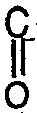
bedeutet sowie deren kernalkylierte und kernhalogenierte Derivate, z.B:
Hydrochinon,
Resorcin,
Dihydroxydiphenyle,
Bis-(hydroxyphenyl)-alkane,
Bis-(hydroxyphenyl)-cycloalkane, Bis-(hydroxyphenyl)-ether,
Bis-(hydroxyphenyl)-ketone,
Bis-(hydroxyphenyl)-sulfoxide,
Bis-(hydroxyphenyl)-sulfone und
α,α′-Bis-(hydroxyphenyl)-diisopropylbenzole
sowie deren kernalkylierte und kernhalogenierte Derivate. - Genannt werden z.B.: Bisphenol A, Tetramethylbisphenol A, 1,1-Bis-(4-hydroxyphenyl)-isobutan, 1,1-Bis-(4-hydroxyphenyl)-cyclohexan, 4,4′-Dihydroxydiphenylsulfid, 4,4′-Dihydroxydiphenylsulfon sowie deren di- und tetrahalogenierte Derivate. Bevorzugt ist Bisphenol A. Es können auch beliebige Mischungen der genannten Diphenole untereinander verwendet werden.
- Mögliche Verzweigungsmittel sind in den DE-OS 2 940 024 und DE-OS 3 007 934 genannt.
- Als Kettenabbrecher für die voll-aromatischen Polyester A) werden vorzugsweise Phenol, Alkylphenole mit C₁-C₁₂-Alkylgruppen, halogenierte Phenole, Hydroxydiphenyl, Naphthole, Chlorkohlensäureester aus solchen phenolischen Verbindungen und Chloride von aromatischen Monocarbonsäuren, die gegebenenfalls durch C₁-C₂₂-Alkylgruppen und Halogenatome substituiert sein können, in Mengen von 0,1 bis 10 Mol-% (im Falle von Phenolen bezogen auf Diphenole, im Falle von Säurechloriden bezogen auf Säurechloride) verwendet. Weiterhin kommen die Chloride von aliphatischen Monocarbonsäuren mit bis zu 22°C-Atomen in Betracht.
- Am Aufbau der voll-aromatischen Polyester A) können auch 0,1 bis 30 Mol-% der Dicarbonsäuren und Dihydroxyverbindungen durch aliphatische Baugruppen, z.B. Adipinsäure und Butandiol-1,4, ersetzt sein.
- Weiterhin können die voll-aromatischen Polyester A) teilweise aus aromatischen Hydroxycarbonsäuren, wie p-Hydroxy-benzoesäure, aufgebaut sein. Der Anteil solcher Hydroxycarbonsäuren kann bis zu 100 Mol-%, bevorzugt 30 bis 50 Mol-% (bezogen auf Bisphenol), betragen.
- Falls Iso- und Terephthalsäure gemeinsam am Aufbau der voll-aromatischen Polyester A) beteiligt sind, kann der Terephthalsäureanteil ca. 1 bis 99 %, bevorzugt 25 bis 75 % des Gesamtesteranteiles betragen.
- Die voll-aromatischen Polyester A) können bis zu 80 Mol-%, insbesondere 10 bis 60 Mol-%, besonders bevorzugt 30 bis 55 Mol-% an Carbonatgruppen, bezogen auf die Summe von Ester- und Carbonatgruppen, enthalten.
- Sowohl der Ester- als auch der Carbonatanteil der vollaromatischen Polyester A) kann in Form von Blöcken oder statistisch verteilt im Polykondensat vorliegen. Ein gewünschter Carbonatgruppengehalt kann auch durch Mischen von voll-aromatischem Polyester mit aromatischem Polycarbonat eingestellt werden.
- Die Herstellung der voll-aromatischen Polyester A) ist bekannt und z.B. in den DE-OS 1 495 626, 2 232 877, 2 703 376, 3 000 610, 2 714 544, 2 940 024, 3 007 934 beschrieben. Besonders bevorzugt ist das Phasengrenzflächenverfahren.
- Die relative Lösungsviskosität (ηrel) der voll-aromatischen Polyester A) liegt im Bereich von ca 1,18 bis 1,4, vorzugsweise 1,22 bis 1,3 (gemessen an Lösungen von 0,5 g Polyester in 100 ml CH₂Cl₂-Lösung bei 25°C).
- Die Pfropfpolymerisate B) umfassen z.B. Pfropfcopolymerisate mit kautschukelastischen Eigenschaften, die im wesentlichen aus mindestens 2 der folgenden Monomeren erhältlich sind: Chloropren, Butadien-1,3, Isopren, Styrol, Acrylnitril, Ethylen, Propylen, Vinylacetat und (Meth-)Acrylsäureester mit 1 bis 18 C-Atomen in der Alkoholkomponente; also Polymerisate, wie sie z.B. in "Methoden der Organischen Chemie" (Houben-Weyl), Bd. 14/1, Georg Thieme-Verlag, Stuttgart 1961, S. 393 - 406 und in C.B. Bucknall, "Toughened Plastics", Appl. Science Publishers, London 1977, beschrieben sind. Bevorzugte Polymerisate B) sind partiell vernetzt und besitzen Gelgehalte von über 20 Gew.-%, vorzugsweise über 40 Gew.-%, Insbesondere über 60 Gew-%.
- Bevorzugte Pfropfpolymerisate B) umfassen Pfropfpolymerisate aus:
- B1) 5 bis 90, vorzugsweise 30 bis 80, Gew.-Teile, einer Mischung aus
- B1.1) 50 bis 95 Gew.-Teilen Styrol, α-Methylstyrol, halogen- oder methylkernsubstituierte Styrole, Methylmethacrylat oder Mischungen dieser Verbindungen und
- B1.2) 5 bis 50 Gew-Teilen Acrylnitril, Methacrylnitril, Methylmethacrylat, Maleinsäureanhydrid, C₁-c₄-alkyl- bzw. phenyl-N-substituierte Maleinimide oder Mischungen dieser Verbindungen auf
- B2) 10 bis 95, vorzugsweise 20 bis 70, Gew.-Teilen Polymerisat mit einer Glasübergangstemperatur unter -10°C.
- Bevorzugte Pfropfpolymerisate B) sind z.B. mit Styrol und/oder Acrylnitril und/oder (Meth-)Acrylsäurealkylestern gepfropfte Polybutadiene, Butadien/Styrol-Copolymerisate und Acrylatkautschuke; d.h. Copolymerisate der in der DE-OS 1 694 173 (= US-PS 3 564 077) beschriebenen Art; mit Acryl- oder Methacrylsäurealkylestern, Vinylacetat, Acrylnitril, Styrol und/oder Alkylstyrolen gepfropfte Polybutadiene, Butadien/Styrol- oder Butadien/Acrylnitril-Cpolymerisate, Polyisobutene oder Polyisoprene, wie sie z.B. in der DE-OS 2 348 377 (= US-PS 3 919 353) beschrieben sind.
- Besonders bevorzugte Polymerisate B) sind z.B. ABS-Polymerisate, wie sie z.B in der DE-OS 2 035 390 (= US-PS 3 644 574) oder in der DE-OS 2 248 242 (= GB-PS 1 409 275) beschrieben sind.
- Besonders bevorzugte Pfropfpolymerisate B) sind Pfropfpolymerisate, die durch Pfropfreaktion von
- I. 10 bis 70, vorzugsweise 15 bis 50, insbesondere 20 bis 40, Gew.-%, bezogen auf Pfropfprodukt, mindestens eines (Meth-)Acrylsäureesters oder 10 bis 70, vorzugsweise 15 bis 50, insbesondere 20 bis 40 Gew.-% eines Gemisches aus 10 bis 50, vorzugsweise 20 bis 35, Gew.-%, bezogen auf Gemisch, Acrylnitril oder (Meth-)Acrylsäureester und 50 bis 90, vorzugsweise 65 bis 80 Gew.-%, bezogen auf Gemisch, Styrol auf
- II. 30 bis 90, vorzugsweise 50 bis 85, insbesondere 60 bis 80 Gew.-%, bezogen auf Pfropfprodukt, eines Butadien-Polymerisats mit mindestens 50 Gew.-%, bezogen auf II, Butadienresten als Pfropfgrundlage erhältlich ist,
- (Meth-)Acrylsäureester I sind Ester der Acrylsäure oder Methacrylsäure und einwertiger Alkohole mit 1 bis 18 C-Atomen. Besonders bevorzugt sind Methacrylsäuremethylester, -ethylester und -propylester.
- Die Pfropfgrundlage II kann neben Butadienresten bis zu 50 Gew.-%, bezogen auf II, Reste anderer ethylenisch ungesättigter Monomerer, wie Styrol Acrylnitril, Ester der Acryl- oder Methacrylsäure mit 1 bis 4 C-Atomen in der Alkoholkomponente (wie Methylacrylat, Ethylacrylat, Methylmethacrylat, Ethylmethacrylat), Vinylester und/oder Vinylether enthalten. Die bevorzugte Pfropfgrundlage II besteht aus reinem Polybutadien.
- Da bei der Pfropfreaktion die Pfropfmonomeren bekanntlich nicht unbedingt vollständig auf die Pfropfgrundlage aufgepfropft werden, werden erfindungsgemäß unter Pfropfpolymerisaten B) auch solche Produkte verstanden, die durch Polymerisation der Pfropfmonomeren in Gegenwart der Pfropfgrundlage gewonnen werden.
- Der Pfropfgrad G bezeichnet das Gewichtsverhältnis von aufgepfropften Pfropfmonomeren zur Pfropfgrundlage und ist dimensionslos.
- Die mittlere Teilchengröße d₅₀ ist der Durchmesser, oberhalb und unterhalb dessen jeweils 50 Gew.-% der Teilchen liegen. Er kann mittels Ultrazentrifugenmessungen (W. Scholtan, H. Lange, Kolloid, Z. und Z. Polymere 250 (1972), 782-796) bestimmt werden.
- Besonders bevorzugte Pfropfpolymerisate B) sind z.B. auch Pfropfpolymerisate aus
- (a) 20 bis 90 Gew.-%, bezogen auf B), Acrylatkautschuk mit einer Glasübergangstemperatur unter -20°C als Pfropfgrundlage und
- (b) 10 bis 80 Gew.-%, bezogen auf B), mindestens eines polymerisierbaren, ethylenisch ungesättigten Monomeren, dessen bzw. deren in Abwesenheit von a) entstandenen Homo- bzw. Copolymerisate eine Glasübergangstemperatur über 25°C hätten, als Pfropfmonomere.
- Die Acrylatkautschuke (a) der Polymerisate B) sind vorzugsweise Polymerisate aus Acrylsäurealkylestern, gege benenfalls mit bis zu 40 Gew.-%, bezogen auf (a), anderer polymerisierbarer, ethylenisch ungesättigter Monomerer. Zu den bevorzugten polymerisierbaren Acrylsäureestern gehören C₁-C₈-Alkylester, beispielsweise Methyl-, Ethyl-, n-Butyl-, n-Octyl- und 2-Ethylhexylester; Halogenalkylester, vorzugsweise Halogen-C₁-C₈-alkylester, wie Chlorethylacrylat, sowie Mischungen dieser Monomeren.
- Zur Vernetzung können Monomere mit mehr als einer polymerisierbaren Doppelbindung copolymerisiert werden. Bevorzugte Beispiele für vernetzende Monomere sind Ester ungesättigter Monocarbonsäuren mit 3 bis 8 C-Atomen und ungesättigter einwertiger Alkohole mit 3 bis 8 C-Atomen und ungesättigter einwertiger Alkohole mit 3 bis 12 C-Atomen oder gesättigter Polyole mit 2 bis 4 OH-Gruppen und 2 bis 20 C-Atomen, wie z.B. Ethylenglykoldimethacrylat, Allylmethacrylat; mehrfach ungesättigte heterocyclische Verbindungen, wie z.B. Trivinyl- und Triallylcyanurat; polyfunktionelle Vinylverbindungen, wie Di- und Trivinylbenzole; aber auch Triallylphosphat und Diallylphthalat.
- Bevorzugte vernetzende Monomere sind Allylmethacrylat, Ethylenglykoldimethacrylat, Diallylphthalat und heterocyclische Verbindungen, die mindestens 3 ethylenisch ungesättigte Gruppen aufweisen.
- Besonders bevorzugte vernetzende Monomere sind die cyclischen Monomeren Triallylcyanurat, Triallylisocyanurat, Trivinylcyanurat, Triacryloylhexahydro-s-triazin, Triallylbenzole.
- Die Menge der vernetzenden Monomeren beträgt vorzugsweise 0,02 bis 5, insbesondere 0,05 bis 2 Gew.-%, bezogen auf Pfropfgrundlage (a).
- Bei cyclischen vernetzenden Monomeren mit mindestens 3 ethylenisch ungesättigten Gruppen ist es vorteilhaft, die Menge auf unter 1 Gew.-% der Pfropfgrundlage (a) zu beschränken.
- Bevorzugte "andere" polymerisierbare, ethylenisch ungesättigte Monomere, die neben den Acrylsäureestern gegebenenfalls zur Herstellung der Pfropfgrundlage (a) dienen können, sind z.B. Acrylnitril, Styrol, α-Methylstyrol, Acrylamide, Vinyl-C₁-C₆-alkylether, Methylmethacrylat, Butadien. Bevorzugte Acrylatkautschuke als Pfropfgrundlage (a) sind Emulsionspolymerisate, die einen Gelgehalt von mindestens 60 Gew.-% aufweisen.
- Weitere geeignete Pfropfgrundlagen sind Silikonkautschuke mit pfropfaktiven Stellen, wie sie in den DE 37 04 657, DE 37 04 655, DE 36 31 540 und DE 36 31 539 beschrieben werden.
- Der Gelgehalt der Pfropfgrundlage (a) wird bei 25°C in Dimethylformamid bestimmt (M. Hoffmann, H. Krömer, R. Kuhn, Polymeranalytik I und II, Georg Thieme-Verlag, Stuttgart 1977).
- Die für die bevorzugte Ausführungsform der gemeinsamen Fällung mit dem Tetrafluorethylenpolymerisat E) zu verwendenden wäßrigen Dispersionen von Pfropfpolymerisat B) besitzen im allgemeinen Feststoffgehalte von 25 bis 60, vorzugsweise von 30 bis 45 Gew.-%.
- Als Komponente C) einsetzbare thermoplastische Harze umfassen Copolymerisate C1) und Polyalkylenterephthalate C2).
- Als Copolymerisate C1) geeignet im Sinne der Erfindung sind solche aus wenigstens einem Monomeren aus der Reihe Styrol, α-Methylstyrol, Methylmethacrylat, gemäß C1.1) mit wenigstens einem Monomeren aus der Reihe Acrylnitril, Methacrylnitril, Methylmethacrylat, Maleinsäureanhydrid gemäß C1.2).
- Copolymerisate gemäß Komponente C1) entstehen häufig bei der Pfropfpolymerisation zur Herstellung der Komponente B) als Nebenprodukte, besonders dann, wenn große Mengen Monomere auf kleine Mengen Kautschuk gepfropft werden
- Die erfindungsgemäß einzusetzende Menge an Copolymerisat C1) bezieht diese Nebenprodukte der Pfropfpolymerisation nicht mit ein.
- Die Copolymerisate gemäß Komponente C1) sind harzartig, thermoplastisch und kautschukfrei. Besonders bevorzugte Copolymerisate C1) sind solche aus Styrol mit Acrylnitril und gegebenenfalls mit Methylmethacrylat, aus α-Methylstyrol mit Acrylnitril und gegebenenfalls mit Methylmethacrylat oder aus Styrol und α-Methylstyrol mit Acrylnitril und gegebenenfalls mit Methylmethacrylat.
- Besonders bevorzugte Gewichtsverhältnisse im thermoplastischen Copolymerisat C1) sind 60 bis 80 Gew.-% C1.1) und 40 bis 20 Gew.-% C1.2).
- Die Copolymerisate gemäß Komponente C1) sind bekannt und lassen sich durch radikalische Polymerisation, insbesondere durch Emulsions-, Suspensions-, Lösungs- und Massepolymerisation herstellen. Die Copolymerisate gemäß Komponente C1) besitzen vorzugsweise Molekulargewichte
M w (Gewichtsmittel, ermittelt durch Lichtstreuung oder Sedimentation) zwischen 15 000 und 200 000. - Polyalkylenterephthalate C2) im Sinne der Erfindung sind Reaktionsprodukte aus aromatischen Dicarbonsäuren oder ihren reaktionsfähigen Derivaten (z.B. Dimethylestern oder Anhydriden) und aliphatischen, cycloaliphatischen oder araliphatischen Diolen und Mischungen dieser Reaktionsprodukte. Sie lassen sich nach bekannten Methoden herstellen (Kunststoff-Handbuch, Bd. VIII, S. 695 ff, Carl Hanser-Verlag, München, 1973).
- Bevorzugte Polyalkylenterephthalate C2) können neben Terephthalsäureresten bis zu 20 Mol-% Reste anderer aromatischer oder cycloaliphatischer Dicarbonsäuren mit 8 bis 14 C-Atomen oder aliphatischer Dicarbonsäuren mit 4 bis 12 C-Atomen enthalten, wie Reste von Phthalsäure, Isophthalsäure, Naphthalin-2,6-dicarbonsäure, 4,4′-Diphenyldicarbonsäure, Bernstein-, Adipin-, Sebacin-, Azelain- und/oder Cyclohexadiessigsäure.
- Die bevorzugten Polyalkylenterephthalate C2) können neben Ethylenglykol- bzw. Butandiol-1,4-resten bis zu 20 Mol-%, vorzugsweise bis zu 10 Mol-%, anderer aliphatischer Diole mit 3 bis 12 C-Atomen oder cycloaliphatischer Diole mit 6 bis 21 C-Atomen enthalten, z.B. Reste von Propandiol-1,3, 2-Ethylpropandiol-1,3, Neopentylglykol, Pentandiol-1,5, Hexandiol-1,6, Cyclohexan-dimethanol-1,4, 3-Ethylpentandiol-2,4, 2-Methylpentandiol-2,4, 2,2,4-Trimethylpentandiol-1,3 und -1,6, 2-Ethylhexandiol-1,3, 2,2-Diethylpropandiol-1,3, Hexandiol-2,5, 1,4-Di-(ß-hydroxyethoxy)-benzol, 2,2-Bis-(4-hydroxycyclohexyl)-propan, 2,4-Dihydroxy-1,1,3,3-tetramethylcyclobutan, 2,2-Bis-(3-ß-hydroxyethoxyphenyl)-propan und/oder 2,2-Bis-(4-hydroxypropoxyphenyl)-propan (DE-OS 24 07 647, 24 07 776, 27 15 932).
- Die Polyalkylenterephthalate C2) können durch Einbau relativ kleiner Mengen 3- oder 4-wertiger Alkohole oder 3- oder 4-basischer Carbonsäure, wie sie z.B. inn der DE-OS 19 00 270 und der US-PS 3 692 744 beschrieben sind, verzweigt werden. Beispiele bevorzugter Verzweigungsmittel sind Trimesinsäure, Trimellithsäure, Trimethylolethan und -propan und/oder Pentaerythrit.
- Besonders bevorzugt sind Polyalkylenterephthalate C2), die allein aus Terephthalsäure oder deren reaktionsfähigen Derivaten (.B. deren Dialkylestern) und Ethylenglykol und/oder Butandiol-1,4 hergestellt worden sind, und Mischungen dieser Polyalkylenterephthalate.
- Die als Komponente C2) vorzugsweise verwendeten Polyalkylenterephthalate besitzen im allgemeinen eine Intrin sic-Viskosität von 0,4 bis 1,5 gl/g, vorzugsweise 0,5 bis 1,3 dl/g, insbesondere 0,6 bis 1,2 dl/g, jeweils gemessen in Phenol/o-Dichlorbenzol (1:1 Gewichtsteile) bei 25°C.
- Die erfindungsgemäß geeigneten Phosphorverbindungen gemäß Komponente D) sind generell bekannt (s. beispielsweise Ullmanns Enzyklopädie der technischen Chemie, Bd. 18, S. 301 ff, 1979; Houben-Weyl, Methoden der Organischen Chemie, Bd. 12/1, S. 43; Beilstein, Bd. 6, S. 177). Bevorzugte Substituenten R¹ bis R³ umfassen Methyl, Butyl, Octyl, Chlorethyl, 5-Chlorpropyl, 2,3-Dibrompropyl, Phenyl, Kresyl, Cumyl, Naphthyl, Chlorphenyl, Bromphenyl, Pentachlorphenyl und Pentabromphenyl.
- Bevorzugte Phosphorverbindungen D) (Formel (I)) umfassen beispielsweise Tributylphosphat, Tris-(2-chlorethyl)-phosphat, Tris-(2,3-dibrompropyl)-phosphat, Triphenylphosphat, Trikresylphosphat, Diphenylkresylphosphat, Diphenyloctylphosphat, Diphenyl-2-ethylkresylphosphat, Tri-(isopropylphenyl)-phosphat, halogensubstituierte Arylphosphate, Methylphosphonsäuredimethylester, Methylphosphonsäurediphenylester, Phenylphosphonsäurediethylester, Triphenylphosphinoxid und Trikresylphosphinoxid.
- Die fluorierten Polyolefine E) sind hochmolekular und besitzen Glasübergangstemperaturen von über -30°C, in der Regel von über 100°C, Fluorgehalte, vorzugsweise von 65 bis 76, insbesondere von 70 bis 76, Gew.-%, mittlere Teilchendurchmesser d₅₀ von 0,05 bis 1000, vorzugsweise 0,08 bis 20 µm und eine Dichte von 1,2 bis 2,3 g/cm³. Bevorzugte fluorierte Polyolefine E) sind Polytetrafluorethylen, Polyvinylidenfluorid, Tetrafluorethylen/Hexafluorpropylen- und Ethylen/Tetrafluorethylen-Copolymerisate. Die fluorierten Polyolefine sind bekannt (vgl. "Vinyl und Related Polymers" von Schildknecht, John Wiley & Sons, Inc., New York, 1962, Seite 484 - 494; "Fluorpolymers" von Wall, Wiley-Interscience, John Wiley & Sons, Inc., New York, Band 13, 1970, Seite 623-654; "Modern Plastics Encyclopedia", 1970 - 1971, Band 47, Nr 10 A, Oktober 1970, Mc Graw-Hill, Inc., New York, Seite 134 und 774; "Modern Plastics Encyclopedia", 1975 - 1976, Oktober 1975, Band 52, Nr 10 A, Mc Graw-Hill, Inc., New York, Seite 27, 28 und 475 und US-PS 3 671 487, 3 723 373 und 3 838 092).
- Sie können nach bekannten Verfahren hergestellt werden, so beispielsweise durch Polymerisation von Tetrafluorethylen in wäßrigem Medium mit einem freie Radikale bildenden Katalysator, beispielsweise Natrium-, Kalium- oder Ammoniumperoxidisulfat bei Drucken von 7 bis 71 kg/cm² und bei Temperaturen von 0 bis 200°C, vorzugsweise bei Temperaturen von 20 bis 100°C. (Nähere Einzelheiten s. z.B. US-Patent 2 393 967). Je nach Einsatzform kann die Dichte dieser Materialien zwischen 1,2 und 2,3 g/cm³, die mittlere Teilchengröße zwischen 0,05 und 1000 µm liegen.
- Erfindungsgemäß bevorzugte fluorierte Polyolefine E) sind Tetrafluorethylenpolymerisate und haben mittlere Teilchengrößen von 0,05 bis 20 µm, vorzugsweise 0,08 bis 10 µm, und eine Dichte von 1,2 bis 1,9 g/cm³ und werden in Form einer koagulierten Mischung von Emulsionen der Tetrafluorethylenpolymerisate E) mit Emulsionen der Pfropfpolymerisate B) eingesetzt.
- Geeignete, in Pulverform einsetzbare fluorierte Polyolefine E) sind Tetrafluorethylenpolymerisate und haben z.B. Teilchengrößen von 100 bis 1000 µm und Dichten von 2,0 g/cm³ bis 2,3 g/cm³.
- Zur Herstellung einer koagulierten Mischung aus B) und E) wird zuerst eine wäßrige Emulsion (Latex) eines Pfropfpolymerisates B) mit mittleren Latexteilchengrößen von 0,05 bis 2 µm, insbesondere 0,1 bis 0,6 um, mit einer feinteiligen Emulsion eines Tetrafluorethylenpolymerisates E) in Wasser mit mittleren Teilchengrößen von 0,05 bis 20 µm, insbesondere von 0,08 bis 10 µm, vermischt; geeignete Tetrafluorethylenpolymerisat-Emulsionen besitzen üblicherweise Feststoffgehalte von 30 bis 70 Gew.-%, insbesondere von 50 bis 60 Gew.-%. Die Emulsionen der Pfropfpolymerisate B) besitzen Feststoffgehalte von 25 bis 50 Gew.-%, vorzugsweise von 30 bis 45 Gew.-%.
- In der Emulsionsmischung liegt das Gewichtsverhältnis Pfropfpolymerisat B) zum Tetrafluorethylenpolymerisat E) bei 95:5 bis 60:40. Anschließend wird die Emulsionsmischung in bekannter Weise koaguliert, beispielsweise durch Sprühtrocknen, Gefriertrocknung oder Koagulation mittels Zusatz von anorganischen oder organischen Salzen, Säuren, Basen oder organischen, mit Wasser mischba ren Lösemitteln, wie Alkoholen, Ketonen, vorzugsweise bei Temperaturen von 50 bis 150°C, insbesondere von 50 bis 100°C. Falls erforderlich, kann bei 50 bis 200°C, bevorzugt 70 bis 100°C, getrocknet werden.
- Geeignete Tetrafluorethylenpolymerisat-Emulsionen sind handelsübliche Produkte und werden beispielsweise von der Firma DuPont als Teflon® 30 N angeboten.
- Erfindungsgemäße Komponente F) sind Halogenverbindungen aus der Reihe Chlor- und Bromverbindungen. Sie werden im allgemeinen in Mengen von 0,1 bis 30 Gew.-%, bezogen auf flammwidrige Formmasse, eingesetzt. Besonders bevorzugt werden Mengen entsprechend einem Halogengehalt des Flammschutzmittels, bezogen auf flammwidrige Formmasse, von 3 bis 10 Gew.-%.
- Geeignete Flammschutzmittel sind im Prinzip alle chlorierten oder bromierten Verbindungen, die bei der Herstellung oder Verarbeitung der erfindungsgemäßen Formmassen, also bei Temperaturen von 200 bis 330°C, weder flüchtig sind noch zur Zersetzung neigen; d.h. sie dürfen unter den genannten Bedingungen kein Halogen abspalten, so daß sie im Bedarfsfall ihre Flammschutzwirkung noch entfalten können.
- Beispiele für bevorzugte Flammschutzmittel umfassen beispielsweise Decabromdiphenylether, Octabromdiphenyl, Octabromdiphenylether und Tribromtetrachlortoluol, ferner oligomere Bromverbindungen, wie z.B. Oligocarbonate auf Basis Tetrabrombisphenol A, und schließlich auch hochmolekulare Bromverbindungen, wie hochmolekulare Polycarbonate auf Basis Tetrabrombisphenol A oder kernbromierte Polyphenylenoxide.
- Der gegebenenfalls gewünschte Halogengehalt kann aber auch über die Komponente A) eingebracht werden, indem man bei der Herstellung von A) halogenierte Ausgangsverbindungen, beispielsweise kernhalogeniertes Diphenol (II) einsetzt.
- Als synergistisch wirkende Mittel können die Formmassen Schwermetallverbindungen wie Antimontrioxid enthalten; vgl. z.B. DE-OS 22 55 654, 23 10 742, 26 15 071, 26 22 414, 30 00 660, 30 02 985, 33 22 260, EP-A 63 031, US-PS 3 936 400, 4 280 005 und 4 344 878.
- Die erfindungsgemaßen Formmassen besitzen jedoch eine hohe Flammwidrigkelt auch ohne Zusatz von üblichen Metallsynergisten und können sogar, wenn korrosive Brandgase vermieden werden müssen, ohne jegliche chlor- und bromhaltigen Flammschutzmittel ohne wesentliche Eigenschaftseinbußen hergestellt werden.
- Die erfindungsgemäßen Formmassen können übliche Additive, wie Gleit- und Entformungsmittel, Nukleiermittel, Antistatika, Stabilisatoren, Füll- und Verstärkungsstoffe sowie Farbstoffe und Pigmente enthalten.
- Die gefüllten bzw. verstärkten Formmassen können bis zu 60, vorzugsweise 10 bis 60 Gew.-%, bezogen auf die gefüllte bzw. verstärkte Formmasse, Füll- und/oder Ver stärkungsstoffe enthalten. Bevorzugte Verstärkungsstoffe sind Glasfasern. Bevorzugte Füllstoffe, die auch verstärkend wirken können, sind Glaskugeln, Glimmer, Silikate, Quarz, Talkum, Titandioxid, Wollastonit.
- Die erfindungsgemäßen Formmassen, bestehend aus den Komponenten A), D) und E) sowie gegebenenfalls B), C) und/oder F) und gegebenenfalls weiteren bekannten Zusätzen wie Stabilisatoren, Farbstoffen, Pigmenten, Gleit- und Entformungsmitteln, Füll- und Verstärkungsstoffen, Nukleiermittel sowie Antistatika, werden hergestellt, indem man die jeweiligen Bestandteile in bekannter Weise vermischt und bei Temperaturen von 200°C bis 330°C in üblichen Aggregaten wie Innenknetern, Extrudern und Doppelwellenschnecken schmelzcompoundiert oder schmelzextrudiert, wobei die Komponente E) vorzugsweise in Form der bereits erwähnten koagulierten Mischung eingesetzt wird.
- Gegenstand der vorliegenden Erfindung ist somit auch ein Verfahren zur Herstellung von thermoplastischen Formmassen, bestehend aus den Komponenten A), D) und E) und gegebenenfalls den Komponenten B), C) und/oder F) sowie gegebenenfalls Stabilisatoren, Farbstoffen, Pigmenten, Gleit- und Entformungsmitteln, Füll- und Verstärkungsstoffen, Nukleiermitteln sowie Antistatika, das dadurch gekennzeichnet ist, daß man die Komponenten A), D) und E) und gegebenenfalls die Komponenten B), C) und/oder F) sowie gegebenenfalls Stabilisatoren, Farbstoffe, Pigmente, Fließmittel, Füll- und Verstärkungsstoffe, Gleit- und Entformungsmittel, Nukleiermittel und/oder Anti statika nach erfolgter Vermischung bei Temperaturen von 200 - 330°C in gebräuchlichen Aggregaten schmelzcompoundiert oder schmelzextrudiert, wobei die Komponente E) vorzugsweise in Form einer koagulierten Mischung mit der Komponente B) eingesetzt wird.
- Die Vermischung der einzelnen Bestandteile kann in bekannter Weise sowohl sukzessive als auch simultan erfolgen, und zwar sowohl bei etwa 20°C (Raumtemperatur) als auch bei höherer Temperatur.
- Die Formmassen der vorliegenden Erfindung können zur Herstellung von Formkörpern jeder Art verwendet werden. Insbesondere können Formkörper durch Spritzguß hergestellt werden. Beispiele für herstellbare Formkörper sind: Gehäuseteile jeder Art, z.B. für Haushaltsgeräte, wie Saftpressen, Kaffeemaschinen, Mixer, für Büromaschinen, oder Abdeckplatten für den Bausektor und Teile für den Kfz-Sektor. Sie werden außerdem auf dem Gebiet der Elektrotechnik eingesetzt, weil sie sehr gute elektrische Eigenschaften haben.
- Eine weitere Form der Verarbeitung ist die Herstellung von Formkörpern durch Tiefziehen aus vorher hergestellten Platten oder Folien.
- Teilchengröße bedeutet immer mittlerer Teilchendurchmesser d₅₀, ermittelt durch Ultrazentrifugenmessungen nach W. Scholtan et al, Colloids, u. Z. Polymere 250 (1972) 785-796.
- Angegebene Teile bedeuten Gewichtsteile
- Polyestercarbonat mit einem Esteranteil von 50 Mol-% auf Basis von Bisphenol A, Iso- und Terephthalsäure (1:1) mit 3 Mol-%, bezogen auf Bisphenol A-Einheiten, p-Isooctylphenol-Endgruppen, mit einer relativen Viskosität ηrel von 1,30 (gemessen an einer Lösung von 0,5 g Polyestercarbonat in 100 ml CH₂Cl₂ bei 25°C).
- SAN-Pfropfpolymerisat von 50 Gew.-% Styrol-Acrylnitril-Gemisch (im Gew.-Verhältnis von 72:28) auf 50 Gew.-% teilchenförmiges Polybutadien einer mittleren Teilchengröße (d₅₀) von 0,4 µm, erhalten durch Emulsionspolymerisation (s. Deutsche Patentanmeldung P 37 08 913.7, Vergleichsbeispiel 2.1.2).
- SAN-Pfropfpolymerisat von 50 Gew.-% Styrol-Acrylnitril-Gemisch (im Gew.-Verhältnis von 72:28) auf 50 Gew.-% teilchenförmigen Silikonkautschuk (d₅₀ = 0,3 µm), hergestellt gemäß DE 36 31 540 durch Emulsionspolymerisation.
- Styrol/Acrylnitril-Copolymerisat mit einem Styrol-Acrylnitril-Verhältnis von 72:28 und einer Grenzviskosität von [ηl 0,55 dl/g (Messung in Dimethylformamid bei 20°C).
- Lineares Polyethylenterephthalat mit einer Intrinsic-Viskosität [η] = 0,85 dl/g, gemessen in Phenol/o-Dichlorbenzol (1:1 Gew.-Tl.) bei 25°C und einer Konzentration von 0,5 g/dl.
- Tetrafluorethylenpolymerisat als koagulierte Mischung aus einer SAN-Pfropfpolymerisat-Emulsion gemäß B. in Wasser und einer Tetrafluorethylenpolymerisat-Emulsion in Wasser Das Gewichtsverhältnis Pfropfpolymerisat B. zum Tetrafluorethylenpolymerisat E. in der Mischung ist 90 Gew.-% zu 10 Gew.-%. Die Tetrafluorethylenpolymeri sat-Emulsion besitzt einen Feststoffgehalt von 60 Gew.-%, die Teilchengröße liegt zwischen 0,05 und 0,5 µm. Die SAN-Pfropfpolymerisat-Emulsion besitzt einen Feststoffgehalt von 34 Gew.-% und eine mittlere Latexteilchengröße von 0,4 µm.
- Die Emulsion des Tetrafluorethylenpolymerisats wurde mit der Emulsion des SAN-Pfropfpolymerisats B. vermischt und mit 1,8 Gew.-%, bezogen auf Polymerfeststoff, phenolischer Antioxidantien stabilisiert. Bei 85 bis 95°C wird die Mischung mit einer wäßrigen Lösung von MgSO₄ (Bittersalz) und Essigsäure bei pH 4 bis 5 koaguliert, filtriert und bis zur praktischen Elektrolytfreiheit gewaschen, anschließend durch Zentrifugation von der Hauptmenge Wasser befreit und danach bei 100°C zu einem Pulver getrocknet. Dieses Pulver kann dann mit den weiteren Komponenten in den beschriebenen Aggregaten compoundiert werden.
- Tetrafluorethylenpolymerisat in Pulverform mit einer Teilchengröße von 500 bis 650 µm und einer Dichte von 2,18 bis 2,20 g/cm³ der Firma Hoechst (Hostaflon TF 2026).
- Ein Copolycarbonat aus Bisphenol A mit 10 Gew.-% Tetrabrombisphenol A mit einer relativen Lösungsviskosität von 1,284, gemessen in CH₂Cl₂ bei 25°C und einer Konzentration von 0,5 Gew.-%, Gehalt an Brom: 5 Gew.-%.
- Das Mischen der Komponenten erfolgte auf einem 3-l-Innenkneter (Beispiele 3; 5 bis 17) bzw. auf einem Doppelwellenextruder (Massetemperatur 300°C, Beispiele 2; 4).
- Die Herstellung von Formkörpern erfolgte auf einer Spritzgießmaschine bei 270°C (Beispiele 3; 5; 7; 9; 11 bis 13), 280°C (Beispiele 14 bis 17) bzw. 290°C (Beispiele 1; 2; 4; 6; 8; 10).
- Das Brandverhalten der Proben wurde nach UL-Subj. 94 V in Prüfkörperdicken von 1,6 und 3,2 mm gemessen. Der UL 94 V-Test wird wie folgt durchgeführt:
- Substanzproben werden zu Stäben der Abmessungen 127 x 12,7 x 3,2 bzw. 1,6 mm geformt. Die Stäbe werden vertikal so montiert, daß die Unterseite des Probekörpers sich 305 mm über einem Streifen Verbandstoff befindet. Jeder Probestab wird einzeln mittels zweier aufeinanderfolgender Zündvorgänge von 10 s Dauer entzündet, die Brenneigenschaften nach jeden Zündvorgang werden beobachtet und danach die Probe bewertet. Zum Entzünden der Probe wird ein Bunsenbrenner mit einer 10 mm (3/8 inch) hohen blauen Flamme von Erdgas mit einer Wärmeeinheit von 3,73 x 10⁴ kJ/m³ (1000 BUT per cubic foot) benutzt.
- Die UL 94 V-O-Klassifizierung umfaßt die nachstehend beschriebenen Eigenschaften von Materialien, die gemäß der UL 94-Vorschrift geprüft wurden. Die Formmassen in dieser Klasse enthalten keine Proben, die länger als 10 s nach jeder Einwirkung der Testflamme brennen; sie zeigen keine Gesamtflammzeit von mehr als 50 s bei der zweimaligen Flammeinwirkung auf jeden Probensatz; sie enthalten keine Proben, die vollständig bis hinauf zu der am oberen Ende der Probe befestigten Halteklammer abbrennen; sie weisen keine Proben auf, die die unterhalb der Probe angeordnete Watte durch brennende Tropfen oder Teilchen entzünden; sie enthalten auch keine Proben, die länger als 30 s nach Entfernen der Testflamme glimmen.
- Andere UL 94-Klassifizierungen bezeichnen Proben, die weniger flammwidrig und selbstverlöschend sind und die flammende Tropfen oder Teilchen abgeben. Diese Klassifizierungen werden mit UL 94 V-1 und V-2 bezeichnet. N. B. heißt "nicht bestanden" und ist die Klassifizierung von Proben, die eine Nachbrennzeit von >30 s aufweisen.
- Die Bestimmung der Kerbschlagzähigkeit erfolgte nach Methode ISO 180 an Stäben der Abmessung 80 x 10 x 4 mm bei Raumtemperatur.
- Die Fließfähigkeit wird beurteilt über den bei der verwendeten Spritzgießmaschine (Massetemperatur Beispiele 1 bis 13: 290°C; Beispiele 14 bis 17: 280°C) notwendigen Fülldruck (s. Johannaber, Kunststoffe 74, 1984; 1; Seiten 1 bis 5) zur Herstellung von Stäben der Abmessung 80 x 10 x 4 mm.
- Zusammensetzung und Eigenschaften der Formmassen können der nachstehenden Tabelle 1 entnommen werden.
- Wie Vergleichsbeispiele 1 bis 4 zeigen, weist weder Komponente A. allein noch in Kombination mit Halogenverbindung F. bzw. fluoriertem Polyolefin E.1 bzw. Phosphat D. die gewünschte Eigenschaftskombination aus hoher Flammwidrigkeit, Zähigkeit und günstigem Fließverhalten (niedriger Fülldruck) auf.
- Erst das erfindungsgemäße Beispiel 5, das sowohl E.1 als auch D enthält, erfüllt dieses Kriterium (UL 94 V O bei günstigem Fülldruck und ausreichender Zähigkeit).
- Vergleichsbeispiele 6, 8 und 10 zeigen, daß Komponente A. auch in Kombination mit Pfropfpolymerisat B.1 bzw. SAN-Copolymerisat C.1 bzw. Polyethylenterephthalat C.2 keine ausreichende Flammwidrigkeit aufweist (jeweils "nicht bestanden" nach UL 94 V mit Ausnahme von V2 für Beispiel 10 bis 3,2 mm).
- Erst in Verbindung mit dem erfindungsgemäßen Flammschutz D. und E.1 (Beispiele 7, 9, 11) resultieren die erwünschten Eigenschaften.
- Die weiteren Beispiele zeigen, daß auch Gemische von Komponenten B. und C. (Beispiel 12) sowie eine Halogenverbindung F. (Beispiel 13) in erfindungsgemäß geeigneten Formmassen eingesetzt werden können.
- Für erfindungsgemäße Formmassen geeignet sind weiterhin Pfropfpolymerisate B.2 auf Silikonkautschuken (Beispiele 14 bis 17) sowie fluorierte Polyolefine in der nicht bevorzugten Pulverform E.2 (Beispiele 15, 16).
- Wie ein Vergleich der Beispiele 16 und 17 zeigt, weisen bei ansonsten gleicher Zusammensetzung Formmassen mit der erfindungsgemäß bevorzugten Einbringung des fluorierten Polyolefins über eine Cofällung E.1 die günstigeren Eigenschaften auf.
Tabelle 1 Zusammensetzung und Eigenschaften der Formmassen Beispiel Komponenten [Gew.-Tl.] Kerbschlagzähigkeit [kJ/m²] Fülldruck [bar] UL 94 V A B1 B2 C1 C2 D E1 E2 F 1,6 mm 3,2 mm 11) 100 50,2 233 N.B. N.B. 21) 100 10 51,2 215 V2 V2 31) 100 10 9,8 99 V2 V0 41) 100 3,1 49,0 243 N.B. V1 5 100 10 3 18,2 97 V0 V0 61) 90 10 42,1 237 N.B. N.B. 7 90 10 10 3 53,6 97 V0 V0 81) 90 10 26,1 105 N.B. N.B. 9 90 10 10 3 13,7 52 V0 V0 101) 90 10 27,6 155 N.B. V2 11 90 10 10 3 13,1 58 V1 V0 12 90 5 5 10 3 56,3 74 V0 V0 13 100 7 2 20 18,0 119 V0 V0 14 90 10 10 3 40,0 123 V0 V0 15 90 10 10 0,3 38,0 165 V0 V0 16 90 10 4 0,3 33,0 243 V1 V0 17 90 10 4 3 33,0 222 V0 V0 1) Vergleichsbeispiel
Claims (10)

R¹, R² uhd R³ unabhängig voneinander gegebenenfalls halogeniertes C₁-C₈-Alkyl oder gegebenenfalls halogeniertes C₆-C₂₀-Aryl,
m 0 oder 1 und
n 0 oder 1 bedeuten, und
Applications Claiming Priority (2)
| Application Number | Priority Date | Filing Date | Title |
|---|---|---|---|
| DE3841183 | 1988-12-07 | ||
| DE19883841183 DE3841183A1 (de) | 1988-12-07 | 1988-12-07 | Polyester-formmassen mit flammwidrigen eigenschaften |
Publications (2)
| Publication Number | Publication Date |
|---|---|
| EP0372324A2 true EP0372324A2 (de) | 1990-06-13 |
| EP0372324A3 EP0372324A3 (de) | 1991-09-11 |
Family
ID=6368626
Family Applications (1)
| Application Number | Title | Priority Date | Filing Date |
|---|---|---|---|
| EP19890121776 Withdrawn EP0372324A3 (de) | 1988-12-07 | 1989-11-24 | Polyester-Formmassen mit flammwidrigen Eigenschaften |
Country Status (3)
| Country | Link |
|---|---|
| EP (1) | EP0372324A3 (de) |
| JP (1) | JPH02212548A (de) |
| DE (1) | DE3841183A1 (de) |
Cited By (13)
| Publication number | Priority date | Publication date | Assignee | Title |
|---|---|---|---|---|
| WO2000012609A1 (en) * | 1998-08-31 | 2000-03-09 | General Electric Company | Flame retardant polymer blends, and method for making |
| US6174942B1 (en) | 1999-01-22 | 2001-01-16 | General Electric Company | Flame retardant polymer blends, and method for making |
| US6204313B1 (en) | 1999-01-22 | 2001-03-20 | General Electric Company | Flame retardant polymer blends, and method for making |
| US6228912B1 (en) | 1999-01-22 | 2001-05-08 | General Electric Company | Flame retardant resin compositions containing phosphoramides and method for making |
| US6388046B1 (en) | 1998-08-31 | 2002-05-14 | General Electric Company | Flame retardant resin compositions containing phosphoramides, and method for making |
| US6433046B1 (en) | 1999-01-22 | 2002-08-13 | General Electric Company | Flame retardant resin compositions containing phosphoramides, and method of making |
| US6569929B2 (en) | 1999-01-22 | 2003-05-27 | General Electric Company | Method to prepare phosphoramides, and resin compositions containing them |
| US7303810B2 (en) | 2001-03-05 | 2007-12-04 | 3Form, Inc. | Fire-resistant architectural resin materials |
| WO2007107255A3 (de) * | 2006-03-22 | 2008-05-22 | Bayer Materialscience Ag | Flammgeschützte schlagzähmodifizierte polycarbonat-zusammensetzungen |
| US7550057B1 (en) | 2004-04-09 | 2009-06-23 | 3Form, Inc. | Architectural laminate panel with embedded compressible objects and methods for making the same |
| US7691470B2 (en) | 2001-03-05 | 2010-04-06 | 3Form | Laminate structure with polycarbonate sheets |
| US8241714B2 (en) | 2004-09-01 | 2012-08-14 | 3Form, Inc. | Architectural panels with objects embedded in resin interlayer |
| USD691289S1 (en) | 2012-09-05 | 2013-10-08 | 3Form, Inc. | Panel with cut and aligned thatch interlayer |
Families Citing this family (3)
| Publication number | Priority date | Publication date | Assignee | Title |
|---|---|---|---|---|
| DE4420318C2 (de) * | 1994-06-11 | 1996-04-11 | Schulman A Gmbh | Zusammensetzung auf Polymerbasis zur Herstellung von magnetischen und magnetisierbaren Formkörpern |
| CN103481611B (zh) | 2007-05-08 | 2015-12-23 | 亨特道格拉斯工业瑞士有限责任公司 | 施加纹理的多元颜色系统 |
| EP2634219B1 (de) * | 2012-02-29 | 2017-01-04 | SABIC Global Technologies B.V. | Thermoplastische Polycarbonatcopolymerzusammensetzungen, Verfahren zu deren Herstellung und Artikel davon |
Family Cites Families (5)
| Publication number | Priority date | Publication date | Assignee | Title |
|---|---|---|---|---|
| US3576780A (en) * | 1969-03-28 | 1971-04-27 | Eastman Kodak Co | Processable bisphenol polyester compositions |
| US4344878A (en) * | 1980-02-27 | 1982-08-17 | General Electric Company | Flame retardant, non-dripping linear polyester compositions |
| US4454275A (en) * | 1981-02-20 | 1984-06-12 | General Electric Company | Flame retardant copolyester-carbonate compositions |
| DE3562922D1 (en) * | 1984-08-17 | 1988-06-30 | Bayer Ag | Thermoplastic moulding masses with flame-retarding properties |
| DE3733570A1 (de) * | 1987-10-03 | 1989-04-20 | Bayer Ag | Thermoplastische formmassen aus aromatischem polyester, pfropfpolymerisat und fluoriertem polyolefin |
-
1988
- 1988-12-07 DE DE19883841183 patent/DE3841183A1/de not_active Withdrawn
-
1989
- 1989-11-24 EP EP19890121776 patent/EP0372324A3/de not_active Withdrawn
- 1989-12-06 JP JP31550089A patent/JPH02212548A/ja active Pending
Cited By (15)
| Publication number | Priority date | Publication date | Assignee | Title |
|---|---|---|---|---|
| US6388046B1 (en) | 1998-08-31 | 2002-05-14 | General Electric Company | Flame retardant resin compositions containing phosphoramides, and method for making |
| KR100805574B1 (ko) * | 1998-08-31 | 2008-02-20 | 제너럴 일렉트릭 캄파니 | 난연성 중합체 블렌드 및 그의 제조 방법 |
| WO2000012609A1 (en) * | 1998-08-31 | 2000-03-09 | General Electric Company | Flame retardant polymer blends, and method for making |
| US6569929B2 (en) | 1999-01-22 | 2003-05-27 | General Electric Company | Method to prepare phosphoramides, and resin compositions containing them |
| US6228912B1 (en) | 1999-01-22 | 2001-05-08 | General Electric Company | Flame retardant resin compositions containing phosphoramides and method for making |
| US6433046B1 (en) | 1999-01-22 | 2002-08-13 | General Electric Company | Flame retardant resin compositions containing phosphoramides, and method of making |
| US6204313B1 (en) | 1999-01-22 | 2001-03-20 | General Electric Company | Flame retardant polymer blends, and method for making |
| US6174942B1 (en) | 1999-01-22 | 2001-01-16 | General Electric Company | Flame retardant polymer blends, and method for making |
| US7303810B2 (en) | 2001-03-05 | 2007-12-04 | 3Form, Inc. | Fire-resistant architectural resin materials |
| US7691470B2 (en) | 2001-03-05 | 2010-04-06 | 3Form | Laminate structure with polycarbonate sheets |
| USD621068S1 (en) | 2002-03-01 | 2010-08-03 | 3Form, Inc. | Architectural panel with thatch reed design |
| US7550057B1 (en) | 2004-04-09 | 2009-06-23 | 3Form, Inc. | Architectural laminate panel with embedded compressible objects and methods for making the same |
| US8241714B2 (en) | 2004-09-01 | 2012-08-14 | 3Form, Inc. | Architectural panels with objects embedded in resin interlayer |
| WO2007107255A3 (de) * | 2006-03-22 | 2008-05-22 | Bayer Materialscience Ag | Flammgeschützte schlagzähmodifizierte polycarbonat-zusammensetzungen |
| USD691289S1 (en) | 2012-09-05 | 2013-10-08 | 3Form, Inc. | Panel with cut and aligned thatch interlayer |
Also Published As
| Publication number | Publication date |
|---|---|
| JPH02212548A (ja) | 1990-08-23 |
| DE3841183A1 (de) | 1990-06-13 |
| EP0372324A3 (de) | 1991-09-11 |
Similar Documents
| Publication | Publication Date | Title |
|---|---|---|
| EP0305816B1 (de) | Flammwidrige thermoplastische Formmassen auf Basis von Polycarbonat, Polyalkylenterephthalat, Pfropfcopolymerisat, fluoriertem Polyolefin und Phosphorverbindung | |
| EP0640655B1 (de) | Flammwidrige, spannungsrissbeständige Polycarbonat-ABS-Formmassen | |
| EP0594021B1 (de) | Flammwidrige Formmassen | |
| EP0201795B1 (de) | Flammwidrige, schlagzähe Polycarbonat-Formmassen | |
| EP0345522A2 (de) | Flammwidrige, schlagzähe Polycarbonat-Formmassen | |
| EP1165680B1 (de) | Flammwidrige, schlagzähmodifizierte polycarbonat-formmassen | |
| EP0482451B1 (de) | Lichtalterungsbeständige, flammwidrige Polycarbonat-, Polyestercarbonat- oder Polyarylat-Formmassen | |
| EP0716125A2 (de) | Flammgeschützte, thermoplastische Polycarbonatformmassen | |
| EP1341841A1 (de) | Flammwidrige polycarbonat-blends | |
| EP0174493A1 (de) | Thermoplastische Formmassen mit flammwidrigen Eigenschaften | |
| EP0162382B1 (de) | Thermoplastische Formmassen auf Basis von Polyalkylenterephthalat, Polycarbonat und Polymerisat und Verfahren zu ihrer Herstellung | |
| DE3841183A1 (de) | Polyester-formmassen mit flammwidrigen eigenschaften | |
| EP0707045A2 (de) | Flammgeschützte, thermoplastische Polycarbonat-Formmassen | |
| EP0983315B1 (de) | Flammwidrige hochwärmeformbeständige polycarbonat-formmassen mit hoher fliessnahtfestigkeit | |
| EP1530612B1 (de) | Flammwidrige mit pfropfpolymerisat modifizierte polycarbonat-formmassen | |
| WO2003027165A1 (de) | Schlagzähmodifizierte polycarbonat-zusammensetzung | |
| EP1169385B1 (de) | Flammwidrige mit pfropfpolymerisat modifizierte polycarbonat-formmassen | |
| EP0693495B1 (de) | Mehrkernige Phosphorsäureester | |
| EP0410221B1 (de) | Flammwidrige Mischungen | |
| EP1214379B1 (de) | Flammwidrige polycarbonat-blends | |
| EP0496240A2 (de) | Flammwidrige Polycarbonat/ABS-Legierungen | |
| EP1004620B1 (de) | Thermoplastische Formmassen mit Magnesium-Aluminium-Silikat | |
| EP0590389A2 (de) | Thermoplastische Polymerformmassen mit flammwidrigen Eigenschaften | |
| DE3733570A1 (de) | Thermoplastische formmassen aus aromatischem polyester, pfropfpolymerisat und fluoriertem polyolefin |
Legal Events
| Date | Code | Title | Description |
|---|---|---|---|
| PUAI | Public reference made under article 153(3) epc to a published international application that has entered the european phase |
Free format text: ORIGINAL CODE: 0009012 |
|
| 17P | Request for examination filed |
Effective date: 19891125 |
|
| AK | Designated contracting states |
Kind code of ref document: A2 Designated state(s): DE FR GB IT NL |
|
| PUAL | Search report despatched |
Free format text: ORIGINAL CODE: 0009013 |
|
| AK | Designated contracting states |
Kind code of ref document: A3 Designated state(s): DE FR GB IT NL |
|
| 17Q | First examination report despatched |
Effective date: 19931129 |
|
| STAA | Information on the status of an ep patent application or granted ep patent |
Free format text: STATUS: THE APPLICATION HAS BEEN WITHDRAWN |
|
| 18W | Application withdrawn |
Withdrawal date: 19940307 |