EP0412211A1 - Système thérapeutique pour le cancer - Google Patents
Système thérapeutique pour le cancer Download PDFInfo
- Publication number
- EP0412211A1 EP0412211A1 EP19890307874 EP89307874A EP0412211A1 EP 0412211 A1 EP0412211 A1 EP 0412211A1 EP 19890307874 EP19890307874 EP 19890307874 EP 89307874 A EP89307874 A EP 89307874A EP 0412211 A1 EP0412211 A1 EP 0412211A1
- Authority
- EP
- European Patent Office
- Prior art keywords
- atp
- patient
- rate
- tumor
- aad
- Prior art date
- Legal status (The legal status is an assumption and is not a legal conclusion. Google has not performed a legal analysis and makes no representation as to the accuracy of the status listed.)
- Withdrawn
Links
- 238000011275 oncology therapy Methods 0.000 title 1
- 206010028980 Neoplasm Diseases 0.000 claims abstract description 378
- 201000011510 cancer Diseases 0.000 claims abstract description 174
- 150000001413 amino acids Chemical class 0.000 claims abstract description 87
- 235000014113 dietary fatty acids Nutrition 0.000 claims abstract description 79
- 229930195729 fatty acid Natural products 0.000 claims abstract description 79
- 239000000194 fatty acid Substances 0.000 claims abstract description 79
- 150000004665 fatty acids Chemical class 0.000 claims abstract description 79
- JVTAAEKCZFNVCJ-UHFFFAOYSA-M Lactate Chemical compound CC(O)C([O-])=O JVTAAEKCZFNVCJ-UHFFFAOYSA-M 0.000 claims abstract description 49
- 235000016709 nutrition Nutrition 0.000 claims abstract description 30
- 241000124008 Mammalia Species 0.000 claims abstract description 12
- 210000004027 cell Anatomy 0.000 claims description 265
- 230000037323 metabolic rate Effects 0.000 claims description 129
- 230000002503 metabolic effect Effects 0.000 claims description 88
- 230000000284 resting effect Effects 0.000 claims description 87
- 230000003211 malignant effect Effects 0.000 claims description 70
- 239000012636 effector Substances 0.000 claims description 64
- REFJWTPEDVJJIY-UHFFFAOYSA-N Quercetin Chemical compound C=1C(O)=CC(O)=C(C(C=2O)=O)C=1OC=2C1=CC=C(O)C(O)=C1 REFJWTPEDVJJIY-UHFFFAOYSA-N 0.000 claims description 60
- WQZGKKKJIJFFOK-GASJEMHNSA-N Glucose Natural products OC[C@H]1OC(O)[C@H](O)[C@@H](O)[C@@H]1O WQZGKKKJIJFFOK-GASJEMHNSA-N 0.000 claims description 57
- 239000003795 chemical substances by application Substances 0.000 claims description 57
- 239000008103 glucose Substances 0.000 claims description 56
- 239000004061 uncoupling agent Substances 0.000 claims description 56
- JYGXADMDTFJGBT-VWUMJDOOSA-N hydrocortisone Chemical compound O=C1CC[C@]2(C)[C@H]3[C@@H](O)C[C@](C)([C@@](CC4)(O)C(=O)CO)[C@@H]4[C@@H]3CCC2=C1 JYGXADMDTFJGBT-VWUMJDOOSA-N 0.000 claims description 50
- 239000002981 blocking agent Substances 0.000 claims description 43
- AUYYCJSJGJYCDS-LBPRGKRZSA-N Thyrolar Chemical class IC1=CC(C[C@H](N)C(O)=O)=CC(I)=C1OC1=CC=C(O)C(I)=C1 AUYYCJSJGJYCDS-LBPRGKRZSA-N 0.000 claims description 42
- 230000003834 intracellular effect Effects 0.000 claims description 42
- 239000005495 thyroid hormone Substances 0.000 claims description 36
- 229940036555 thyroid hormone Drugs 0.000 claims description 36
- 230000009467 reduction Effects 0.000 claims description 35
- 230000009471 action Effects 0.000 claims description 32
- ZVOLCUVKHLEPEV-UHFFFAOYSA-N Quercetagetin Natural products C1=C(O)C(O)=CC=C1C1=C(O)C(=O)C2=C(O)C(O)=C(O)C=C2O1 ZVOLCUVKHLEPEV-UHFFFAOYSA-N 0.000 claims description 29
- HWTZYBCRDDUBJY-UHFFFAOYSA-N Rhynchosin Natural products C1=C(O)C(O)=CC=C1C1=C(O)C(=O)C2=CC(O)=C(O)C=C2O1 HWTZYBCRDDUBJY-UHFFFAOYSA-N 0.000 claims description 29
- MWDZOUNAPSSOEL-UHFFFAOYSA-N kaempferol Natural products OC1=C(C(=O)c2cc(O)cc(O)c2O1)c3ccc(O)cc3 MWDZOUNAPSSOEL-UHFFFAOYSA-N 0.000 claims description 29
- 235000005875 quercetin Nutrition 0.000 claims description 29
- 229960001285 quercetin Drugs 0.000 claims description 29
- 230000002407 ATP formation Effects 0.000 claims description 28
- 210000000481 breast Anatomy 0.000 claims description 28
- NOESYZHRGYRDHS-UHFFFAOYSA-N insulin Chemical compound N1C(=O)C(NC(=O)C(CCC(N)=O)NC(=O)C(CCC(O)=O)NC(=O)C(C(C)C)NC(=O)C(NC(=O)CN)C(C)CC)CSSCC(C(NC(CO)C(=O)NC(CC(C)C)C(=O)NC(CC=2C=CC(O)=CC=2)C(=O)NC(CCC(N)=O)C(=O)NC(CC(C)C)C(=O)NC(CCC(O)=O)C(=O)NC(CC(N)=O)C(=O)NC(CC=2C=CC(O)=CC=2)C(=O)NC(CSSCC(NC(=O)C(C(C)C)NC(=O)C(CC(C)C)NC(=O)C(CC=2C=CC(O)=CC=2)NC(=O)C(CC(C)C)NC(=O)C(C)NC(=O)C(CCC(O)=O)NC(=O)C(C(C)C)NC(=O)C(CC(C)C)NC(=O)C(CC=2NC=NC=2)NC(=O)C(CO)NC(=O)CNC2=O)C(=O)NCC(=O)NC(CCC(O)=O)C(=O)NC(CCCNC(N)=N)C(=O)NCC(=O)NC(CC=3C=CC=CC=3)C(=O)NC(CC=3C=CC=CC=3)C(=O)NC(CC=3C=CC(O)=CC=3)C(=O)NC(C(C)O)C(=O)N3C(CCC3)C(=O)NC(CCCCN)C(=O)NC(C)C(O)=O)C(=O)NC(CC(N)=O)C(O)=O)=O)NC(=O)C(C(C)CC)NC(=O)C(CO)NC(=O)C(C(C)O)NC(=O)C1CSSCC2NC(=O)C(CC(C)C)NC(=O)C(NC(=O)C(CCC(N)=O)NC(=O)C(CC(N)=O)NC(=O)C(NC(=O)C(N)CC=1C=CC=CC=1)C(C)C)CC1=CN=CN1 NOESYZHRGYRDHS-UHFFFAOYSA-N 0.000 claims description 26
- 239000000126 substance Substances 0.000 claims description 26
- 229960000890 hydrocortisone Drugs 0.000 claims description 25
- 230000000670 limiting effect Effects 0.000 claims description 25
- JVTAAEKCZFNVCJ-UHFFFAOYSA-N lactic acid Chemical compound CC(O)C(O)=O JVTAAEKCZFNVCJ-UHFFFAOYSA-N 0.000 claims description 24
- 235000021588 free fatty acids Nutrition 0.000 claims description 23
- 238000004519 manufacturing process Methods 0.000 claims description 23
- 230000004060 metabolic process Effects 0.000 claims description 20
- 210000004072 lung Anatomy 0.000 claims description 18
- 239000000203 mixture Substances 0.000 claims description 17
- 108090001061 Insulin Proteins 0.000 claims description 14
- 102000004877 Insulin Human genes 0.000 claims description 13
- 229940125396 insulin Drugs 0.000 claims description 13
- 108010077977 Lente Insulin Proteins 0.000 claims description 12
- LEMUFSYUPGXXCM-JNEQYSBXSA-N caninsulin Chemical compound [Zn].C([C@@H](C(=O)N[C@@H](CC(C)C)C(=O)N[C@H]1CSSC[C@H]2C(=O)N[C@H](C(=O)N[C@@H](CO)C(=O)N[C@H](C(=O)N[C@H](C(N[C@@H](CO)C(=O)N[C@@H](CC(C)C)C(=O)N[C@@H](CC=3C=CC(O)=CC=3)C(=O)N[C@@H](CCC(N)=O)C(=O)N[C@@H](CC(C)C)C(=O)N[C@@H](CCC(O)=O)C(=O)N[C@@H](CC(N)=O)C(=O)N[C@@H](CC=3C=CC(O)=CC=3)C(=O)N[C@@H](CSSC[C@H](NC(=O)[C@H](C(C)C)NC(=O)[C@H](CC(C)C)NC(=O)[C@H](CC=3C=CC(O)=CC=3)NC(=O)[C@H](CC(C)C)NC(=O)[C@H](C)NC(=O)[C@H](CCC(O)=O)NC(=O)[C@H](C(C)C)NC(=O)[C@H](CC(C)C)NC(=O)[C@H](CC3N=CN=C3)NC(=O)[C@H](CO)NC(=O)CNC1=O)C(=O)NCC(=O)N[C@@H](CCC(O)=O)C(=O)N[C@@H](CCCNC(N)=N)C(=O)NCC(=O)N[C@@H](CC=1C=CC=CC=1)C(=O)N[C@@H](CC=1C=CC=CC=1)C(=O)N[C@@H](CC=1C=CC(O)=CC=1)C(=O)N[C@@H]([C@@H](C)O)C(=O)N1[C@@H](CCC1)C(=O)N[C@@H](CCCCN)C(=O)N[C@@H](C(C)O)C(O)=O)C(=O)N[C@@H](CC(N)=O)C(O)=O)=O)CSSC[C@@H](C(N2)=O)NC(=O)[C@H](CCC(N)=O)NC(=O)[C@H](CCC(O)=O)NC(=O)[C@H](C(C)C)NC(=O)[C@@H](NC(=O)CN)[C@@H](C)CC)[C@@H](C)CC)[C@@H](C)O)NC(=O)[C@H](CCC(N)=O)NC(=O)[C@H](CC(N)=O)NC(=O)[C@@H](NC(=O)[C@@H](N)CC=1C=CC=CC=1)C(C)C)C1C=NC=N1 LEMUFSYUPGXXCM-JNEQYSBXSA-N 0.000 claims description 12
- 239000004310 lactic acid Substances 0.000 claims description 12
- 235000014655 lactic acid Nutrition 0.000 claims description 12
- 210000002307 prostate Anatomy 0.000 claims description 12
- 239000003814 drug Substances 0.000 claims description 11
- 230000001590 oxidative effect Effects 0.000 claims description 11
- IJGRMHOSHXDMSA-UHFFFAOYSA-N Atomic nitrogen Chemical compound N#N IJGRMHOSHXDMSA-UHFFFAOYSA-N 0.000 claims description 10
- 235000004626 essential fatty acids Nutrition 0.000 claims description 10
- 210000002700 urine Anatomy 0.000 claims description 10
- ROBVIMPUHSLWNV-UHFFFAOYSA-N aminoglutethimide Chemical compound C=1C=C(N)C=CC=1C1(CC)CCC(=O)NC1=O ROBVIMPUHSLWNV-UHFFFAOYSA-N 0.000 claims description 9
- 230000032258 transport Effects 0.000 claims description 9
- 229960003437 aminoglutethimide Drugs 0.000 claims description 8
- 229940093797 bioflavonoids Drugs 0.000 claims description 8
- 230000037361 pathway Effects 0.000 claims description 7
- KRKNYBCHXYNGOX-UHFFFAOYSA-N citric acid Chemical compound OC(=O)CC(O)(C(O)=O)CC(O)=O KRKNYBCHXYNGOX-UHFFFAOYSA-N 0.000 claims description 6
- 238000001727 in vivo Methods 0.000 claims description 6
- 230000010627 oxidative phosphorylation Effects 0.000 claims description 6
- 210000002784 stomach Anatomy 0.000 claims description 6
- 210000001685 thyroid gland Anatomy 0.000 claims description 6
- OQKQEDXERMELRT-UHFFFAOYSA-N 6-chloro-2-(trifluoromethyl)-1h-benzimidazole Chemical compound C1=C(Cl)C=C2NC(C(F)(F)F)=NC2=C1 OQKQEDXERMELRT-UHFFFAOYSA-N 0.000 claims description 5
- 201000009030 Carcinoma Diseases 0.000 claims description 5
- 230000019522 cellular metabolic process Effects 0.000 claims description 5
- 229910052757 nitrogen Inorganic materials 0.000 claims description 5
- 210000003800 pharynx Anatomy 0.000 claims description 5
- 206010025323 Lymphomas Diseases 0.000 claims description 4
- 210000001072 colon Anatomy 0.000 claims description 4
- 210000003734 kidney Anatomy 0.000 claims description 4
- 208000032839 leukemia Diseases 0.000 claims description 4
- 201000001441 melanoma Diseases 0.000 claims description 4
- 210000001672 ovary Anatomy 0.000 claims description 4
- WXNZTHHGJRFXKQ-UHFFFAOYSA-N 4-chlorophenol Chemical compound OC1=CC=C(Cl)C=C1 WXNZTHHGJRFXKQ-UHFFFAOYSA-N 0.000 claims description 3
- BTJIUGUIPKRLHP-UHFFFAOYSA-N 4-nitrophenol Chemical group OC1=CC=C([N+]([O-])=O)C=C1 BTJIUGUIPKRLHP-UHFFFAOYSA-N 0.000 claims description 3
- RSSDZUNGAWCFPT-UHFFFAOYSA-N methyl 2-tetradecyloxirane-2-carboxylate Chemical compound CCCCCCCCCCCCCCC1(C(=O)OC)CO1 RSSDZUNGAWCFPT-UHFFFAOYSA-N 0.000 claims description 3
- 210000000496 pancreas Anatomy 0.000 claims description 3
- 238000001671 psychotherapy Methods 0.000 claims description 3
- FGIJQXGDQVNWKH-UHFFFAOYSA-N 2-tetradecyloxirane-2-carboxylic acid Chemical compound CCCCCCCCCCCCCCC1(C(O)=O)CO1 FGIJQXGDQVNWKH-UHFFFAOYSA-N 0.000 claims description 2
- 208000035269 cancer or benign tumor Diseases 0.000 claims description 2
- 210000004534 cecum Anatomy 0.000 claims description 2
- 210000000664 rectum Anatomy 0.000 claims description 2
- 210000002105 tongue Anatomy 0.000 claims description 2
- 210000004291 uterus Anatomy 0.000 claims description 2
- 102000000476 Fatty Acid Transport Proteins Human genes 0.000 claims 1
- 108010055870 Fatty Acid Transport Proteins Proteins 0.000 claims 1
- 230000006567 cellular energy metabolism Effects 0.000 claims 1
- 230000004129 fatty acid metabolism Effects 0.000 claims 1
- VWFBNRGXDCXMOJ-UHFFFAOYSA-N methyl 2-[(3-chlorophenyl)hydrazinylidene]-2-cyanoacetate Chemical compound COC(=O)C(C#N)=NNC1=CC=CC(Cl)=C1 VWFBNRGXDCXMOJ-UHFFFAOYSA-N 0.000 claims 1
- XWKZTCZGCMFFRY-UHFFFAOYSA-N methyl 2-cyano-2-(phenylhydrazinylidene)acetate Chemical compound COC(=O)C(C#N)=NNC1=CC=CC=C1 XWKZTCZGCMFFRY-UHFFFAOYSA-N 0.000 claims 1
- 208000020352 skin basal cell carcinoma Diseases 0.000 claims 1
- 230000000694 effects Effects 0.000 abstract description 70
- 238000000034 method Methods 0.000 abstract description 27
- 230000002411 adverse Effects 0.000 abstract description 4
- 238000011282 treatment Methods 0.000 description 154
- PIXJURSCCVBKRF-UHFFFAOYSA-N 2-amino-3-(5-tert-butyl-3-oxo-4-isoxazolyl)propanoic acid Chemical compound CC(C)(C)C=1ONC(=O)C=1CC([NH3+])C([O-])=O PIXJURSCCVBKRF-UHFFFAOYSA-N 0.000 description 132
- 101150088806 atpA gene Proteins 0.000 description 132
- 238000002560 therapeutic procedure Methods 0.000 description 105
- 230000007423 decrease Effects 0.000 description 71
- 230000034659 glycolysis Effects 0.000 description 62
- 230000001965 increasing effect Effects 0.000 description 60
- ZKHQWZAMYRWXGA-KQYNXXCUSA-J ATP(4-) Chemical compound C1=NC=2C(N)=NC=NC=2N1[C@@H]1O[C@H](COP([O-])(=O)OP([O-])(=O)OP([O-])([O-])=O)[C@@H](O)[C@H]1O ZKHQWZAMYRWXGA-KQYNXXCUSA-J 0.000 description 59
- 208000002193 Pain Diseases 0.000 description 53
- 230000036407 pain Effects 0.000 description 50
- 230000003247 decreasing effect Effects 0.000 description 46
- 230000001665 lethal effect Effects 0.000 description 45
- 230000035806 respiratory chain Effects 0.000 description 45
- 229940024606 amino acid Drugs 0.000 description 42
- 235000001014 amino acid Nutrition 0.000 description 42
- 231100000518 lethal Toxicity 0.000 description 42
- 210000004369 blood Anatomy 0.000 description 41
- 239000008280 blood Substances 0.000 description 41
- 230000001413 cellular effect Effects 0.000 description 36
- 230000004102 tricarboxylic acid cycle Effects 0.000 description 36
- 229930027945 nicotinamide-adenine dinucleotide Natural products 0.000 description 33
- BOPGDPNILDQYTO-NNYOXOHSSA-N nicotinamide-adenine dinucleotide Chemical compound C1=CCC(C(=O)N)=CN1[C@H]1[C@H](O)[C@H](O)[C@@H](COP(O)(=O)OP(O)(=O)OC[C@@H]2[C@H]([C@@H](O)[C@@H](O2)N2C3=NC=NC(N)=C3N=C2)O)O1 BOPGDPNILDQYTO-NNYOXOHSSA-N 0.000 description 33
- 230000037396 body weight Effects 0.000 description 32
- 238000007254 oxidation reaction Methods 0.000 description 30
- 208000025865 Ulcer Diseases 0.000 description 28
- 238000003745 diagnosis Methods 0.000 description 28
- 230000003647 oxidation Effects 0.000 description 27
- 235000018102 proteins Nutrition 0.000 description 27
- 102000004169 proteins and genes Human genes 0.000 description 27
- 108090000623 proteins and genes Proteins 0.000 description 27
- 231100000397 ulcer Toxicity 0.000 description 25
- 230000004044 response Effects 0.000 description 24
- 230000036772 blood pressure Effects 0.000 description 23
- 235000013305 food Nutrition 0.000 description 23
- 230000002401 inhibitory effect Effects 0.000 description 22
- 238000002512 chemotherapy Methods 0.000 description 21
- 235000003642 hunger Nutrition 0.000 description 21
- 230000037351 starvation Effects 0.000 description 21
- 206010039509 Scab Diseases 0.000 description 20
- 206010027476 Metastases Diseases 0.000 description 19
- 230000001225 therapeutic effect Effects 0.000 description 19
- ZSLZBFCDCINBPY-ZSJPKINUSA-N acetyl-CoA Chemical compound O[C@@H]1[C@H](OP(O)(O)=O)[C@@H](COP(O)(=O)OP(O)(=O)OCC(C)(C)[C@@H](O)C(=O)NCCC(=O)NCCSC(=O)C)O[C@H]1N1C2=NC=NC(N)=C2N=C1 ZSLZBFCDCINBPY-ZSJPKINUSA-N 0.000 description 18
- 238000004458 analytical method Methods 0.000 description 17
- 239000002775 capsule Substances 0.000 description 17
- 150000001720 carbohydrates Chemical class 0.000 description 17
- 235000014633 carbohydrates Nutrition 0.000 description 17
- 230000005764 inhibitory process Effects 0.000 description 17
- 208000033809 Suppuration Diseases 0.000 description 14
- 230000015556 catabolic process Effects 0.000 description 14
- 235000005911 diet Nutrition 0.000 description 14
- 210000004185 liver Anatomy 0.000 description 14
- 238000002559 palpation Methods 0.000 description 14
- 108091006112 ATPases Proteins 0.000 description 13
- 102000057290 Adenosine Triphosphatases Human genes 0.000 description 13
- 230000036210 malignancy Effects 0.000 description 13
- 238000005259 measurement Methods 0.000 description 13
- 230000002829 reductive effect Effects 0.000 description 13
- 230000035807 sensation Effects 0.000 description 13
- 235000019615 sensations Nutrition 0.000 description 13
- 210000003491 skin Anatomy 0.000 description 13
- 239000011734 sodium Substances 0.000 description 13
- 230000000638 stimulation Effects 0.000 description 13
- 208000000059 Dyspnea Diseases 0.000 description 12
- 206010013975 Dyspnoeas Diseases 0.000 description 12
- 238000001574 biopsy Methods 0.000 description 12
- 230000004611 cancer cell death Effects 0.000 description 12
- 230000006378 damage Effects 0.000 description 12
- 230000003292 diminished effect Effects 0.000 description 12
- 201000010099 disease Diseases 0.000 description 12
- 208000037265 diseases, disorders, signs and symptoms Diseases 0.000 description 12
- 230000036387 respiratory rate Effects 0.000 description 12
- 102000004190 Enzymes Human genes 0.000 description 11
- 108090000790 Enzymes Proteins 0.000 description 11
- 206010061218 Inflammation Diseases 0.000 description 11
- 210000004883 areola Anatomy 0.000 description 11
- 235000019577 caloric intake Nutrition 0.000 description 11
- 238000006731 degradation reaction Methods 0.000 description 11
- 230000004054 inflammatory process Effects 0.000 description 11
- 230000003902 lesion Effects 0.000 description 11
- 208000025440 neoplasm of neck Diseases 0.000 description 11
- 231100000957 no side effect Toxicity 0.000 description 11
- 230000005855 radiation Effects 0.000 description 11
- 230000009747 swallowing Effects 0.000 description 11
- 230000002380 cytological effect Effects 0.000 description 10
- 238000009533 lab test Methods 0.000 description 10
- 206010011224 Cough Diseases 0.000 description 9
- 229940100228 acetyl coenzyme a Drugs 0.000 description 9
- 230000034994 death Effects 0.000 description 9
- 239000012530 fluid Substances 0.000 description 9
- 238000006460 hydrolysis reaction Methods 0.000 description 9
- 210000001165 lymph node Anatomy 0.000 description 9
- 230000001404 mediated effect Effects 0.000 description 9
- 239000005022 packaging material Substances 0.000 description 9
- 210000002966 serum Anatomy 0.000 description 9
- 230000035882 stress Effects 0.000 description 9
- 231100000331 toxic Toxicity 0.000 description 9
- 230000002588 toxic effect Effects 0.000 description 9
- 230000001052 transient effect Effects 0.000 description 9
- 241001465754 Metazoa Species 0.000 description 8
- LCTONWCANYUPML-UHFFFAOYSA-M Pyruvate Chemical compound CC(=O)C([O-])=O LCTONWCANYUPML-UHFFFAOYSA-M 0.000 description 8
- 230000015572 biosynthetic process Effects 0.000 description 8
- 230000030833 cell death Effects 0.000 description 8
- 230000037213 diet Effects 0.000 description 8
- 229940079593 drug Drugs 0.000 description 8
- 210000004379 membrane Anatomy 0.000 description 8
- 239000012528 membrane Substances 0.000 description 8
- 206010061289 metastatic neoplasm Diseases 0.000 description 8
- 230000027939 micturition Effects 0.000 description 8
- 210000003470 mitochondria Anatomy 0.000 description 8
- 235000015097 nutrients Nutrition 0.000 description 8
- 235000021075 protein intake Nutrition 0.000 description 8
- 239000000758 substrate Substances 0.000 description 8
- 230000035899 viability Effects 0.000 description 8
- 102000001554 Hemoglobins Human genes 0.000 description 7
- 108010054147 Hemoglobins Proteins 0.000 description 7
- 206010027452 Metastases to bone Diseases 0.000 description 7
- 230000036528 appetite Effects 0.000 description 7
- 235000019789 appetite Nutrition 0.000 description 7
- 230000008901 benefit Effects 0.000 description 7
- 230000007812 deficiency Effects 0.000 description 7
- 230000000994 depressogenic effect Effects 0.000 description 7
- 230000007062 hydrolysis Effects 0.000 description 7
- 238000000338 in vitro Methods 0.000 description 7
- 239000003112 inhibitor Substances 0.000 description 7
- 238000012423 maintenance Methods 0.000 description 7
- 238000006241 metabolic reaction Methods 0.000 description 7
- 238000001959 radiotherapy Methods 0.000 description 7
- 208000013220 shortness of breath Diseases 0.000 description 7
- 238000001356 surgical procedure Methods 0.000 description 7
- AOJJSUZBOXZQNB-TZSSRYMLSA-N Doxorubicin Chemical compound O([C@H]1C[C@@](O)(CC=2C(O)=C3C(=O)C=4C=CC=C(C=4C(=O)C3=C(O)C=21)OC)C(=O)CO)[C@H]1C[C@H](N)[C@H](O)[C@H](C)O1 AOJJSUZBOXZQNB-TZSSRYMLSA-N 0.000 description 6
- 210000001015 abdomen Anatomy 0.000 description 6
- 230000003187 abdominal effect Effects 0.000 description 6
- 239000002253 acid Substances 0.000 description 6
- 208000007502 anemia Diseases 0.000 description 6
- 238000010586 diagram Methods 0.000 description 6
- 230000000378 dietary effect Effects 0.000 description 6
- 239000002934 diuretic Substances 0.000 description 6
- 239000003925 fat Substances 0.000 description 6
- 235000019197 fats Nutrition 0.000 description 6
- 230000003301 hydrolyzing effect Effects 0.000 description 6
- 230000009401 metastasis Effects 0.000 description 6
- 230000000174 oncolytic effect Effects 0.000 description 6
- 239000000843 powder Substances 0.000 description 6
- 238000003786 synthesis reaction Methods 0.000 description 6
- 238000002562 urinalysis Methods 0.000 description 6
- 210000003932 urinary bladder Anatomy 0.000 description 6
- 210000001835 viscera Anatomy 0.000 description 6
- 229940088594 vitamin Drugs 0.000 description 6
- 239000011782 vitamin Substances 0.000 description 6
- 235000013343 vitamin Nutrition 0.000 description 6
- 229930003231 vitamin Natural products 0.000 description 6
- GZCWLCBFPRFLKL-UHFFFAOYSA-N 1-prop-2-ynoxypropan-2-ol Chemical compound CC(O)COCC#C GZCWLCBFPRFLKL-UHFFFAOYSA-N 0.000 description 5
- 102000013563 Acid Phosphatase Human genes 0.000 description 5
- 108010051457 Acid Phosphatase Proteins 0.000 description 5
- 206010019233 Headaches Diseases 0.000 description 5
- 208000037147 Hypercalcaemia Diseases 0.000 description 5
- -1 T4 and/or T3 Chemical compound 0.000 description 5
- 230000006978 adaptation Effects 0.000 description 5
- 210000003567 ascitic fluid Anatomy 0.000 description 5
- 235000013339 cereals Nutrition 0.000 description 5
- 230000008859 change Effects 0.000 description 5
- 238000006243 chemical reaction Methods 0.000 description 5
- 210000000038 chest Anatomy 0.000 description 5
- 230000009089 cytolysis Effects 0.000 description 5
- 230000000881 depressing effect Effects 0.000 description 5
- 230000001882 diuretic effect Effects 0.000 description 5
- 231100000869 headache Toxicity 0.000 description 5
- 230000000148 hypercalcaemia Effects 0.000 description 5
- 208000030915 hypercalcemia disease Diseases 0.000 description 5
- 230000006872 improvement Effects 0.000 description 5
- 229910052500 inorganic mineral Inorganic materials 0.000 description 5
- 231100000225 lethality Toxicity 0.000 description 5
- 239000007788 liquid Substances 0.000 description 5
- 230000001394 metastastic effect Effects 0.000 description 5
- 239000011707 mineral Substances 0.000 description 5
- 210000001519 tissue Anatomy 0.000 description 5
- UFBJCMHMOXMLKC-UHFFFAOYSA-N 2,4-dinitrophenol Chemical compound OC1=CC=C([N+]([O-])=O)C=C1[N+]([O-])=O UFBJCMHMOXMLKC-UHFFFAOYSA-N 0.000 description 4
- 206010003445 Ascites Diseases 0.000 description 4
- 206010008479 Chest Pain Diseases 0.000 description 4
- 241000282412 Homo Species 0.000 description 4
- 206010020772 Hypertension Diseases 0.000 description 4
- 206010020843 Hyperthermia Diseases 0.000 description 4
- 206010027457 Metastases to liver Diseases 0.000 description 4
- 206010049146 Neck mass Diseases 0.000 description 4
- 206010030113 Oedema Diseases 0.000 description 4
- 210000004404 adrenal cortex Anatomy 0.000 description 4
- 230000001195 anabolic effect Effects 0.000 description 4
- 230000000903 blocking effect Effects 0.000 description 4
- 210000000988 bone and bone Anatomy 0.000 description 4
- 238000007469 bone scintigraphy Methods 0.000 description 4
- 230000006835 compression Effects 0.000 description 4
- 238000007906 compression Methods 0.000 description 4
- 206010061428 decreased appetite Diseases 0.000 description 4
- 230000002996 emotional effect Effects 0.000 description 4
- 230000002708 enhancing effect Effects 0.000 description 4
- 230000036031 hyperthermia Effects 0.000 description 4
- 230000000415 inactivating effect Effects 0.000 description 4
- 238000002350 laparotomy Methods 0.000 description 4
- 210000002414 leg Anatomy 0.000 description 4
- 235000013336 milk Nutrition 0.000 description 4
- 239000008267 milk Substances 0.000 description 4
- 210000004080 milk Anatomy 0.000 description 4
- 230000002438 mitochondrial effect Effects 0.000 description 4
- 208000035824 paresthesia Diseases 0.000 description 4
- 230000036470 plasma concentration Effects 0.000 description 4
- 235000021055 solid food Nutrition 0.000 description 4
- 239000000725 suspension Substances 0.000 description 4
- 238000011269 treatment regimen Methods 0.000 description 4
- 210000004881 tumor cell Anatomy 0.000 description 4
- 230000009278 visceral effect Effects 0.000 description 4
- 239000002699 waste material Substances 0.000 description 4
- XLSLFPQAPYONPW-WHUHBCJBSA-N (2s,3s,4s,5r,6r)-6-[(r)-cyano(phenyl)methoxy]-3,4,5-trihydroxyoxane-2-carboxylic acid Chemical compound O1[C@H](C(O)=O)[C@@H](O)[C@H](O)[C@@H](O)[C@@H]1O[C@@H](C#N)C1=CC=CC=C1 XLSLFPQAPYONPW-WHUHBCJBSA-N 0.000 description 3
- UCTWMZQNUQWSLP-VIFPVBQESA-N (R)-adrenaline Chemical compound CNC[C@H](O)C1=CC=C(O)C(O)=C1 UCTWMZQNUQWSLP-VIFPVBQESA-N 0.000 description 3
- 229930182837 (R)-adrenaline Natural products 0.000 description 3
- 208000006678 Abdominal Neoplasms Diseases 0.000 description 3
- 208000004998 Abdominal Pain Diseases 0.000 description 3
- CSCPPACGZOOCGX-UHFFFAOYSA-N Acetone Chemical compound CC(C)=O CSCPPACGZOOCGX-UHFFFAOYSA-N 0.000 description 3
- 108010082126 Alanine transaminase Proteins 0.000 description 3
- 108010003415 Aspartate Aminotransferases Proteins 0.000 description 3
- 102000004625 Aspartate Aminotransferases Human genes 0.000 description 3
- 101800000414 Corticotropin Proteins 0.000 description 3
- CMSMOCZEIVJLDB-UHFFFAOYSA-N Cyclophosphamide Chemical compound ClCCN(CCCl)P1(=O)NCCCO1 CMSMOCZEIVJLDB-UHFFFAOYSA-N 0.000 description 3
- 101710088194 Dehydrogenase Proteins 0.000 description 3
- 102000015781 Dietary Proteins Human genes 0.000 description 3
- 108010010256 Dietary Proteins Proteins 0.000 description 3
- 208000032843 Hemorrhage Diseases 0.000 description 3
- 206010020751 Hypersensitivity Diseases 0.000 description 3
- UNGXBWFICNLIRX-UHFFFAOYSA-N Laetrile Natural products NCC(OC1OC(C(O)C(O)C1O)C(=O)O)c2ccccc2 UNGXBWFICNLIRX-UHFFFAOYSA-N 0.000 description 3
- 206010025538 Malignant ascites Diseases 0.000 description 3
- 102000001105 Phosphofructokinases Human genes 0.000 description 3
- 108010069341 Phosphofructokinases Proteins 0.000 description 3
- 102100027467 Pro-opiomelanocortin Human genes 0.000 description 3
- 208000003251 Pruritus Diseases 0.000 description 3
- 206010039580 Scar Diseases 0.000 description 3
- PNNCWTXUWKENPE-UHFFFAOYSA-N [N].NC(N)=O Chemical compound [N].NC(N)=O PNNCWTXUWKENPE-UHFFFAOYSA-N 0.000 description 3
- 210000000577 adipose tissue Anatomy 0.000 description 3
- 229940009456 adriamycin Drugs 0.000 description 3
- 208000026935 allergic disease Diseases 0.000 description 3
- 230000007815 allergy Effects 0.000 description 3
- KZNIFHPLKGYRTM-UHFFFAOYSA-N apigenin Chemical compound C1=CC(O)=CC=C1C1=CC(=O)C2=C(O)C=C(O)C=C2O1 KZNIFHPLKGYRTM-UHFFFAOYSA-N 0.000 description 3
- 230000009286 beneficial effect Effects 0.000 description 3
- 208000034158 bleeding Diseases 0.000 description 3
- 230000000740 bleeding effect Effects 0.000 description 3
- 229910052791 calcium Inorganic materials 0.000 description 3
- 239000011575 calcium Substances 0.000 description 3
- 230000001684 chronic effect Effects 0.000 description 3
- 238000002591 computed tomography Methods 0.000 description 3
- 230000000875 corresponding effect Effects 0.000 description 3
- IDLFZVILOHSSID-OVLDLUHVSA-N corticotropin Chemical compound C([C@@H](C(=O)N[C@@H](CO)C(=O)N[C@@H](CCSC)C(=O)N[C@@H](CCC(O)=O)C(=O)N[C@@H](CC=1NC=NC=1)C(=O)N[C@@H](CC=1C=CC=CC=1)C(=O)N[C@@H](CCCNC(N)=N)C(=O)N[C@@H](CC=1C2=CC=CC=C2NC=1)C(=O)NCC(=O)N[C@@H](CCCCN)C(=O)N1[C@@H](CCC1)C(=O)N[C@@H](C(C)C)C(=O)NCC(=O)N[C@@H](CCCCN)C(=O)N[C@@H](CCCCN)C(=O)N[C@@H](CCCNC(N)=N)C(=O)N[C@@H](CCCNC(N)=N)C(=O)N1[C@@H](CCC1)C(=O)N[C@@H](C(C)C)C(=O)N[C@@H](CCCCN)C(=O)N[C@@H](C(C)C)C(=O)N[C@@H](CC=1C=CC(O)=CC=1)C(=O)N1[C@@H](CCC1)C(=O)N[C@@H](CC(N)=O)C(=O)NCC(=O)N[C@@H](C)C(=O)N[C@@H](CCC(O)=O)C(=O)N[C@@H](CC(O)=O)C(=O)N[C@@H](CCC(O)=O)C(=O)N[C@@H](CO)C(=O)N[C@@H](C)C(=O)N[C@@H](CCC(O)=O)C(=O)N[C@@H](C)C(=O)N[C@@H](CC=1C=CC=CC=1)C(=O)N1[C@@H](CCC1)C(=O)N[C@@H](CC(C)C)C(=O)N[C@@H](CCC(O)=O)C(=O)N[C@@H](CC=1C=CC=CC=1)C(O)=O)NC(=O)[C@@H](N)CO)C1=CC=C(O)C=C1 IDLFZVILOHSSID-OVLDLUHVSA-N 0.000 description 3
- 229960000258 corticotropin Drugs 0.000 description 3
- 230000001419 dependent effect Effects 0.000 description 3
- 235000021245 dietary protein Nutrition 0.000 description 3
- 235000021004 dietary regimen Nutrition 0.000 description 3
- 235000013601 eggs Nutrition 0.000 description 3
- 229960005139 epinephrine Drugs 0.000 description 3
- 230000037406 food intake Effects 0.000 description 3
- 230000006870 function Effects 0.000 description 3
- 230000023266 generation of precursor metabolites and energy Effects 0.000 description 3
- 230000036449 good health Effects 0.000 description 3
- 230000008595 infiltration Effects 0.000 description 3
- 238000001764 infiltration Methods 0.000 description 3
- 230000002757 inflammatory effect Effects 0.000 description 3
- 206010022000 influenza Diseases 0.000 description 3
- 238000001802 infusion Methods 0.000 description 3
- 230000007803 itching Effects 0.000 description 3
- 150000004702 methyl esters Chemical class 0.000 description 3
- 230000037311 normal skin Effects 0.000 description 3
- 238000010525 oxidative degradation reaction Methods 0.000 description 3
- 230000000737 periodic effect Effects 0.000 description 3
- 230000000144 pharmacologic effect Effects 0.000 description 3
- 230000026731 phosphorylation Effects 0.000 description 3
- 238000006366 phosphorylation reaction Methods 0.000 description 3
- 230000002062 proliferating effect Effects 0.000 description 3
- 238000005086 pumping Methods 0.000 description 3
- 230000000306 recurrent effect Effects 0.000 description 3
- IKGXIBQEEMLURG-NVPNHPEKSA-N rutin Chemical compound O[C@@H]1[C@H](O)[C@@H](O)[C@H](C)O[C@H]1OC[C@@H]1[C@@H](O)[C@H](O)[C@@H](O)[C@H](OC=2C(C3=C(O)C=C(O)C=C3OC=2C=2C=C(O)C(O)=CC=2)=O)O1 IKGXIBQEEMLURG-NVPNHPEKSA-N 0.000 description 3
- 231100000241 scar Toxicity 0.000 description 3
- 229910052708 sodium Inorganic materials 0.000 description 3
- 208000024891 symptom Diseases 0.000 description 3
- 238000012546 transfer Methods 0.000 description 3
- 230000009466 transformation Effects 0.000 description 3
- 238000011277 treatment modality Methods 0.000 description 3
- 230000005751 tumor progression Effects 0.000 description 3
- 210000000689 upper leg Anatomy 0.000 description 3
- 238000009423 ventilation Methods 0.000 description 3
- 230000000007 visual effect Effects 0.000 description 3
- 230000036642 wellbeing Effects 0.000 description 3
- JCGGPCDDFXIVQB-UHFFFAOYSA-N 2,4,5-tribromo-1h-imidazole Chemical compound BrC1=NC(Br)=C(Br)N1 JCGGPCDDFXIVQB-UHFFFAOYSA-N 0.000 description 2
- BSWWXRFVMJHFBN-UHFFFAOYSA-N 2,4,6-tribromophenol Chemical compound OC1=C(Br)C=C(Br)C=C1Br BSWWXRFVMJHFBN-UHFFFAOYSA-N 0.000 description 2
- JCRIDWXIBSEOEG-UHFFFAOYSA-N 2,6-dinitrophenol Chemical compound OC1=C([N+]([O-])=O)C=CC=C1[N+]([O-])=O JCRIDWXIBSEOEG-UHFFFAOYSA-N 0.000 description 2
- MXFMPTXDHSDMTI-UHFFFAOYSA-N 2-(trifluoromethyl)-1h-benzimidazole Chemical compound C1=CC=C2NC(C(F)(F)F)=NC2=C1 MXFMPTXDHSDMTI-UHFFFAOYSA-N 0.000 description 2
- UQVVPIYPYXOXHY-UHFFFAOYSA-N 2-[(3-chlorophenyl)hydrazinylidene]-2-cyanoacetic acid Chemical compound OC(=O)C(C#N)=NNC1=CC=CC(Cl)=C1 UQVVPIYPYXOXHY-UHFFFAOYSA-N 0.000 description 2
- FBCMXBNZVGQAAP-UHFFFAOYSA-N 2-cyano-2-(phenylhydrazinylidene)acetic acid Chemical compound OC(=O)C(C#N)=NNC1=CC=CC=C1 FBCMXBNZVGQAAP-UHFFFAOYSA-N 0.000 description 2
- USFZGCVGLNMJPL-UHFFFAOYSA-N 3,5-dichloro-n-(4-chlorophenyl)-2-hydroxybenzamide Chemical compound OC1=C(Cl)C=C(Cl)C=C1C(=O)NC1=CC=C(Cl)C=C1 USFZGCVGLNMJPL-UHFFFAOYSA-N 0.000 description 2
- ZKHQWZAMYRWXGA-UHFFFAOYSA-N Adenosine triphosphate Natural products C1=NC=2C(N)=NC=NC=2N1C1OC(COP(O)(=O)OP(O)(=O)OP(O)(O)=O)C(O)C1O ZKHQWZAMYRWXGA-UHFFFAOYSA-N 0.000 description 2
- 239000000275 Adrenocorticotropic Hormone Substances 0.000 description 2
- 208000008035 Back Pain Diseases 0.000 description 2
- OYPRJOBELJOOCE-UHFFFAOYSA-N Calcium Chemical compound [Ca] OYPRJOBELJOOCE-UHFFFAOYSA-N 0.000 description 2
- BMZRVOVNUMQTIN-UHFFFAOYSA-N Carbonyl Cyanide para-Trifluoromethoxyphenylhydrazone Chemical compound FC(F)(F)OC1=CC=C(NN=C(C#N)C#N)C=C1 BMZRVOVNUMQTIN-UHFFFAOYSA-N 0.000 description 2
- UGTJLJZQQFGTJD-UHFFFAOYSA-N Carbonylcyanide-3-chlorophenylhydrazone Chemical compound ClC1=CC=CC(NN=C(C#N)C#N)=C1 UGTJLJZQQFGTJD-UHFFFAOYSA-N 0.000 description 2
- 241000777300 Congiopodidae Species 0.000 description 2
- 102000004420 Creatine Kinase Human genes 0.000 description 2
- 108010042126 Creatine kinase Proteins 0.000 description 2
- XUIIKFGFIJCVMT-GFCCVEGCSA-N D-thyroxine Chemical compound IC1=CC(C[C@@H](N)C(O)=O)=CC(I)=C1OC1=CC(I)=C(O)C(I)=C1 XUIIKFGFIJCVMT-GFCCVEGCSA-N 0.000 description 2
- 206010013952 Dysphonia Diseases 0.000 description 2
- 108010000912 Egg Proteins Proteins 0.000 description 2
- 102000002322 Egg Proteins Human genes 0.000 description 2
- 241000196324 Embryophyta Species 0.000 description 2
- 208000027534 Emotional disease Diseases 0.000 description 2
- 206010014561 Emphysema Diseases 0.000 description 2
- 208000010201 Exanthema Diseases 0.000 description 2
- GHASVSINZRGABV-UHFFFAOYSA-N Fluorouracil Chemical compound FC1=CNC(=O)NC1=O GHASVSINZRGABV-UHFFFAOYSA-N 0.000 description 2
- 208000007882 Gastritis Diseases 0.000 description 2
- 208000010473 Hoarseness Diseases 0.000 description 2
- 101000641419 Homo sapiens V-type proton ATPase 16 kDa proteolipid subunit c Proteins 0.000 description 2
- 208000008454 Hyperhidrosis Diseases 0.000 description 2
- DGAQECJNVWCQMB-PUAWFVPOSA-M Ilexoside XXIX Chemical compound C[C@@H]1CC[C@@]2(CC[C@@]3(C(=CC[C@H]4[C@]3(CC[C@@H]5[C@@]4(CC[C@@H](C5(C)C)OS(=O)(=O)[O-])C)C)[C@@H]2[C@]1(C)O)C)C(=O)O[C@H]6[C@@H]([C@H]([C@@H]([C@H](O6)CO)O)O)O.[Na+] DGAQECJNVWCQMB-PUAWFVPOSA-M 0.000 description 2
- SGDBTWWWUNNDEQ-UHFFFAOYSA-N Merphalan Chemical compound OC(=O)C(N)CC1=CC=C(N(CCCl)CCCl)C=C1 SGDBTWWWUNNDEQ-UHFFFAOYSA-N 0.000 description 2
- YXOLAZRVSSWPPT-UHFFFAOYSA-N Morin Chemical compound OC1=CC(O)=CC=C1C1=C(O)C(=O)C2=C(O)C=C(O)C=C2O1 YXOLAZRVSSWPPT-UHFFFAOYSA-N 0.000 description 2
- DRBBFCLWYRJSJZ-UHFFFAOYSA-N N-phosphocreatine Chemical compound OC(=O)CN(C)C(=N)NP(O)(O)=O DRBBFCLWYRJSJZ-UHFFFAOYSA-N 0.000 description 2
- 206010061309 Neoplasm progression Diseases 0.000 description 2
- ZQPPMHVWECSIRJ-UHFFFAOYSA-N Oleic acid Natural products CCCCCCCCC=CCCCCCCCC(O)=O ZQPPMHVWECSIRJ-UHFFFAOYSA-N 0.000 description 2
- 206010068319 Oropharyngeal pain Diseases 0.000 description 2
- 208000000450 Pelvic Pain Diseases 0.000 description 2
- 241000288906 Primates Species 0.000 description 2
- 206010060862 Prostate cancer Diseases 0.000 description 2
- 208000000236 Prostatic Neoplasms Diseases 0.000 description 2
- YLWQTYZKYGNKPI-HMGRVEAOSA-N Quercetin 3'-glucoside Natural products O[C@@H]1[C@@H](O)[C@H](O)[C@@H](CO)O[C@H]1OC1=CC(C2=C(C(=O)C3=C(O)C=C(O)C=C3O2)O)=CC=C1O YLWQTYZKYGNKPI-HMGRVEAOSA-N 0.000 description 2
- 208000007660 Residual Neoplasm Diseases 0.000 description 2
- 206010038743 Restlessness Diseases 0.000 description 2
- 206010039491 Sarcoma Diseases 0.000 description 2
- FAPWRFPIFSIZLT-UHFFFAOYSA-M Sodium chloride Chemical compound [Na+].[Cl-] FAPWRFPIFSIZLT-UHFFFAOYSA-M 0.000 description 2
- 229920002472 Starch Polymers 0.000 description 2
- 102000009843 Thyroglobulin Human genes 0.000 description 2
- 108010034949 Thyroglobulin Proteins 0.000 description 2
- 102100034171 V-type proton ATPase 16 kDa proteolipid subunit c Human genes 0.000 description 2
- NIJJYAXOARWZEE-UHFFFAOYSA-N Valproic acid Chemical compound CCCC(C(O)=O)CCC NIJJYAXOARWZEE-UHFFFAOYSA-N 0.000 description 2
- 241000251539 Vertebrata <Metazoa> Species 0.000 description 2
- 206010047700 Vomiting Diseases 0.000 description 2
- 240000008042 Zea mays Species 0.000 description 2
- 235000005824 Zea mays ssp. parviglumis Nutrition 0.000 description 2
- 235000002017 Zea mays subsp mays Nutrition 0.000 description 2
- 208000009956 adenocarcinoma Diseases 0.000 description 2
- 208000022531 anorexia Diseases 0.000 description 2
- 230000000578 anorexic effect Effects 0.000 description 2
- 230000002001 anti-metastasis Effects 0.000 description 2
- 210000001099 axilla Anatomy 0.000 description 2
- WQZGKKKJIJFFOK-VFUOTHLCSA-N beta-D-glucose Chemical compound OC[C@H]1O[C@@H](O)[C@H](O)[C@@H](O)[C@@H]1O WQZGKKKJIJFFOK-VFUOTHLCSA-N 0.000 description 2
- 238000005842 biochemical reaction Methods 0.000 description 2
- 210000003969 blast cell Anatomy 0.000 description 2
- 238000004820 blood count Methods 0.000 description 2
- 210000001772 blood platelet Anatomy 0.000 description 2
- 239000005018 casein Substances 0.000 description 2
- BECPQYXYKAMYBN-UHFFFAOYSA-N casein, tech. Chemical compound NCCCCC(C(O)=O)N=C(O)C(CC(O)=O)N=C(O)C(CCC(O)=N)N=C(O)C(CC(C)C)N=C(O)C(CCC(O)=O)N=C(O)C(CC(O)=O)N=C(O)C(CCC(O)=O)N=C(O)C(C(C)O)N=C(O)C(CCC(O)=N)N=C(O)C(CCC(O)=N)N=C(O)C(CCC(O)=N)N=C(O)C(CCC(O)=O)N=C(O)C(CCC(O)=O)N=C(O)C(COP(O)(O)=O)N=C(O)C(CCC(O)=N)N=C(O)C(N)CC1=CC=CC=C1 BECPQYXYKAMYBN-UHFFFAOYSA-N 0.000 description 2
- 235000021240 caseins Nutrition 0.000 description 2
- HVYWMOMLDIMFJA-DPAQBDIFSA-N cholesterol Chemical compound C1C=C2C[C@@H](O)CC[C@]2(C)[C@@H]2[C@@H]1[C@@H]1CC[C@H]([C@H](C)CCCC(C)C)[C@@]1(C)CC2 HVYWMOMLDIMFJA-DPAQBDIFSA-N 0.000 description 2
- OROGSEYTTFOCAN-DNJOTXNNSA-N codeine Chemical compound C([C@H]1[C@H](N(CC[C@@]112)C)C3)=C[C@H](O)[C@@H]1OC1=C2C3=CC=C1OC OROGSEYTTFOCAN-DNJOTXNNSA-N 0.000 description 2
- 230000003138 coordinated effect Effects 0.000 description 2
- 235000005822 corn Nutrition 0.000 description 2
- 230000009615 deamination Effects 0.000 description 2
- 238000006481 deamination reaction Methods 0.000 description 2
- GAHOBHHMYUYJDT-UHFFFAOYSA-N desaspidin Chemical compound O=C1C(C(=O)CCC)=C(O)C(C)(C)C(O)=C1CC1=C(O)C(C(=O)CCC)=C(O)C=C1OC GAHOBHHMYUYJDT-UHFFFAOYSA-N 0.000 description 2
- 230000001627 detrimental effect Effects 0.000 description 2
- 206010012601 diabetes mellitus Diseases 0.000 description 2
- JXTHNDFMNIQAHM-UHFFFAOYSA-N dichloroacetic acid Chemical compound OC(=O)C(Cl)Cl JXTHNDFMNIQAHM-UHFFFAOYSA-N 0.000 description 2
- 235000018823 dietary intake Nutrition 0.000 description 2
- 230000001079 digestive effect Effects 0.000 description 2
- 150000004683 dihydrates Chemical group 0.000 description 2
- 230000003467 diminishing effect Effects 0.000 description 2
- 235000013399 edible fruits Nutrition 0.000 description 2
- ZQPPMHVWECSIRJ-MDZDMXLPSA-N elaidic acid Chemical compound CCCCCCCC\C=C\CCCCCCCC(O)=O ZQPPMHVWECSIRJ-MDZDMXLPSA-N 0.000 description 2
- 230000008030 elimination Effects 0.000 description 2
- 238000003379 elimination reaction Methods 0.000 description 2
- 230000006571 energy metabolism pathway Effects 0.000 description 2
- 238000005516 engineering process Methods 0.000 description 2
- 210000003743 erythrocyte Anatomy 0.000 description 2
- 210000003238 esophagus Anatomy 0.000 description 2
- 229940011871 estrogen Drugs 0.000 description 2
- 239000000262 estrogen Substances 0.000 description 2
- 201000005884 exanthem Diseases 0.000 description 2
- ZWJINEZUASEZBH-UHFFFAOYSA-N fenamic acid Chemical class OC(=O)C1=CC=CC=C1NC1=CC=CC=C1 ZWJINEZUASEZBH-UHFFFAOYSA-N 0.000 description 2
- XHEFDIBZLJXQHF-UHFFFAOYSA-N fisetin Chemical compound C=1C(O)=CC=C(C(C=2O)=O)C=1OC=2C1=CC=C(O)C(O)=C1 XHEFDIBZLJXQHF-UHFFFAOYSA-N 0.000 description 2
- 229960002949 fluorouracil Drugs 0.000 description 2
- 235000012631 food intake Nutrition 0.000 description 2
- 230000002496 gastric effect Effects 0.000 description 2
- 230000002414 glycolytic effect Effects 0.000 description 2
- 210000005161 hepatic lobe Anatomy 0.000 description 2
- IKDUDTNKRLTJSI-UHFFFAOYSA-N hydrazine hydrate Chemical compound O.NN IKDUDTNKRLTJSI-UHFFFAOYSA-N 0.000 description 2
- 238000002347 injection Methods 0.000 description 2
- 239000007924 injection Substances 0.000 description 2
- 239000000543 intermediate Substances 0.000 description 2
- 238000010255 intramuscular injection Methods 0.000 description 2
- 239000007927 intramuscular injection Substances 0.000 description 2
- 150000002500 ions Chemical class 0.000 description 2
- BTNMPGBKDVTSJY-UHFFFAOYSA-N keto-phenylpyruvic acid Chemical compound OC(=O)C(=O)CC1=CC=CC=C1 BTNMPGBKDVTSJY-UHFFFAOYSA-N 0.000 description 2
- 230000033001 locomotion Effects 0.000 description 2
- 201000005296 lung carcinoma Diseases 0.000 description 2
- 239000000463 material Substances 0.000 description 2
- 230000007246 mechanism Effects 0.000 description 2
- HYYBABOKPJLUIN-UHFFFAOYSA-N mefenamic acid Chemical compound CC1=CC=CC(NC=2C(=CC=CC=2)C(O)=O)=C1C HYYBABOKPJLUIN-UHFFFAOYSA-N 0.000 description 2
- 210000000510 mesogastrium Anatomy 0.000 description 2
- 230000000394 mitotic effect Effects 0.000 description 2
- UXOUKMQIEVGVLY-UHFFFAOYSA-N morin Natural products OC1=CC(O)=CC(C2=C(C(=O)C3=C(O)C=C(O)C=C3O2)O)=C1 UXOUKMQIEVGVLY-UHFFFAOYSA-N 0.000 description 2
- 210000005036 nerve Anatomy 0.000 description 2
- 239000003921 oil Substances 0.000 description 2
- 235000021313 oleic acid Nutrition 0.000 description 2
- 230000000771 oncological effect Effects 0.000 description 2
- PXQPEWDEAKTCGB-UHFFFAOYSA-N orotic acid Chemical compound OC(=O)C1=CC(=O)NC(=O)N1 PXQPEWDEAKTCGB-UHFFFAOYSA-N 0.000 description 2
- 230000004783 oxidative metabolism Effects 0.000 description 2
- 229940124583 pain medication Drugs 0.000 description 2
- 230000036961 partial effect Effects 0.000 description 2
- VLTRZXGMWDSKGL-UHFFFAOYSA-N perchloric acid Chemical compound OCl(=O)(=O)=O VLTRZXGMWDSKGL-UHFFFAOYSA-N 0.000 description 2
- 230000004962 physiological condition Effects 0.000 description 2
- 230000019612 pigmentation Effects 0.000 description 2
- 230000003389 potentiating effect Effects 0.000 description 2
- 238000003825 pressing Methods 0.000 description 2
- 230000008569 process Effects 0.000 description 2
- 208000023958 prostate neoplasm Diseases 0.000 description 2
- 238000001243 protein synthesis Methods 0.000 description 2
- 206010037844 rash Diseases 0.000 description 2
- 230000029058 respiratory gaseous exchange Effects 0.000 description 2
- 230000004043 responsiveness Effects 0.000 description 2
- 229920006395 saturated elastomer Polymers 0.000 description 2
- 231100000046 skin rash Toxicity 0.000 description 2
- 210000004872 soft tissue Anatomy 0.000 description 2
- 239000007787 solid Substances 0.000 description 2
- 235000015096 spirit Nutrition 0.000 description 2
- 235000019698 starch Nutrition 0.000 description 2
- 238000007920 subcutaneous administration Methods 0.000 description 2
- 230000009469 supplementation Effects 0.000 description 2
- 230000004083 survival effect Effects 0.000 description 2
- 230000002459 sustained effect Effects 0.000 description 2
- 230000035900 sweating Effects 0.000 description 2
- 230000002195 synergetic effect Effects 0.000 description 2
- 230000009044 synergistic interaction Effects 0.000 description 2
- 210000000779 thoracic wall Anatomy 0.000 description 2
- 208000023409 throat pain Diseases 0.000 description 2
- 229960002175 thyroglobulin Drugs 0.000 description 2
- 229940034208 thyroxine Drugs 0.000 description 2
- XUIIKFGFIJCVMT-UHFFFAOYSA-N thyroxine-binding globulin Natural products IC1=CC(CC([NH3+])C([O-])=O)=CC(I)=C1OC1=CC(I)=C(O)C(I)=C1 XUIIKFGFIJCVMT-UHFFFAOYSA-N 0.000 description 2
- 230000000699 topical effect Effects 0.000 description 2
- 231100000419 toxicity Toxicity 0.000 description 2
- 230000001988 toxicity Effects 0.000 description 2
- 230000014616 translation Effects 0.000 description 2
- 230000001173 tumoral effect Effects 0.000 description 2
- 230000007306 turnover Effects 0.000 description 2
- 210000000626 ureter Anatomy 0.000 description 2
- OGWKCGZFUXNPDA-XQKSVPLYSA-N vincristine Chemical compound C([N@]1C[C@@H](C[C@]2(C(=O)OC)C=3C(=CC4=C([C@]56[C@H]([C@@]([C@H](OC(C)=O)[C@]7(CC)C=CCN([C@H]67)CC5)(O)C(=O)OC)N4C=O)C=3)OC)C[C@@](C1)(O)CC)CC1=C2NC2=CC=CC=C12 OGWKCGZFUXNPDA-XQKSVPLYSA-N 0.000 description 2
- 229960004528 vincristine Drugs 0.000 description 2
- OGWKCGZFUXNPDA-UHFFFAOYSA-N vincristine Natural products C1C(CC)(O)CC(CC2(C(=O)OC)C=3C(=CC4=C(C56C(C(C(OC(C)=O)C7(CC)C=CCN(C67)CC5)(O)C(=O)OC)N4C=O)C=3)OC)CN1CCC1=C2NC2=CC=CC=C12 OGWKCGZFUXNPDA-UHFFFAOYSA-N 0.000 description 2
- 150000003722 vitamin derivatives Chemical class 0.000 description 2
- 230000008673 vomiting Effects 0.000 description 2
- 230000003442 weekly effect Effects 0.000 description 2
- BIXYYZIIJIXVFW-UUOKFMHZSA-N (2R,3R,4S,5R)-2-(6-amino-2-chloro-9-purinyl)-5-(hydroxymethyl)oxolane-3,4-diol Chemical compound C1=NC=2C(N)=NC(Cl)=NC=2N1[C@@H]1O[C@H](CO)[C@@H](O)[C@H]1O BIXYYZIIJIXVFW-UUOKFMHZSA-N 0.000 description 1
- 239000001195 (9Z,12Z,15Z)-octadeca-9,12,15-trienoic acid Substances 0.000 description 1
- WRIDQFICGBMAFQ-UHFFFAOYSA-N (E)-8-Octadecenoic acid Natural products CCCCCCCCCC=CCCCCCCC(O)=O WRIDQFICGBMAFQ-UHFFFAOYSA-N 0.000 description 1
- PHIQHXFUZVPYII-ZCFIWIBFSA-N (R)-carnitine Chemical compound C[N+](C)(C)C[C@H](O)CC([O-])=O PHIQHXFUZVPYII-ZCFIWIBFSA-N 0.000 description 1
- PHIQHXFUZVPYII-LURJTMIESA-N (S)-carnitine Chemical compound C[N+](C)(C)C[C@@H](O)CC([O-])=O PHIQHXFUZVPYII-LURJTMIESA-N 0.000 description 1
- JUSWGNJYSBSOFM-UHFFFAOYSA-N 1,3,6,8-tetranitro-9h-carbazole Chemical compound C1=C([N+]([O-])=O)C=C2C3=CC([N+](=O)[O-])=CC([N+]([O-])=O)=C3NC2=C1[N+]([O-])=O JUSWGNJYSBSOFM-UHFFFAOYSA-N 0.000 description 1
- WRKSCDGOQXKDME-UHFFFAOYSA-N 1-methylisoguanosine Natural products CN1C(=O)Nc2c(ncn2C3OC(CO)C(O)C3O)C1=N WRKSCDGOQXKDME-UHFFFAOYSA-N 0.000 description 1
- FPIPGXGPPPQFEQ-UHFFFAOYSA-N 13-cis retinol Natural products OCC=C(C)C=CC=C(C)C=CC1=C(C)CCCC1(C)C FPIPGXGPPPQFEQ-UHFFFAOYSA-N 0.000 description 1
- LINPIYWFGCPVIE-UHFFFAOYSA-N 2,4,6-trichlorophenol Chemical compound OC1=C(Cl)C=C(Cl)C=C1Cl LINPIYWFGCPVIE-UHFFFAOYSA-N 0.000 description 1
- NBJRFLIUYUFOIR-UHFFFAOYSA-N 2-(3-nitroanilino)benzoic acid Chemical compound OC(=O)C1=CC=CC=C1NC1=CC=CC([N+]([O-])=O)=C1 NBJRFLIUYUFOIR-UHFFFAOYSA-N 0.000 description 1
- FNCOVSWSZZVFBQ-UHFFFAOYSA-N 2-[(4-hydroxyphenyl)methylidene]propanedinitrile Chemical compound OC1=CC=C(C=C(C#N)C#N)C=C1 FNCOVSWSZZVFBQ-UHFFFAOYSA-N 0.000 description 1
- ADNFOEYTXBJEDT-UHFFFAOYSA-N 2-azido-4-nitrophenol Chemical compound OC1=CC=C([N+]([O-])=O)C=C1N=[N+]=[N-] ADNFOEYTXBJEDT-UHFFFAOYSA-N 0.000 description 1
- GTGTXZRPJHDASG-UHFFFAOYSA-N 2-bromooctanoic acid Chemical compound CCCCCCC(Br)C(O)=O GTGTXZRPJHDASG-UHFFFAOYSA-N 0.000 description 1
- QDJSZVRLBGARTP-UHFFFAOYSA-N 2-cyclopropylprop-2-enoic acid Chemical compound OC(=O)C(=C)C1CC1 QDJSZVRLBGARTP-UHFFFAOYSA-N 0.000 description 1
- AWCLMRSGMJWGGT-UHFFFAOYSA-N 2-methyl-2,4,6-tris(trifluoromethyl)pyran Chemical compound FC(F)(F)C1(C)OC(C(F)(F)F)=CC(C(F)(F)F)=C1 AWCLMRSGMJWGGT-UHFFFAOYSA-N 0.000 description 1
- UMPAHXJIQCBVKB-UHFFFAOYSA-N 2-methylpropoxycarbonyl 2-(2-methylpropoxycarbonyloxy)propanoate Chemical compound CC(C)COC(=O)OC(C)C(=O)OC(=O)OCC(C)C UMPAHXJIQCBVKB-UHFFFAOYSA-N 0.000 description 1
- 239000001903 2-oxo-3-phenylpropanoic acid Substances 0.000 description 1
- LQJBNNIYVWPHFW-UHFFFAOYSA-N 20:1omega9c fatty acid Natural products CCCCCCCCCCC=CCCCCCCCC(O)=O LQJBNNIYVWPHFW-UHFFFAOYSA-N 0.000 description 1
- NPBZIDPDPSYTCM-UHFFFAOYSA-N 3,5-dichloro-2-hydroxy-4-methyl-n-phenylbenzamide Chemical compound OC1=C(Cl)C(C)=C(Cl)C=C1C(=O)NC1=CC=CC=C1 NPBZIDPDPSYTCM-UHFFFAOYSA-N 0.000 description 1
- XNIOPDMBPKHWLP-UHFFFAOYSA-N 3,5-dichloro-2-hydroxy-4-nitro-n-phenylbenzamide Chemical compound OC1=C(Cl)C([N+]([O-])=O)=C(Cl)C=C1C(=O)NC1=CC=CC=C1 XNIOPDMBPKHWLP-UHFFFAOYSA-N 0.000 description 1
- JKHMLEFYWAGOQP-UHFFFAOYSA-N 3,5-dichloro-2-hydroxy-n-phenylbenzamide Chemical compound OC1=C(Cl)C=C(Cl)C=C1C(=O)NC1=CC=CC=C1 JKHMLEFYWAGOQP-UHFFFAOYSA-N 0.000 description 1
- JVGVDSSUAVXRDY-UHFFFAOYSA-N 3-(4-hydroxyphenyl)lactic acid Chemical compound OC(=O)C(O)CC1=CC=C(O)C=C1 JVGVDSSUAVXRDY-UHFFFAOYSA-N 0.000 description 1
- YSCNMFDFYJUPEF-UHFFFAOYSA-N 4,4'-diisothiocyanostilbene-2,2'-disulfonic acid Chemical compound OS(=O)(=O)C1=CC(N=C=S)=CC=C1C=CC1=CC=C(N=C=S)C=C1S(O)(=O)=O YSCNMFDFYJUPEF-UHFFFAOYSA-N 0.000 description 1
- QLKDMIUEWFNEPV-UHFFFAOYSA-N 4,5,6,7-Tetrachloro-2-trifluoromethylbenzimidazole Chemical compound ClC1=C(Cl)C(Cl)=C2NC(C(F)(F)F)=NC2=C1Cl QLKDMIUEWFNEPV-UHFFFAOYSA-N 0.000 description 1
- ZNJPBNVCQVDOJX-UHFFFAOYSA-N 4,5,6,7-tetrachloro-2h-benzotriazole Chemical compound ClC1=C(Cl)C(Cl)=C(Cl)C2=NNN=C21 ZNJPBNVCQVDOJX-UHFFFAOYSA-N 0.000 description 1
- KUMDVKHIEVZRRL-UHFFFAOYSA-N 4,5,6-trifluoro-2-methyl-1h-benzimidazole Chemical compound FC1=C(F)C(F)=C2NC(C)=NC2=C1 KUMDVKHIEVZRRL-UHFFFAOYSA-N 0.000 description 1
- MZSKTPSUJCSUGR-UHFFFAOYSA-N 4,5-dichloro-3-(4-chlorophenyl)-2-hydroxy-n-phenylbenzamide Chemical compound OC1=C(C(=O)NC=2C=CC=CC=2)C=C(Cl)C(Cl)=C1C1=CC=C(Cl)C=C1 MZSKTPSUJCSUGR-UHFFFAOYSA-N 0.000 description 1
- ZXVONLUNISGICL-UHFFFAOYSA-N 4,6-dinitro-o-cresol Chemical compound CC1=CC([N+]([O-])=O)=CC([N+]([O-])=O)=C1O ZXVONLUNISGICL-UHFFFAOYSA-N 0.000 description 1
- USPXZQUGOUOHQU-UHFFFAOYSA-N 4-(2-methylpropyl)-2,6-dinitrophenol Chemical compound CC(C)CC1=CC([N+]([O-])=O)=C(O)C([N+]([O-])=O)=C1 USPXZQUGOUOHQU-UHFFFAOYSA-N 0.000 description 1
- JKFMWCBNRBUHPM-UHFFFAOYSA-N 4-(6-methylheptyl)-2,6-dinitrophenol Chemical compound CC(C)CCCCCC1=CC([N+]([O-])=O)=C(O)C([N+]([O-])=O)=C1 JKFMWCBNRBUHPM-UHFFFAOYSA-N 0.000 description 1
- JHPNVNIEXXLNTR-UHFFFAOYSA-N 4-(trimethylammonio)butanoate Chemical compound C[N+](C)(C)CCCC([O-])=O JHPNVNIEXXLNTR-UHFFFAOYSA-N 0.000 description 1
- OOTHTARUZHONSW-UHFFFAOYSA-N 4-[(2-chlorophenyl)hydrazinylidene]-3-methyl-1,2-oxazol-5-one Chemical compound CC1=NOC(=O)C1=NNC1=CC=CC=C1Cl OOTHTARUZHONSW-UHFFFAOYSA-N 0.000 description 1
- BKAJNAXTPSGJCU-UHFFFAOYSA-N 4-methyl-2-oxopentanoic acid Chemical compound CC(C)CC(=O)C(O)=O BKAJNAXTPSGJCU-UHFFFAOYSA-N 0.000 description 1
- JCLFHZLOKITRCE-UHFFFAOYSA-N 4-pentoxyphenol Chemical compound CCCCCOC1=CC=C(O)C=C1 JCLFHZLOKITRCE-UHFFFAOYSA-N 0.000 description 1
- XTWYTFMLZFPYCI-KQYNXXCUSA-N 5'-adenylphosphoric acid Chemical compound C1=NC=2C(N)=NC=NC=2N1[C@@H]1O[C@H](COP(O)(=O)OP(O)(O)=O)[C@@H](O)[C@H]1O XTWYTFMLZFPYCI-KQYNXXCUSA-N 0.000 description 1
- 125000001572 5'-adenylyl group Chemical group C=12N=C([H])N=C(N([H])[H])C=1N=C([H])N2[C@@]1([H])[C@@](O[H])([H])[C@@](O[H])([H])[C@](C(OP(=O)(O[H])[*])([H])[H])([H])O1 0.000 description 1
- SBCIDESUWYSOJO-UHFFFAOYSA-N 5-bromo-n-(4-chlorophenyl)-3,4-dinitrothiophen-2-amine Chemical compound [O-][N+](=O)C1=C(Br)SC(NC=2C=CC(Cl)=CC=2)=C1[N+]([O-])=O SBCIDESUWYSOJO-UHFFFAOYSA-N 0.000 description 1
- SPJKEMVEHGCBBF-UHFFFAOYSA-N 5-chloro-4-nitro-2h-benzotriazole Chemical compound [O-][N+](=O)C1=C(Cl)C=CC2=C1N=NN2 SPJKEMVEHGCBBF-UHFFFAOYSA-N 0.000 description 1
- KSEUVIZZWALZBC-UHFFFAOYSA-N 5-chloro-n-(2,6-dimethylphenyl)-3,4-dinitrothiophen-2-amine Chemical compound CC1=CC=CC(C)=C1NC1=C([N+]([O-])=O)C([N+]([O-])=O)=C(Cl)S1 KSEUVIZZWALZBC-UHFFFAOYSA-N 0.000 description 1
- MJHGDGLFFKQBQJ-UHFFFAOYSA-N 5-chloro-n-(2-chlorophenyl)-2-hydroxy-4-nitrobenzamide Chemical compound OC1=CC([N+]([O-])=O)=C(Cl)C=C1C(=O)NC1=CC=CC=C1Cl MJHGDGLFFKQBQJ-UHFFFAOYSA-N 0.000 description 1
- AOCDQWRMYHJTMY-UHFFFAOYSA-N 5-nitro-2h-benzotriazole Chemical compound C1=C([N+](=O)[O-])C=CC2=NNN=C21 AOCDQWRMYHJTMY-UHFFFAOYSA-N 0.000 description 1
- NGSRMSVXLUMDAX-KQYNXXCUSA-N 6-amino-9-[(2r,3r,4s,5r)-3,4-dihydroxy-5-(hydroxymethyl)oxolan-2-yl]-1-methylpurin-2-one Chemical compound C12=NC(=O)N(C)C(N)=C2N=CN1[C@@H]1O[C@H](CO)[C@@H](O)[C@H]1O NGSRMSVXLUMDAX-KQYNXXCUSA-N 0.000 description 1
- QSBYPNXLFMSGKH-UHFFFAOYSA-N 9-Heptadecensaeure Natural products CCCCCCCC=CCCCCCCCC(O)=O QSBYPNXLFMSGKH-UHFFFAOYSA-N 0.000 description 1
- 208000035657 Abasia Diseases 0.000 description 1
- 206010000077 Abdominal mass Diseases 0.000 description 1
- QTBSBXVTEAMEQO-UHFFFAOYSA-N Acetic acid Chemical group CC(O)=O QTBSBXVTEAMEQO-UHFFFAOYSA-N 0.000 description 1
- XTWYTFMLZFPYCI-UHFFFAOYSA-N Adenosine diphosphate Natural products C1=NC=2C(N)=NC=NC=2N1C1OC(COP(O)(=O)OP(O)(O)=O)C(O)C1O XTWYTFMLZFPYCI-UHFFFAOYSA-N 0.000 description 1
- 102100032534 Adenosine kinase Human genes 0.000 description 1
- WWMWAMFHUSTZTA-UHFFFAOYSA-N Adenosine tetraphosphate Natural products C1=NC=2C(N)=NC=NC=2N1C1OC(COP(O)(=O)OP(O)(=O)OP(O)(=O)OP(O)(O)=O)C(O)C1O WWMWAMFHUSTZTA-UHFFFAOYSA-N 0.000 description 1
- 108020000543 Adenylate kinase Proteins 0.000 description 1
- 241000701386 African swine fever virus Species 0.000 description 1
- 102100036475 Alanine aminotransferase 1 Human genes 0.000 description 1
- 201000004384 Alopecia Diseases 0.000 description 1
- 208000019901 Anxiety disease Diseases 0.000 description 1
- 208000035943 Aphagia Diseases 0.000 description 1
- DJHGAFSJWGLOIV-UHFFFAOYSA-K Arsenate3- Chemical compound [O-][As]([O-])([O-])=O DJHGAFSJWGLOIV-UHFFFAOYSA-K 0.000 description 1
- 206010003598 Atelectasis Diseases 0.000 description 1
- 241000589151 Azotobacter Species 0.000 description 1
- 206010004053 Bacterial toxaemia Diseases 0.000 description 1
- 206010004146 Basal cell carcinoma Diseases 0.000 description 1
- 229940123208 Biguanide Drugs 0.000 description 1
- 208000003174 Brain Neoplasms Diseases 0.000 description 1
- 206010006187 Breast cancer Diseases 0.000 description 1
- 208000026310 Breast neoplasm Diseases 0.000 description 1
- 206010006784 Burning sensation Diseases 0.000 description 1
- 208000005623 Carcinogenesis Diseases 0.000 description 1
- 102000002666 Carnitine O-palmitoyltransferase Human genes 0.000 description 1
- 108010018424 Carnitine O-palmitoyltransferase Proteins 0.000 description 1
- 244000020518 Carthamus tinctorius Species 0.000 description 1
- 235000003255 Carthamus tinctorius Nutrition 0.000 description 1
- 206010007733 Catabolic state Diseases 0.000 description 1
- 208000032544 Cicatrix Diseases 0.000 description 1
- GUTLYIVDDKVIGB-OUBTZVSYSA-N Cobalt-60 Chemical compound [60Co] GUTLYIVDDKVIGB-OUBTZVSYSA-N 0.000 description 1
- UDMBCSSLTHHNCD-UHFFFAOYSA-N Coenzym Q(11) Natural products C1=NC=2C(N)=NC=NC=2N1C1OC(COP(O)(O)=O)C(O)C1O UDMBCSSLTHHNCD-UHFFFAOYSA-N 0.000 description 1
- 206010010071 Coma Diseases 0.000 description 1
- 208000035473 Communicable disease Diseases 0.000 description 1
- 239000000055 Corticotropin-Releasing Hormone Substances 0.000 description 1
- 229940121946 Cyclic AMP inhibitor Drugs 0.000 description 1
- 102100033133 D-dopachrome decarboxylase Human genes 0.000 description 1
- MHZGKXUYDGKKIU-UHFFFAOYSA-N Decylamine Chemical compound CCCCCCCCCCN MHZGKXUYDGKKIU-UHFFFAOYSA-N 0.000 description 1
- 208000019505 Deglutition disease Diseases 0.000 description 1
- 208000020401 Depressive disease Diseases 0.000 description 1
- 206010012735 Diarrhoea Diseases 0.000 description 1
- NGSRMSVXLUMDAX-UHFFFAOYSA-N Doridosine Natural products C12=NC(=O)N(C)C(N)=C2N=CN1C1OC(CO)C(O)C1O NGSRMSVXLUMDAX-UHFFFAOYSA-N 0.000 description 1
- 206010014418 Electrolyte imbalance Diseases 0.000 description 1
- 241000588724 Escherichia coli Species 0.000 description 1
- 206010015943 Eye inflammation Diseases 0.000 description 1
- 229920002527 Glycogen Polymers 0.000 description 1
- 108010026389 Gramicidin Proteins 0.000 description 1
- 206010018852 Haematoma Diseases 0.000 description 1
- 208000035211 Heart Murmurs Diseases 0.000 description 1
- 241000167880 Hirundinidae Species 0.000 description 1
- 101000927579 Homo sapiens D-dopachrome decarboxylase Proteins 0.000 description 1
- 108090000144 Human Proteins Proteins 0.000 description 1
- 102000003839 Human Proteins Human genes 0.000 description 1
- 208000013016 Hypoglycemia Diseases 0.000 description 1
- 238000012404 In vitro experiment Methods 0.000 description 1
- 241000588747 Klebsiella pneumoniae Species 0.000 description 1
- FBOZXECLQNJBKD-ZDUSSCGKSA-N L-methotrexate Chemical compound C=1N=C2N=C(N)N=C(N)C2=NC=1CN(C)C1=CC=C(C(=O)N[C@@H](CCC(O)=O)C(O)=O)C=C1 FBOZXECLQNJBKD-ZDUSSCGKSA-N 0.000 description 1
- COLNVLDHVKWLRT-QMMMGPOBSA-N L-phenylalanine Chemical compound OC(=O)[C@@H](N)CC1=CC=CC=C1 COLNVLDHVKWLRT-QMMMGPOBSA-N 0.000 description 1
- 206010023856 Laryngeal squamous cell carcinoma Diseases 0.000 description 1
- 206010067125 Liver injury Diseases 0.000 description 1
- 108010092217 Long-Acting Insulin Proteins 0.000 description 1
- 208000008771 Lymphadenopathy Diseases 0.000 description 1
- 208000031422 Lymphocytic Chronic B-Cell Leukemia Diseases 0.000 description 1
- 206010052178 Lymphocytic lymphoma Diseases 0.000 description 1
- MZOPWQKISXCCTP-UHFFFAOYSA-N Malonoben Chemical compound CC(C)(C)C1=CC(C=C(C#N)C#N)=CC(C(C)(C)C)=C1O MZOPWQKISXCCTP-UHFFFAOYSA-N 0.000 description 1
- LTYOQGRJFJAKNA-KKIMTKSISA-N Malonyl CoA Natural products S(C(=O)CC(=O)O)CCNC(=O)CCNC(=O)[C@@H](O)C(CO[P@](=O)(O[P@](=O)(OC[C@H]1[C@@H](OP(=O)(O)O)[C@@H](O)[C@@H](n2c3ncnc(N)c3nc2)O1)O)O)(C)C LTYOQGRJFJAKNA-KKIMTKSISA-N 0.000 description 1
- 108010052285 Membrane Proteins Proteins 0.000 description 1
- 108090000301 Membrane transport proteins Proteins 0.000 description 1
- 102000003939 Membrane transport proteins Human genes 0.000 description 1
- HQRSUIDICNOLPX-UHFFFAOYSA-M Mersalyl acid Chemical group O[Hg]CC(OC)CNC(=O)C1=CC=CC=C1OCC(O)=O HQRSUIDICNOLPX-UHFFFAOYSA-M 0.000 description 1
- 206010059282 Metastases to central nervous system Diseases 0.000 description 1
- 206010051676 Metastases to peritoneum Diseases 0.000 description 1
- 108010038629 Molybdoferredoxin Proteins 0.000 description 1
- 102000000562 Monocarboxylic Acid Transporters Human genes 0.000 description 1
- 108010041817 Monocarboxylic Acid Transporters Proteins 0.000 description 1
- YPYNAQJFPAKYDU-UHFFFAOYSA-N N#CC(C#N)=NNC1=CC=CC=C1.N#CC(C#N)=NNC1=CC=CC=C1 Chemical compound N#CC(C#N)=NNC1=CC=CC=C1.N#CC(C#N)=NNC1=CC=CC=C1 YPYNAQJFPAKYDU-UHFFFAOYSA-N 0.000 description 1
- 206010028813 Nausea Diseases 0.000 description 1
- 208000007256 Nevus Diseases 0.000 description 1
- 206010030124 Oedema peripheral Diseases 0.000 description 1
- 239000005642 Oleic acid Substances 0.000 description 1
- 206010033128 Ovarian cancer Diseases 0.000 description 1
- 206010033661 Pancytopenia Diseases 0.000 description 1
- 108010004478 Phenylalanine-tRNA Ligase Proteins 0.000 description 1
- 102100029354 Phenylalanine-tRNA ligase, mitochondrial Human genes 0.000 description 1
- 102000004160 Phosphoric Monoester Hydrolases Human genes 0.000 description 1
- 108090000608 Phosphoric Monoester Hydrolases Proteins 0.000 description 1
- 208000000418 Premature Cardiac Complexes Diseases 0.000 description 1
- 244000028344 Primula vulgaris Species 0.000 description 1
- 235000016311 Primula vulgaris Nutrition 0.000 description 1
- 241000589516 Pseudomonas Species 0.000 description 1
- 208000007123 Pulmonary Atelectasis Diseases 0.000 description 1
- 206010056342 Pulmonary mass Diseases 0.000 description 1
- 206010057071 Rectal tenesmus Diseases 0.000 description 1
- 208000004756 Respiratory Insufficiency Diseases 0.000 description 1
- 206010038944 Retracted nipple Diseases 0.000 description 1
- 206010039897 Sedation Diseases 0.000 description 1
- 208000036366 Sensation of pressure Diseases 0.000 description 1
- 108010026951 Short-Acting Insulin Proteins 0.000 description 1
- 229940123958 Short-acting insulin Drugs 0.000 description 1
- 102000005393 Sodium-Potassium-Exchanging ATPase Human genes 0.000 description 1
- 108010006431 Sodium-Potassium-Exchanging ATPase Proteins 0.000 description 1
- 206010072005 Spinal pain Diseases 0.000 description 1
- 241001611093 Stimula Species 0.000 description 1
- 229930006000 Sucrose Natural products 0.000 description 1
- CZMRCDWAGMRECN-UGDNZRGBSA-N Sucrose Chemical compound O[C@H]1[C@H](O)[C@@H](CO)O[C@@]1(CO)O[C@@H]1[C@H](O)[C@@H](O)[C@H](O)[C@@H](CO)O1 CZMRCDWAGMRECN-UGDNZRGBSA-N 0.000 description 1
- 206010048669 Terminal state Diseases 0.000 description 1
- 208000007536 Thrombosis Diseases 0.000 description 1
- 208000013222 Toxemia Diseases 0.000 description 1
- 206010068268 Tumour compression Diseases 0.000 description 1
- 206010064390 Tumour invasion Diseases 0.000 description 1
- 108010067973 Valinomycin Proteins 0.000 description 1
- FPIPGXGPPPQFEQ-BOOMUCAASA-N Vitamin A Natural products OC/C=C(/C)\C=C\C=C(\C)/C=C/C1=C(C)CCCC1(C)C FPIPGXGPPPQFEQ-BOOMUCAASA-N 0.000 description 1
- RYQZUODJLWQVJI-UHFFFAOYSA-N [2,6-ditert-butyl-4-(2,2-dicyanoethenyl)phenyl] acetate Chemical compound CC(=O)OC1=C(C(C)(C)C)C=C(C=C(C#N)C#N)C=C1C(C)(C)C RYQZUODJLWQVJI-UHFFFAOYSA-N 0.000 description 1
- 208000019790 abdominal distention Diseases 0.000 description 1
- 210000003815 abdominal wall Anatomy 0.000 description 1
- 230000002159 abnormal effect Effects 0.000 description 1
- 230000005856 abnormality Effects 0.000 description 1
- 229960001009 acetylcarnitine Drugs 0.000 description 1
- 230000002378 acidificating effect Effects 0.000 description 1
- 150000007513 acids Chemical class 0.000 description 1
- 206010000496 acne Diseases 0.000 description 1
- 230000004913 activation Effects 0.000 description 1
- WWMWAMFHUSTZTA-KQYNXXCUSA-N adenosine 5'-(pentahydrogen tetraphosphate) Chemical compound C1=NC=2C(N)=NC=NC=2N1[C@@H]1O[C@H](COP(O)(=O)OP(O)(=O)OP(O)(=O)OP(O)(O)=O)[C@@H](O)[C@H]1O WWMWAMFHUSTZTA-KQYNXXCUSA-N 0.000 description 1
- UFZTZBNSLXELAL-IOSLPCCCSA-N adenosine 5'-[beta,gamma-methylene]triphosphate Chemical compound C1=NC=2C(N)=NC=NC=2N1[C@@H]1O[C@H](COP(O)(=O)OP(O)(=O)CP(O)(O)=O)[C@@H](O)[C@H]1O UFZTZBNSLXELAL-IOSLPCCCSA-N 0.000 description 1
- UDMBCSSLTHHNCD-KQYNXXCUSA-N adenosine 5'-monophosphate Chemical compound C1=NC=2C(N)=NC=NC=2N1[C@@H]1O[C@H](COP(O)(O)=O)[C@@H](O)[C@H]1O UDMBCSSLTHHNCD-KQYNXXCUSA-N 0.000 description 1
- LNQVTSROQXJCDD-UHFFFAOYSA-N adenosine monophosphate Natural products C1=NC=2C(N)=NC=NC=2N1C1OC(CO)C(OP(O)(O)=O)C1O LNQVTSROQXJCDD-UHFFFAOYSA-N 0.000 description 1
- 210000001789 adipocyte Anatomy 0.000 description 1
- 239000002671 adjuvant Substances 0.000 description 1
- 230000001919 adrenal effect Effects 0.000 description 1
- 239000003288 aldose reductase inhibitor Substances 0.000 description 1
- 229940090865 aldose reductase inhibitors used in diabetes Drugs 0.000 description 1
- 229940098174 alkeran Drugs 0.000 description 1
- FPIPGXGPPPQFEQ-OVSJKPMPSA-N all-trans-retinol Chemical compound OC\C=C(/C)\C=C\C=C(/C)\C=C\C1=C(C)CCCC1(C)C FPIPGXGPPPQFEQ-OVSJKPMPSA-N 0.000 description 1
- DEDGUGJNLNLJSR-UHFFFAOYSA-N alpha-hydroxycinnamic acid Natural products OC(=O)C(O)=CC1=CC=CC=C1 DEDGUGJNLNLJSR-UHFFFAOYSA-N 0.000 description 1
- 125000000129 anionic group Chemical group 0.000 description 1
- 239000003242 anti bacterial agent Substances 0.000 description 1
- 230000003217 anti-cancerogenic effect Effects 0.000 description 1
- 229940046836 anti-estrogen Drugs 0.000 description 1
- 230000001833 anti-estrogenic effect Effects 0.000 description 1
- 229940088710 antibiotic agent Drugs 0.000 description 1
- 230000036506 anxiety Effects 0.000 description 1
- XADJWCRESPGUTB-UHFFFAOYSA-N apigenin Natural products C1=CC(O)=CC=C1C1=CC(=O)C2=CC(O)=C(O)C=C2O1 XADJWCRESPGUTB-UHFFFAOYSA-N 0.000 description 1
- 229940117893 apigenin Drugs 0.000 description 1
- 235000008714 apigenin Nutrition 0.000 description 1
- 229940006020 arsenite ion Drugs 0.000 description 1
- OWTFKEBRIAXSMO-UHFFFAOYSA-N arsenite(3-) Chemical compound [O-][As]([O-])[O-] OWTFKEBRIAXSMO-UHFFFAOYSA-N 0.000 description 1
- 206010003246 arthritis Diseases 0.000 description 1
- QVGXLLKOCUKJST-UHFFFAOYSA-N atomic oxygen Chemical compound [O] QVGXLLKOCUKJST-UHFFFAOYSA-N 0.000 description 1
- 229910052788 barium Inorganic materials 0.000 description 1
- DSAJWYNOEDNPEQ-UHFFFAOYSA-N barium atom Chemical compound [Ba] DSAJWYNOEDNPEQ-UHFFFAOYSA-N 0.000 description 1
- 210000000270 basal cell Anatomy 0.000 description 1
- 150000001565 benzotriazoles Chemical class 0.000 description 1
- 235000013361 beverage Nutrition 0.000 description 1
- 150000004283 biguanides Chemical class 0.000 description 1
- 230000001707 blastogenic effect Effects 0.000 description 1
- 238000009534 blood test Methods 0.000 description 1
- 230000036760 body temperature Effects 0.000 description 1
- 210000004556 brain Anatomy 0.000 description 1
- 201000008274 breast adenocarcinoma Diseases 0.000 description 1
- 201000008275 breast carcinoma Diseases 0.000 description 1
- 238000013276 bronchoscopy Methods 0.000 description 1
- WLZRMCYVCSSEQC-UHFFFAOYSA-N cadmium(2+) Chemical compound [Cd+2] WLZRMCYVCSSEQC-UHFFFAOYSA-N 0.000 description 1
- 230000009702 cancer cell proliferation Effects 0.000 description 1
- 230000036952 cancer formation Effects 0.000 description 1
- 230000009400 cancer invasion Effects 0.000 description 1
- 231100000504 carcinogenesis Toxicity 0.000 description 1
- 239000003183 carcinogenic agent Substances 0.000 description 1
- 238000004113 cell culture Methods 0.000 description 1
- 210000000170 cell membrane Anatomy 0.000 description 1
- 230000002490 cerebral effect Effects 0.000 description 1
- 239000013522 chelant Substances 0.000 description 1
- NDAYQJDHGXTBJL-MWWSRJDJSA-N chembl557217 Chemical compound C1=CC=C2C(C[C@H](NC(=O)[C@@H](CC(C)C)NC(=O)[C@H](CC=3C4=CC=CC=C4NC=3)NC(=O)[C@@H](CC(C)C)NC(=O)[C@H](CC=3C4=CC=CC=C4NC=3)NC(=O)[C@@H](CC(C)C)NC(=O)[C@H](CC=3C4=CC=CC=C4NC=3)NC(=O)[C@@H](C(C)C)NC(=O)[C@H](C(C)C)NC(=O)[C@@H](C(C)C)NC(=O)[C@H](C)NC(=O)[C@H](NC(=O)CNC(=O)[C@@H](NC=O)C(C)C)CC(C)C)C(=O)NCCO)=CNC2=C1 NDAYQJDHGXTBJL-MWWSRJDJSA-N 0.000 description 1
- 239000013043 chemical agent Substances 0.000 description 1
- 238000007705 chemical test Methods 0.000 description 1
- 235000012000 cholesterol Nutrition 0.000 description 1
- 229960001231 choline Drugs 0.000 description 1
- OEYIOHPDSNJKLS-UHFFFAOYSA-N choline Chemical compound C[N+](C)(C)CCO OEYIOHPDSNJKLS-UHFFFAOYSA-N 0.000 description 1
- 230000037326 chronic stress Effects 0.000 description 1
- SECPZKHBENQXJG-UHFFFAOYSA-N cis-palmitoleic acid Natural products CCCCCCC=CCCCCCCCC(O)=O SECPZKHBENQXJG-UHFFFAOYSA-N 0.000 description 1
- 229960004126 codeine Drugs 0.000 description 1
- 230000001427 coherent effect Effects 0.000 description 1
- 229940000425 combination drug Drugs 0.000 description 1
- 230000002860 competitive effect Effects 0.000 description 1
- 230000000295 complement effect Effects 0.000 description 1
- FCFNRCROJUBPLU-UHFFFAOYSA-N compound M126 Natural products CC(C)C1NC(=O)C(C)OC(=O)C(C(C)C)NC(=O)C(C(C)C)OC(=O)C(C(C)C)NC(=O)C(C)OC(=O)C(C(C)C)NC(=O)C(C(C)C)OC(=O)C(C(C)C)NC(=O)C(C)OC(=O)C(C(C)C)NC(=O)C(C(C)C)OC1=O FCFNRCROJUBPLU-UHFFFAOYSA-N 0.000 description 1
- 235000009508 confectionery Nutrition 0.000 description 1
- 210000000795 conjunctiva Anatomy 0.000 description 1
- 230000001276 controlling effect Effects 0.000 description 1
- 150000001886 cortisols Chemical class 0.000 description 1
- 238000002681 cryosurgery Methods 0.000 description 1
- 235000011950 custard Nutrition 0.000 description 1
- 208000035250 cutaneous malignant susceptibility to 1 melanoma Diseases 0.000 description 1
- 230000001351 cycling effect Effects 0.000 description 1
- 238000002574 cystoscopy Methods 0.000 description 1
- 230000007547 defect Effects 0.000 description 1
- 230000006735 deficit Effects 0.000 description 1
- 230000003413 degradative effect Effects 0.000 description 1
- 229960003800 desaspidin Drugs 0.000 description 1
- 239000008121 dextrose Substances 0.000 description 1
- 210000000188 diaphragm Anatomy 0.000 description 1
- 229960005215 dichloroacetic acid Drugs 0.000 description 1
- RGLYKWWBQGJZGM-ISLYRVAYSA-N diethylstilbestrol Chemical compound C=1C=C(O)C=CC=1C(/CC)=C(\CC)C1=CC=C(O)C=C1 RGLYKWWBQGJZGM-ISLYRVAYSA-N 0.000 description 1
- 230000029087 digestion Effects 0.000 description 1
- XPPKVPWEQAFLFU-UHFFFAOYSA-J diphosphate(4-) Chemical compound [O-]P([O-])(=O)OP([O-])([O-])=O XPPKVPWEQAFLFU-UHFFFAOYSA-J 0.000 description 1
- 235000011180 diphosphates Nutrition 0.000 description 1
- 238000009537 direct laryngoscopy Methods 0.000 description 1
- 238000002224 dissection Methods 0.000 description 1
- 238000010494 dissociation reaction Methods 0.000 description 1
- 230000005593 dissociations Effects 0.000 description 1
- 229940030606 diuretics Drugs 0.000 description 1
- 238000001035 drying Methods 0.000 description 1
- 239000003792 electrolyte Substances 0.000 description 1
- 230000037149 energy metabolism Effects 0.000 description 1
- 239000000328 estrogen antagonist Substances 0.000 description 1
- 238000011156 evaluation Methods 0.000 description 1
- 238000012820 exploratory laparotomy Methods 0.000 description 1
- 210000003722 extracellular fluid Anatomy 0.000 description 1
- 210000000744 eyelid Anatomy 0.000 description 1
- 238000005562 fading Methods 0.000 description 1
- 239000000835 fiber Substances 0.000 description 1
- 239000002657 fibrous material Substances 0.000 description 1
- 235000011990 fisetin Nutrition 0.000 description 1
- 229930003935 flavonoid Natural products 0.000 description 1
- 150000002215 flavonoids Chemical class 0.000 description 1
- 235000017173 flavonoids Nutrition 0.000 description 1
- LPEPZBJOKDYZAD-UHFFFAOYSA-N flufenamic acid Chemical compound OC(=O)C1=CC=CC=C1NC1=CC=CC(C(F)(F)F)=C1 LPEPZBJOKDYZAD-UHFFFAOYSA-N 0.000 description 1
- 229960004369 flufenamic acid Drugs 0.000 description 1
- 235000012041 food component Nutrition 0.000 description 1
- 210000002683 foot Anatomy 0.000 description 1
- 210000000245 forearm Anatomy 0.000 description 1
- 201000006585 gastric adenocarcinoma Diseases 0.000 description 1
- 210000001035 gastrointestinal tract Anatomy 0.000 description 1
- 238000002575 gastroscopy Methods 0.000 description 1
- 230000002068 genetic effect Effects 0.000 description 1
- 229910000078 germane Inorganic materials 0.000 description 1
- 235000001727 glucose Nutrition 0.000 description 1
- 230000006377 glucose transport Effects 0.000 description 1
- 125000002791 glucosyl group Chemical group C1([C@H](O)[C@@H](O)[C@H](O)[C@H](O1)CO)* 0.000 description 1
- 229940096919 glycogen Drugs 0.000 description 1
- 230000012010 growth Effects 0.000 description 1
- 230000003676 hair loss Effects 0.000 description 1
- 210000003128 head Anatomy 0.000 description 1
- 230000036541 health Effects 0.000 description 1
- 231100000234 hepatic damage Toxicity 0.000 description 1
- 229940088597 hormone Drugs 0.000 description 1
- 239000005556 hormone Substances 0.000 description 1
- 238000001794 hormone therapy Methods 0.000 description 1
- OROGSEYTTFOCAN-UHFFFAOYSA-N hydrocodone Natural products C1C(N(CCC234)C)C2C=CC(O)C3OC2=C4C1=CC=C2OC OROGSEYTTFOCAN-UHFFFAOYSA-N 0.000 description 1
- 230000000121 hypercalcemic effect Effects 0.000 description 1
- 201000001421 hyperglycemia Diseases 0.000 description 1
- 230000002218 hypoglycaemic effect Effects 0.000 description 1
- 230000002267 hypothalamic effect Effects 0.000 description 1
- 210000003090 iliac artery Anatomy 0.000 description 1
- 210000002865 immune cell Anatomy 0.000 description 1
- 230000001900 immune effect Effects 0.000 description 1
- 210000000987 immune system Anatomy 0.000 description 1
- 238000009169 immunotherapy Methods 0.000 description 1
- 230000002779 inactivation Effects 0.000 description 1
- 230000000937 inactivator Effects 0.000 description 1
- 229940095990 inderal Drugs 0.000 description 1
- 230000000053 inderal effect Effects 0.000 description 1
- 239000004615 ingredient Substances 0.000 description 1
- 238000011221 initial treatment Methods 0.000 description 1
- 229910052816 inorganic phosphate Inorganic materials 0.000 description 1
- 230000003993 interaction Effects 0.000 description 1
- 238000001990 intravenous administration Methods 0.000 description 1
- 230000009545 invasion Effects 0.000 description 1
- 229910052740 iodine Inorganic materials 0.000 description 1
- NRXQIUSYPAHGNM-UHFFFAOYSA-N ioxynil Chemical compound OC1=C(I)C=C(C#N)C=C1I NRXQIUSYPAHGNM-UHFFFAOYSA-N 0.000 description 1
- QXJSBBXBKPUZAA-UHFFFAOYSA-N isooleic acid Natural products CCCCCCCC=CCCCCCCCCC(O)=O QXJSBBXBKPUZAA-UHFFFAOYSA-N 0.000 description 1
- 210000002510 keratinocyte Anatomy 0.000 description 1
- 201000003445 large cell neuroendocrine carcinoma Diseases 0.000 description 1
- 238000002576 laryngoscopy Methods 0.000 description 1
- 210000000867 larynx Anatomy 0.000 description 1
- 238000002430 laser surgery Methods 0.000 description 1
- 239000000944 linseed oil Substances 0.000 description 1
- 150000002632 lipids Chemical class 0.000 description 1
- 239000006194 liquid suspension Substances 0.000 description 1
- 230000008818 liver damage Effects 0.000 description 1
- 230000003908 liver function Effects 0.000 description 1
- 238000007449 liver function test Methods 0.000 description 1
- 210000005228 liver tissue Anatomy 0.000 description 1
- 235000004213 low-fat Nutrition 0.000 description 1
- 210000004705 lumbosacral region Anatomy 0.000 description 1
- 208000018555 lymphatic system disease Diseases 0.000 description 1
- 210000004698 lymphocyte Anatomy 0.000 description 1
- 229910052749 magnesium Inorganic materials 0.000 description 1
- 230000014759 maintenance of location Effects 0.000 description 1
- 208000024714 major depressive disease Diseases 0.000 description 1
- 206010025482 malaise Diseases 0.000 description 1
- LTYOQGRJFJAKNA-DVVLENMVSA-N malonyl-CoA Chemical compound O[C@@H]1[C@H](OP(O)(O)=O)[C@@H](COP(O)(=O)OP(O)(=O)OCC(C)(C)[C@@H](O)C(=O)NCCC(=O)NCCSC(=O)CC(O)=O)O[C@H]1N1C2=NC=NC(N)=C2N=C1 LTYOQGRJFJAKNA-DVVLENMVSA-N 0.000 description 1
- 210000005075 mammary gland Anatomy 0.000 description 1
- 229910052748 manganese Inorganic materials 0.000 description 1
- 235000012054 meals Nutrition 0.000 description 1
- 235000013372 meat Nutrition 0.000 description 1
- 238000002483 medication Methods 0.000 description 1
- 229960003464 mefenamic acid Drugs 0.000 description 1
- SGDBTWWWUNNDEQ-LBPRGKRZSA-N melphalan Chemical compound OC(=O)[C@@H](N)CC1=CC=C(N(CCCl)CCCl)C=C1 SGDBTWWWUNNDEQ-LBPRGKRZSA-N 0.000 description 1
- 230000009061 membrane transport Effects 0.000 description 1
- 230000003340 mental effect Effects 0.000 description 1
- 229960000224 mersalyl Drugs 0.000 description 1
- 239000002207 metabolite Substances 0.000 description 1
- 229960000485 methotrexate Drugs 0.000 description 1
- 230000004898 mitochondrial function Effects 0.000 description 1
- 230000008811 mitochondrial respiratory chain Effects 0.000 description 1
- 230000002297 mitogenic effect Effects 0.000 description 1
- 230000011278 mitosis Effects 0.000 description 1
- 238000002156 mixing Methods 0.000 description 1
- 230000004048 modification Effects 0.000 description 1
- 238000012986 modification Methods 0.000 description 1
- 235000007708 morin Nutrition 0.000 description 1
- 210000004877 mucosa Anatomy 0.000 description 1
- 210000003205 muscle Anatomy 0.000 description 1
- 230000002107 myocardial effect Effects 0.000 description 1
- CXZVYNWTWTZBJT-UHFFFAOYSA-N n-(2,4-dinitroanilino)-3,3-dimethyl-2-oxobutanimidoyl cyanide Chemical compound CC(C)(C)C(=O)C(C#N)=NNC1=CC=C([N+]([O-])=O)C=C1[N+]([O-])=O CXZVYNWTWTZBJT-UHFFFAOYSA-N 0.000 description 1
- VHXWMADWRHFOTB-UHFFFAOYSA-N n-(3-chloroanilino)-2-oxopropanimidoyl cyanide Chemical compound CC(=O)C(C#N)=NNC1=CC=CC(Cl)=C1 VHXWMADWRHFOTB-UHFFFAOYSA-N 0.000 description 1
- QZOYYTNRVLZDHC-UHFFFAOYSA-N n-[3,5-bis(trifluoromethyl)anilino]-3,3-dimethyl-2-oxobutanimidoyl cyanide Chemical compound CC(C)(C)C(=O)C(C#N)=NNC1=CC(C(F)(F)F)=CC(C(F)(F)F)=C1 QZOYYTNRVLZDHC-UHFFFAOYSA-N 0.000 description 1
- JLVDRILZZAPGNA-UHFFFAOYSA-N n-phenylthiophen-2-amine Chemical class C=1C=CC=CC=1NC1=CC=CS1 JLVDRILZZAPGNA-UHFFFAOYSA-N 0.000 description 1
- 230000008693 nausea Effects 0.000 description 1
- 238000013188 needle biopsy Methods 0.000 description 1
- 230000009826 neoplastic cell growth Effects 0.000 description 1
- 230000001613 neoplastic effect Effects 0.000 description 1
- 210000000653 nervous system Anatomy 0.000 description 1
- 230000000926 neurological effect Effects 0.000 description 1
- 210000002445 nipple Anatomy 0.000 description 1
- 150000002825 nitriles Chemical class 0.000 description 1
- 235000021232 nutrient availability Nutrition 0.000 description 1
- 235000021049 nutrient content Nutrition 0.000 description 1
- 230000000050 nutritive effect Effects 0.000 description 1
- 239000002674 ointment Substances 0.000 description 1
- 229960005010 orotic acid Drugs 0.000 description 1
- JSGHQDAEHDRLOI-UHFFFAOYSA-N oxomalononitrile Chemical compound N#CC(=O)C#N JSGHQDAEHDRLOI-UHFFFAOYSA-N 0.000 description 1
- 229910052760 oxygen Inorganic materials 0.000 description 1
- 239000001301 oxygen Substances 0.000 description 1
- 230000036284 oxygen consumption Effects 0.000 description 1
- 238000006213 oxygenation reaction Methods 0.000 description 1
- YFZOUMNUDGGHIW-UHFFFAOYSA-M p-chloromercuribenzoic acid Chemical compound OC(=O)C1=CC=C([Hg]Cl)C=C1 YFZOUMNUDGGHIW-UHFFFAOYSA-M 0.000 description 1
- 235000019629 palatability Nutrition 0.000 description 1
- 238000011375 palliative radiation therapy Methods 0.000 description 1
- 201000010210 papillary cystadenocarcinoma Diseases 0.000 description 1
- 238000007911 parenteral administration Methods 0.000 description 1
- 230000001575 pathological effect Effects 0.000 description 1
- 210000004197 pelvis Anatomy 0.000 description 1
- HVAMZGADVCBITI-UHFFFAOYSA-N pent-4-enoic acid Chemical compound OC(=O)CCC=C HVAMZGADVCBITI-UHFFFAOYSA-N 0.000 description 1
- IZUPBVBPLAPZRR-UHFFFAOYSA-N pentachlorophenol Chemical compound OC1=C(Cl)C(Cl)=C(Cl)C(Cl)=C1Cl IZUPBVBPLAPZRR-UHFFFAOYSA-N 0.000 description 1
- 210000003200 peritoneal cavity Anatomy 0.000 description 1
- 230000035699 permeability Effects 0.000 description 1
- CMCWWLVWPDLCRM-UHFFFAOYSA-N phenidone Chemical compound N1C(=O)CCN1C1=CC=CC=C1 CMCWWLVWPDLCRM-UHFFFAOYSA-N 0.000 description 1
- 150000002989 phenols Chemical class 0.000 description 1
- COLNVLDHVKWLRT-UHFFFAOYSA-N phenylalanine Natural products OC(=O)C(N)CC1=CC=CC=C1 COLNVLDHVKWLRT-UHFFFAOYSA-N 0.000 description 1
- 229910052698 phosphorus Inorganic materials 0.000 description 1
- 230000037081 physical activity Effects 0.000 description 1
- 230000009894 physiological stress Effects 0.000 description 1
- 230000001817 pituitary effect Effects 0.000 description 1
- 239000004033 plastic Substances 0.000 description 1
- 230000035755 proliferation Effects 0.000 description 1
- 230000002035 prolonged effect Effects 0.000 description 1
- HHBDDEZLXDKDHK-ZRFIDHNTSA-N propionyl adenylate Chemical compound O[C@@H]1[C@H](O)[C@@H](COC(=O)CC)O[C@H]1N1C2=NC=NC(N)=C2N=C1 HHBDDEZLXDKDHK-ZRFIDHNTSA-N 0.000 description 1
- AQHHHDLHHXJYJD-UHFFFAOYSA-N propranolol Chemical compound C1=CC=C2C(OCC(O)CNC(C)C)=CC=CC2=C1 AQHHHDLHHXJYJD-UHFFFAOYSA-N 0.000 description 1
- 201000005825 prostate adenocarcinoma Diseases 0.000 description 1
- 101150079601 recA gene Proteins 0.000 description 1
- 238000006479 redox reaction Methods 0.000 description 1
- 208000016691 refractory malignant neoplasm Diseases 0.000 description 1
- 230000008929 regeneration Effects 0.000 description 1
- 238000011069 regeneration method Methods 0.000 description 1
- 230000001105 regulatory effect Effects 0.000 description 1
- 238000002271 resection Methods 0.000 description 1
- 201000004193 respiratory failure Diseases 0.000 description 1
- 230000000979 retarding effect Effects 0.000 description 1
- 239000003813 safflower oil Substances 0.000 description 1
- WKEDVNSFRWHDNR-UHFFFAOYSA-N salicylanilide Chemical compound OC1=CC=CC=C1C(=O)NC1=CC=CC=C1 WKEDVNSFRWHDNR-UHFFFAOYSA-N 0.000 description 1
- 229950000975 salicylanilide Drugs 0.000 description 1
- 210000003079 salivary gland Anatomy 0.000 description 1
- 235000019553 satiation Nutrition 0.000 description 1
- 210000001991 scapula Anatomy 0.000 description 1
- 230000037387 scars Effects 0.000 description 1
- 230000028327 secretion Effects 0.000 description 1
- 230000036280 sedation Effects 0.000 description 1
- 229910052711 selenium Inorganic materials 0.000 description 1
- 230000035945 sensitivity Effects 0.000 description 1
- 210000001599 sigmoid colon Anatomy 0.000 description 1
- 210000003625 skull Anatomy 0.000 description 1
- 230000007958 sleep Effects 0.000 description 1
- 239000011780 sodium chloride Substances 0.000 description 1
- 239000000243 solution Substances 0.000 description 1
- 241000894007 species Species 0.000 description 1
- 239000008107 starch Substances 0.000 description 1
- 230000004936 stimulating effect Effects 0.000 description 1
- 208000003265 stomatitis Diseases 0.000 description 1
- 239000005720 sucrose Substances 0.000 description 1
- 235000000346 sugar Nutrition 0.000 description 1
- 150000008163 sugars Chemical class 0.000 description 1
- 208000011580 syndromic disease Diseases 0.000 description 1
- 239000011885 synergistic combination Substances 0.000 description 1
- 230000002194 synthesizing effect Effects 0.000 description 1
- 239000006188 syrup Substances 0.000 description 1
- 235000020357 syrup Nutrition 0.000 description 1
- 230000009897 systematic effect Effects 0.000 description 1
- 208000012271 tenesmus Diseases 0.000 description 1
- 238000012360 testing method Methods 0.000 description 1
- VLMGXWFUALFDKF-UHFFFAOYSA-N tetradecan-2-yl oxirane-2-carboxylate Chemical compound CCCCCCCCCCCCC(C)OC(=O)C1CO1 VLMGXWFUALFDKF-UHFFFAOYSA-N 0.000 description 1
- ZTUXEFFFLOVXQE-UHFFFAOYSA-N tetradecanoic acid Chemical compound CCCCCCCCCCCCCC(O)=O.CCCCCCCCCCCCCC(O)=O ZTUXEFFFLOVXQE-UHFFFAOYSA-N 0.000 description 1
- LSKGFBJLYWXIOF-UHFFFAOYSA-N tributylstannanylium Chemical compound CCCC[Sn+](CCCC)CCCC LSKGFBJLYWXIOF-UHFFFAOYSA-N 0.000 description 1
- BNHGNFYPZNDLAF-UHFFFAOYSA-N tricyanoaminopropene Chemical compound N#CCC(N)=C(C#N)C#N BNHGNFYPZNDLAF-UHFFFAOYSA-N 0.000 description 1
- 125000002023 trifluoromethyl group Chemical group FC(F)(F)* 0.000 description 1
- 230000004614 tumor growth Effects 0.000 description 1
- 230000036269 ulceration Effects 0.000 description 1
- 238000002604 ultrasonography Methods 0.000 description 1
- 208000024722 urethra neoplasm Diseases 0.000 description 1
- 230000002485 urinary effect Effects 0.000 description 1
- 230000036318 urination frequency Effects 0.000 description 1
- FCFNRCROJUBPLU-DNDCDFAISA-N valinomycin Chemical compound CC(C)[C@@H]1NC(=O)[C@H](C)OC(=O)[C@@H](C(C)C)NC(=O)[C@@H](C(C)C)OC(=O)[C@H](C(C)C)NC(=O)[C@H](C)OC(=O)[C@@H](C(C)C)NC(=O)[C@@H](C(C)C)OC(=O)[C@H](C(C)C)NC(=O)[C@H](C)OC(=O)[C@@H](C(C)C)NC(=O)[C@@H](C(C)C)OC1=O FCFNRCROJUBPLU-DNDCDFAISA-N 0.000 description 1
- 229960000604 valproic acid Drugs 0.000 description 1
- 210000005166 vasculature Anatomy 0.000 description 1
- 230000003519 ventilatory effect Effects 0.000 description 1
- 235000019155 vitamin A Nutrition 0.000 description 1
- 239000011719 vitamin A Substances 0.000 description 1
- 229940045997 vitamin a Drugs 0.000 description 1
- 230000004580 weight loss Effects 0.000 description 1
Images

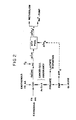

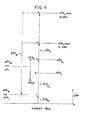

Classifications
-
- A—HUMAN NECESSITIES
- A61—MEDICAL OR VETERINARY SCIENCE; HYGIENE
- A61K—PREPARATIONS FOR MEDICAL, DENTAL OR TOILETRY PURPOSES
- A61K31/00—Medicinal preparations containing organic active ingredients
-
- A—HUMAN NECESSITIES
- A61—MEDICAL OR VETERINARY SCIENCE; HYGIENE
- A61K—PREPARATIONS FOR MEDICAL, DENTAL OR TOILETRY PURPOSES
- A61K31/00—Medicinal preparations containing organic active ingredients
- A61K31/045—Hydroxy compounds, e.g. alcohols; Salts thereof, e.g. alcoholates
- A61K31/05—Phenols
- A61K31/055—Phenols the aromatic ring being substituted by halogen
-
- A—HUMAN NECESSITIES
- A61—MEDICAL OR VETERINARY SCIENCE; HYGIENE
- A61K—PREPARATIONS FOR MEDICAL, DENTAL OR TOILETRY PURPOSES
- A61K31/00—Medicinal preparations containing organic active ingredients
- A61K31/045—Hydroxy compounds, e.g. alcohols; Salts thereof, e.g. alcoholates
- A61K31/05—Phenols
- A61K31/06—Phenols the aromatic ring being substituted by nitro groups
-
- A—HUMAN NECESSITIES
- A61—MEDICAL OR VETERINARY SCIENCE; HYGIENE
- A61K—PREPARATIONS FOR MEDICAL, DENTAL OR TOILETRY PURPOSES
- A61K31/00—Medicinal preparations containing organic active ingredients
- A61K31/185—Acids; Anhydrides, halides or salts thereof, e.g. sulfur acids, imidic, hydrazonic or hydroximic acids
- A61K31/19—Carboxylic acids, e.g. valproic acid
- A61K31/195—Carboxylic acids, e.g. valproic acid having an amino group
-
- A—HUMAN NECESSITIES
- A61—MEDICAL OR VETERINARY SCIENCE; HYGIENE
- A61K—PREPARATIONS FOR MEDICAL, DENTAL OR TOILETRY PURPOSES
- A61K31/00—Medicinal preparations containing organic active ingredients
- A61K31/185—Acids; Anhydrides, halides or salts thereof, e.g. sulfur acids, imidic, hydrazonic or hydroximic acids
- A61K31/19—Carboxylic acids, e.g. valproic acid
- A61K31/20—Carboxylic acids, e.g. valproic acid having a carboxyl group bound to a chain of seven or more carbon atoms, e.g. stearic, palmitic, arachidic acids
-
- A—HUMAN NECESSITIES
- A61—MEDICAL OR VETERINARY SCIENCE; HYGIENE
- A61K—PREPARATIONS FOR MEDICAL, DENTAL OR TOILETRY PURPOSES
- A61K31/00—Medicinal preparations containing organic active ingredients
- A61K31/275—Nitriles; Isonitriles
-
- A—HUMAN NECESSITIES
- A61—MEDICAL OR VETERINARY SCIENCE; HYGIENE
- A61K—PREPARATIONS FOR MEDICAL, DENTAL OR TOILETRY PURPOSES
- A61K31/00—Medicinal preparations containing organic active ingredients
- A61K31/33—Heterocyclic compounds
- A61K31/395—Heterocyclic compounds having nitrogen as a ring hetero atom, e.g. guanethidine or rifamycins
- A61K31/41—Heterocyclic compounds having nitrogen as a ring hetero atom, e.g. guanethidine or rifamycins having five-membered rings with two or more ring hetero atoms, at least one of which being nitrogen, e.g. tetrazole
- A61K31/415—1,2-Diazoles
-
- A—HUMAN NECESSITIES
- A61—MEDICAL OR VETERINARY SCIENCE; HYGIENE
- A61K—PREPARATIONS FOR MEDICAL, DENTAL OR TOILETRY PURPOSES
- A61K31/00—Medicinal preparations containing organic active ingredients
- A61K31/33—Heterocyclic compounds
- A61K31/395—Heterocyclic compounds having nitrogen as a ring hetero atom, e.g. guanethidine or rifamycins
- A61K31/435—Heterocyclic compounds having nitrogen as a ring hetero atom, e.g. guanethidine or rifamycins having six-membered rings with one nitrogen as the only ring hetero atom
- A61K31/44—Non condensed pyridines; Hydrogenated derivatives thereof
- A61K31/445—Non condensed piperidines, e.g. piperocaine
-
- A—HUMAN NECESSITIES
- A61—MEDICAL OR VETERINARY SCIENCE; HYGIENE
- A61K—PREPARATIONS FOR MEDICAL, DENTAL OR TOILETRY PURPOSES
- A61K31/00—Medicinal preparations containing organic active ingredients
- A61K31/33—Heterocyclic compounds
- A61K31/395—Heterocyclic compounds having nitrogen as a ring hetero atom, e.g. guanethidine or rifamycins
- A61K31/435—Heterocyclic compounds having nitrogen as a ring hetero atom, e.g. guanethidine or rifamycins having six-membered rings with one nitrogen as the only ring hetero atom
- A61K31/47—Quinolines; Isoquinolines
-
- A—HUMAN NECESSITIES
- A61—MEDICAL OR VETERINARY SCIENCE; HYGIENE
- A61K—PREPARATIONS FOR MEDICAL, DENTAL OR TOILETRY PURPOSES
- A61K38/00—Medicinal preparations containing peptides
- A61K38/16—Peptides having more than 20 amino acids; Gastrins; Somatostatins; Melanotropins; Derivatives thereof
- A61K38/17—Peptides having more than 20 amino acids; Gastrins; Somatostatins; Melanotropins; Derivatives thereof from animals; from humans
- A61K38/22—Hormones
- A61K38/24—Follicle-stimulating hormone [FSH]; Chorionic gonadotropins, e.g. HCG; Luteinising hormone [LH]; Thyroid-stimulating hormone [TSH]
-
- A—HUMAN NECESSITIES
- A61—MEDICAL OR VETERINARY SCIENCE; HYGIENE
- A61K—PREPARATIONS FOR MEDICAL, DENTAL OR TOILETRY PURPOSES
- A61K38/00—Medicinal preparations containing peptides
- A61K38/16—Peptides having more than 20 amino acids; Gastrins; Somatostatins; Melanotropins; Derivatives thereof
- A61K38/17—Peptides having more than 20 amino acids; Gastrins; Somatostatins; Melanotropins; Derivatives thereof from animals; from humans
- A61K38/22—Hormones
- A61K38/28—Insulins
-
- Y—GENERAL TAGGING OF NEW TECHNOLOGICAL DEVELOPMENTS; GENERAL TAGGING OF CROSS-SECTIONAL TECHNOLOGIES SPANNING OVER SEVERAL SECTIONS OF THE IPC; TECHNICAL SUBJECTS COVERED BY FORMER USPC CROSS-REFERENCE ART COLLECTIONS [XRACs] AND DIGESTS
- Y10—TECHNICAL SUBJECTS COVERED BY FORMER USPC
- Y10T—TECHNICAL SUBJECTS COVERED BY FORMER US CLASSIFICATION
- Y10T70/00—Locks
- Y10T70/80—Parts, attachments, accessories and adjuncts
- Y10T70/8432—For key-operated mechanism
- Y10T70/8622—Key insertion guides
Definitions
- ATP A adenosine triphosphate
- the rate of change in the ATP pool size existing in a cell at a particular time is the difference between the rate at which ATP is being produced, primarily by oxidative phosphorylation (O/P) along the Respiratory Chain (RC) in the mitochondria, and the rate at which ATP is being used up (hydrolyzed) to provide for all the energy requirements of the cell.
- O/P oxidative phosphorylation
- RC Respiratory Chain
- the key nutritional component is glucose, from which the primary energy supply for synthesizing ATP is derived.
- Glucose is transformed by the sequential reactions of the Glycolytic or Embden-Meyerhof Pathway (EMP) into pyruvate. Only about 6% of the total energy available in the original glucose molecule is released in the form of ATP during degradation in the EMP. Subsequently, pyruvate is decarboxylated and forms acetyl coenzyme A (AcCoA) which then enters the Citric Acid Cycle (CAC) in the mitochondria.
- Glycolytic or Embden-Meyerhof Pathway EMP
- AcCoA acetyl coenzyme A
- each acetate moiety after first being incorporated into a molecule of citric acid, is broken down into C0 2 and H with H appearing, inter alia , in molecules of reduced nicotinamide adenine dinucleotide (NADH) which then contain a large fraction of the energy contained in the original glucose.
- NADH reduced nicotinamide adenine dinucleotide
- This NADH subsequently is oxidized in the mitochondrial Respiratory Chain with the ultimate production of H 2 0 by terminal reaction of the H with 0 2 .
- This 0 2 is supplied by the normal vasculature.
- the energy obtained by the transport of electrons down the potential gradient of the RC, by a series of redox reactions, is used to produce the ATP of the cell.
- ATP-stored energy is obtained in the major proportion from nutritional glucose or from carbohydrates (i.e., starches and sugars) which yield glucose upon digestion.
- Some ATP-energy is obtained in normal cells from the oxidation, in the CAC and RC, of fatty acids and amino acids obtained from nutritional fats and proteins.
- the ATP produced in the EMP and RC enters the cellular "ATP Pool", from which it is continuously withdrawn at the net availability rate ATP A to supply the energy needs of total cellular metabolism including energy to power the membrane sodium pumps which keep the intracellular Na -concentration adequately low by the out-pumping of Na
- the pyruvate instead is essentially quantitatively converted to lactate which is exported from the cell by an effective lactate transport system [Warburg, 0., Uber den Stoff Touch der Tumoren , Springer-Verlag, Berlin and New York (1926); Warburg, 0., The Metabolism of Tumors Constable, London (1930); Burk, D., Cold Spring Harbor Symposia Quant. Biol . 7, 420 (1939); Busch, H., An Introduction to the Biochemistry of the Cancer Cell , Chapter 10, Academic Press, New York (1962); Racker et al., Science 209 , 203 (1981); Spencer, T.L. et al., Biochem. J. 154 , 405 (1976); Belt, J.A. et al., Biochem.
- Mitochondria possess a very efficient enzyme system capable of effecting the " ⁇ -oxidization" of fatty acids directly to AcCoA, which then enters the Citric Acid Cycle and is oxidized exactly as AcCoA produced from oxidation of glucose in normal cells.
- the amino acids are, after initial deamination, similarly reduced to AcCoA or other intermediates of the CAC and then oxidized.
- some amino acids, after deamination and suitable transformation, which is readily accomplished by the enzyme systems of malignant cells are capable of entering the Citric Acid Cycle directly at various intermediate points of the cycle [Busch, H. (1962), supra I. Consequently, although substantially deprived of the utilization of glucose as a primary energy source, the malignant cells make full use of the supply of the energy-rich fatty acids, and amino acids, all present in the plasma under usual nutritional intake levels.
- the lactate must concomitantly be rapidly exported from the cell in order to prevent the intracellular pH from decreasing to a lethal level because of a buildup in the lactate concentration.
- the lactate export rate (LACE) capacity of cancer cells is much more than adequate to prevent such an intracellular lactate buildup [e.g., Spencer, T.L. et al. (1976) supra ; Belt, J.A. et al. (1979) supra]. Consequently, the cancer cells can operate at relatively high GLY levels when energy is relatively unavailable from oxidative pathways of the CAC and RC.
- the net availability rate of ATP, ATP A for satisfying the overall metabolic requirements of malignant cells in the body is depressed to a level which is inadequate for the maintenance of the essential metabolic processes required for the continued viability of the cells, without substantially altering the normal ATP A level in normal cells of the body (see FIG. 3).
- the malignant cells are thus selectively subjected to a lethal energy deprivation, resulting in cellular death as a consequence of energy starvation.
- the present invention provides simultaneously. and synergistically for the stimulation of the GLY in malignant cells to a maximum level while concomitantly effectively limiting the maximum LACE capability of the cells by inhibition of the lactate export system.
- the malignant cells are thus selectively subjected to a second alternate lethal action in which cellular death occurs as a consequence of acidity buildup and the depression of the intracellular pH below the level permissible for continued viability.
- the most preferred embodiment of the present invention consists of the concurrent administration of five primary metabolic effectors (AAD, LEB, DNR, FAB and AAB), with sites of action as depicted in FIG. 3.
- AAD primary metabolic effector
- LEB primary metabolic effector
- DNR DNR
- FAB primary metabolic effector
- AAB primary metabolic effector
- FIG. 3 For purposes of present dicussion, these metabolic effectors are arbitrarily grouped into three regimens which are, for clarity of presentation, discussed in the order in which they individually act in the metabolic energy pathway of the cancer cells (FIG. 3).
- other regimens and combinations of these metabolic effectors although not constituting the most preferred embodiment for clinical application, are still fully capable of effecting very significant oncolysis.
- the first regimen of metabolic effectors is designed to substantially limit the maximum rate at which NADH can be supplied (NADH) to the RC of the cancer cells in the body, thus substantially limiting the maximum rate at which ATP can be made oxidatively (i.e., by the CAC-RC) by the cells, without limiting the rate of NADH supply (NADH) in the normal cells of the body to any significant degree.
- the second regimen's metabolic effector (AAD) is designed to degrade a substantial portion of such ATP as is produced or is potentially producible by the cancer cells, thus making it unavailable for cellular metabolic requirements.
- the third regimen's metabolic effector (LEB) is designed to greatly inhibit the rate at which glycolytically produced lactate can be exported from the cancer cells.
- the strong ATP A deficiency imposed by regimen two causes a pronounced increase in the cellular G LI Y and consequent LAC P , thus synergistically insuring, in combination with regimen-three of the therapy system, an ultimately lethal lactate buildup, which acts by producing a lethal depression of the intracellular pH.
- the concurrent use of the combination of the three regimens of the present therapy system thus provides two separate, but synergistically related, modes of achieving the destruction of cancer cells in the body, either of which may be the ultimate cause of lethality in a given cancer cell under different physiological conditions.
- the first regimen comprises the administration of a defined nutritional regimen (DNR) which consists essentially of a dietary regimen designed to maximize the use of nutritional glucose-yielding carbohydrates as a source of ATP energy, and to minimize the availability of nutritional fatty acids and amino acids for use as a source of ATP energy (FIG. 3).
- DNR defined nutritional regimen
- fatty acid blocking agents or "fatty acid blockers” (FAB) and amino acid blocking agents or “amino acid blockers” (AAB) to inhibit the availability of oxidatively obtained (i.e., CAC-RC) ATP-energy from endogenously derived (body depot or plasma) free fatty acids and amino acids for use by the cancer cells.
- AAB oxidatively obtained (i.e., CAC-RC) ATP-energy from endogenously derived (body depot or plasma) free fatty acids and amino acids for use by the cancer cells.
- the second regimen comprises the concurrent administration of one or more ATP-availability depressor agents or "ATP-availability depressors" (AAD) which, at adequate levels, results in the lowering or depression to a lethal level in the cancer cells of the net rate of the ATP, ATP A , actually available for satisfying cellular metabolic needs, by directly inhibiting the synthesis rate of ATP per se (e.g., by use of uncoupling agents of O/P) and/or inactivating or hydrolyzing ATP already synthesized (e.g., by use of ATPase-hydrolysis-activity enhancing agents).
- AAD ATP-availability depressor agents
- the third regimen comprises the administration of one or more lactate export blocking agents or "lactate export blockers” (LEB) which results in a substantial reduction of the maximum rate at which lactate can be exported from the glycolyzing cancer cells in the body.
- the LEB blocks a substantial portion of the normal maximal lactate export rate capacity of the cancer cells and allows the lactate to build up in the cells adequately to produce a lethal pH level.
- Applicant has previously disclosed a related method of effecting oncolysis comprising the use of a defined nutritional regimen (DNR) in combination with one or more O/P uncoupling agents (UA) [U.S. Pat. No. 4,724,234].
- That therapy system may be considered as a special, restricted case of the present invention consisting of use of only a DNR and an AAD, wherein the AAD is specifically an uncoupling agent of cellular oxidative phosphorylation.
- Applicant has also previously disclosed [U.S. Pat. No.
- a method for effecting oncolysis consisting of a combination of a DNR and one or more UA, and the concomitant use of fatty acid oxidation inhibiting agents ("FAOI" therein) which result in the inhibition of oxidation in cellular mitochondria of free fatty acids.
- That system may likewise be considered as a special, restricted case of the present invention, consisting of a DNR, FAB, and AAD, wherein the FAB is specifically an inhibitor of mitochondrial free fatty acid oxidation (FAOI) and the AAD is specifically an oxidative phosphorylation uncoupling agent (UA).
- the present invention effectively overcomes these basic problems, since the pronounced depression of the cancer cell ATP A effected by the combination of parts one (DNR-FAB-AAB) and two (AAD) of the present invention raises the GLY and LAC P and maintains them at levels several fold greater than that normally existing (i.e., without such therapeutically imposed GLY stimulation) in cancer cells.
- the high LAC P thereby effected not only ensures the maintenance of a high LAC P against the depressing tendency of a decreasing intracellular pH, but also thereby reduces substantially the degree of lactate export inhibition which must be effected in order to permit cellular lactate buildup and the intracellular pH to decrease to a lethal level.
- the present invention thus makes the use of lactate export blocking agents clinically practical and most efficacious.
- Applicant has found in evaluative clinical treatment regimens administered according to the present invention utilizing far advanced human cancer patients having histologically verified malignancies representing a wide range of malignancy types (tongue, throat, stomach, cecum, colon, rectum, breast, ovary, uterus, lung, kidney, prostate, pancreas, lymphoma, melanoma, skin, marrow (leukemia), and bone) that very significant oncolysis is effected.
- malignancy types tongue, throat, stomach, cecum, colon, rectum, breast, ovary, uterus, lung, kidney, prostate, pancreas, lymphoma, melanoma, skin, marrow (leukemia), and bone
- the therapy system of the present invention substantially avoids several of the traditional problems and limitations of conventional mitoxin chemotherapy.
- Mitoxin chemotherapy characteristically acts by the indiscriminate destruction of all mitotically active cells in the body, both normal and malignant. Because of this mass indiscriminate destruction of normal proliferative cells by mitoxin chemotherapy, a host of toxic and treatment-limiting side-effects are experienced, including anemia (marrow destruction), pronounced loss of cellular and humoral immune competence, decrease of blood platelets, gastrointestinal ulceration and denudation with bleeding, vomiting and diarrhea, destruction of salivary gland function, electrolyte imbalance, anorexia, loss of hair, abnormalities of the nervous system, kidney damage, skin rash, liver damage, abnormal heart beat, myocardial toxicity, and damage to the lungs.
- the present method of metabolic chemotherapy because it does not adversely affect normal dividing cells in the body, is strikingly free of such toxic effects and therefore permits continued administration until potentially all malignant cells are destroyed, while simultaneously permitting a very high quality of life.
- the present method does not destroy blastogenic lymphocytes of the immune system as does mitoxin chemotherapy, the body's immune competence remains unaltered, thus avoiding the pronounced decrease in resistance to infectious diseases usually seen in human patients undergoing mitoxin chemotherapy while maximally enhancing potential immunological cell-mediated and humoral attack on residual tumor cells.
- Lactate Export Blocking Agent Any clinically tolerable substance, means or procedure whose jministration results either directly or indirectly in a decrease in the maximum rate at which lactic acid can exported out of malignantly transformed cells.
- DNR Defined Nutritional Regimen
- Fatty Acid Blocking Agent Any clinically tolerable substance, means or procedure whose iministration results either directly or indirectly in a decrease in the production rate of ATP energy derived )m the overall metabolic oxidative degradation of fatty acids.
- Amino Acid Blocking Agent Any clinically tolerable substance, means or procedure whose iministration results either directly or indirectly in a decrease in the production rate of ATP energy derived )m the overall metabolic oxidative degradation of amino acids.
- the present invention affords a novel method of substantially eliminating, reducing or controlling (collectively referred to in this disclosure as oncolysis) a wide variety of malignant neoplasms in humans and other mammals.
- the effect on the malignancy i.e., carcinoma, sarcoma, lymphoma, leukemia
- the net availability rate of ATP (ATP A ) for satisfying the overall metabolic requirements of malignant cells in the body is depressed to a level which is inadequate for the maintenance of the essential metabolic processes required for the continued viability of the cells, without substantially altering the normal ATP A level in the normal cells of the body (see FIG. 3).
- the malignant cells are thus selectively subjected to a lethal ATP-energy deprivation, resulting in cellular death as a consequence of energy starvation.
- the present invention provides in its preferred embodiments simultaneously and synergistically for the stimulation of the GLY in malignant cells to a maximum level while. concomitantly effectively limiting the maximum LACE capability of these cells by inhibition of the lactate export. system.
- the malignant cells are thus selectively subjected to a second lethal action in which cellular death occurs as a consequence of acidity buildup and the depression of the intracellular pH below the level permissible for continued viability.
- the oncolysis of malignant neoplasms is effected by administration of an ATP-availability depressor agent (AAD), or a combination of an AAD and one or more additional metabolic effectors.
- AAD ATP-availability depressor agent
- Each such combination contains an effective amount of ATP-availability depressor agent (AAD).
- Other metabolic effectors which may be present in the combination include one or more of the following:
- the present invention comprises either (1) administering an AAD solely, or (2) concurrently administering an AAD and at least one other metabolic effector from among the LEB, DNR, FAB and AAB. See FIG. 3 for reference to the sites of action of these metabolic effectors in the energy metabolism pathway of the cancer cells.
- the AAD is designed to degrade a substantial portion of the ATP that is produced or is potentially producible by the cancer cells, thus making it unavailable for supporting cellular metabolic requirements.
- the AAD may comprise one or more agents which result, in adequate amount, in the lowering or depression to a lethal level in the cancer cells of the net rate at which ATP (ATP A ) is actually available for satisfying cellular metabolic needs, by directly inhibiting the synthesis rate of ATP per se (e.g., by use of uncoupling agents of O/P) and/or inactivating or hydrolyzing ATP already synthesized (e.g., by use of ATPase hydrolysis-activity enhancing agents).
- ATP A ATP A
- the additional primary metabolic effectors (LEB, DNR, FAB, AAB) which can be used in combination with the AAD are designed to enhance the basic effects of the AAD per se and to further enhance the destruction of the malignant cells.
- One or more of the additional metabolic effectors can be used in combination with the AAD.
- These metabolic effectors include:
- an AAD in combination with an LEB. It is most preferred to use all five components, i.e., AAD, LEB, DNR, FAB and AAB, in concurrently administered combination.
- the net availability rate of ATP (ATP A ) for satisfying the overall metabolic requirements of malignant cells in the body is depressed to a level which is inadequate for the maintenance of the essential metabolic processes required for the continued viability of the cells, without substantially altering the normal ATP A level in normal cells of the body (see FIG. 3).
- the malignant cells are thus selectively subjected to a lethal energy deprivation, resulting in cellular death as a consequence of energy starvation.
- the present invention in its most preferred embodiment provides simultaneously and synergistically for the stimulation of the GLY in malignant cells to a maximum level while concomitantly effectively limiting the maximum LACE capability of the cells by inhibition of the lactate export system.
- the malignant cells are thus selectively subjected to a second alternate lethal action in which cellular death occurs as a consequence of acidity buildup and the depression of the intracellular pH below the level permissible for continued viability.
- cellular death occurs as a consequence of acidity buildup and the depression of the intracellular pH below the level permissible for continued viability.
- the present invention results in the arrest of mitotic activity because of energy insufficiency, and hence in the arrest of tumor growth and progression.
- the destruction or proliferation stasis of malignant cells is achieved by utilizing an AAD alone, or a combination of an AAD and one or more additional metabolic effectors.
- Each such combination contains an effective amount of ATP-availability depressor agent (AAD).
- AAD ATP-availability depressor agent
- Other metabolic effectors which may be present in the combination include one or more of the following:
- the present invention consists of either (1) administering an AAD solely, or (2) concurrently administering an AAD and at least one other metabolic effector from among the LEB, DNR, FAB and AAB. See FIG. 3 for reference to the specific loci of action of these effectors in the energy-metabolism chain of malignant cells.
- the AAD per se is designed to degrade a substantial portion of the ATP as is produced or is potentially producible by the cancer cells, thus making it unavailable for use in supporting cellular metabolic requirements.
- the AAD may comprise one or more ATP-availability depressor agents or "ATP-availability depressors" (AAD), which result, at an adequate level of administration, in the lowering or depression to a lethal level.
- ATP ATP A
- directly inhibiting the synthesis rate of ATP per se e.g., use of uncoupling agents of O/P
- inactivating or hydrolyzing ATP already synthesized e.g., by use of ATPase hydrolysis-activity enhancing agents.
- the additional metabolic effectors that can be used in combination with the AAD are designed to enhance the oncolytic effectiveness of the AAD, and permit achievement of malignant cell destruction in the body with lower levels of administration of the AAD per se .
- One or more of the additional metasbolic reflectors can be used in combination with the AAD. These metabolic reflectors include:
- an AAD in combination with a LEB. It is most preferred to use all five components, i.e., AAD, LEB, DNR, FAB and AAB, in concurrently administered combination.
- any of several regimens employing the metabolic effectors can be used, within the scope of the present invention, to effect oncolysis.
- These regimens include, but are not limited to, the administration of (a) AAD, (b) AAD + LEB, (c) AAD + DNR, (d) AAD + LEB + DN R, (e) AAD + DNR + FAB, (f) AAD + LEB + DNR + FAB + AA B , (g) AAD + DNR + AAB, and the like. It is preferred to use a regimen of AAD + LEB. It is most preferred to use a regimen of AAD + LEB + DNR + FAB + AAB.
- energy for ATP production is derived primarily from the sequential catabolism of glucose via the EMP, CAC and RC.
- Secondary sources of energy are fatty acids and amino acids which, after degradation to acetyl coenzyme A or intermediary metabolites of the CAC, enter the CAC for further catabolism.
- the relatively small amount of energy (per glucose molecule) deriving from the degradation of glucose to pyruvate in the EMP passes, along with that from the CAC and RC, in the form of ATP into the cellular ATP pool, from which it is withdrawn continuously to support overall cellular metabolism.
- malignant cells in the body are substantially unable to convert pyruvate, derived from glucose degradation in the EMP, to AcCoA, converting it instead to lactic acid which is excreted from the cell without further degradation.
- the malignant cells are fully capable of complete oxidation of FA and AA via the CAC-RC for ATP-energy production, when such substrates are available.
- the cancer cells are able to generate ATP at an appreciable rate by strongly increasing the rate of glycolysis GLY (i.e., the rate of conversion of glucose to lactic acid in the EMP), producing overall two molecules of ATP for each molecule of glucose glycolyzed (as compared to 32 molecules of ATP produced in normal cells by oxidation of the pyruvate from each molecule of glucose in the CAC-RC).
- GLY glycolysis i.e., the rate of conversion of glucose to lactic acid in the EMP
- This high rate of cancer-cell GLY requires a commensurately high rate of lactate export to prevent the buildup of acidity in the cells to a lethal level.
- FIG. 3 The integrated mechanism by which cancer cells in the body are selectively destroyed by administration of the most preferred embodiment of the present therapy system is illustrated schematically in FIG. 3.
- This diagram shows the specific points in the energy-production chain of cancer cells where the five primary metabolic effectors DNR, FAB, AAB, AAD, and LEB of the present invention, act.
- the first major provision in the most preferred embodiment of the present therapy system is a regimen for imposing. a limit on the maximum rate of supply of NADH (NADH) to the RC of the cancer cells. This requires that the rate of availability of the principal oxidative energy-yielding substrates for the CAC of the cancer cells, FA and AA, be minimized as much as clinically possible.
- NADH NADH
- FA and AA for the cancer cells are obtained from two sources, dietary and/or parenteral intake (exogenous sources), and mobilization from internal body depots or stores (endogenous sources).
- exogenous sources include plasma FA which are maintained by continuous turnover of adipose fat stores and plasma AA which are derived from the continuous turnover and degradation of tissue proteins.
- the control of exogenous FA and AA availability is readily achieved by administration of a defined nutritional regimen (DNR) which provides orally and/or parenterally the lowest possible level of FA other than the essential fatty acids linoleic and linolenic, AA sources such as protein, adequate only to maintain body nitrogen balance, and carbohydrate sources of glucose which supply substantially all of the daily caloric intake required for the daily caloric balance of the body.
- DNR defined nutritional regimen
- CAC in FIG. 3 denotes the rate of operation of the Citric Acid Cycle, i.e., the rate at which NADH is produced, e.g., amol/min.
- the daily amount of DNR caloric intake is readily determined by measurement of the individual patient's resting metabolic rate (i.e., patient's oxygen consumption per 24 hours under resting conditions) and estimation or similar measurement of the active metabolic rate corresponding to the level of activity in which the particular patient engages during the day.
- the minimum daily caloric intake is then calculated as one-half of the sum of the resting and active metabolic rates in 0 2 /d converted to its caloric equivalent in Kcal/d.
- Detailed procedures for precise DNR compositional and caloric balance determinations, suitable for use in the present therapy system, are given in U.S. Patent No. 4,724,234.
- Epinephrine for example, is the most potent known mobilizer of free fatty acids from body adipose tissue and fat depots, while the sustained action of the adrenal cortex cortisol results (through pronounced inhibition of cellular protein synthesis) in an appreciable elevation in the plasma AA concentration, as well as directly producing an elevation in plasma FA from adipose depots. Consequently, the overall restriction of the FA and AA oxidative energy to the cancer cells requires the administration of agents that effectively inhibit the availability or oxidative metabolism of endogenously derived FA and AA, in addition to the concurrent administration of the DNR.
- oxidative use of endogenously derived FA by the cancer cells for ATP-energy production is effectively inhibited by administration of one or more free fatty acid blocking agents (FAB), acting at the point shown in FIG. 3.
- FAB free fatty acid blocking agents
- a most effective and preferred FAB for example, is long-acting or lente insulin, which is injected intramuscularly on a daily basis. Medically, at present, lente insulin is conventionally used almost exclusively for control of the plasma glucose concentration level in diabetic individuals. However, insulin has long been known also to impose a profound inhibition of free fatty acid mobilization from body adipose tissues. It has been found in detailed clinical studies by the present inventor, for example, that administration of a daily dose as small as 10 to 15 I.U.
- lente insulin is capable of reducing the maximum free fatty acid availability by some 92%, a most significant reduction considering that the endogenously derived free fatty acids constitute the primary energy source of the cancer cells after the DNR administration.
- regular or short-acting insulin could readily be used as a FAB, but has the clinical disadvantage of requiring more frequent injections in a 24-hour period.
- the desired inhibition of FA use for energy production by the cancer cells is achieved by means of a pronounced reduction in the rate at which endogenous FA can be mobilized from adipose depots.
- FAB fatty acid oxidation inhibitor
- 2-tetradecylglycidate is representative [Tutweiler, G.F. et al., Federn. Proc. 37 1308 (1978); Tutweiler, G.F. et al., Clin. and Exoer. Metabolism 27 1539 (1978)].
- These FAB act by inhibiting directly one or more enzymes in the mitochondrial ,8-oxidation pathway of cancer cells or, as is the case with methyl 2-tetradecylglycidate, by inhibiting transport of the FA into the mitochondria for degradation and oxidation by the CAC.
- FIG. 3 schematically depicts the FAB as blocking or inhibiting endogenously derived FA from being used as substrates for the CAC, thereby decreasing the maximum rate CAC at which the CAC can operate in producing NADH for the RC.
- oxidation of AA may become of considerable importance for cancer cell survival, and utilization of the AAB becomes beneficial oncolytically.
- the imposed AAB results either directly or indirectly in a decrease in the production of ATP energy derived from the oxidative degradation of endogenously supplied AA.
- An example of an AAB that has been effectively utilized clinically in the present therapy system is the drug aminoglutethimide. This agent acts indirectly by inhibiting the first step in the synthesis of cortisol from cholesterol in the adrenal cortex.
- the primary cause of elevated plasma AA concentrations in cancer patients generally is chronically elevated cortisol, and both the plasma cortisol and AA levels in cancer patients are substantially lowered by administration of aminoglutethimide.
- AAB which acts in part by means of a plasma cortisol level reduction, accomplished by a quite different physiological action, is stress-relieving psychotherapy. Chronically elevated cortisol levels due to stress are often significantly lowered by such psychotherapeutical regimens, which act to relieve or ameliorate the high mental stress levels of cancer patients, with resultant reduction in plasma AA (and FA) levels.
- drugs which act to relieve or ameliorate stress per se constitute indirectly acting AAB.
- FIG. 3 schematically depicts the AAB as blocking or inhibiting endogenously derivable AA from being used as substrates for the CAC, thereby decreasing the rate CAC at which the CAC can operate in producing NADH for the RC.
- the individual and combined actions of the DNR, FAB, and AAB thus result in a lowering of the maximum rate CAC at which the CAC can operate due to the limited or pegged rate of substrate availability from combined exogenous and endogenous FA and AA, and consequently in a marked lowering of the maximum rate NADH at which NADH can be supplied to the RC in the cancer cells.
- This action in turn results in the pegging or limitation of the maximum rate of ATP production possible in the RC of cancer cells by oxidation of NADH.
- the NADH of the normal cells of the body is not limited in any way by the administration of the DNR, FAB, and AAB, since these cells can fully oxidize the abundant glucose provided by the DNR.
- the cancer cells are thus selectively and effectively limited with respect to the maximum rate at which NADH can be provided to and oxidized in their RC (i.e., limited in their maximum RC), and consequently in the maximum rate at which ATP can be produced by the RC.
- the second major provision in the most preferred embodiment of the present therapy system is a regimen for lowering, selectively in the cancer cells, the overall rate ATP A at which ATP is available for supporting the total cellular metabolic energy needs.
- This ATP A lowering is accomplished by the administration of one or more ATP-availability depressor agents (AAD).
- AAD ATP-availability depressor agents
- the ultimate action thereof is to lower the ATP A to a level which is inadequate to sustain even the minimal vital metabolic processes of the cancer cells required to maintain viability, and consequently to effect death and lysis of these cells by energy starvation.
- This lowering of the ATP A is accomplished by the AAD, for example, by decreasing the rate of production of ATP per se by uncoupling O/P in the RC, or by wastefully hydrolyzing ATP already made, or by sequestering the existing ATP molecule so as to make it unreactive in energy-requiring metabolic reactions.
- These actions of the AAD are collectively referred to herein as "ATP wasting," since they all result in the wasteful removal of ATP from the ATP pool and thus prevent its availability for use in satisfying cellular metabolic needs.
- the rate of NADH oxidation in the RC is limited to a low level by the DNR-FAB-AAB imposed restriction on the availability rate of NADH, the RC cannot increase above this pegged level as ATP is wasted by the administered AAD. Consequently, the AAD-wasted ATP cannot be compensated for, in the cancer cells, by an increase in the operational rate of the RC, i.e., an increase in the rate RC of NADH oxidation to produce ATP at a greater rate.
- ATP A ATP L
- the AAD also acts to waste ATP, but since the normal cells can fully utilize the abundant glucose of the DNR, they experience no restrictive limit on the CAC or NADH to the RC. Consequently, the RC increases as much as is necessary to compensate for the AAD-wasted ATP, thus insuring maintenance of a normal level of the ATP A for satisfying all normal cellular metabolic needs.
- the normal cells are thus unaffected energywise by the administration of the AAD, while the cancer cells are energy-starved to a lethal level, ATP L , at an adequately high level of AAD.
- the cancer cells will generally die from energy starvation rather than from a lethal pH depression to pH L when exposed to the DNR-FAB-AAB-AAD metabolic effector combination of the present therapy system.
- great therapeutical advantage is taken of the strong stimulation of the GLY by the AAD-mediated ATP A depression by additional administration in the present system of lactate export blocking agents (LEB), as is described subsequently.
- An example of one very effective class of AAD which has been extensively evaluated in clinical administrations of the present therapy system comprises agents which uncouple phosphorylation from oxidation in the mitochondrial RC (i.e., the so-called O/P uncoupling agents (UA)).
- O/P uncoupling agents UA
- the clinical use of this form of AAD has been described in detail previously [U.S. Pat. No. 4,724,234].
- the UA act to release the energy derivable from the oxidation of NADH in the RC of cells as heat, thereby preventing synthesis of an equivalent amount of ATP.
- the CAC and RC increase so as to exactly maintain a normal ATP A , since these cells can fully use the abundant glucose provided by the DNR.
- TH thyroid hormone
- This ATP-wasting in the cancer cells acts in the present therapy system to strongly depress the ATP A , since their CAC and RC are already rate limited by the DNR-FAB-AAB. In normal cells, this TH-mediated ATP-wasting is precisely compensated for by a commensurate increase in the CAC and RC using glucose supplied by the DNR.
- any clinically tolerable agent i.e., substance, means or procedure which acts to waste the energy of potentially synthesizable or already synthesized ATP or to prevent its use for usual and necessary cellular metabolic reactions constitutes an AAD.
- possible AAD include, but are not limited to, O/P uncoupling agents which waste the energy of potentially synthesizable ATP, intracellular introduction of inappropriate foreign ATPases, substances or means which inappropriately increase the activity of natural cellular ATPases, chemical agents that cause direct, generalized wasting-hydrolysis of ATP within the cell, agents that selectively bind to and energetically inactivate ATP, and molecular species which generally competitively inhibit existing ATP participation in normal metabolic reactions.
- the AAD is shown as acting at the RC level to wastefully inhibit ATP synthesis (as with the UA) and at the level of the already-made ATP (as with the TH).
- the various AAD may be used singly, or in combination in order to maximize overall effectiveness while maintaining a relatively low level of each particular AAD.
- the therapeutical result is the depression of the ATP A (ATP A ) to the lethal level, ATP A ⁇ ATP L . This condition of death by energy starvation is depicted in FIG. 3 by the upper terminal branch of the diagram.
- the third major provision of the most preferred embodiment of the present therapy system is the administration of a lactate export blocking agent (LEB) concurrently with the DNR-FAB-AAB-AAD combination of metabolic effectors.
- LEB acts to effectively inhibit the export of lactate from the cancer cells, with the consequence that with the AAD of the present therapy system the ensuing buildup of lactic acid within the rapidly glycolyzing cell ultimately results in the depression of the intracellular pH to a lethal level PH L .
- the AAD-depressed ATP A level causes a decrease in the intracellular concentration of ATP (decreased ATP pool, supra ) which then stimulates an increase in the GLY by stimulation of increased phosphofructokinase (the ratelimiting enzyme of the EMP) activity in the EmbdenMeyerhof pathway. This results in a commensurate increase in LAC P .
- the maximum LACE is effectively lowered due to inactivation of part of the available export capacity.
- the action of the LEB strongly decreases the maximum possible LACE by binding to and inactivating a portion of the lactate-exporting molecular moieties in the cell membrane [Spencer, T.L. et al. 5(1976), supra ; Belt, J.A. et al. (1979), supra ], while the high GLY stimulated by the AAD depression of the ATP A greatly increases the LAC P ; ultimately LAC P > LACE maintains and lethal acidity buildup ensues in the cancer cells.
- Adequate levels of LEB ensure that LAC P will become greater than the pegged LACE at GLY levels before the maximum operational GLY level is reached, and hence that the cancer cells will die of a lethal pH depression.
- the importance of the ATP A decrease, obtainable with the AAD of the concurrently administered DNR-FAB-AAB-AAD combination of the present invention, is paramount in securing the LEB effectiveness.
- the ATP A can be continuously dereased with adequate AAD increase, to exert an increasingly stronger GLY stimulation so as to maintain the increased GLY against the GLY-increaselimiting effect of the decreasing intracellular pH per se , that the intracellular acidity continues to increase in the presence of the LEB.
- the decreasing intracellular pH otherwise exerts an increasingly strong inhibiting effect on enzymes of the EMP as the pH decreases below the normal intracellular pH level of -7.0, with a consequent decrease in the maximum GLY level attainable as the pH decreases.
- the concentration of LEB required to effect a given percentage blockage of the initial maximum export capacity increases very rapidly as the percentage blockage is increased.
- the average LEB concentration increase per percent-unit of lactate export blockage in going from 80% to 95% blockage is 10-fold greater than that required in going from 40% to 80% blockage.
- the low ATP A attainable by the DNR-FAB-AAB-AAD (or AAD by itself) of the present therapy system therefore acts to permit and ensure a lethal level of effectiveness of the LEB, which otherwise would not be attainable at clinically. practicable levels of LEB.
- Lethal pH levels can thus be attained with relatively low levels of LEB administration, which may be clinically quite beneficial with certain LEB agents, and use of LEB which cannot achieve high levels of transport blockage becomes possible.
- the use of the LEB markedly reduces the degree to which the ATP A would have to be depressed, to otherwise produce lethality by ATP A ⁇ ATPL (energy starvation), and hence considerably lowers the overall body metabolic rates (due to ATP wasting in normal cells) which would otherwise exist during treatment.
- the ATP A causes the GLY to increase, giving a higher LAC P and LACE.
- the maximum LACE possible becomes pegged at a low level, whence with continuing LAC production at an elevated rate the intracellular pH ultimately decreases to a lethal level pH L .
- Level 1 is the rate at which the cancer cell is producing ATP via glycolysis initially, prior to therapeutical intervention.
- Level 2 is the initial total rate at which ATP is available for use by the cell for its ongoing metabolic requirements. is the sum of the initial glycolytic ATP production rate and the initial O/P ATP production rate via the CAC-RC oxidative pathway, is equal to the initial overall rate at which ATP is being metabolically used up by the cell.
- the level of ATP o will increase ( ATP o ) commensurately, due to a slight transient decrease in ATP A (below and ) and to the associated decrease in [ATP], the concentration of ATP in the cell, to precisely compensate for the rate ATP w at which ATP is being wasted by the AAD.
- DFA DNR+FAB+AAB
- DNR FAB+AAB AtPp can rise only to level 3 before becoming pegged due to a more limited rate of FA and AA availability for the cancer cell CAC.
- administration of the DNR+FAB+AAB significantly lowers the maximum rate at which the cancer cell can produce additional compensating ATP ( ATP o ) by oxidativephosphorylation as the AAD dosage is continually increased.
- the total rate of ATP wasting by the AAD required to produce lethality without the LEB (ATP w for ATP L ) and with the LEB (ATP w for pH L ) are denoted in FIG. 4, along with the associated increases in the glycolysis-ATP rate ATP G which must be overcome.
- the significant decrease in the overall level of ATP w generated by the AAD required to produce lethality with the coadministered DNR-FAB-AAB-LEB combination of metabolic effectors versus that without the LEB (and with or without the DNR-FAB-AAB) is evident.
- Illustrative Therapy System for Human Patients is of specific applicability to humans and other mammals with comparable active and resting metabolic rate ranges-i.e., other primates.
- Specific adaptation of this invention to other mammals, e.g., with significantly higher or lower active and resting metabolic rate ranges is within the scope of this invention and can, using the principles herein described, be effected by those skilled in the requisite technology without departing from the invention.
- the therapy of the invention with suitable adaptation to take account of the active and resting metabolism of the animal to be treated such as to maintain daily caloric balance, will be particularly useful in the treatment of malignant neoplasms in valuable agricultural animals, pets, zoo animals, race horses and other pedigreed stock, et cetera .
- DNR Nutritional Regimen
- the essential features of the DNR of the present invention are the provision of (a) an absolute minimum of fat, which the cancer cells can use for ATP-energy production, so as to supply substantially only the minimal levels of the essential fatty acids, (b) a minimum of protein, which the cancer cells can use for ATP-energy production and for mitogenic anabolism, albeit an amount which is adequate on the average to maintain the whole-body nitrogen balance without excess during the overall treatment period, and (c) an allowance of carbohydrate which, after subtraction of the total fat and protein caloric contributions, provides glucose sufficient to furnish the remaining daily calories required to satisfy the total daily caloric requirements of the body.
- the amount of DNR given should avoid any substantial excess, since excess glucose would be converted to fatty acids which would then be readily available to the cancer cells for ATP-energy production in the absence of adequate FAB; malignant cells have been demonstrated to possess full capability for converting glucose to fatty acids [Abraham, S. et al., Proc. Am. Assoc. Cancer Res. 2 , 89 (1956); Begg, R.W. et al., Fed. Proc. 15 , 216 (1956); Medes, G. et al., Cancer Res. 13 , 27 (1953)].
- the total daily caloric requirement (Kcal/d) of the individual patient may be determined simply by increasing the caloric amount of the DNR to a level which prevents a successive daily loss or gain of body weight.
- the daily caloric requirement can be determined precisely by performing an actual measurement of the resting metabolic rate (i.e., 0 2 consumption rate), converting this measurement value to its caloric equivalent for the DNR being administered, and adding in an appropriate caloric allowance for the daily activity level of the patient.
- U.S. Patent No. 4,724,234 presents a detailed discussion of metabolic rate measurements for precise DNR caloric calculations.
- Actual metabolic rate measurements are preferred when using UA as AAD in the present invention because of their pronounced capability to elevate body metabolic rate.
- the essential fatty acids, protein, and carbohydrate components of the DNR are derived from essentially pure sources or sources of known analysis, and the DNR is administered in the form of liquid-suspension cocktails at periodic intervals over the day.
- the preferred component sources are:
- the protein source used should provide a high quality amino acid complement. That is, the relative proportions of the amino acids should be those corresponding to average human protein composition; otherwise amino acids which are below their human proportionate equivalent will result in the inability of the anabolic use of the other amino acids (which will be in proportionate excess), whence they will become available as oxidative energy sources for the cancer cells.
- Non-nutritive bran (nominally 0.45 g/Kg of body weight) may be added to the DNR to provide fiber and bulk, along with a vitamin and mineral mix, prior to blending.
- the vitamin and mineral allowance also contains KCI (65 mg/Kg) and NaCl (60 mgiKg) since the purified preferred sources supply very little K and Na, along with at least twice the Recommended Daily Allowance (RDA) of all water-soluble and lipid-soluble vitamins, and appropriate levels of Ca, P, Mg, Mn, I, and Se, and choline.
- KCI 65 mg/Kg
- NaCl 60 mgiKg
- RDA Recommended Daily Allowance
- the DNR is provided in specific solid-food menus of natural food elements of defined nutrient content formulated so as to give the nitrogen-balance level of high quality protein, and as minimal an amount of fat as possible by the choice of low-fat food elements.
- the required carbohydrate allowance is composed of that occurring in the protein-supplying natural food elements, plus supplementation from substantially total-carbohydrate sources (candies, custards, and flavored carbohydrate beverages) to satisfy the total therapeutical caloric level necessary to an ambulatory patient or outpatient.
- Supplementary non-nutritive bran, if desired, and vitamins and minerals at the minimum RDA level or higher, are also provided in the completely specified DNR for Phase II of the preferred protocol.
- the oral route is preferred for administration of the DNR
- the use of total or partial parenteral alimentation procedures to administer substantially the nutrient equivalent of the DNR in a form suitable for infusion can readily be used when clinical conditions so demand.
- administration of amino acids in pure and balanced form is of course required.
- An example is the case where, because of a malignant growth blocking the esophagus, a patient cannot swallow even semi-solid foods or liquids at the start of the therapy. Once the tumor mass has been regressed by the therapy, and swallowing of the DNR cocktails or tube-feeding is possible again, the preferred DNR cocktail ingestion procedure can resume.
- total or partial parenteral administration can be used for particular elements of the DNR and/or particular vitamins and minerals which cannot be absorbed adequately when taken by the oral route in special patients.
- the resting metabolic rate may temporarily elevate to levels above that which can be calorically balanced with the DNR.
- AAD such as UA
- this condition poses no problems since the most metabolically active normal tissue, viz ., muscle, readily utilizes its internal creatine phosphate store to produce ATP, a store which, like liver glycogen, is particularly high from the DNR administered during periods of lower (i.e., calorically balanced) metabolic rates.
- supplementation with glucose infusion can be used.
- it is particularly desirable to administer a FAB in adequate dosage to prevent energy availability from an otherwise potentially gross (and oncolytically detrimental) rise in plasma free fatty acids from mobilized body fat depots.
- Fatty Acid Blocking Agents Fatty Acid Blocking Agents
- FAB The primary purpose of the FAB is to significantly inhibit energy production from endogenously derived body FA in the cancer cells.
- FAB may act at one or more of several metabolic levels, and one or more FAB may be used in combination in the present therapy system. Examples of some forms of FAB are as follows:
- FAB agents which can be used in practicing the present invention, commensurate with their clinical tolerability at effective dosage levels. Any one or any combination of such agents may be employed as the FAB of the present invention, commensurate with the tolerability of their in viv o use.
- Provision of FAB to inhibit energy production from free fatty acids in cancer cells is particularly desirable in the present therapy system due to the ready and copious availability of fatty acids mobilizable from body stores when needed, and particularly under conditions of stress.
- levels of the AAD required to produce an adequately low ATP A for effecting cancer cell death by either energy starvation (ATPd or lethal pH depression (pH L ) with an LEB may not always be possible to impose clinically, at least not without undesirably high body metabolic rate elevations associated with the compensation for the AAD-wasted ATP by normal cells.
- the primary purpose of the AAB is to inhibit the use of endogenously-derived AA for energy production in the cancer cells.
- This inhibition of AA use is particularly desirable when endogenous FA use is effectively restricted, since the alternate oxidation of AA by the cancer cells could in principle provide in some cases an adequate rate of oxidative ATP production to preclude achieving cancer cell death by energy starvation or lethal pH.
- it is the condition of an excessive plasma concentration of AA that is to be controlled, since AA from dietary proteins are normally rapidly taken up and utilized by the normal cells of the body.
- Elevated patient plasma concentrations of AA derive primarily from a chronic elevation of plasma cortisol, usually because of a continuing condition of physiological and/or psychological stress in the cancer patient. Consequently, the most effective AAB currently clinically available act indirectly by reducing the cortisol concentration to a more normal state, both in magnitude and duration of the elevation. Examples of some currently available forms of AAB are as follows:
- AAD ATP-Availability Depressor Agents
- the basic purpose of the AAD, alone or in combination with other metabolic effectors, in the present therapy system is to effect a reduction, selectively in the cancer cells, of the maximum rate at which ATP is available for supporting essential metabolic energy requirements.
- O/P uncoupling agents including but not limited to 4-hydroxy-3,5-diiodobenzonitrile; benzotriazoles, such as 5-nitrobenzotriazole, 5-chloro-4-nitrobenzotriazole, or tetrachlorobenzotriazole; ben- zylidenemalononitriles, such as 4-hydroxybenzylidenemalononitrile [4-OH-BMN], 3,5-ditertbutyl-4-hydroxybenzylidenemalononitrile, 3,5-ditertbutyl-4-acetoxybenzylidenemalonitrile, or «-cyano-3,5-tertbutyl-4-hydroxycinnamic acid methyl ester; 1,3,6,8-tetranitrocarbazole, 2,6-dihydroxyl,1,1,7,7,7-hexafluoro-2,
- an O/P uncoupling agent must not only be capable of producing an adequate degree of uncoupling action to achieve desired therapeutic levels of oncolysis, but must also be substantially free of any detrimental, toxic, or otherwise significantly undesirable side effects, and must also be physiologically tolerable by the patient in order to be used in the therapy treatment of this invention.
- UA particularly those of the so-called “classical” group [Heytler, P.G. Inhibitors of mitochondrial Functions (p.203) Pergamon Press, New York (1981)] are acids which dissociate, or ionize, in solution.
- the total concentration of such agents in a cell i.e., the concentration of the dissociated anionic moiety plus the concentration of the undissociated molecule
- the total concentration of such agents in a cell is dependent upon the pK of the UA molecule and the extracellular pH and intracellular pH L of the cell, for a given extracellular total UA concentration.
- the pK a is the negative of the logarithm of the acidic dissociation constant Ka of the molecule.
- Ka the acidic dissociation constant
- pK a The effectiveness of a given intracellular pH change in reducing the total VA concentration in the cell depends very much on the pK a ; UA with smaller pK a constants are much more susceptible to being moved out of the cell (i.e., decrease in total UA concentration) as the intracellular pH decreases than UA with relatively high pK a values (e.g., pK a S: 7).
- This means that much or most of the O/P uncoupling effectiveness in the cancer cell, with a UA having a pK a 4 used as the AAD, would be lost as the cell becomes progressively more acid, as is particularly the case when the UA (as the AAD) is used in combination with a LEB.
- This loss of uncoupling activity acts in turn to decrease the pH decline per se, so that a point may ultimately be reached by the cancer cell when no further decrease in pH can occur, whence the desired pH L cannot be reached, even with both the UA and the LEB present.
- the result of using a low pK a UA as the AAD therefore, could be in some cases that the cancer cells experience only a small fraction of the uncoupling activity simultaneously experienced by the normal cells of the body, which do not become acid.
- the resultant clinical situation would then be one wherein the body is at the maximum tolerable metabolic rate permissible with the low pK a UA, but the cancer cells simultaneously are not experiencing enough uncoupling to reach the pH L level, whence cancer cell death does not occur, although cancer cell proliferation may be arrested.
- ionically dissociable UA as AAD in the present invention, most especially when they are used in combination with the LEB thereof to effect a lethal pH depression, it is desirable, advantageous, and preferred to utilize those acidicly dissociable UA which have a pK a substantially in the range of pKa ⁇ 7. More generally, in the case of any acidicly or ionically dissociable molecule used as an AAD under the present invention, it is preferred that such molecule have a pK a substantially in the range pK a Z 7.
- any substance, means or procedure used as an AAD under the present invention it is preferred that such substance, means or procedure be substantially insensitive, in respect to its ATP-availability depressing action, to changes in the intracellular pH, in order to obtain maximal oncolytic efficacy.
- high pK a uncoupling agents include but are not limited to the following: 4-nitrophenol (7.01); 4-chlorophenol (9.18), phenylhydrazonocyanoacetic acid, methyl ester (8.40); (3-chlorophenylhydrazono) cyanoacetic acid, methyl ester (7.70); 5-chlorotrifluoromethyl benzimidazole (8.9).
- Agents which result in wasting (hydrolysis) of ATP that is already synthesized include but are not limited to
- Thyroid hormone for use as an AAD and/or AAB of the present invention, is defined as comprising T 4 (thyroxine) and/or T 3 (triiodothyr Q nine), in any clinically appropriate form and proportion, and from any clinically appropriate source. It is generally held, pharmacologically, that the active form of thyroid hormone is T 3 ,, and that the T 4 provided by the thyroid gland is ultimately converted to the active T 3 form. Consequently, in the present therapy, TH may be T4 and/or Ta, or appropriate sources thereof, such as thyroglobulin or dessicated thyroid gland powder.
- T 4 , T 3 , and T4 + T 3 metabolic-effectiveness equivalents to that of 1.0 grain of dessicated thyroid gland powder.
- One grain of dessicated thyroid gland powder contains 50 ⁇ g of T 4 and 12.5 ⁇ g of Ta, and in metabolic effectiveness 1.0 ⁇ g of T 3 is equivalent to 4.0 ⁇ g of T 4 .
- the AAD at least one agent which wastefully hydrolyzes or energetically inactivates already-made ATP (as in (2) ane (3) above), and which additionally is insensitive to intracellular pH when the LEB is used with the AAD.
- AAD agents are effective in depressing ATP A deriving from ATP made via O/P and glycolysis, whereas UA (as in (1) above) can depress ATP A only to the extent of ATP deriving from O/P alone.
- UA alone could not appreciably depress ATP A , for example, in cancer cells whose ATP production was derived in major proportion from glycolysis per se , whereas wasteful hydrolyzers and inactivators of already-made ATP could readily effect the desired ATP A depression in such cells, as well as in cells subsisting primarily on O/P-derived ATP prior to therapeutic intervention.
- Utilization of a combination of a high pK a UA with an ATP-hydrolyzing agent and/or ATP-inactivating agent as the AAD has the clinical benefit of providing maximum overall AAD effectiveness while reducing the level of administration of both agents, compared to that required when either agent is used alone as the AAD.
- the purpose of the LEB in the present therapy system is to limit the maximum rate of export of lactic acid from the cancer cells, to such an extent that the AAD-mediated increase in lactate production rate LAC P can lead to a buildup of lactate in the cancer cells sufficient to produce a lethal intracellular pH.
- the naturally occurring plant bioflavonoids are a preferred class of LEB for use in the present therapeutical system.
- the bioflavonoid quercetin (3,5,7,3 4 -pentahydroxyflavone) is currently the most preferred LEB for use in the present therapy system, being the most effective (on a weight basis) of the bioflavonoids in regard to producing lactate export inhibition in cancer cells, as well as having a clinically demonstrated absence in the present therapy system of toxicity and untoward side effects at therapeutically effective doses in human cancer patients (see, e.g., Examples through 4, infra ).
- Quercetin exerts its inhibitory action by binding to and deactivating the molecular moieties specifically responsible for the transport of lactate through the pericellular membrane [Spencer, T.L. et al. (1976), supra ]. Moreover, quercetin has been demonstrated to exert a remarkable inhibitory influence in blocking mammalian malignant neoplasm promotion by a variety of carcinogenic agents [e.g., Kato, K. et al., J. Toxicol. Sci. 9 , 319 (1984); Kato, K. et al., Ecotoxicol. Environ. Safety 10 , 63 (1985); Kato, K. et al., Carcinogenesis 4 , 1301 (1983); Levy, J.
- carcinogenic agents e.g., Kato, K. et al., J. Toxicol. Sci. 9 , 319 (1984); Kato, K. et al., Ecotoxicol. Environ. Safety 10 , 63
- quercetin and the LEB bioflavonoids in general act independently as an AAD by attaching to the "minor ATP site" on the Na + /K + ATpase of the sodium-pump complex, thereby effecting a 25 to 30% increase in the ATPase's ATP hydrolyzing rate.
- quercetin acts synergistically, as an additional AAD, with the AAD thyroid hormone or other AAD types to increase the depression of the ATP availability rate.
- the most fundamental metabolic effector of the present invention is the AAD, most preferably AAD substantially insensitive to therapeutically induced intracellular pH decreases in the cancer cells.
- the AAD alone is capable of effecting very significant rates and extents of oncolysis (see, e.g., Example 14, infra ), albeit with quite high concomitant elevation of the patient whole-body resting metabolic rate.
- the AAD-alone regimen effects cancer cell death by depressing the ATP A to the lethal ATP L level, i.e., by imposing energy starvation.
- the LEB is the second most fundamental metabolic effector but, as emphasized previously herein, must be used in combination with the AAD in all cases to be therapeutically effective.
- cancer cell death is effected by a buildup in intracellular acidity to a point where a lethal pH L level is reached (see Examples 3 and 4, infra ).
- the required level of AAD to achieve cancer cell death is decreased relative to the AAD-alone regimen, but may still be appreciable, particularly if the cancer cells have a very high 0 ⁇ P-ATP production rate capability that must be overcome by the AAD, whence the patient whole-body resting metabolic rate elevation may still be quite high during treatment.
- Addition of the metabolic effectors DNR and/or FAB and/or AAB to the AAD regimen serves to decrease the maximum rate at which NADH can be supplied to the RC of the cancer cells (by limiting FA and AA availability for the CAC), and hence commensurately decreases the level of AAD action required to effect oncolysis.
- This lowered AAD requirement is quite beneficial clinically in that a commensurately lower patient whole-body resting metabolic rate then exists at the AAD level where very significant oncolysis maintains.
- each regimen can be significantly clinically benefited in terms of permitting a lowered patient whole-body resting metabolic rate elevation by coadministering with them one or more of the DNR, FAB and AAD metabolic effectors.
- they permit attainment of very significant oncolysis clinically with relatively "weak" AAD which otherwise might not be able to depress ATP A adequately at their clinically maximal administration levels.
- Maximal benefit in this respect is of course obtained by coadministration of the full DNR-FAB-AAB combination in each case. Consequently, the most preferred clinical regimen of the present therapy system is the coadminis tration of all five metabolic effectors in the combination AAD-LEB-DNR-FAB-AAB.
- AAD-alone or the AAD-LEB alone at adequate strength are per ce capable of effecting pronounced oncolysis, it is most preferred to utilize the concurrent administration ofAAD, LEB, DNR, FAB and AAB.
- the concurrent administration of the overall combination of all five of the basic metabolic effectors AAD-LEB-DNR-FAB-AAB is considered the most preferred embodiment of the present therapy system for clinical purposes, it must be clearly emphasized that the AAD-alone or the AAD-LEB alone at adequate strength are per se fully capable of effecting pronounced oncolysis.
- the concurrent administration of the DNR, FAB and AAB, singly or in combinations, with the AAD or with the AAD-LEB serves to lower the rate of availability of NADH to the RC in the cancer cells,. and hence to lower the maximum rate at which ATP can be produced via the RC.
- the following clinical protocol represents a typical administration regimen for implementing the therapy system of the present invention for human cancer patients. Moreover, it constitutes a most preferred embodiment of the present therapy system, one that is particularly suitable for (otherwise) terminal cancer patients for which other treatment modalities have failed.
- This particular regimen and its combination of specific therapeutical metabolic effectors is exceptionally simple to administer and is free of untoward side effects, allowing it to be utilized with far advanced patients having severe debilitation from their disease and from prior treatment with such modalities as mitoxin chemotherapy and radiotherapy.
- Phase I consists of the administration of the therapy system at a hospital or clinic on an in-patient basis.
- the duration of Phase I generally ranges from two to four weeks.
- Phase II consists of a continuation of the same therapy regimen but on an out-patient basis.
- the duration of Phase II is variable, depending upon the rate of patient responsiveness; treatment is continued as long as the malignant condition is being effectively regressed or controlled.
- Phase I the patient enters the hospital and first receives a thorough physical examination along with complete laboratory tests (i.e., "SMAC-24" or equivalent, with hematology, blood chemistry, enzymology, serology and urinalysis) to rule out the existence of any prohibitively contraindicatory condition or conditions.
- the therapy is then initiated as soon as the laboratory test results are available and evaluated.
- the following therapeutical metabolic effectors are administered:
- the DNR, FAB (lente insulin), AAD and AAB (thyroid hormone), and LEB (quercetin) are concurrently administered each day at their prescribed times and doses.
- the first DNR nutrient cocktails are given at 8:00 AM each day and thyroid hormone tablets are given concomitantly.
- the insulin injection is given one hour later, to allow time for glucose assimilation prior to the insulin administration.
- Blood glucose measurements using simple chemical test strips and a drop of blood, are made each morning to.insure that the glucose level is adequate, prior to the insulin administration.
- the body weight is measured daily to insure maintenance of steady weight by increasing or decreasing the daily caloric intake of the DNR.
- the effective metabolic rate may be determined periodically to establish the precise DNR caloric intake requirements under the actual treatment conditions. Laboratory tests, as previously described, are done weekly, to monitor the hemapoietic, electrolyte and enzymic parameters.
- the adequacy of plasma-free fatty acid depression by the insulin (FAB) can be monitored by use of the plasma creatine phosphokinase (CpK) concentration, if desired. Levels 5% to 10% above the normal CPK range maximum are indicative of effective free fatty acid availability control.
- the patient may engage in a normal level of activities, but should not over-exert during this period, particularly when the metabolic rate is somewhat elevated. If all is going well with the patient in three to four weeks, the patient proceeds to Phase II (out- patient phase).
- Phase II the outpatient phase, the patient remains on precisely the same therapeutical protocol as in Phase I.
- the carbohydrate, protein, and essential fatty acids of the DNR may be supplied by regular food items rather than by the dehydrated carbohydrate and protein powders and oils served in suspension form.
- the food diet may be supplemented with the Phase I type of DNR nutrient cocktails if desired.
- the patient returns to the clinic or hospital at periodic intervals (every two to three weeks initially) for physical checkups, laboratory tests, and tumor-status evaluations.
- the patient is continued in Phase II until clinically free of their specific malignancy or for so long as the malignancy remains under control. Concurrently, the patient proceeds with his normal lifestyle and activities.
- the present therapy system may readily be given concurrently, to appreciable clinical advantage in certain cases, with other cancer treatment modalities presently practiced.
- full administration of the present therapy system concurrently with a protocol of mitoxin chemotherapy adds a third individual mode of cancer cell destruction, while allowing a pronounced reduction in the toxic and debilitating side-effects of the mitoxin modality by permitting use of smaller doses of the mitoxic drugs.
- a similarly efficacious result can be obtained from the use of the present therapy system concurrently with oncological radiotherapy, immuno-therapy or hyperthermotherapy, in appropriate cases.
- the present therapy system can be used to reduce advanced but localized malignant lesions to a size and extent that oncological surgery, including laser surgery and cryosurgery, may be advantageously used, thereby effecting a rapid and complete final removal of a previously inoperable lesion.
- the dosage level of each metabolic effector in the present therapy system lies between the minimum required to effect oncolysis and the maximum at which it causes untoward or toxic side-effects in the particular patient.
- the therapy system of the invention with suitable adaptation to take account of the resting metabolic rate of the animal to be treated, such as to maintain daily caloric balance, will be particularly useful in the treatment of malignant neoplasms and conditions in valuable agricultural animals, pets, zoo animals, race horses, other pedigreed stock, and the like.
- Examples 1 and 2 infra , patients with totally different cancer types (i.e., different malignant cell phenotypes and body tumor sites) were identically treated according to Phase I and Phase II of the "Illustrative Therapy System for Human Patients" of the detailed description, supra , comprising the most preferred embodiment of the present invention.
- the specific metabolic effectors used were: DNR, FAB (Iente insulin), AAB (thyroid hormone), AAD (thyroid hormone), and LEB (quercetin).
- the AAD and AAB were co-supplied by the same agent, thyroid hormone.
- the results of these two cases demonstrate the pronounced oncolytic effectiveness of the present invention when all five basic metabolic effectors are used concurrently in synergistic combination, and when the AAD employed is insensitive to intracellular pH changes.
- a large ,(5 cm diameter), hard, firmly fixed mass is located in the right axilla; patient cannot lift arm upward from side or lower it completely to side because of axillary tumor involvement.
- Patient is very apprehensive, but in good general physical condition.
- Body weight is essentially normal for sex and height. Elevated serum cortisol level of 20 ug/dl typical of advanced, highly stressed cancer patients.
- DNR Nutrient cocktails
- FAB Lente insulin (10 I.U.ld)
- AAB (co-provided by the AAD)
- AAD Thyroid hormone: Thyrolar 1, Armour (2.0 tablets/d)
- LEB Quercetin (1.5 mg/Kg twice per day)
- Day 10 (Day number denotes number of days since beginning of treatment of patient with present protocol): Extensive elevation and induration of inflammation areas on right thorax and on right breast greatly diminished throughout; skin approaching normal appearance. Previous nodules on breast are disappearing; no new nodules have formed. Large dark nodules in and around areola are strongly suppurating a pale yellow fluid around edges of nodules; the smaller dark nodules appear to be drying out and forming blackish crusts or scabs. Axillar mass is softer to palpation, somewhat smaller, still fixed but not as firmly as initially. Hyperthermia of right breast still considerable.
- Breast is much less swollen; is soft and movable, no longer rigid; not as painful, but remains tender.
- Day 75 Patient has been on out-patient regimen for 28 days. Treatment protocol has remained exactly the same as in Phase I, except the DNR carbohydrate, protein, and essential fatty acids are provided by normal food items, for palative reasons. Patient's disease remains fully arrested; oncologist reports patient clinically free of discernable tumor activity. All previous inflammation areas are flat and smooth. The two largest scabs at the initial incision site have come off, revealing fully normal skin underneath; the initial incision scar in the areola which they covered is now fully visible. Only a relatively few scabs remain, mostly in the periareola area. These exhibit no suppuration and appear hard and dry. Patient's blood and urine parameters have remained normal and weight constant. Patient has continued usual household activities and lifestyle with no problems; is in excellent condition.
- Day 183 (six months): Patient was seen by attending oncologist at approximately tri-weekly intervals after Day 75. She has remained in good health and gained back most of the weight lost during her influenza illness. Her malignant disease remains fully arrested. Most of scabs have fallen, leaving normal skin underneath. Several scabs still remain, but appear hard and dry. Detailed examination by attending oncologist reveals no evidence of metastases. (It is germane to note here that another female patient with recurrent breast cancer, presenting to the oncologist at the same time as the present example patient, but in a less advanced disease state, was placed on intensive mitoxin chemotherapy.
- Tumor consists of a single, continuous mass extending laterally from the midline of the nose to the left for 4.25 cm and vertically from the left eyelid downward 4.0 cm.
- a deep, open, ulcerated cavity of approximately 1.5 cm diameter is centered over the point where the small initial "pimple" arose 1-1/2 years ago.
- the tumor area is raised approximately 0.5 cm above the normal surface of the face, being particularly raised in the region near the eye and causing significant obscuration of the visual field when reading.
- left nostril is essentially completely closed internally from lateral compression by tumor mass.
- Xerographic x-ray study indicates tumor has not yet invaded any b one structures. Patient infrequently experiences slight pain in the ulcer region. Patient was referred to a plastic surgeon for treatment, but surgery was ruled out because of extensiveness of lesion and its location (eye, nose involvement); radiotherapy and topical mitoxin chemotherapy also considered untenable treatment modalities in view of patient's condition.
- Patient is in reasonably good general health, but is excessively obese (excess body weight above her standard body weight for sex and height is 106.4% of standard body weight). Patient has high blood pressure, poor cerebral circulation, moderate hyperglycemia, and is under great emotional stress from several causes.
- DNR Nutrient cocktails
- FAB Lente insulin (15 I.U.ld)
- AAB (co-provided by the AAD)
- AAD Thyroid hormone: Thyrolar 1, Armour (2.0 tablets/d)
- LEB Quercetin (1.5 mg/Kg twice per day)
- Day 2 (Day number denotes number of days since beginning of treatment of patient with present protocol): Pronounced suppuration of pale yellow fluid from the ulcer commenced in the late afternoon and continued all night. Patient reports experiencing an intense "tingling" sensation throughout the entire tumor region. Patient readily consumes total daily DNR content, despite its large volume. Afternoon resting metabolic rate is 1.72 times patient's Mayo standard basal metabolic rate for her sex, age, height, and weight. (Hereinafter the resting metabolic rate is indicated only by its multiple in terms of the Mayo standard basal metabolic rate.)
- Intranasal examination of the left nostril indicates a pronounced decrease in the former constriction by tumor-imposed external compression; patient reports she now breathes normally through this nostril. Patient doing well generally, but reports periods of "shortness of breath” and resultant anxiety when resting metabolic rate is significantly elevated (that is, > 2.0). Patient continues to consume all of daily DNR.
- the ulcer diameter has decreased approximately 39%. Tumor is softer still, and left nostril is free of any constriction. Patient remains in good condition, but is bothered by periods of shortness of breath when resting metabolic rate is particularly elevated and she is active, as in taking afternoon walks; this condition is to be expected for an individual with such excessive body weight. Results of laboratory tests performed on Day 12 are all normal; cortisol level is 9.0 ⁇ g/dl.
- Day 52 Patient has been on out-patient regimen for 28 days. Treatment protocol has remained essentially the same as in Phase I, except the DNR carbohydrate, protein, and essential fatty acids are provided by normal food items, for palatability reasons. The patient is judged clinically free of active tumor by attending oncologist. Small ulcer remains, but margins are smooth and flat. Ulcer depression appears lined with fibrous material. No active suppuration despite continued therapy regimen. Results of laboratory tests have been normal. Patient has resumed usual housewife duties without significant problems.
- the AAD in each case was a combination of a high pK a UA (CTFB) and a wasteful ATP- hydrolyzer (TH).
- CTFB high pK a UA
- TH wasteful ATP- hydrolyzer
- the LEB in each case was quercetin (in the dihydrate form).
- the dietary intake was composed of regular food items, because of the digestive compliance limitations of these patients.
- CAT scan report "massive retroperitoneal, periportal lymphadenopathy with associated obstruction of right ureter and intraabdominally spread ovarian carcinoma.”
- patient had a large (8 cm x 5 cm) tumor mass completely occupying the left supraclavicular fossa and multiple large palpable tumors in the lower right abdomen. Tumors in both sites hard, firmly fixed, and non-painful. Extensive abdominal ascites fluid volume, precluding meaningful dimensional palpation of intra abdominal tumor masses. Pronounced edema in right thigh due to intraabdominal compression of iliac artery. Patient very thin, weak, almost totally anorexic with great pain and continued episodes of uncontrollable vomiting.
- CTFB 5-chlorotrifluoromethyl benzimidazole
- pK a 8.9
- CTFB was given orally at a dosage of 5 mg/Kg per capsule, one capsule twice daily, and the Thyrolar-1 at a dosage of 1.5 tablets per day, each day the CTFB was given.
- the quercetin was given twice daily (8:00 AM and 8:00 PM) at a dosage level of 1.5 mg pure quercetin per Kg per capsule, one capsule each time the CTFB was administered.
- the food was supplied at the level of 1369 Kcal/d, but only about two-thirds of this caloric level was actually ingested.
- the CTFB was administered for only 1-1/2 days (one capsule AM and PM of the first day, and one capsule AM of the second day).
- the abdominal ascites fluid volume had decreased significantly, and on the second day following the treatment period the patient had lost over 2 Kg of ascitic fluid; the supraclavicular mass had become softer and more movable.
- the patient's resting metabolic rate was only 1.3 times her standard Mayo basal metabolic rate during the period.
- the food intake was equivalent to caloric balance.
- the CTFB was administered for two consecutive days.
- the ascites fluid volume had greatly decreased, to the extent that the body weight was decreased by approximately 5%.
- the body weight remained essentially constant for several days after this initial rapid decrease.
- the neck tumor mass was softer and more movable, and slightly painful.
- the edema in the right leg decreased significantly.
- the frequency and the volume of urination increased. Overall pain became less severe, in general.
- the resting metabolic rate immediately following this treatment period rose to 1.5 before subsiding slightly.
- the CTFB was administered for only 1-1 / 2 days, as in the first period.
- the primary clinical objective of administering the present therapy was to control the rapidly building ascitic fluid concentration.
- Patient's body weight had increased 7.4% in the four days preceding the start of therapy, due to ascitic buildup.
- treatment with the present therapy was limited to two periods of two days each, with eight days between treatments.
- CTFB 5-chlorotrifluoromethyl benzimidazole
- pK a 8.9
- CTFB was administered orally in capsules at a dosage of 5 mg/Kg/capsule, one capsule twice daily, and the Thyrolar-1 at a dosage of 1.5 tablets per day.
- the quercetin was administered at a dosage level of 1.5 mg pure quercetin per Kg per capsule; one capsule was given each time a capsule of CTFB was given.
- the food eggs, milk, cereals, cooked fruits
- the CTFB was administered as follows: two capsules, one in AM and one in PM, on first day, and one capsule, AM, on second day.
- the patient's weight had decreased 1.5% due to decrease in tumoral ascitic fluid and by the eighth day post-treatment, by 6.1 %.
- This decrease in malignant ascitic activity was accompanied by an appreciable decrease in abdominal distention.
- Edema of the right leg also decreased.
- the resting metabolic rate reached a maximum of only 1.44 on the first day following treatment (up from 1.20 before treatment) and the patient was able to nearly maintain caloric balance with the food diet at the average therapeutical metabolic rate (measured twice daily).
- the CTFB was administered twice each day.
- the body weight decreased to the patient's standard body weight for his sex and height, evidencing full control by the present therapy of the patient's malignant ascites activity, with only minimal treatment durations and metabolic rate elevations.
- Abdominal palpation revealed a much softer consistency of visceral masses than upon entry.
- Examples 5 through 12 eight patients were treated with a therapeutical regimen according to the present invention wherein only the DNR and AAD metabolic effectors were administered.
- the DNR was adjusted daily to ensure caloric balance.
- the AAD was the 0/P uncoupling agent 2,4-Dinitrophenol (DNP), and was administered once daily in capsule form at a nominal dosage level of 1.5 mg/Kg of initial body weight.
- Patient resting metabolic rates were measured twice daily, AM and PM, to provide data for DNR caloric determinations and to quantitate the level of uncoupling activity (i.e., ATP wasting) being attained.
- Phase I consisted of 1,2 days of treatment, followed by a rest interval of 7 to 10 days.
- Phase II extended for 12 days of treatment, under daily clinical observation.
- Examples 5 through 8 were treated in Phase I and Phase II; those of Examples 9 through 12 were treated only in Phase I.
- the results of these cases illustrate the powerful oncolytic effect of the present therapy system when just the DNR and AAD metabolic effectors are used in adequate levels to produce a major decrease in NADH to the cancer cell respiratory chain while effecting a major depression of their AT
- Adenocarcinoma (clinically colon), far advanced, infiltrating viscera; extensive liver metastases.
- the oncologist noted the following: X-rays, liver scan, and esophagram performed on Day 18 indicated a pronounced decrease in the visceral tumor mass and liver metastases, with suggestive regeneration of normal liver tissue in previously metastatic sites, and essentially normal esophageal transport and emptying into stomach. Throughout the treatment period, the patient's blood pressure, pulse rate, temperature, and blood parameters remained stable and in the normal range. The DNP produced the intended transient increase in metabolic rate; no side effects other than mild sweating due directly to the DNP, were observed. Patient's overall condition has improved greatly.
- the oncologist noted the following: the patient's body weight remained stable throughout the treatment period, as did the serum total protein level; the red blood cell count increased from 3.9 to 4.1 x 10 6.
- the patient On Day 15, the patient ate normal meals of solid food without encountering swallowing or saturation problems of any kind; was in excellent general condition. Despite the extensive metastatic involvement of the liver, this patient experienced no digestive problems and was able to accommodate and assimilate the DNR quite well, even at high caloric intake levels.
- the serum lactic dehydrogenase level on Day 13 was elevated nearly ten-fold, indicating the intensity of the tumor lysis of the preceding days.
- the blood urea nitrogen (BUN) level decreased 78% in this semicachexic patient over the "Phase I" treatment period.
- Epidermoid carcinoma of the larynx left supraglottic fold and false cords; metastasized to the left neck.
- the oncologist noted the following: throughout the treatment period the patient's body weight, blood pressure, pulse rate, respiratory rate, temperature and blood cytological and chemical parameters remained stable and within the normal range.
- the DNP produced the intended increase in metabolic rate; no side effects due directly to the DNP were observed.
- this patient had moderately advanced emphysema in both lungs, the elevation of the resting metabolic rate to as high as 2.97 produced no symptoms of respiratory insufficiency.
- the oncologist noted the following: Throughout the treatment period the patient's body weight, blood pressure, pulse rate, respiratory rate, temperature, and blood cytological and chemical parameters remained clinically stable and within the normal range.
- the DNP produced the intended increase in metabolic rate; no side effects whatever due to the DNP were observed.
- Lymphocytic lymphoma (nodular, mixed-cell type); retroperitoneal; infiltrating; far advanced.
- the oncologist noted the following: Throughout the treatment period the patient's body weight, blood pressure, pulse rate, respiratory rate, temperature, and blood cytological and chemical parameters remained stable and within the normal range.
- the DNP produced the intended transient increase in metabolic rate; no side effects due to the DNP were observed.
- the oncologist noted the following: Throughout the treatment period the patient's body weight, pulse rate, respiratory rate, temperature, and blood cytological and chemical parameters remained stable and within the normal range; the blood pressure was slightly below normal, as is characteristic for this patient.
- the DNP produced the intended increase in metabolic rate; no side-effects due to the DNP were observed.
- the average dosage of DNP over the 13-day treatment period was only 2.0 mg/Kg; the average resting metabolic rate was correspondingly low, 1.30. Still, in the presence of the relatively low daily protein intake, the tumor regressed rapidly and ultimately underwent a generalized disintegration; the blood remained entirely free of tumor cells during this disintegration. Even with the reduced level of protein in the DNR, the hemoglobin increased 24.8%.
- Adenocarcinoma of the prostate (moderately differentiated); infiltrating periprostatic soft tissue, lymph nodes, and wall of urinary bladder, widely disseminated bone metastases.
- Cystoscopy with multiple biopsies right pelvic lymph node dissection with histological analyses; transurethral resection with histological analyses; nephrogram; bone scans.
- the oncologist noted the following: Throughout the treatment period the patient's body weight, pulse rate, respiratory rate, temperature, and blood cytological and chemical parameters remained stable and within normal range; the characteristically elevated blood pressure was controlled with the use of a diuretic. The DNP produced the intended transient increase in metabolic rate; no side effects due to the DNP oer se were observed. The patient remains pain-free and in excellent general condition.
- the oncologist noted the following: Throughout the treatment period the patient's body weight, pulse rate, respiratory rate, temperature, and blood cytological and chemical parameters remained stable and within the normal range; the characteristically high blood pressure was controllable with diuretics.
- the DNP produced the intended increase in metabolic rate; no side effects due to the DNP were observed.
- Prostate cancer cells generally proliferate only very slowly, and hence possess a relatively low level of cellular metabolism; still, the tumor burden of the present subject regressed steadily with the present treatment. Equally significant is the fact that the patient was also moderately obese, wherein the malignant cells were given a strong survival advantage via the availability of a nonprotein energy source; yet, the present treatment was still able to impose a steady and effective rate of oncolysis.
- Adenocarcinoma of the breast (ductal, infiltrating); widely metastasized.
- Tumorectomy with histological analyses (on two separate occasions); X-rays; (lungs); liver scans; bone scans.
- the oncologist noted the following: Throughout the treatment period the patient's body weight, blood pressure, pulse rate, respiratory rate, temperature, and blood cytological and chemical parameters remained stable and within the normal range.
- the DNP produced the intended transient increase in metabolic rate. No side effects due to the DNP oer se were observed.
- This patient had many family and emotional problems and was intensely unhappy with hospital confinement and regimentation of diet, being unaware of the seriousness of her condition; became most uncooperative and undependable in taking the required DNR: was eventually released at her insistence.
- her body weight remained stable and her hemoglobin increased 16%.
- a bone scan performed on Day 28 revealed a significant improvement in the various bone metastases with several of the initial lesions having essentially disappeared.
- Her plasma calcium remained fully normal during her stay at the hospital despite the extensive bone metastases; however, she began to exhibit increasingly severe hypercalcemin within a short time after leaving and resuming her regular diet.
- Carcinoma of the lung large-cell, undifferentiated), upper lobe, right lung.
- Patient is very thin and pale; anemic; suffers a 25% reduction in oxygenation capacity and occasional episodes of shortness of breath; has heart murmur with extrasystole; tires easily; has periodic episodes of coughing; appetite good; no pain; reasonably good general condition; vital signs normal.
- the oncologist noted the following: Throughout the treatment period the patient's body weight, blood pressure, pulse rate, respiratory rate, temperature, and blood cytological and chemical parameters remained stable and within the normal range, except for the initial. anemia which greatly improved.
- the DNP produced the intended transient increase in metabolic rate; no side effects due to the DNP oer se were observed.
- the patient's hemoglobin increased 40% during his stay.
- the ventilation in his right lung continued to improve until departure. No specific identification of tumor masses Der se could be made in any of the post-treatment X-rays, which revealed only the same uniform atelectatic opacity of the lobe as seen previously. Because of the significant functional improvement, and pressing family matters, the patient left for home before commencement of the Phase II treatment period.
- Carcinoma of the lung (oat-cell, undifferentiated); tumor located in left hilum with extensive diffuse infiltration into surrounding lung tissue.
- Bronchoscopy with biopsy at junction of left upper and lower lobes); X-rays.
- Patient is very thin and losing weight rapidly because of nervous anorexia; is extremely nervous and under great emotional strain because of family pressures upon him; has frequent gastritis; has severe spells of violent coughing, which are increasing steadily in frequency and duration; suffers shortness of breath; occasional retrosternal pain; vital signs normal; blood parameters, liver function and urinalysis results normal.
- the oncologist noted the following: Throughout the treatment the patient's body weight, blood pressure, pulse rate, respiratory rate, temperature, and blood cytological and chemical parameters remained stable and within the normal range. The DNP produced the intended transient decrease in metabolic rate. No side effects due to the DNP oer se were observed. The patient left the hospital soon after completion of the Phase I treatment period because of continuing family problems, and did not receive the Phase II treatment.
- Adenocarcinoma (poorly differentiated; surgically unidentified primarily because of far advanced visceral. spread); (clinically colon): numerous liver and other metastases.
- Patient is in late terminal state; in intense general pain (headache, right chest, rib cage, abdomen, spine) even though under heavy sedation; has hypercalcemia; cannot maintain balance or walk; nausea; very weak; anorexic. (Note: Although this patient was clinically considered to be fully terminal, it was decided to attempt to administer the Phase I treatment to the extent that the DNR intake could continue to be reasonably maintained.
- the oncologist noted the following: Throughout the treatment period the patient's body weight, blood pressure, pulse rate, respiratory rate, temperature, and blood cytological and chemical parameters remained stable within the normal range, except for the increasing initial hypercalcemia she had at time of entry. The DNP produced the intended transient increase in metabolic rate; no side effects attributable to DNP per se were observed. The patient was continued on daily radiation treatments by the oncologist for another week after her request that they be stopped. Just prior to the last radiation treatment (Day 19) the patient slipped in the bathroom at night and suffered an orbital hematoma, with apparent additional internal bleeding of undetermined origin, and eventually became comatose therefrom (Day 24).
- Example 13 demonstrates the dramatic rate and extent of oncolysis that are achievable in human cancer patients with otherwise totally refractory malignant neoplasms by use of the present invention.
- the clinical regimen consisted of a Phase I treatment period only, of 15-day duration.
- the patient was administered a DNR-AAB-AAD combination of metabolic effectors, wherein the AAD was the O/P uncoupling agent 2,4-Dinitrophenol (DNP) and the AAB was aminoglutethimide (AGT).
- DNP O/P uncoupling agent 2,4-Dinitrophenol
- AAB aminoglutethimide
- the patient in effect also had an effective FAB acting, in the form of an indigenous enzyme deficiency which precluded -oxidation of endogenous free fatty acids at a significant rate.
- Cortisol level 22 u.g/di.
- Example 14 comprises a clinical case in which only the AAD metabolic effector was administered to the patient in order to effect oncolysis.
- This example is particularly interesting in that it demonstrates the powerful rate and extent of malignant neoplasm regression that can be effected with only the AAD of the present therapy system, when administered rapidly and in adequate intensity relative to the rate at which the cancer cells can generate ATP. It also repre sents a case where the AAD is a "means" or "procedure” (i.e., a nutritionally mediated protein intake depression/elevation cycle) rather than a substance or agent per se .
- the AAD utilized the physiologically well-known ability of protein intake depression/sudden elevation to temporarily raise the body-resting metabolic rate to very appreciable levels (> 3 x basal).
- This phenomenon is ostensibly mediated by a gross (inappropriate) stimulation of a wide range of anabolic and other cellular ATpases by a sudden pronounced availability of amino acids, following an extended period of relative starvation of amino acids.
- the sudden and pronounced increase in the rate of use-up of ATP by the ATpases in the cancer cells mediated by the amino acid starvation/ restoration cycle far exceeds the very limited ATP supply rate capability (ATPA) under such elevated body metabolic rate conditions, whence the cells.
- ATPA very limited ATP supply rate capability
- the AAD in this example acts through inappropriate stimulation of cellular ATpase similarly to thyroid hormone's stimulation of the Na /K -dependent membrane ATPases of the Na -pump, but to a much broader and more pronounced degree.
- this procedure is not preferred for general use in the present therapy system.
- Day 1 Patient's dietary protein intake increased to 40 g/70 Kg per day; otherwise, diet remains the same as for the past eight days. Patient will remain on this increased protein intake for the next five days.
- AM resting metabolic rate has increased to 2.71. Dietary caloric intake is increased to the equivalent of an overall (effective) metabolic rate level of 2.30, which is the maximum the patient can consume orally; he is consequently in negative dietary caloric balance at this point.
- Right neck mass (AM) is now quite soft, movable, smaller.
- PM resting metabolic rate has risen still further to 3.21. Patient feels fine. Blood pressure and temperature normal; pulse rate and respiratory rate slightly elevated.
- the foregoing representative cases illustrate the 18 types of malignant neoplasms whose oncolytic responsive ness to administration of the present therapy system has been evaluated clinically. These 18 types embrace almost all malignant neoplasm forms of major clinical frequency. In every malignancy form evaluated to date, significant oncolysis has been observed, thus demonstrating the clinical validity of the underlying physiological rationale of the present invention, and verifying the results of the voluminous previous findings that malignantly transformed cells of essentially all forms of neoplasms do indeed possess a common metabolic aberrancy, viz. the inability to substantially metabolize glucose for energy purposes beyond the pyruvate stage of the Embden-Meyerhof Pathway under in vivo conditions. Of the 54 advanced- malignancy patients evaluated to date with the present therapy system, the great majority have demonstrated significant oncolysis, while essentially all the rest have experienced at least an arrest of progression of their disease during the treatment period.
Landscapes
- Health & Medical Sciences (AREA)
- Life Sciences & Earth Sciences (AREA)
- Chemical & Material Sciences (AREA)
- Medicinal Chemistry (AREA)
- Pharmacology & Pharmacy (AREA)
- Epidemiology (AREA)
- Animal Behavior & Ethology (AREA)
- General Health & Medical Sciences (AREA)
- Public Health (AREA)
- Veterinary Medicine (AREA)
- Endocrinology (AREA)
- Zoology (AREA)
- Gastroenterology & Hepatology (AREA)
- Engineering & Computer Science (AREA)
- Bioinformatics & Cheminformatics (AREA)
- Immunology (AREA)
- Proteomics, Peptides & Aminoacids (AREA)
- Reproductive Health (AREA)
- Diabetes (AREA)
- Acyclic And Carbocyclic Compounds In Medicinal Compositions (AREA)
- Pharmaceuticals Containing Other Organic And Inorganic Compounds (AREA)
Priority Applications (2)
| Application Number | Priority Date | Filing Date | Title |
|---|---|---|---|
| US07/234,036 US4935450A (en) | 1982-09-17 | 1988-08-22 | Cancer therapy system for effecting oncolysis of malignant neoplasms |
| EP19890307874 EP0412211A1 (fr) | 1982-09-17 | 1989-08-02 | Système thérapeutique pour le cancer |
Applications Claiming Priority (3)
| Application Number | Priority Date | Filing Date | Title |
|---|---|---|---|
| US41932482A | 1982-09-17 | 1982-09-17 | |
| US07/234,036 US4935450A (en) | 1982-09-17 | 1988-08-22 | Cancer therapy system for effecting oncolysis of malignant neoplasms |
| EP19890307874 EP0412211A1 (fr) | 1982-09-17 | 1989-08-02 | Système thérapeutique pour le cancer |
Publications (1)
| Publication Number | Publication Date |
|---|---|
| EP0412211A1 true EP0412211A1 (fr) | 1991-02-13 |
Family
ID=39967166
Family Applications (1)
| Application Number | Title | Priority Date | Filing Date |
|---|---|---|---|
| EP19890307874 Withdrawn EP0412211A1 (fr) | 1982-09-17 | 1989-08-02 | Système thérapeutique pour le cancer |
Country Status (2)
| Country | Link |
|---|---|
| US (1) | US4935450A (fr) |
| EP (1) | EP0412211A1 (fr) |
Cited By (18)
| Publication number | Priority date | Publication date | Assignee | Title |
|---|---|---|---|---|
| WO1994027584A3 (fr) * | 1993-05-21 | 1995-05-26 | Radopath Ltd | Medicaments d'arylation |
| EP0656786A4 (fr) * | 1992-05-19 | 1997-06-11 | Graham Edmund Kelly | Complements benefiques pour la sante, contenant des phyto- strogenes, des analogues ou des metabolites de ceux-ci. |
| RU2138257C1 (ru) * | 1993-11-09 | 1999-09-27 | Иммунал Кфт. | Фармацевтический состав для профилактики и лечения раковых заболеваний |
| WO2000021506A3 (fr) * | 1998-10-13 | 2000-07-20 | Univ Mcgill | Composition pharmaceutique modulatrices du glutathione contenant de l'antimoine et/ou de l'arsenic pour le traitement du cancer |
| EP1293205A1 (fr) * | 2001-09-18 | 2003-03-19 | G2M Cancer Drugs AG | Acide valproique et ses dérivés pour la polythérapie du cancer humain et pour le traitement de la métastase de tumeurs et de la maladie residuelle imperceptible |
| EP1556056A4 (fr) * | 2002-10-07 | 2008-08-06 | Radiorx Inc | Composes x-nitro, leurs compositions pharmaceutiques et leurs utilisations |
| US8178698B2 (en) | 2005-08-12 | 2012-05-15 | Alliant Techsystems Inc. | Methods of synthesizing cyclic nitro compounds |
| US8471041B2 (en) | 2010-02-09 | 2013-06-25 | Alliant Techsystems Inc. | Methods of synthesizing and isolating N-(bromoacetyl)-3,3-dinitroazetidine and a composition including the same |
| US8530681B2 (en) | 2005-08-12 | 2013-09-10 | Alliant Techsystems Inc. | Pharmaceutical compositions of O-nitro compounds |
| US8664247B2 (en) | 2011-08-26 | 2014-03-04 | Radiorx, Inc. | Acyclic organonitro compounds for use in treating cancer |
| US9139519B2 (en) | 2011-10-07 | 2015-09-22 | Epicentrx, Inc. | Organonitro thioether compounds and medical uses thereof |
| US9987270B1 (en) | 2015-10-29 | 2018-06-05 | Epicentrix, Inc. | Treatment of gliomas using organonitro compound combination therapy |
| US10342778B1 (en) | 2015-10-20 | 2019-07-09 | Epicentrx, Inc. | Treatment of brain metastases using organonitro compound combination therapy |
| US11008287B2 (en) | 2016-10-14 | 2021-05-18 | Epicentrx, Inc. | Sulfoxyalkyl organonitro and related compounds and pharmaceutical compounds for use in medicine |
| US11510901B2 (en) | 2018-01-08 | 2022-11-29 | Epicentrx, Inc. | Methods and compositions utilizing RRx-001 combination therapy for radioprotection |
| US11576895B2 (en) | 2016-01-11 | 2023-02-14 | Epicentrx, Inc | Compositions and methods for intravenous administration of 2-bromo-1-(3,3-dinitroazetidin-1-yl)ethanone |
| US11660286B2 (en) | 2011-10-07 | 2023-05-30 | Epicentrx, Inc. | Methods and compositions comprising a nitrite-reductase promoter for treatment of medical disorders and preservation of blood products |
| US11744859B2 (en) | 2017-07-07 | 2023-09-05 | Epicentrx, Inc. | Compositions and methods for parenteral administration of therapeutic agents |
Families Citing this family (51)
| Publication number | Priority date | Publication date | Assignee | Title |
|---|---|---|---|---|
| US5330744A (en) * | 1988-11-14 | 1994-07-19 | Sloan-Kettering Institute For Cancer Research | Method for increasing sensitivity to chemically induced terminal differentiation |
| US5739171A (en) * | 1993-04-21 | 1998-04-14 | Asahi Chemical Manufacturing Co., Ltd. | Method for promoting animal growth |
| AUPM959994A0 (en) * | 1994-11-22 | 1994-12-15 | Ici Australia Operations Proprietary Limited | Water treatment process |
| US6657049B1 (en) | 1998-01-15 | 2003-12-02 | Whitehead Institute For Biomedical Research | Fatty acid transport proteins |
| US7033772B1 (en) | 1998-01-15 | 2006-04-25 | Millennium Pharmaceuticals, Inc. | Methods of identifying inhibitors of fatty acid transport proteins (FATP) |
| US6300096B1 (en) | 1998-01-15 | 2001-10-09 | Whitehead Institute For Biomedical Research | Polynucleotides encoding fatty acid transport proteins |
| DE69935905D1 (de) * | 1998-01-15 | 2007-06-06 | Whitehead Biomedical Inst | Fettsäure transportproteine |
| US6284487B1 (en) | 1998-01-15 | 2001-09-04 | Whitehead Institute For Biomedical Research | Polynucleotides encoding fatty acid transport proteins |
| US20030232363A1 (en) * | 1998-01-15 | 2003-12-18 | Andreas Stahl | Fatty acid transport proteins |
| US6348321B1 (en) | 1998-01-15 | 2002-02-19 | Whitehead Institute For Biomedical Research | Methods of identifying agents inhibiting fatty acid transport proteins |
| US6288213B1 (en) | 1998-01-15 | 2001-09-11 | Whitehead Institute For Biochemical Research | Fatty acid transport proteins |
| WO1999051246A1 (fr) * | 1998-04-03 | 1999-10-14 | Ajinomoto Co., Inc. | Agents antitumoraux |
| US7381413B1 (en) * | 1998-04-17 | 2008-06-03 | University Of Vermont And State Agricultural College | Methods and products related to metabolic interactions in disease |
| AU3606600A (en) * | 1999-02-26 | 2000-09-14 | Napro Biotherapeutics, Inc. | Treatment regimen for prostate cancer |
| AU783250B2 (en) * | 1999-06-17 | 2005-10-06 | Dartmouth College | Autologous adoptive immunotherapy with primed antigen-specific T cells or B cells |
| JP2003503319A (ja) * | 1999-06-23 | 2003-01-28 | ザ ユニバーシティ オブ バーモント アンド ステイト アグリカルチュラル カレッジ | アンカップリングタンパク質発現を操作する方法および産物 |
| NZ517613A (en) * | 1999-09-08 | 2004-01-30 | Sloan Kettering Inst Cancer | Novel class of cytodifferentiating agents and histone deacetylase inhibitors, and methods of use thereof |
| WO2002065120A1 (fr) * | 2001-02-13 | 2002-08-22 | Virginia Commonwealth University | Dosage et evaluation de plusieurs medicaments associes |
| DE10129502A1 (de) * | 2001-06-19 | 2003-01-09 | Beiersdorf Ag | Verwendung von Carnitin und/oder einem oder mehreren Acyl-Carnitinen zur Herstellung von kosmetischen oder dermatologischen Zubereitungen zur Steigerung der Ceramidbiosynthese |
| WO2003031643A2 (fr) * | 2001-10-12 | 2003-04-17 | The Regents The University Of Colorado | Procedes de regulation de l'expression de molecule co-stimulante au moyen d'oxygene reactif |
| US20030165430A1 (en) * | 2001-12-13 | 2003-09-04 | Whitehead Institute For Biomedical Research | Transgenic fatty acid transport one (FATP1) non-human knockout mammals uses thereof |
| AUPR987802A0 (en) | 2002-01-08 | 2002-01-31 | Commonwealth Scientific And Industrial Research Organisation | Complexing resins and method for preparation thereof |
| US20040198821A1 (en) * | 2002-01-29 | 2004-10-07 | Hwang Cheng Shine | Reduction of hair growth |
| US7160921B2 (en) * | 2002-01-29 | 2007-01-09 | The Gillette Company | Reduction of hair growth |
| US7610153B2 (en) * | 2002-02-13 | 2009-10-27 | Virginia Commonwealth University | Multi-drug titration and evaluation |
| AU2003262515A1 (en) * | 2002-09-19 | 2004-04-08 | Nieland, John Mr | Inhibitors of the fatty acid oxidation for the prophylaxis and/or the treatment of chronic and/or atopic skin diseases |
| EP1570838B1 (fr) * | 2002-12-03 | 2013-06-12 | Pola Chemical Industries Inc. | Inhibiteur d'allongement de dendrites pour melanocytes et preparation cutanee pour usage externe contenant ledit inhibiteur |
| CN1964630A (zh) * | 2003-02-13 | 2007-05-16 | 耶希瓦大学艾伯塔·爱恩斯坦医学院 | 通过控制下丘脑的长链脂肪酰基-辅酶A(LC-CoA)的水平来调控食物摄取和葡萄糖产生 |
| WO2004089293A2 (fr) * | 2003-04-01 | 2004-10-21 | Memorial Sloan-Kettering Cancer Center | Composes acide hydroxamique et techniques d'utilisation de ceux-ci |
| AU2003901583A0 (en) | 2003-04-04 | 2003-05-01 | Orica Australia Pty Ltd | A process |
| AU2004248187A1 (en) * | 2003-06-12 | 2004-12-23 | University Of Colorado System Technology | Systems and methods for treating human inflammatory and proliferative diseases and wounds, with fatty acid metabolism inhibitors and/or glycolytic inhibitors |
| US7510710B2 (en) | 2004-01-08 | 2009-03-31 | The Regents Of The University Of Colorado | Compositions of UCP inhibitors, Fas antibody, a fatty acid metabolism inhibitor and/or a glucose metabolism inhibitor |
| US7291272B2 (en) * | 2004-05-07 | 2007-11-06 | Orica Australia Pty Ltd. | Inorganic contaminant removal from water |
| US20060058383A1 (en) * | 2004-07-28 | 2006-03-16 | Peng Huang | Propyl 3-bromo-2-oxopropionate and derivatives as novel anticancer agents |
| AU2005266851B2 (en) | 2004-07-28 | 2011-06-02 | Ixom Operations Pty Ltd | Plug-flow regeneration process |
| WO2006041922A2 (fr) * | 2004-10-08 | 2006-04-20 | Dara Biosciences, Inc. | Agents, et procedes d'administration au systeme nerveux central |
| US8377918B2 (en) * | 2005-01-31 | 2013-02-19 | ACC Therapeutics Inc | Apigenin for chemoprevention, and chemotherapy combined with therapeutic reagents |
| US20090012067A1 (en) * | 2005-02-14 | 2009-01-08 | Luciano Rossetti | Modulation of Hypothalamic Atp-Sensitive Potassium Channels |
| US20070032383A1 (en) * | 2005-07-27 | 2007-02-08 | Newell M K | Systems, methods, and compositions for modifying the metabolism of plants and of euucaryotic microbes |
| US20070156453A1 (en) * | 2005-10-07 | 2007-07-05 | Brainlab Ag | Integrated treatment planning system |
| WO2009002433A1 (fr) * | 2007-06-22 | 2008-12-31 | Dara Biosciences, Inc. | Compositions et procédés pour le traitement d'affections cutanées |
| CA2716321A1 (fr) * | 2008-02-21 | 2009-08-27 | The Regents Of The University Of Colorado | Procedes de traitement du cancer a l'aide d'une therapie de combinaison |
| JP2011525530A (ja) * | 2008-06-24 | 2011-09-22 | ダラ・バイオサイエンシズ,インコーポレイテッド | 酵素阻害剤およびその使用 |
| WO2010008554A2 (fr) | 2008-07-14 | 2010-01-21 | The Regents Of The University Of Colorado | Procédés et produits pour traiter des maladies prolifératives |
| CN102060722B (zh) * | 2009-05-01 | 2014-06-11 | 常州高新技术产业开发区三维工业技术研究所有限公司 | 一种含砷化合物及其制备方法和用途 |
| US8450090B2 (en) | 2009-10-06 | 2013-05-28 | The Regents Of The University Of Colorado, A Body Corporate | Compositions and methods for promoting fatty acid production in plants |
| US9226898B1 (en) * | 2009-11-18 | 2016-01-05 | Richard C. K. Yen | Submicron particles for the treatment of radiation damage in patients |
| WO2011123788A1 (fr) * | 2010-04-01 | 2011-10-06 | Duke University | Compositions et méthodes de traitement du cancer |
| US10787410B2 (en) | 2013-12-16 | 2020-09-29 | The Johns Hopkins University | Treating and preventing diseases by modulating cell mechanics |
| WO2019182549A1 (fr) * | 2017-05-11 | 2019-09-26 | Richard Postrel | Procédés primaires et processus de prolongement de durée de vie chez des êtres humains de jour moderne |
| WO2019018836A1 (fr) * | 2017-07-21 | 2019-01-24 | Timothy Patrick Murphy | Induction de la nécrose de cellules tumorales par perfusion locale étalonnée de fluides nocifs |
Citations (3)
| Publication number | Priority date | Publication date | Assignee | Title |
|---|---|---|---|---|
| US4724230A (en) * | 1982-09-17 | 1988-02-09 | Therapeutical Systems Corp. | Method for producing oncolysis |
| US4724234A (en) * | 1982-09-17 | 1988-02-09 | Therapeutical Systems Corp. | Method for producing oncolysis |
| JPS6379824A (ja) * | 1986-09-24 | 1988-04-09 | Advance Co Ltd | 制癌剤 |
-
1988
- 1988-08-22 US US07/234,036 patent/US4935450A/en not_active Expired - Fee Related
-
1989
- 1989-08-02 EP EP19890307874 patent/EP0412211A1/fr not_active Withdrawn
Patent Citations (3)
| Publication number | Priority date | Publication date | Assignee | Title |
|---|---|---|---|---|
| US4724230A (en) * | 1982-09-17 | 1988-02-09 | Therapeutical Systems Corp. | Method for producing oncolysis |
| US4724234A (en) * | 1982-09-17 | 1988-02-09 | Therapeutical Systems Corp. | Method for producing oncolysis |
| JPS6379824A (ja) * | 1986-09-24 | 1988-04-09 | Advance Co Ltd | 制癌剤 |
Non-Patent Citations (7)
| Title |
|---|
| Cancer Research, Vol. 48, No. 20, October 15, 1988, pages 5754-58, Philadelphia, US, A.K. VERMA et al.: "Inhibition of 7,12-dimethylbenz(a)-anthracene- and N-nitrosomethylurea-induced rat mammary cancer by dietary flavonol quercetin", Abstract; discussion; figures. * |
| Dev. Oncol., Vol. 43, 1986, pages 237-251, Den Haag, NL, C. IP: "Dietary fat and mammary carcinogenesis", whole document. * |
| J.E.F. REYNOLDS et al. (Ed.): Martindale The Extra Pharmacopoeia, 28th ed. 1982, pages 831-832, Abstract 3563-b; The Pharmaceutical Press, London, GB, "Dinitrophenol and related insecticides", Abstract 3563-b. * |
| Journal of Surgical Oncology, Vol. 14, No. 1, 1980, pages 67-72, J.F. FOLEY et al.: "Treatment of breast cancer with oral four-drug chemotherapy", Discussion. * |
| M. WINDHOLZ et al. (Ed.): The Merck Index, 10th ed. 1982, pages 478-479, Abstract 3281, Merck & Co., Rahway, N.J., US, "2,4-Dinitrophenol", Abstract 3281. * |
| PATENT ABSTRACTS OF JAPAN, Vol. 6, No. 223 (C-133)(1101), November 9, 1982; & JP,A,57 128 633 (TOMEKO OKADA) 10-08-1982, Abstract. * |
| The New England Journal of Medicine, Vol. 317, No. 2, 1987, pages 70-75, Boston, US, H. GHARIB et al.: "Suppressive therapy with levothyroxine for solitary thyroid nodules", Abstract. * |
Cited By (33)
| Publication number | Priority date | Publication date | Assignee | Title |
|---|---|---|---|---|
| USRE40792E1 (en) | 1992-05-19 | 2009-06-23 | Novogen Research Pty Ltd | Health supplements containing phyto-oestrogens, analogues or metabolites thereof |
| EP0656786A4 (fr) * | 1992-05-19 | 1997-06-11 | Graham Edmund Kelly | Complements benefiques pour la sante, contenant des phyto- strogenes, des analogues ou des metabolites de ceux-ci. |
| EP1477178A3 (fr) * | 1992-05-19 | 2005-02-16 | KELLY, Graham Edmund | Suppléments nutritionels contenants des phyto-estrogènes, des analogues ou des métabolites de ceux-ci |
| US7045155B2 (en) | 1992-05-19 | 2006-05-16 | Novogen Research Pty Ltd. | Dietary supplements comprising soy hypocotyls containing at least one isoflavone |
| WO1994027584A3 (fr) * | 1993-05-21 | 1995-05-26 | Radopath Ltd | Medicaments d'arylation |
| RU2138257C1 (ru) * | 1993-11-09 | 1999-09-27 | Иммунал Кфт. | Фармацевтический состав для профилактики и лечения раковых заболеваний |
| WO2000021506A3 (fr) * | 1998-10-13 | 2000-07-20 | Univ Mcgill | Composition pharmaceutique modulatrices du glutathione contenant de l'antimoine et/ou de l'arsenic pour le traitement du cancer |
| EP1293205A1 (fr) * | 2001-09-18 | 2003-03-19 | G2M Cancer Drugs AG | Acide valproique et ses dérivés pour la polythérapie du cancer humain et pour le traitement de la métastase de tumeurs et de la maladie residuelle imperceptible |
| WO2003024442A3 (fr) * | 2001-09-18 | 2003-09-18 | G2M Cancer Drugs Ag | Acide valproique et ses derives s'utilisant dans le traitement therapeutique combinatoire de cancers humains et dans le traitement de la metastase d'une tumeur et de maladies residuelles minimales |
| EP1556056A4 (fr) * | 2002-10-07 | 2008-08-06 | Radiorx Inc | Composes x-nitro, leurs compositions pharmaceutiques et leurs utilisations |
| US8178698B2 (en) | 2005-08-12 | 2012-05-15 | Alliant Techsystems Inc. | Methods of synthesizing cyclic nitro compounds |
| US8530681B2 (en) | 2005-08-12 | 2013-09-10 | Alliant Techsystems Inc. | Pharmaceutical compositions of O-nitro compounds |
| US8927527B2 (en) | 2005-08-12 | 2015-01-06 | Epicentrx, Inc. | Cyclic nitro compounds, pharmaceutical compositions thereof and uses thereof |
| US9133150B2 (en) | 2005-08-12 | 2015-09-15 | Orbital Atk, Inc. | O-nitro compounds and pharmaceutical compositions including same |
| US10149832B2 (en) | 2005-08-12 | 2018-12-11 | Epicentrx, Inc. | Cyclic nitro compounds, pharmaceutical compositions thereof and uses thereof |
| US9226915B2 (en) | 2005-08-12 | 2016-01-05 | Epicentrx, Inc. | Cyclic nitro compounds, pharmaceutical compositions thereof and uses thereof |
| US11925617B2 (en) | 2005-08-12 | 2024-03-12 | Northrop Grumman Systems | Cyclic nitro compounds, pharmaceutical compositions thereof and uses thereof |
| US8471041B2 (en) | 2010-02-09 | 2013-06-25 | Alliant Techsystems Inc. | Methods of synthesizing and isolating N-(bromoacetyl)-3,3-dinitroazetidine and a composition including the same |
| US8664247B2 (en) | 2011-08-26 | 2014-03-04 | Radiorx, Inc. | Acyclic organonitro compounds for use in treating cancer |
| US9139519B2 (en) | 2011-10-07 | 2015-09-22 | Epicentrx, Inc. | Organonitro thioether compounds and medical uses thereof |
| US9468625B2 (en) | 2011-10-07 | 2016-10-18 | Epicentrx, Inc. | Organonitro thioether compounds and medical uses thereof |
| US11660286B2 (en) | 2011-10-07 | 2023-05-30 | Epicentrx, Inc. | Methods and compositions comprising a nitrite-reductase promoter for treatment of medical disorders and preservation of blood products |
| US10342778B1 (en) | 2015-10-20 | 2019-07-09 | Epicentrx, Inc. | Treatment of brain metastases using organonitro compound combination therapy |
| US11160784B1 (en) | 2015-10-20 | 2021-11-02 | Epicentrx, Inc. | Treatment of brain metastases using organonitro compound combination therapy |
| US10543208B2 (en) | 2015-10-29 | 2020-01-28 | Epicentrx, Inc. | Treatment of gliomas using organonitro compound combination therapy |
| US9987270B1 (en) | 2015-10-29 | 2018-06-05 | Epicentrix, Inc. | Treatment of gliomas using organonitro compound combination therapy |
| US11701351B2 (en) | 2015-10-29 | 2023-07-18 | Epicentrx, Inc. | Treatment of gliomas using organonitro compound combination therapy |
| US12357607B2 (en) | 2016-01-11 | 2025-07-15 | Epicentrx, Inc. | Compositions and methods for intravenous administration of 2-bromo-1-(3,3-dinitroazetidin-1-yl)ethanone |
| US11576895B2 (en) | 2016-01-11 | 2023-02-14 | Epicentrx, Inc | Compositions and methods for intravenous administration of 2-bromo-1-(3,3-dinitroazetidin-1-yl)ethanone |
| US11008287B2 (en) | 2016-10-14 | 2021-05-18 | Epicentrx, Inc. | Sulfoxyalkyl organonitro and related compounds and pharmaceutical compounds for use in medicine |
| US11744859B2 (en) | 2017-07-07 | 2023-09-05 | Epicentrx, Inc. | Compositions and methods for parenteral administration of therapeutic agents |
| US12357608B2 (en) | 2018-01-08 | 2025-07-15 | Epicentrx, Inc. | Methods and compositions utilizing RRx-001 combination therapy for radioprotection |
| US11510901B2 (en) | 2018-01-08 | 2022-11-29 | Epicentrx, Inc. | Methods and compositions utilizing RRx-001 combination therapy for radioprotection |
Also Published As
| Publication number | Publication date |
|---|---|
| US4935450A (en) | 1990-06-19 |
Similar Documents
| Publication | Publication Date | Title |
|---|---|---|
| US4935450A (en) | Cancer therapy system for effecting oncolysis of malignant neoplasms | |
| US4724234A (en) | Method for producing oncolysis | |
| Young | Energy metabolism and requirements in the cancer patient | |
| Brennan | Uncomplicated starvation versus cancer cachexia | |
| USRE40849E1 (en) | Method of treatment of glutathione deficient mammals | |
| Maehira et al. | Selenium regulates transcription factor NF-κB activation during the acute phase reaction | |
| Bibby et al. | Characterization of a transplantable adenocarcinoma of the mouse colon producing cachexia in recipient animals | |
| Hong et al. | Effects of leucine on in vitro protein synthesis and degradation in rat skeletal muscles | |
| RU2548728C2 (ru) | Экстракт stevia или стевиол для ухода за волосами | |
| Wurtman | Diurnal rhythms in mammalian protein metabolism | |
| Greenberg et al. | Influence of aging upon pancreatic digestive enzymes | |
| Bunk et al. | Effect of selenium on appetite in the selenium-deficient chick | |
| CA1262864A (fr) | Methode de production d'une oncolyse | |
| Machlin et al. | Lack of antiscorbutic activity of ascorbate 2-sulfate in the rhesus monkey | |
| Sufian et al. | Pork peptone stimulates cholecystokinin secretion from enteroendocrine cells and suppresses appetite in rats | |
| US20050013884A1 (en) | Compositions and methods for treating heart disease | |
| Neilly et al. | The L-arginine/nitric oxide pathway--biological properties and therapeutic applications | |
| Corseti et al. | Importance of Energy, Dietary Protein Sources, and Amino Acid Composition in the Regulation of Metabolism: An Indissoluble Dynamic Combination for Life. Nutrients 2024, 16, 2417. htps | |
| JP2004065156A (ja) | 肝臓ガン発症抑制組成物の製造方法並びに組成物 | |
| Konijn et al. | Amylase synthesis in pancreas of rats fed soybean flour | |
| JPH0383934A (ja) | コーン腫瘍治療法 | |
| WO2005037295A1 (fr) | Agent et procede permettant de traiter le cancer comprenant un strontium, un ou des acide(s) amine(s) et un ou des agent(s) mineral(aux) | |
| Ruff et al. | Intestinal absorption of L-methionine and glucose in chickens with aflatoxicosis | |
| US12178839B2 (en) | Anti-obesity agent, pollakiuria improving agent, and autonomic nervous activity regulator | |
| JP2978581B2 (ja) | コレステロール抑制剤 |
Legal Events
| Date | Code | Title | Description |
|---|---|---|---|
| PUAI | Public reference made under article 153(3) epc to a published international application that has entered the european phase |
Free format text: ORIGINAL CODE: 0009012 |
|
| 17P | Request for examination filed |
Effective date: 19891214 |
|
| AK | Designated contracting states |
Kind code of ref document: A1 Designated state(s): AT BE CH DE ES FR GB GR IT LI LU NL SE |
|
| 17Q | First examination report despatched |
Effective date: 19911030 |
|
| STAA | Information on the status of an ep patent application or granted ep patent |
Free format text: STATUS: THE APPLICATION IS DEEMED TO BE WITHDRAWN |
|
| 18D | Application deemed to be withdrawn |
Effective date: 19920310 |