EP0414915A1 - Nouvelle superoxyde dismutase - Google Patents
Nouvelle superoxyde dismutase Download PDFInfo
- Publication number
- EP0414915A1 EP0414915A1 EP90903948A EP90903948A EP0414915A1 EP 0414915 A1 EP0414915 A1 EP 0414915A1 EP 90903948 A EP90903948 A EP 90903948A EP 90903948 A EP90903948 A EP 90903948A EP 0414915 A1 EP0414915 A1 EP 0414915A1
- Authority
- EP
- European Patent Office
- Prior art keywords
- sod
- heparin
- superoxide dismutase
- peptide
- binding
- Prior art date
- Legal status (The legal status is an assumption and is not a legal conclusion. Google has not performed a legal analysis and makes no representation as to the accuracy of the status listed.)
- Granted
Links
Images






Classifications
-
- C—CHEMISTRY; METALLURGY
- C12—BIOCHEMISTRY; BEER; SPIRITS; WINE; VINEGAR; MICROBIOLOGY; ENZYMOLOGY; MUTATION OR GENETIC ENGINEERING
- C12N—MICROORGANISMS OR ENZYMES; COMPOSITIONS THEREOF; PROPAGATING, PRESERVING, OR MAINTAINING MICROORGANISMS; MUTATION OR GENETIC ENGINEERING; CULTURE MEDIA
- C12N9/00—Enzymes; Proenzymes; Compositions thereof; Processes for preparing, activating, inhibiting, separating or purifying enzymes
- C12N9/0004—Oxidoreductases (1.)
- C12N9/0089—Oxidoreductases (1.) acting on superoxide as acceptor (1.15)
-
- C—CHEMISTRY; METALLURGY
- C07—ORGANIC CHEMISTRY
- C07K—PEPTIDES
- C07K1/00—General methods for the preparation of peptides, i.e. processes for the organic chemical preparation of peptides or proteins of any length
- C07K1/107—General methods for the preparation of peptides, i.e. processes for the organic chemical preparation of peptides or proteins of any length by chemical modification of precursor peptides
-
- C—CHEMISTRY; METALLURGY
- C07—ORGANIC CHEMISTRY
- C07K—PEPTIDES
- C07K14/00—Peptides having more than 20 amino acids; Gastrins; Somatostatins; Melanotropins; Derivatives thereof
- C07K14/435—Peptides having more than 20 amino acids; Gastrins; Somatostatins; Melanotropins; Derivatives thereof from animals; from humans
- C07K14/46—Peptides having more than 20 amino acids; Gastrins; Somatostatins; Melanotropins; Derivatives thereof from animals; from humans from vertebrates
- C07K14/47—Peptides having more than 20 amino acids; Gastrins; Somatostatins; Melanotropins; Derivatives thereof from animals; from humans from vertebrates from mammals
-
- C—CHEMISTRY; METALLURGY
- C07—ORGANIC CHEMISTRY
- C07K—PEPTIDES
- C07K2319/00—Fusion polypeptide
-
- C—CHEMISTRY; METALLURGY
- C07—ORGANIC CHEMISTRY
- C07K—PEPTIDES
- C07K2319/00—Fusion polypeptide
- C07K2319/20—Fusion polypeptide containing a tag with affinity for a non-protein ligand
Definitions
- the present invention is related to novel derivatives of superoxide dismutase (hereinafter abbreviated as SOD), and more specifically, to heparin-binding superoxide dismutases (hereinafter abbreviated as HB-SOD), genes for the HB-SOD, a process for the production of HB-SOD, and prophylactic and therapeutic pharmaceuticals comprising HB-SOD as an effective ingredient, for diseases wherein a superoxide directly or indirectly provides an adverse effect on an organism.
- SOD superoxide dismutase
- HB-SOD heparin-binding superoxide dismutases
- SOD is an enzyme which destroys harmful superoxides (active oxygen molecules), and is present in all organs and intracellular fractions (cytoplasm and mitchondria). Although the enzyme called extracellular SOD is present in the blood, its activity is very low, and therefore, its defense mechanism in the cell membrane and in the space outside of tissue cells is very weak, and then oxidative disorders highly risky to an organism sometimes occur in these local sites.
- the intravenous administration and topical application of SOD has been attempted, to alleviate the oxidative tissue destructive disorders, but these means do not exhibit sufficient defensive actions due to an in vivo instability and short half-life (several minutes) thereof.
- SMA-SOD stylenemaleate butyl ester derivative
- SMA stylenemaleate butyl ester derivative
- SODs which have been modified with various chemical modification methods have been developed as a defense against oxidative tissue disorders of an organism in the blood aqueous space. Although some thereof are stable in the blood, it has been trouble as a drug in that its diffusion rate into tissues lowered accompanying a macromolecular formation and an absolute structure of the compound can not be defined due to variety of site and level of chemical modification to SOD. Since modified SODs are modified with agents which are not or rarely present in nature, an administration of modified SODs can give rise to side effects. Moreover, to obtain such modified SODs, a complicated procedure involving a purification of native SOD, a chemical modification, and a further purification becomes necessary.
- the present invention provides a novel superoxide dismutase wherein a heparin-binding domain is added to a superoxide dismutase not originally having a heparin-binding domain.
- the present invention also provides a DNA coding for the above-mentioned novel superoxide dismutase, and further, provides a host transformed with the DNA.
- HB-SOD heparin-binding SOD
- the HB-SOD is a novel SOD which is very stable in the blood and has a tropism to vascular endothelial cells in tissues, especially the liver. This SOD does not become a macromolecule, and can bind cells of various tissues and destroy superoxides at that location.
- the present HB-SOD has a remarkable effect on a wide range of oxygen disorders such as traumatic brain edema, ischemic myocardosis, stomach ulcer, edema, and ischemic liver disorder, and thus can be used for prophylactic or therapeutic agents for these diseases.
- the present HB-SOD is believed to act at the internal wall of a blood vessel, and after being degraded, is converted to SOD as well as a hepalin-binding peptide and degradation products thereof, and the SOD is then rapidly metabolyzed and excreted into the urine. It is known that proteins having a heparin-binding peptide are numerous in the inner wall of blood vessels, and therefore, it is unthinkable that the heparin-binding peptide and degradation products thereof can exhibit side effects.
- HB-SOD is used for the above-mentioned diseases
- various formulations and administration methods can be used; for example, HB-SOD may be intravenously injected after being dissolved in a 5% glucose solution or a physiological saline.
- the SOD used in the present invention may be any SOD which originally does not have a heparin-binding domain, including those present in organisms such as animals (e.g., human, cattle), plants or microorganisms; by using a modified SOD, the tropism of the SOD can be enhanced.
- a heparin-binding domain of an other SOD originally having a heparin-binding domain, such as, a heparin-binding domain of extracellular SOD, and a heparin-binding domain of a polypeptide other than SOD, such as, a heparin binding site of human antithrombin III can be used.
- SODs or heparin-binding domains not only those having a native amino acid sequence but also those having the addition, lack, replacement and/or transfer of one or more than one amino acid, can be used in the present invention as long as they maintain their native activities or functions.
- RNA was obtained from a human placenta according to a conventional procedure using guanidinium thiocyanate, and using oligo dT cellulose column chromatography, polyadenylated RNAs were obtained as a mRNA fraction from the total RNA. This RNA fraction was used to prepare a double-stranded DNA preparation using a cDNA synthesis kit (Amersham) prepared according to a method of Gubler (Gubler, U. et al., Gene 25, 263, (1983)).
- DNA A039 having the following sequence: 5' GAAAGTACAAAGACAGGAAACGCTGGAAGTCGTTTGGCTTG 3' was synthesized.
- This sequence is a sequence contained in an already known cDNA nucleotide sequence of human SOD [Sherman et al., Proc. Natl. Acad. Sci. USA, 80, 5465 (1983)].
- the synthesis was carried out by using a 381A DNA synthesizer made by Applied Biosystems.
- This probe was labeled using (y- 32 P) ATP (Amerscham) and T4-poly- nucleotidylkinase, and used as a probe for the detection of the SOD gene.
- E. coli transformant was obtained from the above-mentioned cDNA library by colony hybridization using the probe. This transformant was cultured according to a conventional procedure, and plasmid DNA was extracted from the cells. This plasmid contained a 600 bp cDNA of human SOD gene which was excised with Pst I, and was designated pS010. This insert was sequenced by dideoxy method using M13 phage [for example, Takanami et al., Zoku-Seikagaku Jikken Koza, Idenshi Kenkyu Ho II, Tokyo Kagaku Dojin (1986)].
- a synthetic DNA A071 i.e., 5' GGGGGGGGGGAATTCATGGCGACGAAGGCCGTGTGC 3' was prepared by using a DNA synthesizer 381 A made by Applied Biosystems, as described above, and using this synthetic DNA as a primer, and a recombinant single-stranded DNA obtained by cloning a 600 bp DNA fragment excised from pSO10 with Pst I into M13pm19 as a template, a site-directed mutagenesis was carried out according to Zoller's method [M.J. Zoller et al., Nuc. Acid. Res. 10, 6487 (1982)].
- the insert of this mutant was sequenced and it was confirmed that a full-length SOD cDNA was obtained, because there existed a gene coding for amino terminal three amino acid residues, a start codon, and an EcoR I site.
- the recombinant M13 double-stranded DNA having this mutation was prepared, and a 600 bp DNA fragment excised by Pst I was subcloned into a Pstl site in pUC9.
- a plasmid containing a 600 bp DNA excised by Eco RI and Pst I was designated PS0100.
- a 450 bp DNA fragment excised from the 50100 with Eco RI and Sau 3AI was subcloned into EcoRl and Bam HI sites of pBR322, and the resulting plasmid was designated pBRSOD1.
- a nucleotide sequence coding for a heparin-binding peptide was synthesized on the basis of a nucleotide sequence for a heparin-binding peptide of extracellular SOD known as an example of heparin-binding peptides (K. Hjalmarsson et al., Proc. Natl. Acad. Sci. USA, 84, 6340, 1987). Namely, were synthesized. According to the Ikehara et al method (M. Ikehara et al., Proc. Natl. Acad.
- pBRHBSOD1 plasmid designated pBRHBSOD1.
- the pBRHBSOD1 had a structure such that a gene for SOD and a heparin-binding peptide joined to each other could be excised with Eco RI and Sal I (Fig. 1).
- a gene coding for a peptide of a heparin-binding site of human antithrombin III was synthesized.
- a gene (TGC) coding for cysteine was converted to a gene (AGC) coding for serine.
- these synthetic DNAs were phosphorylated, annealed, and ligated with a DNA fragment excised from pBRSOD1, using Bam HI and Sal I, to construct pBRHBSOD3.
- This plasmid had a structure such that a gene for an SOD and a heparin-binding peptide joined to each other was excised by Eco RI and Sal I (Fig. 1).
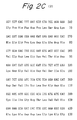
- Fig. 2 The nucleotide sequences of coding regions and amino acid sequences coded thereby for HB-SOD in pBRHBSOD1, pBRHBSOD2 and pBRHBSOD3 are shown in Fig. 2, A to C. In these sequences, boxed portions show heparin-binding domains.
- yeast expression plasmid As a yeast expression plasmid, pYHCC101 (see Japanese Unexamined Patent Publication (KOKAI) No. 01-037291 was used. Note, yeast transformed with the pYHCC101 was designated Saccharomyces cerevisiae SAM0750 and deposited with the Fermentation Research Institute Agency of Industrial Science and Technology on July 16, 1987, as FERM P-9475, and transferred to an international deposition under the Budapest Treaty on February 23, 1990, as FERM BP-2767).
- pYHCC101 see Japanese Unexamined Patent Publication (KOKAI) No. 01-037291 was used.
- yeast transformed with the pYHCC101 was designated Saccharomyces cerevisiae SAM0750 and deposited with the Fermentation Research Institute Agency of Industrial Science and Technology on July 16, 1987, as FERM P-9475, and transferred to an international deposition under the Budapest Treaty on February 23, 1990, as FERM BP-2767).
- This plasmid was amplified using E. coli DH1, and used to transform a yeast strain G-1315 (Mat ⁇ , trp I) [H. Yoshizumi et al., J. Jpn. Soc. Starch Sci. 34, 148 (1987)].
- the transformation method was that of Ito et al. [Ito et al., J. Bacteriol. 153, 163 (1983)], and a transformant having a restored tryptophan synthesis ability was obtained.
- this transformant is designated G-1315 (pYHBS1) (Fig. 3).
- a DNA fragment containing an HB-SOD gene excised from pMHBSOD2 or pBRHBSOD3 using Eco RI and Sal I was inserted into pYHCC101 to obtain pYHBS2 and pYHBSOD3 respectively, which were then introduced in a yeast strain EH1315 to obtain transformants G-1315 (pYHBS2) and G-1315 (pYHBS3) respectively (Fig. 3).
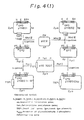
- pYHBS1, pYHBS2 and pYHBS3 are yeast YEp-1 type plasmids. It was confirmed by the following procedure that, in a similar manner as described above, transformants can be obtained using a YEp-2 type plasmid [Takanami et al., Zoku Kagaku Jikken Koza, Idenshikenkyu Holl, Tokyo Kagaku Dojin (1986)] which is said to be more stable than the YEp-1 type (Fig. 4). After digesting pYHBS1 with Hin dlll, a Hindlll fragment containing the HB-SOD gene was recovered, and subcloned into a Hin dill site in pUC9.
- the resulting plasmid was digested with Pst I, and subcloned into a Pst I site of plasmid pYE3207 [see Japanese Unexamined Patent Publication (KOKAI) No. 61-56077; the pYE3207 was constructed from pJDB219 (Beggs, J.D. Nature 275: 104, 1978; constructed from yeast 2 ⁇ m plasmid and pBR322) and YRp7 (ATCC 37060) (Struhl, K. Proc. Natl. Acad. Sci. US. 76: 1035, 1979] to obtain pYHBS11.
- KOKAI Japanese Unexamined Patent Publication
- the above-mentioned yeast vector is an example of the production of HB-SOD, and as a yeast promoter, a promoter of phosphoglycerokinase gene, or a promoter of repressible acid phosphatase gene, or the like, can be also used.
- the five transformants thus obtained i.e., G-1315 (pYHBS1), G-1315 (pYHBS2), G-1315 (pYHBS11), and G-1315 (pYHBS12), were cultured in 2 ml of Burkholder medium [P.R. Burkholder, Am. J. Bot., 30, 206, (1943)], at 30° C for two days with shaking. Cells were collected from 1.5 ml of the broth, and proteins were extracted from the yeast cells according to the Yaffe et al. method [M.P. Yaffe et al. Proc. Natl. Acad. Sci. USA, 81, 4819 (1984)] and was subjected to an SDS polyacrylamide gel electrophoresis.
- the HB-SOD produced by G-1315 (pYHBS1) and G-1315 (pYHBS11) was designated, HB-SOD-1;
- the HB-SOD produced by G-1315 (pYHBS2) and G-1315 (pYHBS12) was designated HB-SOD-2;
- the HB-SOD produced by G-1315 (pYHBS3) was designated HB-SOD-3.
- a piece of cell mass of G-1315 (pYHBS1) on a slant culture was inoculated in 5 ml of Burkholder medium, and cultured at 30°C for 40 hours with shaking.
- the culture was inoculated to 400 ml of Burkholder medium in a 1 I Erlenmeyer flask, and culturing was similarly carried out.
- the culture was inoculated in 10 t of Burkholder medium containing 1 mM cupric sulfate and zinc sulfate in a jar fermenter, for 20 hours, and cells were collected by centrifugation to obtain 300 g of cells.
- the cells were suspended in 300 ml of 20 mM Tris-HCI buffer (pH 7.5) containing 1 mM cupric sulfate, 1 mM zinc sulfate, 10 mM ⁇ -mercaptoethanol and 1 mM (para-amidiphenyl) methanesulfonylfluoride hydrochloride (APMSF), and disrupted by a Dyno Mill.
- the disrupted cells were centrifuged, and the supernatant was thoroughoutly dialyzed against a 10 mM sodium acetate buffer (pH 4.6) containing 10 mM ⁇ -mercaptoethanol and 100 ⁇ m APMSF.
- the solution was centrifuged, and the supernatant was adsorbed on an SP-Sephadex C-50 (Pharmacia) column (2.5 x 20 cm) equilibrated with the same buffer.
- the column was washed with 500 ml of a 5 mM potassium phosphate buffer (pH 6.5) containing 10 mM ⁇ -mercaptoethanol and 100 ⁇ M APMSF, and then elution was carried out using a 10 mM Tris-HCI (pH 8.0) buffer containing 10 mM ⁇ -mercaptoethanol, 100 ⁇ M APMSF, and 100 mM NaCi.
- This fraction was heated at 70 C for 10 minutes, centrifuged, and the supernatant was recovered. Then, after an addition of the same volume of water containing 1 mM ⁇ -mercaptoethanol and 100 ⁇ M APMSF, the supernatant was adsorbed to a column (2.5 x 15 cm) filled with heparin Sepharose CL-6B (Pharmacia) equilibrated with a 10 mM potassium phosphate buffer containing 10 mM ⁇ -mercaptoethanol and 100 ⁇ M APMSF.
- the column was washed with 200 ml of a 10 mM phosphate buffer (pH 7.0) containing 10 mM ⁇ -mercaptoethanol, 100 ⁇ M APMSF, and 150 mM NaCl.
- HB-SOD-2 and HB-SOD-3 were obtained as pure preparations, by a culture of the recombinant yeast and recovery from the cells. Note, purification of HB-SODs was carried out at 4°C.
- a pure preparation can be obtained, according to the following procedure, from an HB-SOD producing strain cultured by the same procedure as described above. Namely, to about 1 kg of cells of HB-SOD-2 producing strain was added 2 t of a 50 mM Tris-HCI buffer (pH 8.8) containing 1 mM cupric sulfate, 1 mM zinc sulfate, 10 mM ⁇ -mercaptoethanol, 1 mM APMSF and 1 M NaCI, and the cells were suspended and disrupted with a Dyno-Mill. After eliminating a precipitate by centrifugation, the supernatant was heated at 70 C for 10 minutes.
- the column was washed with the same buffer and eluted with a 20 mM potassium phosphate buffer (pH 7.0) containing ammonium phosphate at a 30% saturation and 1 mM 6-mercaptoethanol.
- a fraction having an SOD activity was recovered and desalted by a Sephadex G-25 (Pharmacia) column (30 x 90 cm) equilibrated with a 10 mM Tris-HCI buffer (pH 8.5) containing 50 mM NaCI.
- the desalted fraction was allowed to pass through a DEAE-Sepharose (Pharmacia) column (5 x 10 cm) equilibrated with the same buffer.
- the active fraction was adjusted to pH of 7.0 by HCI, and allowed to pass through an SP-Sephadex A-50 column (5 x 10 cm). The SOD fraction was then adsorbed to a heparin Sepharose CL-6B column (10 x 10 cm). The column was washed with 1 t of 10 mM sodium phosphate buffer (pH 7.0) containing 150 mM NaCl, and eluted with 10 mM sodium phosphate buffer (pH 7.0) containing 500 mM NaCI.
- E. coli expression vector pKK223-3 (Pharmacia) was digested with Pvu II and Sph I, and the larger fragment among two resulting fragments was recovered, blunt-ended using T4 polymerase, and ligated.
- a resulting plasmid was designated pKK223-3'.
- the plasmid pKK223-3' was digested with Eco RI and Sal I, the larger DNA fragment among the resulting fragments was recovered and ligated with a 450 bp DNA fragment obtained by digesting pYHBS2 with Eco RI and Sal I, to obtain a plasmid pKHBS2 which was then used to transform E.
- coli JM109 A transformant, which had acquired an ampicillin resistance, was cultured in an L-medium (1% poiypepton, 0.5% yeast extract, 0.5% NaCI, pH 7.0) containing 1 mM IPTG, and a protein fraction was obtained according to the above-mentioned procedure and applied to SDS polyacrylamide gel electrophoresis, and as a result, a band for HB-SOD was observed. The corresponding band was not observed for a strain not containing the plasmid. Moreover, it was confirmed that this band was reactive with anti-human SOD antibody, by an enzyme-antibody assay, and therefore, it was demonstrated that HB-SOD was also expressed in E. coli.
- L-medium 1% poiypepton, 0.5% yeast extract, 0.5% NaCI, pH 7.0
- thermostability of a recombinant HB-SOD was tested. Namely, 100 ⁇ l of a solution of about 50U/ml HB-SOD-1, HB-SOD-2 and human erythrocyte SOD (Sigma) in a 10 mM phosphate buffer (pH 7.0) was put into an Eppendorf tube, incubated in a water bath at each temperature for 10 minutes, cooled in ice, and the remaining activity measured. The result is shown in Fig. 6. It is known that SOD is a protein which is very thermostable, and in this experiment, the activity was not lowered by heating at 72 C for 10 minutes.
- HB-SOD-1 and HB-SOD-2 are also resistant against heating at 72° C for 10 minutes. Upon heating at 80 C far 10 minutes, although human SOD is more stable, HB-SOD-1 and HB-SOD-2 also maintain a substantial activity, and both the HB-SODs were thermostable enzymes.
- HB-SOD Purified HB-SOD was subjected to gel filtration column chromatography using Sephadex G-75 (Pharmacia), and as a result, the apparent molecular weight was found to be about 40,000, and thus it was considered that it formed a dimer in the same way as human erythrocyte SOD.
- HB-SOD-2 The specific activity of HB-SOD-2 was measured by the above-mentioned chytocrome C method, and an amount of protein was measured by a BCA protein quantitation kit. As a control, a specific activity of human erythrocyte SOD (Sigma) was measured. Purified HB-SOD-2 was calcinated by a Hitachi GA/3 graphite atomizer, and copper and zinc contained in HB-SOD-2 were quantitated by a Hitachi 180/50 absorptiometer. These results are summarized in Table 3. It was found that the HB-SOD, having a structure which contains an artificially added heparin-binding peptide, includes coordinated copper and zinc, and exhibits an SOD activity.
- the human erythrocyte SOD was obtained from Sigma.
- a specific activity of HB-SOD-2 obtained by the purification method B was determined by the same procedure, and was found to be 2400 U/mg.
- a specific activity of the human erythrocyte SOD was 2700 U/mg.
- HB-SOD-2 radioactively labeled with 125 I (20,000 cpm) (see, J. Pongou, Method in Enzymology, 70, 22: 1987), dissolved in 10 mM phosphate buffer containing 150 mM NaCl, was adsorbed to 2 ml of heparin-Sepharose CL-6B. Under this condition, HB-SOD was properly adsorbed to the heparin-Sepharose CL-6B, and was eluted by increasing the NaCI concentration to 0.4 M.
- human SOD was subjected to the adsorption on the other column, under the same condition, it was not adsorbed, but passed through. This result is shown in Fig. 7. A volume of each fraction was 1 ml, and the chromatography was carried out at a room temperature.
- the concentration in the blood of the radioactively labeled HB-SOD-2 and human erythrocyte SOD was measured, after an intravenous administration thereof.
- HB-SOD Human SOD has a half time of a few minutes, and rapidly disappears from the blood. On the other hand, it was found that HB-SOD is stably present in the blood for a long time. This means that an activity eliminating active oxygen is stably present in the blood for a long time, and demonstrates the usefulness of the present HB-SOD.
- HB-SOD radioactively labeled HB-SOD was injected to a rat in the same manner as described above, and 10 minutes or one hour later the rat was killed and the radioactivity of each organ was measured. The result is shown in Fig. 9. It was found that the HB-SOD was distributed in the liver and muscles, in addition to the blood. This is an advantageous property of the present HB-SOD, and this property is not found in human erythrocyte SOD. Moreover, although HB-SOD in the blood decreased by about 20% with a lapse of time. There was little decrease in peripheral organs, and the HB-SOD increased in the small intestine and spleen.
- HB-SOD is stably present in each organ by binding to endotherial cells of blood vessels of the organ, and this is also an advantageous property not found in human erythrocyte SOD. It is considered that an amount of HB-SOD administered to obtain a same effect is very low, in comparison to that of human erythrocyte SOD.
- the superoxide-eliminating activity in endotherial cells of a blood vessel can be maintained for a long time. Especially, since an accumulation of HB-SOD in the liver, which contains a large amount of heparin sulfate, is remarkable, it can be used for an elimination of free radicals in the liver and is useful against, for example, ischemic liver disease.
- the present HB-SOD is also effective against stomach ulcers.
- HB-SOD-2 The protective effect of HB-SOD-2 against brain edema was tested according to the Ando et al. method (Y. Ando et al., Brain Res. 477, 286 (1989)3. Namely, 0.2 ml of 1% Evans' Blue was intraveneously administered to a rat under pentobarbital anesthesis, and 20 g of clay treated with liquid nitrogen was placed in contact with the right hemicerebrum from outside of the cranium, to induce traumatic brain edema. After 30 minutes from the start of the treatment, the hemicerebrum was removed, a dye was extracted with 5 ml of dimethylformamide for 24 hours, and was measured by colorimetry. The results are shown in Table 7.
- HB-SOD Although the human erythrocyte SOD was ineffective, HB-SOD provided a remarkable protective effect, as demonstrated by the 88% excretion ratio, revealing that HB-SOD is also effective against hepatic insufficiency.
- HB-SOD gene constructed by joining a gene coding for a heparin-binding peptide to an SOD gene, according to the present invention, was expressed in yeast to obtain HB-SOD having a novel structure.
- the HB-SOD has an SOD activity and heparin-binding ability.
- the HB-SODs obtained according to the present invention have a very long half-time in the blood in comparison to native SOD, and have a tendency to a tropism to the liver, etc. In these points, the HB-SODs are advantageous over native SOD. Moreover, the HB-SODs are remarkably effective against traumatic brain edema, and ischemic myocardial disease, stomach ulcer, edema, and ischemic liver disease, against which native SOD is not effective.
Landscapes
- Chemical & Material Sciences (AREA)
- Health & Medical Sciences (AREA)
- Life Sciences & Earth Sciences (AREA)
- Organic Chemistry (AREA)
- Genetics & Genomics (AREA)
- Zoology (AREA)
- Medicinal Chemistry (AREA)
- Molecular Biology (AREA)
- General Health & Medical Sciences (AREA)
- Biochemistry (AREA)
- Bioinformatics & Cheminformatics (AREA)
- Engineering & Computer Science (AREA)
- Proteomics, Peptides & Aminoacids (AREA)
- Biophysics (AREA)
- Wood Science & Technology (AREA)
- General Engineering & Computer Science (AREA)
- Biomedical Technology (AREA)
- Toxicology (AREA)
- Gastroenterology & Hepatology (AREA)
- Biotechnology (AREA)
- Microbiology (AREA)
- Chemical Kinetics & Catalysis (AREA)
- General Chemical & Material Sciences (AREA)
- Analytical Chemistry (AREA)
- Enzymes And Modification Thereof (AREA)
- Medicines That Contain Protein Lipid Enzymes And Other Medicines (AREA)
Abstract
Applications Claiming Priority (3)
| Application Number | Priority Date | Filing Date | Title |
|---|---|---|---|
| JP5214189 | 1989-03-06 | ||
| JP52141/89 | 1989-03-06 | ||
| PCT/JP1990/000286 WO1990010694A1 (fr) | 1989-03-06 | 1990-03-06 | Nouvelle superoxyde dismutase |
Publications (3)
| Publication Number | Publication Date |
|---|---|
| EP0414915A1 true EP0414915A1 (fr) | 1991-03-06 |
| EP0414915A4 EP0414915A4 (en) | 1992-04-08 |
| EP0414915B1 EP0414915B1 (fr) | 1996-06-12 |
Family
ID=12906596
Family Applications (1)
| Application Number | Title | Priority Date | Filing Date |
|---|---|---|---|
| EP90903948A Expired - Lifetime EP0414915B1 (fr) | 1989-03-06 | 1990-03-06 | Nouvelle superoxyde dismutase |
Country Status (3)
| Country | Link |
|---|---|
| EP (1) | EP0414915B1 (fr) |
| DE (1) | DE69027383T2 (fr) |
| WO (1) | WO1990010694A1 (fr) |
Cited By (15)
| Publication number | Priority date | Publication date | Assignee | Title |
|---|---|---|---|---|
| US5366729A (en) * | 1989-09-15 | 1994-11-22 | Symbicom Aktiebolag | Non-glycosylated variants of extracellular superoxide dismutase (EC-SOD) |
| EP0723398A4 (fr) * | 1993-10-15 | 1999-03-24 | Univ Duke | Superoxyde-dismutase et ses mimetiques |
| US5994339A (en) * | 1993-10-15 | 1999-11-30 | University Of Alabama At Birmingham Research Foundation | Oxidant scavengers |
| US6103714A (en) * | 1994-09-20 | 2000-08-15 | Duke University | Oxidoreductase activity of manganic porphyrins |
| WO2000047736A1 (fr) * | 1999-02-13 | 2000-08-17 | Osteogenetics Gmbh | Variantes de polypeptides a capacite amelioree de liaison de l'heparine |
| US6479477B1 (en) | 1998-04-24 | 2002-11-12 | Duke University | Substituted porphyrins |
| US6544975B1 (en) | 1999-01-25 | 2003-04-08 | National Jewish Medical And Research Center | Substituted porphyrins |
| US6583132B1 (en) | 1993-10-15 | 2003-06-24 | Duke University | Oxidant scavengers |
| US6916799B2 (en) | 1997-11-03 | 2005-07-12 | Duke University | Substituted porphyrins |
| US7485721B2 (en) | 2002-06-07 | 2009-02-03 | Duke University | Substituted porphyrins |
| WO2009126031A1 (fr) * | 2008-04-10 | 2009-10-15 | Fujifilm Manufacturing Europe B.V. | Protéine recombinée enrichie en un site de liaison à l'héparine et/ou en un site de liaison au sulfate d'héparane |
| CN102391998A (zh) * | 2011-10-31 | 2012-03-28 | 中兴能源(天津)有限公司 | 提高甜高粱燃料乙醇废酿酒酵母中s-腺苷-l-甲硫氨酸和超氧化物歧化酶含量的方法 |
| US8470808B2 (en) | 1999-01-25 | 2013-06-25 | Jon D. Piganelli | Oxidant scavengers for treatment of type I diabetes or type II diabetes |
| US8765729B2 (en) | 2001-01-19 | 2014-07-01 | Aeolus Sciences, Inc. | Cancer therapy |
| US11382895B2 (en) | 2008-05-23 | 2022-07-12 | National Jewish Health | Methods for treating injury associated with exposure to an alkylating species |
Families Citing this family (6)
| Publication number | Priority date | Publication date | Assignee | Title |
|---|---|---|---|---|
| AU8947791A (en) * | 1990-11-01 | 1992-05-26 | Scripps Research Institute, The | Glycosaminoglycan-targeted fusion proteins, their design, construction and compositions |
| US6190658B1 (en) * | 1998-05-08 | 2001-02-20 | Webb-Waring Institute For Biomedical Research | Genetically modified manganese superoxide dismutase for treating oxidative damage |
| CN1300308C (zh) * | 2004-07-29 | 2007-02-14 | 王建兴 | 用动物血液提取超氧化物歧化酶的方法 |
| DE102007010785A1 (de) | 2007-03-02 | 2008-09-04 | Henkel Ag & Co. Kgaa | Verwendung von Superoxid-Dismutasen in Wasch- und Reinigungsmitteln |
| JP5799409B2 (ja) * | 2008-12-19 | 2015-10-28 | 国立大学法人 新潟大学 | ヘパリン親和性エリスロポエチン |
| CN116948816B (zh) * | 2023-06-06 | 2024-05-07 | 仲恺农业工程学院 | 一种超氧化物歧化酶耐性检测装置和方法 |
Family Cites Families (2)
| Publication number | Priority date | Publication date | Assignee | Title |
|---|---|---|---|---|
| CA1289092C (fr) * | 1987-01-15 | 1991-09-17 | Novartis Vaccines And Diagnostics, Inc. | Muteines thermostables de la cu/zn superoxyde dismutase humaine |
| WO1989012677A1 (fr) * | 1988-06-14 | 1989-12-28 | Chiron Corporation | Analogues de peroxide dismutase a proprietes de liaison inedites |
-
1990
- 1990-03-06 EP EP90903948A patent/EP0414915B1/fr not_active Expired - Lifetime
- 1990-03-06 DE DE69027383T patent/DE69027383T2/de not_active Expired - Fee Related
- 1990-03-06 WO PCT/JP1990/000286 patent/WO1990010694A1/fr not_active Ceased
Non-Patent Citations (1)
| Title |
|---|
| See references of WO9010694A1 * |
Cited By (24)
| Publication number | Priority date | Publication date | Assignee | Title |
|---|---|---|---|---|
| US5366729A (en) * | 1989-09-15 | 1994-11-22 | Symbicom Aktiebolag | Non-glycosylated variants of extracellular superoxide dismutase (EC-SOD) |
| EP0723398A4 (fr) * | 1993-10-15 | 1999-03-24 | Univ Duke | Superoxyde-dismutase et ses mimetiques |
| US5994339A (en) * | 1993-10-15 | 1999-11-30 | University Of Alabama At Birmingham Research Foundation | Oxidant scavengers |
| US7470677B2 (en) | 1993-10-15 | 2008-12-30 | Aeolus Pharmaceuticals, Inc. | Oxidant scavengers |
| US6583132B1 (en) | 1993-10-15 | 2003-06-24 | Duke University | Oxidant scavengers |
| US6103714A (en) * | 1994-09-20 | 2000-08-15 | Duke University | Oxidoreductase activity of manganic porphyrins |
| US6916799B2 (en) | 1997-11-03 | 2005-07-12 | Duke University | Substituted porphyrins |
| US6479477B1 (en) | 1998-04-24 | 2002-11-12 | Duke University | Substituted porphyrins |
| US8546562B2 (en) | 1999-01-25 | 2013-10-01 | James D. Crapo | Substituted porphyrins |
| US6544975B1 (en) | 1999-01-25 | 2003-04-08 | National Jewish Medical And Research Center | Substituted porphyrins |
| US7189707B2 (en) | 1999-01-25 | 2007-03-13 | National Jewish Medical Research Center | Substituted porphyrins |
| US9289434B2 (en) | 1999-01-25 | 2016-03-22 | Aeolus Sciences, Inc. | Substituted porphyrins |
| US7820644B2 (en) | 1999-01-25 | 2010-10-26 | Aelous Pharmaceuticals, Inc. | Substituted porphyrins |
| US8946202B2 (en) | 1999-01-25 | 2015-02-03 | Aeolus Sciences, Inc. | Substituted porphyrins |
| US8217026B2 (en) | 1999-01-25 | 2012-07-10 | Aeolus Sciences, Inc. | Substituted porphyrins |
| US8470808B2 (en) | 1999-01-25 | 2013-06-25 | Jon D. Piganelli | Oxidant scavengers for treatment of type I diabetes or type II diabetes |
| US7253254B1 (en) | 1999-02-13 | 2007-08-07 | Osteopharma Inc. | Polypeptide variants with increased heparin-binding capacity |
| WO2000047736A1 (fr) * | 1999-02-13 | 2000-08-17 | Osteogenetics Gmbh | Variantes de polypeptides a capacite amelioree de liaison de l'heparine |
| US8765729B2 (en) | 2001-01-19 | 2014-07-01 | Aeolus Sciences, Inc. | Cancer therapy |
| US7485721B2 (en) | 2002-06-07 | 2009-02-03 | Duke University | Substituted porphyrins |
| WO2009126031A1 (fr) * | 2008-04-10 | 2009-10-15 | Fujifilm Manufacturing Europe B.V. | Protéine recombinée enrichie en un site de liaison à l'héparine et/ou en un site de liaison au sulfate d'héparane |
| US11382895B2 (en) | 2008-05-23 | 2022-07-12 | National Jewish Health | Methods for treating injury associated with exposure to an alkylating species |
| CN102391998A (zh) * | 2011-10-31 | 2012-03-28 | 中兴能源(天津)有限公司 | 提高甜高粱燃料乙醇废酿酒酵母中s-腺苷-l-甲硫氨酸和超氧化物歧化酶含量的方法 |
| CN102391998B (zh) * | 2011-10-31 | 2015-07-22 | 中兴能源(天津)有限公司 | 提高甜高粱燃料乙醇废酿酒酵母中s-腺苷-l-甲硫氨酸和超氧化物歧化酶含量的方法 |
Also Published As
| Publication number | Publication date |
|---|---|
| EP0414915B1 (fr) | 1996-06-12 |
| DE69027383T2 (de) | 1996-11-14 |
| DE69027383D1 (de) | 1996-07-18 |
| EP0414915A4 (en) | 1992-04-08 |
| WO1990010694A1 (fr) | 1990-09-20 |
Similar Documents
| Publication | Publication Date | Title |
|---|---|---|
| EP0414915B1 (fr) | Nouvelle superoxyde dismutase | |
| US5162217A (en) | Plasmids for expression of human superoxide dismutase (SOD) analogs containing lambda PL promoter with engineered restriction site for substituting ribosomal binding sites and methods of use thereof | |
| US6030611A (en) | Therapeutic SOD compositions and uses thereof | |
| FI88932B (fi) | Framstaellning av funktionellt maenskligt urokinasprotein | |
| US5248603A (en) | Superoxide dismutase | |
| HU215937B (hu) | Eljárás extracelluláris szuperoxid-diszmutáz, és hatóanyagként ezt tartalmazó gyógyászati készítmények előállítására | |
| AU671728B2 (en) | Methods of production of analogues of human Cu/Zn superoxide dismutase | |
| CA1339299C (fr) | Adn codant la superoxydase-dismutase de manganese humaine; son expression; methode pour la recuperer; analogues ou mutants de superoxydase-dismutase de manganese humaine; utilisations, compositions et methodes de traitement | |
| JP2967557B2 (ja) | ヒトマンガンスーパーオキシドジスムターゼcDNA、その細菌中での発現及び酵素活性ヒトマンガンスーパーオキシドジスムターゼの回収方法 | |
| JPH0229317B2 (fr) | ||
| EP0173280B1 (fr) | Plasmides contenant des promoteurs lambda PL et site de restriction préparé pour le remplacement facile d'un site de liaison ribosomique, hôtes contenant les plasmides et méthodes correspondantes | |
| US5118615A (en) | Peptide and gene coding for same | |
| US5540911A (en) | Methods of use of human manganese superoxide dismutase | |
| US5246847A (en) | Polypeptide analogs of human manganese superoxide dismutase and compositions and complexes thereof | |
| CA1339777C (fr) | Polymeres de superoxyde-dismutase | |
| EP0303233A2 (fr) | Protéine reg humaine | |
| US5084390A (en) | Superoxide dismutase polymers | |
| JPS63273473A (ja) | 熱安定性ヒトCu/Znスーパーオキシドジスムターゼ変異タンパク | |
| US5270195A (en) | Plasmids for expression and method of producing a human manganese superoxide dimutase analog | |
| JPWO1990010694A1 (ja) | 新規スーパーオキサイドディスムターゼ | |
| EP0672681A1 (fr) | Nouveau peptide antitumoral | |
| EP0424512A1 (fr) | Peptides antimetastatiques. | |
| JPH04210649A (ja) | 血圧降下剤 | |
| JPWO1994021678A1 (ja) | 肝実質細胞増殖物質 |
Legal Events
| Date | Code | Title | Description |
|---|---|---|---|
| PUAI | Public reference made under article 153(3) epc to a published international application that has entered the european phase |
Free format text: ORIGINAL CODE: 0009012 |
|
| 17P | Request for examination filed |
Effective date: 19901224 |
|
| AK | Designated contracting states |
Kind code of ref document: A1 Designated state(s): AT BE CH DE DK ES FR GB IT LI LU NL SE |
|
| A4 | Supplementary search report drawn up and despatched |
Effective date: 19920219 |
|
| AK | Designated contracting states |
Kind code of ref document: A4 Designated state(s): AT BE CH DE DK ES FR GB IT LI LU NL SE |
|
| 17Q | First examination report despatched |
Effective date: 19940124 |
|
| RBV | Designated contracting states (corrected) |
Designated state(s): CH DE FR GB LI SE |
|
| GRAH | Despatch of communication of intention to grant a patent |
Free format text: ORIGINAL CODE: EPIDOS IGRA |
|
| GRAA | (expected) grant |
Free format text: ORIGINAL CODE: 0009210 |
|
| AK | Designated contracting states |
Kind code of ref document: B1 Designated state(s): CH DE FR GB LI SE |
|
| REF | Corresponds to: |
Ref document number: 69027383 Country of ref document: DE Date of ref document: 19960718 |
|
| ET | Fr: translation filed | ||
| PGFP | Annual fee paid to national office [announced via postgrant information from national office to epo] |
Ref country code: DE Payment date: 19961230 Year of fee payment: 8 |
|
| PGFP | Annual fee paid to national office [announced via postgrant information from national office to epo] |
Ref country code: FR Payment date: 19970207 Year of fee payment: 8 |
|
| PGFP | Annual fee paid to national office [announced via postgrant information from national office to epo] |
Ref country code: CH Payment date: 19970212 Year of fee payment: 8 |
|
| PGFP | Annual fee paid to national office [announced via postgrant information from national office to epo] |
Ref country code: GB Payment date: 19970224 Year of fee payment: 8 |
|
| PGFP | Annual fee paid to national office [announced via postgrant information from national office to epo] |
Ref country code: SE Payment date: 19970312 Year of fee payment: 8 |
|
| PLBE | No opposition filed within time limit |
Free format text: ORIGINAL CODE: 0009261 |
|
| STAA | Information on the status of an ep patent application or granted ep patent |
Free format text: STATUS: NO OPPOSITION FILED WITHIN TIME LIMIT |
|
| 26N | No opposition filed | ||
| PG25 | Lapsed in a contracting state [announced via postgrant information from national office to epo] |
Ref country code: GB Free format text: LAPSE BECAUSE OF NON-PAYMENT OF DUE FEES Effective date: 19980306 |
|
| PG25 | Lapsed in a contracting state [announced via postgrant information from national office to epo] |
Ref country code: SE Free format text: LAPSE BECAUSE OF NON-PAYMENT OF DUE FEES Effective date: 19980307 |
|
| PG25 | Lapsed in a contracting state [announced via postgrant information from national office to epo] |
Ref country code: LI Free format text: LAPSE BECAUSE OF NON-PAYMENT OF DUE FEES Effective date: 19980331 Ref country code: FR Free format text: THE PATENT HAS BEEN ANNULLED BY A DECISION OF A NATIONAL AUTHORITY Effective date: 19980331 Ref country code: CH Free format text: LAPSE BECAUSE OF NON-PAYMENT OF DUE FEES Effective date: 19980331 |
|
| GBPC | Gb: european patent ceased through non-payment of renewal fee |
Effective date: 19980306 |
|
| REG | Reference to a national code |
Ref country code: CH Ref legal event code: PL |
|
| PG25 | Lapsed in a contracting state [announced via postgrant information from national office to epo] |
Ref country code: DE Free format text: LAPSE BECAUSE OF NON-PAYMENT OF DUE FEES Effective date: 19981201 |
|
| EUG | Se: european patent has lapsed |
Ref document number: 90903948.9 |
|
| REG | Reference to a national code |
Ref country code: FR Ref legal event code: ST |