EP0421392A1 - Anticorps monoclonal contre le hCG-bêta à noyau, sa production et son utilisation - Google Patents
Anticorps monoclonal contre le hCG-bêta à noyau, sa production et son utilisation Download PDFInfo
- Publication number
- EP0421392A1 EP0421392A1 EP19900118991 EP90118991A EP0421392A1 EP 0421392 A1 EP0421392 A1 EP 0421392A1 EP 19900118991 EP19900118991 EP 19900118991 EP 90118991 A EP90118991 A EP 90118991A EP 0421392 A1 EP0421392 A1 EP 0421392A1
- Authority
- EP
- European Patent Office
- Prior art keywords
- hcg
- monoclonal antibody
- antibody
- core
- hybridoma
- Prior art date
- Legal status (The legal status is an assumption and is not a legal conclusion. Google has not performed a legal analysis and makes no representation as to the accuracy of the status listed.)
- Granted
Links
Images


Classifications
-
- C—CHEMISTRY; METALLURGY
- C07—ORGANIC CHEMISTRY
- C07K—PEPTIDES
- C07K16/00—Immunoglobulins [IG], e.g. monoclonal or polyclonal antibodies
- C07K16/18—Immunoglobulins [IG], e.g. monoclonal or polyclonal antibodies against material from animals or humans
- C07K16/26—Immunoglobulins [IG], e.g. monoclonal or polyclonal antibodies against material from animals or humans against hormones ; against hormone releasing or inhibiting factors
-
- Y—GENERAL TAGGING OF NEW TECHNOLOGICAL DEVELOPMENTS; GENERAL TAGGING OF CROSS-SECTIONAL TECHNOLOGIES SPANNING OVER SEVERAL SECTIONS OF THE IPC; TECHNICAL SUBJECTS COVERED BY FORMER USPC CROSS-REFERENCE ART COLLECTIONS [XRACs] AND DIGESTS
- Y10—TECHNICAL SUBJECTS COVERED BY FORMER USPC
- Y10S—TECHNICAL SUBJECTS COVERED BY FORMER USPC CROSS-REFERENCE ART COLLECTIONS [XRACs] AND DIGESTS
- Y10S436/00—Chemistry: analytical and immunological testing
- Y10S436/811—Test for named disease, body condition or organ function
- Y10S436/813—Cancer
-
- Y—GENERAL TAGGING OF NEW TECHNOLOGICAL DEVELOPMENTS; GENERAL TAGGING OF CROSS-SECTIONAL TECHNOLOGIES SPANNING OVER SEVERAL SECTIONS OF THE IPC; TECHNICAL SUBJECTS COVERED BY FORMER USPC CROSS-REFERENCE ART COLLECTIONS [XRACs] AND DIGESTS
- Y10—TECHNICAL SUBJECTS COVERED BY FORMER USPC
- Y10S—TECHNICAL SUBJECTS COVERED BY FORMER USPC CROSS-REFERENCE ART COLLECTIONS [XRACs] AND DIGESTS
- Y10S436/00—Chemistry: analytical and immunological testing
- Y10S436/815—Test for named compound or class of compounds
- Y10S436/817—Steroids or hormones
Definitions
- the present invention relates to a novel hybridoma which produces a monoclonal antibody for recognizing human chorionic gonadotropin ⁇ subunit core fragment (hereinafter abbreviated as hCG- ⁇ core) and the subunit itself, and relates to the monoclonal antibody. Further, the present invention relates to an immunochemical determination method using the monoclonal antibody, and a reagent for the determination.
- hCG- ⁇ core human chorionic gonadotropin ⁇ subunit core fragment
- hCG Human chorionic gonadotropin
- body fluids such as urine, blood and the like
- hCG Human chorionic gonadotropin
- hLH luteinizing hormone
- hFSH follicle-stimulating hormone
- hTSH thyroid-stimulating hormone
- hLH has very high similarity to hCG and a hLH concentration in urine sometimes reaches 150 IU/liter depending upon physiological conditions. Therefore, in order to determine hCG in a small amount of a body fluid, it is necessary to immunologically distinguish hCG from hLH.
- hLH cross reactivity to hLH can not be completely eliminated by using the anti-hCG- ⁇ antibody because there still exists a common amino acid sequence in both ⁇ -subunits of hCG and hLH.
- a peptide composed of about 30 amino acids located at the C- terminal of hCG- ⁇ has an amino acid sequence which does not exist in hLH and it has become possible to completely distinguish hCG from hLH by utilizing this part.
- An antibody to the C-terminal region of hCG- ⁇ reacts with only hCG- ⁇ , and it does not undergo cross reaction with hLH.
- ⁇ core is a glycoprotein composed of two peptides bound to each other through disulfide bond(s), one peptide of which is composed of the 6th to 40th amino acid residues of human chorionic gonadotropin ⁇ subunit (hCG- ⁇ ) and the other is composed of the 55th to 92nd amino acid residues of hCG- ⁇ , and having a molecular weight of 12 to 17 kilodaltons (Endocrinology, 123 , 572, 1988), and present in urine of patients with not only obstetrical and gynecological malignant tumors such as ovarium cancer, cervical cancer or corpus utericancer but also various malignant tumors such as stomach cancer, kidney cancer and the like [J.
- ⁇ core can not be distinguished from human chorionic gonadotropin and hCG- ⁇ because there is no difference between the affinity of the antibody to ⁇ core and that to human chorionic gonadotropin and hCG- ⁇ .
- SB6 is a polyclonal antibody and, when it is used in a radioimmunoassay, the antibody has similar affinity for ⁇ core, hCG and hCG- ⁇ , and has about 10% of cross reactivity to hLH.
- B202, B204 and the like are monoclonal antibodies obtained by immunizing with ⁇ core.
- A. Krichevsky et al. have prepared several monoclonal antibodies to ⁇ core and have reported their properties in Endocrinology, 123 , 584-593, 1988. However, in this paper, they have clearly described that no antibody to ⁇ core has been obtained in the case of using hCG- ⁇ as an immunogen.
- the assay system is assembled to determine only a urine specimen, and it is insufficient to determine a humoral tissue fluid, a tissue extract fluid and a tissue culture supernatant which are essential to study biosynthesis, secretion, distribution, metabolism and physiobiological effects of ⁇ core as well as relation to diseases and the like.
- the present inventors have found that, different from monoclonal antibodies prepared by the conventional method for producing an anti- ⁇ core monoclonal antibody, a monoclonal antibody obtained by immunizing an animal with hCG- ⁇ as an immunogen and conducting cell fusion does not react with hCG and other protein hormones having similar structures, but recognizes ⁇ core and hCG- ⁇ , and further found that the use of the monoclonal antibody is of extremely importance as a diagnostic agent.
- One object of the present invention is to provide a novel hybridoma which produces a novel monoclonal antibody for recognizing hCG- ⁇ core and hCG- ⁇ .
- Another object of the present invention is to provide the novel monoclonal antibody.
- Still another object of the present invention is to provide an immunochemical determination method using the novel monoclonal antibody.
- Still another object of the present invention is to provide a reagent for the determination using the novel monoclonal antibody.
- hCG- ⁇ to be used for the production of the hybridoma of the present invention can be prepared by a known method.
- hCG- ⁇ can be obtained by purification from concentrated and purified hCG from urine of pregnant women according to the method described by F. J. Morgan et al., Endocrinology, 88 , 1045-1053, 1971. More specifically, naturally occurring hCG is dissociated into hCG- ⁇ and hCG- ⁇ , for example, by dissolving it in 10 M urea and the mixture is applied to a column packed with DEAE-Sephadex A-25 to obtain a hCG- ⁇ fraction.
- hCG- ⁇ In immunization, hCG- ⁇ , a product obtained by binding hCG- ⁇ to a polymer carrier or both can be used as an immunogen.
- the binding between the peptide and a polymer carrier used herein can be formed by the conventional method (e.g., Hormone and Metabolic Research, 8 , 241, 1976).
- a reagent to be used for binding include glutaric aldehyde, water-soluble carbodiimide and the like.
- the polymer carrier include bovine thyroglobulin, bovine serum albumin, bovine gamma globulin, hemocyanin and the like.
- the proportion of the peptide to the polymer carrier is preferably 1 : 1 to 1 : 4 and, in many cases, the good results can be obtained by carrying out the reaction at a neutral pH range, particularly, at about pH 7.3. Further, in many cases, the good results can be obtained by carrying out the reaction for 2 to 6 hours, particularly, 3 hours.
- the product thus obtained can be stored by dialyzing it against water at about 4°C according to the conventional method and then frozen, or by lyophilized.
- the spleen cell that obtained by hyperimmunizing a mouse with an antigen is preferably used.
- the mouse myeloma cell line preferably, that having excellent cell fusion efficiency proliferation properties and the like, particularly, a myeloma having a marker such as hypoxanthine guanine phosphoribosyl-transferase deficiency (HGPRT ⁇ ) or thymidine kinase deficiency (TK ⁇ ) [e.g., P3-X 63-Ag . 8, U1 (Ichimori et al., Journal of Immunological Method, 80 , 55, 1985), P3-X63-Ag8-6.5.3 (Shulman, M. et al., Nature, 276 , 269, 1978), mouse myeloma cell SP2/0-Ag14 (SP2), Nature, 276 , 269, 1978] or the like can be used.
- HGPRT ⁇ hypoxanthine guanine
- any route such as subcutaneous, intraperitoneal, intravenous, intramuscular, intracutaneous or the like can be employed. Particularly, subcutaneous, intraperitoneal or intravenous injection, especially, subcutaneous injection is preferred. Further, intervals for inoculation, inoculation amounts and the like can be varied and various methods can be employed. For example, an immunogen can be inoculated every two weeks for 2 to 8 times, and spleen cells removed 1 to 5 days, preferably, 2 to 4 days after the final immunization can be suitably used.
- the desired amount of inoculation is 0.1 ⁇ g or more, preferably, 10 to 100 ⁇ g as the amount of hCG- ⁇ per one inoculation per mouse.
- Cell fusion between a mouse spleen cell and a mouse myeloma cell line can be conducted by, for example, fusing the spleen cells of an immunized mouse with a myeloma cell line having a marker, for example, hypoxanthine guanine phosphoribosyltransferase deficiency (HGPRT ⁇ ) or thymidine kinase deficiency (TK ⁇ ) [e.g., P3-X 63-Ag . 8, U1 (Ichimori et al., Journal of Immunological Method, 80 , 55, 1985), P3-X63-Ag8-6.5.3 (Shulman, M.
- HGPRT ⁇ hypoxanthine guanine phosphoribosyltransferase deficiency
- TK ⁇ thymidine kinase deficiency
- an agent for fusion such as HVJ (Sendai) virus, polyethylene glycol (PEG) or the like can be used.
- PEG polyethylene glycol
- a fusion promoting agent such as dimethylsulfoxide (DMSO) and the like.
- DMSO dimethylsulfoxide
- cell fusion is efficiently carried out by treatment with PEG 6000 in a concentration of 35 to 55% for 4 to 10 minutes.
- Fused cells can be selectively proliferated by using hypoxanthine-aminopterin-thymidine medium (HAT medium, Nature, 256 , 495-497, 1975) or the like.
- Serum of mouse and a culture supernatant of the resulting cells can be screened for capability of producing the desired antibody.
- a screening for antibody titer can be conducted as follows. Although the screening can be conducted by radioimmunoassay (RIA), enzyme immunoassay (EIA) and the like, various modifications of these assays are possible. As a preferred example of these assays, a method according to EIA is illustrated below.
- An anti-mouse immunoglobulin is immobilized to a solid phase according to the conventional method (for example, it is advantageous to use a microtiter plate having 96 wells as a solid phase because the measurement can be conducted quickly with a multiscanning apparatus or the like), and culture supernatant(s) or sera of mouse to be measured are added to the solid phase to react them at a constant temperature (hereinafter this means 4 to 40°C) for a predetermined period of time. Then, the reaction product is thoroughly washed and hCG- ⁇ or ⁇ core labeled with an enzyme is added thereto. The mixture is reacted at a constant temperature for a predetermined period of time.
- a constant temperature hereinafter this means 4 to 40°C
- a substrate for the enzyme is added and they are reacted at a constant temperature for a predetermined period of time. Then, a material produced is measured by means of its absorbancy, fluorescence intensity or the like.
- a material produced is measured by means of its absorbancy, fluorescence intensity or the like.
- cells in wells which proliferate in a selective medium and show antibody activities against ⁇ core are cloned by limiting dilution and the like.
- a supernatant of the cloned cells are subjected to the similar screening to increase the number of cells in wells having a high antibody titer. Thereby, a hybridoma clone producing the desired monoclonal antibody of the present invention (hybridoma 229) can be obtained.
- the anti-hCG- ⁇ core monoclonal antibody of the present invention can be obtained by proliferating the hybridoma 229 thus cloned in a liquid medium or in the abdominal cavity of a mammal.
- the monoclonal antibody can be obtained from a culture medium resulted from cultivation of the cells in a liquid medium such as that obtained by adding 0.1 to 40% bovine serium to RPMI-1640 for 2 to 10 days, preferably, 3 to 5 days.
- a large amount of the antibody having a much higher titer in comparison with that obtained from a supernatant of cell culture can be obtained by inoculating the cells in the intraperitoneum of a mammal such as mouse or the like to proliferate the cells and collecting the acites fluid.
- a mammal such as mouse or the like
- 1 x 10⁴ to 1 x 10⁷ cells preferably, 5 x 10⁵ to 2 x 10⁶ cells of the hybridoma are inoculated into the intraperitoneum or the like of BALB/c mouse or the like wherein a mineral oil or the like has been inoculated and, after 7 to 20 days, preferably, 10 to 14 days, the acites fluid or the like is collected.
- the antibody produced and retained in the acites fluid can be readily isolated and purified by, for example, ammonium sulfate fractionation, DEAE-cellulose column chromatography, protein A Sepharose column chromatography and the like to obtain the monoclonal antibody as a pure immunoglobulin.
- the anti-hCG- ⁇ core monoclonal antibody of the present invention has the following properties:
- the antibody to be used for detection and determination as described hereinafter may be a fraction and examples of the fraction include Fab, Fab′, F(ab′)2 and the like.
- the monoclonal antibody of the present invention is very useful for diagnosing cancers by means of recognition of ⁇ core region in a system utilizing immunochemical techniques such as EIA, ELISA, RIA and the like.
- either (1) or (2) can be employed.
- the method according to the sandwich method of (2) is more effective.
- the antigen determination site of the antibody originally held on the carrier should not overlap that of the antibody bound to the labeling agent.
- One antibody should be the monoclonal antibody of the present invention which can react with ⁇ core.
- the other antibody may be a monoclonal or polyclonal antibody in so far as it can react with hCG- ⁇ .
- the antibody which can react with hCG- ⁇ can be prepared by a known method.
- a polyclonal antibody in the case of a polyclonal antibody, it can be prepared by immunizing a mammal such as rabbit or the like several times with a complex of hCG- ⁇ and a carrier protein as an immunogen and purifying the resulting antiserum by hCG- ⁇ immobilized affinity column chromatography to obtain an anti-hCG- ⁇ antibody.
- ⁇ core For purification of ⁇ core which is used for labeling or standardization, the conventional manner can be employed. Namely, as described in Endocrinology, 123 , 572-583, 1988, ⁇ core can be obtained from a commercially available partially purified hCG by subjecting it to gel chromatography and immunoaffinity chromatography.
- Examples of a specimen from a patient to be subjected to the detection and determination of the present invention include body fluids such as serum, urine, cerebrospinal fluid and the like, as well as, in some cases, tissues and their extracts and the like.
- the determination method of the present invention is not limited to that using 125I.
- labeling agent examples include fluorescent materials, luminous materials and the like in addition to enzymes and radioisotopes.
- the radioisotopes 125I, 131I, 3H, 14C and the like can be used.
- the enzymes those being stable and having larger specific activities are preferred.
- the enzymes include (1) carbohydrases [e.g., glycosidases (e.g., ⁇ -galactosidase, ⁇ -glucosidase, ⁇ -glucuronidase, ⁇ -fructosidase, ⁇ -galactosidase, ⁇ -glucosidase, ⁇ -mannosidase), amylases (e.g., ⁇ -amylase, ⁇ -amylase, isoamylase, glucoamylase, Taka-amylase A), cellulase, lysozyme], (2) amidases (e.g., urease, asparaginase), (3) esterases [e.g., cholinesterases (e.g., acetylcholine
- the conventional methods such as chloramine T method (Nature, 194 , 495, 1962), periodate method (Journal of Histochemistry and Cytochemistry, 22 , 1084, 1974), maleimide method (Journal of Biochemistry), 79 , 233, 1976) and the like can be employed.
- a solid phase wherein an antibody is physically or chemically bound to a carrier is added to a specimen containing an unknown amount of ⁇ core to react them (first reaction).
- a predetermined amount of an antibody labeled with a labeling agent is added to the solid phase to react them (second reaction).
- the activity of the labeling agent bound to the solid phase is measured.
- the labeling agent is a radioisotope
- the measurement is carried out with a well counter or a liquid scintillation counter.
- the labeling agent is an enzyme, substrate(s) are added to the reaction mixture and allowed to stand.
- the enzymatic activity is determined by a colorimetric or fluorescence method.
- the labeling agent is a fluorescent or luminous material, it can be determined according a known method. In these determination methods, washing between the first and second reactions can be omitted.
- a specimen, an antibody bound to a solid phase and an antibody labeled with a labeling agent can be mixed to react them, simultaneously.
- the antibodies used in the present invention have different antigen determination sites and, thereby, the present invention has the very useful characteristic point such as the result of the determination is not influenced by the order of addition of reagents, time required for addition, presence or absence of a washing step and the like.
- the determination method of the present invention has the following advantages:
- kits of reagents can be used.
- a kit that comprising the following reagents (1) to (6) can be exemplified:
- this kit can be used as follows:
- the standard ⁇ core, hCG- ⁇ or specimen (about 10 to 200 ⁇ l) is diluted with the reagent (4).
- a predetermined amount of the reagent (1) is added to the diluted solution and the reaction is carried out at about 0 to 40°C for about 1 to 48 hours.
- the reagent (2) (about 10 to 300 ⁇ l) is added and the reaction is conducted at about 0 to 40°C.
- the carrier is washed with water and the peroxidase activity bound to the carrier is measured. Namely, a solution for a substrate of peroxidase (about 10 to 1000 ⁇ l) is added and the reaction is conducted at about 20 to 40°C for about 0.1 to 2 hours. Then, the reaction is stopped and an absorbancy or fluorescence intensity of the reaction mixture is measured.
- the monoclonal antibody of the present invention reacts both ⁇ core and hCG- ⁇ and has no cross-reactivity with hLH, hFSH and hTSH, it is possible to determine ⁇ core, hCG- ⁇ or both ⁇ core and hCG- ⁇ concurrently in a high sensitivity with one measurement by a simple technique in a normal clinical test.
- the monoclonal antibody of the present invention has a high reactivity with urine, serum and the like of patients with various cancers and, therefore, it is advantageously used as a diagnostic agent of cancers and the like.
- a very high sensitive determination can be conducted within a short period of time with the reagent for immunochemical determination of the present invention using the monoclonal antibody, and a level of normal healthy people can be determined.
- the determination reagent according to the present invention not only promotion of fundamental researches of ⁇ core such as its biosynthesis, secretion, metabolism and the like is expected, but also, as the present determination method gives high positive and precise results, it becomes possible to simply and exactly make diagnosis of various cancers in addition to malignant tumors in the obstetrical and gynecological field, and observe the progress of treatment of such diseases.
- mice Five BALB/c mice were intraperitoneally injected with a suspension of hCG- ⁇ (100 ⁇ g per mouse) dissolved in physiological saline (0.5 ml) and Freund's complete adjuvant (0.5 ml). After 2 to 12 weeks, each mouse was intravenously injected at the caudal vein with a booster of hCG- ⁇ (50 ⁇ g) dissolved in physiological saline (0.25 ml). The spleen cells of the mice were removed 3 days after the final immunization to conduct cell fusion.
- the spleen cells collected (1.0 x 10⁸ cells) and myeloma cell P3X63Ag8U1 (1.0 x 10⁷ cells) were mixed in RPMI-1640 medium and the mixture was centrifuged at 1000 rpm for 5 minutes. To the resulting pellet was slowly added 50% polyethylene glycol 1500 (1 ml) at 37°C over 1 minute to fuse the cells. RPMI-1640 (7 ml) at 37°C was added over 5 minutes and the mixture was centrifuged. The fused cells thus obtained were diluted with HAT medium (30 ml) and 0.1 ml portions thereof were distributed into wells of a 96 well microtiter plate.
- the cells in the well showing the highest antibody titer were cloned by limiting dilution. Namely, BALB/c mouse thymocites (105 cells/well) as feeder cells and the hybridoma (1 cell/well) were added to wells and they were cultivated in HT medium. This operation was repeated twice. A clone which most stably produced a large amount of the antibody was selected by cloning and named as 229. According to the same operation, hybridoma 233 was established.
- the hybridoma 229 has been deposited at Fermentation Research Institute, Agency of Industrial Science and Technology (FRI) under Budapest treaty since September 26, 1989 under the accession number of FERM BP-2614.
- a culture supernatant of a hybridoma (50 ⁇ l) was added to anti-mouse immunoglobulin (IgG + IgM + IgA) antibody immobilized on a microtiter plate and reacted at 4°C for 1 day. After washing, hCG- ⁇ or ⁇ core labeled with peroxidase was added and further reacted at 4°C for 1 day. After washing, a solution of enzyme substrate, o-phenylenediamine (hereinafter abbreviated as OPD) and the absorbancy was measured to determine the antibody titer of the culture supernatant of the hybridoma.
- OPD enzyme substrate, o-phenylenediamine
- N-succinimide 4-(N-maleimidomethyl)cyclohexanoate solution 100 ⁇ l was added to hCG- ⁇ or ⁇ core (500 ⁇ g/ml) and the mixture was reacted at room temperature for 90 minutes.
- the reaction mixture was subjected to gel filtration by passing through a Sephadex G-25 column to obtain a maleimidated antigen.
- Horseradish peroxidase (7 mg) dissolved in 0.02 M phosphate buffer solution containing 0.1 M sodium chloride was reacted with 20-fold amount of N-succinimidyl-3-(2-pyridylthio)propionate at room temperature for 1 hour.
- BALB/c mouse pre-treated by intraperitoneal administration of pristane (0.5 ml) was intraperitoneally injected with hybridoma 229 (5 x 10⁶ cells) suspended in RPMI-1640 (0.5 ml). After 10 to 14 days, the acites fluid retained was collected and purified by protein A-Sepharose to obtain monoclonal antibody 229. The yield of monoclonal antibody 229 was 3.5 mg per 1 ml of the fluid.
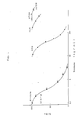
- the isotype of this monoclonal antibody was determined as IgG1 according to Ouchterlony's method. The reactivity thereof was determined by testing for cross reactivity with ⁇ core, hCG- ⁇ as well as chorionic and pituitary glycoprotein hormones according to EIA.
- the results are shown in Fig. 1.
- the monoclonal antibody reacts with ⁇ core and hCG- ⁇ in almost the same intensities, and hardly reacts with human chorionic gonadotropin.
- monoclonal antibody 233 which is obtained by using hybridoma 233 according to the same manner does not cause a competitive reaction in the above EIA, even if it is added together with monoclonal antibody 229. Therefore, it is considered that monoclonal antibody 233 would recognize an epitope of ⁇ core different from that recognized by monoclonal antibody 229.
- Polystyrene beads (1/4 inch in diameter, manufactured by Precision Plastic Ball Company, Chicago, U.S.A.) (50 beads) were placed in 0.1 M phosphate buffer (pH 7.0, 7.5 ml) and a monoclonal anti- ⁇ core antibody (monoclonal antibody 229) was added thereto. The mixture was allowed to stand at room temperature overnight. The polystyrene beads were washed with phosphate buffer. 0.1% of sodium azide was added and the beads were stored in a refrigerator.
- hCG- ⁇ (20 mg) and bovine serum thyroglobulin (20 mg) were dissolved in 0.05 M phosphate buffer (pH 7.5) and glutaraldehyde was added to the solution so that the final concentration thereof became 0.2%.
- the mixture was reacted at 4°C for 2 hours.
- the reaction mixture was dialyzed three times against distilled water (2 liter) at 4°C and lyophilized to obtain hCG- ⁇ -bovine serum thyroglobulin complex (35 mg).
- Rabbits were subcutaneously immunized at their back 6 times with the above complex (1 mg per 1 rabbit) together with Freund's complete adjuvant every 2 weeks. Exsangunation from carotid arteries was conducted to obtain anti-hCG- ⁇ rabbit serum.
- Ammonium sulfate was added to anti-hCG- ⁇ rabbit serum (10 ml) so that the final concentration became 1.64 M to conduct salting-out.
- the mixture was centrifuged at 10000 rpm for 10 minutes and the precipitate was dissolved in 0.02 M borate buffer (pH 8.0, 5 ml).
- the solution was dialyzed against the same buffer.
- the supernatant was applied to a column (2.0 x 4.8 cm) packed with hCG- ⁇ binding Sepharose 4B equilibrated with the same buffer and eluted with 0.2 M glycine-HCl buffer (pH 2.3) to obtain purified anti-hCG- ⁇ antibody (20 mg).
- Horseradish peroxidase (10 mg) was dissolved in 0.1 M phosphate butter (pH 6.8, 1.4 ml). To the solution was added a solution of N,N-dimethylformamide (80 ⁇ l) dissolved in N-succinimide 4-(maleimidomethyl)cyclohexanoate (9.7 mg) and the mixture was reacted at 30°C for 1 hour. The reaction mixture was centrifuged and the resulting supernatant was applied on a column (1 x 30 cm) packed with Sephadex G-25 and eluted with 0.1 M phosphate buffer (pH 6.8) to obtain a maleimidated peroxidase (7 mg).
- a specimen or ⁇ core standard solution (100 ⁇ l) and 0.02 M phosphate buffer (pH 7.5, 200 ⁇ l) containing 0.1% bovine serum albumin were placed in a test tube (12 x 75 mm) and one immobilized antibody (polystyrene bead) was added thereto.
- the test tube was allowed to stand at room temperature (20 to 30°C) for 1 hour.
- the reaction mixture was admixed with 0.02 M phosphate buffer (pH 7.5, 300 ⁇ l) containing anti-hCG- ⁇ Fab′-peroxidase (about 50 ng) and 0.1% bovine serum albumin and allowed to stand at room temperature (20 to 30°C) for 1 hour.
- the solution part was removed and the polystyrene bead was washed twice according to the same manner as that described above.
- the bead was transferred to another test tube.
- the peroxidase activity bound to the bead was determined by using OPD as the substrate in the presence of hydrogen peroxide and measuring absorbancy at 492 nm after standing in a dark place at room temperature for 30 minutes.
- the cross reactivity to hCG- ⁇ on the molar basis was about 100% and almost the same cross reactivity to ⁇ core was observed.
- the cross reactivities to glycoprotein hormones such as human chorionic gonadotropin, human luteinizing hormone, human follicle-stimulating hormone and human thyroid-stimulating hormone were very low such as 2.2%, 0.29%, less than 0.01% and less than 0.01%, respectively. The results are shown in Fig. 2.
- the method had very high sensitivity such as the limit of the determination of ⁇ core 2 pg (0.13 fmol)/tube (20 pg/ml) (see Fig. 2).
- the reactivity of the monoclonal antibody 281 produced by hybridoma 281 which recognizes hCG- ⁇ core region and is obtained by using purified ⁇ core as an immunogen was compared with the reactivity of the monoclonal antibody 229 of the present invention.
- the monoclonal antibody 229 showed almost the same reactivities to both ⁇ core and hCG- ⁇ core.
- the monoclonal antibody 281 when its reactivity to ⁇ core was taken as 100%, its reactivities to hCG- ⁇ and hCG were 14.0% and 1.2% respectively.
- the monoclonal antibody 281 it was 0.01 ng/ml on the average and, in the case of addition of 2 standard deviations, it was 0.03 ng/ml.
- ⁇ Core and/or hCG- ⁇ levels (ng/ml) in urine and sera of patients with various diseases were determined by using the reagent kit of the present invention. Further, as a control, ⁇ core levels were determined by using the monoclonal antibody 281 as the immobilized antibody. The results are shown in Table 1.
Landscapes
- Chemical & Material Sciences (AREA)
- Health & Medical Sciences (AREA)
- Organic Chemistry (AREA)
- Medicinal Chemistry (AREA)
- Immunology (AREA)
- Biochemistry (AREA)
- Biophysics (AREA)
- General Health & Medical Sciences (AREA)
- Genetics & Genomics (AREA)
- Life Sciences & Earth Sciences (AREA)
- Molecular Biology (AREA)
- Proteomics, Peptides & Aminoacids (AREA)
- Endocrinology (AREA)
- Preparation Of Compounds By Using Micro-Organisms (AREA)
- Peptides Or Proteins (AREA)
- Micro-Organisms Or Cultivation Processes Thereof (AREA)
Applications Claiming Priority (2)
| Application Number | Priority Date | Filing Date | Title |
|---|---|---|---|
| JP259293/89 | 1989-10-04 | ||
| JP25929389 | 1989-10-04 |
Publications (2)
| Publication Number | Publication Date |
|---|---|
| EP0421392A1 true EP0421392A1 (fr) | 1991-04-10 |
| EP0421392B1 EP0421392B1 (fr) | 1994-08-17 |
Family
ID=17332067
Family Applications (1)
| Application Number | Title | Priority Date | Filing Date |
|---|---|---|---|
| EP90118991A Expired - Lifetime EP0421392B1 (fr) | 1989-10-04 | 1990-10-04 | Anticorps monoclonal contre le hCG-bêta à noyau, sa production et son utilisation |
Country Status (6)
| Country | Link |
|---|---|
| US (1) | US5501988A (fr) |
| EP (1) | EP0421392B1 (fr) |
| AT (1) | ATE110109T1 (fr) |
| CA (1) | CA2025266A1 (fr) |
| DE (1) | DE69011613T2 (fr) |
| ES (1) | ES2057307T3 (fr) |
Cited By (5)
| Publication number | Priority date | Publication date | Assignee | Title |
|---|---|---|---|---|
| EP0636171A4 (fr) * | 1992-03-24 | 1996-05-29 | Univ Columbia | Procedes recourant a des anticorps contre des determinants lies a la gonadotropine chorionique humaine afin de lyser, denombrer et multiplier des cellules malignes. |
| WO1997003363A1 (fr) * | 1995-07-07 | 1997-01-30 | Chiron Diagnostics Corporation | Depistage urinaire prenatal du syndrome de down et d'autres heteroploidies |
| US6025149A (en) * | 1995-07-07 | 2000-02-15 | Yale University | Urinary screening for down syndrome and other aneuploidies |
| WO2005095458A1 (fr) * | 2004-04-02 | 2005-10-13 | The Talwar Research Foundation | Anticorps monoclonal chimerique destine a se lier selectivement a hcg avec une haute affinite |
| EP1802645A4 (fr) * | 2004-09-27 | 2009-01-14 | Cornell Res Foundation Inc | Proteine bifonctionnelle de recombinaison du recepteur de lutropine humain et de sous unite de gonadotrophine b chronique humaine et utilisations de celle-ci |
Families Citing this family (8)
| Publication number | Priority date | Publication date | Assignee | Title |
|---|---|---|---|---|
| US5674983A (en) * | 1989-01-03 | 1997-10-07 | The United States Of America As Represented By The Department Of Health And Human Services | Natural human chorionic gonadotropin β-core molecule |
| US6821738B2 (en) * | 1999-01-20 | 2004-11-23 | The Board Of Regents For Oklahoma State University | Broad spectrum bio-detection of nerve agents, organophosphates, and other chemical warfare agents |
| US7994278B1 (en) * | 1999-08-06 | 2011-08-09 | Nobel Biosciences Llc | Biologically active polypeptides derived from a novel early stage pregnancy factor designated maternin (MA) |
| US20020199218A1 (en) * | 1999-08-19 | 2002-12-26 | Daphne Goring | Proline-rich extensin-like receptor kinases |
| CA2364983A1 (fr) * | 2000-12-13 | 2002-06-13 | John R. Coleman | Molecules d'acide nucleique et polypeptides pour le catabolisme de l'acide abscisique |
| US7556807B2 (en) | 2001-02-20 | 2009-07-07 | Kane Biotech, Inc. | Signal peptides, nucleic acid molecules and methods for treatment of caries |
| US7597895B2 (en) * | 2001-02-20 | 2009-10-06 | The Governing Council Of The University Of Toronto | Signal peptides, nucleic acid molecules and methods for treatment of caries |
| EP2445932B1 (fr) | 2009-06-26 | 2018-02-28 | Soricimed Biopharma Inc. | Peptides dérivés de la soricidine, procédés de détection de cancers exprimant trpv-6 et administration de médicament |
-
1990
- 1990-09-13 CA CA002025266A patent/CA2025266A1/fr not_active Abandoned
- 1990-10-04 ES ES90118991T patent/ES2057307T3/es not_active Expired - Lifetime
- 1990-10-04 EP EP90118991A patent/EP0421392B1/fr not_active Expired - Lifetime
- 1990-10-04 AT AT90118991T patent/ATE110109T1/de not_active IP Right Cessation
- 1990-10-04 DE DE69011613T patent/DE69011613T2/de not_active Expired - Fee Related
-
1993
- 1993-04-12 US US08/048,963 patent/US5501988A/en not_active Expired - Fee Related
Non-Patent Citations (5)
| Title |
|---|
| CANCER RESEARCH vol. 48, no. 5, March 1988, Philadelphia, USA pages 1356 - 1360; L. COLE et al.: "Urinary human chorionic gonadotropin free beta-subunit and beta-core fragment: A new marker of gynecological cancers." * |
| CHEMICAL ABSTRACTS, vol. 113, no. 5, 30 July 1990 Columbus, Ohio, USA R. NISHIMURA et al.: "Development of highly sensitive enzyme immunoassay to measure urinary beta-core fragment in patients with gynecological cancer." page 57; left-hand column; ref. no. 34783Z * |
| ENDOCRINOLOGY vol. 123, no. 1, July 1988, Baltimore, USA pages 584 - 593; A. KRICHEVSKY et al.: "Preparation and characterization of antibodies to the urinary fragment ofthe human chorionic gonadotropin beta-subunit." * |
| J. BIOL. CHEM. vol. 262, no. 18, June 1987, Baltimore, USA pages 8551 - 8556; J-M. BIDART et al.: "Topographic antigenic determinants recognized by monoclonal antibodies onhuman choriogonadotropin beta-subunit" * |
| MOL. ENDOCRINOL. vol. 2, no. 9, September 1988, Baltimore, USA pages 825 - 830; L. COLE et al.: "Origin and occurrence of human chorionic gonadotropin beta-subunit core fragment." * |
Cited By (6)
| Publication number | Priority date | Publication date | Assignee | Title |
|---|---|---|---|---|
| EP0636171A4 (fr) * | 1992-03-24 | 1996-05-29 | Univ Columbia | Procedes recourant a des anticorps contre des determinants lies a la gonadotropine chorionique humaine afin de lyser, denombrer et multiplier des cellules malignes. |
| WO1997003363A1 (fr) * | 1995-07-07 | 1997-01-30 | Chiron Diagnostics Corporation | Depistage urinaire prenatal du syndrome de down et d'autres heteroploidies |
| US5716853A (en) * | 1995-07-07 | 1998-02-10 | Chiron Diagnostics Corporation | Prenatal down syndrome screening with assays specific for UGP |
| US6025149A (en) * | 1995-07-07 | 2000-02-15 | Yale University | Urinary screening for down syndrome and other aneuploidies |
| WO2005095458A1 (fr) * | 2004-04-02 | 2005-10-13 | The Talwar Research Foundation | Anticorps monoclonal chimerique destine a se lier selectivement a hcg avec une haute affinite |
| EP1802645A4 (fr) * | 2004-09-27 | 2009-01-14 | Cornell Res Foundation Inc | Proteine bifonctionnelle de recombinaison du recepteur de lutropine humain et de sous unite de gonadotrophine b chronique humaine et utilisations de celle-ci |
Also Published As
| Publication number | Publication date |
|---|---|
| US5501988A (en) | 1996-03-26 |
| DE69011613D1 (de) | 1994-09-22 |
| CA2025266A1 (fr) | 1991-04-05 |
| ATE110109T1 (de) | 1994-09-15 |
| DE69011613T2 (de) | 1995-01-26 |
| ES2057307T3 (es) | 1994-10-16 |
| EP0421392B1 (fr) | 1994-08-17 |
Similar Documents
| Publication | Publication Date | Title |
|---|---|---|
| US4935343A (en) | Monoclonal antibodies for interleukin-1β | |
| US6500627B1 (en) | Methods for predicting pregnancy outcome in a subject by HCG assay | |
| US4804626A (en) | Immunometric assay for the detection of human chorionic gonadotropin | |
| US7927814B2 (en) | Antibody directed against gastrin-releasing peptide precursor and use thereof | |
| US4762706A (en) | Peptide antibodies and their use in detecting oncogene products | |
| JPH05184384A (ja) | hBNPのC端を認識するモノクロ−ナル抗体 | |
| EP0421392B1 (fr) | Anticorps monoclonal contre le hCG-bêta à noyau, sa production et son utilisation | |
| US4933275A (en) | Method for the detection of a polypeptide subunit in the presence of a quaternary protein containing the subunit | |
| EP1589033A1 (fr) | Anticorps et utilisation de ce dernier | |
| US6187549B1 (en) | Protein as a diagnostic of cancer | |
| KR100375564B1 (ko) | N-펩티드의샌드위치면역학적측정법 | |
| CA2036237A1 (fr) | Methodes d'immuno-essais utilisant des anticorps contre les genes de la famille des ace, sans reaction croisee | |
| JPH0667319B2 (ja) | Anpのc端側を認識するモノクローナル抗体 | |
| JP3152429B2 (ja) | 抗hCG―βコアモノクローナル抗体産生ハイブリドーマ、該モノクローナル抗体およびその用途 | |
| KR890003591B1 (ko) | 황체화 호르몬에 대한 단클론성 항체의 제조방법 | |
| KR100493932B1 (ko) | 레지스틴에 대한 단클론 항체, 이의 제조 방법, 및 용도 | |
| JP2712018B2 (ja) | モノクローナル抗体 | |
| EP0504423A1 (fr) | Procede et kit pour l'nalyse immunologique du propeptide de l'osteocalcine et de la pro-osteocalcine | |
| JP2878317B2 (ja) | ラミニン測定試薬 | |
| EP0803065B1 (fr) | A-proteine en tant que diagnostic du cancer | |
| EP0088368A2 (fr) | Essai immunologique et réactif pour la détermination de gonadotropine chorionique humaine | |
| KR900008014B1 (ko) | 펩타이드 항체의 제조방법 | |
| JPH11276167A (ja) | 新規なモノクローナル抗体及び癌遺伝子産物c−Skiタンパク質の免疫学的分析方法 | |
| JPH0677518B2 (ja) | ヒトpstiを認識するモノクローナル抗体、該抗体産生ハイブリドーマおよびヒトpstiの測定方法 | |
| JP2000065829A (ja) | スタニオカルシンに対する抗体 |
Legal Events
| Date | Code | Title | Description |
|---|---|---|---|
| PUAI | Public reference made under article 153(3) epc to a published international application that has entered the european phase |
Free format text: ORIGINAL CODE: 0009012 |
|
| AK | Designated contracting states |
Kind code of ref document: A1 Designated state(s): AT BE CH DE DK ES FR GB GR IT LI LU NL SE |
|
| 17P | Request for examination filed |
Effective date: 19910706 |
|
| RAP3 | Party data changed (applicant data changed or rights of an application transferred) |
Owner name: TAKEDA CHEMICAL INDUSTRIES, LTD. |
|
| 17Q | First examination report despatched |
Effective date: 19930422 |
|
| GRAA | (expected) grant |
Free format text: ORIGINAL CODE: 0009210 |
|
| AK | Designated contracting states |
Kind code of ref document: B1 Designated state(s): AT BE CH DE DK ES FR GB GR IT LI LU NL SE |
|
| PG25 | Lapsed in a contracting state [announced via postgrant information from national office to epo] |
Ref country code: NL Effective date: 19940817 Ref country code: GR Free format text: LAPSE BECAUSE OF FAILURE TO SUBMIT A TRANSLATION OF THE DESCRIPTION OR TO PAY THE FEE WITHIN THE PRESCRIBED TIME-LIMIT Effective date: 19940817 Ref country code: BE Effective date: 19940817 Ref country code: AT Effective date: 19940817 |
|
| REF | Corresponds to: |
Ref document number: 110109 Country of ref document: AT Date of ref document: 19940915 Kind code of ref document: T |
|
| ITF | It: translation for a ep patent filed | ||
| ET | Fr: translation filed | ||
| REF | Corresponds to: |
Ref document number: 69011613 Country of ref document: DE Date of ref document: 19940922 |
|
| PG25 | Lapsed in a contracting state [announced via postgrant information from national office to epo] |
Ref country code: LU Free format text: LAPSE BECAUSE OF NON-PAYMENT OF DUE FEES Effective date: 19941031 Ref country code: LI Effective date: 19941031 Ref country code: CH Effective date: 19941031 |
|
| PG25 | Lapsed in a contracting state [announced via postgrant information from national office to epo] |
Ref country code: SE Effective date: 19941117 Ref country code: DK Effective date: 19941117 |
|
| NLV1 | Nl: lapsed or annulled due to failure to fulfill the requirements of art. 29p and 29m of the patents act | ||
| ITPR | It: changes in ownership of a european patent |
Owner name: CESSIONE;WAKO PURE CHEMICAL INDUSTRIES LTD |
|
| REG | Reference to a national code |
Ref country code: GB Ref legal event code: 732E |
|
| REG | Reference to a national code |
Ref country code: FR Ref legal event code: TP |
|
| PLBE | No opposition filed within time limit |
Free format text: ORIGINAL CODE: 0009261 |
|
| STAA | Information on the status of an ep patent application or granted ep patent |
Free format text: STATUS: NO OPPOSITION FILED WITHIN TIME LIMIT |
|
| REG | Reference to a national code |
Ref country code: CH Ref legal event code: PL |
|
| REG | Reference to a national code |
Ref country code: ES Ref legal event code: PC2A Owner name: WAKO PURE CHEMICAL INDUSTRIES, LTD. |
|
| 26N | No opposition filed | ||
| PGFP | Annual fee paid to national office [announced via postgrant information from national office to epo] |
Ref country code: FR Payment date: 19960919 Year of fee payment: 7 |
|
| PGFP | Annual fee paid to national office [announced via postgrant information from national office to epo] |
Ref country code: GB Payment date: 19960925 Year of fee payment: 7 |
|
| PGFP | Annual fee paid to national office [announced via postgrant information from national office to epo] |
Ref country code: ES Payment date: 19961010 Year of fee payment: 7 |
|
| PGFP | Annual fee paid to national office [announced via postgrant information from national office to epo] |
Ref country code: DE Payment date: 19961120 Year of fee payment: 7 |
|
| PG25 | Lapsed in a contracting state [announced via postgrant information from national office to epo] |
Ref country code: GB Free format text: LAPSE BECAUSE OF NON-PAYMENT OF DUE FEES Effective date: 19971004 |
|
| PG25 | Lapsed in a contracting state [announced via postgrant information from national office to epo] |
Ref country code: ES Free format text: LAPSE BECAUSE OF THE APPLICANT RENOUNCES Effective date: 19971006 |
|
| PG25 | Lapsed in a contracting state [announced via postgrant information from national office to epo] |
Ref country code: FR Free format text: THE PATENT HAS BEEN ANNULLED BY A DECISION OF A NATIONAL AUTHORITY Effective date: 19971031 |
|
| GBPC | Gb: european patent ceased through non-payment of renewal fee |
Effective date: 19971004 |
|
| PG25 | Lapsed in a contracting state [announced via postgrant information from national office to epo] |
Ref country code: DE Free format text: LAPSE BECAUSE OF NON-PAYMENT OF DUE FEES Effective date: 19980701 |
|
| REG | Reference to a national code |
Ref country code: FR Ref legal event code: ST |
|
| REG | Reference to a national code |
Ref country code: ES Ref legal event code: FD2A Effective date: 20001102 |
|
| PG25 | Lapsed in a contracting state [announced via postgrant information from national office to epo] |
Ref country code: IT Free format text: LAPSE BECAUSE OF NON-PAYMENT OF DUE FEES;WARNING: LAPSES OF ITALIAN PATENTS WITH EFFECTIVE DATE BEFORE 2007 MAY HAVE OCCURRED AT ANY TIME BEFORE 2007. THE CORRECT EFFECTIVE DATE MAY BE DIFFERENT FROM THE ONE RECORDED. Effective date: 20051004 |