EP0430875A2 - Neue Beschichtungsstoffe auf wässriger Basis, spezifisch modifizierte organische Pigmente enthaltend - Google Patents
Neue Beschichtungsstoffe auf wässriger Basis, spezifisch modifizierte organische Pigmente enthaltend Download PDFInfo
- Publication number
- EP0430875A2 EP0430875A2 EP90810889A EP90810889A EP0430875A2 EP 0430875 A2 EP0430875 A2 EP 0430875A2 EP 90810889 A EP90810889 A EP 90810889A EP 90810889 A EP90810889 A EP 90810889A EP 0430875 A2 EP0430875 A2 EP 0430875A2
- Authority
- EP
- European Patent Office
- Prior art keywords
- formula
- quinacridone
- coating material
- oder
- pyrrolopyrrole
- Prior art date
- Legal status (The legal status is an assumption and is not a legal conclusion. Google has not performed a legal analysis and makes no representation as to the accuracy of the status listed.)
- Withdrawn
Links
- XLYOFNOQVPJJNP-UHFFFAOYSA-N water Substances O XLYOFNOQVPJJNP-UHFFFAOYSA-N 0.000 title claims abstract description 48
- 238000000576 coating method Methods 0.000 title claims abstract description 44
- 239000011248 coating agent Substances 0.000 title claims abstract description 43
- 229910001868 water Inorganic materials 0.000 title claims abstract description 32
- 239000000463 material Substances 0.000 title claims abstract description 29
- 239000012860 organic pigment Substances 0.000 title claims abstract description 8
- 239000000203 mixture Substances 0.000 claims abstract description 72
- NRCMAYZCPIVABH-UHFFFAOYSA-N Quinacridone Chemical compound N1C2=CC=CC=C2C(=O)C2=C1C=C1C(=O)C3=CC=CC=C3NC1=C2 NRCMAYZCPIVABH-UHFFFAOYSA-N 0.000 claims abstract description 55
- RQGPLDBZHMVWCH-UHFFFAOYSA-N pyrrolo[3,2-b]pyrrole Chemical compound C1=NC2=CC=NC2=C1 RQGPLDBZHMVWCH-UHFFFAOYSA-N 0.000 claims abstract description 46
- 125000002496 methyl group Chemical group [H]C([H])([H])* 0.000 claims abstract description 23
- 239000003973 paint Substances 0.000 claims abstract description 18
- 125000000956 methoxy group Chemical group [H]C([H])([H])O* 0.000 claims abstract description 15
- JUJWROOIHBZHMG-UHFFFAOYSA-N Pyridine Chemical compound C1=CC=NC=C1 JUJWROOIHBZHMG-UHFFFAOYSA-N 0.000 claims abstract description 12
- RWRDLPDLKQPQOW-UHFFFAOYSA-N Pyrrolidine Chemical compound C1CCNC1 RWRDLPDLKQPQOW-UHFFFAOYSA-N 0.000 claims abstract description 11
- 125000004433 nitrogen atom Chemical group N* 0.000 claims abstract description 10
- 239000006104 solid solution Substances 0.000 claims abstract description 10
- 239000002966 varnish Substances 0.000 claims abstract description 10
- NQRYJNQNLNOLGT-UHFFFAOYSA-N Piperidine Chemical compound C1CCNCC1 NQRYJNQNLNOLGT-UHFFFAOYSA-N 0.000 claims abstract description 8
- KYQCOXFCLRTKLS-UHFFFAOYSA-N Pyrazine Chemical compound C1=CN=CC=N1 KYQCOXFCLRTKLS-UHFFFAOYSA-N 0.000 claims abstract description 8
- SMWDFEZZVXVKRB-UHFFFAOYSA-N Quinoline Chemical compound N1=CC=CC2=CC=CC=C21 SMWDFEZZVXVKRB-UHFFFAOYSA-N 0.000 claims abstract description 8
- 125000000217 alkyl group Chemical group 0.000 claims abstract description 8
- 229910052751 metal Inorganic materials 0.000 claims abstract description 7
- 239000002184 metal Substances 0.000 claims abstract description 7
- IGPFDBHTWKTPFD-UHFFFAOYSA-N 1,4-diphenylpyrrolo[3,4-c]pyrrole-3,6-dione Chemical compound C=1C=CC=CC=1C1=NC(=O)C2=C1C(=O)N=C2C1=CC=CC=C1 IGPFDBHTWKTPFD-UHFFFAOYSA-N 0.000 claims abstract description 6
- BSKHPKMHTQYZBB-UHFFFAOYSA-N 2-methylpyridine Chemical compound CC1=CC=CC=N1 BSKHPKMHTQYZBB-UHFFFAOYSA-N 0.000 claims abstract description 6
- GLUUGHFHXGJENI-UHFFFAOYSA-N Piperazine Chemical compound C1CNCCN1 GLUUGHFHXGJENI-UHFFFAOYSA-N 0.000 claims abstract description 6
- 125000003710 aryl alkyl group Chemical group 0.000 claims abstract description 6
- 125000003118 aryl group Chemical group 0.000 claims abstract description 6
- WRYCSMQKUKOKBP-UHFFFAOYSA-N Imidazolidine Chemical compound C1CNCN1 WRYCSMQKUKOKBP-UHFFFAOYSA-N 0.000 claims abstract description 5
- UMJSCPRVCHMLSP-UHFFFAOYSA-N pyridine Natural products COC1=CC=CN=C1 UMJSCPRVCHMLSP-UHFFFAOYSA-N 0.000 claims abstract description 5
- YNAVUWVOSKDBBP-UHFFFAOYSA-N Morpholine Chemical group C1COCCN1 YNAVUWVOSKDBBP-UHFFFAOYSA-N 0.000 claims abstract description 3
- PCNDJXKNXGMECE-UHFFFAOYSA-N Phenazine Natural products C1=CC=CC2=NC3=CC=CC=C3N=C21 PCNDJXKNXGMECE-UHFFFAOYSA-N 0.000 claims abstract description 3
- 150000001768 cations Chemical class 0.000 claims abstract description 3
- 125000002183 isoquinolinyl group Chemical group C1(=NC=CC2=CC=CC=C12)* 0.000 claims abstract description 3
- 239000006185 dispersion Substances 0.000 claims description 21
- 239000002904 solvent Substances 0.000 claims description 11
- 239000011230 binding agent Substances 0.000 claims description 7
- NIXOWILDQLNWCW-UHFFFAOYSA-N acrylic acid group Chemical group C(C=C)(=O)O NIXOWILDQLNWCW-UHFFFAOYSA-N 0.000 claims description 6
- 229920000728 polyester Polymers 0.000 claims description 6
- 239000004814 polyurethane Substances 0.000 claims description 6
- 229910052782 aluminium Inorganic materials 0.000 claims description 5
- 229920002635 polyurethane Polymers 0.000 claims description 5
- 239000004816 latex Substances 0.000 claims description 4
- 229920000126 latex Polymers 0.000 claims description 4
- 229910052708 sodium Inorganic materials 0.000 claims description 4
- 239000011247 coating layer Substances 0.000 claims description 3
- 238000010422 painting Methods 0.000 claims description 3
- 239000003822 epoxy resin Substances 0.000 claims description 2
- 229910052740 iodine Inorganic materials 0.000 claims description 2
- 229910052749 magnesium Inorganic materials 0.000 claims description 2
- 229920000647 polyepoxide Polymers 0.000 claims description 2
- 229920001228 polyisocyanate Polymers 0.000 claims description 2
- 239000005056 polyisocyanate Substances 0.000 claims description 2
- 229910052700 potassium Inorganic materials 0.000 claims description 2
- 238000004043 dyeing Methods 0.000 claims 1
- 239000000243 solution Substances 0.000 abstract description 12
- KAESVJOAVNADME-UHFFFAOYSA-N Pyrrole Chemical compound C=1C=CNC=1 KAESVJOAVNADME-UHFFFAOYSA-N 0.000 abstract description 4
- 238000004040 coloring Methods 0.000 abstract description 3
- 239000000049 pigment Substances 0.000 description 38
- 239000000047 product Substances 0.000 description 20
- -1 tert-amyl Chemical group 0.000 description 16
- 239000008367 deionised water Substances 0.000 description 14
- 229910021641 deionized water Inorganic materials 0.000 description 14
- GWEVSGVZZGPLCZ-UHFFFAOYSA-N Titan oxide Chemical compound O=[Ti]=O GWEVSGVZZGPLCZ-UHFFFAOYSA-N 0.000 description 12
- 238000000034 method Methods 0.000 description 10
- 125000001309 chloro group Chemical group Cl* 0.000 description 9
- 239000002585 base Substances 0.000 description 8
- 125000001246 bromo group Chemical group Br* 0.000 description 8
- 239000004922 lacquer Substances 0.000 description 8
- 150000003839 salts Chemical class 0.000 description 8
- 238000003756 stirring Methods 0.000 description 8
- 239000000725 suspension Substances 0.000 description 8
- UXVMQQNJUSDDNG-UHFFFAOYSA-L Calcium chloride Chemical compound [Cl-].[Cl-].[Ca+2] UXVMQQNJUSDDNG-UHFFFAOYSA-L 0.000 description 7
- LYCAIKOWRPUZTN-UHFFFAOYSA-N Ethylene glycol Chemical compound OCCO LYCAIKOWRPUZTN-UHFFFAOYSA-N 0.000 description 7
- 239000001110 calcium chloride Substances 0.000 description 7
- 235000011148 calcium chloride Nutrition 0.000 description 7
- 229910001628 calcium chloride Inorganic materials 0.000 description 7
- XEEYBQQBJWHFJM-UHFFFAOYSA-N Iron Chemical compound [Fe] XEEYBQQBJWHFJM-UHFFFAOYSA-N 0.000 description 6
- ZMXDDKWLCZADIW-UHFFFAOYSA-N N,N-Dimethylformamide Chemical compound CN(C)C=O ZMXDDKWLCZADIW-UHFFFAOYSA-N 0.000 description 6
- QAOWNCQODCNURD-UHFFFAOYSA-N Sulfuric acid Chemical compound OS(O)(=O)=O QAOWNCQODCNURD-UHFFFAOYSA-N 0.000 description 6
- 238000006277 sulfonation reaction Methods 0.000 description 6
- 238000004519 manufacturing process Methods 0.000 description 5
- 238000002156 mixing Methods 0.000 description 5
- 239000000758 substrate Substances 0.000 description 5
- TXWSZJSDZKWQAU-UHFFFAOYSA-N 2,9-dimethyl-5,12-dihydroquinolino[2,3-b]acridine-7,14-dione Chemical compound N1C2=CC=C(C)C=C2C(=O)C2=C1C=C(C(=O)C=1C(=CC=C(C=1)C)N1)C1=C2 TXWSZJSDZKWQAU-UHFFFAOYSA-N 0.000 description 4
- IJGRMHOSHXDMSA-UHFFFAOYSA-N Atomic nitrogen Chemical compound N#N IJGRMHOSHXDMSA-UHFFFAOYSA-N 0.000 description 4
- FAPWRFPIFSIZLT-UHFFFAOYSA-M Sodium chloride Chemical compound [Na+].[Cl-] FAPWRFPIFSIZLT-UHFFFAOYSA-M 0.000 description 4
- 239000002253 acid Substances 0.000 description 4
- 125000004432 carbon atom Chemical group C* 0.000 description 4
- 239000010410 layer Substances 0.000 description 4
- 239000002245 particle Substances 0.000 description 4
- 125000001997 phenyl group Chemical group [H]C1=C([H])C([H])=C(*)C([H])=C1[H] 0.000 description 4
- 238000000518 rheometry Methods 0.000 description 4
- 239000011734 sodium Substances 0.000 description 4
- 239000007921 spray Substances 0.000 description 4
- XPZQBGDNVOHQIS-UHFFFAOYSA-N 2,9-dichloro-5,12-dihydroquinolino[2,3-b]acridine-7,14-dione Chemical compound N1C2=CC=C(Cl)C=C2C(=O)C2=C1C=C(C(=O)C=1C(=CC=C(C=1)Cl)N1)C1=C2 XPZQBGDNVOHQIS-UHFFFAOYSA-N 0.000 description 3
- ZWEHNKRNPOVVGH-UHFFFAOYSA-N 2-Butanone Chemical compound CCC(C)=O ZWEHNKRNPOVVGH-UHFFFAOYSA-N 0.000 description 3
- POAOYUHQDCAZBD-UHFFFAOYSA-N 2-butoxyethanol Chemical compound CCCCOCCO POAOYUHQDCAZBD-UHFFFAOYSA-N 0.000 description 3
- RSWGJHLUYNHPMX-UHFFFAOYSA-N Abietic-Saeure Natural products C12CCC(C(C)C)=CC2=CCC2C1(C)CCCC2(C)C(O)=O RSWGJHLUYNHPMX-UHFFFAOYSA-N 0.000 description 3
- CSCPPACGZOOCGX-UHFFFAOYSA-N Acetone Chemical compound CC(C)=O CSCPPACGZOOCGX-UHFFFAOYSA-N 0.000 description 3
- 229920000877 Melamine resin Polymers 0.000 description 3
- LRHPLDYGYMQRHN-UHFFFAOYSA-N N-Butanol Chemical class CCCCO LRHPLDYGYMQRHN-UHFFFAOYSA-N 0.000 description 3
- DNIAPMSPPWPWGF-UHFFFAOYSA-N Propylene glycol Chemical compound CC(O)CO DNIAPMSPPWPWGF-UHFFFAOYSA-N 0.000 description 3
- XAGFODPZIPBFFR-UHFFFAOYSA-N aluminium Chemical compound [Al] XAGFODPZIPBFFR-UHFFFAOYSA-N 0.000 description 3
- JFDZBHWFFUWGJE-UHFFFAOYSA-N benzonitrile Chemical compound N#CC1=CC=CC=C1 JFDZBHWFFUWGJE-UHFFFAOYSA-N 0.000 description 3
- 238000006243 chemical reaction Methods 0.000 description 3
- 239000000460 chlorine Substances 0.000 description 3
- 239000003086 colorant Substances 0.000 description 3
- 125000004093 cyano group Chemical group *C#N 0.000 description 3
- 125000000113 cyclohexyl group Chemical group [H]C1([H])C([H])([H])C([H])([H])C([H])(*)C([H])([H])C1([H])[H] 0.000 description 3
- MTHSVFCYNBDYFN-UHFFFAOYSA-N diethylene glycol Chemical compound OCCOCCO MTHSVFCYNBDYFN-UHFFFAOYSA-N 0.000 description 3
- 125000001495 ethyl group Chemical group [H]C([H])([H])C([H])([H])* 0.000 description 3
- 238000000227 grinding Methods 0.000 description 3
- 239000003960 organic solvent Substances 0.000 description 3
- 229920001225 polyester resin Polymers 0.000 description 3
- 229920005749 polyurethane resin Polymers 0.000 description 3
- 239000007787 solid Substances 0.000 description 3
- 125000004079 stearyl group Chemical group [H]C([*])([H])C([H])([H])C([H])([H])C([H])([H])C([H])([H])C([H])([H])C([H])([H])C([H])([H])C([H])([H])C([H])([H])C([H])([H])C([H])([H])C([H])([H])C([H])([H])C([H])([H])C([H])([H])C([H])([H])C([H])([H])[H] 0.000 description 3
- 125000000542 sulfonic acid group Chemical group 0.000 description 3
- 125000006702 (C1-C18) alkyl group Chemical group 0.000 description 2
- DNIAPMSPPWPWGF-GSVOUGTGSA-N (R)-(-)-Propylene glycol Chemical compound C[C@@H](O)CO DNIAPMSPPWPWGF-GSVOUGTGSA-N 0.000 description 2
- RFFLAFLAYFXFSW-UHFFFAOYSA-N 1,2-dichlorobenzene Chemical compound ClC1=CC=CC=C1Cl RFFLAFLAYFXFSW-UHFFFAOYSA-N 0.000 description 2
- GMZBMXSSGCHKEM-UHFFFAOYSA-N 1,4-bis(4-chlorophenyl)pyrrolo[3,4-c]pyrrole-3,6-dione Chemical compound C1=CC(Cl)=CC=C1C1=NC(=O)C2=C1C(=O)N=C2C1=CC=C(Cl)C=C1 GMZBMXSSGCHKEM-UHFFFAOYSA-N 0.000 description 2
- LZZYPRNAOMGNLH-UHFFFAOYSA-M Cetrimonium bromide Chemical compound [Br-].CCCCCCCCCCCCCCCC[N+](C)(C)C LZZYPRNAOMGNLH-UHFFFAOYSA-M 0.000 description 2
- IAZDPXIOMUYVGZ-UHFFFAOYSA-N Dimethylsulphoxide Chemical compound CS(C)=O IAZDPXIOMUYVGZ-UHFFFAOYSA-N 0.000 description 2
- SNRUBQQJIBEYMU-UHFFFAOYSA-N Dodecane Natural products CCCCCCCCCCCC SNRUBQQJIBEYMU-UHFFFAOYSA-N 0.000 description 2
- LFQSCWFLJHTTHZ-UHFFFAOYSA-N Ethanol Chemical compound CCO LFQSCWFLJHTTHZ-UHFFFAOYSA-N 0.000 description 2
- DGAQECJNVWCQMB-PUAWFVPOSA-M Ilexoside XXIX Chemical compound C[C@@H]1CC[C@@]2(CC[C@@]3(C(=CC[C@H]4[C@]3(CC[C@@H]5[C@@]4(CC[C@@H](C5(C)C)OS(=O)(=O)[O-])C)C)[C@@H]2[C@]1(C)O)C)C(=O)O[C@H]6[C@@H]([C@H]([C@@H]([C@H](O6)CO)O)O)O.[Na+] DGAQECJNVWCQMB-PUAWFVPOSA-M 0.000 description 2
- KFZMGEQAYNKOFK-UHFFFAOYSA-N Isopropanol Chemical compound CC(C)O KFZMGEQAYNKOFK-UHFFFAOYSA-N 0.000 description 2
- SECXISVLQFMRJM-UHFFFAOYSA-N N-Methylpyrrolidone Chemical compound CN1CCCC1=O SECXISVLQFMRJM-UHFFFAOYSA-N 0.000 description 2
- AMQJEAYHLZJPGS-UHFFFAOYSA-N N-Pentanol Chemical class CCCCCO AMQJEAYHLZJPGS-UHFFFAOYSA-N 0.000 description 2
- NBIIXXVUZAFLBC-UHFFFAOYSA-N Phosphoric acid Chemical compound OP(O)(O)=O NBIIXXVUZAFLBC-UHFFFAOYSA-N 0.000 description 2
- KHPCPRHQVVSZAH-HUOMCSJISA-N Rosin Natural products O(C/C=C/c1ccccc1)[C@H]1[C@H](O)[C@@H](O)[C@@H](O)[C@@H](CO)O1 KHPCPRHQVVSZAH-HUOMCSJISA-N 0.000 description 2
- 150000007513 acids Chemical class 0.000 description 2
- 150000001298 alcohols Chemical class 0.000 description 2
- AZDRQVAHHNSJOQ-UHFFFAOYSA-N alumane Chemical compound [AlH3] AZDRQVAHHNSJOQ-UHFFFAOYSA-N 0.000 description 2
- 150000001408 amides Chemical class 0.000 description 2
- 150000001412 amines Chemical class 0.000 description 2
- 238000004458 analytical method Methods 0.000 description 2
- 239000003963 antioxidant agent Substances 0.000 description 2
- 125000001797 benzyl group Chemical group [H]C1=C([H])C([H])=C(C([H])=C1[H])C([H])([H])* 0.000 description 2
- MVPPADPHJFYWMZ-UHFFFAOYSA-N chlorobenzene Chemical compound ClC1=CC=CC=C1 MVPPADPHJFYWMZ-UHFFFAOYSA-N 0.000 description 2
- 150000001875 compounds Chemical class 0.000 description 2
- 230000003750 conditioning effect Effects 0.000 description 2
- JHIVVAPYMSGYDF-UHFFFAOYSA-N cyclohexanone Chemical compound O=C1CCCCC1 JHIVVAPYMSGYDF-UHFFFAOYSA-N 0.000 description 2
- SWXVUIWOUIDPGS-UHFFFAOYSA-N diacetone alcohol Chemical compound CC(=O)CC(C)(C)O SWXVUIWOUIDPGS-UHFFFAOYSA-N 0.000 description 2
- 238000007598 dipping method Methods 0.000 description 2
- UKMSUNONTOPOIO-UHFFFAOYSA-N docosanoic acid Chemical compound CCCCCCCCCCCCCCCCCCCCCC(O)=O UKMSUNONTOPOIO-UHFFFAOYSA-N 0.000 description 2
- 125000003438 dodecyl group Chemical group [H]C([H])([H])C([H])([H])C([H])([H])C([H])([H])C([H])([H])C([H])([H])C([H])([H])C([H])([H])C([H])([H])C([H])([H])C([H])([H])C([H])([H])* 0.000 description 2
- 230000000694 effects Effects 0.000 description 2
- 239000011521 glass Substances 0.000 description 2
- 239000006115 industrial coating Substances 0.000 description 2
- 239000001023 inorganic pigment Substances 0.000 description 2
- 229910052742 iron Inorganic materials 0.000 description 2
- ZXEKIIBDNHEJCQ-UHFFFAOYSA-N isobutanol Chemical compound CC(C)CO ZXEKIIBDNHEJCQ-UHFFFAOYSA-N 0.000 description 2
- 125000001449 isopropyl group Chemical group [H]C([H])([H])C([H])(*)C([H])([H])[H] 0.000 description 2
- 150000002576 ketones Chemical class 0.000 description 2
- 239000004611 light stabiliser Substances 0.000 description 2
- 239000011777 magnesium Substances 0.000 description 2
- HQKMJHAJHXVSDF-UHFFFAOYSA-L magnesium stearate Chemical compound [Mg+2].CCCCCCCCCCCCCCCCCC([O-])=O.CCCCCCCCCCCCCCCCCC([O-])=O HQKMJHAJHXVSDF-UHFFFAOYSA-L 0.000 description 2
- 239000011572 manganese Substances 0.000 description 2
- 125000001280 n-hexyl group Chemical group C(CCCCC)* 0.000 description 2
- 230000007935 neutral effect Effects 0.000 description 2
- LQNUZADURLCDLV-UHFFFAOYSA-N nitrobenzene Chemical compound [O-][N+](=O)C1=CC=CC=C1 LQNUZADURLCDLV-UHFFFAOYSA-N 0.000 description 2
- 229910052757 nitrogen Inorganic materials 0.000 description 2
- 239000004014 plasticizer Substances 0.000 description 2
- 239000000843 powder Substances 0.000 description 2
- 239000011814 protection agent Substances 0.000 description 2
- FYNROBRQIVCIQF-UHFFFAOYSA-N pyrrolo[3,2-b]pyrrole-5,6-dione Chemical group C1=CN=C2C(=O)C(=O)N=C21 FYNROBRQIVCIQF-UHFFFAOYSA-N 0.000 description 2
- 239000001054 red pigment Substances 0.000 description 2
- 229920005989 resin Polymers 0.000 description 2
- 239000011347 resin Substances 0.000 description 2
- 238000005096 rolling process Methods 0.000 description 2
- 239000011780 sodium chloride Substances 0.000 description 2
- 238000005507 spraying Methods 0.000 description 2
- 238000003860 storage Methods 0.000 description 2
- 239000000126 substance Substances 0.000 description 2
- AKEJUJNQAAGONA-UHFFFAOYSA-N sulfur trioxide Chemical compound O=S(=O)=O AKEJUJNQAAGONA-UHFFFAOYSA-N 0.000 description 2
- 125000000999 tert-butyl group Chemical group [H]C([H])([H])C(*)(C([H])([H])[H])C([H])([H])[H] 0.000 description 2
- KHPCPRHQVVSZAH-UHFFFAOYSA-N trans-cinnamyl beta-D-glucopyranoside Natural products OC1C(O)C(O)C(CO)OC1OCC=CC1=CC=CC=C1 KHPCPRHQVVSZAH-UHFFFAOYSA-N 0.000 description 2
- 239000001993 wax Substances 0.000 description 2
- 239000011701 zinc Substances 0.000 description 2
- KEQGZUUPPQEDPF-UHFFFAOYSA-N 1,3-dichloro-5,5-dimethylimidazolidine-2,4-dione Chemical compound CC1(C)N(Cl)C(=O)N(Cl)C1=O KEQGZUUPPQEDPF-UHFFFAOYSA-N 0.000 description 1
- WAWMAERLNJGODR-UHFFFAOYSA-N 1,4-bis(4-bromophenyl)pyrrolo[3,4-c]pyrrole-3,6-dione Chemical compound C1=CC(Br)=CC=C1C1=NC(=O)C2=C1C(=O)N=C2C1=CC=C(Br)C=C1 WAWMAERLNJGODR-UHFFFAOYSA-N 0.000 description 1
- IGKHBMWUGKPAGT-UHFFFAOYSA-N 1,4-bis(4-methylphenyl)pyrrolo[3,4-c]pyrrole-3,6-dione Chemical compound C1=CC(C)=CC=C1C1=NC(=O)C2=C1C(=O)N=C2C1=CC=C(C)C=C1 IGKHBMWUGKPAGT-UHFFFAOYSA-N 0.000 description 1
- JWWQGBVMXNFPTI-UHFFFAOYSA-N 1,4-bis(4-phenylphenyl)pyrrolo[3,4-c]pyrrole-3,6-dione Chemical compound C=1C=C(C=2C=CC=CC=2)C=CC=1C1=NC(=O)C2=C1C(=O)N=C2C(C=C1)=CC=C1C1=CC=CC=C1 JWWQGBVMXNFPTI-UHFFFAOYSA-N 0.000 description 1
- DURPTKYDGMDSBL-UHFFFAOYSA-N 1-butoxybutane Chemical compound CCCCOCCCC DURPTKYDGMDSBL-UHFFFAOYSA-N 0.000 description 1
- XNWFRZJHXBZDAG-UHFFFAOYSA-N 2-METHOXYETHANOL Chemical group COCCO XNWFRZJHXBZDAG-UHFFFAOYSA-N 0.000 description 1
- WBIQQQGBSDOWNP-UHFFFAOYSA-N 2-dodecylbenzenesulfonic acid Chemical compound CCCCCCCCCCCCC1=CC=CC=C1S(O)(=O)=O WBIQQQGBSDOWNP-UHFFFAOYSA-N 0.000 description 1
- MSXVEPNJUHWQHW-UHFFFAOYSA-N 2-methylbutan-2-ol Chemical compound CCC(C)(C)O MSXVEPNJUHWQHW-UHFFFAOYSA-N 0.000 description 1
- BFEJTCHFLJECJN-UHFFFAOYSA-N 4,11-Dichloro-5,12-dihydroquino[2,3-b]acridine-7,14-dione Chemical compound N1C2=C(Cl)C=CC=C2C(=O)C2=C1C=C(C(C=1C=CC=C(C=1N1)Cl)=O)C1=C2 BFEJTCHFLJECJN-UHFFFAOYSA-N 0.000 description 1
- BTXXTMOWISPQSJ-UHFFFAOYSA-N 4,4,4-trifluorobutan-2-one Chemical compound CC(=O)CC(F)(F)F BTXXTMOWISPQSJ-UHFFFAOYSA-N 0.000 description 1
- GJNGXPDXRVXSEH-UHFFFAOYSA-N 4-chlorobenzonitrile Chemical compound ClC1=CC=C(C#N)C=C1 GJNGXPDXRVXSEH-UHFFFAOYSA-N 0.000 description 1
- BQACOLQNOUYJCE-FYZZASKESA-N Abietic acid Natural products CC(C)C1=CC2=CC[C@]3(C)[C@](C)(CCC[C@@]3(C)C(=O)O)[C@H]2CC1 BQACOLQNOUYJCE-FYZZASKESA-N 0.000 description 1
- QTBSBXVTEAMEQO-UHFFFAOYSA-M Acetate Chemical compound CC([O-])=O QTBSBXVTEAMEQO-UHFFFAOYSA-M 0.000 description 1
- 241000251468 Actinopterygii Species 0.000 description 1
- 235000021357 Behenic acid Nutrition 0.000 description 1
- LSNNMFCWUKXFEE-UHFFFAOYSA-M Bisulfite Chemical compound OS([O-])=O LSNNMFCWUKXFEE-UHFFFAOYSA-M 0.000 description 1
- WKBOTKDWSSQWDR-UHFFFAOYSA-N Bromine atom Chemical compound [Br] WKBOTKDWSSQWDR-UHFFFAOYSA-N 0.000 description 1
- BVKZGUZCCUSVTD-UHFFFAOYSA-L Carbonate Chemical compound [O-]C([O-])=O BVKZGUZCCUSVTD-UHFFFAOYSA-L 0.000 description 1
- VEXZGXHMUGYJMC-UHFFFAOYSA-M Chloride anion Chemical compound [Cl-] VEXZGXHMUGYJMC-UHFFFAOYSA-M 0.000 description 1
- ZAMOUSCENKQFHK-UHFFFAOYSA-N Chlorine atom Chemical compound [Cl] ZAMOUSCENKQFHK-UHFFFAOYSA-N 0.000 description 1
- RYGMFSIKBFXOCR-UHFFFAOYSA-N Copper Chemical compound [Cu] RYGMFSIKBFXOCR-UHFFFAOYSA-N 0.000 description 1
- RTZKZFJDLAIYFH-UHFFFAOYSA-N Diethyl ether Chemical compound CCOCC RTZKZFJDLAIYFH-UHFFFAOYSA-N 0.000 description 1
- 239000004593 Epoxy Substances 0.000 description 1
- PWHULOQIROXLJO-UHFFFAOYSA-N Manganese Chemical compound [Mn] PWHULOQIROXLJO-UHFFFAOYSA-N 0.000 description 1
- NTIZESTWPVYFNL-UHFFFAOYSA-N Methyl isobutyl ketone Chemical compound CC(C)CC(C)=O NTIZESTWPVYFNL-UHFFFAOYSA-N 0.000 description 1
- UIHCLUNTQKBZGK-UHFFFAOYSA-N Methyl isobutyl ketone Natural products CCC(C)C(C)=O UIHCLUNTQKBZGK-UHFFFAOYSA-N 0.000 description 1
- UEEJHVSXFDXPFK-UHFFFAOYSA-N N-dimethylaminoethanol Chemical compound CN(C)CCO UEEJHVSXFDXPFK-UHFFFAOYSA-N 0.000 description 1
- 229910002651 NO3 Inorganic materials 0.000 description 1
- NHNBFGGVMKEFGY-UHFFFAOYSA-N Nitrate Chemical compound [O-][N+]([O-])=O NHNBFGGVMKEFGY-UHFFFAOYSA-N 0.000 description 1
- CYTYCFOTNPOANT-UHFFFAOYSA-N Perchloroethylene Chemical group ClC(Cl)=C(Cl)Cl CYTYCFOTNPOANT-UHFFFAOYSA-N 0.000 description 1
- ISWSIDIOOBJBQZ-UHFFFAOYSA-N Phenol Chemical compound OC1=CC=CC=C1 ISWSIDIOOBJBQZ-UHFFFAOYSA-N 0.000 description 1
- 239000004698 Polyethylene Substances 0.000 description 1
- 235000021355 Stearic acid Nutrition 0.000 description 1
- QAOWNCQODCNURD-UHFFFAOYSA-L Sulfate Chemical compound [O-]S([O-])(=O)=O QAOWNCQODCNURD-UHFFFAOYSA-L 0.000 description 1
- WGLPBDUCMAPZCE-UHFFFAOYSA-N Trioxochromium Chemical compound O=[Cr](=O)=O WGLPBDUCMAPZCE-UHFFFAOYSA-N 0.000 description 1
- XSQUKJJJFZCRTK-UHFFFAOYSA-N Urea Chemical compound NC(N)=O XSQUKJJJFZCRTK-UHFFFAOYSA-N 0.000 description 1
- 239000013543 active substance Substances 0.000 description 1
- 239000000654 additive Substances 0.000 description 1
- 229910052783 alkali metal Inorganic materials 0.000 description 1
- 150000001340 alkali metals Chemical class 0.000 description 1
- 229910052784 alkaline earth metal Inorganic materials 0.000 description 1
- 150000001342 alkaline earth metals Chemical class 0.000 description 1
- 125000003545 alkoxy group Chemical group 0.000 description 1
- 229920000180 alkyd Polymers 0.000 description 1
- 229910000147 aluminium phosphate Inorganic materials 0.000 description 1
- CEGOLXSVJUTHNZ-UHFFFAOYSA-K aluminium tristearate Chemical compound [Al+3].CCCCCCCCCCCCCCCCCC([O-])=O.CCCCCCCCCCCCCCCCCC([O-])=O.CCCCCCCCCCCCCCCCCC([O-])=O CEGOLXSVJUTHNZ-UHFFFAOYSA-K 0.000 description 1
- 229940063655 aluminum stearate Drugs 0.000 description 1
- 239000007900 aqueous suspension Substances 0.000 description 1
- 229940116226 behenic acid Drugs 0.000 description 1
- 150000001555 benzenes Chemical group 0.000 description 1
- GDTBXPJZTBHREO-UHFFFAOYSA-N bromine Substances BrBr GDTBXPJZTBHREO-UHFFFAOYSA-N 0.000 description 1
- 229910052794 bromium Inorganic materials 0.000 description 1
- 230000001680 brushing effect Effects 0.000 description 1
- 239000004202 carbamide Substances 0.000 description 1
- 150000001732 carboxylic acid derivatives Chemical class 0.000 description 1
- 229920002678 cellulose Polymers 0.000 description 1
- 239000003795 chemical substances by application Substances 0.000 description 1
- 229910052801 chlorine Inorganic materials 0.000 description 1
- XTHPWXDJESJLNJ-UHFFFAOYSA-N chlorosulfonic acid Substances OS(Cl)(=O)=O XTHPWXDJESJLNJ-UHFFFAOYSA-N 0.000 description 1
- 239000011651 chromium Substances 0.000 description 1
- 229910000423 chromium oxide Inorganic materials 0.000 description 1
- 239000010941 cobalt Substances 0.000 description 1
- GUTLYIVDDKVIGB-UHFFFAOYSA-N cobalt atom Chemical compound [Co] GUTLYIVDDKVIGB-UHFFFAOYSA-N 0.000 description 1
- 229910000428 cobalt oxide Inorganic materials 0.000 description 1
- 238000009838 combustion analysis Methods 0.000 description 1
- 239000000470 constituent Substances 0.000 description 1
- 239000010949 copper Substances 0.000 description 1
- 238000005260 corrosion Methods 0.000 description 1
- 230000007797 corrosion Effects 0.000 description 1
- 239000013078 crystal Substances 0.000 description 1
- 125000000753 cycloalkyl group Chemical group 0.000 description 1
- 125000001511 cyclopentyl group Chemical group [H]C1([H])C([H])([H])C([H])([H])C([H])(*)C1([H])[H] 0.000 description 1
- 125000002704 decyl group Chemical group [H]C([H])([H])C([H])([H])C([H])([H])C([H])([H])C([H])([H])C([H])([H])C([H])([H])C([H])([H])C([H])([H])C([H])([H])* 0.000 description 1
- 235000014113 dietary fatty acids Nutrition 0.000 description 1
- 238000010790 dilution Methods 0.000 description 1
- 239000012895 dilution Substances 0.000 description 1
- 150000002009 diols Chemical class 0.000 description 1
- YPLYFEUBZLLLIY-UHFFFAOYSA-N dipropan-2-yl butanedioate Chemical compound CC(C)OC(=O)CCC(=O)OC(C)C YPLYFEUBZLLLIY-UHFFFAOYSA-N 0.000 description 1
- 238000009826 distribution Methods 0.000 description 1
- 229940060296 dodecylbenzenesulfonic acid Drugs 0.000 description 1
- 238000009837 dry grinding Methods 0.000 description 1
- 238000001035 drying Methods 0.000 description 1
- 239000000975 dye Substances 0.000 description 1
- 238000005516 engineering process Methods 0.000 description 1
- 150000002148 esters Chemical class 0.000 description 1
- 150000002170 ethers Chemical class 0.000 description 1
- 239000000194 fatty acid Substances 0.000 description 1
- 229930195729 fatty acid Natural products 0.000 description 1
- 150000004665 fatty acids Chemical class 0.000 description 1
- 239000000945 filler Substances 0.000 description 1
- 239000012065 filter cake Substances 0.000 description 1
- 239000000706 filtrate Substances 0.000 description 1
- 238000007667 floating Methods 0.000 description 1
- 238000005189 flocculation Methods 0.000 description 1
- 230000016615 flocculation Effects 0.000 description 1
- 229910052736 halogen Inorganic materials 0.000 description 1
- 125000005843 halogen group Chemical group 0.000 description 1
- 150000002367 halogens Chemical group 0.000 description 1
- 239000012760 heat stabilizer Substances 0.000 description 1
- WGCNASOHLSPBMP-UHFFFAOYSA-N hydroxyacetaldehyde Natural products OCC=O WGCNASOHLSPBMP-UHFFFAOYSA-N 0.000 description 1
- 239000000976 ink Substances 0.000 description 1
- 229910052500 inorganic mineral Inorganic materials 0.000 description 1
- 230000003993 interaction Effects 0.000 description 1
- UQSXHKLRYXJYBZ-UHFFFAOYSA-N iron oxide Inorganic materials [Fe]=O UQSXHKLRYXJYBZ-UHFFFAOYSA-N 0.000 description 1
- JJWLVOIRVHMVIS-UHFFFAOYSA-N isopropylamine Chemical class CC(C)N JJWLVOIRVHMVIS-UHFFFAOYSA-N 0.000 description 1
- 238000004898 kneading Methods 0.000 description 1
- 239000007788 liquid Substances 0.000 description 1
- DHRRIBDTHFBPNG-UHFFFAOYSA-L magnesium dichloride hexahydrate Chemical compound O.O.O.O.O.O.[Mg+2].[Cl-].[Cl-] DHRRIBDTHFBPNG-UHFFFAOYSA-L 0.000 description 1
- 235000019359 magnesium stearate Nutrition 0.000 description 1
- OBQVOBQZMOXRAL-UHFFFAOYSA-L magnesium;docosanoate Chemical compound [Mg+2].CCCCCCCCCCCCCCCCCCCCCC([O-])=O.CCCCCCCCCCCCCCCCCCCCCC([O-])=O OBQVOBQZMOXRAL-UHFFFAOYSA-L 0.000 description 1
- AMWRITDGCCNYAT-UHFFFAOYSA-L manganese oxide Inorganic materials [Mn].O[Mn]=O.O[Mn]=O AMWRITDGCCNYAT-UHFFFAOYSA-L 0.000 description 1
- JDSHMPZPIAZGSV-UHFFFAOYSA-N melamine Chemical compound NC1=NC(N)=NC(N)=N1 JDSHMPZPIAZGSV-UHFFFAOYSA-N 0.000 description 1
- 229910044991 metal oxide Inorganic materials 0.000 description 1
- 150000004706 metal oxides Chemical class 0.000 description 1
- 239000010445 mica Substances 0.000 description 1
- 229910052618 mica group Inorganic materials 0.000 description 1
- 239000011707 mineral Substances 0.000 description 1
- 235000010755 mineral Nutrition 0.000 description 1
- 125000002950 monocyclic group Chemical group 0.000 description 1
- 125000004108 n-butyl group Chemical group [H]C([H])([H])C([H])([H])C([H])([H])C([H])([H])* 0.000 description 1
- 125000004123 n-propyl group Chemical group [H]C([H])([H])C([H])([H])C([H])([H])* 0.000 description 1
- 125000001624 naphthyl group Chemical group 0.000 description 1
- 125000000449 nitro group Chemical group [O-][N+](*)=O 0.000 description 1
- QIQXTHQIDYTFRH-UHFFFAOYSA-N octadecanoic acid Chemical compound CCCCCCCCCCCCCCCCCC(O)=O QIQXTHQIDYTFRH-UHFFFAOYSA-N 0.000 description 1
- OQCDKBAXFALNLD-UHFFFAOYSA-N octadecanoic acid Natural products CCCCCCCC(C)CCCCCCCCC(O)=O OQCDKBAXFALNLD-UHFFFAOYSA-N 0.000 description 1
- 125000002347 octyl group Chemical group [H]C([*])([H])C([H])([H])C([H])([H])C([H])([H])C([H])([H])C([H])([H])C([H])([H])C([H])([H])[H] 0.000 description 1
- FWFGVMYFCODZRD-UHFFFAOYSA-N oxidanium;hydrogen sulfate Chemical compound O.OS(O)(=O)=O FWFGVMYFCODZRD-UHFFFAOYSA-N 0.000 description 1
- RZXMPPFPUUCRFN-UHFFFAOYSA-N p-toluidine Chemical compound CC1=CC=C(N)C=C1 RZXMPPFPUUCRFN-UHFFFAOYSA-N 0.000 description 1
- 125000000913 palmityl group Chemical group [H]C([*])([H])C([H])([H])C([H])([H])C([H])([H])C([H])([H])C([H])([H])C([H])([H])C([H])([H])C([H])([H])C([H])([H])C([H])([H])C([H])([H])C([H])([H])C([H])([H])C([H])([H])C([H])([H])[H] 0.000 description 1
- 125000000286 phenylethyl group Chemical group [H]C1=C([H])C([H])=C(C([H])=C1[H])C([H])([H])C([H])([H])* 0.000 description 1
- 239000011505 plaster Substances 0.000 description 1
- 229920003023 plastic Polymers 0.000 description 1
- 239000004033 plastic Substances 0.000 description 1
- 229920000768 polyamine Polymers 0.000 description 1
- 229920000573 polyethylene Polymers 0.000 description 1
- 229920005862 polyol Polymers 0.000 description 1
- 150000003077 polyols Chemical class 0.000 description 1
- 238000002360 preparation method Methods 0.000 description 1
- 238000007639 printing Methods 0.000 description 1
- BDERNNFJNOPAEC-UHFFFAOYSA-N propan-1-ol Chemical compound CCCO BDERNNFJNOPAEC-UHFFFAOYSA-N 0.000 description 1
- 150000003856 quaternary ammonium compounds Chemical class 0.000 description 1
- 239000011541 reaction mixture Substances 0.000 description 1
- 230000000630 rising effect Effects 0.000 description 1
- 125000002914 sec-butyl group Chemical group [H]C([H])([H])C([H])([H])C([H])(*)C([H])([H])[H] 0.000 description 1
- 238000000926 separation method Methods 0.000 description 1
- 229910052709 silver Inorganic materials 0.000 description 1
- 239000004332 silver Substances 0.000 description 1
- 239000000344 soap Substances 0.000 description 1
- 235000012424 soybean oil Nutrition 0.000 description 1
- 239000003549 soybean oil Substances 0.000 description 1
- 238000001256 steam distillation Methods 0.000 description 1
- 239000008117 stearic acid Substances 0.000 description 1
- HXJUTPCZVOIRIF-UHFFFAOYSA-N sulfolane Chemical compound O=S1(=O)CCCC1 HXJUTPCZVOIRIF-UHFFFAOYSA-N 0.000 description 1
- 150000003458 sulfonic acid derivatives Chemical class 0.000 description 1
- 150000003467 sulfuric acid derivatives Chemical class 0.000 description 1
- 235000011149 sulphuric acid Nutrition 0.000 description 1
- LMBFAGIMSUYTBN-MPZNNTNKSA-N teixobactin Chemical compound C([C@H](C(=O)N[C@@H]([C@@H](C)CC)C(=O)N[C@@H](CO)C(=O)N[C@H](CCC(N)=O)C(=O)N[C@H]([C@@H](C)CC)C(=O)N[C@@H]([C@@H](C)CC)C(=O)N[C@@H](CO)C(=O)N[C@H]1C(N[C@@H](C)C(=O)N[C@@H](C[C@@H]2NC(=N)NC2)C(=O)N[C@H](C(=O)O[C@H]1C)[C@@H](C)CC)=O)NC)C1=CC=CC=C1 LMBFAGIMSUYTBN-MPZNNTNKSA-N 0.000 description 1
- 229950011008 tetrachloroethylene Drugs 0.000 description 1
- 229920002803 thermoplastic polyurethane Polymers 0.000 description 1
- 229920001187 thermosetting polymer Polymers 0.000 description 1
- 239000004408 titanium dioxide Substances 0.000 description 1
- 229910052723 transition metal Inorganic materials 0.000 description 1
- 239000003021 water soluble solvent Substances 0.000 description 1
- 239000002023 wood Substances 0.000 description 1
- 239000008096 xylene Substances 0.000 description 1
- 150000003738 xylenes Chemical class 0.000 description 1
- XOOUIPVCVHRTMJ-UHFFFAOYSA-L zinc stearate Chemical compound [Zn+2].CCCCCCCCCCCCCCCCCC([O-])=O.CCCCCCCCCCCCCCCCCC([O-])=O XOOUIPVCVHRTMJ-UHFFFAOYSA-L 0.000 description 1
Classifications
-
- C—CHEMISTRY; METALLURGY
- C09—DYES; PAINTS; POLISHES; NATURAL RESINS; ADHESIVES; COMPOSITIONS NOT OTHERWISE PROVIDED FOR; APPLICATIONS OF MATERIALS NOT OTHERWISE PROVIDED FOR
- C09D—COATING COMPOSITIONS, e.g. PAINTS, VARNISHES OR LACQUERS; FILLING PASTES; CHEMICAL PAINT OR INK REMOVERS; INKS; CORRECTING FLUIDS; WOODSTAINS; PASTES OR SOLIDS FOR COLOURING OR PRINTING; USE OF MATERIALS THEREFOR
- C09D5/00—Coating compositions, e.g. paints, varnishes or lacquers, characterised by their physical nature or the effects produced; Filling pastes
- C09D5/02—Emulsion paints including aerosols
- C09D5/024—Emulsion paints including aerosols characterised by the additives
- C09D5/028—Pigments; Filters
-
- C—CHEMISTRY; METALLURGY
- C09—DYES; PAINTS; POLISHES; NATURAL RESINS; ADHESIVES; COMPOSITIONS NOT OTHERWISE PROVIDED FOR; APPLICATIONS OF MATERIALS NOT OTHERWISE PROVIDED FOR
- C09D—COATING COMPOSITIONS, e.g. PAINTS, VARNISHES OR LACQUERS; FILLING PASTES; CHEMICAL PAINT OR INK REMOVERS; INKS; CORRECTING FLUIDS; WOODSTAINS; PASTES OR SOLIDS FOR COLOURING OR PRINTING; USE OF MATERIALS THEREFOR
- C09D5/00—Coating compositions, e.g. paints, varnishes or lacquers, characterised by their physical nature or the effects produced; Filling pastes
- C09D5/02—Emulsion paints including aerosols
-
- C—CHEMISTRY; METALLURGY
- C09—DYES; PAINTS; POLISHES; NATURAL RESINS; ADHESIVES; COMPOSITIONS NOT OTHERWISE PROVIDED FOR; APPLICATIONS OF MATERIALS NOT OTHERWISE PROVIDED FOR
- C09B—ORGANIC DYES OR CLOSELY-RELATED COMPOUNDS FOR PRODUCING DYES, e.g. PIGMENTS; MORDANTS; LAKES
- C09B67/00—Influencing the physical, e.g. the dyeing or printing properties of dyestuffs without chemical reactions, e.g. by treating with solvents grinding or grinding assistants, coating of pigments or dyes; Process features in the making of dyestuff preparations; Dyestuff preparations of a special physical nature, e.g. tablets, films
- C09B67/0033—Blends of pigments; Mixtured crystals; Solid solutions
- C09B67/0034—Mixtures of two or more pigments or dyes of the same type
Definitions
- the present invention relates to novel aqueous-based coating materials containing specifically modified 1,4-diketo-3,6-diphenylpyrrolo [3,4-c] pyrrole or quinacridone pigments, and their use for coating substrates, in particular for the Automotive industry.
- Aqueous dispersions for facade plaster have been on the market for several years; however, only a few types of aqueous coating systems are available for industrial coatings.
- organic pigments used in industrial coatings have to meet high general requirements, such as good dispersibility, perfect rheological behavior and high light and weather resistance.
- the application properties of the pigment in particular the rheology, can be improved by treating certain pyrrolopyrrole and quinacridone pigments with specific sulfonic acid derivatives thereof; in addition, the organic pigments used in the basecoat do not bleed out into the clearcoat if a conventional solvent-based binder system is used.
- R7, R8 and R9 are alkyl groups, these can be branched or unbranched and preferably have 1-18 carbon atoms. Examples include methyl, ethyl, n-propyl, isopropyl, n-butyl, sec-butyl, tert-butyl, tert-amyl, n-hexyl, n-octyl, dodecyl, hexadecyl and stearyl.
- R7, R8 and R9 are aralkyl groups, then preferably those which contain a 1-6 and in particular 1-4 carbon atoms, branched or unbranched alkyl chain and a preferably mono- or bicyclic aryl radical. Examples include benzyl and phenylethyl.
- R7, R8 and R9 cycloalkyl it is for example cyclopentyl or cyclohexyl.
- R7, R8 and R9 aryl it is for example phenyl or naphthyl, in particular unsubstituted or substituted by halogen, such as chlorine or bromine, C1-C18-alkyl or C1-C18-alkoxy-substituted phenyl.
- C1-C18 alkyl and C1-C18 alkoxy mean e.g. Methyl, ethyl, isopropyl, tert-butyl, tert-amyl, n-hexyl, octyl, decyl, dodecyl of stearyl, and also methoxy, ethoxy, isopropoxy, tert-butoxy, n-hexyloxy, decyloxy, dodecyloxy or stearyloxy.
- N ⁇ H (R7) (R8) (R9) are: N ⁇ H4, N ⁇ H3 (CH3), N ⁇ H2 (CH3) 2, N ⁇ H3C2H5), N ⁇ H2 (C2H5) 2, N ⁇ H3 (C3H7-iso), N ⁇ H3 (C18H37), N ⁇ H3- (cyclohexyl), N ⁇ H2 (cyclohexyl) 2, N ⁇ H2 (CH3) (C6H5), N ⁇ H3 (C6H5), N ⁇ H3 (para-toluidine) and N ⁇ H3 (benzyl).
- L represents a group of the formula represents, for example, an alkali metal, an alkaline earth metal or a transition metal cation, but in particular Na ⁇ , K ⁇ , Mg2 ⁇ , Ca2 ⁇ , Sr2 ⁇ , Ba2 ⁇ , Mn2 ⁇ , Zn2 ⁇ , Cu2 ⁇ , Ni2 ⁇ , Cd2 ⁇ , Co3 ⁇ , Al3 ⁇ and Cr3 ⁇ .
- Components b) and d) of the above compositions can contain, for example, one to four SO3L groups, but preferably one or two such groups for component b) and one or two of these groups for component d).
- L is preferably a group of the formula
- the quantitative ratio of the components in the substance compositions according to the invention can vary as desired. However, preferred ratios are between 0.1 and 25% by weight of the modified component (s) b) or d) and between 99.9 and 75% by weight of component a) or c), in particular between a total of 1 and 5% by weight of component (s) b) or d) and between 95 and 99% by weight of component a) or c).
- pyrrolopyrrole and quinacridone compositions suitable according to the invention advantageously contain two to four components b) and d) per component a) and c).
- Preferred pyrrolopyrrole compositions contain a component of the formula I and at least one component of the formula I with at least one SO3L group, where R1 and R3 independently of one another are -H, -Cl, -Br, -CH3, -OCH3, -CN or -C6H5, R2 and R4 -H and LH, Na, K, Mg 2nd , Approx 2nd , Sr. 2nd , or Ba 2nd mean.
- the substituents -Cl, -Br, -CH3 and -C6H5 are preferably in the para position, and the groups -CN and -OCH3 are in the meta position to the diketopyrrolopyrrole skeleton.
- R1 and R3 are very preferably -H or -Cl, R2 and R4 -H and L. Approx 2nd .
- the sulfonic acid residue is preferably in the para position to the diketopyrrolopyrrole skeleton.
- the pyrrolopyrrole compositions according to the invention can be obtained by mixing the individual pyrrolopyrrole components a) and b) in the desired quantitative ratio or else by partial sulfonation of the pyrrolopyrrole component a).
- Components b) can be prepared by processes known per se, for example by sulfonation of pyrrolopyrrole component a) using oleum, sulfuric acid, liquid sulfur trioxide or chlorosulfonic acid, at least one of the phenyl radicals of the pyrrolopyrrole molecule having to have a sulfonatable site.
- the concentration of the sulfonating agent to be used and the reaction conditions to be selected are closely related to the number of sulfonic acid groups which are to be introduced into the pyrrolopyrrole molecule.
- the products obtained in this way are then converted into the corresponding metal or amine salt derivatives by reaction with a metal salt suitable according to the invention, such as an acetate, carbonate, chloride, nitrate or sulfate salt, or with an amine suitable according to the invention.
- pyrrolopyrroles according to component a) of the compositions according to the invention are known products and can be prepared, for example, according to US Pat. No. 4579949; components b) and their preparation are described in US Pat. No. 4,791,204.
- the quinacridone components c) and d) are also known products, the Components d) can be prepared, for example, in accordance with US Pat. No. 3,386,843.
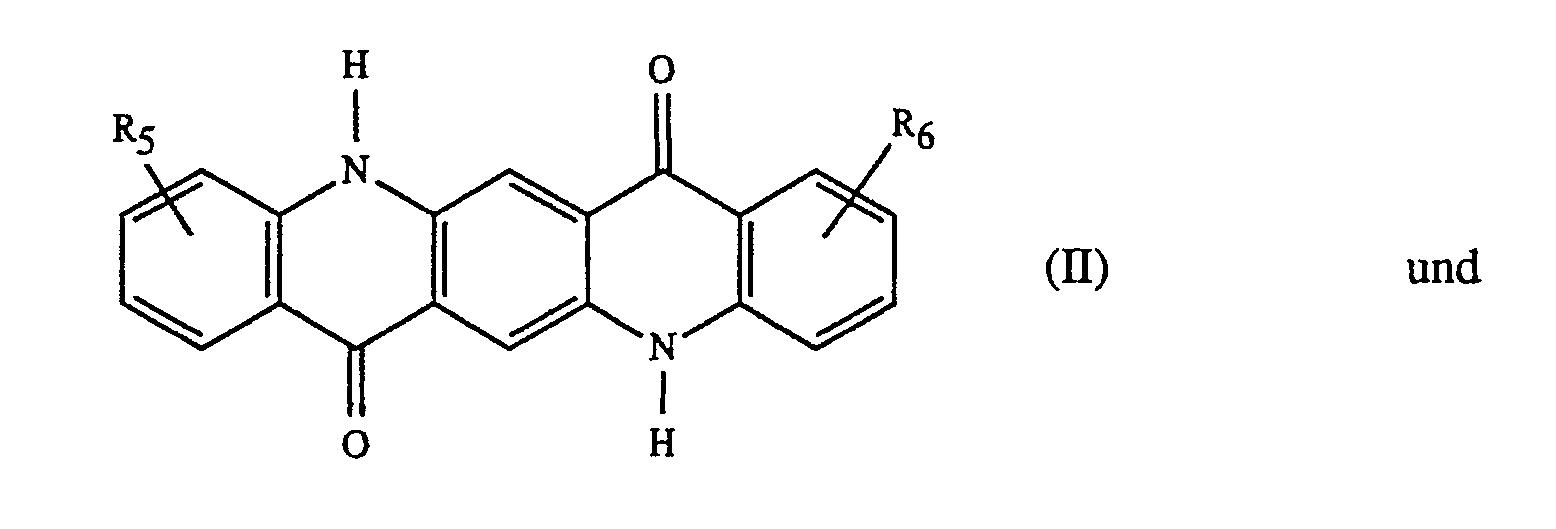
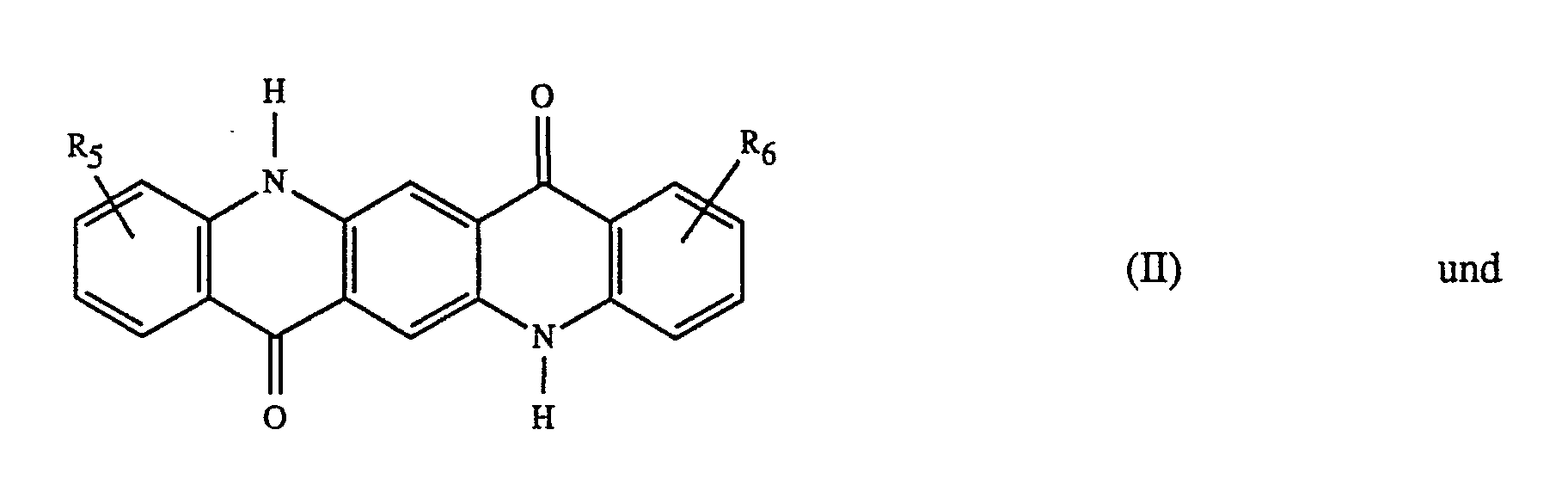
- Preferred quinacridone compositions contain a compound of formula II or a solid solution thereof and at least one quinacridone of formula II above with at least one group of formula -SO3L, where R5 and R6 -H, -Cl, -CH3 or -OCH3 and L -H, Al 3rd , Cr 3rd , Co 3rd , Mg 2nd , Zn 2nd , Zn 2nd , Cu 2nd , CD 2nd , Mn 2nd or Ni 2nd , but especially -H and very special Al 3rd mean.
- Quinacridones e.g. ⁇ -quinacridone in transparent form and ⁇ -quinacridone, in particular the opaque form, also dichloroquinacridones, difluoroquinacridones, dimethylquinacridones and dimethoxyquinacridones, and solid solutions thereof.
- Typical examples are: solid solutions of 2,9-dichloroquinacridone with quinacridone, especially the transparent forms thereof, e.g. 90% 2,9-dichloroquinacridone with 10% quinacridone, solid solutions of quinacridone with 2,9-dimethylquinacridone, e.g.
- Component d) preferably contains one or two SO3L groups, but very preferably only one SO3L group, in particular in the 2- and / or 9-position of the quinacridone molecule.
- the quinacridone compositions according to the invention are preferably obtained by partially sulfonating component c) or by mixing the individual quinacridone components c) and d) in the desired ratio.
- the quinacridone can be sulfonated to the necessary extent (or mixed with the required amounts of a product of direct sulfonation) and the sulfonated part to the desired sulfonated quinacridone compound, such as a metal salt, are converted during the subsequent process steps.
- the desired sulfonated quinacridone compound can be prepared separately and mixed in the necessary amount with the non-sulfonated quinacridone. If the pigment particles are not influenced during mixing, the way in which the sulfonated quinacridone compound is incorporated into the non-sulfonated quinacridone is not critical. If the crystal size of the quinacridone components is not optimal or if the pigment particles are influenced during mixing, the procedure can be, for example, according to US Pat. No. 3,030,370.
- compositions according to the invention can be converted into a more opaque or transparent pigment form by conditioning.
- ком ⁇ онент is the production of a fine pigment particle form, for example by dry grinding with or without salt, by solvent or aqueous grinding or by salt kneading.
- Typical production processes for the quinacridone compositions according to the invention are e.g. in U.S. Patent No. 4541872, e.g. the process conditions of Example 1 or Example 4 for the grinding / treatment of quinacridone pigments and their solid solutions and subsequent mixing with the modified (sulfonated) quinacridone component.
- thermal post-treatment in water or in an organic solvent generally proves expedient, if appropriate under pressure.
- Organic solvents such as benzenes substituted by halogen atoms, alkyl or nitro groups, such as xylenes, chlorobenzene, o-dichlorobenzene or nitrobenzene, and pyridine bases, such as pyridine, picoline or quinoline, and also ketones, such as cyclohexanone, alcohols, such as isopropanol, butanols are preferably used or pentanols, ethers, such as ethylene glycol monomethyl or monoethyl ether, amides, such as dimethylformamide or N-methylpyrrolidone, and also dimethyl sulfoxide or sulfolane.
- the aftertreatment can also be carried out in water, if appropriate under pressure, in the presence of organic solvents and / or with the addition of surface-active substances.
- Coating materials in the sense of the present invention are e.g. Paints and especially varnishes, e.g. for the automotive industry.
- Water-based coating materials with the compositions according to the invention can be pigmented, for example systems based on acrylic, polyurethane, polyester or polyisocyanate or combinations thereof, such as acrylic-polyester systems, furthermore acrylic-latex systems or epoxy resin systems (for example crosslinkable with polyamines), or polyacetoacetate / polyketimine systems . Examples of such systems are described, for example, in Progress in Organic Coatings 17 , pp. 27-29, (1989) and in European patent application No. 0089497 (for PUR dispersions).
- Preferred systems for automotive painting according to the invention are polyester / polyurethane and acrylic / latex dispersions.
- compositions according to the invention are particularly suitable for coloring aqueous base coats and base coats in so-called base coat / clear coat systems or base coat / clear coat systems ["basecoat / clearcoat” systems], the clear coat or coat (often more transparent Top coat or lacquer) derived from a conventional solvent-based binder system.
- base coat / clear coat systems or base coat / clear coat systems ["basecoat / clearcoat” systems]
- the clear coat or coat (often more transparent Top coat or lacquer) derived from a conventional solvent-based binder system.
- solvent-containing binder systems are acrylic, alkyd, polyurethane, epoxy, phenol, melamine, urea, polyester and cellulose ester resins or combinations thereof.
- the thickness of the coating can vary as desired and depends on the application; the coating can e.g. have a thickness of 3-60 ⁇ m; it can be two or more layers, e.g. when used in the automotive industry.
- the base coat or varnish is covered with one or more clear layers.
- the clear coat or top coat preferably thermosetting acrylic-melamine, alkyd-melamine or acrylic-urethane resin combinations are used as binders, as are known per se in the field of automotive painting.
- the clear coat or clear coat layer advantageously has a thickness of 30-60 microns.
- the coating materials according to the invention can contain one to more pyrrolopyrrole or quinacridone compositions according to a) and b) or c) and d); however, they preferably contain only one of these compositions, depending on the application, a transparent or an opaque version thereof, optionally in combination with other organic and / or inorganic pigments or dyes which are particularly suitable for the production of automotive paints.
- Pearlescent pigments can also be used, for example the so-called "fish silver” titanium dioxide mica pigments, the latter also containing other colored metal oxides, such as iron, cobalt, manganese or chromium oxide.
- the pyrrolopyrrole or quinacridone composition is advantageously present in the coating materials according to the invention in amounts of 0.1 to 20% by weight, but preferably 0.5 to 10% by weight, based on the dry coating layer.
- compositions according to the invention can be advantageous to treat the compositions according to the invention with a texture protection agent before use for the coating materials according to the invention.
- Suitable texture protection agents are, for example, fatty acids with at least 12 carbon atoms, such as stearic acid or behenic acid, their amides, salts or esters, such as magnesium stearate, zinc stearate, aluminum stearate or magnesium behenate, also quaternary ammonium compounds, such as tri (C1-C4) alkylbenzylammonium salts, and plasticizers , such as epoxidized soybean oil, waxes such as polyethylene wax, resin acids such as abietic acid, rosin soap, hydrogenated or dimerized rosin, C12-C18 paraflindisulfonic acids, alkylphenols, alcohols, diols or polyols with at least 8 C atoms.
- fatty acids with at least 12 carbon atoms such as stearic acid or behenic acid, their amides, salts or esters, such as magnesium stearate, zinc stearate, aluminum stearate or magnesium behenate,
- the pyrrolopyrrole or quinacridone compositions according to the invention can be dispersed individually or premixed into the binder of the coating material by known methods.
- Small amounts of water-soluble solvents can be used, e.g. Glycol monoethers, such as ethylene glycol monomethyl, monoethyl or monobutyl ether, furthermore ethylene glycol, diethylene glycol, propylene glycol, aliphatic alcohols, such as ethanol, propanol, butanol, isobutanol or amyl alcohol, ketones, e.g.
- Further non-volatile constituents can also be added, such as plasticizers, auxiliaries, fillers, light stabilizers, heat stabilizers, antioxidants and inorganic pigments, such as black pigments, and aluminum or copper powder.
- the homogenized coating material can be applied to the substrate and baked, for example, by brushing, rolling, spraying, dipping or rolling (coil coating).
- substrates are wood, plastics, mineral substrates and above all metal surfaces.
- the clear layer (s) can also be produced by known processes and can also contain additives such as light stabilizers and antioxidants.
- the colorations obtained are distinguished by good general properties, such as good distribution, high transparency or opacity and purity, a good gloss and good resistance to overcoating, light and weather.
- the compositions according to the invention have improved application properties in application, such as improved rheology and shelf life, less separation effects such as floating when using e.g. White pigments, and a lower tendency to flocculate. Due to the good rheological properties of these compositions, it is possible to produce paints and varnishes of high concentration (so-called high loads). They are particularly suitable for coloring automotive paints, especially for metallic effect paints.
- Example 1 120 ml of t-amyl alcohol (dry) are placed in a sulfonation flask under nitrogen. With slow stirring, 6.9 g of sodium and 0.1 g of bis-2-ethylhexyl sulfosuccinate sodium salt are added and the mixture is warmed to 95-102 ° C. The molten sodium is then held at 95 ° C overnight with vigorous stirring under nitrogen. The resulting solution is cooled to 85 ° C. and a mixture of 14.04 g of 4-chlorobenzonitrile and 10.3 g of benzonitrile is added. 20.3 g of diisopropyl succinate are then metered in at 95 ° C. in the course of 2 hours.
- the reaction mixture is left to react for 5 hours at 95 ° C. and then cool to room temperature.
- the mixture obtained is poured onto 300 ml of cold water, the mixture is refluxed for 1 hour and then subjected to steam distillation.
- the mixture obtained is filtered off at 60 ° C., washed with 1000 ml of water and dried in a vacuum oven at 80 ° C. Yield: 23.6 g of a red powder essentially containing the compounds of the formulas Analysis (%): Found: C 64.93, H 3.45, N 8.38, Cl 13.72.
- Example 2 160 g of oleum (25%) and 160 g of sulfuric acid monohydrate are placed in a sulfonation flask and cooled to 0-5 ° C. 20 g of the mixture obtained according to Example 1 above are introduced within 30 minutes. The mixture is allowed to stir at room temperature for 20 hours, then the reaction solution is poured onto a mixture of 1000 g of ice and 280 ml of water within 15 minutes, and stirring is continued for 15 minutes. The temperature is raised to 72-75 ° C, then 120 g NaCl is added and the mixture is stirred at 72-75 ° C for 1 hour. The mixture is cooled to room temperature and filtered, and the residue is washed with a 5% NaCl solution until the filtrate is neutral. The filter cake is dried in a vacuum oven at 80 ° C.
- the product essentially contains the compounds of the formulas
- Example 3 889 g of 1,4-diketo-3,6-diphenylpyrrolo- [3,4-c] pyrrole (as a moist 45% presscake) in 9 liters of deionized water are stirred in a sulfonation flask for 1 hour.
- a suspension of 7.6 g of the mixture prepared according to Example 2 in 900 ml of 60% deionized water is added to the pigment suspension in the Sullier flask, and the mixture is stirred at 20 ° C. for 2 hours.
- a solution of 114 g CaCl2 (75%) in 700 ml deionized water is added, the pigment mixture obtained is heated to 75 ° C and stirred at 75 ° C for 1 hour.
- the suspension is filtered hot and washed with about 10 liters of water.
- the product is dried in a vacuum oven at 80 ° C.
- Example 4 Example 3 is repeated, with the difference, however, that instead of the pyrrolopyrrole stated there, 82 g of moist 1,4-diketo-3,6-di (parabromphenyl) pyrrolo- [3,4-c] pyrrole (as 30% presscake; corresponds to 24.6 g of dry goods) are used for one hour in 550 ml of deionized water, a suspension of 0.55 g of the mixture prepared according to Example 2 in 65 ml of deionized water to the pigment suspension in the sulfonating flask is added and the mixture is stirred at 80 ° C. for 2 hours.
- Example 6 Example 3 is repeated, with the difference, however, that instead of the pyrrolopyrrole given there, 200 g of 30% moist 1,4-diketo-3,6di (paraphenylphenyl) pyrrolo- [3,4-c] -pyrrole in 3250 ml deionized water, instead of 7.6 g 3.6 g of the mixture prepared according to Example 2 in 350 ml deionized water and instead of 114 g 65 g CaCl2 (75%) in 300 ml. This gives 169.4 g of a red product which has excellent rheological and coloristic properties in aqueous coating systems.
- Example 7 Example 6 is repeated, with the difference, however, that 5.2 g of hexadecyltrimethylammonium bromide in 190 ml of deionized water are used instead of CaCl2. 176 g of a red product are obtained which have excellent rheological and coloristic properties in aqueous coating systems.
- Example 10 An aqueous commercially available polyester / polyurethane resin dispersion according to European Patent Application No. 0089497 (330.75 g; 30% by weight solids; 63% by weight water; 7% by weight of an aliphatic alcohol), 37.5 g that according to the example 3 pyrrolopyrrole composition obtained and 22.5 g of ethylene glycol monobutyl ether are dispersed in a 1000 ml container together with 500 g of glass balls (2 mm in diameter) at room temperature and 2500 revolutions per minute for 3 hours in accordance with ISO 8780-3 (standard dispermate dispersion method).
- the dispersion obtained are diluted with 10 g of water, 1 ml of ethylene glycol monobutyl ether and 24 g of the above aqueous polyester / polyurethane resin dispersion for 10 minutes with normal stirring.
- the dispersion obtained is then sprayed onto an aluminum sheet using a spray gun and evaporated at 80 ° C. for 30 minutes in such a way that a dry film thickness of 15-20 ⁇ m is formed.
- a clear coat of a commercially available solvent-based TSA paint is applied with a spray gun (dry paint film thickness: 40-50 ⁇ m).
- the rheological properties obtained (according to Brookfield) of the full-tone dispersion are significantly better than the viscosity values of the corresponding full-tone dispersion, which was prepared in the same way with the corresponding unmodified basic pyrrolopyrrole pigment.
- the color difference (measured according to CIELAB; ⁇ S-value; saturation value) of the aluminum-metallic colors shows that the modified pyrrolopyrrole pigment has a higher saturation in the application than the unmodified pyrrolopyrrole pigment.
- Example 12 The product obtained according to Example 11c) is then tested in the same aqueous coating system as Example 10. The amounts of the individual components used, the dispersion and the application are the same as in Example 10.
- the rheological properties obtained (measured according to Brookfield) of the full-tone paint dispersion are significantly better than the viscosity values of the corresponding full-tone dispersion, which was prepared in the same way with the corresponding unmodified basic quinacridone pigment.
- the modified quinacridone pigment is dispersion-stable at the dilution stage of the colored coating dispersion with the uncolored coating component, which is not the case when the unmodified quinacridone pigment is used.
- the lacquer films produced from them have a higher saturation and a higher color strength (measured according to CIELAB), especially in full tone and in the TiO2 white blend, than the corresponding colorations, which were produced in the same way with the unmodified quinacridone pigment.
- the modified quinacridone pigment exhibits excellent general pigment properties, such as light, weather and overcoating resistance.
- Example 13 (Example for the production of a quinacridone / modified quinacridone composition by a salt grinding process)
- a 240 liter ball mill containing 454.5 kg iron rods (cylindrical; approx. 1.3 cm in diameter and 1.3 cm long) and 45.5 kg nails (approx. 10.5 cm long) is filled with 3.64 kg quinacridone and 1.36 kg of 2,9-dimethylquinacridone, then loaded with 19.8 kg of commercially available Al2 (SO4) 3 ⁇ 15-19 H2O, 0.24 kg of the isopropylamine salt of dodecylbenzenesulfonic acid and 0.73 kg of tetrachlorethylene.
- the mill is operated at a stirring speed of about 40 revolutions per minute (74% of the critical speed) for 15 hours at a temperature of 50 ° C.
- the regrind is unloaded, and the iron bars and nails are removed with a sieve; 0.345 kg of the powder obtained are added to a stirred 50 ° C warm sulfuric acid solution (0.011 kg conc. H2SO4 and 0.82 kg water).
- the suspension obtained is then heated to 88-93 ° C. and further stirred at this temperature for two hours, whereupon an aqueous suspension containing 2.37 g of quinacridone monosulfonic acid according to Example 5a is added within 30 minutes.
- the resulting suspension is stirred for a further 30 minutes at 88-93 ° C., the product is filtered off, washed free of acid and sulfate with warm water and dried. Yield: 59.1 g of the modified quinacridone pigment.
- This product produces flawless paint colors in accordance with application example 10 with excellent technical and pigment properties.
- Example 14 An aqueous commercially available polyester / polyurethane resin dispersion according to European Patent Application No. 0089497 (190 g; 30% by weight solids, 63% by weight water and 7% by weight of an aliphatic alcohol), 20 g of the pyrrolopyrrole composition below, 4 g one 10% N, N-dimethylethanolamine solution, 11.25 g of ethylene glycol monobutyl ether and 22.5 g of water are placed in a 663 ml container together with 500 g of steatite glass balls (12 mm in diameter) at room temperature and 90 revolutions per minute for 96 Hours dispersed.
- European Patent Application No. 0089497 190 g; 30% by weight solids, 63% by weight water and 7% by weight of an aliphatic alcohol
- 20 g of the pyrrolopyrrole composition below 4 g one 10% N, N-dimethylethanolamine solution
- the dispersion obtained is then diluted with water to a viscosity of 20 seconds in a DIN 4 beaker.
- the dispersion obtained is then sprayed onto an aluminum sheet using a spray gun and evaporated at 80 ° C. for 30 minutes, a dry film thickness of 15-35 ⁇ m being formed, and the substrate is covered.
- a clear coat of a commercially available solvent-based TSA paint is applied with a spray gun (dry paint film thickness: 40-50 ⁇ m).
- the rheological properties (measured according to Brookfield Inc., digital viscometer; model RVtdV-II) of the full-tone dispersion are better than the viscosity values of the corresponding full-tone dispersion, which is prepared in the same way with the corresponding unmodified basic pyrrolopyrrole pigment.
- the color difference (measured according to CIELAB in accordance with DIN 6174; ⁇ S value; saturation value) of the white lacquer cuts shows that the modified pyrrolopyrrole pigment according to the invention has a higher saturation in application than the unmodified pyrrolopyrrole component.
- the color strength (according to DIN 55986) of the lacquer white blends with the pyrrolopyrrole pigment modified according to the invention is significantly higher than the color strength of the white blends with the corresponding unmodified base pigment.
Landscapes
- Chemical & Material Sciences (AREA)
- Organic Chemistry (AREA)
- Dispersion Chemistry (AREA)
- Life Sciences & Earth Sciences (AREA)
- Engineering & Computer Science (AREA)
- Materials Engineering (AREA)
- Wood Science & Technology (AREA)
- Chemical Kinetics & Catalysis (AREA)
- Paints Or Removers (AREA)
- Nitrogen Condensed Heterocyclic Rings (AREA)
Abstract
- a) mindestens ein Pyrrolopyrrol der Formel I

- b) mindestens ein modifiziertes Pyrrolopyrrol der oben angegebenen Formel I mit mindestens einer Gruppe der Formel -SO₃L enthält, oder die Chinacridonkomposition
- c) mindestens ein Chinacridon der Formel II oder eine feste Lösung davon
- d) mindestens ein Chinacridon der oben angegebenen Formel II mit mindestens einer Gruppe der Formel -SO₃L enthält,
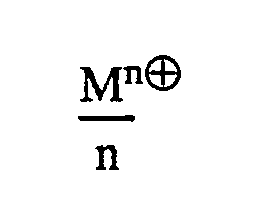
oderN⊕H(R₇)(R₈)(R₉) darstellt, wobei M ein ein-, zwei- oder dreiwertiges Metallkation, n die Zahlen 1,2 oder 3, und R₇, R₈ und R₉ unabhängig voneinander -H, Alkyl, Aralkyl, C₅-C₆-Cycloalkyl oder Aryl bedeuten, oder R₈ und R₉ zusammen mit dem N-Atom einen Pyrrolidin-, Imidazolidin-, Piperidin-, Piperazin- oder Morpholinrest, oder R₇, R₈ und R₉ zusammen mit dem N-Atom einen Pyrrol-, Pyridin-, Picolin-, Pyrazin-, Chinolin- oder Isochinolinrest bilden, eignen sich ausgezeichnet zum Einfärben von Anstrich- und Lacksystemen auf wässriger Basis.
Description
- Die vorliegende Erfindung betrifft neue Beschichtungsstoffe auf wässriger Basis enthaltend spezifisch modifizierte 1,4-Diketo-3,6-diphenylpyrrolo-[3,4-c]-pyrrol- oder Chinacridon-Pigmente, sowie deren Verwendung zur Beschichtung von Unterlagen, insbesondere für die Automobilindustrie.
- Eine Reihe wichtiger Faktoren hat in den letzten Jahren dazu geführt, dass sich vor allem in der Technologie von Automobillacken einiges geändert hat. Allein die Notwendigkeit der Verminderung von Lösemittelemissionen bei der Anwendung von Anstrichstoffen bzw. Lacken, z.B. beim Spritzen oder Tauchen, war der Anlass zur Einführung neuer Bindemittel-Systeme auf wässriger Basis. Zudem mussten unter dem Druck des Wettbewerbs ständige Verbesserungen erarbeitet werden, z.B. in Bezug auf den Korrosionsschutz und die Aussenbeständigkeit der Lacksysteme sowie die anwendungstechnischen Eigenschaften.
- Umweltfreundlichere Alternativen zu den konventionellen lösemittelhaltigen Systemen, wie wasserverdünnbare Systeme oder Systeme auf wässriger Basis, sind bereits entwickelt worden. Wässrige Dispersionen für den Fassadenputz sind schon seit einigen Jahren im Handel; für industrielle Beschichtungen dagegen sind nur wenige Typen wässriger Anstrichsysteme erhältlich.
- Für konventionelle lösemittelhaltige Anstrichmittel ist in den US-Patentschriften Nr. 4791204 und Nr. 4844742 bereits vorgeschlagen worden, bestimmte organische Pigmentklassen mit spezifischen Gruppen, wie Sulfonsäure-, Carbonsäure-, Phosphorsäure-, Amin- oder Phthalimidomethyl-Resten, zu modifizieren, so dass sie in der Applikation, insbesondere in konventionellen lösemittelhaltigen Lacken und Druckfarben, verbesserte Eigenschaften, wie Rheologie, Lagerbeständigkeit und Flockulation, aufweisen.
- Für die Beschichtungsstoffe auf wässriger Basis müssen noch höhere Erfordernisse erfüllt werden, da in derartigen wässrigen Systemen entscheidend grössere intermolekulare Wechselwirkungen zwischen den Teilchen des Systems in Erscheinung treten können. Dies führt bei vielen der dort eingesetzten Pigmente zu Rheologieproblemen; zudem können dabei Nuance, Transparenz, Reinheit und Glanz der daraus resultierenden Ausfärbungen stark beeinflusst werden.
- Dazu kommt, dass die in den industriellen Beschichtungen eingesetzten organischen Pigmente hohe allgemeine Erfordernisse, wie gute Dispergierbarkeit, einwandfreies rheologisches Verhalten sowie hohe Licht- und Wetterbeständigkeit, erfüllen müssen.
- Es wurde nun gefunden, dass durch Behandlung bestimmter Pyrrolopyrrol-und Chinacridonpigmente mit spezifischen Sulfonsäurederivaten davon die anwendungstechnischen Eigenschaften des Pigments, insbesondere die Rheologie, verbessert werden können; zudem bluten die in der Grundlackschicht eingesetzten organischen Pigmente nicht in die Klarlackschicht aus, sofern hierfür ein konventionelles lösemittelhaltiges Bindemittelsystem verwendet wird.
- Die vorliegende Erfindung betrifft demnach einen Beschichtungsstoff auf wässriger Basis enthaltend als organisches Pigment mindestens eine 1,4-Diketo-3,6-diphenylpyrrolo-[3,4-c]-pyrrol-oder Chinacridon-Komposition, wobei die Pyrrolopyrrolkomposition
- a) mindestens ein Pyrrolopyrrol der Formel I

- b) mindestens ein modifiziertes Pyrrolopyrrol der oben angegebenen Formel I mit mindestens einer Gruppe der Formel -SO₃L enthält, oder die Chinacridonkomposition
- c) ein Chinacridon der Formel II oder eine feste Lösung davon
- d) mindestens ein Chinacridon der oben angegebenen Formel II mit mindestens einer Gruppe der Formel -SO₃L enthält,
- Bedeuten R₇, R₈ und R₉ Alkylgruppen, so können diese verzweigt oder unverzweigt sein und weisen vorzugsweise 1-18 C-Atome, auf. Als Beispiele seien Methyl, Ethyl, n-Propyl, Isopropyl, n-Butyl, sek.-Butyl, tert.-Butyl, tert.-Amyl, n-Hexyl, n-Octyl, Dodecyl, Hexadecyl und Stearyl genannt.
- Bedeuten R₇, R₈ und R₉ Aralkylgruppen, dann vorzugsweise solche, die eine 1-6 und insbesondere 1-4 C-Atome enthaltende, verzweigte oder unverzweigte Alkylkette und einen vorzugsweise mono- oder bicyclischen Arylrest enthalten. Als Beispiele seien Benzyl und Phenylethyl genannt.
- Sind R₇, R₈ und R₉ Cycloalkyl, so handelt es sich dabei beispielsweise um Cyclopentyl oder Cyclohexyl.
- Sind R₇, R₈ und R₉ Aryl, so handelt es sich dabei beispielsweise um Phenyl oder Naphthyl, insbesondere um unsubstituiertes oder durch Halogen, wie Chlor oder Brom, C₁-C₁₈-Alkyl oder C₁-C₁₈-Alkoxy substituiertes Phenyl.
- C₁-C₁₈-Alkyl und C₁-C₁₈-Alkoxy bedeuten z.B. Methyl, Ethyl, Isopropyl, tert.-Butyl, tert.-Amyl, n-Hexyl, Octyl, Decyl, Dodecyl der Stearyl, sowie Methoxy, Ethoxy, Isopropoxy, tert.-Butoxy, n-Hexyloxy, Decyloxy, Dodecyloxy oder Stearyloxy.
- Als Beispiele für N⊕H(R₇)(R₈)(R₉) seien genannt: N⊕H₄, N⊕H₃(CH₃), N⊕H₂(CH₃)₂, N⊕H₃C₂H₅), N⊕H₂(C₂H₅)₂, N⊕H₃(C₃H₇-iso), N⊕H₃(C₁₈H₃₇), N⊕H₃-(Cyclohexyl), N⊕H₂(Cyclohexyl)₂, N⊕H₂(CH₃)(C₆H₅), N⊕H₃(C₆H₅), N⊕H₃(para-Toluidin) und N⊕H₃(Benzyl).
- Stellt L eine Gruppe der Formel

- Die Komponenten b) und d) der obigen Kompositionen können z.B. eine bis vier SO₃L-Gruppen enthalten, vorzugsweise aber eine oder zwei derartige Gruppen für die Komponente b) und eine oder zwei dieser Gruppen für die Komponente d). L ist vorzugsweise eine Gruppe der Formel

- Das Mengenverhältnis der Komponenten in den erfindungsgemässen Stoffkompositionen kann beliebig variieren. Bevorzugte Verhältnisse liegen jedoch zwischen insgesamt 0,1 und 25 Gew.% der modifizierte(n) Komponente(n) b) bzw. d) und zwischen 99,9 und 75 Gew.% der Komponente a) bzw. c), insbesondere aber zwischen insgesamt 1 und 5 Gew.% der Komponente(n) b) bzw. d) und zwischen 95 und 99 Gew.% der Komponente a) bzw. c).
- Zweckmässig enthalten die erfindungsgemäss in Frage kommenden Pyrrolopyrrol-und Chinacridon-Kompositionen zwei bis vier Komponenten b) bzw. d) pro Komponente a) bzw. c).
- Bevorzugte Pyrrolopyrrolkompositionen enthalten eine Komponente der Formel I und mindestens eine Komponente der Formel I mit mindestens ner SO₃L-Gruppe, wobei R₁ und R₃ unabhängig voneinander -H, -Cl, -Br, -CH₃, -OCH₃, -CN oder -C₆H₅, R₂ und R₄ -H und L H, Na, K,


- Bevorzugt befinden sich die Substituenten -Cl, -Br, -CH₃ und-C₆H₅ in para-Stellung, und die Gruppen -CN und -OCH₃ in meta-Stellung zum Diketopyrrolopyrrolgerüst.
- Ganz bevorzugt bedeuten R₁ und R₃ -H oder-Cl, R₂ und R₄ -H und L

- Bevorzugt befindet sich der Sulfonsäurerest in para-Stellung zum Diketopyrrolopyrrolgerüst.
- Die erfindungsgemässen Pyrrolopyrrolkompositionen können durch Mischen der einzelnen Pyrrolopyrrol-Komponenten a) und b) im gewünschten Mengenverhältnis oder aber auch durch teilweise Sulfonierung der Pyrrolopyrrol-Komponente a) erhalten werden. Die Komponenten b) können nach an und für sich bekannten Verfahren hergestellt werden, beispielsweise durch Sulfonierung der Pyrrolopyrrol-Komponente a) mittels Oleums, Schwefelsäure, flüssigen Schwefeltrioxids oder Chlorsulfonsäure, wobei mindestens einer der Phenylreste des Pyrrolopyrrolmoleküls eine sulfonierbare Stelle aufweisen muss. Die einzusetzende Konzentration des Sulfonierungsrmittels und die auszuwählenden Reaktionsbedingungen hängen eng mit der Anzahl der Sulfonsäure-Gruppen zusammen, welche in das Pyrrolopyrrolmolekül eingeführt werden sollen. Die so erhaltenen Produkte werden anschliessend durch Umsetzung mit einem erfindungsgemäss in Frage kommenden Metallsalz, wie einem Acetat-, Carbonat-, Chlorid-, Nitrat- oder Sulfatsalz, oder mit einem erfindungsgemäss geeigneten Amin in die entsprechenden Metall- bzw. Aminsalzderivate, übergeführt.
- Die Pyrrolopyrrole gemäss der Komponente a) der erfindungsgemässen Stoffkompositionen stellen bekannte Produkte dar und können beispielsweise gemäss der US-Patentschrift Nr. 4579949 hergestellt werden; die Komponenten b) sowie deren Herstellung sind in der US-Patentschrift Nr. 4791204 beschrieben.
- Die Chinacridonkomponenten c) und d) stellen auch bekannte Produkte dar, wobei die Komponenten d) z.B. gemäss dem US-Patent Nr. 3 386 843 hergestellt werden können.
- Bevorzugte Chinacridonkompositionen enthalten eine Verbindung der Formel II oder eine feste Lösung davon und mindestens ein Chinacridon der obigen Formel II mit mindestens einer Gruppe der Formel -SO₃L, wobei R₅ und R₆ -H, -Cl, -CH₃ oder -OCH₃ und L -H,


- Beispiele von Chinacridonen der Formel II und festen Lösungen davon, die erfindungsgemäss mit sulfonierten Chinacridonen der Formeln II behandelt werden können, sind:
- Chinacridone, z.B. β-Chinacridon in transparenter Form und γ-Chinacridon, insbesondere die opake Form, ferner Dichlorchinacridone, Difluorchinacridone, Dimethylchinacridone und Dimethoxychinacridone, sowie feste Lösungen davon. Als typische Beispiele seien genannt: feste Lösungen von 2,9-Dichlorchinacridon mit Chinacridon, besonders die transparenten Formen davon, z.B. 90 % 2,9-Dichlorchinacridon mit 10 % Chinacridon, feste Lösungen von Chinacridon mit 2,9-Dimethylchinacridon, z.B. 73 % Chinacridon mit 27 % 2,9-Dimethylchinacridon als transparentes rotes Pigment, 60 % Chinacridon mit 40 % 2,9-Dimethylchinacridon als transparentes blaustichig rotes Pigment, 60 % Chinacridon mit 40 % 2,9-Dichlorchinacridon oder etwa 60 % Chinacridon mit 40 % 4,11-Dichlorchinacridon.
- Wie bereits oben erwähnt, kann die Zahl der SO₃L-Gruppen in der Chinacridonkomponente variieren. Bevorzugt enthält die Komponente d) eine oder zwei SO₃L-Gruppen, ganz bevorzugt aber nur eine SO₃L-Gruppe, insbesondere in 2- und/oder 9-Stellung des Chinacridonmoleküls.
- Bevorzugt werden die erfindungsgemässen Chinacridonkompositionen durch teilweise Sulfonierung der Komponente c) oder durch Mischen der einzelnen Chinacridonkomponenten c) und d) im gewünschten Mengenverhältnis erhalten.
- So kann das Chinacridon in dem notwendigen Ausmass sulfoniert (oder mit den benötigten Mengen eines Produktes der direkten Sulfonierung gemischt werden) und der sulfonierte Teil zur gewünschten sulfonierten Chinacridonverbindung, wie einem Metall salz, während der anschliessenden Verfahrensschritte umgewandelt werden. Andererseits kann die gewünschte sulfonierte Chinacridonverbindung getrennt hergestellt und in der nötigen Menge mit dem nichtsulfonierten Chinacridon gemischt werden. Werden die Pigmentteilchen beim Mischen nicht beeinflusst, ist die Art des Einarbeitens der sulfonierten Chinacridonverbindung in das nichtsulfonierte Chinacridon nicht kritisch. Ist die Kristallgrösse der Chinacridonkomponenten nicht optimal oder werden die Pigmentteilchen beim Mischen beeinflusst, so kann z.B. gemäss US-Patent Nr. 3030370 vorgegangen bzw. gemahlen werden.
- Je nach Verwendungszweck kann man die erfindungsgemässen Stoffkompositionen durch Konditionierung in eine deckendere oder transparentere Pigmentform überführen.
- Unter Konditionierung versteht man die Herstellung einer feinen Pigmentpartikelform, beispielsweise durch Trockenmahlung mit oder ohne Salz, durch Lösungsmittel-oder wässrige Mahlung oder durch Salzknetung. Typische Herstellungsverfahren für die erfindungsgemässen Chinacridon-Kompositionen sind z.B. im US-Patent Nr. 4541872 beschrieben, z.B. die Verfahrensbedingungen von Beispiel 1 oder Beispiel 4 für die Mahlung/Behandlung von Chinacridonpigmenten sowie deren festen Lösungen und anschliessendes Mischen mit der modifizierten (sulfonierten) Chinacridonkomponente.
- Wird eine deckendere Pigmentform gewünscht, so erweist sich in der Regel eine thermische Nachbehandlung in Wasser oder in einem organischen Lösungsmittel als zweckmässig, gegebenenfalls unter Druck. Vorzugsweise verwendet man organische Lösungsmittel, wie durch Halogenatome, Alkyl- oder Nitrogruppen substituierte Benzole, wie Xylole, Chlorbenzol, o-Dichlorbenzol oder Nitrobenzol, sowie Pyridinbasen, wie Pyridin, Picolin oder Chinolin, ferner Ketone, wie Cyclohexanon, Alkohole, wie Isopropanol, Butanole oder Pentanole, Ether, wie Ethylenglykolmonomethyl- oder -monoethylether, Amide, wie Dimethylformamid oder N-Methylpyrrolidon, sowie Dimethylsulfoxid oder Sulfolan. Man kann die Nachbehandlung auch in Wasser, gegebenenfalls unter Druck, in Gegenwart von organischen Lösungsmitteln und/oder mit Zusatz von oberflächenaktiven Substanzen durchführen.
- Beschichtungsstoffe im Sinne der vorliegenden Erfindung sind z.B. Anstrichstoffe und insbesondere Lacke, z.B. für die Automobilindustrie.
- Beschichtungsstoffe auf wässriger Basis, die mit den erfindungsgemässen Kompositionen pigmentiert werden können, sind z.B. Systeme auf Acryl-, Polyurethan-, Polyester- oder Polyisocyanatbasis oder Kombinationen davon, wie Acryl-Polyester-Systeme, ferner Acryl-Latex-Systeme oder Epoxidharz-Systeme (z.B. mit Polyaminen vernetzbar), oder Polyacetoacetat/Polyketiminsysteme. Beispiele solcher Systeme sind z.B. in Progress in Organic Coatings 17, S. 27-29, (1989) und in der europäischen Patentanmeldung Nr. 0089497 (für PUR-Dispersionen) beschrieben.
- Erfindungsgemäss bevorzugte Systeme für die Automobillackierung sind Polyester/Polyurethan-und Acryl/Latex-Dispersionen.
- Die erfindungsgemässen Kompositionen sind insbesondere zum Färben von wässrigen Grundanstrichen und Grundlacken in sogenannten Grundanstrich-/Klaranstrich-Systemen bzw. Grundlack/Klarlack-Systemen ["basecoat-/clearcoat"-Systeme] geeignet, wobei sich der Klaranstrich bzw. -lack (oft transparenter Deckanstrich bzw. -lack genannt) von einem konventionellen lösemittelhaltigen Bindemittel-System ableitet. Beispiele lösemittelhaltiger Bindemittel-Systeme sind Acryl-, Alkyd-, Polyurethan-, Epoxy-, Phenol-, Melamin-, Harnstoff-, Polyester- und Celluloseesterharze oder Kombinationen davon.
- Die Dicke der Beschichtung kann beliebig variieren und hängt von der Anwendung ab; die Beschichtung kann z.B. eine Dicke von 3-60 µm aufweisen; sie kann zwei- oder mehrschichtig sein, wie z.B. bei Anwendung in der Automobilindustrie. In diesem Fall ist der Grundanstrich bzw. -lack mit einer oder mehreren Klarschichten überzogen. Für den Klaranstrich bzw. Deckanstrich werden als Bindemittel bevorzugt hitzehärtbare Acryl-Melamin-, Alkyd-Melamin- oder Acryl-Urethanharzkombinationen eingesetzt, wie sie an und für sich auf dem Gebiet der Automobillackierung bekannt sind. Die Klaranstrich- bzw. Klarlackschicht hat zweckmässig eine Dicke von 30-60 µm.
- Die erfindungsgemässen Beschichtungsstoffe können eine bis mehrere Pyrrolopyrrol- oder Chinacridon-Kompositionen gemäss a) und b) bzw. c) und d) enthalten; bevorzugt aber enthalten sie nur eine dieser Kompositionen, je nach Anwendung eine transparente oder eine deckende Version davon, gegebenenfalls in Kombination mit anderen organischen und/oder anorganischen Pigmenten oder Farbstoffen, die sich insbesondere für die Herstellung von Automobillacken eignen. Auch Perlglanzpigmente können mitverwendet werden, z.B. die sogenannten "Fischsilber" Titandioxid-Glimmer-Pigmente, wobei die letzteren auch andere bunte Metalloxide, wie Eisen-, Kobalt-, Mangan- oder Chromoxid, enthalten können.
- In den erfindungsgemässen Beschichtungsstoffen liegt die Pyrrolopyrrol-oder Chinacridon-Komposition zweckmässig in Mengen von 0,1 bis 20 Gew.%, bevorzugt aber von 0,5 bis 10 Gew.%, bezogen auf die trockene Beschichtungsschicht, vor.
- Es kann von Vorteil sein, die erfindungsgemässen Kompositionen vor der Verwendung für die erfindungsgemässen Beschichtungsstoffe mit einem Texturschutzmittel zu behandeln.
- Geeignete Texturschutzmittel sind beispielsweise Fettsäuren mit mindestens 12 C-Atomen, wie Stearinsäure oder Behensäure, deren Amide, Salze oder Ester, wie Magnesiumstearat, Zinkstearat, Aluminiumstearat oder Magnesiumbehenat, ferner quartäre Ammoniumverbindungen, wie Tri-(C₁-C₄)-alkylbenzylammoniumsalze, ferner Weichmacher, wie epoxidiertes Sojabohnenöl, Wachse, wie Polyethylenwachs, Harzsäuren, wie Abietinsäure, Kolophoniumseife, hydriertes oder dimerisiertes Kolophonium, C₁₂-C₁₈-Paraflindisulfonsäuren, Alkylphenole, Alkohole, Diole oder Polyole mit mindestens 8 C-Atomen.
- Zur Herstellung der erfindungsgemässen Beschichtungsschichten können die erfindungsgemässen Pyrrolopyrrol- oder Chinacridon-Kompositionen einzeln oder vorgemischt nach bekannten Methoden in das Bindemittel des Beschichtungsstoffes eindispergiert werden. Dabei können geringe Mengen von wasserlöslichen Lösungsmitteln verwendet werden, z.B. Glykolmonoether, wie Ethylenglykolmonomethyl-, -monoethyl- oder -monobutylether, ferner Ethylenglykol, Diethylenglykol, Propylenglykol, aliphatische Alkohole, wie Ethanol, Propanol, Butanol, Isobutanol oder Amylalkohol, Ketone, wie z.B. Aceton, Methyl-Ethylketon, Methyl-Isobutylketon oder Diacetonalkohol, ferner Dimethylformamid oder N-Methylpyrrolidon. Ferner können weitere nichtflüchtige Bestandteile zugegeben werden, wie Weichmacher, Hilfsstoffe, Füllstoffe, Lichtschutzmittel, Hitzestabilisatoren, Antioxidantien und anorganische Pigmente, wie Schwarzpigmente, sowie Aluminium-oder Kupferpulver. Der homogenisierte Beschichtungsstoff kann beispielsweise durch Streichen, Rollen, Spritzen, Tauchen oder Walzen (Coil-Coating) auf das Substrat aufgetragen und eingebrannt werden.
- Beispiele von Substraten sind Holz, Kunststoffe, mineralische Unterlagen und vor allem Metalloberflächen.
- Die Klarschicht(en) kann (können) ebenfalls nach bekannten Verfahren hergestellt werden und kann (können) zudem auch Zusatzstoffe, wie Lichtschutzmittel und Antioxidantien, enthalten.
- Die erhaltenen Ausfärbungen zeichnen sich durch gute allgemeine Eigenschaften, wie gute Verteilung, hohe Transparenz bzw. Deckkraft und Reinheit, einen guten Glanz sowie gute Überlackier-, Licht- und Wetterbeständigkeit, aus.
- Ferner weisen die erfindungsgemässen Kompositionen im Vergleich zu den unmodifizierten Basispigmenten verbesserte anwendungstechnische Eigenschaften in der Applikation auf, wie eine verbesserte Rheologie und Lagerbeständigkeit, geringere Trenneffekte wie Ausschwimmen bei der Mitverwendung von z.B. Weisspigmenten, und eine geringere Flockulationstendenz. Infolge der guten rheologischen Eigenschaften dieser Kompositionen ist es möglich, Anstrichstoffe und Lacke hoher Konzentration (sogenannte high loadings) herzustellen. Sie eignen sich vorzugsweise zum Färben von Automobillacken, insbesondere für Metalleffektlackierungen.
- Die nachfolgenden Beispiele dienen zur Erläuterung der Erfindung.
- Beispiel 1: In einem Sulfierkolben werden unter Stickstoff 120ml t-Amylalkohol (trocken) vorgelegt. Unter langsamem Rühren werden 6,9g Natrium und 0,1g Sulfobernsteinsäure-bis-2-ethylhexylester-Na-Salz zugegeben, und das Gemisch wird auf 95-102°C aufgewärmt. Das geschmolzene Natrium wird dann unter heftigem Rühren unter Stickstoff über Nacht bei 95°C gehalten. Die entstandene Lösung wird auf 85°C abgekühlt und mit einer Mischung von 14,04 g 4-Chlorbenzonitril und 10,3 g Benzonitril versetzt. Anschliessend werden bei 95°C innerhalb 2 Stunden 20,3 g Bernsteinsäure-diisopropylester zudosiert. Man lässt die Reaktionsmischung 5 Stunden bei 95°C ausreagieren und dann auf Raumtemperatur abkühlen. Man giesst die erhaltene Mischung auf 300ml kaltes Wasser aus, das Gemisch wird 1 Stunde am Rückfluss erhitzt und anschliessend einer Wasserdampfdestillation unterworfen. Das erhaltene Gemisch wird bei 60°C abfiltriert, mit 1000 ml Wasser gewaschen und im Vakuumofen bei 80°C getrocknet. Ausbeute: 23,6 g eines roten Pulvers enthaltend im wesentlichen die Verbindungen der Formeln

- Beispiel 2: In einem Sulfierkolben werden 160g Oleum (25 %) und 160 g Schwefelsäure-monohydrat vorgelegt und auf 0-5°C abgekühlt. Innerhalb 30 Minuten werden 20 g des gemäss obigem Beispiel 1 erhaltenen Gemisches eingetragen. Man lässt während 20 Stunden bei Raumtemperatur rühren, giesst darauf die Reaktionslösung innerhalb 15 Minuten auf eine Mischung von 1000 g Eis und 280 ml Wasser, und rührt 15 Minuten weiter. Die Temperatur wird auf 72-75°C erhöht, dann werden 120 g NaCl zugegeben, und das Gemisch wird während 1 Stunde bei 72-75°C gerührt. Das Gemisch wird auf Raumtemperatur abgekühlt und filtriert, und der Rückstand wird mit einer 5 %igen NaCl-Lösung gewaschen, bis das Filtrat neutral ist. Der Filterkuchen wird im Vakuumofen bei 80°C getrocknet.
- Analyse: Gefunden in %: C 40,67, H 2,32, N 5,09, S 4,8, Cl 17,9.
- Das Produkt enthält im wesentlichen die Verbindungen der Formeln

- Beispiel 3: In einem Sulfierkolben werden 889 g 1,4-Diketo-3,6-diphenylpyrrolo-[3,4-c]-pyrrol (als feuchter 45 %iger Presskuchen) in 9 Litern deionisiertem Wasser während 1 Stunde ausgerührt. Eine Suspension von 7,6 g des gemäss Beispiel 2 hergestellten Gemisches in 900 ml 60 %igem deionisiertem Wasser wird zur sich im Sullierkolben befindenden Pigmentsuspension zugegeben, und das Gemisch wird 2 Stunden bei 20°C gerührt. Eine Lösung von 114 g CaCl₂ (75 %ig) in 700 ml deionisiertem Wasser wird zugegeben, die erhaltene Pigmentmischung wird auf 75°C erwärmt und während 1 Stunde bei 75°C gerührt. Die Suspension wird heiss filtriert und mit ca. 10 Litern Wasser gewaschen. Das Produkt wird im Vakuumofen bei 80°C getrocknet.
- Ausbeute: 397 g einer Stoffkomposition enthaltend etwa 98 % des unsubstituierten 1,4-Diketo-3,6-diphenylpyrrolo-[3,4-c]-pyrrolpigmentes und etwa 2 % des gemäss Beispiel 2 modifizierten Pyrrolopyrrolgemisches, wobei die Sulfonsäurereste als Ca-Salz vorliegen.
- Beispiel 4: Das Beispiel 3 wird wiederholt, mit dem Unterschied jedoch dass anstelle des dort angegebenen Pyrrolopyrrols 82 g feuchtes 1,4-Diketo-3,6-di(parabromphenyl)-pyrrolo-[3,4-c]-pyrrol (als 30-%iger Presskuchen; entspricht 24,6 g trockener Ware) während einer Stunde in 550 ml deionisiertem Wasser verwendet werden, wobei eine Suspension von 0,55 g des gemäss Beispiel 2 hergestellten Gemisches in 65 ml deionisiertem Wasser zur sich im Sulfierkolben befindenden Pigmentsuspension zugegeben wird und das Gemisch 2 Stunden bei 80°C gerührt wird. Eine Lösung von 7,78 g CaCl₂(75-%ig) in 40 ml Wasser wird zugegeben, die erhaltene Pigmentmischung wird auf 75°C erwärmt und während einer Stunde bei dieser Temperatur gerührt. Die Suspension wird heiss filtriert und mit Wasser gewaschen. Das Produkt wird im Vakuumofen bei 80°C getrocknet. Ausbeute: 23,1 g eines roten Produktes, das in Beschichtungssystemen auf wässriger Basis ausgezeichnete rheologische und koloristische Eigenschaften aufweist.
- Beispiel 5: Das Beispiel 3 wird wiederholt, mit dem Unterschied jedoch dass anstelle des dort angegebenen Pyrrolopyrrols 79 g 30-%ig feuchtes 1,4-Diketo-3,6-di(paramethyl-phenyl)-pyrrolo-[3,4-c]-pyrrol (= 23,7 g trockener Ware) in 550 ml deionisiertem Wasser, anstelle von 7,6 g 0,53 g des gemäss Beispiel 2 hergestellten Gemisches in 65 ml deionisiertem Wasser und anstelle von 114 g 7,49 g CaCl₂ (75-%ig) in 40 ml Wasser verwendet werden. Man erhält 23,7 g eines roten Produktes, das in Beschichtungssystemen auf wässriger Basis ausgezeichnete rheologische und koloristische Eigenschaften aufweist.
- Beispiel 6: Das Beispiel 3 wird wiederholt, mit dem Unterschied jedoch dass anstelle des dort angegebenen Pyrrolopyrrols 200 g 30-%ig feuchtes 1,4-Diketo-3,6di(paraphenyl-phenyl)-pyrrolo-[3,4-c]-pyrrol in 3250 ml deionisiertem Wasser, anstelle von 7,6 g 3,6 g des gemäss Beispiel 2 hergestellten Gemisches in 350 ml deionisiertem Wasser und anstelle von 114 g 65 g CaCl₂ (75-%ig) in 300 ml verwendet werden. Man erhält 169,4 g eines roten Produktes, das in Beschichtungssystemen auf wässriger Basis ausgezeichnete rheologische und koloristische Eigenschaften aufweist.
- Beispiel 7: Das Beispiel 6 wird wiederholt, mit dem Unterschied jedoch dass anstelle von CaCl₂ 5,2 g Hexadecyltrimethylammoniumbromid in 190 ml deionisiertem Wasser verwendet werden. Man erhält 176 g eines roten Produktes, das in Beschichtungssystemen auf wässriger Basis ausgezeichnete rheologische und koloristische Eigenschaften aufweist.
- Beispiel 8: Das Beispiel 3 wird wiederholt, mit dem Unterschied jedoch dass anstelle des dort angegebenen Pyrrolopyrrols 73 g 31,8-%ig feuchtes 1,4-Diketo-3,6-di(parachlor-phenyl)-pyrrolo-[3,4-c]-pyrrol (= 23,2 g trockener Ware) in 500 ml deionisiertem Wasser, anstelle von 7,6 g 0,52 g des gemäss Beispiel 2 hergestellten Gemisches in 65 ml deionisiertem Wasser und anstelle von CaCl₂ 10,13 g MgCl₂.6H₂O in 40 ml Wasser verwendet werden. Man erhält 23,6 g eines roten Produktes, das in Beschichtungssystemen auf wässriger Basis ausgezeichnete rheologische und koloristische Eigen schaften aufweist.
- Beispiel 9: Das Beispiel 3 wird wiederholt, mit dem Unterschied jedoch dass anstelle des dort angegebenen Pyrrolopyrrols 81,6 g 31,4-%ig feuchtes 1,4-Diketo-3,6-di(parachlor-phenyl)-pyrrolo-[3,4-c]-pyrrol (= 25,6 g trockener Ware) in 350 ml deionisiertem Wasser, anstelle von 7,6 g 0,65 g des gemäss Beispiel 3 hergestellten Gemisches in 70 ml deionisiertem Wasser und anstelle von CaCl₂ 0,97 g Hexadecyltrimethylammoniumbromid in 30 ml Wasser verwendet werden. Man erhält 27,25 g eines roten Produktes, das in Beschichtungssystemen auf wässriger Basis ausgezeichnete rheologische und koloristische Eigenschaften aufweist.
- Beispiel 10: Eine wässrige handelsübliche Polyester/Polyurethanharzdispersion gemäss der europäischen Patentanmeldung Nr. 0089497 (330,75 g; 30 Gew.% Festanteil; 63 Gew.% Wasser; 7 Gew.% eines aliphatischen Alkohols), 37,5 g der gemäss Beispiel 3 erhaltenen Pyrrolopyrrolkomposition und 22,5 g Ethylenglykolmonobutylether werden in einem 1000 ml-Behälter zusammen mit 500 g Glaskugeln (2 mm Durchmesser) bei Raumtemperatur und 2500 Umdrehungen pro Minute während 3 Stunden gemäss ISO 8780-3 (Standard-Dispermatdispergierungsmethode) dispergiert. Dann werden 52,1 g der erhaltenen Dispersion mit 10 g Wasser, 1 ml Ethylenglykolmonobutylether und 24 g der obigen wässrigen Polyester/Polyurethanharzdispersion während 10 Minuten unter normalem Rühren verdünnt. Die erhaltene Dispersion wird dann mit einer Spritzpistole so auf ein Alublech gespritzt und während 30 Minuten bei 80°C abgedunstet, dass eine trockene Filmdicke von 15-20 µm gebildet wird. Darauf wird dann eine Klarlackschicht eines handelsüblichen lösemittelhaltigen TSA-Lackes mit einer Spritzpistole aufgetragen (trockene Lackfilmdicke: 40-50 µm).
- Gemäss obigem Verfahren werden entsprechende Lack-Weissverschnitte mit TiO₂ [Konzentration: 10 Teile Buntpigment : 90 Teile TiO₂] sowie 50:50-Metallisé-Dispersionen mit Aluminiumpulver hergestellt und appliziert.
- Die erhaltenen rheologischen Eigenschaften (gemäss Brookfield) der Volltondispersion sind deutlich besser als die Viskositätswerte der entsprechenden Volltondispersion, die mit dem entsprechenden unmodifizierten Basispyrrolopyrrolpigment auf gleiche Art und Weise hergestellt wurde.
- Der Farbtonunterschied (gemäss CIELAB gemessen; △S-Wert; Sättigungswert) der Alu-Metallisé-Ausfärbungen zeigt, dass das modifizierte Pyrrolopyrrolpigment eine höhere Sättigung in der Applikation aufweist als das unmodifizierte Pyrrolopyrrolpigment.
-
- a) In einem 4-Hals-Rundkolben (mit Thermometer, Rührer und Trocknungsrohr ausgerüstet) enthaltend 600 g konzentrierter Schwefelsäure werden 60 g rohes γ-Chinacridon langsam eingetragen, wobei die Temperatur auf etwa 45°C steigt. Dann wird die erhaltene Lösung innerhalb 25 Minuten auf 98°C erwärmt und bei dieser Temperatur während 75 Minuten weitergerührt. Die warme Lösung wird dann auf Eis/Wasser ausgetragen, worauf das erhaltene Gemisch durch Wasserzugabe auf 1704 g eingestellt wird. Das Gemisch enthält 0,044 g monosulfoniertes Chinacridon pro Gramm Gemisch.
- b) 114 g dieses Gemisches werden mit 1630 ml Wasser verdünnt, unter Rühren mit einer Lösung von 26,4 g Al₂(SO₄)₃·18 H₂O in 107 ml Wasser versetzt und während einer Stunde gekocht. Das ausgefallene Produkt wird abfiltriert, mit Wasser säurefrei gewaschen und getrocknet. Ausbeute: 5,6 g eines Produktes folgender Formel

Gefunden: S 8,00; Al 1,93;
Theorie: S 8,00; Al 2,25.
- c) 1,95 g des obigen Aliminiumsalzes als 20,5 Gew.%iger Presskuchen werden mit 28,9 g γ-Chinacridon (als Presskuchen mit 33,2 Gew.% Festanteil) gut vermischt, wobei das erhaltene Gemisch einen neutralen pH-Wert aufweist. Das Gemisch wird dann bei 90°C getrocknet und pulverisiert. Ausbeute: 10 g.
- Beispiel 12: Das gemäss Beispiel 11c) erhaltene Produkt wird dann im gleichen wässrigen Lacksystem wie Beispiel 10 geprüft. Die eingesetzten Mengen der einzelnen Komponenten, die Dispergierung und das Applizieren sind gleich wie im Beispiel 10.
- Die erhaltenen rheologischen Eigenschaften (gemäss Brookfield gemessen) der Volltonlackdispersion sind deutlich besser als die Viskositätswerte der entsprechenden Volltondispersion,die mit dem entsprechenden unmodifizierten Basischinacridonpigment auf gleiche Art und Weise hergestellt wurde.
- Zudem ist das modifizierte Chinacridonpigment bei der Verdünnungsstufe der eingefärbten Lackdispersion mit dem ungefarbten Lackanteil dispersionsstabil, was nicht der Fall ist, wenn das unmodifizierte Chinacridonpigment verwendet wird.
- Die daraus hergestellten Lackfilme weisen vor allem im Vollton und im TiO₂-Weissverschnitt eine höhere Sättigung und eine höhere Farbstärke (nach CIELAB gemessen) auf als die entsprechenden Ausfärbungen, die mit dem unmodifizierten Chinacridonpigment auf gleiche Art und Weise hergestellt wurden.
- Die gemäss CIELAB gemessene Farbton-Lagerbeständigkeit dieser Lacke (Vollton; Weissverschnitt und Metallisé) ist sowohl nach einer Woche als auch nach drei Wochen deutlich besser als diejenige der entsprechenden Lacke,die mit dem unmodifizierten Chinacridonpigment auf gleiche Art und Weise hergestellt wurden.
- Ausserdem weist das modifizierte Chinacridonpigment in der Applikation ausgezeichnete allgemeine Pigmenteigenschaften, wie Licht-, Wetter- und Überlackierbeständigkeit, auf.
- Beispiel 13: (Beispiel für die Herstellung einer Chinacridon/modif. Chinacridon-Komposition nach einem Salzmahlungsverfahren)
- Eine 240 Liter-Kugelmühle enthaltend 454,5 kg Eisenstäbe (zylindrisch; ca. 1,3 cm Durchmesser und 1,3 cm lang) und 45,5 kg Nägel (ca. 10,5 cm lang) wird mit 3,64kg Chinacridon und 1,36kg 2,9-Dimethylchinacridon, dann mit 19,8 kg handelsüblichem Al₂(SO₄)₃·15-19 H₂O, 0,24 kg des Isopropylaminsalzes der Dodecylbenzolsulfonsäure und 0,73 kg Tetrachlorethylen beladen. Die Mühle wird mit einer Rührgeschwindigkeit von etwa 40 Umdrehungen pro Minute (74 % der kritischen Geschwindigkeit) während 15 Stunden bei einer Temperatur von 50°C betrieben. Das Mahlgut wird ausgeladen, und die Eisenstäbe und Nägel werden mit einem Sieb entfernt; 0,345 kg des erhaltenen Pulvers werden zu einer ausgerührten 50°C-warmen Schwefelsäure-Lösung (0,011 kg konz. H₂SO₄ und 0,82 kg Wasser) gegeben. Die erhaltene Suspension wird dann auf 88-93°C erwärmt und während zwei Stunden bei dieser Temperatur weitergerührt, worauf eine wässrige Suspension enthaltend 2,37 g Chinacridonmonosulfonsäure gemäss Beispiel 5a innert 30 Minuten zugegeben wird. Die resultierende Suspension wird während 30 Minuten bei 88-93°C weitergerührt, das Produkt wird abfiltriert, mit warmem Wasser säure- und sulfatfrei gewaschen und getrocknet. Ausbeute: 59,1 g des modifizierten Chinacridonpigmentes.
- Dieses Produkt ergibt einwandfreie Lackausfärbungen gemäss Anwendungsbeispiel 10 mit ausgezeichneten anwendungstechnischen und Pigment-Eigenschaften.
- Beispiel 14: Eine wässrige handelsübliche Polyester/Polyurethanharzdispersion gemäss der europäischen Patentanmeldung Nr. 0089497 (190 g; 30 Gew.% Festanteil, 63 Gew.% Wasser und 7 Gew.% eines aliphatischen Alkohols), 20 g der nachstehenden Pyrrolopyrrolkomposition, 4 g einer 10%igen N,N-Dimethylethanolamin-Lösung, 11,25 g Ethylenglykolmonobutylether und 22,5 g Wasser werden in einem 663 ml-Behälter zusammen mit 500 g Steatit-Glaskugeln (12 mm Durchmesser) bei Raumtemperatur und 90 Umdrehungen pro Minute während 96 Stunden dispergiert. Dann wird die erhaltene Dispersion mit Wasser auf eine Viskosität von 20 Sekunden in einem DIN-4-Becher verdünnt. Die erhaltene Dispersion wird dann mit einer Spritzpistole auf ein Alublech gespritzt und während 30 Minuten bei 80°C abgedunstet, wobei eine trockene Filmdicke von 15-35 µm gebildet wird, und das Substrat wird gedeckt. Darauf wird dann eine Klarlackschicht eines handelsüblichen lösemittelhaltigen TSA-Lackes mit einer Spritzpistole aufgetragen (trockene Lackfilmdicke: 40-50 µm).
- Gemäss obigem Verfahren werden entsprechende Lack-Weissverschnitte mit TiO₂ (Konzentration: 90 Teile TiO₂:10 Teile Buntpigment) hergestellt und appliziert. Mit diesen Lack-Weissverschnitten werden Farbunterschied und Farbstärke gemäss DIN 55986 gemessen.
- Die rheologischen Eigenschaften (gemessen gemäss Brookfield Inc., Digital Viskosimeter; Modell RVtdV-II) der Volltondispersion sind besser als die Viskositätswerte der entsprechenden Volltondispersion, die mit dem entsprechenden unmodifizierten Basispyrrolopyrrolpigment auf gleiche Art und Weise hergestellt wird.
- Der Farbtonunterschied (gemäss CIELAB nach DIN 6174 gemessen; △S-Wert; Sättigungswert) der Lack-Weissverschnitte zeigt, dass das erfindungsgemässe modifizierte Pyrrolopyrrolpigment eine höhere Sättigung in der Applikation aufweist als die unmodifizierte Pyrrolopyrrolkomponente.
- Die Farbstärke (gemäss DIN 55986) der Lack-Weissverschnitte mit dem erfindungsgemäss modifizierten Pyrrolopyrrolpigment ist deutlich höher als die Farbstärke der Weissverschnitte mit dem entsprechenden unmodifizierten Basispigment.
- Verwendete Pyrrolopyrrolkompositionen (analog dem Herstellungsverfahren des Beispiels 3 hergestellt):

worin R₁ und R₃ unabhängig voneinander -H, -Cl, -Br, -CH₃, -OCH₃, -CN oder -C₆H₅, R₂ und R₄ unabhängig voneinander -H, -Cl, -Br oder -CH₃, und R₅ und R₆ unabhängig voneinander -H, -Cl, -Br, -CH₃ oder -OCH₃ sind, und
L -H, eine Gruppe der Formel

Claims (14)
- Beschichtungsstoff auf wässriger Basis enthaltend als organisches Pigment mindestens eine 1,4-Diketo-3,6-diphenylpyrrolo-[3,4-c]-pyrrol- oder Chinacridon-Komposition, wobei die Pyrrolopyrrolkompositiona) mindestens ein Pyrrolopyrrol der Formel I
 b) mindestens ein modifiziertes Pyrrolopyrrol der oben angegebenen Formel I mit mindestens einer Gruppe der Formel -SO₃L enthält, oder die Chinacridonkompositionc) mindestens ein Chinacridon der Formel II oder eine feste Lösung davon
 d) mindestens ein Chinacridon der oben angegebenen Formel II mit mindestens einer Gruppe der Formel -SO₃L enthält,
worin R₁ und R₃ unabhängig voneinander-H, -Cl, -Br, -CH₃, -OCH₃, - CN oder-C₆H₅, R₂ und R₄ unabhängig voneinander-H, -Cl, -Br oder -CH₃, und R₅ und R₆ unabhängig voneinander-H, -Cl, -Br, -CH₃ oder -OCH₃ sind, und L -H, eine Gruppe der Formel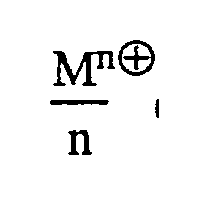
- Beschichtungsstoff gemäss Anspruch 1, worin die Pyrrolopyrrolkomponente b) eine oder zwei SO₃L-Gruppen und die Chinacridonkomponente d) eine oder zwei SO₃L-Gruppen aufweisen.
- Beschichtungsstoff gemäss Anspruch 1, worin L eine Gruppe der Formel

- Beschichtungsstoff gemäss Anspruch 1, worin die Pyrrolopyrrolkomposition eine Komponente a) der Formel I und mindestens eine Komponente b) der Formel I mit mindestens einer Gruppe der Formel -SO₃L enthält, wobei R₁ und R₃ unabhängig voneinander -H, -Cl, -Br, -CH₃, -OCH₃, -CN oder-C₆H₅, R₂ und R₄ -H und L H, Na, K,


- Beschichtungsstoff gemäss Anspruch 4, worin R₁ und R₃ -H oder -Cl, R₂ und R₄ -H und L

- Beschichtungsstoff gemäss Anspruch 1, worin die Chinacridonkomposition eine Komponente c) der Formel II und mindestens eine Komponente d) der Formel II oder eine feste Lösung davon mit mindestens einer Gruppe der Formel -SO₃L enthält, wobei R₅ und R₆ -H, -Cl, -CH₃ oder -OCH₃ und L -H,


- Beschichtungsstoff gemäss Anspruch 6, worin L

- Beschichtungsstoff gemäss Anspruch 1, worin das Verhältnis der Komponenten der Pyrrolopyrrol- und Chinacridon-Kompositionen zwischen insgesamt 0,1 und 25 Gew.% der modifizierte(n) Komponente(n) b) bzw. d) und zwischen 99,9 und 75 Gew.% der Komponente a) bzw. c) liegt.
- Beschichtungsstoff gemäss Anspruch 1, worin der Beschichtungsstoff ein Anstrichstoff oder ein Lack ist.
- Beschichtungsstoff gemäss Anspruch 1, worin der Beschichtungsstoff ein System auf Acryl-, Polyurethan-, Polyester- oder Polyisocyanat-Basis oder Kombinationen davon, oder ein System auf Acryl-Latex- oder Epoxidharz-Basis, oder auf Polyacetoacetat/Polyketiminbasis ist.
- Beschichtungsstoff gemäss Anspruch 1, worin der Beschichtungsstoff eine Polyester/Polyurethan-oder Acryl/Latex-Dispersion für die Automobillackierung ist.
- Beschichtungsstoff gemäss Anspruch 1, worin die Pyrrolopyrrol- oder Chinacridon-Komposition in einer Menge von 0,1 bis 20 Gew.%, bezogen auf die trockene Beschichtungsschicht, eingesetzt wird.
- Verwendung des Beschichtungsstoffs gemäss Anspruch 1 zum Färben von wässrigen Grundanstrichen und Grundlacken in Grundanstrich-/Klaranstrich-Systemen oder Grundlack-/Klarlack-Systemen, wobei sich der Klaranstrich- oder -lack von einem konventionellen lösemittelhaltigen Bindemittelsystem ableitet.
- Der mit einem Beschichtungsstoff gemäss Anspruch 1 erhaltene Anstrich-und Lackfilm.
Applications Claiming Priority (2)
| Application Number | Priority Date | Filing Date | Title |
|---|---|---|---|
| US44209289A | 1989-11-28 | 1989-11-28 | |
| US442092 | 1989-11-28 |
Publications (2)
| Publication Number | Publication Date |
|---|---|
| EP0430875A2 true EP0430875A2 (de) | 1991-06-05 |
| EP0430875A3 EP0430875A3 (en) | 1992-08-05 |
Family
ID=23755514
Family Applications (1)
| Application Number | Title | Priority Date | Filing Date |
|---|---|---|---|
| EP19900810889 Withdrawn EP0430875A3 (en) | 1989-11-28 | 1990-11-20 | Water-based coating materials containing specific modified organic pigments |
Country Status (3)
| Country | Link |
|---|---|
| EP (1) | EP0430875A3 (de) |
| JP (1) | JPH03210375A (de) |
| KR (1) | KR0155378B1 (de) |
Cited By (11)
| Publication number | Priority date | Publication date | Assignee | Title |
|---|---|---|---|---|
| US5728204A (en) * | 1996-01-31 | 1998-03-17 | Bayer Corporation | Preparation of phthalocyanine-containing waterborne coating systems |
| WO2002010288A1 (en) * | 2000-07-31 | 2002-02-07 | Ciba Specialty Chemicals Holding Inc. | Dispersant compositions improving the heat stability of transparent pigments |
| WO2002085987A1 (en) * | 2001-04-24 | 2002-10-31 | Ciba Specialty Chemicals Holding Inc. | Pigment compositions and pigmented water-based coating materials |
| WO2004031280A1 (en) * | 2002-10-07 | 2004-04-15 | Ciba Specialty Chemicals Holding Inc. | Opaque, colour-pigmented coating |
| US6827775B2 (en) | 2000-12-13 | 2004-12-07 | Ciba Specialty Chemicals Corporation | Rheology improvers and pigment compositions having improved rheology |
| US6827774B2 (en) | 2000-12-13 | 2004-12-07 | Ciba Specialty Chemicals Corporation | Rheology improvers and pigment compositions having improved rheology |
| WO2005040284A1 (en) | 2003-10-23 | 2005-05-06 | Ciba Specialty Chemicals Holding Inc. | Heat-stable diketopyrrolopyrrole pigment mixtures |
| EP0962499B2 (de) † | 1998-06-02 | 2008-03-05 | Ciba SC Holding AG | Direkte Herstellung von Pyrrolo-(3,4-c)pyrrolpigmenten |
| DE102008058951A1 (de) | 2008-11-25 | 2010-05-27 | Clariant International Ltd. | Flockungsstabile Diketopyrrolopyrrol-Pigmentzubereitungen |
| EP2316886A1 (de) * | 2009-11-03 | 2011-05-04 | Agfa-Gevaert | Herstellung und Dispersion von oberflächenmodifizierten Farbpigmenten |
| CN110746584A (zh) * | 2019-11-13 | 2020-02-04 | 北京大学 | 基于吡嗪基吡咯并吡咯二酮的共轭聚合物的合成方法及其应用 |
Families Citing this family (6)
| Publication number | Priority date | Publication date | Assignee | Title |
|---|---|---|---|---|
| JP3141792B2 (ja) * | 1996-10-07 | 2001-03-05 | 東洋インキ製造株式会社 | インクジェット用記録液 |
| US6648954B2 (en) | 2000-03-06 | 2003-11-18 | Toyo Ink Mfg. Co., Ltd. | Water-based pigment dispersion, use thereof and process for the production thereof |
| JP2009029886A (ja) * | 2007-07-25 | 2009-02-12 | Dainichiseika Color & Chem Mfg Co Ltd | 顔料分散剤、顔料組成物、顔料着色剤およびカラーフィルター用着色剤 |
| TWI553062B (zh) * | 2008-01-31 | 2016-10-11 | Sakata Inx Corp | Pigment dispersions and color filters for pigment dispersion photoresist compositions |
| KR101385174B1 (ko) * | 2012-05-31 | 2014-04-14 | 한국생산기술연구원 | 내열성, 내약품성이 향상된 컬러 필터용 유기 염료 또는 유기 안료 및 이의 조성물 |
| KR102004291B1 (ko) | 2018-06-04 | 2019-07-26 | 이 완 | 배전반 판넬 내부 비상조명장치 |
Family Cites Families (2)
| Publication number | Priority date | Publication date | Assignee | Title |
|---|---|---|---|---|
| US3386843A (en) * | 1963-10-01 | 1968-06-04 | Du Pont | Quinacridone pigments |
| US4791204A (en) * | 1985-11-26 | 1988-12-13 | Ciba-Geigy Corporation | 1,4-diketopyrrolo[3,4-c]pyrrole pigments |
-
1990
- 1990-11-20 EP EP19900810889 patent/EP0430875A3/de not_active Withdrawn
- 1990-11-28 KR KR1019900019354A patent/KR0155378B1/ko not_active Expired - Fee Related
- 1990-11-28 JP JP2328794A patent/JPH03210375A/ja active Pending
Cited By (18)
| Publication number | Priority date | Publication date | Assignee | Title |
|---|---|---|---|---|
| EP0787775A3 (de) * | 1996-01-31 | 1998-10-14 | Bayer Corporation | Mischungen von Phthalocyaninen für wässrige Beschichtungszusammensetzungen |
| US5728204A (en) * | 1996-01-31 | 1998-03-17 | Bayer Corporation | Preparation of phthalocyanine-containing waterborne coating systems |
| EP0962499B2 (de) † | 1998-06-02 | 2008-03-05 | Ciba SC Holding AG | Direkte Herstellung von Pyrrolo-(3,4-c)pyrrolpigmenten |
| WO2002010288A1 (en) * | 2000-07-31 | 2002-02-07 | Ciba Specialty Chemicals Holding Inc. | Dispersant compositions improving the heat stability of transparent pigments |
| US6827775B2 (en) | 2000-12-13 | 2004-12-07 | Ciba Specialty Chemicals Corporation | Rheology improvers and pigment compositions having improved rheology |
| US6827774B2 (en) | 2000-12-13 | 2004-12-07 | Ciba Specialty Chemicals Corporation | Rheology improvers and pigment compositions having improved rheology |
| US7081540B2 (en) | 2001-04-24 | 2006-07-25 | Ciba Specialty Chemicals Corporation | Pigment compositions and pigmented water-based coating materials |
| WO2002085987A1 (en) * | 2001-04-24 | 2002-10-31 | Ciba Specialty Chemicals Holding Inc. | Pigment compositions and pigmented water-based coating materials |
| WO2004031280A1 (en) * | 2002-10-07 | 2004-04-15 | Ciba Specialty Chemicals Holding Inc. | Opaque, colour-pigmented coating |
| CN100402589C (zh) * | 2002-10-07 | 2008-07-16 | 西巴特殊化学品控股有限公司 | 不透明的有色涂料 |
| US7442731B2 (en) | 2002-10-07 | 2008-10-28 | Ciba Specialty Chemicals Corp. | Opaque, colour-pigmented coating |
| WO2005040284A1 (en) | 2003-10-23 | 2005-05-06 | Ciba Specialty Chemicals Holding Inc. | Heat-stable diketopyrrolopyrrole pigment mixtures |
| DE102008058951A1 (de) | 2008-11-25 | 2010-05-27 | Clariant International Ltd. | Flockungsstabile Diketopyrrolopyrrol-Pigmentzubereitungen |
| EP2316886A1 (de) * | 2009-11-03 | 2011-05-04 | Agfa-Gevaert | Herstellung und Dispersion von oberflächenmodifizierten Farbpigmenten |
| WO2011054654A1 (en) | 2009-11-03 | 2011-05-12 | Agfa-Gevaert | Preparing and dispersing surface-modified colour pigments |
| US8313576B2 (en) | 2009-11-03 | 2012-11-20 | Agfa-Gevaert N.V. | Preparing and dispersing surface-modified colour pigments |
| CN110746584A (zh) * | 2019-11-13 | 2020-02-04 | 北京大学 | 基于吡嗪基吡咯并吡咯二酮的共轭聚合物的合成方法及其应用 |
| CN110746584B (zh) * | 2019-11-13 | 2021-01-26 | 北京大学 | 基于吡嗪基吡咯并吡咯二酮的共轭聚合物的合成方法及其应用 |
Also Published As
| Publication number | Publication date |
|---|---|
| EP0430875A3 (en) | 1992-08-05 |
| KR0155378B1 (ko) | 1998-11-16 |
| KR910009853A (ko) | 1991-06-28 |
| JPH03210375A (ja) | 1991-09-13 |
Similar Documents
| Publication | Publication Date | Title |
|---|---|---|
| EP0224445B1 (de) | Pyrrolo-pyrrol Pigmentpräparate, Verfahren zu deren Herstellung sowie ihre Verwendung | |
| DE69416220T2 (de) | Synthese von festen Lösungen von Chinacridonpigmenten | |
| DE4325247A1 (de) | Pigmentzubereitungen mit Perylenderivaten als Dispergiermitteln | |
| DE1296603B (de) | Pigmente auf Chinacridonbasis und Verfahren zur Herstellung derselben | |
| DE3926564A1 (de) | Neue pigmentzubereitungen auf basis von perylenverbindungen | |
| EP0225553B1 (de) | Azofarblacke | |
| EP0348347A2 (de) | Verfahren zur Herstellung fester Lösungen von Chinacridonen | |
| KR0155378B1 (ko) | 특수하게 개질된 유기 안료를 함유하는 신규한 수성 도료 조성물 | |
| DE3937633A1 (de) | Heterocyclische verbindungen und deren verwendung als pigmente und farbstoffe | |
| EP0273866B1 (de) | Neue Stoffzusammensetzungen auf der Basis von C.I. Pigment Rot 177 | |
| EP0056870B1 (de) | Neues Perylen-3,4,9,10-tetracarbonsäurediimid und dessen Verwendung | |
| DE69715130T2 (de) | Einarbeitung von Chinacridonderivaten während des Chinacridonherstellungsverfahrens | |
| EP0009720A1 (de) | Chinacridon-Gemische, Verfahren zu ihrer Herstellung und ihre Verwendung als Pigmente | |
| EP0489421B1 (de) | Pigmentzubereitungen | |
| DE2855944C3 (de) | Verfahren zur Herstellung von Pigmentzusammensetzungen | |
| CH618209A5 (en) | Process for the preparation of novel dyestuffs of the perylene-3,4,9,10-dicarboximide series | |
| DE4321693A1 (de) | Pigmentzubereitungen mit Anthrachinonderivaten als Dispergiermittel | |
| DE3742388A1 (de) | Neue stoffzusammensetzungen auf der basis von isoindolinpigmenten | |
| DE69516467T2 (de) | Feste Lösungen von Pyrrolo-(3,4-c)-pyrrolen mit Chinacridonchinonen | |
| EP0349489A2 (de) | Hochmolekulares organisches Material enthaltend ein Metallkomplexpigment auf Hydrazonbasis | |
| EP0172512B1 (de) | Azinpigmente | |
| DE1960897C3 (de) | Lineare trans- Chinacridon-Pigmente, Verfahren zu ihrer Herstellung und mit ihnen gefärbte Lacke, Druckfarben und Kunststoffe | |
| DE69805260T2 (de) | Mikrowellensynthese von Chinacridonen, 6,13-Dihydrochinacridonen und 6,13-Chinaridonchinonen | |
| EP0763538B1 (de) | Verfahren zum Färben von hochmolekularem Material mit polycyclischen Verbindungen | |
| DE2312301C3 (de) | Leichtverteilbare Pigmentzubereitungen |
Legal Events
| Date | Code | Title | Description |
|---|---|---|---|
| PUAI | Public reference made under article 153(3) epc to a published international application that has entered the european phase |
Free format text: ORIGINAL CODE: 0009012 |
|
| 17P | Request for examination filed |
Effective date: 19901126 |
|
| AK | Designated contracting states |
Kind code of ref document: A2 Designated state(s): DE FR GB IT |
|
| PUAL | Search report despatched |
Free format text: ORIGINAL CODE: 0009013 |
|
| AK | Designated contracting states |
Kind code of ref document: A3 Designated state(s): DE FR GB IT |
|
| 17Q | First examination report despatched |
Effective date: 19930525 |
|
| STAA | Information on the status of an ep patent application or granted ep patent |
Free format text: STATUS: THE APPLICATION IS DEEMED TO BE WITHDRAWN |
|
| 18D | Application deemed to be withdrawn |
Effective date: 19940226 |