EP0457295A2 - Utilisation d'un modulateur de la phosphorylation des protéines comme médicament dans le traitement de l'amyloidose associé à la maladie d'Alzheimer - Google Patents
Utilisation d'un modulateur de la phosphorylation des protéines comme médicament dans le traitement de l'amyloidose associé à la maladie d'Alzheimer Download PDFInfo
- Publication number
- EP0457295A2 EP0457295A2 EP19910107844 EP91107844A EP0457295A2 EP 0457295 A2 EP0457295 A2 EP 0457295A2 EP 19910107844 EP19910107844 EP 19910107844 EP 91107844 A EP91107844 A EP 91107844A EP 0457295 A2 EP0457295 A2 EP 0457295A2
- Authority
- EP
- European Patent Office
- Prior art keywords
- βapp
- modulator
- proteins
- use according
- protein
- Prior art date
- Legal status (The legal status is an assumption and is not a legal conclusion. Google has not performed a legal analysis and makes no representation as to the accuracy of the status listed.)
- Granted
Links
Images



Classifications
-
- A—HUMAN NECESSITIES
- A61—MEDICAL OR VETERINARY SCIENCE; HYGIENE
- A61K—PREPARATIONS FOR MEDICAL, DENTAL OR TOILETRY PURPOSES
- A61K31/00—Medicinal preparations containing organic active ingredients
-
- A—HUMAN NECESSITIES
- A61—MEDICAL OR VETERINARY SCIENCE; HYGIENE
- A61P—SPECIFIC THERAPEUTIC ACTIVITY OF CHEMICAL COMPOUNDS OR MEDICINAL PREPARATIONS
- A61P25/00—Drugs for disorders of the nervous system
- A61P25/28—Drugs for disorders of the nervous system for treating neurodegenerative disorders of the central nervous system, e.g. nootropic agents, cognition enhancers, drugs for treating Alzheimer's disease or other forms of dementia
-
- A—HUMAN NECESSITIES
- A61—MEDICAL OR VETERINARY SCIENCE; HYGIENE
- A61P—SPECIFIC THERAPEUTIC ACTIVITY OF CHEMICAL COMPOUNDS OR MEDICINAL PREPARATIONS
- A61P43/00—Drugs for specific purposes, not provided for in groups A61P1/00-A61P41/00
Definitions
- the present invention relates to the use of at least one agent that modulates or effects the phosphorylation of proteins in mammalian cells for the production of a pharmaceutical composition for the treatment of amyloidosis associated with Alzheimer's disease.
- AD Alzheimer's disease
- ⁇ APP ⁇ /A4 protein precursor
- Alzheimer's disease is the most common single cause of dementia in late life. Individuals with Alzheimer's disease are characterized by progressive memory impairments, loss of language and visuospatial skills and behavior deficits. The cognitive impairment of individuals with Alzheimer's disease is the result of degeneration of neuronal cells located in the cerebral cortex, hippocampus, basal forebrain and other brain regions. Histologic analyses of Alzheimer's disease brains obtained at autopsy demonstrated the presence of neurofibrillary tangles (NFT) in perikarya and axons of degenerating neurons, extracellular neuritic (senile) plaques, and amyloid plaques inside and around some blood vessels of affected brain regions.
- NFT neurofibrillary tangles
- Neuritic plaques are located at degenerating nerve terminals (both axonal and dendritic), and contain a core compound of amyloid protein fibers. Cerebrovascular amyloid protein material is found in blood vessels in the meninges and the cerebral cortex (Glenner and Wong, 1984, Biochem. Biophys. Res. Commun. , 120 :885-890; Glenner and Wong, 1984, Biochem. Biophys. Res. Commun. , 122 :1131-1135; Wong et al, 1985, Proc. Natl. Acad. Sci., U.S.A. , 82 :8729-8732).
- a central feature of the pathology of Alzheimer's disease is the deposition of amyloid protein within plaques.
- the 4 kDa amyloid protein also referred to as A4 (APC, ⁇ -amyloid or BAP) is a truncated form of the larger amyloid precursor protein (APP) which is encoded by a gene localized on chromosome 21 (Goldgaber et al, 1987, Science , 235 : 877-880; Kang et al, 1987, Nature , 325 :733-736; Jenkins et al, 1988, Biochem. Biophys. Res. Commun. , 151 :1-8; Tanzi et al, 1987, Science , 235 :880-885).
- A4 A4
- APP amyloid precursor protein
- Alzheimer's disease is characterized by certain neuropathological features including intracellular neurofibrillary tangles, primarily composed of cytoskeletal proteins, and extracellular parenchymal and cerebrovascular amyloid (Katzman, R., Biological Aspects of Alzheimer's Disease , Cold Spring Harbor, New York). Biochemically, Alzheimer's disease is characterized by changes in protein phosphorylation.
- neurofibrillary tangles Two components of neurofibrillary tangles, namely the microtubule-associated protein tau and neurofilament proteins found in the neurofibrillary tangles are abnormally phosphorylated (perhaps by calcium/calmodulin-dependent protein kinase II (CaMKII)) (Sternberger, N.H., Sternberger, L.A. and Ulrich, J., (1985), Proc. Natl. Acad. Sci., U.S.A. , 82 :4274 and Flament, S. and Delacourte, A., (1989), FEBS Lett. , 247 :213).
- CaMKII calcium/calmodulin-dependent protein kinase II
- PLC Protein kinase C activity is reported to be reduced in Alzheimer's disease brain as well as in fibroblasts from Alzheimer's disease, familial Alzheimer's disease and Down's syndrome patients (Cole, G., Dobkins, K.R., Hausen, L.A., Terry, R.D. and Saitoh, T., (1988), Brain Res. , 452 :165-174 and Huyhn, T.V., Cole, G., Katzman, R., Haung, R.-P. and Saitoh, T. (1989), Arch. Neurol. , 46 :1195-1199).
- a cytrosolic 60 kDa phosphoprotein is reported to be present at two-fold higher concentration in Alzheimer's disease brain when compared to controls (Saitoh, T. and Dobkins, K.R. (1986), Proc. Natl. Acad. Sci., 83 :9764-9767).
- ⁇ APP is comprised of three major isoforms, ⁇ APP695 ⁇ APP751 and ⁇ APP770, which arise from alternate splicing and are denoted by the lengths of their primary sequences.
- This protein is a phosphoprotein, and it has previously been proposed that the altered phosphorylation associated with Alzheimer's disease might affect not only tangle proteins, but might also alter the metabolism of ⁇ APP, perhaps leading to deposition of ⁇ A4 (Gandy et al, (1988), Proc. Natl. Acad. Sci., U.S.A. 85 :6218).
- Applicants have extended the above observations by studying the effects of agents that regulate protein phosphorylation on the metabolism of ⁇ APP, using PC12 rat pheochromocytoma cells as a model system.
- the metabolism of ⁇ APP in PC12 has been well characterized (Wiedemann, A., Konig, G., Buke, D., Fischer, P., Salbaum, J.M., Masters, C.L. and Beyreuther, K. (1989), Cell , 57 :115) making this cell line particularly useful.
- Applicants observed that ⁇ APP metabolism is regulated by agents that regulate protein phosphorylation and it is believed that alterations in protein phosphorylation will modify the deposition of ⁇ /A4 in extracellular sites characteristic of Alzheimer's disease.
- the present invention concerns a method of regulating protein phosphorylation of proteins found in intracellular neurofibrillary tangles and extracellular amyloid plaques comprising introducing, e.g., introducing into a patient or into a cell of a patient, an effective amount of a kinase modulator or a phosphatase modulator, the modulator being capable of increasing or decreasing the rate of proteolytic processing of such proteins.
- the present invention is also directed to a method of inhibiting production of Alzheimer type amyloidosis in a mammal comprising administering to the mammal an effective amount of at least one inhibitor of protein phosphatase, the inhibitor being capable of decreasing the proteolytic processing of proteins found in intracellular neurofibrillary tangles and extracellular amyloid plaques.
- the present invention also relates to a treatment of amyloidosis associated with Alzheimer's disease in a mammalian patient comprising administering to the patient an effective amount of at least one agent capable of modulating the phosphorylation of proteins in mammalian cells.
- the present invention also relates to a method for screening for agents that modulate amyloid formation comprising contacting mammalian cells with an agent suspected of being capable of modulating the phosphorylation proteins and detecting for alterations in the degradation of the amyloid precursor protein.
- the present invention also is directed to a method for screening for agents that modulate amyloid formation in a normal or transgenic whole animal comprising administering to said animal an agent suspected of being capable of modulating phosphorylation of proteins and detecting neurodegenerative changes in the brain of the animal.
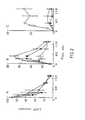
- PC12 cells were metabolically labeled for 20 minutes with [35S] methionine followed by a chase period with complete medium for the indicated times. Agents regulating PKC activity were added at the start of the chase period (zero-time). Following cell lysis, extracts were subjected to immunoprecipitation, NaDodSO4-PAGE and autoradiography. The various forms of ⁇ APP were quantified by scanning the autoradiogram. The results shown are the means ⁇ SEM of four experiments. The data were normalized such that the total ⁇ APP 751/770 recovered (i.e., immature and mature) at zero-time was taken as 100 units. The levels of the COOH-terminal ⁇ APP fragments were insignificant at zero-time.
- a and B recovery is expressed at percent of total at zero-time.
- C recovery is expressed as arbitrary units.
- A Immature ⁇ APP 751/770 .
- B Mature ⁇ APP 751/770 .
- C 15 kDa COOH-terminal fragment. Control cells ( ⁇ ), PDBu-treated cells ( ), H-7-treated cells ( ).
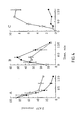
- PDBu was added at 35 minutes of chase to allow the mature ⁇ APP to approach maximal levels. All other experimental details were as described in the legend to Fig. 2. The experiment shown is representative of three separate experiments. Experimental points are the means of duplicate determination.
- A Immature ⁇ APP 751/770 .
- B Mature ⁇ APP 751/770 .
- C 15 kDa COOH-terminal fragment. Control cells ( ⁇ ), PDBU-treated cells ( ).
- ⁇ APP in PC12 cells matures over 45 minutes and is probably processed via a lysosomal pathway. Phorbol esters lead to an apparent stimulation in the rate of this processing.
- PKC protease kinase C
- H7 an inhibitor of PKC
- H7 leads to an apparent decrease in the basal rate of processing of ⁇ APP suggests that in the unstimulated cell ⁇ APP may be cleaved after it is phosphorylated by basally active PKC.
- Okadaic acid as a potent inhibitor of phosphatases 1 and 2A, increases net phosphorylation for many substrates of numerous protein kinases. Therefore, the effect of okadaic acid on ⁇ APP processing cannot be attributed to any one kinase and is believed to involve phosphorylation of ⁇ APP by kinases distinct from those characterized previously, or phosphorylation of other proteins involved in the regulation of ⁇ APP maturation and processing.
- the effects of PDBu and okadaic acid on the 15 and 19 kDa fragments is believed to arise from phosphorylation causing either a more rapid breakdown of the mature ⁇ APP or a slowing down of the catabolism of the 15 and 19 kDa fragments.
- the 19 kDa fragment is a phosphorylated form of the 15 kDa fragment.
- Phosphorylation state can be modulated by inhibiting or stimulating the activity of kinases which add a phosphate moiety to proteins, or by inhibiting or stimulating phosphatases which remove a phosphate moiety from proteins.
- Phorbol esters - e.g., 4-alpha-phorbol 12,13-dibutyrate, phorbol 12-myristate 13-acetate (PMA) or (phorbol-12,13-dibutyrate (PDBU or PDBu)
- Indolactams - e.g., (-)-7-octylindolactam
- DMB Diacylglycerol Forskolin 3-(N-acetylamino)-5-(N-decyl-N-methylamino)-benzyl alcohol (ADMB) and 6-(N-decylamino)-4-hydroxymethylindole (DHI)
- W7 is N-(6-aminohexyl)-5-chloro-1-naphthanesulfamide hydrochloride
- H7 is 1-(5-isoquinolinesulfonyl)-2-methylpiperazine dihydrochloride
- H8 is N-[2-(methylamino)ethyl]-3-isoquinolinesulfonamide dihydrochloride
- H9 is N-(2-aminoethyl)-5-isoquinolinesulfonamide
- HA1004 is N(2-guanidinoethyl)-5-isoquinoline-sulfonamide hydrochloride
- W5 is N-(6-aminohexyl)-1-napthalensulfonamide hydrochloride
- W 12 is N-(4-aminobutyl)-2-naphthalenesulfonamide hydrochloride
- Phosphatase stimulators :
- the active compounds for use in the present invention can be administered as a medicament, i.e., a pharmaceutical composition.
- compositions used in the methods of this invention for administration to animals and humans comprise an active compound in associate with a pharmaceutical carrier or excipient.
- the medicament can be in the form of tablets (including lozenges and granules), dragees, capsules, pills, ampoules or suppositories comprising the compound of the invention.
- “Medicament” as used herein means physically discrete coherent portions suitable for medical administration.
- “Medicament in dosage unit form” as used herein means physically discrete coherent units suitable for medical administration, each containing a daily dose or a multiple (up to four times) or a sub-multiple (down to a fortieth) of a daily dose of the active compound of the invention in association with a carrier and/or enclosed within an envelope. Whether the medicament contains a daily dose, or for example, a half, a third or a quarter of a daily dose will depend on whether the medicament is to be administered once or, for example, twice three times or four times a day, respectively.
- compositions are formulated as dosage units, each unit being adapted to supply a fixed dose of active ingredients.
- Tablets, coated tablets, capsules, ampoules and suppositories are examples of preferred dosage forms according to the invention. It is only necessary that the active ingredient constitute an effective amount, i.e., such that a suitable effective dosage will be consistent with the dosage form employed in single or multiple unit doses. The exact individual dosages, as well as daily dosages, will of course be determined according to standard medical principles under the direction of a physician or veterinarian.
- the active compound can also be administered as suspensions, solutions and emulsions of the active compound in aqueous or non-aqueous diluents, syrups, granulates or powders.
- Diluents that can be used in pharmaceutical compositions (e.g., granulates) containing the active compound adapted to be formed into tablets, dragees, capsules and pills include the following: (a) fillers and extenders, e.g., starch, sugars, mannitol and silicic acid; (b) binding agents, e.g., carboxymethyl cellulose and other cellulose derivatives, alginates, gelatine and polyvinyl pyrrolidone; (c) moisturizing agents, e.g., glycerol; (d) disintegrating agents, e.g., agar-agar, calcium carbonate and sodium bicarbonate; (e) agents for retarding dissolution, e.g., paraffin; (f) resorption accelerators, e.g., quaternary ammonium compounds; (g) surface active agents, e.g., cetyl alcohol, glycerol monostearate; (h) adsorptive carriers,
- the tablets, dragees, capsules and pills comprising the active compound can have the customary coatings, envelopes and protective matrices, which may contain opacifiers. They can be so constituted that they release the active ingredient only or preferably in a particular part of the intestinal tract, possibly over a period of time.
- the coatings, envelopes and protective matrices may be made, for example, from polymeric substances or waxes.
- the active ingredient can also be made up in microencapsulated form together, with one or several of the above-mentioned diluents.
- the diluents to be used in pharmaceutical compositions adapted to be formed into suppositories can, for example, be the usual water-soluble diluents, such as polyethylene glycols and fats (e.g., cocoa oil and high esters, [e.g., C14-alcohol with C16-fatty acid]) or mixtures of these diluents.
- water-soluble diluents such as polyethylene glycols and fats (e.g., cocoa oil and high esters, [e.g., C14-alcohol with C16-fatty acid]) or mixtures of these diluents.
- compositions which are solutions and emulsions can, for example, contain the customary diluents (with, of course, the above-mentioned exclusion of solvents having a molecular weight below 200, except in the presence of a surface-active agent), such as solvents, dissolving agents and emulsifiers.
- customary diluents with, of course, the above-mentioned exclusion of solvents having a molecular weight below 200, except in the presence of a surface-active agent
- solvents, dissolving agents and emulsifiers such as solvents, dissolving agents and emulsifiers.
- diluents are water, ethyl alcohol, isopropyl alcohol, ethyl carbonate, ethyl acetate, benzyl alcohol, benzyl benzoate, propylene glycol, 1,3-butylene glycol, dimethylformamide, oils (for example, ground nut oil), glycerol, tetrahydrofurfuryl alcohol, polyethylene glycols and fatty acid esters of sorbitol or mixtures thereof.
- solutions and emulsions should be sterile, e.g., water or arachis oil contained in ampoules and, if appropriate, blood-isotonic.
- compositions which are suspensions can contain the usual diluents, such as liquid diluents, e.g., water, ethyl alcohol, propylene glycol, surface-active agents (e.g., ethoxylated isostearyl alcohols, polyoxyethylene sorbite and sorbitane esters), microcrystalline cellulose, aluminum methahydroxide, bentonite, agar-agar and tragacanth or mixtures thereof.
- liquid diluents e.g., water, ethyl alcohol, propylene glycol
- surface-active agents e.g., ethoxylated isostearyl alcohols, polyoxyethylene sorbite and sorbitane esters
- microcrystalline cellulose aluminum methahydroxide
- bentonite agar-agar and tragacanth or mixtures thereof.
- compositions can also contain coloring agents and preservatives, as well as perfumes and flavoring additions (e.g., peppermint oil and eucalyptus oil) and sweetening agents, (e.g., saccharin and aspartame).
- perfumes and flavoring additions e.g., peppermint oil and eucalyptus oil
- sweetening agents e.g., saccharin and aspartame
- compositions will generally contain from 0.5 to 90% of the active ingredient by weight of the total composition.
- compositions and medicaments can also contain other pharmaceutically active compounds.
- Any diluent in the medicaments of the present invention may be any of those mentioned above in relation to the pharmaceutical compositions.
- Such medicaments may include solvents of molecular weight less than 200 as the sole diluent.
- the active compound will be administered perorally, parenterally (for example, intramuscularly, intraperitoneally, subcutaneously, transdermally or intravenously), rectally or locally, preferably orally or parenterally, especially perlingually, or intravenously.
- the dosage rate e.g., 0.05 to 20 mg/kg of body weight
- the dosage rate will be a function of the nature and body weight of the human or animal subject to be treated, the individual reaction of this subject to the treatment, type of formulation in which the active ingredient is administered, the mode in which the administration is carried out and the point in the progress of the disease or interval at which it is to be administered.
- Phorbol 12,13-dibutyrate (PDBu), 4-alpha-phorbol 12,13-dibutyrate (4 ⁇ PDBu) and phorbol 12-myristate 13-acetate (PMA) were purchased form LC Service Corp., Woburn, Ma. Okadaic acid was purchased from Moana BioProducts, Inc., Honolulu, HI. H7 was purchased form Seikagada Kogyo Co., Japan.
- a synthetic peptide corresponding to the cytoplasmic domain of ⁇ APP ( ⁇ APP 645 ⁇ 694 ,the numbering of amino acids corresponds to those of human ⁇ APP695,) was prepared by the Yale Sequencing Facility. Antibodies were prepared by immunizing rabbits with this synthetic peptide corresponding to ⁇ APP 645-695. Sera were screened by immunoblot analysis of lysates of E.coli expressing a fusion protein including the amino acids 16-695 of human ⁇ APP695.
- Sera which were immunoreactive against the recombinant fusion protein ⁇ APP695 were further screened for immunoprecipitating activity in two systems: one system used 35S-labeled ⁇ APP695 which was produced by in vitro transcription of ⁇ APP695 cDNA followed by in vitro translation of ⁇ APP695 mRNA, using rabbit reticulocyte lysate and [35S] methionine; the other system used 35S-labeled ⁇ APP695 produced by cells transfected with ⁇ APP 695 cDNA and labeled with [35S] methionine. Immunoprecipitation was performed as described in Pang, D.T., Wang, J.K.T., Valtorta, F., Benfenati, F.
- PC cells were grown in Dulbecco's modified Eagle's medium (DMEM, Flow Labs) containing 10% (v/v) fetal calf serum and 5% heat inactivated horse serum.
- DMEM Dulbecco's modified Eagle's medium
- PC12 cells For metabolic labeling of PC12 cells, the cells were washed twice, removed from the dish by trituration, and the cells were suspended at 6 x 10⁶ cells/ml in methionine-free DMEM, supplemented with 1 mCi/ml of [35S]methionine (1200 Ci/mmol, NEN Products, Boston MA.) and 20 mM Hepes, pH 7.4 for 20 minutes. The cells were then diluted with 5-6 volumes of aerated complete medium (DMEM), containing excess methionine and 20 mM Hepes, pH 7.4, and chased for time periods of 0 to 135 minutes with additions as described. Test substances were added either at the start of the chase period (zero-time) or 35 minutes later. Cell viability, as determined by trypan blue exclusion, was greater than 90% at the start of the experiment and decreased less than 5% over 135 minutes of chase.
- DMEM aerated complete medium
- the cells (0.2 ml) were diluted with 0.4 ml of lysis buffer (2 mM NaN3, 150 mM NaCl, 100 mM Tris HCl, pH 7.4, containing 1% v/v NP40, 0.5% w/v sodium deoxycholate, 0.1% w/v NaDodSO4 and 40 units/ml of trasylol) and placed on ice. After 20 minutes, samples were centrifuged at 10,000 x g for 5 minutes, and the supernatants were used for immunoprecipitation. In some experiments, the cells were sometimes lysed with 1% NaDodSO4, sonicated and boiled and used for immunoprecipitation (Pang, D.T., supra ). The results obtained with this procedure were virtually identical to those obtained using the standard procedure.
- the 10,000 x g supernatant was incubated for 1 hour at 4°C with 3 ⁇ l of undiluted or affinity-purified rabbit anti- ⁇ APP 645-695 in a total volume of 600 ⁇ l. Following the incubation, 75 ⁇ l of a 1:1 suspension of Protein A-Sepharose (Pharmacia LKB, Inc., Piscataway, N.J.) in lysis buffer was then added and the incubation was continued for another 30 minutes at 4°C.
- Protein A-Sepharose Pharmacia LKB, Inc., Piscataway, N.J.
- the insoluble complexes were washed three times with 100 mM Tris HCl, pH 7.4, containing 150 mM NaCl and 2mM NaN3, resuspended in solubilization buffer (62.5 mM Tris HCl, pH 6.8, 2% SDS, 5% 2-mercaptoethanol, 10% sucrose) and boiled. Proteins were separated by NaDodSO4-PAGE and detected using quantitative fluorography with 1 M sodium salicylate. Protein bands were quantified either by densitometry of the autoradiograms, or by excising the radioactive bands and subjecting them to liquid scintillation spectometry. ⁇ APP751 and ⁇ APP750 were the major ⁇ APP isoforms in PC12 cells.
- PC12 cells were incubated for 20 minutes in DMEM containing [35S]methionine and subsequently chased for various periods in complete medium. Immunoprecipitation from lysates of such 35S-labeled cells with an antibody prepared against ⁇ APP 645-695 yielded six protein bands of 149, 143, 125, 115, 113 and 106 kDa (Fig. 1a., lanes 1 and 2).
- M r 143/149 and 125 kDa were tentatively identified as follows: M r 106, 113 and 115 kDa bands, the immature (N-glycosylated) forms of ⁇ APP695, ⁇ APP751, and ⁇ APP770, respectively; M r 125, 143 and 149 kDa, the mature (N- and O- glycosylated) forms of ⁇ APP695, ⁇ APP751 and ⁇ APP770, respectively. It was previously shown that a population of mature ⁇ APP molecules is rapidly cleaved via a lysosomal mechanism, (Cole, G., Huyhn, T.V.
- Another phorbol ester, PMA produced effects similar to those of PDBu, while the inactive PBDu analogue, 4 ⁇ PBDu was without effect (not shown).
- the decrease of labeled mature ⁇ APP and concomitant increase of the labeled 15 kDa and 19 kDa peptides evidences a precursor-product relationship between these proteins.
- the 15 kDa and 19 kDa peptides are proteolytic fragments of ⁇ APP which remain associated with the cell after cleavage and secretion of the N-terminal domain.
- PKC activation increases the rate of processing of mature ⁇ APP, leading to decreased recovery of the mature ⁇ APP and increased recovery of proteolytic fragments.
- H7 (100 ⁇ M), an inhibitor of several protein kinases including protein kinase C, produced a relative increase in the levels of mature ⁇ APP (Fig. 2B). These observations are consistent with the idea that PKC stimulates the processing of mature ⁇ APP. Moreover, H7, (100 ⁇ M) antagonized the effects of PDBu (1 ⁇ M) in decreasing the levels of labeled mature ⁇ APP and increasing the levels of labeled 15 kDa and 19 kDa peptides (not shown).
- a half-maximal effect of PDBu on the levels of labeled mature ⁇ APP was observed at about 17nM, consistent with other effects of PDBu known to be mediated by PKC.
- PDBu 1 ⁇ M was added after 35 minutes of chase. Rapid increases in the levels of labeled 15 kDa and 19 kDa peptides were observed (Fig. 2C), evidencing that PDBu acts to increase the rate of processing of mature ⁇ APP.
- okadaic acid When okadaic acid (1 ⁇ M) was added with PDBu (1 ⁇ M) at the start of the chase, levels of the labeled 15 kDa and 19 kDa peptides were greatly increased (Fig. 1A, lane 5). Addition of okadaic acid after 35 minutes of chase, when mature ⁇ APP neared maximal levels, led to a rapid increase in the levels of the labeled 15 kDa and 19 kDa peptides (Fig. 5C). These results evidence that okadaic acid acts to increase the rate of processing of mature ⁇ APP. A half-maximal effect of okadaic acid on the levels of labeled immature and mature ⁇ APP was observed at about 300 nM (not shown).
- Okadaic acid a potent inhibitor of phosphatases 1 and 2A, has been shown to increase net phosphorylation for many substrates in various experimental systems. Therefore, the effect of okadaic acid on ⁇ APP processing cannot be attributed to any one kinase and is believed to involve phosphorylation of ⁇ APP by kinases distinct from those characterized previously, or phosphorylation of other proteins involved in the regulation of ⁇ APP maturation and processing.
Landscapes
- Health & Medical Sciences (AREA)
- General Health & Medical Sciences (AREA)
- Life Sciences & Earth Sciences (AREA)
- Chemical & Material Sciences (AREA)
- Public Health (AREA)
- Veterinary Medicine (AREA)
- Medicinal Chemistry (AREA)
- Bioinformatics & Cheminformatics (AREA)
- Engineering & Computer Science (AREA)
- Pharmacology & Pharmacy (AREA)
- Animal Behavior & Ethology (AREA)
- Neurosurgery (AREA)
- Organic Chemistry (AREA)
- Nuclear Medicine, Radiotherapy & Molecular Imaging (AREA)
- General Chemical & Material Sciences (AREA)
- Chemical Kinetics & Catalysis (AREA)
- Biomedical Technology (AREA)
- Neurology (AREA)
- Epidemiology (AREA)
- Psychiatry (AREA)
- Hospice & Palliative Care (AREA)
- Medicines That Contain Protein Lipid Enzymes And Other Medicines (AREA)
- Pharmaceuticals Containing Other Organic And Inorganic Compounds (AREA)
- Radiation-Therapy Devices (AREA)
- Investigating Or Analysing Biological Materials (AREA)
- Enzymes And Modification Thereof (AREA)
Applications Claiming Priority (2)
| Application Number | Priority Date | Filing Date | Title |
|---|---|---|---|
| US52420290A | 1990-05-16 | 1990-05-16 | |
| US524202 | 1990-05-16 |
Publications (3)
| Publication Number | Publication Date |
|---|---|
| EP0457295A2 true EP0457295A2 (fr) | 1991-11-21 |
| EP0457295A3 EP0457295A3 (en) | 1992-08-05 |
| EP0457295B1 EP0457295B1 (fr) | 1997-04-09 |
Family
ID=24088213
Family Applications (1)
| Application Number | Title | Priority Date | Filing Date |
|---|---|---|---|
| EP91107844A Revoked EP0457295B1 (fr) | 1990-05-16 | 1991-05-15 | Utilisation d'un modulateur de la phosphorylation des protéines comme médicament dans le traitement de l'amyloidose associé à la maladie d'Alzheimer |
Country Status (8)
| Country | Link |
|---|---|
| EP (1) | EP0457295B1 (fr) |
| JP (1) | JPH0725786A (fr) |
| AT (1) | ATE151287T1 (fr) |
| CA (1) | CA2042668C (fr) |
| DE (1) | DE69125523T2 (fr) |
| DK (1) | DK0457295T3 (fr) |
| ES (1) | ES2102986T3 (fr) |
| GR (1) | GR3024032T3 (fr) |
Cited By (35)
| Publication number | Priority date | Publication date | Assignee | Title |
|---|---|---|---|---|
| EP0544942A1 (fr) * | 1991-12-06 | 1993-06-09 | Max-Planck-Gesellschaft zur Förderung der Wissenschaften e.V. | Nouveaux outils pour le diagnostic et le traitement de la maladie d'Alzheimer |
| WO1993011231A1 (fr) * | 1991-12-06 | 1993-06-10 | MAX-PLANCK-Gesellschaft zur Förderung der Wissenschaften e.V. | Outils de diagnostic et de traitement de la maladie d'alzheimer |
| WO1993011762A1 (fr) * | 1991-12-17 | 1993-06-24 | The Rockefeller University | Utilisation de modulateurs app pour la preparation d'un medicament destine au traitement de la degenerescence amyloide |
| EP0551200A1 (fr) * | 1992-01-07 | 1993-07-14 | National University Of Singapore | Protéine phosphatase inhibiteur pour l'utilisation en thérapeutique |
| EP0542814A4 (en) * | 1990-08-03 | 1993-08-04 | The Board Of Trustees Of The Leland Stanford Junior University | Neuroprotection by indolactam v and derivatives thereof |
| WO1994003171A1 (fr) * | 1992-08-10 | 1994-02-17 | Asahi Kasei Kogyo Kabushiki Kaisha | Agent de protection cardiaque |
| WO1994005290A1 (fr) * | 1992-09-03 | 1994-03-17 | Asahi Kasei Kogyo Kabushiki Kaisha | Inhibiteur d'agregation plaquettaire |
| WO1994027603A1 (fr) * | 1993-06-01 | 1994-12-08 | Cortex Pharmaceuticals, Inc. | Inhibiteurs de phosphatase alcaline et acide utilises dans le traitement de troubles neurologiques |
| WO1995004538A1 (fr) * | 1993-08-06 | 1995-02-16 | Policlinico San Matteo, Istituto Di Ricovero E Cura A Carattere Scientifico Di Diritto Pubblico | Utilisation de 4'-iodo-4'-desoxydoxorubicine pour le traitement de l'amyloïdose |
| EP0657164A1 (fr) * | 1993-12-11 | 1995-06-14 | Ciba-Geigy Ag | Compositions pharmaceutiques contenant des dérivés de staurosporine |
| US5538983A (en) * | 1990-05-16 | 1996-07-23 | The Rockefeller University | Method of treating amyloidosis by modulation of calcium |
| WO1998009523A1 (fr) * | 1996-09-05 | 1998-03-12 | Massachusetts Institute Of Technology | Compositions et procedes de traitement de troubles neurologiques et de maladies neurodegeneratives |
| US5891887A (en) * | 1994-10-25 | 1999-04-06 | Markwell; Roger Edward | Use of R-(Z)!-α-(methoxyimino)-α-(1-azabicyclo 2.2.2.!oct-3-yl)acetonitrile to reduce amyloid βA4 formation in alzheimer's disease |
| WO1999016457A3 (fr) * | 1997-10-01 | 1999-07-22 | Max Planck Gesellschaft | Nouvelle composition pour traiter, prevenir et/ou retarder la mort cellulaire ischemique |
| US5962463A (en) * | 1992-10-09 | 1999-10-05 | Massachusetts Institute Of Technology | Methods of stimulating non-amyloidogenic processing of the amyloid precursor protein |
| WO2000003746A3 (fr) * | 1998-07-14 | 2000-04-20 | Brigham & Womens Hospital | Remise a niveau de la synthase dl'oxyde nitrique des cellules endotheliales de type iii par des agents venant disloquer l'organisation cytosquelettique de l'actine |
| WO2000037072A1 (fr) * | 1998-12-22 | 2000-06-29 | Alcon Laboratories, Inc. | Utilisation d'inhibiteurs de synthese de gag pour le traitement de l'opacite corneenne |
| WO1999004775A3 (fr) * | 1997-07-24 | 2000-11-23 | Ontogeny Inc | Procede pour traiter des troubles dopaminergiques ou gabaergiques |
| US6329155B1 (en) | 1992-10-09 | 2001-12-11 | Massachusetts Institute Of Technology | Methods of identifying agents which regulate release of amyloid precursor protein |
| EP0944309A4 (fr) * | 1995-12-21 | 2002-11-06 | Ayurcore Inc | Compositions pour moduler la concentration de triphosphate d'inositol intracellulaire et utilisations de ces dernieres |
| EP1060750A3 (fr) * | 1993-03-29 | 2003-03-26 | Queen's University at Kingston | Procédé de traitement de l'amyloidose |
| EP1410798A3 (fr) * | 1999-01-08 | 2004-10-13 | Maxim Pharmaceuticals, Inc. | Traitement et prevention des dommages cellulaires induits par des metabolites reactives d'oxygene |
| EP1512688A1 (fr) * | 1992-07-24 | 2005-03-09 | Cephalon, Inc. | Utilisation de dérivés de K-252a pour traiter la maladie de Parkinson |
| DE10352450A1 (de) * | 2003-11-07 | 2005-06-23 | Ruprecht-Karls-Universität Heidelberg | Neues Mittel zur prophylaktischen und/oder therapeutischen Behandlung von Morbus Alzheimer |
| US6953794B2 (en) | 1995-03-27 | 2005-10-11 | The University Court Of The University Of Aberdeen | Inhibition of tau-tau association |
| US7176290B2 (en) | 1991-12-06 | 2007-02-13 | Max-Planck-Gesellschaft Zur Forderungder Wissenshaften, E.V. | Tools for the diagnosis and treatment of Alzheimer's disease |
| US7335505B2 (en) | 2001-01-15 | 2008-02-26 | Wista Laboratories Ltd. | Materials and methods relating to protein aggregation in neurodegenerative disease |
| US7737138B2 (en) | 2004-09-23 | 2010-06-15 | Wista Laboratories Ltd. | Methods of treatment of a tauopathy condition comprising the use of thioninium compounds |
| US7834237B2 (en) | 2001-01-03 | 2010-11-16 | Wista Laboratories Ltd. | Materials and methods relating to protein aggregation in neurodegenerative disease |
| US7888350B2 (en) | 2006-03-29 | 2011-02-15 | Wista Laboratories Ltd. | 3,7-diamino-10H-phenothiazine salts and their use |
| US8642801B2 (en) | 2003-06-23 | 2014-02-04 | Bhi Limited Partnership | Methods and compositions for treating amyloid-related diseases |
| US8710051B2 (en) | 2006-03-29 | 2014-04-29 | Wis Ta Laboratories Ltd. | 3,7-diamino-10H-phenothiazine salts and their use |
| US9499480B2 (en) | 2006-10-12 | 2016-11-22 | Bhi Limited Partnership | Methods, compounds, compositions and vehicles for delivering 3-amino-1-propanesulfonic acid |
| WO2019098699A1 (fr) * | 2017-11-15 | 2019-05-23 | 한국생명공학연구원 | Composition destinée à prévenir ou à traiter des maladies neurodégénératives, contenant un composé à base de diterpène |
| US10864216B2 (en) | 2011-02-11 | 2020-12-15 | Wista Laboratories, Ltd. | Phenothiazine diaminium salts and their use |
Families Citing this family (9)
| Publication number | Priority date | Publication date | Assignee | Title |
|---|---|---|---|---|
| US20040208875A1 (en) | 1995-03-15 | 2004-10-21 | Queen's University At Kingston | Method for treating amyloidosis |
| US7414076B2 (en) | 2003-06-23 | 2008-08-19 | Neurochem (International) Limited | Methods and compositions for treating amyloid-related diseases |
| US7244764B2 (en) | 2003-06-23 | 2007-07-17 | Neurochem (International) Limited | Methods and compositions for treating amyloid-related diseases |
| CN101128421A (zh) | 2004-12-22 | 2008-02-20 | 神经化学(国际)有限公司 | 治疗淀粉样相关疾病用的方法与组合物 |
| TW200716088A (en) | 2005-04-15 | 2007-05-01 | Neurochem Int Ltd | Formulations and methods for treating amyloidosis |
| ES2352801T3 (es) | 2005-12-22 | 2011-02-23 | Kiacta Sàrl | Tratamiento de nefropatía diabética. |
| CA2997947A1 (fr) * | 2015-09-09 | 2017-03-16 | The Trustees Of Columbia University In The City Of New York | Reduction du fragment c99 de l'app localise sur la membrane er-mam et procedes de traitement de la maladie d'alzheimer |
| JP7037814B2 (ja) * | 2018-03-28 | 2022-03-17 | 国立大学法人山口大学 | ホルボールエステルを有効成分とする軸索の伸展剤 |
| US20250032530A1 (en) * | 2021-10-26 | 2025-01-30 | University Of South Florida | Use of auranofin as an inhibitor of atypical protein kinase c for treatment of neurodegenerative disorders |
Family Cites Families (1)
| Publication number | Priority date | Publication date | Assignee | Title |
|---|---|---|---|---|
| JPH085913B2 (ja) * | 1985-09-12 | 1996-01-24 | ザ・アドミニストレ−タ−ズ・オブ・ザ・ツ−レイン・エデユケイシヨナル・フアンド | 治療用ソマトスタチン同族体 |
-
1991
- 1991-05-14 JP JP3136925A patent/JPH0725786A/ja not_active Ceased
- 1991-05-15 AT AT91107844T patent/ATE151287T1/de not_active IP Right Cessation
- 1991-05-15 EP EP91107844A patent/EP0457295B1/fr not_active Revoked
- 1991-05-15 CA CA002042668A patent/CA2042668C/fr not_active Expired - Fee Related
- 1991-05-15 ES ES91107844T patent/ES2102986T3/es not_active Expired - Lifetime
- 1991-05-15 DK DK91107844.2T patent/DK0457295T3/da active
- 1991-05-15 DE DE69125523T patent/DE69125523T2/de not_active Revoked
-
1997
- 1997-07-09 GR GR970401687T patent/GR3024032T3/el unknown
Cited By (60)
| Publication number | Priority date | Publication date | Assignee | Title |
|---|---|---|---|---|
| US5538983A (en) * | 1990-05-16 | 1996-07-23 | The Rockefeller University | Method of treating amyloidosis by modulation of calcium |
| EP0542814A4 (en) * | 1990-08-03 | 1993-08-04 | The Board Of Trustees Of The Leland Stanford Junior University | Neuroprotection by indolactam v and derivatives thereof |
| US7176290B2 (en) | 1991-12-06 | 2007-02-13 | Max-Planck-Gesellschaft Zur Forderungder Wissenshaften, E.V. | Tools for the diagnosis and treatment of Alzheimer's disease |
| US7408027B1 (en) | 1991-12-06 | 2008-08-05 | Max-Planck-Gesellschaft Zur Forderung Der Wissenchaften | Tools for the diagnosis and treatment of Alzheimer's disease |
| EP0544942A1 (fr) * | 1991-12-06 | 1993-06-09 | Max-Planck-Gesellschaft zur Förderung der Wissenschaften e.V. | Nouveaux outils pour le diagnostic et le traitement de la maladie d'Alzheimer |
| EP0911398A3 (fr) * | 1991-12-06 | 2003-02-26 | Max-Planck-Gesellschaft zur Förderung der Wissenschaften e.V. | Epitopes phosphorylés de la protéine Tau pour le diagnostic et le traitement de la maladie d' Alzheimer |
| WO1993011231A1 (fr) * | 1991-12-06 | 1993-06-10 | MAX-PLANCK-Gesellschaft zur Förderung der Wissenschaften e.V. | Outils de diagnostic et de traitement de la maladie d'alzheimer |
| EP0909814A3 (fr) * | 1991-12-06 | 2003-02-26 | Max-Planck-Gesellschaft zur Förderung der Wissenschaften e.V. | Utilisation de protéine kinases pour le diagnostic et le traitement de la Maladie d'Alzheimer |
| EP0911390A3 (fr) * | 1991-12-06 | 2003-02-26 | Max-Planck-Gesellschaft zur Förderung der Wissenschaften e.V. | Protéine kinases comme outils pour le diagnostic et le traitement de la maladie d' Alzheimer |
| EP2009104A1 (fr) * | 1991-12-06 | 2008-12-31 | Max-Planck-Gesellschaft zur Förderung der Wissenschaften e.V. | Épitopes de phosphorylation de protéine tau pour le diagnostic et le traitement de la maladie d'Alzheimer |
| US5348963A (en) * | 1991-12-17 | 1994-09-20 | The Rockefeller University | Method of screening for modulators of amyloid formation |
| AU678159B2 (en) * | 1991-12-17 | 1997-05-22 | Rockefeller University, The | Use of APP modulators for the manufacture of a medicament for the treatment of amyloidosis |
| WO1993011762A1 (fr) * | 1991-12-17 | 1993-06-24 | The Rockefeller University | Utilisation de modulateurs app pour la preparation d'un medicament destine au traitement de la degenerescence amyloide |
| EP0551200A1 (fr) * | 1992-01-07 | 1993-07-14 | National University Of Singapore | Protéine phosphatase inhibiteur pour l'utilisation en thérapeutique |
| EP1512688A1 (fr) * | 1992-07-24 | 2005-03-09 | Cephalon, Inc. | Utilisation de dérivés de K-252a pour traiter la maladie de Parkinson |
| WO1994003171A1 (fr) * | 1992-08-10 | 1994-02-17 | Asahi Kasei Kogyo Kabushiki Kaisha | Agent de protection cardiaque |
| US5747507A (en) * | 1992-08-10 | 1998-05-05 | Asahi Kasei Kogyo Kabushiki Kaisha | Cardio-protective agent |
| WO1994005290A1 (fr) * | 1992-09-03 | 1994-03-17 | Asahi Kasei Kogyo Kabushiki Kaisha | Inhibiteur d'agregation plaquettaire |
| US6329155B1 (en) | 1992-10-09 | 2001-12-11 | Massachusetts Institute Of Technology | Methods of identifying agents which regulate release of amyloid precursor protein |
| US5962463A (en) * | 1992-10-09 | 1999-10-05 | Massachusetts Institute Of Technology | Methods of stimulating non-amyloidogenic processing of the amyloid precursor protein |
| EP1060750A3 (fr) * | 1993-03-29 | 2003-03-26 | Queen's University at Kingston | Procédé de traitement de l'amyloidose |
| US5567724A (en) * | 1993-06-01 | 1996-10-22 | Cortex Pharmaceuticals, Inc. | Alkaline and acid phosphatase inhibitors in treatment of neurological disorders |
| WO1994027603A1 (fr) * | 1993-06-01 | 1994-12-08 | Cortex Pharmaceuticals, Inc. | Inhibiteurs de phosphatase alcaline et acide utilises dans le traitement de troubles neurologiques |
| AU687432B2 (en) * | 1993-08-06 | 1998-02-26 | Istituto Nazionale Per Lo Studio E La Cura Dei Tumori | Use of 4'-iodo-4'-deoxydoxorubicin for the treatment of amyloidosis |
| WO1995004538A1 (fr) * | 1993-08-06 | 1995-02-16 | Policlinico San Matteo, Istituto Di Ricovero E Cura A Carattere Scientifico Di Diritto Pubblico | Utilisation de 4'-iodo-4'-desoxydoxorubicine pour le traitement de l'amyloïdose |
| EP0657164A1 (fr) * | 1993-12-11 | 1995-06-14 | Ciba-Geigy Ag | Compositions pharmaceutiques contenant des dérivés de staurosporine |
| US5891887A (en) * | 1994-10-25 | 1999-04-06 | Markwell; Roger Edward | Use of R-(Z)!-α-(methoxyimino)-α-(1-azabicyclo 2.2.2.!oct-3-yl)acetonitrile to reduce amyloid βA4 formation in alzheimer's disease |
| US6953794B2 (en) | 1995-03-27 | 2005-10-11 | The University Court Of The University Of Aberdeen | Inhibition of tau-tau association |
| US8278298B2 (en) | 1995-03-27 | 2012-10-02 | Wista Laboratories Ltd. | Inhibition of tau-tau-association |
| US7534786B2 (en) | 1995-03-27 | 2009-05-19 | Wista Laboratories Ltd. | Inhibition of tau-tau association |
| EP0944309A4 (fr) * | 1995-12-21 | 2002-11-06 | Ayurcore Inc | Compositions pour moduler la concentration de triphosphate d'inositol intracellulaire et utilisations de ces dernieres |
| WO1998009523A1 (fr) * | 1996-09-05 | 1998-03-12 | Massachusetts Institute Of Technology | Compositions et procedes de traitement de troubles neurologiques et de maladies neurodegeneratives |
| US7144997B2 (en) | 1997-07-24 | 2006-12-05 | Curis, Inc. | Vertebrate embryonic patterning-inducing proteins, compositions and uses related therto |
| WO1999004775A3 (fr) * | 1997-07-24 | 2000-11-23 | Ontogeny Inc | Procede pour traiter des troubles dopaminergiques ou gabaergiques |
| WO1999016457A3 (fr) * | 1997-10-01 | 1999-07-22 | Max Planck Gesellschaft | Nouvelle composition pour traiter, prevenir et/ou retarder la mort cellulaire ischemique |
| WO2000003746A3 (fr) * | 1998-07-14 | 2000-04-20 | Brigham & Womens Hospital | Remise a niveau de la synthase dl'oxyde nitrique des cellules endotheliales de type iii par des agents venant disloquer l'organisation cytosquelettique de l'actine |
| WO2000037072A1 (fr) * | 1998-12-22 | 2000-06-29 | Alcon Laboratories, Inc. | Utilisation d'inhibiteurs de synthese de gag pour le traitement de l'opacite corneenne |
| US6399107B1 (en) | 1998-12-22 | 2002-06-04 | Alcon Laboratories, Inc. | Use of inhibitors of gag synthesis for the treatment of corneal haze |
| EP1410798A3 (fr) * | 1999-01-08 | 2004-10-13 | Maxim Pharmaceuticals, Inc. | Traitement et prevention des dommages cellulaires induits par des metabolites reactives d'oxygene |
| US7834237B2 (en) | 2001-01-03 | 2010-11-16 | Wista Laboratories Ltd. | Materials and methods relating to protein aggregation in neurodegenerative disease |
| US7335505B2 (en) | 2001-01-15 | 2008-02-26 | Wista Laboratories Ltd. | Materials and methods relating to protein aggregation in neurodegenerative disease |
| US7893054B2 (en) | 2001-01-15 | 2011-02-22 | Wista Laboratories Ltd. | Materials and methods relating to protein aggregation in neurodegenerative disease |
| US8642801B2 (en) | 2003-06-23 | 2014-02-04 | Bhi Limited Partnership | Methods and compositions for treating amyloid-related diseases |
| DE10352450A1 (de) * | 2003-11-07 | 2005-06-23 | Ruprecht-Karls-Universität Heidelberg | Neues Mittel zur prophylaktischen und/oder therapeutischen Behandlung von Morbus Alzheimer |
| US7737138B2 (en) | 2004-09-23 | 2010-06-15 | Wista Laboratories Ltd. | Methods of treatment of a tauopathy condition comprising the use of thioninium compounds |
| US7888350B2 (en) | 2006-03-29 | 2011-02-15 | Wista Laboratories Ltd. | 3,7-diamino-10H-phenothiazine salts and their use |
| US11344558B2 (en) | 2006-03-29 | 2022-05-31 | Wista Laboratories Ltd. | 3, 7-diamino-10H-phenothiazine salts and their use |
| US9174954B2 (en) | 2006-03-29 | 2015-11-03 | Wista Laboratories Ltd. | 3,7-diamino-10H-phenothiazine salts and their use |
| US12324810B2 (en) | 2006-03-29 | 2025-06-10 | Wista Laboratories Ltd. | 3, 7-diamino-10H-phenothiazine salts and their use |
| US8710051B2 (en) | 2006-03-29 | 2014-04-29 | Wis Ta Laboratories Ltd. | 3,7-diamino-10H-phenothiazine salts and their use |
| US11951110B2 (en) | 2006-03-29 | 2024-04-09 | Wista Laboratories Ltd. | 3, 7-diamino-10H-phenothiazine salts and their use |
| US10238611B2 (en) | 2006-10-12 | 2019-03-26 | Bellus Health Inc. | Methods, compounds, compositions and vehicles for delivering 3-amino-1-propanesulfonic acid |
| US11020360B2 (en) | 2006-10-12 | 2021-06-01 | Bellus Health Inc. | Methods, compounds, compositions and vehicles for delivering 3-amino-1-propanesulfonic acid |
| US10857109B2 (en) | 2006-10-12 | 2020-12-08 | Bellus Health, Inc. | Methods, compounds, compositions and vehicles for delivering 3-amino-1-propanesulfonic acid |
| US9499480B2 (en) | 2006-10-12 | 2016-11-22 | Bhi Limited Partnership | Methods, compounds, compositions and vehicles for delivering 3-amino-1-propanesulfonic acid |
| US10864216B2 (en) | 2011-02-11 | 2020-12-15 | Wista Laboratories, Ltd. | Phenothiazine diaminium salts and their use |
| US11180464B2 (en) | 2011-02-11 | 2021-11-23 | Wista Laboratories Ltd. | Phenothiazine diaminium salts and their use |
| US12064439B2 (en) | 2011-02-11 | 2024-08-20 | Wista Laboratories Ltd. | Phenothiazine diaminium salts and their use |
| WO2019098699A1 (fr) * | 2017-11-15 | 2019-05-23 | 한국생명공학연구원 | Composition destinée à prévenir ou à traiter des maladies neurodégénératives, contenant un composé à base de diterpène |
| US12226395B2 (en) | 2017-11-15 | 2025-02-18 | Korea Research Institute Of Bioscience And Biotechnology | Composition for preventing or treating neurodegenerative diseases, containing diterpene-based compound |
Also Published As
| Publication number | Publication date |
|---|---|
| CA2042668A1 (fr) | 1991-11-17 |
| EP0457295B1 (fr) | 1997-04-09 |
| DE69125523T2 (de) | 1997-08-14 |
| EP0457295A3 (en) | 1992-08-05 |
| DK0457295T3 (da) | 1997-04-28 |
| GR3024032T3 (en) | 1997-10-31 |
| DE69125523D1 (de) | 1997-05-15 |
| ATE151287T1 (de) | 1997-04-15 |
| ES2102986T3 (es) | 1997-08-16 |
| CA2042668C (fr) | 2002-12-03 |
| JPH0725786A (ja) | 1995-01-27 |
Similar Documents
| Publication | Publication Date | Title |
|---|---|---|
| EP0457295B1 (fr) | Utilisation d'un modulateur de la phosphorylation des protéines comme médicament dans le traitement de l'amyloidose associé à la maladie d'Alzheimer | |
| US5385915A (en) | Treatment of amyloidosis associated with Alzheimer disease using modulators of protein phosphorylation | |
| US5348963A (en) | Method of screening for modulators of amyloid formation | |
| Lahiri et al. | Tacrine alters the secretion of the beta‐amyloid precursor protein in cell lines | |
| Behl et al. | Exploring the role of ubiquitin–proteasome system in Parkinson's disease | |
| Hung et al. | Selective ectodomain phosphorylation and regulated cleavage of beta‐amyloid precursor protein. | |
| Cotman et al. | A potential role for apoptosis in neurodegeneration and Alzheimer's disease | |
| Mattson et al. | Ageing and neuronal vulnerability | |
| LeBlanc et al. | Protein kinase C activation increases release of secreted amyloid precursor protein without decreasing Aβ production in human primary neuron cultures. | |
| US5538983A (en) | Method of treating amyloidosis by modulation of calcium | |
| US20010051602A1 (en) | Methods for increasing ApoE levels for the treatment of neurodegenerative disease | |
| Jiang et al. | Dynamin‐like protein 1 cleavage by calpain in Alzheimer’s disease | |
| PT998495E (pt) | Proteína beta amilóide (união globular e suas utilizações) | |
| Yogev‐Falach et al. | The involvement of mitogen‐activated protein (MAP) kinase in the regulation of amyloid precursor protein processing by novel cholinesterase inhibitors derived from rasagiline | |
| Weber et al. | Killing two angry birds with one stone: autophagy activation by inhibiting calpains in neurodegenerative diseases and beyond | |
| Liberini et al. | Long-term protective effects of human recombinant nerve growth factor and monosialoganglioside GM1 treatment on primate nucleus basalis cholinergic neurons after neocortical infarction | |
| da Cruz e Silva et al. | Inhibition of protein phosphatase 1 stimulates secretion of Alzheimer amyloid precursor protein | |
| Knops et al. | Serine phosphorylation of the secreted extracellular domain of APP | |
| Li et al. | Atorvastatin calcium ameliorates cognitive deficits through the AMPK/Mtor pathway in rats with vascular dementia | |
| Liu et al. | Blockage of AEP attenuates TBI-induced tau hyperphosphorylation and cognitive impairments in rats | |
| US11826368B2 (en) | Pharmaceutical composition comprising ibrutinib as effective ingredient for preventing or treating degenerative brain disease | |
| US20100081613A1 (en) | Methods and compositions for enhancing memory | |
| Lippa | Familial Alzheimer's disease: genetic influences on the disease process | |
| Sigurdsson et al. | Laterality in the histological effects of injections of amyloid-β 25–35 into the amygdala of young Fischer rats | |
| Windisch | Approach towards an integrative drug treatment of Alzheimer’s disease |
Legal Events
| Date | Code | Title | Description |
|---|---|---|---|
| PUAI | Public reference made under article 153(3) epc to a published international application that has entered the european phase |
Free format text: ORIGINAL CODE: 0009012 |
|
| AK | Designated contracting states |
Kind code of ref document: A2 Designated state(s): AT BE CH DE DK ES FR GB GR IT LI LU NL SE |
|
| RIN1 | Information on inventor provided before grant (corrected) |
Inventor name: GREENGARD, PAUL Inventor name: GANDY, SAMUEL E. Inventor name: BUXBAUM, JOSEPH D. |
|
| PUAL | Search report despatched |
Free format text: ORIGINAL CODE: 0009013 |
|
| AK | Designated contracting states |
Kind code of ref document: A3 Designated state(s): AT BE CH DE DK ES FR GB GR IT LI LU NL SE |
|
| 17P | Request for examination filed |
Effective date: 19930127 |
|
| 17Q | First examination report despatched |
Effective date: 19941228 |
|
| GRAH | Despatch of communication of intention to grant a patent |
Free format text: ORIGINAL CODE: EPIDOS IGRA |
|
| GRAH | Despatch of communication of intention to grant a patent |
Free format text: ORIGINAL CODE: EPIDOS IGRA |
|
| GRAA | (expected) grant |
Free format text: ORIGINAL CODE: 0009210 |
|
| AK | Designated contracting states |
Kind code of ref document: B1 Designated state(s): AT BE CH DE DK ES FR GB GR IT LI LU NL SE |
|
| REF | Corresponds to: |
Ref document number: 151287 Country of ref document: AT Date of ref document: 19970415 Kind code of ref document: T |
|
| REG | Reference to a national code |
Ref country code: CH Ref legal event code: NV Representative=s name: A. BRAUN, BRAUN, HERITIER, ESCHMANN AG PATENTANWAE Ref country code: CH Ref legal event code: EP |
|
| REG | Reference to a national code |
Ref country code: DK Ref legal event code: T3 |
|
| REF | Corresponds to: |
Ref document number: 69125523 Country of ref document: DE Date of ref document: 19970515 |
|
| ITF | It: translation for a ep patent filed | ||
| NLR4 | Nl: receipt of corrected translation in the netherlands language at the initiative of the proprietor of the patent | ||
| ET | Fr: translation filed | ||
| REG | Reference to a national code |
Ref country code: ES Ref legal event code: FG2A Ref document number: 2102986 Country of ref document: ES Kind code of ref document: T3 |
|
| REG | Reference to a national code |
Ref country code: GR Ref legal event code: FG4A Free format text: 3024032 |
|
| PLBQ | Unpublished change to opponent data |
Free format text: ORIGINAL CODE: EPIDOS OPPO |
|
| PLBI | Opposition filed |
Free format text: ORIGINAL CODE: 0009260 |
|
| 26 | Opposition filed |
Opponent name: SMITHKLINE BEECHAM PLC Effective date: 19980109 |
|
| PLBF | Reply of patent proprietor to notice(s) of opposition |
Free format text: ORIGINAL CODE: EPIDOS OBSO |
|
| NLR1 | Nl: opposition has been filed with the epo |
Opponent name: SMITHKLINE BEECHAM PLC |
|
| PLBF | Reply of patent proprietor to notice(s) of opposition |
Free format text: ORIGINAL CODE: EPIDOS OBSO |
|
| PLBF | Reply of patent proprietor to notice(s) of opposition |
Free format text: ORIGINAL CODE: EPIDOS OBSO |
|
| PLBF | Reply of patent proprietor to notice(s) of opposition |
Free format text: ORIGINAL CODE: EPIDOS OBSO |
|
| PLBF | Reply of patent proprietor to notice(s) of opposition |
Free format text: ORIGINAL CODE: EPIDOS OBSO |
|
| RDAH | Patent revoked |
Free format text: ORIGINAL CODE: EPIDOS REVO |
|
| REG | Reference to a national code |
Ref country code: GB Ref legal event code: IF02 |
|
| APAC | Appeal dossier modified |
Free format text: ORIGINAL CODE: EPIDOS NOAPO |
|
| APAE | Appeal reference modified |
Free format text: ORIGINAL CODE: EPIDOS REFNO |
|
| APAC | Appeal dossier modified |
Free format text: ORIGINAL CODE: EPIDOS NOAPO |
|
| PGFP | Annual fee paid to national office [announced via postgrant information from national office to epo] |
Ref country code: GB Payment date: 20040505 Year of fee payment: 14 |
|
| PGFP | Annual fee paid to national office [announced via postgrant information from national office to epo] |
Ref country code: NL Payment date: 20040518 Year of fee payment: 14 |
|
| PGFP | Annual fee paid to national office [announced via postgrant information from national office to epo] |
Ref country code: FR Payment date: 20040519 Year of fee payment: 14 |
|
| PGFP | Annual fee paid to national office [announced via postgrant information from national office to epo] |
Ref country code: AT Payment date: 20040521 Year of fee payment: 14 |
|
| PGFP | Annual fee paid to national office [announced via postgrant information from national office to epo] |
Ref country code: SE Payment date: 20040524 Year of fee payment: 14 Ref country code: ES Payment date: 20040524 Year of fee payment: 14 Ref country code: CH Payment date: 20040524 Year of fee payment: 14 |
|
| PGFP | Annual fee paid to national office [announced via postgrant information from national office to epo] |
Ref country code: LU Payment date: 20040525 Year of fee payment: 14 Ref country code: DK Payment date: 20040525 Year of fee payment: 14 Ref country code: BE Payment date: 20040525 Year of fee payment: 14 |
|
| PGFP | Annual fee paid to national office [announced via postgrant information from national office to epo] |
Ref country code: GR Payment date: 20040526 Year of fee payment: 14 |
|
| PGFP | Annual fee paid to national office [announced via postgrant information from national office to epo] |
Ref country code: DE Payment date: 20040528 Year of fee payment: 14 |
|
| APBU | Appeal procedure closed |
Free format text: ORIGINAL CODE: EPIDOSNNOA9O |
|
| RDAG | Patent revoked |
Free format text: ORIGINAL CODE: 0009271 |
|
| STAA | Information on the status of an ep patent application or granted ep patent |
Free format text: STATUS: PATENT REVOKED |
|
| REG | Reference to a national code |
Ref country code: CH Ref legal event code: PL |
|
| 27W | Patent revoked |
Effective date: 20041209 |
|
| GBPR | Gb: patent revoked under art. 102 of the ep convention designating the uk as contracting state |
Free format text: 20041209 |
|
| NLR2 | Nl: decision of opposition |
Effective date: 20041209 |
|
| REG | Reference to a national code |
Ref country code: SE Ref legal event code: ECNC |
|
| APAH | Appeal reference modified |
Free format text: ORIGINAL CODE: EPIDOSCREFNO |