EP0462621A2 - Utilisation de composÀ©s particuliers pour la préparation des compositions pharmaceutiques pour le traitement contre des différents parasites, de mycoplasmas, d'autres indications et infections - Google Patents
Utilisation de composÀ©s particuliers pour la préparation des compositions pharmaceutiques pour le traitement contre des différents parasites, de mycoplasmas, d'autres indications et infections Download PDFInfo
- Publication number
- EP0462621A2 EP0462621A2 EP91110263A EP91110263A EP0462621A2 EP 0462621 A2 EP0462621 A2 EP 0462621A2 EP 91110263 A EP91110263 A EP 91110263A EP 91110263 A EP91110263 A EP 91110263A EP 0462621 A2 EP0462621 A2 EP 0462621A2
- Authority
- EP
- European Patent Office
- Prior art keywords
- compound
- monophosphate
- group
- linked
- metabolite
- Prior art date
- Legal status (The legal status is an assumption and is not a legal conclusion. Google has not performed a legal analysis and makes no representation as to the accuracy of the status listed.)
- Withdrawn
Links
- 0 CClC1*CCCC1 Chemical compound CClC1*CCCC1 0.000 description 4
Images








Classifications
-
- A—HUMAN NECESSITIES
- A61—MEDICAL OR VETERINARY SCIENCE; HYGIENE
- A61K—PREPARATIONS FOR MEDICAL, DENTAL OR TOILETRY PURPOSES
- A61K31/00—Medicinal preparations containing organic active ingredients
- A61K31/70—Carbohydrates; Sugars; Derivatives thereof
-
- Y—GENERAL TAGGING OF NEW TECHNOLOGICAL DEVELOPMENTS; GENERAL TAGGING OF CROSS-SECTIONAL TECHNOLOGIES SPANNING OVER SEVERAL SECTIONS OF THE IPC; TECHNICAL SUBJECTS COVERED BY FORMER USPC CROSS-REFERENCE ART COLLECTIONS [XRACs] AND DIGESTS
- Y02—TECHNOLOGIES OR APPLICATIONS FOR MITIGATION OR ADAPTATION AGAINST CLIMATE CHANGE
- Y02A—TECHNOLOGIES FOR ADAPTATION TO CLIMATE CHANGE
- Y02A50/00—TECHNOLOGIES FOR ADAPTATION TO CLIMATE CHANGE in human health protection, e.g. against extreme weather
- Y02A50/30—Against vector-borne diseases, e.g. mosquito-borne, fly-borne, tick-borne or waterborne diseases whose impact is exacerbated by climate change
Definitions
- This invention relates to use of particular compounds for the manufacture of pharmaceutical formulations for treatment against one or more parasites (each believed to be a haemoflagellate parasite of man), and/or against disease caused by such parasites. More particularly, but not limited thereto, this aspect of the invention relates to use of particular compounds for the manufacture of pharmaceutical formulations for treatment against disease caused by one or more of trypanosomia, leishmania, toxoplasma and/or enterocytozoon bieneusi. This invention also relates to specific forms in which said formulations can be provided to facilitate administering them.
- This invention further relates to use of particular compounds for the manufacture of pharmaceutical formulations for treatment against Mycoplasma and/or disease caused by Mycoplasma, and to specific forms in which said formulations can be provided to facilitate administering them.
- This invention further relates to use of particular compounds for the manufacture of pharmaceutical formulations for treatment against any one or more of the following indications or infections (a) hairy leukoplakia, (b) oral candidosis, (c) mouth ulcerations-aphthous/herpetic/bacterial, (d) fungal candida, (e) human papilloma virus, (f) molluscum contagiosum, (g) squamous oral carcinoma, (h) Kaposi's sarcoma oral lesions, (i) periodontitis, (j) necrotizing gingivitis, (k) orofacial herpes zoster, and (I) rotaviruses. More particularly, but not limited to, this aspect of the invention relates to use of particular compounds for the manufacture of pharmaceutical formulations for treatment against oral disease in HIV infected beings. This invention also relates to specific forms in which said formulations can be provided to facilitate administering them.
- This invention additionally relates to use of particular comounds for the manufacture of pharmaceutical formulations for treatment against viruses and prions (proteinaceous infectious particles) e.g. CMV, Herpes Simplex, Hepatitis B, Scapie Creutzfeldt-Jakob Disease.
- viruses and prions proteinaceous infectious particles
- this aspect of the invention relates to use of particular compounds for the manufacture of pharmaceutical formulations for treatment against certain retroviral infections, for treatment against infection by retroviruses related to human immuno- deficiency viruses (HIV), and for prophylactic treatment of beings who may be suffering from such infections.
- this aspect of the invention relates to use of particular compounds for the manufacture of pharmaceutical formulations for reducing levels of HIV virus in blood cells such as the monocyte/macrophage and T lymphocytes of a person being treated.
- This invention also relates to specific forms in which said compounds can be provided to facilitate administering them.
- the haemoflagellate parasites of man despite their close taxonomic relationship within the family Trypanosomatidae, a shared range of morphological types, and common elements of structure and biochemistry, cause a diverse variety of diseases including African and American trypanosomiasis, and leishmaniasis (a person was reportedly exposed to leishmania while in Ireland, an area previously thought to be free of leishmania). This diversity is partially a reflection of the different extracellular and intracellular sites of development adopted by these trypanosomatids.
- Currently available compounds for use against such parasites suffer from various drawbacks, most notably their unacceptable toxicity.
- Hairy leukoplakia is apparently unique to patients infected with HIV. It consists of white warty like projections occurring particularly on the lateral aspects of the tongue and the cheeks. Its cause is unknown, but electron microscopic studies suggest that a virus (possibly Epstein-Barr or the human papilloma virus) may be implicated. Although it is usually painless, its unsightliness worries many patients.
- HIV human infection by the family of retroviruses known as HIV is deleterious to the health of infected persons.
- viruses which are currently believed to belong to the HIV family are the lymphadenopathy-associated virus (LAV) and the human T-lymphotrophic virus type III (HTLV-III).
- LAV lymphadenopathy-associated virus
- HTLV-III human T-lymphotrophic virus type III
- LAV and HTLV-III which were discovered independently of each other, are now known to be the same virus and are referred to as HIV-I.
- T cell assays have proposed an HIV-III /LAV-induced effect in monocyte function rather than (or in addition to) an intrinsic defect in surviving T cells to account for observed abnormalities in T cell assays that are monocyte-dependent such as pokeweed mitogen-induced antibody synthesis and proliferative responses to soluble antigens. These T cell assays have previously been reported as abnormal even when assayed as T cell subsets (The Journal of Immunology, 137, No. 1, (1986) 323).
- HTLV-III-infected monocyte/macrophages may serve as a vehicle for the dissemination of virus to target organs and as a reservoir for viral persistence, as has been shown for other lentiviruses, including visna virus and caprine arthritis encephalitis virus (J. Clin Invest. 77, (198) 1712).
- Anti-viral agents which inhibit replication of viruses have been known since the mid 1960's. (PROSPECTS FOR THE PREVENTION AND THERAPY OF INFECTIONS WITH THE HUMAN IMMUNODEFICIENCY VIRUS. Markus Vogt, Martin S. Hirsch, Infectious Disease Unit, Massachusetts General Hospital, Harvard Medical School, Boston). Several hundred or more of these agents are now known but azidothymidine (AZT, zidovudine) is the only drug which has received approval from the Federal Drug Administration in the United States for treatment against the virus of people with AIDS. The use of AZT in the treatment of AIDS patients suffers from many deficiencies. AZT is very expensive.
- Treatment with AZT often causes side effects in persons being treated with it and often the side effects are so severe that treatment with it must be halted altogether.
- the long term effectiveness of treatment with AZT of AIDS patients is still unknown, although it is believed that AZT treatment will not result in the elimination of the virus from the body of an infected person.
- There is evidence that AZT-resistant strains of HIV are developing in AIDS patients being treated with AZT (F. Zimmermann and L. Biesert).
- the compound N 6- (A 2- isopentenyl) adenosine, (IPA), which has formula la, illustrated below, has been used previously in clinical trials involving the treatment of cancer.
- IPA is a naturally occurring compound.
- N 6- A 2- ISOPENTENYL ADENOSINE: THE REGULATORY EFFECTS OF A CYTOKININ AND MODIFIED NUCLEOSIDE FROM t-RNA ON HUMAN LYMPHOCYTES. Biochimica et Biophysica Acta, 281:488-500. Gallo, Robert C., et al. (1972)).
- IPA has been shown to have cytokinin properties, (Mittleman, et al.) to inhibit the growth of human leukemic myeloblasts, to inhibit the growth of cultured lymphocytes stimulated by phytohemagglutinin (PHA) at certain concentrations and to stimulate the growth of cultured lymphocytes stimulated by PHA at lower concentrations (Gallo, et al.). Further, IPA has been used in clinical experiments on humans as a chemotherapeutic agent (Mittleman, et al.).
- One aspect of the present invention relates to use of one or more compounds according to Formula I (set forth below) for the manufacture of a pharmaceutical formulation for treatment against one or more parasites (e.g., leishmania, trypanosomia, toxoplasma and/or enterocytozoon bieneusi) and/or for treatment of disease caused by such parasites.
- a pharmaceutical formulation for treatment against one or more parasites e.g., leishmania, trypanosomia, toxoplasma and/or enterocytozoon bieneusi
- Such pharmaceutical formulations are effective against such parasites and diseases, and are of acceptable toxicity.
- Another aspect of the present invention relates to use of one or more compounds according to Formula I (set forth below) for the manufacture of a pharmaceutical formulation for treatment against Mycoplasma, in particular, Mycoplasma arthritidis, Mycoplasma fermentans and Mycoplasma incognitus) and/or treatment against disease caused by such Mycoplasmas.
- a pharmaceutical formulation for treatment against Mycoplasma in particular, Mycoplasma arthritidis, Mycoplasma fermentans and Mycoplasma incognitus
- Another aspect of the present invention relates to use of one or more compounds according to Formula I (set forth below) for the manufacture of a pharmaceutical formulation for treatment against one or more of the following indications or infections (a) hairy leukoplakia, (b) oral candidosis, (c) mouth ulcerations-aphthous/herpetic/bacterial, (d) fungal candida, (e) human papilloma virus, (f) molluscum contagiosum, (g) squamous oral carcinoma, (h) Kaposi's sarcoma oral lesions, (i) periodontitis, (j) necrotizing gingivitis, (k) orofacial herpes zoster, and (I) rotaviruses.
- Such pharmaceutical formulations are effective against such indications or infections.
- Another aspect of the present invention relates to use of one or more compounds according to Formula I (set forth below) for the manufacture of a pharmaceutical formulation for treatment against viral infection and/or affliction with prions (proteinaceous infectious particles) e.g. CMV, Herpes Simplex, Hepatitis B, Scapie Creutzfeldt-Jakob Disease.
- prions proteinaceous infectious particles
- this aspect of the invention relates to use of compounds for the manufacture of a pharmaceutical formulation for treatment against certain retroviral infections, and to use of one or more compounds for the manufacture of a pharmaceutical formulation for treatment against infection by retroviruses related to human immuno-deficiency viruses (HIV) and for prophylactic treatment of beings who may be suffering from such infection.
- retroviruses related to human immuno-deficiency viruses (HIV) and for prophylactic treatment of beings who may be suffering from such infection.
- HIV human immuno-deficiency viruses
- the present invention furthermore provides use of particular compounds for the manufacture of pharmaceutical formulations for treatment, therapeutic or prophylactic, against any viral infection and materials which may be used in such treatment. Further, the invention provides use of particular compounds for the manufacture of pharmaceutical formulations for treatment of an organism infected with (and/or exhibiting abnormal levels of): (a) hairy leukoplakia, (b) oral candidosis, (c) mouth ulcerations-aphthous/herpetic/bacterial, (d) fungal candida, (e) human papilloma virus, (f) molluscum contagiosum, (g) squamous oral carcinoma, (h) Kaposi's sarcoma oral lesions, (i) periodontitis, (j) necrotizing gingivitis, (k) orofacial herpes zoster, (I) rotaviruses, parasites, diseases caused by such parasites, Mycoplasmas and diseases caused by Mycoplasmas, and HIV.
- the invention also provides the pharmaceutical formulations themselves. Certain embodiments of the invention provide methods of treating blood samples to reduce levels of HIV, parasites, Mycoplasmas or characteristics indicative of (a) - (I) or disease caused by parasites, relative to untreated samples, and this invention relates to use of particular compounds for the manufacture of pharmaceutical formulations for such methods.
- the invention provides use of particular compounds for the manufacture of pharmaceutical formulations for preventing alteration of morphology or function of a cell latently or actively infected by the HIV virus genome.
- Such an example would be the ability of IPA (one of the compounds used in accordance with this invention) to prevent expression of the tat gene product in epidermal Langerhan cells and thus prevent or cause to regress resultant epidermal morphological abnormalities and tumors in patients infected with HIV.
- the present invention uses one or more compound according to Formula I:
- the present invention also uses one or more metabolite of the family of compounds of Formula I.
- preferred metabolites include:
- This invention also relates to use of particular compounds for the manufacture of pharmaceutical formulations for establishing improved immuno response in beings in whom immunodeficiency is considered a future risk.
- Compounds used according to this invention are administered by any suitable route including enteral, parenteral, topical, oral, rectal, nasal or vaginal routes.
- Parenteral routes include subcutaneous, intramuscular, intravenous and sublingual administration.
- Topical routes include buccal and sublingual administration.
- compositions manufactured according to the invention include at least one compound of Formula I contained in a macrophage specific liposome micell of suitable size to facilitate phagocytosis, a gelatine capsule, in tablet form, dragee, syrup, suspension, topical cream, suppository, injectable solution (such as a pharmaceutically acceptable solution which may include a carrier), or kits for the preparation of a syrup, suspension, topical cream, suppository or injectable solution just prior to use.
- compounds of Formula I may be included in a composite which facilitate its slow release into the blood stream, e.g., a silicone disc, polymer beads or a transdermal patch.
- compositions manufactured according to the invention include the use of compounds of Formula I in admixture with conventional excipients, that is, pharmaceutically acceptable organic or inorganic carrier substances which do not deleteriously react with the compounds.
- suitable pharmaceutically acceptable carriers include (but are not limited to) water, salt solutions, alcohols, gum arabic, vegetable oils, gelatine, carbohydrates, magnesium stearate, talc, silicic acid, viscous paraffin, fatty acid mono- and di-glycerides, etc.
- the manufacturing procedure may include the sterilization of the pharmaceutical preparations.
- the compounds may be mixed with auxiliary agents such as lubricants, preservatives, stabilizers, salts for influencing osmotic pressure, etc., which do not react deleteriously with the compounds.
- the present invention further provides use of any compound of Formula I combined with an adenosine deaminase inhibitor such as pentostatin for the manufacture of pharmaceutical formulations for extending the half life of Formula I compounds in the blood stream.
- an adenosine deaminase inhibitor such as pentostatin
- IPA Compounds of Formula la (IPA) have especially low toxicity for pediatrics, and acceptable toxicity of adult humans, although it is somewhat higher than for pediatrics.
- IPA can be stored dry almost indefinitely if protected from light and stored at -75 °C.
- IPA is photosensitive and deteriorates at room temperature, whether in a solid form or in aqueous or ethanolic solutions. It was found in experiments that the breakdown rate of IPA is approximately 3% per month in a dark container at room temperature.
- physiologically acceptable salts of Formula I for example, those derived from inorganic acids such as hydrochloric, sulphuric, phosphoric acid, etc., and organic sulphuric acids such as p-toluenesulphonic acid, methanesulphonic acid, etc., and organic carboxylic acids such as acetic, oxalic, succinic, tartaric, citric, malic, maleic acid, etc.
- any one or more of compounds having Formula I which is effective in treatment against: (a) hairy leukoplakia, (b) oral candidosis, (c) mouth ulcerations-aphthous/herpetic/bacterial, (d) fungal candida, (e) human papilloma virus, (f) molluscum contagiosum, (g) squamous oral carcinoma, (h) Kaposi's sarcoma oral lesions, (i) periodontitis, (j) necrotizing gingivitis, (k) orofacial herpes zoster, (I) rotaviruses, parasites, diseases caused by such parasites, Mycoplasmas and diseases caused by Mycoplasmas,and HIV will depend on many factors including the specific compound or combination of compounds being utilized, the mode of administration, and the organism being treated.
- Dosages of a particular compound or combinations of compounds, each belonging to that class defined by Formula I, for a given host can be determined using conventional considerations, for example, by customary comparison of the differential activities of the subject compounds and of a known agent, that is, by means of an appropriate pharmacological protocol.
- a pharmaceutical formulation comprising a compound having Formula I can be administered at the rate of 1 unit dose to 10 unit doses per day, and preferably 1 unit dose to 4 unit doses per day.
- the doses are given for periods of up to twelve weeks and in certain cases may be given for the life of the patient or, depending on the patient's medical requirements, at less frequent intervals.
- a unit dose may comprise from 0.01 to 5000 mg of a formulation comprising a compound having Formula I.
- daily dosages in the range of from 250 to 1800 mg of IPA were administered.
- the pharmaceutical formulation may be administered orally in unit doses once per day when the compound is in a slow release form or up to eight unit doses per day when the compound is in its native form.
- the pharmaceutical formulation may be administered intravenously in unit doses comprising a compound having Formula I in the range of 0.3 mg to 80 mg per Kg of body weight.
- a pharmaceutical formulation comprising a compound having Formula I is a trans-dermal patch.
- a pharmaceutical formulation comprising a compound having formula I is an emulsifying or semi-emulsifying formulation to improve absorption from the small intestine.
- an emulsion may be formulated using a derivative of coconut oil, e.g. Miglyol 812.
- formulations manufactured using one or more compounds selected from the group consisting of compounds having Formula I when administered to beings suffering from one or more of the following indications or infections: (a) hairy leukoplakia, (b) oral candidosis, (c) mouth ulcerations-aphthous/herpetic/bacterial,, (d) fungal candida, (e) human papilloma virus, (f) molluscum contagiosum, (g) squamous oral carcinoma, (h) Kaposi's sarcoma oral lesions, (i) periodontitis, (j) necrotizing gingivitis, (k) orofacial herpes zoster, (I) rotaviruses, have beneficial effects.
- a patient suffering from AIDS with indications of hairy leukoplakia showed complete relief of hairy leukoplakia upon administration of IPA (compound la) administrated in the form of a fluid oral dose or mouth wash with relief of the indication occurring within seven days.
- IPA compound la
- the indication reappeared, following a period of time (several days), the administration of the compound gave further relief.
- V.T. a 28 year old homosexual male, was diagnosed HIV positive in June, 1986. V.T. was also diagnosed as having hepatitis at that time. Beginning on May 7, 1990, IPA was administered orally to V.T. On May 7, 1990, V.T. was experiencing (1) weight loss, (2) night sweats, (3) thrush, (4) fungal infections, (5) pneumonia, (6) diarrhea, and (7) hairy leukoplakia.
- V.T. Prior to treatment with IPA, V.T. had experienced diarrhea and night sweats for the previous six weeks. These symptoms cleared within 48 hours of the beginning of the treatment with IPA. Treatment with IPA resulted in a complete remission of hairy leukoplakia. V.T. experienced a weight gain of about 0.5 lbs per day over the first month of treatment with IPA (on May 7, 1990, V.T. weighed 119 Ibs--on June 11, 1990, he weighed 132 lbs). V.T.'s weight stabilized at 133 lbs. V.T's energy level and general health greatly improved. V.T.'s T4 count steadily increased from 207 (on May 7, 1990) to 330 (on June 21, 1990). V.T.'s helper/suppressor ratio improved from 0.53 (on May 7, 1990) to 0.65 (on June 21, 1990). As of July 26, 1990, V.T.'s helper/suppressor ration was 0.93.
- Rotaviruses cause an estimated 140 million cases of gastroenteritis in infants and children and 1 million deaths world-wide each year. They are also the most common cause of hospital-acquired gastroenteritis, infecting 13-27 % of children admitted to pediatric hospitals during rotavirus epidemics. Nosocomial rotavirus infections can significantly extend the hospital stay and increase morbidity and financial cost. Rotaviruses belong to the group of virus known as reoviruses, it has no envelope, its shape is icosahedral, its approximate size is 60-80 nm, and it has an RNA nucleic acid structure.
- Mycoplasmas are small bacterium-like organisms that normally lead a parasitic existence in close association with animal cells. This invention is directed to pharmaceutical formulations for treatment against Mycoplasmas, particularly Mycoplasma Arthritidis, Mycoplasma Fermentans and Mycoplasma incognitus.
- a pharmaceutical formulation manufactured using one or more compounds selected from the group of compounds having Formula I is/are administered to a being afflicted with one or more parasites (each believed to be a haemoflagellate parasite of man), e.g., leishmania, trypanosomia, toxoplasma and/or enterocytozoon bieneusi and/or afflicted with disease caused by such parasites.
- parasites e.g., leishmania, trypanosomia, toxoplasma and/or enterocytozoon bieneusi and/or afflicted with disease caused by such parasites.
- parasites can be targeted by administering a pharmaceutical formulation manufactured using one or more compound(s) which tend to collect in a particular region of the being.
- IPA tends to collect in the human liver. This property can be very useful for use against particular parasites which have preferential areas in which to reside. For instance, by using IPA against T. brucei (believed to be the cause of sleeping sickness), which preferentially resides in the liver and spleen of a human, lower dosages can be used against the T brucei in the liver.
- the present invention kills and/or prevents replication and/or causes intracellular digestion of parasites in macrophages. This is especially believed to be true in the case of toxoplasmosis, whose mode of survival is believed to be through macrophages. Thus, this invention further relates to administration to beings afflicted with any parasite whose mode of survival is similar to that of toxoplasmosis.
- In-vitro screens in the experimental chemotherapy of leishmaniasis and trypanosomiasis must provide active or dividing populations of the mammalian stages of the parasite. They must provide a measure of drug activity that is readily quantified, and accurately show the activity of standard drugs at concentrations close to those achievable in serum or tissues (over a long time-course if necessary).
- in-vitro screens ignore important host factors involved in absorption, metabolism and pharmacokinetics of drugs, so in assessing different screens one must also bear in mind their accuracy in predicting in-vitro activity of new compounds, and whether or not the system has the facility to examine additional features of interest, such as variation in drug susceptibility between strains and subspecies, drug resistance, and effects of immune or metabolic components.
- amastigote is the only form present in the mammalian host, surviving and dividing in various macrophage populations. Differences between the promastigote and amastigote in form and habitat are not matched by known biochemical dissimilarities. However, the drug susceptibility of the cultured promastigote, used in many early chemotherapy screens, contrasts markedly with that of the amastigote (see Table 1, below), most importantly to the clinically used pentavalent antimonials - sodium stibogluconate (Pentostam) and meglumine antimoniate (Glucantime).
- Pentostam pentavalent antimonials - sodium stibogluconate
- Glucantime meglumine antimoniate
- Amastigotes of Leishmania can be cultivated in a wide range of mammalian cells, some of which may be used in in-vitro screens. These include (1) a Sticker dog sarcoma (fibroblast) cell line, (2) transformed rodent macrophage cell lines, (3) primary isolated mouse peritoneal macrophages (MP mo), and (4) human monocyte-derived macrophages (HM mo). The methods are similar for all models. Amastigote or promastigote infected cells are maintained in a medium containing the drug for 4-7 days, at 37 C for L. donovani and 33-35 C for L. major and L. mexicana.
- fibroblast fibroblast
- MP mo primary isolated mouse peritoneal macrophages
- HM mo human monocyte-derived macrophages
- Drug activity is then assessed by counting (I) the number of infected host cells and/or (II) the number of amastigotes/100 host cells.
- the method of counting can influence the measure of activity; for example, pentamidine was found to be inactive against L. donovani in MP mos by method (I) but active by method (II).
- the chemotherapeutic targets in Chagas disease are the non-dividing, tissue invading, bloodstream trypomastigotes, and the dividing intracellular amastigotes, often sequestered within the muscle and difficult to eliminate.
- Table 2 the activities of selected drugs, including clinically used compounds nifurtimox (Lampit) and benznidazole (Rochagan), are shown to indicate differences observed between in-vitro systems and between strains of T. cruzi.
- In-vitro chemotherapy screens have for many years used models involving three stages of the T. cruzi life cycle:
- Intracellular amastigote models can use a range of muscle (skeletal and cardiac) and fibroblast (e.g. HeLa, HePa) cell lines, macrophages, and chick embryo cells.
- the choice of host cell may be relevant to the assessment of drug activity; some drugs, such as puromycin amino-nucleoside and ketoconazole may be metabolized prior to fixation by the amastigote.
- Compounds that act on T. bruzi through the generation of free radical metabolites also interact with host cells, particularly macrophages.
- irradiated rat L6 myoblasts are used.
- a compound for treating African trypanosomiasis must be active against the trypomastigotes of T. brucei gambiense and T. brucei rhodesiense in the blood and cerebro-spinal fluid (CSF), and against extravascular forms present in the brain, particularly the choroid plexus region.
- CSF cerebro-spinal fluid
- In-vitro screens have used a variety of trypomastigote types (see Table 3, below).
- the procyclic trypomastigote of T. brucei a form equivalent to that found in the tsetse midgut, is easy to culture but possesses many different biochemical and structural characteristics to the blood-stream trypomastigote and is therefore of limited use.
- Most early in-vitro screens employed a short test in which bloodstream trypomastigotes were isolated from an infected rodent and maintained for up to 24 h in a simple drug-containing media. Two significant modifications of this technique include maintaining isolated bloodstream trypomastigotes in drug-containing media for 3-4 hours at 37° C in micro-titre plates and their subsequent viability assessed by the uptake of radiolabelled precursors or motility and infectivity to mice.
- MEF and bone marrow cell feeder layers can be used to grow a range of strains of T. brucei spp., offering the possibility of examining variations in drug susceptibility and resistance between strains.
- the presence of a feeder layer limits the opportunities for the automation of these systems.
- Toxoplasma gondii:-protozoon is the etiologic agent of toxoplasmosis. This sporozoa is an intracellular parasite Toxoplasma gondii that lives inside macrophages and has evolved a mechanism to avoid being killed by intracellular oxygen, metabolites and lysosomal enzymes.
- the live parasite Toxoplasma gondii when ingested by the macrophage forms a membrane bound vesicle called a phagosome.
- This phagosome containing Toxoplasma parasite can inhibit the fusion to the phagosome of lysosomes which would cause its digestion and elimination.
- the phagosome thus resulting cannot prevent lysosome fusion, and parasite digestion.
- the macrophage is treated with IPA, it reduces RNA and protein synthesis both in the macrophage and in the parasite, but this imbalance in biosynthetic ability favours the macrophage as opposed to the Toxoplasma parasite since the intracellular macrophage lysosomes are already in position with specific receptors for their attachment to certain markers on the phagosome containing the Toxoplasma parasite.
- IPA's ability to reduce RNA and de novo protein synthesis alters this dynamic synthetic balance and allows lysosomal fusion and digestion of the Toxoplasma Phagosome.
- Chronic diarrhoea accompanied by wasting is one of the most frequent problems associated with HIV infection.
- E. bieneusi microsporidiosis (intestinal microsporidiosis) is diagnosed with increasing frequency in AIDS patients with chronic diarrhoea of unknown origin. Forty-seven cases have been reported in the United States, Africa and Europe. Reporting an incidence of 30% in a homosexual group, these findings suggested that E. bieneusi is an important cause of diarrhoea in AIDS patients. Until now, diagnosis depended upon light and electron microscopy studies of small bowel biopsies, particularly of the jejunum.
- Diagnosis is suspected on histological findings either on Giemsa-stained smears and/or hematoxylin-eosin or Giemsa-stained paraffin sections: identification of oval parasites measuring 2-9 u.m and clusters of refractile spores (1-1.5 u.m) in villous enterocytes from just above the mouth of the crypts to the tips of the villi. These organisms are located in the supranuclear position of the cytoplasm. Identification of E.
- bieneusi is confirmed by electron microscopy which reveals the following characteristic features: multinucleated proliferative and sporogonial plasmodia, measuring 4-6 u.m without parasitophorus vacuole and mitochondria; presence of numerous electron-dense precursors spores measuring 1.5 x 0.5 u.m with a poorly differentiated endospore, coiled polar filament (5-7 coils) and electron lucent vacuole. Recently reported recovery of spores from faeces, would simplify diagnosis. Unlike other species of microspora, E. bieneusi has not been identified from different organs such as brain and kidney. A proportion of transient diarrhoeas of unknown etiology in AIDS patients may be related to E. bieneusi. Contamination of water with faeces and/or close human contact are involved in transmission. No treatment was known to be efficacious prior to this study using Isopentenyl Adenosine.
- Compounds la and Ib are particularly preferred for use against Enterocytozoon bieneusi.
- T.W. A case study of an AIDS patient, T.W., was conducted.
- Patient T.W. began treatment with IPA in February 1989, while in a nearly moribund condition, suffering from depression, exhaustion, bronchial infection, severe diarrhoea, severe weight loss (weight in February was 98 lbs.), complete loss of appetite and spiked fever.
- the case study reveals a major rapid recovery of T and B lymphocyte competence.
- patient T.W. stated that he felt cured and abruptly (unilaterally) stopped taking IPA, resulting in dramatic deterioration of his condition.
- patient T.W. resumed IPA therapy, and experienced dramatic recovery.
- patient T.W. again stopped taking IPA, and his condition again deteriorated. Again IPA treatment was restarted, and patient T.W.'s condition improved.
- patient T.W. again stopped IPA therapy and died several weeks later.
- compound la has been found through in-vitro experiments to inhibit the replication of HIV-1 in monocyte/macrophage cells and in T4 lymphocytes as well as Langerhan cells at levels which are nontoxic to the cells themselves.
- IPA reduces levels of HIV in HIV-infected macrophage cells treated with IPA relative to infected macrophage cells not treated with IPA.
- Toxicological studies have been carried out using uninfected cells (T and B lymphocytes and monocytes) which show that such cells can tolerate exposure in-vitro to IPA at levels which reduce levels of HIV in HIV-infected macrophage cells.
- IPA reduces in-vitro levels of HIV in HIV-infected H9, 81-66-45, and monocyte/macrophage cells relative to similar cells HIV-infected not treated with IPA.
- HSV-1 herpes simplex type 1
- the effectiveness of a particular regimen (of administration of pharmaceutical formulations manufactured using a compound of Formula I) can be monitored by following over time the presences of parasites, Mycoplasma, HIV or characteristics indicative of: (a) hairy leukoplakia, (b) oral candidosis, (c) mouth ulcerations-aphthous/herpetic/bacterial, (d) fungal candida, (e) human papilloma virus, (f) molluscum contagiosum, (g) squamous oral carcinoma, (h) Kaposi's sarcoma oral lesions, (i) periodontitis, (j) necrotizing gingivitis, (k) orofacial herpes zoster, (I) rotaviruses, or diseases caused by parasites or Mycoplasma in blood samples of an organism being treated.
- kits for the detection of HIV antigens There are available commercially kits for the detection of HIV antigens.
- the use of one such kit for detecting the antigen of HIV-1 was used as described in Example la of this invention. It will be possible to cause a reduction, over a period of about two months, in the level of detectable antigen in the blood serum of a patient by means of administration of compounds of Formula I. A better measure of the progression of the level of infection would be the percentage infected macrophage population. Monocytes/macrophage cells obtained from either the blood or the lung during a course of treatment with compounds of Formula I will show a reduction in recoverable HIV antigen as the therapy progresses.
- a patient is treated with known immune system booster or immune system modulator to enhance the production of T-cells by the bone marrow.
- the patient is treated with the immune system booster prior to administration of a pharmaceutical formulation comprising a compound having Formula I.
- the patient is treated with the immune system booster until the level of production of T-cells by the bone marrow (having been reduced by the infection) is stabilized or begins to increase.
- the immune system booster is administered until the level of T-4 cells is stabilized or begins to increase.
- a patient is treated with an immune system booster both prior to and simultaneously while a pharmaceutical formulation manufactured using a compound having Formula I is being administered.
- Tests were carried out to determine the effectiveness of IPA at reducing the levels of HIV-I in infected macrophages. Tests were also carried out to determine the toxicological effect of IPA on uninfected T lymphocytes, B lymphocytes and monocytes.
- IPA was initially made into a 10 millimolar (mM) stock solution in sterile saline. This was used to produce final concentrations from 1 mM to 1 IlM. Because IPA does not readily dissolve in water and is photosensitive, it was, in some case, dissolved at 2 mM directly into the growth medium, and this was used to make solutions of the desired concentrations.
- Fresh macrophage cultures were obtained by incubation of mononuclear cells obtained from a leukopak directly in the wells of a microtiter plate having 6 wells per row. After removal of non-adherent cells, each row of the adherent macrophages was infected with 10-fold serial dilutions of HIV-I, with the use of polybrene to enhance uptake of the virus. After one to two hours, the virus inoculum was removed and replaced with fresh normal growth medium. The fresh medium for each row contained a particular concentration of AZT, dideoxy cytidine (ddC), or compound la, as indicated by the left-hand column of Table la(a).
- AZT dideoxy cytidine
- compound la as indicated by the left-hand column of Table la(a).
- the first row of wells acted as a control, and to it was added fresh medium containing none of the three drugs. Medium levels were maintained for two to four weeks to allow replication of the virus to take place, with at least one complete fluid change to remove residual virus inoculum. The contents of each well were then tested for the level of HIV p24 antigen present using a commercially available antigen capture kit employing a radio-immunoassay which can detect as little as 10' 9 gm of p24 present in a sample. The above procedure was done in duplicate runs.
- EXPERIMENT la(b) H9 Cells, HIV-1, Antibody Assay
- EXPERIMENT 1a(b) H9 cells, HIV-I, Antibody Assay
- CAEV caprine arthritis encephalitis virus
- Example 1 Two lots of IPA (Sample 1 and Sample 2) were tested. Tests of Sample 1 over four months indicated there was no change in the compound.
- Tests were carried out to determine the effect of compound la on normal human T and B lymphocyte functions.
- lymphocyte blastogenesis assay is described in detail below.
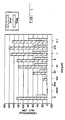
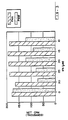
- Chart la(e) (i) and la(e) (ii) presents the data as net counts per minute (CPM) (mean CPM in mitogen containing wells)
- a reduction of both T lymphocytes' abilities to proliferate was obtained when 100 u.M or greater concentrations of IPA was added to the cell cultures.
- Proliferative activity of T lymphocytes by 25% at the 30 u.M concentration of IPA in the experiment. No effect or an increase in T and B lymphocyte proliferation was observed when 0.1 - 10 ⁇ M concentrations of IPA were added to the cell cultures.
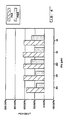
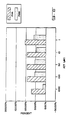
- MLC Mixed leukocyte culture reactions may be used to evaluate the ability of human mononuclear cells to recognize and immunologically react to human histocompatibility antigen (measurement of the ability of the cells to mount a primary immune response to an antigen).
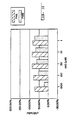
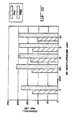
- Cultures of one set of human mononuclear cells were reacted with mononuclear cells from an unrelated donor in lymphocyte blastogenesis assays and the proliferation of the first set of cells was quantitated. The results are presented in Charts la(e) (v) and la(e) (vi) (Figs. 5 and 6). Again, as with lymphocyte blastogenesis with mitogens, the MLC was run in replicates of three and a mean value obtained.
- Monocytes from each human donor were incubated for 30 minutes with three different dose levels of compound la in triplicate. These cells were added to agarose and droplets of agarose containing cells were added to small chambers. A chemotaxis agent was added to induce enhanced migration of the mononuclear cells. The detailed assay procedures are described below.
- net CPM xCPM of mitogen/antigen cultures - xCPM of media cultures.
- M413 cells a type of dipliod human fibroblast cells
- Dulbecco's MEM minimum essential medium
- CMV cytomegalovirus
- Unabsorbed virus was removed by aspiration and 0.5 ml of medium containing dilutions of drug was added to duplicate wells at each concentration of virus.
- viruses produce characteristic enlarged rounded cells in a cellular background that is completely devoid of such cells.
- Uninfected cells were exposed to different concentrations of IPA and their viability was determined 24 hours later, relative to control cells, by trypan blue exclusion.
- HSV-I herpes simplex virus- type I
- the assay was set up with Raji cells exposed for 2 hours to serial 10 fold dilutions of the P 3 HR1 virus. Excess virus was separated by centrifugation and removed. Aliquots of cells infected at each dilution were distributed into 12 well trays (0.5 ml/well), and 0.5 ml of medium containing twice the desired final medium concentration was added to each well.
- Virus absorption was allowed for 90 minutes at 37 °C, after which time the inoculum was removed and replaced with solutions containing IPA at the concentrations as indicated in Table la(j).
- the slide was incubated for 3 days and stained with the following antisera: monoclonal antibody (MAB) to HSV-1 virus capsid antigen (VCA) at 1:20; control mores IgG at 1:20.
- MAB monoclonal antibody
- VCA HSV-1 virus capsid antigen
- CMV cytomegalovirus
- the 81-66-45 cell line is an HTLV-1 transformed non-producer.
- the procedure of Experiment 1a(a) was followed. The results are summarized in Table la(1).
- Infrared spectra of IPA taken from time to time, as described below, were used to monitor changes which may have occurred in the IPA over time.
- the compound was generally stored at -10° C.
- FT-IR data of fresh IPA are listed in the first column of Table la(m).
- the melting point of the compound was taken at the same time. The original melting point was 128-130 C, and the second melting point, 110 days later, was 129-132 C.
- H9 cells In vitro infection of H9 cells was carried out as described previously. Briefly, 5x10 6 H9 cells were treated with DEAE-dextran (25 ⁇ g/mt) for 20 min. Cells were then infected with 1 ml of cell free HIV-1 (1 X1 05 RT unit) for 1 hr at 37° C. Cells were then washed and incubated for 12 days in the absence or presence of various concentrations of IPA. Every 3-4 days, the medium was replaced with fresh medium containing appropriate concentrations of drug. At various days following infection, the presence of HIV-1 in the supernatant was monitored by measuring HIV-1 P24 using the antigen capture test (DuPont@, Wilmington, DE).
- HIV-1 production from an AIDS patients' lymphocytes was carried out as described previously. Briefly, 10x10 6 patients' lymphocytes were cocultured with 5x10 6 PHA-stimulated normal PBL in RPMI 1640 medium containing 20% FBS, 5% interleukin 2 (Cellular Products, Buffalo, NY) and various concentrations of IPA. The culture was continued for 4 weeks. The culture was fed twice a week with 2-3x10 6 PHA-stimulated normal PBL. Culture medium was withdrawn twice a week and tested for the presence of HIV by the antigem capture test. Culture medium was replaced with new medium with or without drug at 3-4 days intervals.
- IPA at concentrations of 30 u.M or lower did not have any significant cytotoxic effect on the growth of viable PHA stimulated PBL up to 10 days in culture (Table G1).
- IPA inhibition of HIV-1 production from lymphocytes of a HIV-1 seropositive patient was carried out.
- lymphocytes from an AIDS patient and an asymtomatic patient were cocultured with PHA stimulated PBL in the presence or absence of IPA.
- Results shown in Figure 14 indicate that IPA inhibited HIV-1 production in a dose dependent manner.
- Virus production, as determined by the HIV-1 p24 antigen capture assay, was completely blocked by IPA at concentrations of 3.75 ⁇ M or higher. In contrast, HIV-1 was detected in untreated cultures as early as 7 days following cocultivation.
- H9-HIV-1 The effect of IPA on replication of HIV-1 was also examined in H9 cells that were persistently infected with HIV-1 (H9-HIV-1). No cytotoxicity was observed up to 30 days in H9-HIV-1 cells incubated with IPA at concentrations of 30 u.M and lower, as judged by the meaurement of viable cell number.
- IPA is an active anti HIV-1 agent, capable of suppressing in vitro infection by extracellular virus as well as HIV-1 production from lymphocytes of seropositive men. It has recently been shown that during cocultivation of lymphocytes from HIV-1-infected patients with normal mitogen stimulated PBL, spread of HIV-1 from infected cells to uninfected cells occurs by cell-to-cell transmission, as well as by infection through extracellular virus. AZT inhibits HIV-1 infection by extracellular virus, but has no effect on virus growth following cell-to-cell transmission of HIV-1. The fact that IPA inhibits HIV-1 production from infected patients' lymphocytes indicates that the drug not only inhibits infection by extracellular virus but also blocks virus production resulting from cell-to-cell transmission of HIV-1.
- the "Percent Dead Cells” are taken from Tables la(d) (iii) and la(d) (v) using the 10-day value, and the therapeutic index have been calculated for each drug concentration.
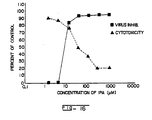
- the results of IPA are also graphed in Figures 16 and 17. Cytotoxicity (the dashed line) is calculated as the percent live cells.
- Figures 16 and 17 illustrate the curves obtained by plotting the cytotoxicity of IPA (as a percent of the control cell viability) versus the percent of inhibition of HIV-1 replication (as a percent of the control titer) when H9 and 81-66-45 cells were tested.
- the seventh aliquot of cell suspension, uninfected by virus was used to determine drug effects on uninfected cells.
- each well containing 0.25 ml of cell suspension was added 0.25 ml of drug solution, serially diluted.
- the titer of HIV-1 at each level was determined using radio immunofluorescence (RIA) after 10 days and the viability of uninfected cells in the presence of each drug was determined.
- RIA radio immunofluorescence
Landscapes
- Health & Medical Sciences (AREA)
- Life Sciences & Earth Sciences (AREA)
- Molecular Biology (AREA)
- Chemical & Material Sciences (AREA)
- Medicinal Chemistry (AREA)
- Pharmacology & Pharmacy (AREA)
- Epidemiology (AREA)
- Animal Behavior & Ethology (AREA)
- General Health & Medical Sciences (AREA)
- Public Health (AREA)
- Veterinary Medicine (AREA)
- Pharmaceuticals Containing Other Organic And Inorganic Compounds (AREA)
Applications Claiming Priority (2)
| Application Number | Priority Date | Filing Date | Title |
|---|---|---|---|
| IE224490 | 1990-06-21 | ||
| IE224490 | 1990-06-21 |
Publications (2)
| Publication Number | Publication Date |
|---|---|
| EP0462621A2 true EP0462621A2 (fr) | 1991-12-27 |
| EP0462621A3 EP0462621A3 (en) | 1993-03-17 |
Family
ID=11033695
Family Applications (1)
| Application Number | Title | Priority Date | Filing Date |
|---|---|---|---|
| EP19910110263 Withdrawn EP0462621A3 (en) | 1990-06-21 | 1991-06-21 | Use of particular compounds for manufacture of pharmaceutical formulations for treatment against various parasites, mycoplasmas, other indications and other infections |
Country Status (6)
| Country | Link |
|---|---|
| EP (1) | EP0462621A3 (fr) |
| AP (1) | AP312A (fr) |
| AU (2) | AU7920491A (fr) |
| CA (1) | CA2045279A1 (fr) |
| OA (1) | OA09370A (fr) |
| PH (1) | PH30703A (fr) |
Cited By (2)
| Publication number | Priority date | Publication date | Assignee | Title |
|---|---|---|---|---|
| WO2007131973A3 (fr) * | 2006-05-11 | 2008-04-03 | Patrick T Prendergast | Compositions et méthodes pour moduler le système immunitaire |
| FR2981650A1 (fr) * | 2011-10-24 | 2013-04-26 | Univ Paris Curie | Analogues de nucleosides pour le traitement d'une infection virale et methode d'evaluation de la sensibilite audit traitement |
Family Cites Families (3)
| Publication number | Priority date | Publication date | Assignee | Title |
|---|---|---|---|---|
| IL86009A (en) * | 1987-04-10 | 1991-09-16 | Us Health | Liposome-encapsulated phosphorylated nucleosides for treatment of retroviral diseases |
| DE68929321T2 (de) * | 1988-06-09 | 2002-05-08 | Temple University Of The Commonwealth System Of Higher Education, Philadelphia | Therapeutische Anwendungen von 2',5'-Oligoadenylat-Derivaten |
| IE882585L (en) * | 1988-08-25 | 1990-02-25 | Prendergast Patrick T | Viral treatment system |
-
1991
- 1991-06-20 AU AU79204/91A patent/AU7920491A/en not_active Abandoned
- 1991-06-20 PH PH42669A patent/PH30703A/en unknown
- 1991-06-20 OA OA60024A patent/OA09370A/xx unknown
- 1991-06-21 EP EP19910110263 patent/EP0462621A3/en not_active Withdrawn
- 1991-06-21 AP APAP/P/1991/000316A patent/AP312A/en active
- 1991-06-21 CA CA002045279A patent/CA2045279A1/fr not_active Abandoned
-
1994
- 1994-11-10 AU AU77758/94A patent/AU7775894A/en not_active Abandoned
Cited By (5)
| Publication number | Priority date | Publication date | Assignee | Title |
|---|---|---|---|---|
| WO2007131973A3 (fr) * | 2006-05-11 | 2008-04-03 | Patrick T Prendergast | Compositions et méthodes pour moduler le système immunitaire |
| US8076311B2 (en) | 2006-05-11 | 2011-12-13 | Prendergast Patrick T | Compositions and methods for modulating the immune system |
| FR2981650A1 (fr) * | 2011-10-24 | 2013-04-26 | Univ Paris Curie | Analogues de nucleosides pour le traitement d'une infection virale et methode d'evaluation de la sensibilite audit traitement |
| WO2013060980A1 (fr) * | 2011-10-24 | 2013-05-02 | Universite Pierre Et Marie Curie (Paris 6) | Analogues de nucleosides pour le traitement d'une infection virale, et methode d'evaluation de la sensibilite audit traitement |
| US9181294B2 (en) | 2011-10-24 | 2015-11-10 | Universite Pierre Et Marie Curie (Paris 6) | Nucleoside analogues for the treatment of a viral infection, and method for evaluating the sensitivity to said treatment |
Also Published As
| Publication number | Publication date |
|---|---|
| AU7920491A (en) | 1992-01-02 |
| AP312A (en) | 1994-02-19 |
| PH30703A (en) | 1997-09-16 |
| OA09370A (en) | 1992-09-15 |
| CA2045279A1 (fr) | 1991-12-22 |
| EP0462621A3 (en) | 1993-03-17 |
| AU7775894A (en) | 1995-02-02 |
| AP9100316A0 (en) | 1991-10-31 |
Similar Documents
| Publication | Publication Date | Title |
|---|---|---|
| US4861759A (en) | Antiviral compositions and methods | |
| US5681831A (en) | Method of treating viral and retroviral infections including HIV by administration of N6 -(Δ)2 -isopentenyl) adenosine or an analogue thereof | |
| ROGERS | AIDS in children: a review of the clinical, epidemiologic and public health aspects | |
| US4880782A (en) | Method of treating viral infections in humans and compositions therefor | |
| Cohen et al. | Comparative clinical and laboratory evaluation of the prophylactic capacity of ribavirin, amantadine hydrochloride, and placebo in induced human influenza type A | |
| Hostetler et al. | Greatly enhanced inhibition of human immunodeficiency virus type 1 replication in CEM and HT4-6C cells by 3'-deoxythymidine diphosphate dimyristoylglycerol, a lipid prodrug of 3'-deoxythymidine | |
| CA1286991C (fr) | Medicament pour le traitement des infections a virus | |
| Dawkins et al. | Studies on induced influenza in man: II. Double-blind study designed to assess the prophylactic efficacy of an analogue of amantadine hydrochloride | |
| US6413944B1 (en) | Triciribine and analogs as antiviral drugs | |
| US5292725A (en) | Administering particular compounds against various parasites, mycoplasmas, other indications and other infections | |
| Miller et al. | Diagnosis and management of orofacial herpes simplex virus infections | |
| Streicher et al. | In vitro inhibition of human herpesvirus-6 by phosphonoformate | |
| Togo et al. | Double-blind clinical assessment of ribavirin (virazole) in the prevention of induced infection with type B influenza virus | |
| Durant et al. | Efficacy and safety of Buxus sempervirens L. preparations (SPV30) in HIV-infected asymptomatic patients: a multicentre, randomized, double-blind, placebo-controlled trial | |
| Resnick et al. | Detection of HTLV-III/LAV-specific IgG and antigen in bronchoalveolar lavage fluid from two patients with lymphocytic interstitial pneumonitis associated with AIDS-related complex | |
| US5616566A (en) | Method of inhibiting HIV replication with 2',3'-dideoxyadenosine | |
| US4704357A (en) | Immortalized T-lymphocyte cell line for testing HTLV-III inactivation | |
| AU633499B2 (en) | Method of inhibiting the activity of human immunodeficiency virus (hiv) in vivo | |
| EP0462621A2 (fr) | Utilisation de composÀ©s particuliers pour la préparation des compositions pharmaceutiques pour le traitement contre des différents parasites, de mycoplasmas, d'autres indications et infections | |
| EP0216511A2 (fr) | Inhibition de l'infectivité in vitro et de l'effet cytopathique du HTLV-III/LAV par la 2'3'-didéoxycytidine | |
| Toltzis et al. | Comparative embryonic cytotoxicity of antiretroviral nucleosides | |
| AU721657B2 (en) | Administering particular compounds against various parasites, mycoplasmas, other indications and other infections | |
| EP0286825A2 (fr) | Utilisation du 3'-fluro-3'-deoxythymidine pour fabriquer un médicament pour le traitement des infections virales | |
| Shannon et al. | Comparison of the efficacy of vidarabine, its carbocyclic analog (cyclaradine), and cyclaradine-5'-methoxyacetate in the treatment of herpes simplex virus type 1 encephalitis in mice | |
| EP0183352A2 (fr) | Utilisation de suramine pour clinothérapie des infections par quelques-uns des membres de la famille des virus humains leucémiques de cellules-T (HTLV) y compris le virus lymphadénopathique (LAV) |
Legal Events
| Date | Code | Title | Description |
|---|---|---|---|
| PUAI | Public reference made under article 153(3) epc to a published international application that has entered the european phase |
Free format text: ORIGINAL CODE: 0009012 |
|
| AK | Designated contracting states |
Kind code of ref document: A2 Designated state(s): AT BE CH DE DK ES FR GB GR IT LI LU NL SE |
|
| PUAL | Search report despatched |
Free format text: ORIGINAL CODE: 0009013 |
|
| AK | Designated contracting states |
Kind code of ref document: A3 Designated state(s): AT BE CH DE DK ES FR GB GR IT LI LU NL SE |
|
| 17P | Request for examination filed |
Effective date: 19931206 |
|
| STAA | Information on the status of an ep patent application or granted ep patent |
Free format text: STATUS: THE APPLICATION IS DEEMED TO BE WITHDRAWN |
|
| 18D | Application deemed to be withdrawn |
Effective date: 19941231 |