EP0465047A2 - Modifizierte Tryptophan-Promoteren - Google Patents
Modifizierte Tryptophan-Promoteren Download PDFInfo
- Publication number
- EP0465047A2 EP0465047A2 EP91305545A EP91305545A EP0465047A2 EP 0465047 A2 EP0465047 A2 EP 0465047A2 EP 91305545 A EP91305545 A EP 91305545A EP 91305545 A EP91305545 A EP 91305545A EP 0465047 A2 EP0465047 A2 EP 0465047A2
- Authority
- EP
- European Patent Office
- Prior art keywords
- dna
- sequence
- tryptophan
- promoter
- transcriptional activating
- Prior art date
- Legal status (The legal status is an assumption and is not a legal conclusion. Google has not performed a legal analysis and makes no representation as to the accuracy of the status listed.)
- Withdrawn
Links
Images


Classifications
-
- C—CHEMISTRY; METALLURGY
- C12—BIOCHEMISTRY; BEER; SPIRITS; WINE; VINEGAR; MICROBIOLOGY; ENZYMOLOGY; MUTATION OR GENETIC ENGINEERING
- C12N—MICROORGANISMS OR ENZYMES; COMPOSITIONS THEREOF; PROPAGATING, PRESERVING, OR MAINTAINING MICROORGANISMS; MUTATION OR GENETIC ENGINEERING; CULTURE MEDIA
- C12N15/00—Mutation or genetic engineering; DNA or RNA concerning genetic engineering, vectors, e.g. plasmids, or their isolation, preparation or purification; Use of hosts therefor
- C12N15/09—Recombinant DNA-technology
- C12N15/63—Introduction of foreign genetic material using vectors; Vectors; Use of hosts therefor; Regulation of expression
- C12N15/70—Vectors or expression systems specially adapted for E. coli
- C12N15/71—Expression systems using regulatory sequences derived from the trp-operon
Definitions
- This invention is in the field of molecular biology.
- the invention provides novel transcriptional activating sequences that provide an increased level of transcription of an operably linked gene.
- Transcriptional promoters are segments of DNA that direct RNA polymerase binding and initiation of transcription.
- Various promoter sites recognized by Escherichia coli RNA polymerase have been structurally characterized (Rosenberg et al. , 1979, Ann. Rev. Genet. 13:319 ; Stebenlist et al. , 1980, Cell 20:269). Comparison of these sequences has revealed two regions of homology, the -10 region, with a consensus sequence TATAAT, and the -35 region, with a consensus sequence TTGACA (Pribnow et al. , 1975, Proc. Natl. Acad. Sci. U.S.A. 79:1069; Gilbert et al. , 1976, in RNA Polymerase , Losick and Chamberlin eds., Cold Spring Harbor Laboratories, Cold Spring Harbor, New York).
- nucleotide changes that adversely affect the transcriptional promoter activity decrease the extent of homology with the consensus sequence.
- the few nucleotide changes that increase the promoter activity increase the extent of homology with the consensus -10 and -35 regions.
- the Escherichia coli lipoprotein promoter, that contains a consensus -35 region was altered to provide a consensus sequence in the -10 region. This change provided improved promoter efficiency as measured by ⁇ -galactosidase activity (Inouye et al ., 1985, Nucleic Acids Res. 13:3101).
- regulatable transcription promoters are useful in controlling the transcription of an operably linked gene.
- the Escherichia coli tryptophan operon promoteroperator sequence contains a regulatable promoter from which initiation is known to be repressed to very low levels in the presence of tryptophan. Trytophan and the tryptophan repressor protein form a complex which binds to the repressor binding site within the tryptophan promoter-operator region. The bound complex excludes RNA polymerase from binding to the promoter sequence preventing transcription. In the absence of tryptophan, RNA polymerase can bind to the promoter sequence, and transcription can occur.
- the tryptophan promoter has the advantage of being controllable in E. coli , a characteristic that is highly desirable where large scale microbial fermentation is concerned.
- the present invention provides novel DNA compounds useful in recombinant DNA technology. These DNA compounds, called transcriptional activating sequences, promote transcription of DNA.
- the novel transcriptional activating sequences are derived from the Escherichia coli tryptophan operon promoter-operator region (trp promoter) and enable efficient and regulatable expression of an operably linked gene.
- the present invention includes recombinant DNA expression vectors comprising the novel transcriptional activating sequence, a translational activating sequence and an operably linked DNA sequence that codes for a functional polypeptide. When introduced into the appropriate host cell and cultured under the appropriate conditions these DNA expression vectors generate a translatable mRNA transcript.
- the present invention avoids this problem by providing an efficient and regulatable tryptophan operon transcriptional activating sequence which comprises a -10 consensus sequence and a wild type repressor binding site.
- Functional Polypeptide A recoverable, biologically active heterologous or homologous polypeptide or precursor, a recoverable bioactive polypeptide comprised of a heterologous polypeptide and a partial or whole homologous polypeptide, or a recoverable bioinactive polypeptide containing a heterologous polypeptide and a bio-inactivating polypeptide which can be specifically cleaved or a bioinactive polypeptide that can be converted to a bioactive peptide by refolding or other chemical treatments known to those skilled in the art.
- Promoter - a DNA sequence that directs transcription of DNA into RNA.
- Recombinant DNA Expression Vector any recombinant DNA cloning vector into which a promoter has been incorporated.
- Structural Gene any DNA sequence that encodes a functional polypeptide, inclusive of that DNA encoding the start and stop codons.
- Transcriptional Activating Sequence - a DNA sequence, such as a promoter, that directs the transcription of DNA in a regulatable fashion.
- Translational Activating Sequence a DNA sequence, including the ribosome binding site and translational start codon, such as 5′-ATG-3′, but not including any sequences downstream from the start codon, that provides for the initiation of translation of a mRNA transcript into a peptide or polypeptide.
- Figure 1 presents the DNA sequences of the wild type and modified tryptophan transcriptional activating sequences.
- Figure 2 is a restriction and function map of pK01S.
- Figure 3 is a restriction and function map of pRB-4.
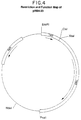
- Figure 4 is a restriction and function map of pRB4-23.
- the present invention provides a novel tryptophan operon transcriptional activating sequence comprising a -10 consensus sequence and an intact repressor binding site.
- the transcriptional activating sequence derived from the Escherichia coli tryptophan operon, is regulatable and provides increased transcription of an operably linked gene.
- Another preferred embodiment of the invention includes a tryptophan operon transcriptional activating sequence of the structure: wherein A is deoxyadenyl, C is deoxycytidyl, G is deoxyguanyl, and T is thymidyl.
- Host cells containing the novel recombinant DNA vectors are also provided.
- the novel transcriptional activating sequence of the present invention is derived from the Escherichia coli tryptophan promoter.
- the wild type tryptophan promoter shown in Figure 1A, contains a consensus -35 region and a nonconsensus -10 region.
- the operon also contains a repressor binding site. When the repressor/tryptophan complex binds the repressor binding sites the transcription from the tryptophan promoter is repressed.
- the wild type tryptophan promoter has a -35 consensus sequence but no -10 consensus sequence. Also, the 17 base pair sequence of the repressor binding site of the tryptophan promoter extends over the -10 region. Therefore, nucleotide substitutions introduced into the -10 region to provide a consensus sequence might affect the repressor binding such that regulation of the transcription from the promoter would be diminished or lost. However, the present invention completely avoids these deleterious nucleotide substitutions by moving the 17 nucleotide repressor towards the -35 region so that the repressor binding site occupies the region between the -10 and -35 domains ( Figure 1B).
- Movement of the repressor binding site sequence allows the introduction of a consensus sequence in the -10 region without introducing a nucleotide substitution in the binding site. Surprisingly, the shifting of the repressor binding site does not affect the ability of this transcriptional activating sequence to be regulated in the presence of tryptophan. Also, the introduction of the consensus sequence in the -10 region provides an increased level of transcription.
- the novel transcriptional activating sequence can be constructed from single stranded deoxyoligonucleotides by procedures well known in the art.
- the single stranded deoxyoligonucleotides can be synthesized with commercially available instruments such as the 380B DNA synthesizer marketed by Applied Biosystems (850 Lincoln Center Drive, Foster City CA 94404), which utilizes phosphoramidite chemistry.
- Other procedures for synthesizing DNA are also known in the art.
- the modified phosphotriester method of synthesizing single strand DNA is described in Itakura et al. , 1977, Science 198:1056 and Crea et al. , 1978, Proc. Nat. Acad. Sci. USA 75:5765.
- a preferred method of synthesizing DNA is disclosed in Hsiung et al ., 1983, Nucleic Acid Research 11:3227 and Narang et al ., 1980, Methods in Enzymology 68:90.
- Plasmid pRB4-23 is illustrative of the recombinant DNA vectors of the present invention. Plasmid pRB4-23 was designed to place the expression of the Escherichia coli galactokinase gene ( Gal K) under the control of the novel transcriptional activating sequence of the present invention.
- Plasmid pRB4-23 was constructed as follows. The 4.34 kb Eco RI- Cla I restriction fragment was isolated from the plasmid pBR322 (available from Bethesda Research Laboratories, P.O. Box 6009, Gaithersburg, MD 20877) and simultaneously ligated with the 229 base pair Eco RI- Hinc II restriction fragment of pNM608 and the 58 base pair synthetic DNA fragment shown in Example IC. The resulting plasmid was called pRB4-4. Alternatively, the 229 base pair Eco RI- Hin cII restriction fragment can be isolated from the plasmid pCZ20. Plasmid pCZ20 is disclosed and claimed in U.S.
- This restriction fragment comprises DNA corresponding to the region located upstream of the -35 region of the tryptophan promoter.
- the 58 base pair synthetic DNA fragment includes the modified tryptophan operon transcriptional activating sequence, a transcription initiation site and an untranslated leader sequence, provided on a HincII/ClaI restriction fragment.
- the structure of this 58 base pair synthetic sequence is:
- the transcriptional start sequence is denoted in the above DNA sequence by the *.
- the DNA sequences located 3′ of this start site are the sequences found in the wild type tryptophan operon.
- the construction of plasmid pRB4-4 is described further in Example 1. A restriction and functional map of the plasmid is provided in Figure 2 of the accompanying drawings.
- the 287 base pair Eco RI- Cla I restriction fragment of pRB4-4 was isolated and ligated into the 3.93 kb Eco RI- Cla I restriction fragment of the plasmid pK01S (construction of pK01S is described in Example 2).
- the resulting plasmid was pRB4-23.
- This plasmid has the Escherichia coli GalK gene operably linked to the novel transcriptional activating sequence of the present invention.
- the transcriptional activating sequence of the present invention provides an increase in the level of expression of an operably linked structural gene.
- the transcriptional activating sequence present in pRB4-23 provides a 1.5 fold increase in the level of galactokinase expression as compared to the wild type tryptophan promoter.
- the transcriptional activating sequence also remains regulatable.
- transformants containing pRB4-23 are cultured in the presence of tryptophan, the repressor/tryptophan complex binds to the repressor binding site and expression of the galactokinase gene is repressed at a level comparable to that of the wild type Escherichia coli tryptophan promoter-operator region.
- the invention includes expression vectors that contain a variety of elements used in conjunction with the regulatable transcriptional activating sequence of the present invention.
- the vectors may be designed to express a variety of structural genes. Using cloning techniques that are well known in the art, other structural genes can be substituted for those that are specifically exemplified.
- Examples of such structural genes include: ⁇ -galactosidase, human pre-proinsulin, human proinsulin, human insulin A-chain, human insulin B-chain, non-human insulin, human growth hormone, insulin-like growth factors, human interferon, viral antigens, urokinase, tissue-type plasminogen activator, interleukins 1-6, colony stimulating factors, erythropoetin, human transferrin, and the like.
- the expression vectors of the present invention preferably contain a translational activating sequence.
- Translational activating sequences are described by Shine and Dalgarno, 1975, Nature 254:34 and Steitz, J.A. 1979, In Biological Regulation and Development: Gene Expression 1:349 (ed. R.F. Goldberg). Methods for constructing vectors containing translational activating sequences are described by Maniatis et al., 1989, Molecular Cloning: a Laboratory Manual (2nd edition) Cold Spring Harbor Laboratory Press, Cold Spring Harbor, N.Y. In pRB4-23 a translational activating sequence is present on the 3.96 kb EcoRI-Cla I restriction fragment from pKO1S in a position to provide translation of the Gal K gene.
- the transcriptional activating sequence and expression vectors of the present invention possess conveniently placed restriction enzyme sites. These restriction enzyme sites allow easy construction of derivative vectors that comprise the novel transcriptional activating sequence.
- the restriction enzyme sites can be modified to facilitate ligation if Eco RI and Cla I sites are not desired.
- the transcriptional activating sequence can be modified by adding, excluding or substituting nucleotides to provide a variety of unique or additional restriction enzyme sites.
- E. coli K12 is the host cell of choice for bioproduction of compounds of recombinant DNA technology, the applicability of the present invention to strains of that organism is distinctly advantageous.
- other organisms in which the transcriptional activating sequence of the present invention functions to provide well-regulated expression of a functional polypeptide are also within the scope of the invention.
- the present invention presents a method wherein a polypeptide product is expressed utilizing culture conditions that are well known in the art.
- the polypeptide product is then isolated from the resulting culture medium by routine methods.
- pBR322 DNA Five ⁇ g of pBR322 DNA (available from BRL) was digested to completion with 2.5 ⁇ l (12.5 units) of Cla I in a 100 ⁇ l reaction containing 50 mM NaCl, 6 mM Tris-HCl (pH 7.9) (Tris is Tris[hydroxymethyl]-aminomethane) and 6 mM MgCl2. The mixture was incubated at 37°C for two hours. The digested DNA was extracted two times with a mixture of phenol and chloroform (50:50) and the aqueous layer was recovered. The DNA was recovered from the aqueous layer by addition of 2.5 volumes of absolute ethanol and 0.1 volume of 3 M sodium acetate. The DNA was collected by centrifugation and was resuspended in 10 ⁇ l of water.
- the above digested DNA was digested further with Eco RI as follows. 10 ⁇ l of the Cla I-digested DNA was mixed with 2 ⁇ l (20 units) of Eco RI in a 100 ⁇ l reaction volume consisting of 50 mM Tris-HCl (pH 8.0), 10 mM MgCl2 and 0.1 M NaCl. The mixture was incubated at 37°C for one hour.
- the DNA was precipitated with ethanol and sodium acetate as above, dried and resuspended in 20 ⁇ l of loading buffer (2.5% v/v glycerol, 0.005% w/v bromphenol blue, and 0.05% w/v xylene cyanole in TE buffer (10 mM Tris-HCl (pH 8.0) and 1 mM EDTA (EDTA is ethylenediamine tetraacetic acid)).
- the DNA was fractionated on a 1% low melting Sea Plaque agarose gel (FMC Corporation, Rockland, ME 02173) by gel electrophoresis as described by Maniatis et al . at pages 150-172 (Maniatis et al.
- the gel piece was added to 5 mls of low salt buffer (0.2 M NaCl, 20 mM Tris-HCl (pH 7.5), and 1.0 mM EDTA) and melted at 65°C.
- the sample was added to an Elutip-d column (Schleicher and Schuell, Keane, N.H. 03431).
- the column was washed with 1-2 mls of high salt buffer (1.0 M NaCl, 20 mM Tris-HCl (pH 7.5) and 1.0 mM EDTA) using a 5 ml syringe and the equilibrated with 5 mls of low salt buffer.
- the DNA sample was loaded onto the column and then washed with an additional 5 mls of low salt buffer.
- the DNA was recovered by eluting with 1 ml of high salt buffer. Fractions of 0.4 ml were collected in a 1.5 ml tube and the DNA was precipitated with 1 ml of ethanol as described above. After drying, the DNA was resuspended in 30 ⁇ l of 10 mM Tris-HCl (pH 8.0).
- Example 1A Twenty ⁇ g of pNM608 DNA was digested to completion with Eco RI and Cla I in substantial accordance with the method described in Example 1A. This digested DNA was purified and the small Eco RI- Cla I fragment was collected as described in Example 1A. This DNA was digested further with Hin cII as follows. Approximately 20 ⁇ g of the Eco RI-digested DNA was mixed with 5 ⁇ l (50 units) of Hin cII in a 100 ⁇ l reaction volume consisting of 10 mM Tris-HCl (pH 7.4), 7 mM MgCl2, 100 mM NaCl, and 1 mM DTT. The mixture was incubated at 37°C for one hour. The resulting 229 base pair Eco RI- Hin cII fragment was isolated and purified by preparative gel electrophoresis in substantial accordance with the method of Example 1A.
- the modified transcriptional activating sequence is shown in Figure 1B.
- This sequence is a 58 base pair fragment that comprises Hin cII and Tag I restriction enzyme recognition sequences at the 5′ and 3′ termini, respectively.
- This transcriptional activating sequence was prepared by the ligation of the five synthetic oligonucleotides shown below:
- oligonucleotides were synthesized on an automated DNA synthesizer (Applied Biosystems, 850 Lincoln Center Dr., Foster City CA. 94404) by the modified phosphotriester method using fully protected trideoxynucleotide building blocks in substantial accordance with the methods of Itakura et al. , 1977, Science , 198:1058 and Crea et al. , 1978, Pro. Natl. Acad. Sci. USA , 75:5765.
- the synthetic DNA segments were dissolved in 1 ml of TE buffer and stored at 0°C.
- each of synthetic oligonucleotides 2-4 were phosphorylated by treatment with 1 ⁇ l ( ⁇ 10 units) of T4 polynucleotide kinase in 50 mM Tris-HCl (pH 7.6), 10 mM MgCl2, 10 mM dithiothreitol (DTT) and 0.1 mM adenosine 5′-triphosphate (ATP) in a total volume of 100 ⁇ l for 30 minutes at 37°C. This incubation was followed by a 10 minute incubation at 65°C and subsequent freezing.
- T4 polynucleotide kinase in 50 mM Tris-HCl (pH 7.6), 10 mM MgCl2, 10 mM dithiothreitol (DTT) and 0.1 mM adenosine 5′-triphosphate (ATP) in a total volume of 100 ⁇ l for 30 minutes at 37°C. This incubation was followed by a 10 minute
- the phosphorylated oligonucleotides were mixed with 1.2 nM of unphosphorylated oligonucleotides 1 and 5 in a reaction buffer containing 50 mM Tris-HCl (pH 7.6), 10 mM MgCl2, 10 mM DTT, 50 mM ATP and 10 units of T4 DNA ligase.
- the reaction was incubated at 4°C overnight. After the incubation, the ligated 58 base pair double-stranded DNA fragment was purified by gel electrophoresis on a 15% polyacrylamide gel.
- the DNA fragment was cut out of the gel and was recovered by extraction with 2 M triethyl ammonium bicarbonate buffer (pH 7.9) followed by desalting on a DE-52 column as described by Brown et al. (Brown, E. et al. , Methods in Enzymology 68:101). After isolation, the DNA fragment was phosphorylated with T4 polynucleotide kinase as described above. Following the kinase reaction, the DNA was passed through a Sephadex G-50 column (Pharmacia, P-L Biochemicals, Inc., 800 Centennial Avenue Piscataway, NJ 08854) and the isolated DNA was stored in 50 ⁇ l of 10 mM Tris-HCl (pH 8.0).
- One-half ⁇ g of the DNA from Example 1A was mixed with 1 ⁇ g of the DNA prepared in Example 1B and with 7.5 pmoles of synthetic DNA from Example 1C in a reaction buffer containing 50 mM Tris-HCl (pH 7.6), 10 mM MgCl2, 10 mM DTT, 0.8 mM ATP and 5 units of T4 DNA ligase.
- the total reaction volume was 50 ⁇ l.
- 50 ⁇ l of 10 mM Tris-HCl (pH 7.6), and 3 ⁇ l of 1 M CaCl2 were added.
- a portion of this reaction mixture was used to transform Escherichia coli K12 RV308 cells (NRRL B-15624) as described below.
- Escherichia coli K12 RV308 cells were made competent for transformation as follows. A 50 ml culture of E. coli K12 RV308 was grown in L-broth (10 g tryptone, 10 g NaCl and 5 g yeast extract per liter of H2O) to an O.D.590 of 0.5 absorbance units. The culture was chilled on ice for ten minutes and then the cells were collected by centrifugation. The cell pellet was resuspended in 25 ml of cold 50 mM CaCl2:10 mM Tris-HCl (pH 8.0) and incubated on ice for 15 minutes. The cells were collected by centrifugation, the cell pellet was resuspended in 2.5 ml of cold 50 mM CaCl2:10mM Tris-HCl (pH 8.0) and the sample was held at 4°C for 16 hours.
- L-broth 10 g tryptone, 10 g NaCl and 5 g yeast extract per liter of H
- Plasmid DNA was isolated from the culture of transformants as follows. All of the following manipulations were done at ambient temperature unless otherwise indicated. One and a half ml of each of the cultures was transferred to a microcentrifuge tube. The cells were collected by a 10 second centrifugation. The supernatant was removed with a fine-tip aspirator and the cell pellet was suspended in 100 ⁇ l of freshly prepared lysozyme solution containing 2 ⁇ g/ml lysozyme, 50 mM glucose, 10 mM EDTA and 25 mM Tris-HCl (pH 8.0).
- plasmid pK01 Five ⁇ g of the plasmid pK01 (available from P-L Biochemicals, Inc. 1037 West McKinley Avenue, Milwaukee, WI 53205, cat. # 27-4932) was digested to completion in a 100 ⁇ l reaction volume containing 1 ⁇ l (10 units) of Sma I, 6 mM Tris-HCl (pH 8.0), 6 mM MgCl2, 20 mM KCl and 6 mM ⁇ -mercaptoethanol at 25°C for 1 hour. After the incubation, the DNA was extracted and precipitated as described in Example 1A.
- a synthetic oligonucleotide linker was prepared in substantial accordance with the method described in Example 1C. The following oligonucleotides were synthesized:
- Example 2B Five pmoles of the annealed linker from Example 2B and 1 ⁇ g of the Sma I digested pKO1 plasmid DNA prepared in Example 2A were ligated with T4 DNA ligase in accordance with the procedure of Example 1D. A portion of this ligation mix was used to transform Escherichia coli K12 RV308 cells in accordance with the method described in Example 1D. The transformants were selected on TY agar plates containing 50 ⁇ g/ml of the antibiotic ampicillin and grown for 16 hours at 37°C in TY broth containing 50 ⁇ g/ml of ampicillin. Plasmid DNA was isolated from the ampicillin resistant clones according to the method described in Example 1D. The plasmid DNA was characterized by restriction analysis. pKO1S contained the linker DNA cloned into the SmaI site of pKO1.
- Example 1A Ten ⁇ g of plasmid pK01S was digested with Cla I and Eco RI in substantial accordance with the procedures described in Example 1A. Following digestion, the DNA was fractionated by gel electrophoresis and the 3932 base pair Eco RI- Cla I restriction fragment was isolated from the gel in accordance with the methods described in Example 1A.
- Example 3A Ten ⁇ g of plasmid pRB4-4 was digested to completion with the restriction enzymes Eco RI and Cla I in substantial accordance with the methods described in the Example 3A. The sample was fractionated on a 1% low melting agarose gel and the 287 base pair fragment was isolated and purified in accordance with the methods of Example 1A.
- One-half ⁇ g of the DNA from Example 3A was mixed with 100 ng of the DNA from Example 3B in a reaction buffer containing 50 mM Tris-HCl (pH 7.6), 10 mM MgCl , 10 mM DTT, 0.8 mM ATP and 3 units of T4 DNA ligase in a reaction volume of 50 ⁇ l.
- the mixture was incubated at 4°C for 16 hours and then diluted with 50 ⁇ l of 10 mM Tris-HCl (pH 7.6) and 3 ⁇ l of 1 M CaCl2. Fifty ⁇ l of this reaction mixture was used to transform Escherichia coli K12 RV308 cells in accordance with the method described in Example 1D.
- Transformants were selected on TY agar plates containing 50 ⁇ g/ml ampicillin. Plasmid DNA was isolated from the ampicillin resistant transformants by the alkaline lysis method described in Example 1D. The plasmid DNA was examined by restriction analysis. The plasmid pRB4-23 contained a 287 base pair Eco RI- Cla I fragment. In this manner, the E. coli K12 RV308/pRB4-23 transformants were isolated.
- the level of gene expression from the transcriptional activating sequence was analyzed by measuring galactokinase gene expression from pRB4-23. Galactokinase expression was compared to the plasmid, pRB4-23A, that contains the wild type tryptophan operon promoter-operator transcriptional activating sequence operably linked to the galactokinase gene.
- Escherichia coli K12 RV308/pRB4-23 and E. coli K12 RV308/pRB-23A were individually cultured 16 hours at 37°C in 5 mls of M9 medium (200 mls of 5x M9 salts (consisting of 64 g/l Na2HPO4-7H2O, 15 g/l KH2PO4, 2.5 g/l NaCl and 5.0 g/l NH4Cl) and 25 mls/l of 20% glucose) containing 12.5 ⁇ g/ml thymidine, 0.5% casimino acids, 100 ⁇ g/ml tryptophan and 100 ⁇ g/ml ampicillin.
- M9 medium 200 mls of 5x M9 salts (consisting of 64 g/l Na2HPO4-7H2O, 15 g/l KH2PO4, 2.5 g/l NaCl and 5.0 g/l NH4Cl) and 25 mls/l of 20%
- the cultures were diluted 50X in M9 medium lacking tryptophan and grown for four hours at 37°C until an absorbance (A550) of 0.7-1.0 was reached.
- One ml samples of the cultures were harvested by centrifugation.
- the cell pellets were resuspended in 50-100 ⁇ l of loading buffer (50 mM Tris-HCl (pH 6.8), 100 mM DTT, 2% SDS, 0.1% bromphenol blue and 10% glycerol). Samples were boiled for 5 minutes and 10-20 ⁇ l of the samples were analyzed by electrophoresis on a 12.5% polyacrylamide gel.
- the gels were stained with Coomassie blue and analyzed by densitometry using a Schimadzu (Kyoto, Japan) Dual Wavelength TLC Scanner (model CS-930) on line with a Schimadzu Data Recorder (model DR-2).
- galactokinase assays were performed on the samples to determine the level of galactokinase expression. These assays were performed essentially as described by McKenney et al. , 1981, in Gene Amplification and Analysis , Chirikjan and Papas, volume 2, pages 384-408, with slight modifications.
- M9 media 200 mls of 5x M9 salts (consisting of 64 g/l Na2HPO4 ⁇ 7H2O, 15 g/l KH2PO4, 2.5 g/l NaCl and 5.0 g/l NH4Cl) and 20 mls/l of 20% fructose) containing 5 ⁇ g/ml ampicillin.
- a 1.0 ml sample was removed to a screw cap tube and 40 ⁇ l of lysis buffer (100 mM EDTA, 100 mM DTT and 50 mM Tris-HCl, pH 8.0) and a few drops of toluene were added. Samples were vigorously vortexed, then placed in a 37°C shaker until toluene was completely evaporated off.
- lysis buffer 100 mM EDTA, 100 mM DTT and 50 mM Tris-HCl, pH 8.0
- a 5 ⁇ l sample was added to 80 ⁇ l of a reaction mixture consisting of 20 ⁇ l of mix #1 (5mM DTT, 16 mM NaF), 50 ⁇ l of mix #2 (8 mM MgCl2, 200 mM Tris-HCl pH 7.9, 3.2 mM ATP) and 10 ⁇ l of 14C-galactose, available from Amersham, Inc., Arlington Heights, IL 60005 (specific activity was adjusted to 4.5 x 10⁶ dpm per ⁇ mole).
- the reaction mixture was incubated at 37°C for five minutes and an aliquot of 25 ⁇ l was spotted on Whatman DE-81 paper strip (1 x 30 cm). The strip was run by descending chromatography using water as the solvent. At the end, the strip was dried and counts (cpm) at the origin of loading were measured by the Beckman (Palo Alto, CA 94304) Liquid Scintillation System, model LS-7000.
Landscapes
- Genetics & Genomics (AREA)
- Health & Medical Sciences (AREA)
- Engineering & Computer Science (AREA)
- Life Sciences & Earth Sciences (AREA)
- Chemical & Material Sciences (AREA)
- Wood Science & Technology (AREA)
- Organic Chemistry (AREA)
- Biotechnology (AREA)
- General Engineering & Computer Science (AREA)
- Biomedical Technology (AREA)
- Zoology (AREA)
- Bioinformatics & Cheminformatics (AREA)
- Molecular Biology (AREA)
- Microbiology (AREA)
- Plant Pathology (AREA)
- Physics & Mathematics (AREA)
- Biochemistry (AREA)
- General Health & Medical Sciences (AREA)
- Biophysics (AREA)
- Micro-Organisms Or Cultivation Processes Thereof (AREA)
- Preparation Of Compounds By Using Micro-Organisms (AREA)
Applications Claiming Priority (2)
| Application Number | Priority Date | Filing Date | Title |
|---|---|---|---|
| US54254190A | 1990-06-25 | 1990-06-25 | |
| US542541 | 1995-10-12 |
Publications (2)
| Publication Number | Publication Date |
|---|---|
| EP0465047A2 true EP0465047A2 (de) | 1992-01-08 |
| EP0465047A3 EP0465047A3 (en) | 1992-04-29 |
Family
ID=24164282
Family Applications (1)
| Application Number | Title | Priority Date | Filing Date |
|---|---|---|---|
| EP19910305545 Withdrawn EP0465047A3 (en) | 1990-06-25 | 1991-06-19 | Modified tryptophan promoters |
Country Status (4)
| Country | Link |
|---|---|
| EP (1) | EP0465047A3 (de) |
| JP (1) | JPH04229178A (de) |
| CA (1) | CA2044876A1 (de) |
| IL (1) | IL98623A0 (de) |
Family Cites Families (3)
| Publication number | Priority date | Publication date | Assignee | Title |
|---|---|---|---|---|
| DK405684A (da) * | 1983-08-26 | 1985-02-27 | Du Pont | Promotor-operator-fragment, plasmid indeholdende fragmentet, mikroorganisme transformeret med plasmidet, fremstilling af plasmidet og detsanvendelse til modificering af en mikroorganisme |
| JPH0757193B2 (ja) * | 1987-08-05 | 1995-06-21 | 宇部興産株式会社 | 改良プロモ−タ−、これを有するベクタ−、このベクタ−を有するプラスミド及びこのプラスミドを有する宿主菌 |
| EP0303925B1 (de) * | 1987-08-17 | 1995-06-07 | F. Hoffmann-La Roche Ag | Hochreprimierbare Expressionskontrollsequenzen |
-
1991
- 1991-06-18 IL IL98623A patent/IL98623A0/xx unknown
- 1991-06-18 CA CA002044876A patent/CA2044876A1/en not_active Abandoned
- 1991-06-19 EP EP19910305545 patent/EP0465047A3/en not_active Withdrawn
- 1991-06-24 JP JP3151695A patent/JPH04229178A/ja not_active Withdrawn
Also Published As
| Publication number | Publication date |
|---|---|
| JPH04229178A (ja) | 1992-08-18 |
| IL98623A0 (en) | 1992-07-15 |
| CA2044876A1 (en) | 1991-12-26 |
| EP0465047A3 (en) | 1992-04-29 |
Similar Documents
| Publication | Publication Date | Title |
|---|---|---|
| Covarrubias et al. | Construction and characterization of new cloning vehicles V. Mobilization and coding properties of pBR322 and several deletion derivatives including pBR327 and pBR328 | |
| EP0176341B1 (de) | Derivat des Tryptophan-Operons zur Expression von verschmolzenen Gen-Produkten | |
| US4689406A (en) | Enhancement of microbial expression of polypeptides | |
| Calos | DNA sequence for a low-level promoter of the lac repressor gene and an ‘up’promoter mutation | |
| Kahn et al. | [17] Plasmid cloning vehicles derived from plasmids ColE1, F, R6K, and RK2 | |
| Hallewell et al. | Plasmid vectors containing the tryptophan operon promoter suitable for efficient regulated expression of foreign genes | |
| EP0049619B1 (de) | Verfahren zum Stabilisieren und Selektieren von Wirtzellen, die rekombinante DNA enthalten | |
| US5726039A (en) | Vectors and transformed host cells for recombinant protein production at reduced temperatures | |
| US4795706A (en) | Novel expression control sequences | |
| JP2544710B2 (ja) | β−ラクタマ―ゼの製法 | |
| WO2008100833A2 (en) | Production of recombinant collagenases colg and colh in escherichia coli | |
| US5192669A (en) | Method to produce recombinant proteins using an expression vector comprising transcriptional and translational activating sequences | |
| EP0317096A2 (de) | Rekombinante DNS-Expressionsvektoren und DNS-Verbindungen, die für Isopenicillin-N-Synthetase aus Streptomyces lipmanii kodieren | |
| US5063158A (en) | Recombinant DNA expression vector comprising both transcriptional and translational activating sequences | |
| Ritzenthaler et al. | Use of in vitro gene fusions to study the uxuR regulatory gene in Escherichia coli K-12: direction of transcription and regulation of its expression | |
| EP0217529B1 (de) | Expressionsvektoren zur Verwendung in E. coli | |
| EP0465047A2 (de) | Modifizierte Tryptophan-Promoteren | |
| CA2622710C (en) | Hybrid portable origin of replication plasmids | |
| US5654169A (en) | Vectors and transformed host cells for recombinant protein production at reduced temperatures | |
| JPH07289271A (ja) | プラスミドベクターおよび異種タンパク質を製造するためのその使用 | |
| US5576190A (en) | Bacteriophage Lambda pL promoters | |
| EP0471514A2 (de) | Verbesserte Bakteriophage-lambda-pL-Promotoren | |
| EP0493926A1 (de) | Verfahren zur Erhöhung der strukturellen Stabilität von rekombinanten DNS-Expressionsvektoren | |
| US5395761A (en) | Plasmid pHKY334, an expression vector for EK-BGH and host cells transformed therewith | |
| WO1989007141A1 (en) | Expression vectors |
Legal Events
| Date | Code | Title | Description |
|---|---|---|---|
| PUAI | Public reference made under article 153(3) epc to a published international application that has entered the european phase |
Free format text: ORIGINAL CODE: 0009012 |
|
| 17P | Request for examination filed |
Effective date: 19910628 |
|
| AK | Designated contracting states |
Kind code of ref document: A2 Designated state(s): AT BE CH DE DK ES FR GB GR IT LI NL SE |
|
| PUAL | Search report despatched |
Free format text: ORIGINAL CODE: 0009013 |
|
| AK | Designated contracting states |
Kind code of ref document: A3 Designated state(s): AT BE CH DE DK ES FR GB GR IT LI NL SE |
|
| STAA | Information on the status of an ep patent application or granted ep patent |
Free format text: STATUS: THE APPLICATION IS DEEMED TO BE WITHDRAWN |
|
| 18D | Application deemed to be withdrawn |
Effective date: 19941231 |