EP0480244B1 - Verfahren zur Geruchsreduzierung in Polyphenylenetherharzen - Google Patents
Verfahren zur Geruchsreduzierung in Polyphenylenetherharzen Download PDFInfo
- Publication number
- EP0480244B1 EP0480244B1 EP91116318A EP91116318A EP0480244B1 EP 0480244 B1 EP0480244 B1 EP 0480244B1 EP 91116318 A EP91116318 A EP 91116318A EP 91116318 A EP91116318 A EP 91116318A EP 0480244 B1 EP0480244 B1 EP 0480244B1
- Authority
- EP
- European Patent Office
- Prior art keywords
- acid
- polyphenylene ether
- ether resin
- resin
- anhydride
- Prior art date
- Legal status (The legal status is an assumption and is not a legal conclusion. Google has not performed a legal analysis and makes no representation as to the accuracy of the status listed.)
- Expired - Lifetime
Links
- 229920005989 resin Polymers 0.000 title claims description 114
- 239000011347 resin Substances 0.000 title claims description 114
- 229920001955 polyphenylene ether Polymers 0.000 title claims description 103
- 238000000034 method Methods 0.000 title claims description 62
- KRKNYBCHXYNGOX-UHFFFAOYSA-N citric acid Chemical compound OC(=O)CC(O)(C(O)=O)CC(O)=O KRKNYBCHXYNGOX-UHFFFAOYSA-N 0.000 claims description 51
- 239000000203 mixture Substances 0.000 claims description 47
- -1 poly(2,6-dimethyl-1,4-phenylene) Polymers 0.000 claims description 43
- ZTQSAGDEMFDKMZ-UHFFFAOYSA-N Butyraldehyde Chemical compound CCCC=O ZTQSAGDEMFDKMZ-UHFFFAOYSA-N 0.000 claims description 33
- 239000002253 acid Substances 0.000 claims description 30
- 150000008064 anhydrides Chemical class 0.000 claims description 24
- XLYOFNOQVPJJNP-UHFFFAOYSA-N water Substances O XLYOFNOQVPJJNP-UHFFFAOYSA-N 0.000 claims description 16
- 239000007864 aqueous solution Substances 0.000 claims description 15
- 238000013329 compounding Methods 0.000 claims description 15
- OFOBLEOULBTSOW-UHFFFAOYSA-N Malonic acid Chemical compound OC(=O)CC(O)=O OFOBLEOULBTSOW-UHFFFAOYSA-N 0.000 claims description 14
- MUBZPKHOEPUJKR-UHFFFAOYSA-N Oxalic acid Chemical compound OC(=O)C(O)=O MUBZPKHOEPUJKR-UHFFFAOYSA-N 0.000 claims description 12
- WNLRTRBMVRJNCN-UHFFFAOYSA-N adipic acid Chemical compound OC(=O)CCCCC(O)=O WNLRTRBMVRJNCN-UHFFFAOYSA-N 0.000 claims description 12
- 150000001732 carboxylic acid derivatives Chemical class 0.000 claims description 11
- XNGIFLGASWRNHJ-UHFFFAOYSA-N phthalic acid Chemical compound OC(=O)C1=CC=CC=C1C(O)=O XNGIFLGASWRNHJ-UHFFFAOYSA-N 0.000 claims description 10
- 238000013022 venting Methods 0.000 claims description 10
- KDYFGRWQOYBRFD-UHFFFAOYSA-N Succinic acid Natural products OC(=O)CCC(O)=O KDYFGRWQOYBRFD-UHFFFAOYSA-N 0.000 claims description 9
- 150000001875 compounds Chemical class 0.000 claims description 9
- RTBFRGCFXZNCOE-UHFFFAOYSA-N 1-methylsulfonylpiperidin-4-one Chemical compound CS(=O)(=O)N1CCC(=O)CC1 RTBFRGCFXZNCOE-UHFFFAOYSA-N 0.000 claims description 6
- 150000007513 acids Chemical class 0.000 claims description 6
- 239000001361 adipic acid Substances 0.000 claims description 6
- 235000011037 adipic acid Nutrition 0.000 claims description 6
- JFCQEDHGNNZCLN-UHFFFAOYSA-N anhydrous glutaric acid Natural products OC(=O)CCCC(O)=O JFCQEDHGNNZCLN-UHFFFAOYSA-N 0.000 claims description 6
- BVKZGUZCCUSVTD-UHFFFAOYSA-N carbonic acid Chemical compound OC(O)=O BVKZGUZCCUSVTD-UHFFFAOYSA-N 0.000 claims description 6
- 235000013305 food Nutrition 0.000 claims description 6
- 229920001577 copolymer Polymers 0.000 claims description 5
- 150000001735 carboxylic acids Chemical class 0.000 claims description 4
- 235000006408 oxalic acid Nutrition 0.000 claims description 4
- VZCYOOQTPOCHFL-UHFFFAOYSA-N trans-butenedioic acid Natural products OC(=O)C=CC(O)=O VZCYOOQTPOCHFL-UHFFFAOYSA-N 0.000 claims description 4
- KDYFGRWQOYBRFD-NUQCWPJISA-N butanedioic acid Chemical compound O[14C](=O)CC[14C](O)=O KDYFGRWQOYBRFD-NUQCWPJISA-N 0.000 claims description 3
- VZCYOOQTPOCHFL-UPHRSURJSA-N maleic acid Chemical compound OC(=O)\C=C/C(O)=O VZCYOOQTPOCHFL-UPHRSURJSA-N 0.000 claims description 3
- 239000011976 maleic acid Substances 0.000 claims description 3
- 238000004519 manufacturing process Methods 0.000 claims description 3
- 230000009477 glass transition Effects 0.000 claims description 2
- 235000015165 citric acid Nutrition 0.000 claims 1
- 239000006260 foam Substances 0.000 claims 1
- 239000005003 food packaging material Substances 0.000 claims 1
- 238000010438 heat treatment Methods 0.000 claims 1
- 238000001746 injection moulding Methods 0.000 claims 1
- 238000003856 thermoforming Methods 0.000 claims 1
- RTZKZFJDLAIYFH-UHFFFAOYSA-N Diethyl ether Chemical compound CCOCC RTZKZFJDLAIYFH-UHFFFAOYSA-N 0.000 description 42
- 235000019645 odor Nutrition 0.000 description 36
- 229920005990 polystyrene resin Polymers 0.000 description 17
- 239000011342 resin composition Substances 0.000 description 14
- 239000004793 Polystyrene Substances 0.000 description 13
- 229920002223 polystyrene Polymers 0.000 description 13
- 239000000523 sample Substances 0.000 description 11
- 230000000052 comparative effect Effects 0.000 description 9
- 239000000654 additive Substances 0.000 description 6
- 238000002347 injection Methods 0.000 description 6
- 239000007924 injection Substances 0.000 description 6
- 229920000642 polymer Polymers 0.000 description 6
- 125000000217 alkyl group Chemical group 0.000 description 5
- HEDRZPFGACZZDS-UHFFFAOYSA-N Chloroform Chemical compound ClC(Cl)Cl HEDRZPFGACZZDS-UHFFFAOYSA-N 0.000 description 4
- 230000000996 additive effect Effects 0.000 description 4
- 229910052739 hydrogen Inorganic materials 0.000 description 4
- 239000001257 hydrogen Substances 0.000 description 4
- 239000000155 melt Substances 0.000 description 4
- BDAGIHXWWSANSR-UHFFFAOYSA-N methanoic acid Natural products OC=O BDAGIHXWWSANSR-UHFFFAOYSA-N 0.000 description 4
- 239000000243 solution Substances 0.000 description 4
- 239000000126 substance Substances 0.000 description 4
- 230000007704 transition Effects 0.000 description 4
- FALRKNHUBBKYCC-UHFFFAOYSA-N 2-(chloromethyl)pyridine-3-carbonitrile Chemical compound ClCC1=NC=CC=C1C#N FALRKNHUBBKYCC-UHFFFAOYSA-N 0.000 description 3
- QTBSBXVTEAMEQO-UHFFFAOYSA-N Acetic acid Chemical compound CC(O)=O QTBSBXVTEAMEQO-UHFFFAOYSA-N 0.000 description 3
- XBDQKXXYIPTUBI-UHFFFAOYSA-N Propionic acid Chemical compound CCC(O)=O XBDQKXXYIPTUBI-UHFFFAOYSA-N 0.000 description 3
- 239000013068 control sample Substances 0.000 description 3
- 150000002431 hydrogen Chemical group 0.000 description 3
- 239000000463 material Substances 0.000 description 3
- 238000002844 melting Methods 0.000 description 3
- 230000008018 melting Effects 0.000 description 3
- 238000004806 packaging method and process Methods 0.000 description 3
- FJKROLUGYXJWQN-UHFFFAOYSA-N papa-hydroxy-benzoic acid Natural products OC(=O)C1=CC=C(O)C=C1 FJKROLUGYXJWQN-UHFFFAOYSA-N 0.000 description 3
- 239000000843 powder Substances 0.000 description 3
- 150000003254 radicals Chemical class 0.000 description 3
- 230000001953 sensory effect Effects 0.000 description 3
- 239000001384 succinic acid Substances 0.000 description 3
- 229940014800 succinic anhydride Drugs 0.000 description 3
- LULAYUGMBFYYEX-UHFFFAOYSA-N 3-chlorobenzoic acid Chemical compound OC(=O)C1=CC=CC(Cl)=C1 LULAYUGMBFYYEX-UHFFFAOYSA-N 0.000 description 2
- XHQZJYCNDZAGLW-UHFFFAOYSA-N 3-methoxybenzoic acid Chemical compound COC1=CC=CC(C(O)=O)=C1 XHQZJYCNDZAGLW-UHFFFAOYSA-N 0.000 description 2
- OSWFIVFLDKOXQC-UHFFFAOYSA-N 4-(3-methoxyphenyl)aniline Chemical compound COC1=CC=CC(C=2C=CC(N)=CC=2)=C1 OSWFIVFLDKOXQC-UHFFFAOYSA-N 0.000 description 2
- ALYNCZNDIQEVRV-UHFFFAOYSA-N 4-aminobenzoic acid Chemical compound NC1=CC=C(C(O)=O)C=C1 ALYNCZNDIQEVRV-UHFFFAOYSA-N 0.000 description 2
- FERIUCNNQQJTOY-UHFFFAOYSA-N Butyric acid Chemical compound CCCC(O)=O FERIUCNNQQJTOY-UHFFFAOYSA-N 0.000 description 2
- VZCYOOQTPOCHFL-OWOJBTEDSA-N Fumaric acid Chemical compound OC(=O)\C=C\C(O)=O VZCYOOQTPOCHFL-OWOJBTEDSA-N 0.000 description 2
- LGRFSURHDFAFJT-UHFFFAOYSA-N Phthalic anhydride Natural products C1=CC=C2C(=O)OC(=O)C2=C1 LGRFSURHDFAFJT-UHFFFAOYSA-N 0.000 description 2
- 229920000265 Polyparaphenylene Polymers 0.000 description 2
- KKEYFWRCBNTPAC-UHFFFAOYSA-N Terephthalic acid Chemical compound OC(=O)C1=CC=C(C(O)=O)C=C1 KKEYFWRCBNTPAC-UHFFFAOYSA-N 0.000 description 2
- 125000003342 alkenyl group Chemical group 0.000 description 2
- RWZYAGGXGHYGMB-UHFFFAOYSA-N anthranilic acid Chemical compound NC1=CC=CC=C1C(O)=O RWZYAGGXGHYGMB-UHFFFAOYSA-N 0.000 description 2
- 125000003118 aryl group Chemical group 0.000 description 2
- WPYMKLBDIGXBTP-UHFFFAOYSA-N benzoic acid Chemical compound OC(=O)C1=CC=CC=C1 WPYMKLBDIGXBTP-UHFFFAOYSA-N 0.000 description 2
- JHIWVOJDXOSYLW-UHFFFAOYSA-N butyl 2,2-difluorocyclopropane-1-carboxylate Chemical compound CCCCOC(=O)C1CC1(F)F JHIWVOJDXOSYLW-UHFFFAOYSA-N 0.000 description 2
- 125000004432 carbon atom Chemical group C* 0.000 description 2
- 125000003178 carboxy group Chemical group [H]OC(*)=O 0.000 description 2
- 125000004122 cyclic group Chemical group 0.000 description 2
- GHVNFZFCNZKVNT-UHFFFAOYSA-N decanoic acid Chemical compound CCCCCCCCCC(O)=O GHVNFZFCNZKVNT-UHFFFAOYSA-N 0.000 description 2
- JQVDAXLFBXTEQA-UHFFFAOYSA-N dibutylamine Chemical compound CCCCNCCCC JQVDAXLFBXTEQA-UHFFFAOYSA-N 0.000 description 2
- 150000001991 dicarboxylic acids Chemical class 0.000 description 2
- POULHZVOKOAJMA-UHFFFAOYSA-N dodecanoic acid Chemical compound CCCCCCCCCCCC(O)=O POULHZVOKOAJMA-UHFFFAOYSA-N 0.000 description 2
- 235000019253 formic acid Nutrition 0.000 description 2
- 229910052736 halogen Inorganic materials 0.000 description 2
- 150000002367 halogens Chemical group 0.000 description 2
- IPCSVZSSVZVIGE-UHFFFAOYSA-N hexadecanoic acid Chemical compound CCCCCCCCCCCCCCCC(O)=O IPCSVZSSVZVIGE-UHFFFAOYSA-N 0.000 description 2
- FUZZWVXGSFPDMH-UHFFFAOYSA-N hexanoic acid Chemical compound CCCCCC(O)=O FUZZWVXGSFPDMH-UHFFFAOYSA-N 0.000 description 2
- QQVIHTHCMHWDBS-UHFFFAOYSA-N isophthalic acid Chemical compound OC(=O)C1=CC=CC(C(O)=O)=C1 QQVIHTHCMHWDBS-UHFFFAOYSA-N 0.000 description 2
- GPSDUZXPYCFOSQ-UHFFFAOYSA-N m-toluic acid Chemical compound CC1=CC=CC(C(O)=O)=C1 GPSDUZXPYCFOSQ-UHFFFAOYSA-N 0.000 description 2
- WWZKQHOCKIZLMA-UHFFFAOYSA-N octanoic acid Chemical compound CCCCCCCC(O)=O WWZKQHOCKIZLMA-UHFFFAOYSA-N 0.000 description 2
- LPNBBFKOUUSUDB-UHFFFAOYSA-N p-toluic acid Chemical compound CC1=CC=C(C(O)=O)C=C1 LPNBBFKOUUSUDB-UHFFFAOYSA-N 0.000 description 2
- YGSDEFSMJLZEOE-UHFFFAOYSA-N salicylic acid Chemical compound OC(=O)C1=CC=CC=C1O YGSDEFSMJLZEOE-UHFFFAOYSA-N 0.000 description 2
- NQPDZGIKBAWPEJ-UHFFFAOYSA-N valeric acid Chemical compound CCCCC(O)=O NQPDZGIKBAWPEJ-UHFFFAOYSA-N 0.000 description 2
- OYHQOLUKZRVURQ-NTGFUMLPSA-N (9Z,12Z)-9,10,12,13-tetratritiooctadeca-9,12-dienoic acid Chemical compound C(CCCCCCC\C(=C(/C\C(=C(/CCCCC)\[3H])\[3H])\[3H])\[3H])(=O)O OYHQOLUKZRVURQ-NTGFUMLPSA-N 0.000 description 1
- WRIDQFICGBMAFQ-UHFFFAOYSA-N (E)-8-Octadecenoic acid Natural products CCCCCCCCCC=CCCCCCCC(O)=O WRIDQFICGBMAFQ-UHFFFAOYSA-N 0.000 description 1
- BTUDGPVTCYNYLK-UHFFFAOYSA-N 2,2-dimethylglutaric acid Chemical compound OC(=O)C(C)(C)CCC(O)=O BTUDGPVTCYNYLK-UHFFFAOYSA-N 0.000 description 1
- KPTMGJRRIXXKKW-UHFFFAOYSA-N 2,3,5-trimethyl-7-oxabicyclo[2.2.1]hepta-1,3,5-triene Chemical group O1C2=C(C)C(C)=C1C=C2C KPTMGJRRIXXKKW-UHFFFAOYSA-N 0.000 description 1
- HXXSYUKBUWEHOV-UHFFFAOYSA-N 2-(2-chlorophenyl)butanoic acid Chemical compound CCC(C(O)=O)C1=CC=CC=C1Cl HXXSYUKBUWEHOV-UHFFFAOYSA-N 0.000 description 1
- KUGTUHVMDVOBPI-UHFFFAOYSA-N 2-(chloromethyl)butanoic acid Chemical compound CCC(CCl)C(O)=O KUGTUHVMDVOBPI-UHFFFAOYSA-N 0.000 description 1
- XRXMNWGCKISMOH-UHFFFAOYSA-N 2-bromobenzoic acid Chemical compound OC(=O)C1=CC=CC=C1Br XRXMNWGCKISMOH-UHFFFAOYSA-N 0.000 description 1
- UKUBAEDKWAHORT-UHFFFAOYSA-N 2-bromopentanedioic acid Chemical compound OC(=O)CCC(Br)C(O)=O UKUBAEDKWAHORT-UHFFFAOYSA-N 0.000 description 1
- IKCLCGXPQILATA-UHFFFAOYSA-N 2-chlorobenzoic acid Chemical compound OC(=O)C1=CC=CC=C1Cl IKCLCGXPQILATA-UHFFFAOYSA-N 0.000 description 1
- WLAMNBDJUVNPJU-UHFFFAOYSA-N 2-methylbutyric acid Chemical compound CCC(C)C(O)=O WLAMNBDJUVNPJU-UHFFFAOYSA-N 0.000 description 1
- SLAMLWHELXOEJZ-UHFFFAOYSA-N 2-nitrobenzoic acid Chemical compound OC(=O)C1=CC=CC=C1[N+]([O-])=O SLAMLWHELXOEJZ-UHFFFAOYSA-N 0.000 description 1
- KVZLHPXEUGJPAH-UHFFFAOYSA-N 2-oxidanylpropanoic acid Chemical compound CC(O)C(O)=O.CC(O)C(O)=O KVZLHPXEUGJPAH-UHFFFAOYSA-N 0.000 description 1
- WLJVXDMOQOGPHL-PPJXEINESA-N 2-phenylacetic acid Chemical compound O[14C](=O)CC1=CC=CC=C1 WLJVXDMOQOGPHL-PPJXEINESA-N 0.000 description 1
- LQJBNNIYVWPHFW-UHFFFAOYSA-N 20:1omega9c fatty acid Natural products CCCCCCCCCCC=CCCCCCCCC(O)=O LQJBNNIYVWPHFW-UHFFFAOYSA-N 0.000 description 1
- GVLZQVREHWQBJN-UHFFFAOYSA-N 3,5-dimethyl-7-oxabicyclo[2.2.1]hepta-1,3,5-triene Chemical group CC1=C(O2)C(C)=CC2=C1 GVLZQVREHWQBJN-UHFFFAOYSA-N 0.000 description 1
- VYWYYJYRVSBHJQ-UHFFFAOYSA-N 3,5-dinitrobenzoic acid Chemical compound OC(=O)C1=CC([N+]([O-])=O)=CC([N+]([O-])=O)=C1 VYWYYJYRVSBHJQ-UHFFFAOYSA-N 0.000 description 1
- PYSRRFNXTXNWCD-UHFFFAOYSA-N 3-(2-phenylethenyl)furan-2,5-dione Chemical compound O=C1OC(=O)C(C=CC=2C=CC=CC=2)=C1 PYSRRFNXTXNWCD-UHFFFAOYSA-N 0.000 description 1
- XFDUHJPVQKIXHO-UHFFFAOYSA-N 3-aminobenzoic acid Chemical compound NC1=CC=CC(C(O)=O)=C1 XFDUHJPVQKIXHO-UHFFFAOYSA-N 0.000 description 1
- VOIZNVUXCQLQHS-UHFFFAOYSA-N 3-bromobenzoic acid Chemical compound OC(=O)C1=CC=CC(Br)=C1 VOIZNVUXCQLQHS-UHFFFAOYSA-N 0.000 description 1
- AYKYXWQEBUNJCN-UHFFFAOYSA-N 3-methylfuran-2,5-dione Chemical compound CC1=CC(=O)OC1=O AYKYXWQEBUNJCN-UHFFFAOYSA-N 0.000 description 1
- AFPHTEQTJZKQAQ-UHFFFAOYSA-N 3-nitrobenzoic acid Chemical compound OC(=O)C1=CC=CC([N+]([O-])=O)=C1 AFPHTEQTJZKQAQ-UHFFFAOYSA-N 0.000 description 1
- XMIIGOLPHOKFCH-UHFFFAOYSA-N 3-phenylpropionic acid Chemical compound OC(=O)CCC1=CC=CC=C1 XMIIGOLPHOKFCH-UHFFFAOYSA-N 0.000 description 1
- TUXYZHVUPGXXQG-UHFFFAOYSA-N 4-bromobenzoic acid Chemical compound OC(=O)C1=CC=C(Br)C=C1 TUXYZHVUPGXXQG-UHFFFAOYSA-N 0.000 description 1
- XRHGYUZYPHTUJZ-UHFFFAOYSA-N 4-chlorobenzoic acid Chemical compound OC(=O)C1=CC=C(Cl)C=C1 XRHGYUZYPHTUJZ-UHFFFAOYSA-N 0.000 description 1
- 229940090248 4-hydroxybenzoic acid Drugs 0.000 description 1
- ZEYHEAKUIGZSGI-UHFFFAOYSA-N 4-methoxybenzoic acid Chemical compound COC1=CC=C(C(O)=O)C=C1 ZEYHEAKUIGZSGI-UHFFFAOYSA-N 0.000 description 1
- OTLNPYWUJOZPPA-UHFFFAOYSA-N 4-nitrobenzoic acid Chemical compound OC(=O)C1=CC=C([N+]([O-])=O)C=C1 OTLNPYWUJOZPPA-UHFFFAOYSA-N 0.000 description 1
- OBKXEAXTFZPCHS-UHFFFAOYSA-N 4-phenylbutyric acid Chemical compound OC(=O)CCCC1=CC=CC=C1 OBKXEAXTFZPCHS-UHFFFAOYSA-N 0.000 description 1
- QSBYPNXLFMSGKH-UHFFFAOYSA-N 9-Heptadecensaeure Natural products CCCCCCCC=CCCCCCCCC(O)=O QSBYPNXLFMSGKH-UHFFFAOYSA-N 0.000 description 1
- 239000005711 Benzoic acid Substances 0.000 description 1
- 239000005632 Capric acid (CAS 334-48-5) Substances 0.000 description 1
- 239000005635 Caprylic acid (CAS 124-07-2) Substances 0.000 description 1
- UFHFLCQGNIYNRP-UHFFFAOYSA-N Hydrogen Chemical compound [H][H] UFHFLCQGNIYNRP-UHFFFAOYSA-N 0.000 description 1
- 239000005639 Lauric acid Substances 0.000 description 1
- ILUJQPXNXACGAN-UHFFFAOYSA-N O-methylsalicylic acid Chemical compound COC1=CC=CC=C1C(O)=O ILUJQPXNXACGAN-UHFFFAOYSA-N 0.000 description 1
- 239000005642 Oleic acid Substances 0.000 description 1
- ZQPPMHVWECSIRJ-UHFFFAOYSA-N Oleic acid Natural products CCCCCCCCC=CCCCCCCCC(O)=O ZQPPMHVWECSIRJ-UHFFFAOYSA-N 0.000 description 1
- 235000021314 Palmitic acid Nutrition 0.000 description 1
- 235000021355 Stearic acid Nutrition 0.000 description 1
- PPBRXRYQALVLMV-UHFFFAOYSA-N Styrene Natural products C=CC1=CC=CC=C1 PPBRXRYQALVLMV-UHFFFAOYSA-N 0.000 description 1
- 229920000147 Styrene maleic anhydride Polymers 0.000 description 1
- 238000005299 abrasion Methods 0.000 description 1
- 235000011054 acetic acid Nutrition 0.000 description 1
- 125000003545 alkoxy group Chemical group 0.000 description 1
- ZRYCZAWRXHAAPZ-UHFFFAOYSA-N alpha,alpha-dimethyl valeric acid Chemical compound CCCC(C)(C)C(O)=O ZRYCZAWRXHAAPZ-UHFFFAOYSA-N 0.000 description 1
- DTOSIQBPPRVQHS-PDBXOOCHSA-N alpha-linolenic acid Chemical compound CC\C=C/C\C=C/C\C=C/CCCCCCCC(O)=O DTOSIQBPPRVQHS-PDBXOOCHSA-N 0.000 description 1
- 235000020661 alpha-linolenic acid Nutrition 0.000 description 1
- 150000001412 amines Chemical class 0.000 description 1
- 229960004050 aminobenzoic acid Drugs 0.000 description 1
- 239000011260 aqueous acid Substances 0.000 description 1
- 238000010420 art technique Methods 0.000 description 1
- 150000005840 aryl radicals Chemical class 0.000 description 1
- 235000010233 benzoic acid Nutrition 0.000 description 1
- 150000001244 carboxylic acid anhydrides Chemical class 0.000 description 1
- 229920006026 co-polymeric resin Polymers 0.000 description 1
- 238000001816 cooling Methods 0.000 description 1
- 230000002596 correlated effect Effects 0.000 description 1
- 230000000875 corresponding effect Effects 0.000 description 1
- 238000005260 corrosion Methods 0.000 description 1
- 230000007797 corrosion Effects 0.000 description 1
- LDHQCZJRKDOVOX-NSCUHMNNSA-N crotonic acid Chemical compound C\C=C\C(O)=O LDHQCZJRKDOVOX-NSCUHMNNSA-N 0.000 description 1
- 230000002939 deleterious effect Effects 0.000 description 1
- 230000000694 effects Effects 0.000 description 1
- FPIQZBQZKBKLEI-UHFFFAOYSA-N ethyl 1-[[2-chloroethyl(nitroso)carbamoyl]amino]cyclohexane-1-carboxylate Chemical compound ClCCN(N=O)C(=O)NC1(C(=O)OCC)CCCCC1 FPIQZBQZKBKLEI-UHFFFAOYSA-N 0.000 description 1
- 239000000796 flavoring agent Substances 0.000 description 1
- 235000019634 flavors Nutrition 0.000 description 1
- 239000001530 fumaric acid Substances 0.000 description 1
- 229920001519 homopolymer Polymers 0.000 description 1
- 150000002430 hydrocarbons Chemical group 0.000 description 1
- QXJSBBXBKPUZAA-UHFFFAOYSA-N isooleic acid Natural products CCCCCCCC=CCCCCCCCCC(O)=O QXJSBBXBKPUZAA-UHFFFAOYSA-N 0.000 description 1
- GWYFCOCPABKNJV-UHFFFAOYSA-N isovaleric acid Chemical compound CC(C)CC(O)=O GWYFCOCPABKNJV-UHFFFAOYSA-N 0.000 description 1
- KQQKGWQCNNTQJW-UHFFFAOYSA-N linolenic acid Natural products CC=CCCC=CCC=CCCCCCCCC(O)=O KQQKGWQCNNTQJW-UHFFFAOYSA-N 0.000 description 1
- 229960004488 linolenic acid Drugs 0.000 description 1
- 239000004620 low density foam Substances 0.000 description 1
- 125000002496 methyl group Chemical group [H]C([H])([H])* 0.000 description 1
- WQEPLUUGTLDZJY-UHFFFAOYSA-N n-Pentadecanoic acid Natural products CCCCCCCCCCCCCCC(O)=O WQEPLUUGTLDZJY-UHFFFAOYSA-N 0.000 description 1
- ZWLPBLYKEWSWPD-UHFFFAOYSA-N o-toluic acid Chemical compound CC1=CC=CC=C1C(O)=O ZWLPBLYKEWSWPD-UHFFFAOYSA-N 0.000 description 1
- QIQXTHQIDYTFRH-UHFFFAOYSA-N octadecanoic acid Chemical compound CCCCCCCCCCCCCCCCCC(O)=O QIQXTHQIDYTFRH-UHFFFAOYSA-N 0.000 description 1
- OQCDKBAXFALNLD-UHFFFAOYSA-N octadecanoic acid Natural products CCCCCCCC(C)CCCCCCCCC(O)=O OQCDKBAXFALNLD-UHFFFAOYSA-N 0.000 description 1
- 229960002446 octanoic acid Drugs 0.000 description 1
- 230000009965 odorless effect Effects 0.000 description 1
- ZQPPMHVWECSIRJ-KTKRTIGZSA-N oleic acid Chemical compound CCCCCCCC\C=C/CCCCCCCC(O)=O ZQPPMHVWECSIRJ-KTKRTIGZSA-N 0.000 description 1
- 235000021313 oleic acid Nutrition 0.000 description 1
- 230000003647 oxidation Effects 0.000 description 1
- 238000007254 oxidation reaction Methods 0.000 description 1
- 150000002989 phenols Chemical class 0.000 description 1
- 229920000314 poly p-methyl styrene Polymers 0.000 description 1
- 229920002285 poly(styrene-co-acrylonitrile) Polymers 0.000 description 1
- 229920013637 polyphenylene oxide polymer Polymers 0.000 description 1
- 238000002360 preparation method Methods 0.000 description 1
- 235000019260 propionic acid Nutrition 0.000 description 1
- 238000011002 quantification Methods 0.000 description 1
- IUVKMZGDUIUOCP-BTNSXGMBSA-N quinbolone Chemical compound O([C@H]1CC[C@H]2[C@H]3[C@@H]([C@]4(C=CC(=O)C=C4CC3)C)CC[C@@]21C)C1=CCCC1 IUVKMZGDUIUOCP-BTNSXGMBSA-N 0.000 description 1
- 229960004889 salicylic acid Drugs 0.000 description 1
- 239000007787 solid Substances 0.000 description 1
- 239000008117 stearic acid Substances 0.000 description 1
- 229920003048 styrene butadiene rubber Polymers 0.000 description 1
- 125000001424 substituent group Chemical group 0.000 description 1
- 125000005017 substituted alkenyl group Chemical group 0.000 description 1
- 125000000547 substituted alkyl group Chemical group 0.000 description 1
- 125000003107 substituted aryl group Chemical group 0.000 description 1
- 230000009967 tasteless effect Effects 0.000 description 1
- TUNFSRHWOTWDNC-HKGQFRNVSA-N tetradecanoic acid Chemical compound CCCCCCCCCCCCC[14C](O)=O TUNFSRHWOTWDNC-HKGQFRNVSA-N 0.000 description 1
- 150000003628 tricarboxylic acids Chemical class 0.000 description 1
- 229940005605 valeric acid Drugs 0.000 description 1
- HGBOYTHUEUWSSQ-UHFFFAOYSA-N valeric aldehyde Natural products CCCCC=O HGBOYTHUEUWSSQ-UHFFFAOYSA-N 0.000 description 1
- 230000008016 vaporization Effects 0.000 description 1
- 238000009834 vaporization Methods 0.000 description 1
- 239000003039 volatile agent Substances 0.000 description 1
Images

Classifications
-
- C—CHEMISTRY; METALLURGY
- C08—ORGANIC MACROMOLECULAR COMPOUNDS; THEIR PREPARATION OR CHEMICAL WORKING-UP; COMPOSITIONS BASED THEREON
- C08G—MACROMOLECULAR COMPOUNDS OBTAINED OTHERWISE THAN BY REACTIONS ONLY INVOLVING UNSATURATED CARBON-TO-CARBON BONDS
- C08G65/00—Macromolecular compounds obtained by reactions forming an ether link in the main chain of the macromolecule
- C08G65/34—Macromolecular compounds obtained by reactions forming an ether link in the main chain of the macromolecule from hydroxy compounds or their metallic derivatives
- C08G65/46—Post-polymerisation treatment, e.g. recovery, purification, drying
-
- C—CHEMISTRY; METALLURGY
- C08—ORGANIC MACROMOLECULAR COMPOUNDS; THEIR PREPARATION OR CHEMICAL WORKING-UP; COMPOSITIONS BASED THEREON
- C08L—COMPOSITIONS OF MACROMOLECULAR COMPOUNDS
- C08L71/00—Compositions of polyethers obtained by reactions forming an ether link in the main chain; Compositions of derivatives of such polymers
- C08L71/08—Polyethers derived from hydroxy compounds or from their metallic derivatives
- C08L71/10—Polyethers derived from hydroxy compounds or from their metallic derivatives from phenols
- C08L71/12—Polyphenylene oxides
- C08L71/126—Polyphenylene oxides modified by chemical after-treatment
Definitions
- the present invention relates to methods for reducing odor in polyphenylene ether resins. More particularly, the present invention relates to methods for reducing odors in polyphenylene ether resins containing butanal by the addition of an aqueous solution of an acid or anhydride compound to and steam stripping of the polyphenylene ether resins.
- Polyphenylene ether resins exhibit a desirable combination of chemical, physical and electrical properties over a wide temperature range. This combination of properties renders polyphenylene ether resins suitable for use in a broad range of applications. Often times, polyphenylene ether resins are blended with other resins including various types of polystyrene resins to improve the processability of the polyphenylene ether resins and increase their fields of application.
- polyphenylene ether resin compositions It has recently become desirable to use polyphenylene ether resin compositions in food contact applications. It is therefore necessary to produce polyphenylene ether resin compositions which are both substantially odorless and tasteless. Consequently, the polyphenylene ether resin compositions must be substantially free from volatile materials which have odors or which may have a deleterious effect upon the flavor of food in contact with the polyphenylene ether resin compositions.
- EP-A-0346656 discloses methods of reducing odor in polyphenylene ether resins wherein a carboxylic acid or anhydride is added to the resins to reduce their odor.
- the present inventors have discovered that although those methods represent a significant advantage over the prior art techniques for odor reduction, they do not effectively reduce the butanal content to a level which reduces the odor of the polyphenylene ether resin compositions sufficient for use in some food packaging applications.
- EP-A-0375937 discloses reducing the amount of volatile substances in polyphenylene ether or polyphenylene ether/polystyrene compositions by extruding the resins in a single pass using a plurality of stages of water injection and vacuum venting.
- EP-A-0435023 discloses additional methods for reducing odor in polyphenylene ether resins by removing volatile substances from the resin compositions.
- EP-A-0435023 discloses that the volatile substances may be removed from polyphenylene ether resin compositions by extruding the resins with multiple stages of water injection followed by vacuum venting.
- the method according to the present invention comprises adding an aqueous solution of a compound selected from the group consisting of carboxylic acids and anhydrides and carbonic acid to a polyphenylene ether resin during melt compounding of the polyphenylene ether resin.
- the method according to the present invention further includes steam stripping the polyphenylene ether resin. Steam stripping of the polyphenylene ether resin comprises injecting water into the polyphenylene resin during compounding and vacuum venting the resulting water/resin mixture.
- a polyphenylene ether resin may be melt compounded with one or more additional resins, for example, a polystyrene resin.
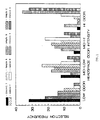
- the drawing comprises Figs. 1 and 2 which set forth the results of a sensory analysis test as described in Example 2.
- the method according to the present invention reduces the odor from polyphenylene ether resin compositions. More specifically, the method according to the present invention reduces the contents of butanal and various amine derivatives in the polyphenylene ether resins, thereby reducing odor from the resins.
- Butanal also known as butyraldehyde, and other volatile materials are contained in polyphenylene ether resins as a result of the polyphenylene ether resin manufacturing process.
- butanal is a thermal oxidation product of dibutylamine. Even low levels of butanal cause the resins to have an undesirable burnt-sweet odor.
- the method according to the present invention comprises the steps of adding an aqueous solution of an additive compound selected from the group consisting of carboxylic acids and anhydrides and carbonic acid to the polyphenylene ether resins during melt compounding of the resins, and steam stripping the polyphenylene ether resins by injecting water therein and vacuum venting the resulting water/resin mixtures.
- an additive compound selected from the group consisting of carboxylic acids and anhydrides and carbonic acid
- Polyphenylene ether resins adapted for use in the present invention comprise polymers and copolymers having repeating structural units of the following general formula: wherein each R individually represents a monovalent substituent such as hydrogen, halogen, alkyl, aryl, alkoxy and other hydrocarbon groups, and r is from 1 to 4.
- polyphenylene ether polymers suitable for use in the present invention are well known in the art and may be prepared by any of a number of processes known in the art from corresponding phenols or reactive derivatives thereof.
- Examples of polyphenylene ether resins and methods for their production are set forth in the Hay U. S. Patents Nos. 3,306,874 and 3,306,875, in the Stamatoff U. S. Patents Nos. 3,257,357 and 3,257,358, and in U. S. Patent 4,935,472 of S. B. Brown et al.
- polyphenylene ether resin includes unsubstituted polyphenylene ether polymers, substituted polyphenylene ether polymers, polyphenylene ether copolymers and blends thereof.
- Preferred polyphenylene ether polymers adapted for use in the present invention include, but are not limited to, poly(2,6-dimethyl-1,4-phenylene)ether; poly(2,3,6-trimethyl-1,4-phenylene) ether; poly(2,6-diethyl-1,4-phenylene)ether; poly(2-methyl-6-propyl-1,4-phenylene)ether; poly(2,6-dipropyl-1,4-phenylene)ether; poly(2-ethyl-6-propyl-1,4-phenylene)ether; poly(2,6-dilauryl-1,4-phenylene)ether; poly(2,6-diphenyl-1,4-phenylene)ether; poly(2,6-dimethoxy-1,4-phenylene)ether; poly(2,6-diethoxy-1,4-phenylene)ether; poly(2-methoxy-6-ethoxy-1,4-phenylene)ether; poly(2-ethyl-6-stearyloxy-1,
- Particularly preferred polyphenylene oxide polymers for use in the compositions of the present invention include poly(2,6-dimethyl-1,4-phenylene) ether, poly(2,3,6-trimethyl-1,4-phenylene)ether, and blends of or copolymers including units of 2,3,6-trimethyl-1,4-phenylene ether and units of 2,6-dimethyl-1,4-phenylene ether. Examples of such polymers and copolymers are also set forth in U. S. Patent No. 4,806,297.
- the compound which is added to the polyphenylene ether resin during melt compounding comprises a carboxylic acid, a carboxylic acid anhydride or carbonic acid.
- the carboxylic acid useful in the methods of the present invention can be selected from any of the known carboxylic acids which are represented by the general formula: X-COOH where X is selected from hydrogen (formic acid), methyl (acetic acid), alkyl, CH 3 (CH 2 )n where n is a whole number and is at least equal to 1 and is preferably 2 to 16, aryl, branched cyclic or substituted alkyl acids, branched cyclic or substituted alkenyl, or substituted aryl.
- acids which may be effective are formic acid, acetic acid, propionic acid, butyric acid, valeric acid, caproic acid, caprylic acid, capric acid, lauric acid, myristic acid, palmitic acid, stearic acid, oleic acid, linoleic acid, linolenic acid, cyclohexane-carboxylic acid, phenylacetic acid, benzoic acid, o-toluic acid, m-toluic acid, p-toluic acid, o-chlorobenzoic acid, m-chlorobenzoic acid, p-chlorobenzoic acid, o-bromobenzoic acid, m-bromobenzoic acid, p-bromobenzoic acid, o-nitrobenzoic acid, m-nitrobenzoic acid, p-nitrobenzoic acid, salicylic acid, p-hydroxybenzoic acid, anthranilic acid,
- dicarboxylic acids which are represented by the general formula: HOOC-X-COOH where x is a single bond or is a difunctional radical selected from straight or branched alkyl radicals, straight or branched alkenyl radicals, aryl radicals, or substituted radicals of any of the foregoing. Where X is a single bond, the resulting dicarboxylic acid is oxalic acid.
- X represents a difunctional radical
- some of the resulting dicarboxylic acids which may be utilized are malonic acid, succinic acid, glutaric acid, adipic acid, maleic acid, fumaric acid, phthalic acid, isophthalic acid, terephthalic acid, bromoglutaric acid, dimethylglutaric acid and the like.
- the carboxylic acid for use in the methods in the present invention may comprise a tricarboxylic acid such as citric acid or the like.
- Anhydrides of all of the above acids may also be useful for use in the present methods.
- the compound which is added to the polyphenylene ether resin comprises a carboxylic acid selected from adipic acid, glutaric acid, malonic acid, succinic acid, phthalic acid, maleic acid and citric acid, or selected from anhydrides of these acids, or selected from mixtures of these acids and anhydrides.
- the compound which is added to the polyphenylene ether resin comprises citric acid or citraconic anhydride.
- the compound which is added to the polyphenylene ether resin comprises carbonic acid.
- the acid or anhydride compound is added to the polyphenylene ether resin in an amount sufficient to reduce the odor of the polyphenylene ether resin.
- the acid or anhydride compound is added in-an amount of from 0.01 to 10 parts by weight per 100 parts by weight of the polyphenylene ether resin.
- the acid or anhydride compound is added in an amount of from 0.05 to 5 parts by weight per 100 parts by weight of the polyphenylene ether resin.
- an aqueous solution of the acid or anhydride compound is added to the polyphenylene ether resin during melt compounding of the resin, and the resin is steam stripped.
- the steam stripping process comprises injecting water into the polyphenylene ether resin and vacuum venting the resulting water/resin mixture.
- polyphenylene ether resins are amorphous and soften sufficiently for melt compounding when heated above their glass transition temperatures, Tg.
- Tg glass transition temperatures
- a polyphenylene ether resin is commonly referred to as a melt.
- the acid or anhydride compound is added to the polyphenylene ether resin in an aqueous solution, for example, an aqueous solution containing from 5 to 75 weight percent of the acid or anhydride. It will be apparent that the carbonic acid is added in such an aqueous solution. Addition of the acid or anhydride in an aqueous solution will also reduce screw wear of an extruder compounding apparatus.
- the acid or anhydride is added to the polyphenylene ether resin after the resin has been plasticated into a substantially uniform melt, for example, downstream of the solid/melt transition zone of an extruder.
- This embodiment is preferred because screw wear and corrosion are both significantly reduced. That is, the acid or anhydride is introduced as an aqueous solution in a region of the extruder or other compounding apparatus where there is no abrasion caused by unmelted polyphenylene ether powder. Additionally, the melt temperature of the resin is lowered owing to the cooling effect of water vaporization. Moreover, the residence time of the acid or anhydride in the extruder or other compounding apparatus is reduced since devolatilization at the vacuum venting zone can immediately follow the injection of the aqueous solution of the acid or anhydride.
- the acid or anhydride compound may be added to the polyphenylene ether resin in a series of steps, for example, by multiple, sequential injections of an aqueous acid solution.
- the steam stripping may be conducted in one or more steps, for example, by multiple sequential injections of water followed by vacuum venting.
- the present methods are advantageous, however, in that a single steam stripping step significantly reduces the butanal content to nondetectable levels, i.e., less than about 1 ppm.
- the methods according to the present invention significantly reduce the butanal levels in polyphenylene ether resins, and thereby reduce odor from these resins and from blend compositions containing these resins.
- the methods according to the present invention may also result in lower levels of other volatiles contained in the polyphenylene ether resins.
- an additional resin and/or other additives may be melt compounded with the polyphenylene ether resin.
- the additional resin and/or other additives can be admixed with the polyphenylene ether prior, during or subsequent to the melt compounding and steam stripping steps of the present methods.
- the additional resin comprises a polystyrene resin. It is preferred that the additional resin such as a polystyrene resin is melt compounded with the polyphenylene ether resin after the acid or anhydride compound is added to the polyphenylene ether resin or a polyphenylene ether resin blend.
- the steam stripping of the polyphenylene ether resin may be effected either prior to, subsequent to, or both prior and subsequent to melt compounding the polyphenylene ether resin with the additional resin such as a polystyrene resin, or other additive.
- the resulting blend compositions contain reduced butanal levels and thereby exhibit reduced odor.
- a polystyrene resin is combined with the polyphenylene ether resin in an amount which produces a blend containing from about 5 to about 95 weight percent polyphenylene ether resin and from about 95 to about 5 weight percent polystyrene resin. More preferably, the polystyrene resin is combined with the polyphenylene ether resin in an amount which produces a blend containing from about 20 to 80 weight percent polyphenylene ether resin and from about 80 to about 20 weight percent polystyrene resin.
- polystyrene resins are suitable for use in producing blends according to the methods of the present invention.
- the polystyrene resins contain units derived from a styrene compound of the following formula: wherein R 1 and R 2 are selected from the group consisting of lower alkyl or alkenyl groups of from, for example, 1 to 6 carbon atoms and hydrogen, each R is selected from the group consisting of halogen, hydrogen and lower alkyl or alkenyl groups of from, for example, 1 to 6 carbon atoms, and n is an integer of from 0 to 5.
- polystyrene resin includes unsubstituted polystyrene, substituted polystyrene and polystyrene copolymer resins.
- Suitable polystyrene resins include, but are not limited to, polystyrene homopolymers including atactic polystyrenes, halogenated polystyrenes, poly-alpha-methylstyrenes, poly-para-methylstyrenes, styrene-acrylonitrile copolymers, styrene-maleic anhydride copolymers, styrene-butadiene copolymers, rubber-modified polystyrenes and the like, and mixtures thereof.
- These polystyrene resins and their methods of preparation are well known in the art.
- This example demonstrates the methods according to the present invention using various acids and anhydrides.
- a polyphenylene ether resin having an intrinsic viscosity of 0.40 dl/g in chloroform at 25°C was melt compounded on a 53 mm Werner-Pfleiderer twin screw extruder together with a carboxylic acid or anhydride compound according to the present invention.
- water was injected into the polyphenylene ether resin followed by vacuum venting of the water-containing resin.
- a polystyrene resin (Mobil 1800 P) was then compounded with the polyphenylene ether resin followed by a second steam-stripping step wherein water was injected into the resin blend and the water-containing resin blend was vacuum vented.
- the specific acid and anhydride compounds employed in this example are set forth in Table I, together with the amount of the respective acid or anhydride compound which was added to the polyphenylene ether resin in parts by weight (pbw) per 50 parts by weight polyphenylene ether resin.
- the resulting blend compositions contained an equal amount of polyphenylene ether resin and polystyrene resin.
- the residual butanal level contained in each of the resulting blend compositions is also set forth in Table I. With reference to Table I, it is noted that the limit of quantification for butanal is 25 ppm, and ND in Table I specifies that the level of butanal was not detectable.
- the parenthetically enclosed values in Table I were extrapolated to concentrations below the lowest calibration standard.
- Control-1 which was similarly produced on a 120 mm Werner-Pfleiderer twin screw extruder but without the addition of a carboxylic acid or anhydride to the polyphenylene ether resin.
- the method according to the present invention significantly reduces the butanal level in a polyphenylene ether resin blend composition to levels which are substantially undetectable, whereby the compositions exhibit little or no detectable odor.
- Control-2 was also prepared according to this method wherein neither a carboxylic acid nor an anhydride compound was added to the resins.
- Example 1 The relative odor intensity of the materials produced in Example 1 was determined in a sensory analysis test of head space odor.
- the samples were divided into two groups, Group A and Group B, as set forth in Table III.
- Each of Groups A and B contained the Control-1 sample.
- Each group also contained an additional control sample, Control-3, which comprised pure polyphenylene ether resin which had been melt compounded on a 53 mm Werner-Pfleiderer twin screw extruder and subjected to four steam stripping procedures.
- Group A also included a fourth control sample, Control-4, which comprised three parts by weight of a polysalicylate per 100 parts per weight of a 50-50 blend of polyphenylene ether and polystyrene.
- Figs. 1 and 2 demonstrate that all of the samples produced according to the present method exhibited lower odor as compared with the steam-stripped Control-1 sample.
- Sample A was found to have the lowest odor and was almost as good as the Control-3 sample prepared by four steam-stripping procedures.
- Control-4 sample prepared using a polysalicylate exhibited relatively high odor as compared with the samples produced according to the methods of the present invention.
- a method wherein the carboxylic acid or anhydride is added in aqueous form is demonstrated.
- a polyphenylene ether resin powder having an intrinsic viscosity of 0.40 dl/g in chloroform at 25°C is extruded using a 53 mm Werner-Pfleiderer twin screw extruder at a throughput rate of about 12.6g/s (100 lbs/hr) and a screw speed of 250 rpm.
- the melt temperature is about 343°C (650°F).
- a 25 weight percent solution of citric acid is injected at a rate of 0.38 g/s (3 lbs/hr) into the extruder at a location downstream of the melting transition zone.
- the citric acid solution is mixed intimately with the plasticated resin.
- a vacuum of approximately 50.8 to 101.6 kPa (15 to 30 inches Hg) is applied downstream from the injection port in order to devolatize the resin.
- the resulting polyphenylene ether extrudate has a low concentration of butanal and a reduced odor. Additionally, screw wear in the melting transition zone is greatly reduced.
- a polyphenylene ether resin powder is extruded in a 53 mm Werner-Pfleiderer twin screw extruder at a throughput rate of 12.6 g/s (100 lbs/hr) and is steam stripped with an aqueous 25 weight percent citric acid solution as described in Example 4.
- polystyrene is added at a rate of about 12.6 g/s (100 lbs/hr) via a side feeder.
- water Downstream from the polystyrene feeder, water is injected at a rate of 0.38 g/s (3 lbs/hr) followed by application of a vacuum of about 50.8 - 101.6 kPa (15-30 inches Hg).
- the resulting 50-50 polyphenylene ether-polystyrene extrudate has a low concentration of butanal and reduced odor. Additionally, screw wear in the melting transition zone is greatly reduced.
Landscapes
- Chemical & Material Sciences (AREA)
- Health & Medical Sciences (AREA)
- Chemical Kinetics & Catalysis (AREA)
- Medicinal Chemistry (AREA)
- Polymers & Plastics (AREA)
- Organic Chemistry (AREA)
- General Chemical & Material Sciences (AREA)
- Compositions Of Macromolecular Compounds (AREA)
- General Preparation And Processing Of Foods (AREA)
- Polyethers (AREA)
Claims (9)
- Verfahren zur Verringerung des Butanalgehaltes eines Polyphenylenetherharzes, bei welchem man eine wässrige Lösung einer Verbindung ausgewählt aus der Gruppe bestehend aus Carbonsäuren und -anhydriden und Kohlensäure zum Polyphenylenetherharz zufügt, während das Polyphenylenetherharz schmelzcompoundiert wird, und die Polyphenylenetherharzschmelze, welche die wässrige Lösung der Verbindung enthält, evakuiert.
- Verfahren nach Anspruch 1, dadurch gekennzeichnet, daß die Säure oder das Anhydrid in einer Menge von zwischen 0,01 bis 10 Gewichtsteilen pro 100 Gewichtsteile Polyphenylenetherharz zugefügt wird.
- Verfahren nach Anspruch 2, dadurch gekennzeichnet, daß die Säure oder das Anhydrid in einer Menge von zwischen 0,05 bis 5 Gewichtsteilen pro 100 Gewichtsteile Polyphenylenetherharz zugefügt wird.
- Verfahren nach Anspruch 1, dadurch gekennzeichnet, daß die wässrige Lösung zwischen 5 und 75 Gewichtsprozent der Säure oder des Anhydrids enthält.
- Verfahren nach Anspruch 1, dadurch gekennzeichnet, daß die wässrige Lösung eine Carbonsäure oder ein Carbonsäureanhydrid aufweist, ausgewählt aus der Gruppe bestehend aus Zitronensäure, Oxalsäure, Adipinsäure, Glutarsäure, Malonsäure, Bernsteinsäure, Phthalsäure, Maleinsäure, Anhydride dieser Säuren und Mischungen daraus.
- Verfahren nach Anspruch 1, dadurch gekennzeichnet, daß das Polyphenylenetherharz Poly(2,6-dimethyl-1,4-phenylen)oxid oder Poly(2,3-trimethyl-1,4-phenylen)oxid oder ein Copolymer oder ein Blend daraus aufweist.
- Verfahren nach Anspruch 1, bei welchem man ein Polyphenylenetherharz, welches Butanal enthält, über die Glasübergangstemperatur des Harzes erhitzt, das Harz mit einer wässrigen Lösung von Zitronensäure schmelzcompoundiert und die resultierende Wasser/Harzmischung evakuiert.
- Verfahren nach einem der vorhergehenden Ansprüche, bei welchem man weiterhin ein Material für Lebensmittelverpackungen bildet.
- Verfahren nach einem der vorhergehenden Ansprüche, bei welchem man weiters einen Lebensmittelverpackungsgegenstand durch Injektionsspritzen, Thermoformen oder durch Herstellung einer Schaumfolie bildet.
Applications Claiming Priority (2)
| Application Number | Priority Date | Filing Date | Title |
|---|---|---|---|
| US59243990A | 1990-10-04 | 1990-10-04 | |
| US592439 | 1996-01-26 |
Publications (3)
| Publication Number | Publication Date |
|---|---|
| EP0480244A2 EP0480244A2 (de) | 1992-04-15 |
| EP0480244A3 EP0480244A3 (en) | 1992-11-04 |
| EP0480244B1 true EP0480244B1 (de) | 1999-12-08 |
Family
ID=24370648
Family Applications (1)
| Application Number | Title | Priority Date | Filing Date |
|---|---|---|---|
| EP91116318A Expired - Lifetime EP0480244B1 (de) | 1990-10-04 | 1991-09-25 | Verfahren zur Geruchsreduzierung in Polyphenylenetherharzen |
Country Status (4)
| Country | Link |
|---|---|
| EP (1) | EP0480244B1 (de) |
| JP (1) | JP2654528B2 (de) |
| DE (1) | DE69131827T2 (de) |
| ES (1) | ES2139572T3 (de) |
Cited By (2)
| Publication number | Priority date | Publication date | Assignee | Title |
|---|---|---|---|---|
| US6306953B1 (en) | 2000-02-16 | 2001-10-23 | General Electric Co. | Poly(arylene ether)-polystyrene composition |
| US7314909B2 (en) | 2005-10-12 | 2008-01-01 | General Electric Company | Method of reducing the styrene content of a poly(arylene ether)/polystyrene blend, and articles comprising the resulting thermoplastic resin |
Families Citing this family (6)
| Publication number | Priority date | Publication date | Assignee | Title |
|---|---|---|---|---|
| US5442041A (en) * | 1995-01-19 | 1995-08-15 | Arco Chemical Technology, L.P. | Removal of volatile substances from thermoplastic resins |
| DE19545968A1 (de) | 1995-12-11 | 1997-06-12 | Basf Ag | Verfahren zur Reinigung von Polyarylenethern mit Wasser |
| US7439284B2 (en) | 2004-03-31 | 2008-10-21 | Sabic Innovative Plastics Ip B.V. | Method of making poly(arylene ether) compositions |
| US20070117912A1 (en) * | 2005-11-18 | 2007-05-24 | Balfour Kim G | Polymer blend method, composition, and article |
| US11840797B1 (en) | 2014-11-26 | 2023-12-12 | Microban Products Company | Textile formulation and product with odor control |
| JP6533456B2 (ja) * | 2015-12-04 | 2019-06-19 | 旭化成株式会社 | 食品容器 |
Citations (1)
| Publication number | Priority date | Publication date | Assignee | Title |
|---|---|---|---|---|
| EP0346656A2 (de) * | 1988-06-13 | 1989-12-20 | General Electric Company | Polyphenylenätherharze und Zusammensetzungen mit verringertem Geruch und Verfahren zur Verringerung des Geruchs |
Family Cites Families (2)
| Publication number | Priority date | Publication date | Assignee | Title |
|---|---|---|---|---|
| US4992222A (en) * | 1988-12-29 | 1991-02-12 | General Electric Company | Method for removing volatile substances from polyphenylene ether or polyphenylene ether/styrene resin compositions |
| US4994217A (en) * | 1988-12-29 | 1991-02-19 | General Electric Company | Low odor polyphenylene ether/polystyrene process |
-
1991
- 1991-09-25 ES ES91116318T patent/ES2139572T3/es not_active Expired - Lifetime
- 1991-09-25 DE DE1991631827 patent/DE69131827T2/de not_active Expired - Fee Related
- 1991-09-25 EP EP91116318A patent/EP0480244B1/de not_active Expired - Lifetime
- 1991-09-30 JP JP3276124A patent/JP2654528B2/ja not_active Expired - Fee Related
Patent Citations (1)
| Publication number | Priority date | Publication date | Assignee | Title |
|---|---|---|---|---|
| EP0346656A2 (de) * | 1988-06-13 | 1989-12-20 | General Electric Company | Polyphenylenätherharze und Zusammensetzungen mit verringertem Geruch und Verfahren zur Verringerung des Geruchs |
Cited By (2)
| Publication number | Priority date | Publication date | Assignee | Title |
|---|---|---|---|---|
| US6306953B1 (en) | 2000-02-16 | 2001-10-23 | General Electric Co. | Poly(arylene ether)-polystyrene composition |
| US7314909B2 (en) | 2005-10-12 | 2008-01-01 | General Electric Company | Method of reducing the styrene content of a poly(arylene ether)/polystyrene blend, and articles comprising the resulting thermoplastic resin |
Also Published As
| Publication number | Publication date |
|---|---|
| DE69131827T2 (de) | 2000-06-29 |
| EP0480244A3 (en) | 1992-11-04 |
| JPH04261425A (ja) | 1992-09-17 |
| JP2654528B2 (ja) | 1997-09-17 |
| ES2139572T3 (es) | 2000-02-16 |
| DE69131827D1 (de) | 2000-01-13 |
| EP0480244A2 (de) | 1992-04-15 |
Similar Documents
| Publication | Publication Date | Title |
|---|---|---|
| EP0121974B2 (de) | Polyphenylenoxid und gegebenenfalls Polystyrol und/oder mit Gummi modifiziertes Polystyrol enthaltende Polymerzusammensetzung | |
| US4760118A (en) | Polyphenylene ether capped with salicylic acid ester | |
| US4831115A (en) | Method for removing volatile impurities from polyphenylene ethers | |
| JP2640678B2 (ja) | ポリフェニレンエーテルーポリアミドのブレンド | |
| EP0375937B1 (de) | Verfahren zur Entfernung flüchtiger Substanzen aus Polyphenylenether oder Polyphenylenether/Styrolharz-Zusammensetzungen | |
| US5102591A (en) | Method for removing volatile substances from polyphenylene ether resin blends | |
| US5017656A (en) | Polyphenylene ether resins and compositions having reduced odor and method of reducing odor in same | |
| EP0048154B1 (de) | Harzzusammensetzung für Spritzgussverfahren, Verfahren zur Herstellung dieser Zusammensetzung und daraus geformte Gegenstände | |
| US5760132A (en) | Compositions of poly(phenylene ether) and polyamide resins, which exhibit improved beard growth reduction | |
| EP0480244B1 (de) | Verfahren zur Geruchsreduzierung in Polyphenylenetherharzen | |
| NL8600166A (nl) | Polymeermengsel, dat een polyamide, een polyfenyleenether en een middel voor het verbeteren van de slagsterkte bevat. | |
| US5204410A (en) | Method for removing volatile substances from polyphenylene ether or polyphenylene ether/styrene resin compositions | |
| US4963620A (en) | Polyphenylene ether-polyamide blends | |
| EP0678555A1 (de) | Polyphenylenether/Polyamid-Formmassen | |
| US5216089A (en) | Modified polyphenylene ether resins having improved processability and oxidative stability | |
| US5214109A (en) | Modified polyphenylene ether resins having improved processability and oxidative stability | |
| EP0943649B1 (de) | Stabilisierte Polyester mit verringertem Formaldehydgehalt | |
| KR100728436B1 (ko) | 작용화된 폴리페닐렌 에테르의 제조방법 | |
| JPH11310697A (ja) | 流動性の向上した相溶化ポリフェニレンエ―テル―ポリアミド樹脂ブレンドの方法及び組成物 | |
| KR19980018531A (ko) | 저 분자량의 폴리(페닐렌 에테르) 수지를 함유하는 결정성 중합체 혼합물 | |
| US5189076A (en) | Polyphenylene ether resins and compositions having reduced odor and method of reducing odor in same | |
| US5326807A (en) | Connector | |
| EP0491187B1 (de) | Thermisch stabile Mischungen aus Polyphenylenether und auf Elastomer basierenden Dienen | |
| US5324769A (en) | Thermally stable blends of polyphenylene ether, diene based rubber and an antioxidant/metal deactivator | |
| EP0520146B1 (de) | Verfahren zur Herstellung einer thermoplastischen Harzmischung |
Legal Events
| Date | Code | Title | Description |
|---|---|---|---|
| PUAI | Public reference made under article 153(3) epc to a published international application that has entered the european phase |
Free format text: ORIGINAL CODE: 0009012 |
|
| AK | Designated contracting states |
Kind code of ref document: A2 Designated state(s): DE ES FR GB IT NL |
|
| PUAL | Search report despatched |
Free format text: ORIGINAL CODE: 0009013 |
|
| AK | Designated contracting states |
Kind code of ref document: A3 Designated state(s): DE ES FR GB IT NL |
|
| 17P | Request for examination filed |
Effective date: 19930430 |
|
| 17Q | First examination report despatched |
Effective date: 19950227 |
|
| GRAG | Despatch of communication of intention to grant |
Free format text: ORIGINAL CODE: EPIDOS AGRA |
|
| GRAG | Despatch of communication of intention to grant |
Free format text: ORIGINAL CODE: EPIDOS AGRA |
|
| GRAH | Despatch of communication of intention to grant a patent |
Free format text: ORIGINAL CODE: EPIDOS IGRA |
|
| GRAH | Despatch of communication of intention to grant a patent |
Free format text: ORIGINAL CODE: EPIDOS IGRA |
|
| GRAA | (expected) grant |
Free format text: ORIGINAL CODE: 0009210 |
|
| AK | Designated contracting states |
Kind code of ref document: B1 Designated state(s): DE ES FR GB IT NL |
|
| ET | Fr: translation filed | ||
| REF | Corresponds to: |
Ref document number: 69131827 Country of ref document: DE Date of ref document: 20000113 |
|
| REG | Reference to a national code |
Ref country code: ES Ref legal event code: FG2A Ref document number: 2139572 Country of ref document: ES Kind code of ref document: T3 |
|
| ITF | It: translation for a ep patent filed | ||
| PLBE | No opposition filed within time limit |
Free format text: ORIGINAL CODE: 0009261 |
|
| STAA | Information on the status of an ep patent application or granted ep patent |
Free format text: STATUS: NO OPPOSITION FILED WITHIN TIME LIMIT |
|
| 26N | No opposition filed | ||
| PGFP | Annual fee paid to national office [announced via postgrant information from national office to epo] |
Ref country code: NL Payment date: 20010831 Year of fee payment: 11 |
|
| PGFP | Annual fee paid to national office [announced via postgrant information from national office to epo] |
Ref country code: ES Payment date: 20011009 Year of fee payment: 11 |
|
| REG | Reference to a national code |
Ref country code: GB Ref legal event code: IF02 |
|
| PG25 | Lapsed in a contracting state [announced via postgrant information from national office to epo] |
Ref country code: ES Free format text: LAPSE BECAUSE OF NON-PAYMENT OF DUE FEES Effective date: 20020926 |
|
| PG25 | Lapsed in a contracting state [announced via postgrant information from national office to epo] |
Ref country code: NL Free format text: LAPSE BECAUSE OF NON-PAYMENT OF DUE FEES Effective date: 20030401 |
|
| PGFP | Annual fee paid to national office [announced via postgrant information from national office to epo] |
Ref country code: GB Payment date: 20030917 Year of fee payment: 13 |
|
| PGFP | Annual fee paid to national office [announced via postgrant information from national office to epo] |
Ref country code: FR Payment date: 20030918 Year of fee payment: 13 |
|
| PGFP | Annual fee paid to national office [announced via postgrant information from national office to epo] |
Ref country code: DE Payment date: 20031031 Year of fee payment: 13 |
|
| REG | Reference to a national code |
Ref country code: ES Ref legal event code: FD2A Effective date: 20031011 |
|
| PG25 | Lapsed in a contracting state [announced via postgrant information from national office to epo] |
Ref country code: GB Free format text: LAPSE BECAUSE OF NON-PAYMENT OF DUE FEES Effective date: 20040925 |
|
| PG25 | Lapsed in a contracting state [announced via postgrant information from national office to epo] |
Ref country code: DE Free format text: LAPSE BECAUSE OF NON-PAYMENT OF DUE FEES Effective date: 20050401 |
|
| GBPC | Gb: european patent ceased through non-payment of renewal fee |
Effective date: 20040925 |
|
| PG25 | Lapsed in a contracting state [announced via postgrant information from national office to epo] |
Ref country code: FR Free format text: LAPSE BECAUSE OF NON-PAYMENT OF DUE FEES Effective date: 20050531 |
|
| REG | Reference to a national code |
Ref country code: FR Ref legal event code: ST |
|
| PG25 | Lapsed in a contracting state [announced via postgrant information from national office to epo] |
Ref country code: IT Free format text: LAPSE BECAUSE OF NON-PAYMENT OF DUE FEES;WARNING: LAPSES OF ITALIAN PATENTS WITH EFFECTIVE DATE BEFORE 2007 MAY HAVE OCCURRED AT ANY TIME BEFORE 2007. THE CORRECT EFFECTIVE DATE MAY BE DIFFERENT FROM THE ONE RECORDED. Effective date: 20050925 |