EP0481994B1 - Composes de cobalt metallo-organique et leurs emplois - Google Patents
Composes de cobalt metallo-organique et leurs emplois Download PDFInfo
- Publication number
- EP0481994B1 EP0481994B1 EP90900578A EP90900578A EP0481994B1 EP 0481994 B1 EP0481994 B1 EP 0481994B1 EP 90900578 A EP90900578 A EP 90900578A EP 90900578 A EP90900578 A EP 90900578A EP 0481994 B1 EP0481994 B1 EP 0481994B1
- Authority
- EP
- European Patent Office
- Prior art keywords
- compound
- group
- alkyl group
- same
- halide
- Prior art date
- Legal status (The legal status is an assumption and is not a legal conclusion. Google has not performed a legal analysis and makes no representation as to the accuracy of the status listed.)
- Expired - Lifetime
Links
- 150000001869 cobalt compounds Chemical class 0.000 title description 2
- 150000001875 compounds Chemical class 0.000 claims abstract description 111
- 238000011282 treatment Methods 0.000 claims abstract description 58
- 125000000217 alkyl group Chemical group 0.000 claims abstract description 47
- 239000003446 ligand Substances 0.000 claims abstract description 40
- 125000001997 phenyl group Chemical group [H]C1=C([H])C([H])=C(*)C([H])=C1[H] 0.000 claims abstract description 32
- 229910052739 hydrogen Inorganic materials 0.000 claims abstract description 29
- 239000001257 hydrogen Substances 0.000 claims abstract description 28
- 239000000203 mixture Substances 0.000 claims abstract description 24
- XLYOFNOQVPJJNP-UHFFFAOYSA-N water Substances O XLYOFNOQVPJJNP-UHFFFAOYSA-N 0.000 claims abstract description 23
- 150000002431 hydrogen Chemical class 0.000 claims abstract description 20
- 239000008194 pharmaceutical composition Substances 0.000 claims abstract description 19
- 150000004820 halides Chemical class 0.000 claims abstract description 16
- 210000004881 tumor cell Anatomy 0.000 claims abstract description 15
- 150000004703 alkoxides Chemical group 0.000 claims abstract description 14
- 244000005700 microbiome Species 0.000 claims abstract description 14
- 208000024891 symptom Diseases 0.000 claims abstract description 12
- 230000012010 growth Effects 0.000 claims abstract description 11
- 230000000845 anti-microbial effect Effects 0.000 claims abstract description 10
- 239000004599 antimicrobial Substances 0.000 claims abstract description 9
- UFHFLCQGNIYNRP-UHFFFAOYSA-N Hydrogen Chemical compound [H][H] UFHFLCQGNIYNRP-UHFFFAOYSA-N 0.000 claims abstract description 8
- 125000006273 (C1-C3) alkyl group Chemical group 0.000 claims description 17
- 239000000460 chlorine Substances 0.000 claims description 16
- 239000003814 drug Substances 0.000 claims description 13
- XLJKHNWPARRRJB-UHFFFAOYSA-N cobalt(2+) Chemical compound [Co+2] XLJKHNWPARRRJB-UHFFFAOYSA-N 0.000 claims description 12
- 239000001301 oxygen Substances 0.000 claims description 12
- 229910052760 oxygen Inorganic materials 0.000 claims description 12
- -1 halide ion Chemical class 0.000 claims description 11
- 125000001424 substituent group Chemical group 0.000 claims description 9
- IAZDPXIOMUYVGZ-UHFFFAOYSA-N Dimethylsulphoxide Chemical compound CS(C)=O IAZDPXIOMUYVGZ-UHFFFAOYSA-N 0.000 claims description 8
- QVGXLLKOCUKJST-UHFFFAOYSA-N atomic oxygen Chemical compound [O] QVGXLLKOCUKJST-UHFFFAOYSA-N 0.000 claims description 8
- 108010065152 Coagulase Proteins 0.000 claims description 7
- 206010061218 Inflammation Diseases 0.000 claims description 7
- 230000004054 inflammatory process Effects 0.000 claims description 7
- 206010003246 arthritis Diseases 0.000 claims description 6
- 241000589516 Pseudomonas Species 0.000 claims description 5
- 150000002500 ions Chemical class 0.000 claims description 5
- MYMOFIZGZYHOMD-UHFFFAOYSA-N Dioxygen Chemical compound O=O MYMOFIZGZYHOMD-UHFFFAOYSA-N 0.000 claims description 4
- 229910001882 dioxygen Inorganic materials 0.000 claims description 4
- 230000002949 hemolytic effect Effects 0.000 claims description 4
- 241000222122 Candida albicans Species 0.000 claims description 3
- 230000000259 anti-tumor effect Effects 0.000 claims description 3
- 241000588724 Escherichia coli Species 0.000 claims description 2
- 241000588748 Klebsiella Species 0.000 claims description 2
- 241000588769 Proteus <enterobacteria> Species 0.000 claims description 2
- 125000002915 carbonyl group Chemical group [*:2]C([*:1])=O 0.000 claims description 2
- 229910052801 chlorine Inorganic materials 0.000 claims description 2
- 208000015181 infectious disease Diseases 0.000 claims description 2
- 230000001590 oxidative effect Effects 0.000 claims description 2
- 238000007920 subcutaneous administration Methods 0.000 claims description 2
- 230000008409 synovial inflammation Effects 0.000 claims description 2
- 230000000699 topical effect Effects 0.000 claims description 2
- 125000005843 halogen group Chemical group 0.000 claims 7
- 125000006527 (C1-C5) alkyl group Chemical group 0.000 claims 2
- 229940095731 candida albicans Drugs 0.000 claims 1
- 125000001309 chloro group Chemical group Cl* 0.000 claims 1
- 238000001990 intravenous administration Methods 0.000 claims 1
- 238000007911 parenteral administration Methods 0.000 claims 1
- 238000000034 method Methods 0.000 abstract description 34
- 239000003937 drug carrier Substances 0.000 abstract description 4
- 208000027418 Wounds and injury Diseases 0.000 description 67
- 206010052428 Wound Diseases 0.000 description 65
- KGNDCEVUMONOKF-UGPLYTSKSA-N benzyl n-[(2r)-1-[(2s,4r)-2-[[(2s)-6-amino-1-(1,3-benzoxazol-2-yl)-1,1-dihydroxyhexan-2-yl]carbamoyl]-4-[(4-methylphenyl)methoxy]pyrrolidin-1-yl]-1-oxo-4-phenylbutan-2-yl]carbamate Chemical compound C1=CC(C)=CC=C1CO[C@H]1CN(C(=O)[C@@H](CCC=2C=CC=CC=2)NC(=O)OCC=2C=CC=CC=2)[C@H](C(=O)N[C@@H](CCCCN)C(O)(O)C=2OC3=CC=CC=C3N=2)C1 KGNDCEVUMONOKF-UGPLYTSKSA-N 0.000 description 53
- 229940125833 compound 23 Drugs 0.000 description 53
- 238000002474 experimental method Methods 0.000 description 29
- 210000003780 hair follicle Anatomy 0.000 description 28
- 230000008602 contraction Effects 0.000 description 26
- QGZKDVFQNNGYKY-UHFFFAOYSA-N Ammonia Chemical compound N QGZKDVFQNNGYKY-UHFFFAOYSA-N 0.000 description 23
- 229910000069 nitrogen hydride Inorganic materials 0.000 description 22
- OKKJLVBELUTLKV-UHFFFAOYSA-N Methanol Chemical compound OC OKKJLVBELUTLKV-UHFFFAOYSA-N 0.000 description 18
- 238000004321 preservation Methods 0.000 description 15
- 150000003254 radicals Chemical class 0.000 description 15
- FAPWRFPIFSIZLT-UHFFFAOYSA-M Sodium chloride Chemical compound [Na+].[Cl-] FAPWRFPIFSIZLT-UHFFFAOYSA-M 0.000 description 14
- 239000011780 sodium chloride Substances 0.000 description 14
- 230000035876 healing Effects 0.000 description 13
- 241001465754 Metazoa Species 0.000 description 12
- 230000015572 biosynthetic process Effects 0.000 description 11
- 230000000694 effects Effects 0.000 description 11
- 210000001519 tissue Anatomy 0.000 description 11
- 206010063560 Excessive granulation tissue Diseases 0.000 description 10
- 210000001126 granulation tissue Anatomy 0.000 description 10
- 239000000243 solution Substances 0.000 description 10
- OUUQCZGPVNCOIJ-UHFFFAOYSA-M Superoxide Chemical compound [O-][O] OUUQCZGPVNCOIJ-UHFFFAOYSA-M 0.000 description 9
- 239000004480 active ingredient Substances 0.000 description 9
- 229940079593 drug Drugs 0.000 description 9
- 102000008186 Collagen Human genes 0.000 description 8
- 108010035532 Collagen Proteins 0.000 description 8
- 241000699670 Mus sp. Species 0.000 description 8
- 239000003242 anti bacterial agent Substances 0.000 description 8
- 229920001436 collagen Polymers 0.000 description 8
- 238000003786 synthesis reaction Methods 0.000 description 8
- 238000012360 testing method Methods 0.000 description 8
- 102000016938 Catalase Human genes 0.000 description 7
- 108010053835 Catalase Proteins 0.000 description 7
- 229910052757 nitrogen Inorganic materials 0.000 description 7
- 230000029663 wound healing Effects 0.000 description 7
- 206010003445 Ascites Diseases 0.000 description 6
- JQUCWIWWWKZNCS-LESHARBVSA-N C(C1=CC=CC=C1)(=O)NC=1SC[C@H]2[C@@](N1)(CO[C@H](C2)C)C=2SC=C(N2)NC(=O)C2=NC=C(C=C2)OC(F)F Chemical compound C(C1=CC=CC=C1)(=O)NC=1SC[C@H]2[C@@](N1)(CO[C@H](C2)C)C=2SC=C(N2)NC(=O)C2=NC=C(C=C2)OC(F)F JQUCWIWWWKZNCS-LESHARBVSA-N 0.000 description 6
- JRNVZBWKYDBUCA-UHFFFAOYSA-N N-chlorosuccinimide Chemical compound ClN1C(=O)CCC1=O JRNVZBWKYDBUCA-UHFFFAOYSA-N 0.000 description 6
- 206010028980 Neoplasm Diseases 0.000 description 6
- 230000006378 damage Effects 0.000 description 6
- HQKMJHAJHXVSDF-UHFFFAOYSA-L magnesium stearate Chemical compound [Mg+2].CCCCCCCCCCCCCCCCCC([O-])=O.CCCCCCCCCCCCCCCCCC([O-])=O HQKMJHAJHXVSDF-UHFFFAOYSA-L 0.000 description 6
- 229910052751 metal Inorganic materials 0.000 description 6
- 239000002184 metal Substances 0.000 description 6
- 239000002674 ointment Substances 0.000 description 6
- 239000000047 product Substances 0.000 description 6
- 230000035945 sensitivity Effects 0.000 description 6
- LFQSCWFLJHTTHZ-UHFFFAOYSA-N Ethanol Chemical compound CCO LFQSCWFLJHTTHZ-UHFFFAOYSA-N 0.000 description 5
- 125000004429 atom Chemical group 0.000 description 5
- 238000006243 chemical reaction Methods 0.000 description 5
- 230000002500 effect on skin Effects 0.000 description 5
- 230000004968 inflammatory condition Effects 0.000 description 5
- 230000002757 inflammatory effect Effects 0.000 description 5
- 230000004089 microcirculation Effects 0.000 description 5
- 231100000241 scar Toxicity 0.000 description 5
- 230000002000 scavenging effect Effects 0.000 description 5
- 210000002966 serum Anatomy 0.000 description 5
- UEJSSZHHYBHCEL-UHFFFAOYSA-N silver(1+) sulfadiazinate Chemical compound [Ag+].C1=CC(N)=CC=C1S(=O)(=O)[N-]C1=NC=CC=N1 UEJSSZHHYBHCEL-UHFFFAOYSA-N 0.000 description 5
- 238000003756 stirring Methods 0.000 description 5
- 231100000419 toxicity Toxicity 0.000 description 5
- 230000001988 toxicity Effects 0.000 description 5
- IJGRMHOSHXDMSA-UHFFFAOYSA-N Atomic nitrogen Chemical compound N#N IJGRMHOSHXDMSA-UHFFFAOYSA-N 0.000 description 4
- 206010030113 Oedema Diseases 0.000 description 4
- 102100033220 Xanthine oxidase Human genes 0.000 description 4
- 108010093894 Xanthine oxidase Proteins 0.000 description 4
- 239000002775 capsule Substances 0.000 description 4
- 235000010418 carrageenan Nutrition 0.000 description 4
- 229920001525 carrageenan Polymers 0.000 description 4
- 239000008298 dragée Substances 0.000 description 4
- 238000011156 evaluation Methods 0.000 description 4
- 238000001727 in vivo Methods 0.000 description 4
- 208000028867 ischemia Diseases 0.000 description 4
- 238000004020 luminiscence type Methods 0.000 description 4
- 210000002540 macrophage Anatomy 0.000 description 4
- 239000002609 medium Substances 0.000 description 4
- 230000008569 process Effects 0.000 description 4
- 241000700198 Cavia Species 0.000 description 3
- 229920002261 Corn starch Polymers 0.000 description 3
- PIICEJLVQHRZGT-UHFFFAOYSA-N Ethylenediamine Chemical compound NCCN PIICEJLVQHRZGT-UHFFFAOYSA-N 0.000 description 3
- TYMRLRRVMHJFTF-UHFFFAOYSA-N Mafenide Chemical compound NCC1=CC=C(S(N)(=O)=O)C=C1 TYMRLRRVMHJFTF-UHFFFAOYSA-N 0.000 description 3
- 102000019197 Superoxide Dismutase Human genes 0.000 description 3
- 108010012715 Superoxide dismutase Proteins 0.000 description 3
- 239000003708 ampul Substances 0.000 description 3
- 230000000844 anti-bacterial effect Effects 0.000 description 3
- 229940088710 antibiotic agent Drugs 0.000 description 3
- 230000037396 body weight Effects 0.000 description 3
- 230000003247 decreasing effect Effects 0.000 description 3
- 239000008187 granular material Substances 0.000 description 3
- 125000002887 hydroxy group Chemical group [H]O* 0.000 description 3
- 238000002347 injection Methods 0.000 description 3
- 239000007924 injection Substances 0.000 description 3
- 208000014674 injury Diseases 0.000 description 3
- 235000019359 magnesium stearate Nutrition 0.000 description 3
- 238000012423 maintenance Methods 0.000 description 3
- 239000006187 pill Substances 0.000 description 3
- 229920000036 polyvinylpyrrolidone Polymers 0.000 description 3
- 235000013855 polyvinylpyrrolidone Nutrition 0.000 description 3
- 239000001267 polyvinylpyrrolidone Substances 0.000 description 3
- 230000002265 prevention Effects 0.000 description 3
- 238000010791 quenching Methods 0.000 description 3
- 230000000171 quenching effect Effects 0.000 description 3
- 229960003600 silver sulfadiazine Drugs 0.000 description 3
- 239000000725 suspension Substances 0.000 description 3
- 231100000331 toxic Toxicity 0.000 description 3
- 230000002588 toxic effect Effects 0.000 description 3
- NOOLISFMXDJSKH-UTLUCORTSA-N (+)-Neomenthol Chemical compound CC(C)[C@@H]1CC[C@@H](C)C[C@@H]1O NOOLISFMXDJSKH-UTLUCORTSA-N 0.000 description 2
- IRNJRGVFXLVQEK-UHFFFAOYSA-N 2-methyl-1-phenylbutane-1,3-dione Chemical compound CC(=O)C(C)C(=O)C1=CC=CC=C1 IRNJRGVFXLVQEK-UHFFFAOYSA-N 0.000 description 2
- GSOHKPVFCOWKPU-UHFFFAOYSA-N 3-methylpentane-2,4-dione Chemical compound CC(=O)C(C)C(C)=O GSOHKPVFCOWKPU-UHFFFAOYSA-N 0.000 description 2
- LRFVTYWOQMYALW-UHFFFAOYSA-N 9H-xanthine Chemical compound O=C1NC(=O)NC2=C1NC=N2 LRFVTYWOQMYALW-UHFFFAOYSA-N 0.000 description 2
- VHUUQVKOLVNVRT-UHFFFAOYSA-N Ammonium hydroxide Chemical compound [NH4+].[OH-] VHUUQVKOLVNVRT-UHFFFAOYSA-N 0.000 description 2
- 206010002091 Anaesthesia Diseases 0.000 description 2
- CIWBSHSKHKDKBQ-JLAZNSOCSA-N Ascorbic acid Chemical compound OC[C@H](O)[C@H]1OC(=O)C(O)=C1O CIWBSHSKHKDKBQ-JLAZNSOCSA-N 0.000 description 2
- 108010001478 Bacitracin Proteins 0.000 description 2
- 229910021580 Cobalt(II) chloride Inorganic materials 0.000 description 2
- NOOLISFMXDJSKH-UHFFFAOYSA-N DL-menthol Natural products CC(C)C1CCC(C)CC1O NOOLISFMXDJSKH-UHFFFAOYSA-N 0.000 description 2
- YMWUJEATGCHHMB-UHFFFAOYSA-N Dichloromethane Chemical compound ClCCl YMWUJEATGCHHMB-UHFFFAOYSA-N 0.000 description 2
- RTZKZFJDLAIYFH-UHFFFAOYSA-N Diethyl ether Chemical compound CCOCC RTZKZFJDLAIYFH-UHFFFAOYSA-N 0.000 description 2
- 102000004190 Enzymes Human genes 0.000 description 2
- 108090000790 Enzymes Proteins 0.000 description 2
- 206010016654 Fibrosis Diseases 0.000 description 2
- 241000699666 Mus <mouse, genus> Species 0.000 description 2
- 239000004264 Petrolatum Substances 0.000 description 2
- 208000005374 Poisoning Diseases 0.000 description 2
- 238000005299 abrasion Methods 0.000 description 2
- 239000000443 aerosol Substances 0.000 description 2
- 238000001949 anaesthesia Methods 0.000 description 2
- 230000037005 anaesthesia Effects 0.000 description 2
- 238000004458 analytical method Methods 0.000 description 2
- 229940121363 anti-inflammatory agent Drugs 0.000 description 2
- 239000002260 anti-inflammatory agent Substances 0.000 description 2
- 230000002917 arthritic effect Effects 0.000 description 2
- 229960003071 bacitracin Drugs 0.000 description 2
- 229930184125 bacitracin Natural products 0.000 description 2
- CLKOFPXJLQSYAH-ABRJDSQDSA-N bacitracin A Chemical compound C1SC([C@@H](N)[C@@H](C)CC)=N[C@@H]1C(=O)N[C@@H](CC(C)C)C(=O)N[C@H](CCC(O)=O)C(=O)N[C@@H]([C@@H](C)CC)C(=O)N[C@@H]1C(=O)N[C@H](CCCN)C(=O)N[C@@H]([C@@H](C)CC)C(=O)N[C@H](CC=2C=CC=CC=2)C(=O)N[C@@H](CC=2N=CNC=2)C(=O)N[C@H](CC(O)=O)C(=O)N[C@@H](CC(N)=O)C(=O)NCCCC1 CLKOFPXJLQSYAH-ABRJDSQDSA-N 0.000 description 2
- BLFLLBZGZJTVJG-UHFFFAOYSA-N benzocaine Chemical compound CCOC(=O)C1=CC=C(N)C=C1 BLFLLBZGZJTVJG-UHFFFAOYSA-N 0.000 description 2
- 239000000969 carrier Substances 0.000 description 2
- 210000004027 cell Anatomy 0.000 description 2
- 239000003795 chemical substances by application Substances 0.000 description 2
- 150000001868 cobalt Chemical class 0.000 description 2
- 229910017052 cobalt Inorganic materials 0.000 description 2
- GUTLYIVDDKVIGB-UHFFFAOYSA-N cobalt atom Chemical group [Co] GUTLYIVDDKVIGB-UHFFFAOYSA-N 0.000 description 2
- 238000009833 condensation Methods 0.000 description 2
- 230000005494 condensation Effects 0.000 description 2
- 239000008120 corn starch Substances 0.000 description 2
- 238000010586 diagram Methods 0.000 description 2
- 208000037265 diseases, disorders, signs and symptoms Diseases 0.000 description 2
- 238000001704 evaporation Methods 0.000 description 2
- 230000008020 evaporation Effects 0.000 description 2
- KTWOOEGAPBSYNW-UHFFFAOYSA-N ferrocene Chemical compound [Fe+2].C=1C=C[CH-]C=1.C=1C=C[CH-]C=1 KTWOOEGAPBSYNW-UHFFFAOYSA-N 0.000 description 2
- 230000004761 fibrosis Effects 0.000 description 2
- 230000003176 fibrotic effect Effects 0.000 description 2
- 230000006872 improvement Effects 0.000 description 2
- 239000004615 ingredient Substances 0.000 description 2
- 230000005764 inhibitory process Effects 0.000 description 2
- 230000000302 ischemic effect Effects 0.000 description 2
- 238000004519 manufacturing process Methods 0.000 description 2
- 239000000463 material Substances 0.000 description 2
- 238000005259 measurement Methods 0.000 description 2
- 229940041616 menthol Drugs 0.000 description 2
- 125000002496 methyl group Chemical group [H]C([H])([H])* 0.000 description 2
- LXCFILQKKLGQFO-UHFFFAOYSA-N methylparaben Chemical compound COC(=O)C1=CC=C(O)C=C1 LXCFILQKKLGQFO-UHFFFAOYSA-N 0.000 description 2
- 238000004776 molecular orbital Methods 0.000 description 2
- 210000000056 organ Anatomy 0.000 description 2
- 230000003647 oxidation Effects 0.000 description 2
- 238000007254 oxidation reaction Methods 0.000 description 2
- 229940066842 petrolatum Drugs 0.000 description 2
- 235000019271 petrolatum Nutrition 0.000 description 2
- 239000002831 pharmacologic agent Substances 0.000 description 2
- 231100000572 poisoning Toxicity 0.000 description 2
- 230000000607 poisoning effect Effects 0.000 description 2
- 239000002244 precipitate Substances 0.000 description 2
- 238000002360 preparation method Methods 0.000 description 2
- 239000002516 radical scavenger Substances 0.000 description 2
- 239000011541 reaction mixture Substances 0.000 description 2
- 230000009467 reduction Effects 0.000 description 2
- 230000027756 respiratory electron transport chain Effects 0.000 description 2
- JHJLBTNAGRQEKS-UHFFFAOYSA-M sodium bromide Chemical compound [Na+].[Br-] JHJLBTNAGRQEKS-UHFFFAOYSA-M 0.000 description 2
- 239000002904 solvent Substances 0.000 description 2
- 239000000126 substance Substances 0.000 description 2
- 229940091629 sulfamylon Drugs 0.000 description 2
- 239000003981 vehicle Substances 0.000 description 2
- OOKAZRDERJMRCJ-KOUAFAAESA-N (3r)-7-[(1s,2s,4ar,6s,8s)-2,6-dimethyl-8-[(2s)-2-methylbutanoyl]oxy-1,2,4a,5,6,7,8,8a-octahydronaphthalen-1-yl]-3-hydroxy-5-oxoheptanoic acid Chemical compound C1=C[C@H](C)[C@H](CCC(=O)C[C@@H](O)CC(O)=O)C2[C@@H](OC(=O)[C@@H](C)CC)C[C@@H](C)C[C@@H]21 OOKAZRDERJMRCJ-KOUAFAAESA-N 0.000 description 1
- ALSTYHKOOCGGFT-KTKRTIGZSA-N (9Z)-octadecen-1-ol Chemical compound CCCCCCCC\C=C/CCCCCCCCO ALSTYHKOOCGGFT-KTKRTIGZSA-N 0.000 description 1
- DSSYKIVIOFKYAU-XCBNKYQSSA-N (R)-camphor Chemical compound C1C[C@@]2(C)C(=O)C[C@@H]1C2(C)C DSSYKIVIOFKYAU-XCBNKYQSSA-N 0.000 description 1
- NPNPZTNLOVBDOC-UHFFFAOYSA-N 1,1-difluoroethane Chemical compound CC(F)F NPNPZTNLOVBDOC-UHFFFAOYSA-N 0.000 description 1
- ASYBEJAJVKOXLG-UHFFFAOYSA-N 1-chloropentane-2,4-dione Chemical compound CC(=O)CC(=O)CCl ASYBEJAJVKOXLG-UHFFFAOYSA-N 0.000 description 1
- RGWYTDFXSATVFU-UHFFFAOYSA-N 2-chloro-1-phenylbutane-1,3-dione Chemical compound CC(=O)C(Cl)C(=O)C1=CC=CC=C1 RGWYTDFXSATVFU-UHFFFAOYSA-N 0.000 description 1
- CSKRBHOAJUMOKJ-UHFFFAOYSA-N 3,4-diacetylhexane-2,5-dione Chemical compound CC(=O)C(C(C)=O)C(C(C)=O)C(C)=O CSKRBHOAJUMOKJ-UHFFFAOYSA-N 0.000 description 1
- 102100030310 5,6-dihydroxyindole-2-carboxylic acid oxidase Human genes 0.000 description 1
- 101710163881 5,6-dihydroxyindole-2-carboxylic acid oxidase Proteins 0.000 description 1
- 201000004384 Alopecia Diseases 0.000 description 1
- 238000010953 Ames test Methods 0.000 description 1
- 231100000039 Ames test Toxicity 0.000 description 1
- 241000894006 Bacteria Species 0.000 description 1
- 108091003079 Bovine Serum Albumin Proteins 0.000 description 1
- WKBOTKDWSSQWDR-UHFFFAOYSA-N Bromine atom Chemical class [Br] WKBOTKDWSSQWDR-UHFFFAOYSA-N 0.000 description 1
- 206010006802 Burns second degree Diseases 0.000 description 1
- 101710116789 Catalase B Proteins 0.000 description 1
- 241000700199 Cavia porcellus Species 0.000 description 1
- 229930186147 Cephalosporin Natural products 0.000 description 1
- ZAMOUSCENKQFHK-UHFFFAOYSA-N Chlorine atom Chemical compound [Cl] ZAMOUSCENKQFHK-UHFFFAOYSA-N 0.000 description 1
- 241000723346 Cinnamomum camphora Species 0.000 description 1
- 229910021581 Cobalt(III) chloride Inorganic materials 0.000 description 1
- 102000008954 Copper amine oxidases Human genes 0.000 description 1
- 108050000918 Copper amine oxidases Proteins 0.000 description 1
- XFXPMWWXUTWYJX-UHFFFAOYSA-N Cyanide Chemical compound N#[C-] XFXPMWWXUTWYJX-UHFFFAOYSA-N 0.000 description 1
- ZZZCUOFIHGPKAK-UHFFFAOYSA-N D-erythro-ascorbic acid Natural products OCC1OC(=O)C(O)=C1O ZZZCUOFIHGPKAK-UHFFFAOYSA-N 0.000 description 1
- 206010056340 Diabetic ulcer Diseases 0.000 description 1
- 208000009386 Experimental Arthritis Diseases 0.000 description 1
- 239000001828 Gelatine Substances 0.000 description 1
- CEAZRRDELHUEMR-URQXQFDESA-N Gentamicin Chemical compound O1[C@H](C(C)NC)CC[C@@H](N)[C@H]1O[C@H]1[C@H](O)[C@@H](O[C@@H]2[C@@H]([C@@H](NC)[C@@](C)(O)CO2)O)[C@H](N)C[C@@H]1N CEAZRRDELHUEMR-URQXQFDESA-N 0.000 description 1
- 229930182566 Gentamicin Natural products 0.000 description 1
- YQEZLKZALYSWHR-UHFFFAOYSA-N Ketamine Chemical compound C=1C=CC=C(Cl)C=1C1(NC)CCCCC1=O YQEZLKZALYSWHR-UHFFFAOYSA-N 0.000 description 1
- GUBGYTABKSRVRQ-QKKXKWKRSA-N Lactose Natural products OC[C@H]1O[C@@H](O[C@H]2[C@H](O)[C@@H](O)C(O)O[C@@H]2CO)[C@H](O)[C@@H](O)[C@H]1O GUBGYTABKSRVRQ-QKKXKWKRSA-N 0.000 description 1
- 235000019759 Maize starch Nutrition 0.000 description 1
- 229940123973 Oxygen scavenger Drugs 0.000 description 1
- 241000607568 Photobacterium Species 0.000 description 1
- 239000004698 Polyethylene Substances 0.000 description 1
- 241000589517 Pseudomonas aeruginosa Species 0.000 description 1
- VYPSYNLAJGMNEJ-UHFFFAOYSA-N Silicium dioxide Chemical compound O=[Si]=O VYPSYNLAJGMNEJ-UHFFFAOYSA-N 0.000 description 1
- 235000021355 Stearic acid Nutrition 0.000 description 1
- 206010048873 Traumatic arthritis Diseases 0.000 description 1
- 208000025865 Ulcer Diseases 0.000 description 1
- 229930003268 Vitamin C Natural products 0.000 description 1
- 230000009471 action Effects 0.000 description 1
- 239000013543 active substance Substances 0.000 description 1
- 208000026816 acute arthritis Diseases 0.000 description 1
- 230000001154 acute effect Effects 0.000 description 1
- 230000006022 acute inflammation Effects 0.000 description 1
- 208000038016 acute inflammation Diseases 0.000 description 1
- 230000010398 acute inflammatory response Effects 0.000 description 1
- OFCNXPDARWKPPY-UHFFFAOYSA-N allopurinol Chemical compound OC1=NC=NC2=C1C=NN2 OFCNXPDARWKPPY-UHFFFAOYSA-N 0.000 description 1
- 229910052782 aluminium Inorganic materials 0.000 description 1
- XAGFODPZIPBFFR-UHFFFAOYSA-N aluminium Chemical compound [Al] XAGFODPZIPBFFR-UHFFFAOYSA-N 0.000 description 1
- 238000002266 amputation Methods 0.000 description 1
- 150000001450 anions Chemical class 0.000 description 1
- 230000008485 antagonism Effects 0.000 description 1
- 230000002456 anti-arthritic effect Effects 0.000 description 1
- 229940124346 antiarthritic agent Drugs 0.000 description 1
- 239000000729 antidote Substances 0.000 description 1
- 229940075522 antidotes Drugs 0.000 description 1
- 239000007864 aqueous solution Substances 0.000 description 1
- 235000013871 bee wax Nutrition 0.000 description 1
- 229940092738 beeswax Drugs 0.000 description 1
- 239000012166 beeswax Substances 0.000 description 1
- 229960005274 benzocaine Drugs 0.000 description 1
- 230000003115 biocidal effect Effects 0.000 description 1
- 230000004071 biological effect Effects 0.000 description 1
- 230000017531 blood circulation Effects 0.000 description 1
- 229940098773 bovine serum albumin Drugs 0.000 description 1
- GDTBXPJZTBHREO-UHFFFAOYSA-N bromine Chemical compound BrBr GDTBXPJZTBHREO-UHFFFAOYSA-N 0.000 description 1
- 230000005587 bubbling Effects 0.000 description 1
- 125000000484 butyl group Chemical group [H]C([*])([H])C([H])([H])C([H])([H])C([H])([H])[H] 0.000 description 1
- ULBTUVJTXULMLP-UHFFFAOYSA-N butyl octadecanoate Chemical compound CCCCCCCCCCCCCCCCCC(=O)OCCCC ULBTUVJTXULMLP-UHFFFAOYSA-N 0.000 description 1
- 238000004364 calculation method Methods 0.000 description 1
- 229960000846 camphor Drugs 0.000 description 1
- 229930008380 camphor Natural products 0.000 description 1
- 230000003683 cardiac damage Effects 0.000 description 1
- 239000004203 carnauba wax Substances 0.000 description 1
- 235000013869 carnauba wax Nutrition 0.000 description 1
- 229940124587 cephalosporin Drugs 0.000 description 1
- 150000001780 cephalosporins Chemical class 0.000 description 1
- 239000002738 chelating agent Substances 0.000 description 1
- 239000003153 chemical reaction reagent Substances 0.000 description 1
- 238000005660 chlorination reaction Methods 0.000 description 1
- 230000006020 chronic inflammation Effects 0.000 description 1
- 208000037976 chronic inflammation Diseases 0.000 description 1
- 230000004087 circulation Effects 0.000 description 1
- 239000010941 cobalt Substances 0.000 description 1
- 150000004700 cobalt complex Chemical class 0.000 description 1
- JAWGVVJVYSANRY-UHFFFAOYSA-N cobalt(3+) Chemical compound [Co+3] JAWGVVJVYSANRY-UHFFFAOYSA-N 0.000 description 1
- IVMYJDGYRUAWML-UHFFFAOYSA-N cobalt(ii) oxide Chemical class [Co]=O IVMYJDGYRUAWML-UHFFFAOYSA-N 0.000 description 1
- 239000008119 colloidal silica Substances 0.000 description 1
- 239000000084 colloidal system Substances 0.000 description 1
- 238000004040 coloring Methods 0.000 description 1
- 238000001816 cooling Methods 0.000 description 1
- 239000006071 cream Substances 0.000 description 1
- 239000013078 crystal Substances 0.000 description 1
- 125000004122 cyclic group Chemical group 0.000 description 1
- 230000001934 delay Effects 0.000 description 1
- 210000004207 dermis Anatomy 0.000 description 1
- 238000011161 development Methods 0.000 description 1
- 230000018109 developmental process Effects 0.000 description 1
- SZXQTJUDPRGNJN-UHFFFAOYSA-N dipropylene glycol Chemical compound OCCCOCCCO SZXQTJUDPRGNJN-UHFFFAOYSA-N 0.000 description 1
- 208000035475 disorder Diseases 0.000 description 1
- 239000012153 distilled water Substances 0.000 description 1
- 239000002552 dosage form Substances 0.000 description 1
- 238000001035 drying Methods 0.000 description 1
- 238000000921 elemental analysis Methods 0.000 description 1
- 125000001495 ethyl group Chemical group [H]C([H])([H])C([H])([H])* 0.000 description 1
- 238000011049 filling Methods 0.000 description 1
- 239000012530 fluid Substances 0.000 description 1
- 239000000576 food coloring agent Substances 0.000 description 1
- 229920000159 gelatin Polymers 0.000 description 1
- 239000007903 gelatin capsule Substances 0.000 description 1
- 235000019322 gelatine Nutrition 0.000 description 1
- 239000003193 general anesthetic agent Substances 0.000 description 1
- 231100000024 genotoxic Toxicity 0.000 description 1
- 230000001738 genotoxic effect Effects 0.000 description 1
- 230000003179 granulation Effects 0.000 description 1
- 238000005469 granulation Methods 0.000 description 1
- 230000037313 granulation tissue formation Effects 0.000 description 1
- 239000001963 growth medium Substances 0.000 description 1
- 238000011554 guinea pig model Methods 0.000 description 1
- 210000004209 hair Anatomy 0.000 description 1
- 208000024963 hair loss Diseases 0.000 description 1
- 230000003676 hair loss Effects 0.000 description 1
- XLYOFNOQVPJJNP-ZSJDYOACSA-N heavy water Substances [2H]O[2H] XLYOFNOQVPJJNP-ZSJDYOACSA-N 0.000 description 1
- 238000010562 histological examination Methods 0.000 description 1
- 125000004435 hydrogen atom Chemical group [H]* 0.000 description 1
- CGIGDMFJXJATDK-UHFFFAOYSA-N indomethacin Chemical compound CC1=C(CC(O)=O)C2=CC(OC)=CC=C2N1C(=O)C1=CC=C(Cl)C=C1 CGIGDMFJXJATDK-UHFFFAOYSA-N 0.000 description 1
- 229960000905 indomethacin Drugs 0.000 description 1
- 239000000411 inducer Substances 0.000 description 1
- 230000005865 ionizing radiation Effects 0.000 description 1
- 229960003299 ketamine Drugs 0.000 description 1
- 210000003127 knee Anatomy 0.000 description 1
- 239000008101 lactose Substances 0.000 description 1
- 239000007788 liquid Substances 0.000 description 1
- 230000007246 mechanism Effects 0.000 description 1
- 239000000155 melt Substances 0.000 description 1
- YECBIJXISLIIDS-UHFFFAOYSA-N mepyramine Chemical compound C1=CC(OC)=CC=C1CN(CCN(C)C)C1=CC=CC=N1 YECBIJXISLIIDS-UHFFFAOYSA-N 0.000 description 1
- 229960000582 mepyramine Drugs 0.000 description 1
- 235000010270 methyl p-hydroxybenzoate Nutrition 0.000 description 1
- 239000004292 methyl p-hydroxybenzoate Substances 0.000 description 1
- 229960002216 methylparaben Drugs 0.000 description 1
- 239000012452 mother liquor Substances 0.000 description 1
- 231100000243 mutagenic effect Toxicity 0.000 description 1
- 230000003505 mutagenic effect Effects 0.000 description 1
- 231100000299 mutagenicity Toxicity 0.000 description 1
- 230000007886 mutagenicity Effects 0.000 description 1
- 230000035772 mutation Effects 0.000 description 1
- QIQXTHQIDYTFRH-UHFFFAOYSA-N octadecanoic acid Chemical compound CCCCCCCCCCCCCCCCCC(O)=O QIQXTHQIDYTFRH-UHFFFAOYSA-N 0.000 description 1
- OQCDKBAXFALNLD-UHFFFAOYSA-N octadecanoic acid Natural products CCCCCCCC(C)CCCCCCCCC(O)=O OQCDKBAXFALNLD-UHFFFAOYSA-N 0.000 description 1
- 229940055577 oleyl alcohol Drugs 0.000 description 1
- XMLQWXUVTXCDDL-UHFFFAOYSA-N oleyl alcohol Natural products CCCCCCC=CCCCCCCCCCCO XMLQWXUVTXCDDL-UHFFFAOYSA-N 0.000 description 1
- 239000006186 oral dosage form Substances 0.000 description 1
- 230000004768 organ dysfunction Effects 0.000 description 1
- 125000002524 organometallic group Chemical group 0.000 description 1
- 230000001575 pathological effect Effects 0.000 description 1
- 230000037361 pathway Effects 0.000 description 1
- 238000000053 physical method Methods 0.000 description 1
- 239000002504 physiological saline solution Substances 0.000 description 1
- 238000005498 polishing Methods 0.000 description 1
- 229920000573 polyethylene Polymers 0.000 description 1
- 229940113115 polyethylene glycol 200 Drugs 0.000 description 1
- 235000010482 polyoxyethylene sorbitan monooleate Nutrition 0.000 description 1
- 239000000244 polyoxyethylene sorbitan monooleate Substances 0.000 description 1
- 229940068968 polysorbate 80 Drugs 0.000 description 1
- 229920000053 polysorbate 80 Polymers 0.000 description 1
- 239000000843 powder Substances 0.000 description 1
- 238000003825 pressing Methods 0.000 description 1
- 230000035755 proliferation Effects 0.000 description 1
- 230000001737 promoting effect Effects 0.000 description 1
- 230000000069 prophylactic effect Effects 0.000 description 1
- AOHJOMMDDJHIJH-UHFFFAOYSA-N propylenediamine Chemical compound CC(N)CN AOHJOMMDDJHIJH-UHFFFAOYSA-N 0.000 description 1
- 239000003586 protic polar solvent Substances 0.000 description 1
- 238000000746 purification Methods 0.000 description 1
- 239000008213 purified water Substances 0.000 description 1
- 239000002510 pyrogen Substances 0.000 description 1
- IUVKMZGDUIUOCP-BTNSXGMBSA-N quinbolone Chemical group O([C@H]1CC[C@H]2[C@H]3[C@@H]([C@]4(C=CC(=O)C=C4CC3)C)CC[C@@]21C)C1=CCCC1 IUVKMZGDUIUOCP-BTNSXGMBSA-N 0.000 description 1
- 238000011084 recovery Methods 0.000 description 1
- 230000008929 regeneration Effects 0.000 description 1
- 238000011069 regeneration method Methods 0.000 description 1
- 230000008521 reorganization Effects 0.000 description 1
- 238000011160 research Methods 0.000 description 1
- 239000007320 rich medium Substances 0.000 description 1
- 102220008708 rs117571555 Human genes 0.000 description 1
- 102220013441 rs12272086 Human genes 0.000 description 1
- 102220082692 rs148315471 Human genes 0.000 description 1
- 102220007446 rs377767446 Human genes 0.000 description 1
- 102220010919 rs397507454 Human genes 0.000 description 1
- 102220304994 rs566363528 Human genes 0.000 description 1
- 102220112756 rs886038414 Human genes 0.000 description 1
- 150000003839 salts Chemical class 0.000 description 1
- 238000007086 side reaction Methods 0.000 description 1
- 241000894007 species Species 0.000 description 1
- 238000004611 spectroscopical analysis Methods 0.000 description 1
- 238000007447 staining method Methods 0.000 description 1
- 239000008117 stearic acid Substances 0.000 description 1
- 230000004083 survival effect Effects 0.000 description 1
- 230000008961 swelling Effects 0.000 description 1
- 239000000454 talc Substances 0.000 description 1
- 229910052623 talc Inorganic materials 0.000 description 1
- 230000000451 tissue damage Effects 0.000 description 1
- 231100000827 tissue damage Toxicity 0.000 description 1
- 238000011200 topical administration Methods 0.000 description 1
- 229910052723 transition metal Inorganic materials 0.000 description 1
- 150000003624 transition metals Chemical class 0.000 description 1
- 230000005748 tumor development Effects 0.000 description 1
- 230000004614 tumor growth Effects 0.000 description 1
- 231100000397 ulcer Toxicity 0.000 description 1
- 230000035899 viability Effects 0.000 description 1
- 235000019154 vitamin C Nutrition 0.000 description 1
- 239000011718 vitamin C Substances 0.000 description 1
- 238000004065 wastewater treatment Methods 0.000 description 1
- 238000002424 x-ray crystallography Methods 0.000 description 1
- 229940075420 xanthine Drugs 0.000 description 1
Images



Classifications
-
- A—HUMAN NECESSITIES
- A61—MEDICAL OR VETERINARY SCIENCE; HYGIENE
- A61K—PREPARATIONS FOR MEDICAL, DENTAL OR TOILETRY PURPOSES
- A61K31/00—Medicinal preparations containing organic active ingredients
- A61K31/33—Heterocyclic compounds
- A61K31/555—Heterocyclic compounds containing heavy metals, e.g. hemin, hematin, melarsoprol
-
- A—HUMAN NECESSITIES
- A61—MEDICAL OR VETERINARY SCIENCE; HYGIENE
- A61P—SPECIFIC THERAPEUTIC ACTIVITY OF CHEMICAL COMPOUNDS OR MEDICINAL PREPARATIONS
- A61P17/00—Drugs for dermatological disorders
-
- A—HUMAN NECESSITIES
- A61—MEDICAL OR VETERINARY SCIENCE; HYGIENE
- A61P—SPECIFIC THERAPEUTIC ACTIVITY OF CHEMICAL COMPOUNDS OR MEDICINAL PREPARATIONS
- A61P29/00—Non-central analgesic, antipyretic or antiinflammatory agents, e.g. antirheumatic agents; Non-steroidal antiinflammatory drugs [NSAID]
-
- A—HUMAN NECESSITIES
- A61—MEDICAL OR VETERINARY SCIENCE; HYGIENE
- A61P—SPECIFIC THERAPEUTIC ACTIVITY OF CHEMICAL COMPOUNDS OR MEDICINAL PREPARATIONS
- A61P31/00—Antiinfectives, i.e. antibiotics, antiseptics, chemotherapeutics
- A61P31/04—Antibacterial agents
-
- A—HUMAN NECESSITIES
- A61—MEDICAL OR VETERINARY SCIENCE; HYGIENE
- A61P—SPECIFIC THERAPEUTIC ACTIVITY OF CHEMICAL COMPOUNDS OR MEDICINAL PREPARATIONS
- A61P35/00—Antineoplastic agents
-
- A—HUMAN NECESSITIES
- A61—MEDICAL OR VETERINARY SCIENCE; HYGIENE
- A61P—SPECIFIC THERAPEUTIC ACTIVITY OF CHEMICAL COMPOUNDS OR MEDICINAL PREPARATIONS
- A61P43/00—Drugs for specific purposes, not provided for in groups A61P1/00-A61P41/00
-
- C—CHEMISTRY; METALLURGY
- C07—ORGANIC CHEMISTRY
- C07F—ACYCLIC, CARBOCYCLIC OR HETEROCYCLIC COMPOUNDS CONTAINING ELEMENTS OTHER THAN CARBON, HYDROGEN, HALOGEN, OXYGEN, NITROGEN, SULFUR, SELENIUM OR TELLURIUM
- C07F15/00—Compounds containing elements of Groups 8, 9, 10 or 18 of the Periodic Table
- C07F15/06—Cobalt compounds
- C07F15/065—Cobalt compounds without a metal-carbon linkage
-
- Y—GENERAL TAGGING OF NEW TECHNOLOGICAL DEVELOPMENTS; GENERAL TAGGING OF CROSS-SECTIONAL TECHNOLOGIES SPANNING OVER SEVERAL SECTIONS OF THE IPC; TECHNICAL SUBJECTS COVERED BY FORMER USPC CROSS-REFERENCE ART COLLECTIONS [XRACs] AND DIGESTS
- Y02—TECHNOLOGIES OR APPLICATIONS FOR MITIGATION OR ADAPTATION AGAINST CLIMATE CHANGE
- Y02A—TECHNOLOGIES FOR ADAPTATION TO CLIMATE CHANGE
- Y02A50/00—TECHNOLOGIES FOR ADAPTATION TO CLIMATE CHANGE in human health protection, e.g. against extreme weather
- Y02A50/30—Against vector-borne diseases, e.g. mosquito-borne, fly-borne, tick-borne or waterborne diseases whose impact is exacerbated by climate change
Definitions
- the present invention relates to metallo-organic cobalt compounds and their use in the treatment of subjects for inflammatory conditions, particularly arthritis, and like conditions caused by oxygen free radicals.
- the invention also relates to a method of treating burns and wounds and the use of the subject compounds as antimicrobial agents.
- Free radical toxicity has also been identified as operative in poisonings by various pharmacologic agents. Enzymes such as superoxide dismutase have been used as antidotes to nullify the toxic effects of the putative free radical generators in vivo .
- FR-A-2 598 616 discloses among others [Co(bis(acetylacetone)ethylenediimine)(NH 3 ) 2 ]Cl and its use for treating inflammatory conditions resulting from active oxygen or superoxide toxicity.
- the present invention provides compounds and methods for the treatment of subjects having inflammatory conditions or other conditions associated with free radicals whereby the above-mentioned drawbacks are eliminated.
- the invention provides a method for treating a subject having a condition resulting from active oxygen or superoxide toxicity which may result in acute or chronic inflammation or other disorders, such as arthritis.
- the invention also provides a method of treating burns and wounds in a subject.
- the treating of burns of the first, second, and third degree has long been and remains one of the most difficult medical problems.
- the criteria for success of any method for treating a burn includes proper contraction of the wound, epithelialization, hair follicle preservation, and the assessment of newly formed granulation tissue. Contraction represents the difference between the initial wound size of the burn and the size of the burn twelve days later (12th post burn day or PBD), which includes both open and healed areas calculated as a percentage of the initial wound size.
- Epithelialization represents the percentage of the newly covered areas of the burn surface on the 12th PBD out of the total wound area on that same day.
- the presence of hair follicles indicates maintenance or restoration of dermal microcirculation and prevention of tissue ischemia and thus ischemic and postischemic damage.
- the preservation of hair follicles and their count should be carried out microscopically in tissue sections. Also important in the evaluation of medicament of treating burns is the assessment of newly formed granulation tissue.
- the thickness of the new collagen layer synthesized in the healing burn should be measured on PBD 12.
- a topically antibacterial agent such as silver sulfadiazine
- the compounds of the present invention may be used as an antibacterial agent which can help prevent the colonization of the wound by pathologic agents.
- the method of the present invention maximizes epithelialization of the burn on a macroscopic level and maximizes hair follicle preservation on a microscopic level.
- a method for the treatment of a subject afflicted with a tumor which comprises administering to the subject the compounds of the present invention in an amount sufficient to cause regression of the tumor cells.
- the present invention provides a complex compound having the structure:
- the invention also provides a complex compound having the structure:
- the invention also provides a method of treating a subject having a condition associated with the presence of free radicals in quantities sufficient to cause undesirable symptoms.
- a method of treating a wound or a burn and a method for treating a subject afflicted with tumor cells so as to cause regression of the tumor cells are also provided.
- the methods of the present invention involve administering to the subject (or topically administering to the burn or wound) a compound having the structure:
- compositions for the treatment of tumor cells in a subject or for the treating of undesirable symptoms associated with the presence of free radicals.
- the compositions comprise an effective amount of the compound and a pharmaceutically acceptable carrier.
- an antimicrobial composition which comprises a suitable carrier and the compound in an amount effective to suppress the growth of microorganisms.
- the present invention provides a complex compound having the structure:
- the compounds of the present invention may be crystallized with numerous counteranions. Those which are pharmaceutically acceptable and are water soluble, such as halide ions, PF 6 - and BF 4 - , are preferred.
- the bromine salts of the present compounds are the most preferred because they are the easiest to crystallize and are more water soluble than other salts of the compounds.
- groups of the compound may be the same or different from each other and each may be an alkyl group, a phenyl group or a substituted derivative of a phenyl group.
- the alkyl group is a C 1 -C 5 group with methyl, ethyl and butyl groups being particularly preferred.
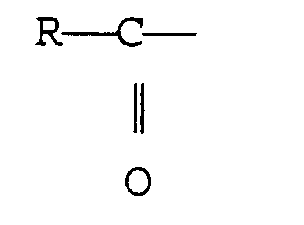
- Suitable substituted derivatives of the phenyl group are derivatives wherein each substituent is a halide, an alkyl group or a group having the structure where R is hydrogen, an alkoxide group, an alkyl group or an OH group. To date the most useful derivatives have proven to be those in which the substituents are halides, carbonyl groups or alkyl groups.
- R 2 and R 2' groups of the complex compounds of the present invention may also be the same or different and may be hydrogen, an unbranched alkyl group, a halide or a group having the structure where R is hydrogen, an alkoxide group, an alkyl group or an OH group.
- R 2 and R 2 are chlorine or hydrogen atoms or a C 1 -C 3 alkyl group.
- R 2 has a structure it is preferred that R is hydrogen, a methyl group or an OH group.
- R 3 and R 3 , of the complex compounds of the present invention are the same or different and each may be hydrogen or an alkyl group, preferably a C 1 -C 3 alkyl group.
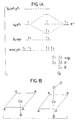
- Ligands are arranged in a spectrochemical series according to the magitude of their field strength or the " ⁇ 0 " they bring about.
- the symbol ⁇ 0 represents the difference between the energies of the d xy , d xz , and d yz orbitals and the d z 2 and d x 2 -y 2 orbitals.
- the cyanide ion which stand at the opposite end of the series from the halide ions, has the strongest ligand field strength and induces the largest d-orbital splitting of any ligand listed.
- the halide ions such as Br - and Cl - have weak ligand field strength and induces the smallest d-orbital splitting.
- Ligands such as NH 3 and OH - have intermediate ligand field strength.
- X and X' are ligands with weak to intermediate ligand field strength, such as halides or NH 3 , H 2 O, or dimethyl sulfoxide.
- the invention also provides a pharmaceutical composition and method for treating a subject having a condition associated with the presence of free radicals in quantities sufficient to cause undesirable symptoms.
- the pharmaceutical composition comprises a pharmaceutically acceptable carrier and the compound of the present invention in an amount effective to alleviate the undesirable symptoms associated with the presence of the free radicals.
- the method comprises administering to the subject the compound in an amount effective to alleviate the undesirable symptoms.
- the method may be used for the treatment of any condition associated with free radicals. It is however most effective against conditions associated with oxygen free radicals, such as O 2 - .
- conditions associated with oxygen free radicals such as O 2 - .
- Such conditions may comprise inflammation, including synovial inflammation and arthritis, ulcers such as diabetic ulcers, and conditions caused by the loss of circulation due to free radicals, such as hair loss due to the loss of dermal microcirculation.
- the method is used in the treatment of acute or chronic arthritis with a dosage of the compounds of 0.1 to 250 mg/kg (especially about 1 to about 200 mg/kg) of body weight, but in all cases at most 50% of the LD 50 value of the compound, when the compound is administered orally as is preferred.
- the complex compound or a combination of the complexes can be administered subcutaneously or even topically in a suitable vehicle, e.g. physiological saline in the case of s.c. administration and dimethylsulfoxide (DMSO) in the case of a topical administration, although ointments, salves or like conventional vehicles may be employed.
- a suitable vehicle e.g. physiological saline in the case of s.c. administration and dimethylsulfoxide (DMSO) in the case of a topical administration, although ointments, salves or like conventional vehicles may be employed.
- the complex or mixture of complexes may be prepared in suitable dosage forms.
- suitable dosage forms For example it may be prepared as dragees, as capsules, as tablets, as an elixir or other oral dosage form.
- the dose may be administered one to six times daily, depending upon the severity of the inflammatory condition, preferably under medical supervision so that the dosage can be reduced or the number of daily administrations limited as the inflammatory condition subsides.
- the compounds of the invention may also have prophylactic properties in preventing the spread of arthritic inflammation and have been found to be effective in reducing the severity of the actual condition which develops in subjects who are prone to such inflammatory states.
- the compounds may also be effective in preventing postischemic heart damage and for geriatric applications other than antiarthritics.
- the compounds of the invention may be used in conjunction with known antiinflammatory agents with propionic acid side chains, especially indomethacine, to further alleviate the suffering of arthritic inflammation.
- the invention also provides an antimicrobial composition which comprises a suitable carrier and the compound of the present invention in an amount effective to suppress the growth of microorganisms.
- the antimicrobial composition or compounds of the present invention may be used for the treatment of a wound or burn by topically administering to the wound or burn the composition or compounds.
- the compounds may also be used in the treatment of conditions which are normally treated with antimicrobial or antibacterial agents.
- the compounds may be used in the topically treatment of an infections disease or an abrasion as an antibiotic.
- the cobalt complexes of the present invention are water-soluble and may be dissolved in a number of carriers. Suitable carriers include polar, protic solvents such as water or especially normal saline. The cobalt complexes may also be suspended in a suspension medium that is not miscible with water, for example petrolatum.
- the concentration of the complexes in the solvent or suspension medium can vary from 0.1 to 50 mg/ml. A preferred concentration range lies between 1 and 10 mg/ml.
- the complexes may be applied to the site of the burn, wound, abrasion, etc. in the form of an aerosol, in the form of a salve, ointment, or cream, or directly in a liquid solvent, preferably normal saline, by the use of a medicine dropper. Furthermore the complexes may be applied to the burn site together with a topical anesthetic agent such as benzocaine, a soothing agent such as menthol, an antibacterial agent such as bacitracin, or a combination of these ingredients.
- a topical anesthetic agent such as benzocaine
- a soothing agent such as menthol
- an antibacterial agent such as bacitracin
- the method is particularly effective for killing microorganisms such as Strep. ⁇ hemolytic, Strep. ⁇ hemolytic, Enterococci, Staph. coagulase (+), Staph. coagulase (-), E. Coli, Klebsiella, Pseudomonas, Proteus, or C. albicans.
- microorganisms such as Strep. ⁇ hemolytic, Strep. ⁇ hemolytic, Enterococci, Staph. coagulase (+), Staph. coagulase (-), E. Coli, Klebsiella, Pseudomonas, Proteus, or C. albicans.
- the compounds of the present invention are effective in the treatment of subjects having tumors.
- Administration of the compounds to a subject afflicted with tumor cells causes a regression in the growth of the tumor cells.
- the compound may be directly administered to the subject or it may be administered in a pharmaceutical composition which comprises an effective anti-tumor amount of the compound and a pharmaceutically acceptable carrier. This method has been found to be particularly effective in the treatment of tumors associated with ascites cells.
- the compounds and compositions of the present invention may be used in the treatment of other conditions associated with free radicals, such as poisonings with pharmacologic agents or conditions caused by ionizing radiation.
- the compounds may also be used in industrial applications where free radicals, such as oxygen radicals, are undesirable; for example, in wastewater treatment as an oxygen scavenger.
- the donor atoms A define the basal plane of the molecule, while B represents the axial ligands.
- the metal orbitals especially d z 2 and d 2 -y 2 which are a orbitals
- the metal orbitals are raised in energy relative to the ⁇ orbitals of O 2 and more electronic charge is transfered from the metal to the bound dioxygen, i.e., the O 2 molecule attains more O 2 - character.
- the complexes [CoL(NH 3 ) 2 ] + fit nicely with the set of requirements given above.
- the six donor atoms N 4 O 2 give rise to an intermediate ligand field.
- the quadridentate ligand L when bound to Co(III) gives rise to a 6,5,6 ring system where the six membered rings are unsaturated, thereby ensuring the planarity of the complex basal plane without steric strain, as has been determined from X-ray crystal structure analysis.
- the ligand L when bound to Co(II) gives a low spin, planar complex.
- the unsaturation of the six-membered rings is important not only because it ensures the required geometry, but also because it provides for an effective pathway for transmitting electronic effects of different substituents to the cobalt center, thereby affecting the relative energies of the metal d orbitals.
- the drugs used are prepared just before performing the experiment. Drugs are dissolved at a concentration of 10 -2 M (or 2 x 10 -2 M or 4 x 10 -2 M) in pyrogen free sterile saline. The dissolved drug is then filtered through a sterile and pyrogen-free 0.2 micron filter (Acrodisc, Gelman).
- CD-1 female mice (Charles River), age 2-5 months are numbered, weighed and distributed to 2-3 cages, 3-4 mice in each cage. 0.2 ml of pyrogen-free saline or drug are injected subcutaneously in a randomized order.
- the right paw of each mouse is injected with 25 microliters of 1% carrageenin (viscarin type, Marine Colloids) in pyrogen-free saline or with 5 microliters (0.227 U) of xanthineuoxidase (Sigma).
- carrageenin viscarin type, Marine Colloids
- both paws of the animal are amputated at the knee point and weighed.
- the uninjected left paw serves as an internal control for the degree of swelling of the right paw in each animal.
- Compound 64 ([Co(L64)(NH 3 ) 2 ]Cl) was found to be as effective as or more effective than compound 23 in corresponding tests. Both compounds were found to be effective in reducing oedema upon oral administration in force feeding with pills containing 8 mg of active ingredient and administered in a quantity sufficient to provide an effective dose. The pills were enterally coated (see below).
- composition of tablets is as follows: active ingredient (one or both of compounds 23 or 64 25.0 mg. corn starch 97.0 mg. polyvinyl pyrrolidone 175.0 mg. magnesium stearate 3.0 mg. 300.0 mg.
- the active ingredient and the corn starch are wetted by an aqueous polyvinyl pyrrolidone solution of approx. 15% w/v/, followed by granulation, and drying of the wet granules at about 40-45°C.
- the dried granulate is thoroughly mixed with magnesium stearate, and the mixture so obtained is further processed by a tablet machine, equipped with an appropriate pressing tool, to give tablets of 300 mg. weight containing 25 mg. of active ingredient.
- One manufacturing lot includes 100 tablets.
- Dragees of the following composition are prepared: active ingredient (one or both of compounds 23 or 64) 50.0 mg. lactose 94.0 mg. polyvinyl pyrrolidone 4.0 mg. magnesium stearate 2.0 mg. 300.0 mg.
- Granulates are prepared according to Example 1, and from them dragee kernels of 150 mg. weight are pressed.
- the dragee kernels are coated with a layer containing sugar and talc followed by coloring with an approved food colorant and polishing with bees wax.
- Gelatin capsules of the following composition are prepared: active ingredient (one or both of compounds 23 or 64) 25.0 mg. maize starch 122.0 mg. colloidal silica 3.0 mg. 150.0 mg.
- the ingredients are homogenized, and the homogenate is filled into hard gelatine capsules. 1000 capsules of 150 mg. (filling) weight each, containing 25.0 mg. of active ingredient per capsule, make a lot.
- Pills of the active ingredient are enterally coated with a melt of 45 parts of n-butyl stearate, 30 parts of carnauba wax and 25 parts of stearic acid, all by weight, at a temperature of 75°C.
- mice and male Hartely derived albino guinea-pigs were used throughout this study. They were housed individually and fed ad libitium normal guinea-pig's chow and water, supplemented with 1 gm of Vitamin C per week.
- Control wounds were treated with 1 mg bovine serum albumin/1 ml saline or with 1 ml of saline only. Catalase treatment was also applied in 1 mg/ml saline.
- Compound 23 was applied at either 3 mg/ml or varying concentrations of 3 mg/ml for the first four days, 2 mg/ml twice daily from the 5th to the 8th day and 1 mg/ml twice daily from the 9th to the 12th day.
- the wounds were selected for treatment at random. Three or four treatment groups were performed in each experiment. All dressings were changed under general anaesthesia every four days, at which time wound tracing for healing analysis was performed.
- Contraction is a natural process occurring in each healing wound. Thus, excessive contraction may lead to varying degrees of organ limitation and is thus unfavorable. Contraction with the various treatments given and especially with compound 23 did not exceed control values and was actually reduced in experiment #5. This indicates that the drug does not heal by producing excessive fibrosis. A fibrotic scar is less aesthetic and limits the functionality of the healed area.
- treatment with 3 mg of compound 23 significantly improved epithelialization to 89% as compared ith 38.5 in control treated wounds.
- treatment C also improved epithelialization, but to a lesser degree.
- experiment #5 (Table 10) the wound dressings were not changes on the 4th day, but only on the 8th and 12th PBD.
- the reduced dressing in experiment #5 resulted in improved healing of the wounds of all groups compared with experiments #3 and #4.
- Epithelialization with 3mg of compound 23 was 90.3%, meaning that wounds were almost completely healed on day 12.
- Another Co compound was introduced, compound 64, and it also dramatically improved epithelialization to 97%.
- epithelializaiton was superior in all the groups treated with Co compounds. This should be considered in light of the crucial role of epithelialization in the process of healing.
- Hair follicle preservation and formation is crucial in the assessment of wound healing since, it also indicates the maintenance of dermal microcirulation and prevention of tissue ischemia.
- Experiment #4 (Table 9) exhibited the same phenomenon, 3 mg of compound 23 and decreasing amounts of compound 23 were superior to the control group, though treatment with higher compound 23 amounts was superior to decreasing amounts of the same treatment, i.e. 15.4 and 13.1 hair follicles per field of compound 23 treated groups respectively vs 6.9 hair follicles for control.
- Very surprisingly compound 64 which proved to be an inducer of epithelialization, did not induce hair follicle preservation over control values, and was significantly lower than treatment with compound 23.
- the thickness of the newly formed granulation tissue on PBD 12 was not fully assessed but in both experiments 3 and 4 (Tables 8, 9) the collagen formed in the compound 23 treated group was slightly thicker (10% to 15%) than control values but was not statistically significant. The fact that the layer of new collagen did not exceed that of control by more than 10% to 15% taken together with the fact that contraction was lower due to treatment indicates that a more aesthetic scar will result from our treatment with compound 23.
- An aerosol composition is prepared having the following proportions: Benxocaine 1.00% Camphor 0.10 Menthol 0.10 Pyrilamine Malaete 0.25 Bacitracin 0.02 Acetulan R 1.00 (Acetylated landin alcoholss) Oleyl Alcohol 4.00 Dipropylene Glycol 1.00 Compound 23 0.3 Propellant 152 a/II 92.23 100.00%
- the following water-soluble ointment is prepared having the following proportions: Polyethylene Glycol 200 Monosterate 15.0% Veegum 5.0 Polysorbate 80 1.0 Methylparaben 0.1 Compound 23 0.3 Purified water 78.6 100.00%
- the following oleaginous ointment is prepared having the following proportions: Compound 64 .38% Petrolatum balance to 100%
- microorganisms, growth conditions, MIC and MBC tests were performed in the same conditions as in the first parts. But instead of using BH and TSB as growth media, human sterile serum was used. The microorganisms were incubated in human serum with different concentrations of compound 23, for establishing the MIC, while the MBC was determined on TSA as before.
- microorganisms, growth conditions, MIC and MBC tests are performed as described in the first part, on TSB medium
- Silver Sulfadiazine is effective against the strains tested (gram positive and negative as well) at low concentration (bactericidal at 50 ⁇ g/ml) in comparison with compound 23 (Table 14).
- Sulfamylon is effective at low concentrations (75-150 ⁇ g/ml) only for the streptococci, whereas for the other gram (+) tested (namely, Staphylocci or Enterococci) or gram (-) very high concentrations are needed to be used to get a bactericidal effect (12,000 ⁇ g/ml). This concentration is much higher than that of compound 23. C. albicans is not sensitive even at that concentration.
- Ferrocene and Ferrocene derivatives are very effective as O 2 - scavengers but has absolutely no biological activity. In burn wounds, these compounds are worst than the controls).
Landscapes
- Health & Medical Sciences (AREA)
- Chemical & Material Sciences (AREA)
- Organic Chemistry (AREA)
- General Health & Medical Sciences (AREA)
- Veterinary Medicine (AREA)
- Public Health (AREA)
- Medicinal Chemistry (AREA)
- Animal Behavior & Ethology (AREA)
- Life Sciences & Earth Sciences (AREA)
- Pharmacology & Pharmacy (AREA)
- General Chemical & Material Sciences (AREA)
- Nuclear Medicine, Radiotherapy & Molecular Imaging (AREA)
- Chemical Kinetics & Catalysis (AREA)
- Bioinformatics & Cheminformatics (AREA)
- Engineering & Computer Science (AREA)
- Epidemiology (AREA)
- Communicable Diseases (AREA)
- Oncology (AREA)
- Pain & Pain Management (AREA)
- Rheumatology (AREA)
- Dermatology (AREA)
- Acyclic And Carbocyclic Compounds In Medicinal Compositions (AREA)
- Pharmaceuticals Containing Other Organic And Inorganic Compounds (AREA)
- Chemically Coating (AREA)
- Organic Low-Molecular-Weight Compounds And Preparation Thereof (AREA)
Claims (49)
- Composé complexe de structure :
 dans laquelle R1 et R1, sont identiques ou différents, et représentent chacun un groupe alkyle, un groupe phényle ou un dérivé substitué d'un groupe phényle ; dans laquelle R2 et R2' sont identiques ou différents, et représentent chacun un groupe alkyle non ramifié, un groupe halogénure ou un groupe de structure :
 dans laquelle R représente un atome d'hydrogène, un groupe alcoolate, un groupe alkyle ou OH ;dans laquelle R3 et R3' sont identiques ou différents, et représentent chacun un atome d'hydrogène ou un groupe alkyle ;dans laquelle X et X' sont identiques ou différents, et représentent chacun un groupe soluble dans l'eau à intensité de champ de ligand faible à moyenne ; etQ- représente un ion négatif soluble et pharmaceutiquement acceptable.
 - Composé selon la revendication 1, dans lequel Q- représente un ion halogénure, PF6 - ou BF4 -.
- Composé selon la revendication 2, dans lequel Q- représente Cl- ou Br-.
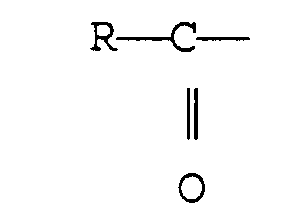
- Composé selon la revendication 1, dans lequel R1 et R1' représentent un groupe alkyle en C1 à C5, un groupe phényle ou un dérivé substitué d'un groupe phényle dans lequel chaque substituant est un groupe halogénure, un groupe alkyle ou un groupe de structure :dans laquelle R représente un atome d'hydrogène, un groupe alcoolate, un groupe alkyle, ou OH.
- Composé selon la revendication 4, dans lequel chacun des groupes R1 et R1', représente un groupe alkyle en C1-C3.
- Composé selon la revendication 4, dans lequel chacun des groupes R1 et R1' représente un dérivé substitué d'un groupe phényle dans lequel chaque substituant est un groupe halogénure, un groupe carbonyle ou un groupe alkyle.
- Composé selon la revendication 1, dans lequel chacun des groupes R2 et R2' représente un groupe halogénure ou un groupe de structure :dans lequel R représente H, CH3 ou OH.
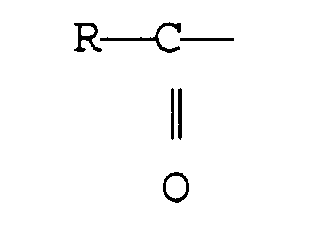
- Composé selon la revendication 7, dans lequel chacun des groupes R2 et R2' représente un atome de chlore.
- Composé selon la revendication 1, dans lequel chacun des groupes R2 et R2' représente un groupe alkyle en C1-C3.
- Composé selon la revendication 1, dans lequel chacun des groupes R3 et R3' représente un groupe alkyle en C1-C5.
- Composé selon la revendication 10, dans lequel chacun des groupes R3 et R3' représente un groupe alkyle en C1-C3.
- Composé selon la revendication 1, dans lequel chacun des groupes X et X' représente NH3, H2O, un ion halogénure ou le diméthyl sulfoxyde.
- Composé de structure :dans laquelle Ph représente un groupe phényle.
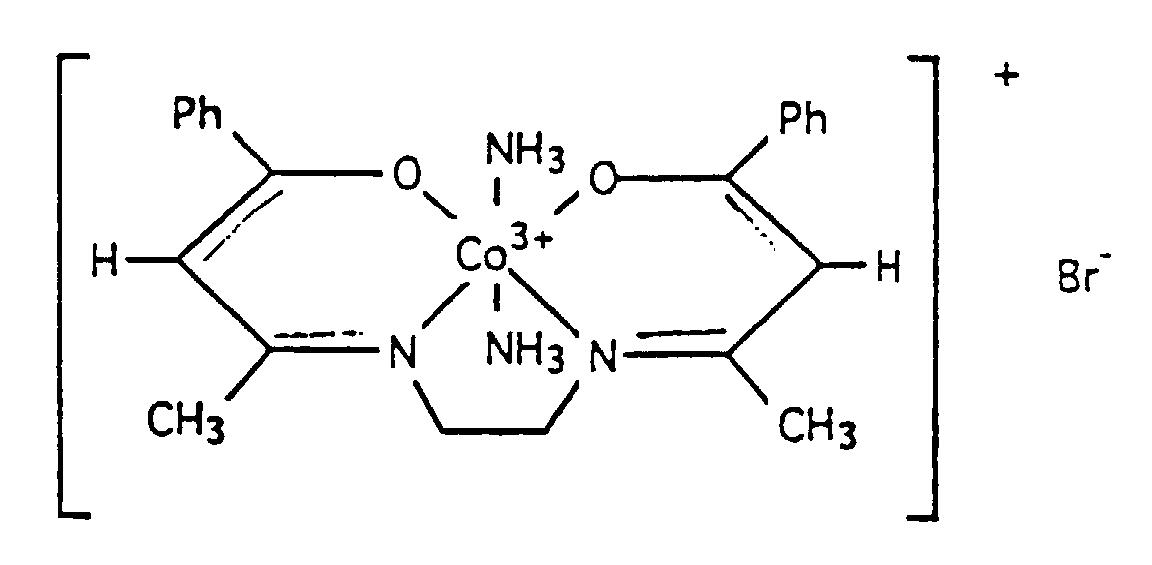
- Composé selon la revendication 1, de structure :

- Composé selon la revendication 1, de structure :dans laquelle Ph représente un groupe phényle.
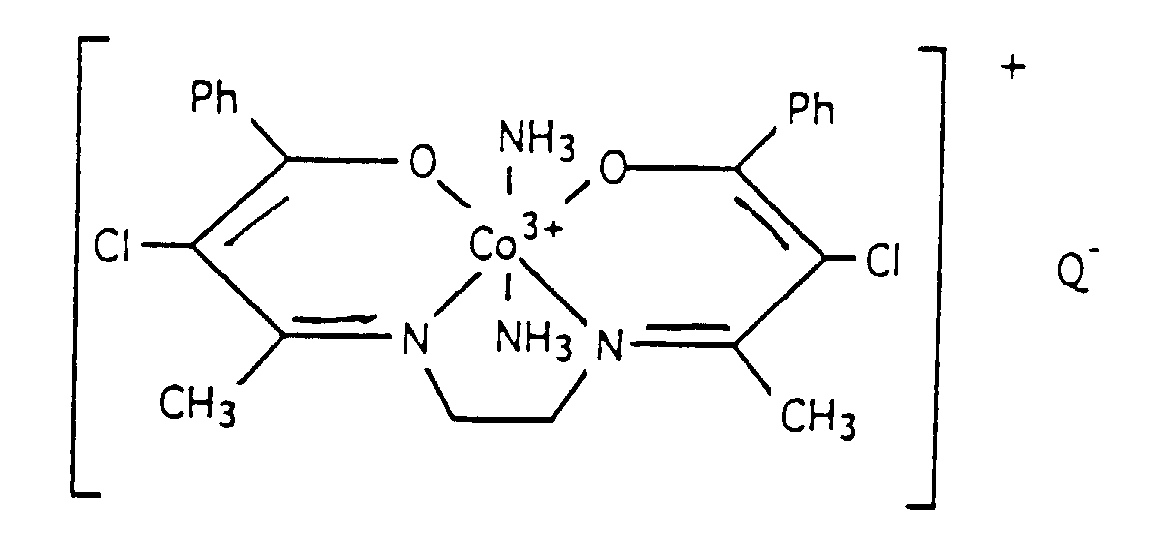
- Composé selon la revendication 1, de structure :
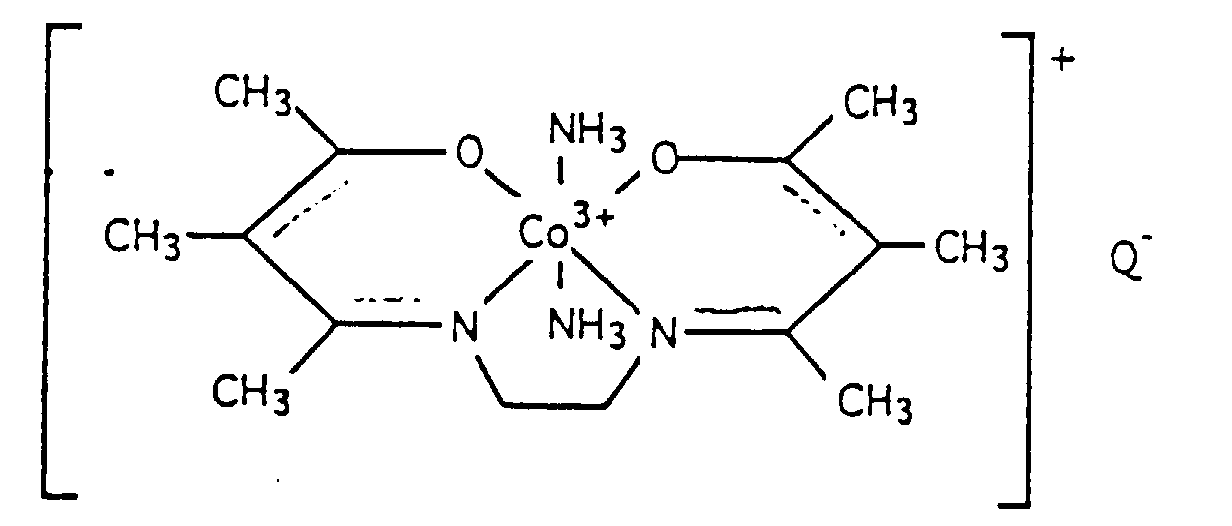
- Composé selon la revendication 1, de structure :dans laquelle Ph représente un groupe phényle.
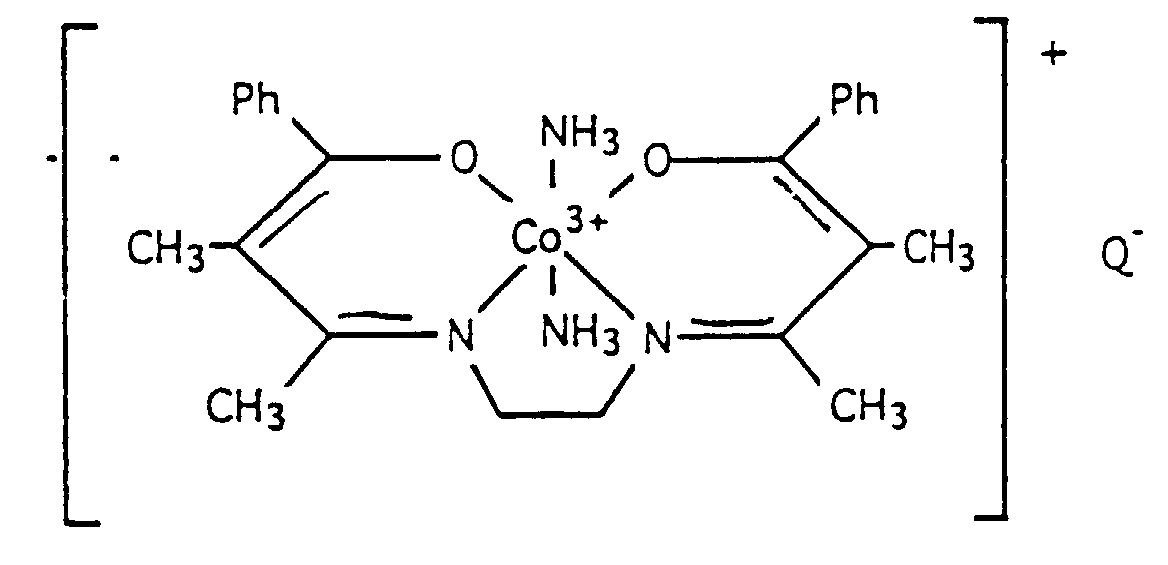
- Composé selon l'une quelconque des revendications 14 à 17, dans lequel Q- représente Br-.
- Composition pharmaceutique comprenant un véhicule pharmaceutiquement acceptable ou un composé complexe selon la revendication 1, en une quantité efficace pour atténuer les effets indésirables liés à la présence de radicaux libres.
- Composition pharmaceutique selon la revendication 19, dans laquelle R1 et R1' sont identiques, et représentent chacun un groupe alkyle en C1-C3, un groupe phényle ou un dérivé substitué d'un groupe phényle, chaque substituant représentant un groupe halogénure, un groupe alkyle ou un groupe de structure :dans laquelle R représente un atome d'hydrogène, un groupe alcoolate, un groupe alkyle ou OH.
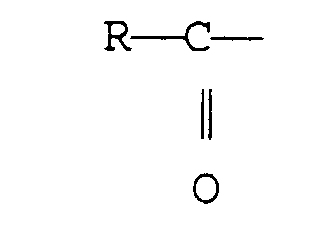
- Composition pharmaceutique selon la revendication 19, dans laquelle R2 et R2' sont identiques, et représentent chacun un groupe alkyle en C1-C3, un groupe halogénure ou un groupe de structure :dans laquelle R représente H, CH3 ou OH.
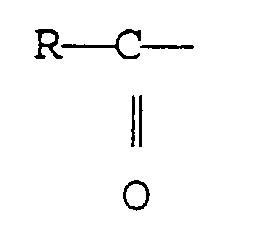
- Composition pharmaceutique selon la revendication 19, dans laquelle R3 et R3' sont identiques et représentent chacun un groupe alkyle en C1-C3.
- Composition pharmaceutique selon la revendication 19, dans laquelle X et X' sont identiques, et représentent chacun un groupe NH3.
- Composition pharmaceutique selon la revendication 19, dans laquelle Q- représente Br- ou Cl-.
- Composition pharmaceutique selon la revendication 19, dans laquelle le composé complexe a une structure telle que définie selon l'une quelconque des revendications 13 à 17.
- Utilisation d'un composé tel que défini dans la revendication 19 pour préparer une composition utile pour traiter les sujets ayant une affection associée à la présence de radicaux libres en quantités suffisantes pour provoquer des effets indésirables.
- Utilisation selon la revendication 26, dans laquelle les radicaux libres sont des radicaux libres d'oxygène, en particulier O2 +.
- Utilisation selon la revendication 27, dans laquelle les effets indésirables comprennent une inflammation, en particulier une inflammation synoviale.
- Utilisation selon la revendication 27, dans laquelle l'affection est l'arthrite, et les effets indésirables comprennent une inflammation.
- Utilisation selon la revendication 26, dans laquelle la composition est une composition pharmaceutique pour administration par voie orale ou parentérale.
- Utilisation selon la revendication 26, dans laquelle la composition est une composition pharmaceutique pour administration par voie sous-cutanée ou intraveineuse.
- Utilisation selon la revendication 26, dans laquelle l'affection est une blessure ou une brûlure, et les effets indésirables comprennent une inflammation ou une infection.
- Utilisation selon la revendication 29, dans laquelle le composé correspond à la structure définie dans la revendication 13, 14, 15, 16 ou 17.
- Utilisation selon la revendication 26 ou 29, dans laquelle le composé correspond à la structure définie dans la revendication 13.
- Composition antimicrobienne comprenant un véhicule approprié et un complexe selon une quantité efficace pour empêcher la croissance des micro-organismes, le complexe comprenant un complexe selon la revendication 1, ledit complexe réagissant avec O2 - pour former un produit d'addition de formule Co(III)O2, ou oxydant O2 - pour produire de l'oxygène diatomique et un complexe de Co(II).
- Composition antimicrobienne selon la revendication 35, dans laquelle le plan octaédrique de base du complexe, est plan.
- Composition antimicrobienne selon la revendication 35, dans laquelle X et X' sont identiques et sont choisis parmi I-, Br-, Cl-, OH-, C2O4 2-, H2O et NH3 ; et la charge du complexe est -1, 0 ou +1.
- Composition antimicrobienne selon la revendication 35, dans laquelle R1 et R1' sont identiques ou différents, et représentent chacun un groupe alkyle en C1-C3, un groupe phényle ou un dérivé substitué d'un groupe phényle, chaque substituant étant un groupe halogénure, un groupe alkyle ou un groupe de structure :dans laquelle R représente un atome d'hydrogène, un groupe alcoolate, un groupe alkyle ou OH ;
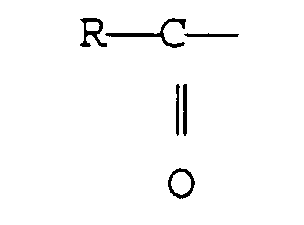 R2 et R2' sont identiques, et représentent chacun un groupe alkyle en C1-C3, un groupe halogénure ou un groupe de structure :dans laquelle R représente H, CH3 ou OH ;
 R3 et R3' sont identiques, et représentent chacun un groupe alkyle en C1-C3 ;X et X' sont identiques et représentent chacun NH3 ;et Q- représente Br- ou Cl-.
 - Composition antimicrobienne selon la revendication 38, dans laquelle le composé a une structure de formule :ou telle que définie dans l'une quelconque des revendications 14 à 17.
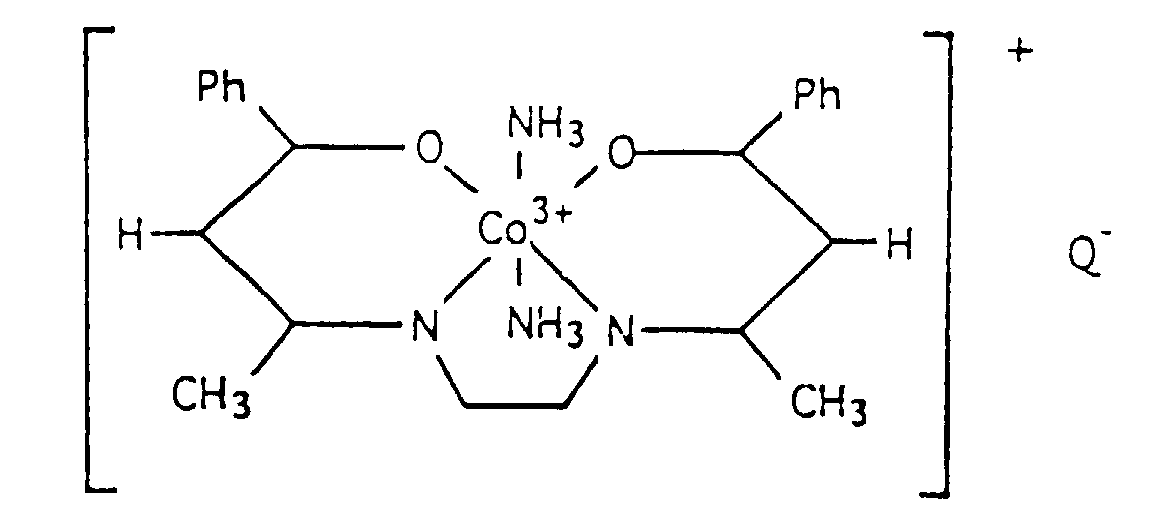
- Utilisation d'un composé selon la revendication 1, pour la préparation d'un médicament topique utile pour tuer ou empêcher la croissance des micro-organismes dans une blessure ou une brûlure.
- Utilisation selon la revendication 40, dans lequel la quantité de composé dans ledit médicament, est d'environ 1 mg/ml à environ 10 mg/ml.
- Utilisation selon la revendication 40 ou 41, dans lequel les micro-organismes sont les streptocoques β hémolytiques, les streptocoques α hémolytiques, les entérocoques, les staphylocoques coagulase (+), les staphylocoques coagulase (-), E. coli, Klebsiella, Pseudomonas, Proteus ou Candida albicans.
- Utilisation selon la revendication 46, dans laquelle le composé a une structure telle que définie dans la revendication 39 et dans les revendications 14 à 17.
- Composition pharmaceutique pour le traitement des cellules tumorales dans un sujet, comprenant une quantité antitumorale efficace d'un composé, et un véhicule pharmaceutiquement acceptable, le composé ayant la structure définie dans la revendication 1.
- Composition pharmaceutique pour le traitement des cellules tumorales selon la revendication 44, comprenant un véhicule pharmaceutiquement acceptable et une quantité antitumorale efficace d'un composé, R1 et R1' étant identiques ou différents et représentant chacun un groupe alkyle en C1-C3, un groupe phényle ou un dérivé substitué d'un groupe phényle, chaque substituant étant un groupe halogénure, un groupe alkyle ou un groupe de structure :dans laquelle R représente un atome d'hydrogène, un groupe alcoolate, un groupe alkyle ou OH ;
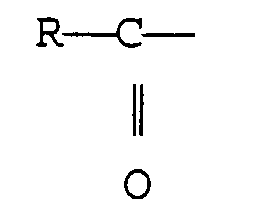 R2 et R2' sont identiques ou différents, et représentent chacun un groupe alkyle en C1-C3, un groupe halogénure ou un groupe de structure :dans laquelle R représente H, CH3 ou OH ;
 R3 et R3' sont identiques, et représentent chacun un groupe alkyle en C1-C3 ;X et X' sont identiques ou différents et représentent chacun NH3 ; et Q- représente Br- ou Cl-.
 - Composition pharmaceutique selon la revendication 45, dans laquelle le composé a une structure selon la revendication 39 ou les revendications 14 à 17.
- Utilisation d'un composé selon la revendication 1, pour préparer une composition pharmaceutique utile pour traiter un sujet ayant des cellules tumorales, de façon à provoquer la régression des cellules tumorales.
- Utilisation selon la revendication 47, dans laquelle R1 et R1' sont identiques ou différents, et représentent chacun un groupe alkyle en C1-C3, un groupe phényle ou un dérivé substitué d'un groupe phényle, chaque substituant représentant un groupe halogénure, un groupe alkyle ou un groupe de structure :dans laquelle
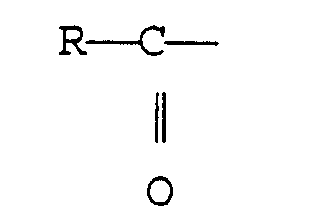 R représente un atome d'hydrogène, un groupe alcoolate, un groupe alkyle ou OH ;R2 et R2' sont identiques, et représentent chacun un groupe alkyle en C1-C3, un groupe halogénure ou un groupe de structure :
 dans laquelle R représente H, CH3 ou OH ;R3 et R3' sont identiques et représentent chacun un groupe alkyle en C1-C3 ;X et X' sont identiques et représentent chacun NH3 ; etQ- représente Br- ou Cl-.
 - Utilisation selon la revendication 48, dans laquelle le composé a une structure telle que définie dans les revendications 39 et 14 à 17.
Applications Claiming Priority (3)
| Application Number | Priority Date | Filing Date | Title |
|---|---|---|---|
| US07/279,417 US5049557A (en) | 1986-05-13 | 1988-12-02 | Metallo-organic salt compounds and pharmaceutical uses thereof |
| US279417 | 1988-12-02 | ||
| PCT/US1989/005476 WO1990006119A1 (fr) | 1988-12-02 | 1989-12-04 | Composes de cobalt metallo-organique et leurs emplois |
Publications (3)
| Publication Number | Publication Date |
|---|---|
| EP0481994A1 EP0481994A1 (fr) | 1992-04-29 |
| EP0481994A4 EP0481994A4 (en) | 1993-03-03 |
| EP0481994B1 true EP0481994B1 (fr) | 1999-04-07 |
Family
ID=23068878
Family Applications (1)
| Application Number | Title | Priority Date | Filing Date |
|---|---|---|---|
| EP90900578A Expired - Lifetime EP0481994B1 (fr) | 1988-12-02 | 1989-12-04 | Composes de cobalt metallo-organique et leurs emplois |
Country Status (9)
| Country | Link |
|---|---|
| US (1) | US5049557A (fr) |
| EP (1) | EP0481994B1 (fr) |
| JP (1) | JPH04507398A (fr) |
| AT (1) | ATE178608T1 (fr) |
| AU (1) | AU637340B2 (fr) |
| CA (1) | CA2004534C (fr) |
| DE (1) | DE68928968T2 (fr) |
| IL (1) | IL92512A (fr) |
| WO (1) | WO1990006119A1 (fr) |
Families Citing this family (15)
| Publication number | Priority date | Publication date | Assignee | Title |
|---|---|---|---|---|
| US5756491A (en) * | 1986-05-13 | 1998-05-26 | Chai-Tech Corporation | Antiviral cobalt-organic compounds |
| US5258403A (en) * | 1986-05-13 | 1993-11-02 | Chai-Tech Corporation | Metallo-organic salt compounds and pharmaceutical uses thereof |
| US5106841A (en) * | 1986-05-13 | 1992-04-21 | Chai-Tech Corporation | Antiviral compositions and method for their use |
| AU5871494A (en) * | 1992-12-15 | 1994-07-04 | Redox Pharmaceutical Corporation | Antiviral compositions and method for their use |
| US6008190A (en) * | 1994-12-15 | 1999-12-28 | California Institute Of Technology | Cobalt Schiff base compounds |
| DE69942976D1 (de) * | 1998-05-06 | 2011-01-05 | Children S Hospital Res Foundation | Verfahren zur hsv-prophylaxe |
| CA2343824A1 (fr) * | 1998-06-11 | 1999-12-16 | Redox Pharmaceutical Corporation | Procede de prophylaxie du vih et du vph |
| US6376483B1 (en) | 1999-05-27 | 2002-04-23 | Miravant Pharmaceuticals, Inc. | Bacteriochlorins and bacteriopurpurins useful as photoselective compounds for photodynamic therapy and a process for their production |
| WO2001005396A1 (fr) * | 1999-07-16 | 2001-01-25 | The Trustees Of Columbia University In The City Of New York | Utilisation de chelates de cobalts pour le traitement ou la prevention de l'infection virale |
| US6756368B1 (en) | 1999-07-16 | 2004-06-29 | The Trustees Of Columbia University In The City Of New York | Use of cobalt chelates for treating or preventing virus infection |
| EP1284726A4 (fr) * | 2000-03-10 | 2005-07-20 | Childrens Hosp Medical Center | Methode de traitement prophylactique de l'infection par la bacterie chlamydia |
| US6780856B2 (en) * | 2000-04-07 | 2004-08-24 | California Institute Of Technology | Towards increased shelf life for cobalt(III) schiff base complexes |
| AU2004249292A1 (en) * | 2003-06-20 | 2004-12-29 | Redox Pharmaceutical Corporation | Microbicidal, prophylactic and therapeutic effect of CTC-96 on papilloma viruses |
| JP4961700B2 (ja) | 2005-09-08 | 2012-06-27 | Jnc株式会社 | 末端が水素であるナフタレン誘導体、この誘導体を含有する液晶組成物およびこの液晶組成物を含有する液晶表示素子 |
| US20100298415A1 (en) * | 2009-03-23 | 2010-11-25 | Northwestern University | Targeted schiff base complexes |
Family Cites Families (11)
| Publication number | Priority date | Publication date | Assignee | Title |
|---|---|---|---|---|
| US3420865A (en) * | 1966-05-12 | 1969-01-07 | Colgate Palmolive Co | Novel carbocyclic ferrocenes |
| DE2527158A1 (de) * | 1975-06-18 | 1976-12-23 | Herz Eberhard | Arzneimittel zur behandlung von infektionskrankheiten und von nicht nachweisbar durch mikroorganismen ausgeloeste entzuendungen in der human- und veterinaermedizin |
| CA1218600A (fr) * | 1982-12-06 | 1987-03-03 | Gerald L. Maurer | Methodes et composition pour le traitement des inflammations et de l'arthrite |
| DE3404443A1 (de) * | 1984-02-08 | 1985-08-08 | Hartmut Prof. Dr. 1000 Berlin Köpf | Metallicenium-salze und deren verwendung als cytostatica bei der krebsbekaempfung |
| US4514522A (en) * | 1984-07-27 | 1985-04-30 | University Patents, Inc. | Oxygen sorbent |
| US4727068A (en) * | 1985-10-23 | 1988-02-23 | Johnson Matthey, Inc. | Radiosensitization by cobalt and Fe(III) complexes |
| IL82376A (en) * | 1986-05-13 | 1991-06-10 | Chai Tech Corp | Pharmaceutical composition for the treatment of inflammatory conditions |
| US4735634A (en) * | 1986-08-28 | 1988-04-05 | Air Products And Chemicals, Inc. | Pillared cobalt complexes for oxygen separation |
| HU198913B (en) * | 1987-09-03 | 1989-12-28 | Pliva Pharm & Chem Works | Process for producing 10-dihydro-10-deoxo-11-aza-erythronolide a-derivatives and pharmaceutical compositions containing them as active components |
| US4950790A (en) * | 1988-11-14 | 1990-08-21 | Air Products And Chemicals, Inc. | Volatile fluorinated β-ketoimines and associated metal complexes |
| CA2004639A1 (fr) * | 1988-12-12 | 1990-06-12 | John A. T. Norman | Complexes a base de beta-cetoimines fluores et de (beta-cetoiminato) metal |
-
1988
- 1988-12-02 US US07/279,417 patent/US5049557A/en not_active Expired - Lifetime
-
1989
- 1989-12-01 IL IL9251289A patent/IL92512A/en not_active IP Right Cessation
- 1989-12-04 AT AT90900578T patent/ATE178608T1/de not_active IP Right Cessation
- 1989-12-04 WO PCT/US1989/005476 patent/WO1990006119A1/fr not_active Ceased
- 1989-12-04 AU AU47483/90A patent/AU637340B2/en not_active Ceased
- 1989-12-04 DE DE68928968T patent/DE68928968T2/de not_active Expired - Lifetime
- 1989-12-04 CA CA002004534A patent/CA2004534C/fr not_active Expired - Lifetime
- 1989-12-04 EP EP90900578A patent/EP0481994B1/fr not_active Expired - Lifetime
- 1989-12-04 JP JP2500899A patent/JPH04507398A/ja active Pending
Also Published As
| Publication number | Publication date |
|---|---|
| CA2004534C (fr) | 1995-12-26 |
| EP0481994A4 (en) | 1993-03-03 |
| ATE178608T1 (de) | 1999-04-15 |
| US5049557A (en) | 1991-09-17 |
| IL92512A0 (en) | 1990-08-31 |
| EP0481994A1 (fr) | 1992-04-29 |
| CA2004534A1 (fr) | 1990-06-02 |
| AU4748390A (en) | 1990-06-26 |
| IL92512A (en) | 1998-12-06 |
| DE68928968D1 (de) | 1999-05-12 |
| JPH04507398A (ja) | 1992-12-24 |
| WO1990006119A1 (fr) | 1990-06-14 |
| AU637340B2 (en) | 1993-05-27 |
| DE68928968T2 (de) | 2000-01-05 |
Similar Documents
| Publication | Publication Date | Title |
|---|---|---|
| EP0481994B1 (fr) | Composes de cobalt metallo-organique et leurs emplois | |
| US4177263A (en) | Anti-animal tumor method | |
| US4952607A (en) | Copper complex for treating cancer | |
| KR100442096B1 (ko) | 이중 디카르복실산 디아미노플라틴 착체의 항종양 유도체, 그의 제조방법, 그것을 함유하는 약학조성물 및 그 유도체의 적용 | |
| KR100864596B1 (ko) | 항종양제로서의 백금 착물 및 이를 포함하는 약제학적 조성물 | |
| WO1987001281A1 (fr) | Complexe de glycerolate de zinc et produits d'addition pour applications pharmaceutiques | |
| US4866054A (en) | Antioxidant metallo-organic treatment of inflammation | |
| US4339437A (en) | Anti-tumor method | |
| GB2081094A (en) | The use of dithiocarbamic compounds in cancer therapy | |
| EP0049593A1 (fr) | Acide 1-éthyl-6-fluoro-1,4-dihydro-4-oxo-7(1-pipérazinyl)-quinoléine-3-carboxylique et sels métalliques utiles en thérapie des brûlures | |
| EP0190464A2 (fr) | Médicaments contre le cancer | |
| US5142076A (en) | Metallo-organic salt compounds and pharmaceutical uses thereof | |
| US5258403A (en) | Metallo-organic salt compounds and pharmaceutical uses thereof | |
| US5753698A (en) | Method for treating cyanide poisoning | |
| US5562925A (en) | Anti-tumor method | |
| Bamigboye et al. | Synthesis, characterization, antimalarial and antimicrobial activities of mixed Ibuprofen-Pyrimethamine M (II) complexes [M= Cd, Co, Zn, Mn] | |
| Perrin | Medicinal chemistry | |
| US4866053A (en) | Method of treating a burn employing a metallo-organic cobalt compound | |
| ES2893849T3 (es) | Complejo de oro(III), conjugado del complejo de oro(III), composición farmacéutica que comprende el complejo de oro(III) y usos y un proceso de preparación del complejo de oro(III) | |
| US4287187A (en) | Method for treating tumors with cis-diammineplatinum(II) orthophosphate complexes | |
| CA1306681C (fr) | Traitement metalo-organique antioxydant de l'inflammation | |
| WO2005090372A2 (fr) | Composes anticancereux a base de carboxylate de platine | |
| US6921824B1 (en) | Ruthenium dimeric complexes suitable as antimetastatic and antineoplastic agents | |
| KR900004404B1 (ko) | 유기백금착물 및 이를 사용한 종양 치료방법 | |
| Carraher Jr et al. | Aqueous solution synthesis of platinum II polyureas, polythioureas and polyamides |
Legal Events
| Date | Code | Title | Description |
|---|---|---|---|
| PUAI | Public reference made under article 153(3) epc to a published international application that has entered the european phase |
Free format text: ORIGINAL CODE: 0009012 |
|
| 17P | Request for examination filed |
Effective date: 19910603 |
|
| AK | Designated contracting states |
Kind code of ref document: A1 Designated state(s): AT BE CH DE ES FR GB IT LI LU NL SE |
|
| A4 | Supplementary search report drawn up and despatched |
Effective date: 19930113 |
|
| AK | Designated contracting states |
Kind code of ref document: A4 Designated state(s): AT BE CH DE ES FR GB IT LI LU NL SE |
|
| 17Q | First examination report despatched |
Effective date: 19961204 |
|
| GRAG | Despatch of communication of intention to grant |
Free format text: ORIGINAL CODE: EPIDOS AGRA |
|
| GRAG | Despatch of communication of intention to grant |
Free format text: ORIGINAL CODE: EPIDOS AGRA |
|
| GRAH | Despatch of communication of intention to grant a patent |
Free format text: ORIGINAL CODE: EPIDOS IGRA |
|
| GRAH | Despatch of communication of intention to grant a patent |
Free format text: ORIGINAL CODE: EPIDOS IGRA |
|
| GRAA | (expected) grant |
Free format text: ORIGINAL CODE: 0009210 |
|
| RAP1 | Party data changed (applicant data changed or rights of an application transferred) |
Owner name: REDOX PHARMACEUTICAL CORPORATION |
|
| AK | Designated contracting states |
Kind code of ref document: B1 Designated state(s): AT BE CH DE ES FR GB IT LI LU NL SE |
|
| PG25 | Lapsed in a contracting state [announced via postgrant information from national office to epo] |
Ref country code: IT Free format text: LAPSE BECAUSE OF FAILURE TO SUBMIT A TRANSLATION OF THE DESCRIPTION OR TO PAY THE FEE WITHIN THE PRESCRIBED TIME-LIMIT;WARNING: LAPSES OF ITALIAN PATENTS WITH EFFECTIVE DATE BEFORE 2007 MAY HAVE OCCURRED AT ANY TIME BEFORE 2007. THE CORRECT EFFECTIVE DATE MAY BE DIFFERENT FROM THE ONE RECORDED. Effective date: 19990407 Ref country code: BE Free format text: LAPSE BECAUSE OF FAILURE TO SUBMIT A TRANSLATION OF THE DESCRIPTION OR TO PAY THE FEE WITHIN THE PRESCRIBED TIME-LIMIT Effective date: 19990407 Ref country code: CH Free format text: LAPSE BECAUSE OF FAILURE TO SUBMIT A TRANSLATION OF THE DESCRIPTION OR TO PAY THE FEE WITHIN THE PRESCRIBED TIME-LIMIT Effective date: 19990407 Ref country code: SE Free format text: THE PATENT HAS BEEN ANNULLED BY A DECISION OF A NATIONAL AUTHORITY Effective date: 19990407 Ref country code: ES Free format text: THE PATENT HAS BEEN ANNULLED BY A DECISION OF A NATIONAL AUTHORITY Effective date: 19990407 Ref country code: AT Free format text: LAPSE BECAUSE OF FAILURE TO SUBMIT A TRANSLATION OF THE DESCRIPTION OR TO PAY THE FEE WITHIN THE PRESCRIBED TIME-LIMIT Effective date: 19990407 Ref country code: NL Free format text: LAPSE BECAUSE OF FAILURE TO SUBMIT A TRANSLATION OF THE DESCRIPTION OR TO PAY THE FEE WITHIN THE PRESCRIBED TIME-LIMIT Effective date: 19990407 Ref country code: LI Free format text: LAPSE BECAUSE OF FAILURE TO SUBMIT A TRANSLATION OF THE DESCRIPTION OR TO PAY THE FEE WITHIN THE PRESCRIBED TIME-LIMIT Effective date: 19990407 |
|
| REF | Corresponds to: |
Ref document number: 178608 Country of ref document: AT Date of ref document: 19990415 Kind code of ref document: T |
|
| REG | Reference to a national code |
Ref country code: CH Ref legal event code: EP |
|
| REF | Corresponds to: |
Ref document number: 68928968 Country of ref document: DE Date of ref document: 19990512 |
|
| ET | Fr: translation filed | ||
| NLV1 | Nl: lapsed or annulled due to failure to fulfill the requirements of art. 29p and 29m of the patents act | ||
| REG | Reference to a national code |
Ref country code: CH Ref legal event code: PL |
|
| PG25 | Lapsed in a contracting state [announced via postgrant information from national office to epo] |
Ref country code: LU Free format text: LAPSE BECAUSE OF NON-PAYMENT OF DUE FEES Effective date: 19991204 |
|
| PLBE | No opposition filed within time limit |
Free format text: ORIGINAL CODE: 0009261 |
|
| STAA | Information on the status of an ep patent application or granted ep patent |
Free format text: STATUS: NO OPPOSITION FILED WITHIN TIME LIMIT |
|
| 26N | No opposition filed | ||
| REG | Reference to a national code |
Ref country code: GB Ref legal event code: IF02 |
|
| PGFP | Annual fee paid to national office [announced via postgrant information from national office to epo] |
Ref country code: FR Payment date: 20020129 Year of fee payment: 13 |
|
| PG25 | Lapsed in a contracting state [announced via postgrant information from national office to epo] |
Ref country code: FR Free format text: LAPSE BECAUSE OF NON-PAYMENT OF DUE FEES Effective date: 20030901 |
|
| REG | Reference to a national code |
Ref country code: FR Ref legal event code: ST |
|
| PGFP | Annual fee paid to national office [announced via postgrant information from national office to epo] |
Ref country code: DE Payment date: 20090227 Year of fee payment: 20 |
|
| PGFP | Annual fee paid to national office [announced via postgrant information from national office to epo] |
Ref country code: GB Payment date: 20081219 Year of fee payment: 20 |
|
| REG | Reference to a national code |
Ref country code: GB Ref legal event code: PE20 Expiry date: 20091203 |
|
| PG25 | Lapsed in a contracting state [announced via postgrant information from national office to epo] |
Ref country code: GB Free format text: LAPSE BECAUSE OF EXPIRATION OF PROTECTION Effective date: 20091203 |