EP0483888A2 - Process for preparing an aroma product containing alpha-acetolactic acid - Google Patents
Process for preparing an aroma product containing alpha-acetolactic acid Download PDFInfo
- Publication number
- EP0483888A2 EP0483888A2 EP19910202042 EP91202042A EP0483888A2 EP 0483888 A2 EP0483888 A2 EP 0483888A2 EP 19910202042 EP19910202042 EP 19910202042 EP 91202042 A EP91202042 A EP 91202042A EP 0483888 A2 EP0483888 A2 EP 0483888A2
- Authority
- EP
- European Patent Office
- Prior art keywords
- acid
- lactic acid
- acetolactic
- product
- aroma
- Prior art date
- Legal status (The legal status is an assumption and is not a legal conclusion. Google has not performed a legal analysis and makes no representation as to the accuracy of the status listed.)
- Granted
Links
Images

Classifications
-
- C—CHEMISTRY; METALLURGY
- C12—BIOCHEMISTRY; BEER; SPIRITS; WINE; VINEGAR; MICROBIOLOGY; ENZYMOLOGY; MUTATION OR GENETIC ENGINEERING
- C12P—FERMENTATION OR ENZYME-USING PROCESSES TO SYNTHESISE A DESIRED CHEMICAL COMPOUND OR COMPOSITION OR TO SEPARATE OPTICAL ISOMERS FROM A RACEMIC MIXTURE
- C12P7/00—Preparation of oxygen-containing organic compounds
- C12P7/40—Preparation of oxygen-containing organic compounds containing a carboxyl group including Peroxycarboxylic acids
-
- A—HUMAN NECESSITIES
- A23—FOODS OR FOODSTUFFS; TREATMENT THEREOF, NOT COVERED BY OTHER CLASSES
- A23C—DAIRY PRODUCTS, e.g. MILK, BUTTER OR CHEESE; MILK OR CHEESE SUBSTITUTES; PREPARATION THEREOF
- A23C9/00—Milk preparations; Milk powder or milk powder preparations
- A23C9/152—Milk preparations; Milk powder or milk powder preparations containing additives
- A23C9/156—Flavoured milk preparations ; Addition of fruits, vegetables, sugars, sugar alcohols or sweeteners
- A23C9/1565—Acidified milk products, e.g. milk flavoured with fruit juices
-
- A—HUMAN NECESSITIES
- A23—FOODS OR FOODSTUFFS; TREATMENT THEREOF, NOT COVERED BY OTHER CLASSES
- A23L—FOODS, FOODSTUFFS OR NON-ALCOHOLIC BEVERAGES, NOT OTHERWISE PROVIDED FOR; PREPARATION OR TREATMENT THEREOF
- A23L27/00—Spices; Flavouring agents or condiments; Artificial sweetening agents; Table salts; Dietetic salt substitutes; Preparation or treatment thereof
- A23L27/20—Synthetic spices, flavouring agents or condiments
- A23L27/202—Aliphatic compounds
- A23L27/2024—Aliphatic compounds having oxygen as the only hetero atom
- A23L27/2028—Carboxy compounds
-
- A—HUMAN NECESSITIES
- A23—FOODS OR FOODSTUFFS; TREATMENT THEREOF, NOT COVERED BY OTHER CLASSES
- A23L—FOODS, FOODSTUFFS OR NON-ALCOHOLIC BEVERAGES, NOT OTHERWISE PROVIDED FOR; PREPARATION OR TREATMENT THEREOF
- A23L27/00—Spices; Flavouring agents or condiments; Artificial sweetening agents; Table salts; Dietetic salt substitutes; Preparation or treatment thereof
- A23L27/20—Synthetic spices, flavouring agents or condiments
- A23L27/24—Synthetic spices, flavouring agents or condiments prepared by fermentation
-
- A—HUMAN NECESSITIES
- A23—FOODS OR FOODSTUFFS; TREATMENT THEREOF, NOT COVERED BY OTHER CLASSES
- A23L—FOODS, FOODSTUFFS OR NON-ALCOHOLIC BEVERAGES, NOT OTHERWISE PROVIDED FOR; PREPARATION OR TREATMENT THEREOF
- A23L27/00—Spices; Flavouring agents or condiments; Artificial sweetening agents; Table salts; Dietetic salt substitutes; Preparation or treatment thereof
- A23L27/20—Synthetic spices, flavouring agents or condiments
- A23L27/24—Synthetic spices, flavouring agents or condiments prepared by fermentation
- A23L27/25—Dairy flavours
Definitions
- the present invention relates to a process for preparing an aroma product containing a high concentration of ⁇ -acetolactic acid by subjecting at least one food product constituent to lactic acid bacterial matter.
- Diacetyl is an important flavour for dairy products like cottage cheese, butter and buttermilk. In yoghurt small quantities of diacetyl are also required to obtain a well balanced flavour. Diacetyl is an important flavour also for margarines and low fat spreads in general and for bakery products. While preparing the latter, it is advantageous to include the diacetyl precursor ⁇ -acetolactic acid instead of diacetyl itself, since diacetyl is formed from the precursor during the baking or frying process.
- ⁇ -acetolactic acid instead of diacetyl to foodstuffs has the additional advantage that ⁇ -acetolactic acid is much less volatile than diacetyl and thus the aromatizing effect can be maintained for a longer time provided that the ⁇ -acetolactic acid can be kept stable.
- the dairy industry uses mainly two species of lactic acid bacteria to obtain diacetyl in their products. These are Leuconostoc cremoris and especially Lactococcus lactis subspecies lactis biovar diacetilactis (hereinafter also abbreviated as L. diacetilactis ).
- L. diacetilactis Lactococcus lactis subspecies lactis biovar diacetilactis
- the biosynthesis of diacetyl by the latter species has been studied in detail. It is generally agreed that citric acid, which is present in milk at some 0.15% (w/v), is the milk component from which diacetyl is produced. Pyruvic acid however can serve as the precursor as well (T.M. Cogan, J. Dairy Research 51 (1984) 597). From there on, opinions diverge as to the exact way in which diacetyl is produced.
- the first pathway involves the combination of acetaldehyde-TPP and acetyl-CoA directly into diacetyl.
- the second pathway concerns the formation of the diacetyl precursor ⁇ -acetolactic acid by combination of pyruvic acid and acetaldehyde-TPP.
- the diacetyl precursor can afterwards be converted into diacetyl by oxidative decarboxylation, which can be achieved by physical means such as heating or stirring in the presence of air or oxygen, preferably at low pH.
- the composition can contain 0.05% or more of ⁇ -acetolactic acid. It can be prepared by fermenting a pasteurized or sterilized milk product with a selected culture containing Streptococcus diacetilactis , which is now known as Lactococcus lactis subspecies lactis biovar diacetilactis , taking measures to decrease the conversion of ⁇ -acetolactic acid into diacetyl; such measures are pH regulation, use of a milk product as a fermentation medium and addition of citric, oxaloacetic and/or pyruvic acid.
- That document thus describes a process for preparing a dry aroma composition containing ⁇ -acetolactic acid, but the content of ⁇ -acetolactic acid of the product is still rather low.
- the use of such an aroma composition may require the addition of such a large quantity of the dry aroma component that its use becomes too expensive for some products or that the carrier material present in that composition interferes with the functionality of such products.
- the present invention provides a process for preparing an aroma product containing a high concentration of ⁇ -acetolactic acid by subjecting at least one food product constituent to lactic acid bacterial matter, which comprises subjecting a sufficient amount of said at least one food product constituent to bacterial matter derived from said lactic acid bacteria or to lactic acid bacteria which are no longer in their logarithmic growth phase.
- the lactic acid bacteria have been separated from their culture medium.
- the food product constituent is subjected to a cell-free extract or a cell lysate of the lactic acid bacteria.
- the food product constituent is selected from the group consisting of citric acid, lactic acid and pyruvic acid, and mixtures thereof.
- pyruvic acid is used, the latter is preferably obtained from a culture of at least one bacterium of the genus Propionibacterium , preferably of the species Propionibacterium freudenreichii .
- the lactic acid bacteria are selected from the group consisting of the genera Lactococcus, Streptococcus, Lactobacillus, Leuconostoc and Pediococcus , preferably of the species Lactococcus lactis , more preferably of Lactococcus lactis subspecies lactis .
- a further aspect of the invention is an aroma product containing ⁇ -acetolactic acid in addition to other food fermentation products, which comprises at least 0.1 wt.%, preferably at least 0.2 wt.%, more preferably at least 0.4 wt.%, of ⁇ -acetolactic acid.
- the aroma product is dry and comprises at least 0.2 wt.%, preferably at least 1 wt.%, more preferably at least 2 wt.% of ⁇ -acetolactic acid.
- aromatized food material which comprises such aroma product or an aroma product obtained according to a process according to the invention as described above and to a process for preparing such aromatized food material wherein the aroma product is mixed with a pre-dried food material, for example whey powder, skim milk powder, wheat flour or a polysaccharide.
- a pre-dried food material for example whey powder, skim milk powder, wheat flour or a polysaccharide.
- the invention relates to a medium suitable for use in a process for producing ⁇ -acetolactic acid according to the invention, which medium is obtainable by culturing at least one bacterium of the genus Propionibacterium in an anaerobic nutrient medium to produce biomass and subsequently continuing to culture aerobically in a medium containing lactic acid until a pyruvic acid level of at least 3 g/l, preferably at least 5 g/l, and more preferably at least 10 g/l, is reached.
- a new and superior process is provided for producing the diacetyl precursor ⁇ -acetolactic acid, in high concentrations and in nearly pure form.
- the process for preparing an aroma product according to the invention comprises subjecting a food product constituent to lactic acid bacteria which are no longer in their logarithmic growth phase.
- a particular advantage of the process according to the invention is that the production of ⁇ -acetolactic acid is not limited to certain selected strains of L. diacetilactis , but that this product can be obtained by the species in general; furthermore, other lactic acid bacteria, e.g. Lactococcus lactis subspecies lactis, Lactococcus lactis subspecies cremoris, Lactobacillus casei, Leuconostoc cremoris etc. can be used to obtain the same product.
- other lactic acid bacteria e.g. Lactococcus lactis subspecies lactis, Lactococcus lactis subspecies cremoris, Lactobacillus casei, Leuconostoc cremoris etc.
- Lactic acid bacteria which are no longer in their logarithmic growth phase i.e. which have reached the stationary phase, are bacteria which are in a stage wherein the conversion of pyruvic acid to lactic acid and the subsequent efflux of lactic acid from the cytoplasm into the medium is no longer sufficient to generate enough energy for cell growth and also no longer sufficient for recycling NADH.
- the bacteria to be used in the process of the invention are in the stationary phase after having been precultured in a suitable medium to obtain a desirable biomass.
- the lactic acid bacteria have been separated from their culture medium. Separation of the bacteria or bacterial matter from the culture medium can be effected amongst other methods by centrifugation or (membrane) filtration, followed by washing the bacteria with an aqueous liquid.
- cell lysates or cell-free extracts rather than whole live cells are used to convert the substrate into product.
- Cell lysates are understood to be the product obtained after disruption of the bacterial cells by any appropriate physical means, e.g. homogenization.
- a cell-free extract is obtained by removing all particulate matter from a lysate, e.g. by centrifugation, with the purpose to obtain soluble cell matter only.
- cell lysates or cell-free extracts instead of whole cells is preferred for two reasons: 1) the rate of conversion of the substrate into the product is much higher, most probably because the permeability of the cell membrane for the relevant substrates is rate limiting; 2) the conversion of pyruvic acid into ⁇ -acetolactic acid is nearly quantitative, which cannot be achieved with live cells.
- a food product constituent is to be understood to include any constituent of food materials, e.g. skimmed milk, curd or whey, or produced from such materials by the action of lactic acid bacteria.
- Other food products or derivatives thereof e.g. meat or plant extracts, can also be used provided that they contain one or more of the substrates required for the production of ⁇ -acetolactic acid.
- the food product constituent is preferably derived from a milk product and comprises components occurring in the metabolic scheme as depicted in Fig. 1. These constituents include citric acid, lactic acid and pyruvic acid. Most preferably, the food product constituent is pyruvic acid, optionally together with lactic acid and/or citric acid.
- the terms 'pyruvic acid' and 'pyruvate' are usually exchanged. Which compound is present in a specific product depends on the pH. Therefore, the organic acids mentioned in the present application, including pyruvic acid, lactic acid, citric acid and ⁇ -acetolactic acid, are to be understood as to include both the free acids and their nutritionally acceptable salts, e.g. sodium and potassium salts. When the term pyruvate etc. is used it does not necessarily mean the salt, but can also stand for the corresponding acid.
- pyruvic acid a preferred substrate for the ⁇ -acetolactic acid producing process according to the present invention
- a bacterium of the genus Propionibacterium (for a review of the genus Propionibacterium , see Bergey's Manual of Systematic Bacteriology 1986 , page 1346).
- the organism is of the species Propionibacterium freudenreichii and especially of the subspecies shermani .
- a pyruvic acid solution can be prepared by culturing at least one member of the genus Propionibacterium under anaerobic conditions in a nutrient medium, e.g. whey or enriched whey containing lactose as the substrate, to produce sufficient biomass, preferably one having an optical density at 660 nm of at least 5, and continuing to culture aerobically with lactic acid as substrate until a sufficiently high pyruvic acid level is reached.
- the aerobic fermentation can also be carried out under cell-recycle conditions with continuous removal of spent medium and replenishment with fresh medium.
- This process resulted in a medium suitable for use in a process of producing ⁇ -acetolactic acid according to the invention, which medium contains at least 3 g/l, preferably at least 5 g/l, more preferably at least 10 g/l of pyruvic acid.
- the process of producing ⁇ -acetolactic acid according to the invention can be carried out using any lactic acid bacteria or lysate or cell-free extract thereof.
- the lactic acid bacteria can be selected from the genera Lactococcus, Streptococcus, Lactobacillus, Leuconostoc and Pediococcus .
- a species of the genus Lactococcus or Leuconostoc is used.
- the selected species is a Lactococcus species, in particular the species Lactococcus lactis , of which Lactococcus lactis subspecies lactis is preferably used, more preferably the biovar diacetilactis thereof.
- Lactococcus lactis subspecies lactis biovar diacetilactis is to be understood to comprise all taxonomic denominations, e.g. Lactococcus lactis subspecies diacetilactis, Lactococcus diacetilactis , and Streptococcus diacetilactis .
- the process according to the invention can be carried out using a virtually homogeneous mixture of food product constituents, lactic acid bacterial matter and medium.
- an immobilized bacterial matter The cell-free extract or lysate of the lactic acid bacteria can for example be contacted on a solid carrier.
- This means that the bacterial matter is immobilized onto or enclosed into a suitable matrix, e.g. alginate, or enclosed in an apparatus, e.g. a hollow fibre reactor.
- Another useful embodiment is the use of a packed bed of the bacterial lysate, whereas it may also be advantageous to use a double membrane system in which the membranes are permeable to both the substrate and product molecules, e.g. pyruvic acid, citric acid and ⁇ -acetolactic acid, and impermeable to the bacterial fragments.
- the process according to the invention results in a mixture containing a high level of ⁇ -acetolactic acid.
- the ⁇ -acetolactic acid content is substantially higher than the concentration which can be achieved using the process according to EP-A-0247646: in the fermentation product the highest concentration disclosed is 575 mg/kg (see Example VIII) whereas in the dried product the highest concentration disclosed is 1280 mg/kg (see Example III).
- the ⁇ -acetolactic acid content in a fermentation product obtained in a process according to the invention can be at least 0.1 wt.%, preferably at least 0.2 wt.% and more preferably at least 0.4 wt.% before drying.
- the product of the process according to the invention is subsequently dried, for example by freeze-drying or spray-drying, preferably using moderate temperatures.
- a dried product can contain at least 0.2 wt.%, preferably at least 1 wt.% and more preferably at least 2 wt.%, of ⁇ -acetolactic acid.
- the invention also relates to aroma products which, in addition to other food fermentation products, contain at least 0.4% by weight of ⁇ -acetolactic acid and in particular at least 2% by weight of ⁇ -acetolactic acid after drying.
- the product ⁇ -acetolactic acid which is obtained in nearly pure form by applying the process of this invention, can be used either as a solution or as a dried powder or it can be sprayed on other dry ingredients under such conditions that the loss of ⁇ -acetolactic acid is minimized, to flavour all types of products.
- the invention encompasses aromatized food materials.
- Such aromatized food materials are preferably prepared by adding the ⁇ -acetolactic acid-containing aroma product to a pre-dried food material, e.g. whey powder, skim milk powder, wheat flour or polysaccharides.
- the ⁇ -acetolactic acid contained in such aromatized food material is surprisingly stable and these materials can be further processed into foodstuffs wherein diacetyl constitutes a desired flavour.
- Foodstuffs which can be aromatized according to the invention comprise a wide range of food materials e.g. butter, butter substitutes and other spreads, baking materials e.g. cake mixes, flour, bakery fats etc.
- the aroma product containing ⁇ -acetolactic acid is used at such a rate, that the aromatized food material has a concentration of ⁇ -acetolactic acid between about 1 and about 100 mg/kg.
- L. diacetilactis strain SD803 was cultivated in M17 broth which contained 1% (w/v) of lactose and which was supplemented with 0.2% (w/v) of citric acid. After cultivating for 18 hours at 20°C the cells were harvested by centrifugation at 7000 rpm for 15 minutes. Subsequently the cells were washed once with physiological salt solution and taken up in phosphate buffer (0.002 mole/l) at pH 7.0 until an optical density at 610 nm of 12.0. The cells were lysed by homogenizing 5 g of cell suspension ultrasonically with 3 g of acid-washed glass beads ( ⁇ 150 microns) for 6 x 1 minute with intermittent cooling for 0.5 minute.
- Example 2 The experiment as reported in Example 1 was repeated, now using L. diacetilactis strain DRC3 instead of SD803. Both the cell lysate and the cell-free extract were used. As shown in Figs. 3A and 3B, about 29 ⁇ mole of pyruvate were converted to ⁇ -acetolactic acid within 60 minutes using the extract and about 30 ⁇ mole within 20 minutes using the lysate. At these times, no other product was formed yet. Upon continuation of the experiment, acetoin formation started, at the expense of ⁇ -acetolactic acid. In a comparative fermentation process and using the same strain and identical concentration of pyruvate, no ⁇ -acetolactic acid was formed at all. Only lactic acid and acetoin could be detected as reaction products.
- Example 2 The experiment as reported in Example 1 was repeated, now using a strain of L. lactis subspecies cremoris instead of L. diacetilactis . As shown in Fig. 4, about 27 ⁇ moles of pyruvate were converted mainly to ⁇ -acetolactic acid within 30 minutes. At that time, acetoin formation started, at the expense of ⁇ -acetolactic acid. In a comparative fermentation process and using the same strain and an identical concentration of pyruvate, no ⁇ -acetolactic acid was formed at all. Only lactic acid could be detected as a reaction product.
- L. diacetilactis strain SD803 was cultivated in M17 broth containing 1% (w/v) of lactose and 0.2% (w/v) of citric acid for 7 hours at 30°C. Then 3-13C-pyruvate was added up to a concentration of 45 mmole/l and cultivation was continued for another 3 hours. Using 13C-NMR, a level of 7 mmole/l of ⁇ -acetolactic acid was found, i.e. a yield of about 15%.
- L. diacetilactis strain SD803 was cultivated in M17 broth which contained 1% w/v of lactose and 0.2% (w/v) of citric acid, for 7 hours at 30°C. Then 2,4-13C-citrate was added up to a concentration of 20 mmole/l and cultivation was continued for another 3 hours. Using 13C-NMR, a level of 5 mmole/l of ⁇ -acetolactic acid was found, i.e. a yield of about 50%. Similar results were obtained when using milk instead of M17 broth.
- 7.5 litres of a culture of L. diacetilactis were added to 150 litres of medium which contained 3 kg whey powder, 3 kg lactose, 1.1 kg yeast extract and 0.15 kg sodium citrate.
- the pH of the medium was 6.3.
- the culture was grown at 30°C during 18 hours.
- the cell count was then 1.5 x 10⁹ per ml.
- the biomass was concentrated to 5 litres using a Westfalia type SA-1 disk centrifuge.
- the cell count was then 4 x 10¹⁰ per ml.
- the biomass was disrupted by 4 passes through an APV Gaulin 30 CD homogenizer at 800 bar.
- the viable count after this treatment was 8 x 10⁹ per ml, which represents 20% of the viable count before homogenization.
- the homogenate was stored at -20°C until use.
- 100 litres of medium containing 3 kg whey powder, 2 kg sodium lactate, 1 kg yeast extract, 0.5 g MnSO4, 0.66 kg KH2PO4 and 0.31 kg K2HPO4 at pH 6.4 were inoculated with 1 litre of a culture of Propionibacterium freudenreichii subspecies shermani . Growth proceeded anaerobically (nitrogen in head space of fermenter) at 30°C during 48 hours. At this time an OD610 of 8.0 was reached and the culture was converted to an aerobic phase by sparging air and maintaining a dissolved oxygen tension of at least 20% of the saturation level of oxygen in the liquid.
- EXAMPLE 7 Preparation pyruvic acid suitable as a substrate for the production of ⁇ -acetolactic acid.
- the following example was performed both with a strain of Propionibacterium freudenreichii (ATCC 9617) and with a strain of Propionibacterium freudenreichii subspecies shermani (VBCPr 02-01) .
- An inoculum was prepared from a stab, by culturing the microorganism in a 250 ml stoppered flask without agitation for four days at 30°C (waterbath) under anaerobic conditions.
- the culture medium for this growth phase was MRS broth (250 ml) ex. Merck, Darmstadt FRG.
- Bulk culture was initiated by inoculation of four day inoculum into a 15 litre fermenter (ex.
- the culture medium was as follows: MnSO4 0.05 g/l MgSO4 0.1 g/l KH2PO4 2.0 g/l Yeast extract (PTK) 10 g/l (ex. Ohly, FRG) Trypticase Peptone 10 g/l (ex. Hy-cas, USA) Glucose 30 g/l (ex.
- Egli micro-nutrient solution Distilled water 1000 ml Ammonium Chloride 7.63 g KH2PO4 2.81 g MgSO4.7H2O 0.59 g and 10 ml of a micronutrient solution consisting of an aqueous solution containing CaCl2 5.50 g/l FeSO4 3.75 g/l MnSO4 1.40 g/l ZnSO4 2.20 g/l CuSO4 0.40 g/l CoCL2 0.45 g/l NaMoO4 0.26 g/l H3BO4 0.40 g/l KI 0.26 g/l Na-EDTA 30.0 g/l.
- the culture was batch grown for 42 hours at 30°C in the fermenter under anaerobic conditions.
- the pH was held at 6.5 by automated addition of sodium hydroxide solution (4 mole/l). Analysis revealed that during anaerobic fermentation the major metabolic products were propionic acid and acetic acid. A small quantity of succinic acid was produced.
- duplicate experiments were performed with and without a change-over to aerobic conditions. Under anaerobic conditions the nitrogen sparging was continued. For aerobic conditions, the nitrogen sparging was discontinued. Aerobic conditions were maintained by sparging with air (0.5-2.0 l/min) and the stirring rate was increased to 700-1000 rpm. At three times during the subsequent fermentation 300 ml of sodium lactate solution was added to the culture medium (sodium lactate 60%, ex.
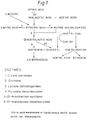
- Figure 1 describes two alternative schemes for the production of diacetyl.
- Figure 2 gives the conversion of pyruvic acid using a cell-free extract.
- - - - gives the pyruvic acid concentration + + + gives the ⁇ -acetolactic acid concentration
- Figure 3A gives the conversion of pyruvic acid using a cell-free extract of L. diacetilactis strain DRC3.
- Figure 3B gives the conversion of pyruvic acid using a cell lysate of L. diacetilactis strain DRC3.
- Figure 4 gives the conversion of pyruvic acid using a cell-free extract of L. lactis subspecies cremoris .
- Figure 5 gives the concentration of the metabolites glucose, pyruvic acid, propionic acid and acetic acid in a two-stage anaerobic/aerobic fermentation.
Landscapes
- Engineering & Computer Science (AREA)
- Life Sciences & Earth Sciences (AREA)
- Chemical & Material Sciences (AREA)
- Food Science & Technology (AREA)
- Polymers & Plastics (AREA)
- Health & Medical Sciences (AREA)
- Biotechnology (AREA)
- Nutrition Science (AREA)
- Organic Chemistry (AREA)
- Wood Science & Technology (AREA)
- Zoology (AREA)
- Microbiology (AREA)
- Bioinformatics & Cheminformatics (AREA)
- General Engineering & Computer Science (AREA)
- General Health & Medical Sciences (AREA)
- Genetics & Genomics (AREA)
- Biochemistry (AREA)
- General Chemical & Material Sciences (AREA)
- Chemical Kinetics & Catalysis (AREA)
- Fats And Perfumes (AREA)
- Preparation Of Compounds By Using Micro-Organisms (AREA)
- Seasonings (AREA)
- Micro-Organisms Or Cultivation Processes Thereof (AREA)
- Organic Low-Molecular-Weight Compounds And Preparation Thereof (AREA)
Abstract
Description
- The present invention relates to a process for preparing an aroma product containing a high concentration of α-acetolactic acid by subjecting at least one food product constituent to lactic acid bacterial matter.
- Diacetyl is an important flavour for dairy products like cottage cheese, butter and buttermilk. In yoghurt small quantities of diacetyl are also required to obtain a well balanced flavour. Diacetyl is an important flavour also for margarines and low fat spreads in general and for bakery products. While preparing the latter, it is advantageous to include the diacetyl precursor α-acetolactic acid instead of diacetyl itself, since diacetyl is formed from the precursor during the baking or frying process. The addition of α-acetolactic acid instead of diacetyl to foodstuffs has the additional advantage that α-acetolactic acid is much less volatile than diacetyl and thus the aromatizing effect can be maintained for a longer time provided that the α-acetolactic acid can be kept stable.
- The dairy industry uses mainly two species of lactic acid bacteria to obtain diacetyl in their products. These are Leuconostoc cremoris and especially Lactococcus lactis subspecies lactis biovar diacetilactis (hereinafter also abbreviated as L. diacetilactis). The biosynthesis of diacetyl by the latter species has been studied in detail. It is generally agreed that citric acid, which is present in milk at some 0.15% (w/v), is the milk component from which diacetyl is produced. Pyruvic acid however can serve as the precursor as well (T.M. Cogan, J. Dairy Research 51 (1984) 597). From there on, opinions diverge as to the exact way in which diacetyl is produced. Two pathways have been described for the production of diacetyl; these pathways are illustrated in Fig. 1. The first pathway involves the combination of acetaldehyde-TPP and acetyl-CoA directly into diacetyl. The second pathway concerns the formation of the diacetyl precursor α-acetolactic acid by combination of pyruvic acid and acetaldehyde-TPP. The diacetyl precursor can afterwards be converted into diacetyl by oxidative decarboxylation, which can be achieved by physical means such as heating or stirring in the presence of air or oxygen, preferably at low pH.
- A particular culture is described in the literature (H.A. Veringa et al., Milchwissenschaft 31 (1976) 658), which is able to produce a relatively high concentration of diacetyl/α-acetolactic acid. We have investigated this culture (containing several strains) and selected strains and we determined the enzyme activities of those strains, which are related to the production of α-acetolactic acid. We found that the level of the enzyme α-acetolactate decarboxylase in an isolated L. diacetilactis strain from the culture described by Veringa et al., which is responsible for the decarboxylation of α-acetolactic acid to acetoin, is lower than in other strains of L. diacetilactis, thereby building up higher concentrations of α-acetolactic acid. Most probably, this holds for other productive strains as well. A strain capable of producing high amounts of α-acetolactic acid, isolated from the commercially available Flora Danica IBA culture from "Christian Hansen Laboratorium", Denmark and given the name SD803 was incorporated into a culture, that was used to develop a fermentation/spray-drying process wherein the spray-dried powder contains α-acetolactic acid. One of the other strains was obtained from McKay and described in L.L. McKay & K.A. Baldwin, J. Dairy Sci. 57 (1974) 181, which is a mutant having lost its property to convert pyruvic acid to lactic acid, which conversion and subsequent secretion of the lactic acid is energetically essential for the organism. Based on earlier work we had expected that this mutant when grown on a suitable carbon source would produce a higher amount of α-acetolactic acid, because the alternative route of converting pyruvic acid is blocked. Indeed we found an increased level of intracellular pyruvic acid. However, this did not result in an increased production of α-acetolactic acid. Instead an elevated level of ethanol was found.
- An aroma composition containing α-acetolactic acid and diacetyl is described in European Patent Application EP-A-0247646. The composition can contain 0.05% or more of α-acetolactic acid. It can be prepared by fermenting a pasteurized or sterilized milk product with a selected culture containing Streptococcus diacetilactis, which is now known as Lactococcus lactis subspecies lactis biovar diacetilactis, taking measures to decrease the conversion of α-acetolactic acid into diacetyl; such measures are pH regulation, use of a milk product as a fermentation medium and addition of citric, oxaloacetic and/or pyruvic acid. That document thus describes a process for preparing a dry aroma composition containing α-acetolactic acid, but the content of α-acetolactic acid of the product is still rather low. As a consequence, the use of such an aroma composition may require the addition of such a large quantity of the dry aroma component that its use becomes too expensive for some products or that the carrier material present in that composition interferes with the functionality of such products.
- The present invention provides a process for preparing an aroma product containing a high concentration of α-acetolactic acid by subjecting at least one food product constituent to lactic acid bacterial matter, which comprises subjecting a sufficient amount of said at least one food product constituent to bacterial matter derived from said lactic acid bacteria or to lactic acid bacteria which are no longer in their logarithmic growth phase.
In a preferred embodiment the lactic acid bacteria have been separated from their culture medium.
In another preferred embodiment the food product constituent is subjected to a cell-free extract or a cell lysate of the lactic acid bacteria.
According to another aspect of the invention the food product constituent is selected from the group consisting of citric acid, lactic acid and pyruvic acid, and mixtures thereof. If pyruvic acid is used, the latter is preferably obtained from a culture of at least one bacterium of the genus Propionibacterium, preferably of the species Propionibacterium freudenreichii.
According to still another aspect of the invention the lactic acid bacteria are selected from the group consisting of the genera Lactococcus, Streptococcus, Lactobacillus, Leuconostoc and Pediococcus, preferably of the species Lactococcus lactis, more preferably of Lactococcus lactis subspecies lactis. Particularly preferred is the use of a bacterium of Lactococcus lactis subspecies lactis biovar diacetilactis, especially Lactococcus lactis subspecies lactis biovar diacetilactis strain SD803.
A further aspect of the invention is an aroma product containing α-acetolactic acid in addition to other food fermentation products, which comprises at least 0.1 wt.%, preferably at least 0.2 wt.%, more preferably at least 0.4 wt.%, of α-acetolactic acid. Preferably the aroma product is dry and comprises at least 0.2 wt.%, preferably at least 1 wt.%, more preferably at least 2 wt.% of α-acetolactic acid.
Another aspect of the invention relates to aromatized food material, which comprises such aroma product or an aroma product obtained according to a process according to the invention as described above and to a process for preparing such aromatized food material wherein the aroma product is mixed with a pre-dried food material, for example whey powder, skim milk powder, wheat flour or a polysaccharide.
Finally the invention relates to a medium suitable for use in a process for producing α-acetolactic acid according to the invention, which medium is obtainable by culturing at least one bacterium of the genus Propionibacterium in an anaerobic nutrient medium to produce biomass and subsequently continuing to culture aerobically in a medium containing lactic acid until a pyruvic acid level of at least 3 g/l, preferably at least 5 g/l, and more preferably at least 10 g/l, is reached. - According to the present invention a new and superior process is provided for producing the diacetyl precursor α-acetolactic acid, in high concentrations and in nearly pure form.
- The process for preparing an aroma product according to the invention comprises subjecting a food product constituent to lactic acid bacteria which are no longer in their logarithmic growth phase.
- A particular advantage of the process according to the invention is that the production of α-acetolactic acid is not limited to certain selected strains of L. diacetilactis, but that this product can be obtained by the species in general; furthermore, other lactic acid bacteria, e.g. Lactococcus lactis subspecies lactis, Lactococcus lactis subspecies cremoris, Lactobacillus casei, Leuconostoc cremoris etc. can be used to obtain the same product.
- It has been found that the treatment of a food product constituent with bacteria which are no longer in their logarithmic growth phase results in a higher content of α-acetolactic acid than a treatment of an actively growing culture of these bacteria. Lactic acid bacteria which are no longer in their logarithmic growth phase, i.e. which have reached the stationary phase, are bacteria which are in a stage wherein the conversion of pyruvic acid to lactic acid and the subsequent efflux of lactic acid from the cytoplasm into the medium is no longer sufficient to generate enough energy for cell growth and also no longer sufficient for recycling NADH. The bacteria to be used in the process of the invention are in the stationary phase after having been precultured in a suitable medium to obtain a desirable biomass.
- Preferably, the lactic acid bacteria have been separated from their culture medium. Separation of the bacteria or bacterial matter from the culture medium can be effected amongst other methods by centrifugation or (membrane) filtration, followed by washing the bacteria with an aqueous liquid. According to another preferred embodiment of the present process, cell lysates or cell-free extracts rather than whole live cells are used to convert the substrate into product. Cell lysates are understood to be the product obtained after disruption of the bacterial cells by any appropriate physical means, e.g. homogenization. A cell-free extract is obtained by removing all particulate matter from a lysate, e.g. by centrifugation, with the purpose to obtain soluble cell matter only.
- The use of cell lysates or cell-free extracts instead of whole cells is preferred for two reasons: 1) the rate of conversion of the substrate into the product is much higher, most probably because the permeability of the cell membrane for the relevant substrates is rate limiting; 2) the conversion of pyruvic acid into α-acetolactic acid is nearly quantitative, which cannot be achieved with live cells.
- A food product constituent is to be understood to include any constituent of food materials, e.g. skimmed milk, curd or whey, or produced from such materials by the action of lactic acid bacteria. Other food products or derivatives thereof, e.g. meat or plant extracts, can also be used provided that they contain one or more of the substrates required for the production of α-acetolactic acid. The food product constituent is preferably derived from a milk product and comprises components occurring in the metabolic scheme as depicted in Fig. 1. These constituents include citric acid, lactic acid and pyruvic acid. Most preferably, the food product constituent is pyruvic acid, optionally together with lactic acid and/or citric acid. In this art the terms 'pyruvic acid' and 'pyruvate' are usually exchanged. Which compound is present in a specific product depends on the pH. Therefore, the organic acids mentioned in the present application, including pyruvic acid, lactic acid, citric acid and α-acetolactic acid, are to be understood as to include both the free acids and their nutritionally acceptable salts, e.g. sodium and potassium salts. When the term pyruvate etc. is used it does not necessarily mean the salt, but can also stand for the corresponding acid.
- It has further been found that pyruvic acid, a preferred substrate for the α-acetolactic acid producing process according to the present invention, can be prepared in an improved fermentation process using a bacterium of the genus Propionibacterium, (for a review of the genus Propionibacterium, see Bergey's Manual of Systematic Bacteriology 1986, page 1346). Preferably the organism is of the species Propionibacterium freudenreichii and especially of the subspecies shermani.
- A pyruvic acid solution can be prepared by culturing at least one member of the genus Propionibacterium under anaerobic conditions in a nutrient medium, e.g. whey or enriched whey containing lactose as the substrate, to produce sufficient biomass, preferably one having an optical density at 660 nm of at least 5, and continuing to culture aerobically with lactic acid as substrate until a sufficiently high pyruvic acid level is reached. The aerobic fermentation can also be carried out under cell-recycle conditions with continuous removal of spent medium and replenishment with fresh medium. This process resulted in a medium suitable for use in a process of producing α-acetolactic acid according to the invention, which medium contains at least 3 g/l, preferably at least 5 g/l, more preferably at least 10 g/l of pyruvic acid.
- In principle, the process of producing α-acetolactic acid according to the invention can be carried out using any lactic acid bacteria or lysate or cell-free extract thereof. The lactic acid bacteria can be selected from the genera Lactococcus, Streptococcus, Lactobacillus, Leuconostoc and Pediococcus. Preferably, a species of the genus Lactococcus or Leuconostoc is used. More preferably, the selected species is a Lactococcus species, in particular the species Lactococcus lactis, of which Lactococcus lactis subspecies lactis is preferably used, more preferably the biovar diacetilactis thereof.
- Lactococcus lactis subspecies lactis biovar diacetilactis is to be understood to comprise all taxonomic denominations, e.g. Lactococcus lactis subspecies diacetilactis, Lactococcus diacetilactis, and Streptococcus diacetilactis.
- Particularly useful results are obtained by using the Lactococcus lactis subspecies lactis biovar diacetilactis strain SD803.
- The process according to the invention can be carried out using a virtually homogeneous mixture of food product constituents, lactic acid bacterial matter and medium. However, it is sometimes preferred, especially for a continuous process mode, to use an immobilized bacterial matter. The cell-free extract or lysate of the lactic acid bacteria can for example be contacted on a solid carrier. This means that the bacterial matter is immobilized onto or enclosed into a suitable matrix, e.g. alginate, or enclosed in an apparatus, e.g. a hollow fibre reactor. Another useful embodiment is the use of a packed bed of the bacterial lysate, whereas it may also be advantageous to use a double membrane system in which the membranes are permeable to both the substrate and product molecules, e.g. pyruvic acid, citric acid and α-acetolactic acid, and impermeable to the bacterial fragments.
- The process according to the invention results in a mixture containing a high level of α-acetolactic acid. The α-acetolactic acid content is substantially higher than the concentration which can be achieved using the process according to EP-A-0247646: in the fermentation product the highest concentration disclosed is 575 mg/kg (see Example VIII) whereas in the dried product the highest concentration disclosed is 1280 mg/kg (see Example III). The α-acetolactic acid content in a fermentation product obtained in a process according to the invention can be at least 0.1 wt.%, preferably at least 0.2 wt.% and more preferably at least 0.4 wt.% before drying. Preferably, the product of the process according to the invention is subsequently dried, for example by freeze-drying or spray-drying, preferably using moderate temperatures. Such a dried product can contain at least 0.2 wt.%, preferably at least 1 wt.% and more preferably at least 2 wt.%, of α-acetolactic acid.
- The invention also relates to aroma products which, in addition to other food fermentation products, contain at least 0.4% by weight of α-acetolactic acid and in particular at least 2% by weight of α-acetolactic acid after drying.
- The product α-acetolactic acid, which is obtained in nearly pure form by applying the process of this invention, can be used either as a solution or as a dried powder or it can be sprayed on other dry ingredients under such conditions that the loss of α-acetolactic acid is minimized, to flavour all types of products.
- The invention encompasses aromatized food materials. Such aromatized food materials are preferably prepared by adding the α-acetolactic acid-containing aroma product to a pre-dried food material, e.g. whey powder, skim milk powder, wheat flour or polysaccharides. The α-acetolactic acid contained in such aromatized food material is surprisingly stable and these materials can be further processed into foodstuffs wherein diacetyl constitutes a desired flavour. Foodstuffs which can be aromatized according to the invention comprise a wide range of food materials e.g. butter, butter substitutes and other spreads, baking materials e.g. cake mixes, flour, bakery fats etc. Preferably, the aroma product containing α-acetolactic acid is used at such a rate, that the aromatized food material has a concentration of α-acetolactic acid between about 1 and about 100 mg/kg.
- The invention is illustrated by the following examples.
- L. diacetilactis strain SD803 was cultivated in M17 broth which contained 1% (w/v) of lactose and which was supplemented with 0.2% (w/v) of citric acid. After cultivating for 18 hours at 20°C the cells were harvested by centrifugation at 7000 rpm for 15 minutes. Subsequently the cells were washed once with physiological salt solution and taken up in phosphate buffer (0.002 mole/l) at pH 7.0 until an optical density at 610 nm of 12.0. The cells were lysed by homogenizing 5 g of cell suspension ultrasonically with 3 g of acid-washed glass beads (<150 microns) for 6 x 1 minute with intermittent cooling for 0.5 minute. Either the complete lysate or the lysate cleared by centrifugation was used to convert 3-¹³C-pyruvate, which was contained in a reaction volume of 1 ml.
The following reaction mixture was used:
The 3-¹³C-pyruvate was used to facilitate the quantification of the reaction products (by ¹³C-NMR) and has no special property in the conversion process. The protein content of either lysate or extract was standardized at 0.9 mg protein/ml in the experiment.
As shown in Fig. 2, about 30 µmole of pyruvate (83% of the amount of pyruvate added) was used within 80 minutes and converted exclusively to α-acetolactic acid (15 µmole). This is equivalent to 0.21 mmole per gram protein per minute. Until 3.5 hours of incubation, no acetoin was found.
The experiment was repeated using strains SDC6, NMU71 and DRC3 respectively, with the following results:
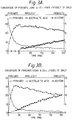
Strain SDC6: until 50 min. of incubation all pyruvate converted was found as α-acetolactic acid. Thereafter the α-acetolactic acid decreased and acetoin increased. Strains NMU71 and DRC3 : as with SDC6, decrease of α-acetolactic acid and increase of acetoin slightly faster. For comparison a fermentation process (using whole cells instead of a lysate, the strain SD803 and an identical concentration of pyruvate) yielded about 7 µmole of α-acetolactic acid after 2 hours. This corresponds to 0.06 mmole per gram protein per minute, the balance being lactic acid. - The experiment as reported in Example 1 was repeated, now using L. diacetilactis strain DRC3 instead of SD803. Both the cell lysate and the cell-free extract were used. As shown in Figs. 3A and 3B, about 29 µmole of pyruvate were converted to α-acetolactic acid within 60 minutes using the extract and about 30 µmole within 20 minutes using the lysate. At these times, no other product was formed yet. Upon continuation of the experiment, acetoin formation started, at the expense of α-acetolactic acid. In a comparative fermentation process and using the same strain and identical concentration of pyruvate, no α-acetolactic acid was formed at all. Only lactic acid and acetoin could be detected as reaction products.
- The experiment as reported in Example 1 was repeated, now using a strain of L. lactis subspecies cremoris instead of L. diacetilactis.
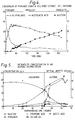
As shown in Fig. 4, about 27 µmoles of pyruvate were converted mainly to α-acetolactic acid within 30 minutes. At that time, acetoin formation started, at the expense of α-acetolactic acid.
In a comparative fermentation process and using the same strain and an identical concentration of pyruvate, no α-acetolactic acid was formed at all. Only lactic acid could be detected as a reaction product. - L. diacetilactis strain SD803 was cultivated in M17 broth containing 1% (w/v) of lactose and 0.2% (w/v) of citric acid for 7 hours at 30°C. Then 3-¹³C-pyruvate was added up to a concentration of 45 mmole/l and cultivation was continued for another 3 hours. Using ¹³C-NMR, a level of 7 mmole/l of α-acetolactic acid was found, i.e. a yield of about 15%.
- L. diacetilactis strain SD803 was cultivated in M17 broth which contained 1% w/v of lactose and 0.2% (w/v) of citric acid, for 7 hours at 30°C. Then 2,4-¹³C-citrate was added up to a concentration of 20 mmole/l and cultivation was continued for another 3 hours. Using ¹³C-NMR, a level of 5 mmole/l of α-acetolactic acid was found, i.e. a yield of about 50%.
Similar results were obtained when using milk instead of M17 broth. - 7.5 litres of a culture of L. diacetilactis were added to 150 litres of medium which contained 3 kg whey powder, 3 kg lactose, 1.1 kg yeast extract and 0.15 kg sodium citrate. The pH of the medium was 6.3. The culture was grown at 30°C during 18 hours. The cell count was then 1.5 x 10⁹ per ml. The biomass was concentrated to 5 litres using a Westfalia type SA-1 disk centrifuge. The cell count was then 4 x 10¹⁰ per ml.
The biomass was disrupted by 4 passes through anAPV Gaulin 30 CD homogenizer at 800 bar. The viable count after this treatment was 8 x 10⁹ per ml, which represents 20% of the viable count before homogenization. The homogenate was stored at -20°C until use. - 100 litres of medium containing 3 kg whey powder, 2 kg sodium lactate, 1 kg yeast extract, 0.5 g MnSO₄, 0.66 kg KH₂PO₄ and 0.31 kg K₂HPO₄ at pH 6.4 were inoculated with 1 litre of a culture of Propionibacterium freudenreichii subspecies shermani. Growth proceeded anaerobically (nitrogen in head space of fermenter) at 30°C during 48 hours. At this time an OD₆₁₀ of 8.0 was reached and the culture was converted to an aerobic phase by sparging air and maintaining a dissolved oxygen tension of at least 20% of the saturation level of oxygen in the liquid. At the same time a continuous feed of concentrated sodium lactate solution at a rate of 5 g per l of culture medium per hour was applied. This phase lasted 20 hours (100 g of lactate added per litre).
The biomass was centrifuged off using a disk centrifuge. The pyruvate concentration in the supernatant was 22 g/litre, as determined by HPLC. It was stored at -20°C until use. - To 40 l of pyruvate solution was added: 4 l of cell homogenate, 108.4 g of MgSO₄.7H₂O (
final concentration 10 mmole/l) and 4.1 g of Cocarboxylase (thiamine pyrophosphate, final concentration 0.2 mmole/l). The reaction proceeded during 3 hours at 30°C. The reaction mixture was cooled to 5°C and analyzed. - Analysis of the components of the reaction mixture was carried out using two methods: HPLC and ¹³C-NMR. The following were determined by HPLC: pyruvic acid, lactic acid, acetic acid, propionic acid. Acetoin and α-acetolactic acid were determined by ¹³C-NMR. It has to be understood that using ¹³C-NMR one determines the molar proportions of the components, not the absolute concentrations themselves. In order to obtain absolute concentrations, reference must be made to an absolute concentration, determined by HPLC, of a reference compound. The concentration of propionic acid was used as the reference.
The following results were obtained:mmole/l g/ l Pyruvic acid 0 0 Lactic acid 207 18.6 Acetic acid 45 2.7 Propionic acid 107 7.9 Acetoin 41.8 3.7 α-Acetolactic acid 40.5 5.3
Since the starting concentration of pyruvic acid was 250 mmole/l (22 g/l) and two moles of pyruvic acid are needed to make one mole of α-acetolactic acid, the yield of α-acetolactic acid was 32.4 %. - The following example was performed both with a strain of Propionibacterium freudenreichii (ATCC 9617) and with a strain of Propionibacterium freudenreichii subspecies shermani (VBCPr 02-01).
An inoculum was prepared from a stab, by culturing the microorganism in a 250 ml stoppered flask without agitation for four days at 30°C (waterbath) under anaerobic conditions. The culture medium for this growth phase was MRS broth (250 ml) ex. Merck, Darmstadt FRG.
Bulk culture was initiated by inoculation of four day inoculum into a 15 litre fermenter (ex. Applicon, Schiedam, NL) with an operating volume of 10 litre, stirring at 300 rpm, under anaerobic conditions. During this anaerobic phase the culture medium was sparged with nitrogen at 0.5 l/min. The culture medium was as follows:MnSO₄ 0.05 g/l MgSO₄ 0.1 g/l KH₂PO₄ 2.0 g/l Yeast extract (PTK) 10 g/l (ex. Ohly, FRG) Trypticase Peptone 10 g/l (ex. Hy-cas, USA) Glucose 30 g/l (ex. Avebe, Veendam, NL)
The pH of the culture medium was lowered to 4.0 prior to sterilisation (obtained by the addition of phosphoric acid, 85% ex. Merck, Darmstadt. FRG), so as to avoid any Maillard reaction during sterilisation.
After sterilisation of the culture medium 1.0 ml/l of 'Egli' micro nutrients and 1.5 ml/l of 'MEM' vitamin solution (ex. Sigma) were added. The composition of the 'Egli' solution was as follows:
Egli micro-nutrient solution:Distilled water 1000 ml Ammonium Chloride 7.63 g KH₂PO₄ 2.81 g MgSO₄.7H₂O 0.59 g
and 10 ml of a micronutrient solution consisting of an aqueous solution containingCaCl₂ 5.50 g/l FeSO₄ 3.75 g/l MnSO₄ 1.40 g/l ZnSO₄ 2.20 g/l CuSO₄ 0.40 g/l CoCL₂ 0.45 g/l NaMoO₄ 0.26 g/l H₃BO₄ 0.40 g/l KI 0.26 g/l Na-EDTA 30.0 g/l.
The culture was batch grown for 42 hours at 30°C in the fermenter under anaerobic conditions. The pH was held at 6.5 by automated addition of sodium hydroxide solution (4 mole/l).
Analysis revealed that during anaerobic fermentation the major metabolic products were propionic acid and acetic acid. A small quantity of succinic acid was produced.
After 42 hours duplicate experiments were performed with and without a change-over to aerobic conditions.
Under anaerobic conditions the nitrogen sparging was continued. For aerobic conditions, the nitrogen sparging was discontinued. Aerobic conditions were maintained by sparging with air (0.5-2.0 l/min) and the stirring rate was increased to 700-1000 rpm.
At three times during thesubsequent fermentation 300 ml of sodium lactate solution was added to the culture medium (sodium lactate 60%, ex. CCA biochem, Gorinchem, NL).
During aerobic fermentation the main metabolic product was pyruvic acid. Little or no propionic acid or acetic acid were produced. Medium component levels for the ATCC strain are shown in Figure 5 and given in the following TABLE.
Pyruvic acid concentration was determined by HPLC (Bio-Rad, model 1755 with HPX 87 H Animex column). Samples for HPLC were pressed through a millipore microfilter (0.45 µm) to remove all biomass and the filtrate was diluted 20 times with HPLC-eluent (0.005 Molar H₂SO₄). Pyruvic acid has a retention time of 9.8 minutes, making it distinguishable from glucose (8.9 minutes) and succinic acid (11.7). The other components were determined by similar methods.
Both strains produced a final level of pyruvic acid of 24 g/l under aerobic conditions.
The above mentioned example was repeated with a fed batch addition of substrate and with a culture of P. freudenreichii subspecies shermani. The final level of pyruvic acid achieved was 20 g/l. It is believed that the fed batch addition resulted in a lower pyruvic acid concentration due to too high an addition rate of lactate. -
Figure 1 describes two alternative schemes for the production of diacetyl.
Figure 2 gives the conversion of pyruvic acid using a cell-free extract.
- - - gives the pyruvic acid concentration
+ + + gives the α-acetolactic acid concentration
Figure 3A gives the conversion of pyruvic acid using a cell-free extract of L. diacetilactis strain DRC3.
Figure 3B gives the conversion of pyruvic acid using a cell lysate of L. diacetilactis strain DRC3.
Figure 4 gives the conversion of pyruvic acid using a cell-free extract of L. lactis subspecies cremoris.
Figure 5 gives the concentration of the metabolites glucose, pyruvic acid, propionic acid and acetic acid in a two-stage anaerobic/aerobic fermentation.
Claims (12)
- Process for preparing an aroma product containing a high concentration of α-acetolactic acid by subjecting at least one food product constituent to lactic acid bacterial matter, which comprises subjecting a sufficient amount of said at least one food product constituent to bacterial matter derived from said lactic acid bacteria or to lactic acid bacteria which are no longer in their logarithmic growth phase.
- Process according to Claim 1, wherein the lactic acid bacteria have been separated from their culture medium.
- Process according to Claim 1, wherein the food product constituent is subjected to a cell-free extract or a cell lysate of the lactic acid bacteria.
- Process according to any of Claims 1-3, wherein the food product constituent is selected from the group consisting of citric acid, lactic acid and pyruvic acid, and mixtures thereof.
- Process according to Claim 4, wherein the pyruvic acid is obtained from a culture of at least one bacterium of the genus Propionibacterium, preferably of the species Propionibacterium freudenreichii.
- Process according to any of Claims 1-3, wherein the lactic acid bacteria are selected from the group consisting of the genera Lactococcus, Streptococcus, Lactobacillus, Leuconostoc and Pediococcus, preferably of the species Lactococcus lactis, more preferably of Lactococcus lactis subspecies lactis.
- Process according to Claim 6, wherein a bacterium of Lactococcus lactis subspecies lactis biovar diacetilactis, preferably Lactococcus lactis subspecies lactis biovar diacetilactis strain SD803, is used.
- Aroma product containing α-acetolactic acid in addition to other food fermentation products, which comprises at least 0.1 wt.%, preferably at least 0.2 wt.%, more preferably at least 0.4 wt.%, of α-acetolactic acid.
- Aroma product according to Claim 8, wherein the product is dry and comprises at least 0.2 wt.%, preferably at least 1 wt.%, more preferably at least 2 wt.% of α-acetolactic acid.
- Aromatized food material, which comprises an aroma product according to Claim 8 or 9, or an aroma product obtained according to a process as claimed in any of Claims 1-7.
- Process for preparing an aromatized food material as claimed in Claim 10, wherein the aroma product is mixed with a pre-dried food material, for example whey powder, skim milk powder, wheat flour or a polysaccharide.
- A medium suitable for use in a process as claimed in any of claims 1-7, which medium is obtainable by culturing at least one bacterium of the genus Propionibacterium in an anaerobic nutrient medium to produce biomass and subsequently continuing to culture aerobically in a medium containing lactic acid until a pyruvic acid level of at least 3 g/l, preferably at least 5 g/l, and more preferably at least 10 g/l, is reached.
Applications Claiming Priority (4)
| Application Number | Priority Date | Filing Date | Title |
|---|---|---|---|
| EP90202198 | 1990-08-13 | ||
| EP90202198 | 1990-08-13 | ||
| GB909019810A GB9019810D0 (en) | 1990-09-11 | 1990-09-11 | Improved fermentation process |
| GB9019810 | 1990-09-11 |
Publications (3)
| Publication Number | Publication Date |
|---|---|
| EP0483888A2 true EP0483888A2 (en) | 1992-05-06 |
| EP0483888A3 EP0483888A3 (en) | 1992-05-13 |
| EP0483888B1 EP0483888B1 (en) | 1995-03-01 |
Family
ID=26125982
Family Applications (1)
| Application Number | Title | Priority Date | Filing Date |
|---|---|---|---|
| EP91202042A Expired - Lifetime EP0483888B1 (en) | 1990-08-13 | 1991-08-09 | Process for preparing an aroma product containing alpha-acetolactic acid |
Country Status (5)
| Country | Link |
|---|---|
| EP (1) | EP0483888B1 (en) |
| AT (1) | ATE118986T1 (en) |
| AU (1) | AU646681B2 (en) |
| CA (1) | CA2048977C (en) |
| DE (1) | DE69107783T2 (en) |
Cited By (6)
| Publication number | Priority date | Publication date | Assignee | Title |
|---|---|---|---|---|
| EP0548410A1 (en) * | 1991-12-23 | 1993-06-30 | Unilever N.V. | Process for producing edible matter having an enhanced flavour, a flavouring substance obtainable according to said process and the use of such a flavouring substance for imparting flavour to foodstuffs |
| EP0651949A1 (en) * | 1993-11-04 | 1995-05-10 | Baars Leerdam Productie B.V. | Process for preparing a product with a cheese aroma |
| DE4442162C1 (en) * | 1994-11-26 | 1996-04-11 | Bio Industry Heidelberg Gmbh B | Prepn. of natural butter flavouring |
| EP0766926A1 (en) * | 1995-10-02 | 1997-04-09 | Unilever N.V. | Yogurt flavour compostion |
| US6210719B1 (en) | 1995-10-02 | 2001-04-03 | Van Den Bergh Foods Co., Division Of Conopco, Inc. | Yogurt flavor composition |
| WO2009093900A1 (en) * | 2008-01-25 | 2009-07-30 | Stichting Top Institute Food And Nutrition | Mid-log phase lactic acid bacteria for inducing immune tolerance in a subject |
Families Citing this family (3)
| Publication number | Priority date | Publication date | Assignee | Title |
|---|---|---|---|---|
| US5096718A (en) * | 1982-09-17 | 1992-03-17 | The State Of Oregon Acting By And Through The Oregon State Board Of Higher Education On Behalf Of Oregon State University | Preserving foods using metabolites of propionibacteria other than propionic acid |
| US5635484A (en) * | 1982-09-17 | 1997-06-03 | The State Of Oregon Acting By And Through The Oregon State Board Of Higher Education On Behalf Of Oregon State University | Propionibacteria peptide microcin |
| WO2025056787A1 (en) | 2023-09-14 | 2025-03-20 | Danmarks Tekniske Universitet | Pyruvate production through thiamine starvation |
Family Cites Families (5)
| Publication number | Priority date | Publication date | Assignee | Title |
|---|---|---|---|---|
| US4416905A (en) * | 1981-08-24 | 1983-11-22 | Mallinckrodt, Inc. | Method of preparing cultured dairy products |
| AR231374A1 (en) * | 1982-12-06 | 1984-11-30 | Sumitomo Chemical Co | SUNFLOWER SEED MILK AND METHOD TO OBTAIN IT |
| US4670267A (en) * | 1985-04-18 | 1987-06-02 | Lever Brothers Company | Fermented-whey butter flavoring |
| NL8601078A (en) * | 1986-04-25 | 1987-11-16 | Unilever Nv | AROMACOMPOSITION, ITS USE AND PROCESS FOR ITS PREPARATION. |
| IL95682A (en) * | 1989-09-15 | 1995-07-31 | Pfw Bv | Yoghurt flavor and its manufacture |
-
1991
- 1991-08-09 AT AT91202042T patent/ATE118986T1/en not_active IP Right Cessation
- 1991-08-09 DE DE69107783T patent/DE69107783T2/en not_active Expired - Fee Related
- 1991-08-09 EP EP91202042A patent/EP0483888B1/en not_active Expired - Lifetime
- 1991-08-12 AU AU81741/91A patent/AU646681B2/en not_active Ceased
- 1991-08-12 CA CA002048977A patent/CA2048977C/en not_active Expired - Fee Related
Cited By (7)
| Publication number | Priority date | Publication date | Assignee | Title |
|---|---|---|---|---|
| EP0548410A1 (en) * | 1991-12-23 | 1993-06-30 | Unilever N.V. | Process for producing edible matter having an enhanced flavour, a flavouring substance obtainable according to said process and the use of such a flavouring substance for imparting flavour to foodstuffs |
| EP0651949A1 (en) * | 1993-11-04 | 1995-05-10 | Baars Leerdam Productie B.V. | Process for preparing a product with a cheese aroma |
| NL9301906A (en) * | 1993-11-04 | 1995-06-01 | Zuivelonderneming De Vijfheere | Method for preparing a cheese flavored product. |
| DE4442162C1 (en) * | 1994-11-26 | 1996-04-11 | Bio Industry Heidelberg Gmbh B | Prepn. of natural butter flavouring |
| EP0766926A1 (en) * | 1995-10-02 | 1997-04-09 | Unilever N.V. | Yogurt flavour compostion |
| US6210719B1 (en) | 1995-10-02 | 2001-04-03 | Van Den Bergh Foods Co., Division Of Conopco, Inc. | Yogurt flavor composition |
| WO2009093900A1 (en) * | 2008-01-25 | 2009-07-30 | Stichting Top Institute Food And Nutrition | Mid-log phase lactic acid bacteria for inducing immune tolerance in a subject |
Also Published As
| Publication number | Publication date |
|---|---|
| EP0483888B1 (en) | 1995-03-01 |
| ATE118986T1 (en) | 1995-03-15 |
| AU646681B2 (en) | 1994-03-03 |
| CA2048977C (en) | 2000-10-31 |
| DE69107783D1 (en) | 1995-04-06 |
| AU8174191A (en) | 1992-02-20 |
| EP0483888A3 (en) | 1992-05-13 |
| CA2048977A1 (en) | 1992-02-14 |
| DE69107783T2 (en) | 1995-06-29 |
Similar Documents
| Publication | Publication Date | Title |
|---|---|---|
| US4867992A (en) | Natural coffee flavor by fermentation | |
| US4675193A (en) | Cheese-flavored substance and method of producing same | |
| CN109593683B (en) | Lactobacillus paracasei and application thereof | |
| JP4046389B2 (en) | Bifidobacterium breve and fermented soymilk using the same | |
| JPH0443611B2 (en) | ||
| JP2567188B2 (en) | Manufacturing method of sour milk | |
| US3100153A (en) | Process for preparing flavoring compositions | |
| JP3068484B2 (en) | Bifidobacterium fermented milk and method for producing the same | |
| EP0483888B1 (en) | Process for preparing an aroma product containing alpha-acetolactic acid | |
| US4725540A (en) | Process for the preparation of amine-oxidase containing material, so produced amine-oxidase containing material | |
| US5409718A (en) | Method for the preparation of a fermented milk product | |
| JPH0584065A (en) | New lactic acid bacteria and fermented ginseng diuse obtained using it | |
| EP1469738B1 (en) | Cheese flavour ingredient and method of its production | |
| CN106536715A (en) | Co-cultivation of propionibacterium and yeast | |
| EP0386817A1 (en) | Fermented food product | |
| Godtfredsen et al. | Occurrence of α-acetolactate decarboxylases among lactic acid bacteria and their utilization for maturation of beer | |
| US3072488A (en) | Cheese flavoring process | |
| AU2003219196A1 (en) | Process for preparing conjugated linoleic acid | |
| EP0564770B1 (en) | Diacetyl production | |
| EP0937774A1 (en) | Lactic acid bacteria having a reduced pyruvate dehydrogenase activity and use thereof | |
| CA2186818C (en) | Yogurt flavour composition | |
| Bodie et al. | Production of propionic acid by mixed cultures of Propionibacterium shermanii and Lactobacillus casei in autoclave-sterilized whey | |
| US4806481A (en) | Streptococcus sojalactis | |
| JP3993322B2 (en) | Lactic acid bacteria growth promoter and use thereof | |
| US5322781A (en) | Procedure for the preparation of D-(-)-lactic acid with Lactobacillus bulgaricus |
Legal Events
| Date | Code | Title | Description |
|---|---|---|---|
| PUAI | Public reference made under article 153(3) epc to a published international application that has entered the european phase |
Free format text: ORIGINAL CODE: 0009012 |
|
| PUAL | Search report despatched |
Free format text: ORIGINAL CODE: 0009013 |
|
| AK | Designated contracting states |
Kind code of ref document: A2 Designated state(s): AT BE CH DE DK ES FR GB GR IT LI NL SE |
|
| AK | Designated contracting states |
Kind code of ref document: A3 Designated state(s): AT BE CH DE DK ES FR GB GR IT LI NL SE |
|
| 17P | Request for examination filed |
Effective date: 19920921 |
|
| RAP3 | Party data changed (applicant data changed or rights of an application transferred) |
Owner name: UNILEVER N.V. Owner name: UNILEVER PLC |
|
| 17Q | First examination report despatched |
Effective date: 19940105 |
|
| GRAA | (expected) grant |
Free format text: ORIGINAL CODE: 0009210 |
|
| AK | Designated contracting states |
Kind code of ref document: B1 Designated state(s): AT BE CH DE DK ES FR GB GR IT LI NL SE |
|
| PG25 | Lapsed in a contracting state [announced via postgrant information from national office to epo] |
Ref country code: IT Free format text: LAPSE BECAUSE OF FAILURE TO SUBMIT A TRANSLATION OF THE DESCRIPTION OR TO PAY THE FEE WITHIN THE PRE;WARNING: LAPSES OF ITALIAN PATENTS WITH EFFECTIVE DATE BEFORE 2007 MAY HAVE OCCURRED AT ANY TIME BEFORE 2007. THE CORRECT EFFECTIVE DATE MAY BE DIFFERENT FROM THE ONE RECORDED.SCRIBED TIME-LIMIT Effective date: 19950301 Ref country code: ES Free format text: THE PATENT HAS BEEN ANNULLED BY A DECISION OF A NATIONAL AUTHORITY Effective date: 19950301 Ref country code: CH Effective date: 19950301 Ref country code: AT Effective date: 19950301 Ref country code: LI Effective date: 19950301 Ref country code: DK Effective date: 19950301 Ref country code: GR Free format text: LAPSE BECAUSE OF FAILURE TO SUBMIT A TRANSLATION OF THE DESCRIPTION OR TO PAY THE FEE WITHIN THE PRESCRIBED TIME-LIMIT Effective date: 19950301 |
|
| REF | Corresponds to: |
Ref document number: 118986 Country of ref document: AT Date of ref document: 19950315 Kind code of ref document: T |
|
| REF | Corresponds to: |
Ref document number: 69107783 Country of ref document: DE Date of ref document: 19950406 |
|
| ET | Fr: translation filed | ||
| REG | Reference to a national code |
Ref country code: CH Ref legal event code: PL |
|
| PLBE | No opposition filed within time limit |
Free format text: ORIGINAL CODE: 0009261 |
|
| STAA | Information on the status of an ep patent application or granted ep patent |
Free format text: STATUS: NO OPPOSITION FILED WITHIN TIME LIMIT |
|
| 26N | No opposition filed | ||
| REG | Reference to a national code |
Ref country code: GB Ref legal event code: IF02 |
|
| PGFP | Annual fee paid to national office [announced via postgrant information from national office to epo] |
Ref country code: DE Payment date: 20020830 Year of fee payment: 12 |
|
| PGFP | Annual fee paid to national office [announced via postgrant information from national office to epo] |
Ref country code: NL Payment date: 20030721 Year of fee payment: 13 |
|
| PGFP | Annual fee paid to national office [announced via postgrant information from national office to epo] |
Ref country code: GB Payment date: 20030806 Year of fee payment: 13 |
|
| PGFP | Annual fee paid to national office [announced via postgrant information from national office to epo] |
Ref country code: FR Payment date: 20030820 Year of fee payment: 13 |
|
| PGFP | Annual fee paid to national office [announced via postgrant information from national office to epo] |
Ref country code: SE Payment date: 20030821 Year of fee payment: 13 |
|
| PGFP | Annual fee paid to national office [announced via postgrant information from national office to epo] |
Ref country code: BE Payment date: 20030911 Year of fee payment: 13 |
|
| PG25 | Lapsed in a contracting state [announced via postgrant information from national office to epo] |
Ref country code: DE Free format text: LAPSE BECAUSE OF NON-PAYMENT OF DUE FEES Effective date: 20040302 |
|
| PG25 | Lapsed in a contracting state [announced via postgrant information from national office to epo] |
Ref country code: GB Free format text: LAPSE BECAUSE OF NON-PAYMENT OF DUE FEES Effective date: 20040809 |
|
| PG25 | Lapsed in a contracting state [announced via postgrant information from national office to epo] |
Ref country code: SE Free format text: LAPSE BECAUSE OF NON-PAYMENT OF DUE FEES Effective date: 20040810 |
|
| PG25 | Lapsed in a contracting state [announced via postgrant information from national office to epo] |
Ref country code: BE Free format text: LAPSE BECAUSE OF NON-PAYMENT OF DUE FEES Effective date: 20040831 |
|
| BERE | Be: lapsed |
Owner name: *UNILEVER N.V. Effective date: 20040831 |
|
| PG25 | Lapsed in a contracting state [announced via postgrant information from national office to epo] |
Ref country code: NL Free format text: LAPSE BECAUSE OF NON-PAYMENT OF DUE FEES Effective date: 20050301 |
|
| EUG | Se: european patent has lapsed | ||
| GBPC | Gb: european patent ceased through non-payment of renewal fee |
Effective date: 20040809 |
|
| PG25 | Lapsed in a contracting state [announced via postgrant information from national office to epo] |
Ref country code: FR Free format text: LAPSE BECAUSE OF NON-PAYMENT OF DUE FEES Effective date: 20050429 |
|
| NLV4 | Nl: lapsed or anulled due to non-payment of the annual fee |
Effective date: 20050301 |
|
| REG | Reference to a national code |
Ref country code: FR Ref legal event code: ST |
|
| BERE | Be: lapsed |
Owner name: *UNILEVER N.V. Effective date: 20040831 |