EP0500921B1 - Inhibition der ausscheidung von natrium durch die na-k-atpase - Google Patents
Inhibition der ausscheidung von natrium durch die na-k-atpase Download PDFInfo
- Publication number
- EP0500921B1 EP0500921B1 EP91918625A EP91918625A EP0500921B1 EP 0500921 B1 EP0500921 B1 EP 0500921B1 EP 91918625 A EP91918625 A EP 91918625A EP 91918625 A EP91918625 A EP 91918625A EP 0500921 B1 EP0500921 B1 EP 0500921B1
- Authority
- EP
- European Patent Office
- Prior art keywords
- molecular weight
- atpase
- natriuretic
- inhibitor
- plasma
- Prior art date
- Legal status (The legal status is an assumption and is not a legal conclusion. Google has not performed a legal analysis and makes no representation as to the accuracy of the status listed.)
- Expired - Lifetime
Links
Images







Classifications
-
- C—CHEMISTRY; METALLURGY
- C07—ORGANIC CHEMISTRY
- C07K—PEPTIDES
- C07K4/00—Peptides having up to 20 amino acids in an undefined or only partially defined sequence; Derivatives thereof
- C07K4/12—Peptides having up to 20 amino acids in an undefined or only partially defined sequence; Derivatives thereof from animals; from humans
-
- C—CHEMISTRY; METALLURGY
- C07—ORGANIC CHEMISTRY
- C07K—PEPTIDES
- C07K14/00—Peptides having more than 20 amino acids; Gastrins; Somatostatins; Melanotropins; Derivatives thereof
- C07K14/435—Peptides having more than 20 amino acids; Gastrins; Somatostatins; Melanotropins; Derivatives thereof from animals; from humans
- C07K14/46—Peptides having more than 20 amino acids; Gastrins; Somatostatins; Melanotropins; Derivatives thereof from animals; from humans from vertebrates
- C07K14/47—Peptides having more than 20 amino acids; Gastrins; Somatostatins; Melanotropins; Derivatives thereof from animals; from humans from vertebrates from mammals
- C07K14/4701—Peptides having more than 20 amino acids; Gastrins; Somatostatins; Melanotropins; Derivatives thereof from animals; from humans from vertebrates from mammals not used
- C07K14/4702—Regulators; Modulating activity
- C07K14/4703—Inhibitors; Suppressors
-
- C—CHEMISTRY; METALLURGY
- C07—ORGANIC CHEMISTRY
- C07K—PEPTIDES
- C07K16/00—Immunoglobulins [IG], e.g. monoclonal or polyclonal antibodies
- C07K16/18—Immunoglobulins [IG], e.g. monoclonal or polyclonal antibodies against material from animals or humans
-
- A—HUMAN NECESSITIES
- A61—MEDICAL OR VETERINARY SCIENCE; HYGIENE
- A61K—PREPARATIONS FOR MEDICAL, DENTAL OR TOILETRY PURPOSES
- A61K38/00—Medicinal preparations containing peptides
Definitions
- the present invention relates to the identification, isolation and purification of Na-K-ATPase inhibiting substances having natriuretic properties, more particularly to low molecular weight hypothalamic-renal natriuretic substances associated with hypertension and congestive heart failure, and to methods of using the substances to diagnose and treat disease.
- Blood pressure is a function of the total volume of blood and the resistance to its flow through the circulatory system, which in turn is determined by the degree of constriction of small blood vessels called arterioles.
- Hypertension characterized by an abnormally high arterial blood pressure relative to normal blood pressure (below 140 mm Hg systolic, 90 mm Hg diastolic), is a frequent and dangerous pathological condition that affects a large number of people throughout the world.
- the prevalence of hypertension may be as high as 60 million adults in the United States alone. Unfortunately, the disease remains undetected in large segments of the population.
- Low-renin hypertension which constitutes about one-quarter of the total cases of hypertension in man, is characterized by expanded blood volumes and low concentrations of renin, a protein-digesting enzyme released by the kidney that initiates the production of angiotensin, a potent constrictor of blood vessels.
- Borderline hypertension defined as blood pressure above 140 mm Hg systolic and 90 mm Hg diastolic, but less than 159 mm systolic and 94 mm diastolic, has been found in approximately 25 million persons (Krishan, "Hypertension: Definition, Prevalence and Prognosis", in Spittell, “Clinical Medicine", Harper and Row, Philadelphia, PA, (1986)). Hypertension is a leading contributor to cardiovascular disability including stroke, congestive heart failure (CHF) and coronary artery disease, sometimes resulting in premature death.
- CHF congestive heart failure
- kidney disease a few well-defined causes of hypertension, including kidney disease, narrowing of kidney arteries (“renovascular hypertension") and certain endocrine conditions associated with high circulating hormone levels, e.g. pheochromocytoma (due to excessive epinephrine and/or norepinephrine levels) and aldosteronoma (due to excessive aldosterone levels).
- renovascular hypertension renovascular hypertension
- certain endocrine conditions associated with high circulating hormone levels e.g. pheochromocytoma (due to excessive epinephrine and/or norepinephrine levels) and aldosteronoma (due to excessive aldosterone levels).
- natriuretic salt-losing hormones
- sodium ion transport is performed by a "pump” utilizing the energy released during the hydrolysis of adenosine triphosphate (ATP) by the enzyme sodium, potassium activated adenosine triphosphatase (Na-K-ATPase, E.C. 3.6.1.3).
- ATP adenosine triphosphate
- Na-K-ATPase E.C. 3.6.1.3
- the hypothalamic-renal form of natriuretic hormones are thought to inhibit this enzyme, i.e. act as circulating sodium pump transport inhibitors.
- natriuretic substances may cause smooth muscle cells in arterioles to contract, raising blood pressure.
- hypothalamic-renal natriuretic hormone a hormone most likely synthesized in the posterior hypothalamus (hypothalamic-renal natriuretic hormone) (Haupert, "Regulation of Na-K-ATPase by the endogenous inhibitor from hypothalamus", Hypert. (Suppl.
- natriuresis increased sodium excretion into the urine
- kaliuresis increase in potassium excretion in the urine
- change in renal hemodynamics when injected into test animals (Gonick and Saldanha, "A natriuretic principle derived from kidney tissue of volume expanded rats", J. Clin. Invest. 56:247-255 (1975)).
- the second natriuretic hormone referred to as “atrial natriuretic factor” (“ANF”) or “atrial natriuretic peptide” (“ANP”) is either synthesized or stored in cardiac atria (deBold, "Heart atria granularity effects of changes in water-electrolyte balance", Proc. Soc. Exp. Med. Biol. 161:508-511 (1979)) and does not inhibit active transport (Atlas et al., "Purification, sequencing and synthesis of natriuretic vasoactive rat atrial peptide", Nature 309:717-722 (1984)).
- ANF exerts its predominant natriuretic effect via increasing renal glomerular filtration rate (Cogan, "Atrial natriuretic factor can increase renal solute excretion primarily by raising glomerular filtration", Am. J. Physiol. 250:F710-714 (1986)), while at lower blood levels, natriuresis occurs via a direct effect on tubular transport of sodium, without alteration in glomerular filtration rate (Soejima et al., "Renal response of anesthetized rats to low-dose infusion of atrial natriuretic peptide", Am. J. Physiol. 255:R449-R455 (1988)).
- ANF has been structurally identified (Flynn et al., "The amino acid sequence of an atrial peptide with potent diuretic and natriureticproperties", Biochem. Biophys. Res. Commun. 117:859-865 (1983)) and a radioimmunoassay has been developed (Burgisser et al., "Human cardiac plasma concentrations of atrial natriuretic peptide quantified by radioreceptor assay", Biochem. Biophys. Res. Comm. 133:1201-1209 (1985)).
- ANF levels have been shown to be increased above normal, reflecting release secondary to dilatation of the cardiac atria (Raine et al., "Atrial natriuretic peptide and atrial pressure in patients with congestive heart failure", New Eng. J. Med. 315:534-537 (1986)).
- This increase in ANF is physiologically ineffective or only partially effective, as demonstrated by the persistence of the avid renal sodium reabsorption characteristic of congestive heart failure.
- HRNH hypothalamic-renal natriuretic hormone
- the transport inhibitor has been identified by a variety of techniques including: 1) inhibition of short circuit current in anuran membranes ("antinatriferic” activity) (Gruber and Buckalew, "Further characterization and evidence for a precursor in the formation of plasma antinatriferic factor", Proc. Soc. Exp. Biol. Med.
- This last technique may be the least discriminating because significant discrepancies have been observed in serum or urine fractions which show enhanced Na-K-ATPase inhibitory activity or natriuretic activity but not digoxin immunoreactivity, or the reverse (Kelly et al., supra; Weiler et al., "Observations on the "cascade” of Na-K-ATPase inhibitory and digoxin-like immunoreactive material in human urine: Possible relevance to essential hypertension", Clin. Exp.
- these putative NH materials have molecular weights of less than 1000 and some show cross-reactivity with digoxin antibodies. Less attention has been focused on high molecular weight compounds (10,000 to 50,000 daltons) from plasma or urine, which have the properties of inducing natriuresis or inhibiting the Na-K-ATPase pump. These compounds have not been well characterized physiologically or biochemically.
- hypertension associated protein as having a molecular weight of approximately 15,500 daltons and as the alpha 1-chain of haptoglobin (John et al., "Identification of a so-far not characterized human serum protein associated with essential hypertension", Electrophoresis 6:292-295 (1985)).
- Cloix et al. (“Plasma protein changes in primary hypertension in humans and rats” Hypertension 5:128-134 (1983)), found a similarly sized protein (molecular weight 13,000 daltons) in plasma from hypertensives (87%) as contrasted to 26% of normotensives without history of hypertension.
- Van de Voorde et al. "Isolation of a plasma protein observed in patients with essential hypertension", Biochem. Biophys. Res. 111:1015 (1983), found a 105 kD protein in plasma of essential hypertensives that could be broken down to two 45 kD and one 15 kD components.
- Veress and co-workers (“Characterization of the natriuretic activity in the plasma of hypervolaemic rats", Clin. Sci. 59:183-189 (1980)) have demonstrated that when plasma is not deproteinized and is separated on Sephadex with an eluate of low ionic strength, the natriuretic activity is confined to a large protein fraction (molecular weight > 30 K daltons), whereas separation with an eluate of high ionic strength yields both high and low molecular weight natriuretic factors. These researchers concluded that natriuretic factor may occur in plasma in both protein-bound and free forms and that deproteinization of plasma or use of a high ionic strength buffer might separate the low molecular weight form from its carrier protein.
- hypothalamic-renal NH hypothalamic-renal NH
- plasma from patients with low renin hypertension has been shown to contain more of the pump inhibitor, as measured directly by Na-K-ATPase inhibition (Hamlyn et al., "A circulating inhibitor of Na + associated with essential hypertension", Nature 300:650-652 (1982); Huot et al., "Sodium-potassium pump activity in reduced renal mass hypertension", Hypertension 5:94-100 (1983) and MacGregor et al., "Evidence for a raised concentration of a circulating transport inhibitor in essential hypertension", Br. Med. J.
- plasma from patients with essential hypertension, normotensive controls and normotensive controls with a family history of hypertension was first separated by Amicon R filtration into high and low molecular weight plasma fractions (less than 1,000 daltons).
- the low molecular weight inhibitors were further separated by C18 Sep-Pak cartridges using a 10% step-wise acetonitrile gradient, while the high molecular weight inhibitors were separated on Sephadex G-75 columns. All fractions were tested for Na-K-ATPase inhibitory activity after pretreatment with formic acid and mercaptoethanol.
- the concentration of the high molecular weight inhibitor was 30 fold the concentration of the low molecular weight inhibitor, confirming the predominance of the high molecular weight natriuretic material in hypertensive patients.
- the active fraction of the high molecular weight inhibitors was shown to contain a 12 kD protein band on SDS-PAGE, which was a potent inhibitor of Na-K-ATPase, displaced 3 H-ouabain from its Na-K-ATPase receptor, but did not cross-react with ANF antibody.
- the high molecular weight inhibitor, but not the low molecular weight inhibitor correlated positively with diastolic blood pressure and inversely with the natural log of renin.
- the present invention provides a method for obtaining Na-K-ATPase inhibitor compounds of molecular weight less than 500 daltons as measured by fast atom bombardment mass spectroscopy and having vasoconstrictive and natriuretic activity as set out in accompanying claims 1 to 5.
- the method may comprise the further step of combining the Na-K-ATPase inhibitor obtained with the compound having a molecular weight of around 12,000 dalton released at step (b) above.
- the invention also provides a monoclonal antibody or fragment thereof produced by a hybridoma generated using the inhibitor or composition produced according to the above described method of the present invention, said antibody or fragment being set out in accompanying claim 7.
- the invention further provides an in vitro assay method for detecting the presence of elevated or decreased amounts of Na-K-ATPase inhibitory compounds as set out in accompanying claims 8 and 9.
- the present invention also provides use of an inhibitor produced according to the above described method of the present invention, such use being as set out in accompanying claims 10 and 11.
- the invention also provides a diagnostic kit and method for detecting the presence of elevated or decreased amounts of Na-K-ATPase inhibitors as set out in accompanying claims 12 to 14.
- the invention is directed to the identification and purification of low molecular weight Na-K-ATPase inhibiting substances having natriuretic properties found in human plasma and urine.
- a low molecular weight natriuretic substance associated with a higher molecular weight carrier protein is substantially purified from human plasma by a multi-step procedure that includes passage through filtration membranes and reverse-phase HPLC purifications. Detection of the low molecular weight natriuretic substances is enabled using electrochemical detection.
- the purified material inhibits Na-K-ATPase and has natriuretic activity.
- the low molecular weight natriuretic Na-K-ATPase inhibitor is associated with a "carrier" protein of approximately 12 kilodaltons (kD) molecular weight, which is in turn associated with higher molecular weight proteins (greater than 30 kD) in plasma.
- the present invention provides a reproducible method for obtaining a purified low molecular weight Na-K-ATPase inhibiting substance with natriuretic properties from human plasma.
- Low molecular weight substances with Na-K-ATPase inhibitory activity are separated from the 12 kD carrier protein by a series of purification steps as described in detail in Example I, infra , using reverse-phase HPLC and eluting with acetonitrile/water gradients. Electrochemical detection is used to visualize the low molecular weight Na-K-ATPase inhibitor substance. The material is then analyzed by Fast Atom bombardment (FAB) mass spectroscopy and Nuclear Magnetic Resonance (NMR) to determine the molecular weight and chemical structure of purified low molecular weight Na-K-ATPase inhibitory substances. Using these procedures, a substantially pure Na-K-ATPase inhibitor substance having a molecular weight of approximately 408 daltons was obtained.
- FAB Fast Atom bombardment
- NMR Nuclear Magnetic Resonance
- Plasma from patients with primary aldersteronism is the preferred source for high molecular weight natriuretic substances for purification.
- patients suffering from essential hypertension in which elevated amounts of Na-K-ATPase inhibitor substances are present may be used.
- Plasma is obtained from a subject, for example, a human subject suffering from primary hyperaldosteronism, and is preferably kept chilled and collected in the presence of an anticoagulant such as EDTA and a proteinase inhibitor such as Trasylol R , to avoid enzymatic degradation and the loss of high molecular weight natriuretic substances or pump inhibitors from the preparation.
- the chilled plasma is then subject to ultrafiltration.
- chilled plasma samples are placed on different sized porous solid phases with molecular weight cut-offs ranging from 500 daltons to 50 kD.
- Suitable solid phases for use in the procedures of this invention are filter membranes such as Amicon R membranes available from Amicon, Lexington, MA. To avoid early separation and loss of the low molecular weight inhibitor substances, it is preferable that the plasma is not treated prior to ultrafiltration.
- the ultrafiltration procedure is initially carried out using a filtering solid phase such as an Amicon R membrane with a 1 kD molecular weight cutoff, under 8 psi of N 2 pressure at 4°C in a cold box.
- a filtering solid phase such as an Amicon R membrane with a 1 kD molecular weight cutoff
- the resulting retentate is then subjected to further purification procedures.
- the resulting retentate is treated with 1 M formic acid and 4% mercaptoethanol and heated to 70°C for approximately 10 minutes. This treatment releases a 12 kD protein with Na-K-ATPase inhibiting and natriuretic properties and associated low molecular weight inhibitory substances from larger molecular weight binding proteins.
- the retentate is then passed through a 30 kD membrane to remove substances having a molecular weight greater than 30 kD.
- the filtrate is then collected and lyophilized to dryness, and reconstituted in distilled water.
- the resulting filtrate containing small amounts of low molecular weight Na-K-ATPase inhibitory and larger amounts of high (12 kD) molecular weight Na-K-ATPase inhibitory substances is then subjected to further purification procedures depending on whether one wishes to obtain the 12 kD Na-K-ATPase inhibitor compound with associated low molecular weight (less than 500 dalton) substances or purified low molecular weight inhibitory substances. These procedures are outlined in Figure 1.
- the high molecular weight Na-K-ATPase inhibitory compound of approximately 12 kD molecular weight is obtained by separating the filtrate containing larger amounts of high molecular weight materials and smaller amounts of low molecular weight materials using reversed phase high performance liquid chromatography.
- Reversed phase HPLC is performed according to established procedures such as those described by Rivier et al., "Reversed-phase high-performance liquid chromatography of insulins from different species", J. Chromatog. 268:112-119 (1983); and Rivier et al., “Reversed-phase high-performance liquid chromatography: preparative purification of synthetic peptides", J. Chromatog. 288:303-328 (1984)) with modifications.
- size exclusion columns e.g. Ion Pak tm and OH Pak tm (Alltech Assoc., Inc., Deerfield, IL)
- anion exchange e.g. Aquapore tm AX300 (Pierce Chemical Co., Rockford, IL)
- cation exchange columns such as Aquapore tm CX300 (Pierce)
- ion exchange chromatography e.g. on Mono-Q or Mono-S columns (Pharmacia, Sweden) or chromatofocusing, e.g. on mono-P columns (Pharmacia) may be used.
- HPLC The HPLC procedure is preferably conducted at room temperature. All solvents used are HPLC grade and are degassed. HPLC can be conducted under acidic, neutral or alkaline (pH 12) conditions.
- the HPLC column is first equilibrated with triple distilled water. 100 ⁇ l of the inhibitory material obtained from the preceding procedures is applied onto a C18 silica gel column such as those available from (Alltech) using a Rheodyne (Alltech) injection valve. C4 to C18 columns may be used. Stationary phases consisting of silica gel are preferred.
- the mobile phase is preferably a gradient of an increasing concentration of a water-miscible organic solvent such as acetonitrile. Short chain alcohols, e.g. ethanol, propanol or isopropanol, in water, may also be used.
- elution of the 12 kD inhibitory compound is achieved using a linear water/acetonitrile gradient of from 0% to 100% acetonitrile (water of from 100% to 0%) for 20 minutes at a flow rate of 2 ml/minute.
- a linear water/acetonitrile gradient of from 0% to 100% acetonitrile (water of from 100% to 0%) for 20 minutes at a flow rate of 2 ml/minute.
- One minute HPLC fractions are collected.
- Substances are detected in the column effluent by monitoring ultraviolet absorbance at 210 nm.
- gradient gels (4% to 27%) are formed between two glass plates using a gradient mixer.
- Plasma samples 50 ⁇ l are placed in a sample buffer (150 ⁇ l) containing SDS and ⁇ -mercaptoethanol and heated to 60°C for 10 minutes.
- the mixture is then applied to the gradient gel and a constant current of 30 mA is applied until separation was complete (approximately 3 1/2 hours).
- the slab gel is removed from the glass plates and stained with 0.01% Coomassie blue in a mixture of methanol, acetic acid and water.
- the gel is then destained in acetic acid, methanol and water and photographed.
- the filtrate obtained after ultrafiltration is alkalinized, for example using 0.8 M NaOH to a pH of approximately 12, to release low molecular weight (less than 500 daltons) Na-K-ATPase inhibitory substances associated with the larger 12 kD compound.
- the low molecular weight inhibitors are further purified by one of two methods (see Figure 1).
- HPLC with electrochemical detection as described by Fallon et al., "Laboratory techniques in biochemistry and molecular biology", Volume 17, Chapters 3 and 11, pp. 23-42 and 260-270 (1987), provides a means of measuring oxidizable and reducible organic compounds and permits the detection of the low molecular weight Na-K-ATPase inhibitor substances of the invention.
- ECD has been shown to be particularly useful to detect biogenic amines such as catecholamines, 5-hydroxyindoles and O-methylated catechol metabolites.
- Electrochemical detectors are operated by applying a fixed potential to the working electrode of a flow-through electrolysis cell and recording the current resulting from the oxidation or reduction of analytes as a function of elution time.
- LCEC detectors are referred to as "amperometric detectors".
- An amperometric detector produces a current which is proportional to the concentration of analyte as it is eluted from the HPLC column. This measurement requires that the applied potential results in the spontaneous and rapid oxidation or reduction of the analyte and that there be a provision for monitoring the electrolysis current.
- An amperometric measurement requires both an electrolysis cell and a control device called a potentiostat.
- a typical electrolysis cell contains three electrodes: a working electrode at which the analyte's electrolysis occurs; an auxiliary electrode at which the complimentary electrolytic reaction occurs; and a reference electrode that provides a stable potential to measure the potential of the working electrode.
- All electrochemical detectors presently used with HPLC are amperometric detectors.
- the detectors hold the potential applied to the detecting test electrode constant and monitor the resultant currents as analytes flow past the detector.
- the applied potential is held constant and current is the variable measured for the procedure termed "amperometry".
- the test electrode causes oxidation or reduction to occur to some percentage of the analyte as it passes.
- Most amperometric sensors cause 1% to 5% of the passing analyte to undergo charge transfer (oxidation or reduction). When 100% of the analyte undergoes charge transfer, the electrode response is defined as coulometric.
- the mobile phase acts as the supporting electrolyte in which the oxidation or reduction of one or more analytes occurs.
- concentration of all buffers that can be employed for this technique ranges between 0.01 M and 1.0 M in order to provide conductivity while maintaining a low background current.
- the measurement can be carried out between +1.0 and -1.0 volts (V) depending on the characteristics of the compound.
- V volts
- Catecholamines such as norepinephrine, epinephrine and dopamine are electrochemically detectible. To prevent interference with detection of the inhibitors, the catecholamines are adsorbed from plasma by passage through an alumina column. Norepinephrine and epinephrine elute later than the low molecular weight ATPase inhibitor which elutes first during ECD and will not interfere with detection. The low molecular weight inhibitor that elutes second during ECD elutes in essentially the same fraction as dopamine. Catecholamine, norepinephrine, epinephrine and dopamine are not present in the samples by the procedures described herein because they are removed earlier in the procedure by ultrafiltration.
- ECD typically is conducted with the following equipment: Coulochem detector, dual electrode analytical cells, guard cell, high sensitivity analytical cell and conditioning cell and an HPLC system.
- ECD of the low molecular weight Na-K-ATPase inhibiting substances obtained by HPLC was performed with an ECD system from ESA, Inc. (Bedford, MA).
- the chromatography column used for the ECD separation was a 25 cm length (4.6 mm ID) reversed phase 3 micron high resolution C18 column from ESA held at 55°C by a column heater.
- the materials are injected onto the column, for example using a Rheodyne (Alltech) injection system and are eluted off the column with an elution buffer provided by the manufacturer (ESA) consisting of methanol, 0.1 M phosphate buffer and an ion pairing agent. Because the ECD system is non-destructive it permits the recovery of biologically active material.
- ESA elution buffer provided by the manufacturer
- the materials eluted from the column are then collected separately in pre-washed vials and the pH of each sample is preferably adjusted to a pH of 12 with, for example, 0.8 M NaOH to bind the desired inhibitory material to the solid phase that is used to remove interfering ions from the ECD procedure, such as phosphate ions.
- a preferred system is a chromatographic system such as SEP PAK R cartridges (Waters Assoc., Milford, MA).
- the samples are applied to the solid phase and are eluted using water, acetonitrile and TFA. Prior to elution, the cartridge is washed with distilled water to remove phosphate ions or salts.
- the desired low molecular weight inhibitory compounds are then recovered in the eluate and tested for Na-K-ATPase inhibitory activity.
- a preferred solvent system is a two step system using first 100% distilled water, 0% acetonitrile and 0.1% TFA followed by elution with 80% distilled water, 20% acetonitrile and 0.1% TFA.
- the Na-K-ATPase inhibitory material with a retention time of 4.9 minutes from the ECD column eluted in the 100% distilled water, 0% acetonitrile solvent and the Na-K-ATPase inhibitory material with a retention time of 17.5 minutes was detected in the 80% distilled water and 20% acetonitrile and 0.1% TFA.
- the earlier eluting material (4.9 minutes during ECD) was determined to consist of the 408 dalton Na-K-ATPase inhibitory substance by FAB mass spectroscopy as described further, infra .
- FAB mass spectra (FAB MS) analysis to determine the molecular weight of the substances eluting from the HPLC columns is performed according to the procedures described by Tamura et al., "Isolation and Characterization of a Specific Endogenous Na + , K + -ATPase Inhibitor from Bovine Adrenal", Biochem. 27:4244-4253 (1988)) with modifications as described in Example I, infra .
- FAB mass spectroscopy analysis of the purified substance eluting in the 100% water/0% acetonitrile/0.1% TFA solvent demonstrated a molecular weight of 408 daltons for this substance.
- ATPase inhibitory activity is determined using a purified Na-K-ATPase enzyme derived from hog cerebral cortex, purchased from Sigma Chemical Co. (St. Louis, MO). Since maximum activity of this enzyme preparation is obtained in the presence of approximately 1 mM ATP and 20 mM K + , incubation tubes contain 0.125 ml of substrate solution to provide final concentrations of 1 mM ATP, 1 mM Mg +2 , 10 mM imidazole-HCl buffer, pH 7.2, 100 mM Na + , and 20 mM K + , 1 mM ethylene glycol bis ( ⁇ -aminoethylether)-N,N''-tetraacetic acid (EGTA).
- EGTA ethylene glycol bis ( ⁇ -aminoethylether)-N,N''-tetraacetic acid
- the information regarding digoxin-like immunoreactivity of putative natriuretic substances is sometimes contradictory, the presence or absence of such cross-reaction may be used to compare and distinguish natriuretic substances from each other.
- the apparent digoxin concentrations i.e. endogenous digoxin-like immunoreactivity, is determined radioimmunologically as follows.
- the Digoxin Radioimmunoassay kit (Baxter Healthcare, Cambridge, MA) uses a Gamma Coat tm 125 I procedure which is based on competition binding principles. Ten ml of Tris buffered saline containing bovine serum albumin, 0.02 M sodium azide, 4 ⁇ Ci 125 I-digoxin was added to 100 ml phosphate buffered saline with 0.02 M sodium azide as preservative. Fifty ⁇ l of digoxin standards, ranging from 0 ng/ml to 4 ng/ml and differing natriuretic hormone concentrations are incubated with 1 ml of tracer buffer.
- the mixtures are vortexed and then incubated in a water bath for 1 hour at 37°C. After 1 hour the aqueous phase is removed by aspiration or decantation. All tubes are counted in a gamma counter (Abbott Laboratories, Auto-logic, N. Chicago, IL) for 5 minutes with the window adjusted to 125 iodine.
- a gamma counter Abbott Laboratories, Auto-logic, N. Chicago, IL
- Displacement of 3 H-ouabain has been used to identify Na-K-ATPase inhibiting substances (Kelly et al., supra ).
- the effect of natriuretic Na-K-ATPase inhibiting substances on 3 H-ouabain binding to the Na-K-ATPase receptor enzyme are performed as follows: 200 ⁇ l Na-K-ATPase enzyme from hog cerebral cortex (Sigma Chemical Co., St.
- unlabeled ouabain at concentrations ranging from 5 x 10 -8 to 3 X 10 -6 M or Na-K-ATPase inhibiting substances in amounts equal to 0.1 to 4 ml of original plasma volume is added.
- the final volume of the incubate is 1.0 ml.
- the reaction is stopped by addition of 1.0 ml ice-cold Tris-HCl buffer.
- Unbound 3 H-ouabain is separated from protein-bound 3 H-ouabain by a conventional filtration technique using Millipore filter GSTF with a pore size of 0.22 ⁇ m mounted on a Manifold Sampling Millipore apparatus No.
- An in vitro vasoconstriction assay is also used to determine the vasoconstrictive effects of the substances isolated from plasma.
- the assay employs rabbit femoral arteries bathed in Krebs-bicarbonate solution. Viability of the preparation is confirmed by testing contractility after exposure to 60 mmol potassium. Constriction in response to ouabain-equivalents (determined in the Na-K-ATPase assay) of putative inhibitor substance is expressed in relationship to the enhancement of norepinephrine or angiotensin II effects or in the absence of these substances. Removal of calcium effects, for example by use of a calcium channel blocker such as nifedipine, is used to determine whether the vasoconstriction induced by the Na-K-ATPase inhibitory substance of the invention is calcium dependent.
- a calcium channel blocker such as nifedipine
- Natriuretic properties of isolated putative natriuretic substances are assessed using an in vivo animal model, such as rats (Klingmuller et al., "Digoxin-like natriuretic activity in the urine of salt-loaded healthy subjects", Klin. Klischr . 60:1249-1253 (1982)).
- Urine samples are collected and analyzed for urinary sodium, potassium, chloride and urine volume after administration of test samples of the putative natriuretic substance. Urinary concentrations of sodium are determined using flamephotometry.
- the determination of the molecular formula of the low molecular weight inhibitors of the invention is accomplished using Fast Atom Bombardment Mass Spectrometry followed by NMR as described by Tamura et al., "Isolation and Characterization of a Specific Endogenous Na + , K + -ATPase Inhibitor from Bovine Adrenal", Biochemistry 27:4244-4253 (1988)). Determination of the chemical structure of the 408 dalton Na-K-ATPase inhibitor of the invention permits the preparation by chemical synthesis of the compound and of antagonists and analogues for use in diagnosis and therapy.
- substantially pure fractions of low molecular weight natriuretic Na-K-ATPase inhibitor substance represents a significant improvement over previously described attempts to isolate natriuretic substances from plasma and urine.
- the low molecular weight natriuretic substance has utility which partially purified natriuretic substances do not.
- the purified substance may be administered to treat disease states where a deficiency of the substance is manifest.
- the purified low molecular weight or 12kD inhibitor substances may be used as immunogen to prepare hybridomas producing monoclonal antibodies specifically reactive with the substance for diagnostic applications.
- the purification procedures of the present invention provide natriuretic Na-K-ATPase inhibitor substance for large scale production.
- the low molecular weight inhibitory substances may be produced by chemical synthesis from the FAB/NMR derived chemical structure.
- bacterial or mammalian cell lines produced through recombinant DNA technology, i.e. transfected with DNA comprising the gene encoding the inhibitor substance(s) can be used to secrete higher yields of the inhibitor.
- the first step is to clone the cDNA encoding the 12 kD inhibitor.
- Two approaches are feasible for generating the required probes. If enough natriuretic substance can be purified biochemically, microsequencing of the protein can be used to deduce the amino acid sequence of small regions. Degenerate oligonucleotides can then be generated from these regions and used either to screen a cDNA library prepared from the appropriate tissues or in the polymerase chain reaction (Mullis and Faloona, Methods Enzymol . 155:335-350 (1987)) to identify a small cDNA fragment within the natriuretic substance defined by the oligonucleotides.
- a monoclonal antibody produced according to established procedures e.g. Kohler and Milstein, "Continuous Cultures of Fused Cells Secreting Antibody of Pre-Defined Specificity", Nature 256:495-497 (1975)
- a monoclonal antibody raised against the epitope associated with activity of the 12 kD Na-K-ATPase inhibitory compound and associated low molecular weight inhibitory substances can be used to screen a cDNA library prepared, for example in bacteriophage lambda gt11 (Young and Davis, Science 222:728 (1983)).
- Immunopositive cDNA clones are sequenced by the dideoxy method of Sanger et al., ( Proc. Natl. Acad. Sci.
- cDNA libraries are screened to obtain full-length cDNAs and tested individually in biological assays for Na-K-ATPase inhibition and/or natriuresis in test animals.
- Purified low molecular weight Na-K-ATPase inhibitory substances and/or purified 12 kD Na-K-ATPase inhibitory compound with associated low molecular weight compounds may be used as immunogen to generate hybridomas producing specific antibodies suitable for diagnostic applications.
- monoclonal antibodies reactive with the compounds can be used to detect the substances as antigen in in vitro assays.
- In vitro diagnostic methods include serologic detection of inhibitor, e.g. in blood samples.
- Such methods include well-known techniques in the art such as radioimmunoassays (RIA) or enzyme-linked immunosorbent assays (ELISA) wherein an antibody reactive with the inhibitor is used to detect the presence of the inhibitor in a fluid sample (Uotila et al., "Two-Site Sandwich Elisa With Monoclonal Antibodies to Human AFP", J. Immunol. Methods 42:11 (1981)).
- RIA radioimmunoassays
- ELISA enzyme-linked immunosorbent assays
- Assays using the antibodies reactive with inhibitor substances can be used to detect the presence of and/or elevated amounts of the high and low molecular weight inhibitory substances in blood samples. This information may be used to define the cause of hypertension in patients with established hypertension and to screen for individuals predisposed to develop hypertension as a result of familial (genetic) inheritance patterns. Alternatively, the assay may be used to detect a deficiency of inhibitor substances which may indicate a predisposition to congestive heart failure.
- assays include, but are not limited to, standard RIA techniques, both liquid and solid phase, as well as ELISA assays, immunofluorescence techniques, and other immunocytochemical assays (Sikora et al., (eds), Monoclonal Antibodies , pp. 32-52, Blackwell Scientific Publications, (1984)).
- the invention also encompasses diagnostic kits for carrying out assays to detect the presence of elevated levels of, or a deficiency of natriuretic Na-K-ATPase inhibiting substances.
- diagnostic kits for carrying out assays to detect the presence of elevated levels of, or a deficiency of natriuretic Na-K-ATPase inhibiting substances.
- Such kits include an antibody reactive with the substances, and a conjugate having a specific binding partner for the antibody and a label that produces a detectable signal.
- the reagents include ancillary agents such as buffering agents and protein stabilizing agents such as polysaccharides.
- the diagnostic kit can further include, where necessary, other components of a signal-producing system including agents for reducing background interference, control reagents and/or an apparatus or container for conducting the test.
- An additional diagnostic method to detect the presence elevated amounts of the low molecular weight Na-K-ATPase inhibitory compounds or with a deficiency of these substances consists of the use of HPLC in combination with electrochemical detection to detect and measure the amount of inhibitory substances in plasma samples taken from a subject. Peak height and peak area for the low molecular weight substances eluted in the ECD procedure as described above are used for quantitation purposes in relationship to standards consisting of known amounts of the 408 dalton inhibitor and the second low molecular weight inhibitor separated from the 12 kD compound. Prior to the ECD measurement, catecholamines (which are also detected by ECD) are removed by adsorption to an alumina column.
- Total circulating low molecular weight Na-K-ATPase inhibitors are measured after deproteinization of plasma by boiling and acidification, for example to a pH of 3.5, to release the low molecular weight inhibitors from the 12 kD compound.
- Free (i.e. not bound to the 12 kD compound) circulating low molecular weight inhibitors are measured in untreated plasma.
- the amount of bound low molecular weight inhibitors is calculated as the difference between the measured total and free inhibitors.
- the purified Na-K-ATPase inhibitors having natriuretic properties are also useful for therapeutic applications.
- the inhibitory substances can be used for treatment of disease conditions associated with the presence of elevated levels of the substances, for example, hypertension.
- antagonists of the inhibitory substance are prepared by chemical synthesis such that the antagonist will bind to the same receptor as the active substance but is slightly modified structurally so as to be biologically inactive once bound.
- the antagonist is administered to compete with the binding of the inhibitory substance in vivo to its receptor, thus interfering with its deleterious effects.
- non-competitive antagonists may be derived that bind near the receptor for the natriuretic substances and interfere with the ability of the receptor to bind the natriuretic substances.
- either the synthesized low molecular weight inhibitors or synthetic analogues of the inhibitors may be used to supply necessary levels of the substance in disease such as congestive heart failure where a deficiency of the substance is indicated.
- An additional therapeutic application of the Na-K-ATPase inhibiting natriuretic compounds of the invention is a method of administering a compound which interferes with the synthesis and/or secretion of the 12 kD compound from its source in vivo , for example using a drug which targets the hypothalamus.
- a possible approach to therapy for diseases such as hypertension is to accelerate metabolic conversion of the low molecular weight inhibitors to smaller substances which results in reduction of plasma levels of these compounds or in the production of substances that retain natriuretic activity but have lowered or no vasoconstrictive activity. This is accomplished, for example, by enhancing enzymatic processes that result in such metabolism of the compounds. This would result in the ability to treat hypertension by decreasing the circulating amounts of active Na-K-ATPase inhibiting and vasoactive compounds.
- the present invention thus encompasses compositions, combinations and methods for treating human diseases such as hypertension associated with elevated amounts of Na-K-ATPase inhibiting substances possessing natriuretic properties, or for treating a disease such as congestive heart failure or cirrhosis with ascites, associated with a deficiency of such substances.
- the invention includes pharmaceutical compositions for use in treating such diseases comprising a pharmaceutically effective amount of an antagonist or analogue of the inhibitor substance and a pharmaceutically acceptable carrier or adjuvant.
- compositions may additionally contain other therapeutic agents for treating the disease.
- compositions including unmodified inhibitor substances, antagonists or analogues, are administered using conventional modes of administration including, but not limited to, intravenous, intraperitoneal, oral, intralymphatic, intramuscular, intravascular or topical administration. For some conditions it may be necessary to modify the compounds to facilitate gastrointestinal absorption.
- compositions of the invention for treatment of disease are administered in a variety of dosage forms which include, but are not limited to, liquid solutions or suspensions, tablets, pills, powders, suppositories, polymeric microcapsules or microvesicles, liposomes, and injectable or infusible solutions.
- dosage forms include, but are not limited to, liquid solutions or suspensions, tablets, pills, powders, suppositories, polymeric microcapsules or microvesicles, liposomes, and injectable or infusible solutions.
- the preferred form depends upon the mode of administration and the therapeutic application.
- the most effective mode of administration and dosage regimen for the compositions of this invention depends on the severity and course of the disease, the patient's health and response to treatment and the judgment of the treating physician. Accordingly, the dosages of the compositions should be titrated to the individual patient.
- physiological levels of the low molecular eight and 12 kD Na-K-ATPase inhibitory compounds are determined and samples from a subject are tested to determine presence of the inhibitor relative to normal physiological levels. Where the inhibitor is determined to be present in elevated amounts, antagonists are administered in a dosage sufficient to reduce blood pressure to normal.
- analogues are administered to supplement the deficiency until normal levels or, if necessary, levels above normal, are reached and maintained, and the subject undergoes the desired natriuresis.
- This example describes the isolation and characterization of a high molecular weight (approximately 12 kD) compound that inhibits Na-K-ATPase and possesses vasoconstrictive and natriuretic properties, and the subsequent purification of low molecular weight substances, including a substance of approximately 408 daltons molecular weight that also inhibits Na-K-ATPase and induces vasoconstriction, from the semi-purified 12 kD compound.
- the 12 kD compound was purified from the plasma of hypertensive subjects and subjects with primary aldosteronism. Briefly, 250 ml of plasma was obtained from 2 essential hypertensive subjects and 2 patients with primary aldosteronism. Plasma samples were obtained in the morning. Blood was drawn in chilled tubes containing Trasylol-bacitracin (a proteinase inhibitor)-EDTA (an anticoagulant), immediately centrifuged in the cold, plasma separated and stored at -80°C until tested.
- Trasylol-bacitracin a proteinase inhibitor
- EDTA an anticoagulant
- pooled chilled plasma was first passed through a 1 kD Amicon R membrane to remove substances of molecular weight less than 1 kD.
- the retentate was treated with 1 M formic acid and 4% mercaptoethanol and heated to 70°C for 10 minutes to release the 12 kD compound with Na-K-ATPase inhibiting properties from larger molecular weight binding proteins.
- the retentate was passed through a 30 kD membrane to remove substances having a molecular weight greater than 30,000 daltons, and the filtrate was collected and lyophilized to dryness, then reconstituted in distilled water.
- the resulting material was then separated on a C18 reverse phase HPLC column (Spectra Physics, San Jose, CA) employing a linear water-acetonitrile gradient from 0% to 100% acetonitrile for a period of 20 minutes at a flow rate of 2 ml/minute.
- HPLC fractions were collected and fractions were detected in the column effluent by monitoring ultraviolet absorbance at 210 nm.
- a 12 kD protein band (determined to possess Na-K-ATPase inhibitory activity) was found at 48%-50% acetonitrile. The relative purity of this carrier compound was confirmed using SDS-PAGE, which yielded the 12 kD band and two minor bands of approximately 8 kD and 10 kD molecular weight. This material did not cross-react with ANF antibody.
- Plasma was pooled from 2 hypertensive subjects, treated with formic acid and mercaptoethanol as described above, then applied to a Sephadex G-75 column and eluted with 10 mM ammonium acetate. A single fraction was shown to contain the Na-K-ATPase inhibitory material and the 12 kD protein band. This fraction was lyophilized for bioassay.
- Natriuretic activity of the semi-purified material isolated from the pooled hypertensive plasma was assessed in a natriuresis bioassay using female Sprague Dawley rats weight 200-250 grams. Rats were previously fed a normal rat chow diet and had free access to food and water. On the day of the study animals were anesthetized with methohexital (50 mg/kg body weight intraperitoneally) or any other appropriate drugs listed in the guidelines. Polyethylene catheters (PE 50) were inserted into the jugular vein and transabdominally into the urinary bladder (PE 90). The animals were placed in individual restraining cages mounted on a triple beam balance. The animals were infused i.v.
- test sample reconstituted in Tris-HCl buffer, pH 7.4 was injected slowly into the animal via the jugular vein. Following the injection of test sample at least eight 15 minute urine collection periods were collected. Each 15 minute urine collection period was then analyzed for urinary sodium, potassium, chloride and urine volume. Urinary concentrations of sodium and potassium were determined by flamephotometry. Results are shown in Figure 5.
- This example describes the isolation of low molecular weight natriuretic inhibitors from plasma.
- Separation of low molecular weight (less than 500 daltons) inhibiting substances from the 12 kD compound was achieved by alkalinizing the filtrate obtained after treatment of the chilled, pre-filtered plasma with formic acid and mercaptoethanol and filtering to remove substances having a molecular weight greater than 30 kD. Alkalinization was accomplished using 0.8 M NaOH to a pH of approximately 12. The alkalinized preparation was then applied to a reverse phase C18 HPLC column and eluted with a linear water/acetonitrile gradient from 0% to 100% acetonitrile (from 100% to 0% water) containing 0.1% TFA in each solvent as described above.
- the active material (as subsequently determined by the Na-K-ATPase inhibition assay) eluted from the C18 column between 2-3 minutes when a flow rate of 2 ml/minute was employed.
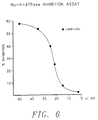
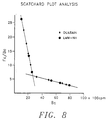
- This active material which was shown to have a molecular weight of less than 500 daltons by passage through a YC-05 Amicon R membrane, was then lyophilized and made up in distilled water, for subsequent testing of activity by Na-K-ATPase inhibition, (Figure 6), 3 H-ouabain displacement ( Figure 7) and Scatchard plot analysis (Figure 8).
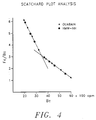
- a dose response curve was demonstrated for both assays and the inhibitor material was observed to bind to both high and low affinity receptors.
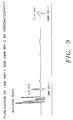
- Electrochemical detection was performed as described above.
- the active Na-K-ATPase inhibiting low molecular weight material obtained after elution from the C18 column by HPLC as described above was lyophilized and reconstituted in 1 ml of distilled water. Then 50 ⁇ l of this preparation was then injected onto a 25 cm reversed phase 3 micron high resolution C18 column using a Rheodyne (Alltech Assoc. Inc., Deerfield, IL) injection valve. The temperature of the column (55°C) was maintained by an exterior heating jacket. The column was equilibrated with an elution buffer containing water, methanol, 0.1 M phosphate buffer and an ion pairing agent.
- the Na-K-ATPase inhibitory compounds were eluted off the column using an isocratic gradient at a flowrate of 0.75 ml/min (similar results can be achieved with a flow rate ranging between 0.2 ml to 1.0 ml/min).
- the eluate was monitored electrochemically and the data were recorded with a chart recorder.
- the material of interest eluted after the solvent peaks and after void volume.
- the material contained in the first fraction eluting at 4.9 minutes from the ECD column was eluted from the SEP PAK R cartridge first with 100% distilled water/0% acetonitrile/0.1% TFA. Then a second elution was performed using 80% distilled water/20% acetonitrile/0.1% TFA.
- the material contained in the second fraction eluting at 17.5 minutes from the ECD column was eluted from the cartridge first with 100% distilled water/0% acetonitrile/0.1% TFA, then with 80% water/20 acetonitrile/0.1% TFA. All fractions were then lyophilized and subsequently assayed for Na-K-ATPase inhibitory activity.
- the 4.9 minute material was recovered in the 100% water/0% acetonitrile/0.1% TFA. This fraction exhibited Na-K-ATPase inhibitory activity. No Na-K-ATPase inhibitory activity was recovered from the second elution of this material. The 17.5 minute material was recovered in the 80% water/20% acetonitrile/0.1% TFA. No Na-K-ATPase inhibitory activity was recovered from the elution using 100% water/0% acetonitrile/0.1% TFA.
- the low molecular weight preparation initially separated from the 12 kD compound by HPLC containing both low molecular weight substances (prior to ECD) was tested in a vasoconstrictor assay (Weber et al., Am. J. Hypertens. , supra ) employing rabbit femoral arteries bathed in Krebs-bicarbonate solution. Viability of the preparation was confirmed by testing contractility of the arteries after exposure to 60 mmol potassium.
- the 408 dalton plasma Na-K-ATPase inhibitor of this invention may be the same or similar as the previously isolated urinary inhibitor as further indicated by the identical elution characteristics on HPLC ( Figure 13 infra ).
- Examples I and II demonstrate that the predominant circulating natriuretic, Na-K-ATPase transport inhibitor obtained from hypertensive and primary aldosteronism plasma is a 12 kD compound associated with low molecular weight (less than 500 dalton) inhibitor substances.
- the 12 kD compound is released from higher molecular weight binding proteins by treatment with formic acid and mercaptoethanol and exhibits natriuretic, Na-K-ATPase inhibitory, and 3 H-ouabain displacement characteristics and binds to both high and low affinity binding sites on purified Na-K-ATPase.
- CHF acute congestive heart failure
- Group I Patients were later divided into group I (4 patients) and group II (9 patients) according to levels of urinary Na-K-ATPase inhibitors subsequently determined.
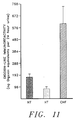
- Group I demonstrated elevated levels of the earlier eluting of two urinary inhibitors whereas group II demonstrated diminished levels of this inhibitor. Measurements of urinary digoxin-like immunoreactive substances were obtained in five patients who were not taking therapeutic digitalis preparations.
- 24 hour urine collections were obtained on all patients, in most cases beginning with the day of admission or the following day. A second 24 hour urine was obtained after the patient had shown response to treatment. Treatment consisted primarily of diuretics and vasodilators (hydralazine, nitroglycerine, angiotensin converting enzyme inhibitors). For comparison, 24 hour urine collection was also obtained from 9 normotensive control subjects without heart failure, aged 25 -60 and from 10 hypertensive patients not in CHF, aged 41-65.
- Na-K-ATPase inhibitory activity eluted in 20% ACN/0.1% TFA and 50% ACN/0.1% TFA. Each fraction was lyophilized and then tested for both Na-K-ATPase inhibitory activity (uNKAI) and digoxin-like immunoreactivity (DLI). Na-K-ATPase activity was expressed as ⁇ moles ouabain equivalents (Oeq.)/24 hour urine, whereas DLI was expressed as ng digoxin equivalents (Deq.)/24 hour urine. As the majority of DLI was found in the 50% ACN/0.1% TFA fraction, the immunoreactivity results in the 20% ACN/0.1% TFA and in 50% ACN/0.1% TFA fractions were combined.
- the Na-K-ATPase inhibition assay and digoxin radioimmunoassays were performed as described above. Concentration of the digoxin-like immunoreactivity is expressed as Deq. and was read from a digoxin standard curve with standards ranging from 0 to 4 ng/ml.
- the low molecular weight substances obtained used the procedures described herein eluted in the same fraction from the HPLC column for urine and plasma. These results suggest that these substances may be related or are the compound.
- This provides additional support for the use of the low molecular weight Na-K-ATPase inhibiting substance isolated from plasma and having natriuretic properties described herein for the treatment of diseases associated with increased amounts of natriuretic substances, such as hypertension, as well as conditions such as CHF where a deficiency of natriuretic substances may be related to the pathology of the disease.
Landscapes
- Chemical & Material Sciences (AREA)
- Health & Medical Sciences (AREA)
- Organic Chemistry (AREA)
- Life Sciences & Earth Sciences (AREA)
- Medicinal Chemistry (AREA)
- Biophysics (AREA)
- General Health & Medical Sciences (AREA)
- Genetics & Genomics (AREA)
- Biochemistry (AREA)
- Molecular Biology (AREA)
- Proteomics, Peptides & Aminoacids (AREA)
- Toxicology (AREA)
- Zoology (AREA)
- Gastroenterology & Hepatology (AREA)
- Immunology (AREA)
- Medicines That Contain Protein Lipid Enzymes And Other Medicines (AREA)
- Medicines Containing Plant Substances (AREA)
- Medicines Containing Material From Animals Or Micro-Organisms (AREA)
Claims (14)
- Verfahren zum Erhalt von Na-K-ATPase-Inhibitorverbindungen mit einem Molekulargewicht von weniger als 500 Dalton, wie durch Massenspektroskopie mit schnellem Atombeschuß gemessen, und mit vasokonstriktiver und natriuretischer Aktivität aus Verbindungen mit höherem Molekulargewicht und Plasma, umfassend:(a) Filtrieren von gekühltem, natriuretischen Na-K-ATPase-Inhibitor enthaltendem Plasma von einem Patienten, um Substanz mit einem Molekulargewicht von weniger als 1000 Dalton unter Bildung eines Retentats, enthaltend Substanzen mit einem Molekulargewicht von mehr als 1000 Dalton, zu eliminieren;(b) Behandeln des Retentats mit Ameitensäure und Mercaptoethanol, um ein Protein von 12 000 Dalton mit Na-K-ATPase-Inhibitor-Eigenschaften aus Bindeproteinen mit größerem Molekulargewicht freizusetzen;(c) Filtreren des behandelten Retentats zur Entfernung von Substanzen mit einem Molekulargewicht von mehr als 30 000 Dalton unter Bildung eines Filtrats;(d) Alkalisieren des Filtrats zur Freisetzung von Na-K-ATPase-Inhibierungssubstanzen mit niedrigem Molekulargewicht aus Substanzen mit höherem Molekulargewicht; und(e) Abtrennen des alkalisierten Filtrats unter Anwendung von Umkehrphasen-Hochleistungschromatographie zur Bildung eines Na-K-ATPase-Inhibitorsubstanzen mit einem Molekulargewicht von weniger als 500 Dalton enthaltenden Eluats, wie durch Massenspektroskopie mit schnellem Atombeschuß gemessen.
- Verfahren nach Anspruch 1, wobei das gekühlte Plasma in Gegenwart eine Antikoagulierungsmittels und eines Proteinase-Inhibitors entnommen wird, und wobei vorzugsweise die Umkehrphasen-Hochleistungschromatographie unter Verwendung einer stationären C18-Phase und eines Wasser/Acetonitril/Trifluoressigsäure-Gradienten durchgeführt wird.
- Verfahren nach Anspruch 1 oder Anspruch 2, weiter umfassend:(a) Abtrennen des aus der Umkehrphasen-Hochleistungschromatographie erhaltenen Eluats unter weiterer Anwendung der hochauflösenden Chromatographie unter Verwendung einer stationären 3-µm-Phase; und(b) Nachweisen in dem in Schritt (a) erhaltenen Eluat von zwei im wesentlichen reinen Na-K-ATPase-Inhibitorverbindungen mit einem Molekulargewicht von weniger als 500 Dalton unter Anwendung des elektrochemischen Nachweises.
- Verfahren nach Anspruch 3, weiterhin umfassend:(a) Entfernen der kontaminierenden Ionen aus dem Eluat und weiteres Abtrennen des nach dem Schritt (b) erhaltenen Eluats durch Chromatographie unter Verwendung von Wasser/Acetonitril/Trifluoressigsäure-Gradienten, gegebenenfalls unter Anwendung von SEP PAK®-Chromatographiepatronen und vorzugsweise Wasser/Acetonitril/Trifluoressigsäure-Gradienten, wobei die Gradienten durch Verwendung von 100 Prozent Wasser/0 Prozent Acetonitril/0,1 Prozent Trifluoressigsäure und 80 Prozent Wasser/20 Prozent Acetonitril/0,1 Prozent Trifluoressigsäure gebildet werden.
- Verfahren nach Anspruch 4, wobei eine Na-K-ATPase-Inhibitorverbindung mit einem Molekulargewicht von weniger als 500 Dalton, wie durch Massenspektroskopie mit schnellem Atombeschuß gemessen, in den Lösungsmitteln von 100 Prozent Wasser/0 Prozent Acetonitril/0,1 Prozent Trifluoressigsäure eluiert.
- Verfahren nach mindestens einem der Ansprüche 1 bis 5, weiter umfassend den Schritt des Kombinierens des erhaltenden Na-K-ATPase-Inhibitors mit der in Schritt (b) von Anspruch 1 freigesetzten Verbindung mit einem Molekulargewicht von ungefähr 12 000 Dalton.
- Monoklonaler Antikörper oder Fragment davon, hergestellt durch ein Hybridom, das unter Verwendung des nach mindestens einem der Ansprüche 1 bis 3 hergestellten Inhibitors oder der nach Anspruch 6 hergestellten Zusammensetzung als Immunogen gebildet wird, mit einer spezifischen biologischen Reaktivität mit dem Inhibitor bzw. der Zusammensetzung.
- In-vitro-Assayverfahren zum Nachweis des Vorhandenseins erhöhter oder verminderter Mengen an Na-K-ATPase-Inhibierungsverbindungen, umfassend das Kontaktieren des Antikörpers von Anspruch 7 mit der Probe (z. B. Plasma oder Urin) von einem Patienten mit einer mit erhöhten oder verminderten Mengen der Verbindungen zusammenhängenden Krankheit (wobei der Antikörper für den Nachweis vorzugsweise mit einer Markierung markiert wird, die aus der eine Radiomarkierung, ein Enzym, ein Chromophor und einen Fluoreszensmarker umfassenden Gruppe gewählt ist) sowie das Detektieren der Bindung des Antikörpers an Substanzen in der Probe.
- Assayverfahren nach Anspruch 8, wenn die Krankheit Hypertension oder Hyperaldosteronismus oder dekompensierte Herzinsuffizienz ist.
- Verwendung eines Antagonisten des nach mindestens einem der Ansprüche 1 bis 5 hergestellten Inhibitors bei der Herstellung eines Medikaments zur Behandlung einer Erkrankung, die durch die Bindung von natriuretischem Na-K-ATPase-Inhibitor an seine Rezeptoren verursacht wurde, z. B. für die Verwendung bei der Behandlung von Hypertension oder primärem Aldosteronismus.
- Verwendung eines nach mindestens einem der Ansprüche 1 bis 5 hergestellten Inhibitors oder eines synthetischen Analogs davon bei der Herstellung eines Medikaments zur Behandlung von Erkrankungen, die durch den Mangel an natriuretischem Na-K-ATPase-Inhibitor verursacht wurden, z. B. für die Verwendung bei der Behandlung von dekompensierter Herzinsuffizienz oder Zirrhose mit Ascites.
- Diagnostisches Gerät zum Nachweis des Vorhandenseins erhöhter oder verminderter Mengen an Na-K-ATPase-Inhibitoren mit vasokonstriktiver und natriuretischer Aktivität in einer menschlichen Probe, umfassend:(a) den Antikörper von Anspruch 7; und(b) ein Konjugat mit einer nachweisbaren Markierung und einem spezifischen Bindungspartner des Antikörpers des obenstehenden Schritts (a).
- Verfahren zum Nachweis erhöhter oder verminderter Mengen an natriuretischen Na-K-ATPase-Inhibitorverbindungen mit geringem Molekulargewicht in einer Probe eines Patienten, umfassend:(a) Messen mittels hochauflösender Chromatographie in Kombination mit einem elektrochemischen Nachweis (ECD) der Menge der gesamten Na-K-ATPase-Inhibitor-verbindungen mit geringem Molekulargewicht von weniger als 500 Dalton, wie durch Massenspektroskopie mit schnellem Atombeschuß gemessen, die in einer Plasmaprobe eines Patienten nach der Deproteinisierung des Plasmas vorliegt, um Na-K-ATPase-Inhibitoren mit niedrigem Molekulargewicht, die an eine Na-K-ATPase-Inhibitorverbindung mit einem Molekulargewicht von 12 kD gebunden sind, freizusetzen.(b) Messen frei-zirkulierender Na-K-ATPase-Inhibitorverbindungen mit geringem Molekulargewicht, die nicht an die 12kD-Verbindung und unbehandeltem Plasma gebunden sind; und(c) Bestimmen der Menge an gebundenen Inhibitorverbindungen mit geringem Molekulargewicht anhand der gemessenen Mengen der gesamten und freien Inhibitorverbindungen mit geringem Molekulargewicht, um sie mit der Menge der freien Inhibitorverbindungen mit geringem Molekulargewicht zu vergleichen, wodurch ein Erkrankungszustand bei einem Patienten im Verhältnis zu dem Vorhandensein erhöhter oder zu niedriger Mengen der Inhibitoren mit geringem Molekulargewicht bewertet werden kann.
- Verfahren nach Anspruch 13, wobei vor der ECD-Messung Catecholamine durch Adsorption an einer festen Phase entfernt werden.
Applications Claiming Priority (3)
| Application Number | Priority Date | Filing Date | Title |
|---|---|---|---|
| US58158290A | 1990-09-11 | 1990-09-11 | |
| US581582 | 1990-09-11 | ||
| PCT/US1991/006554 WO1992004910A1 (en) | 1990-09-11 | 1991-09-11 | Na-k-atpase inhibiting natriuretic substances |
Publications (3)
| Publication Number | Publication Date |
|---|---|
| EP0500921A1 EP0500921A1 (de) | 1992-09-02 |
| EP0500921A4 EP0500921A4 (en) | 1993-05-26 |
| EP0500921B1 true EP0500921B1 (de) | 1999-05-19 |
Family
ID=24325750
Family Applications (1)
| Application Number | Title | Priority Date | Filing Date |
|---|---|---|---|
| EP91918625A Expired - Lifetime EP0500921B1 (de) | 1990-09-11 | 1991-09-11 | Inhibition der ausscheidung von natrium durch die na-k-atpase |
Country Status (9)
| Country | Link |
|---|---|
| US (1) | US5667811A (de) |
| EP (1) | EP0500921B1 (de) |
| AT (1) | ATE180167T1 (de) |
| AU (1) | AU650490B2 (de) |
| CA (1) | CA2068412A1 (de) |
| DE (1) | DE69131248T2 (de) |
| DK (1) | DK0500921T3 (de) |
| OA (1) | OA09700A (de) |
| WO (1) | WO1992004910A1 (de) |
Families Citing this family (1)
| Publication number | Priority date | Publication date | Assignee | Title |
|---|---|---|---|---|
| WO2000044931A2 (en) * | 1999-01-28 | 2000-08-03 | Bion, Inc. | High-throughput screening assays for modulators of atpase |
Family Cites Families (11)
| Publication number | Priority date | Publication date | Assignee | Title |
|---|---|---|---|---|
| US4321120A (en) * | 1980-03-19 | 1982-03-23 | Nardi Ronald V | Process for detecting proteins specific to hypertension in mammals |
| US4665019A (en) * | 1983-08-31 | 1987-05-12 | University Of Maryland | Method for measuring the plasma levels of an inhibitor of (Na+ +K.sup.+ |
| JPS6060557A (ja) * | 1983-09-13 | 1985-04-08 | Eisai Co Ltd | Pivka−2の測定方法および試薬 |
| US4943533A (en) * | 1984-03-01 | 1990-07-24 | The Regents Of The University Of California | Hybrid cell lines that produce monoclonal antibodies to epidermal growth factor receptor |
| DE3445933A1 (de) * | 1984-12-17 | 1986-06-19 | Röhm GmbH, 6100 Darmstadt | Arzneimittel mit diuretischer wirksamkeit |
| GB8516081D0 (en) * | 1985-06-25 | 1985-07-31 | Ciba Geigy Ag | Assay & purification of amyloid components |
| US4780314A (en) * | 1985-10-30 | 1988-10-25 | Brigham And Women's Hospital | Isolation and purification of a digitalis-like factor |
| US4940670A (en) * | 1986-01-24 | 1990-07-10 | Rhodes Buck A | Method for compounding and testing patient specific monoclonal antibodies and monoclonal antibody fragments for in vivo use |
| FR2597483B1 (fr) * | 1986-04-18 | 1993-09-10 | Flork Michel | Nouveaux peptides diuretiques et natriuretiques. |
| US4746652A (en) * | 1986-11-18 | 1988-05-24 | Wake Forest University | Method of inducing diuresis with lysophospholipids |
| US4940782A (en) * | 1987-06-08 | 1990-07-10 | G. D. Searle & Co. | Monoclonal antibodies against IgE-associated determinants, hybrid cell lines producing these antibodies, and use therefore |
-
1991
- 1991-09-11 DE DE69131248T patent/DE69131248T2/de not_active Expired - Fee Related
- 1991-09-11 DK DK91918625T patent/DK0500921T3/da active
- 1991-09-11 AU AU87617/91A patent/AU650490B2/en not_active Ceased
- 1991-09-11 AT AT91918625T patent/ATE180167T1/de not_active IP Right Cessation
- 1991-09-11 WO PCT/US1991/006554 patent/WO1992004910A1/en not_active Ceased
- 1991-09-11 EP EP91918625A patent/EP0500921B1/de not_active Expired - Lifetime
- 1991-09-11 CA CA002068412A patent/CA2068412A1/en not_active Abandoned
-
1992
- 1992-06-04 OA OA60225A patent/OA09700A/en unknown
- 1992-11-30 US US07/983,617 patent/US5667811A/en not_active Expired - Fee Related
Non-Patent Citations (1)
| Title |
|---|
| CHEMICAL ABSTRACTS, vol. 92, 1980, Columbus, Ohio, US; abstract no. 69908, CLARKSON ET AL 'Further observations on a low-molecular weight natriuretic substance in the urine of normal man' page 83 ;column 2 & KIDNEY INT. vol. 16, no. 6, 1979, pages 710-721 * |
Also Published As
| Publication number | Publication date |
|---|---|
| AU650490B2 (en) | 1994-06-23 |
| AU8761791A (en) | 1992-04-15 |
| EP0500921A1 (de) | 1992-09-02 |
| CA2068412A1 (en) | 1992-03-12 |
| OA09700A (en) | 1993-08-30 |
| WO1992004910A1 (en) | 1992-04-02 |
| EP0500921A4 (en) | 1993-05-26 |
| ATE180167T1 (de) | 1999-06-15 |
| DE69131248T2 (de) | 1999-12-16 |
| DK0500921T3 (da) | 1999-11-29 |
| US5667811A (en) | 1997-09-16 |
| DE69131248D1 (de) | 1999-06-24 |
Similar Documents
| Publication | Publication Date | Title |
|---|---|---|
| Slatopolsky et al. | A novel mechanism for skeletal resistance in uremia | |
| Marin-Grez et al. | Atrial natriuretic peptide causes pre-glomerular vasodilatation and post-glomerular vasoconstriction in rat kidney | |
| EP1033134B1 (de) | Compositions zur inhibierung der proliferation glatter muskulatur und verfahren zur diagnose von arteriosklerose | |
| US5314992A (en) | Lipocortin-1 receptor protein and its uses | |
| CA1340977C (en) | Scavenger receptor protein and antibody thereto | |
| Kinoshita et al. | Urine and plasma levels of uroguanylin and its molecular forms in renal diseases | |
| JPH03197499A (ja) | 腫瘍壊死因子結合蛋白 | |
| Nakazato et al. | Identification of biologically active and inactive human uroguanylins in plasma and urine and their increases in renal insufficiency | |
| JP2002540070A (ja) | ジヒドロウアベイン様因子並びに診断及び治療組成物及び方法 | |
| Ekman et al. | Radioimmunoassay of delta sleep-inducing peptide using an iodinated p-hydroxyphenylpropionic acid derivative as tracer | |
| Ivanov et al. | Characterization of a partial cDNA clone detected by imidazoline receptor-selective antisera | |
| Kuwasako et al. | Increased plasma proadrenomedullin N-terminal 20 peptide in patients with essential hypertension | |
| EP0500921B1 (de) | Inhibition der ausscheidung von natrium durch die na-k-atpase | |
| Glänzer et al. | Measurement of 8-arginine-vasopressin by radioimmunoassay Development and application to urine and plasma samples using one extraction method | |
| Bach et al. | β-Eddorphin and ACTH in Plasma During Attacks of Common and Classic Migraine | |
| JP2919607B2 (ja) | パラシロイド高血圧性因子 | |
| US5304496A (en) | Biological regulation of mineralization | |
| US5367063A (en) | Human phospholipase activating protein and methods for diagnosis of rheumatoid arthritis | |
| AU607904B2 (en) | Method for detecting a marker for essential hypertension and diagnostic use thereof | |
| AU778423B2 (en) | Placental human neurokinin B precursor | |
| KR0159990B1 (ko) | 고혈압 치료제 조성물 및 인체를 제외한 고혈압 포유동물의 치료방법 | |
| US20030232374A1 (en) | Compositions and methods relating to detrusor estrogen-regulated protein (DERP) | |
| Igarashi | Structure and function of plasma membrane Na+\H+ exchangers | |
| YANG et al. | Mechanisms of decreased pressor response to infused angiotensin II in the pregnant rat | |
| JPH02253164A (ja) | 抗脳由来アルカリフォスファターゼi特異抗体の製造方法 |
Legal Events
| Date | Code | Title | Description |
|---|---|---|---|
| PUAI | Public reference made under article 153(3) epc to a published international application that has entered the european phase |
Free format text: ORIGINAL CODE: 0009012 |
|
| AK | Designated contracting states |
Kind code of ref document: A1 Designated state(s): AT BE CH DE DK ES FR GB GR IT LI LU NL SE |
|
| 17P | Request for examination filed |
Effective date: 19920928 |
|
| A4 | Supplementary search report drawn up and despatched |
Effective date: 19930406 |
|
| AK | Designated contracting states |
Kind code of ref document: A4 Designated state(s): AT BE CH DE DK ES FR GB GR IT LI LU NL SE |
|
| 17Q | First examination report despatched |
Effective date: 19941216 |
|
| GRAG | Despatch of communication of intention to grant |
Free format text: ORIGINAL CODE: EPIDOS AGRA |
|
| GRAG | Despatch of communication of intention to grant |
Free format text: ORIGINAL CODE: EPIDOS AGRA |
|
| GRAH | Despatch of communication of intention to grant a patent |
Free format text: ORIGINAL CODE: EPIDOS IGRA |
|
| GRAH | Despatch of communication of intention to grant a patent |
Free format text: ORIGINAL CODE: EPIDOS IGRA |
|
| GRAA | (expected) grant |
Free format text: ORIGINAL CODE: 0009210 |
|
| AK | Designated contracting states |
Kind code of ref document: B1 Designated state(s): AT BE CH DE DK ES FR GB GR IT LI LU NL SE |
|
| PG25 | Lapsed in a contracting state [announced via postgrant information from national office to epo] |
Ref country code: GR Free format text: LAPSE BECAUSE OF NON-PAYMENT OF DUE FEES Effective date: 19990519 Ref country code: ES Free format text: THE PATENT HAS BEEN ANNULLED BY A DECISION OF A NATIONAL AUTHORITY Effective date: 19990519 |
|
| REF | Corresponds to: |
Ref document number: 180167 Country of ref document: AT Date of ref document: 19990615 Kind code of ref document: T |
|
| REG | Reference to a national code |
Ref country code: CH Ref legal event code: EP |
|
| REF | Corresponds to: |
Ref document number: 69131248 Country of ref document: DE Date of ref document: 19990624 |
|
| ITF | It: translation for a ep patent filed | ||
| ET | Fr: translation filed | ||
| REG | Reference to a national code |
Ref country code: DK Ref legal event code: T3 |
|
| REG | Reference to a national code |
Ref country code: CH Ref legal event code: NV Representative=s name: TROESCH SCHEIDEGGER WERNER AG |
|
| PLBE | No opposition filed within time limit |
Free format text: ORIGINAL CODE: 0009261 |
|
| STAA | Information on the status of an ep patent application or granted ep patent |
Free format text: STATUS: NO OPPOSITION FILED WITHIN TIME LIMIT |
|
| 26N | No opposition filed | ||
| PGFP | Annual fee paid to national office [announced via postgrant information from national office to epo] |
Ref country code: FR Payment date: 20000822 Year of fee payment: 10 |
|
| PGFP | Annual fee paid to national office [announced via postgrant information from national office to epo] |
Ref country code: SE Payment date: 20000823 Year of fee payment: 10 |
|
| PGFP | Annual fee paid to national office [announced via postgrant information from national office to epo] |
Ref country code: NL Payment date: 20000824 Year of fee payment: 10 Ref country code: DK Payment date: 20000824 Year of fee payment: 10 Ref country code: AT Payment date: 20000824 Year of fee payment: 10 |
|
| PGFP | Annual fee paid to national office [announced via postgrant information from national office to epo] |
Ref country code: GB Payment date: 20000825 Year of fee payment: 10 Ref country code: CH Payment date: 20000825 Year of fee payment: 10 |
|
| PGFP | Annual fee paid to national office [announced via postgrant information from national office to epo] |
Ref country code: DE Payment date: 20000828 Year of fee payment: 10 |
|
| PGFP | Annual fee paid to national office [announced via postgrant information from national office to epo] |
Ref country code: LU Payment date: 20000907 Year of fee payment: 10 |
|
| PGFP | Annual fee paid to national office [announced via postgrant information from national office to epo] |
Ref country code: BE Payment date: 20000908 Year of fee payment: 10 |
|
| PG25 | Lapsed in a contracting state [announced via postgrant information from national office to epo] |
Ref country code: LU Free format text: LAPSE BECAUSE OF NON-PAYMENT OF DUE FEES Effective date: 20010911 Ref country code: GB Free format text: LAPSE BECAUSE OF NON-PAYMENT OF DUE FEES Effective date: 20010911 Ref country code: DK Free format text: LAPSE BECAUSE OF NON-PAYMENT OF DUE FEES Effective date: 20010911 Ref country code: AT Free format text: LAPSE BECAUSE OF NON-PAYMENT OF DUE FEES Effective date: 20010911 |
|
| PG25 | Lapsed in a contracting state [announced via postgrant information from national office to epo] |
Ref country code: SE Free format text: LAPSE BECAUSE OF NON-PAYMENT OF DUE FEES Effective date: 20010912 |
|
| PG25 | Lapsed in a contracting state [announced via postgrant information from national office to epo] |
Ref country code: LI Free format text: LAPSE BECAUSE OF NON-PAYMENT OF DUE FEES Effective date: 20010930 Ref country code: CH Free format text: LAPSE BECAUSE OF NON-PAYMENT OF DUE FEES Effective date: 20010930 Ref country code: BE Free format text: LAPSE BECAUSE OF NON-PAYMENT OF DUE FEES Effective date: 20010930 |
|
| BERE | Be: lapsed |
Owner name: THE REGENTS OF THE UNIVERSITY OF CALIFORNIA Effective date: 20010930 |
|
| PG25 | Lapsed in a contracting state [announced via postgrant information from national office to epo] |
Ref country code: NL Free format text: LAPSE BECAUSE OF NON-PAYMENT OF DUE FEES Effective date: 20020401 |
|
| GBPC | Gb: european patent ceased through non-payment of renewal fee |
Effective date: 20010911 |
|
| PG25 | Lapsed in a contracting state [announced via postgrant information from national office to epo] |
Ref country code: DE Free format text: LAPSE BECAUSE OF NON-PAYMENT OF DUE FEES Effective date: 20020501 |
|
| EUG | Se: european patent has lapsed |
Ref document number: 91918625.4 |
|
| REG | Reference to a national code |
Ref country code: CH Ref legal event code: PL |
|
| PG25 | Lapsed in a contracting state [announced via postgrant information from national office to epo] |
Ref country code: FR Free format text: LAPSE BECAUSE OF NON-PAYMENT OF DUE FEES Effective date: 20020531 |
|
| NLV4 | Nl: lapsed or anulled due to non-payment of the annual fee |
Effective date: 20020401 |
|
| REG | Reference to a national code |
Ref country code: DK Ref legal event code: EBP |
|
| REG | Reference to a national code |
Ref country code: FR Ref legal event code: ST |
|
| NLV4 | Nl: lapsed or anulled due to non-payment of the annual fee |
Effective date: 20020401 |
|
| PG25 | Lapsed in a contracting state [announced via postgrant information from national office to epo] |
Ref country code: IT Free format text: LAPSE BECAUSE OF NON-PAYMENT OF DUE FEES Effective date: 20050911 |