EP0520436A2 - Monoklonaler Antikörper, Verfahren zu seiner Herstellung und seine Anwendung - Google Patents
Monoklonaler Antikörper, Verfahren zu seiner Herstellung und seine Anwendung Download PDFInfo
- Publication number
- EP0520436A2 EP0520436A2 EP92110689A EP92110689A EP0520436A2 EP 0520436 A2 EP0520436 A2 EP 0520436A2 EP 92110689 A EP92110689 A EP 92110689A EP 92110689 A EP92110689 A EP 92110689A EP 0520436 A2 EP0520436 A2 EP 0520436A2
- Authority
- EP
- European Patent Office
- Prior art keywords
- monoclonal antibody
- prostaglandin
- dihydro
- diketo
- pgf1α
- Prior art date
- Legal status (The legal status is an assumption and is not a legal conclusion. Google has not performed a legal analysis and makes no representation as to the accuracy of the status listed.)
- Ceased
Links
Images

Classifications
-
- C—CHEMISTRY; METALLURGY
- C07—ORGANIC CHEMISTRY
- C07K—PEPTIDES
- C07K16/00—Immunoglobulins [IG], e.g. monoclonal or polyclonal antibodies
- C07K16/18—Immunoglobulins [IG], e.g. monoclonal or polyclonal antibodies against material from animals or humans
- C07K16/26—Immunoglobulins [IG], e.g. monoclonal or polyclonal antibodies against material from animals or humans against hormones ; against hormone releasing or inhibiting factors
Definitions
- the present invention relates to a monoclonal antibody against 6,15-diketo-13,14-dihydro-prostaglandin F1 ⁇ (also referred to as 6,15-DK-13,14-DH-PGF1 ⁇ for short), a method of production thereof and a use thereof.
- the invention also provides a hybridoma producing said monoclonal antibody.
- Prostacyclin prostaglandin I2, also referred to as PGI2 for short
- PGI2 a bioactive substance belonging to the arachidonic acid cascade
- the bioactivities of PGI2 are antagonistic to thromboxane A2 (also referred to as TXA2 for short); its measurement in vivo has been much emphasized.
- PGI2 is an unstable substance, whose half-life at 37°C is reportedly about 5 minutes.
- 6-keto-prostaglandin F1 ⁇ (also referred to as 6-K-PGF1 ⁇ for short), which is derived from PGI2 in the absence of enzyme, has been measured in place of PGI2 (ALAN R. BRASH et al., J. Pharmacol. Exp. Ther., 226 , 78 (1983)).
- the object of the present invention is to provide a means for conveniently measuring 6,15-DK-13,14-DH-PGF1 ⁇ , a stable metabolite of prostaglandin I2 thought of as reflecting the concentration changes therein, with specificity and high sensitivity.
- the present inventors conducted investigations with the aim of developing a practical means of assaying 6,15-DK-13,14-DH-PGF1 ⁇ , and prepared a monoclonal antibody against 6,15-DK-13,14-DH-PGF1 ⁇ enabling such assay.
- the inventors conducted further investigations based on this achievement and developed the present invention.
- the present invention relates to
- Figure 1 shows the results of enzyme immunoassay using a monoclonal antibody obtained in Example 3.
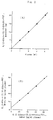
- Figure 2 shows the results of the assay method based on plasma sample pre-treatment using an immobilized antibody column obtained in Example 4.
- the antibody against 6,15-DK-13,14-DH-PGF1 ⁇ of the present invention can be prepared by applying a technique known per se .
- 6,15-DK-13,14-DH-PGF1 ⁇ products can be used in the present invention (Cayman Company, distributed by Funakoshi Pharmaceutical Co., Ltd.).
- the desired antibody can be obtained by inoculating the binding product of 6,15-DK-13,14-DH-PGF1 ⁇ and a high molecular carrier substance, as an immunogen, to a non-human warm-blooded animal to form an antibody. and collecting said antibody.
- Binding of 6,15-DK-13,14-DH-PGF1 ⁇ and the high molecular carrier substance for this purpose can be achieved using a known routine means [e.g., Hormone and Metabolic Research, Vol. 8, p. 241 (1976)], including a method using a dehydrant, such as water-soluble carbodiimide.
- a dehydrant such as water-soluble carbodiimide.
- the high molecular carrier substance include bovine thyroglobulin, bovine serum albumin, bovine gamma globulin and hemocyanin.
- the product prepared is dialyzed against water at about 4°C by a routine means, and may be stored after freezing or freeze drying.
- any route is acceptable, including subcutaneous, intraperitoneal, intravenous, intramuscular and intradermal injection, when mice, for instance, are immunized, but it is preferable to inject the immunogen mainly subcutaneously, intraperitoneally or intravenously (particularly subcutaneously). Also, inoculation intervals, inoculum amounts etc.
- the inoculum amount be not less than 0.1 ⁇ g (preferably 10 to 30 ⁇ g) per mouse as the amount of polypeptide for each immunization.
- splenocytes When splenocytes are used as lymphocyte source, provided that the spleen is excised, it is desirable to previously conduct partial blood sampling to confirm increased blood antibody titer, and then make a fusion experiment.
- immunized mouse lymphocytes are fused with an appropriate lymphoblast line such as a myeloma cell of the same or different animal species (preferably the same species) having a marker for hypoxanthine-guanine-phosphoribosyl transferase deficiency (HGPRT-) or thymidine kinase deficiency (TK-).
- a fusogen such as Sendai virus or polyethylene glycol (PEG), is used for this fusion. It is of course possible to add dimethyl sulfoxide (DMSO) or another fusion promoter.
- PEG with an average molecular weight of about 1000 to 6000 is used at a concentration of about 10 to 80% and at a treating time of 0.5 to 30 minutes.
- efficient fusion can be achieved by treatment with 35 to 55% PEG6000 for 4 to 10 minutes.
- the fused cell (hybridoma) can be selectively proliferated using hypoxanthine-aminopterin-thymidine medium [HAT medium; Nature, Vol. 256, p. 495 (1975)] or another medium.
- antibody titer screening can be carried out as follows. Specifically, antibody titer can be determined by radioimmunoassay (RIA method), enzyme immunoassay (EIA method) and other methods, which are widely modifiable. As a preferred mode of assay, the method based on EIA is described below.
- the subject culture supernatant or mouse serum is added, followed by reaction at constant temperature ("constant temperature,” as used hereinafter, means 4 to 40°C) for a given period.
- constant temperature means 4 to 40°C
- the reaction product is then thoroughly washed, after which enzyme-labeled 6,15-DK-13,14-DH-PGF1 ⁇ is added, followed by reaction at constant temperature for a given period.
- an enzyme substrate is added, followed by reaction at constant temperature for a given period, after which the coloring product can be measured by absorbance or fluorescence intensity.
- the hybridoma thus cloned is proliferated in liquid medium or a mammalian abdominal cavity.
- said monoclonal antibody can be obtained from culture broth after cultivation for 2 to 10 days, preferably 3 to 5 days, in a liquid medium, such as that prepared by adding 0.1 to 40% bovine serum to RPMI-1640 medium.
- a liquid medium such as that prepared by adding 0.1 to 40% bovine serum to RPMI-1640 medium.
- An antibody with a titer much higher than that obtained with cell culture supernatant can be obtained in large amounts with high efficiency by inoculating the cloned hybridoma to the abdominal cavity of an appropriate mammal, such as a mouse, to allow cell proliferation, and then collecting ascitic fluid.
- hybrid cells are intraperitoneally or otherwise inoculated to BALB/c or another line of mice previously inoculated with mineral oil etc., ascitic fluid being collected 7 to 20 days (preferably 10 to 14 days) later. From the ascitic fluid, in which the antibody was produced and accumulated, the desired monoclonal antibody can easily be isolated as pure immunoglobulin by ammonium sulfate fractionation, DEAE-cellulose column chromatography or another method.
- the monoclonal antibody in the present invention may be immunoglobulin or a fraction thereof [e.g., F(ab')2, Fab' or Fab].
- the competitive method is usually used.
- the competitive method is defined as a method in which a given amount of a subject solution containing an unknown amount of 6,15-DK-13,14-DH-PGF1 ⁇ and a given amount of marker-labeled 6,15-DK-13,14-DH-PGF1 ⁇ are subjected to competitive reaction with a given amount of the corresponding antibody, and the activity of the antibody-bound marker or unbound marker is determined, to determine the amount of 6,15-DK-13,14-DH-PGF1 ⁇ in the subject solution.
- HRP horseradish peroxidase
- subject solutions include biological samples such as those of blood plasma, serum, urine, spinal fluid and tissue extracts.
- markers include enzymes, radioisotopes, fluorescent substances and luminescent substances.
- Examples of preferable radioisotopes include 125I, 131I, 3H and 14C.
- the enzyme is preferably stable and of high specific activity; examples of such enzymes include 1) carbohydrases [eg., glycosidases (e.g., ⁇ -galactosidase, ⁇ -glycosidase, ⁇ -glucurosidase, ⁇ -fructosidase, ⁇ -galactosidase, ⁇ -glucosidase, ⁇ mannosidase), amylases (e.g., ⁇ -amylase, ⁇ -amylase, isoamylase, glucoamylase, Taka amylase A) cellulase, lysozyme], 2) amylases (e.g., urease, asparaginase), 3) esterases [e.g., choline esterases (e.g., acetylcholine esterase), phosphata
- fluorescent substances include fluorescamine and fluorescence isothiocyanate.
- luminescent substances include luminol, luminol derivatives, luciferin and lucigenin. Of these markers, enzymes, particularly peroxidase can be used advantageously.
- Binding of 6,15-DK-13,14-DH-PGF1 ⁇ and marker can be achieved by a conventional method, such as the use of a condensing agent, e.g., water-soluble carbodiimide.
- a condensing agent e.g., water-soluble carbodiimide.
- the monoclonal antibody of the present invention makes it possible to conveniently measure 6,15-diketo-13,14-dihydro-prostaglandin F1 ⁇ , a stable metabolite of prostaglandin I2 thought of as reflecting the concentration changes therein, with specificity and high sensitivity. It is useful in determining the content of prostaglandin I2, which exhibits platelet aggregating inhibitory activity, vasodilating activity and other activities, in biological samples.
- the monoclonal antibody of the present invention hardly reacts with other arachidonic acid metabolite, for example, 6-keto-PGF1 ⁇ , 2,3-dinol-6-keto-PGF1 ⁇ , 6-keto-PGE1, PGB2, PGD2, PGE1, PGE2,PGF1 ⁇ , PGF2 ⁇ , TXB2, 11-dehydro-TXB2, 15-keto-PGF2 ⁇ , 13,14-dihydro-15-keto-PGE1 or 13,14-dihydro-15-keto-PGE2 ⁇ .
- other arachidonic acid metabolite for example, 6-keto-PGF1 ⁇ , 2,3-dinol-6-keto-PGF1 ⁇ , 6-keto-PGE1, PGB2, PGD2, PGE1, PGE2,PGF1 ⁇ , PGF2 ⁇ , TXB2, 11-dehydro-TXB2, 15-keto-PGF2 ⁇ , 13,14-dihydro-15-keto-PGE1 or 13,14-di
- a sample containing an unknown amount of 6,15-DK-13,14-DH-PGF1 ⁇ is reacted with a given amount of labeled 6,15-DK-13,14-DH-PGF1 ⁇ and a given amount of monoclonal antibody, after which a solid phase, previously bound with anti-seed antibody physically or chemically, is added to react. Then, usually, after washing thoroughly the solid phase , the marker activity bound to the solid phase is measured.
- the marker is a radioisotope
- its activity is measured using a well counter or a liquid scintillation counter.
- the marker is an enzyme
- a substrate is added, and after a while enzyme activity is determined by a colorimetric or fluorometric method. Whether the marker is a fluorescent or luminescent substance, each is measured by a known method.
- sample pretreatment is often necessary.
- sample concentrating procedures include the extraction concentration method using an organic solvent, the method using a cartridge type column of octadecylsilane (ODS) and the method using an antibody-bound affinity column.
- ODS octadecylsilane
- the sample when it is a body fluid such as plasma, serum or urine, it is applied to the cartridge after being adjusted to acidic pH.
- an appropriate organic solvent such as alcohol or chloroform
- the eluate thus obtained is then evaporated to dryness either in N2 gas or under reduced pressure.
- the residue is then dissolved in a buffer; the resulting solution, as a subject solution, is usually subjected to RIA, EIA or another immunochemical assay.
- Hybridoma D K 501 obtained in Example 1 below, has been deposited under accession number FERM BP-3464 at the Fermentation Research Institute of the Agency of Industrial Technology, Ministry of International Trade and Industry, since June 25, 1991, under the Budapest treaty and has also been deposited under accession number IFO 50342 at the Institute for Fermentation, Osaka (IFO), since June 28, 1991.
- bovine serum albumin (BSA) in solution in 1 ml of physiological saline was added, followed by 20 hours of reaction at 4°C; the reaction product was then dialyzed against physiological saline. This reaction product was used as an immunogen.
- BSA bovine serum albumin
- mice splenocytes were taken out for cell fusion.
- the collected splenocytes (1.0 ⁇ 108) and myeloma cells FO (1.0 ⁇ 107) were mixed in RPMI-1640 medium and centrifuged at 1,000 rpm for 5 minutes. To the resulting sediment, 1 ml of 50% polyethylene glycol 1500 was gradually added at 37°C over a 1-minute period, and the cells were allowed to fuse. After 7 ml of RPMI-1640 medium at 37°C was added over a 5-minute period, the mixture was centrifuged. The resulting fused cells were diluted with HAT medium and dispensed to 96-well microplates at 0.1 ml per well, after which they were cultivated with half the HAT medium replaced with fresh HAT medium at intervals of 2 to 3 days. After 7 to 14 days, hybridoma proliferation occurred in all 288 wells, 25% of which (72/288) proved to contain anti-6,15-DK-13,14-DH-PGF1 ⁇ antibody produced therein.
- the cells from the wells with the highest antibody titer were cloned by limiting dilution analysis. Specifically, 105/well BALB/c mouse thymocytes, as feeder cells, and 1/well hybridoma were added to the wells and cultivated in HT medium. This procedure was repeated in two cycles. The clone which produced the desired antibody most stably and most richly was selected via cloning and named D K 501 (IFO 50342, FERM BP-3464).
- the antibody titer of the clone was determined as follows. To a microplate with an anti-mouse immunoglobulin G (IgG) antibody immobilized thereon, 100 ⁇ l of the hybridoma culture supernatant was added, followed by reaction at room temperature for 1 hour. After plate washing, peroxidase-labeled 6,15-DK-13,14-DH-PGF1 ⁇ was added, followed by reaction at room temperature for 1 hour. After plate washing again, a solution of the enzyme substrate o-phenylenediamine was added, and its absorbance determined, to obtain the antibody titer of the hybridoma culture supernatant.
- IgG anti-mouse immunoglobulin G
- Peroxidase-labeled 6,15-DK-13,14-DH-PGF1 ⁇ was prepared as follows. A solution of 200 ⁇ g of 6,15-DK-13,14-DH-PGF1 ⁇ in 80% dioxane (300 ⁇ l), 300 ⁇ g of 1-ethyl-3-(3-dimethylaminopropyl)carbodiimide hydrochloride and 200 ⁇ g of N-hydroxysuccinimide were reacted at room temperature for 3 hours, after which 1 ml of purified water was added, followed by three cycles of extraction with 2 ml of ethyl acetate. The extract was then evaporated to dryness in nitrogen gas. To the dry product, 1 mg of peroxidase in solution in 0.2 ml of physiological saline was added, followed by 20 hours of reaction at 4°C; the reaction product was purified by gel filtration with Superose 12.
- the isotype of the monoclonal antibody (D K 501) established in Example 1 was determined to be IgG1 by the Ouchterlony method. Its binding specificity was determined by examining its cross reactivity against other arachidonic acid metabolites by enzyme immunoassay. The results are shown in Table 1. This monoclonal antibody hardly reacted with other arachidonic acid metabolites. This monoclonal antibody is therefore identified as a monoclonal antibody which specifically reacts to 6,15-DK-13,14-DH-PGF1 ⁇ .
- the enzyme immunoassay described above was conducted as follows. 100 ⁇ l of either a standard 6,15-DK-13,14-DH-PGF1 ⁇ solution or a standard solution of another arachidonic acid metabolite, 100 ⁇ l of a solution of peroxidase-labeled 6,15-DK-13,14-DH-PGF1 ⁇ and 100 ⁇ l of a solution of the mouse monoclonal anti-6,15-diketo-13,14-dihydro-prostaglandin F1 ⁇ antibody (D K 501) obtained in Examples 1 and 2 were mixed, and a solid phase bound with anti-mouse IgG antibody was added, followed by reaction at 4°C for 20 hours.
- D K 501 mouse monoclonal anti-6,15-diketo-13,14-dihydro-prostaglandin F1 ⁇ antibody
- Bo in B/Bo is the enzyme activity bound to the solid phase in the absence of 6,15-DK-13,14-DH-PGF1 ⁇ ; B is the enzyme activity bound to the solid phase in the presence of 6,15-DK-13,14-DH-PGF1 ⁇ .
- D K 501 anti-6,15-diketo-13,14-dihydro-PGF 1 ⁇ monoclonal antibody
- D K 501 was dialyzed against 0.1 M carbonate buffer (pH 8.5) at 4°C for 24 hours.
- the antibody was immobilized by a known method as follows. 5 g of Sepharose 4B, previously activated with cyanogen bromide, was washed with 1000 ml of 1 mM hydrochloric acid and then with 100 ml of 0.1 M carbonate buffer (pH 8.5). To this washed cyanogen-bromide-activated Sepharose 4B, the dialyzed monoclonal antibody was added, followed by stirring at room temperature for 3 hours.
- the resulting monoclonal-antibody-bound Sepharose 4B was diluted with Sepharose 4B to an antibody content of 300 ⁇ g per ml of gel.
- the diluted antibody-bound Sepharose 4B in an amount of 0.7 ml as of gel volume, was packed in a polypropylene column (Sepacol Mini PP, produced by Seikagaku Kogyo). The column was washed with 0.1 M phosphate-buffered saline (pH 7.5) and then stored at 4°C.
- Figure 2 shows the validity of the present assay method based on plasma sample pre-treatment using the immobilized antibody column.
- the experimentally found value increased 1, 2, 3 and 4 fold as the amount of plasma sample applied to the column was increased 1, 2, 3 and 4 fold, indicating a good linearity in simple regression analysis (Figure 2(A)).
- a good linearity was also obtained in the experiment with plasma samples supplemented with the standard preparation, a recovery rate of over 90% on average obtained ( Figure 2(B)).
Landscapes
- Chemical & Material Sciences (AREA)
- Health & Medical Sciences (AREA)
- Organic Chemistry (AREA)
- Biophysics (AREA)
- Life Sciences & Earth Sciences (AREA)
- Biochemistry (AREA)
- Immunology (AREA)
- General Health & Medical Sciences (AREA)
- Genetics & Genomics (AREA)
- Medicinal Chemistry (AREA)
- Molecular Biology (AREA)
- Proteomics, Peptides & Aminoacids (AREA)
- Endocrinology (AREA)
- Preparation Of Compounds By Using Micro-Organisms (AREA)
- Micro-Organisms Or Cultivation Processes Thereof (AREA)
Applications Claiming Priority (2)
| Application Number | Priority Date | Filing Date | Title |
|---|---|---|---|
| JP15821691 | 1991-06-28 | ||
| JP158216/91 | 1991-06-28 |
Publications (2)
| Publication Number | Publication Date |
|---|---|
| EP0520436A2 true EP0520436A2 (de) | 1992-12-30 |
| EP0520436A3 EP0520436A3 (en) | 1993-07-21 |
Family
ID=15666821
Family Applications (1)
| Application Number | Title | Priority Date | Filing Date |
|---|---|---|---|
| EP19920110689 Ceased EP0520436A3 (en) | 1991-06-28 | 1992-06-25 | Monoclonal antibody, method of production thereof and use thereof |
Country Status (4)
| Country | Link |
|---|---|
| US (1) | US5290680A (de) |
| EP (1) | EP0520436A3 (de) |
| JP (1) | JPH05308993A (de) |
| CA (1) | CA2072412A1 (de) |
Cited By (1)
| Publication number | Priority date | Publication date | Assignee | Title |
|---|---|---|---|---|
| WO1997043650A1 (en) * | 1996-05-15 | 1997-11-20 | G.D. Searle & Co. | Method and reagent for monitoring blood levels of antiplatelet compounds |
Family Cites Families (1)
| Publication number | Priority date | Publication date | Assignee | Title |
|---|---|---|---|---|
| DE3218269A1 (de) * | 1982-05-14 | 1983-11-17 | Bayer Ag, 5090 Leverkusen | Verfahren zur herstellung von monoklonalen antikoerpern gegen prostaglandine und die verwendung der antikoerper zur bestimmung der prostaglandine |
-
1992
- 1992-06-25 CA CA002072412A patent/CA2072412A1/en not_active Abandoned
- 1992-06-25 JP JP4167873A patent/JPH05308993A/ja not_active Withdrawn
- 1992-06-25 EP EP19920110689 patent/EP0520436A3/en not_active Ceased
- 1992-06-25 US US07/904,145 patent/US5290680A/en not_active Expired - Fee Related
Non-Patent Citations (2)
| Title |
|---|
| B.M. PESKAR ET AL.: "On the Occurence of Prostacyclin Metabolites in Plasma and Vascular Tissue as Determined Radioimmunologically.", FEBS LETTERS, vol. 121, no. 1, pages 25 - 28, XP025653474, DOI: doi:10.1016/0014-5793(80)81258-0 * |
| C. PATRONO ET AL.: "Evidence for a Direct Stimulatory Effect of Prostacyclin on Renin Release in Man.", J.CLIN. INVEST., vol. 69, pages 231 - 239 * |
Cited By (2)
| Publication number | Priority date | Publication date | Assignee | Title |
|---|---|---|---|---|
| WO1997043650A1 (en) * | 1996-05-15 | 1997-11-20 | G.D. Searle & Co. | Method and reagent for monitoring blood levels of antiplatelet compounds |
| US6150114A (en) * | 1996-05-15 | 2000-11-21 | G. D. Searle & Co. | Method and reagent for monitoring blood levels of antiplantelet compounds |
Also Published As
| Publication number | Publication date |
|---|---|
| US5290680A (en) | 1994-03-01 |
| EP0520436A3 (en) | 1993-07-21 |
| JPH05308993A (ja) | 1993-11-22 |
| CA2072412A1 (en) | 1992-12-29 |
Similar Documents
| Publication | Publication Date | Title |
|---|---|---|
| US4900662A (en) | CK-MM myocardial infarction immunoassay | |
| US5532137A (en) | Anti-FR-900506 substance antibodies and highly-sensitive enzyme immunoassay method | |
| US4474893A (en) | Recombinant monoclonal antibodies | |
| US6054303A (en) | Cyclosporin immunoassay | |
| US5382515A (en) | Creative kinase-MB immunoassay for myocardial infarction and reagents | |
| EP0741144B1 (de) | Monoklonaler antikörper gegen antiannexin-v, verfahren zu seiner herstellung und seiner verwendung | |
| US6225073B1 (en) | Immunoassay for mycophenolic acid | |
| US5382522A (en) | Immunoassay for creatine kinase-MB and creatine kinase-BB isoforms and reagents | |
| US5501988A (en) | Anti hCG-β core monoclonal antibody, its production and use | |
| KR910008637B1 (ko) | 심근 미오신 중사슬에 대한 단일클론항체 | |
| US5156977A (en) | Monoclonal antibodies against atrial, natriuretic peptides of humans, hybridomas & methods of use | |
| US5290680A (en) | Monoclonal antibody, method of production thereof and use thereof | |
| KR960002740B1 (ko) | 안티-트롬빈-결합물질 모노클로날 항체, 이를 생산하는 하이브리도마 및 모노클로날 항체를 이용한 트롬빈-결합물질의 정제법 및 측정법 | |
| KR960008672B1 (ko) | 심방 나트륨이뇨성 폴리펩티드를 인지하는 단일클론성 항체 | |
| US5124248A (en) | Monoclonal antibody recognizing gamma atrial natriuretic polypeptide | |
| JP2873586B2 (ja) | 抗体およびこれを用いる免疫化学的測定方法 | |
| JP2603822B2 (ja) | ヒトi型プロコラーゲンc末端ペプチドの定量用キツト | |
| CA2047298A1 (en) | Myocardial infarction immunoassay | |
| US5352584A (en) | Monoclonal antibodies which bind (E)-5- (2-bromovinyl)-arabinofuranosyluracil and diagnostic methods based thereon | |
| EP0264489A2 (de) | Monoklonaler Antikörper gegen menschliche Bauchspeicheldrüsen-Amylase, Verfahren zu dessen Herstellung und Verfahren für die Bestimmung von menschlicher Bauchspeicheldrüsen-Amylase unter Verwendung desselben | |
| EP0392976A1 (de) | Monoklonale Antikörper gegen tetracyclische Verbindungen, Verfahren zu ihrer Herstellung und Verwendung | |
| JP3336033B2 (ja) | 抗ヒト精液γ−グルタミルトランスペプチダーゼモノクローナル抗体、ハイブリドーマおよび前立腺疾患検出方法 | |
| JPH05244989A (ja) | 抗体および免疫化学的測定法 | |
| JPH0690784A (ja) | モノクローナル抗体及びその利用 | |
| JPH05244983A (ja) | モノクローナル抗体 |
Legal Events
| Date | Code | Title | Description |
|---|---|---|---|
| PUAI | Public reference made under article 153(3) epc to a published international application that has entered the european phase |
Free format text: ORIGINAL CODE: 0009012 |
|
| AK | Designated contracting states |
Kind code of ref document: A2 Designated state(s): AT BE CH DE DK ES FR GB GR IT LI LU NL PT SE |
|
| PUAL | Search report despatched |
Free format text: ORIGINAL CODE: 0009013 |
|
| AK | Designated contracting states |
Kind code of ref document: A3 Designated state(s): AT BE CH DE DK ES FR GB GR IT LI LU NL PT SE |
|
| 17P | Request for examination filed |
Effective date: 19931105 |
|
| 17Q | First examination report despatched |
Effective date: 19950829 |
|
| GRAG | Despatch of communication of intention to grant |
Free format text: ORIGINAL CODE: EPIDOS AGRA |
|
| STAA | Information on the status of an ep patent application or granted ep patent |
Free format text: STATUS: THE APPLICATION HAS BEEN REFUSED |
|
| 18R | Application refused |
Effective date: 19990508 |