EP0531401B1 - Erhöhung der assoziation exogener peptide mit mhci-molekülen auf zellen des immunsystems - Google Patents
Erhöhung der assoziation exogener peptide mit mhci-molekülen auf zellen des immunsystems Download PDFInfo
- Publication number
- EP0531401B1 EP0531401B1 EP91910429A EP91910429A EP0531401B1 EP 0531401 B1 EP0531401 B1 EP 0531401B1 EP 91910429 A EP91910429 A EP 91910429A EP 91910429 A EP91910429 A EP 91910429A EP 0531401 B1 EP0531401 B1 EP 0531401B1
- Authority
- EP
- European Patent Office
- Prior art keywords
- microglobulin
- class
- peptides
- exogenous
- purified
- Prior art date
- Legal status (The legal status is an assumption and is not a legal conclusion. Google has not performed a legal analysis and makes no representation as to the accuracy of the status listed.)
- Expired - Lifetime
Links
Images





Classifications
-
- B—PERFORMING OPERATIONS; TRANSPORTING
- B01—PHYSICAL OR CHEMICAL PROCESSES OR APPARATUS IN GENERAL
- B01D—SEPARATION
- B01D61/00—Processes of separation using semi-permeable membranes, e.g. dialysis, osmosis or ultrafiltration; Apparatus, accessories or auxiliary operations specially adapted therefor
- B01D61/14—Ultrafiltration; Microfiltration
-
- A—HUMAN NECESSITIES
- A61—MEDICAL OR VETERINARY SCIENCE; HYGIENE
- A61K—PREPARATIONS FOR MEDICAL, DENTAL OR TOILETRY PURPOSES
- A61K38/00—Medicinal preparations containing peptides
- A61K38/16—Peptides having more than 20 amino acids; Gastrins; Somatostatins; Melanotropins; Derivatives thereof
- A61K38/17—Peptides having more than 20 amino acids; Gastrins; Somatostatins; Melanotropins; Derivatives thereof from animals; from humans
- A61K38/177—Receptors; Cell surface antigens; Cell surface determinants
- A61K38/1774—Immunoglobulin superfamily (e.g. CD2, CD4, CD8, ICAM molecules, B7 molecules, Fc-receptors, MHC-molecules)
-
- A—HUMAN NECESSITIES
- A61—MEDICAL OR VETERINARY SCIENCE; HYGIENE
- A61K—PREPARATIONS FOR MEDICAL, DENTAL OR TOILETRY PURPOSES
- A61K39/00—Medicinal preparations containing antigens or antibodies
- A61K39/385—Haptens or antigens, bound to carriers
-
- A—HUMAN NECESSITIES
- A61—MEDICAL OR VETERINARY SCIENCE; HYGIENE
- A61K—PREPARATIONS FOR MEDICAL, DENTAL OR TOILETRY PURPOSES
- A61K39/00—Medicinal preparations containing antigens or antibodies
- A61K39/39—Medicinal preparations containing antigens or antibodies characterised by the immunostimulating additives, e.g. chemical adjuvants
-
- A—HUMAN NECESSITIES
- A61—MEDICAL OR VETERINARY SCIENCE; HYGIENE
- A61P—SPECIFIC THERAPEUTIC ACTIVITY OF CHEMICAL COMPOUNDS OR MEDICINAL PREPARATIONS
- A61P37/00—Drugs for immunological or allergic disorders
-
- A—HUMAN NECESSITIES
- A61—MEDICAL OR VETERINARY SCIENCE; HYGIENE
- A61K—PREPARATIONS FOR MEDICAL, DENTAL OR TOILETRY PURPOSES
- A61K39/00—Medicinal preparations containing antigens or antibodies
- A61K2039/51—Medicinal preparations containing antigens or antibodies comprising whole cells, viruses or DNA/RNA
- A61K2039/515—Animal cells
- A61K2039/5158—Antigen-pulsed cells, e.g. T-cells
-
- A—HUMAN NECESSITIES
- A61—MEDICAL OR VETERINARY SCIENCE; HYGIENE
- A61K—PREPARATIONS FOR MEDICAL, DENTAL OR TOILETRY PURPOSES
- A61K39/00—Medicinal preparations containing antigens or antibodies
- A61K2039/57—Medicinal preparations containing antigens or antibodies characterised by the type of response, e.g. Th1, Th2
-
- A—HUMAN NECESSITIES
- A61—MEDICAL OR VETERINARY SCIENCE; HYGIENE
- A61K—PREPARATIONS FOR MEDICAL, DENTAL OR TOILETRY PURPOSES
- A61K39/00—Medicinal preparations containing antigens or antibodies
- A61K2039/60—Medicinal preparations containing antigens or antibodies characteristics by the carrier linked to the antigen
- A61K2039/6031—Proteins
- A61K2039/605—MHC molecules or ligands thereof
Definitions
- the present invention relates to a method for enhancing the association of exogenous peptides with class I MHC molecules on the surface of antigen presenting cells of the immune system and to the extension of this methodology to vaccination with synthetic peptides to prime for cytotoxic T lymphocyte response.
- Vaccines have long been utilized by man to aid in the prevention of infectious diseases in both humans and animals. Active immunization procedures have more recently been tested in other areas, such as the prevention and treatment of malignant disorders.
- the use of vaccines is based upon the stimulation of the specific immune response, which includes both humoral and cellular components. Although vaccination is often considered in terms of its ability to stimulate antigen-specific antibody, vaccine effectiveness is not necessarily determined by the induction of serum antibody alone (humoral factors). Rather it is determined by the demonstration of enhanced protection against disease, which may include cytotoxic T lymphocyte response. Cytotoxic T lymphocytes provide an effective defense against many intracellular pathogens. In some cases, full protection can be achieved even in the absence of an antibody response.
- Vaccines have historically been prepared by killing or attenuating pathogenic organisms, e.g. viruses, and then injecting the resulting virus particles into a patient or host mammal.
- pathogenic organisms e.g. viruses
- One of the major problems with these vaccines is that they always involve an inherent threat that the virus may not be sufficiently attenuated or killed. There is thus the potential for the vaccine itself to cause the disease against which protection is sought.
- Another limitation of this approach is that most pathogens, when killed, do not effectively stimulate cytotoxic T lymphocyte immunity.
- the threat of unattenuated pathogens can sometimes be overcome by using a specific component of the pathogen.
- the component used is typically a protein from, for example, a viral capsid or envelope which forms an outer portion of the virus.
- this approach is also limited in that most protein antigens which are introduced into the extracellular fluid do not effectively stimulate cytotoxic T lymphocyte immunity.
- this method also poses the possibility of a pathogenic response.
- the thus-produced vaccine may include antigens that compete with or are detrimental to the immune response and may cause undesirable side effects.
- pathogen-related proteins have been immunologically mimicked with synthetic polypeptides whose amino acid sequence corresponds to that of an antigenic determinant domain of the pathogen-related protein.
- U.S. Patent No. 4,794,168 describes leukemia associated immunogens that are relatively short peptide sequences corresponding to the antigenic determinant domains of a leukemia associated virus envelope protein.
- other peptide immunogens have been reported by Sutcliffe et al, Nature , Vol. 287, pp. 801-805 (1980); Lerner et al, Proc. Natl. Acad. Sci. U.S.A., Vol. 78, pp.
- the peptide sequence of a natural protein can be determined either from the protein itself or from the nucleotide sequence of the genome encoding the protein.
- peptide immunization can stimulate class II MHC-restricted T lymphocytes to help B lymphocytes secrete antibody (helper T cells) in a host
- induction of a CTL response usually requires in vivo priming with infectious virus.
- Most studies have indicated that class I MHC cytotoxic T lymphocytes are rarely, if ever, induced with peptide immunizations. See, Bevan, "Stimulating Killer T Cells", Nature , Vol. 342, pp. 478-79 (November 1989).
- the general inability of synthetic polypeptides to prime cytotoxic T lymphocytes in vivo thus presents a daunting hurdle to the use of such peptides in effective vaccination.
- cytotoxic T lymphocytes and T helper cells generally recognize processed antigenic peptides in association with class I and class II major histocompatibility (MHC) gene products, respectively, on the surface of antigen presenting cells (APC's).
- MHC major histocompatibility
- APC's antigen presenting cells
- Class I molecules are expressed on all cells and are meant to display a sample of internally synthesized peptides by the cells for surveillance by cytolytic T cells. It is generally believed that the cytosolic peptides which arise from antigens that are synthesized by cells bind to newly synthesized MHC molecules.
- class II molecules In contrast to the class I molecules, class II molecules have a limited expression in cells concerned with the presentation of foreign protein antigens to initiate the immune response. Antigens from the extracellular fluids are processed in endosomes and subsequently bind to class II molecules. Antigens that are acquired from the extracellular fluid are thus presented in association with class II molecules, while those that are synthesized endogenously are presented in association with class I molecules. Germain, Nature , Vol. 332, pp. 687-89 (1986); Braciale et al., Immunol. Rev. , pp. 95-114 (1987).
- Peptide fragments at high concentrations can also prime naive populations of lymphocytes for cytotoxic T cell response in culture.
- Experiments with fixed antigen presenting cells have shown that efficient access to the endogenous processing pathway of class I MHC antigen presenting cells is not required for antigen presentation to CTL in vitro under these culture conditions.
- in vitro priming has been successful, there is some suggestion that the high concentrations of peptides typically employed in in vitro cultures may allow intracellular complexes to form or may drive the association of peptides directly with unoccupied class I molecules on the cell surface.
- Another object of the present invention is to provide a method for priming class I MHC-restricted cytotoxic T cell response with polypeptides.
- Yet another object of the present invention is to provide a method for priming cytotoxic T cell response in vivo with polypeptides.
- a still further object of the present invention is to provide an adjuvant that can be utilized with synthetic peptide vaccines to enhance the immunogenicity of pathogen-related peptides.
- the present invention provides a method for enhancing the association of exogenously prepared polypeptides with class I MHC molecules on the surface of antigen presenting cells to thereby sensitize the target cells for class I MHC-restricted cytotoxic T cell response.
- the method of the present invention involves obtaining the polypeptides of interest and presenting the polypeptides to the appropriate antigen presenting cells in the presence of an elevated level of free ⁇ 2 -microglobulin.
- the concentration of ⁇ 2 -microglobulin employed in the method of the present invention is elevated to a level higher than that normally present as free ⁇ 2 -microglobulin in mammalian serum.
- the method of the present invention can also be used to prime naive populations of T lymphocytes for antigen-specific class I MHC-restricted cytotoxic T cell response with exogenous polypeptide and is useful in both in vitro and in vivo applications.
- a new use for purified ⁇ 2 -microglobulin as an adjuvant for synthetic polypeptide vaccines is also provided. In vivo immunization with the synthetic peptides and free ⁇ 2 -microglobulin can elicit an antigen-specific response as strong as that produced with endogenously synthesized antigen.
- FIG 1 is a graphical illustration which shows that exogenous peptides associate with class I and class II MHC on the surface of antigen presenting cells (APC's).
- a titration of antigen was added to cultures with T-T hybridomas and either live or fixed APC's or without APC's, as indicated in the legend.
- microcultures were prepared with RF33.70 T-T hybrids (anti-OVA + K b ) and EL4 APC's (an H-2 b , Class I + , Class II - lymphoblastoid cell line); in Figure 1B, with RF33.70 T-T hybrids and LB27.4 APC's (an H-2 bxd , Class I + , Class II + , B lymphoblastoid cell line) and tOVA and in Figure 1C, with 8DO51.15 T-T hybrids (anti-OVA + IA d ) with LB27.4 APC's and either native OVA or tOVA.
- T cell activation was measured using an assay for interleukin-2 production.
- IL-2 production is expressed as the incorporation of 3 H-thymidine into DNA (CPM x 10 -3 ) by HT2 cells cultured in supernatant from the antigen-treated cultures.
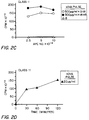
- Figure 2 is a graphical illustration of the kinetics of association of exogenous peptides with class I and class II molecules.
- APC's were preincubated with tOVA for 3 hours or 18 hours and were subsequently fixed and added to cultures with T-T hybridomas.
- microcultures were prepared with RF33.70, OVA + K b specific T-T hybrids with EL4 APC's, in Figure 2B, with RF33.70 T-T hybrids with LB27.4 APC's, in Figure 1C, with 8DO51.15 OVA + IA d specific T -T hybrids with LB27.4 APC's and in Figure 1d, LB27.4 were fixed, incubated with 20 ⁇ g/ml tOVA for the indicated length of time and added to cultures with DO11.10, OVA + IA d specific T-T hybrids. T cell activation was measured as in Figure 1.
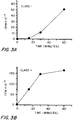
- FIG 3 is a graphical illustration which shows that endogenously processed antigens rapidly associate with class I and class II molecules.
- OVA was introduced into the cytoplasm of LB27.4 APC's by osmotic lysis of pinosomes.
- the antigen-loaded APC's were incubated at 37°C for the indicated times, fixed and added to cultures with T-T hybrids as follows: In Figure 3A, with RF33.70; in Figure 3B, with DO11.10. T cell activation was measured as in Figure 1 above.
- Figure 4 is a graphical illustration which shows that the association of exogenous peptides with class I MHC is uniquely dependent on serum.
- LB27.4 APC's were incubated with or without tOVA or loaded with OVA by hypotonic lysis of pinosomes.
- the indicated concentration of normal mouse serum (NMS) or fetal calf serum (FCS) was present during the peptide pulse or in the incubation following the OVA loading.
- T-T hybrids were subsequently fixed and added to cultures with T-T hybrids as follows: in Figure 4A, with RF33.70 T-T hybrids with tOVA pulsed APC's; in Figure 4B, with DO.11.10 T-T hybrids with tOVA pulsed APC's and in Figure 4C, with RF33.70 cells with OVA loaded APC's. T cell activation was measured as above.
- Figure 5 is a graphical illustration which shows that exogenous peptides rapidly associate with class I molecules in the presence of exogenous, purified ⁇ 2 -microglobulin.
- APC's were incubated in the presence or absence of the indicated concentrations of ⁇ 2 -microglobulin. After 2-3 hours incubation at 37°C, the APC's were fixed and added to cultures with the RF33.70, OVA + K b specific T-T hybrid.
- LB27.4 APC's were pulsed with tOVA for 3 hours with or without human ⁇ 2 -microglobulin; in Figure 5B, EL4 APC's were pulsed for 2 hours with tOVA and human ⁇ 2 -microglobulin and in Figure 5C, EL4 APC's were pulsed for 0.5-2 hours with tOVA and human ⁇ 2 -microglobulin.
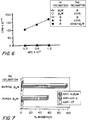
- Figure 6 is a graphical illustration demonstrating that exogenous ⁇ 2 -microglobulin enhances peptide association if present during, but not before peptide pulsing.
- APC's were incubated with ⁇ 2 -microglobulin either before or during the peptide pulse with tOVA.
- Fixed APC's were cultured with RF33.70 T-T hybrids and the supernatant was measured for interleukin 2 content. T cell activation was measured as in the foregoing Figures.
- Figure 7 graphically illustrates that exogenous peptide is associated with class I MHC molecules that have undergone ⁇ 2 -microglobulin exchange.
- APC's were pulsed with tOVA in media containing exogenous ⁇ 2 -microglobulin of either murine or human origin. After antigen pulsing, the APC's were incubated with monoclonal antibodies specific for D b (anti-D b ), class I MHC molecules with murine ⁇ 2 -microglobulin (anti-mH-2), or human ⁇ 2 -microglobulin (anti-huB2M) and were then fixed and added to cultures with RF33.70, OVA + K b specific T-T hybridoma.
- Percent inhibition was calculated based upon the formula [1-(CPM of experimental group/CPM of control group)] x 100.
- the experimental groups were anti-mH-2 and anti-huB2M, control group was anti-D b .
- the response of the control group was 100%.
- Figure 8 is a graphical illustration demonstrating that effective priming of CTL in vivo can be effected by presenting APC's with peptides and ⁇ 2 -microglobulin.
- Individual age and sex matched mice, one mouse per group were injected subcutaneously in each flank (two sites per animal) with 94 ⁇ g of tOVA with or without 47 ⁇ g of purified ⁇ 2 -microglobulin (Sigma Chemical Co., St. Louis, Mo.) in phosphate buffered saline (47 ⁇ l per injection site). After 7 days, the mice were sacrificed and the spleens harvested.
- Splenocytes (30 x 10 6 ) were then stimulated with 15 x 10 6 20,000 gamma irradiated EG7 cells (a transfected EL4 cell synthesizing OVA) in 10 mls of 10% FCS-containing RPMI 1640 at 37°C. After five days of incubation, the restimulated cells were tested as effectors in a standard 51 Cr release assay.
- Targets were, in Figure 8A, EL4 cells (no antigen), or EL4 cells precultured in 300 mg/ml tOVA for 18 hours at 37°C in media with 10% FCS, and in Figure 8B, EG7 cells (a transfected EL4 cell synthesizing OVA). Effector to target ratios were 11, 33 and 100. Data are expressed as % specific release versus effector to target (E:T) ratio.
- the major histocompatibility complex is a chromosomal region consisting of a series of genes that code for the cell surface expression of strong transplantation antigens. These transplantation antigens are, in general, glycoproteins that are present on the surface of most nucleated cells.
- the MHC in mammals is also in the region where the histocompatibility-linked immune response genes are located; hence the chromosomal segment not only controls the synthesis of transplantation antigens and graft rejection, but also influences immune responses to infectious challenge and susceptibility to the development of immunologically mediated diseases.
- the two MHC systems that have been most extensively characterized are the H-2 system in the mouse and the HLA system in humans.
- the MHC's of the mammals studied to date are remarkably similar, suggesting an evolutionary pressure for conservation of these genetic regions.
- the genes code for two general types of antigen; class I and class II.
- the present invention is generally related to the association of antigen with class I molecules.
- the class I genes code for multi-determinant antigens which appear on the surface of cells as two peptide chains. Only the heavy chain is coded for by the MHC, and contains hypervariable regions analogous to the immunoglobulins.
- the heavy chain peptide consists of a large transmembrane glycoprotein of about 44K molecular weight (350 amino acids). This heavy chain is usually non-covalently associated with the light chain, ⁇ 2 -microglobulin, a 100 amino acid, 12K molecular weight protein. ⁇ 2 -microglobulin is encoded by genes on a separate chromosome than those coding for the class I heavy chains.
- ⁇ 2 -microglobulin from fetal calf serum (FCS) or human serum used in cell culture can exchange ⁇ 2 -microglobulin associated with HLA antigens and with mouse ⁇ 2 -microglobulin on the cell surface.
- FCS fetal calf serum
- the present invention is based upon the discovery that the binding of exogenous polypeptides to class I MHC molecules on the surface of antigen presenting cells occurs upon disassociation and reassociation of the ⁇ 2 -microglobulin light chains, which has not heretofore been recognized.
- free ⁇ 2 -microglobulin is inherently present in some serum-containing culture media, it has never been recognized or suggested that a component in the media might facilitate associate peptides with class I molecules. A role for free ⁇ 2 -microglobulin has heretofore been unknown.
- the present invention thus provides a method for markedly enhancing the association of exogenous polypeptides to class I MHC molecules on the surface of antigen presenting cells.
- the method comprises the steps of obtaining polypeptides of interest and presenting the polypeptides extracellularly to the appropriate antigen presenting cells in the presence of elevated levels of exogenous, free ⁇ 2 -microglobulin.
- This method can be utilized to enhance the efficiency of the sensitization of target cells with antigen in vitro , and can also be utilized to prime naive populations of T lymphocytes for antigen-specific cytotoxic T cell response, both in vitro and in vivo .
- the term "sensitize” refers to the association of polypeptides with MHC molecules on antigen presenting cells.
- the sensitization of class I MHC target or antigen presenting cells is generally determined by assaying for cytotoxic T lymphocyte response using antigen specific CTL's, which recognize antigen in association with the class I restriction pattern.
- Primary refers to the initiation or activation of cytotoxic T lymphocyte response from a naive population of lymphocytes, i.e. a population of T lymphocytes that has not previously been exposed to the antigen.
- the method of the present invention is useful in the study of class I MHC antigen presentation and cell cell interaction and is also useful for enhancing the immunogenicity of synthetic peptides in vaccines.
- polypeptides that can be used in accordance with the method of the present invention are not particularly limited.
- polypeptide and peptide are used interchangeably and designate a linear sequence of amino acids connected one to the other by peptide bonds between the alpha amino and carboxy groups of adjacent amino acids.
- the polypeptides can be of a variety of lengths, either in their neutral (uncharged) form or in forms such as their salts and either free of modifications such as glycosylations, side chain oxidation or phosphorylation or containing such modifications.
- polypeptides modified by additional substituents attached to the amino side chains, such as glycosyl units, lipids or inorganic ions such as phosphates as well as chemical modifications of the chains.
- polypeptide or its equivalent is intended to include the appropriate amino acid sequence referenced, subject to the foregoing modifications, which do not destroy its functionality.
- polypeptides used in accordance with the method of the present invention will be useful in research in the area of class I MHC restricted lymphocyte biology, in the development of synthetic class I immunogenic polypeptides that mimic naturally processed antigen in vitro and/or in vivo , and in vaccination with class I synthetic polypeptides designed to elicit a cytotoxic T lymphocyte response.
- the polypeptides can be virtually any exogenous, e.g. extracellularly produced, polypeptide that is of interest. Determination of an appropriate concentration of peptide for in vitro applications is conventional and well within the skill of the art.
- the polypeptides will preferably encompass epitopes that can be recognized by class I MHC restricted T lymphocytes.
- the peptides can be used in the immunization alone, or bound to a carrier or other haptenic molecule. Such polypeptides are sometimes hereinafter referred to as class I polypeptides.
- the term "epitope" refers to that portion of a molecule, usually a protein, that is specifically bound by a T cell receptor or an antibody combining site. The term is also used interchangeably with "antigenic determinant".
- the polypeptide used in accordance with the present invention will be one which has been shown to prime cytotoxic T lymphocyte response in vitro .
- various synthetic peptides derived from the influenza virus have been shown to induce cytolytic T cell activity in vitro , but not in vivo .
- These include peptides from the influenza nucleoprotein composed of residues 365-80 (NP365-80), NP50-63, and NP147-58 and peptides from influenza hemagglutinin HA202-21 and HA523-45, defined previously in class I restricted cytotoxicity assays. See, Perkins et al, J. Exp. Med. , Vol. 170, 279-289 (July 1989).
- Enhanced efficiency of association of such polypeptides to class I molecules on antigen presenting cells in vivo has major implications for the use of these synthetic peptides as influenza vaccines.
- Other examples of synthetic peptides containing known epitopes that can be recognized by CTLs include influenza strain A/Jap/57 hemagglutinin protein, residues 508-530; influenza strain A/PR8/34 nucleoprotein residues 360-385; and HIV Pol (reverse transcriptase) residues 203-219.
- This list of peptides is exemplary only and is not intended to limit in any way the class I peptides with which the method of the present invention can be employed. Rather, in accordance with the present invention, the association of the class I peptides to class I molecules on the surface of antigen presenting cells can be enhanced, to thereby enhance the immunogenicity of any class I polypeptide immunogen.
- polypeptides used in accordance with the method of the present invention can be prepared in any one of a number of conventional ways. Because they will generally be short sequences, they can be prepared by chemical synthesis using standard techniques. Particularly convenient are the solid phase techniques. Automated peptide synthesizers are commercially available, as are the reagents required for their use. Alternatively, the peptides can be prepared, as in the Examples herein, by enzymatic digestion or cleavage of naturally occurring proteins. The peptides can also be prepared using recombinant techniques known to those of skill in the art.
- the source of the ⁇ 2 -microglobulin employed in accordance with the method of the present invention is not critical.
- the ⁇ 2 -microglobulin can thus be obtained, for example, from human, murine, bovine, equine or other mammalian serum or body fluids normally containing ⁇ 2 -microglobulin.
- Purified human ⁇ 2 -microglobulin is available commercially, for example from Sigma Chemical Co., St. Louis, MO., and can be readily obtained.
- ⁇ 2 -microglobulin can be isolated and purified from serum or other body fluids using conventional techniques or can be produced by recombinant techniques based upon the introduction of ⁇ 2 -microglobulin genes into appropriate expression systems.
- the gene-encoding ⁇ 2 -microglobulin has previously been cloned. In addition, its sequence is known, thus allowing for the isolation of a DNA clone by persons skilled in the art.
- ⁇ 2 -microglobulin originating from the same species as the vaccine recipient in order to reduce the possibility of an immune response to the exogenously produced free ⁇ 2 -microglobulin.
- an increased number of antigen-class I complexes will occur in the presence of ⁇ 2 -microglobulin at any point in time. It is expected that more complexes will form at higher concentrations of ⁇ 2 -microglobulin. More antigen-MHC-class I complexes will result in a stronger and more persistent stimulation, and hence, higher concentrations of ⁇ 2 -microglobulin are most desirable.
- the concentration of ⁇ 2 -microglobulin should be raised to a level higher than that inherently present in serum-containing culture media.
- cell culture media typically include 10% fetal calf serum, in a 1:10 dilution with another medium, for example RPMI-1640.
- RPMI-1640 fetal calf serum
- serum-containing culture media typically include 10% fetal calf serum, in a 1:10 dilution with another medium, for example RPMI-1640.
- the culture media thus contains some free ⁇ 2 -microglobulin, it has been found in accordance with the present invention, that such concentration is insufficient to cause the efficient association of exogenous peptides with class I MHC molecules.
- the concentration of free ⁇ 2 -microglobulin should be increased by at least 2 to 10 fold that normally present in the culture media to achieve the most efficient association in terms of the number of antigen-MHC complexes.
- the concentration of free ⁇ 2 -microglobulin in adult mammalian serum is very low and hence reassociation of free ⁇ 2 -microglobulin with class I MHC molecules is limited.
- the amount of free ⁇ 2 -microglobulin must be sufficient to increase the concentration of free ⁇ 2 -microglobulin in the serum above the level normally present in mammalian serum in order to favor the binding of ⁇ 2 -microglobulin, and thereby peptides, to class I MHC heavy chains and stimulate an immune response.
- the concentration of ⁇ 2 -microglobulin can be elevated systemically, i.e. throughout the body by increased levels in the blood, or locally at the site of injection.
- ⁇ 2 -microglobulin may vary to some degree from species to species, normal concentration ranges are readily ascertainable and in many instances are available in the published literature.
- Adult human ⁇ 2 -microglobulin for example, is normally present in serum an amount of about 1.5-2 ⁇ g/ml. See, "Trace Components of Plasma: Isolation and Clinical Significance," Jamieson, G.A. Ed., Alan R. Liss, Inc. Publisher, New York, N.Y. (1976).
- the phrase "elevated ⁇ 2 -microglobulin concentration” thus refers to a concentration that is greater than that normally present in mammalian serum and which is sufficent to stimulate an immune response. Precise amounts of ⁇ 2 -microglobulin can be tailored to the particular application and peptides used in the immunization.
- the efficiency of the association of exogenous peptides with class I molecules on the surface of antigen presenting cells in vitro can be enhanced by presenting the peptides of interest to the antigen presenting cells in the presence of an elevated concentration of ⁇ 2 -microglobulin.
- the antigen presenting cells share class I molecules with the host strain from which the antigen-specific CTL's were developed.
- the ratio of cytotoxic T lymphocytes (or CTL T-T hybridomas) to antigen presenting cells in the culture is not particularly limited.
- naive cells in the priming of naive cells with antigen presenting cells in association with peptides, the antigen presenting cells share class I molecules with the strain from which the naive cells were obtained.
- Naive cells can be, for example, spleen cells from unprimed mice.
- Other sources of naive T lymphocyte populations include peripheral blood lymphocytes or lymph node cells.
- Antigen presenting cells for in vitro applications include macrophages, B lymphocytes, T lymphocytes or the like bearing the appropriate class I MHC molecule.
- the association of peptides with class I molecules on the surface of antigen presenting cells can be enhanced for virtually any exogenous peptide/MHC class I combination.
- ⁇ 2 -microglobulin may serve as an adjuvant in vaccination of a host organism with exogenous peptides which mimic epitopes of a pathogen against which protection is sought.
- the host organism is immunized with the synthetic peptides and free ⁇ 2 -microglobulin such that the antigen presenting cells of the host organism are presented with the peptides and ⁇ 2 -microglobulin.
- the peptides When administered in effective amounts in the presence of elevated levels of free ⁇ 2 -microglobulin, the peptides are capable of initiating effector and memory class I restricted cytotoxic T lymphocytes which immunoreact with the polypeptides or with pathogen related immunogen that corresponds in amino acid sequence to the exogenous polypeptides used in the vaccine on the surface of antigen presenting cells.
- the method of the present invention it is possible to achieve more peptide/class I MHC complexes and therefore stronger stimulation of CTL response than with other known methods.
- the effective amount of exogenous polypeptide in a unit dose depends upon a number of factors. Included among these factors are the nature of the carrier, if one is used, the amount of ⁇ 2 -microglobulin, the number of inoculations to be used and, to some extent, the body weight of the mammal to be immunized. Individual local inoculations will typically contain about 50 micrograms to about 5 milligrams of polypeptide exclusive of any carrier to which the peptides may be linked. For systemic administration, inoculations may typically contain about 0.5 to 3 mg/kg of body weight.
- peptide epitopes derived from various subunits of the pathogen preferably will preferably be employed, since MHC molecules are known to be polymorphic.
- MHC molecules are known to be polymorphic.
- the vaccine can additionally include class II MHC-restricted peptides, the latter to supply help for the CTL response.
- vaccines which contain peptide sequences as active ingredients are well understood in the art.
- such vaccines are prepared as injectables, either as liquid solutions or suspensions.
- the active ingredients are often mixed with excipients which are pharmacologically acceptable and compatible with the active ingredient. Suitable excipients are, for example, water, saline, dextrose, glycerol, ethanol, or the like and combinations thereof, with saline being particularly preferred.
- the vaccine contains free ⁇ 2 -microglobulin as an adjuvant which enhances the effectiveness of the vaccine.
- the vaccines are conventionally administered by injection, for example either subcutaneously or intramuscularly.
- the exogenous peptides which are the active ingredients of the vaccine are presented to antigen presenting cells of the immune system in the presence of elevated levels of free ⁇ 2 -microglobulin.
- the exogenous peptides and free ⁇ 2 can be prepared as an injectable and simultaneously injected into the mammal to be immunized.
- the peptides and ⁇ 2 can either be free in the liquid solutions or suspensions or can be encapsulated in a depot or other controlled release vehicle.
- the exogenous peptides and free ⁇ 2 can be injected sequentially. Booster injections can be given, if needed.
- the critical feature is that the peptides are presented to the APC's in the presence of free ⁇ 2 -microglobulin.
- Microcultures were prepared with 5-10 x 10 4 T-T hybridomas with a titration of tOVA and with or without 5 x 10 4 live or fixed antigen presenting cells in RPMI 1640-10% fetal calf serum (FCS) media.
- the T-T hybridomas were RF33.70, an anti-OVA + K b hybrid which secretes interleukin-2 upon appropriate antigenic stimulation, and 8DO51.15, an anti-OVA + IA d hybrid.
- Antigen presenting cells were EL4 cells, (an H-2 b , Class I+, Class II-, T lymphoblastoid cell line) or LB27.4 cells, an H-2 bxd , Class I + , Class II+, lymphoblastoid cell line.
- the antigen presenting cells were chemically fixed with glutaraldehyde as previously described. Shimonkevitz et al., J. Exp. Med. , Vol. 158, pp. 303-16 (1983).
- This example examines the kinetics of formation of peptide-MHC complexes with class I versus class II molecules.
- Live or fixed antigen presenting cells were preincubated with tOVA for 3 or 18 hours at the concentrations indicated in Figure 2 and were subsequently fixed and added to cultures with T-T hybridomas as follows.
- Live or fixed APC's were incubated with the indicated concentration of tOVA in RPMI 1640 culture media with 10% fetal calf serum. After 3 or 18 hours, the APC's were washed and the live APC's were fixed. Microcultures were prepared with 2-5 x 10 5 (A-C) or 5 x 10 4 (D) fixed APC's and 5 x 10 5 T-T hybrids. Antigen presenting cells were fixed with paraformaldehyde as previously described. Falo, et al., Proc. Natl. Acad. Sci. , U.S.A., Vol. 82, pp. 6647-51 (1985). After 20 hours of incubation at 37°C, a 100 ⁇ l aliquot of supernatant was removed and assayed for IL-2 content.
- the EL4 APC's are more active than LB27.4, which may reflect the higher level of expression of K b on the former. This example thus shows that exogenous peptides associate much more readily with class II molecules than class I molecules on the surface of APC's.
- This example demonstrates the kinetics of formation of peptide-MHC complexes arising from endogenously produced antigen.
- OVA was introduced into the cytoplasm of LB27.4 APC's by osmotic lysis of pinosomes, as previously described. See, Moore, et al., Cell , Vol. 54, pp. 777-85 (1988); Okada, et al., Cell , Vol. 29, pp. 33-41 (1982).
- LB27.4 APC's were incubated with 30mg/ml OVA in hypertonic buffer for 10 minutes at 37°C, followed by a 3 minute incubation in hypertonic buffer and were then washed at 4°C.
- the OVA loaded APC's were incubated at 37°C for 0-60 minutes and were then fixed with paraformaldehyde.
- Microcultures were prepared with 10 x 10 4 or 1.25 x 10 4 APC's and 5-10 x 10 4 T-T hybridomas.
- T-T hybrids were RF33.70 and DO.11.10, respectively. After 20 hours incubation, 100 ⁇ l aliquots of supernatant were collected and assayed for IL-2 content as previously described.
- the example shows the appearance of OVA-K b complexes on the APC surface is detectable after 15-30 minutes and is near maximal by 1 hour following antigen loading (Fig 3A).
- the rapid appearance of antigen-class I MHC complexes is observed even under limiting conditions of antigen.
- the ability of the OVA-loaded APC's to present antigen required incubation at 37°C and was inhibited by fixation, which presumably reflects a requirement for intracellular processing or transport.
- LB27.4 APC's were incubated with 400 ⁇ g/ml tOVA in SFM supplemented with either 10% NMS (as a source of murine ⁇ 2 -microglobulin) or 1% NMS and 2.5 ⁇ g/ml human ⁇ 2 -microglobulin for 18 hours at 37°C.
- the antigen pulsed APC's were washed, incubated in a saturating amount of 28.14.8S (anti-D b ), M1/42 (anti-murine class I heterodimers) or BBM.1 (anti-human ⁇ 2 -microglobulin), for 30 minutes at 4°C, and then were fixed.
- Microcultures were prepared with 1 x 10 5 NMS cultured APC's or 3 x 10 4 human ⁇ 2 cultured APC's and 10 5 T-T hybrids and were handled as described in Example 1. No additional MAb was added to these cultures. The APC's pulse more strongly in the presence of human ⁇ 2 -microglobulin and therefore the number of APC's added to the cultures was adjusted to give approximately equivalent responses. Under these conditions, the response of the RF33.70 hybrid to APC's pulsed with NMS and human ⁇ 2 -microglobulin was 35 x 10 3 counts per minute (CPM) and 41 x 10 3 (CPM), respectively, in the control (28.14.8S) groups. The response of the APC's not exposed to antigen was 0.4 x 10 3 CPM.
- mice Individual age and sex matched C57BL6 mice, one per group, were injected subcutaneously in each flank (two sites per animal) with 94 ⁇ g of tOVA with or without 47 ⁇ g of purified ⁇ 2 -microglobulin (Sigma Chemical Co., St. Louis, Mo.) in phosphate buffered saline (47 ⁇ l per injection site). The total amount of tOVA injected into each animal was thus 188 ⁇ g; total ⁇ 2 -microglobulin was 94 ⁇ g. After 7 days, the mice were sacrificed and the spleens harvested.
- Splenocytes (30 x 10 6 ) were then stimulated with 15 x 10 6 20,000 gamma irradiated EG7 cells (a transfected EL4 cell synthesizing OVA) in 10 mls of 10% FCS-containing RPMI 1640 at 37°C.
- Targets were EL4 cells (no antigen), EL4 cells precultured in 300 mg/ml tOVA for 18 hours at 37°C in media with 10% FCS, or EG7 cells (a transfected EL4 cell synthesizing OVA).
Landscapes
- Health & Medical Sciences (AREA)
- Life Sciences & Earth Sciences (AREA)
- Chemical & Material Sciences (AREA)
- Engineering & Computer Science (AREA)
- Veterinary Medicine (AREA)
- Public Health (AREA)
- General Health & Medical Sciences (AREA)
- Medicinal Chemistry (AREA)
- Animal Behavior & Ethology (AREA)
- Immunology (AREA)
- Pharmacology & Pharmacy (AREA)
- Epidemiology (AREA)
- Chemical Kinetics & Catalysis (AREA)
- Bioinformatics & Cheminformatics (AREA)
- General Chemical & Material Sciences (AREA)
- Mycology (AREA)
- Water Supply & Treatment (AREA)
- Microbiology (AREA)
- Nuclear Medicine, Radiotherapy & Molecular Imaging (AREA)
- Organic Chemistry (AREA)
- Cell Biology (AREA)
- Zoology (AREA)
- Gastroenterology & Hepatology (AREA)
- Proteomics, Peptides & Aminoacids (AREA)
- Medicines Containing Material From Animals Or Micro-Organisms (AREA)
- Micro-Organisms Or Cultivation Processes Thereof (AREA)
- Medicines Containing Antibodies Or Antigens For Use As Internal Diagnostic Agents (AREA)
- Peptides Or Proteins (AREA)
- Medicines That Contain Protein Lipid Enzymes And Other Medicines (AREA)
- Focusing (AREA)
- Automatic Focus Adjustment (AREA)
- Studio Devices (AREA)
Claims (16)
- Verwendung von β2-Mikroglobulin zur Herstellung eines therapeutischen Mittels für die Anwendung in einem Verfahren zur Verbesserung der Assoziation exogener Peptide mit MHC-Molekülen der Klasse I auf der Oberfläche von antigentragenden Zellen mit den Schritten:(a) Gewinnen der exogenen Peptide und(b) Darbieten der exogenen Peptide den antigentragenden Zellen in Gegenwart einer erhöhten Menge an freiem β2-Mikroglobulin, das ausreicht, eine Immunantwort zu stimulieren, entsprechend einem Niveau, das höher als dasjenige ist, das normalerweise als freies β2-Mikroglobulin in Säugetierserum vorhanden ist.
- Verwendung von β2-Mikroglobulin nach Anspruch 1, wobei das β2-Mikroglobulin gereinigtes menschliches β2-Mikroglobulin, gereinigtes Mäuse- oder Ratten-β2-Mikroglobulin, gereinigtes Rinder-β2-Mikroglobulin oder gereinigtes Pferde-β2-Mikroglobulin oder eine Mischung hiervon ist.
- Verwendung von β2-Mikroglobulin nach Anspruch 2, wobei das β2-Mikroglobulin gereinigtes menschliches β2-Mikroglobulin ist.
- Verwendung von β2-Mikroglobulin nach einem der Ansprüche 1 bis 3, wobei die exogenen Peptide vollständige Trypsin-verdaute Ovalbumin-Peptide umfassen.
- Verwendung von β2-Mikroglobulin nach einem der Ansprüche 1 bis 4, wobei die exogenen Peptide mit Zyanbromid gespaltene Ovalbumin-Peptide umfassen.
- Verwendung von β2-Mikroglobulin nach einem der Ansprüche 1 bis 5, wobei das exogene Peptid ein immunogenes Epitop für einen Krankheitsverursacher ist.
- Verwendung von β2-Mikroglobulin zur Herstellung eines therapeutischen Mittels für die Anwendung in einem Verfahren zum priming eines Klasse-I-MHC-beschränkten zytotoxischen T-Lymphozyt-Ansprechverhaltens mit exogenen Peptiden mit den Schritten:(a) Gewinnen der exogenen Peptide und(b) Darbieten exogener Peptide den antigentragenden Zellen, welche MHC-Moleküle der Klasse I tragen, in Gegenwart einer Menge an freiem β2-Mikroglobulin und Anlegen einer Kultur der so vorbereiteten Zellen in Gegenwart einer nativen Population von T-Lymphozyten, wobei das β2-Mikroglobulin in einer Menge vorhanden ist, die ausreicht, eine Immunantwort zu stimulieren und bei einem Niveau, das höher als dasjenige ist, das normalerweise als freies β2-Mikroglobulin in Säugetierserum vorhanden ist.
- Verwendung von β2-Mikroglobulin nach Anspruch 7, wobei das β2-Mikroglobulin gereinigtes menschliches β2-Mikroglobulin, gereinigtes Mäuse- oder Ratten-β2-Mikroglobulin, gereinigtes Rinder-β2-Mikroglobulin oder gereinigtes Pferde-β2-Mikroglobulin oder eine Mischung hiervon ist.
- Verwendung von β2-Mikroglobulin nach Anspruch 8, wobei die exogenen Peptide den antigentragenden Zellen, welche MHC-Moleküle der Klasse I tragen, in Gegenwart einer erhöhten Menge an freiem β2-Mikroglobulin in vivo dargeboten werden.
- Verwendung von β2-Mikroglobulin zur Herstellung eines therapeutischen Mittels für die Anwendung in einem Verfahren zur Benutzung gereinigten β2-Mikroglobulins als ein Adjuvans für einen synthetischen Peptid-Impfstoff mit den Schritten: Gewinnen gereinigten β2-Mikroglobulins und Darbieten synthetischer Polypeptide, die von Krankheitsverursachern abgeleitete Epitope umfassen, gegenüber Säugetier-Wirtsimmunzellen in Gegenwart erhöhter Niveaus an freiem β2-Mikroglobulin, wobei das β2-Mikroglobulin in einer Menge anwesend ist, die ausreicht, eine Immunantwort zu stimulieren und bei einem Niveau, das höher als dasjenige ist, welches normalerweise als freies β2-Mikroglobulin in Säugetierserum vorhanden ist.
- Verwendung von β2-Mikroglobulin nach Anspruch 10, wobei die synthetischen Peptide und freies β2-Mikroglobulin gleichzeitig in den Säugetierwirt injiziert werden.
- Verwendung von β2-Mikroglobulin nach Anspruch 10, wobei die synthetischen Peptide und freies β2-Mikroglobulin nacheinander in den Säugetierwirt injiziert werden.
- Verwendung von β2-Mikroglobulin zur Herstellung eines therapeutischen Mittels für die Anwendung in einem Verfahren zur Induzierung eines Klasse-I-MHC-beschränkten zytotoxischen T-Lymphozyten-Ansprechverhaltens auf ein auf einen Krankheitsverursacher bezogenes Immunogen in einem Säugetierwirt mit den Schritten:(a) Gewinnung eines auf einen Krankheitsverursacher bezogenen Immunogens und(b) Exponieren einer nativen Population von T-Lymphozyten gegenüber dem auf einen Krankheitsverursacher bezogenen Immunogen in Gegenwart von freiem β2-Mikroglobulin, wobei das β2-Mikroglobulin in einer Konzentration zugegen ist, die größer ist als die Konzentration an β2-Mikroglobulin, wie sie normalerweise in Säugetierserum vorhanden ist und ausreicht, eine Immunantwort hervorzurufen.
- Verwendung von β2-Mikroglobulin nach Anspruch 13, wobei das β2-Mikroglobulin gereinigtes menschliches β2-Mikroglobulin, gereinigtes Mäuse- oder Ratten-β2-Mikroglobulin, gereinigtes Rinder-β2-Mikroglobulin oder gereinigtes Pferde-β2-Mikroglobulin oder eine Mischung hiervon ist.
- Verwendung von β2-Mikroglobulin nach Anspruch 14, wobei das β2-Mikroglobulin gereinigtes menschliches β2-Mikroglobulin ist.
- Verwendung von β2-Mikroglobulin nach einem der Ansprüche 13 bis 15, wobei das freie β2-Mikroglobulin in den Säugetierwirt in einer Menge eingeführt wird, die um etwa das Zwei- bis etwa das Zehnfache höher als diejenige ist, die normalerweise im Serum des Säugetierwirts vorhanden ist.
Applications Claiming Priority (3)
| Application Number | Priority Date | Filing Date | Title |
|---|---|---|---|
| US521576 | 1983-08-09 | ||
| US52157690A | 1990-05-10 | 1990-05-10 | |
| PCT/US1991/003082 WO1991016924A1 (en) | 1990-05-10 | 1991-05-03 | Enhancing the association of exogenous peptides with class i mhc molecules on immune system cells |
Publications (3)
| Publication Number | Publication Date |
|---|---|
| EP0531401A1 EP0531401A1 (de) | 1993-03-17 |
| EP0531401A4 EP0531401A4 (en) | 1993-07-14 |
| EP0531401B1 true EP0531401B1 (de) | 1997-01-22 |
Family
ID=24077258
Family Applications (1)
| Application Number | Title | Priority Date | Filing Date |
|---|---|---|---|
| EP91910429A Expired - Lifetime EP0531401B1 (de) | 1990-05-10 | 1991-05-03 | Erhöhung der assoziation exogener peptide mit mhci-molekülen auf zellen des immunsystems |
Country Status (8)
| Country | Link |
|---|---|
| EP (1) | EP0531401B1 (de) |
| JP (1) | JPH05506447A (de) |
| AT (1) | ATE147990T1 (de) |
| AU (1) | AU660278B2 (de) |
| DE (1) | DE69124372T2 (de) |
| DK (1) | DK0531401T3 (de) |
| ES (1) | ES2096650T3 (de) |
| WO (1) | WO1991016924A1 (de) |
Families Citing this family (15)
| Publication number | Priority date | Publication date | Assignee | Title |
|---|---|---|---|---|
| US5336758A (en) * | 1990-03-09 | 1994-08-09 | The United States Of America As Represented By The Department Of Health And Human Services | Peptides stimulating cytotoxic T cells immune to HIV RT |
| US5314813A (en) * | 1992-02-19 | 1994-05-24 | Scripps Research Institute | Drosophila cell lines expressing genes encoding MHC class I antigens and B2-microglobulin and capable of assembling empty complexes and methods of making said cell lines |
| GB9214871D0 (en) * | 1992-07-13 | 1992-08-26 | Medical Res Council | Vaccines |
| US5928647A (en) * | 1993-01-11 | 1999-07-27 | Dana-Farber Cancer Institute | Inducing cytotoxic T lymphocyte responses |
| GB9307371D0 (en) * | 1993-04-08 | 1993-06-02 | Walls Alan J | Fusion proteins |
| AU704829B2 (en) * | 1994-12-28 | 1999-05-06 | University Of Kentucky | Murine anti-idiotype antibody 3H1 |
| US6949244B1 (en) | 1995-12-20 | 2005-09-27 | The Board Of Trustees Of The University Of Kentucky | Murine monoclonal anti-idiotype antibody 11D10 and methods of use thereof |
| US20020041872A1 (en) | 1996-04-12 | 2002-04-11 | Malaya Chatterjee | Methods of delaying development of CEA-associated tumors using anti-idiotype antibody 3H1 |
| US6235280B1 (en) | 1996-04-12 | 2001-05-22 | Malaya Chatterjee | Methods of delaying development of CEA-associated tumors using anti-idiotype antibody 3H1 |
| US6468782B1 (en) | 1996-12-05 | 2002-10-22 | Quadrant Healthcare (Uk) Limited | Methods of preserving prokaryotic cells and compositions obtained thereby |
| US6274143B1 (en) | 1997-06-13 | 2001-08-14 | Malaya Chatterjee | Methods of delaying development of HMFG-associated tumors using anti-idiotype antibody 11D10 |
| US6355244B1 (en) | 1997-11-17 | 2002-03-12 | University Of Kentucky Research Foundation | Methods and compositions for the treatment of psoriasis |
| US6682741B1 (en) | 1998-06-10 | 2004-01-27 | The United States Of America As Represented By The Department Of Health And Human Services | β2 microglobulin fusion proteins and high affinity variants |
| US7026155B2 (en) | 1999-02-02 | 2006-04-11 | Regents Of The University Of California | Method of reducing bacterial proliferation |
| EP2374470A1 (de) * | 2010-04-08 | 2011-10-12 | Beta Innov | Therapeutische Anwendung von Protein Beta-2-M |
Family Cites Families (2)
| Publication number | Priority date | Publication date | Assignee | Title |
|---|---|---|---|---|
| DE2860875D1 (en) * | 1977-09-28 | 1981-10-15 | Nat Res Dev | Immunological preparations incorporating mhc antigens and their production |
| DE3063736D1 (en) * | 1979-03-27 | 1983-07-21 | Nat Res Dev | Improvements in or relating to immunological preparations |
-
1991
- 1991-05-03 EP EP91910429A patent/EP0531401B1/de not_active Expired - Lifetime
- 1991-05-03 AU AU79873/91A patent/AU660278B2/en not_active Ceased
- 1991-05-03 ES ES91910429T patent/ES2096650T3/es not_active Expired - Lifetime
- 1991-05-03 WO PCT/US1991/003082 patent/WO1991016924A1/en not_active Ceased
- 1991-05-03 DE DE69124372T patent/DE69124372T2/de not_active Expired - Fee Related
- 1991-05-03 DK DK91910429.9T patent/DK0531401T3/da active
- 1991-05-03 JP JP91509973A patent/JPH05506447A/ja active Pending
- 1991-05-03 AT AT91910429T patent/ATE147990T1/de active
Non-Patent Citations (3)
| Title |
|---|
| CELL, vol. 54, 09 September 1988; MOORE et al., pp. 777-785 * |
| NATURE, vol. 308, 12 April 1984; BERNABEU et al., pp. 642-645 * |
| PROCEEDINGS OF THE NATL. ACADEMY OF SCIENCES USA, vol. 76, no. 11, November 1979, Washington, DC (US); HYATIL et al.,pp. 5834-5838 * |
Also Published As
| Publication number | Publication date |
|---|---|
| DE69124372D1 (de) | 1997-03-06 |
| EP0531401A1 (de) | 1993-03-17 |
| WO1991016924A1 (en) | 1991-11-14 |
| AU7987391A (en) | 1991-11-27 |
| JPH05506447A (ja) | 1993-09-22 |
| ATE147990T1 (de) | 1997-02-15 |
| DK0531401T3 (da) | 1997-07-28 |
| DE69124372T2 (de) | 1997-08-07 |
| AU660278B2 (en) | 1995-06-22 |
| EP0531401A4 (en) | 1993-07-14 |
| ES2096650T3 (es) | 1997-03-16 |
Similar Documents
| Publication | Publication Date | Title |
|---|---|---|
| EP0531401B1 (de) | Erhöhung der assoziation exogener peptide mit mhci-molekülen auf zellen des immunsystems | |
| Jamieson et al. | T cell memory. Long-term persistence of virus-specific cytotoxic T cells. | |
| Townsend et al. | Specificity and longevity of antitumor immune responses induced by B7-transfected tumors | |
| Carbone et al. | Class I-restricted processing and presentation of exogenous cell-associated antigen in vivo. | |
| US8895020B2 (en) | Single chain trimers and uses therefor | |
| Walden et al. | Cognate peptides induce self-destruction of CD8+ cytolytic T lymphocytes. | |
| Johnston et al. | B7-CD28 costimulation unveils the hierarchy of tumor epitopes recognized by major histocompatibility complex class I-restricted CD8+ cytolytic T lymphocytes. | |
| ES2205792T3 (es) | Celulas madre mesenquimatosas como inmunosupresores. | |
| US7101705B2 (en) | Methods for treating cancers and pathogen infections using antigen-presenting cells loaded with RNA | |
| EP0888120B1 (de) | Immunogenes hla-bindendes peptid und verwendung desselben zur hiv-infektionsbehandlung | |
| JPH11511968A (ja) | 抗原提示細胞上にて抗原密度を増加させる方法 | |
| EP0271577B1 (de) | Immunomodulare mittel und deren verwendung | |
| Rock et al. | Peptide-priming of cytolytic T cell immunity in vivo using beta 2-microglobulin as an adjuvant | |
| Valmori et al. | Induction of a cytotoxic T cell response by co‐injection of a T helper peptide and a cytotoxic T lymphocyte peptide in incomplete Freund's adjuvant (IFA): Further enhancement by pre‐injection of IFA alone | |
| Hoyne et al. | Presentation of peptides and proteins by intestinal epithelial cells | |
| US20110142911A1 (en) | HIV epitopes and pharmaceutical composition containing same | |
| US5045320A (en) | Large multivalent immunogen | |
| Livingstone et al. | Dendritic cells need T cell help to prime cytotoxic T cell responses to strong antigens | |
| US6491925B2 (en) | Compositions and methods for cancer prophylaxis and/or treatment | |
| US5733550A (en) | Method for enhancing the association of exogenous peptides with class I MHC molecules on the surface of antigen presenting cells with β-microglobulin | |
| Reddy et al. | THE EFFECT OF CD28/B7 BLOCKADE ON ALLOREACTIVE T AND B CELLS AFTER LIVER CELL TRANSPLANTATION 1 | |
| Santra et al. | B7 co‐stimulatory requirements differ for induction of immune responses by DNA, protein and recombinant pox virus vaccination | |
| JP2001517208A (ja) | 損傷した細胞ペプチドプロセッシングに関連する、例えばb7−1遺伝子で形質転換したrma−s細胞上に発現される抗原またはエピトープの治療的応用 | |
| Renggli et al. | CD8+ T-cell protective immunity induced by immunization with Plasmodium berghei CS protein-derived synthetic peptides: evidence that localization of peptide-specific CTLs is crucial for protection against malaria | |
| Sauzet et al. | Influence of strong CD4 epitope on long-term virus-specific cytotoxic T cell responses induced in vivo with peptides |
Legal Events
| Date | Code | Title | Description |
|---|---|---|---|
| PUAI | Public reference made under article 153(3) epc to a published international application that has entered the european phase |
Free format text: ORIGINAL CODE: 0009012 |
|
| 17P | Request for examination filed |
Effective date: 19921110 |
|
| AK | Designated contracting states |
Kind code of ref document: A1 Designated state(s): AT BE CH DE DK ES FR GB GR IT LI LU NL SE |
|
| A4 | Supplementary search report drawn up and despatched |
Effective date: 19930527 |
|
| AK | Designated contracting states |
Kind code of ref document: A4 Designated state(s): AT BE CH DE DK ES FR GB GR IT LI LU NL SE |
|
| 17Q | First examination report despatched |
Effective date: 19950314 |
|
| GRAG | Despatch of communication of intention to grant |
Free format text: ORIGINAL CODE: EPIDOS AGRA |
|
| GRAH | Despatch of communication of intention to grant a patent |
Free format text: ORIGINAL CODE: EPIDOS IGRA |
|
| GRAH | Despatch of communication of intention to grant a patent |
Free format text: ORIGINAL CODE: EPIDOS IGRA |
|
| GRAA | (expected) grant |
Free format text: ORIGINAL CODE: 0009210 |
|
| AK | Designated contracting states |
Kind code of ref document: B1 Designated state(s): AT BE CH DE DK ES FR GB GR IT LI LU NL SE |
|
| PG25 | Lapsed in a contracting state [announced via postgrant information from national office to epo] |
Ref country code: NL Free format text: LAPSE BECAUSE OF FAILURE TO SUBMIT A TRANSLATION OF THE DESCRIPTION OR TO PAY THE FEE WITHIN THE PRESCRIBED TIME-LIMIT Effective date: 19970122 Ref country code: GR Free format text: LAPSE BECAUSE OF FAILURE TO SUBMIT A TRANSLATION OF THE DESCRIPTION OR TO PAY THE FEE WITHIN THE PRESCRIBED TIME-LIMIT Effective date: 19970122 Ref country code: BE Effective date: 19970122 |
|
| REF | Corresponds to: |
Ref document number: 147990 Country of ref document: AT Date of ref document: 19970215 Kind code of ref document: T |
|
| REG | Reference to a national code |
Ref country code: CH Ref legal event code: EP |
|
| ET | Fr: translation filed | ||
| REF | Corresponds to: |
Ref document number: 69124372 Country of ref document: DE Date of ref document: 19970306 |
|
| REG | Reference to a national code |
Ref country code: ES Ref legal event code: FG2A Ref document number: 2096650 Country of ref document: ES Kind code of ref document: T3 |
|
| ITF | It: translation for a ep patent filed | ||
| PG25 | Lapsed in a contracting state [announced via postgrant information from national office to epo] |
Ref country code: SE Effective date: 19970422 |
|
| PG25 | Lapsed in a contracting state [announced via postgrant information from national office to epo] |
Ref country code: DK Free format text: LAPSE BECAUSE OF NON-PAYMENT OF DUE FEES Effective date: 19970503 Ref country code: AT Free format text: LAPSE BECAUSE OF NON-PAYMENT OF DUE FEES Effective date: 19970503 |
|
| REG | Reference to a national code |
Ref country code: DK Ref legal event code: EBP |
|
| PG25 | Lapsed in a contracting state [announced via postgrant information from national office to epo] |
Ref country code: ES Free format text: LAPSE BECAUSE OF THE APPLICANT RENOUNCES Effective date: 19970505 |
|
| REG | Reference to a national code |
Ref country code: CH Ref legal event code: NV Representative=s name: ISLER & PEDRAZZINI AG |
|
| PG25 | Lapsed in a contracting state [announced via postgrant information from national office to epo] |
Ref country code: LU Free format text: LAPSE BECAUSE OF NON-PAYMENT OF DUE FEES Effective date: 19970531 |
|
| NLV1 | Nl: lapsed or annulled due to failure to fulfill the requirements of art. 29p and 29m of the patents act | ||
| REG | Reference to a national code |
Ref country code: DK Ref legal event code: T3 |
|
| PLBE | No opposition filed within time limit |
Free format text: ORIGINAL CODE: 0009261 |
|
| STAA | Information on the status of an ep patent application or granted ep patent |
Free format text: STATUS: NO OPPOSITION FILED WITHIN TIME LIMIT |
|
| 26N | No opposition filed | ||
| PGFP | Annual fee paid to national office [announced via postgrant information from national office to epo] |
Ref country code: FR Payment date: 19980911 Year of fee payment: 8 |
|
| PGFP | Annual fee paid to national office [announced via postgrant information from national office to epo] |
Ref country code: GB Payment date: 19990316 Year of fee payment: 9 |
|
| PGFP | Annual fee paid to national office [announced via postgrant information from national office to epo] |
Ref country code: CH Payment date: 19990415 Year of fee payment: 9 |
|
| PGFP | Annual fee paid to national office [announced via postgrant information from national office to epo] |
Ref country code: DE Payment date: 19990625 Year of fee payment: 9 |
|
| PG25 | Lapsed in a contracting state [announced via postgrant information from national office to epo] |
Ref country code: FR Free format text: LAPSE BECAUSE OF NON-PAYMENT OF DUE FEES Effective date: 20000131 |
|
| REG | Reference to a national code |
Ref country code: FR Ref legal event code: ST |
|
| PG25 | Lapsed in a contracting state [announced via postgrant information from national office to epo] |
Ref country code: GB Free format text: LAPSE BECAUSE OF NON-PAYMENT OF DUE FEES Effective date: 20000503 |
|
| PG25 | Lapsed in a contracting state [announced via postgrant information from national office to epo] |
Ref country code: LI Free format text: LAPSE BECAUSE OF NON-PAYMENT OF DUE FEES Effective date: 20000531 Ref country code: CH Free format text: LAPSE BECAUSE OF NON-PAYMENT OF DUE FEES Effective date: 20000531 |
|
| GBPC | Gb: european patent ceased through non-payment of renewal fee |
Effective date: 20000503 |
|
| REG | Reference to a national code |
Ref country code: CH Ref legal event code: PL |
|
| PG25 | Lapsed in a contracting state [announced via postgrant information from national office to epo] |
Ref country code: DE Free format text: LAPSE BECAUSE OF NON-PAYMENT OF DUE FEES Effective date: 20010301 |
|
| REG | Reference to a national code |
Ref country code: ES Ref legal event code: FD2A Effective date: 20010402 |
|
| PG25 | Lapsed in a contracting state [announced via postgrant information from national office to epo] |
Ref country code: IT Free format text: LAPSE BECAUSE OF NON-PAYMENT OF DUE FEES Effective date: 20050503 |