EP0532706B1 - Verminderung von kardiovaskulären gefässverschlüssen mit ascorbat und hemmstoffen der bindung von lipoprotein (a) - Google Patents
Verminderung von kardiovaskulären gefässverschlüssen mit ascorbat und hemmstoffen der bindung von lipoprotein (a) Download PDFInfo
- Publication number
- EP0532706B1 EP0532706B1 EP91915232A EP91915232A EP0532706B1 EP 0532706 B1 EP0532706 B1 EP 0532706B1 EP 91915232 A EP91915232 A EP 91915232A EP 91915232 A EP91915232 A EP 91915232A EP 0532706 B1 EP0532706 B1 EP 0532706B1
- Authority
- EP
- European Patent Office
- Prior art keywords
- ascorbate
- binding
- lipoprotein
- cardiovascular disease
- composition
- Prior art date
- Legal status (The legal status is an assumption and is not a legal conclusion. Google has not performed a legal analysis and makes no representation as to the accuracy of the status listed.)
- Expired - Lifetime
Links
- CIWBSHSKHKDKBQ-JLAZNSOCSA-N Ascorbic acid Chemical compound OC[C@H](O)[C@H]1OC(=O)C(O)=C1O CIWBSHSKHKDKBQ-JLAZNSOCSA-N 0.000 title claims abstract description 130
- 239000011668 ascorbic acid Substances 0.000 title claims abstract description 65
- 235000010323 ascorbic acid Nutrition 0.000 title claims abstract description 64
- 229940072107 ascorbate Drugs 0.000 title claims abstract description 63
- 230000027455 binding Effects 0.000 title claims abstract description 42
- 238000009739 binding Methods 0.000 title claims abstract description 42
- 108010033266 Lipoprotein(a) Proteins 0.000 title claims abstract description 12
- 102000057248 Lipoprotein(a) Human genes 0.000 title claims abstract 6
- 239000003112 inhibitor Substances 0.000 title description 27
- 230000002526 effect on cardiovascular system Effects 0.000 title description 3
- 230000009467 reduction Effects 0.000 title description 2
- 208000024172 Cardiovascular disease Diseases 0.000 claims abstract description 31
- 238000000034 method Methods 0.000 claims abstract description 16
- 210000004204 blood vessel Anatomy 0.000 claims abstract description 11
- 238000001356 surgical procedure Methods 0.000 claims abstract description 10
- 239000000203 mixture Substances 0.000 claims description 34
- 239000003814 drug Substances 0.000 claims description 17
- GYDJEQRTZSCIOI-LJGSYFOKSA-N tranexamic acid Chemical compound NC[C@H]1CC[C@H](C(O)=O)CC1 GYDJEQRTZSCIOI-LJGSYFOKSA-N 0.000 claims description 15
- 229960000401 tranexamic acid Drugs 0.000 claims description 15
- 230000001225 therapeutic effect Effects 0.000 claims description 14
- 238000004519 manufacturing process Methods 0.000 claims description 10
- 238000002513 implantation Methods 0.000 claims description 7
- 239000000004 hemodialysis solution Substances 0.000 claims description 5
- 208000001647 Renal Insufficiency Diseases 0.000 claims description 3
- 201000006370 kidney failure Diseases 0.000 claims description 3
- 238000011282 treatment Methods 0.000 abstract description 33
- 210000000056 organ Anatomy 0.000 abstract description 16
- 230000002265 prevention Effects 0.000 abstract description 13
- 238000001631 haemodialysis Methods 0.000 abstract description 6
- 230000000322 hemodialysis Effects 0.000 abstract description 6
- 239000008194 pharmaceutical composition Substances 0.000 abstract description 6
- 239000000126 substance Substances 0.000 abstract description 6
- 238000002054 transplantation Methods 0.000 abstract description 3
- 201000009101 diabetic angiopathy Diseases 0.000 abstract description 2
- 201000002249 diabetic peripheral angiopathy Diseases 0.000 abstract description 2
- 102100040214 Apolipoprotein(a) Human genes 0.000 description 71
- 101710115418 Apolipoprotein(a) Proteins 0.000 description 65
- 201000001320 Atherosclerosis Diseases 0.000 description 18
- 241001465754 Metazoa Species 0.000 description 18
- 239000000243 solution Substances 0.000 description 13
- 239000003963 antioxidant agent Substances 0.000 description 12
- 235000006708 antioxidants Nutrition 0.000 description 12
- 210000000709 aorta Anatomy 0.000 description 12
- 210000002966 serum Anatomy 0.000 description 12
- 230000006378 damage Effects 0.000 description 9
- 206010012601 diabetes mellitus Diseases 0.000 description 9
- 230000003902 lesion Effects 0.000 description 9
- 210000001367 artery Anatomy 0.000 description 8
- HVYWMOMLDIMFJA-DPAQBDIFSA-N cholesterol Chemical compound C1C=C2C[C@@H](O)CC[C@]2(C)[C@@H]2[C@@H]1[C@@H]1CC[C@H]([C@H](C)CCCC(C)C)[C@@]1(C)CC2 HVYWMOMLDIMFJA-DPAQBDIFSA-N 0.000 description 8
- 229940079593 drug Drugs 0.000 description 8
- 210000003462 vein Anatomy 0.000 description 8
- 241000700198 Cavia Species 0.000 description 7
- 241000700199 Cavia porcellus Species 0.000 description 6
- 108010007622 LDL Lipoproteins Proteins 0.000 description 6
- 102000007330 LDL Lipoproteins Human genes 0.000 description 6
- 230000003143 atherosclerotic effect Effects 0.000 description 6
- 210000002216 heart Anatomy 0.000 description 6
- 210000001519 tissue Anatomy 0.000 description 6
- 210000004369 blood Anatomy 0.000 description 5
- 239000008280 blood Substances 0.000 description 5
- 235000005911 diet Nutrition 0.000 description 5
- 230000037213 diet Effects 0.000 description 5
- 150000002632 lipids Chemical class 0.000 description 5
- 208000010233 scurvy Diseases 0.000 description 5
- 238000003860 storage Methods 0.000 description 5
- 108010073385 Fibrin Proteins 0.000 description 4
- 102000009123 Fibrin Human genes 0.000 description 4
- BWGVNKXGVNDBDI-UHFFFAOYSA-N Fibrin monomer Chemical compound CNC(=O)CNC(=O)CN BWGVNKXGVNDBDI-UHFFFAOYSA-N 0.000 description 4
- PVNIIMVLHYAWGP-UHFFFAOYSA-N Niacin Chemical compound OC(=O)C1=CC=CN=C1 PVNIIMVLHYAWGP-UHFFFAOYSA-N 0.000 description 4
- 206010047623 Vitamin C deficiency Diseases 0.000 description 4
- 208000027418 Wounds and injury Diseases 0.000 description 4
- 150000001875 compounds Chemical class 0.000 description 4
- 201000010099 disease Diseases 0.000 description 4
- 208000037265 diseases, disorders, signs and symptoms Diseases 0.000 description 4
- 229950003499 fibrin Drugs 0.000 description 4
- 208000014674 injury Diseases 0.000 description 4
- 230000001575 pathological effect Effects 0.000 description 4
- 108010049003 Fibrinogen Proteins 0.000 description 3
- 102000008946 Fibrinogen Human genes 0.000 description 3
- 241000282414 Homo sapiens Species 0.000 description 3
- 102000004895 Lipoproteins Human genes 0.000 description 3
- 108090001030 Lipoproteins Proteins 0.000 description 3
- UPYKUZBSLRQECL-UKMVMLAPSA-N Lycopene Natural products CC(=C/C=C/C=C(C)/C=C/C=C(C)/C=C/C1C(=C)CCCC1(C)C)C=CC=C(/C)C=CC2C(=C)CCCC2(C)C UPYKUZBSLRQECL-UKMVMLAPSA-N 0.000 description 3
- 102000013566 Plasminogen Human genes 0.000 description 3
- 108010051456 Plasminogen Proteins 0.000 description 3
- 210000002376 aorta thoracic Anatomy 0.000 description 3
- 235000005473 carotenes Nutrition 0.000 description 3
- 150000001746 carotenes Chemical class 0.000 description 3
- 230000004087 circulation Effects 0.000 description 3
- 239000000470 constituent Substances 0.000 description 3
- GVJHHUAWPYXKBD-UHFFFAOYSA-N d-alpha-tocopherol Natural products OC1=C(C)C(C)=C2OC(CCCC(C)CCCC(C)CCCC(C)C)(C)CCC2=C1C GVJHHUAWPYXKBD-UHFFFAOYSA-N 0.000 description 3
- 230000008021 deposition Effects 0.000 description 3
- 230000000694 effects Effects 0.000 description 3
- 229940012952 fibrinogen Drugs 0.000 description 3
- 238000003119 immunoblot Methods 0.000 description 3
- 230000004060 metabolic process Effects 0.000 description 3
- 238000007911 parenteral administration Methods 0.000 description 3
- 238000004321 preservation Methods 0.000 description 3
- 238000002560 therapeutic procedure Methods 0.000 description 3
- 235000010384 tocopherol Nutrition 0.000 description 3
- 229960001295 tocopherol Drugs 0.000 description 3
- 229930003799 tocopherol Natural products 0.000 description 3
- 239000011732 tocopherol Substances 0.000 description 3
- 229940088594 vitamin Drugs 0.000 description 3
- 229930003231 vitamin Natural products 0.000 description 3
- 235000013343 vitamin Nutrition 0.000 description 3
- 239000011782 vitamin Substances 0.000 description 3
- NCYCYZXNIZJOKI-UHFFFAOYSA-N vitamin A aldehyde Natural products O=CC=C(C)C=CC=C(C)C=CC1=C(C)CCCC1(C)C NCYCYZXNIZJOKI-UHFFFAOYSA-N 0.000 description 3
- GVJHHUAWPYXKBD-IEOSBIPESA-N α-tocopherol Chemical compound OC1=C(C)C(C)=C2O[C@@](CCC[C@H](C)CCC[C@H](C)CCCC(C)C)(C)CCC2=C1C GVJHHUAWPYXKBD-IEOSBIPESA-N 0.000 description 3
- SLXKOJJOQWFEFD-UHFFFAOYSA-N 6-aminohexanoic acid Chemical compound NCCCCCC(O)=O SLXKOJJOQWFEFD-UHFFFAOYSA-N 0.000 description 2
- 102000018616 Apolipoproteins B Human genes 0.000 description 2
- 108010027006 Apolipoproteins B Proteins 0.000 description 2
- 208000006770 Ascorbic Acid Deficiency Diseases 0.000 description 2
- 208000037260 Atherosclerotic Plaque Diseases 0.000 description 2
- WQZGKKKJIJFFOK-GASJEMHNSA-N Glucose Natural products OC[C@H]1OC(O)[C@H](O)[C@@H](O)[C@@H]1O WQZGKKKJIJFFOK-GASJEMHNSA-N 0.000 description 2
- 206010028980 Neoplasm Diseases 0.000 description 2
- 108091005804 Peptidases Proteins 0.000 description 2
- 239000004365 Protease Substances 0.000 description 2
- 102100037486 Reverse transcriptase/ribonuclease H Human genes 0.000 description 2
- 208000007536 Thrombosis Diseases 0.000 description 2
- 230000009471 action Effects 0.000 description 2
- 230000003078 antioxidant effect Effects 0.000 description 2
- 229960005070 ascorbic acid Drugs 0.000 description 2
- 230000000923 atherogenic effect Effects 0.000 description 2
- 230000009286 beneficial effect Effects 0.000 description 2
- 229920000080 bile acid sequestrant Polymers 0.000 description 2
- 229940096699 bile acid sequestrants Drugs 0.000 description 2
- 201000011510 cancer Diseases 0.000 description 2
- 235000012000 cholesterol Nutrition 0.000 description 2
- 230000002950 deficient Effects 0.000 description 2
- 238000000502 dialysis Methods 0.000 description 2
- 239000003937 drug carrier Substances 0.000 description 2
- 238000002474 experimental method Methods 0.000 description 2
- 229940125753 fibrate Drugs 0.000 description 2
- 239000000499 gel Substances 0.000 description 2
- 239000008103 glucose Substances 0.000 description 2
- 239000007928 intraperitoneal injection Substances 0.000 description 2
- HQKMJHAJHXVSDF-UHFFFAOYSA-L magnesium stearate Chemical compound [Mg+2].CCCCCCCCCCCCCCCCCC([O-])=O.CCCCCCCCCCCCCCCCCC([O-])=O HQKMJHAJHXVSDF-UHFFFAOYSA-L 0.000 description 2
- 230000002503 metabolic effect Effects 0.000 description 2
- 210000004165 myocardium Anatomy 0.000 description 2
- 229960003512 nicotinic acid Drugs 0.000 description 2
- 235000001968 nicotinic acid Nutrition 0.000 description 2
- 239000011664 nicotinic acid Substances 0.000 description 2
- 230000004792 oxidative damage Effects 0.000 description 2
- 230000001717 pathogenic effect Effects 0.000 description 2
- 231100000255 pathogenic effect Toxicity 0.000 description 2
- 230000008569 process Effects 0.000 description 2
- 150000003839 salts Chemical class 0.000 description 2
- 239000011573 trace mineral Substances 0.000 description 2
- 235000013619 trace mineral Nutrition 0.000 description 2
- CABVTRNMFUVUDM-VRHQGPGLSA-N (3S)-3-hydroxy-3-methylglutaryl-CoA Chemical compound O[C@@H]1[C@H](OP(O)(O)=O)[C@@H](COP(O)(=O)OP(O)(=O)OCC(C)(C)[C@@H](O)C(=O)NCCC(=O)NCCSC(=O)C[C@@](O)(CC(O)=O)C)O[C@H]1N1C2=NC=NC(N)=C2N=C1 CABVTRNMFUVUDM-VRHQGPGLSA-N 0.000 description 1
- 102000006991 Apolipoprotein B-100 Human genes 0.000 description 1
- 108010008150 Apolipoprotein B-100 Proteins 0.000 description 1
- 108010012927 Apoprotein(a) Proteins 0.000 description 1
- 102000006410 Apoproteins Human genes 0.000 description 1
- 108010083590 Apoproteins Proteins 0.000 description 1
- 208000031104 Arterial Occlusive disease Diseases 0.000 description 1
- 206010003210 Arteriosclerosis Diseases 0.000 description 1
- 241000416162 Astragalus gummifer Species 0.000 description 1
- 241000283707 Capra Species 0.000 description 1
- 229920002261 Corn starch Polymers 0.000 description 1
- ZZZCUOFIHGPKAK-UHFFFAOYSA-N D-erythro-ascorbic acid Natural products OCC1OC(=O)C(O)=C1O ZZZCUOFIHGPKAK-UHFFFAOYSA-N 0.000 description 1
- KCXVZYZYPLLWCC-UHFFFAOYSA-N EDTA Chemical compound OC(=O)CN(CC(O)=O)CCN(CC(O)=O)CC(O)=O KCXVZYZYPLLWCC-UHFFFAOYSA-N 0.000 description 1
- 108010058861 Fibrin Fibrinogen Degradation Products Proteins 0.000 description 1
- 102000016359 Fibronectins Human genes 0.000 description 1
- 108010067306 Fibronectins Proteins 0.000 description 1
- 108010010803 Gelatin Proteins 0.000 description 1
- 102000003886 Glycoproteins Human genes 0.000 description 1
- 108090000288 Glycoproteins Proteins 0.000 description 1
- 229920002683 Glycosaminoglycan Polymers 0.000 description 1
- 241000282412 Homo Species 0.000 description 1
- 102000000853 LDL receptors Human genes 0.000 description 1
- 108010001831 LDL receptors Proteins 0.000 description 1
- KDXKERNSBIXSRK-UHFFFAOYSA-N Lysine Natural products NCCCCC(N)C(O)=O KDXKERNSBIXSRK-UHFFFAOYSA-N 0.000 description 1
- 239000004472 Lysine Substances 0.000 description 1
- WVVOBOZHTQJXPB-UHFFFAOYSA-N N-anilino-N-nitronitramide Chemical compound [N+](=O)([O-])N(NC1=CC=CC=C1)[N+](=O)[O-] WVVOBOZHTQJXPB-UHFFFAOYSA-N 0.000 description 1
- 238000011887 Necropsy Methods 0.000 description 1
- 241000283973 Oryctolagus cuniculus Species 0.000 description 1
- 229910019142 PO4 Inorganic materials 0.000 description 1
- 208000031481 Pathologic Constriction Diseases 0.000 description 1
- 241000288906 Primates Species 0.000 description 1
- 102000001708 Protein Isoforms Human genes 0.000 description 1
- 108010029485 Protein Isoforms Proteins 0.000 description 1
- 206010038563 Reocclusion Diseases 0.000 description 1
- 229920002684 Sepharose Polymers 0.000 description 1
- 102000012479 Serine Proteases Human genes 0.000 description 1
- 108010022999 Serine Proteases Proteins 0.000 description 1
- BQCADISMDOOEFD-UHFFFAOYSA-N Silver Chemical compound [Ag] BQCADISMDOOEFD-UHFFFAOYSA-N 0.000 description 1
- FAPWRFPIFSIZLT-UHFFFAOYSA-M Sodium chloride Chemical compound [Na+].[Cl-] FAPWRFPIFSIZLT-UHFFFAOYSA-M 0.000 description 1
- 229920001615 Tragacanth Polymers 0.000 description 1
- 206010072810 Vascular wall hypertrophy Diseases 0.000 description 1
- 229930003268 Vitamin C Natural products 0.000 description 1
- 239000004480 active ingredient Substances 0.000 description 1
- 230000004520 agglutination Effects 0.000 description 1
- 235000010443 alginic acid Nutrition 0.000 description 1
- 239000000783 alginic acid Substances 0.000 description 1
- 229920000615 alginic acid Polymers 0.000 description 1
- 229960001126 alginic acid Drugs 0.000 description 1
- 150000004781 alginic acids Chemical class 0.000 description 1
- 229960002684 aminocaproic acid Drugs 0.000 description 1
- 238000004458 analytical method Methods 0.000 description 1
- 238000013459 approach Methods 0.000 description 1
- 208000021328 arterial occlusion Diseases 0.000 description 1
- 208000011775 arteriosclerosis disease Diseases 0.000 description 1
- 230000001174 ascending effect Effects 0.000 description 1
- 125000003289 ascorbyl group Chemical group [H]O[C@@]([H])(C([H])([H])O*)[C@@]1([H])OC(=O)C(O*)=C1O* 0.000 description 1
- 239000011230 binding agent Substances 0.000 description 1
- 230000036770 blood supply Effects 0.000 description 1
- 230000037396 body weight Effects 0.000 description 1
- 210000004556 brain Anatomy 0.000 description 1
- 239000008366 buffered solution Substances 0.000 description 1
- 210000004027 cell Anatomy 0.000 description 1
- 230000005779 cell damage Effects 0.000 description 1
- 230000004700 cellular uptake Effects 0.000 description 1
- 239000003795 chemical substances by application Substances 0.000 description 1
- 210000000038 chest Anatomy 0.000 description 1
- 230000015271 coagulation Effects 0.000 description 1
- 238000005345 coagulation Methods 0.000 description 1
- 239000002299 complementary DNA Substances 0.000 description 1
- 239000008120 corn starch Substances 0.000 description 1
- 230000002596 correlated effect Effects 0.000 description 1
- 230000007812 deficiency Effects 0.000 description 1
- 230000001419 dependent effect Effects 0.000 description 1
- 238000011161 development Methods 0.000 description 1
- 125000002228 disulfide group Chemical group 0.000 description 1
- 238000002651 drug therapy Methods 0.000 description 1
- 210000002889 endothelial cell Anatomy 0.000 description 1
- 238000001952 enzyme assay Methods 0.000 description 1
- 239000000835 fiber Substances 0.000 description 1
- 239000000208 fibrin degradation product Substances 0.000 description 1
- 239000003527 fibrinolytic agent Substances 0.000 description 1
- 230000003480 fibrinolytic effect Effects 0.000 description 1
- 239000000796 flavoring agent Substances 0.000 description 1
- 235000013355 food flavoring agent Nutrition 0.000 description 1
- 235000003599 food sweetener Nutrition 0.000 description 1
- 238000009472 formulation Methods 0.000 description 1
- 239000008273 gelatin Substances 0.000 description 1
- 229920000159 gelatin Polymers 0.000 description 1
- 235000019322 gelatine Nutrition 0.000 description 1
- 235000011852 gelatine desserts Nutrition 0.000 description 1
- 239000011521 glass Substances 0.000 description 1
- PCHJSUWPFVWCPO-UHFFFAOYSA-N gold Chemical compound [Au] PCHJSUWPFVWCPO-UHFFFAOYSA-N 0.000 description 1
- 229910052737 gold Inorganic materials 0.000 description 1
- 239000010931 gold Substances 0.000 description 1
- 230000036541 health Effects 0.000 description 1
- 239000002471 hydroxymethylglutaryl coenzyme A reductase inhibitor Substances 0.000 description 1
- 230000000988 hyperfibrinolytic effect Effects 0.000 description 1
- 238000000338 in vitro Methods 0.000 description 1
- 238000001727 in vivo Methods 0.000 description 1
- 230000002401 inhibitory effect Effects 0.000 description 1
- 239000007924 injection Substances 0.000 description 1
- 238000002347 injection Methods 0.000 description 1
- 230000003601 intercostal effect Effects 0.000 description 1
- 210000003734 kidney Anatomy 0.000 description 1
- 239000003446 ligand Substances 0.000 description 1
- 230000003859 lipid peroxidation Effects 0.000 description 1
- 239000007788 liquid Substances 0.000 description 1
- 230000007774 longterm Effects 0.000 description 1
- 239000000314 lubricant Substances 0.000 description 1
- 235000019359 magnesium stearate Nutrition 0.000 description 1
- 230000007246 mechanism Effects 0.000 description 1
- 230000004048 modification Effects 0.000 description 1
- 238000012986 modification Methods 0.000 description 1
- 238000012544 monitoring process Methods 0.000 description 1
- 238000005457 optimization Methods 0.000 description 1
- 230000003647 oxidation Effects 0.000 description 1
- 238000007254 oxidation reaction Methods 0.000 description 1
- 230000001590 oxidative effect Effects 0.000 description 1
- 230000003836 peripheral circulation Effects 0.000 description 1
- NBIIXXVUZAFLBC-UHFFFAOYSA-K phosphate Chemical compound [O-]P([O-])([O-])=O NBIIXXVUZAFLBC-UHFFFAOYSA-K 0.000 description 1
- 239000010452 phosphate Substances 0.000 description 1
- 239000006069 physical mixture Substances 0.000 description 1
- 230000036470 plasma concentration Effects 0.000 description 1
- 229940012957 plasmin Drugs 0.000 description 1
- 229920002401 polyacrylamide Polymers 0.000 description 1
- 230000003389 potentiating effect Effects 0.000 description 1
- 230000035935 pregnancy Effects 0.000 description 1
- FYPMFJGVHOHGLL-UHFFFAOYSA-N probucol Chemical compound C=1C(C(C)(C)C)=C(O)C(C(C)(C)C)=CC=1SC(C)(C)SC1=CC(C(C)(C)C)=C(O)C(C(C)(C)C)=C1 FYPMFJGVHOHGLL-UHFFFAOYSA-N 0.000 description 1
- 229960003912 probucol Drugs 0.000 description 1
- 239000000047 product Substances 0.000 description 1
- 230000001737 promoting effect Effects 0.000 description 1
- 102000005962 receptors Human genes 0.000 description 1
- 108020003175 receptors Proteins 0.000 description 1
- 229910052709 silver Inorganic materials 0.000 description 1
- 239000004332 silver Substances 0.000 description 1
- 235000010378 sodium ascorbate Nutrition 0.000 description 1
- -1 sodium ascorbate Chemical compound 0.000 description 1
- 229960005055 sodium ascorbate Drugs 0.000 description 1
- PPASLZSBLFJQEF-RKJRWTFHSA-M sodium ascorbate Substances [Na+].OC[C@@H](O)[C@H]1OC(=O)C(O)=C1[O-] PPASLZSBLFJQEF-RKJRWTFHSA-M 0.000 description 1
- PPASLZSBLFJQEF-RXSVEWSESA-M sodium-L-ascorbate Chemical compound [Na+].OC[C@H](O)[C@H]1OC(=O)C(O)=C1[O-] PPASLZSBLFJQEF-RXSVEWSESA-M 0.000 description 1
- 230000036262 stenosis Effects 0.000 description 1
- 208000037804 stenosis Diseases 0.000 description 1
- 230000004936 stimulating effect Effects 0.000 description 1
- 239000003765 sweetening agent Substances 0.000 description 1
- 208000024891 symptom Diseases 0.000 description 1
- 238000001308 synthesis method Methods 0.000 description 1
- 235000021195 test diet Nutrition 0.000 description 1
- 230000008719 thickening Effects 0.000 description 1
- 230000000451 tissue damage Effects 0.000 description 1
- 231100000827 tissue damage Toxicity 0.000 description 1
- 235000010487 tragacanth Nutrition 0.000 description 1
- 239000000196 tragacanth Substances 0.000 description 1
- 229940116362 tragacanth Drugs 0.000 description 1
- 150000003626 triacylglycerols Chemical class 0.000 description 1
- 208000019553 vascular disease Diseases 0.000 description 1
- 235000019154 vitamin C Nutrition 0.000 description 1
- 239000011718 vitamin C Substances 0.000 description 1
- 239000002699 waste material Substances 0.000 description 1
- 238000001262 western blot Methods 0.000 description 1
Images




Classifications
-
- A—HUMAN NECESSITIES
- A61—MEDICAL OR VETERINARY SCIENCE; HYGIENE
- A61K—PREPARATIONS FOR MEDICAL, DENTAL OR TOILETRY PURPOSES
- A61K31/00—Medicinal preparations containing organic active ingredients
- A61K31/33—Heterocyclic compounds
- A61K31/335—Heterocyclic compounds having oxygen as the only ring hetero atom, e.g. fungichromin
- A61K31/365—Lactones
- A61K31/375—Ascorbic acid, i.e. vitamin C; Salts thereof
Definitions
- the present invention relates to the use of a composition comprising ascorbate and tranexamic acid for the manufacture of a medicament for therapeutic application.
- the present invention relates generally to the prevention and treatment of cardiovascular and related diseases and more particularly to compounds that inhibit the binding of lipoprotein (a) to components of the arterial wall.
- Lp(a) Lipoprotein (a)
- LDL low-density lipoprotein
- apo B apolipoprotein B-100
- Lp(a) is an additional glycoprotein, designated apoprotein (a) ("apo(a)"), which is linked to apo B by disulfide groups.
- apo(a) apoprotein
- the cDNA sequence of apo(a) shows a striking homology to plasminogen, with multiple repeats of kringle 4, one kringle 5, and a protease domain.
- the isoforms of apo(a) vary in the range of 300 to 800 kDa and differ mainly in their genetically determined number of kringle 4 structures (McLean, J.W., et al . (1987) Nature 300 :132-137).
- Apo(a) has no plasmin-like protease activity (Eaton, D.L., et al ., (1987) Proc. Natl. Acad. Sci. USA 84 :3224-3228). Serine protease activity, however, has been demonstrated (Salonen, E., et al . (1989 ) EMBO J . 8 :4035-4040).
- Lp(a) has been shown to bind lysine-sepharose, immobilized fibrin and fibrinogen, and the plasminogen receptor on endothelial cells (Harpel, P.C., et al . (1989) Proc. Natl. Acad. Sci. USA 86 :3847-3851; Gonzalez-Gronow, M., et al . (1989) Biochemistry 28 :2374-2377; Miles, L. et al . (1989) Nature 339 :301-302; Hajjar, K.A., et al . (1989) Nature 339 :303-305). Furthermore, Lp(a) has been demonstrated to bind to other components of the arterial wall like fibronectin and glycosaminoglycanes. The precise nature of these bindings, however, is poorly understood.
- Lp(a) Essentially all human blood contains Lp(a). There can, however, be a thousand-fold range in its plasma concentration between individuals. High levels of Lp(a) are associated with a high incidence of cardiovascular disease (Armstrong, V.W., et al . (1986) Atherosclerosis 62 :249-257; Dahlem, G., et al . (1986) Circulation 74 :758-765; Miles, L.A., et al . (1989) Nature 339 :301-302; Zenker, G., et al . (1986) Stroke 17 :942-945).
- cardiovascular disease will be used hereafter as including all pathological states leading to a narrowing and/or occlusion of blood vessels throughout the body, but particularly atherosclerosis, thrombosis and other related pathological states, especially as occurs in the arteries of the heart muscle and the brain.
- Lp(a) the concentration of which increases markedly in the blood during pregnancy, may be linked to cardiovascular disease in woman (Zechner, R et al . (1986) Metabolism 35 :333-336). It has also been observed that diabetics, many of whom suffer in some degree from atherosclerotic diseases, display greatly elevated serum levels of Lp(a) (Bruckert, E., et al . (1990) JAMA 263 :35-36).
- Lp(a) has also been linked to stenosis of vein grafts after coronary bypass surgery (Hoff, H., et al . (1988) Circulation 77 :1238-1244). Similar problems of rapid occlusion of vessels have been observed in heart transplant patients.
- compositions of the present invention are met by the compositions of the present invention.
- One object of the invention is the use of a composition comprising ascorbate and tranexamic acid for the manufacture of a medicament for therapeutic application in a method for treating occlusive cardiovascular disease to decrease the binding of lipoprotein(a) to blood vessel walls.
- Another object of the invention is the use of a composition comprising ascorbate and tranexamic acid for the manufacture of a medicament for therapeutic application in a method for treating vessel explants prior to implantation to decrease the binding of lipoprotein(a) to interior walls of vessel explants.
- Yet another object of the invention is the use of a composition comprising ascorbate and tranexamic acid for the manufacture of a medicament for therapeutic application in a method for treating transplanted vessels before, during or after transplant surgery to decrease the binding of lipoprotein(a) to interior walls of transplanted vessels.
- a further object of the invention is the use of a composition comprising ascorbate and tranexamic acid for the manufacture of a medicament for therapeutic application to a hemodialysis solution in a method for treating occlusive cardiovascular disease resulting from renal failure to decrease the binding of lipoprotein(a) to blood vessel walls.
- a method for preservation of explanted tissues and organs is provided that reduces the risk of cardiovascular disease arising in such tissues and organs after implantation.
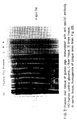
- Figure 1 is a photograph of an immunoblot of plasma from guinea pigs subjected to the treatments as described in Example 1.
- Figure 2A is a photograph of an aorta of a guinea pig receiving an adequate amount of ascorbate from the test diet described in Example 1.
- Figure 2B is a photograph of an aorta of a guinea pig after three weeks receiving a hypoascorbic diet as described in Example 1.
- Figure 3 is a photograph of an immunoblot of plasma and tissue of guinea pigs subjected to the treatments as described in Example 2.
- Figure 4 is a diagrammatic representation of the action of Lp(a) binding inhibitors to cause release of Lp(a) from fibrin fibers of an arterial wall.
- Figure 5 is a diagrammatic representation of the action of ascorbate to prevent association and reassociation of Lp(a) to an arterial wall.
- the present invention is based in part on the discovery that animals which have lost the ability to produce ascorbate, such as higher primates and guinea pigs, uniformly produce Lp(a), whereas most animals which possess the ability to synthesize ascorbate generally do not produce Lp(a). Further, it has been found that ascorbate deficiency in humans and guinea pigs tends to raise Lp(a) levels and causes atherosclerosis by the deposition of Lp(a) in the arterial wall. Therefore, it appears that ascorbate administration lowers plasma Lp(a) levels.
- tranexamic acid inhibits the binding of Lp(a) to components of the arterial wall, particularly to fibrinogen, fibrin and fibrin degradation products, herein identified as Lp(a) binding inhibitor.
- Lp(a) binding inhibitor is not only useful for the prevention of cardiovascular disease, but also for the treatment of such disease.
- the present invention discloses the relation to and therapeutic use of ascorbate for reducing the effects of Lp(a), one of the most atherogenic lipoproteins, directly related to the development of atherosclerotic plaques.
- Lp(a) one of the most atherogenic lipoproteins
- the beneficial effects of ascorbate suggest that ascorbate therapies would be useful in a variety of situations where occlusion of blood vessels by Lp(a) deposition is a problem.
- ascorbate not only appears useful in the treatment of endogenous atherosclerosis, but appears to be useful in transplantation of blood vessels and whole organs, where a combination of tissue damage to the transplant, such as oxidation, and high serum Lp(a) in the transplant recipient results in rapid occlusion of blood vessels in the transplant.
- Ascorbate may also be useful in the area of hemodialysis, where loss of ascorbate and other vitamins and trace elements from the blood of hemodialysis patients can result in increased serum levels of Lp(a) and thus increased risk of cardiovascular disease.
- ascorbate alone and in combination with Lp(a) binding inhibitors, specifically with plasmin competitors may be therapeutically useful for treatment of the pathogenic effects of diabetes which is associated with elevated serum concentrations of Lp(a).
- the present invention provides pharmaceutical compositions for both the treatment and prevention of cardiovascular disease in vivo ; methods and compositions for the preservation of damage linked vessel occlusion in explanted tissues and organs, as well as methods and compositions for the prevention of hemodialysis-linked cardiovascular disease.
- methods and compositions for the preservation of damage linked vessel occlusion in explanted tissues and organs as well as methods and compositions for the prevention of hemodialysis-linked cardiovascular disease.
- the present invention provides a pharmaceutical composition for the treatment and prevention of cardiovascular disease generally, particularly atherosclerosis, by administering to a subject a therapeutically effective amount of ascorbate and tranexamic acid which inhibits the binding of Lp(a) to blood vessel wall components, particularly to fibrin or fibrinogen.
- ascorbate includes any pharmaceutically acceptable salt of ascorbate, including sodium ascorbate, as well as ascorbic acid itself. It is also considered advantageous to employ one or more antioxidants in the compositions of the present invention.
- antioxidant as used throughout the specification and the claims, is intended to exclude ascorbate which has as one of its chemical properties a potent antioxidant effect.
- antioxidants found useful in the practice of the invention include antioxidants such as tocopherol, carotene and related substances.
- Other substances used in the treatment of cardiovascular disease may be co-administered, including: vitamins; provitamins; trace elements; lipid-lowering drugs, such as hydroxy-methyl-glutaryl coenzyme A reductase inhibitors, nicotinic acid, fibrates, bile acid sequestrants; and mixtures of any two or more of these substances.
- ascorbate and the Lp(a) binding inhibitor may simply be mixed or may be chemically combined using synthesis methods well known in the art, such as compounds in which ascorbate and the inhibitor are covalently linked, or form ionically bound salts. In this form the ascorbate moiety may be particularly effective in preventing undesirable lipid peroxidation.
- a pharmaceutically acceptable and otherwise inert carrier may be employed.
- the active ingredients when administered orally, may be administered in tablet form.
- the tablet may contain a binder such as tragacanth, corn starch or gelatin; a disintegrating agent, such as alginic acid, and/or a lubricant such as magnesium stearate.
- a disintegrating agent such as alginic acid, and/or a lubricant such as magnesium stearate.
- sweetening and/or flavoring agents may be used.
- administration is, by parenteral injection, in isotonic saline, a phosphate buffered solution or the like, may be used as a pharmaceutically acceptable carrier.
- Lp(a) binding inhibitor in treating cardiovascular disease will depend to some extent on the subject's general health, particularly with regard to hyperfibrinolytic conditions. Most Lp(a) binding inhibitors (except lysine) are used clinically to treat such conditions. As a result, monitoring of the subject's coagulation and fibrinolytic system is recommended before and during treatment for cardiovascular disease. Long-term administration of a Lp(a) binding inhibitor will require formulations in which the dosages of the Lp(a) binding inhibitor are in the lower ranges of the dosages disclosed in Table 1.
- Prevention, as contrasted with treatment, of cardiovascular disease may be accomplished by oral or parenteral administration of ascorbate alone.
- Table 2 gives a range of ascorbate concentrations sufficient to lower the serum Lp(a) concentration.
- the prevention of the cardiovascular disease according to the invention is accomplished by use of a physical mixture of ascorbate and the Lp(a) binding inhibitor, or by use of a compound comprising covalently linked ascorbate with the binding inhibitor, which inhibit binding of Lp(a) to the arterial wall.
- a binding inhibitor or mixture of binding inhibitors may also be administered without ascorbate to prevent Lp(a)-associated cardiovascular disease.
- the ascorbate and the binding inhibitors described above may be separately administered. Further optimization of therapeutic effect can be gained by using a time release composition to achieve relatively constant serum concentrations of the composition through time.
- Lp(a) has been detected in abundance in reoccluded by-pass veins after coronary bypass surgery. See, Cushing, et al . (1989) Atherosclerosis 9 :593-603. Lp(a) is now known to be the most significant factor for reocclusion of bypass veins. See, Hoff, H, et al . (1988) Circulation 77 :1238-1244.
- a further embodiment of this invention includes using the pharmaceutical composition of the present invention to lower the bypass patient's Lp(a) before, during and after surgery while at the same using a solution containing the composition to rinse and store the bypass veins until such time as the veins are implanted into the recipient, thereby reducing oxidative damage that can make Lp(a) binding more likely after implantation.
- the treatment protocols for the bypass patient generally follow those described above for the treatment of pre-existing cardiovascular disease.
- the composition of the pharmaceutical composition will generally include ascorbate, one or more binding inhibitors, one or more antioxidants and one or more lipid lowering drugs as enumerated and in the dosages disclosed in Table 1. Of course, the level of dosage will depend on disease severity. Further, the constituents of the composition can be combined just as described above, can be administered either orally or parenterally and can be combined with a pharmaceutically acceptable carrier.
- composition of the present invention is effective in preventing cardiovascular vascular disease from occurring in transplanted organs that have been otherwise successfully implanted in an organ recipient, particularly in the case of the heart.
- a transplanted heart free of any substantial arterial occlusion may suffer accelerated atherosclerosis after implantation. It appears that the mechanism described for occlusion of transplanted vessels applies equally to the heart itself as a whole, namely that the heart muscle itself, as well as the interiors of the arterial walls become damaged, making the arteries of the heart more prone to binding with Lp(a). Because the organ recipient often presents elevated serum concentration of Lp(a), particularly after surgery (see, Maeda, S. et al . (1989) Atherosclerosis 78 :145-150), atherosclerosis can proceed at an accelerated rate.
- Treatment follows along the same line as that described for bypass surgery. Damage to the organ itself is minimized by placing the organ in a solution containing a mixture of ascorbate, binding inhibitors, and antioxidants in an otherwise standard storage solution. Concentration ranges for the various components of the present composition in the final solution are disclosed in Table 2. Because of the oxidative cellular damage during extended periods of explantation, the concentration of antioxidants should be in the higher range of dosages disclosed in Table 1.
- the standard storage solution itself is well known in the art. Storage of the organ in a solution containing the present composition will tend to minimize damage to arterial walls, thereby providing fewer places for Lp(a) to bind.
- patient treatment is also desireable. If the organ recipient suffers from some degree of atherosclerosis at the time of organ transplant, the protocol and drug described above generally for the treatment of atherosclerosis should be employed. If, however, the patient does not suffer from atherosclerosis, use of the drug and protocol described above for prevention of atherosclerosis is desired. In all cases, the lowest dosages of ascorbate should be employed in the drug composition since ascorbate has an immune stimulatory effect.
- the composition of the present invention can be applied both to the patient and the hemodialysis solution to prevent and control hemodialysis-related cardiovascular disease.
- a composition comprising a combination of ascorbate, binding inhibitors and antioxidants to the solution to produce concentrations of these compounds in solution in the range of concentrations provided in Table 2.
- composition of the present invention is also useful in the treatment of the pathological effects of diabetes mellitus.
- pathological charges in the arteries frequently lead to clinical symptoms or complete failure in various organs such as the kidney, eye and peripheral circulation system. Therefore, one therapeutic focus in diabetes mellitus is the treatment of diabetic angiopathy.
- Another embodiment of the present invention is the use of a composition for treating the pathogenic effects of diabetes mellitus, particularly with regard to atherosclerotic conditions.
- the treatment protocol involves the oral or parenteral administration of a pharmaceutical composition comprised of ascorbate, one or more binding inhibitors and one or more antioxidants. Dosages for a course of treatment are provided in Table 1. The dosage of ascorbate should preferably fall within the higher range, thereby increasing its chance of cellular uptake in the presence of high serum levels of glucose.
- the guinea pig was used in this example.
- Plasma Blood was drawn by ear puncture from the anesthetized animals and collected into EDTA containing tubes at the beginning, after 10 days, and after 3 weeks, when the animals were sacrificed. Plasma was stored at -80°C until analyzed. Lp(a) was detected in the plasma of the guinea pigs by use of SDS-polyacrylamide gels according to Neville ((1971) J. Biol. Chem. 246 :6328-6334) followed by Western blotting according to Beisiegel, et al . ((1982) J. Biol. Chem. 257 :13150-13156). Forty »l of plasma and 20 mg of arterial wall homogenate were applied in delipidated form per lane of the gel.
- apo(a) The immunodetection of apo(a) was performed using a polyclonal anti-human apo(a) antibody (Immuno, Vienna, Austria) followed by a rabbit anti-sheep antibody (Sigma) and the gold-conjugated goat anti-rabbit antibody with subsequent silver enhancement (Bio-Rad).
- the determinations of cholesterol and triglycerides were done at California Veterinary Diagnostics (Sacramento) using the enzyme assay of Boehringer Mannheim.
- the amount of plasma ascorbate was determined by the dinitrophenylhydrazine method according to Schaffer, et al . ((1955) J. Biol. Chem. 212 :59).
- the aorta was excised, the adventitial fat carefully removed, and the vessel was opened longitudinally. Subsequently the aorta was placed on a dark metric paper and a color slide was taken. The picture was projected and thereby magnified by an approximate factor of 10.
- Example 1 To confirm the data obtained in Example 1, a second guinea pig experiment was conducted, using 33 male animals with a mean weight of 550 g and an approximate age of 5 months.
- One group of 8 animals served as a control and received 40 mg ascorbate/kg BW/d (group A).
- group B To induce hypoascorbemia 16 animals were fed 2 mg ascorbate/kg BW/d (group B).
- Group A and half of the animals of group B (progression sub-group) were sacrificed after 5 weeks as described above.
- Half of group B was kept for 2 more weeks, receiving daily intraperitoneal injection of 1.3 g Na-ascorbate/kg BW/d as a daily intra peritoneal injection with the intention to reduce the extent of atherosclerosis lesions. After this regression period these animals also were sacrificed.
- Plasma ascorbate levels were negatively correlated with the degree of the atherosclerotic lesion. Total cholesterol levels increased significantly during vitamin C deficiency (Table 3).
- the aortas of the guinea pigs receiving a sufficient amount of ascorbate were essentially plaque free, with minimal thickening of the intima in the ascending region.
- the ascorbate-deficient animals exhibited fatty streak-like lesions, covering most parts of the ascending aorta and the aortic arch.
- the branching regions of the intercostal arteries of the aorta exhibited similar lipid deposits.
- the difference in the percentage of lesion area between the control animals and the hypoascorbic diet animals was 25% deposition of lipids and lipoproteins in the arterial wall.
- the effectiveness of an inhibitor may be identified first by adding molar amounts of the possible inhibitor at a little larger, by approximately 5 times, the amount of ⁇ -aminocaproic acid found in the earlier study. If, at this concentration, a possible inhibitor is found to inhibit the agglutination, studies are made at lower concentrations, to determine the concentration that has a 50% inhibitory effect.
- compositions of the present invention meet longstanding needs in the field of prevention and treatment of cardiovascular disease.
Landscapes
- Health & Medical Sciences (AREA)
- Chemical & Material Sciences (AREA)
- Medicinal Chemistry (AREA)
- Pharmacology & Pharmacy (AREA)
- Epidemiology (AREA)
- Life Sciences & Earth Sciences (AREA)
- Animal Behavior & Ethology (AREA)
- General Health & Medical Sciences (AREA)
- Public Health (AREA)
- Veterinary Medicine (AREA)
- Acyclic And Carbocyclic Compounds In Medicinal Compositions (AREA)
Claims (4)
- Verwendung einer Zusammensetzung, die Ascorbat und Tranexamsäure umfaßt, für die Herstellung eines Medikaments zur therapeutischen Anwendung bei einem Verfahren zum Behandeln einer okklusiven Herz-Kreislauf-Erkrankung, um die Bindung von Lipoprotein(a) an Blutgefäßwänden zu verringern.
- Verwendung einer Zusammensetzung, die Ascorbat und Tranexamsäure umfaßt, für die Herstellung eines Medikaments zur therapeutischen Anwendung bei einem Verfahren zum Behandeln von Gefäßexplantaten vor der Implantierung, um die Bindung von Lipoprotein(a) an inneren Wänden von Gefäßexplantaten zu verringern.
- Verwendung einer Zusammensetzung, die Ascorbat und Tranexamsäure umfaßt, für die Herstellung eines Medikaments zur therapeutischen Anwendung bei einem Verfahren zum Behandeln von transplantierten Gefäßen vor, während oder nach der Transplantationschirurgie zum Verringern der Bindung von Lipoprotein(a) an inneren Wänden von transplantierten Gefäßen.
- Verwendung einer Zusammensetzung, die Ascorbat und Tranexamsäure umfaßt, für die Herstellung eines Medikaments zur therapeutischen Anwendung bei einer Hämodialyselösung bei einem Verfahren zum Behandeln einer okklusiven Herz-Kreislauf-Erkrankung, die aus Nierenversagen resultiert, um die Bindung von Lipoprotein(a) an Blutgefäßwänden zu verringern.
Applications Claiming Priority (7)
| Application Number | Priority Date | Filing Date | Title |
|---|---|---|---|
| US53312990A | 1990-06-04 | 1990-06-04 | |
| US533129 | 1990-06-04 | ||
| US557516 | 1990-07-24 | ||
| US07/557,516 US5278189A (en) | 1990-06-04 | 1990-07-24 | Prevention and treatment of occlusive cardiovascular disease with ascorbate and substances that inhibit the binding of lipoprotein (A) |
| US556968 | 1990-07-24 | ||
| US07/556,968 US5230996A (en) | 1990-06-04 | 1990-07-24 | Use of ascorbate and tranexamic acid solution for organ and blood vessel treatment prior to transplantation |
| PCT/US1991/003876 WO1991019488A1 (en) | 1990-06-04 | 1991-06-03 | REDUCTION OF CARDIOVASCULAR VESSEL OCCLUSIONS WITH ASCORBATE AND LIPOPROTEIN (a) BINDING INHIBITORS |
Publications (3)
| Publication Number | Publication Date |
|---|---|
| EP0532706A1 EP0532706A1 (de) | 1993-03-24 |
| EP0532706A4 EP0532706A4 (en) | 1993-06-30 |
| EP0532706B1 true EP0532706B1 (de) | 1995-05-10 |
Family
ID=27415114
Family Applications (1)
| Application Number | Title | Priority Date | Filing Date |
|---|---|---|---|
| EP91915232A Expired - Lifetime EP0532706B1 (de) | 1990-06-04 | 1991-06-03 | Verminderung von kardiovaskulären gefässverschlüssen mit ascorbat und hemmstoffen der bindung von lipoprotein (a) |
Country Status (4)
| Country | Link |
|---|---|
| EP (1) | EP0532706B1 (de) |
| AU (1) | AU8416391A (de) |
| DE (1) | DE69109676T2 (de) |
| WO (1) | WO1991019488A1 (de) |
Families Citing this family (9)
| Publication number | Priority date | Publication date | Assignee | Title |
|---|---|---|---|---|
| GB9412925D0 (en) * | 1994-06-28 | 1994-08-17 | Scotia Holdings Plc | Combination of aldose reductase inhibitors with gamma-linolenic (GLA) dihomogammalinolenic (DGLA) or arachidonic (AA) acids in the treatment of diabetic |
| EP0891771A1 (de) * | 1997-07-08 | 1999-01-20 | Health Now, Inc. | Lysin und Ascorbat oder ihre Derivate zur Behandlung von kardiovaskulären Erkrankungen |
| EP1068868A3 (de) * | 1997-07-08 | 2001-01-31 | Rath, Matthias, Dr. med. | Synergistischer Zusammensetzung, der Ascorbat und Lysin für Zustände enthält zur Behandlung extrazellularer Matrixdegeneration |
| JP2001247458A (ja) * | 2000-03-08 | 2001-09-11 | Hamari Chemicals Ltd | トラネキサム酸亜鉛化合物を含む糖尿病治療剤 |
| ES2184593B2 (es) * | 2001-01-16 | 2005-05-01 | Matthias Rath | Uso de composiciones que comprenden inhibidores de la fibrinolisis y compuestos de ascorbato para el tratamiento del cancer. |
| US6974833B2 (en) | 2001-01-16 | 2005-12-13 | Matthias Rath | Synergistic compositions comprising ascobate and lysine for states related to extra cellular matrix degeneration |
| HRP20040207A2 (en) * | 2001-08-24 | 2005-02-28 | Rath Matthias | Ascorbic acid derivatives, methods of synthesis and pharmaceutical use thereof |
| WO2003018003A1 (en) * | 2001-08-24 | 2003-03-06 | Matthias Rath | Ascorbic acid derivatives with essential amino acids, nonessential amino acids that do not occur in protein |
| EP1380290A1 (de) * | 2002-07-09 | 2004-01-14 | Universitair Medisch Centrum Utrecht | Cross-Beta-Strukturweg und seine therapeutische Relevanz |
Family Cites Families (2)
| Publication number | Priority date | Publication date | Assignee | Title |
|---|---|---|---|---|
| US4954521A (en) * | 1976-07-01 | 1990-09-04 | Sawyer Philip Nicholas | Methods for administering anti-thrombotic compounds |
| JPS6078560A (ja) * | 1983-10-04 | 1985-05-04 | Kongo Yakuhin Kk | 無酸味強化栄養剤 |
-
1991
- 1991-06-03 EP EP91915232A patent/EP0532706B1/de not_active Expired - Lifetime
- 1991-06-03 DE DE69109676T patent/DE69109676T2/de not_active Expired - Fee Related
- 1991-06-03 AU AU84163/91A patent/AU8416391A/en not_active Abandoned
- 1991-06-03 WO PCT/US1991/003876 patent/WO1991019488A1/en not_active Ceased
Also Published As
| Publication number | Publication date |
|---|---|
| AU8416391A (en) | 1992-01-07 |
| EP0532706A1 (de) | 1993-03-24 |
| WO1991019488A1 (en) | 1991-12-26 |
| DE69109676T2 (de) | 1996-02-08 |
| EP0532706A4 (en) | 1993-06-30 |
| DE69109676D1 (de) | 1995-06-14 |
Similar Documents
| Publication | Publication Date | Title |
|---|---|---|
| US5650418A (en) | Therapeutic lysine salt composition and method of use | |
| US5278189A (en) | Prevention and treatment of occlusive cardiovascular disease with ascorbate and substances that inhibit the binding of lipoprotein (A) | |
| US5230996A (en) | Use of ascorbate and tranexamic acid solution for organ and blood vessel treatment prior to transplantation | |
| Henzel et al. | Zinc concentrations within healing wounds: Significance of postoperative zincuria on availability and requirements during tissue repair | |
| JP2002518440A (ja) | β−ヒドロキシ−β−メチル酪酸および少なくとも1つのアミノ酸を含む組成物および使用法 | |
| McClaskey et al. | Subdural hematoma after a fall in an elderly patient taking high‐dose omega‐3 fatty acids with warfarin and aspirin: case report and review of the literature | |
| Becker et al. | Antithrombotic therapy: an abbreviated reference for clinicians | |
| EP0532706B1 (de) | Verminderung von kardiovaskulären gefässverschlüssen mit ascorbat und hemmstoffen der bindung von lipoprotein (a) | |
| EP0891771A1 (de) | Lysin und Ascorbat oder ihre Derivate zur Behandlung von kardiovaskulären Erkrankungen | |
| Dean et al. | Calciphylaxis: a favorable outcome with hyperbaric oxygen | |
| WO2004017916A2 (en) | Cardiovascular therapy composition including transfer factor and therapeutic methods including use of the composition | |
| Gilmore et al. | Paracetamol-induced acute pancreatitis | |
| US6258798B1 (en) | Method for treatment of unstable coronary artery disease by an early revascularisation together with administration of a low molecular weight heparin | |
| Kuroda et al. | Successful treatment of fulminating complications associated with extensive rhabdomyolysis by plasma exchange | |
| EP1341532B1 (de) | Verwendung von pyridoxamin für die behandlung und unterdrückung von komplikationen im zusammenhang mit adipositas | |
| JPH04501419A (ja) | 高血圧症の治療 | |
| JPH06172175A (ja) | アテローム性動脈硬化症の予防および治療方法 | |
| Metcalfe et al. | Factors influencing coronary artery bypass graft patency | |
| Dally et al. | Simplified revascularization of the celiac and superior mesenteric arteries | |
| Pauling | USE OF ASCORBATE AND TRANEXAMIC ACID SOLUTION FOR ORGAN AND BLOOD VESSEL TREATMENT PRIOR TO TRANSPLANTATION | |
| EP1372629A2 (de) | Regenerierung von blutgefässen | |
| MXPA01012907A (es) | Medicamentos oftalmologicos neutro - protectores y retino - protectores. | |
| Kradjian et al. | Peripheral arterial disease in Ceylon | |
| Sheehy et al. | Treatment of sickle cell disease | |
| AU749673B2 (en) | Use of glycosaminoglycans for producing pharmaceutical preparations for treating diabetes-associated diseases of the eye |
Legal Events
| Date | Code | Title | Description |
|---|---|---|---|
| PUAI | Public reference made under article 153(3) epc to a published international application that has entered the european phase |
Free format text: ORIGINAL CODE: 0009012 |
|
| 17P | Request for examination filed |
Effective date: 19921230 |
|
| AK | Designated contracting states |
Kind code of ref document: A1 Designated state(s): CH DE FR GB IT LI |
|
| A4 | Supplementary search report drawn up and despatched |
Effective date: 19930507 |
|
| AK | Designated contracting states |
Kind code of ref document: A4 Designated state(s): CH DE FR GB IT LI |
|
| 17Q | First examination report despatched |
Effective date: 19931007 |
|
| GRAA | (expected) grant |
Free format text: ORIGINAL CODE: 0009210 |
|
| AK | Designated contracting states |
Kind code of ref document: B1 Designated state(s): CH DE FR GB IT LI |
|
| PG25 | Lapsed in a contracting state [announced via postgrant information from national office to epo] |
Ref country code: IT Free format text: LAPSE BECAUSE OF FAILURE TO SUBMIT A TRANSLATION OF THE DESCRIPTION OR TO PAY THE FEE WITHIN THE PRE;WARNING: LAPSES OF ITALIAN PATENTS WITH EFFECTIVE DATE BEFORE 2007 MAY HAVE OCCURRED AT ANY TIME BEFORE 2007. THE CORRECT EFFECTIVE DATE MAY BE DIFFERENT FROM THE ONE RECORDED.SCRIBED TIME-LIMIT Effective date: 19950510 Ref country code: FR Effective date: 19950510 |
|
| REF | Corresponds to: |
Ref document number: 69109676 Country of ref document: DE Date of ref document: 19950614 |
|
| REG | Reference to a national code |
Ref country code: CH Ref legal event code: PUE Owner name: HEALTH NOW |
|
| RAP2 | Party data changed (patent owner data changed or rights of a patent transferred) |
Owner name: HEALTH NOW |
|
| PGFP | Annual fee paid to national office [announced via postgrant information from national office to epo] |
Ref country code: FR Payment date: 19950727 Year of fee payment: 5 |
|
| EN | Fr: translation not filed | ||
| PLBE | No opposition filed within time limit |
Free format text: ORIGINAL CODE: 0009261 |
|
| STAA | Information on the status of an ep patent application or granted ep patent |
Free format text: STATUS: NO OPPOSITION FILED WITHIN TIME LIMIT |
|
| 26N | No opposition filed | ||
| PGFP | Annual fee paid to national office [announced via postgrant information from national office to epo] |
Ref country code: GB Payment date: 19980601 Year of fee payment: 8 |
|
| PG25 | Lapsed in a contracting state [announced via postgrant information from national office to epo] |
Ref country code: GB Free format text: LAPSE BECAUSE OF NON-PAYMENT OF DUE FEES Effective date: 19990603 |
|
| GBPC | Gb: european patent ceased through non-payment of renewal fee |
Effective date: 19990603 |
|
| REG | Reference to a national code |
Ref country code: CH Ref legal event code: PL |
|
| REG | Reference to a national code |
Ref country code: CH Ref legal event code: AEN Free format text: LE BREVET A ETE REACTIVE SELON LA DEMANDE DE POURSUITE DE LA PROCEDURE DU 21.02.00. |
|
| REG | Reference to a national code |
Ref country code: GB Ref legal event code: 728V |
|
| REG | Reference to a national code |
Ref country code: GB Ref legal event code: 7282 |
|
| PGFP | Annual fee paid to national office [announced via postgrant information from national office to epo] |
Ref country code: CH Payment date: 20070530 Year of fee payment: 17 |
|
| REG | Reference to a national code |
Ref country code: CH Ref legal event code: PL |
|
| PG25 | Lapsed in a contracting state [announced via postgrant information from national office to epo] |
Ref country code: CH Free format text: LAPSE BECAUSE OF NON-PAYMENT OF DUE FEES Effective date: 20080630 Ref country code: LI Free format text: LAPSE BECAUSE OF NON-PAYMENT OF DUE FEES Effective date: 20080630 |
|
| PGFP | Annual fee paid to national office [announced via postgrant information from national office to epo] |
Ref country code: DE Payment date: 20090529 Year of fee payment: 19 |
|
| PG25 | Lapsed in a contracting state [announced via postgrant information from national office to epo] |
Ref country code: DE Free format text: LAPSE BECAUSE OF NON-PAYMENT OF DUE FEES Effective date: 20110101 |