EP0567100A1 - Mutantes respiratorisches Synzytialvirus (RSV), dieses enthaltende Impfstoffe und Verfahren zur Verwendung - Google Patents
Mutantes respiratorisches Synzytialvirus (RSV), dieses enthaltende Impfstoffe und Verfahren zur Verwendung Download PDFInfo
- Publication number
- EP0567100A1 EP0567100A1 EP93106496A EP93106496A EP0567100A1 EP 0567100 A1 EP0567100 A1 EP 0567100A1 EP 93106496 A EP93106496 A EP 93106496A EP 93106496 A EP93106496 A EP 93106496A EP 0567100 A1 EP0567100 A1 EP 0567100A1
- Authority
- EP
- European Patent Office
- Prior art keywords
- rsv
- virus
- respiratory syncytial
- mutant
- cold
- Prior art date
- Legal status (The legal status is an assumption and is not a legal conclusion. Google has not performed a legal analysis and makes no representation as to the accuracy of the status listed.)
- Granted
Links
Images





Classifications
-
- C—CHEMISTRY; METALLURGY
- C07—ORGANIC CHEMISTRY
- C07K—PEPTIDES
- C07K14/00—Peptides having more than 20 amino acids; Gastrins; Somatostatins; Melanotropins; Derivatives thereof
- C07K14/005—Peptides having more than 20 amino acids; Gastrins; Somatostatins; Melanotropins; Derivatives thereof from viruses
-
- A—HUMAN NECESSITIES
- A61—MEDICAL OR VETERINARY SCIENCE; HYGIENE
- A61K—PREPARATIONS FOR MEDICAL, DENTAL OR TOILETRY PURPOSES
- A61K39/00—Medicinal preparations containing antigens or antibodies
- A61K39/12—Viral antigens
-
- A—HUMAN NECESSITIES
- A61—MEDICAL OR VETERINARY SCIENCE; HYGIENE
- A61K—PREPARATIONS FOR MEDICAL, DENTAL OR TOILETRY PURPOSES
- A61K39/00—Medicinal preparations containing antigens or antibodies
- A61K39/12—Viral antigens
- A61K39/155—Paramyxoviridae, e.g. parainfluenza virus
-
- A—HUMAN NECESSITIES
- A61—MEDICAL OR VETERINARY SCIENCE; HYGIENE
- A61P—SPECIFIC THERAPEUTIC ACTIVITY OF CHEMICAL COMPOUNDS OR MEDICINAL PREPARATIONS
- A61P31/00—Antiinfectives, i.e. antibiotics, antiseptics, chemotherapeutics
- A61P31/12—Antivirals
-
- C—CHEMISTRY; METALLURGY
- C12—BIOCHEMISTRY; BEER; SPIRITS; WINE; VINEGAR; MICROBIOLOGY; ENZYMOLOGY; MUTATION OR GENETIC ENGINEERING
- C12N—MICROORGANISMS OR ENZYMES; COMPOSITIONS THEREOF; PROPAGATING, PRESERVING, OR MAINTAINING MICROORGANISMS; MUTATION OR GENETIC ENGINEERING; CULTURE MEDIA
- C12N15/00—Mutation or genetic engineering; DNA or RNA concerning genetic engineering, vectors, e.g. plasmids, or their isolation, preparation or purification; Use of hosts therefor
- C12N15/09—Recombinant DNA-technology
- C12N15/63—Introduction of foreign genetic material using vectors; Vectors; Use of hosts therefor; Regulation of expression
- C12N15/79—Vectors or expression systems specially adapted for eukaryotic hosts
- C12N15/85—Vectors or expression systems specially adapted for eukaryotic hosts for animal cells
- C12N15/86—Viral vectors
-
- C—CHEMISTRY; METALLURGY
- C12—BIOCHEMISTRY; BEER; SPIRITS; WINE; VINEGAR; MICROBIOLOGY; ENZYMOLOGY; MUTATION OR GENETIC ENGINEERING
- C12N—MICROORGANISMS OR ENZYMES; COMPOSITIONS THEREOF; PROPAGATING, PRESERVING, OR MAINTAINING MICROORGANISMS; MUTATION OR GENETIC ENGINEERING; CULTURE MEDIA
- C12N15/00—Mutation or genetic engineering; DNA or RNA concerning genetic engineering, vectors, e.g. plasmids, or their isolation, preparation or purification; Use of hosts therefor
- C12N15/09—Recombinant DNA-technology
- C12N15/87—Introduction of foreign genetic material using processes not otherwise provided for, e.g. co-transformation
-
- C—CHEMISTRY; METALLURGY
- C12—BIOCHEMISTRY; BEER; SPIRITS; WINE; VINEGAR; MICROBIOLOGY; ENZYMOLOGY; MUTATION OR GENETIC ENGINEERING
- C12N—MICROORGANISMS OR ENZYMES; COMPOSITIONS THEREOF; PROPAGATING, PRESERVING, OR MAINTAINING MICROORGANISMS; MUTATION OR GENETIC ENGINEERING; CULTURE MEDIA
- C12N7/00—Viruses; Bacteriophages; Compositions thereof; Preparation or purification thereof
-
- A—HUMAN NECESSITIES
- A61—MEDICAL OR VETERINARY SCIENCE; HYGIENE
- A61K—PREPARATIONS FOR MEDICAL, DENTAL OR TOILETRY PURPOSES
- A61K39/00—Medicinal preparations containing antigens or antibodies
- A61K2039/51—Medicinal preparations containing antigens or antibodies comprising whole cells, viruses or DNA/RNA
- A61K2039/525—Virus
- A61K2039/5254—Virus avirulent or attenuated
-
- A—HUMAN NECESSITIES
- A61—MEDICAL OR VETERINARY SCIENCE; HYGIENE
- A61K—PREPARATIONS FOR MEDICAL, DENTAL OR TOILETRY PURPOSES
- A61K39/00—Medicinal preparations containing antigens or antibodies
-
- C—CHEMISTRY; METALLURGY
- C12—BIOCHEMISTRY; BEER; SPIRITS; WINE; VINEGAR; MICROBIOLOGY; ENZYMOLOGY; MUTATION OR GENETIC ENGINEERING
- C12N—MICROORGANISMS OR ENZYMES; COMPOSITIONS THEREOF; PROPAGATING, PRESERVING, OR MAINTAINING MICROORGANISMS; MUTATION OR GENETIC ENGINEERING; CULTURE MEDIA
- C12N2760/00—MICROORGANISMS OR ENZYMES; COMPOSITIONS THEREOF; PROPAGATING, PRESERVING, OR MAINTAINING MICROORGANISMS; MUTATION OR GENETIC ENGINEERING; CULTURE MEDIA ssRNA viruses negative-sense
- C12N2760/00011—Details
- C12N2760/18011—Paramyxoviridae
- C12N2760/18511—Pneumovirus, e.g. human respiratory syncytial virus
- C12N2760/18522—New viral proteins or individual genes, new structural or functional aspects of known viral proteins or genes
-
- C—CHEMISTRY; METALLURGY
- C12—BIOCHEMISTRY; BEER; SPIRITS; WINE; VINEGAR; MICROBIOLOGY; ENZYMOLOGY; MUTATION OR GENETIC ENGINEERING
- C12N—MICROORGANISMS OR ENZYMES; COMPOSITIONS THEREOF; PROPAGATING, PRESERVING, OR MAINTAINING MICROORGANISMS; MUTATION OR GENETIC ENGINEERING; CULTURE MEDIA
- C12N2760/00—MICROORGANISMS OR ENZYMES; COMPOSITIONS THEREOF; PROPAGATING, PRESERVING, OR MAINTAINING MICROORGANISMS; MUTATION OR GENETIC ENGINEERING; CULTURE MEDIA ssRNA viruses negative-sense
- C12N2760/00011—Details
- C12N2760/18011—Paramyxoviridae
- C12N2760/18511—Pneumovirus, e.g. human respiratory syncytial virus
- C12N2760/18534—Use of virus or viral component as vaccine, e.g. live-attenuated or inactivated virus, VLP, viral protein
-
- C—CHEMISTRY; METALLURGY
- C12—BIOCHEMISTRY; BEER; SPIRITS; WINE; VINEGAR; MICROBIOLOGY; ENZYMOLOGY; MUTATION OR GENETIC ENGINEERING
- C12N—MICROORGANISMS OR ENZYMES; COMPOSITIONS THEREOF; PROPAGATING, PRESERVING, OR MAINTAINING MICROORGANISMS; MUTATION OR GENETIC ENGINEERING; CULTURE MEDIA
- C12N2760/00—MICROORGANISMS OR ENZYMES; COMPOSITIONS THEREOF; PROPAGATING, PRESERVING, OR MAINTAINING MICROORGANISMS; MUTATION OR GENETIC ENGINEERING; CULTURE MEDIA ssRNA viruses negative-sense
- C12N2760/00011—Details
- C12N2760/18011—Paramyxoviridae
- C12N2760/18511—Pneumovirus, e.g. human respiratory syncytial virus
- C12N2760/18561—Methods of inactivation or attenuation
- C12N2760/18564—Methods of inactivation or attenuation by serial passage
Definitions
- Respiratory syncytial virus a member of the paramyxovirus family, is the leading cause of viral pneumonia and bronchiolitis in infants and young children and is responsible for an estimated 95,000 hospitalizations and 4,500 deaths per year in the United States (IOM report, 1985; Hall and McBride, 1991; McIntosh and Chanock, 1990). Serious disease is most prevalent in infants 6 weeks to 6 months of age and in children with certain underlying illnesses (e.g. immunodeficiencies, congenital heart disease and bronchopulmonary dysplasia). Two major subgroups of RSV have been identified, A and B, as well as antigenic variants within each subgroup (Anderson et al, 1985; Mufson et al, 1985).
- RSV temperature sensitive (TS) mutants derived by chemical mutagenesis (Gharpure et al, 1969) were attenuated in rodent and non-human primate models (Wright et al, 1970; Richardson et al, 1978).
- Vaccine approaches using live-attenuated RSV TS mutants (McKay et al, 1988; Watt et al, 1990) and recombinant vaccinia and adenoviruses expressing RSV F and G proteins (Olmstead et al, 1988; Collins et al, 1990a,b) are also being investigated.
- Use of a live-attenuated or live-vectored virus vaccine has several advantages over subunit or inactivated virus vaccines.
- An intranasally administered replicating virus will elicit systemic immunity.
- Maassab has used stepwise cold adaptation to successfully develop several TS influenza vaccine candidates currently in clinical trials (Maassab et al, 1990; Obrosova-Serova et al, 1990; Edwards et al, 1991). These mutants, which bear attenuating mutations in at least four different genes, appear to be attenuated, immunogenic, and phenotypically stable. Belshe and co-workers have used cold adaptation to develop attenuated, TS strains of a paramyxovirus, parainfluenza virus type 3 (Belshe and Hissom, 1982; Murphy et al, 1990). In this case, cold adaptation was carried out in primary African green monkey kidney cells by reducing temperatures to 20 o C.
- This invention provides cold adapted mutant RSV, specifically, mutant RSV of subgroup A and B. Nucleic acid molecules encoding the mutant RSV of this invention, and immunogenic polypeptides of these mutant RSV also are provided by this invention. Pharmaceutical compositions containing any of the above compositions are provided herein. These are especially useful as vaccines. Further provided by this invention are methods of vaccinating a subject against RSV infection using the pharmaceutical compositions described herein.
- Figure 1 shows a flow chart detailing the propagation of RSV 2B working seed MK7V14b and RSV 3A working seed MK8V17b.
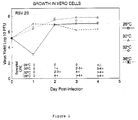
- Figure 2 shows growth and cytopathic effect of RSV 2B at temperatures from 26 o C to 36 o C in Vero cells.
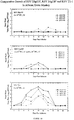
- Figure 10 is a diagram showing a growth study in African green monkeys comparing TS-1 with RSV 2Bp33F and 3Ap28F.
- This invention provides a cold adapted mutant respiratory syncytial virus (RSV).
- This mutant RSV is capable of eliciting an immune response when administered to a subject without causing significant disease, such as respiratory distress or otitis media.
- the term "cold adapted mutant” means an attenuated virus that has been attenuated by propagation at lower than optimal temperatures. Examples of cold adapted mutant viruses have been provided in the background of the invention section, supra .
- the cold adapted mutant RSV is a mutant subgroup A RSV.
- the mutant RSV subgroup A virus is a virus selected from the group consisting of 3Ap20E, 3Ap20F and 3Ap28F.
- Vaccines and pharmaceutical compositions containing these virus are described infra .
- polypeptide or peptide is intended to mean a linear polymer of amino acids linked by means of peptide bonds and proteins such as antigenic proteins of RSV.
- the linear polymers or “protein fragments” may be of various length, as long as the polypeptide is capable of exhibiting immunological activity. Methods of determining immunological activity are described infra .
- polypeptides may be the polypeptides of mutant RSV including the polypeptides designated L, F, G, M, M2 (also known as 22K), P, SH, 1B, 1C or N.
- L, F, G, M, M2 also known as 22K
- P, SH, 1B, 1C or N may be purified by methods described below and are useful as immunogens in a subunit vaccine to protect against lower respiratory disease and other disease symptoms of RSV infection.
- the purified RSV immunogenic polypeptides may be linked or conjugated to each other to provide a chimeric (or fusion) polypeptide. Methods of linking polypeptides are well-known to those of skill in the art.
- Subunit vaccines comprise the relevant immunogenetic material necessary to immunize a host.
- These vaccines encompass genetically engineered immunogens, chemically synthesized immunogens and/or immunogens comprising authentic substantially pure RSV polypeptides or chimeric polypeptides, alone or in combination with similarly prepared RSV polypeptides or proteins, which are capable of eliciting a protective immune response.
- the RSV polypeptide can be isolated in substantially pure form from RSV or cultures of cells infected with RSV.
- the RSV polypeptides can be isolated from a recombinant system or vector engineered to produce these polypeptides.
- the RSV polypeptide can be chemically synthesized by methods well known to those of skill in the art.
- the immunogenic polypeptides are most preferably derived from the mutant RSV of this invention. Also within the scope of this invention are polypeptides isolated from wild-type viral strains as well as strains derived from the strains specifically disclosed herein.
- the mutant RSV polypeptides can be purified from recombinant vectors that express the immunogenic polypeptides.
- recombinants include any of bacterial transformants, yeast transformants, cultured cells infected with recombinant viruses or cultured mammalian cells such as Chinese hamster ovary (CHO) cells.
- the recombinant polypeptides can comprise multiple copies of the epitope of interest, or the same or different epitopes from different viral subgroups or strains.
- the RSV polypeptide may be used to formulate a vaccine. To do so, the RSV polypeptide is adjusted to an appropriate concentration and formulated with any suitable vaccine adjuvant.
- the polypeptides can generally be formulated at concentrations in the range of 0.1 ug to 100 ug per kg/host.
- Physiologically acceptable media may be used as carriers. These include, but are not limited to: sterile water, saline, phosphate buffered saline and the like.
- Suitable adjuvants include, but are not limited to: surface active substances, e.g., hexadecylamine, octadecylamine, octadecyl amino acid esters, lysolecithin, dimethyl-dioctadecylammonium bromide, N,N-dioctadecyl-N'-N-bis(2-hydroxyethyl-propane diamine), methoxyhexadecyglycerol, and pluronic polyols; polyamines, e.g., aluminum hydroxide, aluminum phosphate, etc.
- the immunogen may also be incorporated into liposomes or conjugated to polysaccharides and/or other polymers for use in a vaccine formulation.
- the RSV polypeptide is a hapten, i.e., a molecule which is antigenic in that it reacts specifically or selectively with cognate antibodies, but is not immunogenic in that it cannot elicit an immune response.
- the hapten may be covalently bound to a carrier or immunogenic molecule; for example, a large protein such as protein serum albumin which will confer immunogenicity to the hapten coupled to it.
- the hapten-carrier may be formulated for use as a subunit vaccine.
- the polypeptides of the present invention may be used when linked to a soluble macromolecular carrier.
- the carrier and the polypeptides or proteins of the present invention are in excess of five thousand daltons after linking. More preferably, the carrier is in excess of five kilodaltons.
- the carrier is a polyamino acid, either natural or synthetic, which is immunogenic in animals, including humans.
- the manner of linking is conventional. Many linking techniques are disclosed in U.S. Patent No. 4,629,783 which is incorporated herein by reference. Many cross-linking agents are disclosed in 1986-87 Handbook and General Catalog, Pierce Chemical Company, (Rockford, Illinois) pages 311 to 340, which pages are incorporated herein by reference.
- This invention also provides a nucleic acid molecule encoding the cold-adapted mutant RSV or the polypeptides described hereinabove. Also provided is a nucleic acid molecule encoding the chimeric polypeptides. These nucleic acids may be DNA molecules, cDNA molecules or RNA molecules, e.g. anti-sense RNA. The invention also encompasses nucleic acids molecules which differ from that of the nucleic acid molecules which encode these polypeptides, but which produce the same phenotypic effect. These altered, phenotypically equivalent nucleic acids molecules are referred to as "equivalent nucleic acids". This invention also encompasses nucleic acid molecules characterized by changes in non-coding regions that do not alter the phenotype of the polypeptide produced therefrom, when compared to the nucleic acid molecule described hereinabove.
- nucleic acid molecule comprising noncoding sequences of the mutant RSV. These non-coding regions are to include 5' noncoding regions, 3' noncoding regions, intergenic sequences, and other noncoding regions of the viral genome. These include, but are not limited to transcriptional, translational, and other regulatory regions. These nucleic acid molecules also may be DNA molecules, cDNA molecules or RNA molecules.
- nucleic acid molecules which hybridise to the nucleic acid molecules of the subject invention under conditions of moderate to high stringency. Multiple factors are important in determining the stringency of a hybridisation including species of nucleic acids hybridized, length of nucleic acid probe, T M (melting temperature), temperature of hybridization and washes, salt concentration in the hybridization and wash buffers, aqueous or formamide hybridization buffer, and length of time for hybridization and for washes.
- An example of moderate to high stringency conditions are DNA-DNA hybridization with a probe greater than 200 nucleotides in aqueous buffer including 0.9 M sodium chloride and 0.09 M sodium citrate for eighteen hours at 55 o C to 65 o C, and washed in buffer containing 0.3 M sodium chloride and 0.03 M sodium citrate at 42 o C.
- the nucleic acid molecules of this invention may be operatively linked to a promoter of RNA transcription, as well as other regulatory sequences.
- operatively linked means positioned in such a manner that the promoter will direct the transcription of RNA off of the nucleic acid molecule.
- An example of a promoter is the T7 promoter.
- Vectors which contain both a promoter and a cloning site to which an inserted piece of nucleic acid is operatively linked to the promoter are well known in the art. Preferably, these vectors are capable of transcribing nucleic acid in vitro and in vivo .
- vectors are nucleic acids of the RSV genome of different types (including other attenuated subtypes) by substituting the nucleic acid regions encoding the polypeptides or the noncoding regions described hereinabove for the nucleic acids of other RSV types such that the resulting virus is more stronger or stably attenuated.
- Recombinant viral or bacterialvectors engineered to express the mutant RSV immunogenic polypeptides e.g. vectors of adenovirus, vaccinia virus, poliovirus, influenza virus, parainfluenza virus, salmonella, each of which includes all members of these families.
- recombinant virus and polypeptides encoded by the nucleic acid molecules of this invention are provided.
- a "recombinant virus” is intended to mean a virus that is genotypically altered from wild-type virus.
- a pharmaceutical composition comprising any of the cold adapted mutant RSV described above or polypeptides or chimeric polypeptides, alone or in combination, and a pharmaceutically acceptable carrier is also provided by this invention.
- pharmaceutically acceptable carrier encompasses any of the standard pharmaceutical carriers, such as physiologically balanced culture medium, phosphate buffer saline solution, water, and emulsions, such as an oil/water or water/oil emulsion, various types of wetting agents and protein stabilizer.
- the pharmaceutical composition is intended for use as a vaccine.
- a virus may be mixed with cryoprotective additives or stabilizers such as proteins (e.g., albumin, gelatin), sugars (e.g., sucrose, lactose, sorbitol), amino acids (e.g., sodium glutamate), saline, or other protective agents.
- proteins e.g., albumin, gelatin
- sugars e.g., sucrose, lactose, sorbitol
- amino acids e.g., sodium glutamate
- saline or other protective agents.
- the virus may be inactivated by formalin or heat, and mixed with an adjuvant such as aluminum hydroxide, saline and a detergent such as phosphate Tween buffer.
- an adjuvant such as aluminum hydroxide, saline and a detergent such as phosphate Tween buffer.
- compositions comprising any of the cold adapted mutant RSV, nucleic acid molecules encoding mutant RSV, the immunogenic polypeptide, or the chimeric polypeptide, or live vectors capable of expressing RSV polypeptides, is useful to vaccinate a subject against RSV infection.
- this invention further provides a method of vaccinating a subject against RSV infection by administering to the subject an effective immunizing amount of a pharmaceutical composition described hereinabove.
- a method for producing a recombinant polypeptide described hereinabove comprises growing the cell containing nucleic acid of this invention and/or the host vector system of this invention under suitable conditions, permitting production of the polypeptide and recovering the resulting recombinant polypeptide produced.
- the substance capable of specifically forming a complex with a purified polypeptide, or chimeric polypeptide described hereinabove or the mutant attenuated cold adapted RSV.
- the substance is an antibody, such as a monoclonal antibody or chimeric antibody.
- the monoclonal antibody is a human monoclonal antibody.
- This invention further provides a method to attenuate a virus by cold-adaptation.
- Isolate 20648 (subgroup B) was renamed RSV 2B.
- Virus was passed 7 times in PRMK cells at 35 o C, 2 times in Vero cells at 35 o C and plaque purified and amplified 3 times (6 passages) in Vero cells at 36 o C.
- Virus was further amplified an additional 2 times in Vero (36 o C), stocks were filtered with a 0.2 m filter and amplified another 2 times in Vero cells. This was followed by production of a Master Seed (RSV 2B, MK7 V12b), Intermediate working seed (RSV 2B, MK7 V13b) and Working seed (RSV 2B, MK7 V14b). See Figure 1.
- Isolate 23095 (subgroup A) was renamed RSV 3A.
- RSV 3A was passed 8 times in PRMK cells at 35 o C. This was followed by 2 passages in Vero at 35 o C and 6 passages in Vero cells at 36 o C, including 3 plaque purification steps. Virus was further passaged 6 times in Vero cells at 36 o C including a 0.2 m filtration step. This was followed by production of a Master seed (RSV 3A, MK8 V15b), Intermediate working seed (RSV 3A, MK8 V16b), and Working seed (RSV 3A, MK8 V17b). See Figure 1.
- RSV 2B and RSV 3A Master seeds were confirmed using subgroup specific monoclonal antibodies. Virus stocks were shown to be free of microbial contaminants and adventitious agents.
- the F, N, and G proteins of RSV 2B and RSV 3A stocks and reference RSV strains A2, Long, and 18537 were analyzed by radioimmunoprecipitation (RIP) and western blotting procedures using monoclonal antibodies.
- the F1 subunits of the RSV subgroup B strains, 2B and 18537 migrated faster on SDS-polyacrylamide gels than did the F1 subunits of the RSV subgroup A strains, 3A and Long. No difference in migration of the N proteins of the RSV 2B and 3A strains and the reference strains was seen.
- RIP gels the G protein was visible as two bands at ⁇ 80-90 Kda and ⁇ 45 Kda.
- virus was harvested by replacing the maintenance medium (10 mls of MEM/2%FBS/20mMHepes) in the infected flask with a reduced volume of freezing medium (3 mls of MEM/10%FBS/20mMHepes) and performing a quick freeze at -70 o C followed by a thaw at 32 o C.
- maintenance medium 10 mls of MEM/2%FBS/20mMHepes
- a reduced volume of freezing medium (3 mls of MEM/10%FBS/20mMHepes)
- Flasks E and F were "slowly" adapted, beginning at 26 o C with 4 passages every 2 days, followed by passage once every week until titers appeared to be relatively stable or were increasing. Virus was then passaged weekly at 22 o C until consistently high titers were achieved, and finally maintained by passage every 1-2 weeks at 20 o C. Flasks G, H ,and I were adapted by a more moderate strategy.
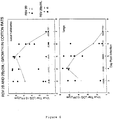
- Virus was passaged 2 times at 26 o C at 3 day intervals, then passaged weekly at 22 o C 5 times, and finally maintained by passage every 1-2 weeks at 20 o C. Flasks J and L were "rapidly" adapted, starting with 5 weekly passages at 22 o C, followed by passage at 1-2 week intervals at 20 o C. Actual passage conditions and titration results are shown in Tables 1 and 2, and are summarized in Table 3. Titration results obtained at each passage are graphically displayed in Figure 4. The titration results demonstrated an influence of strain on rate of adaptation. For RSV 2B, all three cold adaptation strategies eventually yielded high virus titers when flasks were maintained at 20 o C.
- RSV 3A was adapted to growth at 20 o C using a "slow” strategy (E,F), but efforts to force a more rapid adaptation resulted in a precipitous decline in virus growth. Passage of these cultures (3A:H,I,J,L) was discontinued.
- a group of 4 mutants RSV 2Bp24G, RSV 2Bp20L, RSV 3Ap20E, and RSV 3Ap20F, were selected from the first set of plaque purified viruses for preliminary characterization.
- Vero cells were infected with these 4 mutants at an MOI of 2, and incubated at 20 o C, 32 o C, 37 o C, and 40 o C for 7 days.
- the relationship between the positions of the cleavage fragments and the reactivities of these fragments to the monoclonal antibody or in assays for cell mediated response, e.g., LP assays are analyzed, and the immunogenic epitopes of the RSV defined by the antibody or cellular reactivity are determined.
- Regions of the nucleic acid encoding the polypeptide are excised from the cloning vector by restriction endonuclease digestion and ligated into a compatible expression vector (see supra ).
- the expressed recombinant proteins are screened for reactivity first with polyclonal rabbit antiserum to native polypeptide to identify recombinant fragments and then with the appropriate monoclonal antibody or in a CTL or LP assay, to identify those fragments comprising the immunogenic epitope.
- synthetic polypeptides can be prepared corresponding in particular to amino acid residues of the RSV polypeptide.
- the peptides are analyzed for reactivity to an appropriate monoclonal antibody, or in a CTL or LP assay.
- the proteins and polypeptides of the present invention can be prepared in a wide variety of ways.
- the polypeptides because of their relatively short size may be synthesized in solution or on a solid support in accordance with conventional techniques.
- Various automatic synthesizers are commercially available and can be used in accordance with known protocols. See, for example, Stewart and Young, 1984, Solid Phase Peptide Synthesis, 2d Ed., Pierce Chemical Co.
- the structural properties of polypeptides, of which three dimensional configuration is one, may only be minutely changed by the introduction of a small number of modifications such as substitutions, insertions and deletions of one or more amino acids. Generally, such substitutions in the amino acid sequence of a polypeptide are in the amount of less than twenty percent, more usually less than ten percent.
- conservative substitutions are less likely to make significant structural changes than non-conservation substitutions, which in turn are less likely to make significant structural changes than insertions or deletions.
- conservative substitutions are glycine for alanine; valine for isoleucine; aspartic acid for glutamic acid; asparagine for glutamine; serine for threonine; lysine for arginine; phenylalanine for threonine; and the converse of the above. Therefore, it is to be understood that the present invention embraces modified polypeptides so long as the epitope of the RSV polypeptide remains unchanged.
- the polypeptides of the present invention may be employed as labeled or unlabeled compounds depending on their use.
- label is intended a moiety which provides, directly or indirectly, a detectable signal.
- Various labels may be employed, such as radio-nucleotides, enzymes, fluorescers, chemiluminescers, enzyme substrates, cofactors or inhibitors, particles (e.g. magnetic particles), ligands (e.g. biotin) and receptors (e.g. avidin) or the like.
- the polypeptides may be modified in a variety of ways for binding to a surface, e.g. microtiter plate, glass beads, chromatographic surface, e.g. paper, cellulose and the like.
- the particular manner in which the polypeptides are joined to another compound or surface is conventional and finds ample illustration in the literature. See, for example, U.S. Patent Nos. 4,371,515; 4,487,715 and the patents cited therein.
- recombinant DNA technology may be employed to prepare the polypeptides biosynthetically.
- Recombinant DNA technology involves insertion of specific DNA sequences into a DNA vehicle (vector) to form a recombinant DNA molecule which is capable of being replicated in a host cell.
- the inserted DNA sequence is foreign to the recipient DNA vehicle, i.e. the inserted DNA sequence and DNA vector are derived from organisms which do not exchange genetic information in nature, or the inserted DNA sequence comprises information which may be wholly or partially artificial.
- Several general methods have been developed which enable construction of recombinant DNA molecules. For example. U.S. Patent No. 4,237,224 to Cohen and Boyer describes production of such recombinant plasmids using processes of cleavage of DNA with restriction enzymes and joining the DNA pieces by known methods of ligation.
- DNA transcription is one level
- messenger RNA (mRNA) translation is another.
- Transcription of DNA is dependent upon the presence of a promoter which is a DNA sequence that directs the binding of RNA polymerase and thereby promotes RNA synthesis.
- the DNA sequences of eukaryotic promoters differ from those of prokaryotic promoters.
- eukaryotic promoters and accompanying genetic signals may not be recognized in or may not function in a prokaryotic system.
- translation of mRNA in procaryotes depends upon the presence of the proper prokaryotic signals which differ from those of eucaryotes. Efficient translation of mRNA in prokaryotes requires a ribosome binding site called the Shine-Dalgarno (SD) sequence on the mRNA.
- SD Shine-Dalgarno
- the nucleic acid sequence of the RSV genome is determined by sequencing cDNA copies of the viral mRNAs and by sequencing the 5' and 3' ends of a purified viral RNA. Intergenic regions are sequenced from "read-through” viral mRNAs or by polymerase chain reaction (PCR) of genomic viral RNA. The determination of the RSV A2 strain genomic sequence has been described by Collins (1991).
- viral mRNAs are purified from RSV infected Vero cell cultures using an oligo-dT column. Procedures and kits for purification of mRNA are available commercially, e.g., Invitrogen's Fast TrackTM kit.
- the purified poly (A)+ mRNA is used to make a cDNA library in competent E. coli (e.g., strain DH5a) using techniques well known to those skilled in the art and available in commercial kits e.g., Invitrogen's LibrarianTM II cDNA Library Construction System.
- Ampicillin resistant bacterial colonies are screened by colony filter hybridization (Grunstein and Hogness, 1975) using hybridization probes specific for regions of RSV mRNA. These probes are radiolabeled RSV sequences and consist of synthesized oligonucleotides or portions of genes previously cloned from RSV. Methods of constructing and radiolabeling hybridization probes are well know to those skilled in the art and commercial kits are available, e.g., Boehringer Mannheim's 5' End Labeling kit or Random Primed DNA Labeling kit.
- Bacterial colonies which are identified as containing viral sequence are used to amplify the plasmid DNA which is then sequenced by the dideoxynucleotide method of Sanger (1977) or by using an automated DNA sequencer (e.g. Applied Biosystems automated sequencer and Taq DyeDeoxyTM Terminator Cycle Sequencing kit).
- Some intergenic regions of the viral genomic RNA are identified in bacterial colonies containing clones which have "read-through" viral sequences which hybridize DNA probes from adjacent viral genes and which contain both or parts of these adjacent genes and the noncoding regions between these genes. The 3' end may be seen as a "read-through” from 1C mRNA. These regions are sequenced as described above.
- the visible virus band is collected, sonicated, and the genomic viral RNA isolated by phenol extraction and recovered by ethanol precipitation.
- the sequence of the 5' end may be determined by dideoxynucleotide sequencing of the 5' end of the genomic viral RNA.
- the sequence of the 3' end may be determined by direct chemical sequence analysis of 3'end-labeled viral RNA. Alternately, the 5' end may be determined by primer extension with a 5' end-labeled oligonucleotide of antigenome polarity using reverse transcriptase and the negative strand genomic viral RNA as template.
- the product from this reaction is gel purified and sequenced directly by the Maxam and Gilbert (1980) technique of base-specific cleavage.
- PCR may be used.
- the viral RNA is reverse transcribed to provide an initial DNA template, oligonucleotide primers are synthesized which hybridize strands of opposite polarity on either side of the region of interest, and the region is amplified by PCR.
- the PCR product may be sequenced directly or may be ligated into a plasmid vector and then sequenced.
- E . coli plasmids are known and have been used to express foreign genes. For economic reasons, it would be highly preferable to be able to obtain a high level of expression.
- One way to obtain large amounts of a given gene product is to clone a gene on a plasmid which has a very high copy number within the bacterial cell. By increasing the number of copies of a particular gene, mRNA levels would normally also increase, which in turn would lead to increased production of the desired protein. If a region of gene encodes a protein sequence that is detrimental to the E. coli , such region may be deleted from the nucleic acid and the remaining nucleic acid will encode a shorter polypeptide.
- Recombinant viruses are produced by transfection of recombinant bacterial insertion vectors containing the foreign gene into cells infected with vaccinia virus. Homologous recombination takes place within the infected cells and results in the insertion of the foreign gene into the viral genome. See for example, U.S. Patent No. 4,603,112, the contents of which are incorporated by reference. Immunological techniques, DNA Plaque hybridization, or genetic selection can be used to identify and isolate the desired recombinant virus. These vaccinia recombinants retain the functions essential for infectivity and can be constructed to accommodate up to approximately 35 kb of foreign DNA.
- Expression of a foreign gene can be detected by enzymatic or immunological assays (e.g., immunoprecipitation, enzyme-linked immunosorbent assay (ELISA), radioimmunoassy, or immunoblotting). Additionally, naturally occurring membrane glycoproteins produced from recombinant vaccinia infected cells are glycosylated and may be transported to the cell surface. High expression levels can be obtained by using strong promoters or cloning multiple copies of a single gene.
- immunological assays e.g., immunoprecipitation, enzyme-linked immunosorbent assay (ELISA), radioimmunoassy, or immunoblotting.
- ELISA enzyme-linked immunosorbent assay
- Poliovirus as an Expression Vector
- Poliovirus is also used as expression vector for mutant RSV genetic sequences (e.g. immunogenic polypeptides).
- the virus contains a 7.5 kb linear single-stranded RNA genome of positive polarity and replicates within the cytoplasm of infected cells.
- poliovirus cDNA is infectious.
- Such poliovirus cDNA clones are constructed and used to produce virus according to U.S. Patent No. 4,719,177, the contents of which are incorporated by reference.
- Foreign DNA can be incorporated within the infectious poliovirus cDNA to produce altered virus particles.
- poliovirus has been genetically altered such that antigenic site 1 presents epitopes of other pathogens (Rose and Evans, 1991).
- Such chimeric viruses have been constructed by two methods. As described by Burke et al. (1988), a convenient restriction fragment of an infectious cDNA clone of poliovirus which includes the region of VP1 encoding antigenic site 1 (NAg-1) is subcloned into phage M13mp18. A mutated fragment is produced using oligonucleotide-directed mutagenesis so that the coding region for NAg-1 is replaced by the foreign epitope sequence. The full-length cDNA is reconstructed with the mutated fragment. According to another method by Burke et al.
- the full-length infectious cDNA is modified to create a cassette vector in which the region of VP1 encoding NAg-1 is flanked by unique restriction endonuclease sites.
- the NAg-1 site can then be readily replaced by complementary oligonucleotides encoding the foreign sequence.
- the altered virus particles are produced by transfection of cells with the modified full-length poliovirus cDNA. Sequence analysis of genomic RNA can be used to confirm that the recovered virus contains the foreign sequence.
- Expression of the foreign sequence can be detected by immunological assays (e.g. immunoprecipitation, neutralization, ELISA).
- immunological assays e.g. immunoprecipitation, neutralization, ELISA.
- a baculovirus such as Autographica californica nuclear polyhedris virus (AcNPV) can also be used as a cloning or expression vector.
- the infectious form of AcNPV in normally found in a viral occlusion.
- This structure is largely composed of polyhedrin polypeptide in which virus particles are embedded.
- Polyhederin gene expression occurs very late in the infection cycle, after mature virus particles are formed. Therefore, polyhedrin gene expression is a dispensable function, i.e., non-occluded virus particles produced in the absence of polyhedrin gene expression are fully active and are capable of infecting cells in culture.
- a recombinant baculovirus expression vector can be prepared in two steps. First, baculovirus DNA is cleaved to produce a fragment comprising a polyhedrin gene or a portion thereof, which fragment is inserted into a cloning vehicle. The gene to be expressed is also inserted into the cloning vehicle; and it is so inserted that it is under control of the polyhedrin gene promoter. This recombinant molecule is called a recombinant transfer vector. Normally, the recombinant transfer vector is amplified in appropriate host cells.
- nucleotide sequence coding for the RSV polypeptide thereof or for the RSV polypeptide can be inserted in an appropriate expression vector, i.e. a vector which cmntains the necessary elements for the transcription and translation of the inserted protein-coding sequence.
- nucleotide sequences coding for an immunogenic polypeptide is inserted into an appropriate expression vector.
- the coding sequence may be extended at either the 5' and 3' terminus or both termini to extend biosynthetically the polypeptide while retaining the epitope.
- the extension may provide an arm for linking, e.g., to a label, to a carrier or surface.
- the extension may provide for immunogenicity which may otherwise be lacking in some of the shorter antigenic polypeptides of the invention.
- a variety of host-vector systems may be utilized to express the protein-coding sequence. These include but are not limited to mammalian cell cultures such as Chinese hamster ovary cell host cultures, etc.; mammalian cell systems infected with virus (e.g. vaccinia virus, adenovirus, etc.); insect cell systems infected with virus (e.g. baculovirus); microorganisms such as yeast containing yeast vectors or bacteria transformed with bacteriophage DNA, plasmid DNA or cosmid DNA.
- the expression vector can be an attenuated enteroinvasive bacteria including but not limited to Salmonella spp., enteroinvasive E. coli (EIEC), and Shigella spp.
- Such bacterium can invade gut epithelial tissue, disseminate throughout the reticuloendothalical system and gain access to mesenteric lymphoid tissue where they multiply and induce humoral and cell-mediated immunity.
- the expression elements of these vectors vary in their strength and specificities.
- any one of a number of suitable transcription and translation elements may be used.
- promoters isolated from the genome of mammalian cells e.g. , mouse metallothionine promoter
- viruses that grow in these cells e.g. vaccinia virus 7.5K promoter
- Promoters produced by recombinant DNA or synthetic techniques may also be used to provide for transcription of the inserted sequences.
- Specific initiation signals may have to be provided for efficient translation of inserted protein coding sequences. These signals include the ATG initiation codon and adjacent sequences. In cases where the RSV polypeptide, the RSV chimeric or RSV gene including its own initiation codon and adjacent sequences are inserted into the appropriate expression vectors, no additional translational control signals may be needed. However, in cases where only a portion of the RSV polypeptide sequence is inserted, exogenous translational control signals, including the ATG initiation codon must be provided. The initiation codon must have to be furthermore be in phase with the reading frame of the protein coding sequences to ensure translation of the entire insert. These exogenous translational control signals and initiation codons can be a variety of origins, both natural and synthetic.
- Any of the methods previously described for the insertion of DNA fragments into a vector may be used to construct expression vectors containing a chimeric gene consisting of appropriate transcriptional/translational control signals and the protein coding sequences. These methods may include in vitro recombinant DNA and synthetic techniques and in vivo recombinations (genetic recombination).
- a host cell strain may be chosen which modulates the expression of the inserted sequences, or modifies and processes the chimeric gene product in the specific fashion desired. Expression from certain promoters can be elevated in the presence of certain inducers, (e.g. , zinc and cadmium ions for metallothionine promoters). Therefore, expression of the genetically engineered RSV polypeptide may be controlled. This is important if the protein product of the cloned foreign gene is lethal to host cells. Furthermore, modifications (e.g. , glycosylation) and processing (e.g. , cleavage) of protein products are important for the function of the protein. Different host cells have characteristic and specific mechanisms for the post-translational processing and modification of proteins. Appropriate cell lines or host systems can be chosen to ensure the correct modification and processing of the foreign protein expressed.
- inducers e.g. , zinc and cadmium ions for metallothionine promoters. Therefore, expression of the genetically engineered RSV polypeptid
- Expression vectors containing foreign gene inserts can be identified by three general approaches: (a) DNA-DNA hybridization, (b) presence or absence of "marker" gene functions, and (c) expression of inserted sequences.
- first approach the presence of a foreign gene inserted in an expression vector can be detected by DNA-DNA hybridization using probes comprising sequences that are homologous to the foreign inserted gene.
- second approach the recombinant vector/host system can be identified and selected based upon the presence or absence of certain "marker" gene functions (e.g. , thymidine kinase activity, resistance to antibiotics, transformation phenotype, occlusion body formation in baculovirus etc.) caused by the insertion of foreign genes in the vector.
- marker e.g. , thymidine kinase activity, resistance to antibiotics, transformation phenotype, occlusion body formation in baculovirus etc.
- RSV polypeptide Once the RSV polypeptide is identified, it may be isolated and purified by standard methods including chromatography (e.g. ion exchange, affinity, and sizing column chromatography), centrifugation, differential solubility, or by any other standard technique for the purification of proteins.
- AGMs African green monkeys
- Two AGMs each were inoculated with 106 PFU of each mutant virus by combined intranasal and intratracheal route.
- Virus growth was evaluated by nasal wash and bronchial lavage.
- Neutralizing and EIA antibody responses were tested at approximately 0, 1, 2, 3, 4, 6, and 8 weeks post-infection. Eight weeks post-infection, animals were challenged with 106 PFU of the parental strain by intranasal and intratrachial route. Virus growth and antibody response was evaluated as described above.
- Virus titrations for each monkey infected with the RSV 2B TS mutants and then challenged with the parental strain are shown in Figure 8.
- RSV 2Bp33F grew to low levels in the nasal wash in 1 of 2 monkeys
- RSV 2Bp24G grew to low levels in nasal wash or in lungs in both monkeys.
- RSV 2Bp20L failed to grow.
- monkeys were partially to fully protected against challenge with parental strain.
- Tables 16 and 17 give antibody titration results obtained for each monkey post-vaccination (Table 16) and post-virus challenge (Table 17).
- TS-1 An RSV TS mutant, TS-1, was obtained from Dr. Brian Murphy, NIH. This TS mutant was originally derived from the RSV A2 strain by chemical mutagenesis and was tested in clinical trials in seronegative human infants in the 1970's. The outcome of these trials suggested that TS-1 was underattenuated and caused an unacceptable level of disease (rhinitis and otitis media) in infants. In addition, the TS phenotype of TS-1 partially reverted following growth in humans.
- a growth study in African green monkeys (AGMs) comparing TS-1 with RSV 2Bp33F and 3Ap28F was carried out and the results are shown in Figure 10.
- Monkeys were infected with virus either intranasally (TS-1 and 2Bp33F) or intranasally + intratracheally (3Ap28F).
- Virus was recovered in 1 of 4 monkeys infected with 2Bp33F and 2 of 4 monkeys infected with 3Ap28F. Titers were relatively low in both cases, indicating that virus was attenuated. In contrast, relatively high titers of virus were recovered in all 4 monkeys inoculated with TS-1.
- mice For the isolation of mouse monoclonal antibodies, eight (8) week old mice are inoculated intranasally with live RSV and/or are injected with about 50 micrograms of the purified polypeptide or mutant RSV in complete Freund's adjuvant 1:1 volume. Mice may then be boosted, at monthly intervals with the polypeptide or mutant RSV, this with incomplete Freund's adjuvant. Splenocytes are then fused with non-secreting myeloma cells, according to procedures which have been described and are known to those of skill in the art to which this invention pertains. Some time later, approximately two (2) weeks later, hybridoma supernatent is screened for binding activity against the polypeptide. Positive clones are isolated and propagated.
- This method comprises obtaining live virulent virus (RSV) derived from clinical isolates and that have been isolated in primary rhesus monkey kidney cells. These are then passed in Vero cells at 35-36 o C and plaque purified.
- the Vero cells are passage 133 to 148 of the Vero cell line CCL81, obtained from the American Type Culture Collection (ATCC), 12301 Parklawn Drive, Rockville, Maryland, U.S.A. 20852.
- Maintenance medium is preferable MEM with 2% FBS, L-glutamine, non-essential amino acids and 20mM Hepes pH 7.5, and freezing medium is MEM with 10% FBS and 20mM Hepes pH 7.5.
- a confluent monolayer of Vero cells are inoculated with about 1.0ml of virus inoculum and virus is allowed to absorb for about 1 to 2 hours (preferably, 70 to 120 minutes, and most preferably 90 minutes) at ambient temperature (about 18 o C to about 25 o C).
- the freeze-thaw lysate is thawed in a 32 o C water bath. About 3 to 5 serial dilutions of the lysate is made in maintenance medium. Six-well, twenty-four well, or ninety-six well plates containing confluent Vero cells are rinsed with a phosphate buffered saline solution. Wells are inoculated with virus dilution, using only enough volume to cover bottom of well. Virus inoculum is adsorbed for 90 minutes at ambient temperature. Wells are overlaid with 1% methylcellulose in MEM-maintenance medium. Plates are incubated at 32 o C for 5 days.
- Isolated plaques are identified microscopically by looking for typical syncytial plaques, and wells are marked. Plaques are picked at marked sites using small bore pipette or pipette tip and are emulsified in 0.5 ml maintenance medium for 1-3 hours at 4 o C. Picked plaques are used to inoculate duplicates of 25 cm2 flask or 96-well plates containing Vero cell monolayers as described above. Duplicate inoculated flasks or plates are overlaid with maintenance medium. One duplicate is incubated at 32 o C and the other at 39 o C for 5-10 days. Flasks or plates incubated at 32 o C are examined microscopically for virus CPE.
- Flasks or plates incubated at 39 o C are stained by immunoperoxidase assay for RSV specific antigen. Flasks or plates which demonstrate easily detectable CPE at 32°C and little or no detectable RSV antigen by immunoperoxidase Staining are selected as containing TS mutants. Virus from the selected flask or plate described above are harvested by freeze-thaw technique. This virus represents a plaque purified mutant.
- RNA viruses mutate at such a high frequency that any population of virus will contain a number of individual virus variants (Holland et al, 1982), therefore a variety of virus mutants were isolated from individual flasks at various virus passage levels and from different cold adaptation strategies. The results were interesting and somewhat unexpected. The rate at which virus became adapted (i.e., grew to consistently high titers at the 20 o C temperature), was most affected by the strain of virus used, implying a significant host-related factor in adaptation.
- Level of attenuation is a critical factor in developing vaccines for any target population and is of particular importance for vaccines intended for infants and young children. Virus must be sufficiently attenuated to not cause disease, yet grow well enough in the vaccine to elicit protective immunity. Widely accepted markers for attenuation are TS phenotype and reduced growth in animal models, however these markers are only approximate and testing must eventually be done in the target population.
- the RSV 3A TS mutants could be distinguished from the RSV 3A parental virus by reduced replication in both the nose and lungs. Also of note, although the RSV 3A parental virus grew much better in the nose than the lungs of cotton rats, virus recovery was similar in both nose and lungs of BALB/c mice.
- the RSV 2Bp20L mutant did not grow, clearly demonstrating that this TS mutant was attenuated in a permissive host as well as the non-permissive cotton rat.
- the level of atteluation is best aqsessed in a seronegative chimp, as prior virus exposure will affect the host response to virus challenge.
- testing in seronegative chimps is severely hampered by the limited availability of these animals.
- the mutants of this invention that have been examined here bear the desirable traits of an attenuated, phenotypically stable, and immunogenic RSV vaccine virus in the human target population.
- Obrosova-Serova NP Slepushkin AN, Kendal AP, Harmon MW, Burtseva EI, Bebesheva NI, Beljaev AL, Lonskaja NI, Medvedva TE, Egorov AY, Peklisove LV, Alexandrova GI (1990): Evaluation in children of cold-adapted influenza B live attenuated intranasal vaccine prepared by reassortment between wild-type B/Ann Arbor/1/86 and cold-adapted B/Leningrad/14/55 viruses. Vaccine 8:57-60.
- Trudel M Stott EJ, Taylor G, Oth D, Mercier F, Nadon F, Seguin C, Simard C, Lacroix M (1991): Synthetic peptides corresponding to the F protein of RSV stimulate murine B and T cells but fail to confer protection. Archives of Virology 117:59-71.
Landscapes
- Health & Medical Sciences (AREA)
- Life Sciences & Earth Sciences (AREA)
- Chemical & Material Sciences (AREA)
- Genetics & Genomics (AREA)
- Organic Chemistry (AREA)
- Engineering & Computer Science (AREA)
- General Health & Medical Sciences (AREA)
- Virology (AREA)
- Zoology (AREA)
- Wood Science & Technology (AREA)
- Bioinformatics & Cheminformatics (AREA)
- Biotechnology (AREA)
- General Engineering & Computer Science (AREA)
- Microbiology (AREA)
- Biomedical Technology (AREA)
- Medicinal Chemistry (AREA)
- Biochemistry (AREA)
- Molecular Biology (AREA)
- Immunology (AREA)
- Biophysics (AREA)
- Pharmacology & Pharmacy (AREA)
- Public Health (AREA)
- Veterinary Medicine (AREA)
- Animal Behavior & Ethology (AREA)
- Mycology (AREA)
- Epidemiology (AREA)
- Plant Pathology (AREA)
- Physics & Mathematics (AREA)
- Pulmonology (AREA)
- Gastroenterology & Hepatology (AREA)
- Proteomics, Peptides & Aminoacids (AREA)
- Communicable Diseases (AREA)
- General Chemical & Material Sciences (AREA)
- Nuclear Medicine, Radiotherapy & Molecular Imaging (AREA)
- Oncology (AREA)
- Chemical Kinetics & Catalysis (AREA)
- Medicines Containing Antibodies Or Antigens For Use As Internal Diagnostic Agents (AREA)
- Micro-Organisms Or Cultivation Processes Thereof (AREA)
- Medicines Containing Material From Animals Or Micro-Organisms (AREA)
- Pharmaceuticals Containing Other Organic And Inorganic Compounds (AREA)
Applications Claiming Priority (2)
| Application Number | Priority Date | Filing Date | Title |
|---|---|---|---|
| US87142092A | 1992-04-21 | 1992-04-21 | |
| US871420 | 1997-06-09 |
Publications (2)
| Publication Number | Publication Date |
|---|---|
| EP0567100A1 true EP0567100A1 (de) | 1993-10-27 |
| EP0567100B1 EP0567100B1 (de) | 1999-03-17 |
Family
ID=25357402
Family Applications (1)
| Application Number | Title | Priority Date | Filing Date |
|---|---|---|---|
| EP93106496A Expired - Lifetime EP0567100B1 (de) | 1992-04-21 | 1993-04-21 | Mutante des Respiratory-syncytial-Virus (RS-Virus) und eine eine solche Mutante enthaltende pharmazeutische Zusammensetzung |
Country Status (13)
| Country | Link |
|---|---|
| US (1) | US5932222A (de) |
| EP (1) | EP0567100B1 (de) |
| JP (1) | JPH0622756A (de) |
| AT (1) | ATE177785T1 (de) |
| AU (1) | AU671983B2 (de) |
| CA (1) | CA2094464C (de) |
| DE (1) | DE69323921T2 (de) |
| DK (1) | DK0567100T3 (de) |
| ES (1) | ES2130189T3 (de) |
| GR (1) | GR3029716T3 (de) |
| NZ (1) | NZ247444A (de) |
| TW (1) | TW275632B (de) |
| ZA (1) | ZA932763B (de) |
Cited By (7)
| Publication number | Priority date | Publication date | Assignee | Title |
|---|---|---|---|---|
| WO1998013501A3 (en) * | 1996-09-27 | 1998-08-13 | American Cyanamid Co | 3' genomic promoter region and polymerase gene mutations responsible for attenuation in viruses of the order designated mononegavirales |
| WO1999015672A1 (en) * | 1997-09-19 | 1999-04-01 | American Cyanamid Company | Attenuated respiratory syncytial viruses |
| WO1999049017A3 (en) * | 1998-03-26 | 1999-12-16 | American Cyanamid Co | Mutations responsible for attenuation in measles virus or human respiratory syncytial virus subgroup b |
| RU2142817C1 (ru) * | 1993-08-06 | 1999-12-20 | Коннот Лабораториз Лимитед | Инактивированные вакцины респираторно-синцитиального вируса |
| EP0975363A4 (de) * | 1997-04-03 | 2002-04-17 | Univ Michigan | Abgeschwächtes respiratorisches synzytialvirus |
| EP0917592A4 (de) * | 1996-04-04 | 2002-04-24 | Univ Michigan | Abgeschwaechter rsv |
| US6689367B1 (en) * | 1995-09-27 | 2004-02-10 | The United States Of America As Represented By The Department Of Health And Human Services | Production of attenuated chimeric respiratory syncytial virus vaccines from cloned nucleotide sequences |
Families Citing this family (11)
| Publication number | Priority date | Publication date | Assignee | Title |
|---|---|---|---|---|
| PT784486E (pt) * | 1994-10-05 | 2006-07-31 | Univ Vanderbilt | Inerleucina-12 como um adjuvante para vacinas contra paramyxoviridae |
| US7846455B2 (en) * | 1996-07-15 | 2010-12-07 | The United States Of America As Represented By The Department Of Health And Human Services | Attenuated chimeric respiratory syncytial virus |
| US6015664A (en) * | 1995-11-03 | 2000-01-18 | Mcw Research Foundation | Multiplex PCR assay using unequal primer concentrations to detect HPIV 1,2,3 and RSV A,B and influenza virus A, B |
| DE19729161A1 (de) | 1997-07-08 | 1999-01-14 | Basf Ag | Thermisch härtbare, wässrige Zusammensetzungen |
| WO2002012289A2 (en) * | 2000-08-07 | 2002-02-14 | Aventis Pasteur Limited | Stabilization of immunogens derived from paramyxoviruses |
| ES2536322T3 (es) * | 2003-12-17 | 2015-05-22 | Wyeth Llc | Procedimiento para producir composiciones de VSR estables en almacenamiento |
| GB201202091D0 (en) | 2012-02-07 | 2012-03-21 | Renishaw Ireland Ltd | Drug delivery apparatus |
| GB201202093D0 (en) * | 2012-02-07 | 2012-03-21 | Renishaw Ireland Ltd | Drug storage apparatus |
| WO2021231767A1 (en) * | 2020-05-13 | 2021-11-18 | The United States Of America, As Represented By The Secretary, Department Of Health And Human Services | Rsv vaccine bearing one or more p gene mutations |
| CN112501134B (zh) * | 2020-12-09 | 2023-01-20 | 贵州医科大学附属医院 | 一种人呼吸道合胞病毒毒株及其应用 |
| CN113462656B (zh) * | 2021-03-24 | 2022-09-30 | 兰州生物制品研究所有限责任公司 | 一种人三型副流感病毒冷适应温度敏感株及其应用 |
Citations (4)
| Publication number | Priority date | Publication date | Assignee | Title |
|---|---|---|---|---|
| WO1987004185A1 (en) * | 1986-01-14 | 1987-07-16 | University Of North Carolina | Vaccines for human respiratory virus |
| WO1989002935A1 (en) * | 1987-09-29 | 1989-04-06 | Praxis Biologics, Inc. | Respiratory syncytial virus: vaccines and diagnostic assays |
| WO1989004835A1 (en) * | 1987-11-20 | 1989-06-01 | The Upjohn Company | HUMAN RESPIRATORY SYNCYTIALVIRUS VACCINE DERIVED FROM THE 1A (9.5 kD) PROTEIN |
| WO1989005823A1 (en) * | 1987-12-23 | 1989-06-29 | The Upjohn Company | Chimeric glycoproteins containing immunogenic segments of the glycoproteins of human respiratory syncytial virus |
Family Cites Families (2)
| Publication number | Priority date | Publication date | Assignee | Title |
|---|---|---|---|---|
| US5149650A (en) * | 1986-01-14 | 1992-09-22 | University Of North Carolina At Chapel Hill | Vaccines for human respiratory virus |
| IL105456A (en) * | 1992-04-21 | 1996-12-05 | American Home Prod | Vaccines of attenuated respiratory syncytial virus |
-
1992
- 1992-04-22 TW TW081103168A patent/TW275632B/zh active
-
1993
- 1993-04-20 ZA ZA932763A patent/ZA932763B/xx unknown
- 1993-04-20 NZ NZ247444A patent/NZ247444A/en unknown
- 1993-04-20 CA CA002094464A patent/CA2094464C/en not_active Expired - Fee Related
- 1993-04-21 ES ES93106496T patent/ES2130189T3/es not_active Expired - Lifetime
- 1993-04-21 AU AU37057/93A patent/AU671983B2/en not_active Ceased
- 1993-04-21 AT AT93106496T patent/ATE177785T1/de not_active IP Right Cessation
- 1993-04-21 EP EP93106496A patent/EP0567100B1/de not_active Expired - Lifetime
- 1993-04-21 JP JP5117812A patent/JPH0622756A/ja active Pending
- 1993-04-21 DE DE69323921T patent/DE69323921T2/de not_active Expired - Fee Related
- 1993-04-21 DK DK93106496T patent/DK0567100T3/da active
- 1993-05-07 US US08/059,444 patent/US5932222A/en not_active Expired - Fee Related
-
1999
- 1999-03-18 GR GR990400565T patent/GR3029716T3/el unknown
Patent Citations (4)
| Publication number | Priority date | Publication date | Assignee | Title |
|---|---|---|---|---|
| WO1987004185A1 (en) * | 1986-01-14 | 1987-07-16 | University Of North Carolina | Vaccines for human respiratory virus |
| WO1989002935A1 (en) * | 1987-09-29 | 1989-04-06 | Praxis Biologics, Inc. | Respiratory syncytial virus: vaccines and diagnostic assays |
| WO1989004835A1 (en) * | 1987-11-20 | 1989-06-01 | The Upjohn Company | HUMAN RESPIRATORY SYNCYTIALVIRUS VACCINE DERIVED FROM THE 1A (9.5 kD) PROTEIN |
| WO1989005823A1 (en) * | 1987-12-23 | 1989-06-29 | The Upjohn Company | Chimeric glycoproteins containing immunogenic segments of the glycoproteins of human respiratory syncytial virus |
Non-Patent Citations (2)
| Title |
|---|
| JOURNAL OF THE AMERICAN MEDICAL ASSOCIATION vol. 204, no. 8, 1 April 1968, CHICAGO, USA pages 690 - 694 FRIEDEWALD, W. T. ET AL. 'Low-temperature-grown RS virus in adult volunteers' * |
| VACCINE vol. 3, no. 5, December 1985, GUILDFORD GB pages 355 - 369 MAASSAB, H.F. & DEBORDE, D.C. 'Development and characterization of cold-adapted viruses for use as live virus vaccines' * |
Cited By (7)
| Publication number | Priority date | Publication date | Assignee | Title |
|---|---|---|---|---|
| RU2142817C1 (ru) * | 1993-08-06 | 1999-12-20 | Коннот Лабораториз Лимитед | Инактивированные вакцины респираторно-синцитиального вируса |
| US6689367B1 (en) * | 1995-09-27 | 2004-02-10 | The United States Of America As Represented By The Department Of Health And Human Services | Production of attenuated chimeric respiratory syncytial virus vaccines from cloned nucleotide sequences |
| EP0917592A4 (de) * | 1996-04-04 | 2002-04-24 | Univ Michigan | Abgeschwaechter rsv |
| WO1998013501A3 (en) * | 1996-09-27 | 1998-08-13 | American Cyanamid Co | 3' genomic promoter region and polymerase gene mutations responsible for attenuation in viruses of the order designated mononegavirales |
| EP0975363A4 (de) * | 1997-04-03 | 2002-04-17 | Univ Michigan | Abgeschwächtes respiratorisches synzytialvirus |
| WO1999015672A1 (en) * | 1997-09-19 | 1999-04-01 | American Cyanamid Company | Attenuated respiratory syncytial viruses |
| WO1999049017A3 (en) * | 1998-03-26 | 1999-12-16 | American Cyanamid Co | Mutations responsible for attenuation in measles virus or human respiratory syncytial virus subgroup b |
Also Published As
| Publication number | Publication date |
|---|---|
| CA2094464A1 (en) | 1993-10-22 |
| US5932222A (en) | 1999-08-03 |
| AU3705793A (en) | 1993-10-28 |
| NZ247444A (en) | 1994-12-22 |
| ES2130189T3 (es) | 1999-07-01 |
| EP0567100B1 (de) | 1999-03-17 |
| DK0567100T3 (da) | 1999-09-27 |
| AU671983B2 (en) | 1996-09-19 |
| CA2094464C (en) | 2005-08-23 |
| DE69323921D1 (de) | 1999-04-22 |
| JPH0622756A (ja) | 1994-02-01 |
| ZA932763B (en) | 1994-02-08 |
| ATE177785T1 (de) | 1999-04-15 |
| GR3029716T3 (en) | 1999-06-30 |
| DE69323921T2 (de) | 1999-08-26 |
| TW275632B (de) | 1996-05-11 |
Similar Documents
| Publication | Publication Date | Title |
|---|---|---|
| US5932222A (en) | Mutant respiratory syncytial virus (RSV), vaccines containing same and methods of use | |
| Wertz et al. | Expression of the fusion protein of human respiratory syncytial virus from recombinant vaccinia virus vectors and protection of vaccinated mice | |
| KR100658491B1 (ko) | 클론닝된 뉴클레오타이드 서열로부터 약독화된 호흡기 세포 융합 바이러스 백신의 생산 | |
| AU2020203460B2 (en) | Attenuation of human respiratory syncytial virus by genome scale codon-pair deoptimization | |
| AU2021218112B2 (en) | Vaccine candidates for human respiratory syncytial virus (rsv) having attenuated phenotypes | |
| WO1999015672A1 (en) | Attenuated respiratory syncytial viruses | |
| US10980872B2 (en) | Genetically stable live attenuated respiratory syncytial virus vaccine and its production | |
| Randolph et al. | Attenuated temperature-sensitive respiratory syncytial virus mutants generated by cold adaptation | |
| US7510863B2 (en) | Avian pneumovirus genes, recombinant avian pneumoviruses and methods of making | |
| HK40057493A (en) | Genetically stable live attenuated respiratory syncytial virus vaccine and its production | |
| AU2004205289B2 (en) | Production of attenuated respiratory sincytial virus vaccines from cloned nucleotide sequences | |
| US9572876B2 (en) | Paramyxovirus immunogens and related materials and methods | |
| AU2008203034A1 (en) | Production of attenuated respiratory syncytial virus vaccines from cloned nucleotide sequences |
Legal Events
| Date | Code | Title | Description |
|---|---|---|---|
| PUAI | Public reference made under article 153(3) epc to a published international application that has entered the european phase |
Free format text: ORIGINAL CODE: 0009012 |
|
| AK | Designated contracting states |
Kind code of ref document: A1 Designated state(s): AT BE CH DE DK ES FR GB GR IE IT LI LU NL PT SE |
|
| 17P | Request for examination filed |
Effective date: 19940426 |
|
| 17Q | First examination report despatched |
Effective date: 19961220 |
|
| GRAG | Despatch of communication of intention to grant |
Free format text: ORIGINAL CODE: EPIDOS AGRA |
|
| GRAG | Despatch of communication of intention to grant |
Free format text: ORIGINAL CODE: EPIDOS AGRA |
|
| GRAG | Despatch of communication of intention to grant |
Free format text: ORIGINAL CODE: EPIDOS AGRA |
|
| GRAH | Despatch of communication of intention to grant a patent |
Free format text: ORIGINAL CODE: EPIDOS IGRA |
|
| GRAH | Despatch of communication of intention to grant a patent |
Free format text: ORIGINAL CODE: EPIDOS IGRA |
|
| GRAA | (expected) grant |
Free format text: ORIGINAL CODE: 0009210 |
|
| AK | Designated contracting states |
Kind code of ref document: B1 Designated state(s): AT BE CH DE DK ES FR GB GR IE IT LI LU NL PT SE |
|
| REF | Corresponds to: |
Ref document number: 177785 Country of ref document: AT Date of ref document: 19990415 Kind code of ref document: T |
|
| REG | Reference to a national code |
Ref country code: CH Ref legal event code: EP |
|
| REG | Reference to a national code |
Ref country code: CH Ref legal event code: NV Representative=s name: A. BRAUN, BRAUN, HERITIER, ESCHMANN AG PATENTANWAE |
|
| REG | Reference to a national code |
Ref country code: IE Ref legal event code: FG4D |
|
| REF | Corresponds to: |
Ref document number: 69323921 Country of ref document: DE Date of ref document: 19990422 |
|
| REG | Reference to a national code |
Ref country code: ES Ref legal event code: FG2A Ref document number: 2130189 Country of ref document: ES Kind code of ref document: T3 |
|
| ET | Fr: translation filed | ||
| REG | Reference to a national code |
Ref country code: PT Ref legal event code: SC4A Free format text: AVAILABILITY OF NATIONAL TRANSLATION Effective date: 19990524 |
|
| REG | Reference to a national code |
Ref country code: DK Ref legal event code: T3 |
|
| PLBE | No opposition filed within time limit |
Free format text: ORIGINAL CODE: 0009261 |
|
| 26N | No opposition filed | ||
| REG | Reference to a national code |
Ref country code: GB Ref legal event code: IF02 |
|
| REG | Reference to a national code |
Ref country code: CH Ref legal event code: PFA Owner name: WYETH HOLDINGS CORPORATION Free format text: AMERICAN CYANAMID COMPANY#1937 WEST MAIN STREET P.O. BOX 60#STAMFORD CONNECTICUT 06904-0060 (US) -TRANSFER TO- WYETH HOLDINGS CORPORATION#FIVE GIRALDA FARMS#MADISON, NJ 07940 (US) |
|
| BECA | Be: change of holder's address |
Owner name: *WYETH HOLDINGS CORP.FIVE GIRALDA FARMS, MADISON, Effective date: 20030911 |
|
| NLT1 | Nl: modifications of names registered in virtue of documents presented to the patent office pursuant to art. 16 a, paragraph 1 |
Owner name: WYETH HOLDINGS CORPORATION |
|
| REG | Reference to a national code |
Ref country code: PT Ref legal event code: TE4A Free format text: AMERICAN CYANAMID COMPANY US Effective date: 20031117 Ref country code: PT Ref legal event code: PD4A Free format text: WYETH HOLDINGS CORPORATION US Effective date: 20031117 |
|
| REG | Reference to a national code |
Ref country code: FR Ref legal event code: CD Ref country code: FR Ref legal event code: CA |
|
| PGFP | Annual fee paid to national office [announced via postgrant information from national office to epo] |
Ref country code: GB Payment date: 20050314 Year of fee payment: 13 Ref country code: DK Payment date: 20050314 Year of fee payment: 13 Ref country code: AT Payment date: 20050314 Year of fee payment: 13 |
|
| PGFP | Annual fee paid to national office [announced via postgrant information from national office to epo] |
Ref country code: NL Payment date: 20050316 Year of fee payment: 13 |
|
| PGFP | Annual fee paid to national office [announced via postgrant information from national office to epo] |
Ref country code: FR Payment date: 20050401 Year of fee payment: 13 |
|
| PGFP | Annual fee paid to national office [announced via postgrant information from national office to epo] |
Ref country code: SE Payment date: 20050404 Year of fee payment: 13 Ref country code: PT Payment date: 20050404 Year of fee payment: 13 |
|
| PGFP | Annual fee paid to national office [announced via postgrant information from national office to epo] |
Ref country code: IE Payment date: 20050414 Year of fee payment: 13 |
|
| PGFP | Annual fee paid to national office [announced via postgrant information from national office to epo] |
Ref country code: ES Payment date: 20050421 Year of fee payment: 13 |
|
| PGFP | Annual fee paid to national office [announced via postgrant information from national office to epo] |
Ref country code: GR Payment date: 20050422 Year of fee payment: 13 |
|
| PGFP | Annual fee paid to national office [announced via postgrant information from national office to epo] |
Ref country code: BE Payment date: 20050428 Year of fee payment: 13 |
|
| PGFP | Annual fee paid to national office [announced via postgrant information from national office to epo] |
Ref country code: DE Payment date: 20050429 Year of fee payment: 13 |
|
| PGFP | Annual fee paid to national office [announced via postgrant information from national office to epo] |
Ref country code: LU Payment date: 20050603 Year of fee payment: 13 |
|
| PGFP | Annual fee paid to national office [announced via postgrant information from national office to epo] |
Ref country code: CH Payment date: 20050613 Year of fee payment: 13 |
|
| PG25 | Lapsed in a contracting state [announced via postgrant information from national office to epo] |
Ref country code: IE Free format text: LAPSE BECAUSE OF NON-PAYMENT OF DUE FEES Effective date: 20060421 Ref country code: GB Free format text: LAPSE BECAUSE OF NON-PAYMENT OF DUE FEES Effective date: 20060421 Ref country code: AT Free format text: LAPSE BECAUSE OF NON-PAYMENT OF DUE FEES Effective date: 20060421 |
|
| PG25 | Lapsed in a contracting state [announced via postgrant information from national office to epo] |
Ref country code: SE Free format text: LAPSE BECAUSE OF NON-PAYMENT OF DUE FEES Effective date: 20060422 Ref country code: ES Free format text: LAPSE BECAUSE OF NON-PAYMENT OF DUE FEES Effective date: 20060422 |
|
| PG25 | Lapsed in a contracting state [announced via postgrant information from national office to epo] |
Ref country code: LU Free format text: LAPSE BECAUSE OF NON-PAYMENT OF DUE FEES Effective date: 20060430 Ref country code: LI Free format text: LAPSE BECAUSE OF NON-PAYMENT OF DUE FEES Effective date: 20060430 Ref country code: CH Free format text: LAPSE BECAUSE OF NON-PAYMENT OF DUE FEES Effective date: 20060430 Ref country code: BE Free format text: LAPSE BECAUSE OF NON-PAYMENT OF DUE FEES Effective date: 20060430 |
|
| PGFP | Annual fee paid to national office [announced via postgrant information from national office to epo] |
Ref country code: IT Payment date: 20060430 Year of fee payment: 14 |
|
| PG25 | Lapsed in a contracting state [announced via postgrant information from national office to epo] |
Ref country code: DK Free format text: LAPSE BECAUSE OF NON-PAYMENT OF DUE FEES Effective date: 20060501 |
|
| PG25 | Lapsed in a contracting state [announced via postgrant information from national office to epo] |
Ref country code: PT Free format text: LAPSE BECAUSE OF NON-PAYMENT OF DUE FEES Effective date: 20061023 |
|
| PG25 | Lapsed in a contracting state [announced via postgrant information from national office to epo] |
Ref country code: NL Free format text: LAPSE BECAUSE OF NON-PAYMENT OF DUE FEES Effective date: 20061101 Ref country code: DE Free format text: LAPSE BECAUSE OF NON-PAYMENT OF DUE FEES Effective date: 20061101 |
|
| REG | Reference to a national code |
Ref country code: DK Ref legal event code: EBP |
|
| REG | Reference to a national code |
Ref country code: CH Ref legal event code: PL |
|
| EUG | Se: european patent has lapsed | ||
| GBPC | Gb: european patent ceased through non-payment of renewal fee |
Effective date: 20060421 |
|
| REG | Reference to a national code |
Ref country code: PT Ref legal event code: MM4A Free format text: LAPSE DUE TO NON-PAYMENT OF FEES Effective date: 20061023 |
|
| NLV4 | Nl: lapsed or anulled due to non-payment of the annual fee |
Effective date: 20061101 |
|
| REG | Reference to a national code |
Ref country code: IE Ref legal event code: MM4A |
|
| REG | Reference to a national code |
Ref country code: FR Ref legal event code: ST Effective date: 20061230 |
|
| REG | Reference to a national code |
Ref country code: ES Ref legal event code: FD2A Effective date: 20060422 |
|
| BERE | Be: lapsed |
Owner name: *WYETH HOLDINGS CORP. Effective date: 20060430 |
|
| PG25 | Lapsed in a contracting state [announced via postgrant information from national office to epo] |
Ref country code: FR Free format text: LAPSE BECAUSE OF NON-PAYMENT OF DUE FEES Effective date: 20060502 |
|
| PG25 | Lapsed in a contracting state [announced via postgrant information from national office to epo] |
Ref country code: GR Free format text: LAPSE BECAUSE OF NON-PAYMENT OF DUE FEES Effective date: 20061102 |
|
| PG25 | Lapsed in a contracting state [announced via postgrant information from national office to epo] |
Ref country code: IT Free format text: LAPSE BECAUSE OF NON-PAYMENT OF DUE FEES Effective date: 20070421 |