EP0585520A1 - Angiotensin-II Typ-1 Rezeptor und dessen Herstellung - Google Patents
Angiotensin-II Typ-1 Rezeptor und dessen Herstellung Download PDFInfo
- Publication number
- EP0585520A1 EP0585520A1 EP93105758A EP93105758A EP0585520A1 EP 0585520 A1 EP0585520 A1 EP 0585520A1 EP 93105758 A EP93105758 A EP 93105758A EP 93105758 A EP93105758 A EP 93105758A EP 0585520 A1 EP0585520 A1 EP 0585520A1
- Authority
- EP
- European Patent Office
- Prior art keywords
- ang
- receptor
- angiotensin
- type
- polypeptide
- Prior art date
- Legal status (The legal status is an assumption and is not a legal conclusion. Google has not performed a legal analysis and makes no representation as to the accuracy of the status listed.)
- Granted
Links
Images

Classifications
-
- C—CHEMISTRY; METALLURGY
- C07—ORGANIC CHEMISTRY
- C07K—PEPTIDES
- C07K14/00—Peptides having more than 20 amino acids; Gastrins; Somatostatins; Melanotropins; Derivatives thereof
- C07K14/435—Peptides having more than 20 amino acids; Gastrins; Somatostatins; Melanotropins; Derivatives thereof from animals; from humans
- C07K14/705—Receptors; Cell surface antigens; Cell surface determinants
- C07K14/72—Receptors; Cell surface antigens; Cell surface determinants for hormones
Definitions
- the present invention relates to a new human angiotensin II type 1 receptor, a recombinant DNA which codes therefor, a transformant carrying said recombinant DNA, a method of producing said receptor, and a use therefor. More specifically, the present invention provides a method of accurately assaying the bioactivities of angiotensin II antagonists and agonists, in a pure system containing substantially no other receptors, by expressing a human angiotensin II type 1 receptor gene in an animal cell using recombinant DNA technology.
- RA renin-angiotensin
- Renin produced mainly in the renal juxtaglomerular apparatus, acts on angiotensinogen, present in the blood, kidney and other organs, to produce angiotensin (Ang) I.
- Ang I possesses almost no bioactivity and, upon action of angiotensin-converting enzyme (ACE), is converted to a bioactive form known as Ang II.
- ACE angiotensin-converting enzyme
- Ang II is thought to make a most significant contribution to the bioactivity of the RA system, though Ang III is also produced by the same system.
- the amino acid number of Ang III is lower by 1 than that of Ang II, and its bioactivity is similar to that of Ang II.
- Ang II The most important action of Ang II is its cardiovascular action, its peripheral vasoconstrictive action being very potent and playing a major role in the maintenance of blood pressure.
- Ang II has proven to be active on the adrenal zona glomerulosa to induce aldosterone production and on the adrenal medulla and sympathetic nerve ends to promote catecholamine secretion, vasopressin secretion and prostaglandin E2 and I2 production, and is involved in the glomerular filtering function and the renal uriniferous tubular sodium reabsorption mechanism. Since renin and Ang II are also produced in the brain, heart, vascular wall, adrenal and other non-kidney organs, the local action thereof as produced in these ectopic RA systems is drawing attention, as are the above physiological actions.
- RA system Since the RA system owes its bioactivity mainly to Ang II, as stated above, it has been believed that the above-mentioned diseases can be prevented or mitigated by suppressing Ang II production and hence the RA system.
- renin production which is the starting material of the RA system
- ⁇ -blockers To inhibit the renin production, which is the starting material of the RA system, ⁇ -blockers have long been used. However, since ⁇ -blockers possess a broad range of action points, focus has recently been on the development of renin inhibitors, which are unsatisfactory in absorption via the digestive tract; no drug permitting practical application has been developed.
- RA system inhibitors are exemplified by captopril, enalapril, delapril and alacepril.
- Ang II receptor antagonists have long been studied.
- imidazole acetate series compounds have been studied for diuretic and hypotensive action since around 1976, and CV-2961 and other compounds have been found to possess Ang II receptor antagonist activity [Y. Furukawa et al., US Patent No. 4,340,598 (1982); Y. Furukawa et al., US Patent No. 4,355,040 (1982)], as the result. Since then, there have been improvements in these compounds, resulting in the development of DuP 753 [A.T. Chiu et al., Journal of Pharmacology and Experimental Therapeutics, 252 , 711 (1990)].
- DuP 753 proved to act specifically on Ang II receptors in the vascular wall, adrenal cortex and other organs to suppress Ang II action only. It was also shown to have no effect on reactions of KCl, norepinephrine, isoproterenol, vasopressin, bradykinin, acetylcholine or 5-HT, or on ACE action, even at suppressive doses for a high concentration (10 ⁇ M) of Ang II [P.C. Wong et al., J. Pharmacol. Exp. Ther., 252 , 719 (1990)]. According to the recognition of such pharmacological utility of non-peptide antagonists for Ang II receptors, the studies of Ang II receptors has been increased.
- Ang II receptors there are at least two kinds of Ang II receptor, according to reactivity to antagonists: type 1 receptors, to which DuP 753 is antagonistic, and type 2 receptors, to which PD123177 is antagonistic [P.B.M.W.M. Timmermans et al., Trends in Pharmaceutical Science (TiPS), 12 , 55 (1991)], of which type 1 receptors are thought to play a key role in known Ang II-dependent diseases.
- Ang II type 1 receptor antagonists have been brisk.
- To accurately assess the antagonist activity of a drug it is necessary to use cells or cell membrane fraction having Ang II type 1 receptors only.
- the receptors used in these studies are based on membrane fractions derived from laboratory animals (e.g., bovines, rats), which contain various receptors other than the desired Ang II receptor. For this reason, there is a need for preparing cells which specifically express human Ang II type 1 receptors and the use of such cells or cell membrane fractions to accurately determine the bioactivity of the antagonist in a pure system.
- the present inventors have succeeded in cloning a gene from a cDNA library derived from the human placenta which shares high homology with known human, bovine and rat Ang II type 1 receptor genes but which has a new nucleotide sequence.
- the inventors expressed this clone in an animal cell and found that the clone can serve as an Ang II type 1 receptor. Assuming that the receptor thus obtained is an Ang II type 1 receptor of human origin different from any known Ang II type 1 receptor of human origin, the inventors made further investigations based on the above findings and developed the present invention.
- the present invention comprises (1) synthesizing a primer for amplifying a well-conserved region, based on the reported sequences for the Ang II type 1 receptor derived from bovine adrenal zona glomerulosa cells [K. Sasaki et al., Nature, 351 , 230 (1991)] and for the Ang II type 1 receptor derived from rat aortic smooth muscle cells [T.J.
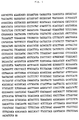
- Fig. 1 shows the nucleotide sequence of the Ang II type 1 receptor gene, derived from human placenta, contained in the plasmid pHARp116 (see Example 3).
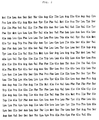
- Fig. 2 shows the amino acid sequence deduced from the Ang II type 1 receptor gene, derived from human placenta, contained in the plasmid pHARp116 (see Example 3).
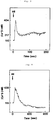
- Fig. 3 shows changes in intracellular calcium ion concentration in response to stimulation with Ang II in full-length heart-derived Ang II type 1 receptor expressing cells (see Example 11).
- Fig. 4 shows changes in intracellular calcium ion concentration in response to stimulation with Ang II in full-length placenta-derived Ang II type 1 receptor expressing cells (see Example 11).
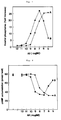
- Fig. 5 shows the dose-response curve of intracellular calcium ion concentration to stimulation with Ang II in full-length Ang II type 1 receptor expressing cells.
- Fig. 6 shows changes in intracellular inositol phosphate concentration in response to stimulation with Ang II in full-length Ang II type 1 in receptor expressing cells.
- Fig. 7 shows the dose-response curve of intracellular inositol-phosphate concentration to stimulation with Ang II in full-length Ang II type 1 receptor expressing cells.
- Fig. 8 shows changes in intracellular cyclic AMP concentration in response to stimulation with Ang II in full-length Ang II type-1 receptor expressing cells.
- the present invention provides:
- polypeptide can serve as polypeptide (I), as long as it is capable of receiving human Ang II, i.e. specifically binds to ligands capable of binding to human Ang II type 1 receptors, such as human Ang II antagonists and agonists for human Ang II type 1 receptor, and induces activation of intracellular substances (e.g., Ca ions) or behavior change by the resulting structural change, and contains the amino acid sequence represented by the above formula (I) (SEQ ID No. 1).
- Such polypeptides include (1) human Ang II type 1 receptor comprising the amino acid sequence shown in Fig. 2 (SEQ ID No.
- human Ang II type 1 receptor muteins such as proteins resulting from deletion or replacement of one or more of the amino acids at the 1-186 and 314-359 positions in the amino acid sequence shown in Fig. 2, and proteins resulting from addition of one or more amino acids to the N terminal or C terminal of the amino acid sequence shown in Fig. 2, with preference given to human Ang II type 1 receptor represented by the amino acid sequence shown in Fig. 2 (SEQ ID No. 6).
- Any DNA can serve as the recombinant DNA (A), as long as it contains a nucleotide sequence which codes for the amino acid sequence represented by formula I, whether part or all of the sequence is derived from a natural source or chemical synthesis, or combination of them.
- Any nucleotide sequence can serve to code for the amino acid sequence represented by formula I, with preference given to the nucleotide sequence represented by the following formula II:
- Recombinant DNA (A) is preferably the DNA represented by the nucleotide sequence shown in Fig. 1 (SEQ ID No. 5).
- Any nucleotide sequence can serve to code for the human Ang II type 1 receptor represented by the amino acid sequence shown in Fig. 2, with preference given to the nucleotide sequence represented by the following formula (which is same as the nucleotides at the 240-1316 positions in the nucleotide sequence shown in Fig. 1):
- a vector harboring recombinant DNA containing a gene which codes for the human Ang II type 1 (hAT1) receptor of the present invention can, for example, be produced by:
- the cDNA can also be produced by chemical synthesis.
- RNA which codes for a human Ang II type 1 receptor can be obtained from various human organs and cells. Methods of preparing RNA from these materials include the guanidine thiocyanate method [J.M. Chirgwin et al., Biochemistry, 18 , 5294 (1979)].
- reverse transcriptase may be added to synthesize cDNA [H. Okayama et al., Molecular and Cellular Biology, 2 , 161 (1982) and 3 , 280 (1983)].
- sense primer and antisense primer may be added to amplify a well-conserved region, based on the reported sequences for the Ang II type 1 receptor from bovine adrenal zona glomerulosa cells [K.
- PCR polymerase chain reaction
- kit e.g., a kit produced by Cetus/Perkin-Elmer
- the amplified cDNA can be separated by a known method such as agarose electrophoresis and then recovered from the gel.
- the nucleotide sequence of this cDNA can be determined by, for example, the "dideoxy" chain termination method [T. Messing et al., Nucleic Acids Research, 9 , 309 (1981)].
- the plasmid having the cloned cDNA may be used as such or after being cleaved with appropriate restriction enzyme and inserted to another vector (e.g., plasmid) as necessary.
- Examples of the plasmid for cDNA insertion include plasmids derived from Escherichia coli such as pBR322 [Gene, 2 , 95 (1977)], pBR325 [Gene, 4 , 121 (1978)], pUC12 [Gene, 19 , 259 (1982)], pUC13 [Gene, 19 , 259 (1982)], pUC118 and pUC119 [Methods in Enzymology, 153 , 3-11 (1987)] and those derived from Bacillus subtilis such as pUB110 [Biochemical and Biophysical Research Communications, 112 , 678 (1983)], but any other can be used for this purpose, as long as it is replicable and retainable in the host.
- plasmids derived from Escherichia coli such as pBR322 [Gene, 2 , 95 (1977)], pBR325 [Gene, 4 , 121 (1978)], pUC12 [Gene, 19
- Examples of the method of insertion to the plasmid include that described by T. Maniatis et al. in Molecular Cloning, Cold Spring Harbor Laboratory, page 239 (1982).
- the plasmid incorporating said cDNA may be a plasmid obtained using a cDNA library (with Escherichia coli x1776) host prepared by inserting a cDNA synthesized from human normal diploid cell mRNA to the pCD vector [see Okayama et al., Molecular Cell Biology, 3 , 280 (1983)], which cDNA library was given from Dr. Okayama at the Research Institute for Microbial Diseases, Osaka University.
- the plasmid thus obtained is introduced to an appropriate host such as a bacterium of the genus Escherichia or Bacillus .
- Exemplary bacteria of the genus Escherichia include Escherichia coli K12DH1 [Proceedings of the National Academy of Science, USA, 60 , 160 (1968)], M103 [Nucleic Acids Research, 9 , 309 (1981)], JM109 [Methods in Enzymology, 153 , 3-11 (1987)], JA221 [Journal of Molecular Biology, 120 , 517 (1978)], HB101 [Journal of Molecular Biology, 41 , 459 (1969)], C600 [Genetics 39 , 440 (1954)] and MC1061/P3 [Nature, 329 , 840 (1987)].
- Example bacteria of the genus Bacillus include Bacillus subtilis MI114 [Gene, 24 , 255 (1983)] and 207-21 [Journal of Biochemistry, 95 , 87 (1984)].
- Methods of transformation include the calcium chloride method and calcium chloride/rubidium chloride method described by T. Maniatis in Molecular Cloning, Cold Spring Harbor Laboratory, page 249 (1982).
- the desired clone is selected using a known method, such as colony hybridization [Gene, 10 , 63 (1980)] or DNA nucleotide sequencing [Proceedings of the National Academy of Science, USA 74 , 560 (1977); Nucleic Acids Research, 9 , 309 (1981)].
- a microorganism carrying a vector containing a nucleotide sequence which codes for the cloned hAT1 receptor is thus obtained.
- the plasmid is isolated from the microorganism.
- Methods of such isolation include the alkali method [H.C. Birmboim et al., Nucleic Acids Research, 1 , 1513 (1979)].
- the above vector containing a gene which codes for the cloned hAT1 receptor can be used as such or after being cleaved out with a restriction enzyme as necessary.
- the cloned gene is joined to the downstream of the promoter, in a vehicle (vector) suitable for its expression, to yield an expression vector.
- Exemplary vectors include the above-mentioned plasmids derived from Escherichia coli (e.g., pBR322, pBR325, pUC12, pUC13, pUC118, pUC119), plasmids derived from Bacillus subtilis (e.g., pUB110, pTP5, pC194), yeast-derived plasmids (e.g., pSH19, pSH15), bacteriophages such as ⁇ phage, animal viruses such as retrovirus and vaccinia virus and plasmids for animal cell expression (e.g., pcDNA I).
- Escherichia coli e.g., pBR322, pBR325, pUC12, pUC13, pUC118, pUC119
- Bacillus subtilis e.g., pUB110, pTP5, pC194
- yeast-derived plasmids e.g.
- the gene may have ATG (nucleotide sequence which codes for an appropriate signal peptide as desired) as a translational initiation codon at its 5'-terminal and TAA, TGA or TAG (preferably TGA) as a translational termination codon at its 3'-terminal.
- ATG nucleotide sequence which codes for an appropriate signal peptide as desired
- TAA nucleotide sequence which codes for an appropriate signal peptide as desired
- TAA preferably TGA
- TAG preferably TGA
- Preferred promoters include the T7 promoter, trp promoter, lac promoter, rec A promoter, ⁇ P L promoter and lpp promoter, when the transformation host belongs to the genus Escherichia ; the SPO1 promoter, SPO2 promoter and pen P promoter when the host belongs to Bacillus ; and the PHO5 promoter, PGK promoter, GAPDH promoter and ADH promoter when the host is a yeast. Preference is given to the case in which a bacterium of the genus Escherichia is used as host in combination with the trp promoter or T7 promoter.
- preferable promoters include the SV40-derived promoter, retrovirus promoter and human cytomegalovirus promoter, with preference given to the SV40-derived promoter.
- the thus-constructed expression vector containing a gene encoding an hAT1 receptor, is used to produce a transformant.
- the host include bacteria of the genus Escherichia , bacteria of the genus Bacillus , yeasts and animal cells, with preference given to animal cells.
- the bacteria of the genus Escherichia and of the genus Bacillus include the same as specified above.
- the host is preferably an animal cell, when the transformant cells are used for screening an agonist or an antagonist of the hAT1 receptor as described below.
- yeasts examples include Saccharomyces cerevisiae AH22R-, NA87-11A and DKD-5D.
- animal cells include simian cells COS-7, Vero, Chinese hamster ovary (CHO) cells, mouse L cells, mouse myeloma Sp2/O cells and human FL cells.
- the bacteria of the genus Escherichia can be transformed in accordance with the method described in the Proceedings of the National Academy of Science, USA, 69 , 2110 (1972), Gene, 17 , 107 (1982), for instance.
- Bacteria of the genus Bacillus can be transformed in accordance with the method described in Molecular and General Genetics, 168 , 111 (1979), for instance.
- Yeasts can be transformed in accordance with the method described in the Proceedings of the National Academy of Science, USA, 75 , 1929 (1978), for instance.
- Animal cells can be transformed in accordance with the method described in Virology, 52 , 456 (1973), for instance.
- a transformant resulting from transformation with a vector harboring the cDNA of hAT1 receptor is thus obtained.
- a liquid medium supplemented with carbon sources, nitrogen sources, minerals and other substances necessary for transformant growth.
- carbon sources include glucose, dextrin, soluble starch and sucrose.
- nitrogen sources include organic or inorganic substances such as ammonium salts, nitrates, corn steep liquor, peptone, casein, meat extract, soybean cake and potato extract.
- minerals include calcium chloride, sodium dihydrogen phosphate and magnesium chloride.
- Yeast extract, vitamins, growth factors and other additives may be added.
- the pH of the medium is preferably about 6 to 8.
- Examples of media preferably used to cultivate the genus Escherichia include M9 medium containing glucose and Casamino acid [Miller, Journal of Experiments in Molecular Genetics, 431-433, Cold Spring Harbor Laboratory, New York (1972)]. To increase promoter efficiency as necessary, a chemical agent such as 3 ⁇ -indolyl acrylic acid may be added.
- cultivation is normally carried out at about 15 to 43°C for about 3 to 24 hours, with aeration and/or stirring as necessary.
- cultivation is normally carried out at about 30 to 40°C for about 6 to 24 hours, with aeration and/or stirring as necessary.
- Examples of media for cultivating a transformant whose host is a yeast include Burkholder's minimal medium [Bostian, K.L. et al., Proceedings of the National Academy of Science, USA, 77 , 4505 (1980)].
- the preferable pH of the medium is pH of about 5 to 8.
- Cultivation is normally carried out at about 20 to 35°C for about 24 to 72 hours, with aeration and/or stirring as necessary.
- Examples of media for cultivating a transformant whose host is an animal cell include MEM medium [Science, 122 , 501 (1952)], DMEM medium [Virology, 8 , 396 (1959)], RPMI 1640 medium [Journal of the American Medical Association, 199 , 519 (1967)], 199 medium [Proceedings of the Society for the Biological Medicine, 73 , 1 (1950)] and ASF104 (produced by Ajinomoto). These media may be supplemented with about 5 to 20% fetal bovine serum. The pH is preferably about 6 to 8. Cultivation is normally carried out at about 30 to 40°C for about 15 to 60 hours, with aeration and/or stirring as necessary.
- Separation and purification of the hAT1 receptor of the present invention from the culture described above can, for example, be achieved as follows:
- the cells are collected by a known method after cultivation and suspended in a buffer containing a protein denaturant, such as guanidine hydrochloride, to elute the desired hAT1 receptor from the cells.
- a protein denaturant such as guanidine hydrochloride
- the cells are disrupted by ultrasonication, lysozyme treatment and/or freeze-thawing, alter which they are centrifuged to separate the receptor of the invention.
- the method using a combination of lysozyme treatment and ultrasonication is preferred.
- known methods of separation and purification can be used in combination as appropriate.
- Such known methods of separation and purification include those based on solubility differences such as salting-out and solvent precipitation, those based mainly on molecular weight differences such as dialysis, ultrafiltration, gel filtration and SDS-polyacrylamide gel electrophoresis, those based on charge differences such as ion exchange chromatography, those based on specific affinity such as affinity chromatography, those based on hydrophobicity differences such as reverse-phase high performance liquid chromatography, and those based on isoelectric point differences such as isoelectric focusing.
- the thus-obtained hAT1 receptor of the present invention may be prepared as a dry powder by dialysis, lyophilization and other treatments. It is appropriate to add serum albumin etc. as a carrier in storing the hAT1 receptor, since its adsorption to the container is prevented.
- the hAT1 receptor of the present invention is thus obtained, in a substantially pure form.
- the substantially pure protein of the present invention has a protein content of not less than 95% (w/w), preferably not less than 98% (w/w).
- the hAT1 receptor thus obtained, the cells containing, specifically expressing, the receptor, cell membrane preparations therefrom, or the like can be used for screening of substances exhibiting antagonist or agonist activity against the hAT1 receptor, in which the amount of ligand bound to the hAT1 receptor is determined in a ligand binding test, for instance. Especially, it is suitable for identifying an anti-Ang II substance which inhibits the binding of Ang II to the receptor in the presence of the hAT1 receptor of the present invention and Ang II as the ligand. Since thus obtained animal cells of the present invention specifically express the human Ang II type 1 receptor of human origin, they make it possible to accurately determine the bioactivity of an antagonist or agonist against said receptor.
- a hAT1 receptor agonist can be screened by a method which comprises screening a substance capable of changing an amount or a concentration of these ligand responsive substances intracellularly existing in an animal cell comprising the polypeptide of the present invention.
- an Ang II substance including a hAT1 receptor antagonist can be screened by a method which comprises screening a substance, in the presence of an animal cell comprising the polypeptide of the present invention and a known ligand of the receptor such as Ang II, which is capable of inhibiting the changes of the substance intracellularly existing in the cell in response to the ligand for the receptor.
- the anti-Ang II substance is hAT1 receptor antagonist
- the competitive inhibition would be shown in the screening.
- the substance exhibiting the binding ability against the receptor in the ligand binding test is a suitable sample to supply to these screening to obtain the agonist or antagonist of the hAT1 receptor.
- the anti-Ang II substance especially hAT1 receptor antagonist, can be screened with high quality by the method of the present invention.
- the hAT1 receptor can be used as an Ang II-masking protein.
- the transformant obtained according to the present invention, which expresses the hAT1 receptor, and parts thereof can be efficiently used as an antigen to obtain antibodies against said receptor, whereby the distribution, content and other aspects of the Ang II type 1 receptor, present in trace amounts in vivo, can be determined by the fluorescent antibody method, western blotting method and other methods.
- the new recombinant DNA obtained in accordance with the present invention can be used as a probe to determine the content of the human Ang II type 1 receptor, present in trace amounts in vivo, by the northern blotting method and other method.
- the transformant Escherichia coli MC1061/P3/pHARp206 obtained in the following Example 4 has been deposited under accession number of IFO 15279 at the Institute for Fermentation, Osaka (IFO) since March 31, 1992 and under accession number of FERM BP-3831 at the Fermentation Research Institute (FRI), Agency of Industrial Science and Technology, Ministry of International Trade and Industry since April 13, 1992.
- Example 1 Search for well-conserved region at nucleotide sequence level in bovine Ang II type 1 receptor and rat Ang II type 1 receptor
- Example 2 Amplification of well-conserved region from cDNA library of human placenta origin by PCR and nucleotide sequencing
- the PCR product was separated by 1.2% agarose gel electrophoresis; an amplified DNA fragment was seen at a position corresponding to the size (267 bp) expected from the nucleotide sequence for the Ang II type 1 receptor of bovine origin.
- the nucleotide sequence of the cDNA portion was determined using an automatic nucleotide sequencer (produced by Applied Biosystems, Inc.) based on the "dideoxy" chain termination method [J. Messing et al., Nucleic Acids Research, 9 , 309 (1981)].
- the DNA fragment was found to contain a well-conserved region for Ang II type 1 receptor gene clearly different from either of the reported sequences of bovine and rat origins.
- the reported human chromosomal Ang II type 1 receptor gene [H. Furuta et al., Biochemical and Biophysical Research Communications, 183 , 8 (1992)] was also found to contain a portion corresponding to this well-conserved region.
- the plasmid containing this cDNA fragment was named pHARp101.
- Example 3 Obtaining full-length human Ang II type 1 receptor gene by plaque hybridization using human Ang II type 1 receptor gene fragment
- the EcoRI-HindIII fragment, containing the cDNA portion, of the above-described plasmid pHARp101 was labeled with 32P and used as a probe. Then, a cDNA library from human placenta was developed over 10 plates at about 40,000 plaques/plate and replicated onto a nitrocellulose membrane (S & S), followed by plaque hybridization using the probe. Hybridization was conducted in a solution containing 6 ⁇ SSC, 5 ⁇ Denhardt's solution, 1% SDS and 100 ⁇ g/ml denatured bovine thymic DNA while incubating at 65°C for 1 day. Washing was conducted in a 0.1 ⁇ SSC solution containing 0.05% SDS while incubating at 68°C for 1 hour.
- ⁇ HARp101 through 106 Six plaques ( ⁇ HARp101 through 106) that hybridized with the probe were thus obtained.
- ⁇ HARp106 contained the longest cDNA fragment, which cDNA portion was inserted to the EcoRI site of pUC118, the resulting plasmid being named the plasmid pHARp116.
- the nucleotide sequence of the cDNA portion was determined, using an automatic nucleotide sequencer (produced by Applied Biosystems, Inc.), based on the dideoxynucleotide synthetic chain termination method.
- the nucleotide sequence and the amino acid sequence deduced therefrom are given in Fig. 1 (SEQ. ID No. 5) and Fig. 2 (SEQ. ID No. 6), respectively.
- the amino acid sequence deduced from this cDNA proved highly homologous with the reported bovine, rat and human receptor sequences, suggesting that it is a typical feature of G protein-coupled receptor like these receptors.
- the present receptor was found to be a human Ang II type 1 receptor polypeptide of a new sequence, clearly different from any known sequence. It is conjectured that the hAT1 receptor obtained here belongs to a subtype different from that of the reported human Ang II type 1 receptor [H. Furuta et al., Biochemical and Biophysical Research Communications. 183 , 8 (1992)].
- Example 4 Preparation of recombinant DNA for expression in animal cells of full-length Ang II type 1 receptor gene from human placenta (1)
- pcDNA I a derivative from the vector pCDM8 (Invitrogen, Corp.) [B. Seed et al.
- Example 5 Expression of full-length Ang II type 1 receptor gene from human placenta in animal cells (1)
- HBS buffer 8.0 g/l sodium chloride, 380 mg/l potassium chloride, 200 mg/l disodium monohydrogen phosphate, 5.9 g/l HEPES, 15 mg/l calcium chloride dihydrate, 10 mg/l magnesium chloride hexahydrate, pH 7.45.
- HBS buffer 8.0 g/l sodium chloride, 380 mg/l potassium chloride, 200 mg/l disodium monohydrogen phosphate, 5.9 g/l HEPES, 15 mg/l calcium chloride dihydrate, 10 mg/l magnesium chloride hexahydrate, pH 7.45.
- the resulting solution was mixed with 50 ⁇ l of a DEAE-dextran solution (20 g/l DEAE-dextran, 9.0 g/l sodium chloride), and this mixture was added to the cells drop by drop uniformly, to yield CHOdhfr ⁇ cells transformed with the plasmid pHARp206 (CHOdhfr ⁇ /pHARp206).
- Example 6 Change in intracellular calcium ion concentration in response to Ang II administration in animal cells expressing full-length Ang II type 1 receptor gene from human placenta
- HEPES buffer 140 mM sodium chloride, 5 mM potassium chloride, 1 mM magnesium sulfate, 1 mM disodium monohydrogen phosphate, 1 mM calcium chloride, 25 mM glucose, 25 mM HEPES; pH 7.2
- HEPES buffer 140 mM sodium chloride, 5 mM potassium chloride, 1 mM magnesium sulfate, 1 mM disodium monohydrogen phosphate, 1 mM calcium chloride, 25 mM glucose, 25 mM HEPES; pH 7.2
- HEPES buffer 140 mM sodium chloride, 5 mM potassium chloride, 1 mM magnesium sulfate, 1 mM disodium monohydrogen phosphate, 1 mM calcium chloride, 25 mM glucose, 25 mM HEPES; pH 7.2
- 4 ml of a HEPES buffer containing 4 ⁇ M Fura-2AM Dojin Kagaku
- a quartz cuvette (1 ⁇ 1 ⁇ 4 cm) was set to a HITACHI fluorophotometer model F-4000, a stirring rod was placed therein, and 2.5 ml of a HEPES buffer containing 0.05% (w/v) BSA was added. After equilibration at 37°C, the transformant cells, along with the slide glass, were inserted to the cuvette. Fluorescence at a wavelength of 505 nm, generated upon excitation with ultraviolet rays of wavelengths of 340 nm and 380 nm, was measured. Alter fluorescence stabilized, Ang II was added to a final concentration of 1 ⁇ M. Several seconds later, a change in fluorescence resulting from an increase in intracellular Ca ion concentration was seen.
- Example 7 Preparation of recombinant DNA for expression of full-length Ang II type 1 receptor gene from human placenta in animal cells (2)
- Example 8 Expression of full-length Ang II type 1 receptor gene from human placenta in animal cells (2)
- TSMB buffer 50 mM Tris buffer, pH 7.5, 150 mM sodium chloride, 5 mM magnesium chloride, 0.2% (w/v) BSA, 40 ⁇ g/ml bacitracin, 4 ⁇ g/ml leupeptin, 4 ⁇ g/ml chymostatin, 4 ⁇ g/ml pepstatin A, 5 ⁇ M phosphoramidon
- 1 ml of a TSMB buffer containing a 100 pM ligand [125I]-labeled Ang II, 2000 Ci/mmol, produced by Amersham
- Example 10 Obtainment of animal cell line stably expressing full-length Ang II type 1 receptor gene from human placenta
- CHOdhfr ⁇ cells grown on a plate of 6 cm diameter 5 ⁇ g of pHARp306 and 0.5 ⁇ g of pTB348, a plasmid that expresses the dhfr gene, were introduced using the Transfectum reagent (Wako Pure Chemical Industries, Ltd.).
- CHOdhrf+ cells that grew on a DMEM medium containing 10% (v/v) dialyzed-FCS and 35 ⁇ g/ml L-proline were isolated.
- Ang II binding activity was determined by the method described in Example 9; a cell clone showing high affinity to Ang II was obtained.
- This clone was identified as a CHO cell line stably expressing the full-length Ang II type 1 receptor of human placental origin, designated as CHO/pHARp306, and used in the following experiments.
- This gene was inserted to pTB701, in accordance with the method of Example 7, to yield the expression plasmid pHARt306, which was then introduced to CHOdhfr ⁇ cells as described above to establish a CHO line stably expressing the full-length Ang II type 1 receptor gene of human heart origin, designated as CHO/pHARt306, and used as control in the following experiments.
- Example 11 Changes in intracellular calcium ion concentration in response to stimulation with Ang II in CHO cells (CHO/pHARp306) stably expressing the full-length Ang II type 1 receptor gene of human placental origin
- the maximum change in intracellular calcium ion concentration was thrice measured at final Ang II concentrations of 1 pM to 10 ⁇ M.
- the Ang II type 1 receptor of the present invention was subject to specific inhibition of intracellular calcium ion concentration change at high concentrations of Ang II.
- Example 12 Changes in intracellular inositol phosphate (IPs) concentration in response to stimulation with Ang II in CHO cells (CHO/pHARp306) stably expressing the full-length Ang II type 1 receptor gene of human placental origin
- a DMEM medium containing 10% (v/v) dialyzed-FCS and 35 ⁇ g/ml L-proline was added, and 1 ⁇ 105 CHO/pHAR306 cells were inoculated.
- the medium was replaced with the same medium but containing 1 ⁇ Ci/ml [3H]-labeled inositol (Amersham), and cultivation was continued for 24 hours.
- the petri dish was twice washed with a PBS buffer (FLOW Laboratories) containing 0.2% (w/v) BSA and then kept standing for 30 minutes, after which it was kept standing at 37°C for 30 minutes in the presence of the same buffer but containing 10 mM lithium chloride.
- Ang II was added to a final concentration of 100 nM, and the petri dish was kept standing at 37°C for a given period of time.
- the reaction time exceeded 30 seconds, the reaction mixture was removed using an aspirator, after which 1 ml of a 5% (w/v) trichloroacetic acid solution was added to each well to stop the reaction.
- the reaction time was 5 to 30 seconds, 1 ml of a 10% (w/v) trichloroacetic acid solution was injected directly to each well to stop the reaction.
- IPs [3H]-labeled inositol phosphate
- IP1 inositol monophosphate
- IP2 inositol diphosphate
- IP3 inositol triphosphate
- IPs production following 20 minutes after stimulation was thrice measured at final Ang II concentrations of 1 pM to 10 ⁇ M. IPs production was suppressed in response to stimulation with high concentrations of Ang II in CHO/pHARp306 cells (see Figure 7B). At the same time, control CHO/pHARt306 cells were tested, but IPs production was not suppressed even in the presence of high concentrations of Ang II (see Figure 7A). This demonstrates that the Ang II type 1 receptor of the present invention, unlike the reported Ang II type 1 receptor, is subject to specific inhibition of IPs production at high concentrations of Ang II.
- Example 13 Changes in intracellular cyclic adenosine monophosphate (cAMP) concentration in response to stimulation with Ang II in CHO cells (CHO/pHARp306) stably expressing the full-length Ang II type 1 receptor gene of human placental origin
- cAMP cyclic adenosine monophosphate
- a DMEM medium containing 10% (v/v) dialyzed FCS and 35 ⁇ g/ml L-proline was added, and 1 ⁇ 105 CHO/pHAR306 cells were inoculated.
- the petri dish was twice washed with a PBS buffer (FLOW Laboratories) containing 0.2% (w/v) BSA and 1 mM 3-isobutyl-1-methylxanthine (IBMX) and then kept standing at 37°C for 20 minutes, after which Ang II was added to a final concentration of 100 nM, and the petri dish was kept standing at 37°C for 10 minutes.
- PBS buffer FLOW Laboratories
- IBMX 3-isobutyl-1-methylxanthine
- CHO/pHARp306 cells had no suppression of cAMP production upon stimulation with high concentrations of Ang II, though they showed the same pattern of cAMP production suppression as with control cells, in response to stimulation with low concentrations of Ang II (see Figure 8B).
- a cell membrane fraction was extracted from the stably expressing line described in Example 10 (CHO/pHARp306), in accordance with the method described in the Journal of Pharmacology and Experimental Therapeutics, 244 , 571 (1988), and stored at ⁇ 80°C until using for determination of binding activity. All measurements were performed in a series of three runs. Non-specific binding was defined as the amount of binding in the presence of 1 ⁇ M Ang II. An aliquot of membrane fraction equivalent to 10 ⁇ g of protein was suspended in a 0.1% (w/v) BSA solution containing 25 mM Tris (pH 7.6) and 5 mM magnesium chloride, to yield a 194 ⁇ l suspension.
- IC50 value the ⁇ log (M) value of the sample concentration (M) resulting in 50% binding was defined as IC50 value.
- a membrane fraction was also extracted from control CHO/pHARt306 cells in the same manner as above, and assayed using the same assay system.
- the samples used were Ang I, Ang II and Ang III as agonists, and DuP753, PD123177 (described above, see Example 8), CV-11974 (Working Example 2 and Table 3 for EP 459136), CV-12843 (Working Example 38 for EP445811) and CV-12426 (Working Example 22 for EP 483683) as antagonists.
- the Ang II type 1 receptor of human placental origin was shown to have a ligand binding site different in affinity from that of the reported Ang II type 1 receptor of human heart origin (see Table 2A).
- Table 2 Sample Competition; IC50 [-log(M)] A A Agonist AI 6.44 6.99 AII 9.75 10.18 AIII 7.57 9.07 Antagonist DuP753 8.11 7.48 PD123177 ⁇ 6.00 5.49 CV-11974 9.48 9.61 CV-12843 8.32 6.62 CV-12426 6.10 8.46
Landscapes
- Health & Medical Sciences (AREA)
- Chemical & Material Sciences (AREA)
- Life Sciences & Earth Sciences (AREA)
- Organic Chemistry (AREA)
- Biophysics (AREA)
- Medicinal Chemistry (AREA)
- Zoology (AREA)
- Gastroenterology & Hepatology (AREA)
- Immunology (AREA)
- Biochemistry (AREA)
- Cell Biology (AREA)
- General Health & Medical Sciences (AREA)
- Genetics & Genomics (AREA)
- Toxicology (AREA)
- Molecular Biology (AREA)
- Proteomics, Peptides & Aminoacids (AREA)
- Endocrinology (AREA)
- Preparation Of Compounds By Using Micro-Organisms (AREA)
- Micro-Organisms Or Cultivation Processes Thereof (AREA)
- Medicines That Contain Protein Lipid Enzymes And Other Medicines (AREA)
- Peptides Or Proteins (AREA)
Applications Claiming Priority (9)
| Application Number | Priority Date | Filing Date | Title |
|---|---|---|---|
| JP85445/92 | 1992-04-07 | ||
| JP8544592 | 1992-04-07 | ||
| JP8544592 | 1992-04-07 | ||
| JP10139392 | 1992-04-21 | ||
| JP101393/92 | 1992-04-21 | ||
| JP10139392 | 1992-04-21 | ||
| JP2783593 | 1993-02-17 | ||
| JP27835/93 | 1993-02-17 | ||
| JP2783593 | 1993-02-17 |
Publications (2)
| Publication Number | Publication Date |
|---|---|
| EP0585520A1 true EP0585520A1 (de) | 1994-03-09 |
| EP0585520B1 EP0585520B1 (de) | 2000-03-15 |
Family
ID=27285967
Family Applications (1)
| Application Number | Title | Priority Date | Filing Date |
|---|---|---|---|
| EP93105758A Expired - Lifetime EP0585520B1 (de) | 1992-04-07 | 1993-04-07 | Angiotensin-II Typ-1 Rezeptor und dessen Herstellung |
Country Status (5)
| Country | Link |
|---|---|
| US (2) | US5427922A (de) |
| EP (1) | EP0585520B1 (de) |
| AT (1) | ATE190630T1 (de) |
| CA (1) | CA2093495A1 (de) |
| DE (1) | DE69328060T2 (de) |
Cited By (2)
| Publication number | Priority date | Publication date | Assignee | Title |
|---|---|---|---|---|
| WO2004099772A3 (en) * | 2003-05-06 | 2005-05-26 | Bayer Healthcare Ag | Diagnostics and therapeutics for diseases associated with g-protein-coupled receptor agtr1a (agtr1a) |
| EP1343006A4 (de) * | 2000-11-15 | 2007-06-06 | Akiko Itai | Verfahren zur charakterisierung von proteinen |
Families Citing this family (8)
| Publication number | Priority date | Publication date | Assignee | Title |
|---|---|---|---|---|
| US5427922A (en) * | 1992-04-07 | 1995-06-27 | Takeda Chemical Industries, Ltd. | DNA encoding a new angiotensin II type 1 receptor subtype and its expression |
| US5688640A (en) * | 1994-08-10 | 1997-11-18 | Board Of Regents, The University Of Texas System | Methods of screening of effectors of endothelin converting enzyme-1 |
| US5736376A (en) * | 1995-12-19 | 1998-04-07 | Board Of Regents, The University Of Texas System | Recombinant endothelin converting enzyme-2 and its use in ECE inhibitor screening |
| US6306826B1 (en) | 1997-06-04 | 2001-10-23 | The Regents Of The University Of California | Treatment of heart failure with growth hormone |
| CA2314811A1 (en) * | 2000-08-02 | 2002-02-02 | Brian Archibald Macvicar | Autoimmunity to angiotensin at1 receptors in schizophrenia |
| WO2002081733A1 (en) * | 2001-04-06 | 2002-10-17 | Marshfield Medical Research & Education Foundation | Method of detecting and evaluating angiotensinogen receptor-modulating compounds using placental cells |
| GB0219524D0 (en) | 2002-08-21 | 2002-10-02 | Queen Mary & Westfield College | Therapeutic uses of monoclonal antibodies to the angiotensin-II type-1 receptor |
| GB0802931D0 (en) | 2008-02-18 | 2008-03-26 | Queen Mary & Westfield College | Synthetic scFv analogue to the 6313/G2 (anti angiotensin II type 1 receptor) monoclonal anitbody variable regions |
Family Cites Families (1)
| Publication number | Priority date | Publication date | Assignee | Title |
|---|---|---|---|---|
| US5427922A (en) * | 1992-04-07 | 1995-06-27 | Takeda Chemical Industries, Ltd. | DNA encoding a new angiotensin II type 1 receptor subtype and its expression |
-
1993
- 1993-03-31 US US08/041,219 patent/US5427922A/en not_active Expired - Fee Related
- 1993-04-06 CA CA002093495A patent/CA2093495A1/en not_active Abandoned
- 1993-04-07 EP EP93105758A patent/EP0585520B1/de not_active Expired - Lifetime
- 1993-04-07 AT AT93105758T patent/ATE190630T1/de not_active IP Right Cessation
- 1993-04-07 DE DE69328060T patent/DE69328060T2/de not_active Expired - Fee Related
-
1995
- 1995-04-05 US US08/417,122 patent/US5595882A/en not_active Expired - Fee Related
Non-Patent Citations (4)
| Title |
|---|
| BIOCHEM.BIOPHS.RES.COMMUN. vol. 183, no. 1, 23 February 1992, NEW YORK H.FURUTA ET AL. 'Molecular cloning and sequencing of the gene encoding human Angiotensin II type 1 receptor' * |
| BIOCHEM.BIOPHS.RES.COMMUN. vol. 183, no. 2, 16 March 1992, NEW YORK pages 910 - 916 R.TAKAYANAGI ET AL. 'Molecular cloning, sequence analysis and expression of a cDNA encoding human type-1 Angiotensin II receptor' * |
| BIOCHEM.BIOPHS.RES.COMMUN. vol. 183, no. 3, 31 March 1992, NEW YORK pages 1090 - 1096 S.S.KAKAR ET AL. 'Angiotensin type-1 receptor subtype cDNAs: differential expression and hormonal regulation' * |
| BIOCHEM.BIOPHS.RES.COMMUN. vol. 183, no. 3, 31 March 1992, NEW YORK pages 989 - 995 D.J.BERGSMA ET AL. 'Cloning and characterization of a human Angiotensin II type 1 receptor' * |
Cited By (2)
| Publication number | Priority date | Publication date | Assignee | Title |
|---|---|---|---|---|
| EP1343006A4 (de) * | 2000-11-15 | 2007-06-06 | Akiko Itai | Verfahren zur charakterisierung von proteinen |
| WO2004099772A3 (en) * | 2003-05-06 | 2005-05-26 | Bayer Healthcare Ag | Diagnostics and therapeutics for diseases associated with g-protein-coupled receptor agtr1a (agtr1a) |
Also Published As
| Publication number | Publication date |
|---|---|
| DE69328060T2 (de) | 2000-07-13 |
| DE69328060D1 (de) | 2000-04-20 |
| US5595882A (en) | 1997-01-21 |
| CA2093495A1 (en) | 1993-10-08 |
| US5427922A (en) | 1995-06-27 |
| EP0585520B1 (de) | 2000-03-15 |
| ATE190630T1 (de) | 2000-04-15 |
Similar Documents
| Publication | Publication Date | Title |
|---|---|---|
| US5885794A (en) | Recombinant production of vertebrate activin receptor polypeptides and identification of receptor DNAs in the activin/TGF-β superfamily | |
| Koller et al. | Conservation of the kinaselike regulatory domain is essential for activation of the natriuretic peptide receptor guanylyl cyclases | |
| US6440693B1 (en) | TNF receptors, TNF binding proteins and DNAS coding for them | |
| US5670338A (en) | DNA encoding bone morphogenetic proteins, host cells transformed there by, and uses thereof | |
| EP0468337B1 (de) | DNS, die ein menschliches, gefässverengendes Peptid kodiert, und dessen Verwendung | |
| EP0849361B1 (de) | Neue Liganden des Neuropeptide Rezeptors HFGAN72 | |
| US5237051A (en) | Purified enterotoxin receptor protein | |
| EP0366016B1 (de) | Endothelin-DNA und ihre Verwendung | |
| WO1998056820A1 (en) | Hm74a receptor | |
| EP0585520B1 (de) | Angiotensin-II Typ-1 Rezeptor und dessen Herstellung | |
| US5643749A (en) | Soluble interferon α-receptor, its preparation and use | |
| JPH08502737A (ja) | セロトニン作動性レセプター活性を有するポリペプチド(5ht2c)及び利用 | |
| JP2807474B2 (ja) | Dnaおよびその用途 | |
| AU6327396A (en) | A c5a-like seven transmembrane receptor | |
| US5576192A (en) | Prostaglandin E receptors, their DNA and production | |
| WO2000049170A1 (en) | MURINE 11cby RECEPTOR | |
| JP3366358B2 (ja) | ヒトカルシニューリンAαアイソフォーム蛋白質をコードするDNAおよびその用途 | |
| JP3120856B2 (ja) | Dnaおよびその用途 | |
| JPH06298799A (ja) | ヒトアンジオテンシンiiタイプ1レセプター、その製造法および用途 | |
| EP0770094A1 (de) | An modifiziertes g-protein gekoppelte rezeptoren | |
| JPH08143597A (ja) | ヒト・ニューロテンシンレセプター蛋白質、その製造法および用途 | |
| WO2001010889A1 (en) | Rat-g-protein coupled receptor brs3 | |
| JP3007361B2 (ja) | Dnaおよびその用途 | |
| JP2812957B2 (ja) | Dnaおよびその用途 | |
| US20020026042A1 (en) | Polynucleotide and polypeptide sequence of rabbit G-protein alpha 16 |
Legal Events
| Date | Code | Title | Description |
|---|---|---|---|
| PUAI | Public reference made under article 153(3) epc to a published international application that has entered the european phase |
Free format text: ORIGINAL CODE: 0009012 |
|
| AK | Designated contracting states |
Kind code of ref document: A1 Designated state(s): AT BE CH DE DK ES FR GB GR IE IT LI LU NL PT SE |
|
| 17P | Request for examination filed |
Effective date: 19940728 |
|
| 17Q | First examination report despatched |
Effective date: 19990415 |
|
| GRAG | Despatch of communication of intention to grant |
Free format text: ORIGINAL CODE: EPIDOS AGRA |
|
| GRAG | Despatch of communication of intention to grant |
Free format text: ORIGINAL CODE: EPIDOS AGRA |
|
| GRAH | Despatch of communication of intention to grant a patent |
Free format text: ORIGINAL CODE: EPIDOS IGRA |
|
| RIC1 | Information provided on ipc code assigned before grant |
Free format text: 6C 07K 14/72 A |
|
| GRAH | Despatch of communication of intention to grant a patent |
Free format text: ORIGINAL CODE: EPIDOS IGRA |
|
| GRAA | (expected) grant |
Free format text: ORIGINAL CODE: 0009210 |
|
| AK | Designated contracting states |
Kind code of ref document: B1 Designated state(s): AT BE CH DE DK ES FR GB GR IE IT LI LU NL PT SE |
|
| PG25 | Lapsed in a contracting state [announced via postgrant information from national office to epo] |
Ref country code: NL Free format text: LAPSE BECAUSE OF FAILURE TO SUBMIT A TRANSLATION OF THE DESCRIPTION OR TO PAY THE FEE WITHIN THE PRESCRIBED TIME-LIMIT Effective date: 20000315 Ref country code: IT Free format text: LAPSE BECAUSE OF FAILURE TO SUBMIT A TRANSLATION OF THE DESCRIPTION OR TO PAY THE FEE WITHIN THE PRESCRIBED TIME-LIMIT;WARNING: LAPSES OF ITALIAN PATENTS WITH EFFECTIVE DATE BEFORE 2007 MAY HAVE OCCURRED AT ANY TIME BEFORE 2007. THE CORRECT EFFECTIVE DATE MAY BE DIFFERENT FROM THE ONE RECORDED. Effective date: 20000315 Ref country code: GR Free format text: LAPSE BECAUSE OF NON-PAYMENT OF DUE FEES Effective date: 20000315 Ref country code: ES Free format text: THE PATENT HAS BEEN ANNULLED BY A DECISION OF A NATIONAL AUTHORITY Effective date: 20000315 Ref country code: BE Free format text: LAPSE BECAUSE OF FAILURE TO SUBMIT A TRANSLATION OF THE DESCRIPTION OR TO PAY THE FEE WITHIN THE PRESCRIBED TIME-LIMIT Effective date: 20000315 Ref country code: AT Free format text: LAPSE BECAUSE OF FAILURE TO SUBMIT A TRANSLATION OF THE DESCRIPTION OR TO PAY THE FEE WITHIN THE PRESCRIBED TIME-LIMIT Effective date: 20000315 |
|
| PGFP | Annual fee paid to national office [announced via postgrant information from national office to epo] |
Ref country code: FR Payment date: 20000315 Year of fee payment: 8 |
|
| REF | Corresponds to: |
Ref document number: 190630 Country of ref document: AT Date of ref document: 20000415 Kind code of ref document: T |
|
| REG | Reference to a national code |
Ref country code: CH Ref legal event code: EP |
|
| PGFP | Annual fee paid to national office [announced via postgrant information from national office to epo] |
Ref country code: SE Payment date: 20000323 Year of fee payment: 8 |
|
| ET | Fr: translation filed | ||
| PGFP | Annual fee paid to national office [announced via postgrant information from national office to epo] |
Ref country code: DE Payment date: 20000331 Year of fee payment: 8 Ref country code: CH Payment date: 20000331 Year of fee payment: 8 |
|
| REG | Reference to a national code |
Ref country code: CH Ref legal event code: NV Representative=s name: A. BRAUN, BRAUN, HERITIER, ESCHMANN AG PATENTANWAE |
|
| PGFP | Annual fee paid to national office [announced via postgrant information from national office to epo] |
Ref country code: GB Payment date: 20000405 Year of fee payment: 8 |
|
| PG25 | Lapsed in a contracting state [announced via postgrant information from national office to epo] |
Ref country code: LU Free format text: LAPSE BECAUSE OF NON-PAYMENT OF DUE FEES Effective date: 20000407 Ref country code: IE Free format text: LAPSE BECAUSE OF NON-PAYMENT OF DUE FEES Effective date: 20000407 |
|
| REF | Corresponds to: |
Ref document number: 69328060 Country of ref document: DE Date of ref document: 20000420 |
|
| REG | Reference to a national code |
Ref country code: IE Ref legal event code: FG4D |
|
| PG25 | Lapsed in a contracting state [announced via postgrant information from national office to epo] |
Ref country code: PT Free format text: LAPSE BECAUSE OF FAILURE TO SUBMIT A TRANSLATION OF THE DESCRIPTION OR TO PAY THE FEE WITHIN THE PRESCRIBED TIME-LIMIT Effective date: 20000615 Ref country code: DK Free format text: LAPSE BECAUSE OF FAILURE TO SUBMIT A TRANSLATION OF THE DESCRIPTION OR TO PAY THE FEE WITHIN THE PRESCRIBED TIME-LIMIT Effective date: 20000615 |
|
| NLV1 | Nl: lapsed or annulled due to failure to fulfill the requirements of art. 29p and 29m of the patents act | ||
| PLBE | No opposition filed within time limit |
Free format text: ORIGINAL CODE: 0009261 |
|
| REG | Reference to a national code |
Ref country code: IE Ref legal event code: MM4A |
|
| 26N | No opposition filed | ||
| PG25 | Lapsed in a contracting state [announced via postgrant information from national office to epo] |
Ref country code: GB Free format text: LAPSE BECAUSE OF NON-PAYMENT OF DUE FEES Effective date: 20010407 |
|
| PG25 | Lapsed in a contracting state [announced via postgrant information from national office to epo] |
Ref country code: SE Free format text: LAPSE BECAUSE OF NON-PAYMENT OF DUE FEES Effective date: 20010408 |
|
| PG25 | Lapsed in a contracting state [announced via postgrant information from national office to epo] |
Ref country code: FR Free format text: THE PATENT HAS BEEN ANNULLED BY A DECISION OF A NATIONAL AUTHORITY Effective date: 20010430 |
|
| PG25 | Lapsed in a contracting state [announced via postgrant information from national office to epo] |
Ref country code: LI Free format text: LAPSE BECAUSE OF NON-PAYMENT OF DUE FEES Effective date: 20010506 Ref country code: CH Free format text: LAPSE BECAUSE OF NON-PAYMENT OF DUE FEES Effective date: 20010506 |
|
| GBPC | Gb: european patent ceased through non-payment of renewal fee |
Effective date: 20010407 |
|
| EUG | Se: european patent has lapsed |
Ref document number: 93105758.2 |
|
| REG | Reference to a national code |
Ref country code: CH Ref legal event code: PL |
|
| PG25 | Lapsed in a contracting state [announced via postgrant information from national office to epo] |
Ref country code: DE Free format text: LAPSE BECAUSE OF NON-PAYMENT OF DUE FEES Effective date: 20020201 |
|
| REG | Reference to a national code |
Ref country code: FR Ref legal event code: ST |