EP0589831A1 - Mörtel und Vorrichtung zur Befestigung von Verankerungsmitteln in Bohrlöchern - Google Patents
Mörtel und Vorrichtung zur Befestigung von Verankerungsmitteln in Bohrlöchern Download PDFInfo
- Publication number
- EP0589831A1 EP0589831A1 EP93810621A EP93810621A EP0589831A1 EP 0589831 A1 EP0589831 A1 EP 0589831A1 EP 93810621 A EP93810621 A EP 93810621A EP 93810621 A EP93810621 A EP 93810621A EP 0589831 A1 EP0589831 A1 EP 0589831A1
- Authority
- EP
- European Patent Office
- Prior art keywords
- compounds
- mortar
- hardenable
- weight
- polycondensable
- Prior art date
- Legal status (The legal status is an assumption and is not a legal conclusion. Google has not performed a legal analysis and makes no representation as to the accuracy of the status listed.)
- Granted
Links
- 239000004570 mortar (masonry) Substances 0.000 title claims abstract description 61
- 238000004873 anchoring Methods 0.000 title claims abstract description 13
- 150000001875 compounds Chemical class 0.000 claims abstract description 43
- 229920001567 vinyl ester resin Polymers 0.000 claims abstract description 23
- 125000000391 vinyl group Chemical group [H]C([*])=C([H])[H] 0.000 claims abstract description 12
- 239000004848 polyfunctional curative Substances 0.000 claims description 22
- 239000004568 cement Substances 0.000 claims description 19
- XLYOFNOQVPJJNP-UHFFFAOYSA-N water Substances O XLYOFNOQVPJJNP-UHFFFAOYSA-N 0.000 claims description 15
- 239000000835 fiber Substances 0.000 claims description 14
- 239000003795 chemical substances by application Substances 0.000 claims description 12
- 239000000945 filler Substances 0.000 claims description 11
- 239000000126 substance Substances 0.000 claims description 11
- 150000001252 acrylic acid derivatives Chemical class 0.000 claims description 9
- UQSXHKLRYXJYBZ-UHFFFAOYSA-N Iron oxide Chemical compound [Fe]=O UQSXHKLRYXJYBZ-UHFFFAOYSA-N 0.000 claims description 8
- 239000004593 Epoxy Substances 0.000 claims description 7
- 239000007864 aqueous solution Substances 0.000 claims description 5
- 239000002904 solvent Substances 0.000 claims description 5
- 239000003085 diluting agent Substances 0.000 claims description 4
- 125000000864 peroxy group Chemical group O(O*)* 0.000 claims description 4
- UHESRSKEBRADOO-UHFFFAOYSA-N ethyl carbamate;prop-2-enoic acid Chemical class OC(=O)C=C.CCOC(N)=O UHESRSKEBRADOO-UHFFFAOYSA-N 0.000 claims description 3
- 239000010440 gypsum Substances 0.000 claims description 3
- 229910052602 gypsum Inorganic materials 0.000 claims description 3
- BPQQTUXANYXVAA-UHFFFAOYSA-N Orthosilicate Chemical compound [O-][Si]([O-])([O-])[O-] BPQQTUXANYXVAA-UHFFFAOYSA-N 0.000 claims description 2
- 229910021486 amorphous silicon dioxide Inorganic materials 0.000 claims description 2
- 239000006185 dispersion Substances 0.000 claims description 2
- 230000036571 hydration Effects 0.000 claims description 2
- 238000006703 hydration reaction Methods 0.000 claims description 2
- 150000002894 organic compounds Chemical class 0.000 claims description 2
- XAGFODPZIPBFFR-UHFFFAOYSA-N aluminium Chemical compound [Al] XAGFODPZIPBFFR-UHFFFAOYSA-N 0.000 claims 1
- 229910052782 aluminium Inorganic materials 0.000 claims 1
- 229910052500 inorganic mineral Inorganic materials 0.000 claims 1
- 239000011707 mineral Substances 0.000 claims 1
- 239000007787 solid Substances 0.000 claims 1
- 239000000203 mixture Substances 0.000 description 24
- VYPSYNLAJGMNEJ-UHFFFAOYSA-N Silicium dioxide Chemical compound O=[Si]=O VYPSYNLAJGMNEJ-UHFFFAOYSA-N 0.000 description 20
- 235000012239 silicon dioxide Nutrition 0.000 description 13
- 239000010453 quartz Substances 0.000 description 11
- NIXOWILDQLNWCW-UHFFFAOYSA-M Acrylate Chemical compound [O-]C(=O)C=C NIXOWILDQLNWCW-UHFFFAOYSA-M 0.000 description 9
- 150000004645 aluminates Chemical class 0.000 description 9
- -1 calcium aluminate silicates Chemical class 0.000 description 9
- 239000011888 foil Substances 0.000 description 8
- HEMHJVSKTPXQMS-UHFFFAOYSA-M Sodium hydroxide Chemical compound [OH-].[Na+] HEMHJVSKTPXQMS-UHFFFAOYSA-M 0.000 description 6
- IISBACLAFKSPIT-UHFFFAOYSA-N bisphenol A Chemical compound C=1C=C(O)C=CC=1C(C)(C)C1=CC=C(O)C=C1 IISBACLAFKSPIT-UHFFFAOYSA-N 0.000 description 6
- 239000000470 constituent Substances 0.000 description 6
- OMPJBNCRMGITSC-UHFFFAOYSA-N Benzoylperoxide Chemical compound C=1C=CC=CC=1C(=O)OOC(=O)C1=CC=CC=C1 OMPJBNCRMGITSC-UHFFFAOYSA-N 0.000 description 5
- 235000019400 benzoyl peroxide Nutrition 0.000 description 5
- GGSUCNLOZRCGPQ-UHFFFAOYSA-N diethylaniline Chemical compound CCN(CC)C1=CC=CC=C1 GGSUCNLOZRCGPQ-UHFFFAOYSA-N 0.000 description 5
- 230000002349 favourable effect Effects 0.000 description 5
- 229910021485 fumed silica Inorganic materials 0.000 description 5
- XEEYBQQBJWHFJM-UHFFFAOYSA-N Iron Chemical compound [Fe] XEEYBQQBJWHFJM-UHFFFAOYSA-N 0.000 description 4
- 239000011398 Portland cement Substances 0.000 description 4
- PXKLMJQFEQBVLD-UHFFFAOYSA-N bisphenol F Chemical compound C1=CC(O)=CC=C1CC1=CC=C(O)C=C1 PXKLMJQFEQBVLD-UHFFFAOYSA-N 0.000 description 4
- 150000002734 metacrylic acid derivatives Chemical class 0.000 description 4
- 238000000034 method Methods 0.000 description 4
- 229920003986 novolac Polymers 0.000 description 4
- 239000004014 plasticizer Substances 0.000 description 4
- 229930185605 Bisphenol Natural products 0.000 description 3
- LYCAIKOWRPUZTN-UHFFFAOYSA-N Ethylene glycol Chemical compound OCCO LYCAIKOWRPUZTN-UHFFFAOYSA-N 0.000 description 3
- JLTDJTHDQAWBAV-UHFFFAOYSA-N N,N-dimethylaniline Chemical compound CN(C)C1=CC=CC=C1 JLTDJTHDQAWBAV-UHFFFAOYSA-N 0.000 description 3
- DNIAPMSPPWPWGF-UHFFFAOYSA-N Propylene glycol Chemical compound CC(O)CO DNIAPMSPPWPWGF-UHFFFAOYSA-N 0.000 description 3
- 229910001854 alkali hydroxide Inorganic materials 0.000 description 3
- 150000008044 alkali metal hydroxides Chemical class 0.000 description 3
- 229940106691 bisphenol a Drugs 0.000 description 3
- 229910052593 corundum Inorganic materials 0.000 description 3
- NLYAJNPCOHFWQQ-UHFFFAOYSA-N kaolin Chemical compound O.O.O=[Al]O[Si](=O)O[Si](=O)O[Al]=O NLYAJNPCOHFWQQ-UHFFFAOYSA-N 0.000 description 3
- XGZVUEUWXADBQD-UHFFFAOYSA-L lithium carbonate Chemical compound [Li+].[Li+].[O-]C([O-])=O XGZVUEUWXADBQD-UHFFFAOYSA-L 0.000 description 3
- 229910052808 lithium carbonate Inorganic materials 0.000 description 3
- 150000002978 peroxides Chemical class 0.000 description 3
- 238000002360 preparation method Methods 0.000 description 3
- 239000000243 solution Substances 0.000 description 3
- MYRTYDVEIRVNKP-UHFFFAOYSA-N 1,2-Divinylbenzene Chemical class C=CC1=CC=CC=C1C=C MYRTYDVEIRVNKP-UHFFFAOYSA-N 0.000 description 2
- MMEDJBFVJUFIDD-UHFFFAOYSA-N 2-[2-(carboxymethyl)phenyl]acetic acid Chemical compound OC(=O)CC1=CC=CC=C1CC(O)=O MMEDJBFVJUFIDD-UHFFFAOYSA-N 0.000 description 2
- FRIBMENBGGCKPD-UHFFFAOYSA-N 3-(2,3-dimethoxyphenyl)prop-2-enal Chemical compound COC1=CC=CC(C=CC=O)=C1OC FRIBMENBGGCKPD-UHFFFAOYSA-N 0.000 description 2
- XOJWAAUYNWGQAU-UHFFFAOYSA-N 4-(2-methylprop-2-enoyloxy)butyl 2-methylprop-2-enoate Chemical compound CC(=C)C(=O)OCCCCOC(=O)C(C)=C XOJWAAUYNWGQAU-UHFFFAOYSA-N 0.000 description 2
- 239000005995 Aluminium silicate Substances 0.000 description 2
- PEDCQBHIVMGVHV-UHFFFAOYSA-N Glycerine Chemical compound OCC(O)CO PEDCQBHIVMGVHV-UHFFFAOYSA-N 0.000 description 2
- PPBRXRYQALVLMV-UHFFFAOYSA-N Styrene Chemical compound C=CC1=CC=CC=C1 PPBRXRYQALVLMV-UHFFFAOYSA-N 0.000 description 2
- OKKRPWIIYQTPQF-UHFFFAOYSA-N Trimethylolpropane trimethacrylate Chemical compound CC(=C)C(=O)OCC(CC)(COC(=O)C(C)=C)COC(=O)C(C)=C OKKRPWIIYQTPQF-UHFFFAOYSA-N 0.000 description 2
- 239000000654 additive Substances 0.000 description 2
- 230000032683 aging Effects 0.000 description 2
- 239000003513 alkali Substances 0.000 description 2
- PNEYBMLMFCGWSK-UHFFFAOYSA-N aluminium oxide Inorganic materials [O-2].[O-2].[O-2].[Al+3].[Al+3] PNEYBMLMFCGWSK-UHFFFAOYSA-N 0.000 description 2
- 235000012211 aluminium silicate Nutrition 0.000 description 2
- XFWJKVMFIVXPKK-UHFFFAOYSA-N calcium;oxido(oxo)alumane Chemical class [Ca+2].[O-][Al]=O.[O-][Al]=O XFWJKVMFIVXPKK-UHFFFAOYSA-N 0.000 description 2
- QXJJQWWVWRCVQT-UHFFFAOYSA-K calcium;sodium;phosphate Chemical compound [Na+].[Ca+2].[O-]P([O-])([O-])=O QXJJQWWVWRCVQT-UHFFFAOYSA-K 0.000 description 2
- 235000010980 cellulose Nutrition 0.000 description 2
- 229920002678 cellulose Polymers 0.000 description 2
- 239000000919 ceramic Substances 0.000 description 2
- 238000006243 chemical reaction Methods 0.000 description 2
- 229910052681 coesite Inorganic materials 0.000 description 2
- 239000004567 concrete Substances 0.000 description 2
- 229910052906 cristobalite Inorganic materials 0.000 description 2
- 239000011521 glass Substances 0.000 description 2
- VOZRXNHHFUQHIL-UHFFFAOYSA-N glycidyl methacrylate Chemical class CC(=C)C(=O)OCC1CO1 VOZRXNHHFUQHIL-UHFFFAOYSA-N 0.000 description 2
- 229910052742 iron Inorganic materials 0.000 description 2
- 239000012948 isocyanate Substances 0.000 description 2
- 150000002513 isocyanates Chemical class 0.000 description 2
- 230000007774 longterm Effects 0.000 description 2
- 239000000463 material Substances 0.000 description 2
- 235000019353 potassium silicate Nutrition 0.000 description 2
- 150000003839 salts Chemical class 0.000 description 2
- 239000004576 sand Substances 0.000 description 2
- 239000000377 silicon dioxide Substances 0.000 description 2
- NTHWMYGWWRZVTN-UHFFFAOYSA-N sodium silicate Chemical compound [Na+].[Na+].[O-][Si]([O-])=O NTHWMYGWWRZVTN-UHFFFAOYSA-N 0.000 description 2
- 238000007711 solidification Methods 0.000 description 2
- 230000008023 solidification Effects 0.000 description 2
- 229910052682 stishovite Inorganic materials 0.000 description 2
- 239000013008 thixotropic agent Substances 0.000 description 2
- 229910052905 tridymite Inorganic materials 0.000 description 2
- 229920006305 unsaturated polyester Polymers 0.000 description 2
- 229910001845 yogo sapphire Inorganic materials 0.000 description 2
- UICXTANXZJJIBC-UHFFFAOYSA-N 1-(1-hydroperoxycyclohexyl)peroxycyclohexan-1-ol Chemical compound C1CCCCC1(O)OOC1(OO)CCCCC1 UICXTANXZJJIBC-UHFFFAOYSA-N 0.000 description 1
- LGJCFVYMIJLQJO-UHFFFAOYSA-N 1-dodecylperoxydodecane Chemical compound CCCCCCCCCCCCOOCCCCCCCCCCCC LGJCFVYMIJLQJO-UHFFFAOYSA-N 0.000 description 1
- CDULGHZNHURECF-UHFFFAOYSA-N 2,3-dimethylaniline 2,4-dimethylaniline 2,5-dimethylaniline 2,6-dimethylaniline 3,4-dimethylaniline 3,5-dimethylaniline Chemical group CC1=CC=C(N)C(C)=C1.CC1=CC=C(C)C(N)=C1.CC1=CC(C)=CC(N)=C1.CC1=CC=C(N)C=C1C.CC1=CC=CC(N)=C1C.CC1=CC=CC(C)=C1N CDULGHZNHURECF-UHFFFAOYSA-N 0.000 description 1
- 150000003923 2,5-pyrrolediones Chemical class 0.000 description 1
- WFUGQJXVXHBTEM-UHFFFAOYSA-N 2-hydroperoxy-2-(2-hydroperoxybutan-2-ylperoxy)butane Chemical compound CCC(C)(OO)OOC(C)(CC)OO WFUGQJXVXHBTEM-UHFFFAOYSA-N 0.000 description 1
- 125000000954 2-hydroxyethyl group Chemical group [H]C([*])([H])C([H])([H])O[H] 0.000 description 1
- 125000003903 2-propenyl group Chemical group [H]C([*])([H])C([H])=C([H])[H] 0.000 description 1
- HRPVXLWXLXDGHG-UHFFFAOYSA-N Acrylamide Chemical compound NC(=O)C=C HRPVXLWXLXDGHG-UHFFFAOYSA-N 0.000 description 1
- 229910052684 Cerium Inorganic materials 0.000 description 1
- JOYRKODLDBILNP-UHFFFAOYSA-N Ethyl urethane Chemical compound CCOC(N)=O JOYRKODLDBILNP-UHFFFAOYSA-N 0.000 description 1
- KYIMHWNKQXQBDG-UHFFFAOYSA-N N=C=O.N=C=O.CCCCCC Chemical compound N=C=O.N=C=O.CCCCCC KYIMHWNKQXQBDG-UHFFFAOYSA-N 0.000 description 1
- AMFGWXWBFGVCKG-UHFFFAOYSA-N Panavia opaque Chemical compound C1=CC(OCC(O)COC(=O)C(=C)C)=CC=C1C(C)(C)C1=CC=C(OCC(O)COC(=O)C(C)=C)C=C1 AMFGWXWBFGVCKG-UHFFFAOYSA-N 0.000 description 1
- 239000004698 Polyethylene Substances 0.000 description 1
- 239000004743 Polypropylene Substances 0.000 description 1
- 229910000831 Steel Inorganic materials 0.000 description 1
- QAOWNCQODCNURD-UHFFFAOYSA-L Sulfate Chemical compound [O-]S([O-])(=O)=O QAOWNCQODCNURD-UHFFFAOYSA-L 0.000 description 1
- NIXOWILDQLNWCW-UHFFFAOYSA-N acrylic acid group Chemical group C(C=C)(=O)O NIXOWILDQLNWCW-UHFFFAOYSA-N 0.000 description 1
- 229910052910 alkali metal silicate Inorganic materials 0.000 description 1
- XYLMUPLGERFSHI-UHFFFAOYSA-N alpha-Methylstyrene Chemical compound CC(=C)C1=CC=CC=C1 XYLMUPLGERFSHI-UHFFFAOYSA-N 0.000 description 1
- 150000001412 amines Chemical class 0.000 description 1
- 239000002585 base Substances 0.000 description 1
- 235000012216 bentonite Nutrition 0.000 description 1
- 230000015572 biosynthetic process Effects 0.000 description 1
- QUZSUMLPWDHKCJ-UHFFFAOYSA-N bisphenol A dimethacrylate Chemical compound C1=CC(OC(=O)C(=C)C)=CC=C1C(C)(C)C1=CC=C(OC(=O)C(C)=C)C=C1 QUZSUMLPWDHKCJ-UHFFFAOYSA-N 0.000 description 1
- 239000011400 blast furnace cement Substances 0.000 description 1
- CDQSJQSWAWPGKG-UHFFFAOYSA-N butane-1,1-diol Chemical compound CCCC(O)O CDQSJQSWAWPGKG-UHFFFAOYSA-N 0.000 description 1
- 125000000484 butyl group Chemical group [H]C([*])([H])C([H])([H])C([H])([H])C([H])([H])[H] 0.000 description 1
- 150000004649 carbonic acid derivatives Chemical class 0.000 description 1
- 239000001913 cellulose Substances 0.000 description 1
- 239000002131 composite material Substances 0.000 description 1
- 239000008032 concrete plasticizer Substances 0.000 description 1
- 238000005260 corrosion Methods 0.000 description 1
- 230000007797 corrosion Effects 0.000 description 1
- 239000010431 corundum Substances 0.000 description 1
- 230000001419 dependent effect Effects 0.000 description 1
- 125000005442 diisocyanate group Chemical group 0.000 description 1
- CZZYITDELCSZES-UHFFFAOYSA-N diphenylmethane Chemical compound C=1C=CC=CC=1CC1=CC=CC=C1 CZZYITDELCSZES-UHFFFAOYSA-N 0.000 description 1
- 238000005516 engineering process Methods 0.000 description 1
- 125000003700 epoxy group Chemical group 0.000 description 1
- 125000001495 ethyl group Chemical group [H]C([H])([H])C([H])([H])* 0.000 description 1
- 239000004744 fabric Substances 0.000 description 1
- 239000010881 fly ash Substances 0.000 description 1
- 239000003365 glass fiber Substances 0.000 description 1
- 235000011187 glycerol Nutrition 0.000 description 1
- 229910001385 heavy metal Inorganic materials 0.000 description 1
- 230000000887 hydrating effect Effects 0.000 description 1
- 150000004679 hydroxides Chemical class 0.000 description 1
- 125000002768 hydroxyalkyl group Chemical group 0.000 description 1
- 230000002401 inhibitory effect Effects 0.000 description 1
- 150000002484 inorganic compounds Chemical class 0.000 description 1
- 239000012784 inorganic fiber Substances 0.000 description 1
- 229910052622 kaolinite Inorganic materials 0.000 description 1
- 229910052748 manganese Inorganic materials 0.000 description 1
- 125000005395 methacrylic acid group Chemical group 0.000 description 1
- 125000002496 methyl group Chemical group [H]C([H])([H])* 0.000 description 1
- 239000012764 mineral filler Substances 0.000 description 1
- 239000000178 monomer Substances 0.000 description 1
- GYVGXEWAOAAJEU-UHFFFAOYSA-N n,n,4-trimethylaniline Chemical compound CN(C)C1=CC=C(C)C=C1 GYVGXEWAOAAJEU-UHFFFAOYSA-N 0.000 description 1
- GEMHFKXPOCTAIP-UHFFFAOYSA-N n,n-dimethyl-n'-phenylcarbamimidoyl chloride Chemical compound CN(C)C(Cl)=NC1=CC=CC=C1 GEMHFKXPOCTAIP-UHFFFAOYSA-N 0.000 description 1
- SLCVBVWXLSEKPL-UHFFFAOYSA-N neopentyl glycol Chemical compound OCC(C)(C)CO SLCVBVWXLSEKPL-UHFFFAOYSA-N 0.000 description 1
- 150000001451 organic peroxides Chemical class 0.000 description 1
- TWNQGVIAIRXVLR-UHFFFAOYSA-N oxo(oxoalumanyloxy)alumane Chemical compound O=[Al]O[Al]=O TWNQGVIAIRXVLR-UHFFFAOYSA-N 0.000 description 1
- 238000005192 partition Methods 0.000 description 1
- 230000035515 penetration Effects 0.000 description 1
- 150000002989 phenols Chemical class 0.000 description 1
- 229920000647 polyepoxide Polymers 0.000 description 1
- 229920000728 polyester Polymers 0.000 description 1
- 229920000573 polyethylene Polymers 0.000 description 1
- 229920001155 polypropylene Polymers 0.000 description 1
- 230000002028 premature Effects 0.000 description 1
- 238000003825 pressing Methods 0.000 description 1
- 125000001436 propyl group Chemical group [H]C([*])([H])C([H])([H])C([H])([H])[H] 0.000 description 1
- 150000003254 radicals Chemical class 0.000 description 1
- 239000012429 reaction media Substances 0.000 description 1
- 150000004760 silicates Chemical class 0.000 description 1
- 239000003381 stabilizer Substances 0.000 description 1
- 230000003068 static effect Effects 0.000 description 1
- 239000010959 steel Substances 0.000 description 1
- 150000003440 styrenes Chemical class 0.000 description 1
- 239000012209 synthetic fiber Substances 0.000 description 1
- 229920002994 synthetic fiber Polymers 0.000 description 1
- 239000000454 talc Substances 0.000 description 1
- 229910052623 talc Inorganic materials 0.000 description 1
- GJBRNHKUVLOCEB-UHFFFAOYSA-N tert-butyl benzenecarboperoxoate Chemical compound CC(C)(C)OOC(=O)C1=CC=CC=C1 GJBRNHKUVLOCEB-UHFFFAOYSA-N 0.000 description 1
- RLQWHDODQVOVKU-UHFFFAOYSA-N tetrapotassium;silicate Chemical compound [K+].[K+].[K+].[K+].[O-][Si]([O-])([O-])[O-] RLQWHDODQVOVKU-UHFFFAOYSA-N 0.000 description 1
- 239000002562 thickening agent Substances 0.000 description 1
- 229910052718 tin Inorganic materials 0.000 description 1
- 229920006337 unsaturated polyester resin Polymers 0.000 description 1
- 150000003673 urethanes Chemical class 0.000 description 1
- 229910000859 α-Fe Inorganic materials 0.000 description 1
Classifications
-
- C—CHEMISTRY; METALLURGY
- C04—CEMENTS; CONCRETE; ARTIFICIAL STONE; CERAMICS; REFRACTORIES
- C04B—LIME, MAGNESIA; SLAG; CEMENTS; COMPOSITIONS THEREOF, e.g. MORTARS, CONCRETE OR LIKE BUILDING MATERIALS; ARTIFICIAL STONE; CERAMICS; REFRACTORIES; TREATMENT OF NATURAL STONE
- C04B28/00—Compositions of mortars, concrete or artificial stone, containing inorganic binders or the reaction product of an inorganic and an organic binder, e.g. polycarboxylate cements
- C04B28/24—Compositions of mortars, concrete or artificial stone, containing inorganic binders or the reaction product of an inorganic and an organic binder, e.g. polycarboxylate cements containing alkyl, ammonium or metal silicates; containing silica sols
- C04B28/26—Silicates of the alkali metals
-
- C—CHEMISTRY; METALLURGY
- C04—CEMENTS; CONCRETE; ARTIFICIAL STONE; CERAMICS; REFRACTORIES
- C04B—LIME, MAGNESIA; SLAG; CEMENTS; COMPOSITIONS THEREOF, e.g. MORTARS, CONCRETE OR LIKE BUILDING MATERIALS; ARTIFICIAL STONE; CERAMICS; REFRACTORIES; TREATMENT OF NATURAL STONE
- C04B24/00—Use of organic materials as active ingredients for mortars, concrete or artificial stone, e.g. plasticisers
- C04B24/04—Carboxylic acids; Salts, anhydrides or esters thereof
- C04B24/045—Esters, e.g. lactones
-
- C—CHEMISTRY; METALLURGY
- C04—CEMENTS; CONCRETE; ARTIFICIAL STONE; CERAMICS; REFRACTORIES
- C04B—LIME, MAGNESIA; SLAG; CEMENTS; COMPOSITIONS THEREOF, e.g. MORTARS, CONCRETE OR LIKE BUILDING MATERIALS; ARTIFICIAL STONE; CERAMICS; REFRACTORIES; TREATMENT OF NATURAL STONE
- C04B28/00—Compositions of mortars, concrete or artificial stone, containing inorganic binders or the reaction product of an inorganic and an organic binder, e.g. polycarboxylate cements
- C04B28/006—Compositions of mortars, concrete or artificial stone, containing inorganic binders or the reaction product of an inorganic and an organic binder, e.g. polycarboxylate cements containing mineral polymers, e.g. geopolymers of the Davidovits type
-
- C—CHEMISTRY; METALLURGY
- C04—CEMENTS; CONCRETE; ARTIFICIAL STONE; CERAMICS; REFRACTORIES
- C04B—LIME, MAGNESIA; SLAG; CEMENTS; COMPOSITIONS THEREOF, e.g. MORTARS, CONCRETE OR LIKE BUILDING MATERIALS; ARTIFICIAL STONE; CERAMICS; REFRACTORIES; TREATMENT OF NATURAL STONE
- C04B2111/00—Mortars, concrete or artificial stone or mixtures to prepare them, characterised by specific function, property or use
- C04B2111/00474—Uses not provided for elsewhere in C04B2111/00
- C04B2111/00715—Uses not provided for elsewhere in C04B2111/00 for fixing bolts or the like
-
- Y—GENERAL TAGGING OF NEW TECHNOLOGICAL DEVELOPMENTS; GENERAL TAGGING OF CROSS-SECTIONAL TECHNOLOGIES SPANNING OVER SEVERAL SECTIONS OF THE IPC; TECHNICAL SUBJECTS COVERED BY FORMER USPC CROSS-REFERENCE ART COLLECTIONS [XRACs] AND DIGESTS
- Y02—TECHNOLOGIES OR APPLICATIONS FOR MITIGATION OR ADAPTATION AGAINST CLIMATE CHANGE
- Y02P—CLIMATE CHANGE MITIGATION TECHNOLOGIES IN THE PRODUCTION OR PROCESSING OF GOODS
- Y02P40/00—Technologies relating to the processing of minerals
- Y02P40/10—Production of cement, e.g. improving or optimising the production methods; Cement grinding
Definitions
- hardenable mortar compositions namely the known so-called two-component mortar
- Two-component mortars are understood to mean compositions which contain one or more curable components, on the one hand, and hardeners, on the other, either separately or in a mixture.
- curable components with the hardener z. B. brought into contact by mixing and / or destroying reaction-inhibiting partitions, harden the masses.
- inorganic-organic-based mortar mass systems are inherent in the system Advantages and disadvantages, e.g. B. own in terms of processing and application technology. These include, in particular, mixing problems, pot life, hardening characteristics, temperature dependence, corrosion behavior, resistance to chemicals and aging.
- the problem is solved with two-component or multi-component mortars for fastening anchoring agents, such as anchoring rods, in boreholes containing curable compounds containing inorganic and organic compounds Basis and hardeners and optionally fillers (reactive), solvents, hardening accelerators, solidification accelerators, viscosity-influencing agents, stabilizers and other customary mortar components in that hydraulically setting compounds and / or inorganic polycondensable compounds as inorganic, hardenable compounds and hardenable vinyl esters as organic, hardenable compounds are included.
- anchoring agents such as anchoring rods, in boreholes containing curable compounds containing inorganic and organic compounds Basis and hardeners and optionally fillers (reactive), solvents, hardening accelerators, solidification accelerators, viscosity-influencing agents, stabilizers and other customary mortar components in that hydraulically setting compounds and / or inorganic polycondensable compounds as inorganic, hardenable compounds and hardenable vinyl esters as organic, hardenable compounds
- the mortar compositions according to the invention even if they contain the hardenable compounds of completely different substance classes in a mixture, nevertheless have an extraordinarily favorable shelf life, which are beyond doubt the known mortar compositions which contain mixtures of compounds of different substance classes.
- the mixture could only be prepared immediately before use, that is to say at the place of use, because of the short shelf life.
- the hardener also had to be mixed in. The complexity of this procedure, the risk of mixing errors in the multiple mixing processes ultimately made such mortars unusable.
- Another advantage of the mortar composition according to the invention is, among other things, the reduced tendency to shrink, the increased heat resistance, the improved fire behavior, the resistance to climatic conditions, the higher bond strength, more favorable expansion coefficient (more on concrete / steel), long-term behavior, resistance to temperature changes. Because of the high wettability, the uncomplicated usability in wet and / or dusty boreholes is particularly favorable. Excellent pull-out values are achieved. As a rule, there is a particularly favorable strength and adhesion to the borehole wall achieved so that failure in determining the pull-out values usually between mortar and anchor rod, but not as in the known two-component composite anchor systems between the borehole wall, z. B. concrete, and mortar occurs.
- aluminate cement is preferably used as the hardenable hydraulically setting compounds.
- aluminate cements mainly contain calcium aluminate compounds, for example monocalcium aluminate and / or bicalcium aluminate, as reactive compounds, although other proportions, for example aluminum oxide, calcium aluminate silicates and ferrites, are also possible.
- the analytical Al2O3 values are often, if not necessarily, over 35%.
- iron oxide-free or iron oxide-poor cements have largely proven themselves, ie cements whose iron oxide contents are below approximately 10% by weight, in particular below 5% by weight and very preferably below 2 or 1% by weight.
- Gypsum is another example of curable, hydraulically setting compounds useful in the present invention. Gypsum / cement mixtures are only possible using cements that have a high sulfate resistance.
- Inorganic substances that polycondense in the presence of water or aqueous solutions preferably include silicate substances, in particular based on soluble and / or finely divided, amorphous SiO2, the SiO2 partially, for. B. to 50 % By weight can be replaced by Al2O3.
- the substances can contain alkali hydroxides, in particular NaOH and / or KOH, alkali silicates, in particular of the water glass type and / or meta-kaolinite, wherein the hydroxides and / or silicates can also be used as aqueous preparations for hardening.
- alkali hydroxides in particular NaOH and / or KOH
- alkali silicates in particular of the water glass type and / or meta-kaolinite, wherein the hydroxides and / or silicates can also be used as aqueous preparations for hardening.
- Fabrics of this type are e.g. B. described in EP-0 148 280 B1, to which reference is hereby made as useful in the sense of the invention.
- Urethane acrylates are preferably used, as described, for example, in German Offenlegungsschrift OS 39 40 309, e.g. B. vinyl ester urethanes based on bisphenol-A, novolak or diisocyanate diphenylmethane, hexane diisocyanate and the like isocyanates.
- Epoxy acrylates include, above all, epoxy acrylates based on bisphenol glycidyl compounds in the form of their acrylates, in particular in the form of their methacrylates, especially dimethacrylates.
- the epoxymethacrylates based on bisphenol-A have been particularly suitable.
- B. with a molecular weight of about 500 - 800 the epoxy methacrylates based on bisphenol-F z.
- trimethylolpropane trimethacrylate, 1,4-butanediol dimethacrylate but also in addition to or instead of the dimethacrylates of the bisphenol glycidyl compounds and other bisphenol epoxides, the corresponding (meth) acrylates of ethylene oxide -modified bisphenols, namely bisphenol A, F and novolak.
- the sum of the inorganic curable compounds ie the curable, hydraulically setting compounds
- the organically curable compounds preferably makes and polycondensing compounds
- the organically curable compounds vinyl esters 30-99% by weight, in particular 40-85% by weight, based on the total hardener-free mass.
- the weight ratio of the inorganic, curable compounds to organically curable vinyl esters is 1: 4 - 3: 1, in particular 1: 3 - 2: 1.
- the mortar compositions according to the invention can also contain other homo- or copolymerizable compounds, such as unsaturated polyesters, epoxies, isocyanates capable of urethane formation, mostly in minor amounts.
- reactive thinners which at the same time still have a certain solvent function, can be present in particular in amounts of 1-60% by weight, preferably 10-40% by weight, based on the total hardener-free mass of mortar.
- reactive diluents are compounds such as styrene, ⁇ -methylstyrene, alkylated styrenes, divinylbenzene, low molecular weight maleimides, allyl compounds, acrylic and methacrylic compounds, such as (meth) acrylamide, methyl (meth) acrylate, ethyl (meth) acrylate, propyl (meth ) acrylate, butyl (meth) acrylate, ethylhexyl (meth) acrylate, neopentyl glycol (meth) acrylate, ethylene glycol di (meth) acrylate, propylene glycol di (meth) acrylate, butanediol di (meth) acrylate, glycerin (meth) acrylates, Hydroxyalkyl (meth) acrylates, alkoxylated bisphenol-A-di (meth) acrylates and glycidyl
- Cycloaliphatic homo- and copolymerizable compounds as described in DE-OS 39 40 138, are very particularly preferred, as expressly referred to here.
- the reactive diluents are preferably present in amounts of 5 to 90%, in particular 30 to 80% by weight, based on the total amount of reactive diluent and vinyl ester.
- the hardeners known for free-radically polymerizable compounds namely peroxy compounds, used.
- the following are particularly suitable: dibenzoyl peroxide, methyl ethyl ketone peroxide, tert-butyl perbenzoate, cyclohexanone peroxide, lauryl peroxide and cumene hydroperoxide.
- the peroxides can be used without plasticizers, for example in the form of aqueous solutions. Water or aqueous preparations serve as a hardener and at the same time as a hydration agent for the hardenable hydraulically setting or as a reaction medium for the polycondensable compounds.
- the curing agents are used in amounts of 2% to 20%, preferably 7% to 13%, based on vinyl ester, of water as curing or hydrating agent for the hydraulically setting compounds in amounts of 10% to 80% , preferably from 30% to 50%, based on the hydraulic connections present.
- the viscosity of the mortar mass can also be influenced by the amount of water.
- thickeners, plasticizers, thixotropic agents such as precipitated or pyrogenic silica, bentonites, celluloses, kaolin and the like, may be present, known additives, which, if present, are usually present in amounts of 0.1-8% by weight.
- customary mortar constituents include fillers such as sand, quartz, glass and hollow glass spheres, corundum, chalk, talc, ceramics in amounts of 0-60%, preferably 10-50%, based on the total hardness-free mortar mass.
- Fibers for example inorganic fibers such as glass fibers, ceramic fibers, in particular lean fibers such as microglass fibers and, above all, organic, in particular synthetic fibers, have proven themselves as fillers or constituents of fillers.
- these include, for example, polyethylene and / or polypropylene fibers, for example a length of 50 to 150 ⁇ m, preferably 80 to 120 ⁇ m, such as about 100 ⁇ m.
- Slim fibers or fibers which are produced by splicing corresponding foils or thicker threads and which have a fibril structure with surfaces of, for example, 5 to 15 m2 / g are particularly suitable.
- the fibers can be present as fillers, for example in a mixture with hollow glass spheres, sand and the like.
- the fibers are contained in the aqueous component, in which the free radical hardeners can also be present.
- the fibers are usually present in amounts of 0.1 to 5% by weight, preferably 0.5 to 3% by weight, based on the total hardness-free mass.
- the hardening or solidification process can be decisively influenced by hardening accelerators.
- hardening accelerators such as alkali carbonates, alkali hydroxides, aluminates, each preferably in an amount of 0.01-2% by weight, based on cement, for the hydraulically setting component
- liquefying additives for example concrete plasticizers , and cement mixtures, for example with Portland cement
- amines such as N, N-dimethylaniline, N, N-diethylaniline, N, N-diisopropylidene-p-toluidine, N, N-dimethyl-p-toluidine, N, N-bis (2-hydroxyethyl) xylidine
- Co, Mn, Sn or Ce salts such as cobalt naphthenate or cobalt octoate and / or heavy metal salts for the vinyl ester, preferably in amounts
- the invention further relates to two- and multi-chamber devices for fastening anchoring agents in boreholes with hardenable mortar components and hardeners and optionally fillers, solvents, hardening accelerators and / or other conventional mortar components, the hardenable mortar components being separated from the respective hardener by reaction-preventing intermediate walls and the devices have a content of hydraulically setting and / or inorganic polycondensable compounds and vinyl esters as hardenable mortar components and peroxy compounds and water or aqueous preparations as hardeners.
- the two- or multi-chamber devices can be designed as foil bags, so-called foil packs, and have a common rigid base part, which in turn has separate channels for each foil bag and the channels open into a common press-out nozzle, with press-out spout onto which, if appropriate, a tubular mixing element Static mixer can be put on.
- the foil bags connected to one another in this way, which contain the mortar constituents, are then jointly fastened into the for fastening the anchoring means Well drilled while mixing, e.g. B. by pressing the film bags together.
- the two-chamber devices preferably contain the hardenable constituents in one chamber and the hardeners for the two hardenable constituents in the other chamber.
- the devices can contain, for example, the hardenable hydraulically setting or polycondensable compound together with the vinyl ester hardener in one chamber and the vinyl ester together with the aqueous hardener for the hardenable hydraulically setting or polycondensable compound in the other chamber.
- Solution brokers are often required here.
- the various hardenable mortar compositions can be contained separately from one another and from the hardeners.
- Multi-chamber devices also include systems in which components, usually the hardeners, are microencapsulated.
- Further mortar constituents such as fillers, viscosity-influencing agents, accelerators and the like, can, as is known per se, be distributed in a chamber or in a bag or in two or more chambers (bags) by substance and / or in different amounts, as is known per se. This can also be used to control the viscosity ratios, but care must be taken to ensure that there is no premature curing reaction.
- foil packs are used as two- or multi-chamber devices, care must be taken to ensure that there is foil material and mortar components are inert to one another. This regularly excludes mortar components that act as plasticizers for the film in the container. The molecular weight of the vinyl esters should also be taken into account.
- mortar compositions according to the invention In the two-component mortar compositions according to the invention and for the two-chamber devices according to the invention, mortar compositions of the following overall composition have proven themselves.
- Thixotropic agent 0.5 - 5.0% by weight Hydraulically setting or polycondensable material 10 - 35% by weight
- Component A 1.Vinylester 25.0 30.0 2. Reactive thinner 10.0 15.0 3. Cement 25.0 21.0 4. Quartz 0.1 ... 0.3 mm 40.0 34.0 100.0 ⁇ 100.0 ⁇ Component B 1. Water 49.0 2. Peroxide 16.0 3. Quartz 0.5 ... 1 mm 35.0 100.00 ⁇
- Component A Component B Bisphenol A diglycidyl dimethacrylate 15.00 Dibenzoyl peroxide 16.00 Dicyclopentadienyl methacrylate 15.00 water 49.00 Dimethylaniline 0.10 Quartz 0.5 ... 1 mm 35.00 Aluminate cement 29.95 Lithium carbonate 0.04 Quartz 0.1 ... 0.3 mm 37.50 Pyrogenic silica 2.50 100.00 ⁇ 100.00 ⁇ Mixing ratio: 3 parts A: 1 part B
- Component A Component B Vinyl ester 6.00 Cumene hydroperoxide 16.00 Dicyclopentadienyl methacrylate 20.00 water 49.00 Diethylaniline 0.80 Quartz 0.5 ... 1 mm 35.00 Aluminate cement 38.00 Lithium carbonate 0.05 Quartz 0.1 ... 0.3 mm 30.15 kaolin 5.00 100.00 ⁇ 100.00 ⁇ Mixing ratio: 3.5 parts A: 1 part B
- Component A Component B Novolak glycidyl methacrylate 6.00 Dibenzoyl peroxide 25.00 Trimethylolpropane trimethacrylate 10.00 water 32.40 Bisphenol-A-glydicyldimethacrylate 10.00 Emphasize 2.50 Diethylaniline 0.60 Cellulose 0.10 Cobalt octoate 0.50 Quartz 0.5 ... 1 mm 40.0 Aluminate cement 27.00 Lithium carbonate 0.03 Fumed silica 1.10 100.00 ⁇ 100.00 ⁇ Mixing ratio: 3.7 parts A: 1 part B
- Component A Component B Bisphenol A dimethacrylate 20.00 Dibenzoyl peroxide 16.00 1,4-butanediol dimethacrylate 10.00 water 10.00 Diethylaniline 0.15 Potassium water glass (40% in H2O) 50.00 Aluminate cement 10.55 Quartz 0.5 ... 0.8 mm 21.00 Fly ash 19.90 Bentone 3.00 quartz 37.00 Fumed silica 2.40 100.00 ⁇ 100.00 ⁇ Figures in percent by weight Mixing ratio: 3 parts A: 1 part B
- Component A 1.Vinylester 27.00 2. Reactive thinner 11.00 3. Cement 24.00 4. Quartz 0.05 ........ 0.35 mm 38.00 100.00 ⁇
- Component B 1. Water 54.00 2. Dibenzoyl peroxide 13.50 3. Fumed silica 5.25 4. Hollow glass balls 26.00 5. Fibers 1.25 100.00 ⁇
Landscapes
- Chemical & Material Sciences (AREA)
- Engineering & Computer Science (AREA)
- Ceramic Engineering (AREA)
- Materials Engineering (AREA)
- Structural Engineering (AREA)
- Organic Chemistry (AREA)
- Chemical Kinetics & Catalysis (AREA)
- Inorganic Chemistry (AREA)
- General Life Sciences & Earth Sciences (AREA)
- Environmental & Geological Engineering (AREA)
- Life Sciences & Earth Sciences (AREA)
- Geochemistry & Mineralogy (AREA)
- Geology (AREA)
- Macromonomer-Based Addition Polymer (AREA)
- Joining Of Building Structures In Genera (AREA)
- Curing Cements, Concrete, And Artificial Stone (AREA)
- Conveying And Assembling Of Building Elements In Situ (AREA)
- On-Site Construction Work That Accompanies The Preparation And Application Of Concrete (AREA)
- Dental Preparations (AREA)
- Adhesives Or Adhesive Processes (AREA)
Abstract
Description
- Zur Befestigung von Verankerungsmitteln, wie Ankerstangen und dergleichen in Bohrlöchern haben härtbare Mörtelmassen, namentlich die bekannten sogenannten Zweikomponenten-Mörtel, erheblich an Bedeutung gewonnen. Unter Zweikomponenten-Mörteln werden Massen verstanden, die eine oder mehrere - getrennt oder in Mischung vorliegende - härtbare Komponenten einerseits und Härter andererseits enthalten. Werden die härtbaren Komponenten mit dem Härter z. B. durch Vermischen und/oder Zerstören reaktionsinhibierender Trennwände in Kontakt gebracht, härten die Massen aus. Neben den früher beherrschenden Zweikomponenten-Mörtelmassen auf anorganischer Basis konnten derartige Mörtelmassen auf organischer Basis erhebliche Marktanteile gewinnen. Dabei sind den Mörtelmassen-Systemen auf anorganischer oder organischer Basis systemimmanente Vor- und Nachteile, z. B. in verarbeitungstechnischer und anwendungstechnischer Hinsicht zu eigen. Hierzu gehören insbesondere Mischungsprobleme, Topfzeiten, Härtungscharakteristik, Temperaturabhängigkeit, Korrosionsverhalten, Chemikalien- und Alterungsbeständigkeit.
- Um die Vorteile der verschiedenen Systeme miteinander zu vereinen, wurde schon vorgeschlagen, nach der Befestigung der Verankerungsmittel mit einem anorganischen Mörtel die Mörtelmasse während oder nach der Härtung mit organischen Monomeren oder anderen niedrig-molekularen, härtbaren Verbindungen zu imprägnieren. Abgesehen vom Nachteil der Mehrstufigkeit dieser Verfahrensweise sind schon wegen der z. B. durch Porosität und/oder Viskosität bedingten unterschiedlichen Eindringtiefe reproduzierbare Ergebnisse nicht zu erzielen. Es wurde auch schon versucht, zur Befestigung von Verankerungsmitteln in Bohrlöchern härtbare Mörtelmassen auf der Grundlage von Gemischen von Portlandzement und ungesättigten, härtbaren Polyestern zu verwenden. Die zur Vermeidung von Mischungsfehlern vorkonfektionierten Portland/UP-Gemische zeigten jedoch erhebliche Nachteile, z. B. eine höchst unbefriedigende Lagerbeständigkeit, abgesehen davon, daß die Festigkeit der Befestigungen sich als nur wenig alterungsbeständig erwies, mit entsprechendem Abfall der Verankerungswerte.
- Aufgabe der vorliegenden Erfindung ist es demnach, eine härtbare Mörtelmasse zur Befestigung von Verankerungsmitteln in Bohrlöchern zur Verfügung zu stellen, welche die Vorteile der verschiedenen Mörtelsysteme aufweist, ohne daß die Nachteile in Kauf genommen werden müßten.
- Die Lösung der gestellten Aufgabe gelingt bei Zwei- oder Mehrkomponentenmörteln zur Befestigung von Verankerungsmitteln, wie Verankerungsstangen, in Bohrlöchern mit einem Gehalt an härtbaren Verbindungen auf anorganischer und organischer Grundlage und Härtern sowie gegebenenfalls Füllmitteln (Reaktiv), Lösungsmitteln, Härtungsbeschleunigern, Erstarrungsbeschleunigern, viskositätsbeeinflussenden Mitteln, Stabilisatoren und sonstigen üblichen Mörtelbestandteilen dadurch, daß als anorganische, härtbare Verbindungen hydraulisch abbindende Verbindungen und/oder anorganisch-polykondensierbare Verbindungen und als organische, härtbare Verbindungen härtbare Vinylester enthalten sind.
- Es hat sich gezeigt, daß die erfindungsgemäßen Mörtelmassen, auch wenn sie die härtbaren Verbindungen völlig unterschiedlicher Stoffklassen im Gemisch enthalten, trotzdem eine außerordentlich günstige Lagerfähigkeit aufweisen, die den bekannten Mörtelmassen, die Gemische von Verbindungen unterschiedlicher Stoffklassen enthalten, zweifelsfrei überlegen sind. Bei den bekannten Zweikomponenten-Mörtelmassen auf der Grundlage von härtbaren, ungesättigten Polyestern und Portlandzement konnte die Herstellung des Gemisches wegen der geringen Lagerfähigkeit nur unmittelbar vor der Verwendung, also am Einsatzort, erfolgen. Zusätzlich mußten dann auch noch die Härter eingemischt werden. Die Umständlichkeit dieser Vorgehensweise, die Gefahr von Mischungsfehlern bei den mehrfachen Mischvorgängen machte derartige Mörtel letzten Endes unbrauchbar.
- Ein weiterer Vorteil der erfindungsgemäßen Mörtelmasse besteht unter anderem in der reduzierten Schrumpfneigung, in der erhöhten Wärmeformbeständigkeit, dem verbesserten Brandverhalten, der Resistenz gegen klimatische Bedingungen, der höheren Verbundfestigkeit, günstigerem Ausdehnungskoeffizienten (mehr zu Beton/Stahl), Langzeitverhalten, Temperaturwechselbeständigkeit. Besonders günstig ist wegen der hohen Benetzungsfähigkeit die komplikationslose Verwendbarkeit in nassen und/oder staubigen Bohrlöchern. Hervorragende Auszugswerte werden erzielt. Dabei wird in aller Regel eine besonders günstige Festigkeit und Adhäsion an der Bohrlochwandung erzielt, so daß bei der Bestimmung der Auszugswerte Versagen in aller Regel zwischen Mörtel und Ankerstange, nicht aber wie bei den bekannten Zweikomponenten-Verbundanker-Systemen zwischen Bohrlochwand, z. B. Beton, und Mörtel auftritt.
- Auch bei Langzeitversuchen zeigte sich selbst bei erheblicher Chemikalienbelastung keine nachteilige Degration, wie sie z. B. von ungesättigten Polyesterharz-Portlandzement-Mörtelmassen bekannt ist. Durch die Möglichkeit, weichmacherfrei zu arbeiten, wird eine hohe Kohäsion und Adhäsion sichergestellt.
- Bevorzugt werden als härtbare hydraulisch abbindende Verbindungen Zemente, insbesondere Aluminat-Zement, verwendet. Derartige Aluminat-Zemente enthalten hauptsächlich Calciumaluminatverbindungen, beispielsweise Monocalciumaluminat und/oder Bicalciumaluminat, als reaktive Verbindungen, wobei auch andere Anteile, beispielsweise Aluminiumoxid, Calciumaluminatsilikate und Ferrite möglich sind. Die analytischen Al₂O₃-Werte liegen häufig, wenn auch nicht notwendigerweise, über 35 %. Ganz allgemein haben sich weitgehend Eisenoxidfreie bzw. Eisenoxid-arme Zemente bewährt, d. h. Zemente, deren Eisenoxidgehalte unter etwa 10 Gew.-%, insbesondere unter 5 Gew.-% und ganz bevorzugt unter 2 oder 1 Gew.-%, liegen. So haben sich beispielsweise auch Hochofen-Zemente mit ihren geringen Eisenoxidgehalten neben oder anstelle der Aluminat-Zemente bewährt. Gips ist ein weiteres Beispiel für härtbare, hydraulisch abbindende, im Rahmen der vorliegenden Erfindung brauchbare Verbindungen. Gips/Zementmischungen sind nur möglich unter Verwendung von Zementen, die einen hohen Sulfatwiderstand aufweisen. Zu anorganischen Stoffen, die in Gegenwart von Wasser oder wäßrigen Lösungen polykondensieren, gehören vorzugsweise silikatische Stoffe, insbesondere auf der Grundlage von löslichem und/oder feinteiligem, amorphem SiO₂, wobei das SiO₂ teilweise, z. B. bis 50 Gew.-%, durch Al₂O₃ ersetzt sein kann. Die Stoffe können Alkalihydroxide, insbesondere NaOH und/oder KOH, Alkalisilikate, namentlich vom Wasserglas-Typ und/oder meta-Kaolinit, enthalten, wobei die Hydroxide und/oder Silikate auch als wäßrige Zubereitungen zur Härtung verwendet werden können. Stoffe dieser Art sind z. B. in EP-0 148 280 B1 beschrieben, auf die hiermit als brauchbar im Sinne der Erfindung Bezug genommen wird.
- Als Vinylester haben sich insbesondere Urethanacrylate und/oder Epoxyacrylate, insbesondere in Form ihrer Methacrylate, bewährt. Bevorzugt werden Urethanacrylate verwendet, wie sie beispielsweise beschrieben sind in der deutschen Offenlegungsschrift OS 39 40 309, z. B. Vinylesterurethane auf Basis von Bisphenol-A, Novolak bzw. von Diisocyanatdiphenylmethan, Hexandiisocyanat und dergleichen Isocyanaten.
- Zu Epoxyacrylate gehören vor allen Dingen Epoxyacrylate auf der Basis von Bisphenolglycidyl-Verbindungen in Form ihrer Acrylate, insbesondere in Form ihrer Methacrylate, vor allem Dimethacrylate. Besonders geeignet haben sich hiervon die Epoxymethacrylate auf Basis von Bisphenol-A z. B. mit einem Molekulargewicht von etwa 500 - 800, die Epoxymethacrylate auf Basis von Bisphenol-F z. B. mit einem Molekulargewicht von etwa 450 - 750, die Epoxymethacrylate auf der Basis von Novolak mit Molekulargewichten von z. B. von 750 - 2000, entsprechend einer Phenolkernanzahl von 3 - 8. Weiter sind beispielsweise brauchbar Trimethylolpropantrimethacrylat, 1,4-Butandioldimethacrylat, aber auch neben oder anstelle der Dimethacrylate der Bisphenolglycidyl-Verbindungen und anderer Bisphenolepoxide auch die entsprechenden (Meth)acrylate der Ethylenoxid-modifizierten Bisphenole, namentlich von Bisphenol A, F und Novolak.
- Vorzugsweise macht die Summe aus den anorganischen härtbaren Verbindungen (also den härtbaren, hydraulisch abbindenden und polykondensierenden Verbindungen) und den organisch härtbaren Verbindungen (Vinylester) 30 - 99 Gew.-%, insbesondere 40 - 85 Gew.-%, bezogen auf die härterfreie Gesamtmasse, aus. Nach einer weiteren bevorzugten Ausführungsform beträgt das Gewichtsverhältnis der anorganischen, härtbaren Verbindungen zu organisch härtbaren Vinylestern 1:4 - 3:1, insbesondere 1:3 - 2:1. Dabei können die erfindungsgemäßen Mörtelmassen neben den härtbaren hydraulisch abbindenden und/oder polykondensierbaren Verbindungen und den härtbaren Vinylestern noch andere homo- oder copolymerisierbare Verbindungen, wie unoesättigte Polyester, Epoxide, zur Urethanbildung befähigte Isocyanate meist in untergeordneten Mengen enthalten. Insbesondere können Reaktivverdünner, die gleichzeitig noch eine gewisse Lösungsmittelfunktion haben, insbesondere in Mengen von 1 - 60 Gew.-%, vorzugsweise von 10 - 40 Gew.-%, bezogen auf die härterfreie Mörtelgesamtmasse, enthalten sein. Als Reaktivverdünner kommen beispielsweise Verbindungen, wie Styrol, α-Methylstyrol, alkylierte Styrole, Divinylbenzol, niedermolekulare Maleinimide, Allylverbindungen, Acryl- und Methacrylverbindungen, wie (Meth)acrylamid, Methyl(meth)-acrylat, Ethyl(meth)acrylat, Propyl(meth)acrylat, Butyl-(meth)acrylat, Ethylhexyl(meth)acrylat, Neopentylglvkol-(meth)acrylat, Ethylenglykoldi(meth)-acrylat, Propylenglykoldi(meth)acrylat, Butandioldi(meth)-acrylat, Glycerin(meth)-acrylate, Hydroxyalkyl(meth)acrylate, alkoxylierte Bisphenol-A-di-(meth)acrylate und Glycidylmethacrylate in Betracht. Ganz bevorzugt werden, worauf hier ausdrücklich Bezug genommen wird, cycloaliphatische homo- und copolymerisierbare Verbindungen, wie sie in der DE-OS 39 40 138 beschrieben sind, verwendet. Die Reaktivverdünner sind vorzugsweise in Mengen von 5 - 90 %, insbesondere von 30 - 80 Gew.-%, bezogen auf die Gesamtmenge von Reaktivverdünner und Vinylester, enthalten.
- Als Harter werden die für radikalisch polymerisierbare Verbindungen bekannten Härtungsmittel, namentlich Peroxyverbindungen, verwendet. Hierfür kommen insbesondere in Betracht: Dibenzoylperoxid, Methylethylketonperoxid, tert.-Butylperbenzoat, Cyclohexanonperoxid, Laurylperoxid und Cumolhydroperoxid. Dabei können die Peroxide weichmacherfrei eingesetzt werden, beispielsweise auch in Form wäßriger Lösungen. Wasser oder wäßrige Zubereitungen dienen als Härter und gleichzeitig als Hydratationsmittel für die härtbaren hydraulisch abbindenden bzw. als Reaktionsmedium für die polykondensierbaren Verbindungen. Die Härtungsmittel werden, soweit es Peroxide sind, in Mengen von 2 % bis 20 %, vorzugsweise von 7 % bis 13 %, bezogen auf Vinylester, Wasser als Härtungs- bzw. Hydratationsmittel für die hydraulisch abbindenden Verbindungen in Mengen von 10 % bis 80 %, vorzugsweise von 30 % bis 50 %, bezogen auf die vorliegenden hydraulischen Verbindungen, eingesetzt. Dabei kann durch die Wassermenge auch die Viskosität der Mörtelmasse beeinflußt werden. Als wäßrige Lösungen können organisch wäßrige, z. B. alkoholisch-wäßrige Lösungen, Lösungen von Alkalihydroxiden, wie NaOH, KOH, gegebenenfalls mit (auch dispergiertem) SiO2 bzw. von Alkaliwasserglas, insbesondere zur Härtung polykondensierbarer Stoffe, verwendet werden. Anstelle solcher Lösungen eignen sich auch Dispersionen.
- Unabhängig davon können Verdicker, Verflüssiger, Thixotropiermittel enthalten sein, wie gefällte oder pyrogene Kieselsäure, Bentonite, Cellulosen, Kaolin und dergleichen, an sich bekannte Zusätze, die, sofern vorhanden, meist in Mengen von 0,1 - 8 Gew.-% vorliegen.
- Zu den weiteren, gegebenenfalls vorhandenen und üblichen Mörtelbestandteilen gehören Füllmittel, wie Sand, Quarz, Glas- und Hohlglaskugeln, Korund, Kreide, Talkum, Keramik in Mengen von 0 - 60 %, vorzugsweise 10 - 50 %, bezogen auf die härtefreie Mörtelgesamtmasse.
- Als Füllmittel oder Bestandteil von Füllmitteln haben sich Fasern, zB anorganische Fasern wie Glasfasern, Keramikfasern, insbesondere lehnige Fasern wie Mikroglasfasern und vor allem organische, insbesondere synthetische Fasern bewährt. Hierzu gehören zB Polyethylen- u/oder Polypropylenfasern, zB einer Länge von 50 bis 150 µm, vorzugsweise 80 bis 120 µm, wie etwa 100 µm. Schlanke Fasern oder Fasern, die durch Spleissen von entsprechenden Folien oder dickeren Fäden hergestellt sind und die Fibrillenstruktur mit Oberflächen von beispielsweise 5 bis 15 m2/g aufweisen, sind besonders geeignet. Die Fasern können als Füllmittel zB im Gemisch mit Hohlglaskugeln, Sand und dergleichen vorliegen. Besonders günstig ist es, wenn die Fasern, vorzugsweise zusammen mit den weiteren Füllmitteln, wie den vorgenannten, in der wässrigen Komponente, in der auch die radikalischen Härter anwesend sein können, enthalten sind. Die Fasern sind meist in Mengen von 0,1 bis 5 Gew.-%, vorzugsweise 0,5 bis 3 Gew.-%, bezogen auf die härtefreie Gesamtmasse, enthalten.
- Der Härtungs- bzw. Erstarrungsvorgang kann außer über die Menge an Härter entscheidend beeinflußt werden durch Härtungsbeschleuniger. Hierfür können für die hydraulisch abbindende Komponente neben den üblichen Erstarrungs- bzw. Erhärtungsbeschleunigern, wie beispielsweise Alkalicarbonate, Alkalihydroxide, Aluminate, jeweils vorzugsweise in einer Menge von 0,01 - 2 Gew.-%, bezogen auf Zement, auch verflüssigende Zusätze, beispielsweise Betonverflüssiger, und Zementabmischungen, beispielsweise mit Portlandzement, bzw. Amine, wie N,N-Dimethylanilin, N,N-Diethylanilin, N,N-Diisopropyliden-p-toluidin, N,N-Dimethyl-p-toluidin, N,N-Bis (2-hydroxyethyl)-xylidin, ferner Co-, Mn-, Sn- oder Ce-Salze, wie beispielsweise Cobaltnaphthenat oder Cobaltoctoat und/ oder Schwermetallsalze für den Vinylester, vorzugsweise in Mengen von 0,02 - 1,0 %, eingesetzt werden.
- Gegenstand der Erfindung sind ferner Zwei- und Mehrkammervorrichtungen zur Befestigung von Verankerungsmitteln in Bohrlöchern mit härtbaren Mörtelbestandteilen und Härtern und gegebenenfalls Füllmitteln, Lösungsmitteln, Härtungsbeschleunigern und/oder weiteren üblichen Mörtelbestandteilen, wobei die härtbaren Mörtelbestandteile vom jeweiligen Härter durch reaktionshindernde Zwischenwandungen getrennt sind und wobei die Vorrichtungen einen Gehalt an hydraulisch abbindenden und/oder anorganisch polykondensierbaren Verbindungen und Vinylestern als härtbaren Mörtelbestandteilen und Peroxyverbindungen und Wasser bzw. wäßrige Zubereitungen als Härter aufweisen. Die Zwei- bzw. Mehrkammervorrichtungen können als Folienbeutel, sogenannte foil packs, ausgebildet sein und ein gemeinsames starres Bodenteil aufweisen, das seinerseits getrennte Kanäle für jeden Folienbeutel besitzt und die Kanäle in einen gemeinsamen Auspreßstutzen einmünden, mit Auspreßtülle, auf den gegebenenfalls ein rohrförmiges Mischelement als Statikmischer aufgesetzt werden kann. Die so zu einer Einheit miteinander verbundenen Folienbeutel, welche die Mörtelbestandteile enthalten, werden dann zur Befestigung des Verankerungsmittels gemeinsam in das Bohrloch unter gleichzeitigem Mischen entleert, z. B. durch gemeinsames Auspressen der Folienbeutel.
- Bevorzugt enthalten die Zweikammervorrichtungen in der einen Kammer die härtbaren Bestandteile und in der anderen Kammer die Härter für die beiden härtbaren Bestandteile. Die Vorrichtungen können jedoch aber in der einen Kammer beispielsweise die härtbare hydraulisch abbindende bzw. polykondensierbare Verbindung zusammen mit dem Vinylester-Härter und in der anderen Kammer den Vinylester zusammen mit dem wäßrigen Härter für die härtbare hydraulisch abbindende bzw. polykondensierbare Verbindung enthalten. Hierbei werden häufig Lösungsvermittler benötigt. In Mehrkammervorrichtungen, insbesondere auf der Grundlage von Folienbeuteln, können die verschiedenen härtbaren Mörtelmassen voneinander und von den Härtern getrennt enthalten sein. Zu Mehrkammervorrichtungen gehören auch Systeme, bei denen Bestandteile, meist die Härter, mikroverkapselt sind. Weitere Mörtelbestandteile, wie Füllstoffe, viskositätsbeeinflussende Mittel, Beschleuniger und dergleichen, können nach Zweckmäßigkeit, wie an sich bekannt, in einer Kammer bzw. einem Beutel oder auf zwei oder mehr Kammern (Beutel) nach Stoffen und/oder in unterschiedlichen Mengen verteilt sein. Hiermit können auch die Viskositätsverhältnisse gesteuert werden, wobei lediglich darauf zu achten, ist, daß eine vorzeitige Härtungsreaktion nicht stattfindet.
- Die Art der in den Zwei- oder Mehrkammervorrichtungen enthaltenen Mörtelbestandteile und Stoffe, deren chemische Zusammensetzung, die Gewichtsverhältnisse bzw. prozentualen Anteile sind im einzelnen vorangehend beschrieben und gelten in vollem Umfang auch für die Mörtelbestandteile der erfindungsgemäßen Zweikammervorrichtungen.
- Soweit als Zwei- oder Mehrkammervorrichtungen Foliengebinde verwendet werden, ist darauf zu achten, daß sich Folienmaterial und Mörtelbestandteile zueinander inert verhalten. Regelmäßig sind damit Mörtelbestandteile, die als Weichmacher für die Folien des Gebindes wirken, ausgeschlossen. Das Molekulargewicht der Vinylester sollte hierbei mitberücksichtigt werden.
- Bei den erfindungsgemäßen Zweikomponenten-Mörtelmassen und für die erfindungsgemäßen Zweikammervorrichtungen haben sich Mörtelmassen der nachfolgenden Gesamtzusammensetzung bewährt.
Vinylester 8 - 30 Gew.-% Reaktivverdünner 4 - 25 Gew.-% Organisches Peroxid 1 - 6,5 Gew.-% Beschleuniger 0,01 - 0,5 Gew.-% Thixotropiermittel 0,5 - 5,0 Gew.-% Hydraulisch abbindendes bzw. polykondensierbares Material 10 - 35 Gew.-% Mineralische Füllstoffe 20 - 55 Gew.-% Wasser 6 - 20 Gew.% - Die Erfindung wird nachfolgend in Form von Beispielen erläutert. (Anteile in Gew.-%)
-
Komponente A 1. Vinylester 25,0 30,0 2. Reaktivverdünner 10,0 15,0 3. Zement 25,0 21,0 4. Quarz 0,1 ... 0,3 mm 40,0 34,0 
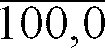
Komponente B 1. Wasser 49,0 2. Peroxid 16,0 3. Quarz 0,5 ... 1 mm 35,0 
- Mischungsverhältnis härtbare organische:anorganische Mörtelverbindungen 1:1 1:1,5
-
Komponente A Komponente B Bisphenol-A-diglycidyldimethacrylat 15,00 Dibenzoylperoxid 16,00 Dicyclopentadienylmethacrylat 15,00 Wasser 49,00 Dimethylanilin 0,10 Quartz 0,5 ... 1 mm 35,00 Aluminatzement 29,95 Lithiumcarbonat 0,04 Quartz 0,1 ... 0,3 mm 37,50 Pyrogene Kielselsäure 2,50 

Mischungsverhältnis: 3 Teile A : 1 Teil B -
Komponente A Komponente B Vinylester 6,00 Cumolhydroperoxid 16,00 Dicyclopentadienylmethacrylat 20,00 Wasser 49,00 Diethylanilin 0,80 Quarz 0,5 ... 1 mm 35,00 Aluminatzement 38,00 Lithiumcarbonat 0,05 Quartz 0,1 ... 0,3 mm 30,15 Kaolin 5,00 

Mischungsverhältnis: 3,5 Teile A : 1 Teil B -
Komponente A Komponente B Novolakglycidylmethacrylat 6,00 Dibenzoylperoxid 25,00 Trimethylolpropantrimethacrylat 10,00 Wasser 32,40 Bisphenol-A-glydicyldimethacrylat 10,00 Betone 2,50 Diethylanilin 0,60 Cellulose 0,10 Cobaltoctoat 0,50 Quarz 0,5 ...1 mm 40,0 Aluminatzement 27,00 Lithiumcarbonat 0,03 Pyrogene Kieselsäure 1,10 

Mischungsverhältnis: 3,7 Teile A : 1 Teil B -
Komponente A Komponente B Bisphenol-A-dimethacrylat 20,00 Dibenzoylperoxid 16,00 1,4-Butandioldimethacrylat 10,00 Wasser 10,00 Diethylanilin 0,15 Kaliumwasserglas (40% in H₂O) 50,00 Aluminatzement 10,55 Quarz 0,5 ... 0,8 mm 21,00 Flugasche 19,90 Bentone 3,00 Quarz 37,00 Pyrogene Kieselsäure 2,40 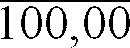

Angaben in Gewichtsprozent
Mischungsverhältnis: 3 Teile A : 1 Teil B -
Komponente A 1. Vinylester 27,00 2. Reaktivverdünner 11,00 3. Zement 24,00 4. Quarz 0,05 ........ 0,35 mm 38,00 
Komponente B 1. Wasser 54,00 2. Dibenzoylperoxid 13,50 3. Pyrogene Kieselsäure 5,25 4. Hohlglaskugeln 26,00 5. Fasern 1,25 
Claims (12)
- Zweikomponenten-Mörtel zur Befestigung von Verankerungsmitteln in Bohrlöchern mit einem Gehalt an härtbaren Verbindungen auf anorganischer und organischer Grundlage und Härtern und gegebenenfalls Füllmitteln, Lösungsmitteln, Beschleunigern und/oder weiteren Mörtelbestandteile, gekennzeichnet durch einen Gehalt an hydraulisch abbindenden und/oder polykondensierbaren Verbindungen als anorganischen, härtbaren Verbindungen und an härtbaren Vinylestern als organischen, härtbaren Verbindungen.
- Mörtel gemäß Patentanspruch 1, dadurch gekennzeichnet, daß als härtbare, hydraulisch abbindende Verbindungen Zement, vorzugsweise Aluminatzement, und/oder Gips enthalten sind.
- Mörtel gemäß einem der vorhergehenden Patentansprüche, dadurch gekennzeichnet, daß als Zement eisenoxidfreie oder eisenoxidarme Zemente enthalten sind.
- Mörtel gemäß einem der vorhergehenden Patentansprüche, dadurch gekennzeichnet, daß als polykondensierbare Verbindungen silikatische, polykondensierbare Verbindungen, insbesondere lösliches, gelöstes und/oder amorphes SiO₂ enthaltende Stoffe enthalten sind.
- Mörtel gemäß einem der vorhergehenden Patentansprüche, dadurch gekennzeichnet, daß als härtbare Vinylester Urethanacrylate und/oder Epoxyacrylate enthalten sind.
- Mörtel gemäß einem der vorhergehenden Patentansprüche, dadurch gekennzeichnet, daß die Summe aus anorganischen härtbaren Verbindungen (hydraulisch abbindenden und polykondensierbaren Verbindungen) und härtbaren Vinylestern 30 - 99 Gew.-%, vorzugsweise 40 - 85 Gew.-%, bezogen auf die härterfreie Mörtelgesamtmasse, beträgt.
- Mörtel gemäß einem der vorhergehenden Patentansprüche, dadurch gekennzeichnet, daß das Gewichtsverhältnis von anorganischen härtbaren Verbindungen (hydraulisch abbindenden und polykondensierbaren Verbindungen) zu härtbaren Vinylestern 1 : 4 bis 3 : 1, insbesondere 1 : 3 bis 2 : 1 beträgt.
- Mörtel gemäß einem der vorhergehenden Patentansprüche, gekennzeichnet durch einen Gehalt an Reaktivverdünnern, vorzugsweise in einer Menge von 1 - 60 Gew.-%, insbesondere 10 - 40 Gew.-%, bezogen auf die härterfreie Mörtelgesamtmasse.
- Mörtel gemäß einem der vorhergehenden Patentansprüche, gekennzeichnet durch Peroxyverbindungen in fester, gelöster oder dispergierter Form als Härter für die organischen Verbindungen.
- Mörtel gemäß einem der vorhergehenden Patentansprüche, gekennzeichnet durch Wasser, wäßrige Lösungen oder wäßrige Dispersionen als Härter bzw. Hydratationsmittel für die anorganischen, hydraulisch abbindenden und/oder polykondensierbaren Verbindungen.
- Mörtel gemäss einem der vorhergehenden Patentansprüche, dadurch gekennzeichnet, dass Fasern, insbesondere auf mineralischer oder organischer Basis, vorzugsweise feine Fasern einer Faserlänge von 50 - 150 µm gegebenenfalls neben Füllmitteln, enthalten sind.
- Mehrkammer-Vorrichtung zur Befestigung von Verankerungsmitteln in Bohrlochern mit härtbaren Mörtelbestandteilen und Härtern und gegebenenfalls Füllmitteln (Reaktiv), Lösungsmitteln, Beschleunigern und/oder weiteren üblichen Mörtelbestandteilen, insbesondere gemäss einem der vorhergehenden Ansprüche, wobei die härtbaren Mörtelbestandteile vom jeweiligen Härter durch reaktionshindernde Zwischenwandung getrennt sind, gekennzeichnet durch einen Gehalt an hydraulisch abbindenden und/oder polykondensierbaren Verbindungen und Vinylestern als härtbaren Mörtelbestandteilen und Peroxyverbindungen und Wasser oder wässrige Lösungen als Härter.
Applications Claiming Priority (2)
| Application Number | Priority Date | Filing Date | Title |
|---|---|---|---|
| DE4231161A DE4231161A1 (de) | 1992-09-17 | 1992-09-17 | Mörtel und Vorrichtung zur Befestigung von Verankerungsmitteln in Bohrlöchern |
| DE4231161 | 1992-09-17 |
Publications (2)
| Publication Number | Publication Date |
|---|---|
| EP0589831A1 true EP0589831A1 (de) | 1994-03-30 |
| EP0589831B1 EP0589831B1 (de) | 1996-10-23 |
Family
ID=6468206
Family Applications (1)
| Application Number | Title | Priority Date | Filing Date |
|---|---|---|---|
| EP93810621A Expired - Lifetime EP0589831B1 (de) | 1992-09-17 | 1993-08-31 | Mörtel und Vorrichtung zur Befestigung von Verankerungsmitteln in Bohrlöchern |
Country Status (8)
| Country | Link |
|---|---|
| EP (1) | EP0589831B1 (de) |
| JP (1) | JPH06263501A (de) |
| KR (1) | KR100276371B1 (de) |
| CN (1) | CN1082035C (de) |
| AT (1) | ATE144488T1 (de) |
| DE (2) | DE4231161A1 (de) |
| ES (1) | ES2093392T3 (de) |
| TW (1) | TW354335B (de) |
Cited By (18)
| Publication number | Priority date | Publication date | Assignee | Title |
|---|---|---|---|---|
| EP0725048A3 (de) * | 1995-02-03 | 1997-03-05 | Tech Kunststoffe Gebr Von Der | Verfahren zur Herstellung und Einbringung von zweikomponentigen Mörtelsystemen sowie Mittel zur Durchführung des Verfahrens |
| EP0974567A1 (de) * | 1998-07-21 | 2000-01-26 | HILTI Aktiengesellschaft | Organisch-anorganischer Mörtel |
| EP0872529B2 (de) † | 1996-11-07 | 2008-07-09 | Asahi Kasei Kabushiki Kaisha | Bindemittel für baustrukture |
| WO2008077369A3 (de) * | 2006-12-22 | 2008-09-12 | Joachim Beyert | Verfahren zur sanierung von schadstellen in bauwerken, insbesondere rohrleitungen oder kanälen |
| WO2011029444A1 (de) * | 2009-09-11 | 2011-03-17 | Inomat Gmbh | Geopolymeres material |
| US8026321B2 (en) | 2003-09-26 | 2011-09-27 | Illinois Tool Works Inc. | Adhesive of epoxy compound, epoxy-reactive monomer and tri- and tetra-functional acrylate accelerators |
| US8058345B2 (en) | 2002-11-08 | 2011-11-15 | Illinois Tool Works Inc. | Curable adhesive compositions containing reactive multi-functional acrylate |
| WO2014079854A1 (de) * | 2012-11-23 | 2014-05-30 | Hilti Aktiengesellschaft | Harzmischung auf epoxy(meth)acrylatharz-basis und deren verwendung |
| WO2014079856A1 (de) * | 2012-11-23 | 2014-05-30 | Hilti Aktiengesellschaft | Verfahren zur herstellung von modifizierten epoxy(meth)acrylatharzen und ihre verwendung |
| EP2980037A1 (de) | 2014-07-31 | 2016-02-03 | HILTI Aktiengesellschaft | Zweikomponenten-Mörtelmasse und deren Verwendung |
| EP3184499A1 (de) * | 2015-12-21 | 2017-06-28 | HILTI Aktiengesellschaft | Reaktionsharz-zusammensetzung, mehrkomponenten-system und deren verwendung |
| EP3299432A1 (de) | 2016-09-26 | 2018-03-28 | HILTI Aktiengesellschaft | Zweikomponenten-mörtelmasse und deren verwendung |
| EP3299350A1 (de) | 2016-09-26 | 2018-03-28 | HILTI Aktiengesellschaft | Zweikomponenten-mörtelmasse und deren verwendung |
| EP3299351A1 (de) | 2016-09-26 | 2018-03-28 | HILTI Aktiengesellschaft | Zweikomponenten-mörtelmasse und deren verwendung |
| EP3851423A1 (de) * | 2020-01-14 | 2021-07-21 | Hilti Aktiengesellschaft | Verwendung von reaktionsharzmischungen mit vordefinierter polarität zur einstellung der robustheit einer mörtelmasse sowie verfahren zur einstellung der robustheit einer mörtelmasse |
| EP4261197A1 (de) | 2022-04-12 | 2023-10-18 | Hilti Aktiengesellschaft | Zweikomponenten-mörtelmasse und deren verwendung |
| EP4261196A1 (de) | 2022-04-12 | 2023-10-18 | Hilti Aktiengesellschaft | Zweikomponenten-mörtelmasse und deren verwendung |
| EP4303202A1 (de) | 2022-07-06 | 2024-01-10 | Hilti Aktiengesellschaft | Zweikomponenten-mörtelmasse mit thermoresponsivem inhibitor |
Families Citing this family (63)
| Publication number | Priority date | Publication date | Assignee | Title |
|---|---|---|---|---|
| DE4337264A1 (de) * | 1993-11-02 | 1995-05-04 | Upat Max Langensiepen Kg | Mörtel für Zweikomponentensysteme |
| DE4423260A1 (de) * | 1994-07-02 | 1996-01-04 | Upat Max Langensiepen Kg | Reaktionsharzmörtel für Zweikomponentensysteme |
| DE19519397A1 (de) * | 1995-05-26 | 1996-11-28 | Fischer Artur Werke Gmbh | Verankerungspatrone für eine aushärtende Mehrkomponentenmasse |
| DE19531649A1 (de) * | 1995-08-29 | 1997-03-06 | Basf Ag | Dübelmasse für die chemische Befestigungstechnik |
| KR100407668B1 (ko) * | 1995-12-30 | 2004-07-23 | 금강종합건설 주식회사 | 속경성및자기평활성을갖는시멘트계모트라트조성물 |
| DE19832666A1 (de) * | 1998-07-21 | 2000-01-27 | Hilti Ag | Zementhaltiger 2-Komponentenmörtel für Ankerstangen |
| DE19911038A1 (de) * | 1999-03-12 | 2000-09-14 | Fischer Artur Werke Gmbh | Verbundmasse zur Verankerung eines Befestigungselementes in einem Untergrund |
| DE10002367C1 (de) * | 2000-01-20 | 2001-07-19 | Hilti Ag | Durch Frontalpolymerisation aushärtbare Mörtelmasse und Verfahren zur Befestigung von Ankerstangen |
| EP1221449A1 (de) | 2000-12-22 | 2002-07-10 | Dsm N.V. | Peroxidzusammensetzungen mit Reaktivverdünnern |
| EP1225189A1 (de) | 2000-12-22 | 2002-07-24 | Dsm N.V. | Zwei Komponenten Masse für die chemische Befestigungstechnik |
| DE10115587B4 (de) * | 2001-03-29 | 2017-06-14 | Fischerwerke Gmbh & Co. Kg | Verwendung eines Harzes mit bestimmten härtbaren Harnstoffderivaten zur Befestigung mit Hilfe von Verankerungsmitteln |
| DE10226613B4 (de) * | 2002-06-14 | 2007-05-16 | Hilti Ag | Härterkomponente für eine mindestens zweikomponentige Mörtelmasse und Verfahren zu ihrer Herstellung |
| DE102004035567B4 (de) | 2004-07-22 | 2006-10-26 | Hilti Ag | Zweikomponenten-Mörtelmasse und ihre Verwendung |
| DE102009002951A1 (de) | 2009-05-08 | 2010-11-11 | Hilti Aktiengesellschaft | Selbstbohrendes Befestigungselement |
| DE102009043792B4 (de) | 2009-09-30 | 2013-04-11 | Hilti Aktiengesellschaft | Zweikomponenten-Mörtelmasse und ihre Verwendung |
| US9174881B2 (en) * | 2009-11-05 | 2015-11-03 | United States Gypsum Company | Ready mixed setting type joint compound and set initiator in chambered pouch |
| JP5845558B2 (ja) * | 2010-05-31 | 2016-01-20 | 株式会社ジェイアール総研エンジニアリング | あと施工アンカーボルト具の固定方法及びそれに用いるあと施工アンカーボルト具 |
| KR101021075B1 (ko) * | 2010-11-05 | 2011-03-11 | 주식회사 에코인프라홀딩스 | 몰탈 조성물 및 이를 이용하여 제조된 몰탈 |
| DE102010051818B3 (de) | 2010-11-18 | 2012-02-16 | Hilti Aktiengesellschaft | Zweikomponenten-Mörtelmasse und ihre Verwendung |
| DE102010052518A1 (de) | 2010-11-26 | 2012-05-31 | Brillux Gmbh & Co. Kg | Beschichtungsmasse mit Funkeleffekt |
| DE102011005960A1 (de) | 2011-03-23 | 2012-09-27 | Hilti Aktiengesellschaft | Klebstoffpackung und deren Verwendung mit einem Verankerungselement |
| DE102011017626B4 (de) | 2011-04-27 | 2013-01-03 | Hilti Aktiengesellschaft | Verfahren zur Stabilisierung eines Reaktionsharzmörtels und dessen Vorläufermischungen, Harzmischung, Reaktionsharzmörtel, Mehrkomponenten - Mörtelsystem, dessen Verwendung sowie Patrone, Kartusche oder Folienbeutel umfassend das Mehrkomponenten - Mörtelsystem |
| DE102011017619B4 (de) | 2011-04-27 | 2014-10-16 | Hilti Aktiengesellschaft | Beschleunigermischung für Peroxidhärter und diese enthaltendes Zweikomponenten-Mörtelsystem sowie Verwendung des Mörtelsystems |
| DE102011077248B3 (de) | 2011-06-09 | 2012-09-27 | Hilti Aktiengesellschaft | Verwendung eines Inhibitors, Harzmischung, Reaktionsharzmörtel, Zweikomponenten - Mörtelsystem und dessen Verwendung sowie Patrone, Kartusche oder Folienbeutel enthaltend ein Zweikomponenten - Mörtelsystem |
| DE102011077254B3 (de) | 2011-06-09 | 2012-09-20 | Hilti Aktiengesellschaft | Verwendung einer Inhibitorkombination, Harzmischung, Reaktionsharzmörtel, Zweikomponenten - Mörtelsystem und dessen Verwendung sowie Patrone, Kartusche oder Folienbeutel enthaltend ein Zweikomponenten - Mörtelsystem |
| US20150080501A1 (en) | 2012-04-20 | 2015-03-19 | Hilti Aktiengesellschaft | Combination of a Stable Nitroxyl Radical and a Quinone Methide as Stabiliser for Reaction Resin Mortars Based on Radically Curable Compounds |
| WO2013156358A1 (de) | 2012-04-20 | 2013-10-24 | Hilti Aktiengesellschaft | Indolin-nitroxidradikal als stabilisator und inhibitor für reaktionsharze, diese enthaltende reaktionsharze und deren verwendung |
| US20150060312A1 (en) | 2012-04-20 | 2015-03-05 | Hilti Aktiengesellschaft | Beta-Phosphorylated Nitroxide Radicals as Inhibitors for Reactive Resins, Reactive Resins Containing Said Beta-Phosphorylated Nitroxide Radicals and Use of Said Beta-Phosphorylated Nitroxide Radicals |
| DE102012216972B3 (de) * | 2012-09-21 | 2013-09-19 | Hilti Aktiengesellschaft | Verwendung oberflächenfunktionalisierter Kieselsäuren als Additiv für Reaktionsharz-Zusammensetzungen sowie dieses enthaltende Harz- und Härter-Zusammensetzungen |
| DE102012219479B4 (de) | 2012-10-24 | 2016-12-15 | Hilti Aktiengesellschaft | Reaktionsharz-Zusammensetzung und deren Verwendung |
| DE102012219476A1 (de) | 2012-10-24 | 2014-04-24 | Hilti Aktiengesellschaft | Harzmischung auf Vinylesterurethanharz-Basis und deren Verwendung |
| DE102012219652A1 (de) | 2012-10-26 | 2014-04-30 | Hilti Aktiengesellschaft | Harzmischung auf Vinylesterharz-Basis, diese enthaltenden Reaktionsharzmörtel sowie dessen Verwendung |
| EP2829524A1 (de) | 2013-07-24 | 2015-01-28 | HILTI Aktiengesellschaft | Harzmischung, Reaktionsharz-Mörtel, Mehrkomponenten-Mörtelsystem und deren Verwendung |
| EP2829525A1 (de) | 2013-07-24 | 2015-01-28 | HILTI Aktiengesellschaft | Reaktionsharzmörtel, Mehrkomponenten-Mörtelsystem und deren Verwendung |
| EP2851352A1 (de) | 2013-09-19 | 2015-03-25 | HILTI Aktiengesellschaft | Durch Frontalpolymerisation aushärtbarer Reaktionsharzmörtel und Verfahren zur Befestigung von Ankerstangen |
| EP2862847A1 (de) | 2013-10-21 | 2015-04-22 | HILTI Aktiengesellschaft | Verfahren zur Herstellung einer Harzmischung auf Basis von Vinylesterurethanharzen, diese enthaltender Reaktionsharzmörtel und deren Verwendung |
| JP6567599B2 (ja) * | 2016-06-30 | 2019-08-28 | 株式会社コーケン | 硬化性樹脂組成物、コンクリート被覆組成物及びライニング材 |
| EP3272777A1 (de) | 2016-07-18 | 2018-01-24 | HILTI Aktiengesellschaft | Reaktionsharz-zusammensetzung auf basis von zuckermethacrylat und deren verwendung |
| EP3424971A1 (de) | 2017-07-03 | 2019-01-09 | HILTI Aktiengesellschaft | Urethanmethacrylat-verbindungen enthaltende reaktivharze, reaktivharzkomponenten sowie reaktivharz-systeme und deren verwendung |
| EP3424900A1 (de) | 2017-07-03 | 2019-01-09 | HILTI Aktiengesellschaft | Epoxymethacrylat-verbindungen und deren verwendung |
| EP3424968A1 (de) | 2017-07-03 | 2019-01-09 | HILTI Aktiengesellschaft | Urethanmethacrylat-verbindungen und deren verwendung |
| EP3424969A1 (de) | 2017-07-03 | 2019-01-09 | HILTI Aktiengesellschaft | Mischung von radikalisch härtbaren verbindungen und deren verwendung |
| EP3424970A1 (de) | 2017-07-03 | 2019-01-09 | HILTI Aktiengesellschaft | Verzweigte urethanmethacrylat-verbindungen und deren verwendung |
| EP3428208A1 (de) | 2017-07-10 | 2019-01-16 | HILTI Aktiengesellschaft | Verfahren zur herstellung einer tempol-haltigen urethanharz-zusammensetzung mit lagerstabilität |
| EP3489205A1 (de) | 2017-11-28 | 2019-05-29 | HILTI Aktiengesellschaft | Isosorbidderivate als reaktive zusätze in reaktivharzen und chemischen dübeln |
| EP3489267A1 (de) | 2017-11-28 | 2019-05-29 | HILTI Aktiengesellschaft | Biogene oligomere als reaktive zusatzstoffe für die härtung von reaktivharzen |
| EP3543264A1 (de) | 2018-03-22 | 2019-09-25 | HILTI Aktiengesellschaft | System zur befestigung eines konstruktionselements und verfahren zum befestigen des konstruktionselements |
| EP3587380A1 (de) | 2018-06-27 | 2020-01-01 | HILTI Aktiengesellschaft | Verwendung von alkylimidazolidon(meth)acrylaten als reaktivverdünner in einer reaktionsharz-zusammensetzung |
| EP3623407A1 (de) | 2018-09-14 | 2020-03-18 | Hilti Aktiengesellschaft | Reaktiver amin-beschleuniger, diesen enthaltendes reaktivharz sowie deren verwendung |
| EP3670612A1 (de) | 2018-12-18 | 2020-06-24 | Hilti Aktiengesellschaft | Verwendung von urethanmethacrylat-verbindungen in reaktivharz-zusammensetzungen |
| EP3708591A1 (de) | 2019-03-15 | 2020-09-16 | Hilti Aktiengesellschaft | Beschleuniger-kombination |
| EP3805301A1 (de) | 2019-10-10 | 2021-04-14 | Hilti Aktiengesellschaft | Lagerstabile härterzusammensetzung für ein reaktionsharz |
| EP3805179A1 (de) | 2019-10-10 | 2021-04-14 | Hilti Aktiengesellschaft | Mehrkomponentiges reaktionsharzsystem und dessen verwendung |
| EP3805178A1 (de) | 2019-10-10 | 2021-04-14 | Hilti Aktiengesellschaft | Lagerstabiles mehrkomponentiges reaktionsharzsystem und dessen verwendung |
| EP3835279A1 (de) | 2019-12-09 | 2021-06-16 | Hilti Aktiengesellschaft | Füllstoffmischung für chemische befestigungssysteme und deren verwendung |
| EP3838862A1 (de) | 2019-12-18 | 2021-06-23 | Hilti Aktiengesellschaft | Verwendung einer reaktivharz-zusammensetzung für die chemische befestigung eines verankerungsmittels in einem bohrloch |
| EP3838981A1 (de) | 2019-12-18 | 2021-06-23 | Hilti Aktiengesellschaft | Reaktivharzkomponente, diese enthaltendes reaktivharzsystem und deren verwendung |
| EP3838863A1 (de) | 2019-12-18 | 2021-06-23 | Hilti Aktiengesellschaft | Verwendung einer reaktivharz-zusammensetzung für die chemische befestigung eines verankerungsmittels in einem bohrloch |
| CN111766298A (zh) * | 2020-06-30 | 2020-10-13 | 武汉市工程科学技术研究院 | 一种新型锚杆无损检测方法 |
| EP4056607A1 (de) | 2021-03-12 | 2022-09-14 | Hilti Aktiengesellschaft | Reaktivverdünnermischung für die chemische befestigung |
| JP7726646B2 (ja) * | 2021-03-22 | 2025-08-20 | Ube三菱セメント株式会社 | 二液混合型モルタル組成物及び吐出装置 |
| EP4357390A1 (de) | 2022-10-18 | 2024-04-24 | Hilti Aktiengesellschaft | Biogene methacrylate auf basis von polycarbonatdiolen als reaktive harze für die härtung von reaktivharzen |
| EP4357313A1 (de) | 2022-10-18 | 2024-04-24 | Hilti Aktiengesellschaft | Methacrylate aus zuckerderivaten als reaktive bestandteile in reaktivharzen für die chemische befestigung |
Citations (6)
| Publication number | Priority date | Publication date | Assignee | Title |
|---|---|---|---|---|
| US4126009A (en) * | 1977-09-06 | 1978-11-21 | E. I. Du Pont De Nemours And Company | Inorganic cement grouting system for use in anchoring a bolt in a hole |
| US4326890A (en) * | 1978-10-02 | 1982-04-27 | Alain Benichou | Bedding anchorage rods |
| EP0167002A1 (de) * | 1984-06-06 | 1986-01-08 | F. Willich Berg- und Bautechnik GmbH & Co. | Organomineralprodukte, Verfahren zu ihrer Herstellung und ihre Verwendung |
| DE3538791A1 (de) * | 1985-10-31 | 1987-05-07 | Webac Chemie Gmbh | Verfahren zum haerten von wasserglasloesungen und hierzu geeignetes haertungssystem |
| EP0455582A2 (de) * | 1990-03-28 | 1991-11-06 | HILTI Aktiengesellschaft | Verwendung von in Gegenwart von Wasser abbindenden Massen zur Befestigung von Dübeln und Ankerstangen. |
| EP0495336A1 (de) * | 1991-01-09 | 1992-07-22 | HILTI Aktiengesellschaft | Verwendung von in Gegenwart von Wasser abbindende Massen zur Befestigung von Ankerstangen. |
Family Cites Families (5)
| Publication number | Priority date | Publication date | Assignee | Title |
|---|---|---|---|---|
| DE2657808C2 (de) * | 1976-12-21 | 1984-05-30 | Basf Ag, 6700 Ludwigshafen | Schrumpfarm härtbare Polyesterformmassen und Verfahren zu ihrer Herstellung |
| EP0148280B1 (de) * | 1982-12-16 | 1987-09-09 | Hüls Troisdorf Aktiengesellschaft | Wasserhaltige härtbare Formmassen auf Basis von anorganischen Bestandteilen und Verfahren zur Herstellung von Formkörpern |
| DE3332019A1 (de) * | 1983-09-06 | 1985-03-21 | Basf Ag, 6700 Ludwigshafen | Haertbare polyesterformmassen |
| CN1026228C (zh) * | 1988-11-07 | 1994-10-19 | 薛志纯 | 多效水泥改性剂 |
| US4961790A (en) * | 1989-05-19 | 1990-10-09 | Fritz Chemical Company | Concrete admixture device and method of using same |
-
1992
- 1992-09-17 DE DE4231161A patent/DE4231161A1/de not_active Withdrawn
-
1993
- 1993-08-31 ES ES93810621T patent/ES2093392T3/es not_active Expired - Lifetime
- 1993-08-31 DE DE59304282T patent/DE59304282D1/de not_active Expired - Lifetime
- 1993-08-31 AT AT93810621T patent/ATE144488T1/de active
- 1993-08-31 EP EP93810621A patent/EP0589831B1/de not_active Expired - Lifetime
- 1993-09-15 KR KR1019930018506A patent/KR100276371B1/ko not_active Expired - Fee Related
- 1993-09-16 JP JP5230363A patent/JPH06263501A/ja active Pending
- 1993-09-16 CN CN93119205A patent/CN1082035C/zh not_active Expired - Lifetime
- 1993-10-20 TW TW082107348A patent/TW354335B/zh not_active IP Right Cessation
Patent Citations (6)
| Publication number | Priority date | Publication date | Assignee | Title |
|---|---|---|---|---|
| US4126009A (en) * | 1977-09-06 | 1978-11-21 | E. I. Du Pont De Nemours And Company | Inorganic cement grouting system for use in anchoring a bolt in a hole |
| US4326890A (en) * | 1978-10-02 | 1982-04-27 | Alain Benichou | Bedding anchorage rods |
| EP0167002A1 (de) * | 1984-06-06 | 1986-01-08 | F. Willich Berg- und Bautechnik GmbH & Co. | Organomineralprodukte, Verfahren zu ihrer Herstellung und ihre Verwendung |
| DE3538791A1 (de) * | 1985-10-31 | 1987-05-07 | Webac Chemie Gmbh | Verfahren zum haerten von wasserglasloesungen und hierzu geeignetes haertungssystem |
| EP0455582A2 (de) * | 1990-03-28 | 1991-11-06 | HILTI Aktiengesellschaft | Verwendung von in Gegenwart von Wasser abbindenden Massen zur Befestigung von Dübeln und Ankerstangen. |
| EP0495336A1 (de) * | 1991-01-09 | 1992-07-22 | HILTI Aktiengesellschaft | Verwendung von in Gegenwart von Wasser abbindende Massen zur Befestigung von Ankerstangen. |
Cited By (33)
| Publication number | Priority date | Publication date | Assignee | Title |
|---|---|---|---|---|
| EP0725048A3 (de) * | 1995-02-03 | 1997-03-05 | Tech Kunststoffe Gebr Von Der | Verfahren zur Herstellung und Einbringung von zweikomponentigen Mörtelsystemen sowie Mittel zur Durchführung des Verfahrens |
| EP0872529B2 (de) † | 1996-11-07 | 2008-07-09 | Asahi Kasei Kabushiki Kaisha | Bindemittel für baustrukture |
| EP0974567A1 (de) * | 1998-07-21 | 2000-01-26 | HILTI Aktiengesellschaft | Organisch-anorganischer Mörtel |
| US6107368A (en) * | 1998-07-21 | 2000-08-22 | Hilti Aktiengesellschaft | Organic-inorganic mortar |
| AU762609B2 (en) * | 1998-07-21 | 2003-07-03 | Hilti Aktiengesellschaft | Organic-inorganic mortar |
| US8058345B2 (en) | 2002-11-08 | 2011-11-15 | Illinois Tool Works Inc. | Curable adhesive compositions containing reactive multi-functional acrylate |
| US8026321B2 (en) | 2003-09-26 | 2011-09-27 | Illinois Tool Works Inc. | Adhesive of epoxy compound, epoxy-reactive monomer and tri- and tetra-functional acrylate accelerators |
| WO2008077369A3 (de) * | 2006-12-22 | 2008-09-12 | Joachim Beyert | Verfahren zur sanierung von schadstellen in bauwerken, insbesondere rohrleitungen oder kanälen |
| WO2011029444A1 (de) * | 2009-09-11 | 2011-03-17 | Inomat Gmbh | Geopolymeres material |
| WO2014079854A1 (de) * | 2012-11-23 | 2014-05-30 | Hilti Aktiengesellschaft | Harzmischung auf epoxy(meth)acrylatharz-basis und deren verwendung |
| WO2014079856A1 (de) * | 2012-11-23 | 2014-05-30 | Hilti Aktiengesellschaft | Verfahren zur herstellung von modifizierten epoxy(meth)acrylatharzen und ihre verwendung |
| US20150252146A1 (en) * | 2012-11-23 | 2015-09-10 | Hilti Aktiengesellschaft | Method for producing modified epoxy(meth)acrylate resins, and the use thereof |
| AU2013349790B2 (en) * | 2012-11-23 | 2016-03-24 | Hilti Aktiengesellschaft | Resin mixture based on epoxy(meth)acrylate resin, and the use thereof |
| US9994655B2 (en) | 2012-11-23 | 2018-06-12 | Hilti Aktiengesellschaft | Resin mixture based on epoxy(meth)acrylate resin, and the use thereof |
| EP2980037A1 (de) | 2014-07-31 | 2016-02-03 | HILTI Aktiengesellschaft | Zweikomponenten-Mörtelmasse und deren Verwendung |
| WO2016016378A1 (de) | 2014-07-31 | 2016-02-04 | Hilti Aktiengesellschaft | Zweikomponenten-mörtelmasse und deren verwendung |
| WO2017108553A1 (de) * | 2015-12-21 | 2017-06-29 | Hilti Aktiengesellschaft | Reaktionsharz-zusammensetzung, mehrkomponenten-system und deren verwendung |
| EP3184499A1 (de) * | 2015-12-21 | 2017-06-28 | HILTI Aktiengesellschaft | Reaktionsharz-zusammensetzung, mehrkomponenten-system und deren verwendung |
| EP3299432A1 (de) | 2016-09-26 | 2018-03-28 | HILTI Aktiengesellschaft | Zweikomponenten-mörtelmasse und deren verwendung |
| EP3299350A1 (de) | 2016-09-26 | 2018-03-28 | HILTI Aktiengesellschaft | Zweikomponenten-mörtelmasse und deren verwendung |
| EP3299351A1 (de) | 2016-09-26 | 2018-03-28 | HILTI Aktiengesellschaft | Zweikomponenten-mörtelmasse und deren verwendung |
| WO2018054935A1 (de) | 2016-09-26 | 2018-03-29 | Hilti Aktiengesellschaft | Zweikomponenten-mörtelmasse und deren verwendung |
| US10787395B2 (en) | 2016-09-26 | 2020-09-29 | Hilti Aktiengesellschaft | Two-component mortar mass and use thereof |
| RU2743009C2 (ru) * | 2016-09-26 | 2021-02-12 | Хильти Акциенгезельшафт | Двухкомпонентная строительная растворная смесь и ее применение |
| WO2021144259A1 (de) * | 2020-01-14 | 2021-07-22 | Hilti Aktiengesellschaft | Verwendung von reaktionsharzmischungen mit vordefinierter polarität zur einstellung der robustheit einer mörtelmasse sowie verfahren zur einstellung der robustheit einer mörtelmasse |
| EP3851423A1 (de) * | 2020-01-14 | 2021-07-21 | Hilti Aktiengesellschaft | Verwendung von reaktionsharzmischungen mit vordefinierter polarität zur einstellung der robustheit einer mörtelmasse sowie verfahren zur einstellung der robustheit einer mörtelmasse |
| JP2023503145A (ja) * | 2020-01-14 | 2023-01-26 | ヒルティ アクチエンゲゼルシャフト | モルタルの組成の堅牢性を設定するための事前定義された極性を持つ反応樹脂混合物の使用およびモルタル組成の堅牢性を設定するための方法 |
| US20230053898A1 (en) * | 2020-01-14 | 2023-02-23 | Hilti Aktiengesellschaft | Use of reaction resin mixtures with predefined polarity for setting the robustness of a mortar composition and method for setting the robustness of a mortar composition |
| US12497330B2 (en) | 2020-01-14 | 2025-12-16 | Hilti Aktiengesellschaft | Use of reaction resin mixtures with predefined polarity for setting the robustness of a mortar composition and method for setting the robustness of a mortar composition |
| EP4261197A1 (de) | 2022-04-12 | 2023-10-18 | Hilti Aktiengesellschaft | Zweikomponenten-mörtelmasse und deren verwendung |
| EP4261196A1 (de) | 2022-04-12 | 2023-10-18 | Hilti Aktiengesellschaft | Zweikomponenten-mörtelmasse und deren verwendung |
| EP4303202A1 (de) | 2022-07-06 | 2024-01-10 | Hilti Aktiengesellschaft | Zweikomponenten-mörtelmasse mit thermoresponsivem inhibitor |
| WO2024008445A1 (de) | 2022-07-06 | 2024-01-11 | Hilti Aktiengesellschaft | Zweikomponenten-mörtelmasse mit thermoresponsivem inhibitor |
Also Published As
| Publication number | Publication date |
|---|---|
| ATE144488T1 (de) | 1996-11-15 |
| KR100276371B1 (ko) | 2001-01-15 |
| KR940006961A (ko) | 1994-04-26 |
| CN1089586A (zh) | 1994-07-20 |
| EP0589831B1 (de) | 1996-10-23 |
| CN1082035C (zh) | 2002-04-03 |
| DE59304282D1 (de) | 1996-11-28 |
| JPH06263501A (ja) | 1994-09-20 |
| ES2093392T3 (es) | 1996-12-16 |
| TW354335B (en) | 1999-03-11 |
| DE4231161A1 (de) | 1994-03-24 |
Similar Documents
| Publication | Publication Date | Title |
|---|---|---|
| EP0589831B1 (de) | Mörtel und Vorrichtung zur Befestigung von Verankerungsmitteln in Bohrlöchern | |
| EP0534197B1 (de) | Patrone oder Kartusche für die chemische Befestigungstechnik | |
| EP0761792B1 (de) | Dübelmasse für die chemische Befestigungstechnik | |
| EP0432087B1 (de) | 2-Kammerpatrone | |
| EP2640675B1 (de) | Zweikomponenten-mörtelmasse und ihre verwendung | |
| EP0199671A2 (de) | Haftmittel auf Acrylatharzbasis und deren Verwendung zu Verankerungen | |
| DE202015009664U1 (de) | Befestigungssysteme mit feinteiligen Füllstoffen | |
| EP0534201B1 (de) | Zweikomponentenklebmasse für die chemische Befestigungstechnik | |
| EP1619174B1 (de) | Zweikomponenten-mörtelmasse und ihre verwendung | |
| CH657143A5 (de) | Haertbare zweikomponenten-kunststoff-moertelmasse. | |
| DE4121832C1 (de) | ||
| DE4438577A1 (de) | Selbsttragende Dübelmasse für die chemische Befestigungstechnik | |
| EP0338983A2 (de) | Verwendung von Zweikomponenten-Reaktionsharzen für Befestigungszwecke | |
| DE19852720A1 (de) | Zweikomponentenmasse für chemische Befestigungen | |
| EP0650942A1 (de) | Mörtel für Zweikomponentensysteme | |
| EP0333719B1 (de) | Reaktionssatz und mehrkammerpatrone und verfahren zur klebverankerung von befestigungselementen in befestigungsgrund | |
| DE4315788C2 (de) | Dübelharze | |
| EP0611891B1 (de) | Verankerungspatrone | |
| DE102004002192B4 (de) | Verwendung von ethylenisch ungesättigten Isocyanatderivaten zur kovalenten Bindung von aktive Wasserstoffatome aufweisenden Verunreinigungen in härtbaren Massen | |
| EP3838863A1 (de) | Verwendung einer reaktivharz-zusammensetzung für die chemische befestigung eines verankerungsmittels in einem bohrloch | |
| EP1350825A1 (de) | Aushärtbare Masse und aushärtbare Mörtelmasse | |
| DE4121833C1 (en) | Anchoring casing for attachment to e.g. rock - comprises outer tubular casing contg. liq. resin components and inner casing contg. granular filter and curing components | |
| EP0591803A1 (de) | Patrone oder Kartusche für die chemische Befestigungstechnik | |
| EP4656609A1 (de) | Gelzeitstabilisiertes radikalisches kunstmörtelsystem | |
| EP3838862A1 (de) | Verwendung einer reaktivharz-zusammensetzung für die chemische befestigung eines verankerungsmittels in einem bohrloch |
Legal Events
| Date | Code | Title | Description |
|---|---|---|---|
| PUAI | Public reference made under article 153(3) epc to a published international application that has entered the european phase |
Free format text: ORIGINAL CODE: 0009012 |
|
| AK | Designated contracting states |
Kind code of ref document: A1 Designated state(s): AT BE CH DE ES FR GB IT LI NL |
|
| 17P | Request for examination filed |
Effective date: 19940422 |
|
| 17Q | First examination report despatched |
Effective date: 19950908 |
|
| GRAG | Despatch of communication of intention to grant |
Free format text: ORIGINAL CODE: EPIDOS AGRA |
|
| GRAH | Despatch of communication of intention to grant a patent |
Free format text: ORIGINAL CODE: EPIDOS IGRA |
|
| GRAH | Despatch of communication of intention to grant a patent |
Free format text: ORIGINAL CODE: EPIDOS IGRA |
|
| GRAA | (expected) grant |
Free format text: ORIGINAL CODE: 0009210 |
|
| AK | Designated contracting states |
Kind code of ref document: B1 Designated state(s): AT BE CH DE ES FR GB IT LI NL |
|
| REF | Corresponds to: |
Ref document number: 144488 Country of ref document: AT Date of ref document: 19961115 Kind code of ref document: T |
|
| REF | Corresponds to: |
Ref document number: 59304282 Country of ref document: DE Date of ref document: 19961128 |
|
| ITF | It: translation for a ep patent filed | ||
| REG | Reference to a national code |
Ref country code: ES Ref legal event code: FG2A Ref document number: 2093392 Country of ref document: ES Kind code of ref document: T3 |
|
| ET | Fr: translation filed | ||
| GBT | Gb: translation of ep patent filed (gb section 77(6)(a)/1977) |
Effective date: 19970121 |
|
| PLBE | No opposition filed within time limit |
Free format text: ORIGINAL CODE: 0009261 |
|
| STAA | Information on the status of an ep patent application or granted ep patent |
Free format text: STATUS: NO OPPOSITION FILED WITHIN TIME LIMIT |
|
| 26N | No opposition filed | ||
| REG | Reference to a national code |
Ref country code: GB Ref legal event code: IF02 |
|
| PGFP | Annual fee paid to national office [announced via postgrant information from national office to epo] |
Ref country code: NL Payment date: 20080803 Year of fee payment: 16 Ref country code: ES Payment date: 20080922 Year of fee payment: 16 |
|
| PGFP | Annual fee paid to national office [announced via postgrant information from national office to epo] |
Ref country code: BE Payment date: 20090119 Year of fee payment: 16 |
|
| BERE | Be: lapsed |
Owner name: *HILTI A.G. Effective date: 20090831 |
|
| REG | Reference to a national code |
Ref country code: NL Ref legal event code: V1 Effective date: 20100301 |
|
| PG25 | Lapsed in a contracting state [announced via postgrant information from national office to epo] |
Ref country code: BE Free format text: LAPSE BECAUSE OF NON-PAYMENT OF DUE FEES Effective date: 20090831 |
|
| PG25 | Lapsed in a contracting state [announced via postgrant information from national office to epo] |
Ref country code: NL Free format text: LAPSE BECAUSE OF NON-PAYMENT OF DUE FEES Effective date: 20100301 |
|
| REG | Reference to a national code |
Ref country code: ES Ref legal event code: FD2A Effective date: 20090901 |
|
| PG25 | Lapsed in a contracting state [announced via postgrant information from national office to epo] |
Ref country code: ES Free format text: LAPSE BECAUSE OF NON-PAYMENT OF DUE FEES Effective date: 20090901 |
|
| PGFP | Annual fee paid to national office [announced via postgrant information from national office to epo] |
Ref country code: CH Payment date: 20110812 Year of fee payment: 19 |
|
| PGFP | Annual fee paid to national office [announced via postgrant information from national office to epo] |
Ref country code: GB Payment date: 20120829 Year of fee payment: 20 |
|
| PGFP | Annual fee paid to national office [announced via postgrant information from national office to epo] |
Ref country code: IT Payment date: 20120813 Year of fee payment: 20 Ref country code: FR Payment date: 20120823 Year of fee payment: 20 Ref country code: DE Payment date: 20120808 Year of fee payment: 20 |
|
| PGFP | Annual fee paid to national office [announced via postgrant information from national office to epo] |
Ref country code: AT Payment date: 20120726 Year of fee payment: 20 |
|
| REG | Reference to a national code |
Ref country code: DE Ref legal event code: R071 Ref document number: 59304282 Country of ref document: DE |
|
| REG | Reference to a national code |
Ref country code: CH Ref legal event code: PL |
|
| REG | Reference to a national code |
Ref country code: GB Ref legal event code: PE20 Expiry date: 20130830 |
|
| REG | Reference to a national code |
Ref country code: AT Ref legal event code: MK07 Ref document number: 144488 Country of ref document: AT Kind code of ref document: T Effective date: 20130831 |
|
| PG25 | Lapsed in a contracting state [announced via postgrant information from national office to epo] |
Ref country code: DE Free format text: LAPSE BECAUSE OF EXPIRATION OF PROTECTION Effective date: 20130903 |
|
| PG25 | Lapsed in a contracting state [announced via postgrant information from national office to epo] |
Ref country code: GB Free format text: LAPSE BECAUSE OF EXPIRATION OF PROTECTION Effective date: 20130830 |