EP0600656A2 - Souche de streptomyces pour la production de composés antiparasitaires et procédés les utilisant - Google Patents
Souche de streptomyces pour la production de composés antiparasitaires et procédés les utilisant Download PDFInfo
- Publication number
- EP0600656A2 EP0600656A2 EP93309334A EP93309334A EP0600656A2 EP 0600656 A2 EP0600656 A2 EP 0600656A2 EP 93309334 A EP93309334 A EP 93309334A EP 93309334 A EP93309334 A EP 93309334A EP 0600656 A2 EP0600656 A2 EP 0600656A2
- Authority
- EP
- European Patent Office
- Prior art keywords
- avermectin
- avermectins
- culture
- producing
- strain
- Prior art date
- Legal status (The legal status is an assumption and is not a legal conclusion. Google has not performed a legal analysis and makes no representation as to the accuracy of the status listed.)
- Withdrawn
Links
Images

Classifications
-
- C—CHEMISTRY; METALLURGY
- C12—BIOCHEMISTRY; BEER; SPIRITS; WINE; VINEGAR; MICROBIOLOGY; ENZYMOLOGY; MUTATION OR GENETIC ENGINEERING
- C12P—FERMENTATION OR ENZYME-USING PROCESSES TO SYNTHESISE A DESIRED CHEMICAL COMPOUND OR COMPOSITION OR TO SEPARATE OPTICAL ISOMERS FROM A RACEMIC MIXTURE
- C12P19/00—Preparation of compounds containing saccharide radicals
- C12P19/44—Preparation of O-glycosides, e.g. glucosides
- C12P19/60—Preparation of O-glycosides, e.g. glucosides having an oxygen of the saccharide radical directly bound to a non-saccharide heterocyclic ring or a condensed ring system containing a non-saccharide heterocyclic ring, e.g. coumermycin, novobiocin
- C12P19/62—Preparation of O-glycosides, e.g. glucosides having an oxygen of the saccharide radical directly bound to a non-saccharide heterocyclic ring or a condensed ring system containing a non-saccharide heterocyclic ring, e.g. coumermycin, novobiocin the hetero ring having eight or more ring members and only oxygen as ring hetero atoms, e.g. erythromycin, spiramycin, nystatin
- C12P19/623—Avermectin; Milbemycin; Ivermectin; C-076
-
- C—CHEMISTRY; METALLURGY
- C12—BIOCHEMISTRY; BEER; SPIRITS; WINE; VINEGAR; MICROBIOLOGY; ENZYMOLOGY; MUTATION OR GENETIC ENGINEERING
- C12N—MICROORGANISMS OR ENZYMES; COMPOSITIONS THEREOF; PROPAGATING, PRESERVING, OR MAINTAINING MICROORGANISMS; MUTATION OR GENETIC ENGINEERING; CULTURE MEDIA
- C12N1/00—Microorganisms; Compositions thereof; Processes of propagating, maintaining or preserving microorganisms or compositions thereof; Processes of preparing or isolating a composition containing a microorganism; Culture media therefor
- C12N1/20—Bacteria; Culture media therefor
- C12N1/205—Bacterial isolates
-
- C—CHEMISTRY; METALLURGY
- C12—BIOCHEMISTRY; BEER; SPIRITS; WINE; VINEGAR; MICROBIOLOGY; ENZYMOLOGY; MUTATION OR GENETIC ENGINEERING
- C12N—MICROORGANISMS OR ENZYMES; COMPOSITIONS THEREOF; PROPAGATING, PRESERVING, OR MAINTAINING MICROORGANISMS; MUTATION OR GENETIC ENGINEERING; CULTURE MEDIA
- C12N1/00—Microorganisms; Compositions thereof; Processes of propagating, maintaining or preserving microorganisms or compositions thereof; Processes of preparing or isolating a composition containing a microorganism; Culture media therefor
- C12N1/20—Bacteria; Culture media therefor
-
- A—HUMAN NECESSITIES
- A61—MEDICAL OR VETERINARY SCIENCE; HYGIENE
- A61P—SPECIFIC THERAPEUTIC ACTIVITY OF CHEMICAL COMPOUNDS OR MEDICINAL PREPARATIONS
- A61P33/00—Antiparasitic agents
-
- C—CHEMISTRY; METALLURGY
- C12—BIOCHEMISTRY; BEER; SPIRITS; WINE; VINEGAR; MICROBIOLOGY; ENZYMOLOGY; MUTATION OR GENETIC ENGINEERING
- C12P—FERMENTATION OR ENZYME-USING PROCESSES TO SYNTHESISE A DESIRED CHEMICAL COMPOUND OR COMPOSITION OR TO SEPARATE OPTICAL ISOMERS FROM A RACEMIC MIXTURE
- C12P17/00—Preparation of heterocyclic carbon compounds with only O, N, S, Se or Te as ring hetero atoms
- C12P17/18—Preparation of heterocyclic carbon compounds with only O, N, S, Se or Te as ring hetero atoms containing at least two hetero rings condensed among themselves or condensed with a common carbocyclic ring system, e.g. rifamycin
- C12P17/188—Heterocyclic compound containing in the condensed system at least one hetero ring having nitrogen atoms and oxygen atoms as the only ring heteroatoms
-
- C—CHEMISTRY; METALLURGY
- C12—BIOCHEMISTRY; BEER; SPIRITS; WINE; VINEGAR; MICROBIOLOGY; ENZYMOLOGY; MUTATION OR GENETIC ENGINEERING
- C12R—INDEXING SCHEME ASSOCIATED WITH SUBCLASSES C12C - C12Q, RELATING TO MICROORGANISMS
- C12R2001/00—Microorganisms ; Processes using microorganisms
- C12R2001/01—Bacteria or Actinomycetales ; using bacteria or Actinomycetales
- C12R2001/465—Streptomyces
Definitions
- Avermectins a complex of related agents having antiparasitic activity, are known to be produced by aerobic fermentation of Streptomyces avermitilis strains ATCC 31267, 31271 and 31272. See , e.g., U.S. Pat. Nos. 4,310,519 and 4,429,042. The last two strains cited represent a frozen vial and a lyophilized tube, respectively, of a culture obtained by ultraviolet irradiation of S. avermitilis ATCC No. 31267.
- the strains of S. avermitilis cited in the above-mentioned U.S. patents produce a class of substances generically described as C-076 (avermectins, formula I below).
- the class comprises eight distinct but closely related compounds described as avermectin A1a, A1b, A2a, A2b, B1a, B1b, B2a and B2b.
- the "a" series of compounds refers to the natural avermectins wherein the 25-position substituent is (S)-sec-butyl, and the "b" series to those natural avermectins wherein the 25-position substituent is isopropyl.
- a and B refer to avermectins wherein the 5-position substituent is methoxy or hydroxy, respectively.
- the numeral “1” refers to avermectins wherein a double bond is present at the 22-23 position; and the numeral “2” refers to avermectins having a hydrogen at the 22-position and hydroxy at the 23-position.
- the avermectins are compounds of formula I: wherein: the broken line indicates a single or a double bond; R1 is H or hydroxy and hydroxy only may be present when said broken line is a single bond; R2 is isopropyl or sec-butyl; and R3 is methoxy or hydroxy.
- strains of S. avermitilis are known to produce one or more known or “natural” avermectins, wherein the 25-position substituent is either isopropyl or (S)-sec-butyl(1-methylpropyl), or "non-natural” avermectins wherein the 25-position substituent is other than isopropyl or (S)-sec-butyl.
- S. avermitilis ATCC 31780 is disclosed in U.S. Pat. No.
- S. avermitilis strain ATCC 53814
- This strain has been distinguished by its ability to bioconvert a series of milbemycin-type compounds, and its inability to produce substantial quantities of avermectins.
- the present invention provides a novel avermectin-producing strain, Streptomyces avermitilis subspecies niger NRRL 21005.
- the present invention further provides novel processes for the production of avermectins using Streptomyces avermitilis subspecies niger NRRL 21005.
- the present invention relates to a biologically pure culture of the microorganism Streptomyces avermitilis subspecies niger NRRL 21005, or an avermectin-producing mutant or variant thereof.
- the present invention further relates to a process for producing one or more avermectins which comprises cultivating Streptomyces avermitilis subspecies niger NRRL 21005, or an avermectin-producing mutant or variant thereof, in an aqueous culture medium containing assimilable sources of carbon, nitrogen and inorganic salts under submerged aerobic conditions until one or more avermectins are produced, and recovering said avermectin or avermectins.
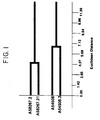
- Figure 1 shows a dendrogram of Streptomyces avermitilis subspecies niger NRRL 21005 (A58267.2) and other Streptomyces avermitilis species.
- Figure 2 shows a principal component plot from fatty acid analysis showing relationships between A58267.2 and Streptomyces avermitilis species.
- One aspect of the present invention pertains to a biologically pure culture of the microorganism Streptomyces avermitilis subspecies niger NRRL 21005 (the NRRL 21005 strain), or an avermectin-producing mutant or variant thereof.
- the new microorganism of this invention which produces avermectins, is also called culture A58267.2 for convenience.
- Culture A58267.2 is an improved strain of culture A58267.21 which is a natural variant of culture A58267.
- Culture A58267 was isolated from a soil sample collected in Italy.
- a culture of A58267.2 has been deposited in compliance with the Budapest Treaty, and made part of the stock culture of the Northern Regional Research Center, Agricultural Research Service, North Central Region, United States Department of Agriculture, 1815 North University Street, Peoria, Illinois 61604, from which it has been assigned the accession number NRRL 21005.
- the permanency of the deposit of this culture at the Northern Regional Research Center at Peoria, Illinois, and ready accessibility thereto by the public are afforded throughout the effective life of any patent granted on the application. Access to the cultures is available during pendency of the application under 37 C.F.R. ⁇ 1.14 and 35 U.S.C. ⁇ 112. All restrictions on the availability to the public of the cultures will be irrevocably removed upon granting of the patent.
- Taxonomic studies of A58267.2 were conducted by Frederick P. Mertz of the Lilly Research Laboratories. Based on these studies, the new microorganism is classified as a new subspecies (strain) of the genus and species Streptomyces avermitilis for which the name Streptomyces avermitilis subspecies niger is proposed. This classification is based on direct laboratory classification and examination of published descriptions of similar species.
- Taxonomic studies were made using methods recommended by the International Streptomyces Project (ISP) for the characterization of the Streptomyces species [Shirling, E.B. and Gottlieb, D., "Methods for characterization of Streptomyces species," Int. J. Syst. Bacteriol. , 16 : 313-340 (1966)] and those recommended for the characterization of Nocardia species [Gordon, R.E., Barnett, D.A., Handerhan, J.E., and Pang, C.H., " Nocardia coeliaca, Nocardia autotrophica, and the Nocardin strain," Int. J. Syst. Bacteriol. , 24 (1): 54-63 (1974)].
- ISP International Streptomyces Project
- Morphology was studied using an optical light microscope and a scanning electron microscope (SEM).
- DAP diaminopimelic acid
- the isomer of diaminopimelic acid (DAP) and the carbohydrates in hydrolysates of whole cells were established by the chromatographic methods of Becker, et al. , "Rapid Differentiation between Nocardia and Streptomyces by Paper Chromatography of Whole-cell Hydrolysates", Appl. M icrobiol. , 12 : 421-423(1964) and of Lechevalier, et al. , A University Laboratory Approach , Dietz and Thayer (eds.), Society for Industrial Microbiology, Special Publication No. 6, Arlington, Virginia, pp. 227-233.
- Resistance to antibiotics was measured by padding antibiotic sensitivity discs onto the surface of seeded ISP No. 2 agar plates. Resistance was scored as (+) when no zone of inhibition was observed and as (-) when a zone of inhibition was observed.
- Menaquinone composition was determined by following the procedures of Kroppenstedt, R.M., "Chemical Methods in Bacterial Systematics", M. Goodfellow and D.E. Minnikin (eds.), pp. 173-196 (1985); and Collins, M.D., id. , pp. 267-285.
- Fatty acid methyl esters were made from lyophilized whole cells grown under identical conditions.
- NaCl tolerance was measured by adding NaCl to ISP No. 2 agar to equal the concentration desired.
- the dendrogram shown in Fig. 1 is based on Euclidean distance and was computer generated.
- Culture A58267.2 does not grow well on most media and produces no aerial hyphae on either complex or defined media.
- the color of the reverse side is yellow-brown except when grown on Bennetts agar where a distinctive black pigment is produced.
- a faint light brown soluble pigment is produced in ISP medium 2, and a reddish-brown soluble pigment is produced in Bennetts agar.
- Table 1 presents these cultural characteristics.
- Aerial hyphae are not produced by culture A58267.2. Consequently, morphological and spore surface studies could not be done. Sporangia, motile cells, or sclerotia were not observed. Culture A58267.2 does not fragment during growth on solid or liquid media.
- Culture A58267.2 utilized the following carbohydrates with ISP medium 9 as the basal medium: D and L-arabinose, cellobiose, D-fructose, D-galactose, D-glucose, glycerol, glycogen, iso-inositol, inulin, D-maltose, D-mannitol, D-mannose, melebiose, D-raffinose, L-rhamnose, D-ribose, trehalose, xylitol, and D-xylose.
- Culture A58267.2 was unable to utilize the following carbohydrates with ISP medium 9 as the basal medium: adonitol, cellulose, dextrin, dulcitol, ethanol, iso-erythritol, D-lactose, melizitose, a-methyl-D-glucoside, salicin, sorbitol, L-sorbose, and sucrose.
- A58267.2 decomposed adenine, calcium malate, casein, starch, and urea.
- A58267.2 produced catalase, H2S and liquefied gelatin, and was able to survive exposure to 50° C for 8 hours. A58267.2 tolerated NaCl at levels up to and including 6%.
- A58267.2 was unable to hydrolyze allantoin, elastin, esculin, guanine, hippurate, hypoxanthine, testosterone, L-tyrosine, or xanthine. It did not produce melanoid pigments, reduce nitrates, or produce phosphatase, nor was it resistant to lysozyme at a concentration of 50 mg/mL.
- Culture A58267.2 was resistant to 2 ⁇ g [micrograms] of lincomycin, 30 ⁇ g of nalidixic acid, 10 units of penicillin G, 300 units of polymixin B, and 5 ⁇ g of trimethoprim.
- A58267.2 was sensitive to 10 units of bacitracin, 30 ⁇ g of cephalothin, 30 ⁇ g of chloromycetin, 15 ⁇ g of erythomycin, 10 ⁇ g of gentamycin, 30 ⁇ g of neomycin, 30 ⁇ g of novobiocin, 15 ⁇ g of oleandomycin, 5 ⁇ g of rifampin, 10 ⁇ g of streptomycin, 30 ⁇ g of tetracycline, 10 ⁇ g of tobramycin, and 30 ⁇ g of vancomycin.
- Culture A58267.2 grew in a temperature range from 15 to 37° C. An optimal growth temperature appeared to be about 30° C.
- DAP LL-diaminopimelic acid
- Sugars present in the whole cell extracts were glucose and ribose.
- the fatty acid type is 2C, while the major menaquinone is MK-9(H6).
- the measurements represent a typical cell wall type for the genus Streptomyces and are expected to be similar for the A58267.2 strain.
- Culture A58267.2 is believed to have a type I cell wall, type NC whole sugar pattern, and a menaquinone composition primarily of MK-9(H6). These chemotaxonomic properties and the cultural and morphologic characteristics of A58267.2 support the assignment of the isolate to the genus Streptomyces [ see , Lechevalier, et al. , "Chemical Composition as a Criterion in the Classification of Aerobic Actinomycetes, Int. J. Syst. Bacteriol. , 20 ; 435-443 (1970)].
- ATCC 31267 is identified throughout the literature as the direct or indirect parent of 10 of the 11 strains.
- ATCC 31267 A54508
- ATCC 31272 A54508.3
- a computer generated dendrogram constructed from fatty acid profiles is presented in Figure 1. This dendrogram demonstrates the relationship of A58267.2 to the other Streptomyces avermitilis strains, as shown by Euclidean distance. Cultures showing relatedness below the level of 10.00 are interpreted as being synonymous, that is, of the same species. A58267.2 is related to S. avermitilis at a level above 10.00.
- Principal component analysis is a branch of multivariate statistics which deals with internal relationships of a set of variables.
- principal components [Alderson, G., "The Application and Relevance of Nonhierarchic Methods in Bacterial Taxonomy", in Computer-assisted Bacterial Systematics , Goodfellow, M., et al. , (eds.), Academic Press, New York (1985)].
- a plot showing scatter or variability can be constructed. Relationships can then be evaluated by examining this variance, and a microbial population can be characterized.
- a two-dimensional principal component plot based on fatty acids was constructed showing the relationship of culture A58267.2, and its parent strain A58267.21, to the other S. avermitilis species.
- A58267.2 is established as a subspecies of S. avermitilis and is classified as Streptomyces avermitilis subspecies niger NRRL 21005.
- the subspecies name niger refers to the distinctive color exhibited on Bennetts agar.
- Another aspect of the present invention provides a process for producing one or more avermectins which comprises cultivating Streptomyces avermitilis subspecies niger NRRL 21005, or an avermectin-producing mutant or variant thereof, in an aqueous culture medium containing assimilable sources of carbon, nitrogen, and inorganic salts under submerged aerobic conditions until one or more avermectins are produced, and recovering said avermectins.
- the produced avermectins can be recovered using various isolation and purification procedures known in the art.
- the characteristics of the avermectin-producing culture of this invention is subject to variation.
- Mutants of the strain may be obtained by methods known in the art, for example, by treatment with various physical and chemical mutagens such as ultraviolet light, X-rays, gamma rays and chemicals such as n-methyl-N'-nitro-N-nitrosoguanidine.
- Natural variants of the strain may also be obtained by methods known in the art, for example, screening cultures of the parent strain. Natural variants and induced mutants of S. avermitilis subspecies niger NRRL 21005, which retain the characteristics of avermectin production are considered part of this invention.
- the culture medium used to grow the S. avermitilis culture of the present invention can be any one of a number of media.
- preferred carbohydrate sources in large-scale fermentations are glucose, mannose and, especially, potato dextrin.
- carbohydrate courses such as ribose, xylose, fructose, galactose, mannitol and the like can be used.
- a preferred nitrogen source is soybean flour although enzyme or acid hydrolyzed casein, yeast, liver meal, meat peptones, fish meal and the like are also useful.
- Nutrient inorganic salts which can be incorporated into the culture medium include the customary soluble salts capable of yielding zinc, sodium, magnesium, calcium, ammonium, chloride, carbonate, sulfate, nitrate, and like ions.
- Essential trace elements necessary for the growth and development of the organism should also be included in the culture medium. Such trace elements commonly occur as impurities in other components of the medium in amounts sufficient to meet the growth requirements of the organism. If foaming is a problem, small amounts (e.g., 0.2 gm/L) of an anti-foam agent such as polypropylene glycol, having a molecular weight of about 2000, may be added to large-scale fermentation media if needed.
- an anti-foam agent such as polypropylene glycol, having a molecular weight of about 2000
- Example 1 Examples of preferred concentrations of culture media components are shown in Example 1 below.
- a vegetative inoculum For production of substantial quantities of avermectins, submerged aerobic fermentation in tanks is preferred. Small quantities of the A58267.2 culture may be obtained by shake-flask culture. Because of the time lag in avermectin production commonly associated with inoculation of large tanks with the spore form organism, it is preferable to use a vegetative inoculum.
- the vegetative inoculum is prepared by inoculating a small volume of culture medium with the spore form or mycelial fragments of the organism to obtain fresh, actively growing cultures of the organism. The vegetative inoculum is then transferred to a larger vessel, and the production stage of avermectins is initiated.
- the vegetative inoculum medium can be the same as that used for larger fermentations, but other media are also suitable.
- avermectins are produced by the A58267.2 organism when grown at temperatures between about 15° C and about 37° C.
- An optimum temperature for avermectin production appears to be from about 29° C to about 31° C.
- sterile air is blown into the vessel from the bottom while the media is stirred with conventional turbine impellors.
- the maximum oxygen uptake of the fermentation under the conditions used thus far has not exceeded about 0.16 mM/L/minute.
- the aeration rate and agitation rate should be sufficient to maintain a level of dissolved oxygen of at least 45% of air saturation with an internal vessel pressure of 5.0 atmospheres.
- Production of avermectins can be followed during the fermentation by testing samples of the broth versus known standards via various methods such as HPLC.
- avermectins can be recovered from the fermentation medium by methods known in the fermentation art. Generally, the avermectins produced during fermentation of the A58267.2 culture or avermectin-producing mutant or variant thereof, occur both in the filtered broth and, particularly, in the mycelial mass. Thus, if avermectins are to be directly fed to animals, the whole fermentation broth may be dried and blended with feed for such animals.
- the avermectins are separated from the whole fermentation broth, and the recovery of the individual avermectin compounds is carried out by solvent extraction and application of chromatographic fractionations with various chromatographic techniques and solvent systems.
- Techniques for separation and recovery of avermectins are described in U.S. Pat. No. 4,429,042; and Miller, T.W., et al. , Antimicrob. Agents Chemother. , 15 (3): 368-371 (1979). Preferred techniques for such separation and recovery are presented below in the Examples.
- avermectins are particularly useful for treating animals having parasitic infections, and are especially useful as anthelmintics, insecticides and acaricides. This antiparasitic use is well known in the animal health art and is well documented ( see , e.g., U.S. Pat. Nos. 4,429,042 and 4,310,519).
- ivermectin a well known derivative of a combination of reduced avermectin B1a and B1b, is optionally prepared via the methods taught by Chabula, et al. , in U.S. Pat. No. 4,199,569, which is herein incorporated by reference.
- 13C nuclear magnetic resonance spectral data for avermectin compounds A1a, A1b, A2a, A2b, B1a, B1b, B2a and B2b, in deuterated chloroform solution were obtained from a General Electric Model QE 300 spectrometer (Fremont, CA). Solution volume of each sample was about 0.7 mL. Chemical shifts for each avermectin compound, relative to deuterated chloroform, are given in ppm (77 ppm). FABMS data were generated using a ZABII-SE spectrometer (VG Analytical, Manchester, England).
- the inoculated vegetative medium was incubated in a 250 mL wide-mouth Erlenmeyer flask at 30° C. for about 46 hours on a shaker orbiting in a two-inch (5.08cm) circle at 250 rpm.
- the flask was protected by two bioshield filters, and the shaker board angle was 0°.
- incubated first-stage medium prepared as described above in Section A
- second-stage vegetative medium having the same composition as that of the first-stage medium.
- This second-stage medium was incubated in a 2 L wide-mouth Erlenmeyer flask at 30° C. for about 48 hours on a shaker orbiting in a two-inch (5.08 cm) circle at 250 rpm. This flask also was protected by two bioshield filters, and the shaker board angle was 0°.
- the inoculated production medium was allowed to ferment in a 115 L stirred fermentation tank for between 10 and 11 days at a temperature of 30° C. A dissolved oxygen level of about 45% of air saturation was maintained, as was a low rpm (about 137 to about 255) in the stirred vessel.
- the column was eluted using an isocratic gradient of MeOH:CH3CN: (0.2% HOAc, pH adjusted to 5.0 with NaOH), 44:44:12, with a flow rate of 1.5 mL/min.
- the fractions were combined into two pools based on the HPLC analysis.
- the pools were concentrated under reduced pressure to about 500 mL aqueous.
- the pools were extracted with CHCl3, and the extracts were evaporated to yield 18.25 g oil (Pool A) and 6.48 g oil (Pool B).
- Pool A (18.25 g) from Example 2 was dissolved in 45 mL MeOH and chromatographed over a 5 cm (i.d.) X 1.1 m column containing Sephadex LH-20 (Pharmacia, Piscataway, New Jersey). The column was eluted with MeOH and the fractions analyzed by HPLC. Those fractions containing avermectins were combined into two pools and evaporated to yield Pool C (10.96 g) and Pool D (1.45 g).
Landscapes
- Chemical & Material Sciences (AREA)
- Organic Chemistry (AREA)
- Life Sciences & Earth Sciences (AREA)
- Health & Medical Sciences (AREA)
- Engineering & Computer Science (AREA)
- Zoology (AREA)
- Wood Science & Technology (AREA)
- Genetics & Genomics (AREA)
- Bioinformatics & Cheminformatics (AREA)
- Biotechnology (AREA)
- General Health & Medical Sciences (AREA)
- General Engineering & Computer Science (AREA)
- Microbiology (AREA)
- Biochemistry (AREA)
- Chemical Kinetics & Catalysis (AREA)
- General Chemical & Material Sciences (AREA)
- Tropical Medicine & Parasitology (AREA)
- Medicinal Chemistry (AREA)
- Biomedical Technology (AREA)
- Virology (AREA)
- Veterinary Medicine (AREA)
- Public Health (AREA)
- Animal Behavior & Ethology (AREA)
- Pharmacology & Pharmacy (AREA)
- Nuclear Medicine, Radiotherapy & Molecular Imaging (AREA)
- Preparation Of Compounds By Using Micro-Organisms (AREA)
- Micro-Organisms Or Cultivation Processes Thereof (AREA)
- Saccharide Compounds (AREA)
Applications Claiming Priority (2)
| Application Number | Priority Date | Filing Date | Title |
|---|---|---|---|
| US984078 | 1992-11-30 | ||
| US07/984,078 US5292647A (en) | 1992-11-30 | 1992-11-30 | Strain of streptomyces for producing avermectins and processes therewith |
Publications (2)
| Publication Number | Publication Date |
|---|---|
| EP0600656A2 true EP0600656A2 (fr) | 1994-06-08 |
| EP0600656A3 EP0600656A3 (fr) | 1995-07-05 |
Family
ID=25530287
Family Applications (1)
| Application Number | Title | Priority Date | Filing Date |
|---|---|---|---|
| EP93309334A Withdrawn EP0600656A3 (fr) | 1992-11-30 | 1993-11-23 | Souche de streptomyces pour la production de composés antiparasitaires et procédés les utilisant. |
Country Status (21)
| Country | Link |
|---|---|
| US (1) | US5292647A (fr) |
| EP (1) | EP0600656A3 (fr) |
| JP (1) | JPH06237761A (fr) |
| KR (1) | KR940011630A (fr) |
| CN (1) | CN1088983A (fr) |
| AU (1) | AU667141B2 (fr) |
| BR (1) | BR9304843A (fr) |
| CA (1) | CA2109767A1 (fr) |
| CO (1) | CO4130314A1 (fr) |
| CZ (1) | CZ282908B6 (fr) |
| FI (1) | FI935246A7 (fr) |
| HU (1) | HUT69970A (fr) |
| IL (1) | IL107702A (fr) |
| MX (1) | MX9307410A (fr) |
| MY (1) | MY109797A (fr) |
| NO (1) | NO934293L (fr) |
| NZ (1) | NZ250247A (fr) |
| PH (1) | PH30116A (fr) |
| PL (1) | PL301204A1 (fr) |
| RU (1) | RU2125609C1 (fr) |
| ZA (1) | ZA938723B (fr) |
Families Citing this family (12)
| Publication number | Priority date | Publication date | Assignee | Title |
|---|---|---|---|---|
| US6197591B1 (en) * | 1998-09-14 | 2001-03-06 | Pfizer Inc. | Streptomyces avermitilis regulatory genes for increased avermectin production |
| RU2147320C1 (ru) * | 1999-09-22 | 2000-04-10 | Автономная Некоммерческая Организация "Научно-Исследовательский Центр Биотехнологии Антибиотиков И Других Биологически Активных Веществ "Биоан" | Штамм streptomyces avermitilis ницб 132-продуцент авермектинов |
| KR100419554B1 (ko) * | 1999-10-29 | 2004-02-19 | 주식회사유한양행 | 아버멕틴의 정제방법 |
| RU2182174C2 (ru) * | 2000-01-31 | 2002-05-10 | Мосин Владимир Александрович | Способ выделения авермектиновых комплексов |
| JP4771810B2 (ja) * | 2004-01-08 | 2011-09-14 | シャープ株式会社 | 表示装置用照明装置、液晶表示装置及び光源ランプ |
| CN100448984C (zh) * | 2006-03-07 | 2009-01-07 | 广东省微生物研究所 | 粤蓝链霉菌 |
| RU2391396C2 (ru) * | 2007-04-27 | 2010-06-10 | Государственное учреждение научно-исследовательский институт по изысканию новых антибиотиков им. Г.Ф. Гаузе РАМН (ГУ НИИНА им. Г.Ф.Гаузе РАМН) | ШТАММ Streptomyces roseolus ВКПМ S-1082 - ПРОДУЦЕНТ ЛИНКОМИЦИНА И СПОСОБ ПОЛУЧЕНИЯ ЛИНКОМИЦИНА |
| WO2009131264A1 (fr) * | 2008-04-25 | 2009-10-29 | Amorepacific Corporation | Procédé de préparation d'ortho-dihydroxyisoflavones au moyen d’un système de biotransformation |
| CN102443555B (zh) * | 2011-11-16 | 2013-04-24 | 南开大学 | 链霉菌Streptomyces sp.NK-660及其用于生产ε-聚赖氨酸的发酵培养方法 |
| WO2017052232A1 (fr) * | 2015-09-22 | 2017-03-30 | 주식회사 팜한농 | Micro-organisme recombiné produisant de la milbémycine, et production de milbémycine à l'aide de celui-ci |
| KR102017788B1 (ko) * | 2017-09-18 | 2019-09-03 | 주식회사 팜한농 | 밀베마이신 d를 생산하는 재조합 미생물 및 밀베마이신 d 생산 방법 |
| CN114075527B (zh) * | 2021-10-25 | 2024-03-26 | 成都大学 | 一种脂溶性抗生素生物发酵调控的方法 |
Family Cites Families (9)
| Publication number | Priority date | Publication date | Assignee | Title |
|---|---|---|---|---|
| SE434277B (sv) * | 1976-04-19 | 1984-07-16 | Merck & Co Inc | Sett att framstella nya antihelmintiskt verkande foreningar genom odling av streptomyces avermitilis |
| US4199569A (en) * | 1977-10-03 | 1980-04-22 | Merck & Co., Inc. | Selective hydrogenation products of C-076 compounds and derivatives thereof |
| US4429042A (en) * | 1978-09-08 | 1984-01-31 | Merck & Co., Inc. | Strain of Streptomyces for producing antiparasitic compounds |
| US4378353A (en) * | 1981-02-17 | 1983-03-29 | Merck & Co., Inc. | Novel C-076 compounds |
| ES8800986A1 (es) * | 1985-07-27 | 1987-12-01 | Pfizer | Un procedimiento para la produccion de un nuevo derivado de avermectina |
| IN167980B (fr) * | 1987-01-23 | 1991-01-19 | Pfizer | |
| IL85119A (en) * | 1987-01-23 | 1993-01-14 | Pfizer | Streptomyces avermitilis strains, their preparation and use in production of avermectins |
| US5015662A (en) * | 1988-10-18 | 1991-05-14 | Merck & Co., Inc. | Anthelmintic bioconversion products |
| JP2888586B2 (ja) * | 1990-03-05 | 1999-05-10 | 社団法人北里研究所 | エバーメクチンの特定成分を選択生産するための微生物およびその選択的製造法 |
-
1992
- 1992-11-30 US US07/984,078 patent/US5292647A/en not_active Expired - Fee Related
-
1993
- 1993-11-22 CO CO93419322A patent/CO4130314A1/es unknown
- 1993-11-22 ZA ZA938723A patent/ZA938723B/xx unknown
- 1993-11-22 RU RU93052142A patent/RU2125609C1/ru active
- 1993-11-22 IL IL10770293A patent/IL107702A/en not_active IP Right Cessation
- 1993-11-22 CZ CZ932502A patent/CZ282908B6/cs not_active IP Right Cessation
- 1993-11-22 NZ NZ250247A patent/NZ250247A/en unknown
- 1993-11-23 EP EP93309334A patent/EP0600656A3/fr not_active Withdrawn
- 1993-11-23 CA CA002109767A patent/CA2109767A1/fr not_active Abandoned
- 1993-11-24 PH PH47321A patent/PH30116A/en unknown
- 1993-11-25 PL PL93301204A patent/PL301204A1/xx unknown
- 1993-11-25 FI FI935246A patent/FI935246A7/fi unknown
- 1993-11-25 MX MX9307410A patent/MX9307410A/es not_active IP Right Cessation
- 1993-11-25 AU AU51960/93A patent/AU667141B2/en not_active Ceased
- 1993-11-26 NO NO934293A patent/NO934293L/no unknown
- 1993-11-26 CN CN93115294A patent/CN1088983A/zh active Pending
- 1993-11-26 JP JP5296426A patent/JPH06237761A/ja not_active Withdrawn
- 1993-11-26 HU HU9303366A patent/HUT69970A/hu unknown
- 1993-11-26 BR BR9304843A patent/BR9304843A/pt not_active Application Discontinuation
- 1993-11-26 KR KR1019930025314A patent/KR940011630A/ko not_active Withdrawn
- 1993-11-29 MY MYPI93002516A patent/MY109797A/en unknown
Also Published As
| Publication number | Publication date |
|---|---|
| MY109797A (en) | 1997-07-31 |
| FI935246L (fi) | 1994-05-31 |
| IL107702A (en) | 1998-10-30 |
| CA2109767A1 (fr) | 1994-05-31 |
| MX9307410A (es) | 1994-07-29 |
| KR940011630A (ko) | 1994-06-21 |
| EP0600656A3 (fr) | 1995-07-05 |
| JPH06237761A (ja) | 1994-08-30 |
| NO934293D0 (no) | 1993-11-26 |
| AU667141B2 (en) | 1996-03-07 |
| IL107702A0 (en) | 1994-02-27 |
| PL301204A1 (en) | 1994-06-13 |
| CO4130314A1 (es) | 1995-02-13 |
| CN1088983A (zh) | 1994-07-06 |
| NO934293L (no) | 1994-05-31 |
| BR9304843A (pt) | 1994-06-14 |
| US5292647A (en) | 1994-03-08 |
| FI935246A7 (fi) | 1994-05-31 |
| HU9303366D0 (en) | 1994-03-28 |
| FI935246A0 (fi) | 1993-11-25 |
| RU2125609C1 (ru) | 1999-01-27 |
| ZA938723B (en) | 1995-05-22 |
| AU5196093A (en) | 1994-06-09 |
| NZ250247A (en) | 1994-12-22 |
| PH30116A (en) | 1996-12-27 |
| CZ282908B6 (cs) | 1997-11-12 |
| HUT69970A (en) | 1995-09-28 |
| CZ250293A3 (en) | 1994-06-15 |
Similar Documents
| Publication | Publication Date | Title |
|---|---|---|
| CA1242159A (fr) | Bbm-2478, complexe antibiotique | |
| EP0388152A3 (fr) | Procédé de préparation d'un agent immunosuppressif (demethimmunomycine) mettant en oeuvre une souche mutante d'un microorganisme | |
| US4407946A (en) | Process for producing antibiotic X-14868A | |
| US5292647A (en) | Strain of streptomyces for producing avermectins and processes therewith | |
| CA1249235A (fr) | 4'-deschlororebeccamycine et procede de preparation | |
| US5194378A (en) | Process for producing fk-506 | |
| US4683201A (en) | Antibiotic A80190-producing Actinomadura oligospora and process | |
| US4824863A (en) | Antibiotic A80438 | |
| EP1001957B1 (fr) | Macrolides possedant une activite anti-tumorale | |
| EP0236110B1 (fr) | Agents de croissance pour animaux | |
| US4578468A (en) | Antibiotic LL-D42067β | |
| US4683204A (en) | Process for producing antibiotic A80190 | |
| US6214793B1 (en) | Method of treating tumors with thiodepsipeptide isolated from a marine actinomycete | |
| US4859598A (en) | Antibiotic LL-D42067β | |
| EP0184291A2 (fr) | Antibiotique polyéther A80190 | |
| US4743594A (en) | Antibiotic, antitumor compounds and their use | |
| US5194371A (en) | Production of pradimicin antibiotics | |
| US4572895A (en) | Process for preparing an antibiotic complex by culturing actinomyces strain ATCC 39417 | |
| EP0209971B1 (fr) | Antibiotique polyéther et sa méthode de fabrication | |
| US4830967A (en) | Process for producing antibiotic A80438 | |
| US4876273A (en) | Antibotic A80577 and process for its production | |
| EP0592835A2 (fr) | Antibiotiques du type BU-4803T | |
| CA1138358A (fr) | Antibiotique bm782 antibacterien | |
| IE54813B1 (en) | Microorganism actinomadura yumaense sp.nov. and use thereof to prepare antibiotics ll-c23024 alpha, beta and iota |
Legal Events
| Date | Code | Title | Description |
|---|---|---|---|
| PUAI | Public reference made under article 153(3) epc to a published international application that has entered the european phase |
Free format text: ORIGINAL CODE: 0009012 |
|
| 17P | Request for examination filed |
Effective date: 19931129 |
|
| AK | Designated contracting states |
Kind code of ref document: A2 Designated state(s): AT BE CH DE DK ES FR GB GR IE IT LI LU NL PT SE |
|
| PUAL | Search report despatched |
Free format text: ORIGINAL CODE: 0009013 |
|
| AK | Designated contracting states |
Kind code of ref document: A3 Designated state(s): AT BE CH DE DK ES FR GB GR IE IT LI LU NL PT SE |
|
| 17Q | First examination report despatched |
Effective date: 19981103 |
|
| 18D | Application deemed to be withdrawn |
Effective date: 19990414 |