EP0601043B1 - Hybride cytokine - Google Patents
Hybride cytokine Download PDFInfo
- Publication number
- EP0601043B1 EP0601043B1 EP92918688A EP92918688A EP0601043B1 EP 0601043 B1 EP0601043 B1 EP 0601043B1 EP 92918688 A EP92918688 A EP 92918688A EP 92918688 A EP92918688 A EP 92918688A EP 0601043 B1 EP0601043 B1 EP 0601043B1
- Authority
- EP
- European Patent Office
- Prior art keywords
- cytokine
- helical
- regions
- derived
- hybrid
- Prior art date
- Legal status (The legal status is an assumption and is not a legal conclusion. Google has not performed a legal analysis and makes no representation as to the accuracy of the status listed.)
- Expired - Lifetime
Links
Images



Classifications
-
- C—CHEMISTRY; METALLURGY
- C07—ORGANIC CHEMISTRY
- C07K—PEPTIDES
- C07K14/00—Peptides having more than 20 amino acids; Gastrins; Somatostatins; Melanotropins; Derivatives thereof
- C07K14/435—Peptides having more than 20 amino acids; Gastrins; Somatostatins; Melanotropins; Derivatives thereof from animals; from humans
- C07K14/52—Cytokines; Lymphokines; Interferons
- C07K14/53—Colony-stimulating factor [CSF]
- C07K14/535—Granulocyte CSF; Granulocyte-macrophage CSF
-
- A—HUMAN NECESSITIES
- A61—MEDICAL OR VETERINARY SCIENCE; HYGIENE
- A61K—PREPARATIONS FOR MEDICAL, DENTAL OR TOILETRY PURPOSES
- A61K38/00—Medicinal preparations containing peptides
- A61K38/16—Peptides having more than 20 amino acids; Gastrins; Somatostatins; Melanotropins; Derivatives thereof
- A61K38/17—Peptides having more than 20 amino acids; Gastrins; Somatostatins; Melanotropins; Derivatives thereof from animals; from humans
- A61K38/19—Cytokines; Lymphokines; Interferons
- A61K38/20—Interleukins [IL]
- A61K38/2093—Leukaemia inhibitory factor [LIF]
-
- A—HUMAN NECESSITIES
- A61—MEDICAL OR VETERINARY SCIENCE; HYGIENE
- A61P—SPECIFIC THERAPEUTIC ACTIVITY OF CHEMICAL COMPOUNDS OR MEDICINAL PREPARATIONS
- A61P35/00—Antineoplastic agents
-
- A—HUMAN NECESSITIES
- A61—MEDICAL OR VETERINARY SCIENCE; HYGIENE
- A61P—SPECIFIC THERAPEUTIC ACTIVITY OF CHEMICAL COMPOUNDS OR MEDICINAL PREPARATIONS
- A61P43/00—Drugs for specific purposes, not provided for in groups A61P1/00-A61P41/00
-
- A—HUMAN NECESSITIES
- A61—MEDICAL OR VETERINARY SCIENCE; HYGIENE
- A61P—SPECIFIC THERAPEUTIC ACTIVITY OF CHEMICAL COMPOUNDS OR MEDICINAL PREPARATIONS
- A61P7/00—Drugs for disorders of the blood or the extracellular fluid
-
- C—CHEMISTRY; METALLURGY
- C07—ORGANIC CHEMISTRY
- C07K—PEPTIDES
- C07K14/00—Peptides having more than 20 amino acids; Gastrins; Somatostatins; Melanotropins; Derivatives thereof
- C07K14/435—Peptides having more than 20 amino acids; Gastrins; Somatostatins; Melanotropins; Derivatives thereof from animals; from humans
- C07K14/52—Cytokines; Lymphokines; Interferons
-
- C—CHEMISTRY; METALLURGY
- C07—ORGANIC CHEMISTRY
- C07K—PEPTIDES
- C07K14/00—Peptides having more than 20 amino acids; Gastrins; Somatostatins; Melanotropins; Derivatives thereof
- C07K14/435—Peptides having more than 20 amino acids; Gastrins; Somatostatins; Melanotropins; Derivatives thereof from animals; from humans
- C07K14/52—Cytokines; Lymphokines; Interferons
- C07K14/54—Interleukins [IL]
-
- C—CHEMISTRY; METALLURGY
- C07—ORGANIC CHEMISTRY
- C07K—PEPTIDES
- C07K14/00—Peptides having more than 20 amino acids; Gastrins; Somatostatins; Melanotropins; Derivatives thereof
- C07K14/435—Peptides having more than 20 amino acids; Gastrins; Somatostatins; Melanotropins; Derivatives thereof from animals; from humans
- C07K14/52—Cytokines; Lymphokines; Interferons
- C07K14/54—Interleukins [IL]
- C07K14/5412—IL-6
-
- A—HUMAN NECESSITIES
- A61—MEDICAL OR VETERINARY SCIENCE; HYGIENE
- A61K—PREPARATIONS FOR MEDICAL, DENTAL OR TOILETRY PURPOSES
- A61K38/00—Medicinal preparations containing peptides
-
- C—CHEMISTRY; METALLURGY
- C07—ORGANIC CHEMISTRY
- C07K—PEPTIDES
- C07K2319/00—Fusion polypeptide
- C07K2319/70—Fusion polypeptide containing domain for protein-protein interaction
- C07K2319/74—Fusion polypeptide containing domain for protein-protein interaction containing a fusion for binding to a cell surface receptor
- C07K2319/75—Fusion polypeptide containing domain for protein-protein interaction containing a fusion for binding to a cell surface receptor containing a fusion for activation of a cell surface receptor, e.g. thrombopoeitin, NPY and other peptide hormones
Definitions
- the invention relates to the field of cell proliferation and differentiation and to factors which regulate the composition of the blood and the viability of other tissues. More specifically, the invention concerns hybrid cytokines which have unique physiological properties derived from the cytokine family members leukemia inhibitory factor (LIF); granulocyte colony stimulating factor (G-CSF); interleukin-6 (IL-6); and oncostatin-M (OSM).
- LIF leukemia inhibitory factor
- G-CSF granulocyte colony stimulating factor
- IL-6 interleukin-6
- OSM oncostatin-M
- cytokines More than two dozen cytokines that regulate blood composition by controlling the growth and differentiation of hematopoietic stem cells have been identified.
- the invention described below focuses on four closely related cytokines whose structural similarity has been discovered by applicants.
- interleukin-6 was originally identified as a B-cell differentiation factor, but has subsequently been shown to induce acute phase proteins in liver cells, to inhibit growth of certain myeloid leukemia cell lines and induce their differentiation into macrophage cells, to promote IL-3 dependent colony formation of primitive blast colony forming cells, to cause differentiation of neuronal cells, to enhance keratinocyte and mesangial cell growth, to promote the maturation of megakaryocytes, and to induce the proliferation and differentiation of T cells.
- IL-6 increases the hematopoietic cell count of the erythroid, myeloid, and thrombocytic lineages.
- IL-6 IL-6
- B-cell stimulatory factor-2 B-cell stimulatory factor-2
- hybridoma/plasmacytoma growth factor B-cell stimulatory factor-2
- monocyte granulocyte inducer type 2 B-cell stimulatory factor-2
- the spectrum of activities attributable to IL-6 indicates that it is useful in tumor inhibition, bone remodeling, kidney development, and T- and B-cell proliferation and stimulation.
- Leukemia inhibitory factor has been demonstrated to inhibit the growth of certain myeloid leukemia cells and to induce their differentiation into macrophage cells; to enhance interleukin-3 dependent colony formation of primitive blast cells; to promote megakaryocyte growth and differentiation; to induce neuronal differentiation; to stimulate the production of acute phase proteins and hepatocytes (all properties it shares with IL-6) and to inhibit the differentiation of embryonic stem cells and kidney cells and to induce bone resorption.
- Oncostatin-M is known to be a tumor inhibitor for melanoma and certain carcinoma cells and inhibits the growth of human A375 melanoma cells but not normal human fibroblasts. It is also an inhibitor of the growth of M1 myeloid leukemic cells and induces their differentiation into macrophage-like cells as well as stimulating megakaryocyte production in the spleen. This factor was first isolated from conditioned medium of U937 human histolytic leukemia cells that had been induced with phorbol myristate acetate (PMA) and is also present in the supernatants of activated human T-cells.
- PMA phorbol myristate acetate
- G-CSF Granulocyte colony stimulating factor
- the four related factors that are the subject of the present invention do not display identical activity patterns. Although a number of characteristics have not yet been reported for each of these factors, it is clear that at least one difference in activity spectrum exists between any two of them.
- OSM and IL-6 inhibit the growth of melanoma cells; LIF and G-CSF do not. However, LIF and G-CSF differ in that LIF is capable of augmenting megakaryocytes; G-CSF is not.
- OSM binds to human placental cell receptor; IL-6 does not.
- GM-CSF granulocyte-macrophage colony-stimulating factor
- IL-3 interleukin 3
- PIXY321 is a combination or fusion of the two complete native cytokines GM-CSF and IL-3 which results in a recombinant polypeptide with at least eight helical regions.
- WO 91/02754 discloses the construction of fusion proteins comprising GM-CSF and IL-3; see page 1, lines 11 and 12.
- the fusion proteins include constructs in which the C-terminal portion of GM-CSF is fused to the N-terminal portion of IL-3, and also constructs in which the C-terminal portion of IL-3 is fused to the N-terminal portion of GM-CSF.
- the fusion proteins have the formula selected from the group consisting of R 1 -R 2 , R 2 -R 1 , R 1 -L-R 2 and R 2 -L-R 1 wherein R 1 is GM-CSF; R 2 is IL-3; and L is a linker peptide sequence.”
- GM-CSF/IL-3 fusion protein pIXY 321
- yeast expression host a yeast expression host and the hematopoietic effects of this fusion protein; see page 2705, Abstract, lines 4 and 5 and Headline.
- an expression vector was constructed containing sequences encoding (5') GM-CSF, followed by sequences encoding a flexible synthetic linker sequence and the coding region of IL-3 (-3'); see page 2705, right column, second para, lines 3 to 6.
- the invention is directed to therapeutic hybrid cytokines which are composed of portions of the closely related cytokines leukemia inhibitory factor (LIF), granulocyte-colony stimulating factor (G-CSF), interleukin-6 (IL-6) and oncostatin-M (OSM). These cytokines have a high degree of sequence homology (as well as a similar genetic organization. It is disclosed in the art that IL-6 and G-CSF are comprised of four ⁇ -helical regions; applicants herein have deduced that LIF and OSM also are comprised of four ⁇ -helical regions organized in a similar manner.
- LIF leukemia inhibitory factor
- G-CSF granulocyte-colony stimulating factor
- IL-6 interleukin-6
- OSM oncostatin-M
- the four helical regions are linked by non- ⁇ helical sequences of about 5-100 amino acids, and in some cases the ⁇ -helices are maintained in the proper conformation and geometry with respect to each other through disulfide bridges.
- the hybrid cytokines of the invention also contain four ⁇ -helical regions, at least two of which are derived from the corresponding ⁇ -helical regions of different members of this group.
- the linking amino acid sequences preferably are also derived from the four factors described herein.
- the invention is directed to a hybrid cytokine comprising a first, second, third and fourth ⁇ -helical region.
- Each of these regions is derived from the corresponding ⁇ -helical region of LIF, G-CSF, IL-6, or OSM. At least one of these regions is derived from a different factor of this group than at least one other.
- the invention is directed to DNA sequences encoding the hybrid cytokines, to expression systems capable of expressing these DNAs, to host cells transformed with these expression systems and to methods to produce the hybrid cytokines recombinantly.
- the invention is directed to pharmaceutical compositions containing the hybrid cytokines of the inventions and to methods to effect therapies using these compositions.
- the invention is directed to antibodies or fragments specifically immunoreactive with these hybrid cytokines.
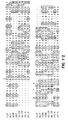
- Figure 1 shows the complete amino acid sequences of LIF, OSM, G-CSF and IL-6 from various species--human, murine, and simian (SEQ ID NO:1), (SEQ ID NO:2), SEC ID NO:3), (SEQ ID NO:4), (SEQ ID NO: 5), (SEQ ID NO:6), SEQ ID NO:7), and (SEQ ID NO:8).
- Figure 2 shows the three-dimensional organization deduced for the OSM, LIF, G-CSF and IL-6 factors used to construct the hybrids of the invention. Also shown in this figure is the three-dimensional organization of growth hormone which has been confirmed by X-ray crystallography.
- the availability of the DNA sequences encoding the four factors used as portions of the hybrid, LIF, G-CSF, IL-6 and OSM, makes possible the construction of recombinant DNA encoding the desired hybrid cytokine.
- the complete amino acid sequence (and corresponding DNA sequence) is available with respect to human, murine and simian forms of these cytokines.
- the close homology shown among species also makes possible the retrieval of the corresponding DNAs from additional species producing such cytokines, such as feline, canine, bovine, avian, and other vertebrate species. Natural allelic variants may also be retrieved.
- the hybrid cytokine encoding DNA can be constructed using DNAs of species origin appropriate for the particular hybrid desired.
- the DNA encoding the amino acid sequences of the hybrid cytokines will be "derived from” the DNA encoding the relevant portions of the native cytokine.
- derived from is meant that the amino acid sequence encoded is the same as that of the native protein--either that shown in Figure 1, a naturally-occurring allelic variant, a mutant shown to bind to the receptor of the relevant cytokine in standard in vitro assays, or that of an additional species obtainable by using the known species DNA as probes. "Derived from” does not imply any physical derivation.
- the portions of the protein sequence "derived from” the native cytokines are, in fact, prepared using either genomic or cDNA, synthesized DNA, or combinations of these.
- any DNA encoding the desired sequence can be used, not necessarily that DNA sequence which occurs natively. "Derived from,” thus, has no implications that the physical embodiment of either the DNA or the protein portion is used in the hybrids of the invention, but that the information provided by the native sequences is used in the construction of suitable DNA and protein.
- Exemplary amino acid sequences for the relevant cytokines of various species are shown in Figure 1.
- the hybrid cytokines of the invention derive amino acid sequences from at least two of the four related factors--leukemia inhibitory factor (LIF), granulocyte-colony stimulating factor (G-CSF), interleukin-6 (IL-6), and oncostatin-M (OSM).
- LIF low-leukemia inhibitory factor
- G-CSF granulocyte-colony stimulating factor
- IL-6 interleukin-6
- OSM oncostatin-M
- each of LIF, G-CSF, IL-6, and OSM contain four ⁇ -helical regions numbered I-IV.
- the various factors also show disulfide bridges; OSM and LIF having similar locations for the disulfides; as shown OSM and LIF show similar genetic patterns; G-CSF and IL-6 also show similar patterns with each other.
- the disulfide bond linking the fourth ⁇ -helical region and the linking region between the first and second ⁇ -helices predicted in LIF and shown to be present in OSM is also found in the structure of growth hormone.
- the ⁇ -helical region I extends approximately from amino acid 11-32; ⁇ -helical region II from 78-99; ⁇ -helical region III from 105-131; and ⁇ -helical region IV from 157-184.
- the locations of the various regions of ⁇ -helices for the human forms in these four factors are shown in Table 2.
- Factor Region I II III IV OSM 11-32 78-99 105-131 157-184 LIF 19-46 72-97 108-133 154-180 G-CSF 12-24, 45-56 68-93 104-127 139-173 IL-6 24-41, 54-63 79-102 110-136 147-183
- linking sequence I/II extends from residue 33-77; linking region II/III from position 100-104; and linking region III/IV from position 132-156.
- the ⁇ -helical region I is divided into two portions separated by a nonhelical portion in each case.
- some of the linking regions, such as OSM linking region II/III are quite short--in this case, only about 5 amino acids. In other cases, an extended linking region is found.
- the hybrid cytokines of the invention contain four helical regions each derived from the "corresponding" helical region in one of the four factors described above.
- derived from the "corresponding" ⁇ -helical region means that the first ⁇ -helical region (I) of the hybrid cytokine contains the same or substantially identical amino acid sequence as ⁇ -helical region I of either OSM, LIF, G-CSF or IL-6; the second ⁇ -helical region (II) of the hybrid cytokine has the same or substantially identical amino acid sequence as that of ⁇ -helical region II of one of these factors, and so forth.
- the four ⁇ -helical regions of the hybrid cytokines are connected by additional nonhelical linking regions ranging from about 4 to about 100 amino acids.
- each of the helical regions may be interrupted by one or more nonhelical sequences containing about 8-30 amino acids, analogous to the situation for the first helical regions of the native forms of G-CSF and IL-6.
- the helical regions in the hybrid be derived from the cytokine characteristic of the species for which the use is intended.
- the cytokine characteristic of the species for which the use is intended.
- all four of the regions be derived from the human forms of the cytokines.
- all of the helical regions derive from the dog corresponding regions.
- nonhelical linking regions be derived from the corresponding linking regions in the native cytokines.
- linking region I/II in the hybrid be derived from linking region I/II of one of the G-CSF, OSM, LIF and IL-6. Derivation from the species for which use is intended is also preferred.
- hybrid molecules which have arbitrarily chosen linking regions selected to keep the conformation of the three-dimensional molecules similar to those of the native cytokines.
- either helical regions I, II, and III are derived from the same factor and IV from a different factor or, conversely, regions II, III and IV are from the same factor and region I is from a different one. In general, it is preferred that regions II and III derive from the same source.
- regions I-IV are undisturbed from a natural pattern, in particular, regions I and IV with respect to each other.
- the N ⁇ C directions of regions I and IV are opposite.
- the N ⁇ C orientations of regions II and III are of opposite polarity.
- the lengths of the linking region I/II and of linking region III/IV permit regions I and IV to be oriented N ⁇ C in the same orientation as regions II and III, respectively.
- the short segments in the linking regions I/II and III/IV in G-CSF and IL-6 force regions I and II and III and IV to be in opposite orientations N ⁇ C, respectively.
- the "double negative" for G-CSF and IL-6 results in the same relative orientations with respect to regions I and IV in G-CSF and IL-6 as is the case in OSM and LIF.
- linking regions I/II and III/IV will be of about 20-100 amino acids to allow for the parallel orientation of joined helical regions as in LIF and OSM, or both should be relatively short of less than 20 amino acids to force antiparallel orientation in both cases as in G-CSF and IL-6.
- the linking regions should be selected so as to assure antiparallel orientation of regions I and IV in all cases.
- first and second ⁇ -helical regions are derived from G-CSF or wherein at least one region is derived from IL-6.
- Particularly preferred embodiments with respect to the origin of the ⁇ -helical regions are as follows, wherein the ⁇ -helical regions I-IV are ordered as shown, and wherein G represents G-CSF; L represents LIF; I represents IL-6; and O represents OSM: GGGI; OOOI; LLLI; IIIO; GGGO; OOOG; LLLO; IIIG; GGGL; OOOL; LLLG; IIIL; IGGG; IOOO; ILLL; OIII; OGGG; GOOO; OLLL; GIII; LGGG; LOOO; GLLL; LIII; GGLL; GGII; GGOO; GILO; LOGI; LLII; LLGG; IIGG; and OOGG.
- the ⁇ -helical regions shown are, then, linked through nonhelical linking regions of 4-100 amino acids, preferably derived from the linking regions of the native cytokines.
- preferred embodiments of the foregoing are those wherein the linking regions are as indicated derived from the corresponding linking region of the native cytokine.
- g represents a linking region from G-CSF
- 1 represents a linking region from LIF
- i represents a linking region from IL-6
- o represents a linking region from OSM.
- the indicated linking region is derived from the corresponding linking region of the indicated cytokine; thus that shown between ⁇ -helical sequence I and II is derived from the linking region I/II.
- GlGlLlL GlGgIlI; GgGgOgO; GlGiGoI; IiGgGgG; GgIiLiO; LgOgGgI; LoLlIoI; GgGgGgO; GgGgGgL; OoOoOoG; LlLlLlG; GoOoOoO; OgGgGgG; LgGgGgG; GiGgGiI.
- disulfide linkages shown in Figure 2 are helpful in maintaining conformation, choice of the suitable linking region or ⁇ helical region which provides cysteine residues to furnish the appropriate disulfide links are preferred.
- a cysteine residue may be substituted at the appropriate position in place of one of the residues in the linking or helical region derived from a different source.
- the hybrid cytokines in principle, could be made using standard solid-phase peptide synthesis techniques, in combination with linking technology. However, synthesis of peptides of the appropriate length is laborious and difficult. Conditions would need to be provided subsequent to the synthesis to effect the three-dimensional folding required for the molecules to assume the ⁇ -helical and tertiary conformations shown. A more practical approach to the preparation of the hybrid cytokines of the invention is the recombinant production thereof.
- the DNA-based expression system will also contain "control sequences" which are necessary for the transcription and translation of the message.
- control sequences include promoter systems which may be constitutive or inducible, translational initiation signals, in eucaryotic expression, polyadenylation translation termination sites, and transcription terminating sequences.
- Host vectors containing these controls which permit desired coding sequences to be operably linked to the required control systems are by now well established in the art, and such vectors operable in a variety of hosts can be found.
- the hybrid cytokines of the invention may be produced in procaryotic cells using appropriate controls, such as the trp or lac promoter, or in eucaryotic host cells which are capable of effecting the post-translational processing that permits that protein to assume the desired three-dimensional conformation.
- Eucaryotic control systems and host vectors are also well known; including the leu and glycolytic promoters useful in yeast, the viral SV40 and adenovirus promoters in mammalian cells, inducible promoters such as the metallothionein promoter also suitable for mammalian cells, and the baculovirus system which is operable in insect cells. Plant vectors with suitable promoters, such as the nos promoter are also well known.
- the hybrid cytokines of the invention can be prepared conveniently in procaryotic as well as eucaryotic hosts since, although generally glycosylated in their native forms, glycosylation is known not to be essential for their activity. Suitable conditions for refolding can also be provided as is understood in the art.
- Standard techniques for expression of DNAs encoding any desired protein and techniques and methodologies for culturing the appropriate cells, providing the conditions suitable for expression, and recovering the protein from the culture are summarized, for example, in standard laboratory manuals, such as those published by Cold Spring Harbor Laboratories, Cold Spring Harbor, NY.
- hybrid cytokines for recombinant production of the hybrid cytokines, suitably constructed DNA encoding the desired hybrid is operably linked to control sequences in a suitable expression system which is then transformed or transfected into a compatible host.
- the host cells are cultured using conditions appropriate to their growth, and expression is preferably induced after some growth has occurred. Production of the hybrid cytokine is then monitored and the cytokine collected from the culture either from the supernatant or by lysing the cells.
- Purification procedures analogous to those known in the art for the native cytokines can be used to effect purification of the cytokine to a form suitable for therapeutic or diagnostic use.
- Antibodies specifically reactive with the hybrid cytokines of the invention or immunoreactive fragments of these antibodies may be prepared using standard immunization protocols. These may be utilized as polyclonal antisera or the spleen cells or peripheral blood lymphocytes of the immunized animals may be immortalized to obtain isolated cell cultures which produce monoclonal antibodies specific for these hybrids. The antibodies may be used intact, or as fragments such as Fab, Fab' or F(ab') 2 fragments. As the hybrid cytokines are relatively large proteins, it should not be necessary to enhance their immunogenicity by conjugation to carrier; however, such enhancement is possible and construction of such conjugates is well known in the art.
- the hybrid cytokine is administered in a standard immunization protocol with or without the use of adjuvant to a suitable subject, usually rats, sheep, or rabbits.
- a suitable subject usually rats, sheep, or rabbits.
- Antibody formation is monitored by titrating the serum using the cytokine as antigen and employing standard immunoassay techniques.
- the sera can be used per se or the spleen cells or peripheral blood lymphocytes isolated and immortalized, for example, using the fusion technique of Kohler and Millstein to provide immortalized cells capable of secreting the desired monoclonal antibodies. Individual clones of these immortalized cells are then screened, again using standard immunological techniques, for those colonies which secrete antibodies specifically immunoreactive with the hybrid cytokine immunogen.
- the antibodies prepared in the foregoing manner or fragments thereof are useful in diagnostic assays for monitoring the pharmacokinetics and progress of therapeutic regimens using the hybrid cytokines of the invention.
- the dosage levels of the hybrid cytokines in the therapeutic applications set forth below can be regulated according to the metabolic fate of the previously administered dosages.
- the hybrid cytokines of the invention are useful in treating the indications for which their native counterparts are often employed.
- the hybrid forms of the cytokines possess unique properties which make them suitable alternatives in the methods and procedures commonly employed with respect to the native molecules.
- hybrid cytokines are capable of binding the receptors ordinarily bound by the native molecules but fail to activate these receptors.
- These forms of the hybrid cytokines are, thus, antagonists. These may be useful in treating conditions where presence of the parent factor that ordinarily binds to the receptor is responsible for undesired cell proliferation.
- IL-6 and OSM are known to be associated in high levels with Kaposi's sarcoma. These are found also in high concentrations in the synovial fluid from patients suffering from rheumatoid arthritis. In these conditions, the hybrid cytokine antagonists are particularly useful.
- hybrid cytokines which are agonists can be employed in circumstances wherein the native cytokines are often used.
- these agonist hybrid cytokines may be used in liver cell regeneration and in in vitro fertilization procedures to enhance these processes.
- the hybrid cytokine may possess properties exhibited by neither of its components taken alone. It is known, for example, that coadministration of LIE and G-CSF results in a synergistic effect in inhibiting colony formation and inducing differentiation of human U937 and HL60 myelocytic leukemia cell lines although neither alone has this effect (Maekawa, T., and Metcalf, D., Leukemia (1989) 3 :270-276.) Similarly, applicants have found that although neither LIP nor OSM inhibit colony formation of U937, when supplied in combination, at 10 ng/ml using 300 cells in soft agar, more than 60% inhibition of colony formation is obtained.
- hybrid cytokines with a unique spectrum of properties.
- These hybrid cytokines are useful generally in inhibiting tumor proliferation, in bone remodeling, in stimulating the differentiation and growth of desired cells, such as neurons or T-cells, and in enhancing the differentiation of hematopoietic cells.
- desired cells such as neurons or T-cells
- hematopoietic cells are therefore highly useful in the direct treatment in the malignancies. They are especially useful in maintaining the general health and immune capacity of a subject undergoing radiation therapy or chemotherapy for such indications.
- the properties of a particular hybrid can be ascertained through standard in vitro tests well known in the art. Such tests include those, for example, which show induction of differentiation into macrophages (Tomita, M., et al., J Biol Chem (1984) 259 :10978-10982); ability to enhance interleukin-3-dependent colony formation of primitive blast cells (Leary, A.G., et al., Blood (1990) 75 :1960-1964); promotion of megakaryocyte growth and differentiation (Metcalf, D., et al., Blood (1990) 76 :50-56); induction of neuronal differentiation (Yamamuri, T., et al., Science (1989) 246 :1412-1416); and induction of bone resorption (Ishimi, Y., et al., J Immunol (1990) 145 :3297-3303). A large number of indicators in vitro of the ability of these factors to stimulate growth and differentiation of desired cells and inhibit the
- the inhibition of DNA synthesis in M-1 myeloid leukemic cells can be measured; the effect on growth of human A-375 melanoma cells (Zarling, J.M. et al., Proc Natl Acad Sci USA (1986) 83 :9739-9743) may be measured, or the effect of these factors on embryonic stem cells cultured in vitro as described by Smith, A.G. et al., Devel Biol (1987) 121 :1-9; Williams, R.L. et al., Nature (1988) 336 :684-687, can be determined.
- the foregoing procedures can be adapted to assess both agonist and antagonist behavior.
- the candidate hybrid cytokine is used in the presence of a known agonist and its effect on the activity of the known agonist is assessed.
- the hybrid cytokines of the invention are applicable to in vivo and in vitro procedures involving both human and animal cells. They are suitable for both medical and veterinary use.
- the hybrid cytokines of the invention are formulated into standard pharmaceutical compositions suitable for the administration of proteins. Suitable formulations can be found, for example, in Remington's Pharmaceutical Sciences, latest edition, Mack Publishing Company, Easton, PA. Comparable compositions for veterinary use are also known in the art. Generally, administration is systemic, usually by injection, such as intravenous or intramuscular injection or can be effected by transdermal or preferably transmucosal delivery. Suitable formulations for effecting transmucosal delivery include, for example, various detergents and bile salts or fusidic acid derivatives. Enteric compositions which permit oral administration may also be employed.
- the dosage levels of the hybrid cytokines of the invention are comparable to those useful for the native molecules. These levels are understood in the art, and the precise dosage can be adjusted according to the condition of the patient, the mode of administration, and the judgment of the attending physician.
- hybrid cytokines of the invention may also be labeled using suitable fluorometric, colorimetric, enzymic, or radioactive labels for use in assays to ascertain the formation of antibodies in patients being treated.
Landscapes
- Health & Medical Sciences (AREA)
- Chemical & Material Sciences (AREA)
- Life Sciences & Earth Sciences (AREA)
- Organic Chemistry (AREA)
- Medicinal Chemistry (AREA)
- General Health & Medical Sciences (AREA)
- Proteomics, Peptides & Aminoacids (AREA)
- Gastroenterology & Hepatology (AREA)
- Zoology (AREA)
- Toxicology (AREA)
- Molecular Biology (AREA)
- Genetics & Genomics (AREA)
- Biophysics (AREA)
- Biochemistry (AREA)
- Animal Behavior & Ethology (AREA)
- Veterinary Medicine (AREA)
- Public Health (AREA)
- Pharmacology & Pharmacy (AREA)
- Immunology (AREA)
- Bioinformatics & Cheminformatics (AREA)
- Engineering & Computer Science (AREA)
- General Chemical & Material Sciences (AREA)
- Nuclear Medicine, Radiotherapy & Molecular Imaging (AREA)
- Chemical Kinetics & Catalysis (AREA)
- Epidemiology (AREA)
- Diabetes (AREA)
- Hematology (AREA)
- Medicines That Contain Protein Lipid Enzymes And Other Medicines (AREA)
- Peptides Or Proteins (AREA)
- Preparation Of Compounds By Using Micro-Organisms (AREA)
- Pharmaceuticals Containing Other Organic And Inorganic Compounds (AREA)
- Polysaccharides And Polysaccharide Derivatives (AREA)
- Medicines Containing Plant Substances (AREA)
- Dry Shavers And Clippers (AREA)
Claims (14)
- Ein hybrides Cytokin, umfassend einen ersten, zweiten, dritten und vierten α-helikalen Bereich, wobei jeder der ersten, zweiten, dritten und vierten α-helikalen Bereiche von dem entsprechenden α-helikalen Bereich eines Faktors abgeleitet ist, der ausgewählt ist aus der Gruppe bestehend aus Leukärnie-inhibierender Faktor (LIF oder L), Granulozyten-Kolonie-stimulierender Faktor (G-CSF oder G, Interleukin-6 (IL-6 oder I) und Onkostatin-M (OSM oder O), und wobei mindestens ein α-helikaler Bereich des Cytokins von einem Faktor abgeleitet ist, der von dem Faktor verschieden ist, von dem mindestens ein zusätzlicher Bereich des Cytokins abgeleitet ist.
- Das hybride Cytokin nach Anspruch 1, das GGLL, GGII, GGOO, GILO, LOGI, LLGG, IIGG, OOGG, LLII, GGGI, OOOI, LLLI, IIIO, GGGO, OOOG, LLLO, IIIG, GGGL, OOOL, LLLG, IIIL, IGGG, IOOO, ILLL, OIII, OGGG oder GOOO ist, oder das ferner zwischen jedem der ersten, zweiten, dritten und vierten α-helikalen Bereiche Verbindungsbereiche von 5 bis 100 Aminosäuren enthält.
- Das Cytokin nach Anspruch 2 oder 14, wobei jeder der Verbindungsbereiche unabhängig voneinander von einem entsprechenden Verbindungsbereich von LIF, G-CSF, IL-6 oder OSM abgeleitet ist, oder wobei jeder der Verbindungsbereiche zwischen dem ersten und zweiten und zwischen dem dritten und vierten α-helikalen Bereich so ausgewählt ist, daß sich eine antipolare Orientierung des ersten und vierten α-helikalen Bereichs ergibt.
- Das hybride Cytokin nach Anspruch 3, wobei die Verbindungsbereiche zwischen dem ersten und zweiten und dem dritten und vierten α-helikalen Bereich jeweils 20 bis 100 Aminosäuren betragen oder wobei jeder der Verbindungsbereiche zwischen den ersten und zweiten und den dritten und vierten α-helikalen Bereichen jeweils weniger als 20 Aminosäuren beträgt, oder wobei jeder der Verbindungsbereiche zwischen den ersten und zweiten und den dritten und vierten α-helikalen Bereichen entweder jeweils von OSM und/oder LIF oder von G-CSF und/oder IL-6 abgeleitet ist.
- Das Cytokin nach Anspruch 3, das aus der Gruppe ausgewählt ist bestehend aus GlGlLlL, GlGgIII, GGGgOgO, GlGiGoI, IiGgGgG, GgIiLiO, LgOgGgI, GgGgGgO, GgGgGgL, OoOoOoG, LlLlLlG, GoOoOoO, OgGgGgG, LgGgGgG, GiGgGiI und LoLlIoI.
- Das Cytokin nach einem der Ansprüche 1 bis 5 oder 14, wobei jeder entsprechende Bereich vom Menschen abgeleitet ist oder an eine Markierung gekoppelt ist.
- Eine rekombinante DNA, die das hybride Cytokin nach einem der Ansprüche 1 bis 6 oder 14 kodiert.
- Ein Expressionssystem, das in einer rekombinanten Wirtszelle fähig ist, die Expression einer DNA zu bewirken, die das hybride Cytokin nach einem der Ansprüche 1 bis 6 oder 14 kodiert, wobei das Expressionssystem die kodierende DNA umfaßt, die operativ mit Kontroll-sequenzen verbunden ist, die mit dem Wirt kompatibel sind.
- Rekombinante Wirtszellen, die mit dem Expressionssystem nach Anspruch 8 transformiert sind.
- Ein Verfahren zur Herstellung eines hybriden Cytokin-Proteins, umfassend einen ersten, zweiten, dritten und vierten α-helikalen Bereich, wobei jeder der ersten, zweiten, dritten und vierten α-helikalen Bereiche von dem entsprechenden α-helikalen Bereich eines Faktors abgeleitet ist, der ausgewählt ist aus der Gruppe bestehend aus Leukämie-inhibierender Faktor (LIF), Granulozyten-Kolonie-stimulierender Faktor (G-CSF), Interleukin 6 (IL-6) und Onkostatin-M (OSM), und wobei mindestens ein α-helikaler Bereich des Cytokins von einem Faktor abgeleitet ist, der von dem Faktor verschieden ist, von dem mindestens ein zusätzlicher Bereich des Cytokins abgeleitet ist, wobei das Verfahren das Kultivieren der rekombinanten Wirtszellen nach Anspruch 9 unter Bedingungen umfaßt, die die Expression der kodierenden DNA bewirken, und das hybride Cytokin aus der Kultur isoliert wird.
- Eine pharmazeutische oder veterinärmedizinische Zusammensetzung, verwendbar zur Beeinflussung der Proliferation und/oder Differenzierung von Zielzellen, wobei die Zusammensetzung eine wirksame Menge des hybriden Cytokins nach einem der Ansprüche 1 bis 6 oder 14 in einem Gemisch mit mindestens einer pharmazeutisch verträglichen Trägersubstanz umfaßt.
- Antikörper oder deren Fragmente, die spezifisch mit dem hybriden Cytokin nach einem der Ansprüche 1 bis 6 oder 14 immunreaktiv sind.
- Ein Verfahren zur Herstellung eines hybriden Cytokins zur Therapie, wobei das Verfahren umfaßt:Herstellen eines Cytokins als Kandidat, umfassend einen ersten, zweiten, dritten und vierten α-helikalen Bereich, wobei jeder der ersten, zweiten, dritten und vierten α-helikalen Bereiche abgeleitet ist von dem entsprechenden α-helikalen Bereich eines Faktors, ausgewählt aus der Gruppe bestehend aus LIF, F-CSF, IL-6 und OSM, wobei mindestens ein α-helikaler Bereich des Cytokins von einem Faktor abgeleitet ist, der unterschiedlich von einem Faktor ist, von dem mindestens ein weiterer Bereich des Cytokins abgeleitet ist, undTesten des erhaltenen hybriden Cytokins als Kandidat in einem in vitro-Nachweissystem auf die Fähigkeit, das Wachstum von Zielzellen zu beeinflussen, undAuswählen eines Cytokins, das die gewünschte Wirkung liefert.
- Das Cytokin nach Anspruch 1, das GGGI, OOOI, LLLI, IIIO, GGGO, OOOG, LLLO, IIIG, GGGL, OOOL, LLLG, IIIL, IGGG, IOOO, ILLL, OIII, OGGG, GOOO, OLLL, GIII, LGGG, LOOO, GLLL, LIII, GGLL, GGII, GGOO, GILO, LOGI, LLII, LLGG, IIGG und OOGG ist, und das ferner zwischen jedem der ersten, zweiten, dritten und vierten α-helikalen Bereiche Verbindungsbereiche von 5 bis 100 Aminosäuren enthält.
Applications Claiming Priority (3)
| Application Number | Priority Date | Filing Date | Title |
|---|---|---|---|
| US75317891A | 1991-08-30 | 1991-08-30 | |
| US753178 | 1991-08-30 | ||
| PCT/US1992/007112 WO1993005169A1 (en) | 1991-08-30 | 1992-08-24 | Hybrid cytokines |
Publications (3)
| Publication Number | Publication Date |
|---|---|
| EP0601043A1 EP0601043A1 (de) | 1994-06-15 |
| EP0601043A4 EP0601043A4 (de) | 1995-05-10 |
| EP0601043B1 true EP0601043B1 (de) | 1998-11-25 |
Family
ID=25029503
Family Applications (1)
| Application Number | Title | Priority Date | Filing Date |
|---|---|---|---|
| EP92918688A Expired - Lifetime EP0601043B1 (de) | 1991-08-30 | 1992-08-24 | Hybride cytokine |
Country Status (9)
| Country | Link |
|---|---|
| US (1) | US6204364B1 (de) |
| EP (1) | EP0601043B1 (de) |
| JP (1) | JPH06510202A (de) |
| AT (1) | ATE173763T1 (de) |
| AU (1) | AU666866B2 (de) |
| CA (1) | CA2116533A1 (de) |
| DE (1) | DE69227693T2 (de) |
| NZ (1) | NZ244155A (de) |
| WO (1) | WO1993005169A1 (de) |
Cited By (20)
| Publication number | Priority date | Publication date | Assignee | Title |
|---|---|---|---|---|
| US6838260B2 (en) | 1997-12-08 | 2005-01-04 | Emd Lexigen Research Center Corp. | Heterodimeric fusion proteins useful for targeted immune therapy and general immune stimulation |
| US6969517B2 (en) | 2001-05-03 | 2005-11-29 | Emd Lexigen Research Center Corp. | Recombinant tumor specific antibody and use thereof |
| US6992174B2 (en) | 2001-03-30 | 2006-01-31 | Emd Lexigen Research Center Corp. | Reducing the immunogenicity of fusion proteins |
| US7067110B1 (en) | 1999-07-21 | 2006-06-27 | Emd Lexigen Research Center Corp. | Fc fusion proteins for enhancing the immunogenicity of protein and peptide antigens |
| US7091321B2 (en) | 2000-02-11 | 2006-08-15 | Emd Lexigen Research Center Corp. | Enhancing the circulating half-life of antibody-based fusion proteins |
| US7141651B2 (en) | 1999-08-09 | 2006-11-28 | Emd Lexigen Research Center Corp. | Multiple cytokine protein complexes |
| US7148321B2 (en) | 2001-03-07 | 2006-12-12 | Emd Lexigen Research Center Corp. | Expression technology for proteins containing a hybrid isotype antibody moiety |
| US7169904B2 (en) | 2002-12-17 | 2007-01-30 | Emd Lexigen Research Center Corp. | Immunocytokine sequences and uses thereof |
| US7186804B2 (en) | 2001-12-04 | 2007-03-06 | Emd Lexigen Research Center Corp. | IL-2 fusion proteins with modulated selectivity |
| US7211253B1 (en) | 1999-11-12 | 2007-05-01 | Merck Patentgesellschaft Mit Beschrankter Haftung | Erythropoietin forms with improved properties |
| US7323549B2 (en) | 2003-12-30 | 2008-01-29 | Emd Lexigen Research Center Corp. | IL-7 fusion proteins |
| US7432357B2 (en) | 2004-01-22 | 2008-10-07 | Merck Patent Gmbh | Anti-cancer antibodies with reduced complement fixation |
| US7465447B2 (en) | 2003-12-31 | 2008-12-16 | Merck Patent Gmbh | Fc-erythropoietin fusion protein with improved pharmacokinetics |
| US7517526B2 (en) | 2000-06-29 | 2009-04-14 | Merck Patent Gmbh | Enhancement of antibody-cytokine fusion protein mediated immune responses by combined treatment with immunocytokine uptake enhancing agents |
| US7589179B2 (en) | 2004-12-09 | 2009-09-15 | Merck Patent Gmbh | IL-7 variants with reduced immunogenicity |
| US7670595B2 (en) | 2004-06-28 | 2010-03-02 | Merck Patent Gmbh | Fc-interferon-beta fusion proteins |
| US7872107B2 (en) | 2005-12-30 | 2011-01-18 | Merck Patent Gmbh | Interleukin-12p40 variants with improved stability |
| US7955590B2 (en) | 1999-07-21 | 2011-06-07 | Merck Patent Gmbh | Fc fusion proteins for enhancing the immunogenicity of protein and peptide antigens |
| US8691952B2 (en) | 2005-12-30 | 2014-04-08 | Merck Patent Gmbh | Anti-CD19 antibodies with reduced immunogenicity |
| US8907066B2 (en) | 2009-04-22 | 2014-12-09 | Merck Patent Gmbh | Antibody fusion proteins with a modified FcRn binding site |
Families Citing this family (21)
| Publication number | Priority date | Publication date | Assignee | Title |
|---|---|---|---|---|
| US5718893A (en) * | 1984-04-15 | 1998-02-17 | Foster; Preston F. | Use of G-CSF to reduce acute rejection |
| US6171824B1 (en) * | 1991-08-30 | 2001-01-09 | Fred Hutchinson Cancer Research Center | Hybrid cytokines |
| WO1994003492A1 (en) * | 1992-08-06 | 1994-02-17 | The University Of Melbourne | Interleukin-6 variants and uses therefor |
| US5460810A (en) * | 1992-09-02 | 1995-10-24 | Genetics Institute, Inc. | Method for maintaining gut epithelial cells by treatment with a cytokine such as interleukin 11 |
| US5581476A (en) * | 1993-01-28 | 1996-12-03 | Amgen Inc. | Computer-based methods and articles of manufacture for preparing G-CSF analogs |
| WO1994018236A1 (en) * | 1993-02-03 | 1994-08-18 | Amrad Corporation Limited | Receptor-binding determinant from leukaemia inhibitory factor |
| US5536495A (en) * | 1994-04-15 | 1996-07-16 | Foster; Preston F. | Use of G-CSF to reduce acute rejection |
| AU4658596A (en) | 1995-02-03 | 1996-08-21 | G.D. Searle & Co. | Novel c-mpl ligands |
| US6303770B1 (en) | 1997-12-10 | 2001-10-16 | Zymogenetics, Inc. | Nucleic acids encoding mammalian alpha helical protein-1 |
| CA2313464A1 (en) * | 1997-12-10 | 1999-06-17 | Zymogenetics, Inc. | Mammalian alpha helical protein-1 |
| GB9806530D0 (en) | 1998-03-26 | 1998-05-27 | Glaxo Group Ltd | Inflammatory mediator |
| US6329789B1 (en) * | 1999-12-21 | 2001-12-11 | Moltech Corporation | Methods of charging lithium-sulfur batteries |
| US6555660B2 (en) * | 2000-01-10 | 2003-04-29 | Maxygen Holdings Ltd. | G-CSF conjugates |
| WO2004043361A2 (en) * | 2002-11-08 | 2004-05-27 | Genentech, Inc. | Compositions and methods for the treatment of natural killer cell related diseases |
| EP1425304B9 (de) * | 2001-07-11 | 2010-09-08 | Maxygen, Inc. | G-csf konjugate |
| EP2322200A3 (de) * | 2002-10-29 | 2011-07-27 | Genentech, Inc. | Gestaltungen und Methoden für die Behandlung von immune verwandte Krankheiten |
| US7563810B2 (en) * | 2002-11-06 | 2009-07-21 | Celgene Corporation | Methods of using 3-(4-amino-1-oxo-1,3-dihydroisoindol-2-yl)-piperidine-2,6-dione for the treatment and management of myeloproliferative diseases |
| US8034831B2 (en) * | 2002-11-06 | 2011-10-11 | Celgene Corporation | Methods for the treatment and management of myeloproliferative diseases using 4-(amino)-2-(2,6-Dioxo(3-piperidyl)-isoindoline-1,3-dione in combination with other therapies |
| US7220407B2 (en) | 2003-10-27 | 2007-05-22 | Amgen Inc. | G-CSF therapy as an adjunct to reperfusion therapy in the treatment of acute myocardial infarction |
| AU2005306894B2 (en) | 2004-11-05 | 2011-11-24 | Northwestern University | Use of SCF and G-CSF in the treatment of cerebral ischemia and neurological disorders |
| KR20080027291A (ko) * | 2005-06-01 | 2008-03-26 | 맥시겐 홀딩스 엘티디 | 피이지화된 지-씨에스에프 폴리펩타이드 및 그 제조방법 |
Family Cites Families (3)
| Publication number | Priority date | Publication date | Assignee | Title |
|---|---|---|---|---|
| US4935233A (en) * | 1985-12-02 | 1990-06-19 | G. D. Searle And Company | Covalently linked polypeptide cell modulators |
| AU5355790A (en) * | 1989-04-19 | 1990-11-16 | Cetus Corporation | Multifunctional m-csf proteins and genes encoding therefor |
| DE69007975T2 (de) * | 1989-08-22 | 1994-07-21 | Immunex Corp | Fusionsprotein bestehend aus gm-csf und il-3. |
-
1992
- 1992-08-24 AU AU25003/92A patent/AU666866B2/en not_active Ceased
- 1992-08-24 JP JP5505235A patent/JPH06510202A/ja active Pending
- 1992-08-24 CA CA002116533A patent/CA2116533A1/en not_active Abandoned
- 1992-08-24 AT AT92918688T patent/ATE173763T1/de not_active IP Right Cessation
- 1992-08-24 EP EP92918688A patent/EP0601043B1/de not_active Expired - Lifetime
- 1992-08-24 WO PCT/US1992/007112 patent/WO1993005169A1/en not_active Ceased
- 1992-08-24 DE DE69227693T patent/DE69227693T2/de not_active Expired - Lifetime
- 1992-08-31 NZ NZ244155A patent/NZ244155A/en unknown
-
1993
- 1993-07-27 US US08/097,869 patent/US6204364B1/en not_active Expired - Fee Related
Cited By (40)
| Publication number | Priority date | Publication date | Assignee | Title |
|---|---|---|---|---|
| US7226998B2 (en) | 1997-12-08 | 2007-06-05 | Emd Lexigen Research Center Corp. | Heterodimeric fusion proteins useful for targeted immune therapy and general immune stimulation |
| US6838260B2 (en) | 1997-12-08 | 2005-01-04 | Emd Lexigen Research Center Corp. | Heterodimeric fusion proteins useful for targeted immune therapy and general immune stimulation |
| US7879319B2 (en) | 1997-12-08 | 2011-02-01 | Merk Patent Gmbh | Heterodimeric fusion proteins useful for targeted immune therapy and general immune stimulation |
| US7576193B2 (en) | 1997-12-08 | 2009-08-18 | Merck Patent Gmbh | Heterodimeric fusion proteins useful for targeted immune therapy and general immune stimulation |
| US8043608B2 (en) | 1999-07-21 | 2011-10-25 | Merck Patent Gmbh | Methods of using Fc-cytokine fusion proteins |
| US7955590B2 (en) | 1999-07-21 | 2011-06-07 | Merck Patent Gmbh | Fc fusion proteins for enhancing the immunogenicity of protein and peptide antigens |
| US7067110B1 (en) | 1999-07-21 | 2006-06-27 | Emd Lexigen Research Center Corp. | Fc fusion proteins for enhancing the immunogenicity of protein and peptide antigens |
| US7141651B2 (en) | 1999-08-09 | 2006-11-28 | Emd Lexigen Research Center Corp. | Multiple cytokine protein complexes |
| US7582288B2 (en) | 1999-08-09 | 2009-09-01 | Merck Patent Gmbh | Methods of targeting multiple cytokines |
| US7211253B1 (en) | 1999-11-12 | 2007-05-01 | Merck Patentgesellschaft Mit Beschrankter Haftung | Erythropoietin forms with improved properties |
| US7091321B2 (en) | 2000-02-11 | 2006-08-15 | Emd Lexigen Research Center Corp. | Enhancing the circulating half-life of antibody-based fusion proteins |
| US7790415B2 (en) | 2000-02-11 | 2010-09-07 | Merck Patent Gmbh | Enhancing the circulating half-life of antibody-based fusion proteins |
| US7507406B2 (en) | 2000-02-11 | 2009-03-24 | Emd Serono Research Center, Inc. | Enhancing the circulating half-life of antibody-based fusion proteins |
| US7517526B2 (en) | 2000-06-29 | 2009-04-14 | Merck Patent Gmbh | Enhancement of antibody-cytokine fusion protein mediated immune responses by combined treatment with immunocytokine uptake enhancing agents |
| US7148321B2 (en) | 2001-03-07 | 2006-12-12 | Emd Lexigen Research Center Corp. | Expression technology for proteins containing a hybrid isotype antibody moiety |
| US8066994B2 (en) | 2001-03-07 | 2011-11-29 | Merck Patent Gmbh | Proteins comprising an IgG2 domain |
| US6992174B2 (en) | 2001-03-30 | 2006-01-31 | Emd Lexigen Research Center Corp. | Reducing the immunogenicity of fusion proteins |
| US7459538B2 (en) | 2001-05-03 | 2008-12-02 | Merck Patent Gmbh | Recombinant tumor specific antibody and use thereof |
| US6969517B2 (en) | 2001-05-03 | 2005-11-29 | Emd Lexigen Research Center Corp. | Recombinant tumor specific antibody and use thereof |
| US7803618B2 (en) | 2001-05-03 | 2010-09-28 | Merck Patent Gmbh | Recombinant tumor specific antibody and use thereof |
| US7888071B2 (en) | 2001-12-04 | 2011-02-15 | Merck Patent Gmbh | DNA encoding IL-2 fusion proteins with modulated selectivity |
| US7462350B2 (en) | 2001-12-04 | 2008-12-09 | Emd Serono Research Center, Inc. | Cancer treatments including administering IL-2 fusion proteins with modulated selectivity |
| US7186804B2 (en) | 2001-12-04 | 2007-03-06 | Emd Lexigen Research Center Corp. | IL-2 fusion proteins with modulated selectivity |
| US8470991B2 (en) | 2002-12-17 | 2013-06-25 | Merck Patent Gmbh | Immunocytokine sequences and uses thereof |
| US7767405B2 (en) | 2002-12-17 | 2010-08-03 | Merck Patent Gmbh | Immunocytokine sequences and uses thereof |
| US7169904B2 (en) | 2002-12-17 | 2007-01-30 | Emd Lexigen Research Center Corp. | Immunocytokine sequences and uses thereof |
| US8338575B2 (en) | 2003-12-30 | 2012-12-25 | Merck Patent Gmbh | IL-7 fusion proteins |
| US7323549B2 (en) | 2003-12-30 | 2008-01-29 | Emd Lexigen Research Center Corp. | IL-7 fusion proteins |
| US7960514B2 (en) | 2003-12-30 | 2011-06-14 | Merck Patent Gmbh | IL-7 fusion proteins |
| US7465447B2 (en) | 2003-12-31 | 2008-12-16 | Merck Patent Gmbh | Fc-erythropoietin fusion protein with improved pharmacokinetics |
| US7432357B2 (en) | 2004-01-22 | 2008-10-07 | Merck Patent Gmbh | Anti-cancer antibodies with reduced complement fixation |
| US7670595B2 (en) | 2004-06-28 | 2010-03-02 | Merck Patent Gmbh | Fc-interferon-beta fusion proteins |
| US8557232B2 (en) | 2004-06-28 | 2013-10-15 | Merck Patent Gmbh | Stabilization of Fc-interferon-beta fusion proteins |
| US7589179B2 (en) | 2004-12-09 | 2009-09-15 | Merck Patent Gmbh | IL-7 variants with reduced immunogenicity |
| US8188248B2 (en) | 2005-12-30 | 2012-05-29 | Merck Patent Gmbh | Nucleic acids encoding interleukin-12P40 variants with improved stability |
| US7872107B2 (en) | 2005-12-30 | 2011-01-18 | Merck Patent Gmbh | Interleukin-12p40 variants with improved stability |
| US8691952B2 (en) | 2005-12-30 | 2014-04-08 | Merck Patent Gmbh | Anti-CD19 antibodies with reduced immunogenicity |
| US8957195B2 (en) | 2005-12-30 | 2015-02-17 | Merck Patent Gmbh | Anti-CD19 antibodies with reduced immunogenicity |
| US9029330B2 (en) | 2005-12-30 | 2015-05-12 | Merck Patent Gmbh | Methods of treating cancer using interleukin-12p40 variants having improved stability |
| US8907066B2 (en) | 2009-04-22 | 2014-12-09 | Merck Patent Gmbh | Antibody fusion proteins with a modified FcRn binding site |
Also Published As
| Publication number | Publication date |
|---|---|
| DE69227693T2 (de) | 1999-07-22 |
| CA2116533A1 (en) | 1993-03-18 |
| US6204364B1 (en) | 2001-03-20 |
| AU2500392A (en) | 1993-04-05 |
| EP0601043A1 (de) | 1994-06-15 |
| NZ244155A (en) | 1994-11-25 |
| WO1993005169A1 (en) | 1993-03-18 |
| DE69227693D1 (de) | 1999-01-07 |
| AU666866B2 (en) | 1996-02-29 |
| JPH06510202A (ja) | 1994-11-17 |
| EP0601043A4 (de) | 1995-05-10 |
| ATE173763T1 (de) | 1998-12-15 |
Similar Documents
| Publication | Publication Date | Title |
|---|---|---|
| EP0601043B1 (de) | Hybride cytokine | |
| Klein et al. | Cytokine network in human multiple myeloma | |
| JP4423313B2 (ja) | ナチュラルキラー刺激因子 | |
| KR970005050B1 (ko) | 포유류 사이토킨, il-ⅱ | |
| EP0441900B1 (de) | Natürlicher killerzellen-stimulationsfaktor | |
| US5475087A (en) | Antagonists of human granulocyte-macrophage colony stimulating factor derived from the carboxyl terminus | |
| EP0412149A4 (en) | Use of il-7 in providing medications for stimulation of platelet production | |
| US6171824B1 (en) | Hybrid cytokines | |
| KR19990063653A (ko) | 케모킨 억제제 | |
| US6159463A (en) | Lymphocyte chemoattractant factor | |
| Alexander et al. | D-factor/leukaemia inhibitory factor: evidence for its role as a mediator in acute and chronic inflammatory disease | |
| EP0769055A1 (de) | Varianten von leukaemie-hemmenden-faktor | |
| Kaushansky | Structure–function relationships of the hematopoietic growth factors | |
| CA2251355C (en) | Il-6 mutein | |
| US5650147A (en) | Methods of stimulating granulocyte-macrophage progenitor cells | |
| AU638473B2 (en) | Promoters of colony stimulating factor activity | |
| JP3652365B6 (ja) | ナチュラルキラー刺激因子 | |
| Murthy | Studies into the mechanism of action of interleukin 3: purification of interleukin 3 and characterization of its cell surface receptor |
Legal Events
| Date | Code | Title | Description |
|---|---|---|---|
| PUAI | Public reference made under article 153(3) epc to a published international application that has entered the european phase |
Free format text: ORIGINAL CODE: 0009012 |
|
| 17P | Request for examination filed |
Effective date: 19940228 |
|
| AK | Designated contracting states |
Kind code of ref document: A1 Designated state(s): AT BE CH DE DK ES FR GB GR IE IT LI LU MC NL SE |
|
| RHK1 | Main classification (correction) |
Ipc: C12N 15/62 |
|
| A4 | Supplementary search report drawn up and despatched |
Effective date: 19950323 |
|
| AK | Designated contracting states |
Kind code of ref document: A4 Designated state(s): AT BE CH DE DK ES FR GB GR IE IT LI LU MC NL SE |
|
| 17Q | First examination report despatched |
Effective date: 19960809 |
|
| GRAG | Despatch of communication of intention to grant |
Free format text: ORIGINAL CODE: EPIDOS AGRA |
|
| GRAG | Despatch of communication of intention to grant |
Free format text: ORIGINAL CODE: EPIDOS AGRA |
|
| GRAG | Despatch of communication of intention to grant |
Free format text: ORIGINAL CODE: EPIDOS AGRA |
|
| GRAH | Despatch of communication of intention to grant a patent |
Free format text: ORIGINAL CODE: EPIDOS IGRA |
|
| GRAA | (expected) grant |
Free format text: ORIGINAL CODE: 0009210 |
|
| AK | Designated contracting states |
Kind code of ref document: B1 Designated state(s): AT BE CH DE DK ES FR GB GR IE IT LI LU MC NL SE |
|
| PG25 | Lapsed in a contracting state [announced via postgrant information from national office to epo] |
Ref country code: SE Free format text: THE PATENT HAS BEEN ANNULLED BY A DECISION OF A NATIONAL AUTHORITY Effective date: 19981125 Ref country code: NL Free format text: LAPSE BECAUSE OF FAILURE TO SUBMIT A TRANSLATION OF THE DESCRIPTION OR TO PAY THE FEE WITHIN THE PRESCRIBED TIME-LIMIT Effective date: 19981125 Ref country code: LI Free format text: LAPSE BECAUSE OF FAILURE TO SUBMIT A TRANSLATION OF THE DESCRIPTION OR TO PAY THE FEE WITHIN THE PRESCRIBED TIME-LIMIT Effective date: 19981125 Ref country code: GR Free format text: LAPSE BECAUSE OF NON-PAYMENT OF DUE FEES Effective date: 19981125 Ref country code: ES Free format text: THE PATENT HAS BEEN ANNULLED BY A DECISION OF A NATIONAL AUTHORITY Effective date: 19981125 Ref country code: CH Free format text: LAPSE BECAUSE OF FAILURE TO SUBMIT A TRANSLATION OF THE DESCRIPTION OR TO PAY THE FEE WITHIN THE PRESCRIBED TIME-LIMIT Effective date: 19981125 Ref country code: BE Free format text: LAPSE BECAUSE OF FAILURE TO SUBMIT A TRANSLATION OF THE DESCRIPTION OR TO PAY THE FEE WITHIN THE PRESCRIBED TIME-LIMIT Effective date: 19981125 Ref country code: AT Free format text: LAPSE BECAUSE OF FAILURE TO SUBMIT A TRANSLATION OF THE DESCRIPTION OR TO PAY THE FEE WITHIN THE PRESCRIBED TIME-LIMIT Effective date: 19981125 |
|
| REF | Corresponds to: |
Ref document number: 173763 Country of ref document: AT Date of ref document: 19981215 Kind code of ref document: T |
|
| REG | Reference to a national code |
Ref country code: CH Ref legal event code: EP |
|
| REF | Corresponds to: |
Ref document number: 69227693 Country of ref document: DE Date of ref document: 19990107 |
|
| ITF | It: translation for a ep patent filed | ||
| REG | Reference to a national code |
Ref country code: IE Ref legal event code: FG4D |
|
| PG25 | Lapsed in a contracting state [announced via postgrant information from national office to epo] |
Ref country code: DK Free format text: LAPSE BECAUSE OF FAILURE TO SUBMIT A TRANSLATION OF THE DESCRIPTION OR TO PAY THE FEE WITHIN THE PRESCRIBED TIME-LIMIT Effective date: 19990225 |
|
| ET | Fr: translation filed | ||
| NLV1 | Nl: lapsed or annulled due to failure to fulfill the requirements of art. 29p and 29m of the patents act | ||
| REG | Reference to a national code |
Ref country code: CH Ref legal event code: PL |
|
| PG25 | Lapsed in a contracting state [announced via postgrant information from national office to epo] |
Ref country code: LU Free format text: LAPSE BECAUSE OF NON-PAYMENT OF DUE FEES Effective date: 19990824 Ref country code: IE Free format text: LAPSE BECAUSE OF NON-PAYMENT OF DUE FEES Effective date: 19990824 |
|
| PLBE | No opposition filed within time limit |
Free format text: ORIGINAL CODE: 0009261 |
|
| 26N | No opposition filed | ||
| PG25 | Lapsed in a contracting state [announced via postgrant information from national office to epo] |
Ref country code: MC Free format text: LAPSE BECAUSE OF NON-PAYMENT OF DUE FEES Effective date: 20000229 |
|
| REG | Reference to a national code |
Ref country code: IE Ref legal event code: MM4A |
|
| REG | Reference to a national code |
Ref country code: GB Ref legal event code: IF02 |
|
| PGFP | Annual fee paid to national office [announced via postgrant information from national office to epo] |
Ref country code: FR Payment date: 20090806 Year of fee payment: 18 |
|
| PGFP | Annual fee paid to national office [announced via postgrant information from national office to epo] |
Ref country code: GB Payment date: 20090708 Year of fee payment: 18 Ref country code: DE Payment date: 20090831 Year of fee payment: 18 |
|
| PGFP | Annual fee paid to national office [announced via postgrant information from national office to epo] |
Ref country code: IT Payment date: 20090812 Year of fee payment: 18 |
|
| GBPC | Gb: european patent ceased through non-payment of renewal fee |
Effective date: 20100824 |
|
| REG | Reference to a national code |
Ref country code: FR Ref legal event code: ST Effective date: 20110502 |
|
| PG25 | Lapsed in a contracting state [announced via postgrant information from national office to epo] |
Ref country code: IT Free format text: LAPSE BECAUSE OF NON-PAYMENT OF DUE FEES Effective date: 20100824 |
|
| REG | Reference to a national code |
Ref country code: DE Ref legal event code: R119 Ref document number: 69227693 Country of ref document: DE Effective date: 20110301 |
|
| PG25 | Lapsed in a contracting state [announced via postgrant information from national office to epo] |
Ref country code: DE Free format text: LAPSE BECAUSE OF NON-PAYMENT OF DUE FEES Effective date: 20110301 Ref country code: FR Free format text: LAPSE BECAUSE OF NON-PAYMENT OF DUE FEES Effective date: 20100831 |
|
| PG25 | Lapsed in a contracting state [announced via postgrant information from national office to epo] |
Ref country code: GB Free format text: LAPSE BECAUSE OF NON-PAYMENT OF DUE FEES Effective date: 20100824 |