EP0603953B1 - Utilisation d'agents de transfert d'électrons ayant une substitution hydroxy-4' ou hydroxy-5' et alcoxy-4' on alcoxy-5' daus des compositions, éléments, kits pour tests et méthodes analytiques - Google Patents
Utilisation d'agents de transfert d'électrons ayant une substitution hydroxy-4' ou hydroxy-5' et alcoxy-4' on alcoxy-5' daus des compositions, éléments, kits pour tests et méthodes analytiques Download PDFInfo
- Publication number
- EP0603953B1 EP0603953B1 EP93203553A EP93203553A EP0603953B1 EP 0603953 B1 EP0603953 B1 EP 0603953B1 EP 93203553 A EP93203553 A EP 93203553A EP 93203553 A EP93203553 A EP 93203553A EP 0603953 B1 EP0603953 B1 EP 0603953B1
- Authority
- EP
- European Patent Office
- Prior art keywords
- carbon atoms
- peroxidase
- hydrogen
- alkyl
- specific binding
- Prior art date
- Legal status (The legal status is an assumption and is not a legal conclusion. Google has not performed a legal analysis and makes no representation as to the accuracy of the status listed.)
- Expired - Lifetime
Links
- 0 Cc(ccc(c1ccc2)c2N(*)C(*)=O)c1O* Chemical compound Cc(ccc(c1ccc2)c2N(*)C(*)=O)c1O* 0.000 description 5
Images


Classifications
-
- C—CHEMISTRY; METALLURGY
- C12—BIOCHEMISTRY; BEER; SPIRITS; WINE; VINEGAR; MICROBIOLOGY; ENZYMOLOGY; MUTATION OR GENETIC ENGINEERING
- C12Q—MEASURING OR TESTING PROCESSES INVOLVING ENZYMES, NUCLEIC ACIDS OR MICROORGANISMS; COMPOSITIONS OR TEST PAPERS THEREFOR; PROCESSES OF PREPARING SUCH COMPOSITIONS; CONDITION-RESPONSIVE CONTROL IN MICROBIOLOGICAL OR ENZYMOLOGICAL PROCESSES
- C12Q1/00—Measuring or testing processes involving enzymes, nucleic acids or microorganisms; Compositions therefor; Processes of preparing such compositions
- C12Q1/26—Measuring or testing processes involving enzymes, nucleic acids or microorganisms; Compositions therefor; Processes of preparing such compositions involving oxidoreductase
- C12Q1/28—Measuring or testing processes involving enzymes, nucleic acids or microorganisms; Compositions therefor; Processes of preparing such compositions involving oxidoreductase involving peroxidase
-
- Y—GENERAL TAGGING OF NEW TECHNOLOGICAL DEVELOPMENTS; GENERAL TAGGING OF CROSS-SECTIONAL TECHNOLOGIES SPANNING OVER SEVERAL SECTIONS OF THE IPC; TECHNICAL SUBJECTS COVERED BY FORMER USPC CROSS-REFERENCE ART COLLECTIONS [XRACs] AND DIGESTS
- Y10—TECHNICAL SUBJECTS COVERED BY FORMER USPC
- Y10S—TECHNICAL SUBJECTS COVERED BY FORMER USPC CROSS-REFERENCE ART COLLECTIONS [XRACs] AND DIGESTS
- Y10S435/00—Chemistry: molecular biology and microbiology
- Y10S435/97—Test strip or test slide
Definitions
- This invention relates to compositions, analytical elements, test kits and methods which utilize certain 4'-hydroxy- and alkoxy-substituted anilides as electron transfer agents.
- such compounds are useful to improve sensitivity in analytical and diagnostic methods.
- One type of useful assay utilizes enzymatic reactions wherein the analyte, upon contact with the appropriate reagents, reacts with oxygen in the presence of a suitable enzyme to produce hydrogen peroxide in proportion to concentration of the analyte.
- a detectable product is then produced by the reaction of hydrogen peroxide in proportion to the concentration of the analyte in the test liquid.
- Peroxidase is generally used in such assays.
- a peroxidase is reacted in the presence of hydrogen peroxide which has been added to the system to measure the amount of a particular analyte.
- Analytes such as glucose, triglycerides, uric acid, cholesterol and creatine kinase can be so detected as well as specific binding ligands in specific binding assays wherein the peroxidase is used as a detectable label.
- determinations can be carried out in solution, dry analytical assays or diagnostic test devices.
- the signals produced in such assays can be a colorimetric, chemiluminescent or fluorescent signal using well known signal generating reagents.
- luminescent or luminometric assays which produce an emission of light as a result of the presence of the analyte of interest. These assays are also known as chemiluminescent assays and are described, for example, in US-A-4,729,950 and publications noted therein. Various aromatic amines and phenols, such as p -iodophenol, are considered useful for enhancing the production of light in such assays (see also US-A-4,598,044).
- 4'-hydroxyacetanilide shows remarkable behavior in many analytical systems, there is a need for further improvement. For example, high concentrations of 4'-hydroxyacetanilide do not produce correspondingly high signal generation. In addition, the stability of the compound needs to be increased.
- composition for providing a colorimetric or chemiluminescent signal having a pH of from 5 to 10 comprising:
- an aqueous composition which is buffered to a pH of from 5 to 10 comprises a peroxidase or peroxidase-labeled specific binding molecule, and is characterized as having an electron transfer agent as defined above.
- This invention also provides a diagnostic test kit for the determination of an analyte as the result of the catalytic activity of peroxidase, the kit comprising, in individual packaging:
- a test device for the detection of peroxidase or an analyte catalytically related to peroxidase comprises an absorbent carrier material, and contains a colorimetric or chemiluminescent signal generating reagent,
- Another embodiment of this invention is a method for producing a detectable signal in response to peroxidase comprising:
- a specific binding assay for the determination of a specific binding ligand comprises:
- the present invention provides all of the known advantages associated with the use of various colorimetric or chemiluminescent assays utilizing peroxidase in the reaction scheme. However, by using the noted electron transfer agents defined by structures (I), (II), (III) and (IV), the assays are more sensitive.
- the present invention demonstrates stable kinetics, especially for the chemiluminescent assays described herein, wherein the emitted light signal remains at a constant intensity for a longer period of time.
- FIGURE 1 is a graphical representation of chemiluminescent signal obtained using a composition of this invention and a Control composition, as described in Example 4 below.
- FIGURE 2 is a graphical representation of chemiluminescent signal obtained using a composition of this invention and a Control composition at various concentrations of horseradish peroxidase, as described in Example 4 below.
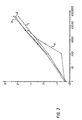
- FIGURE 3 is a graphical representative of chemiluminescent signal obtained in assays versus the concentration of enzyme label, as described in Examples 5-7 below.
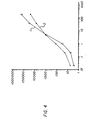
- FIGURE 4 is a graphical representation of chemiluminescent signal obtained in assay for thyroid stimulating hormone (TSH), as described in Example 8 below.
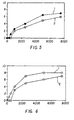
- FIGURE 5 is a graphical plot of dye signal versus Chlamydia trachomatis antigen concentration after 1 minute of incubation time as described in Example 9 below.
- FIGURE 6 is a graphical plot of dye signal versus Chlamydia trachomatis antigen concentration after 2 minutes of incubation time as described in Example 9 below.
- FIGURE 7 is a graphical plot of dye signal versus Chlamydia trachomatis antigen concentration after 3 minutes of incubation time as described in Example 9 below.
- FIGURE 8 is a graphical plot of the change in dye signal versus concentration of electron transfer agent for the assays described in Example 10 below.
- the present invention can be practiced to advantage in any analytical method designed to generate a colorimetric or chemiluminescent signal in response to the presence of a peroxidase.
- Such assays can involve the detection of an organic or inorganic peroxide (such as hydrogen peroxide) or peroxidase (in its free form), or the detection of a non-immunological analyte other than peroxidase or hydrogen peroxide.
- the invention is useful in the practice of specific binding assays which generate a colorimetric, chemiluminescent or fluorescent signal.
- the assay can be qualitative or quantitative or both, and be used to detect a biological or chemical substance (that is, an analyte) in aqueous liquids, including human or animal biological fluids, waste fluids, foods, environmental effluent, chemical processing liquids and other specimens readily apparent to one skilled in the art.
- a biological or chemical substance that is, an analyte
- Hydrogen peroxide (or another peroxide) can be determined with this invention.
- the invention can be used to determine analytes which are capable of producing hydrogen peroxide, that is the analyte participates in one or more reactions which produce hydrogen peroxide in the presence of suitable signal generating reagents and a peroxidase.
- Such analytes are considered herein as "analytes catalytically related to peroxidase”.
- the invention is useful for the determination of a specific binding ligand, or its corresponding receptor (that is, a substance which specifically binds with the ligand).
- ligands include, but are not limited to, antibodies and other proteins (including lipoproteins, blood proteins, enzymes and glycoproteins), haptens, drugs, hormones, steroids, toxins, viruses, bacteria, vitamins, saccharides (including polysaccharides), lipids, nucleic acids, nonproteinaceous blood components, or any component thereof as readily understood by one skilled in the art.
- a preferred chemiluminescent signal generating reagent is a 2,3-dihydro-1,4-phthalazinedione derivative (identified herein as "DPD"). Any free or conjugated 2,3-dihydro-1,4-phthalazinedione derivative that can be converted to an excited state in a chemiluminescent reaction and then returns to a non-excited state with the emission of light, is useful in the practice of this invention.
- DPD 2,3-dihydro-1,4-phthalazinedione derivative
- Such compounds are generally known as "luminol type hydrazides" and include phthalic hydrazides, naphthalene-1,2-dicarboxylic acid hydrazides, anthracene-2,3-dicarboxylic acid hydrazides, phenathrene-1,2-dicarboxylic acid hydrazides, fluorene-1,2-dicarboxylic acid hydrazides, benzo[g,h,i]perylene-1,2-dicarboxylic acid hydrazides, coronene-1,2-dicarboxylic acid hydrazides, and others readily apparent to one skilled in the art.
- the DPD is defined by the structure (V) : wherein Z 1 , Z 2 , Z 3 and Z 4 are independently hydrogen, alkyl of 1 to 6 carbon atoms (such as methyl, ethyl, isopropyl, t -butyl, sec -pentyl and hexyl), alkenyl of 2 to 6 carbon atoms [such as ethenyl, 1-propenyl, isobutenyl, 2-(N,N-diisopropylamino)vinyl, 2-(N,N-diisobutylamino)vinyl, 2-(N,N-diisopentylamino)vinyl and 2-hexenyl], hydroxy, alkoxy of 1 to 6 carbon atoms (such as methoxy, ethoxy, isopropoxy, t -butoxy and hexoxy), carboxy, amino [including amino substituted with alkyl or alkanoyl, such as methyl,
- At least one of Z 1 and Z 2 is amino (including substituted amino, as defined above), conjugated aminoalkenyl (including substituted aminoalkenyl as described above) or aminoaryl [such as p -(N,N-dimethylamino)phenyl, p -(N,N-diethylamino)phenyl and 5-amino-2,3-dihydro-l,4-phthalazinedion-8-yl].
- conjugated aminoalkenyl refers to a monovalent group capable of electron resonance from the amino group through the alkenyl group to the aromatic ring of the phthalazinedione where it is substituted, and includes for example, a dialkylaminovinyl group [such as 2-(N,N-diisopropylamino)vinyl, 2-(N,N-diisobutylamino)vinyl and 2-(N,N-diisopentylamino)vinyl], and dialkylaminobutadienyl groups, such as 4-(N,N-diethylamino)-1,3-butadien-1-yl.
- dialkylaminovinyl group such as 2-(N,N-diisopropylamino)vinyl, 2-(N,N-diisobutylamino)vinyl and 2-(N,N-diisopentylamino)vinyl
- any adjacent two, adjacent three or all of Z 1 , Z 2 , Z 3 and Z 4 can be taken together to form a fused ring system containing one or more aromatic rings.
- Such fused rings can be substituted with one or more hydroxy, amino (substituted or unsubstituted as described above) or alkoxy of 1 to 4 carbon atoms (such as methoxy, ethoxy and isopropoxy).
- such fused rings are substituted with one or more primary, secondary or tertiary amines, hydroxy or alkoxy as described above.
- Representative useful DPD compounds include, but are not limited to, luminol, isoluminol, N-(4-aminobutyl)-N-ethylisoluminol hemisuccinimide, N-(6-aminohexyl)-N-ethylisoluminol, N-ethylisoluminol and 7-dimethylaminonaphthalene-1,2-dicarboxylic acid hydrazide.
- Luminol (5-amino-2,3-dihydro-1,4-phthalazinedione) and isoluminol (6-amino-2,3-dihydro-1,4-phthalazinedione) are preferred, and luminol is most preferred.
- DPD compounds include substituted or unsubstituted phthalic acid hydrazides, anthracene-2,3-dicarboxylic acid hydrazides, phenathrene dicarboxylic acid hydrazides, fluorene-l,2-dicarboxylic acid hydrazides, benzo[g,h,i]perylene-1,2-dicarboxylic acid hydrazides and coronene-1,2-dicarboxylic acid hydrazides, such as those illustrated by the following structures:
- signal generating reagents include imidazole or triarylmethane leuco dyes, such as those described in US-A-4,089,747 and references noted therein, EP-A-0 122 641, Japanese Patent Publication No. 58(1983)-045557 and US-A-4,670,385.
- the triarylimidazole leuco dyes described in US-A-4,089,747 are preferred for generating a colorimetric signal in the practice of this invention.
- Such leuco dyes generally have the structure (VI): wherein R 6 , R 7 and R 8 are independently an organic group such that at least one of them is an o - or p -hydroxysubstituted aryl group of up to 18 carbon atoms in the aromatic ring, and the other two groups being aryl groups chosen such that the imidazole oxidation potential is within the range of from -70 to +100 mV as measured by cyclic voltammetry against a standard calomel electrode using a carbon based electrode.
- Oxidation potential measurements can be made according to conventional electrochemical techniques (see for example, Sawyer et al, Experimental Electrochemistry for Chemists , John Wiley & Sons, New York, 1974).
- aryl is meant to include aromatic hydrocarbon groups such as phenyl, naphthyl or anthryl, tolyl, xylyl and other substituted aromatic groups.
- the number of carbon atoms refers to the total nuclear carbon atoms as well as those in the substituents.
- At least one of the R 6 , R 7 and R 8 groups has an ortho or para electron donating substituent such as an alkyoxy (-OR') wherein R' is alkyl of 1 to 8 carbon atoms (such as methyl, ethyl, isopropyl, t -butyl, hexyl, chloromethyl or methoxymethyl), or a dialkylamino wherein alkyl is as just defined.
- R' alkyoxy
- triarylimidazole leuco dyes are:
- the diazonium and tetrazolium salts useful in the practice of this invention must be those capable of reacting in the presence of peroxidase and an oxidant to produce a chromophore.
- a diazonium salt is generally an organic salt of a compound having a diazonium radical.
- Particularly useful diazonium salts include, but are not limited to, those having the following structure (VII): wherein R 9 , R 10 , R 11 and R 12 are independently hydrogen, halo (such as chloro, bromo or iodo), alkyl of 1 to 12 carbon atoms (such as methyl, ethyl, isopropyl, t -butyl, sec -butyl, n -butyl, pentyl, octyl, isononyl and dodecyl), nitro, cyano, alkoxy of 1 to 6 carbon atoms (such as methoxy, ethoxy, pentoxy, isopropoxy, t -butoxy and hexoxy), aryloxy of 6 to 10 carbon atoms in the aromatic ring, including aryloxy substituted with alkoxy and alkyl as defined above (such as phenoxy, naphthoxy, tolyloxy and p -nitrophenoxy),
- any two of these radicals at adjacent positions on the ring can be taken together to represent a 6- to 10-membered fused aromatic ring system, including both heterocyclic or carbocyclic fused aromatic rings.
- Such rings can include carbon, nitrogen, oxygen or sulfur atoms in the ring structure.
- 6- to 10-membered carbocyclic ring systems are formed in this manner.
- X - represents any suitable anion which does not inhibit or act as a substrate for peroxidases, such as halide (for example, chloride, bromide and fluoride), tetrafluoroborate, nitrate, perchlorate, p -toluenesulfonate and others readily apparent to one skilled in the art.
- halide for example, chloride, bromide and fluoride
- tetrafluoroborate for example, tetrafluoroborate
- nitrate for example, perchlorate
- p -toluenesulfonate and others readily apparent to one skilled in the art.
- Representative useful diazonium salts include, but are not limited to, N',N'-diethyl-4-methoxymetanilamide diazonium salt (known as Fast Red-ITR salt), 4-chloro-2-methylbenzendiazonium salt (known as Fast Red TR salt), diazotized 2-methoxy-5-chloroaniline (known as Fast Red RC salt) and diazotized 5-nitro-2-amino-1-methoxybenzene (known as Fast Red B).
- Fast Red-ITR salt N',N'-diethyl-4-methoxymetanilamide diazonium salt
- Fast Red TR salt 4-chloro-2-methylbenzendiazonium salt
- Fast Red TR salt diazotized 2-methoxy-5-chloroaniline
- Fast Red B diazotized 5-nitro-2-amino-1-methoxybenzene
- Tetrazolium salts are organic salts in which the organic portion contains one or two tetrazole rings, generally with aryl substituents at various positions. Tetrazolium salts having two tetrazole rings can be formed to provide a biphenyl nucleus with a tetrazole ring in each of the 4- and 4'- positions of the biphenyl nucleus.
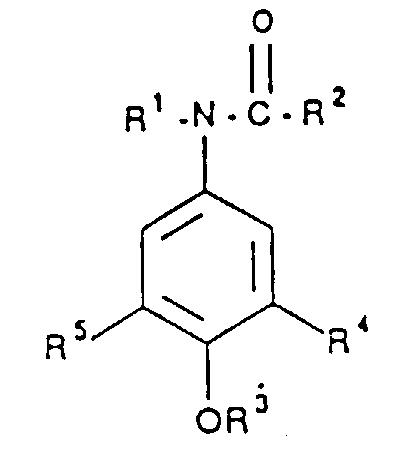
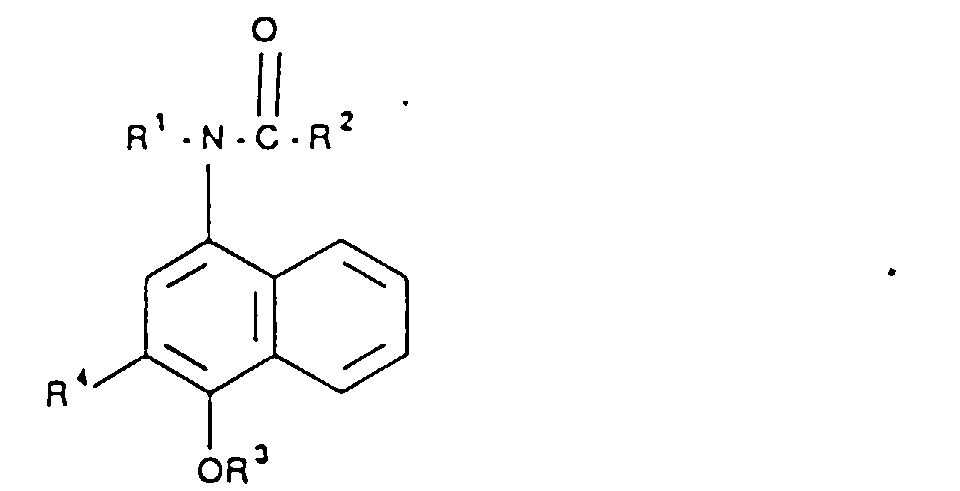
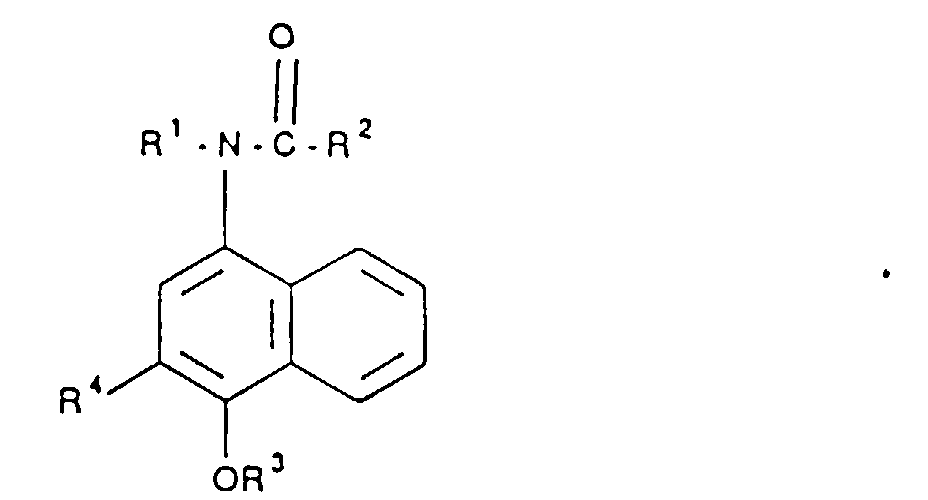
- a second critical component of the signal-providing composition of this invention is an electron transfer agent having any of structures (I): (II): (III): or (IV): wherein R 1 is hydrogen or alkyl of 1 to 4 carbon atoms (such as methyl, ethyl, isopropyl, hydroxymethyl, aminomethyl and methoxymethyl). Preferably, R 1 is hydrogen.
- R 2 is hydrogen, alkyl of 1 to 4 carbon atoms (such as methyl, ethyl, isopropyl, t -butyl and isobutyl), alkoxyalkyl of 1 to 4 carbon atoms (such as methoxymethyl and methoxyethyl), hydroxyalkyl of 1 to 4 carbon atoms (such as hydroxymethyl, 1-hydroxyethyl, 2-hydroxyethyl and 2,3-dihydroxypropyl), aminoalkyl of 1 to 4 carbon atoms (such as aminomethyl, 2-aminoethyl, 3-aminopropyl, 2,4-diaminobutyl, methylaminomethyl, 2,2-dimethylaminoethyl and 4-aminobutyl), haloalkyl of 1 to 4 carbon atoms (such as chloromethyl, bromomethyl, 2-chloroethyl, 1,1-dichloro
- R 3 is hydrogen or alkyl of 1 to 4 carbon atoms (such as methyl, ethyl, isopropyl, t -butyl, n -butyl and isobutyl). Preferably, R 3 is hydrogen or methyl.
- R 4 and R 5 are independently hydrogen or an electron withdrawing group having a Hammett sigma value of at least 0.01, and preferably at least 0.3.
- Hammett sigma values are calculated in accordance with standard procedures described, for example, in Steric Effects in Organic Chemistry , John Wiley & Sons, Inc., 1956, pp. 570-574 and Progress in Physical Organic Chemistry , Vol. 2, Interscience Publishers, 1964, pp. 333-339.
- Representative electron withdrawing groups having positive Hammett sigma values include cyano, carboxy, nitro, halo (fluoro, bromo, chloro or iodo), trihalomethyl (for example, trifluoromethyl or trichloromethyl), carbonyl, carbamoyl, sulfonyl, sulfamoyl, esters, and others readily apparent to one skilled in the art.
- Preferred electron withdrawing groups are halo (such as chloro or bromo) and cyano. Chloro and cyano are more preferred electron withdrawing groups, and chloro is most preferred for either of R 4 and R 5 .
- R 4 and R 5 must be an electron withdrawing group as defined above.
- at least one of R 4 and R 5 can be an electron withdrawing group, but this is not required. Most preferably, R 4 is an electron withdrawing group.
- Representative electron transfer agents having structure (I) include:
- Representative electron transfer agents of structure (II) include:
- Representative electron transfer agents of structure (III) include:
- Representative compounds of structure (IV) include:
- the most preferred electron transfer agent is 3'-chloro-4'-hydroxyacetanilide.
- These electron transfer agents can be prepared generally from known starting materials as follows:
- the halogenated compounds of Structures (I)-(IV) are prepared by halogenation of the known precursor anilide (for example, 4'-hydroxy- or alkoxyacetanilide, or an anilide of naphthalene) with a known halogenating agent such as sulfuryl chloride, sulfuryl bromide, or the free halogen in the presence of acid.
- an appropriately substituted phenol or naphthol can be nitrated by mild nitration using known techniques (for example, with nitric acid in a solvent such as glacial acetic acid) followed by hydrogenation, typically over platinum or paladium to produce the amine (see J.Am.Chem.Soc .
- the amine is then acylated, for example, by condensation with the desired acylating agent such as an anhydride (for example, acetic anhydride) or an acid chloride such as acrylic acid chloride, to produce the anilide.
- the desired acylating agent such as an anhydride (for example, acetic anhydride) or an acid chloride such as acrylic acid chloride.
- Suitable acylation procedures are also described by Challis et al, The Chemistry of Amides , pp. 731-857, Intersciences Publishing, New York, 1970. If the selected starting materials do not already provide the requisite electron withdrawing groups, the resulting anilide can be conveniently halogenated as described above.
- the amine precursor to the anilide can be acylated with an acylating agent that provides the group at R 2 (for example, trichloroacetic acid chloride or maleic anhydride), or the aromatic ring of the anilide can be alkylated, acylated or nitrated at the R 4 or R 5 (or both) positions using known techniques to provide the requisite electron withdrawing groups from R 4 and R 5 .
- an acylating agent that provides the group at R 2 (for example, trichloroacetic acid chloride or maleic anhydride)
- the aromatic ring of the anilide can be alkylated, acylated or nitrated at the R 4 or R 5 (or both) positions using known techniques to provide the requisite electron withdrawing groups from R 4 and R 5 .
- An optional but preferred component of the signal-providing composition of this invention is a low molecular weight cationic surfactant to provide micelles, or a cationic polymer to provide a hydrophobic environment for increased sensitivity, storage stability and kinetic stability.
- Particularly useful cationic surfactants and polymers can be represented by the structure (VIII): wherein R 13 is substituted or unsubstituted alkyl of at least 7 carbon atoms, and preferably from 10 to 20 carbon atoms (such as n -octyl, isononyl, isodecyl, dodecyl, tetradecyl, hexadecyl, octadecyl, eicosyl, 2,7,8-trimethyldecyl, 4-ethyl-6-methyldodecyl, benzyl and phenethyl), substituted or unsubstituted aryl of 6 to 14 carbon atoms in the aromatic nucleus (such as phenyl, naphthyl or anthryl) which can be substituted with one or more hydrophobic groups such as linear or branched alkyl of 1 to 10 carbon atoms (such as methyl, ethyl, isoprop
- R 13 can also be substituted or unsubstituted alkenyl of 8 to 20 carbon atoms (such as 1-octenyl, 1-decenyl and 2-dodecenyl), or a polymeric moiety (described below).
- R 13 is alkyl or alkenyl of 14 to 16 carbon atoms, with groups such as 2,4-dimethyl-6-ethyldecyl, tetradecyl and hexadecyl being more preferred.
- R 14 can be alkyl or alkenyl as defined for R 13 , substituted or unsubstituted alkyl of 1 to 7 carbon atoms (such as methyl, ethyl, isopropyl, t -butyl, methoxymethyl, benzyl and hexyl), substituted or unsubstituted alkenyl of 2 to 7 carbon atoms (such as a ethenyl, allyl, isopropenyl and n-butenyl), or carbocyclic aryl of 6 to 10 carbon atoms in the ring system (such as phenyl, tolyl, xylyl, naphthyl and p -methoxyphenyl).
- R 14 , R 15 and R 16 can be one of the nonpolymeric groups defined above for R 10 .
- R 15 and R 16 are independently substituted or unsubstituted alkyl of 1 to 7 carbon atoms (such as methyl, ethyl, isopropyl, t -butyl, methoxymethyl, benzyl and hexyl), substituted or unsubstituted alkenyl of 2 to 7 carbon atoms (such as a ethenyl, isopropenyl and allyl), or carbocyclic aryl of 6 to 10 carbon atoms in the ring system (such as phenyl, tolyl, xylyl, naphthyl and p -methoxyphenyl).
- alkyl of 1 to 7 carbon atoms such as methyl, ethyl, isopropyl, t -butyl, methoxymethyl, benzyl and hexyl
- substituted or unsubstituted alkenyl of 2 to 7 carbon atoms such as a etheny
- any two or three of R 14 , R 15 and R 16 can be taken together to represent sufficient carbon atoms and an oxygen, nitrogen or sulfur atom to complete, with the quaternary ammonium atom, a 5- to 6-membered heterocyclyl cationic group.
- groups include, but are not limited to pyridinium, piperidinium, pyrrolidinium, morpholinium, quinolinium, pyrimidinium, acridinium, benzothiazolium, benzoxazolinium and imidazolium.
- R 14 , R 15 and R 16 are independently methyl or ethyl.
- Y - is a suitable monovalent acid anion which is not a substrate or inhibitor for peroxidases, including but not limited to, perchlorate, halide (such as fluoride, chloride and bromide), tetrafluoroborate, triflate, methyl sulfate, hexafluorophosphate, nitrate, p -toluenesulfonate and others readily apparent to one skilled in the art.
- halide such as fluoride, chloride and bromide
- tetrafluoroborate triflate
- methyl sulfate hexafluorophosphate
- nitrate nitrate
- p -toluenesulfonate p -toluenesulfonate and others readily apparent to one skilled in the art.
- Halide anions are preferred.
- nonpolymeric cationic surfactants examples include hexadecyltrimethylammonium chloride, dodecyltrimethylammonium chloride, cetyltrimethylammonium bromide (also known as hexadecyltrimethylammonium bromide), cocotrimethylammonium chloride, tallowtrimethylammonium chloride, soyatrimethylammonium chloride, myristyltrimethylammonium bromide, stearyltrimethylammonium chloride, cetylethyldimethylammonium bromide, didodecyldimethylammonium bromide, cetylpyridinium chloride and myristyldimethylbenzylammonium chloride.
- R 13 in structure (VIII) is a polymeric moiety
- the backbone of such polymers can be conventional polyesters, polyamides, polyethyleneimines, polycarbonates, cellulosic materials, and vinyl addition homo- and copolymers comprised of recurring units of a monomer having the desired positive charge. These materials can be prepared from conventional materials using conventional procedures. The polymer can have the charges incorporated therein from starting materials, or from chemical reaction after preparation.
- Particularly useful cationic polymers are vinyl addition homo- or copolymers prepared from ethylenically unsaturated polymerizable monomers having the requisite positively charged groups, and one or more comonomers which provide hydrophobic regions characteristic of surfactants, crosslinked regions or other suitable properties.
- Representative cationic monomers include, but are not limited to, N-cyclohexyl-N,N-dimethyl-N-( m - & p -vinylbenzyl)ammonium chloride, N-benzyl-N,N-dimethyl-N-( m - & p -vinylbenzyl)ammonium chloride, 3-(2-hydroxypropyl)-1-vinylimidazolium chloride and 1-methyl-4-vinylpyridinium chloride.
- Useful comonomers include, but are not limited to, styrene and its derivatives (such as vinyltoluene and p - t -butylstyrene), acrylic and methacrylic acid esters (such as methyl acrylate, methyl methacrylate, butyl acrylate and butyl methacrylate), crosslinkable monomers ⁇ such as divinylbenzene, ethylene diacrylate, ethylene dimethacrylate and N,N'-methylenebis(acrylamide)].
- styrene and its derivatives such as vinyltoluene and p - t -butylstyrene
- acrylic and methacrylic acid esters such as methyl acrylate, methyl methacrylate, butyl acrylate and butyl methacrylate
- crosslinkable monomers such as divinylbenzene, ethylene diacrylate, ethylene dimethacrylate and N,N'-methylenebis(acrylamide)
- Such materials generally have quaternary ammonium or quaternary phosphonium groups pendant from the polymer backbone, and preferably at least from 40 to 100 weight percent of the ethylenically unsaturated polymerizable monomer derived recurring units have such groups.
- the remaining recurring units can be derived from a wide variety of ethylenically unsaturated polymerizable monomers as noted in the patents identified above.
- Representative cationic polymers include, but are not limited to, poly(N,N,N-trimethyl-N-vinylbenzylammonium chloride), poly[styrene- co -benzyl-N,N-dimethyl-N-( m - & p -vinylbenzyl)ammonium chloride- co -divinylbenzene], poly(N,N,N-trioctyl-N-vinylbenzylphosphonium chloride), poly[styrene- co -N-vinylbenzyl-N,N,N-trihexylammonium chloride], poly(styrene- co -N,N,N-trimethyl-N-vinylbenzylammonium chloride), poly[N-cyclohexyl-N,N-dimethyl-N- ( m - & p -vinylbenzyl)ammonium chloride], poly[styrene- co
- the signal-providing composition of this invention is generally buffered to a pH of from 5 to 10 using one or more suitable buffers well known in the art.
- buffers such as tris(hydroxymethyl)aminomethane, borate, phosphate, bis-tris-propane and tricine can be used. Tris(hydroxymethyl)aminomethane and phosphate are preferred.
- the signal generating reagent is a DPD and the signal to be produced is light
- the pH is generally from 7 to 9.5
- a colorimetric signal is to be generated using a leuco dye, tetrazolium salt or diazonium salt
- the pH is generally.from 5 to 9.
- the amount of buffer would be readily apparent to a skilled worker since it is well known how much of any buffer is needed to maintain a desired pH.
- the amount of signal generating reagent is generally at least 0.01 mmolar, with an amount in the range of from 0.1 to 10 mmolar being preferred.
- the electron transfer agent having structure (I), (II), (III) or (IV) is generally present in an amount of at least 0.01 mmolar, with an amount in the range of from 0.05 to 10 mmolar being preferred.
- the nonpolymeric cationic surfactant When used, the nonpolymeric cationic surfactant is present in an amount which is from 0.05 to 0.25% above its critical micelle concentration. This can be readily determined for a given surfactant since the "critical micelle concentration" for many surfactants is well known, or can be readily determined using procedures described, for example, in Surfactant Science and Technology , Meyers, VCH Publishers, New York, Chapter 3, 1988. If a cationic polymer is included in the composition, it is present in an amount of from 0.01 to 2% (by weight).
- This invention also provides a peroxidase-containing aqueous composition which contains a peroxidase in free form, or as a label conjugated with a specific binding molecule (such as an antibody, avidin or biotin), and the electron transfer agent described herein.
- a peroxidase-containing aqueous composition which contains a peroxidase in free form, or as a label conjugated with a specific binding molecule (such as an antibody, avidin or biotin), and the electron transfer agent described herein.
- a composition can also be buffered as described for the signal-providing composition of this invention.
- the present invention also provides a kit of individually packaged reagents, equipment and instructions useful for carrying out a variety of analytical methods (described below).
- kit components are well known in the art.
- a kit comprises, individually packaged: the signal-providing composition described above, and a peroxidase or peroxidase-labeled specific binding molecule.
- specific binding molecule is meant any biological or chemical compound which will specifically bind with a receptor therefor which will not bind with other materials.
- Particularly useful labeled specific binding species are peroxidase-labeled proteins or oligonucleotides. Such proteins include antibodies and avidin. Suitable receptors for given specific binding species are well known.
- Other components useful in an assay (such as an oxidant, described below) can be included in the test kit.
- kits can include the peroxidase-containing compositions as defined above, and a separately packaged signal generating reagent.
- peroxidase is meant to be any peroxidative substance (enzymatic or otherwise) which catalyzes the oxidation of a substrate, such as luminol or a leuco dye, to produce the appropriate signal. Microbial, fungal and plant peroxidases are preferred with horseradish peroxidase being most preferred.
- the amount of peroxidase can vary widely due to the amount of other components used in the reaction. A useful amount would be readily apparent to one skilled in the art, but a minimum amount would generally be at least 1 x 10 -7 I.U./ml (or equivalent amount for nonenzymatic peroxidative substances).
- I.U. represents the International Unit for enzyme activity and is defined as the amount of enzyme activity required to catalyze the conversion of 1 micromole of substrate to product per minute under standard pH and temperature conditions.
- oxidant is needed to produce the desired signal in the presence of peroxidase and the electron transfer agent of structure (I), (II), (III) or (IV).
- peroxidase and the electron transfer agent of structure (I), (II), (III) or (IV).
- Various useful oxidants are known, but perborate ion and hydrogen peroxide are preferred with the latter being most preferred.
- the amount of oxidant used in a given assay is readily apparent to one skilled in the art, but a minimum amount of 0.1 mmolar is generally used.
- test kit can include, in individual packaging, a signal generating reagent as described herein, and an electron transfer agent having structure (I), (II), (III) or (IV), and any additional optional components as would be readily understood by one skilled in the art.
- peroxidase is used in "free form" (non-conjugated) for clinical analysis.
- the peroxidase is used as a conjugate with a specific binding ligand or receptor therefor, or with a specific binding molecule which is reactive with either the ligand or receptor.
- the ligand and receptor are complexed in such assays and thereby labeled with the peroxidase for eventual detection of the complex or uncomplexed materials.
- the preparation of such conjugates can be achieved using a variety of known techniques.
- binding assay formats are useful in the practice of this invention, and include nucleic acid hybridization assays, immunochemical assays (such as enzyme immunoassays, sandwich assays, competitive binding assays, direct binding assays) and others well known in the art. Such assays are generally described, for example in US-A-4,598,044, US-A-4,745,077, US-A-5,077,198, US-A-5,085,986, Anal.Biochem. 169 , pages 1-25 (1988), and WO 88/01302 (published February 25, 1988).
- the method of the invention can be preceded by an amplification process, such as polymerase chain reaction (commonly known as PCR) as described for example in US-A-4,965,188 and ligase chain reaction which is generally described by Weiss, Science , 254 , pages 1292-3, 1991 to increase the amount of targeted nucleic acid which can then be detected using the composition of this invention.
- amplification process such as polymerase chain reaction (commonly known as PCR) as described for example in US-A-4,965,188 and ligase chain reaction which is generally described by Weiss, Science , 254 , pages 1292-3, 1991 to increase the amount of targeted nucleic acid which can then be detected using the composition of this invention.
- the method of this invention can be used to detect any of a wide variety of chemical and biological materials, such as amino acids, peptides, polypeptides, proteins (including enzymes, avidin, antibodies and antigenic proteins), carbohydrates (including monosaccharides, polysaccharides and lipopolysaccharides), hormones (such as human chorionic gonadotropin, thyroid stimulating hormone, leutinizing hormone, thyroxin, follicle stimulating hormone, parathyroid hormone and growth hormone), metabolites (such as glucose, lactate and pyruvate), oligonucleotides, nucleic acids, vitamins (such as B 12 and biotin), intact cells from various organisms (including microorganisms) and drugs (narcotics, therapeutic and those abused).
- chemical and biological materials such as amino acids, peptides, polypeptides, proteins (including enzymes, avidin, antibodies and antigenic proteins), carbohydrates (including monosaccharides, polysaccharides and lipopolysaccharides), hormone
- Particularly useful specific binding methods of this invention are those known in the art as sandwich assays whereby the ligand of interest is complexed with at least a first and second receptor either simultaneously or in a desired sequence.
- One of the receptors is insolubilized on a suitable support (such as microtiter plate, polymeric, magnetic or glass particles, film, membrane, filter paper and others known in the art) by adsorption, covalent or other known attachment procedures, or is capable of being insolubilized through further complexation or reaction.
- the receptor can be labeled with a specific binding moiety (for example, biotin) which is reactive with its corresponding receptor moiety (for example, avidin) which is insolubilized on the support.
- the second receptor for the ligand of interest can be labeled with peroxidase, or is capable of being so labeled through additional specific binding reactions (such as labeling the ligand through an avidin-biotin complex). Detection of the label is accomplished using the composition described above.
- the ligand of interest is an antigenic material with which antibodies are reactive, or a nucleic acid with which complementary nucleic acids (such as oligonucleotides) can be hybridized.
- Solution assays generally refer to methods carried out in solution in a suitable container, and in the case of heterogeneous specific binding assays, suitable separation techniques and equipment are then used to separate unbound materials from the bound materials.
- dry assays chemical or specific binding reactions can be carried out in a dry element, test strip or fibrous sheet and the presence of the analyte is detected by adding the stabilized chemiluminescent composition of this invention.
- a specific binding reaction can be carried out using a peroxidase-labeled specific binding material which is used to generate a chemiluminescent signal. Details regarding such elements are well known in the art, including for example, US-A-3,992,158, US-A-4,258,001, US-A-4,292,272, US-A-4,430,436 and US-A-4,670,381.
- aqueous composition for providing a chemiluminescent signal was prepared as follows:
- a buffer solution was prepared, containing diethylenetriaminepentaacetic acid (100 ⁇ molar) in tris(hydroxymethyl)aminomethane buffer (0.1 molar, pH 8).
- Solution 1 was prepared by mixing luminol, sodium salt (8 mg/10 ml, 4 mmolar) and 3'-chloro-4'-hydroxyacetanilide (0.75 mg/10 ml, 0.4 mmolar) in the buffer solution.
- Solution 2 contained 9.07 ⁇ l of a 30% stock solution of hydrogen peroxide in the buffer solution (10 ml).
- a composition of this invention was prepared by adding horseradish peroxidase (1 ⁇ l of 2 pmolar solution) to the buffer solution (199 ⁇ l) and Solution 1 (100 ⁇ l). To this mixture was added Solution 2 (100 ⁇ l) to provide a chemiluminescent composition of this invention.
- the final concentrations were as follows: luminol (1 mmolar), hydrogen peroxide (2 mmolar), 3'-chloro-4'-hydroxyacetanilide(100 ⁇ molar) and horseradish peroxidase (5 femtomolar).
- Example 2 A second composition of this invention (Example 2) was like Example 1 except hexadecyltrimethylammonium bromide (0.1%) was also added.
- An aqueous composition of this invention was prepared containing 2-(4-hydroxy-3-methoxyphenyl)-4,5-bis(4-methoxyphenyl)imidazole leuco dye (0.008%), poly(vinyl pyrrolidone) (1%), sodium phosphate (10 mmolar, pH 6.8), diethylenetriaminepentaacetic acid (10 ⁇ molar), hydrogen peroxide (10 mmolar) and 3'-chloro-4'-hydroxyacetanilide(5 mmolar).
- Example 1 400 ⁇ l was placed in a commercially available Turner TD 20e Luminometer to evaluate the chemiluminescent signal in response to the presence of horseradish peroxidase. The data was collected as 10 second intervals of the Turner light signal, expressed as relative light units.
- a Control composition was similarly prepared and tested, except the 3'-chloro-4'-hydroxyacetanilide was replaced with 4'-hydroxyacetanilide.
- Example 5 contained 3'-bromo-4'-hydroxyacetanilide (0.15 mmolar)
- Example 6 contained 3'-chloro-4'-hydroxyacetanilide (0.15 mmolar)
- Example 7 contained 3',5'-dichloro-4'-hydroxyacetanilide (2 mmolar).
- Control assay was similarly carried out using 4'-hydroxyacetanilide as the electron transfer agent (0.15 mmolar).
- FIG. 3 is a plot of log (chemiluminescence signal-5 minutes) versus log (horseradish peroxidase concentration, attomoles).
- the plot identified as “1" was for the Control assay
- the plot identified as "2” was for Example 5
- the plot identified as "3” was for Example 6
- the plot identified as "4" was for Example 7.
- Examples 5 and 6 provided a higher chemiluminescent signal over the five minute assay period as opposed to the Control assay.
- Example 7 showed a lower chemiluminescent signal than the Control assay, but it demonstrated less variation in chemiluminescence over time than the Control assay.
- This example demonstrates the practice of this invention for the detection of TSH in a biological specimen.
- the assay was carried out using a commercially available AMERLITETM Fast TSH immunoassay kit, plate washer/incubator and chemiluminescence reader.
- the chemiluminescent signal was generated using a commercial AMERLITETM solution of 4-iodophenol, sodium perborate and luminol in borate buffer (pH 8.5) for the Control assay, or using a solution of 3'-chloro-4'-hydroxyacetanilide (0.15 mmolar), luminol (1 mmolar), hydrogen peroxide (2 mmolar), diethylenetriaminepentaacetic acid (0.1 mmolar) and cetyltrimethylammonium bromide (0.1%) in tris(hydroxymethyl)aminomethane hydrochloride buffer (0.05 molar, pH 8) for the assay of this invention.
- This example shows the practice of the present invention for the determination of C.trachomatis in a biological specimen and compares it to a Control assay for the same analyte using 4'-hydroxyacetanilide as the electron transfer agent.
- the microporous membrane used in the assays was an uncharged and uncoated nylon 66 membrane commercially available as LOPRODYNETM membrane from Pall Corporation.
- the membrane was mounted in each of the three test wells of a commercially available SURECELLTM test device (Eastman Kodak Company). Specimens for testing were obtained from female patients using endocervical swabs. Each specimen was tested using a separate test device.
- a conventional flexible extraction tube was used to extract antigen from C. trachomatis organisms in the specimens, the tube having at separate locations on the inside thereof, dried coatings: (1) tris(hydroxymethyl)aminomethane buffer (20 ⁇ l of a 1.65 molar solution, pH 11) with thimerosal preservative (0.01%), and (2) 2-(N-morpholino)ethane sulfonic acid (10 mmolar, 50 ⁇ l solution, pH 6), sodium azide (1.54 molar), ethylenediaminetetraacetic acid (5.4 mmolar), 5,5-dimethyl-1,3-cyclohexanedione (21.4 mmolar), dithiothreitol (0.188 molar) and poly(acrylamide) (6.35%).
- Composition 1 contained AMIDECKTM protease (4 mg/ml, 170 units/mg, Genencor, International) in 2-(N-morpholino)ethane sulfonic acid buffer (10 mmolar, pH 6), sodium chloride (50 mmolar), calcium chloride (5 mmolar), 1,2-propanediol (10% w/v) and thimerosal (0.01%).
- An antigen extraction composition contained ethanolamine hydrochloride (0.47 molar), sodium chloride (0.27 molar), thimerosal (30 mmolar), ethylenediaminetetraacetic acid (50 mmolar), EMCOLTM CC-36 cationic surfactant (0.45%, Witco Chemical) and sodium hydroxide (0.66 normal, to provide pH 13.5).
- Composition 2 contained hydrogen peroxide (12% in water), diethylenetriaminepentaacetic acid (10 ⁇ molar) and thimerosal (0.01%).
- a wash solution contained 3-cyclohexylamino-2-hydroxy-1-propanesulfonic acid buffer (0.05 molar, pH 10), EMCOLTM CC-9 cationic surfactant (0.75%) and thimerosal (0.01%).
- Composition 3 contained creatine kinase-MB F(ab') 2 antibody fragment conjugated to horseradish peroxidase (5 ⁇ g/ml), casein (0.01%), LONZAINETM C amphoteric surfactant (0.01%, Lonza Corp.) and thimerosal (0.01%) in phosphate buffered saline solution (pH 7.2). This composition was used in a test well of each test device as a negative control.
- the labeled antibody fragment was prepared using known procedures (EPA-0 456 309) including a final chromatography step using a standard DEAE column and (1) tris(hydroxymethyl)aminomethane (20 mmolar, pH 8), and (2) tris(hydroxymethyl)aminomethane (20 mmolar, pH 8) containing sodium chloride (0.75 molar) as eluting buffers.
- a horseradish peroxidase labeled F(ab') 2 anti-chlamydial labeled antibody fragment was prepared using known procedures (EPA-0 456 309) (4 ⁇ g/ml of solution, final concentration) was mixed in solution with casein (0.05%), LONZAINETM amphoteric surfactant (0.01%, Lonza Corp.), and thimerosal (0.01%) in phosphate buffered saline solution (pH 7.2).
- the dye-providing composition used for the assay of this invention was that of Example 3.
- a similar dye-providing composition was prepared and used, that composition containing 4'-hydroxyacetanilide as the electron transfer agent.
- composition 1 (7 drops) was added to the extraction tube and a swab containing each patient specimen was placed into the tube, rotated 10 seconds, followed by incubation of the tube for 1 minute at room temperature.
- the antigen extraction composition was then added to the tube, and the swab was rotated again for 10 seconds, and incubation was again carried out for 1 minute at room temperature.
- Composition 2 was then added, and the swab was rotated again for 10 seconds, followed by a third incubation for two minutes at room temperature. The swab was wrung out by squeezing the tube, and removed therefrom.
- the extraction procedure required about 4 to 5 minutes.
- the resulting solution containing extracted lipopolysaccharide antigen from C. trachomatis was removed from the tube using a pipette, prefiltered, and transferred to each test well of each test device (4 drops per test well). Fluid was allowed to drain through the microporous membranes in the test wells. Each test well was then washed with the wash solution (4 drops per test well).
- composition 3 (2 drops) was then added to one of the test wells of each test device (considered a negative control test well).
- the composition containing enzyme-labeled anti-chlamydial antibody fragment (2 drops) was added to each of the two remaining test wells of each test device.
- One of those two test wells (considered a positive control test well) contained dried C. trachomatis lipopolysaccharide antigen on the membrane.
- dye signal is plotted versus antigen concentration (pg).
- the dye signal is determined from a color chart having values of dye density ranging from 0 (no density) to 10 (highest density). The results are shown for 1, 2 and 3 minute incubations in FIGURES 5, 6 and 7, respectively.
- the plot for the invention is labeled as "1" and the Control assay plot is labeled as "2".
- the present example is a solution assay for peroxidase, and compares the present invention using 3'-chloro-4'-hydroxyacetanilide as an electron transfer agent with two Control assays (A and B) using 3'-methyl-4'-hydroxyacetanilide and 2'-methyl-4'-hydroxyacetanilide, respectively, as electron transfer agents.
- the assay for peroxidase was carried out as a colorimetric rate assay in cuvettes (3 ml) using a Beckman DU-68 spectrophotometer.
- a stock dye solution containing 2-(4-hydroxy-3-methoxyphenyl)-4,5-bis(4-methoxyphenyl)imidazole leuco dye (0.008%) was prepared as described in Example 3, except no electron transfer agent was included. Specific amounts of electron transfer agent were then added to aliquots (25 ml) of the dye solution. Admixtures of the dye solution and the electron transfer agent solutions (10 mmolar) were then prepared to obtain 5 and 1 mmolar concentrations of the electron transfer agent in the resulting admixtures.
- FIG. 8 shows the data provided by these assays (plotted as rate of change in absorbance of dye signal versus concentration of electron transfer agent, ⁇ molar).
- the invention plot is labeled as “1”
- Controls A and B are labeled “2" and “3”, respectively. It is apparent that the present invention has greater sensitivity compared to the Control assays over a range of electron transfer agent concentrations.
Landscapes
- Chemical & Material Sciences (AREA)
- Organic Chemistry (AREA)
- Life Sciences & Earth Sciences (AREA)
- Zoology (AREA)
- Wood Science & Technology (AREA)
- Proteomics, Peptides & Aminoacids (AREA)
- Health & Medical Sciences (AREA)
- Engineering & Computer Science (AREA)
- Microbiology (AREA)
- Biochemistry (AREA)
- Physics & Mathematics (AREA)
- Molecular Biology (AREA)
- Biotechnology (AREA)
- Biophysics (AREA)
- Analytical Chemistry (AREA)
- Immunology (AREA)
- Bioinformatics & Cheminformatics (AREA)
- General Engineering & Computer Science (AREA)
- General Health & Medical Sciences (AREA)
- Genetics & Genomics (AREA)
- Measuring Or Testing Involving Enzymes Or Micro-Organisms (AREA)
- Investigating Or Analysing Biological Materials (AREA)
- Heterocyclic Carbon Compounds Containing A Hetero Ring Having Oxygen Or Sulfur (AREA)
Claims (17)
- Composition aqueuse pour procurer un signal colorimétrique ou de chimioluminescence, ayant un pH de 5 à 10, et comprenant :la composition étant caractérisée en ce que l'agent de transfert d'électrons correspond à la structure (I) :a) un réactif générateur de signal colorimétrique ou de chimioluminescence, procurant un signal en réponse à l'activité catalytique d'une peroxydase, le réactif générateur de signal étant choisi parmi :un dérivé de 2,3-dihydro-1,4-phtalazinedione,un sel de tétrazolium,un sel de diazonium, etun leucocolorant dérivé d'imidazole ou de triarylméthane, etb) un agent de transfert d'électrons,à la structure (II) :
 à la structure (III) :
 ou à la structure (IV) :
 à condition que dans la structure (I), au moins l'un des groupes R4 et R5, soit un groupe électroattracteur ayant un indice sigma de Hammett d'au moins 0,01.R1 représentant un atome d'hydrogène, un groupe alkyle de 1 à 4 atomes de carbone, un groupe hydroxyalkyle de 1 à 4 atomes de carbone, un groupe alkoxyalkyle de 1 à 4 atomes de carbone, un groupe aminoalkyle de 1 à 4 atomes de carbone, un groupe alkyle halogéné de 1 à 4 atomes de carbone,R2 représentant un atome d'hydrogène, un groupe alkyle de 1 à 4 atomes de carbone, un groupe alkoxyalkyle de 1 à 4 atomes de carbone, un groupe hydroxyalkyle de 1 à 4 atomes de carbone, un groupe aminoalkyle de 1 à 4 atomes de carbone, un groupe haloalkyle de 1 à 4 atomes de carbone, ou un groupe alcényle de 2 à 5 atomes de carbone,R3 représentant un atome d'hydrogène ou un groupe alkyle de 1 à 4 atomes de carbone, etR4 et R5 représentant indépendamment un atome d'hydrogène ou un groupe électroattracteur ayant un indice sigma de Hammett d'au moins 0,01,
 - Composition selon la revendication 1, dans laquelle R1 représente un atome d'hydrogène, R2 représente un atome d'hydrogène ou un groupe méthyle, R3 représente un atome hydrogène ou un groupe méthyle, et R4 et R5 représentent indépendamment un atome d'hydrogène, un groupe halo ou cyano.
- Composition selon la revendication 2, dans laquelle R2 représente un groupe méthyle, et les deux groupes R4 et R5 représentent un groupe chloro.
- Composition selon l'une quelconque des revendications 1 à 3, comprenant en outre un tensioactif cationique de faible poids moléculaire, présent à raison de 0,05 à 0,25 % au-dessus de sa concentration micellaire critique, ou de 0,01 à 2 % (en poids) d'un polymère cationique.
- Composition selon l'une quelconque des revendications 1 à 4, comprenant en outre une peroxydase ou une molécule à liaison spécifique marquée par une peroxydase.
- Composition selon l'une quelconque des revendications 1 à 5, ayant un pH de 5 à 9 et dans laquelle le réactif générateur de signal est un leucocolorant dérivé de triarylimidazole pour procurer un signal colorimétrique.
- Composition selon l'une quelconque des revendications 1 à 6, comprenant en outre un oxydant pour la réaction de la peroxydase avec le réactif générateur de signal.
- Nécessaire d'essai de diagnostic pour l'analyse d'une substance à analyser produite par l'activité catalytique d'une peroxydase, le nécessaire comprenant, dans un emballage individuel :i) la composition aqueuse selon l'une quelconque des revendications 1 à 7, etii) une peroxydase ou une espèce à liaison spécifique marquée par une peroxydase.
- Nécessaire d'essai de diagnostic pour l'analyse d'une substance à analyser produit par l'activité catalytique d'une peroxydase, le nécessaire comprenant, dans un emballage individuel :le nécessaire étant caractérisé en ce que l'agent de transfert d'électrons correspond à la structure (I)a) un réactif générateur de signal procurant un signal colorimétrique ou de chimioluminescence en réponse à l'activité catalytique d'une peroxydase, le réactif générateur de signal étant :un dérivé de 2,3-dihydro-1,4-phtalazinedione,un sel de tétrazolium,un sel de diazonium, ouun leucocolorant dérivé d'imidazole ou de triarylméthane, etb) un agent de transfert d'électrons,à la structure (II) :
 à la structure (III) :
 ou à la structure (IV) :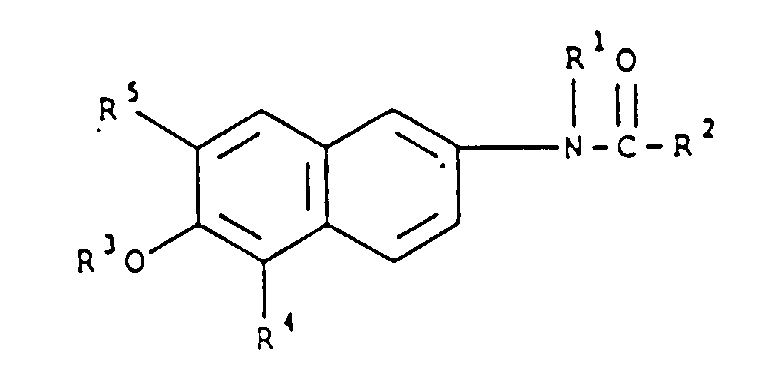
 à condition que dans la structure (I), au moins l'un des groupes R4 et R5, soit un groupe électroattracteur ayant un indice sigma de Hammett d'au moins 0,01.R1 représentant un atome d'hydrogène, un groupe alkyle de 1 à 4 atomes de carbone, un groupe hydroxyalkyle de 1 à 4 atomes de carbone, un groupe alkoxyalkyle de 1 à 4 atomes de carbone, un groupe aminoalkyle de 1 à 4 atomes de carbone, un groupe alkyle halogéné de 1 à 4 atomes de carbone,R2 représentant un atome d'hydrogène, un groupe alkyle de 1 à 4 atomes de carbone, un groupe alkoxyalkyle de 1 à 4 atomes de carbone, un groupe hydroxyalkyle de 1 à 4 atomes de carbone, un groupe aminoalkyle de 1 à 4 atomes de carbone, un groupe haloalkyle de 1 à 4 atomes de carbone, ou un groupe alcényle de 2 à 5 atomes de carbone,R3 représentant un atome d'hydrogène ou un groupe alkyle de 1 à 4 atomes de carbone, etR4 et R5 représentant indépendamment un atome d'hydrogène ou un groupe électroattracteur ayant un indice sigma de Hammett d'au moins 0,01,
 - Dispositif d'essai pour la détection d'une peroxydase ou d'une substance à analyser catalytiquement apparentée à une peroxydase, le dispositif d'essai comprenant un matériau de support absorbant, et contenant :le dispositif d'essai étant caractérisé en ce que l'agent de transfert d'électrons correspond à la structure (I) :a) un réactif générateur de signal colorimétrique ou de chimioluminescence qui procure un signal en réponse à l'activité catalytique d'une peroxydase, le réactif générateur de signal étant :un dérivé de 2,3-dihydro-1,4-phtalazinedione,.un sel de tétrazolium,un sel de diazonium, ouun leucocolorant dérivé d'imidazole ou de triarylméthane, etb) un agent de transfert d'électrons,à la structure (II) :
 à la structure (III) :
 ou à la structure (IV) :
 à condition que dans la structure (I), au moins l'un des groupes R4 et R5, soit un groupe électroattracteur ayant un indice sigma de Hammett d'au moins 0,01.R1 représentant un atome d'hydrogène, un groupe alkyle de 1 à 4 atomes de carbone, un groupe hydroxyalkyle de 1 à 4 atomes de carbone, un groupe alkoxyalkyle de 1 à 4 atomes de carbone, un groupe aminoalkyle de 1 à 4 atomes de carbone, un groupe alkyle halogéné de 1 à 4 atomes de carbone,R2 représentant un atome d'hydrogène, un groupe alkyle de 1 à 4 atomes de carbone, un groupe alkoxyalkyle de 1 à 4 atomes de carbone, un groupe hydroxyalkyle de 1 à 4 atomes de carbone, un groupe aminoalkyle de 1 à 4 atomes de carbone, un groupe haloalkyle de 1 à 4 atomes de carbone, ou un groupe alcényle de 2 à 5 atomes de carbone,R3 représentant un atome d'hydrogène ou un groupe alkyle de 1 à 4 atomes de carbone, etR4 et R5 représentant indépendamment un atome d'hydrogène ou un groupe électroattracteur ayant un indice sigma de Hammett d'au moins 0,01,
 - Procédé de production d'un signal détectable en réponse à une peroxydase, selon lequel :A. on fait réagir une peroxydase en présence :pour produire un signal colorimétrique ou de chimioluminescence détectable, eta) de la composition selon des quelconque des revendications 1 à 7, etb) d'un oxydant,B. on détermine le signal colorimétrique ou de chimioluminescence résultant pour doser la peroxydase.
- Procédé selon la revendication 11, dans lequel la peroxydase est présente sous forme d'une substance à analyser, ou elle est présente sous forme libre pour la détection d'une substance à analyser non immunologique autre qu'une peroxydase.
- Procédé selon la revendication 11, dans lequel la peroxydase est détectée sous forme d'une partie d'un conjugué de peroxydase et d'une espèce à liaison spécifique.
- Essai de liaison spécifique pour l'analyse d'un ligand à liaison spécifique, selon lequel :A. on complexe un ligand à liaison spécifique, avec un récepteur spécifique du ligand, pour former un complexe de liaison spécifique,B. on marque le complexe de liaison spécifique avec une peroxydase qui est conjuguée avec le récepteur, ou conjuguée avec une molécule à liaison spécifique qui réagit de manière spécifique avec le ligand à liaison spécifique ou le récepteur,C. après séparation des matières non complexées du complexe marqué par la peroxydase, on met en contact le complexe marqué par la peroxydase, avec :a) un réactif générateur de signal colorimétrique ou de chimioluminescence, qui est :un dérivé de 2,3-dihydro-1,4-phtalazinedione,un sel de tétrazolium,un sel de diazonium, ouun leucocolorant dérivé d'imidazole ou de triarylméthane,b) un agent de transfert d'électrons,
le dispositif d'essai étant caractérisé en ce que l'agent de transfert d'électrons correspond à la structure (I) :à la structure (II) :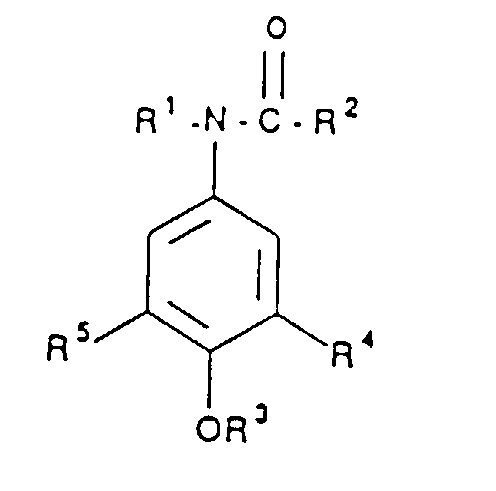 à la structure (III) :
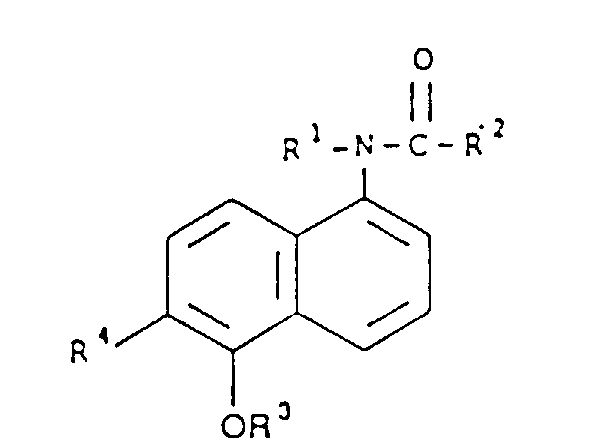 ou à la structure (IV) :
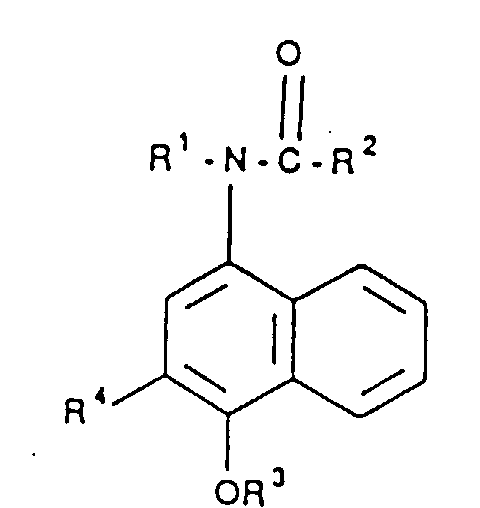 à condition que dans la structure (I), au moins l'un des groupes R4 et R5, soit un groupe électroattracteur ayant un indice sigma de Hammett d'au moins 0,01, etR1 représentant un atome d'hydrogène, un groupe alkyle de 1 à 4 atomes de carbone, un groupe hydroxyalkyle de 1 à 4 atomes de carbone, un groupe alkoxyalkyle de 1 à 4 atomes de carbone, un groupe aminoalkyle de 1 à 4 atomes de carbone, un groupe alkyle halogéné de 1 à 4 atomes de carbone,R2 représentant un atome d'hydrogène, un groupe alkyle de 1 à 4 atomes de carbone, un groupe alkoxyalkyle de 1 à 4 atomes de carbone, un groupe hydroxyalkyle de 1 à 4 atomes de carbone, un groupe aminoalkyle de 1 à 4 atomes de carbone, un groupe haloalkyle de 1 à 4 atomes de carbone, ou un groupe alcényle de 2 à 5 atomes de carbone,R3 représentant un atome d'hydrogène ou un groupe alkyle de 1 à 4 atomes de carbone, etR4 et R5 représentant indépendamment un atome d'hydrogène ou un groupe électroattracteur ayant un indice sigma de Hammett d'au moins 0,01,c) un oxydant,
pour produire un signal colorimétrique ou de chimioluminescence détectable, etD. on détermine le signal colorimétrique ou de chimioluminescence résultant pour doser le ligand à liaison spécifique. - Procédé selon la revendication 14, dans lequel le ligand à liaison spécifique est complexé avec un premier et un deuxième récepteurs pour celui-ci, le premier récepteur étant insolubilisé ou capable d'être insolubilisé, et le deuxième récepteur étant marqué par une peroxydase ou capable d'être marqué par une peroxydase, de façon à former un sandwich avec le ligand, et le premier et le deuxième récepteurs.
- Procédé selon la revendication 14 ou 15, dans lequel le composé de structure (I), (II) , (III) ou (IV), est employé selon une quantité de 0,01 à 10 mM, et le réactif générateur de signal est présent selon une quantité de 0,01 à 10 mM.
- Composition aqueuse tamponnée à un pH de 5 à 10, et comprenant :la composition étant caractérisée en ce que l'agent de transfert d'électrons correspond à la structure (I) :une peroxydase ou une molécule à liaison spécifique marquée par une peroxydase, etun agent de transfert d'électrons,à la structure (II) :
 à la structure (III) :
 ou à la structure (IV) :
 à condition que dans la structure (I), au moins l'un des groupes R4 et R5, soit un groupe électroattracteur ayant un indice sigma de Hammett d'au moins 0,01.R1 représentant un atome d'hydrogène, un groupe alkyle de 1 à 4 atomes de carbone, un groupe hydroxyalkyle de 1 à 4 atomes de carbone, un groupe alkoxyalkyle de 1 à 4 atomes de carbone, un groupe aminoalkyle de 1 à 4 atomes de carbone, un groupe alkyle halogéné de 1 à 4 atomes de carbone,R2 représentant un atome d'hydrogène, un groupe alkyle de 1 à 4 atomes de carbone, un groupe alkoxyalkyle de 1 à 4 atomes de carbone, un groupe hydroxyalkyle de 1 à 4 atomes de carbone, un groupe aminoalkyle de 1 à 4 atomes de carbone, un groupe haloalkyle de 1 à 4 atomes de carbone, ou un groupe alcényle de 2 à 5 atomes de carbone,R3 représentant un atome d'hydrogène ou un groupe alkyle de 1 à 4 atomes de carbone, etR4 et R5 représentant indépendamment un atome d'hydrogène ou un groupe électroattracteur ayant un indice sigma de Hammett d'au moins 0,01,
Applications Claiming Priority (2)
| Application Number | Priority Date | Filing Date | Title |
|---|---|---|---|
| US995479 | 1992-12-22 | ||
| US07/995,479 US5372931A (en) | 1992-12-22 | 1992-12-22 | Use of 4'-hydroxy- and 4'-alkoxy-substituted electron transfer agents in compositions, elements, test kits and analytical methods |
Publications (2)
| Publication Number | Publication Date |
|---|---|
| EP0603953A1 EP0603953A1 (fr) | 1994-06-29 |
| EP0603953B1 true EP0603953B1 (fr) | 1999-02-17 |
Family
ID=25541862
Family Applications (1)
| Application Number | Title | Priority Date | Filing Date |
|---|---|---|---|
| EP93203553A Expired - Lifetime EP0603953B1 (fr) | 1992-12-22 | 1993-12-16 | Utilisation d'agents de transfert d'électrons ayant une substitution hydroxy-4' ou hydroxy-5' et alcoxy-4' on alcoxy-5' daus des compositions, éléments, kits pour tests et méthodes analytiques |
Country Status (6)
| Country | Link |
|---|---|
| US (1) | US5372931A (fr) |
| EP (1) | EP0603953B1 (fr) |
| JP (1) | JP2983820B2 (fr) |
| AT (1) | ATE176805T1 (fr) |
| DE (1) | DE69323533T2 (fr) |
| SG (1) | SG90003A1 (fr) |
Families Citing this family (29)
| Publication number | Priority date | Publication date | Assignee | Title |
|---|---|---|---|---|
| US5705357A (en) * | 1994-08-29 | 1998-01-06 | Johnson & Johnson Clinical Diagnostics, Inc. | Chemiluminescent reagent and assay using a substituted acetanilide for light generation |
| US5753700A (en) * | 1994-12-28 | 1998-05-19 | Ono Pharmaceutical Co., Ltd. | Naphthyloxyacetic acid derivatives |
| JP3155685B2 (ja) * | 1995-07-20 | 2001-04-16 | 財団法人山形県企業振興公社 | ペルオキシダーゼの測定方法 |
| US5811253A (en) * | 1995-09-01 | 1998-09-22 | Johnson & Johnson Clinical Diagnostics, Inc. | Use of vanadium bromoperoxidase as a signal-generating enzyme for chemiluminescent systems: test kits and analytical methods |
| DE69607972T2 (de) | 1995-09-01 | 2000-08-17 | Ortho-Clinical Diagnostics, Inc. | Analytisches element und verfahren zur bestimmung eines spezifischen bindenden liganden unter verwendung einer vanadin-bromperoxidase als ein signalgenerierendes enzym |
| US20030129146A1 (en) * | 1997-10-31 | 2003-07-10 | Vincent Fischetti | The use of bacterial phage associated lysing proteins for treating bacterial dental caries |
| US6423299B1 (en) | 1997-10-31 | 2002-07-23 | Vincent Fischetti | Composition for treatment of a bacterial infection of an upper respiratory tract |
| US6428784B1 (en) * | 1997-10-31 | 2002-08-06 | New Horizons Diagnostics Corp | Vaginal suppository for treating group B Streptococcus infection |
| US6277399B1 (en) | 1997-10-31 | 2001-08-21 | New Horizon Diagnostics Corporation | Composition incorporating bacterial phage associated lysing enzymes for treating dermatological infections |
| US6406692B1 (en) * | 1997-10-31 | 2002-06-18 | New Horizons Diagnostics Corp | Composition for treatment of an ocular bacterial infection |
| US6432444B1 (en) | 1997-10-31 | 2002-08-13 | New Horizons Diagnostics Corp | Use of bacterial phage associated lysing enzymes for treating dermatological infections |
| US20020136712A1 (en) * | 1997-10-31 | 2002-09-26 | Fischetti Vincent | Bacterial phage associated lysing enzymes for the prophylactic and therapeutic treatment of colonization and infections caused by streptococcus pneumoniae |
| US20030129147A1 (en) * | 1997-10-31 | 2003-07-10 | Vincent Fischetti | Use of bacterial phage associated lysing proteins for treating bacterial dental caries |
| US7232576B2 (en) | 1997-10-31 | 2007-06-19 | New Horizons Diagnostics Corp | Throat lozenge for the treatment of Streptococcus Group A |
| US20030082110A1 (en) * | 1997-10-31 | 2003-05-01 | Vincent Fischetti | Use of bacterial phage associated lysing proteins for treating bacterial dental caries |
| US6056954A (en) | 1997-10-31 | 2000-05-02 | New Horizons Diagnostics Corp | Use of bacterial phage associated lysing enzymers for the prophylactic and therapeutic treatment of various illnesses |
| US6752988B1 (en) | 2000-04-28 | 2004-06-22 | New Horizons Diagnostic Corp | Method of treating upper resiratory illnesses |
| AU4562599A (en) * | 1998-06-12 | 1999-12-30 | New Horizons Diagnostics, Inc. | Colloidal colorimetric flow through and lateral flow assays utilizing soluble submicron particles |
| US7063837B2 (en) * | 1999-09-14 | 2006-06-20 | New Horizons Diagnostics Corp | Syrup composition containing phage associated lytic enzymes |
| JP2001249079A (ja) * | 1999-12-28 | 2001-09-14 | Fujirebio Inc | 発光量調節剤を用いた化学発光測定方法及び酵素免疫測定方法 |
| EP1333854A4 (fr) * | 2000-11-02 | 2005-10-05 | New Horizons Diagnostics Corp | Utilisation d'enzymes lytiques associees a un bacteriophage pour empecher une intoxication alimentaire |
| US20040213765A1 (en) * | 2001-07-13 | 2004-10-28 | Vincent Fischetti | Use of bacterial phage associated lytic enzymes to prevent food poisoning |
| US20050186590A1 (en) * | 2003-11-10 | 2005-08-25 | Crothers Donald M. | Nucleic acid detection method having increased sensitivity |
| WO2006065598A2 (fr) * | 2004-12-13 | 2006-06-22 | Geneohm Sciences, Inc. | Cartouches fluidiques utilisees dans la detection electrochimique de l'adn |
| ITBO20070112A1 (it) | 2007-02-23 | 2008-08-24 | Cyanagen Srl | Metodo per incrementare l'emissione di luce da una reazione chemiluminescente |
| IT1400876B1 (it) | 2010-07-06 | 2013-07-02 | Cyanagen S R L | Metodo per incrementare e regolare l'emissione di luce da una reazione chemiluminescente. |
| CN103588660B (zh) * | 2013-11-18 | 2016-06-01 | 中国医学科学院生物医学工程研究所 | 一种新型的酰基苯胺化合物及用途 |
| IT201900000959A1 (it) | 2019-01-22 | 2020-07-22 | Cyanagen S R L | Substrati chemiluminescenti ultra-sensibili per perossidasi |
| IT202000001327A1 (it) | 2020-01-23 | 2021-07-23 | Cyanagen S R L | Substrati chemiluminescenti per perossidasi con una lunga durata di conservazione |
Family Cites Families (25)
| Publication number | Priority date | Publication date | Assignee | Title |
|---|---|---|---|---|
| GB1174051A (en) * | 1965-11-30 | 1969-12-10 | Beecham Group Ltd | Aminophenol Derivatives and Analgesic and Antipyretic Compositions |
| US3651141A (en) * | 1969-08-08 | 1972-03-21 | Sandoz Ag | 2 6-di(lower alkanoylamino)- 3 4-dichlorophenols |
| US3746741A (en) * | 1969-10-27 | 1973-07-17 | Ciba Ltd | Phenoxyacetic acid derivatives |
| CH625783A5 (en) * | 1976-09-17 | 1981-10-15 | Ciba Geigy Ag | Process for the preparation of novel hydroxyacetanilides |
| US4265909A (en) * | 1978-06-26 | 1981-05-05 | Jollow David J | Inhibiting platelet aggregation with substituted acetanilides |
| US4288592A (en) * | 1979-04-30 | 1981-09-08 | American Cyanamid Company | Process for preparing amides by reaction in presence of molecular sieve |
| JPS5845557A (ja) * | 1981-09-14 | 1983-03-16 | Yatoron:Kk | 過酸化水素定量用試薬 |
| US4605754A (en) * | 1982-04-02 | 1986-08-12 | Syntex (U.S.A.) Inc. | Acetaminophen analogs |
| US4504413A (en) * | 1982-04-02 | 1985-03-12 | Syva Company | Acetaminophen analogs, antigens, and antibodies |
| US4424150A (en) * | 1982-04-02 | 1984-01-03 | Syva Company | Acetaminophen analogs, antigens, and antibodies |
| EP0116454B1 (fr) * | 1983-02-11 | 1987-04-29 | National Research Development Corporation | Essai luminescent ou luminométrique amélioré |
| JPS59193352A (ja) * | 1983-04-18 | 1984-11-01 | Fuji Photo Film Co Ltd | 分析試薬および多層化学分析要素 |
| US4524217A (en) * | 1984-06-08 | 1985-06-18 | Celanese Corporation | Process for producing N-acyl-hydroxy aromatic amines |
| GB8420053D0 (en) * | 1984-08-07 | 1984-09-12 | Secr Social Service Brit | Enhanced luminescent/luminometric assay |
| US4746607A (en) * | 1985-02-07 | 1988-05-24 | Eastman Kodak Company | Use of substituted quinone electron transfer agents in analytical determinations |
| US4828983A (en) * | 1986-07-10 | 1989-05-09 | Eastman Kodak Company | Use of phenols and anilines to increase the rate of peroxidase catalyzed oxidation of leuco dyes |
| FR2618145B1 (fr) * | 1987-07-17 | 1989-11-24 | Rhone Poulenc Chimie | Procede de chloration selective de composes phenoliques |
| US5024935A (en) * | 1987-12-18 | 1991-06-18 | Eastman Kodak Company | Dye-providing composition, diagnostic test kit and their use in method for ligand determination using peroxidase labeled-receptor |
| US4973752A (en) * | 1987-11-06 | 1990-11-27 | Fruchey Olan S | Novel process to prevent formation of chlorinated by-products in APAP production |
| US4999457A (en) * | 1988-02-08 | 1991-03-12 | Hoechst Celanese Corporation | Process for the synthesis of 3-chloro-4-hydroxyacetanilide |
| US5047318A (en) * | 1988-06-13 | 1991-09-10 | Eastman Kodak Company | Imidazole leuco dye composition containing 4'-hydroxyacetanilide, diagnostic kit and method using same |
| US5051356A (en) * | 1988-06-13 | 1991-09-24 | Eastman Kodak Company | Specific binding composition comprising a low pI protein or carbohydrate and a diagnostic test kit and method of use |
| JPH0262853A (ja) * | 1988-08-27 | 1990-03-02 | Nippon Oil & Fats Co Ltd | 含フッ素酸アミド誘導体及びその製造方法 |
| DE69114352T2 (de) * | 1990-04-30 | 1996-04-18 | Hitachi Chemical Co Ltd | Verbesserte chemilumineszierende Reagenzien und Verfahren. |
| JPH0767394B2 (ja) * | 1991-03-20 | 1995-07-26 | 三洋化成工業株式会社 | 化学発光増強剤、化学発光利用検出・定量法及びキット |
-
1992
- 1992-12-22 US US07/995,479 patent/US5372931A/en not_active Expired - Lifetime
-
1993
- 1993-12-16 AT AT93203553T patent/ATE176805T1/de not_active IP Right Cessation
- 1993-12-16 SG SG9601780A patent/SG90003A1/en unknown
- 1993-12-16 DE DE69323533T patent/DE69323533T2/de not_active Expired - Lifetime
- 1993-12-16 EP EP93203553A patent/EP0603953B1/fr not_active Expired - Lifetime
- 1993-12-20 JP JP5319945A patent/JP2983820B2/ja not_active Expired - Fee Related
Non-Patent Citations (2)
| Title |
|---|
| Acta Chemica Scandinavia B 32, 1978, 6, 395 - 404 * |
| Chem. Biol. Interactions 58, 1986, 199 - 215 * |
Also Published As
| Publication number | Publication date |
|---|---|
| JP2983820B2 (ja) | 1999-11-29 |
| DE69323533D1 (de) | 1999-03-25 |
| DE69323533T2 (de) | 1999-08-12 |
| JPH06217795A (ja) | 1994-08-09 |
| US5372931A (en) | 1994-12-13 |
| ATE176805T1 (de) | 1999-03-15 |
| EP0603953A1 (fr) | 1994-06-29 |
| SG90003A1 (en) | 2002-07-23 |
Similar Documents
| Publication | Publication Date | Title |
|---|---|---|
| US5372931A (en) | Use of 4'-hydroxy- and 4'-alkoxy-substituted electron transfer agents in compositions, elements, test kits and analytical methods | |
| US4729950A (en) | Enhanced luminescent or luminometric assay | |
| EP0704539B1 (fr) | Réactif chimioluminéscent et méthode utilisant un acétanilide substitué comme générateur de lumière | |
| US5279940A (en) | Chemiluminescent composition containing cationic surfactants or polymers and 4'-hydroxyacetanilide, test kits and their use in analytical methods | |
| US5641635A (en) | Dry elements, test devices, test kits and methods for chemiluminescent detection of analytes using peroxidase-labeled reagents | |
| US5372932A (en) | Analytical element and method for the determination of a specific binding ligand using a 4-hydroxy or 4-alkoxyarylacetamide as stabilizer | |
| EP0116454A2 (fr) | Essai luminescent ou luminométrique amélioré | |
| AU777123B2 (en) | Chemiluminescent assay | |
| AU603342B2 (en) | Chemiluminescent methods and kit | |
| US5366864A (en) | Buffered wash composition, insolubilizing composition, test kits and method of use | |
| EP0892855B1 (fr) | Kits d'essai et procedes d'analyse dans lesquels la bromoperoxydase de vanadium est utilisee comme enzyme generatrice de signaux pour des systemes a chimioluminescence | |
| CA2093103A1 (fr) | Composition de reactifs produisant un signal a chemiluminescence et contenant un azide, kit de detection et immuno-essai correspondants | |
| US6124109A (en) | System for qualitatively and/or quantitatively analyzing preferably biological substances using enhanced chemiluminescence, and method and analysis kit using same |
Legal Events
| Date | Code | Title | Description |
|---|---|---|---|
| PUAI | Public reference made under article 153(3) epc to a published international application that has entered the european phase |
Free format text: ORIGINAL CODE: 0009012 |
|
| AK | Designated contracting states |
Kind code of ref document: A1 Designated state(s): AT BE CH DE FR GB IE IT LI NL SE |
|
| 17P | Request for examination filed |
Effective date: 19941219 |
|
| RAP1 | Party data changed (applicant data changed or rights of an application transferred) |
Owner name: CLINICAL DIAGNOSTIC SYSTEMS, INC. |
|
| RAP1 | Party data changed (applicant data changed or rights of an application transferred) |
Owner name: JOHNSON & JOHNSON CLINICAL DIAGNOSTICS, INC. |
|
| 17Q | First examination report despatched |
Effective date: 19970605 |
|
| GRAG | Despatch of communication of intention to grant |
Free format text: ORIGINAL CODE: EPIDOS AGRA |
|
| GRAG | Despatch of communication of intention to grant |
Free format text: ORIGINAL CODE: EPIDOS AGRA |
|
| GRAH | Despatch of communication of intention to grant a patent |
Free format text: ORIGINAL CODE: EPIDOS IGRA |
|
| GRAH | Despatch of communication of intention to grant a patent |
Free format text: ORIGINAL CODE: EPIDOS IGRA |
|
| GRAA | (expected) grant |
Free format text: ORIGINAL CODE: 0009210 |
|
| ITF | It: translation for a ep patent filed | ||
| AK | Designated contracting states |
Kind code of ref document: B1 Designated state(s): AT BE CH DE FR GB IE IT LI NL SE |
|
| REF | Corresponds to: |
Ref document number: 176805 Country of ref document: AT Date of ref document: 19990315 Kind code of ref document: T |
|
| REG | Reference to a national code |
Ref country code: CH Ref legal event code: NV Representative=s name: E. BLUM & CO. PATENTANWAELTE Ref country code: CH Ref legal event code: EP |
|
| REG | Reference to a national code |
Ref country code: IE Ref legal event code: FG4D |
|
| REF | Corresponds to: |
Ref document number: 69323533 Country of ref document: DE Date of ref document: 19990325 |
|
| ET | Fr: translation filed | ||
| PLBE | No opposition filed within time limit |
Free format text: ORIGINAL CODE: 0009261 |
|
| 26N | No opposition filed | ||
| REG | Reference to a national code |
Ref country code: GB Ref legal event code: IF02 |
|
| PGFP | Annual fee paid to national office [announced via postgrant information from national office to epo] |
Ref country code: NL Payment date: 20041205 Year of fee payment: 12 |
|
| PGFP | Annual fee paid to national office [announced via postgrant information from national office to epo] |
Ref country code: SE Payment date: 20041206 Year of fee payment: 12 |
|
| PGFP | Annual fee paid to national office [announced via postgrant information from national office to epo] |
Ref country code: AT Payment date: 20041213 Year of fee payment: 12 |
|
| PGFP | Annual fee paid to national office [announced via postgrant information from national office to epo] |
Ref country code: BE Payment date: 20050701 Year of fee payment: 12 |
|
| PG25 | Lapsed in a contracting state [announced via postgrant information from national office to epo] |
Ref country code: AT Free format text: LAPSE BECAUSE OF NON-PAYMENT OF DUE FEES Effective date: 20051216 |
|
| PG25 | Lapsed in a contracting state [announced via postgrant information from national office to epo] |
Ref country code: SE Free format text: LAPSE BECAUSE OF NON-PAYMENT OF DUE FEES Effective date: 20051217 |
|
| PG25 | Lapsed in a contracting state [announced via postgrant information from national office to epo] |
Ref country code: BE Free format text: LAPSE BECAUSE OF NON-PAYMENT OF DUE FEES Effective date: 20051231 |
|
| PG25 | Lapsed in a contracting state [announced via postgrant information from national office to epo] |
Ref country code: NL Free format text: LAPSE BECAUSE OF NON-PAYMENT OF DUE FEES Effective date: 20060701 |
|
| EUG | Se: european patent has lapsed | ||
| NLV4 | Nl: lapsed or anulled due to non-payment of the annual fee |
Effective date: 20060701 |
|
| REG | Reference to a national code |
Ref country code: CH Ref legal event code: PFA Owner name: JOHNSON & JOHNSON CLINICAL DIAGNOSTICS, INC. Free format text: JOHNSON & JOHNSON CLINICAL DIAGNOSTICS, INC.#100 INDIGO CREEK DRIVE#ROCHESTER NEW YORK 14650 (US) -TRANSFER TO- JOHNSON & JOHNSON CLINICAL DIAGNOSTICS, INC.#100 INDIGO CREEK DRIVE#ROCHESTER NEW YORK 14650 (US) |
|
| BERE | Be: lapsed |
Owner name: *JOHNSON & JOHNSON CLINICAL DIAGNOSTICS INC. Effective date: 20051231 |
|
| PGFP | Annual fee paid to national office [announced via postgrant information from national office to epo] |
Ref country code: IE Payment date: 20121211 Year of fee payment: 20 Ref country code: DE Payment date: 20121213 Year of fee payment: 20 Ref country code: CH Payment date: 20121213 Year of fee payment: 20 |
|
| PGFP | Annual fee paid to national office [announced via postgrant information from national office to epo] |
Ref country code: IT Payment date: 20121214 Year of fee payment: 20 Ref country code: GB Payment date: 20121212 Year of fee payment: 20 |
|
| PGFP | Annual fee paid to national office [announced via postgrant information from national office to epo] |
Ref country code: FR Payment date: 20130107 Year of fee payment: 20 |
|
| REG | Reference to a national code |
Ref country code: DE Ref legal event code: R071 Ref document number: 69323533 Country of ref document: DE |
|
| REG | Reference to a national code |
Ref country code: DE Ref legal event code: R071 Ref document number: 69323533 Country of ref document: DE |
|
| REG | Reference to a national code |
Ref country code: CH Ref legal event code: PL |
|
| REG | Reference to a national code |
Ref country code: GB Ref legal event code: PE20 Expiry date: 20131215 |
|
| REG | Reference to a national code |
Ref country code: IE Ref legal event code: MK9A |
|
| PG25 | Lapsed in a contracting state [announced via postgrant information from national office to epo] |
Ref country code: DE Free format text: LAPSE BECAUSE OF EXPIRATION OF PROTECTION Effective date: 20131217 Ref country code: GB Free format text: LAPSE BECAUSE OF EXPIRATION OF PROTECTION Effective date: 20131215 |
|
| PG25 | Lapsed in a contracting state [announced via postgrant information from national office to epo] |
Ref country code: IE Free format text: LAPSE BECAUSE OF EXPIRATION OF PROTECTION Effective date: 20131216 |