EP0612529A2 - Agent thérapeutique pour NIDDM - Google Patents
Agent thérapeutique pour NIDDM Download PDFInfo
- Publication number
- EP0612529A2 EP0612529A2 EP94100703A EP94100703A EP0612529A2 EP 0612529 A2 EP0612529 A2 EP 0612529A2 EP 94100703 A EP94100703 A EP 94100703A EP 94100703 A EP94100703 A EP 94100703A EP 0612529 A2 EP0612529 A2 EP 0612529A2
- Authority
- EP
- European Patent Office
- Prior art keywords
- mice
- administration
- niddm
- insulin
- therapeutic agent
- Prior art date
- Legal status (The legal status is an assumption and is not a legal conclusion. Google has not performed a legal analysis and makes no representation as to the accuracy of the status listed.)
- Granted
Links
Images

Classifications
-
- A—HUMAN NECESSITIES
- A61—MEDICAL OR VETERINARY SCIENCE; HYGIENE
- A61K—PREPARATIONS FOR MEDICAL, DENTAL OR TOILETRY PURPOSES
- A61K38/00—Medicinal preparations containing peptides
- A61K38/16—Peptides having more than 20 amino acids; Gastrins; Somatostatins; Melanotropins; Derivatives thereof
- A61K38/17—Peptides having more than 20 amino acids; Gastrins; Somatostatins; Melanotropins; Derivatives thereof from animals; from humans
- A61K38/19—Cytokines; Lymphokines; Interferons
- A61K38/191—Tumor necrosis factors [TNF], e.g. lymphotoxin [LT], i.e. TNF-beta
-
- A—HUMAN NECESSITIES
- A61—MEDICAL OR VETERINARY SCIENCE; HYGIENE
- A61K—PREPARATIONS FOR MEDICAL, DENTAL OR TOILETRY PURPOSES
- A61K36/00—Medicinal preparations of undetermined constitution containing material from algae, lichens, fungi or plants, or derivatives thereof, e.g. traditional herbal medicines
- A61K36/06—Fungi, e.g. yeasts
-
- A—HUMAN NECESSITIES
- A61—MEDICAL OR VETERINARY SCIENCE; HYGIENE
- A61K—PREPARATIONS FOR MEDICAL, DENTAL OR TOILETRY PURPOSES
- A61K38/00—Medicinal preparations containing peptides
- A61K38/16—Peptides having more than 20 amino acids; Gastrins; Somatostatins; Melanotropins; Derivatives thereof
- A61K38/168—Peptides having more than 20 amino acids; Gastrins; Somatostatins; Melanotropins; Derivatives thereof from plants
Definitions
- the present invention relates to a therapeutic agent for Non-Insulin-Dependent Diabetes Mellitus (NIDDM).
- NIDDM Non-Insulin-Dependent Diabetes Mellitus
- IDDM Insulin-Dependent Diabetes Mellitus
- NIDDM NIDDM
- a severe disease which attacks mainly the infant with symptoms of polyuria or polyposia suddenly. Since a patient with IDDM suffers from an absolute deficiency of insulin, he dies due to ketosis unless he is added an adequate quantity of insulin.
- NIDDM Diabetes showing relative slight symptoms, which attacks slowly the overweight adult.
- the number of patient with NIDDM is large and it is said that in Japan more than 90 % of patients who suffer from Diabetes show NIDDM and the number of them is two million.
- IDDM and NIDDM are different on its cause. It was shown by studies using IDDM model animals such as NOD mouse or BB rat that ⁇ -cells in the pancreas which produce insulin are selectively killed by autoimmune in IDDM (ref. Satoh J., " Diabetes and immunity", Diabetes Frontier 1 , 9-22 (1990)).
- the present inventors had found that a non-specific immune stimulation by an administration of immunopotentiator (ref. Toyota T. et al, Diabetes 35 , 496-499 (1988) and Satoh J. et al, Diabetes 37 , 1188-1194 (1988)) or by an administration of lymphotoxin (LT) (ref. Satoh J. et al., Japanese Unexamined Patent Publication No. 112835/1992 and Seino H. et al, Diabetes (in press)) or tumour necrosis factor (TNF) (ref. Satoh J. et al, J. Clin. Invest. 84 , 1345-1348 (1989), Satoh J. et al, J. Immunol.
- immunopotentiator ref. Toyota T. et al, Diabetes 35 , 496-499 (1988) and Satoh J. et al, Diabetes 37 , 1188-1194 (1988)
- LT lymphotoxin
- TNF tumour necrosis
- NIDDM is characterized by a decrease of sensitivity to insulin, which is caused by a disorder of insulin production and secretion, existence of substances which suppress the action of insulin, a disorder of insulin receptors, a relative deficient of insulin by disorder of sites and signal transductions for insulin-action. Its cause is complicated since it relates to both genetic factors and environmental factors. Obesity or aging is considered as an important factor which causes the decrease of sensitivity to insulin.
- various disorders in some processes from a process wherein insulin binds to the insulin receptors on the cell membranes to a process wherein the action of insulin is exhibited via a transmission of the information into cells, have been solving (ref. Kiyokawa Y. et al, Nippon Rinsho 1990 extra number, Diabetis Mellitus, Nippon Rinsho Press, Osaka 1990, p. 196-202).
- agents as therapeutic agents for NIDDM for example, (1) stimulants for synthesis of insulin and regulators for secretion of it as agents for disorder of the secretion and the production, (2) agents for absorption of sugar, stimulants for the utilization, agents for glucose transportor, or suppressors of gluconeogenesis in liver as agents for regulation of hyperglycemia, (3) stimulants for the action of insulin or antiglycation agents as a suppressor for disorder caused by hyperglycemia, and other anti-complication agents, have been developed, nevertheless, an effective therapy does not exist up to now.
- KK-Ay mouse was normalized by bone marrow transplantation from a normal mouse (ref. Than S. et al, J. Exp. Med. 176 , 1233-1238 (1992)) as well as allogeneic bone marrow transplantation to IDDM model animal, NOD mouse could protect the development of Diabetes or inflammation of islets of Langerhans (ref. Nakamura M. et al, Diabetologia 3 , 212-221 (1967) and Iwatsuka H. et al, Diabetologia 10 , 611-616 (1974)).
- An objection of the present invention is to provide a therapeutic agent for NIDDM which is useful for immunological treatment in a short time or for a long time.
- cytotoxic cytokines such as lymphotoxin (hereinafter refer to LT) (ref. Ruddle N.H. and Waksman B.H., Science 15 (7), 1060 (1967) or tumour necrosis factor (hereinafter refer to TNF) (ref. Carswell E.A. et al, Proc. Nat. Acad. Sci. U.S.A. 72 , 3666-3670 (1975)) which have extensive cytotoxic activity against tumour, or an administration of BCG which has inductive activity of the above cytokines, is significantly effective in protection and therapy of NIDDM, which is never considered from the conventional function (cytotoxicity).
- LT lymphotoxin
- TNF tumour necrosis factor
- the present invention provides a therapeutic agent for NIDDM comprising a cytotoxic cytokine as an effective ingredient.
- the present invention provides a therapeutic agent for NIDDM comprising an inducer of a cytotoxic cytokine as an effective ingredient.
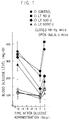
- Figure 1 is a graph showing effects of LT on blood glucose of the NIDDM model mice and the normal mice in Example 2.
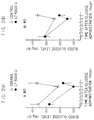
- Figure 2 is a graph showing effects of LT on blood glucose of the NIDDM model mice ((a) 9 and (b) 16 weeks old) in Example 3.
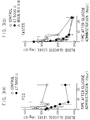
- Figure 3 is a graph showing effects of LT on blood glucose of the NIDDM model mice ((a) fed ad libitum and (b) fasted after the administration of LT) in Example 4.
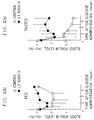
- Figure 4 is a graph showing effects of LT on blood insulin of the NIDDM model mice ((a) fed ad libitum and (b) fasted) in Example 5.
- Figure 5 is a graph showing effects of BCG on blood glucose of the NIDDM model mice in Example 7.
- cytotoxic cytokines in this specification mean not only the above LT and TNF which can easily be isolated but also various bioactive substances which have cytotoxic activities including apoptosis of the immunocompetent cells such as lymphocyte, monocyte, macrophage, NK cell or LAK cell or which are proteins or glycoproteins produced by the above cells and referred to cytokine.
- cytotoxic cytokines include natural type of cytokines which are obtained by making animal cells to generate with gene engineering technique, recombinant cytokines which are obtained from E. coli recombined with gene which codes a part of protein of natural type of cytokine, polymer cytokines which is obtained by the aggregation or cross-linking of natural type of cytokine and recombinant cytokine, and active site of cytokine which is obtained as a polymer by the aggregation or cross-link of active sites of cytokine or active site.
- the cytotoxic cytokines also include both types of cytokine with and without sugar-moieties and modified cytokine by recombinant. Furthermore, any body liquid introduced by the cytotoxic cytokines is also included.
- the cytotoxic cytokines have quick effects in hyperglycemia compared with the effects by the inducers thereof and they have some advantages because of the non-persistent, such that they have little possibility that causes side effects such as hypoglycemia.
- cytotoxic cytokines there are, for example, LT, TNF and the like.
- LT res. Satoh J. et al, Japanese Unexamined Patent Publication No. 112835/1992 and Seino H. et al, Diabetes (in press)
- TNF ref. Satoh J. et al, J. Clin. Invest. 84 , 1345-1348 (1989), Satoh J. et al, J. Immunol. 145 , 1395-1399 (1990) and Seino H. et al, Clin. Exp. Immunol. 86 , 413-418 (1991)
- LT res. Satoh J. et al, Japanese Unexamined Patent Publication No. 112835/1992 and Seino H. et al, Diabetes (in press)
- TNF ref. Satoh J. et al, J. Clin. Invest. 84 , 1345-1348 (1989)
- the inducers of cytotoxic cytokines in this specification mean substances that can induce the above cytotoxic cytokines from immunocompetent cells such as lymphocyte, monocyte, macrophage, NK cell or LAK cell.
- inducers of cytotoxic cytokines there are, for example, 1) mycelium such as BCG (Bacille de Calmette et Guérin), 2) component of mycelium and inducers thereof such as vaccin of whooping cough, vaccin of diphtheria and lipoteichoic acid, 3) lectin which stimulates T-cell, such as Con A, 4) low molecular components which have immunopotential activities such as muramildipeptide (MDP) of which molecular weight is less than ten thousand and which can induce cytotoxic cytokines by activating immunocompetent cells and 5) some antigens, in case that an organism is already sensitized by some antigens, particularly sensitized by the antigens which can introduce cell-mediated immunity.
- MDP muramildipeptide
- the effect of the administration of inducer of cytotoxic cytokine such as BCG in hyperglycemia persists for long period as compared with the administration of cytotoxic cytokines
- the cytotoxic cytokines or inducers thereof used in the present invention can suppress a binding of sugar to proteins by regulating the hyperglycemia and can protect the various complications due to NIDDM, and can alleviate a reabsorption of sodium in vessel and can protect hypertension due to hyperinsulinemia by regulating the hyperinsulinemia.
- the cytotoxic cytokines for instance, LT or TNF, used in the present invention can be prepared by some processes, for example, 1) purification of body liquid 2) purification of supernatant obtained from an Chinese hamster oocyte culture medium (ref. Japanese Unexamined Patent Publication No. 11095/1987) 3) purification of supernatant of human B cell culture medium, which transformed by EB virus (Aggarwal et al, J. Biol. Chem. 259 , 686 (1984)) or 4) binding of protein produced by E. coli to sugar moieties.
- the inducer of cytotoxic, for instance, BCG used in the invention can be prepared by lyophilizing a suspension of mycelium culture medium obtained by culturing BCG in aseptic conditions.
- the body liquid in this specification means blood, plasma, serum, ascites fluid, lymph, synovial fluid and components obtained from fractions thereof and humoral components derived from other organism.
- the therapeutic agent for NIDDM in the present invention can be used in various preparation forms such as injection and oral agent. These various preparations can be prepared in usual methods by using conventional additives which are generally used in the field of pharmaceutical preparation such as excipient, binder, solvent, solubilizer, emulsifier or suspending agent according to the purpose of the treatment.
- additives there are, for example, lactose, sucrose, glucose, starch, crystalline cellulose, hydroxpropylmethylcellulose, carboxmethylcellulose, arabic gum, gelatin, magnesium alumino meta silicate, anhydrous calcium phosphate, citric acid, sodium citrate, hydroxypropylmethylcellulose, sorbitol, sorbitan esters of fatty acids, polyvinylpyrrolidone, vegetable oil such as peanut oil, olive oil and the like, benzyl alcohol, propylene glycol, water and the like.
- the therapeutic agent for NIDDM containing LT or TNF as a cytotoxic cytokines in the present invention can be administered by the usual administration routes and in particular intravenous injection or oral administration is preferred.
- the therapeutic agent for NIDDM containing BCG as a inducer in the invention can also be administered by the usual administration routes and in particular intravenous injection or intraperitoneous injection is preferred.
- LT, TNF or BCG is dissolved in liquid such as saline, ringer's solution and the like to admister.
- liquid such as saline, ringer's solution with a liposome, for example, a liposome having asialo GM on the surface.
- the cytotoxic cytokines used in the present invention can be chosen from a range of 104-109 units/day as an effective ingredient for human.
- LT or TNF it can be chosen from a range of 104-108 units/day as an effective ingredient for human when it is administered as an intravenous injection.
- the unit of LT and TNF used in the present invention follows Yamazaki's method (ref. Yamazaki S., Onishi E. et al, Japanese Journal of Medical Science & Biology 39 , 105 (1986)).
- Each LD50 value of LT and TNF is 100,000 units/head in case that it is administered as an intravenous injection.
- the inducers of the cytotoxic cytokines used in the present invention can be chosen from a range of 0.1 ⁇ g/day - 1g/day as an effective ingredient for human.
- BCG it can be chosen from 0.1 ⁇ g/day - 1mg/day as an effective ingredient for human when it is administered as an intravenous injection.
- the unit of BCG (mg) follows the pharmacopoeia of Japan.
- mice Male KK-Ay/Takcl mice (commercially available from Nippon Clea, 8-20 weeks old, 25-30 g in body weight at the beginning of administration) were intraperitoneally injected with either 0.2 ml of saline solution or 0.2 ml of each cytokine solution for injection prepared according to the Preparation Example 1, 2 and Reference Preparation Example 1, 2. Then they were fasted and 5 hours later GTT was performed, i.e., they were intraperitoneally injected with 20 % of glucose solution (2 g/kg body weight).
- KK-Ay mice which have the insulin resistance, spontaneously develop NIDDM and they have been characterized by hyperinsulinemia and hyperglucosemia showing blood glucose value of generally two or three times as high as that of normal mice, from about 9 weeks old to about 16 weeks old.
- Table 1 not only the blood glucose values of the mice fasted after LT administration were decreased, but also an increase of the value in GTT was suppressed. It was also clearly shown that TNF had a LT like effect but blood glucose levels were not decreased by the treatment of IL-2 and mouse IFN- ⁇ .
- the therapeutic agents of the present invention containing the cytotoxic cytokine, for example, LT or TNF as an effective ingredient were effective as the therapeutic agent for NIDDM caused by the various factors.
- mice Male KK-Ay/Takcl mice (commercially available from Nippon Clea, 9 weeks old, 25-30 g in body weight at the beginning of administration) and male BALB/c mice (commercially available from SLC, 9 weeks old, 20-25 g in body weight at the beginning of administration) were intraperitoneally injected with either 0.2 ml of saline solution or 0.2 ml of LT solution prepared according to Preparation Example 1. Then they were fasted and 5 hours later GTT was performed, i.e., they were intraperitoneally injected with 20 % of glucose solution (2 g/kg body weight).
- Each of data means an average and standard deviation of 3 mice in KK-Ay/Takcl mouse and of 6 mice in BALB/c mouse.
- Table 2 Mouse Strain Treatment of Mice Dose of LT (LMU/head) Blood Glucose (mg/dl) Time(h) after Glucose Administration -5 0 1 19 KK-Ay Saline LT - 357 ⁇ 55 215 ⁇ 29 370 ⁇ 61 349 ⁇ 30 50 340 ⁇ 59 242 ⁇ 60 413 ⁇ 41 401 ⁇ 73 500 323 ⁇ 25 137 ⁇ 24* 212 ⁇ 35* 361 ⁇ 98 5,000 278 ⁇ 36 104 ⁇ 35* 181 ⁇ 55* 195 ⁇ 130 BALB/c Saline LT - 132 ⁇ 61 93 ⁇ 31 141 ⁇ 47 NT** 50 114 ⁇ 24 91 ⁇ 31 133 ⁇ 14 NT 500 111 ⁇ 27 97 ⁇ 29 132 ⁇ 89 NT 5,000 119 ⁇ 42 80 ⁇ 23 107 ⁇ 33 NT Note: * P ⁇ 0.05 ** NT: Not Test
- LT exhibited a significant effect in the treatment with 500 to 5,000 units/head of LT though it is not clear in the treatment with 50 units/head of LT.
- mice Male KK-Ay/Takcl mice (commercially available from Nippon Clea, 9 weeks old or 16 weeks old, 25-30 g in body weight at the beginning of administration) were intraperitoneally injected with either 0.2 ml of saline solution or 0.2 ml of LT solution prepared according to Preparation Example 1. Then they were fasted and 5 hours later GTT was performed, i.e., they were intraperitoneally injected with 20 % of glucose solution (2 g/kg body weight). Just before the administration of saline solution or LT solution, just before the administration of 20 % of glucose solution and 1 hour after the administration of glucose solution, wounds were made in their tails by an injection needle to collect 20 ⁇ l of blood for determination of blood glucose value.
- Each of the collected blood was diluted so that the blood glucose values may be calculated from measured values of the diluted blood with calibration curve and each of the diluted blood was measured according to a glucose oxidase method by a device for measuring blood glucose (Lefrax, made by Boehringer-Mannheim Co., Ltd.). A sensitivity of the device is within a range from 10 to 500 mg/dl.
- Table 3 and Figure 2 Each of data means an average and standard deviation of 3 mice in a group of 9 weeks old mice and 5 mice in a group of 16 weeks old mice.
- LT exhibited an effect on a group of 16 weeks old mice as well as a group of 9 weeks old mice.
- Example 2 The procedure of Example 2 was repeated except that other KK-Ay mice (the same condition as Example 2) were subcutaneously injected with 0.25 ml of insulin solution prepared according to Reference Preparation Example 3 and half of the number in the each group of mice administrated with either saline solution, LT solution or insulin solution were fed a pellet diet and water ad libitum and the rest were fasted for 24 hours, and that the measurements were performed just before the administration of saline solution, LT solution or insulin solution and 1,2,3,5,7,24 hours after the administration.
- mice The results are shown in Table 4 (only the data of the mice fed ad libitum) and Figure 3. In Figure 3, each data shows an average and standard deviation of 3 mice.
- Table 4 Treatment of Mice Dose of LT (LMU/head) Blood Glucose (mg/dl) Time(h) after LT Administration 0 1 2 3 5 7 24 Saline - 255 ⁇ 92 334 ⁇ 19 318 ⁇ 97 270 ⁇ 93 254 ⁇ 54 294 ⁇ 76 264 ⁇ 58 LT 5,000 271 ⁇ 75 262 ⁇ 69 237 ⁇ 69 213 ⁇ 51 185 ⁇ 70 134* ⁇ 14 153* ⁇ 26 Note: * P ⁇ 0.05
- LT decreased rapidly the blood glucose level to the normal level of BALB/C mouse in Table 2 within 7 hours in both the group of the mice fed ad libitum and the group of the fasted mice. Furthermore, the effect of LT on the group of the mice fed ad libitum maintained for at least 24 hours after the administration and on the other hand the effect of LT on the group of the fasted mice was correspondent to 0.5 units of insulin (the half lethal dose of insulin) within 7 hours.
- mice Male KK-Ay/Takcl mice (commercially available from Nippon Clea, 9 weeks old, 25-30 g in body weight at the beginning of administration) were intraperitoneally injected with either 0.2 ml of saline solution or 0.2 ml of LT solution prepared according to the Preparation Example 1. Then, half of the each group of the mice were fed a pellet diet and water ad libitum and the rest were fasted for 24 hours, and determinations of blood insulin were performed. Just before the administration of saline solution or LT solution, and 1,2,3,5 and 7 hours after the administration, wounds were made in their tails by an injection needle to collect 20 ⁇ l of blood.
- Each of the collected blood was diluted so that the blood insulin values may be calculated from measured values of the diluted blood with calibration curve and each of the diluted blood was measured according to Enzyme-Linked Immunosorbent Assay (ELISA) by using a immunoball ⁇ IRI neo (commercially available from Toyobo and Ono Yakuhin Kogyo Kabushiki Kaisha).
- ELISA Enzyme-Linked Immunosorbent Assay
- a sensitivity of the assay is within a range from 10 to 320 ⁇ U/ml .
- Tables 5, 6 and Figure 4 In Table 5 the data of the mice group fed ad libitum was and in Table 6 the data of the fasted mice group was plotted against time respectively. Each data shows an average and standard deviation of 5 mice.
- the blood insulin of the control group of mice was not decreased so much due to the stimulation of insulin compared to the case of the group of the fasted mice and the blood insulin of the group of the mice treated with LT exhibited the higher value than one of the control at least 3 hours after the administration of LT.
- the blood insulin values are different from in the fasted condition and in the fed condition, but in case of the administration of LT, the same effect was shown in spite of the condition after the administration of LT.
- mice Male KK-Ay/Takcl mice (commercially available from Nippon Clea, 8-20 weeks old, 25-30 g in body weight at the beginning of administration) were intraperitoneally injected with 0.2 ml of cytokin inducer solutions prepared according to Preparation Example 3 or Reference Preparation Example 4. BCG was injected once and Lentinan (IL-2 inducer) was injected one time per 2 days (total 3 times). Then they were fasted and 15 hours later 20 % of glucose solution (2 g/kg body weight) was intrapritoneally injected. Just before the administration of 20 % of glucose solution, and 1 hour after the administration, wounds were made in their tails by an injection needle to determine blood glucose values. The determination of the values was performed according to Example 1.
- Table 7 The results are shown in Table 7.
- the data in Table 7 mean an average and standard deviation of 5 or 6 mice.
- Table 7 Treatment of Mice Dose (mg/head) Blood Glucose (mg/dl) Time(h) after Glucose Administration 0 1 Saline - 73 ⁇ 12 452 ⁇ 76 BCG 0.2 51 ⁇ 10** 170 ⁇ 31** Lentinan 0.2 84 ⁇ 12 431 ⁇ 76 Note: ** P ⁇ 0.01
- mice Male KK-Ay/Takcl mice (commercially available from Nippon Clea, 8-20 weeks old, 25-30 g in body weight at the beginning of administration) were intraperitoneally injected with either 0.2 ml of saline solution or 0.2 ml of BCG solution prepared according to Preparation Example 3. All these mice were divided into four groups. 1 day, 1 weeks, 2 weeks, 4 weeks later, they were fasted for 12 hours, and then injected intraperitoneally with 20 % of glucose solution (2 g/kg body weight).
- mice other male KK-Ay/Takcl mice (the same conditions as the above) were fasted for 12 hours 1 day before the administration of 0.2 ml of BCG solution prepared according to Preparation Example 3. Then, the mice were intraperitoneally injected with 20 % of glucose solution (2 g/kg body weight). Just before the administration of saline solution or BCG solution, just before the administration of 20 % of glucose solution and 1 hour after the administration of glucose solution, the blood glucose values were determined in the same manner as Example 1.
- effect of the treatment with BCG was maintained at least for 4 weeks.
- gluclose tolerance was not peculiar to KK-Ay mice and was observed in the other NIDDM model animals such as GK rat.
- the therapeutic agent of the present invention which contains inducer of cytotoxic cytokine represented by BCG as an effective ingredient, exhibits effect as a therapeutic agent for NIDDM for a long time.
Landscapes
- Health & Medical Sciences (AREA)
- Life Sciences & Earth Sciences (AREA)
- Pharmacology & Pharmacy (AREA)
- Epidemiology (AREA)
- Chemical & Material Sciences (AREA)
- Engineering & Computer Science (AREA)
- Veterinary Medicine (AREA)
- Public Health (AREA)
- General Health & Medical Sciences (AREA)
- Animal Behavior & Ethology (AREA)
- Medicinal Chemistry (AREA)
- Immunology (AREA)
- Gastroenterology & Hepatology (AREA)
- Bioinformatics & Cheminformatics (AREA)
- Natural Medicines & Medicinal Plants (AREA)
- Botany (AREA)
- Proteomics, Peptides & Aminoacids (AREA)
- Mycology (AREA)
- Alternative & Traditional Medicine (AREA)
- Zoology (AREA)
- Microbiology (AREA)
- Medical Informatics (AREA)
- Biotechnology (AREA)
- Medicines That Contain Protein Lipid Enzymes And Other Medicines (AREA)
Applications Claiming Priority (9)
| Application Number | Priority Date | Filing Date | Title |
|---|---|---|---|
| JP5008869A JPH06211686A (ja) | 1993-01-22 | 1993-01-22 | インスリン非依存性糖尿病治療剤 |
| JP8869/93 | 1993-01-22 | ||
| JP886993 | 1993-01-22 | ||
| JP886893 | 1993-01-22 | ||
| JP886893 | 1993-01-22 | ||
| JP8868/93 | 1993-01-22 | ||
| JP337225/93 | 1993-12-28 | ||
| JP33722593 | 1993-12-28 | ||
| JP5337225A JPH06271477A (ja) | 1993-01-22 | 1993-12-28 | インスリン非依存型糖尿病治療剤 |
Publications (3)
| Publication Number | Publication Date |
|---|---|
| EP0612529A2 true EP0612529A2 (fr) | 1994-08-31 |
| EP0612529A3 EP0612529A3 (fr) | 1997-01-15 |
| EP0612529B1 EP0612529B1 (fr) | 2000-04-05 |
Family
ID=27278212
Family Applications (1)
| Application Number | Title | Priority Date | Filing Date |
|---|---|---|---|
| EP94100703A Expired - Lifetime EP0612529B1 (fr) | 1993-01-22 | 1994-01-19 | Agent thérapeutique pour NIDDM |
Country Status (5)
| Country | Link |
|---|---|
| US (1) | US5560908A (fr) |
| EP (1) | EP0612529B1 (fr) |
| AU (1) | AU676227B2 (fr) |
| CA (1) | CA2113929A1 (fr) |
| DE (1) | DE69423806T2 (fr) |
Cited By (8)
| Publication number | Priority date | Publication date | Assignee | Title |
|---|---|---|---|---|
| EP2591793A3 (fr) * | 1999-03-10 | 2014-10-01 | The General Hospital Corporation | Traitement des maladies autoimmunes |
| US9821010B2 (en) | 2013-02-07 | 2017-11-21 | The General Hospital Corporation | Methods for expansion or depletion of T-regulatory cells |
| US10906982B2 (en) | 2015-05-15 | 2021-02-02 | The General Hospital Corporation | Antagonistic anti-tumor necrosis factor receptor 2 antibodies |
| US11266730B2 (en) | 2015-09-29 | 2022-03-08 | The General Hospital Corporation | Methods of treating and diagnosing disease using biomarkers for BCG therapy |
| US11859002B2 (en) | 2016-05-13 | 2024-01-02 | The General Hospital Corporation | Antagonistic anti-tumor necrosis factor receptor 2 antibodies |
| US12174188B2 (en) | 2013-10-17 | 2024-12-24 | The General Hospital Corporation | Methods of identifying subjects responsive to treatment for type 1 diabetes and compositions for treating the same |
| US12269891B2 (en) | 2015-08-28 | 2025-04-08 | The General Hospital Corporation | Agonistic anti-tumor necrosis factor receptor 2 antibodies |
| US12509521B2 (en) | 2018-11-15 | 2025-12-30 | The General Hospital Corporation | Agonistic tumor necrosis factor receptor superfamily polypeptides |
Families Citing this family (6)
| Publication number | Priority date | Publication date | Assignee | Title |
|---|---|---|---|---|
| JP2001521551A (ja) * | 1997-03-24 | 2001-11-06 | ガルデルマ リサーチ アンド デヴェロップメント エス エヌ セ | インスリン非依存性糖尿病の治療のためのレチノイド関連分子 |
| US6617171B2 (en) * | 1998-02-27 | 2003-09-09 | The General Hospital Corporation | Methods for diagnosing and treating autoimmune disease |
| US7628988B2 (en) | 2002-06-27 | 2009-12-08 | The General Hospital Corporation | Methods and compositions for treating type 1 diabetes |
| US7582313B2 (en) | 2002-06-27 | 2009-09-01 | The General Hospital Corporation | Methods of organ regeneration using Hox 11-expressing pluripotent cells |
| WO2004045376A2 (fr) * | 2002-11-15 | 2004-06-03 | The General Hospital Corporation | Methodes de criblage permettant d'identifier des traitements contre une maladie auto-immune |
| US20080102054A1 (en) * | 2005-01-18 | 2008-05-01 | Faustman Denise L | Compositions Containing Agm Cells And Methods Of Use Thereof |
Family Cites Families (10)
| Publication number | Priority date | Publication date | Assignee | Title |
|---|---|---|---|---|
| US4920196A (en) * | 1982-07-30 | 1990-04-24 | Genentech, Inc. | Human lymphotoxin |
| DE3429551A1 (de) * | 1983-08-11 | 1985-02-21 | Kureha Kagaku Kogyo K.K., Nihonbashi, Tokio/Tokyo | Pharmazeutische zubereitung, die ein glycoprotein enthaelt |
| US4684623A (en) * | 1985-05-02 | 1987-08-04 | The Board Of Trustees Of The Cetus Corporation | Use of tumor necrosis factor as a weight regulator |
| DK0456842T3 (da) * | 1989-12-13 | 1996-04-15 | Otsuka Pharma Co Ltd | Medicinske anvendelser af M-CSF |
| JPH03236329A (ja) * | 1990-02-13 | 1991-10-22 | Asahi Chem Ind Co Ltd | リンホトキシンを含有する乾癬治療用医薬組成物 |
| JPH0449244A (ja) * | 1990-06-15 | 1992-02-18 | Chiba Seifun Kk | 抗糖尿病剤、動物用抗糖尿病剤 |
| JP2928608B2 (ja) * | 1990-08-30 | 1999-08-03 | 鐘淵化学工業株式会社 | インスリン依存型糖尿病予防または治療剤 |
| CA2092718C (fr) * | 1990-10-25 | 2007-08-07 | Grace H. W. Wong | Utilistion d'agents protecteurs contre des especes reagissant a l'oxygene |
| WO1992010210A1 (fr) * | 1990-12-14 | 1992-06-25 | E.I. Du Pont De Nemours And Company | Inhibition de l'angiogenese par il-1 |
| ES2198025T3 (es) * | 1991-10-25 | 2004-01-16 | Immunex Corporation | Anticuerpos contra cd40-l. |
-
1994
- 1994-01-19 EP EP94100703A patent/EP0612529B1/fr not_active Expired - Lifetime
- 1994-01-19 AU AU53880/94A patent/AU676227B2/en not_active Ceased
- 1994-01-19 US US08/183,346 patent/US5560908A/en not_active Expired - Fee Related
- 1994-01-19 DE DE69423806T patent/DE69423806T2/de not_active Expired - Fee Related
- 1994-01-21 CA CA002113929A patent/CA2113929A1/fr not_active Abandoned
Cited By (11)
| Publication number | Priority date | Publication date | Assignee | Title |
|---|---|---|---|---|
| EP2591793A3 (fr) * | 1999-03-10 | 2014-10-01 | The General Hospital Corporation | Traitement des maladies autoimmunes |
| US9821010B2 (en) | 2013-02-07 | 2017-11-21 | The General Hospital Corporation | Methods for expansion or depletion of T-regulatory cells |
| US10765700B2 (en) | 2013-02-07 | 2020-09-08 | The General Hospital Corporation | Methods for expansion or depletion of t-regulatory cells |
| US11844814B2 (en) | 2013-02-07 | 2023-12-19 | The General Hospital Corporation | Methods for expansion or depletion of T-regulatory cells |
| US12174188B2 (en) | 2013-10-17 | 2024-12-24 | The General Hospital Corporation | Methods of identifying subjects responsive to treatment for type 1 diabetes and compositions for treating the same |
| US10906982B2 (en) | 2015-05-15 | 2021-02-02 | The General Hospital Corporation | Antagonistic anti-tumor necrosis factor receptor 2 antibodies |
| US12152082B2 (en) | 2015-05-15 | 2024-11-26 | The General Hospital Corporation | Antagonistic anti-tumor necrosis factor receptor superfamily antibodies |
| US12269891B2 (en) | 2015-08-28 | 2025-04-08 | The General Hospital Corporation | Agonistic anti-tumor necrosis factor receptor 2 antibodies |
| US11266730B2 (en) | 2015-09-29 | 2022-03-08 | The General Hospital Corporation | Methods of treating and diagnosing disease using biomarkers for BCG therapy |
| US11859002B2 (en) | 2016-05-13 | 2024-01-02 | The General Hospital Corporation | Antagonistic anti-tumor necrosis factor receptor 2 antibodies |
| US12509521B2 (en) | 2018-11-15 | 2025-12-30 | The General Hospital Corporation | Agonistic tumor necrosis factor receptor superfamily polypeptides |
Also Published As
| Publication number | Publication date |
|---|---|
| DE69423806T2 (de) | 2000-08-17 |
| EP0612529A3 (fr) | 1997-01-15 |
| AU676227B2 (en) | 1997-03-06 |
| US5560908A (en) | 1996-10-01 |
| CA2113929A1 (fr) | 1994-07-23 |
| EP0612529B1 (fr) | 2000-04-05 |
| DE69423806D1 (de) | 2000-05-11 |
| AU5388094A (en) | 1994-07-28 |
Similar Documents
| Publication | Publication Date | Title |
|---|---|---|
| EP0612529B1 (fr) | Agent thérapeutique pour NIDDM | |
| Procaccini et al. | Leptin as immune mediator: Interaction between neuroendocrine and immune system | |
| Engelhardt et al. | Phase I trial of intravenously administered endotoxin (Salmonella abortus equi) in cancer patients | |
| Oberholzer et al. | Cytokine signaling-regulation of the immune response in normal and critically ill states | |
| Engelhardt et al. | Biological response to intravenously administered endotoxin in patients with advanced cancer | |
| CN110935025A (zh) | 用于治疗和/或预防自身免疫性疾病和用于形成调节t细胞的试剂 | |
| EP1589998B1 (fr) | IL-27 und IL-2 zur Behandlung von Krebs | |
| Flores et al. | IL‐Y, a synthetic member of the IL‐12 cytokine family, suppresses the development of type 1 diabetes in NOD mice | |
| Grunfeld et al. | Tumor necrosis factor, cytokines, and the hyperlipidemia of infection | |
| Mackensen et al. | Treatment of cancer patients with endotoxin induces release of endogenous cytokines | |
| Chen et al. | Submerged-culture mycelia and broth of the maitake medicinal mushroom Grifola frondosa (higher basidiomycetes) alleviate type 2 diabetes-induced alterations in immunocytic function | |
| Bonavida et al. | Role of natural killer cytotoxic factors in the mechanism of target-cell killing by natural killer cells | |
| PL175343B1 (pl) | Sposób pozaustrojowego wytwarzania aktywowanych jednojądrzastych komórek krwi obwodowej, kompozycja farmaceutyczna do pozaustrojowego wytwarzania aktywowanych jednojądrzastych komórek krwi obwodowej i kompozycja farmaceutyczna do leczenia nowotworów | |
| KR100225322B1 (ko) | 종양괴사인자와 인터루킨-4의 상승작용 조성물 | |
| US7504115B2 (en) | Shark cartilage extracts and use thereof for immunomodulation | |
| Wright et al. | Histopathological effects of intracerebral injections of human recombinant tumor necrosis factor-α in the rat | |
| AU771867B2 (en) | Chaperonin 10 and beta-interferon therapy of multiple sclerosis | |
| CN110179824A (zh) | 一种通过免疫调控治疗ii型糖尿病的新方法 | |
| Huber et al. | Hypereosinophilia induced by high-dose intratumoral and peritumoral mistletoe application to a patient with pancreatic carcinoma | |
| US6750208B1 (en) | Medicine for treating apoptosis dysfunction containing oligosaccharides | |
| US5871725A (en) | Use of IL-10 to stimulate peripheral blood mononuclear cell cytolytic activity | |
| US6914046B1 (en) | NF-κB activation inhibitors, and their pharmaceutical uses | |
| Hildebrand et al. | Are alterations of lymphocyte subpopulations in polymicrobial sepsis and DHEA treatment mediated by the tumour necrosis factor (TNF)-α receptor (TNF-RI)? A study in TNF-RI (TNF-RI–/–) knock-out rodents | |
| Giorgini et al. | Troglitazone exhibits immunomodulatory activity on the cytokine production of activated human lymphocytes | |
| EP0483643B1 (fr) | Utilisation du facteur de stimulation de colonies dans le traitement de cachexia |
Legal Events
| Date | Code | Title | Description |
|---|---|---|---|
| PUAI | Public reference made under article 153(3) epc to a published international application that has entered the european phase |
Free format text: ORIGINAL CODE: 0009012 |
|
| AK | Designated contracting states |
Kind code of ref document: A2 Designated state(s): DE FR GB |
|
| PUAL | Search report despatched |
Free format text: ORIGINAL CODE: 0009013 |
|
| AK | Designated contracting states |
Kind code of ref document: A3 Designated state(s): DE FR GB |
|
| 17P | Request for examination filed |
Effective date: 19970323 |
|
| 17Q | First examination report despatched |
Effective date: 19980609 |
|
| GRAG | Despatch of communication of intention to grant |
Free format text: ORIGINAL CODE: EPIDOS AGRA |
|
| RIC1 | Information provided on ipc code assigned before grant |
Free format text: 6A 61K 38/00 A |
|
| GRAG | Despatch of communication of intention to grant |
Free format text: ORIGINAL CODE: EPIDOS AGRA |
|
| GRAG | Despatch of communication of intention to grant |
Free format text: ORIGINAL CODE: EPIDOS AGRA |
|
| GRAH | Despatch of communication of intention to grant a patent |
Free format text: ORIGINAL CODE: EPIDOS IGRA |
|
| GRAH | Despatch of communication of intention to grant a patent |
Free format text: ORIGINAL CODE: EPIDOS IGRA |
|
| GRAA | (expected) grant |
Free format text: ORIGINAL CODE: 0009210 |
|
| AK | Designated contracting states |
Kind code of ref document: B1 Designated state(s): DE FR GB |
|
| REF | Corresponds to: |
Ref document number: 69423806 Country of ref document: DE Date of ref document: 20000511 |
|
| ET | Fr: translation filed | ||
| PG25 | Lapsed in a contracting state [announced via postgrant information from national office to epo] |
Ref country code: GB Free format text: LAPSE BECAUSE OF NON-PAYMENT OF DUE FEES Effective date: 20010119 |
|
| PLBE | No opposition filed within time limit |
Free format text: ORIGINAL CODE: 0009261 |
|
| STAA | Information on the status of an ep patent application or granted ep patent |
Free format text: STATUS: NO OPPOSITION FILED WITHIN TIME LIMIT |
|
| 26N | No opposition filed | ||
| GBPC | Gb: european patent ceased through non-payment of renewal fee |
Effective date: 20010119 |
|
| PG25 | Lapsed in a contracting state [announced via postgrant information from national office to epo] |
Ref country code: DE Free format text: LAPSE BECAUSE OF NON-PAYMENT OF DUE FEES Effective date: 20011101 |
|
| PG25 | Lapsed in a contracting state [announced via postgrant information from national office to epo] |
Ref country code: FR Free format text: LAPSE BECAUSE OF NON-PAYMENT OF DUE FEES Effective date: 20020329 |
|
| REG | Reference to a national code |
Ref country code: FR Ref legal event code: ST |
|
| PG25 | Lapsed in a contracting state [announced via postgrant information from national office to epo] |
Ref country code: FR Free format text: LAPSE BECAUSE OF NON-PAYMENT OF DUE FEES Effective date: 20010131 |