EP0617126A2 - Polypeptid, fähig zur Inhibierung der Bindung zwischen menschliches IL-6 und dessen Rezeptor - Google Patents
Polypeptid, fähig zur Inhibierung der Bindung zwischen menschliches IL-6 und dessen Rezeptor Download PDFInfo
- Publication number
- EP0617126A2 EP0617126A2 EP94102346A EP94102346A EP0617126A2 EP 0617126 A2 EP0617126 A2 EP 0617126A2 EP 94102346 A EP94102346 A EP 94102346A EP 94102346 A EP94102346 A EP 94102346A EP 0617126 A2 EP0617126 A2 EP 0617126A2
- Authority
- EP
- European Patent Office
- Prior art keywords
- polypeptide
- sequence
- human
- peptide
- dna
- Prior art date
- Legal status (The legal status is an assumption and is not a legal conclusion. Google has not performed a legal analysis and makes no representation as to the accuracy of the status listed.)
- Granted
Links
Images




Classifications
-
- C—CHEMISTRY; METALLURGY
- C07—ORGANIC CHEMISTRY
- C07K—PEPTIDES
- C07K16/00—Immunoglobulins [IG], e.g. monoclonal or polyclonal antibodies
- C07K16/18—Immunoglobulins [IG], e.g. monoclonal or polyclonal antibodies against material from animals or humans
- C07K16/24—Immunoglobulins [IG], e.g. monoclonal or polyclonal antibodies against material from animals or humans against cytokines, lymphokines or interferons
- C07K16/244—Interleukins [IL]
- C07K16/248—IL-6
-
- A—HUMAN NECESSITIES
- A61—MEDICAL OR VETERINARY SCIENCE; HYGIENE
- A61P—SPECIFIC THERAPEUTIC ACTIVITY OF CHEMICAL COMPOUNDS OR MEDICINAL PREPARATIONS
- A61P29/00—Non-central analgesic, antipyretic or antiinflammatory agents, e.g. antirheumatic agents; Non-steroidal antiinflammatory drugs [NSAID]
-
- A—HUMAN NECESSITIES
- A61—MEDICAL OR VETERINARY SCIENCE; HYGIENE
- A61P—SPECIFIC THERAPEUTIC ACTIVITY OF CHEMICAL COMPOUNDS OR MEDICINAL PREPARATIONS
- A61P37/00—Drugs for immunological or allergic disorders
- A61P37/02—Immunomodulators
- A61P37/06—Immunosuppressants, e.g. drugs for graft rejection
-
- A—HUMAN NECESSITIES
- A61—MEDICAL OR VETERINARY SCIENCE; HYGIENE
- A61K—PREPARATIONS FOR MEDICAL, DENTAL OR TOILETRY PURPOSES
- A61K38/00—Medicinal preparations containing peptides
Definitions
- the present invention relates to a peptide which inhibits the binding of human IL-6 (interleukin-6) to human IL-6 receptor, to a polypeptide consisting essentially of the V-regions of the H-variable region of the H-chain and the L-chain of an anti-IL-6 antibody, to a human IL-6 suppressant, an anti-inflammatory agent, an immunosuppressant or an anti-autoimmune disease drug containing the above peptide, to a gene which codes for the above peptide, to a plasmid carrying the above gene, to a transformant carrying the above plasmid, and to a method for the production of the above peptide by culturing the above transformant.
- human IL-6 interleukin-6
- a polypeptide consisting essentially of the V-regions of the H-variable region of the H-chain and the L-chain of an anti-IL-6 antibody
- a human IL-6 suppressant an anti-inflammatory agent
- Human IL-6 is a substance whose gene was isolated in 1986 (Nature, Vol.324, p.73, 1986), and it is produced by a number of different cells, including monocytes, T cells, B cells, vascular endothelial cells, fibroblasts, and the like, and is known to have a variety of physiological effects, such as the induction of the differentiation of B-cells into antibody-producing cells, the induction of acute phase protein synthesis by liver cells, the induction of the differentiation of cerebral nerve cells, the induction of the proliferation and differentiation of hematopoietic cells, etc. (Jikken Igaku, Vol.7, No.1, 1989).
- reports regarding its participation in autoimmune diseases include a report that the human IL-6 concentration in the synovial fluid of chronic arthritic rheumatism patients is an extremely high value in comparison with that of osteoarthritis patients (European Journal of Immunology, Vol.18, p.1797, 1988), that autoimmune disease symptoms were improved by removing the primary tumors of cardiac myxoma patients which constitutively produce IL-6 (Proceedings of National Academy of Science, U.S.A., Vol.84, p.228, 1987), and that in the case of Castleman's disease which is characterized by high ⁇ -globulinemia, a high concentration of human IL-6 was detected in the supernatant of affected lymph node tissue cultures (Jikken Igaku, Vol.7, p.50, 1989), etc., and of the so-called autoimmune diseases of which auto-antibody production is thought to be a cause or aggravator, those with which IL-6 is strongly connected are thought to be the most dominant.
- IL-6 is an autocrine growth factor for multiple myeloma (Nature, Vol.332, p.83, 1988), and to the suspicion that IL-6 is a growth factor for other blood tumors as well, including Lennert's T lymphoma, B-type chronic lymphocytic leukemia, etc.
- IL-6 acts as an autocrine factor in mesangial proliferative glomerulonephritis, based on the fact that IL-6 was produced by mesangial cells derived from mesangial proliferative glomerulonephritis patients (Journal of Immunology, Vol.143, p.3949, 1989), and that the proliferation of mesangial cells was observed in IL-6 transgenic mice which constitutively express IL-6 in a B cell-specific manner (Proceedings of National Academy of Science, U.S.A., Vol.86, p.7547, 1989).
- IL-6 is also said to contribute to the various symptoms of inflammation, such as fever, chills, malaise, etc. (American Journal of Physiology, Vol.258, p.798, 1990).
- IL-6 is also suspected of playing a role in various other diseases, including Alzheimer's disease, amyloidosis, I-type diabetes, hyperlipidemia, osteoporosis, polycythemia vera, thrombocythemia, myocardial infarction, and the like.
- human IL-6 is under much suspicion of being a cause of numerous diseases, particularly inflammatory and diseases involving the proliferation of lymphocytes, or there is a high possibility of its being involved in their aggravation, and therefore it is thought that if the functions of human IL-6 can be suppressed, then a way may be provided for the treatment of those diseases.
- the suppression of IL-6 in mouse model experiments has led to improvement in the diseases.
- Methods which suppress the function of human IL-6 include a variety of methods such as the inhibition of IL-6 production by IL-6-producing cells, inhibition of the binding of the IL-6 produced to receptors on the IL-6 response cells, and inhibition of IL-6 signals to IL-6 response cells; however, the methods of inhibiting the binding of human IL-6 to its receptors on the human IL-6 response cells are thought to be capable of selectively suppressing only the function of human IL-6 and thus, in consideration of their clinical application, to have the least number of side effects.
- the purpose of the present invention is to provide a peptide which inhibits the binding of human IL-6 to human IL-6 receptor, a human IL-6 suppressant, an anti-inflammatory agent, immunosuppressant or an agent for autoimmune disease treatment containing the above peptide, a gene which codes for the above peptide, a plasmid carrying the above gene, a transformant carrying the above plasmid, and a method for the production of the above peptide by culturing the above transformant.
- the present peptide may be used as a treatment for autoimmune diseases such as rheumatoid arthritis and systemic lupus erythematosus, a treatment for bacterial infections, a treatment for septic shock due to bacterial infections, a treatment for viral infections, a treatment for cancers such as multiple myeloma, a cancer metastasis suppressant, a medicine for the amelioration of cancer cachexia, and a treatment for inflammatory diseases such as mesangial proliferative glomerulonephritis.
- autoimmune diseases such as rheumatoid arthritis and systemic lupus erythematosus
- bacterial infections a treatment for septic shock due to bacterial infections
- a treatment for viral infections a treatment for cancers such as multiple myeloma, a cancer metastasis suppressant, a medicine for the amelioration of cancer cachexia
- a treatment for inflammatory diseases such as mesangial proliferative glomerulone
- the present invention relates to a peptide which inhibits binding of IL-6 to IL-6 receptor, and particularly to a polypeptide selected from the group consisting of:
- the peptide according to the present invention specifically inhibits the binding of human IL-6 to human IL-6 receptor to suppress the function of IL-6, and it may be used as a treatment for autoimmune diseases such as rheumatoid arthritis, and systemic lupus erythematosus, a treatment for bacterial infections, a treatment for septic shock due to bacterial infections, a treatment for viral infections, a treatment for cancers such as multiple myeloma, a cancer metastasis suppressant, a medicine for the amelioration of cancer cachexia, and a treatment for inflammatory diseases such as mesangial proliferative glomerulonephritis.
- autoimmune diseases such as rheumatoid arthritis, and systemic lupus erythematosus
- a treatment for bacterial infections a treatment for septic shock due to bacterial infections
- a treatment for viral infections a treatment for cancers such as multiple myeloma, a cancer metastasis suppress
- Monoclonal antibodies which inhibit the binding of IL-6 to IL-6 receptors by binding to IL-6 or to IL-6 receptors are useful as binding inhibitors with extremely high specificity, but in general the monoclonal antibodies for molecules in humans are foreign proteins obtained by immunizing animals other than humans, such as mice. Therefore, when monoclonal antibodies are administered to the human body, antibodies are produced against the administered antibodies, and an immune reaction by way of phagocytes, the complement system, etc. is brought about, raising the possibility of shock symptoms known as allergy, serum sickness, and the like.
- An antibody molecule is known to consist of variable regions (hereunder abbreviated to V regions) which contribute directly to the binding to the antigen, and constant regions (hereunder abbreviated to C regions) which perform the function of binding to phagocytes for their activation, activating complement, and giving rise to various immune reactions.
- V regions variable regions
- C regions constant regions
- the C regions constitute approximately 2/3 of the antibody molecule, and generally when they are administered to an animal of a different species, antibodies tend to be produced.
- the inhibition of the binding of IL-6 to IL-6 receptors by anti-IL-6 antibody or anti-IL-6 receptor antibody requires the antigen-binding V regions of the antibody molecular structure, but the C regions of the antibody are not necessarily required.
- the antibody containing the C regions is administered to the body, as described above, antibodies are produced against the antibody and form immune complexes with the antigen flowing in the blood, which can become trapped in the kidneys, etc. causing inflammation, or can bind with and be incorporated into phagocytes such as macrophages and the like, stimulating the release of inflammatory cytokines, chemical mediators, enzymes, etc. which further aggravate the inflammation. Therefore, it is preferred that the C regions not be present.
- Antibody molecules assume a heterodimer structure in which H-chains (heavy chains) and L-chains (light chains) are bound to each other in the C regions via S-S bonds, and the H-chains are bound to each other in the C regions via S-S bonds, and therefore in order to produce an antibody molecule consisting of the V regions alone, there may be imagined a method whereby the V regions of the H-chains and L-chains of the antibody molecule are obtained by restrictive digestion thereof using a proteolytic enzyme, after which they are bound together by some method to prepare a V region molecule consisting solely of a functional antibody.
- a proteolytic enzyme after which they are bound together by some method to prepare a V region molecule consisting solely of a functional antibody.
- the present inventors have carried out a careful screening of monoclonal antibodies which are suitable for the following method, and, designing a single-chain peptide constructed from the V regions of the H-chains and L-chains of a few of the monoclonal anti-human IL-6 antibodies with a peptide linker using gene recombination, have invented an efficient method for the production of a peptide which specifically inhibits the binding of IL-6 to IL-6 receptor, possesses activity to suppress the function of IL-6, and has a clear medicinal effect.
- hybridoma clones were prepared which produced mouse monoclonal antibodies which specifically bound to human IL-6 and inhibited the binding of human IL-6 and human IL-6 receptor, hence possessing activity to suppress the function of IL-6.
- the method for the preparation of the hybridoma clones producing mouse monoclonal anti-human IL-6 antibody is described below.
- the hybridomas are prepared by fusing myeloma cells and antibody-producing cells.
- the antibody-producing cells may be spleen or lymph node cells from animals such as mice or rats which have been immunized with purified natural human IL-6 or recombinant human IL-6 produced using procaryotic cells such as Escherichia coli or the like, or eucaryotic cells such as yeast, animal cells, or the like.
- the animal species from which the antibody-producing cells and myeloma cells are derived may be two different ones so long as both types of cells are fusible, but usually a more favorable result is obtained by using cells from the same species.
- One preferred hybridoma for carrying out the present invention is a hybridoma of spleen cells or lymph node cells from mice which have been immunized with recombinant human IL-6 produced by E. coli , with mouse myeloma cells.
- the myeloma cells may be, in addition to X63-Ag8-6.5.3, 8-azaguanine-resistant cell strains, including SP2/0-Ag14, P3-X63-Ag8-U1, P3-X63-Ag8, P3-NSI/1-Ag4-1, MPC11-4.5.6.TG.1.7 (all mouse cells), 210.RCY.Ag1.2.3 (rat cells), SK0-007, GH15006TG-A12 (both human cells), etc.
- the preparation of the hybridomas, and the selection therefrom of clones which produce monoclonal antibodies capable of binding to IL-6 and inhibiting the binding of IL-6 to IL-6 receptor for the suppression of the function of IL-6 may be carried out, for example, in the following manner.
- the antibody-producing cells and the myeloma cells are fused together using polyethylene glycol or the Sendai virus, etc. Only the fused hybridomas are capable of growth in a culture medium containing hypoxanthine, thymidine and aminopterin (HAT medium).
- the selection may be made using, for example, the following method. That is, as the primary screening, a human-IL-6-coated plate is prepared and the hybridoma culture supernatant is reacted, and then 125I-labelled anti-mouse IgG is reacted, and those hybridomas with high binding amounts thereto are selected. As the secondary screening, the inhibiting activity against the binding of 125I-labelled IL-6 to IL-6 receptor-expressing cells and the inhibiting activity against the growth of cells whose growth is IL-6-dependent may be measured for the hybridoma culture supernatant, and those hybridomas with high levels of inhibiting activity selected.
- the total RNA is extracted from the hybridoma clones obtained in this manner, and the gene (cDNA) coding for the V regions of the monoclonal antibody is obtained.
- the present inventors have diligently devised a method to quickly obtain the object cDNA, and thus the cDNA which codes for the V regions of the antibody has been obtained in the following manner.
- nucleotide sequences of 20-30 bases with a high degree of correspondence to the 5' end and 3' end, respectively, of the gene coding for the V regions, are designed based on the nucleotide sequence for the H-chains and L-chains of mouse IgG, whose genetic nucleotide sequences have already been published.
- the 5' end primer is designed in the 5' ⁇ 3' direction, and a translation initiation codon, ATG, is attached at the 5' end of the L-chain V region primer.
- a translation termination codon is attached at the 3' end of the primer for the H-chain, that is, the chain for which no ATG sequence has been attached.
- the complementary sequence may be redesigned in the 3' ⁇ 5' direction.
- an ATG sequence may be attached at the 5' end of the H-chain V region primer, and a termination codon attached at the 3' end of the L-chain V region primer.
- the termination codon may be used TAA, TAG or TGA. In the Examples according to the present invention, TGA was used as the termination codon.
- an appropriate restriction enzyme site is introduced at the 5' end of the primer DNA of the respective H-chains and L-chains (in the case of the 3' end primer, at the 5' end of the redesigned primer DNA), for insertion into an expression vector.
- the designed primer DNA is chemically synthesized using a DNA synthesizer or the like.
- RNA is extracted from the resulting hybridomas by a conventional method, single-stranded cDNA is prepared using reverse transcriptase and the 3' end primer DNA, and then, using the 5' end primer DNA and the 3' end primer DNA, the DNA fragments coding for the V regions of the H-chain and L-chain of the antibody are obtained by their selective amplification by the Polymerase Chain Reaction (PCR method, Science, Vol.230, p.1350, 1985) using Taq polymerase.
- PCR method Polymerase Chain Reaction
- an expression vector is constructed to include, in the following order from upstream, a promoter, a ribosome-binding site, a restriction enzyme site which has been introduced into the 5' end primer with an ATG sequence attached thereto, a restriction enzyme site which has been introduced into the 3' end primer of the same chain, a DNA sequence coding for a linker peptide of suitable length for joining the V region of the antibody L-chains and the V region of the antibody H-chains, a restriction enzyme site which has been introduced into the 5' end primer with no ATG sequence attached thereto, a restriction enzyme site which has been introduced into the 3' end primer of the same chain, and finally a terminator.
- the source from which the promoter is derived is not critical, and for example, trp promoter, tac promoter, trc promoter, lac promoter from E. coli and ⁇ P L promoter, ⁇ P R promoter from ⁇ -phage, etc. may be used.
- the ribosome-binding site to be used may be the ribosome-binding site of trpL, trpE or lacZ from E. coli or of CII protein from ⁇ -phage.
- a chemically synthesized DNA sequence may be used.
- 2 or more ribosome-binding sites may be employed.
- the linker peptide sequence for joining the respective antibody V regions together may be any one so long as the prepared antibody V region molecule is functional, but in order to minimize the side effects of the molecule when administered to the human body, the sequence is preferably as short as possible and with no unique structure. Furthermore, manipulation is required to ensure that, once the peptide is expressed, the function of the V regions is not lost or attenuated.
- the terminator to be used may be, for example, trpA terminator, rrnB terminator, recA terminator, etc. from E. coli . Also, usually a larger number of copies of the expression plasmid is preferred, and the replication origin is preferred to be pUC rather than pBR.
- the PCR-amplified DNA for each of the H-chain and L-chain V regions is inserted into the constructed expression plasmid.
- the expression plasmid may be used to transform a host by a conventional method, and then expressed.
- the host may be any procaryotic or eucaryotic organism. Examples of procaryotic organisms include E. coli , Bacillus subtilis, etc.
- the eucaryotic cells to be used may be, for example, yeast, CHO cells, or the like. Suitable expression vectors and shuttle vectors for procaryotic and eucaryotic cells are well known in the art and are described e.g. in Molecular Cloning, A Laboratory Manual, 2nd Edition, Cold Spring Harbor Laboratory Press 1989 (T.
- the method of incorporating the expression vector into these hosts may be any conventional method; for example, one in which E. coli cells in the logarithmic growth phase are treated with 50 mM of calcium chloride on ice for about 30 minutes to modify the structure of the cell wall of E. coli , and then 10 minutes after the plasmid DNA is injected thereinto the cells are subjected to heat treatment at 30-42°C for 2 minutes, after which a culture medium is added thereto for culturing at 30-37°C for about 60 minutes, to incorporate the expression plasmid DNA into the organism.
- the object peptide which inhibits the binding of human IL-6 to human IL-6 receptor, particularly binding of human IL-6 to human IL-6 receptor may, be accumulated either in the cells themselves or in the culture medium.
- the medium may be any of a number of publicly known ones in which the culturing of cells is possible, and the culturing conditions may be any publicly known ones.
- the object peptide may be recovered by a conventional method.
- the peptide according to the present invention possesses activity to inhibit the binding of human IL-6 to human IL-6 receptor for the suppression of the function of human IL-6, and thus it is a effective substance for use as a treatment for autoimmune diseases such as rheumatoid arthritis and systemic lupus erythematosus, a treatment for bacterial infections, a treatment for septic shock due to bacterial infections, a treatment for viral infections, a treatment for cancers such as multiple myeloma, a cancer metastasis suppressant, a medicine for the amelioration of cancer cachexia, and a treatment for inflammatory diseases such as mesangial proliferative glomerulonephritis, and other diseases thought to be induced or aggravated by IL-6.
- autoimmune diseases such as rheumatoid arthritis and systemic lupus erythematosus
- a treatment for bacterial infections a treatment for septic shock due to bacterial infections
- the structure of the peptide according to the present invention is not limited to the sequence listed as Sequence No. 1 in the Sequence List, as the peptide according to the present invention includes any peptide which possesses activity to inhibit the binding of human IL-6 to human IL-6 receptor for the suppression of the function of human IL-6.
- included in the peptide according to the present invention are (1) a linear or cyclic peptide lacking one or more amino acids from the N-terminus and/or C-terminus of the peptide structure listed as Sequence No. 1 and has a continuous amino acid sequence, (2) a peptide having a structure wherein one or more amino acids in the peptide structure listed as Sequence No.
- peptide 1 are replaced with other amino acids, (3) a peptide having a structure wherein one or more amino acids are added at the N-terminus and/or C-terminus of the peptide structure listed as Sequence No. 1, and (4) a peptide having a structure wherein one or more amino acids of the peptide listed as Sequence No. 1 are acetylated, amidized or polyethylene glycol-added, so long as the peptide possesses activity to inhibit the binding of human IL-6 to human IL-6 receptor for the suppression of the function of human IL-6.
- the N-terminal Met of the peptide listed as Sequence No. 1 in the Sequence List is sometimes cut off during the process of expression by a microorganism or purification, leaving Asp at the N-terminus.
- a peptide is also included in the peptide according to the present invention so long as it possesses the activity mentioned above.
- a peptide prepared by removing the N-terminal Met from the resulting Met-bonded peptide using amino peptidase or the like is also included in the peptide according to the present invention so long as it possesses the activity mentioned above.
- peptides prepared by converting the so-called framework regions of the peptides according to the present invention into human-derived frameworks are naturally expected to possess the same activity as the peptides prior to the conversion, and thus they are also included in the peptide according to the present invention, so long as they possess the activity mentioned above.
- a peptide prepared by adding a toxin to the peptide according to the present invention may be used.
- An immunosuppressant according to the present invention contains the above mentioned peptide at a proportion of 0.1-100 wt %, or preferably 0.5-70 wt %. Therefore, the peptide according to the present invention may be administered directly or in the form of a preparation thereof made by mixing it with a common preparation carrier.
- the preparation carrier to be used may be any commonly used substance which does not react with the peptide according to the present invention.
- the peptide according to the present invention is prepared for use by dissolution in water, and if necessary it may be dissolved in physiological saline or a glucose solution, and it may contain a buffering agent, preservative, stabilizer or diluent. In addition, these preparations may also contain other components with therapeutic value.
- the method for administration of the immunosuppressant according to the present invention may be oral, by injection, intrarectal, etc., but administration by injection is preferred.
- the dosage will differ depending upon the method of administration and the symptoms, age, etc. of the patient, but normally it is 0.001-1000 mg for a single dose, and preferably 0.01-10 mg administered 1-3 times per day.
- mice Six to 8-week-old female BALB/c mice were immunized by subcutaneous administration of 100 ⁇ g/mouse of recombinant human IL-6 with Freund's complete adjuvant. Three weeks afterwards, they were subjected to booster immunization in the same manner, and then 5 days afterwards blood was taken from the orbital vein.
- Recombinant human IL-6 (2 ⁇ g/ml) dissolved in phosphate buffered saline (PBS) was separately placed in the wells of 96-well microtiter plates (product of Flow Co.) and left to stand overnight at 4°C. The plates were then treated with PBS containing 0,5% bovine serum albumin (BSA-PBS) and incubated for 1 hr at room temperature.
- PBS phosphate buffered saline
- mice with a high antibody titer were further subjected to a final immunization in the same manner, and 3 days afterwards the spleens were extracted, and the spleen cells and mouse myeloma cells (X63-Ag8-6.5.3) were mixed together in the presence of 50% polyethylene glycol #4000 (product of Nacalai tesque Co.) to a cell count proportion of 10:1, for fusion of the cells.
- the fused cells were suspended in an RPMI1640 culture medium (product of Gibco Co.) containing 10% bovine calf serum (product of Gibco Co.) to a cell concentration of 5 x 10⁶ cells/ml, and a 100 ⁇ l portion thereof was poured into each well of a 96-well flat-bottom plate (product of Corning Co.) which contained 5 x 10⁵ mouse thymus cells per well.
- RPMI1640 culture medium product of Gibco Co.
- bovine calf serum product of Gibco Co.
- the IL-6-binding activities of culture supernatants of each of the hybridoma clones were determined, and the anti-IL-6 antibody-producing hybridomas were obtained. Further, the culture supernatants of the obtained anti-IL-6 antibody-producing hybridomas were tested for suppression against the function of IL-6, using the following method.
- a 50 ⁇ l portion of a human recombinant IL-6 solution prepared with a concentration of 200 pg/ml in an RPMI1640 culture medium containing 10% bovine calf serum was poured into each well of a 96-well flat-bottom microplate, 50 ⁇ l of one of the sample culture supernatants was added thereto, and the cells were incubated at 37°C for 30 minutes.
- RNA extraction buffer solution product of Pharmacia Co.
- guanidine thiocyanate guanidine thiocyanate
- N-lauryl sarcosine EDTA
- EDTA EDTA
- RNA fraction solution a solution containing a predesigned primer complementary to the 3' end of the gene for the V regions of the H-chains and L-chains of the antibody (final concentration: 1 ⁇ M), a mixed solution of deoxyNTP, a buffer solution for cDNA synthesis (product of Amersham Co.), RNAse inhibitor (product of Takara Shuzou Co.) and reverse transcriptase (product of Takara Shuzou Co.), and these were reacted at 42°C for 1 hour to synthesize the cDNA.
- PCR buffer solution product of Cetus Co.
- deoxyNTP 5' end primer and 3' end primer for amplification of the V regions of the H-chains and L-chains of the antibody
- Taq polymerase product of Takara Shuzou
- the reaction was carried out with 30 cycles each consisting of denaturing for 30 seconds (94°C), annealing for 30 seconds (55° C) and primer extension for 1 minute (72°C), and each cycle the primer extension time was lengthened by 15 seconds.
- the product was subjected to agarose gel electrophoresis in a 40 mM Tris-HCl-acetate buffer solution containing 1 mM of EDTA (pH 8.0), and the object cDNA fragments were cut out and then extracted and purified using a gene clean kit (product of Bio 101 Co.).
- a gene clean kit product of Bio 101 Co.
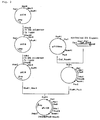
- the synthesized DNA fragment was linked with the larger fragment obtained by cleaving the plasmid pT13SNco with restriction enzymes ClaI and BamHI.
- a plasmid pFv-DE having a pUC origin of replication was obtained by using T4 ligase to ligate the smaller DNA fragment obtained by cleaving the previously mentioned linked plasmid with restriction enzymes EcoRI and PvuII (both products of Takara Shuzou Co.) with the larger DNA fragment obtained by using EcoRI and HindII (products of Takara Shuzou Co.) to cleave plasmid pUC18 (Methods in Enzymology, Vol.101, p.20, 1983) whose HindIII and NdeI sites had been removed by cleavage with the corresponding restriction enzymes and then making the ends blunt with T4 DNA polymerase (product of Takara Shuzou Co.), and finally ligating them with T4 ligase.
- Example 4 Insertion of antibody V region cDNA into pFv-DE and preparation of a E. coli strain producing antibody consisting solely of the V regions
- first T4 ligase was used to ligate the larger DNA fragment obtained by cleaving pFv-DE with restriction enzymes NdeI and SalI (products of Takara Shuzou Co.) with the fragment obtained by cleaving the L-chain V region cDNA of HH61-10 recovered after the PCR using the same restriction enzymes NdeI and SalI.
- the L-chain V region of HH61-10 corresponds to the 4th-324th bases of the nucleotide sequence listed as Sequence No. 1 in the Sequence List. In both sequences, the 1st-3rd bases of the sequence are the translation initiation codon ATG.
- T4 ligase was used to ligate the larger DNA fragment obtained by further cleaving the above ligated plasmid with restriction enzymes XhoI and HindIII (products of Takara Shuzou Co.) with the fragment obtained by cleaving the H-chain V region cDNA of HH61-10 recovered after the PCR using the same restriction enzymes XhoI and HindIII, in order to construct and obtain a plasmid pFv (HH61-10)-DE expressing an antibody consisting solely of the V regions.
- each of the plasmids was used to transform E. coli HB101 strain to obtain a strain producing antibody consisting solely of the V regions ( E. coli pFv (HH61-10)-DE/HB101, AJ-12789, FERM BP-4523).
- the H-chain V region of HH61-10 corresponds to the 367th-738th bases of the nucleotide sequence listed as Sequence No. 1 in the Sequence List.
- Example 5 (Acquisition of product from the strain producing antibody consisting solely of the V regions)
- E. coli pFv (HH61-10)-DE/HB101 (FERM BP-4523) was grown overnight at 37°C in 5 ml of 2 x YT [1.6 % tryptone, 1% yeast extract (both products of Bacto Co.), 0.5% NaOH, pH 7.0] containing 50 ⁇ g/ml of ampicillin.
- the cell suspension which was cultured in the manner described above was subjected to centrifugal separation and the cells thereof collected and 50 ml of a 20 mM Tris-HCl buffer solution containing 30 mM of NaCl (pH 7.5) was added thereto to form a suspension, after which 12.5 ml of a solution of lysozyme in 0.5 M EDTA (pH 8.0) to a concentration of 1 mg/ml was added thereto and the mixture was stirred and then allowed to stand on ice for 1 hour. Next, the cells were disrupted ultrasonically, and then subjected to centrifugal separation at 6,000 rpm for 5 minutes, after which the inclusion bodies were collected.
- the inclusion bodies were solubilized with 6 M guanidine hydrochloride, and adjustment was made for a 100 ⁇ g/ml concentration of the object peptide and a 3.5 M guanidine hydrochloride solution, after which 3 ⁇ M of oxidized glutathione and 30 ⁇ M of reduced glutathione were added thereto, and the mixture was allowed to stand at a pH of 8.0, at room temperature for 10-16 hours. Then, the mixture was dialyzed against a 10 mM acetate buffer solution (pH 5.0) to obtain the crude peptide.
- the crude peptide was passed through an S-Sepharose column (product of Pharmacia Co.) which had been equilibrized in advance with a 10 mM acetate buffer solution (pH 5.0), and then eluted with a 10 mM acetate buffer solution containing 50 mM of NaCl (pH 5.0), after which the eluate was dialyzed against PBS to obtain the object peptide.
- S-Sepharose column product of Pharmacia Co.
- the constructed plasmid pFv(HH61-10)-DE expressing the peptide consisting solely of the V regions was purified by the alkali SDS method, and commercially available M4 or RV primer for sequencing (products of Takara Shuzou Co.) were used to determine the nucleotide sequence with a 7-DEAZA sequencing kit (product of Takara Shuzou Co.). The amino acid sequence was deduced from the obtained nucleotide sequence.
- sequence coding for the peptide Fv(HH61-10) and the amino acid sequence corresponding thereto are listed as Sequence No. 1 of the Sequence List. That is, as shown in Sequence No. 1 of the Sequence List, the peptide Fv(HH61-10) is a peptide comprising 246 amino acids, having Met at the N-terminus and Ser at the C-terminus.
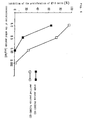
- the peptide Fv(HH61-10) diluted to an appropriate concentration with an RPMI1640 medium containing 0.5% BSA and 0.02% NaN3 was mixed with human recombinant IL-6 which had been 125I-labelled by the Bolton-Hunter method, and these were reacted at room temperature for 1 hour. After the reaction, 5 x 10⁵ U266 cells suspended in the same medium were added thereto for reaction at 4°C for one hour, and the radioactivity which had bound to the cells was measured. As shown in Fig. 5, it was clear that the peptide Fv(HH61-10) possesses activity to inhibit the binding of human IL-6 to human IL-6 receptor.
- the peptide Fv(HH61-10) diluted to an appropriate concentration with an RPMI1640 medium containing 10% FCS was mixed with 0.4 ng/ml of human recombinant IL-6, and these were reacted at 37°C for 30 minutes. After the reaction, 5 x 10³ KT-3 cells suspended in the same medium were added thereto and cultured at 37°C for 2 days.
- an MTT reagent (product of Sigma Co.) prepared in the same medium to a concentration of 5 mg/ml was added thereto for further culturing at 37°C for 4 hours, after which the cells were dissolved with isopropanol containing 0.04 N HCl, and the absorbance of the solution at 570 nm was measured to determine the viable cell count.
- Fig. 6 it was clear that the peptide Fv(HH61-10) possesses activity to inhibit the IL-6-dependent growth of KT-3 cells.
- this peptide Fv(HH61-10) was shown to be a useful substance for the treatment of diseases such as multiple myeloma, rheumatoid arthritis, mesangial proliferative glomerulonephritis and the like, which are caused by the IL-6-induced abnormal growth of cells.
- the peptide Fv(HH61-10) diluted to an appropriate concentration with a Dulbecco modified Eagle medium containing 10% FCS (product of Gibco Co.) was mixed with 100 ng/ml of human recombinant IL-6, and these were reacted at 37°C for 30 minutes. After the reaction, the mixture was reacted with Hep3B cells which had precultured in the same medium at 37°C for 16 hours at an initial population of 1 x 10⁴ cells per well, and these were further cultured at 37°C for 2 days. Next, each of the culture supernatants was taken out its well, and the haptoglobin contents thereof were assayed by the ELISA method.
- the ELISA method comprised first coating sheep anti-human haptoglobin antibody (product of Binding Site Co.) dissolved in PBS to a concentration of 1 ⁇ g/ml into each well of a 96-well plate (product of Flow Co.) and reacting them at 4°C overnight. After the reaction, a PBS solution containing 0.5% BSA was added to the mixture which was then allowed to stand at room temperature for 1 hour. The PBS solution containing 0.5% BSA was discarded, and then each culture supernatant diluted 4-fold with the same type of solution was added to the residue for reaction at room temperature for 2 hours.
- the solution was washed 3 times with a PBS solution containing 0.05% Tween20, and alkali phosphatase-labelled sheep anti-human haptoglobin antibody (product of Binding Site Co.) which had been diluted 1,000-fold with a PBS solution containing 0.5% BSA was added thereto, for reaction at room temperature for 2 hours.
- the solution was washed 3 times with a PBS solution containing 0.05% Tween20, p-nitrophenol phosphate (product of Sigma Co.) adjusted to a concentration of 1 mg/ml with a 0.1 M carbonate buffer solution (pH 9.6) was added to the mixture which was then allowed to stand for 15 minutes, and then the absorbance at 405 nm was measured.
- peptide Fv(HH61-10) possesses activity to inhibit the IL-6-induced production of haptoglobin, a type of acute phase protein, by Hep3B cells. That is, this peptide Fv(HH61-10) was shown to be a useful substance for the treatment of inflammatory diseases.
- the peptide according to the present invention possesses activity to inhibit the binding of human IL-6 to human IL-6 receptor for the suppression of the function of human IL-6, and thus it is a effective substance for use as a treatment for autoimmune diseases such as rheumatoid arthritis and systemic lupus erythematosus, a treatment for bacterial infections, a treatment for septic shock due to bacterial infections, a treatment for viral infections, a treatment for cancers such as multiple myeloma, a cancer metastasis suppressant, a medicine for the amelioration of cancer cachexia, and a treatment for inflammatory diseases such as mesangial proliferative glomerulonephritis, and other diseases thought to be induced or aggravated by IL-6.
- autoimmune diseases such as rheumatoid arthritis and systemic lupus erythematosus
- a treatment for bacterial infections a treatment for septic shock due to bacterial infections
- Fig. 1 shows a primer sequence
- Fig. 2 shows a linker DNA sequence for linking the V region of the L-chain and the V region of the H-chain.
- Fig. 3 is a drawing showing a process for the construction of plasmid pFv-DE.
- Fig. 4 is a drawing showing a process for the construction of plasmid pFv(HH61-10)-DE.
- Fig. 5 is a drawing showing peptide Fv(HH61-10) possessing activity to inhibit the binding of 125I-labelled IL-6 to U266 cells.
- Fig. 6 is a drawing showing peptide Fv(HH61-10) possessing activity to inhibit the IL-6-dependent growth of KT-3 cells.
- Fig. 7 is a drawing showing peptide Fv(HH61-10) possessing activity to inhibit the IL-6-dependent haptoglobin production by Hep3B cells.
Landscapes
- Health & Medical Sciences (AREA)
- Chemical & Material Sciences (AREA)
- Organic Chemistry (AREA)
- Immunology (AREA)
- Medicinal Chemistry (AREA)
- General Health & Medical Sciences (AREA)
- Life Sciences & Earth Sciences (AREA)
- Chemical Kinetics & Catalysis (AREA)
- Veterinary Medicine (AREA)
- Nuclear Medicine, Radiotherapy & Molecular Imaging (AREA)
- Proteomics, Peptides & Aminoacids (AREA)
- Pharmacology & Pharmacy (AREA)
- Bioinformatics & Cheminformatics (AREA)
- Animal Behavior & Ethology (AREA)
- Engineering & Computer Science (AREA)
- Public Health (AREA)
- General Chemical & Material Sciences (AREA)
- Molecular Biology (AREA)
- Genetics & Genomics (AREA)
- Biochemistry (AREA)
- Biophysics (AREA)
- Rheumatology (AREA)
- Pain & Pain Management (AREA)
- Transplantation (AREA)
- Preparation Of Compounds By Using Micro-Organisms (AREA)
- Medicines That Contain Protein Lipid Enzymes And Other Medicines (AREA)
- Peptides Or Proteins (AREA)
Applications Claiming Priority (3)
| Application Number | Priority Date | Filing Date | Title |
|---|---|---|---|
| JP02817393A JP3525221B2 (ja) | 1993-02-17 | 1993-02-17 | 免疫抑制剤 |
| JP28173/93 | 1993-02-17 | ||
| JP2817393 | 1993-02-17 |
Publications (3)
| Publication Number | Publication Date |
|---|---|
| EP0617126A2 true EP0617126A2 (de) | 1994-09-28 |
| EP0617126A3 EP0617126A3 (de) | 1995-06-21 |
| EP0617126B1 EP0617126B1 (de) | 2003-12-03 |
Family
ID=12241346
Family Applications (1)
| Application Number | Title | Priority Date | Filing Date |
|---|---|---|---|
| EP94102346A Expired - Lifetime EP0617126B1 (de) | 1993-02-17 | 1994-02-16 | Polypeptid, fähig zur Inhibierung der Bindung zwischen menschliches IL-6 und dessen Rezeptor |
Country Status (5)
| Country | Link |
|---|---|
| US (1) | US5639455A (de) |
| EP (1) | EP0617126B1 (de) |
| JP (1) | JP3525221B2 (de) |
| AT (1) | ATE255635T1 (de) |
| DE (1) | DE69433371D1 (de) |
Cited By (19)
| Publication number | Priority date | Publication date | Assignee | Title |
|---|---|---|---|---|
| EP0783893A4 (de) * | 1994-10-07 | 1998-04-22 | Chugai Pharmaceutical Co Ltd | Arznei gegen rheumatoide arthritis, die einen il-6-antagonisten als aktiven bestandteil enthält |
| WO1998036061A3 (en) * | 1997-02-13 | 1998-11-12 | Univ Manchester | Reducing fibrosis and/or scarring by inhibiting interleukin-6 receptor-mediated activity |
| EP1108435A4 (de) * | 1998-08-24 | 2002-05-08 | Chugai Pharmaceutical Co Ltd | Mittel zur vorbeugung oder behandlung von pankreatitis die il-6 antagonisten als aktive komponente enthalten |
| EP1334731A4 (de) * | 2000-10-25 | 2004-07-28 | Chugai Pharmaceutical Co Ltd | Mittel zur prävention oder behandlung von psoriasis mit einem il-6-antagonist als wirkstoff |
| WO2005028514A1 (en) * | 2003-09-22 | 2005-03-31 | Biovation Gmbh & Co. Kg. | Use of a compound for reducing the biological effectiveness of il-6 |
| EP1486566A4 (de) * | 2002-03-01 | 2005-10-12 | Japan Enviro Chemicals Ltd | Zur bindung an weibliche sexualhormone fähige proteine und verfahren zur herstellung davon |
| US8017121B2 (en) | 1994-06-30 | 2011-09-13 | Chugai Seiyaku Kabushika Kaisha | Chronic rheumatoid arthritis therapy containing IL-6 antagonist as effective component |
| US8188235B2 (en) | 2008-06-18 | 2012-05-29 | Pfizer Inc. | Antibodies to IL-6 and their uses |
| WO2012071554A2 (en) | 2010-11-23 | 2012-05-31 | Alder Biopharmaceuticals, Inc. | Anti-il-6 antibodies for the treatment of oral mucositis |
| US10233421B2 (en) | 2008-06-30 | 2019-03-19 | Janssen Biotech, Inc. | Differentiation of pluripotent stem cells |
| US10316293B2 (en) | 2007-07-01 | 2019-06-11 | Janssen Biotech, Inc. | Methods for producing single pluripotent stem cells and differentiation thereof |
| US10329534B2 (en) | 2010-03-01 | 2019-06-25 | Janssen Biotech, Inc. | Methods for purifying cells derived from pluripotent stem cells |
| US10344264B2 (en) | 2012-12-31 | 2019-07-09 | Janssen Biotech, Inc. | Culturing of human embryonic stem cells at the air-liquid interface for differentiation into pancreatic endocrine cells |
| US10358628B2 (en) | 2011-12-22 | 2019-07-23 | Janssen Biotech, Inc. | Differentiation of human embryonic stem cells into single hormonal insulin positive cells |
| US10370644B2 (en) | 2012-12-31 | 2019-08-06 | Janssen Biotech, Inc. | Method for making human pluripotent suspension cultures and cells derived therefrom |
| US10377989B2 (en) | 2012-12-31 | 2019-08-13 | Janssen Biotech, Inc. | Methods for suspension cultures of human pluripotent stem cells |
| US10420803B2 (en) | 2016-04-14 | 2019-09-24 | Janssen Biotech, Inc. | Differentiation of pluripotent stem cells to intestinal midgut endoderm cells |
| US10456424B2 (en) | 2007-07-31 | 2019-10-29 | Janssen Biotech, Inc. | Pancreatic endocrine cells and methods thereof |
| US11001802B2 (en) | 2008-02-21 | 2021-05-11 | Nunc A/S | Surface of a vessel with polystyrene, nitrogen, oxygen and a static sessile contact angle for attachment and cultivation of cells |
Families Citing this family (51)
| Publication number | Priority date | Publication date | Assignee | Title |
|---|---|---|---|---|
| PL182089B1 (en) * | 1994-10-21 | 2001-11-30 | Chugai Pharmaceutical Co Ltd | Pharmaceutic compositions for treating diseases caused by production of il-6 |
| IL130238A0 (en) * | 1999-06-01 | 2000-06-01 | Peptor Ltd | Conformationally constrained backbone cyclized interleukin-6 antagonists |
| US6841533B1 (en) | 1995-12-07 | 2005-01-11 | Peptor Limited | Conformationally constrained backbone cyclized interleukin-6 antagonists |
| AU736282B2 (en) | 1997-03-21 | 2001-07-26 | Chugai Seiyaku Kabushiki Kaisha | A preventive or therapeutic agent for sensitized T cell- mediated diseases comprising IL-6 antagonist as an active ingredient |
| WO2001016166A2 (en) * | 1999-08-27 | 2001-03-08 | The United States Of America, Represented By The Secretary, Department Of Health And Human Services | Polypeptides, comprising il-6 ligand-binding receptor domains, and related nucleic acids, antibodies, compositions, and methods of use |
| CA2450073C (en) | 2001-07-25 | 2017-08-29 | Biomarin Pharmaceutical Inc. | Compositions and methods for modulating blood-brain barrier transport |
| BRPI0214168B8 (pt) * | 2001-11-14 | 2021-05-25 | Centocor Inc | anticorpos anti-il-6, moléculas de ácido nucleico codificando os mesmos, vetores compreendendo as referidas moléculas, composições e formulações compreendendo os referidos anticorpos, bem como métodos de produção dos mesmos |
| AU2002950957A0 (en) * | 2002-08-23 | 2002-09-12 | The Walter And Eliza Hall Institute Of Medical Research | A method of treatment and prophylaxis |
| US20060093604A1 (en) * | 2002-08-23 | 2006-05-04 | The Walter And Eliza Hall Institute Of Medical Research | Method of treatment and prophylaxis |
| US20050100550A1 (en) * | 2003-11-10 | 2005-05-12 | Mohit Trikha | Anti-angiogenic uses of IL-6 antagonists |
| EP1768662A2 (de) | 2004-06-24 | 2007-04-04 | Novartis Vaccines and Diagnostics, Inc. | Immunstimulatoren kleiner moleküle und assays für deren nachweis |
| US8017395B2 (en) | 2004-12-17 | 2011-09-13 | Lifescan, Inc. | Seeding cells on porous supports |
| EP2671508B1 (de) | 2005-04-28 | 2020-09-16 | Proteus Digital Health, Inc. | Pharma-Informatiksystem |
| PA8672101A1 (es) | 2005-04-29 | 2006-12-07 | Centocor Inc | Anticuerpos anti-il-6, composiciones, métodos y usos |
| JP2009500297A (ja) | 2005-06-08 | 2009-01-08 | セントカー・インコーポレーテツド | 眼の変性についての細胞療法 |
| US8470316B2 (en) | 2005-10-14 | 2013-06-25 | Chugai Seiyaku Kabushiki Kaisha | Agents for suppressing damage to transplanted islets after islet transplantation |
| RU2450830C2 (ru) | 2005-10-21 | 2012-05-20 | Чугаи Сейяку Кабусики Кайся | Средства для лечения кардиопатии |
| AR057582A1 (es) | 2005-11-15 | 2007-12-05 | Nat Hospital Organization | Agentes para suprimir la induccion de linfocitos t citotoxicos |
| JP5033643B2 (ja) | 2006-01-27 | 2012-09-26 | 学校法人慶應義塾 | 脈絡膜血管新生を伴う疾患の治療剤 |
| JP5754875B2 (ja) | 2006-04-07 | 2015-07-29 | 国立大学法人大阪大学 | 筋再生促進剤 |
| US8741643B2 (en) | 2006-04-28 | 2014-06-03 | Lifescan, Inc. | Differentiation of pluripotent stem cells to definitive endoderm lineage |
| JP2010503710A (ja) | 2006-09-18 | 2010-02-04 | ラプトール ファーマシューティカル インコーポレイテッド | 受容体関連タンパク質(rap)結合体の投与による肝障害の処置 |
| MX2009007830A (es) | 2007-01-23 | 2009-10-07 | Univ Shinshu | Inhibidor de rechazo cronico. |
| CN107574142B (zh) | 2007-11-27 | 2021-07-06 | 生命扫描有限公司 | 人胚胎干细胞的分化 |
| US8623648B2 (en) | 2008-04-24 | 2014-01-07 | Janssen Biotech, Inc. | Treatment of pluripotent cells |
| TW201503898A (zh) | 2008-06-05 | 2015-02-01 | Chugai Pharmaceutical Co Ltd | 神經浸潤抑制劑 |
| EP2346988B1 (de) | 2008-10-31 | 2017-05-31 | Janssen Biotech, Inc. | Differenzierung menschlicher embryonaler stammzellen in die pankreatisch-endokrine linie |
| JP2012507289A (ja) | 2008-10-31 | 2012-03-29 | ヤンセン バイオテツク,インコーポレーテツド | ヒト胚性幹細胞の膵内分泌系への分化 |
| MX2011005288A (es) | 2008-11-20 | 2011-06-01 | Centocor Ortho Biotech Inc | Celulas madre pluripotentes en microportadores. |
| CA2744227C (en) | 2008-11-20 | 2018-10-02 | Centocor Ortho Biotech Inc. | Methods and compositions for cell attachment and cultivation on planar substrates |
| KR20180114970A (ko) | 2009-05-06 | 2018-10-19 | 라보라토리 스킨 케어, 인크. | 활성제-칼슘 포스페이트 입자 복합체를 포함하는 피부 전달 조성물 및 이들을 이용하는 방법 |
| RU2540016C2 (ru) | 2009-07-20 | 2015-01-27 | Янссен Байотек, Инк. | Дифференцировка эмбриональных стволовых клеток человека |
| EP2456858B1 (de) | 2009-07-20 | 2018-08-29 | Janssen Biotech, Inc. | Differenzierung menschlicher embryonischer stammzellen |
| EP2456862A4 (de) | 2009-07-20 | 2013-02-27 | Janssen Biotech Inc | Differenzierung menschlicher embryonischer stammzellen |
| SG178190A1 (en) * | 2009-07-31 | 2012-03-29 | Shin Maeda | Cancer metastasis inhibitor |
| RU2664864C1 (ru) | 2009-12-23 | 2018-08-23 | Янссен Байотек, Инк. | Способы увеличения экспрессии ngn3 и nkx6.1 в эндокринных клетках поджелудочной железы |
| DK2516625T3 (da) | 2009-12-23 | 2024-09-09 | Janssen Biotech Inc | Differentiering af humane embryonale stamceller |
| AU2011250912A1 (en) | 2010-05-12 | 2012-11-22 | Janssen Biotech, Inc. | Differentiation of human embryonic stem cells |
| RS63800B1 (sr) | 2010-05-28 | 2022-12-30 | Chugai Pharmaceutical Co Ltd | Poboljšanje antitumorskog odgovora t ćelije |
| CN103221536B (zh) | 2010-08-31 | 2016-08-31 | 詹森生物科技公司 | 人胚胎干细胞的分化 |
| KR101836850B1 (ko) | 2010-08-31 | 2018-03-09 | 얀센 바이오테크 인코포레이티드 | 인간 배아 줄기 세포의 분화 |
| WO2012030540A2 (en) | 2010-08-31 | 2012-03-08 | Janssen Biotech, Inc. | Differentiation of pluripotent stem cells |
| US20120077778A1 (en) | 2010-09-29 | 2012-03-29 | Andrea Bourdelais | Ladder-Frame Polyether Conjugates |
| MX354775B (es) | 2012-03-07 | 2018-03-20 | Janssen Biotech Inc | Medios definidos para la expansion y el mantenimiento de celulas madre pluripotentes. |
| CN104334719B (zh) | 2012-06-08 | 2018-02-13 | 詹森生物科技公司 | 人胚胎干细胞向胰腺内分泌细胞的分化 |
| MX2015008578A (es) | 2012-12-31 | 2015-09-07 | Janssen Biotech Inc | Diferenciacion de celulas madre embrionarias humanas en celulas endocrinas pancreaticas mediante el uso de relugadores de hb9. |
| SG11201609473XA (en) | 2014-05-16 | 2016-12-29 | Janssen Biotech Inc | Use of small molecules to enhance mafa expression in pancreatic endocrine cells |
| EP3620531A4 (de) | 2017-05-02 | 2021-03-17 | National Center of Neurology and Psychiatry | Verfahren zur vorhersage und beurteilung der therapeutischen wirkung bei erkrankungen im zusammenhang mit il-6 und neutrophilen |
| WO2019078344A1 (ja) | 2017-10-20 | 2019-04-25 | 学校法人兵庫医科大学 | 抗il-6受容体抗体を含有する術後の癒着を抑制するための医薬組成物 |
| TWI822728B (zh) | 2018-01-31 | 2023-11-21 | 加藤元一 | 含有il-6抑制劑的哮喘治療劑 |
| AU2020259884A1 (en) | 2019-04-17 | 2021-10-07 | Chugai Seiyaku Kabushiki Kaisha | Therapeutic agent for urological cancer which is characterized by being administered with il-6 inhibitor and ccr2 inhibitor in combination |
Family Cites Families (5)
| Publication number | Priority date | Publication date | Assignee | Title |
|---|---|---|---|---|
| US4946778A (en) * | 1987-09-21 | 1990-08-07 | Genex Corporation | Single polypeptide chain binding molecules |
| JP2881311B2 (ja) * | 1989-07-28 | 1999-04-12 | 味の素株式会社 | 抗ヒトbcdfモノクローナル抗体及びそれを用いたヒトbcdfの定量法 |
| DE3939706C1 (de) * | 1989-12-01 | 1991-03-21 | Centre Regional De Transfusion Sanguine, Besancon, Fr | |
| JPH0747547B2 (ja) * | 1989-12-04 | 1995-05-24 | シェリング・コーポレーション | 敗血症性ショック治療用医薬組成物 |
| WO1991008774A1 (en) * | 1989-12-15 | 1991-06-27 | Cetus Corporation | Cytokine antibody for the treatment of sepsis |
-
1993
- 1993-02-17 JP JP02817393A patent/JP3525221B2/ja not_active Expired - Fee Related
-
1994
- 1994-02-16 DE DE69433371T patent/DE69433371D1/de not_active Expired - Lifetime
- 1994-02-16 EP EP94102346A patent/EP0617126B1/de not_active Expired - Lifetime
- 1994-02-16 AT AT94102346T patent/ATE255635T1/de not_active IP Right Cessation
- 1994-02-17 US US08/197,834 patent/US5639455A/en not_active Expired - Lifetime
Cited By (27)
| Publication number | Priority date | Publication date | Assignee | Title |
|---|---|---|---|---|
| US8017121B2 (en) | 1994-06-30 | 2011-09-13 | Chugai Seiyaku Kabushika Kaisha | Chronic rheumatoid arthritis therapy containing IL-6 antagonist as effective component |
| CZ296919B6 (cs) * | 1994-10-07 | 2006-07-12 | Chugai Seiyaku Kabushiki Kaisha | Farmaceutický prípravek pro lécení chronické revmatické artritidy |
| EP0783893A4 (de) * | 1994-10-07 | 1998-04-22 | Chugai Pharmaceutical Co Ltd | Arznei gegen rheumatoide arthritis, die einen il-6-antagonisten als aktiven bestandteil enthält |
| WO1998036061A3 (en) * | 1997-02-13 | 1998-11-12 | Univ Manchester | Reducing fibrosis and/or scarring by inhibiting interleukin-6 receptor-mediated activity |
| US8440196B1 (en) | 1998-08-24 | 2013-05-14 | Chugai Seiyaku Kabushiki Kaisha | Treatment for pancreatitis using IL-6 receptor antagonist antibodies |
| EP1108435A4 (de) * | 1998-08-24 | 2002-05-08 | Chugai Pharmaceutical Co Ltd | Mittel zur vorbeugung oder behandlung von pankreatitis die il-6 antagonisten als aktive komponente enthalten |
| US8597644B2 (en) | 2000-10-25 | 2013-12-03 | Chugai Seiyaku Kabushiki Kaisha | Method for treating psoriasis by administering an antibody to interleukin-6 receptor |
| US7320792B2 (en) | 2000-10-25 | 2008-01-22 | Chugai Seiyaku Kabushiki Kaisha | Preventives or remedies for psoriasis containing as the active ingredient IL-6 antagonist |
| EP1334731A4 (de) * | 2000-10-25 | 2004-07-28 | Chugai Pharmaceutical Co Ltd | Mittel zur prävention oder behandlung von psoriasis mit einem il-6-antagonist als wirkstoff |
| US8562990B2 (en) | 2000-10-25 | 2013-10-22 | Chugai Seiyaku Kabushiki Kaisha | Method of treating psoriatic arthritis with an IL-6 receptor antibody |
| EP1486566A4 (de) * | 2002-03-01 | 2005-10-12 | Japan Enviro Chemicals Ltd | Zur bindung an weibliche sexualhormone fähige proteine und verfahren zur herstellung davon |
| WO2005028514A1 (en) * | 2003-09-22 | 2005-03-31 | Biovation Gmbh & Co. Kg. | Use of a compound for reducing the biological effectiveness of il-6 |
| US10316293B2 (en) | 2007-07-01 | 2019-06-11 | Janssen Biotech, Inc. | Methods for producing single pluripotent stem cells and differentiation thereof |
| US10456424B2 (en) | 2007-07-31 | 2019-10-29 | Janssen Biotech, Inc. | Pancreatic endocrine cells and methods thereof |
| US11001802B2 (en) | 2008-02-21 | 2021-05-11 | Nunc A/S | Surface of a vessel with polystyrene, nitrogen, oxygen and a static sessile contact angle for attachment and cultivation of cells |
| US8188235B2 (en) | 2008-06-18 | 2012-05-29 | Pfizer Inc. | Antibodies to IL-6 and their uses |
| US8436158B2 (en) | 2008-06-18 | 2013-05-07 | Pfizer Inc. | Antibodies to IL-6 and their uses |
| US8846037B2 (en) | 2008-06-18 | 2014-09-30 | Pfizer Inc. | Antibodies to IL-6 and their uses |
| US10351820B2 (en) | 2008-06-30 | 2019-07-16 | Janssen Biotech, Inc. | Methods for making definitive endoderm using at least GDF-8 |
| US10233421B2 (en) | 2008-06-30 | 2019-03-19 | Janssen Biotech, Inc. | Differentiation of pluripotent stem cells |
| US10329534B2 (en) | 2010-03-01 | 2019-06-25 | Janssen Biotech, Inc. | Methods for purifying cells derived from pluripotent stem cells |
| WO2012071554A2 (en) | 2010-11-23 | 2012-05-31 | Alder Biopharmaceuticals, Inc. | Anti-il-6 antibodies for the treatment of oral mucositis |
| US10358628B2 (en) | 2011-12-22 | 2019-07-23 | Janssen Biotech, Inc. | Differentiation of human embryonic stem cells into single hormonal insulin positive cells |
| US10344264B2 (en) | 2012-12-31 | 2019-07-09 | Janssen Biotech, Inc. | Culturing of human embryonic stem cells at the air-liquid interface for differentiation into pancreatic endocrine cells |
| US10370644B2 (en) | 2012-12-31 | 2019-08-06 | Janssen Biotech, Inc. | Method for making human pluripotent suspension cultures and cells derived therefrom |
| US10377989B2 (en) | 2012-12-31 | 2019-08-13 | Janssen Biotech, Inc. | Methods for suspension cultures of human pluripotent stem cells |
| US10420803B2 (en) | 2016-04-14 | 2019-09-24 | Janssen Biotech, Inc. | Differentiation of pluripotent stem cells to intestinal midgut endoderm cells |
Also Published As
| Publication number | Publication date |
|---|---|
| ATE255635T1 (de) | 2003-12-15 |
| EP0617126B1 (de) | 2003-12-03 |
| JPH06237772A (ja) | 1994-08-30 |
| DE69433371D1 (de) | 2004-01-15 |
| JP3525221B2 (ja) | 2004-05-10 |
| US5639455A (en) | 1997-06-17 |
| EP0617126A3 (de) | 1995-06-21 |
Similar Documents
| Publication | Publication Date | Title |
|---|---|---|
| EP0617126B1 (de) | Polypeptid, fähig zur Inhibierung der Bindung zwischen menschliches IL-6 und dessen Rezeptor | |
| KR100483494B1 (ko) | 감마 인터페론에 대한 인간화 항체 | |
| US6830752B2 (en) | Interferon-gamma-binding molecules for treating septic shock, cachexia, immune diseases and skin disorders | |
| EP1776142B9 (de) | Antagonistische antikörper gegen il-17 | |
| RU2264413C2 (ru) | РЕКОМБИНАНТНОЕ АНТИТЕЛО К ЧЕЛОВЕЧЕСКОМУ ИНТЕРЛЕЙКИНУ 1β | |
| EP0783893B1 (de) | Hemmung des abnormalen wachstums von synovialzellen durch il-6-antagonisten als wirkstoff | |
| JP2004515243A (ja) | サイレント抗cd28抗体およびその使用 | |
| JP2022540918A (ja) | ETA抗体及びTGF-β Trapの融合タンパク質及びその医薬組成物並びに用途 | |
| WO1991002540A1 (en) | Compositions for the inhibition of protein hormone formation and uses thereof | |
| CN113166239B (zh) | 抗il-17a抗体及其应用 | |
| JP3104187B2 (ja) | インターフエロン―ガンマ結合蛋白 | |
| CN114269788B (zh) | 一种能够与人4-1bb结合的分子及其应用 | |
| CN107074976B (zh) | 同时阻断b7/cd28和il6/il6r/gp130信号通路的重组融合蛋白 | |
| JP3024311B2 (ja) | Il−2受容体重鎖に結合するポリペプチド | |
| RU2816204C2 (ru) | Антитело против il-17a и его применение | |
| JPH09191886A (ja) | ヒト高親和性IgE受容体に対するヒト型化抗体、半キメラ抗体およびキメラ抗体 | |
| JP2024514253A (ja) | ヒトエンドセリン受容体に特異的に結合できる抗体及び糖尿病性腎症及び慢性腎疾患の治療におけるその応用 | |
| JP3844519B2 (ja) | 免疫抑制剤 | |
| HK40057229B (en) | Anti-il-17a antibody and use thereof | |
| JP2000166574A (ja) | ヒト化抗Fas抗体 | |
| HK1207559B (en) | Il-17 antagonistic antibodies | |
| HK1101277B (en) | Il-17 antagonistic antibodies |
Legal Events
| Date | Code | Title | Description |
|---|---|---|---|
| PUAI | Public reference made under article 153(3) epc to a published international application that has entered the european phase |
Free format text: ORIGINAL CODE: 0009012 |
|
| AK | Designated contracting states |
Kind code of ref document: A2 Designated state(s): AT BE CH DE DK ES FR GB GR IE IT LI LU MC NL PT SE |
|
| PUAL | Search report despatched |
Free format text: ORIGINAL CODE: 0009013 |
|
| AK | Designated contracting states |
Kind code of ref document: A3 Designated state(s): AT BE CH DE DK ES FR GB GR IE IT LI LU MC NL PT SE |
|
| 17P | Request for examination filed |
Effective date: 19951213 |
|
| 17Q | First examination report despatched |
Effective date: 19990505 |
|
| GRAH | Despatch of communication of intention to grant a patent |
Free format text: ORIGINAL CODE: EPIDOS IGRA |
|
| RTI1 | Title (correction) |
Free format text: POLYPEPTIDE CAPABLE OF INHIBITING THE BINDING BETWEEN HUMAN IL-6 AND ITS RECEPTOR |
|
| GRAS | Grant fee paid |
Free format text: ORIGINAL CODE: EPIDOSNIGR3 |
|
| GRAA | (expected) grant |
Free format text: ORIGINAL CODE: 0009210 |
|
| AK | Designated contracting states |
Kind code of ref document: B1 Designated state(s): AT BE CH DE DK ES FR GB GR IE IT LI LU MC NL PT SE |
|
| PG25 | Lapsed in a contracting state [announced via postgrant information from national office to epo] |
Ref country code: NL Free format text: LAPSE BECAUSE OF FAILURE TO SUBMIT A TRANSLATION OF THE DESCRIPTION OR TO PAY THE FEE WITHIN THE PRESCRIBED TIME-LIMIT Effective date: 20031203 Ref country code: LI Free format text: LAPSE BECAUSE OF FAILURE TO SUBMIT A TRANSLATION OF THE DESCRIPTION OR TO PAY THE FEE WITHIN THE PRESCRIBED TIME-LIMIT Effective date: 20031203 Ref country code: IT Free format text: LAPSE BECAUSE OF FAILURE TO SUBMIT A TRANSLATION OF THE DESCRIPTION OR TO PAY THE FEE WITHIN THE PRESCRIBED TIME-LIMIT;WARNING: LAPSES OF ITALIAN PATENTS WITH EFFECTIVE DATE BEFORE 2007 MAY HAVE OCCURRED AT ANY TIME BEFORE 2007. THE CORRECT EFFECTIVE DATE MAY BE DIFFERENT FROM THE ONE RECORDED. Effective date: 20031203 Ref country code: FR Free format text: LAPSE BECAUSE OF FAILURE TO SUBMIT A TRANSLATION OF THE DESCRIPTION OR TO PAY THE FEE WITHIN THE PRESCRIBED TIME-LIMIT Effective date: 20031203 Ref country code: CH Free format text: LAPSE BECAUSE OF FAILURE TO SUBMIT A TRANSLATION OF THE DESCRIPTION OR TO PAY THE FEE WITHIN THE PRESCRIBED TIME-LIMIT Effective date: 20031203 Ref country code: BE Free format text: LAPSE BECAUSE OF FAILURE TO SUBMIT A TRANSLATION OF THE DESCRIPTION OR TO PAY THE FEE WITHIN THE PRESCRIBED TIME-LIMIT Effective date: 20031203 Ref country code: AT Free format text: LAPSE BECAUSE OF FAILURE TO SUBMIT A TRANSLATION OF THE DESCRIPTION OR TO PAY THE FEE WITHIN THE PRESCRIBED TIME-LIMIT Effective date: 20031203 |
|
| REG | Reference to a national code |
Ref country code: GB Ref legal event code: FG4D |
|
| RIC1 | Information provided on ipc code assigned before grant |
Ipc: 7A 61K 39/395 B Ipc: 7C 12N 1/21 B Ipc: 7C 12N 5/10 B Ipc: 7C 12P 21/08 B Ipc: 7C 07K 14/00 B Ipc: 7C 07K 16/28 B Ipc: 7C 12N 15/13 A |
|
| REG | Reference to a national code |
Ref country code: CH Ref legal event code: EP |
|
| REG | Reference to a national code |
Ref country code: IE Ref legal event code: FG4D |
|
| REF | Corresponds to: |
Ref document number: 69433371 Country of ref document: DE Date of ref document: 20040115 Kind code of ref document: P |
|
| PG25 | Lapsed in a contracting state [announced via postgrant information from national office to epo] |
Ref country code: LU Free format text: LAPSE BECAUSE OF NON-PAYMENT OF DUE FEES Effective date: 20040216 Ref country code: IE Free format text: LAPSE BECAUSE OF NON-PAYMENT OF DUE FEES Effective date: 20040216 |
|
| PG25 | Lapsed in a contracting state [announced via postgrant information from national office to epo] |
Ref country code: MC Free format text: LAPSE BECAUSE OF NON-PAYMENT OF DUE FEES Effective date: 20040228 |
|
| PG25 | Lapsed in a contracting state [announced via postgrant information from national office to epo] |
Ref country code: SE Free format text: LAPSE BECAUSE OF FAILURE TO SUBMIT A TRANSLATION OF THE DESCRIPTION OR TO PAY THE FEE WITHIN THE PRESCRIBED TIME-LIMIT Effective date: 20040303 Ref country code: GR Free format text: LAPSE BECAUSE OF FAILURE TO SUBMIT A TRANSLATION OF THE DESCRIPTION OR TO PAY THE FEE WITHIN THE PRESCRIBED TIME-LIMIT Effective date: 20040303 Ref country code: GB Free format text: LAPSE BECAUSE OF NON-PAYMENT OF DUE FEES Effective date: 20040303 Ref country code: DK Free format text: LAPSE BECAUSE OF FAILURE TO SUBMIT A TRANSLATION OF THE DESCRIPTION OR TO PAY THE FEE WITHIN THE PRESCRIBED TIME-LIMIT Effective date: 20040303 |
|
| PG25 | Lapsed in a contracting state [announced via postgrant information from national office to epo] |
Ref country code: DE Free format text: LAPSE BECAUSE OF FAILURE TO SUBMIT A TRANSLATION OF THE DESCRIPTION OR TO PAY THE FEE WITHIN THE PRESCRIBED TIME-LIMIT Effective date: 20040304 |
|
| PG25 | Lapsed in a contracting state [announced via postgrant information from national office to epo] |
Ref country code: ES Free format text: LAPSE BECAUSE OF FAILURE TO SUBMIT A TRANSLATION OF THE DESCRIPTION OR TO PAY THE FEE WITHIN THE PRESCRIBED TIME-LIMIT Effective date: 20040314 |
|
| NLV1 | Nl: lapsed or annulled due to failure to fulfill the requirements of art. 29p and 29m of the patents act | ||
| REG | Reference to a national code |
Ref country code: CH Ref legal event code: PL |
|
| PLBE | No opposition filed within time limit |
Free format text: ORIGINAL CODE: 0009261 |
|
| GBPC | Gb: european patent ceased through non-payment of renewal fee | ||
| REG | Reference to a national code |
Ref country code: IE Ref legal event code: MM4A |
|
| 26N | No opposition filed |
Effective date: 20040906 |
|
| EN | Fr: translation not filed | ||
| PG25 | Lapsed in a contracting state [announced via postgrant information from national office to epo] |
Ref country code: PT Free format text: LAPSE BECAUSE OF NON-PAYMENT OF DUE FEES Effective date: 20040503 |