EP0627923B1 - Domaines therapeutiques du facteur von willebrand - Google Patents
Domaines therapeutiques du facteur von willebrand Download PDFInfo
- Publication number
- EP0627923B1 EP0627923B1 EP93907272A EP93907272A EP0627923B1 EP 0627923 B1 EP0627923 B1 EP 0627923B1 EP 93907272 A EP93907272 A EP 93907272A EP 93907272 A EP93907272 A EP 93907272A EP 0627923 B1 EP0627923 B1 EP 0627923B1
- Authority
- EP
- European Patent Office
- Prior art keywords
- polypeptide
- fragment
- vwf
- amino acid
- terminus
- Prior art date
- Legal status (The legal status is an assumption and is not a legal conclusion. Google has not performed a legal analysis and makes no representation as to the accuracy of the status listed.)
- Expired - Lifetime
Links
Images

Classifications
-
- C—CHEMISTRY; METALLURGY
- C07—ORGANIC CHEMISTRY
- C07K—PEPTIDES
- C07K14/00—Peptides having more than 20 amino acids; Gastrins; Somatostatins; Melanotropins; Derivatives thereof
- C07K14/435—Peptides having more than 20 amino acids; Gastrins; Somatostatins; Melanotropins; Derivatives thereof from animals; from humans
- C07K14/745—Blood coagulation or fibrinolysis factors
- C07K14/755—Factors VIII, e.g. factor VIII C (AHF), factor VIII Ag (VWF)
-
- A—HUMAN NECESSITIES
- A61—MEDICAL OR VETERINARY SCIENCE; HYGIENE
- A61P—SPECIFIC THERAPEUTIC ACTIVITY OF CHEMICAL COMPOUNDS OR MEDICINAL PREPARATIONS
- A61P7/00—Drugs for disorders of the blood or the extracellular fluid
- A61P7/02—Antithrombotic agents; Anticoagulants; Platelet aggregation inhibitors
-
- C—CHEMISTRY; METALLURGY
- C07—ORGANIC CHEMISTRY
- C07K—PEPTIDES
- C07K16/00—Immunoglobulins [IG], e.g. monoclonal or polyclonal antibodies
- C07K16/18—Immunoglobulins [IG], e.g. monoclonal or polyclonal antibodies against material from animals or humans
- C07K16/36—Immunoglobulins [IG], e.g. monoclonal or polyclonal antibodies against material from animals or humans against blood coagulation factors
-
- A—HUMAN NECESSITIES
- A61—MEDICAL OR VETERINARY SCIENCE; HYGIENE
- A61K—PREPARATIONS FOR MEDICAL, DENTAL OR TOILETRY PURPOSES
- A61K38/00—Medicinal preparations containing peptides
-
- Y—GENERAL TAGGING OF NEW TECHNOLOGICAL DEVELOPMENTS; GENERAL TAGGING OF CROSS-SECTIONAL TECHNOLOGIES SPANNING OVER SEVERAL SECTIONS OF THE IPC; TECHNICAL SUBJECTS COVERED BY FORMER USPC CROSS-REFERENCE ART COLLECTIONS [XRACs] AND DIGESTS
- Y10—TECHNICAL SUBJECTS COVERED BY FORMER USPC
- Y10S—TECHNICAL SUBJECTS COVERED BY FORMER USPC CROSS-REFERENCE ART COLLECTIONS [XRACs] AND DIGESTS
- Y10S530/00—Chemistry: natural resins or derivatives; peptides or proteins; lignins or reaction products thereof
- Y10S530/827—Proteins from mammals or birds
- Y10S530/829—Blood
Definitions
- This invention relates to polypeptides which are useful in the treatment of vascular disorders such as thrombosis. This invention further relates to the production by recombinant DNA-directed methods of pharmacologically useful quantities of the polypeptides of the present invention.
- hemostasis refers to those processes which comprise the defense mechanisms of the body against loss of circulating blood caused by vascular injury. Processes which are normal as a physiologic response to vascular injury may lead in pathologic circumstances, such as in a patient afflicted with atherosclerotic vascular disease or chronic congestive heart failure, to the formation of undesired thrombi (clots) with resultant vascular occlusion. Impairment of blood flow to organs under such circumstances may lead to severe pathologic states, including myocardial infarction, a leading cause of mortality in developed countries.
- Primary hemostasis refers to the process of platelet plug or soft clot formation.
- the platelets are non-nucleated discoid structures approximately 2-5 microns in diameter derived from megakaryocytic cells.
- Effective primary hemostasis is accomplished by platelet adhesion, the interaction of platelets with the surface of damaged vascular endothelium on which are exposed underlying collagen fibers and/or other adhesive macromolecules such as proteoglycans and glycosaminoglycans to which platelets bind.
- Secondary hemostasis involves the reinforcement or crosslinking of the soft platelet clot. This secondary process is initiated by proteins circulating in the plasma (coagulation factors) which are activated during primary hemostasis, either in response to a wound or a vascular disease state. The activation of these factors results ultimately in the production of a polymeric matrix of the protein fibrinogen (then called fibrin) which reinforces the soft clot.
- coagulation factors proteins circulating in the plasma
- fibrin protein fibrinogen
- Antiplatelet drugs include drugs which suppress primary hemostasis by altering platelets or their interaction with other circulatory system components.
- Specific antiplatelet drugs operate by one or several mechanisms.
- a first example involves reducing the availability of ionized calcium within the platelet cytoplasm thereby impairing activation of the platelet and resultant aggregation.
- Pharmaceuticals representative of this strategy include prostacyclin, and also Persatine® (dipyridamole) which may affect calcium concentrations by affecting the concentration of cyclic AMP. Numerous side effects related to the administration of these compounds have been reported.
- An additional class of antiplatelet drugs acts by inhibiting the synthesis of thromboxane A 2 within the platelet, reducing the platelet activation response.
- Non-steroidal anti-inflammatory agents such as ibuprofen, phenolbutazone and napthroxane may produce a similar effect by competitive inhibition of a particular cyclooxygenase enzyme, which catalyzes the synthesis of a precursor of thromboxane A 2 .
- a similar therapeutic effect may be derived through the administration of aspirin which has been demonstrated to irreversably acetylate a cyclooxygenase enzyme necessary to generate thromboxane A 2 .
- a third antiplatelet mechanism has involved the platelet membrane so as to interfere with surface receptor function.
- ticlopidene a large branched polysaccharide, which is believed to impair the interaction of fibrinogen with platelet receptors that are exposed during aggregation.
- Dextran is contraindicated for patients with a history of renal problems or with cardiac impairment.
- the therapeutic ticlopidine is stated to inhibit platelet adhesion and aggregation by suppressing the binding of von Willebrand factor and/or fibrinogen to their respective receptors on the platelet surface.
- ticlopidene possesses insufficient specificity to eliminate the necessity of administering large doses which, in turn, may be associated with clinical side effects.
- the aforementioned pharmaceuticals are foreign to the body and may cause numerous adverse clinical side effects, there being no way to prevent such compounds from participating in other aspects of a patient's physiology or biochemistry, particularly if high doses are required. It would be desirable to provide for pharmaceuticals having such specificity for certain of the reactions of hemostasis, that they could be administered to patients at low doses, such doses being much less likely to produce adverse effects in patients.
- the present invention is directed to the provision of antithrombotic polypeptides derived from von Willebrand factor, one of the proteins of the hemostatic mechanism.
- vWF von Willebrand factor
- a polypeptide which is capable of inhibiting binding of von Willebrand factor (vWF) to platelets and consisting of a fragment of mature von Willebrand factor subunit selected from the group consisting of Arg 441 to Asp 709 , Arg 441 to Pro 704 , Arg 441 to Glu 700 , Arg 441 to Asp 696 , Gln 475 to Val 733 , Thr 492 to Val 733 , Tyr 508 to Val 733 , Tyr 508 to His 709 , Tyr 508 to Pro 704 , and Tyr 508 to Glu 700 , wherein cysteine residues Cys 509 and Cys 695 of said fragments are joined by an intrachain disulfide bond in the naturally occurring fragment, said polypeptide being a modified form of said fragment in that said polypeptide does not include said disulfide bond.
- vWF von Willebrand factor
- vWF von Willebrand factor
- a cloning vehicle that contains a DNA sequence according to the invention in its fourth aspect.
- a recombinant host cell transformed with an expression plasmid or viral expression vector according to the invention in its sixth aspect
- an antibody specific for a polypeptide capable of inhibiting binding of vWF to platelets said antibody recognizing an epitope located between amino acid residues Cys 509 and Cys 695 of mature vWF subunit
- a therapeutic composition comprising one or more polypeptides according to the invention in its first, second or third aspects effective to inhibit binding of von Willebrand factor to platelets, and a pharmaceutically acceptable carrier.
- a polypeptide according to the invention in its first, second or third aspects for the manufacture of a medicament for use in a method of inhibiting platelet activation and/or aggregation.
- a polypeptide according to the invention in its first, second or third aspects for the manufacture of a medicament for use in a method of inhibiting adhesion of platelets to vascular surfaces.
- a polypeptide according to the invention in its first, second or third aspects for the manufacture of a medicament for use in a method of inhibiting or treating thrombosis in a patient.
- Coding Sequence Encoding DNA
- DNA sequences which, in the appropriate reading frame, code for the amino acids of a protein.
- synthesis or use of a coding sequence may necessarily involve synthesis or use of the corresponding complementary strand, as shown by: 5'-CGG ⁇ GGA ⁇ GGA-3'/3'-GCC ⁇ CCT ⁇ CCT-5' which "encodes" the tripeptide NH 2 -arg-gly-gly-CO 2 H.
- a discussion of or claim to one strand is deemed to refer to or to claim the other strand and the double stranded counterpart thereof as is appropriate, useful or necessary in the practice of the art.
- cDNA - A DNA molecule or sequence which has been enzymatically synthesized from the sequence(s) present in an mRNA template.
- Transcribed Strand The DNA strand whose nucleotide sequence is read 3' - 5' by RNA polymerase to produce mRNA. This strand is also referred to as the noncoding strand. Coding Strand or Non-Transcribed Strand - This strand is the antiparallel compliment of the transcribed strand and has a base sequence identical to that of the mRNA produced from the transcribed strand except that thymine bases are present (instead of uracil bases of the mRNA).
- Biological Activity One or more functions, effects of, activities performed or caused by a molecule in a biological context (that is, in an organism or in an in vitro facsimile).
- a characteristic biological activity of the 52/48 kDa monomeric fragment of the mature von Willebrand factor subunit is the potential ability to bind to only one platelet GPIb receptor thereby enabling the molecule to inhibit botrocetin-induced binding of multimeric vWF to platelets.
- Cloning Vehicle ( Vector ) - A plasmid, phage DNA or other DNA sequence which is able to replicate in a host cell, typically characterized by one or a small number of endonuclease recognition sites at which such DNA sequences may be cut in a determinable fashion for the insertion of heterologous DNA without attendant loss of an essential biological function of the DNA, e.g., replication, production of coat proteins or loss of expression control regions such as promoters or binding sites, and which may contain a selectable gene marker suitable for use in the identification of host cells transformed therewith, e.g., tetracycline resistance or ampicillin resistance.
- Plasmid - A nonchromosomal double-stranded DNA sequence comprising an intact "replicon" such that the plasmid is replicated in a host cell.
- the characteristics of that cell may be changed (or transformed) as a result of the DNA of the plasmid.
- a plasmid carrying the gene for tetracycline resistance (Tet R ) transforms a cell previously sensitive to tetracycline into one which is resistant to it.
- a cell transformed by a plasmid is called a "transformant."
- Expression Plasmid - A plasmid into which has been inserted the DNA being cloned, such as the von Willebrand factor structural gene.
- the DNA sequence inserted therein may also contain sequences which control the translation of mRNA resultant therefrom, and contain restriction endonuclease sites which facilitated assembly of, and may facilitate further modification of, said expression plasmid.
- An expression plasmid is capable of directing, in a host cell, the expression therein of the encoded polypeptide and usually contains a transcription promoter upstream from the DNA sequence of the encoded structural gene.
- An expression plasmid may or may not become integrated into the host chromosomal DNA.
- an integrated plasmid is nonetheless referred to as an expression plasmid.
- Viral Expression Vector - A viral expression vector is similar to an expression plasmid except that the DNA may be packaged into a viral particle that can transfect cells through a natural biological process.
- Downstream - A nucleotide of the transcribed strand of a structural gene is said to be downstream from another section of the gene if the nucleotide is normally read by RNA polymerase after the earlier section of the gene.
- the complimentary nucleotide of the nontranscribed strand, or the corresponding base pair within the double stranded form of the DNA, are also denominated downstream.
- a restriction endonuclease sequence added upstream (or 5') to the gene means it is added before the sequence encoding the amino terminal end of the protein, while a modification created downstream (or 3') to the structural gene means that it is beyond the carboxy terminus-encoding region thereof.
- von Willebrand factor (vWF) - It is understood that all references herein to von Willebrand factor refer to vWF in humans. The term "von Willebrand factor" is intended to include within its scope any and all of the terms which are defined directly below.
- von Willebrand factor is found as a component of the subendothelial matrix, as a component of the ⁇ -granules secreted by activated platelets, and as a circulating blood plasma protein. It is possible that the three-dimensional subunit structure or multisubunit structure of vWF varies in these different contexts potentially caused, for example, by differences in glycosylation. Such differences do not prevent useful therapeutic vWF-derived polypeptides from being produced from the vWF DNA sequences of endothelial cells or megakaryocytes according to the practice of this invention.
- Pre-pro-vWF - von Willebrand factor is subject to extensive posttranslational 1 processing.
- Pre-pro-vWF contains (from the N to the C terminus) a signal peptide comprised of approximately 22 amino acid residues, a propeptide of approximately 741 amino acids, and then the approximate 2,050 residues of circulating vWF.
- Pro-vWF - The signal peptide has been removed from pre-pro-vWF.
- vWF Circulating vWF as found in the plasma or as bound to the subendothelium. It consists of a population of polypeptide monomers which are typically associated into numerous species of multimers thereof, each subunit of which being 2,050 residues in length. Additionally, when expressed in mammalian cells, mature vWF is usually glycosylated.
- a signal peptide typically occurs at the beginning (amino terminus) of the protein and is 20-40 amino acids long with a stretch of approximately 5-15 hydrophobic amino acids in its center.
- the signal sequence is proteolytically cleaved from the protein during, or soon after, the process of translocation into the endoplasmic reticulum. That portion of a gene or cDNA encoding a signal peptide may also be referred to as a signal sequence.
- Table 1 shows the standard three letter designations for amino acids as used in the application.
- Alanine Ala Cysteine Cys Aspartic Acid Asp Glutamic Acid Glu Phenylalanine Phe Glycine Gly Histidine His Isoleucine Ile Lysine Lys Leucine Leu Methionine Met Asparagine Asn Proline Pro Glutamine Gln Arginine Arg Serine Ser Threonine Thr Valine Val Tryptophan Trp Tyrosine Tyr
- the antithrombotic polypeptides of the present invention are based upon fragments of the natural occurring protein von Willebrand factor (hereinafter "vWF").
- vWF von Willebrand factor
- vWF performs an essential role in normal hemostasis during vascular injury and is also of central importance in the pathogenesis of acute thrombotic occlusions in diseased blood vessels. Both of these roles involve the interaction of vWF with platelets which are induced to bind at the affected site and are then crosslinked. It is believed that single platelets first adhere to a thrombogenic surface after which they become activated, a process involving major metabolic changes and significant morphological changes within the platelet. Activation is evidenced by the discharge of platelet storage granules containing adhesive substances such as von Willebrand factor (an adhesive protein), and the expression on the surface of the platelet of additional functional adhesive sites. Once activated, and as a part of normal hemostasis, platelet cells become aggregated, a process which involves extensive crosslinking of the platelet cells with additional types of adhesive proteins.
- von Willebrand factor an adhesive protein
- Platelet thrombus formation during surgical procedures may also interfere with attempts to relieve preexisting vessel obstructions.
- the adhesion of platelets to damaged or diseased vessels occurs through mechanisms that involve specific platelet membrane receptors which interact with specialized adhesive molecules.
- One such platelet receptor is the glycoprotein Ib-IX complex which consists of a noncovalent association of two integral membrane proteins, glycoprotein Ib (GPIb) and glycoprotein IX (GPIX).
- the adhesive ligand of the GPIb-IX complex is the protein von Willebrand factor which is found as a component of the subendothelial matrix, as a component of the ⁇ -granules secreted by activated platelets, and also as a circulating blood plasma protein.
- the actual binding site of the vWF to the GPIb-IX receptor has been localized on the amino terminal region of the ⁇ chain of glycoprotein Ib.
- the full-length ⁇ chain is also referred to as "GPIb( ⁇ )".
- vWF glycoprotein Ib-IX complex
- GPIb( ⁇ ) glycoprotein Ib-IX complex
- the rapidly accumulating platelets are also crosslinked (aggregated) by the binding of fibrinogen at platelet glycoprotein IIb-IIIa receptor sites, and possibly also by vWF at these sites, and/or at additional glycoprotein Ib-IX receptor sites.
- the glycoprotein IIb/IIIa receptor may also be involved in the formation of the initial monolayer of platelets.
- the multimeric and multivalent character of circulating vWF which enables the macromolecule to effectively carry out its binding and bridging functions.
- the present invention relates to the development of polypeptides which are effective in accomplishing the foregoing.
- the domain of the von Willebrand factor subunit which binds to the platelet membrane glycoprotein Ib-IX receptor (GPIb( ⁇ )) has been identified within a fragment of vWF.
- the fragment may be generated by trypsin digestion, followed by disulfide reduction, and extends from approximately residue 449 (valine) of the circulating subunit to approximately residue 728 (lysine) thereof.
- this segment also contains (between residues 509 and 695 thereof) binding domains for components of the subendothelium, such as collagen and proteoglycans, although other regions of the mature vWF subunit may be more important in recognizing these substances (an additional proteoglycan or heparin binding site is located in residues 1-272 of the mature subunit and an additional collagen binding site within residues 910-1110 thereof).
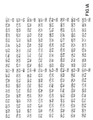
- Figure 1 shows the previously reported amino acid and DNA sequence for the mature von Willebrand factor subunit (human) between residue 431 and residue 750.
- the 52/48 kDa fragment produced by tryptic digestion has an amino terminus at residue 449 (valine) and extends approximately to residue 728 (lysine). Amino acids are shown by standard three letter designations.
- the DNA sequence is represented by the coding strand (nontranscribed strand). Very little polymorphism has been reported in the 52/48 human sequence with one significant exception - histidine/aspartic acid at position 709, see Mancuso, D.J. et al. J. Biol. Chem.
- DNA sequences used for the experiments described in the Example section below contain an aspartic acid codon for residue 709 (codon GAC), although placement of histidine at residue position 709 (the other known naturally occurring amino acid at this position in the human sequence, codon CAC) is also useful in the practice of the invention.
- a fragment of mature von Willebrand factor having platelet glycoprotein 1b( ⁇ ) binding activity and of approximately 116,000 (116 kDa) molecular weight is isolated by digesting vWF with trypsin. If the 116 kDa fragment is treated with a reducing agent capable of cleaving disulfide bonds, a pair of identical fragments is generated. Each of the identical fragments (which together comprise the 116 kDa polypeptide) has an apparent molecular weight of about 52,000 (52 kDa). (Polypeptide molecular weight are typically measured by migration, relative to standards, in a denaturing gel electrophoresis system. Weight values which result are only approximate.)
- the 52,000 molecular weight fragment is referred to as a "52/48" fragment reflecting the fact that human enzyme systems glycosylate the fragment contributing to its molecular weight.
- the amount of glycosylation varies from molecule to molecule, with two weights, 52,000 and 48,000, being most common.
- the 52/48 fragment has been demonstrated to have as its amino-terminus residue 449 (valine) of the mature subunit, and as its carboxy-terminus residue 728 (lysine) thereof. Without the additional weight contributed by glycosylation, such as, for example, if a comparable fragment were expressed from a recombinant bacterial cell, the polypeptide would have a molecular weight of approximately 38,000.
- the 52/48 fragment has been demonstrated to competitively inhibit the binding of von Willebrand factor to platelets.
- manipulation of the 52/48 fragment or its unglycosylated 38 kDa equivalent has proved difficult.
- Successful manipulation of the fragment has typically required that the cysteine residues thereof be reduced and permanently alkylated. Without this treatment, undesired reaction of the cysteine residues thereof invariably occurs, leading to the formation of insoluble and biologically inactive polypeptide aggregates unsuited for effective use as therapeutics.
- residue 449-728 fragment of mature von Willebrand factor subunit which contains the platelet glycoprotein Ib( ⁇ ) binding domain, has cysteine residues at positions 459, 462, 464, 471, 474, 509 and 695. It is known also that all of the cysteine residues of the mature vWF subunit are involved in disulfide bonds. (Legaz, et al., J. Biol. Chem., 248, 3946-3955 (1973)).
- the present invention provides for polypeptides derived from the residue 449-728 region of the mature von Willebrand factor subunit which are useful in the treatment of vascular disorders such as thrombosis.
- Such molecules can be made most efficiently from DNA which encodes that fragment of mature von Willebrand factor subunit comprising essentially the amino acid sequence from approximately residue 441 (arginine) to approximately residue 733 (valine), or which encodes any subset of said amino acid sequence, or a mutant polypeptide fragment, or subset thereof, which contains fewer cysteine residues than that of the comparable wild-type amino acid sequence.
- a preferred method for the preparation of the molecules comprises culturing a host organism transformed with a biologically functional expression plasmid which contains a mutant DNA sequence encoding a portion of said von Willebrand factor subunit under conditions which effect expression of the mutant von Willebrand factor fragment, or a subset thereof, by the host organism and recovering said fragment therefrom.
- a preferred means for effecting mutagenesis of cysteine codons in a vWF DNA to codons encoding amino acids incapable of disulfide bonding is based upon the site directed mutagenesis procedure of Kunkel, T.A., Proc. Hatl. Acad. Sci. U.S.A. , 82, 488-492 (1985). Such mutant DNA sequences may then be expressed from either recombinant-bacterial or recombinant-eucaryotic host cell systems.
- a first embodiment of the invention is the provision of compositions of said vWF-derived polypeptides which are less prone to aggregation and denaturation caused by undesired disulfide bonding within the inclusion bodies of host expression cells (or resultant from inclusion body solubilization procedures) than previous preparations.
- the development employs mutagenesis to limit the number of cysteine residues present within said polypeptides.
- Suitable techniques include mutagenesis using a polymerase chain reaction, crapped-duplex mutagenesis, and differential hybridization of an oligonucleotide to DNA molecules differing at a single nucleotide position.
- suitable codon altering techniques see Kraik, C. "Use of Oligonucleotides for Site Specific Mutagenesis", Biotechniques , Jan/Feb 1985 at page 12.
- cysteine codons of the wild type DNA sequence codons for one or more of the following amino acids: alanine, threonine, serine, glycine, and asparagine.
- Replacement with alanine and glycine codons is most preferred.
- the selection of a replacement for any particular codon is generally independent of the selection of a suitable replacement at any other position.
- codons for amino acids other than alanine, threonine, serine, glycine or asparagine will also be useful in the practice of the invention depending on the particular primary, secondary, tertiary and quaternary environment of the target cysteine residue.
- alanine, threonine, serine, glycine and asparagine will generally be satisfactory because they are, like cysteine, neutrally charged and have side chains which are small or relatively small in size.
- Serine is a preferred amino acid for use in the practice of this invention because it most closely approximates the size and polarity of cysteine and is believed not to disrupt ⁇ -helical and ⁇ -sheet domains.
- Chou, P.Y. et al. Biochemistry , 13(2), 211-222 (1974) and Chou, P.Y. et al., "Prediction of Protein Conformation," Biochemistry, 13(2), 222-244 (1974) provides further information useful in the selection of replacement amino acids.
- Chou, P.Y. et al. predicted the secondary structure of specified polypeptide sequence segments based on rules for determining which species of amino acids therein are likely to be found in the center of, for example, an alpha helical region, and which residues thereof would be likely to terminate propagation of a helical zone, thus becoming a boundary residues or helix breakers. According to Chou, P.Y.
- cysteine and the group of threonine, serine, and asparagine are found to be indifferent to ⁇ -helical structure, as opposed to being breakers or formers of such regions.
- threonine, serine and asparagine are likely to leave unperturbed an ⁇ -helical region in which a potential target cysteine might be located.
- glycine, alanine and serine were found to be more or less indifferent to the formation of ⁇ -regions. It is noted that serine, threonine and asparagine residues represent possible new sites of glycosylation making them potentially unsuitable replacement residues at certain positions in secretory proteins subject to glycosylation.
- the primary consideration which should be taken into account in connection with selecting suitable amino acid replacements is whether the contemplated substitution will have an adverse effect on the tertiary structure of the fragment.
- other amino acids may be suitable as acceptable substitutes for particular cysteine residues as long as the new residues do not introduce undesired changes in the tertiary structure of the 449-728 fragment.
- Reactivity with NMC-4 antibody is recommended as a test of whether a mutant polypeptide has the desired therapeutic properties.
- mutant polypeptides of the present invention are patterned upon a monomeric form of the residue 449-728 domain of the mature subunit fragment, as opposed to a dimer thereof which could provide a bridging function between two platelets.
- those codons in a vWF DNA fragment for specific cysteines which normally participate in interchain disulfide bonding should be replaced.
- Cysteine codons encoding residues which form intrachain disulfide bonds should be left unmutated, if the intrachain bond is demonstrated to confer upon the subunit fragment important structural features, and if conditions can be found which allow the intrachain bond to form properly.
- the invention also teaches that retention of a certain disulfide bond within polypeptides corresponding to the 449-728 vWF subunit region is particularly important for the design of therapeutic molecules derived therefrom.
- a mutant vWF fragment expressed by p5E plasmids, as described in Example 4, and containing an intrachain disulfide bond is particularly important for the design of therapeutic molecules derived therefrom.
- polypeptide can be redesigned (for example, by chemical synthesis or proteolysis) to delete all or a portion of the loop region.
- von Willebrand factor polypeptides derived from bacterial expression systems substantially lack the glycosylation vWF normally acquires as a result of post-translational processing such as in the Golgi apparatus or Weibel-Palade bodies.
- the present invention includes within its scope molecules which are made by E.coli BL21(DE3) or other suitable procaryotic host cells and which are enzymatically or chemically glycosylated to more resemble the molecules expressed by mammalian cells.
- the DNA encoding sequences can be tranferred to expression plasmids or viral expression vectors capable of causing expresion in mammalian host cells to provide normal glycosylation.
- both platelets and von Willebrand factor molecules contain large numbers of negative charges such as, for example, those contributed by sialic acid. Such charges can facilitate desirable mutual repulsion of the molecules under non-injury conditions.
- the addition of one or more positively charged residues of lysine and/or of arginine extending from the amino and/or from the carboxy terminus of the 52/48 tryptic fragment or recombinant equivalents thereof can overcome electrical repulsions with respect to the GPIb-IX receptor facilitating use of the fragment as an antithrombotic therapeutic.
- polypeptides patterned upon the 449-728 vWF subunit fragment it is within the scope of the invention to remove certain cysteine residues by site directed mutagenesis and thereafter inactivating any remaining cysteine residues by chemical inactivation thereof, such as, for example, by S-carboxymethylation.
- successful manipulation of the polypeptides of the invention may require that one or more cysteine residues thereof be altered so that they cannot react with each other causing undesired intrachain or interchain disulfide bonds.
- undesired reaction of cysteine residues thereof typically occurs leading to the formation of insoluble or biologically inactive polypeptide aggregates unsuited for effective use as therapeutics.
- many of the polypeptides of the invention are best described as cysteine-altered polypeptides meaning that one or more cysteine residues thereof have been in some way changed to minimize the undesired reactions.
- cysteine alteration comprises mutagenesis of the cysteine codon to that of codons for other amino acids (see Examples 1 and 4) alternate methods are available.
- One such technique involves treatment of cysteine residues with a reducing agent such as, for example, ⁇ -mercaptoethanol or dithiothreitol, "DTT", followed by permanent alkylation (for example, with iodoacetamide).
- a mutant polypeptide that is insoluble can be made soluble by covalently linking to it a subdomain of a water soluble polymer, for example, a polyacrylamide.
- a water soluble polymer for example, a polyacrylamide.
- other techniques can also be used to impart solubility to an otherwise insoluble polypeptide.
- a cDNA clone encoding the von Willebrand factor gene (for the pre-propeptide) was utilized.
- the cDNA was then subjected to enzymatic amplification in a polymerase chain reaction using oligonucleotides which flanked the indicated region.
- the first oligonucleotide representing coding strand DNA contained an EcoRI site 5' to the codon for residue 441 (arginine) and extended to the codon for residue 446 (glycine).
- the resultant double stranded von Willebrand factor cDNA corresponding to the amino acid sequence from residue 441 to residue 733 (of the mature subunit) was then inserted, using EcoRI and HindIII restriction enzymes, into the double stranded replicative form of bacteriophage M13mp18 which contains a multiple cloning site having compatible EcoRI and HindIII sequences.
- site directed mutagenesis was performed using hybridizing oligonucleotides suitable for replacing all of the cysteine codons (residue positions 459, 462, 464, 471, 474, 509 and 695) with individual glycine codons (see Example 1) or, for example, 5 of the cysteine codons, residue positions 459, 462, 464, 471 and 474, with individual glycine codons (see Example 4).
- Mutant double stranded vWF cDNA fragments derived from the procedure were removed from M13mp18 phage by treatment with EcoRI and HindIII restriction endonucleases, after which the ends of the vWF cDNA fragments were modified with BamHI linkers.
- mutant vWF cDNA containing either 5 or 7 Cys to Gly mutations
- pET-3A expression vector see Rosenberg, A.H. et al., Gene, 56, 125-136 (1987)
- pET-3A vehicle containing cDNA for the vWF subunit fragment with 7 cysteine-to-glycine mutations is referred to as "p7E", and as "p5E” when the contained vWF cDNA fragment encoded the 5 above specified cysteine-to-glycine mutations.
- Mutant von Willebrand factor polypeptides produced by bacterial cultures containing expression plasmid p5E were compared with those expressed from cultures containing p7E plasmids.
- the p5E molecule is capable of forming a disulfide bond between cysteine residue 509 and 695 whereas the p7E molecule cannot.
- Example 1 The mutant polypeptides were not secreted by the bacterial host cells, but rather accumulated in poorly soluble aggregates ("inclusion bodies") from which the polypeptides were successfully solubilized following the procedure of Example 1 (p7E) and Example 4 (p5E).
- Polypeptides expressed from p7E and p5E plasmids were characterized by SDS-polyacrylamide gel electrophoresis and immunoblotting (Examples 2 and 5). Under reducing conditions both plasmids express polypeptide species having an apparent molecular weight of approximately 38,000 as measured by SDS-polyacrylamide gel electrophoresis, as would be predicted from the unglycosylated molecular weight of the expected amino acid sequences.
- vWF-specific murine monoclonal antibodies RG-46 and NMC-4 were used as probes. RG-46 has been demonstrated to recognize as its epitope a linear sequence of amino acids, comprising residues 694 to 708 within the mature von Willebrand factor subunit. The binding of this antibody to its determinant is essentially conformation independent. Mohri, H. et al., J. Biol. Chem., 263(34), 17901-17904 (1988).
- NMC-4 however, has as its epitope the domain of the von Willebrand factor subunit which contains the glycoprotein Ib binding activity. Mapping of the epitope has demonstrated that it is contained within two discontinuous domains (comprising approximately mature vWF subunit residues 474 to 488 and also approximately residues 694 to 708) brought into disulfide-dependent association, Mohri, H. et al., supra, although it could not be determined whether the disulfide bond conferring this tertiary conformation in the native vWF molecule was intrachain or interchain. Id. at 17903.
- the single chain p5E polypeptide fragment (representing the sequence from residue 441 to residue 733) displays an approximate 120 fold increase in binding affinity for NMC-4 compared to the comparable cysteine-free species isolated from p7E.
- the single chain p5E species shows a remarkably decreased affinity for NMC-4, which was then very similar to that of the cysteine-free p7E species under either reduced or nonreduced conditions.
- NMC-4 also Tailed, under reducing or non-reducing conditions, to recognize as an epitope disulfide-linked dimers from the p5E extract.
- nitrocellulose filters used to produce autoradiographs based on NMC-4 were rescreened with RG-46 by subtracting the initial NMC-4 exposure response, which was kept low through a combination of low antibody titer and short exposure time.
- the binding of RG-46 to the 36,000 kDa p7E polypeptide on the filters was the same whether reducing or non-reducing conditions were chosen, consistent with the replacement of all cysteines by glycine in the expressed polypeptide.
- a wide variety of expression plasmids or viral expression vectors are suitable for the expression of the 441-733 fragment, or similar vWF fragments.
- Representative examples include pBR322, and derivatives thereof such as pET-1 through pET-7.
- Suitable host cells include the bacterial genuses of Escherichia and Bacillus. Of importance in the selection of an expression system is the recommended presence of a high efficiency transcription promoter directly adjacent to the vWF cloned DNA insert. Mutant vWF cDNA fragments may also be cloned in eucaryotic host cells.
- This second embodiment includes within its scope the recognition of certain of the roles performed by cysteine residues present in the residue 449-728 primary sequence fragment of the mature vWF subunit.
- this embodiment confirms that the cysteine 509-695 disulfide bond is an intrachain bond and provides for effective therapeutics incorporating the 509-695 bond for the purpose of treating thrombosis, or for the purpose of treating von Willebrand's disease.
- Both the antithrombotic polypeptides and antihemorrhagic polypeptides of this the second embodiment of the invention are based upon that amino acid sequence domain which comprises approximately residues 449 to 728 of the mature von Willebrand factor subunit and which, if fully glycosylated, would be equivalent in weight to the 52/48 kDa vWF subunit fragment.
- Difficulties include effective separation of 116 kDa and 52/48 kDa fragments from other components of tryptic digests and effective sterilization of blood-derived components from human viruses such as hepatitis and AIDS.
- vWF polypeptides analogous to the 52/48 tryptic fragment
- the production by recombinant DNA-directed means of therapeutic vWF polypeptides analogous to the 52/48 tryptic fragment has met with certain limitations. It is desirable that the polypeptide not only be made by the host cells but that it be correctly folded for maximum therapeutic utility. It is believed that the principal factor which has to date prevented the expression of the most therapeutically active forms of the 52/48 fragment is the incorrect folding of the molecule caused by the linking up of cysteine residues to form incorrect disulfide contacts. In addition, such polypeptides appear to exhibit hydrophobic properties or solubility problems which would not be encountered if they were to be contained within the entirety of the natural vWF subunit, or were properly glycosylated.
- vWF-derived therapeutic polypeptides are the selection of conditions which minimize the formation of improper disulfide contacts.
- Prior expression of such polypeptides from recombinant DNA in host bacterial cells has certain disadvantages.
- newly produced vWF polypeptides are unable to escape from the host cells, causing them to be accumulated within insoluble aggregates therein (inclusion bodies) where the effective concentration of cysteine residues was extremely high.
- inclusion bodies insoluble aggregates therein
- This invention describes a solution to these difficulties by causing the vWF-derived polypeptides to be expressed in mammalian cells using a DNA sequence which encodes the polypeptide and which also encodes for a signal peptide, the presence of which causes the vWF polypeptide to be secreted from the host cells. Incorrect disulfide bond formation is minimized by limiting the accumulation of high local concentrations of the polypeptide as in inclusion bodies.
- enzymes present in the host eucaryotic cells unlike bacteria, are able to glycosylate (add carbohydrate chains to) the vWF-derived polypeptides resulting in therapeutic molecules which more closely resemble domains of vWF molecules derived from human plasma.
- the recombinant 116 kDa polypeptide generated without mutation of any of the cysteine codons therefor, is demonstrated to represent a dimer of the subunit fragment consisting of residues 441-730 and possesses an amount of glycosylation equivalent to that found in the comparable region of plasma-derived vWF.
- the invention describes any fragment of mature von Willebrand subunit comprising that sequence of amino acids between approximately residue 449 and approximately residue 728, or a subfragment thereof, from which at least one of cysteine residues 459, 462 and 464 thereof is removed. Such removal reduces the tendency of the fragment to form undesired interchain disulfide bonds (and resultant dimers) with the result that therapeutic utility as an antithrombotic is improved.
- a further aspect encompasses a glycosylated form of the above defined polypeptides.
- glycosylated polypeptide derived from the aforementioned region of vWF in which cysteine residues are retained at positions 509 and 695 and in which each of cysteine residues 459, 462 and 464 is deleted or replaced by residues of other amino acids.
- a glycosylated polypeptide derived from the aforementioned region of vWF in which cysteine residues are retained at positions 509 and 695 and in which any one of cysteine residues 459, 462 and 464 is deleted or replaced by a single residue of another amino acid.
- Potential binding sites for collagens and glycosaminoglycans exist in the 449-728 tryptic fragment in the loop region between cysteine residues 509 and 695.
- the polypeptide can be redesigned (for example, by proteolysis, covalent labelling or mutagenesis) to delete or alter the loop region, or a subdomain thereof.
- polypeptides of the second embodiment can be prepared and, in particular, by which such polypeptides can be effectively secreted from host cells in proper folded form and possessing preferably only those disulfide bonds whose presence is consistent with therapeutic utility.
- Essential elements necessary for the practice of the embodiment are: (A) a DNA sequence which encodes the residue 449-728 domain of the mature vWF subunit, or encodes a subdomain thereof; (B) an expression plasmid or viral expression vector capable of directing in a eucaryotic cell the expression therein of the aforementioned residue 449-728 domain, or subdomain thereof; and (C) a eucaryotic host cell in which said expression may be effected.
- the expression of the DNA sequence of the von Willebrand factor subunit fragment is facilitated by placing a eucaryotic consensus translation initiation sequence and a methionine initiation codon upstream (5') to the residue 449-728 encoding DNA.
- the vWF DNA sequence may be a cDNA sequence, or a genomic sequence such as, for example, may be produced by enzymatic amplification from a genomic clone in a polymerase chain reation. Expression of the residue 449-728 encoding sequence is further facilitated by placing downstream therefrom a translation termination codon such as TGA.
- vWF-polypeptide so expressed typically remains within the host cells because of the lack of attachment to the nascent vWF polypeptide of a signal peptide. In such a situation, purification of proteins expressed therein and the extraction of pharmacologically useful quantities thereof are more difficult to accomplish than if the polypeptide were secreted into the culture medium of the host cells. Such expression systems are nonetheless useful for diagnostic assay purposes such as, for example, testing the proper function of platelet GPIb-IX receptor complexes in a patient.
- vWF-encoding DNA sequence for insertion into a suitable host cell in which there is also inserted upstream from the residue 449-728 encoding sequence thereof a DNA sequence encoding the vWF signal peptide (see Example 7).
- Other vWF-encoding DNA sequences corresponding to different regions of the mature vWF subunit, or corresponding to the propeptide, or to combinations of any of such regions, may be similarly expressed by similarly placing them downstream from a vWF signal peptide sequence in a suitable encoding DNA.
- the signal peptide when attached to the amino terminal end of the residue 449-728 fragment of the vWF subunit, the signal peptide causes the fragment to be recognized by cellular structures as a polypeptide of the kind to be processed for ultimate secretion from the cell, with concomitant cleavage of the signal polypeptide from the 449-728 fragment.
- functional fragments may be expressed from which, when compared to the 449-728 fragment, several residues adjacent to the amino and carboxy terminals have been removed as long as the GPIb( ⁇ ) binding sequences are not compromised.
- a propeptide sequence facilitates recognition by signal peptidase of a proper cleavage site which process generates a therapeutic vWF polypeptide of a proper size and facilitates secretion from the host cell of the therapeutic product.
- this spacer sequence should be of semipolar or polar character.
- a spacer sequence comprising between one and up to the first ten residues of the amino terminal region of the vWF propeptide. It is within the scope of the invention to utilize longer propeptide encoding sequences with the understanding that the desired tertiary structure of the 441-730 residue sequence is not adversely affected.
- a wide variety of expression plasmids or viral expression vectors are suitable for the expression of the residue 441-730 mature vWF subunit fragment or similar vWF fragments.
- One factor of importance in selecting an expression system is the provision in the plasmid or vector of a high efficiency transcription promoter which is directly adjacent to the cloned vWF insert.
- Another factor of importance in the selection of an expression plasmid or viral expression vector is the provision in the plasmid or vector of an antibiotic resistance gene marker so that, for example, continuous selection for stable transformant eucaryotic host cells can be applied.
- plasmids suitable for use in the practice of the invention include pCDM8, pCDM8 nco , pcDNAl, pcDNA1 nco , pMAM nco and Rc/CMV.
- Preferred plasmids include pCDM8 nco , pcDNA1 nco , pMAM nco and Rc/CMV.
- viral expression vector systems suitable for the practice of the invention include those based upon retroviruses and those based upon baculovirus Autographa californica nuclear polyhedrosis virus.
- Representative host cells comprising permanent cell lines suitable for use in the practice of the invention include CHO-K1 Chinese hamster ovary cells, ATCC-CCL 61; COS-1 cells, SV-40 transformed African Green monkey kidney, ATCC-CRL 1650; ATT 20 murine pituitary cells; RIN-5F rat pancreatic ⁇ cells; cultured insect cells, Spodoptera frugiperda ; or yeast (Sarcomyces) .
- Example 7 contains a detailed explanation of preferred procedures used to express and secrete the 441-730 sequence.
- the fragment is secreted as a homodimer held together by one or more disulfide bonds involving cysteine residues 459, 462 and 464.
- Expression of monomeric fragments useful as antithrombotics necessitates control be made of the disulfide bonding abilities of the monomers which is achieved most preferably by mutagenesis procedures as described in the aforementioned First Embodiment of the Invention.
- Example 8 The specific protocol used to generate the mutant vWF residue 441-730 fragment containing cysteine to glycine substitutions at each of residue positions 459, 462 and 464 is described in Example 8.
- the expression plasmid used therein was designated pAD4/ ⁇ 3C.
- Example 10 The specific protocol, adapted from that of Example 8, and which was used to generate the three mutant residue 441-730 fragments, each of which contains a different single Cys - Gly mutation (at positions 459, 462 or 464) is described in Example 10.
- the respective expression plasmids used therein were designated pAD4/G 459 , pAD4/G 462 and pAD/G 464 (collectively "the pAD4/ ⁇ 1C plasmids").
- Similar procedures may be used to produce mutant residue 441-730 fragments with Cys - Gly mutations at two of the three aforementioned positions.
- Example 7 discloses the use of stably transformed CHO-K1 cells to express the unmutagenized residue 441-730 vWF subunit fragment. As set forth in Example 10 below, the unmutagenized fragment was also expressed in unstable COS-1 transformants.
- SDS-polyacrylamide gel electrophoresis of secreted and immunoprecipitated proteins derived from CHO-K1 cells demonstrates that, under nonreducing conditions, the dominant vWF-derived polypeptide, detected by staining with Coomassie blue, has an apparent molecular weight of about 116,000 (Example.7).
- This result was confirmed by characterizing the polypeptides secreted by pAD4/WT transformed COS-1 cells (Example 11) using autoradiographs of 35 S-labelled proteins. Under disulfide-reducing conditions (such as in the presence of 100 mM dithiothreitol) the 116 kDa fragment was no longer detected and the vWF-derived material appears as the expected 52/48 kDa monomer.
- the apparent molecular weight of the reCombinant 116 kDa polypeptide was consistent with the presence of said polypeptide as a homodimer of the 441-730 fragment.
- This homodimer carries also an amount of glycosylation equivalent to that observed in the 116 kDa polypeptide isolated by tryptic digestion of mature plasma (circulating) vWF. It is thus demonstrated that expression of the 441-730 fragment in the mammalian cell cultures of this invention favors the formation of the disulfide-dependent 116 kDa dimer thereof, mimicking the structure seen in plasma. That the 116 kDa fragment so formed represents a correctly folded polypeptide was evidenced by its reaction (under nonreducing conditions) with conformation-dependent NMC-4 antibody. This antibody recognizes a properly assembled GPIb( ⁇ ) binding site. Reactivity with NMC-4 disappears under reducing conditions.
- the interchain bonds which stabilize the 116 kDa homodimer must be formed from one or more of residues 459, 462 and 464. It is further noted that since residues 459, 462 and 464 are in such close proximity in any monomer, there may be variation as to which particular residue or residues contribute the interchain disulfide bond or bonds which form the interpolypeptide contact in any particular mature vWF dimer or multimer, or recombinant 116 kDa fragment. Therapeutically-active populations of dimeric molecules can be generated according to the practice of the invention utilizing any of the possible combinations of interchain disulfide bonds.
- the 116 kDa polypeptide is capable of performing a bridging function between a platelet and the subendothelium. This enables it to be used in a method for inducing platelet adhesion to surfaces such as, for example, vascular subendothelium. There is also described a method of inducing platelet activation and/or aggregation which comprises contacting platelets with an effective amount of the recombinant 116 kDa polypeptide. Such a method is useful in the treatment of von Willebrand disease.
- An important feature of the second embodiment of the invention is the provision of glycosylated 52/48 kDa monomeric fragments of the vWF subunit having substantial elements of normal tertiary structure. Such fragments have a reduced tendency to form dimers which tend to be unsuitable for use as antithrombotic therapeutics.
- residue 441-730 vWF fragments were produced in which one or more of.cysteine residues 459, 462 and 464 were replaced with glycine residues.
- Examples 8, 9 and 10 explain the mutagenesis and cell culture conditions necessary to create COS-1 cell transformants expressing these mutant vWF polypeptides.
- Examples 11 to 13 of the invention describe the properties of the molecules so derived in comparison with the recombinant 116 kDa polypeptide produced from pAD4/WT transformed COS-1 cells.
- vWF-derived polypeptides expressed by pAD4/ ⁇ 3C transformed COS-1 cells were compared with the polypeptides secreted by pAD4/WT transformed COS-1 cells.
- 35 S-methionine-supplemented culture medium from each culture was subjected to immunoprecipitation using equal amounts of NMC-4 and RG-46 anti-vWF antibodies (Example 11) to collect the vWF-derived secreted proteins.
- vWF polypeptides were then resolved by autoradiography of 35 S-label on SDS polyacrylamide gels.
- No 116 kDa polypeptide could be detected in culture extracts of pAD4/ ⁇ 3C transformed cells under nonreducing conditions. Instead, under either reducing or nonreducing conditions, a band having an apparent molecular weight of 52 kDa was seen.
- the pAD4/WT transformed COS-1 cells produce under nonreducing conditions, as expected, a polypeptide of apparent molecular weight of 116 kDa.
- the immunoprecipitation procedure was also repeated using only conformation-dependent NMC-4 antibody (Example 12).
- the major vWF-derived component isolated from the culture medium of pAD4/WT transformed cells again had an apparent molecular weight of 116 kDa under nonreducing conditions and 52 kDa under reducing conditions.
- a band of apparent 52 kDa molecular weight was detected under nonreducing conditions on gels of pAD4/ ⁇ 3C derived polypeptide material.
- reactivity with NMC-4 antibody is important evidence that the 52 kDa fragment detected in pAD4/ ⁇ 3C transformed cells possesses the tertiary structure of the natural residue 441-730 domain.
- the immunoprecipitation procedure was also used to detect NMC-4 reactive vWF polypeptide produced by pAD4/ ⁇ 1C transformed COS-1 cells cultured under conditions similar to those for pAD4/WT and ⁇ 3C transformants in the presence of 35 S methionine. Immunoprecipitated proteins were run under reducing and nonreducing conditions in SDS-polyacrylamide gels and compared with vWF polypeptides produced by pAD4/WT and pAD4/ ⁇ 3C transformants (Example 13).
- the apparent molecular weight of 52 kDa for recombinant polypeptides derived from COS-1 cells transformed with either pAD4/ ⁇ 3C or pAD4/ ⁇ 1C plasmids is consistent with said polypeptides being monomers of the 441-730 fragment, while carrying also an amount of glycosylation equivalent to that seen in the 52 kDa polypeptide as isolated from tryptic digestion and reduction of mature plasma (circulating) vWF.
- the monomeric 52 kDa polypeptides produced by pAD4/ ⁇ 1C and pAD4/ ⁇ 3C plasmids are unlikely to be capable of the bridging function associated with the dimer. Accordingly, platelet activation and/or aggregation can be prevented by contacting platelets with an effective amount of a mutant recombinant 52/48 kDa polypeptide which polypeptide shows at least a substantially reduced tendency to dimerize when compared with nonmutant (wild type) recombinant 52/48 kDa polypeptides.
- the adhesion of platelets to surfaces can also be prevented by contacting platelets with an effective amount of a mutant recombinant 52/48 kDa polypeptide which shows at least a substantially reduced tendency to dimerize when compared with nonmutant recombinant 52/48 kDa polypeptides.
- vWF fragment Contained within the 441-730 vWF fragment are potential binding sites for collagen (approximately residues 542-622) and glycosaminoglycans and proteoglycans (also within the residue 509-695 disulfide loop), in addition to the GPIb ⁇ binding sites. It is probable because of steric considerations that a single fragment comprising residues 441-730 could not perform effectively as a bridging, potentially thrombotic, molecule.
- This invention defines a series of polypeptides that correspond to amino acid sequences (domains) of mature von Willebrand factor subunit.
- the polypeptides are capable of inhibiting the binding of platelet glycoprotein Ib ⁇ to von Willebrand factor, and accordingly, have utility as antithrombotics.
- Fugimura Y. et al., J. Biol. Chem. , 261, 381-385 (1986) defined a reduced and alkylated fragment of mature von Willebrand factor subunit beginning at amino acid residue Val 449 that contained the domain of said protein interacting with glycoprotein Ib ⁇ .
- the domain was further characterized, Fugimura, Y. et al., J. Biol. Chem. , 262, 1734-1739 (1987), to have its carboxy terminus at residue Lys 728 .
- Mohri H. et al., J. Biol. Chem.
- Trp 550 to Cys 550 occurs within the Cys 509 to Cys 695 loop region of vWF. Cooney, K.A. et al., Blood, 76 (supp. 1) Abstract 1661, page 418a, November 15, 1990 identify additional Type IIb phenotypic mutations, Arg 543 to Trp 543 and Val 553 to Met 553 from the loop. Further additional mutations from patients having Type II von Willebrand disease, or Type IIb-like symptoms include loop mutations Arg 511 to Trp 511 and Gly 561 to Asp 561 .
- Example 14-17 are experiments to define the identity of domains of a 449-728 fragment of von Willebrand factor polypeptide having antithrombotic utility.
- Example 15 of the invention describes procedures of site-directed or loopout mutagenesis whereby DNA sequences encoding, for example, a 441-733 residue fragment of von Willebrand factor subunit, were used to produce DNA subsequences that encode antithrombotic domains of said von Willebrand factor fragment.
- polypeptides consisting of the residue 441-7-33 sequence, but lacking either internal residue 474-488 or residue 694-708 subsequence;
- additional polypeptide domains of the aforementioned fragment comprising N-terminal deletions, for example, Gly 475 -Val 733 , Thr 492 -Val 733 and Tyr 508 -Val 733 ;
- C polypeptides comprising C-terminal deletions, that is, having an amino terminus at Arg 441 , but having carboxy termini at, for example, residues Asp 709 , Pro 704 , Glu 700 and Asp 696 ;
- D a final class of polypeptides comprising domains in which there have been both N-terminal and also C-terminal deletions.
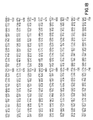
- the antithrombotic polypeptides of this embodiment of the invention are shown in Figure 2.
- the polypeptides of the invention comprise one to three domains and share a sequence of amino acids corresponding to that domain of mature von Willebrand factor subunit having an amino terminus at Cys 509 and a carboxy terminus at Cys 695 . Polypeptides containing this domain lack a 509 - 695 intrachain disulphide bond.
- Additional polypeptides of the invention comprise the aforementioned Cys 509 -Cys 695 domain and comprise also, attached to the amino terminus of said domain, an additional "second" domain comprising a sequence of amino acids corresponding to that fragment of mature von Willebrand factor subunit having its amino terminus at or Arg 441 and a carboxyl terminus at Tyr 508 , or a subfragment or combination of subfragments thereof.
- Additional polypeptides of the invention comprise the aforementioned Cys 509 -Cys 695 domain and comprise also, attached to the carboxy terminus of said Cys 509 -Cys 695 domain, a third, or "other domain" of amino acid sequence corresponding to that fragment of mature von Willebrand factor subunit having its amino terminus at Asp 696 having its carboxy terminus at Val 733 , or a subfragment or combination of subfragments thereof.
- An additional type of polypeptide of the invention comprises a domain contributed by the sequence of amino acids from Cys 509 -Cys 695 , and polypeptides contributed by both the second and third aforementioned domains.
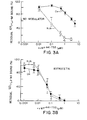
- polypeptides of the invention were therefore tested in in vitro assays indicative of potential antithrombotic activity. A discussion of the properties of the polypeptides of the invention is provided in Examples 14 to 17.
- Antibodies and particularly conformation dependent antibodies, are powerful tools for analyzing the structure and function of macromolecules. By blocking macromolecular interactions, antibodies can also have important therapeutic utility.
- this invention includes within its scope an antibody which is specific for a polypeptide capable of inhibiting binding of vWF to platelets, which antibody recognises an epitope located between amino acid residues Cys 509 and Cys 695 of mature vWF subunit, which antibody is made by a process which involves immuniziag animals with one or more polypeptides defined by the invention.
- compositions for therapeutic, diagnostic, or other uses.
- the compositions are dissolved in water typically containing also one or more physiologically compatible substances such as sodium chloride.
- physiologically compatible substances such as sodium chloride.
- said water and physiologically compatible substances comprise a pharmaceutically acceptable carrier.
- the amount to administer for the prevention or inhibition of thrombosis will depend upon the affinity of the polypeptide for GPIb ⁇ in vivo , and/or for other macromolecules that participate in hemostasis and thrombosis in the body, on the lifetime of the polypeptide in the body, and on the severity with which the patient is subject to thrombosis. Said amount can be determined readily for any particular patient.
- a therapeutic composition containing one or more of the polypeptides of the invention and also additional therapeutic substances.
- additional substances include heparin and other anticoagulants, aspirin or other antiplatelet drugs, or tissue plasminogen activator or other prefibrinolytic drugs.
- Example 1 Expression of a mutant cysteine-free mature von Willebrand factor subunit fragment having an amino terminus at residue 441 (arginine) and a carboxy terminus at residue 733 (valine)
- cDNA clone encoding the entire von Willebrand factor gene was provided by Dr. Dennis Lynch, Dana-Farber Cancer Institute, Boston, MA and was prepared as described in Lynch, D.C. et al., Cell, 41, 49-56 (1985). It had been deemed probable that the size of vWF mRNA would likely exceed that of human 28S type rRNA. Accordingly, total RNA from endothelial cells (the major source of plasma vWF) was sedimented in sucrose gradients, with RNA larger than 28S being selected for construction of a cDNA library.
- This enriched fraction was further purified using two separate cycles of poly(u)-Sephadex® chromatography to select for RNA species (mRNA) having 3' polyadenylated ends.
- Lynch et al., supra estimated the prevalence of vWF mRNA in this fraction at about 1 in 500, which fraction was used to generate a cDNA library of approximately 60,000 independent recombinants.
- RNA strands were then removed by alkaline hydrolysis, leaving cDNA anticoding strands (equivalent to transcribed strands) which were primed by hairpin looping for second strand synthesis using DNA polymerase I.
- the hairpin loop was removed with S 1 nuclease and rough ends were repaired with DNA polymerase I.
- GC tailing Maniatis, T. et al., Molecular Cloning , 2nd ed., v.l, p.5.56 (1987), was then used to anneal the cDNA into plasmid vector pBR322. Oligo(dC) tails were added to the cDNA fragments with terminal transferase and were annealed to oligo(dG) tailed pBR322. The plasmids were transformed into ampicillin sensitive E.coli, strain HB101 for propagation. Suitable clones were identified after screening with 32 P-labelled cDNA prepared as reverse transcriptase product of immunopurified vWF polysomes. Positive clones were subcloned into pSP64 (Promega Co., Madison, WI).
- cDNA representing the full length pre-pro-vWF gene from pSP64 was subjected to enzymatic amplification in a polymerase chain reaction. Based upon the established nucleotide sequence of the pre pro-vWF gene, Bonthron, D. et al. Nucl. Acids Res., 14(17), 7125-7127 (1986); Mancuso, D. et al., J. of Biological Chemistry, v.264(33), 19514-19527 (1989) oligonucleotides flanking the region of interest (designated (1), SEQ ID NO: 2, and (2), SEQ ID NO: 3) were prepared.
- Oligonucleotide (1) SEQ ID NO: 2
- Oligonucleotide (2) SEQ ID NO: 3
- Oligonucleotides overlap the ends of the coding region for that fragment of the mature vWF subunit which can be produced by digestion with trypsin and which begins with residue 449 (valine) and ends with residue 728 (lysine).
- Oligonucleotide (1) corresponds to coding strand DNA (analogous with mRNA) for amino acid positions 441 to 446 and adds an EcoRI restriction site 5' to the codon for amino acid 441.
- Oligonucleotide (2) corresponds to the non-coding strand (transcribed strand) of mature vWF DNA for amino acids positions 725-733 and adds a HindIII restriction site 3' to the codon for amino acid 733.
- the coding strand complementary to (2) is shown in lower case letters.
- the procedure utilizes a segment of double-stranded vWF cDNA, a subsegment of which is to be amplified, and two single-stranded oligonucleotide primers (in this case oligonucleotides (1), (2)) which flank the ends of the subsegment.
- the primer oligonucleotides in the presence of a DNA polymerase and deoxyribonucleotide triphosphates were added in much higher concentrations than the DNA to be amplified.
- PCR reactions were performed with a DNA thermal cycler (Perkin Elmer Co., Norwalk, CT/Cetus Corporation, Berkeley, CA) using Taq polymerase ( Thermus aguaticus ). The reactions were run in 100 ⁇ l volumes containing 1.0 ⁇ g of pre-pro-vWF cDNA, 1.0 ⁇ g of each synthetic oligonucleotide primer, and buffer consisting of 50 mM KCl, 10 mM Tris ⁇ HCl (pH 8.3), 1.5 mM MgCl 2 , 0.1% gelatin (BioRad Co., Richmond, CA) and 200 mM of each dNTP.
- DNA thermal cycler Perkin Elmer Co., Norwalk, CT/Cetus Corporation, Berkeley, CA
- Taq polymerase Thermus aguaticus
- PCR conditions were 35 cycles of 30 seconds at 94°C, 30 seconds at 52 °C and 1 minute at 72°C. Amplified fragments were then purified and isolated by electrophoresis through a 2% agarose gel, Maniatis et al., Molecular Cloning, A Laboratory Manual , 164-170, Cold Spring Harbor Lab., Cold Spring Harbor, NY (1982).
- cDNA corresponding to the mature vWF fragment beginning at amino acid sequence position 441 and ending at position 733 was prepared and amplified directly from platelet mRNA following the procedure of Newman, P.J. et al. J. Clin. Invest., 82, 739-743 (1988). Primer nucleotides No. 440 and 733 were utilized as before with the resulting cDNA containing EcoRI and HindIII linkers.
- the resultant double stranded von Willebrand factor cDNA corresponding to the amino acid sequence from residue 441 to 733 was then inserted, using EcoRI and HindIII restriction enzymes, into the double stranded replicative form of bacteriophage M13mp18 which contains a multiple cloning site having compatible EcoRI and HindIII sequences.
- M13 series filamentous phages infect male (F factor containing) E.coli strains.
- the infecting form of the virus is represented by single stranded DNA, the ( + ) strand, which is converted by host enzymes into a double stranded circular form, containing also the minus ( - ) strand, which double stranded structure is referred to as the replicative form (RF).
- RF replicative form
- the ability to isolate a stable single stranded ( + ) form of the virus is particularly useful to verify the integrity of any cloned sequences therein. See Messing, J., Meth. Enzymology , 101, 20-78 (1983); Yanish-Perron, C. et al. , Gene, 33, 103-109 (1985).
- the vWF cDNA insert was completely sequenced using single-stranded dideoxy methodology (Sanger, F. et al. Proc. Natl. Acad. Sci USA , 74, 5463-5467 (1977)), utilizing the single-stranded ( + ) form of M13mp18, to confirm that the vWF cDNA fragment contained the correct coding sequence for mature vWF subunit residues 441-733.
- oligonucleotides (see Sequence Listing ID NOS: 5-8) encompassing the region of each cysteine codon of the vWF cDNA were prepared as non-coding strand (transcribed strand) with the corresponding base substitutions needed to substitute glycine for cysteine.
- the oligonucleotides used were as follows:
- Hybridizing oligonucleotides are shown in capital letters and are equivalent to the transcribed strand (non-coding DNA).
- the equivalent coding strand is shown in lower case letters with the corresponding amino acids shown by standard three letter designation (for designations see Table 1).
- cysteines 459, 462 and 464 were replaced simultaneously using oligonucleotide (3). Cysteine residues 471 and 474 were then replaced simultaneously using oligonucleotide (4). Cysteine residues 509 and 695 were then replaced individually using oligonucleotides (5) and (6) respectively.
- cysteine to glycine cDNA substitutions were accomplished following the procedure of Kunkel, T.A., Proc. Natl. Acad. Sci. USA , 82,488-492 (1985) which procedure repeats a series of steps for each oligonucleotide and takes advantage of conditions which select against a uracil containing DNA template:
- the double stranded vWF cDNA fragment containing 7 site-specific cysteine to glycine mutations is then removed from M13mp18 phage by treatment with EcoRI and HindIII restriction endonucleases, after which the ends of the fragment are modified with BamHI linkers (Roberts, R.J. et al. Nature , 265, 82-84 (1977)) for cloning into a high efficiency E.coli expression vector.
- the particular expression vector chosen is plasmid pET-3A, developed by Rosenberg, A.H. et al.
- the pET-3A vehicle is refered to as "p7E” or p7E expression plasmid.
- a second pET-3A-derived expression plasmid (designated p7D) was constructed containing the identical vWF coding sequence cloned into the plasmid in the opposite orientation. p7D should be unable to express the vWF polypeptide fragment.
- a third expression plasmid contains wild type 52/48 tryptic vWF fragment cDNA encoding the vWF amino acid sequence between residues 441 and 733, (with 7 cysteines) in the same pET-3A vector.
- p7E (or p7D and pJD18) expression plasmids were then cloned into an ampicillin sensitive E.coli strain, BL21(DE3), Novagen Co., Madison WI, according to a well established protocol Hanahan, D., J. Mol. Biol. , 166, 557-580 (1983).
- Strain BL21(DE3) is engineered to contain a gene for T7 RNA polymerase so that the vWF insert can be transcribed with high efficiency.
- E.coli strain BL21(DE3) containing respectively p7E, p7D or pJD18 expression plasmids were innoculated into 5-6 ml of 2X-YT growth medium containing 200 ⁇ g/ml of ampicillin, and grown overnight at 37°C to create fully grown cultures.
- 2X-YT growth medium contains, per liter of water, 10 gm Bacto-tryptone, 10 gm yeast extract and 5 gm NaCl. Five ml of each overnight culture was then innoculated into 500 ml of 2X-YT medium, again containing 200 ⁇ g/ml of ampicillin and grown for 2 hours at 37°C with shaking.
- vWF polypeptide A high level of expression of vWF polypeptide was obtained with p7E and pJD18 resulting in the generation of cytoplasmic granules or "inclusion bodies" which contain high concentrations of vWF polypeptide in essentially insoluble form. Solubilization of vWF polypeptide was accomplished according to the following procedure. As explained in Example 2, p7E and pJD18 extracts responded very differently to solubilization procedures. See Maniatis, T. et al., Molecular Cloning , 2nd ed., vol. 3, Sec. 17.37, (1989) Cold Spring Harbor Laboratory Press, Cold Spring Harbor, NY, for a general discussion of the properties of, and successful manipulation strategies for, inclusion bodies.
- the cells were harvested by centrifugation at 4000 g for 15 minutes in a JA-14 rotor at 4°C.
- the pelleted cells were washed in 50 ml of ice cold buffer (0.1 M NaCl, 10 mM Tris pH 9.0, 1 mM EDTA) and repelleted by centrifugation at 4000 g at 4°C.
- the cell pellets from p7E, p7D and pJD18 cultures were each redissolved in 5 ml of lysing buffer and kept ice-cold for 30 minutes.
- the lysing buffer comprises a solution of sucrose 25%(w/v), 1 mM phenylmethylsulfonylfluoride (PMSF), 1 mM ethylene diaminetetraacetic acid (EDTA), 2 mg/ml lysozyme and 50 mM Tris hydrochloride, adjusted to pH 8.0.
- the relatively insoluble pelleted material derived from each culture (which contains the desired polypeptides except in the case of p7D) was washed at 25°C in 10 ml of buffer No. 2 (0.5% (w/v) Triton X-100 surfactant, 2 mM EDTA, 0.02 M Tris hydrochloride, pH 7.5) and vortexed extensively. The suspension was centrifuged at 14,000 g for 30 minutes at 4°C and the supernatant was then discarded. The process of resuspension of the pelleted material in buffer No. 2, vortexing and centrifugation was repeated twice.
- Example 20 Each pellet was then washed in 5 ml of buffer No. 3 (0.02 M Tris hydrochloride, pH 7.5, and 2 mM EDTA) at 25°C and vortexed extensively. The suspension was then centrifuged at 4°C for 30 minutes at 14,000 g after which the supernatant was discarded leaving a pellet of inclusion body derived material (the "wet pellet") with a clay-like consistency (With respect to the following final steps, and in replacement therefor, see also Example 20 which presents an additional improved procedure).
- buffer No. 3 0.2 M Tris hydrochloride, pH 7.5, and 2 mM EDTA
- the insoluble pellet was slowly redissolved in an .8 Molar urea solution held at room temperature for 2 hours, after which solubilization was continued overnight at 4°C.
- the urea-soluble material was extensively dialyzed against a solution of 0.15 M NaCl containing 20 mM Hepes (N-[2-hydroxyethyl]piperazine-N-[2-ethanesulfonic acid]) (pH 7.4) ("Hepes-buffered saline”) at 4 °C.
- solublized peptide extracts were assayed for purity (Example 2), used in vWF binding inhibition assays (Example 3) or subject to further purification. Further purification steps should not be delayed and the samples should remain cold.
- the cysteine-free vWF polypeptide (comprising subunit positions 441 to 733) constitutes more than 75% of the material solubilized from the inclusion bodies according to the above procedure. Further purification of the cysteine-free mutant vWF polypeptide was accomplished by redialyzing the partially purified peptide extract against 6 M guanidine ⁇ HCl, 50 mM Tris HCl, pH 8.8 followed by dialysis against 6 M urea, 25 mM Tris ⁇ HCl, 20 mM KCl, 0.1 mM EDTA, pH 8.0.
- the extract was then subjected to high performance liquid chromatography using Q-Sepharose® Fast Flow (Pharmacia, Uppsala, Sweden) for anion exchange.
- the column was preequilibrated with 6 M urea, 25 mM Tris ⁇ HCl, 20 mM KCl, 0.1 mM EDTA pH 8.0. Elution of the vWF polypeptide utilized the same buffer except that the concentration of KCl was raised to 250 mM. Polypeptide samples used for further assays were redialyzed against 0.15 M NaCl, 20 mM Hepes, pH 7.4.
- the extract from expression plasmid p7E contains as the major component, the mutant von Willebrand factor polypeptide which migrates with an apparent molecular weight of approximately 36,000 Daltons.
- the polypeptide appears as a single band under both reducing conditions (addition of between 10 and 100 mM dithiothreitol "DTT" to the sample for 5 min at 100°C prior to running the gel in a buffer also containing the same DTT concentration) and nonreducing conditions, which result is consistent with the substitution of glycine residues for all of the cysteine residues therein.
- No vWF polypeptide could be extracted from host cells containing p7D expression plasmids as expected from the opposite orientation of the vWF cDNA insert.
- the wild-type sequence expressed from pJD18 forms intermolecular disulfide bridges resulting in large molecular weight aggregates which are unable to enter the 10% acrylamide gels. After reduction (incubation with 100 mM DTT for 5 min at 100°C), the vWF peptide migrates as a single band with a molecular weight of approximately 38,000.
- Polypeptides expressed from p7E, p7D and pJD18 were further characterized by imnunoblotting ("Western blotting") according to a standard procedure Burnett et al., A. Anal. Biochem. , 112, 195-203, (1981) and as recommended by reagent suppliers.
- Samples containing approximately 10 ⁇ g of protein from the urea-solubilized and dialyzed inclusion body extracts of host cells (containing p7E, p7D and pJD18 plasmids) were subjected to electrophoresis on 10% polyacrylamide gels, Laemli, U.K. Nature, 227, 680-685 (1970), in the presence of 2% concentration of sodium dodecyl sulfate.
- the proteins were blotted and immobilized onto a nitrocellulose sheet (Schleicher and Schuell, Keene, NH) and the pattern was then visualized using immunoreactivity.
- the von Willebrand factor-specific monoclonal antibodies (from mice) used to identify the polypeptides were RG-46 (see Fugimura, Y. et al. J. Biol. Chem., 261(1), 381-385 (1986), Fulcher, C.A. et al. Proc. Natl. Acad. Sci. USA , 79, 1648-1652 (1982)), and NMC-4 (Shima, M. et al. J. Nara Med. Assoc. , 36, 662-669 (1985)), both of which have epitopes within the expressed vWF polypeptide of this invention.
- the secondary antibody ( 125 I-rabbit anti-mouse IgG), labelled by the method of Fraker, P.J. et al. Biochem. Biophys. Res. Commun. , 80, 849-857 (1978)), was incubated for 60 minutes at 25°C on the nitrocellulose sheet. After rinsing, the sheet was developed by autoradiography.
- Peptide extracts from host cells containing p7E and pJD18 expression plasmids display strong immunoreactivity for RG-46 antibody and a weaker but definite affinity for NMC-4 antibody.
- peptide extracts from p7D plasmids show no immunoreactivity with either RG-46 or NMC-4.
- Example 3 Inhibition of botrocetin-induced binding of vWF to platelets by the cysteine-free mutant polypeptide expressed by p7E
- botrocetin extracted from the venom of Bothrops jararaca modulates the in vitro binding of multimeric von Willebrand factor to platelets (Read, et al. Proc. Natl. Acad. Sci., 75, 4514-4518 (1978)) and that botrocetin binds to vWF within the region thereof containing amino acid sequence positions 441-733 (of the mature subunit), and thus the GPIb binding domain.
- vWF within the region thereof containing amino acid sequence positions 441-733 (of the mature subunit)
- the urea-solubilized and dialyzed polypeptide extracts obtained (according to the method of Example 1) from cultures containing expression plasmids p7E, p7D and pJD18, were tested without further purification for their ability to inhibit botrocetin-induced vWF binding to formalin-fixed platelets on a dose dependent basis.
- Formalin-fixed platelets prepared according to the method of MacFarlane, D. et al., Thromb. Diath. Haemorrh. 34, 306-308 (1975), were pre-incubated at room temperature for 15 minutes with specified dilutions of peptide extracts obtained from cultures containing pJD18, p7D, and p7E plasmids.
- Botrocetin (Sigma, St. Louis, MO) to a final concentration of 0.4 ⁇ g/ml, and 125 I-labelled multimeric vWF (isolated from human plasma cryoprecipitate according to the method of Fulcher, C.A. et al. Proc. Natl. Acad. Sci.
- 125 I-vWF binding to the platelets was referenced against 100% binding which was defined as the amount of 125 I-vWF bound in the absence of added peptide extracts.
- peptide extracts from expression plasmids p7D, and pJD18 cannot compete with plasma-derived vWF for platelet GPIb receptor binding sites.
- the peptide extract from plasmid p7E was effective in a dose dependent manner (using a range of 0 to 100 ⁇ g extract/ml) in inhibiting vWF binding.
- the concentration of urea-solubilized polypeptide extract ( ⁇ g/ml) in the incubation mixture reflects the total protein concentration from the extract. Addition of peptide extracts to the reaction mixture causes certain nonspecific effects which raise apparent initial binding to 110% of the value found in the absence of the added peptide extracts.
- the 125 -IvWF concentration used was 2 ⁇ g/ml.
- Example 4 Expression of a mutant vWF fragment of reduced cysteine content containing a disulfide-dependant conformation
- vWF polypeptide fragment (corresponding to the mature vWF subunit sequence from residue 441 to residue 733) was prepared in which the cysteines at positions 459, 462, 464, 471 and 474 were each replaced by a glycine residue. Cysteine residues were retained at positions 509 and 695, and allowed to form an intrachain disulfide bond.
- the double-stranded form of the vWF cDNA insert (containing 5 cysteine to glycine mutations) was then removed from M13mp18 phage by treatment with EcoRI and HindIII restriction endonucleases, modified as in Example 1 with BamHI linkers, and cloned into pET-3A.
- the pET-3A vehicle so formed is referred to as "p5E” or p5E expression plasmid.
- the p5E expression plasmids were then cloned into ampicillin sensitive E.coli strain BL21(DE3), Novagen Co., Madison, WI, according to the procedure of Hanahan, D., J. Mol. Biol. , 166, 557-580 (1983).
- the p5E mutant polypeptide was expressed from cultures of E.coli BL21(DE3) following the procedure of Example 1 except that solubilization of inclusion body pellet material in the presence of 8 Molar urea need not be continued beyond the initial 2 hour period at room temperature, at which point redissolved material had reached a concentration of 200 ⁇ g/ml.
- Oxidation of cysteine residues 509 and 695 to form a disulfide bond was accomplished by dialysis overnight against Hepes-buffered saline. Formation of intrachain rather than interchain disulfide bonds is favored by allowing thiol oxidation to proceed at a low protein concentration such as 50-100 ⁇ g/ml.
- Example 1 As in Example 1 pertaining to the p7E extracts, final purification of urea-solubilized inclusion body preparations was accomplished by dialysis against the 6 M guanidine and 6 M urea buffers followed by anion exchange chromatography.
- the mutant von Willebrand factor polypeptides produced by cultures containing expression plasmid p5E were characterized utilizing the procedures of Example 2, and in particular compared with the vWF fragment expressed by plasmid p7E.
- Example 2 The denaturing sodium dodecylsulfate gel procedure of Example 2 was used to compare the p5E vWF fragments, which can form disulfide bonds using cysteine residues 509 and 695, with the p7E fragment which has no cysteine residues. Electrophoresis was conducted using 7.5 ⁇ g of protein extract per lane on 10% acrylamide gels under reducing (100 mM dithiothreitol) and non-reducing conditions.
- extracts from p7E and p5E have identical electrophoretic mobilities.
- Electrophoresis under nonreducing conditions demonstrates the effects of disulfide bonds involving residues 509 and 695.
- a substantial amount of the p5E extract appears as a high molecular weight complex (resulting from interchain disulfide bonds) which enters the gel only slightly. Densitometric scanning of the gels of initial preparations indicates that approximately 25% of the p5E polypeptide material found on nonreducing gels is represented by monomers of the 441-733 fragment having an apparent molecular weight of approximately 38,000.
- the percent of monomer present in p5E extracts can be improved significantly by conducting urea solubilization, dialysis, and thiol oxidation at a more dilute protein concentration, such as 50-100 ⁇ g/ml, to favor intrachain rather than interchain disulfide bond formation.
- This p5E monomeric species has a slightly higher mobility during electrophoresis under nonreducing conditions than the comparable p7E product species which has no cysteine residues.
- the mobilities of these p5E and p7E monomeric 38 kDa species appear identical under reducing conditions.
- the slightly accelerated mobility of a polypeptide which retains tertiary structure in the presence of SDS under nonreducing conditions, when compared to the mobility of the homologous polypeptide which the anionic detergent converts completely into a negatively charged fully rigid rod under said conditions, is generally considered suggestive of the presence of an intrachain disulfide bond.
- vWF-specific murine monoclonal antibodies RG-46 and NMC-4 were used as probes.
- RG-46 has been demonstrated to recognize as its epitope a linear sequence of amino acids, comprising residues 694 to 708, within the mature von Willebrand factor subunit. The binding of this antibody to its determinant is essentially conformation independent. Mohri, H. et al., J. Biol. Chem. , 263(34), 17901-17904 (1988).
- NMC-4 however, has as its epitope the domain of the von Willebrand factor subunit which contains the glycoprotein Ib binding site. Mapping of the epitope has demonstrated that it is contained within two discontinuous domains (comprising approximately mature vWF subunit residues 474 to 488 and also approximately residues 694 to 708) brought into disulfide-dependent association, Mohri, H. et al., supra, although it was unknown whether the disulfide bond conferring this tertiary conformation in the native vWF molecule was intrachain or interchain. Id. at 17903.
- antibody to the nitrocellulose sheets was usually accomplished with antibody solutions prepared as follows. Mice were injected with B-lymphocyte hybridomas producing NMC-4 or RG-46. Ascites fluid from peritoneal tumors was collected and typically contained approximately 5 mg/ml of monoclonal antibody. The ascites fluid was mixed (1 part per 1000) into blocking fluid (PBS containing 5% (w/v) non-fat dry milk, Carnation) to minimize non-specific background binding. The antibody-containing blocking fluid was then applied to the nitrocellulose.
- blocking fluid PBS containing 5% (w/v) non-fat dry milk, Carnation
- the single chain p5E polypeptide fragment (representing the sequence from residue 441 to residue 733) displayed an approximate 120 fold increase in binding affinity for NMC-4 compared to the comparable cystein-free species isolated from p7E also representing the primary sequence from residue 441 to 733.
- the single chain p5E species showed a remarkably decreased affinity for NMC-4, which was then very similar to that of the cysteine-free p7E species under either reduced or nonreduced conditions.
- NMC-4 also fails, under reducing or non-reducing conditions, to recognize as an epitope disulfide-linked dimers from the p5E extract.
- nitrocellulose filters used to produce autoradiographs based on NMC-4 were rescreened with RG-46 by subtracting the initial NMC-4 exposure response, which was kept low through a combination of low antibody titer and short exposure time.
- the binding of RG-46 to the p7E 36,000 kDa polypeptide on the filters is the same whether reducing or non-reducing conditions were chosen, consistent with the replacement of all cysteines by glycine in the expressed polypeptide.
- vWF antigen reactive to RG-466
- p5E polypeptide extract A large molecular weight vWF antigen (reactive to RG-46) is present in the p5E polypeptide extract under nonreducing conditions.
- These p5E vWF aggregates (reflecting interchain disulfide bonds) migrate under reducing conditions in the same position as the p7E polypeptide indicating disruption of their disulfide contacts.
- the large p5E interchain disulfide aggregates which are readily recognized under nonreducing conditions by RG-46 are not recognized by NMC-4 under either reducing or nonreducing conditions. It is thus demonstrated that the disulfide bond between residues 509 and 695 in native multimeric vWF subunits represents an intrachain contact.
- Monoclonal antibody LJ-Ib1 is known to completely inhibit von Willebrand factor-platelet glycoprotein Ib interaction. Handa, M. et al., J. Biol. Chem., 261(27), 12579-12585 (1986). It reacts specifically with the amino terminal 45 kDa domain of GPIb ⁇ which contains the vWF binding site. Vicente, V. et al., J. Biol. Chem. , 265, 274-280 (1990).
- LJ-Ib1 was iodinated by the procedure of Fraker, D.J. et al., Biochem. Biophys. Res. Commun. , 80, 849-857 (1978) using I 125 from Amersham, Arlington Heights, IL and Iodogen (Pierce Chemical Co., Rockford, IL). Washed platelets were prepared by the albumin density gradient technique of Walsh, et al., Br. J. Haematol. , 36, 281-298 (1977) , and used at a count of 1 x 10 8 /ml. Half-maximal binding of antibody to platelets was observed at 10 ⁇ g/ml LJ-Ib1 concentration, which concentration was selected for p5E polypeptide inhibition studies.
- the p5E polypeptide extract was purified according to the procedure of Example 4 including final purification of the urea-solubilized inclusion body preparation by dialysis against 6.0 M guanidine and urea solutions followed by Q-Sepharose® chromatography.
- 125 I label bound to the platelets was contributed by labelled substances other than LJ-Ib1 as determined by binding competition experiments in the presence of a 100 fold excess of unlabelled LJ-Ibl. Background labelling was subtracted from data points. Binding of 125 I LJ-Ib1 was expressed as a percentage of a control assay lacking recombinant polypeptides. Fifty percent inhibition of 125 I LJ-Ib1 binding to platelets was achieved at 10 ⁇ M of p5E polypeptide without botrocetin whereas in the presence of botrocetin (2 ⁇ g/ml), 50% inhibition may be achieved at less than 0.1 ⁇ M.
- botrocetin induces in circulating multisubunit von Willebrand factor and single subunits thereof a conformational change which enhances or permits binding to the GPIb ⁇ receptor.
- This example demonstrates that the p5E polypeptide (containing an intrachain cysteine 509-695 bond) behaves very much like native circulating von Willebrand factor with respect to how its activity is modulated by botrocetin. Structural similarity is therefore indicated.
- This example is illustrative of conditions under which a DNA sequence encoding the mature vWF subunit fragment having an amino terminus at residue 441 (arginine) and a carboxy terminus at residue 730 (asparagine) may be expressed, and of the secretion from cultured mammalian host cells of a glycosylated homodimeric form of the 441-730 vWF fragment having native tertiary structure.
- Expression of the 116 kDa homodimer is achieved using a DNA construct in which the following structural elements are assembled in a 5' to 3' direction (referring to the coding or nontranscribed strand):
- pvWF The cDNA clone, pvWF, encoding the entire pre-pro-vWF gene was obtained from Dr. Dennis Lynch, Dana-Farber Cancer Institute, Boston, MA and was prepared as described in Lynch, D.C. et al., Cell, 41, 49-56 (1985). Preparation of pvWF was described in Example 1.
- this recombinantly produced molecule intrinsically self-assembles through intermolecular disulfide bond formation into a dimer (116 kDa) of the 52/48 kDa residue 441-730 polypeptide domain, duplicating its role in the final structure of vWF as isolated from the blood.
- Example 8 Construction of a mammalian transformant for the expression of the monomeric 441-730 mature von Willebrand factor subunit fragment with cysteine-to-glycine mutations at residues 459, 462 and 464
- This example is illustrative of conditions under which a DNA sequence encoding a mature vWF subunit fragment, which has an amino terminus at residue 441 (arginine) and a carboxy terminus at residue 730 (asparagine) and which further contains glycine residues substituted for cysteire residues at positions 459, 462 and 464 thereof, can be constructed and transfected into mammalian cells.
- the SalI-XbaI insert of pAD3-2 was removed by restriction and then cloned into pcDNA1 vector (Invitrogen, San Diego, CA) which had been previously digested with XhoI and XbaI restriction enzymes. Since XhoI and SalI restriction sites contain identical internal sequences -TCGA- / -AGCT- , a SalI restricted fragment may be annealed into an XhoI site. The fragments were ligated with T 4 DNA ligase; however the integrity of the XhoI site was not restored. This plasmid construct was designated pAD4/WT.
- pAD4/WT was restricted with EcoRI and SmaI enzymes.
- pcDNA1 vector contains an EcoRI site within its polylinker region which is upstream from the XhoI ("SalI") site but contains no SmaI site.
- SEQ ID NO: 1 a unique SmaI site (CCCGGG) is contained within the vWF cDNA insert, spanning mature subunit residues 716 (glycine) to residue 718 (glycine).
- the hybridizing oligonucleotide is shown (3' - 5') in capital letters and is equivalent to transcribed strand (non-coding strand DNA). Underlined letters indicate the single base mutations for the mutant codons.
- the equivalent coding strand is shown in lower case letters with the corresponding glycine substitutions identified by three letter designation.
- the mutant 950 base pair EcoRI-SmaI fragment was then re-inserted into the EcoRI-SmaI site of the previously restricted pAD4/WT plasmid.
- the mutant construct was designated pAD4/ ⁇ 3C.
- pAD4/ ⁇ 3C was transformed into ampicillin sensitive E.coli strain XS-127 according to the method of Hanahan, D. , J. Mol. Biol. , 166, 557-580 (1983).
- COS-1 cells SV 40 transformed African Green monkey kidney cells, ATCC - CRL 1650
- pAD4/ ⁇ 3C was introduced into COS-1 cells (SV 40 transformed African Green monkey kidney cells, ATCC - CRL 1650) by a standard calcium phosphate-mediated transfection procedure. Chen, C. et al., Mol. Cell. Biol. , 7(8), 2745-2752 (1987).
- COS-1 cells were grown at 37°C in Dulbecco's modified Eagle's medium (DMEM) (Gibco/Life Technologies, Inc., Gaithersburg, MD) supplemented with 10% fetal calf serum (FCS) under a 5% CO 2 atmosphere, and then subcultured 24 hours prior to transformation at a density of 1.5 x 10 5 cells/60 mm tissue culture dish (approximately 25% of confluence). COS-1 cells have a doubling time in DMEM/10% FCS of approximately 20 hours under these conditions.
- DMEM Dulbecco's modified Eagle's medium
- FCS fetal calf serum
- pAD4/ ⁇ 3C plasmids were recovered from cultures of E.coli strain XS-127 according to the method of Birnboim, H.C. and Doly, J., Nucleic Acids Research , 7, 1513 (1979). Ten ⁇ g of plasmids were applied to the cells of each 60 mm dish in a calcium phosphate solution according to the method of Chen et al., supra. After inoculation with plasmid, the cells were maintained in DMEM/10% FCS for 8 hours at 37°C in a 5% CO 2 atmosphere.
- the growth medium was then replaced with a solution of phosphate-buffered saline/10% (v/v) glycerol.
- the cultures were then maintained in glycerol-PBS for 2 minutes to facilitate the production of transformants (Ausukel, et al. eds, Current Protocols in Molecular Biology, p.9.1.3, Wiley & Sons (1987)).
- the glycerol-PBS solution was replaced with DMEM/10% FCS. Antibiotic resistance was not used to select for stable transformants.
- the cells were then maintained at 37°C in DMEM/10% FCS in a 5% CO 2 atmosphere.
- COS-1 cells were also transformed successfully with pAD4/WT plasmids. Although antibiotic resistance was not used to select for stable transformants, transient expression of the 116 kDa fragment therefrom was particularly useful for the purpose of comparing the properties of the 116 kDa mutagenized polypeptide produced by pAD4/ ⁇ 3C plasmids to those of the pAD4/WT 116 kDa homodimer.
- pAD4/WT plasmids were recovered from storage cultures of E.coli strain XS-127. Transformation of COS-1 cells with pAD4/WT was then accomplished using the procedures of Example 8. The cells were then maintained at 37°C in DMEM/10% FCS in a 5% CO 2 atmosphere.
- Example 10 Construction of mammalian transformants which express mutant 441-730 mature von Willebrand factor subunit fragments wherein each mutant contains a single cysteine-to-glycine substitution
- pAD4/G 459 Three plasmids (pAD4/G 459 , pAD4/G 462 and pAD4/G 464 , collectively referred to as "pAD4/ ⁇ 1C plasmids") were constructed.
- Such plasmids are identical to pAD4/WT except that each contains a single base pair mutation which corresponds to a single cysteine to glycine substitution at mature vWF subunit residue positions 459, 462 and 464 respectively.
- oligonucleotides used are identical to oligonucleotide (7) used to prepare pAD4/ ⁇ 3C except that each contains only one of the three mutant codons of that oligonucleotide, the other two codons being represented by the wild type coding sequence.
- samples of pAD4/G 459 , pAD4/G 462 , and pAD4/G 464 were each cloned into ampicillin sensitive E.coli strain XS-127 following the method of Example 8.
- COS-1 cells which had been transformed with pAD4/ ⁇ 3C or pAD4/WT plasmids according to the procedures of Examples 8 and 9 respectively were cultured to express the encoded vWF DNA as explained below.
- COS-1 cells at a density of 4-5 x 10 5 /60 mm dish were transformed by adding, at time zero, 10 ⁇ g of pAD4/WT, pAD4/ ⁇ 3C or pcDNA1 plasmid. Following the procedure of Examples 9 and 10, the cells were glycerol-shocked after a period of 8 hours. The cells were then covered with DMEM/10% FCS at 37°C in a 5% CO 2 atmosphere for 32 hours.
- the cells for each culture were then rinsed three times with PBS and the incubation was continued with DMEM (without FCS) which was supplemented with 35 S-methionine (Amersham Co., Arlington Heights, IL) having a specific activity of 1000 Ci/mmol to a final concentration of 100 ⁇ Ci/ml.
- DMEM without FCS
- 35 S-methionine Amersham Co., Arlington Heights, IL
- the cells were returned to the incubator for 16 hours, after which time the respective culture media were harvested for purification by immunoprecipitation of secreted vWF polypeptides.
- Immunoprecipitation followed generally the procedure of Example 7. Five ml volumes of culture media were incubated with 0.5 ml of 10X immunoprecipitation buffer, 0.05 mg of NMC-4 antibody and 0.05 mg of RG-46 antibody for 16 hours.
- sample buffer was modified to contain 100 mM dithiothreitol (DTT).
- COS-1 cells transformed with pAD4/WT plasmids produce, under non-reducing conditions, a prominent 35 S-labelled band of an approximate apparent molecular weight of 116,000. This value is consistent with proper mammalian glycosylation of the 441-730 fragment.
- no 116 kDa material is apparent, consistent with the reduction of the disulfide bonds which stabilize the 116 kDa homodimer.
- a prominent 35 S-labelled band is visualized of approximately 52,000 apparent molecular weight.
- the apparent 52 kDa value is again consistent with proper glycosylation of the reduced monomeric 441-730 fragment.
- the gel lanes corresponding to transformation with pAD4/ ⁇ 3C show no apparent 116 kDa material. Instead a band is apparent, under reducing and non-reducing conditions, at an apparent molecular weight of approximately 52,000.
- the gels also demonstrated the presence of low molecular weight 35 S-labelled material (under reducing and non-reducing conditions) probably indicating that not all vWF polypeptides produced by pAD4/WT constructs successfully dimerize and that proteolysis and/or incomplete glycosylation of the polypeptide may prevent higher yields. Proteolysis and/or incomplete glycosylation also presumably affect the yield of the monomeric vWF polypeptide produced by the pAD4/ ⁇ 3C transformants. Some high molecular weight aggregate material (essentially not entering the gels) is present in non-reduced samples from pAD4/WT and pAD4/ ⁇ 3C.
- Example 12 Use of NMC-4 monoclonal antibody to immunoprecipitate vWF polypeptides secreted by pAD4/WT and pAD4/ ⁇ 3C transformed COS-1 cells
- the NMC-4 monoclonal antibody has as its epitope the domain of the von Willebrand factor subunit which contains the glycoprotein Ib binding site. Mapping of the epitope has demonstrated that it is contained within two discontinuous domains (comprising approximately mature vWF subunit residues 474 to 488 and also approximately residues 694 to 708) brought into disulfide-dependent association by an intrachain (residues 509 to 695) disulfide bond.
- Example 11 the procedure of Example 11 was followed to characterize vWF polypeptides secreted by pAD4/WT and pAD4/ ⁇ 3C transformed COS-1 cells, with the modification that immunoprecipitation of the culture media was effected solely with NMC-4 antibody (0.05 mg NMC-4 per 5 ml of culture media to which 0.5 ml of 10X immunoprecipitation buffer had been added).
- Example 11 the major component isolated from pAD4/WT culture medium has an apparent molecular weight of 116 kDa under non-reducing conditions and 52 kDa under reducing conditions.
- Transformation of COS-1 cells by either pAD4/G 459 , pAD4/G 462 or pAD4/G 464 plasmid was accomplished according to the procedure of Example 10.
- Culture media were analyzed for secreted vWF polypeptide according to the procedure of Example 7, using only NMC-4 for immunoprecipitation.
- vWF antigen molecular weight less than 52 kDa
- This example is illustrative of the preparation of polypeptides representing embodiments of the invention which are cysteine-deficient subsets derived from the residue 441-733 fragment of vWF subunit.
- the example is illustrative of conditions under which such subsets may be expressed from recombinant bacterial host cells.
- the subsets may be expressed also from recombinant eucaryotic cells, for example, by following the general procedures of Examples 7 and 8.
- the subsets are capable of interfering with the interaction of multimeric vWF and platelet GPIb ⁇ , that is, they have utility as antithrombotics.
- Mutant (fusion) polypeptides consisting of the residue 441-733 sequence, but lacking either the internal G10 (residues 474-480) or D5 (residues 694-708) region, were created using loopout mutagenesis in M13mp18 phage of restriction fragments of p7E constructs and then tested for antithrombotic activity.
- p7E plasmids were recovered from cultures of E.coli BL21(DE3) using an alkaline cell lysis procedure, Birnboim, H.C. and Doly, J., Nucleic Acids Research, 7, 1513 (1979) followed by purification by CsCl/ethidium bromide equilibrium centrifugation.
- An XbaI restriction site exists in p7E plasmid (contributed by the parent pET-3A vector) upstream from the T7 transcription promoter. Accordingly, the vWF insert (for residues 441-733) was removed as an XbaI-HindIII restriction fragment for loopout mutagenesis (see Example 1) in M13mp18 phage.
- Loopout of the G10 region or D5 region, respectively, was accomplished using the following oligonucleotides which represent non-coding strand (transcribed strand) DNA. Shown below the two 3' ⁇ 5' oligonucleotides are the corresponding coding strands and resultant amino acid sequences.
- the resultant mutant (fusion) vWF polypeptides were then tested for their ability to bind to GPIb ⁇ .
- Assay procedure of Example 6 inhibition of the binding of LJ-Ib1 antibody to GPIb ⁇ in the absence of botrocetin modulator
- the residue 441-733 fragment which was expressed from p7E and from which the "G10" peptide sequence was deleted, binds GPIb ⁇ .
- the p7E-derived fusion fragment lacking the "D5" peptide sequence did not.
- both of the fused subfragments were effective in inhibiting binding by LJ-Ibl, and hence have antithrombotic utility.
- vWF-derived polypeptides having antithrombotic activity include inhibition of botrocetin-induced binding of vWF to platelets by the mutant polypeptide (see Example 3), and the inhibition of human platelet agglutination in a system using bovine vWF, but without a modulator such as botrocetin or ristocetin.
- Therapeutic polypeptide subsets effective as antithrombotics have also been prepared which are patterned upon the residue 441-733 vWF subunit fragment, but which contain N-terminal deletions.
- vWF encoding sequence (p5E) encoded cysteine for residue positions 509 and 695 and glycine at residue positions 459, 462, 464, 471 and 474.
- p7E sequence is also useful for expression of such antithrombotic polypeptides. Antithrombotic polypeptides equivalent to those expressed from p7E constructs can be made by reduction and alkylation of cysteine residues otherwise contained therein.
- oligonucleotides used to create N-terminal deletions in the vWF subunit fragment made reference to DNA sequence of the pET-3A vector that is upstream (5') from the codon encoding vWF residue 441.
- Expression of the residue 441-733 fragment as an EcoRI-HindIII insert (with both 5' and 3' ends thereof modified by BamHI linkers, Example 1) in pET-3A involves expression also of a twenty residue amino acid sequence (SEQ ID NO:11) that remains attached to the amino terminal of the vWF fragment. This sequence, as shown below, is encoded by vector DNA downstream from the T7 promoter site but does not affect adversely the therapeutic activity of the vWF polypeptide.
- N-terminal deletions were accomplished using loopout mutagenesis with a hybridizing oligonucleotide which encodes sequence from the vector (ending at the initiating methionine) and then the intended N-terminal region of the new vWF polypeptide.
- oligonucleotide 12 SEQ ID NO: 13 which corresponds to non-coding strand (transcribed strand) DNA. Shown below this oligonucleotide are the corresponding coding strand and resultant amino acids.
- cysteine-deficient polypeptides reflecting such N-terminal deletions are Met ⁇ Gln 475 to Val 733 , Met ⁇ Thr 492 to Val 733 , and Met ⁇ Tyr 508 to Val 733 .
- Such polypeptides (and other species having terminal deletion of any subsets of the vWF residue 441-508 sequence that contain one or more cysteine residues) have antithrombotic therapeutic activity.
- These polypeptides can present also the cysteine 509-695 loop when expressed from p5E constructs. Sequencing experiments have not been performed to determine if the bacterial expression system causes cleavage from the resultant polypeptides of the initiating methionine residue.
- residue 441-733 fragments expressed from p5E (or p7E) constructs contain also 22 residues fused to the C-terminal side of residue 733 (valine) resulting from the expression of vector sequence prior to the first vector stop codon.
- This pET-3A vector sequence which reflects also modification (Example 1) of the HindIII site of the EcoRI-HindIII fragment by a BamHI linker, is (SEQ ID NO: 14):
- loopout mutagenesis was performed in p5E using hybridizing oligonucleotides patterned on non-coding strand DNA.
- a hybridizing oligonucleotide was created encoding vWF subunit sequence (for example, from residue 706 to 713) that included also between certain codons thereof (for example, codon 709 and codon 710) the stop codon/reading frame shift sequence 3' - ACT ⁇ ACT ⁇ T - 5'.
- vWF-derived polypeptides were generated that have C-terminal deletions and which terminate at residues 709, 704, 700 and 696 respectively.
- Therapeutic polypeptide subsets effective as antithrombotics have also been prepared which are patterned upon the residue 441-733 vWF subunit fragment, but which contain both N-terminal and C-terminal deletions therefrom.
- rvWF 441-733 recombinant polypeptides comprising one or more domains of amino acid sequence produced (Example 14) from the recombinant vWF residue 441-733 fragment ("rvWF 441-733 ) were prepared.
- the sequences of the resulting polypeptides (deletion fragments) of rvWF are shown in Figure 2.
- domains contained deletions in either one or both of the two segments of rvWF amino acid sequence flanking the loop region (defined as the amino acid sequence between cysteine 509 and cysteine 695.
- mutant molecules had complete or partial deletions of one or both of two short segments of sequence, Mohri, H. et al., J. Biol. Chem. , 263(34), 17901-17904 (1988), that are involved in effecting binding of vWF to GPIb ⁇ - residues 474 to 488 and also 694 to 708, as denoted by the cross hatched boxes in Figure 2.
- the interaction the mutant molecules with GPIb ⁇ was evaluated using an assay (Sugimoto, M. et al., Biochemistry , 30, 5202-5209 (1991)) based on inhibition of binding of antibody LJ-Ib1 to platelets.
- the corresponding IC 50 values (concentration of fragment required to inhibit 50% of antibody binding) are presented in Table 2 (no modulator) and Table 3 (botrocetin added).
- the lowest IC 50 values indicating the greatest binding affinity, were obtained with mutant molecules possessing a complete deletion of the sequence on the amino terminal side of the loop.
- all but two of the molecules demonstrated an affinity for GPIba similar to or greater than that of rvWF 441-733 .
- effective structures that achieve functional inhibition of the vWF-binding site on GPIb ⁇ include the cyclic 508-696 molecule containing the Cys 509 -Cys 695 disulfide bond, and also a residue 508-704 polypeptide in both reduced and oxidized form.
- rvWF 441-733 The interaction of rvWF 441-733 with GPIb ⁇ was measured by the ability of rvWF 441-733 to inhibit the binding of an anti-GPIb ⁇ monoclonal antibody, LJ-IB1, to platelets.
- This assay previously described in detail, (Sugimoto, M. et al., Biochemistry , 30, 5202-5208 (1991)) offers the advantage that the binding of LJ-Ib1, unlike that of native vWF, is not dependent on the presence of modulators, like ristocetin or botrocetin. Binding by vWF 441-733 to GPIb ⁇ is thought to block the region of GPIb ⁇ to which LJ-Ib1 binds.
- rvWF 411-733 Two forms of rvWF 411-733 were utilized in these experiments; an oxidized form retaining the Cys 509 -Cys 695 disulfide bond (as a p5E construct) and a reduced and alkylated form of rvWF 441-733 lacking the disulfide bond.
- the Cys 509 -Cys 695 bond therefore, contributes to the stabilization of a conformation of native vWF in solution that prevents its interaction with circulating platelets but allows expression of full binding activity in the presence of appropriate modulators.
- vWF residue 441-733 fragments were purified to homogeneity both in oxidized form or after reduction and alkylation of the two p5E cysteine residues (509, 695), and the two forms could be differentiated by reversed phase HPLC on the basis of a distinct retention time. They presented also different mobility by SDS-polyacrylamide gel electrophoresis.
Landscapes
- Health & Medical Sciences (AREA)
- Chemical & Material Sciences (AREA)
- Organic Chemistry (AREA)
- Life Sciences & Earth Sciences (AREA)
- Hematology (AREA)
- General Health & Medical Sciences (AREA)
- Medicinal Chemistry (AREA)
- Biochemistry (AREA)
- Biophysics (AREA)
- Genetics & Genomics (AREA)
- Molecular Biology (AREA)
- Proteomics, Peptides & Aminoacids (AREA)
- Zoology (AREA)
- Toxicology (AREA)
- Immunology (AREA)
- Gastroenterology & Hepatology (AREA)
- Nuclear Medicine, Radiotherapy & Molecular Imaging (AREA)
- Animal Behavior & Ethology (AREA)
- Diabetes (AREA)
- Chemical Kinetics & Catalysis (AREA)
- General Chemical & Material Sciences (AREA)
- Engineering & Computer Science (AREA)
- Pharmacology & Pharmacy (AREA)
- Bioinformatics & Cheminformatics (AREA)
- Public Health (AREA)
- Veterinary Medicine (AREA)
- Medicines That Contain Protein Lipid Enzymes And Other Medicines (AREA)
- Peptides Or Proteins (AREA)
- Preparation Of Compounds By Using Micro-Organisms (AREA)
- Micro-Organisms Or Cultivation Processes Thereof (AREA)
- Medicines Containing Antibodies Or Antigens For Use As Internal Diagnostic Agents (AREA)
Claims (22)
- Polypeptide qui est capable d'inhiber la fixation du facteur de von Willebrand (vWF) aux plaquettes et qui est sélectionné parmi le groupe consistant en :(A) un polypeptide consistant en la séquence d'acides aminés du fragment d'une sous-unité du facteur de von Willebrand mature dont l'extrémité amino-terminale est au résidu Cys509 et l'extrémité carboxy-terminale au résidu Cys695 et dans laquelle le résidu Cys509 et le résidu Cys695 sont joints par un pont bisulfure intra-chaine dans le fragment rencontré naturellement, ledit polypeptide étant une forme modifiée dudit fragment en ce que les résidus cystéines sont remaniés de façon telle qu'ils sont incapables de former un pont bisulfure ;(B) un polypeptide consistant en : (i) ledit fragment modifié décrit en (A) ; et (ii) la séquence d'acides aminés du fragment d'une sous-unité du vWF mature dont l'extrémité amino-terminale est au résidu Arg441 et l'extrémité carboxy-terminale au résidu Tyr508, ou un sous-fragment ou une combinaison de sous-fragments de celui-ci ; dans lequel lesdites séquences décrites en (B) (i) et en (B) (ii) sont jointes par une liaison covalente entre l'extrémité amino-terminale dudit fragment modifié décrit en (B)(i) et l'extrémité carboxy-terminale dudit fragment décrit en (B)(ii) ; et(C) un polypeptide consistant en : (i) ledit fragment modifié décrit en (A) ; et (ii) la séquence d'acides aminés du fragment d'une sous-unité du vWF mature dont l'extrémité amino-terminale est au résidu Asp695 et l'extrémité carboxy-terminale au résidu Val733, ou un sous-fragment ou une combinaison de sous-fragments de celui-ci ; dans lequel lesdites séquences décrites en (C)(i) et en (C)(ii) sont jointes par une liaison covalente entre l'extrémité carboxy-terminale dudit fragment modifié décrit en (C)(i) et l'extrémité amino-terminale dudit fragment décrit en (C)(ii).
- Polypeptide selon la revendication 1, dans lequel les résidus cystéines aux positions 509 et 695 sont sous une forme réduite et alkylée.
- Polypeptide selon la revendication 2, dans lequel un groupement acétamide est rattaché par une liaison covalente à l'atome de soufre desdits résidus cystéines.
- Polypeptide qui est capable d'inhiber la fixation du facteur de von Willebrand (vWF) aux plaquettes et qui consiste en un fragment d'une sous-unité du facteur de von Willebrand mature sélectionnée parmi le groupe consistant en les séquences suivantes : Arg441 à Asp709, Arg441 à Pro704, Arg441 à Glu700, Arg441 à Asp695, Gln475 à Val733, Thr492 à Val733, Tyr508 à Val733, Tyr508 à His709, Tyr508 à Pro704 et Tyr508 à Glu700, les résidus cystéines Cys509 et Cys695 desdits fragments étant joints par un pont bisulfure intra-chaine dans le fragment rencontré naturellement et ledit polypeptide correspondant à une forme modifiée dudit fragment en ce que ledit polypeptide ne comporte pas ledit pont bisulfure.
- Polypeptide selon la revendication 4, dans lequel les résidus cystéines aux positions 509 et 695 sont sous une forme réduite et alkylée.
- Polypeptide selon la revendication 4 ou la revendication 5, dont l'extrémité amino-terminale est au résidu Tyr508 et l'extrémité carboxy-terminale au résidu Pro704.
- Polypeptide selon la revendication 4 ou la revendication 5, dont l'extrémité amino-terminale est au résidu Arg441 et l'extrémité carboxy-terminale au résidu Asp709.
- Polypeptide qui est capable d'inhiber la fixation du facteur de von Willebrand (vWF) aux plaquettes et qui est sélectionné parmi le groupe consistant en :(A) un polypeptide consistant en : la séquence d'acides aminés du fragment d'une sous-unité du facteur de von Willebrand mature dont l'extrémité amino-terminale est au résidu Cys509 et l'extrémité carboxy-terminale au résidu Cys695 et dans laquelle le résidu acide aminé Cys509 et le résidu acide aminé Cys695 sont joints par un pont bisulfure intra-chaíne dans le fragment rencontré naturellement, ledit polypeptide étant une forme modifiée dudit fragment en ce que qu'il ne comporte pas ledit pont bisulfure et que lesdits résidus acides aminés sont autres que des résidus cystéines acides aminés;(B) un polypeptide consistant en : (i) ledit fragment modifié décrit en (A) ; et (ii) la séquence d'acides aminés du fragment d'une sous-unité du vWF mature dont l'extrémité amino-terminale est au résidu Arg441 et l'extrémité carboxy-terminale au résidu Tyr508, ou un sous-fragment ou une combinaison de sous-fragments de celui-ci ; dans lequel lesdites séquences décrites en (B)(i) et en (B) (ii) sont jointes par une liaison covalente entre l'extrémité amino-terminale dudit fragment modifié décrit en (B) (i) et l'extrémité carboxy-terminale dudit fragment décrit en (B)(ii) ;(C) un polypeptide consistant en : (i) ledit fragment modifié décrit en (A) ; et (ii) la séquence d'acides aminés du fragment d'une sous-unité du vWF mature dont l'extrémité amino-terminale est au résidu Asp695 et l'extrémité carboxy-terminale au résidu Val733, ou un sous-fragment ou une combinaison de sous-fragments de celui-ci ; dans lequel lesdites séquences décrites en (C)(i) et en (C)(ii) sont jointes par une liaison covalente entre l'extrémité carboxy-terminale dudit fragment modifié décrit en (C)(i) et l'extrémité amino-terminale dudit fragment décrit en (C)(ii).
- Polypeptide selon la revendication 8, qui comprend un fragment d'une sous-unité du facteur de von Willebrand mature sélectionnée parmi le groupe consistant en les séquences suivantes : Arg441 à Asp709, Arg441 à Pro704, Arg441 à Asp695, Gln475 à Val733, Thr492 à Val733, Tyr508 à Val733, Tyr508 à His709, Tyr508 à Pro704 et Tyr508 à Glu700, les résidus cystéines Cys509 et Cys695 desdits fragments étant joints par un pont bisulfure intra-chaine et ledit polypeptide correspondant à une forme modifiée dudit fragment en ce que des résidus acides aminés autres que des résidus cystéines sont présents aux positions 509 et 695 du polypeptide.
- Polypeptide selon la revendication 9, dont l'extrémité amino-terminale est au résidu Tyr508 et l'extrémité carboxy-terminale au résidu Pro704,
- Polypeptide selon la revendication 9, dont l'extrémité amino-terminale est au résidu Arg441 et l'extrémité carboxy-terminale au résidu Asp709.
- Polypeptide selon la revendication 9, dans lequel les résidus acides aminés aux positions 509 et 695 sont des résidus glycines ou alanines.
- Séquence d'ADN codant pour un polypeptide selon l'une quelconque des revendications 1-12.
- Vecteur de clonage qui contient une séquence d'ADN selon la revendication 13.
- Vecteur d'expression plasmidique ou vecteur d'expression viral qui contient une séquence d'ADN selon la revendication 13.
- Cellule hôte recombinante transformée par un vecteur d'expression plasmidique ou viral selon la revendication 15.
- Processus de production d'un polypeptide à partir d'une séquence codante d'ADN selon la revendication 13, qui comprend les étapes suivantes :(A) construction de ladite séquence d'AON ;(B) insertion de la séquence d'ADN dans un vecteur approprié pour créer un construit comprenant un vecteur d'expression plasmidique ou un vecteur d'expression viral, ledit construit étant capable de régir l'expression dudit polypeptide dans une cellule hôte ; et(C) transformation d'une cellule hôte avec ledit vecteur d'expression plasmidique ou ledit vecteur d'expression viral ; et(D) culture de ladite cellule hôte transformée dans des conditions qui causent l'expression du polypeptide dans la cellule hôte.
- Anticorps spécifique d'un polypeptide capable d'inhiber la liaison du vWF aux plaquettes, ledit anticorps reconnaissant un épitope situé entre les résidus acides aminés Cys509 et Cys695 d'une sous-unité du vWF mature.
- Composition thérapeutique comprenant un ou plusieurs polypeptides selon l'une quelconque des revendications 1-12 qui produit une inhibition efficace de la liaison du facteur de von Willebrand aux plaquettes et un véhicule acceptable de point de vue pharmaceutique.
- Utilisation d'un polypeptide selon l'une quelconque des revendications 1-12 dans la fabrication d'un médicament destiné à être employé dans un procédé d'inhibition de l'activation et/ou de l'agrégation des plaquettes.
- Utilisation d'un polypeptide selon l'une quelconque des revendications 1-12 dans la fabrication d'un médicament destiné à être employé dans un procédé d'inhibition de l'adhésion des plaquettes aux surfaces vasculaires.
- Utilisation d'un polypeptide selon l'une quelconque des revendications 1-12 dans la fabrication d'un médicament destiné à être employé dans un procédé d'inhibition ou de traitement de la thrombose chez un patient.
Applications Claiming Priority (3)
| Application Number | Priority Date | Filing Date | Title |
|---|---|---|---|
| US07/841,591 US5900476A (en) | 1986-05-30 | 1992-02-26 | Therapeutic domains of van Willebrand factor |
| US841591 | 1992-02-26 | ||
| PCT/US1993/002034 WO1993016709A1 (fr) | 1992-02-26 | 1993-02-23 | Domaines therapeutiques du facteur von willebrand |
Related Child Applications (1)
| Application Number | Title | Priority Date | Filing Date |
|---|---|---|---|
| EP04006830 Division | 2004-03-22 |
Publications (3)
| Publication Number | Publication Date |
|---|---|
| EP0627923A1 EP0627923A1 (fr) | 1994-12-14 |
| EP0627923A4 EP0627923A4 (fr) | 1996-01-17 |
| EP0627923B1 true EP0627923B1 (fr) | 2005-01-12 |
Family
ID=25285252
Family Applications (1)
| Application Number | Title | Priority Date | Filing Date |
|---|---|---|---|
| EP93907272A Expired - Lifetime EP0627923B1 (fr) | 1992-02-26 | 1993-02-23 | Domaines therapeutiques du facteur von willebrand |
Country Status (11)
| Country | Link |
|---|---|
| US (1) | US5900476A (fr) |
| EP (1) | EP0627923B1 (fr) |
| JP (1) | JP3805358B2 (fr) |
| AT (1) | ATE286974T1 (fr) |
| AU (1) | AU3793493A (fr) |
| CA (1) | CA2130900C (fr) |
| DE (1) | DE69333738T2 (fr) |
| ES (1) | ES2235153T3 (fr) |
| MX (1) | MX9301111A (fr) |
| SG (1) | SG48173A1 (fr) |
| WO (1) | WO1993016709A1 (fr) |
Families Citing this family (18)
| Publication number | Priority date | Publication date | Assignee | Title |
|---|---|---|---|---|
| US6696251B1 (en) | 1996-05-31 | 2004-02-24 | Board Of Trustees Of The University Of Illinois | Yeast cell surface display of proteins and uses thereof |
| US6699658B1 (en) | 1996-05-31 | 2004-03-02 | Board Of Trustees Of The University Of Illinois | Yeast cell surface display of proteins and uses thereof |
| US6300065B1 (en) * | 1996-05-31 | 2001-10-09 | Board Of Trustees Of The University Of Illinois | Yeast cell surface display of proteins and uses thereof |
| US6759243B2 (en) | 1998-01-20 | 2004-07-06 | Board Of Trustees Of The University Of Illinois | High affinity TCR proteins and methods |
| EP1124856A1 (fr) * | 1998-10-23 | 2001-08-22 | The Brigham And Women's Hospital, Inc. | Anticorps anti-facteur de von willebrand specifiques de conformation |
| AU2002220275A1 (en) * | 2000-12-08 | 2002-06-18 | The Board Of Trustees Of The University Of Illinois | Mutated class ii major histocompatibility proteins |
| GB0031448D0 (en) * | 2000-12-22 | 2001-02-07 | Leuven K U Res & Dev | Inhibition of the vWF-collagen interaction by anti-human vWF monoclonal antibody (82D6A3) results in abolition of in vivo arterial platelet thrombus formation |
| US7566701B2 (en) * | 2004-09-07 | 2009-07-28 | Archemix Corp. | Aptamers to von Willebrand Factor and their use as thrombotic disease therapeutics |
| KR20070101227A (ko) | 2004-09-07 | 2007-10-16 | 아케믹스 코포레이션 | 폰 빌레브란트 인자에 대한 앱타머 및 이의 혈전증치료제로서의 용도 |
| JP2008512097A (ja) * | 2004-09-07 | 2008-04-24 | アーケミックス コーポレイション | アプタマー医薬品化学 |
| US7691839B2 (en) * | 2005-09-28 | 2010-04-06 | Biovascular, Inc. | Methods and compositions for blocking platelet and cell adhesion, cell migration and inflammation |
| US20110034396A1 (en) * | 2005-09-28 | 2011-02-10 | Biovascular, Inc. | Methods and compositions for inhibiting cell migration and treatment of inflammatory conditions |
| US20080015145A1 (en) * | 2006-07-11 | 2008-01-17 | Maria Gyongyossy-Issa | Mimotope receptors and inhibitors for platelet-platelet and platelet-endothelium interactions |
| US20080160024A1 (en) * | 2006-12-07 | 2008-07-03 | Board Of Trustees Of The University Of Arkansas | Inhibition of cancer metastasis |
| US20090203766A1 (en) * | 2007-06-01 | 2009-08-13 | Archemix Corp. | vWF aptamer formulations and methods for use |
| US11197916B2 (en) | 2007-12-28 | 2021-12-14 | Takeda Pharmaceutical Company Limited | Lyophilized recombinant VWF formulations |
| CN105816858B (zh) * | 2007-12-28 | 2024-10-18 | 武田药品工业株式会社 | 重组vwf配方 |
| EP2349314B1 (fr) | 2008-10-21 | 2013-02-27 | Baxter International Inc. | Formulations de vwf recombinant lyophilisé |
Family Cites Families (7)
| Publication number | Priority date | Publication date | Assignee | Title |
|---|---|---|---|---|
| US4518584A (en) * | 1983-04-15 | 1985-05-21 | Cetus Corporation | Human recombinant interleukin-2 muteins |
| US4959314A (en) * | 1984-11-09 | 1990-09-25 | Cetus Corporation | Cysteine-depleted muteins of biologically active proteins |
| ES2070116T3 (es) * | 1986-05-30 | 1995-06-01 | Scripps Research Inst | Peptidos que inhiben la union del factor von willebrand. |
| NZ237244A (en) * | 1990-03-02 | 1992-10-28 | Bio Technology General Corp | Cloning and production of human von willebrand factor analogues and compositions thereof |
| AU2297792A (en) * | 1991-06-28 | 1993-01-25 | Rhone-Poulenc Rorer International (Holdings) Inc. | Therapeutic polypeptides based on von willebrand factor |
| WO1993011778A1 (fr) * | 1991-12-12 | 1993-06-24 | The Scripps Research Institute | Molecules anti-thrombotiques bifonctionnelles et polypetptides anti-trhombotiques |
| FR2686901A1 (fr) * | 1992-01-31 | 1993-08-06 | Rhone Poulenc Rorer Sa | Nouveaux polypeptides antithrombotiques, leur preparation et compositions pharmaceutiques les contenant. |
-
1992
- 1992-02-26 US US07/841,591 patent/US5900476A/en not_active Expired - Lifetime
-
1993
- 1993-02-23 AU AU37934/93A patent/AU3793493A/en not_active Abandoned
- 1993-02-23 JP JP51513693A patent/JP3805358B2/ja not_active Expired - Fee Related
- 1993-02-23 WO PCT/US1993/002034 patent/WO1993016709A1/fr not_active Ceased
- 1993-02-23 EP EP93907272A patent/EP0627923B1/fr not_active Expired - Lifetime
- 1993-02-23 DE DE69333738T patent/DE69333738T2/de not_active Expired - Lifetime
- 1993-02-23 ES ES93907272T patent/ES2235153T3/es not_active Expired - Lifetime
- 1993-02-23 SG SG1996007596A patent/SG48173A1/en unknown
- 1993-02-23 AT AT93907272T patent/ATE286974T1/de active
- 1993-02-23 CA CA002130900A patent/CA2130900C/fr not_active Expired - Lifetime
- 1993-02-26 MX MX9301111A patent/MX9301111A/es unknown
Also Published As
| Publication number | Publication date |
|---|---|
| EP0627923A4 (fr) | 1996-01-17 |
| CA2130900C (fr) | 2009-04-14 |
| SG48173A1 (en) | 1998-04-17 |
| US5900476A (en) | 1999-05-04 |
| ES2235153T3 (es) | 2005-07-01 |
| AU3793493A (en) | 1993-09-13 |
| JPH07507270A (ja) | 1995-08-10 |
| EP0627923A1 (fr) | 1994-12-14 |
| JP3805358B2 (ja) | 2006-08-02 |
| DE69333738T2 (de) | 2005-12-01 |
| WO1993016709A1 (fr) | 1993-09-02 |
| CA2130900A1 (fr) | 1993-08-27 |
| ATE286974T1 (de) | 2005-01-15 |
| MX9301111A (es) | 1994-08-31 |
| DE69333738D1 (de) | 2005-02-17 |
Similar Documents
| Publication | Publication Date | Title |
|---|---|---|
| EP0627923B1 (fr) | Domaines therapeutiques du facteur von willebrand | |
| KR970002915B1 (ko) | 제ⅷ인자 활성을 가지는 신규한 단백질 : 유전공학-제조 세포를 사용하는 그의 제조방법 및 그것을 함유하는 의약 조성물 | |
| EP0506757B2 (fr) | Derive du facteur humain viii de recombinaison | |
| JP2525438B2 (ja) | ファクタ―8:cの製造方法 | |
| JP2655752B2 (ja) | 組換えヒト第▲viii▼因子誘導体 | |
| JPS63503357A (ja) | 新規な凝固活性タンパク質 | |
| US5238919A (en) | Peptides that inhibit von Willebrand Factor binding to the platelet SPIB receptor | |
| Ridgway et al. | Fibrinogen Otago: a major α chain truncation associated with severe hypofibrinogenaemia and recurrent miscarriage | |
| EP0218692A1 (fr) | Facteur de von willebrand | |
| EP0294910B1 (fr) | Protéines à activité de facteur VIII, procédé pour leur production utilisant des cellules modifiées par génie génétique et compositions pharmaceutiques les contenant | |
| AU675422B2 (en) | Protease-resistant thrombomodulin analogs | |
| RU2109816C1 (ru) | Рекомбинантный полипептид, способ ингибирования агрегации тромбоцитов, рекомбинантная плазмидная днк (варианты), рекомбинантный штамм e.coli (варианты), способ получения полипептида | |
| JP2872255B2 (ja) | ファクター▲viii▼の高収量生産法 | |
| US5910481A (en) | Hybrid proteins with modified activity | |
| WO1993000357A1 (fr) | Polypeptides therapeutiques bases sur le facteur de von villebrand | |
| EP0648268A1 (fr) | Fragments therapeutiques du facteur willebrand | |
| WO1992006999A1 (fr) | Fragments therapeutiques du factor de von willebrand | |
| WO1993011778A1 (fr) | Molecules anti-thrombotiques bifonctionnelles et polypetptides anti-trhombotiques | |
| AU645077C (en) | Cloning and production of human von willebrand factor GPIb binding domain polypeptides and methods of using same | |
| US20210163575A1 (en) | Factor viii mutant expression vector with enhanced protein expression |
Legal Events
| Date | Code | Title | Description |
|---|---|---|---|
| PUAI | Public reference made under article 153(3) epc to a published international application that has entered the european phase |
Free format text: ORIGINAL CODE: 0009012 |
|
| 17P | Request for examination filed |
Effective date: 19940801 |
|
| AK | Designated contracting states |
Kind code of ref document: A1 Designated state(s): AT BE CH DE DK ES FR GB GR IE IT LI LU MC NL PT SE |
|
| RHK1 | Main classification (correction) |
Ipc: C12N 15/12 |
|
| A4 | Supplementary search report drawn up and despatched |
Effective date: 19951204 |
|
| AK | Designated contracting states |
Kind code of ref document: A4 Designated state(s): AT BE CH DE DK ES FR GB GR IE IT LI LU MC NL PT SE |
|
| 17Q | First examination report despatched |
Effective date: 19980630 |
|
| GRAP | Despatch of communication of intention to grant a patent |
Free format text: ORIGINAL CODE: EPIDOSNIGR1 |
|
| GRAS | Grant fee paid |
Free format text: ORIGINAL CODE: EPIDOSNIGR3 |
|
| GRAA | (expected) grant |
Free format text: ORIGINAL CODE: 0009210 |
|
| AK | Designated contracting states |
Kind code of ref document: B1 Designated state(s): AT BE CH DE DK ES FR GB GR IE IT LI LU MC NL PT SE |
|
| PG25 | Lapsed in a contracting state [announced via postgrant information from national office to epo] |
Ref country code: NL Free format text: LAPSE BECAUSE OF FAILURE TO SUBMIT A TRANSLATION OF THE DESCRIPTION OR TO PAY THE FEE WITHIN THE PRESCRIBED TIME-LIMIT Effective date: 20050112 |
|
| REG | Reference to a national code |
Ref country code: GB Ref legal event code: FG4D |
|
| RIC1 | Information provided on ipc code assigned before grant |
Ipc: 7A 61K 38/36 B Ipc: 7C 12N 1/21 B Ipc: 7C 07K 14/745 B Ipc: 7C 12N 15/70 B Ipc: 7C 12N 15/12 A |
|
| REG | Reference to a national code |
Ref country code: CH Ref legal event code: EP |
|
| REF | Corresponds to: |
Ref document number: 69333738 Country of ref document: DE Date of ref document: 20050217 Kind code of ref document: P |
|
| PG25 | Lapsed in a contracting state [announced via postgrant information from national office to epo] |
Ref country code: IT Free format text: LAPSE BECAUSE OF NON-PAYMENT OF DUE FEES Effective date: 20050223 |
|
| REG | Reference to a national code |
Ref country code: IE Ref legal event code: FG4D |
|
| PG25 | Lapsed in a contracting state [announced via postgrant information from national office to epo] |
Ref country code: MC Free format text: LAPSE BECAUSE OF NON-PAYMENT OF DUE FEES Effective date: 20050228 |
|
| PG25 | Lapsed in a contracting state [announced via postgrant information from national office to epo] |
Ref country code: SE Free format text: LAPSE BECAUSE OF FAILURE TO SUBMIT A TRANSLATION OF THE DESCRIPTION OR TO PAY THE FEE WITHIN THE PRESCRIBED TIME-LIMIT Effective date: 20050412 Ref country code: DK Free format text: LAPSE BECAUSE OF FAILURE TO SUBMIT A TRANSLATION OF THE DESCRIPTION OR TO PAY THE FEE WITHIN THE PRESCRIBED TIME-LIMIT Effective date: 20050412 |
|
| REG | Reference to a national code |
Ref country code: CH Ref legal event code: NV Representative=s name: MOINAS & SAVOYE SA |
|
| NLV1 | Nl: lapsed or annulled due to failure to fulfill the requirements of art. 29p and 29m of the patents act | ||
| REG | Reference to a national code |
Ref country code: ES Ref legal event code: FG2A Ref document number: 2235153 Country of ref document: ES Kind code of ref document: T3 |
|
| ET | Fr: translation filed | ||
| PLBE | No opposition filed within time limit |
Free format text: ORIGINAL CODE: 0009261 |
|
| STAA | Information on the status of an ep patent application or granted ep patent |
Free format text: STATUS: NO OPPOSITION FILED WITHIN TIME LIMIT |
|
| 26N | No opposition filed |
Effective date: 20051013 |
|
| PG25 | Lapsed in a contracting state [announced via postgrant information from national office to epo] |
Ref country code: PT Free format text: LAPSE BECAUSE OF NON-PAYMENT OF DUE FEES Effective date: 20050612 |
|
| PG25 | Lapsed in a contracting state [announced via postgrant information from national office to epo] |
Ref country code: GR Free format text: LAPSE BECAUSE OF NON-PAYMENT OF DUE FEES Effective date: 20050112 |
|
| PGRI | Patent reinstated in contracting state [announced from national office to epo] |
Ref country code: IT Effective date: 20080301 |
|
| PGFP | Annual fee paid to national office [announced via postgrant information from national office to epo] |
Ref country code: IE Payment date: 20110210 Year of fee payment: 19 |
|
| PGFP | Annual fee paid to national office [announced via postgrant information from national office to epo] |
Ref country code: IT Payment date: 20110218 Year of fee payment: 19 Ref country code: LU Payment date: 20110330 Year of fee payment: 19 Ref country code: FR Payment date: 20110218 Year of fee payment: 19 Ref country code: DE Payment date: 20110216 Year of fee payment: 19 Ref country code: CH Payment date: 20110214 Year of fee payment: 19 Ref country code: AT Payment date: 20110126 Year of fee payment: 19 |
|
| PGFP | Annual fee paid to national office [announced via postgrant information from national office to epo] |
Ref country code: GB Payment date: 20110223 Year of fee payment: 19 Ref country code: ES Payment date: 20110315 Year of fee payment: 19 |
|
| PGFP | Annual fee paid to national office [announced via postgrant information from national office to epo] |
Ref country code: BE Payment date: 20110722 Year of fee payment: 19 |
|
| BERE | Be: lapsed |
Owner name: THE *SCRIPPS RESEARCH INSTITUTE Effective date: 20120228 |
|
| REG | Reference to a national code |
Ref country code: CH Ref legal event code: PL |
|
| GBPC | Gb: european patent ceased through non-payment of renewal fee |
Effective date: 20120223 |
|
| PG25 | Lapsed in a contracting state [announced via postgrant information from national office to epo] |
Ref country code: CH Free format text: LAPSE BECAUSE OF NON-PAYMENT OF DUE FEES Effective date: 20120229 Ref country code: LI Free format text: LAPSE BECAUSE OF NON-PAYMENT OF DUE FEES Effective date: 20120229 |
|
| REG | Reference to a national code |
Ref country code: IE Ref legal event code: MM4A |
|
| REG | Reference to a national code |
Ref country code: FR Ref legal event code: ST Effective date: 20121031 |
|
| PG25 | Lapsed in a contracting state [announced via postgrant information from national office to epo] |
Ref country code: IT Free format text: LAPSE BECAUSE OF NON-PAYMENT OF DUE FEES Effective date: 20120223 |
|
| REG | Reference to a national code |
Ref country code: AT Ref legal event code: MM01 Ref document number: 286974 Country of ref document: AT Kind code of ref document: T Effective date: 20120223 |
|
| REG | Reference to a national code |
Ref country code: DE Ref legal event code: R119 Ref document number: 69333738 Country of ref document: DE Effective date: 20120901 |
|
| PG25 | Lapsed in a contracting state [announced via postgrant information from national office to epo] |
Ref country code: BE Free format text: LAPSE BECAUSE OF NON-PAYMENT OF DUE FEES Effective date: 20120228 |
|
| PG25 | Lapsed in a contracting state [announced via postgrant information from national office to epo] |
Ref country code: IE Free format text: LAPSE BECAUSE OF NON-PAYMENT OF DUE FEES Effective date: 20120223 Ref country code: FR Free format text: LAPSE BECAUSE OF NON-PAYMENT OF DUE FEES Effective date: 20120229 Ref country code: GB Free format text: LAPSE BECAUSE OF NON-PAYMENT OF DUE FEES Effective date: 20120223 Ref country code: AT Free format text: LAPSE BECAUSE OF NON-PAYMENT OF DUE FEES Effective date: 20120223 |
|
| PG25 | Lapsed in a contracting state [announced via postgrant information from national office to epo] |
Ref country code: DE Free format text: LAPSE BECAUSE OF NON-PAYMENT OF DUE FEES Effective date: 20120901 |
|
| REG | Reference to a national code |
Ref country code: ES Ref legal event code: FD2A Effective date: 20130708 |
|
| PG25 | Lapsed in a contracting state [announced via postgrant information from national office to epo] |
Ref country code: ES Free format text: LAPSE BECAUSE OF NON-PAYMENT OF DUE FEES Effective date: 20120224 |
|
| PG25 | Lapsed in a contracting state [announced via postgrant information from national office to epo] |
Ref country code: LU Free format text: LAPSE BECAUSE OF NON-PAYMENT OF DUE FEES Effective date: 20120223 |