EP0633390B1 - Additif retardeur de prise pour ciment - Google Patents
Additif retardeur de prise pour ciment Download PDFInfo
- Publication number
- EP0633390B1 EP0633390B1 EP19940304841 EP94304841A EP0633390B1 EP 0633390 B1 EP0633390 B1 EP 0633390B1 EP 19940304841 EP19940304841 EP 19940304841 EP 94304841 A EP94304841 A EP 94304841A EP 0633390 B1 EP0633390 B1 EP 0633390B1
- Authority
- EP
- European Patent Office
- Prior art keywords
- monomer
- forming compound
- cooh
- polymer
- acid
- Prior art date
- Legal status (The legal status is an assumption and is not a legal conclusion. Google has not performed a legal analysis and makes no representation as to the accuracy of the status listed.)
- Expired - Lifetime
Links
- 239000004568 cement Substances 0.000 title claims description 118
- 239000000654 additive Substances 0.000 title claims description 88
- 230000000996 additive effect Effects 0.000 title claims description 63
- 230000000979 retarding effect Effects 0.000 title claims description 56
- 150000001875 compounds Chemical class 0.000 claims description 100
- 239000000203 mixture Substances 0.000 claims description 98
- 229920000642 polymer Polymers 0.000 claims description 56
- 229920001577 copolymer Polymers 0.000 claims description 51
- 239000000178 monomer Substances 0.000 claims description 50
- 229920001897 terpolymer Polymers 0.000 claims description 40
- XHZPRMZZQOIPDS-UHFFFAOYSA-N 2-Methyl-2-[(1-oxo-2-propenyl)amino]-1-propanesulfonic acid Chemical compound OS(=O)(=O)CC(C)(C)NC(=O)C=C XHZPRMZZQOIPDS-UHFFFAOYSA-N 0.000 claims description 38
- VZCYOOQTPOCHFL-UHFFFAOYSA-N trans-butenedioic acid Natural products OC(=O)C=CC(O)=O VZCYOOQTPOCHFL-UHFFFAOYSA-N 0.000 claims description 37
- OFOBLEOULBTSOW-UHFFFAOYSA-N Propanedioic acid Natural products OC(=O)CC(O)=O OFOBLEOULBTSOW-UHFFFAOYSA-N 0.000 claims description 34
- VZCYOOQTPOCHFL-UPHRSURJSA-N maleic acid Chemical compound OC(=O)\C=C/C(O)=O VZCYOOQTPOCHFL-UPHRSURJSA-N 0.000 claims description 34
- 239000011976 maleic acid Substances 0.000 claims description 34
- 229920000536 2-Acrylamido-2-methylpropane sulfonic acid Polymers 0.000 claims description 33
- XLYOFNOQVPJJNP-UHFFFAOYSA-N water Substances O XLYOFNOQVPJJNP-UHFFFAOYSA-N 0.000 claims description 32
- 239000002002 slurry Substances 0.000 claims description 28
- 239000011396 hydraulic cement Substances 0.000 claims description 26
- JAHNSTQSQJOJLO-UHFFFAOYSA-N 2-(3-fluorophenyl)-1h-imidazole Chemical compound FC1=CC=CC(C=2NC=CN=2)=C1 JAHNSTQSQJOJLO-UHFFFAOYSA-N 0.000 claims description 22
- LVHBHZANLOWSRM-UHFFFAOYSA-N methylenebutanedioic acid Natural products OC(=O)CC(=C)C(O)=O LVHBHZANLOWSRM-UHFFFAOYSA-N 0.000 claims description 22
- SMZOUWXMTYCWNB-UHFFFAOYSA-N 2-(2-methoxy-5-methylphenyl)ethanamine Chemical compound COC1=CC=C(C)C=C1CCN SMZOUWXMTYCWNB-UHFFFAOYSA-N 0.000 claims description 17
- NIXOWILDQLNWCW-UHFFFAOYSA-N 2-Propenoic acid Natural products OC(=O)C=C NIXOWILDQLNWCW-UHFFFAOYSA-N 0.000 claims description 17
- HRPVXLWXLXDGHG-UHFFFAOYSA-N Acrylamide Chemical compound NC(=O)C=C HRPVXLWXLXDGHG-UHFFFAOYSA-N 0.000 claims description 15
- SZHIIIPPJJXYRY-UHFFFAOYSA-M sodium;2-methylprop-2-ene-1-sulfonate Chemical compound [Na+].CC(=C)CS([O-])(=O)=O SZHIIIPPJJXYRY-UHFFFAOYSA-M 0.000 claims description 14
- 238000000034 method Methods 0.000 claims description 13
- 229940117913 acrylamide Drugs 0.000 claims description 12
- JKNCOURZONDCGV-UHFFFAOYSA-N 2-(dimethylamino)ethyl 2-methylprop-2-enoate Chemical compound CN(C)CCOC(=O)C(C)=C JKNCOURZONDCGV-UHFFFAOYSA-N 0.000 claims description 5
- WHNWPMSKXPGLAX-UHFFFAOYSA-N N-Vinyl-2-pyrrolidone Chemical compound C=CN1CCCC1=O WHNWPMSKXPGLAX-UHFFFAOYSA-N 0.000 claims description 5
- SJIXRGNQPBQWMK-UHFFFAOYSA-N 2-(diethylamino)ethyl 2-methylprop-2-enoate Chemical compound CCN(CC)CCOC(=O)C(C)=C SJIXRGNQPBQWMK-UHFFFAOYSA-N 0.000 claims description 4
- SSONCJTVDRSLNK-UHFFFAOYSA-N 2-methylprop-2-enoic acid;hydrochloride Chemical compound Cl.CC(=C)C(O)=O SSONCJTVDRSLNK-UHFFFAOYSA-N 0.000 claims description 4
- NLHHRLWOUZZQLW-UHFFFAOYSA-N Acrylonitrile Chemical compound C=CC#N NLHHRLWOUZZQLW-UHFFFAOYSA-N 0.000 claims description 4
- NJSSICCENMLTKO-HRCBOCMUSA-N [(1r,2s,4r,5r)-3-hydroxy-4-(4-methylphenyl)sulfonyloxy-6,8-dioxabicyclo[3.2.1]octan-2-yl] 4-methylbenzenesulfonate Chemical compound C1=CC(C)=CC=C1S(=O)(=O)O[C@H]1C(O)[C@@H](OS(=O)(=O)C=2C=CC(C)=CC=2)[C@@H]2OC[C@H]1O2 NJSSICCENMLTKO-HRCBOCMUSA-N 0.000 claims description 4
- WQHCGPGATAYRLN-UHFFFAOYSA-N chloromethane;2-(dimethylamino)ethyl prop-2-enoate Chemical compound ClC.CN(C)CCOC(=O)C=C WQHCGPGATAYRLN-UHFFFAOYSA-N 0.000 claims description 4
- 229940088644 n,n-dimethylacrylamide Drugs 0.000 claims description 4
- YLGYACDQVQQZSW-UHFFFAOYSA-N n,n-dimethylprop-2-enamide Chemical compound CN(C)C(=O)C=C YLGYACDQVQQZSW-UHFFFAOYSA-N 0.000 claims description 4
- XFTALRAZSCGSKN-UHFFFAOYSA-M sodium;4-ethenylbenzenesulfonate Chemical compound [Na+].[O-]S(=O)(=O)C1=CC=C(C=C)C=C1 XFTALRAZSCGSKN-UHFFFAOYSA-M 0.000 claims description 4
- UZNHKBFIBYXPDV-UHFFFAOYSA-N trimethyl-[3-(2-methylprop-2-enoylamino)propyl]azanium;chloride Chemical compound [Cl-].CC(=C)C(=O)NCCC[N+](C)(C)C UZNHKBFIBYXPDV-UHFFFAOYSA-N 0.000 claims description 4
- ZTWTYVWXUKTLCP-UHFFFAOYSA-N vinylphosphonic acid Chemical compound OP(O)(=O)C=C ZTWTYVWXUKTLCP-UHFFFAOYSA-N 0.000 claims description 4
- NLVXSWCKKBEXTG-UHFFFAOYSA-N vinylsulfonic acid Chemical compound OS(=O)(=O)C=C NLVXSWCKKBEXTG-UHFFFAOYSA-N 0.000 claims description 4
- 238000005086 pumping Methods 0.000 claims description 3
- 125000000896 monocarboxylic acid group Chemical group 0.000 claims 16
- 230000008719 thickening Effects 0.000 description 35
- 238000012360 testing method Methods 0.000 description 28
- 125000003178 carboxy group Chemical group [H]OC(*)=O 0.000 description 22
- IJGRMHOSHXDMSA-UHFFFAOYSA-N Atomic nitrogen Chemical compound N#N IJGRMHOSHXDMSA-UHFFFAOYSA-N 0.000 description 16
- 239000008186 active pharmaceutical agent Substances 0.000 description 16
- 238000001879 gelation Methods 0.000 description 14
- 239000002245 particle Substances 0.000 description 11
- 239000000243 solution Substances 0.000 description 11
- 239000011541 reaction mixture Substances 0.000 description 10
- 239000007864 aqueous solution Substances 0.000 description 9
- LCPVQAHEFVXVKT-UHFFFAOYSA-N 2-(2,4-difluorophenoxy)pyridin-3-amine Chemical compound NC1=CC=CN=C1OC1=CC=C(F)C=C1F LCPVQAHEFVXVKT-UHFFFAOYSA-N 0.000 description 8
- 238000006243 chemical reaction Methods 0.000 description 8
- 229910052757 nitrogen Inorganic materials 0.000 description 8
- CHQMHPLRPQMAMX-UHFFFAOYSA-L sodium persulfate Substances [Na+].[Na+].[O-]S(=O)(=O)OOS([O-])(=O)=O CHQMHPLRPQMAMX-UHFFFAOYSA-L 0.000 description 8
- FAGUFWYHJQFNRV-UHFFFAOYSA-N tetraethylenepentamine Chemical compound NCCNCCNCCNCCN FAGUFWYHJQFNRV-UHFFFAOYSA-N 0.000 description 8
- 239000008367 deionised water Substances 0.000 description 7
- 229910021641 deionized water Inorganic materials 0.000 description 7
- 125000002496 methyl group Chemical group [H]C([H])([H])* 0.000 description 7
- WSFSSNUMVMOOMR-UHFFFAOYSA-N Formaldehyde Chemical compound O=C WSFSSNUMVMOOMR-UHFFFAOYSA-N 0.000 description 6
- VZCYOOQTPOCHFL-OWOJBTEDSA-N Fumaric acid Chemical compound OC(=O)\C=C\C(O)=O VZCYOOQTPOCHFL-OWOJBTEDSA-N 0.000 description 6
- 239000002270 dispersing agent Substances 0.000 description 6
- GEHJYWRUCIMESM-UHFFFAOYSA-L sodium sulfite Chemical compound [Na+].[Na+].[O-]S([O-])=O GEHJYWRUCIMESM-UHFFFAOYSA-L 0.000 description 6
- 239000002253 acid Substances 0.000 description 5
- 230000015572 biosynthetic process Effects 0.000 description 5
- 239000001257 hydrogen Substances 0.000 description 5
- 229910052739 hydrogen Inorganic materials 0.000 description 5
- VYPSYNLAJGMNEJ-UHFFFAOYSA-N Silicium dioxide Chemical compound O=[Si]=O VYPSYNLAJGMNEJ-UHFFFAOYSA-N 0.000 description 4
- 238000005755 formation reaction Methods 0.000 description 4
- FPYJFEHAWHCUMM-UHFFFAOYSA-N maleic anhydride Chemical compound O=C1OC(=O)C=C1 FPYJFEHAWHCUMM-UHFFFAOYSA-N 0.000 description 4
- 229920002401 polyacrylamide Polymers 0.000 description 4
- 239000000047 product Substances 0.000 description 4
- 230000000246 remedial effect Effects 0.000 description 4
- 239000011398 Portland cement Substances 0.000 description 3
- 150000007513 acids Chemical class 0.000 description 3
- 239000007795 chemical reaction product Substances 0.000 description 3
- HNEGQIOMVPPMNR-IHWYPQMZSA-N citraconic acid Chemical compound OC(=O)C(/C)=C\C(O)=O HNEGQIOMVPPMNR-IHWYPQMZSA-N 0.000 description 3
- 229940018557 citraconic acid Drugs 0.000 description 3
- 239000012530 fluid Substances 0.000 description 3
- 239000001530 fumaric acid Substances 0.000 description 3
- HNEGQIOMVPPMNR-NSCUHMNNSA-N mesaconic acid Chemical compound OC(=O)C(/C)=C/C(O)=O HNEGQIOMVPPMNR-NSCUHMNNSA-N 0.000 description 3
- HNEGQIOMVPPMNR-UHFFFAOYSA-N methylfumaric acid Natural products OC(=O)C(C)=CC(O)=O HNEGQIOMVPPMNR-UHFFFAOYSA-N 0.000 description 3
- 230000002028 premature Effects 0.000 description 3
- 235000010265 sodium sulphite Nutrition 0.000 description 3
- 238000012956 testing procedure Methods 0.000 description 3
- CSCPPACGZOOCGX-UHFFFAOYSA-N Acetone Chemical compound CC(C)=O CSCPPACGZOOCGX-UHFFFAOYSA-N 0.000 description 2
- UFHFLCQGNIYNRP-UHFFFAOYSA-N Hydrogen Chemical compound [H][H] UFHFLCQGNIYNRP-UHFFFAOYSA-N 0.000 description 2
- QVGXLLKOCUKJST-UHFFFAOYSA-N atomic oxygen Chemical compound [O] QVGXLLKOCUKJST-UHFFFAOYSA-N 0.000 description 2
- 235000013312 flour Nutrition 0.000 description 2
- 125000004435 hydrogen atom Chemical group [H]* 0.000 description 2
- 230000000977 initiatory effect Effects 0.000 description 2
- 239000000463 material Substances 0.000 description 2
- 239000001301 oxygen Substances 0.000 description 2
- 229910052760 oxygen Inorganic materials 0.000 description 2
- 239000003208 petroleum Substances 0.000 description 2
- 150000007519 polyprotic acids Polymers 0.000 description 2
- 239000000377 silicon dioxide Substances 0.000 description 2
- XVOUMQNXTGKGMA-OWOJBTEDSA-N (E)-glutaconic acid Chemical compound OC(=O)C\C=C\C(O)=O XVOUMQNXTGKGMA-OWOJBTEDSA-N 0.000 description 1
- UMTVCEDYAZNYBU-UHFFFAOYSA-N 2-methylidenebutanedioic acid;sodium Chemical compound [Na].OC(=O)CC(=C)C(O)=O UMTVCEDYAZNYBU-UHFFFAOYSA-N 0.000 description 1
- WOZHZOLFFPSEAM-UHFFFAOYSA-N 3-butene-1,2,3-tricarboxylic acid Chemical compound OC(=O)CC(C(O)=O)C(=C)C(O)=O WOZHZOLFFPSEAM-UHFFFAOYSA-N 0.000 description 1
- 229920002126 Acrylic acid copolymer Polymers 0.000 description 1
- ABLZXFCXXLZCGV-UHFFFAOYSA-N Phosphorous acid Chemical compound OP(O)=O ABLZXFCXXLZCGV-UHFFFAOYSA-N 0.000 description 1
- 229920002125 Sokalan® Polymers 0.000 description 1
- 150000003926 acrylamides Chemical class 0.000 description 1
- 230000002411 adverse Effects 0.000 description 1
- 125000000217 alkyl group Chemical group 0.000 description 1
- 125000000129 anionic group Chemical group 0.000 description 1
- 125000003118 aryl group Chemical group 0.000 description 1
- JXLHNMVSKXFWAO-UHFFFAOYSA-N azane;7-fluoro-2,1,3-benzoxadiazole-4-sulfonic acid Chemical compound N.OS(=O)(=O)C1=CC=C(F)C2=NON=C12 JXLHNMVSKXFWAO-UHFFFAOYSA-N 0.000 description 1
- 150000007942 carboxylates Chemical class 0.000 description 1
- 238000009833 condensation Methods 0.000 description 1
- 230000005494 condensation Effects 0.000 description 1
- 238000010276 construction Methods 0.000 description 1
- 230000003111 delayed effect Effects 0.000 description 1
- 230000001419 dependent effect Effects 0.000 description 1
- GQOKIYDTHHZSCJ-UHFFFAOYSA-M dimethyl-bis(prop-2-enyl)azanium;chloride Chemical compound [Cl-].C=CC[N+](C)(C)CC=C GQOKIYDTHHZSCJ-UHFFFAOYSA-M 0.000 description 1
- 238000005553 drilling Methods 0.000 description 1
- 150000002148 esters Chemical class 0.000 description 1
- ZFRKEVMBGBIBGT-UHFFFAOYSA-N ethenyl benzenesulfonate Chemical compound C=COS(=O)(=O)C1=CC=CC=C1 ZFRKEVMBGBIBGT-UHFFFAOYSA-N 0.000 description 1
- 125000001495 ethyl group Chemical group [H]C([H])([H])C([H])([H])* 0.000 description 1
- 239000007789 gas Substances 0.000 description 1
- 150000002431 hydrogen Chemical class 0.000 description 1
- 230000007062 hydrolysis Effects 0.000 description 1
- 238000006460 hydrolysis reaction Methods 0.000 description 1
- 239000007788 liquid Substances 0.000 description 1
- WSFSSNUMVMOOMR-NJFSPNSNSA-N methanone Chemical compound O=[14CH2] WSFSSNUMVMOOMR-NJFSPNSNSA-N 0.000 description 1
- -1 methylcarboxyl group Chemical group 0.000 description 1
- RQAKESSLMFZVMC-UHFFFAOYSA-N n-ethenylacetamide Chemical compound CC(=O)NC=C RQAKESSLMFZVMC-UHFFFAOYSA-N 0.000 description 1
- 239000003921 oil Substances 0.000 description 1
- 125000001997 phenyl group Chemical group [H]C1=C([H])C([H])=C(*)C([H])=C1[H] 0.000 description 1
- USHAGKDGDHPEEY-UHFFFAOYSA-L potassium persulfate Chemical compound [K+].[K+].[O-]S(=O)(=O)OOS([O-])(=O)=O USHAGKDGDHPEEY-UHFFFAOYSA-L 0.000 description 1
- BWYYYTVSBPRQCN-UHFFFAOYSA-M sodium;ethenesulfonate Chemical compound [Na+].[O-]S(=O)(=O)C=C BWYYYTVSBPRQCN-UHFFFAOYSA-M 0.000 description 1
- BDHFUVZGWQCTTF-UHFFFAOYSA-M sulfonate Chemical compound [O-]S(=O)=O BDHFUVZGWQCTTF-UHFFFAOYSA-M 0.000 description 1
- 125000001273 sulfonato group Chemical group [O-]S(*)(=O)=O 0.000 description 1
- 239000000375 suspending agent Substances 0.000 description 1
- 238000003786 synthesis reaction Methods 0.000 description 1
- 229920001059 synthetic polymer Polymers 0.000 description 1
- 125000000391 vinyl group Chemical group [H]C([*])=C([H])[H] 0.000 description 1
- 229920002554 vinyl polymer Polymers 0.000 description 1
Classifications
-
- C—CHEMISTRY; METALLURGY
- C04—CEMENTS; CONCRETE; ARTIFICIAL STONE; CERAMICS; REFRACTORIES
- C04B—LIME, MAGNESIA; SLAG; CEMENTS; COMPOSITIONS THEREOF, e.g. MORTARS, CONCRETE OR LIKE BUILDING MATERIALS; ARTIFICIAL STONE; CERAMICS; REFRACTORIES; TREATMENT OF NATURAL STONE
- C04B24/00—Use of organic materials as active ingredients for mortars, concrete or artificial stone, e.g. plasticisers
- C04B24/24—Macromolecular compounds
- C04B24/26—Macromolecular compounds obtained by reactions only involving carbon-to-carbon unsaturated bonds
- C04B24/2664—Macromolecular compounds obtained by reactions only involving carbon-to-carbon unsaturated bonds of ethylenically unsaturated dicarboxylic acid polymers, e.g. maleic anhydride copolymers
-
- C—CHEMISTRY; METALLURGY
- C04—CEMENTS; CONCRETE; ARTIFICIAL STONE; CERAMICS; REFRACTORIES
- C04B—LIME, MAGNESIA; SLAG; CEMENTS; COMPOSITIONS THEREOF, e.g. MORTARS, CONCRETE OR LIKE BUILDING MATERIALS; ARTIFICIAL STONE; CERAMICS; REFRACTORIES; TREATMENT OF NATURAL STONE
- C04B24/00—Use of organic materials as active ingredients for mortars, concrete or artificial stone, e.g. plasticisers
- C04B24/16—Sulfur-containing compounds
-
- C—CHEMISTRY; METALLURGY
- C04—CEMENTS; CONCRETE; ARTIFICIAL STONE; CERAMICS; REFRACTORIES
- C04B—LIME, MAGNESIA; SLAG; CEMENTS; COMPOSITIONS THEREOF, e.g. MORTARS, CONCRETE OR LIKE BUILDING MATERIALS; ARTIFICIAL STONE; CERAMICS; REFRACTORIES; TREATMENT OF NATURAL STONE
- C04B24/00—Use of organic materials as active ingredients for mortars, concrete or artificial stone, e.g. plasticisers
- C04B24/24—Macromolecular compounds
- C04B24/243—Phosphorus-containing polymers
-
- C—CHEMISTRY; METALLURGY
- C04—CEMENTS; CONCRETE; ARTIFICIAL STONE; CERAMICS; REFRACTORIES
- C04B—LIME, MAGNESIA; SLAG; CEMENTS; COMPOSITIONS THEREOF, e.g. MORTARS, CONCRETE OR LIKE BUILDING MATERIALS; ARTIFICIAL STONE; CERAMICS; REFRACTORIES; TREATMENT OF NATURAL STONE
- C04B24/00—Use of organic materials as active ingredients for mortars, concrete or artificial stone, e.g. plasticisers
- C04B24/24—Macromolecular compounds
- C04B24/26—Macromolecular compounds obtained by reactions only involving carbon-to-carbon unsaturated bonds
-
- C—CHEMISTRY; METALLURGY
- C04—CEMENTS; CONCRETE; ARTIFICIAL STONE; CERAMICS; REFRACTORIES
- C04B—LIME, MAGNESIA; SLAG; CEMENTS; COMPOSITIONS THEREOF, e.g. MORTARS, CONCRETE OR LIKE BUILDING MATERIALS; ARTIFICIAL STONE; CERAMICS; REFRACTORIES; TREATMENT OF NATURAL STONE
- C04B24/00—Use of organic materials as active ingredients for mortars, concrete or artificial stone, e.g. plasticisers
- C04B24/24—Macromolecular compounds
- C04B24/26—Macromolecular compounds obtained by reactions only involving carbon-to-carbon unsaturated bonds
- C04B24/2688—Copolymers containing at least three different monomers
-
- C—CHEMISTRY; METALLURGY
- C09—DYES; PAINTS; POLISHES; NATURAL RESINS; ADHESIVES; COMPOSITIONS NOT OTHERWISE PROVIDED FOR; APPLICATIONS OF MATERIALS NOT OTHERWISE PROVIDED FOR
- C09K—MATERIALS FOR MISCELLANEOUS APPLICATIONS, NOT PROVIDED FOR ELSEWHERE
- C09K8/00—Compositions for drilling of boreholes or wells; Compositions for treating boreholes or wells, e.g. for completion or for remedial operations
- C09K8/42—Compositions for cementing, e.g. for cementing casings into boreholes; Compositions for plugging, e.g. for killing wells
- C09K8/46—Compositions for cementing, e.g. for cementing casings into boreholes; Compositions for plugging, e.g. for killing wells containing inorganic binders, e.g. Portland cement
Definitions
- the present invention broadly relates to hydraulic cement compositions and methods of their use, and more specifically, to additives for retarding the set of hydraulic cement compositions.
- hydraulic cement compositions are often utilized to plug holes or cracks in pipe disposed in the well bore; to plug holes, cracks, voids or channels in the aforementioned cement sheath; and to plug permeable zones or fractures in subterranean formations.
- Such holes, cracks, voids, channels, and permeable zones are plugged by squeezing hydraulic cement compositions therein which harden and form impermeable plugs.
- remedial cementing are referred to herein as remedial cementing.
- WO-A-91 16522 discloses dispersants suitable for use in cement slurries and mixtures of drilling fluids and cement slurries.
- the dispersants can be selected from the following - hydroxypropyl acrylate-acrylic acid copolymer; sulfonated vinyl toluene - maleic anhydride copolymer; sulfonated vinyl toluene - maleic acid copolymer; sulfonated methyl polyacrylamide; sulfonated ethyl polyacrylamide; sulfonated phenyl polyacrylamide; a copolymer of ethylenic acids, acrylamides and ethylenic esters of phosphonic acid; acrylic acid polymers; acrylamide polymers; sulfonated copolymers of acrylic acid and acrylamide; phosphonated copolymers of acrylic acid and acrylamide; and sulfonated and phosphonated copolymers of acrylic acid and acrylamide.
- US-A-4674574 discloses a cementing composition comprising water, hydraulic cement and a water dispersible fluid loss additive.
- the fluid loss additive comprises a terpolymer of a vinyl containing alkyl or aromatic sulfonate, a nonionic monomer and an unsaturated polybasic acid.
- the sulphonate is selected from 2-acrylamido-2 methylpropane sulfonic acid, sodium vinyl sulfonate and vinyl benzene sulfonate.
- the non-ionic monomer selected from acrylamide, N,N-dimethlacrylamide, N-vinyl pyrrolidone, N-vinyl acetamide and dimethylamino ethyl methacrylate.
- the polybasic acid is selected from itaconic acid, maleic acid, fumaric acid, citraconic acid, mesaconic acid, glutaconic acid, aconitric acid, ⁇ , ⁇ '-dimethylmesaconic acid and 1-butene 2,3,4-tricarboxylic acid.
- US-A 4610306 discloses a cement composition comprising water, hydraulic cement and a fluid loss additive.
- the fluid loss additive comprises a copolymer of a first monomer of dimethyldiallyl ammonium chloride and a second anionic monomer having a carboxylate or sulfonate functionality.
- the present invention provides improved set retarding additives, improved set retarded hydraulic cement compositions and improved methods of using the compositions which meet the needs described above and overcome the shortcomings of the prior art.
- the set retarding additives of this invention are copolymers and terpolymers, which, for convenience are referred to herein as polymers.
- the copolymers are formed from first and second monomer forming compounds, which are different compounds and the terpolymers are formed from first, second and third monomer forming compounds which are different compounds.
- an additive for retarding the set of a hydraulic cement composition wherein said additive comprises a polymer, which is either a copolymer or a terpolymer; wherein said copolymer comprises monomer units formed from a first monomer-forming compound and a second monomer-forming compound, wherein said first and second monomer-forming compounds are different and are present in said polymer in amounts of from 5 to 50 and 95 to 50 mole percent of said polymer respectively, and wherein said first monomer-forming compound is a compound of the structural formula: wherein R 1 is H or CH 3 ; R 2 is H or COOH; R 3 is H or COOH; and R 4 is H, COOH or CH 2 COOH; provided that when R 1 is H and R 2 is COOH, R 3 and R 4 are different and are either H or COOH; when R 1 and R 2 are both H, R 3 is COOH and R 4 is CH 2 COOH; and when R 1 is CH 3 , R 2 , is COOH and
- an additive for retarding the set of a hydraulic cement composition comprising a polymer which is either a copolymer or a terpolymer; wherein said copolymer comprises monomer units formed from a first monomer-forming compound and a second monomer-forming compound, wherein said first and second monomer-forming compounds are different and are present in said polymer in amounts of from 5 to 50 and 95 to 50 mole percent of said polymer respectively, and wherein said first monomer-forming compound is a compound of the structural formula wherein R 1 is H or CH 3 ; R 2 is H or COOH; R 3 is H or COOH; and R 4 is H, COOH or CH 2 COOH; provided that when R 1 is H and R 2 is COOH, R 3 and R 4 are different and are either H or COOH; when R 1 and R 2 are both H, R 3 is COOH and R 4 is CH 2 COOH; and when R 1 is CH 3 , R 2 is COOH and R 3 and R 4 are different and are
- the third monomer-forming compound is preferably acrylic acid. It is emphasized that in any given polymer of this invention, the compounds employed to produce the copolymer or terpolymer are different compounds.
- Set retarded hydraulic cement compositions including the additives of this invention and methods of using the cement compositions are also provided.
- Examples of the first monomer-forming compounds within the scope of the above formula are maleic acid, itaconic acid, fumaric acid, citraconic acid, mesaconic acid and similar acids.
- Maleic acid is represented by the above formula when R 1 and R 3 are hydrogen and R 2 and R 4 are carboxyl groups (COOH).
- R 1 and R 2 are hydrogen
- R 3 is a carboxyl group
- R 4 is a methylcarboxyl group (CH 2 COOH).
- fumaric acid R 3 and R 4 are hydrogen and R 2 and R 3 are carboxyl groups.
- citraconic acid R 1 is a methyl group
- R 3 is hydrogen and R 2 and R 4 are carboxyl groups.
- mesaconic acid R 1 is a methyl group
- R 4 is hydrogen and R 2 and R 3 are carboxyl groups.
- the polymer can be modified by reacting the acrylamide groups of the polymer with formaldehyde and sodium sulfite to thereby sulfomethylate a part of the polymer.
- a part of the unsulfomethylated acrylamide groups may be hydrolyzed to carboxylic groups, which aid in the retardation properties of the copolymer.
- the sulfomethylation of some of the acrylamide groups in the polymer renders them resistant to hydrolysis when the polymer is added to a hydraulic cement composition whereby they contribute to the compressive strength development of the cement.
- 2-acrylamido-2-methylpropane sulfonic acid and sodium methallyl sulfonate are preferred for use as second monomers.
- the second monomer units formed from 2-acrylamido-2-methylpropane sulfonic acid have the following structure:
- the second monomer units formed from sodium methallyl sulfonate have the following structure:
- the first monomer units are preferably formed from one of maleic acid and itaconic acid.
- the second monomer unit is preferably formed from 2-acrylamido-2-methylpropane sulfonic acid.
- the copolymers generally include monomer units formed from the first monomer unit in an amount in the range of from 5 mole percent to 50 mole percent with the remainder comprising monomer units formed from the second monomer unit. More preferably, first monomer units are present in the copolymer in an amount in the range of from 30 mole percent to 50 mole percent with the remainder comprising second monomer units.
- the most preferred copolymer set retarding additive of this invention consists essentially of monomer units formed from maleic acid and 2-acrylamido, 2-methylpropane sulfonic acid in a mole ratio, respectively, of 43.4 to 56.6.
- the first, second and third monomer forming compounds must be different in order to form copolymers and terpolymers having two or three different monomer units therein, respectively.
- the third monomer forming compounds that can be used to produce the terpolymers, maleic acid, acrylic acid and acrylamide are preferred with acrylic acid being the most preferred.
- the monomer units formed from acrylic acid and acrylamide have the following structural formulas, respectively: and
- the terpolymers When the terpolymers contain acrylamide, they can be sulfomethylated using formaldehyde and sodium sulfite as described above.
- Preferred terpolymer set retarding additives of this invention are terpolymers consisting essentially of monomer units formed from a first compound selected from one of maleic acid and the other first monomer forming compound described above, monomer units formed from a second compound selected from one of 2-acrylamido-2-methylpropane sulfonic acid and sodium methallyl sulfonate, and monomer units formed from a third monomer forming compound selected from one of acrylic acid and maleic acid when the first monomer forming compound is not maleic acid.
- a particularly preferred terpolymer consists essentially of monomer units formed from maleic acid.
- 2-acrylamido, 2-methylpropane sulfonic acid and acrylic acid in a mole ratio, respectively, of 33.0 to 36.5 to 30.4.
- the most preferred terpolymer consists of monomer units formed from itaconic acid, 2-acrylamido, 2-methylpropane sulfonic acid and maleic acid in a mole ratio, respectively, of about 24.5 to 67.0 to 8.5.
- the monomers can be polymerized in an aqueous solution using sodium persulfate and tetraethylenepentamine as an initiating system.
- the solution i.e., the reaction mixture
- Nitrogen is bubbled through the reaction mixture for a minimum time of 30 minutes to eliminate any dissolved oxygen and then small quantities of sodium persulfate and tetraethylenepentamine are added to the reaction mixture.
- the reaction is allowed to proceed for about 4 hours.
- the aqueous solution containing produced polymer can be utilized directly as a liquid cement composition set retarding additive.
- the set retarded hydraulic cement compositions of this invention are comprised of a hydraulic cement, sufficient water to form a slurry of the cement and the polymer set retarding additive described above.
- various hydraulic cements can be utilized in the cement compositions, Portland cement is generally preferred, and can be, for example, one or more of the various types identified as API Classes A - H and J cements. These cements are classified and defined in API Specification For Materials and Testing for Well Cements, API Specification 10A, 21st Edition dated September 1, 1991, of the American Petroleum Institute, Washington, D.C.
- API Portland cements generally have a maximum particle size of about 90 micrometers and a specific surface (sometimes referred to as Blaine Fineness) of about 3900 square centimetres per gram.
- a useful and effective cement slurry for use in accordance with this invention comprises API Class H Portland cement mixed with water to provide a density of from 11.3 to 18.0 pounds per gallon (1354 to 2157 kg/m 3 ).
- a small particle size hydraulic cement consisting of particles having diameters no larger than about 30 micrometers and having a Blaine Fineness of no less than about 6000 square centimetres per gram.
- the cement particles Preferably, have diameters no larger than about 17 micrometers and most preferably no larger than about 11 micrometers.
- the Blaine Fineness is preferably greater than about 7000 square centimeters per gram, more preferably greater than about 10,000 square centimeters per gram and still more preferably greater than about 13,000 square centimeters per gram.
- the water used in the cement compositions can be water from any source, provided that the water does not contain an excess of compounds which adversely react with or otherwise affect other components in the cement compositions.
- the water is present in the cement composition of this invention in an amount sufficient to form a slurry of the cement, preferably, a slurry which is readily pumpable.
- the expression pumpable as used herein means, generally, the water is present in the range of from 30 percent to 60 percent by weight of dry cement in the composition when the cement is of normal particle size.
- water is present in the cement composition in an amount in the range of from 100 percent to 200 percent by weight of dry cement in the composition.
- a dispersing agent such as the dispersing agent described in US-A-4,557,763 issued on December 10, 1985, is generally included to facilitate the formation of the cement slurry and prevent the premature gelation thereof.
- the compositions When cement compositions are utilized to conduct primary, remedial and other cementing operations in subterranean zones penetrated by well bores, the compositions must remain pumpable for a sufficient period of time to permit the placement of them in the subterranean zones to be cemented.
- the set retarding additive described above is, accordingly, included in the cement composition of this invention in an amount sufficient to delay or retard the setting of the composition for the time period required to place the composition in a desired location.
- the thickening and set times of cement compositions are strongly dependent upon temperature and pressure, and to obtain satisfactory results in well cementing applications, a quantity of the polymer set retarding additive of this invention required to provide the necessary pumping time at the temperature and pressure to be encountered is included in the cement composition to be utilized.
- Such quantity can be determined in advance by performing thickening time tests of the type described in the above mentioned API Specification 10.
- an aqueous solution of one of the above described set retarding polymer additives which contains about 25 percent polymer by weight of solution, i.e., 25% active, is combined with a cement slurry in an amount whereby the active polymer is present in the resulting set retarded cement composition in an amount in the range of from 0.1% to 6% by weight of dry cement in the composition.
- a variety of other additives can be included in the well cement compositions of this invention in addition to the polymer set retarding additives disclosed herein.
- Such other additives are well known to those skilled in the art and can be included in well cement compositions to vary the density and compressive strength, and to control fluid loss, reduce viscosity, increase resistance to corrosive fluids, and the like.
- a cement composition meeting the specifications of the American Petroleum Institute is mixed with water and other additives to provide a cement slurry appropriate for the conditions existing in each individual well to be cemented.
- a particularly preferred set retarded cement composition of this invention is comprised of hydraulic cement, water in an amount in the range of from 30 percent to 60 percent by weight of dry cement in the composition and active copolymer set retarding additive present in the composition in an amount in the range of from 0.1 percent to 6.0 percent by weight of dry cement therein.
- the set retarding additive employed in the cement composition is substantially as herein before described.
- the methods of this invention for cementing a subterranean zone penetrated by a well bore are comprised of the steps of forming a pumpable, set retarded cement composition of this invention, pumping the cement composition into the subterranean zone by way of the well bore, and then allowing the cement composition to set therein.
- Maleic acid and 2-acrylamido-2-methylpropane sulfonic acid were copolymerized in an aqueous solution using sodium persulfate and tetraethylenepentamine as the initiating system.
- 3 grams of maleic acid and 7 grams of 2-acrylamido-2-methylpropane sulfonic acid were dissolved in 100 gram of deionized water.
- the resulting solution was placed in a water bath maintained at 60°C. Nitrogen was bubbled through the reaction mixture for 30 minutes to eliminate any dissolved oxygen and then 0.2 grams of sodium persulfate and 0.25 millilitres of tetraethylenepentamine were added to the reaction mixture and the reaction was allowed to proceed for about 4 hours.
- the resulting reaction product mixture was an aqueous solution of a copolymer comprised of monomer units formed from maleic acid and 2-acrylamido-2-methylpropane sulfonic acid in a mole ratio, respectively, of 43.4 to 56.6. It is believed that the solution contained about 9% by weight of the described copolymer.
- the base cement slurry was comprised of Lone Star Class H hydraulic cement and water in an amount of 38 percent by weight of dry cement.
- the base slurry had a density of 16.4 pounds per gallon (1965 kg/m 3 ).
- the cement composition samples were tested at temperatures above 200°F (93°C) and therefore also contained silica flour in an amount of 35 percent by weight of dry cement to prevent the loss of set cement compressive strength over time at high temperatures.
- test cement composition samples containing various quantities of the set retarding additive, were tested for thickening times at various temperatures in accordance with the standard API thickening time testing procedures set forth in the API Specification 10 referred to above. The results of these tests are set forth in Table I below.
- the copolymer set retarding additive prepared as described in Example 1 was tested to determine if it causes gelation; it was compared with a prior art set retarder comprised of a copolymer of acrylic acid and 2-acrylamido-2-methylpropane sulphonic acid.
- a prior art set retarder comprised of a copolymer of acrylic acid and 2-acrylamido-2-methylpropane sulphonic acid.
- the prior art copolymer and its use as a set retarding additive are described in United States Patent No. 4,941,536 issued March 5, 1991.
- the two set retarding additives tested were added to samples of the base slurry described in Example 2 in varying amounts.
- the gelation tests consisted of API thickening time tests at 200°F (93°C) and 250°F (121°C) in which the viscosities of the test cement compositions were determined initially and at 25%, 50% and 75% of the total times prior to thickening. The results of these tests are given in Table II below.
- the set retarding additive of this invention produced no gelation, i.e. the viscosities remained relatively constant, and the cement compositions containing the additive of this invention had right angle sets.
- the term "right angle set” is used herein to mean that the slurry goes directly from a relatively low viscosity slurry to a set cement having compressive strength without experiencing a substantial viscosity increase prior to set.
- the set retarding additive prepared in accordance with Example 1 was added in various quantities to the base cement slurry described in Example 2 along with small quantities of a suspending agent.
- the resulting cement composition samples were tested for 24 hour compressive strengths at various temperatures in accordance with API Specification 10.
- the prior art set retarding additive described in Example 3 was also tested in the same manner as the set retarding additive of the present invention. The results of these tests are set forth in Table III below.
- the compressive strengths of the cement compositions of this invention are excellent and are in the same range as those achieved by the cement compositions containing the prior art set retarding additive.
- a terpolymer set retarding additive of the present invention was prepared as follows. 3.4 grams of itaconic acid, 16.6 grams of 2-acrylamido-2-methylpropane sulfonic acid and I gram of maleic anhydride were dissolved in 60 grams of deionized water. The solution was deaerated with nitrogen and placed in a water bath maintained at 60°C. The nitrogen was bubbled through the solution (reaction mixture) for at least 30 minutes followed by the addition to the reaction mixture of 0.4 gram of sodium persulfate and 0.7 milliliter of tetraethylenepentamine. The reaction was allowed to proceed for 4 hours to produce an aqueous reaction solution believed to contain about 25.9% by weight terpolymer product. The terpolymer product was comprised of monomer units formed from itaconic acid, 2-acrylamido-2-methylpropane sulfonic acid and maleic acid in a mole ratio, respectively, of 24.5 to 67.0 to 8.5.
- terpolymer set retarding additive produced as described in Example 5 above (a 25.9% by weight aqueous solution of the terpolymer) were added to test samples of a base cement slurry.
- the base cement slurry was comprised of Lonestar Class H cement, silica flour in an amount of 35% by weight of dry cement and water in an amount of 38% by weight of dry cement.
- the base slurry had a density of 17.2 pounds per gallon (2061 kg/m 3 ).
- the terpolymer formed from itaconic acid, 2-acrylamido-2-methylpropane sulfonic acid and maleic acid is an excellent high temperature retarder which can be utilized in the temperature range of from 200°F (93°C) to 500°F (260°C) and above.
- maleic anhydride is an excellent high temperature retarder which can be utilized in the temperature range of from 200°F (93°C) to 500°F (260°C) and above.
- no gelation was exhibited by any of the test composition samples tested for thickening time.
- Example 5 Various quantities of the terpolymer made in Example 5, were added to test samples of the base cement slurry described in Example 6 above. The samples containing the terpolymer were tested to detennine 24 hour compressive strengths at various temperatures in accordance with API Specification 10. The results of these tests are set forth in Table V below.
- Compressive strengths of set Retarded Cement Compositions Set Retarding Additive in Cement composition Amount, % by Weight of Dry Cement Compressive Strengths, psi (Pa) 300°F (149°C) 350°F (177°C) Terpolymer of this invention 0.5 2580 (177-178x10 5 Pa) 3920 (270-271x10 5 Pa) Terpolymer of this invention 0.75 2830 (195-196x10 5 Pa) 3360 (231-232x10 5 Pa)
- cement compositions containing the terpolymer set retarding additive have excellent compressive strength development at the test temperatures.
- a copolymer set retarding additive was prepared as follows. 6 grams of itaconic acid and 14 grams of 2-acrylamido-2-methylpropane sulfonic acid (AMPS) were dissolved in 60 grams of deionized water. The mole ratio of AMPS to itaconic acid was 59.4 to 40.6. The solution was purged with nitrogen, placed in a 60°C water bath and 0.4 gram of sodium persulfate and 0.7ml of tetraethylenepentamine were added. The ensuing reaction was allowed to proceed for 4 hours to produce an aqueous reaction solution containing a copolymer product comprised of itaconic acid and 2-acrylamido-2-methylpropane sulfonic acid.
- AMPS 2-acrylamido-2-methylpropane sulfonic acid
- the aqueous copolymer solution was added in various quantities to test samples of a base cement slurry containing small particle size cement. That is, the base slurry was comprised of a Portland hydraulic cement having a particle size not greater than about 30 microns and a Blaine Fineness no less than about 6,000 square centimeters per gram, a dispersant described in US-A-4,557,763 comprised of a polymeric additive prepared by the caustic-catalyzed condensation of formaldehyde, acetone and sodium sulfite in an amount of 1% by weight of dry cement and water in an amount of 100% by weight of dry cement.
- the base slurry had a density of 12.5 pounds per gallon (1498 kg/m 3 ).
- test cement composition samples were tested for thickening times at various temperatures in accordance with the procedure set forth in API Specification 10. The results of these tests are set forth in Table VI below.
- Thickening Times of Set Retarded Small Particle Size Cement Compositions Amount of Set Retarding Additive in Cement Composition, % by Weight of Dry Cement Thickening Times hr:min 140°F (60°C) 187°F (86°C) 0.5 1:04 - 1.0 17:14 3:10 1.25 - 6:10 1.5 - 7:02
- a copolymer set retarding additive was prepared as follows. 5 grams of maleic anhydride and 10 grams of sodium methallyl sulfonate were dissolved in 50 grams of deionized water. The mixture was purged with nitrogen, placed in a 90°C water bath and 1 gram of potassium persulfate was added thereto. The reaction was allowed to proceed for 4 hours, to form a copolymer product containing maleic acid and methallyl sulfonate.
- a copolymer formed from itaconic acid and sodium methallyl sulfonate was also prepared having the same mole ratio and concentration in an aqueous solution as the above described copolymer formed from maleic acid and sodium methallyl sulfonate.
- the itaconic acid-sodium methallyl sulfonate copolymer was tested for thickening time at 200°F (93°C) in a sample of the same cement slurry as described above at a concentration of 0.5% by weight of dry cement. The thickening time was 4 hrs 13 min.
- the maleic acid terpolymer cement retarding additives described in Table VIII below were synthesized as follows. 1.5 grams of maleic anhydride, 3.5 grams of 2-acrylamido-2-methylpropane sulfonic acid and 1 gram of the third compound were dissolved in 50 grams of deionized water. The mixture solution was purged with nitrogen, placed in a 60°C water bath and 0.1 gram of sodium persulfate and 0.1 ml of tetraethylenepentamine were added thereto. The reaction mixture was reacted for 4 hours which produced an aqueous solution of the reaction product of maleic acid, 2-acrylamido-2-methylpropane sulfonic acid and the third compound utilized.
- the itaconic acid terpolymers described in Table VIII were produced by adding 0.8 gram of itaconic acid, 4.2 grams of 2-acrylamido-2-methylpropane sulfonic acid and 1 gram of the third compound to 50 grams of deionized water. The mixture was purged with nitrogen, placed in a 60°C water bath and 0.1 gram of sodium persulfate and 0.2 ml of tetraethylenepentamine were added thereto. The reaction mixture was reacted for 4 hours which produced an aqueous solution of the reaction product of itaconic acid, 2-acrylamido-2-methylpropane sulfonic acid and the third compound.
Landscapes
- Chemical & Material Sciences (AREA)
- Engineering & Computer Science (AREA)
- Ceramic Engineering (AREA)
- Materials Engineering (AREA)
- Organic Chemistry (AREA)
- Structural Engineering (AREA)
- Chemical Kinetics & Catalysis (AREA)
- Life Sciences & Earth Sciences (AREA)
- General Life Sciences & Earth Sciences (AREA)
- Inorganic Chemistry (AREA)
- Addition Polymer Or Copolymer, Post-Treatments, Or Chemical Modifications (AREA)
- Curing Cements, Concrete, And Artificial Stone (AREA)
- Soil Conditioners And Soil-Stabilizing Materials (AREA)
- Compositions Of Macromolecular Compounds (AREA)
Claims (14)
- Utilisation d'un additif pour retarder la prise d'une composition de ciment hydraulique, dans lequel ledit additif comporte un polymère, qui est soit un copolymère, soit un terpolymère ;dans laquelle ledit copolymère comporte des unités monomères formées à partir d'une première composition formatrice de monomère et d'une seconde composition formatrice de monomère, dans laquelle lesdites première et seconde compositions formatrices de monomère sont différentes et sont respectivement présentes dans ledit polymère en quantités de 5 à 50 et 95 à 50 moles pour cent dudit polymère, et dans laquelle la première composition formatrice de monomère est une composition ayant la formule structurale :
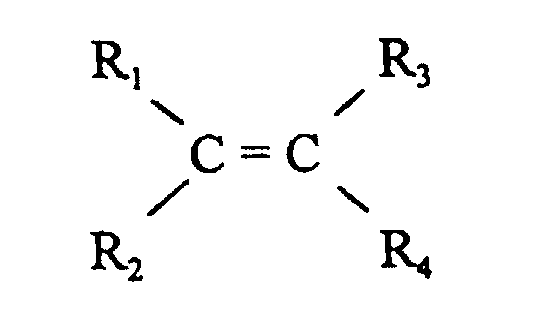 dans laquelle R1 est H ou CH3 ; R2 est H ou COOH ; R3 est H ou COOH ; et R4 est H COOH ou CH2COOH ; à condition que, lorsque R1 est H et R2 est COOH, R3 et R4 soient différents et soient H ou COOH ; lorsque R1 et R2 sont tous deux H, R3 est COOH et R4 est CH2COOH ; et lorsque R1 est CH3, R2 est COOH et R3 et R4 sont différents et sont H ou COOH ; etladite seconde composition formatrice de monomère est l'acide sulfonique 2-acrylamido-2-propane, le sulfonate de sodium méthallylique, le parastyrènesulfonate de sodium, l'acrylamide, le N,N-diméthylacrylamide, l'acide vinyl sulfonique, l'acrylonitrile, le 1-vinyl-2-pyrrolidone, l'acide vinyl phosphonique, le chlorure de diallyldiméthylammonium, le méthacrylate de diéthylaminoéthyle, le chlorure méthylique d'acrylate diméthylaminoéthyle, le chlorure d'ammonium méthacrylamidopropyltriméthylique, le méthacrylate de N,N-diméthylaminoéthyle, ou le chlorure de méthacrylate 2-triéthylammoniumméthyle ; dans lequel ledit terpolymère comporte des unités monomères formées à partir d'une première composition formatrice de monomère, d'une seconde composition formatrice de monomère et d'une troisième composition formatrice de monomère, dans lequel ladite première composition formatrice de monomère est présente dans ledit polymère en des quantités de 5 à 50 moles pour cent dudit polymère et est telle que définie ci-dessus, ladite seconde composition formatrice de monomère est présente dans ledit polymère en des quantités de 90 à 45 moles pour cent dudit polymère et est telle que définie ci-dessus, et la troisième composition formatrice de monomère est présente dans ledit polymère en des quantités de 5 à 50 moles pour cent dudit polymère et est l'acide maléique, l'acide acrylique ou l'une quelconque desdites secondes compositions formatrices de monomère.
 - Utilisation selon la revendication 1 à condition que, lorsque ladite seconde composition formatrice de monomère dudit copolymère est l'acide sulfonique 2-acrylamido-2-méthylpropane, ladite première composition formatrice de monomère ne soit pas l'acide itaconique.
- Utilisation selon la revendication 1, selon laquelle ladite seconde composition formatrice de monomère dudit terpolymère est sélectionnée parmi l'acide sulfonique 2-acrylamido-2-méthylpropane et le sulfonate de sodium méthallylique, et ladite troisième composition formatrice de monomère est sélectionnée parmi l'acide acrylique et l'acide maléique lorsque la première composition formatrice de monomère n'est pas l'acide maléique.
- Utilisation selon l'une quelconque des revendications 1 à 3, selon laquelle ladite seconde composition formatrice de monomère est l'acide sulfonique 2-acrylamido-2-méthylpropane.
- Utilisation selon l'une quelconque des revendications 1 à 4, selon laquelle ladite première composition formatrice de monomère est l'acide maléique ou l'acide itaconique.
- Utilisation selon l'une quelconque des revendications 1 à 5, selon laquelle ledit additif comporte un terpolymère, dans lequel ladite première composition formatrice de monomère est l'acide maléique, ladite seconde composition formatrice de monomère est l'acide sulfonique 2-acrylamido-2-méthylpropane, et ladite troisième composition formatrice de monomère est l'acide acrylique.
- Utilisation selon l'une quelconque des revendications 1 à 5, selon lequel ledit additif comporte un terpolymère, dans lequel ladite première composition formatrice de monomère est l'acide itaconique, ladite seconde composition formatrice de monomère est l'acide sulfonique 2-acrylamido-2-méthylpropane, et ladite troisième composition formatrice de monomère est l'acide maléique.
- Un additif pour retarder la prise d'une composition de ciment hydraulique, ledit additif comportant un polymère qui est soit un copolymère, soit un terpolymère ;dans lequel ledit copolymère comporte des unités monomères formées à partir d'une première composition formatrice de monomère et d'une seconde composition formatrice de monomère, dans lequel lesdites première et seconde compositions formatrices de monomère sont différentes et sont respectivement présentes dans ledit polymère en quantités de 5 à 50 et 95 à 50 moles pour cent dudit polymère, et dans lequel ladite première composition formatrice de monomère est une composition ayant la formule structurale suivante :
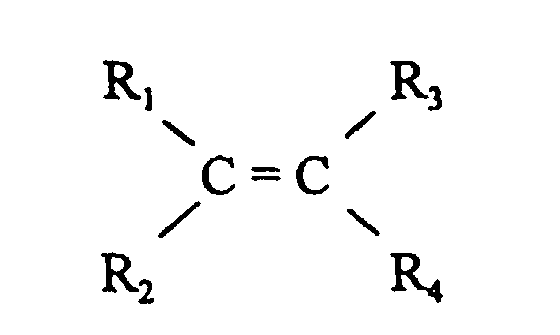 dans laquelle R1 est H ou CH3 ; R2 est H ou COOH ; R3 est H ou COOH ; et R4 est H, COOH ou CH2COOH ; à condition que, lorsque R1 est H et R2 est COOH, R3 et R4 sont différents et sont H ou COOH ; lorsque R1 et R2 sont tous deux H, R3 est COOH et R4 est CH2COOH ; et lorsque R1 est CH3, R2 est COOH et R3 et R4 sont différents et sont H ou COOH ; etladite seconde composition formatrice de monomère est l'acide sulfonique 2-acrylamido-2-méthylpropane, le sulfonate de sodium méthallylique, le parastyrènesulfonate de sodium, l'acrylamide, le N,N-diméthylacrylamide, l'acide vinylsulfonique, l'acrylonitrile, le 1-vinyl-2-pyrrolidone, l'acide vinylphosphonique, le chlorure de diallyldiméthylammonium, le méthacrylate de diéthylaminoéthyle, le chlorure méthylique d'acrylate diméthylaminoéthylique, le chlorure d'ammonium méthacrylamidopropyltriméthylique, le méthacrylate de N,N-diméthylaminoéthyle, ou le chlorure de méthacrylate 2-triéthylammoniumméthyle;dans lequel ledit terpolymère comporte des unités monomères formées à partir d'une première composition formatrice de monomère, d'une seconde composition formatrice de monomère et d'une troisième composition formatrice de monomère, dans lequel ladite première composition formatrice de monomère est présente dans ledit polymère en des quantités de 5 à 50 moles pour cent dudit polymère et est telle que définie ci-dessus, ladite seconde composition formatrice de monomère est présente dans ledit polymère en des quantités de 90 à 45 moles pour cent dudit polymère et est sélectionnée parmi l'acide sulfonique 2-acrylamido-2-méthylpropane et le sulfonate de sodium méthallylique, et la troisième composition formatrice de monomère est présente dans ledit polymère en des quantités de 5 à 50 moles pour cent dudit polymère et est sélectionnée parmi l'acide acrylique et l'acide maléique lorsque la première composition formatrice de monomère n'est pas l'acide maléique ;à condition que, lorsque ladite seconde composition formatrice de monomère dudit copolymère est l'acide sulfonique 2-acrylamido-2-méthylpropane, ladite première composition formatrice de monomère ne soit pas l'acide itaconique.
 - Un additif selon la revendication 8, dans lequel ladite seconde composition formatrice de monomère est l'acide sulfonique 2-acrylamido-2-méthylpropane.
- Un additif selon la revendication 8 ou 9, dans lequel ladite première composition formatrice de monomère est l'acide maléique ou l'acide itaconique.
- Un additif selon l'une quelconque des revendications 8 à 10, dans lequel ledit additif comporte un terpolymère, dans lequel ladite première composition formatrice de polymère est l'acide maléique, ladite seconde composition formatrice de monomère est l'acide sulfonique 2-acrylamido-2-méthylpropane, et ladite troisième composition formatrice de monomère est l'acide acrylique.
- Un additif selon l'une quelconque des revendications 8 à 10, dans lequel ledit additif comporte un terpolymère, dans lequel ladite première composition formatrice de monomère est l'acide itaconique, ladite seconde composition formatrice de monomère est l'acide sulfonique 2-acrylamido-2-méthylpropane, et ladite troisième composition formatrice de monomère est l'acide maléique.
- Une composition de ciment hydraulique à retardement de prise, qui comporte du ciment hydraulique ; de l'eau pour former un coulis ; et un additif tel que revendiqué à l'une des revendications 8 à 12.
- Un procédé de cimentation d'une zone souterraine traversée par un trou de sondage, ledit procédé comportant le pompage d'une composition de ciment selon la revendication 13 dans ladite zone par l'intermédiaire dudit trou de sondage ; et attente pour laisser prendre ladite composition de ciment.
Applications Claiming Priority (2)
| Application Number | Priority Date | Filing Date | Title |
|---|---|---|---|
| US86403 | 1987-08-17 | ||
| US8640393A | 1993-07-01 | 1993-07-01 |
Publications (2)
| Publication Number | Publication Date |
|---|---|
| EP0633390A1 EP0633390A1 (fr) | 1995-01-11 |
| EP0633390B1 true EP0633390B1 (fr) | 1999-09-15 |
Family
ID=22198342
Family Applications (1)
| Application Number | Title | Priority Date | Filing Date |
|---|---|---|---|
| EP19940304841 Expired - Lifetime EP0633390B1 (fr) | 1993-07-01 | 1994-07-01 | Additif retardeur de prise pour ciment |
Country Status (4)
| Country | Link |
|---|---|
| EP (1) | EP0633390B1 (fr) |
| CA (1) | CA2127346C (fr) |
| DE (1) | DE69420633D1 (fr) |
| NO (1) | NO320309B1 (fr) |
Families Citing this family (11)
| Publication number | Priority date | Publication date | Assignee | Title |
|---|---|---|---|---|
| US5472051A (en) * | 1994-11-18 | 1995-12-05 | Halliburton Company | Low temperature set retarded well cement compositions and methods |
| JPH1053445A (ja) * | 1996-08-06 | 1998-02-24 | Daicel Huels Ltd | セメント硬化遅延剤およびセメント硬化遅延シート |
| GB2327417A (en) * | 1997-07-22 | 1999-01-27 | Albright & Wilson Uk Ltd | Cement setting modifiers |
| GB2335657A (en) * | 1998-03-24 | 1999-09-29 | Bpb Plc | Cementitious compositions |
| DE19830760A1 (de) | 1998-07-09 | 2000-01-13 | Sueddeutsche Kalkstickstoff | Verwendung von wasserlöslichen Polymeren als Fließmittel für aluminatzementhaltige Feuerfestmassen |
| DE10127060A1 (de) | 2001-06-02 | 2002-12-05 | Henkel Kgaa | Abbindeverzögerung von Gips |
| JP2005075701A (ja) * | 2003-09-02 | 2005-03-24 | Nippon Shokubai Co Ltd | 水硬性組成物 |
| EP2412781A1 (fr) | 2010-07-07 | 2012-02-01 | Services Pétroliers Schlumberger | Compositions et procédés pour la cimentation de puits |
| CN111662409B (zh) * | 2020-06-30 | 2022-03-04 | 天津大学 | 一种可抑制异常胶凝的高温油井水泥缓凝剂及制备方法 |
| CN116253832B (zh) * | 2021-12-09 | 2024-06-04 | 中国石油天然气集团有限公司 | 一种用于超高温缓凝剂的聚合物、制备方法和超高温缓凝剂 |
| CN117304399B (zh) * | 2023-09-21 | 2026-02-03 | 卫辉市化工有限公司 | 一种有机膦酸类聚合物缓凝剂的制备方法及应用 |
Family Cites Families (5)
| Publication number | Priority date | Publication date | Assignee | Title |
|---|---|---|---|---|
| US4015991A (en) * | 1975-08-08 | 1977-04-05 | Calgon Corporation | Low fluid loss cementing compositions containing hydrolyzed acrylamide/2-acrylamido-2-methylpropane sulfonic acid derivative copolymers and their use |
| US4610306A (en) * | 1984-12-19 | 1986-09-09 | Hughes Tool Company | Non-retarding fluid loss additives for well cementing compositions |
| US4674574A (en) * | 1986-09-26 | 1987-06-23 | Diamond Shamrock Chemicals Company | Fluid loss agents for oil well cementing composition |
| US4941536A (en) * | 1989-06-27 | 1990-07-17 | Halliburton Company | Set retarded cement compositions and methods for well cementing |
| CA2080906C (fr) * | 1990-04-18 | 2004-06-29 | James B. Bloys | Compositions dispersantes pour le forage et la completion de puits souterrains |
-
1994
- 1994-07-01 NO NO19942497A patent/NO320309B1/no not_active IP Right Cessation
- 1994-07-01 DE DE69420633T patent/DE69420633D1/de not_active Expired - Lifetime
- 1994-07-01 EP EP19940304841 patent/EP0633390B1/fr not_active Expired - Lifetime
- 1994-07-04 CA CA 2127346 patent/CA2127346C/fr not_active Expired - Fee Related
Also Published As
| Publication number | Publication date |
|---|---|
| NO942497L (no) | 1995-01-02 |
| NO320309B1 (no) | 2005-11-21 |
| NO942497D0 (no) | 1994-07-01 |
| EP0633390A1 (fr) | 1995-01-11 |
| DE69420633D1 (de) | 1999-10-21 |
| CA2127346C (fr) | 2003-05-13 |
| CA2127346A1 (fr) | 1995-01-02 |
Similar Documents
| Publication | Publication Date | Title |
|---|---|---|
| US5536311A (en) | Set retarded cement compositions, additives and methods | |
| US6268406B1 (en) | Well cementing methods using compositions containing liquid polymeric additives | |
| US5988279A (en) | Method for control of fluid loss and gas migration in well cementing | |
| US4700780A (en) | Method of reducing fluid loss in cement compositions which may contain substantial salt concentrations | |
| US4806164A (en) | Method of reducing fluid loss in cement compositions | |
| US5472051A (en) | Low temperature set retarded well cement compositions and methods | |
| US5421879A (en) | Cement set retarding additives, compositions and methods | |
| US5389706A (en) | Well cement compositions having improved properties and methods | |
| US4703801A (en) | Method of reducing fluid loss in cement compositions which may contain substantial salt concentrations | |
| US4676317A (en) | Method of reducing fluid loss in cement compositions which may contain substantial salt concentrations | |
| US6395853B1 (en) | Water-soluble copolymers and their use for exploration and production of petroleum and natural gas | |
| US7438758B2 (en) | Cement compositions comprising aromatic sulfonated polymers and methods of using the same | |
| US8741817B2 (en) | Water-based fluid loss additive containing an amphiphilic dispersant for use in a well | |
| US5135577A (en) | Composition and method for inhibiting thermal thinning of cement | |
| US5264470A (en) | Set retarding additives, cement compositions and methods | |
| US6089318A (en) | Method for control of fluid loss and gas migration in well cementing | |
| US20100116497A1 (en) | Method of servicing a wellbore with a sealant composition comprising solid latex | |
| EP0217608A2 (fr) | Cimentation de puits avec des compositions de ciment contenant un sel | |
| NO305238B1 (no) | Br°nnsementblanding med forbedrede egenskaper og fremgangsmÕte for sementering av en underjordisk sone | |
| US20040094070A1 (en) | Cementing compositions | |
| EP0633390B1 (fr) | Additif retardeur de prise pour ciment | |
| EP1394353A2 (fr) | Régulation de la migration de gaz pendant la cimentation de puits | |
| US5484478A (en) | High temperature set retarded cement compositions and methods | |
| US20100004351A1 (en) | Fluid Loss Control Agents and Compositions for Cementing Oil and Gas Wells Comprising said Fluid Loss Control Agent | |
| US4602685A (en) | Non-retarding fluid loss additives for well cementing compositions |
Legal Events
| Date | Code | Title | Description |
|---|---|---|---|
| PUAI | Public reference made under article 153(3) epc to a published international application that has entered the european phase |
Free format text: ORIGINAL CODE: 0009012 |
|
| AK | Designated contracting states |
Kind code of ref document: A1 Designated state(s): DE FR GB IT NL |
|
| 17P | Request for examination filed |
Effective date: 19950131 |
|
| 17Q | First examination report despatched |
Effective date: 19970114 |
|
| GRAG | Despatch of communication of intention to grant |
Free format text: ORIGINAL CODE: EPIDOS AGRA |
|
| GRAG | Despatch of communication of intention to grant |
Free format text: ORIGINAL CODE: EPIDOS AGRA |
|
| GRAH | Despatch of communication of intention to grant a patent |
Free format text: ORIGINAL CODE: EPIDOS IGRA |
|
| GRAH | Despatch of communication of intention to grant a patent |
Free format text: ORIGINAL CODE: EPIDOS IGRA |
|
| RAP1 | Party data changed (applicant data changed or rights of an application transferred) |
Owner name: HALLIBURTON ENERGY SERVICES, INC. |
|
| GRAA | (expected) grant |
Free format text: ORIGINAL CODE: 0009210 |
|
| AK | Designated contracting states |
Kind code of ref document: B1 Designated state(s): DE FR GB IT NL |
|
| PG25 | Lapsed in a contracting state [announced via postgrant information from national office to epo] |
Ref country code: IT Free format text: LAPSE BECAUSE OF FAILURE TO SUBMIT A TRANSLATION OF THE DESCRIPTION OR TO PAY THE FEE WITHIN THE PRESCRIBED TIME-LIMIT;WARNING: LAPSES OF ITALIAN PATENTS WITH EFFECTIVE DATE BEFORE 2007 MAY HAVE OCCURRED AT ANY TIME BEFORE 2007. THE CORRECT EFFECTIVE DATE MAY BE DIFFERENT FROM THE ONE RECORDED. Effective date: 19990915 Ref country code: FR Free format text: LAPSE BECAUSE OF FAILURE TO SUBMIT A TRANSLATION OF THE DESCRIPTION OR TO PAY THE FEE WITHIN THE PRESCRIBED TIME-LIMIT Effective date: 19990915 |
|
| REF | Corresponds to: |
Ref document number: 69420633 Country of ref document: DE Date of ref document: 19991021 |
|
| PG25 | Lapsed in a contracting state [announced via postgrant information from national office to epo] |
Ref country code: DE Free format text: LAPSE BECAUSE OF FAILURE TO SUBMIT A TRANSLATION OF THE DESCRIPTION OR TO PAY THE FEE WITHIN THE PRESCRIBED TIME-LIMIT Effective date: 19991216 |
|
| EN | Fr: translation not filed | ||
| PLBE | No opposition filed within time limit |
Free format text: ORIGINAL CODE: 0009261 |
|
| STAA | Information on the status of an ep patent application or granted ep patent |
Free format text: STATUS: NO OPPOSITION FILED WITHIN TIME LIMIT |
|
| 26N | No opposition filed | ||
| REG | Reference to a national code |
Ref country code: GB Ref legal event code: IF02 |
|
| PGFP | Annual fee paid to national office [announced via postgrant information from national office to epo] |
Ref country code: GB Payment date: 20130624 Year of fee payment: 20 |
|
| PGFP | Annual fee paid to national office [announced via postgrant information from national office to epo] |
Ref country code: NL Payment date: 20130711 Year of fee payment: 20 |
|
| REG | Reference to a national code |
Ref country code: NL Ref legal event code: V4 Effective date: 20140701 |
|
| REG | Reference to a national code |
Ref country code: GB Ref legal event code: PE20 Expiry date: 20140630 |
|
| PG25 | Lapsed in a contracting state [announced via postgrant information from national office to epo] |
Ref country code: GB Free format text: LAPSE BECAUSE OF EXPIRATION OF PROTECTION Effective date: 20140630 |