EP0636366A2 - Controlled release formulations coated with aqueous dispersions of acrylic polymers - Google Patents
Controlled release formulations coated with aqueous dispersions of acrylic polymers Download PDFInfo
- Publication number
- EP0636366A2 EP0636366A2 EP94111733A EP94111733A EP0636366A2 EP 0636366 A2 EP0636366 A2 EP 0636366A2 EP 94111733 A EP94111733 A EP 94111733A EP 94111733 A EP94111733 A EP 94111733A EP 0636366 A2 EP0636366 A2 EP 0636366A2
- Authority
- EP
- European Patent Office
- Prior art keywords
- active agent
- agent
- formulation
- substrate
- coating
- Prior art date
- Legal status (The legal status is an assumption and is not a legal conclusion. Google has not performed a legal analysis and makes no representation as to the accuracy of the status listed.)
- Withdrawn
Links
Images


Classifications
-
- A—HUMAN NECESSITIES
- A61—MEDICAL OR VETERINARY SCIENCE; HYGIENE
- A61K—PREPARATIONS FOR MEDICAL, DENTAL OR TOILETRY PURPOSES
- A61K9/00—Medicinal preparations characterised by special physical form
- A61K9/20—Pills, tablets, discs, rods
- A61K9/28—Dragees; Coated pills or tablets, e.g. with film or compression coating
- A61K9/2806—Coating materials
- A61K9/2833—Organic macromolecular compounds
- A61K9/284—Organic macromolecular compounds obtained by reactions only involving carbon-to-carbon unsaturated bonds, e.g. polyvinyl pyrrolidone
- A61K9/2846—Poly(meth)acrylates
-
- A—HUMAN NECESSITIES
- A61—MEDICAL OR VETERINARY SCIENCE; HYGIENE
- A61K—PREPARATIONS FOR MEDICAL, DENTAL OR TOILETRY PURPOSES
- A61K9/00—Medicinal preparations characterised by special physical form
- A61K9/48—Preparations in capsules, e.g. of gelatin, of chocolate
- A61K9/50—Microcapsules having a gas, liquid or semi-solid filling; Solid microparticles or pellets surrounded by a distinct coating layer, e.g. coated microspheres, coated drug crystals
- A61K9/5005—Wall or coating material
- A61K9/5021—Organic macromolecular compounds
- A61K9/5026—Organic macromolecular compounds obtained by reactions only involving carbon-to-carbon unsaturated bonds, e.g. polyvinyl pyrrolidone, poly(meth)acrylates
-
- A—HUMAN NECESSITIES
- A61—MEDICAL OR VETERINARY SCIENCE; HYGIENE
- A61K—PREPARATIONS FOR MEDICAL, DENTAL OR TOILETRY PURPOSES
- A61K9/00—Medicinal preparations characterised by special physical form
- A61K9/48—Preparations in capsules, e.g. of gelatin, of chocolate
- A61K9/50—Microcapsules having a gas, liquid or semi-solid filling; Solid microparticles or pellets surrounded by a distinct coating layer, e.g. coated microspheres, coated drug crystals
- A61K9/5073—Microcapsules having a gas, liquid or semi-solid filling; Solid microparticles or pellets surrounded by a distinct coating layer, e.g. coated microspheres, coated drug crystals having two or more different coatings optionally including drug-containing subcoatings
- A61K9/5078—Microcapsules having a gas, liquid or semi-solid filling; Solid microparticles or pellets surrounded by a distinct coating layer, e.g. coated microspheres, coated drug crystals having two or more different coatings optionally including drug-containing subcoatings with drug-free core
Definitions
- the stability data obtained with regard to a particular dosage form directly affects its shelf-life.
- the stability of a pharmaceutical dosage form is related to maintaining its physical, chemical, microbiological, therapeutic, and toxicological properties when stored, i.e., in a particular container and environment. Stability study requirements are covered, e.g., in the Good Manufacturing Practices (GMPs), the U.S.P., as well as in the regulatory requirements of the country where approval to market a dosage form is being sought.
- GMPs Good Manufacturing Practices
- U.S.P. U.S.P.
- a drug or a drug formulation may be made via a New Drug Application (NDA), an Abbreviated New Drug Application (ANDA) or an Investigational New Drug Applications (IND).
- NDA New Drug Application
- ANDA Abbreviated New Drug Application
- IND Investigational New Drug Applications
- the agents used in sustained release dosage formulations often present special problems with regard to their physical stability during storage.
- waxes which have been used in such formulations are known to undergo physical alterations on prolonged standing, thus precautions are taken to stabilize them at the time of manufacture or to prevent the change from occurring.
- Fats and waxy materials when used in purified states are known to crystallize in unstable forms, causing unpredictable variations in availability rates during stability testing at the time of manufacture and during later storage.
- the moisture content of the product can also influence the stability of the product. Changes in the hydration level of a polymeric film, such as the ethyl celluloses, can alter the rate of water permeation and drug availability. Also, binders such as acacia are known to become less soluble when exposed to moisture and heat. However, moisture content of a product can be controlled fairly successfully by controls in the processing method and proper packaging of the product.
- Hydrophobic polymers such as certain cellulose derivatives, zein, acrylic resins, waxes, higher aliphatic alcohols, and polylactic and polyglycolic acids have been used in the prior art to develop controlled release dosage forms.
- Methods of using these polymers to develop controlled release dosage forms such as tablets, capsules, suppositories, spheroids, beads or microspheres include incorporating these agents into a controlled release matrix or using certain of these agents in a controlled release coating of the dosage form.
- hydrophobic coatings can be applied either from a solution, suspension or dry. Since most of the polymers used in controlled release coatings have a low solubility in water, they are usually applied by dissolving the polymer in an organic solvent and spraying the solution onto the individual drug forms (such as beads or tablets) and evaporating off the solvent.
- Aqueous dispersions of hydrophobic polymers have been used in the prior art to coat pharmaceutical dosage forms for aesthetic reasons such as film coating tablets or beads or for taste-masking. However, these dosage forms are used for immediate release administration of the active drug contained in the dosage form.
- hydrophobic coatings are considered undesirable because of inherent problems with regard to flammability, carcinogenicity, environmental concerns, cost, and safety in general. It is considered very desirable in the art, however, to provide a controlled release coating derived from aqueous dispersions of a hydrophobic material, such as an acrylic polymer.
- the dissolution release profile changes on ageing, e.g. when the final coated product is stored for a period of time, during which time it may be exposed to elevated temperature and/or humidity above ambient conditions.
- Samples were subjected to isothermal storage at 28°C, 35°C and 45°C with the relative humidity (RH) maintained between 55-60%, under cyclic conditions of 45°C at 55% RH for 24 hours, then at 28°C and 20% RH for 24 hours, and then at 5°C and 10% RH for 24 hours, after which the cycle was repeated, and alternating conditions every 24 hours between 45°C and 55% RH and 28°C and 0% RH.
- RH relative humidity
- an active agent e.g. a therapeutically active agent, a disinfecting agent, a cleansing agent, a sanitizing agent and a fertilizing agent
- It is another object of the present invention to provide a controlled release formulation comprising a plurality of inert beads comprising an active agent, and a controlled release tablet comprising a core containing an active agent, the beads or tablet core being coated with an aqueous dispersion of a hydrophobic polymer and providing a reproducible, stable dissolution despite exposure to accelerated storage conditions, as well as a method of preparing the same.
- Still another object of the present invention is to provide a controlled release formulation comprising a substrate containing an active agent coated with an aqueous dispersion of a hydrophobic polymer which upon dissolution in-vitro provides a band range, when comparing the dissolution profile of the formulation after exposure to a variety of storage conditions including "stressed" or accelerated storage conditions, which is not wider than about 15% of total active agent released at any point of time during the dissolution.
- a further object of the present invention is to provide a controlled release formulation wherein the controlled release is caused by a coating on the formulation of an aqueous dispersion of a hydrophobic polymer such as an acrylic polymer which coating provides a stable dissolution of an active agent contained in the formulation, despite exposure to accelerated storage conditions such that the dissolution would be deemed acceptable by a governmental regulatory agency such as the U.S. FDA for purposes of according expiration dating.
- a hydrophobic polymer such as an acrylic polymer
- a controlled release formulation comprising a substrate comprising an active agent in an amount sufficient to provide a desired effect in an environment of use, the substrate being coated with an aqueous dispersion of plasticized pharmaceutically acceptable hydrophobic acrylic polymer in an amount sufficient to obtain a controlled release of said active agent when said formulation is exposed to an environmental fluid, and cured at a temperature greater than the glass transition temperature of the aqueous dispersion of plasticized acrylic polymer for a sufficient period of time until a curing endpoint is reached at which the coated substrate provides a stable dissolution of the active agent which is unchanged after exposure to accelerated storage conditions.
- the endpoint may be determined, e.g., by comparing the dissolution profile of the formulation immediately after curing to the dissolution profile of the formulation after exposure to accelerated storage conditions such as one to three months at a temperature of 37°C and at a relative humidity of 80%, or at a temperature of 40°C and at a relative humidity of 75%.
- the substrate is coated to a weight gain from about 2% to about 25%.
- the coated substrate when subjected to in-vitro dissolution, releases said active agent in amounts which do not vary at any time point along the dissolution curve by more than about 15% of the total amount of active agent released, when compared to the in-vitro dissolution of said coated substrate after curing.
- the cured formulation provides a stabilized dissolution of said active agent which is unchanged after exposure to accelerated storage conditions, the stabilized dissolution being deemed appropriate by the United States Food & Drug Administration for the purpose of according expiration dating for said formulation.
- controlled release dosage formulation comprising a substrate coated with an effective amount of an aqueous dispersion of acrylic polymer to obtain a controlled release of an active agent which formulation, after exposure to accelerated storage conditions, releases an amount of therapeutically active agent which does not vary at any given dissolution time point by more than about 20% of the total amount of therapeutically active agent released, when compared to in-vitro dissolution conducted prior to storage.
- the acrylic polymer preferably has a permeability which is unaffected by the pH conditions prevailing in the gastrointestinal tract.
- the coated substrate upon in-vitro dissolution testing, provides a band range after exposure to accelerated storage conditions which is not wider than about 20% at any point of time when compared to the dissolution profile prior to exposure to the accelerated storage conditions.
- the active agent may be chosen for a wide variety of uses, including but not limited to systemically active therapeutic agents, locally active therapeutic agents, disinfectants, cleansing agents, fragrances, fertilizers, deodorants, dyes, animal repellents, insect repellents, pesticides, herbicides, fungicides, and plant growth stimulants.
- the present invention is further related to a solid controlled release oral dosage formulation, comprising a substrate containing a systemically active therapeutic agent in an amount sufficient to provide a desired therapeutic effect when said formulation is orally administered.
- the substrate is coated with an aqueous dispersion of plasticized acrylic polymer and cured at a temperature greater than the glass transition temperature of the aqueous dispersion of plasticized acrylic polymer for a period of time sufficient to obtain a controlled release of said active agent when measured by the USP Paddle or Basket Method at 100 rpm at 900 ml aqueous buffer (pH between 1.6 and 7.2) at 37°C from about 0% to about 42.5% (by wt) active agent released after 1 hour, from about 5% to about 60% (by wt) active agent released after 2 hours, from about 15% to about 75% (by wt) active agent released after 4 hours, and from about 20% to about 90% (by wt) active agent released after 8 hours.
- the coated substrate has a stable release when comparing the rate of release of the active agent after exposing the coated substrate to accelerated conditions, to the release rate obtained immediately after curing.
- the dosage form preferably provides a therapeutic effect for about 24 hours.
- the present invention further relates to a method of preparing the dosage form.
- the present invention is also related to a method for obtaining a controlled release formulation of an active agent, comprising preparing a solid substrate comprising an active agent, coating the substrate with a sufficient amount an aqueous dispersion of plasticized acrylic polymer to obtain a predetermined controlled release of the active agent when the coated substrate is exposed to an environmental fluid, and curing the coated substrate at a temperature greater than the glass transition temperature of the aqueous dispersion of plasticized acrylic polymer until a curing endpoint is reached at which said coated substrate provides a stabilized dissolution of said active agent which is unchanged after exposure to accelerated storage conditions.
- the present invention is further related to a method of treating a patient with an oral solid dosage form described above.
- present invention further comprises administering the oral solid dosage form comprising the cured, coated substrate to the patient to thereby obtain the desired therapeutic effect for about 12 to about 24 hours or more.
- the oral solid dosage forms of the present invention provide a desired therapeutic effect for about 24 hours.
- the hydrophobic acrylic polymer is comprised of copolymerizates of acrylic and methacrylic acid esters having a permeability which is unaffected by the pH conditions prevailing in the gastrointestinal tract.
- these copolymerizates further include a low content of quaternary ammonium groups, which occur as salts and are responsible for the permeability of the lacquer substances.
- the present invention provides many benefits over prior art coatings, including, but not limited to, avoidance of organic solvents which have inherent safety concerns (flammability, carcinogenicity, environmental concerns, cost, safety in general), and extended stability which may result in extended shelf life and expiration dating.
- aqueous dispersions of hydrophobic acrylic polymers used as coatings in the present invention may be used to coat substrates such as tablets, spheroids (or beads), microspheres, seeds, pellets, ion-exchange resin beads, and other multi-particulate systems in order to obtain a desired controlled release of the active agent.
- Granules, spheroids, or pellets, etc., prepared in accordance with the present invention can be presented in a capsule or in any other suitable dosage form.
- the tablets of the present invention may be any suitable shape, such as round, oval, biconcave, hemispherical, any polygonal shape such as square, rectangular, and pentagonal, and the like.
- the controlled release coatings may be applied to the substrate up to, e.g., a 50% weight gain.
- the cured, coated substrates of the present invention provide a stable dissolution profile (e.g., release of the active agent in the environment of use) when stored for extended periods of time at room temperature and ambient humidity (e.g., long term (real time) testing), and when tested under accelerated storage conditions.
- a stable dissolution profile e.g., release of the active agent in the environment of use
- room temperature and ambient humidity e.g., long term (real time) testing
- stable dissolution profile and "curing endpoint” are defined for purposes of the present invention as meaning that the cured, coated substrate reproducibly provides a release of the active agent when placed in an environment of use which is unchanged, even after exposing the cured, coated substrate to accelerated storage conditions.
- unchanged it is meant that any change in the release of the active agent from the cured, coated formulation would be deemed insignificant in terms of the desired effect.
- stability is evaluated by, e.g, a regulatory agency such as the Food & Drug Administration (FDA) in the U.S., for the purpose of according an expiration date for the formulation.
- FDA Food & Drug Administration
- accelerated storage conditions it is meant, e.g., storage conditions of elevated temperature and/or elevated relative humidity.
- accelerated storage conditions refers to storage conditions to which the final drug formulation is subjected for the purpose of obtaining regulatory approval (e.g., FDA approval in the U.S.) and an expiration date.
- expiration date is defined for purposes of the present invention as the date designating the time during which a packaged batch of the product (e.g., the cured, coated substrate) is expected to remain within specification if stored under defined conditions, and after which it should not be used.
- aqueous solution e.g., in-vitro dissolution
- simulated gastric fluid e.g., in accordance with the USP Basket Method (i.e., 37°C, 100 RPM, first hour 700 ml gastric fluid with or without enzymes at pH 1.2, then changed to 900 ml at pH 7.5), or in gastrointestinal fluid (in-vivo).
- band range or “band width” for purposes of the present invention is defined as the difference in in-vitro dissolution measurements of the controlled release formulations when comparing the dissolution profile (curve) obtained by the formulation upon completion of the manufacturing of the coated product (prior to storage) and the dissolution profile obtained after the coated product is exposed to accelerated storage conditions, expressed as the total (absolute) change in percent of the active agent released from the coated product at any dissolution time point along the dissolution curves.
- Allowable storage test conditions may vary depending upon the particulars of the product. For example, temperature sensitive drug substances should be stored under an alternative, lower temperature condition, which is then deemed to be the long term testing storage temperature. In such cases, it is generally accepted that the accelerated testing should be carried out at a temperature at least 15°C above this designated long term storage temperature, together with appropriate relative humidity conditions for that temperature.
- a generally accepted accelerated test employed in FDA guidelines relates to the storage of a drug product (e.g., in its container and package) at 80% Relative Humidity (RH) and 37°C (1985 FDA guidelines). If the product holds up for, e.g., three months under these conditions (chemical stability, dissolution, and physical characteristics), then the drug product will be accorded, e.g., a two year expiration date. This accelerated test is also now also considered to be acceptable if conducted at 75% RH and 40°C (FDA 1987 guidelines). It has recently been proposed that long-term storage testing be conducted for pharmaceutical formulations at 25°C ⁇ 2°C at not less than 60% RH ⁇ 5% for a minimum time period of 12 months.
- the controlled release coatings of the present invention comprise aqueous dispersions of hydrophobic (water-insoluble) acrylic polymers.
- the hydrophobic acrylic polymer coatings of the present invention have a solubility and permeability independent of the pH of the fluid present in the environment of use.
- the hydrophobic acrylic polymers of the present invention have a solubility and permeability independent of physiological pH values.
- Hydrophobic acrylic polymers which may be used in the formulations of the present invention are derived from acrylic acid or derivatives thereof.
- Acrylic acid derivatives include, for example, the esters of acrylic acid and methacrylic acid, and the alkyl esters of acrylic acid and methacrylic acid.
- the alkyl esters of acrylic acid and methacrylic acid have from about 1 to about 8 carbon atoms in the alkyl group.
- the monomers which may be used in the polymer coatings of the present invention also include styrene and its homologs, vinyl esters such as vinyl acetate, and vinyl chloride.
- monomers forming hydrophobic water-insoluble polymers are nonionic.
- non-ionic monomers for purposes of the present invention is meant to include not only monomers which have no ionic groups (such as alkali metal carboxylate or sulfonate or tertammonium groups) in the molecule, but also monomers which are unable to form such groups with bases or acids.
- the composition of the hydrophobic acrylic polymer coating may include other monomers.
- the hardness and extensibility of the coating film and the lowest temperature at which film formation from the aqueous dispersion is possible are influenced by the particular monomers included in the hydrophobic acrylic polymer used in the present invention.
- Lower alkyl esters of methacrylic acid are known to form relatively harder homopolymers, which acrylic acid esters and the higher alkyl esters of methacrylic acid provide relatively softer homopolymers.
- Alkyl groups having greater than 4 carbon atoms or aryl groups have a hydrophobizing effect and thereby reduce the swelling capacity and diffusion permeability.
- the acrylic polymer also includes one or more polymerizable permeability-enhancing compounds which will allow the active agent enclosed within the coating to be released at a desired diffusion rate, regardless of the prevailing pH value.
- the permeability-enhancing compound allows the active agent to be released at the same diffusion rate in each region of the digestive (gastrointestinal) tract (regardless of pH) during passage of the dosage form therethrough; after having been substantially completely extracted, the coatings of the present invention are eliminated without decomposing.
- the permeability-enhancing compound comprises at least one polymerizable quaternary ammonium compound.
- Such compounds are strong bases which are present as stable salts in a wide pH range, e.g., throughout the entire physiological pH region, and are easily water soluble. The nature, and particularly the amount, of the quaternary ammonium compound present in the copolymeric agent are important factors affecting diffusion behavior.
- Suitable polymerizable quaternary ammonium compounds which may be used in the coatings of the present invention generally correspond to the general formula wherein R is hydrogen or methyl; A is oxygen or NH; B is a linear or branched alkyl or is an alicyclic hydrocarbon, preferably having from about 2 to about 8 carbon atoms; R1, R2 and R3, taken alone, are the same or different alkyl or aralkyl, and more particularly are lower alkyl having from about 1 to about 4 carbon atoms, or are benzyl, or R1 and R2, taken together with the quaternary nitrogen atom, are piperidinium or morpholinium; and X ⁇ is a cation, preferably of an inorganic acid, particularly chloride, sulfate, or methosulfate.
- polymerizable quaternary ammonium compounds include quaternized aminoalkyl esters and aminoalkyl amides of acrylic acid and methacrylic acid, for example ⁇ -methacryl-oxyethyl-trimethyl-ammonium methosulfate, ⁇ -acryloxy-propyl-trimethyl-ammonium chloride, and trimethylaminomethyl-methacrylamide methosulfate.
- the quaternary ammonium atom can also be part of a heterocycle, as in methacryloxyethylmethyl-morpholinium chloride or the corresponding piperidinium salt, or it can be joined to an acrylic acid group or a methacrylic acid group by way of a group containing hetero atoms, such as a polyglycol ether group.
- suitable polymerizable quaternary ammonium compounds include quaternized vinyl-substituted nitrogen heterocycles such as methyl-vinyl pyridinium salts, vinyl esters of quaternized amino carboxylic acids, styryltrialkyl ammonium salts, and the like.
- polymerizable quaternary ammonium compounds useful in the present invention are acryl- and methacryl-oxyethyltrimethylammonium chloride and methosulfate, benzyldimethylammoniumethyl-methacrylate chloride, diethylmethylammoniumethyl-acrylate and -methacrylate methosulfate, N-trimethylammoniumpropylmethacrylamide chloride, and N-trimethylammonium-2,2-dimethylpropyl-1-methacrylate chloride.
- the hydrophobic acrylic polymer used in the coatings of the present invention comprises copolymerizates of acrylic and methacrylic acid esters with a low content of quaternary ammonium groups.
- copolymerizates are often referred to as ammonio methacrylate copolymers, and are commercially available from Rohm Pharma AG, e.g., under the tradename Eudragit®.
- Ammonio methacrylate copolymers are described in NF XVII as fully polymerized copolymers of acrylic and methacrylic acid esters with a low content of quaternary ammonium groups.
- the acrylic coating is derived from a mixture of two acrylic resin lacquers used in the form of aqueous dispersions, commercially available from Rohm Pharma under the Tradename Eudragit® RL 30 D and Eudragit® RS 30 D, respectively.
- Eudragit® RL 30 D and Eudragit® RS 30 D are copolymers of acrylic and methacrylic esters with a low content of quaternary ammonium groups, the molar ratio of ammonium groups to the remaining neutral (meth)acrylic esters being 1:20 in Eudragit® RL 30 D and 1:40 in Eudragit® RS 30 D.
- the mean molecular weight is about 150,000.
- the code designations refer to the permeability properties of these agents, RL for high permeability and RS for low permeability.
- Eudragit® RL/RS mixtures are insoluble in water and in digestive fluids. However, coatings formed from the same are swellable and permeable in aqueous solutions and digestive fluids.
- the Eudragit® RL/RS dispersions of the present invention may be mixed together in any desired ratio in order to ultimately obtain a controlled release formulation having a desirable dissolution profile. Desirable controlled release formulations may be obtained, for instance, from a retardant coating derived from 100% Eudragit® RL, 50% Eudragit® RL and 50% Eudragit® RS, and 10% Eudragit® RL:Eudragit® 90% RS, and 100% Eudragit® RS.
- hydrophilic acrylic polymers used in the present invention may be manufactured in any manner known to those skilled in the art, including methods such as bulk polymerization in the presence of a free radical-forming initiator dissolved in the monomer mixture, or solution or precipitation polymerization in an organic solvent, with the polymer thus formed thereafter being isolated from the solvent.
- the hydrophobic acrylic polymer coatings of the present invention may also include hydrophilic monomers having a solubility which is not dependent on pH. Examples are acrylamide and methacrylamide, hydroxy alkyl esters of acrylic acid and methacrylic acid, and vinyl pyrrolidone. Such materials if used, may be included in small amounts up to 20 percent by weight of the copolymer. Also, small amounts of ionic monomers, such as acrylic acid or methacrylic acid or amino monomers on which the quaternized monomers are based, may also be included.
- the hydrophobic acrylic polymer coating further includes a polymer whose permeability is pH dependent, such as anionic polymers synthesized from methacrylic acid and methacrylic acid methyl ester.
- a polymer whose permeability is pH dependent such as anionic polymers synthesized from methacrylic acid and methacrylic acid methyl ester.
- anionic polymers synthesized from methacrylic acid and methacrylic acid methyl ester.
- Such polymers are commercially available, e.g., from Rohm Pharma GmbH under the tradename Eudragit® L and Eudragit® S.
- the ratio of free carboxyl groups to the esters is said to be 1:1 in Eudragit® L and 1:2 in Eudragit® S.
- Eudragit® L is insoluble in acids and pure water, but becomes increasingly permeable above pH 5.0.
- Eudragit® S is similar, except that it becomes increasingly permeable above pH 7.
- the hydrophobic acrylic polymer coatings may also include a polymer which is cationic in character based on dimethylaminoethyl methacrylate and neutral methacrylic acid esters (such as Eudragit® E, commercially available from Rohm Pharma).
- Eudragit® NE 30D lacquer films are insoluble in water and digestive fluids, but permeable and swellable.
- the dissolution profile of any given formulation in accordance with the present invention may by altered by changing the relative amounts of different acrylic resin lacquers included in the coating. Also, by changing the molar ratio of polymerizable permeability-enhancing agent (e.g., the quaternary ammonium compounds) to the neutral (meth)acrylic esters, the permeability properties (and thus the dissolution profile) of the resultant coating can be modified.
- polymerizable permeability-enhancing agent e.g., the quaternary ammonium compounds
- the release of the active agent from the controlled release formulation of the present invention can be further influenced, i.e., adjusted to a desired rate, by the addition of one or more pore-formers which can be inorganic or organic, and include materials that can be dissolved, extracted or leached from the coating in the environment of use.
- the pore-formers Upon exposure to fluids in the environment of use, the pore-formers are, e.g., dissolved, and channels and pores are formed that fill with the environmental fluid.
- the pore-formers may comprise one or more water-soluble hydrophilic polymers in order to modify the release characteristics of the formulation.
- suitable hydrophilic polymers include hydroxypropylmethylcellulose, cellulose ethers and protein-derived materials. Of these polymers, the cellulose ethers, especially hydroxyalkylcelluloses and carboxyalkylcelluloses, are preferred.
- synthetic water-soluble polymers may be used, such as polyvinylpyrrolidone, cross-linked polyvinylpyrrolidone, polyethylene oxide, etc., water-soluble polydextrose, saccharides and polysaccharides, such as pullulan, dextran, sucrose, glucose, fructose, mannitol, lactose, mannose, galactose, sorbitol and the like
- the hydrophilic polymer comprises hydroxypropylmethylcellulose.
- pore-formers include alkali metal salts such as lithium carbonate, sodium chloride, sodium bromide, potassium chloride, potassium sulfate, potassium phosphate, sodium acetate, sodium citrate, and the like.
- the pore-forming solids may also be polymers which are soluble in the environment of use, such as Carbowaxes®, Carbopol®, and the like.
- the pore-formers embrace diols, polyols, polyhydric alcohols, polyalkylene glycols, polyglycols, poly(a-w)alkylenediols, and the like.
- Semipermeable polymers may also be incorporated in the controlled release coating as a pore-former to change the release characteristics of the formulation.
- Such semipermeable polymers include, for example, cellulose acylates, acetates, and other semi-permeable polymers such as those described in U.S. Patent No. 4,285,987 (hereby incorporated by reference), as well as the selectively permeable polymers formed by the coprecipitation of a polycation and a polyanion as disclosed in U.S. Pat. Nos. 3,173,876; 3,276,586; 3,541,005; 3,541,006 and 3,546,142 (hereby incorporated by reference).
- pore-formers which may be useful in the formulations of the present invention include starch, modified starch, and starch derivatives, gums, including but not limited to xanthan gum, alginic acid, other alginates, bentonite, veegum, agar, guar, locust bean gum, gum arabic, quince psyllium, flax seed, okra gum, arabinoglactin, pectin, tragacanth, scleroglucan, dextran, amylose, amylopectin, dextrin, etc., cross-linked polyvinylpyrrolidone, ion-exchange resins, such as potassium polymethacrylate, carrageenan, kappa-carrageenan, lambdacarrageenan, gum karaya, biosynthetic gum, etc.
- gums including but not limited to xanthan gum, alginic acid, other alginates, bentonite, veeg
- pore-formers include materials useful for making microporous lamina in the environment of use, such as polycarbonates comprised of linear polyesters of carbonic acid in which carbonate groups reoccur in the polymer chain, microporous materials such as bisphenol, a microporous poly(vinylchloride), microporous polyamides, microporous modacrylic copolymers, microporous styrene-acrylic and its copolymers, porous polysulfones, halogenated poly(vinylidene), polychloroethers, acetal polymers, polyesters prepared by esterification of a dicarboxylic acid or anhydride with an alkylene polyol, poly(alkylenesulfides), phenolics, polyesters, asymmetric porous polymers, cross-linked olefin polymers, hydrophilic microporous homopolymers, copolymers or interpolymers having a reduced bulk density, and other similar materials, poly(ure
- the amount of pore-former included in the controlled release coatings of the present invention may be from about 0.1% to about 80%, by weight, relative to the combined weight of hydrophobic acrylic polymer and pore-former.
- the controlled release coatings of the present invention may also include an exit means comprising at least one passageway, orifice, or the like.
- the passageway may be formed by such methods as those disclosed in U.S. Patent Nos. 3,845,770; 3,916,889; 4,063,064; and 4,088,864 (all of which are hereby incorporated by reference).
- the passageway can have any shape such as round, triangular, square, elliptical, irregular, etc.
- the passageway may be included instead of, or in addition to, the inclusion of permeability-enhancing compounds, hydrophilic monomers, pH-sensitive polymers, and/or pore-formers, in order to obtain a release of the active agent(s) included in the formulation.
- the hydrophobic polymer included in the aqueous polymer coating dispersion is water-insoluble (such as a copolymer of acrylic and methacrylic acid esters without the inclusion of any quaternary ammonium compound), and the release of the active agent is controlled substantially only via the presence of one or more passageways through the coating.
- An example of a suitable controlled release formulation pursuant to the present invention will provide a dissolution rate in vitro of the dosage form, when measured by the USP Paddle or Basket Method at 100 rpm in 900 ml aqueous buffer (pH between 1.6 and 7.2) at 37° C, is from about 0 to about 42.5% (by wt) therapeutically active agent released after 1 hour, from about 25 from about 55% (by wt) released after 2 hours, between 45 and 75% (by wt) released after 4 hours and greater than about 55% (by wt) released after 6 hours, for, e.g., a 12 hour formulation (administered twice daily).
- a suitable controlled release formulation pursuant to the present invention is one which will provide a dissolution rate in vitro of the dosage form, when measured by the USP Paddle or Basket Method at 100 rpm at 900 ml aqueous buffer (pH between 1.6 and 7.2) at 37°C from about 0% to about 42.5% (by wt) active agent released after 1 hour, from about 5% to about 60% (by wt) active agent released after 2 hours, from about 15% to about 75% (by wt) active agent released after 4 hours, and from about 20% to about 90% (by wt) active agent released after 8 hours, for e.g., a 24 hour formulation (administered once daily).
- the formulations are oral solid dosage forms, and are not intended to be limiting in any manner whatsoever.
- the coating formulations of the present invention should be capable of producing a strong, continuous film that is smooth and elegant, capable of supporting pigments and other coating additives, non-toxic, inert, and tack-free.
- the acrylic coatings used in the present invention include an effective amount of a suitable plasticizing agent, as it has been found that the use of a plasticizer further improves the physical properties of the film.
- a plasticizer may improve the film elasticity and lower the film-forming temperature of the dispersion.
- the plasticization of the acrylic resin may be accomplished either by so-called “internal plasticization” and "external plasticization.”
- Internal plasticization usually pertains directly to molecular modifications of the polymer during its manufacture, e.g., by copolymerization, such as altering and/or substituting functional groups, controlling the number of side chains, or controlling the length of the polymer. Such techniques are usually not performed by the formulator of the coating solution.
- External plasticization involves the addition of a material to a film solution so that the requisite changes in film properties of the dry film can be achieved.
- the suitability of a plasticizer depends on its affinity or solvating power for the polymer and its effectiveness at interfering with polymer-polymer attachments. Such activity imparts the desired flexibility by relieving molecular rigidity.
- the amount of plasticizer included in a coating solution is based on the concentration of the film-former, e.g., most often from about 1 to about 50 percent by weight of the film-former. Concentration of the plasticizer, however, can only be properly determined after careful experimentation with the particular coating solution and method of application.
- plasticizer is included in the aqueous dispersion of acrylic polymer.
- Tg glass transition temperature
- the glass transition temperature is related to the temperature or temperature range where there is a fundamental change in the physical properties of the polymer. This change does not reflect a change in state, but rather a change in the macromolecular mobility of the polymer. Below the Tg, the polymer chain mobility is severely restricted. Thus, for a given polymer, if its Tg is above room temperature, the polymer will behave as a glass, being hard, non-pliable and rather brittle, properties which could be somewhat restrictive in film coating since the coated dosage form may be subjected to a certain amount of external stress.
- plasticizers include the ability of the plasticizer to act as a good "swelling agent" for the acrylic resin.
- plasticizers for the acrylic polymers of the present invention include, but are not limited to citric acid esters such as triethyl citrate NF XVI, tributyl citrate, dibutyl phthalate, and possibly 1,2-propylene glycol.
- Other plasticizers which have proved to be suitable for enhancing the elasticity of the films formed from acrylic films such as Eudragit® RL/RS lacquer solutions include polyethylene glycols, propylene glycol, diethyl phthalate, castor oil, and triacetin.
- Triethyl citrate is an especially preferred plasticizer for the aqueous dispersions of acrylic polymers of the present invention.
- the dissolution profile of the ultimate product may also be modified, for example, by increasing or decreasing the thickness of the retardant coating, by altering the manner in which the plasticizer is added, by varying the amount of plasticizer relative to acrylic resin, and/or by altering other aspects of the method of manufacture, for example.
- the controlled release dosage form comprises pharmaceutically acceptable beads (e.g., spheroids) containing the active ingredient coated with a controlled release coating.
- spheroid is known in the pharmaceutical art and means, e.g., a spherical granule having a diameter of between 0.2 mm and 2.5 mm especially between 0.5 mm and 2 mm.
- a suitable commercially available example of such beads are nu pariel 18/20 beads.
- a plurality of the cured, coated (stabilized) controlled release beads may thereafter be placed in a gelatin capsule in an amount sufficient to provide an effective controlled release dose when ingested and contacted by gastric fluid.
- a plurality of the resultant stabilized solid controlled release beads may thereafter be placed in a gelatin capsule in an amount sufficient to provide an effective controlled release dose when ingested and contacted by gastric fluid.
- beads coated with a therapeutically active agent are prepared, e.g., by dissolving the therapeutically active agent in water and then spraying the solution onto a substrate, for example, nu pariel 18/20 mesh beads, using a Wurster insert.
- additional ingredients are also added prior to coating the beads in order to assist the active ingredient binding to the beads, and/or to color the solution, etc.
- the resultant coated substrate, in this example beads, may then be optionally overcoated with a barrier agent, to separate the therapeutically active agent from the acrylic coating.
- a barrier agent is one which comprises hydroxypropyl methylcellulose.
- any film-former known in the art may be used. It is preferred that the barrier agent does not affect the dissolution rate of the final product.
- the beads comprising the active agent may then be overcoated with the acrylic polymer.
- the dispersion of acrylic polymer preferably further includes an effective amount of plasticizer, e.g. triethyl citrate.
- plasticizer e.g. triethyl citrate.
- Pre-formulated dispersions of acrylic resins such as various commercially available forms of Eudragit®, such as Eudragit® RS30D and Eudragit® RL 30D.
- the coating solutions of the present invention preferably contain, in addition to the film-former, plasticizer, and solvent system (i.e., water), a colorant to provide elegance and product distinction. Color may be added to the solution of the therapeutically active agent instead, or in addition to the overcoat. Suitable ingredients for providing color to the formulation include titanium dioxide and color pigments, such as iron oxide pigments. The incorporation of pigments, may, however, increase the retard effect of the coating. Alternatively, any suitable method of providing color to the formulations of the present invention may be used.
- the plasticized coating of acrylic polymer may be applied onto the substrate comprising the therapeutically active agent by spraying using any suitable spray equipment known in the art.
- a Wurster fluidized-bed system is used in which an air jet, injected from underneath, fluidizes the core material and effects drying while the acrylic polymer coating is sprayed on.
- a further overcoat of a film-former such as Opadry®, is optionally applied to the beads. This overcoat is provided, if at all, in order to substantially reduce agglomeration of the beads.
- the coated beads, tablets, etc. are cured in order to obtain a stabilized release rate of the therapeutically active agent.
- the curing step pursuant to the present invention is accomplished by subjecting the coated substrate, e.g., beads, to a temperature greater than the Tg of the coating formulation and continuing the curing until an endpoint is reached at which the coated formulation attains a dissolution profile which is substantially unaffected by exposure to storage conditions of elevated temperature and/or humidity.
- the curing time is about 24 hours or more, and the curing temperature may be, for example, about 45°C. It has further been discovered in the present invention that it is not necessary to subject the coated substrate to humidity levels above ambient conditions during the curing step in order to achieve a stabilized end product.
- the cured products of the present invention provide a release rate of the therapeutically active agent which is substantially unaffected during storage by elevations in temperature and humidity.
- the stabilized product is obtained by subjecting the coated substrate to oven curing at a temperature above the Tg of the plasticized acrylic polymer for the required time period, the optimum values for temperature and time for the particular formulation being determined experimentally.
- the stabilized product is obtained via an oven curing conducted at a temperature of about 45°C for a time period from about 24 to about 48 hours. In certain embodiments, it may be preferable to cure the product for, e.g., 36 hours. In certain preferred embodiments, the product is cured for about 48 hours. It is also contemplated herein that certain products coated with the controlled release coating of the present invention may require a curing time longer than 48 hours, e.g. 60 hours or more. One skilled in the art will recognize that curing conditions will be affected by the particular drug incorporated in the formulation, as well as by the thickness of the controlled release coating, and the size of the substrate (e.g., beads as compared to tablets).
- the time period needed for curing to an endpoint as described above may actually be longer or shorter than the time periods mentioned above.
- Such curing times which achieve the intended result of a stabilized formulation are considered to be encompassed by the appended claims.
- it will be appreciated by those skilled in the art that it may be possible to cure the aqueous dispersion coated substrates of the present invention in other manners in order to reach the endpoint at which the coated substrate provides a stable dissolution profile. Additional curing methods (such as sonication) which achieve the intended result of a stabilized formulation are also considered to be encompassed by the appended claims.
- the curing endpoint may be determined by comparing the dissolution profile of the cured, coated substrate (e.g., the "formulation") immediately after curing (hereinafter referred to as "the initial dissolution profile") to the dissolution profile of the formulation after exposure to accelerated storage conditions.
- the curing endpoint may be determined by comparing the dissolution profile of the formulation after exposure to accelerated storage conditions of, e.g., 37°C/80% RH or 40°C/75% RH for a time period of one month to the initial dissolution profile.
- the curing endpoint may be further confirmed by continuing to expose the cured, coated formulation to accelerated storage conditions for a further period of time and comparing the dissolution profile of the formulation after further exposure of, e.g., two months and/or three months, to the initial dissolution profile obtained.
- the curing endpoint is attained when the data points plotted along a graph of the dissolution curve obtained after, e.g., exposure to accelerated conditions of 1-3 months, show a release of the active agent which does not vary at any given time point by more than about 15% of the total amount of active agent released when compared to in-vitro dissolution conducted prior to storage.
- a difference in the in-vitro dissolution curves referred to in the art as a "band range” or a "band width" of, e.g., 15%.
- the formulation is considered acceptable when considered by governmental regulatory agencies such as the U.S. FDA for stability concerns and expiration dating.
- Acceptable band ranges are determined by the FDA on a case-by-case basis, and any band range for a particular pharmaceutical which would be deemed acceptable by such a governmental regulatory agency would be considered to fall within the appended claims.
- the aforementioned band range is not more than 10% of the total amount of active agent released.
- the band range is not more than 7% of the total amount of active agent released. In the appended Examples, the band range is often less than 5%.
- the tablet core e.g. the substrate
- the active agent may comprise the active agent along with any pharmaceutically accepted inert pharmaceutical filler (diluent) material, including but not limited to sucrose, dextrose, lactose, microcrystalline cellulose, xylitol, fructose, sorbitol, mixtures thereof and the like.
- an effective amount of any generally accepted pharmaceutical lubricant, including the calcium or magnesium soaps may be added to the above-mentioned agents of the excipient prior to compression of the tablet core agents.
- magnesium stearate in an amount of about 0.2-5% by weight of the solid dosage form.
- the coated substrate includes an additional dose of active agent included in either the controlled release coating comprising the aqueous dispersion of hydrophobic polymer, or in an additional overcoating coated on the outer surface of the controlled release coating.
- active agent included in either the controlled release coating comprising the aqueous dispersion of hydrophobic polymer, or in an additional overcoating coated on the outer surface of the controlled release coating.
- a further protective coating e.g., of HPMC may be included to separate the immediate release coating layer from the controlled release coating layer.
- the active agent(s) included in the controlled release formulations of the present invention include systemically active therapeutic agents, locally active therapeutic agents, disinfecting agents, chemical impregnants, cleansing agents, deodorants, fragrances, dyes, animal repellents, insect repellents, a fertilizing agents, pesticides, herbicides, fungicides, and plant growth stimulants, and the like.
- the therapeutically active agents can be used in conjunction with the present invention.
- the therapeutically active agents e.g. pharmaceutical agents
- the therapeutically active agents include both water soluble and water insoluble drugs.
- examples of such therapeutically active agents include antihistamines (e.g., dimenhydrinate, diphenhydramine, chlorpheniramine and dexchlorpheniramine maleate), analgesics (e.g., aspirin, codeine, morphine, dihydromorphone, oxycodone, etc.), non-steroidal anti-inflammatory agents (e.g., naproxyn, diclofenac, indomethacin, ibuprofen, sulindac), anti-emetics (e.g., metoclopramide), anti-epileptics (e.g., phenytoin, meprobamate and nitrezepam), vasodilators (e.g., nifedipine, papaverine,
- antacids e.g. atropine, scopolamine
- antidiabetics e.g., insulin
- diuretics e.g., ethacrynic acid, bendrofluazide
- anti-hypotensives e.g., propranolol, clonidine
- antihypertensives e.g, clonidine, methyldopa
- bronchodilators e.g., albuterol
- steroids e.g., hydrocortisone, triamcinolone, prednisone
- antibiotics e.g., tetracycline
- antihemorrhoidals hypnotics, psychotropics, antidiarrheals, mucolytics, sedatives, decongestants, laxatives, vitamins, stimulants (including appetite suppressants such as phenylpropanolamine), as well as salts, hydrates, and
- the therapeutically active agent comprises hydromorphone, oxycodone, dihydrocodeine, codeine, dihydromorphine, morphine, buprenorphine, salts, hydrates and solvates of any of the foregoing, mixtures of any of the foregoing, and the like.
- the active agent is a locally active therapeutic agent and the environment of use may be, e.g., the gastrointestinal tract, or body cavities such as the oral cavity, periodontal pockets, surgical wounds, the rectum or vagina.
- the locally active pharmaceutical agent(s) include antifungal agents (e.g., amphotericin B, clotrimazole, nystatin, ketoconazole, miconazol, etc.), antibiotic agents (penicillins, cephalosporins, erythromycin, tetracycline, aminoglycosides, etc.), antiviral agents (e.g, acyclovir, idoxuridine, etc.), breath fresheners (e.g. chlorophyll), antitussive agents (e.g., dextromethorphan hydrochloride), anti-cariogenic compounds (e.g.
- antifungal agents e.g., amphotericin B, clotrimazole, nystatin, ketoconazole, miconazol, etc.
- antibiotic agents penicillins, cephalosporins, erythromycin, tetracycline, aminoglycosides, etc.
- antiviral agents e.g, acycl
- analgesic agents e.g., methylsalicylate, salicylic acid, etc.
- local anesthetics e.g., benzocaine
- oral antiseptics e.g., chlorhexidine and salts thereof, hexylresorcinol, dequalinium chloride, cetylpyridinium chloride
- anti-flammatory agents e.g., dexamethasone, betamethasone, prednisone, prednisolone, triamcinolone, hydrocortisone, etc.
- hormonal agents oestriol
- antiplaque agents e.g, chlorhexidine and salts thereof, octenidine, and mixtures of thymol, menthol, methysalicylate, eucalyptol
- acidity reducing agents e.g., buffering agents such as potassium phosphate dibasic,
- the active agent is disinfecting agent, e.g. a chlorine compound such as calcium hypochlorite, and the environment of use is a surrounding body of water, e.g. a recreational pool.
- disinfecting agent e.g. a chlorine compound such as calcium hypochlorite
- the environment of use is a surrounding body of water, e.g. a recreational pool.
- the active agent comprises at least one of a cleansing agent, a germicide, a deodorant, a surfactant, a fragrance, a perfume, a sanitizer, and/or a dye
- the environment of use is an aqueous solution, e.g. a urinal or toilet bowl.
- the active agent is a chemical impregnant, e.g. fertilizer, animal repellents, insect repellents, pesticides, herbicides, fungicides, plant growth stimulants, and the environment of use is, e.g., anywhere around the home, e.g. soil, trees etc.
- the fertilizer may be, for example, a nitrogen containing compound such as urea, urea formaldehyde composites, potassium nitrate, potassium sulfate, potassium chloride, ammonium nitrate, ammonium sulfate, monoammonium phosphate, dibasic ammonium phosphate.
- the fertilizer may be, e.g., in granular form.
- the thickness of the controlled release coating will depend upon, among other things, the desired rate and overall time period for release of an effective amount of the active agent. In some circumstances where a relatively long time period of efficacy is desired, the substrate may be coated to a relatively high weight gain of, e.g., up to 50% or more.
- coated substrates which are coated to different weight gains, or which include different components of the coating, so that a desired proportion of the coated substrates provide a release of active agent which is faster relative to other of the coated substrates, thereby providing an overall release of active agent which is within the desired effective levels for an even longer extended period of time.
- the coated substrate is a coated chlorine tablet for combatting bacterial and algaecidal contamination of swimming pools and the like
- the substrate may comprise commercial grade calcium hypochlorite, with or without trichloroisocyanuric acid, sodium dichlorocyanurate, lithium hypochlorite, powdered lime, and/or the like.
- the substrate may comprise about 98.5% commercial grade calcium hypochlorite and about 1.5% powdered lime, by weight.
- the substrate may also comprise commercial granular calcium hypochlorite, up to 20% by weight chloride of lime, and 1% zinc stearate having an available chlorine percentage of about 69% and a mass of about 57 g and a diameter of about 40 mm, as described in U.S. Patent No. 4,192,763, hereby incorporated by reference.
- the substrate is then coated with the aqueous dispersion of plasticized hydrophobic polymer to a desired weight gain, and the coated tablet is then cured in accordance with the present invention until an endpoint is reached at which the cured coated tablet provides a reproducibly stable dissolution profile.
- the substrate may include a well-known disinfectant such as calcium hypochlorite and/or trichloroisocyanuric acid.
- the active agent may alternatively comprise an alkali metal salt of dichloroisocyanuric acid and a chloride salt such as calcium chloride and barium chloride, such as that which is described in U.S. Patent No. 4,654,341, hereby incorporated by reference.
- Such a product might include a substrate comprising 0.5-5% fragrance, 1-10% dye, 10-40% surfactant (which may be nonionic, cationic, anionic or zwitterion surfactants), and other optional components such as germicides, disinfectants, processing aids, and other commonly included ingredients known to those skilled in the art.
- active agents may be incorporated into a substrate comprising a tablet, along with other well-known ingredients such as detergents, surfactants, perfumes, dyes, and any necessary fillers.
- the substrate may be alternatively comprised of a pellet which is prepared by homogenously mixing together, e.g., 1 g of azure blue dye 65% (dye commercially available from Hilton David), 1 g Pluronic F-127 (a nonionic surfactant comprising the condensation products of ethylene oxide with the product resulting from the reaction of propylene oxide and ethylene diamine; commercially available from BASF-Wyandote Chemicals), 38 g Carbowax 8000 (a solid polyethylene glycol, molecular weight 8000; commercially available from Union Carbide), and 40 g Kemamide U (a oleylamide surfactant; commercially available from Witco) and an optional fragrance (e.g., 0.5% by weight citrus pine fragrance), and thereafter processing the above ingredients into a pellet by conventional methods such as noodling, plodding, extruding and cutting and stamping the mass to form the pellets.
- azure blue dye 65% die commercially available from Hilton David
- the pellets may also include a suitable amount of an inorganic salt to cause the pellet to settle to the tank bottom, and one or more binding agents such as guar gum.
- the pellet is then coated with the aqueous dispersion of plasticized hydrophobic polymer to a weight gain from about 2 to about 30 percent, depending upon the desired rate of dissolution, and the coated pellet is then cured in accordance with the present invention until an endpoint is reached at which the cured coated pellet provides a reproducibly stable dissolution profile.
- a substrate useful for the treatment of the flush water of toilets is one which comprises an iodophor such as povidone iodine, as described in U.S. Patent No. 5,043,090, hereby incorporated by reference.
- the fragrance may be any conventional commercially available perfume oil, e.g., volatile compounds including esters, ethers aldehydes, alcohols, unsaturated hydrocarbons, terpenes, and other ingredients which are well known in the art. Their type and compatibility is limited only by their compatibility and desirability, as may be determinable by those skilled in the art.
- the active agent when the active agent comprises a composition suitable for use as a fertilizer, the active agent may comprise granular urea which is coated with the aqueous dispersion of plasticized hydrophobic polymer to a weight gain from about 2 to about 30 percent and then cured in accordance with the present invention.
- urea pill production urea at 70% solids concentration in water is heated to remove substantially all of the water. The molten urea is then injected as droplets to an air cooling tower where crystalline urea is formed as a hard pill or bead, which is then coated and cured in accordance with the present invention.
- the substrate when the substrate comprises plant food formulations, the substrate can be pelleted, ball-shaped, particulate, or in stick form, and may additionally contain growth promoting substances such as gibberellic acid along with soil fungistats such as formaldehyde and paraformaldehyde, etc.
- growth promoting substances such as gibberellic acid along with soil fungistats such as formaldehyde and paraformaldehyde, etc.
- Figure 1 is a split-screen Scanning Electron micrograph (SEM) of a theophylline bead coated in accordance with the present invention prior to curing.
- the magnification on the left side is 77x, and on the right side is 540X.
- the coating is an aqueous dispersion of Eudragit.
- the SEM shows the distinct particles of the acrylic polymer on the coating. Due to, e.g., cracks or pores in the coating, the coating allows the environmental fluid to pass through to the underlying core where the active agent is found.
- Figure 2 is a split-screen SEM of the bead shown in Figure 1, taken after the bead has been cured in an oven at 45°C for a time period of 48 hours.
- the left side magnification is 77x, and the right magnification is 1100x.
- the SEM of Figure 2 shows apparent morphological changes to the coating on the surface of the bead. This curing is believed to play a significant role in the stabilization of the dissolution profile of the coated substrate.
- the tablet core e.g. the substrate
- the active agent may comprise the active agent along with any pharmaceutically accepted inert pharmaceutical filler (diluent) material, including but not limited to sucrose, dextrose, lactose, microcrystalline cellulose, xylitol, fructose, sorbitol, mixtures thereof and the like.
- an effective amount of any generally accepted pharmaceutical lubricant, including the calcium or magnesium soaps may be added to the above-mentioned ingredients of the excipient prior to compression of the tablet core ingredients.
- magnesium stearate in an amount of about 0.2-5% by weight of the solid dosage form.
- Tablets overcoated with a sufficient amount of the coating of acrylic resin to achieve a controlled release formulation pursuant to the present may be prepared and cured in similar fashion as explained above with regard to the preparation of beads.
- necessary curing conditions with regard to the particular elevated temperature, elevated humidity and time ranges necessary to obtain a stabilized product will depend upon the particular formulation.
- Hydromorphone beads were prepared by dissolving hydromorphone HCl in water, adding Opadry® Y-5-1442, light pink (a product commercially available from Coloron, West Point, Pennsylvania, which contains hydroxypropyl methylcellulose (HPMC), hydroxypropyl cellulose, titanium dioxide, polyethylene glycol and D&C Red No. 30 Aluminum Lake), 20% w/w, and mixing for about 1 hour, and then spraying onto nu pariel 18/20 mesh beads using a Wurster insert.
- the resultant preparation had the formula set forth in Table 1 below: TABLE 1 Ingredients Percent (by wt) Amt/Unit (mg) Hydromorphone HCl 5.0% 4.0 mg Nu Pariel 18/20 92.5% 74.0 mg Opadry® Lt. Pink Y-5-1442 2.5% 2.0 mg 100. ⁇ 0% 80.0 mg ⁇
- Example 2 hydromorphone beads prepared in accordance with Example 1 were overcoated with Eudragit® RS 30D to a 5% weight gain as set forth in Table 2 below. No terminal drying was conducted. TABLE 2 Ingredients Percent (by wt) Amt/Unit (mg) Hydromorphone beads 92.59 80 Eudragit® RS30D 4.63 4 Citroflex 2 (triethyl citrate) 0.93 0.8 Talc 1.85 1.6 Purified water qs 100 ⁇ 86.4 ⁇
- Example 3 Nu pariel hydromorphone beads were prepared according to Example 1, then overcoated with 5% HPMC, and tested without the retardant layer. Dissolution tests were conducted initially, and after storage at accelerated conditions of 37°C dry and 37°C/80%RH.
- Example 3 show that the coated beads which did not include a retardant coating were stable.
- the relative humidity in a water-filled desiccator in a 60°C oven was determined as follows. First, about 500 grams of purified water is poured into a plastic desiccator and the metal guard inserted. A hygrometer/temperature indicator is placed on top of the guard and the desiccator covered and placed in the 60°C oven for 24 hours. After 24 hours the relative humidity in the desiccator was 85% while the temperature was still 60°C. On placing the hygrometer alone in the 60°C oven for 24 hours, the relative humidity was 9% at 60°C.
- Example 4 hydromorphone beads prepared according to Example 3 were coated with the Eudragit® RS to a 5% weight gain. After application of the coating, the beads were dried (cured) at 45°C in a fluidized bed dryer for 2 hours. This temperature is above the Tg of Eudragit® RS 30D, plasticized with Triethylcitrate at 20% level of solids. Dissolution tests were conducted initially, and after storage at 37°C dry and 37°C/80%RH. The results are set forth in Table 5 below:
- Example 5 the hydromorphone beads prepared pursuant to Example 4, except that they were overcoated with a 5% HPMC to protect the retardant coating from the environment.
- the retardant coating consisted of 100% Eudragit® RL.
- Example 6 the retardant coating consisted of 50% Eudragit® RL and 50% Eudragit® RS.
- Example 7 the retardant coating consisted of 10% Eudragit® RL: Eudragit® 90% RS.
- Each of Examples 5-7 were coated to total weight gain of 5%.
- Example 5-7 Each of the HPMC-protected coatings of Examples 5-7 were cured to 1, 2, 7, 10, 21 and 30 days at 45° C dry, at which times dissolution studies as set forth in Example 2 were conducted.
- Example 7 Only Example 7 showed a desirable release profile, and curing was complete after only one day. Dissolution studies of the products of Examples 5 and 6 showed the same to be immediate release products, the amount/type of retardant used not being sufficient to prevent immediate release of the drug (i.e., about 100% of the drug being released after one hour), even after the formulations were cured. Example 7 was further tested by storing under accelerated conditions as follows. After curing for 21 days, the samples of Example 7 were placed in a 37°C/80%RH oven, and dissolution tests as set forth in Example 2 were conducted after 7 and 30 days.
- Examples 8 - 10 additional experimentation was conducted to determine the optimum weight of methacrylate polymer to use for a desirable release profile and to determine reproducibility and effectiveness of the 48 hour curing step at 45° C dry. Three batches were manufactured at different levels of methacrylate load and cured in a 45° C dry oven.
- Example 8 hydromorphone beads were prepared in accordance with those of Example 3, as set forth in Table 7 below: TABLE 7 Hydromorphone HCl MD Beads Ingredients Percent (by wt) Amt/Unit (mg) Hydromorphone HCl 4.75% 4 Nupariels Pa 18/20 87.89% 74 Opadry Lt Pink Y-5-1442 2.38% 2 Opadry Lt Pink Y-5-1442 4.99% 4.2 100% ⁇ 84.2 ⁇
- Example 7 The hydromorphone beads were then further processed in accordance with Example 5.
- the retardant coating was Eudragit® RS, Eudragit® RL 90:10 (5% w/w coating).
- the formula for Example 7 is set forth in Table 8 below: TABLE 8 Hydromorphone HCl MD CR Eudragit® 5% Beads Ingredients Percent (by wt) Amt/Unit (mg) Hydromorphone beads 87.96% 84.2 mg Eudragit® RS 30D (90%) 3.97% 3.8 mg Eudragit® RL 30D (10%) 0.42% 0.4 mg TEC (20% of RS & RL) 0.88% 0.84 mg Talc (40% of RS & RL) 1.75% 1.68 mg Purified water qs Opadry Lt Pink Y-5-1442 5.01% 4.8 100% ⁇ 95.72 mg ⁇
- Examples 9 and 10 are prepared in similar fashion to Example 7.
- the retardant coating was Eudragit® RS, Eudragit® RL 90:10 (8% w/w coating).
- the retardant coating was Eudragit® RS, Eudragit® RL 90:10 (12% w/w coating).
- Example 9 - 10 were cured on paper lined trays in a 45° C oven for two days after the application of the Eudragit® Controlled Release Coating and the HPMC 5% overcoating. Dissolution studies were then conducted on Examples 8 - 10.
- Example 8 Initial dissolution profiles (after curing) of Example 8 showed it to resemble Example 7 (the products of both Examples were overcoated with a 5% w/w Eudragit® coating). After curing for 2 days, samples of Example 8 were subjected to further tests at room temperature, and under accelerated conditions of 37°C/80%RH, 37°C dry and 50°C dry. Representative dissolution profiles for Example 8 (mean results for three samples) are set forth in Table 11 below:
- Example 9 After curing for 2 days, samples of Example 9 were tested for dissolution, and then samples of Example 9 were exposed to accelerated conditions of 37°C/80%RH for one month. Representative initial dissolution profiles (mean results for three samples) for Example 9 are set forth in Table 12 below:
- Example 9 the results obtained after 2 day curing are substantially similar to the results obtained under accelerated storage conditions of 37°C/80%RH, thus indicating the stability of Example 9 after a 2 day curing. Furthermore, the dissolution results obtained with Example 9 showed slower release rates of hydromorphone, as would be expected given the thicker retardant coating.
- Example 10 After curing for 2 days, samples of Example 10 were tested for dissolution, and then samples of Example 10 were subjected to further tests after storing for one month at room temperature, and under accelerated conditions of 37°C/80%RH, 37°C dry and 50°C dry. Representative dissolution profiles (mean results for three samples) for Example 10 are set forth in Table 13 below:
- Example 10 As can be seen from the dissolution results provided above for Example 10, the dissolution results obtained with Example 10 showed slower release rates of hydromorphone as compared to the thinner retardant coatings of Examples 8 and 9, as expected.
- the overall results obtained after 2 day curing are substantially similar to the results obtained under accelerated storage conditions of 37°C/80%RH, with the exception of the percent drug dissolved at the 8 hour and 12 hour points. These results might indicate that at high loads of retardant coating, it may be necessary to cure the coating for a longer period of time to attain a stabilized formulation.
- Example 11 the curing step of the present invention was applied to a formulation in which morphine sulfate was substituted as the drug.
- a suspension of morphine sulfate and HPMC (Opadry® Clear Y-5-7095) was applied onto 18/20 mesh nupariel beads in a fluid bed dryer with a Wurster insert at an inlet temperature of 60°C.
- An Opadry® Lavender YS-1-4729 HPMC Base filmcoating suspension was then applied after drug loading as a protective coat at a 5% weight gain.
- the morphine sulfate beads were then overcoated with a retardant coating mixture of Eudragit® RS 30D and Eudragit® RL 30D at a ratio of 90:10, RS to RL, at a 5% weight gain level.
- a retardant coating mixture of Eudragit® RS 30D and Eudragit® RL 30D at a ratio of 90:10, RS to RL, at a 5% weight gain level.
- the application of this mixture of Eudragit® RS 30D and Eudragit® RL 30D along with talc (included as an anti-tacking agent) and triethyl citrate (plasticizer) was done at an inlet temperature of 35°C in a Wurster Insert.
- the morphine sulfate beads were given a final overcoating of Opardry® lavender YS-1-4729 at a 5% weight gain level.
- the morphine sulfate beads were cured on paper lined trays in a 45°C dry oven for 2 days. After curing, the beads were filled into gelatin capsules at a 30 mg morphine sulfate strength.
- Example 12 is prepared as follows:
- Example 13 a single dose six-way randomized cross-over study (one week wash-out) was conducted in 12 patients and compared to the results obtained with an equivalent dose of an immediate release preparation. Blood samples were taken initially, 0.25, 0.5, 0.75, 1, 1.5, 2, 2.5, 3, 3.5, 4, 6, 8, 10, 12, 18, 24, 30, 36 and 48 hours after administration in order to determine plasma levels. Comparative Example 13A is 8 mg of a hydromorphone immediate release formulation (two tablets of Dilaudid® 4 mg tablets, commercially available from Knoll). Example 13 is an 8 mg dose of the encapsulated hydromorphone beads of Example 12.
- Example 13A The results obtained for Comparative Example 13A are set forth in Figure 3.
- the results obtained for Example 5 are set forth in Figure 4.
- Figure 5 shows the plasma levels of Example 13 plotted against the results for Comparative Example 13A.
- the results for Example 13 are further set forth in Table 18 below, which provides data regarding area under the curve (bioavailability), the peak plasma concentration (C max ), and the time to reach peak plasma concentration (T max ).
- TABLE 18 Product AUC Cmax Tmax PW@HH Example 13A 2 Dilaudid 4 mg Tablets 12427 ⁇ 1792 3013 ⁇ 539 1.10 ⁇ 0.14 1.67 ⁇ 0.22
- Example 13 The results obtained for Example 13 showed that at the 12th hour after administration, the blood levels of hydromorphone are over 500 pg/ml hydromorphone, and at the 24th hour after administration, the plasma levels are well over 300 pg/ml. Therefore, this product is considered to be suitable for once a day administration.
- Example 14 was an 8 mg dose of the hydromorphone beads of Example 13 - fasted; whereas Example 15 is an 8 mg dose of the hydromorphone beads of Example 13 - fed.
- Example 14A 8 mg of immediate release hydromorphone (2 Dilaudid 4 mg tablets) were administered - fasted.
- Comparative Example 15A 8 mg of immediate release hydromorphone (2 Dilaudid 4 mg tablets) were administered - fed.
- Example 16 a steady-state 3-way cross-over study is conducted for 4 days.
- Comparative Example 16A the subjects are dosed with 8 mg immediate release hydromorphone (2 Dilaudid 4 mg tablets) every 6 hours.
- 8 mg of the hydromorphone beads of Example 15 are administered every 12 hours.
- 8 mg of the hydromorphone beads of Example 13 are administered every 24 hours. Blood samples are taken on the fourth day.
- the plasma levels for Comparative Example 16A versus the plasma levels for Examples 16 and 17 are set forth in Figure 8.
- the trough levels for Comparative Example 16A versus the levels for Examples 16 and 17 are set forth in Figure 9 (the values for Example 17 are doubled in Figure 9).
- the results for Examples 16 - 17 and Comparative Example 16A are further set forth in Table 20, which provides data regarding area under the curve and percent absorbed as compared to immediate release (bioavailability), the peak plasma concentration (C max ), and the time to reach peak plasma concentration (T max ).
- Example 17 which was only dosed at 8 mg every 24 hours, shows that this formulation provides an excellent 24 hour preparation if the amount of beads are doubled to provide a once a day dosage of 16 mg, which is the equivalent amount of hydromorphone dosed by the immediate release formulation (4 mg every 6 hours).
- the minimum or trough concentration shown in Figure 9 for Example 17 show that this product will be the equivalent of the 4 mg immediate release formulation (dosed every 6 hours), and therefore this would provide an excellent once a day product.
- Example 18 is prepared in the same manner as the above Examples.
- the complete formula for the beads of Example 18 is set forth in Table 21 below: TABLE 21 Drug Loading Ingredients Amt/Unit Morphine Sulfate Powder 30.0 mg Lactose Hydrous Impalpable 42.5 mg Povidone 2.5 mg Nupareil PG 18/20 125.0 mg Purified Water qs Opadry Red YS-1-1841 10.5 mg Purified Water Eudragit RS30D qs 10.3 mg Retardant Coating Eudragit RS30D 10.3 mg Eudragit RL30D 0.2 mg Triethyl Citrate 2.1 mg Talc 4.2 mg Purified Water Opadry Red YS-1-1841 qs 12.0 Second Overcoat Opadry Red YS-1-1841 12.0 Purified Water qs Total 239.3 mg
- the ratio of Eudragit® RS 30D to Eudragit® RL30D is 98:2.
- the morphine beads are cured in a 45°C oven for 2 days. The cured beads are then filled into gelatin capsules at a 30 mg strength.
- the finished product is subjected to dissolution testing initially; after being stored for 3 months and 6 months at room temperature; and after exposure to accelerated storage conditions (40°C/75% RH) for one month, two months and three months.
- Table 22 Storage Conditions Testing Time Dissolution (% Dissolved) Time (Hr) 1 Hr. 2 Hrs. 4 Hrs. 8 Hrs. 12 Hrs.
- Example 18A A double-blind single dose cross-over study is then conducted in 12 subjects with regard to the dosage form of Example 18 against a standard, commercially available controlled-release morphine sulfate tablet (Comparative Example 18A; MS Contin® 30 mg tablets, available from the Purdue Frederick Company).
- Table 23 Pharmacokinetic Parameter MS Contin (Fasted) Example 18 5% Eudragit Coating (RS:RL, 98:2)(Fasted) AUC 76.2 93.6 T max 2.2 6.1 C max 9.4 6.2
- Example 19 - 20 high load base beads are produced which have a higher load of morphine sulfate so that larger doses can be easily administered once-a-day.
- the high load beads are prepared via powder layering in a Glatt Rotor Processor.
- the formulation for Example 19 - 20 is set forth in Table 23 below: Table 23 Ingredients High Load Bead mg Morphine Sulfate 30.0 Lactose 6.0 Povidone C-30 1.25 Sugar Beads 7.75 Opadry 2.37 Purified Water qs 47.37 ⁇
- the formula for the 60 mg dose is set forth in Table 24: Table 24 Ingredient Amt/60 mg Unit (mg) Morphine (high load) base beads 85.26 Retardant Coating Eudragit RS 30D 4.2 Eudragit RL 30D 0.1 Triethyl Citrate 0.9 Talc 1.7 Overcoatings Opadry Blue YS-1-10542A 4.9 Purified Water qs Morphine Sulfate Powder 6.0 Opadry Blue YS-1-10542A 5.10 Purified Water qs 108.16 ⁇
- Portion 1 is filled into hard gelatin capsules at a strength equivalent to 60 mg and portion 2 is filled into hard gelatin capsules at a strength equivalent to 30 mg.
- MS Contin 30 mg - fasted Example 19A
- Table 26 Pharmacokinetic Parameter MS Contin (Fasted) Example 19 High Load with 10% IR Overcoat (Fasted) Example 20 High Load with 10% IR Overcoat (Fed) AUC 114 141 118 T max 2.8 12.9 8.0 C max 11.6 4.0 5.4
- Figure 10 is a graph showing the plasma levels of Examples 19 - 20 (both fed and fasted) versus the plasma levels obtained with Comparative Example 19A. From the data obtained, it appears that the product is suitable for once-a-day administration.
- Controlled Release Acetaminophen (APAP) tablets are prepared in accordance with the present invention as follows:
- immediate release APAP cores are prepared by compressing Compap coarse L into tablet cores weighing 555.6 mg.
- Compap coarse L contains approximately 90% APAP along with pharmaceutical grade excipients including a binder, disintegrant and lubricant, and is a directly compressible material commercially available from Mallinckrodt, Inc., St. Louis, MO.
- the APAP tablet cores include approximately 500 mg of APAP.
- the Compap coarse L is compressed using a rotary tablet press equipped with a 7/16" round, standard concave cup, plain, tooling. The cores were compressed at a theoretical weight of 555.6 mg and at a hardness of about 8-9 Kp.
- the APAP tablet cores prepared above are coated with the controlled release coating of the present invention as follows:
- Appropriate amounts of Eudragit RS-30D and Eudragit RL-30D are combined, and purified water is added.
- the amount of purified water is calculated such that the final coating suspension will have a concentration of about 20% of solids polymer, plasticizer and talc.
- triethyl citrate is added with mixing for 15 minutes.
- talc is added with mixing for an additional 15 minutes.
- the appropriate quantity of APAP tablet cores are loaded into an Accela Cota coating pan. The coating suspension is sprayed from an appropriate spray gun until a weight gain of 4% per tablet of the polymer coating is attained.
- the tablets are sprayed with a film coat of Opadry. This coat is sprayed in a similar manner to the functional coat.
- Controlled Coated APAP tablets are set forth in Table 27 below: Table 27 Ingredients mg/tab APAP IR tablet cores 555.60 Eudragit RS-30D (solids) 5.56 Eudragit RL-30D (solids) 16.66 Triethyl citrate 4.44 Talc 8.89 Opadry White Y-5-7068 18.28 Purified Water qs Total 609.43 ⁇
- Example 22 controlled release Acetaminophen (APAP) tablets are prepared. To provide a faster dissolution is required, the amount of Eudragit RL-30D is increased and the amount of Eudragit RS-30D is decreased. Consequently, controlled release APAP tablets are prepared containing only Eudragit RL-30D and no Eudragit RS-30D.
- APAP cores are made as described in Example 4. Next, the APAP tablet cores prepared above are coated with the controlled release coating of the present invention as follows: Purified water is added to the Eudragit RL-30D. The amount of purified water is calculated such that the final coating suspension will have a concentration of about 20$ of solids polymer, plasticizer and talc. Then, triethyl citrate is added with mixing for 15 minutes.
- talc is added with mixing for an additional 15 minutes.
- the appropriate quantity of APAP tablet cores are loaded into an Accela Cota coating pan.
- the coating suspension is sprayed from an appropriate spray gun until a weight gain of 4% per tablet of the polymers is attained.
- the tablets are sprayed with a film coat of Opadry to prevent the tablets from sticking. This coat is sprayed in a similar manner to the functional coat.
- Controlled Release Coated APAP tablets are set forth in Table 29 below: Table 29 Ingredients mg/tab APAP IR tablet cores 555.60 Eudragit RL-30D (solids) 22.22 Triethyl citrate 4.44 Talc 8.89 Opadry White Y-5-7068 18.28 Purified Water qs Total 609.43 ⁇
Landscapes
- Health & Medical Sciences (AREA)
- Engineering & Computer Science (AREA)
- Bioinformatics & Cheminformatics (AREA)
- Epidemiology (AREA)
- Medicinal Chemistry (AREA)
- Pharmacology & Pharmacy (AREA)
- Chemical & Material Sciences (AREA)
- Life Sciences & Earth Sciences (AREA)
- Animal Behavior & Ethology (AREA)
- General Health & Medical Sciences (AREA)
- Public Health (AREA)
- Veterinary Medicine (AREA)
- Medicinal Preparation (AREA)
- Agricultural Chemicals And Associated Chemicals (AREA)
Abstract
Description
- An important aspect of the manufacture, regulatory review and approval of all dosage forms concerns their stability over extended periods of time. The stability data obtained with regard to a particular dosage form directly affects its shelf-life. The stability of a pharmaceutical dosage form is related to maintaining its physical, chemical, microbiological, therapeutic, and toxicological properties when stored, i.e., in a particular container and environment. Stability study requirements are covered, e.g., in the Good Manufacturing Practices (GMPs), the U.S.P., as well as in the regulatory requirements of the country where approval to market a dosage form is being sought. In the United States, a request to test, and eventually market, a drug or a drug formulation may be made via a New Drug Application (NDA), an Abbreviated New Drug Application (ANDA) or an Investigational New Drug Applications (IND).
- The agents used in sustained release dosage formulations often present special problems with regard to their physical stability during storage. For example, waxes which have been used in such formulations are known to undergo physical alterations on prolonged standing, thus precautions are taken to stabilize them at the time of manufacture or to prevent the change from occurring. Fats and waxy materials when used in purified states are known to crystallize in unstable forms, causing unpredictable variations in availability rates during stability testing at the time of manufacture and during later storage.
- It is known that certain strategies can be undertaken to obtain stabilized controlled release formulations in many cases, such as insuring that the individual agents are in a stable form before they are incorporated into the product, and that processing does not change this condition, retarding the instability by including additional additives, and inducing the individual agents of the dosage form to reach a stable state before the product is finally completed.
- It is also recognized that the moisture content of the product can also influence the stability of the product. Changes in the hydration level of a polymeric film, such as the ethyl celluloses, can alter the rate of water permeation and drug availability. Also, binders such as acacia are known to become less soluble when exposed to moisture and heat. However, moisture content of a product can be controlled fairly successfully by controls in the processing method and proper packaging of the product.
- Hydrophobic polymers such as certain cellulose derivatives, zein, acrylic resins, waxes, higher aliphatic alcohols, and polylactic and polyglycolic acids have been used in the prior art to develop controlled release dosage forms. Methods of using these polymers to develop controlled release dosage forms such as tablets, capsules, suppositories, spheroids, beads or microspheres include incorporating these agents into a controlled release matrix or using certain of these agents in a controlled release coating of the dosage form. It is known in the prior art that hydrophobic coatings can be applied either from a solution, suspension or dry. Since most of the polymers used in controlled release coatings have a low solubility in water, they are usually applied by dissolving the polymer in an organic solvent and spraying the solution onto the individual drug forms (such as beads or tablets) and evaporating off the solvent.
- Aqueous dispersions of hydrophobic polymers have been used in the prior art to coat pharmaceutical dosage forms for aesthetic reasons such as film coating tablets or beads or for taste-masking. However, these dosage forms are used for immediate release administration of the active drug contained in the dosage form.
- The use of organic solvents in the preparation of hydrophobic coatings is considered undesirable because of inherent problems with regard to flammability, carcinogenicity, environmental concerns, cost, and safety in general. It is considered very desirable in the art, however, to provide a controlled release coating derived from aqueous dispersions of a hydrophobic material, such as an acrylic polymer.
- While many formulations have been experimentally prepared which rely upon a hydrophobic coating derived from an aqueous dispersion to provide controlled release of an active agent, such formulations have not proven to be commercially viable because of stability problems. Aqueous polymeric dispersions have been used to produce stable controlled release dosage forms, but this has only been possible by other methods such as incorporation of the same into the matrix of the dosage form, rather than via the use of a coating of the aqueous polymeric dispersion to obtain retardant properties.
- When coating using aqueous polymeric dispersions to obtain a desired release profile of the active agent(s) over several hours or longer, it is known in the art that the dissolution release profile changes on ageing, e.g. when the final coated product is stored for a period of time, during which time it may be exposed to elevated temperature and/or humidity above ambient conditions.
- This was recently demonstrated by Munday, et al., Drug Devel. and Indus. Phar., 17 (15) 2135-2143 (1991), which reported the effect of storing theophylline mini-tablets film coated with ethyl cellulose with PEG (2:1 ratio; total coating = 3% w/w), ethyl cellulose with Eudragit® L (2:1 ratio; total coating = 3% w/w); and Eudragit® RL (amount of coating = 1.5% w/w) at varying temperatures and relative humidities upon the rate of drug release. Samples were subjected to isothermal storage at 28°C, 35°C and 45°C with the relative humidity (RH) maintained between 55-60%, under cyclic conditions of 45°C at 55% RH for 24 hours, then at 28°C and 20% RH for 24 hours, and then at 5°C and 10% RH for 24 hours, after which the cycle was repeated, and alternating conditions every 24 hours between 45°C and 55% RH and 28°C and 0% RH. The aging process brought about by storage under the above stress conditions impeded dissolution, irrespective of the nature of the polymeric film. The greatest reduction in release rate was said to occur in the first 21 days (isothermal storage) after coating.
- While this instability problem is known not to exist when the polymers are applied from organic solvent solution, it has not been possible to obtain a controlled release formulation utilizing coatings prepared from such aqueous acrylic polymer dispersions which is stable under various storage conditions.
- In particular, it is known that controlled release coatings of commercially available acrylic polymers such as those sold under the tradename Eudragit® by Rohm Pharma GmbH are not stable when cured according to recommended curing conditions of 45°C for 2 hours.
- It is therefore an object of the present invention to provide a controlled release formulation of a substrate comprising an active agent, e.g. a therapeutically active agent, a disinfecting agent, a cleansing agent, a sanitizing agent and a fertilizing agent, coated with an aqueous dispersion of a hydrophobic acrylic polymer such that there is a stable dissolution or other release profile of the active agent when placed in an environment of use, despite exposure to a variety of storage conditions, including accelerated storage conditions.
- It is another object of the present invention to provide a controlled release formulation comprising a plurality of inert beads comprising an active agent, and a controlled release tablet comprising a core containing an active agent, the beads or tablet core being coated with an aqueous dispersion of a hydrophobic polymer and providing a reproducible, stable dissolution despite exposure to accelerated storage conditions, as well as a method of preparing the same.
- Still another object of the present invention is to provide a controlled release formulation comprising a substrate containing an active agent coated with an aqueous dispersion of a hydrophobic polymer which upon dissolution in-vitro provides a band range, when comparing the dissolution profile of the formulation after exposure to a variety of storage conditions including "stressed" or accelerated storage conditions, which is not wider than about 15% of total active agent released at any point of time during the dissolution.
- A further object of the present invention is to provide a controlled release formulation wherein the controlled release is caused by a coating on the formulation of an aqueous dispersion of a hydrophobic polymer such as an acrylic polymer which coating provides a stable dissolution of an active agent contained in the formulation, despite exposure to accelerated storage conditions such that the dissolution would be deemed acceptable by a governmental regulatory agency such as the U.S. FDA for purposes of according expiration dating.
- These objects and others have been accomplished by the present invention, which relates in part to a controlled release formulation comprising a substrate comprising an active agent in an amount sufficient to provide a desired effect in an environment of use, the substrate being coated with an aqueous dispersion of plasticized pharmaceutically acceptable hydrophobic acrylic polymer in an amount sufficient to obtain a controlled release of said active agent when said formulation is exposed to an environmental fluid, and cured at a temperature greater than the glass transition temperature of the aqueous dispersion of plasticized acrylic polymer for a sufficient period of time until a curing endpoint is reached at which the coated substrate provides a stable dissolution of the active agent which is unchanged after exposure to accelerated storage conditions. The endpoint may be determined, e.g., by comparing the dissolution profile of the formulation immediately after curing to the dissolution profile of the formulation after exposure to accelerated storage conditions such as one to three months at a temperature of 37°C and at a relative humidity of 80%, or at a temperature of 40°C and at a relative humidity of 75%. In certain preferred embodiments, the substrate is coated to a weight gain from about 2% to about 25%.
- In other preferred embodiments, the coated substrate when subjected to in-vitro dissolution, releases said active agent in amounts which do not vary at any time point along the dissolution curve by more than about 15% of the total amount of active agent released, when compared to the in-vitro dissolution of said coated substrate after curing.
- In yet other embodiments of the invention, the cured formulation provides a stabilized dissolution of said active agent which is unchanged after exposure to accelerated storage conditions, the stabilized dissolution being deemed appropriate by the United States Food & Drug Administration for the purpose of according expiration dating for said formulation.
- Other preferred embodiments relate to controlled release dosage formulation comprising a substrate coated with an effective amount of an aqueous dispersion of acrylic polymer to obtain a controlled release of an active agent which formulation, after exposure to accelerated storage conditions, releases an amount of therapeutically active agent which does not vary at any given dissolution time point by more than about 20% of the total amount of therapeutically active agent released, when compared to in-vitro dissolution conducted prior to storage. The acrylic polymer preferably has a permeability which is unaffected by the pH conditions prevailing in the gastrointestinal tract.
- In other embodiments, the coated substrate, upon in-vitro dissolution testing, provides a band range after exposure to accelerated storage conditions which is not wider than about 20% at any point of time when compared to the dissolution profile prior to exposure to the accelerated storage conditions.
- The active agent may be chosen for a wide variety of uses, including but not limited to systemically active therapeutic agents, locally active therapeutic agents, disinfectants, cleansing agents, fragrances, fertilizers, deodorants, dyes, animal repellents, insect repellents, pesticides, herbicides, fungicides, and plant growth stimulants.
- The present invention is further related to a solid controlled release oral dosage formulation, comprising a substrate containing a systemically active therapeutic agent in an amount sufficient to provide a desired therapeutic effect when said formulation is orally administered. The substrate is coated with an aqueous dispersion of plasticized acrylic polymer and cured at a temperature greater than the glass transition temperature of the aqueous dispersion of plasticized acrylic polymer for a period of time sufficient to obtain a controlled release of said active agent when measured by the USP Paddle or Basket Method at 100 rpm at 900 ml aqueous buffer (pH between 1.6 and 7.2) at 37°C from about 0% to about 42.5% (by wt) active agent released after 1 hour, from about 5% to about 60% (by wt) active agent released after 2 hours, from about 15% to about 75% (by wt) active agent released after 4 hours, and from about 20% to about 90% (by wt) active agent released after 8 hours. The coated substrate has a stable release when comparing the rate of release of the active agent after exposing the coated substrate to accelerated conditions, to the release rate obtained immediately after curing. The dosage form preferably provides a therapeutic effect for about 24 hours. The present invention further relates to a method of preparing the dosage form.
- The present invention is also related to a method for obtaining a controlled release formulation of an active agent, comprising preparing a solid substrate comprising an active agent, coating the substrate with a sufficient amount an aqueous dispersion of plasticized acrylic polymer to obtain a predetermined controlled release of the active agent when the coated substrate is exposed to an environmental fluid, and curing the coated substrate at a temperature greater than the glass transition temperature of the aqueous dispersion of plasticized acrylic polymer until a curing endpoint is reached at which said coated substrate provides a stabilized dissolution of said active agent which is unchanged after exposure to accelerated storage conditions.
- The present invention is further related to a method of treating a patient with an oral solid dosage form described above. In this method, present invention further comprises administering the oral solid dosage form comprising the cured, coated substrate to the patient to thereby obtain the desired therapeutic effect for about 12 to about 24 hours or more. In especially preferred embodiments, the oral solid dosage forms of the present invention provide a desired therapeutic effect for about 24 hours.
- In certain preferred embodiments of the present invention, the hydrophobic acrylic polymer is comprised of copolymerizates of acrylic and methacrylic acid esters having a permeability which is unaffected by the pH conditions prevailing in the gastrointestinal tract. Preferably, these copolymerizates further include a low content of quaternary ammonium groups, which occur as salts and are responsible for the permeability of the lacquer substances.
- The present invention provides many benefits over prior art coatings, including, but not limited to, avoidance of organic solvents which have inherent safety concerns (flammability, carcinogenicity, environmental concerns, cost, safety in general), and extended stability which may result in extended shelf life and expiration dating.
- The following drawings are illustrative of embodiments of the invention and are not meant to limit the scope of the invention as encompassed by the claims.
- Figure 1 is a micrograph of a pharmaceutical bead coated with the controlled release coating of the present invention prior to curing;
- Figure 2 is a micrograph of the coated bead depicted in Figure 1 after curing in accordance with the present invention;
- Figure 3 is a graphical representation of the dissolution results of Comparative Example 13A;
- Figure 4 is a graphical representation of the dissolution results of Example 5;
- Figure 5 is a graphical representation comparing the plasma levels obtained by Example 13 against the plasma levels obtained by Comparative Example 13A;
- Figure 6 is a graphical representation of the plasma levels obtained for Examples 14A and 15A;
- Figure 7 is a graphical representation of the plasma levels obtained for Examples 14 and 15;
- Figure 8 is a graphical representation of the plasma levels obtained for Examples 16 and 17;
- Figure 9 is a graphical representation of the trough levels obtained for Example 16A versus the results obtained for Examples 16 and 17; and
- Figure 10 is a graphical representation of the plasma levels obtained for Examples 19 and 20 versus the plasma levels of Comparative Example 19A.
- The aqueous dispersions of hydrophobic acrylic polymers used as coatings in the present invention may be used to coat substrates such as tablets, spheroids (or beads), microspheres, seeds, pellets, ion-exchange resin beads, and other multi-particulate systems in order to obtain a desired controlled release of the active agent. Granules, spheroids, or pellets, etc., prepared in accordance with the present invention can be presented in a capsule or in any other suitable dosage form. The tablets of the present invention may be any suitable shape, such as round, oval, biconcave, hemispherical, any polygonal shape such as square, rectangular, and pentagonal, and the like.
- In order to obtain a controlled release formulation, it is usually necessary to overcoat the substrate comprising the active agent with a sufficient amount of the aqueous dispersion of hydrophobic acrylic polymer to obtain a weight gain level from about 2 to about 25 percent, although the overcoat may be lesser or greater depending upon the physical properties of the active agent and the desired release rate, the inclusion of plasticizer in the aqueous dispersion and the manner of incorporation of the same, for example. In certain embodiments of the invention, the controlled release coatings may be applied to the substrate up to, e.g., a 50% weight gain.
- The cured, coated substrates of the present invention provide a stable dissolution profile (e.g., release of the active agent in the environment of use) when stored for extended periods of time at room temperature and ambient humidity (e.g., long term (real time) testing), and when tested under accelerated storage conditions.
- The terms "stable dissolution profile" and "curing endpoint" are defined for purposes of the present invention as meaning that the cured, coated substrate reproducibly provides a release of the active agent when placed in an environment of use which is unchanged, even after exposing the cured, coated substrate to accelerated storage conditions. Those skilled in the art will recognize that by "unchanged" it is meant that any change in the release of the active agent from the cured, coated formulation would be deemed insignificant in terms of the desired effect. For pharmaceutical formulations, stability is evaluated by, e.g, a regulatory agency such as the Food & Drug Administration (FDA) in the U.S., for the purpose of according an expiration date for the formulation.
- By the phrase "accelerated storage conditions" it is meant, e.g., storage conditions of elevated temperature and/or elevated relative humidity. Preferably, the phrase "accelerated storage conditions" refers to storage conditions to which the final drug formulation is subjected for the purpose of obtaining regulatory approval (e.g., FDA approval in the U.S.) and an expiration date.
- The term "expiration date" is defined for purposes of the present invention as the date designating the time during which a packaged batch of the product (e.g., the cured, coated substrate) is expected to remain within specification if stored under defined conditions, and after which it should not be used.
- By "environmental fluid", it is meant that the formulation is placed in an aqueous solution (e.g., in-vitro dissolution), in simulated gastric fluid (e.g., in accordance with the USP Basket Method (i.e., 37°C, 100 RPM, first hour 700 ml gastric fluid with or without enzymes at pH 1.2, then changed to 900 ml at pH 7.5), or in gastrointestinal fluid (in-vivo).
- The term "band range" or "band width" for purposes of the present invention is defined as the difference in in-vitro dissolution measurements of the controlled release formulations when comparing the dissolution profile (curve) obtained by the formulation upon completion of the manufacturing of the coated product (prior to storage) and the dissolution profile obtained after the coated product is exposed to accelerated storage conditions, expressed as the total (absolute) change in percent of the active agent released from the coated product at any dissolution time point along the dissolution curves.
- In general, the length of the studies and the storage test conditions required by regulatory agencies such as the FDA for pharmaceutical formulations are sufficient to cover storage, shipment, and subsequent use. Allowable storage test conditions may vary depending upon the particulars of the product. For example, temperature sensitive drug substances should be stored under an alternative, lower temperature condition, which is then deemed to be the long term testing storage temperature. In such cases, it is generally accepted that the accelerated testing should be carried out at a temperature at least 15°C above this designated long term storage temperature, together with appropriate relative humidity conditions for that temperature.
- A generally accepted accelerated test employed in FDA guidelines relates to the storage of a drug product (e.g., in its container and package) at 80% Relative Humidity (RH) and 37°C (1985 FDA guidelines). If the product holds up for, e.g., three months under these conditions (chemical stability, dissolution, and physical characteristics), then the drug product will be accorded, e.g., a two year expiration date. This accelerated test is also now also considered to be acceptable if conducted at 75% RH and 40°C (FDA 1987 guidelines). It has recently been proposed that long-term storage testing be conducted for pharmaceutical formulations at 25°C ± 2°C at not less than 60% RH ± 5% for a minimum time period of 12 months. It has been further proposed that accelerated testing be conducted for pharmaceutical formulations at 40°C ± 2°C at 75% RH ± 5% for a minimum time period of 6 months. All of the above-mentioned accelerated testing criteria and others are deemed equivalent for purposes of the present invention, with regard to the determination of stability and the determination of the curing endpoint. All of the above-mentioned accelerated testing conditions, as well as others known to those skilled in the art, provide an acceptable basis for determining the curing (stability) endpoint of the controlled release formulations of the present invention.
- The controlled release coatings of the present invention comprise aqueous dispersions of hydrophobic (water-insoluble) acrylic polymers. In certain preferred embodiments, the hydrophobic acrylic polymer coatings of the present invention have a solubility and permeability independent of the pH of the fluid present in the environment of use. In the case of oral solid dosage forms, the hydrophobic acrylic polymers of the present invention have a solubility and permeability independent of physiological pH values. Hydrophobic acrylic polymers which may be used in the formulations of the present invention are derived from acrylic acid or derivatives thereof. Acrylic acid derivatives include, for example, the esters of acrylic acid and methacrylic acid, and the alkyl esters of acrylic acid and methacrylic acid. In certain preferred embodiments, the alkyl esters of acrylic acid and methacrylic acid have from about 1 to about 8 carbon atoms in the alkyl group. The monomers which may be used in the polymer coatings of the present invention also include styrene and its homologs, vinyl esters such as vinyl acetate, and vinyl chloride. Generally, monomers forming hydrophobic water-insoluble polymers are nonionic. The term "non-ionic monomers" for purposes of the present invention is meant to include not only monomers which have no ionic groups (such as alkali metal carboxylate or sulfonate or tertammonium groups) in the molecule, but also monomers which are unable to form such groups with bases or acids. In many cases, the composition of the hydrophobic acrylic polymer coating may include other monomers.
- One skilled in the art will appreciate that the hardness and extensibility of the coating film and the lowest temperature at which film formation from the aqueous dispersion is possible are influenced by the particular monomers included in the hydrophobic acrylic polymer used in the present invention. Lower alkyl esters of methacrylic acid are known to form relatively harder homopolymers, which acrylic acid esters and the higher alkyl esters of methacrylic acid provide relatively softer homopolymers. Alkyl groups having greater than 4 carbon atoms or aryl groups have a hydrophobizing effect and thereby reduce the swelling capacity and diffusion permeability.
- In certain preferred embodiments of the present invention, the acrylic polymer also includes one or more polymerizable permeability-enhancing compounds which will allow the active agent enclosed within the coating to be released at a desired diffusion rate, regardless of the prevailing pH value. In the case of oral solid dosage forms, the permeability-enhancing compound allows the active agent to be released at the same diffusion rate in each region of the digestive (gastrointestinal) tract (regardless of pH) during passage of the dosage form therethrough; after having been substantially completely extracted, the coatings of the present invention are eliminated without decomposing.
- In certain preferred embodiments, the permeability-enhancing compound comprises at least one polymerizable quaternary ammonium compound. Such compounds are strong bases which are present as stable salts in a wide pH range, e.g., throughout the entire physiological pH region, and are easily water soluble. The nature, and particularly the amount, of the quaternary ammonium compound present in the copolymeric agent are important factors affecting diffusion behavior.
- Suitable polymerizable quaternary ammonium compounds which may be used in the coatings of the present invention generally correspond to the general formula

wherein
R is hydrogen or methyl; A is oxygen or NH; B is a linear or branched alkyl or is an alicyclic hydrocarbon, preferably having from about 2 to about 8 carbon atoms; R₁, R₂ and R₃, taken alone, are the same or different alkyl or aralkyl, and more particularly are lower alkyl having from about 1 to about 4 carbon atoms, or are benzyl, or R1 and R2, taken together with the quaternary nitrogen atom, are piperidinium or morpholinium; and
Xϑ is a cation, preferably of an inorganic acid, particularly chloride, sulfate, or methosulfate. - Particular examples of polymerizable quaternary ammonium compounds include quaternized aminoalkyl esters and aminoalkyl amides of acrylic acid and methacrylic acid, for example β-methacryl-oxyethyl-trimethyl-ammonium methosulfate, β-acryloxy-propyl-trimethyl-ammonium chloride, and trimethylaminomethyl-methacrylamide methosulfate. The quaternary ammonium atom can also be part of a heterocycle, as in methacryloxyethylmethyl-morpholinium chloride or the corresponding piperidinium salt, or it can be joined to an acrylic acid group or a methacrylic acid group by way of a group containing hetero atoms, such as a polyglycol ether group. Further suitable polymerizable quaternary ammonium compounds include quaternized vinyl-substituted nitrogen heterocycles such as methyl-vinyl pyridinium salts, vinyl esters of quaternized amino carboxylic acids, styryltrialkyl ammonium salts, and the like.
- Other polymerizable quaternary ammonium compounds useful in the present invention are acryl- and methacryl-oxyethyltrimethylammonium chloride and methosulfate, benzyldimethylammoniumethyl-methacrylate chloride, diethylmethylammoniumethyl-acrylate and -methacrylate methosulfate, N-trimethylammoniumpropylmethacrylamide chloride, and N-trimethylammonium-2,2-dimethylpropyl-1-methacrylate chloride.
- Further information concerning suitable hydrophobic acrylic polymers may be obtained from U.S. Patent Nos. 3,520,970 and 4,737,357 (both assigned to Rohm G.m.b.H), both of which are hereby incorporated by reference.
- One skilled in the art will appreciate that other polymerizabilable permeability-enhancing compounds may be substituted in the present invention for the quaternary ammonium compounds mentioned above. Such additional polymerizable permeability-enhancing compounds are contemplated to be within the scope of the appended claims.
- In certain preferred embodiments, the hydrophobic acrylic polymer used in the coatings of the present invention comprises copolymerizates of acrylic and methacrylic acid esters with a low content of quaternary ammonium groups. Such copolymerizates are often referred to as ammonio methacrylate copolymers, and are commercially available from Rohm Pharma AG, e.g., under the tradename Eudragit®. Ammonio methacrylate copolymers are described in NF XVII as fully polymerized copolymers of acrylic and methacrylic acid esters with a low content of quaternary ammonium groups.
- In certain especially preferred embodiments of the present invention, the acrylic coating is derived from a mixture of two acrylic resin lacquers used in the form of aqueous dispersions, commercially available from Rohm Pharma under the Tradename Eudragit® RL 30 D and Eudragit® RS 30 D, respectively. Eudragit® RL 30 D and Eudragit® RS 30 D are copolymers of acrylic and methacrylic esters with a low content of quaternary ammonium groups, the molar ratio of ammonium groups to the remaining neutral (meth)acrylic esters being 1:20 in Eudragit® RL 30 D and 1:40 in Eudragit® RS 30 D. The mean molecular weight is about 150,000. The code designations refer to the permeability properties of these agents, RL for high permeability and RS for low permeability. Eudragit® RL/RS mixtures are insoluble in water and in digestive fluids. However, coatings formed from the same are swellable and permeable in aqueous solutions and digestive fluids.
- The Eudragit® RL/RS dispersions of the present invention may be mixed together in any desired ratio in order to ultimately obtain a controlled release formulation having a desirable dissolution profile. Desirable controlled release formulations may be obtained, for instance, from a retardant coating derived from 100% Eudragit® RL, 50% Eudragit® RL and 50% Eudragit® RS, and 10% Eudragit® RL:Eudragit® 90% RS, and 100% Eudragit® RS.
- The hydrophilic acrylic polymers used in the present invention may be manufactured in any manner known to those skilled in the art, including methods such as bulk polymerization in the presence of a free radical-forming initiator dissolved in the monomer mixture, or solution or precipitation polymerization in an organic solvent, with the polymer thus formed thereafter being isolated from the solvent.
- The hydrophobic acrylic polymer coatings of the present invention may also include hydrophilic monomers having a solubility which is not dependent on pH. Examples are acrylamide and methacrylamide, hydroxy alkyl esters of acrylic acid and methacrylic acid, and vinyl pyrrolidone. Such materials if used, may be included in small amounts up to 20 percent by weight of the copolymer. Also, small amounts of ionic monomers, such as acrylic acid or methacrylic acid or amino monomers on which the quaternized monomers are based, may also be included.
- In other embodiments of the present invention, the hydrophobic acrylic polymer coating further includes a polymer whose permeability is pH dependent, such as anionic polymers synthesized from methacrylic acid and methacrylic acid methyl ester. Such polymers are commercially available, e.g., from Rohm Pharma GmbH under the tradename Eudragit® L and Eudragit® S. The ratio of free carboxyl groups to the esters is said to be 1:1 in Eudragit® L and 1:2 in Eudragit® S. Eudragit® L is insoluble in acids and pure water, but becomes increasingly permeable above pH 5.0. Eudragit® S is similar, except that it becomes increasingly permeable above pH 7. The hydrophobic acrylic polymer coatings may also include a polymer which is cationic in character based on dimethylaminoethyl methacrylate and neutral methacrylic acid esters (such as Eudragit® E, commercially available from Rohm Pharma). The hydrophobic acrylic polymer coatings of the present invention may further include a neutral copolymer based on poly (meth)acrylates, such as Eudragit® NE (NE = neutral ester), commercially available from Rohm Pharma. Eudragit® NE 30D lacquer films are insoluble in water and digestive fluids, but permeable and swellable.
- The dissolution profile of any given formulation in accordance with the present invention may by altered by changing the relative amounts of different acrylic resin lacquers included in the coating. Also, by changing the molar ratio of polymerizable permeability-enhancing agent (e.g., the quaternary ammonium compounds) to the neutral (meth)acrylic esters, the permeability properties (and thus the dissolution profile) of the resultant coating can be modified.
- The release of the active agent from the controlled release formulation of the present invention can be further influenced, i.e., adjusted to a desired rate, by the addition of one or more pore-formers which can be inorganic or organic, and include materials that can be dissolved, extracted or leached from the coating in the environment of use. Upon exposure to fluids in the environment of use, the pore-formers are, e.g., dissolved, and channels and pores are formed that fill with the environmental fluid.
- For example, the pore-formers may comprise one or more water-soluble hydrophilic polymers in order to modify the release characteristics of the formulation. Examples of suitable hydrophilic polymers include hydroxypropylmethylcellulose, cellulose ethers and protein-derived materials. Of these polymers, the cellulose ethers, especially hydroxyalkylcelluloses and carboxyalkylcelluloses, are preferred. Also, synthetic water-soluble polymers may be used, such as polyvinylpyrrolidone, cross-linked polyvinylpyrrolidone, polyethylene oxide, etc., water-soluble polydextrose, saccharides and polysaccharides, such as pullulan, dextran, sucrose, glucose, fructose, mannitol, lactose, mannose, galactose, sorbitol and the like In certain preferred embodiments of the present invention, the hydrophilic polymer comprises hydroxypropylmethylcellulose.
- Other examples of pore-formers include alkali metal salts such as lithium carbonate, sodium chloride, sodium bromide, potassium chloride, potassium sulfate, potassium phosphate, sodium acetate, sodium citrate, and the like. The pore-forming solids may also be polymers which are soluble in the environment of use, such as Carbowaxes®, Carbopol®, and the like. The pore-formers embrace diols, polyols, polyhydric alcohols, polyalkylene glycols, polyglycols, poly(a-w)alkylenediols, and the like.
- Semipermeable polymers may also be incorporated in the controlled release coating as a pore-former to change the release characteristics of the formulation. Such semipermeable polymers include, for example, cellulose acylates, acetates, and other semi-permeable polymers such as those described in U.S. Patent No. 4,285,987 (hereby incorporated by reference), as well as the selectively permeable polymers formed by the coprecipitation of a polycation and a polyanion as disclosed in U.S. Pat. Nos. 3,173,876; 3,276,586; 3,541,005; 3,541,006 and 3,546,142 (hereby incorporated by reference).
- Other pore-formers which may be useful in the formulations of the present invention include starch, modified starch, and starch derivatives, gums, including but not limited to xanthan gum, alginic acid, other alginates, bentonite, veegum, agar, guar, locust bean gum, gum arabic, quince psyllium, flax seed, okra gum, arabinoglactin, pectin, tragacanth, scleroglucan, dextran, amylose, amylopectin, dextrin, etc., cross-linked polyvinylpyrrolidone, ion-exchange resins, such as potassium polymethacrylate, carrageenan, kappa-carrageenan, lambdacarrageenan, gum karaya, biosynthetic gum, etc. Other pore-formers include materials useful for making microporous lamina in the environment of use, such as polycarbonates comprised of linear polyesters of carbonic acid in which carbonate groups reoccur in the polymer chain, microporous materials such as bisphenol, a microporous poly(vinylchloride), microporous polyamides, microporous modacrylic copolymers, microporous styrene-acrylic and its copolymers, porous polysulfones, halogenated poly(vinylidene), polychloroethers, acetal polymers, polyesters prepared by esterification of a dicarboxylic acid or anhydride with an alkylene polyol, poly(alkylenesulfides), phenolics, polyesters, asymmetric porous polymers, cross-linked olefin polymers, hydrophilic microporous homopolymers, copolymers or interpolymers having a reduced bulk density, and other similar materials, poly(urethane), cross-linked chain-extended poly(urethane), poly(imides), poly(benzimidazoles), collodion, regenerated proteins, semi-solid cross-linked poly(vinylpyrrolidone).
- In general, the amount of pore-former included in the controlled release coatings of the present invention may be from about 0.1% to about 80%, by weight, relative to the combined weight of hydrophobic acrylic polymer and pore-former.
- The controlled release coatings of the present invention may also include an exit means comprising at least one passageway, orifice, or the like. The passageway may be formed by such methods as those disclosed in U.S. Patent Nos. 3,845,770; 3,916,889; 4,063,064; and 4,088,864 (all of which are hereby incorporated by reference). The passageway can have any shape such as round, triangular, square, elliptical, irregular, etc. The passageway may be included instead of, or in addition to, the inclusion of permeability-enhancing compounds, hydrophilic monomers, pH-sensitive polymers, and/or pore-formers, in order to obtain a release of the active agent(s) included in the formulation.
- In one embodiment of the present invention, the hydrophobic polymer included in the aqueous polymer coating dispersion is water-insoluble (such as a copolymer of acrylic and methacrylic acid esters without the inclusion of any quaternary ammonium compound), and the release of the active agent is controlled substantially only via the presence of one or more passageways through the coating.
- An example of a suitable controlled release formulation pursuant to the present invention will provide a dissolution rate in vitro of the dosage form, when measured by the USP Paddle or Basket Method at 100 rpm in 900 ml aqueous buffer (pH between 1.6 and 7.2) at 37° C, is from about 0 to about 42.5% (by wt) therapeutically active agent released after 1 hour, from about 25 from about 55% (by wt) released after 2 hours, between 45 and 75% (by wt) released after 4 hours and greater than about 55% (by wt) released after 6 hours, for, e.g., a 12 hour formulation (administered twice daily). Another example of a suitable controlled release formulation pursuant to the present invention is one which will provide a dissolution rate in vitro of the dosage form, when measured by the USP Paddle or Basket Method at 100 rpm at 900 ml aqueous buffer (pH between 1.6 and 7.2) at 37°C from about 0% to about 42.5% (by wt) active agent released after 1 hour, from about 5% to about 60% (by wt) active agent released after 2 hours, from about 15% to about 75% (by wt) active agent released after 4 hours, and from about 20% to about 90% (by wt) active agent released after 8 hours, for e.g., a 24 hour formulation (administered once daily). These examples of acceptable dissolution rates are directed to certain preferred embodiments of the present invention where the formulations are oral solid dosage forms, and are not intended to be limiting in any manner whatsoever.
- The coating formulations of the present invention should be capable of producing a strong, continuous film that is smooth and elegant, capable of supporting pigments and other coating additives, non-toxic, inert, and tack-free.
- It is preferred that the acrylic coatings used in the present invention include an effective amount of a suitable plasticizing agent, as it has been found that the use of a plasticizer further improves the physical properties of the film. For example, the use of a plasticizer may improve the film elasticity and lower the film-forming temperature of the dispersion. The plasticization of the acrylic resin may be accomplished either by so-called "internal plasticization" and "external plasticization."
- Internal plasticization usually pertains directly to molecular modifications of the polymer during its manufacture, e.g., by copolymerization, such as altering and/or substituting functional groups, controlling the number of side chains, or controlling the length of the polymer. Such techniques are usually not performed by the formulator of the coating solution.
- External plasticization involves the addition of a material to a film solution so that the requisite changes in film properties of the dry film can be achieved.
- The suitability of a plasticizer depends on its affinity or solvating power for the polymer and its effectiveness at interfering with polymer-polymer attachments. Such activity imparts the desired flexibility by relieving molecular rigidity. Generally, the amount of plasticizer included in a coating solution is based on the concentration of the film-former, e.g., most often from about 1 to about 50 percent by weight of the film-former. Concentration of the plasticizer, however, can only be properly determined after careful experimentation with the particular coating solution and method of application.
- Most preferably, about 20% plasticizer is included in the aqueous dispersion of acrylic polymer.
- An important parameter in the determination of a suitable plasticizer for a polymer is related to the glass transition temperature (Tg) of the polymer. The glass transition temperature is related to the temperature or temperature range where there is a fundamental change in the physical properties of the polymer. This change does not reflect a change in state, but rather a change in the macromolecular mobility of the polymer. Below the Tg, the polymer chain mobility is severely restricted. Thus, for a given polymer, if its Tg is above room temperature, the polymer will behave as a glass, being hard, non-pliable and rather brittle, properties which could be somewhat restrictive in film coating since the coated dosage form may be subjected to a certain amount of external stress.
- Incorporation of suitable plasticizers into the polymer matrix effectively reduces the Tg, so that under ambient conditions the films are softer, more pliable and often stronger, and thus better able to resist mechanical stress.
- Other aspects of suitable plasticizers include the ability of the plasticizer to act as a good "swelling agent" for the acrylic resin.
- Examples of suitable plasticizers for the acrylic polymers of the present invention include, but are not limited to citric acid esters such as triethyl citrate NF XVI, tributyl citrate, dibutyl phthalate, and possibly 1,2-propylene glycol. Other plasticizers which have proved to be suitable for enhancing the elasticity of the films formed from acrylic films such as Eudragit® RL/RS lacquer solutions include polyethylene glycols, propylene glycol, diethyl phthalate, castor oil, and triacetin. Triethyl citrate is an especially preferred plasticizer for the aqueous dispersions of acrylic polymers of the present invention.
- It has further been found that the addition of a small amount of talc reduces the tendency of the aqueous dispersion to stick during processing, and acts as a polishing agent.
- The dissolution profile of the ultimate product may also be modified, for example, by increasing or decreasing the thickness of the retardant coating, by altering the manner in which the plasticizer is added, by varying the amount of plasticizer relative to acrylic resin, and/or by altering other aspects of the method of manufacture, for example.
- In one preferred embodiment of the present invention, the controlled release dosage form comprises pharmaceutically acceptable beads (e.g., spheroids) containing the active ingredient coated with a controlled release coating. The term spheroid is known in the pharmaceutical art and means, e.g., a spherical granule having a diameter of between 0.2 mm and 2.5 mm especially between 0.5 mm and 2 mm. A suitable commercially available example of such beads are nu pariel 18/20 beads.
- A plurality of the cured, coated (stabilized) controlled release beads may thereafter be placed in a gelatin capsule in an amount sufficient to provide an effective controlled release dose when ingested and contacted by gastric fluid.
- When the dispersion of acrylic resin is used to coat inert pharmaceutical beads such as nu pariel 18/20 mesh beads, a plurality of the resultant stabilized solid controlled release beads may thereafter be placed in a gelatin capsule in an amount sufficient to provide an effective controlled release dose when ingested and contacted by gastric fluid. In this embodiment, beads coated with a therapeutically active agent are prepared, e.g., by dissolving the therapeutically active agent in water and then spraying the solution onto a substrate, for example, nu pariel 18/20 mesh beads, using a Wurster insert. Optionally, additional ingredients are also added prior to coating the beads in order to assist the active ingredient binding to the beads, and/or to color the solution, etc. For example, a product which includes hydroxypropyl methylcellulose, etc. with or without colorant may be added to the solution and the solution mixed (e.g., for about 1 hour) prior to application of the same onto the beads. The resultant coated substrate, in this example beads, may then be optionally overcoated with a barrier agent, to separate the therapeutically active agent from the acrylic coating. An example of a suitable barrier agent is one which comprises hydroxypropyl methylcellulose. However, any film-former known in the art may be used. It is preferred that the barrier agent does not affect the dissolution rate of the final product.
- The beads comprising the active agent (with optional protective coating) may then be overcoated with the acrylic polymer. The dispersion of acrylic polymer preferably further includes an effective amount of plasticizer, e.g. triethyl citrate. Pre-formulated dispersions of acrylic resins, such as various commercially available forms of Eudragit®, such as Eudragit® RS30D and Eudragit® RL 30D.
- The coating solutions of the present invention preferably contain, in addition to the film-former, plasticizer, and solvent system (i.e., water), a colorant to provide elegance and product distinction. Color may be added to the solution of the therapeutically active agent instead, or in addition to the overcoat. Suitable ingredients for providing color to the formulation include titanium dioxide and color pigments, such as iron oxide pigments. The incorporation of pigments, may, however, increase the retard effect of the coating. Alternatively, any suitable method of providing color to the formulations of the present invention may be used.
- The plasticized coating of acrylic polymer (with optional permeability enhancing compounds and/or pore-formers) may be applied onto the substrate comprising the therapeutically active agent by spraying using any suitable spray equipment known in the art. In a preferred method, a Wurster fluidized-bed system is used in which an air jet, injected from underneath, fluidizes the core material and effects drying while the acrylic polymer coating is sprayed on. A sufficient amount of the coating to obtain a predetermined controlled release of the therapeutically active agent when said coated substrate is exposed to aqueous solutions, e.g. gastric fluid, is preferably applied, taking into account the physical characteristics of the therapeutically active agent, the manner of incorporation of the plasticizer, etc. After coating with acrylic resin, a further overcoat of a film-former, such as Opadry®, is optionally applied to the beads. This overcoat is provided, if at all, in order to substantially reduce agglomeration of the beads.
- Next, the coated beads, tablets, etc. are cured in order to obtain a stabilized release rate of the therapeutically active agent.
- Traditionally, curing has been carried out for Eudragit® coated formulations, if at all, via a fluid bed at 45°C for 2 hours after application. Such a standard curing is recommended by Rohm Pharma because it is above the glass transition temperature (Tg) of Eudragit® RS 30 D plasticized with triethylcitrate at a 20% level of solids. This recommended curing does not stabilize the dissolution profile of the formulation upon storage, as will be demonstrated by the examples set forth herein.
- The curing step pursuant to the present invention is accomplished by subjecting the coated substrate, e.g., beads, to a temperature greater than the Tg of the coating formulation and continuing the curing until an endpoint is reached at which the coated formulation attains a dissolution profile which is substantially unaffected by exposure to storage conditions of elevated temperature and/or humidity. Generally, the curing time is about 24 hours or more, and the curing temperature may be, for example, about 45°C. It has further been discovered in the present invention that it is not necessary to subject the coated substrate to humidity levels above ambient conditions during the curing step in order to achieve a stabilized end product.
- One possible mechanism for the change in the dissolution profile of prior art products cured by the standard methods is that these products continue to cure during storage, and may never reach a stabilized end-point at which the product provides a substantially constant dissolution profile. In contrast, the cured products of the present invention provide a release rate of the therapeutically active agent which is substantially unaffected during storage by elevations in temperature and humidity.
- In preferred embodiments of the present invention, the stabilized product is obtained by subjecting the coated substrate to oven curing at a temperature above the Tg of the plasticized acrylic polymer for the required time period, the optimum values for temperature and time for the particular formulation being determined experimentally.
- In certain embodiments of the present invention, the stabilized product is obtained via an oven curing conducted at a temperature of about 45°C for a time period from about 24 to about 48 hours. In certain embodiments, it may be preferable to cure the product for, e.g., 36 hours. In certain preferred embodiments, the product is cured for about 48 hours. It is also contemplated herein that certain products coated with the controlled release coating of the present invention may require a curing time longer than 48 hours, e.g. 60 hours or more. One skilled in the art will recognize that curing conditions will be affected by the particular drug incorporated in the formulation, as well as by the thickness of the controlled release coating, and the size of the substrate (e.g., beads as compared to tablets).
- It is especially contemplated that the time period needed for curing to an endpoint as described above may actually be longer or shorter than the time periods mentioned above. Such curing times which achieve the intended result of a stabilized formulation are considered to be encompassed by the appended claims. Additionally, it will be appreciated by those skilled in the art that it may be possible to cure the aqueous dispersion coated substrates of the present invention in other manners in order to reach the endpoint at which the coated substrate provides a stable dissolution profile. Additional curing methods (such as sonication) which achieve the intended result of a stabilized formulation are also considered to be encompassed by the appended claims.
- The curing endpoint may be determined by comparing the dissolution profile of the cured, coated substrate (e.g., the "formulation") immediately after curing (hereinafter referred to as "the initial dissolution profile") to the dissolution profile of the formulation after exposure to accelerated storage conditions. Generally, the curing endpoint may be determined by comparing the dissolution profile of the formulation after exposure to accelerated storage conditions of, e.g., 37°C/80% RH or 40°C/75% RH for a time period of one month to the initial dissolution profile. However, the curing endpoint may be further confirmed by continuing to expose the cured, coated formulation to accelerated storage conditions for a further period of time and comparing the dissolution profile of the formulation after further exposure of, e.g., two months and/or three months, to the initial dissolution profile obtained.
- In certain preferred embodiments of the present invention in which the cured coated substrate is a pharmaceutical formulation, the curing endpoint is attained when the data points plotted along a graph of the dissolution curve obtained after, e.g., exposure to accelerated conditions of 1-3 months, show a release of the active agent which does not vary at any given time point by more than about 15% of the total amount of active agent released when compared to in-vitro dissolution conducted prior to storage. Such a difference in the in-vitro dissolution curves, referred to in the art as a "band range" or a "band width" of, e.g., 15%. In general, where the in-vitro dissolution prior to storage and after exposure to accelerated conditions varies by not more than, e.g., about 20% of the total amount of active agent released, the formulation is considered acceptable when considered by governmental regulatory agencies such as the U.S. FDA for stability concerns and expiration dating. Acceptable band ranges are determined by the FDA on a case-by-case basis, and any band range for a particular pharmaceutical which would be deemed acceptable by such a governmental regulatory agency would be considered to fall within the appended claims. In preferred embodiments, the aforementioned band range is not more than 10% of the total amount of active agent released. In more preferred embodiments, the band range is not more than 7% of the total amount of active agent released. In the appended Examples, the band range is often less than 5%.
- When the controlled release coating of the present invention is to be applied to tablets, the tablet core (e.g. the substrate) may comprise the active agent along with any pharmaceutically accepted inert pharmaceutical filler (diluent) material, including but not limited to sucrose, dextrose, lactose, microcrystalline cellulose, xylitol, fructose, sorbitol, mixtures thereof and the like. Also, an effective amount of any generally accepted pharmaceutical lubricant, including the calcium or magnesium soaps may be added to the above-mentioned agents of the excipient prior to compression of the tablet core agents. Most preferred is magnesium stearate in an amount of about 0.2-5% by weight of the solid dosage form.
- In certain embodiments of the present invention, the coated substrate includes an additional dose of active agent included in either the controlled release coating comprising the aqueous dispersion of hydrophobic polymer, or in an additional overcoating coated on the outer surface of the controlled release coating. This may be desired when, for example, a loading dose of a therapeutically active agent is needed to provide therapeutically effective blood levels of the active agent when the formulation is first exposed to gastric fluid. In such cases, a further protective coating (e.g., of HPMC) may be included to separate the immediate release coating layer from the controlled release coating layer.
- The active agent(s) included in the controlled release formulations of the present invention include systemically active therapeutic agents, locally active therapeutic agents, disinfecting agents, chemical impregnants, cleansing agents, deodorants, fragrances, dyes, animal repellents, insect repellents, a fertilizing agents, pesticides, herbicides, fungicides, and plant growth stimulants, and the like.
- A wide variety of therapeutically active agents can be used in conjunction with the present invention. The therapeutically active agents (e.g. pharmaceutical agents) which may be used in the compositions of the present invention include both water soluble and water insoluble drugs. Examples of such therapeutically active agents include antihistamines (e.g., dimenhydrinate, diphenhydramine, chlorpheniramine and dexchlorpheniramine maleate), analgesics (e.g., aspirin, codeine, morphine, dihydromorphone, oxycodone, etc.), non-steroidal anti-inflammatory agents (e.g., naproxyn, diclofenac, indomethacin, ibuprofen, sulindac), anti-emetics (e.g., metoclopramide), anti-epileptics (e.g., phenytoin, meprobamate and nitrezepam), vasodilators (e.g., nifedipine, papaverine, diltiazem and nicardirine), anti-tussive agents and expectorants (e.g., codeine phosphate), anti-asthmatics (e.g. theophylline), antacids, anti-spasmodics (e.g. atropine, scopolamine), antidiabetics (e.g., insulin), diuretics (e.g., ethacrynic acid, bendrofluazide), anti-hypotensives (e.g., propranolol, clonidine), antihypertensives (e.g, clonidine, methyldopa), bronchodilators (e.g., albuterol), steroids (e.g., hydrocortisone, triamcinolone, prednisone), antibiotics (e.g., tetracycline), antihemorrhoidals, hypnotics, psychotropics, antidiarrheals, mucolytics, sedatives, decongestants, laxatives, vitamins, stimulants (including appetite suppressants such as phenylpropanolamine), as well as salts, hydrates, and solvates of the same. The above list is not meant to be exclusive.
- In certain preferred embodiments, the therapeutically active agent comprises hydromorphone, oxycodone, dihydrocodeine, codeine, dihydromorphine, morphine, buprenorphine, salts, hydrates and solvates of any of the foregoing, mixtures of any of the foregoing, and the like.
- In another preferred embodiment of the present invention, the active agent is a locally active therapeutic agent and the environment of use may be, e.g., the gastrointestinal tract, or body cavities such as the oral cavity, periodontal pockets, surgical wounds, the rectum or vagina.
- The locally active pharmaceutical agent(s) include antifungal agents (e.g., amphotericin B, clotrimazole, nystatin, ketoconazole, miconazol, etc.), antibiotic agents (penicillins, cephalosporins, erythromycin, tetracycline, aminoglycosides, etc.), antiviral agents (e.g, acyclovir, idoxuridine, etc.), breath fresheners (e.g. chlorophyll), antitussive agents (e.g., dextromethorphan hydrochloride), anti-cariogenic compounds (e.g. metallic salts of fluoride, sodium monofluorophosphate, stannous fluoride, amine fluorides), analgesic agents (e.g., methylsalicylate, salicylic acid, etc.), local anesthetics (e.g., benzocaine), oral antiseptics (e.g., chlorhexidine and salts thereof, hexylresorcinol, dequalinium chloride, cetylpyridinium chloride), anti-flammatory agents (e.g., dexamethasone, betamethasone, prednisone, prednisolone, triamcinolone, hydrocortisone, etc.), hormonal agents (oestriol), antiplaque agents (e.g, chlorhexidine and salts thereof, octenidine, and mixtures of thymol, menthol, methysalicylate, eucalyptol), acidity reducing agents (e.g., buffering agents such as potassium phosphate dibasic, calcium carbonate, sodium bicarbonate, sodium and potassium hydroxide, etc.), and tooth desensitizers (e.g., potassium nitrate). This list is not meant to be exclusive.
- In another preferred embodiment of the present invention, the active agent is disinfecting agent, e.g. a chlorine compound such as calcium hypochlorite, and the environment of use is a surrounding body of water, e.g. a recreational pool.
- In still another preferred embodiment of the present invention, the active agent comprises at least one of a cleansing agent, a germicide, a deodorant, a surfactant, a fragrance, a perfume, a sanitizer, and/or a dye, and the environment of use is an aqueous solution, e.g. a urinal or toilet bowl.
- In yet another preferred embodiment of the present invention, the active agent is a chemical impregnant, e.g. fertilizer, animal repellents, insect repellents, pesticides, herbicides, fungicides, plant growth stimulants, and the environment of use is, e.g., anywhere around the home, e.g. soil, trees etc. The fertilizer may be, for example, a nitrogen containing compound such as urea, urea formaldehyde composites, potassium nitrate, potassium sulfate, potassium chloride, ammonium nitrate, ammonium sulfate, monoammonium phosphate, dibasic ammonium phosphate. ammoniated super-phosphoric acid, micronutrient ingredients such as trace elements of iron, zinc, manganese, copper, boron, molybdenum, and mixtures of any of the foregoing. The fertilizer may be, e.g., in granular form. In these embodiments, the thickness of the controlled release coating will depend upon, among other things, the desired rate and overall time period for release of an effective amount of the active agent. In some circumstances where a relatively long time period of efficacy is desired, the substrate may be coated to a relatively high weight gain of, e.g., up to 50% or more. In other situations, it may be desirable to obtain the desired efficacy by utilizing coated substrates which are coated to different weight gains, or which include different components of the coating, so that a desired proportion of the coated substrates provide a release of active agent which is faster relative to other of the coated substrates, thereby providing an overall release of active agent which is within the desired effective levels for an even longer extended period of time.
- For example, when the coated substrate is a coated chlorine tablet for combatting bacterial and algaecidal contamination of swimming pools and the like, the substrate may comprise commercial grade calcium hypochlorite, with or without trichloroisocyanuric acid, sodium dichlorocyanurate, lithium hypochlorite, powdered lime, and/or the like.
- For example, the substrate may comprise about 98.5% commercial grade calcium hypochlorite and about 1.5% powdered lime, by weight. The substrate may also comprise commercial granular calcium hypochlorite, up to 20% by weight chloride of lime, and 1% zinc stearate having an available chlorine percentage of about 69% and a mass of about 57 g and a diameter of about 40 mm, as described in U.S. Patent No. 4,192,763, hereby incorporated by reference. The substrate is then coated with the aqueous dispersion of plasticized hydrophobic polymer to a desired weight gain, and the coated tablet is then cured in accordance with the present invention until an endpoint is reached at which the cured coated tablet provides a reproducibly stable dissolution profile.
- When the active agent comprises a composition suitable for cleaning and preventing the staining of toilet bowls, the substrate may include a well-known disinfectant such as calcium hypochlorite and/or trichloroisocyanuric acid. The active agent may alternatively comprise an alkali metal salt of dichloroisocyanuric acid and a chloride salt such as calcium chloride and barium chloride, such as that which is described in U.S. Patent No. 4,654,341, hereby incorporated by reference.
- One possible example of such a product might include a substrate comprising 0.5-5% fragrance, 1-10% dye, 10-40% surfactant (which may be nonionic, cationic, anionic or zwitterion surfactants), and other optional components such as germicides, disinfectants, processing aids, and other commonly included ingredients known to those skilled in the art. Such active agents may be incorporated into a substrate comprising a tablet, along with other well-known ingredients such as detergents, surfactants, perfumes, dyes, and any necessary fillers.
- The substrate may be alternatively comprised of a pellet which is prepared by homogenously mixing together, e.g., 1 g of azure blue dye 65% (dye commercially available from Hilton David), 1 g Pluronic F-127 (a nonionic surfactant comprising the condensation products of ethylene oxide with the product resulting from the reaction of propylene oxide and ethylene diamine; commercially available from BASF-Wyandote Chemicals), 38 g Carbowax 8000 (a solid polyethylene glycol, molecular weight 8000; commercially available from Union Carbide), and 40 g Kemamide U (a oleylamide surfactant; commercially available from Witco) and an optional fragrance (e.g., 0.5% by weight citrus pine fragrance), and thereafter processing the above ingredients into a pellet by conventional methods such as noodling, plodding, extruding and cutting and stamping the mass to form the pellets. Optionally, the pellets may also include a suitable amount of an inorganic salt to cause the pellet to settle to the tank bottom, and one or more binding agents such as guar gum. The pellet is then coated with the aqueous dispersion of plasticized hydrophobic polymer to a weight gain from about 2 to about 30 percent, depending upon the desired rate of dissolution, and the coated pellet is then cured in accordance with the present invention until an endpoint is reached at which the cured coated pellet provides a reproducibly stable dissolution profile.
- Another example of a substrate useful for the treatment of the flush water of toilets is one which comprises an iodophor such as povidone iodine, as described in U.S. Patent No. 5,043,090, hereby incorporated by reference.
- When the substrate comprises a fragrance, the fragrance may be any conventional commercially available perfume oil, e.g., volatile compounds including esters, ethers aldehydes, alcohols, unsaturated hydrocarbons, terpenes, and other ingredients which are well known in the art. Their type and compatibility is limited only by their compatibility and desirability, as may be determinable by those skilled in the art.
- When the active agent comprises a composition suitable for use as a fertilizer, the active agent may comprise granular urea which is coated with the aqueous dispersion of plasticized hydrophobic polymer to a weight gain from about 2 to about 30 percent and then cured in accordance with the present invention. In urea pill production, urea at 70% solids concentration in water is heated to remove substantially all of the water. The molten urea is then injected as droplets to an air cooling tower where crystalline urea is formed as a hard pill or bead, which is then coated and cured in accordance with the present invention.
- When the substrate comprises plant food formulations, the substrate can be pelleted, ball-shaped, particulate, or in stick form, and may additionally contain growth promoting substances such as gibberellic acid along with soil fungistats such as formaldehyde and paraformaldehyde, etc.
- Figure 1 is a split-screen Scanning Electron micrograph (SEM) of a theophylline bead coated in accordance with the present invention prior to curing. The magnification on the left side is 77x, and on the right side is 540X. The coating is an aqueous dispersion of Eudragit. The SEM shows the distinct particles of the acrylic polymer on the coating. Due to, e.g., cracks or pores in the coating, the coating allows the environmental fluid to pass through to the underlying core where the active agent is found.
- Figure 2 is a split-screen SEM of the bead shown in Figure 1, taken after the bead has been cured in an oven at 45°C for a time period of 48 hours. The left side magnification is 77x, and the right magnification is 1100x. The SEM of Figure 2 shows apparent morphological changes to the coating on the surface of the bead. This curing is believed to play a significant role in the stabilization of the dissolution profile of the coated substrate.
- When the controlled release coating of the present invention is to be applied to tablets, the tablet core (e.g. the substrate) may comprise the active agent along with any pharmaceutically accepted inert pharmaceutical filler (diluent) material, including but not limited to sucrose, dextrose, lactose, microcrystalline cellulose, xylitol, fructose, sorbitol, mixtures thereof and the like. Also, an effective amount of any generally accepted pharmaceutical lubricant, including the calcium or magnesium soaps may be added to the above-mentioned ingredients of the excipient prior to compression of the tablet core ingredients. Most preferred is magnesium stearate in an amount of about 0.2-5% by weight of the solid dosage form.
- Tablets overcoated with a sufficient amount of the coating of acrylic resin to achieve a controlled release formulation pursuant to the present may be prepared and cured in similar fashion as explained above with regard to the preparation of beads. One skilled in the art will recognize that necessary curing conditions with regard to the particular elevated temperature, elevated humidity and time ranges necessary to obtain a stabilized product, will depend upon the particular formulation.
- The following examples illustrate various aspects of the present invention. They are not to be construed to limit the claims in any manner whatsoever.
- Hydromorphone beads were prepared by dissolving hydromorphone HCl in water, adding Opadry® Y-5-1442, light pink (a product commercially available from Coloron, West Point, Pennsylvania, which contains hydroxypropyl methylcellulose (HPMC), hydroxypropyl cellulose, titanium dioxide, polyethylene glycol and D&C Red No. 30 Aluminum Lake), 20% w/w, and mixing for about 1 hour, and then spraying onto nu pariel 18/20 mesh beads using a Wurster insert. The resultant preparation had the formula set forth in Table 1 below:
TABLE 1 Ingredients Percent (by wt) Amt/Unit (mg) Hydromorphone HCl 5.0% 4.0 mg Nu Pariel 18/20 92.5% 74.0 mg Opadry® Lt. Pink Y-5-1442 2.5% 2.0 mg 

- In Example 2, hydromorphone beads prepared in accordance with Example 1 were overcoated with Eudragit® RS 30D to a 5% weight gain as set forth in Table 2 below. No terminal drying was conducted.
TABLE 2 Ingredients Percent (by wt) Amt/Unit (mg) Hydromorphone beads 92.59 80 Eudragit® RS30D 4.63 4 Citroflex 2 (triethyl citrate) 0.93 0.8 Talc 1.85 1.6 Purified water qs 

- The hydromorphone beads were tested for initial dissolution, and then stored for one month under accelerated conditions of 37°C/80%RH (RH = relative humidity). After one month, the beads were found to have agglomerated.
- Dissolution tests were carried out via the USP Basket Method, 37°C, 100 RPM, first hour 700 ml gastric fluid at pH 1.2, then changed to 900 ml at 7.5. The dissolution was conducted by placing an open capsule containing an appropriate weight of beads into a vessel. The results are set forth in Table 3 below:
TABLE 3 Hydromorphone HCl 12 mg Controlled Released Capsules Stability Performance DataTime Hydromorphone HCl Average Fill Wt (mg) 1 hr 2 hr 4 hr 8 hr 12 hr 18 hr 24 hr Initial 12.34 259.2 1.5 5.1 15.6 53.5 76.9 93.6 100.0 37°C/80 %RH 1 mo. 12.42 262.6 2.1 6.1 12.6 35.1 56.2 75.1 86.1 - The above results demonstrate that there was a slowing of the dissolution of hydromorphone HCl from the coated beads when the beads were subjected to accelerated storage conditions.
- In order to determine if the slowing of the dissolution of the hydromorphone beads of Example 2 was due to a stability problem between the hydromorphone and the retardant, in Example 3 Nu pariel hydromorphone beads were prepared according to Example 1, then overcoated with 5% HPMC, and tested without the retardant layer. Dissolution tests were conducted initially, and after storage at accelerated conditions of 37°C dry and 37°C/80%RH.
- The results of the dissolution tests for Example 3 are set forth in Table 4 below:
TABLE 4 Hydromorphone HCl 8 mg Controlled Release Capsules Stability Data SummaryTesting Time Hydromorphone HCl Average Weight (mg) 1 hr 2 hr Initial 8.49 166 100.0 100.0 37°C dry 1 month 8.49 167 100.0 100.0 2 months 8.49 167 100.0 100.0 37°C/80 % RH 1 month 8.49 167 100.0 100.0 2 months 8.49 170.3 100.0 100.0 - The results of Example 3 show that the coated beads which did not include a retardant coating were stable.
- In order to determine the relative humidity under "dry conditions" in the oven, the relative humidity in a water-filled desiccator in a 60°C oven was determined as follows. First, about 500 grams of purified water is poured into a plastic desiccator and the metal guard inserted. A hygrometer/temperature indicator is placed on top of the guard and the desiccator covered and placed in the 60°C oven for 24 hours. After 24 hours the relative humidity in the desiccator was 85% while the temperature was still 60°C. On placing the hygrometer alone in the 60°C oven for 24 hours, the relative humidity was 9% at 60°C.
- In Example 4, hydromorphone beads prepared according to Example 3 were coated with the Eudragit® RS to a 5% weight gain. After application of the coating, the beads were dried (cured) at 45°C in a fluidized bed dryer for 2 hours. This temperature is above the Tg of Eudragit® RS 30D, plasticized with Triethylcitrate at 20% level of solids. Dissolution tests were conducted initially, and after storage at 37°C dry and 37°C/80%RH. The results are set forth in Table 5 below:

- From the results provided above, it can be seen that the hydromorphone dissolution from the beads underwent significant changes upon storage, and that the short curing step recommended in the literature and utilized in Example 4 did not to help the stability/curing problem.
- The results obtained from Examples 2-4 indicated that the dissolution of the beads overcoated with a retardant coating seemed to slow down to a point and no further. However, the endpoint dissolutions achieved were too slow.
- In Examples 5-7, additional tests were conducted to determine processing conditions required during manufacture to cure the product to its endpoint dissolution.
- In order to obtain a formulation having a more suitable dissolution curve, and, rather than reduce the coating to less than 5% weight gain, the more soluble Eudragit® RL (methacrylic ester 1:20 quaternary ammonium groups) was included in the retardant coat.
- In Examples 5-7, the hydromorphone beads prepared pursuant to Example 4, except that they were overcoated with a 5% HPMC to protect the retardant coating from the environment. In Example 5, the retardant coating consisted of 100% Eudragit® RL. In Example 6, the retardant coating consisted of 50% Eudragit® RL and 50% Eudragit® RS. Finally, In Example 7, the retardant coating consisted of 10% Eudragit® RL: Eudragit® 90% RS. Each of Examples 5-7 were coated to total weight gain of 5%.
- Each of the HPMC-protected coatings of Examples 5-7 were cured to 1, 2, 7, 10, 21 and 30 days at 45° C dry, at which times dissolution studies as set forth in Example 2 were conducted.
- Only Example 7 showed a desirable release profile, and curing was complete after only one day. Dissolution studies of the products of Examples 5 and 6 showed the same to be immediate release products, the amount/type of retardant used not being sufficient to prevent immediate release of the drug (i.e., about 100% of the drug being released after one hour), even after the formulations were cured. Example 7 was further tested by storing under accelerated conditions as follows. After curing for 21 days, the samples of Example 7 were placed in a 37°C/80%RH oven, and dissolution tests as set forth in Example 2 were conducted after 7 and 30 days. Representative dissolution profiles for Example 7 (mean results for three samples) are set forth in Table 6 below:
TABLE 6 Hydromorphone HCl 8 mg MDCR Eudragit® 5% Beads Percent Hydromorphone HCl DissolvedCuring Time Wt(mg) 1 hr 2 hr 4 hr 8 hr 12 hr 18 hr 24hr Initial Mean 191 16.6 53.1 69.3 86.7 95.6 99.3 100.0 1 day Mean 190.7 7.1 33.1 66.6 87.3 99.5 97.9 99.0 2 days Mean 190.7 7.4 35.0 67.0 87.4 95.1 98.4 99.2 7 days Mean 190.7 8.0 36.3 67.7 86.6 93.3 96.8 98.4 10 days Mean 191.3 7.2 36.5 68.9 88.5 94.8 98.0 99.5 21 days Mean 191 6.9 36.1 66.9 86.2 92.7 99.8 99.0 30 days Mean 190.3 5.83 31.9 65.2 82.7 90.4 96.3 96.7 Storage Time/Conditions 30°C/80%RH 7 days Mean 190.7 5.9 25.1 62.7 84.6 92.6 97.6 99.5 30 days Mean 190.3 5.8 31.9 65.2 82.7 90.4 96.3 96.9 - The results set forth in Table 6 demonstrate that the 1 month dissolution profile showed no slowdown as compared to the initial cured sample, even for the samples tested under accelerated conditions. Thus, after curing for 24 hours at 45° C, the methacrylate controlled release film coating was essentially stabilized.
- In Examples 8 - 10, additional experimentation was conducted to determine the optimum weight of methacrylate polymer to use for a desirable release profile and to determine reproducibility and effectiveness of the 48 hour curing step at 45° C dry. Three batches were manufactured at different levels of methacrylate load and cured in a 45° C dry oven.
- In Example 8, hydromorphone beads were prepared in accordance with those of Example 3, as set forth in Table 7 below:
TABLE 7 Hydromorphone HCl MD Beads Ingredients Percent (by wt) Amt/Unit (mg) Hydromorphone HCl 4.75% 4 Nupariels Pa 18/20 87.89% 74 Opadry Lt Pink Y-5-1442 2.38% 2 Opadry Lt Pink Y-5-1442 4.99% 4.2 

- The hydromorphone beads were then further processed in accordance with Example 5. In Example 7, the retardant coating was Eudragit® RS, Eudragit® RL 90:10 (5% w/w coating). The formula for Example 7 is set forth in Table 8 below:
TABLE 8 Hydromorphone HCl MD CR Eudragit® 5% BeadsIngredients Percent (by wt) Amt/Unit (mg) Hydromorphone beads 87.96% 84.2 mg Eudragit® RS 30D (90%) 3.97% 3.8 mg Eudragit® RL 30D (10%) 0.42% 0.4 mg TEC (20% of RS & RL) 0.88% 0.84 mg Talc (40% of RS & RL) 1.75% 1.68 mg Purified water qs Opadry Lt Pink Y-5-1442 5.01% 4.8 
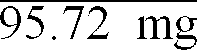
- Examples 9 and 10 are prepared in similar fashion to Example 7. In Example 9, the retardant coating was Eudragit® RS, Eudragit® RL 90:10 (8% w/w coating). In Example 10, the retardant coating was Eudragit® RS, Eudragit® RL 90:10 (12% w/w coating). The formulas for Examples 9 and 10 are set forth in Tables 9 and 10, respectively, below:
TABLE 9 Hydromorphone HCl MD CR Eudragit® 8% SpheresIngredients Percent (by wt) Amt/Unit (mg) Hydromorphone beads 84.2% 84.2 Eudragit® RS 30D (90%) 6.07% 6.07 Eudragit® RL 30D (10%) 0.67% 0.67 TEC (20% of RS & RL) 1.35% 1.35 Talc (40% of RS & RL) 2.70% 2.70 Purified Water qs Opadry Lt Pink Y-5-1442 5.0% 5.0 

TABLE 10 Hydromorphone HCl MD CR Eudragit® 12% SpheresIngredients Percent (by wt) Amt/Unit (mg) Hydromorphone beads 79.69% 84.2 Eudragit® RS 30D (90%) 8.61% 9.1 Eudragit® RL 30D (10%) 0.95% 1.0 TEC (20% of RS & RL) 1.91% 2.02 Talc (40% of RS & RL) 3.82% 4.04 Purified water qs Opadry Lt Pink Y-5-1442 5.02% 5.3 
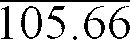
- Each of Examples 9 - 10 were cured on paper lined trays in a 45° C oven for two days after the application of the Eudragit® Controlled Release Coating and the
HPMC 5% overcoating. Dissolution studies were then conducted on Examples 8 - 10. - Initial dissolution profiles (after curing) of Example 8 showed it to resemble Example 7 (the products of both Examples were overcoated with a 5% w/w Eudragit® coating). After curing for 2 days, samples of Example 8 were subjected to further tests at room temperature, and under accelerated conditions of 37°C/80%RH, 37°C dry and 50°C dry. Representative dissolution profiles for Example 8 (mean results for three samples) are set forth in Table 11 below:

- As can be seen from the dissolution results provided for Example 8, although the dissolution profile of the samples were not taken after 1 day of curing, the results obtained after 2 day curing are substantially similar to the results obtained for the 1 and 2 day curings of Example 7. Therefore, it is hypothesized that the product of Example 8 was also stable after one day curing.
- After curing for 2 days, samples of Example 9 were tested for dissolution, and then samples of Example 9 were exposed to accelerated conditions of 37°C/80%RH for one month. Representative initial dissolution profiles (mean results for three samples) for Example 9 are set forth in Table 12 below:

- As can be seen from the dissolution results provided above for Example 9, the results obtained after 2 day curing are substantially similar to the results obtained under accelerated storage conditions of 37°C/80%RH, thus indicating the stability of Example 9 after a 2 day curing. Furthermore, the dissolution results obtained with Example 9 showed slower release rates of hydromorphone, as would be expected given the thicker retardant coating.
- After curing for 2 days, samples of Example 10 were tested for dissolution, and then samples of Example 10 were subjected to further tests after storing for one month at room temperature, and under accelerated conditions of 37°C/80%RH, 37°C dry and 50°C dry. Representative dissolution profiles (mean results for three samples) for Example 10 are set forth in Table 13 below:

- As can be seen from the dissolution results provided above for Example 10, the dissolution results obtained with Example 10 showed slower release rates of hydromorphone as compared to the thinner retardant coatings of Examples 8 and 9, as expected. The overall results obtained after 2 day curing are substantially similar to the results obtained under accelerated storage conditions of 37°C/80%RH, with the exception of the percent drug dissolved at the 8 hour and 12 hour points. These results might indicate that at high loads of retardant coating, it may be necessary to cure the coating for a longer period of time to attain a stabilized formulation.
- In Example 11, the curing step of the present invention was applied to a formulation in which morphine sulfate was substituted as the drug.
- A suspension of morphine sulfate and HPMC (Opadry® Clear Y-5-7095) was applied onto 18/20 mesh nupariel beads in a fluid bed dryer with a Wurster insert at an inlet temperature of 60°C. An Opadry® Lavender YS-1-4729 HPMC Base filmcoating suspension was then applied after drug loading as a protective coat at a 5% weight gain.
- After the overcoating process was completed, the morphine sulfate beads were then overcoated with a retardant coating mixture of Eudragit® RS 30D and Eudragit® RL 30D at a ratio of 90:10, RS to RL, at a 5% weight gain level. The application of this mixture of Eudragit® RS 30D and Eudragit® RL 30D along with talc (included as an anti-tacking agent) and triethyl citrate (plasticizer) was done at an inlet temperature of 35°C in a Wurster Insert.
- Once the retardant overcoating was complete, the morphine sulfate beads were given a final overcoating of Opardry® lavender YS-1-4729 at a 5% weight gain level.
- After completion of the final filmcoating process, the morphine sulfate beads were cured on paper lined trays in a 45°C dry oven for 2 days. After curing, the beads were filled into gelatin capsules at a 30 mg morphine sulfate strength. The final formula is provided in Table 14 below:
Table 14 Processing Step Ingredient Mg/Capsule Drug Load Morphine Sulfate 30 mg Nupariel PG 18/20 255 mg Opadry® Clear Y-5-7095 15 mg First Overcoat Opadry® Lavender YS-1-4729 15.8 mg Retardant Overcoat Eudragit® RS 30D 14.2 mg Eudragit® RL 30D 1.6 mg Triethylcitrate 3.2 mg Talc 6.3 mg Final Overcoat Opadry® Lavender YS-1-4729 18.0 mg Total: 
- Dissolution stability studies were then conducted on the product of Example 11 after the above-mentioned curing step at storage conditions of room temperature, 37°C/80%RH, 37°C dry, and 50°C dry after one month and after two months. The results are set forth in Table 15 below:

- The results set forth in Table 15 demonstrate that the curing process stabilized the dissolution profile of the morphine sulfate to an endpoint dissolution rate which substantially remained constant, even for the samples stored under accelerated conditions.
- Example 12 is prepared as follows:
- 1. Drug Loading. Hydromorphone beads were prepared by dissolving hydromorphone HCl in water, adding Opadry Y-5-1442, light pink (a product commercially available from Colorcon, West Point, PA, which contains hydroxypropyl methylcellulose, hydroxypropyl cellulose, titanium dioxide, polyethylene glycol and D&C Red No. 30 aluminum lake) and mixing for about 1 hour to obtain a 20% w/w suspension. This suspension was then sprayed onto Nu-Pareil 18/20 mesh beads using a Wurster insert.
- 2. First Overcoat. The loaded hydromorphone beads were then overcoated with a 5% w/w gain of Opadry Light Pink using a Wurster insert. This overcoat was applied as a protective coating.
- 3. Retardant Coat. After the first overcoat, the hydromorphone beads were then coated with a 5% weight gain of a retardant coating mixture of Eudragit RS 30D and Eudragit RL 30D at a ratio of 90:10, RS to RL. The addition of Triethyl Citrate (a plasticizer) and Talc (anti-tacking agent) was also included in the Eudragit suspension. The Wurster insert was used to apply the coating suspension.
- 4. Second Overcoat. Once the retardant coating was complete, the hydromorphone beads were given a final overcoat of Opadry Light Pink to a 5% weight gain using a Wurster insert. This overcoat was also applied as a protective coating.
- 5. Curing. After the completion of the final overcoat, the hydromorphone beads were cured in a 45°C oven for 2 days. The cured beads were then filled into gelatin capsules at an 8 mg Hydromorphone strength. The complete formula for the beads of Example 12 is set forth in Table 16 below:
- Dissolution studies were conducted on the Eudragit-coated hydromorphone beads of Example 12 both initially and after 28 days. The results are set forth in Table 17 below:
TABLE 17 Time 1 hr 2 hr 4 hr 8 hr 12 hr 18 hr 24 hr Initial 17.2 48.4 77.4 93.3 97.2 98.8 98.8 28 days at 37°C/80% RH 16.8 50.6 79.7 95.2 99.0 101.9 102.7 - The stability studies of the Eudragit-coated hydromorphone beads as set forth in Table 17 below show the initial dissolution to be the same as the dissolution done on samples placed at a 37°C/80% RH condition.
- In Example 13, a single dose six-way randomized cross-over study (one week wash-out) was conducted in 12 patients and compared to the results obtained with an equivalent dose of an immediate release preparation. Blood samples were taken initially, 0.25, 0.5, 0.75, 1, 1.5, 2, 2.5, 3, 3.5, 4, 6, 8, 10, 12, 18, 24, 30, 36 and 48 hours after administration in order to determine plasma levels. Comparative Example 13A is 8 mg of a hydromorphone immediate release formulation (two tablets of
Dilaudid® 4 mg tablets, commercially available from Knoll). Example 13 is an 8 mg dose of the encapsulated hydromorphone beads of Example 12. - The results obtained for Comparative Example 13A are set forth in Figure 3. The results obtained for Example 5 are set forth in Figure 4. Figure 5 shows the plasma levels of Example 13 plotted against the results for Comparative Example 13A. The results for Example 13 are further set forth in Table 18 below, which provides data regarding area under the curve (bioavailability), the peak plasma concentration (Cmax), and the time to reach peak plasma concentration (Tmax).
TABLE 18 Product AUC Cmax Tmax PW@HH Example 13A 2 Dilaudid 4 mg Tablets12427± 1792 3013± 539 1.10± 0.14 1.67± 0.22 Example 13 13707± 1381 1211± 153 4.42± 0.38 7.79± 1.96 Example 13 110% 40% 402% 466% - The results obtained for Example 13 showed that at the 12th hour after administration, the blood levels of hydromorphone are over 500 pg/ml hydromorphone, and at the 24th hour after administration, the plasma levels are well over 300 pg/ml. Therefore, this product is considered to be suitable for once a day administration.
- In Examples 14 - 15, a single dose 4-way randomized crossover study was conducted in 10 subjects. Example 14 was an 8 mg dose of the hydromorphone beads of Example 13 - fasted; whereas Example 15 is an 8 mg dose of the hydromorphone beads of Example 13 - fed. In Comparative Example 14A, 8 mg of immediate release hydromorphone (2
Dilaudid 4 mg tablets) were administered - fasted. In Comparative Example 15A, 8 mg of immediate release hydromorphone (2Dilaudid 4 mg tablets) were administered - fed. - The plasma levels for Comparative Examples 14A and 15A are set forth in Figure 6, whereas the plasma levels for Examples 14 and 15 are set forth in Figure 7. The results for Examples 16 - 17 and Comparative Examples 16A and 17A are further set forth in Table 21, which provides data regarding area under the curve and percent absorbed as compared to immediate release (bioavailability), the peak plasma concentration (Cmax), and the time to reach peak plasma concentration (Tmax).
TABLE 19 Group AUC %IR Tmax Cmax Example 14 21059 101 4.9 1259 Example 15 25833 106 4.6 1721 Example 14A 20903 100 0.85 3816 Example 15A 24460 100 1.15 3766 - As can be ascertained from the results provided by Examples 14 - 15 and Comparative Examples 14A and 15A, there is a minimal food effect for both the immediate release tablets and the controlled-release beads of Examples 14 and 15, with a small increase in bioavailability for the controlled-release beads of Examples 14 and 15. The plasma levels again confirm that this product is suitable for once a day administration. In the 24th hour, the controlled-release product provides plasma levels of nearly 600 pg/ml and at the 12th hour provided plasma levels of over 700 pg/ml.
- In Examples 16 - 17, a steady-state 3-way cross-over study is conducted for 4 days. In Comparative Example 16A, the subjects are dosed with 8 mg immediate release hydromorphone (2
Dilaudid 4 mg tablets) every 6 hours. In Example 16, 8 mg of the hydromorphone beads of Example 15 are administered every 12 hours. In Example 17, 8 mg of the hydromorphone beads of Example 13 are administered every 24 hours. Blood samples are taken on the fourth day. - The plasma levels for Comparative Example 16A versus the plasma levels for Examples 16 and 17 are set forth in Figure 8. The trough levels for Comparative Example 16A versus the levels for Examples 16 and 17 are set forth in Figure 9 (the values for Example 17 are doubled in Figure 9). The results for Examples 16 - 17 and Comparative Example 16A are further set forth in Table 20, which provides data regarding area under the curve and percent absorbed as compared to immediate release (bioavailability), the peak plasma concentration (Cmax), and the time to reach peak plasma concentration (Tmax).
TABLE 20 Group AUC AUC* Tmax Cmax Cmax* Example 16 62223 27595 5.5 3475 2232 Example 17 39233 28879 4.8 2730 2189 Comparative Example 16A 47835 22236 1.0 3124 2163 *AUC=0-12 hr. for Q12H, 0-24 hr. for Q24H, and 0-12 hr. for Q6H *Cmax=Cmax minus zero time value - With reference to the area under the curve (AUC) as a measure of bioavailability, it can be ascertained from the data provided in Table 20 that Comparative Example 16A and Examples 16 and 19 all have an equivalent AUC increased over the dosing interval, indicating that all dosage regimes are bioavailable.
- Furthermore, in this study, Example 17, which was only dosed at 8 mg every 24 hours, shows that this formulation provides an excellent 24 hour preparation if the amount of beads are doubled to provide a once a day dosage of 16 mg, which is the equivalent amount of hydromorphone dosed by the immediate release formulation (4 mg every 6 hours). The minimum or trough concentration shown in Figure 9 for Example 17 show that this product will be the equivalent of the 4 mg immediate release formulation (dosed every 6 hours), and therefore this would provide an excellent once a day product.
- Example 18 is prepared in the same manner as the above Examples. The complete formula for the beads of Example 18 is set forth in Table 21 below:
TABLE 21 Drug Loading Ingredients Amt/Unit Morphine Sulfate Powder 30.0 mg Lactose Hydrous Impalpable 42.5 mg Povidone 2.5 mg Nupareil PG 18/20 125.0 mg Purified Water qs Opadry Red YS-1-1841 10.5 mg Purified Water Eudragit RS30D qs 10.3 mg Retardant Coating Eudragit RS30D 10.3 mg Eudragit RL30D 0.2 mg Triethyl Citrate 2.1 mg Talc 4.2 mg Purified Water Opadry Red YS-1-1841 qs 12.0 Second Overcoat Opadry Red YS-1-1841 12.0 Purified Water qs Total 239.3 mg - The ratio of Eudragit® RS 30D to Eudragit® RL30D is 98:2. After completion of the final overcoat, the morphine beads are cured in a 45°C oven for 2 days. The cured beads are then filled into gelatin capsules at a 30 mg strength.
- The finished product is subjected to dissolution testing initially; after being stored for 3 months and 6 months at room temperature; and after exposure to accelerated storage conditions (40°C/75% RH) for one month, two months and three months. The results are set forth in Table 22 below:
Table 22 Storage Conditions Testing Time Dissolution (% Dissolved) Time (Hr) 1 Hr. 2 Hrs. 4 Hrs. 8 Hrs. 12 Hrs. Initial 2.6 24.7 60.5 89.4 98.8 1 Month 40°C/75% RH5.8 27.3 62.0 89.8 99.1 3 Months 40°C/75% RH6.8 26.5 65.3 87.6 95.1 3 Months RT 6.4 24.4 56.8 83.5 93.2 6 Months RT 5.6 21.1 55.0 84.2 94.8 - The dissolutions set forth in Table 22 show the beads of Example 18 to be stable.
- A double-blind single dose cross-over study is then conducted in 12 subjects with regard to the dosage form of Example 18 against a standard, commercially available controlled-release morphine sulfate tablet (Comparative Example 18A; MS Contin® 30 mg tablets, available from the Purdue Frederick Company). The results are set forth in Table 23.
Table 23 Pharmacokinetic Parameter MS Contin (Fasted) Example 18 5% Eudragit Coating (RS:RL, 98:2)(Fasted) AUC 76.2 93.6 Tmax 2.2 6.1 Cmax 9.4 6.2 - From the data obtained from Example 18, it appears that the product may be suitable for once-a-day administration.
- Therefore, in Examples 19 - 20, high load base beads are produced which have a higher load of morphine sulfate so that larger doses can be easily administered once-a-day. The high load beads are prepared via powder layering in a Glatt Rotor Processor. The formulation for Example 19 - 20 is set forth in Table 23 below:
Table 23 Ingredients High Load Bead mg Morphine Sulfate 30.0 Lactose 6.0 Povidone C-30 1.25 Sugar Beads 7.75 Opadry 2.37 Purified Water qs 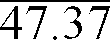
- Since the base beads are different in comparison to the low load beads used in Example 18, more of the relatively soluble Eudragit® RL is included in the formula, as well as an extra HPMC protective coat between the Eudragit® layer and the morphine immediate release layer to further enhance stability.
- The formula for the 60 mg dose is set forth in Table 24:
Table 24 Ingredient Amt/60 mg Unit (mg) Morphine (high load) base beads 85.26 Retardant Coating Eudragit RS 30D 4.2 Eudragit RL 30D 0.1 Triethyl Citrate 0.9 Talc 1.7 Overcoatings Opadry Blue YS-1-10542A 4.9 Purified Water qs Morphine Sulfate Powder 6.0 Opadry Blue YS-1-10542A 5.10 Purified Water qs 
- The beads are then cured in a 45°C oven for 2 days, and thereafter are divided into two portions.
Portion 1 is filled into hard gelatin capsules at a strength equivalent to 60 mg andportion 2 is filled into hard gelatin capsules at a strength equivalent to 30 mg. - Dissolution studies are conducted on both strength capsules. The data shows that the percent morphine dissolved is identical at both strengths. Stability studies are conducted with the 60 mg capsules. The results for the 60 mg capsules is set forth in Table 25 below:
Table 25 Storage Conditions Time Dissolution (% Dissolved) Time (Hr) 1 Hr. 2 Hrs. 4 Hrs. 8 Hrs. 12 Hrs. 14 Hrs. Initial 11.0 14.0 24.0 44.1 58.9 83.3 1 Month 40°C/75% RH11.9 14.9 25.0 43.6 56.6 85.1 2 Months 40°C/75% RH11.7 14.7 25.7 48.5 65.5 93.1 - A bioavailability study is then conducted using the 30 mg strength capsule (Example 19 = fasted; Example 20 = fed) with MS Contin 30 mg - fasted (Example 19A) as a reference.
- The results are set forth in Table 26.
Table 26 Pharmacokinetic Parameter MS Contin (Fasted) Example 19 High Load with 10% IR Overcoat (Fasted) Example 20 High Load with 10% IR Overcoat (Fed) AUC 114 141 118 Tmax 2.8 12.9 8.0 Cmax 11.6 4.0 5.4 - Figure 10 is a graph showing the plasma levels of Examples 19 - 20 (both fed and fasted) versus the plasma levels obtained with Comparative Example 19A. From the data obtained, it appears that the product is suitable for once-a-day administration.
- Controlled Release Acetaminophen (APAP) tablets are prepared in accordance with the present invention as follows:
- First, immediate release APAP cores are prepared by compressing Compap coarse L into tablet cores weighing 555.6 mg. Compap coarse L contains approximately 90% APAP along with pharmaceutical grade excipients including a binder, disintegrant and lubricant, and is a directly compressible material commercially available from Mallinckrodt, Inc., St. Louis, MO. The APAP tablet cores include approximately 500 mg of APAP. The Compap coarse L is compressed using a rotary tablet press equipped with a 7/16" round, standard concave cup, plain, tooling. The cores were compressed at a theoretical weight of 555.6 mg and at a hardness of about 8-9 Kp.
- Next, the APAP tablet cores prepared above are coated with the controlled release coating of the present invention as follows:
- Appropriate amounts of Eudragit RS-30D and Eudragit RL-30D are combined, and purified water is added. The amount of purified water is calculated such that the final coating suspension will have a concentration of about 20% of solids polymer, plasticizer and talc. Then triethyl citrate is added with mixing for 15 minutes. Thereafter, talc is added with mixing for an additional 15 minutes. The appropriate quantity of APAP tablet cores are loaded into an Accela Cota coating pan. The coating suspension is sprayed from an appropriate spray gun until a weight gain of 4% per tablet of the polymer coating is attained.
- After the spraying of the functional coat is completed, the tablets are sprayed with a film coat of Opadry. This coat is sprayed in a similar manner to the functional coat.
- Further information concerning the Controlled Coated APAP tablets is set forth in Table 27 below:
Table 27 Ingredients mg/tab APAP IR tablet cores 555.60 Eudragit RS-30D (solids) 5.56 Eudragit RL-30D (solids) 16.66 Triethyl citrate 4.44 Talc 8.89 Opadry White Y-5-7068 18.28 Purified Water qs Total 
- After completion of the coating process, the functional coated tablets are discharged into a curing tray and cured in a chamber at a temperature of 45°C for 48 hours. The results of dissolution testing for the coated tablets are set forth in Table 28 below:
Table 28 Test Period (Hours) % APAP Dissolved 1 2.1 2 4.8 4 10.4 8 20.0 12 29.2 18 41.2 24 52.1 - In Example 22, controlled release Acetaminophen (APAP) tablets are prepared. To provide a faster dissolution is required, the amount of Eudragit RL-30D is increased and the amount of Eudragit RS-30D is decreased. Consequently, controlled release APAP tablets are prepared containing only Eudragit RL-30D and no Eudragit RS-30D. APAP cores are made as described in Example 4. Next, the APAP tablet cores prepared above are coated with the controlled release coating of the present invention as follows: Purified water is added to the Eudragit RL-30D. The amount of purified water is calculated such that the final coating suspension will have a concentration of about 20$ of solids polymer, plasticizer and talc. Then, triethyl citrate is added with mixing for 15 minutes. Then, talc is added with mixing for an additional 15 minutes. The appropriate quantity of APAP tablet cores are loaded into an Accela Cota coating pan. The coating suspension is sprayed from an appropriate spray gun until a weight gain of 4% per tablet of the polymers is attained.
- After the spraying of the functional coat is completed, the tablets are sprayed with a film coat of Opadry to prevent the tablets from sticking. This coat is sprayed in a similar manner to the functional coat.
- Further information concerning the Controlled Release Coated APAP tablets is set forth in Table 29 below:
Table 29 Ingredients mg/tab APAP IR tablet cores 555.60 Eudragit RL-30D (solids) 22.22 Triethyl citrate 4.44 Talc 8.89 Opadry White Y-5-7068 18.28 Purified Water qs Total 
- After completion of the coating process, the functional coated tablets are discharged into a curing tray and cured in a chamber at a temperature of 45°C for 48 hours. Dissolution testing of the coated tablets provides the data set forth in Table 30 below:
Table 30 Test Period (Hours) % APAP Dissolved 1 2.5 2 6.2 4 14.6 8 29.8 12 42.0 18 56.6 24 68.1 - The examples provided above are not meant to be exclusive. Many other variations of the present invention would be obvious to those skilled in the art, and are contemplated to be within the scope of the appended claims.
| Processing Step | Ingredient | % | mg/unit |
| Drug Loading | Hydromorphone HCl | 8.2 | 8.0 |
| Nu-Pareil 18/20 | 73.3 | 74.0 | |
| Opadry Lt Pink | 2.1 | 2.0 | |
| First Overcoat | Opadry Lt Pink | 4.4 | 4.2 |
| Retardant Coat | Eudragit RS 30D (dry wt.) | 4.0. | 3.8 |
| Eudragit RL 30D (dry wt.) | 0.4 | 0.4 | |
| Triethyl Citrate | 0.8 | 0.8 | |
| Talc | 1.8 | 1.7 | |
| Second Overcoat | Opadry Lt Pink | 5.0 | 4.8 |
| Total | 100.0 | 99.7 mg |
Claims (41)
- A controlled release dosage form, comprising
a solid substrate comprising an effective amount of a therapeutically active agent, said solid substrate being coated with an aqueous dispersion of a plasticized acrylic polymer in an amount effective to provide a controlled release of said therapeutically active agent when said coated substrate is exposed to gastrointestinal fluid, said coated substrate when subjected to in-vitro dissolution after exposure to accelerated storage conditions of at least one month at 40°C/75% Relative Humidity releasing an amount of said therapeutically active agent which does not vary at any given dissolution time point by more than about 20% of the total amount of therapeutically active agent released when compared to in-vitro dissolution conducted prior to storage. - The dosage form of claim 1, characterized in that said coating is sufficient to provide effective blood levels of said therapeutically active agent for at least about 12 hours, said coated substrate upon in-vitro dissolution testing providing a band range, when comparing the dissolution profile after exposure to accelerated storage conditions of at least one month at a temperature of 40°C and a relative humidity of 75% to the dissolution profile prior to exposure to said accelerated conditions, which is not wider than about 15% of total active agent released at any point of time.
- The dosage form of claim 2, characterized in that said coated substrate is cured at a temperature greater than the glass transition temperature of the aqueous dispersion of plasticized acrylic polymer to cause individual acrylic polymer particles in said coating to coalesce and to gradually slow the release of said active agent when exposed to an environmental fluid, until said band range is obtained.
- A solid controlled release oral dosage form, comprising a substrate containing a systemically active therapeutic agent in an amount sufficient to provide a desired therapeutic effect when said formulation is orally administered, said substrate being coated with an aqueous dispersion of plasticized acrylic polymer to a weight gain from about 2% to about 25%, said coating being sufficient to obtain a controlled release of said active agent when measured by the USP Paddle Method at 100 rpm at 900 ml aqueous buffer (pH between 1.6 and 7.2) at 37°C from about 12.5% to about 42.5% (by wt) active agent released after 1 hour, from about 25% to about 55% (by wt) active agent released after 2 hours, from about 45% to about 75% (by wt) active agent released after 4 hours and from about 55% to about 85% (by wt) active agent released after 8 hours, said coated substrate, when subjected to accelerated storage conditions of at least one month at 40°C/75% Relative Humidity, releasing an amount of said therapeutically active agent upon in-vitro dissolution which does not vary at any given time point by more than about 20% of the total amount of therapeutically active agent released when compared to in-vitro dissolution conducted prior to storage.
- The dosage form of claims 1-4, which provides therapeutically effective blood levels when administered orally for at least 24 hours.
- The dosage form of claims 1-5, wherein said substrate is coated to a weight gain from about 2% to about 25%.
- The dosage form of claims 1-6, wherein said therapeutically active agent is selected from the group consisting of antihistamines, analgesics, non-steroidal anti-inflammatory agents, gastro-intestinals, anti-emetics, anti-epileptics, vasodilators, anti-tussive agents, expectorants, anti-asthmatics, hormones, diuretics, anti-hypotensives, anti-hypertensives, bronchodilators, antibiotics, antivirals, antihemorrhoidals, steroids, hypnotics, psychotropics, antidiarrheals, mucolytics, sedatives, decongestants, laxatives, vitamins, and stimulants.
- The dosage form of claims 1-7, wherein said substrate is a pharmaceutically acceptable bead, and a plurality of said coated, cured beads are placed in a capsule in an amount sufficient to provide an effective controlled release dose when contacted by an aqueous solution.
- The dosage form of claims 1-8, wherein said substrate is a tablet core.
- The dosage form of claims 1-8, wherein said therapeutically active agent is an opioid analgesic selected from the group consisting of hydromorphone, oxycodone, morphine, levorphanol, methadone, meperidine, heroin, dihydrocodeine, codeine, dihydromorphine, buprenorphine, salts of any of the foregoing, and mixtures of any of the foregoing.
- The dosage form of claim 3, wherein said coating is cured for a time period from about 24 to about 48 hours.
- The formulation of claims 1-11, wherein said coating further comprises a permeability-enhancing compound in an amount effective to modify the rate of release of said therapeutically active agent from said cured, coated substrate.
- The formulation of claims 1-11, wherein said permeability-enhancing compound is a monoethylenically unsaturated quaternary ammonium compound capable of free-radical polymerization.
- The dosage form of claims 1-4, wherein said coated substrate includes at least one passageway through said coating which modifies the release of said systemically active therapeutic agent.
- The dosage form of claims 1-4, which provides a stabilized dissolution of said active agent which is unchanged after exposure to accelerated storage conditions of a temperature of 40°C and a relative humidity of 75% for 3 months.
- The dosage form of claims 4, 5, 7 and 10, wherein a portion of the amount of said active agent included in said formulation is incorporated into a coating on said substrate.
- The dosage form of claim 2, characterized in that the band range, when comparing the dissolution profile after exposure to accelerated storage conditions of at least one month at a temperature of 40°C and a relative humidity of 75% to the dissolution profile prior to exposure to said accelerated conditions, does not differ by more than about 10%.
- The dosage form of claim 2, characterized in that the band range, when comparing the dissolution profile after exposure to accelerated storage conditions of at least one month at a temperature of 40°C and a relative humidity of 75% to the dissolution profile prior to exposure to said accelerated conditions, does not differ by more than about 7%.
- A method of treating a human patient, comprising orally administering the oral solid dosage form of claims 1-18.
- A controlled release formulation comprising a substrate containing an active agent in an amount sufficient to provide a desired effect in an environment of use, said active agent being selected from the group consisting of a locally active therapeutic agent, a disinfecting agent, a cleansing agent, a fragrance, a fertilizing agent, a deodorant, a dye, an animal repellant, an insect repellant, a pesticide, a herbicide, a fungicide, and a plant growth stimulant, said substrate coated with an aqueous dispersion of plasticized acrylic polymer in an amount sufficient to obtain a controlled release of said active agent when said formulation is exposed to an environmental fluid, said coated substrate being cured at a temperature greater than the glass transition temperature of the aqueous dispersion of plasticized acrylic polymer for at least about 24 hours, until a curing endpoint is reached at which said coated substrate provides a stabilized dissolution of said active agent which is unchanged after exposure to accelerated storage conditions, said endpoint being determined by comparing the dissolution profile of the formulation immediately after curing to the dissolution profile of the formulation after exposure to accelerated storage conditions of at least one month at a temperature of 37°C and at a relative humidity of 80%.
- The formulation of claim 20, wherein said substrate is coated to a weight gain from about 2 to about 50%.
- The formulation of claim 20, wherein said locally active therapeutic agent is selected from the group consisting of an antifungal agent, an antibiotic, an antiviral agent, a breath freshener, an antitussive agent, an anti-cariogenic agent, an analgesic agent, a local anesthetic, an antiseptic, an antiflammatory agent, a hormonal agent, an antiplaque agent, an acidity reducing agent, and a tooth desensitizer.
- The formulation of claim 20, wherein said substrate is a tablet core.
- The formulation of claim 20, wherein said coating is cured for a time period from about 24 to about 48 hours.
- The formulation of claim 20, wherein said coating further comprises a permeability-enhancing compound in an amount effective to modify the rate of release of said active agent from said cured, coated substrate.
- The formulation of claim 25, wherein said permeability-enhancing compound is a monoethylenically unsaturated quaternary ammonium compound capable of free-radical polymerization.
- A method of treating a patient with a controlled release oral solid dosage form which provides an effective blood level of a therapeutically active agent for a predetermined amount of time, comprising:
preparing a solid substrate comprising a sufficient amount of a therapeutically active agent to provide therapeutically effective blood levels in the patient for about 12 to about 24 hours,
coating said substrate with a sufficient amount an aqueous dispersion of plasticized ethylcellulose to obtain a predetermined controlled release of said active agent when said coated substrate is exposed to an environmental fluid, and
curing said coated substrate at a temperature greater than the glass transition temperature of the aqueous dispersion of plasticized acrylic polymer for at least about 24 hours, until a curing endpoint is reached at which said coated substrate provides a stabilized dissolution of said active agent which is unchanged after exposure to accelerated storage conditions, said endpoint being determined by comparing the dissolution profile of the formulation immediately after curing to the dissolution profile of the formulation after exposure to accelerated storage conditions of at least one month at a temperature of 37°C and at a relative humidity of 80%,
and administering an oral solid dosage form comprising said cured, coated substrate to the patient to thereby obtain the desired therapeutic effect for about 12 to about 24 hours. - A method for obtaining an controlled release formulation of an active agent, comprising:
preparing a solid substrate comprising an active agent;
coating said substrate with a sufficient amount an aqueous dispersion of plasticized acrylic polymer to obtain a predetermined controlled release of said active agent when said coated substrate is exposed to an environmental fluid, and
curing said coated substrate at a temperature greater than the glass transition temperature of the aqueous dispersion of plasticized acrylic polymer for at least about 24 hours, until a curing endpoint is reached at which said coated substrate provides a stabilized dissolution of said active agent which is unchanged after exposure to accelerated storage conditions, said endpoint being determined by comparing the dissolution profile of the formulation immediately after curing to the dissolution profile of the formulation after exposure to accelerated storage conditions of at least one month at a temperature of 37°C and at a relative humidity of 80%. - The method of claim 28, wherein said active agent is selected from the group consisting of a systemically active therapeutic agent, a locally active therapeutic agent, a disinfecting agent, a cleansing agent, a fragrance, a fertilizing agent, a deodorant, a dye, an animal repellant, an insect repellant, a pesticide, a herbicide, a fungicide, and a plant growth stimulant.
- The method of claim 29, wherein said locally active therapeutic agent is selected from the group consisting of an antifungal agent, an antibiotic, an antiviral agent, a breath freshener, an antitussive agent, an anti-cariogenic agent, an analgesic agent, a local anesthetic, an antiseptic, an antiflammatory agent, a hormonal agent, an antiplaque agent, an acidity reducing agent, and a tooth desensitizer.
- The method of claims 27-28, characterized in that said substrate comprises pharmaceutically acceptable inert beads, further comprising coating said therapeutically active agent onto the surface of said inert beads, and preparing said oral dosage form by placing a sufficient quantity of cured coated beads into a capsule.
- The method of claim 27-28, further comprising preparing said substrate for oral administration by incorporating said therapeutically active agent into a tablet.
- The method of claims 27-28, wherein said coated substrate is cured for about 24 to about 48 hours, until said endpoint is reached.
- The method of claims 27-28, further comprising coating said substrate to a weight gain from about 2% to about 25%.
- The method of claims 27-28, wherein said active agent is selected from the group consisting of antihistamines, analgesics, non-steroidal anti-inflammatory agents, gastro-intestinals, anti-emetics, anti-epileptics, vasodilators, anti-tussive agents, expectorants, anti-asthmatics, hormones, diuretics, anti-hypotensives, anti-hypertensives, bronchodilators, antibiotics, antivirals, antihemorrhoidals, steroids, hypnotics, psychotropics, antidiarrheals, mucolytics, sedatives, decongestants, laxatives, vitamins, and stimulants.
- The method of claims 27-28, wherein said active agent is an opioid analgesic selected from the group consisting of hydromorphone, oxycodone, morphine, levorphanol, methadone, meperidine, heroin, dihydrocodeine, codeine, dihydromorphine, buprenorphine, salts thereof, and mixtures thereof.
- The method of claims 27-36, which provides a release of said active agent for at least about 24 hours.
- The method of claims 27-28, further comprising incorporating a permeability-enhancing compound in said aqueous dispersion of acrylic polymer in an amount effective to modify the rate of release of said active agent from said cured, coated substrate.
- The formulation of claims 1-32, wherein said acrylic polymer comprises a mixture of copolymers of acrylic and methacrylic esters having a molar ratio of ammonium groups to (meth)acrylic esters from about 1:20 to about 1:40.
- The formulation of claims 1-32, wherein said acrylic polymer comprises a mixture of a first copolymer of acrylic and methacrylic esters having a molar ratio of ammonium groups to (meth)acrylic esters of about 1:20 and a second copolymer of acrylic and methacrylic esters having a molar ratio of ammonium groups to (meth)acrylic esters of about 1:40, the ratio of said first copolymer to said second copolymer being from about 0:100 to about 100:0.
- The formulation of claims 1-32, wherein said acrylic polymer is comprised of monomers selected from the group consisting of an ester of acrylic acid, an ester of methacrylic acid, an alkyl ester of acrylic acid, an alkyl ester of methacrylic acid, and mixtures of any of the foregoing.
Applications Claiming Priority (2)
| Application Number | Priority Date | Filing Date | Title |
|---|---|---|---|
| US08/097,558 US5580578A (en) | 1992-01-27 | 1993-07-27 | Controlled release formulations coated with aqueous dispersions of acrylic polymers |
| US97558 | 1993-07-27 |
Publications (2)
| Publication Number | Publication Date |
|---|---|
| EP0636366A2 true EP0636366A2 (en) | 1995-02-01 |
| EP0636366A3 EP0636366A3 (en) | 1998-02-04 |
Family
ID=22264016
Family Applications (1)
| Application Number | Title | Priority Date | Filing Date |
|---|---|---|---|
| EP94111733A Withdrawn EP0636366A3 (en) | 1993-07-27 | 1994-07-27 | Controlled release formulations coated with aqueous dispersions of acrylic polymers |
Country Status (4)
| Country | Link |
|---|---|
| US (3) | US5580578A (en) |
| EP (1) | EP0636366A3 (en) |
| AU (1) | AU686168B2 (en) |
| CA (1) | CA2128591C (en) |
Cited By (17)
| Publication number | Priority date | Publication date | Assignee | Title |
|---|---|---|---|---|
| EP0647448A1 (en) | 1993-10-07 | 1995-04-12 | Euroceltique S.A. | Orally administrable opioid formulations having extended duration of effect |
| EP0731694A4 (en) * | 1993-11-23 | 1996-10-02 | ||
| WO1998000116A1 (en) * | 1996-06-28 | 1998-01-08 | Schering Corporation | Oral composition comprising a triazole antifungal compound |
| WO1998002148A3 (en) * | 1996-07-16 | 1998-08-06 | John Rhodes | Pharmaceutical composition |
| US5846971A (en) * | 1996-06-28 | 1998-12-08 | Schering Corporation | Oral antifungal composition |
| WO1999040918A1 (en) * | 1998-02-16 | 1999-08-19 | Laboratoires Des Produits Ethiques Ethypharm | Morphine sulphate microgranules, method for making same and pharmaceutical preparations |
| GB2361928A (en) * | 2000-05-03 | 2001-11-07 | Procter & Gamble | Elastic packaging or binder material |
| WO2003004029A1 (en) * | 2001-07-06 | 2003-01-16 | Penwest Pharmaceuticals Company | Methods of making sustained release formulations of oxymorphone related applications |
| EP1627631A2 (en) | 1999-06-09 | 2006-02-22 | Ethypharm | Morphine sulphate microgranules, method for preparing same and composition comprising same |
| WO2007006353A3 (en) * | 2005-07-12 | 2007-04-12 | Roehm Gmbh | Use of a partially neutralized, anionic (meth)acrylate copolymer as a coating for the production of a medicament releasing active substance at reduced ph values |
| US7270831B2 (en) | 1991-12-24 | 2007-09-18 | Purdue Pharma L.P. | Orally administrable opioid formulations having extended duration of effect |
| US7431944B2 (en) | 1995-12-04 | 2008-10-07 | Celgene Corporation | Delivery of multiple doses of medications |
| US7459560B2 (en) | 1997-05-22 | 2008-12-02 | Celgene Corporation | Processes and intermediates for resolving piperidyl acetamide stereoisomers |
| ITMI20081313A1 (en) * | 2008-07-18 | 2010-01-19 | Univ Degli Studi Milano | SYSTEM FOR THE RELEASE TO COLON OF SUSCEPTIBLE DRUGS OF ENZYMATIC DEGRADATION AND / OR SHORTLY ABSORBED IN THE GASTROINTESTINAL TRACT |
| US8309122B2 (en) | 2001-07-06 | 2012-11-13 | Endo Pharmaceuticals Inc. | Oxymorphone controlled release formulations |
| US8329216B2 (en) | 2001-07-06 | 2012-12-11 | Endo Pharmaceuticals Inc. | Oxymorphone controlled release formulations |
| US12161754B2 (en) | 2017-12-20 | 2024-12-10 | Purdue Pharma L.P. | Abuse deterrent morphine sulfate dosage forms |
Families Citing this family (1205)
| Publication number | Priority date | Publication date | Assignee | Title |
|---|---|---|---|---|
| US5681585A (en) * | 1991-12-24 | 1997-10-28 | Euro-Celtique, S.A. | Stabilized controlled release substrate having a coating derived from an aqueous dispersion of hydrophobic polymer |
| US5958459A (en) * | 1991-12-24 | 1999-09-28 | Purdue Pharma L.P. | Opioid formulations having extended controlled released |
| US7070806B2 (en) | 1992-01-27 | 2006-07-04 | Purdue Pharma Lp | Controlled release formulations coated with aqueous dispersions of acrylic polymers |
| NZ260408A (en) * | 1993-05-10 | 1996-05-28 | Euro Celtique Sa | Controlled release preparation comprising tramadol |
| US7740881B1 (en) | 1993-07-01 | 2010-06-22 | Purdue Pharma Lp | Method of treating humans with opioid formulations having extended controlled release |
| IL110014A (en) * | 1993-07-01 | 1999-11-30 | Euro Celtique Sa | Solid controlled-release oral dosage forms of opioid analgesics |
| US5879705A (en) * | 1993-07-27 | 1999-03-09 | Euro-Celtique S.A. | Sustained release compositions of morphine and a method of preparing pharmaceutical compositions |
| US6210714B1 (en) | 1993-11-23 | 2001-04-03 | Euro-Celtique S.A. | Immediate release tablet cores of acetaminophen having sustained-release coating |
| KR100354702B1 (en) * | 1993-11-23 | 2002-12-28 | 유로-셀티크 소시에떼 아노뉨 | Manufacturing method and sustained release composition of pharmaceutical composition |
| US5500227A (en) * | 1993-11-23 | 1996-03-19 | Euro-Celtique, S.A. | Immediate release tablet cores of insoluble drugs having sustained-release coating |
| US20020006438A1 (en) * | 1998-09-25 | 2002-01-17 | Benjamin Oshlack | Sustained release hydromorphone formulations exhibiting bimodal characteristics |
| US5965161A (en) * | 1994-11-04 | 1999-10-12 | Euro-Celtique, S.A. | Extruded multi-particulates |
| US6429221B1 (en) * | 1994-12-30 | 2002-08-06 | Celgene Corporation | Substituted imides |
| US6348469B1 (en) | 1995-04-14 | 2002-02-19 | Pharma Pass Llc | Solid compositions containing glipizide and polyethylene oxide |
| GB9519363D0 (en) | 1995-09-22 | 1995-11-22 | Euro Celtique Sa | Pharmaceutical formulation |
| US6486177B2 (en) * | 1995-12-04 | 2002-11-26 | Celgene Corporation | Methods for treatment of cognitive and menopausal disorders with D-threo methylphenidate |
| US5922736A (en) * | 1995-12-04 | 1999-07-13 | Celegene Corporation | Chronic, bolus administration of D-threo methylphenidate |
| US6858589B2 (en) | 1996-01-25 | 2005-02-22 | Pharmacy And Therapeutic Advisory Consultancy Pty Ltd | Methods of and compositions for potentiating the action of agents active on cell wall sites of the susceptible bacteria |
| US6245351B1 (en) * | 1996-03-07 | 2001-06-12 | Takeda Chemical Industries, Ltd. | Controlled-release composition |
| US5834472A (en) * | 1996-05-24 | 1998-11-10 | Schering Corporation | Antifungal composition with enhanced bioavailability |
| FI990180A7 (en) * | 1996-08-12 | 1999-03-08 | Celgene Corp | Novel immunotherapeutic agents and their use to reduce cytokine levels |
| US5776856A (en) * | 1997-02-04 | 1998-07-07 | Isp Investments Inc. | Soluble polymer based matrix for chemically active water insoluble components |
| US6306438B1 (en) * | 1997-07-02 | 2001-10-23 | Euro-Celtique, S.A. | Stabilized sustained release tramadol formulations |
| MY125849A (en) * | 1997-07-25 | 2006-08-30 | Alza Corp | Osmotic delivery system, osmotic delivery system semipermeable body assembly, and method for controlling delivery rate of beneficial agents from osmotic delivery systems |
| RS49982B (en) * | 1997-09-17 | 2008-09-29 | Euro-Celtique S.A., | SYNERGISTIC ANALGETIC COMBINATION OF ANALGETIC OPIATE AND CYCLOOOXYGENASE-2 INHIBITOR |
| IN186245B (en) | 1997-09-19 | 2001-07-14 | Ranbaxy Lab Ltd | |
| GB9724186D0 (en) | 1997-11-14 | 1998-01-14 | British Tech Group | Low temperature coatings |
| US6375957B1 (en) * | 1997-12-22 | 2002-04-23 | Euro-Celtique, S.A. | Opioid agonist/opioid antagonist/acetaminophen combinations |
| TR200001942T2 (en) | 1997-12-22 | 2000-11-21 | Euro-Celtique, S.A. | Opioid agonist / antagonist combinations |
| CN1204890C (en) * | 1997-12-22 | 2005-06-08 | 欧罗赛铁克股份有限公司 | Ways to Prevent Opioid Abuse |
| US6471975B1 (en) | 1998-05-01 | 2002-10-29 | 3M Innovative Properties Company | Microspheres as a delivery vehicle for bio-active agents useful in agricultural applications |
| US7354596B1 (en) | 1998-05-01 | 2008-04-08 | 3M Innovative Properties Company | Anti-microbial agent delivery system |
| US6156342A (en) * | 1998-05-26 | 2000-12-05 | Andex Pharmaceuticals, Inc. | Controlled release oral dosage form |
| TR200003707T2 (en) | 1998-06-15 | 2001-06-21 | Sepracor Inc. | The use of optically pure (-) norcisapride to treat apnea, bulimia and other disorders |
| KR20060067986A (en) * | 1998-06-15 | 2006-06-20 | 세프라코 아이엔시. | Use of optically pure (+)-norcysapride to treat apnea, bulimia, and other diseases |
| DE19831869A1 (en) * | 1998-07-16 | 2000-01-20 | Merck Patent Gmbh | Use of pigments based on lamellar substrate for coloring food and pharmaceutical products |
| US6339106B1 (en) | 1999-08-11 | 2002-01-15 | Sepracor, Inc. | Methods and compositions for the treatment and prevention of sexual dysfunction |
| US6331571B1 (en) * | 1998-08-24 | 2001-12-18 | Sepracor, Inc. | Methods of treating and preventing attention deficit disorders |
| US6974838B2 (en) * | 1998-08-24 | 2005-12-13 | Sepracor Inc. | Methods of treating or preventing pain using sibutramine metabolites |
| US6476078B2 (en) | 1999-08-11 | 2002-11-05 | Sepracor, Inc. | Methods of using sibutramine metabolites in combination with a phosphodiesterase inhibitor to treat sexual dysfunction |
| US6596298B2 (en) * | 1998-09-25 | 2003-07-22 | Warner-Lambert Company | Fast dissolving orally comsumable films |
| US6806294B2 (en) | 1998-10-15 | 2004-10-19 | Euro-Celtique S.A. | Opioid analgesic |
| US20070122481A1 (en) * | 1998-11-02 | 2007-05-31 | Elan Corporation Plc | Modified Release Compositions Comprising a Fluorocytidine Derivative for the Treatment of Cancer |
| US20080118556A1 (en) * | 1998-11-02 | 2008-05-22 | Elan Corporation, Plc | Modified Release of Compositions Containing a Combination of Carbidopa, Levodopa and Entacapone |
| US20090297597A1 (en) * | 1998-11-02 | 2009-12-03 | Gary Liversidge | Modified Release Ticlopidine Compositions |
| US20060240105A1 (en) * | 1998-11-02 | 2006-10-26 | Elan Corporation, Plc | Multiparticulate modified release composition |
| IL142896A0 (en) | 1998-11-02 | 2002-04-21 | Elan Corp Plc | Multiparticulate modified release composition |
| US20090149479A1 (en) * | 1998-11-02 | 2009-06-11 | Elan Pharma International Limited | Dosing regimen |
| US6342533B1 (en) * | 1998-12-01 | 2002-01-29 | Sepracor, Inc. | Derivatives of (−)-venlafaxine and methods of preparing and using the same |
| US7083808B2 (en) * | 1998-12-17 | 2006-08-01 | Euro-Celtique S.A. | Controlled/modified release oral methylphenidate formulations |
| US6419960B1 (en) | 1998-12-17 | 2002-07-16 | Euro-Celtique S.A. | Controlled release formulations having rapid onset and rapid decline of effective plasma drug concentrations |
| US6673367B1 (en) | 1998-12-17 | 2004-01-06 | Euro-Celtique, S.A. | Controlled/modified release oral methylphenidate formulations |
| US6733789B1 (en) * | 1999-01-21 | 2004-05-11 | Biovail Laboratories, Inc. | Multiparticulate bisoprolol formulation |
| US6800329B2 (en) * | 1999-02-12 | 2004-10-05 | Lts Lohmann Therapie-Systeme Ag | Method for producing film-type dosage |
| WO2000051582A2 (en) | 1999-03-01 | 2000-09-08 | Sepracor Inc. | Methods for treating apnea and apnea disorders using optically pure r(+)ondansetron |
| US6337328B1 (en) | 1999-03-01 | 2002-01-08 | Sepracor, Inc. | Bupropion metabolites and methods of use |
| US6362202B1 (en) | 1999-03-02 | 2002-03-26 | Sepracor Inc. | Methods and compositions using (−) norcisapride in combination with proton pump inhibitors or H2 receptor antagonists |
| US6353005B1 (en) | 1999-03-02 | 2002-03-05 | Sepracor, Inc. | Method and compositions using (+) norcisapride in combination with proton pump inhibitors or H2 receptor antagonist |
| US6428818B1 (en) | 1999-03-30 | 2002-08-06 | Purdue Research Foundation | Tea catechin formulations and processes for making same |
| US6410052B1 (en) | 1999-03-30 | 2002-06-25 | Purdue Research Foundation | Tea catechins in sustained release formulations as cancer specific proliferation inhibitors |
| CA2368083A1 (en) | 1999-04-06 | 2000-10-12 | Sepracor Inc. | Derivatives of venlafaxine and methods of preparing and using the same |
| US6951873B1 (en) | 1999-04-27 | 2005-10-04 | Pfizer Inc. | Methods for treating age-related behavioral disorders in companion animals |
| IN191239B (en) | 1999-06-11 | 2003-10-11 | Ranbaxy Lab Ltd | |
| US6399826B1 (en) | 1999-08-11 | 2002-06-04 | Sepracor Inc. | Salts of sibutramine metabolites, methods of making sibutramine metabolites and intermediates useful in the same, and methods of treating pain |
| EP1671628B1 (en) | 1999-09-03 | 2012-10-03 | APBI Holdings, LLC | Methods of using rapid-onset selective serotonin reuptake inhibitors for treating sexual dysfunction |
| US10179130B2 (en) | 1999-10-29 | 2019-01-15 | Purdue Pharma L.P. | Controlled release hydrocodone formulations |
| EP2295043A1 (en) | 1999-10-29 | 2011-03-16 | Euro-Celtique S.A. | Controlled release hydrocodone formulations |
| AU784746B2 (en) | 1999-11-18 | 2006-06-08 | Dendreon Corporation | Nucleic acids encoding endotheliases, endotheliases and uses thereof |
| US7182953B2 (en) | 1999-12-15 | 2007-02-27 | Celgene Corporation | Methods and compositions for the prevention and treatment of atherosclerosis restenosis and related disorders |
| US20040185099A1 (en) * | 2000-01-20 | 2004-09-23 | Biovail Laboratories, Inc. | Multiparticulate bisoprolol formulation |
| US7700341B2 (en) * | 2000-02-03 | 2010-04-20 | Dendreon Corporation | Nucleic acid molecules encoding transmembrane serine proteases, the encoded proteins and methods based thereon |
| SI2283842T1 (en) | 2000-02-08 | 2015-07-31 | Euro-Celtique S.A. | Tamper-resistant oral opioid agonist formulations |
| US20020022627A1 (en) * | 2000-03-31 | 2002-02-21 | Dannenberg Andrew J. | Inhibition of cyclooxygenase-2activity |
| SE0001151D0 (en) * | 2000-03-31 | 2000-03-31 | Amarin Dev Ab | Method of producing a controlled-release composition |
| US6338857B1 (en) | 2000-05-26 | 2002-01-15 | Pharma Pass Llc | Sustained release carbamazepine pharmaceutical composition free of food effect and a method for alleviating food effect in drug release |
| US6368628B1 (en) | 2000-05-26 | 2002-04-09 | Pharma Pass Llc | Sustained release pharmaceutical composition free of food effect |
| US7259152B2 (en) | 2000-06-07 | 2007-08-21 | Alfa Wasserman, Inc. | Methods and compositions using sulodexide for the treatment of diabetic nephropathy |
| US6663686B1 (en) | 2000-06-27 | 2003-12-16 | Agrium, Inc. | Controlled release fertilizer and method for production thereof |
| US6858634B2 (en) * | 2000-09-15 | 2005-02-22 | Monsanto Technology Llc | Controlled release formulations and methods for their production and use |
| US7198795B2 (en) * | 2000-09-21 | 2007-04-03 | Elan Pharma International Ltd. | In vitro methods for evaluating the in vivo effectiveness of dosage forms of microparticulate of nanoparticulate active agent compositions |
| AU2002227383B2 (en) | 2000-10-30 | 2004-07-08 | Euro-Celtique S.A. | Controlled release hydrocodone formulations |
| ATE266407T1 (en) * | 2000-10-30 | 2004-05-15 | Lupin Ltd | RAPIDLY DISRUPTING MEDICINAL COMPOSITION CONTAINING CEFUROXIM AXETIL WITH DELAYED RELEASE |
| US20070208087A1 (en) * | 2001-11-02 | 2007-09-06 | Sanders Virginia J | Compounds, compositions and methods for the treatment of inflammatory diseases |
| US6908609B2 (en) * | 2000-11-20 | 2005-06-21 | Dow Global Technologies Inc. | In vivo use of water absorbent polymers |
| CA2359812C (en) | 2000-11-20 | 2004-02-10 | The Procter & Gamble Company | Pharmaceutical dosage form with multiple coatings for reduced impact of coating fractures |
| US6749867B2 (en) | 2000-11-29 | 2004-06-15 | Joseph R. Robinson | Delivery system for omeprazole and its salts |
| CA2430669C (en) * | 2000-11-30 | 2011-06-14 | The Children's Medical Center Corporation | Synthesis of 3-amino-thalidomide and its enantiomers |
| US20030167524A1 (en) * | 2000-12-19 | 2003-09-04 | Rooijen Gijs Van | Methods for the production of multimeric protein complexes, and related compositions |
| US20040112838A1 (en) * | 2001-02-09 | 2004-06-17 | United States Filter Corporation | System and method for optimized control of multiple oxidizers |
| EA011451B1 (en) * | 2001-02-12 | 2009-04-28 | Уайт | Novel succinate salt of o-desmethyl-venlafaxine |
| US20040172169A1 (en) * | 2001-03-02 | 2004-09-02 | Curtis Wright | Method and apparatus for compouding individualized dosege forms |
| US7125703B2 (en) | 2001-03-13 | 2006-10-24 | Dendreon Corporation | Nucleic acid molecules encoding a transmembrane serine protease 7, the encoded polypeptides and methods based thereon |
| US20030143272A1 (en) * | 2001-03-14 | 2003-07-31 | Waterman Kenneth C. | Pharmaceutical tablet and process for making thereof |
| US7172892B2 (en) | 2001-03-22 | 2007-02-06 | Dendreon Corporation | Nucleic acid molecules encoding serine protease CVSP14, the encoded polypeptides and methods based thereon |
| JP2005506047A (en) | 2001-03-27 | 2005-03-03 | デンドレオン・サンディエゴ・リミテッド・ライアビリティ・カンパニー | Nucleic acid molecule encoding transmembrane serine protease 9, encoded polypeptide and methods based thereon |
| WO2002083631A1 (en) * | 2001-04-13 | 2002-10-24 | Sepracor Inc. | Methods of preparing didesmethylsibutramine and other sibutramine derivatives |
| US20110104214A1 (en) | 2004-04-15 | 2011-05-05 | Purdue Pharma L.P. | Once-a-day oxycodone formulations |
| UA81224C2 (en) | 2001-05-02 | 2007-12-25 | Euro Celtic S A | Dosage form of oxycodone and use thereof |
| EP1387673B1 (en) | 2001-05-11 | 2010-12-29 | Endo Pharmaceuticals Inc. | Abuse-resistant controlled-release opioid dosage form |
| US7112430B2 (en) | 2001-05-14 | 2006-09-26 | Dendreon Corporation | Nucleic acid molecules encoding a transmembrane serine protease 10, the encoded polypeptides and methods based thereon |
| US6623785B2 (en) * | 2001-06-07 | 2003-09-23 | Hewlett-Packard Development Company, L.P. | Pharmaceutical dispensing apparatus and method |
| JP2004534056A (en) * | 2001-06-08 | 2004-11-11 | エンドー ファーマシューティカルズ, インコーポレイティド | Controlled release dosage forms using acrylic polymers and processes for making the same |
| AU2002346065A1 (en) * | 2001-07-05 | 2003-01-21 | Marantech Holding, Llc | Methods of using electron active compounds for managing conditions afflicting mammals |
| US7737185B2 (en) * | 2001-07-09 | 2010-06-15 | Repros Therapeutics Inc. | Methods and compositions with trans-clomiphene |
| CN1289075C (en) * | 2001-07-09 | 2006-12-13 | 佐纳根有限公司 | Uses of clomiphene compositions enriched in trans-clomiphene |
| US7173064B2 (en) * | 2001-07-09 | 2007-02-06 | Repros Therapeutics Inc. | Methods and compositions with trans-clomiphene for treating wasting and lipodystrophy |
| DK1416842T3 (en) * | 2001-07-18 | 2009-03-16 | Euro Celtique Sa | Pharmaceutical combinations of oxycodone and naloxone |
| US20030157168A1 (en) * | 2001-08-06 | 2003-08-21 | Christopher Breder | Sequestered antagonist formulations |
| US20030068375A1 (en) | 2001-08-06 | 2003-04-10 | Curtis Wright | Pharmaceutical formulation containing gelling agent |
| US20030044458A1 (en) | 2001-08-06 | 2003-03-06 | Curtis Wright | Oral dosage form comprising a therapeutic agent and an adverse-effect agent |
| ES2326794T3 (en) | 2001-08-06 | 2009-10-20 | Euro-Celtique S.A. | FORMULATIONS OF OPIOID AGONISTS WITH LIBERABLE AND SEQUESTED ANTAGONISTS. |
| US6776926B2 (en) * | 2001-08-09 | 2004-08-17 | United States Filter Corporation | Calcium hypochlorite of reduced reactivity |
| GB0120835D0 (en) * | 2001-08-28 | 2001-10-17 | Smithkline Beecham Plc | Process |
| US20030099711A1 (en) * | 2001-08-29 | 2003-05-29 | David Meadows | Sustained release preparations |
| US20030087963A1 (en) | 2001-09-13 | 2003-05-08 | Senanayake Chris H. | Methods of preparing and using 2-hydroxy derivatives of sibutramine and its metabolites |
| WO2003026743A2 (en) * | 2001-09-26 | 2003-04-03 | Penwest Pharmaceuticals Company | Opioid formulations having reduced potential for abuse |
| US6786223B2 (en) * | 2001-10-11 | 2004-09-07 | S. C. Johnson & Son, Inc. | Hard surface cleaners which provide improved fragrance retention properties to hard surfaces |
| WO2003039561A1 (en) * | 2001-11-02 | 2003-05-15 | Elan Corporation, Plc | Pharmaceutical composition |
| US20030091633A1 (en) * | 2001-11-15 | 2003-05-15 | John Kelly | Methods and compositions for use of (S)-bisoprolol |
| US20030118652A1 (en) * | 2001-11-15 | 2003-06-26 | John Kelly | Methods and compositions for use of (S)-bisoprolol |
| US20030134794A1 (en) * | 2001-11-20 | 2003-07-17 | Madison Edwin L. | Nucleic acid molecules encoding serine protease 17, the encoded polypeptides and methods based thereon |
| EP2002827A2 (en) | 2001-12-05 | 2008-12-17 | The Baylor College Of Medicine | Methods and compositions for control of bone formation via modulation of sympathetic tone |
| US20030181416A1 (en) * | 2002-01-10 | 2003-09-25 | Comper Wayne D. | Antimicrobial charged polymers that exhibit resistance to lysosomal degradation during kidney filtration and renal passage, compositions and method of use thereof |
| US20040009953A1 (en) * | 2002-01-10 | 2004-01-15 | Comper Wayne D. | Antimicrobial charged polymers that exhibit resistance to lysosomal degradation during kidney filtration and renal passage, compositions and method of use thereof |
| AU2003212882A1 (en) | 2002-02-01 | 2003-09-02 | Euro-Celtique S.A. | 2 - piperazine - pyridines useful for treating pain |
| US7446107B2 (en) * | 2002-02-15 | 2008-11-04 | Transform Pharmaceuticals, Inc. | Crystalline forms of conazoles and methods of making and using the same |
| US20100311701A1 (en) * | 2002-02-15 | 2010-12-09 | Transform Pharmaceuticals, Inc | Pharmaceutical Co-Crystal Compositions |
| US7790905B2 (en) * | 2002-02-15 | 2010-09-07 | Mcneil-Ppc, Inc. | Pharmaceutical propylene glycol solvate compositions |
| US7927613B2 (en) | 2002-02-15 | 2011-04-19 | University Of South Florida | Pharmaceutical co-crystal compositions |
| US8128957B1 (en) | 2002-02-21 | 2012-03-06 | Valeant International (Barbados) Srl | Modified release compositions of at least one form of tramadol |
| US20050182056A9 (en) * | 2002-02-21 | 2005-08-18 | Seth Pawan | Modified release formulations of at least one form of tramadol |
| US8323692B2 (en) | 2002-02-21 | 2012-12-04 | Valeant International Bermuda | Controlled release dosage forms |
| AU2003211146B2 (en) * | 2002-02-21 | 2007-07-19 | Valeant International (Barbados) Srl | Controlled release dosage forms |
| US6991735B2 (en) * | 2002-02-26 | 2006-01-31 | Usfilter Corporation | Free radical generator and method |
| US7108781B2 (en) * | 2002-02-26 | 2006-09-19 | Usfilter Corporation | Enhanced air and water purification using continuous breakpoint halogenation with free oxygen radicals |
| IL163846A0 (en) * | 2002-03-01 | 2005-12-18 | Univ South Florida | Multiple-component solid phases containing at least one active pharmaceutical ingredient |
| US6962940B2 (en) | 2002-03-20 | 2005-11-08 | Celgene Corporation | (+)-2-[1-(3-Ethoxy-4-methoxyphenyl)-2-methylsulfonylethyl]-4-acetylaminoisoindoline-1,3-dione: methods of using and compositions thereof |
| US7893101B2 (en) | 2002-03-20 | 2011-02-22 | Celgene Corporation | Solid forms comprising (+)-2-[1-(3-ethoxy-4-methoxyphenyl)-2-methylsulfonylethyl]-4-acetylaminoisoindoline-1,3-dione, compositions thereof, and uses thereof |
| PT1578350E (en) * | 2002-03-26 | 2009-08-27 | Euro Celtique Sa | Sustained-release gel coated compositions |
| LT2425821T (en) | 2002-04-05 | 2017-07-25 | Euro-Celtique S.A. | Pharmaceutical preparation containing oxycodone and naloxone |
| US7205413B2 (en) * | 2002-05-03 | 2007-04-17 | Transform Pharmaceuticals, Inc. | Solvates and polymorphs of ritonavir and methods of making and using the same |
| EP1556033A4 (en) * | 2002-05-17 | 2006-05-31 | Celgene Corp | Methods and compositions using selective cytokine inhibitory drugs for treatment and management of cancers and other diseases |
| US7968569B2 (en) | 2002-05-17 | 2011-06-28 | Celgene Corporation | Methods for treatment of multiple myeloma using 3-(4-amino-1-oxo-1,3-dihydro-isoindol-2-yl)-piperidine-2,6-dione |
| USRE48890E1 (en) | 2002-05-17 | 2022-01-11 | Celgene Corporation | Methods for treating multiple myeloma with 3-(4-amino-1-oxo-1,3-dihydroisoindol-2-yl)-piperidine-2,6-dione after stem cell transplantation |
| US20100129363A1 (en) * | 2002-05-17 | 2010-05-27 | Zeldis Jerome B | Methods and compositions using pde4 inhibitors for the treatment and management of cancers |
| US7323479B2 (en) * | 2002-05-17 | 2008-01-29 | Celgene Corporation | Methods for treatment and management of brain cancer using 1-oxo-2-(2,6-dioxopiperidin-3-yl)-4-methylisoindoline |
| US7393862B2 (en) * | 2002-05-17 | 2008-07-01 | Celgene Corporation | Method using 3-(4-amino-1-oxo-1,3-dihydro-isoindol-2-yl)-piperidine-2,6-dione for treatment of certain leukemias |
| DK1505973T3 (en) | 2002-05-17 | 2010-05-31 | Celgene Corp | Multiple myeloma treatment combinations |
| US6995168B2 (en) | 2002-05-31 | 2006-02-07 | Euro-Celtique S.A. | Triazaspiro compounds useful for treating or preventing pain |
| US8829198B2 (en) | 2007-10-31 | 2014-09-09 | Proteotech Inc | Compounds, compositions and methods for the treatment of beta-amyloid diseases and synucleinopathies |
| PT2561860T (en) | 2002-05-31 | 2018-05-08 | Titan Pharmaceuticals Inc | Implantable polymeric device for sustained release of buprenorphine |
| EP1511490A4 (en) * | 2002-05-31 | 2009-03-11 | Transform Pharmaceuticals Inc | Novel conazole crystalline forms and related processes, pharmaceutical compositions and methods |
| US20070059356A1 (en) * | 2002-05-31 | 2007-03-15 | Almarsson Oern | Pharmaceutical co-crystal compositions of drugs such as carbamazepine, celecoxib, olanzapine, itraconazole, topiramate, modafinil, 5-fluorouracil, hydrochlorothiazide, acetaminophen, aspirin, flurbiprofen, phenytoin and ibuprofen |
| PT1511710E (en) | 2002-05-31 | 2014-02-26 | Proteotech Inc | Compounds, compositions and methods for the treatment of amyloid diseases and synucleinopathies such as alzheimer s disease, type 2 diabetes, and parkinson s disease |
| IL165383A0 (en) | 2002-06-21 | 2006-01-15 | Transform Pharmaceuticals Inc | Pharmaceutical compositions with improved dissolution |
| WO2004002565A1 (en) * | 2002-06-26 | 2004-01-08 | Alza Corporation | Minimally compliant, volume efficient piston for osmotic drug delivery systems |
| AP2051A (en) * | 2002-07-03 | 2009-10-01 | Ct Internac De Mejoramiento De Maiz Y Trigo | A slow-release agrochemicals dispenser and method of use |
| US8840928B2 (en) | 2002-07-05 | 2014-09-23 | Collegium Pharmaceutical, Inc. | Tamper-resistant pharmaceutical compositions of opioids and other drugs |
| US10004729B2 (en) | 2002-07-05 | 2018-06-26 | Collegium Pharmaceutical, Inc. | Tamper-resistant pharmaceutical compositions of opioids and other drugs |
| EP1542667B1 (en) | 2002-07-24 | 2012-03-07 | PTC Therapeutics, Inc. | Ureido substituted benzoic acid compounds and their use for nonsense suppression and the treatment of disease |
| US20040016276A1 (en) * | 2002-07-26 | 2004-01-29 | Wynnyk Nick P. | Controlled release fertilizer having improved mechanical handling durability and method for production thereof |
| CA2495564A1 (en) | 2002-08-15 | 2005-01-27 | Euro-Celtique S.A. | Pharmaceutical compositions |
| US20040132802A1 (en) * | 2002-09-03 | 2004-07-08 | Jackie Butler | Pharmaceutical formulations and methods for modified release of statin drugs |
| SI1551372T1 (en) * | 2002-09-20 | 2018-08-31 | Alpharma Pharmaceuticals Llc | Sequestering subunit and related compositions and methods |
| US20050020613A1 (en) * | 2002-09-20 | 2005-01-27 | Alpharma, Inc. | Sustained release opioid formulations and method of use |
| JP5189242B2 (en) * | 2002-09-23 | 2013-04-24 | アルケルメス ファーマ アイルランド リミテッド | Abuse-resistant pharmaceutical composition |
| MXPA05003104A (en) | 2002-09-25 | 2005-05-27 | Euro Celtique Sa | N-substituted hydromorphones and the use thereof. |
| EP1551386A4 (en) * | 2002-09-27 | 2009-03-25 | Bioenvision Inc | Methods and compositions for the treatment of lupus using clofarabine |
| WO2004029025A2 (en) * | 2002-09-27 | 2004-04-08 | Bioenvision, Inc. | Methods and compositions for the treatment of autoimmune disorders using clofarabine |
| US20080220074A1 (en) * | 2002-10-04 | 2008-09-11 | Elan Corporation Plc | Gamma radiation sterilized nanoparticulate docetaxel compositions and methods of making same |
| CA2499549C (en) * | 2002-10-11 | 2012-01-24 | Proteotech, Inc. | Isolation, purification and synthesis of procyanidin b2 and uses thereof |
| US8404717B2 (en) * | 2002-10-15 | 2013-03-26 | Celgene Corporation | Methods of treating myelodysplastic syndromes using lenalidomide |
| US7189740B2 (en) | 2002-10-15 | 2007-03-13 | Celgene Corporation | Methods of using 3-(4-amino-oxo-1,3-dihydro-isoindol-2-yl)-piperidine-2,6-dione for the treatment and management of myelodysplastic syndromes |
| US8404716B2 (en) * | 2002-10-15 | 2013-03-26 | Celgene Corporation | Methods of treating myelodysplastic syndromes with a combination therapy using lenalidomide and azacitidine |
| US11116782B2 (en) | 2002-10-15 | 2021-09-14 | Celgene Corporation | Methods of treating myelodysplastic syndromes with a combination therapy using lenalidomide and azacitidine |
| EP1900369A1 (en) | 2002-10-15 | 2008-03-19 | Celgene Corporation | Methods of using and compositions comprising immunomodulatory compounds for the treatment and management of myelodysplastic syndromes |
| MXPA05003889A (en) * | 2002-10-15 | 2005-06-22 | Celgene Corp | Selective cytokine inhibitory drugs for treating myelodysplastic syndrome. |
| US20050203142A1 (en) * | 2002-10-24 | 2005-09-15 | Zeldis Jerome B. | Methods of using and compositions comprising immunomodulatory compounds for treatment, modification and management of pain |
| US6786591B2 (en) * | 2002-10-24 | 2004-09-07 | Hewlett-Packard Development Company, L.P. | Fluid ejector apparatus and methods |
| US20040087558A1 (en) | 2002-10-24 | 2004-05-06 | Zeldis Jerome B. | Methods of using and compositions comprising selective cytokine inhibitory drugs for treatment, modification and management of pain |
| US20040081689A1 (en) * | 2002-10-24 | 2004-04-29 | Dunfield John Stephen | Pharmaceutical dosage form and method of making |
| TWI319713B (en) | 2002-10-25 | 2010-01-21 | Sustained-release tramadol formulations with 24-hour efficacy | |
| US8487002B2 (en) | 2002-10-25 | 2013-07-16 | Paladin Labs Inc. | Controlled-release compositions |
| US7776907B2 (en) | 2002-10-31 | 2010-08-17 | Celgene Corporation | Methods for the treatment and management of macular degeneration using cyclopropyl-N-{2-[(1S)-1-(3-ethoxy-4-methoxyphenyl)-2-(methylsulfonyl)ethyl]-3-oxoisoindoline-4-yl}carboxamide |
| BR0316002A (en) * | 2002-11-06 | 2005-09-13 | Celgene Corp | Methods of treating or preventing and controlling a myeloproliferative disease, reducing or preventing an adverse effect associated with the administration of a second active agent in a patient suffering from a myeloproliferative disease, and enhancing the therapeutic efficacy of a myeloproliferative disease treatment, composition. pharmaceutical and kit |
| WO2004043378A2 (en) | 2002-11-06 | 2004-05-27 | Celgene Corporation | Methods and compositions using selective cytokine inhibitory drugs for treatment and management of cancers and other diseases |
| US7563810B2 (en) | 2002-11-06 | 2009-07-21 | Celgene Corporation | Methods of using 3-(4-amino-1-oxo-1,3-dihydroisoindol-2-yl)-piperidine-2,6-dione for the treatment and management of myeloproliferative diseases |
| CA2506442A1 (en) * | 2002-11-18 | 2004-07-01 | Celgene Corporation | Methods of using and compositions comprising (-)-3-(3,4-dimethoxy-phenyl)-3-(1-oxo-1,3-dihydro-isoindol-2-yl)-propionamide |
| KR20050075435A (en) * | 2002-11-18 | 2005-07-20 | 셀진 코포레이션 | Methods of using and compositions comprising (+)-3-(3,4-dimethoxy-phenyl)-3-(1-oxo-1,3-dihydro-isoindol-2-yl)-propionamide |
| US7202259B2 (en) * | 2002-11-18 | 2007-04-10 | Euro-Celtique S.A. | Therapeutic agents useful for treating pain |
| EP2218448B1 (en) | 2002-12-13 | 2015-09-23 | Durect Corporation | Oral drug delivery system comprising high viscosity liquid carrier materials |
| US7544499B2 (en) * | 2002-12-16 | 2009-06-09 | Halozyme, Inc. | Human chondroitinase glycoprotein (CHASEGP), process for preparing the same, and pharmaceutical compositions comprising thereof |
| US7731947B2 (en) | 2003-11-17 | 2010-06-08 | Intarcia Therapeutics, Inc. | Composition and dosage form comprising an interferon particle formulation and suspending vehicle |
| US7582635B2 (en) * | 2002-12-24 | 2009-09-01 | Purdue Pharma, L.P. | Therapeutic agents useful for treating pain |
| EP2339328A3 (en) | 2002-12-30 | 2011-07-13 | Transform Pharmaceuticals, Inc. | Pharmaceutical co-crystal compositions of celecoxib |
| US8183290B2 (en) * | 2002-12-30 | 2012-05-22 | Mcneil-Ppc, Inc. | Pharmaceutically acceptable propylene glycol solvate of naproxen |
| ATE550022T1 (en) | 2003-02-28 | 2012-04-15 | Mcneil Ppc Inc | PHARMACEUTICAL MIXED CRYSTALS OF CELECOXIB-NICOTINAMIDE |
| US20060104968A1 (en) | 2003-03-05 | 2006-05-18 | Halozyme, Inc. | Soluble glycosaminoglycanases and methods of preparing and using soluble glycosaminogly ycanases |
| US7871607B2 (en) | 2003-03-05 | 2011-01-18 | Halozyme, Inc. | Soluble glycosaminoglycanases and methods of preparing and using soluble glycosaminoglycanases |
| US20090123367A1 (en) * | 2003-03-05 | 2009-05-14 | Delfmems | Soluble Glycosaminoglycanases and Methods of Preparing and Using Soluble Glycosaminoglycanases |
| EP2330213A1 (en) | 2003-03-05 | 2011-06-08 | Halozyme, Inc. | Soluble hyaluronidase glycoprotein (sHASEGP), process for preparing the same, uses and pharmaceutical compositions comprising thereof |
| SI1610791T1 (en) | 2003-03-31 | 2011-05-31 | Titan Pharmaceuticals Inc | Implantable polymeric device for sustained release of dopamine agonist |
| US20040202717A1 (en) | 2003-04-08 | 2004-10-14 | Mehta Atul M. | Abuse-resistant oral dosage forms and method of use thereof |
| US20040214893A1 (en) * | 2003-04-11 | 2004-10-28 | Matthew Peterson | Gabapentin compositions |
| EP4101846B1 (en) | 2003-04-11 | 2023-08-02 | PTC Therapeutics, Inc. | 1,2,4-oxadiazole benzoic acid compounds and their use for nonsense suppression and the treatment of disease |
| TWI347201B (en) | 2003-04-21 | 2011-08-21 | Euro Celtique Sa | Pharmaceutical products,uses thereof and methods for preparing the same |
| US20050239088A1 (en) * | 2003-05-16 | 2005-10-27 | Shepard H M | Intron fusion proteins, and methods of identifying and using same |
| JP2007502329A (en) * | 2003-05-23 | 2007-02-08 | トランスフォーム・ファーマシューティカルズ・インコーポレイテッド | Sertraline composition |
| US8916598B2 (en) | 2003-05-30 | 2014-12-23 | Proteotech Inc | Compounds, compositions, and methods for the treatment of β-amyloid diseases and synucleinopathies |
| US20100331380A1 (en) * | 2009-06-29 | 2010-12-30 | Esposito Luke A | Compounds, Compositions, and Methods for the Treatment of Beta-Amyloid Diseases and Synucleinopathies |
| US7438903B2 (en) * | 2003-06-06 | 2008-10-21 | Nbty, Inc. | Methods and compositions that enhance bioavailability of coenzyme-Q10 |
| AR044688A1 (en) * | 2003-06-12 | 2005-09-21 | Euro Celtique Sa | USEFUL THERAPEUTIC AGENTS FOR THE TREATMENT OF PAIN |
| US7250475B2 (en) | 2003-06-26 | 2007-07-31 | Symyx Technologies, Inc. | Synthesis of photoresist polymers |
| US20060165790A1 (en) * | 2003-06-27 | 2006-07-27 | Malcolm Walden | Multiparticulates |
| ES2322707T3 (en) * | 2003-07-03 | 2009-06-25 | Euro-Celtique S.A. | USED ALKIN 2-PYRIDINE DERIVATIVES TO TREAT PAIN. |
| US20050009782A1 (en) * | 2003-07-09 | 2005-01-13 | Comper Wayne D. | Antiviral charged polymers that exhibit resistance to lysosomal degradation during kidney filtration and renal passage, compositions and methods of use thereof |
| NZ545447A (en) | 2003-07-23 | 2010-03-26 | Synta Pharmaceuticals Corp | Compounds for inflammation and immune-related uses |
| PL1867644T3 (en) | 2003-07-24 | 2009-10-30 | Euro Celtique Sa | Heteroaryl-tetrahydropiperidyl compounds useful for treating or preventing pain |
| ES2327684T3 (en) | 2003-07-24 | 2009-11-02 | Euro-Celtique S.A. | HETEROARIL-TETRAHIDROPIRIDILO COMPOUNDS USEFUL FOR THE TREATMENT OR PREVENTION OF PAIN. |
| EP1648878B9 (en) | 2003-07-24 | 2011-03-16 | Euro-Celtique S.A. | Piperidine compounds and pharmaceutical compositions containing them |
| MXPA06001331A (en) * | 2003-08-01 | 2006-05-04 | Euro Celtique Sa | Therapeutic agents useful for treating pain. |
| US20050232992A1 (en) * | 2003-09-03 | 2005-10-20 | Agi Therapeutics Limited | Proton pump inhibitor formulations, and methods of preparing and using such formulations |
| UA83504C2 (en) | 2003-09-04 | 2008-07-25 | Селджин Корпорейшн | Polymorphic forms of 3-(4-amino-1-oxo-1,3 dihydro-isoindol-2-yl)-piperidine-2,6-dione |
| WO2005027864A1 (en) * | 2003-09-19 | 2005-03-31 | Symyx Technologies, Inc. | Materials for enhanced delivery of hydrophilic active agents in personal care formulations |
| SI1664041T1 (en) | 2003-09-22 | 2008-12-31 | Euro Celtique Sa | Phenyl-carboxamide compounds useful for treating pain |
| MXPA06003123A (en) * | 2003-09-22 | 2006-05-31 | Euro Celtique Sa | Therapeutic agents useful for treating pain. |
| US20080031901A1 (en) * | 2004-09-24 | 2008-02-07 | Abbott Laboratories | Sustained release monoeximic formulations of opioid and nonopioid analgesics |
| US20060172006A1 (en) * | 2003-10-10 | 2006-08-03 | Vincent Lenaerts | Sustained-release tramadol formulations with 24-hour clinical efficacy |
| US7612096B2 (en) * | 2003-10-23 | 2009-11-03 | Celgene Corporation | Methods for treatment, modification and management of radiculopathy using 1-oxo-2-(2,6-dioxopiperidin-3yl)-4-aminoisoindoline |
| US20050113410A1 (en) * | 2003-11-03 | 2005-05-26 | Mark Tawa | Pharmaceutical salts of zafirlukast |
| EA200600921A1 (en) | 2003-11-06 | 2006-10-27 | Селджин Корпорейшн | METHODS AND COMPOSITIONS WITH THE USE OF TALIDOMIDE FOR THE TREATMENT AND MANAGEMENT OF CANCER AND OTHER DISEASES |
| EP2428516A1 (en) | 2003-11-19 | 2012-03-14 | Metabasis Therapeutics, Inc. | Novel phosphorus-containing thyromimetics |
| EP1692128A1 (en) | 2003-11-19 | 2006-08-23 | Signal Pharmaceuticals LLC | Indazole compounds and methods of use thereof as protein kinase inhibitors |
| US8883204B2 (en) * | 2003-12-09 | 2014-11-11 | Purdue Pharma L.P. | Tamper resistant co-extruded dosage form containing an active agent and an adverse agent and process of making same |
| ES2322907T3 (en) * | 2003-12-30 | 2009-07-01 | Euro-Celtique S.A. | USEFUL PIPERAZINAS FOR THE TREATMENT OF PAIN. |
| WO2005067980A2 (en) * | 2004-01-12 | 2005-07-28 | Pointilliste, Inc. | Design of therapeutics and therapeutics |
| DE102004005095A1 (en) | 2004-01-27 | 2005-09-22 | Coty B.V. | Cosmetic composition useful in sun care products, antiperspirants comprises fragrance and fragrance fixing complexes comprising hydrophobic, alcohol soluble, carboxylated acrylates/octylacrylamide copolymer and hydrolyzed jojoba ester |
| US20050181050A1 (en) * | 2004-01-28 | 2005-08-18 | Collegium Pharmaceutical, Inc. | Dosage forms using drug-loaded ion exchange resins |
| EP2292213A1 (en) | 2004-02-06 | 2011-03-09 | Cephalon, Inc. | Compositions comprising a polymorphic form of armodafinil |
| US20060003001A1 (en) * | 2004-02-11 | 2006-01-05 | John Devane | Chronotherapeutic compositions and methods of their use |
| WO2005077385A2 (en) | 2004-02-18 | 2005-08-25 | Gpc Biotech Ag | Methods for treating resistant or refractory tumors |
| AU2005226649B2 (en) | 2004-03-22 | 2010-04-29 | Celgene Corporation | Methods of using and compositions comprising immunomodulatory compounds for the treatment and management of skin diseases or disorders |
| US20060004037A1 (en) * | 2004-03-25 | 2006-01-05 | Transform Pharmaceuticals, Inc. | Novel tricyclic compounds and related methods of treatment |
| ATE378042T1 (en) * | 2004-04-12 | 2007-11-15 | Pfizer Prod Inc | DRUGS WITH DISCOVERED TASTE IN BRUSHING MULTIPARTICLES |
| US20080213213A1 (en) * | 2004-04-14 | 2008-09-04 | Zeldis Jerome B | Method For the Treatment of Myelodysplastic Syndromes Using (+)-2-[1-(3-Ethoxy-4-Methoxyphenyl)-2-Methylsulfonylethyl]-4-Acetylaminoisoindoline-1,3-Dione |
| JP2007532641A (en) * | 2004-04-14 | 2007-11-15 | セルジーン・コーポレーション | Use of immunomodulatory compounds for the treatment and management of myelodysplastic syndromes and compositions comprising the same |
| EP1737473A4 (en) * | 2004-04-19 | 2009-08-26 | Noven Therapeutics Llc | Lithium combinations, and uses related thereto |
| JP2007533697A (en) * | 2004-04-22 | 2007-11-22 | デュオコート エービー | Pharmaceutical composition for glucocorticoid emergency treatment |
| SE0401031D0 (en) | 2004-04-22 | 2004-04-22 | Duocort Ab | A new glucocorticoid replacement therapy |
| CA2563377A1 (en) * | 2004-04-23 | 2005-11-03 | Celgene Corporation | Methods of using and compositions comprising pde4 modulators for the treatment and management of pulmonary hypertension |
| US20050239830A1 (en) * | 2004-04-26 | 2005-10-27 | Vikram Khetani | Methods of diminishing co-abuse potential |
| US7351739B2 (en) * | 2004-04-30 | 2008-04-01 | Wellgen, Inc. | Bioactive compounds and methods of uses thereof |
| US7803366B2 (en) * | 2004-05-07 | 2010-09-28 | Nbty, Inc. | Methods and compositions that enhance bioavailability of coenzyme-Q10 |
| EP1745073A2 (en) * | 2004-05-14 | 2007-01-24 | Receptor Biologix, Inc. | Cell surface receptor isoforms and methods of identifying and using the same |
| US20050265955A1 (en) * | 2004-05-28 | 2005-12-01 | Mallinckrodt Inc. | Sustained release preparations |
| ATE483455T1 (en) | 2004-05-28 | 2010-10-15 | Transform Pharmaceuticals Inc | MIXED CRYSTALS AND PHARMACEUTICAL COMPOSITIONS CONTAINING THEM |
| WO2005120584A2 (en) * | 2004-06-03 | 2005-12-22 | The Trustees Of Columbia University In The City Of New York | Radiolabeled arylsulfonyl compounds and uses thereof |
| EP1604666A1 (en) | 2004-06-08 | 2005-12-14 | Euro-Celtique S.A. | Opioids for the treatment of the Chronic Obstructive Pulmonary Disease (COPD) |
| ES2653568T3 (en) | 2004-06-12 | 2018-02-07 | Collegium Pharmaceutical, Inc. | Drug formulations for abuse prevention |
| US8461187B2 (en) | 2004-06-16 | 2013-06-11 | Takeda Pharmaceuticals U.S.A., Inc. | Multiple PPI dosage form |
| EP1765379A4 (en) * | 2004-06-17 | 2009-05-27 | Transform Pharmaceuticals Inc | CO-CRISTAL PHARMACEUTICAL COMPOSITIONS AND METHODS OF USE THEREOF |
| EP1776098A1 (en) * | 2004-07-14 | 2007-04-25 | Repros Therapeutics Inc. | Trans-clomiphene for the treatment of benign prostate hypertrophy, prostate cancer, hypogonadism, elevated triglycerides and high cholesterol |
| US20080126195A1 (en) | 2004-07-22 | 2008-05-29 | Ritter Andrew J | Methods and Compositions for Treating Lactose Intolerance |
| DE102004035938A1 (en) * | 2004-07-23 | 2006-02-16 | Röhm GmbH & Co. KG | Process for the preparation of coated drug forms with stable drug release profile |
| KR20070038553A (en) * | 2004-08-06 | 2007-04-10 | 트렌스폼 파마수티컬스 인코퍼레이티드 | Novel Statin Pharmaceutical Compositions and Related Therapies |
| US20090042979A1 (en) * | 2004-08-06 | 2009-02-12 | Transform Pharmaceuticals Inc. | Novel Statin Pharmaceutical Compositions and Related Methods of Treatment |
| WO2006017692A2 (en) * | 2004-08-06 | 2006-02-16 | Transform Pharmaceuticals, Inc. | Novel fenofibrate formulations and related methods of treatment |
| GB2418854B (en) | 2004-08-31 | 2009-12-23 | Euro Celtique Sa | Multiparticulates |
| JP4997109B2 (en) | 2004-09-01 | 2012-08-08 | ユーロ−セルティーク エス.エイ. | Opioid dosage forms with dose proportional steady state CAVE and steady state AUC and single dose CMAX less than dose proportional |
| ATE531367T1 (en) | 2004-09-17 | 2011-11-15 | Whitehead Biomedical Inst | COMPOUNDS, COMPOSITIONS AND METHODS FOR PREVENTING A-SYNUKLEIN POISONING |
| KR20070057965A (en) * | 2004-09-21 | 2007-06-07 | 신타 파마슈티칼스 코프. | Compounds for Inflammation and Immune Related Applications |
| EP1811992A2 (en) * | 2004-10-28 | 2007-08-01 | Celgene Corporation | Methods and compositions using pde4 modulators for treatment and management of central nervous system injury |
| US20080160099A1 (en) * | 2004-11-10 | 2008-07-03 | The Trustees Of Columbia University In The City Of New York | Methods For Treating or Preventing a Vascular Disease |
| ES2594874T3 (en) | 2004-11-18 | 2016-12-23 | Synta Pharmaceuticals Corp. | Triazole compounds that modulate the activity of HSP90 |
| US20060121112A1 (en) * | 2004-12-08 | 2006-06-08 | Elan Corporation, Plc | Topiramate pharmaceutical composition |
| EP1830648A4 (en) * | 2004-12-09 | 2008-03-12 | Celgene Corp | Treatment using d-threo methylphenidate |
| GB0427455D0 (en) * | 2004-12-15 | 2005-01-19 | Jagotec Ag | Dosage forms |
| US8101745B2 (en) * | 2004-12-16 | 2012-01-24 | The Regents Of The University Of California | Lung-targeted drugs |
| ES2459368T3 (en) | 2004-12-17 | 2014-05-09 | Anadys Pharmaceuticals, Inc. | Compounds of 3H-oxazolo and 3H-thiazolo [4,5-d] pyrimidin-2-one 3,5-disubstituted and 3,5,7-trisubstituted and prodrugs thereof |
| US7390399B2 (en) * | 2004-12-21 | 2008-06-24 | Siemens Water Technologies Holding Corp. | Water treatment control systems and methods of use |
| ES2327840T3 (en) | 2004-12-23 | 2009-11-04 | Gpc Biotech Ag | DERIVATIVES OF ESCUARIC ACID WITH ANTIPROLIFERATIVE ACTIVITY. |
| US20060160783A1 (en) * | 2004-12-30 | 2006-07-20 | Transform Pharmaceuticals, Inc. | Novel omeprazole forms and related methods |
| RU2375049C2 (en) * | 2005-01-04 | 2009-12-10 | ТЕЙКОКУ ФАРМА ЮЭсЭй, ИНК. | Local cooling plaster |
| WO2006083477A2 (en) * | 2005-01-07 | 2006-08-10 | Synta Pharmaceuticals Corp. | Compounds for inflammation and immune-related uses |
| AU2006208045B2 (en) | 2005-01-25 | 2012-08-30 | Synta Pharmaceuticals Corp. | Compounds for inflammation and immune-related uses |
| US20070036843A1 (en) * | 2005-01-28 | 2007-02-15 | Collegium Pharmaceutical, Inc. | Non-ionic non-aqueous vehicles for topical and oral administration of carrier-complexed active agents |
| FR2881350B1 (en) * | 2005-02-02 | 2007-04-06 | Merck Generiques Soc En Comman | NEW ORAL GALENIC FORM OF TIANEPTINE |
| US11246913B2 (en) | 2005-02-03 | 2022-02-15 | Intarcia Therapeutics, Inc. | Suspension formulation comprising an insulinotropic peptide |
| US20060169646A1 (en) * | 2005-02-03 | 2006-08-03 | Usfilter Corporation | Method and system for treating water |
| WO2006083761A2 (en) | 2005-02-03 | 2006-08-10 | Alza Corporation | Solvent/polymer solutions as suspension vehicles |
| WO2006084153A2 (en) | 2005-02-04 | 2006-08-10 | Repros Therapeutics Inc. | Methods and materials with trans-clomiphene for the treatment of male infertility |
| US20070298098A1 (en) * | 2005-02-16 | 2007-12-27 | Elan Pharma International Limited | Controlled Release Compositions Comprising Levetiracetam |
| EP1702558A1 (en) | 2005-02-28 | 2006-09-20 | Euro-Celtique S.A. | Method and device for the assessment of bowel function |
| NZ560551A (en) * | 2005-03-22 | 2010-02-26 | Repros Therapeutics Inc | Dosing regimes for trans-clomiphene |
| WO2006102603A2 (en) * | 2005-03-24 | 2006-09-28 | Medtronic, Inc. | Modification of thermoplastic polymers |
| JP5242375B2 (en) | 2005-04-01 | 2013-07-24 | ザ レゲントス オブ ザ ユニバーシティ オブ カリフォルニア | Phosphono-pent-2-en-1-yl nucleosides and analogs |
| US20090156545A1 (en) * | 2005-04-01 | 2009-06-18 | Hostetler Karl Y | Substituted Phosphate Esters of Nucleoside Phosphonates |
| BRPI0608917A2 (en) * | 2005-04-12 | 2017-07-11 | Elan Pharma Int Ltd | ANTIBIOTIC CONTROLLED RELEASE COMPOSITION AND METHOD FOR THE TREATMENT OF BACTERIAL INFECTION |
| WO2006119365A2 (en) | 2005-05-02 | 2006-11-09 | Cold Spring Harbor Laboratory | Composition and methods for cancer diagnosis utilizing the mir 17-92 cluster |
| US20070087406A1 (en) * | 2005-05-04 | 2007-04-19 | Pei Jin | Isoforms of receptor for advanced glycation end products (RAGE) and methods of identifying and using same |
| US20070041944A1 (en) * | 2005-05-05 | 2007-02-22 | The Trustees Of Columbia University In The City Of New York | Treating tumors by ENH dislocation of ID proteins |
| US20090170769A1 (en) * | 2005-05-13 | 2009-07-02 | Pei Jin | Cell surface receptor isoforms and methods of identifying and using the same |
| US20060270707A1 (en) * | 2005-05-24 | 2006-11-30 | Zeldis Jerome B | Methods and compositions using 4-[(cyclopropanecarbonylamino)methyl]-2-(2,6-dioxopiperidin-3-yl)isoindole-1,3-dione for the treatment or prevention of cutaneous lupus |
| US20100136106A1 (en) * | 2005-06-08 | 2010-06-03 | Gary Liversidge | Modified Release Famciclovir Compositions |
| US20070054868A1 (en) * | 2005-06-20 | 2007-03-08 | The Trustees Of Columbia University In The City Of New York | Synergistic polyphenol compounds, compositions thereof, and uses thereof |
| US20100098640A1 (en) * | 2005-06-20 | 2010-04-22 | Cohen Seth M | Multidentate Pyrone-Derived Chelators for Medicinal Imaging and Chelation |
| EP1904046A4 (en) * | 2005-07-06 | 2008-10-01 | Sepracor Inc | COMBINATIONS OF ESZOPICLONE AND O-DESMETHYLVENLAFAXINE, AND METHODS OF TREATING MENOPAUSE AND MOOD, ANXIETY AND COGNITIVE DISORDERS |
| AU2006272922A1 (en) | 2005-07-22 | 2007-02-01 | Amgen Inc. | Aniline sulfonamide derivatives and their uses |
| US20080058282A1 (en) | 2005-08-30 | 2008-03-06 | Fallon Joan M | Use of lactulose in the treatment of autism |
| CA2822094C (en) | 2005-08-31 | 2015-10-27 | Celgene Corporation | Isoindole-imide compounds and compositions comprising and methods of using the same |
| ES2620293T3 (en) | 2005-09-09 | 2017-06-28 | Paladin Labs Inc. | Sustained drug release composition |
| SI1931346T1 (en) * | 2005-09-09 | 2012-10-30 | Angelini Labopharm Llc | Trazodone composition for once a day administration |
| US20080138295A1 (en) * | 2005-09-12 | 2008-06-12 | Celgene Coporation | Bechet's disease using cyclopropyl-N-carboxamide |
| US20070066512A1 (en) | 2005-09-12 | 2007-03-22 | Dominique Verhelle | Methods and compositions using immunomodulatory compounds for the treatment of disorders associated with low plasma leptin levels |
| WO2008051197A2 (en) * | 2005-09-20 | 2008-05-02 | Mayo Foundation For Medical Education And Research | Small-molecule botulinum toxin inhibitors |
| US7905245B2 (en) * | 2005-09-30 | 2011-03-15 | Siemens Water Technologies Corp. | Dosing control system and method |
| RU2407522C2 (en) * | 2005-10-24 | 2010-12-27 | ТЕЙКОКУ ФАРМА ЮЭсЭй, ИНК. | Topical analgesic compositions of n,2,3-trimethyl-2-isopropylbutamide and modes of administration thereof |
| US8629147B2 (en) | 2005-11-03 | 2014-01-14 | Chembridge Corporation | Heterocyclic compounds useful in the treatment of neoplastic diseases, inflammatory disorders and immunomodulatory disorders |
| AU2006315825A1 (en) * | 2005-11-10 | 2007-05-24 | Receptor Biologix, Inc. | Hepatocyte growth factor intron fusion proteins |
| CA2628031C (en) | 2005-11-10 | 2013-03-05 | Circ Pharma Research And Development Limited | Once-daily administration of central nervous system drugs |
| PL1951718T3 (en) | 2005-11-21 | 2012-08-31 | Purdue Pharma Lp | 4-oxadiazolyl-piperidine compounds and use thereof |
| WO2007076160A2 (en) * | 2005-12-28 | 2007-07-05 | Acidophil Llc | C-10 carbamates of taxanes |
| US20070155791A1 (en) * | 2005-12-29 | 2007-07-05 | Zeldis Jerome B | Methods for treating cutaneous lupus using aminoisoindoline compounds |
| CA2841386A1 (en) | 2005-12-30 | 2007-07-12 | Zensun (Shanghai) Science & Technology Limited | Extended release of neuregulin for improved cardiac function |
| JP2009528273A (en) | 2006-01-25 | 2009-08-06 | シンタ ファーマシューティカルズ コーポレーション | Substituted biaryl compounds for inflammation and immune related uses |
| WO2007087443A2 (en) | 2006-01-25 | 2007-08-02 | Synta Pharmaceuticals Corp. | Vinyl-phenyl derivatives for inflammation and immune-related uses |
| JP2009524677A (en) * | 2006-01-25 | 2009-07-02 | シンタ ファーマシューティカルズ コーポレーション | Thiazole and thiadiazole compounds for inflammation and immune related use |
| AU2007211276B2 (en) | 2006-01-31 | 2013-06-06 | Synta Pharmaceuticals Corp. | Pyridylphenyl compounds for inflammation and immune-related uses |
| US7829148B2 (en) * | 2006-02-07 | 2010-11-09 | Fmc Corporation | Coating process to produce controlled release coatings |
| US20070190141A1 (en) * | 2006-02-16 | 2007-08-16 | Aaron Dely | Extended release opiate composition |
| US7518017B2 (en) | 2006-02-17 | 2009-04-14 | Idexx Laboratories | Fenicol compounds and methods synthesizing 2-trifluoroacetamido-3-substituted propiophenone compounds |
| US20070212414A1 (en) * | 2006-03-08 | 2007-09-13 | Penwest Pharmaceuticals Co. | Ethanol-resistant sustained release formulations |
| AU2007225088B2 (en) | 2006-03-13 | 2012-09-13 | Kyorin Pharmaceutical Co., Ltd | Aminoquinolones as GSK-3 inhibitors |
| WO2007106468A2 (en) * | 2006-03-13 | 2007-09-20 | Encysive Pharmaceuticals, Inc. | Formulations of sitaxsentan sodium |
| BRPI0708879A2 (en) * | 2006-03-13 | 2011-06-14 | Encysive Pharmaceuticals | processes and compositions for the treatment of diastolic heart failure |
| ATE536867T1 (en) * | 2006-03-16 | 2011-12-15 | Tris Pharma Inc | MODIFIED RELEASE FORMULATIONS WITH DRUG ION EXCHANGE RESIN COMPLEXES |
| US20100273776A1 (en) * | 2006-03-29 | 2010-10-28 | FOLDRx PHARMACEUTICALS, INC | Inhibition of alpha-synuclein toxicity |
| US20070243245A1 (en) * | 2006-04-17 | 2007-10-18 | Actavis Group Ptc Hf | Oral Dosage Formulations, Methods of Preparing the Same, and Methods of Reducing Food Effects on Drug Release |
| WO2007123883A2 (en) * | 2006-04-17 | 2007-11-01 | Actavis Group Ptc Ehf | Oral dosage formulations and methods of preparing the same |
| EP2020990B1 (en) | 2006-05-30 | 2010-09-22 | Intarcia Therapeutics, Inc | Two-piece, internal-channel osmotic delivery system flow modulator |
| US10343939B2 (en) | 2006-06-06 | 2019-07-09 | Evoqua Water Technologies Llc | Ultraviolet light activated oxidation process for the reduction of organic carbon in semiconductor process water |
| US8652336B2 (en) | 2006-06-06 | 2014-02-18 | Siemens Water Technologies Llc | Ultraviolet light activated oxidation process for the reduction of organic carbon in semiconductor process water |
| US12103874B2 (en) | 2006-06-06 | 2024-10-01 | Evoqua Water Technologies Llc | Ultraviolet light activated oxidation process for the reduction of organic carbon in semiconductor process water |
| TW200808695A (en) * | 2006-06-08 | 2008-02-16 | Amgen Inc | Benzamide derivatives and uses related thereto |
| ATE476418T1 (en) * | 2006-06-08 | 2010-08-15 | Amgen Inc | BENZAMIDE DERIVATIVES AND ASSOCIATED USES |
| AU2007257683A1 (en) * | 2006-06-12 | 2007-12-21 | Symphogen A/S | Pan-cell surface receptor- specific therapeutics |
| US20080069891A1 (en) * | 2006-09-15 | 2008-03-20 | Cima Labs, Inc. | Abuse resistant drug formulation |
| SI2484346T1 (en) | 2006-06-19 | 2017-05-31 | Alpharma Pharmaceuticals Llc | Pharmaceutical compositions |
| US20080026061A1 (en) * | 2006-06-22 | 2008-01-31 | Reichwein John F | Crystalline N-(4-chloro-3-methyl-5-isoxazolyl)-2-[2-methyl-4.5-(methylenedioxy)phenylacetyl]-thiophene-3-sulfonamide |
| CA2655904C (en) | 2006-06-22 | 2014-11-18 | Anadys Pharmaceuticals, Inc. | Prodrugs of 5-amino-3-(3'-deoxy-.beta.-d-ribofuranosyl)-thiazolo[4,5-d]pyrimidin-2,7-dione |
| WO2007150001A1 (en) | 2006-06-22 | 2007-12-27 | Anadys Pharmaceuticals, Inc. | Pyrro[1,2-b]pyridazinone compounds |
| AU2007265452A1 (en) * | 2006-06-26 | 2008-01-03 | Mutual Pharmaceutical Company, Inc. | Active agent formulations, methods of making, and methods of use |
| ES2372709T3 (en) | 2006-07-05 | 2012-01-25 | Catalyst Biosciences, Inc. | PROCEDURES FOR PROTEASES AND PROTEASES IDENTIFIED BY THE SAME PROCESSES. |
| AU2007272970C1 (en) | 2006-07-11 | 2013-01-10 | Roy C. Levitt | Rhinosinusitis prevention and therapy with proinflammatory cytokine inhibitors |
| EP2040712B1 (en) | 2006-07-18 | 2011-03-02 | Anadys Pharmaceuticals, Inc. | Carbonate and carbamate prodrugs of thiazolo [4,5-d] pyrimidines |
| CL2007002218A1 (en) * | 2006-08-03 | 2008-03-14 | Celgene Corp Soc Organizada Ba | USE OF 3- (4-AMINO-1-OXO-1,3-DIHIDRO-ISOINDOL-2-IL) -PIPERIDINE 2,6-DIONA FOR THE PREPARATION OF A USEFUL MEDICINAL PRODUCT FOR THE TREATMENT OF LAYER CELL LYMPHOMA. |
| EP2069021A2 (en) * | 2006-08-04 | 2009-06-17 | AGI Therapeutics Research Limited | Methods for treating at least one condition having mt1 receptor, 5ht2b receptor, and l-type calcium channel activity |
| PL2359808T3 (en) | 2006-08-09 | 2013-10-31 | Intarcia Therapeutics Inc | Osmotic delivery systems and piston assemblies |
| US8063225B2 (en) | 2006-08-14 | 2011-11-22 | Chembridge Corporation | Tricyclic compound derivatives useful in the treatment of neoplastic diseases, inflammatory disorders and immunomodulatory disorders |
| US9114133B2 (en) | 2006-08-25 | 2015-08-25 | U.S. Dept. Of Veterans Affairs | Method of improving diastolic dysfunction |
| SA07280459B1 (en) | 2006-08-25 | 2011-07-20 | بيورديو فارما إل. بي. | Tamper Resistant Oral Pharmaceutical Dosage Forms Comprising an Opioid Analgesic |
| US8877780B2 (en) | 2006-08-30 | 2014-11-04 | Celgene Corporation | 5-substituted isoindoline compounds |
| AU2007290407A1 (en) | 2006-08-30 | 2008-03-06 | Celgene Corporation | 5-substituted isoindoline compounds |
| US8445018B2 (en) | 2006-09-15 | 2013-05-21 | Cima Labs Inc. | Abuse resistant drug formulation |
| MX2009002960A (en) | 2006-09-21 | 2009-06-26 | Activx Biosciences Inc | Serine hydrolase inhibitors. |
| US8779154B2 (en) | 2006-09-26 | 2014-07-15 | Qinglin Che | Fused ring compounds for inflammation and immune-related uses |
| HUE035389T2 (en) | 2006-09-26 | 2018-05-02 | Celgene Corp | 5-substituted quinazolinone derivatives as anti-cancer agents |
| US8653066B2 (en) | 2006-10-09 | 2014-02-18 | Charleston Laboratories, Inc. | Pharmaceutical compositions |
| EP1914234A1 (en) * | 2006-10-16 | 2008-04-23 | GPC Biotech Inc. | Pyrido[2,3-d]pyrimidines and their use as kinase inhibitors |
| PT2076268E (en) | 2006-10-19 | 2013-03-07 | Genzyme Corp | Roscovitine for the treatment of certain cystic diseases |
| WO2008049116A2 (en) | 2006-10-19 | 2008-04-24 | Auspex Pharmaceuticals, Inc. | Substituted indoles |
| US8733274B2 (en) * | 2006-10-20 | 2014-05-27 | Hewlett-Packard Development Company, L.P. | Tube mounted inkjet printhead die |
| US7867548B2 (en) * | 2006-10-27 | 2011-01-11 | Hewlett-Packard Development Company, L.P. | Thermal ejection of solution having solute onto device medium |
| US20100137421A1 (en) * | 2006-11-08 | 2010-06-03 | Emmanuel Theodorakis | Small molecule therapeutics, synthesis of analogues and derivatives and methods of use |
| EP2086326B1 (en) | 2006-11-13 | 2014-01-08 | Synta Pharmaceuticals Corp. | Cyclohexenyl-aryl compounds for inflammation and immune-related uses |
| EP2394643B1 (en) | 2006-11-17 | 2015-09-02 | Supernus Pharmaceuticals, Inc. | Sustained-release formulations of topiramate |
| CA2670636A1 (en) | 2006-11-27 | 2008-06-05 | H. Lundbeck A/S | Heteroaryl amide derivatives |
| US11116728B2 (en) | 2006-11-30 | 2021-09-14 | Bend Research, Inc. | Multiparticulates of spray-coated drug and polymer on a meltable core |
| US10357462B2 (en) * | 2006-11-30 | 2019-07-23 | Ben Research, Inc. | Multiparticulates of spray-coated drug and polymer on a meltable core |
| EP2091527B1 (en) | 2006-12-13 | 2016-03-23 | Temple University - Of The Commonwealth System of Higher Education | Sulfide, sulfoxide and sulfone chalcone analogues, derivatives thereof and therapeutic uses thereof |
| CN101611008A (en) * | 2006-12-22 | 2009-12-23 | 恩希赛弗制药公司 | C3A receptor modulators and methods of use thereof |
| CA2673586A1 (en) * | 2006-12-26 | 2008-07-24 | Amgen Inc. | N-cyclohexyl benzamides and benzeneacetamides as inhibitors of 11-beta-hydroxysteroid dehydrogenases |
| EP2397477B1 (en) | 2007-01-16 | 2014-03-05 | Purdue Pharma LP | Heterocyclic-substituted piperidine compounds and the uses thereof |
| MX2009008534A (en) | 2007-02-09 | 2009-11-23 | Metabasis Therapeutics Inc | Novel antagonists of the glucagon receptor. |
| EP2500337A3 (en) | 2007-02-21 | 2012-12-26 | Sepracor Inc. | Solid form comprising (-) o-desmethylvenlafaxine and uses thereof |
| WO2008106166A2 (en) * | 2007-02-28 | 2008-09-04 | Conatus Pharmaceuticals, Inc. | Methods for the treatment of liver diseases using specified matrix metalloproteinase (mmp) inhibitors |
| WO2008106167A1 (en) * | 2007-02-28 | 2008-09-04 | Conatus Pharmaceuticals, Inc. | Combination therapy comprising matrix metalloproteinase inhibitors and caspase inhibitors for the treatment of liver diseases |
| CA2678367C (en) * | 2007-03-02 | 2014-07-08 | Farnam Companies, Inc. | Sustained release compositions using wax-like materials |
| CA2680912C (en) | 2007-03-15 | 2017-11-14 | Auspex Pharmaceuticals, Inc. | Substituted phenethylamines with serotoninergic and/or norepinephrinergic activity |
| US7879747B2 (en) * | 2007-03-30 | 2011-02-01 | Kimberly-Clark Worldwide, Inc. | Elastic laminates having fragrance releasing properties and methods of making the same |
| US8961798B2 (en) | 2007-04-03 | 2015-02-24 | Evoqua Water Technologies Llc | Method for measuring a concentration of a compound in a liquid stream |
| US8741155B2 (en) | 2007-04-03 | 2014-06-03 | Evoqua Water Technologies Llc | Method and system for providing ultrapure water |
| US9365436B2 (en) | 2007-04-03 | 2016-06-14 | Evoqua Water Technologies Llc | Method of irradiating a liquid |
| US9725343B2 (en) | 2007-04-03 | 2017-08-08 | Evoqua Water Technologies Llc | System and method for measuring and treating a liquid stream |
| US20080245737A1 (en) * | 2007-04-03 | 2008-10-09 | Siemens Water Technologies Corp. | Method and system for providing ultrapure water |
| US8753522B2 (en) | 2007-04-03 | 2014-06-17 | Evoqua Water Technologies Llc | System for controlling introduction of a reducing agent to a liquid stream |
| US9365435B2 (en) | 2007-04-03 | 2016-06-14 | Evoqua Water Technologies Llc | Actinic radiation reactor |
| EP2061440A2 (en) | 2007-04-04 | 2009-05-27 | Sigmoid Pharma Limited | A pharmaceutical composition of tacrolimus |
| EP2157967B1 (en) | 2007-04-23 | 2013-01-16 | Intarcia Therapeutics, Inc | Suspension formulations of insulinotropic peptides and uses thereof |
| ES2963291T3 (en) | 2007-04-26 | 2024-03-26 | Sublimity Therapeutics Ltd | Manufacturing of multiple mini capsules |
| CA2685121A1 (en) | 2007-04-27 | 2008-11-06 | Purdue Pharma L.P. | Therapeutic agents useful for treating pain |
| EP2142529B1 (en) * | 2007-04-27 | 2013-12-25 | Purdue Pharma LP | Trpv1 antagonists and uses thereof |
| US7892776B2 (en) | 2007-05-04 | 2011-02-22 | The Regents Of The University Of California | Screening assay to identify modulators of protein kinase A |
| PL2152250T3 (en) * | 2007-05-07 | 2020-06-15 | Evonik Röhm Gmbh | Solid dosage forms comprising an enteric coating with accelerated drug release |
| US8007707B1 (en) | 2007-05-15 | 2011-08-30 | Fresh Products, Inc. | Method of manufacture air freshening article |
| EP2019101A1 (en) * | 2007-07-26 | 2009-01-28 | GPC Biotech AG | Pyrazol[3,4-d]pyrimidin-4-one useful as Kinase Inhibitor |
| MX2009012685A (en) | 2007-05-31 | 2009-12-14 | Sepracor Inc | Phenyl substituted cycloalkylamines as monoamine reuptake inhibitors. |
| WO2009023059A2 (en) | 2007-06-01 | 2009-02-19 | The Trustees Of Princeton University | Treatment of viral infections by modulation of host cell metabolic pathways |
| US8415294B2 (en) * | 2007-06-05 | 2013-04-09 | Arizona Board Of Regents | Cyclodepsipeptides with antineoplastic activity and methods of using to inhibit cancer and microbial growth |
| US20090124650A1 (en) * | 2007-06-21 | 2009-05-14 | Endo Pharmaceuticals, Inc. | Method of Treating Pain Utilizing Controlled Release Oxymorphone Pharmaceutical Compositions and Instructions on Effects of Alcohol |
| EP2173167A4 (en) * | 2007-07-06 | 2010-07-28 | Nuon Therapeutics Inc | Treatment of neuropathic pain |
| JP2010533205A (en) * | 2007-07-12 | 2010-10-21 | トラガラ ファーマシューティカルズ,インク. | Methods and compositions for treating cancer, tumors, and tumor-related disorders |
| WO2009012263A2 (en) * | 2007-07-18 | 2009-01-22 | The Trustees Of Columbia University In The City Of New York | Tissue-specific micrornas and compositions and uses thereof |
| ES2440267T3 (en) | 2007-08-01 | 2014-01-28 | Synta Pharmaceuticals Corporation | Heterocyclo-aryl compounds for inflammation and immunorelated uses |
| EP2185514A4 (en) | 2007-08-01 | 2011-05-18 | Synta Pharmaceuticals Corp | Vinyl-aryl derivatives for inflammation and immune-related uses |
| US7893045B2 (en) | 2007-08-07 | 2011-02-22 | Celgene Corporation | Methods for treating lymphomas in certain patient populations and screening patients for said therapy |
| CN105534936B (en) * | 2007-08-13 | 2020-07-31 | Ohemo 生命科学股份有限公司 | Abuse resistant drugs, methods of use and methods of preparation |
| CA2695583A1 (en) | 2007-08-13 | 2009-02-19 | Metabasis Therapeutics, Inc. | Novel activators of glucokinase |
| US20090062242A1 (en) * | 2007-08-28 | 2009-03-05 | Agi Therapeutics Plc | Methods and compositions for treating gastrointestinal conditions |
| WO2009027820A2 (en) | 2007-08-31 | 2009-03-05 | Purdue Pharma L.P. | Substituted-quinoxaline-type-piperidine compounds and the uses thereof |
| CA2699151A1 (en) * | 2007-09-11 | 2009-03-19 | Activx Biosciences, Inc. | Cyanoaminoquinolones and tetrazoloaminoquinolones as gsk-3 inhibitors |
| KR101597841B1 (en) | 2007-09-12 | 2016-02-26 | 교린 세이야꾸 가부시키 가이샤 | Spirocyclic aminoquinolones as gsk-3 inhibitors |
| AU2008305581C1 (en) | 2007-09-26 | 2014-12-11 | Celgene Corporation | 6-, 7-, or 8-substituted quinazolinone derivatives and compositions comprising and methods of using the same |
| US20090264421A1 (en) * | 2007-10-05 | 2009-10-22 | Bible Keith C | Methods and Compositions for Treating Cancer |
| KR100946553B1 (en) * | 2007-10-11 | 2010-03-11 | 주식회사 엘지생활건강 | Film Decontamination Agent |
| RU2010119041A (en) | 2007-10-12 | 2011-11-20 | Такеда Фармасьютикалз Норт Америка, Инк. (Us) | WAYS OF TREATMENT OF DISORDERS OF THE GASTROINTESTINAL TRACT INDEPENDENT ON FOOD CONSUMPTION |
| MX2010004195A (en) | 2007-10-16 | 2010-06-02 | Repros Therapeutics Inc | Trans-clomiphene for metabolic syndrome. |
| RU2010119556A (en) * | 2007-10-16 | 2011-11-27 | Симфоген А/С (Dk) | COMPOSITIONS CONTAINING OPTIMIZED HER1 AND HER3 MULTIMERS, AND WAYS OF THEIR APPLICATION |
| US20110009463A1 (en) * | 2007-10-17 | 2011-01-13 | Yuri Karl Petersson | Geranylgeranyl transferase inhibitors and methods of making and using the same |
| EP2200649A4 (en) | 2007-10-19 | 2012-09-26 | Univ California | COMPOSITIONS AND METHODS FOR IMPROVING INFLAMMATION OF SN, PSYCHOSIS, DELI, PTSD OR PTSD |
| EP2067471B1 (en) | 2007-12-06 | 2018-02-14 | Durect Corporation | Oral pharmaceutical dosage forms |
| US20110223248A1 (en) * | 2007-12-12 | 2011-09-15 | Ritter Pharmaceuticals, Inc. | Methods and compositions for treating lactose intolerance |
| US8293513B2 (en) | 2007-12-14 | 2012-10-23 | Georgetown University | Histone deacetylase inhibitors |
| US8623418B2 (en) | 2007-12-17 | 2014-01-07 | Alpharma Pharmaceuticals Llc | Pharmaceutical composition |
| WO2009086270A1 (en) * | 2007-12-28 | 2009-07-09 | Khashayar Kevin Neshat | Controlled release local anesthetic for post dental surgery and method of use |
| US8193182B2 (en) | 2008-01-04 | 2012-06-05 | Intellikine, Inc. | Substituted isoquinolin-1(2H)-ones, and methods of use thereof |
| KR101343399B1 (en) | 2008-01-08 | 2013-12-19 | 퍼듀 퍼머 엘피 | Proline analogs as ligands for cannabinoid receptors for the treatment of pain |
| EP2240022B1 (en) | 2008-01-09 | 2016-12-28 | Charleston Laboratories, Inc. | Bilayered tablets comprising oxycodone and promethazine |
| EP2240155B1 (en) | 2008-02-13 | 2012-06-06 | Intarcia Therapeutics, Inc | Devices, formulations, and methods for delivery of multiple beneficial agents |
| WO2009105256A2 (en) * | 2008-02-20 | 2009-08-27 | Celgene Corporation | Method of treating cancer by administering an immunomodulatory compound in combination with a cd40 antibody or cd40 ligand |
| WO2009111611A2 (en) * | 2008-03-05 | 2009-09-11 | Proteotech Inc. | Compounds, compositions and methods for the treatment of islet amyloid polypeptide (iapp) accumulation in diabetes |
| TWI395593B (en) | 2008-03-06 | 2013-05-11 | Halozyme Inc | In vivo temporal control of activatable matrix-degrading enzymes |
| US8658163B2 (en) | 2008-03-13 | 2014-02-25 | Curemark Llc | Compositions and use thereof for treating symptoms of preeclampsia |
| AU2009226136B2 (en) | 2008-03-17 | 2013-08-15 | Ambit Biosciences Corporation | Quinazoline derivatives as RAF kinase modulators and methods of use thereof |
| US9249147B2 (en) | 2008-03-19 | 2016-02-02 | Chembridge Corporation | Tyrosine kinase inhibitors |
| US8815906B2 (en) | 2008-03-19 | 2014-08-26 | Chembridge Corporation | Tyrosine kinase inhibitors |
| US8822500B2 (en) | 2008-03-19 | 2014-09-02 | Chembridge Corporation | Tyrosine kinase inhibitors |
| DK2276483T3 (en) | 2008-03-27 | 2014-06-10 | Celgene Corp | SOLID FORMS, INCLUDING (+) - 2- [1- (3-ETHOXY-4-METHOXYPHENYL) -2-METHYLSULPHONYLETHYL] -4-ACETYLAMINOISOINDOLIN-1,3-DION, COMPOSITIONS THEREOF AND APPLICATIONS THEREOF |
| EP2687213B1 (en) | 2008-03-27 | 2019-01-23 | Celgene Corporation | Solid forms comprising (+)-2-[1-(3-ethoxy-4-methoxyphenyl)-2-methylsulfonylethyl]-4-acetylaminoisoindoline-1,3-dione, compositions thereof, and uses thereof |
| WO2009128917A2 (en) | 2008-04-14 | 2009-10-22 | Halozyme, Inc. | Modified hyaluronidases and uses in treating hyaluronan-associated diseases and conditions |
| US8084025B2 (en) | 2008-04-18 | 2011-12-27 | Curemark Llc | Method for the treatment of the symptoms of drug and alcohol addiction |
| EP2112150B1 (en) | 2008-04-22 | 2013-10-16 | Forma Therapeutics, Inc. | Improved raf inhibitors |
| EP2112152A1 (en) | 2008-04-22 | 2009-10-28 | GPC Biotech AG | Dihydropteridinones as Plk Inhibitors |
| DE102008021473A1 (en) * | 2008-04-29 | 2009-11-12 | Heraeus Kulzer Gmbh | Dental materials equipped with antiplaque agent (s) |
| US9314469B2 (en) | 2008-05-05 | 2016-04-19 | Tonix Pharma Holdings Limited | Method for treating neurocognitive dysfunction |
| US20090298882A1 (en) * | 2008-05-13 | 2009-12-03 | Muller George W | Thioxoisoindoline compounds and compositions comprising and methods of using the same |
| RU2010151944A (en) * | 2008-05-20 | 2012-06-27 | Серенис Терапьютикс С.А. (Fr) | Niacin and NSAIDs for Combination Therapy |
| PL2318035T3 (en) | 2008-07-01 | 2019-10-31 | Curemark Llc | Methods and compositions for treating the symptoms of neurological disorders and mental health disorders |
| KR20110065440A (en) | 2008-07-02 | 2011-06-15 | 아이데닉스 파마슈티칼스, 인코포레이티드 | Compounds and pharmaceutical compositions for the treatment of viral infections |
| US20100003322A1 (en) * | 2008-07-03 | 2010-01-07 | Lai Felix S | Enteric coated hydrophobic matrix formulation |
| RS52590B2 (en) | 2008-07-21 | 2018-05-31 | Purdue Pharma Lp | Substituted-quinoxaline-type bridged-piperidine compounds and the uses thereof |
| US8530494B2 (en) | 2008-07-30 | 2013-09-10 | Purdue Pharma Lp | Buprenophine analogs |
| EP2799428B1 (en) | 2008-08-13 | 2016-11-16 | Metabasis Therapeutics, Inc. | Glucagon antagonists |
| WO2010027975A1 (en) | 2008-09-04 | 2010-03-11 | Anacor Pharmaceuticals, Inc. | Boron-containing small molecules |
| WO2010031054A1 (en) | 2008-09-15 | 2010-03-18 | Biovista, Inc. | Compositions and methods for treating epilepsy |
| EP2350064A1 (en) * | 2008-10-01 | 2011-08-03 | Synta Pharmaceuticals Corp. | Compounds for inflammation and immune-related uses |
| WO2010042834A1 (en) | 2008-10-09 | 2010-04-15 | Anadys Pharmaceuticals, Inc. | A method of inhibiting hepatitis c virus by combination of a 5,6-dihydro-1h-pyridin-2-one and one or more additional antiviral compounds |
| JP2012505241A (en) * | 2008-10-10 | 2012-03-01 | パーデュー・リサーチ・ファウンデーション | Composition for treating Alzheimer's disease |
| US8759362B2 (en) * | 2008-10-24 | 2014-06-24 | Purdue Pharma L.P. | Bicycloheteroaryl compounds and their use as TRPV1 ligands |
| US8546388B2 (en) * | 2008-10-24 | 2013-10-01 | Purdue Pharma L.P. | Heterocyclic TRPV1 receptor ligands |
| US8703962B2 (en) * | 2008-10-24 | 2014-04-22 | Purdue Pharma L.P. | Monocyclic compounds and their use as TRPV1 ligands |
| CA2957226C (en) | 2008-10-29 | 2018-08-14 | Celgene Corporation | Isoindoline compounds for use in the treatment of cancer |
| US20100260844A1 (en) | 2008-11-03 | 2010-10-14 | Scicinski Jan J | Oral pharmaceutical dosage forms |
| EP2376083A4 (en) * | 2008-11-20 | 2012-06-20 | Purdue Research Foundation | Quinazoline inhibitors of bace 1 and methods of using |
| WO2010065861A2 (en) | 2008-12-05 | 2010-06-10 | Purdue Research Foundation | Inhibitors of bace 1 and methods for treating alzheimer's disease |
| CN102307993B (en) | 2008-12-09 | 2014-06-25 | 哈洛齐梅公司 | Extended soluble ph20 polypeptides and uses thereof |
| AU2009330355B2 (en) | 2008-12-16 | 2016-06-30 | Sunovion Pharmaceuticals Inc. | Triple reuptake inhibitors and methods of their use |
| US20110306605A1 (en) | 2008-12-22 | 2011-12-15 | Sloan-Kettering Institute For Cancer Research | Coumarin-based compounds for the treatment of alzheimer's disease and cancer |
| US9056857B2 (en) | 2008-12-22 | 2015-06-16 | Sloan-Kettering Institute For Cancer Research | Methods for treating or preventing cancer and neurodegenerative diseases |
| EP2381937A2 (en) | 2008-12-31 | 2011-11-02 | Upsher-Smith Laboratories, Inc. | Opioid-containing oral pharmaceutical compositions and methods |
| US8536114B2 (en) | 2008-12-31 | 2013-09-17 | Scynexis, Inc. | Macrocycles |
| JP5684725B2 (en) | 2009-01-06 | 2015-03-18 | キュレロン リミテッド ライアビリティ カンパニー | Compositions and methods for the treatment or prevention of S. aureus infections and compositions and methods for the eradication or reduction of S. aureus on the surface |
| CA2747703C (en) | 2009-01-06 | 2021-06-15 | Curemark Llc | Compositions and methods for the treatment or the prevention of infections by e. coli |
| DE102009004368A1 (en) | 2009-01-08 | 2010-07-15 | Heraeus Kulzer Gmbh | Dental materials containing antimicrobial agents for the prevention of plaque accumulation |
| WO2010088450A2 (en) | 2009-01-30 | 2010-08-05 | Celladon Corporation | Methods for treating diseases associated with the modulation of serca |
| EP2393357B1 (en) | 2009-02-09 | 2015-08-26 | Sunovion Pharmaceuticals Inc. | Pyrrolidine triple reuptake inhibitors |
| MY160002A (en) | 2009-02-10 | 2017-02-15 | Celgene Corp | Methods of using and compositions comprising pde4 modulators for treatment, prevention and management of tuberculosis |
| EP2396312A1 (en) | 2009-02-11 | 2011-12-21 | Celgene Corporation | Isotopologues of lenalidomide |
| AU2010214101A1 (en) | 2009-02-11 | 2011-09-01 | Sunovion Pharmaceuticals Inc. | Histamine H3 inverse agonists and antagonists and methods of use thereof |
| US8568793B2 (en) | 2009-02-11 | 2013-10-29 | Hope Medical Enterprises, Inc. | Sodium nitrite-containing pharmaceutical compositions |
| CA2984935C (en) * | 2009-02-24 | 2021-01-12 | Ritter Pharmaceuticals, Inc. | Prebiotic formulations and methods of use |
| WO2010099508A1 (en) | 2009-02-26 | 2010-09-02 | Theraquest Biosciences, Inc. | Extended release oral pharmaceutical compositions of 3-hydroxy-n-methylmorphinan and method of use |
| CA2752885A1 (en) | 2009-02-27 | 2010-09-02 | Ambit Biosciences Corporation | Jak kinase modulating quinazoline derivatives and methods of use thereof |
| WO2010101967A2 (en) | 2009-03-04 | 2010-09-10 | Idenix Pharmaceuticals, Inc. | Phosphothiophene and phosphothiazole hcv polymerase inhibitors |
| JP5649589B2 (en) * | 2009-03-06 | 2015-01-07 | ハロザイム インコーポレイテッド | Temperature-sensitive mutant of matrix metalloproteinase 1 and use thereof |
| PL2405915T3 (en) | 2009-03-10 | 2019-05-31 | Euro Celtique Sa | Immediate release pharmaceutical compositions comprising oxycodone and naloxone |
| JP2012520314A (en) | 2009-03-11 | 2012-09-06 | アムビト ビオスシエンセス コルポラチオン | Combination of indazolylaminopyrrolotriazine and taxane for cancer treatment |
| CA2755120C (en) * | 2009-03-11 | 2017-05-16 | Kyorin Pharmaceutical Co., Ltd. | 7-cycloalkylaminoquinolones as gsk-3 inhibitors |
| US8811578B2 (en) * | 2009-03-23 | 2014-08-19 | Telemanager Technologies, Inc. | System and method for providing local interactive voice response services |
| CA2756067A1 (en) | 2009-03-27 | 2010-09-30 | Pathway Therapeutics, Inc. | Pyrimidinyl and 1,3,5-triazinyl benzimidazole sulfonamides and their use in cancer therapy |
| WO2010110686A1 (en) | 2009-03-27 | 2010-09-30 | Pathway Therapeutics Limited | Pyrimidinyl and 1,3,5 triazinyl benzimidazoles and their use in cancer therapy |
| US8772184B2 (en) | 2009-03-31 | 2014-07-08 | Illinois Tool Works Inc. | Reversible color-changing sanitizer-indicating nonwoven wipe |
| US9056050B2 (en) | 2009-04-13 | 2015-06-16 | Curemark Llc | Enzyme delivery systems and methods of preparation and use |
| AU2010239311B2 (en) | 2009-04-20 | 2014-05-22 | Elcelyx Therapeutics, Inc. | Chemosensory receptor ligand-based therapies |
| US9901551B2 (en) | 2009-04-20 | 2018-02-27 | Ambra Bioscience Llc | Chemosensory receptor ligand-based therapies |
| US8828953B2 (en) * | 2009-04-20 | 2014-09-09 | NaZura BioHealth, Inc. | Chemosensory receptor ligand-based therapies |
| KR101687144B1 (en) | 2009-04-22 | 2016-12-15 | 액시킨 파마수티컬스 인코포레이티드 | 2,5-disubstituted arylsulfonamide ccr3 antagonists |
| CN102459210B (en) | 2009-04-22 | 2015-09-02 | 埃克希金医药品有限公司 | Arylsulfonamide CCR3 Antagonist |
| EP2727908A3 (en) | 2009-04-22 | 2014-08-20 | Axikin Pharmaceuticals, Inc. | 2,5-disubstituted arylsulfonamide CCR3 antagonists |
| US9968574B2 (en) * | 2009-05-15 | 2018-05-15 | The University Of Kentucky Research Foundation | Treatment of MCI and Alzheimer's disease |
| CA2761298A1 (en) * | 2009-05-15 | 2010-11-18 | The University Of Kentucky Research Foundation | Treatment of mci and alzheimer's disease |
| EP2471518B1 (en) | 2009-05-18 | 2017-08-23 | Sigmoid Pharma Limited | Composition comprising oil drops |
| US20120134969A1 (en) | 2009-05-25 | 2012-05-31 | Hiroshi Handa | Pharmaceutical composition containing nuclear factor involved in proliferation and differentiation of central neuronal cells |
| KR20120035183A (en) | 2009-06-10 | 2012-04-13 | 선오비온 파마슈티컬스 인코포레이티드 | Histamine h3 inverse agonists and antagonists and methods of use thereof |
| US9050276B2 (en) | 2009-06-16 | 2015-06-09 | The Trustees Of Columbia University In The City Of New York | Autism-associated biomarkers and uses thereof |
| US8741267B1 (en) * | 2009-06-26 | 2014-06-03 | Joseph P. Trovato | Method for treating periodontal disease |
| WO2011003870A2 (en) | 2009-07-06 | 2011-01-13 | Creabilis S.A. | Mini-pegylated corticosteroids, compositions including same, and methods of making and using same |
| CA2767008C (en) | 2009-07-07 | 2018-01-30 | Pathway Therapeutics, Inc. | Pyrimidinyl and 1,3,5-triazinyl benzimidazoles and their use in cancer therapy |
| EP2451274B1 (en) | 2009-07-08 | 2017-10-04 | Charleston Laboratories, Inc. | Pharmaceutical compositions |
| JP5905387B2 (en) | 2009-07-08 | 2016-04-20 | ホープ メディカル エンタープライゼズ,インコーポレイテッド ディービーエー ホープ ファーマシュティカルズHope Medical Enterprises,Inc.Dba Hope Pharmaceuticals | Pharmaceutical composition containing sodium thiosulfate |
| EP2467144A1 (en) | 2009-07-24 | 2012-06-27 | ViroLogik GmbH | Combination of proteasome inhibitors and anti-hepatitis medication for treating hepatitis |
| US8591730B2 (en) | 2009-07-30 | 2013-11-26 | Siemens Pte. Ltd. | Baffle plates for an ultraviolet reactor |
| US8404728B2 (en) | 2009-07-30 | 2013-03-26 | Mayo Foundation For Medical Education And Research | Small-molecule botulinum toxin inhibitors |
| EP2459184A1 (en) | 2009-07-31 | 2012-06-06 | The Brigham and Women's Hospital, Inc. | Modulation of sgk1 expression in th17 cells to modulate th17-mediated immune responses |
| AR077712A1 (en) | 2009-08-05 | 2011-09-14 | Idenix Pharmaceuticals Inc | SERINA PROTEASA MACROCICLICA INHIBITORS |
| EP2464341B1 (en) | 2009-08-12 | 2022-07-06 | Sublimity Therapeutics Limited | Immunomodulatory compositions comprising a polymer matrix and an oil phase |
| KR20120059558A (en) | 2009-08-19 | 2012-06-08 | 암비트 바이오사이언시즈 코포레이션 | Biaryl compounds and methods of use thereof |
| NZ599215A (en) | 2009-09-04 | 2014-11-28 | United Paragon Associates Inc | Compounds for treating disorders or diseases associated with neurokinin 2 receptor activity |
| JP2013504580A (en) | 2009-09-11 | 2013-02-07 | スノヴィオン ファーマシューティカルズ インコーポレイテッド | Histamine H3 inverse agonists and antagonists and methods of use thereof |
| AU2009352681B2 (en) | 2009-09-17 | 2014-11-20 | Upsher-Smith Laboratories, Llc | A sustained-release product comprising a combination of a non-opioid amine and a non-steroidal anti -inflammatory drug |
| EP3323423B1 (en) | 2009-09-28 | 2020-06-17 | Intarcia Therapeutics, Inc | Rapid establishment and/or termination of substantial steady-state drug delivery |
| WO2011042482A1 (en) | 2009-10-06 | 2011-04-14 | Green Molecular | Polyphenols for use in the treatment of cancer |
| RS53716B1 (en) | 2009-10-19 | 2015-04-30 | Synta Pharmaceuticals Corp. | COMBINED CANCER THERAPY WITH HSP90 INHIBITORS |
| TW201120037A (en) * | 2009-10-26 | 2011-06-16 | Sunesis Pharmaceuticals Inc | Compounds and methods for treatment of cancer |
| EP2325185A1 (en) | 2009-10-28 | 2011-05-25 | GPC Biotech AG | Plk inhibitor |
| WO2011056764A1 (en) | 2009-11-05 | 2011-05-12 | Ambit Biosciences Corp. | Isotopically enriched or fluorinated imidazo[2,1-b][1,3]benzothiazoles |
| MX2012004741A (en) | 2009-11-19 | 2012-05-22 | Celgene Corp | Apremilast for the treatment of sarcoidosis. |
| WO2011063076A1 (en) | 2009-11-19 | 2011-05-26 | Itherx Pharmaceuticals, Inc. | Methods of treating hepatitis c virus with oxoacetamide compounds |
| PT2501234T (en) * | 2009-11-20 | 2017-12-13 | Tonix Pharma Holdings Ltd | METHODS AND COMPOSITIONS FOR THE TREATMENT OF SYMPTOMS ASSOCIATED WITH POST-TRAUMATIC STRESS DISORDERS USING CICLOBENZAPRINA |
| WO2011064769A1 (en) | 2009-11-24 | 2011-06-03 | Yissum Research Development Company Of The Hebrew University Of Jerusalem Ltd. | Methods and pharmaceutical compositions for the treatment of hot flashes |
| US20110301235A1 (en) | 2009-12-02 | 2011-12-08 | Alquest Therapeutics, Inc. | Organoselenium compounds and uses thereof |
| RU2578956C2 (en) | 2009-12-04 | 2016-03-27 | Суновион Фармасьютикалз Инк. | Dosage forms, salts and polymorphs of transnorsertraline and using them |
| CN104193761B (en) | 2009-12-04 | 2017-10-17 | 桑诺维恩药品公司 | Polycyclic compound and its application method |
| CN102869367A (en) | 2009-12-09 | 2013-01-09 | 西尼克斯公司 | Novel cyclic peptides |
| US10668060B2 (en) | 2009-12-10 | 2020-06-02 | Collegium Pharmaceutical, Inc. | Tamper-resistant pharmaceutical compositions of opioids and other drugs |
| MY159958A (en) | 2009-12-18 | 2017-02-15 | Idenix Pharmaceuticals Inc | 5,5-fused arylene or heteroarylene hepatitis c virus inhibitors |
| AU2010333767A1 (en) | 2009-12-22 | 2012-07-05 | Celgene Corporation | (Methylsulfonyl) ethyl benzene isoindoline derivatives and their therapeutical uses |
| SG181896A1 (en) * | 2009-12-23 | 2012-07-30 | Map Pharmaceuticals Inc | Novel ergoline analogs |
| CA2785978A1 (en) | 2009-12-30 | 2011-07-07 | Scynexis, Inc. | Cyclosporine analogues |
| WO2011080733A1 (en) | 2010-01-04 | 2011-07-07 | Mapi Pharma Limited | Depot systems comprising glatiramer or a pharmacologically acceptable salt thereof |
| USRE49251E1 (en) | 2010-01-04 | 2022-10-18 | Mapi Pharma Ltd. | Depot systems comprising glatiramer or pharmacologically acceptable salt thereof |
| MX337566B (en) | 2010-01-05 | 2016-03-10 | Celgene Corp | A combination of an immunomodulatory compound and an artemisinin or a derivative thereof for treating cancer. |
| WO2011089167A1 (en) | 2010-01-19 | 2011-07-28 | Virologik Gmbh | Kombination of proteasome inhibitors and anti -hepatitis medication for treating retroviral diseases |
| WO2011094890A1 (en) | 2010-02-02 | 2011-08-11 | Argusina Inc. | Phenylalanine derivatives and their use as non-peptide glp-1 receptor modulators |
| US9120815B2 (en) | 2010-02-05 | 2015-09-01 | Tragara Pharmaceuticals, Inc. | Solid state forms of macrocyclic kinase inhibitors |
| SG183257A1 (en) | 2010-02-11 | 2012-09-27 | Celgene Corp | Arylmethoxy isoindoline derivatives and compositions comprising and methods of using the same |
| AU2011223873B2 (en) | 2010-03-02 | 2015-06-25 | Axikin Pharmaceuticals, Inc. | Isotopically enriched arylsulfonamide CCR3 antagonists |
| WO2011112689A2 (en) | 2010-03-11 | 2011-09-15 | Ambit Biosciences Corp. | Saltz of an indazolylpyrrolotriazine |
| TWI509247B (en) * | 2010-03-12 | 2015-11-21 | 西建公司 | Method for treatment of non-Hodgkin's lymphoma with lenalidomide (LENALIDOMIDE) and gene and protein biomarkers as predictors |
| MX336559B (en) | 2010-03-17 | 2016-01-25 | Axikin Pharmaceuticals Inc | Arylsulfonamide ccr3 antagonists. |
| WO2011116287A1 (en) | 2010-03-19 | 2011-09-22 | Purdue Research Foundation | Ccr5 modulators for treating hiv |
| WO2011127019A2 (en) | 2010-04-07 | 2011-10-13 | Celgene Corporation | Methods for treating respiratory viral infection |
| AU2011237592B2 (en) | 2010-04-08 | 2016-10-27 | Emory University | Substituted androst-4-ene diones |
| US9205086B2 (en) | 2010-04-19 | 2015-12-08 | Synta Pharmaceuticals Corp. | Cancer therapy using a combination of a Hsp90 inhibitory compounds and a EGFR inhibitor |
| US20130156755A1 (en) | 2010-04-19 | 2013-06-20 | Synta Pharmaceuticals Corp. | Cancer therapy using a combination of a hsp90 inhibitory compounds and a vegf inhibitor |
| US9186642B2 (en) | 2010-04-28 | 2015-11-17 | The Procter & Gamble Company | Delivery particle |
| WO2011137249A1 (en) | 2010-04-28 | 2011-11-03 | Ritter Pharmaceuticals, Inc. | Prebiotic formulations and methods of use |
| US9993793B2 (en) | 2010-04-28 | 2018-06-12 | The Procter & Gamble Company | Delivery particles |
| WO2011140360A1 (en) | 2010-05-05 | 2011-11-10 | The Trustees Of Columbia University In The City Of New York | Radiolabeled compounds and uses thereof |
| EP2568977A1 (en) | 2010-05-11 | 2013-03-20 | Cima Labs Inc. | Alcohol-resistant metoprolol-containing extended- release oral dosage forms |
| AU2011255438A1 (en) | 2010-05-20 | 2013-01-10 | Synta Pharmaceuticals Corp. | Method of treating lung adenocarcinoma with Hsp90 inhibitory compounds |
| US20130171105A1 (en) | 2010-05-24 | 2013-07-04 | Synta Pharmaceuticals Corp. | Cancer therapy using a combination of a hsp90 inhibitory compound and a topoisomerase ii inhibitor |
| WO2011150156A2 (en) | 2010-05-26 | 2011-12-01 | Sunovion Pharmaceuticals Inc. | Heteroaryl compounds and methods of use thereof |
| WO2011150201A2 (en) | 2010-05-27 | 2011-12-01 | Ambit Biosciences Corporation | Azolyl amide compounds and methods of use thereof |
| WO2011150198A1 (en) | 2010-05-27 | 2011-12-01 | Ambit Biosciences Corporation | Azolyl urea compounds and methods of use thereof |
| JP2013528180A (en) | 2010-05-28 | 2013-07-08 | ジーイー・ヘルスケア・リミテッド | Radiolabeled compound and method for producing the same |
| AU2011261501B2 (en) | 2010-06-01 | 2016-01-21 | Biotheryx, Inc. | Methods of treating hematologic malignancies using 6-cyclohexyl-1-hydroxy-4-methyl-2(1H)-pyridone |
| WO2011153197A1 (en) | 2010-06-01 | 2011-12-08 | Biotheryx, Inc. | Hydroxypyridone derivatives, pharmaceutical compositions thereof, and their therapeutic use for treating proliferative diseases |
| EP2576532B1 (en) | 2010-06-07 | 2018-07-18 | Novomedix, LLC | Furanyl compounds and the use thereof |
| US20110319389A1 (en) | 2010-06-24 | 2011-12-29 | Tonix Pharmaceuticals, Inc. | Methods and compositions for treating fatigue associated with disordered sleep using very low dose cyclobenzaprine |
| US8529914B2 (en) * | 2010-06-28 | 2013-09-10 | Richard C. Fuisz | Bioactive dose having containing a material for modulating pH of a bodily fluid to help or hinder absorption of a bioactive |
| US20120009261A1 (en) | 2010-07-06 | 2012-01-12 | Grünenthal GmbH | Novel gastro-retentive dosage forms |
| CN101987083B (en) * | 2010-07-16 | 2012-12-12 | 钟术光 | Preparation method for controlled release preparation, especial for zero-order release controlled release preparation |
| WO2012012370A1 (en) | 2010-07-19 | 2012-01-26 | Summa Health System | Vitamin c and chromium-free vitamin k, and compositions thereof for treating an nfkb-mediated condition or disease |
| WO2012025217A1 (en) | 2010-08-24 | 2012-03-01 | Algiax Pharmaceuticals Gmbh | Novel use of leflunomide and malononitrilamides |
| WO2012030944A2 (en) | 2010-09-01 | 2012-03-08 | Ambit Biosciences Corporation | Quinoline and isoquinoline compounds and methods of use thereof |
| US20130225614A1 (en) | 2010-09-01 | 2013-08-29 | Ambit Biosciences Corporation | 4-azolylaminoquinazoline derivatives and methods of use thereof |
| US20130317045A1 (en) | 2010-09-01 | 2013-11-28 | Ambit Biosciences Corporation | Thienopyridine and thienopyrimidine compounds and methods of use thereof |
| MX2013002383A (en) | 2010-09-01 | 2013-07-05 | Ambit Biosciences Corp | Hydrobromide salts of a pyrazolylaminoquinazoline. |
| US20130225578A1 (en) | 2010-09-01 | 2013-08-29 | Ambit Biosciences Corporation | 7-cyclylquinazoline derivatives and methods of use thereof |
| EP2611809A1 (en) | 2010-09-01 | 2013-07-10 | Ambit Biosciences Corporation | Azolopyridine and azolopyrimidine compounds and methods of use thereof |
| US20130225615A1 (en) | 2010-09-01 | 2013-08-29 | Ambit Biosciences Corporation | 2-cycloquinazoline derivatives and methods of use thereof |
| EP2611789A1 (en) | 2010-09-01 | 2013-07-10 | Ambit Biosciences Corporation | Quinazoline compounds and methods of use thereof |
| US8703943B2 (en) | 2010-09-01 | 2014-04-22 | Ambit Biosciences Corporation | Optically active pyrazolylaminoquinazoline, and pharmaceutical compositions and methods of use thereof |
| WO2012030918A1 (en) | 2010-09-01 | 2012-03-08 | Ambit Biosciences Corporation | Adenosine a3 receptor modulating compounds and methods of use thereof |
| JP2013537229A (en) | 2010-09-13 | 2013-09-30 | シンタ ファーマシューティカルズ コーポレーション | HSP90 inhibitors for treating non-small cell lung cancer in patients with wild type EGFR and / or KRAS |
| WO2012044641A1 (en) | 2010-09-29 | 2012-04-05 | Pathway Therapeutics Inc. | 1,3,5-triazinyl benzimidazole sulfonamides and their use in cancer therapy |
| US20120088769A1 (en) | 2010-10-11 | 2012-04-12 | Axikin Pharmaceuticals, Inc. | Salts of arylsulfonamide ccr3 antagonists |
| CN103391784A (en) | 2010-10-15 | 2013-11-13 | 纽约市哥伦比亚大学理事会 | Obesity-related genes and their proteins and uses thereof |
| US8772185B2 (en) | 2010-10-15 | 2014-07-08 | Illinois Tool Works Inc. | Reversible color-changing ink formulations and nonwoven wipes |
| HRP20171587T1 (en) | 2010-10-18 | 2017-12-01 | Cerenis Therapeutics Holding Sa | Compounds, compositions and methods useful for cholesterol mobilisation |
| BR112013009635A2 (en) | 2010-10-19 | 2016-07-12 | Elcelyx Therapeutics Inc | chemosensory receptor ligand-based therapies |
| US8623409B1 (en) | 2010-10-20 | 2014-01-07 | Tris Pharma Inc. | Clonidine formulation |
| HUE034890T2 (en) | 2010-10-29 | 2018-03-28 | Algiax Pharmaceuticals Gmbh | Use of malononitrilamides in neuropathic pain |
| US20130289071A1 (en) | 2010-11-09 | 2013-10-31 | Synta Pharmaceuticals Corp. | Tetrazolyl-tetrahydropyridine compounds for inflammation and immune-related uses |
| WO2012064973A2 (en) | 2010-11-10 | 2012-05-18 | Infinity Pharmaceuticals, Inc. | Heterocyclic compounds and uses thereof |
| GB201020032D0 (en) | 2010-11-25 | 2011-01-12 | Sigmoid Pharma Ltd | Composition |
| WO2012078492A1 (en) | 2010-12-06 | 2012-06-14 | Celgene Corporation | A combination therapy with lenalidomide and a cdk inhibitor for treating multiple myeloma |
| JP2014500275A (en) | 2010-12-06 | 2014-01-09 | フォリカ,インコーポレイテッド | Methods for treating baldness and for promoting hair growth |
| US20140005145A1 (en) | 2010-12-08 | 2014-01-02 | Synta Pharmaceuticals Corp. | Combination breast cancer therapy with hsp90 inhibitory compounds |
| WO2012080050A1 (en) | 2010-12-14 | 2012-06-21 | F. Hoffmann-La Roche Ag | Solid forms of a phenoxybenzenesulfonyl compound |
| US9532977B2 (en) | 2010-12-16 | 2017-01-03 | Celgene Corporation | Controlled release oral dosage forms of poorly soluble drugs and uses thereof |
| MX354210B (en) | 2010-12-16 | 2018-02-16 | Celgene Corp | Controlled release oral dosage forms of poorly soluble drugs and uses thereof. |
| PL2826467T3 (en) | 2010-12-22 | 2018-01-31 | Purdue Pharma Lp | CLOSED, HANDLING-PROTECTED DOSING FORMS WITH CONTROLLED RELEASE |
| JP5872585B2 (en) | 2010-12-22 | 2016-03-01 | パーデュー、ファーマ、リミテッド、パートナーシップ | Phosphorus-substituted quinoxaline-type piperidine compounds and uses thereof |
| PH12013501345A1 (en) | 2010-12-23 | 2022-10-24 | Purdue Pharma Lp | Tamper resistant solid oral dosage forms |
| WO2012094636A2 (en) | 2011-01-07 | 2012-07-12 | Elcelyx Therapeutics, Inc. | Chemosensory receptor ligand-based therapies |
| ES2632979T3 (en) | 2011-01-10 | 2017-09-18 | Celgene Corporation | Oral dosage forms of {2 - [(1S) -1- (3-ethoxy-4-methoxy-phenyl) -2-methanesulfonyl-ethyl] -3-oxo-2,3-dihydro-1H-isoindole-4- cyclopropanecarboxylic acid il} -amide |
| EP3238722B1 (en) | 2011-01-10 | 2019-03-13 | Infinity Pharmaceuticals, Inc. | Solid forms of isoquinolinones |
| ES2673114T3 (en) | 2011-01-10 | 2018-06-19 | Celgene Corporation | Phenethylsulfone isoindoline derivatives as PDE 4 and / or cytokine inhibitors |
| JP6106603B2 (en) | 2011-01-11 | 2017-04-05 | スノビオン プハルマセウトイカルス インコーポレイテッド | Heteroaryl compounds and methods of use thereof |
| US20130331357A1 (en) | 2011-01-11 | 2013-12-12 | Synta Pharmaceuticals Corp. | Combination therapy of hsp90 inhibitory compounds with proteasome inhibitors |
| WO2012097116A2 (en) | 2011-01-14 | 2012-07-19 | Celgene Corporation | Isotopologues of isoindole derivatives |
| JP2014503597A (en) | 2011-01-31 | 2014-02-13 | セルジーン コーポレイション | Pharmaceutical composition of cytidine analogue and method of use thereof |
| US9428565B2 (en) | 2011-01-31 | 2016-08-30 | The General Hospital Corporation | Treatment and bioluminescent visualization using multimodal TRAIL molecules |
| TW201309690A (en) | 2011-02-10 | 2013-03-01 | Idenix Pharmaceuticals Inc | Macrocyclic serine protease inhibitors, pharmaceutical compositions thereof, and their use for treating HCV infections |
| US20120208755A1 (en) | 2011-02-16 | 2012-08-16 | Intarcia Therapeutics, Inc. | Compositions, Devices and Methods of Use Thereof for the Treatment of Cancers |
| AU2012221704B2 (en) | 2011-02-23 | 2013-12-05 | Coeruleus Ltd. | Flumazenil complexes, compositions comprising same and uses thereof |
| EP2678013A1 (en) | 2011-02-23 | 2014-01-01 | Synta Pharmaceuticals Corp. | Combination therapy of hsp90 inhibitory compounds with radiotherapy |
| EP2678014A2 (en) | 2011-02-24 | 2014-01-01 | Synta Pharmaceuticals Corp. | Prostate cancer therapy with hsp90 inhibitory compounds |
| US9795792B2 (en) | 2011-02-25 | 2017-10-24 | Medtronic, Inc. | Emergency mode switching for non-pacing modes |
| WO2012116247A1 (en) | 2011-02-25 | 2012-08-30 | Synta Pharmaceuticals Corp. | Hsp90 inhibitory compounds in treating jak/stat signaling-mediated cancers |
| US11998516B2 (en) | 2011-03-07 | 2024-06-04 | Tonix Pharma Holdings Limited | Methods and compositions for treating depression using cyclobenzaprine |
| ES2711100T3 (en) | 2011-03-07 | 2019-04-30 | Celgene Corp | Methods to treat diseases using isoindoline compounds |
| RU2611007C2 (en) | 2011-03-11 | 2017-02-17 | Селджин Корпорейшн | Solid forms of 3-(5-amino-2-methyl-4-oxo-4h-quinazolin-3-yl)piperidine-2,6-dione derivatives and their pharmaceutical compositions and use |
| SI2683384T1 (en) | 2011-03-11 | 2016-05-31 | Celgene Corporation | Methods of treating cancer using 3-(5-amino-2-methyl-4-oxo-4h-quinazolin-3-yl)-piperidine-2,6-dione |
| EP2685975A1 (en) | 2011-03-17 | 2014-01-22 | Algiax Pharmaceuticals GmbH | Novel use of benzofuranylsulfonates |
| WO2012123406A1 (en) | 2011-03-17 | 2012-09-20 | Algiax Pharmaceuticals Gmbh | Novel use of imidazotriazinones |
| US9585930B2 (en) | 2011-03-20 | 2017-03-07 | Trustees Of Boston University | Therapeutic agent for emphysema and COPD |
| CN107501241B (en) | 2011-03-28 | 2020-10-13 | 梅制药公司 | Compounds, pharmaceutical compositions containing them and their use in the treatment of proliferative diseases |
| EP2691388A1 (en) | 2011-03-28 | 2014-02-05 | MEI Pharma, Inc. | (fused ring arylamino and heterocyclylamino) pyrimidynyl and 1,3,5-triazinyl benzimidazoles, pharmaceutical compositions thereof, and their use in treating proliferative diseases |
| CA2831590A1 (en) | 2011-03-28 | 2012-10-04 | Mei Pharma, Inc. | (alpha-substituted cycloalkylamino and heterocyclylamino) pyrimidinyl and 1,3,5-triazinyl benzimidazoles, pharmaceutical compositions thereof, and their use in treating proliferative diseases |
| EP2699091B1 (en) | 2011-03-28 | 2017-06-21 | DeuteRx, LLC | 2',6'-dioxo-3'-deutero-piperdin-3-yl-isoindoline compounds |
| US9243025B2 (en) | 2011-03-31 | 2016-01-26 | Idenix Pharmaceuticals, Llc | Compounds and pharmaceutical compositions for the treatment of viral infections |
| US20120252721A1 (en) | 2011-03-31 | 2012-10-04 | Idenix Pharmaceuticals, Inc. | Methods for treating drug-resistant hepatitis c virus infection with a 5,5-fused arylene or heteroarylene hepatitis c virus inhibitor |
| US20120321590A1 (en) | 2011-04-06 | 2012-12-20 | Anadys Pharmaceuticals, Inc. | Bridged polycyclic compounds |
| WO2012138710A2 (en) | 2011-04-07 | 2012-10-11 | The Procter & Gamble Company | Personal cleansing compositions with increased deposition of polyacrylate microcapsules |
| US8980292B2 (en) | 2011-04-07 | 2015-03-17 | The Procter & Gamble Company | Conditioner compositions with increased deposition of polyacrylate microcapsules |
| US8927026B2 (en) | 2011-04-07 | 2015-01-06 | The Procter & Gamble Company | Shampoo compositions with increased deposition of polyacrylate microcapsules |
| DK2701733T3 (en) | 2011-04-21 | 2019-05-27 | Curemark Llc | CONNECTIONS FOR TREATMENT OF NEUROPSYCIATRIC DISORDERS |
| ES2601892T3 (en) | 2011-04-21 | 2017-02-16 | Mapi Pharma Limited | Random Pentapolymer for the treatment of autoimmune diseases |
| ES2661583T3 (en) | 2011-04-28 | 2018-04-02 | Celgene Corporation | Methods and compositions using PDE4 inhibitors for the treatment and management of autoimmune and inflammatory diseases |
| WO2012149299A2 (en) | 2011-04-29 | 2012-11-01 | Celgene Corporaiton | Methods for the treatment of cancer and inflammatory diseases using cereblon as a predictor |
| EP2704701B1 (en) | 2011-05-03 | 2018-01-03 | PRCL Research Inc. | Compounds for inflammation and immune-related uses |
| EP2704726B1 (en) | 2011-05-04 | 2018-10-31 | Trustees of Boston University | Proton-motive force stimulation to potentiate aminoglycoside antibiotics against persistent bacteria |
| EP2714038A1 (en) | 2011-05-24 | 2014-04-09 | Synta Pharmaceuticals Corp. | Combination therapy of hsp90 inhibitory compounds with mtor/pi3k inhibitors |
| EP2527301B1 (en) | 2011-05-26 | 2016-04-27 | Evoqua Water Technologies GmbH | Method and arrangement for a water treatment |
| KR20140048891A (en) | 2011-05-27 | 2014-04-24 | 템플 유니버시티-오브 더 커먼웰쓰 시스템 오브 하이어 에듀케이션 | Substituted 2-benzylidene-2h-benzo[b][1,4]thiazin-3(4h)-ones, derivatives thereof, and therapeutic uses thereof |
| KR20140037193A (en) | 2011-06-07 | 2014-03-26 | 애나디스 파마슈티칼스, 인코포레이티드 | [1,2,4]thiadiazine 1,1-dioxide compounds for lowering serum uric acid |
| RU2011122942A (en) | 2011-06-08 | 2012-12-20 | Общество С Ограниченной Ответственностью "Асинэкс Медхим" | NEW KINAZ INHIBITORS |
| RS55701B1 (en) | 2011-06-22 | 2017-07-31 | Purdue Pharma Lp | TRPV1 ANTAGONISTS INCLUDING DIHYDROXY SUBSTITUENT AND THEIR USE |
| WO2012177678A2 (en) | 2011-06-22 | 2012-12-27 | Celgene Corporation | Isotopologues of pomalidomide |
| KR20140042868A (en) | 2011-06-23 | 2014-04-07 | 맵 파마슈티컬스, 인코포레이티드 | Novel fluoroergoline analogs |
| US20140227293A1 (en) | 2011-06-30 | 2014-08-14 | Trustees Of Boston University | Method for controlling tumor growth, angiogenesis and metastasis using immunoglobulin containing and proline rich receptor-1 (igpr-1) |
| EP2729144A2 (en) | 2011-07-07 | 2014-05-14 | Synta Pharmaceuticals Corp. | Treating cancer with hsp90 inhibitory compounds |
| US10702485B2 (en) | 2011-07-09 | 2020-07-07 | Syntrix Biosystems Inc. | Compositions and methods for overcoming resistance to tramadol |
| US9056877B2 (en) | 2011-07-19 | 2015-06-16 | Infinity Pharmaceuticals, Inc. | Heterocyclic compounds and uses thereof |
| EP2734520B1 (en) | 2011-07-19 | 2016-09-14 | Infinity Pharmaceuticals, Inc. | Heterocyclic compounds and uses thereof |
| GB201112987D0 (en) | 2011-07-28 | 2011-09-14 | Ge Healthcare Ltd | Novel compound |
| UA113291C2 (en) | 2011-08-04 | 2017-01-10 | TRANSCLOMYPHENE METABOLITES AND THEIR APPLICATIONS | |
| US9394293B2 (en) | 2011-08-10 | 2016-07-19 | Purdue Pharma L.P. | TRPV1 antagonists including dihydroxy substituent and uses thereof |
| WO2013022872A1 (en) | 2011-08-10 | 2013-02-14 | Celgene Corporation | Gene methylation biomarkers and methods of use thereof |
| WO2013024040A2 (en) | 2011-08-12 | 2013-02-21 | B.S.R.C. Alexander Fleming | Tnf superfamily trimerization inhibitors |
| EP2744494A1 (en) | 2011-08-19 | 2014-06-25 | Synta Pharmaceuticals Corporation | Combination cancer therapy of hsp90 inhibitor with antimetabolite |
| EP2747762B1 (en) | 2011-08-23 | 2015-07-01 | Cornerstone Therapeutics Inc. | Use of zileuton for the treatment of nasal polyps in cystic fibrosis patients |
| PE20141371A1 (en) | 2011-08-29 | 2014-10-13 | Infinity Pharmaceuticals Inc | HETEROCYCLIC COMPOUNDS AND USES OF THEM |
| AU2012308900A1 (en) | 2011-09-12 | 2013-05-09 | Idenix Pharmaceuticals, Inc. | Compounds and pharmaceutical compositions for the treatment of viral infections |
| US9403863B2 (en) | 2011-09-12 | 2016-08-02 | Idenix Pharmaceuticals Llc | Substituted carbonyloxymethylphosphoramidate compounds and pharmaceutical compositions for the treatment of viral infections |
| US20130071394A1 (en) | 2011-09-16 | 2013-03-21 | John K. Troyer | Compositions and combinations of organophosphorus bioscavengers and hyaluronan-degrading enzymes, and methods of use |
| US9243394B2 (en) | 2011-09-20 | 2016-01-26 | Fresh Products, Inc. | Replaceable restroom urinal assemblies, including urinal screens |
| EP2758067A1 (en) | 2011-09-23 | 2014-07-30 | Celgene Corporation | Romidepsin and 5 - azacitidine for use in treating lymphoma |
| EP2760456A1 (en) | 2011-09-26 | 2014-08-06 | Celgene Corporation | Combination therapy for chemoresistant cancers |
| US9630979B2 (en) | 2011-09-29 | 2017-04-25 | Infinity Pharmaceuticals, Inc. | Inhibitors of monoacylglycerol lipase and methods of their use |
| WO2013051001A1 (en) | 2011-10-06 | 2013-04-11 | Yeda Research And Development Co. Ltd. | Combination therapy with erbb ligands binding molecules |
| WO2013052776A1 (en) | 2011-10-07 | 2013-04-11 | Cedars-Sinai Medical Center | Compositions and methods for tumor imaging and targeting by a class of organic heptamethine cyanine dyes that possess dual nuclear and near-infrared properties |
| EP2766041B1 (en) | 2011-10-12 | 2018-12-05 | Children's Medical Center Corporation | Combinatorial compositions and methods of treating hemoglobinopathies |
| KR102066297B1 (en) | 2011-10-14 | 2020-01-14 | 암비트 바이오사이언시즈 코포레이션 | Heterocyclic compounds and use thereof as modulators of type iii receptor tyrosine kinases |
| AR089650A1 (en) | 2011-10-14 | 2014-09-10 | Idenix Pharmaceuticals Inc | PHOSPHATES 3,5-REPLACED CYCLES OF PURINE NUCLEOTIDE COMPOUNDS AND PHARMACEUTICAL COMPOSITIONS FOR THE TREATMENT OF VIRAL INFECTIONS |
| JP6162709B2 (en) | 2011-11-01 | 2017-07-12 | セルジーン コーポレイション | Methods of treating cancer using oral preparations of cytidine analogs |
| AU2012332424A1 (en) | 2011-11-02 | 2014-06-05 | Synta Pharmaceuticals Corp. | Combination therapy of Hsp90 inhibitors with platinum-containing agents |
| WO2013067162A1 (en) | 2011-11-02 | 2013-05-10 | Synta Pharmaceuticals Corp. | Cancer therapy using a combination of hsp90 inhibitors with topoisomerase i inhibitors |
| US9243037B2 (en) | 2011-11-10 | 2016-01-26 | Trustees Of Boston College | Gramicidin a mutants that function as antibiotics with improved solubility and reduced toxicity |
| WO2013074594A1 (en) | 2011-11-14 | 2013-05-23 | Synta Pharmaceuticals Corp. | Combination therapy of hsp90 inhibitors with braf inhibitors |
| ES2583146T3 (en) | 2011-12-01 | 2016-09-19 | Purdue Pharma L.P. | Compounds of piperidine of the quinoxaline type substituted with azetidine and their uses |
| WO2013085902A1 (en) | 2011-12-05 | 2013-06-13 | The University Of Texas M.D. | Combination therapy methods for treating an inflammatory breast cancer |
| JP5946921B2 (en) | 2011-12-08 | 2016-07-06 | パーデュー、ファーマ、リミテッド、パートナーシップ | Quaternized buprenorphine analogues |
| EP2793580A4 (en) | 2011-12-19 | 2015-05-20 | Map Pharmaceuticals Inc | Novel iso-ergoline derivatives |
| AU2012355983A1 (en) | 2011-12-21 | 2015-01-22 | Map Pharmaceuticals, Inc. | Novel neuromodulatory compounds |
| SG11201403714TA (en) | 2011-12-30 | 2014-07-30 | Halozyme Inc | Ph20 polypeptide variants, formulations and uses thereof |
| HRP20190116T1 (en) | 2012-01-05 | 2019-03-08 | Boston Medical Center Corporation | Slit-robo signaling for diagnosis and treatment of kidney disease |
| BR112014016808B1 (en) | 2012-01-06 | 2022-01-11 | Anji Pharma (Us) Llc | USE OF A BIGUANIDE COMPOUND FOR THE MANUFACTURE OF A DRUG TO LOWER BLOOD GLUCOSE LEVELS AND FOR THE TREATMENT OF A DISORDER OF GLUCOSE METABOLISM |
| CN104349773A (en) | 2012-01-06 | 2015-02-11 | 埃尔舍利克斯治疗公司 | Compositions and methods for treating metabolic disorders |
| AU2013216935C1 (en) | 2012-02-08 | 2017-12-14 | John Emmerson Campbell | Heteroaryl compounds and methods of use thereof |
| US9085551B2 (en) | 2012-02-21 | 2015-07-21 | Celgene Corporation | Solid forms of 3-(4-nitro-1-oxisoindolin-2-yl)piperidine-2,6-dione |
| WO2013130422A1 (en) | 2012-02-27 | 2013-09-06 | Biovista, Inc. | Compositions and methods for treating mitochondrial diseases |
| US9611253B2 (en) | 2012-02-29 | 2017-04-04 | Ambit Biosciences Corporation | Solid forms comprising optically active pyrazolylaminoquinazoline, compositions thereof, and uses therewith |
| WO2013133708A1 (en) | 2012-03-07 | 2013-09-12 | Stichting Vu-Vumc | Compositions and methods for diagnosing and treating intellectual disability syndrome, autism and autism related disorders |
| CN104302640A (en) | 2012-03-16 | 2015-01-21 | 埃克希金医药品有限公司 | 3,5-diaminopyrazole kinase inhibitors |
| WO2013142114A1 (en) | 2012-03-19 | 2013-09-26 | The Brigham And Women's Hosptial, Inc. | Growth differentiation factor (gdf) for treatment of diastolic heart failure |
| US10039777B2 (en) | 2012-03-20 | 2018-08-07 | Neuro-Lm Sas | Methods and pharmaceutical compositions of the treatment of autistic syndrome disorders |
| US20140350087A9 (en) | 2012-03-22 | 2014-11-27 | Halozyme, Inc. | Oncovector Nucleic Acid Molecules and Methods of Use |
| EP2830616A1 (en) | 2012-03-27 | 2015-02-04 | Incuron LLC | Curaxins for use in treating breast cancer and method for identifying patients likely to respond |
| CA2868258A1 (en) | 2012-03-28 | 2013-10-03 | Synta Pharmaceuticals Corp. | Triazole derivatives as hsp90 inhibitors |
| EP2834227A1 (en) | 2012-04-04 | 2015-02-11 | Synta Pharmaceuticals Corp. | Novel triazole compounds that modulate hsp90 activity |
| EP2833905B1 (en) | 2012-04-04 | 2018-05-02 | Halozyme, Inc. | Combination therapy with hyaluronidase and a tumor-targeted taxane |
| US8940742B2 (en) | 2012-04-10 | 2015-01-27 | Infinity Pharmaceuticals, Inc. | Heterocyclic compounds and uses thereof |
| WO2013156232A1 (en) | 2012-04-16 | 2013-10-24 | Algiax Pharmaceuticals Gmbh | Use of benzofuranylsulfonates in neuropathic pain |
| WO2013156231A1 (en) | 2012-04-16 | 2013-10-24 | Algiax Pharmaceuticals Gmbh | Use of imidazotriazinones in neuropathic pain |
| ES2716570T3 (en) | 2012-04-17 | 2019-06-13 | Purdue Pharma Lp | Systems and methods for treating or preventing an adverse pharmacodynamic response induced by opioids |
| WO2013158928A2 (en) | 2012-04-18 | 2013-10-24 | Elcelyx Therapeutics, Inc. | Chemosensory receptor ligand-based therapies |
| CA3095012C (en) | 2012-05-01 | 2023-02-07 | Translatum Medicus Inc. | Methods for treating and diagnosing blinding eye diseases |
| US20150099721A1 (en) | 2012-05-10 | 2015-04-09 | Synta Pharmaceuticals Corp. | Treating cancer with hsp90 inhibitory compounds |
| GB201208315D0 (en) | 2012-05-11 | 2012-06-27 | Numedicus Ltd | Pharmaceutical methods and compositions |
| WO2013167963A1 (en) | 2012-05-11 | 2013-11-14 | Purdue Pharma L.P. | Benzomorphan compounds as opioid receptors modulators |
| WO2013177195A1 (en) | 2012-05-22 | 2013-11-28 | Idenix Pharmaceuticals, Inc. | 3',5'-cyclic phosphate prodrugs for hcv infection |
| MD20140134A2 (en) | 2012-05-22 | 2015-04-30 | Idenix Pharmaceuticals, Inc. | D-amino acid compounds for the treatment of liver diseases |
| EP2852604B1 (en) | 2012-05-22 | 2017-04-12 | Idenix Pharmaceuticals LLC | 3',5'-cyclic phosphoramidate prodrugs for hcv infection |
| US10350278B2 (en) | 2012-05-30 | 2019-07-16 | Curemark, Llc | Methods of treating Celiac disease |
| EP2861562B1 (en) | 2012-06-14 | 2018-05-09 | Mayo Foundation For Medical Education And Research | Pyrazole derivatives as inhibitors of stat3 |
| JP6427097B2 (en) | 2012-06-15 | 2018-11-21 | ザ ブリガム アンド ウィメンズ ホスピタル インコーポレイテッドThe Brigham and Women’s Hospital, Inc. | Compositions for treating cancer and methods for producing said compositions |
| US9012640B2 (en) | 2012-06-22 | 2015-04-21 | Map Pharmaceuticals, Inc. | Cabergoline derivatives |
| ES2872967T3 (en) | 2012-06-29 | 2021-11-03 | Celgene Corp | Methods to determine drug efficacy using IKZF3 (AIOLOS) |
| GB201212010D0 (en) | 2012-07-05 | 2012-08-22 | Sigmoid Pharma Ltd | Formulations |
| AU2013290100A1 (en) | 2012-07-11 | 2015-01-29 | Elcelyx Therapeutics, Inc. | Compositions comprising statins, biguanides and further agents for reducing cardiometabolic risk |
| US9730885B2 (en) | 2012-07-12 | 2017-08-15 | Mallinckrodt Llc | Extended release, abuse deterrent pharmaceutical compositions |
| US9034870B2 (en) | 2012-07-13 | 2015-05-19 | Purdue Research Foundation | Azaindenoisoquinoline topoisomerase I inhibitors |
| US9085561B2 (en) | 2012-07-30 | 2015-07-21 | Purdue Pharma L.P. | Cyclic urea- or lactam-substituted quinoxaline-type piperidines as ORL-1 modulators |
| JP2015525781A (en) | 2012-07-31 | 2015-09-07 | ザ ブリガム アンド ウィメンズ ホスピタル インコーポレイテッドThe Brigham and Women’s Hospital, Inc. | Modulating the immune response |
| KR20210073616A (en) | 2012-08-09 | 2021-06-18 | 셀진 코포레이션 | Treatment of immune-related and inflammatory diseases |
| UA116544C2 (en) | 2012-08-09 | 2018-04-10 | Селджин Корпорейшн | Methods of treating cancer using 3-(4-((4-(morpholinomethyl)benzyl)oxy)-1-oxoisoindolin-2-yl)piperidine-2,6-dione |
| LT2882737T (en) | 2012-08-09 | 2019-04-25 | Celgene Corporation | A solid form of (s)-3-(4-((4-morpholinomethyl)benzyl)oxy)-1-oxoisoindolin-2-yl)piperidine-2,6-dione hydrochloride |
| US9587281B2 (en) | 2012-08-14 | 2017-03-07 | Celgene Corporation | Cereblon isoforms and their use as biomarkers for therapeutic treatment |
| WO2014030053A1 (en) | 2012-08-20 | 2014-02-27 | Rhodes Technologies | Systems and methods for increasing stability of dronabinol compositions |
| US9315514B2 (en) | 2012-08-27 | 2016-04-19 | Rhodes Technologies | 1,3-dioxanomorphides and 1,3-dioxanocodides |
| EP2890720B1 (en) | 2012-08-30 | 2019-07-17 | The General Hospital Corporation | Compositions and methods for treating cancer |
| EP2890370B1 (en) | 2012-08-31 | 2019-10-09 | The Regents of the University of California | Agents useful for treating obesity, diabetes and related disorders |
| BR112015004959A2 (en) | 2012-09-07 | 2017-07-04 | Axikin Pharmaceuticals Inc | isotopically enriched compound, pharmaceutical composition, method for treating, preventing or alleviating one or more symptoms of a basal, mast cell-related or mast cell-related eosinophil-related ccr3-related disease, disorder or condition in a subject, method for treat, prevent or alleviate one or more symptoms of an inflammatory disease in a subject and method for modulating ccr3 activity. |
| CN104797256A (en) | 2012-09-10 | 2015-07-22 | 细胞基因公司 | Methods for the treatment of locally advanced breast cancer |
| WO2014055647A1 (en) | 2012-10-03 | 2014-04-10 | Mei Pharma, Inc. | (sulfinyl and sulfonyl benzimidazolyl) pyrimidines and triazines, pharmaceutical compositions thereof, and their use for treating proliferative diseases |
| ES2674980T3 (en) | 2012-10-08 | 2018-07-05 | Idenix Pharmaceuticals Llc | 2'-chloro nucleoside analogs for HCV infection |
| WO2014059251A1 (en) | 2012-10-12 | 2014-04-17 | The Brigham And Women's Hospital, Inc. | Enhancement of the immune response |
| WO2014062856A1 (en) | 2012-10-16 | 2014-04-24 | Halozyme, Inc. | Hypoxia and hyaluronan and markers thereof for diagnosis and monitoring of diseases and conditions and related methods |
| EP2909223B1 (en) | 2012-10-19 | 2017-03-22 | Idenix Pharmaceuticals LLC | Dinucleotide compounds for hcv infection |
| WO2014066239A1 (en) | 2012-10-22 | 2014-05-01 | Idenix Pharmaceuticals, Inc. | 2',4'-bridged nucleosides for hcv infection |
| RU2702908C2 (en) | 2012-11-01 | 2019-10-14 | Инфинити Фармасьютикалз, Инк. | Treating malignant tumours using modulators of pi3-kinase isoforms |
| CN104994877A (en) | 2012-11-02 | 2015-10-21 | 利普生物药剂公司 | Trans-clomiphene for use in cancer therapy |
| EP2916830A2 (en) | 2012-11-08 | 2015-09-16 | Summa Health System | Vitamin c, vitamin k, a polyphenol, and combinations thereof for wound healing |
| EP2916869A1 (en) | 2012-11-09 | 2015-09-16 | Celgene Corporation | Methods for the treatment of bone loss |
| US10138207B2 (en) | 2012-11-09 | 2018-11-27 | Purdue Pharma, L.P. | Benzomorphan analogs and the use thereof |
| WO2014078436A1 (en) | 2012-11-14 | 2014-05-22 | Idenix Pharmaceuticals, Inc. | D-alanine ester of sp-nucleoside analog |
| WO2014078427A1 (en) | 2012-11-14 | 2014-05-22 | Idenix Pharmaceuticals, Inc. | D-alanine ester of rp-nucleoside analog |
| US9670230B2 (en) | 2012-11-29 | 2017-06-06 | Sunovion Pharmaceuticals Inc. | Heteroaryl compounds and methods of use thereof |
| WO2014085633A1 (en) | 2012-11-30 | 2014-06-05 | Novomedix, Llc | Substituted biaryl sulfonamides and the use thereof |
| TW201434842A (en) | 2012-12-07 | 2014-09-16 | Purdue Pharma Lp | Buprenorphine analogs |
| US8937084B2 (en) | 2012-12-14 | 2015-01-20 | Purdue Pharma L.P. | Nitrogen containing morphinan derivatives and the use thereof |
| ES2631197T3 (en) | 2012-12-14 | 2017-08-29 | Purdue Pharma Lp | Pyridonamorfinan analogs and biological activity on opioid receptors |
| EP2931726B1 (en) | 2012-12-14 | 2017-01-25 | Purdue Pharma LP | Spirocyclic morphinans and their use |
| US9211300B2 (en) | 2012-12-19 | 2015-12-15 | Idenix Pharmaceuticals Llc | 4′-fluoro nucleosides for the treatment of HCV |
| AU2013361340A1 (en) | 2012-12-21 | 2015-07-09 | Map Pharmaceuticals, Inc. | Novel methysergide derivatives |
| US9040533B2 (en) | 2012-12-27 | 2015-05-26 | Purdue Pharma L.P. | Oxime-substituted-quinoxaline-type piperidine compounds as ORL-1 modulators |
| US9963458B2 (en) | 2012-12-27 | 2018-05-08 | Purdue Pharma L.P. | Indole and indoline-type piperidine compounds and uses thereof |
| US10118927B2 (en) | 2012-12-27 | 2018-11-06 | Purdue Pharma L.P. | Substituted piperidin-4-amino-type compounds and uses thereof |
| US9951038B2 (en) | 2012-12-27 | 2018-04-24 | Purdue Pharma L.P. | Quinazolin-4(3H)-one-type piperidine compounds and uses thereof |
| US9090618B2 (en) | 2012-12-27 | 2015-07-28 | Purdue Pharma L.P. | Substituted benzimidazole-type piperidine compounds and uses thereof |
| CA2896202A1 (en) | 2012-12-28 | 2014-07-03 | Purdue Pharma L.P. | Substituted morphinans and the use thereof |
| EP2941430B1 (en) | 2012-12-28 | 2017-04-26 | Purdue Pharma LP | 7,8-cyclicmorphinan analogs |
| WO2014106238A1 (en) | 2012-12-31 | 2014-07-03 | Fang, Qun, Kevin | Heterocyclic compounds and methods of use thereof |
| EP2941245B1 (en) | 2013-01-05 | 2024-06-26 | Anji Pharmaceuticals Inc. | Delayed-release composition comprising biguanide |
| WO2014107745A1 (en) | 2013-01-07 | 2014-07-10 | Halozyme, Inc. | Metal sensitive mutants of matrix metalloproteases and uses thereof |
| EP2943593B1 (en) | 2013-01-08 | 2019-04-24 | Enzo Biochem, Inc. | Diagnosis and treatment of herpesvirus saimiri associated diseases |
| US9617607B2 (en) | 2013-01-08 | 2017-04-11 | Enzo Biochem, Inc. | Diagnosis and treatment of viral diseases |
| AU2014205324A1 (en) | 2013-01-11 | 2015-07-30 | Mayo Foundation For Medical Education And Research | Vitamins C and K for treating polycystic diseases |
| AU2014205043B2 (en) | 2013-01-14 | 2018-10-04 | Deuterx, Llc | 3-(5-substituted-4-oxoquinazolin-3(4h)-yl)-3-deutero-piperidine-2,6-dione derivatives |
| US9695145B2 (en) | 2013-01-22 | 2017-07-04 | Celgene Corporation | Processes for the preparation of isotopologues of 3-(4-((4- morpholinomethyl)benzyl)oxy)-1-oxoisoindolin-2-yl)piperidine-2,6-dione and pharmaceutically acceptable salts thereof |
| CA2899455C (en) | 2013-01-30 | 2021-06-08 | Pharmorx Therapeutics, Inc. | Treatments for depression and other diseases with a low dose agent |
| EP2951160B1 (en) | 2013-01-31 | 2019-04-24 | Purdue Pharma LP | Benzomorphan analogs and the use thereof |
| PE20151301A1 (en) | 2013-02-05 | 2015-09-16 | Purdue Pharma Lp | PHARMACEUTICAL FORMULATIONS RESISTANT TO IMPROPER HANDLING |
| US20150366890A1 (en) | 2013-02-25 | 2015-12-24 | Trustees Of Boston University | Compositions and methods for treating fungal infections |
| WO2014137926A1 (en) | 2013-03-04 | 2014-09-12 | Idenix Pharmaceuticals, Inc. | 3'-deoxy nucleosides for the treatment of hcv |
| WO2014137930A1 (en) | 2013-03-04 | 2014-09-12 | Idenix Pharmaceuticals, Inc. | Thiophosphate nucleosides for the treatment of hcv |
| US9872854B2 (en) | 2013-03-14 | 2018-01-23 | Celgene Corporation | Methods for the treatment of psoriatic arthritis using apremilast |
| MY196014A (en) | 2013-03-15 | 2023-03-06 | Tonix Pharmaceuticals Inc | Eutectic Formulations of Cyclobenzaprine Hydrochloride and Amitriptyline Hydrochloride |
| KR20150130355A (en) | 2013-03-15 | 2015-11-23 | 더 리전트 오브 더 유니버시티 오브 캘리포니아 | Acyclic nucleoside phosphonate diesters |
| CA2905131A1 (en) | 2013-03-15 | 2014-09-18 | Durect Corporation | Compositions with a rheological modifier to reduce dissolution variability |
| US8969358B2 (en) | 2013-03-15 | 2015-03-03 | Purdue Pharma L.P. | Buprenorphine analogs |
| NZ629037A (en) | 2013-03-15 | 2017-04-28 | Infinity Pharmaceuticals Inc | Salts and solid forms of isoquinolinones and composition comprising and methods of using the same |
| US20140275038A1 (en) | 2013-03-15 | 2014-09-18 | Inspirion Delivery Technologies, Llc | Abuse deterrent compositions and methods of use |
| US10751287B2 (en) | 2013-03-15 | 2020-08-25 | Purdue Pharma L.P. | Tamper resistant pharmaceutical formulations |
| EP2981542B1 (en) | 2013-04-01 | 2021-09-15 | Idenix Pharmaceuticals LLC | 2',4'-fluoro nucleosides for the treatment of hcv |
| EP2981262A1 (en) | 2013-04-02 | 2016-02-10 | Celgene Corporation | Methods and compositions using 4-amino-2-(2,6-dioxo-piperidine-3-yl)-isoindoline-1,3-dione for treatment and management of central nervous system cancers |
| EP2983694B1 (en) | 2013-04-08 | 2022-06-22 | President and Fellows of Harvard College | Compositions for rejuvenating skeletal muscle stem cells |
| DE102013009114A1 (en) | 2013-05-29 | 2014-12-04 | Franz Gerstheimer | Pharmaceutical composition to overcome metabolic problems |
| KR20160013204A (en) | 2013-05-30 | 2016-02-03 | 인피니티 파마슈티칼스, 인코포레이티드 | Treatment of cancers using pi3 kinase isoform modulators |
| EP3004130B1 (en) | 2013-06-05 | 2019-08-07 | Idenix Pharmaceuticals LLC. | 1',4'-thio nucleosides for the treatment of hcv |
| US20160113911A1 (en) | 2013-06-06 | 2016-04-28 | The General Hospital Corporation | Methods and compositions for the treatment of cancer |
| EP3881859B1 (en) | 2013-06-11 | 2024-03-06 | President and Fellows of Harvard College | Compositions for increasing neurogenesis and angiogenesis |
| BR112015031278B1 (en) | 2013-06-14 | 2022-05-17 | Akamara Therapeutics, Inc | Lipid-based platinum compounds and nanoparticles, their preparation processes, pharmaceutical compositions comprising the same and their uses in the treatment of cancer |
| CA2952867C (en) | 2013-06-18 | 2022-05-03 | Chemgreen Innovation Inc. | An antimicrobial polymer wherein an aromatic moiety is covalently incorporated into the polymer backbone through loss of aromaticity |
| EP2815749A1 (en) | 2013-06-20 | 2014-12-24 | IP Gesellschaft für Management mbH | Solid form of 4-amino-2-(2,6-dioxopiperidine-3-yl)isoindoline-1,3-dione having specified X-ray diffraction pattern |
| US20160120861A1 (en) | 2013-06-28 | 2016-05-05 | Purdue Pharma L.P. | Compositions and Methods for Treating an Arrhythmia with an Opioid Antagonist |
| TW201534726A (en) | 2013-07-03 | 2015-09-16 | Halozyme Inc | Thermally stable PH20 hyaluronidase variants and uses thereof |
| KR20160034352A (en) | 2013-07-23 | 2016-03-29 | 유로-셀티큐 에스.에이. | A combination of oxycodone and naloxone for use in treating pain in patients suffering from pain and a disease resulting in intestinal dysbiosis and/or increasing the risk for intestinal bacterial translocation |
| US20150037282A1 (en) | 2013-08-01 | 2015-02-05 | Idenix Pharmaceuticals, Inc. | D-amino acid phosphoramidate pronucleotides of halogeno pyrimidine compounds for liver disease |
| CA2924141C (en) | 2013-08-22 | 2022-06-07 | The General Hospital Corporation | 5-amino 4-cyano substituted oxazole and thiazole derivatives as inhibitors of human 12/15-lipoxygenase |
| EP3038625A4 (en) | 2013-08-29 | 2017-08-23 | Trustees of Boston University | Intermediate metabolism products to potentiate aminoglycoside antibiotics in bacterial infections |
| WO2015031613A1 (en) | 2013-08-30 | 2015-03-05 | Ambit Biosciences Corporation | Biaryl acetamide compounds and methods of use thereof |
| NZ631142A (en) | 2013-09-18 | 2016-03-31 | Axikin Pharmaceuticals Inc | Pharmaceutically acceptable salts of 3,5-diaminopyrazole kinase inhibitors |
| EP3046924A1 (en) | 2013-09-20 | 2016-07-27 | IDENIX Pharmaceuticals, Inc. | Hepatitis c virus inhibitors |
| EP3049082B1 (en) | 2013-09-24 | 2019-05-22 | Purdue Pharma L.P. | Treatment of burn pain by trpv1 modulators |
| WO2015051336A1 (en) | 2013-10-03 | 2015-04-09 | David Wise | Compositions and methods for treating pelvic pain and other conditions |
| EP3964507A1 (en) | 2013-10-04 | 2022-03-09 | Infinity Pharmaceuticals, Inc. | Heterocyclic compounds and uses thereof |
| WO2015051241A1 (en) | 2013-10-04 | 2015-04-09 | Infinity Pharmaceuticals, Inc. | Heterocyclic compounds and uses thereof |
| EP3502270B1 (en) | 2013-10-21 | 2020-03-18 | The General Hospital Corporation | Methods relating to circulating tumor cell clusters and the treatment of cancer |
| US20160244452A1 (en) | 2013-10-21 | 2016-08-25 | Infinity Pharmaceuticals, Inc. | Heterocyclic compounds and uses thereof |
| WO2015061683A1 (en) | 2013-10-25 | 2015-04-30 | Idenix Pharmaceuticals, Inc. | D-amino acid phosphoramidate and d-alanine thiophosphoramidate pronucleotides of nucleoside compounds useful for the treatment of hcv |
| WO2015065876A1 (en) | 2013-10-29 | 2015-05-07 | Thomas Jefferson University | Methods of prevention or treatment for pathologic thrombosis or inflammation |
| WO2015065547A1 (en) | 2013-10-31 | 2015-05-07 | Cima Labs Inc. | Immediate release abuse-deterrent granulated dosage forms |
| WO2015066370A1 (en) | 2013-11-01 | 2015-05-07 | Idenix Pharmaceuticals, Inc. | D-alanine phosphoramidate pronucleotides of 2'-methyl 2'-fluoro guanosine nucleoside compounds for the treatment of hcv |
| GB201319792D0 (en) | 2013-11-08 | 2013-12-25 | Sigmoid Pharma Ltd | Formulations |
| RU2696584C1 (en) | 2013-11-11 | 2019-08-05 | НАТЮРЕКС-ДиБиЭс ЭлЭлСи | Compositions and methods used for treating lower urinary tract symptoms, benign prostatic hyperplasia, erectile dysfunction and other diseases or symptoms |
| EP4053560A1 (en) | 2013-11-26 | 2022-09-07 | The Brigham and Women's Hospital, Inc. | Compositions and methods for modulating an immune response |
| EP3074399A1 (en) | 2013-11-27 | 2016-10-05 | Idenix Pharmaceuticals LLC | 2'-dichloro and 2'-fluoro-2'-chloro nucleoside analogues for hcv infection |
| JP2017504572A (en) | 2013-11-27 | 2017-02-09 | アイデニクス・ファーマシューティカルズ・エルエルシー | Nucleotides for liver cancer treatment |
| US11135269B2 (en) | 2013-12-11 | 2021-10-05 | The General Hospital Corporation | Use of mullerian inhibiting substance (MIS) proteins for contraception and ovarian reserve preservation |
| WO2015095419A1 (en) | 2013-12-18 | 2015-06-25 | Idenix Pharmaceuticals, Inc. | 4'-or nucleosides for the treatment of hcv |
| AU2014364520B2 (en) | 2013-12-20 | 2020-01-02 | The General Hospital Corporation | Methods and assays relating to circulating tumor cells |
| US9682123B2 (en) | 2013-12-20 | 2017-06-20 | The Trustees Of Columbia University In The City Of New York | Methods of treating metabolic disease |
| EP3087078B1 (en) | 2013-12-26 | 2019-05-15 | Purdue Pharma LP | 7-beta-alkyl analogs of orvinols |
| WO2015097546A1 (en) | 2013-12-26 | 2015-07-02 | Purdue Pharma L.P. | Propellane-based compounds and their use as opioid receptor modulators |
| WO2015097547A1 (en) | 2013-12-26 | 2015-07-02 | Purdue Pharma L.P. | 10-substituted morphinan hydantoins |
| US9862726B2 (en) | 2013-12-26 | 2018-01-09 | Purdue Pharma L.P. | Opioid receptor modulating oxabicyclo[2.2.2]octane morphinans |
| EP3086790A4 (en) | 2013-12-27 | 2017-07-19 | Purdue Pharma LP | 6-substituted and 7-substituted morphinan analogs and the use thereof |
| WO2015102682A1 (en) | 2013-12-30 | 2015-07-09 | Purdue Pharma L.P. | Pyridone-sulfone morphinan analogs as opioid receptor ligands |
| ES2831326T3 (en) | 2014-01-15 | 2021-06-08 | Poxel Sa | Methods to treat neurological, metabolic, and other disorders using deuterium-enriched enantiopure pioglitazone |
| SMT202100710T1 (en) * | 2014-01-23 | 2022-01-10 | Maori S C Ltd | Scented body compositions |
| US10328015B2 (en) | 2014-01-23 | 2019-06-25 | Amkiri Ltd. | Fragrance releasing compositions |
| EP3096749B1 (en) | 2014-01-24 | 2019-05-15 | Celgene Corporation | Methods for the treatment of obesity using apremilast |
| WO2015134560A1 (en) | 2014-03-05 | 2015-09-11 | Idenix Pharmaceuticals, Inc. | Solid forms of a flaviviridae virus inhibitor compound and salts thereof |
| JP6542791B2 (en) | 2014-03-10 | 2019-07-10 | カドモン コーポレイション,リミティド ライアビリティ カンパニー | Treatment of brain and central nervous system tumors |
| WO2015140081A1 (en) | 2014-03-18 | 2015-09-24 | Algiax Pharmaceuticals Gmbh | 2-cyano-3-cyclopropyl-3-hydroxy-n-aryl-thioacrylamide derivatives |
| CN106456628A (en) | 2014-03-19 | 2017-02-22 | 无限药品股份有限公司 | Heterocyclic compounds for the treatment of PI3K‑γ-mediated disorders |
| CA2943231C (en) | 2014-03-20 | 2023-10-24 | Capella Therapeutics, Inc. | Benzimidazole derivatives as erbb tyrosine kinase inhibitors for the treatment of cancer |
| US11369588B2 (en) | 2014-03-20 | 2022-06-28 | The Trustees Of Princeton University | NADPH production by the 10-formyl-THF pathway, and its use in the diagnosis and treatment of disease |
| IL291000B2 (en) | 2014-03-20 | 2024-04-01 | Capella Therapeutics Inc | Benzimidazole derivatives as ERBB tyrosine kinase inhibitors for cancer therapy |
| WO2015143343A2 (en) | 2014-03-21 | 2015-09-24 | The Brigham And Women's Hospital, Inc. | Methods and compositions for treatment of immune-related diseases or disorders and/or therapy monitoring |
| WO2015153345A1 (en) | 2014-04-03 | 2015-10-08 | Invictus Oncology Pvt. Ltd. | Supramolecular combinatorial therapeutics |
| WO2015153841A1 (en) | 2014-04-04 | 2015-10-08 | Ritter Pharmaceuticals, Inc. | Methods and compositions for microbiome alteration |
| CA2944549A1 (en) | 2014-04-09 | 2015-10-15 | Siteone Therapeutics, Inc. | 10',11'-modified saxitoxin useful for the treatment of pain |
| EP3131914B1 (en) | 2014-04-16 | 2023-05-10 | Idenix Pharmaceuticals LLC | 3'-substituted methyl or alkynyl nucleosides for the treatment of hcv |
| JP6792454B2 (en) | 2014-04-25 | 2020-11-25 | ザ ブリガム アンド ウィメンズ ホスピタル インコーポレイテッドThe Brigham and Women’s Hospital, Inc. | Methods for Manipulating Alpha-fetoprotein (AFP) |
| US20170045528A1 (en) | 2014-04-25 | 2017-02-16 | The Brigham And Women's Hospital, Inc. | Compositions and methods for treating subjects with immune-mediated diseases |
| WO2015168079A1 (en) | 2014-04-29 | 2015-11-05 | Infinity Pharmaceuticals, Inc. | Pyrimidine or pyridine derivatives useful as pi3k inhibitors |
| MX2016014731A (en) | 2014-05-12 | 2017-05-04 | Conatus Pharmaceuticals Inc | Treatment of the complications of chronic liver disease with caspase inhibitors. |
| EP3142748B1 (en) | 2014-05-15 | 2019-09-11 | Celgene Corporation | Use of pde4 inhibitors and combinations thereof for the treatment of cystic fibrosis |
| EP3142663A1 (en) | 2014-05-16 | 2017-03-22 | Celgene Corporation | Compositions and methods for the treatment of atherosclerotic cardiovascular diseases with pde4 modulators |
| US11021435B2 (en) | 2014-05-19 | 2021-06-01 | Northeastern University | Serotonin receptor-targeting compounds and methods |
| EP3145500A1 (en) | 2014-05-23 | 2017-03-29 | Sigmoid Pharma Limited | Celecoxib formulations useful for treating colorectal cancer |
| AU2015265607A1 (en) | 2014-05-28 | 2016-11-17 | Idenix Pharmaceuticals Llc | Nucleoside derivatives for the treatment of cancer |
| JP2017518307A (en) | 2014-06-02 | 2017-07-06 | チルドレンズ メディカル センター コーポレーション | Methods and compositions for immunomodulation |
| WO2015191900A1 (en) | 2014-06-12 | 2015-12-17 | Ligand Pharmaceuticals, Inc. | Glucagon antagonists |
| US20150359810A1 (en) | 2014-06-17 | 2015-12-17 | Celgene Corporation | Methods for treating epstein-barr virus (ebv) associated cancers using oral formulations of 5-azacytidine |
| WO2015195474A1 (en) | 2014-06-18 | 2015-12-23 | Biotheryx, Inc. | Hydroxypyridone derivatives, pharmaceutical compositions thereof, and their therapeutic use for treating inflammatory, neurodegenerative, or immune-mediated diseases |
| CA2949793C (en) | 2014-06-19 | 2024-02-27 | Ariad Pharmaceuticals, Inc. | Heteroaryl compounds for kinase inhibition |
| WO2015200177A1 (en) | 2014-06-23 | 2015-12-30 | Celgene Corporation | Apremilast for the treatment of a liver disease or a liver function abnormality |
| ES2843973T3 (en) | 2014-06-27 | 2021-07-21 | Celgene Corp | Compositions and methods to induce conformational changes in cereblon and other E3 ubiquitin ligases |
| US9499514B2 (en) | 2014-07-11 | 2016-11-22 | Celgene Corporation | Antiproliferative compounds and methods of use thereof |
| CN106794233B (en) | 2014-08-01 | 2021-11-12 | 布里格姆及妇女医院股份有限公司 | Compositions and methods relating to treatment of pulmonary hypertension |
| WO2016025686A1 (en) | 2014-08-15 | 2016-02-18 | Celgene Corporation | Dosage titration of apremilast for the treatment of diseases ameliorated by pde4 inhibition |
| AU2015305449B2 (en) | 2014-08-22 | 2021-05-06 | Celgene Corporation | Methods of treating multiple myeloma with immunomodulatory compounds in combination with antibodies |
| EP3186281B1 (en) | 2014-08-28 | 2019-04-10 | Halozyme, Inc. | Combination therapy with a hyaluronan-degrading enzyme and an immune checkpoint inhibitor |
| US10385343B2 (en) | 2014-08-29 | 2019-08-20 | Children's Medical Center Corporation | Methods and compositions for the treatment of cancer |
| US9132096B1 (en) | 2014-09-12 | 2015-09-15 | Alkermes Pharma Ireland Limited | Abuse resistant pharmaceutical compositions |
| AU2015314830B2 (en) | 2014-09-12 | 2021-01-07 | Tobira Therapeutics, Inc. | Cenicriviroc combination therapy for the treatment of fibrosis |
| US10729685B2 (en) | 2014-09-15 | 2020-08-04 | Ohemo Life Sciences Inc. | Orally administrable compositions and methods of deterring abuse by intranasal administration |
| MX377983B (en) | 2014-09-15 | 2025-03-04 | Univ California | NUCLEOTIDE ANALOGUES. |
| SG10201902203VA (en) | 2014-09-18 | 2019-04-29 | Tonix Pharma Holdings Ltd | Eutectic formulations of cyclobenzaprine hydrochloride |
| EP3194446B1 (en) | 2014-09-18 | 2022-10-26 | Cedars-Sinai Medical Center | Compositions and methods for treating fibrosis |
| BR112017005574A2 (en) | 2014-09-19 | 2017-12-12 | Procter & Gamble | Phenylephrine pulsed release dosage forms |
| US9889085B1 (en) | 2014-09-30 | 2018-02-13 | Intarcia Therapeutics, Inc. | Therapeutic methods for the treatment of diabetes and related conditions for patients with high baseline HbA1c |
| WO2016054491A1 (en) | 2014-10-03 | 2016-04-07 | Infinity Pharmaceuticals, Inc. | Heterocyclic compounds and uses thereof |
| AU2015332533B2 (en) | 2014-10-14 | 2018-08-30 | Halozyme, Inc. | Compositions of adenosine deaminase-2 (ADA2), variants thereof and methods of using same |
| WO2016109002A2 (en) | 2014-10-16 | 2016-07-07 | Cleveland Biolabs, Inc. | Methods and compositions for the treatment of radiation-related disorders |
| US9849124B2 (en) | 2014-10-17 | 2017-12-26 | Purdue Pharma L.P. | Systems and methods for treating an opioid-induced adverse pharmacodynamic response |
| PT3209647T (en) | 2014-10-21 | 2020-09-10 | Ariad Pharma Inc | Crystalline forms of 5-chloro-n4-[-2-(dimethylphosphoryl) phenyl]-n2-{2-methoxy-4-[4-(4-methylpiperazin-1-yl) piperidin-1-yl]pyrimidine-2,4-diamine |
| US20170354639A1 (en) | 2014-10-24 | 2017-12-14 | Biogen Ma Inc. | Diterpenoid derivatives and methods of use thereof |
| CA3018328A1 (en) | 2014-10-31 | 2016-04-30 | Purdue Pharma | Methods and compositions particularly for treatment of attention deficit disorder |
| DE202015102279U1 (en) | 2014-11-05 | 2015-08-14 | Fresh Products, Inc. | urinal |
| USD778411S1 (en) | 2014-11-05 | 2017-02-07 | Fresh Products, Inc. | Urinal screen |
| WO2016071515A1 (en) | 2014-11-07 | 2016-05-12 | Sigmoid Pharma Limited | Compositions comprising cyclosporin |
| USD778412S1 (en) | 2014-11-10 | 2017-02-07 | Fresh Products, Inc. | Urinal screen |
| WO2016094679A1 (en) | 2014-12-10 | 2016-06-16 | Regents Of The University Of Minnesota | Genetically modified cells, tissues, and organs for treating disease |
| TW201702218A (en) | 2014-12-12 | 2017-01-16 | 美國杰克森實驗室 | Compositions and methods relating to the treatment of cancer, autoimmune disease, and neurodegenerative disease |
| CA2970358A1 (en) | 2014-12-16 | 2016-06-23 | Celgene Corporation | Solid forms comprising (1e, 4e)-2-amino-n,n-dipropyl-8-(4-(pyrrolidine-1-carbonyl)phenyl)-3h-benzo[b]azepine-4-carboxamide, compositions thereof, and uses thereof |
| US9676793B2 (en) | 2014-12-23 | 2017-06-13 | Hoffmann-Laroche Inc. | Co-crystals of 5-amino-2-oxothiazolo[4,5-d]pyrimidin-3(2H)-yl-5-hydroxymethyl tetrahydrofuran-3-yl acetate and methods for preparing and using the same |
| MY191736A (en) | 2014-12-23 | 2022-07-13 | Axikin Pharmaceuticals Inc | 3,5-diaminopyrazole kinase inhibitors |
| SG11201705721WA (en) | 2015-01-14 | 2017-08-30 | Brigham & Womens Hospital Inc | Treatment of cancer with anti-lap monoclonal antibodies |
| JP6856532B2 (en) | 2015-01-20 | 2021-04-07 | エックスオーシー ファーマシューティカルズ インコーポレイテッドXoc Pharmaceuticals, Inc | Ergoline compounds and their use |
| MX2017009406A (en) | 2015-01-20 | 2018-01-18 | Xoc Pharmaceuticals Inc | Isoergoline compounds and uses thereof. |
| US11161762B2 (en) | 2015-01-21 | 2021-11-02 | Evoqua Water Technologies Llc | Advanced oxidation process for ex-situ groundwater remediation |
| US10494281B2 (en) | 2015-01-21 | 2019-12-03 | Evoqua Water Technologies Llc | Advanced oxidation process for ex-situ groundwater remediation |
| CA2976072A1 (en) | 2015-02-09 | 2016-08-18 | Synta Pharmaceuticals Corp. | Combination therapy of hsp90 inhibitors and pd-1 inhibitors for treating cancer |
| CN107660207B (en) | 2015-03-10 | 2020-09-29 | 罗德科技公司 | Buprenorphine acetate and method for preparing buprenorphine |
| TW201642857A (en) | 2015-04-06 | 2016-12-16 | 西建公司 | Treatment of hepatocellular carcinoma using combination therapy |
| EP4194001B1 (en) | 2015-04-22 | 2026-03-18 | Cedars-Sinai Medical Center | Enterically delivered bitter oligopeptides for the treatment of type 2 diabetes and obesity |
| US10253024B2 (en) | 2015-04-30 | 2019-04-09 | The Regents Of The University Of Colorado, A Body Corporate | Polycyclic indoline and indolenine compounds |
| EP3303361A1 (en) | 2015-05-27 | 2018-04-11 | Idenix Pharmaceuticals LLC | Nucleotides for the treatment of cancer |
| EP3303286B1 (en) | 2015-06-01 | 2023-10-04 | Cedars-Sinai Medical Center | Compounds that bind to rela of nf-kb for use in treating cancer |
| ES2968262T3 (en) | 2015-06-03 | 2024-05-08 | I2O Therapeutics Inc | Implant placement systems |
| WO2016202721A1 (en) | 2015-06-16 | 2016-12-22 | F. Hoffmann-La Roche Ag | Salts of (s)-4-[(r)-6-(2-chloro-4-fluoro-phenyl)-5-methoxycarbonyl-2-thiazol-2-yl-3,6- dihydro-pyrimidin-4-ylmethyl]-morpholine-3-carboxylic acid, salt former and methods for preparing and using the same |
| US20190015396A1 (en) | 2015-06-23 | 2019-01-17 | Neurocrine Biosciences, Inc. | Vmat2 inhibitors for treating neurological diseases or disorders |
| SI3313818T1 (en) | 2015-06-26 | 2024-03-29 | Celgene Corporation | Methods for the treatment of kaposi's sarcoma or kshv-induced lymphoma using immunomodulatory compounds, and uses of biomarkers |
| KR20180023968A (en) | 2015-07-02 | 2018-03-07 | 셀진 코포레이션 | Combination therapy for the treatment of blood cancer and solid tumors |
| US10570152B2 (en) | 2015-07-28 | 2020-02-25 | Vyome Therapeutics Limited | Antibacterial therapeutics and prophylactics |
| US10383831B2 (en) | 2015-08-03 | 2019-08-20 | Temple University—Of the Commonwealth System of Higher Education | 2,4,6-trialkoxystryl aryl sulfones, sulfonamides and carboxamides, and methods of preparation and use |
| US10471055B2 (en) | 2015-08-17 | 2019-11-12 | Kura Oncology, Inc. | Methods of treating cancer patients with farnesyltransferase inhibitors |
| MX2018002183A (en) | 2015-08-27 | 2018-05-28 | Harvard College | Compositions and methods for treatment of pain. |
| US11590228B1 (en) | 2015-09-08 | 2023-02-28 | Tris Pharma, Inc | Extended release amphetamine compositions |
| EP3347486A4 (en) | 2015-09-09 | 2019-06-19 | The Trustees of Columbia University in the City of New York | REDUCTION OF C99 FRAGMENT OF APP LOCALIZED ON ER-MAM MEMBRANE AND METHODS OF TREATING ALZHEIMER'S DISEASE |
| CN114230571B (en) | 2015-09-14 | 2025-07-08 | 无限药品股份有限公司 | Solid forms of isoquinolinones, methods of making, compositions comprising, and methods of using the same |
| EP3355909B1 (en) | 2015-09-28 | 2023-06-07 | Children's Hospital Los Angeles | Methods for treating diseases mediated by erbb4-positive pro-inflammatory macrophages |
| AU2016329201A1 (en) | 2015-09-30 | 2018-04-26 | Siteone Therapeutics, Inc. | 11,13-modified saxitoxins for the treatment of pain |
| SG10201913573UA (en) | 2015-10-01 | 2020-03-30 | Heat Biologics Inc | Compositions and methods for adjoining type i and type ii extracellular domains as heterologous chimeric proteins |
| US12241053B2 (en) | 2015-10-09 | 2025-03-04 | The Brigham And Women's Hospital, Inc. | Modulation of novel immune checkpoint targets |
| EP3362458A1 (en) | 2015-10-16 | 2018-08-22 | Invictus Oncology Pvt. Ltd. | Fluorescent anticancer platinum drugs |
| DK3368534T3 (en) | 2015-10-30 | 2021-02-15 | Neurocrine Biosciences Inc | VALBENAZINE DITOSYLATE AND ITS POLYMORPHERES |
| WO2017079566A1 (en) | 2015-11-05 | 2017-05-11 | Conatus Pharmaceuticals, Inc. | Caspase inhibitors for use in the treatment of liver cancer |
| EP3371311B1 (en) | 2015-11-06 | 2021-07-21 | Orionis Biosciences BV | Bi-functional chimeric proteins and uses thereof |
| EP3373916A1 (en) | 2015-11-11 | 2018-09-19 | Celgene Corporation | Controlled release oral dosage forms of poorly soluble drugs and uses thereof |
| US10112924B2 (en) | 2015-12-02 | 2018-10-30 | Astraea Therapeutics, Inc. | Piperdinyl nociceptin receptor compounds |
| CN122562777A (en) | 2015-12-02 | 2026-08-14 | 阿斯特来亚治疗有限责任公司 | Piperidinyl pain-sensitive peptide receptor compounds |
| DK3394057T3 (en) | 2015-12-23 | 2022-04-11 | Neurocrine Biosciences Inc | Synthetic process for the preparation of (S) - (2R, 3R, 11BR) -3-isobutyl-9,10-dimethoxy-2,3,4,6,7,11B-hexahydro-1H-pyrido [2,1, - A] isoquinolin-2-yl 2-amino-3-methylbutanoate di (4-methylbenzenesulfonate) |
| US10830762B2 (en) | 2015-12-28 | 2020-11-10 | Celgene Corporation | Compositions and methods for inducing conformational changes in cereblon and other E3 ubiquitin ligases |
| KR20180101418A (en) | 2015-12-31 | 2018-09-12 | 코나터스 파마슈티칼스, 인크. | Methods of using caspase inhibitors in the treatment of liver disease |
| TWI782395B (en) | 2016-01-08 | 2022-11-01 | 美商西建公司 | Antiproliferative compounds, and their pharmaceutical compositions and uses |
| CA3010794A1 (en) | 2016-01-08 | 2017-07-13 | Celgene Corporation | Solid forms of 2-(4-chlorophenyl)-n-((2-(2,6-dioxopiperidin-3-yl)-1-oxoisoindolin-5-yl)methyl)-2,2-difluoroacetamide, and their pharmaceutical compositions and uses |
| EP3399980B1 (en) | 2016-01-08 | 2025-07-16 | Celgene Corporation | Methods for treating cancer and the use of biomarkers as a predictor of clinical sensitivity to therapies |
| CN109071632B (en) | 2016-02-05 | 2022-12-30 | 奥里尼斯生物科学私人有限公司 | Targeted therapeutic agents and uses thereof |
| US10179109B2 (en) | 2016-03-04 | 2019-01-15 | Charleston Laboratories, Inc. | Pharmaceutical compositions comprising 5HT receptor agonist and antiemetic particulates |
| US11248057B2 (en) | 2016-03-07 | 2022-02-15 | Vib Vzw | CD20 binding single domain antibodies |
| WO2017161116A1 (en) | 2016-03-17 | 2017-09-21 | Infinity Pharmaceuticals, Inc. | Isotopologues of isoquinolinone and quinazolinone compounds and uses thereof as pi3k kinase inhibitors |
| AU2017250086A1 (en) | 2016-04-11 | 2018-09-20 | Clexio Biosciences Ltd. | Deuterated ketamine derivatives |
| US20190119758A1 (en) | 2016-04-22 | 2019-04-25 | Kura Oncology, Inc. | Methods of selecting cancer patients for treatment with farnesyltransferase inhibitors |
| US11497738B2 (en) | 2016-04-29 | 2022-11-15 | Fgh Biotech, Inc. | Di-substituted pyrazole compounds for the treatment of diseases |
| WO2017192858A1 (en) | 2016-05-04 | 2017-11-09 | Purdue Pharma L.P. | Oxazoline pseudodimers, pharmaceutical compositions and the use thereof |
| WO2017194783A1 (en) | 2016-05-13 | 2017-11-16 | Orionis Biosciences Nv | Targeted mutant interferon-beta and uses thereof |
| EP3455245A2 (en) | 2016-05-13 | 2019-03-20 | Orionis Biosciences NV | Therapeutic targeting of non-cellular structures |
| KR20240037175A (en) | 2016-05-16 | 2024-03-21 | 인타르시아 세라퓨틱스 인코포레이티드 | Glucagon-receptor selective polypeptides and methods of use thereof |
| TWI753910B (en) | 2016-05-16 | 2022-02-01 | 美商拜歐斯瑞克斯公司 | Pyridinethiones, pharmaceutical compositions thereof, and their therapeutic use for treating a proliferative, inflammatory, neurodegenerative, or immune-mediated disease |
| USD860451S1 (en) | 2016-06-02 | 2019-09-17 | Intarcia Therapeutics, Inc. | Implant removal tool |
| USD840030S1 (en) | 2016-06-02 | 2019-02-05 | Intarcia Therapeutics, Inc. | Implant placement guide |
| US10919914B2 (en) | 2016-06-08 | 2021-02-16 | Infinity Pharmaceuticals, Inc. | Heterocyclic compounds and uses thereof |
| US9737530B1 (en) | 2016-06-23 | 2017-08-22 | Collegium Pharmaceutical, Inc. | Process of making stable abuse-deterrent oral formulations |
| CN109475505A (en) | 2016-07-06 | 2019-03-15 | 度瑞公司 | Oral dosage form with pharmaceutical composition, barrier layer and drug layer |
| ES2967074T3 (en) | 2016-07-18 | 2024-04-25 | Pharmena S A | 1 methylnicotinamide for the treatment of cardiovascular disease |
| JOP20190008A1 (en) | 2016-07-26 | 2019-01-24 | Purdue Pharma Lp | Treatment and prevention of sleep disorders |
| BR112019001407A2 (en) | 2016-07-29 | 2019-07-09 | Sunovion Pharmaceuticals Inc. | compounds and compositions and uses thereof |
| SG10202100724UA (en) | 2016-07-29 | 2021-03-30 | Sunovion Pharmaceuticals Inc | Compounds and compositions and uses thereof |
| US12097292B2 (en) | 2016-08-28 | 2024-09-24 | Mapi Pharma Ltd. | Process for preparing microparticles containing glatiramer acetate |
| AU2017319728B2 (en) | 2016-08-31 | 2024-09-05 | Mapi Pharma Ltd | Depot systems comprising glatiramer acetate |
| AU2017324510B2 (en) | 2016-09-07 | 2023-08-31 | Temple University - Of The Commonwealth System Of Higher Education | Compositions and methods for treatment of insulin resistance |
| EP3510027B1 (en) | 2016-09-07 | 2022-11-02 | FGH BioTech, Inc. | Di-substituted pyrazole compounds for the treatment of diseases |
| CN109982687A (en) | 2016-09-19 | 2019-07-05 | 梅制药公司 | Conjoint therapy |
| US12447213B2 (en) | 2016-10-07 | 2025-10-21 | The Broad Institute, Inc. | Modulation of novel immune checkpoint targets |
| EP4112053B1 (en) | 2016-10-11 | 2024-02-14 | Deutsches Zentrum für Neurodegenerative Erkrankungen e.V. (DZNE) | Treatment of synucleinopathies |
| WO2018071814A1 (en) | 2016-10-14 | 2018-04-19 | The Trustees Of Columbia University In The City Of New York | Methods of treating alcohol abuse disorder |
| CN110088210A (en) | 2016-10-21 | 2019-08-02 | 美国大仁医疗有限公司 | Cancer cell sensitizers and methods of sensitization in combination with tyrosine kinase inhibitors |
| CN110114368B (en) | 2016-10-24 | 2024-08-02 | 奥睿尼斯生物科学私人有限公司 | Targeted mutant interferon-gamma and uses thereof |
| HRP20210544T1 (en) | 2016-11-03 | 2021-08-20 | Kura Oncology, Inc. | Farnesyltransferase inhibitors for use in treating cancer |
| US10106521B2 (en) | 2016-11-09 | 2018-10-23 | Phloronol, Inc. | Eckol derivatives, methods of synthesis and uses thereof |
| CN110167542A (en) | 2016-11-09 | 2019-08-23 | 诺沃梅迪科斯有限公司 | Nitrite salts of 1,1-metformin, pharmaceutical compositions and methods of use |
| WO2018102455A1 (en) | 2016-12-01 | 2018-06-07 | Ignyta, Inc. | Methods for the treatment of cancer |
| TW202515564A (en) | 2016-12-02 | 2025-04-16 | 美商紐羅克里生物科學有限公司 | Use of valbenazine for treating schizophrenia or schizoaffective disorder |
| AU2018206539A1 (en) | 2017-01-03 | 2019-07-18 | Intarcia Therapeutics, Inc. | Methods comprising continuous administration of a GLP-1 receptor agonist and co-administration of a drug |
| KR20230170136A (en) | 2017-01-27 | 2023-12-18 | 뉴로크린 바이오사이언시즈 인코퍼레이티드 | Methods for the administration of certain vmat2 inhibitors |
| JP7062010B2 (en) | 2017-01-27 | 2022-05-02 | セルジーン コーポレイション | 3- (1-oxo-4-((4-((3-oxomorpholino) methyl) benzyl) oxy) isoindoline-2-yl) piperidine-2,6-dione and its isotopolog |
| EP3576765B1 (en) | 2017-02-06 | 2025-07-16 | Orionis Biosciences, Inc. | Targeted engineered interferon and uses thereof |
| EP3577119B1 (en) | 2017-02-06 | 2025-11-26 | Spero Therapeutics, Inc. | Tebipenem pivoxil crystalline forms, compositions including the same, methods of manufacture, and methods of use |
| KR102642385B1 (en) | 2017-02-06 | 2024-03-04 | 오리오니스 바이오사이언시스 엔브이 | Targeted chimeric proteins and uses thereof |
| CA3050601A1 (en) | 2017-02-07 | 2018-08-16 | Vib Vzm | Immune-cell targeted bispecific chimeric proteins and uses thereof |
| EP3582815A1 (en) | 2017-02-16 | 2019-12-25 | Sunovion Pharmaceuticals Inc. | Methods of treating schizophrenia |
| US10137121B2 (en) | 2017-02-21 | 2018-11-27 | Kura Oncology, Inc. | Methods of treating cancer with farnesyltransferase inhibitors |
| WO2018156609A1 (en) | 2017-02-21 | 2018-08-30 | Kura Oncology, Inc. | Methods of treating cancer with farnesyltransferase inhibitors |
| JP7244428B2 (en) | 2017-02-27 | 2023-03-22 | シャタック ラボ,インコーポレイテッド | VSIG8-based chimeric protein |
| WO2018164996A1 (en) | 2017-03-06 | 2018-09-13 | Neurocrine Biosciences, Inc. | Dosing regimen for valbenazine |
| WO2018165142A1 (en) | 2017-03-07 | 2018-09-13 | Celgene Corporation | Solid forms of 3-(5-amino-2-methyl-4-oxo-4h-quinazolin-3-yl)-piperidine-2,6-dione, and their pharmaceutical compositions and uses |
| US10278930B2 (en) | 2017-03-16 | 2019-05-07 | The Procter & Gamble Company | Method for relieving sinus congestion |
| EP3601326A4 (en) | 2017-03-20 | 2020-12-16 | The Broad Institute, Inc. | COMPOUNDS AND PROCEDURES FOR REGULATING INSULIN SECRETION |
| IL316573A (en) | 2017-03-26 | 2024-12-01 | Mapi Pharma Ltd | Glatiramer depot systems for treating progressive forms of multiple sclerosis |
| CN110799192A (en) | 2017-03-27 | 2020-02-14 | 加利福尼亚大学董事会 | Compositions and methods for treating cancer |
| JP2020515611A (en) | 2017-03-29 | 2020-05-28 | サイトワン セラピューティクス, インコーポレイテッド | 11,13-Modified saxitoxin for the treatment of pain |
| CA3058214A1 (en) | 2017-03-29 | 2018-10-04 | The Board Of Trustees Of The Leland Stanford Junior University | 11,13-modified saxitoxins for the treatment of pain |
| WO2018191233A1 (en) | 2017-04-10 | 2018-10-18 | Curemark, Llc | Compositions for treating addiction |
| WO2018200605A1 (en) | 2017-04-26 | 2018-11-01 | Neurocrine Biosciences, Inc. | Use of valbenazine for treating levodopa-induced dyskinesia |
| JOP20190219A1 (en) | 2017-05-09 | 2019-09-22 | Cardix Therapeutics LLC | Pharmaceutical compositions and methods of treating cardiovascular diseases |
| US10085999B1 (en) | 2017-05-10 | 2018-10-02 | Arixa Pharmaceuticals, Inc. | Beta-lactamase inhibitors and uses thereof |
| JP7212956B2 (en) | 2017-05-19 | 2023-01-26 | エヌフレクション セラピューティクス インコーポレイテッド | Pyrrolopyridine-aniline compounds for the treatment of skin disorders |
| ES2913213T3 (en) | 2017-05-19 | 2022-06-01 | Nflection Therapeutics Inc | Condensed Aniline Heteroaromatic Compounds for the Treatment of Skin Disorders |
| WO2018222831A1 (en) | 2017-05-31 | 2018-12-06 | The Children's Medical Center Corporation | TARGETING LYSINE DEMETHYLASES (KDMs) AS A THERAPEUTIC STRATEGY FOR DIFFUSE LARGE B-CELL LYMPHOMA |
| CA3064274A1 (en) | 2017-06-01 | 2018-12-06 | Xoc Pharmaceuticals, Inc. | Ergoline derivatives for use in medicine |
| US11400136B2 (en) | 2017-06-19 | 2022-08-02 | President And Fellows Of Harvard College | Methods and compositions for treating a microbial infection |
| WO2019005874A1 (en) | 2017-06-26 | 2019-01-03 | The Trustees Of Columbia University In The City Of New York | Cholinergic agonism for the treatment of pancreatic cancer |
| JP2020526500A (en) | 2017-06-30 | 2020-08-31 | パーデュー、ファーマ、リミテッド、パートナーシップ | Treatment method and its dosage form |
| WO2019014398A1 (en) | 2017-07-11 | 2019-01-17 | Actym Therapeutics, Inc. | Engineered immunostimulatory bacterial strains and uses thereof |
| JP2020526592A (en) | 2017-07-13 | 2020-08-31 | トニックス ファーマシューティカルズ ホールディング コーポレーション | Cyclobenzaprine analogs and amitryptylene analogs |
| EP3654960A1 (en) | 2017-07-16 | 2020-05-27 | Neuere, LLC | Ambroxol to improve and/or extend healthspan, lifespan and/or mental acuity |
| MX2020000523A (en) | 2017-08-02 | 2020-08-20 | Sunovion Pharmaceuticals Inc | ISOCHRANO COMPOUNDS AND USES THEREOF. |
| CA3071854A1 (en) | 2017-08-07 | 2019-02-14 | Kura Oncology, Inc. | Methods of treating cancer with farnesyltransferase inhibitors |
| US10806730B2 (en) | 2017-08-07 | 2020-10-20 | Kura Oncology, Inc. | Methods of treating cancer with farnesyltransferase inhibitors |
| CA3076000A1 (en) | 2017-09-21 | 2019-03-28 | Neurocrine Biosciences, Inc. | High dosage valbenazine formulation and compositions, methods, and kits related thereto |
| US11590081B1 (en) | 2017-09-24 | 2023-02-28 | Tris Pharma, Inc | Extended release amphetamine tablets |
| US12458592B1 (en) | 2017-09-24 | 2025-11-04 | Tris Pharma, Inc. | Extended release amphetamine tablets |
| KR20260033622A (en) | 2017-10-04 | 2026-03-10 | 더 리젠츠 오브 더 유니버시티 오브 캘리포니아 | Immunomodulatory oligosaccharides |
| US20200230127A1 (en) | 2017-10-10 | 2020-07-23 | Neurocrine Biosciences, Inc. | Methods for the Administration of Certain VMAT2 Inhibitors |
| KR20250070134A (en) | 2017-10-10 | 2025-05-20 | 뉴로크린 바이오사이언시즈 인코퍼레이티드 | Methods for the administration of certain vmat2 inhibitors |
| WO2019097080A1 (en) | 2017-11-20 | 2019-05-23 | Kiakos Konstantinos | 3,5-diarylidenyl-n-substituted-piperid-4-one-derived inhibitors of stat3 pathway acitivty and uses therof |
| WO2019113269A1 (en) | 2017-12-08 | 2019-06-13 | Kura Oncology, Inc. | Methods of treating cancer patients with farnesyltransferase inhibitors |
| BR112020011345A2 (en) | 2017-12-11 | 2020-11-17 | Tonix Pharma Holdings Limited | cyclobenzaprine treatment for agitation, psychosis and cognitive decline in dementia and neurodegenerative conditions |
| EP3723775A4 (en) | 2017-12-15 | 2022-04-13 | Solarea Bio, Inc. | MICROBIAL COMPOSITIONS AND METHODS OF TREATMENT OF TYPE 2 DIABETES, OBESITY AND METABOLIC SYNDROME |
| JP2021506974A (en) | 2017-12-18 | 2021-02-22 | スターングリーン、インク. | Pyrimidine compounds useful as tyrosine kinase inhibitors |
| KR20200103732A (en) | 2017-12-20 | 2020-09-02 | 프레쉬 프로덕츠, 인크. | Urinal screen |
| WO2019136314A1 (en) | 2018-01-05 | 2019-07-11 | The Curators Of The University Of Missouri | Compounds and methods for treatment of cystic fibrosis |
| AU2019207491A1 (en) | 2018-01-10 | 2020-07-30 | Cura Therapeutics, Llc | Pharmaceutical compositions comprising phenylsulfonamides, and their therapeutic applications |
| WO2019139871A1 (en) | 2018-01-10 | 2019-07-18 | Cura Therapeutics Llc | Pharmaceutical compositions comprising dicarboxylic acids and their therapeutic applications |
| MX2020007817A (en) | 2018-01-24 | 2020-09-25 | Purdue Pharma Lp | Sleep disorder treatment and prevention. |
| US12655186B2 (en) | 2018-01-26 | 2026-06-16 | Orionis Biosciences, Inc. | Chimeric protein comprising anti-XCR1 antibody and modified interferon alpha 2 |
| CA3090406A1 (en) | 2018-02-05 | 2019-08-08 | Orionis Biosciences, Inc. | Fibroblast binding agents and use thereof |
| JP2021513367A (en) | 2018-02-12 | 2021-05-27 | ダイアベーツ−フリー, インコーポレイテッド | Improved antagonistic anti-human CD40 monoclonal antibody |
| JP2021513564A (en) | 2018-02-13 | 2021-05-27 | リガンド・ファーマシューティカルズ・インコーポレイテッド | Glucagon receptor antagonist |
| WO2019161236A1 (en) | 2018-02-16 | 2019-08-22 | Sunovion Pharmaceuticals Inc. | Methods of treating social function disorders |
| US12589097B2 (en) | 2018-02-21 | 2026-03-31 | OrphAl Therapeutics Inc. | Apilimod compositions and methods of use |
| US10751345B2 (en) | 2018-02-21 | 2020-08-25 | AI Therapeutics, Inc. | Combination therapy with apilimod and glutamatergic agents |
| JP7384815B2 (en) | 2018-03-22 | 2023-11-21 | ザ チルドレンズ メディカル センター コーポレーション | Methods and compositions for lung repair |
| WO2019222435A1 (en) | 2018-05-16 | 2019-11-21 | Halozyme, Inc. | Methods of selecting subjects for combination cancer therapy with a polymer-conjugated soluble ph20 |
| JOP20200298A1 (en) | 2018-06-14 | 2020-11-22 | Neurocrine Biosciences Inc | Vmat2 inhibitor compounds, compositions, and methods relating thereto |
| US11447497B2 (en) | 2018-06-29 | 2022-09-20 | Histogen, Inc. | (S)-3-(2-(4-(benzyl)-3-oxopiperazin-1-yl)acetamido)-4-oxo-5-(2,3,5,6-tetrafluorophenoxy)pentanoic acid derivatives and related compounds as caspase inhibitors for treating cardiovascular diseases |
| CA3176812A1 (en) | 2018-07-11 | 2020-01-16 | Actym Therapeutics, Inc. | Engineered immunostimulatory bacterial strains and uses thereof |
| US20210299233A1 (en) | 2018-07-12 | 2021-09-30 | The Children's Medical Center Corporation | Method for treating cancer |
| SG11202100303QA (en) | 2018-08-15 | 2021-02-25 | Neurocrine Biosciences Inc | Methods for the administration of certain vmat2 inhibitors |
| WO2020047161A2 (en) | 2018-08-28 | 2020-03-05 | Actym Therapeutics, Inc. | Engineered immunostimulatory bacterial strains and uses thereof |
| MX2021002292A (en) | 2018-08-29 | 2021-05-27 | Shattuck Labs Inc | Combination therapies comprising sirp alpha-based chimeric proteins. |
| US11980647B2 (en) | 2018-09-05 | 2024-05-14 | Solarea Bio, Inc. | Methods and compositions for treating musculoskeletal diseases, treating inflammation, and managing symptoms of menopause |
| WO2020051379A1 (en) | 2018-09-05 | 2020-03-12 | Solarea Bio, Inc. | Methods and compositions for treating musculoskeletal diseases |
| EP3860714B1 (en) | 2018-10-03 | 2023-09-06 | Siteone Therapeutics, Inc. | 11,13-modified saxitoxins for the treatment of pain |
| USD925009S1 (en) | 2018-10-25 | 2021-07-13 | Fresh Products, Inc. | Urinal screen |
| AU2019372141A1 (en) | 2018-11-01 | 2021-05-27 | Kura Oncology, Inc. | Methods of treating cancer with farnesyltransferase inhibitors |
| EP3890773A4 (en) | 2018-11-08 | 2022-11-09 | Orionis Biosciences, Inc. | MODULATION OF DENDRITIC CELL LINES |
| US20220000976A1 (en) | 2018-11-09 | 2022-01-06 | The Children's Medical Center Corporation | Methods and compositions for treating or preventing the development of food allergies |
| WO2020102454A1 (en) | 2018-11-13 | 2020-05-22 | Regents Of The University Of Minnesota | Cd40 targeted peptides and uses thereof |
| US10722473B2 (en) | 2018-11-19 | 2020-07-28 | Purdue Pharma L.P. | Methods and compositions particularly for treatment of attention deficit disorder |
| CN113660931B (en) | 2018-11-20 | 2024-10-11 | 恩福莱克逊治疗有限公司 | Arylaniline and heteroarylaniline compounds for the treatment of skin cancer |
| EP3883552B1 (en) | 2018-11-20 | 2025-04-09 | NFlection Therapeutics, Inc. | Cyanoaryl-aniline compounds for treatment of dermal disorders |
| CN113473986B (en) | 2018-11-20 | 2024-10-11 | 恩福莱克逊治疗有限公司 | Naphthyridoneaniline compounds for the treatment of skin disorders |
| CN113645964B (en) | 2018-11-20 | 2024-10-11 | 恩福莱克逊治疗有限公司 | Arylaniline and heteroarylaniline compounds for birthmark treatment |
| JP7407461B2 (en) | 2018-12-19 | 2024-01-04 | シャイ・セラピューティクス・エルエルシー | Compounds that interact with the RAS superfamily for the treatment of cancer, inflammatory diseases, RAS diseases, and fibrotic diseases |
| US20220071941A1 (en) | 2018-12-21 | 2022-03-10 | Kura Oncology, Inc. | Therapies for squamous cell carcinomas |
| WO2020132700A1 (en) | 2018-12-21 | 2020-06-25 | Fgh Biotech Inc. | Methods of using inhibitors of srebp in combination with niclosamide and analogs thereof |
| CN113874080B (en) | 2019-02-06 | 2024-09-27 | 戴斯阿尔法公司 | IL-17A regulators and uses thereof |
| WO2020163704A1 (en) | 2019-02-07 | 2020-08-13 | Alsatech, Inc. | Polyvalent derivatives of emoxypine |
| KR20220004959A (en) | 2019-02-27 | 2022-01-12 | 액팀 테라퓨틱스, 인코퍼레이티드 | Immunostimulatory bacteria engineered to colonize tumors, tumor-resident immune cells, and the tumor microenvironment |
| WO2020180534A1 (en) | 2019-03-01 | 2020-09-10 | President And Fellows Of Harvard College | Methods and compositions for protein delivery |
| WO2020180663A1 (en) | 2019-03-01 | 2020-09-10 | Kura Oncology, Inc. | Methods of treating cancer with farnesyltransferase inhibitors |
| AU2020231396B2 (en) | 2019-03-07 | 2025-03-20 | Nobo Medicine Inc. | Caspase inhibitors and methods of use thereof |
| JP7703449B2 (en) | 2019-03-14 | 2025-07-07 | スミトモ・ファーマ・アメリカ・インコーポレイテッド | Salts of isochromanyl compounds and their crystals, as well as their preparation methods, therapeutic uses and pharmaceutical compositions |
| US20220143006A1 (en) | 2019-03-15 | 2022-05-12 | Kura Oncology, Inc. | Methods of treating cancer with farnesyltransferase inhibitors |
| EP3712127A1 (en) | 2019-03-22 | 2020-09-23 | Deutsches Krebsforschungszentrum | Novel inhibitors of histone deacetylase 10 |
| JP2022524887A (en) | 2019-03-22 | 2022-05-10 | ドイチェス クレブスフォルシュングスツェントルム | A novel inhibitor of histone deacetylase 10 |
| US11000488B2 (en) | 2019-03-22 | 2021-05-11 | Syntrix Biosystems Inc. | Treating pain using desmetramadol |
| WO2020198665A1 (en) | 2019-03-28 | 2020-10-01 | Orionis Biosciences, Inc. | Fibroblast activation protein binding agents and use thereof |
| WO2020205486A1 (en) | 2019-03-29 | 2020-10-08 | Kura Oncology, Inc. | Methods of treating squamous cell carcinomas with farnesyltransferase inhibitors |
| TW202102218A (en) | 2019-04-01 | 2021-01-16 | 美商庫拉腫瘤技術股份有限公司 | Methods of treating cancer with farnesyltransferase inhibitors |
| KR20220004066A (en) | 2019-04-03 | 2022-01-11 | 프레지던트 앤드 펠로우즈 오브 하바드 칼리지 | Ionic liquids for drug delivery |
| US20220305001A1 (en) | 2019-05-02 | 2022-09-29 | Kura Oncology, Inc. | Methods of treating acute myeloid leukemia with farnesyltransferase inhibitors |
| WO2020227437A1 (en) * | 2019-05-06 | 2020-11-12 | Axial Biotherapeutics, Inc. | Sustained release solid dosage forms for modulating the colonic microbiome |
| US11324707B2 (en) | 2019-05-07 | 2022-05-10 | Clexio Biosciences Ltd. | Abuse-deterrent dosage forms containing esketamine |
| US12589083B2 (en) | 2019-05-07 | 2026-03-31 | Clexio Biosciences Ltd. | Abuse-deterrent dosage forms containing esketamine |
| EP3978076A4 (en) | 2019-06-03 | 2023-02-22 | Irimajiri Therapeutics Inc. | CYCLIC AMIDE COMPOUNDS FOR THE TREATMENT OF RABIES AND METHOD THEREOF |
| WO2020257722A2 (en) | 2019-06-19 | 2020-12-24 | Solarea Bio, Inc. | Microbial compositions and methods for producing upgraded probiotic assemblages |
| WO2021007478A1 (en) | 2019-07-11 | 2021-01-14 | Cura Therapeutics, Llc | Sulfone compounds and pharmaceutical compositions thereof, and their therapeutic applications for the treatment of neurodegenerative diseases |
| EP3996813A1 (en) | 2019-07-11 | 2022-05-18 | Cura Therapeutics, LLC | Phenyl compounds and pharmaceutical compositions thereof, and their therapeutic applications |
| EP4003314B1 (en) | 2019-07-26 | 2024-07-10 | Espervita Therapeutics, Inc. | Functionalized long-chain hydrocarbon mono- and di-carboxylic acids useful for the prevention or treatment of disease |
| US10792262B1 (en) | 2019-07-29 | 2020-10-06 | Saol International Limited | Stabilized formulations of 4-amino-3-substituted butanoic acid derivatives |
| US11654124B2 (en) | 2019-07-29 | 2023-05-23 | Amneal Pharmaceuticals Llc | Stabilized formulations of 4-amino-3-substituted butanoic acid derivatives |
| US10940141B1 (en) | 2019-08-23 | 2021-03-09 | Neurocrine Biosciences, Inc. | Methods for the administration of certain VMAT2 inhibitors |
| MX2022002337A (en) | 2019-08-27 | 2022-06-08 | Tonix Pharma Ltd | MODIFIED TFF2 POLYPEPTIDES. |
| JP7566889B2 (en) | 2019-09-16 | 2024-10-15 | ダイス・アルファ・インコーポレイテッド | IL-17A MODULATORS AND USES THEREOF |
| EP4034236A1 (en) | 2019-09-26 | 2022-08-03 | Abionyx Pharma SA | Compounds useful for treating liver diseases |
| MX2022003929A (en) | 2019-10-01 | 2022-06-14 | Molecular Skin Therapeutics Inc | BENZOXAZINONE COMPOUNDS AS DUAL KLK5/7 INHIBITORS. |
| JP2023501539A (en) | 2019-11-12 | 2023-01-18 | アクティム・セラピューティクス・インコーポレイテッド | An immunostimulatory bacterial delivery platform and its use for delivery of therapeutic products |
| CN114980864A (en) | 2019-11-22 | 2022-08-30 | 哈佛大学校长及研究员协会 | Ionic liquids for drug delivery |
| KR20220110243A (en) | 2019-12-02 | 2022-08-05 | 셀진 코포레이션 | therapy for the treatment of cancer |
| US20230093147A1 (en) | 2020-03-09 | 2023-03-23 | President And Fellows Of Harvard College | Methods and compositions relating to improved combination therapies |
| TW202206062A (en) | 2020-04-24 | 2022-02-16 | 美國坦普大學 高等教育聯邦系統 | Methods for treatment of non-alcoholic steatohepatitis |
| US20230102247A1 (en) | 2020-04-28 | 2023-03-30 | President And Fellows Of Harvard College | Methods and compositions relating to ionic liquid adjuvants |
| WO2021226033A1 (en) | 2020-05-07 | 2021-11-11 | President And Fellows Of Harvard College | Hyaluronic acid drug conjugates |
| CA3180060A1 (en) | 2020-05-29 | 2021-12-02 | Zongmin ZHAO | Living cells engineered with polyphenol-functionalized biologically active nanocomplexes |
| CA3179635A1 (en) | 2020-05-29 | 2021-12-02 | Boulder Bioscience Llc | Methods for improved endovascular thrombectomy using 3,3'-diindolylmethane |
| US20230227466A1 (en) | 2020-06-18 | 2023-07-20 | Shy Therapeutics, Llc | Substituted thienopyrimidines that interact with the ras superfamily for the treatment of cancers, inflammatory diseases, rasopathies, and fibrotic disease |
| US20230102840A1 (en) | 2020-06-23 | 2023-03-30 | President And Fellows Of Harvard College | Compositions and methods relating to combinatorial hyaluronic acid conjugates |
| US11319313B2 (en) | 2020-06-30 | 2022-05-03 | Poxel Sa | Crystalline forms of deuterium-enriched pioglitazone |
| US12024521B2 (en) | 2020-06-30 | 2024-07-02 | Prosetta Biosciences, Inc. | Isoquinoline derivatives, methods of synthesis and uses thereof |
| WO2022008976A1 (en) | 2020-07-10 | 2022-01-13 | Institut Pasteur | Use of gdf11 to diagnose and treat anxiety and depression |
| US11918689B1 (en) | 2020-07-28 | 2024-03-05 | Tris Pharma Inc | Liquid clonidine extended release composition |
| JP2023539454A (en) | 2020-08-12 | 2023-09-14 | アクティム・セラピューティクス・インコーポレイテッド | Immunostimulatory bacterial-based vaccines, therapeutics and RNA delivery platforms |
| EP4196482B1 (en) | 2020-08-14 | 2025-10-01 | SiteOne Therapeutics, Inc. | Non-hydrated ketone inhibitors of nav1.7 for the treatment of pain |
| US11541009B2 (en) | 2020-09-10 | 2023-01-03 | Curemark, Llc | Methods of prophylaxis of coronavirus infection and treatment of coronaviruses |
| JP7719177B2 (en) | 2020-10-16 | 2025-08-05 | ザ プロクター アンド ギャンブル カンパニー | Consumer product compositions containing populations of inclusion bodies |
| US12486478B2 (en) | 2020-10-16 | 2025-12-02 | The Procter & Gamble Company | Consumer products comprising delivery particles with high core:wall ratios |
| EP4229164A1 (en) | 2020-10-16 | 2023-08-23 | The Procter & Gamble Company | Consumer product compositions with at least two encapsulate populations |
| US20220133669A1 (en) | 2020-10-30 | 2022-05-05 | Ds Biopharma Limited | Pharmaceutical compositions comprising 15-hetre and methods of use thereof |
| US12649787B2 (en) | 2021-01-15 | 2026-06-09 | President And Fellows Of Harvard College | Methods and compositions relating to anti-MFSD2A antibodies |
| US20240115607A1 (en) | 2021-01-26 | 2024-04-11 | Cytocares (Shanghai) Inc. | Chimeric antigen receptor (car) constructs and nk cells expressing car constructs |
| WO2022165000A1 (en) | 2021-01-27 | 2022-08-04 | Shy Therapeutics, Llc | Methods for the treatment of fibrotic disease |
| US20240124483A1 (en) | 2021-01-27 | 2024-04-18 | Shy Therapeutics, Llc | Methods for the Treatment of Fibrotic Disease |
| WO2022187573A1 (en) | 2021-03-05 | 2022-09-09 | President And Fellows Of Harvard College | Methods and compositions relating to cell membrane hybridization and camouflaging |
| WO2022189010A1 (en) | 2021-03-07 | 2022-09-15 | Givaudan Sa | Methods and compositions for treating and preventing urinary tract infections |
| WO2022189856A1 (en) | 2021-03-08 | 2022-09-15 | Abionyx Pharma Sa | Compounds useful for treating liver diseases |
| IL305752A (en) | 2021-03-10 | 2023-11-01 | Dice Molecules Sv Inc | Alpha v beta 6 and alpha v beta 1 integrin inhibitors and uses thereof |
| IL319926A (en) | 2021-03-19 | 2025-05-01 | Tiba Biotech Llc | Artificial alphavirus-derived rna repliconexpression systems |
| WO2022226166A1 (en) | 2021-04-22 | 2022-10-27 | Protego Biopharma, Inc. | Spirocyclic imidazolidinones and imidazolidinediones for treatment of light chain amyloidosis |
| EP4340837A4 (en) | 2021-05-21 | 2025-04-09 | Purdue Pharma L.P. | Methods of treating interstitial cystitis/bladder pain syndrome |
| WO2022251533A1 (en) | 2021-05-27 | 2022-12-01 | Protego Biopharma, Inc. | Heteroaryl diamide ire1/xbp1s activators |
| WO2022265880A1 (en) | 2021-06-16 | 2022-12-22 | President And Fellows Of Harvard College | Improved methods and compositions for drug delivery relating to ionic liquids |
| WO2022271537A1 (en) | 2021-06-25 | 2022-12-29 | President And Fellows Of Harvard College | Compositions and methods relating to injectable microemulsions |
| KR20240044458A (en) | 2021-08-05 | 2024-04-04 | 브리스톨-마이어스 스큅 컴퍼니 | Tricyclic fused pyrimidine compounds for use as HER2 inhibitors |
| EP4396578A1 (en) | 2021-09-01 | 2024-07-10 | Flagship Pioneering Innovations VI, LLC | Methods and compositions for promoting adipocyte beiging |
| WO2023034507A1 (en) | 2021-09-01 | 2023-03-09 | Flagship Pioneering Innovations Vi, Llc | In vivo and ex vivo methods of modulating t cell exhaustion/de-exhaustion |
| WO2023034506A1 (en) | 2021-09-01 | 2023-03-09 | Flagship Pioneering Innovations Vi, Llc | Methods and compositions for inducing fetal hemoglobin |
| EP4396331A1 (en) | 2021-09-01 | 2024-07-10 | Flagship Pioneering Innovations VI, LLC | Methods and compositions for inducing fetal hemoglobin, modulating erythroid cell lineages, and perturbing megakaryocyte lineages |
| EP4399278A1 (en) | 2021-09-09 | 2024-07-17 | Flagship Pioneering Innovations VI, LLC | Methods and compositions for modulating enteroendocrine cells |
| WO2023039164A2 (en) | 2021-09-09 | 2023-03-16 | Flagship Pioneering Innovations Vi, Llc | Methods and compositions for modulating goblet cells and for muco-obstructive diseases |
| US20240374592A1 (en) | 2021-09-14 | 2024-11-14 | Flagship Pioneering Innovations Vi, Llc | Methods and compositions for perturbing monocyte and neutrophil lineages |
| WO2023055457A1 (en) | 2021-09-29 | 2023-04-06 | Amneal Pharmaceuticals Llc | Baclofen-containing granule formulations and reduced patient exposure to metabolite variations |
| EP4162933A1 (en) | 2021-10-08 | 2023-04-12 | Algiax Pharmaceuticals GmbH | Compound for treating non-alcoholic fatty liver disease and related diseases |
| JP2024538700A (en) | 2021-10-08 | 2024-10-23 | プレジデント・アンド・フェロウズ・オブ・ハーバード・カレッジ | Ionic Liquids for Drug Delivery |
| CA3236150A1 (en) | 2021-10-22 | 2023-04-27 | Prosetta Biosciences, Inc. | Novel host-targeted pan-respiratory antiviral small molecule therapeutics |
| CN118660866A (en) | 2021-10-28 | 2024-09-17 | 启威公司 | Modified ambroxol for therapeutic use |
| CA3237751A1 (en) | 2021-11-10 | 2023-05-19 | Tyler Brown | Ionic liquid compositions |
| EP4436407A1 (en) | 2021-11-22 | 2024-10-02 | Solarea Bio, Inc. | Methods and compositions for treating musculoskeletal diseases, treating inflammation, and managing symptoms of menopause |
| IL312132A (en) | 2021-11-30 | 2024-06-01 | Kura Oncology Inc | Macrocyclic compounds exhibiting farnesyltransferase inhibitory activity |
| US20230190834A1 (en) | 2021-12-21 | 2023-06-22 | Solarea Bio, Inc. | Immunomodulatory compositions comprising microbial entities |
| WO2023129577A1 (en) | 2022-01-03 | 2023-07-06 | Lilac Therapeutics, Inc. | Cyclic thiol prodrugs |
| EP4433040A4 (en) | 2022-01-03 | 2025-11-12 | Lilac Therapeutics Inc | ACYCLICAL THIOL PRODRUGS |
| EP4486764A4 (en) | 2022-02-28 | 2026-03-18 | Childrens Medical Ct Corp | Regulatory T cells with a chimeric antigen receptor for targeting costimulatory molecules for the prevention and/or treatment of inflammatory diseases |
| JP2025507621A (en) | 2022-03-02 | 2025-03-21 | ミトパワー, インク. | Novel prodrugs derived from nicotinic acid and ribose. |
| WO2023168426A1 (en) | 2022-03-03 | 2023-09-07 | Enosi Therapeutics Corporation | Compositions and cells containing mixtures of oligo-trap fusion proteins (ofps) and uses thereof |
| US12187732B2 (en) | 2022-03-28 | 2025-01-07 | Isosterix, Inc. | Inhibitors of the myst family of lysine acetyl transferases |
| AU2023245901A1 (en) | 2022-03-30 | 2024-10-03 | Biomarin Pharmaceutical Inc. | Dystrophin exon skipping oligonucleotides |
| GB2619907A (en) | 2022-04-01 | 2023-12-27 | Kanna Health Ltd | Novel crystalline salt forms of mesembrine |
| EP4508044A1 (en) | 2022-04-14 | 2025-02-19 | Bristol-Myers Squibb Company | Novel gspt1 compounds and methods of use of the novel compounds |
| WO2023201348A1 (en) | 2022-04-15 | 2023-10-19 | Celgene Corporation | Methods for predicting responsiveness of lymphoma to drug and methods for treating lymphoma |
| CA3256486A1 (en) | 2022-04-25 | 2023-11-02 | Siteone Therapeutics, Inc. | Bicyclic heterocyclic amide inhibitors of na v1.8 for the treatment of pain |
| EP4519439A1 (en) | 2022-05-05 | 2025-03-12 | BioMarin Pharmaceutical Inc. | Method of treating duchenne muscular dystrophy |
| EP4531879A1 (en) | 2022-05-25 | 2025-04-09 | Flagship Pioneering Innovations VI, LLC | Compositions of secretory and/or catalytic cells and methods using the same |
| USD1078945S1 (en) | 2022-07-13 | 2025-06-10 | Fresh Products, Inc. | Urinal screen |
| JP2025531869A (en) | 2022-09-09 | 2025-09-25 | イノヴォ セラピューティクス、インコーポレイテッド | CK1α and dual CK1α/GSPT1 degrading compounds |
| EP4578856A4 (en) | 2022-09-30 | 2026-07-29 | Ubience Inc | HETEROCYCLEAN COMPOUND |
| WO2024073473A1 (en) | 2022-09-30 | 2024-04-04 | Boulder Bioscience Llc | Compositions comprising 3,3'-diindolylmethane for treating non-hemorrhagic closed head injury |
| IL320183A (en) | 2022-10-18 | 2025-06-01 | Eluciderm Inc | 2-substituted 3,4 a, 5, 7, 8, 8 a-hexahydro-4h-thiop yrano [4,3- djpyrimidin-4-ones for wound treatment |
| EP4608388A1 (en) | 2022-10-25 | 2025-09-03 | Starrock Pharma Inc. | Combinatorial, and rotational combinatorial therapies for obesity and other diseases |
| WO2024092037A1 (en) | 2022-10-26 | 2024-05-02 | Protego Biopharma, Inc. | Spirocycle containing pyridone compounds |
| EP4608839A1 (en) | 2022-10-26 | 2025-09-03 | Protego Biopharma, Inc. | Spirocycle containing bicyclic heteroaryl compounds |
| EP4608834A1 (en) | 2022-10-26 | 2025-09-03 | Protego Biopharma, Inc. | Spirocycle containing pyridine compounds |
| TW202434251A (en) | 2022-11-04 | 2024-09-01 | 美商必治妥美雅史谷比公司 | Therapy for the treatment of cancer |
| EP4626865A1 (en) | 2022-11-30 | 2025-10-08 | Protego Biopharma, Inc. | Cyclic pyrazole diamide ire1/xbp1s activators |
| US20260193236A1 (en) | 2022-11-30 | 2026-07-09 | Protego Biopharma, Inc. | Linear heteroaryl diamide ire1/xbp1s activators |
| AU2023418987A1 (en) | 2022-12-30 | 2025-07-03 | Altay Therapeutics, Inc. | 2-substituted thiazole and benzothiazole compositions and methods as dux4 inhibitors |
| WO2024186690A2 (en) | 2023-03-03 | 2024-09-12 | Enosi Therapeutics Corporation | Oligo-trap fusion proteins (ofps) and uses thereof |
| AU2024245246A1 (en) | 2023-03-27 | 2025-10-30 | Tonix Pharma Limited | (s)-tianeptine and use in treating disorders and conditions associated with peroxisome proliferator-activated receptor |
| CN121311595A (en) | 2023-04-17 | 2026-01-09 | 阿斯克生物公司 | Regulated and controlled expression of transgenes in primates |
| JP2026516311A (en) | 2023-04-24 | 2026-05-21 | バイオマリン ファーマシューティカル インコーポレイテッド | Compositions and methods for treating STXBP1 disorder |
| KR20260002803A (en) | 2023-05-02 | 2026-01-06 | 지위, 엘엘씨 | A modified form of ambroxol for therapeutic use |
| WO2024233303A1 (en) | 2023-05-05 | 2024-11-14 | Biomarin Pharmaceutical Inc. | Dystrophin exon skipping oligonucleotides |
| EP4687888A2 (en) | 2023-05-16 | 2026-02-11 | Lilac Therapeutics, Inc. | Phenol prodrugs |
| AU2024344247A1 (en) | 2023-09-19 | 2026-05-07 | Kancure Pte. Ltd. | Survivin-targeted compounds |
| WO2025072489A2 (en) | 2023-09-27 | 2025-04-03 | The United States Of America, As Represented By The Secretary, Department Of Health And Human Services | Analogues of n-lactoyl-phenylalanine, methods of synthesis, and methods of use |
| CN122003411A (en) | 2023-09-27 | 2026-05-08 | 爱索斯特里克斯公司 | MYST inhibitors |
| CN121985956A (en) | 2023-10-09 | 2026-05-05 | 奇华顿股份有限公司 | Composition |
| KR20260094777A (en) | 2023-10-16 | 2026-06-23 | 브리스톨-마이어스 스큅 컴퍼니 | GSPT1 compound and method of using the said compound |
| IL326884A (en) | 2023-10-19 | 2026-04-01 | Purdue Pharma Lp | Sonobinop for use in the treatment of alcohol use disorder |
| KR20260100334A (en) | 2023-10-20 | 2026-06-29 | 알타이 테라퓨틱스, 인크. | N-phenyl-3-(2,5-dioxopyrrolidine-1-yl)propanamide derivatives and similar compounds as DUX4 inhibitors for the treatment of neuromuscular disorders, etc. |
| WO2025102082A1 (en) | 2023-11-10 | 2025-05-15 | Altay Therapeutics, Inc. | Carbocyclic and heterocyclic stat3 inhibitor compositions and methods |
| GB2636969A (en) | 2023-11-24 | 2025-07-09 | Ontrack Therapeutics Ltd | Novel crystalline salt forms |
| TW202532072A (en) | 2023-12-08 | 2025-08-16 | 美商西建公司 | Therapy for the treatment of multiple myeloma |
| AU2025206198A1 (en) | 2024-01-04 | 2026-07-23 | Innovo Therapeutics, Inc. | Compositions and methods for degrading aryl hydrocarbon receptor nuclear translocator protein |
| AU2025211735A1 (en) | 2024-01-24 | 2026-07-16 | Siteone Therapeutics, Inc. | 2-aryl cycloalkyl and heterocycloalkyl inhibitors of nav1.8 for the treatment of pain |
| WO2025179161A1 (en) | 2024-02-21 | 2025-08-28 | Innovo Therapeutics, Inc. | Protein degrading compounds |
| WO2025221809A1 (en) | 2024-04-16 | 2025-10-23 | Eluciderm Inc. | 2-aryl-quinazolin-4(3h)-one inhibitors for the treatment of diseases |
| WO2025227129A2 (en) | 2024-04-25 | 2025-10-30 | Starrock Pharma Llc | Delivery vehicles comprising proglucagon derived polypeptides and anabolic polypeptides and uses thereof |
| TW202604501A (en) | 2024-05-17 | 2026-02-01 | 美商賽特溫治療公司 | Substituted cycloalkyl and heterocycloalkyl inhibitors of nav1.8 for the treatment of pain |
| WO2025255341A1 (en) | 2024-06-05 | 2025-12-11 | Protego Biopharma, Inc. | Tetrahydrofuranyl ire1/xbp1s activators |
| LU605402B1 (en) | 2024-07-11 | 2026-07-14 | Sea4Us Biotecnologia E Recursos Marinhos Sa | Oxazolidone-derived compounds and their use in the treatment of chronic and acute pain |
| WO2026050206A1 (en) | 2024-08-27 | 2026-03-05 | Ironwood Pharmaceuticals, Inc. | Combinations of glp-1 and guanylate cyclase c (gc-c) receptor agonists |
| WO2026068775A1 (en) | 2024-09-27 | 2026-04-02 | Tonix Pharma Limited | (s)-tianeptine and use in treating post-concussive syndrome, nociplastic pain syndrome and chronic overlapping pain conditions |
| WO2026099206A1 (en) | 2024-11-05 | 2026-05-15 | Celgene Corporation | Therapy for the treatment of non-hodgkin lymphoma |
| WO2026120283A1 (en) | 2024-12-06 | 2026-06-11 | Celgene Corporation | Assessing subjects having acute st-elevation myocardial infarctions |
Family Cites Families (65)
| Publication number | Priority date | Publication date | Assignee | Title |
|---|---|---|---|---|
| US4060598A (en) * | 1967-06-28 | 1977-11-29 | Boehringer Mannheim G.M.B.H. | Tablets coated with aqueous resin dispersions |
| US3935326A (en) * | 1967-06-28 | 1976-01-27 | Boehringer Mannheim G.M.B.H. | Process for coating tablets with aqueous resin dispersions |
| US3901968A (en) * | 1973-09-10 | 1975-08-26 | Union Corp | Sustained release of methantheline |
| US3901969A (en) * | 1973-09-10 | 1975-08-26 | Union Corp | Sustained release of methantheline |
| JPS517116A (en) * | 1974-06-11 | 1976-01-21 | Shinetsu Chemical Co | Choyoseihifukuyakuzaino seizohoho |
| US4088798A (en) * | 1975-11-11 | 1978-05-09 | Sandoz, Inc. | Methods for the preparation of controlled gastric residence time medicament formulations |
| US4026932A (en) * | 1975-12-11 | 1977-05-31 | The Dow Chemical Company | Method for converting alkenoic acid copolymer latexes into water solutions |
| JPS5911563B2 (en) * | 1980-02-27 | 1984-03-16 | 日本原子力研究所 | Method for manufacturing multilayer sustained release composites |
| JPS57120518A (en) * | 1981-01-19 | 1982-07-27 | Tanabe Seiyaku Co Ltd | Preparation of microcapsule |
| DE3208791A1 (en) * | 1982-03-11 | 1983-09-22 | Röhm GmbH, 6100 Darmstadt | METHOD FOR COATING MEDICINAL PRODUCTS BY MEANS OF A COATING AGENT DISPERSED IN WATER |
| US4553973A (en) * | 1982-07-12 | 1985-11-19 | Alza Corporation | Process for preparing osmotic device |
| US4548990A (en) * | 1983-08-15 | 1985-10-22 | Ciba-Geigy Corporation | Crosslinked, porous polymers for controlled drug delivery |
| IE56999B1 (en) * | 1983-12-22 | 1992-03-11 | Elan Corp Plc | Pharmaceutical formulation |
| JPS60166608A (en) * | 1984-02-08 | 1985-08-29 | Japan Atom Energy Res Inst | Slow-releasing composite having sandwich structure and its preparation |
| IE59287B1 (en) * | 1984-02-10 | 1994-02-09 | Benzon Pharma As | Diffusion coated multiple-units dosage form |
| EP0164669B1 (en) * | 1984-06-13 | 1991-01-23 | Röhm Gmbh | Process for coating pharmaceutical forms |
| US4600645A (en) * | 1985-01-31 | 1986-07-15 | Warner-Lambert Company | Process for treating dosage forms |
| CH666405A5 (en) * | 1985-06-24 | 1988-07-29 | Ciba Geigy Ag | SOLID, DURABLE PHARMACEUTICAL FORMS WITH ELASTIC FILM COVER. |
| GB8519310D0 (en) * | 1985-07-31 | 1985-09-04 | Zyma Sa | Granular active substances |
| IT1214629B (en) * | 1985-08-29 | 1990-01-18 | Formenti Farmaceutici Spa | MICRO-ENCAPSULATION PROCEDURE OF A MEDICATION, MEDICATION SO PREPARED, AND PHARMACEUTICAL COMPOSITIONS THAT INCLUDE IT |
| GB8521494D0 (en) * | 1985-08-29 | 1985-10-02 | Zyma Sa | Controlled release tablet |
| US4837004A (en) * | 1985-10-18 | 1989-06-06 | Eastman Kodak Company | Rumen-stable pellets |
| IT1204294B (en) * | 1986-03-11 | 1989-03-01 | Gentili Ist Spa | METHOD OF MANUFACTURE OF GRANULARS SUITABLE FOR THE PRODUCTION OF COATED TABLETS, FOR ORAL USE, WITH CONTROLLED RELEASE |
| GB2189698A (en) * | 1986-04-30 | 1987-11-04 | Haessle Ab | Coated omeprazole tablets |
| GB2189699A (en) * | 1986-04-30 | 1987-11-04 | Haessle Ab | Coated acid-labile medicaments |
| GB8707416D0 (en) * | 1987-03-27 | 1987-04-29 | Wellcome Found | Pharmaceutical formulations |
| JP2668880B2 (en) * | 1987-06-23 | 1997-10-27 | 日本油脂株式会社 | Method for producing coated amino acids |
| US5068110A (en) * | 1987-09-29 | 1991-11-26 | Warner-Lambert Company | Stabilization of enteric coated dosage form |
| US5219621A (en) * | 1987-10-16 | 1993-06-15 | Elan Corporation, Plc | Methods of treatment with diltiazem formulations |
| FR2624732B1 (en) * | 1987-12-21 | 1991-02-15 | Synthelabo | SUSTAINED RELEASE PHARMACEUTICAL FORMULATION |
| EP0327295A3 (en) * | 1988-02-01 | 1989-09-06 | F.H. FAULDING & CO. LTD. | Tetracycline dosage form |
| US5019397A (en) * | 1988-04-21 | 1991-05-28 | Alza Corporation | Aqueous emulsion for pharmaceutical dosage form |
| US5024842A (en) * | 1988-04-28 | 1991-06-18 | Alza Corporation | Annealed coats |
| US5160743A (en) * | 1988-04-28 | 1992-11-03 | Alza Corporation | Annealed composition for pharmaceutically acceptable drug |
| IT1230576B (en) * | 1988-10-20 | 1991-10-28 | Angeli Inst Spa | ORAL PHARMACEUTICAL FORMULATIONS WITH SELECTIVE LIBERATION IN THE COLON |
| US5085866A (en) * | 1988-12-02 | 1992-02-04 | Southern Research Institute | Method of producing zero-order controlled-released devices |
| FR2643572A1 (en) * | 1988-12-22 | 1990-08-31 | Rhone Poulenc Chimie | METHOD FOR ENCAPSULATING PARTICLES BY FILMING USING A THERMOPLASTIC SILICONE COPOLYMER |
| CA2007055A1 (en) * | 1989-01-06 | 1990-07-06 | Garth Boehm | Theophylline dosage form |
| US5202128A (en) * | 1989-01-06 | 1993-04-13 | F. H. Faulding & Co. Limited | Sustained release pharmaceutical composition |
| CA2007181C (en) * | 1989-01-06 | 1998-11-24 | Angelo Mario Morella | Sustained release pharmaceutical composition |
| US5133974A (en) * | 1989-05-05 | 1992-07-28 | Kv Pharmaceutical Company | Extended release pharmaceutical formulations |
| US5084278A (en) * | 1989-06-02 | 1992-01-28 | Nortec Development Associates, Inc. | Taste-masked pharmaceutical compositions |
| CA2020654A1 (en) * | 1989-07-07 | 1991-01-08 | Yohko Akiyama | Stabilized fgf composition and production thereof |
| US5047258A (en) * | 1989-07-14 | 1991-09-10 | Sterling Drug Inc. | Aqueous spray-coating process |
| PH27186A (en) * | 1989-09-07 | 1993-04-16 | Ciba Geigy Ag | Double-coated granules of disodium pamidronate |
| US5158777A (en) * | 1990-02-16 | 1992-10-27 | E. R. Squibb & Sons, Inc. | Captopril formulation providing increased duration of activity |
| CA2036907C (en) * | 1990-02-28 | 1996-10-22 | Yuzo Miura | 3-(substituted phenyl) pyrazole derivatives, a process for producing the same, herbicidal composition containing the same and method of controlling weeds using said composition |
| US5178866A (en) * | 1990-03-23 | 1993-01-12 | Alza Corporation | Dosage form for delivering drug to the intestine |
| EP0452862B1 (en) * | 1990-04-18 | 1995-07-19 | Asahi Kasei Kogyo Kabushiki Kaisha | Spherical seed cores, spherical granules and process for production thereof |
| US5091175A (en) * | 1990-05-14 | 1992-02-25 | Erbamont Inc. | Pharmaceutical composition containing bile acid sequestrant enclosed in a size-exclusion membrane |
| JP2558396B2 (en) * | 1990-06-28 | 1996-11-27 | 田辺製薬株式会社 | Controlled release formulation |
| JPH04230625A (en) * | 1990-12-27 | 1992-08-19 | Standard Chem & Pharmaceut Corp Ltd | Method for production of finely dispersed tablet composition consisting of microcapsule containing sprayed and dried sodium dichlofenac and having enteric coating |
| ZA923474B (en) * | 1991-05-20 | 1993-01-27 | Marion Merrell Dow Inc | Diltiazem formulation |
| US5288505A (en) * | 1991-06-26 | 1994-02-22 | Galephar P.R., Inc., Ltd. | Extended release form of diltiazem |
| JP3142919B2 (en) * | 1991-11-06 | 2001-03-07 | 旭化成株式会社 | Cellulose derivative latex and method for producing the same |
| CZ282760B6 (en) * | 1991-11-22 | 1997-09-17 | Procter And Gamble Pharmaceuticals, Inc. | Solid pharmaceutical preparation with delayed release for oral administration when treating calcium and phosphate metabolism |
| US5266331A (en) * | 1991-11-27 | 1993-11-30 | Euroceltique, S.A. | Controlled release oxycodone compositions |
| US5472712A (en) * | 1991-12-24 | 1995-12-05 | Euroceltique, S.A. | Controlled-release formulations coated with aqueous dispersions of ethylcellulose |
| US5286493A (en) * | 1992-01-27 | 1994-02-15 | Euroceltique, S.A. | Stabilized controlled release formulations having acrylic polymer coating |
| US5273760A (en) * | 1991-12-24 | 1993-12-28 | Euroceltigue, S.A. | Stabilized controlled release substrate having a coating derived from an aqueous dispersion of hydrophobic polymer |
| US5160742A (en) * | 1991-12-31 | 1992-11-03 | Abbott Laboratories | System for delivering an active substance for sustained release |
| ATE186544T1 (en) * | 1992-08-04 | 1999-11-15 | James M Dunn | PHARMACEUTICAL FORMULATIONS WITH CONTROLLED RELEASE OF 3'-AZIDO-3'-DEOXYTHYMIDINE AND METHOD OF USE |
| IL110014A (en) * | 1993-07-01 | 1999-11-30 | Euro Celtique Sa | Solid controlled-release oral dosage forms of opioid analgesics |
| US5560930A (en) * | 1993-12-27 | 1996-10-01 | Shin-Etsu Chemical Co., Ltd. | Method for preparing aqueous emulsion for coating solid pharmaceutical preparations |
| JPH07223970A (en) * | 1994-02-10 | 1995-08-22 | Tanabe Seiyaku Co Ltd | Release product in place in digestive tract |
-
1993
- 1993-07-27 US US08/097,558 patent/US5580578A/en not_active Expired - Lifetime
-
1994
- 1994-07-21 CA CA002128591A patent/CA2128591C/en not_active Expired - Lifetime
- 1994-07-25 AU AU68689/94A patent/AU686168B2/en not_active Expired
- 1994-07-27 EP EP94111733A patent/EP0636366A3/en not_active Withdrawn
-
1995
- 1995-06-02 US US08/459,110 patent/US5639476A/en not_active Expired - Lifetime
-
1997
- 1997-03-11 US US08/816,023 patent/US6143353A/en not_active Expired - Lifetime
Cited By (26)
| Publication number | Priority date | Publication date | Assignee | Title |
|---|---|---|---|---|
| US7270831B2 (en) | 1991-12-24 | 2007-09-18 | Purdue Pharma L.P. | Orally administrable opioid formulations having extended duration of effect |
| EP0647448A1 (en) | 1993-10-07 | 1995-04-12 | Euroceltique S.A. | Orally administrable opioid formulations having extended duration of effect |
| EP2036558A3 (en) * | 1993-10-07 | 2010-04-28 | Euro-Celtique S.A. | Orally administrable opioid formulations having extended duration of effect |
| EP0731694A4 (en) * | 1993-11-23 | 1996-10-02 | ||
| EP1776950A1 (en) * | 1993-11-23 | 2007-04-25 | Euro-Celtique S.A. | Opioid formulations for treating pain |
| US7431944B2 (en) | 1995-12-04 | 2008-10-07 | Celgene Corporation | Delivery of multiple doses of medications |
| WO1998000116A1 (en) * | 1996-06-28 | 1998-01-08 | Schering Corporation | Oral composition comprising a triazole antifungal compound |
| US5846971A (en) * | 1996-06-28 | 1998-12-08 | Schering Corporation | Oral antifungal composition |
| WO1998002148A3 (en) * | 1996-07-16 | 1998-08-06 | John Rhodes | Pharmaceutical composition |
| US7459560B2 (en) | 1997-05-22 | 2008-12-02 | Celgene Corporation | Processes and intermediates for resolving piperidyl acetamide stereoisomers |
| WO1999040918A1 (en) * | 1998-02-16 | 1999-08-19 | Laboratoires Des Produits Ethiques Ethypharm | Morphine sulphate microgranules, method for making same and pharmaceutical preparations |
| FR2774910A1 (en) * | 1998-02-16 | 1999-08-20 | Ethypharm Lab Prod Ethiques | MORPHINE SULFATE MICROGRANULES, METHOD OF MANUFACTURE AND PHARMACEUTICAL PREPARATIONS |
| EP1627631A2 (en) | 1999-06-09 | 2006-02-22 | Ethypharm | Morphine sulphate microgranules, method for preparing same and composition comprising same |
| US7063864B1 (en) | 1999-06-09 | 2006-06-20 | Laboratoires Des Products Ethiques Ethypharm | Morphine sulphate microgranules, method for preparing same and compositions containing same |
| GB2361928A (en) * | 2000-05-03 | 2001-11-07 | Procter & Gamble | Elastic packaging or binder material |
| WO2003004033A1 (en) * | 2001-07-06 | 2003-01-16 | Penwest Pharmaceuticals Company | Sustained release formulations of oxymorphone |
| US7276250B2 (en) | 2001-07-06 | 2007-10-02 | Penwest Pharmaceuticals Company | Sustained release formulations of oxymorphone |
| WO2003004029A1 (en) * | 2001-07-06 | 2003-01-16 | Penwest Pharmaceuticals Company | Methods of making sustained release formulations of oxymorphone related applications |
| US8329216B2 (en) | 2001-07-06 | 2012-12-11 | Endo Pharmaceuticals Inc. | Oxymorphone controlled release formulations |
| US8309122B2 (en) | 2001-07-06 | 2012-11-13 | Endo Pharmaceuticals Inc. | Oxymorphone controlled release formulations |
| WO2007006353A3 (en) * | 2005-07-12 | 2007-04-12 | Roehm Gmbh | Use of a partially neutralized, anionic (meth)acrylate copolymer as a coating for the production of a medicament releasing active substance at reduced ph values |
| US7932258B2 (en) | 2005-07-12 | 2011-04-26 | Evonik Roehm Gmbh | Use of a partially neutralized, anionic (meth) acrylate copolymer as a coating for the production of a medicament pharmaceutical form releasing active substance at reduced pH values |
| WO2010007515A3 (en) * | 2008-07-18 | 2010-03-25 | Maria Edvige Sangalli | System for the colon delivery of drugs subject to enzyme degradation and/or poorly absorbed in the gastrointestinal tract |
| WO2010007515A2 (en) | 2008-07-18 | 2010-01-21 | Maria Edvige Sangalli | System for the colon delivery of drugs subject to enzyme degradation and/or poorly absorbed in the gastrointestinal tract |
| ITMI20081313A1 (en) * | 2008-07-18 | 2010-01-19 | Univ Degli Studi Milano | SYSTEM FOR THE RELEASE TO COLON OF SUSCEPTIBLE DRUGS OF ENZYMATIC DEGRADATION AND / OR SHORTLY ABSORBED IN THE GASTROINTESTINAL TRACT |
| US12161754B2 (en) | 2017-12-20 | 2024-12-10 | Purdue Pharma L.P. | Abuse deterrent morphine sulfate dosage forms |
Also Published As
| Publication number | Publication date |
|---|---|
| US5639476A (en) | 1997-06-17 |
| CA2128591C (en) | 1999-03-23 |
| CA2128591A1 (en) | 1995-01-28 |
| EP0636366A3 (en) | 1998-02-04 |
| AU686168B2 (en) | 1998-02-05 |
| US5580578A (en) | 1996-12-03 |
| AU6868994A (en) | 1995-02-09 |
| US6143353A (en) | 2000-11-07 |
Similar Documents
| Publication | Publication Date | Title |
|---|---|---|
| US5580578A (en) | Controlled release formulations coated with aqueous dispersions of acrylic polymers | |
| US7070806B2 (en) | Controlled release formulations coated with aqueous dispersions of acrylic polymers | |
| US5472712A (en) | Controlled-release formulations coated with aqueous dispersions of ethylcellulose | |
| EP0553392B2 (en) | Method for obtaining a Stabilized controlled release formulations having acrylic polymer coating | |
| SK283081B6 (en) | Solid, controlled release oral dosage form | |
| JPH08175977A (en) | Controlled release formulation coated with aqueous dispersion of acrylic polymer and process for producing the same | |
| JP5146859B2 (en) | Controlled release formulation coated with aqueous dispersion of acrylic polymer and method thereof | |
| JP2008024708A (en) | Controlled release type preparation coated with aqueous dispersion of acrylic polymer and method therefor | |
| HK1073602A (en) | Controlled-release formulations coated with aqueous dispersions of ethylcellulose | |
| HK1073251A (en) | Controlled-release formulations coated with aqueous dispersions of ethylcellulose | |
| HK1075398A (en) | Controlled-release formulations coated with aqueous dispersions of ethylcellulose | |
| HK1072189A (en) | Controlled-release formulations coated with aqueous dispersions of ethylcellulose | |
| HK1129834A (en) | Controlled-release formulations coated with aqueous dispersions of ethylcellulose | |
| HK1072190A1 (en) | Controlled-release formulations coated with aqueous dispersions of ethylcellulose | |
| HK1072190B (en) | Controlled-release formulations coated with aqueous dispersions of ethylcellulose | |
| HK1005687C (en) | Stabilized controlled release formulations having acrylic polymer coating | |
| HK1005687B (en) | Stabilized controlled release formulations having acrylic polymer coating |
Legal Events
| Date | Code | Title | Description |
|---|---|---|---|
| PUAI | Public reference made under article 153(3) epc to a published international application that has entered the european phase |
Free format text: ORIGINAL CODE: 0009012 |
|
| AK | Designated contracting states |
Kind code of ref document: A2 Designated state(s): AT BE CH DE DK ES FR GB GR IE IT LI LU MC NL PT SE |
|
| RAX | Requested extension states of the european patent have changed |
Free format text: LT PAYMENT 940803;SI PAYMENT 940727 |
|
| PUAL | Search report despatched |
Free format text: ORIGINAL CODE: 0009013 |
|
| AK | Designated contracting states |
Kind code of ref document: A3 Designated state(s): AT BE CH DE DK ES FR GB GR IE IT LI LU MC NL PT SE |
|
| AX | Request for extension of the european patent |
Free format text: LT PAYMENT 940803;SI PAYMENT 940727 |
|
| 17P | Request for examination filed |
Effective date: 19980720 |
|
| 17Q | First examination report despatched |
Effective date: 19980826 |
|
| STAA | Information on the status of an ep patent application or granted ep patent |
Free format text: STATUS: THE APPLICATION HAS BEEN WITHDRAWN |
|
| 18W | Application withdrawn |
Effective date: 20051130 |