EP0639643B1 - Mutant AOX2 promoter - Google Patents
Mutant AOX2 promoter Download PDFInfo
- Publication number
- EP0639643B1 EP0639643B1 EP94111628A EP94111628A EP0639643B1 EP 0639643 B1 EP0639643 B1 EP 0639643B1 EP 94111628 A EP94111628 A EP 94111628A EP 94111628 A EP94111628 A EP 94111628A EP 0639643 B1 EP0639643 B1 EP 0639643B1
- Authority
- EP
- European Patent Office
- Prior art keywords
- promoter
- aox2
- nucleotides
- sequence
- mutant
- Prior art date
- Legal status (The legal status is an assumption and is not a legal conclusion. Google has not performed a legal analysis and makes no representation as to the accuracy of the status listed.)
- Expired - Lifetime
Links
Images











Classifications
-
- C—CHEMISTRY; METALLURGY
- C07—ORGANIC CHEMISTRY
- C07K—PEPTIDES
- C07K14/00—Peptides having more than 20 amino acids; Gastrins; Somatostatins; Melanotropins; Derivatives thereof
- C07K14/37—Peptides having more than 20 amino acids; Gastrins; Somatostatins; Melanotropins; Derivatives thereof from fungi
- C07K14/39—Peptides having more than 20 amino acids; Gastrins; Somatostatins; Melanotropins; Derivatives thereof from fungi from yeasts
-
- C—CHEMISTRY; METALLURGY
- C12—BIOCHEMISTRY; BEER; SPIRITS; WINE; VINEGAR; MICROBIOLOGY; ENZYMOLOGY; MUTATION OR GENETIC ENGINEERING
- C12N—MICROORGANISMS OR ENZYMES; COMPOSITIONS THEREOF; PROPAGATING, PRESERVING, OR MAINTAINING MICROORGANISMS; MUTATION OR GENETIC ENGINEERING; CULTURE MEDIA
- C12N15/00—Mutation or genetic engineering; DNA or RNA concerning genetic engineering, vectors, e.g. plasmids, or their isolation, preparation or purification; Use of hosts therefor
- C12N15/09—Recombinant DNA-technology
- C12N15/63—Introduction of foreign genetic material using vectors; Vectors; Use of hosts therefor; Regulation of expression
- C12N15/79—Vectors or expression systems specially adapted for eukaryotic hosts
- C12N15/80—Vectors or expression systems specially adapted for eukaryotic hosts for fungi
- C12N15/81—Vectors or expression systems specially adapted for eukaryotic hosts for fungi for yeasts
- C12N15/815—Vectors or expression systems specially adapted for eukaryotic hosts for fungi for yeasts for yeasts other than Saccharomyces
-
- C—CHEMISTRY; METALLURGY
- C07—ORGANIC CHEMISTRY
- C07K—PEPTIDES
- C07K14/00—Peptides having more than 20 amino acids; Gastrins; Somatostatins; Melanotropins; Derivatives thereof
- C07K14/435—Peptides having more than 20 amino acids; Gastrins; Somatostatins; Melanotropins; Derivatives thereof from animals; from humans
- C07K14/52—Cytokines; Lymphokines; Interferons
- C07K14/555—Interferons [IFN]
-
- C—CHEMISTRY; METALLURGY
- C07—ORGANIC CHEMISTRY
- C07K—PEPTIDES
- C07K14/00—Peptides having more than 20 amino acids; Gastrins; Somatostatins; Melanotropins; Derivatives thereof
- C07K14/435—Peptides having more than 20 amino acids; Gastrins; Somatostatins; Melanotropins; Derivatives thereof from animals; from humans
- C07K14/76—Albumins
- C07K14/765—Serum albumin, e.g. HSA
-
- C—CHEMISTRY; METALLURGY
- C12—BIOCHEMISTRY; BEER; SPIRITS; WINE; VINEGAR; MICROBIOLOGY; ENZYMOLOGY; MUTATION OR GENETIC ENGINEERING
- C12N—MICROORGANISMS OR ENZYMES; COMPOSITIONS THEREOF; PROPAGATING, PRESERVING, OR MAINTAINING MICROORGANISMS; MUTATION OR GENETIC ENGINEERING; CULTURE MEDIA
- C12N9/00—Enzymes; Proenzymes; Compositions thereof; Processes for preparing, activating, inhibiting, separating or purifying enzymes
- C12N9/10—Transferases (2.)
- C12N9/12—Transferases (2.) transferring phosphorus containing groups, e.g. kinases (2.7)
-
- C—CHEMISTRY; METALLURGY
- C12—BIOCHEMISTRY; BEER; SPIRITS; WINE; VINEGAR; MICROBIOLOGY; ENZYMOLOGY; MUTATION OR GENETIC ENGINEERING
- C12N—MICROORGANISMS OR ENZYMES; COMPOSITIONS THEREOF; PROPAGATING, PRESERVING, OR MAINTAINING MICROORGANISMS; MUTATION OR GENETIC ENGINEERING; CULTURE MEDIA
- C12N9/00—Enzymes; Proenzymes; Compositions thereof; Processes for preparing, activating, inhibiting, separating or purifying enzymes
- C12N9/14—Hydrolases (3)
- C12N9/48—Hydrolases (3) acting on peptide bonds (3.4)
- C12N9/50—Proteinases, e.g. Endopeptidases (3.4.21-3.4.25)
Definitions
- the present invention relates to a mutant alcohol oxydase 2 (AOX2) promoter suitably used for expressing a heterologous gene, a vector carrying said promoter, a transformant into which said vector has been introduced and a method for producing a heterologous protein, comprising culturing said transformant.
- AOX2 alcohol oxydase 2
- the methylotrophic yeast is capable of proliferation using methanol as a carbon and energy source. This is attributable to the fact that it has a gene encoding alcohol oxydase (EC1.1.3.B, hereinafter also referred to as AOX) which is an enzyme catalyzing a first reaction in the metabolism of methanol, namely, oxidation of methanol into formaldehyde.
- AOX alcohol oxydase
- Pichia pastoris is one of the methylotrophic yeasts and has two kinds of AOX genes, AOX1 gene and AOX2 gene, each known as having a peculiar promoter at the 5' end side nontranslated region (AOX1 promoter, AOX2 promoter).
- An AOX2 promoter has an extremely weak transcription activity, being in sharp contrast to an AOX1 promoter having a strong transcription activity, and the AOX actually expressed and produced is mostly derived from the AOX1 gene [Molecular and Cellular Biology, Vol. 9, 1316 (1989)].
- AOX1 promoter having a strong transcription activity For the production of a heterologous protein by the use of a Pichia yeast, conventionally, an AOX1 promoter having a strong transcription activity is used. In recent years, moreover, methods for producing heterologous proteins by using the regulatory region of said AOX genes have been studied [Yeast, 5, 167-177 (1989), EP-A-344459, EP-A-347928]. There is a strong demand for a promoter having a strong transcription activity to increase the expression of the heterologous protein.
- An object of the present invention is to provide a promoter useful for a large-scale production of a heterologous protein, a vector carrying said promoter, and a transformant into which said vector has been introduced. Also, the present invention aims at establishing a method for producing a heterologous protein, comprising culturing said transformant.
- a mutant alcohol oxydase 2 (AOX2) promoter having a nucleotide sequence obtained by adding 1 to 3 oligonucleotide sequences, the sequence being GATAGGCTATTTTTGTCGCATAAAT [Sequence Listing, Sequence No. 2, hereinafter referred to as oligonucleotide (I)], to a partial DNA fragment of a wild-type alcohol oxydase 2 (AOX2) promoter, wherein said fragment comprises at least nucleotides 1325-1528 as depicted in Sequence No. 1 of the Sequence Listing, in the forward and/or reverse direction(s) at the 5' end thereof.
- the present invention also provides a vector carrying said mutant alcohol oxydase 2 (AOX2) promoter, a transformant into which said vector has been introduced, and a method for producing a heterologous protein, comprising culturing said transformant.
- AOX refers to alcohol oxydase.
- UAS region a portion enhancing the promoter transcription activity
- URS1 region and URS2 region two portions suppressing the activity
- TATA region refers to nucleotides 1325-1330.
- nucleotide number refers to that used for wild-type AOX2 promoter nucleotides (Sequence Listing, Sequence No. 1).
- the partial DNA fragment of wild-type AOX2 promoter refers to a DNA fragment lacking a certain region of the wild-type AOX2 promoter and includes the following.
- the partial DNA fragment as referred to in the present invention may be a nucleotide sequence derived from the wild-type AOX2 promoter, which is partially substituted, deleted or inserted.
- the sites of substitution, deletion and insertion, as well as occurrence thereof are not limited and such mutations may occur in URS1 region, UAS region, URS2 region or other region.
- the substitution site is not subject to any limitation as long as it is in the URS2 region.
- one or more nucleotides may be substituted and there may be one or more substitution sites.
- a DNA fragment having thymine (T) 1274 substituted with cytosine (C) is exemplified.
- the insertion site is not subject to any limitation as long as it is in the URS2 region. In this region, any number of nucleotides may be inserted and there may be one or wore insertion sites. Specifically, a DNA fragment having a 19 bp oligonucleotide (Sequence Listing, Sequence No. 3) corresponding to the nucleotides 1296-1314 inserted between the 1314th and the 1315th nucleotides in duplicate is exemplified.
- the substitution site is not subject to any limitation as long as it is in the UAS region.
- one or more nucleotides may be substituted and there may be one or more substitution sites.
- a DNA fragment wherein guanine (G) 1209 has been substituted with thymine (T), thymine (T) 1212 has been substituted with guanine (G) and adenines (A) 1193 and 1195 have been respectively substituted with guanine (G) is exemplified.
- the mutant AOX2 promoter of the present invention has a sequence wherein the oligonucleotide(s) (I) has(have) been added to a partial DNA fragment of a wild-type AOX2 promoter at the 5' end thereof in the forward and/or reverse direction(s).
- Addition of the oligonucleotide (I) in the forward direction means that the oligonucleotide (I) is coordinated, at the 5' end thereof, with an AOX2 promoter lacking the upstream region to make 5'-GATAGGCTATTTTTGTCGCATAAAT-3'.
- Addition of the oligonucleotide (I) in the reverse direction means that the oligonucleotide (I) is coordinated, at the 5' end thereof, with an AOX2 promoter lacking the upstream region to make 3'-GATAGGCTATTTTTGTCGCATAAAT-5'.
- mutant AOX2 promoter of the present invention include the following.
- An example thereof is a promoter wherein the oligonucleotide (I) is added in the forward or reverse direction at the 5' end of the partial AOX2 promoter fragment corresponding to nucleotides 1315-1528.
- the mutant AOX2 promoter of the present invention may have several, preferably 2-3 oligonucleotides (I) in linkage at the 5' end of the partial DNA fragment of an AOX2 promoter lacking the upstream region in a manner as described earlier.
- oligonucleotides (I) When several oligonucleotides (I) are ligated, the direction of the nucleotide sequences is not subject to any limitation and it may be in the forward or reverse direction, or in both directions.
- the mutant AOX2 promoter (2) a vector carrying said promoter and (3) a yeast transformant into which said vector has been introduced are prepared, for example, as follows.
- the mutant AOX2 promoter of the present invention can be prepared by adding a chemically-synthesized oligonucleotide (I) to a partial DNA fragment at the 5' end, which is obtained by processing a wild-type AOX2 promoter by genetic engineering.
- the partial DNA fragment can be prepared by subjecting a certain portion of the nucleotide sequence of the wild-type AOX2 promoter to deletion, substitution or addition of new nucleotides.
- the treatment is done by conventional genetic engineering, and site-directed deletion [Nucl. Acids Res., 11 , 1645 (1983)], site-directed mutagenesis, restriction enzyme treatment, treatment with synthetic gene or PCR method may be used for this end.
- the promoter may be also prepared by chemical synthesis based on the nucleotide sequence of the mutant AOX2 promoter of the present invention.
- a strain with poor methanol utilization may be subcultured in a medium containing methanol as a sole carbon source to cause mutation into a strain with improved methanol utilization (Super High Grade Strain; SHG strain), from which a partial DNA fragment (partially mutated AOX2 promoter) is obtained and a chemically-synthesized oligonucleotide (I) is added at the 5' end thereof to give the mutant AOX2 promoter of the invention.
- the thus-obtained mutant AOX2 promoter is inserted into a suitable plasmid vector or a phage vector and used as a vector for expressing a heterologous protein.
- the insertion of said promoter into various plasmids and phages can be done according to a conventional method for DNA recombination such as a method described in Molecular Cloning (Cold Spring Harbor Lab., 1989).
- the recombinant expression vector of the present invention with which a heterologous protein gene is expressed under the control of the mutant AOX2 promoter, can be constructed by inserting a gene of the desired heterologous protein into a 3'-flanking region of the mutant AOX2 promoter in the recombinant vector obtained as above, via a translation initiation codon.
- mutant AOX2 promoter of the present invention may be constructed by cleaving out the mutant AOX2 promoter of the present invention from the above-mentioned recombinant plasmid vector or phage vector by using a restriction enzyme, and replacing it by a promoter region of a vector having a structural gene for a heterologous protein with the mutant AOX2 promoter by using a restriction enzyme, DNA ligase, etc.
- the vector of the present invention is constructed in such a manner that (1) mutant AOX2 promoter, (2) ribosome binding site, (3) translation initiation codon, (4) DNA having nucleotide sequence encoding signal peptide, (5) DNA having nucleotide sequence encoding heterologous protein, (6) translation termination codon, (7) terminator, (8) selection marker gene, (9) autonomously replicating sequence, and (10) homologous region are sequentially comprised as necessary in the downstream direction, for the efficient expression of a heterologous protein.
- the structural gene there is imposed no particular limitation on the structural gene as long as it encodes the desired heterologous protein such as human serum albumin, prourokinase, tissue plasminogen activator, hepatitis B surface antigen, and various interferons, and it may be prepared by any method.
- the desired heterologous protein such as human serum albumin, prourokinase, tissue plasminogen activator, hepatitis B surface antigen, and various interferons
- it may be prepared by any method.
- cDNA synthesized from mRNA, genomic DNA, chemically-synthesized DNA and DNA constructed by combining these are exemplified.
- HSA structural gene HSA structural gene
- AOX1 structural gene HSA structural gene
- AOX2 structural gene HSA structural gene
- the above-mentioned structural gene may have ATG as a translation initiation codon at the 5' terminus of the gene, and it may have a translation termination codon at the 3 terminus of the gene.
- Examples of the translation termination codon include TAA, TGA, and TAG.
- TAA, TGA, and TAG One or more of these codons may be incorporated in combination in each region, and are subject to no limitation.
- terminator there is no particular limitation imposed on the terminator insofar as it suits a host to be used for the expression of a nucleotide sequence encoding the desired heterologous protein.
- AOX1 terminator or AOX2 terminator may be used.
- the selection marker gene examples include antibiotic-resistant gene and auxotrophic gene.
- an antibiotic-resistant gene when the host is a bacterium, an antibiotic-resistant gene may be used, and examples thereof include cycloheximide-resistant gene, ampicillin-resistant gene, chloramphenicol-resistant gene, bleomycin-resistant gene, hygromycin-resistant gene, and G-418 resistant gene.
- an auxotrophic gene When the host is other than bacteria, such as a yeast, an auxotrophic gene may be used, and examples thereof include HIS4, URA3, LEU2, and ARG4. These selection markers are preferably incorporated solely or in combination into suitable sites in said vector.
- homologous locus to be integrated into the host chromosome are HIS4, URA3, LEU2, ARG4, and TRP1.
- the vector of the present invention may comprise several mutant AOX2 promoters of the invention which are linked (i.e. tandem dimer, tandem trimer). In this case, it is preferable that translation initiation codon be not interposed between the promoters.
- the transformant of the present invention is prepared by introducing the recombinant expression vector as obtained above into a suitable yeast host cell.
- the yeast transformant of the present invention is prepared by introducing the recombinant expression vector of (II) above into a host by a known method such as competent cell method (J. Mol. Biol., 53 , 154, 1970), protoplast polyethylene fusion method (Proc. Natl. Acad. Sci. USA, 75 , 1929, 1978), lithium acetate method [J. Bacterial., 153 , 163 (1983)], calcium phosphate method (Science, 221 , 551, 1983), DEAE dextran method (Science, 215 , 166, 1982), Electric pulse method (Proc. Natl. Acad. Sci. USA, 81 , 7161, 1984), in vitro packaging method (Proc. Natl. Acad. Sci. USA, 72 , 581, 1975), virus vector method (Cell, 37 , 1053, 1984), or microinjection method (Exp. Cell. Res., 153 , 347 , 1984).
- competent cell method J. Mol. Biol., 53
- yeast As the host to be used yeast is exemplified, with preference given to a yeast, specifically Pichia yeast, GTS115 (NRRL deposit number Y-15851 ) .
- the vector introduced in a host cell may be integrated into a chromosome by insertion or replacement. Or, it may be present as a plasmid.
- the number of copies of an exogenous gene to be introduced into a host may be single or plural.
- the yeast transformant thus obtained is cultivated in a suitable, known medium selected according to the host to be used for the production of the desired recombinant heterologous protein.
- the medium contains carbon source, nitrogen source, minerals, vitamins, and drugs essential for the growth of said transformant.
- Examples of the medium include LB medium (manufactured by Nissui Seiyaku, Japan) and M9 medium (J. Exp. Mol. Genet., Cold Spring Harbor Laboratory, New York, p. 431, 1972) when the host is Escherichia coli ; and YPD medium (1% bacto yeast extract, 2% bacto peptone, 2% glucose), YPG medium (1% bacto yeast extract, 2% bacto peptone, 2% glycerol), YPM medium (1% bacto yeast extract, 2% bacto peptone, 2% methanol), YPDM medium (1% bacto yeast extract, 2% bacto peptone, 2% dextrose, 2% methanol), YNB liquid medium containing 0.1-5% methanol (0.7% yeast nitrogen base, manufactured by Difco), YP medium containing 0.01-5% methanol (1% bacto yeast extract, manufactured by Difco, 2% Poly Peptone (manufactured
- Cultivation is usually carried out at a temperature between 15°C and 45°C, preferably about 30°C for 20-360 hours, and aeration and/or agitation may be applied where necessary.
- the pH of the culture is preferably from 5 to 8.
- the desired heterologous protein accumulated in the culture supernatant or transformant is extracted and purified by known methods. For example, salting-out, solvent precipitation, dialysis, ultrafiltration, gel electrophoresis, gel filtration chromatography, ion exchange chromatography, reverse phase chromatography, affinity chromatography, and so on may be used in combination.
- Buffers for enzyme reactions and reaction conditions followed manufacturer's recommendations for each enzyme unless particularly specified.
- Pichia pastoris GTS115, PC4130, PC4105, and plasmid pPGP1 were obtained from Phillips Petroleum.
- chromosomal DNA was extracted from PC4130 strain and purified according to the method of Cameron et al. [Nucleic Acids Res., 4 , 1429 (1977)].
- the PC4130 strain comprises a gene region which was obtained by replacing a part of the AOX1 gene region of GTS115 (HIS4) with a Not I-fragment of pPGP1 plasmid (a plasmid having a transcription unit to permit HSA expression under the control of AOX1 promoter) (Fig. 2).
- This chromosomal DNA was completely digested with restriction enzymes Xba I and Pst I in such a manner that AOX2 promoter region, AOX2 structural gene, and AOX2 terminator region are completely included therein.
- the DNA fragment thus obtained was precipitated with ethanol, centrifuged, dried, and dissolved in sterile water. Then, Eco RI methylase (manufactured by Takara Shuzo Kabushiki Kaisha, Japan) was added thereto and allowed to react. Thereafter, TE saturated phenol " chloroform extraction, and chloroform extraction were sequentially conducted. The water layer was subjected to ethanol precipitation, centrifuged, dried, and dissolved in sterile water.
- DNA blunting kit manufactured by Takara Shuzo Kabushiki Kaisha, Japan
- DNA fragment ends were blunted, and ligated with Eco RI linker d(pG-G-A-A-T-T-C-C) (manufactured by Takara Shuzo Kabushiki Kaisha, Japan) using a DNA ligation kit (manufactured by Takara Shuzo Kabushiki Kaisha, Japan).
- Eco RI linker d(pG-G-A-A-T-T-C-C) manufactured by Takara Shuzo Kabushiki Kaisha, Japan
- DNA ligation kit manufactured by Takara Shuzo Kabushiki Kaisha, Japan
- the mixture was subjected to 1% agarose gel electrophoresis; the band corresponding to 4-5 kb was cut out from the agarose gel; and DNA was recovered from the gel by elution and purification using GENE CLEAN II (manufactured by BIO 101). The obtained DNA was dissolved in sterile water.
- the purified DNA fragment was ligated with ⁇ gt10 arms (ProtocloneTM System, manufactured by Promega), and subjected to in vitro packaging using Gigapack-GOLD3 (manufactured by Stratagene).
- NZY plate 1% NZ amine, 0.5% sodium chloride, 0.5% yeast extract, 0.02% magnesium sulfate, 1.5% agar powder
- Hybridization was conducted in a solution of 1% BSA, 1 mM EDTA, 0.5 M NaH 2 PO 4 (pH 7.2), 7% SDS, and 32 P-probe at 65°C overnight, which was followed by incubation/washing in a solution of 0.5 M NaH 2 PO 4 (pH 7.2) at room temperature for 10 minutes, and further incubation (3 times) in a solution of 0.5% BSA, 1 mM EDTA, 40 mM NaH 2 PO 4 (pH 7.2), and 5% SDS at 37°C for 30 minutes.
- the filter was air-dried, and left layered on an X-ray film in an X-ray film exposure cassette at -80°C for 16 hours for autoradiography.
- plasmid pUC19 manufactured by Bethesda Research Laboratories having an ampicillin-resistant gene as a selection marker was cleaved with Eco RI, treated with alkali phosphatase, and recovered.
- the DNA fragment obtained from the above-mentioned phage and digested with Eco RI was ligated with the Eco RI-cleaved plasmid to construct a plasmid vector, which was then introduced into E. coli HB101 to give a transformant.
- the transformant was inoculated on an L plate containing 40 ⁇ g/ml ampicillin and cultured at 37°C overnight. [The L plate was prepared as follows.
- Tris base 0.62 g, polypeptone 10 g, yeast extract 5 g, and sodium chloride 5 g were dissolved in water to make the total amount 1 l, and thereto was added 15 g of agar powder, followed by autoclaving. After cooling, ampicillin was added, and the mixture was dispensed to a plastic Schale and immobilized to give a plate.] The colonies were screened ( Eco RI-digested fragment was confirmed by miniprep) and it was confirmed that clones carrying pUC19 containing 1.5 kb fragment and 2.7 kb fragment were obtained. The clones were subjected to shake culture at 37°C overnight in a 40 ⁇ g/ml.
- ampicilline-containing super broth (a culture medium obtained by mixing A solution and B solution; A solution being prepared by dissolving bactotryptone 12 g, yeast extract 24 g, and glycerol 5 ml in water to make the total amount 900 ml, followed by autoclave, and B solution being prepared by dissolving potassium dihydrogenphosphate 3.81 g, and dipotassium hydrogenphosphate 12.5 g in water to make the total amount 100 ml, followed by autoclaving in a ratio of 9:1 (v/v), and the plasmid DNA was extracted and purified in a large amount by alkali-SDS method.
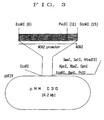
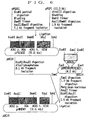
- the plasmid comprising the AOX2 promoter region was named pMM030 (Fig. 3) and the plasmid comprising the AOX2 structural gene and terminator was named pMM031 (Fig. 4). The size of the fragments produced by the digestion of these plasmids with various restriction enzymes showed the same pattern as had been reported.
- the plasmid vector pMM030 obtained in Example 1 was digested with Eco RI. The obtained 1.5 kb fragment was recovered, and the DNA fragment was treated with a DNA blunting kit (manufactured by Takara Shuzo Kabushiki Kaisha) to give a DNA fragment having blunt ends.
- a DNA blunting kit manufactured by Takara Shuzo Kabushiki Kaisha
- plasmid pUC19 was digested with Xba I, treated with Mung Bean Nuclease (manufactured by Takara Shuzo Kabushiki Kaisha), and treated with alkali phosphatase, followed by ligation of the DNA fragment obtained above with the Xba I cleavage site.
- Mung Bean Nuclease manufactured by Takara Shuzo Kabushiki Kaisha
- alkali phosphatase alkali phosphatase
- plasmids were treated using a deletion kit for Kilo-Sequence (manufactured by Takara Shuzo Kabushiki Kaisha) to prepare 5 or 6 clones of deletion mutants having an insertion size varying by 150 to 300 bp.
- the nucleotide sequence of these deletion mutants was identified using M13 dideoxy sequencing kit (manufactured by Takara Shuzo Kabushiki Kaisha). As a result, the entire nucleotide sequence for 1.5 kb upstream from ATG of the AOX2 structural gene was identified.
- pPGP1 was digested with Not I, and blunted using a DNA blunting kit (manufactured by Takara Shuzo Kabushiki Kaisha). Thereto was ligated Eco RI linker d(pG-G-A-A-T-T-C-C) (manufactured by Takara Shuzo Kabushiki Kaisha). A complete digestion with Sph I and partial digestion with Eco RI were conducted, and 6.5 kb DNA fragment was recovered and purified. pUC19 was digested with Eco RI and Sph I, subjected to alkali phosphatase treatment, and ligated with the above-mentioned fragment.
- pPG001 having HIS4 as a selection marker wherein HSA was expressed under the control of AOX1 promoter was obtained (Fig. 5).
- pPG001 was partially digested with Eco RI and blunted with a DNA blunting kit (manufactured by Takara Shuzo Kabushiki Kaisha).
- a Bam HI linker having a sequence of GGGATCCC was synthesized by phosphoamidite method using a DNA synthesizer Model 381A (manufactured by Applied Biosystem), which was then phosphorylated with T4 polynucleotide kinase (manufactured by Takara Shuzo Kabushiki Kaisha) and ligated with the fragment of pPG001 previously blunted as described. Then, it was digested with Asu II and Bam HI, and a 7.1 kb fragment was purified.
- pPGP1 was digested with Hind III, and blunted using a DNA blunting kit (manufactured by Takara Shuzo Kabushiki Kaisha), therewith ligated was Bam HI linker d(pG-G-G-A-T-C-C-C) (manufactured by Takara Shuzo Kabushiki Kaisha). It was digested with Asu II and Bam HI, and a 1.9 kb fragment was purified, with which the above-mentioned 7.1 kb fragment was ligated to give pPG002 (Fig. 6).
- pMM030 was digested with Eae I and a 1.5 kb fragment was recovered. It was blunted by Mung Bean Nuclease treatment (manufactured by Takara Shuzo Kabushiki Kaisha). Then, using a DNA synthesizer Model 381A (manufactured by Applied Biosystem), Asu II linker having a sequence of CTTCGAAG was synthesized by phosphoamidite method. The Asu II linker was phosphorylated with T4 polynucleotide kinase (manufactured by Takara Shuzo Kabushiki Kaisha) and ligated with the fragment of pMM030 previously blunted as described.
- plasmid pPG002 having an HIS4 region wherein HSA expressed under the control of AOX1 promoter was digested with Eco RI and Asu II, and an 8.1 kb fragment lacking AOX1 promoter region was treated with alkali phosphatase and recovered, after which it was ligated with the AOX2 promoter region 1.5 kb fragment to prepare a plasmid pMM041 which allows expression of HSA under the control of AOX2 promoter (Fig. 6).
- the restriction enzyme map of pMM041 is shown in Fig. 7.
- the primer sequence with an Eco RI site at the 5' terminus or an Asu II site at the 3' terminus was designed, synthesized using a 392 type DNA/RNA synthesizer (manufactured by Applied Biosystem) by phosphoamidite method, and purified by an NAP 10 column (manufactured by Pharmacia).
- the respective sequences are given in Table 1.
- PCR was performed with Pichia pastoris chromosomal DNA.
- the PCR apparatus was Perkinelmer DNA thermalcycler (manufactured by CETUS CORPORATION) and the reagent was Gene AmpTM DNA amplification kit (manufactured by Takara Shuzo Kabushiki Kaisha). Low molecule substances present in a reaction mixture were removed by Ultrafree C3TK (manufactured by Millipore), and the resulting mixture was used as a purified PCR product.
- An HSA expression vector pMM041 was double-digested with Eco RI and Asu II; natural AOX2 promoter was separated and removed by agarose gel electrophoresis; and the purified PCR product which was double-digested with Eco RI and Asu II, as obtained in Example 4 was inserted in the vector portion, whereby to produce a plasmid containing a 5'-deleted AOX2 promoter. So as to confirm that the inserted DNA fragment was an AOX2 promoter gene which underwent deletion of 5'-upstream region, the nucleotide sequence was determined by dideoxy method using a fluorescence primer by ALF. DNA sequencer (manufactured by Pharmacia).
- the fluorescence primer used was Universal primer (manufactured by Pharmacia) and the reaction kit used was Auto read sequencing kit (manufactured by Pharmacia).
- the plasmids prepared were, as originally designed, all confirmed to be HSA expression vectors controlled by 5'-deleted AOX2 promoter.
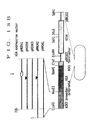
- the HSA expression vector obtained using a primer PCR60 and having an upstream region length from ATG of 803 bp was named pHO060; the one obtained using a primer PCR65 and having an upstream region length from ATG of 462 bp (nucleotide number of 5' endpoint of promoter being 1067) was named pHO065; the one obtained using a primer PCR71 and having an upstream region length from ATG of 341 bp (nucleotide number of 5' endpoint of promoter being 1188) was named pYI071; the one obtained using a primer PCR66 and having an upstream region length from ATG of 273 bp (nucleotide number of 5' endpoint of promoter being 1256) was named pHO066; and the one obtained using a primer PCR68 and having an upstream region length from ATG of 214 bp (nucleotide number of
- Two kinds of site-directed mutations were introduced into regions in nucleotides 1188-1212 of AOX2 promoter by utilizing PCR method, and the influence of the mutation on the transcription activity of the promoter was analyzed.
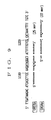
- plasmid pHO074 obtained by cleaving an AOX2 promoter and about 1.2 kb of the 5'-region of HSA from HSA expression vector pHO065 with Eco RI and Pst I, and subcloning same to Eco RI/ Pst I site of cloning vector pUC19. Then, two kinds of primers, UASps, for site-directed mutagenesis were synthesized. The sequences thereof are given in Fig. 9, and the steps for introducing the mutation are summarized in Fig. 10 and Fig. 11.
- each PCR product was prepared using a UASp and a primer RV complementary to the 3' sequence of multicloning site (manufactured by Takara Shuzo Kabushiki Kaisha).
- PCR products were prepared, in other reaction tubes, using primer M4 (manufactured by Takara Shuzo Kabushiki Kaisha) complementary to the 5' sequence of the multicloning site, and primer MUTF3 (manufactured by Takara Shuzo Kabushiki Kaisha) which was complementary to the 3' sequence of the multicloning site but the sites corresponding to the Sph I site and Hind III site of the multicloning site had been deleted by nucleotide replacement.
- the latter PCR products underwent deletion of the sites corresponding to the Sph I site and Hind III site of the multicloning site. After removing low molecular substances from the both PCR products, equivalent amounts of the both products were mixed, denatured with heat and cooled for annealing, thereby forming heteroduplexes. The heteroduplexes were completed by polymerase reaction, and a second PCR was conducted using M4 and RV. By this process, two kinds of PCR products can be theoretically obtained, i.e. desired UAS into which mutation has been introduced and one with the sites corresponding to the Sph I site and Hind III site of the multicloning sites having been eliminated.
- the UAS alone into which mutation has been introduced can be obtained by digesting the mixture with Eco RI and Sph I and recloning same to Eco RI/ Sph I of pUC19 upon removal of low molecular substances.
- the nucleotide sequence of the AOX2 promoters of several kinds of plasmids thus obtained was determined, and AOX2 promoters into which site-directed mutation had been introduced were obtained.
- the plasmids carrying those were named pHO086 and pHO087.
- the pHO086 and pHO087 were digested with Eco RI and Pst I to give fragments containing a 462 bp AOX2 promoter and about 1.2 kb of 5' region of HSA gene.
- the subculture was spread on a YNB w/o a.a.-MeOH agar medium (0.67% yeast nitrogen base without amino acids, 2% methanol, 1.5% agar) at 10 7 -10 8 cell/agar medium.
- the AOX1 deletion strain showed remarkably slow growth, whereas the growth of the mutant strain was fast to the degree that it formed colonies in 3 or 4 days.
- mutant strains showing enhanced methanol utilization were obtained from cells subcultured for 20-45 generations, and named SHG4105-4 stain and SHG4105-8 strain.
- the AOX2 promoter of the obtained mutant strain was cloned by utilizing PCR method. That is, PCR was performed with the chromosomal DNAs of the mutant strain and PC4105 strain using, as a plus strand primer, a DNA fragment (5'-CCGGATCCACTAAGCG-AGTCATCATC-3') with Bam HI site at the 5'-terminus to hybridize to nucleotides 726-743 of AOX2 promoter, and using, as a reverse strand primer, a DNA fragment (5'-CCGAATTCGACAATATTCTTTGATGC-3') with Eco RI site at the 5' terminus to hybridize to nucleotides 1386-1369.
- the AOX2 promoter fragments amplified as described were cloned into Bam HI/ Eco RI site of pUC19.
- nucleotide sequence of the AOX2 promoter fragment in the cloning vector was determined.
- the nucleotide sequence of AOX2 promoter was completely intact.
- T (1274) of natural AOX2 promoter was replaced with C.
- T (1274) of natural AOX2 promoter was maintained, but nucleotides 1296-1314 were duplicated once.
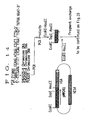
- Vectors allowing HSA expression under the control of the cloned mutant AOX2 promoters were constructed. First, Bam HI site at the 5' terminal of a mutant AOX2 promoter was converted to Eco RI site, and the mutant AOX2 promoter fragments were isolated with Eco RI- Ssp I. Then, natural AOX2 promoter in HSA expression vector pMM041 was replaced with the mutant AOX2 promoter to give vectors pHO059 (point mutation) and pHO061 (duplication mutation) capable of HSA expression under the control of mutant AOX2 promoter (Fig. 13).
- Chromosomal DNAs of SHG4105-4 strain having an AOX2 promoter which underwent point mutation at nucleotide 1274, SHG4105-8 strain having a duplication mutation of nucleotides 1296-1314, and GTS115 strain having natural AOX2 promoter were respectively subjected to PCR using, as a plus strand primer, a DNA fragment (5'-GAATTCCCAAGATAGGCTATTTTTG-3') with Eco RI site at the 5' terminus to hybridize to nucleotides 1188-1206 of AOX2 promoter, and using, as a reverse strand primer, a DNA fragment (5'-TTCGAAGTTTTTCTCAGTTGATTTGTTTGTGGGGAT-3') -3') with AsuII site at the 5' terminus to hybridize to nucleotides 1529-1501.
- a homology search in the nucleotide sequences of AOX1 promoter to the AOX2 promoter was conducted to find two homologous sequences (Fig. 16). Based on the result, the function of the region including putative UAS in the AOX2 promoter, i.e. nucleotides 1192-1216, 5' -GATAGGCTATTTTTGTCGCAT-AAAT-3', was investigated. That is, a sequence wherein Eco RI sites were added to the both ends of the 25 bp fragment of nucleotides 1192-1216 was chemically synthesized using a DNA/RNA synthesizer (Model 392, manufactured by ABI).
- sequences were: plus strand, 5'-AATTCGATAGGCTATTTTTGTCGCATAAATG-3', and reverse strand, 5'-AATTCATTTATGCGACAAAAATAGCCTATCG 3'. After synthesis, they were purified with an NAP10 column (manufactured by Pharmacia). About 5 ⁇ g each of the plus strand nucleotide and the reverse nucleotide were mixed, heated at 95°C for 5 minutes, and cooled for annealing. After the annealing, it was subcloned to the Eco RI site of pUC19. The plasmid was named pHO103. The construction thereof Is shown in Fig. 17.
- the HSA expression vectors pHO060, pHO066, pHO068 and pYI071 obtained in Example 5 were respectively digested with Eco RI.
- the linear fragment and the aforementioned annealed synthetic DNA fragment [oligonucleotide (I)] were ligated. Using the ligated fragments, E. coli JM109 was transformed.
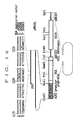
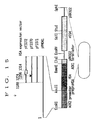
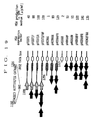
- Plasmids were prepared from several transformants and the plasmids having inserted fragment at the Eco RI site were selected by restriction enzyme analysis and DNA sequencing. Then, the copy number and the direction of the synthetic DNA sequence fragment inserted therein were determined by DNA sequencing. As a result, HSA expression vectors having 1 to 3 synthetic sequences inserted upstream from various AOX2 promoters were obtained by screening. The structure in part of the promoter carried by the vectors obtained are shown in Figs. 18 and 19.
- the HSA expression vector having the synthetic DNA sequence fragment inserted upstream from the AOX2 promoter in the forward direction is indicated with an F added as suffix to the name of the HSA expression vector and with an R when it is inserted in the reverse direction.
- the constructed HSA expression vector was digested with Stu I to adjust to 1 ⁇ g/ ⁇ l, which was then integrated into the HIS 4 region of the host P. pastoris GTS115 strain and a transformant was prepared therefrom by the use of ALKALICATION Yeast Transformation Kit (Bio101) and a lithium acetate method. A suitable number of colonies were taken from each plasmid and spread on an SD w/o a.a. plate which was used as a preservation plate. The transformant was replicated on a YPM agar medium (1% yeast extract, 2% peptone, 2% methanol, 1.5% agar) with a nitrocellulose membrane placed thereon and cultured for 72 hours.
- a YPM agar medium 1% yeast extract, 2% peptone, 2% methanol, 1.5% agar
- the secreted HSA which was trapped by the nitrocellulose membrane was qualitatively assayed by immunobloting using an anti-HSA antibody, whereby primary screening of HSA-producing strains was done.
- DNA was extracted from several HSA producing strains per each plasmid and digested with Bgl II. The digested DNA fragments were subjected to agarose gel electrophoresis and the separated fragment was transferred onto a nylon membrane, which was then analyzed by southern blotting with the use of HSAcDNA fragment as a probe. A transformant confirmed to have a DNA which migrated as a 4.5 kb single band in electrophoresis was taken as a transformant into which a single copy of plasmid had been integrated.
- a preculture was done for 1 to 3 days in 2 ml of YPD (1% yeast extract, 2% peptone, 2% glucose) medium/test tube at 29.5°C and 170 rpm.
- the obtained preculture was inoculated to 3 ml of YPM (YP-2% methanol) medium/test tube in such a manner that made the OD 540 nm at the time of inoculating 0.1 and cultured at 29.5°C and 170 rpm for 72 hours.
- the HSA production in the supernatant at 72 hours of culture was determined by the RPHA method. The results are shown in Figs. 18 and 19.
- the pHO060 transformant showed 2 ⁇ g/ml HSA production.
- the transformant transformed with a plasmid pHO060F wherein a synthetic DNA fragment had been inserted in AOX2 promoter 5' upstream (further upstream from URS1) of pHO060 in the forward direction showed 5 times greater HSA production (10 ⁇ g/ml).
- the increase in the HSA production by the pHO060F transformant was speculated to be attributable to the inserted synthetic DNA fragment.
- the transformant transformed with a plasmid pHO060R wherein a synthetic DNA fragment had been inserted in the reverse direction showed 10 ⁇ g/ml of HSA production, which indicates absence of a relation between the transcription enhancing activity and the direction of the insertion.
- the pHO060RFF transformant inserted with 3 copies of the synthetic DNA fragments in the directions of reverse, forward and forward in order from the 5' end produced 50 ⁇ g/ml of HSA, 25 times greater production than did pHO060 transformant.
- the HSA production-enhancing activity due to a pHO060-derived plasmid was also acknowledged in pYI071, pHO066 or pHO068-derived plasmid transformant. Accordingly, it was found that the synthetic DNA fragment functioned as "UAS" and the function was still more enhanced by the insertion of multicopies.
- the plasmid inclusive of pHO068F obtained by inserting synthetic DNA fragment into pHO068 presumably includes UAS and TATA box only as the promoter-elements. What is more, UAS is located near the 5' end from the TATA box. Notwithstanding such fact, the plasmid tranformants showed sufficient HSA production induced by methanol. In other words, the important elements to act as a promoter are USA and TATA box alone.
- the function of the synthetic DNA fragment as a USA was also acknowledged when the fragment was inserted into the 5' end of the AOX promoters of pHO090 and pHO095. That is, in the case of pHO090 and pHO095, the original UAS underwent site-directed mutation to lose most of its function, whereas the insertion of the synthetic DNA fragment resulted in the recovery of the function.
- the synthetic DNA fragment reinforced the transcription activity of a promoter in a copy number-dependent manner. There was found no relation between the direction of insertion and the reinforcing activity. In addition, the insertion at optional site upstream from the 5' end of TATA box resulted in a reinforcing effect.
- the results indicate that the synthetic DNA fragment suffices for use as a UAS for a yeast. It was clarified that the 25 bp synthetic DNA fragment contained complete UAS of AOX2 promoter.
- the obtained preculture was inoculated to 3 ml of YPM (YP-2% methanol) medium/test tube, YPD medium/test tube and YPDM (YP-2% glucose, 2% methanol) medium/test tube in such a manner that made the OD 540 nm at the time of inoculating 0.1 and cultured at 29.5°C and 170 rpm for 96 hours.
- the HSA production was determined by the RPHA method.
- the cell proliferation and HSA production in the supernatant were examined with regard to all cells in the three kinds of media.
- the HSA production at 48 hours of culture in the late period of logarithmic growth phase is shown in Table 2 and Table 3 along with the presence or absence of promoter transcription regulatory element URS1, UAS or URS2.
- the HSA production at 72 hours of culture in the stationary phase is shown in Table 4 and Table 5 along with the presence or absence of promoter transcription regulatory element.
- - is a deleted element
- + is a natural-type element
- ⁇ is an artificially added element
- SM is a site-directed mutation in element
- PM is a point mutation (change of 1274th T to C) in element
- DM is a duplicate mutation (nucleotides 1294-1314) in element.
- promoters pHO068F, pHO068R and other pHO068-derived plasmids having UAS and TATA box alone as promoter transcription regulatory elements, methanol induction, glucose repression and sufficient transcription activity were found.
- promoters lacking UAS or having mutant UAS showed no methanol induction and scarcely produced HSA. From the foregoing, it was suggested that methanol induced generation of transcription promoting factor which acted on UAS.
- the mutant AOX2 promoter of the present invention has a markedly enforced promoter activity as compared with wild-type AOX2 promoters. Accordingly, the promoter of the present invention is highly utilizable as a promoter for a vector capable of expressing a heterologous protein.
- the vector of the present invention can efficiently express and-produce various useful heterologous proteins in hosts.
Landscapes
- Life Sciences & Earth Sciences (AREA)
- Health & Medical Sciences (AREA)
- Chemical & Material Sciences (AREA)
- Genetics & Genomics (AREA)
- Organic Chemistry (AREA)
- Zoology (AREA)
- Engineering & Computer Science (AREA)
- Wood Science & Technology (AREA)
- Bioinformatics & Cheminformatics (AREA)
- Biochemistry (AREA)
- General Health & Medical Sciences (AREA)
- Molecular Biology (AREA)
- Biotechnology (AREA)
- Biomedical Technology (AREA)
- Mycology (AREA)
- General Engineering & Computer Science (AREA)
- Biophysics (AREA)
- Medicinal Chemistry (AREA)
- Microbiology (AREA)
- Proteomics, Peptides & Aminoacids (AREA)
- Gastroenterology & Hepatology (AREA)
- Toxicology (AREA)
- Physics & Mathematics (AREA)
- Plant Pathology (AREA)
- Preparation Of Compounds By Using Micro-Organisms (AREA)
- Micro-Organisms Or Cultivation Processes Thereof (AREA)
Applications Claiming Priority (3)
| Application Number | Priority Date | Filing Date | Title |
|---|---|---|---|
| JP18500393 | 1993-07-27 | ||
| JP185003/93 | 1993-07-27 | ||
| JP18500393A JP3505743B2 (ja) | 1993-07-27 | 1993-07-27 | 変異型aox2プロモーター、それを担持するベクター、形質転換体および異種蛋白質の製造方法 |
Publications (3)
| Publication Number | Publication Date |
|---|---|
| EP0639643A2 EP0639643A2 (en) | 1995-02-22 |
| EP0639643A3 EP0639643A3 (en) | 1997-10-29 |
| EP0639643B1 true EP0639643B1 (en) | 2003-10-08 |
Family
ID=16163080
Family Applications (1)
| Application Number | Title | Priority Date | Filing Date |
|---|---|---|---|
| EP94111628A Expired - Lifetime EP0639643B1 (en) | 1993-07-27 | 1994-07-26 | Mutant AOX2 promoter |
Country Status (8)
| Country | Link |
|---|---|
| US (1) | US5707827A (da) |
| EP (1) | EP0639643B1 (da) |
| JP (1) | JP3505743B2 (da) |
| KR (1) | KR100342448B1 (da) |
| CA (1) | CA2128794C (da) |
| DE (1) | DE69433222T2 (da) |
| DK (1) | DK0639643T3 (da) |
| ES (1) | ES2206462T3 (da) |
Families Citing this family (1)
| Publication number | Priority date | Publication date | Assignee | Title |
|---|---|---|---|---|
| DE19940630A1 (de) * | 1999-08-27 | 2001-03-01 | Asea Brown Boveri | Horizontalachsige elektrische Maschine |
Family Cites Families (3)
| Publication number | Priority date | Publication date | Assignee | Title |
|---|---|---|---|---|
| US5032516A (en) * | 1985-10-25 | 1991-07-16 | Phillips Petroleum Company | Pichia pastoris alcohol oxidase II regulatory region |
| CA2063890C (en) * | 1991-03-27 | 2007-03-13 | Masami Miura | Mutant aox2 promoter, microorganism carrying same, method of preparation thereof and production of heterologous protein using such microorganism |
| JPH06189769A (ja) * | 1992-10-30 | 1994-07-12 | Green Cross Corp:The | 変異型aox2プロモーター、それを担持するベクター、形質転換体および異種蛋白質の製造方法 |
-
1993
- 1993-07-27 JP JP18500393A patent/JP3505743B2/ja not_active Expired - Lifetime
-
1994
- 1994-07-26 EP EP94111628A patent/EP0639643B1/en not_active Expired - Lifetime
- 1994-07-26 ES ES94111628T patent/ES2206462T3/es not_active Expired - Lifetime
- 1994-07-26 DE DE69433222T patent/DE69433222T2/de not_active Expired - Lifetime
- 1994-07-26 CA CA002128794A patent/CA2128794C/en not_active Expired - Lifetime
- 1994-07-26 DK DK94111628T patent/DK0639643T3/da active
- 1994-07-27 US US08/281,025 patent/US5707827A/en not_active Expired - Lifetime
- 1994-07-27 KR KR1019940018340A patent/KR100342448B1/ko not_active Expired - Lifetime
Also Published As
| Publication number | Publication date |
|---|---|
| EP0639643A2 (en) | 1995-02-22 |
| JPH0731481A (ja) | 1995-02-03 |
| US5707827A (en) | 1998-01-13 |
| DE69433222T2 (de) | 2004-08-19 |
| CA2128794A1 (en) | 1995-01-28 |
| DK0639643T3 (da) | 2004-02-16 |
| CA2128794C (en) | 2008-01-08 |
| EP0639643A3 (en) | 1997-10-29 |
| KR100342448B1 (ko) | 2002-11-18 |
| ES2206462T3 (es) | 2004-05-16 |
| DE69433222D1 (de) | 2003-11-13 |
| JP3505743B2 (ja) | 2004-03-15 |
| KR950003446A (ko) | 1995-02-16 |
Similar Documents
| Publication | Publication Date | Title |
|---|---|---|
| EP0329203B1 (en) | Yeast expression systems with vectors having pyk promoters, and synthesis of foreign protein | |
| AU683728B2 (en) | Yeast strains and modified albumins | |
| US5739007A (en) | Hybrid GAL10/pgk yeast promoter | |
| EP0764209B1 (en) | Albumin expression in yeast | |
| EP0123811B1 (en) | The use of the gal 1 yeast promoter | |
| AU686996B2 (en) | Serum-human albumin, preparation and utilization | |
| EP0595334B1 (en) | Mutant AOX2 promoter, vector carrying same, transformant, and production of heterologous protein | |
| EP0805208B1 (en) | Promoter/terminator of formate dehydrogenase gene of candida boidinii | |
| CA2063890C (en) | Mutant aox2 promoter, microorganism carrying same, method of preparation thereof and production of heterologous protein using such microorganism | |
| CN1239103A (zh) | 重组人血清白蛋白的生产方法 | |
| EP0639643B1 (en) | Mutant AOX2 promoter | |
| EP0533153A2 (en) | Pichia pastoris linear plasmids and DNA fragments thereof | |
| EP0343388A2 (en) | Expression of interferon-gamma in methylotrophic yeasts | |
| JPH07106153B2 (ja) | 変異型aox2プロモーターを担持するプラスミド、形質転換体および異種蛋白質の製造方法 | |
| JPH0678767A (ja) | 変異型gal4、そのdnaおよび当該変異型gal4による異種蛋白質の発現の増強方法 | |
| JPH0690768A (ja) | 変異型aox2プロモーター、当該プロモーターを担持する菌株、その取得方法およびその菌株を利用した異種蛋白質の製造方法 | |
| JPH062063B2 (ja) | 新規dnaおよびその用途 |
Legal Events
| Date | Code | Title | Description |
|---|---|---|---|
| PUAI | Public reference made under article 153(3) epc to a published international application that has entered the european phase |
Free format text: ORIGINAL CODE: 0009012 |
|
| AK | Designated contracting states |
Kind code of ref document: A2 Designated state(s): BE CH DE DK ES FR GB IT LI NL SE |
|
| PUAL | Search report despatched |
Free format text: ORIGINAL CODE: 0009013 |
|
| AK | Designated contracting states |
Kind code of ref document: A3 Designated state(s): BE CH DE DK ES FR GB IT LI NL SE |
|
| 17P | Request for examination filed |
Effective date: 19971222 |
|
| RAP1 | Party data changed (applicant data changed or rights of an application transferred) |
Owner name: YOSHITOMI PHARMACEUTICAL INDUSTRIES, LTD. |
|
| 17Q | First examination report despatched |
Effective date: 19991129 |
|
| RAP1 | Party data changed (applicant data changed or rights of an application transferred) |
Owner name: WELFIDE CORPORATION |
|
| RAP1 | Party data changed (applicant data changed or rights of an application transferred) |
Owner name: MITSUBISHI PHARMA CORPORATION |
|
| GRAH | Despatch of communication of intention to grant a patent |
Free format text: ORIGINAL CODE: EPIDOS IGRA |
|
| GRAS | Grant fee paid |
Free format text: ORIGINAL CODE: EPIDOSNIGR3 |
|
| GRAA | (expected) grant |
Free format text: ORIGINAL CODE: 0009210 |
|
| AK | Designated contracting states |
Kind code of ref document: B1 Designated state(s): BE CH DE DK ES FR GB IT LI NL SE |
|
| REG | Reference to a national code |
Ref country code: GB Ref legal event code: FG4D |
|
| REG | Reference to a national code |
Ref country code: CH Ref legal event code: EP |
|
| REF | Corresponds to: |
Ref document number: 69433222 Country of ref document: DE Date of ref document: 20031113 Kind code of ref document: P |
|
| REG | Reference to a national code |
Ref country code: SE Ref legal event code: TRGR |
|
| REG | Reference to a national code |
Ref country code: CH Ref legal event code: NV Representative=s name: A. BRAUN, BRAUN, HERITIER, ESCHMANN AG PATENTANWAE |
|
| REG | Reference to a national code |
Ref country code: DK Ref legal event code: T3 |
|
| REG | Reference to a national code |
Ref country code: ES Ref legal event code: FG2A Ref document number: 2206462 Country of ref document: ES Kind code of ref document: T3 |
|
| ET | Fr: translation filed | ||
| PLBE | No opposition filed within time limit |
Free format text: ORIGINAL CODE: 0009261 |
|
| STAA | Information on the status of an ep patent application or granted ep patent |
Free format text: STATUS: NO OPPOSITION FILED WITHIN TIME LIMIT |
|
| 26N | No opposition filed |
Effective date: 20040709 |
|
| REG | Reference to a national code |
Ref country code: CH Ref legal event code: PFA Owner name: MITSUBISHI PHARMA CORPORATION Free format text: MITSUBISHI PHARMA CORPORATION#6-9, HIRANOMACHI 2-CHOME, CHUO-KU#OSAKA-SHI, OSAKA 541-0046 (JP) -TRANSFER TO- MITSUBISHI PHARMA CORPORATION#6-9, HIRANOMACHI 2-CHOME, CHUO-KU#OSAKA-SHI, OSAKA 541-0046 (JP) |
|
| PGFP | Annual fee paid to national office [announced via postgrant information from national office to epo] |
Ref country code: SE Payment date: 20130711 Year of fee payment: 20 Ref country code: ES Payment date: 20130628 Year of fee payment: 20 Ref country code: NL Payment date: 20130716 Year of fee payment: 20 Ref country code: DK Payment date: 20130711 Year of fee payment: 20 Ref country code: CH Payment date: 20130712 Year of fee payment: 20 Ref country code: BE Payment date: 20130712 Year of fee payment: 20 Ref country code: DE Payment date: 20130724 Year of fee payment: 20 |
|
| PGFP | Annual fee paid to national office [announced via postgrant information from national office to epo] |
Ref country code: GB Payment date: 20130724 Year of fee payment: 20 Ref country code: FR Payment date: 20130724 Year of fee payment: 20 |
|
| PGFP | Annual fee paid to national office [announced via postgrant information from national office to epo] |
Ref country code: IT Payment date: 20130716 Year of fee payment: 20 |
|
| REG | Reference to a national code |
Ref country code: CH Ref legal event code: PCAR Free format text: NEW ADDRESS: HOLBEINSTRASSE 36-38, 4051 BASEL (CH) |
|
| REG | Reference to a national code |
Ref country code: DE Ref legal event code: R071 Ref document number: 69433222 Country of ref document: DE |
|
| REG | Reference to a national code |
Ref country code: DK Ref legal event code: EUP Effective date: 20140726 |
|
| REG | Reference to a national code |
Ref country code: DE Ref legal event code: R071 Ref document number: 69433222 Country of ref document: DE |
|
| BE20 | Be: patent expired |
Owner name: *MITSUBISHI PHARMA CORP. Effective date: 20140726 |
|
| REG | Reference to a national code |
Ref country code: CH Ref legal event code: PL |
|
| REG | Reference to a national code |
Ref country code: NL Ref legal event code: V4 Effective date: 20140726 |
|
| REG | Reference to a national code |
Ref country code: GB Ref legal event code: PE20 Expiry date: 20140725 |
|
| REG | Reference to a national code |
Ref country code: SE Ref legal event code: EUG |
|
| PG25 | Lapsed in a contracting state [announced via postgrant information from national office to epo] |
Ref country code: DE Free format text: LAPSE BECAUSE OF EXPIRATION OF PROTECTION Effective date: 20140729 |
|
| REG | Reference to a national code |
Ref country code: ES Ref legal event code: FD2A Effective date: 20141120 |
|
| PG25 | Lapsed in a contracting state [announced via postgrant information from national office to epo] |
Ref country code: GB Free format text: LAPSE BECAUSE OF EXPIRATION OF PROTECTION Effective date: 20140725 |
|
| PG25 | Lapsed in a contracting state [announced via postgrant information from national office to epo] |
Ref country code: ES Free format text: LAPSE BECAUSE OF EXPIRATION OF PROTECTION Effective date: 20140727 |