EP0652957B1 - Zusammengestellte virenpartikeln und ihre verwendung in einem impfstoff gegen eine rotavirenkrankheit - Google Patents
Zusammengestellte virenpartikeln und ihre verwendung in einem impfstoff gegen eine rotavirenkrankheit Download PDFInfo
- Publication number
- EP0652957B1 EP0652957B1 EP91917981A EP91917981A EP0652957B1 EP 0652957 B1 EP0652957 B1 EP 0652957B1 EP 91917981 A EP91917981 A EP 91917981A EP 91917981 A EP91917981 A EP 91917981A EP 0652957 B1 EP0652957 B1 EP 0652957B1
- Authority
- EP
- European Patent Office
- Prior art keywords
- rotavirus
- protein
- viral particle
- particle assembly
- proteins
- Prior art date
- Legal status (The legal status is an assumption and is not a legal conclusion. Google has not performed a legal analysis and makes no representation as to the accuracy of the status listed.)
- Expired - Lifetime
Links
Images





















Classifications
-
- C—CHEMISTRY; METALLURGY
- C07—ORGANIC CHEMISTRY
- C07K—PEPTIDES
- C07K14/00—Peptides having more than 20 amino acids; Gastrins; Somatostatins; Melanotropins; Derivatives thereof
- C07K14/005—Peptides having more than 20 amino acids; Gastrins; Somatostatins; Melanotropins; Derivatives thereof from viruses
-
- A—HUMAN NECESSITIES
- A61—MEDICAL OR VETERINARY SCIENCE; HYGIENE
- A61P—SPECIFIC THERAPEUTIC ACTIVITY OF CHEMICAL COMPOUNDS OR MEDICINAL PREPARATIONS
- A61P31/00—Antiinfectives, i.e. antibiotics, antiseptics, chemotherapeutics
- A61P31/12—Antivirals
-
- C—CHEMISTRY; METALLURGY
- C12—BIOCHEMISTRY; BEER; SPIRITS; WINE; VINEGAR; MICROBIOLOGY; ENZYMOLOGY; MUTATION OR GENETIC ENGINEERING
- C12N—MICROORGANISMS OR ENZYMES; COMPOSITIONS THEREOF; PROPAGATING, PRESERVING, OR MAINTAINING MICROORGANISMS; MUTATION OR GENETIC ENGINEERING; CULTURE MEDIA
- C12N7/00—Viruses; Bacteriophages; Compositions thereof; Preparation or purification thereof
-
- A—HUMAN NECESSITIES
- A61—MEDICAL OR VETERINARY SCIENCE; HYGIENE
- A61K—PREPARATIONS FOR MEDICAL, DENTAL OR TOILETRY PURPOSES
- A61K39/00—Medicinal preparations containing antigens or antibodies
-
- C—CHEMISTRY; METALLURGY
- C12—BIOCHEMISTRY; BEER; SPIRITS; WINE; VINEGAR; MICROBIOLOGY; ENZYMOLOGY; MUTATION OR GENETIC ENGINEERING
- C12N—MICROORGANISMS OR ENZYMES; COMPOSITIONS THEREOF; PROPAGATING, PRESERVING, OR MAINTAINING MICROORGANISMS; MUTATION OR GENETIC ENGINEERING; CULTURE MEDIA
- C12N2720/00—MICROORGANISMS OR ENZYMES; COMPOSITIONS THEREOF; PROPAGATING, PRESERVING, OR MAINTAINING MICROORGANISMS; MUTATION OR GENETIC ENGINEERING; CULTURE MEDIA dsRNA viruses
- C12N2720/00011—Details
- C12N2720/12011—Reoviridae
- C12N2720/12311—Rotavirus, e.g. rotavirus A
- C12N2720/12322—New viral proteins or individual genes, new structural or functional aspects of known viral proteins or genes
-
- C—CHEMISTRY; METALLURGY
- C12—BIOCHEMISTRY; BEER; SPIRITS; WINE; VINEGAR; MICROBIOLOGY; ENZYMOLOGY; MUTATION OR GENETIC ENGINEERING
- C12N—MICROORGANISMS OR ENZYMES; COMPOSITIONS THEREOF; PROPAGATING, PRESERVING, OR MAINTAINING MICROORGANISMS; MUTATION OR GENETIC ENGINEERING; CULTURE MEDIA
- C12N2720/00—MICROORGANISMS OR ENZYMES; COMPOSITIONS THEREOF; PROPAGATING, PRESERVING, OR MAINTAINING MICROORGANISMS; MUTATION OR GENETIC ENGINEERING; CULTURE MEDIA dsRNA viruses
- C12N2720/00011—Details
- C12N2720/12011—Reoviridae
- C12N2720/12311—Rotavirus, e.g. rotavirus A
- C12N2720/12323—Virus like particles [VLP]
-
- Y—GENERAL TAGGING OF NEW TECHNOLOGICAL DEVELOPMENTS; GENERAL TAGGING OF CROSS-SECTIONAL TECHNOLOGIES SPANNING OVER SEVERAL SECTIONS OF THE IPC; TECHNICAL SUBJECTS COVERED BY FORMER USPC CROSS-REFERENCE ART COLLECTIONS [XRACs] AND DIGESTS
- Y10—TECHNICAL SUBJECTS COVERED BY FORMER USPC
- Y10S—TECHNICAL SUBJECTS COVERED BY FORMER USPC CROSS-REFERENCE ART COLLECTIONS [XRACs] AND DIGESTS
- Y10S530/00—Chemistry: natural resins or derivatives; peptides or proteins; lignins or reaction products thereof
- Y10S530/82—Proteins from microorganisms
- Y10S530/826—Viruses
Definitions
- the present invention relates generally to virus-like particles which are useful as vaccines and immunogens.
- the instant invention concerns assembled rotaviral structural proteins and the use of the assembly in preventing and ameliorating rotaviral infection.
- Rotaviruses cause gastrointestinal disorders and diarrhea in a wide variety of avian and mammalian species, including man.
- serotypes of rotavirus have been identified, four of which (serotypes 1 to 4) are found in humans and five of which (serotypes 3 to 7) are found in other animals.
- Recent studies indicate that cross protection among strains belonging to different serotypes may occur in animals including man. Ijaz et al., J Virol (1990) (In Press); Flores et al., J Clin Microbiol (1989) 27 :512-518.
- the rotavirus genome is thought to consist of eleven segments of double-stranded RNA. The eleven genes encode the production of at least six structural proteins of the virus.
- the outer shell or capsid is comprised of three proteins--virus protein 7 (VP7), virus protein 4 (VP4), and a third protein which has not yet been well characterized.
- VP7 proteins--virus protein 7
- VP4 virus protein 4
- VP6 viruses protein 6
- VP7 is the major outer shell glycoprotein with an approximate molecular mass of 38 kD in its unreduced form (as determined by SDS-PAGE) and 42 kD in its reduced form (as determined by SDS-PAGE). VP7 has approximately 325 amino acids. The amino acid sequence of several rotavirus isolates has been determined and the sequences are approximately 75 to 86% homologous. Regions of conservation among human and animal species have been reviewed by Estes, M.K. et al., Microbiol Rev (1989) 53:410-449. This protein is known to bind to host cells (Sabara, M. et al., J Virol (1985) 53 :58-66).
- Epitope mapping of VP7 using neutralizing monoclonal antibodies has localized a neutralizing-absorption domain to a component peptide with an approximate molecular mass of 14 kD (Sabara, M. et al., supra ). Synthetic peptides derived from within this 14 kD fragment have also been shown to neutralize viral infectivity (Ijaz et al., supra) .
- a second outer capsid protein, VP4 (formerly designated VP3), is composed of 776 amino acids and has an approximate molecular mass of 82 kD in its unreduced form and 84 kD in its reduced form.
- the sequence of bovine VP4 has been determined (Potter, A.A. et al., Nucl Acid Res (1987) 15 :4361) as has the partial amino acid sequence for simian VP4 (Mackow, et al., Proc Natl Acad Sci USA (1988) 85 :645-649.
- VP4 possesses hemagglutinating activity, and induces the production of neutralizing antibodies which provide heterotypic passive protection in vivo (Offit, P.A. et al., J Virol (1986) 58 :700-703).
- VP4 is responsible, in combination with VP7, in determining virus serotype.
- Dimers of VP4 combine to form the surface spikes of rotavirus that extend distally from the rotavirus outer shell.
- VP4 is important in the penetration of the virus into the host cell and infectivity is increased by the cleavage of VP4 by trypsin. Trypsin enhanced infectivity is a common feature of all rotaviruses and the cleavage site for trypsin is also conserved as reviewed in Estes et al. ( supra ).
- the inner capsid of rotavirus includes at least three proteins designated VP1, VP2 and VP6.
- VP6 which is a 45 kD protein.
- Bovine VP6 appears to exist in trimeric units in both the virus particle and in infected cells, with the intersubunit linkage consisting of noncovalent interactions. These trimeric units complex further by virtue of disulfide bridges into larger units which likely represent the ring-like structures observed by several investigators using electron microscopy.
- VP6 has been identified as the subgroup antigen and has also been described as the common rotavirus group antigen since some monoclonal antibodies raised against this protein react with all rotaviruses and polyclonal serum raised against a single rotavirus type can detect most other rotavirus strains.
- this nucleocapsid protein is extremely immunogenic and several investigators have found that the antibody raised to this protein has neutralizing ability. (See, e.g. Offit, et al., J Virol (1986) 58 :700-703).
- VP6 is an effective carrier protein (Redmond, M.J., et al. Immunol . 28(3):269-278 and VP4 is able to associate with VP6 monomeric and oligomeric protein units. (Redmond, M.J., et al. supra ). The VP4-VP6 association has been shown to withstand harsh treatment such as boiling in SDS. Additionally, VP6 is capable of forming particles in vitro with VP2 and VP7 using a calcium dependent process (Ready, K.F.M., et al., Virology (1988) 167 :269-273).
- the resulting assembly is immunoreactive with antibodies specific for the whole virus as well as for immunodominant sites on VP6 and VP7 and this immunoreactivity is equivalent to that of native bovine rotavirus (BRV). (Ready, K.F.M., et al., supra).
- the present invention provides assembled viral particles including peptides or proteins corresponding to VP7 and/or VP4, or immunogenic regions thereof, in combination with VP6. These assembled particles are effective as vaccines and in eliciting the production of neutralizing antibodies. Such a vaccine provides an alternative to the use of a live attenuated virus vaccine.
- the instant invention is based on the discovery that certain viral peptides, or epitopic regions thereof, when assembled into a viral particle, are able to elicit an immune response in a subject treated therewith.
- Vaccines including these assemblies are safer and more practical than those composed of attenuated virus.
- the invention is directed to a viral particle assembly capable of eliciting an immunological response in a vertebrate subject.
- the viral particle assembly comprises:
- the present invention is directed to a viral particle assembly capable of eliciting an immunological response in a vertebrate subject wherein the viral particle assembly comprises VP6 assembled with VP4 and VP7.
- the invention is directed to vaccine compositions including a pharmaceutically acceptable vehicle and the viral particle assemblies described above.
- the instant invention is directed to methods of treating and preventing rotaviral disease in a vertebrate subject using the above vaccine compositions.
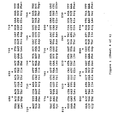
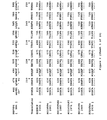
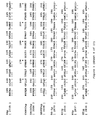
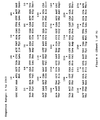
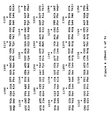
- Figure 1 shows the nucleotide sequence and the predicted amino acid sequence of the VP6 protein of strain C486 (bovine).
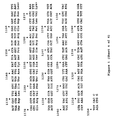
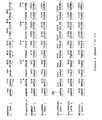
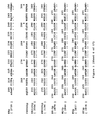
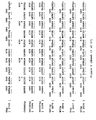
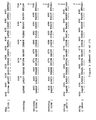
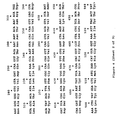
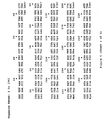
- Figure 2 compares the amino acid sequence of rotavirus VP6 derived from several strains: Bovine RF rotavirus (ROBMCP), human 1076 rotavirus (RO1HVP6), rotavirus segment 6 inner shell protein VP6 RNA (RO1S2VP6), equine H2 rotavirus (RO1VVP6H2), equine FI14 rotavirus (RO1VVP6F1), human Wa rotavirus (RO2SEG6), porcine Gottfried rotavirus (RO1PVP6), porcine group C rotavirus (PRVVP6), and simian SA11 rotavirus (ROTG6A).
- ROBMCP Bovine RF rotavirus
- RO1HVP6 human 1076 rotavirus
- RO1VVP6H2 rotavirus segment 6 inner shell protein VP6 RNA
- RO1VVP6H2 equine H2 rotavirus
- RO1VVP6F1VVP6F1
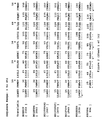
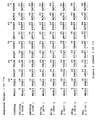
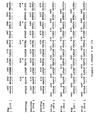
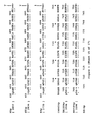
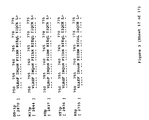
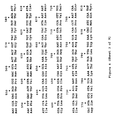
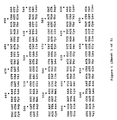
- Figure 3 compares the amino acid sequence of rotavirus VP4 derived from several strains: K8, KU, DS1, M37, ST3, SAll, and RRV.
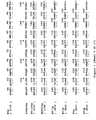
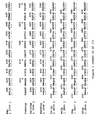
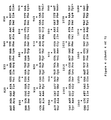
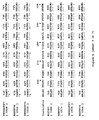
- Figure 4 shows the nucleotide sequence and corresponding amino acid sequence of the VP4 protein from strain C486 (bovine).
- Figure 5 depicts the nucleotide sequence and corresponding amino acid sequence of the VP7 protein from strain C486 (bovine).
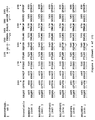
- Figure 6 compares the amino acid sequence of rotavirus VP7 derived from several strains: simian 11 rotavirus (ROTVP7), rhesus rotavirus (RORVP7), porcine OSU rotavirus (PRVOSUVP7), human rotavirus (ROHVP7A), porcine Gottfried rotavirus (PRVPRVP7G), bovine uk rotavirus (ROB7), and porcine major C rotavirus (PRVPRVVP7).
- ROTVP7 simian 11 rotavirus
- RORVP7 rhesus rotavirus
- PRVOSUVP7 porcine OSU rotavirus
- ROHVP7A human rotavirus
- PRVPRVP7G porcine Gottfried rotavirus
- ROB7 bovine uk rotavirus
- PRVPRVVP7 porcine major C rotavirus
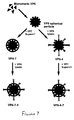
- Figure 7 is a graphic representation of the production of in vitro assembled rotavirus particles.
- VP6 is meant the art-recognized major viral protein of the inner capsid from any species or strain within the family Reoviridae. See, e.g., Kapikian, et al., in Virology (B.N. Fields et al., eds., 1988).
- rotavirus strains from which the VP6 protein can be isolated and employed in the present invention include, but are not limited to, Simian SAll, human D rotavirus, bovine UK rotavirus, human Wa or W rotavirus, human DS1 rotavirus, rhesus rotavirus, the "O" agent, bovine NCDV rotavirus, human S2 rotavirus, human KUN rotavirus, human 390 rotavirus, human P rotavirus, human M rotavirus, human Walk 57/14 rotavirus, human Mo rotavirus, human Ito rotavirus, human Nemoto rotavirus, human YO rotavirus, human McM2 rotavirus, rhesus monkey MMU18006 rotavirus, canine CU1 rotavirus, feline Taka rotavirus, equine H2 rotavirus, human St.
- VP6 for use in the present invention includes VP6 from any rotavirus strain, whether from subgroup I, subgroup II, or any as yet unidentified subgroup, as well as from any of the serotypes 1-7, as well as any as yet unidentified serotypes.
- the VP6 protein comprises an amino acid sequence of rotavirus which is unique to the class, or any member of the class, of VP6 polypeptides.
- a representative nucleotide sequence and the deduced amino acid sequence of bovine recombinant (BR) VP6 strain C486 is shown in Figure 1.
- Figure 2 shows the amino acid sequence of several different strains of rotavirus. As can be seen, extensive homology is present between the depicted rotavirus strains.
- Other VP6 nucleotide and amino acid sequences will find use in the instant invention, the depicted sequences only being representative of already known VP6 sequences.
- VP4 is meant an art-recognized viral protein of the outer capsid from any species or strain within the family Reoviridae.
- rotavirus strains from which the VP4 protein can be isolated and employed in the present invention include, but are not limited to, those described above with reference to VP6.
- VP4 (formerly designated VP3), is composed of 776 amino acids.
- the amino acid sequence of VP4 derived from strains K8, KU, DS1, M37, ST3, SA11, and RRV is shown in Figure 3.
- the nucleotide sequence and deduced amino acid sequence of VP4 from strain C486 (bovine) is shown in Figure 4. Again, other sequences will find use herein.
- VP7 is meant the art-recognized major viral protein of the outer capsid from any species or strain within the family Reoviridae.
- rotavirus strains from which the VP7 protein can be isolated and employed in the present invention include, but are not limited to, those described above with reference to VP6.
- VP7 is composed of approximately 325 amino acids and the nucleotide sequence and deduced amino acid sequence of VP7 from strain C486 (bovine) is shown in Figure 5.
- Arias et al., J Virol (1984) 50 :657-661 describes the nucleotide sequence of VP7 from simian SAll.
- Figure 6 depicts the amino acid sequences of several rotavirus strains.
- VP7 shows serotype restricted homology. The above sequences are meant to be representative and nonlimiting. Therefore, other functional sequences may also be employed with the present invention.
- DNA or protein sequences are "substantially homologous" when at least about 85% (preferably at least about 90%, and most preferably at least about 95%) of the nucleotides or amino acids match over a defined length of the molecule.
- DNA sequences that are substantially homologous can be identified in a Southern hybridization experiment under, for example, stringent conditions, as defined for that particular system. Defining appropriate hybridization conditions is within the skill of the art. See, e.g., Sambrook et al., supra .
- rotavirus proteins utilized herein need have the identical amino acid sequence of the native proteins.
- a "functional fragment" of a rotavirus protein is a fragment with the capability of raising an immunological response equivalent to that elicited by the full sequence. It has been demonstrated that the distal end cf VP4 is involved in the initial attachment of the virion to the cell, since infection may be blocked by monoclonal antibodies to this region. Furthermore, the enzyme trypsin enhances virus infectivity. This enhancement appears to act after adsorption, since trypsin does not affect the efficiency or rate of virus attachment to cells but does increase the levels of uncoated particles found in cells.
- the molecular mechanism for trypsin enhanced infectivity occurs via the cleavage of the VP4 protein into two fragments with approximate molecular weights of 28 kDa and 60 kDa, respectively. Therefore, the trypsin cleavage site of VP4 is important in rotavirus replication.
- fragments consisting of an amino acid sequence substantially homologous to at least the first 255 N-terminal amino acids, as depicted in Figure 4, and which include the trypsin cleavage site will also find use in the instant invention so long as these fragments are capable of raising an immunological response as defined above.
- a viral particle assembly refers to an association between outer and inner capsid proteins of rotavirus, or proteins substantially homologous and functionally equivalent thereto, or functional fragments thereof.
- the particles can be assembled in vitro , as described more fully below, to resemble double shelled rotavirus.
- epitope refers to the site on an antigen or hapten to which a specific antibody molecule binds.
- the term is also used interchangeably with “antigenic determinant” or “antigenic determinant site.”
- an "immunological response" to a composition or vaccine is the development in a vertebrate subject of a cellular and/or antibody mediated immune response to the composition or vaccine of interest.
- a response consists of the subject producing antibodies, B cells, helper T cells, suppressor T cells, and/or cytotoxic T cells directed specifically to an antigen or antigens included in the composition or vaccine of interest.
- immunological response is a protein which elicits an immunological response in a subject to which it is administered.
- polypeptide and "protein” are used interchangeably herein and are used in their broadest sense, i.e., to denote any polymer of amino acids (dipeptide or greater) linked through peptide bonds.
- the terms encompass oligopeptides, protein fragments, analogs, mutants, fusion proteins and the like.
- “Native” proteins or polypeptides refer to proteins or polypeptides recovered from rotavirus or from rotavirus infected cells. Thus the term includes naturally occurring rotavirus proteins and fragments thereof.
- “Non-native” polypeptides refer to polypeptides that have been produced by recombinant DNA methods or by direct synthesis.
- “Recombinant” polypeptides refer to polypeptides produced by recombinant DNA techniques; i.e., produced from cells transformed by an exogenous DNA construct encoding the desired polypeptide.
- a “replicon” is any genetic element (e.g., a plasmid, a chromosome, a virus) that behaves as an autonomous unit of polynucleotide replication within a cell; i.e., capable of replication under its own control.
- a “vector” is a replicon in which another polynucleotide segment is attached, so as to bring about the replication and/or expression of the attached segment.
- An “expression vector” refers to a vector capable of autonomous replication or integration and contains control sequences which direct the transcription and translation of the desired DNA sequence in an appropriate host.
- a "coding sequence” is a polynucleotide sequence which is transcribed and/or translated into a polypeptide.
- a “promoter sequence” is a DNA regulatory region capable of binding RNA polymerase and initiating transcription of a downstream (i.e., in the 3' direction) coding sequence.
- a coding sequence is "under the control" of the promoter sequence in a cell when transcription of the coding sequence results from the binding of RNA polymerase to the promoter sequence; translation of the resulting mRNA then results in the polypeptide encoded within the coding sequence.
- operably linked refers to a juxtaposition wherein the components are configured so as to perform their usual function.
- control sequences operably linked to a coding sequence are capable of effecting the expression of the coding sequence.
- Control sequences refers to those sequences which control the transcription and/or translation of the coding sequence(s); these may include, but are not limited to, promoter sequences, transcriptional initiation and termination sequences, and translational initiation and termination sequences.
- control sequences refers to sequences which control the processing of the polypeptide encoded within the coding sequence; these may include, but are not limited to sequences controlling secretion, protease cleavage, and glycosylation of the polypeptide.
- a "signal sequence” can be included before the coding sequence. This sequence encodes a signal peptide, N-terminal to the polypeptide, that communicates to the host cell to direct the polypeptide to the cell surface or secrete the polypeptide into the media, and this signal peptide is clipped off by the host cell before the protein leaves the cell.
- a "host cell” is a cell which has been transformed, or is capable of transformation, by an exogenous DNA sequence.
- a cell has been "transformed" by exogenous DNA when such exogenous DNA has been introduced inside the cell membrane.
- Exogenous DNA may or may not be integrated (covalently linked) to chromosomal DNA making up the genome of the cell.
- the exogenous DNA may be maintained on an episomal element, such as a plasmid.
- a stably transformed cell is one in which the exogenous DNA has become integrated into the chromosome so that it is inherited by daughter cells through chromosome replication. This stability is demonstrated by the ability of the eucaryotic cell to establish cell lines or clones comprised of a population of daughter cells containing the exogenous DNA.
- a “clone” is a population of cells derived from a single cell or common ancestor by mitosis.
- a “cell line” is a clone of a primary cell that is capable of stable growth in vitro for many generations.
- a "heterologous" region of a DNA construct is an identifiable segment of DNA within or attached to another DNA molecule that is not found in association with the other molecule in nature.
- the heterologous region encodes a bacterial gene
- the gene will usually be flanked by DNA that does not flank the bacterial gene in the genome of the source bacteria.
- Another example of the heterologous coding sequence is a construct where the coding sequence itself is not found in nature (e.g., synthetic sequences having codons different from the native gene). Allelic variation or naturally occurring mutational events do not give rise to a heterologous region of DNA, as used herein.
- a composition containing A is "substantially free of" B when at least about 85% by weight of the total of A + B in the composition is A.
- A comprises at least about 90% by weight of the total of A + B in the composition, more preferably at least about 95%, or even 99% by weight.
- a "vaccine composition,” according to the present invention, is an otherwise conventional vaccine formulation employing either the viral particle assemblies alone or in combination with one or more unassembled purified viral proteins or with cell lysates having one or more of the individual outer and/or inner capsid proteins. Particularly useful is the addition of a crude cell lysate containing VP4 to the instant vaccine compositions.
- the preparation of vaccines containing the above active ingredients is well understood in the art. Typically, vaccines are prepared as injectables, either as liquid solutions or suspensions; solid forms suitable for solution in, or suspension in, liquid prior to injection may also be prepared. The preparation may also be emulsified or the active ingredient encapsulated in liposomes.
- the active immunogenic ingredient is often mixed with excipients which are pharmaceutically acceptable and compatible with the active ingredient. Suitable excipients are, for example, water, saline, dextrose, glycerol, ethanol, or the like, and combinations thereof.
- the vaccine may contain minor amounts of auxiliary substances such as wetting or emulsifying agents, pH buffering agents, or adjuvants which enhance the effectiveness of the vaccine.
- the vaccines are conventionally administered parenterally, by injection, for example, either subcutaneously or intramuscularly. Injectable vaccine formulations will contain an effective amount of the active ingredient, the exact amount being readily determined by one skilled in the art.
- the active ingredient can range from about 0.01% to about 95% (w/w) of the injectable composition, or even higher or lower if appropriate.
- Additional vaccine formulations which are suitable for other modes of administration include suppositories and, in some cases, oral formulation.
- the vaccine composition will include traditional binders and carriers, such as polyalkaline glycols, or triglycerides.
- Such suppositories may be formed from mixtures containing the active ingredient in the range of about 0.5% to about 10% (w/w), preferably about 1% to about 2%.
- Oral formulations include such normally employed excipients as, for example, pharmaceutical grades of mannitol, lactose, starch, magnesium, stearate, sodium saccharin cellulose, magnesium carbonate, and the like.
- These oral vaccine compositions may be taken in the form of solutions, suspensions, tablets, pills, capsules, sustained release formulations, or powders, and contain from about 10% to about 95% of the active ingredient, preferably about 25% to about 70%.
- the viral particles may be formulated into vaccine compositions in either neutral or salt forms. If salts are used, the final preparation will typically contain less than 0.15M salt.
- Pharmaceutically acceptable salts include the acid addition salts (formed with the free amino groups of the active polypeptides) and which are formed with inorganic acids such as, for example, hydrochloric or phosphoric acids, or such organic acids as acetic, oxalic, tartaric, mandelic, and the like.
- Salts formed from free carboxyl groups may also be derived from inorganic bases such as, for example, sodium, potassium, ammonium, or ferric hydroxides, and such organic bases as isopropylamine, trimethylamine, 2-ethylaminoethanol, histidine, procaine, and the like.
- inorganic bases such as, for example, sodium, potassium, ammonium, or ferric hydroxides
- organic bases as isopropylamine, trimethylamine, 2-ethylaminoethanol, histidine, procaine, and the like.
- treating is meant curing or ameliorating a subject that has contracted a rotaviral infection.
- Preventing rotaviral disease means preventing the occurrence of the infection, or tempering the severity of the infection if it is contracted subsequent to the administration of the instant compositions.
- the vaccine composition of the present invention may be administered in a manner compatible with the dosage formulation, and in such amounts as will be therapeutically effective and immunogenic.
- a "therapeutically effective amount" of a vaccine composition is a dose sufficient to either prevent or treat rotaviral infection in a subject to which the composition is administered.
- the dosages of the viral particle assemblies which can treat or prevent rotaviral infection can be determined in view of this disclosure by one of ordinary skill in the art by running routine trials with appropriate controls. Comparison of the appropriate treatment groups to the controls will indicate whether a particular dosage is effective in preventing or treating a disease used in a controlled challenge. In general, effective dosage will vary depending on the mode of administration. For example, in the case of an intramuscular injection, generally from 0.001 ⁇ g/kg to 10 ⁇ g/kg will find use in the instant invention.
- the viral particles are assemblies of inner and outer capsid proteins of rotavirus. Particularly useful is a viral particle assembly including the inner capsid protein, VP6, with either or both of the outer capsid proteins, VP4 and VP7. VP6 appears to act as a "carrier" for the two outer capsid proteins, as described more fully below.
- VP6 appears to act as a "carrier" for the two outer capsid proteins, as described more fully below.
- These assemblies can be used alone, or in combination with unassembled, outer capsid proteins, provided as purified or partially purified proteins, or crude cell lysates, in a vaccine composition for the treatment and/or prevention of rotaviral infection.
- the inner and outer capsid proteins for use in the viral particles of the instant invention can be prepared by any of several methods.
- the individual proteins can be isolated by successive degradation of purified virus with EDTA and either calcium chloride (CaCl 2 ) or lithium chloride (LiCl) treatment by standard techniques.
- the viral proteins can be produced by recombinant DNA techniques, which are fully explained in the literature. See, e.g., Sambrook et al., supra ; and DNA Cloning , supra .
- DNA coding sequences encoding the viral polypeptides can be derived from the particular mRNA. See, e.g., Estes et al., supra ; Both et al., J Virol (1984) 51 :97-101; Cohen et al., Virology (1984) 138 :178-182.
- a DNA sequence encoding the particular viral protein can be prepared synthetically rather than cloned.
- the DNA sequence can be designed with the appropriate codons for the viral protein amino acid sequence. In general, one will select preferred codons for the intended host if the sequence will be used for expression.
- the complete sequence is assembled from overlapping oligonucleotides prepared by standard methods and assembled into a complete coding sequence. See, e.g., Edge, Nature (1981) 292 :756; Nambair et al., Science (1984) 223 :1299; Jay et al., J Biol Chem (1984) 259 :6311.
- a coding sequence for the viral protein can be cloned into any suitable vector or replicon.
- Numerous cloning vectors are known to those of skill in the art, and the selection of an appropriate cloning vector is a matter of choice.
- Examples of recombinant DNA vectors for cloning and host cells which they can transform (in parenthesis) include the bacteriophage lambda (E. coli), pBR322 (E.coli), pACYC177 (E. coli), pKT230 (gram-negative bacteria), pGV1106 (gram-negative bacteria), pLAFR1 (gram-negative bacteria), pME290 (non-E. coli gram-negative bacteria), pHV14 (E.
- the coding sequence for the viral protein can be placed under the control of a promoter, ribosome binding site (for bacterial expression) and, optionally, an operator (collectively referred to herein as "control" elements), so that the DNA sequence encoding the viral protein is transcribed into RNA in the host cell transformed by a vector containing this expression construction.
- the coding sequence may or may not contain a signal peptide or leader sequence.
- the viral protein is preferably made by the expression of a coding sequence containing a leader sequence which is removed by the bacterial host in post-translational processing. See, e.g., U.S. Patent Nos. 4,431,739; 4,425,437; 4,338,397.
- An expression vector is constructed so that the particular coding sequence is located in the vector with the appropriate regulatory sequences, the positioning and orientation of the coding sequence with respect to the control sequences being such that the coding sequence is transcribed under the "control" of the control sequences (i.e., RNA polymerase which binds to the DNA molecule at the control sequences transcribes the coding sequence).
- the control sequences may be ligated to the coding sequence prior to insertion into a vector, such as the cloning vectors described above.
- the coding sequence can be cloned directly into an expression vector which already contains the control sequences and an appropriate restriction site.
- procaryotic expression vectors are known in the art. See, e.g., U.S. Patent Nos. 4,440,859; 4,436,815; 4,431,740; 4,431,739; 4,428,941; 4,425,437; 4,418,149; 4,411,994; 4,366,246; 4,342,832; see also UK Patent Applications GB 2,121,054; GB 2,008,123; GB 2,007,675; and European Patent Application 103,395. Yeast expression vectors are also known in the art. See, e.g., U.S. Patent Nos. 4,446,235; 4,443,539; 4,430,428; see also European Patent Applications 103,409; 100,561; and 96,491.
- insect cells and vectors suitable for use in these cells are insect cells and vectors suitable for use in these cells.
- Such systems are known in the art, and include, for example, insect expression transfer vectors constructed from the baculovirus Autographa californica nuclear polyhedrosis virus (AcNPV).
- Such expression vectors typically use the strong viral polyhedrin gene promoter to control expression of heterologous genes.
- Methods for the introduction of heterologous DNA into the desired site in the baculovirus are known in the art. (See, e.g. Smith, et al., Mol and Cell Biol (1983) 3 :2156-2165; and Luckow and Sumners Virology (1989) 17 :31.
- Insertion can be, for example, into a gene such as the polyhedrin gene, by homologous recombination. Insertion can also be into a restriction enzyme site engineered into the desired baculovirus gene. Sequences encoding signal peptides can also be used in these expression systems since these peptides are recognized by insect cells and will cause the secretion of the expressed product into the expression medium.
- the viral protein is produced by growing host cells transformed by an expression vector described above under conditions whereby the protein is expressed. The protein is then isolated from the host cells and purified. If the expression system secretes the protein into growth media, the protein can be purified directly from cell-free media. If the protein is not secreted, it is isolated from cell lysates. The selection of the appropriate growth conditions and recovery methods are within the skill of the art.
- Purified VP6 protein exhibits structural polymorphism. Specifically, hexamers and small hexagonal lattices are present in many of the samples. Tubular particles form between about pH 5.0 and about pH 9.0, and are moderately stable to changes in temperature and ionic strength. The formation of these particles is fully reversible. Spherical particles reassembling single-shelled virus can be formed at about pH 4.0. A novel structure, in the form of sheets, composed of small-hole lattice, is formed in samples shifted from about pH 6.0 to about pH 4.0. These results demonstrate the importance of VP6 and of protein-protein interactions for rotavirus assembly.
- Such protein-protein interactions are likely involved in the observed phenomenon that certain peptides can bind to VP6 in its monomeric form or to various oligomeric structures formed from VP6 monomers, such as in vitro assembled tubes and spheres.
- the attachment is mediated by a specific binding site(s) within VP6.
- the viral particles can be administered in vaccine compositions in combination with purified, unassembled outer capsid proteins, or with cell extracts including one or more of the individual outer capsid proteins.
- cell extracts are prepared by techniques well known in the art.
- cell extracts can be prepared by cultivating rotavirus in African Green Monkey MA104 cells, harvesting the cells and media together and removing the cells by centrifugation. The resulting supernatant includes rotavirus proteins. The proteins can be further purified using density gradient ultracentrifugation.
- the virus pellet is then subjected to treatment with CaCl 2 and LiCl 2 , as described in Ready, K.F.M. and Sabara, M. Virology (1987) 157 :189-198, to obtain the individual viral particles.
- VP4 is present in very small amounts in such preparations. Furthermore, small amounts of VP4 are often present in the VP7 fractions.
- Enzymes were purchased from commercial sources, and used according to the manufacturers' directions. Radionucleotides and nitrocellulose filters were also purchased from commercial sources.
- Rotavirus-free mice (CD1) were purchased from Harlan Sprague Dawley Inc., (Indianapolis, IN). The age of the mice at the time of purchase was approximately 6 weeks. The mice weighed between 25 and 30 grams. All mice were found to be seronegative for antibodies to rotavirus using an ELISA assay (Ijaz, M.K. et al. Exp Mol Path (1989) 51 :186-204). The animals were housed in isolation units throughout the experiment.
- MA104 cells African green monkey were cultured in Eagle's minimal essential media (MEM) supplemented with 10% fetal bovine serum (FBS) (Gibco Laboratories, Grand Island, NY).
- Bovine rotavirus isolate C486 was cultured from the feces of diarrheic calves by a method described previously (Babiuk, L.A. et al., J Clin Microbiol (1977) 6 :610-617). Rotavirus C486 is publicly available from the ATCC, Rockville, MD (accession no. VR-917).
- Simian rotavirus strain SAll (serotype 3) was obtained from Dr. H. Malherbe (San Antonio, TX) and human rotavirus strain DS1 (serotype 2) and human rotavirus strain Wa (serotype 1) were obtained from Dr. H. Greenberg (Stanford University, CA).
- viruses were propagated in confluent MA104 cells in the presence of 1 ⁇ g of trypsin (Difco Laboratories, Detroit, MI) per ml in the absence of FBS. Cells and supernatant were harvested together and cells were removed by centrifugation at 500g for 20 min. Virus was concentrated from the clarified supernatant fluids by pelleting through a 40% sucrose-cushion at 100,000 g for 21 ⁇ 2 hr at 15°C. The virus pellet was resuspended in double distilled water and the amount of virus protein was estimated spectrophotometrically as described previously (Ijaz, M.K. et al., Antiviral Res (1987) 8 :283-298). The resuspended virus was stored at -70°C. Individual inner and outer capsid proteins were isolated from the preparation as described in the examples below.
- a plaque assay for the quantitation of infectious rotavirus was performed according to the method described previously (Aha, P.M. and Sabara, M.I. J Virol (1990) 28 :25-32). Briefly, 12 well tissue culture plates (NUNC) containing confluent monolayers of MA104 cells, were washed twice with MEM (without FBS). Serial tenfold dilutions of each rotavirus isolate were prepared in MEM containing trypsin (Difco Laboratories, Detroit, MI) to a final concentration of 10 ⁇ g/ml.
- DMEM Dulbecco's Modified Eagle Medium
- the ELISA was a modification of a previously described procedure (Sabara, M. et al., J Virol (1985) 53 :58-66). All incubations were performed at room temperature (20°C) for 1 hr unless stated otherwise. Polystyrene, 96-well Immunolon 2 plates (Dynatech Labs Inc., Alexandria, VA) were sensitized for each of the assay systems and used as follows
- Viral proteins were separated by SDS-PAGE under both reducing and non-reducing conditions according to the procedure described by Laemmli (Laemmli, U.K. Nature (1970) 227 :680-685).
- Virus samples were resuspended in electrophoresis sample buffer (0.337M Tris pH 6.8, 6% SDS, 30% glycerol, 0.03% bromophenol blue) for running under nonreducing conditions and included 3.75% mercaptoethanol (BME) for reducing conditions.
- BME mercaptoethanol
- Protein-specific antibodies were detected by the Western blotting technique described by Towbin et al. (Towbin, H. et al., Proc Natl Acad Sci USA (1979) 76 :4350-4354). Viral proteins separated on a 10% polyacrylamide gel, were transferred to nitrocellulose paper (0.45 ⁇ m) (BioRad Laboratories) by electroblotting at 100 volts for one hr in a buffer containing 20 mM Tris-190 mM glycine-20% methanol. Replica nitrocellulose strips were stained with amido black to determine the efficiency of protein transfer.
- reaction of viral protein with serum samples was determined as described previously (Braun, D.K. et al., J Virol (1983) 46 :103-112). Nonspecific reactions were blocked with 3% bovine serum albumin (BSA) in 0.01M TBS. After washing with TBST, the reaction was developed with protein A gold (BioRad Laboratories) for one hr. Following development, the protein bands were intensified by silver enhancement (Janssen Biotech, N.V., Belgium).
- BSA bovine serum albumin
- the VP6 viral protein was isolated from the purified virus suspension (described above) by successive degradation of purified virus with EDTA and either CaCl 2 or LiCl, as follows. Outer capsid proteins were removed by incubating virus (3 mg/ml) in 50 mM EDTA, 0.01M Tris-HCl, pH 7.4 at 4°C for 30 min. Subviral particles were recovered by ultracentrifugation (100,000 xg, 2-3 hr, 4°C) and resuspended in 0.01M Tris-HCl, pH 7.4 or 0.01M sodium borate, pH 9.0.
- VP4 The limited number of copies of VP4 protein per virus particle makes the purification of large amounts of this protein difficult.
- VP4 is found in the supernatant obtained after ultracentrifugation following treatment of the subviral particles with 1.5M CaCl 2 or 2M LiCl treatment of intact virus particles, as described in the isolation of native VP6.
- VP4 can also be purified from this pellet by e.g. HPLC, affinity chromatography, ion-exchange chromatography, etc.
- VP7 is also found in the supernatants described above but in larger amounts. See, Ready, K.F.M., et al. Virology (1988) 167 :269-273. VP7 can be further purified using HPLC, affinity chromatography, ion-exchange chromatography, etc.
- the 3' oligo-dC tail and noncoding region were removed by digestion with Acc I which removes 56 noncoding nucleotides from the VP6 gene.
- a Bam HI linker was then added.
- the gene 6 cDNA was then ligated into the Bam HI site of the baculovirus transfer vector pAc373.
- This vector was designated pAC373BRV6 (ATCC no. 40362). Integration of the rotavirus gene into the genome of A . californica was then carried out by homologous recombination in S . frugidperda (SF9) cells as outlined by Summers, M.D. and Smith, G.E., Texas Agricultural Station Bulletin 1555 :26-27.
- Recombinants were identified by plaque hybridization, as described above, using radiolabeled cDNA prepared from purified genomic RNA segment 6. Recombinants were plaque purified and analyzed for expression of recombinant gene 6 produced proteins by SDS-PAGE analysis and Western blotting using the methods described above.
- the recombinant virus containing gene 6 was used to infect SF9 cells. Following incubation for 72 hr at 27C, the cells were lysed in a 2 ml NaHCO 3 buffer (pH 7.5) containing 0.05% triton X-100 and 0.2 trypsin inhibitor units per ml. Cellular debris was removed by centrifugation at 1500g. The supernatant was dialyzed against 0.1M glycine buffer (pH 3.0) for 24 hr. This dissociates VP6 aggregates into monomers. The dialysis solution was exchanged for 0.01M citrate buffer (pH 4.0) and dialysis continued for 24 hr, during which time spheres of VP6 formed.
- This dialysis buffer was exchanged for 0.01M Tris-HCl (pH 7.4) + 1 mM sodium azide. Dialysis was then continued overnight at 4°C. Nonaggregated material was removed by ultracentrifugation using 300,000 dalton molecular weight cutoff filters. The quality of the VP6 spheres produced by this method was determined by electromicroscopy and purity confirmed by SDS-PAGE.
- VP4 was produced recombinantly as described for VP6 except that site directed mutagenesis was used to insert a Bam HI restriction site immediately upstream of the translational initiation codon of the cDNA including gene 4 (the gene encoding VP4), resulting in the deletion of nine nucleotides normally present preceding the VP4 initiation codon. The 3' end of the gene was left unmodified.
- the modified gene 4 was ligated into transfer vector pVL941.
- VP4-baculovirus infected SF9 cells Crude detergent lysates of the VP4-baculovirus infected SF9 cells were used as starting material in the production of viral particles as described below.
- the interaction between VP4 and VP6 is analogous to an affinity purification step.
- the VP6-VP4 complex can be separated from unbound VP4 and other cellular proteins by ultracentrifugation over sucrose gradients.
- cDNA including a full length copy of the gene for VP7 was cloned and identified as described above.
- a clone (clone pr8-G) which contained the full length cDNA copy of the VP7 gene was digested with Aha III and Sph I which removed 7 and 27 nucleotides, respectively, from the 5' and 3' ends of the gene. Bam HI linkers were then added to both ends of the DNA.
- Gene 8 was ligated into the Bam HI site of pACYM1 and integration of gene 8 into the genome of A . californica proceeded as described for VP6 to yield expression vector BYVP7. Recombinants were identified, plaque purified and assayed for expression as described above.
- VP7-baculovirus infected SF9 cells secrete VP7 directly into the growth medium.
- VP7 is essentially affinity purified therefrom by the formation of double shelled (VP6-VP7) particles, in the presence of 50mM CaCl 2 . This separates the VP7 from the other components present in the growth medium.
- the final purification step is ultracentrifugation over sucrose gradients.
- VP7 and VP4 protein concentrations in growth media and infected cell lysates were estimated on SDS-PGE gels stained with Coomassie Blue, and western blots probed with VP7 and VP4 specific antisera.
- a standard of native BRV was used at a predetermined concentration. The concentrations of proteins used give the following ratios to VP6
- VP6-4-7 particles To prepare VP6-4-7 particles, the VP6-4 particles prepared above were added to 100 ⁇ g of VP7.
- the VP7 preparation consisted of media from cell culture that had been dialyzed overnight into 0.1M Tris-HCl pH 8.0 containing 50 mM CaCl 2 .
- the VP6-4+7 mixture was then dialyzed for 3-4 days against 0.1M Tris-HCl pH 8.0 containing 50 mM CaCl 2 .
- the particles were purified over sucrose as described previously.
- VP6-VP7 10 ⁇ g of VP6 spheres were mixed with 100 ⁇ g of VP7 contained in a preparation obtained by dialyzing tissue culture growth medium, from VP7-baculovirus infected SF9 cells, against 0.lm Tris-HCl pH 8.0 containing 50 mM CaCl 2 . Dialysis was continued for 3-4 days against the same buffer after the addition of VP6.
- VP6-7 particles when required, were purified by ultracentrifugation.
- cell lysates containing VP4 equivalent to 100 ⁇ g of purified virus were mixed for 2 hrs. at 37°C, with VP6-7, then ultracentrifuged through 40% Sucrose for 2 hrs. at 100,000 G. After this time, particles were purified by centrifugation as described above.
- Vaccine compositions used in this example were as follows: For the primary immunizing dose, each immunogen (Table 1) was emulsified with Freund's complete adjuvant. For the second and third immunizations, each immunogen was emulsified with Freund's incomplete adjuvant. Equal volumes of the immunogen and the adjuvant were used.
- mice Thirteen groups of mice were immunized intramuscularly with the preparations outlined in Table 1. Each mouse was immunized three times before and after breeding. The first immunization was given when the mice were seven weeks old and was followed by the second and third vaccinations at two week intervals. Litters were born when the mice were 12 to 14 weeks old.
- bovine rotavirus strain C486 bovine rotavirus strain 6
- simian rotavirus strain SA11 serotype 3
- human rotavirus strain DS1 serotype 1
- Wa serotype 2
- the SA11 isolate was obtained from Dr. H. Malherbe (San Antonio, Texas) and the strain Wa and DS1 isolates were obtained from Dr. H. Greenberg (Stanford University, California).
- the strain C486 which was a local isolate adapted to grow in MA104 cells (Babiuk, L.A.
Landscapes
- Chemical & Material Sciences (AREA)
- Health & Medical Sciences (AREA)
- Life Sciences & Earth Sciences (AREA)
- Organic Chemistry (AREA)
- Genetics & Genomics (AREA)
- Medicinal Chemistry (AREA)
- General Health & Medical Sciences (AREA)
- Virology (AREA)
- Biochemistry (AREA)
- Zoology (AREA)
- Wood Science & Technology (AREA)
- Bioinformatics & Cheminformatics (AREA)
- Engineering & Computer Science (AREA)
- Gastroenterology & Hepatology (AREA)
- Molecular Biology (AREA)
- Proteomics, Peptides & Aminoacids (AREA)
- Immunology (AREA)
- Biophysics (AREA)
- General Engineering & Computer Science (AREA)
- Biomedical Technology (AREA)
- Biotechnology (AREA)
- Microbiology (AREA)
- Animal Behavior & Ethology (AREA)
- Public Health (AREA)
- Chemical Kinetics & Catalysis (AREA)
- Oncology (AREA)
- Pharmacology & Pharmacy (AREA)
- Communicable Diseases (AREA)
- General Chemical & Material Sciences (AREA)
- Veterinary Medicine (AREA)
- Nuclear Medicine, Radiotherapy & Molecular Imaging (AREA)
- Medicines Containing Antibodies Or Antigens For Use As Internal Diagnostic Agents (AREA)
- Peptides Or Proteins (AREA)
- Micro-Organisms Or Cultivation Processes Thereof (AREA)
- Saccharide Compounds (AREA)
- Pharmaceuticals Containing Other Organic And Inorganic Compounds (AREA)
- Preparation Of Compounds By Using Micro-Organisms (AREA)
Claims (17)
- Viruspartikelzusammenlagerung, die in der Lage ist, eine Immunantwort gegen ein Rotavirus in einem Wirbeltierindividuum hervorzurufen, wobei die Viruspartikelzusammenlagerung besteht aus:(a) einem inneren Capsidprotein, das im wesentlichen homolog und funktionell äquivalent zum Rotavirus-VP6 ist; zusammengelagert mit(b) einem oder mehreren äußeren Capsidproteinen, die ausgewählt sind aus(i) einem Protein, das im wesentlichen homolog und funktionell äquivalent zum Rotavirus-VP4 ist, oder einem funktionellen Fragment davon; und(ii) einem Protein, das im wesentlichen homolog und funktionell äquivalent zum Rotavirus-VP7 ist, oder einem funktionellen Fragment davon.
- Viruspartikelzusammenlagerung nach Anspruch 1, in der (b) ein Protein ist, das im wesentlichen homolog und funktionell äquivalent zu VP4 ist, oder ein funktionelles Fragment davon.
- Viruspartikelzusammenlagerung nach Anspruch 1, in der (b) ein Protein ist, das im wesentlichen homolog und funktionell äquivalent zu VP7 ist, oder ein funktionelles Fragment davon.
- Viruspartikelzusammenlagerung nach Anspruch 1, in der (b) ein Protein ist, das im wesentlichen homolog und funktionell äquivalent zu VP4 ist, oder ein funktionelles Fragment davon und ein Protein, das im wesentlichen homolog und funktionell äquivalent zu VP7 ist, oder ein funktionelles Fragment davon.
- Viruspartikelzusammenlagerung nach Anspruch 1 oder 2, in der (a) VP6 und (b) VP4 ist.
- Viruspartikelzusammenlagerung nach Anspruch 1 oder 3, in der (a) VP6 und (b) VP7 ist.
- Viruspartikelzusammenlagerung nach Anspruch 1 oder 4, in der (a) VP6 und (b) VP4 und VP7 ist.
- Viruspartikelzusammenlagerung nach einem der vorhergehenden Ansprüche, wobei die Proteine (a) und (b) rekombinant produziert wurden.
- Viruspartikelzusammenlagerung, die in der Lage ist, eine Immunantwort gegen ein Rotavirus in einem Wirbeltierindividuum hervorzurufen, wobei die Viruspartikelzusammenlagerung rotavirales VP6 umfaßt, das mit den rotaviralen Proteinen VP4 und VP7 zusammengelagert ist.
- Impfstoffzusammensetzung, umfassend ein pharmazeutisch verträgliches Vehikel und eine Viruspartikelzusammenlagerung nach einem der vorhergehenden Ansprüche.
- Impfstoffzusammensetzung nach Anspruch 10, das weiterhin ein Adjuvans umfaßt.
- Verwendung einer Viruspartikelzusammenlagerung nach einem der Ansprüche 1 bis 9 oder einer Impfstoffzusammensetzung nach Anspruch 10 zur Herstellung eines Medikaments für die Behandlung oder Vorbeugung einer rotaviralen Erkrankung in einem Wirbeltierindividuum.
Applications Claiming Priority (3)
| Application Number | Priority Date | Filing Date | Title |
|---|---|---|---|
| US603133 | 1990-10-25 | ||
| US07/603,133 US5298244A (en) | 1990-10-25 | 1990-10-25 | Assembled viral particles and their use in a vaccine to rotaviral disease |
| PCT/CA1991/000376 WO1992007941A1 (en) | 1990-10-25 | 1991-10-24 | Assembled viral particles and their use in a vaccine to rotaviral disease |
Publications (2)
| Publication Number | Publication Date |
|---|---|
| EP0652957A1 EP0652957A1 (de) | 1995-05-17 |
| EP0652957B1 true EP0652957B1 (de) | 1997-05-07 |
Family
ID=24414222
Family Applications (1)
| Application Number | Title | Priority Date | Filing Date |
|---|---|---|---|
| EP91917981A Expired - Lifetime EP0652957B1 (de) | 1990-10-25 | 1991-10-24 | Zusammengestellte virenpartikeln und ihre verwendung in einem impfstoff gegen eine rotavirenkrankheit |
Country Status (11)
| Country | Link |
|---|---|
| US (1) | US5298244A (de) |
| EP (1) | EP0652957B1 (de) |
| JP (1) | JPH06504190A (de) |
| AT (1) | ATE152768T1 (de) |
| AU (1) | AU659416B2 (de) |
| CA (1) | CA2094916A1 (de) |
| DE (1) | DE69126043T2 (de) |
| DK (1) | DK0652957T3 (de) |
| ES (1) | ES2103828T3 (de) |
| GR (1) | GR3024173T3 (de) |
| WO (1) | WO1992007941A1 (de) |
Families Citing this family (18)
| Publication number | Priority date | Publication date | Assignee | Title |
|---|---|---|---|---|
| US5626851A (en) | 1987-11-30 | 1997-05-06 | The Wistar Institute Of Anatomy And Biology | Rotavirus reassortant vaccine |
| US5431899A (en) * | 1991-02-04 | 1995-07-11 | University Of Saskatchewan | Rotavirus VP6 as a diagnostic and targeting agent |
| US5643578A (en) | 1992-03-23 | 1997-07-01 | University Of Massachusetts Medical Center | Immunization by inoculation of DNA transcription unit |
| US5620896A (en) * | 1992-03-23 | 1997-04-15 | University Of Massachusetts Medical Center | DNA vaccines against rotavirus infections |
| US6165993A (en) * | 1992-03-23 | 2000-12-26 | University Of Massachusetts Medical Center | DNA vaccines against rotavirus infections |
| GB9213601D0 (en) * | 1992-06-26 | 1992-08-12 | Mastico Robert A | Protein based delivery system |
| WO1996001651A1 (en) | 1994-07-11 | 1996-01-25 | The Government Of The United States Of America, Represented By The Department Of Health And Human Services | Attenuated human rotavirus vaccine |
| US5959093A (en) | 1996-06-28 | 1999-09-28 | The Ohio State University Research Foundation | Bovine rotavirus genes |
| US6589529B1 (en) | 1998-10-30 | 2003-07-08 | Children's Hospital Medical Center | Rotavirus subunit vaccine |
| AU2004203804B2 (en) * | 1998-10-30 | 2007-01-25 | Children's Hospital Medical Center | Rotavirus subunit vaccine |
| MXPA02012254A (es) * | 2000-06-23 | 2003-04-25 | American Cyanamid Co | Montaje de particulas quimericas semejantes al virus de influenza y del tipo silvestre. |
| CA2427809A1 (en) * | 2000-11-03 | 2002-05-10 | Baylor College Of Medicine | Rotavirus enterotoxin nsp4 and methods of using same |
| WO2004042001A2 (en) * | 2002-05-17 | 2004-05-21 | Emory University | Virus-like particles, methods of preparation, and immonogenic compositions |
| US9045727B2 (en) | 2002-05-17 | 2015-06-02 | Emory University | Virus-like particles, methods of preparation, and immunogenic compositions |
| WO2006007555A2 (en) * | 2004-07-01 | 2006-01-19 | Children's Medical Center Corporation ¨ | Rotavirus antigens |
| EP2297186B1 (de) * | 2008-05-29 | 2018-08-29 | The Government of The United States of America, as represented by the Secretary, Department of Health and Human Services, | Expression und zusammenbau von human group c rotavirus-like-partikeln und anwendungen davon |
| FI122520B (fi) * | 2010-10-15 | 2012-03-15 | Vesna Blazevic | Noroviruksen kapsidi ja rotaviruksen VP6-proteiini käytettäväksi yhdistelmärokotteena |
| SI2814508T1 (sl) | 2012-02-14 | 2017-10-30 | Merial, Inc. | Rotavirusna podenotska cepiva ter postopki njihove izdelave in uporaba |
Family Cites Families (3)
| Publication number | Priority date | Publication date | Assignee | Title |
|---|---|---|---|---|
| US5374426A (en) * | 1986-09-03 | 1994-12-20 | University Of Saskatchewan | Rotavirus nucleocapsid protein VP6 in vaccine compositions |
| CA1319101C (en) * | 1986-09-03 | 1993-06-15 | Marta Iris Sabara | Rotavirus nucleocapsid protein with or without binding peptides as immunologic carriers for macromolecules |
| US5186933A (en) * | 1986-12-30 | 1993-02-16 | Baylor College Of Medicine | Synthesis and immunogenicity of rotavirus genes using a baculovirus expression system |
-
1990
- 1990-10-25 US US07/603,133 patent/US5298244A/en not_active Expired - Fee Related
-
1991
- 1991-10-24 AU AU87187/91A patent/AU659416B2/en not_active Ceased
- 1991-10-24 EP EP91917981A patent/EP0652957B1/de not_active Expired - Lifetime
- 1991-10-24 WO PCT/CA1991/000376 patent/WO1992007941A1/en not_active Ceased
- 1991-10-24 ES ES91917981T patent/ES2103828T3/es not_active Expired - Lifetime
- 1991-10-24 DE DE69126043T patent/DE69126043T2/de not_active Expired - Fee Related
- 1991-10-24 JP JP3516336A patent/JPH06504190A/ja active Pending
- 1991-10-24 CA CA002094916A patent/CA2094916A1/en not_active Abandoned
- 1991-10-24 AT AT91917981T patent/ATE152768T1/de not_active IP Right Cessation
- 1991-10-24 DK DK91917981.2T patent/DK0652957T3/da active
-
1997
- 1997-07-18 GR GR970401818T patent/GR3024173T3/el unknown
Also Published As
| Publication number | Publication date |
|---|---|
| JPH06504190A (ja) | 1994-05-19 |
| DE69126043D1 (de) | 1997-06-12 |
| WO1992007941A1 (en) | 1992-05-14 |
| US5298244A (en) | 1994-03-29 |
| ATE152768T1 (de) | 1997-05-15 |
| AU659416B2 (en) | 1995-05-18 |
| ES2103828T3 (es) | 1997-10-01 |
| DK0652957T3 (da) | 1997-10-27 |
| CA2094916A1 (en) | 1992-04-26 |
| AU8718791A (en) | 1992-05-26 |
| DE69126043T2 (de) | 1997-09-18 |
| EP0652957A1 (de) | 1995-05-17 |
| GR3024173T3 (en) | 1997-10-31 |
Similar Documents
| Publication | Publication Date | Title |
|---|---|---|
| EP0652957B1 (de) | Zusammengestellte virenpartikeln und ihre verwendung in einem impfstoff gegen eine rotavirenkrankheit | |
| Fiore et al. | The VP8 fragment of VP4 is the rhesus rotavirus hemagglutinin | |
| US5071651A (en) | Rotavirus nucleocapsid protein VP6 as a carrier in vaccine compositions | |
| AU608769B2 (en) | Use of nucleocapsid protein VP6 in vaccine compositions | |
| Crawford et al. | Characterization of virus-like particles produced by the expression of rotavirus capsid proteins in insect cells | |
| Estes et al. | Synthesis and immunogenicity of the rotavirus major capsid antigen using a baculovirus expression system | |
| Bertolotti-Ciarlet et al. | Immunogenicity and protective efficacy of rotavirus 2/6-virus-like particles produced by a dual baculovirus expression vector and administered intramuscularly, intranasally, or orally to mice | |
| US5827696A (en) | Synthesis and immunogenicity of rotavirus genes using a baculovirus expression system | |
| US5690938A (en) | Oral immunization with multiple particulate antigen delivery system | |
| Tosser et al. | Expression of the major capsid protein VP6 of group C rotavirus and synthesis of chimeric single-shelled particles by using recombinant baculoviruses | |
| Redmond et al. | Assembly of recombinant rotavirus proteins into virus-like particles and assessment of vaccine potential | |
| Ijaz et al. | Heterotypic passive protection induced by synthetic peptides corresponding to VP7 and VP4 of bovine rotavirus | |
| Loudon et al. | Expression of the outer capsid protein VP5 of two bluetongue viruses, and synthesis of chimeric double-shelled virus-like particles using combinations of recombinant baculoviruses | |
| AU2001239350B2 (en) | Rotavirus pseudoviral particles and use thereof for vectorizing proteins or nucleic acids | |
| Gorziglia et al. | Expression of the OSU rotavirus outer capsid protein VP4 by an adenovirus recombinant | |
| Nishikawa et al. | VP4 protein of porcine rotavirus strain OSU expressed by a baculovirus recombinant induces neutralizing antibodies | |
| US5667782A (en) | Multiple particulate antigen delivery system | |
| Estes | II, 6. The rotavirus NSP4 enterotoxin: Current status and challenges | |
| IL106362A (en) | A system for launching multiple particle antigens | |
| KR101316102B1 (ko) | 로타바이러스 나노입자를 이용한 재조합 복합 항원의 제조방법 | |
| Kool et al. | Isolation and characterization of a novel reassortant between avian Ty-1 and simian RRV rotaviruses | |
| McGonigal et al. | Expression of the gene coding for the major outer capsid protein of SA-11 rotavirus in a baculovirus system | |
| Li et al. | Identification of a unique VP4 serotype that is shared by a human rotavirus (69M strain) and an equine rotavirus (H-2 strain) | |
| Khodabandehloo et al. | Cloning and expression of simian rotavirus spike protein (vp4) in insect cells by baculovirus expression system | |
| WO1989006971A1 (en) | Conserved rotavirus gene segments and use in immunization and neutralization |
Legal Events
| Date | Code | Title | Description |
|---|---|---|---|
| PUAI | Public reference made under article 153(3) epc to a published international application that has entered the european phase |
Free format text: ORIGINAL CODE: 0009012 |
|
| 17P | Request for examination filed |
Effective date: 19930428 |
|
| AK | Designated contracting states |
Kind code of ref document: A1 Designated state(s): AT BE CH DE DK ES FR GB GR IT LI LU NL SE |
|
| 17Q | First examination report despatched |
Effective date: 19951113 |
|
| GRAG | Despatch of communication of intention to grant |
Free format text: ORIGINAL CODE: EPIDOS AGRA |
|
| GRAH | Despatch of communication of intention to grant a patent |
Free format text: ORIGINAL CODE: EPIDOS IGRA |
|
| GRAH | Despatch of communication of intention to grant a patent |
Free format text: ORIGINAL CODE: EPIDOS IGRA |
|
| GRAH | Despatch of communication of intention to grant a patent |
Free format text: ORIGINAL CODE: EPIDOS IGRA |
|
| GRAA | (expected) grant |
Free format text: ORIGINAL CODE: 0009210 |
|
| AK | Designated contracting states |
Kind code of ref document: B1 Designated state(s): AT BE CH DE DK ES FR GB GR IT LI LU NL SE |
|
| REF | Corresponds to: |
Ref document number: 152768 Country of ref document: AT Date of ref document: 19970515 Kind code of ref document: T |
|
| REG | Reference to a national code |
Ref country code: CH Ref legal event code: NV Representative=s name: R. A. EGLI & CO. PATENTANWAELTE Ref country code: CH Ref legal event code: EP |
|
| ITF | It: translation for a ep patent filed | ||
| REF | Corresponds to: |
Ref document number: 69126043 Country of ref document: DE Date of ref document: 19970612 |
|
| ET | Fr: translation filed | ||
| REG | Reference to a national code |
Ref country code: GR Ref legal event code: FG4A Free format text: 3024173 |
|
| REG | Reference to a national code |
Ref country code: ES Ref legal event code: FG2A Ref document number: 2103828 Country of ref document: ES Kind code of ref document: T3 |
|
| REG | Reference to a national code |
Ref country code: DK Ref legal event code: T3 |
|
| PLBE | No opposition filed within time limit |
Free format text: ORIGINAL CODE: 0009261 |
|
| STAA | Information on the status of an ep patent application or granted ep patent |
Free format text: STATUS: NO OPPOSITION FILED WITHIN TIME LIMIT |
|
| 26N | No opposition filed | ||
| PGFP | Annual fee paid to national office [announced via postgrant information from national office to epo] |
Ref country code: FR Payment date: 20001002 Year of fee payment: 10 |
|
| PGFP | Annual fee paid to national office [announced via postgrant information from national office to epo] |
Ref country code: SE Payment date: 20001003 Year of fee payment: 10 Ref country code: DE Payment date: 20001003 Year of fee payment: 10 |
|
| PGFP | Annual fee paid to national office [announced via postgrant information from national office to epo] |
Ref country code: GB Payment date: 20001004 Year of fee payment: 10 Ref country code: DK Payment date: 20001004 Year of fee payment: 10 Ref country code: CH Payment date: 20001004 Year of fee payment: 10 Ref country code: AT Payment date: 20001004 Year of fee payment: 10 |
|
| PGFP | Annual fee paid to national office [announced via postgrant information from national office to epo] |
Ref country code: LU Payment date: 20001013 Year of fee payment: 10 |
|
| PGFP | Annual fee paid to national office [announced via postgrant information from national office to epo] |
Ref country code: GR Payment date: 20001023 Year of fee payment: 10 |
|
| PGFP | Annual fee paid to national office [announced via postgrant information from national office to epo] |
Ref country code: NL Payment date: 20001026 Year of fee payment: 10 |
|
| PGFP | Annual fee paid to national office [announced via postgrant information from national office to epo] |
Ref country code: ES Payment date: 20001107 Year of fee payment: 10 |
|
| PGFP | Annual fee paid to national office [announced via postgrant information from national office to epo] |
Ref country code: BE Payment date: 20001116 Year of fee payment: 10 |
|
| PG25 | Lapsed in a contracting state [announced via postgrant information from national office to epo] |
Ref country code: LU Free format text: LAPSE BECAUSE OF NON-PAYMENT OF DUE FEES Effective date: 20011024 Ref country code: GB Free format text: LAPSE BECAUSE OF NON-PAYMENT OF DUE FEES Effective date: 20011024 Ref country code: DK Free format text: LAPSE BECAUSE OF NON-PAYMENT OF DUE FEES Effective date: 20011024 Ref country code: AT Free format text: LAPSE BECAUSE OF NON-PAYMENT OF DUE FEES Effective date: 20011024 |
|
| PG25 | Lapsed in a contracting state [announced via postgrant information from national office to epo] |
Ref country code: SE Free format text: LAPSE BECAUSE OF NON-PAYMENT OF DUE FEES Effective date: 20011025 Ref country code: ES Free format text: LAPSE BECAUSE OF NON-PAYMENT OF DUE FEES Effective date: 20011025 |
|
| PG25 | Lapsed in a contracting state [announced via postgrant information from national office to epo] |
Ref country code: LI Free format text: LAPSE BECAUSE OF NON-PAYMENT OF DUE FEES Effective date: 20011031 Ref country code: GR Free format text: LAPSE BECAUSE OF NON-PAYMENT OF DUE FEES Effective date: 20011031 Ref country code: CH Free format text: LAPSE BECAUSE OF NON-PAYMENT OF DUE FEES Effective date: 20011031 Ref country code: BE Free format text: LAPSE BECAUSE OF NON-PAYMENT OF DUE FEES Effective date: 20011031 |
|
| REG | Reference to a national code |
Ref country code: GB Ref legal event code: IF02 |
|
| BERE | Be: lapsed |
Owner name: THE UNIVERSITY OF SASKATCHEWAN Effective date: 20011031 |
|
| PG25 | Lapsed in a contracting state [announced via postgrant information from national office to epo] |
Ref country code: NL Free format text: LAPSE BECAUSE OF NON-PAYMENT OF DUE FEES Effective date: 20020501 |
|
| EUG | Se: european patent has lapsed |
Ref document number: 91917981.2 |
|
| GBPC | Gb: european patent ceased through non-payment of renewal fee |
Effective date: 20011024 |
|
| REG | Reference to a national code |
Ref country code: CH Ref legal event code: PL |
|
| REG | Reference to a national code |
Ref country code: DK Ref legal event code: EBP |
|
| PG25 | Lapsed in a contracting state [announced via postgrant information from national office to epo] |
Ref country code: FR Free format text: LAPSE BECAUSE OF NON-PAYMENT OF DUE FEES Effective date: 20020628 |
|
| NLV4 | Nl: lapsed or anulled due to non-payment of the annual fee |
Effective date: 20020501 |
|
| PG25 | Lapsed in a contracting state [announced via postgrant information from national office to epo] |
Ref country code: DE Free format text: LAPSE BECAUSE OF NON-PAYMENT OF DUE FEES Effective date: 20020702 |
|
| REG | Reference to a national code |
Ref country code: FR Ref legal event code: ST |
|
| REG | Reference to a national code |
Ref country code: ES Ref legal event code: FD2A Effective date: 20021113 |
|
| PG25 | Lapsed in a contracting state [announced via postgrant information from national office to epo] |
Ref country code: IT Free format text: LAPSE BECAUSE OF NON-PAYMENT OF DUE FEES;WARNING: LAPSES OF ITALIAN PATENTS WITH EFFECTIVE DATE BEFORE 2007 MAY HAVE OCCURRED AT ANY TIME BEFORE 2007. THE CORRECT EFFECTIVE DATE MAY BE DIFFERENT FROM THE ONE RECORDED. Effective date: 20051024 |