EP0676413A2 - Protéine liant l'interféron alpha/bêta, sa production et son application - Google Patents
Protéine liant l'interféron alpha/bêta, sa production et son application Download PDFInfo
- Publication number
- EP0676413A2 EP0676413A2 EP95101560A EP95101560A EP0676413A2 EP 0676413 A2 EP0676413 A2 EP 0676413A2 EP 95101560 A EP95101560 A EP 95101560A EP 95101560 A EP95101560 A EP 95101560A EP 0676413 A2 EP0676413 A2 EP 0676413A2
- Authority
- EP
- European Patent Office
- Prior art keywords
- ifnab
- ifn
- bpi
- bpii
- antibody
- Prior art date
- Legal status (The legal status is an assumption and is not a legal conclusion. Google has not performed a legal analysis and makes no representation as to the accuracy of the status listed.)
- Granted
Links
Images






Classifications
-
- C—CHEMISTRY; METALLURGY
- C12—BIOCHEMISTRY; BEER; SPIRITS; WINE; VINEGAR; MICROBIOLOGY; ENZYMOLOGY; MUTATION OR GENETIC ENGINEERING
- C12N—MICROORGANISMS OR ENZYMES; COMPOSITIONS THEREOF; PROPAGATING, PRESERVING, OR MAINTAINING MICROORGANISMS; MUTATION OR GENETIC ENGINEERING; CULTURE MEDIA
- C12N15/00—Mutation or genetic engineering; DNA or RNA concerning genetic engineering, vectors, e.g. plasmids, or their isolation, preparation or purification; Use of hosts therefor
- C12N15/09—Recombinant DNA-technology
- C12N15/11—DNA or RNA fragments; Modified forms thereof; Non-coding nucleic acids having a biological activity
-
- C—CHEMISTRY; METALLURGY
- C07—ORGANIC CHEMISTRY
- C07K—PEPTIDES
- C07K14/00—Peptides having more than 20 amino acids; Gastrins; Somatostatins; Melanotropins; Derivatives thereof
- C07K14/435—Peptides having more than 20 amino acids; Gastrins; Somatostatins; Melanotropins; Derivatives thereof from animals; from humans
- C07K14/705—Receptors; Cell surface antigens; Cell surface determinants
- C07K14/715—Receptors; Cell surface antigens; Cell surface determinants for cytokines; for lymphokines; for interferons
-
- A—HUMAN NECESSITIES
- A61—MEDICAL OR VETERINARY SCIENCE; HYGIENE
- A61P—SPECIFIC THERAPEUTIC ACTIVITY OF CHEMICAL COMPOUNDS OR MEDICINAL PREPARATIONS
- A61P43/00—Drugs for specific purposes, not provided for in groups A61P1/00-A61P41/00
-
- C—CHEMISTRY; METALLURGY
- C07—ORGANIC CHEMISTRY
- C07K—PEPTIDES
- C07K16/00—Immunoglobulins [IG], e.g. monoclonal or polyclonal antibodies
- C07K16/18—Immunoglobulins [IG], e.g. monoclonal or polyclonal antibodies against material from animals or humans
- C07K16/28—Immunoglobulins [IG], e.g. monoclonal or polyclonal antibodies against material from animals or humans against receptors, cell surface antigens or cell surface determinants
- C07K16/2866—Immunoglobulins [IG], e.g. monoclonal or polyclonal antibodies against material from animals or humans against receptors, cell surface antigens or cell surface determinants against receptors for cytokines, lymphokines, interferons
-
- A—HUMAN NECESSITIES
- A61—MEDICAL OR VETERINARY SCIENCE; HYGIENE
- A61K—PREPARATIONS FOR MEDICAL, DENTAL OR TOILETRY PURPOSES
- A61K38/00—Medicinal preparations containing peptides
-
- C—CHEMISTRY; METALLURGY
- C07—ORGANIC CHEMISTRY
- C07K—PEPTIDES
- C07K2319/00—Fusion polypeptide
Definitions
- the present invention relates to novel interferon- ⁇ / ⁇ binding proteins, capable of modulating the activity of various IFN- ⁇ subtypes, as well as the activity of IFN- ⁇ . More particularly, this invention relates to the cloning of DNA molecules coding for these proteins, their expression in host cells and to antibodies against these proteins.
- Israel Patent Application No. 103052 describes and claims a soluble IFN- ⁇ receptor protein of molecular weight of about 45,000, identified by Western blotting with monoclonal anti-IFN- ⁇ receptor antibodies.
- the above application also describes and claims a different soluble IFN- ⁇ binding protein, having a molecular weight of about 40,000, that was identified by cross-linking with 125I-IFN- ⁇ 2 and immuno-precipitation with anti-IFN- ⁇ monoclonal antibodies. When obtained from serum, this species had a molecular weight of 50K.
- IFN- ⁇ binding protein (hereinafter "IFNAB-BP" or “IFNAB-BPII") obtained from urine in a homogenous state and having a sequence that differs from any other known protein.
- IFNAB-BP IFN- ⁇ binding protein
- IFNAB-BPII IFN- ⁇ binding protein
- the IFNAB-BP binds to and blocks the activity of a variety of IFN- ⁇ subtypes, as well as IFN- ⁇ . In this respect the binding characteristics of IFNAB-BP are significantly different from those of a previously described cell surface interferon receptor that responds only to human interferon alpha B.
- two cDNA molecules coding for precursors of IFNAB-BP are cloned and their sequence is determined. Both are probably derived from the same gene, e.g., by alternative splicing. Production of two recombinant proteins, designated IFNAB-BPI and IFNAB-BPII in mammalian and other host cells is also described. Polyclonal and monoclonal antibodies directed against IFNAB-BP and useful for blocking the IFN receptor, for immunoassays and immunopurification of IFNAB-BPI and IFNAB-BPII are also disclosed.
- IFNAB-BPI and IFNAB-BPII are capable of modulating the activity of type I interferons, i.e. the various subtypes of interferon- ⁇ , as well as interferon- ⁇ . Thus they may inhibit undesired effects of type I interferons.
- IFN- ⁇ was detected in sera of various patients having autoimmune diseases such as systemic lupus erythematosus (9), as well as AIDS patients (10). IFN- ⁇ was implicated in the progression of juvenile diabetes (11). There has also been a report that increased expression of IFN- ⁇ in the white matter microglia may contribute to Alzheimer's disease pathology (51). Further, IFN- ⁇ therapy has been shown in some cases to lead to undesired side effects, including fever and neurological disorders (12). Hence there are pathological situations in which neutralization of IFN- ⁇ activity may be beneficial to the patient.
- IFN- ⁇ exerts its biological activities by binding to a cell surface receptor, which is specific for all IFN- ⁇ subtypes, as well as for IFN- ⁇ (13).
- a human IFN- ⁇ receptor IFNAR was identified and cloned from Daudi cells (14). The cloned receptor has a single transmembrane domain, an extracellular and an intracellular domain. When expressed in murine cells, this receptor confers responsiveness to human IFN- ⁇ B but not significantly to other IFN- ⁇ and IFN- ⁇ species, indicating that additional components may be involved in the response to IFN- ⁇ and to various IFN- ⁇ subtypes.
- Cytokine binding proteins correspond to the extracellular ligand binding domains of their respective cell surface cytokine receptors. They are derived either by alternative splicing of a pre-mRNA common to the cell surface receptor, or by proteolytic cleavage of the cell surface receptor. Such soluble receptors have been described in the past, including among others, the soluble receptors of IL-6 and IFN- ⁇ (19-21), TNF (22-24), IL-1 (25-27), IL-4 (25,28), IL-2 (29,30), IL-7 (31) and IFN-alpha (32).
- the present invention provides a DNA and RNA molecule encoding an IFN- ⁇ / ⁇ binding protein selected from IFNAB-BPI, IFNAB-BPII, fused proteins and muteins of IFNAB-BPI and IFNAB-BPII, their functional derivatives and their active fractions.
- the invention further provides replicable expression vehicles containing said DNA molecules, hosts transformed therewith and proteins produced by such transformed hosts.
- DNA molecules includes genomic DNA, cDNA, synthetic DNA and combinations thereof.
- the invention also relates to DNA molecules which hybridize under stringent conditions to the above DNA molecules and encode proteins having the same biological activity as the IFNAB-BPs.
- the present invention also provides methods for preparation in host cells capable of production of a functional IFNAB-BPI and IFNAB-BPII, fused proteins, muteins or active fractions thereof.
- the present invention also provides the recombinant IFNAB-BPI and IFNAB-BPII, fused proteins, muteins or active fractions thereof, and salts of all of same, and pharmaceutical compositions containing IFNAB-BPI or IFNAB-BPII, fused proteins, muteins, active fractions thereof, or salts of all of same.
- the invention further provides a diagnostic composition comprising
- IFNAB-BPI and IFNAB-BPII inhibit the biological activities of natural human leukocyte and fibroblast interferons, as well as recombinant human IFN- ⁇ 2, IFN- ⁇ B, IFN- ⁇ C and IFN- ⁇ .
- IFNAB-BPI corresponds to a novel transmembrane protein which is the ligand-binding IFN- ⁇ / ⁇ receptor.
- IFNAB-BPII is a soluble receptor, essentially corresponding to the extracellular, ligand-binding domain of IFNAB-BPI.
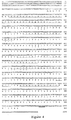
- FIGURE 2 shows the cDNA and translated polypeptide sequence of clone q10, carrying the cDNA of IFNAB-BPI: This clone was isolated from a lambda gt11 library, made from cDNA of human HeLa cells, by screening with a synthetic oligonucleotide corresponding to the non-degenerate DNA sequence of Figure 1(C).
- Sequences corresponding to the N-terminus of the urinary IFNAB-BP and to its CNBr peptides are underlined and the corresponding sequence name is given below the line (n1, N-terminus 1; n2, N-terminus 2; cb3, CNBr peptide 3; cb6, CNBr peptide 6; cbf, CNBr peptide 7).
- Hydrophobic sequences, corresponding to the signal peptide(s) and the transmembrane domain (tm) are double underlined.
- Bold numbers on the right side are those of the amino acid residues. Plain numbers correspond to nucleotide residues, taking the initiator A of ATG as No. 1.
- FIGURE 3 shows detection of mRNA by Northern blotting with a specific probe, common to the sequence of IFNAB-BPI and IFNAB-BPII:
- a 397 base pair (bp) probe corresponding to nucleotides 218-614 of IFNAB-BPI was prepared by polymerase chain reaction with appropriate primers and [32P] labeled by random primer labeling.
- Poly A+ RNA from human Daudi cells was analyzed by electrophoresis on agarose (1.5%), blotted onto nitrocellulose and hybridized with the specific probe. The size of the ribosomal RNA is indicated on the right side.
- FIGURE 6 shows the construction of a mammalian expression vector for expression of the extracellular, ligand-binding domain of IFNAB-BPI.
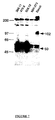
- FIGURE 7 shows the expression of IFNAB-BPI and IFNAR in various cells: Expression of IFNAB-BPI in various cells is shown by SDS-PAGE (7.5% acrylamide, non-reducing conditions) of detergent cell extracts, followed by immunoblotting with rabbit anti IFNAB-BPII antibody and 125I-protein A.
- Clone 369.11 is NIH-3T3 cells, expressing IFNAB-BPI; Clone 470.6 is NIH-3T3 cells expressing IFNAR; and Clone 508.12 expresses both proteins. Control NIH-3T3 cells and human Daudi cells are shown as well. The 51 kDa form (in murine cells) and 102 kDa form (in Daudi cells) of IFNAB-BPI are indicated by arrows. Molecular mass markers are shown on the left side.
- FIGURE 8 shows binding of 125I-IFN- ⁇ 2 to various host cells:
- FIGURE 9 summarizes the results of a study on a BIAcore system which determine the affinity of urinary IFNAB-BPII to IFN- ⁇ 2: IFN- ⁇ 2 was immobilized on the sensor chip and various concentrations of urinary IFNAB-BPII were passed through the sensor chip. "Relative response vs. time” shows the binding and dissociation process. The apparent dissociation constant is 3.12x10 ⁇ 9 M.
- an IFN- ⁇ / ⁇ binding protein having a molecular weight of 40,000 (IFNAB-BP) was isolated from normal urine by two chromatographic steps. Crude urinary proteins were loaded on a column consisting of IFN- ⁇ 2 bound to agarose. The column was washed to remove non-relevant proteins and the bound proteins were then eluted at low pH. Eluted proteins were then resolved by size exclusion HPLC to give several protein peaks, one of which was characterized by its ability to react specifically with 125I-IFN- ⁇ 2 and to block the antiviral activity of IFN- ⁇ and IFN- ⁇ .
- This protein was further characterized by N-terminal microsequence analysis, which gave a major sequence at its N-terminal domain: Asp-Ser-Pro-Asp-Tyr-Thr-Asp-Glu-Ser-Arg-Thr-Phe-Lys-Ile-Arg-Leu-Arg.
- a minor polypeptide sequence corresponding to the major sequence, but having three extra amino acid residues (Ile-XXX-Tyr) at the N-terminus of the above sequence, was detected (XXX denotes an unidentified amino acid).
- the resulting sequence was compared with and found to be completely different from that of the known IFN- ⁇ B receptor (14). It was also different from any other known protein and it was not coded by any known DNA sequence, as determined by comparing it to Swissprot and Genebank data libraries, using the FastA program (33).
- the aforementioned specific probe was used for screening an additional human cDNA library and two groups of cDNA clones were identified.
- One group (about 20 individual clones) had a length of 1.5 kb and coded for the same precursor of the transmembrane protein that was coded by clone q10.
- the second group (2 individual clones) had a length of 4.5 kb. These sizes were the same as those of the two mRNA species, and therefore the 1.5 kb cDNA clones coded for IFNAB-BPI while the 4.5 kb cDNA clones coded for IFNAB-BPII.
- the affinity of the urinary IFNAB-BPII for human IFN- ⁇ 2 was determined by the BIAcore system (Pharmacia, Sweden). IFN- ⁇ 2 was immobilized on a sensor chip and allowed to bind IFNAB-BPII. Based on Kon and Koff values, a Kd value of 3.12x10 ⁇ 9 M was obtained. This value is very close to the one obtained with NIH-3T3 cells expressing IFNAB-BPI.
- IFNAB-BPI and IFNAB-BPII can also be produced by other types of recombinant cells such as prokaryotic cells, e.g., E.coli , or other eukaryotic cells, such as CHO, yeast or insect cells.
- prokaryotic cells e.g., E.coli
- other eukaryotic cells such as CHO, yeast or insect cells.
- Methods for constructing appropriate vectors, carrying DNA that codes for either IFNAB-BPI or IFNAB-BPII and suitable for transforming (e.g., E. Coli and yeast cells) or infecting insect cells in order to produce recombinant IFNAB-BPI and IFNAB-BPII are well known in the art. See, for example, Ausubel et al., eds. "Current Protocols in Molecular Biology” Current Protocols , 1993; and Sambrook et al., eds. "Molecular Cloning: A Laboratory Manual", 2nd ed.
- DNA encoding IFNAB-BPI or IFNAB-BPII, their active fractions, muteins or fused proteins, and the operably linked transcriptional and translational regulatory signals, are inserted into eukaryotic vectors which are capable of integrating the desired gene sequences into the host cell chromosome.
- eukaryotic vectors which are capable of integrating the desired gene sequences into the host cell chromosome.
- one or more markers which allow for selection of host cells which contain the expression vector is used.
- the marker may provide for prototrophy to an auxotropic host, biocide resistance, e.g., antibiotics, or resistance to heavy metals, such as copper, or the like.
- the selectable marker gene can either be directly linked to the DNA gene sequences to be expressed, or introduced into the same cell by cotransfection. Additional elements may also be needed for optimal synthesis of single chain binding protein mRNA. These elements may include splice signals, as well as transcription promoters, enhancers, and termination signals (34).
- the DNA molecule to be introduced into the cells of choice will preferably be incorporated into a plasmid or viral vector capable of autonomous replication in the recipient host.
- Factors of importance in selecting a particular plasmid or viral vector include: the ease with which recipient cells that contain the vector may be recognized and selected from those recipient cells which do not contain the vector; the number of copies of the vector which are desired in a particular host; and whether it is desirable to be able to "shuttle" the vector between host cells of different species.
- Preferred prokaryotic vectors include plasmids such as those capable of replication in E.Coli , for example, pBR322, ColEl, pSC101, pACYC 184, etc. (35); Bacillus plasmids such as pC194, pC221, pT127, etc. (36); Streptomyces plasmids including pIJ101 (37), Streptomyces bacteriophages such as ⁇ C31 (38) and Pseudomonas plasmids (39,40).
- Preferred eukaryotic plasmids include BPV, vaccinia, SV40, 2-micron circle, etc., or their derivatives. Such plasmids are well known in the art (41-45).
- Yeast cells recognize leader sequences on cloned mammalian gene products and secrete peptides bearing leader sequences. After the introduction of the vector, the host cells are grown in a selective medium, which selects for the growth of vector-containing cells. Expression of the cloned gene sequence(s) results in the production of IFNAB-BPI or IFNAB-BPII, fusion proteins, or muteins or active fractions thereof. The expressed proteins are then isolated and purified by any conventional procedure involving extraction, precipitation, chromatography, electrophoresis, or the like, or by affinity chromatography, using anti-IFNAB-BPI monoclonal antibodies immobilized on a gel matrix contained within a column.
- Crude preparations containing said recombinant IFNAB-BPI or IFNAB-BPII, their active fractions or derivatives are passed through the column whereby IFNAB-BPI or IFNAB-BPII, their active fractions or derivatives will be bound to the column by the specific antibody while the impurities will pass through.
- the protein is eluted from the gel under conditions usually employed for this purpose, i.e. at a high or a low pH, e.g. pH 11 or pH 2.
- any such mutein preferably has a sequence of amino acids sufficiently duplicative of those of IFNAB-BPI and IFNAB-BPII such as to have substantially similar activity to IFNAB-BPI and IFNAB-BPII or their active fractions.
- One activity of IFNAB-BPI and IFNAB-BPII is its capability of binding to one or more type I interferons, such as natural human leukocyte and fibroblast interferons as well as recombinant human IFN- ⁇ 2, IFN- ⁇ B, IFN- ⁇ C and IFN- ⁇ .
- any such mutein has at least 40% identity or homology with the sequence of either an IFNAB-BPI or IFNAB-BPII. More preferably, it has at least 50%, at least 60%, at least 70%, at least 80% or, most preferably, at least 90% identity or homology thereto.
- Examples of production of amino acid substitutions in proteins which can be used for obtaining muteins of IFNAB-BPI or IFNAB-BPII polypeptides or proteins or their active fractions for use in the present invention include any known method steps, such as presented in US patents RE 33,653, 4,959,314, 4,588,585 and 4,737,462, to Mark et al; 5,116,943 to Koths et al., 4,965,195 to Namen et al; 4,879,111 to Chong et al; and 5,017,691 to Lee et al; and lysine substituted proteins presented in US patent No. 4,904,584 (Shaw et al).
- TMAC tetramethyl ammonium chloride
- salts herein refers to both salts of carboxyl groups and to acid addition salts of amino groups of IFNAB-BPI, IFNAB-BPII, their active fractions, muteins, or fused proteins thereof.
- Salts of a carboxyl group may be formed by means known in the art and include inorganic salts, for example, sodium, calcium, ammonium, ferric or zinc salts, and the like, and salts with organic bases as those formed, for example, with amines, such as triethanolamine, arginine or lysine, piperidine, procaine and the like.
- Acid addition salts include, for example, salts with mineral acids such as, for example, hydrochloric acid or sulfuric acid, and salts with organic acids such as, for example, acetic acid or oxalic acid.
- mineral acids such as, for example, hydrochloric acid or sulfuric acid
- organic acids such as, for example, acetic acid or oxalic acid.
- any such salts must have substantially similar activity to IFNAB-BPI or IFNAB-BPII or their active fractions.
- compositions of the invention are prepared for administration by mixing IFNAB-BPI or IFNAB-BPII or their derivatives, with physiologically acceptable carriers, and/or stabilizers and/or excipients, and prepared in dosage form, e.g., by lyophilization in dosage vials.
- the method of administration can be via any of the accepted modes of administration for similar agents and will depend on the condition to be treated, e.g., intravenously, intramuscularly, subcutaneously, by local injection or topical application, or continuously by infusion, etc.
- the amount of active compound to be administered will depend on the route of administration, the disease to be treated and the condition of the patient. Local injection, for instance, will require a lower amount of the protein on a body weight basis than will intravenous infusion.
- the IFN- ⁇ / ⁇ binding protein inhibited the antiviral activity of IFN- ⁇ 2, IFN- ⁇ B, IFN- ⁇ C and IFN- ⁇ and not IFN- ⁇ , which indicates that IFNAB-BPI and IFNAB-BPII are general type I IFN binding proteins.
- IFNAB-BPI and IFNAB-BPII are useful for modulating or blocking the biological activities of various IFN- ⁇ subtypes and IFN- ⁇ , for example in type I diabetes, various autoimmune diseases, graft rejections, AIDS and similar diseases, in which there is an aberrant expression of IFN- ⁇ or IFN- ⁇ , i.e. IFNAB-BPI and IFNAB-BPII may be used in any condition where an excess of IFN- ⁇ or IFN- ⁇ is endogenously produced or exogenously administered.
- IFNAB-BPI and IFNAB-BPII their active fractions, muteins, fused proteins and their salts, functional derivatives, and active fractions thereof are indicated for the treatment of autoimmune diseases, for other inflammations in mammals, for treatments of toxicity caused by administration of interferon alpha or beta, for juvenile diabetes, for lupus erythematosus and for AIDS.
- proteins of the present invention also have non-therapeutic utility such as in the purification of type I interferon species.
- antibody is meant to include polyclonal antibodies, monoclonal antibodies (Mabs), chimeric antibodies, anti-idiotypic (anti-Id) antibodies to antibodies that can be labeled in soluble or bound form, as well as active fractions thereof provided by any known technique, such as, but not limited to enzymatic cleavage, peptide synthesis or recombinant techniques.
- Polyclonal antibodies are heterogeneous populations of antibody molecules derived from the sera of animals immunized with an antigen.
- a monoclonal antibody contains a substantially homogeneous population of antibodies specific to antigens, which population contains substantially similar epitope binding sites.
- MAbs may be obtained by methods known to those skilled in the art. See, for example Kohler and Milstein, Nature 256:495-497 (1975); US Patent No. 4,376,110; Ausubel et al, eds., supra , Harlow and Lane, ANTIBODIES: A LABORATORY MANUAL, Cold Spring Harbor Laboratory (1988); and Colligan et al., eds., Current Protocols in Immunology, Greene Publishing Assoc.
- An anti-idiotypic (anti-Id) antibody is an antibody which recognizes unique determinants generally associated with the antigen-binding site of an antibody.
- An Id antibody can be prepared by immunizing an animal of the same species and genetic type (e.g., mouse strain) as the source of the Mab with the Mab to which an anti-Id is being prepared. The immunized animal will recognize and respond to the idiotypic determinants of the immunizing antibody by producing an antibody to these idiotypic determinants (the anti-Id antibody). See, for example, US patent No. 4,699,880, which is herein entirely incorporated by reference.
- Mabs generated against IFNAB-BPI, IFNAB-BPII, and related proteins of the present invention may be used to induce anti-Id antibodies in suitable animals, such as BALB/c mice.
- Spleen cells from such immunized mice are used to produce anti-Id hybridomas secreting anti-Id Mabs.
- the anti-Id Mabs can be coupled to a carrier such as keyhole limpet hemocyanin (KLH) and used to immunize additional BALB/c mice.
- KLH keyhole limpet hemocyanin
- Sera from these mice will contain anti-anti-Id antibodies that have the binding properties of the original Mab specific for an IFNAB-BPI or IFNAB-BPII epitope.
- antibody is also meant to include both intact molecules as well as active fractions thereof, such as, for example, Fab and F(ab')2, which are capable of binding antigen.
- Fab and F(ab')2 fragments lack the Fc fragment of intact antibody, clear more rapidly from the circulation, and may have less non-specific tissue binding than an intact antibody (Wahl et al., J. Nucl. Med. 24:316-325 (1983)).
- the antibodies (or fragments thereof) useful in the present invention may be employed histologically, as in immunofluorescence or immunoelectron microscopy, for in situ detection of IFNAB-BPI, IFNAB-BPII and related proteins of the present invention.
- In situ detection may be accomplished by removing a histological specimen from a patient, and providing the a labeled antibody of the present invention to such a specimen.
- the antibody (or fragment) is preferably provided by applying or by overlaying the labeled antibody (or fragment) to a biological sample.
- Such assays for IFNAB-BPI, IFNAB-BPII or related proteins of the present invention typically comprises incubating a biological sample, such as a biological fluid, a tissue extract, freshly harvested cells such as lymphocytes or leukocytes, or cells which have been incubated in tissue culture, in the presence of a detectably labeled antibody capable of identifying IFNAB-BPI, IFNAB-BPII or related proteins, and detecting the antibody by any of a number of techniques well-known in the art.
- the biological sample may be treated with a solid phase support or carrier such as nitrocellulose, or other solid support or carrier which is capable of immobilizing cells, cell particles or soluble proteins.
- a solid phase support or carrier such as nitrocellulose, or other solid support or carrier which is capable of immobilizing cells, cell particles or soluble proteins.
- the support or carrier may then be washed with suitable buffers followed by treatment with a detectably labeled antibody in accordance with the present invention.
- the solid phase support or carrier may then be washed with the buffer a second time to remove unbound antibody.
- the amount of bound label on said solid support or carrier may then be detected by conventional means.
- solid phase support By “solid phase support”, “solid phase carrier”, “solid support”, “solid carrier”, “support” or “carrier” is intended any support or carrier capable of binding antigen or antibodies.
- supports or carriers include glass, polystyrene, polypropylene, polyethylene, dextran, nylon amylases, natural and modified celluloses, polyacrylamides, gabbros, and magnetite.
- the nature of the carrier can be either soluble to some extent or insoluble for the purposes of the present invention.
- the support material may have virtually any possible structural configuration so long as the coupled molecule is capable of binding to an antigen or antibody.
- the support or carrier configuration may be spherical, as in a bead, or cylindrical, as in the inside surface of a test tube, or the external surface of a rod.
- the surface may be flat such as a sheet, test strip, etc.
- Preferred supports or carriers include polystyrene beads. Those skilled in the art will know many other suitable carriers for binding antibody or antigen, or will be able to ascertain the same by use of routine experimentation.
- binding activity of a given lot of antibody in accordance with the present invention may be determined according to well known methods. Those skilled in the art will be able to determine operative and optimal assay conditions for each determination by employing routine experimentation.
- Enzymes which can be used detectably label the antibody include, but are not limited to, malate dehydrogenase, staphylococcal nuclease, delta-5-steroid isomerase, yeast alcohol dehydrogenase, alpha- glycerophosphate dehydrogenase, triose phosphate isomerase, horseradish peroxidase, alkaline phosphatase, asparaginase, glucose oxidase, beta-galactosidase, ribonuclease, urease, catalase, glucose-6-phosphate dehydrogenase, glucoamylase and acetylcholinesterase.
- the detection can be accomplished by colorimetric methods which employ a chromogenic substrate for the enzyme. Detection may also be accomplished by visual comparison of the extent of enzymatic reaction of a substrate in comparison with similarly prepared standards.
- an antibody in accordance with the present invention with a fluorescent compound.
- fluorescent labeling compounds are fluorescein isothiocyanate, rhodamine, phycoerythrin, phycocyanin, allophycocyanin, o-phthaldehyde and fluorescamine.
- the antibody can also be detectably labeled using fluorescence emitting metals such as 152Eu, or others of the lanthanide series. These metals can be attached to the antibody using such metal chelating groups as diethylenetriamine pentaacetic acid (ETPA).
- fluorescence emitting metals such as 152Eu, or others of the lanthanide series. These metals can be attached to the antibody using such metal chelating groups as diethylenetriamine pentaacetic acid (ETPA).
- the antibody can also be detectably labeled by coupling it to biotin. Biotinylated antibody can then be detected by avidin or streptavidin coupled to a fluorescent compound or to an enzyme such as peroxidase or to a radioactive isotope and the like.
- the antibody also can be detectably labeled by coupling it to a chemiluminescent compound.
- the presence of the chemiluminescent-tagged antibody is then determined by detecting the presence of luminescence that arises during the course of a chemical reaction.
- chemiluminescent labeling compounds are luminol, isoluminol, theromatic acridinium ester, imidazole, acridinium salt and oxalate ester.
- Bioluminescence is a type of chemiluminescence found in biological systems in which a catalytic protein increases the efficiency of the chemiluminescent reaction. The presence of a bioluminescent protein is determined by detecting the presence of luminescence. Important bioluminescent compounds for purposes of labeling are luciferin, luciferase and aequorin.
- An antibody molecule of the present invention may be adapted for utilization in a immunometric assay, also known as a "two-site” or “sandwich” assay.
- a quantity of unlabeled antibody (or fragment of antibody) is bound to a solid support or carrier and a quantity of detectably labeled soluble antibody is added to permit detection and/or quantitation of the ternary complex formed between solid-phase antibody, antigen, and labeled antibody.
- Typical, and preferred, immunometric assays include "forward" assays in which the antibody bound to the solid phase is first contacted with the sample being tested to extract the antigen form the sample by formation of a binary solid phase antibody-antigen complex. After a suitable incubation period, the solid support or carrier is washed to remove the residue of the fluid sample, including unreacted antigen, if any, and then contacted with the solution containing an unknown quantity of labeled antibody (which functions as a "reporter molecule"). After a second incubation period to permit the labeled antibody to complex with the antigen bound to the solid support or carrier through the unlabeled antibody, the solid support or carrier is washed a second time to remove the unreacted labeled antibody.
- stepwise addition first of a solution of labeled antibody to the fluid sample followed by the addition of unlabeled antibody bound to a solid support or carrier after a suitable incubation period is utilized. After a second incubation, the solid phase is washed in conventional fashion to free it of the residue of the sample being tested and the solution of unreacted labeled antibody. The determination of labeled antibody associated with a solid support or carrier is then determined as in the "simultaneous" and "forward" assays.
- the invention also includes a process for the production of any of the proteins of the present invention by culturing a transformed cell in accordance with the present invention and recovering the protein encoded by the DNA molecule and the expression vehicle within such transformed host cell.
- IFNAB-BP Pure IFNAB-BP, obtained as described in Israeli Patent Application No 106591 was adsorbed on a PVDF membrane (Pro-Spin, Applied Biosystems, USA) and the membrane was subjected to protein sequence analysis on a Model 475 microsequencer (Applied Biosystems, USA). The following major sequence was obtained: In addition, a secondary polypeptide having three additional amino acid residues (Ile-xxx-Tyr) at the N-terminus of the major sequence was detected (xxx denotes an unidentified amino acid. The resulting sequence is completely different from that of the already known IFN- ⁇ B receptor (IFNAR, reference 14) and is different from any other known protein.
- IFNAR IFN- ⁇ B receptor
- a sample of the urinary IFNAB-BP was digested with CNBr, resolved on SDS-PAGE and blotted onto a PVDF membrane. Seven discrete peptide bands, designated cb1 - cb7, were resolved and detected on the membrane upon staining with Coomassie blue. Each band was excised and subjected to protein microsequencing.
- One of the peptides, cb7 was smaller than 10,000 and gave the following internal sequence (Met precedes the actual sequence): Another peptide, cb3, had the following sequence (Met precedes the actual sequence): Residue 13 was later identified as Cys, as determined from the cDNA sequence (see below). Cys residues cannot be identified by protein microsequencing.
- cb6 Another peptide, cb6, had the following sequence (Met precedes the actual sequence): Residue 4 was later identified as Asn, as determined from the cDNA sequence (see below). This Asn residue is part of a potential glycosylation signal sequence (Asn-Phe-Thr) and the absence of Asn signal in the protein sequence indicates that it is indeed glycosylated.
- a sample of urinary IFNAB-BP ( ⁇ 10 ⁇ g) was reduced by DTT, alkylated by iodoacetamide and digested with endoproteinase Lys C (Boehringer Mannheim, Germany) at a 1:50 enzyme to substrate ratio.
- the resulting peptide mixture was resolved by RP-HPLC, on an RP18 column (Aquapore RP18, Applied Biosystems Inc.) using a gradient of acetonitrile in aq. 0.1% trifluoroacetic acid. Individual peptide peaks were covalently attached to Sequalon AA membranes (Millipore , Bedford MA) and subjected to N-terminal sequencing as above.
- the C-terminal sequence corresponded to that of the 4.5 kb cDNA clone (see below) and could be distinguished from that of the putative protein coded by the 1.5 kb cDNA by the last two amino acid residues (Phe12-Ser13 instead of Ser-Ala).
- the soluble receptor isolated from urine is identified as IFNAB-BPII. It is translated independently from a specific 4.5 kb mRNA and is not formed by shedding of the cell-surface receptor.
- the resulting cDNA fragment was then amplified in a polymerase chain reaction (PCR), using the combined sense and antisense degenerate primers. Analysis of the PCR products on a 3% agarose gel showed the expected 101 bp band, obtained with the cDNA of both Daudi and WISH cells ( Figure 1B).
- the 101 bp fragment was restricted with BamH I and Sal I, cloned into pBluescript II KS+ (Stratagene) and 5 clones were sequenced.
- the sequence of the region flanked by the sense and antisense primers was invariant and encoded the expected sequence of amino acid residues 9-19 of peptide cb7 ( Figure 1C).
- a 35 bp oligonucleotide, corresponding to the non-degenerate internal sequence was then synthesized and used for screening of cDNA libraries.
- the synthetic 35 bp non-degenerate oligonucleotide of Example 2 was [32P] labeled and used for screening of a lambda gt11 cDNA library of human HeLa cells (Clontech). Five positive clones were identified. One of these clones, named q10, contained an insert of 1.4 kb. Sequencing of clone q10 yielded a sequence having an open reading frame, in which a signal peptide, an extracellular domain, a transmembrane domain and part of the intracellular domain were identified ( Figure 2).
- a radiolabelled DNA probe was prepared from clone q10 and used for Northern blot hybridization of poly A+ mRNA from two human cell lines: Daudi and WISH. In both cases two specific bands were observed, one, corresponding to 1.5 kb and another one, corresponding to 4.5 kb. Based on the intensity of the bands it was estimated that the 1.5 kb mRNA is about twice as abundant as the 4.5 kb mRNA. The signal obtained with the RNA from WISH cells was barely seen, while the signal of RNA from Daudi cells ( Figure 3) was detectable. The 1.5 kb mRNA is translated into a precursor of IFNAB-BPI which is a cell surface interferon receptor.
- the longer mRNA represents a different transcript, coding for a different protein that shares at least about 100 amino acid residues with IFNAB-BPI.
- This protein is the precursor of IFNAB-BPII, later shown to be a soluble form of the interferon- ⁇ / ⁇ receptor.
- a human monocyte cDNA library constructed in phage ⁇ pCEV9 (Gutkind, J. S., et al., Molec. Cell. Biol. 11 , 1500-1507, 1991), was then screened with a 397 bp probe made by PCR from the coding region of clone q10.
- Example 7 Construction of a mammalian expression vector and production of recombinant soluble IFNAB-BPI and IFNAB-BPII
- Example 8 Construction of eukaryotic expression vectors and expression of IFNAB-BPI and IFNAR in murine cells
- a DNA coding for the entire of IFNAB-BPI was generated by PCR with VENT DNA polymerase (Stratagene), using synthetic sense and antisense primers, carrying Xba I restriction sites and using plasmid pCEV9-m6 as a template.
- the resulting PCR product was restricted by Xba I and ligated into the expression vector pEF-BOS to yield pEF-BOS-IFNABR.
- the cDNA corresponding to IFNAR (14) was generated by RT-PCR (48), using specific oligonucleotides.
- the amplified product was cloned into the Xba I restriction site of the pEF-BOS expression vector (46), to yield pEF-BOS-IFNAR. These construct were confirmed by DNA sequencing. Competent E. Coli were transformed and clones having the IFNAB-BPI and IFNAR sequences in a correct orientation were isolated.
- Murine cells expressing the cloned IFNAB-BPI cDNA in a stable manner were developed. Exponentially growing NIH-3T3 cells (1.5x10⁶ in 10 cm plates ) were cotransfected by the calcium phosphate precipitation method (49) with pSV2neo (2 ⁇ g), together with pEF-BOS-IFNABR (10 ⁇ g DNA). Independent G418-resistant colonies were identified and sub-cloned. Clones expressing high levels of IFNAB-BPI were identified by binding of an antibody directed against the urinary IFNAB-BPI and by binding of 125I-IFN- ⁇ 2 (Table IV).
- cells (1x10⁶) were seeded in 35 mm wells (6 well plates, Costar) and grown to confluency (20 hr). The cells were washed with DMEM containing 2% FBS and 0.1% sodium azide (Wash medium) followed by an incubation of 20 min. with the Wash medium. Rabbit anti IFNAB-BPII antibodies (2 ml, 1:500 in the Wash medium) were added to the washed wells and the cells were incubated for 2h at room temperature. The cells were washed 3 times, 125I-protein A (2 ml, 250,000 cpm in the Wash medium) was added and the cells were further incubated for 45 min. The cells were washed 3 times, harvested with trypsin and counted.
- Murine cells expressing IFNAR were similarly developed by transfection with plasmid pEF-BOS-IFNAR.
- Clone No. 470.6 was IFNAR-positive, as determined by the ability of huIFN- ⁇ B to effectively induce an antiviral response in these cells.
- other type I IFNs e.g., huIFN- ⁇
- IFNAR-positive clones derived from Clone 369.11, were identified by their antiviral response to huIFN- ⁇ B, while IFNAB-BPI-positive clones, derived from Clone 470.6, were identified by binding of both anti IFNAB-BPII antibodies and 125I-IFN- ⁇ 2.
- IFNAB-BPI and IFNAB-BPII are also produced by additional recombinant cells such as prokaryotic cells, e.g., E.Coli , or other eukaryotic cells, such as yeast and insect cells.
- additional recombinant cells such as prokaryotic cells, e.g., E.Coli , or other eukaryotic cells, such as yeast and insect cells.
- E.Coli e.g., E.Coli
- yeast and insect cells eukaryotic cells
- Well known methods are available for constructing appropriate vectors, carrying DNA that codes for either IFNAB-BPI or IFNAB-BPII and their active fractions and suitable for transforming E.Coli and yeast cells, or infecting insect cells in order to produce recombinant IFNAB-BPI and IFNAB-BPII.
- the DNA coding for IFNAB-BPI or IFNAB-BPII (Examples 5 and 6) is cut out and inserted into expression vectors suitable for transfection of yeast cells.
- the DNA coding for IFNAB-BPI or IFNAB-BPII is inserted into baculovirus and the insect cells are infected with said recombinant baculovirus.
- the DNA coding for either IFNAB-BPI or IFNAB-BPII is subjected to site directed mutagenesis with appropriate oligonucleotides, so that an initiation ATG codon is inserted just prior to the first codon of mature IFNAB-BPI ( Figure 2) or IFNAB-BPII.
- DNA can be prepared by PCR with suitable sense and antisense primers.
- the resulting cDNA constructs are then inserted into appropriately constructed prokaryotic expression vectors by techniques well known in the art (35).
- Example 12 Construction of recombinant fusion proteins of IFNAB-BPI and IFNAB-BPII
- pRKCO42Fc1(47) is subjected to similar site-directed mutagenesis to introduce the same unique restriction site as close as possible to Asp 216 of IgG1 heavy chain in a way that allows translation in phase of the fused protein.
- a dsDNA fragment consisting of 5' non-translated sequences and encoding for either IFNAB-BPII or the ligand-binding domain of IFNAB-BPI is prepared by digestion at the unique restriction sites.
- the mutated pRKCD42Fc1 is similarly digested to generate a large fragment containing the plasmid and the IgG1 sequences.
- the two fragments are then ligated to generate a new plasmid, encoding a polypeptide precursor consisting of either IFNAB-BPII or the ligand-binding domain of IFNAB-BPI and about 227 C-terminal amino acids of IgG1 heavy chain (hinge region and CH2 and CH3 domains).
- the DNA encoding the fused proteins may be isolated from the plasmid by digestion with appropriate restriction enzymes and then inserted into efficient prokaryotic or eukaryotic expression vectors.
- Eukaryotic expression vectors coding for either the ligand-binding domain of IFNAB-BPI fused to the constant region of IgG1 heavy chain or IFNAB-BPII, fused to the constant region of IgG1 heavy chain are used for co-transfection of suitable mammalian host cells together with an eukaryotic expression vector coding for the extracellular domain of IFNAR, fused to the constant region of IgG1 light chain.
- Positive transfectants will secrete a composite protein consisting of the IgG1 constant regions, the extracellular domain of IFNAR replacing the variable regions of IgG1 light chains and either IFNAB-BPII or the ligand-binding domain of IFNAB-BPI replacing the variable regions of IgG1 heavy chains.
- these fused proteins are expected to exhibit about 10-fold higher affinity for IFN- ⁇ as compared with that of IFNAB-BPI or IFNAB-BPII.
- the plates were then blocked with bovine serum albumin (BSA, 0.5%), Tween 20 (Sigma USA, 0.05%) in PBS overnight at 4°C.
- BSA bovine serum albumin
- Tween 20 Sigma USA, 0.05%) in PBS overnight at 4°C.
- the plates were reacted with 5 fold dilutions of the rabbit antiserum for 4 hours at room temperature, washed and reacted with 125I-protein A (105 cpm/well) in PBS for 45 min. at room temperature.
- the plates were then washed; individual wells were cut and counted.
- the titer is calculated as the reciprocal of the maximal dilution that gave counts 10 fold higher than control antiserum. The titer after 5 injections was greater than 1:60,000.
- the development of antibody level was also followed by the ability of the antiserum to block the antiviral activity of human IFN- ⁇ 2.
- Preformed monolayers of human WISH cells in 96-well plates were incubated with two-fold dilutions of the antiserum, starting at a dilution of 1:250 in well no. 1, for 1 hour at 37°C.
- IFN- ⁇ 2 (10 u/ml, final) was then added and after 1 hour at 37°C, the cells were challenged with vesicular stomatitis virus.
- the neutralizing titer after 7 immunizations was 120,000 antiviral u/ml.
- mice Female Balb/C mice (3 months old) were first injected with 2 ⁇ g purified IFNAB-BP in an emulsion of complete Freund's adjuvant, and three weeks later, subcutaneously in incomplete Freund's adjuvant. Three additional injections were given at 10 day intervals, subcutaneously in PBS. A binding titer of 1:60,000 was obtained by sRIA (see Example 9). Final boosts were given intraperitoneally 4 and 3 days before the fusion to the mouse showing the highest binding titer. Fusion was performed using NSO/1 myeloma cell line and lymphocytes prepared from both the spleen and lymph nodes of the animal as fusion partners.
- the fused cells were distributed into microculture plates and the hybridomas were selected in DMEM supplemented with HAT and 15% horse serum.
- Hybridomas that were found to produce antibodies to IFNAB-BP were subcloned by the limiting dilution method and injected into Balb/C mice that had been primed with pristane for the production of ascites.
- the isotypes of the antibodies were defined with the use of a commercially available ELISA kit (Amersham, UK).
- hybridomas producing anti-IFNAB-BP monoclonal antibodies was performed as follows: Hybridoma supernatants were tested for the presence of anti-IFNAB-BP antibodies by an inverted solid phase radioimmunoassay (IRIA). PVC microtiter plates (Dynatech Laboratories, Alexandria, VA) were coated with affinity purified goat anti-mouse serum F(ab)2 antibodies (Jackson Labs, USA) (10 ⁇ g/ml, 100 ⁇ l/well). Following overnight incubation at 4°C the plates were washed twice with PBS containing BSA (0.5%) and Tween 20 (0.05%) and blocked in washing solution for at least 2 hr. at 37°C.
- IRIA inverted solid phase radioimmunoassay
- EXAMPLE 16 Affinity chromatography of IFNAB-BP with monoclonal antibodies
- Antibodies against IFNAB-BP were utilized for the purification of IFNAB-BP by affinity chromatography.
- the monoclonal antibody No. 5.73 was used in this example for affinity chromatography.
- Ascitic fluid containing the monoclonal antibody secreted by hybridoma No. 5.73 was purified by ammonium sulfate precipitation at 50% saturation followed by extensive dialysis against PBS.
- About 10 mg of immunoglobulins were bound to 1 ml Affigel 10 (Bio-Rad USA), as specified by the manufacturer.
- Microtiter plates (Dynatech or Maxisorb, by Nunc) were coated with anti-IFNAB-BP monoclonal antibody No. 46.10 (Ig fraction, 120 ⁇ l/well, 10 ⁇ g/ml in PBS) overnight at 4°C.
- the plates were washed with PBS containing BSA (0.5%), Tween 20 (0.05%) and NaN3 (0.02%) (Blocking Solution) and blocked in the same solution overnight at 37°C.
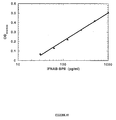
- the tested samples were serially diluted twofold (starting with 1:4) in the Blocking Solution containing 0.1% NP40 and 0.65 M NaCl and added to the wells (100 ⁇ l/well) for 4 hr. at 37°C.
- the plates were then washed 3 times with PBS containing 0.05% Tween 20 (PBS/Tween) followed by the addition of rabbit anti-IFNAB-BPII serum (1:1000 in Blocking Solution but without NaN3, 100 ⁇ l/well) for further incubation overnight at 4°C.
- the plates were washed 3 times with PBS/Tween, (100 ⁇ l/well), and a conjugate of goat-anti-rabbit horseradish peroxidase (HRP, Jackson Labs, 1:10,000 in PBS/Tween, 100 ⁇ l/well) was added for 2 hr. at room temperature.
Landscapes
- Health & Medical Sciences (AREA)
- Life Sciences & Earth Sciences (AREA)
- Chemical & Material Sciences (AREA)
- Organic Chemistry (AREA)
- Genetics & Genomics (AREA)
- Engineering & Computer Science (AREA)
- General Health & Medical Sciences (AREA)
- Molecular Biology (AREA)
- Bioinformatics & Cheminformatics (AREA)
- Biophysics (AREA)
- Biochemistry (AREA)
- Zoology (AREA)
- Medicinal Chemistry (AREA)
- Biomedical Technology (AREA)
- Immunology (AREA)
- Biotechnology (AREA)
- Proteomics, Peptides & Aminoacids (AREA)
- Wood Science & Technology (AREA)
- General Engineering & Computer Science (AREA)
- Pharmacology & Pharmacy (AREA)
- Chemical Kinetics & Catalysis (AREA)
- General Chemical & Material Sciences (AREA)
- Animal Behavior & Ethology (AREA)
- Public Health (AREA)
- Veterinary Medicine (AREA)
- Toxicology (AREA)
- Physics & Mathematics (AREA)
- Cell Biology (AREA)
- Nuclear Medicine, Radiotherapy & Molecular Imaging (AREA)
- Plant Pathology (AREA)
- Microbiology (AREA)
- Gastroenterology & Hepatology (AREA)
- Peptides Or Proteins (AREA)
- Preparation Of Compounds By Using Micro-Organisms (AREA)
- Medicines That Contain Protein Lipid Enzymes And Other Medicines (AREA)
- Micro-Organisms Or Cultivation Processes Thereof (AREA)
- Saccharide Compounds (AREA)
- Medicines Containing Antibodies Or Antigens For Use As Internal Diagnostic Agents (AREA)
Priority Applications (1)
| Application Number | Priority Date | Filing Date | Title |
|---|---|---|---|
| DK95101560T DK0676413T3 (da) | 1994-02-07 | 1995-02-06 | Inteferon-alfa/beta-bindingsprotein, dets fremstilling og anvendelse |
Applications Claiming Priority (2)
| Application Number | Priority Date | Filing Date | Title |
|---|---|---|---|
| IL10858494 | 1994-02-07 | ||
| IL108584A IL108584A (en) | 1994-02-07 | 1994-02-07 | Cloning of interferon -alpha/beta binding protein |
Publications (4)
| Publication Number | Publication Date |
|---|---|
| EP0676413A2 true EP0676413A2 (fr) | 1995-10-11 |
| EP0676413A3 EP0676413A3 (fr) | 1996-04-03 |
| EP0676413B1 EP0676413B1 (fr) | 2005-01-05 |
| EP0676413B9 EP0676413B9 (fr) | 2005-05-18 |
Family
ID=11065792
Family Applications (1)
| Application Number | Title | Priority Date | Filing Date |
|---|---|---|---|
| EP95101560A Expired - Lifetime EP0676413B9 (fr) | 1994-02-07 | 1995-02-06 | Protéine liant l'interféron alpha/bêta, sa production et son application |
Country Status (17)
| Country | Link |
|---|---|
| EP (1) | EP0676413B9 (fr) |
| JP (2) | JP3670045B2 (fr) |
| KR (1) | KR100382628B1 (fr) |
| CN (1) | CN1286976C (fr) |
| AT (1) | ATE286509T1 (fr) |
| AU (1) | AU688430B2 (fr) |
| CA (1) | CA2141747C (fr) |
| DE (1) | DE69533905T2 (fr) |
| DK (1) | DK0676413T3 (fr) |
| ES (1) | ES2236696T3 (fr) |
| FI (1) | FI118084B (fr) |
| IL (1) | IL108584A (fr) |
| NO (1) | NO318912B1 (fr) |
| PT (1) | PT676413E (fr) |
| RU (4) | RU2232811C2 (fr) |
| UA (1) | UA46694C2 (fr) |
| ZA (1) | ZA95968B (fr) |
Cited By (3)
| Publication number | Priority date | Publication date | Assignee | Title |
|---|---|---|---|---|
| WO1997041229A1 (fr) * | 1996-05-01 | 1997-11-06 | Yeda Research And Development Co. Ltd. | Anticorps agissant contre le recepteur de l'interferon alpha/beta |
| WO2007002096A3 (fr) * | 2005-06-22 | 2007-05-10 | Genentech Inc | Methodes et compositions permettant de cibler ifnar2 |
| CN104245734A (zh) * | 2012-01-20 | 2014-12-24 | 非营利性组织佛兰芒综合大学生物技术研究所 | 靶向突变体α-螺旋束细胞因子 |
Families Citing this family (4)
| Publication number | Priority date | Publication date | Assignee | Title |
|---|---|---|---|---|
| US7087726B2 (en) * | 2001-02-22 | 2006-08-08 | Genentech, Inc. | Anti-interferon-α antibodies |
| CN1405181A (zh) * | 2001-08-10 | 2003-03-26 | 中国人民解放军军事医学科学院生物工程研究所 | 血清白蛋白与干扰素的融合蛋白 |
| JP5104622B2 (ja) * | 2008-07-29 | 2012-12-19 | Jnc株式会社 | 磁性粒子を用いた測定対象物質の濃度測定法 |
| ES2950288T3 (es) * | 2016-04-29 | 2023-10-06 | Pfizer | Anticuerpos interferón beta y usos de los mismos |
Family Cites Families (5)
| Publication number | Priority date | Publication date | Assignee | Title |
|---|---|---|---|---|
| DE3247922A1 (de) * | 1982-12-24 | 1984-06-28 | Boehringer Ingelheim International GmbH, 6507 Ingelheim | Dna-sequenzen, deren herstellung, diese sequenzen enthaltende plasmide und deren verwendung zur synthese eukaryotischer genprodukte in prokaryoten |
| FR2653445B1 (fr) * | 1989-10-20 | 1994-07-29 | Centre Nat Rech Scient | Fragment d'adnc codant pour le gene du recepteur de l'interferon alpha et procede de preparation d'une proteine correspondante. |
| AU653937B2 (en) * | 1991-04-17 | 1994-10-20 | Medisup International N.V. | Water-soluble polypeptides having high affinity for interferons alpha and beta |
| RU2006036C1 (ru) * | 1991-12-27 | 1994-01-15 | Научно-исследовательский институт эпидемиологии и микробиологии им.Н.Ф.Гамалеи РАМН | Способ определения антигенов |
| IL106591A (en) * | 1992-09-03 | 2008-03-20 | Yeda Res & Dev | Interferon alpha/beta binding protein, its preparation and pharmaceutical compositions containing it |
-
1994
- 1994-02-07 IL IL108584A patent/IL108584A/en not_active IP Right Cessation
-
1995
- 1995-01-27 AU AU11416/95A patent/AU688430B2/en not_active Expired
- 1995-02-01 UA UA95028094A patent/UA46694C2/uk unknown
- 1995-02-03 CA CA2141747A patent/CA2141747C/fr not_active Expired - Lifetime
- 1995-02-06 RU RU95101848/13A patent/RU2232811C2/ru active
- 1995-02-06 AT AT95101560T patent/ATE286509T1/de active
- 1995-02-06 DE DE69533905T patent/DE69533905T2/de not_active Expired - Lifetime
- 1995-02-06 EP EP95101560A patent/EP0676413B9/fr not_active Expired - Lifetime
- 1995-02-06 KR KR1019950002041A patent/KR100382628B1/ko not_active Expired - Lifetime
- 1995-02-06 DK DK95101560T patent/DK0676413T3/da active
- 1995-02-06 PT PT95101560T patent/PT676413E/pt unknown
- 1995-02-06 RU RU2004106775/13A patent/RU2363705C2/ru active
- 1995-02-06 FI FI950516A patent/FI118084B/fi not_active IP Right Cessation
- 1995-02-06 RU RU2004106773/13A patent/RU2362781C2/ru active
- 1995-02-06 ES ES95101560T patent/ES2236696T3/es not_active Expired - Lifetime
- 1995-02-06 NO NO19950420A patent/NO318912B1/no not_active IP Right Cessation
- 1995-02-07 ZA ZA95968A patent/ZA95968B/xx unknown
- 1995-02-07 JP JP04353995A patent/JP3670045B2/ja not_active Expired - Lifetime
- 1995-02-07 CN CNB951001949A patent/CN1286976C/zh not_active Expired - Lifetime
-
2004
- 2004-03-05 RU RU2004106774/13A patent/RU2336279C2/ru active
-
2005
- 2005-02-09 JP JP2005033495A patent/JP2005200422A/ja active Pending
Cited By (7)
| Publication number | Priority date | Publication date | Assignee | Title |
|---|---|---|---|---|
| WO1997041229A1 (fr) * | 1996-05-01 | 1997-11-06 | Yeda Research And Development Co. Ltd. | Anticorps agissant contre le recepteur de l'interferon alpha/beta |
| AU719995B2 (en) * | 1996-05-01 | 2000-05-18 | Yeda Research And Development Co. Ltd. | Antibodies against interferon alpha/beta receptor |
| US6136309A (en) * | 1996-05-01 | 2000-10-24 | Yeda Research And Development Co. Ltd. | Antibodies against the interferon (IFN) α/β receptor (IFNAR2) that preferentially block the activity of IFN-α |
| EP1739177A1 (fr) * | 1996-05-01 | 2007-01-03 | Yeda Research And Development Company, Ltd. | Anticorps agissant contre le recepteur de l'interferon alpha/beta |
| WO2007002096A3 (fr) * | 2005-06-22 | 2007-05-10 | Genentech Inc | Methodes et compositions permettant de cibler ifnar2 |
| CN104245734A (zh) * | 2012-01-20 | 2014-12-24 | 非营利性组织佛兰芒综合大学生物技术研究所 | 靶向突变体α-螺旋束细胞因子 |
| CN104245734B (zh) * | 2012-01-20 | 2017-09-05 | 非营利性组织佛兰芒综合大学生物技术研究所 | 靶向突变体α‑螺旋束细胞因子 |
Also Published As
Similar Documents
| Publication | Publication Date | Title |
|---|---|---|
| EP1003781B1 (fr) | Proteines de fixation de l'interleukine-18, leur preparation et utilisation | |
| US6136309A (en) | Antibodies against the interferon (IFN) α/β receptor (IFNAR2) that preferentially block the activity of IFN-α | |
| US6602993B2 (en) | DNA molecule encoding TNF binding ligands and vectors and host cells containing the DNA molecule | |
| US5821078A (en) | Nucleic acid encoding interferon-α/β binding protein | |
| AU688430B2 (en) | Interferon-alpha/beta binding protein, its preparation and use | |
| WO1994020625A1 (fr) | Procede destine a induire la mort de cellules tumorales |
Legal Events
| Date | Code | Title | Description |
|---|---|---|---|
| PUAI | Public reference made under article 153(3) epc to a published international application that has entered the european phase |
Free format text: ORIGINAL CODE: 0009012 |
|
| AK | Designated contracting states |
Kind code of ref document: A2 Designated state(s): AT BE CH DE DK ES FR GB GR IE IT LI LU MC NL PT SE |
|
| PUAL | Search report despatched |
Free format text: ORIGINAL CODE: 0009013 |
|
| AK | Designated contracting states |
Kind code of ref document: A3 Designated state(s): AT BE CH DE DK ES FR GB GR IE IT LI LU MC NL PT SE |
|
| RIN1 | Information on inventor provided before grant (corrected) |
Inventor name: RUBINSTEIN, MENACHEM Inventor name: NOVICK , DANIELA Inventor name: COHEN , BATYA |
|
| 17P | Request for examination filed |
Effective date: 19960502 |
|
| 17Q | First examination report despatched |
Effective date: 19991220 |
|
| GRAP | Despatch of communication of intention to grant a patent |
Free format text: ORIGINAL CODE: EPIDOSNIGR1 |
|
| GRAS | Grant fee paid |
Free format text: ORIGINAL CODE: EPIDOSNIGR3 |
|
| GRAA | (expected) grant |
Free format text: ORIGINAL CODE: 0009210 |
|
| AK | Designated contracting states |
Kind code of ref document: B1 Designated state(s): AT BE CH DE DK ES FR GB GR IE IT LI LU MC NL PT SE |
|
| REG | Reference to a national code |
Ref country code: GB Ref legal event code: FG4D |
|
| RIN1 | Information on inventor provided before grant (corrected) |
Inventor name: RUBINSTEIN, MENACHEM Inventor name: NOVICK, DANIELA Inventor name: COHEN, BATYA |
|
| REG | Reference to a national code |
Ref country code: CH Ref legal event code: EP |
|
| REG | Reference to a national code |
Ref country code: IE Ref legal event code: FG4D |
|
| REF | Corresponds to: |
Ref document number: 69533905 Country of ref document: DE Date of ref document: 20050210 Kind code of ref document: P |
|
| REG | Reference to a national code |
Ref country code: SE Ref legal event code: TRGR |
|
| REG | Reference to a national code |
Ref country code: CH Ref legal event code: NV Representative=s name: MOINAS & SAVOYE SA |
|
| REG | Reference to a national code |
Ref country code: DK Ref legal event code: T3 |
|
| REG | Reference to a national code |
Ref country code: GR Ref legal event code: EP Ref document number: 20050401113 Country of ref document: GR |
|
| REG | Reference to a national code |
Ref country code: PT Ref legal event code: SC4A Free format text: AVAILABILITY OF NATIONAL TRANSLATION Effective date: 20050331 |
|
| REG | Reference to a national code |
Ref country code: ES Ref legal event code: FG2A Ref document number: 2236696 Country of ref document: ES Kind code of ref document: T3 |
|
| PLBE | No opposition filed within time limit |
Free format text: ORIGINAL CODE: 0009261 |
|
| STAA | Information on the status of an ep patent application or granted ep patent |
Free format text: STATUS: NO OPPOSITION FILED WITHIN TIME LIMIT |
|
| ET | Fr: translation filed | ||
| 26N | No opposition filed |
Effective date: 20051006 |
|
| REG | Reference to a national code |
Ref country code: GB Ref legal event code: FG4D |
|
| PGFP | Annual fee paid to national office [announced via postgrant information from national office to epo] |
Ref country code: MC Payment date: 20131231 Year of fee payment: 20 |
|
| PGFP | Annual fee paid to national office [announced via postgrant information from national office to epo] |
Ref country code: LU Payment date: 20140102 Year of fee payment: 20 |
|
| PGFP | Annual fee paid to national office [announced via postgrant information from national office to epo] |
Ref country code: DE Payment date: 20140129 Year of fee payment: 20 Ref country code: CH Payment date: 20140212 Year of fee payment: 20 Ref country code: DK Payment date: 20140211 Year of fee payment: 20 Ref country code: IE Payment date: 20140211 Year of fee payment: 20 Ref country code: NL Payment date: 20140110 Year of fee payment: 20 Ref country code: SE Payment date: 20140211 Year of fee payment: 20 |
|
| PGFP | Annual fee paid to national office [announced via postgrant information from national office to epo] |
Ref country code: BE Payment date: 20140214 Year of fee payment: 20 Ref country code: ES Payment date: 20140113 Year of fee payment: 20 Ref country code: GR Payment date: 20140120 Year of fee payment: 20 Ref country code: AT Payment date: 20140128 Year of fee payment: 20 Ref country code: IT Payment date: 20140109 Year of fee payment: 20 Ref country code: FR Payment date: 20140211 Year of fee payment: 20 |
|
| PGFP | Annual fee paid to national office [announced via postgrant information from national office to epo] |
Ref country code: GB Payment date: 20140206 Year of fee payment: 20 Ref country code: PT Payment date: 20140203 Year of fee payment: 20 |
|
| REG | Reference to a national code |
Ref country code: DE Ref legal event code: R071 Ref document number: 69533905 Country of ref document: DE |
|
| REG | Reference to a national code |
Ref country code: DK Ref legal event code: EUP Effective date: 20150206 |
|
| REG | Reference to a national code |
Ref country code: CH Ref legal event code: PL Ref country code: PT Ref legal event code: MM4A Free format text: MAXIMUM VALIDITY LIMIT REACHED Effective date: 20150206 |
|
| REG | Reference to a national code |
Ref country code: NL Ref legal event code: V4 Effective date: 20150206 |
|
| REG | Reference to a national code |
Ref country code: GB Ref legal event code: PE20 Expiry date: 20150205 |
|
| REG | Reference to a national code |
Ref country code: AT Ref legal event code: MK07 Ref document number: 286509 Country of ref document: AT Kind code of ref document: T Effective date: 20150206 |
|
| REG | Reference to a national code |
Ref country code: IE Ref legal event code: MK9A |
|
| REG | Reference to a national code |
Ref country code: SE Ref legal event code: EUG |
|
| REG | Reference to a national code |
Ref country code: GR Ref legal event code: MA Ref document number: 20050401113 Country of ref document: GR Effective date: 20150207 Ref country code: ES Ref legal event code: FD2A Effective date: 20150424 |
|
| PG25 | Lapsed in a contracting state [announced via postgrant information from national office to epo] |
Ref country code: PT Free format text: LAPSE BECAUSE OF EXPIRATION OF PROTECTION Effective date: 20150213 Ref country code: IE Free format text: LAPSE BECAUSE OF EXPIRATION OF PROTECTION Effective date: 20150206 |
|
| PG25 | Lapsed in a contracting state [announced via postgrant information from national office to epo] |
Ref country code: GB Free format text: LAPSE BECAUSE OF EXPIRATION OF PROTECTION Effective date: 20150205 |
|
| PG25 | Lapsed in a contracting state [announced via postgrant information from national office to epo] |
Ref country code: ES Free format text: LAPSE BECAUSE OF EXPIRATION OF PROTECTION Effective date: 20150207 |