EP0685219A2 - Haarbehandlungsmittel und Verfahren zur Anwendung - Google Patents
Haarbehandlungsmittel und Verfahren zur Anwendung Download PDFInfo
- Publication number
- EP0685219A2 EP0685219A2 EP95102854A EP95102854A EP0685219A2 EP 0685219 A2 EP0685219 A2 EP 0685219A2 EP 95102854 A EP95102854 A EP 95102854A EP 95102854 A EP95102854 A EP 95102854A EP 0685219 A2 EP0685219 A2 EP 0685219A2
- Authority
- EP
- European Patent Office
- Prior art keywords
- hair
- percent
- agent according
- weight
- agent
- Prior art date
- Legal status (The legal status is an assumption and is not a legal conclusion. Google has not performed a legal analysis and makes no representation as to the accuracy of the status listed.)
- Granted
Links
Classifications
-
- A—HUMAN NECESSITIES
- A61—MEDICAL OR VETERINARY SCIENCE; HYGIENE
- A61K—PREPARATIONS FOR MEDICAL, DENTAL OR TOILETRY PURPOSES
- A61K8/00—Cosmetics or similar toiletry preparations
- A61K8/18—Cosmetics or similar toiletry preparations characterised by the composition
- A61K8/30—Cosmetics or similar toiletry preparations characterised by the composition containing organic compounds
- A61K8/40—Cosmetics or similar toiletry preparations characterised by the composition containing organic compounds containing nitrogen
- A61K8/44—Aminocarboxylic acids or derivatives thereof, e.g. aminocarboxylic acids containing sulfur; Salts; Esters or N-acylated derivatives thereof
- A61K8/442—Aminocarboxylic acids or derivatives thereof, e.g. aminocarboxylic acids containing sulfur; Salts; Esters or N-acylated derivatives thereof substituted by amido group(s)
-
- A—HUMAN NECESSITIES
- A61—MEDICAL OR VETERINARY SCIENCE; HYGIENE
- A61K—PREPARATIONS FOR MEDICAL, DENTAL OR TOILETRY PURPOSES
- A61K8/00—Cosmetics or similar toiletry preparations
- A61K8/18—Cosmetics or similar toiletry preparations characterised by the composition
- A61K8/30—Cosmetics or similar toiletry preparations characterised by the composition containing organic compounds
- A61K8/33—Cosmetics or similar toiletry preparations characterised by the composition containing organic compounds containing oxygen
- A61K8/36—Carboxylic acids; Salts or anhydrides thereof
- A61K8/365—Hydroxycarboxylic acids; Ketocarboxylic acids
-
- A—HUMAN NECESSITIES
- A61—MEDICAL OR VETERINARY SCIENCE; HYGIENE
- A61K—PREPARATIONS FOR MEDICAL, DENTAL OR TOILETRY PURPOSES
- A61K8/00—Cosmetics or similar toiletry preparations
- A61K8/18—Cosmetics or similar toiletry preparations characterised by the composition
- A61K8/72—Cosmetics or similar toiletry preparations characterised by the composition containing organic macromolecular compounds
- A61K8/81—Cosmetics or similar toiletry preparations characterised by the composition containing organic macromolecular compounds obtained by reactions involving only carbon-to-carbon unsaturated bonds
- A61K8/8141—Compositions of homopolymers or copolymers of compounds having one or more unsaturated aliphatic radicals, each having only one carbon-to-carbon double bond, and at least one being terminated by only one carboxyl radical, or of salts, anhydrides, esters, amides, imides or nitriles thereof; Compositions of derivatives of such polymers
- A61K8/8147—Homopolymers or copolymers of acids; Metal or ammonium salts thereof, e.g. crotonic acid, (meth)acrylic acid; Compositions of derivatives of such polymers
-
- A—HUMAN NECESSITIES
- A61—MEDICAL OR VETERINARY SCIENCE; HYGIENE
- A61K—PREPARATIONS FOR MEDICAL, DENTAL OR TOILETRY PURPOSES
- A61K8/00—Cosmetics or similar toiletry preparations
- A61K8/18—Cosmetics or similar toiletry preparations characterised by the composition
- A61K8/72—Cosmetics or similar toiletry preparations characterised by the composition containing organic macromolecular compounds
- A61K8/81—Cosmetics or similar toiletry preparations characterised by the composition containing organic macromolecular compounds obtained by reactions involving only carbon-to-carbon unsaturated bonds
- A61K8/817—Compositions of homopolymers or copolymers of compounds having one or more unsaturated aliphatic radicals, each having only one carbon-to-carbon double bond, and at least one being terminated by a single or double bond to nitrogen or by a heterocyclic ring containing nitrogen; Compositions or derivatives of such polymers, e.g. vinylimidazol, vinylcaprolactame, allylamines (Polyquaternium 6)
-
- A—HUMAN NECESSITIES
- A61—MEDICAL OR VETERINARY SCIENCE; HYGIENE
- A61K—PREPARATIONS FOR MEDICAL, DENTAL OR TOILETRY PURPOSES
- A61K8/00—Cosmetics or similar toiletry preparations
- A61K8/18—Cosmetics or similar toiletry preparations characterised by the composition
- A61K8/72—Cosmetics or similar toiletry preparations characterised by the composition containing organic macromolecular compounds
- A61K8/81—Cosmetics or similar toiletry preparations characterised by the composition containing organic macromolecular compounds obtained by reactions involving only carbon-to-carbon unsaturated bonds
- A61K8/817—Compositions of homopolymers or copolymers of compounds having one or more unsaturated aliphatic radicals, each having only one carbon-to-carbon double bond, and at least one being terminated by a single or double bond to nitrogen or by a heterocyclic ring containing nitrogen; Compositions or derivatives of such polymers, e.g. vinylimidazol, vinylcaprolactame, allylamines (Polyquaternium 6)
- A61K8/8182—Copolymers of vinyl-pyrrolidones. Compositions of derivatives of such polymers
-
- A—HUMAN NECESSITIES
- A61—MEDICAL OR VETERINARY SCIENCE; HYGIENE
- A61Q—SPECIFIC USE OF COSMETICS OR SIMILAR TOILETRY PREPARATIONS
- A61Q5/00—Preparations for care of the hair
- A61Q5/06—Preparations for styling the hair, e.g. by temporary shaping or colouring
Definitions
- the present invention relates to an agent for the treatment of hair on an aqueous alcoholic basis, which is free of cationic surfactants and a combination of at least one film-forming cationic, anionic and / or amphoteric polymer with an amphoteric surfactant, a C2 to C4 alcohol and one contains organic acid and methods of applying the agent.
- the physical, chemical and morphological properties of the hair are negatively influenced by various types of effects.
- the hair is treated by cosmetic treatments such as repeated bleaching, perming and dyeing, but also by frequent washing of the hair with degreasing surfactants, by climatic influences such as differences in humidity and temperature or the intensive exposure to sunlight, as well as by mechanical treatment such as brushing, combing and terry towels , especially in the area of the hair tips, heavily stressed and damaged, while the hair at the hairline has a healthy, undamaged structure.
- cosmetic treatments such as repeated bleaching, perming and dyeing, but also by frequent washing of the hair with degreasing surfactants, by climatic influences such as differences in humidity and temperature or the intensive exposure to sunlight, as well as by mechanical treatment such as brushing, combing and terry towels , especially in the area of the hair tips, heavily stressed and damaged, while the hair at the hairline has a healthy, undamaged structure.
- the mostly different hair structure between the hairline and the hair tips is
- the permanent wave agent is adapted in its wave effectiveness to the damaged and damaged hair tips, then one gets an insufficient permanent deformation of the hair Hairline.
- you adjust the permanent wave agent in its wave effectiveness to the healthy, undamaged structure of the hair at the hairline the hair on the damaged hair tips can be damaged so much that it can lead to a severely restricted curl up to breaking off the hair.
- the permanent wave treatment of the hair with keratin-reducing shaping agents is generally carried out in such a way that the hair which has been previously washed and wiped off with a towel is moistened with part of the shaping agent, then divided into strands, these strands are individually wound on permanent wave curlers and then moistened with the remaining shaping agent .
- the hair is rinsed with water, then fixed by oxidation, then the curlers are removed, the hair is rinsed again with water and, if appropriate, aftertreated with a spa preparation.
- the object was therefore to provide a hair treatment agent which protects the hair, in particular the hair tips, during the permanent waving process and thus enables the hair to be deformed evenly.
- the agent should have good gloss-giving properties without straining the hair.
- the agent according to the invention preferably contains component (A) in an amount of 0.1 to 4 percent by weight.
- film-forming cationic polymers suitable as component (A) are quaternized vinylpyrrolidone / dimethylaminoethyl methacrylate copolymers, dimethyldiallylammonium chloride polymers, quaternary acrylamide / dimethyldiallylammonium chloride copolymers, quaternary methylvinylimidazolinium / vinylpyrrolidone copolymers or cationic copolymers.
- Suitable quaternized vinyl pyrrolidone / dimethylaminoethyl methacrylate copolymers are marketed, for example, by Gaf Co., New York, USA in the form of a 20 percent aqueous solution under the trade name Gafquat® 755 N and in the form of a 50 percent solution in ethanol under the trade name Gafquat® 734.
- Dimethyldiallyamonium chloride polymers which are suitable as component (A) of the agent according to the invention are, for example, from Merck & Co.
- Quaternary methylvinylimidazolinium / vinylpyrrolidone copolymers suitable as component (A) are sold under the trade name Luviquat® FC 905 in the form of a 40 percent aqueous solution from BASF AG, Ludwigshafen, FRG.
- Suitable film-forming anionic polymers as component (A) are, for example, shellac or vinyl acetate / crotonic acid copolymers, for example from Hoechst AG, Frankfurt, Germany in the form of a 60 percent solution in aqueous isopropanol under the trade name Aristoflex® A and from Delft -National GmbH, Frankfurt, Germany under the trade name Resyn® 28-1310.
- a film-forming amphoteric polymer suitable as component (A) is, for example, the octylacrylamide / acrylate / butylaminoethyl / methacrylate copolymer, which is sold by National Starch and Chem. Co., New Jersey, USA under the trade name Amphomer®.
- the film-forming cationic polymers are preferably contained in the agent according to the invention.
- the hair treatment composition according to the invention preferably contains as component (B) 0.1 to 4 percent by weight of at least one amphoteric surfactant.
- amphoteric surfactants suitable as component (B) are alkylbetaines, alkylaminobetaines, Fatty acid amido alkyl betaines and fatty acid amido alkyl sulfobetaines.
- Component (B) of the agent according to the invention is preferably selected from fatty acid amidoalkyl betaine and fatty acid amidoalkyl sulfobetaine or a mixture thereof.
- composition according to the invention particularly preferably contains, as component (B), coconut fatty acid amidopropylbetaine, which is sold, for example, by Goldschmidt, Essen, Germany under the trade name Tego Betain® L7 in the form of a 30 percent aqueous solution, and / or 3- (3-coconut fatty acid amidopropyl) dimethylammonium -2-hydroxypropane sulfonate, for example in the form of a 50 percent aqueous solution under the trade name Rewoteric® AM-CAS from Rewo Chemische Werke GmbH, Steinau, FRG, under the trade name Mirataine® CBS from Miranol Chem. Co. Inc ., New Jersey, USA and is marketed under the trade name Schercotaine® SCAB-A by Scher Chem. Inc., New Jersey, USA.
- component (B) coconut fatty acid amidopropylbetaine
- Tego Betain® L7 in the form of a 30 percent aqueous solution
- the agent according to the invention preferably contains component (C) in an amount of 5 to 25 percent by weight.
- the alcohols suitable as component (C) can have a straight-chain or branched C2 to C4 alkyl chain.
- Component (C) of the agent according to the invention is preferably selected from ethanol and isopropanol or a mixture thereof.
- the agent according to the invention preferably contains 0.01 to 1 percent by weight of component (D).
- the hair treatment agent according to the present invention contains as component (D) at least one organic acid, which is preferably selected from citric acid, tartaric acid, glyoxylic acid, lactic acid and formic acid.
- the agent according to the invention contains, in addition to components (A) to (D) 0.1 to 10 percent by weight, preferably 0.1 to 4 percent by weight, of polyvinylpyrrolidone and / or chitosan, an addition of polyvinylpyrrolidone being particularly preferred.
- Suitable polyvinylpyrrolidones are marketed, for example, under the trade name Luviskol® K 90 by the company BASF, Ludwigshafen, FRG and under the trade name PVP / K® by the company ISP, Surrey, Great Britain.
- the agent according to the invention can contain 0.1 to 5 percent by weight of at least one nonionic surfactant.
- non-ionic surfactants which may additionally be present in the agent according to the invention are the alkyl polyglucosides, such as, for example, lauryl polyglucose, which are in the form of a 50 percent aqueous solution under the trade name Plantaren® 1200 CS / UP from Henkel KGaA, Duesseldorf, FRG is distributed.
- the agent according to the invention preferably has a pH of 2.5 to 6.9, particularly preferably 2.5 to 4.5.
- the hair treatment composition according to the present invention can additionally contain all those constituents which are usually used in hair treatment compositions, in particular foam synergists; Foam stabilizers, sequestering agents; Natural products; Pigments; Perfume oils in an amount of 0.05 to 3.0 percent by weight; Opacifiers such as ethylene glycol distearate in an amount of about 0.05 to 5.0 percent by weight; Pearlescent agents, such as a mixture of fatty acid monoalkylolamide and ethylene glycol distearate, in an amount of about 1.0 to 10.0 percent by weight; Thickeners, such as, for example, coconut fatty acid diethanolamide or hydroxyalkyl cellulose, in an amount of 0.5 to 10.0 percent by weight, buffer substances, such as, for example, sodium citrate or sodium phosphate, in an amount of 0.1 to 1.0 percent by weight; and dyes, such as fluorescein sodium salt, yellow ZN3 (CI 47 055), in an amount of 0.1 to 1.0 percent by weight; further hair care additive
- the agent according to the invention preferably has a water content of 70 to 90 percent by weight.
- the hair treatment composition according to the invention is in the form of a preparation which is not rinsed out after use and can be used as a hair structure regenerator before the water wave, the blow wave, the hot wave or before a permanent wave treatment and as a curl freshener for permanently or naturally waved hair.
- the agent according to the invention has excellent conditioning properties.
- the hair treatment composition according to the invention gives the hair a beautiful shine without impairing the durability of the hairstyle.
- the combability and the feel of the hair are significantly improved by the use of the agent according to the invention.
- the agent according to the invention is preferably used as a permanent wave pretreatment agent, that is to say for treating the hair before winding on permanent wave winder.
- the agent according to the invention When used as a permanent wave pretreatment agent, the agent according to the invention brings about a uniform deformation of the hair during the permanent wave process.
- the sensitive hair tips and structure-damaged hair are by the use of the agent according to the invention as a permanent wave pretreatment agent during the Permanent wave process protected so that a gentle permanent deformation of the hair is made possible.
- Structurally damaged hair in particular has porous areas predominantly in the cuticle layer, but also in the fiber trunk. These porous areas are compensated for by the agent according to the invention, which preferably demonstrably envelops the damaged areas of the hair, so that the hair-damaging effect of the permanent wave solution can be reduced.
- component (D) of the agent according to the invention promotes the closure of the cuticle of the hair, so that the diffusion of the well-active components of the permanent wave solution into the hair is delayed.
- the hair treatment agent according to the invention as a permanent wave pretreatment agent, the winding of the hair onto the permanent wave winder is also made considerably easier.
- the agent according to the invention when used before a permanent wave treatment, brings about a marked improvement in the bounce and elasticity of the permed hair.
- the agent according to the invention is preferably in the form of an aqueous-alcoholic solution and can be sprayed using a propellant or with the aid of a mechanically operated spraying device or foam generating device or can be dispensed as foam.
- the agent according to the invention is sprayed with the aid of a blowing agent, it preferably contains 3 to 20 percent by weight of the blowing agent and is filled into a pressure container.
- blowing agents are, for example, lower alkanes, such as n-butane, i-butane and propane, or their mixtures with dimethyl ether and, furthermore, gaseous blowing agents, such as N2, N2O and CO2, and mixtures of the above at the pressures under consideration suitable blowing agents.
- Mechanical spraying devices or foam generating devices are to be understood as devices which allow the spraying or foaming of a liquid without using a blowing agent.
- a suitable mechanical spray device can be, for example, a spray pump or an elastic container provided with a spray valve, into which the cosmetic agent according to the invention is filled under pressure, the elastic container expanding and from which the agent continuously as a result of the contraction of the elastic container when the spray valve is opened is used.
- the present invention further relates to a method for permanently shaping hair, in which the hair is treated with a permanent wave pretreatment agent before winding on permanent wave curlers, the hair dries, rewetted with water, wound on curlers, then treated with a permanent hair styling agent, rinsed with water after an exposure time sufficient for the permanent shaping of the hair, then oxidatively aftertreated, rinsed with water, then placed on the hairstyle and then dried, which is characterized in that the hair treatment composition according to the invention described above is used as a permanent wave pre-treatment agent.
- the hair is first washed with a shampoo and then rinsed with water.
- a sufficient amount, preferably about 10 to 20 g, of the hair treatment composition according to the invention for the permanent wave pretreatment is then applied to the towel-dried hair, preferably to the tips of the hair.
- the hair is dried.
- the hair is then moistened with water, but without rinsing out the permanent wave pretreatment agent from the hair.
- the hair is divided into strands and wound on permanent wave curlers. The diameter of the winder is about 5 to 35 millimeters.
- the hair is then treated with a sufficient amount, preferably about 60 to 90 g, of a permanent hair styling agent for permanent hair shaping.
- a keratin-reducing mercapto compound such as, for example, cysteine, cysteamine, N-acetyl-L-cysteine
- mercaptocarboxylic acid for example thioglycolic acid or thiolactic acid
- salts of mercaptocarboxylic acids such as ammonium and guanidine salts of thiog
- the required alkalinity is adjusted by adding ammonia, organic amines, ammonium and alkali carbonates or bicarbonates.
- sodium or ammonium sulfite or the sulfurous acid salt with an organic amine are preferably used in a concentration of about 2 to 12 percent by weight (calculated as SO2).
- organic amine such as monoethanolamine and guanidine
- thioglycolic acid monoglycol esters or glycerol esters in particular are used in a concentration of about 5 to 50 percent by weight (corresponding to a free thioglycolic acid content of 2 to 16 percent by weight).
- the permanent hair styling agent can also contain a mixture of the above-mentioned keratin-reducing compounds.
- the hair is rinsed with water and then oxidatively aftertreated ("fixed").
- the aftertreatment agent is used in an amount of about 50 to 100 g.
- Any post-treatment agent previously used for such treatment can be used for the oxidative after-treatment.
- oxidizing agents which can be used in such an aftertreatment agent are sodium and potassium bromate, sodium perborate, urea peroxide and hydrogen peroxide.
- the concentration of the oxidizing agent varies depending on the time of use (usually about 5 to 15 minutes) and the temperature of use.
- the oxidizing agent is usually present in the aqueous aftertreatment agent in a concentration of about 0.5 to 10 percent by weight.
- Both the agent for permanent hair shaping and the agent for oxidative aftertreatment can be in the form of an aqueous solution or emulsion or in thickened form on an aqueous basis in particular as a cream, gel or paste. It is also possible to fill this agent under pressure in aerosol cans and remove it as foam.
- the winders are then removed. If necessary, the unwound hair can now be treated oxidatively again.
- the hair is then rinsed with water, laid for the hairstyle and finally dried.
- the method according to the invention for permanent hair shaping described above enables a gentle and uniform shaping from the hairline to the hair tips.
- the hair shows excellent wet and dry combability, a pleasant grip and an appealing shine when dry, as well as a loose, erratic and even permanent wave, especially in the area of the hair tips.
- Another object of the present application is a method for treating hair, which can also be used without subsequent permanent wave treatment, in which, after shampooing, the agent according to the invention, depending on the hair volume, is distributed in an amount of 10 to 20 g in towel-dried hair. After a sufficient exposure time, which is 5 to 15 minutes depending on the nature of the hair, the hair is dried. The hair is then moistened with water, optionally laid for a hairstyle and then dried.
- the present application furthermore relates to a process for the treatment of naturally or permanently waved hair, which serves to refresh the curls, in which 10 to 20 g of the agent according to the invention is distributed in dry or naturally wavy hair moistened with water, depending on the fullness of the hair, wherein the agent according to the invention is preferably sprayed onto the hair, then the hair is shaped, preferably by hand, into a hairstyle and then dried.
- the hair treated with the agent according to the invention has excellent wet and dry combability, a pleasant grip and an appealing gloss when dry, and very good hold of the hairstyle.
Landscapes
- Health & Medical Sciences (AREA)
- Life Sciences & Earth Sciences (AREA)
- Animal Behavior & Ethology (AREA)
- General Health & Medical Sciences (AREA)
- Public Health (AREA)
- Veterinary Medicine (AREA)
- Birds (AREA)
- Epidemiology (AREA)
- Emergency Medicine (AREA)
- Cosmetics (AREA)
- Hair Curling (AREA)
Abstract
- (A) 0,1 bis 10
- Gewichtsprozent mindestens eines filmbildenden kationischen, anionischen und/oder amphoteren Polymers,
- (B) 0,1 bis 9
- Gewichtsprozent mindestens eines amphoteren Tensids,
- (C) 0,1 bis 40
- Gewichtsprozent mindestens eines C2- bis C4-Alkohols und
- (D) 0,01 bis 2,0
- Gewichtsprozent mindestens einer organischen Säure
Description
- Gegenstand der vorliegenden Erfindung ist ein Mittel zur Behandlung der Haare auf wäßrigalkoholischer Basis, welches frei von kationischen Tensiden ist und eine Kombination aus mindestens einem filmbildenden kationischen, anionischen und/oder amphoteren Polymer mit einem amphoteren Tensid, einem C₂- bis C₄-Alkohol und einer organischen Säure enthält sowie Verfahren zur Anwendung des Mittels.
- Die Haare werden durch Einwirkungen verschiedener Art in ihrem physikalischen, chemischen und morphologischen Eigenschaften negativ beeinflußt. So wird das Haar durch kosmetische Behandlungen, wie wiederholtes Bleichen, Dauerwellen und Färben, aber auch durch häufiges Waschen der Haare mit entfettenden Tensiden, durch Klimaeinflüsse wie Feuchte- und Temperaturunterschiede oder die intensive Einwirkung von Sonnenlicht sowie durch mechanische Behandlung wie Bürsten, Kämmen und Frottieren, insbesondere im Bereich der Haarspitzen, stark strapaziert und geschädigt, während das Haar am Haaransatz eine gesunde ungeschädigte Struktur besitzt. Die meist unterschiedliche Haarstruktur zwischen Haaransatz und den Haarspitzen stellt bei der Dauerwellbehandlung der Haare ein großes Problem dar. Wird das Dauerwellmittel in seiner Wellwirksamkeit den strapazierten und geschädigten Haarspitzen angepaßt, so erhält man eine nur ungenügende Dauerverformung des Haares am Haaransatz. Paßt man dagegen das Dauerwellmittel in seiner Wellwirksamkeit der gesunden, ungeschädigten Struktur des Haares am Haaransatz an, so kann das Haar an den strapazierten Haarspitzen so sehr geschädigt werden, daß es zu einer stark eingeschränkten Lockigkeit bis hin zum Abbrechen der Haare kommen kann.
- Bei der Dauerwellbehandlung der Haare mit keratinreduzierenden Verformungsmitteln wird im allgemeinen so verfahren, daß man die zuvor gewaschenen und mit einem Handtuch abfrottierten Haare mit einem Teil des Verformungsmittels durchfeuchtet, sodann in Strähnen aufteilt, diese Strähnen einzeln auf Dauerwellwickler wickelt und anschließend mit dem restlichen Verformungsmittel befeuchtet. Nach Beendigung des Verformungsvorganges werden die Haare mit Wasser gespült, sodann oxidativ fixiert, anschließend die Wickler entfernt, die Haare erneut mit Wasser gespült und gegebenenfalls mit einem Kurpräparat nachbehandelt.
- Diese Verfahrensweise besitzt jedoch einige Nachteile. So kann eine derartige Verfahrensweise zu Schädigungen an den Händen des die Verformungsbehandlung ausführenden Friseurs führen (zum Beispiel Allergien oder andere Hauterkrankungen), da die Hände über die gesamte, für das Wickeln erforderliche, etwa 20 Minuten betragende Zeitspanne mit dem Verformungsmittel in Kontakt kommen. Außerdem ist das vorstehend beschriebene Verfahren nicht sehr haarschonend, da die durch das Vorfeuchten der Haare mit dem Verformungsmittel eintretende Haarerweichung beim Wickelvorgang sehr leicht zu einer Überdehnung des Haares und als Folge hiervon zu Haarbruch und Haarausfall führen kann. Zudem sind die Haare nach einer Dauerwellverformungsbehandlung meist stark strapaziert, so daß eine Nachbehandlung mit einem Haarkurmittel erforderlich ist, um dem Haar wieder einen natürlichen Griff und Glanz zu verleihen.
- Es bestand daher die Aufgabe, ein Mittel zur Behandlung der Haare zur Verfügung zu stellen, welches das Haar, insbesondere die Haarspitzen, während des Dauerwellvorganges schützt und so eine gleichmäßige Verformung der Haare ermöglicht. Zudem soll das Mittel gute glanzgebende Eigenschaften besitzen ohne das Haar zu belasten.
- Es wurde nunmehr gefunden, daß durch ein Haarbehandlungsmittel auf wäßrig-alkoholischer Basis, dadurch gekennzeichnet, daß es
- (A) 0,1 bis 10
- Gewichtsprozent mindestens eines filmbildenden kationischen, anionischen und/oder amphoteren Polymers,
- (B) 0,1 bis 9
- Gewichtsprozent mindestens eines amphoteren Tensids,
- (C) 0,1 bis 40
- Gewichtsprozent mindestens eines C₂- bis C₄-Alkohols und
- (D) 0,01 bis 2,0
- Gewichtsprozent mindestens einer organischen Säure
- Das erfindungsgemäße Mittel enthält die Komponente (A) bevorzugt in einer Menge von 0,1 bis 4 Gewichtsprozent.
- Beispiele für als Komponente (A) geeignete filmbildende kationische Polymere sind quaternisierte Vinylpyrrolidon/ Dimethylaminoethylmethacrylat-Copolymere, Dimethyldiallylammoniumchlorid-Polymere, quaternäre Acrylamid /Dimethyldiallylammoniumchlorid-Copolymere, quaternäre Methylvinylimidazolinium/Vinylpyrrolidon-Copolymere oder kationische Chitosanderivate.
- Geeignete quaternisierte Vinylpyrrolidon/Dimethylaminoethylmethacrylat-Copolymere werden beispielsweise von der Firma Gaf Co., New York, USA in Form einer 20prozentigen wäßrigen Lösung unter der Handelsbezeichnung Gafquat® 755 N und in Form einer 50prozentigen Lösung in Ethanol unter der Handelsbezeichnung Gafquat® 734 vertrieben. Als Komponente (A) des erfindungsgemäßen Mittels geeignete Dimethyldiallyamoniumchlorid-Polymere werden beispielsweise von der Firma Merck & Co. Inc., New Jersey, USA, in Form einer 40prozentigen wäßrigen Lösung unter der Handelsbezeichnung Merquat® 100 und geeignete quaternäre Acrylamid/Dimethyldiallylammoniumchlorid-Copolymere werden von der gleichen Firma in Form einer 8prozentigen wäßrigen Lösung unter der Handelsbezeichnung Merquat® 550 vertrieben.
- Als Komponente (A) geeignete quaternäre Methylvinylimidazolinium/Vinylpyrrolidon-Copolymere werden unter der Handelsbezeichnung Luviquat® FC 905 in Form einer 40prozentigen wäßrigen Lösung von der Firma BASF AG, Ludwigshafen, BRD vertrieben.
- Als Komponente (A) geeignete filmbildende anionische Polymere sind beispielsweise Schellack oder Vinylacetat/Crotonsäure-Copolymere, die zum Beispiel von der Firma Hoechst AG, Frankfurt, BRD in Form einer 60prozentigen Lösung in wäßrigem Isopropanol unter der Handelsbezeichnung Aristoflex® A und von der Firma Delft-National GmbH, Frankfurt, BRD unter der Handelsbezeichnung Resyn® 28-1310 vertrieben werden.
- Ein als Komponente (A) geeignetes filmbildendes amphoteres Polymer ist beispielsweise das Octylacrylamid/Acrylat/Butylaminoäthyl/Methacrylat-Copolymer, das von der National Starch and Chem. Co., New Jersey, USA unter der Handelsbezeichnung Amphomer® vertrieben wird.
- Von den als Komponente (A) geeigneten filmbildenden kationischen, anionischen und amphoteren Polymeren sind die filmbildenden kationischen Polymere bevorzugt in dem erfindungsgemäßen Mittel enthalten.
- Das erfindungsgemäße Haarbehandlungsmittel enthält als Komponente (B) bevorzugt 0,1 bis 4 Gewichtsprozent mindestens eines amphoteren Tensids.
- Beispiele für als Komponente (B) geeignete amphotere Tenside sind Alkylbetaine, Alkylaminobetaine, Fettsäureamidoalkylbetaine und Fettsäureamidoalkylsulfobetaine.
- Die Komponente (B) des erfindungsgemäßen Mittels ist bevorzugt ausgewählt aus Fettsäureamidoalkylbetain und Fettsäureamidoalkylsulfobetain oder deren Gemisch.
- Besonders bevorzugt enthält das erfindungsgemäße Mittel als Komponente (B) Kokosfettsäureamidopropylbetain, das beispielsweise von der Firma Goldschmidt, Essen, BRD unter der Handelsbezeichnung Tego Betain® L7 in Form einer 30prozentigen wäßrigen Lösung vertrieben wird, und/oder 3-(3-Kokosfettsäureamidopropyl)dimethylammonium-2-hydroxypropan-sulfonat, das beispielsweise in Form einer 50prozentigen wäßrigen Lösung unter der Handelsbezeichnung Rewoteric® AM-CAS von der Firma Rewo Chemische Werke GmbH, Steinau, BRD, unter der Handelsbezeichnung Mirataine® CBS von der Firma Miranol Chem. Co. Inc., New Jersey, USA und unter der Handelsbezeichnung Schercotaine® SCAB-A von der Firma Scher Chem. Inc., New Jersey, USA vertrieben wird.
- Das erfindungsgemäße Mittel enthält die Komponente (C) bevorzugt in einer Menge von 5 bis 25 Gewichtsprozent. Die als Komponente (C) geeigneten Alkohole können eine geradkettige oder verzweigte C₂- bis C₄-Alkylkette aufweisen. Die Komponente (C) des erfindungsgemäßen Mittels ist bevorzugt ausgewählt aus Ethanol und Isopropanol oder deren Gemisch.
- Das erfindungsgemäße Mittel enthält bevorzugt 0,01 bis 1 Gewichtsprozent der Komponente (D).
- Das Mittel zur Behandlung der Haare gemäß der vorliegenden Erfindung enthält als Komponente (D) mindestens eine organische Säure, welche bevorzugt ausgewählt ist aus Zitronensäure, Weinsäure, Glyoxylsäure, Milchsäure und Ameisensäure.
- In einer bevorzugten Ausführungsform enthält das erfindungsgemäße Mittel zusätzlich zu den Komponenten (A) bis (D) 0,1 bis 10 Gewichtsprozent, vorzugsweise 0,1 bis 4 Gewichtsprozent, Polyvinylpyrrolidon und/oder Chitosan, wobei ein Zusatz von Polyvinylpyrrolidon besonders bevorzugt ist.
- Geeignete Polyvinylpyrrolidone werden beispielsweise unter der Handelsbezeichnung Luviskol® K 90 von der Firma BASF, Ludwigshafen, BRD und unter der Handelsbezeichnung PVP/K® von der Firma ISP, Surrey, Großbritannien vertrieben.
- Das erfindungsgemäße Mittel kann zusätzlich zu der Kombination aus den Komponenten (A) bis (D) 0,1 bis 5 Gewichtsprozent mindestens eines nicht-ionischen Tensids enthalten.
- Beispiele für nicht-ionische Tenside, die zusätzlich in dem erfindungsgemäßen Mittel enthalten sein können, sind die Alkylpolyglucoside, wie zum Beispiel Laurylpolyglucose, die in Form einer 50prozentigen wäßrigen Lösung unter der Handelsbezeichnung Plantaren® 1200 CS/UP von der Firma Henkel KGaA, Düsseldorf, BRD vertrieben wird.
- Das erfindungsgemäße Mittel weist bevorzugt einen pH-Wert von 2,5 bis 6,9, besonders bevorzugt von 2,5 bis 4,5,auf.
- Das Haarbehandlungsmittel gemäß der vorliegenden Erfindung kann zusätzlich alle diejenigen Bestandteile enthalten, die in Haarbehandlungsmitteln üblicherweise eingesetzt werden, insbesondere Schaumsynergisten; Schaumstabilisatoren,Sequestriermittel; Naturstoffe; Pigmente; Parfümöle in einer Menge von 0,05 bis 3,0 Gewichtsprozent; Trübungsmittel, wie zum Beispiel Ethylenglykoldistearat, in einer Menge von etwa 0,05 bis 5,0 Gewichtsprozent; Perlglanzmittel, wie zum Beispiel ein Gemisch aus Fettsäuremonoalkylolamid und Ethylenglykoldistearat, in einer Menge von etwa 1,0 bis 10,0 Gewichtsprozent; Verdickungsmittel, wie beispielsweise Kokosfettsäurediethanolamid oder Hydroxyalkylcellulose, in einer Menge von 0,5 bis 10,0 Gewichtsprozent, Puffersubstanzen, wie beispielsweise Natriumcitrat oder Natriumphosphat, in einer Menge von 0,1 bis 1,0 Gewichtsprozent; sowie Farbstoffe, wie zum Beispiel Fluorescein-Natriumsalz, Gelb ZN3 (C.I. 47 055), in einer Menge von 0,1 bis 1,0 Gewichtsprozent; weiterhin haarpflegende Zusätze, wie zum Beispiel Lanolinderivate, Keratinhydrolysat, Cholesterin und Pantothensäure, in einer Menge von 0,1 bis 10 Gewichtsprozent; außerdem physiologisch verträgliche anorganische Salze, wie zum Beispiel Natriumchlorid und Natriumsulfat; sowie ferner Feuchthaltemittel, Lichtschutzmittel, Antioxidantien, Komplexbildner, Antischuppenwirkstoffe, kosmetische Öle und Wachse sowie Konservierungsstoffe, soweit solche Zusätze nützlich und zweckmäßig erscheinen und mit den Bestandteilen des erfindungsgemäßen Mittels verträglich sind.
- Das erfindungsgemäße Mittel weist bevorzugt einen Wassergehalt von 70 bis 90 Gewichtsprozent auf.
- Das erfindungsgemäße Haarbehandlungsmittel liegt in Form einer Zubereitung vor, die nach der Anwendung nicht ausgespült wird und kann als Haarstrukturregenerator vor der Wasserwelle, der Fönwelle, der Heißwelle oder vor einer Dauerwellbehandlung sowie als Lockenauffrischer für dauer- oder naturgewelltes Haar angewandt werden.
- Das erfindungsgemäße Mittel weist hervorragende konditionierende Eigenschaften auf. Das erfindungsgemäße Haarbehandlungsmittel verleiht dem Haar einen schönen Glanz ohne die Haltbarkeit der Frisur zu beeinträchtigen. Die Kämmbarkeit und der Griff des Haares werden durch die Verwendung des erfindungsgemäßen Mittels deutlich verbessert.
- Das erfindungsgemäße Mittel wird bevorzugt als Dauerwellvorbehandlungsmittel, das heißt zur Behandlung des Haares vor dem Wickeln auf Dauerwellwickler, verwendet.
- Als Dauerwellvorbehandlungsmittel verwendet, bewirkt das erfindungsgemäße Mittel eine gleichmäßige Verformung der Haare während des Dauerwellvorgangs. Die empfindlichen Haarspitzen und strukturgeschädigtes Haar werden durch die Verwendung des erfindungsgemäßen Mittels als Dauerwellvorbehandlungsmittel während des Dauerwellvorganges geschützt, so daß eine schonende Dauerverformung des Haares ermöglicht wird.
- Insbesondere strukturgeschädigtes Haar weist poröse Bereiche überwiegend in der Schuppenschicht, aber auch im Faserstamm, auf. Diese porösen Bereiche werden durch das erfindungsgemäße Mittel ausgeglichen, das bevorzugt die geschädigten Bereiche des Haares nachweisbar umhüllt, so daß die haarschädigende Wirkung der Dauerwellösung vermindert werden kann.
- Zudem wird insbesondere durch die Komponente (D) des erfindungsgemäßen Mittels die Schließung der Schuppenschicht (Cuticula) des Haares gefördert, so daß die Diffusion der wellaktiven Bestandteile der Dauerwelllösung in das Haar verzögert wird.
- Durch die Verwendung des erfindungsgemäßen Haarbehandlungsmittels als Dauerwellvorbehandlungsmittel wird zudem das Wickeln der Haare auf die Dauerwellwickler erheblich erleichtert. Darüber hinaus bewirkt das erfindungsgemäße Mittel, wenn es vor einer Dauerwellbehandlung angewendet wird, eine deutliche Verbesserung der Sprungkraft und der Elastizität des dauergewellten Haares.
- Das erfindungsgemäße Mittel liegt vorzugsweise in Form einer wäßrig-alkoholischen Lösung vor und kann unter Verwendung eines Treibmittels oder mit Hilfe einer mechanisch betriebenen Sprühvorrichtung oder Schaumerzeugungsvorrichtung versprüht oder als Schaum abgegeben werden.
- Wenn das erfindungsgemäße Mittel mit Hilfe eines Treibmittels versprüht wird, so enthält es bevorzugt 3 bis 20 Gewichtsprozent des Treibmittels und wird in einen Druckbehälter abgefüllt.
- Als Treibmittel sind beispielsweise niedere Alkane, wie zum Beispiel n-Butan, i-Butan und Propan, oder auch deren Gemische mit Dimethylether sowie ferner bei den in Betracht kommenden Drücken gasförmig vorliegende Treibmittel, wie beispielsweise N₂, N₂O und CO₂, sowie Gemische der vorstehend genannten Treibmittel geeignet.
- Unter mechanischen Sprühvorrichtungen oder Schaumerzeugungsvorrichtungen sind solche Vorrichtungen zu verstehen, welche das Versprühen oder Aufschäumen einer Flüssigkeit ohne Verwendung eines Treibmittels ermöglichen. Als geeignete mechanische Sprühvorrichtung kann beispielsweise eine Sprühpumpe oder ein mit einem Sprühventil versehener elastischer Behälter, in den das erfindungsgemäße kosmetische Mittel unter Druck abgefüllt wird, wobei sich der elastische Behälter ausdehnt und aus dem das Mittel infolge der Kontraktion des elastischen Behälters bei Öffnen des Sprühventils kontinuierlich abgegeben wird, verwendet werden.
- Als geeignete mechanische Schaumerzeugungsvorrichtung kann beispielsweise der in der EP-B 0 460 154 beschriebene Aufsatz mit einer Schaumerzeugungsvorrichtung auf einem elastischen Behälter verwendet werden.
- Die vorliegende Erfindung betrifft weiterhin ein Verfahren zur dauerhaften Verformung von Haaren, bei dem man das Haar vor dem Wickeln auf Dauerwellwickler mit einem Dauerwellvorbehandlungsmittel behandelt,das Haar trocknet, erneut mit Wasser anfeuchtet, auf Wickler wickelt, sodann mit einem Haardauerverformungsmittel behandelt, nach einer für die dauerhafte Verformung des Haares ausreichenden Einwirkungszeit mit Wasser spült, sodann oxidativ nachbehandelt, mit Wasser spült, anschließend zur Frisur legt und sodann trocknet, welches dadurch gekennzeichnet ist, daß als Dauerwellvorbehandlungsmittel das vorstehend beschriebene erfindungsgemäße Haarbehandlungsmittel verwendet wird.
- Bei dem erfindungsgemäßen Verfahren wird das Haar zunächst mit einem Shampoo gewaschen und danach mit Wasser gespült. Anschließend wird eine für die Dauerwellvorbehandlung ausreichende Menge, vorzugsweise etwa 10 bis 20 g, des erfindungsgemäßen Haarbehandlungsmittels auf das handtuchtrockene Haar, vorzugsweise auf die Haarspitzen, aufgetragen. Nach einer ausreichenden Einwirkzeit, welche in Abhängigkeit von der Haarbeschaffenheit 5 bis 15 Minuten beträgt, wird das Haar getrocknet. Sodann wird das Haar mit Wasser angefeuchtet, ohne jedoch das Dauerwellvorbehandlungsmittel aus dem Haar auszuspülen. Das Haar wird in Strähnen aufgeteilt und auf Dauerwellwickler gewickelt. Der Durchmesser der Wickler beträgt hierbei etwa 5 bis 35 Millimeter. Anschließend wird das Haar mit einer für die dauerhafte Haarverformung ausreichenden Menge, vorzugsweise etwa 60 bis 90 g, eines Haardauerverformungsmittels behandelt.
- Bei dem Haardauerverformungsmittel handelt es sich insbesondere um eine wäßrige, alkalisch (pH = 7 bis 10) eingestellte Zubereitung, welche eine keratinreduzierende Mercaptoverbindung, wie zum Beispiel Cystein, Cysteamin, N-Acetyl-L-cystein, Mercaptocarbonsäure, beispielsweise Thioglykolsäure oder Thiomilchsäure, oder Salze von Mercaptocarbonsäuren, wie zum Beispiel Ammonium- und Guanidinsalze der Thioglykolsäure oder Thiomilchsäure, in einer Konzentration von etwa 2 bis 12 Gewichtsprozent enthält.
- Die erforderliche Alkalität wird hierbei durch die Zugabe von Ammoniak, organischen Aminen, Ammonium- und Alkalicarbonaten oder -hydrogencarbonaten eingestellt. Es kommt aber auch ein neutral oder sauer (pH = 4,5 bis 7) eingestelltes Haarverformungsmittel in Betracht, das im wäßrigen Medium einen wirksamen Gehalt an Sulfiten oder Mercaptocarbonsäureestern aufweist.
- Im ersteren Fall werden vorzugsweise Natrium- oder Ammoniumsulfit oder das Salz der schwefligen Säure mit einem organischen Amin, wie zum Beispiel Monoethanolamin und Guanidin, in einer Konzentration von etwa 2 bis 12 Gewichtsprozent (berechnet als SO₂) verwendet. Im letzteren Fall kommen insbesondere Thioglykolsäuresäuremonoglykolester oder -glycerinester in einer Konzentration von etwa 5 bis 50 Gewichtsprozent (entsprechend einem Gehalt an freier Thioglykolsäure von 2 bis 16 Gewichtsprozent) zur Anwendung.
- Das Mittel zur dauerhaften Haarverformung kann auch ein Gemisch der vorstehend genannten keratinreduzierenden Verbindungen enthalten.
- Nach einer für die dauerhafte Verformung des Haares ausreichenden Einwirkungszeit, welche, je nach Haarbeschaffenheit, dem pH-Wert und der Verformungswirksamkeit des Verformungsmittels sowie in Abhängigkeit von der Anwendungstemperatur, etwa 10 bis 30 Minuten beträgt, wird das Haar mit Wasser gespült und anschließend oxidativ nachbehandelt ("fixiert"). Das Nachbehandlungsmittel wird, je nach Haarfülle, in einer Menge von etwa 50 bis 100 g verwendet.
- Für die oxidative Nachbehandlung kann jedes beliebige, bisher für eine derartige Behandlung verwendete Nachbehandlungsmittel verwendet werden. Beispiele für in einem derartigen Nachbehandlungsmittel verwendbare Oxidationsmittel sind Natrium- und Kaliumbromat, Natriumperborat, Harnstoffperoxid und Hydrogenperoxid.
- Die Konzentration des Oxidationsmittels ist in Abhängigkeit von der Anwendungszeit (in der Regel etwa 5 bis 15 Minuten) und der Anwendungstemperatur unterschiedlich. Üblicherweise liegt das Oxidationsmittel in dem wäßrigen Nachbehandlungsmittel in einer Konzentration von etwa 0,5 bis 10 Gewichtsprozent vor.
- Sowohl das Mittel zur dauerhaften Haarverformung als auch das Mittel zur oxidativen Nachbehandlung kann in Form einer wäßrigen Lösung oder Emulsion sowie in verdickter Form auf wäßriger Basis, insbesondere als Creme, Gel oder Paste, vorliegen. Es ist ebenfalls möglich, dieses Mittel unter Druck in Aerosoldosen abzufüllen und daraus als Schaum zu entnehmen.
- Anschließend werden die Wickler entfernt. Falls erforderlich, kann das abgewickelte Haar nun nochmals oxidativ nachbehandelt werden. Sodann wird das Haar mit Wasser gespült, zur Frisur gelegt und schließlich getrocknet.
- Das vorstehend beschriebene erfindungsgemäße Verfahren zur dauerhaften Haarverformung ermöglicht eine schonende und gleichmäßige Umformung vom Haaransatz bis zu den Haarspitzen. Das Haar zeigt eine hervorragende Naß- und Trockenkämmbarkeit, einen angenehmen Griff und einen ansprechenden Glanz im getrockneten Zustand, sowie eine lockere, sprunghafte und gleichmäßige Dauerwellung, insbesondere im Bereich der Haarspitzen.
- Ein weiterer Gegenstand der vorliegenden Anmeldung ist ein, auch ohne nachfolgende Dauerwellbehandlung anzuwendendes, Verfahren zur Behandlung von Haaren, bei dem man nach der Haarwäsche das erfindungsgemäße Mittel, je nach Haarfülle, in einer Menge von 10 bis 20 g im handtuchtrockenen Haar verteilt. Nach einer ausreichenden Einwirkungszeit, welche in Abhängigkeit von der Haarbeschaffenheit 5 bis 15 Minuten beträgt, wird das Haar getrocknet. Anschließend wird das Haar mit Wasser angefeuchtet, gegebenenfalls zur Frisur gelegt und sodann getrocknet.
- Gegenstand der vorliegenden Anmeldung ist weiterhin ein Verfahren zur Behandlung von natur- oder dauergewellten Haaren, das zur Lockenauffrischung dient, bei dem man im trockenen oder mit Wasser angefeuchteten natur- oder dauergewellten Haar, je nach Haarfülle, 10 bis 20 g des erfindungsgemäßen Mittels verteilt, wobei das erfindungsgemäße Mittel vorzugsweise auf das Haar gesprüht wird, sodann die Haare vorzugsweise mit den Händen, zur Frisur formt und anschließend trocknet.
- Die mit dem erfindungsgemäßen Mittel behandelten Haare weisen eine hervorragende Naß- und Trockenkämmbarkeit, einen angenehmen Griff und einen ansprechenden Glanz im getrockneten Zustand sowie einen sehr guten Halt der Frisur auf.
- Folgende Beispiele sollen den Gegenstand der Erfindung näher erläutern:
-
0,600 g Polyvinylpyrrolidon
0,200 g Vinylpyrrolidon/Dimethylaminoethylmethacrylat-Copolymer (Gafquat® 755 N der Firma Gaf Co./USA)
0,400 g 3-(3-Kokosfettsäureamidopropyl)dimethylammonium-2-hydroxypropansulfonat
0,010 g Keratinhydrolysat
0,100 g Glyoxylsäure
12,000 g Ethanol
86,690 g Wasser

-
0,600g Polyvinylpyrrolidon
0,200 g Methylvinylimidazolinium/Vinylpyrrolidon-Copolymer (Luviquat® FC 905 der Firma BASF AG, BRD)
0,450 g Kokosfettsäureamidopropylbetain
0,020 g Keratinhydrolysat
0,200 g Zitronensäure
10,000 g Isopropanol
88,530 g Wasser

-
1,280 g Methylvinylimidazolinium/Vinylpyrrolidon-Copolymer (Luviquat® FC 905 der Firma BASF AG, BRD)
0,300 g Kokosfettsäureamidopropylbetain
0,500 g Kamillenblütenextrakt (Extrapon® Kamille Spezial 2/033021 der Firma Dragoco, Holzminden, BRD)
0,160 g Keratinhydrolysat
0,250 g Zitronensäure
15,000 g Ethanol
82,510 g Wasser

-
0,640 g Dimethyldiallylammoniumchlorid-Polymer (Merquat® 100 der Firma Gaf Co./USA)
0,300 g Kokosfettsäureamidopropylbetain
0,250 g Zitronensäure
0,500 g Kamillenblütenextrakt (Extrapon® Kamille Spezial 2/033021 der Firma Dragoco/BRD)
15,000 g Ethanol
83,310 g Wasser

-
0,144 g Acrylamid/Dimethyldiallylammoniumchlorid-Copolymer (Merquat® 550 der Firma Gaf Co./USA)
0,300 g Kokosfettsäureamidopropylbetain
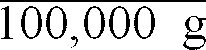
0,160 g Keratinhydrolysat
0,250 g Zitronensäure
0,500 g Kamillenblütenextrakt (Extrapon® Kamille-Spezial 2/033021 der Firma Dragoco/BRD)
15,00 g Ethanol
83,646 g Wasser
-
0,450 g Vinylpyrrolidon/Dimethylaminoethylmethacrylat-Copolymer (Gafquat® 734 der Firma Gaf Co./USA)
0,300 g Kokosfettsäureamidopropylbetain
0,160 g Keratinhydrolysat
0,500 g Kamillenblütenextrakt (Extrapon® Kamille Spezial 2/033021 der Firma Dragoco/BRD)
0,250 g Zitronensäure
15,450 g Ethanol
82,890 g Wasser

-
0,280 g Vinylpyrrolidon/Dimethylaminoethylmethacrylat-Copolymer (Gafquat® 755 N der Firma Gaf Co./USA)
0,300 g Kokosfettsäureamidopropylbetain
0,500 g Kamillenblütenextrakt (Extrapon® Kamille Spezial 2/033021 der Firma Dragoco/BRD)
0,250 g Zitronensäure
15,000 g Ethanol
83,670 g Wasser

-
0,600 g Vinylacetat/Crotonsäure-Copolymer (Aristoflex® A der Firma Hoechst AG, BRD
0,800 g Laurylpolyglucose
0,150 g Kokosfettsäureamidopropylbetain
0,120 g Keratinhydrolysat
0,100 g Milchsäure
25,000 g Ethanol
73,230 g Wasser

- Alle Prozentangaben in dieser Anwendung stellen, soweit nicht anders angegeben, Gewichtsprozente dar.
Claims (14)
- Mittel zur Behandlung der Haare auf wäßrigalkoholischer Basis, dadurch gekennzeichnet, daß es(A) 0,1 bis 10 Gewichtsprozent mindestens eines filmbildenden kationischen,anionischen und/oder amphoteren Polymers,(B) 0,1 bis 9 Gewichtsprozent mindestens eines amphoteren Tensids,(C) 0,1 bis 40 Gewichtsprozent mindestens eines C₂- bis C₄-Alkohols und(D) 0,01 bis 2,0 Gewichtsprozent mindestens einer organischen Säureenthält und frei von kationischen Tensiden ist.
- Mittel nach Anspruch 1, dadurch gekennzeichnet, daß es 0,1 bis 4 Gewichtsprozent der Komponente (A) enthält.
- Mittel nach Anspruch 1 oder 2, dadurch gekennzeichnet, daß die Komponente (B) ausgewählt aus Fettsäureamidoalkylbetain und Fettsäureamidoalkylsulfobetain oder deren Gemisch.
- Mittel nach einem der Ansprüche 1 bis 3, dadurch gekennzeichnet, daß es 0,1 bis 4 Gewichtsprozent der Komponente (B) enthält.
- Mittel nach einem der Ansprüche 1 bis 4, dadurch gekennzeichnet, daß es 5 bis 25 Gewichtsprozent der Komponente (C) enthält.
- Mittel nach einem der Ansprüche 1 bis 5, dadurch gekennzeichnet, daß die Komponente (C) ausgewählt ist aus Ethanol und Isopropanol oder deren Gemisch.
- Mittel nach einem der Ansprüche 1 bis 6, dadurch gekennzeichnet, daß es 0,01 bis 1 Gewichtsprozent der Komponente (D) enthält.
- Mittel nach einem der Ansprüche 1 bis 7, dadurch gekennzeichnet, daß die organische Säure der Komponente (D) ausgewählt ist aus Zitronensäure, Weinsäure, Glyoxylsäure, Milchsäure und Ameisensäure.
- Mittel nach einem der Ansprüche 1 bis 8, dadurch gekennzeichnet, daß es zusätzlich 0,1 bis 10 Gewichtsprozent Polyvinylpyrrolidon und/oder Chitosan enthält.
- Mittel nach einem der Ansprüche 1 bis 9, dadurch gekennzeichnet, daß es zusätzlich 0,1 bis 5 Gewichtsprozent mindestens eines nicht-ionischen Tensids enthält.
- Verfahren zur dauerhaften Verformung von Haaren, bei dem man das Haar vor dem Wickeln auf Dauerwellwickler mit einem Dauerwellvorbehandlungsmittel behandelt, das Haar trocknet, erneut mit Wasser anfeuchtet, auf Wickler wickelt, sodann mit einem Haardauerverformungsmittel behandelt, nach einer für die dauerhafte Verformung des Haares ausreichenden Einwirkungszeit mit Wasser spült, sodann oxidativ nachbehandelt, mit Wasser spült, anschließend zur Frisur legt und sodann trocknet, dadurch gekennzeichnet, daß als Dauerwellvorbehandlungsmittel ein Mittel nach einem der Ansprüche 1 bis 10 verwendet wird.
- Verfahren nach Anspruch 11, dadurch gekennzeichnet, daß man das Dauerwellvorbehandlungsmittel in einer Menge von 10 bis 20 g anwendet.
- Verfahren zur Behandlung von Haaren, dadurch gekennzeichnet, daß man nach der Haarwäsche das handtuchtrockene Haar mit einem Mittel nach einem der Ansprüche 1 bis 10 in einer Menge von 10 bis 20 g behandelt, das Haar trocknet, erneut mit Wasser anfeuchtet und sodann trocknet.
- Verfahren zur Behandlung von natur- oder dauergewellten Haaren, dadurch gekennzeichnet, daß man im trockenen oder mit Wasser angefeuchteten natur- oder dauergewellten Haar 10 bis 20 g eines Mittels nach einem der Ansprüche 1 bis 10 verteilt, sodann die Haare zur Frisur formt und anschließend trocknet.
Applications Claiming Priority (2)
| Application Number | Priority Date | Filing Date | Title |
|---|---|---|---|
| DE4419457 | 1994-06-03 | ||
| DE4419457A DE4419457A1 (de) | 1994-06-03 | 1994-06-03 | Haarbehandlungsmittel und Verfahren zur Anwendung |
Publications (3)
| Publication Number | Publication Date |
|---|---|
| EP0685219A2 true EP0685219A2 (de) | 1995-12-06 |
| EP0685219A3 EP0685219A3 (de) | 1996-08-28 |
| EP0685219B1 EP0685219B1 (de) | 2001-06-06 |
Family
ID=6519729
Family Applications (1)
| Application Number | Title | Priority Date | Filing Date |
|---|---|---|---|
| EP95102854A Expired - Lifetime EP0685219B1 (de) | 1994-06-03 | 1995-03-01 | Haarbehandlungsmittel und Verfahren zur Anwendung |
Country Status (6)
| Country | Link |
|---|---|
| US (1) | US5609168A (de) |
| EP (1) | EP0685219B1 (de) |
| JP (1) | JPH07330557A (de) |
| BR (1) | BR9502645A (de) |
| DE (2) | DE4419457A1 (de) |
| ES (1) | ES2082735T3 (de) |
Cited By (8)
| Publication number | Priority date | Publication date | Assignee | Title |
|---|---|---|---|---|
| EP0796611A3 (de) * | 1996-03-18 | 1997-10-29 | Unilever Plc | |
| WO1998019653A1 (en) * | 1996-11-04 | 1998-05-14 | The Procter & Gamble Company | Hair styling composition |
| US6471953B1 (en) | 1999-06-28 | 2002-10-29 | L'oreal S.A. | Permanent-waving process comprising the preliminary application of a composition comprising at least one anionic polymer |
| US6534047B1 (en) | 1999-06-30 | 2003-03-18 | L'oreal S.A. | Mascara containing film-forming polymers |
| EP1534224A1 (de) * | 2002-07-22 | 2005-06-01 | Unilever N.V. | Haarbehandlungszusammensetzung |
| WO2014131469A1 (en) | 2013-02-28 | 2014-09-04 | Kao Corporation | Composition and process for semi-permanent straightening of the hair |
| WO2015036052A1 (en) | 2013-09-16 | 2015-03-19 | Kao Corporation | Process for semi-permanent hair straightening and aftercare of the hair |
| WO2015036051A1 (en) | 2013-09-16 | 2015-03-19 | Kao Corporation | Process for treating hair |
Families Citing this family (17)
| Publication number | Priority date | Publication date | Assignee | Title |
|---|---|---|---|---|
| US5851980A (en) * | 1996-07-10 | 1998-12-22 | S. C. Johnson & Sons, Inc. | Liquid hard surface cleaner comprising a monocarboxylate acid and an ampholytic surfactant having no carboxyl groups |
| US20020085988A1 (en) * | 1996-11-04 | 2002-07-04 | Takanori Nambu | Hair styling composition |
| JP2002145743A (ja) * | 2000-11-09 | 2002-05-22 | Estate Chemical Kk | パーマネントウェーブ用前処理剤 |
| JP3825655B2 (ja) * | 2001-05-30 | 2006-09-27 | タカラベルモント株式会社 | パーマネントウェーブ用第1剤 |
| US6849586B2 (en) | 2001-10-26 | 2005-02-01 | S. C. Johnson & Son, Inc. | Hard surface cleaners containing chitosan |
| FR2858552B1 (fr) * | 2004-05-14 | 2006-03-03 | Oreal | Procede de deformation permanente des cheveux comprenant une etape de precipitation in situ d'un polymere anionique ou amphotere |
| US20050074418A1 (en) * | 2003-08-07 | 2005-04-07 | Catherine Campain | Process for permanently reshaping the hair, comprising a step of in situ precipitation of an anionic or amphoteric polymer |
| FR2858551B1 (fr) * | 2003-08-07 | 2008-07-11 | Oreal | Procede de deformation permanente des cheveux comprenant une etape de precipitation in situ d'un polymere anionique ou amphotere |
| CA2475435A1 (fr) * | 2003-08-07 | 2005-02-07 | L'oreal | Procede de deformation permanente des cheveux comprenant une etape de precipitation in situ d'un polymere anionique ou amphotere |
| US20070190008A1 (en) * | 2005-12-20 | 2007-08-16 | Catherine Campain | Process for permanently reshaping the hair, comprising applying to the hair at least one precipitated fixing polymer, and multi-compartment device |
| JP2008195633A (ja) * | 2007-02-09 | 2008-08-28 | Nuusu Fit:Kk | パーマネント前処理剤 |
| JP6541295B2 (ja) * | 2013-06-20 | 2019-07-10 | サンデケミカル株式会社 | 毛髪成形剤及び毛髪成形剤を使用した毛髪のスタイリングの施術方法 |
| JP6326575B2 (ja) * | 2013-10-21 | 2018-05-23 | 資生ケミカル株式会社 | セラックを含有するウエーブ形成剤、及びこれらを用いたウエーブ形成方法 |
| JP6518425B2 (ja) * | 2013-10-21 | 2019-05-22 | 資生ケミカル株式会社 | セラックを含有するパーマネントウエーブ助剤、パーマネントウエーブ剤、及びこれらを用いたパーマネントウエーブ処理方法 |
| US11000619B2 (en) * | 2014-03-28 | 2021-05-11 | S. C. Johnson & Son, Inc. | Pump concentrated air freshener |
| EP3471832A4 (de) * | 2016-06-21 | 2020-02-26 | Zotos International, Inc. | Chitosan:mit aldehydschicht beschichtete fasern oder haare, zugehörige verfahren und zusammensetzungen |
| JP7743037B2 (ja) * | 2021-06-09 | 2025-09-24 | 株式会社ダリヤ | 毛髪化粧料組成物 |
Family Cites Families (10)
| Publication number | Priority date | Publication date | Assignee | Title |
|---|---|---|---|---|
| DE2627419C3 (de) * | 1976-06-18 | 1979-10-11 | Wella Ag, 6100 Darmstadt | Mittel zur Festigung der Frisur |
| DE3206204A1 (de) * | 1982-02-20 | 1983-09-01 | Wella Ag, 6100 Darmstadt | Schutzcreme fuer die kopfhaut und verfahren zur haarentkraeuselung |
| DE3502833A1 (de) * | 1985-01-29 | 1986-07-31 | Wella Ag, 6100 Darmstadt | Kosmetische mittel auf der basis von quaternaeren chitosanderivaten, neue quaternaere hydroxyethyl-substituierte chitosanderivate sowie verfahren zu ihrer herstellung |
| DE3541305A1 (de) * | 1985-11-22 | 1987-05-27 | Wella Ag | Kosmetische mittel auf der basis von n-hydroxypropylchitosanen, neue n-hydroxypropyl-chitosane sowie verfahren zu ihrer herstellung |
| DE3711841A1 (de) * | 1987-04-08 | 1988-10-27 | Henkel Kgaa | Haarregenerierende zubereitungen |
| US4832872A (en) * | 1988-01-22 | 1989-05-23 | Richardson-Vicks Inc. | Hair conditioning shampoo |
| WO1991009682A1 (de) * | 1989-12-22 | 1991-07-11 | Wella Aktiengesellschaft | Aufsatz mit einer schaumerzeugungseinrichtung für einen flexiblen behälter |
| DE4131992A1 (de) * | 1991-09-26 | 1993-04-01 | Wella Ag | Fixiermittel und verfahren zur dauerhaften haarverformung |
| GB9215210D0 (en) * | 1992-07-17 | 1992-09-02 | Procter & Gamble | Hair cosmetic |
| DE4325817A1 (de) * | 1993-07-31 | 1995-02-02 | Wella Ag | Haarbehandlungsmittel und Verfahren zur Anwendung |
-
1994
- 1994-06-03 DE DE4419457A patent/DE4419457A1/de not_active Withdrawn
-
1995
- 1995-03-01 ES ES95102854T patent/ES2082735T3/es not_active Expired - Lifetime
- 1995-03-01 EP EP95102854A patent/EP0685219B1/de not_active Expired - Lifetime
- 1995-03-01 DE DE59509314T patent/DE59509314D1/de not_active Expired - Fee Related
- 1995-04-06 JP JP7108146A patent/JPH07330557A/ja active Pending
- 1995-05-11 US US08/439,262 patent/US5609168A/en not_active Expired - Fee Related
- 1995-06-02 BR BR9502645A patent/BR9502645A/pt not_active IP Right Cessation
Cited By (10)
| Publication number | Priority date | Publication date | Assignee | Title |
|---|---|---|---|---|
| EP0796611A3 (de) * | 1996-03-18 | 1997-10-29 | Unilever Plc | |
| WO1998019653A1 (en) * | 1996-11-04 | 1998-05-14 | The Procter & Gamble Company | Hair styling composition |
| US6471953B1 (en) | 1999-06-28 | 2002-10-29 | L'oreal S.A. | Permanent-waving process comprising the preliminary application of a composition comprising at least one anionic polymer |
| US6534047B1 (en) | 1999-06-30 | 2003-03-18 | L'oreal S.A. | Mascara containing film-forming polymers |
| EP1534224A1 (de) * | 2002-07-22 | 2005-06-01 | Unilever N.V. | Haarbehandlungszusammensetzung |
| WO2014131469A1 (en) | 2013-02-28 | 2014-09-04 | Kao Corporation | Composition and process for semi-permanent straightening of the hair |
| US10117817B2 (en) | 2013-02-28 | 2018-11-06 | Kao Corporation | Composition and process for semi-permanent straightening of the hair |
| WO2015036052A1 (en) | 2013-09-16 | 2015-03-19 | Kao Corporation | Process for semi-permanent hair straightening and aftercare of the hair |
| WO2015036051A1 (en) | 2013-09-16 | 2015-03-19 | Kao Corporation | Process for treating hair |
| US10383801B2 (en) | 2013-09-16 | 2019-08-20 | Kao Corporation | Process for semi-permanent hair straightening and aftercare of the hair |
Also Published As
| Publication number | Publication date |
|---|---|
| DE4419457A1 (de) | 1995-12-07 |
| BR9502645A (pt) | 1996-03-05 |
| US5609168A (en) | 1997-03-11 |
| EP0685219B1 (de) | 2001-06-06 |
| ES2082735T1 (es) | 1996-04-01 |
| ES2082735T3 (es) | 2001-09-01 |
| DE59509314D1 (de) | 2001-07-12 |
| EP0685219A3 (de) | 1996-08-28 |
| JPH07330557A (ja) | 1995-12-19 |
Similar Documents
| Publication | Publication Date | Title |
|---|---|---|
| EP0685219B1 (de) | Haarbehandlungsmittel und Verfahren zur Anwendung | |
| EP0636357B1 (de) | Haarbehandlungsmittel und Verfahren zur Anwendung | |
| DE69223459T3 (de) | Ampholitische Terpolymere mit verbesserten Konditionierungseigenschaften in Shampoozusammensetzungen und Haarpflegemitteln | |
| DE69806956T2 (de) | Verfahren zur dauerhaften haarverformung keratinischer fasern ohne zwischenspülung | |
| DE19625982A1 (de) | Kosmetisches Mittel zur Haarbehandlung mit Dendrimeren | |
| DE3229394A1 (de) | Verfahren zum wellen oder strecken von haar und eine packung mit mehreren, je eine zubereitung enthaltenden behaeltern zur ausfuehrung des verfahrens | |
| DE3608151A1 (de) | Verwendung von dipropylenglykolmonomethylether in haarverformungsmitteln | |
| DE102004054055A1 (de) | Verfahren zum Färben und dauerhaften Verformung von Haaren | |
| CA1077850A (en) | Sulfites and mink oil fatty acid quaternary ammonium salt for treating hair | |
| EP0648103A1 (de) | Haarbehandlungsmittel | |
| DE69205270T2 (de) | Verfahren zur dauerhaftenverformung von haaren ohne unangenehmen geruch zu erzeugen. | |
| EP0625350B1 (de) | Mittel und Verfahren zur dauerhaften Haarverformung | |
| EP0713694B1 (de) | Mittel zur dauerhaften Haarverformung | |
| EP0843546B1 (de) | Verfahren und mittel zur dauerhaften haarverformung | |
| EP0782434A1 (de) | Verfahren zur dauerhaften haarverformung | |
| EP0614350B1 (de) | Haarbehandlungsmittel und verfahren zur anwendung | |
| EP0880916B1 (de) | Haardauerverformungsverfahren mit zunächst höherem und später niedrigerem pH-Wert in der Reduktionsstufe | |
| DE3541485A1 (de) | Verfahren zur behandlung von menschlichen haaren mit alkalischen haarbehandlungsmitteln | |
| EP0604717A2 (de) | Verfahren zur dauerhaften Haarverformung und Mittel zur Durchführung dieses Verfahrens | |
| EP0721772B1 (de) | Verwendung eines Mittels und Verfahren zur dauerhaften Haarverformung | |
| JP3958896B2 (ja) | パーマネントウェーブ用第2剤組成物及びその施術方法 | |
| EP0862406B1 (de) | Mittel und verfahren zum dauerhaften verformen von menschlichen haaren | |
| EP0878187B1 (de) | Verfahren zur dauerhaften Verformung von menschlichen Haaren | |
| DE69330254T2 (de) | Zwischenbehandlung für dauerwellen |
Legal Events
| Date | Code | Title | Description |
|---|---|---|---|
| PUAI | Public reference made under article 153(3) epc to a published international application that has entered the european phase |
Free format text: ORIGINAL CODE: 0009012 |
|
| AK | Designated contracting states |
Kind code of ref document: A2 Designated state(s): DE ES FR GB IT |
|
| 17P | Request for examination filed |
Effective date: 19951107 |
|
| ITCL | It: translation for ep claims filed |
Representative=s name: BARZANO' E ZANARDO ROMA S.P.A. |
|
| GBC | Gb: translation of claims filed (gb section 78(7)/1977) | ||
| EL | Fr: translation of claims filed | ||
| REG | Reference to a national code |
Ref country code: ES Ref legal event code: BA2A Ref document number: 2082735 Country of ref document: ES Kind code of ref document: T1 |
|
| PUAL | Search report despatched |
Free format text: ORIGINAL CODE: 0009013 |
|
| AK | Designated contracting states |
Kind code of ref document: A3 Designated state(s): DE ES FR GB IT |
|
| 17Q | First examination report despatched |
Effective date: 19990823 |
|
| GRAG | Despatch of communication of intention to grant |
Free format text: ORIGINAL CODE: EPIDOS AGRA |
|
| GRAG | Despatch of communication of intention to grant |
Free format text: ORIGINAL CODE: EPIDOS AGRA |
|
| GRAH | Despatch of communication of intention to grant a patent |
Free format text: ORIGINAL CODE: EPIDOS IGRA |
|
| GRAH | Despatch of communication of intention to grant a patent |
Free format text: ORIGINAL CODE: EPIDOS IGRA |
|
| GRAA | (expected) grant |
Free format text: ORIGINAL CODE: 0009210 |
|
| AK | Designated contracting states |
Kind code of ref document: B1 Designated state(s): DE ES FR GB IT |
|
| REF | Corresponds to: |
Ref document number: 59509314 Country of ref document: DE Date of ref document: 20010712 |
|
| REG | Reference to a national code |
Ref country code: ES Ref legal event code: FG2A Ref document number: 2082735 Country of ref document: ES Kind code of ref document: T3 |
|
| ITF | It: translation for a ep patent filed | ||
| GBT | Gb: translation of ep patent filed (gb section 77(6)(a)/1977) |
Effective date: 20010905 |
|
| ET | Fr: translation filed | ||
| REG | Reference to a national code |
Ref country code: GB Ref legal event code: IF02 |
|
| PLBE | No opposition filed within time limit |
Free format text: ORIGINAL CODE: 0009261 |
|
| STAA | Information on the status of an ep patent application or granted ep patent |
Free format text: STATUS: NO OPPOSITION FILED WITHIN TIME LIMIT |
|
| 26N | No opposition filed | ||
| PGFP | Annual fee paid to national office [announced via postgrant information from national office to epo] |
Ref country code: GB Payment date: 20030221 Year of fee payment: 9 |
|
| PGFP | Annual fee paid to national office [announced via postgrant information from national office to epo] |
Ref country code: DE Payment date: 20030224 Year of fee payment: 9 |
|
| PGFP | Annual fee paid to national office [announced via postgrant information from national office to epo] |
Ref country code: FR Payment date: 20030226 Year of fee payment: 9 |
|
| PGFP | Annual fee paid to national office [announced via postgrant information from national office to epo] |
Ref country code: ES Payment date: 20030321 Year of fee payment: 9 |
|
| PG25 | Lapsed in a contracting state [announced via postgrant information from national office to epo] |
Ref country code: GB Free format text: LAPSE BECAUSE OF NON-PAYMENT OF DUE FEES Effective date: 20040301 |
|
| PG25 | Lapsed in a contracting state [announced via postgrant information from national office to epo] |
Ref country code: ES Free format text: LAPSE BECAUSE OF NON-PAYMENT OF DUE FEES Effective date: 20040302 |
|
| PG25 | Lapsed in a contracting state [announced via postgrant information from national office to epo] |
Ref country code: DE Free format text: LAPSE BECAUSE OF NON-PAYMENT OF DUE FEES Effective date: 20041001 |
|
| GBPC | Gb: european patent ceased through non-payment of renewal fee | ||
| PG25 | Lapsed in a contracting state [announced via postgrant information from national office to epo] |
Ref country code: FR Free format text: LAPSE BECAUSE OF NON-PAYMENT OF DUE FEES Effective date: 20041130 |
|
| REG | Reference to a national code |
Ref country code: FR Ref legal event code: ST |
|
| PG25 | Lapsed in a contracting state [announced via postgrant information from national office to epo] |
Ref country code: IT Free format text: LAPSE BECAUSE OF NON-PAYMENT OF DUE FEES Effective date: 20050301 |
|
| REG | Reference to a national code |
Ref country code: ES Ref legal event code: FD2A Effective date: 20040302 |