EP0706321B1 - Use of streptomyces wyec 108 to control plant pathogens - Google Patents
Use of streptomyces wyec 108 to control plant pathogens Download PDFInfo
- Publication number
- EP0706321B1 EP0706321B1 EP94922055A EP94922055A EP0706321B1 EP 0706321 B1 EP0706321 B1 EP 0706321B1 EP 94922055 A EP94922055 A EP 94922055A EP 94922055 A EP94922055 A EP 94922055A EP 0706321 B1 EP0706321 B1 EP 0706321B1
- Authority
- EP
- European Patent Office
- Prior art keywords
- wyec
- streptomyces wyec
- streptomyces
- composition
- plants
- Prior art date
- Legal status (The legal status is an assumption and is not a legal conclusion. Google has not performed a legal analysis and makes no representation as to the accuracy of the status listed.)
- Expired - Lifetime
Links
Images

Classifications
-
- A—HUMAN NECESSITIES
- A01—AGRICULTURE; FORESTRY; ANIMAL HUSBANDRY; HUNTING; TRAPPING; FISHING
- A01N—PRESERVATION OF BODIES OF HUMANS OR ANIMALS OR PLANTS OR PARTS THEREOF; BIOCIDES, e.g. AS DISINFECTANTS, AS PESTICIDES OR AS HERBICIDES; PEST REPELLANTS OR ATTRACTANTS; PLANT GROWTH REGULATORS
- A01N63/00—Biocides, pest repellants or attractants, or plant growth regulators containing microorganisms, viruses, microbial fungi, animals or substances produced by, or obtained from, microorganisms, viruses, microbial fungi or animals, e.g. enzymes or fermentates
- A01N63/20—Bacteria; Substances produced thereby or obtained therefrom
- A01N63/28—Streptomyces
-
- C—CHEMISTRY; METALLURGY
- C12—BIOCHEMISTRY; BEER; SPIRITS; WINE; VINEGAR; MICROBIOLOGY; ENZYMOLOGY; MUTATION OR GENETIC ENGINEERING
- C12N—MICROORGANISMS OR ENZYMES; COMPOSITIONS THEREOF; PROPAGATING, PRESERVING, OR MAINTAINING MICROORGANISMS; MUTATION OR GENETIC ENGINEERING; CULTURE MEDIA
- C12N1/00—Microorganisms; Compositions thereof; Processes of propagating, maintaining or preserving microorganisms or compositions thereof; Processes of preparing or isolating a composition containing a microorganism; Culture media therefor
- C12N1/20—Bacteria; Culture media therefor
-
- C—CHEMISTRY; METALLURGY
- C12—BIOCHEMISTRY; BEER; SPIRITS; WINE; VINEGAR; MICROBIOLOGY; ENZYMOLOGY; MUTATION OR GENETIC ENGINEERING
- C12N—MICROORGANISMS OR ENZYMES; COMPOSITIONS THEREOF; PROPAGATING, PRESERVING, OR MAINTAINING MICROORGANISMS; MUTATION OR GENETIC ENGINEERING; CULTURE MEDIA
- C12N1/00—Microorganisms; Compositions thereof; Processes of propagating, maintaining or preserving microorganisms or compositions thereof; Processes of preparing or isolating a composition containing a microorganism; Culture media therefor
- C12N1/20—Bacteria; Culture media therefor
- C12N1/205—Bacterial isolates
-
- C—CHEMISTRY; METALLURGY
- C12—BIOCHEMISTRY; BEER; SPIRITS; WINE; VINEGAR; MICROBIOLOGY; ENZYMOLOGY; MUTATION OR GENETIC ENGINEERING
- C12R—INDEXING SCHEME ASSOCIATED WITH SUBCLASSES C12C - C12Q, RELATING TO MICROORGANISMS
- C12R2001/00—Microorganisms ; Processes using microorganisms
- C12R2001/01—Bacteria or Actinomycetales ; using bacteria or Actinomycetales
- C12R2001/465—Streptomyces
Definitions
- the present invention relates to a new strain of Streptomyces bacteria that is capable of inhibiting the growth of soil borne plant pathogens and enhancing plant growth.
- Fungal phytopathogens are a cause of severe economic losses in the agricultural and horticultural industries. May different types of fungal phytopathogens have been described: these pathogens cause plant diseases such as damping-off, white-rot, brown-rot and root-rot. Such diseases can kill emerging seedlings, reduce plant vigor ad adversely affect crop yields.
- bedding-plant nurseries may grow seedlings in steam sterilized or chemically treated soils.
- such treatments also remove beneficial microorganisms from the soil, including microorganisms that would normally compete with soil fungi. In such cases, if a fungal pathogen is accidentally introduced, it may spread rapidly and produce widespread disease.
- This species is a serious pathogen of wheat, peas and chickpeas and other crop plants grown in these soils ad in soils in other states and other countries (Trapero-Casas et al., 1990; Stanghellini and Hancock, 1970; Kraft and Burke, 1971; Westerlund et al., 1988).
- the use of chemical agents to control fungal phytopathogens is often not practical due to high costs, lack of efficacy ad the emergence of resistant strains of the fungi. Additionally, the use of chemical fungicides is not desirable from an environmental viewpoint.
- Streptomyces WYEC 108 also referred to herein as WYEC 108
- WYEC 108 one of the isolated actinomycete bacteria, herein named Streptomyces WYEC 108
- WYEC 108 is shown to exhibit strong antagonism towards a wide rage of fungal plant pathogens, including pathogens that cause the plant diseases commonly known as damping-off, root rot, white rot and brown rot.
- one aspect of the present invention is a biologically pure culture of Streptomyces WYEC 108.
- compositions suitable for treating plant seeds or plant roots with Streptomyces WYEC 108 are useful to reduce the susceptibility of plants to fungal infection and to enhance the growth of treated plants.
- compositions comprise a biologically pure culture of Streptomyces WYEC 108 and a delivery medium.
- the delivery medium may comprise alginate gel, peat moss, sad or cornmeal.
- the present invention encompasses a delivery medium which comprises peat moss, sand ad cornmeal together with Streptomyces WYEC 108.
- the delivery medium comprises at least 10 5 colony forming units per gram of delivery medium.
- the present invention encompasses alginate gel pellets containing Streptomyces WYEC 108. Such pellets can be added directly to the roots of growing plants or to horticultural or agricultural soils to reduce damage to plants caused by phytopathogenic fungi.
- the present invention also encompasses methods for reducing the susceptibility of a plant to fungal infection.
- this method comprises delivering Streptomyces WYEC 108 to the roots of a plant.
- the method comprises immersing seeds in a composition that contains Streptomyces WYEC 108 and thereafter planting the coated seeds in a suitable growth medium.
- a suitable composition comprises alginate gel containing Streptomyces WYEC 108.
- the present invention describes the isolation of a number of actinomycete strains from soils. A number of these strains are shown to be effective in reducing the effects of fungal pathogens on plants, including lettuce, chickpea and pepper.
- the present invention sets forth the isolation of a strain herein referred to as Streptomyces WYEC 108.
- Strain WYEC 108 is shown to exhibit strong antagonism towards a wide range of fungal phytopathogens, including pathogens that cause pre- and post-emergence damping off of seedlings, root rot, brown rot and white rot.
- strain WYEC 108 is particularly suitable as a biocontrol agent that can be used to protect plants against infection by these phytopathogens.
- Streptomyces WYEC 108 is useful in methods for reducing the susceptability of plants to fungal infection.
- plants treated with Streptomyces WYEC 108 will show reduced effects of fungal infection.
- Fungal infection of susceptible untreated plants affects certain growth characteristics of such plants. For instance, untreated plants exposed to fungal pathogens may show significant reductions in plant height, plant biomass and crop yield compared to plants not exposed to the fungal pathogen.
- plants treated with Streptomyces WYEC 108 and subsequently exposed to the fungal pathogen will show less severe reductions in plant height, plant biomass and crop yield than untreated plants exposed to the fungal pathogen.
- plants treated with Streptomyces WYEC and exposed to the fungal pathogen will show growth characteristics similar to the untreated, unexposed plants. In most preferred embodiments, plants treated with Streptomyces WYEC 108 and exposed to the fungal pathogen will show growth characteristics superior to the untreated, unexposed plants.
- Strain WYEC 108 colonizes plant roots in the presence of competition from rhizospere microflora. Strain WYEC 108 is shown to enhance the growth of lettuce plants growing in steam sterilized soil and pepper plants growing in an agricultural field.
- Also encompassed by this invention are means of producing vegetative cells or spores of strain WYEC 108 suitable for incorporation into a delivery medium.
- the composition comprising the vegetative cells and spores of WYEC 108 and the delivery medium is shown to have a long shelf life and to be suitable for delivering strain WYEC 108 to plants.
- All bacterial growth media were prepared using distilled water and sterilized by autoclaving prior to use. All bacterial samples were handled using standard aseptic laboratory techniques to maintain purity.
- YGM (yeast extract/glucose/mineral salts) medium comprised 0.6% (wt/vol) yeast extract (Difco Laboratories, Detroit, Michigan), 1.0% (wt/vol) glucose, and phosphate mineral salt solution (5.3 g of Na 2 HPO 4 , 1.98g of KH 2 PO 4 , 0.2g of MgSO 4 .7H 2 O, 0.2g of NaCl, 0.05 g CaCl 2 .2H 2 O, plus 1.0 ml of trace elements (Pridham and Gottling, 1948) per liter of deionized H 2 O; pH 7.1 to 7.2).
- the solution of trace elements consisted of 0.64 g of CuSO 4 5H 2 O, 0.11 g of FeSO 4 .7H 2 O, 0.79g of MnCl 2 .4H 2 O, 0.15g of ZnSO 4 .7H 2 O in 100 ml of distilled water.
- WYE (water/yeast extract/agar) medium modified from Reddi and Rao (1971) contained yeast extract (Oxoid, 0.25 g/l) as the sole carbon and nitrogen source, and agar (Oxoid, 18.0 g/l).
- yeast extract Oxoid, 0.25 g/l
- agar Oxoid, 18.0 g/l
- the medium was buffered to pH 7.2-7.4 with K 2 HPO 4 (0.5 g/l).
- WYEC water/yeast extract/cellulose/agar
- the overlay agar contained 0.25 g/l of cellulose (Solka Floc, Sigma Chemical Co.) and 18,0 g/l agar in distilled water.
- CYD casamino acids/yeast extract/dextrose agar
- casmino acids Difco: 0.5 g/l
- yeast extract Oxoid or Difco: 0.8 g/l
- D-glucose 0.4 g/l
- K 2 HPO 4 2.0 g/l; pH 7.2-7.4
- 18.0 g/l agar in distilled water 18.0 g/l agar in distilled water.
- YCED casamino acids/yeast extract/dextrose/agar; modified from Reddi and Rao (1971) contained yeast extract (Oxoid, 0.3 g/l), casamino acids (Difco, 0.3 g/l), D-glucose (0.3 g/l), and agar (Oxoid, 18.0 g/l).
- the medium was buffered with K 2 HPO 4 (2.0 g/l).
- CYPC cellulose/yeast extract/peptone/compost extract/agar
- cellulose Solka Flock, Sigma Chemical Col; 5.0 g/l
- yeast extract 1.0 g/l
- peptone Oxoid
- phosphate buffer K 2 HPO 4 , 0.75 g/l
- agar 18.0 g/l
- compost extract 100 ml/l replacing 100 ml of distilled water in the medium. It was poured directly and not used as an overlay agar.
- MSSC mineral salts/starch/casein/agar; Turhan, 1981
- a mineral salts solution consisting of NaCl (2.0 g/l), MgSO 4 17H 2 O (0.05 g/l), CaCO 3 (0.02 g/l), FeSO 4 18H 2 O (0.01 g/l), and KNO 3 (2.0 g/l), plus organic constituents including soluble starch (10.0 g/l) and casein (0.3 g/l), plus agar (18.0 g/l).
- the medium was buffered with K 2 HPO 4 (2.0 g/l).
- Sporulation medium (ATCC Medium #5) contained yeast extract (1.0 g/l), beef extract (1.0 g/l), tryptose (2.0 g/l), FeSO 4 (0.01 g/l), glucose (10.0 g/l), and agar (15.0 g/l). The medium was adjusted to pH 7.2 prior to autoclaving. (17th Edition ATCC Catalogue of Bacteria and Bacteriophages).
- CYG medium contained Casamino acids (acid hydrolysate) (5.0 g/l), yeast extract (5.0 g/l) and glucose (10.0 g/l) in distilled water, adjusted to pH 7.1-7.2.
- Delivery medium (comprising sand/cornmeal/water or peat moss/sand/cornmeal in ratios as set forth below) was sterilized by steam sterilization prior to use. Sterilization was typically performed by autoclaving 3 times, each time by 90 minutes.
- Cells and spores were also produced by growth on solid medium (for example sporulation agar).
- solid medium for example sporulation agar.
- Mycelia and spores were harvested from sporulation agar by scraping the surface of the agar into distilled water. This suspension of spores and mycelia was then mixed directly into the delivery medium.
- Pythium ultimum PuMXL was obtained from the culture collection of the Department of Microbiology and Crop Protection at Horticulture Research International, Worthing Road, Littlehampton, West Wales BN17 6LP, United Kingdom.
- White-rot fungi Phanerochaete chrysosporium and Coriolus versicolor brown-rot fungi Postia placenta , Caldariomyces fumago , and Gloeophyllum trabeum ; soil born fungal pathogens Rhizoctonia solani , Fusarium sambucinctum , Geotrichum candidum , and Verticillium dahliae came from the culture collection of professor Don L.
- soil naturally infested with Pythium ultimum was collected from several sites in the Palouse region near Moscow, Idaho. This soil was collected from the top 15cm from fields that had been cropped with wheat and pea in the previous two seasons.
- the soil population of Pythium species was determined as follows: A soil dilution of 1.0 g air-dried soil in 50 ml sterilized distilled-water was thoroughly mixed with a Vortex tube mixer. A 0.1 ml sample of the well mixed dilution was placed as small droplets on 3-day-old 2% water agar plates (Stanghellini and Hancock, 1970).
- Actinomycete strains were isolated from four rhizosphere-associated and four non-rhizosphere-associated soil samples. These strains were then tested for utility as inhibitors of fungal phytopathogens.
- Actinomycete isolates were isolated from 8 different soils by serial-dilution/spread-plate technique. Dilutions (10 -5 to 10 -7 ) were plated onto various agar isolation media. The composition of these media is set forth in "Materials and Methods" above. Actinomycete isolates were designated according to the isolation medium on which they were isolated. For example, WYEC 108 was isolated on WYEC medium and YCED 9 was isolated on YCED medium. In general, such media are poor in organic carbon, which effectively controls eubacterial and fungal growth and aids in isolating the slower growing actinomycetes. Since WYE and YCED agars were particularly effective isolation media, they were used predominantly.
- Dilution plates were incubated at 25 °C for 4 to 10 days to allow the actinomycetes to sporulate, and then colonies were picked and streaked onto WYE or YCED agar plates for purification. Pure colonies were transferred from these plates to YCED agar slants or CYD agar slants, incubated at 25 °c or 37 °C until sporulated, and stored at 5 °C until used. Stock cultures were transferred every 3 to 4 weeks.
- Samples (100 to 200 g) of soil were taken from the top 7.5 to 10 cm of the soil profile at 4 sites in the United Kingdom, including a cultivated rose garden (Soil S1) in Rustington, West Wales; between rows in a wheat field (Soil S2) at the Horticulture Research International (H.R.I.) farm in Littlehampton, West Wales; a forest soil (Soil S6) from the Wynd Cliff hardwood forest reserve, South Wales; and a grassland (Soil S7) sometimes grazed by sheep at Hastings Hill, South Downs, West Wales. These soils were considered non-rhizospheric, although they did contain plant roots in varying amounts.
- Rhizosphere-associated soil samples from 4 places were prepared essentially by the method of Miller et al. (1990).
- Soil 3 (S3) was associated with the roots of a dandelion plant ( Taracum officinale ) in a rose garden at H.R.I. in West Wales, England.
- Soil (S5) was associated with wheat roots and was taken from the same field as S2, a wheat field at the H.R.I.'s farm in Littlehampton, West Wales.
- Soil 4 (S4) was also associated with wheat roots, but the soil was from a field on Bignor Hill along the South Downs Way, West Wales.
- Soil 8 (S8) was associated with the roots of linseed plants and was taken from a field adjacent to the S7 sampling site, a grassland sometimes grazed by sheep at Hastings Hill, South Downs, West Wales.
- Actinomycetes isolated from the soils could be divided into those isolated from non-rhizosphere- (S1, S2, S6, and S7) or rhizosphere-associated (S3, S4, S5, and S8) soils. All soils were characterized for their moisture content by drying 3 g (wet weight) samples (three replicates) at 100°C for 58 h and then reweighing them. Soil pH was determined by thoroughly mixing a 1:1 soil:water slurry, allowing the solids to settle for 2 h, and taking the pH of the supernatant solution. After collection, soils were stored at 4 °C until used (24 to 48 h).
- the isolates were confirmed to be actinomycete strains by visual examination which showed that the colonies formed by these strains were typical actinomycete colonies (hard and leathery with an aerial mycelium containing spores). Further confirmation of the identity of these strains as actinomycetes was obtained by microscopy.
- Each actinomycete isolate was tested for its ability to grow at pH 5.5 to 8.0. Cultures were spot-inoculated onto plates of CYD agar, buffered to pH 5.5,6.0,6.5,7.0, and 8.0 with combinations of K 2 HPO 4 and KH 2 PO 4 buffers at 100 mM concentration. The final pH of each medium was adjusted to its final value just prior to autoclaving. Cultures were checked for growth after 5 to 7 days incubation at 25 or 37 °C. Plates were evaluated visually for little or no observable growth ( ⁇ ), some growth (+ or + +), or excellent growth (+ + +).
- the rhizosphere-associated soils gave almost twice as many isolates as the non-rhizosphere-associated soils.
- Each isolate was tested for growth on CYD agar media ranging from pH 5.5 to pH 8.0. All isolates grew from pH to 6.5 to 8.0. Only 9 failed to grow at pH 6.0, while 57 (21%) failed to grow at pH 5.5. Of those that grew at pH 5.5,growth varied from poor to excellent depending upon the isolate. The ability of the isolates to sporulate strongly on CYD agar was also determined by visual and microscopic observation of colonies after 5-10 days of incubation.
- Eighty-two isolates were chosen on the basis of their ability to grow well and sporulate strongly on CYD agar.
- chrysosporium (WYEC108, WYE78, 2YE90, YCED9, and MSSC2) were further tested on CMA against an additional white-rot fungus ( Coriolus versicolor ) and two types of brown-rot fungi ( Postia placenta and Gloeophyllum trabeum ).
- MSSC2 white-rot fungus
- YCED9, WYE90, WYEC108 showed very strong antagonism towards the above-mentioned white- and brown-rot fungi.
- WYEC78 showed strong antagonism only against the two white-rot fungi.
- 9-cm-diameter plastic pots were filled with lettuce potting mix and tamped down with a petri dish. Ten lettuce seeds were placed on top, lightly pressed into the potting mix, and lightly covered with loose mix. The pots were then placed on trays in a bed of water, and incubated in the dark at 20 to 22 °C until germination was evident (approximately 3 days). The trays were then transferred to a capillary matting in a greenhouse maintained at 15 to 25 °C and watered as required. The numbers of germinated seedlings in each pot were counted periodically for up to 18 days.
- pots were filled with polling mix inoculated with the spores of a specific actinomycete.
- Polling mix was inoculated with spores from CYD stock slants, to an average level of 10 8 to 10 9 cfu/g (dry weight) of polling mix.
- Cfu/g of potting mix was determined by viable counts on CYD agar plates at the time of inoculation. Lettuce seeds were then planted as above, covered with a small amount of inoculated polling mix, and thereafter treated similarly to controls.
- pots were prepared in replicates of five.
- pots were set in a random block arrangement surrounded by "guard plants”; guard plants served to provide uniformity of conditions and to act as a buffer.
- Eighteen days after planting the plants were harvested, the emergence of the final stand was measured, and wet and dry weights (aboveground leaves and stem) were determined. Plant wet and dry weights were recorded as total mg biomass per pot, and as average mg biomass per plant. Values were reported as averages of the five replicates ⁇ standard deviation. Thus, each value was based upon 50 seeds planted per treatment (five replicate pots planed with 10 seeds each). Percent seed germination and final plant stand values were calculated similarly.
- WYE 21 also significantly improved fresh weight yields relative to pathogen-only controls.
- One strain that did not significantly improve the yield of healthy plants did improve both fresh and dry weight plant shoot yields (Table IV, columns 5 and 7).
- MSSC 1 may prove useful in protecting plants against lower doses of P . ultimum than used here.
- WYEC 108 was identified as Streptomyces species on the basis of the morphological charac-teristics of the genus Streptomyces , as defined by Bergey's Manual of Systematic Bacteriology (1986). WYEC 108 is a filamentous bacterium that produces chains of spores in an aerial mycelium. As described above, Streptomyces WYEC 108 was isolated as one of a number of actinomycete strains isolated from soil taken from eight different sites in Great Britain.
- Streptomyces WYEC 108 was isolated by the serial-dilution/spread-plate technique from rhizosphere soil associated with the roots of linseed plants in a field on Hastings Hill, South Downs, Westshire, England. Dilutions (10 -5 to 10 -7 ) of this soil were plated onto isolation agar medium WYE. Dilution plates were incubated at 25 C° for 4 to 10 days to allow actinomycete colonies to grow and sporulate. Then the colonies were picked and streaked onto WYEC agar plates for purification. Pure colonies of WYEC 108 were transferred from these plates to CYD agar slants, incubated at 25 °C until sporulated, and stored at 4 °C until used. Stock cultures were transferred every 3 to 4 weeks.
- the actinomycete strains isolated were examined for their ability to grow well and sporulate strongly on CYD agar. Subsequently, a number of isolates were tested for ability to inhibit the in vivo growth of the phytopathogen Pythium soutum. The isolates were also tested for in vitro antagonism against the white rot fungi Phanerochaete chrysosporium and Coriolus versicolor as well as the brown rot fungi Postia placenta and Gloeophyllum trabeum . As a result of these tests, one of these strains, herein referred to as Streptomyces WYEC 108 was selected based on its favorable characteristics.
- Colonies of Streptomyces WYEC 108 grown on Casamino Acid/Yeast Extract/Dextrose (CYD) plates were examined by scanning electron microscopy.
- the sample preparation was as follows: (1) colonies of Streptomyces WYEC 108 on CYD plates were covered with a 1.5% solution of glutaraldebyde in 0.2 M sodium cacodylate buffer and fixed for at least two hours; (2) the colonies were completely washed (2x) with 0.2 M sodium cacodylate buffer by aspirating the previous liquid with a pipette and replacing it with the buffer solution.
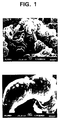
- FIG. 1 is scanning electron photomicrographs showing the chains of spirales (top) and the surface of spores (bottom) of Streptomyces WYEC 108. The surface of spores was observed to be relatively smooth.
- strain WYEC 108 did not produce melanin or H 2 S on Peptone-Yeast-Iron Agar and Peptone-Iron Agar (Difco Lab. Detroit, Michigan), respectively.
- the color of the spore mass produced by Streptomyces WYEC 108 on CYD plates was gray. This strain did not grow at 45°C.
- Streptomyces WYEC 108 may belong to the species Streptomyces lydicus as defined by Bergey's Manual of Determinative Bacteriology (1986). Accordingly, this organism may be referred to as Streptomyces lydicus WYEC 108.
- Streptomyces WYEC 108 the organism is referred to herein as Streptomyces WYEC 108, or simply WYEC 108.
- Streptomyces WYEC 108 was incubated on CYD agar or sporulation agar slant at 25 °C until sporulated and stored at 4 °C until used.
- 10 ml spore suspensions were prepared by suspending spores from a single agar slant or plate in 10ml sterile YGM medium. This spore suspension was then used to inoculate 250 ml Erlenmeyer flasks containing 100 ml YGM (yeast extract/glucose/mineral salts) medium. The flasks were then incubated with shaking at 250 rpm for 32-36 hours at 30 °C to provide a standard inoculum.
- Samples from the YGM grown standard inoculum were also used for making glycerol cultures suitable for long-term storage at -70 °C and for lyophilization.
- Streptomyces WYEC 108 The ability of Streptomyces WYEC 108 to inhibit the growth of a number of selected fungal phytopathogens was measured in terms of colony growth inhibition. Streptomyces WYEC 108 was streak-inoculated to one side of the center of corn meal agar (CMA) (Difco Lab., Detroit, Michigan) plates. Inoculated plates were incubated at 25 °C for about 8-12 days until the cultures had sporulated. Sporulation was detectable as a mass of grey aerial mycelium and spores by observation with the naked eye. Sporulation was observed by phase contrast microscopy (x 1,000).
- CMA corn meal agar
- a 5-mm-diameter CMA agar disc containing actively growing mycelium of a specific fungal phytopathogen was taken from the leading edge of a fungal culture and aseptically placed in the center of the agar plate.
- the plates were incubated at 25 °C until the test fungus reached the edge of a control plate not containing Streptomyces WYEC 108.
- Inhibition of fungal growth was quantified by determining the ratio of radial growth of fungal pathogen under the influence of Streptomyces WYEC 108 versus growth alone on the control plates. Percent inhibition of fungal growth was recorded after 48, 96, and 192 hr incubation depending on selected pathogenic fungus.
- the bioassay was replicated on five plates, inhibition was measured separately, and recorded as an average ⁇ standard deviation.
- Streptomyces WYEC 108 exhibits very strong antagonism towards a wide range of fungal plant pathogens, including damping off ( Pyhthium ultimum ), root rot ( Pythium ultimum , Rhizoctonia solani, Fusarium solani , and Phytophthora cinnamomi ), white rot ( Phanerochaete chrysosporium and Coriolus versicolor ), brown rot ( Postia placenta and Gloeophyllum trabeum ) and leaf and stem rot ( Sclerotinia sp.) fungi.
- Streptomyces WYEC 108 as a Seed Treatment
- Streptomyces WYEC 108 cells to protect plants against phytopathogens was determined by applying strain WYEC 108 to ungerminated chickpea seeds and then planting these seeds in soil infested with the fungal phytopathogens P . vomtum and P . irregulare
- Extracellular metabolites produced by strain WYEC 108 were extracted from cultures by ether extraction. The effect of these metabolites on fungal infection of emerging chickpea seedlings was also determined.
- one liter Erlenmeyer flasks containing 500 ml YGM (pH 7.1-7.2)were inoculated with 20 ml of stock culture and incubated with shaking at 250 rpm at 30°C for 3 days for the production of cell mass.
- one liter Erlenmeyer flasks containing 500 ml CYD (pH 7.1-7.2)were inoculated with 20 ml of stock culture and incubated with shaking at 250 rpm at 30°C for 7 days.
- a mycelial suspension of Streptomyces WYEC 108 was harvested by centrifugation at 5,000 rpm for 10 minutes from a 500 ml 3-day-old YGM liquid culture.
- the harvested mycelia were resuspended in 200-300 ml of sterilized 3% (w/v) sodium alginate solution to a culture density of 1.0-1.2x 10 4 cfu/ml.
- Chickpea seeds were then added to the well mixed cell-alginate suspension and the seeds were transferred one by one into sterilized 0.25 M CaCl 2 in distilled water. These seeds were used in the biocontrol assay described below.
- Antifungal metabolites produced by Streptomyces WYEC 108 were obtained in purified form as follows. A 7-day-old 500 ml culture was filtered to remove cells and subsequently extracted with 150 ml ether using an extraction funnel. The ether was then removed by vacuum evaporation and the resulting extracts were redissolved in 1.5 ml distilled water. This solution was then filter sterilized through a sterile 0.45 ⁇ m filter and was added into 10 ml 3% (w/v) sodium alginate solution.
- the purified antifungal metabolites may be used to protect plants from fungal infection. Preferably, the antifungal metabolites will be purified so as to be substantially free from WYEC 108 cells.
- a preparation of WYEC 108 cells and/or spores together with antifungal metabolites is also expected to be effective against fungal phytopathogens.
- the antifungal metabolite-alginate suspension was applied as described above to chickpea seeds for use in the biocontrol assay.
- Soil naturally infested with P . ultimum and P . irregulare is described in "Materials and Methods", above. This agricultural soil was used in this vivo biocontrol assays. Soil pH was determined to be pH 5.6 by thoroughly mixing a soil:water slurry (1:1), allowing the solids to settle for 2 h, and taking the pH of the supernatant solution. The soil was chopped, mixed thoroughly and then placed in seedling pots (10 cm deep x 10 cm diameter).
- the in vivo biocontrol assay was carried out by plating ungerminated chickpea seeds treated with either Streptomyces WYEC 108 or the antifungal metabolites in the infested soil. Untreated seeds plated in the same soil were used as a control. This procedure involved the following steps:
- Emergence counts of chickpea seedlings were made periodically, and final emergence counts were taken after 20 days. Emergence data were reported as the average for each treatment.
- the ability of Streptomyces WYEC 108 to act as a biocontrol agent was based on total emergence, plant height, and plant fresh weight, as compared to the control plants grown from untreated seeds with the biocontrol agent. The results of this biocontrol assay are shown in Table VI.
- Streptomyces WYEC 108 cells and the antifungal metabolites produced by these cells reduced Pythium damping-off of the chickpeas.
- Plants showed vigorous growth, when seeds were coated with Streptomyces WYEC 108 cells. There was a significant reduction in height and fresh weight of the plants that emerged from the control (untreated) chickpea seeds as compared to those of the plants germinated from seeds coated with Streptomyces WYEC 108 cells. Emergence of untreated chickpea seeds was extremely reduced (6.7% emergence) because of seed rot and preemergence damping-off disease caused by P . ultimum when seeds were planted in soil naturally infested with P . ultimum and P . irregulare In contrast, emergence of seeds treated with Streptomyces WYEC 108 cells before seeding was 63.3%. Seeds treated with alginate alone did not show increased emergence.
- FIG. 2 shows a side by side comparison of chickpea plants taken from the biocontrol assay.
- the control plant shown on the left, which was germinated from untreated seeds showed extensive root infection and lack of secondary roots and root hairs whereas the plants emerging from seeds coated with Streptomyces WYEC 108, shown on the right, showed good growth and normal formation of secondary roots and root hairs.
- Root infection by P . ultimum was studied with control (untreated) chickpea seedlings harvested after 20-days of growth.
- P . ultimum causing root rot was also isolated from the rotted roots of these control plants. Isolation of P . ultimum was accomplished by first washing soil from the chickpea roots (rootlets and root hairs) with tap water and rinsing them twice with sterile distilled-water. Decolorized and rotted roots were cut out aseptically with a razor blade and placed on 3-day-old 2% water agar plates. The plates were incubated for 24-48 hrs at room temperature and observed under phase contrast microscope (x40). P . ultimum growing from the infected chickpea roots was subcultured to fresh 2% water agar and then identified as described previously (Ingram and Cook, 1990).
- Seed rot by P . ultimum was studied with rotted control seeds harvested after 20-days. A part of a rotted seed was aseptically placed on 3-day-old 2% water agar plates with a sterilized toothpick, and incubated for 24-48 hrs at room temperature. The plates were examined as described above.
- Root colonization by Streptomyces WYEC 108 was examined in roots of 20-day-old chickpea plants that germinated from seeds treated with the Streptomyces WYEC 108 cell-alginate suspension described in Example II. These plants were grown in soil naturally infested with P . ultimum and P . irregulare also as described in Example II. The plants were removed from the seedling pots and gently washed with tap water to remove adhering rhizosphere soil. Then they were rinsed with sterile distilled-water. Root samples were prepared for microscopy by placing a portion of roots on a glass slide, adding a drop of methylene blue, and then covering this with a coverslip. Prepared samples were then observed with a phase contrast microscope (x1000).
- Streptomyces WYEC 108 present on seeds came into contact with the emerging roots. As the roots elongated, the Streptomyces was carried along with the elongating root hairs and tips. Streptomyces WYEC 108 was observed to have extensively colonized the main root, secondary roots, root hairs and tips. Plants that emerged from seeds coated with Streptomyces WYEC 108 were healthier, had longer roots and root hairs were present an greater density than in control plants emerged from seeds not coated with the WYEC 108. This difference was clearly associated with colonization of the roots by the biocontrol agent. Roots colonized by the biocontrol agent did not show any symptoms of root diseases. Streptomyces WYEC 108 showed excellent root colonization in the presence of competition from the indigenous rhizosphere microflora.
- Streptomyces WYEC 108 In addition to the ability of Streptomyces WYEC 108 to colonize roots of plants and to produce antifungal metabolites, WYEC 108 has also been observed to lyse fungal cell walls and fungal oospores. Using scanning electron microscopy, it has been shown that the hyphae of Streptomyces WYEC 108 colonize the surface of fungal hyphae or oospores, including hyphae and oospores of Pythium ultimum .
- Streptomyces WYEC 108 The colonized hyphae and oospores are degraded by Streptomyces WYEC 108, most likely as a result of the excretion of extracellular enzymes by WYEC 108, such as chitinases and cellulases. Streptomyces WYEC 108 has been shown to produce both of these enzymes. It is likely that Streptomyces WYEC 108 also produces a range of other extracellular degradative enzymes.
- a composition suitable for the long term storage of viable Streptomyces WYEC 108 spores and use in agricultural practices was formulated as follows.
- One liter Erlenmeyer flasks containing 500 ml YGM medium (pH 7.0-7.1) were inoculated with 20 ml of stock culture and incubated with shaking at 250 rpm at 30°C for three days. After incubation, the culture was harvested by centrifugation at 5,000 rpm for 10 minutes. The harvested material was suspended in 1600 ml of 10% YGM and mixed with sterilized 8 g NH 4 Cl dissolved in 400 ml distilled water.
- the two liters of cell and NH 4 Cl mixture were then inoculated into a plastic container containing 4 kg sterilized delivery medium consisting of a sand-water-cornmeal mixture in a 9-2-1 (w/w) ratio.
- the delivery medium was sterilized twice (3 hr at 121°C) before incubation of the culture. This mixture was then incubated for 10-14 days at 25°C to maximize the number of spores present in the mixture.
- Streptomyces WYEC 108 produced spores during the 10-14 days incubation resulting in increased cfu/g of delivery medium (to an average level of 10 8 to 10 9 cfu/g of delivery medium (dry weight). This mixture was then stored at 4°C until use.
- YGM medium cells and spores can be produced in CYG medium.
- culture flasks may also be allowed to stand so that the bacterial mycelia and spores settle. Thereafter, the clear supernatant is decanted and the concentrated mycelia/spore suspension is inoculated directly into the delivery medium.
- NH 4 Cl it is not necessary to add NH 4 Cl to the medium since the bacterial growth medium (YGM or CYG) is a suitable source of nitrogen.
- lettuce seeds were grown either in the delivery medium containing Streptomyces WYEC 108 as described in Example VI above, or in steam sterilized soil. A total of 30 seeds was planted for each growth medium (one seed per 4 x 13.5 cm pot) and emergence was recorded after 21 days of growth. Fresh weight was determined by harvesting above ground plant growth after 35 days of growth. Fresh weight was recorded as a mean value. The results are shown in Table VII below.
- Streptomyces WYEC 108 was produced and incorporated into the delivery medium as described in Example VII above, using Streptomyces WYEC 108 grown for three days in YGM medium.
- the initial population of Streptomyces WYEC 108 in the delivery medium was determined to be approximately 1.0-1.2x 10 5 cfr/g of soil by plate counts on CYD plates immediately prior to planting seedlings in the pots. This treated soil was then used to fill seedling pots (4 cm by 13.5 cm).
- Control plants were grown in pots containing steam sterilized soil (sterilized at 100°C for 60 minutes).
- Pepper seedlings (green, hot peppers) were then planted in the seedling pots containing either steam sterilized soil only or a mixture of steam sterilized soil inoculated with the delivery medium containing Streptomyces WYEC 108. After six weeks of growth in a greenhouse, these plants were transplanted to an agricultural field. In some instances, 100 g of the delivery medium containing 450 ⁇ 17 cfu/g of Phytophthora parasitica was inoculated into the planting hole prior to transplantation.
- Plant height was determined 55 days after transplantation and recorded as a mean value. Plant biomass was determined by harvesting and measuring fresh weight of the plants after 110 days of cultivation post transplantation. At that time, the number of peppers formed and the weight of peppers per plant were recorded as a mean value. The results of this field trial are shown in Table VIII.
- WYEC 108 has been shown to be effective in protecting a range of plants against fungal infection. Plants tested include those shown in Table IX below. Crops Protected from Fungal Infection by WYEC 108 Plants Tested with WYEC 108 Plant Field Test (+/-) Greenhouse/Lab Test (+/-) Lettuce - + Chickpea - + Green Pea - + Pepper + - Cotton + + Turf Grass + + Onion + + Potato + + +
- Biocontrol agents must survive for extended periods of time to meet shipping needs and the timing patterns of agricultural uses.
- the use of spores of strain WYEC 108 rather than vegetative cells in particular biocontrol formulations enhances the shelf-life of the biocontrol formulation since the spores retain viability under adverse conditions and over long periods of time.
- spores of Streptomyces species are only produced on solid media. However, as set forth below, the following method was found suitable for producing spores in liquid culture.
- Two liter Erlenmeyer flasks containing 1,200 ml YGM medium (pH 6.5) were each inoculated with 50 ml of stock culture (produced as described in Example II) and incubated with shaking at 250 rpm at 30°C for 12-18 days. Spore production in the culture was monitored by observing with phase-contrast microscope (x 1,000,and stained with methylene blue). Spores were harvested by centrifugation at 9,000 rpm for 10 minutes.
- spores were resuspended in 1,600ml of sterilized 10% YGM liquid medium and 400 ml of a sterile solution comprising 8 g NH 4 Cl in distilled water was added (to produce a final spore density of 1.0-1.2x 10 7 cfu/ml).
- This mixture was then directly inoculated into 4 kg of sterilized delivery medium consisting of sand, water and cornmeal in a 9:2:1 (w/w) ratio.
- the delivery medium was sterilized twice in an autoclave (3 hours at 121°C) prior to inoculation with the spores.
- the production of spores directly in liquid culture in the described manner avoids the need for a further incubation of the mixture.
- the delivery medium containing spores was then stored at 4°C until used.
- Streptomyces WYEC 108 incorporated into the delivery medium was tested for viability as follows.
- a 1.0g sample of the delivery medium containing Streptomyces WYEC 108 was serially diluted and plated on CYD agar plates. Plates were incubated at 25°C. until colonies were formed. An average level of 10 8 to 10 9 cfu/g of delivery medium (dry weight) were recorded with samples stored for 30 days.
- the spores from an agar plate of sporulation agar were resuspended in 10-20 ml of sterile distilled water or YGM broth end mixed into 10-100 grams of delivery medium, to obtain a viable count of 10 12 to 10 14 cfu/g of medium. This mixture was then air-dried, mixed thoroughly and stored at 4°C until used. This formulation is a concentrated product that can be diluted with additional delivery medium to any desired lower cfu/g final viable count.
- Mycelia of Streptomyces WYEC 108 were harvested by centrifugation at 5,000 rpm for 10 minutes from a 500 ml 3-day-old YGM liquid culture. The harvested mycelia were resuspended in 125 ml of 10% YGM end added 125 ml of sterilized 5% (w/v) sodium alginate solution to a culture density of 1.0-1.2x10 4 cfu/ml. Alginate pellets containing mycelia of Streptomyces WYEC 108 were formed by adding cell-alginate suspension drop by drop into sterilized 0.25 M CaCl 2 in distilled water.
- alginate pellets containing the culture were subsequently spread on a sterilized plastic petri dish (10 cm x 10 cm) and dried for one hour in a laminar flow sterile air hood.
- the pelletized Streptomyces WYEC 108 sporulated readily following storage at 25°C for 6 to 8 months (to an average level of 10 8 to 10 9 cfu/g dried alginate beads). These spores were readily germinated when they were incubated in sterilized water at 25°C. Germination of the spores were observed by phase-contrast microscopy (x 1,000 magnification, stained with methylene blue).
- Optimal conditions for growth of strain WYEC 108 include temperatures between 20°C and 30°C, at pHs between 5.5 and 7.5,and at fermenter agitation speeds between 200 rpm and 300 rpm.
- Streptomyces WYEC 108 typically achieves maximal cell mass yields of about 5.3 dry weight grams of biomass/liter in YGM liquid medium with culture conditions of 30°C, pH 6.5,and shaking at 200 rpm for 72 hr (to the end of log phase). Doubling time during logarithmic growth phase is approximately 10 hours. The 72 hr incubation time may be significantly reduced by using higher inoculum levels of log phase cells.
- spores may be produced on solid agar media such as sporulation agar. These spores may be directly harvested by scraping into a suitable liquid medium such as 10% YGM and then directly introduced into the delivery medium. This approach avoids the need for liquid growth of the culture and thereby shortens the production process.
- Streptomyces WYEC 108 may be incorporated into a delivery medium for use in horticultural and agricultural settings.
- Example VI describes one formulation of the delivery medium which comprises sand-water-cornmeal in a 9-2-1 (w/w) ratio. It will be understood by one skilled in the art that the formulation of the delivery medium will be dictated by the particular application for which the biocontrol agent is intended. For example, various organic and inorganic fillers such as clay, vermiculite, wheat bran, corn cobs or chitin can be added to the delivery medium. The ratio of components of a delivery medium will be determined on the basis of texture and physical properties required.
- properties such as moisture holding ability, light weight for easy handling and transportation, porosity to provide space for mycelial and plant root growth and spread may be important.
- vegetative mycelia or spores of Streptomyces WYEC 108 can be added to an alginate suspension to produce alginate-entrapped pellets on this strain. Methods of producing alginate pellets are known in the art and are described further in U.S. Patent No. 4,668,512to Lewis et al. Other ingredients, such as fertilizers, may also be incorporated into these pellets.
- an effective alternative delivery medium comprises peat moss (620 g) - sand (3380 g) - cornmeal (270 g) - chitin (10 g).
- approximately 1.6 liters of harvested culture broth (log-phase cells: e.g.,about 72 hr culture) containing Streptomyces WYEC 108 mycelium grown in YGM broth as described above is supplemented with 400ml of a sterile solution of NH 4 Cl (containing 8 g of NH 4 Cl in 400 ml distilled water) and inoculated into plastic containers containing 4 kg sterilized Delivery Medium consisting of peat moss, sand, and cornmeal.
- the Delivery Medium is sterilized twice (3 hours at 121 °C) before inoculation of Streptomyces WYEC 108.
- Inoculated containers are incubated at 30°C for 10 to 14 days to maximize spore formation. Containers are then stored at 4°C until used.
- NH 4 Cl in the delivery medium provides a nitrogen source of germinating spores of Streptomyces WYEC 108. It will be apparent to one skilled in the art that other nitrogen sources besides NH 4 Cl can be used for this purpose. For example, and as described herein, when spores are resuspended in bacterial growth medium (such as 10% YGM) prior to incorporation in the delivery medium, the addition of this nitrogen source is unnecessary. In preferred embodiments of the present invention, the delivery medium comprises a sufficient amount of a nitrogen source.
- a sufficient amount of a nitrogen source is that amount of a particular nitrogen source which facilitates germination of the spores or Streptomyces WYEC 108.
- spores of Streptomyces WYEC 108 are produced in liquid medium and directly incorporated into the preferred delivery medium which is then stored at 4°C.
- Streptomyces WYEC 108 is added to the delivery medium to a final concentration of at least 1 x 10 5 cfu/g. In more preferred embodiments, the final concentration of Streptomyces WYEC 108 in the delivery medium is between 1 x 10 5 cfu/g and 1 x 10 8 cfu/g.
- a preferred formulation of the delivery medium containing Streptomyces WYEC 108 is produced on a large scale by the procedure set forth below. All of the procedures described are performed using standard aseptic technique (e.g., in a UV light-sterilized laminar flow chamber) to assure asepsis until the packaged bags are opened by final users.
- standard aseptic technique e.g., in a UV light-sterilized laminar flow chamber
- the fermenter is operated with agitation (200 rpm) at 30°C for about 72 hours (to near the end of log phase).
- the formulation containing the Streptomyces WYEC 108 biocontrol agent and delivery medium as described in Example XII is mixed with a nursery bedding soil or potting mix to a final Streptomyces concentration of ⁇ 1.0-1.2x 10 5 or more cfu/g-soil).
- the seedling procedure is as follows.
Landscapes
- Life Sciences & Earth Sciences (AREA)
- Engineering & Computer Science (AREA)
- Health & Medical Sciences (AREA)
- Zoology (AREA)
- Chemical & Material Sciences (AREA)
- Biotechnology (AREA)
- General Health & Medical Sciences (AREA)
- Wood Science & Technology (AREA)
- Microbiology (AREA)
- Virology (AREA)
- Organic Chemistry (AREA)
- Genetics & Genomics (AREA)
- Bioinformatics & Cheminformatics (AREA)
- Environmental Sciences (AREA)
- Biochemistry (AREA)
- Medicinal Chemistry (AREA)
- Tropical Medicine & Parasitology (AREA)
- Pest Control & Pesticides (AREA)
- Biomedical Technology (AREA)
- Dentistry (AREA)
- Agronomy & Crop Science (AREA)
- General Engineering & Computer Science (AREA)
- Plant Pathology (AREA)
- Agricultural Chemicals And Associated Chemicals (AREA)
- Micro-Organisms Or Cultivation Processes Thereof (AREA)
- Preparation Of Compounds By Using Micro-Organisms (AREA)
- Nitrogen Condensed Heterocyclic Rings (AREA)
Applications Claiming Priority (3)
| Application Number | Priority Date | Filing Date | Title |
|---|---|---|---|
| US85448 | 1993-06-30 | ||
| US08/085,448 US5403584A (en) | 1993-06-30 | 1993-06-30 | Use of Streptomyces WYEC 108 to control plant pathogens |
| PCT/US1994/007373 WO1995001099A1 (en) | 1993-06-30 | 1994-06-29 | Use of streptomyces wyec 108 to control plant pathogens |
Publications (2)
| Publication Number | Publication Date |
|---|---|
| EP0706321A1 EP0706321A1 (en) | 1996-04-17 |
| EP0706321B1 true EP0706321B1 (en) | 1999-04-07 |
Family
ID=22191667
Family Applications (1)
| Application Number | Title | Priority Date | Filing Date |
|---|---|---|---|
| EP94922055A Expired - Lifetime EP0706321B1 (en) | 1993-06-30 | 1994-06-29 | Use of streptomyces wyec 108 to control plant pathogens |
Country Status (19)
| Country | Link |
|---|---|
| US (1) | US5403584A (da) |
| EP (1) | EP0706321B1 (da) |
| JP (1) | JP3612071B2 (da) |
| KR (1) | KR100331125B1 (da) |
| CN (1) | CN1113604C (da) |
| AT (1) | ATE178457T1 (da) |
| AU (1) | AU684809B2 (da) |
| CA (1) | CA2166096C (da) |
| DE (1) | DE69417750T2 (da) |
| DK (1) | DK0706321T3 (da) |
| ES (1) | ES2132416T3 (da) |
| GR (1) | GR3030695T3 (da) |
| MY (1) | MY111006A (da) |
| NZ (1) | NZ269070A (da) |
| PH (1) | PH30701A (da) |
| PL (1) | PL175708B1 (da) |
| RU (1) | RU2127521C1 (da) |
| SG (1) | SG49012A1 (da) |
| WO (1) | WO1995001099A1 (da) |
Families Citing this family (82)
| Publication number | Priority date | Publication date | Assignee | Title |
|---|---|---|---|---|
| US5549889A (en) * | 1992-04-13 | 1996-08-27 | Research Corporation Technologies, Inc. | Nematocidal and fungicidal Streptomyces dicklowii biopesticide |
| US5527526A (en) * | 1993-06-30 | 1996-06-18 | Idaho Research Foundation, Inc. | Use of streptomyces bacteria to control plant pathogens |
| US5968503A (en) * | 1993-06-30 | 1999-10-19 | Idaho Research Foundation, Inc. | Use of streptomyces bacteria to control plant pathogens and degrade turf thatch |
| US6133196A (en) * | 1996-08-13 | 2000-10-17 | Regents Of The University Of Minnesota | Biological control of plant disease on roots of conifer seedlings |
| KR100197077B1 (ko) * | 1997-02-05 | 1999-06-15 | 서형원 | 항균성 미생물제제, 그 제조방법 및 처리방법 |
| KR100361135B1 (ko) * | 1998-08-06 | 2004-12-30 | 정영륜 | 식물병원균의 길항미생물,이것을 포함하는 미생물제제 및 이것을 이용한 식물병원균의 방제방법 |
| US6495133B1 (en) | 1998-09-30 | 2002-12-17 | Her Majesty The Queen In Right Of Canada, As Represented By The Minister Of Agriculture & Agri-Food Canada | Gliocladium roseum strains useful for the control of fungal pathogens in plants |
| ATE364592T1 (de) * | 1999-09-24 | 2007-07-15 | Genentech Inc | Tyrosinderivate |
| US6558940B2 (en) * | 2000-03-30 | 2003-05-06 | Council Of Scientific And Industrial Research | Streptomyces strain with potential anti-microbial activity against phytopathogenic fungi |
| US6524577B1 (en) * | 2000-09-27 | 2003-02-25 | Agraquest, Inc. | Strain of Streptomyces for controlling plant diseases |
| KR100411185B1 (ko) * | 2000-12-21 | 2003-12-18 | 한국생명공학연구원 | 신균주 스트렙토마이세스 속 ag-p(kctc8965p)및 이를 이용한 식물병 방제제 |
| RU2226214C1 (ru) * | 2002-07-02 | 2004-03-27 | Всероссийский научно-исследовательский институт защиты растений | Штамм актиномицета streptomyces chrysomallus p-21 для получения биопрепарата полифункционального действия |
| KR20050040156A (ko) * | 2003-10-27 | 2005-05-03 | 학교법인 건국대학교 | 신규한 방선균속 (Streptomyces sp.)에속하는 신규균주 및 그 균주의 배양액을 포함하는농용미생물제제 |
| US7497947B2 (en) * | 2004-04-14 | 2009-03-03 | Embro Corporation | Devices for water treatment |
| RU2275192C2 (ru) * | 2004-05-27 | 2006-04-27 | Закрытое акционерное общество "Алтайвитамины" | Витаминно-минеральный комплекс |
| KR100726864B1 (ko) | 2006-04-27 | 2007-06-11 | 한국생명공학연구원 | 식물 병원균에 대한 항균 활성을 갖는 스트렙토마이세스그리세오푸스쿠스 vsg―16 kctc 10930bp 및이를 이용한 식물 병원균 방제제 |
| RU2380886C1 (ru) * | 2008-06-03 | 2010-02-10 | Учреждение Российской академии наук Институт биохимии и физиологии микроорганизмов им. Г.К. Скрябина Российской академии наук | Способ защиты посадочного материала растений против заболеваний, вызываемых фитопатогенными микроорганизмами |
| JPWO2011037086A1 (ja) * | 2009-09-28 | 2013-02-21 | 源一郎 杣 | 植物育成剤、植物病害抵抗性誘導剤及び病害防除方法 |
| EP2753422A1 (en) | 2011-09-07 | 2014-07-16 | Embro Corporation | Use of moss to reduce disinfection by-products in water treated with disinfectants |
| CN102443555B (zh) * | 2011-11-16 | 2013-04-24 | 南开大学 | 链霉菌Streptomyces sp.NK-660及其用于生产ε-聚赖氨酸的发酵培养方法 |
| RU2496863C1 (ru) * | 2012-05-22 | 2013-10-27 | Федеральное государственное бюджетное образовательное учреждение высшего профессионального образования "Волгоградский государственный технический университет" (ВолгГТУ) | Способ приготовления живых препаратов микроскопических грибов рода coccidioides для световой микроскопии |
| CN102787085B (zh) * | 2012-07-24 | 2013-11-27 | 海南大学 | 一株山药内生利迪链霉菌dor3-2及其应用 |
| KR20150067270A (ko) | 2012-10-01 | 2015-06-17 | 바스프 에스이 | 안트라닐아미드 화합물을 포함하는 살충적으로 활성인 혼합물 |
| EP2903437A1 (en) | 2012-10-01 | 2015-08-12 | Basf Se | Use of n-thio-anthranilamide compounds on cultivated plants |
| WO2014053401A2 (en) | 2012-10-01 | 2014-04-10 | Basf Se | Method of improving plant health |
| AR093772A1 (es) | 2012-10-01 | 2015-06-24 | Basf Se | Metodo para controlar insectos resistentes a insecticidas moduladores de rianodina |
| AR093828A1 (es) | 2012-10-01 | 2015-06-24 | Basf Se | Mezclas activas como plaguicidas, que comprenden compuestos de antranilamida |
| AR093771A1 (es) | 2012-10-01 | 2015-06-24 | Basf Se | Metodo para controlar insectos resistentes a insecticidas |
| US20150257383A1 (en) | 2012-10-12 | 2015-09-17 | Basf Se | Method for combating phytopathogenic harmful microbes on cultivated plants or plant propagation material |
| WO2014079820A1 (en) | 2012-11-22 | 2014-05-30 | Basf Se | Use of anthranilamide compounds for reducing insect-vectored viral infections |
| WO2014082879A1 (en) | 2012-11-27 | 2014-06-05 | Basf Se | Substituted [1,2,4]triazole compounds |
| US20150313229A1 (en) | 2012-11-27 | 2015-11-05 | Basf Se | Substituted [1,2,4] Triazole Compounds |
| CN105008336A (zh) | 2012-11-27 | 2015-10-28 | 巴斯夫欧洲公司 | 取代2-[苯氧基苯基]-1-[1,2,4]三唑-1-基乙醇化合物及其作为杀真菌剂的用途 |
| US20160029630A1 (en) | 2012-11-27 | 2016-02-04 | Basf Se | Substituted 2-[phenoxy-phenyl]-1-[1,2,4]triazol-1-yl-ethanol compounds and their use as fungicides |
| WO2014086854A1 (en) | 2012-12-04 | 2014-06-12 | Basf Agro B.V., Arnhem (Nl) | Compositions comprising a quillay extract and a plant growth regulator |
| WO2014086856A1 (en) | 2012-12-04 | 2014-06-12 | Basf Agro B.V., Arnhem (Nl) | Compositions comprising a quillay extract and a biopesticide |
| WO2014086850A1 (en) | 2012-12-04 | 2014-06-12 | Basf Agro B.V., Arnhem (Nl) | Compositions comprising a quillay extract and a fungicidal inhibitor of respiratory complex ii |
| EP2746279A1 (en) | 2012-12-19 | 2014-06-25 | Basf Se | Fungicidal imidazolyl and triazolyl compounds |
| WO2014095548A1 (en) | 2012-12-19 | 2014-06-26 | Basf Se | Substituted [1,2,4]triazole compounds and their use as fungicides |
| EP2746266A1 (en) | 2012-12-19 | 2014-06-25 | Basf Se | New substituted triazoles and imidazoles and their use as fungicides |
| EP2746278A1 (en) | 2012-12-19 | 2014-06-25 | Basf Se | Substituted [1,2,4]triazole and imidazole compounds |
| EP2746255A1 (en) | 2012-12-19 | 2014-06-25 | Basf Se | Substituted [1,2,4]triazole and imidazole compounds |
| WO2014095534A1 (en) | 2012-12-19 | 2014-06-26 | Basf Se | New substituted triazoles and imidazoles and their use as fungicides |
| BR112015014579A2 (pt) | 2012-12-19 | 2017-07-11 | Basf Se | compostos da fórmula i, uso de um composto da fórmula i, método para combater fungos nocivos e sementes. |
| US20150307460A1 (en) | 2012-12-19 | 2015-10-29 | Basf Se | Substituted Triazoles and Imidazoles and Their Use as Fungicides |
| EP2746277A1 (en) | 2012-12-19 | 2014-06-25 | Basf Se | Fungicidal imidazolyl and triazolyl compounds |
| EP2746264A1 (en) | 2012-12-19 | 2014-06-25 | Basf Se | Substituted [1,2,4]triazole and imidazole compounds |
| EP2746262A1 (en) | 2012-12-19 | 2014-06-25 | Basf Se | Substituted [1,2,4]triazole and imidazole compounds for combating phytopathogenic fungi |
| WO2014095381A1 (en) | 2012-12-19 | 2014-06-26 | Basf Se | Fungicidal imidazolyl and triazolyl compounds |
| WO2014095555A1 (en) | 2012-12-19 | 2014-06-26 | Basf Se | New substituted triazoles and imidazoles and their use as fungicides |
| EP2746256A1 (en) | 2012-12-19 | 2014-06-25 | Basf Se | Fungicidal imidazolyl and triazolyl compounds |
| EP2746260A1 (en) | 2012-12-21 | 2014-06-25 | Basf Se | Substituted [1,2,4]triazole and imidazole compounds |
| EP2746259A1 (en) | 2012-12-21 | 2014-06-25 | Basf Se | Substituted [1,2,4]triazole and imidazole compounds |
| EP2746257A1 (en) | 2012-12-21 | 2014-06-25 | Basf Se | Substituted [1,2,4]triazole and imidazole compounds |
| EP2746258A1 (en) | 2012-12-21 | 2014-06-25 | Basf Se | Substituted [1,2,4]triazole and imidazole compounds |
| WO2014124850A1 (en) | 2013-02-14 | 2014-08-21 | Basf Se | Substituted [1,2,4]triazole and imidazole compounds |
| UA119442C2 (uk) | 2013-03-20 | 2019-06-25 | Басф Корпорейшн | Синергетична композиція, що містить штам bacillus subtilis і rhizobium leguminosarum |
| WO2014191449A1 (en) * | 2013-05-31 | 2014-12-04 | Dsm Ip Assets B.V. | Microbial agriculture |
| EP2815649A1 (en) | 2013-06-18 | 2014-12-24 | Basf Se | Fungicidal mixtures II comprising strobilurin-type fungicides |
| WO2015011615A1 (en) | 2013-07-22 | 2015-01-29 | Basf Corporation | Mixtures comprising a trichoderma strain and a pesticide |
| CA2923101A1 (en) | 2013-09-16 | 2015-03-19 | Basf Se | Fungicidal pyrimidine compounds |
| WO2015036059A1 (en) | 2013-09-16 | 2015-03-19 | Basf Se | Fungicidal pyrimidine compounds |
| MX386864B (es) | 2013-10-18 | 2025-03-19 | Basf Agrochemical Products Bv | Uso de derivado de carboxamida activo como plaguicida en métodos de aplicación y tratamiento de suelo y semillas. |
| WO2015086462A1 (en) | 2013-12-12 | 2015-06-18 | Basf Se | Substituted [1,2,4]triazole and imidazole compounds |
| CN105829296A (zh) | 2013-12-18 | 2016-08-03 | 巴斯夫欧洲公司 | 带有亚胺衍生的取代基的唑类化合物 |
| US9795809B2 (en) | 2013-12-23 | 2017-10-24 | Embro Corporation | Use of moss to improve dental health |
| WO2015104422A1 (en) | 2014-01-13 | 2015-07-16 | Basf Se | Dihydrothiophene compounds for controlling invertebrate pests |
| EP2924027A1 (en) | 2014-03-28 | 2015-09-30 | Basf Se | Substituted [1,2,4]triazole and imidazole fungicidal compounds |
| EP2962568A1 (en) | 2014-07-01 | 2016-01-06 | Basf Se | Mixtures comprising a bacillus amyliquefaciens ssp. plantarum strain and a pesticide |
| EP2949649A1 (en) | 2014-05-30 | 2015-12-02 | Basf Se | Fungicide substituted [1,2,4]triazole and imidazole compounds |
| EP2949216A1 (en) | 2014-05-30 | 2015-12-02 | Basf Se | Fungicidal substituted alkynyl [1,2,4]triazole and imidazole compounds |
| EP2952507A1 (en) | 2014-06-06 | 2015-12-09 | Basf Se | Substituted [1,2,4]triazole compounds |
| EP2952512A1 (en) | 2014-06-06 | 2015-12-09 | Basf Se | Substituted [1,2,4]triazole compounds |
| EP2952506A1 (en) | 2014-06-06 | 2015-12-09 | Basf Se | Substituted [1,2,4]triazole and imidazole compounds |
| UA124920C2 (uk) * | 2014-07-23 | 2021-12-15 | Новозімес Біоаґ А/С | Композиція, що містить ліпохітоолігосахарид і мікроорганізм, для підсилення росту рослин |
| BR112017008200A2 (pt) | 2014-10-24 | 2017-12-26 | Basf Se | partículas, método para depositar um metal a partir de um eletrólito, e, usos de um polímero e das partículas. |
| EP3111763A1 (en) | 2015-07-02 | 2017-01-04 | BASF Agro B.V. | Pesticidal compositions comprising a triazole compound |
| CN107488608B (zh) * | 2017-06-08 | 2020-07-10 | 北京理工大学 | 一株微白黄链霉菌z9及其在防治向日葵菌核病的应用 |
| RU2695157C1 (ru) * | 2018-04-13 | 2019-07-22 | Лилит Норайровна Григорян | Штамм streptomyces carpaticus для защиты от насекомых-вредителей, грибных, вирусных болезней и стимуляции роста томатов |
| EP3628158A1 (en) | 2018-09-28 | 2020-04-01 | Basf Se | Pesticidal mixture comprising a mesoionic compound and a biopesticide |
| RU2737140C1 (ru) * | 2019-12-13 | 2020-11-25 | Федеральное государственное бюджетное образовательное учреждение высшего образования "Казанский государственный аграрный университет" (ФГБОУ ВО Казанский ГАУ) | Штамм бактерий streptomyces resistomycificus recb-31b для получения биопрепарата для защиты сельскохозяйственных растений от фитопатогенных грибов, стимуляции их роста и повышения урожайности |
| EP4433573A4 (en) * | 2021-11-16 | 2026-05-06 | Biocontrol Llc | INCREASED PERFORMANCE OF BIOLOGICAL AGENT AND REDUCED VARIATION IN APPLICATION AREAS |
Family Cites Families (7)
| Publication number | Priority date | Publication date | Assignee | Title |
|---|---|---|---|---|
| US3160560A (en) * | 1957-08-23 | 1964-12-08 | Upjohn Co | Streptolydigin and production thereof |
| US3395220A (en) * | 1965-02-23 | 1968-07-30 | Upjohn Co | Antibiotic lydimycin and process for preparing the same using streptomyces lydicus |
| US4053627A (en) * | 1975-09-10 | 1977-10-11 | Stauffer Chemical Company | Controlled release system for juvenile hormones in aqueous environment |
| FI821099A0 (fi) * | 1982-03-30 | 1982-03-30 | Risto Tahvonen | Fungistatiskt foerfarande |
| US4534965A (en) * | 1983-09-26 | 1985-08-13 | Chevron Research Company | Controlling plant fungi using streptomycetes grown on chitin |
| US4668512A (en) * | 1985-03-20 | 1987-05-26 | The United States Of America As Represented By The Secretary Of Agriculture | Preparation of pellets containing fungi and nutrient for control of soilborne plant pathogens |
| US5549889A (en) * | 1992-04-13 | 1996-08-27 | Research Corporation Technologies, Inc. | Nematocidal and fungicidal Streptomyces dicklowii biopesticide |
-
1993
- 1993-06-30 US US08/085,448 patent/US5403584A/en not_active Expired - Lifetime
-
1994
- 1994-06-29 ES ES94922055T patent/ES2132416T3/es not_active Expired - Lifetime
- 1994-06-29 WO PCT/US1994/007373 patent/WO1995001099A1/en not_active Ceased
- 1994-06-29 RU RU96102030A patent/RU2127521C1/ru not_active IP Right Cessation
- 1994-06-29 PL PL94312385A patent/PL175708B1/pl not_active IP Right Cessation
- 1994-06-29 AT AT94922055T patent/ATE178457T1/de not_active IP Right Cessation
- 1994-06-29 CN CN94192638A patent/CN1113604C/zh not_active Expired - Lifetime
- 1994-06-29 DE DE69417750T patent/DE69417750T2/de not_active Expired - Fee Related
- 1994-06-29 JP JP50363595A patent/JP3612071B2/ja not_active Expired - Fee Related
- 1994-06-29 DK DK94922055T patent/DK0706321T3/da active
- 1994-06-29 AU AU72531/94A patent/AU684809B2/en not_active Expired
- 1994-06-29 CA CA002166096A patent/CA2166096C/en not_active Expired - Fee Related
- 1994-06-29 EP EP94922055A patent/EP0706321B1/en not_active Expired - Lifetime
- 1994-06-29 KR KR1019950706063A patent/KR100331125B1/ko not_active Expired - Fee Related
- 1994-06-29 NZ NZ269070A patent/NZ269070A/en unknown
- 1994-06-29 SG SG1996005190A patent/SG49012A1/en unknown
- 1994-06-30 MY MYPI94001697A patent/MY111006A/en unknown
- 1994-06-30 PH PH48555A patent/PH30701A/en unknown
-
1999
- 1999-07-06 GR GR990401777T patent/GR3030695T3/el unknown
Also Published As
| Publication number | Publication date |
|---|---|
| ATE178457T1 (de) | 1999-04-15 |
| DE69417750D1 (de) | 1999-05-12 |
| PL312385A1 (en) | 1996-04-15 |
| CN1113604C (zh) | 2003-07-09 |
| DE69417750T2 (de) | 1999-12-23 |
| NZ269070A (en) | 1997-09-22 |
| PL175708B1 (pl) | 1999-01-29 |
| AU684809B2 (en) | 1998-01-08 |
| PH30701A (en) | 1997-09-16 |
| KR960703318A (ko) | 1996-08-17 |
| JP3612071B2 (ja) | 2005-01-19 |
| ES2132416T3 (es) | 1999-08-16 |
| RU2127521C1 (ru) | 1999-03-20 |
| DK0706321T3 (da) | 1999-10-18 |
| GR3030695T3 (en) | 1999-11-30 |
| SG49012A1 (en) | 1998-05-18 |
| WO1995001099A1 (en) | 1995-01-12 |
| EP0706321A1 (en) | 1996-04-17 |
| AU7253194A (en) | 1995-01-24 |
| CA2166096C (en) | 1999-06-08 |
| CN1126424A (zh) | 1996-07-10 |
| US5403584A (en) | 1995-04-04 |
| MY111006A (en) | 1999-07-31 |
| JPH09500268A (ja) | 1997-01-14 |
| KR100331125B1 (ko) | 2005-01-13 |
Similar Documents
| Publication | Publication Date | Title |
|---|---|---|
| US5403584A (en) | Use of Streptomyces WYEC 108 to control plant pathogens | |
| US5968503A (en) | Use of streptomyces bacteria to control plant pathogens and degrade turf thatch | |
| US5527526A (en) | Use of streptomyces bacteria to control plant pathogens | |
| Crawford et al. | Isolation and characterization of actinomycete antagonists of a fungal root pathogen | |
| EP0593428B1 (en) | Myconematicide | |
| CA2345715C (en) | Gliocladium roseum strains useful for the control of fungal pathogens in plants | |
| AU735602B2 (en) | Antifungal biocontrol agents, a process for preparing and treating the same | |
| KR100361473B1 (ko) | 식물질병을생물학적으로제어하기위한미생물 | |
| CN120060013B (zh) | 一株防治根结线虫的巨大芽孢杆菌nbnc-104、及其复配菌剂和应用 | |
| US20020000540A1 (en) | Materials and methods for biological control of soilborne pathogens | |
| CN101054566B (zh) | 一种甘蓝枯萎病的生防制剂及其制备方法和专用菌株 | |
| KR100294023B1 (ko) | 작물의병해방제용균주,이를함유하는미생물제제및그용도 | |
| JP2003531603A (ja) | 新規のトリコデルマ属微生物菌株を利用した生物学的防除用微生物製剤およびその製造方法 | |
| FI101631B (fi) | Cliocladium catenulatum -sienikannat kasvitautien biologiseen torjunta an | |
| US6544511B2 (en) | Plant disease control agent | |
| KR100314323B1 (ko) | 작물의 병해 방제용 균주, 이를 함유하는 미생물제제 및 그 용도 | |
| WO2000015761A1 (en) | Novel bacterial strains and methods of controlling fungal pathogens | |
| KR0153138B1 (ko) | 향균성 미생물제제 및 그 제조방법 | |
| CN117229964B (zh) | 一种用于防治十字花科植物根肿病的生黑孢链霉菌及其筛选方法、应用和衍生菌株发酵液 | |
| KR100227573B1 (ko) | 아스코치타속에 속하는 미생물 및 이의 용도 | |
| KR100361135B1 (ko) | 식물병원균의 길항미생물,이것을 포함하는 미생물제제 및 이것을 이용한 식물병원균의 방제방법 | |
| MXPA97007514A (en) | Use of bacteria streptomyces to control pathogens in plants and degradate the straw of ces | |
| KR20010109531A (ko) | 식물병원균의 길항미생물, 이것을 포함하는 미생물 제제 및 이것을 이용한 식물병원균의 방제방법 | |
| MXPA96002967A (es) | Microorganismos para el control biologico de lasenfermedades de las plantas | |
| KR19990072184A (ko) | 아스코키타속에속하는미생물및그용도 |
Legal Events
| Date | Code | Title | Description |
|---|---|---|---|
| PUAI | Public reference made under article 153(3) epc to a published international application that has entered the european phase |
Free format text: ORIGINAL CODE: 0009012 |
|
| 17P | Request for examination filed |
Effective date: 19960111 |
|
| AK | Designated contracting states |
Kind code of ref document: A1 Designated state(s): AT BE CH DE DK ES FR GB GR IE IT LI LU NL PT SE |
|
| RAX | Requested extension states of the european patent have changed |
Free format text: SI PAYMENT 960111 |
|
| RAX | Requested extension states of the european patent have changed |
Free format text: SI PAYMENT 960111 |
|
| DAX | Request for extension of the european patent (deleted) | ||
| 17Q | First examination report despatched |
Effective date: 19970702 |
|
| GRAG | Despatch of communication of intention to grant |
Free format text: ORIGINAL CODE: EPIDOS AGRA |
|
| GRAG | Despatch of communication of intention to grant |
Free format text: ORIGINAL CODE: EPIDOS AGRA |
|
| GRAG | Despatch of communication of intention to grant |
Free format text: ORIGINAL CODE: EPIDOS AGRA |
|
| GRAH | Despatch of communication of intention to grant a patent |
Free format text: ORIGINAL CODE: EPIDOS IGRA |
|
| GRAH | Despatch of communication of intention to grant a patent |
Free format text: ORIGINAL CODE: EPIDOS IGRA |
|
| GRAA | (expected) grant |
Free format text: ORIGINAL CODE: 0009210 |
|
| AK | Designated contracting states |
Kind code of ref document: B1 Designated state(s): AT BE CH DE DK ES FR GB GR IE IT LI LU NL PT SE |
|
| PG25 | Lapsed in a contracting state [announced via postgrant information from national office to epo] |
Ref country code: LI Free format text: LAPSE BECAUSE OF FAILURE TO SUBMIT A TRANSLATION OF THE DESCRIPTION OR TO PAY THE FEE WITHIN THE PRESCRIBED TIME-LIMIT Effective date: 19990407 Ref country code: CH Free format text: LAPSE BECAUSE OF FAILURE TO SUBMIT A TRANSLATION OF THE DESCRIPTION OR TO PAY THE FEE WITHIN THE PRESCRIBED TIME-LIMIT Effective date: 19990407 |
|
| REF | Corresponds to: |
Ref document number: 178457 Country of ref document: AT Date of ref document: 19990415 Kind code of ref document: T |
|
| REG | Reference to a national code |
Ref country code: CH Ref legal event code: EP |
|
| REG | Reference to a national code |
Ref country code: IE Ref legal event code: FG4D |
|
| REF | Corresponds to: |
Ref document number: 69417750 Country of ref document: DE Date of ref document: 19990512 |
|
| PG25 | Lapsed in a contracting state [announced via postgrant information from national office to epo] |
Ref country code: LU Free format text: LAPSE BECAUSE OF NON-PAYMENT OF DUE FEES Effective date: 19990629 |
|
| ET | Fr: translation filed | ||
| REG | Reference to a national code |
Ref country code: ES Ref legal event code: FG2A Ref document number: 2132416 Country of ref document: ES Kind code of ref document: T3 |
|
| REG | Reference to a national code |
Ref country code: PT Ref legal event code: SC4A Free format text: AVAILABILITY OF NATIONAL TRANSLATION Effective date: 19990707 |
|
| REG | Reference to a national code |
Ref country code: CH Ref legal event code: PL |
|
| REG | Reference to a national code |
Ref country code: DK Ref legal event code: T3 |
|
| PLBE | No opposition filed within time limit |
Free format text: ORIGINAL CODE: 0009261 |
|
| STAA | Information on the status of an ep patent application or granted ep patent |
Free format text: STATUS: NO OPPOSITION FILED WITHIN TIME LIMIT |
|
| 26N | No opposition filed | ||
| REG | Reference to a national code |
Ref country code: GB Ref legal event code: IF02 |
|
| PGFP | Annual fee paid to national office [announced via postgrant information from national office to epo] |
Ref country code: NL Payment date: 20040603 Year of fee payment: 11 |
|
| PGFP | Annual fee paid to national office [announced via postgrant information from national office to epo] |
Ref country code: SE Payment date: 20040604 Year of fee payment: 11 |
|
| PGFP | Annual fee paid to national office [announced via postgrant information from national office to epo] |
Ref country code: IE Payment date: 20040611 Year of fee payment: 11 Ref country code: AT Payment date: 20040611 Year of fee payment: 11 |
|
| PGFP | Annual fee paid to national office [announced via postgrant information from national office to epo] |
Ref country code: DK Payment date: 20040615 Year of fee payment: 11 |
|
| PGFP | Annual fee paid to national office [announced via postgrant information from national office to epo] |
Ref country code: PT Payment date: 20040617 Year of fee payment: 11 |
|
| PGFP | Annual fee paid to national office [announced via postgrant information from national office to epo] |
Ref country code: ES Payment date: 20040621 Year of fee payment: 11 |
|
| PGFP | Annual fee paid to national office [announced via postgrant information from national office to epo] |
Ref country code: GB Payment date: 20040623 Year of fee payment: 11 |
|
| PGFP | Annual fee paid to national office [announced via postgrant information from national office to epo] |
Ref country code: GR Payment date: 20040625 Year of fee payment: 11 |
|
| PGFP | Annual fee paid to national office [announced via postgrant information from national office to epo] |
Ref country code: DE Payment date: 20040708 Year of fee payment: 11 |
|
| PGFP | Annual fee paid to national office [announced via postgrant information from national office to epo] |
Ref country code: BE Payment date: 20040813 Year of fee payment: 11 |
|
| PG25 | Lapsed in a contracting state [announced via postgrant information from national office to epo] |
Ref country code: IT Free format text: LAPSE BECAUSE OF NON-PAYMENT OF DUE FEES;WARNING: LAPSES OF ITALIAN PATENTS WITH EFFECTIVE DATE BEFORE 2007 MAY HAVE OCCURRED AT ANY TIME BEFORE 2007. THE CORRECT EFFECTIVE DATE MAY BE DIFFERENT FROM THE ONE RECORDED. Effective date: 20050629 Ref country code: IE Free format text: LAPSE BECAUSE OF NON-PAYMENT OF DUE FEES Effective date: 20050629 Ref country code: GB Free format text: LAPSE BECAUSE OF NON-PAYMENT OF DUE FEES Effective date: 20050629 Ref country code: AT Free format text: LAPSE BECAUSE OF NON-PAYMENT OF DUE FEES Effective date: 20050629 |
|
| PG25 | Lapsed in a contracting state [announced via postgrant information from national office to epo] |
Ref country code: SE Free format text: LAPSE BECAUSE OF NON-PAYMENT OF DUE FEES Effective date: 20050630 Ref country code: ES Free format text: LAPSE BECAUSE OF NON-PAYMENT OF DUE FEES Effective date: 20050630 Ref country code: DK Free format text: LAPSE BECAUSE OF NON-PAYMENT OF DUE FEES Effective date: 20050630 Ref country code: BE Free format text: LAPSE BECAUSE OF NON-PAYMENT OF DUE FEES Effective date: 20050630 |
|
| PG25 | Lapsed in a contracting state [announced via postgrant information from national office to epo] |
Ref country code: PT Free format text: LAPSE BECAUSE OF NON-PAYMENT OF DUE FEES Effective date: 20051229 |
|
| PG25 | Lapsed in a contracting state [announced via postgrant information from national office to epo] |
Ref country code: NL Free format text: LAPSE BECAUSE OF NON-PAYMENT OF DUE FEES Effective date: 20060101 |
|
| PG25 | Lapsed in a contracting state [announced via postgrant information from national office to epo] |
Ref country code: GR Free format text: LAPSE BECAUSE OF NON-PAYMENT OF DUE FEES Effective date: 20060103 Ref country code: DE Free format text: LAPSE BECAUSE OF NON-PAYMENT OF DUE FEES Effective date: 20060103 |
|
| EUG | Se: european patent has lapsed | ||
| GBPC | Gb: european patent ceased through non-payment of renewal fee |
Effective date: 20050629 |
|
| NLV4 | Nl: lapsed or anulled due to non-payment of the annual fee |
Effective date: 20060101 |
|
| REG | Reference to a national code |
Ref country code: DK Ref legal event code: EBP |
|
| REG | Reference to a national code |
Ref country code: IE Ref legal event code: MM4A |
|
| REG | Reference to a national code |
Ref country code: ES Ref legal event code: FD2A Effective date: 20050630 |
|
| BERE | Be: lapsed |
Owner name: *IDAHO RESEARCH FOUNDATION INC. Effective date: 20050630 |
|
| PGFP | Annual fee paid to national office [announced via postgrant information from national office to epo] |
Ref country code: FR Payment date: 20130624 Year of fee payment: 20 |