EP0733043B1 - Tricyclische derivate und ihre anwendung als arzneimittel - Google Patents
Tricyclische derivate und ihre anwendung als arzneimittel Download PDFInfo
- Publication number
- EP0733043B1 EP0733043B1 EP95903170A EP95903170A EP0733043B1 EP 0733043 B1 EP0733043 B1 EP 0733043B1 EP 95903170 A EP95903170 A EP 95903170A EP 95903170 A EP95903170 A EP 95903170A EP 0733043 B1 EP0733043 B1 EP 0733043B1
- Authority
- EP
- European Patent Office
- Prior art keywords
- alkyl
- compound according
- compound
- aryl
- group
- Prior art date
- Legal status (The legal status is an assumption and is not a legal conclusion. Google has not performed a legal analysis and makes no representation as to the accuracy of the status listed.)
- Expired - Lifetime
Links
- 0 CC1=CC*NC1 Chemical compound CC1=CC*NC1 0.000 description 14
- UZOFELREXGAFOI-UHFFFAOYSA-N CC1CCNCC1 Chemical compound CC1CCNCC1 UZOFELREXGAFOI-UHFFFAOYSA-N 0.000 description 1
Classifications
-
- C—CHEMISTRY; METALLURGY
- C07—ORGANIC CHEMISTRY
- C07D—HETEROCYCLIC COMPOUNDS
- C07D401/00—Heterocyclic compounds containing two or more hetero rings, having nitrogen atoms as the only ring hetero atoms, at least one ring being a six-membered ring with only one nitrogen atom
- C07D401/02—Heterocyclic compounds containing two or more hetero rings, having nitrogen atoms as the only ring hetero atoms, at least one ring being a six-membered ring with only one nitrogen atom containing two hetero rings
- C07D401/04—Heterocyclic compounds containing two or more hetero rings, having nitrogen atoms as the only ring hetero atoms, at least one ring being a six-membered ring with only one nitrogen atom containing two hetero rings directly linked by a ring-member-to-ring-member bond
-
- A—HUMAN NECESSITIES
- A61—MEDICAL OR VETERINARY SCIENCE; HYGIENE
- A61P—SPECIFIC THERAPEUTIC ACTIVITY OF CHEMICAL COMPOUNDS OR MEDICINAL PREPARATIONS
- A61P29/00—Non-central analgesic, antipyretic or antiinflammatory agents, e.g. antirheumatic agents; Non-steroidal antiinflammatory drugs [NSAID]
-
- A—HUMAN NECESSITIES
- A61—MEDICAL OR VETERINARY SCIENCE; HYGIENE
- A61P—SPECIFIC THERAPEUTIC ACTIVITY OF CHEMICAL COMPOUNDS OR MEDICINAL PREPARATIONS
- A61P31/00—Antiinfectives, i.e. antibiotics, antiseptics, chemotherapeutics
-
- A—HUMAN NECESSITIES
- A61—MEDICAL OR VETERINARY SCIENCE; HYGIENE
- A61P—SPECIFIC THERAPEUTIC ACTIVITY OF CHEMICAL COMPOUNDS OR MEDICINAL PREPARATIONS
- A61P31/00—Antiinfectives, i.e. antibiotics, antiseptics, chemotherapeutics
- A61P31/02—Local antiseptics
-
- A—HUMAN NECESSITIES
- A61—MEDICAL OR VETERINARY SCIENCE; HYGIENE
- A61P—SPECIFIC THERAPEUTIC ACTIVITY OF CHEMICAL COMPOUNDS OR MEDICINAL PREPARATIONS
- A61P31/00—Antiinfectives, i.e. antibiotics, antiseptics, chemotherapeutics
- A61P31/04—Antibacterial agents
-
- A—HUMAN NECESSITIES
- A61—MEDICAL OR VETERINARY SCIENCE; HYGIENE
- A61P—SPECIFIC THERAPEUTIC ACTIVITY OF CHEMICAL COMPOUNDS OR MEDICINAL PREPARATIONS
- A61P37/00—Drugs for immunological or allergic disorders
-
- A—HUMAN NECESSITIES
- A61—MEDICAL OR VETERINARY SCIENCE; HYGIENE
- A61P—SPECIFIC THERAPEUTIC ACTIVITY OF CHEMICAL COMPOUNDS OR MEDICINAL PREPARATIONS
- A61P37/00—Drugs for immunological or allergic disorders
- A61P37/08—Antiallergic agents
-
- A—HUMAN NECESSITIES
- A61—MEDICAL OR VETERINARY SCIENCE; HYGIENE
- A61P—SPECIFIC THERAPEUTIC ACTIVITY OF CHEMICAL COMPOUNDS OR MEDICINAL PREPARATIONS
- A61P43/00—Drugs for specific purposes, not provided for in groups A61P1/00-A61P41/00
-
- C—CHEMISTRY; METALLURGY
- C07—ORGANIC CHEMISTRY
- C07D—HETEROCYCLIC COMPOUNDS
- C07D211/00—Heterocyclic compounds containing hydrogenated pyridine rings, not condensed with other rings
- C07D211/04—Heterocyclic compounds containing hydrogenated pyridine rings, not condensed with other rings with only hydrogen or carbon atoms directly attached to the ring nitrogen atom
- C07D211/06—Heterocyclic compounds containing hydrogenated pyridine rings, not condensed with other rings with only hydrogen or carbon atoms directly attached to the ring nitrogen atom having no double bonds between ring members or between ring members and non-ring members
- C07D211/08—Heterocyclic compounds containing hydrogenated pyridine rings, not condensed with other rings with only hydrogen or carbon atoms directly attached to the ring nitrogen atom having no double bonds between ring members or between ring members and non-ring members with hydrocarbon or substituted hydrocarbon radicals directly attached to ring carbon atoms
- C07D211/10—Heterocyclic compounds containing hydrogenated pyridine rings, not condensed with other rings with only hydrogen or carbon atoms directly attached to the ring nitrogen atom having no double bonds between ring members or between ring members and non-ring members with hydrocarbon or substituted hydrocarbon radicals directly attached to ring carbon atoms with radicals containing only carbon and hydrogen atoms attached to ring carbon atoms
- C07D211/12—Heterocyclic compounds containing hydrogenated pyridine rings, not condensed with other rings with only hydrogen or carbon atoms directly attached to the ring nitrogen atom having no double bonds between ring members or between ring members and non-ring members with hydrocarbon or substituted hydrocarbon radicals directly attached to ring carbon atoms with radicals containing only carbon and hydrogen atoms attached to ring carbon atoms with only hydrogen atoms attached to the ring nitrogen atom
-
- C—CHEMISTRY; METALLURGY
- C07—ORGANIC CHEMISTRY
- C07D—HETEROCYCLIC COMPOUNDS
- C07D211/00—Heterocyclic compounds containing hydrogenated pyridine rings, not condensed with other rings
- C07D211/04—Heterocyclic compounds containing hydrogenated pyridine rings, not condensed with other rings with only hydrogen or carbon atoms directly attached to the ring nitrogen atom
- C07D211/06—Heterocyclic compounds containing hydrogenated pyridine rings, not condensed with other rings with only hydrogen or carbon atoms directly attached to the ring nitrogen atom having no double bonds between ring members or between ring members and non-ring members
- C07D211/08—Heterocyclic compounds containing hydrogenated pyridine rings, not condensed with other rings with only hydrogen or carbon atoms directly attached to the ring nitrogen atom having no double bonds between ring members or between ring members and non-ring members with hydrocarbon or substituted hydrocarbon radicals directly attached to ring carbon atoms
- C07D211/10—Heterocyclic compounds containing hydrogenated pyridine rings, not condensed with other rings with only hydrogen or carbon atoms directly attached to the ring nitrogen atom having no double bonds between ring members or between ring members and non-ring members with hydrocarbon or substituted hydrocarbon radicals directly attached to ring carbon atoms with radicals containing only carbon and hydrogen atoms attached to ring carbon atoms
- C07D211/14—Heterocyclic compounds containing hydrogenated pyridine rings, not condensed with other rings with only hydrogen or carbon atoms directly attached to the ring nitrogen atom having no double bonds between ring members or between ring members and non-ring members with hydrocarbon or substituted hydrocarbon radicals directly attached to ring carbon atoms with radicals containing only carbon and hydrogen atoms attached to ring carbon atoms with hydrocarbon or substituted hydrocarbon radicals attached to the ring nitrogen atom
-
- C—CHEMISTRY; METALLURGY
- C07—ORGANIC CHEMISTRY
- C07D—HETEROCYCLIC COMPOUNDS
- C07D211/00—Heterocyclic compounds containing hydrogenated pyridine rings, not condensed with other rings
- C07D211/04—Heterocyclic compounds containing hydrogenated pyridine rings, not condensed with other rings with only hydrogen or carbon atoms directly attached to the ring nitrogen atom
- C07D211/68—Heterocyclic compounds containing hydrogenated pyridine rings, not condensed with other rings with only hydrogen or carbon atoms directly attached to the ring nitrogen atom having one double bond between ring members or between a ring member and a non-ring member
- C07D211/70—Heterocyclic compounds containing hydrogenated pyridine rings, not condensed with other rings with only hydrogen or carbon atoms directly attached to the ring nitrogen atom having one double bond between ring members or between a ring member and a non-ring member with only hydrogen atoms, hydrocarbon or substituted hydrocarbon radicals, directly attached to ring carbon atoms
Definitions
- the present invention relates to tricyclic derivatives, pharmaceutical compositions and methods of using such derivatives.
- the compounds of the present invention inhibit tumor necrosis factor ⁇ ("TNF- ⁇ ").
- Tumor necrosis factor ⁇ is a polypeptide cytokine known to induce a variety of inflammatory and metabolic processes in vivo. See, e.g ., Ann. Rev. Immunol. 7:625 (1989). However, overproduction or inappropriate production of TNF- ⁇ has been shown to be involved in several pathological conditions, including septic shock and various allergic diseases and inflammatory conditions. See, e.g ., Immunol Res. 10:122 (1991), Science 229:869 (1985) and Proc. Natl. Acad. Sci. 89:7375 (1992). Thus, compounds that could inhibit TNF- ⁇ would be quite valuable in treating these conditions.
- EP 0 341 860 relates to novel benzopyrido piperidine, piperidylidene and piperazine compounds as well as compositions containing these compounds, methods for manufacturing them and methods of use of said compounds. They may be used in the treatment of asthma, allergy and/or inflammation.
- compositions comprising 4-(5H-dibenzo[a,d]cyclohepten-5-yl) piperidine compounds and the use of these compounds are disclosed in US 4 626 542. They may be used as calcium entry blockers in the treatment of certain cardiovascular disorders caused by high cellular concentrations of Ca 2+ .
- US 4 996 321 relates to cyproheptadine derivatives which sensitize multidrug resistant cells to certain chemotherapeutic agents, and are therefore useful as adjuncts in the reversal of multidrug resistance in mammalian tumour cells. They are effective in increasing the sensitivity of tumour cells which are resistant to anticancer therapeutic agents such as vinblastine.
- Potentiating agents which enhance the efficacy of antineoplastic agents are disclosed in International Application No. WO 92/11034.
- the potentiating agents are ⁇ -aryl-4-substituted piperidinoalkanol derivatives such as terfenadine, Loratidine and astemizole.
- Formula I is as follows: or a pharmaceutically acceptable salt or solvate thereof, wherein:
- More preferred compounds include those of Formula I wherein R 3 is alkyl.
- R 3 is alkyl
- R 3 is preferably an alkyl group other than -CH 3 , more preferably an alkyl group having from two to six carbon atoms, and more preferably still, R 3 is propyl.
- More preferred compounds also include those of Formula I wherein R 3 is alkenyl, and more preferably wherein R 3 is allyl.
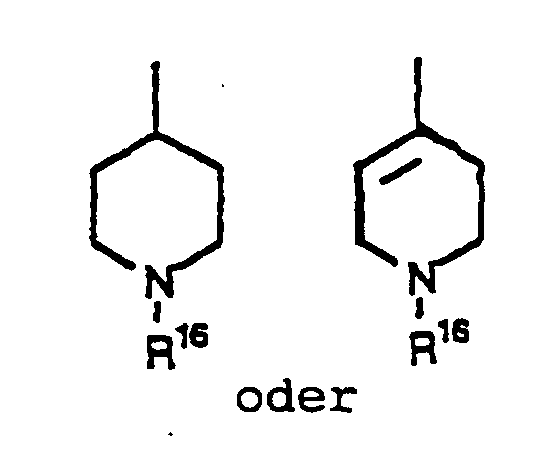
- preferred compounds also include those of Formula I wherein Q is: wherein R 16 is H, C 1-6 alkyl, aryl, aralkyl or alkaryl.
- Representative compounds of this invention include, but are not limited to:
- This invention also provides a pharmaceutical composition
- a pharmaceutical composition comprising an effective amount of a compound of Formula I in combination with a pharmaceutically acceptable carrier.
- this invention provides a method for inhibiting TNF- ⁇ in a mammal comprising administering to the mammal an amount of a compound of Formula I effective to inhibit TNF- ⁇ .
- this invention provides the following methods of treatment:
- Certain compounds of the invention may exist in different isomeric (e.g., enantiomers and diastereoisomers) as well as conformational forms.
- the invention contemplates all such isomers both in pure form and in admixture, including racemic mixtures. Tautomeric forms are also included.
- the compounds of Formula I can exist in unsolvated as well as solvated forms, including hydrated forms, e.g., hemi-hydrate.
- solvated forms including hydrated forms, e.g., hemi-hydrate.
- pharmaceutically acceptable solvents such as water, ethanol and the like are equivalent to the unsolvated forms for purposes of the invention.
- Lines drawn into the ring systems indicate that the indicated bond may be attached to any of the substitutable ring carbon atoms.
- Certain compounds of the invention will be acidic in nature, e.g. those compounds which possess a carboxyl or phenolic hydroxyl group. These compounds may form pharmaceutically acceptable salts. Examples of such salts may include sodium, potassium, calcium, aluminum, gold and silver salts. Also contemplated are salts formed with pharmaceutically acceptable amines such as ammonia, alkyl amines, hydroxyalkylamines, N-methylglucamine and the like.
- Certain basic compounds of the invention also form pharmaceutically acceptable salts, e.g., acid addition salts.
- the pyrido-nitrogen atoms may form salts with strong acid, while compounds having basic substituents such as amino groups also form salts with weaker acids.
- suitable acids for salt formation are hydrochloric, sulfuric, phosphoric, acetic, citric, oxalic, malonic, salicylic, malic, fumaric, succinic, ascorbic, maleic, methanesulfonic and other mineral and carboxylic acids well known to those skilled in the art.
- the salts are prepared by contacting the free base form with a sufficient amount of the desired acid to produce a salt in the conventional manner.
- the free base forms may be regenerated by treating the salt with a suitable dilute aqueous base solution such as dilute aqueous sodium hydroxide, potassium carbonate, ammonia and sodium bicarbonate.
- a suitable dilute aqueous base solution such as dilute aqueous sodium hydroxide, potassium carbonate, ammonia and sodium bicarbonate.
- the free base forms differ from their respective salt forms somewhat in certain physical properties, such as solubility in polar solvents, but the acid and base salts are otherwise equivalent to their respective free base forms for purposes of the invention.
- Step 1 This step is preferably carried out by adding the grignard reagent of 4-chloro-N-methyl-piperidine in an inert solvent such as ether (e.g. diethyl ether, tetrahydrofuran, or dioxane) under an inert atmosphere (nitrogen or argon).
- ether e.g. diethyl ether, tetrahydrofuran, or dioxane
- Preferred temperatures range between 0°C and 60°C.
- Step 2 This step is preferably carried out with strong acid (e.g. hydrochloric acid, sulfuric acid, or triflic acid) in water at temperatures between 25°C and 100°C.
- strong acid e.g. hydrochloric acid, sulfuric acid, or triflic acid
- Step 3 This step is preferably carried out by first adding a strong base (e.g. n-butyl lithium, sec-butyl lithium, or lithium diisopropylamide) in an inert solvent such as ether (e.g. diethyl ether, tetrahydrofuran, or dioxane) under an inert atmosphere (nitrogen or argon) at temperatures between -78°C and 0°C. Subsequently, the alkylating agent R 3 L is added wherein L represents a good leaving group, e.g. L can be chloride, bromide, iodide, mesylate, or tosylate.
- a strong base e.g. n-butyl lithium, sec-butyl lithium, or lithium diisopropylamide
- an inert solvent such as ether (e.g. diethyl ether, tetrahydrofuran, or dioxane) under an inert atmosphere (nitrogen
- Step 4 This step is preferably carried out with a suitable chloroformate reagent R 14 OCOCl and a mild base (e.g. pyridine or potassium carbonate) in an inert solvent (e.g. benzene, toluene, or acetonitrile).
- a suitable chloroformate reagent R 14 OCOCl and a mild base e.g. pyridine or potassium carbonate
- an inert solvent e.g. benzene, toluene, or acetonitrile.
- Preferred temperature range is between 25°C and 110°C.
- Step 5 This step is preferably carried out under basic (e.g. sodium hydroxide, potassium hydroxide, or barium hydroxide in water with ethylene glycol, methanol, ethanol, tetrahydrofuran, dioxane, or diglyme) or acidic (e.g. hydrochloric acid, hydrobromic acid, or zinc in acetic acid or water with tetrahydrofuran, dioxane, or diglyme) conditions. Any suitable temperature can be used with preferable temperatures between 25°C and 100°C.
- basic e.g. sodium hydroxide, potassium hydroxide, or barium hydroxide in water with ethylene glycol, methanol, ethanol, tetrahydrofuran, dioxane, or diglyme
- acidic e.g. hydrochloric acid, hydrobromic acid, or zinc in acetic acid or water with tetrahydrofuran, dioxane, or diglyme
- Step 6 This step is preferably carried out by first adding an amine base (e.g. pyridine, collidine, or triethylamine) in an inert solvent such as chlorinated hydrocarbons (e.g. dichloromethane, 1,2-dichioroethane, or chloroform) or a strong base (n-butyl lithium, sodium hydride, potassium hydride, lithium diisopropyl amide, or potassium bis(trimethylsilyl)amide) in an inert solvent such as ether (e.g. diethyl ether, tetrahydrofuran, or dioxane) or polar aprotic solvent (e.g.
- an amine base e.g. pyridine, collidine, or triethylamine
- an inert solvent such as chlorinated hydrocarbons (e.g. dichloromethane, 1,2-dichioroethane, or chloroform) or a strong base (n-butyl lithium, sodium
- L represents a good leaving group, e.g. L can be chloride, bromide, iodide, mesylate, or tosylate. Any suitable temperature can be used between -78°C and 80°C.
- Step 7 This step is preferably carried out by first adding a strong base (e.g. n-butyl lithium, sec-butyl lithium, or lithium diisopropylamide) in an inert solvent such as ether (e.g. diethyl ether, tetrahydrofuran, or dioxane) under an inert atmosphere (nitrogen or argon) at temperatures between -78°C and 0°C. Subsequently, a proton source (e.g. methanol , ethanol or acetic acid) is added.
- a strong base e.g. n-butyl lithium, sec-butyl lithium, or lithium diisopropylamide
- an inert solvent such as ether (e.g. diethyl ether, tetrahydrofuran, or dioxane)
- nitrogen or argon nitrogen or argon
- Step 8 This step is preferably carried out by hydrogenation with a catalyst (e.g. palladium on carbon or platinum oxide) in an inert solvent (e.g. methanol, ethanol, ethyl acetate, or acetic acid) at 25°C.
- a catalyst e.g. palladium on carbon or platinum oxide
- an inert solvent e.g. methanol, ethanol, ethyl acetate, or acetic acid
- Step 4 This step is described above for Scheme 1.
- Step 5 This step is described above for Scheme 1.
- Step 6 This step is described above for Scheme 1.
- Step 7a This step applies where U or T in formula I is Nitrogen and is preferably carried out by adding a strong reducing agent such as lithium aluminum hydride in an inert solvent such as tetrahydrofuran at a temperature of from 25° to 75°C.
- a strong reducing agent such as lithium aluminum hydride
- an inert solvent such as tetrahydrofuran
- Step 9 This step is preferably carried out by adding the lithium reagent of 3-chloropyridine in an inert solvent such as ether (e.g. diethyl ether, tetrahydrofuran, or dioxane) under an inert atmosphere (nitrogen or argon).
- ether e.g. diethyl ether, tetrahydrofuran, or dioxane
- Preferred temperature range is between -78°C and 25°C.
- Step 10 This step is preferably carried out with hydroiodic acid and hydrochloric acid in acetic acid at temperatures between 100°C to 130°C.
- the alcohol moiety can be converted into a good leaving group L (e.g. chloride, bromide, mesylate, or tosylate) which can be removed by a suitable reducing agent.
- L e.g. chloride, bromide, mesylate, or tosylate
- Step 11 This step is preferably carried out by first adding a strong base (e.g. n-butyl lithium, sec-butyl lithium, sodium amide, potassium amide, potassium bis(trimethylsilyl)amide, or lithium diisopropylamide) in an inert solvent such as ether (e.g. diethyl ether, tetrahydrofuran, or dioxane) or ammonia under an inert atmosphere (nitrogen or argon) at temperatures between -78°C and 0°C. Subsequently, the alkylating agent R 3 L is added wherein L represents a good leaving group, e.g. L can be chloride, bromide, iodide, mesylate, or tosylate.
- a strong base e.g. n-butyl lithium, sec-butyl lithium, sodium amide, potassium amide, potassium bis(trimethylsilyl)amide, or lithium diisopropylamide
- Step 12 This step is preferably carried out by reduction with sodium in ethanol or hydrogenation with a catalyst (e.g. palladium on carbon, platinum oxide, or rhodium on carbon) in an acidic solvent (e.g. acetic acid, trifluoroacetic acid, or methanol or ethanol with hydrochloric acid) at 25°C.
- a catalyst e.g. palladium on carbon, platinum oxide, or rhodium on carbon
- an acidic solvent e.g. acetic acid, trifluoroacetic acid, or methanol or ethanol with hydrochloric acid
- Step 6 This step is described above for Scheme 1.
- the process is preferably carried out by first adding a strong base (e.g. n-butyl lithium, sec-butyl lithium, sodium amide, potassium amide, lithium diisopropylamide, or potassium bis(trimethylsilyl)amide) to the tricyclic compound in an inert solvent (e.g. ether such as diethyl ether, tetrahydrofuran, or dioxane, or polar solvent such as ammonia, N,N-dimethylformamide, or N,N-dimethylacetamide) under an inert atmosphere (nitrogen or argon).
- the alkylating agent is added wherein L represents a good leaving group, e.g. L can be chloride, bromide, iodide, mesylate, or tosylate. Any suitable temperature can be used with preferable temperatures between -78°C and 25°C.
- the process is preferably carried out by treating the tricyclic alkene with a catalyst (e.g. palladium on carbon or raney nickel) under a hydrogen atmosphere in an inert solvent (e.g. methanol, ethanol,or ethyl acetate) at ambient temperature.
- a catalyst e.g. palladium on carbon or raney nickel
- an inert solvent e.g. methanol, ethanol,or ethyl acetate
- the process is preferably carried out by treating the tricyclic alkene with a catalyst (e.g. palladium on carbon or platinum oxide) under a hydrogen atmosphere in an inert solvent (e.g. methanol, ethanol, ethyl acetate, or acetic acid) at ambient temperature.
- a catalyst e.g. palladium on carbon or platinum oxide
- an inert solvent e.g. methanol, ethanol, ethyl acetate, or acetic acid
- the process is preferably carried out by first adding an amine base (e.g. pyridine, collidine, or triethylamine) in an inert solvent such as chlorinated hydrocarbons (e.g. dichloromethane, 1,2-dichloroethane, or chloroform) or a strong base (n-butyl lithium, sodium hydride, potassium hydride, lithium diisopropyl amide, or potassium bis(trimethylsilyl)amide) in an inert solvent such as ether (e.g. diethyl ether, tetrahydrofuran, or dioxane) or polar aprotic solvent (e.g.
- an amine base e.g. pyridine, collidine, or triethylamine
- an inert solvent such as chlorinated hydrocarbons (e.g. dichloromethane, 1,2-dichloroethane, or chloroform) or a strong base (n-butyl lithium, sodium hydride,
- L represents a good leaving group, e.g. L can be chloride, bromide, iodide, mesylate, or tosylate. Any suitable temperature can be used between -78°C and 80°C.
- the process is preferably carried out by treating the amide or carbamate compound under basic (e.g. sodium hydroxide, potassium hydroxide, or sodium peroxide in water with ethylene glycol, methanol, ethanol, tetrahydrofuran, dioxane, or diglyme) or acidic (e.g. hydrochloric acid, sulfuric acid, or tosic acid in water with tetrahydrofuran, dioxane, or diglyme) conditions.
- basic e.g. sodium hydroxide, potassium hydroxide, or sodium peroxide in water with ethylene glycol, methanol, ethanol, tetrahydrofuran, dioxane, or diglyme
- acidic e.g. hydrochloric acid, sulfuric acid, or tosic acid in water with tetrahydrofuran, dioxane, or diglyme
- Any suitable temperature can be used with preferable temperatures between 60°C and 150°C.
- the process is carried out by treating the tricyclic amine with a methylating agent CH 3 X wherein X represents the counter anion (e.g. X can be chloride, bromide, iodide, sulfate, or tosylate) in an inert solvent such as a protic solvent (e.g. methanol, ethanol, isopropanol, or butanol).
- a protic solvent e.g. methanol, ethanol, isopropanol, or butanol.
- Any suitable temperature can be used with preferable temperatures between 25°C and 100°C.
- the compounds of formula I exhibit good anti-TNF- ⁇ activity.
- the compounds of the invention are, therefore, useful when TNF-a activity is a factor in a given disease or disorder such as in the case of septic shock and various allergic diseases and inflammatory conditions.
- the anti-TNF- ⁇ properties of the compounds of the present invention may be demonstrated by use of a standard in vitro pharmacological testing procedure as described below. This test procedure is a standard test used to determine anti-TNF- ⁇ activity and to evaluate the usefulness of said compounds for counteracting the biological effects of TNF- ⁇ .
- the following in vivo test was also performed on several of the compounds of the present invention. Although the individual reported values may be subject to a wide margin of error, collectively the in vivo data demonstrates that the compounds of the invention are inhibitors of TNF- ⁇ in a mammalian species.
- the effect of the compounds of the present invention against septic shock may be demonstrated by use of a standard pharmacological testing procedure as described below.
- This test procedure is a standard test used to determine activity against septic shock.
- inert, pharmaceutically acceptable carriers can be either solid or liquid.
- Solid form preparations include powders, tablets, dispersible granules, capsules, cachets and suppositories.
- the powders and tablets may be comprised of from about 5 to about 70 percent active ingredient.
- Suitable solid carriers are known in the art, e.g. magnesium carbonate, magnesium stearate, talc, sugar, lactose. Tablets, powders, cachets and capsules can be used as solid dosage forms suitable for oral administration.
- a low melting wax such as a mixture of fatty acid glycerides or cocoa butter is first melted, and the active ingredient is dispersed homogeneously therein as by stirring. The molten homogeneous mixture is then poured into convenient sized molds, allowed to cool and thereby solidify.
- Liquid form preparations include solutions, suspensions and emulsions. As an example may be mentioned water or water-propylene glycol solutions for parenteral injection.
- Liquid form preparations may also include solutions for intranasal administration.
- Aerosol preparations suitable for inhalation may include solutions and solids in powder form, which may be in combination with a pharmaceutically acceptable carrier, such as an inert compressed gas.
- a pharmaceutically acceptable carrier such as an inert compressed gas.
- solid form preparations which are intended to be converted, shortly before use, to liquid form preparations for either oral or parenteral administration.
- liquid forms include solutions, suspensions and emulsions.
- the compounds of the invention may also be deliverable transdermally.
- the transdermal compositions can take the form of creams, lotions, aerosols and/or emulsions and can be included in a transdermal patch of the matrix or reservoir type as are conventional in the art for this purpose.
- the compound is administered orally.
- the pharmaceutical preparation is in unit dosage form.
- the preparation is subdivided into unit doses containing appropriate quantities of the active component, e.g., an effective amount to achieve the desired purpose.
- the quantity of active compound in a unit dose of preparation may be varied or adjusted from about 0.1 mg to 1000 mg, more preferably from about 1 mg. to 300 mg, according to the particular application.
- the actual dosage employed may be varied depending upon the requirements of the patient and the severity of the condition being treated. Determination of the proper dosage for a particular situation is within the skill of the art. Generally, treatment is initiated with smaller dosages which are less than the optimum dose of the compound. Thereafter, the dosage is increased by small increments until the optimum effect under the circumstances is reached. For convenience, the total daily dosage may be divided and administered in portions during the day if desired.
- a typical recommended dosage regimen is oral administration of from 10 mg to 2000 mg/day preferably 10 to 1000 mg/day, in two to four divided doses to achieve relief of the symptoms.
Landscapes
- Chemical & Material Sciences (AREA)
- Organic Chemistry (AREA)
- Health & Medical Sciences (AREA)
- General Health & Medical Sciences (AREA)
- Veterinary Medicine (AREA)
- General Chemical & Material Sciences (AREA)
- Medicinal Chemistry (AREA)
- Nuclear Medicine, Radiotherapy & Molecular Imaging (AREA)
- Chemical Kinetics & Catalysis (AREA)
- Pharmacology & Pharmacy (AREA)
- Life Sciences & Earth Sciences (AREA)
- Animal Behavior & Ethology (AREA)
- Public Health (AREA)
- Engineering & Computer Science (AREA)
- Bioinformatics & Cheminformatics (AREA)
- Communicable Diseases (AREA)
- Oncology (AREA)
- Immunology (AREA)
- Pulmonology (AREA)
- Pain & Pain Management (AREA)
- Rheumatology (AREA)
- Pharmaceuticals Containing Other Organic And Inorganic Compounds (AREA)
- Hydrogenated Pyridines (AREA)
- Plural Heterocyclic Compounds (AREA)
- Preparation Of Compounds By Using Micro-Organisms (AREA)
Claims (26)
- Verbindung der allgemeinen Formel I:oder ein pharmazeutisch verträgliches Salz oder eine pharmazeutisch verträgliche Lösung derselben, worin:
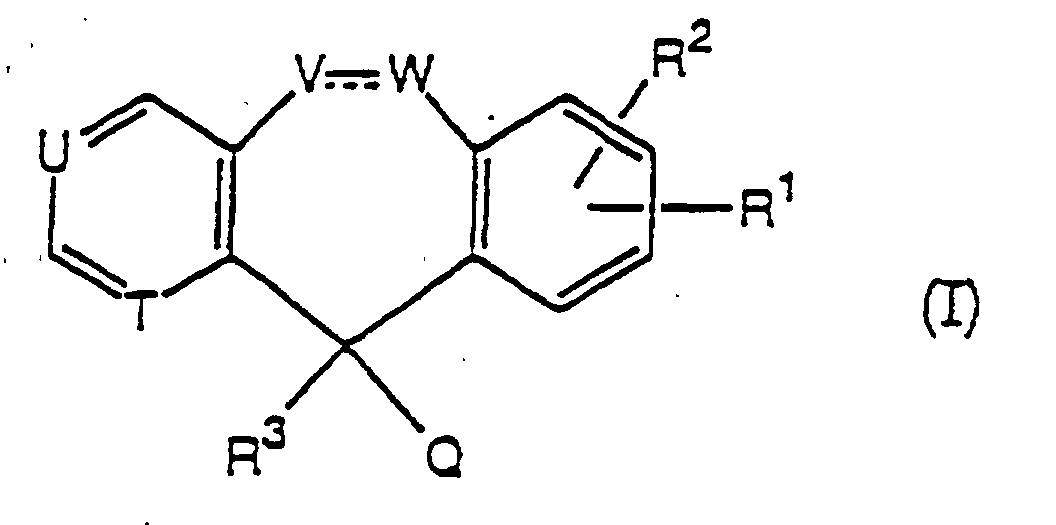 und worin die folgenden Begriffe wie nachstehend definiert verwendet werdenentweder T oder U N und der andere =CH- darstellt; oder sowohl T als auch U =CH- darstellt;die
----- Linie gegebenenfalls eine Doppelbindung darstellt; wenn----- eine Doppelbindung ist, stellen sowohl V als auch W =CH- dar; wenn----- eine Einfachbindung ist, stellen entweder V oder W Sauerstoff und der andere -CH2- dar; oder sowohl V als auch W stellen -CH2- dar;R1 und R2 jeweils unabhängig voneinander aus der Gruppe bestehend aus H und den Halogenen ausgewählt werden;R3 H; Alkyl; Alkenyl; Alkynyl; Aryl; Aralkyl; Cycloalkyl; Alkoxy; (CH2)nOR10; (CH2)nCOOR10 ist, worin n 1 bis 3 und R10 H oder C1-6-Alkyl; oder S(O)eR11 ist, worin e 0 oder 2 und R11 ein Alkyl oder Aryl ist;Q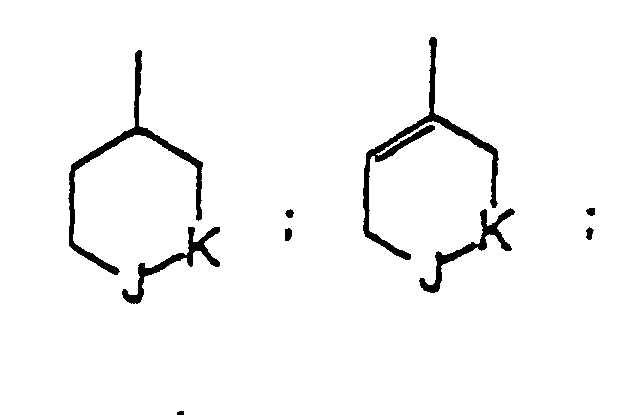
 darstellt, worin entweder J oder K
 darstellen und der andere -CH2- darstellt, mit der Maßgabe, dass wenn R3 H ist, Q auf entweder
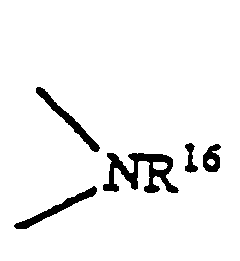 beschränkt ist;
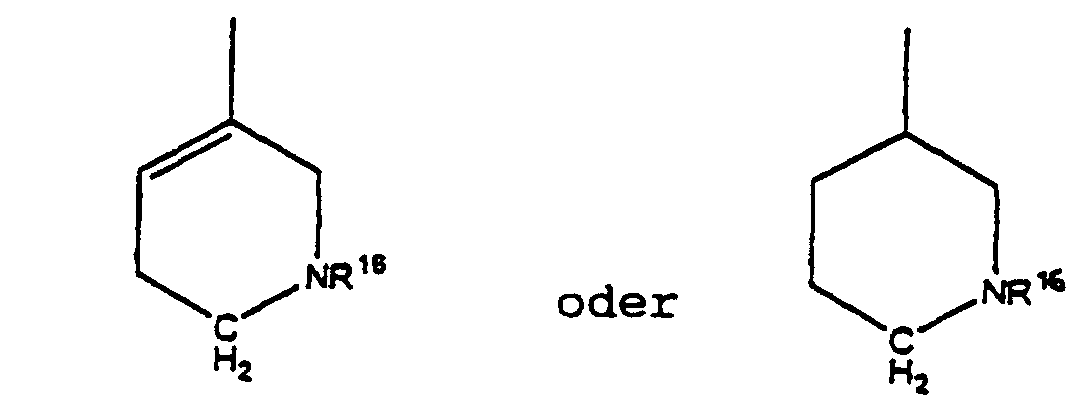 R12 C1-6-Alkyl ist;R16 H; C1-6-Alkyl; Aryl; Aralkyl; COR17 oder C(O)OR18 ist, wobeiR17 H oder Nieder-Alkyl oder Aryl ist, R18 ein C1-6-Alkyl oder Aryl ist; undX ein Halogen darstellt,Alkyl - (einschließlich der Alkylanteile des Alkoxy und Cycloalkyl) - stellt gerade und verzweigte Kohlenstoffketten dar, die 1 bis 20 Kohlenstoffatome aufweisen;Alkenyl - (einschließlich der Alkenylanteile des Cycloalkenyl) stellt gerade und verzweigte Kohlenstoffketten dar, die mindestens eine Kohlenstoff-Kohlenstoff-Doppelbindung und 2 bis 12 Kohlenstoffatome aufweisen;Alkynyl - stellt gerade und verzweigte Kohlenstoffketten dar, die mindestens eine Kohlenstoff-Kohlenstoff-Dreifachbindung und 2 bis 12 Kohlenstoffatome aufweisen;Aryl - stellt eine carbocyclische Gruppe mit 6 bis 14 Kohlenstoffatomen dar, die mindestens einen Phenyl- oder kondensierten Phenylenring aufweisen, in dem alle für eine Substitution verfügbaren Kohlenstoffatome der carbocyclischen Gruppe als mögliche Bindungsstelle vorgesehen sind, wobei die carbocyclische Gruppe gegebenenfalls mit einem oder mehreren ausgewählt aus Halogen, Alkyl, Hydroxy, Alkoxy, Phenoxy, Cyano, Cycloalkyl, Alkenyloxy, Alkynyloxy, -SH, S(O)eR12 (worin e 1 oder 2 und R12 Alkyl oder Aryl ist), -CF3, Amino, Alkylamino, Dialkylamino, -COOR12 oder -NO2 substituiert ist;Acyl - (einschließlich der Acylanteile von Acyloxy) stellt -C(O)-Alkyl, -C(O)-Alkenyl, -C(O)-Alkynyl, -C(O)-Cycloalkyl, -C(O)-Cycloalkenyl oder -C(O)-Cycloalkynyl dar;Alkoxy - stellt eine wie oben definierten Alkylgruppe dar, die über ein Sauerstoff-Molekül mit einem Molekül verknüpft ist (-O-Alkyl); Alkoxymethyl - stellt eine wie oben definierten Alkoxygruppe dar, die über eine Methylengruppe mit einem Molekül verknüpft ist;Aralkyl - stellt eine wie oben definierten Alkylgruppe dar, in der eine wie oben definierte Arylgruppe durch eine der Alkyl-H-Atome substituiert wurde;und Halogen- stellt Fluor, Chlor, Brom und Jod dar.
 - Verbindung nach Anspruch 1, worin R3 nicht H ist.
- Verbindung nach Anspruch 2, worin R3 Alkyl ist.
- Verbindung nach Anspruch 3, worin R3 Propyl ist.
- Verbindung nach Anspruch 4, worin Q:ist, worin R16 H, C1-6-Alkyl, Aryl oder Aralkyl ist.
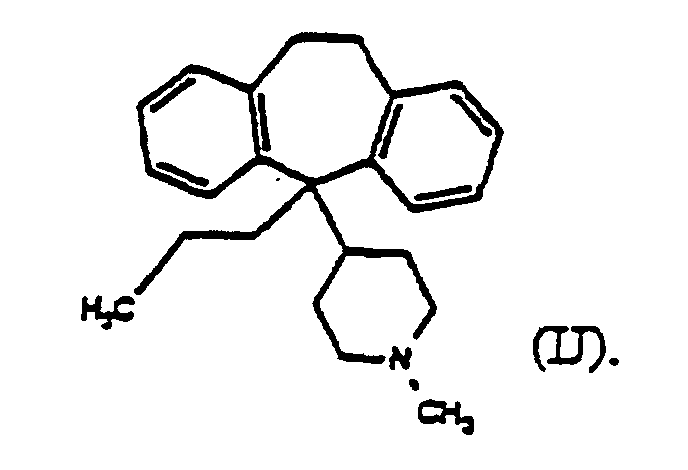
- Verbindung nach Anspruch 5, die folgende Strukturformel aufweist:

- Verbindung nach Anspruch 5, die folgende Strukturformel aufweist:
- Verbindung nach Anspruch 1, worin R3 Alkenyl ist.
- Verbindung nach Anspruch 8, worin R3 Allyl ist.
- Verbindung nach Anspruch 9, worin Qist, worin R16 H, C1-6-Alkyl, Aryl oder Aralkyl ist.

- Verbindung nach Anspruch 10, worin Q:ist, worin R16 H, C1-6-Alkyl, Aryl oder Aralkyl ist.
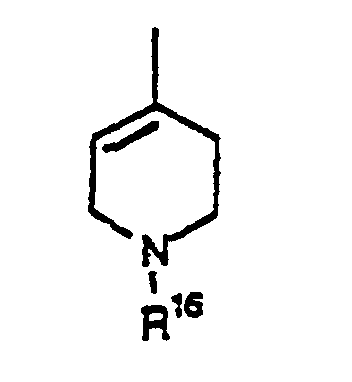
- Verbindung nach Anspruch 11, die folgende Strukturformel aufweist:

- Verbindung nach Anspruch 11, die folgende Strukturformel aufweist:
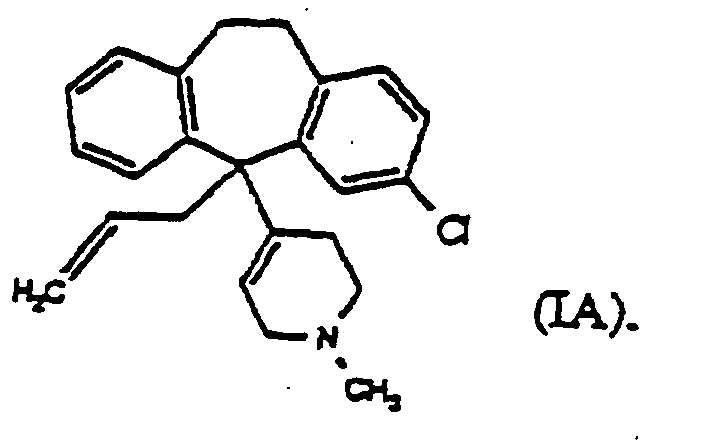
- Verbindung nach Anspruch 11, die folgende Strukturformel aufweist:
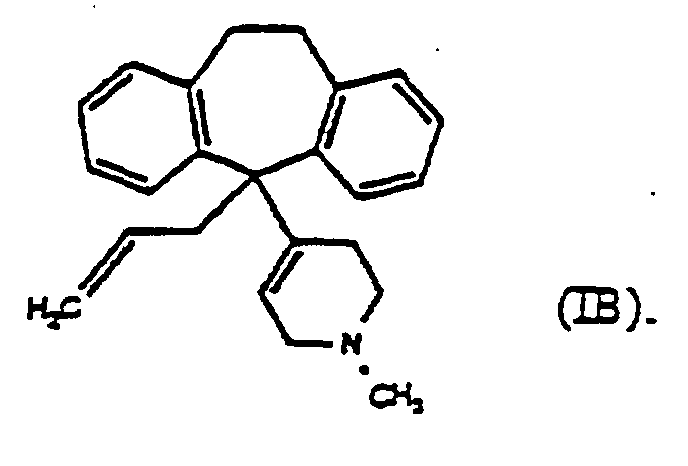
- Eine Verbindung nach Anspruch 1, worin Q:
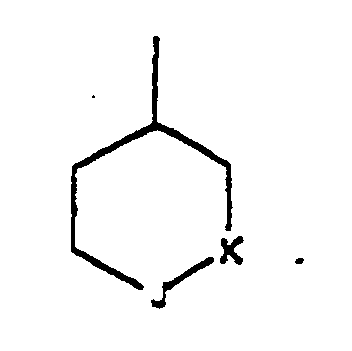
- Verbindung nach Anspruch 1, worin sowohl T als auch U =CH- ist.
- Verbindung nach Anspruch 1, worin R3 H und Q:ist.

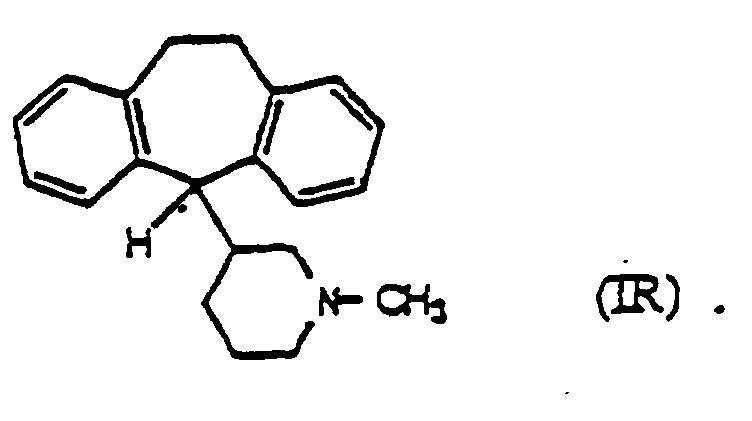
- Verbindung nach Anspruch 17, die folgende Strukturformel aufweist:
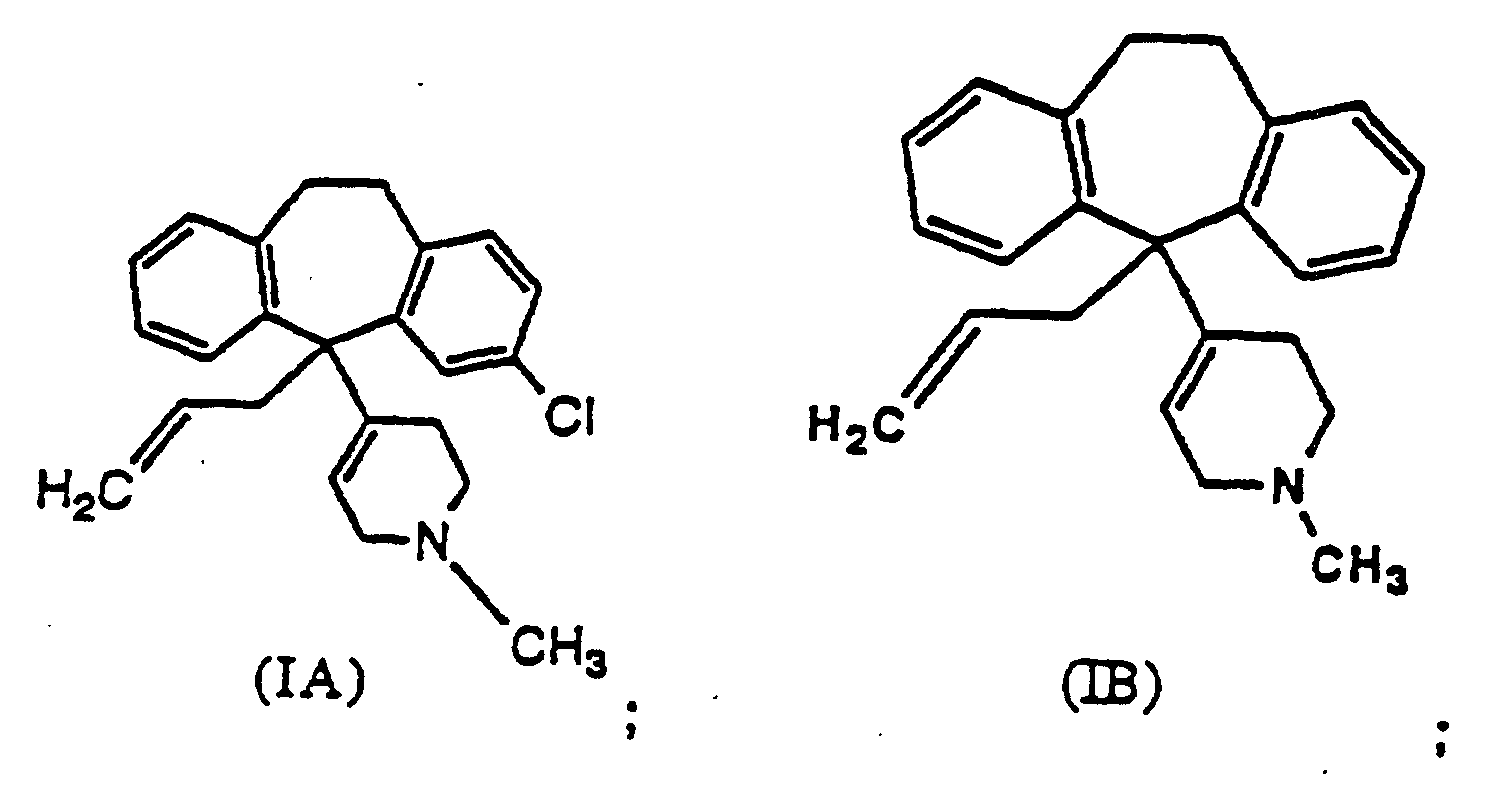
- Verbindung nach Anspruch 1 mit einer Strukturformel, die aus der Gruppe bestehend aus folgenden Strukturen ausgewählt wurde:
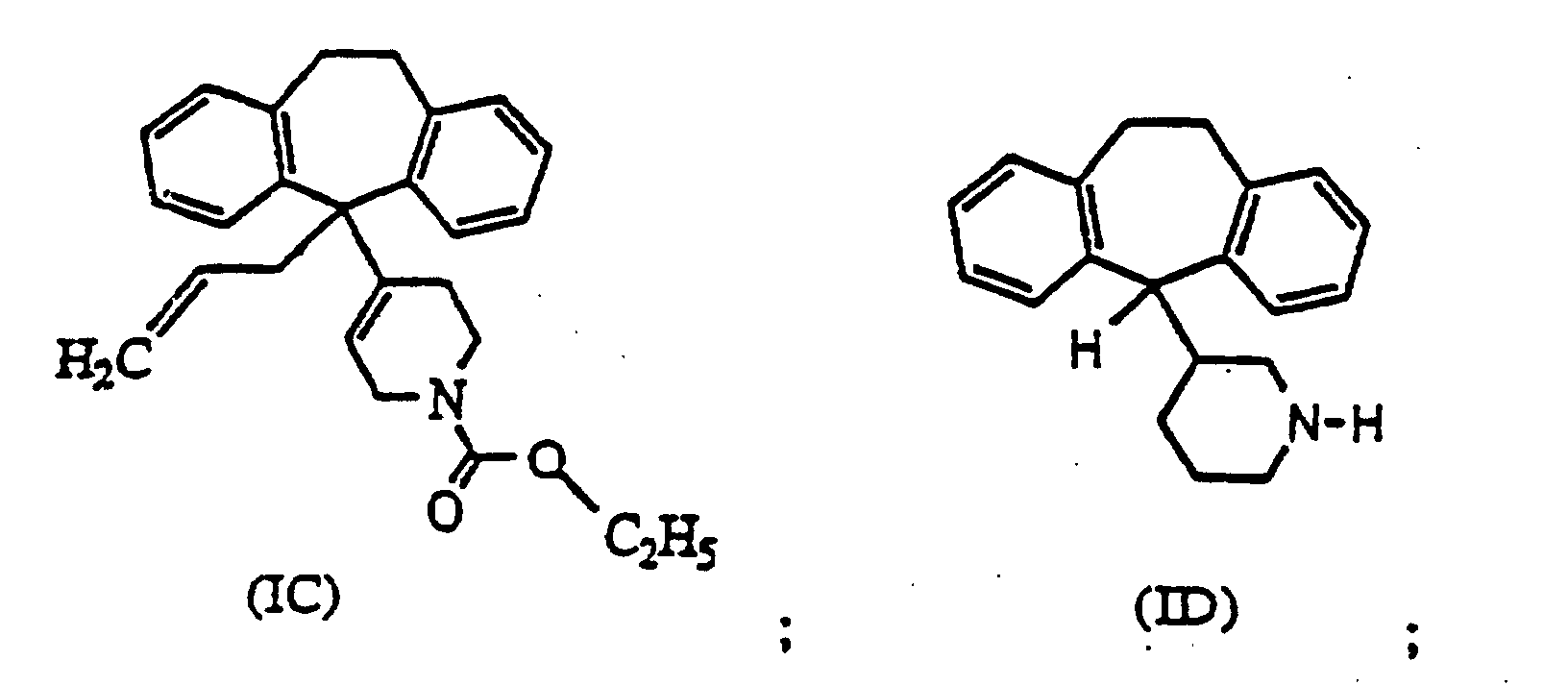


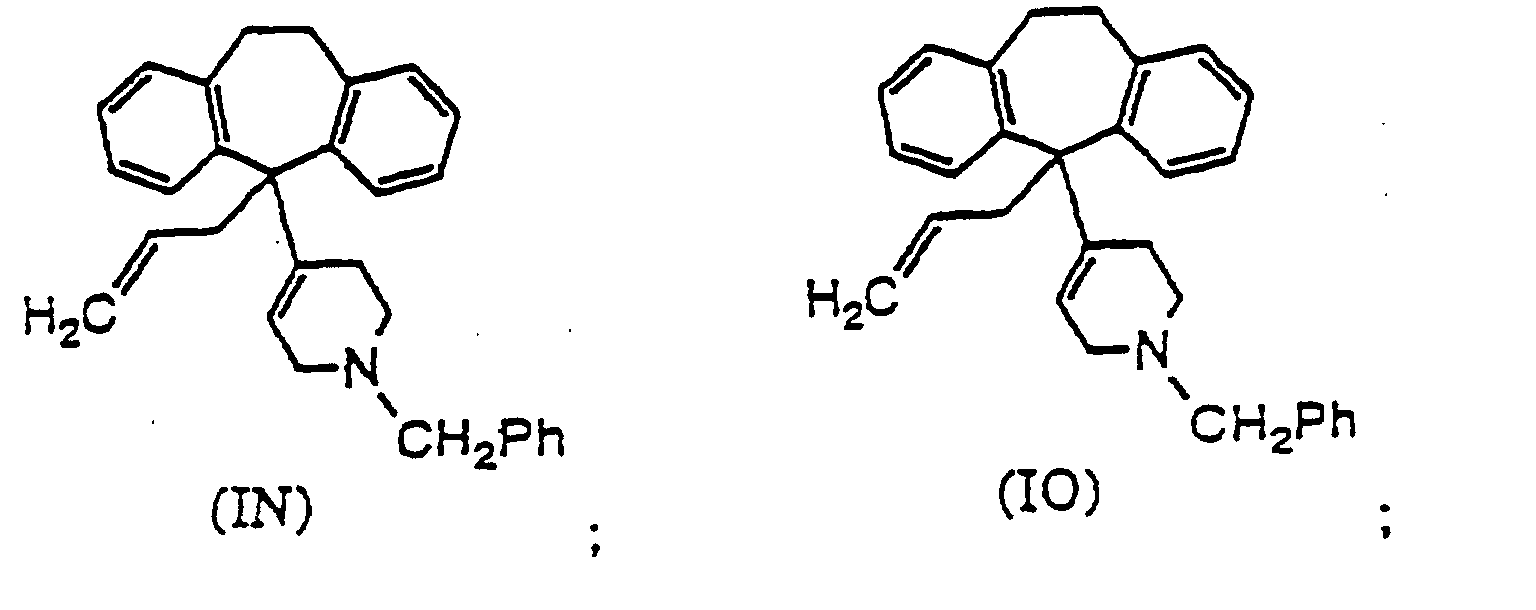

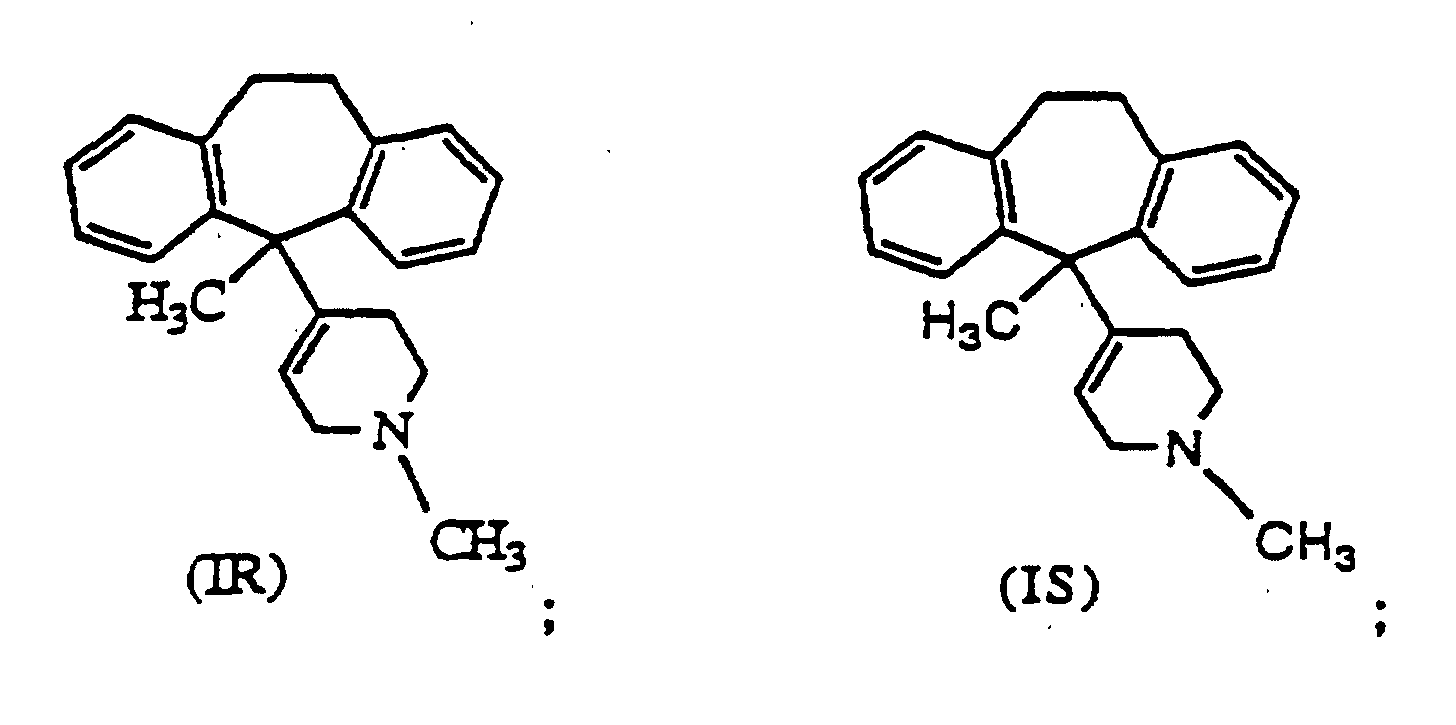
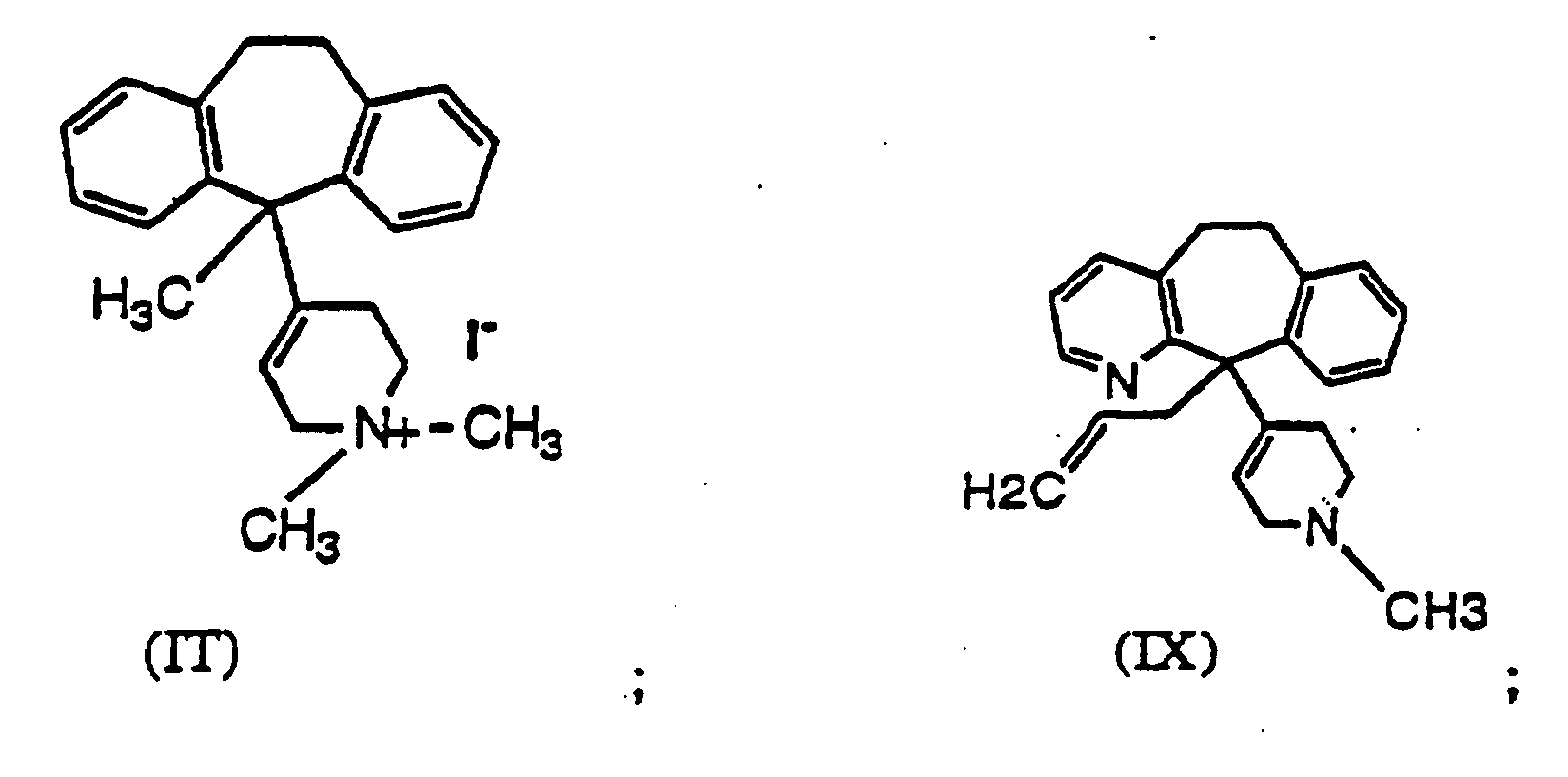
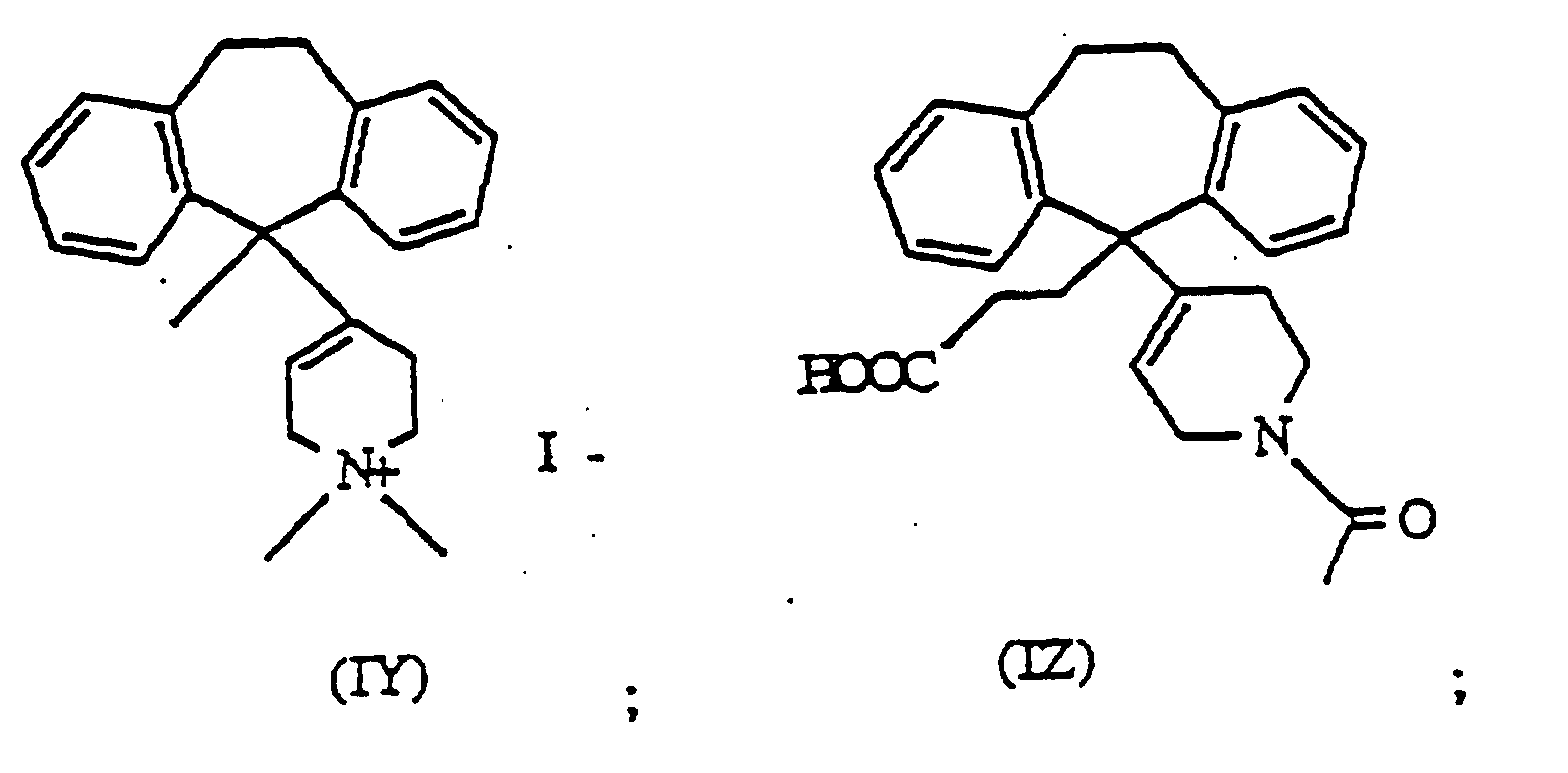

- Pharmazeutische Zusammensetzung, die eine wirksame Menge einer Verbindung einer der vorstehenden Ansprüche in Kombination mit einem pharmazeutisch verträglichen Träger umfaßt.
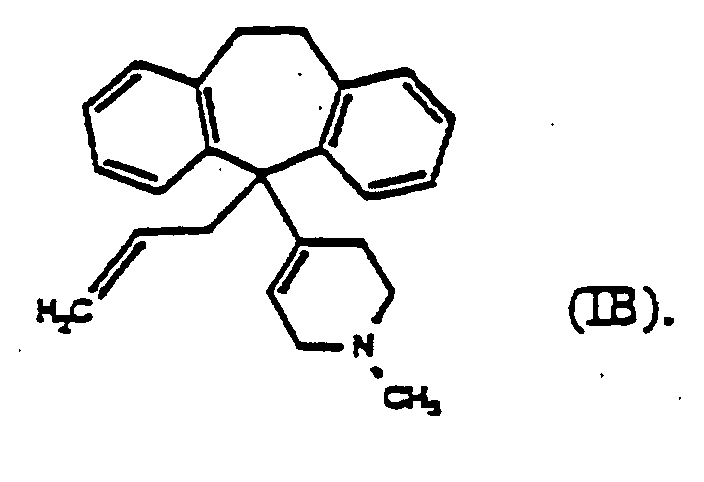
- Pharmazeutische Zusammensetzung, die eine wirksame Menge einer Verbindung der folgenden Struktur in Kombination mit einem pharmazeutisch verträglichen Träger umfaßt:
- Verwendung einer Verbindung gemäß Anspruch 1 zur Herstellung einer pharmazeutischen Zusammensetzung zur Inhibierung von Tumor-Nekrose-Faktor-α.
- Verwendung einer Verbindung gemäß Anspruch 1 zur Herstellung einer pharmazeutischen Zusammensetzung zur Behandlung von Entzündungen.
- Verwendung einer Verbindung gemäß Anspruch 1 zur Herstellung einer pharmazeutischen Zusammensetzung zur Behandlung des septischen Schocks.
- Verwendung einer Verbindung gemäß Anspruch 1 zur Herstellung einer pharmazeutischen Zusammensetzung zur Behandlung von Allergien.
- Verwendung gemäß irgendeinem der Ansprüche 22 bis 25, bei der die Verbindung folgende Struktur (IB) aufweist:

Applications Claiming Priority (3)
| Application Number | Priority Date | Filing Date | Title |
|---|---|---|---|
| US162748 | 1993-12-06 | ||
| US08/162,748 US5464840A (en) | 1993-12-06 | 1993-12-06 | Tricyclic derivatives, compositions and methods of use |
| PCT/US1994/013663 WO1995015949A1 (en) | 1993-12-06 | 1994-12-05 | Tricyclic derivatives and their use in pharmaceuticals |
Publications (2)
| Publication Number | Publication Date |
|---|---|
| EP0733043A1 EP0733043A1 (de) | 1996-09-25 |
| EP0733043B1 true EP0733043B1 (de) | 2001-06-20 |
Family
ID=22586979
Family Applications (1)
| Application Number | Title | Priority Date | Filing Date |
|---|---|---|---|
| EP95903170A Expired - Lifetime EP0733043B1 (de) | 1993-12-06 | 1994-12-05 | Tricyclische derivate und ihre anwendung als arzneimittel |
Country Status (7)
| Country | Link |
|---|---|
| US (2) | US5464840A (de) |
| EP (1) | EP0733043B1 (de) |
| JP (1) | JP2965357B2 (de) |
| AT (1) | ATE202343T1 (de) |
| DE (1) | DE69427542T2 (de) |
| ES (1) | ES2157314T3 (de) |
| WO (1) | WO1995015949A1 (de) |
Families Citing this family (25)
| Publication number | Priority date | Publication date | Assignee | Title |
|---|---|---|---|---|
| US6524832B1 (en) * | 1994-02-04 | 2003-02-25 | Arch Development Corporation | DNA damaging agents in combination with tyrosine kinase inhibitors |
| US5700806A (en) * | 1995-03-24 | 1997-12-23 | Schering Corporation | Tricyclic amide and urea compounds useful for inhibition of G-protein function and for treatment of proliferative diseases |
| US5801175A (en) | 1995-04-07 | 1998-09-01 | Schering Corporation | Tricyclic compounds useful for inhibition of G-protein function and for treatment of proliferative diseases |
| JP3779349B2 (ja) * | 1995-04-24 | 2006-05-24 | 興和株式会社 | ピペリジン誘導体 |
| US5945429A (en) * | 1996-09-13 | 1999-08-31 | Schering Corporation | Compounds useful for inhibition of farnesyl protein transferase |
| US6071907A (en) * | 1996-09-13 | 2000-06-06 | Schering Corporation | Tricyclic compounds useful as FPT inhibitors |
| US5861395A (en) * | 1996-09-13 | 1999-01-19 | Schering Corporation | Compounds useful for inhibition of farnesyl proteins transferase |
| US6030982A (en) * | 1996-09-13 | 2000-02-29 | Schering Corporationm | Compounds useful for inhibition of farnesyl protein transferase |
| US5985879A (en) * | 1996-09-13 | 1999-11-16 | Schering Corporation | Compounds useful for inhibition of farnesyl protein transferase |
| US6040305A (en) * | 1996-09-13 | 2000-03-21 | Schering Corporation | Compounds useful for inhibition of farnesyl protein transferase |
| US5994364A (en) * | 1996-09-13 | 1999-11-30 | Schering Corporation | Tricyclic antitumor farnesyl protein transferase inhibitors |
| US6130229A (en) * | 1996-10-09 | 2000-10-10 | Schering Corporation | Tricyclic compounds having activity as RAS-FPT inhibitors |
| US6689789B2 (en) | 1997-06-17 | 2004-02-10 | Schering Corporation | Compounds useful for inhibition of farnesyl protein transferase |
| US6239140B1 (en) | 1997-06-17 | 2001-05-29 | Schering Corporation | Compounds useful for inhibition of farnesyl protein transferase |
| US6159984A (en) | 1997-06-17 | 2000-12-12 | Schering Corporation | Farnesyl protein transferase inhibitors |
| US6211193B1 (en) | 1997-06-17 | 2001-04-03 | Schering Corporation | Compounds useful for inhibition of farnesyl protein transferase |
| US6228865B1 (en) | 1997-06-17 | 2001-05-08 | Schering Corporation | Compounds useful for inhibition of farnesyl protein transferase |
| US6218401B1 (en) | 1997-06-17 | 2001-04-17 | Schering Corporation | Phenyl-substituted tricyclic inhibitors of farnesyl-protein transferase |
| US6051582A (en) * | 1997-06-17 | 2000-04-18 | Schering Corporation | Compounds useful for inhibition of farnesyl protein transferase |
| US6576639B1 (en) | 1997-06-17 | 2003-06-10 | Schering Corporation | Compounds for the inhibition of farnesyl protein transferase |
| US6632455B2 (en) | 1997-12-22 | 2003-10-14 | Schering Corporation | Molecular dispersion composition with enhanced bioavailability |
| US6316462B1 (en) | 1999-04-09 | 2001-11-13 | Schering Corporation | Methods of inducing cancer cell death and tumor regression |
| ZA200804550B (en) | 2005-11-09 | 2009-08-26 | Combinatorx Inc | Methods, compositions, and kits for the treatment of medical conditions |
| EP2147155A1 (de) * | 2007-05-23 | 2010-01-27 | Akzo Nobel N.V. | Verfahren zur herstellung eines cellulosehaltigen produkts |
| WO2021188949A1 (en) | 2020-03-20 | 2021-09-23 | Atux Iskay Llc | 3-diarylmethylenes and uses thereof |
Family Cites Families (24)
| Publication number | Priority date | Publication date | Assignee | Title |
|---|---|---|---|---|
| US2985660A (en) * | 1960-04-29 | 1961-05-23 | Lakeside Lab Inc | 5-heterocyclic-5h-dibenzo [a, d] cycloheptenes |
| US3922305A (en) * | 1962-08-09 | 1975-11-25 | Merck & Co Inc | Chemical compounds |
| NL132137C (de) * | 1963-04-24 | |||
| US3978121A (en) * | 1963-07-25 | 1976-08-31 | Merck & Co., Inc. | 5H Dibenzo[a,d]cycloheptene derivatives |
| US3981917A (en) * | 1963-07-25 | 1976-09-21 | Merck & Co., Inc. | Chemical compounds |
| DE1468341A1 (de) * | 1963-07-25 | 1969-05-22 | Merck & Co Inc | Dibenzocycloheptan- und -hepten-Verbindungen und Verfahren zu ihrer Herstellung |
| FR92375E (fr) * | 1966-02-04 | 1968-10-31 | Rhone Poulenc Sa | Nouveaux dérivés du dibenzocycloheptatriène et leur préparation |
| NL130988C (de) * | 1966-07-21 | Boehringer Mannheim Gmbh | ||
| GB1274262A (en) * | 1968-05-03 | 1972-05-17 | Hoffmann La Roche | Dibenzocycloheptene derivatives |
| US3595865A (en) * | 1968-09-12 | 1971-07-27 | Searle & Co | 5-(4-pyridyl)-5h-dibenzo(a,b)cycloheptenes |
| DE2335943C3 (de) * | 1973-07-14 | 1979-08-09 | Boehringer Mannheim Gmbh, 6800 Mannheim | Tricyclisch substituierte Aminoalkohole und ihre nichttoxischen Salze, Verfahren zu deren Herstellung und deren Verwendung bei der Bekämpfung von Herz- und Kreislauferkrankungen |
| US4626542A (en) * | 1984-04-05 | 1986-12-02 | Merck & Co., Inc. | 4-(5H-dibenzo[a,d]cyclohepten-5-yl)piperidine compounds, pharmaceutical compositions and methods |
| US4758577A (en) * | 1984-04-05 | 1988-07-19 | Merck & Co., Inc. | 4-(5H-dibenzo[a,d]cyclohepten-5-yl)piperidine compounds for treating cardiovascular disorders |
| US5438062A (en) * | 1986-10-31 | 1995-08-01 | Schering Corporation | Benzo(5,6)cycloheptapyridines, compositions and methods of use |
| US4826853A (en) * | 1986-10-31 | 1989-05-02 | Schering Corporation | 6,11-Dihydro-11-(N-substituted-4-piperidylidene)-5H-benzo(5,6)cyclohepta(1,2-B)pyridines and compositions and methods of use |
| US5089496A (en) * | 1986-10-31 | 1992-02-18 | Schering Corporation | Benzo[5,6]cycloheptapyridine compounds, compositions and method of treating allergies |
| CA1341044C (en) * | 1988-04-28 | 2000-07-04 | Frank J. Villani | Benzopyrido piperidine, piperidylidene and peperazine compounds, compositions, methods of manufacture and methods of use |
| EP0339978B1 (de) * | 1988-04-28 | 1996-08-21 | Schering Corporation | Kondensierte polyzyklische Verbindungen, Zusammenstellungen, Verfahren zur Herstellung und deren Anwendung als PAF-antagonistische, antihistaminische und/oder anti-inflammatorische Agenzien |
| US5104876A (en) * | 1988-04-28 | 1992-04-14 | Schering Corporation | Benzopyrido piperidine, piperidylidene and piperazine compounds, compositions, methods of manufacture and methods of use |
| US4863931A (en) * | 1988-09-15 | 1989-09-05 | Schering Corporation | Antihistaminic fluoro substituted benzocycloheptapyridines |
| US4996321A (en) * | 1990-02-26 | 1991-02-26 | Merck & Co., Inc. | Dibenzo[a,d]cycloheptenylidene compounds |
| DE69120430D1 (de) * | 1990-12-18 | 1996-07-25 | Wellcome Found | Mittel zur verstaerkung der wirkung von antitumoralen mittel und zur widerstandsbekaempfung von vielfachdrogen |
| EP0586560A1 (de) * | 1991-05-23 | 1994-03-16 | Schering Corporation | Neue benzopyrido-piperidyliden verbindungen, zusammensetzungen, verfahren zur herstellung und verwendung |
| JPH06509341A (ja) * | 1991-07-23 | 1994-10-20 | シェリング・コーポレーション | 新規ベンゾピリドピペリジリデン化合物、組成物、製造方法および使用方法 |
-
1993
- 1993-12-06 US US08/162,748 patent/US5464840A/en not_active Expired - Fee Related
-
1994
- 1994-12-05 ES ES95903170T patent/ES2157314T3/es not_active Expired - Lifetime
- 1994-12-05 AT AT95903170T patent/ATE202343T1/de not_active IP Right Cessation
- 1994-12-05 EP EP95903170A patent/EP0733043B1/de not_active Expired - Lifetime
- 1994-12-05 WO PCT/US1994/013663 patent/WO1995015949A1/en not_active Ceased
- 1994-12-05 JP JP7516224A patent/JP2965357B2/ja not_active Expired - Fee Related
- 1994-12-05 DE DE69427542T patent/DE69427542T2/de not_active Expired - Fee Related
-
1995
- 1995-06-02 US US08/458,581 patent/US5688805A/en not_active Expired - Fee Related
Also Published As
| Publication number | Publication date |
|---|---|
| ATE202343T1 (de) | 2001-07-15 |
| EP0733043A1 (de) | 1996-09-25 |
| WO1995015949A1 (en) | 1995-06-15 |
| US5688805A (en) | 1997-11-18 |
| JPH09500657A (ja) | 1997-01-21 |
| DE69427542D1 (de) | 2001-07-26 |
| JP2965357B2 (ja) | 1999-10-18 |
| ES2157314T3 (es) | 2001-08-16 |
| US5464840A (en) | 1995-11-07 |
| DE69427542T2 (de) | 2002-04-18 |
Similar Documents
| Publication | Publication Date | Title |
|---|---|---|
| US5464840A (en) | Tricyclic derivatives, compositions and methods of use | |
| EP0535152B1 (de) | Bis-benzo oder Benzopyrido-cyclohepta piperiden-piperidyliden, piperazinderivate als PAF Antagonisten, und Zusammensetzungen | |
| DE69513219T2 (de) | Kondensierte heterocyclische Verbindungen, ihre Herstellung und Anwendung | |
| AU646519B2 (en) | Pyridine and pyridine N-oxide derivatives of diaryl methyl piperidines or piperazines, and compositions and methods of use thereof | |
| EP0396083B1 (de) | Heterocyclische N-Oxid-Derivate substituierter Benzo[5,6]cycloheptapyridine, Zusammensetzungen und Methoden der Verwendung | |
| US5416087A (en) | Bis-benzo, cyclohepta piperidylidene, piperidine and piperazine compounds, compositions and methods of use | |
| US5430032A (en) | Benzopyrido piperidylidene compounds, compositions, methods of manufacture and methods of use | |
| US5889016A (en) | Dihydropyrimidone derivatives as NPY antagonists | |
| EP0515158A1 (de) | Benzopyridopiperidyliden-Verbindungen, Zusammensetzungen, Methoden zur Herstellung und Verwendung | |
| FI113769B (fi) | Neurosuojaavia kromaaniyhdisteitä | |
| US5538986A (en) | Tricyclic derivatives, compositions and methods of use | |
| EP0733049B1 (de) | Tricyclische derivate und ihre anwendung als arzneimittel | |
| US5561117A (en) | Bridged bis-aryl carbinol derivatives, compositions and methods of use | |
| CS241050B2 (en) | Method of phenylquinolizidines production | |
| EP0635012B1 (de) | Unverbrückte bis-aryl-carbinol-derivate, zusammensetzungen und ihre verwendung | |
| WO2006010968A1 (en) | New aryloxy acetic acid amide derivatives | |
| CA2175313A1 (en) | Tricyclic derivatives, compositions and methods of use |
Legal Events
| Date | Code | Title | Description |
|---|---|---|---|
| PUAI | Public reference made under article 153(3) epc to a published international application that has entered the european phase |
Free format text: ORIGINAL CODE: 0009012 |
|
| 17P | Request for examination filed |
Effective date: 19960525 |
|
| AK | Designated contracting states |
Kind code of ref document: A1 Designated state(s): AT BE CH DE DK ES FR GB GR IE IT LI LU NL PT SE |
|
| 17Q | First examination report despatched |
Effective date: 19980716 |
|
| GRAG | Despatch of communication of intention to grant |
Free format text: ORIGINAL CODE: EPIDOS AGRA |
|
| GRAG | Despatch of communication of intention to grant |
Free format text: ORIGINAL CODE: EPIDOS AGRA |
|
| GRAG | Despatch of communication of intention to grant |
Free format text: ORIGINAL CODE: EPIDOS AGRA |
|
| GRAH | Despatch of communication of intention to grant a patent |
Free format text: ORIGINAL CODE: EPIDOS IGRA |
|
| GRAH | Despatch of communication of intention to grant a patent |
Free format text: ORIGINAL CODE: EPIDOS IGRA |
|
| GRAA | (expected) grant |
Free format text: ORIGINAL CODE: 0009210 |
|
| AK | Designated contracting states |
Kind code of ref document: B1 Designated state(s): AT BE CH DE DK ES FR GB GR IE IT LI LU NL PT SE |
|
| PG25 | Lapsed in a contracting state [announced via postgrant information from national office to epo] |
Ref country code: NL Free format text: LAPSE BECAUSE OF FAILURE TO SUBMIT A TRANSLATION OF THE DESCRIPTION OR TO PAY THE FEE WITHIN THE PRESCRIBED TIME-LIMIT Effective date: 20010620 Ref country code: LI Free format text: LAPSE BECAUSE OF FAILURE TO SUBMIT A TRANSLATION OF THE DESCRIPTION OR TO PAY THE FEE WITHIN THE PRESCRIBED TIME-LIMIT Effective date: 20010620 Ref country code: GR Free format text: LAPSE BECAUSE OF NON-PAYMENT OF DUE FEES Effective date: 20010620 Ref country code: CH Free format text: LAPSE BECAUSE OF FAILURE TO SUBMIT A TRANSLATION OF THE DESCRIPTION OR TO PAY THE FEE WITHIN THE PRESCRIBED TIME-LIMIT Effective date: 20010620 Ref country code: BE Free format text: LAPSE BECAUSE OF FAILURE TO SUBMIT A TRANSLATION OF THE DESCRIPTION OR TO PAY THE FEE WITHIN THE PRESCRIBED TIME-LIMIT Effective date: 20010620 Ref country code: AT Free format text: LAPSE BECAUSE OF FAILURE TO SUBMIT A TRANSLATION OF THE DESCRIPTION OR TO PAY THE FEE WITHIN THE PRESCRIBED TIME-LIMIT Effective date: 20010620 |
|
| REF | Corresponds to: |
Ref document number: 202343 Country of ref document: AT Date of ref document: 20010715 Kind code of ref document: T |
|
| REG | Reference to a national code |
Ref country code: CH Ref legal event code: EP |
|
| REG | Reference to a national code |
Ref country code: IE Ref legal event code: FG4D |
|
| REF | Corresponds to: |
Ref document number: 69427542 Country of ref document: DE Date of ref document: 20010726 |
|
| REG | Reference to a national code |
Ref country code: ES Ref legal event code: FG2A Ref document number: 2157314 Country of ref document: ES Kind code of ref document: T3 |
|
| ITF | It: translation for a ep patent filed | ||
| PG25 | Lapsed in a contracting state [announced via postgrant information from national office to epo] |
Ref country code: SE Free format text: LAPSE BECAUSE OF FAILURE TO SUBMIT A TRANSLATION OF THE DESCRIPTION OR TO PAY THE FEE WITHIN THE PRESCRIBED TIME-LIMIT Effective date: 20010920 Ref country code: PT Free format text: LAPSE BECAUSE OF FAILURE TO SUBMIT A TRANSLATION OF THE DESCRIPTION OR TO PAY THE FEE WITHIN THE PRESCRIBED TIME-LIMIT Effective date: 20010920 Ref country code: DK Free format text: LAPSE BECAUSE OF FAILURE TO SUBMIT A TRANSLATION OF THE DESCRIPTION OR TO PAY THE FEE WITHIN THE PRESCRIBED TIME-LIMIT Effective date: 20010920 |
|
| ET | Fr: translation filed | ||
| NLV1 | Nl: lapsed or annulled due to failure to fulfill the requirements of art. 29p and 29m of the patents act | ||
| PG25 | Lapsed in a contracting state [announced via postgrant information from national office to epo] |
Ref country code: LU Free format text: LAPSE BECAUSE OF NON-PAYMENT OF DUE FEES Effective date: 20011205 Ref country code: IE Free format text: LAPSE BECAUSE OF FAILURE TO SUBMIT A TRANSLATION OF THE DESCRIPTION OR TO PAY THE FEE WITHIN THE PRESCRIBED TIME-LIMIT Effective date: 20011205 |
|
| REG | Reference to a national code |
Ref country code: CH Ref legal event code: PL |
|
| REG | Reference to a national code |
Ref country code: GB Ref legal event code: IF02 |
|
| PLBE | No opposition filed within time limit |
Free format text: ORIGINAL CODE: 0009261 |
|
| STAA | Information on the status of an ep patent application or granted ep patent |
Free format text: STATUS: NO OPPOSITION FILED WITHIN TIME LIMIT |
|
| 26N | No opposition filed | ||
| REG | Reference to a national code |
Ref country code: IE Ref legal event code: MM4A |
|
| PGFP | Annual fee paid to national office [announced via postgrant information from national office to epo] |
Ref country code: GB Payment date: 20051104 Year of fee payment: 12 |
|
| PGFP | Annual fee paid to national office [announced via postgrant information from national office to epo] |
Ref country code: FR Payment date: 20051201 Year of fee payment: 12 |
|
| PGFP | Annual fee paid to national office [announced via postgrant information from national office to epo] |
Ref country code: ES Payment date: 20051215 Year of fee payment: 12 |
|
| PGFP | Annual fee paid to national office [announced via postgrant information from national office to epo] |
Ref country code: DE Payment date: 20051230 Year of fee payment: 12 |
|
| PGFP | Annual fee paid to national office [announced via postgrant information from national office to epo] |
Ref country code: IT Payment date: 20061231 Year of fee payment: 13 |
|
| PG25 | Lapsed in a contracting state [announced via postgrant information from national office to epo] |
Ref country code: DE Free format text: LAPSE BECAUSE OF NON-PAYMENT OF DUE FEES Effective date: 20070703 |
|
| GBPC | Gb: european patent ceased through non-payment of renewal fee |
Effective date: 20061205 |
|
| REG | Reference to a national code |
Ref country code: FR Ref legal event code: ST Effective date: 20070831 |
|
| PG25 | Lapsed in a contracting state [announced via postgrant information from national office to epo] |
Ref country code: GB Free format text: LAPSE BECAUSE OF NON-PAYMENT OF DUE FEES Effective date: 20061205 |
|
| REG | Reference to a national code |
Ref country code: ES Ref legal event code: FD2A Effective date: 20061207 |
|
| PG25 | Lapsed in a contracting state [announced via postgrant information from national office to epo] |
Ref country code: FR Free format text: LAPSE BECAUSE OF NON-PAYMENT OF DUE FEES Effective date: 20070102 Ref country code: ES Free format text: LAPSE BECAUSE OF NON-PAYMENT OF DUE FEES Effective date: 20061207 |
|
| PG25 | Lapsed in a contracting state [announced via postgrant information from national office to epo] |
Ref country code: IT Free format text: LAPSE BECAUSE OF NON-PAYMENT OF DUE FEES Effective date: 20071205 |