EP0753307A2 - Humanes Wachstumshormon für Erwachsene - Google Patents
Humanes Wachstumshormon für Erwachsene Download PDFInfo
- Publication number
- EP0753307A2 EP0753307A2 EP96304855A EP96304855A EP0753307A2 EP 0753307 A2 EP0753307 A2 EP 0753307A2 EP 96304855 A EP96304855 A EP 96304855A EP 96304855 A EP96304855 A EP 96304855A EP 0753307 A2 EP0753307 A2 EP 0753307A2
- Authority
- EP
- European Patent Office
- Prior art keywords
- growth hormone
- human growth
- authentic
- kilodalton human
- kilodalton
- Prior art date
- Legal status (The legal status is an assumption and is not a legal conclusion. Google has not performed a legal analysis and makes no representation as to the accuracy of the status listed.)
- Withdrawn
Links
Images



Classifications
-
- A—HUMAN NECESSITIES
- A61—MEDICAL OR VETERINARY SCIENCE; HYGIENE
- A61K—PREPARATIONS FOR MEDICAL, DENTAL OR TOILETRY PURPOSES
- A61K38/00—Medicinal preparations containing peptides
- A61K38/16—Peptides having more than 20 amino acids; Gastrins; Somatostatins; Melanotropins; Derivatives thereof
- A61K38/17—Peptides having more than 20 amino acids; Gastrins; Somatostatins; Melanotropins; Derivatives thereof from animals; from humans
- A61K38/22—Hormones
- A61K38/27—Growth hormone [GH], i.e. somatotropin
-
- C—CHEMISTRY; METALLURGY
- C07—ORGANIC CHEMISTRY
- C07K—PEPTIDES
- C07K14/00—Peptides having more than 20 amino acids; Gastrins; Somatostatins; Melanotropins; Derivatives thereof
- C07K14/435—Peptides having more than 20 amino acids; Gastrins; Somatostatins; Melanotropins; Derivatives thereof from animals; from humans
- C07K14/575—Hormones
- C07K14/61—Growth hormone [GH], i.e. somatotropin
-
- A—HUMAN NECESSITIES
- A61—MEDICAL OR VETERINARY SCIENCE; HYGIENE
- A61K—PREPARATIONS FOR MEDICAL, DENTAL OR TOILETRY PURPOSES
- A61K38/00—Medicinal preparations containing peptides
Definitions
- the present invention relates to a human growth hormone agent for adults, more specifically to a human growth hormone agent for replacement therapy for growth hormone-deficient adult patients.
- a human growth hormone is a hormone which is continuously secreted from the pituitary gland not only during a growth period but also all through life in a normal human.
- the human growth hormone was first extracted and purified from the human pituitary gland.
- the human growth hormone has known to exist in two types: one having a molecular weight of about 22,000 (hereinafter referred to as 22-kilodalton human growth hormone) and the other having a molecular weight of about 20,000 (hereinafter referred to as 20-kilodalton human growth hormone).
- the 20-kilodalton human growth hormone has a growth promoting activity equivalent to that of the 22-kilodalton human growth hormone but has a weaker activity in inducing glucose intolerance than the 22-kilodalton human growth hormone so that it may be less diabetogenic (Lewis U.J., et al: Endocrinol. Japan 34 73-85, 1987). Accordingly, effectiveness of the 20-kilodalton human growth hormone as a therapeutic agent for growth hormone deficiency has attracted attention (Hisao Seo, et al: Igaku no Ayumi 165 247-251, 1993).
- this 20-kilodalton human growth hormone is highly hydrophobic, which makes purification processes difficult and substantially defies a secretion method for the production of an authentic 20-kilodalton human growth hormone having the amino acid sequence identical to that of the 20-kilodalton human growth hormone derived from the pituitary gland.
- a growth hormone is associated with various events in the body, such as lipolysis, protein anabolism and osteogenesis. Therefore, in growth hormone-deficient patients, a lipolytic activity, an insulin-like growth factor I (hereinafter referred to as IGF-I) secreting activity, a protein synthesis stimulating activity, a bone metabolizing activity or the like are being decreased. Among them, the decrease in lipolytic activity is one of the factors to cause accumulation of subcutaneous fat or visceral fat, which results in marked obesity. Thus, in growth hormone-deficient patients, a complication with hyperlipemia is known to occur in many cases and the morbidity in circulatory disorders such as arteriosclerosis and the mortality from cardiovascular diseases are reported to be high.
- IGF-I insulin-like growth factor I
- body composition namely to bring body protein content, body fat content and bone density close to normal levels. More specifically, it is required to increase a decreased body protein content and bone density and to decrease an increased body fat content.
- body fat content here implies suppression of body fat accumulation, stimulation of body fat hydrolysis and the like so that the stimulation of body fat hydrolysis is not the only cause of the decrease in the body fat content. Therefore, the stimulation of body fat hydrolysis is one of the factors to improve the body composition.
- affinity to adipocytes and lipolysis stimulating activity the following is known.
- the affinity of the 20-kilodalton human growth hormone, which is extracted and purified from the pituitary gland, to adipocytes is as markedly low as 3% of that of the 22-kilodalton human growth hormone (De Meyts, P., et al: J. Biol. Chem.
- the 20-kilodalton human growth hormope was conventionally considered to have no or reduce lipolysis stimulating activity as compared to the 22-kilodalton human growth hormone.
- This fact defies anticipation that the 20-kilodalton human growth hormone might have an advantage which is expected from its low potential to induce glucose intolerance in the administration to adults, particularly to growth hormonem-deficient adult patients and thus possibly denies its effectiveness in the above-mentioned lipolysis stimulation and body composition improvement in the administration to the growth hormone-deficient adult patients.
- the serum IGF-I concentration increasing activity is known.
- the serum IGF-I is known to be released primarily from the liver by binding of growth hormones to liver receptors ("IGF-growth hormone and its related peptides" by Kazuo Shizume, 132-136, 1992); however, the affinity of the 20-kilodalton human growth hormone, which is extracted and purified from the pituitary gland, to the liver receptors is known to be 3-12% in rats and 8-20% in rabbits of that of the 22-kilodalton human growth hormone, respectively (Sigel, M.B., et al: Endocrinology 108 1600-1603, 1981); in humans, the affinity to the liver receptors is known to be almost none with the 20-kilodalton human growth hormone, which is extracted and purified from the pituitary gland, and with the Met-type 20-kilodalton human growth hormone (Baumann, G., et al: Molecular and Cellular Endocrinology 73 11
- the 20-kilodalton human growth hormone has zero or low activity for IGF-I producing in the liver and releasing from the liver. Yet, there was a report that the 20-kilodalton human growth hormone, which was extracted and purified from the pituitary gland, brought a serum IGF-I concentration similar to that with the 22-kilodalton human growth hormone, when administered to hypophysectomized rats (Spencer, E., et al: Endocrinol. 101 1301-1302, 1981).
- the subject of the present invention is to solve the problem in providing a human growth hormone agent for adults, which is effective in improving the body composition, stimulating lipolysis and/or increasing the serum IGF-I concentration and accordingly, an object of the present invention is to provide a human growth hormone agent for replacement therapy for adults, particularly for growth hormone-deficient adult patients, which contains an authentic 20-kilodalton human growth hormone as an active component and has a low activity in inducing glucose intolerance.
- the present inventors established a process for the production of an authentic 20-kilodalton human growth hormone by a recombinant DNA technique, prepared a pharmaceutical preparation containing the authentic 20-kilodalton human growth hormone and conducted various studies using the resultant human growth hormone agent.
- the authentic 20-kilodalton human growth hormone has significant activities in improving the body composition, stimulating lipolysis and/or increasing the serum IGF-I concentration and furthermore reconfirmed that the authentic 20-kilodalton human growth hormone is less diabetogenic than the 22-kilodalton human growth hormone.
- the above-mentioned knowledge on the authentic 20-kilodalton human growth hormone thus obtained could not be predicted from the conventional knowledge on the 20-kilodalton human growth hormone, which is extracted and purified from the pituitary gland, or the Met-type 20-kilodalton human growth hormone.
- the knowledge that the authentic 20-kilodalton human growth hormone has the activity to stimulate lipolysis, which is one of the factors to improve the body composition could not be predicted from results of experiments using the 20-kilodalton human growth hormone which was extracted and purified from the pituitary gland.
- the present inventors have now found that the above-mentioned authentic 20-kilodalton human growth hormone has significant activities in improving the body composition, stimulating lipolysis and increasing the serum IGF-I concentration so that the usefulness of the 20-kilodalton human growth hormone as a medicament for adults is confirmed.
- the present inventors found that the authentic 20-kilodalton human growth hormone has excellent capabilities in improving the body composition, stimulating lipolysis and increasing the serum IGF-I concentration, contrary to the conventional knowledge so far reported on the 20-kilodalton human growth hormone.
- this agent can be used as a human growth hormone agent for adults, particularly as an excellent human growth hormone agent in replacement therapy for growth hormone-deficient adult patients.
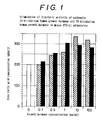
- Figure 1 illustrates stimulation of lipolytic activity of human growth hormones in mouse 3T3-L1 adipocytes. Open column: without growth hormones; crisscross-patterned column: with 22-kilodalton human growth hormone; and solid column: with authentic 20-kilodalton human growth hormone.
- Figure 2 illustrates stimulation of lipolytic activity of human growth hormones in adipose tissues derived from rat epididymal fat.
- Open column without growth hormones; crisscross-patterned column: with 22-kilodalton human growth hormone; and solid column: with authentic 20-kilodalton human growth hormone.
- Figure 3 illustrates stimulation of lipolytic activity of human growth hormones in hypophysectomized rats.
- Open column control; crisscross-patterned column: with 22-kilodalton human growth hormone; and solid column: with authentic 20-kilodalton human growth hormone.
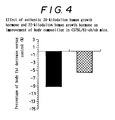
- Figure 4 illustrates a body composition improving activity of human growth hormones in C57BL/6J-ob/ob mice. Crisscrossed column: with 22-kilodalton human growth hormone; and solid column: with authentic 20-kilodalton human growth hormone.
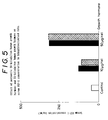
- Figure 5 illustrates a serum IGF-I concentration increasing activity of human growth hormones in hypophysectomized rats.
- Open column without growth hormones; crisscross-patterned column: with 22-kilodalton human growth hormone; and solid column: with authentic 20-kilodalton human growth hormone.
- Figure 6 illustrates glucose tolerance of 20-kilodalton growth hormone and 22-kilodalton growth hormone in C57BL/6J-ob/ob mice. Symbols are ⁇ : control; ⁇ : with 22-kilodalton human growth hormone; and ⁇ : authentic 20-kilodalton human growth hormone.
- the present invention provides a human growth hormone agent for adults, which contains an authentic 20-kilodalton human growth hormone as an effective component.
- the human growth hormone agent for adults contains the authentic 20-kilodalton human growth hormone as a major component.
- the authentic 20-kilodalton human growth hormone implies a human growth hormone which has a molecular weight of about 20,000 and does not have Met attached to the N-terminal.
- the authentic 20-kilodalton human growth hormone two types have been reported, in which the 14th amino acid from the N-terminal is Met and Ser, respectively.
- Martial et al Martial, J.A., et al: Science 205 602, 1979
- mRNA sequence coding for the 14th amino acid from the N-terminal was AUG (coding for Met)
- Masuda et al Masuda, N., et al: Biophysica Acta 949 125, 1988
- cDNA sequence coding for the 14th amino acid from the N-terminal was AGT (coding for Ser).
- Amino acid sequences of these two types are as follows:
- amino acid sequences in which one or two amino acids are replaced, lacked, inserted or deleted should be understood to fall under the category of the authentic 20-kilodalton human growth hormone according to the present invention.
- an additive which is customarily used in pharmaceutical preparations a medically acceptable solvent or the like may be used.
- the pharmaceutical composition of the present invention can be prepared by combining the authentic 20-kilodalton human growth hormone with a pharmaceutically acceptable carrier or diluent.
- An effective amount of the authentic 20-kilodalton human growth hormone for example, 0.1 - 99 wt.%, preferably 0.5 - 20% of the authentic 20-kilodalton human growth hormone may be contained in the pharmaceutical composition of the present invention.
- the medical composition of the present invention may be supplied in the frozen or freeze-dried form with a suitable carrier and/or diluent.
- the medical composition of the present invention may be administered according to the conventional manner in the treatment using growth hormone.
- it may be administered by hypodermic injection or intramuscular injection.
- an aqueous injection can be prepared by adding the effective component to water for injection, optionally with a suitable additive(s).
- Doses of the authentic 20-kilodalton human growth hormone for human adults may vary, case by case. For example, a dose of 0.005 - 5 mg, preferably 0.015 - 1.5 mg of the authentic 20-kilodalton human growth hormone per 1 kg of body weight may be repeated several times in a week.
- Escherichia coli transformant MT-10765 (this strain was deposited with an accession number of FERM BP-5020 at the National Institute of Bioscience and Human-Technology of the Agency of Industrial Science & Technology of the Ministry of International Trade and Industry 1-3, Higashi 1-chome, Tukuba-shi, Ibaraki-ken, 305, Japan in accordance with the Budapest Treaty) were inoculated in a 2-fold concentrated LB medium containing 0.5% glycerol and cultured at 28°C for 20 hours. After cultivation, the cells were collected and the periplasm fraction in solution which contained an authentic 20-kilodalton human growth hormone was obtained by an osmotic shock procedure.
- the fraction was purified by ion exchange chromatography and gel-filtration chromatography and the resulting authentic 20-kilodalton human growth hormone having the amino acid sequence of SEQ ID NO:1 was dissolved in a phosphate buffer solution. Its purity was 99.9% as analyzed by reverse-phase HPLC and SDS-PAGE. It was stored frozen.
- Example 2 2.4 mg of D-mannitol was added to 1.4 mg of the authentic 20-kilodalton human growth hormone obtained in Example 1. The admixture was stored frozen and used for manufacturing a growth hormone agent for replacement therapy for adults.
- DMEM Dulbecco's Modified Eagle Medium
- FCS fetal calf serum
- the medium was replaced by DMEM containing 10% FCS and 172 nM insulin on day 2 of differentiation induction and then by DMEM containing 10% FCS on day 4 of differentiation induction.
- the medium was replaced by the same medium as used on day 4 of differentiation induction to convert the mouse 3T3-L1 fibroblasts to adipocytes.
- 50 U of penicillin and 50 ⁇ g/ml of streptomycin were added to all media to prevent contamination and the incubation was carried out at 37°C under a 5% CO 2 atmosphere.
- the medium of adipocytes thus obtained was removed and 750 ⁇ l/well of a Krebs-Ringer buffer solution (1.2 mM KH 2 PO 4 , 4.7 mM KCl, 118 mM NaCl, 25 mM NaHCO 3 , 2.5 mM CaCl 2 , pH 7.4) containing 4% BSA, 2 mM glucose and 40 nM dexamethasone was dispensed into the wells of a multi-well plate.
- a Krebs-Ringer buffer solution 1.2 mM KH 2 PO 4 , 4.7 mM KCl, 118 mM NaCl, 25 mM NaHCO 3 , 2.5 mM CaCl 2 , pH 7.4
- the authentic 20-kilodalton human growth hormone prepared in Example 1 or 22-kilodalton human growth hormone were added at concentrations of 0, 0.1, 0.5, 1, 10, 100 ng/ml to the wells thus prepared, then incubated at 37°C for 48 hours under a 5% CO 2 atmosphere.
- the amount of free fatty acids released into the incubation medium which is one of the indices for lipolysis, was measured with NEFA C-Test Wako (Wako Pure Chemical Industries Ltd.).
- This lipolysis stimulation experiment was conducted in quadruplicate for each concentration of growth hormones.
- the measured figures were calculated in terms of oleic acid equivalent.
- Results are shown in Figure 1.
- the authentic 20-kilodalton human growth hormone showed a significant lipolysis stimulating activity at a concentration at or higher than 0.5 ng/ml, and a lipolysis stimulating activity equivalent to or higher than the 22-kilodalton human growth hormone at a concentration which is clinically significant as a replacement therapy for adults, particularly for growth hormone-deficient adult patients.
- 6-week-old male Slc:SD rats were euthanised and adipose tissues derived from the epididymal fat were excised from the animals.
- 10 ml of a Krebs-Ringer buffer solution containing 4% BSA, 255 nM dexamethasone, 5.5 mM glucose (pH 7.4) were dispensed into a 100 mm-diameter dish, and 15 pieces of the excised tissue segments, each weighing 30-50 mg, were added to each dish.
- the authentic 20-kilodalton human growth hormone produced in Example 1, or the 22-kilodalton human growth hormone (Genotropin, Sumitomo Pharmaceutical Co., Ltd.) were at concentrations of 0, 1, 10, 100, 1000 and 2500 ng/ml to the dishes thus prepared, then incubated at 37°C for 4 hours under a 5% CO 2 atmosphere. After this preincubation, 1 ml each of fresh medium of the identical composition as used in the preincubation was dispensed into each well of a 24-well multi-well plate, one piece of tissue fragment was transferred to each well. Incubation was then carried out for 5 hours under the same conditions as in the preincubation.
- the amount of glycerol released into the incubation medium which is one of the indices for lipolysis, was measured with F-kit glycerol (Boehringer Mannheim).
- This lipolysis stimulation experiment was conducted using 15 segments for each concentration of growth hormones. The measurements were expressed as a molar concentration per each adipose tissue fragment by weight.
- Results are shown in Figure 2.
- the authentic 20-kilodalton human growth hormone showed a significant lipolysis stimulating activity at a concentration at or higher than 1 ng/ml, and a lipolysis stimulating activity equivalent to or higher than the 22-kilodalton human growth hormone at a concentration which is clinically significant as a replacement therapy for adults, particularly for growth hormone-deficient adult patients.
- 4-week-old male Slc:SD rats were hypophysectomized, fed until 6 weeks old, then fasted overnight.
- the authentic 20-kilodalton human growth hormone produced in Example 1 or the 22-kilodalton human growth hormone (Genotropin, Sumitomo Pharmaceutical Co., Ltd.) were administered intraperitoneally to these animals at 50 or 100 ⁇ g per rat.
- Saline was administered in place of the growth hormones to control animals. Blood was taken from -the jugular vein 5 hours after the administration of the growth hormones (or saline), and the serum free fatty acid concentration was measured using NEFA C-Test Wako (Wako Pure Chemical Industries Ltd.).
- Results are shown in Figure 3.
- the administration of the authentic 20-kilodalton human growth hormone showed a significant increase in the serum free fatty acid concentration, which was caused by body fat hydrolysis, as did the administration of 22-kilodalton human growth hormone.
- the authentic 20-kilodalton human growth hormone has a lipolysis stimulating activity, which is necessary for the replacement therapy for adults, particularly growth hormone-deficient adult patients, equal that of the 22-kilodalton human growth hormone, substantially in vivo.
- 6-week-old female C57BL/6J-ob/ob mice were subcutaneously injected in the back with the authentic 20-kilodalton human growth hormone produced in Example 1 or the 22-kilodalton human growth hormone (Genotropin, Sumitomo Pharmaceutical Co., Ltd.,) at a dosage of 500 ⁇ g/mouse/day for 10 days. Saline was administered to control animals. On the last day of the experiment, after measuring body weights, each animal was euthanised, freeze-dried, then homogenized with water to obtain 200 ml total of homogenate. The following measurements were carried out using this homogenate.
- 1 ml of the above-mentioned homogenate was diluted 100 times with a 1 N NaOH solution, and the resultant suspension was neutralized with a 1 N HCl solution.
- 1 ml of this suspension was admixed with 1 ml of CHCl 3 for 10 minutes and the mixture was allowed to stand for 10 minutes to obtain a water layer free of fat.
- the protein content of this water layer was measured by the Lowry method using a BSA standard and total body protein was calculated from the resulting measurements.
- Results are shown in Figure 4. It was demonstrated that the authentic 20-kilodalton human growth hormone had a body fat reduction stimulating activity equal to or higher than that of the 22-kilodalton human growth hormone, indicating that the authentic 20-kilodalton human growth hormone has a significant body composition improving activity equal to or higher than that of the 22-kilodalton human growth hormone. These results showed that the authentic 20-kilodalton human growth hormone had a body composition improving activity, which is necessary for replacement therapy for adults, particularly growth hormone-deficient adult patients, equal to that of the 22-kilodalton human growth hormone.
- 4-week-old male Slc:SD rats were hypophysectomized and the animals were fed until 6 weeks old, then injected with 10 or 50 ⁇ g/ rat/day of the authentic 20-kilodalton human growth hormone produced in Example 1 or the 22-kilodalton human growth hormone (Genotropin, Sumitomo Pharmaceuticals Co., Ltd.) subcutaneously in the back of the neck for 10 days.
- Saline was administered to control animals. Blood was taken from the dorsal vein 3 hours after the final administration of the growth hormones (or saline) and the serum IGF-I level was measured with Somatomedin-C EIKEN II (Eiken Chemical Co., Ltd.).
- Results are shown in Figure 5.
- the increase in serum IGF-I level with the administration of the authentic 20-kilodalton human growth hormone was equal to that with the administration of 22-kilodalton human growth hormone.
- the authentic 20-kilodalton human growth hormone has a serum IGF-I concentration increasing activity, which is necessary for the replacement therapy for adults, particularly growth hormone-deficient adult patients.
- 6-week-old female C57BL/6J-ob/ob mice were subcutaneously injected in the back with the authentic 20-kilodalton human growth hormone produced in Example 1 or the 22-kilodalton human growth hormone (Genotropin, Sumitomo Pharmaceuticals Co., Ltd.) at a dosage of 500 ⁇ g/mouse/day for 3 or 10 days. Saline was administered to control animals. On the day following the last administration of the growth hormones (or saline), 2 ⁇ g of dexamethasone-21-phosphate was injected subcutaneously in the back. After fasting for 6 hours, the mice were injected intraperitoneally with glucose (1 g/kg body weight). Blood was taken from the orbital plexus just before the injection (0 minute) and, 30, 60 and 90 minutes after the injection of glucose, and the blood glucose level was measured by New Blood Sugar Test (Boehringer Mannheim). The experiment was conducted using 6 mice in each group.
- Results are shown in Figure 6. With administration of the 22-kilodalton human growth hormone, glucose in tolerance was observed; that is, the blood glucose level after the glucose injection was maintained higher than those of control animals. Conversely, when the authentic 20-kilodalton human growth hormone was administered, the blood glucose level 30 minutes after the glucose injection was of the same level as in the control animals, thus indicating no glucose in tolerance. Furthermore, the fasting blood glucose concentration was normal with the administration of 20-kilodalton human growth hormone, while an increase in blood glucose level was already observed at this point with the administration of 22-kilodalton human growth hormone. These results demonstrated that the 22-kilodalton human growth hormone is diabetogenic, while the 20-kilodalton human growth hormone is not diabetogenic.
- a growth hormone replacement therapy can be developed, wherein an effective amount of an authentic 20-kilodalton human growth hormone is administered to human growth hormone-deficient patients.
- the invention can be used in a method for the improvement of body composition in adults, e.g. who are growth hormone-deficient patients, when an effective amount of an authentic 20-kilodalton human growth hormone is administered to the human adults.
- the invention can also be used in a method for the lipolysis stimulation in adults, e.g. who are growth hormone-deficient patients, when an effective amount of an authentic 20-kilodalton human growth hormone is administered to the human adults.
- the invention further is useful in a method for increasing serum insulin-like growth factor I in adults, e.g. who are growth hormone-deficient patients, when an effective amount of an authentic 20-kilodalton human growth hormone is administered to human adults.
- the preferred authentic 20 kilodalton human growth hormone has an amino acid sequence SEQ ID NO:1 or SEQ ID NO: 2.
Landscapes
- Health & Medical Sciences (AREA)
- Chemical & Material Sciences (AREA)
- Life Sciences & Earth Sciences (AREA)
- Endocrinology (AREA)
- Organic Chemistry (AREA)
- Medicinal Chemistry (AREA)
- Zoology (AREA)
- Gastroenterology & Hepatology (AREA)
- Proteomics, Peptides & Aminoacids (AREA)
- General Health & Medical Sciences (AREA)
- Molecular Biology (AREA)
- Genetics & Genomics (AREA)
- Biophysics (AREA)
- Biochemistry (AREA)
- Toxicology (AREA)
- Immunology (AREA)
- Bioinformatics & Cheminformatics (AREA)
- Engineering & Computer Science (AREA)
- Pharmacology & Pharmacy (AREA)
- Epidemiology (AREA)
- Animal Behavior & Ethology (AREA)
- Public Health (AREA)
- Veterinary Medicine (AREA)
- Medicines That Contain Protein Lipid Enzymes And Other Medicines (AREA)
- Investigating Or Analysing Biological Materials (AREA)
Applications Claiming Priority (6)
| Application Number | Priority Date | Filing Date | Title |
|---|---|---|---|
| JP16357295 | 1995-06-29 | ||
| JP16357295 | 1995-06-29 | ||
| JP163572/95 | 1995-06-29 | ||
| JP316883/95 | 1995-12-05 | ||
| JP31688395 | 1995-12-05 | ||
| JP31688395 | 1995-12-05 |
Publications (2)
| Publication Number | Publication Date |
|---|---|
| EP0753307A2 true EP0753307A2 (de) | 1997-01-15 |
| EP0753307A3 EP0753307A3 (de) | 1999-06-09 |
Family
ID=26488968
Family Applications (1)
| Application Number | Title | Priority Date | Filing Date |
|---|---|---|---|
| EP96304855A Withdrawn EP0753307A3 (de) | 1995-06-29 | 1996-07-01 | Humanes Wachstumshormon für Erwachsene |
Country Status (5)
| Country | Link |
|---|---|
| US (1) | US6399565B1 (de) |
| EP (1) | EP0753307A3 (de) |
| KR (1) | KR970000242A (de) |
| CN (1) | CN1145808A (de) |
| NZ (1) | NZ286884A (de) |
Cited By (2)
| Publication number | Priority date | Publication date | Assignee | Title |
|---|---|---|---|---|
| EP0791602A1 (de) * | 1996-02-22 | 1997-08-27 | Mitsui Toatsu Chemicals, Inc. | Reinigungsprozess für ein menschliches Wachstumshormon |
| EP1778269A4 (de) * | 2004-07-23 | 2009-09-23 | Neuren Pharmaceuticals Ltd | Nicht-diabetogene therapie unter verwendung einer 20kda-plazentalvariante des wachstumshormons |
Families Citing this family (6)
| Publication number | Priority date | Publication date | Assignee | Title |
|---|---|---|---|---|
| DE60332358D1 (de) * | 2002-09-09 | 2010-06-10 | Hanall Pharmaceutical Co Ltd | Protease-resistente modifizierte interferon alpha polypeptide |
| EP1663277A2 (de) * | 2003-08-20 | 2006-06-07 | Neuren Pharmaceuticals Limited | Somatogene therapie mit einer 20kda plazentavariante des wachstumshormons |
| US7998930B2 (en) | 2004-11-04 | 2011-08-16 | Hanall Biopharma Co., Ltd. | Modified growth hormones |
| KR101719350B1 (ko) * | 2008-12-25 | 2017-03-23 | 가부시키가이샤 한도오따이 에네루기 켄큐쇼 | 반도체 장치 및 그 제작 방법 |
| SI3348635T1 (sl) * | 2015-09-08 | 2021-08-31 | Jcr Pharmaceuticals Co., Ltd. | Novi mutant humanega serumskega albumina |
| JP7190933B2 (ja) * | 2019-02-15 | 2022-12-16 | 日立建機株式会社 | 建設機械 |
Family Cites Families (4)
| Publication number | Priority date | Publication date | Assignee | Title |
|---|---|---|---|---|
| US5618697A (en) | 1982-12-10 | 1997-04-08 | Novo Nordisk A/S | Process for preparing a desired protein |
| JPS6384500A (ja) * | 1986-09-30 | 1988-04-15 | Kunio Nakajima | ヒト20k成長ホルモンの製造方法 |
| US5496713A (en) * | 1992-09-09 | 1996-03-05 | Mitsui Toatsu Chemicals, Inc. | Process for producing 20 kD human growth hormone |
| NZ286241A (en) * | 1995-03-29 | 1997-11-24 | Mitsui Chemicals Inc | Method of producing a peptide as a fusion protein intracellularly which is cleaved on passing the cell membrane |
-
1996
- 1996-06-25 NZ NZ286884A patent/NZ286884A/en unknown
- 1996-06-29 CN CN96110983A patent/CN1145808A/zh active Pending
- 1996-06-29 KR KR1019960025703A patent/KR970000242A/ko not_active Ceased
- 1996-07-01 EP EP96304855A patent/EP0753307A3/de not_active Withdrawn
-
1997
- 1997-12-15 US US08/990,774 patent/US6399565B1/en not_active Expired - Fee Related
Cited By (3)
| Publication number | Priority date | Publication date | Assignee | Title |
|---|---|---|---|---|
| EP0791602A1 (de) * | 1996-02-22 | 1997-08-27 | Mitsui Toatsu Chemicals, Inc. | Reinigungsprozess für ein menschliches Wachstumshormon |
| US5760187A (en) * | 1996-02-22 | 1998-06-02 | Mitsui Toatsu Chemicals, Inc. | Purification process of a human growth hormone |
| EP1778269A4 (de) * | 2004-07-23 | 2009-09-23 | Neuren Pharmaceuticals Ltd | Nicht-diabetogene therapie unter verwendung einer 20kda-plazentalvariante des wachstumshormons |
Also Published As
| Publication number | Publication date |
|---|---|
| US6399565B1 (en) | 2002-06-04 |
| CN1145808A (zh) | 1997-03-26 |
| KR970000242A (ko) | 1997-01-21 |
| EP0753307A3 (de) | 1999-06-09 |
| NZ286884A (en) | 1997-12-19 |
Similar Documents
| Publication | Publication Date | Title |
|---|---|---|
| US5939386A (en) | Chimeric fatty body-pro-GRF (1-29) analogs with increased biological potency | |
| CA1341207C (en) | Analogues of insulin-like growth factor-1 | |
| US8222217B2 (en) | Unacylated ghrelin as therapeutic agent in the treatment of metabolic disorders | |
| WO1995028173A1 (en) | Treatment of congestive heart failure | |
| AU691273B2 (en) | The combination of growth hormone and insulin-like growth factor, for treating congestive heart failure | |
| DK164408B (da) | Vaeksthormonfrigivende faktorforbindelser, forbindelserne til anvendelse som terapeutikum, fremgangsmaade til fremstilling af forbindelserne, farmaceutiske praeparater, der indeholder en effektiv maengde af en saadan forbindelse samt anvendelse af forbindelsen | |
| AU2008202893A1 (en) | GLP-1 Exendin-4 peptide analogs and uses thereof | |
| US20060128615A1 (en) | Ghrh analogues | |
| Enberg et al. | Immunoreactive IGF-II in serum of healthy subjects and patients with growth hormone disturbances and uraemia | |
| Pfeifle et al. | Binding and biological actions of insulin-like growth factors on human arterial smooth muscle cells | |
| WO1992003148A1 (en) | Improved hypoglycemics | |
| US6399565B1 (en) | Therapeutic use of 20-kilodalton human growth hormone | |
| Kostyo et al. | Biological characterization of purified native 20-kDa human growth hormone | |
| US8318664B2 (en) | Unacylated ghrelin fragments as therapeutic agent in the treatment of obesity | |
| STEWART et al. | Synthetic parathyroid hormone-like protein-(1–74): Biochemical and physiological characterization | |
| JP2512638B2 (ja) | 安定化された効力のあるgrfアナログ | |
| US20030166561A1 (en) | Peptide | |
| AU746423B2 (en) | Treatment of osteoporosis | |
| Upton et al. | Characterization of serum-derived and recombinant rat IGF-I and their use for measuring true concentrations of IGF-I in rat plasma | |
| JPH09216832A (ja) | 成人用ヒト成長ホルモン剤 | |
| US20030050434A1 (en) | Peptide | |
| US5196513A (en) | Synthetic peptides derived from the beta-subunit of human thyroid stimulating hormone | |
| JPH03505327A (ja) | プロカルシトニンペプチド | |
| EP2168602A1 (de) | Situsspezifische pegylierte lineare lachs-calcitonin-derivate | |
| AU784028B2 (en) | Complex comprising an igfile polypeptide-fragment and an IGFBP2 polypeptide and its use in the treatment of osteoporosis |
Legal Events
| Date | Code | Title | Description |
|---|---|---|---|
| PUAI | Public reference made under article 153(3) epc to a published international application that has entered the european phase |
Free format text: ORIGINAL CODE: 0009012 |
|
| AK | Designated contracting states |
Kind code of ref document: A2 Designated state(s): AT BE CH DE DK FI FR GB IT LI NL SE |
|
| RAP1 | Party data changed (applicant data changed or rights of an application transferred) |
Owner name: MITSUI CHEMICALS, INC. |
|
| PUAL | Search report despatched |
Free format text: ORIGINAL CODE: 0009013 |
|
| AK | Designated contracting states |
Kind code of ref document: A3 Designated state(s): AT BE CH DE DK FI FR GB IT LI NL SE |
|
| 17P | Request for examination filed |
Effective date: 19990928 |
|
| RAP1 | Party data changed (applicant data changed or rights of an application transferred) |
Owner name: SCHERING AKTIENGESELLSCHAFT |
|
| 17Q | First examination report despatched |
Effective date: 20020725 |
|
| STAA | Information on the status of an ep patent application or granted ep patent |
Free format text: STATUS: THE APPLICATION IS DEEMED TO BE WITHDRAWN |
|
| 18D | Application deemed to be withdrawn |
Effective date: 20021205 |