EP0766965A1 - Immunsuppressive stoffe - Google Patents
Immunsuppressive stoffe Download PDFInfo
- Publication number
- EP0766965A1 EP0766965A1 EP96904318A EP96904318A EP0766965A1 EP 0766965 A1 EP0766965 A1 EP 0766965A1 EP 96904318 A EP96904318 A EP 96904318A EP 96904318 A EP96904318 A EP 96904318A EP 0766965 A1 EP0766965 A1 EP 0766965A1
- Authority
- EP
- European Patent Office
- Prior art keywords
- immunosuppression
- cysteine protease
- mammals
- antigen
- inducing protein
- Prior art date
- Legal status (The legal status is an assumption and is not a legal conclusion. Google has not performed a legal analysis and makes no representation as to the accuracy of the status listed.)
- Withdrawn
Links
- 239000003018 immunosuppressive agent Substances 0.000 title claims abstract description 30
- 229940125721 immunosuppressive agent Drugs 0.000 title claims abstract description 28
- 230000001506 immunosuppresive effect Effects 0.000 claims abstract description 85
- 108090000623 proteins and genes Proteins 0.000 claims abstract description 76
- 235000018102 proteins Nutrition 0.000 claims abstract description 74
- 102000004169 proteins and genes Human genes 0.000 claims abstract description 74
- 206010062016 Immunosuppression Diseases 0.000 claims abstract description 59
- 102000005927 Cysteine Proteases Human genes 0.000 claims abstract description 57
- 108010005843 Cysteine Proteases Proteins 0.000 claims abstract description 57
- 230000001939 inductive effect Effects 0.000 claims abstract description 56
- 241000124008 Mammalia Species 0.000 claims abstract description 41
- 239000000427 antigen Substances 0.000 claims abstract description 36
- 108091007433 antigens Proteins 0.000 claims abstract description 36
- 102000036639 antigens Human genes 0.000 claims abstract description 36
- 210000000416 exudates and transudate Anatomy 0.000 claims abstract description 35
- 210000000952 spleen Anatomy 0.000 claims abstract description 34
- 210000002540 macrophage Anatomy 0.000 claims abstract description 26
- 239000004480 active ingredient Substances 0.000 claims abstract description 16
- 238000012258 culturing Methods 0.000 claims abstract description 6
- 238000000034 method Methods 0.000 claims description 14
- 210000004989 spleen cell Anatomy 0.000 claims description 8
- 229920002554 vinyl polymer Polymers 0.000 claims description 8
- 239000006285 cell suspension Substances 0.000 claims description 7
- 230000008569 process Effects 0.000 claims description 6
- 229920000936 Agarose Polymers 0.000 claims description 4
- 239000002245 particle Substances 0.000 claims 3
- 241000699670 Mus sp. Species 0.000 description 46
- 239000000411 inducer Substances 0.000 description 37
- FAPWRFPIFSIZLT-UHFFFAOYSA-M Sodium chloride Chemical compound [Na+].[Cl-] FAPWRFPIFSIZLT-UHFFFAOYSA-M 0.000 description 27
- 239000011780 sodium chloride Substances 0.000 description 25
- 241001465754 Metazoa Species 0.000 description 22
- 230000003053 immunization Effects 0.000 description 21
- 238000002649 immunization Methods 0.000 description 21
- 210000003200 peritoneal cavity Anatomy 0.000 description 20
- 239000006228 supernatant Substances 0.000 description 20
- 238000002347 injection Methods 0.000 description 18
- 239000007924 injection Substances 0.000 description 18
- 239000000872 buffer Substances 0.000 description 17
- 210000004027 cell Anatomy 0.000 description 16
- 230000001413 cellular effect Effects 0.000 description 12
- 230000006058 immune tolerance Effects 0.000 description 12
- 230000008961 swelling Effects 0.000 description 11
- PXIPVTKHYLBLMZ-UHFFFAOYSA-N Sodium azide Chemical compound [Na+].[N-]=[N+]=[N-] PXIPVTKHYLBLMZ-UHFFFAOYSA-N 0.000 description 10
- 210000001519 tissue Anatomy 0.000 description 10
- 210000003462 vein Anatomy 0.000 description 10
- LOKCTEFSRHRXRJ-UHFFFAOYSA-I dipotassium trisodium dihydrogen phosphate hydrogen phosphate dichloride Chemical compound P(=O)(O)(O)[O-].[K+].P(=O)(O)([O-])[O-].[Na+].[Na+].[Cl-].[K+].[Cl-].[Na+] LOKCTEFSRHRXRJ-UHFFFAOYSA-I 0.000 description 9
- 239000002609 medium Substances 0.000 description 9
- 239000002953 phosphate buffered saline Substances 0.000 description 9
- 230000000694 effects Effects 0.000 description 7
- 238000010828 elution Methods 0.000 description 7
- 238000004519 manufacturing process Methods 0.000 description 7
- 210000002966 serum Anatomy 0.000 description 7
- 239000000243 solution Substances 0.000 description 7
- 230000004083 survival effect Effects 0.000 description 7
- 208000023275 Autoimmune disease Diseases 0.000 description 6
- 241000699666 Mus <mouse, genus> Species 0.000 description 6
- 150000001413 amino acids Chemical class 0.000 description 6
- 230000016784 immunoglobulin production Effects 0.000 description 6
- 239000000463 material Substances 0.000 description 6
- 239000011324 bead Substances 0.000 description 5
- 238000002474 experimental method Methods 0.000 description 5
- 238000000692 Student's t-test Methods 0.000 description 4
- 230000007969 cellular immunity Effects 0.000 description 4
- 238000005194 fractionation Methods 0.000 description 4
- 230000005764 inhibitory process Effects 0.000 description 4
- 210000000056 organ Anatomy 0.000 description 4
- 238000000746 purification Methods 0.000 description 4
- UCSJYZPVAKXKNQ-HZYVHMACSA-N streptomycin Chemical compound CN[C@H]1[C@H](O)[C@@H](O)[C@H](CO)O[C@H]1O[C@@H]1[C@](C=O)(O)[C@H](C)O[C@H]1O[C@@H]1[C@@H](NC(N)=N)[C@H](O)[C@@H](NC(N)=N)[C@H](O)[C@H]1O UCSJYZPVAKXKNQ-HZYVHMACSA-N 0.000 description 4
- 238000012353 t test Methods 0.000 description 4
- 238000011640 AKR mouse Methods 0.000 description 3
- 102000011632 Caseins Human genes 0.000 description 3
- 108010076119 Caseins Proteins 0.000 description 3
- 229920002527 Glycogen Polymers 0.000 description 3
- 241000237502 Ostreidae Species 0.000 description 3
- 108020004511 Recombinant DNA Proteins 0.000 description 3
- 235000001014 amino acid Nutrition 0.000 description 3
- 238000006243 chemical reaction Methods 0.000 description 3
- 210000004748 cultured cell Anatomy 0.000 description 3
- 239000000284 extract Substances 0.000 description 3
- 229940096919 glycogen Drugs 0.000 description 3
- 239000000203 mixture Substances 0.000 description 3
- 201000008383 nephritis Diseases 0.000 description 3
- 235000020636 oyster Nutrition 0.000 description 3
- 230000002265 prevention Effects 0.000 description 3
- 229940080237 sodium caseinate Drugs 0.000 description 3
- 238000000108 ultra-filtration Methods 0.000 description 3
- OUSKVHOYPHDTIA-DBRKOABJSA-N (3s,4s,5r,6r)-3,4,5,6,7-pentahydroxyheptan-2-one Chemical compound CC(=O)[C@@H](O)[C@@H](O)[C@H](O)[C@H](O)CO OUSKVHOYPHDTIA-DBRKOABJSA-N 0.000 description 2
- HBOMLICNUCNMMY-KJFJCRTCSA-N 1-[(4s,5s)-4-azido-5-(hydroxymethyl)oxolan-2-yl]-5-methylpyrimidine-2,4-dione Chemical compound O=C1NC(=O)C(C)=CN1C1O[C@H](CO)[C@@H](N=[N+]=[N-])C1 HBOMLICNUCNMMY-KJFJCRTCSA-N 0.000 description 2
- QKNYBSVHEMOAJP-UHFFFAOYSA-N 2-amino-2-(hydroxymethyl)propane-1,3-diol;hydron;chloride Chemical compound Cl.OCC(N)(CO)CO QKNYBSVHEMOAJP-UHFFFAOYSA-N 0.000 description 2
- 241000700198 Cavia Species 0.000 description 2
- 229930182555 Penicillin Natural products 0.000 description 2
- JGSARLDLIJGVTE-MBNYWOFBSA-N Penicillin G Chemical compound N([C@H]1[C@H]2SC([C@@H](N2C1=O)C(O)=O)(C)C)C(=O)CC1=CC=CC=C1 JGSARLDLIJGVTE-MBNYWOFBSA-N 0.000 description 2
- 239000012980 RPMI-1640 medium Substances 0.000 description 2
- 206010052779 Transplant rejections Diseases 0.000 description 2
- 230000001464 adherent effect Effects 0.000 description 2
- 239000003795 chemical substances by application Substances 0.000 description 2
- 239000000287 crude extract Substances 0.000 description 2
- 230000003111 delayed effect Effects 0.000 description 2
- 238000002523 gelfiltration Methods 0.000 description 2
- 238000010353 genetic engineering Methods 0.000 description 2
- 230000004727 humoral immunity Effects 0.000 description 2
- 230000006698 induction Effects 0.000 description 2
- 230000002401 inhibitory effect Effects 0.000 description 2
- 229940049954 penicillin Drugs 0.000 description 2
- 238000011084 recovery Methods 0.000 description 2
- 230000004044 response Effects 0.000 description 2
- 229960005322 streptomycin Drugs 0.000 description 2
- 239000000725 suspension Substances 0.000 description 2
- 239000007143 thioglycolate medium Substances 0.000 description 2
- 238000011735 C3H mouse Methods 0.000 description 1
- 229930105110 Cyclosporin A Natural products 0.000 description 1
- PMATZTZNYRCHOR-CGLBZJNRSA-N Cyclosporin A Chemical compound CC[C@@H]1NC(=O)[C@H]([C@H](O)[C@H](C)C\C=C\C)N(C)C(=O)[C@H](C(C)C)N(C)C(=O)[C@H](CC(C)C)N(C)C(=O)[C@H](CC(C)C)N(C)C(=O)[C@@H](C)NC(=O)[C@H](C)NC(=O)[C@H](CC(C)C)N(C)C(=O)[C@H](C(C)C)NC(=O)[C@H](CC(C)C)N(C)C(=O)CN(C)C1=O PMATZTZNYRCHOR-CGLBZJNRSA-N 0.000 description 1
- 108010036949 Cyclosporine Proteins 0.000 description 1
- HTTJABKRGRZYRN-UHFFFAOYSA-N Heparin Chemical compound OC1C(NC(=O)C)C(O)OC(COS(O)(=O)=O)C1OC1C(OS(O)(=O)=O)C(O)C(OC2C(C(OS(O)(=O)=O)C(OC3C(C(O)C(O)C(O3)C(O)=O)OS(O)(=O)=O)C(CO)O2)NS(O)(=O)=O)C(C(O)=O)O1 HTTJABKRGRZYRN-UHFFFAOYSA-N 0.000 description 1
- 206010061218 Inflammation Diseases 0.000 description 1
- 102000010789 Interleukin-2 Receptors Human genes 0.000 description 1
- 108010038453 Interleukin-2 Receptors Proteins 0.000 description 1
- 241001494479 Pecora Species 0.000 description 1
- 239000001888 Peptone Substances 0.000 description 1
- 108010080698 Peptones Proteins 0.000 description 1
- 229920002472 Starch Polymers 0.000 description 1
- QJJXYPPXXYFBGM-LFZNUXCKSA-N Tacrolimus Chemical compound C1C[C@@H](O)[C@H](OC)C[C@@H]1\C=C(/C)[C@@H]1[C@H](C)[C@@H](O)CC(=O)[C@H](CC=C)/C=C(C)/C[C@H](C)C[C@H](OC)[C@H]([C@H](C[C@H]2C)OC)O[C@@]2(O)C(=O)C(=O)N2CCCC[C@H]2C(=O)O1 QJJXYPPXXYFBGM-LFZNUXCKSA-N 0.000 description 1
- 206010053613 Type IV hypersensitivity reaction Diseases 0.000 description 1
- 241000251539 Vertebrata <Metazoa> Species 0.000 description 1
- 230000002378 acidificating effect Effects 0.000 description 1
- 229960002170 azathioprine Drugs 0.000 description 1
- LMEKQMALGUDUQG-UHFFFAOYSA-N azathioprine Chemical compound CN1C=NC([N+]([O-])=O)=C1SC1=NC=NC2=C1NC=N2 LMEKQMALGUDUQG-UHFFFAOYSA-N 0.000 description 1
- 210000004204 blood vessel Anatomy 0.000 description 1
- 238000005119 centrifugation Methods 0.000 description 1
- 229960001265 ciclosporin Drugs 0.000 description 1
- 239000012228 culture supernatant Substances 0.000 description 1
- 210000003743 erythrocyte Anatomy 0.000 description 1
- 238000000605 extraction Methods 0.000 description 1
- 239000012530 fluid Substances 0.000 description 1
- 239000012634 fragment Substances 0.000 description 1
- 210000001035 gastrointestinal tract Anatomy 0.000 description 1
- 230000002068 genetic effect Effects 0.000 description 1
- 239000011521 glass Substances 0.000 description 1
- 229960002897 heparin Drugs 0.000 description 1
- 229920000669 heparin Polymers 0.000 description 1
- 230000002440 hepatic effect Effects 0.000 description 1
- 230000008105 immune reaction Effects 0.000 description 1
- 238000010348 incorporation Methods 0.000 description 1
- 230000004054 inflammatory process Effects 0.000 description 1
- -1 inhalation Substances 0.000 description 1
- 238000010253 intravenous injection Methods 0.000 description 1
- 238000002955 isolation Methods 0.000 description 1
- 238000011031 large-scale manufacturing process Methods 0.000 description 1
- 210000004698 lymphocyte Anatomy 0.000 description 1
- 230000007246 mechanism Effects 0.000 description 1
- 239000002480 mineral oil Substances 0.000 description 1
- 235000010446 mineral oil Nutrition 0.000 description 1
- 229940042472 mineral oil Drugs 0.000 description 1
- 230000003387 muscular Effects 0.000 description 1
- 230000007935 neutral effect Effects 0.000 description 1
- 239000002674 ointment Substances 0.000 description 1
- 210000000496 pancreas Anatomy 0.000 description 1
- 244000045947 parasite Species 0.000 description 1
- 235000019319 peptone Nutrition 0.000 description 1
- 239000002504 physiological saline solution Substances 0.000 description 1
- 229920003023 plastic Polymers 0.000 description 1
- 230000003449 preventive effect Effects 0.000 description 1
- 239000000047 product Substances 0.000 description 1
- 230000006798 recombination Effects 0.000 description 1
- 238000011160 research Methods 0.000 description 1
- 230000003248 secreting effect Effects 0.000 description 1
- 239000008107 starch Substances 0.000 description 1
- 235000019698 starch Nutrition 0.000 description 1
- 229940032147 starch Drugs 0.000 description 1
- 238000007920 subcutaneous administration Methods 0.000 description 1
- 230000009469 supplementation Effects 0.000 description 1
- 238000003786 synthesis reaction Methods 0.000 description 1
- 229960001967 tacrolimus Drugs 0.000 description 1
- 238000012360 testing method Methods 0.000 description 1
- 230000005951 type IV hypersensitivity Effects 0.000 description 1
- 208000027930 type IV hypersensitivity disease Diseases 0.000 description 1
- 210000000626 ureter Anatomy 0.000 description 1
Images


Classifications
-
- C—CHEMISTRY; METALLURGY
- C07—ORGANIC CHEMISTRY
- C07K—PEPTIDES
- C07K14/00—Peptides having more than 20 amino acids; Gastrins; Somatostatins; Melanotropins; Derivatives thereof
- C07K14/435—Peptides having more than 20 amino acids; Gastrins; Somatostatins; Melanotropins; Derivatives thereof from animals; from humans
- C07K14/46—Peptides having more than 20 amino acids; Gastrins; Somatostatins; Melanotropins; Derivatives thereof from animals; from humans from vertebrates
- C07K14/47—Peptides having more than 20 amino acids; Gastrins; Somatostatins; Melanotropins; Derivatives thereof from animals; from humans from vertebrates from mammals
- C07K14/4701—Peptides having more than 20 amino acids; Gastrins; Somatostatins; Melanotropins; Derivatives thereof from animals; from humans from vertebrates from mammals not used
- C07K14/4702—Regulators; Modulating activity
- C07K14/4703—Inhibitors; Suppressors
-
- A—HUMAN NECESSITIES
- A61—MEDICAL OR VETERINARY SCIENCE; HYGIENE
- A61P—SPECIFIC THERAPEUTIC ACTIVITY OF CHEMICAL COMPOUNDS OR MEDICINAL PREPARATIONS
- A61P37/00—Drugs for immunological or allergic disorders
- A61P37/02—Immunomodulators
- A61P37/06—Immunosuppressants, e.g. drugs for graft rejection
-
- A—HUMAN NECESSITIES
- A61—MEDICAL OR VETERINARY SCIENCE; HYGIENE
- A61K—PREPARATIONS FOR MEDICAL, DENTAL OR TOILETRY PURPOSES
- A61K38/00—Medicinal preparations containing peptides
Definitions
- the present invention relates to an immunosuppressive agent used for prevention of the onset of autoimmune disease, prevention of the organ graft rejection, etc.
- azathioprine, cyclosporin A, FK-506, 15-deoxysperguarine etc. are known as immunosuppressive agents for use in medical purposes, and they all have strong immunosuppressive effects.
- the object of the present invention is to provide an immunosuppressive agent which can prevent the onset of autoimmune disease, prevention of the organ graft rejection etc. without administering it for a long time by inhibiting antibody production against antigen and transplanted organs and inducing immune tolerance against antigen and transplanted organs.
- proteins produced by macrophages or spleen of mammals upon administration of cysteine protease inhibit cellular and humoral immunity and induce immune tolerance.
- the present invention is an immunosuppressive agent comprising as an active ingredient immunosuppression-inducing proteins obtained from peritoneal exudates and/or spleens of mammals given cysteine protease.
- the present invention is an immunosuppressive agent comprising as an active ingredient immunosuppression-inducing proteins against an antigen, which is obtained from spleens of mammals given cysteine protease and said antigen.
- the present invention is an immunosuppressive agent comprising as an active ingredient immunosuppression-inducing proteins obtained by culturing macrophages contained in peritoneal exudates of mammals, in a medium containing cysteine protease.
- the present invention is cellular- and humoral-immunosuppression -inducing proteins obtained from peritoneal exudates and/or spleens of mammals given cysteine protease.
- the present invention is cellular- and humoral-immunosuppression -inducing proteins against an antigen, which is obtained from spleens of mammals given cysteine protease and said antigen.
- the present invention is cellular- and humoral-immunosuppression -inducing proteins obtained by culturing macrophages contained in peritoneal exudates of mammals, in a medium containing cysteine protease.
- the present invention is a process for producing immunosuppression -inducing proteins, wherein peritoneal exudates and/or spleen cell suspensions from mammals given cysteine protease are purified using a column of hydrophilic vinyl polymer beads.
- the present invention is a process for producing immunosuppression -inducing proteins against an antigen, wherein spleen cell suspensions from mammals given cysteine protease and the antigen are purified using a column of hydrophilic vinyl polymer beads.
- the present invention is a process for producing immunosuppression -inducing proteins, wherein macrophages contained in peritoneal exudates of mammals are cultured in a medium containing cysteine protease and the culture is then purified using a column of concanavalin-A-immobilized agarose and a column of hydrophilic vinyl polymer beads.
- the immunosuppressive agent of the present invention comprises immunosuppression-inducing proteins as an active ingredient.
- This immunosuppression-inducing proteins includes those derived from (1) peritoneal exudates from mammals given cysteine protease, (2) peritoneal exudate macrophages of mammals, having been cultured in a medium containing cysteine protease, (3) spleens of mammals given cysteine protease, and (4) spleens of mammals given cysteine protease and antigen.
- Cysteine protease that can be used in the present invention includes the one extracted from cells and tissues of animals ranging from invertebrates such as parasites to vertebrates such as mammals or cultured cells thereof, as well as the one from a gene recombinant of cysteine protease derived therefrom by genetic engineering means (recombinant DNA techniques), e.g. the method described in Japanese Patent Application Laid-Open Publication No. 304,956/93.
- cysteine protease is one with a higher content of acidic amino acids than basic amino acids and is active at a neutral pH range.
- Such cysteine protease includes one with the amino acid sequence of SEQ ID NO:1 in the Sequence Listing or those amino acid sequences of SEQ ID NO:1 where Ala at the 15-position from the N-terminal is replaced by Pro, Ser at the 21-position by Glu, Arg at the 58-position by Met, Val at the 59-position by Ala, Gln at the 61-position by Glu, Ala at the 69-position by Ser, and/or Tyr at the 77-position by Asp, as well as one with cysteine protease activity having those amino acid sequence of SEQ ID NO:1 where one or more amino acids are added, deleted and/or replaced.
- cysteine protease is dissolved preferably in physiological saline (referred to hereinafter as saline).
- saline physiological saline
- the dosage of cysteine protease varies depending on the type of mammal to be used, it is preferably in the range of about 30 to about 100 ⁇ g/kg, and cysteine protease is administered preferably by injection.
- the peritoneal exudate is recovered.
- the peritoneal exudate can be recovered using a medium such as Hanks' solution etc.
- the supernatant obtained by centrifuging the exudate can be used as cellular and humoral immunosuppressive inducers (The immunosuppressive inducers mean crude immunosuppression-inducing proteins and can include immunosuppression-inducing proteins).
- Macrophages are contained in the peritoneal exudate, and an extract from the macrophages can also be used as cellular and humoral immunosuppression-inducing proteins.
- stimulators such as oyster glycogen, sodium caseinate, mineral oil, starch plus peptone, thioglycolate medium etc. can be administered to the peritoneal cavities of mammals to exude the peritoneal exudate cells.
- the peritoneal exudate cells can be recovered by injecting Hanks' solution etc. to the peritoneal cavities of mammals to wash their peritoneal cavities.
- the peritoneal exudate is centrifuged to recover cells. Then, the cells are cultured in a prescribed medium, and the nonadherent cells are removed, and the adherent cells are rinsed. These procedures are repeated 5 to 6 times.
- the macrophages thus obtained are cultured in the presence of cysteine protease.
- the medium used mention may be made of Cosmedium-001 medium containing penicillin (100 ⁇ g/ml) and streptomycin (100 ⁇ g/ml) in addition to cysteine protease (1 ⁇ g/ml). Its composition is shown in Table 1.
- the culture After 3 to 6 hours in culture, the culture is centrifuged. The supernatant thus obtained can be used for the fractionation of cellular and humoral immunosuppression-inducing proteins.
- the supernatant is dialyzed at 3.5 to 4.5 °C for about 15 to 16 hours against TBS-7.2 (10 mM Tris-HCl buffer, pH 7.2, 0.15 M sodium chloride) containing e.g. 1 mM Ca 2+ and 1 mM Mn 2+ , and the dialyzate is centrifuged at 3.5 ⁇ 10 4 to 4.5 ⁇ 10 4 x g at 3.5 to 4.5 °C for 20 to 30 minutes.
- the supernatant thus obtained is applied to a column of concanavalin A-agarose equilibrated with e.g. the above buffer.
- the non-adsorbed materials are washed out with the above buffer and the adsorbed materials are eluted with the buffer containing e.g. 0.1 M methylmannose.
- Their fractions are preferably concentrated and dialyzed against a buffer such as TBS-7.2 for 4 to 6 hours. Then, the dialyzate is applied to a column equilibrated with PBS containing e.g. 0.01 % sodium azide, preferably a column packed with hydrophilic vinyl polymer beads, e.g. a column packed with Toyopearl HW-55s (Tosoh, Japan).
- PBS containing e.g. 0.01 % sodium azide
- hydrophilic vinyl polymer beads e.g. a column packed with Toyopearl HW-55s (Tosoh, Japan).
- a high molecular weight fraction of 190 kDa as an elution protein peak from the column is separated from a low molecular weight fraction of 19 kDa.
- the respective fractions are concentrated and dialyzed against a buffer e.g. PBS etc.
- the high molecular weight fraction thus obtained is a humoral immunosuppression-inducing protein and the low molecular weight fraction is a cellular immunosuppression-inducing protein.
- the spleens are excised from mammals 0.5 to 5 days after injection of cysteine protease into the peritoneal cavities, and they are suspended in Hanks' solution to prepare a spleen cell suspension, followed by centrifugation. The supernatant thus obtained can be used to be fractionated into a cellular or humoral immunosuppressive protein.
- the spleens are homogenized in phosphate buffered saline (PBS) (pH 7.2 to 7.4) containing 0.01 % sodium azide, and the homogenate is centrifuged at 3.5 ⁇ 10 4 to 4.5 ⁇ 10 4 x g at 3.5 to 4.5 °C for 20 to 30 minutes, and the resulting supernatant is applied to a column equilibrated with the above buffer, preferably a column packed with hydrophilic vinyl polymer beads, e.g. a column packed with Toyopearl HW-55s (Tosoh).
- PBS phosphate buffered saline
- Tosoh Toyopearl HW-55s
- An elution protein peak of 82 to 26 kDa is collected and concentrated by e.g. ultrafiltration.
- the eluate is further applied to a similar column and an elution peak of 45 to 60 kDa is collected, concentrated and dialyzed against a buffer such as PBS etc.
- the fraction thus obtained is the cellular immunosuppression-inducing protein.
- the spleens after 5 days after injection of cysteine protease are treated and applied to the column in the same manner as above.
- the second peak of 110 to 350 kDa is collected, concentrated and applied to a column packed with Toyopearl HW-55s equilibrated with the same buffer, and a protein peak with a molecular weight of 150 kDa is collected, concentrated and dialyzed against PBS-7.2.
- the fraction thus obtained is the humoral immunosuppression-inducing protein.
- a spleen cell suspension is prepared in the same manner as in (3) above, and the supernatant obtained by centrifuging the suspension can be used as a cellular or humoral immunosuppressive substance for the antigen.
- the active ingredient of the present invention obtained in this manner can inhibit the production of antibody against antigen or transplanted tissues and induce immune tolerance, it is possible to prepare an extremely useful immunosuppressive agent by incorporation of this active ingredient.
- the above active ingredient itself can be administered as the immunosuppressive agent of the present invention, it may be mixed in a usual manner with suitable base materials for pharmaceutical manufacturing.
- the immunosuppressive agent of the present invention may be in the form of injection, inhalation, ointment, lyophilized product, etc., and its dosage varies depending on the form of administration and the object of treatment.
- the agent as an injection can be administered by subcutaneous, muscular or intravenous injection or by mixed fluid supplementation.
- the dosage of the agent as an injection ranges preferably from about 0.05 to 1.0 mg/kg.
- the immunosuppression-inducing proteins obtained from the peritoneal cavities (macrophages) or spleens of mammals is contained as the active ingredient in the immunosuppressive agent of the present invention.
- the active ingredient may further be those obtained from cultured cells or genetic recombinants derived therefrom by genetic recombination techniques (recombinant DNA techniques) as well as those obtained by chemical synthesis.
- a mammal is injected in the peritoneal cavity or caudal vein with the immunosuppressive agent of the present invention during a period of several hours before or several days after administration of antigen, the production of cellular and humoral antibody against the antigen is inhibited and the cellular and humoral immunity is inhibited for a long period of time.
- the immunosuppressive agent of the present invention is previously injected, there is the effect of preventing the onset of autoimmune disease.
- the immunosuppressive agent of the present invention is injected and skin tissues are transplanted as xenografts, the tissues can take well for a long time and immune tolerance toward the transplanted tissues can be induced.
- the immunosuppressive agent of the present invention when administered to a living body, lowers the ability of immunocytes such as macrophages, lymphocytes etc., and inhibits the expression of IL-2 receptor and an adherent factor, to inhibit antibody production and induce immune tolerance in the living body.
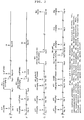
- FIG. 1 shows experimental schemes (A to D) for immunosuppression by the present immunosuppression-inducing proteins.
- FIG. 2 shows experimental schemes (E to H) for immunosuppression by the present immunosuppression-inducing proteins.
- FIG. 3 is a graph showing the percentage of survival with time in MRL-lpr/lpr mice treated with the present immunosuppressive inducer (ISI-4).
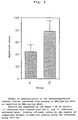
- FIG. 4 is a graph showing the preventive effect of the present immunosuppressive inducer (ISI-4) against nephritis in MRL-lpr/lpr mice.
- mice Female C3H/He mice were injected intraperitoneally with the immunosuppressive inducer ISI-1 (10 mg/kg) and 0.5 day later with 0.1 ml saline containing 1 ⁇ 10 8 SRBC as antigen for immunization. 5 days after the immunization, the animals were injected in the footpad with 0.05 ml saline containing 5 ⁇ 10 7 SRBC, to elicit the response after the initial immunization. The swelling (thickness) of the footpad was measured 24, 48, 72 and 96 hours later (Fig. 1A, b). The results are shown in Table 2.
- mice were injected intraperitoneally with the immunosuppression-inducing protein FRSI-1 (0.06 mg/kg) and measured for the swelling of the footpad (Fig. 1B, b) in the same manner as above. The results are shown in Table 2.
- mice were injected in the caudal vein with the immunosuppression-inducing protein FRSI-2 (0.6 mg/kg) and 0.25 day later in the peritoneal cavity with 0.1 ml saline containing 1 ⁇ 10 8 SRBC as antigen for immunization. 5 days after the immunization, the animals were injected in the footpad with 0.05 ml saline containing 5 ⁇ 10 7 SRBC, to elicit the response after the initial immunization. The swelling (thickness) of the footpad was measured 24, 48,72 and 96 hours later (Fig. 1C, b). The results are shown in Table 2.
- mice were injected in the caudal vein with the immunosuppression-inducing protein ISI-2 (15 mg/kg) and 0.5 day later in the peritoneal cavity with 0.1 ml saline containing 1 ⁇ 10 8 SRBC as antigen for immunization. Thereafter, the animals were injected with SRBC and examined for the swelling of the footpad (Fig. 1D, b) in the same manner as above. The results are shown in Table 2.
- mice Female C3H/He mice were injected in the peritoneal cavity with the immunosuppressive inducer ISI-1 (10 mg/kg) and 4.75 days later with 0.1 ml saline containing 1 ⁇ 10 8 SRBC. 5 days after the injection, the animals were injected in the footpad with 0.05 ml saline containing 5 ⁇ 10 7 SRBC as a booster.
- Antibody titer (HA) in serum against SRBC was measured 5, 10 and 15 days after the first administration of the antigen (Fig. 1A, c). The results are shown in Table 3.
- mice were injected intraperitoneally with the immunosuppressive inducer HASI-1 (0.06 mg/kg) and SRBC and then examined for the antibody titer (HA) in serum against SRBC (Fig. 1B, c) in the same manner as above.
- HASI-1 immunosuppressive inducer
- SRBC serum against SRBC
- mice were injected in the caudal vein with the immunosuppressive inducer HASI-2 (0.3 mg/kg) and 0.25 day later in the peritoneal cavity with 0.1 ml saline containing 1 ⁇ 10 8 SRBC. 5 days after the injection, the animals were injected in the footpad with 0.05 ml saline containing 5 ⁇ 10 7 SRBC as a booster.
- Antibody titer (HA) in serum against SRBC was measured 5, 10 and 15 days after the first administration of the antigen (Fig. 2E, b). The results are shown in Table 3.
- mice were injected in the caudal vein with the immunosuppressive inducer ISI-3 (15 mg/kg) and 0.5 day later in the peritoneal cavity with 0.1 ml saline containing 1 ⁇ 10 8 SRBC. 5 days after the injection, the animals were injected in the footpad with 0.05 ml saline containing 5 ⁇ 10 7 SRBC as a booster.
- Antibody titer (HA) in serum against SRBC was measured 5, 10 and 15 days after the first administration of the antigen (Fig. 2F, b). The results are shown in Table 3.
- mice not given the immunosuppressive inducer or protein were injected with SRBC and examined for the antibody titer (HA) in serum (untreated mice as control) in same manner as above.
- the results are shown in Table 3.
- Table 3 Humoral-antibody production against SRBC in C3H female mice after treatment with some inducers from peritoneal exudate macrophages and spleen of animals treated with cysteine protease.
- mice Female C3H/He mice, 12 week-old, were injected in the peritoneal cavity with the immunosuppression-inducing protein FRSI-1 (0.06 mg/kg) and 0.5 day later with 0.1 ml saline containing 1 ⁇ 10 8 SRBC. 5 days thereafter, antibody titer (HA) in serum was measured, and each mouse was injected in the footpad with 0.05 ml saline containing 5 ⁇ 10 7 SRBC for immunization and examined for the swelling of the footpad 24 hours later (first immunization). The results are shown in Table 4.
- mice 12 week-old, were injected in the caudal vein with the immunosuppression-inducing protein FRSI-2 (0.6 mg/kg) and 0.25 day later in the peritoneal cavity with 0.1 ml saline containing 1 ⁇ 10 8 cells SRBC. Then, antibody titer (HA) was measured in the same manner, and each mouse was injected in the footpad with SRBC and examined for the swelling of the footpad 24 hours later (first immunization). The results are shown in Table 4.
- mice 12 week-old, were injected in the peritoneal cavity with the immunosuppression-inducing protein HASI-1 (0.06 mg/kg) and 4.75 days later in the peritoneal cavity with 0.1 ml saline containing 1 ⁇ 10 8 SRBC. Then, antibody titer (HA) was measured in the same manner, and each mouse was injected in the footpad with 0.05 ml saline containing 5 ⁇ 10 7 SRBC and examined for the swelling of the footpad 24 hours later (first immunization). The results are shown in Table 4.
- HASI-1 immunosuppression-inducing protein
- mice 12 week-old, were injected in the caudal vein with the immunosuppression-inducing protein HASI-2 (0.3 mg/kg) and 0.25 day later in the peritoneal cavity with 0.1 ml saline containing 1 ⁇ 10 8 SRBC. Then, antibody titer (HA) was measured in the same manner, and each mouse was injected in the footpad with SRBC and examined for the swelling of the footpad 24 hours later (first immunization). The results are shown in Table 4.
- mice 3 months after the first immunization, the mice were injected again in the peritoneal cavity with 0.1 ml saline containing 1 ⁇ 10 8 SRBC for immunization (second immunization). Then, the antibody titer (HA) in serum 5 days after the second immunization with SRBC was measured. Further, the mice were injected in the footpad with 0.05 ml saline containing 5 ⁇ 10 7 SRBC for immunization and then examined for the swelling of the footpad 24 later. The results are shown in Table 4.
- mice Female MRL-lpr/lpr mice, 7 week-old, were injected in the caudal vein with the immunosuppressive substance ISI-4 (100 mg/kg) and then examined for the percentage of survival (mortality) (Fig. 2G, b). The results are shown in Table 5 and Fig. 3. The MRL-lpr/lpr mice were further examined for their nephritis score. The results are shown in Fig. 4.
- MRL-lpr/lpr mice not given the immunosuppressive inducer were examined for the percentage of survival (mortality) in the same manner as above.
- the results are shown in Table 5 and Figs. 3 and 4.
- Table 5 Effect of spleen extract (ISI-4) from MRL-lpr/lpr mice on the mortality of MRL-lpr/lpr mice Treatment of inducer (Dose) Mortality (22-week-old) Percentage of diminution P-value ( ⁇ 2 -test) None control 5/10 50 ⁇ ISI-4 (100mg/kg) 0/10 0 ⁇ 0.02 Results are expressed as percentage of 10 animals.
- the present immunosuppressive inducer can inhibit the occurrence of autoimmune disease.
- mice Female AKR mice, 10 week-old, were injected in the caudal vein with the immunosuppressive inducer ISI-5 (15 mg/kg), and skin grafts from female C3H/He mice, 8 week-old, were transplanted to the animals 0.5 day after the injection.
- the animals were injected with the same immunosuppressive inducer Day 1, Day 5, and Day 10 after the injection of ISI-5, and the grafts were inspected for the degree of induration thereafter (Fig. 2H, b). The results are shown in Table 6.
- the results of Experimental Examples 1 to 5 indicate that the immunosuppression-inducing proteins, when administered into a mouse via the peritoneal cavity or caudal vein before or after injecting antigen or transplanting tissues, can induce immunosuppression and immune tolerance against said antigen or tissues.
- the immunosuppressive agent containing the present immunosuppressive inducer as the active ingredient can be used to inhibit the production of antibody against antigen and transplanted tissues and induce immune tolerance in a living body.
- immunosuppression-inducing proteins used in Examples and Experimental Examples are those extracted from the peritoneal cavity (macrophage) or spleen.
- gene recombinants prepared from animal cultured cells by genetic engineering means are preferably used for large-scale production in order to practice the present invention in commercial scale.
- the immunosuppressive agent of the present invention can inhibit the antibody production against antigen or transplanted tissues, or induce immune tolerance, by administration to mammals.
- the immunosuppressive agent unlike conventional immunosuppressive agents, does not require administration for a long period of time to solve the problem side effects.
Landscapes
- Health & Medical Sciences (AREA)
- Chemical & Material Sciences (AREA)
- Organic Chemistry (AREA)
- Immunology (AREA)
- Life Sciences & Earth Sciences (AREA)
- Engineering & Computer Science (AREA)
- Bioinformatics & Cheminformatics (AREA)
- General Health & Medical Sciences (AREA)
- Medicinal Chemistry (AREA)
- General Chemical & Material Sciences (AREA)
- Zoology (AREA)
- Pharmacology & Pharmacy (AREA)
- Chemical Kinetics & Catalysis (AREA)
- Animal Behavior & Ethology (AREA)
- Transplantation (AREA)
- Public Health (AREA)
- Veterinary Medicine (AREA)
- Toxicology (AREA)
- Nuclear Medicine, Radiotherapy & Molecular Imaging (AREA)
- Gastroenterology & Hepatology (AREA)
- Biochemistry (AREA)
- Biophysics (AREA)
- Genetics & Genomics (AREA)
- Molecular Biology (AREA)
- Proteomics, Peptides & Aminoacids (AREA)
- Medicines That Contain Protein Lipid Enzymes And Other Medicines (AREA)
- Medicines Containing Material From Animals Or Micro-Organisms (AREA)
- Peptides Or Proteins (AREA)
Applications Claiming Priority (3)
| Application Number | Priority Date | Filing Date | Title |
|---|---|---|---|
| JP68864/95 | 1995-03-03 | ||
| JP7068864A JPH08239324A (ja) | 1995-03-03 | 1995-03-03 | 免疫抑制剤 |
| PCT/JP1996/000513 WO1996027381A1 (en) | 1995-03-03 | 1996-03-04 | Immunosuppressive agents |
Publications (1)
| Publication Number | Publication Date |
|---|---|
| EP0766965A1 true EP0766965A1 (de) | 1997-04-09 |
Family
ID=13385961
Family Applications (1)
| Application Number | Title | Priority Date | Filing Date |
|---|---|---|---|
| EP96904318A Withdrawn EP0766965A1 (de) | 1995-03-03 | 1996-03-04 | Immunsuppressive stoffe |
Country Status (3)
| Country | Link |
|---|---|
| EP (1) | EP0766965A1 (de) |
| JP (1) | JPH08239324A (de) |
| WO (1) | WO1996027381A1 (de) |
Families Citing this family (1)
| Publication number | Priority date | Publication date | Assignee | Title |
|---|---|---|---|---|
| JPH09121858A (ja) * | 1995-11-06 | 1997-05-13 | Fusanori Hamashima | 免疫的寛容誘導剤 |
Family Cites Families (7)
| Publication number | Priority date | Publication date | Assignee | Title |
|---|---|---|---|---|
| JPS5344611A (en) * | 1976-10-01 | 1978-04-21 | Koyama Yasuo | Preparation of acidic protein having immune control activity |
| JPS56145297A (en) * | 1980-04-11 | 1981-11-11 | Kureha Chem Ind Co Ltd | Preparative method of glycoprotein having immunosupressing activity |
| SE448605B (sv) * | 1980-10-27 | 1987-03-09 | Vtoroi Mo G Med I Imen | Terapeutiskt preparat for reglering av t-immunsystemet och forfarande for framstellning derav |
| IL99864A (en) * | 1990-10-31 | 2000-11-21 | Autoimmune Inc | Compositions for suppressing transplant rejection in mammals which contain tissue donor derived MHC antigens |
| WO1993009815A1 (en) * | 1991-11-22 | 1993-05-27 | The General Hospital Corporation | Specific tolerance in transplantation |
| WO1994025044A1 (en) * | 1993-04-28 | 1994-11-10 | The General Hospital Corporation | Calcitonin gene-related peptide-induced tolerance |
| CN1127351C (zh) * | 1993-09-02 | 2003-11-12 | 达特茅斯学院理事 | 诱导抗原特异性t细胞耐受的方法 |
-
1995
- 1995-03-03 JP JP7068864A patent/JPH08239324A/ja active Pending
-
1996
- 1996-03-04 EP EP96904318A patent/EP0766965A1/de not_active Withdrawn
- 1996-03-04 WO PCT/JP1996/000513 patent/WO1996027381A1/ja not_active Ceased
Non-Patent Citations (1)
| Title |
|---|
| See references of WO9627381A1 * |
Also Published As
| Publication number | Publication date |
|---|---|
| WO1996027381A1 (en) | 1996-09-12 |
| JPH08239324A (ja) | 1996-09-17 |
Similar Documents
| Publication | Publication Date | Title |
|---|---|---|
| Offner et al. | Recombinant human β-galactoside binding lectin suppresses clinical and histological signs of experimental autoimmune encephalomyelitis | |
| EP0567566B2 (de) | Methoden zur behandlung von durch den tumor nekrose faktor ausgelísten krankheiten | |
| PL186568B1 (pl) | Homogenne i rekombinowane, biologicznie czynne białka otyłości oraz ich fragmenty, białko fuzyjne, wektor ekspresyjny, sekwencje DNA, organizm gospodarza E. coli, sposób wytwarzania biologicznie czynnego, rekombinowanego ludzkiego białka otyłości i kompozycje farmaceutyczne | |
| IL129211A (en) | Use of colostrinin in the manufacture of a medicament for the treatment of central nervous system disorders | |
| US6403079B1 (en) | Process for producing a pharmaceutical composition containing a protein which induces interferon-γ production by an immunocompetent cell | |
| EP0357067B1 (de) | Rekombinanter natürlicher Killerzellen-Aktivator | |
| PL175343B1 (pl) | Sposób pozaustrojowego wytwarzania aktywowanych jednojądrzastych komórek krwi obwodowej, kompozycja farmaceutyczna do pozaustrojowego wytwarzania aktywowanych jednojądrzastych komórek krwi obwodowej i kompozycja farmaceutyczna do leczenia nowotworów | |
| EP0524834A2 (de) | Cysteine Protease enthaltende immunosuppressive Arzneimittel | |
| JP2001523249A (ja) | 特異的免疫寛容を誘導するための抗原と粘膜結合成分の組合せ | |
| JP2688180B2 (ja) | スーパーオキシドジスムターゼアナログの産生方法 | |
| US7504115B2 (en) | Shark cartilage extracts and use thereof for immunomodulation | |
| US5698534A (en) | Antiulcer agent and process for preparing the same | |
| HK1005168B (en) | Use of superoxide dismutase for the preparation of drugs for the prophylaxis and/or treatment of organ failure in risk patients having a polytrauma due to an accident | |
| JPS62126199A (ja) | ペプチドおよび該ペプチドを含有する医薬組成物 | |
| HK1005168A1 (en) | Use of superoxide dismutase for the preparation of drugs for the prophylaxis and/or treatment of organ failure in risk patients having a polytrauma due to an accident | |
| AU715022B2 (en) | Transferrin glycans composition for the induction of immune tolerance | |
| EP3313429B1 (de) | Immunmodulation zur langfristigen vorbeugung und behandlung von autoimmunkrankheiten und fremdgewebeabstossung | |
| US4591504A (en) | Human leucocyte pepsin-like enzyme as a therapeutic agent for treating allergic disorders and immune complex diseases | |
| EP0100366A1 (de) | Agenz zur behandlung allergischer krankheiten, immunkomplexkrankheiten und tumoren | |
| KR101351121B1 (ko) | Il-27을 유효성분으로 포함하는 면역거부질환의 예방 또는 치료용 조성물 | |
| KR20200043266A (ko) | Treg 세포를 유도하는 효모 유래 다당체의 구조 및 기능 특성 | |
| NO850152L (no) | Fremgangsmaate ved fremstilling av human, endogen cancerregulerende faktor. | |
| KHANSARI et al. | A thymosin–tuftsin conjugate as a new potential immunomodulator in cattle | |
| EP0771869A1 (de) | Immunologische Toleranz induzierendes Reagenz | |
| Farrell et al. | Regulation of natural killer cell activity and interferon production in the rat lung following aerosol challenge |
Legal Events
| Date | Code | Title | Description |
|---|---|---|---|
| PUAI | Public reference made under article 153(3) epc to a published international application that has entered the european phase |
Free format text: ORIGINAL CODE: 0009012 |
|
| 17P | Request for examination filed |
Effective date: 19961113 |
|
| AK | Designated contracting states |
Kind code of ref document: A1 Designated state(s): CH DE FR GB LI |
|
| STAA | Information on the status of an ep patent application or granted ep patent |
Free format text: STATUS: THE APPLICATION HAS BEEN WITHDRAWN |
|
| 18W | Application withdrawn |
Withdrawal date: 19981019 |