EP0780476A2 - Verfahren zur Herstellung von L-Aminosäuren durch Fermentation - Google Patents
Verfahren zur Herstellung von L-Aminosäuren durch Fermentation Download PDFInfo
- Publication number
- EP0780476A2 EP0780476A2 EP96115228A EP96115228A EP0780476A2 EP 0780476 A2 EP0780476 A2 EP 0780476A2 EP 96115228 A EP96115228 A EP 96115228A EP 96115228 A EP96115228 A EP 96115228A EP 0780476 A2 EP0780476 A2 EP 0780476A2
- Authority
- EP
- European Patent Office
- Prior art keywords
- amino acid
- feed stream
- stream containing
- limiting
- carbon source
- Prior art date
- Legal status (The legal status is an assumption and is not a legal conclusion. Google has not performed a legal analysis and makes no representation as to the accuracy of the status listed.)
- Withdrawn
Links
- 150000008575 L-amino acids Chemical class 0.000 title claims abstract description 29
- 238000000034 method Methods 0.000 title claims abstract description 25
- 238000004519 manufacturing process Methods 0.000 title abstract description 6
- 150000001413 amino acids Chemical class 0.000 claims abstract description 22
- 238000000855 fermentation Methods 0.000 claims abstract description 19
- 230000004151 fermentation Effects 0.000 claims abstract description 19
- OKTJSMMVPCPJKN-UHFFFAOYSA-N Carbon Chemical compound [C] OKTJSMMVPCPJKN-UHFFFAOYSA-N 0.000 claims abstract description 14
- 229910052799 carbon Inorganic materials 0.000 claims abstract description 14
- 244000005700 microbiome Species 0.000 claims abstract description 10
- 241000186216 Corynebacterium Species 0.000 claims abstract description 4
- KDXKERNSBIXSRK-YFKPBYRVSA-N L-lysine Chemical compound NCCCC[C@H](N)C(O)=O KDXKERNSBIXSRK-YFKPBYRVSA-N 0.000 claims description 32
- 229940024606 amino acid Drugs 0.000 claims description 18
- 235000001014 amino acid Nutrition 0.000 claims description 18
- 239000004472 Lysine Substances 0.000 claims description 16
- 235000019766 L-Lysine Nutrition 0.000 claims description 13
- AYFVYJQAPQTCCC-GBXIJSLDSA-N L-threonine Chemical compound C[C@@H](O)[C@H](N)C(O)=O AYFVYJQAPQTCCC-GBXIJSLDSA-N 0.000 claims description 8
- 230000015572 biosynthetic process Effects 0.000 claims description 8
- ROHFNLRQFUQHCH-YFKPBYRVSA-N L-leucine Chemical compound CC(C)C[C@H](N)C(O)=O ROHFNLRQFUQHCH-YFKPBYRVSA-N 0.000 claims description 7
- 239000004473 Threonine Substances 0.000 claims description 7
- 229960002898 threonine Drugs 0.000 claims description 7
- AYFVYJQAPQTCCC-UHFFFAOYSA-N Threonine Natural products CC(O)C(N)C(O)=O AYFVYJQAPQTCCC-UHFFFAOYSA-N 0.000 claims description 6
- 241000186226 Corynebacterium glutamicum Species 0.000 claims description 5
- AGPKZVBTJJNPAG-WHFBIAKZSA-N L-isoleucine Chemical compound CC[C@H](C)[C@H](N)C(O)=O AGPKZVBTJJNPAG-WHFBIAKZSA-N 0.000 claims description 5
- FFEARJCKVFRZRR-BYPYZUCNSA-N L-methionine Chemical compound CSCC[C@H](N)C(O)=O FFEARJCKVFRZRR-BYPYZUCNSA-N 0.000 claims description 5
- 229960000310 isoleucine Drugs 0.000 claims description 5
- AGPKZVBTJJNPAG-UHFFFAOYSA-N isoleucine Natural products CCC(C)C(N)C(O)=O AGPKZVBTJJNPAG-UHFFFAOYSA-N 0.000 claims description 5
- 229960003136 leucine Drugs 0.000 claims description 5
- 229960004452 methionine Drugs 0.000 claims description 5
- 241001467578 Microbacterium Species 0.000 claims description 4
- 235000015097 nutrients Nutrition 0.000 claims description 4
- UKAUYVFTDYCKQA-UHFFFAOYSA-N -2-Amino-4-hydroxybutanoic acid Natural products OC(=O)C(N)CCO UKAUYVFTDYCKQA-UHFFFAOYSA-N 0.000 claims description 3
- 241000186063 Arthrobacter Species 0.000 claims description 3
- 241000193830 Bacillus <bacterium> Species 0.000 claims description 3
- 241000186146 Brevibacterium Species 0.000 claims description 3
- UKAUYVFTDYCKQA-VKHMYHEASA-N L-homoserine Chemical compound OC(=O)[C@@H](N)CCO UKAUYVFTDYCKQA-VKHMYHEASA-N 0.000 claims description 3
- ROHFNLRQFUQHCH-UHFFFAOYSA-N Leucine Natural products CC(C)CC(N)C(O)=O ROHFNLRQFUQHCH-UHFFFAOYSA-N 0.000 claims description 3
- 150000001875 compounds Chemical class 0.000 claims description 3
- 229930182817 methionine Natural products 0.000 claims description 3
- 239000011573 trace mineral Substances 0.000 claims description 3
- 235000013619 trace mineral Nutrition 0.000 claims description 3
- FFEARJCKVFRZRR-UHFFFAOYSA-N L-Methionine Natural products CSCCC(N)C(O)=O FFEARJCKVFRZRR-UHFFFAOYSA-N 0.000 claims description 2
- 229930195722 L-methionine Natural products 0.000 claims description 2
- 150000002519 isoleucine derivatives Chemical class 0.000 claims description 2
- 230000003248 secreting effect Effects 0.000 claims description 2
- WPLOVIFNBMNBPD-ATHMIXSHSA-N subtilin Chemical compound CC1SCC(NC2=O)C(=O)NC(CC(N)=O)C(=O)NC(C(=O)NC(CCCCN)C(=O)NC(C(C)CC)C(=O)NC(=C)C(=O)NC(CCCCN)C(O)=O)CSC(C)C2NC(=O)C(CC(C)C)NC(=O)C1NC(=O)C(CCC(N)=O)NC(=O)C(CC(C)C)NC(=O)C(NC(=O)C1NC(=O)C(=C/C)/NC(=O)C(CCC(N)=O)NC(=O)C(CC(C)C)NC(=O)C(C)NC(=O)CNC(=O)C(NC(=O)C(NC(=O)C2NC(=O)CNC(=O)C3CCCN3C(=O)C(NC(=O)C3NC(=O)C(CC(C)C)NC(=O)C(=C)NC(=O)C(CCC(O)=O)NC(=O)C(NC(=O)C(CCCCN)NC(=O)C(N)CC=4C5=CC=CC=C5NC=4)CSC3)C(C)SC2)C(C)C)C(C)SC1)CC1=CC=CC=C1 WPLOVIFNBMNBPD-ATHMIXSHSA-N 0.000 claims description 2
- 150000003588 threonines Chemical class 0.000 claims description 2
- 241000186073 Arthrobacter sp. Species 0.000 claims 1
- 241000194110 Bacillus sp. (in: Bacteria) Species 0.000 claims 1
- 241000186312 Brevibacterium sp. Species 0.000 claims 1
- 241000186249 Corynebacterium sp. Species 0.000 claims 1
- RXZMHDRIMXWTCG-NQPUGQINSA-N N[C@@H]([C@H](O)C)C(=O)O.N[C@@H]([C@@H](C)CC)C(=O)O.N[C@@H](CC(N)=O)C(=O)O.N[C@@H](CC(=O)O)C(=O)O Chemical compound N[C@@H]([C@H](O)C)C(=O)O.N[C@@H]([C@@H](C)CC)C(=O)O.N[C@@H](CC(N)=O)C(=O)O.N[C@@H](CC(=O)O)C(=O)O RXZMHDRIMXWTCG-NQPUGQINSA-N 0.000 claims 1
- 241000319304 [Brevibacterium] flavum Species 0.000 claims 1
- 238000002360 preparation method Methods 0.000 claims 1
- 230000002123 temporal effect Effects 0.000 claims 1
- 229930006000 Sucrose Natural products 0.000 abstract description 10
- CZMRCDWAGMRECN-UGDNZRGBSA-N Sucrose Chemical compound O[C@H]1[C@H](O)[C@@H](CO)O[C@@]1(CO)O[C@@H]1[C@H](O)[C@@H](O)[C@H](O)[C@@H](CO)O1 CZMRCDWAGMRECN-UGDNZRGBSA-N 0.000 abstract description 10
- 239000005720 sucrose Substances 0.000 abstract description 10
- 102000004190 Enzymes Human genes 0.000 abstract 1
- 108090000790 Enzymes Proteins 0.000 abstract 1
- 239000011942 biocatalyst Substances 0.000 abstract 1
- 239000012526 feed medium Substances 0.000 description 6
- 239000002609 medium Substances 0.000 description 5
- YBJHBAHKTGYVGT-ZKWXMUAHSA-N (+)-Biotin Chemical compound N1C(=O)N[C@@H]2[C@H](CCCCC(=O)O)SC[C@@H]21 YBJHBAHKTGYVGT-ZKWXMUAHSA-N 0.000 description 4
- KDXKERNSBIXSRK-UHFFFAOYSA-N Lysine Natural products NCCCCC(N)C(O)=O KDXKERNSBIXSRK-UHFFFAOYSA-N 0.000 description 4
- HEMHJVSKTPXQMS-UHFFFAOYSA-M Sodium hydroxide Chemical compound [OH-].[Na+] HEMHJVSKTPXQMS-UHFFFAOYSA-M 0.000 description 3
- 239000002054 inoculum Substances 0.000 description 3
- 235000018977 lysine Nutrition 0.000 description 3
- 238000004886 process control Methods 0.000 description 3
- YASYEJJMZJALEJ-UHFFFAOYSA-N Citric acid monohydrate Chemical compound O.OC(=O)CC(O)(C(O)=O)CC(O)=O YASYEJJMZJALEJ-UHFFFAOYSA-N 0.000 description 2
- 239000011665 D-biotin Substances 0.000 description 2
- 235000000638 D-biotin Nutrition 0.000 description 2
- 235000019454 L-leucine Nutrition 0.000 description 2
- 239000004395 L-leucine Substances 0.000 description 2
- XSQUKJJJFZCRTK-UHFFFAOYSA-N Urea Chemical compound NC(N)=O XSQUKJJJFZCRTK-UHFFFAOYSA-N 0.000 description 2
- 239000000654 additive Substances 0.000 description 2
- BFNBIHQBYMNNAN-UHFFFAOYSA-N ammonium sulfate Chemical compound N.N.OS(O)(=O)=O BFNBIHQBYMNNAN-UHFFFAOYSA-N 0.000 description 2
- 229910052921 ammonium sulfate Inorganic materials 0.000 description 2
- 235000011130 ammonium sulphate Nutrition 0.000 description 2
- 229960002303 citric acid monohydrate Drugs 0.000 description 2
- 229910052500 inorganic mineral Inorganic materials 0.000 description 2
- SURQXAFEQWPFPV-UHFFFAOYSA-L iron(2+) sulfate heptahydrate Chemical compound O.O.O.O.O.O.O.[Fe+2].[O-]S([O-])(=O)=O SURQXAFEQWPFPV-UHFFFAOYSA-L 0.000 description 2
- WRUGWIBCXHJTDG-UHFFFAOYSA-L magnesium sulfate heptahydrate Chemical compound O.O.O.O.O.O.O.[Mg+2].[O-]S([O-])(=O)=O WRUGWIBCXHJTDG-UHFFFAOYSA-L 0.000 description 2
- 229940061634 magnesium sulfate heptahydrate Drugs 0.000 description 2
- ISPYRSDWRDQNSW-UHFFFAOYSA-L manganese(II) sulfate monohydrate Chemical compound O.[Mn+2].[O-]S([O-])(=O)=O ISPYRSDWRDQNSW-UHFFFAOYSA-L 0.000 description 2
- 239000011707 mineral Substances 0.000 description 2
- 235000010755 mineral Nutrition 0.000 description 2
- 235000013379 molasses Nutrition 0.000 description 2
- 230000003287 optical effect Effects 0.000 description 2
- 239000013589 supplement Substances 0.000 description 2
- KYMBYSLLVAOCFI-UHFFFAOYSA-N thiamine Chemical compound CC1=C(CCO)SCN1CC1=CN=C(C)N=C1N KYMBYSLLVAOCFI-UHFFFAOYSA-N 0.000 description 2
- 229960003495 thiamine Drugs 0.000 description 2
- 239000002028 Biomass Substances 0.000 description 1
- 241000187654 Nocardia Species 0.000 description 1
- JZRWCGZRTZMZEH-UHFFFAOYSA-N Thiamine Natural products CC1=C(CCO)SC=[N+]1CC1=CN=C(C)N=C1N JZRWCGZRTZMZEH-UHFFFAOYSA-N 0.000 description 1
- 240000008042 Zea mays Species 0.000 description 1
- 235000005824 Zea mays ssp. parviglumis Nutrition 0.000 description 1
- 235000002017 Zea mays subsp mays Nutrition 0.000 description 1
- 238000010923 batch production Methods 0.000 description 1
- 239000006227 byproduct Substances 0.000 description 1
- LLSDKQJKOVVTOJ-UHFFFAOYSA-L calcium chloride dihydrate Chemical compound O.O.[Cl-].[Cl-].[Ca+2] LLSDKQJKOVVTOJ-UHFFFAOYSA-L 0.000 description 1
- 229940052299 calcium chloride dihydrate Drugs 0.000 description 1
- 239000004202 carbamide Substances 0.000 description 1
- OQRBCLLVAUWAKU-UHFFFAOYSA-L copper;sulfate;heptahydrate Chemical compound O.O.O.O.O.O.O.[Cu+2].[O-]S([O-])(=O)=O OQRBCLLVAUWAKU-UHFFFAOYSA-L 0.000 description 1
- 235000005822 corn Nutrition 0.000 description 1
- 230000003247 decreasing effect Effects 0.000 description 1
- 230000007812 deficiency Effects 0.000 description 1
- 235000020776 essential amino acid Nutrition 0.000 description 1
- 239000003797 essential amino acid Substances 0.000 description 1
- 238000002474 experimental method Methods 0.000 description 1
- 230000002349 favourable effect Effects 0.000 description 1
- 238000012262 fermentative production Methods 0.000 description 1
- 108010020867 ferrioxamine E Proteins 0.000 description 1
- MZFKJKOHYACYNT-UHFFFAOYSA-N ferrioxamine e Chemical compound [Fe+3].[O-]N1CCCCCNC(=O)CCC(=O)N([O-])CCCCCNC(=O)CCC(=O)N([O-])CCCCCNC(=O)CCC1=O MZFKJKOHYACYNT-UHFFFAOYSA-N 0.000 description 1
- 235000013312 flour Nutrition 0.000 description 1
- 238000005187 foaming Methods 0.000 description 1
- 235000013305 food Nutrition 0.000 description 1
- 239000003292 glue Substances 0.000 description 1
- 239000001963 growth medium Substances 0.000 description 1
- 238000009776 industrial production Methods 0.000 description 1
- 230000005764 inhibitory process Effects 0.000 description 1
- 238000011081 inoculation Methods 0.000 description 1
- 239000013028 medium composition Substances 0.000 description 1
- 239000000203 mixture Substances 0.000 description 1
- 239000000047 product Substances 0.000 description 1
- 235000019157 thiamine Nutrition 0.000 description 1
- 239000011721 thiamine Substances 0.000 description 1
- RZLVQBNCHSJZPX-UHFFFAOYSA-L zinc sulfate heptahydrate Chemical compound O.O.O.O.O.O.O.[Zn+2].[O-]S([O-])(=O)=O RZLVQBNCHSJZPX-UHFFFAOYSA-L 0.000 description 1
Images


Classifications
-
- C—CHEMISTRY; METALLURGY
- C12—BIOCHEMISTRY; BEER; SPIRITS; WINE; VINEGAR; MICROBIOLOGY; ENZYMOLOGY; MUTATION OR GENETIC ENGINEERING
- C12P—FERMENTATION OR ENZYME-USING PROCESSES TO SYNTHESISE A DESIRED CHEMICAL COMPOUND OR COMPOSITION OR TO SEPARATE OPTICAL ISOMERS FROM A RACEMIC MIXTURE
- C12P13/00—Preparation of nitrogen-containing organic compounds
- C12P13/04—Alpha- or beta- amino acids
-
- C—CHEMISTRY; METALLURGY
- C12—BIOCHEMISTRY; BEER; SPIRITS; WINE; VINEGAR; MICROBIOLOGY; ENZYMOLOGY; MUTATION OR GENETIC ENGINEERING
- C12P—FERMENTATION OR ENZYME-USING PROCESSES TO SYNTHESISE A DESIRED CHEMICAL COMPOUND OR COMPOSITION OR TO SEPARATE OPTICAL ISOMERS FROM A RACEMIC MIXTURE
- C12P13/00—Preparation of nitrogen-containing organic compounds
- C12P13/04—Alpha- or beta- amino acids
- C12P13/08—Lysine; Diaminopimelic acid; Threonine; Valine
-
- Y—GENERAL TAGGING OF NEW TECHNOLOGICAL DEVELOPMENTS; GENERAL TAGGING OF CROSS-SECTIONAL TECHNOLOGIES SPANNING OVER SEVERAL SECTIONS OF THE IPC; TECHNICAL SUBJECTS COVERED BY FORMER USPC CROSS-REFERENCE ART COLLECTIONS [XRACs] AND DIGESTS
- Y10—TECHNICAL SUBJECTS COVERED BY FORMER USPC
- Y10S—TECHNICAL SUBJECTS COVERED BY FORMER USPC CROSS-REFERENCE ART COLLECTIONS [XRACs] AND DIGESTS
- Y10S435/00—Chemistry: molecular biology and microbiology
- Y10S435/8215—Microorganisms
- Y10S435/822—Microorganisms using bacteria or actinomycetales
- Y10S435/83—Arthrobacter
-
- Y—GENERAL TAGGING OF NEW TECHNOLOGICAL DEVELOPMENTS; GENERAL TAGGING OF CROSS-SECTIONAL TECHNOLOGIES SPANNING OVER SEVERAL SECTIONS OF THE IPC; TECHNICAL SUBJECTS COVERED BY FORMER USPC CROSS-REFERENCE ART COLLECTIONS [XRACs] AND DIGESTS
- Y10—TECHNICAL SUBJECTS COVERED BY FORMER USPC
- Y10S—TECHNICAL SUBJECTS COVERED BY FORMER USPC CROSS-REFERENCE ART COLLECTIONS [XRACs] AND DIGESTS
- Y10S435/00—Chemistry: molecular biology and microbiology
- Y10S435/8215—Microorganisms
- Y10S435/822—Microorganisms using bacteria or actinomycetales
- Y10S435/832—Bacillus
-
- Y—GENERAL TAGGING OF NEW TECHNOLOGICAL DEVELOPMENTS; GENERAL TAGGING OF CROSS-SECTIONAL TECHNOLOGIES SPANNING OVER SEVERAL SECTIONS OF THE IPC; TECHNICAL SUBJECTS COVERED BY FORMER USPC CROSS-REFERENCE ART COLLECTIONS [XRACs] AND DIGESTS
- Y10—TECHNICAL SUBJECTS COVERED BY FORMER USPC
- Y10S—TECHNICAL SUBJECTS COVERED BY FORMER USPC CROSS-REFERENCE ART COLLECTIONS [XRACs] AND DIGESTS
- Y10S435/00—Chemistry: molecular biology and microbiology
- Y10S435/8215—Microorganisms
- Y10S435/822—Microorganisms using bacteria or actinomycetales
- Y10S435/84—Brevibacterium
-
- Y—GENERAL TAGGING OF NEW TECHNOLOGICAL DEVELOPMENTS; GENERAL TAGGING OF CROSS-SECTIONAL TECHNOLOGIES SPANNING OVER SEVERAL SECTIONS OF THE IPC; TECHNICAL SUBJECTS COVERED BY FORMER USPC CROSS-REFERENCE ART COLLECTIONS [XRACs] AND DIGESTS
- Y10—TECHNICAL SUBJECTS COVERED BY FORMER USPC
- Y10S—TECHNICAL SUBJECTS COVERED BY FORMER USPC CROSS-REFERENCE ART COLLECTIONS [XRACs] AND DIGESTS
- Y10S435/00—Chemistry: molecular biology and microbiology
- Y10S435/8215—Microorganisms
- Y10S435/822—Microorganisms using bacteria or actinomycetales
- Y10S435/843—Corynebacterium
-
- Y—GENERAL TAGGING OF NEW TECHNOLOGICAL DEVELOPMENTS; GENERAL TAGGING OF CROSS-SECTIONAL TECHNOLOGIES SPANNING OVER SEVERAL SECTIONS OF THE IPC; TECHNICAL SUBJECTS COVERED BY FORMER USPC CROSS-REFERENCE ART COLLECTIONS [XRACs] AND DIGESTS
- Y10—TECHNICAL SUBJECTS COVERED BY FORMER USPC
- Y10S—TECHNICAL SUBJECTS COVERED BY FORMER USPC CROSS-REFERENCE ART COLLECTIONS [XRACs] AND DIGESTS
- Y10S435/00—Chemistry: molecular biology and microbiology
- Y10S435/8215—Microorganisms
- Y10S435/822—Microorganisms using bacteria or actinomycetales
- Y10S435/872—Nocardia
Definitions
- the invention relates to an improved process for the production of L-amino acids by fermentation.
- L-lysine an essential amino acid in the feed and food industry a great need.
- Industrial production e.g. B. L-lysine by fermentative methods with microorganisms is known.
- Deficiency mutants of Corynebacterium glutamicum are generally used. These mutants need one of the following nutrients to grow: Leucine or isoleucine, homoserine, threonine or threonine with methionine. You will then be able to produce large amounts of L-lysine.
- the invention relates to a process for the production of L-amino acids by fermentation of L-amino acid-secreting microorganisms which have auxotrophy with respect to at least one other amino acid, which is characterized in that on the one hand the carbon source required for the growth and the L-amino acid formation and an amino acid (s) limiting the growth or the formation of amino acids together with an adequate amount of other nutrients and trace elements, on the other hand, are metered in in two or more separate feed streams which start at the same time but have different profiles with time feed profiles, the dosage preferably not in proportional Quantities.
- the feed stream which contains the limiting L-amino acid (s) has an exponential form in the graphical representation, but the feed stream which contains the carbon source has a profile which is concave with respect to the time axis, in particular starting with a steady rise that lies in front of the concave profile.
- the feed stream, which contains the limiting L-amino acid in the graphical representation an increase corresponding to a convex shape and the feed stream, which contains the carbon source, has a profile concave with respect to the time axis, both of which Profiles up to the end of the fermentation show a different slope, in the sense that the slope of the carbon source feed is larger, as is generally the case.
- feed stream which contains the limiting L-amino acid
- the feed stream which contains the carbon source
- the feed stream which contains the carbon source
- the L-amino acids to be produced are compounds from the group according to claim 6, in particular L-lysine.
- Microorganisms used for production come from the genera as listed in claim 7.
- the procedure described is preferably used for the fermentation of L-lysine using microorganisms which secrete these amino acids of the genera Corynebacterium, Brevibacterium, Arthrobacter, Microbacterium, Bacillus or Nocordia.
- microorganisms of the genera Corynebacterium, Brevibacterium, Arthrobacter, Microbacterium, Bacillus or Nocardia can be used for the fermentative production of L-lysine, which are auxotrophic towards one or more of the L-amino acids leucine, homoserine, threonine, methionine, and isoleucine against feedback inhibition and / or Repression by at least one of the compounds lysine and lysine analogues, threonine and threonine analogues and isoleucine and isoleucine analogues are resistant.
- An advantage of the process strategy according to the invention over known processes with only one feed stream is the significant increase in the productivity of the microorganisms, eg. B. especially with regard to the L-lysine.
- volumetric productivities leads to an improvement of> 50%.
- the calculation of the reactor power independent of the filling level also shows an increase of> 10%.
- the strain Corynebacterium glutamicum DM282-2 is grown to 2 l inoculum in two stages of propagation.
- a growth medium is used, the 1.92% sucrose, 4.19% molasses, 11.55% soy flour hydrolyzate, 3.05% ammonium sulfate, 0.58% urea, 0.024% magnesium sulfate heptahydrate, 0.05% KH 2 PO 4 , 0.06% citric acid monohydrate, 0.00096% iron (II) sulfate heptahydrate, 0.00096% manganese (II) sulfate monohydrate, 0.00577% L-leucine, 0.00385% L-threonine, 0.0077% L-methionine, 0.000038% D-biotin, 0.19% thiamine.Hcl and 0.96 % Nalco contains.
- a pH of 6.8 is set with NaOH.
- a propagation fermentation containing 300 l of the fermentation medium M1 is inoculated with the inoculum obtained in this way.
- This medium consists of 0.51% molasses, 7.69% sucrose, 5.69% corn glue hydrolyzate, 1.15% ammonium sulfate, 0.0029% manganese (II) sulfate monohydrate, 0.072% magnesium sulfate heptahydrate, 0.0029% iron (II) sulfate heptahydrate, 0.001923% Calcium chloride dihydrate, 0.0015% zinc sulfate heptahydrate, 0.000014% copper sulfate heptahydrate, 0.0577% citric acid monohydrate, 0.01% H 3 PO 4 , 0.000029% D-biotin, 0.000019% thiamine HCl, 0.096% Nalco, 0.000048% ferrioxamine E, FeCl 3 .
- This mixture is cultivated
- the production fermenter is now inoculated, which contains 4000 l medium M1. This fermentation is carried out at 33 ° C., pH 7.1 and pO 2 > 15% until an optical density of OD 30 is reached.
- the temperature is raised to 35 ° C. and the pH to 7.5.
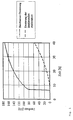
- the feed media M2.1 and M2.2 are shown as in Fig. 1. added.
- the feed medium M2.1 sucrose dosage
- the feed medium M2.2 amino acid dosage
- This process sequence explains the process control of an L-lysine fermentation with particularly high productivity of the microorganisms with regard to L-lysine:
- Example 1 The media composition and the inoculation procedure are carried out as in Example 1. This fermentation is carried out at 33 ° C., pH 7.1 and pO 2 > 15% until an optical density of OD 30 is reached.
- the temperature is raised to 35 ° C. and the pH to 7.5.
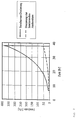
- the feed media M2.1 and M2.2 are metered in as shown in FIG. 2.
- the feed medium M2.1 (sucrose dosage) consists of a sucrose solution of 600 g / l and the feed medium M2.2 (amino acid dosage) consists of one Solution containing 15 g / l limiting amino acid and the above-mentioned minerals and additives in an adequate amount.
- This example includes a comparison with a standard experiment in which the carbon source and limiting amino acid (L-leucine) are fed in one stream.
- the media like the other procedural measures, correspond in principle to those from Examples 1 and 2. parameter 941147 standard with 1 inlet 941177 According to the invention Inoculum (l) 0.38 0.38 Starting volume (l) 5.78 2.78 Medium inlet (l) 2.64 (sugar + supplements) 2.13 (sugar) (M 2.1) used sucrose in g 2058 2317 Inlet medium 2 (l) - 0.86 (supplements) (M2.2) Final conc. Lys (g / l) 46.46 69.29 Ferm.time (h) 30.5 30th Final fermentation volume (l) 8.60 6,320 Reactor output (g lysine / h) 13.1 14.6 Productivity (g lysine / l * l) 1.51 2,303
- the figures show the courses of the fermentation and the feed streams (Fig. 3a, 3b; Fig.4a, 4b).
Landscapes
- Organic Chemistry (AREA)
- Chemical & Material Sciences (AREA)
- Engineering & Computer Science (AREA)
- Zoology (AREA)
- Life Sciences & Earth Sciences (AREA)
- Wood Science & Technology (AREA)
- Chemical Kinetics & Catalysis (AREA)
- Microbiology (AREA)
- General Chemical & Material Sciences (AREA)
- Biotechnology (AREA)
- Health & Medical Sciences (AREA)
- Biochemistry (AREA)
- Bioinformatics & Cheminformatics (AREA)
- General Engineering & Computer Science (AREA)
- General Health & Medical Sciences (AREA)
- Genetics & Genomics (AREA)
- Preparation Of Compounds By Using Micro-Organisms (AREA)
- Micro-Organisms Or Cultivation Processes Thereof (AREA)
Abstract
Description
- Die Erfindung betrifft ein verbessertes Verfahren zur Herstellung von L-Aminosäuren durch Fermentation.
- Von einer Reihe anderer Aminosäuren abgesehen, besteht z. B. für L-Lysin als essentieller Aminosäure in der Futter- und Nahrungsmittelindustre ein großer Bedarf. Die industrielle Produktion z. B. von L-Lysin durch fermentative Verfahren mit Mikroorganismen ist bekannt. Im allgemeinen werden dabei Mangelmutanten von Corynebacterium glutamicum verwendet. Diese Mutanten benötigen zum Wachstum einen der folgenden Nährstoffe:
Leucin oder Isoleucin, Homoserin, Threonin oder Threonin mit Methionin. Sie sind dann in der Lage, große Mengen von L-Lysin zu bilden. - Übliche Fed-Batch-Prozesse werden daher so gesteuert, daß neben anderen Nährstoffen und Spurenelementen sowohl die wachstumslimitierende Aminosäure als auch die für die L-Lysinbildung notwendige Kohlenstoffquelle kontinuierlich zugefüttert wird.
- Es wurde jetzt gefunden, daß diese Prozeßführung, bei der die C-Quelle, wie z. B. Saccharose und die limitierende(n) Aminosäure(n) während der Wachstums- und Fermentationsphase in einem zueinander konstanten Konzentrationsverhältnis zugefüttert werden, zur Bildung unerwünschter Nebenprodukte und zum Schäumen der Fermentationsbrühe während des Prozesses führen.
- Gleichzeitig wurde nach einem Weg gesucht, die Produktivität bzw. die Reaktorleistung zu steigern.
- Gegenstand der Erfindung ist ein Verfahren zur Herstellung von L-Aminosäuren durch Fermentation von L-Aminosäuren ausscheidende Mikroorganismen, die bezüglich mindestens einer anderen Aminosäure eine Auxotrophie besitzen, das dadurch gekennzeichnet ist, daß man die für das Wachstum und die L-Aminosäurebildung nötige Kohlenstoffquelle einerseits und eine das Wachstum bzw. die Aminosäurebildung limitierende(n) Aminosäure(n) zusammen mit einer adäquaten Menge anderer Nährstoffe und Spurenelemente andererseits in zwei oder mehr getrennten zeitlich aber gleich einsetzenden Zulaufströmen mit zeitlichen Zufütterungsprofilen unterschiedlicher Form zudosiert, wobei die Dosierung bevorzugt nicht in proportionalen Mengen erfolgt.
- In einer bevorzugten Ausführungsform weist der Zulaufstrom, der die limitierende(n) L-Aminosäure(n) enthält, in der graphischen Darstellung eine exponentielle Form, der Zulaufstrom aber, der die Kohlenstoffquelle enthält, ein bezüglich der Zeitachse konkaves Profil auf, insbesondere beginnend mit einem stelen Anstieg, der vor dem konkaven Profil liegt.
- In einer weiteren Ausführungsform ergibt sich folgendes Bild, daß der Zulaufstrom, der die limitierende L-Aminosäure enthält, in der graphischen Darstellung einen Anstieg entsprechend einer konvexen Form und der Zulaufstrom, der die Kohlenstoffquelle enthält, ein bezüglich der Zeitachse konkaves Profil aufweisen, wobei beide Profile bis zu Ende der Fermentation eine unterschiedliche Steigung zeigen, in dem Sinne, daß die Steigung des Kohlenstoffquellenzulaufs größer ist, wie allgemein gilt.
- Eine weitere Variante zeichnet sich dadurch aus, daß der Zulaufstrom, der die limitierende L-Aminosäure enthält, eine konvexe Form und der Zulaufstrom, der die Kohlenstoffquelle enthält, ebenfalls ein bezüglich der Zeitachse konvexes Profil aufweist, wobei beide Profile unterschiedliche Steigungsmaße zeigen.
- Als günstig hat sich auch die Kombination einer linear fallenden Zufütterungsrate der Kohlenstoffquelle mit einem konvex verlaufenden Zulaufstrom der limitierenden Aminosäure erwiesen.
- Bei den herzustellenden L-Aminosäuren handelt es sich um Verbindungen aus der Gruppe entsprechend Anspruch 6, insbesonder L-Lysin.
- Zur Herstellung verwendete Mikroorganismen stammen aus den Gattungen , wie sie in Anspruch 7 aufgeführt werden.
- Bevorzugt eingesetzt wird die beschriebene Vorgehensweise zur Fermentation von L-Lysin unter Verwendung diese Aminosäuren ausscheidender Mikroorganismen der Gattungen Corynebacterium, Brevibacterium, Arthrobacter, Microbacterium, Bacillus oder Nocordia.
- In einer speziellen Ausführungsform der Erfindung zeigt sich, daß insbesondere bei auxotrophen Stämmen von Corynebacterium glutamicum im Rahmen einer halbkontinuierlichen Fermentation eine hohe L-Lysin-Produktivität erreicht wird, wenn man für eine spezifische Produktbildungsrate von 0.06 h-1 bis 0.25 h-1 einstellt.
- Nach dem erfindungsgemäßen Verfahren sind zur fermentativen Herstellung von L-Lysin Mikroorganismen der Gattungen Corynebacterium, Brevibacterium, Arthrobacter, Microbacterium, Bacillus oder Nocardia verwendbar, die sich gegenüber einer oder mehreren der L-Aminosäuren Leucin, Homoserin, Threonin, Methionin, Isoleucin auxotroph verhalten und gegen Rückkopplungshemmung und/oder Repression durch mindestens eine der Verbindungen Lysin und Lysin-Analoge, Threonin und Threonin-Analoge und Isoleucin und Isoleucin-Analoge resistent sind.
- Ein Vorteil der erfindungsgemäßen Verfahrensstrategie gegenüber bekannten Verfahren mit nur einem Zulaufstrom ist die signifikante Steigerung der Produktivität der Mikroorganismen, z. B. besonders im Hinblick auf das L-Lysin.
- Ein Vergleich der volumetrischen Produktivitäten (s. Beispiele) führt zu einer Verbesserung von >50 %. Auch die füllgradunabhängig vorgenommene Berechnung der Reaktorleistung zeigt deren Erhöhung um >10 %.
- Dieser Prozeßablauf erläutert die Prozeßführung einer L-Lysin-Fermentation mit besonders hoher Reaktorleistung:
- In zwei Propagationsstufen wird der Stamm Corynebacterium glutamicum DM282-2 zu 2 l Inokulum herangezüchtet. Dazu wird jeweils ein Anzuchtmedium verwendet, das 1.92 % Saccharose, 4.19 % Melasse, 11.55 % Sojamehlhydrolysat, 3.05 % Ammoniumsulfat, 0.58 % Harnstoff, 0.024 % Magnesiumsulfat-Heptahydrat, 0.05 % KH2PO4, 0.06 % Citronensäure-Monohydrat, 0.00096 % Eisen(II)-Sulfat-Heptahydrat, 0.00096 % Mangan(II)-sulfat-Monohydrat, 0.00577 % L-Leucin, 0.00385 % L-Threonin, 0.0077 % L-Methionin, 0.000038 % D-Biotin, 0.19 % Thiamin·Hcl und 0.96 % Nalco enthält. Es wird ein pH-Wert von 6.8 mit NaOH eingestellt. Mit dem so gewonnenen Inokulum wird eine Propagations-Fermentation beimpft, die 300 l des Fermentationsmediums M1 enthält. Dieses Medium besteht aus 0.51 % Melasse, 7.69 % Saccharose, 5.69 % Maiskleberhydrolysat, 1.15 % Ammoniumsulfat, 0.0029 % Mangan(II)-sulfat-Monohydrat, 0.072 % Magnesiumsulfat-Heptahydrat, 0.0029 % Eisen(II)-sulfat-Heptahydrat, 0.001923 % Kalziumchorid-Dihydrat, 0.0015 % Zinksulfat-Heptahydrat, 0.000014 % Kupfersulfat-Heptahydrat, 0.0577 % Citronensäure-Monohydrat, 0.01 % H3PO4, 0.000029 % D-Biotin, 0.000019 % Thiamin-HCl, 0.096 % Nalco, 0.000048 % Ferrioxamin E, FeCl3. Dieses Gemisch wird ca. 20 Stunden bei 30 °C, pH 7.0 und einem geregelten pO2 von mindestens 15 % kultiviert. Dabei wird eine Biomassenkonzentration von etwa 10 g/l erreicht.
- Mit diesen 300 l Fermentationsbrühe aus der Propagations-Fermentation wird nun der Produktions-Fermenter beimpft, der 4000 l Medium M1 enthält. Bis zum Erreichen einer optischen Dichte von OD 30 wird diese Fermentation bei 33 °C, pH 7.1 und pO2 >15 % geführt.
- Dann erfolgt mit dem Start der Zufütterung eine Erhöhung der Temperatur auf 35 °C und des pH-Wertes auf pH 7.5.
- Die Zufütterungsmedien M2.1 und M2.2 werden wie in Fig. 1 dargestellt. zudosiert.
Dabei besteht das Zufütterungsmedium M2.1 (Saccharose-Dosierung) aus einer Saccharoselösung von 600 g/l und das Zufütterungsmedium M2.2 (Aminosäure-Dosierung) aus einer Lösung, die 15 g/l limitierende Aminosäure und die oben erwähnten Mineral- und Zusatzstoffe in adäquater Menge enthält. - Dieser Prozeßablauf erläutert die Prozeßführung einer L-Lysin-Fermentation mit besonders hoher Produktivität der Mikroorganismen bezüglich L-Lysin:
- Die Medienzusammensetzung und die Animpfprozedur erfolgt wie bei Beispiel 1.
Bis zu Erreichen einer optischen Dichte von OD 30 wird diese Fermentation bei 33 °C, pH 7.1 und pO2 >15 % geführt. - Dann erfolgt mit dem Start der Zufütterung eine Erhöhung der Temperatur auf 35 °C und des pH-Wertes auf pH 7.5.
- Die Zufütterungsmedien M2.1 und M2.2 werden wie in Fig. 2 dargestellt, zudosiert.
- Dabei besteht das Zufütterungsmedium M2.1 (Saccharose-Dosierung) aus einer Saccharoselösung von 600 g/l und das Zufütterungsmedium M2.2 (Aminosäure-Dosierung) aus einer Lösung, die 15 g/l limitierende Aminosäure und die oben erwähnten Mineral- und Zusatzstoffe in adäquater Menge enthält.
- Dieses Beispiel beinhaltet den Vergleich mit einem Standardversuch, bei dem Kohlenstoffquelle und limitierende Aminosäure (L-Leucin) in einem Strom angefüttert werden.
- Die Medien entsprechen ebenso wie die sonstigen Verfahrensmaßnahmen im Grundsatz denen aus den Beispielen 1 und 2.
Parameter 941147 Standard mit 1 Zulauf 941177 Erfindungsgemäß Inokulum (l) 0,38 0,38 Startvolumen (l) 5,78 2,78 Zulauf Medium (l) 2,64 (Zucker+Supplemente) 2,13 (Zucker)(M 2.1) verbrauchte Saccharose in g 2058 2317 Zulauf Medium 2 (l) - 0,86 (Supplemente)(M2.2) Endkonz. Lys (g/l) 46,46 69,29 Ferm.-zeit (h) 30,5 30 Fermentationsendvolu men (l) 8,60 6,320 Reaktorleistung (g Lysin/h) 13,1 14,6 Produktivität (g Lysin/l*l) 1,51 2,303 - Es findet sich eine volumetrische Produktivitätssteigerung von 52,4 % (aus der Berechnung 2,303 : 1,51). Die füllgradunabhängige Berechnung führt zu einer Leistungssteigerung des Reaktors um 11,6 % (aus der Berechnung 14,6 : 13,1)
- Die Abbildungen geben die Verläufe der Fermentation und der Zulaufströme wieder (Fig. 3a,3b; Fig.4a, 4b).
Claims (10)
- Verfahren zur Herstellung von L-Aminosäuren durch Fermentation von L-Aminosäuren ausscheidenden Mikroorganismen, die bezüglich mindestens einer anderen Aminosäure eine Auxotrophie besitzen,
dadurch gekennzeichnet, daß man die für das Wachstum und die L-Aminosäurebildung nötige Kohlenstoffquelle einerseits und eine der das Wachstum bzw. die Aminosäurebildung limitierende(n) Aminosäure(n) zusammen mit einer adäquaten Menge anderer Nährstoffe und Spurenelemente andererseits in zwei oder mehr getrennten Zulaufströmen mit zeitlichen Zufütterungsprofilen unterschiedlicher Form zudosiert. - Verfahren gemäß Anspruch 1,
dadurch gekennzeichnet, daß der Zulaufstrom der die limitierende(n) L-Aminosäure(n) enthält, in der graphischen Darstellung eine exponentielle Form, der Zulaufstrom, der die Kohlenstoffquelle enthält, ein bezüglich der Zeitachse konkaves Profil aufweist. - Verfahren gemäß Anspruch 1,
dadurch gekennzeichnet, daß der Zulaufstrom, der die limitierende(n) L-Aminosäure(n) enthält, in der graphischen Darstellung eine konvexe Form und der Zulaufstrom, der die Kohlenstoffquelle enthält, ein bezüglich der Zeitachse konkaves Profil aufweist, wobei beide Profile unterschiedliche Steigungsmaße zeigen. - Verfahren gemäß Anspruch 1,
dadurch gekennzeichnet, daß der Zulaufstrom, der die limitierende(n) L-Aminosäure(n) enthält, in der graphischen Darstellung eine konvexe Form und der Zulaufstrom, der die Kohlenstoffquelle enthält, ebenfalls ein bezüglich der Zeitachse konvexes Profil aufweist, wobei beide Profile unterschiedliche Steigungsmaße zeigen. - Verfahren gemäß Anspruch 1,
dadurch gekennzeichnet, daß der Zulaufstrom, der die Kohlenstoffquelle enthält, einer linear fallenden Linie entspricht, während die Zufütterung an limitierender Aminosäure einem konvexen Profil entspricht, beides bezogen auf die Zeitachse. - Verfahren gemäß den Ansprüchen 1 bis 5, dadurch gekennzeichnet, daß man eine L-Aminosäure aus der GruppeL-Lysin,L-Methionin,L-AspartatL-AsparaginL-IsoleucinL-Threoninherstellt.
- Verfahren gemäß Anspruch 6,
dadurch gekennzeichnet, daß man Mikroorganismen der Gattungen:
Corynebacterium sp., Brevibacterium sp., Arthrobacter sp.,Corynebacterium glutamicum, Bacillus sp., Brevibacterium flavum,Brevibacterium lactofermentum, Microbacterium oder Nocordia
einsetzt. - Verfahren gemäß den Ansprüchen 6 und 7
dadurch gekennzeichnet, daß man L-Lysin unter Verwendung von Aminosäuren-auxotrophen Stämmen der Gattungen Corynebacterium, Brevibacterium, Arthrobacter, Microbacterium, Bacillus oder Nocordia herstellt. - Verfahren gemäß Anspruch 8,
dadurch gekennzeichnet, daß die Stämme auxotroph in Bezug auf eine oder mehrere der L-Aminosäuren Leucin, Homoserin, Threonin, Methionin, Isoleucin sind und/oder Resistenz gegen mindestens eine der Verbindungen L-Lysin oder Lysin-Analoga, Isoleucin oder Isoleucin-Analoga oder Threonin oder Threonin-Analoga aufweisen. - Verfahren gemaß den Ansprüchen 8 und 9,
dadurch gekennzeichnet, daß eine spezifische Produktbildungsrate von 0.06 h-1 bis 0.25 h-1 eingestellt wird.
Applications Claiming Priority (2)
| Application Number | Priority Date | Filing Date | Title |
|---|---|---|---|
| DE19547361 | 1995-12-19 | ||
| DE19547361A DE19547361A1 (de) | 1995-12-19 | 1995-12-19 | Verfahren zur Herstellung von L-Aminosäuren durch Fermentation |
Publications (2)
| Publication Number | Publication Date |
|---|---|
| EP0780476A2 true EP0780476A2 (de) | 1997-06-25 |
| EP0780476A3 EP0780476A3 (de) | 1998-07-08 |
Family
ID=7780521
Family Applications (1)
| Application Number | Title | Priority Date | Filing Date |
|---|---|---|---|
| EP96115228A Withdrawn EP0780476A3 (de) | 1995-12-19 | 1996-09-23 | Verfahren zur Herstellung von L-Aminosäuren durch Fermentation |
Country Status (3)
| Country | Link |
|---|---|
| US (1) | US5840551A (de) |
| EP (1) | EP0780476A3 (de) |
| DE (1) | DE19547361A1 (de) |
Cited By (2)
| Publication number | Priority date | Publication date | Assignee | Title |
|---|---|---|---|---|
| WO2001009286A1 (en) * | 1999-08-02 | 2001-02-08 | Archer-Daniels-Midland Company | Metabolic engineering of amino acid production |
| EP2494986A1 (de) | 2003-04-25 | 2012-09-05 | MedImmune Vaccines, Inc. | Metapneumovirusstämme und deren Verwendung in Impfstoffformulierungen und als Vektoren für die Expression antigener Sequenzen und Verfahren zur Ausbreitung des Virus |
Families Citing this family (21)
| Publication number | Priority date | Publication date | Assignee | Title |
|---|---|---|---|---|
| CA2255130A1 (en) | 1997-12-16 | 1999-06-16 | Archer Daniels Midland Company | Process for making granular l-lysine feed supplement |
| CN1236690C (zh) * | 1999-06-23 | 2006-01-18 | 德古萨股份公司 | 含有赖氨酸的含水动物饲料添加剂及其生产方法 |
| US6656721B1 (en) * | 2000-08-08 | 2003-12-02 | Roche Vitamins, Inc. | Polynucleotide portions of the biotin operon from B. subtilis for use in enhanced fermentation |
| WO2005007862A2 (en) * | 2003-07-08 | 2005-01-27 | Novus Internation, Inc | Methionine recovery processes |
| DE102005032429A1 (de) | 2005-01-19 | 2006-07-20 | Degussa Ag | Allele des mqo-Gens aus coryneformen Bakterien |
| DE102005013676A1 (de) | 2005-03-24 | 2006-09-28 | Degussa Ag | Allele des zwf-Gens aus coryneformen Bakterien |
| DE102005023829A1 (de) | 2005-05-24 | 2006-11-30 | Degussa Ag | Allele des opcA-Gens aus coryneformen Bakterien |
| US20070082031A1 (en) * | 2005-10-08 | 2007-04-12 | Hermann Lotter | L-lysine-containing feed additives |
| DE102006032634A1 (de) | 2006-07-13 | 2008-01-17 | Evonik Degussa Gmbh | Verfahren zur Herstellung von L-Aminosäuren |
| DE102007019643A1 (de) | 2007-04-26 | 2008-10-30 | Evonik Degussa Gmbh | Verfahren zur Herstellung von zuckerhaltigen Hydrolysaten aus Lignocellulose |
| DE102008001874A1 (de) | 2008-05-20 | 2009-11-26 | Evonik Degussa Gmbh | Verfahren zur Herstellung von L-Aminosäuren |
| EP2479279A1 (de) | 2011-01-20 | 2012-07-25 | Evonik Degussa GmbH | Verfahren zur fermentativen Herstellung schwefelhaltiger Aminosäuren |
| EP2628792A1 (de) | 2012-02-17 | 2013-08-21 | Evonik Industries AG | Zelle mit verringerter ppGppase-Aktivität |
| WO2013167659A1 (de) | 2012-05-09 | 2013-11-14 | Evonik Industries Ag | L-aminosäure enthaltendes futtermitteladditiv in form eines granulats auf fermentationsbrühebasis und verfahren zur herstellung |
| PL2700715T3 (pl) | 2012-08-20 | 2019-03-29 | Evonik Degussa Gmbh | Sposób fermentacyjnego wytwarzania L-aminokwasów z zastosowaniem ulepszonych szczepów z rodziny Enterobacteriaceae |
| ES2786108T3 (es) | 2013-10-24 | 2020-10-08 | Evonik Degussa Gmbh | Aditivo para piensos para animales que contiene L-aminoácido |
| DK2865275T3 (da) | 2013-10-24 | 2020-05-18 | Evonik Operations Gmbh | Foderstofadditiv indeholdende L-aminosyre |
| EP2940144A1 (de) | 2014-04-30 | 2015-11-04 | Evonik Degussa GmbH | Verfahren zur Produktion von L-Lysin unter Verwendung eines alkaliphilen Bakteriums |
| EP2940039A1 (de) | 2014-04-30 | 2015-11-04 | Evonik Degussa GmbH | Verfahren zur Produktion von L-Aminosäuren in Corynebakterien unter Verwendung eines Glycin spaltenden Systems |
| PL2940143T3 (pl) | 2014-04-30 | 2020-06-29 | Evonik Operations Gmbh | Sposób wytwarzania L-aminokwasów z użyciem bakterii bazofilowych |
| DE102014208199A1 (de) | 2014-04-30 | 2015-11-05 | Evonik Degussa Gmbh | Verfahren zur Produktion von L-Aminosäuren unter Verwendung eines alkaliphilen Bakteriums |
Family Cites Families (1)
| Publication number | Priority date | Publication date | Assignee | Title |
|---|---|---|---|---|
| DE4130867A1 (de) * | 1991-09-17 | 1993-03-18 | Degussa | Verfahren zur fermentativen herstellung von aminosaeuren |
-
1995
- 1995-12-19 DE DE19547361A patent/DE19547361A1/de not_active Withdrawn
-
1996
- 1996-09-23 EP EP96115228A patent/EP0780476A3/de not_active Withdrawn
- 1996-12-19 US US08/769,437 patent/US5840551A/en not_active Expired - Fee Related
Cited By (6)
| Publication number | Priority date | Publication date | Assignee | Title |
|---|---|---|---|---|
| WO2001009286A1 (en) * | 1999-08-02 | 2001-02-08 | Archer-Daniels-Midland Company | Metabolic engineering of amino acid production |
| AU779019B2 (en) * | 1999-08-02 | 2005-01-06 | Archer-Daniels-Midland Company | Metabolic engineering of amino acid production |
| US7323321B2 (en) | 1999-08-02 | 2008-01-29 | Archer-Daniels-Midland Company | Metabolic engineering of amino acid production |
| KR100815041B1 (ko) * | 1999-08-02 | 2008-03-18 | 아처 다니엘 미드랜드 캄파니 | 아미노산 생산의 대사 공학 |
| US7635579B2 (en) | 1999-08-02 | 2009-12-22 | Archer-Daniels-Midland Company | Metabolic engineering of amino acid production |
| EP2494986A1 (de) | 2003-04-25 | 2012-09-05 | MedImmune Vaccines, Inc. | Metapneumovirusstämme und deren Verwendung in Impfstoffformulierungen und als Vektoren für die Expression antigener Sequenzen und Verfahren zur Ausbreitung des Virus |
Also Published As
| Publication number | Publication date |
|---|---|
| US5840551A (en) | 1998-11-24 |
| DE19547361A1 (de) | 1997-06-26 |
| EP0780476A3 (de) | 1998-07-08 |
Similar Documents
| Publication | Publication Date | Title |
|---|---|---|
| EP0780476A2 (de) | Verfahren zur Herstellung von L-Aminosäuren durch Fermentation | |
| DE2730964C3 (de) | Verfahren zur Herstellung von L-Lysin auf mikrobiologischem Wege | |
| DE2034406A1 (de) | Verfahren zur Herstellung von L Lysin | |
| DE3343551A1 (de) | Verfahren zur biotechnologischen herstellung von poly-d(-)-3-hydroxybuttersaeure | |
| DE3888789T2 (de) | Mikroorganismus mit geringer Fähigkeit zur Acetat-Bildung und Verfahren zur Herstellung nützlicher Substrate unter Verwendung dieses Mikroorganismus. | |
| DE2417336C3 (de) | Verfahren zur biotechnischen Herstellung von L-Lysin, L-Asparaginsäure, L-AIanin, L-Valin, L-Leucin und L-Arginin | |
| DE4207154C2 (de) | Verfahren zur Herstellung von L-Lysin durch Fermentation | |
| DE3121926C2 (de) | Verfahren zur Herstellung von L-Prolin durch Züchten eines Mikroorganismus | |
| DE2531999C3 (de) | Verfahren zur biotechnischen Herstellung von L-Lysin | |
| DE2350647A1 (de) | Verfahren zur herstellung von l-lysin | |
| DE3882413T2 (de) | L-Valin produzierender Mikroorganismus und ein Verfahren zur Herstellung von L-Valin durch Gärung. | |
| DE60133304T2 (de) | L-glutamine produzierende mikroorganismen und verfahren zur herstellung von l-glutamine unter verwendung derselben | |
| EP0997532A2 (de) | Verfahren zur fermentativen Herstellung von L-Aminosäuren | |
| DE1231653B (de) | Verfahren zur Herstellung von 1-Homoserin auf fermentativem Wege | |
| DE2050361A1 (de) | Verfahren zur Herstellung von Zi tronensaure | |
| DE2342912A1 (de) | Verfahren zur herstellung von l-histidin | |
| DE1792495C (de) | Verfahren zur Herstellung von L Threonin | |
| DE1442255C (de) | Verfahren zur Steigerung der L-Glutaminsaurebildung bei der biochemischen Herstellung von L-Glutammsäure durch aerobe Züchtung von n-Paraffinkohlenwasserstoff assimilierenden Mikroorganismen | |
| DE2357100C3 (de) | Verfahren zur biotechnischen Herstellung von L-Tryptophan | |
| EP0540556B1 (de) | Verfahren zur herstellung von l-lysin produzierenden mikroorganismen | |
| DE1642717C (de) | Verfahren zur Herstellung von L Pro Im | |
| DE1767940B2 (de) | Verfahren zur herstellung von l- threonin durch mikroorganismen in einem naehrmedium | |
| DE2301077C2 (de) | Verfahren zum Herstellen von L-Prolin | |
| DD260294A1 (de) | Verfahren zur herstellung von l-lysin | |
| DE3044969A1 (de) | Verfahren zur herstellung von coproporphyrin iii |
Legal Events
| Date | Code | Title | Description |
|---|---|---|---|
| PUAI | Public reference made under article 153(3) epc to a published international application that has entered the european phase |
Free format text: ORIGINAL CODE: 0009012 |
|
| AK | Designated contracting states |
Kind code of ref document: A2 Designated state(s): DE FR IT |
|
| PUAL | Search report despatched |
Free format text: ORIGINAL CODE: 0009013 |
|
| AK | Designated contracting states |
Kind code of ref document: A3 Designated state(s): DE FR IT |
|
| 17P | Request for examination filed |
Effective date: 19981026 |
|
| RAP1 | Party data changed (applicant data changed or rights of an application transferred) |
Owner name: DEGUSSA-HUELS AKTIENGESELLSCHAFT |
|
| RAP3 | Party data changed (applicant data changed or rights of an application transferred) |
Owner name: DEGUSSA-HUELS AKTIENGESELLSCHAFT |
|
| 17Q | First examination report despatched |
Effective date: 20000829 |
|
| STAA | Information on the status of an ep patent application or granted ep patent |
Free format text: STATUS: THE APPLICATION IS DEEMED TO BE WITHDRAWN |
|
| 18D | Application deemed to be withdrawn |
Effective date: 20000331 |