EP0786005B9 - Compositions pour la traitement d' une affection de l'artere coronaire par therapie genetique. - Google Patents
Compositions pour la traitement d' une affection de l'artere coronaire par therapie genetique. Download PDFInfo
- Publication number
- EP0786005B9 EP0786005B9 EP95937598A EP95937598A EP0786005B9 EP 0786005 B9 EP0786005 B9 EP 0786005B9 EP 95937598 A EP95937598 A EP 95937598A EP 95937598 A EP95937598 A EP 95937598A EP 0786005 B9 EP0786005 B9 EP 0786005B9
- Authority
- EP
- European Patent Office
- Prior art keywords
- gene
- lipoprotein lipase
- lpl
- use according
- probe
- Prior art date
- Legal status (The legal status is an assumption and is not a legal conclusion. Google has not performed a legal analysis and makes no representation as to the accuracy of the status listed.)
- Expired - Lifetime
Links
- 208000029078 coronary artery disease Diseases 0.000 title claims abstract description 20
- 238000001415 gene therapy Methods 0.000 title claims abstract description 12
- 239000000203 mixture Substances 0.000 title claims description 7
- 108010013563 Lipoprotein Lipase Proteins 0.000 claims abstract description 49
- 101000619884 Homo sapiens Lipoprotein lipase Proteins 0.000 claims abstract description 19
- 201000001320 Atherosclerosis Diseases 0.000 claims abstract description 18
- 230000002028 premature Effects 0.000 claims abstract description 14
- 229940024606 amino acid Drugs 0.000 claims abstract description 13
- 235000001014 amino acid Nutrition 0.000 claims abstract description 13
- 150000001413 amino acids Chemical class 0.000 claims abstract description 13
- 108090000623 proteins and genes Proteins 0.000 claims description 42
- 239000013598 vector Substances 0.000 claims description 23
- 239000012634 fragment Substances 0.000 claims description 22
- 239000013612 plasmid Substances 0.000 claims description 19
- 102000045312 human LPL Human genes 0.000 claims description 16
- 241000701161 unidentified adenovirus Species 0.000 claims description 11
- 239000002299 complementary DNA Substances 0.000 claims description 8
- 229920000656 polylysine Polymers 0.000 claims description 8
- 102000004190 Enzymes Human genes 0.000 claims description 7
- 108090000790 Enzymes Proteins 0.000 claims description 7
- 238000012217 deletion Methods 0.000 claims description 7
- 230000037430 deletion Effects 0.000 claims description 7
- 238000002360 preparation method Methods 0.000 claims description 7
- 125000003607 serino group Chemical group [H]N([H])[C@]([H])(C(=O)[*])C(O[H])([H])[H] 0.000 claims description 7
- 125000000613 asparagine group Chemical group N[C@@H](CC(N)=O)C(=O)* 0.000 claims description 6
- 241000713883 Myeloproliferative sarcoma virus Species 0.000 claims description 5
- 239000003814 drug Substances 0.000 claims description 5
- 108010039918 Polylysine Proteins 0.000 claims description 3
- 241001430294 unidentified retrovirus Species 0.000 claims description 3
- 210000005260 human cell Anatomy 0.000 claims description 2
- 108700039691 Genetic Promoter Regions Proteins 0.000 claims 1
- 239000013603 viral vector Substances 0.000 claims 1
- 230000035772 mutation Effects 0.000 abstract description 59
- 239000002773 nucleotide Substances 0.000 abstract description 7
- 125000003729 nucleotide group Chemical group 0.000 abstract description 7
- 108010023302 HDL Cholesterol Proteins 0.000 abstract description 6
- MTCFGRXMJLQNBG-UHFFFAOYSA-N Serine Natural products OCC(N)C(O)=O MTCFGRXMJLQNBG-UHFFFAOYSA-N 0.000 abstract description 4
- 230000003197 catalytic effect Effects 0.000 abstract description 4
- UFTFJSFQGQCHQW-UHFFFAOYSA-N triformin Chemical compound O=COCC(OC=O)COC=O UFTFJSFQGQCHQW-UHFFFAOYSA-N 0.000 abstract description 4
- DCXYFEDJOCDNAF-UHFFFAOYSA-N Asparagine Natural products OC(=O)C(N)CC(N)=O DCXYFEDJOCDNAF-UHFFFAOYSA-N 0.000 abstract description 3
- 108020004705 Codon Proteins 0.000 abstract description 3
- 208000001021 Hyperlipoproteinemia Type I Diseases 0.000 abstract description 3
- DCXYFEDJOCDNAF-REOHCLBHSA-N L-asparagine Chemical compound OC(=O)[C@@H](N)CC(N)=O DCXYFEDJOCDNAF-REOHCLBHSA-N 0.000 abstract description 3
- 229960001230 asparagine Drugs 0.000 abstract description 3
- 235000009582 asparagine Nutrition 0.000 abstract description 3
- 230000008859 change Effects 0.000 abstract description 3
- 230000003292 diminished effect Effects 0.000 abstract description 2
- 238000006467 substitution reaction Methods 0.000 abstract description 2
- 102000043296 Lipoprotein lipases Human genes 0.000 abstract 1
- 150000003355 serines Chemical class 0.000 abstract 1
- 239000000523 sample Substances 0.000 description 70
- 210000004027 cell Anatomy 0.000 description 42
- 108020004414 DNA Proteins 0.000 description 34
- 102100022119 Lipoprotein lipase Human genes 0.000 description 32
- 230000003321 amplification Effects 0.000 description 27
- 238000003199 nucleic acid amplification method Methods 0.000 description 27
- 238000000034 method Methods 0.000 description 23
- 102200108827 rs199473563 Human genes 0.000 description 21
- 241000700605 Viruses Species 0.000 description 15
- 101150062900 lpl gene Proteins 0.000 description 13
- 239000002609 medium Substances 0.000 description 11
- 108020005187 Oligonucleotide Probes Proteins 0.000 description 10
- 238000001514 detection method Methods 0.000 description 10
- 239000002751 oligonucleotide probe Substances 0.000 description 10
- 230000000295 complement effect Effects 0.000 description 9
- 210000002950 fibroblast Anatomy 0.000 description 9
- YBJHBAHKTGYVGT-ZKWXMUAHSA-N (+)-Biotin Chemical compound N1C(=O)N[C@@H]2[C@H](CCCCC(=O)O)SC[C@@H]21 YBJHBAHKTGYVGT-ZKWXMUAHSA-N 0.000 description 8
- HVYWMOMLDIMFJA-DPAQBDIFSA-N cholesterol Chemical compound C1C=C2C[C@@H](O)CC[C@]2(C)[C@@H]2[C@@H]1[C@@H]1CC[C@H]([C@H](C)CCCC(C)C)[C@@]1(C)CC2 HVYWMOMLDIMFJA-DPAQBDIFSA-N 0.000 description 8
- 230000000694 effects Effects 0.000 description 8
- 239000000047 product Substances 0.000 description 8
- 102000017055 Lipoprotein Lipase Human genes 0.000 description 7
- 108020004707 nucleic acids Proteins 0.000 description 7
- 102000039446 nucleic acids Human genes 0.000 description 7
- 150000007523 nucleic acids Chemical class 0.000 description 7
- 108091008146 restriction endonucleases Proteins 0.000 description 7
- 108091034117 Oligonucleotide Proteins 0.000 description 6
- AIYUHDOJVYHVIT-UHFFFAOYSA-M caesium chloride Chemical compound [Cl-].[Cs+] AIYUHDOJVYHVIT-UHFFFAOYSA-M 0.000 description 6
- 238000005119 centrifugation Methods 0.000 description 6
- 238000003776 cleavage reaction Methods 0.000 description 6
- 239000012091 fetal bovine serum Substances 0.000 description 6
- 208000015181 infectious disease Diseases 0.000 description 6
- 230000001177 retroviral effect Effects 0.000 description 6
- 230000007017 scission Effects 0.000 description 6
- 239000007787 solid Substances 0.000 description 6
- 238000012360 testing method Methods 0.000 description 6
- 108091033380 Coding strand Proteins 0.000 description 5
- 239000006144 Dulbecco’s modified Eagle's medium Substances 0.000 description 5
- 238000009396 hybridization Methods 0.000 description 5
- 238000004519 manufacturing process Methods 0.000 description 5
- 238000007894 restriction fragment length polymorphism technique Methods 0.000 description 5
- 238000012546 transfer Methods 0.000 description 5
- 230000003612 virological effect Effects 0.000 description 5
- 108091003079 Bovine Serum Albumin Proteins 0.000 description 4
- 108010010234 HDL Lipoproteins Proteins 0.000 description 4
- 102000015779 HDL Lipoproteins Human genes 0.000 description 4
- TWRXJAOTZQYOKJ-UHFFFAOYSA-L Magnesium chloride Chemical compound [Mg+2].[Cl-].[Cl-] TWRXJAOTZQYOKJ-UHFFFAOYSA-L 0.000 description 4
- 229960002685 biotin Drugs 0.000 description 4
- 235000020958 biotin Nutrition 0.000 description 4
- 239000011616 biotin Substances 0.000 description 4
- 210000004369 blood Anatomy 0.000 description 4
- 239000008280 blood Substances 0.000 description 4
- 239000000539 dimer Substances 0.000 description 4
- 238000001727 in vivo Methods 0.000 description 4
- 238000002372 labelling Methods 0.000 description 4
- 210000004962 mammalian cell Anatomy 0.000 description 4
- 238000003752 polymerase chain reaction Methods 0.000 description 4
- 230000008569 process Effects 0.000 description 4
- 239000000243 solution Substances 0.000 description 4
- 238000001890 transfection Methods 0.000 description 4
- 108091032973 (ribonucleotides)n+m Proteins 0.000 description 3
- 101710095342 Apolipoprotein B Proteins 0.000 description 3
- 102100040202 Apolipoprotein B-100 Human genes 0.000 description 3
- 241000282326 Felis catus Species 0.000 description 3
- PEDCQBHIVMGVHV-UHFFFAOYSA-N Glycerine Chemical compound OCC(O)CO PEDCQBHIVMGVHV-UHFFFAOYSA-N 0.000 description 3
- 102000007330 LDL Lipoproteins Human genes 0.000 description 3
- 108010007622 LDL Lipoproteins Proteins 0.000 description 3
- 108010062497 VLDL Lipoproteins Proteins 0.000 description 3
- 210000001367 artery Anatomy 0.000 description 3
- 230000000975 bioactive effect Effects 0.000 description 3
- 239000000872 buffer Substances 0.000 description 3
- 238000006243 chemical reaction Methods 0.000 description 3
- 235000012000 cholesterol Nutrition 0.000 description 3
- 230000002950 deficient Effects 0.000 description 3
- 238000006073 displacement reaction Methods 0.000 description 3
- 238000000338 in vitro Methods 0.000 description 3
- 230000001404 mediated effect Effects 0.000 description 3
- 238000010361 transduction Methods 0.000 description 3
- 230000026683 transduction Effects 0.000 description 3
- OPIFSICVWOWJMJ-AEOCFKNESA-N 5-bromo-4-chloro-3-indolyl beta-D-galactoside Chemical compound O[C@@H]1[C@@H](O)[C@@H](O)[C@@H](CO)O[C@H]1OC1=CNC2=CC=C(Br)C(Cl)=C12 OPIFSICVWOWJMJ-AEOCFKNESA-N 0.000 description 2
- LRFVTYWOQMYALW-UHFFFAOYSA-N 9H-xanthine Chemical compound O=C1NC(=O)NC2=C1NC=N2 LRFVTYWOQMYALW-UHFFFAOYSA-N 0.000 description 2
- 206010002383 Angina Pectoris Diseases 0.000 description 2
- 108090001008 Avidin Proteins 0.000 description 2
- 229920000209 Hexadimethrine bromide Polymers 0.000 description 2
- 241001135569 Human adenovirus 5 Species 0.000 description 2
- 241001529936 Murinae Species 0.000 description 2
- FAPWRFPIFSIZLT-UHFFFAOYSA-M Sodium chloride Chemical compound [Na+].[Cl-] FAPWRFPIFSIZLT-UHFFFAOYSA-M 0.000 description 2
- 239000011543 agarose gel Substances 0.000 description 2
- 230000000692 anti-sense effect Effects 0.000 description 2
- 238000013459 approach Methods 0.000 description 2
- 238000003556 assay Methods 0.000 description 2
- 230000015572 biosynthetic process Effects 0.000 description 2
- 244000309466 calf Species 0.000 description 2
- 239000007795 chemical reaction product Substances 0.000 description 2
- 239000003153 chemical reaction reagent Substances 0.000 description 2
- HEDRZPFGACZZDS-UHFFFAOYSA-N chloroform Substances ClC(Cl)Cl HEDRZPFGACZZDS-UHFFFAOYSA-N 0.000 description 2
- OPTASPLRGRRNAP-UHFFFAOYSA-N cytosine Chemical compound NC=1C=CNC(=O)N=1 OPTASPLRGRRNAP-UHFFFAOYSA-N 0.000 description 2
- 230000007547 defect Effects 0.000 description 2
- 238000004925 denaturation Methods 0.000 description 2
- 230000036425 denaturation Effects 0.000 description 2
- 238000010790 dilution Methods 0.000 description 2
- 239000012895 dilution Substances 0.000 description 2
- 238000002474 experimental method Methods 0.000 description 2
- 238000000605 extraction Methods 0.000 description 2
- UYTPUPDQBNUYGX-UHFFFAOYSA-N guanine Chemical compound O=C1NC(N)=NC2=C1N=CN2 UYTPUPDQBNUYGX-UHFFFAOYSA-N 0.000 description 2
- 210000003958 hematopoietic stem cell Anatomy 0.000 description 2
- FDGQSTZJBFJUBT-UHFFFAOYSA-N hypoxanthine Chemical compound O=C1NC=NC2=C1NC=N2 FDGQSTZJBFJUBT-UHFFFAOYSA-N 0.000 description 2
- 239000007943 implant Substances 0.000 description 2
- 210000000265 leukocyte Anatomy 0.000 description 2
- 239000006166 lysate Substances 0.000 description 2
- 229910001629 magnesium chloride Inorganic materials 0.000 description 2
- 239000000463 material Substances 0.000 description 2
- 230000004060 metabolic process Effects 0.000 description 2
- 208000010125 myocardial infarction Diseases 0.000 description 2
- 239000002777 nucleoside Substances 0.000 description 2
- 150000003833 nucleoside derivatives Chemical class 0.000 description 2
- 238000004806 packaging method and process Methods 0.000 description 2
- 230000001566 pro-viral effect Effects 0.000 description 2
- 235000018102 proteins Nutrition 0.000 description 2
- 102000004169 proteins and genes Human genes 0.000 description 2
- 230000001105 regulatory effect Effects 0.000 description 2
- 230000003362 replicative effect Effects 0.000 description 2
- 238000011160 research Methods 0.000 description 2
- 238000012163 sequencing technique Methods 0.000 description 2
- 210000002966 serum Anatomy 0.000 description 2
- 238000003860 storage Methods 0.000 description 2
- 239000000126 substance Substances 0.000 description 2
- 208000024891 symptom Diseases 0.000 description 2
- 230000001225 therapeutic effect Effects 0.000 description 2
- 238000002560 therapeutic procedure Methods 0.000 description 2
- RWQNBRDOKXIBIV-UHFFFAOYSA-N thymine Chemical compound CC1=CNC(=O)NC1=O RWQNBRDOKXIBIV-UHFFFAOYSA-N 0.000 description 2
- 210000001519 tissue Anatomy 0.000 description 2
- 150000003626 triacylglycerols Chemical class 0.000 description 2
- BCHIXGBGRHLSBE-UHFFFAOYSA-N (4-methyl-2-oxochromen-7-yl) dihydrogen phosphate Chemical compound C1=C(OP(O)(O)=O)C=CC2=C1OC(=O)C=C2C BCHIXGBGRHLSBE-UHFFFAOYSA-N 0.000 description 1
- XZKIHKMTEMTJQX-UHFFFAOYSA-N 4-Nitrophenyl Phosphate Chemical compound OP(O)(=O)OC1=CC=C([N+]([O-])=O)C=C1 XZKIHKMTEMTJQX-UHFFFAOYSA-N 0.000 description 1
- 208000004998 Abdominal Pain Diseases 0.000 description 1
- 229930024421 Adenine Natural products 0.000 description 1
- GFFGJBXGBJISGV-UHFFFAOYSA-N Adenine Chemical compound NC1=NC=NC2=C1N=CN2 GFFGJBXGBJISGV-UHFFFAOYSA-N 0.000 description 1
- 229920001817 Agar Polymers 0.000 description 1
- 108010004103 Chylomicrons Proteins 0.000 description 1
- 108091026890 Coding region Proteins 0.000 description 1
- 102000008186 Collagen Human genes 0.000 description 1
- 108010035532 Collagen Proteins 0.000 description 1
- 238000002965 ELISA Methods 0.000 description 1
- 108010042407 Endonucleases Proteins 0.000 description 1
- 102000004533 Endonucleases Human genes 0.000 description 1
- 206010016059 Facial pain Diseases 0.000 description 1
- 102000002464 Galactosidases Human genes 0.000 description 1
- 108010093031 Galactosidases Proteins 0.000 description 1
- WQZGKKKJIJFFOK-GASJEMHNSA-N Glucose Natural products OC[C@H]1OC(O)[C@H](O)[C@@H](O)[C@@H]1O WQZGKKKJIJFFOK-GASJEMHNSA-N 0.000 description 1
- 102000004366 Glucosidases Human genes 0.000 description 1
- 108010056771 Glucosidases Proteins 0.000 description 1
- 101100455036 Homo sapiens LPL gene Proteins 0.000 description 1
- GRRNUXAQVGOGFE-UHFFFAOYSA-N Hygromycin-B Natural products OC1C(NC)CC(N)C(O)C1OC1C2OC3(C(C(O)C(O)C(C(N)CO)O3)O)OC2C(O)C(CO)O1 GRRNUXAQVGOGFE-UHFFFAOYSA-N 0.000 description 1
- 206010021024 Hypolipidaemia Diseases 0.000 description 1
- UGQMRVRMYYASKQ-UHFFFAOYSA-N Hypoxanthine nucleoside Natural products OC1C(O)C(CO)OC1N1C(NC=NC2=O)=C2N=C1 UGQMRVRMYYASKQ-UHFFFAOYSA-N 0.000 description 1
- 108010025815 Kanamycin Kinase Proteins 0.000 description 1
- 108010001831 LDL receptors Proteins 0.000 description 1
- 102000004895 Lipoproteins Human genes 0.000 description 1
- 108090001030 Lipoproteins Proteins 0.000 description 1
- 229930193140 Neomycin Natural products 0.000 description 1
- 238000012408 PCR amplification Methods 0.000 description 1
- 206010033645 Pancreatitis Diseases 0.000 description 1
- 208000031481 Pathologic Constriction Diseases 0.000 description 1
- 102000045595 Phosphoprotein Phosphatases Human genes 0.000 description 1
- 108700019535 Phosphoprotein Phosphatases Proteins 0.000 description 1
- 102000007327 Protamines Human genes 0.000 description 1
- 108010007568 Protamines Proteins 0.000 description 1
- 108010066717 Q beta Replicase Proteins 0.000 description 1
- 108020004518 RNA Probes Proteins 0.000 description 1
- 239000003391 RNA probe Substances 0.000 description 1
- 239000012980 RPMI-1640 medium Substances 0.000 description 1
- 239000006146 Roswell Park Memorial Institute medium Substances 0.000 description 1
- 241000700584 Simplexvirus Species 0.000 description 1
- 108010006785 Taq Polymerase Proteins 0.000 description 1
- 102000006601 Thymidine Kinase Human genes 0.000 description 1
- 108020004440 Thymidine kinase Proteins 0.000 description 1
- 102000004357 Transferases Human genes 0.000 description 1
- 108090000992 Transferases Proteins 0.000 description 1
- 239000007983 Tris buffer Substances 0.000 description 1
- 206010048214 Xanthoma Diseases 0.000 description 1
- JLCPHMBAVCMARE-UHFFFAOYSA-N [3-[[3-[[3-[[3-[[3-[[3-[[3-[[3-[[3-[[3-[[3-[[5-(2-amino-6-oxo-1H-purin-9-yl)-3-[[3-[[3-[[3-[[3-[[3-[[5-(2-amino-6-oxo-1H-purin-9-yl)-3-[[5-(2-amino-6-oxo-1H-purin-9-yl)-3-hydroxyoxolan-2-yl]methoxy-hydroxyphosphoryl]oxyoxolan-2-yl]methoxy-hydroxyphosphoryl]oxy-5-(5-methyl-2,4-dioxopyrimidin-1-yl)oxolan-2-yl]methoxy-hydroxyphosphoryl]oxy-5-(6-aminopurin-9-yl)oxolan-2-yl]methoxy-hydroxyphosphoryl]oxy-5-(6-aminopurin-9-yl)oxolan-2-yl]methoxy-hydroxyphosphoryl]oxy-5-(6-aminopurin-9-yl)oxolan-2-yl]methoxy-hydroxyphosphoryl]oxy-5-(6-aminopurin-9-yl)oxolan-2-yl]methoxy-hydroxyphosphoryl]oxyoxolan-2-yl]methoxy-hydroxyphosphoryl]oxy-5-(5-methyl-2,4-dioxopyrimidin-1-yl)oxolan-2-yl]methoxy-hydroxyphosphoryl]oxy-5-(4-amino-2-oxopyrimidin-1-yl)oxolan-2-yl]methoxy-hydroxyphosphoryl]oxy-5-(5-methyl-2,4-dioxopyrimidin-1-yl)oxolan-2-yl]methoxy-hydroxyphosphoryl]oxy-5-(5-methyl-2,4-dioxopyrimidin-1-yl)oxolan-2-yl]methoxy-hydroxyphosphoryl]oxy-5-(6-aminopurin-9-yl)oxolan-2-yl]methoxy-hydroxyphosphoryl]oxy-5-(6-aminopurin-9-yl)oxolan-2-yl]methoxy-hydroxyphosphoryl]oxy-5-(4-amino-2-oxopyrimidin-1-yl)oxolan-2-yl]methoxy-hydroxyphosphoryl]oxy-5-(4-amino-2-oxopyrimidin-1-yl)oxolan-2-yl]methoxy-hydroxyphosphoryl]oxy-5-(4-amino-2-oxopyrimidin-1-yl)oxolan-2-yl]methoxy-hydroxyphosphoryl]oxy-5-(6-aminopurin-9-yl)oxolan-2-yl]methoxy-hydroxyphosphoryl]oxy-5-(4-amino-2-oxopyrimidin-1-yl)oxolan-2-yl]methyl [5-(6-aminopurin-9-yl)-2-(hydroxymethyl)oxolan-3-yl] hydrogen phosphate Polymers Cc1cn(C2CC(OP(O)(=O)OCC3OC(CC3OP(O)(=O)OCC3OC(CC3O)n3cnc4c3nc(N)[nH]c4=O)n3cnc4c3nc(N)[nH]c4=O)C(COP(O)(=O)OC3CC(OC3COP(O)(=O)OC3CC(OC3COP(O)(=O)OC3CC(OC3COP(O)(=O)OC3CC(OC3COP(O)(=O)OC3CC(OC3COP(O)(=O)OC3CC(OC3COP(O)(=O)OC3CC(OC3COP(O)(=O)OC3CC(OC3COP(O)(=O)OC3CC(OC3COP(O)(=O)OC3CC(OC3COP(O)(=O)OC3CC(OC3COP(O)(=O)OC3CC(OC3COP(O)(=O)OC3CC(OC3COP(O)(=O)OC3CC(OC3COP(O)(=O)OC3CC(OC3COP(O)(=O)OC3CC(OC3COP(O)(=O)OC3CC(OC3CO)n3cnc4c(N)ncnc34)n3ccc(N)nc3=O)n3cnc4c(N)ncnc34)n3ccc(N)nc3=O)n3ccc(N)nc3=O)n3ccc(N)nc3=O)n3cnc4c(N)ncnc34)n3cnc4c(N)ncnc34)n3cc(C)c(=O)[nH]c3=O)n3cc(C)c(=O)[nH]c3=O)n3ccc(N)nc3=O)n3cc(C)c(=O)[nH]c3=O)n3cnc4c3nc(N)[nH]c4=O)n3cnc4c(N)ncnc34)n3cnc4c(N)ncnc34)n3cnc4c(N)ncnc34)n3cnc4c(N)ncnc34)O2)c(=O)[nH]c1=O JLCPHMBAVCMARE-UHFFFAOYSA-N 0.000 description 1
- 238000009825 accumulation Methods 0.000 description 1
- 229960000643 adenine Drugs 0.000 description 1
- 210000000577 adipose tissue Anatomy 0.000 description 1
- 239000008272 agar Substances 0.000 description 1
- 229960000723 ampicillin Drugs 0.000 description 1
- AVKUERGKIZMTKX-NJBDSQKTSA-N ampicillin Chemical compound C1([C@@H](N)C(=O)N[C@H]2[C@H]3SC([C@@H](N3C2=O)C(O)=O)(C)C)=CC=CC=C1 AVKUERGKIZMTKX-NJBDSQKTSA-N 0.000 description 1
- 238000004458 analytical method Methods 0.000 description 1
- 238000000137 annealing Methods 0.000 description 1
- 208000037741 atherosclerosis susceptibility Diseases 0.000 description 1
- 239000012298 atmosphere Substances 0.000 description 1
- 102000005936 beta-Galactosidase Human genes 0.000 description 1
- 108010005774 beta-Galactosidase Proteins 0.000 description 1
- 230000001588 bifunctional effect Effects 0.000 description 1
- 230000003115 biocidal effect Effects 0.000 description 1
- 239000007975 buffered saline Substances 0.000 description 1
- 239000003795 chemical substances by application Substances 0.000 description 1
- 210000004978 chinese hamster ovary cell Anatomy 0.000 description 1
- 150000001840 cholesterol esters Chemical class 0.000 description 1
- 230000001684 chronic effect Effects 0.000 description 1
- 238000010367 cloning Methods 0.000 description 1
- 239000013599 cloning vector Substances 0.000 description 1
- 229920001436 collagen Polymers 0.000 description 1
- 238000002586 coronary angiography Methods 0.000 description 1
- 210000004351 coronary vessel Anatomy 0.000 description 1
- 239000003431 cross linking reagent Substances 0.000 description 1
- 230000001351 cycling effect Effects 0.000 description 1
- 230000009089 cytolysis Effects 0.000 description 1
- 229940104302 cytosine Drugs 0.000 description 1
- 230000003247 decreasing effect Effects 0.000 description 1
- 206010012601 diabetes mellitus Diseases 0.000 description 1
- 238000000502 dialysis Methods 0.000 description 1
- 230000004069 differentiation Effects 0.000 description 1
- 230000029087 digestion Effects 0.000 description 1
- 210000003038 endothelium Anatomy 0.000 description 1
- 230000002255 enzymatic effect Effects 0.000 description 1
- 238000001976 enzyme digestion Methods 0.000 description 1
- 230000001667 episodic effect Effects 0.000 description 1
- 210000000267 erythroid cell Anatomy 0.000 description 1
- 150000002148 esters Chemical class 0.000 description 1
- -1 ethyl-3,3-dimethyl aminopropyl Chemical group 0.000 description 1
- 238000011156 evaluation Methods 0.000 description 1
- 206010016165 failure to thrive Diseases 0.000 description 1
- 238000001502 gel electrophoresis Methods 0.000 description 1
- 238000001476 gene delivery Methods 0.000 description 1
- 239000008103 glucose Substances 0.000 description 1
- 230000003394 haemopoietic effect Effects 0.000 description 1
- 238000003306 harvesting Methods 0.000 description 1
- 206010019847 hepatosplenomegaly Diseases 0.000 description 1
- 230000006801 homologous recombination Effects 0.000 description 1
- 238000002744 homologous recombination Methods 0.000 description 1
- GRRNUXAQVGOGFE-NZSRVPFOSA-N hygromycin B Chemical compound O[C@@H]1[C@@H](NC)C[C@@H](N)[C@H](O)[C@H]1O[C@H]1[C@H]2O[C@@]3([C@@H]([C@@H](O)[C@@H](O)[C@@H](C(N)CO)O3)O)O[C@H]2[C@@H](O)[C@@H](CO)O1 GRRNUXAQVGOGFE-NZSRVPFOSA-N 0.000 description 1
- 229940097277 hygromycin b Drugs 0.000 description 1
- 208000006575 hypertriglyceridemia Diseases 0.000 description 1
- 208000029498 hypoalphalipoproteinemia Diseases 0.000 description 1
- 238000002347 injection Methods 0.000 description 1
- 239000007924 injection Substances 0.000 description 1
- 238000003780 insertion Methods 0.000 description 1
- 230000037431 insertion Effects 0.000 description 1
- 238000002955 isolation Methods 0.000 description 1
- 208000032839 leukemia Diseases 0.000 description 1
- 150000002632 lipids Chemical class 0.000 description 1
- 210000005229 liver cell Anatomy 0.000 description 1
- 210000002540 macrophage Anatomy 0.000 description 1
- 239000003550 marker Substances 0.000 description 1
- 239000011159 matrix material Substances 0.000 description 1
- HPNSFSBZBAHARI-UHFFFAOYSA-N micophenolic acid Natural products OC1=C(CC=C(C)CCC(O)=O)C(OC)=C(C)C2=C1C(=O)OC2 HPNSFSBZBAHARI-UHFFFAOYSA-N 0.000 description 1
- 238000012986 modification Methods 0.000 description 1
- 230000004048 modification Effects 0.000 description 1
- 239000000178 monomer Substances 0.000 description 1
- 210000003205 muscle Anatomy 0.000 description 1
- HPNSFSBZBAHARI-RUDMXATFSA-N mycophenolic acid Chemical compound OC1=C(C\C=C(/C)CCC(O)=O)C(OC)=C(C)C2=C1C(=O)OC2 HPNSFSBZBAHARI-RUDMXATFSA-N 0.000 description 1
- 229960000951 mycophenolic acid Drugs 0.000 description 1
- 210000000066 myeloid cell Anatomy 0.000 description 1
- 229960004927 neomycin Drugs 0.000 description 1
- BQJRUJTZSGYBEZ-NQGQECDZSA-N pdbu Chemical compound C([C@@]1(O)C(=O)C(C)=C[C@H]1[C@@]1(O)[C@H](C)[C@H]2OC(=O)CCC)C(CO)=C[C@H]1[C@H]1[C@]2(OC(=O)CCC)C1(C)C BQJRUJTZSGYBEZ-NQGQECDZSA-N 0.000 description 1
- 239000008194 pharmaceutical composition Substances 0.000 description 1
- BQJRUJTZSGYBEZ-YVQNUNKESA-N phorbol 12,13-dibutanoate Chemical compound C([C@]1(O)C(=O)C(C)=C[C@H]1[C@@]1(O)[C@H](C)[C@H]2OC(=O)CCC)C(CO)=C[C@H]1[C@H]1[C@]2(OC(=O)CCC)C1(C)C BQJRUJTZSGYBEZ-YVQNUNKESA-N 0.000 description 1
- 229920000724 poly(L-arginine) polymer Polymers 0.000 description 1
- 108010011110 polyarginine Proteins 0.000 description 1
- 239000013641 positive control Substances 0.000 description 1
- 230000000644 propagated effect Effects 0.000 description 1
- 229940048914 protamine Drugs 0.000 description 1
- 238000000746 purification Methods 0.000 description 1
- 230000002285 radioactive effect Effects 0.000 description 1
- 239000011535 reaction buffer Substances 0.000 description 1
- 239000011541 reaction mixture Substances 0.000 description 1
- 238000011084 recovery Methods 0.000 description 1
- 230000009467 reduction Effects 0.000 description 1
- 230000022532 regulation of transcription, DNA-dependent Effects 0.000 description 1
- 238000009877 rendering Methods 0.000 description 1
- 230000010076 replication Effects 0.000 description 1
- 230000028327 secretion Effects 0.000 description 1
- 238000007390 skin biopsy Methods 0.000 description 1
- 239000011780 sodium chloride Substances 0.000 description 1
- 208000037804 stenosis Diseases 0.000 description 1
- 230000036262 stenosis Effects 0.000 description 1
- 238000007920 subcutaneous administration Methods 0.000 description 1
- 239000000758 substrate Substances 0.000 description 1
- 239000006228 supernatant Substances 0.000 description 1
- 238000004114 suspension culture Methods 0.000 description 1
- 229940124597 therapeutic agent Drugs 0.000 description 1
- 239000005450 thionucleoside Substances 0.000 description 1
- 229940113082 thymine Drugs 0.000 description 1
- 230000002463 transducing effect Effects 0.000 description 1
- 230000032258 transport Effects 0.000 description 1
- 239000001226 triphosphate Substances 0.000 description 1
- 235000011178 triphosphate Nutrition 0.000 description 1
- 125000002264 triphosphate group Chemical class [H]OP(=O)(O[H])OP(=O)(O[H])OP(=O)(O[H])O* 0.000 description 1
- LENZDBCJOHFCAS-UHFFFAOYSA-N tris Chemical compound OCC(N)(CO)CO LENZDBCJOHFCAS-UHFFFAOYSA-N 0.000 description 1
- 238000005199 ultracentrifugation Methods 0.000 description 1
- 208000019553 vascular disease Diseases 0.000 description 1
- 238000005406 washing Methods 0.000 description 1
- XLYOFNOQVPJJNP-UHFFFAOYSA-N water Substances O XLYOFNOQVPJJNP-UHFFFAOYSA-N 0.000 description 1
- 229940075420 xanthine Drugs 0.000 description 1
Images

Classifications
-
- C—CHEMISTRY; METALLURGY
- C12—BIOCHEMISTRY; BEER; SPIRITS; WINE; VINEGAR; MICROBIOLOGY; ENZYMOLOGY; MUTATION OR GENETIC ENGINEERING
- C12Q—MEASURING OR TESTING PROCESSES INVOLVING ENZYMES, NUCLEIC ACIDS OR MICROORGANISMS; COMPOSITIONS OR TEST PAPERS THEREFOR; PROCESSES OF PREPARING SUCH COMPOSITIONS; CONDITION-RESPONSIVE CONTROL IN MICROBIOLOGICAL OR ENZYMOLOGICAL PROCESSES
- C12Q1/00—Measuring or testing processes involving enzymes, nucleic acids or microorganisms; Compositions therefor; Processes of preparing such compositions
- C12Q1/68—Measuring or testing processes involving enzymes, nucleic acids or microorganisms; Compositions therefor; Processes of preparing such compositions involving nucleic acids
- C12Q1/6876—Nucleic acid products used in the analysis of nucleic acids, e.g. primers or probes
- C12Q1/6883—Nucleic acid products used in the analysis of nucleic acids, e.g. primers or probes for diseases caused by alterations of genetic material
-
- C—CHEMISTRY; METALLURGY
- C12—BIOCHEMISTRY; BEER; SPIRITS; WINE; VINEGAR; MICROBIOLOGY; ENZYMOLOGY; MUTATION OR GENETIC ENGINEERING
- C12N—MICROORGANISMS OR ENZYMES; COMPOSITIONS THEREOF; PROPAGATING, PRESERVING, OR MAINTAINING MICROORGANISMS; MUTATION OR GENETIC ENGINEERING; CULTURE MEDIA
- C12N9/00—Enzymes; Proenzymes; Compositions thereof; Processes for preparing, activating, inhibiting, separating or purifying enzymes
- C12N9/14—Hydrolases (3)
- C12N9/16—Hydrolases (3) acting on ester bonds (3.1)
- C12N9/18—Carboxylic ester hydrolases (3.1.1)
- C12N9/20—Triglyceride splitting, e.g. by means of lipase
-
- C—CHEMISTRY; METALLURGY
- C12—BIOCHEMISTRY; BEER; SPIRITS; WINE; VINEGAR; MICROBIOLOGY; ENZYMOLOGY; MUTATION OR GENETIC ENGINEERING
- C12Y—ENZYMES
- C12Y301/00—Hydrolases acting on ester bonds (3.1)
- C12Y301/01—Carboxylic ester hydrolases (3.1.1)
- C12Y301/01003—Triacylglycerol lipase (3.1.1.3)
-
- A—HUMAN NECESSITIES
- A61—MEDICAL OR VETERINARY SCIENCE; HYGIENE
- A61K—PREPARATIONS FOR MEDICAL, DENTAL OR TOILETRY PURPOSES
- A61K38/00—Medicinal preparations containing peptides
-
- A—HUMAN NECESSITIES
- A61—MEDICAL OR VETERINARY SCIENCE; HYGIENE
- A61K—PREPARATIONS FOR MEDICAL, DENTAL OR TOILETRY PURPOSES
- A61K48/00—Medicinal preparations containing genetic material which is inserted into cells of the living body to treat genetic diseases; Gene therapy
-
- C—CHEMISTRY; METALLURGY
- C12—BIOCHEMISTRY; BEER; SPIRITS; WINE; VINEGAR; MICROBIOLOGY; ENZYMOLOGY; MUTATION OR GENETIC ENGINEERING
- C12N—MICROORGANISMS OR ENZYMES; COMPOSITIONS THEREOF; PROPAGATING, PRESERVING, OR MAINTAINING MICROORGANISMS; MUTATION OR GENETIC ENGINEERING; CULTURE MEDIA
- C12N2799/00—Uses of viruses
- C12N2799/02—Uses of viruses as vector
- C12N2799/021—Uses of viruses as vector for the expression of a heterologous nucleic acid
- C12N2799/022—Uses of viruses as vector for the expression of a heterologous nucleic acid where the vector is derived from an adenovirus
-
- C—CHEMISTRY; METALLURGY
- C12—BIOCHEMISTRY; BEER; SPIRITS; WINE; VINEGAR; MICROBIOLOGY; ENZYMOLOGY; MUTATION OR GENETIC ENGINEERING
- C12N—MICROORGANISMS OR ENZYMES; COMPOSITIONS THEREOF; PROPAGATING, PRESERVING, OR MAINTAINING MICROORGANISMS; MUTATION OR GENETIC ENGINEERING; CULTURE MEDIA
- C12N2799/00—Uses of viruses
- C12N2799/02—Uses of viruses as vector
- C12N2799/021—Uses of viruses as vector for the expression of a heterologous nucleic acid
- C12N2799/027—Uses of viruses as vector for the expression of a heterologous nucleic acid where the vector is derived from a retrovirus
-
- C—CHEMISTRY; METALLURGY
- C12—BIOCHEMISTRY; BEER; SPIRITS; WINE; VINEGAR; MICROBIOLOGY; ENZYMOLOGY; MUTATION OR GENETIC ENGINEERING
- C12Q—MEASURING OR TESTING PROCESSES INVOLVING ENZYMES, NUCLEIC ACIDS OR MICROORGANISMS; COMPOSITIONS OR TEST PAPERS THEREFOR; PROCESSES OF PREPARING SUCH COMPOSITIONS; CONDITION-RESPONSIVE CONTROL IN MICROBIOLOGICAL OR ENZYMOLOGICAL PROCESSES
- C12Q1/00—Measuring or testing processes involving enzymes, nucleic acids or microorganisms; Compositions therefor; Processes of preparing such compositions
- C12Q1/68—Measuring or testing processes involving enzymes, nucleic acids or microorganisms; Compositions therefor; Processes of preparing such compositions involving nucleic acids
- C12Q1/6813—Hybridisation assays
- C12Q1/6827—Hybridisation assays for detection of mutation or polymorphism
- C12Q1/683—Hybridisation assays for detection of mutation or polymorphism involving restriction enzymes, e.g. restriction fragment length polymorphism [RFLP]
-
- C—CHEMISTRY; METALLURGY
- C12—BIOCHEMISTRY; BEER; SPIRITS; WINE; VINEGAR; MICROBIOLOGY; ENZYMOLOGY; MUTATION OR GENETIC ENGINEERING
- C12Q—MEASURING OR TESTING PROCESSES INVOLVING ENZYMES, NUCLEIC ACIDS OR MICROORGANISMS; COMPOSITIONS OR TEST PAPERS THEREFOR; PROCESSES OF PREPARING SUCH COMPOSITIONS; CONDITION-RESPONSIVE CONTROL IN MICROBIOLOGICAL OR ENZYMOLOGICAL PROCESSES
- C12Q2600/00—Oligonucleotides characterized by their use
- C12Q2600/156—Polymorphic or mutational markers
-
- Y—GENERAL TAGGING OF NEW TECHNOLOGICAL DEVELOPMENTS; GENERAL TAGGING OF CROSS-SECTIONAL TECHNOLOGIES SPANNING OVER SEVERAL SECTIONS OF THE IPC; TECHNICAL SUBJECTS COVERED BY FORMER USPC CROSS-REFERENCE ART COLLECTIONS [XRACs] AND DIGESTS
- Y10—TECHNICAL SUBJECTS COVERED BY FORMER USPC
- Y10S—TECHNICAL SUBJECTS COVERED BY FORMER USPC CROSS-REFERENCE ART COLLECTIONS [XRACs] AND DIGESTS
- Y10S435/00—Chemistry: molecular biology and microbiology
- Y10S435/81—Packaged device or kit
Definitions
- compositions for the preparation of a medicament for treatment of premature atherosclerosis and other forms of coronary artery disease by gene therapy by which lipoprotein lipase deficiencies can be treated are in the form of a transducing vectors for use in such a gene therapy method.
- Coronary artery disease is a collective term for a variety of symptomatic conditions including angina, myocardial infarction, and non-specific chest, arm and face pain, which result from atherosclerosis of the arteries that supply blood to the heart.
- Atherosclerosis commonly known as “hardening of the arteries” is caused by the formation of deposits of fatty substances such as cholesterol within the inner layers or endothelium of the arteries.
- Premature atherosclerosis refers to the clinical presentation of signs and symptoms of coronary artery disease before the age of 65.
- CA Patent No. 2035177 describes P207L and D250N mutations in the LPL gene
- the International application WO-A-9527512 describes compositions comprising a gene therapy vector encoding for normal lipoprotein lipase.
- a means for treating patients having the LPL291 mutation and therefore suffering from or likely to suffer from premature atherosclerosis and other forms of coronary artery disease as a result of a lipoprotein lipase deficiency using gene therapy comprises adenovirus-mediated or retrovirus-mediated gene therapy, and can be utilized in either an in vivo or an ex vivo therapeutic approach.
- Individuals who have a mutation in the LPL gene at amino acid 291 can be identified by detection of a mutation in the gene coding for the enzyme lipoprotein lipase in a sample of DNA obtained from a patient.
- a suitable source of such a sample is from patient blood. Isolation of the DNA from the blood can be performed by many different methods. For example, the DNA may be isolated from the leukocytes using a salt-chloroform extraction as described in Trends in Genetics 5: 391 (1989).
- PCR Polymerase Chain Reaction
- This technique which is described in U.S. Patents Nos. 4,683,202 and 4,683,195, makes use of two amplification primers each of which hybridizes to a different one of the two strands of the DNA duplex at regions which do not overlap the site of the mutation being tested for, in this case the mutation in amino acid 291. Multiple cycles of primer extension, and denaturation are used to produce additional copies of DNA to which the primers can hybridize.
- This amplification can be performed in a solution, or on a solid support (see, e.g. US Patent No. 5,200,314.
- the mutation site of interest is at a defined location within exon 6 of the lipoprotein lipase gene, the sequence of which is known in the art. Oka et al., Biochim. Biophys. Acta 1049: 21-26 (1990); Deeb et al., Biochemistry 28: 4131-4135 (1989); Wion et al., Science 235: 1638-1641 (1987).
- Amplification primers may be used which bind to the intron regions on either side of exon 6, or which bind to portions of exon 6 itself. Where amplification of the mutation site is desired, the primers should not overlap the site of the mutation of interest. Suitable primers include those described for exon 6 in Monsalve et al., J. Clin. Invest. 86: 728-734 (1990).
- SDA Strand Displacement Amplification
- the primer and the target fragment are extended to form a duplex using modified nucleoside feedstocks, e.g., ⁇ -thio nucleoside triphosphates, at least in the region of the restriction cleavage site so that the newly formed strand is not susceptible to cleavage by the endonuclease.
- modified nucleoside feedstocks e.g., ⁇ -thio nucleoside triphosphates
- normal feedstocks are used for subsequent amplification.
- a restriction endonuclease is introduced which nicks the duplex at the restriction site. Extension then starts over at the site of the nick, at the same time that the previously hybridized oligonucleotide is displaced.
- primers flanking exon 6, such as those described in Monsalve et al. could be used.
- the DNA may be evaluated by any of a number of methods to determine if the Asn291Ser mutation is present.
- the amplified DNA can be sequenced (optionally after cloning into a TA cloning vector, available from Invitrogen, Inc.) using manual or automated sequencing of the amplified product. Since the complete sequence of exon 6 of normal lipoprotein lipase is known, targeted sequencing primers can be readily developed for this purpose.
- sequence specific oligonucleotide probes which bind to one of the mutant or wildtype form, but not to the other. Such probes generally have a length of 15 to 20 bases. Because the difference being evaluated is a single base, the analysis is conducted under very stringent hybridization conditions such that only perfect matches will form stable hybrids.
- the probe used in connection with the invention is advantageously labeled to permit its easy detection.
- Suitable labels include radioactive labels, fluorescent labels, and reactive labels such as biotin.
- the probe may also be labeled twice, for example with a radiolabel and a reactive label, in which case the reactive label may be used to the capture the DNA hybrid, for example through the reaction of biotin with an avidin-coated support.
- a preferred format for testing using sequence specific probes involves the use of a sandwich assay in which the amplified DNA is evaluated using two probes.
- the first oligonucleotide probe is either selected to bind specifically to a gene encoding a mutant human lipoprotein lipase having a serine residue as amino acid 291, wherein said probe binds to a portion of the gene including the bases coding for the serine residue or selected to bind specifically to a gene encoding a normal human lipoprotein lipase having an asparagine residue as amino acid 291, wherein said probe binds to a portion of the gene including the bases coding for the asparagine residue.
- the second oligonucleotide probe is selected to bind to a different, non-overlapping portion of the human-LPL gene which is the same in both mutant and non-mutant forms.
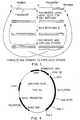
- One of the two probes is labeled with a detectable label while the other is labeled with a reactive label to facilitate immobilization. Only when both probes are bound to a single piece of amplified DNA will the detectable label be immobilized through the formation of a sandwich of the structure shown in Fig. 2.
- RFLP restriction fragment length polymorphism
- the amplified nucleic acids may also be evaluated for the presence of the Asn291Ser mutation using a technique called restriction fragment length polymorphism (RFLP).
- RFLP restriction fragment length polymorphism
- the mutation In order to make use of RFLP directly to detect a point mutation (as opposed to an insertion or deletion mutation), the mutation must result in the addition or loss of a site cleaved by a restriction endonuclease. If this is the case, the fragments produced upon restriction endonuclease digestion of the normal and mutant gene differ in number, in size, or in both. This difference can be detected by gel electrophoresis of the restriction fragments.
- nucleotide sequence of the coding strand changes from to These fragments lack the two-fold symmetry that is associated with cleavage sites of restriction endonucleases, and thus one cannot simply use an enzyme which will cleave one of the sequences but not the other.
- RFLP can be used, however, if a special mismatch primer is used during the amplification process. This primer, shown below in Example 1, binds to the LPL gene at a site adjacent to the mutation of interest, and introduces an intentional error into the amplified DNA.
- the mismatch primer produces the duplex region when a wild-type gene is amplified, and the sequence when a mutant gene is amplified, where the C/G pair in the fourth position of the above fragments is the intentional mismatch.
- Amplified mutant genes therefore contain a restriction site (5'-GTAC-3') which is cleaved by the restriction endonuclease RsaI, but amplified wild-type sequence (5'-ATAC-3') does not.
- a polymorphism measurable through restriction fragment lengths is artificially introduced into the amplified DNA using the mismatch primers.
- the amplification process may also be modified by using labeled primers which facilitate detection and/or capture of the amplified product.
- labeled primers which facilitate detection and/or capture of the amplified product.
- using a biotin-labeled primer as one of the two primers permits the recovery of the extended primers produced during the amplification reaction, e.g., by binding the extended primers to a support coated with (strept)avidin. If the primer used is in a region flanking the mutation site, the presence of the mutation can be detected by adding a labeled probe, which specifically binds to the mutant or wild-type gene, to the biotinylated amplified DNA either before or after capture of the amplified DNA on a support.
- the primer may be one which spans the mutation site in which case amplification will occur using a primer corresponding to the mutant sequence only when the mutation is present (and vice versa).
- a labeled probe which binds to a portion of the LPL gene away from the mutation site or labeled nucleoside feedstocks may be used to introduce a label into the amplified DNA.
- the presence of the Asn291Ser mutation may also be detected using a catalytic hybridization amplification system of the type described in International Patent Publication No. WO89/09284.
- the target nucleic acid acts as a cofactor for enzymatic cleavage of probe oligonucleotides.
- a substantial excess of labeled probe oligonucleotide (which binds specifically to either the mutant or the wild-type gene) is combined with the target nucleic acid under stringent hybridization conditions such that only exactly complementary strands will hybridize to any measurable extent.
- An enzyme is added which will cleave the probe when it is part of a duplex, but not in single stranded form.
- the mixture is then cycled through multiple cycles of annealing/enzyme digestion and denaturation. If the probe binds to the target, the result is the production of many small labeled probe-fragments, and the concurrent reduction in the number of full-size labeled probes. Either the increase in the number of fragments or the decrease in the number of full-sized probes can be detected and provides an amplified indication of the presence or absence of the target sequence in the sample.
- An example of an enzyme which can be used in the catalytic hybridization amplification system is RNaseH which is used in combination with RNA probes; which are selectively cleaved when hybridized to a strand of target DNA. Restriction endonucleases which do not cleave phosphorothioate-modified DNA may also be used, provided that the target DNA is first copied to produce a phosphorothioate-modified target. Because this method combines both amplification and detection, prior amplification of the genomic DNA from the sample is generally not necessary.
- RNA segment is ligated to a sequence specific oligonucleotide probe which binds to either the mutant or the wild-type form of the Asn291Ser mutation site in exon 6 of the LPL gene.
- This ligated probe is then combined with the genomic DNA in such a manner that the probe will bind if the matching sequence is present in the genomic DNA, and so that unbound probe can be separated from bound probe.
- the genomic DNA may be immobilized on a solid support to facilitate washing out of unbound probe molecules.
- the RNA portion of the ligated probe is amplified, for example using the enzyme Q-beta replicase.
- the first type of probe is a multimer oligonucleotide having a "star" type configuration with many generally identical arms.
- the second type of probe is a labeling probe.
- the labeling probe is complementary to the sequence of one of the arms of the multimer probe and includes a detectable label.
- the third type of probe is an immobilized probe. A plurality of this third type of probe is affixed to a solid support. The specific sequences used in these first three types of probes are independent of the nature of DNA being analyzed, except that they should not hybridize with this DNA directly.
- the fourth type of probe is referred to as an amplifier probe.
- These probes are synthesized in two parts, one which is complementary to a portion of the normal sequence of exon 6 of the LPL gene away from the Asn291Ser mutation site, and one which is complementary to an arm of the multimer probe.
- a plurality of different types of amplifier probes is formed. These various types of probes are complementary to different, non-overlapping portions of the sequence.
- the fifth type of probe is a capture probe.
- the capture probe is also formed in two parts: one which is complementary to the site of the Asn291Ser mutation and one which is complementary to the immobilized probe.
- the assay is performed by combining denatured genomic DNA with the plurality of amplifier probes and capture probes under conditions permitting hybridization. The result is the binding of numerous amplifier probes to exon 6 of the LPL gene.
- the capture probe will only bind, however, if the corresponding mutant (or non-mutant, depending on the sequence of the probe) is present. Thereafter, the solid support having the third probe immobilized thereon is introduced.
- a solid support-immobilized probe-capture probe-genomic DNA-amplifier probe sandwich will form if DNA complementary to the capture probe is present.
- the support is then washed to remove unbound material, and the multimer probe is added.
- the multimer probe binds to the support via the amplification probe only if the sandwich was formed in the first place.
- the support is then washed and a labeling probe is added.
- the labeling probe will bind to all of the available arms of the multimer probe on the solid support, thus providing numerous detectable labels for each actual mutation site in the DNA sample.
- the label applied to the primer may take any form, including but not limited to radiolabels; fluorescent or fluorogenic labels; colored or chromogenic labels; chemically reactive labels such as biotin; enzyme-labels, for example phosphatase, galactosidase or glucosidase enzymes which can produce colored or fluorescent reaction product in combination with substrates such as p-nitrophenyl phosphate (colored reaction product) or 4-methyl umbelliferyl phosphate (fluorescent cleavage product); and chemiluminescent labels.
- oligonucleotide probes may be used in one or several of the techniques as discussed above for detection of the Asn291Ser mutation include .
- an oligonucleotide primer which binds specifically to a gene encoding for human lipoprotein lipase in a region adjacent to, but not overlapping the second base in the codon corresponding to residue 291 in human lipoprotein lipase, and which includes a mismatched base which does not correspond to the normal sequence of human lipoprotein lipase, whereby upon extension of the primer, using a target human lipoprotein lipase gene as a template, an extension product is produced which contains a restriction site which can be cleaved by a restriction endonuclease when the lipoprotein lipase product made by the target gene has a serine residue as amino acid 291, and does not contain such a restriction site.
- a preferred primer which binds to the coding strand is one in which a base complementary to base number 1130 is changed from the normal thymine to guanine. For the non-coding strand, the change is from adenine to cytosine.
- a particularly preferred mismatch primer for binding to the coding strand has the sequence
- an oligonucleotide, probe which binds to a site which includes the site of the specific mutation of interest.
- the present invention encompasses two types of oligonucleotide probes: (1) an oligonucleotide probe selected to bind specifically to a gene encoding a mutant human lipoprotein lipase having a serine residue as amino acid 291, wherein said probe binds to a portion of the gene including the bases coding for the serine residue; and (2) an oligonucleotide probe selected to bind specifically to a gene encoding a normal human lipoprotein lipase having an asparagine residue as amino acid 291, wherein said probe binds to a portion of the gene including the bases coding for the asparagine residue.
- These probes are preferably from 15 to 20 bases in length, and may be selected to bind to either the coding or the non-coding strand of the genomic DNA. Further, the probes will advantageously include
- the present invention provides the use of a pharmaceutical composition for the preparation of a medicament for administration to individual determined to have an LPL291 mutation in order to prevent or delay the onset of coronary artery disease and particularly premature atherosclerosis.
- the composition comprises a vector encoding a functional LPL gene.
- Gene therapy to introduce functional LPL may reduce the clinical manifestations stemming from hypertriglyceridemia in both LPL deficient homozygotes and heterozygotes.
- This gene transfer can be accomplished using adenovirus-DNA-polylysine conjugates; adenovirus constructs in which the normal LPL gene is inserted into the viral genome; or retroviral constructs in which the normal LPL gene is inserted into the viral genome.
- the vector may be introduced directly, for example by parenteral injection into the patient, or may be introduced via an implanted pseudo-organ.
- Fig. 4 shows a plasmid construct useful in accordance with the present invention.
- the plasmid pRc/CMV-hLPL is 7.90 Kbases in size.
- the preparation of this particular plasmid is described below in Example 2. It will be appreciated by persons skilled in the art, however, that variations in this technique, or the precise structure of the plasmid may be made without departing from the present invention provided that the plasmid contains a functional h-LPL gene and an appropriate promoter.
- tissue-specific promoters particularly adipose tissue specific or muscle specific promoters might be used in place of the CMV promoter.
- the SV40 promoter and the antibiotic resistance markers are convenient for research purposes, they are not necessary for therapeutic purposes.
- the plasmid is complexed with an adenovirus-polylysine conjugate.
- a suitable adenovirus for example a virus which is incompetent as a result of an E1A or an E3 deletion mutation.
- the purified virus is then conjugated with a polycationic material for associating with DNA such as polylysine, polyarginine or protamine, for example using a bifunctional reagent such as ethyl-3,3-dimethyl aminopropyl carbodiimide (EDC) as a crosslinking agent.
- EDC ethyl-3,3-dimethyl aminopropyl carbodiimide
- an adenovirus-DNA-polylysine complex forms spontaneously.
- This complex transfects mammalian cells of various types when placed in media with the cells with relatively high efficiency, and the transfected cells produce functional LPL.
- Mammalian cells may also be transduced (or transfected) using an adenovirus into which a gene encoding for normal LPL has been inserted.
- Preferred adenoviruses are those with an E1 or an E3 deletion mutation rendering the virus incompetent.
- the h-LPL gene can be conveniently inserted into the virus at the site of the deletion.
- adenoviruses useful in the present technique are based on the RSV ⁇ -Gal adenovector described by Stratford-Perricaudet et al., J. Clin. Invest. 90 : 626-630 (1990). This adenovector is based on adenovirus Ad5.
- Human LPL cDNA is introduced into the vector by homologous recombination using a modified form of Strafford-Perricaudet's pLTR GalpIX plasmid.
- the plasmid contains an RSV LTR promoter or a CMV plus intron promoter, human LPL cDNA, a poly A site plus small intron from SV40 derived from a pSV2 vector.
- a third type of vector which may be used to transduce (or transfect) mammalian cells is a retroviral vector.
- Suitable vectors include myeloproliferative sarcoma virus (MPSV)-based retroviral vectors into which human LPL cDNA is inserted under the transcriptional control of the constitutive enhancer-promoter regulatory elements of the MPSV long terminal repeat (LTR).
- MPSV myeloproliferative sarcoma virus
- Gene transfer vectors can be introduced into a human subject either in vivo or ex vivo.
- the gene transfer vector may be simply injected into the patient, for example parenterally, and allowed to find suitable target cells.
- cells are grown in vitro and transduced or transfected with the virus, embedded in a carrier such as a collagen matrix, which is then implanted in the patient, for example as a sub-cutaneous implant.
- Preferred cells for use in ex vivo applications are fibroblast cells taken from the patient who will receive the implant.
- Asn291Ser mutation The significance of the mutation resulting in a serine in place of an asparagine as amino acid 291 in human lipoprotein lipase (“Asn291Ser mutation") was discovered as a result of a case controlled study of a large homogeneous sample of patients undergoing diagnostic coronary angiography. A total of 807 men, all of whom were of Dutch descent and had angiographically proven atherosclerosis with more than 50% stenosis of at least one major coronary vessel were included in the study. All of the patients were less than 70 years of age, and had total cholesterol levels between 4 and 8 mmol/l and triglyceride levels which did not exceed 4 mmol/l.
- the control group for the study included 157 persons who did not have any history of angina or premature atherosclerosis, and who exhibited no signs of vascular disease upon physical examination.
- the controls were all less than 60 years of age and had baseline HDL levels greater than 0.95 mmol/l and triglyceride levels of less than 2.3 mmol/l.
- DNA was extracted from leukocytes using a salt-chloroform extraction method as described in Trends in Genetics 5: 391 (1989).
- Exon 6 of the LPL gene was amplified with a 5'-PCR primer located in intron 5 near the 5' boundary of exon 6 having the sequence and a 3' mismatch primer which was located in exon 6 near the Asn291Ser mutation.
- the mismatch primer had the sequence
- PCR amplification reactions were performed using 0.5 ⁇ g of genomic DNA in BRL PCR buffer containing 1.5 mM MgCl2, 200 ⁇ M dNTPs, 1 ⁇ M each primer and 2.5 units Taq polymerase (BRL).
- the reaction mixture was denatured at 95°C for 1 minute, annealed at 51°C for 1 minute and extended at 72°C for 45 seconds for a total of 35 cycles.
- Twenty ⁇ l of the PCR product was then digested with 10 units RsaI enzyme, 3,5 ⁇ l of 10X reaction buffer 1 (BRL), and 9.5 ⁇ l of water at 37°C for 2 hours. The digested fragments were then separated on 2% agarose gel.
- pRc/CMV vector (Invitrogen) was linearized using XbaI and Hind III. An XbaI/HindIII fragment containing h-LPL cDNA having a length of about 2.4 kb was inserted into the vector. DH5-alpha was transformed with the construct. Transformed cells were selected from agar plates based upon ampicillin resistance, and grown in LB medium. The plasmid construct, pRc/CMV-hLPL which is shown in Fig. 4, was isolated from the cultures by alkaline lysis and CsCI centrifugation.
- Virus prepared as described in Example 3 was mixed with polylysine (10 mM) and EDC (2 mM) for 4 hours at 4°C in HBS/buffered saline to form adenovirus-polylysine conjugates.
- the conjugates were re-isolated by CsCI gradient centrifugation using the same protocol as the final centrifugation in Example 3.
- the re-isolated conjugates (5X10⁹/ml) were incubated with 60-70% confluent Chinese Hamster Ovary cells (CHO K-1) in 2% FBS medium (1 ml) and 6 ⁇ g of the plasmid pRc/CMV-hLPL.
- CHO K-1 confluent Chinese Hamster Ovary cells
- FBS medium 1 ml
- 6 ⁇ g of the plasmid pRc/CMV-hLPL 6 ⁇ g of the plasmid pRc/CMV-hLPL.
- a second set of samples was prepared in the same manner using the plasmid pRc/CMV-B-gal which includes a gene encoding -galactosidase in place of h-LPL.
- new medium (10% FBS) was added to the cells.
- the activity of LPL was determined and compared to the activity observed for control cells transfected with pRc/CMV-B-gal. For the control cells, the activity measured was 12 mU/ml. For the cells transfected with pRc/CMV-LPL, the activity measured was 20 mU/ml.
- Example 4 The experiments described in Example 4 were repeated, except that the cells used were LPL-deficient cat fibroblast cells or HepG-2 liver cells.
- Table 1 shows the infection efficiencies at various virus dilutions which were determined for these cell types as well as the CHO K-1 cells. DILUTION 2000X 1000X 500X 250X 125X VIRUS CHO K-1 2 5 15 30 50 Cat Fibroblast 10 20 50 100 100 HepG-2 20 50 100 100 100 100
- Table 2 shows the LPL activity measured for Cat fibroblast cells, and the LPL mass measured for cat fibroblast cells and HepG-2 cells.
- Table 2 shows positive control results for COS EV101 cells which are over producers of LPL.
- Vectors for introducing human LDL cDNA into mammalian cells were made using the murine leukemia retroviral backbones M3neo, M5neo and JZen1 which contain long terminal repeat (LTR) regulatory sequences for the myeloproliferative sarcoma virus.
- LTR long terminal repeat
- To generate the vectors M3neoLPL and M5neoLPL a 1.56 kb DraI-EcoRI fragment encompassing the entire LPL amino acid coding region was subcloned into a unique BamHI site located 3' or 5' to the neomycin phosphotransferase (neo f ), respectively.
- the SmaI/HindIII tkneo fragment from the pTZ19R was inserted into the Hpa I/Hind III site of JZen1.
- a 1.56 kb human LPL cDNA sub-fragment was then cloned in the BamHI site of JZentkneo.
- Human LPL cDNA was also subcloned directly into JZen1 to construct JZenLPL.
- Virus producer cell lines were then made for each of the viral constructs using the amphotropic retroviral packaging cell line GP-Am12 and the ecotropic packaging line GP-E86. Both cell lines were cultured in HXM medium, which is Dulbecco's modified Eagle's medium (DME) supplemented with 10% heat-inactivated (55°C for 20 minutes) newborn calf serum (Gibco-BRL), hypoxanthine (15 ⁇ g/ml), xanthine (250 ⁇ g/ml) and mycophenolic acid (25 ⁇ g/ml).
- HXM medium which is Dulbecco's modified Eagle's medium (DME) supplemented with 10% heat-inactivated (55°C for 20 minutes) newborn calf serum (Gibco-BRL), hypoxanthine (15 ⁇ g/ml), xanthine (250 ⁇ g/ml) and mycophenolic acid (25 ⁇ g/ml).
- DME Dulbecco
- hematopoietic cell lines were tested using the neomycin resistance marker incorporated in the vector to determine whether transduction occurred as a result of coin-cubation with M3neoLPL in vitro.
- K562 erythroid cells, HL60 myeloid cells, and U937 and THP-1 monocytic cells obtained from the American Type Culture Collection were grown in RPMI 1640 medium containing 10% fetal bovine serum. The cells were then infected by cocultivation (24-48 hours) with irradiated (15 Gy x-ray) near confluent producer cells with polybrene 4 ⁇ g/ml added to the co-cultivation medium (RPMI/10% fetal bovine serum). After the infection period, the hematopoietic target cells were maintained in suspension culture for 24 hours before selection in 1 mg/ml G418. The gene transfer efficiencies observed are summarized in Table 3.
- the mass of LPL produced was determined for each of the transduced hematopoietic cells lines using two ELISAs.
- the antibodies used were MAb 5D2 which binds to the bioactive dimeric form of LPL and MAb 5F9 which binds to both the bioactive dimer and the inactive monomeric form of LPL.
- the results are summarized in Table 3.
- media supernatants were measured for LPL bioactivity. The results of this study are also reported in Table 3.
- Transduced HL60 and THP-01 cells were differentiated in macrophages by exposing the cells to 10ng/ml of phorbal ester, PdBU (Phorbol 12,13-dibutyrate) for 5 days.
- PdBU Phorbol 12,13-dibutyrate
- the LPL bioactivity increased a further 1.8-fold, while the amount of LPL dimer increased another 1.8-fold. No further increase was observed upon differentiation of THP-1 cells.
- NIH 3T3 murine fibroblasts were grown in DME medium containing 10 % (vol/vol) fetal bovine serum.
- the medium on near confluent 60 mm tissue culture plates of viral producer cells 24 hours prior to the planned infection with 10 ml DME/10% newborn calf serum. This medium was removed at the time of infection, concentrated 10-fold to a 1.0 ml final volume by filter centrifugation in Centriprep-30 tubes (Amicon) and diluted 1:4 with DME/10% fetal bovine serum with 4 ⁇ g/ml polybrene added. Fibroblasts were added to this preparation and incubated for 24-48 hours at 37°C.
- Example 8 The experiment of Example 8 was repeated using primary human fibroblast cells, FC 1898 and FC 1901 from diagnostic skin biopsies. No measurable levels of endogenous LPL protein mass or bioactivity could be detected prior to retroviral-mediated LPL gene delivery. Post transduction levels of total LPL mass were massively elevated at least 400 times above normal. However, at least 82% of this exogenous LPL protein was of the inactive monomeric form. At least a 52-fold (74.8 ⁇ 22/9) increase in dimeric LPL production was seen with significantly elevated secretion of bioactive LPL, approximately 24 times higher (26.9 ⁇ 3.0) than background LPL levels.
Landscapes
- Chemical & Material Sciences (AREA)
- Life Sciences & Earth Sciences (AREA)
- Organic Chemistry (AREA)
- Health & Medical Sciences (AREA)
- Genetics & Genomics (AREA)
- Zoology (AREA)
- Engineering & Computer Science (AREA)
- Wood Science & Technology (AREA)
- Bioinformatics & Cheminformatics (AREA)
- Proteomics, Peptides & Aminoacids (AREA)
- Biochemistry (AREA)
- General Engineering & Computer Science (AREA)
- General Health & Medical Sciences (AREA)
- Biotechnology (AREA)
- Microbiology (AREA)
- Molecular Biology (AREA)
- Analytical Chemistry (AREA)
- Pathology (AREA)
- Medicinal Chemistry (AREA)
- Biomedical Technology (AREA)
- Physics & Mathematics (AREA)
- Biophysics (AREA)
- Immunology (AREA)
- Measuring Or Testing Involving Enzymes Or Micro-Organisms (AREA)
- Medicines That Contain Protein Lipid Enzymes And Other Medicines (AREA)
Abstract
Claims (10)
- Utilisation d'une composition comprenant un vecteur de thérapie génique comportant un gène normal de lipoprotéine lipase codant pour un résidu asparagine comme acide aminé 291 dans l'enzyme, tandis que ledit gène normal est capable d'être exprimé dans l'individu, pour la préparation d'un médicament pour la réduction du risque d'athérosclérose anticipée chez un individu humain ayant une enzyme lipoprotéine lipase dans laquelle un résidu sérine est présent comme acide aminé 291 dans l'enzyme.
- Utilisation selon la revendication 1, pour la préparation d'un médicament pour la prévention ou le retardement de l'apparition de maladie artérielle coronaire, plus particulièrement pour le traitement d'athérosclérose anticipée.
- Utilisation selon la revendication 1 ou 2, dans laquelle le vecteur est un vecteur viral et est exprimé par des cellules humaines.
- Utilisation selon l'une quelconque des revendications 1 à 3, dans laquelle le vecteur est un conjugué d'adénovirus-ADN.
- Utilisation selon la revendication 4, dans laquelle le conjugué d'adénovirus-ADN comprend un adénovirus mutant de délétion E1, la polylysine, et un plasmide contenant de l'ADNc de LPL humain.
- Utilisation selon la revendication 5, dans laquelle le plasmide comporte une région de promoteur de CMV.
- Utilisation selon l'une quelconque des revendications 4-6, dans laquelle l'adénovirus est Ad5.
- Utilisation selon l'une quelconque des revendications 1-4, dans laquelle le vecteur est un rétrovirus.
- Utilisation selon la revendication 8, dans laquelle le rétrovirus est un virus du sarcome myéloprolifératif.
- Utilisation selon l'une quelconque des revendications 1-9, dans laquelle le gène normal de lipoprotéine lipase est inséré dans un vecteur sur un fragment génomique DraI/EcoRI de 1,56 kb.
Applications Claiming Priority (3)
| Application Number | Priority Date | Filing Date | Title |
|---|---|---|---|
| US08/320,604 US5658729A (en) | 1994-10-11 | 1994-10-11 | Method, reagent and kit for evaluating susceptibility to premature atherosclerosis |
| US320604 | 1994-10-11 | ||
| PCT/US1995/013620 WO1996011276A1 (fr) | 1994-10-11 | 1995-10-11 | Procede, reactif et kit d'evaluation des risques d'atherosclerose prematuree et traitement de celles-ci par therapie genique |
Publications (3)
| Publication Number | Publication Date |
|---|---|
| EP0786005A1 EP0786005A1 (fr) | 1997-07-30 |
| EP0786005B1 EP0786005B1 (fr) | 2004-12-22 |
| EP0786005B9 true EP0786005B9 (fr) | 2005-11-30 |
Family
ID=23247144
Family Applications (1)
| Application Number | Title | Priority Date | Filing Date |
|---|---|---|---|
| EP95937598A Expired - Lifetime EP0786005B9 (fr) | 1994-10-11 | 1995-10-11 | Compositions pour la traitement d' une affection de l'artere coronaire par therapie genetique. |
Country Status (5)
| Country | Link |
|---|---|
| US (2) | US5658729A (fr) |
| EP (1) | EP0786005B9 (fr) |
| CA (1) | CA2202477C (fr) |
| DE (1) | DE69533876T2 (fr) |
| WO (1) | WO1996011276A1 (fr) |
Families Citing this family (14)
| Publication number | Priority date | Publication date | Assignee | Title |
|---|---|---|---|---|
| US6814962B1 (en) * | 1994-06-02 | 2004-11-09 | Aventis Pharma S.A. | Recombinant viruses and their use for treatment of atherosclerosis and other forms of coronary artery disease and method, reagent, and kit for evaluating susceptibility to same |
| US20040132190A1 (en) * | 1995-02-28 | 2004-07-08 | The Regents Of The University Of California | Gene therapy for myocardial ischemia |
| US7820383B2 (en) * | 1997-03-10 | 2010-10-26 | Interleukin Genetics, Inc. | Method for diagnosing myocardial infarction |
| US6524795B1 (en) * | 1997-03-10 | 2003-02-25 | Interleukin Genetics, Inc. | Diagnostics for cardiovascular disorders |
| US6210877B1 (en) | 1997-03-10 | 2001-04-03 | Interleukin Genetics, Inc. | Prediction of coronary artery disease |
| US6727102B1 (en) | 1997-06-20 | 2004-04-27 | Leuven Research & Development Vzw | Assays, antibodies, and standards for detection of oxidized and MDA-modified low density lipoproteins |
| US6309888B1 (en) * | 1998-09-04 | 2001-10-30 | Leuven Research & Development Vzw | Detection and determination of the stages of coronary artery disease |
| AU5799200A (en) * | 1999-06-24 | 2001-01-31 | Academic Hospital At The University Of Amsterdam | Lpl variant therapeutics |
| KR100427187B1 (ko) * | 2000-11-27 | 2004-04-17 | 주식회사 서린바이오사이언스 | 비만과 관련된 dna 표지인자 및 이를 이용한 비만가능성의 예측 방법 |
| DE10111925A1 (de) * | 2001-03-13 | 2002-10-02 | Ogham Gmbh | Herzchip |
| US20040142496A1 (en) * | 2001-04-23 | 2004-07-22 | Nicholson Jeremy Kirk | Methods for analysis of spectral data and their applications: atherosclerosis/coronary heart disease |
| US20050181451A1 (en) * | 2004-02-12 | 2005-08-18 | Bates Harold M. | Detection of asymptomatic coronary artery disease using atherogenic proteins and acute phase reactants |
| US20050223202A1 (en) * | 2004-03-31 | 2005-10-06 | Intel Corporation | Branch prediction in a pipelined processor |
| JP2009523006A (ja) * | 2004-05-07 | 2009-06-18 | アプレラ コーポレイション | 脈管疾患に関連する遺伝的多型、その検出方法および使用 |
Family Cites Families (13)
| Publication number | Priority date | Publication date | Assignee | Title |
|---|---|---|---|---|
| US4957858A (en) * | 1986-04-16 | 1990-09-18 | The Salk Instute For Biological Studies | Replicative RNA reporter systems |
| US4683195A (en) * | 1986-01-30 | 1987-07-28 | Cetus Corporation | Process for amplifying, detecting, and/or-cloning nucleic acid sequences |
| US4683202A (en) * | 1985-03-28 | 1987-07-28 | Cetus Corporation | Process for amplifying nucleic acid sequences |
| AU622104B2 (en) * | 1987-03-11 | 1992-04-02 | Sangtec Molecular Diagnostics Ab | Method of assaying of nucleic acids, a reagent combination and kit therefore |
| US5124246A (en) * | 1987-10-15 | 1992-06-23 | Chiron Corporation | Nucleic acid multimers and amplified nucleic acid hybridization assays using same |
| JP2856804B2 (ja) * | 1988-03-24 | 1999-02-10 | ユニバーシティ オブ アイオワ リサーチ ファウンデイション | 標識された相補的核酸プローブを開裂する触媒反応の補因子としての活性に基づく核酸配列検出のための触媒ハイブリッド形成系 |
| US5200314A (en) * | 1990-03-23 | 1993-04-06 | Chiron Corporation | Polynucleotide capture assay employing in vitro amplification |
| CA2035177C (fr) * | 1991-01-29 | 2003-01-21 | Michael R. Hayden | Mutants de la lipoproteine-lipase |
| US5455166A (en) * | 1991-01-31 | 1995-10-03 | Becton, Dickinson And Company | Strand displacement amplification |
| US5270184A (en) * | 1991-11-19 | 1993-12-14 | Becton, Dickinson And Company | Nucleic acid target generation |
| US5750367A (en) * | 1993-11-08 | 1998-05-12 | Baylor College Of Medicine | Human and mouse very low density lipoprotein receptors and methods for use of such receptors |
| CA2188675A1 (fr) * | 1994-04-11 | 1995-10-19 | Savio L. C. Woo | Compositions et procedes de therapie genique pour traiter des maladies |
| FR2720756B1 (fr) | 1994-06-02 | 1996-07-12 | Rhone Poulenc Rorer Sa | Virus recombinants, préparation et utilisation en thérapie génique. |
-
1994
- 1994-10-11 US US08/320,604 patent/US5658729A/en not_active Expired - Lifetime
-
1995
- 1995-10-11 US US08/817,192 patent/US6784162B1/en not_active Expired - Lifetime
- 1995-10-11 CA CA002202477A patent/CA2202477C/fr not_active Expired - Lifetime
- 1995-10-11 DE DE69533876T patent/DE69533876T2/de not_active Expired - Lifetime
- 1995-10-11 EP EP95937598A patent/EP0786005B9/fr not_active Expired - Lifetime
- 1995-10-11 WO PCT/US1995/013620 patent/WO1996011276A1/fr not_active Ceased
Also Published As
| Publication number | Publication date |
|---|---|
| CA2202477A1 (fr) | 1996-04-18 |
| WO1996011276A1 (fr) | 1996-04-18 |
| US6784162B1 (en) | 2004-08-31 |
| CA2202477C (fr) | 2007-04-17 |
| DE69533876T2 (de) | 2005-12-29 |
| EP0786005B1 (fr) | 2004-12-22 |
| EP0786005A1 (fr) | 1997-07-30 |
| DE69533876D1 (de) | 2005-01-27 |
| US5658729A (en) | 1997-08-19 |
Similar Documents
| Publication | Publication Date | Title |
|---|---|---|
| EP0786005B9 (fr) | Compositions pour la traitement d' une affection de l'artere coronaire par therapie genetique. | |
| Kirchgessner et al. | Genetic and developmental regulation of the lipoprotein lipase gene: loci both distal and proximal to the lipoprotein lipase structural gene control enzyme expression | |
| Henderson et al. | Amino acid substitution (Ile194----Thr) in exon 5 of the lipoprotein lipase gene causes lipoprotein lipase deficiency in three unrelated probands. Support for a multicentric origin. | |
| WO1996010628A1 (fr) | Amplificateur specifique pour les cellules endotheliales | |
| EP1590001A2 (fr) | Procede de regulation in vivo de la contractilite du muscle cardiaque | |
| Cazzaniga et al. | Chromosomal mapping, isolation, and characterization of the mouse xanthine dehydrogenase gene | |
| Greeve et al. | Hepatic gene transfer of the catalytic subunit of the apolipoprotein B mRNA editing enzyme results in a reduction of plasma LDL levels in normal and Watanabe heritable hyperlipidemic rabbits | |
| US20130210898A1 (en) | Recombinant viruses and their use for treatment of atherosclerosis and other forms of coronary artery disease and method, reagent, and kit for evaluating susceptibility to same | |
| EP1303617B1 (fr) | Activateurs specifiques du muscle et mutants | |
| WO1997004104A9 (fr) | Regions regulatrices de transcription d'hexokinase tumorale de type ii | |
| US20130164262A1 (en) | Recombinant Viruses and their Use for Treatment of Atherosclerosis and Othe Forms of Coronary Artery Disease and Method, Reagent, and Kit for Evaluating Susceptibiity to Same | |
| EP0894866B1 (fr) | Promoteur de tec tyrosine kinase | |
| US20030223976A1 (en) | Control sequences of the human corin gene | |
| US6432701B1 (en) | Derived tyrosine hydroxylase gene expression system | |
| Chamberlain et al. | PCR analysis of muscular dystrophy in mdx mice | |
| CA2035177C (fr) | Mutants de la lipoproteine-lipase | |
| JP2002525109A (ja) | 組織発現を調節するための特異的ハイブリッドプロモーターの使用 | |
| Fojo et al. | The molecular defects in lipoprotein lipase deficient patients | |
| Dunning | Identification and characterisation of variation in the human apolipoprotein B gene | |
| HK1055444B (en) | Mutant muscle-specific enhancers | |
| MXPA98008791A (en) | Expression system derived from the tyrosin-hydroxil gene | |
| HK1083065B (en) | Method for in vivo regulation of cardiac muscle contractility | |
| WO1996040936A1 (fr) | Promoteur d'hexokinase et procede de dosage |
Legal Events
| Date | Code | Title | Description |
|---|---|---|---|
| PUAI | Public reference made under article 153(3) epc to a published international application that has entered the european phase |
Free format text: ORIGINAL CODE: 0009012 |
|
| 17P | Request for examination filed |
Effective date: 19970519 |
|
| AK | Designated contracting states |
Kind code of ref document: A1 Designated state(s): CH DE FR GB LI |
|
| 17Q | First examination report despatched |
Effective date: 20020712 |
|
| GRAP | Despatch of communication of intention to grant a patent |
Free format text: ORIGINAL CODE: EPIDOSNIGR1 |
|
| RTI1 | Title (correction) |
Free format text: COMPOSITIONS FOR TREATMENT OF CORONARY ARTERY DISEASES USING GENE THERAPY. |
|
| GRAS | Grant fee paid |
Free format text: ORIGINAL CODE: EPIDOSNIGR3 |
|
| GRAA | (expected) grant |
Free format text: ORIGINAL CODE: 0009210 |
|
| AK | Designated contracting states |
Kind code of ref document: B1 Designated state(s): CH DE FR GB LI |
|
| REG | Reference to a national code |
Ref country code: GB Ref legal event code: FG4D |
|
| REG | Reference to a national code |
Ref country code: CH Ref legal event code: EP |
|
| REF | Corresponds to: |
Ref document number: 69533876 Country of ref document: DE Date of ref document: 20050127 Kind code of ref document: P |
|
| REG | Reference to a national code |
Ref country code: CH Ref legal event code: NV Representative=s name: SCHNEIDER FELDMANN AG PATENT- UND MARKENANWAELTE |
|
| PLBE | No opposition filed within time limit |
Free format text: ORIGINAL CODE: 0009261 |
|
| STAA | Information on the status of an ep patent application or granted ep patent |
Free format text: STATUS: NO OPPOSITION FILED WITHIN TIME LIMIT |
|
| 26N | No opposition filed |
Effective date: 20050923 |
|
| ET | Fr: translation filed | ||
| PGFP | Annual fee paid to national office [announced via postgrant information from national office to epo] |
Ref country code: CH Payment date: 20141027 Year of fee payment: 20 Ref country code: DE Payment date: 20141029 Year of fee payment: 20 Ref country code: FR Payment date: 20141017 Year of fee payment: 20 Ref country code: GB Payment date: 20141027 Year of fee payment: 20 |
|
| REG | Reference to a national code |
Ref country code: DE Ref legal event code: R071 Ref document number: 69533876 Country of ref document: DE |
|
| REG | Reference to a national code |
Ref country code: CH Ref legal event code: PL |
|
| REG | Reference to a national code |
Ref country code: GB Ref legal event code: PE20 Expiry date: 20151010 |
|
| PG25 | Lapsed in a contracting state [announced via postgrant information from national office to epo] |
Ref country code: GB Free format text: LAPSE BECAUSE OF EXPIRATION OF PROTECTION Effective date: 20151010 |