EP0786521A1 - Für PspA kodierende Nukleinsäure - Google Patents
Für PspA kodierende Nukleinsäure Download PDFInfo
- Publication number
- EP0786521A1 EP0786521A1 EP96119668A EP96119668A EP0786521A1 EP 0786521 A1 EP0786521 A1 EP 0786521A1 EP 96119668 A EP96119668 A EP 96119668A EP 96119668 A EP96119668 A EP 96119668A EP 0786521 A1 EP0786521 A1 EP 0786521A1
- Authority
- EP
- European Patent Office
- Prior art keywords
- pspa
- protein
- gene
- nucleic acid
- dna
- Prior art date
- Legal status (The legal status is an assumption and is not a legal conclusion. Google has not performed a legal analysis and makes no representation as to the accuracy of the status listed.)
- Ceased
Links
Images





Classifications
-
- C—CHEMISTRY; METALLURGY
- C12—BIOCHEMISTRY; BEER; SPIRITS; WINE; VINEGAR; MICROBIOLOGY; ENZYMOLOGY; MUTATION OR GENETIC ENGINEERING
- C12N—MICROORGANISMS OR ENZYMES; COMPOSITIONS THEREOF; PROPAGATING, PRESERVING, OR MAINTAINING MICROORGANISMS; MUTATION OR GENETIC ENGINEERING; CULTURE MEDIA
- C12N15/00—Mutation or genetic engineering; DNA or RNA concerning genetic engineering, vectors, e.g. plasmids, or their isolation, preparation or purification; Use of hosts therefor
- C12N15/09—Recombinant DNA-technology
- C12N15/63—Introduction of foreign genetic material using vectors; Vectors; Use of hosts therefor; Regulation of expression
- C12N15/74—Vectors or expression systems specially adapted for prokaryotic hosts other than E. coli, e.g. Lactobacillus, Micromonospora
-
- A—HUMAN NECESSITIES
- A61—MEDICAL OR VETERINARY SCIENCE; HYGIENE
- A61P—SPECIFIC THERAPEUTIC ACTIVITY OF CHEMICAL COMPOUNDS OR MEDICINAL PREPARATIONS
- A61P31/00—Antiinfectives, i.e. antibiotics, antiseptics, chemotherapeutics
- A61P31/04—Antibacterial agents
-
- C—CHEMISTRY; METALLURGY
- C07—ORGANIC CHEMISTRY
- C07K—PEPTIDES
- C07K14/00—Peptides having more than 20 amino acids; Gastrins; Somatostatins; Melanotropins; Derivatives thereof
- C07K14/195—Peptides having more than 20 amino acids; Gastrins; Somatostatins; Melanotropins; Derivatives thereof from bacteria
- C07K14/28—Peptides having more than 20 amino acids; Gastrins; Somatostatins; Melanotropins; Derivatives thereof from bacteria from Vibrionaceae (F)
-
- C—CHEMISTRY; METALLURGY
- C07—ORGANIC CHEMISTRY
- C07K—PEPTIDES
- C07K14/00—Peptides having more than 20 amino acids; Gastrins; Somatostatins; Melanotropins; Derivatives thereof
- C07K14/195—Peptides having more than 20 amino acids; Gastrins; Somatostatins; Melanotropins; Derivatives thereof from bacteria
- C07K14/315—Peptides having more than 20 amino acids; Gastrins; Somatostatins; Melanotropins; Derivatives thereof from bacteria from Streptococcus (G), e.g. Enterococci
- C07K14/3156—Peptides having more than 20 amino acids; Gastrins; Somatostatins; Melanotropins; Derivatives thereof from bacteria from Streptococcus (G), e.g. Enterococci from Streptococcus pneumoniae (Pneumococcus)
-
- C—CHEMISTRY; METALLURGY
- C07—ORGANIC CHEMISTRY
- C07K—PEPTIDES
- C07K14/00—Peptides having more than 20 amino acids; Gastrins; Somatostatins; Melanotropins; Derivatives thereof
- C07K14/435—Peptides having more than 20 amino acids; Gastrins; Somatostatins; Melanotropins; Derivatives thereof from animals; from humans
- C07K14/705—Receptors; Cell surface antigens; Cell surface determinants
- C07K14/715—Receptors; Cell surface antigens; Cell surface determinants for cytokines; for lymphokines; for interferons
- C07K14/7151—Receptors; Cell surface antigens; Cell surface determinants for cytokines; for lymphokines; for interferons for tumor necrosis factor [TNF], for lymphotoxin [LT]
-
- C—CHEMISTRY; METALLURGY
- C12—BIOCHEMISTRY; BEER; SPIRITS; WINE; VINEGAR; MICROBIOLOGY; ENZYMOLOGY; MUTATION OR GENETIC ENGINEERING
- C12N—MICROORGANISMS OR ENZYMES; COMPOSITIONS THEREOF; PROPAGATING, PRESERVING, OR MAINTAINING MICROORGANISMS; MUTATION OR GENETIC ENGINEERING; CULTURE MEDIA
- C12N15/00—Mutation or genetic engineering; DNA or RNA concerning genetic engineering, vectors, e.g. plasmids, or their isolation, preparation or purification; Use of hosts therefor
- C12N15/09—Recombinant DNA-technology
- C12N15/63—Introduction of foreign genetic material using vectors; Vectors; Use of hosts therefor; Regulation of expression
- C12N15/74—Vectors or expression systems specially adapted for prokaryotic hosts other than E. coli, e.g. Lactobacillus, Micromonospora
- C12N15/746—Vectors or expression systems specially adapted for prokaryotic hosts other than E. coli, e.g. Lactobacillus, Micromonospora for lactic acid bacteria (Streptococcus; Lactococcus; Lactobacillus; Pediococcus; Enterococcus; Leuconostoc; Propionibacterium; Bifidobacterium; Sporolactobacillus)
-
- A—HUMAN NECESSITIES
- A61—MEDICAL OR VETERINARY SCIENCE; HYGIENE
- A61K—PREPARATIONS FOR MEDICAL, DENTAL OR TOILETRY PURPOSES
- A61K39/00—Medicinal preparations containing antigens or antibodies
-
- C—CHEMISTRY; METALLURGY
- C07—ORGANIC CHEMISTRY
- C07K—PEPTIDES
- C07K2319/00—Fusion polypeptide
-
- C—CHEMISTRY; METALLURGY
- C07—ORGANIC CHEMISTRY
- C07K—PEPTIDES
- C07K2319/00—Fusion polypeptide
- C07K2319/01—Fusion polypeptide containing a localisation/targetting motif
- C07K2319/02—Fusion polypeptide containing a localisation/targetting motif containing a signal sequence
Definitions
- the present invention is concerned with the development of an improved vaccine against pneumococcal infections.
- Streptococcus pneumoniae is an important cause of otitis media, meningitis, bacteremia and pneumonia. Despite the use of antibiotics and vaccines, the prevalence of pneumococcal infections has declined little over the last twenty-five years.
- the PspA protein type is independent of capsular type. It would seem that genetic mutation or exchange in the environment has allowed for the development of a large pool of strains which are highly diverse with respect to capsule, PspA, and possibly other molecules with variable structures. Variability of PspA's from different strains also is evident in their molecular weights, which range from 67 to 99 kD. The observed differences are stably inherited and are not the result of protein degradation.
- the present invention relates to the preparation of mutants of S. pneumoniae that secrete an immunogenic truncated form of the PspA protein, and isolation and purification of the secreted protein.
- the truncated form of the PspA protein is immunoprotective and contains the protective epitopes of PspA.
- the PspA protein is soluble in physiologic solution and lacking at least the functional cell membrane anchor region.
- a purified immunoprotective pneumococcal surface protein comprising a truncated form of PspA which contains the immunoprotective epitopes of the protein and up to about 90% of the whole PspA protein and from which the functional cell membrane anchor region is absent.
- an immunoprotective truncated PspA protein which comprises effecting insertion-duplication mutagenesis of a bacterium with a pspA gene resulting in the coding of a truncated expressible PspA protein, growing the mutated bacterium to effect expression of a truncated PspA protein, and isolating the protein.
- the molecular size of the purified truncated PspA protein obtained may be varied by directing the point of insertion, which determines the termination of gene expression, to different points in the pspA gene. For example, an N-terminal fragment of apparent molecular weight of 43 kD, constituting approximately one-half of the native protein, has been found useful.
- the truncated segment which is produced by this procedure is capable of eliciting protection in mice from fatal challenge with type 3 S. pneumoniae , demonstrating for the first time that a purified PspA can elicit protection and that this truncated segment of the protein contains protective epitopes of PspA.
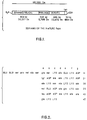
- Amino acid sequence information was obtained on the N-terminal 45 amino acids of the truncated segment of PspA. This sequence is shown in Figure 2. Predictive secondary structural analysis shows that this sequence has a very strong alpha-helical formation, with no non-helical inserts. About 51% of the segment is composed only of two amino acids, namely lysine, a charged amino acid, and alanine, a non-polar amino acid.
- the DNA sequence of the pspA gene is contained on a Hin dIII - Kpn I fragment that is 2086 base pairs in length.
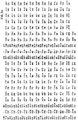
- the pspA gene itself represents approximately 1985 base pairs of this fragment, and comprises an initial region containing transcription and translational signals with translation starting at the ATG/met (nucleotide position 127, codon position -31), followed by a leader sequence extending from the AAG/met (nucleotide position 127, codon position -31) to CGA/ala (nucleotide position 217, codon -1).
- Mature Pspa starts with the glu amino acid at nucleotide position 220 (codon +1) and ends at the translational stop TAA/OCH at nucleotide position 1984. This translational stop codon is followed by transcription termination signals.
- the amino terminal of the protein sequence contains a 31 amino acid leader sequence and a 45 amino acid sequence identical to the 45 amino acid sequence of the N-terminal of PspA ( Figure 2).
- the amino end of the predicted protein sequence is highly charged and ⁇ -helical in nature. This region has homology with tropomyosin at the amino acid level (approximately 22% identity and 50% similarity). This homology is due largely to a repeating seven residue periodicity where the first and fourth amino acids are hydrophobic, the intervening amino acids are helix-promoting and the seventh amino acid is charged.
- proline-rich region Following the charged helical region is a proline-rich region in which 23 of 81 amino acids are prolines. Immediately carboxy to the proline-rich region is the first of ten highly homologous twenty amino acid repeats. The only significantly hydrophobic region in the sequenced portion of the molecule begins at the last repeat. This potential membrane-spanning region contains several charged amino acids preceding the translational stop codon.
- the insertionally-inactivated mutants of S.pneumoniae lacking the C-terminal anchor regions are capable of growth in chemically-defined medium and secrete the N-terminal portion of the PspA protein into the medium.
- the N-terminal region of PspA is highly soluble in the culture medium and is much easier to isolate than the entire molecule.
- Soluble truncated molecules have been produced using insertional duplicational mutagenesis directed by the cloned PspA DNA fragments shown in Figure 4. Expression of the same truncated construct (with the pneumococcal promoter) in E.coli results in the same PspA fragment being secreted into the periplasm of E.coli . PspA is readily released from the periplasm by hypotonic lysis.
- Truncated PspA is isolated from culture medium of mutant pneumococci in any convenient manner, such as by tangential flow filtration. Ion-exchange chromatography then is performed on an anionic resin to purify the protein. In this procedure, the solution containing PspA is dialyzed to pH6 in 0.02 M salt solution and passed over the resin. The PspA is eluted from the resin with a gradient of 0.08 to 2.0 M ionic strength and is collected in the fraction between 0.34 and 0.87 M ionic strength, depending on the nature of the column used.
- the PspA may be further purified by sodium dodecyl sulfate polyacrylamide gel (SDS-PAGE) electrophoresis.
- SDS-PAGE sodium dodecyl sulfate polyacrylamide gel
- the electrophoresis purification is convenient when only small quantities of PspA are being handled.
- the protein may be purified by size chromatography in a pH7 phosphate buffer.
- fusion protein is a fusion of the soluble N-terminal region of PspA and the B-subunit of cholera toxin. Fusion proteins also may be formed by chemical attachment of the truncated PspA protein to other proteins.
- Another aspect of the present invention provides a method for the production of cloned proteins, which comprises fusing a pspA gene coding for a truncated form of PspA protein with the gene coding for another protein to form a fusion protein clone, transforming S.pneumoniae , E.coli or other bacteria with the fusion protein clone, growing the transformed bacterium to effect expression of a fusion protein comprising truncated PspA and the other protein into the culture medium, and isolating the fusion protein.
- gram positive bacteria such as pneumococci, for example, S.pneumoniae
- mycobacteria for example, Bacille Calmette-Guerin (BCG).
- BCG Bacille Calmette-Guerin
- a gene fusion of a pspA gene coding for a truncated form of PspA protein with a ctxB gene coding for the B-subunit of cholera toxin is effected.
- the PspA and CTB may be cleaved one from another by dilute acid at an asparagine-proline sequence, known to be labile to dilute acid, engineered at the fusion site of the two proteins.
- the fusion PspA-CTB protein may be isolated from the culture medium by adsorption to a G M1 affinity column, from which the fusion protein subsequently may be eluted at low pH.
- the PspA-CTB fusion protein finds considerable utility in solid phase immunoadsorbant assays.
- solid supports such as microtitration plates
- PspA fragments without having first to isolate the PspA fragments. This may be done by adding bacterial extract containing the fusion protein to plates coated with G M1 .
- the PspA-CTB fusion protein then binds to G M1 through the CTB moiety, thereby coating the solid support with PspA.
- the resulting coated product then may be used in a solid phase immunoadsorbant assay for the detection of PspA antibody and/or antigen in test samples.
- Such immunoadsorbant assays constitute an additional aspect of this invention.
- the PspA attachment/anchor region containing the proline-rich region, the repeat region and/or the C-terminus of PspA, also may be employed to effect expression of heterologous proteins in pneumococci, or other gram positive or gram negative bacteria in the which the attachment/anchor region is functional. Generally, expression is effected on bacterial membrane, cell walls or cell surfaces in gram positive bacteria and in the periplasm of gram negative bacteria.
- An example of such heterologous protein is the B-subunit of cholera toxin.
- the truncated form of PspA provided herein contains the immunoprotective epitopes of the protein and hence is useful in a vaccine against pneumococcal infection. Accordingly, a yet further aspect of the present invention provides a vaccine against pneumococcal infection comprising, as an immunogenically-active component, the purified immunoprotective pneumococcal surface protein provided herein.
- the PspA protein may be employed as one component of a multicomponent vaccine which is effective in providing protection from a variety of infections.
- gram positive bacteria which have been transformed to express the pspA gene coding for the truncated soluble PspA protein may be employed, in a live-attenuated or killed form, as an immunologically-active component of a vaccine against pneumococcal infection.
- pspA gene may be fused to a gene coding for another protein.
- an additional aspect of this invention provides a vaccine against pneumococcal infection comprising, as an immunologically-active component, a live-attenuated or killed bacteria containing a gene coding for the truncated form of PspA.
- the truncated form of PspA also may be employed in conjugates with normally weakly-immunogenic or non-immunogenic protection-eliciting molecules, such as various polysaccharides, to achieve immunogenic potentiation thereof.
- An additional aspect of the invention therefore, provides a vaccine comprising, as an immunogenically-active component, a conjugate of the purified immunoprotective pneumococcal surface protein provided herein and a normally weakly-immunogenic or non-immunogenic protection-eliciting molecule.
- conserved sequences of pspA may be employed as probes to detect the presence of pneumococci of various strains, through detection of pneumococcal DNA, in tissues, body fluids and/or secretions. Similarly, portions of the pspA gene may be used in diagnostic kits for the detection of pneumococcal infections.
- primers made based on conserved sequences of pspA may be used to assay for the presence of pneumococci in tissues, body fluids and/or secretions, through amplification of pneumococcal DNA.
- a single primer pair derived from the nucleotide sequence of the pspA gene of S.pneumoniae may be employed in an assay using the polymerase chain reaction (PCR) for the specific detection of Streptococcus pneumoniae .
- LSM1 and LSM2 having the nucleotide sequences: LSM1 5'-CCGGATCCAGCTCCTGCACCAAAAC-3' LSM2 5'-GCGCTGCGACGGCTTAAACCCATTCACCATTGG-3' amplified the 678 base pair product from pspA from nucleotides 1312 to 1990 of the Rx1 pspA sequence ( Figure 3).
- PCR analysis using the primers described herein is performed in accordance with conventional PCR techniques, such as are described in the literature, for example, as described in Arnhem et al at C&EN Special Report, 36, October 1, 1990.
- the primer may be labelled or labelled nucleotide triphosphates may be included in the PCR reaction to label the PCR amplification product.
- the PCR primers may be prepared by well-known methods, for example, by oligonucleotide synthesis or by fragmentation of a larger nucleotide sequence using suitable restriction enzymes.
- the ability to use a single primer capable of detecting a large number of S.pneumoniae strains enables a universal PCR detection kit to be provided which is able to diagnose pneumococcal infection in mammals, including humans, independent of the strain which has caused the disease.
- This Example illustrates the preparation and growth of novel strains of S. pneumoniae .
- S. pneumoniae strain Rx1 which is a non-encapsulated derivative of capsular type 2 strain D39 (National Collection of Type Cultures, London, NCTC #7466), was subjected to insertional inactivation (as described in McDaniel et al (III) 1987, Crain et al 1990, Talkington et al 1991, with 10 different cloned fragments of PspA (see Figure 4). These fragments have all been obtained from restriction digests of cloned PspA DNA on a plasmid in E.coli strain JY4313 (deposited with the American Type Culture Collection on January 31, 1991 under ATCC accession number 68529). This insertional duplication mutagenesis (see Figure 4) results in the termination of gene expression near the 3' end of the cloned fragment.
- the expected molecular size is based on the deduced amino acid sequence and the apparent molecular size is based on migration in SDS-PAGE. The difference between expected and apparent molecular size is due to the conformation of the PspA fragment.
- the proline and repeats/anchor regions were deleted and the resulting protein was unable to attach to cell due to their absence.
- the unattached protein then may be isolated from culture supernatants, as described below.
- the pneumococcal strain JY2008 was grown in 6 liters of a chemically defined medium (see Inf. Imm. 27:444) supplemented with 0.10% choline chloride, 0.075% L-cysteine hydrochloride and 0.25% NaHCO 3 .
- the supernatant fluid of the mid-log phase culture of JY2008 was harvested using a 0.22 ⁇ m membrane tangential flow filter and concentrated 60 fold.
- the concentrated supernatant fluid produced as described in Example 1, was washed in 0.1 M PBS, pH 7.2, and ultracentrifuged at 196,000 xg.
- the supernatant fluid was diluted 1:5 in 20 mM L-histidine buffer-NaCl, the pH adjusted to 6.0 and the injected into a DEAE-fibered Isonet-D2 an ion exchange column.
- a stepwise NaCl gradient from 80 mM to 2 M was applied to the column and PspA-containing fractions (0.32 to 0.64 M ionic strength) were pooled and separated on an SDA-polyacrylamide gel.
- the proteins on a representative section of the gel were stained with Comassie Blue R-250 to identity PspA.
- the fraction containing PspA was excised from the remainder of the SDS-gel and electroeluted from the excised gel.
- the eluted protein was precipitated in a 50:50 methanol:acetone solvent and resuspended in PBS. Purity of product was confirmed by silver staining and Western Immunoblotting with mAb Xi126 (IgG 2b, k, see McDaniel et al (I), supra).
- This Example illustrates the isolation of PspA from the periplasmic space of Escherichia coli .
- E. coli strain JY4306 which produces the 43 kDa N-terminal fragment of PspA, the amino acid sequence of which is shown in Figure 3. This strain was deposited with ATCC on January 31, 1991 under accession number 68522) was washed in buffered saline, incubated in 20% sucrose, 10mM EDTA, 25mM Tris pH 7.7 for 10 minutes at 0°C. The cells than were spun at 400 xg for 10 minutes at 0°C. All supernatant was removed from the pellet and the pellet was resuspended rapidly in about 100 volumes of 4°C water.
- This Example illustrates the immunogenic properties of the PspA protein.
- mice carrying the Xid mutation were bled via the periorbital sinus to establish pre-exposure levels of antibody to PspA.
- Purified PspA prepared as described in Example 2, was emulsified in complete Freund's adjuvant and injected subcutaneously into the inguinal and axillary regions, delivering approximately 5 ⁇ g of protein per mouse.
- the mice were injected intraperitoneally with 5 ⁇ g of PspA, prepared as described in Example 2.
- Control mice were immunized via the same routes with sterile SDS buffer. Seven days after the last immunization, all mice were bled via the periorbital sinus and were challenged intravenously with 300 CFU of the type 3 strain WU2, grown as described in Example 1.
- Preimmunization and prechallenge sera were analyzed by Western immunoblots to establish baseline and postimmunization response to the truncated protein.
- the PspA of strain WU2 was electrophoresed and transferred to nitrocellulose membranes.
- the membranes were separated into strips and probed with the appropriate mouse antisera at a 1:50 dilution for 2 hours, incubated with biotinylated goat anti-mouse immunoglobulin for 1 hr, washed and incubated with Strepavidin-conjugated phosphatase.
- the membranes were developed with 5-bromo-4-chloro-3-indoyl phosphate toludine salt with 0.01% into blue tetrazolium.
- mice immunized with the purified fragment of PspA all were still alive 14 days after challenge with strain WU2 and none showed any signs of illness following challenge.
- mice immunized with buffer controls six were dead by two days post challenge, while the two remaining control mice appeared very sick, with ruffled fur, arched back and decreased movement, two to three days following challenge but survived. Chi-square analysis indicated that there was a significant difference (P ⁇ 0.003) in survival between the immunized and control groups.
- Preimmunization and prechallenge sera were analyzed by Western immunoblotting. None of the preimmunization sera contained antibody to truncated PspA. Postimmunization sera from eight of eight mice contained detectable antibodies to PspA, and six mice had very strong anti-PspA reactions. When the challenge strain WU2 was probed with the antisera, all the immunized mice had antibodies that were highly cross-reactive with the WU2 PspA epitopes. No control mice developed antibodies to PspA.
- This Example illustrates sequencing of the PspA protein.
- Purified PspA prepared as described in Example 2, was electrophoresed through 9% resolving gels containing recrystallized SDS with the Laemmli buffer system (Nature 227:680). The gels were soaked twice in a 10mM 3-(cyclohexylamino)-1-propanesulfonic acid, pH 11.0, containing 10% methanol for 10 minutes. A polyvinylidene difluoride membrane (PVDF) was wetted completely for several seconds in 100% methanol, then washed in CAPS buffer for 10 min. PspA was electrotransferred to the PVDF membrane in CAPS buffer at 0.5 A for 1 hr.
- PVDF polyvinylidene difluoride membrane
- the membrane was washed two times in deionized water for 5 min, and stained with 0.1% Coomassie Blue R-250 in 50% methanol for 20 minutes.
- the section of the membrane containing PspA was excised and destained in 40% methanol and 10% acetic acid for 5 min.
- the membrane was cut into small segments and stored in sterile Eppendorf tubes until sequencing.
- the isolated PspA was sequenced directly from the PVDF membranes.
- Figure 2 depicts the N-terminal 45 residue amino acid sequence and
- Figure 5 depicts the amino acid sequence for the whole alpha-helical region.
- the DNA sequence of the whole pspA gene and the deduced amino acid sequence for the PspA protein are shown in Figure 3.
- This Example illustrates the use of the pspA 5'-sequence and/or the PspA N-terminal region to serve as an expression and leader sequence for expressing and/or excreting/secreting heterologous proteins from S.pneumoniae and E.coli .
- this Example there is described the expression of the N-terminal of the PspA protein fused to the B-subunit of cholera toxin (CTB) through a genetic fusion and the excretion of the fused protein from pneumococci and its secretion into the periplasmic space of E.coli .
- CTB cholera toxin
- a fusion protein consisting of CTB and the N-terminal half of PspA was constructed and expressed in E.coli .
- the Hin dIII/ Dra l pspA gene fragment used contained all the pspA transcription and translation initiation signals and the PspA signal peptide leader sequence for transport across the cell membrane.
- the mature PspA encoded by this fragment is predicted to be a product of 29 kDa (observed molecular weight of 42 kDa), encompassing more than 90% of the ⁇ -helical coiled-coil domain.
- the PspA-CTB fusion protein was stably expressed in both high and low copy number plasmids (pUC18, more than 100 copies/cell; pJY4163, about 15 to 30 copies/cell) in E.coli .
- the fusion products were of the expected size (about 54 kDa) and reacted with antibody to both PspA and CTB. That the CTB product retained its functionality was demonstrated by the ability of the fusion protein to bind ganglioside G M1 , a property of CTB.
- the high level of expression of the fusion product apparently resulted in a reduced rate of processing and/or conformational changes that prevented the protein from being completely transported to the periplasm.
- about 60% of the fusion protein was localized in the periplasm, where large quantities were readily released from E. coli by osmotic shock.
- the fusion protein In addition to expression in E.coli , the fusion protein also was expressed in S.pneumoniae by transformation of the low copy number construct into the avirulent S.pneumoniae Rx1 to generate an insertion-duplication mutant. In this way, the gene encoding the fusion protein was integrated into the S.pneumoniae chromosome, from which it was stably expressed. As in the case of Example 1, the truncated PspA molecule lacking the attachment/anchor region, this time in the form of the PspA-CTB fusion protein, was excreted into the culture supernatant. The fusion protein product was of the expected molecular size (54 kDa), reacted with antibody to PspA and CTB, and bound G M1 .
- This Example illustrates the use of PspA attachment or anchor region to permit expression of heterologous proteins on the surface of S.pneumoniae or other bacteria in which the attachment/anchor sequence is functional in particular the expression of a PspA-CTB (cholera toxin B subunit) fusion expressed on the surface of pneumococci.
- PspA-CTB cholera toxin B subunit
- the N-terminal encoding region of PspA is linked via a translationally in-frame genetic fusion to the CTB-encoding ctxB fragment that lacks transcription and translation initiation and termination signals.
- This sequence is followed in-frame by the PspA attachment/anchor domain, including part or all of the proline, repeat and C-terminal domains.
- the resulting fusion protein is directed to the outside of the cell via the PspA leader sequence, which is cleaned following transport across the membrane, and then attached to cell by the PspA attachment/anchor sequence.
- the heterologous protein, located between the two PspA fragments is expressed on the outside surface of the membrane and, in S.pneumoniae , on the surface of the cell.
- This Example illustrates the expression of truncated and full length PspA by the Mycobacterium tuberculosis strain Bacille Calmette-Guerin (BCG).
- BCG was chromosomically modified to incorporate the pspA gene coding for the truncated PspA protein.
- the 43 kDa truncated PspA protein was expressed from the modified BCG to approximately 15% of total BCG protein. This result was achieved with an expression vector construct carrying the pspA gene segment encoding the 43 kDa region without its 5'-secretion signal. Expression was only about 1% of BCG protein when the PspA or mycobacterial signal sequences were included. In either case, a significant portion of the expressed PspA was excreted into the medium. Expression of the 43 kDa PspA protein in a fusion with the mycobacterial lipoprotein signal sequence resulted in the expression of the recombinant PspA in the membrane fraction of BCG.
- This Example illustrates the close homology of portions of the pspA gene among different strains of pneumococci and the potential that such homology may be useful for molecular (DNA) approaches to detect pneumococci in tissues, body fluids and/or secretions and to identify pneumococci grown from patient samples.
- DNA molecular
- each of these probes detected two discrete bands whose exact size was dependent on the strain examined.
- the two bands were 4.0 and 9.1 kb.
- the 4.0 kb band corresponded to pspA and was altered or absent in pspA mutants.
- the other band shares some homology with the coding regions for both the N-terminal and C-terminal halves of PspA but is not affected by pspA mutations.
- JY4323 and JY4262 probes failed to react with another gram positive bacterium, Streptococcus pyogenes , and a gram negative bacterium, Salmonella typhimurium .
- the N-terminal probe, JY4306, recognized about one-third of the strains of pneumococci tested.
- This Example illustrates the detection and determination of the location of epitopes in the ⁇ -helical N-terminal region of PspA.
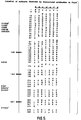
- Monoclonal antibodies protective against pneumococcal infection in a mouse model denoted by an asterisk in Figures 5, 6 and 7, were used to determine the location of epitopes for each antibody in the ⁇ -helical N-terminal region of PspA. The sites were mapped to fragments of PspA.
- the results are illustrated in Figures 5 to 7, with Figure 5 showing the deduced amino acid sequence for the N-terminal region of PspA and the general location of epitopes recognized by monoclonal antibodies, Figure 6 showing antibody reactivity with PspA fragments produced by various pspA gene segments, and Figure 7 showing the mapped location of epitopes in the PspA fragments produced by the different pspA gene segments.
- Numbers 138, 193 and 261 in Figure 5 indicate break positions in the PspA fragments used to map the location of epitopes detected by monoclonal antibodies Xi1526, Xi126, XiR35, XiR38, XiR1224, XiR16, Xi64, XiR278, Xi1325 and Xi1323.
- the asterisk (*) after some of the antibodies denotes those which are able to protect against fatal pneumococcal infection with strain WU2 pneumococci.
- the vertical lines to the right of the Figure indicate those areas predicted to have coiled-coil ⁇ -helical structure.
- the divisions to the left of the Figure indicate the mapped location of the epitopes for each antibody.
- the present invention relates to a truncated PspA molecule capable of eliciting an immunoprotective response and hence containing the protective epitopes of PspA protein. Modifications are possible within the scope of this invention.
Landscapes
- Health & Medical Sciences (AREA)
- Chemical & Material Sciences (AREA)
- Life Sciences & Earth Sciences (AREA)
- Genetics & Genomics (AREA)
- Organic Chemistry (AREA)
- Engineering & Computer Science (AREA)
- General Health & Medical Sciences (AREA)
- Zoology (AREA)
- Biophysics (AREA)
- Biochemistry (AREA)
- Molecular Biology (AREA)
- Biomedical Technology (AREA)
- Wood Science & Technology (AREA)
- Bioinformatics & Cheminformatics (AREA)
- General Engineering & Computer Science (AREA)
- Biotechnology (AREA)
- Medicinal Chemistry (AREA)
- Gastroenterology & Hepatology (AREA)
- Proteomics, Peptides & Aminoacids (AREA)
- Microbiology (AREA)
- Plant Pathology (AREA)
- Physics & Mathematics (AREA)
- Cell Biology (AREA)
- Immunology (AREA)
- Toxicology (AREA)
- Pulmonology (AREA)
- Veterinary Medicine (AREA)
- Chemical Kinetics & Catalysis (AREA)
- General Chemical & Material Sciences (AREA)
- Nuclear Medicine, Radiotherapy & Molecular Imaging (AREA)
- Pharmacology & Pharmacy (AREA)
- Animal Behavior & Ethology (AREA)
- Public Health (AREA)
- Oncology (AREA)
- Communicable Diseases (AREA)
- Preparation Of Compounds By Using Micro-Organisms (AREA)
- Peptides Or Proteins (AREA)
- Medicines Containing Antibodies Or Antigens For Use As Internal Diagnostic Agents (AREA)
- Measuring Or Testing Involving Enzymes Or Micro-Organisms (AREA)
- Micro-Organisms Or Cultivation Processes Thereof (AREA)
Applications Claiming Priority (3)
| Application Number | Priority Date | Filing Date | Title |
|---|---|---|---|
| US65677391A | 1991-02-15 | 1991-02-15 | |
| US656773 | 1991-02-15 | ||
| EP92907062A EP0571538B1 (de) | 1991-02-15 | 1992-02-12 | Strukturgen von pneumokokken-protein |
Related Parent Applications (2)
| Application Number | Title | Priority Date | Filing Date |
|---|---|---|---|
| EP92907062A Division EP0571538B1 (de) | 1991-02-15 | 1992-02-12 | Strukturgen von pneumokokken-protein |
| EP92907062.1 Division | 1992-09-11 |
Publications (1)
| Publication Number | Publication Date |
|---|---|
| EP0786521A1 true EP0786521A1 (de) | 1997-07-30 |
Family
ID=24634503
Family Applications (2)
| Application Number | Title | Priority Date | Filing Date |
|---|---|---|---|
| EP92907062A Expired - Lifetime EP0571538B1 (de) | 1991-02-15 | 1992-02-12 | Strukturgen von pneumokokken-protein |
| EP96119668A Ceased EP0786521A1 (de) | 1991-02-15 | 1992-02-12 | Für PspA kodierende Nukleinsäure |
Family Applications Before (1)
| Application Number | Title | Priority Date | Filing Date |
|---|---|---|---|
| EP92907062A Expired - Lifetime EP0571538B1 (de) | 1991-02-15 | 1992-02-12 | Strukturgen von pneumokokken-protein |
Country Status (15)
| Country | Link |
|---|---|
| US (1) | US5728387A (de) |
| EP (2) | EP0571538B1 (de) |
| JP (3) | JP3215109B2 (de) |
| AT (1) | ATE168132T1 (de) |
| AU (1) | AU692678C (de) |
| CA (1) | CA2104014C (de) |
| DE (1) | DE69226167T2 (de) |
| DK (1) | DK0571538T5 (de) |
| ES (1) | ES2118812T3 (de) |
| FI (1) | FI933580A7 (de) |
| IE (2) | IE20000062A1 (de) |
| IL (1) | IL100946A0 (de) |
| NO (1) | NO313999B1 (de) |
| WO (1) | WO1992014488A1 (de) |
| ZA (1) | ZA921025B (de) |
Cited By (2)
| Publication number | Priority date | Publication date | Assignee | Title |
|---|---|---|---|---|
| US6188475B1 (en) | 1996-04-18 | 2001-02-13 | American Air Liquide, Inc. | In-line cell for absorption spectroscopy |
| US6853672B2 (en) | 2000-11-10 | 2005-02-08 | Inteco Internationale Technische Beratung Ges.Mbh | Method for producing metal blocks or bars by melting off electrodes and device for carrying out this method |
Families Citing this family (56)
| Publication number | Priority date | Publication date | Assignee | Title |
|---|---|---|---|---|
| US5965141A (en) * | 1991-02-15 | 1999-10-12 | Uab Research Foundation | Epitopic regions of pneumococcal surface protein a |
| US6027734A (en) * | 1991-02-15 | 2000-02-22 | Uab Research Foundation | Mucosal administration of pneumococcal antigens |
| US6231870B1 (en) * | 1995-06-02 | 2001-05-15 | Uab Research Foundation | Oral administration of pneumoccal antigens |
| US6592876B1 (en) | 1993-04-20 | 2003-07-15 | Uab Research Foundation | Pneumococcal genes, portions thereof, expression products therefrom, and uses of such genes, portions and products |
| US5980909A (en) * | 1991-02-15 | 1999-11-09 | Uab Research Foundation | Epitopic regions of pneumococcal surface protein A |
| US6232116B1 (en) | 1991-02-15 | 2001-05-15 | University Of Alabama At Birmingham Research Foundation | Oral administration of pneumococcal antigens |
| CA2116261A1 (en) * | 1993-04-20 | 1994-10-21 | David E. Briles | Epitopic regions of pneumococcal surface protein a |
| US5928900A (en) * | 1993-09-01 | 1999-07-27 | The Rockefeller University | Bacterial exported proteins and acellular vaccines based thereon |
| AU734488B2 (en) * | 1994-05-20 | 2001-06-14 | Uab Research Foundation | Mucosal administration of pneumococcal antigens |
| US6001564A (en) * | 1994-09-12 | 1999-12-14 | Infectio Diagnostic, Inc. | Species specific and universal DNA probes and amplification primers to rapidly detect and identify common bacterial pathogens and associated antibiotic resistance genes from clinical specimens for routine diagnosis in microbiology laboratories |
| US20020055101A1 (en) | 1995-09-11 | 2002-05-09 | Michel G. Bergeron | Specific and universal probes and amplification primers to rapidly detect and identify common bacterial pathogens and antibiotic resistance genes from clinical specimens for routine diagnosis in microbiology laboratories |
| US6004802A (en) * | 1995-06-02 | 1999-12-21 | University Of Alabama At Birmingham | Oral administration of pneumococcal antigens |
| EP0871479A2 (de) * | 1995-06-02 | 1998-10-21 | The Uab Research Foundation | Orale verabreichung von pneumokokken-antigenen |
| EA199800046A1 (ru) * | 1995-06-07 | 1998-06-25 | Байокем Вэксинс Инк. | Полипептид, последовательность днк, вакцинная композиция (варианты), антитело или его фрагмент, вакцина, применения указанных полипептида, последовательности днк и антитела или его фрагмента |
| PT832093E (pt) * | 1995-06-07 | 2006-12-29 | Sanofi Pasteur Inc | Expressão de lipoproteínas |
| US6251405B1 (en) | 1995-06-07 | 2001-06-26 | Connaught Laboratories, Inc. | Immunological combination compositions and methods |
| ZA964896B (en) | 1995-06-07 | 1997-01-08 | Connaught Lab | Expression of lipoproteins |
| US5994066A (en) * | 1995-09-11 | 1999-11-30 | Infectio Diagnostic, Inc. | Species-specific and universal DNA probes and amplification primers to rapidly detect and identify common bacterial pathogens and associated antibiotic resistance genes from clinical specimens for routine diagnosis in microbiology laboratories |
| US7078042B2 (en) | 1995-09-15 | 2006-07-18 | Uab Research Foundation | Pneumococcal surface protein C (PspC), epitopic regions and strain selection thereof, and uses therefor |
| US6165989A (en) * | 1996-05-14 | 2000-12-26 | Smithkline Beecham Corporation | Era of Streptococcus pneumoniae |
| EP0979101B1 (de) | 1996-07-03 | 2010-10-27 | Merial, Inc. | Rekombinanter hunde-adenovirus 2 (cav2), welcher exogene dna enthält |
| US5928895A (en) * | 1996-09-24 | 1999-07-27 | Smithkline Beecham Corporation | IgA Fc binding protein |
| US5882896A (en) * | 1996-09-24 | 1999-03-16 | Smithkline Beecham Corporation | M protein |
| US20030049636A1 (en) | 1999-05-03 | 2003-03-13 | Bergeron Michel G. | Species-specific, genus-specific and universal DNA probes and amplification primers to rapidly detect and identify common bacterial and fungal pathogens and associated antibiotic resistance genes from clinical specimens for diagnosis in microbiology laboratories |
| US20100267012A1 (en) | 1997-11-04 | 2010-10-21 | Bergeron Michel G | Highly conserved genes and their use to generate probes and primers for detection of microorganisms |
| ZA9710934B (en) * | 1996-12-04 | 1998-09-10 | Univ Alabama | Compositions and methods for administering pneumococal dna |
| KR19980067137A (ko) * | 1997-01-31 | 1998-10-15 | 박원훈 | 알긴산염 초미세과립구를 이용한 폐렴구균 감연중에 대한 백신 |
| AU9574598A (en) * | 1997-09-18 | 1999-04-05 | Pasteur Merieux Connaught | Improved method of production of pneumococcal surface proteins |
| US6224882B1 (en) | 1997-11-07 | 2001-05-01 | Protein Science Corp. | Insect cells or fractions as adjuvant for antigens |
| US20010016200A1 (en) | 1998-04-23 | 2001-08-23 | Briles David E. | Pneumococcal surface protein C (PspC), epitopic regions and strain selection thereof, and uses therefor |
| EP1246935B1 (de) | 1999-09-28 | 2013-08-14 | Geneohm Sciences Canada Inc. | Konservierte gene und dessen benutzung für die herstellung von sonden und primern für mikroorganismen nachweis |
| GB0022742D0 (en) | 2000-09-15 | 2000-11-01 | Smithkline Beecham Biolog | Vaccine |
| EP2275122A3 (de) * | 2002-04-02 | 2011-05-18 | Ben Gurion University Of The Negev Research And Development Authority | Streptococcus-pneumoniae-Vakzine auf Proteinbasis |
| US8691243B2 (en) | 2002-04-02 | 2014-04-08 | Ben-Gurion University Of The Negev Research And Development Authority | Protein-based Streptococcus pneumoniae vaccine |
| TWI457133B (zh) | 2005-12-13 | 2014-10-21 | Glaxosmithkline Biolog Sa | 新穎組合物 |
| KR101515078B1 (ko) | 2005-12-22 | 2015-04-24 | 글락소스미스클라인 바이오로지칼즈 에스.에이. | 백신 |
| GB0607088D0 (en) | 2006-04-07 | 2006-05-17 | Glaxosmithkline Biolog Sa | Vaccine |
| MY150105A (en) | 2006-01-17 | 2013-11-29 | Forsgren Arne | A novel surface exposed haemophilus influenzae protein (protein e; pe) |
| CA2690708A1 (en) | 2007-06-26 | 2008-12-31 | Glaxosmithkline Biologicals S.A. | Vaccine |
| ES2553113T3 (es) | 2008-04-16 | 2015-12-04 | Glaxosmithkline Biologicals S.A. | Vacuna |
| EP2711021B1 (de) | 2008-05-02 | 2016-03-09 | BliNK Therapeutics Limited | Produkte und Verfahren zur Stimulation einer Immunantwort |
| EP2545071A2 (de) | 2010-03-09 | 2013-01-16 | Maksyutov, Amir | Polyepitopkonstrukte sowie verfahren zu ihrer herstellung und verwendung |
| GB201003924D0 (en) | 2010-03-09 | 2010-04-21 | Glaxosmithkline Biolog Sa | Immunogenic composition |
| AU2011252844B2 (en) | 2010-05-14 | 2014-07-03 | Baxalta GmbH | Chimeric OspA genes, proteins, and methods of use thereof |
| US9109007B2 (en) | 2010-08-18 | 2015-08-18 | Purdue Pharma L.P. | MHC-I restricted epitopes containing non-natural amino acid residues |
| CN103533953A (zh) | 2011-05-17 | 2014-01-22 | 葛兰素史密丝克莱恩生物有限公司 | 针对肺炎链球菌的疫苗 |
| AU2013293448A1 (en) | 2012-07-27 | 2015-02-05 | Baxalta GmbH | Compositions comprising chimeric OspA molecules and methods of use thereof |
| CN104812405A (zh) | 2012-09-19 | 2015-07-29 | 国立大学法人大阪大学 | 含有肺炎球菌表面蛋白a的肺炎球菌疫苗 |
| US9107906B1 (en) | 2014-10-28 | 2015-08-18 | Adma Biologics, Inc. | Compositions and methods for the treatment of immunodeficiency |
| GB201518684D0 (en) | 2015-10-21 | 2015-12-02 | Glaxosmithkline Biolog Sa | Vaccine |
| CN110381992A (zh) * | 2016-12-03 | 2019-10-25 | Uab研究基金会 | 组合了肺炎球菌表面蛋白A的选择的α螺旋结构域和脯氨酸富集结构域的肺炎球菌疫苗 |
| US10259865B2 (en) | 2017-03-15 | 2019-04-16 | Adma Biologics, Inc. | Anti-pneumococcal hyperimmune globulin for the treatment and prevention of pneumococcal infection |
| GB201711635D0 (en) | 2017-07-19 | 2017-08-30 | Glaxosmithkline Biologicals Sa | Immunogenic composition |
| CN110499375B (zh) * | 2019-08-28 | 2023-03-28 | 首钢医院有限公司 | 结合多交叉置换扩增和金纳米检测肺炎链球菌的方法 |
| KR20250035053A (ko) | 2022-06-07 | 2025-03-11 | 리제너론 파아마슈티컬스, 인크. | T 세포 활성을 조절하기 위한 다중특이적 분자 및 이의 용도 |
| EP4536836A1 (de) | 2022-06-07 | 2025-04-16 | Regeneron Pharmaceuticals, Inc. | Pseudotypisierte virale partikel zum targeting von tcr-exprimierenden zellen |
Family Cites Families (2)
| Publication number | Priority date | Publication date | Assignee | Title |
|---|---|---|---|---|
| US4673574A (en) * | 1981-08-31 | 1987-06-16 | Anderson Porter W | Immunogenic conjugates |
| US4496538A (en) * | 1982-07-06 | 1985-01-29 | Connaught Laboratories, Inc. | Haemophilus influenzae b polysaccharide-diphtheria toxoid conjugate vaccine |
-
1992
- 1992-02-12 FI FI933580A patent/FI933580A7/fi not_active Application Discontinuation
- 1992-02-12 DK DK92907062T patent/DK0571538T5/da active
- 1992-02-12 JP JP50675592A patent/JP3215109B2/ja not_active Expired - Fee Related
- 1992-02-12 AT AT92907062T patent/ATE168132T1/de not_active IP Right Cessation
- 1992-02-12 CA CA002104014A patent/CA2104014C/en not_active Expired - Fee Related
- 1992-02-12 ZA ZA921025A patent/ZA921025B/xx unknown
- 1992-02-12 DE DE69226167T patent/DE69226167T2/de not_active Expired - Fee Related
- 1992-02-12 EP EP92907062A patent/EP0571538B1/de not_active Expired - Lifetime
- 1992-02-12 ES ES92907062T patent/ES2118812T3/es not_active Expired - Lifetime
- 1992-02-12 WO PCT/US1992/000857 patent/WO1992014488A1/en not_active Ceased
- 1992-02-12 EP EP96119668A patent/EP0786521A1/de not_active Ceased
- 1992-02-14 IL IL100946A patent/IL100946A0/xx unknown
- 1992-02-14 IE IE20000062A patent/IE20000062A1/en not_active IP Right Cessation
- 1992-02-14 IE IE047992A patent/IE920479A1/en not_active IP Right Cessation
-
1993
- 1993-08-13 NO NO19932890A patent/NO313999B1/no not_active IP Right Cessation
-
1994
- 1994-03-17 US US08/214,164 patent/US5728387A/en not_active Expired - Lifetime
-
1996
- 1996-03-08 AU AU47980/96A patent/AU692678C/en not_active Ceased
- 1996-07-02 JP JP8172110A patent/JPH09224680A/ja active Pending
-
2000
- 2000-12-18 JP JP2000383712A patent/JP2001204482A/ja active Pending
Non-Patent Citations (6)
| Title |
|---|
| DEBORAH T. TALKINGTON ET AL.: "A 43-kilodalton pneumococcal surface protein, PspA: Isolation, protective abilities, and structural analysis of the amino-terminal sequence", INFECTION AND IMMUNITY, vol. 59, no. 4, April 1991 (1991-04-01), WASHINGTON US, pages 1285 - 1289, XP000579730 * |
| J. YOTHER ET AL.: "Generation of truncated forms of pnaumococcal surface protein A (PspA) and DNA sequencing of pspA", ABSTRACTS OF THE ANNUAL MEETING OF THE AMERICAN SOCIETY FOR MICROBIOLOGY, May 1990 (1990-05-01), WASHINGTON US, pages 98, XP002031180 * |
| JANET YOTHER ET AL.: "Cloning and expression of the gene encoding pneumococcal surface protein A (PspA) from Streptococcus pneumoniae into Escherichia coli", ABSTRACTS OF THE ANNUAL MEETING OF THE AMERICAN SOCIETY FOR MICROBIOLOGY, May 1991 (1991-05-01), WASHINGTON US, pages 97, XP002031182 * |
| JANET YOTHER ET AL.: "Structural properties and evolutionary relationships of PspA, a surface protein of Streptococcus pneumoniae, as revealed by sequence analysis", JOURNAL OF BACTERIOLOGY, vol. 174, no. 2, January 1992 (1992-01-01), pages 601 - 609, XP002031181 * |
| LARRY S. MCDANIEL ET AL.: "Localization of protective epitopes on PspA (pneumococcal surface protein A)", ABSTRACTS OF THE ANNUAL MEETING OF THE AMERICAN SOCIETY FOR MICROBIOLOGY, May 1991 (1991-05-01), WASHINGTON US, pages 31, XP002031183 * |
| LARRY S. MCDANIEL ET AL.: "PspA, a surface protein of Streptococcus pneumoniae, is capable of eliciting protection against Pneumococci of more than one capsular type", INFECTION AND IMMUNITY, vol. 59, no. 1, January 1991 (1991-01-01), WASHINGTON US, pages 222 - 228, XP000579731 * |
Cited By (2)
| Publication number | Priority date | Publication date | Assignee | Title |
|---|---|---|---|---|
| US6188475B1 (en) | 1996-04-18 | 2001-02-13 | American Air Liquide, Inc. | In-line cell for absorption spectroscopy |
| US6853672B2 (en) | 2000-11-10 | 2005-02-08 | Inteco Internationale Technische Beratung Ges.Mbh | Method for producing metal blocks or bars by melting off electrodes and device for carrying out this method |
Also Published As
| Publication number | Publication date |
|---|---|
| DE69226167D1 (de) | 1998-08-13 |
| IE920479A1 (en) | 1992-08-26 |
| DE69226167T2 (de) | 1998-11-12 |
| IL100946A0 (en) | 1992-11-15 |
| JP2001204482A (ja) | 2001-07-31 |
| IE20000062A1 (en) | 2000-12-13 |
| FI933580L (fi) | 1993-10-13 |
| FI933580A0 (fi) | 1993-08-13 |
| NO313999B1 (no) | 2003-01-13 |
| NO932890D0 (no) | 1993-08-13 |
| AU692678B2 (en) | 1998-06-11 |
| DK0571538T5 (da) | 2002-03-04 |
| CA2104014A1 (en) | 1992-08-16 |
| US5728387A (en) | 1998-03-17 |
| WO1992014488A1 (en) | 1992-09-03 |
| AU667668B2 (en) | 1996-04-04 |
| JPH09224680A (ja) | 1997-09-02 |
| EP0571538B1 (de) | 1998-07-08 |
| EP0571538A1 (de) | 1993-12-01 |
| ES2118812T3 (es) | 1998-10-01 |
| DK0571538T3 (da) | 1999-04-19 |
| JPH06504446A (ja) | 1994-05-26 |
| AU692678C (en) | 2002-08-29 |
| CA2104014C (en) | 2000-05-02 |
| HK1013629A1 (en) | 1999-11-26 |
| JP3215109B2 (ja) | 2001-10-02 |
| AU4798096A (en) | 1996-06-27 |
| ATE168132T1 (de) | 1998-07-15 |
| FI933580A7 (fi) | 1993-10-13 |
| NO932890L (no) | 1993-10-14 |
| ZA921025B (en) | 1992-11-25 |
| EP0571538A4 (en) | 1994-08-24 |
| AU1445392A (en) | 1992-09-15 |
Similar Documents
| Publication | Publication Date | Title |
|---|---|---|
| EP0571538B1 (de) | Strukturgen von pneumokokken-protein | |
| US5476929A (en) | Structural gene of pneumococcal protein | |
| Jerlström et al. | The IgA‐binding β antigen of the c protein complex of Group B streptococci: sequence determination of its gene and detection of two binding regions | |
| AU682018B2 (en) | Epitopic regions of pneumococcal surface protein A | |
| CA2098448A1 (en) | Dna fragments which encode the transferrin receptor subunits of neisseria meningitidis | |
| AU693175B2 (en) | Epitopic regions of pneumococcal surface protein A | |
| Woods et al. | Conserved lipoprotein H. 8 of pathogenic Neisseria consists entirely of pentapeptide repeats | |
| US5679768A (en) | Epitopic regions of pneumococcal surface protein A | |
| EP0500736B1 (de) | Rekombinanter impfstoff gegen schweinepleuropneumonie | |
| US6027734A (en) | Mucosal administration of pneumococcal antigens | |
| AU667668C (en) | Structural gene of pneumococcal protein | |
| Kolberg et al. | Monoclonal antibodies that recognize a common pneumococcal protein with similarities to streptococcal group A surface glyceraldehyde-3-phosphate dehydrogenase | |
| HK1013629B (en) | Structual gene of pneumococcal protein | |
| PT100193A (pt) | Gene estrutural de proteina pneumococica |
Legal Events
| Date | Code | Title | Description |
|---|---|---|---|
| PUAI | Public reference made under article 153(3) epc to a published international application that has entered the european phase |
Free format text: ORIGINAL CODE: 0009012 |
|
| 17P | Request for examination filed |
Effective date: 19961207 |
|
| AC | Divisional application: reference to earlier application |
Ref document number: 571538 Country of ref document: EP |
|
| AK | Designated contracting states |
Kind code of ref document: A1 Designated state(s): AT BE CH DE DK ES FR GB GR IT LI LU MC NL SE |
|
| 17Q | First examination report despatched |
Effective date: 19981109 |
|
| STAA | Information on the status of an ep patent application or granted ep patent |
Free format text: STATUS: THE APPLICATION HAS BEEN REFUSED |
|
| 18R | Application refused |
Effective date: 20050324 |